EP1159423B1 - Uses of transgenic animals containing a type x collagen mutant - Google Patents
Uses of transgenic animals containing a type x collagen mutant Download PDFInfo
- Publication number
- EP1159423B1 EP1159423B1 EP99973696A EP99973696A EP1159423B1 EP 1159423 B1 EP1159423 B1 EP 1159423B1 EP 99973696 A EP99973696 A EP 99973696A EP 99973696 A EP99973696 A EP 99973696A EP 1159423 B1 EP1159423 B1 EP 1159423B1
- Authority
- EP
- European Patent Office
- Prior art keywords
- bone
- collagen
- mice
- growth
- transgenic mouse
- Prior art date
- Legal status (The legal status is an assumption and is not a legal conclusion. Google has not performed a legal analysis and makes no representation as to the accuracy of the status listed.)
- Expired - Lifetime
Links
Images




Classifications
-
- C—CHEMISTRY; METALLURGY
- C12—BIOCHEMISTRY; BEER; SPIRITS; WINE; VINEGAR; MICROBIOLOGY; ENZYMOLOGY; MUTATION OR GENETIC ENGINEERING
- C12N—MICROORGANISMS OR ENZYMES; COMPOSITIONS THEREOF; PROPAGATING, PRESERVING, OR MAINTAINING MICROORGANISMS; MUTATION OR GENETIC ENGINEERING; CULTURE MEDIA
- C12N15/00—Mutation or genetic engineering; DNA or RNA concerning genetic engineering, vectors, e.g. plasmids, or their isolation, preparation or purification; Use of hosts therefor
- C12N15/09—Recombinant DNA-technology
- C12N15/63—Introduction of foreign genetic material using vectors; Vectors; Use of hosts therefor; Regulation of expression
- C12N15/79—Vectors or expression systems specially adapted for eukaryotic hosts
- C12N15/85—Vectors or expression systems specially adapted for eukaryotic hosts for animal cells
- C12N15/8509—Vectors or expression systems specially adapted for eukaryotic hosts for animal cells for producing genetically modified animals, e.g. transgenic
-
- A—HUMAN NECESSITIES
- A01—AGRICULTURE; FORESTRY; ANIMAL HUSBANDRY; HUNTING; TRAPPING; FISHING
- A01K—ANIMAL HUSBANDRY; AVICULTURE; APICULTURE; PISCICULTURE; FISHING; REARING OR BREEDING ANIMALS, NOT OTHERWISE PROVIDED FOR; NEW BREEDS OF ANIMALS
- A01K67/00—Rearing or breeding animals, not otherwise provided for; New or modified breeds of animals
- A01K67/027—New or modified breeds of vertebrates
- A01K67/0275—Genetically modified vertebrates, e.g. transgenic
-
- C—CHEMISTRY; METALLURGY
- C07—ORGANIC CHEMISTRY
- C07K—PEPTIDES
- C07K14/00—Peptides having more than 20 amino acids; Gastrins; Somatostatins; Melanotropins; Derivatives thereof
- C07K14/435—Peptides having more than 20 amino acids; Gastrins; Somatostatins; Melanotropins; Derivatives thereof from animals; from humans
- C07K14/78—Connective tissue peptides, e.g. collagen, elastin, laminin, fibronectin, vitronectin or cold insoluble globulin [CIG]
-
- A—HUMAN NECESSITIES
- A01—AGRICULTURE; FORESTRY; ANIMAL HUSBANDRY; HUNTING; TRAPPING; FISHING
- A01K—ANIMAL HUSBANDRY; AVICULTURE; APICULTURE; PISCICULTURE; FISHING; REARING OR BREEDING ANIMALS, NOT OTHERWISE PROVIDED FOR; NEW BREEDS OF ANIMALS
- A01K2217/00—Genetically modified animals
- A01K2217/05—Animals comprising random inserted nucleic acids (transgenic)
-
- A—HUMAN NECESSITIES
- A01—AGRICULTURE; FORESTRY; ANIMAL HUSBANDRY; HUNTING; TRAPPING; FISHING
- A01K—ANIMAL HUSBANDRY; AVICULTURE; APICULTURE; PISCICULTURE; FISHING; REARING OR BREEDING ANIMALS, NOT OTHERWISE PROVIDED FOR; NEW BREEDS OF ANIMALS
- A01K2217/00—Genetically modified animals
- A01K2217/07—Animals genetically altered by homologous recombination
- A01K2217/075—Animals genetically altered by homologous recombination inducing loss of function, i.e. knock out
-
- A—HUMAN NECESSITIES
- A01—AGRICULTURE; FORESTRY; ANIMAL HUSBANDRY; HUNTING; TRAPPING; FISHING
- A01K—ANIMAL HUSBANDRY; AVICULTURE; APICULTURE; PISCICULTURE; FISHING; REARING OR BREEDING ANIMALS, NOT OTHERWISE PROVIDED FOR; NEW BREEDS OF ANIMALS
- A01K2227/00—Animals characterised by species
- A01K2227/10—Mammal
- A01K2227/105—Murine
-
- A—HUMAN NECESSITIES
- A01—AGRICULTURE; FORESTRY; ANIMAL HUSBANDRY; HUNTING; TRAPPING; FISHING
- A01K—ANIMAL HUSBANDRY; AVICULTURE; APICULTURE; PISCICULTURE; FISHING; REARING OR BREEDING ANIMALS, NOT OTHERWISE PROVIDED FOR; NEW BREEDS OF ANIMALS
- A01K2267/00—Animals characterised by purpose
- A01K2267/03—Animal model, e.g. for test or diseases
-
- A—HUMAN NECESSITIES
- A01—AGRICULTURE; FORESTRY; ANIMAL HUSBANDRY; HUNTING; TRAPPING; FISHING
- A01K—ANIMAL HUSBANDRY; AVICULTURE; APICULTURE; PISCICULTURE; FISHING; REARING OR BREEDING ANIMALS, NOT OTHERWISE PROVIDED FOR; NEW BREEDS OF ANIMALS
- A01K2267/00—Animals characterised by purpose
- A01K2267/03—Animal model, e.g. for test or diseases
- A01K2267/0306—Animal model for genetic diseases
-
- A—HUMAN NECESSITIES
- A61—MEDICAL OR VETERINARY SCIENCE; HYGIENE
- A61K—PREPARATIONS FOR MEDICAL, DENTAL OR TOILETRY PURPOSES
- A61K38/00—Medicinal preparations containing peptides
-
- A—HUMAN NECESSITIES
- A61—MEDICAL OR VETERINARY SCIENCE; HYGIENE
- A61K—PREPARATIONS FOR MEDICAL, DENTAL OR TOILETRY PURPOSES
- A61K48/00—Medicinal preparations containing genetic material which is inserted into cells of the living body to treat genetic diseases; Gene therapy
-
- C—CHEMISTRY; METALLURGY
- C12—BIOCHEMISTRY; BEER; SPIRITS; WINE; VINEGAR; MICROBIOLOGY; ENZYMOLOGY; MUTATION OR GENETIC ENGINEERING
- C12N—MICROORGANISMS OR ENZYMES; COMPOSITIONS THEREOF; PROPAGATING, PRESERVING, OR MAINTAINING MICROORGANISMS; MUTATION OR GENETIC ENGINEERING; CULTURE MEDIA
- C12N2830/00—Vector systems having a special element relevant for transcription
- C12N2830/42—Vector systems having a special element relevant for transcription being an intron or intervening sequence for splicing and/or stability of RNA
Definitions
- Type X collagen is a homotrimer of three a1(X) chains, with a short (38aa) non-helical amino terminus (NC2), a triple helix of 463aa and a C-terminal highly conserved noncollagenous domain (NCl) of 161aa.
- This collagen is the major extracellular component synthesized by hypertrophic chondrocytes in growth cartilage destined to be calcified and in zones of secondary ossification (1,2).
- Expression of the a1 (X) collagen gene is specifically associated with hypertrophic chondrocytes and precedes the onset of endochondral ossification (3).
- Type X collagen molecules may also form other supramolecular structures in the matrix, since they have been shown to assemble into a hexagonal lattice in vitro (5).
- type X collagen interacts with other matrix components, such as annexin V, chondrocalcin (6) and proteoglycans (4).
- Type X collagen has also been shown to be intimately associated with the calcification process by binding to Ca++ and matrix vesicles which are cell-derived microstructures found in the matrix of calcifying cartilage and bone and thought to be important in the initiation of mineral deposition (7).
- matrix vesicles which are cell-derived microstructures found in the matrix of calcifying cartilage and bone and thought to be important in the initiation of mineral deposition (7).
- type X collagen precedes mineral deposition by cultured chondrocytes (8).
- type X collagen has been proposed to be important for endochondral bone formation (2).
- Proposed functions include, providing an easily resorbed fabric for the deposition of bone matrix during endochondral growth of long bones; providing support as the cartilage matrix is degraded during endochondral ossification (9,10); or regulating the calcification process during endochondral ossification (11-14). Reconciling these opposing views has also been difficult because the consequences of gene mutations which result in type X collagen deficiency in human and mouse differ.
- SMCD Schmid metaphyseal chondrodysplasia
- Transgenic mice expressing truncated chicken type X collagen display much more severe skeletal abnormalities, similar to human spondylometaphyseal dysplasia(SMD) (21) in which there is compression of the hypertrophic zone of the growth plate and a decrease in newly formed bony trabeculae.
- SMD human spondylometaphyseal dysplasia
- mice carrying a null mutation in the a1(X) collagen gene ( Col10a1 ) have been reported to show no abnormality and no signs of SMCD (23).
- K. Cheah in collaboration with others had also created a null mutation in mouse Col10a1 by homologous recombination in ES cells, to gain insight into the function of type X collagen (24).
- type X collagen deficiency in mice does have phenotypic consequences which partly resemble SMCD, reducing the apparent discrepancy in phenotype between human and mouse (24).
- the major impact of type X collagen deficiency does not lie in its site of expression, the hypertrophic zone, but rather affects other zones of the growth plate and in bone.
- the consequence of loss of type X collagen in mutant mice is a major change in the distribution of matrix materials such as proteoglycans and matrix vesicles, within the epiphyseal cartilage.
- Other features of type X collagen deficiency are a significant compression of the resting zone and articular cartilage.
- Phenotypic features which partly resemble SMCD were found, such as persistence of cartilage in trabecular bone, alterations in bone mineralization and trabecular structure.
- type X collagen deficient mice develop coxa vara, one of phenotypic changes common in human SMCD.
- This invention provides an isolated DNA comprising the sequence which codes for a mutated collagen X or a portion thereof wherein the expression of said DNA regulates bone growth.
- the DNA comprises the sequence of Col10-13del as set forth in Figure 2.
- This invention also provides a vector which comprises the above-described DNA.
- This invention also provides a method for production of the a polypeptide which regulates bone growth comprising a host-vector system which comprise the above vector and an appropriate host.
- This invention provides a polypeptide encoded by the isolated DNA comprising the sequence which codes for a mutated collagen X or a portion thereof wherein the expression of said DNA regulates bone growth.
- This invention also provides a polypeptide which comprise the portion of the mutated collagen X capable of regulating bone growth.
- This invention provides a composition comprising the above polypeptide and a suitable carrier.
- This invention provides a pharmaceutical composition for increasing bone growth comprising the above polypeptide and a pharmaceutically acceptable carrier.
- This invention also provides a method of treating a subject afflicted with dwarfism comprising administering to the subject an amount of the polypeptide comprising a portion of the mutated collagen X capable of regulating bone growth or the isolated DNA comprising the sequence which codes for a mutated collagen X or a portion thereof wherein the expression of said DNA regulates bone growth effective to reverse the dwarfism.
- This invention provides a method of treating a subject afflicted with low bone mass comprising administering to the subject an amount of the polypeptide comprising a portion of the mutated collagen X capable of regulating bone growth or the isolated DNA comprising the sequence which codes for a mutated collagen X or a portion thereof wherein the expression of said DNA regulates bone growth effective to treat low bone mass in the subject.
- This invention provides a method of improving the quality and speed of bone union after fracture in a subject comprising administering to the subject an amount of the polypeptide comprising a portion of the mutated collagen x capable of regulating bone growth or the isolated DNA comprising the sequence which codes for a mutated collagen X or a portion thereof wherein the expression of said DNA regulates bone growth effective to improve the quality and speed of bone union.
- This invention further provides a transgenic animal comprising an isolated DNA comprising the sequence which codes for a mutated collagen X or a portion thereof wherein the expression of said DNA regulates bone growth.
- This invention provides an isolated DNA comprising the sequence which codes for a mutated collagen X or a portion thereof wherein the expression of said DNA regulates bone growth. It is the intention of this invention to cover all mutant collagen X which is capable to regulate bone growth. This invention also covers portion of mutated collagen X which has the biological activities of regulating bone growth and polypeptides which bears this domain (portion).
- This invention provides an isolated DNA comprising the sequence Col10-13del as set forth in Figure 2 or a portion thereof of which regulates bone growth when expressed.
- This invention also provides a vector which comprises the above-described DNA.
- Vectors which comprise the isolated nucleic acid molecule described hereinabove also are provided.
- Suitable vectors comprise, but are not limited to, a plasmid or a virus. These vectors may be transformed into a suitable host cell to form a host cell vector system for the production of a polypeptide capable of regulating bone growth.
- This invention further provides an isolated DNA or cDNA molecule described hereinabove wherein the host cell is prokaryote or eukaryote.
- the cells may be bacterial cells (such as E.coli), yeast cells, fungal cells, insect cells or animal cells.
- Suitable animal cells include, but are not limited to Vero cells, HeLa cells, Cos cells, CV1 cells and various primary mammalian cells.
- This invention also provides a polypeptide encoded by above-described DNA. This invention also provides polypeptide which bears the domain(s) of the mutant collagen X which regulates bone growth.
- This invention also provide a composition comprising the above-described polypeptide and a suitable carrier.
- a suitable carrier are carrier which is capable of dissolving the polypeptide and yet not affect the biological activity of said polypeptide.
- the carrier may be a physiologically saline.
- This invention also provides a pharmaceutical composition for increasing bone growth comprising the above-described polypeptide and a pharmaceutically acceptable carrier.
- pharmaceutically acceptable carriers means any of the standard pharmaceutical carriers.
- suitable carriers are well known in the art and may include, but not limited to, any of the standard pharmaceutical carriers such as physiologic saline solution, phosphate buffered saline solutions, phosphate buffered saline containing Polysorb 80, water, emulsions such as oil/water emulsion, and various type of wetting agents.
- Other carriers may also include sterile solutions, tablets, coated tablets, and capsules.
- Such carriers typically contain excipients such as starch, milk, sugar, certain types of clay, gelatin, stearic acid or salts thereof, magnesium or calcium stearate, talc, vegetable fats or oils, gums, glycols, or other known excipients.
- excipients such as starch, milk, sugar, certain types of clay, gelatin, stearic acid or salts thereof, magnesium or calcium stearate, talc, vegetable fats or oils, gums, glycols, or other known excipients.
- Such carriers may also include flavor and color additives or other ingredients.
- Compositions comprising such carriers are formulated by well known conventional methods.
- This invention also provides a method of treating a subject afflicted with dwarfism comprising administering to the subject an amount of the above polypeptide or the above-described DNA of effective to reverse the dwarfism.
- This invention provides a method of treating a subject afflicted with low bone mass, including but not limited to osteoporosis, comprising administering to the subject an amount of the above polypeptide or DNA via for example the administration of bone marrow/stromal cells carrying and expressing the Col10-13del transgene.
- This invention provides a method of enhancing the quality of fracture healing and of the healed bone of a subject comprising administering to or implanting into or around the bone ot the subject an amount of the above polypeptide or DNA comprising the above-described DNA effective to enhance the quality of fracture healing and of the healed bone.
- enhancing the quality of fracture healing means an increase in the rate of callus and bone formation, a reduction in the incidence of failure to heal (non-union), an increase in the quantity of bone formed, or an improvement in the mechanical properties of the callus or of the bone formed. Enhancement of the healed bone means an improvement in the mechanical properties of the bone or and increase in the quantity of bone formed.
- This invention also provides to a patient with low bone mass to improve the quality of the healed bone. Since type X collagen protein is an extracellular matrix component, it and its mutant forms may be administered extracellularly via local therapy which involves biodegradable vehicles.
- Methods of administering the polypeptide includes implanting coated or impregnated forms of solid support material e.g. ceramic powders (Gordon, E., Lasserre, A, Stull, P., Bajpai, P.K., England, B. 1997 Biomed Sci Instrum 33: 131-136) ; polymethymethacrylate cement; biodegradable polymers (such as poly lactides-co-glycolides Ramchandani M. Robinson, D. 1998 J.
- collagen vehicles such as resorbable collagen membranes (King, G.N., King, N., Hughes, F.J. 1998. J. Periodontal Res 33: 226-236) or gels impregnated with extracellular matrix proteins and the polypeptide and other similar approaches.
- Methods of allowing site-specific gene delivery of the DNA may include implanting osteoblasts which have been transfected with the Col10-13del transgene and which express the transgene.
- implants containing chondrocytes transfected with the Col10-13del construct and expressing the transgene may be transferred to bone defects.
- Liposome based vehicles may also be used as a means to deliver the Col10-13del transgene to cells at the fracture site.
- the above-described DNA is operatively linked to inducible regulatory element.
- This invention further provides a transgenic animal comprising an the isolated DNA comprising the sequence Col10-13del as set forth in Figure 2 or a portion thereof of which regulates bone growth when expressed.
- the transgenic animal of claim is a mouse.
- This invention also provides a transgenic animal comprising an DNA designated Col10-13del as set forth in Figure 2.
- This invention provides a method for identifying whether an agent which stimulates bone growth comprising steps of:
- This invention also provides a method for assessing the effect of surgery on increasing bone length comprising steps of: a) performing surgery on the above transgenic animal; and b) assessing the increase in bone length of the animal to determine the effect of surgery on said animal.
- the assessment is performed by direct measurement of the increase in bone length and the animal is sacrificed at different time for the accurate measurement.
- the invention also provides a method for assessing the effect of bone growth stimulating agents on fracture repair comprising steps of: a) creating a fracture repair in the above-described transgenic animal; b) administering the agent to the transgenic animal; and b) examining the transgenic animal after the administration of the agent to determine whether bone growth has been stimulated.
- the chondrodysplasia is postulated to be caused by a depletion of type X collagen as a result of instability/degradation of mutant chicken-mouse hybrid protein (21) or because the chicken a chains interfere with the normal assembly of mouse type X collagen.
- Sited-directed mutagenesis (15) is used to introduce the mutation into a genomic clone containing the whole mouse collagen X gene ( Col10a1 ) and the resulting clone is designated Col10-13del.
- the mutation was a 13-bp deletion within the conserved NC1 domain (Fig. 1). This mutation causes a shift in the amino acid reading frame at position 619 resulting in the production of a nonsense sequence (52 amino acids) from residue 620 with a prediction premature termination at 671, 9 amino acids shorter than the wild type (Fig. 2).
- This mutant construct, Col10-13del was introduced into the germ-line of mice wild-type or heterozygous for Col10a1, by transgenesis.
- transgenic mouse lines carrying this transgene on a wild-type Col10a1 genetic background were found to have abnormal skeletal phenotype which, although variable in severity, was very similar in these lines. All three of these lines expressed the transgene as assessed by RT-PCR on RNAs from cartilage of the mice. Surprisingly the external gross phenotype of these transgenic mice was not similar to human SMCD but rather resembled other human skeletal disorders as follows:
- Gross phenotype The phenotype observed in the Col10-13del mice appeared to be a rhizomelic skeletal dysplasia with analogy to human cranio-tubular remodelling disorders. The onset of observable differences in phenotype between transgenic and wild-type mice occurs 4-6 days post-partum. The transgenic mice are smaller than their littermates. The observed phenotype at this stage involves the distal digits. The digits are shorter and fatter than their wild type counterparts and appear to be hypermobile (Fig. 3). There is variation in degree in which the digits are short, bent or curved outwards, but this is a common feature of all the transgenic mice. Fore- and hind-limbs are affected, often the latter more severely.
- mice develop, a rounding of the fronto-nasal area becomes apparent.
- the long bones humeri and femurs
- ribs and pelvic elements are also shorter and broader than those observed in the wild type mice.
- the mice show varying degrees of waddling gait with splayed feet, with those most severely affected showing a "dragging posture" of their rear end probably because the hind legs are not normally flexed.
- Ultrastructure ultrastructural changes in the growth plates of the Col10-13del mice were analyzed. Initial analyses of 10day neonates show that the matrix organization in the transgenic mice within the proliferating zone is such that a distinct pericellular matrix compartment is missing, whereas in the non-transgenic it is present. In the hypertrophic zone this compartment is present in both groups. The density of organelles within the cell cytoplasm (rough endoplasmatic reticulum, Golgi, mitochondria, etc.) within the cells of transgenic mice is in the proliferating zone significantly reduced, whereas in the non-transgenic proliferating cells it is of a normal density.
- mice will help us to understand the relationship between genotype and phenotype and will contribute to a further definition of the role of type X collagen in the formation and structural integrity of growth cartilage. This insight will be extremely valuable for an understanding of the pathology of diseases which result in the degeneration of cartilage, such as osteoarthritis.
- the progressive increase in bone density in these mice also imply deregulation of bone growth and remodelling.
- the phenotypic abnormalities are a primary or secondary effect of expression of the Col10-13del transgene. However this abnormality raises many questions about the regulatory pathways for bone growth. Therefore these mice will be used to:
- Cartilage, the growth plate and membranous bone of mutants will be extensively analyzed.
- the spatial and temporal expression pattern of the transgene during development and postnatal growth these mice will be studied further by insitu hybridization and immunohistochemistry.
- In situ hybridization analyses will be used to determine if the transgene is expressed at the appropriate time in development as the wild type gene. Specific oligonucleotide or riboprobes will be generated spanning the deletion site. Conditions of hybridization will be optimized to give specific hybridization only to the transgene mRNA.
- our previous studies with the wild type gene marked by a FLAG epitope had shown expression in the hypertrophic chondrocytes as well as some proliferating chondrocytes.
- RNAse protection assays using a riboprobe spanning the mutation, enabling both type of transcripts to be detected in one assay.
- Proper chondrocyte differentiation will be assessed using appropriate molecular markers (30, 31), including type IIA procollagen (marker for pre-chondrocytes); long-form Col9a1, Col11a2, aggrecan (expressed by proliferating and mature chondrocytes); link protein, indian hedgehog (proliferating chondrocytes); PTH-PTHrP receptor (marks chondrocytes at the boundary between the proliferative and hypertrophic zones); and Col10a1 (marks hypertrophic chondrocytes); BMP-6, FGFR3 (marks all chondrocytes).
- markers including type IIA procollagen (marker for pre-chondrocytes); long-form Col9a1, Col11a2, aggrecan (expressed by proliferating and mature chondrocytes); link protein, indian hedgehog (proliferating chondrocytes); PTH-PTHrP receptor (marks chondrocytes at the boundary between the pro
- transgenic mice will be generated carrying normal Col10a1 sequences with the same regulatory elements as in the Col10-13del construct.
- the phenotype of mice expressing such a transgene will be compared with that of the Col10-13del mice.
- the expression pattern of the transgene can be monitored by introducing an internal ribosome entry site sequence followed by an ATG and green fluorescent protein (GFP), at a position downstream of the Col10a1 translational stop but upstream of the polyA attachment signal.
- GFP green fluorescent protein
- mice carrying the col10-13del mutation will be generated using homologous recombination in ES cells to "knock-in” the mutation (Ramires-Solis, R. & Bradley, A Curr. Opin. Biotechnol. 5, 528-533 (1994); Baudoin, C., Goumans, M.-J., Mummery, C. & Sonnenberg. A. Genes & Development 12, 1202-1216).
- transgenic mice (Col10-13delH) will be made carrying the same 13bp deletion mutation except that the downstream amino sequence following the 13bp deletion is identical to that in human SMCD mutation. The phenotype of this mouse will be compared with the original Col10-13del mouse.
- transgene mice (Col10-13del) will be generated on varying genetic backgrounds: heterozygous and homozygous null for Col10a1. The phenotypes of these mice will be compared with the mice described here, which are Col10-13del on a wild-type Col10a1 background. In addition, the biosynthesis and processing of collagen X in chondrocytes isolated from mutant mice will be analyzed.
- EXT1 a transmembrane glycoprotein present in the ER has been shown to be critical for the expression of cell surface glycosaminoglycans (GAGs). Mutations in EXT1 is the cause of hereditary multiple exostosis (HME), an inherited skeletal disorder characterized by skeletal malformation due to excessive bone growth (32).
- HME hereditary multiple exostosis
- Type X collagen has been shown to have a strong affinity to bind to proteoglycans (PGs).
- PGs proteoglycans
- CDKs cyclin-dependant kinases
- cyclins positive regulation
- CDK inhibitory proteins CKIs
- mice lacking the CDK inhibitor p57kip2 show abnormal proliferation of hypertrophic chondrocytes and abnormal endochondral ossification (33,34).
- PCNA proliferating cell nuclear antigen
- TUNEL TdT-mediated dUTP-X nick end labelling assay, Boehringer Mannheim Ltd
- PCR differential display will be used to compare the expression profiles of wild-type and transgenic growth plates and to clone out genes which are up-regulated or down-regulated.
- cartilage and bone tumors include but are not limited to metastatic bone tumors with primary tumor arising from the breast and prostate, osteoid osteoma, osteochondroma, chondroma, osteoblastoma, osteogenic sarcoma, chondrosarcoma, fibrosarcoma or any other tumors in which increase cartilage and/or bone formation occurs.
- these studies will also have implications for understanding the mechanism underlying diseases caused by overgrowth or remodelling problems of bone such as for hyperostosis, exostoses and osteopetrosis, etc.
- This invention provides different use of the Col10-13del mice, the Col10a1 regulatory elements within the vector Col10-13del, and the novel peptide sequence created by the Col10a1-13del mutation for basic research into the regulation of bone growth and clinical applications for bone disorders. Specifically, this invention provides the use of the mouse as listed below and the use of the genes which have been affected by expression of the mutant type X collagen. Such genes can be used to develop tools to alter bone formation and growth.
- the transgene or key molecules in the pathway revealed as a result of determining the underlying cause of the bone overgrowth can be modified for use in developing a gene or protein based therapy to treat bone and cartilage tumors by reversing or inhibiting chondrocytes proliferation.
- the Col10-13del mouse may be used to:
- Potential drugs for stimulating bone growth in dwarfism can be administered to transgenic and non-transgenic mice which are age and sex matched.
- the effect of the drug will be assessed by monitoring the animals weight, overall length, and also by measuring the length of the long bones and spine on radiographs taken at regular intervals.
- mice will be sacrificed and biochemical and immunohistochemical analyses will be carried out to test for the synthesis of bone-characteristic markers such as type I collagen, osteocalcin, alkaline phosphatase, matrix gla protein, osteonectin, etc.
- Groups of control and test animals of different ages and sex will be used to assess the effect of the drug on different age and sex.
- Potential drugs for increasing bone growth include but is not limited to the natriuretic peptide family of hormones (Yasoda, et al. Natriuretic peptide regulation of endochondral ossification. Evidence for possible roles of C-type natriuretic peptide/guanylyl cyclase-B pathway. J. Biol. Chem. 1998 273:11695-700), growth hormone (Kidder et al. Effects of growth hormone and low dose estrogen on bone growth and turnover in long bones of hypophysectomized rats.
- Biol Neonate 1995 68:368-76 or any combination of the above.
- Other agents include but are not limited to the expression of a transgene which results in a local delivery of the hormones mentioned above in bone and growth plate (Yasoda, et al. J Biol Chem 1998 273:11695-700), ultrasound, electromagnetic radiation, infrared and laser therapy and acupuncture.
- a limb lengthening device (a modified external fixator that allows for a progressive change in the length of its connecting rods) will be attached to the mouse femur.
- the femur will then be osteotomised.
- lengthening of femur will begin (callotaxis).
- Distraction will be performed under regular radiological monitoring.
- the frequency and the amount of distraction will be varied to assess the optimal conditions for callotaxis to occur.
- the animals will be sacrificed at various time points during distraction and at completion of the experiment.
- the femora will be harvested, and samples sent for mechanical testing and for histological analysis of the quality of the new bone formed.
- a limb lengthening device is a modified external fixator that allows for a progressive change in the length of its connecting rods.
- a number of different systems are in common use today for increasing bone length in human subject (Dahl, M.T. and Fischer, D.A. Lower extremity lengthening by Wagner's method and by callus distraction.
- a fracture repair model in the mouse femur is set up using an externally fixed method (Andrew, J.G. and Gregory, J. An externally fixed murine fracture model. The 25th European symposium on calcified tissues. Bone vol.20, April 1997 p104S; Cheung et al. External fixation fracture model of the mouse femur. The HKOA annual congress, 15-16 Nov. 1997).
- the femur will be exposed by an incision on the lateral aspect of the thigh.
- the vastus lateralis muscle is then split to directly expose the mid-shaft of the femur.
- the periosteum is not stripped to preserve the blood supply.
- the external fxator is applied using a drill guide to place the four pins.
- the femur is fractured after drilling holes midway between the pairs of pins; these holes act as a stress raiser to facilitate fracture. Skin is closed with an absorbable suture.
- the bone growth stimulating agent will be administered to the mice after fracture.
- a second group of age and sex matched mice will also have the external fixator applied and the bone fractured. No bone growth stimulating agent will be used. This group will act as control.
- Bone overgrowth can occur locally or regionally as a result of certain tumors or in response to certain agents such as physical trauma, ionising radiation, etc.
- Generalised bone overgrowth can occur in conditions like flurosis (excessive flouride admininstration) and osteopetrosis (cause unknown) .
- osteopetrosis it is characterised by a generalized increase in the amount of bone and mineral content of the bone. Both the cortical and trabecular bone are affected with a resultant reduction in the marrow spaces within the medullary cavity. The cause of the condition is not known.
- the mouse may be used to:
- a drug may be devised which can act as an inhibitor of bone growth for example one which inhibits osteoblast proliferation and/or differentiation.
- the drug may also be an antagonist to some key step in the regulatory pathway.
- the method involves adminstration of the drug to a group of transgenic animals, while another group of age and sex matched transgenic will be given a placebo to act as control.
- the effect of the drug on bone density will be assessed by regular radiological monitoring. Additionally, bone densitometry, micro-CT analysis or other more sensitive methods may be used in future to assess the effect of the drug on bone density.
- the mice will be sacrificed and the bones examined histologically. Bone density may also be estimated using electron backscattering analyses combined with electron microscopy. Histomorphometric analysis will be carried out to quantify the effect on the bone content. Biochemical and immunohistochemical analyses will also be carried out to study the level of synthesis of bone-characteristic markers such as type I collagen, osteocalcin, alkaline phosphatase, matrix gla protein, ostenectin, etc.
- mice Since the severity of phenotype in the Col10-13del mice varied within a line, and these mice are essentially a combination of 129sv/J, CBA and C57BL6 backgrounds, these mice will also serve as models to study the influence of genetic background on bone growth. Mice expressing the mutation on different bred background may be generated by breeding these mice to generate congenic mutant mice with different inbred background. Comparison of the phenotypic severity and extent of cartilage and bone growth will shed insight into the degree to which the bone overgrowth is affected by genetic background. Should differences in the bone overgrowth found in different inbred backgrounds, the mice could be used to identify genetic loci which account for genetic variation in bone growth. These loci may be detected using genetics, linkage analyses and highly polymorphic markers such as single nucleotide polymorphism (SNPs).
- SNPs single nucleotide polymorphism
- the expression of the cell cycle regulator p57kip2 in the growth plates of non-trangenic and Col10-12del mice has been analyzed using immunohistochemistry (antibodies, gift of Dr. Anne Fergueson-smith, Dept of Anatomy, Cambridge University, UK).
- immunohistochemistry antibodies, gift of Dr. Anne Fergueson-smith, Dept of Anatomy, Cambridge University, UK.
- strong staining for p57kip2 was seen in the hypertrophic chondrocytes throughout the hypertrophic zone.
- the immunostaining showed areas of reduced staining within the hypertriphic zone of Col10-13del mice.
- the cells in the trabeculae may be hypertrophic chondrocytes in the cartilaginous remnants within trabeculae, or osteoblasts.
- Col10-13del transgene Expression has been seen (by in situ hybridization and by immunostaining) of the Col10-13del transgene in cells which are likely to be osteoblasts in the cortical bone. This finding indicates that expression of the mutant protein in both bone and hypertrophic cartilage may be the cause of the altered phenotype in Col10-13del mice.
- mice Consistent with an effect on haemetopoiesis was observation of abnormal morphology of the thymus in one of the transgenic mice. Further mice will need to be analyzed to determine if this is a consistent finding. These changes indicate an effect of the altered microenvironment of the transgenic bone on the development of cells within the marrow cavity. It is unknown if this is a direct effect or an indirect consequence whereby haematopoeitic cells remain constant by adipocytes are increased to compensate for the increased size of the marrow cavity in the transgenic mice. The mice are also closely monitored for signs of srthritis, such as rheumatoid arthritis or osteoarthritis) .
- srthritis such as rheumatoid arthritis or osteoarthritis
Landscapes
- Life Sciences & Earth Sciences (AREA)
- Health & Medical Sciences (AREA)
- Genetics & Genomics (AREA)
- Chemical & Material Sciences (AREA)
- Zoology (AREA)
- Engineering & Computer Science (AREA)
- Organic Chemistry (AREA)
- Biotechnology (AREA)
- General Health & Medical Sciences (AREA)
- Veterinary Medicine (AREA)
- General Engineering & Computer Science (AREA)
- Molecular Biology (AREA)
- Environmental Sciences (AREA)
- Biophysics (AREA)
- Biochemistry (AREA)
- Wood Science & Technology (AREA)
- Bioinformatics & Cheminformatics (AREA)
- Biomedical Technology (AREA)
- Plant Pathology (AREA)
- Toxicology (AREA)
- Medicinal Chemistry (AREA)
- Gastroenterology & Hepatology (AREA)
- Microbiology (AREA)
- Physics & Mathematics (AREA)
- Animal Behavior & Ethology (AREA)
- Animal Husbandry (AREA)
- Biodiversity & Conservation Biology (AREA)
- Proteomics, Peptides & Aminoacids (AREA)
- Medicines That Contain Protein Lipid Enzymes And Other Medicines (AREA)
- Peptides Or Proteins (AREA)
- Fodder In General (AREA)
Abstract
Description
- Fig. 1.
- Diagram showing the structure of the Col10-13del transgene. Collagen X gene and protein structure.
- Fig. 2.
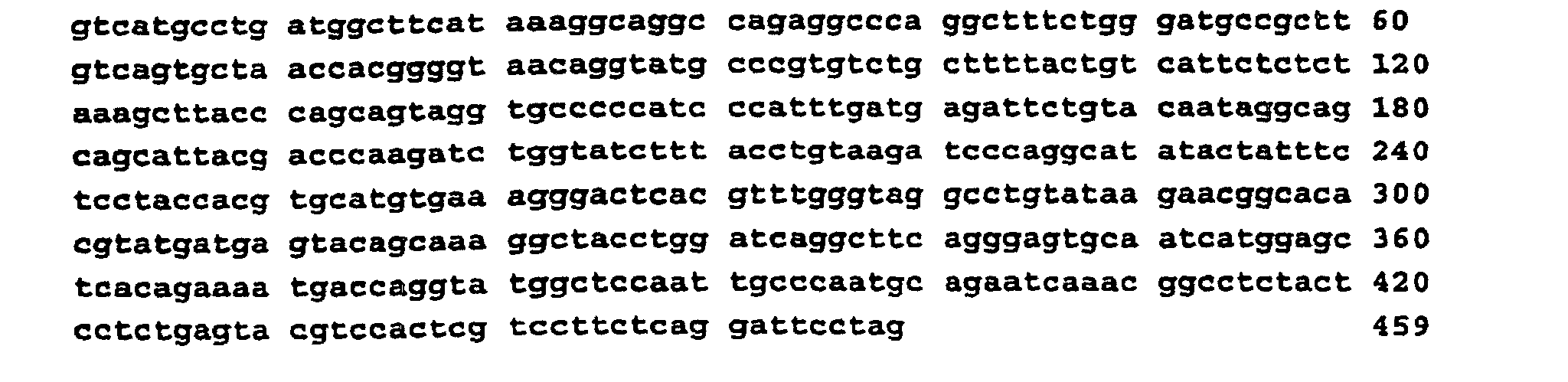
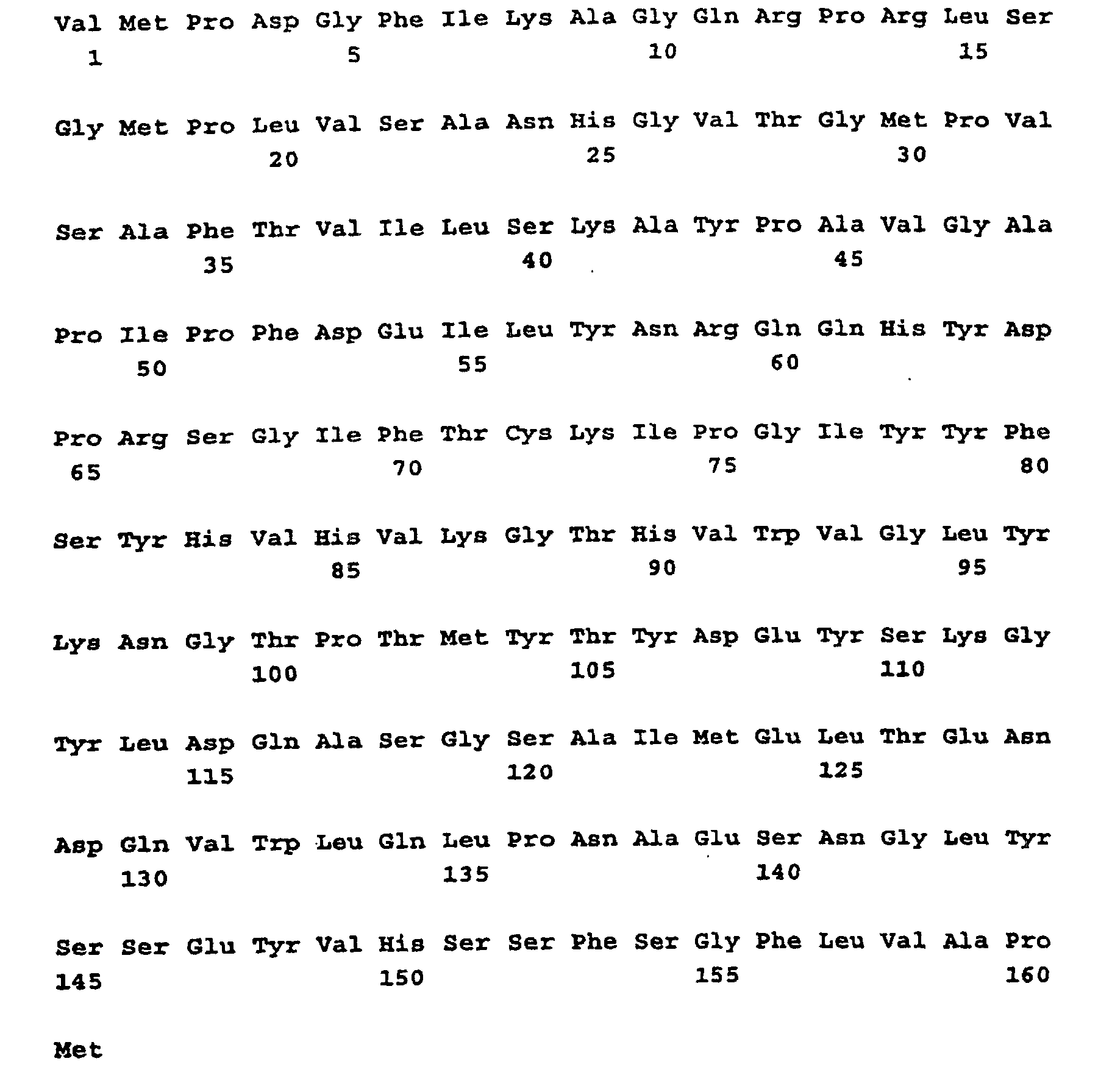
- Comparison of the mouse and human nonsense sequence generated from an equivalent 13 base pairs deletion within the NC1 domain of collagen X. Amino acids are numbered from the start of translation (3). The underlined bases in the wt sequence (SEQ ID NO: 1) represent the 13 bp deleted in the mutant sequence (SEQ ID NO: 2). Variations between the mouse and human nonsense sequences are highlighted in bold. The boxed amino acids represent a mutant specific polypeptide synthesized for polyclonal antibody production in rabbit. The nonsense amino acid sequences resulting from the deletion in the mouse and human are aligned for comparison. Amino acids are numbered form the start of translation(3). The underlined bases in the wt sequence represent the 13 bp deleted in the mutant sequence. Variations between the mouse and human nonsense sequences are highlighted in yellow. The boxed amino acids represent a mutant specific polypeptide synthesized for polyclonal antibody production in rabbit. Wild type amino acid sequence (SEQ ID NO: 3). Mutant mouse amino acid sequence (SEQ ID NO: 4). Mutant human amino acid sequence (SEQ ID NO: 5) .
- Fig. 3.
- Pictures of 6 month old Col10-13del transgenic (Tg) and non-transgenic (NT) mice and X-rays. X-rays shown here and in subsequent figures are taken at the same exposures using a mammogram machine. A and B the scale bar represents 1cm; C-E scale bar represents 0.5cm. A. Left 34.10.57(NT), right 34.10.54 (Tg) at 6 months of age showing differences in overall body length and shape, in particular differences in the length of the limbs. B. Left 34.10.57 (NT) , right 34.10.224(Tg) at 6 months, showing differences in the shape of the head. C-E. 34.10.372 (NT), 34.10.373 (Tg) and 34.10.224 (Tg) respectively. Demonstrates the variability in severity of the malformation of the feet and digits. E also has an extra digit. F. X-ray of 34.10.224, showing the presence of an extra digit.
- Fig. 4.
- X-ray images of 5 week old Col10-13del mice compared to non-transgenic mice. Note marked hyperostosis of bones as indicated by the increased opacity (whiteness) of image. A-B. 34.10.372(NT) and 34.10.373(Tg) top views. C-D 34.10.372 and 34.10.373 lateral view.
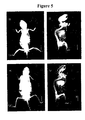
- Fig. 5.
- X-rays of 10 week old Col10-13del mice compared to non-transgenic mice. A-B. 34.10.57(NT) and 34.10.54(Tg) top views. C-D 34.10.57 and 34.10.54 lateral view.
- Fig. 6.
- xX-rays of 15 week old Col10-13del mice compared to non-trangenic mice. A-B. 34.10.57(NT) and 34.10.54(Tg) top views. C-D 34.10.57 and 34.10.54 lateral view.
- Fig. 7.
- Histology of growth plates of Col10-31del and wild-type littermate. A, C, E are wild-type non-transgenic (NT); B, D, F are Col10-13del transgenic (T). Note the greatly increased heights of the proliferating (p) and hypertrophic (h) zones in the Col10-13del mice as compared to wild-type littermate.
- Fig. 8.
- Expression of p57kip2, PCNA and Hsp47 in 2 days post partum distal femur growth plates of Col10-13del transgenic and non-transgenic mice. Expression shown are: a,b) cyclin-dependent kinase inhibitor p57kip2; c,d) proliferating cell nuclear antigen (PCNA, antibody from Santa Cruz Biotechnology, Santa Cruz, California); e,f) heat shock protein 47 (Hsp47) . Positive signal in cells is shown by the brown immunoperoxidase staining using Vectastain ABC kit (Vector Laboratories, Burlingame, California). Staining of trabecular bony matrix is non-specific. All images are at 100X magnification except boxes are regions magnified 200 times. T: trabecular bone, H: hypertophic zone. P: proliferative zone.
- Fig. 9.
- Expression of wild type and mutant collagen X. Immunofluorescence (FITC staining) on cryo-sections from new born distal femur growth plates of Col10-13del transgenic (tg, a,c,d) and non-transgenic mice (nt,b). a,b) ColX antibody staining; c) 13-del mutant protein antibody staining. Note punctate staining in the 13 del antibody stained section from transgenic growth plat, indicating mainly intracellular staining of hypertrophic chondrocytes (c) compared to extracellular staining with collagen X antibody staining of non-transgenic sections (b). In non-transgenic sections, only very weak background was seen (not shown). d) Immunostaining showing intracellular localisation of the Col10-23del protein in osteoblast-like cells found in the trabecular bone in (c). T: trabecular bone H: hypertophic zone.
Cheung, Kenneth
<141> 1999-10-08
<211> 486
<212> DNA
<213> mouse

<211> 459
<212> DNA
<213> mouse
<211> 161
<212> PRT
<213> mouse
<211> 152
<212> PRT
<213> mouse


<211> 152
<212> PRT
<213> human


Claims (13)
- An isolated nucleic acid molecule comprising a nucleotide sequence as set forth in SEQ ID NO:2 encoding a mutated collagen protein which is Col 10 - 13del, and having a phenotype of hyperostosis.
- A vector which comprises the nucleic acid molecule of claim 1.
- A polypeptide encoded by the nucleic acid molecule of claim 1, or a portion thereof having a phenotype of hyperostosis.
- A polypeptide comprising an amino acid sequence as set forth in SEQ ID NO:4.
- A method for the production of the polypeptide of claim 3 or 4 comprising a host-vector system which comprises the vector of claim 2 and a suitable host cell.
- A composition comprising the polypeptide of claim 3 or 4 and a suitable carrier.
- A pharmaceutical composition for increasing bone growth comprising an effective amount of the polypeptide of claim 3 or 4 and a pharmaceutically acceptable carrier.
- A use of the nucleic acid molecule of claim 1, the polypeptide of claim 3 or 4, the composition of claim 6 or the pharmaceutical composition of claim 7 for preparing a medicament for treating low bone mass in a subject wherein the medicament is prepared to be administered to the subject in an amount effective to result in increased bone growth.
- The use of claim 8, wherein the low bone mass is caused by osteoporosis.
- A transgenic mouse whose germ cells and somatic cells comprise the nucleotide sequence of claim 1.
- A use of the transgenic mouse of claim 10 for identifying whether an agent stimulates bone growth which comprises:a) administering the agent to the transgenic mouse of claim 10; andb) examining the transgenic mouse after the administration of the agent to determine whether bone growth has been stimulated.
- A use of the transgenic mouse of claim 10 for assessing the effect of surgery on increasing bone length which comprises:a) performing surgery on the transgenic mouse of claim 10; andb) assessing bone length of the mouse to determine the effect of surgery on bone length of the mouse.
- A use of the transgenic mouse of claim 10 for assessing the effect of bone growth stimulating agents on fracture repair which comprises:a) creating a fracture of a bone in the transgenic mouse of claim 10;b) administering the agent to the transgenic mouse; andc) examining the transgenic mouse to determine whether bone growth has been stimulated.
Applications Claiming Priority (3)
| Application Number | Priority Date | Filing Date | Title |
|---|---|---|---|
| US10355098P | 1998-10-08 | 1998-10-08 | |
| US103550P | 1998-10-08 | ||
| PCT/IB1999/002129 WO2000049132A2 (en) | 1998-10-08 | 1999-10-08 | Uses of transgenic animals containing a type x collagen mutant |
Publications (2)
| Publication Number | Publication Date |
|---|---|
| EP1159423A2 EP1159423A2 (en) | 2001-12-05 |
| EP1159423B1 true EP1159423B1 (en) | 2005-03-09 |
Family
ID=22295794
Family Applications (1)
| Application Number | Title | Priority Date | Filing Date |
|---|---|---|---|
| EP99973696A Expired - Lifetime EP1159423B1 (en) | 1998-10-08 | 1999-10-08 | Uses of transgenic animals containing a type x collagen mutant |
Country Status (5)
| Country | Link |
|---|---|
| US (3) | US6369295B1 (en) |
| EP (1) | EP1159423B1 (en) |
| AT (1) | ATE290596T1 (en) |
| DE (1) | DE69924158T2 (en) |
| WO (1) | WO2000049132A2 (en) |
Families Citing this family (10)
| Publication number | Priority date | Publication date | Assignee | Title |
|---|---|---|---|---|
| BRPI0203172B8 (en) * | 2001-09-28 | 2021-05-25 | Nakao Kazuwa | pharmaceutical composition for achondroplasia |
| CN1599866A (en) * | 2001-10-03 | 2005-03-23 | 因特拉迪格姆公司 | Multi-disciplinary approach to validating or identifying targets using an in vivo system |
| US20030138407A1 (en) * | 2001-11-02 | 2003-07-24 | Patrick Lu | Therapeutic methods for nucleic acid delivery vehicles |
| US8697139B2 (en) | 2004-09-21 | 2014-04-15 | Frank M. Phillips | Method of intervertebral disc treatment using articular chondrocyte cells |
| JP5152971B2 (en) * | 2007-12-27 | 2013-02-27 | パナソニック株式会社 | Cooker |
| US8641718B2 (en) | 2010-10-19 | 2014-02-04 | Biomet Manufacturing, Llc | Method and apparatus for harvesting cartilage for treatment of a cartilage defect |
| US11168369B2 (en) | 2014-11-25 | 2021-11-09 | The Brigham And Women's Hospital, Inc. | Method of identifying and treating a person having a predisposition to or afflicted with a cardiometabolic disease |
| US10683552B2 (en) | 2014-11-25 | 2020-06-16 | Presidents And Fellows Of Harvard College | Clonal haematopoiesis |
| US9697466B2 (en) * | 2014-12-19 | 2017-07-04 | International Business Machines Corporation | Automated opinion prediction based on indirect information |
| US20180267061A1 (en) * | 2017-03-09 | 2018-09-20 | Shriners Hospitals For Children | Type X Collagen Assays and Methods of Use Thereof |
Family Cites Families (2)
| Publication number | Priority date | Publication date | Assignee | Title |
|---|---|---|---|---|
| JPH0551400A (en) * | 1991-08-21 | 1993-03-02 | Kanegafuchi Chem Ind Co Ltd | Short-chain collagen |
| AU7274696A (en) * | 1995-11-06 | 1997-05-29 | Mount Sinai Hospital Corporation | Reconstituted mineralized cartilage tissue |
-
1999
- 1999-10-08 US US09/415,551 patent/US6369295B1/en not_active Expired - Lifetime
- 1999-10-08 WO PCT/IB1999/002129 patent/WO2000049132A2/en not_active Ceased
- 1999-10-08 AT AT99973696T patent/ATE290596T1/en not_active IP Right Cessation
- 1999-10-08 EP EP99973696A patent/EP1159423B1/en not_active Expired - Lifetime
- 1999-10-08 DE DE69924158T patent/DE69924158T2/en not_active Expired - Lifetime
-
2001
- 2001-02-27 US US09/794,919 patent/US20010011073A1/en not_active Abandoned
- 2001-10-11 US US09/975,607 patent/US6828433B2/en not_active Expired - Lifetime
Also Published As
| Publication number | Publication date |
|---|---|
| DE69924158D1 (en) | 2005-04-14 |
| WO2000049132A9 (en) | 2000-10-12 |
| DE69924158T2 (en) | 2005-12-29 |
| US20020115608A1 (en) | 2002-08-22 |
| WO2000049132A3 (en) | 2001-08-16 |
| US6828433B2 (en) | 2004-12-07 |
| US6369295B1 (en) | 2002-04-09 |
| US20010011073A1 (en) | 2001-08-02 |
| EP1159423A2 (en) | 2001-12-05 |
| ATE290596T1 (en) | 2005-03-15 |
| WO2000049132A2 (en) | 2000-08-24 |
Similar Documents
| Publication | Publication Date | Title |
|---|---|---|
| Chen et al. | A Ser365→ Cys mutation of fibroblast growth factor receptor 3 in mouse downregulates Ihh/PTHrP signals and causes severe achondroplasia | |
| Robledo et al. | The Dlx5 and Dlx6 homeobox genes are essential for craniofacial, axial, and appendicular skeletal development | |
| Xiao et al. | Selective deficiency of the “bone-related” Runx2-II unexpectedly preserves osteoblast-mediated skeletogenesis | |
| Rosati et al. | Normal long bone growth and development in type X collagen-null mice | |
| Colvin et al. | Skeletal overgrowth and deafness in mice lacking fibroblast growth factor receptor 3 | |
| Peters et al. | Pax9-deficient mice lack pharyngeal pouch derivatives and teeth and exhibit craniofacial and limb abnormalities | |
| US6087555A (en) | Mice lacking expression of osteoprotegerin | |
| Aizawa et al. | Cdc42 is required for chondrogenesis and interdigital programmed cell death during limb development | |
| US6369295B1 (en) | Uses of transgenic mouse containing a type X collagen mutant | |
| Juneja et al. | Deletion of Mecom in mouse results in early-onset spinal deformity and osteopenia | |
| KR20050083635A (en) | Bmp-2 estrogen responsive element and methods of using the same | |
| CZ20002201A3 (en) | Transgenic animal model for cartilage degenerative disease | |
| Arita et al. | Skeletal abnormalities and ultrastructural changes of cartilage in transgenic mice expressing a collagen II gene (COL2A1) with a Cys for Arg-α1-519 substitution | |
| US6265632B1 (en) | Animal model for fibroblast growth factor receptor associated chondrodysplasia | |
| Massip et al. | Expression of Hoxa2 in cells entering chondrogenesis impairs overall cartilage development | |
| Cheah et al. | Human COL2A1-directed SV40 T antigen expression in transgenic and chimeric mice results in abnormal skeletal development. | |
| AU1520497A (en) | Tgfbeta signal transduction proteins, genes, and uses related thereto | |
| US6916603B2 (en) | Methods of using agents that modulate bone formation and inhibit adipogenesis | |
| JP2003104908A (en) | Therapeutic drug for achondrogenesis | |
| JP5835772B2 (en) | DNA that induces osteoblast-specific expression and its base sequence | |
| US6448470B1 (en) | Transgenic COL2A1-null mice expressing human COL2A1 | |
| JP2002051786A (en) | Promoter specific to bone/cartilage-forming tissue and its utility | |
| US20140212887A1 (en) | Screening method for therapeutic agent for chondropathy and modified chondrocyte for treatment of chondropathy | |
| AU2003203661B2 (en) | Mammals Lacking Expression of Osteoprotegerin | |
| US20020120946A1 (en) | Transgenic constructs for studying fibrotic diseases and uses thereof |
Legal Events
| Date | Code | Title | Description |
|---|---|---|---|
| PUAI | Public reference made under article 153(3) epc to a published international application that has entered the european phase |
Free format text: ORIGINAL CODE: 0009012 |
|
| 17P | Request for examination filed |
Effective date: 20000707 |
|
| AK | Designated contracting states |
Kind code of ref document: A2 Designated state(s): AT BE CH CY DE DK ES FI FR GB GR IE IT LI LU MC NL PT SE |
|
| 17Q | First examination report despatched |
Effective date: 20030623 |
|
| GRAP | Despatch of communication of intention to grant a patent |
Free format text: ORIGINAL CODE: EPIDOSNIGR1 |
|
| GRAS | Grant fee paid |
Free format text: ORIGINAL CODE: EPIDOSNIGR3 |
|
| GRAA | (expected) grant |
Free format text: ORIGINAL CODE: 0009210 |
|
| AK | Designated contracting states |
Kind code of ref document: B1 Designated state(s): AT BE CH CY DE DK ES FI FR GB GR IE IT LI LU MC NL PT SE |
|
| PG25 | Lapsed in a contracting state [announced via postgrant information from national office to epo] |
Ref country code: NL Free format text: LAPSE BECAUSE OF FAILURE TO SUBMIT A TRANSLATION OF THE DESCRIPTION OR TO PAY THE FEE WITHIN THE PRESCRIBED TIME-LIMIT Effective date: 20050309 Ref country code: IT Free format text: LAPSE BECAUSE OF FAILURE TO SUBMIT A TRANSLATION OF THE DESCRIPTION OR TO PAY THE FEE WITHIN THE PRESCRIBED TIME-LIMIT;WARNING: LAPSES OF ITALIAN PATENTS WITH EFFECTIVE DATE BEFORE 2007 MAY HAVE OCCURRED AT ANY TIME BEFORE 2007. THE CORRECT EFFECTIVE DATE MAY BE DIFFERENT FROM THE ONE RECORDED. Effective date: 20050309 Ref country code: FI Free format text: LAPSE BECAUSE OF FAILURE TO SUBMIT A TRANSLATION OF THE DESCRIPTION OR TO PAY THE FEE WITHIN THE PRESCRIBED TIME-LIMIT Effective date: 20050309 Ref country code: BE Free format text: LAPSE BECAUSE OF FAILURE TO SUBMIT A TRANSLATION OF THE DESCRIPTION OR TO PAY THE FEE WITHIN THE PRESCRIBED TIME-LIMIT Effective date: 20050309 Ref country code: AT Free format text: LAPSE BECAUSE OF FAILURE TO SUBMIT A TRANSLATION OF THE DESCRIPTION OR TO PAY THE FEE WITHIN THE PRESCRIBED TIME-LIMIT Effective date: 20050309 |
|
| REG | Reference to a national code |
Ref country code: GB Ref legal event code: FG4D |
|
| REG | Reference to a national code |
Ref country code: CH Ref legal event code: EP |
|
| REG | Reference to a national code |
Ref country code: IE Ref legal event code: FG4D |
|
| REF | Corresponds to: |
Ref document number: 69924158 Country of ref document: DE Date of ref document: 20050414 Kind code of ref document: P |
|
| PG25 | Lapsed in a contracting state [announced via postgrant information from national office to epo] |
Ref country code: GR Free format text: LAPSE BECAUSE OF FAILURE TO SUBMIT A TRANSLATION OF THE DESCRIPTION OR TO PAY THE FEE WITHIN THE PRESCRIBED TIME-LIMIT Effective date: 20050609 Ref country code: DK Free format text: LAPSE BECAUSE OF FAILURE TO SUBMIT A TRANSLATION OF THE DESCRIPTION OR TO PAY THE FEE WITHIN THE PRESCRIBED TIME-LIMIT Effective date: 20050609 |
|
| REG | Reference to a national code |
Ref country code: CH Ref legal event code: NV Representative=s name: NOVAGRAAF INTERNATIONAL SA |
|
| PG25 | Lapsed in a contracting state [announced via postgrant information from national office to epo] |
Ref country code: ES Free format text: LAPSE BECAUSE OF FAILURE TO SUBMIT A TRANSLATION OF THE DESCRIPTION OR TO PAY THE FEE WITHIN THE PRESCRIBED TIME-LIMIT Effective date: 20050620 |
|
| NLV1 | Nl: lapsed or annulled due to failure to fulfill the requirements of art. 29p and 29m of the patents act | ||
| PG25 | Lapsed in a contracting state [announced via postgrant information from national office to epo] |
Ref country code: PT Free format text: LAPSE BECAUSE OF FAILURE TO SUBMIT A TRANSLATION OF THE DESCRIPTION OR TO PAY THE FEE WITHIN THE PRESCRIBED TIME-LIMIT Effective date: 20050907 |
|
| PG25 | Lapsed in a contracting state [announced via postgrant information from national office to epo] |
Ref country code: CY Free format text: LAPSE BECAUSE OF FAILURE TO SUBMIT A TRANSLATION OF THE DESCRIPTION OR TO PAY THE FEE WITHIN THE PRESCRIBED TIME-LIMIT Effective date: 20051008 |
|
| PG25 | Lapsed in a contracting state [announced via postgrant information from national office to epo] |
Ref country code: IE Free format text: LAPSE BECAUSE OF NON-PAYMENT OF DUE FEES Effective date: 20051010 |
|
| PG25 | Lapsed in a contracting state [announced via postgrant information from national office to epo] |
Ref country code: MC Free format text: LAPSE BECAUSE OF NON-PAYMENT OF DUE FEES Effective date: 20051031 Ref country code: LU Free format text: LAPSE BECAUSE OF NON-PAYMENT OF DUE FEES Effective date: 20051031 |
|
| PLBE | No opposition filed within time limit |
Free format text: ORIGINAL CODE: 0009261 |
|
| STAA | Information on the status of an ep patent application or granted ep patent |
Free format text: STATUS: NO OPPOSITION FILED WITHIN TIME LIMIT |
|
| 26N | No opposition filed |
Effective date: 20051212 |
|
| ET | Fr: translation filed | ||
| REG | Reference to a national code |
Ref country code: IE Ref legal event code: MM4A |
|
| PG25 | Lapsed in a contracting state [announced via postgrant information from national office to epo] |
Ref country code: SE Free format text: LAPSE BECAUSE OF FAILURE TO SUBMIT A TRANSLATION OF THE DESCRIPTION OR TO PAY THE FEE WITHIN THE PRESCRIBED TIME-LIMIT Effective date: 20050609 |
|
| PGFP | Annual fee paid to national office [announced via postgrant information from national office to epo] |
Ref country code: DE Payment date: 20101022 Year of fee payment: 12 |
|
| PGFP | Annual fee paid to national office [announced via postgrant information from national office to epo] |
Ref country code: GB Payment date: 20101021 Year of fee payment: 12 |
|
| REG | Reference to a national code |
Ref country code: CH Ref legal event code: PFA Owner name: THE UNIVERSITY OF HONG KONG Free format text: THE UNIVERSITY OF HONG KONG#G18, ELIOT HALL, POKFULAM ROAD#HONG KONG (CN) -TRANSFER TO- THE UNIVERSITY OF HONG KONG#G18, ELIOT HALL, POKFULAM ROAD#HONG KONG (CN) |
|
| PGFP | Annual fee paid to national office [announced via postgrant information from national office to epo] |
Ref country code: CH Payment date: 20111024 Year of fee payment: 13 Ref country code: FR Payment date: 20111103 Year of fee payment: 13 |
|
| REG | Reference to a national code |
Ref country code: CH Ref legal event code: PL |
|
| GBPC | Gb: european patent ceased through non-payment of renewal fee |
Effective date: 20121008 |
|
| REG | Reference to a national code |
Ref country code: FR Ref legal event code: ST Effective date: 20130628 |
|
| PG25 | Lapsed in a contracting state [announced via postgrant information from national office to epo] |
Ref country code: LI Free format text: LAPSE BECAUSE OF NON-PAYMENT OF DUE FEES Effective date: 20121031 Ref country code: GB Free format text: LAPSE BECAUSE OF NON-PAYMENT OF DUE FEES Effective date: 20121008 Ref country code: CH Free format text: LAPSE BECAUSE OF NON-PAYMENT OF DUE FEES Effective date: 20121031 Ref country code: DE Free format text: LAPSE BECAUSE OF NON-PAYMENT OF DUE FEES Effective date: 20130501 |
|
| REG | Reference to a national code |
Ref country code: DE Ref legal event code: R119 Ref document number: 69924158 Country of ref document: DE Effective date: 20130501 |
|
| PG25 | Lapsed in a contracting state [announced via postgrant information from national office to epo] |
Ref country code: FR Free format text: LAPSE BECAUSE OF NON-PAYMENT OF DUE FEES Effective date: 20121031 |