EP1155617A1 - Mineral wool plant substrate - Google Patents
Mineral wool plant substrate Download PDFInfo
- Publication number
- EP1155617A1 EP1155617A1 EP00201745A EP00201745A EP1155617A1 EP 1155617 A1 EP1155617 A1 EP 1155617A1 EP 00201745 A EP00201745 A EP 00201745A EP 00201745 A EP00201745 A EP 00201745A EP 1155617 A1 EP1155617 A1 EP 1155617A1
- Authority
- EP
- European Patent Office
- Prior art keywords
- mineral wool
- substrate according
- 5luxab
- additive
- strain
- Prior art date
- Legal status (The legal status is an assumption and is not a legal conclusion. Google has not performed a legal analysis and makes no representation as to the accuracy of the status listed.)
- Withdrawn
Links
- 239000011490 mineral wool Substances 0.000 title claims abstract description 42
- 239000000758 substrate Substances 0.000 title claims abstract description 36
- 230000012010 growth Effects 0.000 claims abstract description 24
- 239000000654 additive Substances 0.000 claims abstract description 22
- 230000000996 additive effect Effects 0.000 claims abstract description 22
- 244000005700 microbiome Species 0.000 claims abstract description 20
- 239000011159 matrix material Substances 0.000 claims abstract description 15
- 230000001427 coherent effect Effects 0.000 claims abstract description 10
- 238000000034 method Methods 0.000 claims abstract description 8
- 230000002349 favourable effect Effects 0.000 claims abstract description 3
- 230000008569 process Effects 0.000 claims abstract description 3
- 101150064339 phzI gene Proteins 0.000 claims description 58
- 101150030371 phzR gene Proteins 0.000 claims description 49
- 238000004519 manufacturing process Methods 0.000 claims description 41
- 101150047523 lexA gene Proteins 0.000 claims description 38
- 241001646398 Pseudomonas chlororaphis Species 0.000 claims description 24
- KPZYYKDXZKFBQU-UHFFFAOYSA-N phenazine-1-carboxamide Chemical group C1=CC=C2N=C3C(C(=O)N)=CC=CC3=NC2=C1 KPZYYKDXZKFBQU-UHFFFAOYSA-N 0.000 claims description 24
- KRKNYBCHXYNGOX-UHFFFAOYSA-N citric acid Chemical compound OC(=O)CC(O)(C(O)=O)CC(O)=O KRKNYBCHXYNGOX-UHFFFAOYSA-N 0.000 claims description 18
- 230000035772 mutation Effects 0.000 claims description 17
- 230000000855 fungicidal effect Effects 0.000 claims description 12
- 238000012261 overproduction Methods 0.000 claims description 12
- 230000003115 biocidal effect Effects 0.000 claims description 11
- 241000894006 Bacteria Species 0.000 claims description 10
- QVGXLLKOCUKJST-UHFFFAOYSA-N atomic oxygen Chemical compound [O] QVGXLLKOCUKJST-UHFFFAOYSA-N 0.000 claims description 10
- 239000001301 oxygen Substances 0.000 claims description 10
- 229910052760 oxygen Inorganic materials 0.000 claims description 10
- PEDCQBHIVMGVHV-UHFFFAOYSA-N Glycerine Chemical compound OCC(O)CO PEDCQBHIVMGVHV-UHFFFAOYSA-N 0.000 claims description 9
- 239000000203 mixture Substances 0.000 claims description 7
- 150000002988 phenazines Chemical class 0.000 claims description 7
- HMFHBZSHGGEWLO-SOOFDHNKSA-N D-ribofuranose Chemical compound OC[C@H]1OC(O)[C@H](O)[C@@H]1O HMFHBZSHGGEWLO-SOOFDHNKSA-N 0.000 claims description 6
- 229930091371 Fructose Natural products 0.000 claims description 6
- 239000005715 Fructose Substances 0.000 claims description 6
- RFSUNEUAIZKAJO-ARQDHWQXSA-N Fructose Chemical compound OC[C@H]1O[C@](O)(CO)[C@@H](O)[C@@H]1O RFSUNEUAIZKAJO-ARQDHWQXSA-N 0.000 claims description 6
- PYMYPHUHKUWMLA-LMVFSUKVSA-N Ribose Natural products OC[C@@H](O)[C@@H](O)[C@@H](O)C=O PYMYPHUHKUWMLA-LMVFSUKVSA-N 0.000 claims description 6
- HMFHBZSHGGEWLO-UHFFFAOYSA-N alpha-D-Furanose-Ribose Natural products OCC1OC(O)C(O)C1O HMFHBZSHGGEWLO-UHFFFAOYSA-N 0.000 claims description 6
- 239000000417 fungicide Substances 0.000 claims description 6
- 235000015097 nutrients Nutrition 0.000 claims description 5
- 239000003242 anti bacterial agent Substances 0.000 claims description 4
- 239000011230 binding agent Substances 0.000 claims description 4
- 230000008635 plant growth Effects 0.000 claims description 3
- 229940088710 antibiotic agent Drugs 0.000 claims description 2
- 239000007952 growth promoter Substances 0.000 claims description 2
- 229910052500 inorganic mineral Inorganic materials 0.000 claims description 2
- 239000011707 mineral Substances 0.000 claims description 2
- 102100030477 Plectin Human genes 0.000 description 54
- 108010054050 Plectin Proteins 0.000 description 54
- ZJFKKPDLNLCPNP-QMMMGPOBSA-N N-[(3s)-2-Oxotetrahydrofuran-3-Yl]hexanamide Chemical compound CCCCCC(=O)N[C@H]1CCOC1=O ZJFKKPDLNLCPNP-QMMMGPOBSA-N 0.000 description 38
- ZJFKKPDLNLCPNP-UHFFFAOYSA-N N-hexanoyl-L-homoserine lactone Natural products CCCCCC(=O)NC1CCOC1=O ZJFKKPDLNLCPNP-UHFFFAOYSA-N 0.000 description 38
- 101150080816 gacS gene Proteins 0.000 description 36
- 101150016880 phzB gene Proteins 0.000 description 34
- 108090000623 proteins and genes Proteins 0.000 description 33
- 101100235354 Pseudomonas putida (strain ATCC 47054 / DSM 6125 / CFBP 8728 / NCIMB 11950 / KT2440) lexA1 gene Proteins 0.000 description 32
- 230000001851 biosynthetic effect Effects 0.000 description 31
- 239000002609 medium Substances 0.000 description 30
- 230000000694 effects Effects 0.000 description 20
- 239000013612 plasmid Substances 0.000 description 20
- 238000004809 thin layer chromatography Methods 0.000 description 18
- 239000012634 fragment Substances 0.000 description 16
- 150000002500 ions Chemical class 0.000 description 16
- 241000196324 Embryophyta Species 0.000 description 15
- 238000004458 analytical method Methods 0.000 description 15
- 240000003768 Solanum lycopersicum Species 0.000 description 14
- 235000007688 Lycopersicon esculentum Nutrition 0.000 description 13
- 239000012228 culture supernatant Substances 0.000 description 12
- 238000005415 bioluminescence Methods 0.000 description 11
- 230000029918 bioluminescence Effects 0.000 description 11
- VFFNZZXXTGXBOG-LURJTMIESA-N (+)-a(S)-butyr-amido-r-butyrolactone Chemical compound CCCC(=O)N[C@H]1CCOC1=O VFFNZZXXTGXBOG-LURJTMIESA-N 0.000 description 10
- 229920001817 Agar Polymers 0.000 description 10
- VFFNZZXXTGXBOG-UHFFFAOYSA-N N-butanoyl-L-homoserine lactone Natural products CCCC(=O)NC1CCOC1=O VFFNZZXXTGXBOG-UHFFFAOYSA-N 0.000 description 10
- 239000008272 agar Substances 0.000 description 10
- 239000001963 growth medium Substances 0.000 description 10
- 230000006698 induction Effects 0.000 description 10
- 238000001228 spectrum Methods 0.000 description 10
- WEVYAHXRMPXWCK-UHFFFAOYSA-N Acetonitrile Chemical compound CC#N WEVYAHXRMPXWCK-UHFFFAOYSA-N 0.000 description 9
- 241000588881 Chromobacterium Species 0.000 description 9
- YMWUJEATGCHHMB-UHFFFAOYSA-N Dichloromethane Chemical compound ClCCl YMWUJEATGCHHMB-UHFFFAOYSA-N 0.000 description 9
- 241000588724 Escherichia coli Species 0.000 description 9
- JKEJEOJPJVRHMQ-UHFFFAOYSA-N N-octanoyl-L-homoserine lactone Natural products CCCCCCCC(=O)NC1CCOC1=O JKEJEOJPJVRHMQ-UHFFFAOYSA-N 0.000 description 9
- 239000004098 Tetracycline Substances 0.000 description 9
- 230000002759 chromosomal effect Effects 0.000 description 9
- 238000004128 high performance liquid chromatography Methods 0.000 description 9
- 238000004020 luminiscence type Methods 0.000 description 9
- JKEJEOJPJVRHMQ-JTQLQIEISA-N n-(2-oxotetrahydrofuran-3-yl)octanamide Chemical compound CCCCCCCC(=O)N[C@H]1CCOC1=O JKEJEOJPJVRHMQ-JTQLQIEISA-N 0.000 description 9
- 239000002773 nucleotide Substances 0.000 description 9
- 125000003729 nucleotide group Chemical group 0.000 description 9
- 101150088363 phzA gene Proteins 0.000 description 9
- 229960002180 tetracycline Drugs 0.000 description 9
- 229930101283 tetracycline Natural products 0.000 description 9
- 235000019364 tetracycline Nutrition 0.000 description 9
- 150000003522 tetracyclines Chemical class 0.000 description 9
- 241000589516 Pseudomonas Species 0.000 description 8
- 238000001360 collision-induced dissociation Methods 0.000 description 8
- 239000000463 material Substances 0.000 description 8
- 239000000284 extract Substances 0.000 description 7
- 241000589155 Agrobacterium tumefaciens Species 0.000 description 6
- OKTJSMMVPCPJKN-UHFFFAOYSA-N Carbon Chemical compound [C] OKTJSMMVPCPJKN-UHFFFAOYSA-N 0.000 description 6
- 102000012286 Chitinases Human genes 0.000 description 6
- 108010022172 Chitinases Proteins 0.000 description 6
- MUBZPKHOEPUJKR-UHFFFAOYSA-N Oxalic acid Chemical compound OC(=O)C(O)=O MUBZPKHOEPUJKR-UHFFFAOYSA-N 0.000 description 6
- 108091005804 Peptidases Proteins 0.000 description 6
- 241000607568 Photobacterium Species 0.000 description 6
- 239000004365 Protease Substances 0.000 description 6
- 102100037486 Reverse transcriptase/ribonuclease H Human genes 0.000 description 6
- 238000003556 assay Methods 0.000 description 6
- 230000001580 bacterial effect Effects 0.000 description 6
- 229910052799 carbon Inorganic materials 0.000 description 6
- 239000013611 chromosomal DNA Substances 0.000 description 6
- 210000000416 exudates and transudate Anatomy 0.000 description 6
- LELOWRISYMNNSU-UHFFFAOYSA-N hydrogen cyanide Chemical compound N#C LELOWRISYMNNSU-UHFFFAOYSA-N 0.000 description 6
- 238000002955 isolation Methods 0.000 description 6
- 230000003287 optical effect Effects 0.000 description 6
- 239000006228 supernatant Substances 0.000 description 6
- XLYOFNOQVPJJNP-UHFFFAOYSA-N water Substances O XLYOFNOQVPJJNP-UHFFFAOYSA-N 0.000 description 6
- 241000588879 Chromobacterium violaceum Species 0.000 description 5
- 241000879804 Fusarium oxysporum f. sp. radicis-lycopersici Species 0.000 description 5
- 108700039691 Genetic Promoter Regions Proteins 0.000 description 5
- 239000006142 Luria-Bertani Agar Substances 0.000 description 5
- 230000015572 biosynthetic process Effects 0.000 description 5
- 238000012512 characterization method Methods 0.000 description 5
- 150000001875 compounds Chemical class 0.000 description 5
- 230000029087 digestion Effects 0.000 description 5
- 238000003780 insertion Methods 0.000 description 5
- 230000037431 insertion Effects 0.000 description 5
- 101150016512 luxR gene Proteins 0.000 description 5
- 229910021645 metal ion Inorganic materials 0.000 description 5
- 230000004899 motility Effects 0.000 description 5
- 238000012163 sequencing technique Methods 0.000 description 5
- 238000012360 testing method Methods 0.000 description 5
- BJEPYKJPYRNKOW-REOHCLBHSA-N (S)-malic acid Chemical compound OC(=O)[C@@H](O)CC(O)=O BJEPYKJPYRNKOW-REOHCLBHSA-N 0.000 description 4
- XKRFYHLGVUSROY-UHFFFAOYSA-N Argon Chemical compound [Ar] XKRFYHLGVUSROY-UHFFFAOYSA-N 0.000 description 4
- IJGRMHOSHXDMSA-UHFFFAOYSA-N Atomic nitrogen Chemical compound N#N IJGRMHOSHXDMSA-UHFFFAOYSA-N 0.000 description 4
- 108091003079 Bovine Serum Albumin Proteins 0.000 description 4
- SRBFZHDQGSBBOR-IOVATXLUSA-N D-xylopyranose Chemical compound O[C@@H]1COC(O)[C@H](O)[C@H]1O SRBFZHDQGSBBOR-IOVATXLUSA-N 0.000 description 4
- VZCYOOQTPOCHFL-OWOJBTEDSA-N Fumaric acid Chemical compound OC(=O)\C=C\C(O)=O VZCYOOQTPOCHFL-OWOJBTEDSA-N 0.000 description 4
- 230000005526 G1 to G0 transition Effects 0.000 description 4
- PCNDJXKNXGMECE-UHFFFAOYSA-N Phenazine Natural products C1=CC=CC2=NC3=CC=CC=C3N=C21 PCNDJXKNXGMECE-UHFFFAOYSA-N 0.000 description 4
- 241000589540 Pseudomonas fluorescens Species 0.000 description 4
- 241000589623 Pseudomonas syringae pv. syringae Species 0.000 description 4
- BJEPYKJPYRNKOW-UHFFFAOYSA-N alpha-hydroxysuccinic acid Natural products OC(=O)C(O)CC(O)=O BJEPYKJPYRNKOW-UHFFFAOYSA-N 0.000 description 4
- 229940098773 bovine serum albumin Drugs 0.000 description 4
- 230000001419 dependent effect Effects 0.000 description 4
- 239000002027 dichloromethane extract Substances 0.000 description 4
- XBDQKXXYIPTUBI-UHFFFAOYSA-N dimethylselenoniopropionate Natural products CCC(O)=O XBDQKXXYIPTUBI-UHFFFAOYSA-N 0.000 description 4
- 238000002744 homologous recombination Methods 0.000 description 4
- 230000006801 homologous recombination Effects 0.000 description 4
- 230000001771 impaired effect Effects 0.000 description 4
- 229930027917 kanamycin Natural products 0.000 description 4
- 229960000318 kanamycin Drugs 0.000 description 4
- SBUJHOSQTJFQJX-NOAMYHISSA-N kanamycin Chemical compound O[C@@H]1[C@@H](O)[C@H](O)[C@@H](CN)O[C@@H]1O[C@H]1[C@H](O)[C@@H](O[C@@H]2[C@@H]([C@@H](N)[C@H](O)[C@@H](CO)O2)O)[C@H](N)C[C@@H]1N SBUJHOSQTJFQJX-NOAMYHISSA-N 0.000 description 4
- 229930182823 kanamycin A Natural products 0.000 description 4
- 101150040799 luxI gene Proteins 0.000 description 4
- 239000001630 malic acid Substances 0.000 description 4
- 235000011090 malic acid Nutrition 0.000 description 4
- 239000011148 porous material Substances 0.000 description 4
- 238000000746 purification Methods 0.000 description 4
- 230000018612 quorum sensing Effects 0.000 description 4
- 239000000243 solution Substances 0.000 description 4
- 241000894007 species Species 0.000 description 4
- 239000000126 substance Substances 0.000 description 4
- 101150069263 tra gene Proteins 0.000 description 4
- 206010010144 Completed suicide Diseases 0.000 description 3
- 241000233866 Fungi Species 0.000 description 3
- WQZGKKKJIJFFOK-GASJEMHNSA-N Glucose Natural products OC[C@H]1OC(O)[C@H](O)[C@@H](O)[C@@H]1O WQZGKKKJIJFFOK-GASJEMHNSA-N 0.000 description 3
- OKKJLVBELUTLKV-UHFFFAOYSA-N Methanol Chemical compound OC OKKJLVBELUTLKV-UHFFFAOYSA-N 0.000 description 3
- 241000361464 Patellapis fisheri Species 0.000 description 3
- 241001645955 Pseudomonas chlororaphis subsp. aureofaciens Species 0.000 description 3
- 108700008625 Reporter Genes Proteins 0.000 description 3
- YXFVVABEGXRONW-UHFFFAOYSA-N Toluene Chemical compound CC1=CC=CC=C1 YXFVVABEGXRONW-UHFFFAOYSA-N 0.000 description 3
- 238000005273 aeration Methods 0.000 description 3
- 238000004166 bioassay Methods 0.000 description 3
- 230000000443 biocontrol Effects 0.000 description 3
- 229960005091 chloramphenicol Drugs 0.000 description 3
- WIIZWVCIJKGZOK-RKDXNWHRSA-N chloramphenicol Chemical compound ClC(Cl)C(=O)N[C@H](CO)[C@H](O)C1=CC=C([N+]([O-])=O)C=C1 WIIZWVCIJKGZOK-RKDXNWHRSA-N 0.000 description 3
- 239000004927 clay Substances 0.000 description 3
- 238000012258 culturing Methods 0.000 description 3
- KSMVZQYAVGTKIV-UHFFFAOYSA-N decanal Chemical compound CCCCCCCCCC=O KSMVZQYAVGTKIV-UHFFFAOYSA-N 0.000 description 3
- 230000002950 deficient Effects 0.000 description 3
- 201000010099 disease Diseases 0.000 description 3
- 208000037265 diseases, disorders, signs and symptoms Diseases 0.000 description 3
- 238000013467 fragmentation Methods 0.000 description 3
- 238000006062 fragmentation reaction Methods 0.000 description 3
- 239000012737 fresh medium Substances 0.000 description 3
- 239000008103 glucose Substances 0.000 description 3
- 238000009630 liquid culture Methods 0.000 description 3
- 238000004949 mass spectrometry Methods 0.000 description 3
- 239000012071 phase Substances 0.000 description 3
- 230000019612 pigmentation Effects 0.000 description 3
- 102000004169 proteins and genes Human genes 0.000 description 3
- 238000011002 quantification Methods 0.000 description 3
- 238000003786 synthesis reaction Methods 0.000 description 3
- 238000012546 transfer Methods 0.000 description 3
- YBJHBAHKTGYVGT-ZKWXMUAHSA-N (+)-Biotin Chemical compound N1C(=O)N[C@@H]2[C@H](CCCCC(=O)O)SC[C@@H]21 YBJHBAHKTGYVGT-ZKWXMUAHSA-N 0.000 description 2
- OWEGMIWEEQEYGQ-UHFFFAOYSA-N 100676-05-9 Natural products OC1C(O)C(O)C(CO)OC1OCC1C(O)C(O)C(O)C(OC2C(OC(O)C(O)C2O)CO)O1 OWEGMIWEEQEYGQ-UHFFFAOYSA-N 0.000 description 2
- VEPOHXYIFQMVHW-XOZOLZJESA-N 2,3-dihydroxybutanedioic acid (2S,3S)-3,4-dimethyl-2-phenylmorpholine Chemical compound OC(C(O)C(O)=O)C(O)=O.C[C@H]1[C@@H](OCCN1C)c1ccccc1 VEPOHXYIFQMVHW-XOZOLZJESA-N 0.000 description 2
- ODHCTXKNWHHXJC-VKHMYHEASA-N 5-oxo-L-proline Chemical compound OC(=O)[C@@H]1CCC(=O)N1 ODHCTXKNWHHXJC-VKHMYHEASA-N 0.000 description 2
- 241000589158 Agrobacterium Species 0.000 description 2
- 229910021578 Iron(III) chloride Inorganic materials 0.000 description 2
- QJPWUUJVYOJNMH-VKHMYHEASA-N L-homoserine lactone Chemical compound N[C@H]1CCOC1=O QJPWUUJVYOJNMH-VKHMYHEASA-N 0.000 description 2
- GUBGYTABKSRVRQ-PICCSMPSSA-N Maltose Natural products O[C@@H]1[C@@H](O)[C@H](O)[C@@H](CO)O[C@@H]1O[C@@H]1[C@@H](CO)OC(O)[C@H](O)[C@H]1O GUBGYTABKSRVRQ-PICCSMPSSA-N 0.000 description 2
- TZWZKDULKILUPV-LBPRGKRZSA-N N-decanoyl-L-Homoserine lactone Chemical compound CCCCCCCCCC(=O)N[C@H]1CCOC1=O TZWZKDULKILUPV-LBPRGKRZSA-N 0.000 description 2
- TZWZKDULKILUPV-UHFFFAOYSA-N N-decanoyl-L-homoserine lactone Natural products CCCCCCCCCC(=O)NC1CCOC1=O TZWZKDULKILUPV-UHFFFAOYSA-N 0.000 description 2
- WILLZMOKUUPJSL-CQSZACIVSA-N N-dodecanoyl-L-homoserine lactone Chemical compound CCCCCCCCCCCC(=O)N[C@@H]1CCOC1=O WILLZMOKUUPJSL-CQSZACIVSA-N 0.000 description 2
- 102000016387 Pancreatic elastase Human genes 0.000 description 2
- 108010067372 Pancreatic elastase Proteins 0.000 description 2
- 241000588701 Pectobacterium carotovorum Species 0.000 description 2
- 241001240958 Pseudomonas aeruginosa PAO1 Species 0.000 description 2
- 241000233639 Pythium Species 0.000 description 2
- 241001148115 Rhizobium etli Species 0.000 description 2
- KDYFGRWQOYBRFD-UHFFFAOYSA-N Succinic acid Natural products OC(=O)CCC(O)=O KDYFGRWQOYBRFD-UHFFFAOYSA-N 0.000 description 2
- 229930006000 Sucrose Natural products 0.000 description 2
- CZMRCDWAGMRECN-UGDNZRGBSA-N Sucrose Chemical compound O[C@H]1[C@H](O)[C@@H](CO)O[C@@]1(CO)O[C@@H]1[C@H](O)[C@@H](O)[C@H](O)[C@@H](CO)O1 CZMRCDWAGMRECN-UGDNZRGBSA-N 0.000 description 2
- ODHCTXKNWHHXJC-UHFFFAOYSA-N acide pyroglutamique Natural products OC(=O)C1CCC(=O)N1 ODHCTXKNWHHXJC-UHFFFAOYSA-N 0.000 description 2
- -1 acyl homoserine lactones Chemical class 0.000 description 2
- 230000000843 anti-fungal effect Effects 0.000 description 2
- 238000012458 antifungal assay Methods 0.000 description 2
- PYMYPHUHKUWMLA-UHFFFAOYSA-N arabinose Natural products OCC(O)C(O)C(O)C=O PYMYPHUHKUWMLA-UHFFFAOYSA-N 0.000 description 2
- 229910052786 argon Inorganic materials 0.000 description 2
- SRBFZHDQGSBBOR-UHFFFAOYSA-N beta-D-Pyranose-Lyxose Natural products OC1COC(O)C(O)C1O SRBFZHDQGSBBOR-UHFFFAOYSA-N 0.000 description 2
- WQZGKKKJIJFFOK-VFUOTHLCSA-N beta-D-glucose Chemical compound OC[C@H]1O[C@@H](O)[C@H](O)[C@@H](O)[C@@H]1O WQZGKKKJIJFFOK-VFUOTHLCSA-N 0.000 description 2
- GUBGYTABKSRVRQ-QUYVBRFLSA-N beta-maltose Chemical compound OC[C@H]1O[C@H](O[C@H]2[C@H](O)[C@@H](O)[C@H](O)O[C@@H]2CO)[C@H](O)[C@@H](O)[C@@H]1O GUBGYTABKSRVRQ-QUYVBRFLSA-N 0.000 description 2
- 230000000975 bioactive effect Effects 0.000 description 2
- KDYFGRWQOYBRFD-NUQCWPJISA-N butanedioic acid Chemical compound O[14C](=O)CC[14C](O)=O KDYFGRWQOYBRFD-NUQCWPJISA-N 0.000 description 2
- XQPRBTXUXXVTKB-UHFFFAOYSA-M caesium iodide Chemical group [I-].[Cs+] XQPRBTXUXXVTKB-UHFFFAOYSA-M 0.000 description 2
- FPPNZSSZRUTDAP-UWFZAAFLSA-N carbenicillin Chemical compound N([C@H]1[C@H]2SC([C@@H](N2C1=O)C(O)=O)(C)C)C(=O)C(C(O)=O)C1=CC=CC=C1 FPPNZSSZRUTDAP-UWFZAAFLSA-N 0.000 description 2
- 229960003669 carbenicillin Drugs 0.000 description 2
- 238000004113 cell culture Methods 0.000 description 2
- 238000010367 cloning Methods 0.000 description 2
- 238000010276 construction Methods 0.000 description 2
- 238000004520 electroporation Methods 0.000 description 2
- 238000002474 experimental method Methods 0.000 description 2
- 238000000605 extraction Methods 0.000 description 2
- 235000013305 food Nutrition 0.000 description 2
- 238000005194 fractionation Methods 0.000 description 2
- 239000001530 fumaric acid Substances 0.000 description 2
- 230000006870 function Effects 0.000 description 2
- 239000011521 glass Substances 0.000 description 2
- 230000009422 growth inhibiting effect Effects 0.000 description 2
- 230000001976 improved effect Effects 0.000 description 2
- 238000000338 in vitro Methods 0.000 description 2
- 238000011534 incubation Methods 0.000 description 2
- RBTARNINKXHZNM-UHFFFAOYSA-K iron trichloride Chemical compound Cl[Fe](Cl)Cl RBTARNINKXHZNM-UHFFFAOYSA-K 0.000 description 2
- 101150066555 lacZ gene Proteins 0.000 description 2
- 101150111278 lemA gene Proteins 0.000 description 2
- 239000003550 marker Substances 0.000 description 2
- 238000001819 mass spectrum Methods 0.000 description 2
- 238000005259 measurement Methods 0.000 description 2
- GBMDVOWEEQVZKZ-UHFFFAOYSA-N methanol;hydrate Chemical compound O.OC GBMDVOWEEQVZKZ-UHFFFAOYSA-N 0.000 description 2
- 238000002156 mixing Methods 0.000 description 2
- 229910052757 nitrogen Inorganic materials 0.000 description 2
- 235000006408 oxalic acid Nutrition 0.000 description 2
- 239000000575 pesticide Substances 0.000 description 2
- 239000000049 pigment Substances 0.000 description 2
- 235000019260 propionic acid Nutrition 0.000 description 2
- 108010009004 proteose-peptone Proteins 0.000 description 2
- IUVKMZGDUIUOCP-BTNSXGMBSA-N quinbolone Chemical compound O([C@H]1CC[C@H]2[C@H]3[C@@H]([C@]4(C=CC(=O)C=C4CC3)C)CC[C@@]21C)C1=CCCC1 IUVKMZGDUIUOCP-BTNSXGMBSA-N 0.000 description 2
- 230000002829 reductive effect Effects 0.000 description 2
- 230000001105 regulatory effect Effects 0.000 description 2
- 230000004044 response Effects 0.000 description 2
- 238000000926 separation method Methods 0.000 description 2
- 239000013605 shuttle vector Substances 0.000 description 2
- 239000002904 solvent Substances 0.000 description 2
- 239000005720 sucrose Substances 0.000 description 2
- 230000002195 synergetic effect Effects 0.000 description 2
- 239000012485 toluene extract Substances 0.000 description 2
- VZCYOOQTPOCHFL-UHFFFAOYSA-N trans-butenedioic acid Natural products OC(=O)C=CC(O)=O VZCYOOQTPOCHFL-UHFFFAOYSA-N 0.000 description 2
- UKAUYVFTDYCKQA-UHFFFAOYSA-N -2-Amino-4-hydroxybutanoic acid Natural products OC(=O)C(N)CCO UKAUYVFTDYCKQA-UHFFFAOYSA-N 0.000 description 1
- FXCMGCFNLNFLSH-JTQLQIEISA-N 3-oxo-octanoic acid (2-oxo-tetrahydro-furan-3-yl)-amide Chemical compound CCCCCC(=O)CC(=O)N[C@H]1CCOC1=O FXCMGCFNLNFLSH-JTQLQIEISA-N 0.000 description 1
- UHPMCKVQTMMPCG-UHFFFAOYSA-N 5,8-dihydroxy-2-methoxy-6-methyl-7-(2-oxopropyl)naphthalene-1,4-dione Chemical compound CC1=C(CC(C)=O)C(O)=C2C(=O)C(OC)=CC(=O)C2=C1O UHPMCKVQTMMPCG-UHFFFAOYSA-N 0.000 description 1
- OPIFSICVWOWJMJ-AEOCFKNESA-N 5-bromo-4-chloro-3-indolyl beta-D-galactoside Chemical compound O[C@@H]1[C@@H](O)[C@@H](O)[C@@H](CO)O[C@H]1OC1=CNC2=CC=C(Br)C(Cl)=C12 OPIFSICVWOWJMJ-AEOCFKNESA-N 0.000 description 1
- 241000223600 Alternaria Species 0.000 description 1
- 241001465180 Botrytis Species 0.000 description 1
- 241000186146 Brevibacterium Species 0.000 description 1
- 108020004414 DNA Proteins 0.000 description 1
- 230000008836 DNA modification Effects 0.000 description 1
- 241000620209 Escherichia coli DH5[alpha] Species 0.000 description 1
- 241000192125 Firmicutes Species 0.000 description 1
- 241000223218 Fusarium Species 0.000 description 1
- 241000223221 Fusarium oxysporum Species 0.000 description 1
- 241000238631 Hexapoda Species 0.000 description 1
- DGAQECJNVWCQMB-PUAWFVPOSA-M Ilexoside XXIX Chemical group C[C@@H]1CC[C@@]2(CC[C@@]3(C(=CC[C@H]4[C@]3(CC[C@@H]5[C@@]4(CC[C@@H](C5(C)C)OS(=O)(=O)[O-])C)C)[C@@H]2[C@]1(C)O)C)C(=O)O[C@H]6[C@@H]([C@H]([C@@H]([C@H](O6)CO)O)O)O.[Na+] DGAQECJNVWCQMB-PUAWFVPOSA-M 0.000 description 1
- 241001142635 Lema Species 0.000 description 1
- 101710196632 LexA repressor Proteins 0.000 description 1
- 108060001084 Luciferase Proteins 0.000 description 1
- 239000005089 Luciferase Substances 0.000 description 1
- 241000203578 Microbispora Species 0.000 description 1
- 229910015667 MoO4 Inorganic materials 0.000 description 1
- 229910018890 NaMoO4 Inorganic materials 0.000 description 1
- 241000244206 Nematoda Species 0.000 description 1
- 108091028043 Nucleic acid sequence Proteins 0.000 description 1
- FXCMGCFNLNFLSH-UHFFFAOYSA-N OOHL Natural products CCCCCC(=O)CC(=O)NC1CCOC1=O FXCMGCFNLNFLSH-UHFFFAOYSA-N 0.000 description 1
- 108010022461 Pseudomonas aeruginosa pseudolysin Proteins 0.000 description 1
- 241000589776 Pseudomonas putida Species 0.000 description 1
- 241000918585 Pythium aphanidermatum Species 0.000 description 1
- 108700005075 Regulator Genes Proteins 0.000 description 1
- 241001361634 Rhizoctonia Species 0.000 description 1
- 238000012300 Sequence Analysis Methods 0.000 description 1
- 235000002560 Solanum lycopersicum Nutrition 0.000 description 1
- 241001532577 Sorangium Species 0.000 description 1
- 108091081024 Start codon Proteins 0.000 description 1
- 241000187747 Streptomyces Species 0.000 description 1
- 241000203590 Streptosporangium Species 0.000 description 1
- JZRWCGZRTZMZEH-UHFFFAOYSA-N Thiamine Natural products CC1=C(CCO)SC=[N+]1CC1=CN=C(C)N=C1N JZRWCGZRTZMZEH-UHFFFAOYSA-N 0.000 description 1
- 241000082085 Verticillium <Phyllachorales> Species 0.000 description 1
- 230000004913 activation Effects 0.000 description 1
- 230000004075 alteration Effects 0.000 description 1
- 230000003698 anagen phase Effects 0.000 description 1
- 229940121375 antifungal agent Drugs 0.000 description 1
- 229910000278 bentonite Inorganic materials 0.000 description 1
- 239000000440 bentonite Substances 0.000 description 1
- SVPXDRXYRYOSEX-UHFFFAOYSA-N bentoquatam Chemical compound O.O=[Si]=O.O=[Al]O[Al]=O SVPXDRXYRYOSEX-UHFFFAOYSA-N 0.000 description 1
- 230000004071 biological effect Effects 0.000 description 1
- 230000033228 biological regulation Effects 0.000 description 1
- 229960002685 biotin Drugs 0.000 description 1
- 235000020958 biotin Nutrition 0.000 description 1
- 239000011616 biotin Substances 0.000 description 1
- 230000008859 change Effects 0.000 description 1
- 230000014107 chromosome localization Effects 0.000 description 1
- 230000021615 conjugation Effects 0.000 description 1
- 238000011109 contamination Methods 0.000 description 1
- ARUVKPQLZAKDPS-UHFFFAOYSA-L copper(II) sulfate Chemical compound [Cu+2].[O-][S+2]([O-])([O-])[O-] ARUVKPQLZAKDPS-UHFFFAOYSA-L 0.000 description 1
- 229910000366 copper(II) sulfate Inorganic materials 0.000 description 1
- 230000003111 delayed effect Effects 0.000 description 1
- 238000001514 detection method Methods 0.000 description 1
- 238000011161 development Methods 0.000 description 1
- 230000018109 developmental process Effects 0.000 description 1
- 238000005516 engineering process Methods 0.000 description 1
- 238000001704 evaporation Methods 0.000 description 1
- 230000008020 evaporation Effects 0.000 description 1
- 239000000835 fiber Substances 0.000 description 1
- 101150001435 gacA gene Proteins 0.000 description 1
- 239000007789 gas Substances 0.000 description 1
- 108091008053 gene clusters Proteins 0.000 description 1
- 238000012239 gene modification Methods 0.000 description 1
- 238000012252 genetic analysis Methods 0.000 description 1
- 230000005017 genetic modification Effects 0.000 description 1
- 235000013617 genetically modified food Nutrition 0.000 description 1
- 239000011491 glass wool Substances 0.000 description 1
- PCHJSUWPFVWCPO-UHFFFAOYSA-N gold Chemical compound [Au] PCHJSUWPFVWCPO-UHFFFAOYSA-N 0.000 description 1
- 239000010931 gold Substances 0.000 description 1
- 229910052737 gold Inorganic materials 0.000 description 1
- 125000001475 halogen functional group Chemical group 0.000 description 1
- 125000003104 hexanoyl group Chemical group O=C([*])C([H])([H])C([H])([H])C([H])([H])C([H])([H])C([H])([H])[H] 0.000 description 1
- 238000009396 hybridization Methods 0.000 description 1
- 239000000411 inducer Substances 0.000 description 1
- 230000001939 inductive effect Effects 0.000 description 1
- 230000010354 integration Effects 0.000 description 1
- 230000000670 limiting effect Effects 0.000 description 1
- 239000007788 liquid Substances 0.000 description 1
- SQQMAOCOWKFBNP-UHFFFAOYSA-L manganese(II) sulfate Chemical compound [Mn+2].[O-]S([O-])(=O)=O SQQMAOCOWKFBNP-UHFFFAOYSA-L 0.000 description 1
- 229910000357 manganese(II) sulfate Inorganic materials 0.000 description 1
- 238000013508 migration Methods 0.000 description 1
- 230000005012 migration Effects 0.000 description 1
- MEFBJEMVZONFCJ-UHFFFAOYSA-N molybdate Chemical compound [O-][Mo]([O-])(=O)=O MEFBJEMVZONFCJ-UHFFFAOYSA-N 0.000 description 1
- 238000000175 multiple-ion monitoring Methods 0.000 description 1
- 238000002703 mutagenesis Methods 0.000 description 1
- 231100000350 mutagenesis Toxicity 0.000 description 1
- 230000007935 neutral effect Effects 0.000 description 1
- 150000007524 organic acids Chemical class 0.000 description 1
- 235000005985 organic acids Nutrition 0.000 description 1
- 239000012074 organic phase Substances 0.000 description 1
- 230000036961 partial effect Effects 0.000 description 1
- 230000003032 phytopathogenic effect Effects 0.000 description 1
- 230000008092 positive effect Effects 0.000 description 1
- 239000002243 precursor Substances 0.000 description 1
- 230000006798 recombination Effects 0.000 description 1
- 238000005215 recombination Methods 0.000 description 1
- 230000008844 regulatory mechanism Effects 0.000 description 1
- 230000010076 replication Effects 0.000 description 1
- QEVHRUUCFGRFIF-MDEJGZGSSA-N reserpine Chemical compound O([C@H]1[C@@H]([C@H]([C@H]2C[C@@H]3C4=C(C5=CC=C(OC)C=C5N4)CCN3C[C@H]2C1)C(=O)OC)OC)C(=O)C1=CC(OC)=C(OC)C(OC)=C1 QEVHRUUCFGRFIF-MDEJGZGSSA-N 0.000 description 1
- 108091008146 restriction endonucleases Proteins 0.000 description 1
- 230000002441 reversible effect Effects 0.000 description 1
- 238000012216 screening Methods 0.000 description 1
- 230000035945 sensitivity Effects 0.000 description 1
- 238000002741 site-directed mutagenesis Methods 0.000 description 1
- 239000011734 sodium Substances 0.000 description 1
- FVAUCKIRQBBSSJ-UHFFFAOYSA-M sodium iodide Inorganic materials [Na+].[I-] FVAUCKIRQBBSSJ-UHFFFAOYSA-M 0.000 description 1
- 239000007787 solid Substances 0.000 description 1
- 239000011877 solvent mixture Substances 0.000 description 1
- 239000007921 spray Substances 0.000 description 1
- 239000012086 standard solution Substances 0.000 description 1
- 239000007858 starting material Substances 0.000 description 1
- 230000003068 static effect Effects 0.000 description 1
- 239000008223 sterile water Substances 0.000 description 1
- 239000004575 stone Substances 0.000 description 1
- 239000000725 suspension Substances 0.000 description 1
- 208000024891 symptom Diseases 0.000 description 1
- 238000004885 tandem mass spectrometry Methods 0.000 description 1
- KYMBYSLLVAOCFI-UHFFFAOYSA-N thiamine Chemical compound CC1=C(CCO)SCN1CC1=CN=C(C)N=C1N KYMBYSLLVAOCFI-UHFFFAOYSA-N 0.000 description 1
- 229960003495 thiamine Drugs 0.000 description 1
- 235000019157 thiamine Nutrition 0.000 description 1
- 239000011721 thiamine Substances 0.000 description 1
- 238000013518 transcription Methods 0.000 description 1
- 230000035897 transcription Effects 0.000 description 1
- 108091006106 transcriptional activators Proteins 0.000 description 1
- 230000009466 transformation Effects 0.000 description 1
- 238000000825 ultraviolet detection Methods 0.000 description 1
- 239000000080 wetting agent Substances 0.000 description 1
- 210000002268 wool Anatomy 0.000 description 1
- NWONKYPBYAMBJT-UHFFFAOYSA-L zinc sulfate Chemical compound [Zn+2].[O-]S([O-])(=O)=O NWONKYPBYAMBJT-UHFFFAOYSA-L 0.000 description 1
- 229910000368 zinc sulfate Inorganic materials 0.000 description 1
- 239000011686 zinc sulphate Substances 0.000 description 1
Images






Classifications
-
- A—HUMAN NECESSITIES
- A01—AGRICULTURE; FORESTRY; ANIMAL HUSBANDRY; HUNTING; TRAPPING; FISHING
- A01N—PRESERVATION OF BODIES OF HUMANS OR ANIMALS OR PLANTS OR PARTS THEREOF; BIOCIDES, e.g. AS DISINFECTANTS, AS PESTICIDES OR AS HERBICIDES; PEST REPELLANTS OR ATTRACTANTS; PLANT GROWTH REGULATORS
- A01N43/00—Biocides, pest repellants or attractants, or plant growth regulators containing heterocyclic compounds
- A01N43/34—Biocides, pest repellants or attractants, or plant growth regulators containing heterocyclic compounds having rings with one nitrogen atom as the only ring hetero atom
- A01N43/40—Biocides, pest repellants or attractants, or plant growth regulators containing heterocyclic compounds having rings with one nitrogen atom as the only ring hetero atom six-membered rings
-
- A—HUMAN NECESSITIES
- A01—AGRICULTURE; FORESTRY; ANIMAL HUSBANDRY; HUNTING; TRAPPING; FISHING
- A01G—HORTICULTURE; CULTIVATION OF VEGETABLES, FLOWERS, RICE, FRUIT, VINES, HOPS OR SEAWEED; FORESTRY; WATERING
- A01G24/00—Growth substrates; Culture media; Apparatus or methods therefor
- A01G24/10—Growth substrates; Culture media; Apparatus or methods therefor based on or containing inorganic material
- A01G24/18—Growth substrates; Culture media; Apparatus or methods therefor based on or containing inorganic material containing inorganic fibres, e.g. mineral wool
-
- A—HUMAN NECESSITIES
- A01—AGRICULTURE; FORESTRY; ANIMAL HUSBANDRY; HUNTING; TRAPPING; FISHING
- A01N—PRESERVATION OF BODIES OF HUMANS OR ANIMALS OR PLANTS OR PARTS THEREOF; BIOCIDES, e.g. AS DISINFECTANTS, AS PESTICIDES OR AS HERBICIDES; PEST REPELLANTS OR ATTRACTANTS; PLANT GROWTH REGULATORS
- A01N63/00—Biocides, pest repellants or attractants, or plant growth regulators containing microorganisms, viruses, microbial fungi, animals or substances produced by, or obtained from, microorganisms, viruses, microbial fungi or animals, e.g. enzymes or fermentates
- A01N63/20—Bacteria; Substances produced thereby or obtained therefrom
- A01N63/27—Pseudomonas
Definitions
- the present invention relates to a mineral wool plant substrate, more in particular to a mineral wool plant substrate comprising a foreign material or materials in order to improve the properties of the mineral wool substrate to realize Crop Protection and/or improve plant performance.
- Mineral wool plant substrates for plant growth are well-known in the art and consist of a coherent matrix of mineral wool.
- This coherent matrix is formed by collecting a layer of mineral wool fibres provided with a curable binder, so that after curing the mineral wool fibres are substantially not displaceable relative to one another. If required for fast uptake of water this coherent matrix of mineral wool may be provided with a wetting agent.
- mineral wool glass wool, stone wool, rock wool, man made vitrous fibres, slag wool, and/or mixtures thereof.
- the fibres may have an average diameter varying in between 1-10 ⁇ m.
- the fibre diameter is on average about 4 ⁇ m.
- the density of the coherent matrix of mineral wool may be between 10-200 kg/m 3 , in general in the range of 40-80 kg/m 3 .
- Such a coherent matrix of mineral wool has a form retaining property, which is inherent due to the inorganic starting materials used. Furthermore, the water retaining capacity of these mineral wool plant substrates is very well controllable and predictable.
- An object of the present invention is to provide an improved mineral wool plant substrate, which aims to overcome this problem.
- the biologically active additive may be any substance having a favourable effect on plants by providing improved growth conditions or by combatting diseases caused by fungus, virusses, bacteria, nematodes and insects.
- the biologically active additive may be a natural or a synthetic substance.
- the biologically active additive is preferably selected from the group consisting of antibiotics, plant growth promoters, and mixtures thereof, and more preferably a fungicide.
- phenazines are particularly preferred. Many phenazine derivatives and their syntheses are known. Many phenazines have antibiotic activity, and especially antifungus activity.
- phenazine-1-carboxamide shows a strong growth inhibiting effect on many phytopathogenic fungi, including Fusarium, Rhizoctonia, Pythium, Botrytis, Verticillium and Alternaria, and on some bacteria, especially grampositive bacteria.
- Phenazine-1-carboxamide efficiently controls tomato foot and root rot caused by Fusarium oxysporum f.sp. radicis lycopersici.
- Phenazine-1-carboxamide has a strong growth inhibiting effect in a wide pH range, tested between pH 3.1 and 7.0.
- PCN also efficiently controls post- and pre-emergence damping-off (e.g. of tomato) caused by Pythium.
- the mineral wool plant substrate comprises bound to the mineral wool matrix a microorganism producing a biologically active additive as defined above.
- the microorganism is an antibiotic producing bacterium, preferably a fungicide producing bacterium.
- a plurality of bacterial species produces fungicidal substances. Illustrative examples are Pseudomonas spp., Streptomyces spp., Microbispora spp., Brevibacterium spp., Streptosporangium spp., Sorangium spp., etc.
- the fungicidal activity is due to the production of various compounds, including phenazine derivatives.
- a microorganism is selected which has good root colonisation properties and/or good mineral wool colonisation properties.
- the inventors have found that root colonisation and mineral wool colonisation play an important role in biocontrol, presumably by providing a delivery system for antifungal compounds. Moreover, a microorganism showing good root colonisation properties and/or good mineral wool colonisation properties will adhere and remain to the roots when plants are transferred to fresh substrates.
- a microorganism which very efficiently controls fungus and bacteria diseases is Pseudomonas chlororaphis PCL1391. The fungicidal activity appears to be due to the production of various compounds of which phenazine-1-carboxamide is the most important one.
- P. chlororaphis strain PCL1391 has been deposited under No. CBS 102790 on 16 May 2000 at the Centraalbureau Schimmelcultures in Baarn, NL.
- PCL1391 appeared to be an efficient colonizer of tomato roots and an excellent biocontrol strain in an F. oxysporum /tomato test system.
- P. chlororaphis PCL1391 which result in overproduction of phenazine-1-carboxamide. Accordingly, such genetically transformed P.chlororaphis PCL1391 are preferably used in the present invention.
- PCN When using the substrate of the invention wherein P. chlororaphis PCL1391 is bound to the mineral wool matrix, the production of PCN can be increased by employing the following conditions:
- This invention also contemplates the overproduction of phenazine derivatives by employing a combination of two or more of the above measures, i.e. multiple copies of the genes phzR and phzI, mutation in the lexA gene, and nutrient medium conditions.
- Mineral wool plant substrates are generally produced by curing mineral wool fibres provided with a curable binder.
- the mineral wool plant substrate of the invention can be produced by various methods.
- the biologically active additive or the microorganism producing said additive can be added either directly during production of the mineral wool substrate or to the finished (shaped) mineral wool substrate.
- the additive or the microorganism can withstand the increased temperature during curing, it is preferred to add the additive or the microroganism directly during production. Accordingly, in a further aspect there is provided a process for producing a mineral wool plant substrate of the invention, wherein the additive or the microorganism producing said additive is admixed to mineral wool fibres and a curable binder to form a mixture, and said mixture is cured to form a coherent matrix.
- the microorganism(s) can be added to the finished (cured) mineral wool plant substrate.
- a good habitat for micro-organisms is available in materials containing pores with an average size of 6 ⁇ m or less. Very good conditions are provided when the pores are smaller than 3 times the size of the micro-organisms, yet still larger than the organisms.
- Clay (such as Bentonite) is an example of a material containing an average pore size ⁇ 6 ⁇ m. The porosity and average pore size of clay is not static but fluctuates considerably due to the swell and shrink behaviour of clay, which is influenced, amongst other things by the pH-level, EC-level and water content.
- the bacterial strains and plasmids used are listed in Table 1.
- King's medium B (KB) (King et al. 1954) was used for routinely culturing of Pseudomonas strains.
- E. coli and the Chromobacterium violaceum were grown in Luria-Bertani (LB) medium (Sambrook et al. 1989).
- Agrobacterium tumefaciens was grown on YMB medium (Smit et al. 1987).
- Solid growth media contained 1.8% agar (Difco Laboratories, Detroit, MI, USA). Kanamycin (50 ⁇ g/ml), tetracycline (80 ⁇ g/ml), chloramphenicol (20 ⁇ g/ml), and carbenicillin (50 ⁇ g/ml) were added for antibiotic selection where applicable.
- Chromobacterium violaceum N -AHL reporter assay For detection of autoinducer activity with the Chromobacterium violaceum N -AHL reporter assay (Milton et al. 1997), overnight cultures of Chromobacterium were grown in LB medium supplemented with kanamycin (50 ⁇ g/ml). LB agar plates were overlaid with a 0.8% LB top agar layer mixed with a 16-h culture of the Chromobacterium CV026 indicator strain (200 ⁇ l/ml) (McClean et al. 1997). A volume of 20 ⁇ l of a 100 ⁇ l HPLC sample was tested for autoinducer activity in wells punched into the agar.
- a volume of 50 ⁇ l of a 16-h culture of DH5 ⁇ [pSB401] or DH5 ⁇ [pSB1142] was mixed with 3.0 ml 0.8% LB top agar and poured onto LB agar plates containing chloramphenicol (20 ⁇ g/ml).
- a volume of 20 ⁇ l of a sample was placed in the wells and the plates were incubated for 16 h at 28°C.
- Luminescence was detected by placing a photographic film (Fuji RX, Tokyo, Japan) against the bottom of the assay plates.
- Agrobacterium tra system was detected using A. tumefaciens strain NT1 harbouring plasmid pJM749 containing a lacZ reporter fused to a tra gene the expression of which is dependent on TraR (located on plasmid pSVB33) and the presence of a sufficient concentration of an autoinducer (Piper et al. 1993).
- Agrobacterium was scraped from YMB plates three days after streaking and resuspended in sterile water to an optical density (OD 620 ) of 0.1.
- a volume of 100 ⁇ l of the bacterial suspension was mixed with 3.0 ml of top agar and poured onto YMB plates containing 5-bromo-4-chloro-3-indolyl- ⁇ -galactopyranoside (X-Gal) to detect expression as blue pigmentation.
- Samples were tested as described above for the Chromobacterium bioassay. Blue zones were visible after 24-48 h of incubation at 28°C.
- HPLC HPLC was performed using an Alltech Hypersil ODS 5 ⁇ m 250 x 4.6 mm column (Alltech Associates, Inc, Deerfield, IL, USA) and a linear 20 to 90% (vol/vol) gradient of acetonitrile in water and a flow rate of 1 ml/min. After selecting active fractions, samples were pooled and reapplied to the column and eluting with an isocratic gradient of 35% acetonitrile.
- UV detection was performed using a Pharmacia RSD 2140 diode array detector (Pharmacia, Uppsala, Sweden) with wave-length scanning from 190 to 400 nm, and 1.0 ml fractions were collected and analysed for the presence of autoinducer activity using the Chromobacterium biosensor. Finally, active fractions were pooled for mass spectrometry analyses.
- Electrospray collision-induced dissociation tandem mass spectra were obtained on a Micromass Q-TOF hybrid quadrupole Time-of-Flight tandem mass spectrometer (Wythenshawe, (UK)) equipped with a Z-Spray sample introduction system in a nanoflow electrospray ion source.
- the mass spectrometer was operated in the positive ion mode.
- the cone voltage was set at approximately 25 V and a capillary voltage of 1.5 kV was used.
- Argon was used as the collision gas and the spectra were obtained using a collision energy of 10 eV.
- Spectra were acquired via the Tof analyzer and were integrated every 2.4 seconds over the m/z 35-250 range.
- Mass calibration was performed by multiple ion monitoring of singly-charged sodium and caesium iodide signals.
- the samples were dissolved in 10 ⁇ l methanol, 3 ⁇ l of which were loaded into the nanospray gold coated glass capillary for sample delivery.
- a mutant library of PCL1391 consisting of 18,000 transposants was established using pRL1063a (Wolk et al. 1991), harbouring a Tn5-transposon carrying promoterless luxAB reporter genes. Mutants were selected for absence of, or change in, pigment production either on LB agar plates or in 200 ⁇ l liquid KB cultures grown in 96-well microtiter plates for three days. Phenotypic characterisation of the mutants for production of PCN, hydrogen cyanide, chitinase or protease, for motility (Chin-A-Woeng et al. 1998), and for tomato root colonising ability (Simons et al. 1996) was performed as previously described.
- Tn 5 transposon in the transconjugants contains an origin of replication that functions in E. coli (Wolk et al. 1991)
- chromosomal DNA regions flanking the transposon were recovered from the genome by excision with Eco RI, followed by circularisation, transfer to E. coli, and analysis by nucleotide sequencing. Nucleotide sequencing of the flanking regions was performed using unique primers oMP458 (5' TACTAGATTCAATGCTATCAATGAG 3') and oMP459 (5' AGGAGGTCACATGGAATATCAGAT 3') directed to the left and right ends of the Tn5 transposon, respectively.
- a plasmid library of chromosomal fragments of strain PCL1391 was constructed by cloning chromosomal DNA digested with Eco RI into the multicloning site of pBluescript (Stratagene, La Jolla, CA, USA). After electroporation of this fragment library to an E. coli lux reporter strain containing pSB401 and overnight growth on LB agar plates, clones that induced the luciferase reporter were identified using a photographic film. To cure the E. coli strain from the pSB401 reporter construct, chloramphenicol selection was omitted while carbenicillin selection was maintained. The nucleotide sequence of the chromosomal insert in the remaining plasmid was determined using standard primers, e.g. the universal and -40 reverse primer, flanking the multiple cloning site of pBluescript.
- Tn 5luxAB -tagged genes were determined by quantification of bioluminescence during culturing. Cells from overnight cultures were washed with fresh medium and diluted to an optical density (OD 620 ) of 0.1. Cultures were grown in LB medium in a volume of 10 ml under vigorous shaking. Growth was followed by measurement of optical density (OD 620 ) at regular intervals and 100 ⁇ l samples were taken in triplicate to quantify luminescence. A volume of 100 ⁇ l of an n -decyl-aldehyde substrate solution [0.2% n -decyl-aldehyde (Sigma, St. Louis, MO, USA) in a 2.0% bovine serum albumin (BSA) solution] was added. After thorough mixing, bioluminescence was determined using a luminescence counter (MicroBeta 1450 TriLux, Wallac, Turku, Finland).
- N -butanoyl-L-homoserine lactone BHL
- N -hexanoyl-L-homoserine lactone HHL
- N -octanoyl-L-homoserine lactone OL
- N -decanoyl-L-homoserine lactone DHL
- dDHL N -dodecanoyl-L-homoserine lactone
- OHHL N -oxo-hexanoyl-L-homoserine lactone
- OOHL N -oxo-octanoyl-L-homoserine lactone
- ODHL N -oxo-decanoyl-L-homoserine lactone
- the construct was transformed to strain PCL1391 and its derivatives by electroporation and resistant colonies resulting from chromosomal integration were selected on LB agar medium supplemented with tetracycline (160 ⁇ g/ml) for PCL1391 or kanamycin (50 ⁇ g/ml) and tetracycline for derivatives. Transformants were analysed for correct recombination using Southern hybridisation. The effect of a mutation in the gacS gene on the expression of genes was determined by quantifying bioluminescence of the luxAB- reporter during culture in KB-medium supplemented with 100 ⁇ M FeCl 3 .
- the lexA fragment for constructing the suicide plasmid pMP6015 was obtained by PCR using primers oMP506 (5'CCC AAGCTT CCGCCTGACAAACACTTG3') and oMP507 (5'CCC AAGCTT ATTTCGATCGCGCCCTTG3') of the lexA homologous gene of strain PCL1391.
- King's medium B (KB) (King et al. 1954) was used routinely for culturing Pseudomonas strains. Media were solidified with 1.8% agar (Difco Laboratories, Detroit, MI) when necessary. Kanamycin (50 ⁇ g/ml) was added for antibiotic selection where applicable. The expression of the PCN biosynthetic genes was determined in Vogel-Bonner defined medium (Smit et al. 1987) and KB medium.
- Tn 5luxAB -tagged gene was determined by quantification of bioluminescence during growth in liquid cultures.
- Cells from overnight cultures pre-grown in the tested medium were washed with fresh medium and diluted to an optical density (OD 620 ) of 0.1.
- Cultures were grown in a volume of 10 ml under vigorous aeration. Growth was followed by measurement of optical density (OD 620 ) at regular time intervals and 100 ⁇ l samples were taken in triplicate to quantify luminescence.
- a volume of 100 ⁇ l of a 0.2% n -decyl-aldehyde (Sigma, St. Louis, MO) in 2.0% bovine serum albumin (BSA) solution was added as the substrate to the sample.
- BSA bovine serum albumin
- malic acid, L-pyroglutamic acid, fumaric acid, citric acid, propionic acid, oxalic acid, succinic acid, glucose, ribose, xylose, sucrose, fructose, or maltose were individudually used in a final concentration of 2 ⁇ M as a carbon source in Vogel-Bonner medium.
- the medium was supplemented with 1.0% proteose peptone since otherwise neither the PCL1119 phzB ::Tn 5luxAB reporter strain nor the parental wild-type strain PCL1391 could reach an OD 620 of 1.0 in minimal medium. Growth in 1.0% proteose peptone was used as a control.
- strains were grown in 40 ml KB medium in closed glass tubes under a continuous flow-through of 1.0% oxygen and 99% nitrogen, as described by Camacho et al. (submitted,) or in normal air as a control. Bioluminescence was measured as described above.
- Extracts of spent culture supernatant were also able to induce the lux -system, whereas they induced only weak signals in the las- and tra -systems (data not shown). None of the reporter systems was induced by dichloromethane extracts of uninoculated KB or LB growth medium.
- the compound migrating with R f value 0.4 was purified using HPLC and analysed using positive ion mode nanoelectrospray collision induced dissociation (CID) tandem mass spectrometry on a hybrid quadrupole time-of-flight mass spectrometer, which allows exceptional sensitivity in the tandem mode.
- Instrument conditions were optimised using a solution of standard HHL (1.3 ng/ ⁇ l), having a concentration approximately one tenth of that necessary to give a response in the bioassay similar to that of the fraction isolated from strain PCL1391.
- a CID spectrum, in which fragmentation is induced on collision with a positive pressure of argon, of the standard was recorded (Fig. 2A). The needle containing the standard was then discarded.
- a CID spectrum was then recorded of the same precursor ion mass but introducing solvent only, in order to be certain that no contamination of the instrument had occurred with the standard and to identify any background signals arising from the solvent.
- No ions corresponding to HHL were observed in this blank spectrum, although an ion at m/z 107, also observed in the HHL spectrum, was present.
- the bioactive fraction was then introduced into the mass spectrometer in a fresh needle, and a mass spectrum was recorded. Very weak pseudomolecular ions were observed at m/z 200 (M+H + ) and 222 (M+Na + ) for a species with a molecular mass corresponding to HHL. These ions were barely discernible above the background.
- a CID spectrum of the M+H + ion at m/z 200 was recorded, and generated a spectrum of good quality (Fig. 2B) which is very similar to that obtained from the standard HHL (Fig. 2A). Fragment ions characteristic of HHL were observed at m/z 99, 102, 172, and 182 (Fig. 2A inset). The ions at m/z 99 and 102 are generated on fragmentation of the amide bond between the hexanoyl moiety and the homoserine lactone, with the ion at m/z 99 corresponding to the hexanoyl substituent and that at m/z 102 being characteristic of the homoserine lactone.
- E. coli strains harbouring pMP6007 induced the DH5 ⁇ [pSB401] and Chromobacterium CV026 reporter strain when streaked in the vicinity of the reporter, indicating the production of a diffusible N -AHL.
- culture supernatants of E. coli DH5 ⁇ with and without pMP6007 were extracted with dichloromethane and subjected to TLC analysis. Autoinducer activities with R f values identical to those from the wild type PCL1391 culture supernatants were only detected in strains harboring pMP6007, whereas no activity was detected in the DH5 ⁇ control (data not shown).
- plasmid pMP6008 was constructed by transfer of the 4.5 kb Eco RI chromosomal fragment containing the phzI and phzR genes of strain PCL1391 from pMP6007 to pME6010, a shuttle vector stably maintained in Pseudomonas species (Heeb et al. 2000).
- the phzl- and phzR -homologous genes of PCL1391 were most homologous (85 to 95%) with other phzI (Fig. 4C) and phzR (Fig. 4D) genes in the PCA-producing Pseudomonas strains P. fluorescens 2-79 and P. aureofaciens 30-84. Homology with other LuxI and LuxR homologues in other Pseudomonas species and other bacterial species was much lower (20 to 40%).
- mutant PCL1119 contains a promotorless luxAB reporter in the phzB gene and was used for expression studies in the tomato rhizosphere (Chin-A-Woeng et al. 1998).
- This strain was used to quantify the expression of the PCN biosynthetic operon during growth in liquid cultures. Since the promoterless luxAB genes inserted in the same orientation as the direction of transcription of the phzI and phzR genes mutated in PCL1103 ( phzI ::Tn 5luxAB ) and PCL1104 ( phzR ::Tn 5luxAB ), these strains were also used to quantify the expression of these genes.
- PCN biosynthesis gene cluster ( phzB ::Tn 5luxAB ) in PCL1119 was greatly increased in the late exponential/early stationary phase and the moment of induction could be advanced by addition of synthetic HHL (Fig. 5C) but not by other synthetic N -AHLs.
- Toluene extracts of culture supernatants of strain PCL1123 did not contain PCN as judged after TLC and HPLC separations.
- the production of autoinducer in this strain was greatly reduced compared with that in the wild-type as judged from TLC analysis of extracts of cell-free growth supernatant of three-day old cultures (Fig. 3, lane 4).
- PCN production could not be restored by the addition of spent growth medium of PCL1119 ( phzB ::Tn 5luxAB ) or of synthetic HHL (data not shown).
- Strain PCL1123 ( gacS ::Tn 5luxAB ) was not altered in the production of HCN but lacked protease and chitinase production (Table 2). The mutant was not impaired in motility or ability to colonise the tomato rhizosphere in competition with a lacZ- tagged derivative of the wild type strain (data not shown). Like strains PCL1103 ( phzI ::Tn 5luxAB ) and PCL1104 ( phzR ::Tn 5luxAB ), PCL1123 was not able to inhibit growth of F. oxysporum f.sp. radicis-lycopersici in an vitro antifungal assay (data not shown).
- the part of the nucleotide sequence flanking the transposon in strain PCL1123 that was analysed has a total length of 999 bp and is 90% identical to the sequence of the gacS (formerly known as lemA) gene of P. fluorescens (Whistler et al. 1998) and has 84% identity with the gacS gene of P. syringae (Rich et al. 1994).
- a gacS mutant independently constructed by homologous recombination using a pIC20R suicide construct containing a tetracycline resistance cassette and a PCR fragment of an internal fragment of the gacS homologous gene (pMP6014) yielded mutants with the same phenotype as PCL1123, confirming that the phenotype observed in strain PCL1123 was due to the transposon insertion in gacS.
- the gacS mutant was complemented for production of PCN, protease, and chitinase after introduction of pEMH97, a pLAFR3 derivative containing the lemA gene of P. syringae (Hrabak and Willis 1992).
- Introduction of the pEMH97 construct into the phzI mutant PCL1104 and the phzR mutant PCL1104 did not restore PCN production and neither did introduction of pMP6008, containing the phzI and the phzR genes, restore PCN production in the gacS mutant.
- phzI in PCL1103 ( phzI ::Tn 5luxAB ) is responsive to added synthetic HHL
- phzI in the double mutant PCL1147 ( phzI ::Tn 5luxAB , ⁇ gacS ) is not induced by the addition of autoinducer (Fig. 6A).
- the basal level of expression of the phzR gene is reduced with an additional defective gacS gene (Fig. 6B).
- the expression of the biosynthetic phzB gene is completely abolished in a gacS background (Fig. 6C) as was the PCN production of the gacS mutant PCL1123 (data not shown).
- a lexA mutation was made in PCL1103, PCL1104, PCL1119, and PCL1123 by homologous recombination using pMP6015.
- introduction of a lexA mutation in the phzI or phzR mutant strains PCL1103 and PCL1104 restores PCN pigment production in these strains to almost wild-type levels. This was demonstrated on HPLC fractionation of culture supernatant extracts (data not shown) and observations of colonies on agar plates (data not shown).
- Expression of phzI and phzB in a lexA mutant was determined using the Tn 5luxAB reporters (Fig. 6D, F).
- PCL1123 An additional lexA mutation in the gacS mutant PCL1123 (PCL1162) did not restore PCN production as observed for phzI and phzR mutants and resulted in the same phenotype as PCL1160 ( lexA ::Tn 5luxAB , ⁇ gacS ).
- Strain PCL1119 ( phzB : :Tn 5luxAB ) is a derivative of strain PCL1391 in which a promoterless Tn 5luxAB transposon is inserted into the phzB gene.
- This bioluminescent reporter strain can be used to analyze the expression of the PCN biosynthetic operon (Chin-A-Woeng et al. 1998). The influence of the tomato ( Lycopersicon esculentum Mill. cv.
- Glycerol the presence of which in root exudate had not been demonstrated, appeared to be the carbon source that caused the largest increase in expression.
- the effect of these carbon sources was followed further as a function of growth(FIG.8B).
- the control medium and medium to which malic acid was added were used as controls. The results indicate that expression was highest at the end of the logarithmic growth phase and during stationary phase. A clear increase in expression was observed for fructose, ribose, and citric acid when compared with malic acid or the control medium.
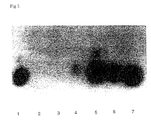
- Fig. 1 C18-reverse phase TLC analysis of N -acyl-L-homoserine lactones produced by Pseudomonas chlororaphis strain PCL1391 visualised using the Chromobacterium violaceum reporter assay.
- Lane 1 synthetic BHL standard
- lane 2 synthetic HHL standard
- lane 3 synthetic OHL standard
- lane 4 Autoinducer profile of strain PCL1391. It should be noted that the major spot visible in lane 4 moved to exactly the same position as HHL when smaller amount of sample were applied.
- Fig. 2 Structural identification of the major compound with autoinducer activity produced by Pseudomonas chlororaphis PCL1391 by mass spectrometry.
- Panel A CID spectrum obtained from a 1.3 ng/ ⁇ l standard solution of HHL. Insert: fragmentation scheme for HHL.
- Panel B CID spectrum obtained from fraction with R f 0.4 after HPLC purification.
- Fig. 3 C18-reverse phase TLC analysis of N -acyl-L-homoserine lactones produced by Pseudomonas chlororaphis strain PCL1391 and derivatives. Autoinducer profile of Tn 5 mutants of Pseudomonas chlororaphis strain PCL1391.
- Lane 1 PCL1391 wild type; lane 2: PCL1103 ( phzI ::Tn 5luxAB ); lane 3: PCL1104 ( phzR ::Tn 5luxAB ); lane 4: PCL1123 ( gacS ::Tn 5luxAB ); lane 5: PCL1111 ( lexA ::Tn 5luxAB ); lane 6: PCL1119 ( phzB ::Tn 5luxAB ); lane 7: synthetic HHL standard.
- a volume of 100 ml of three-day old KB culture supernatant of the strains was extracted with dichloromethane and tested in the Chromobacterium TLC overlay assay (See Experimental procedures).
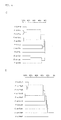
- Fig. 4 Chromosomal localisation, regulatory elements, and homology of genes regulating PCN production in P. chororaphis PCL1391.
- Panel A Genetic analysis of mutants altered in PCN production of Pseudomonas chlororaphis strain PCL1391. Positions of the Tn 5luxAB transposon of strains PCL1103, PCL1104, and PCL119 are indicated with arrows.
- the first two genes of the biosynthetic operon, phzA and phzB are shown. Sequences homologous to lux -boxes of Photobacterium fisheri were identified in the promoter region of the phzI and phzA genes.
- Panel B Identification of sequences homologous to the P.
- Panel D Tree of homology of the PhzR proteins of P. aureofaciens 30-84 (P. aur . PhzR), P. fluorescens 2-79 ( P. flu. PhzR), P. aeruginosa PAO1 (P. aer . PhzR, VsmR, RhlR, LasR), P. fisheri ( P . fis. LuxR), E. carotovora ( E. car. ExpR), A. tumefaciens ( A . tum. TraR), and Rhizobium etli (R. etl . RaiR).
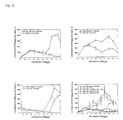
- Fig. 5 Expression studies of the phzl gene, phzR gene, and the PCN biosynthetic operon of Pseudomonas chlororaphis strain PCL1391. Strains were grown in LB medium. HHL was added at the initial optical density (OD 620 ) of 0.1. Values depicted in the panels are values for the luminescence measured in counts per seconds (cps) per cell density unit during growth in time.
- Panel A Induction of phzI in strain PCL1103 ( phzI ::Tn 5luxAB ) in the absence and presence of 5 ⁇ M synthetic HHL.
- Panel B Induction of phzI in strain PCL1103 ( phzI ::Tn 5luxAB ) in the absence and presence of 5 ⁇ M synthetic HHL. Panel B.
- Panel C Quantification of phzR expression in the absence and presence of 5 ⁇ M synthetic HHL using strain PCL1104 ( phzR ::Tn 5luxAB ).
- Panel C Expression of the PCN biosynthetic operon of strain PCL1119 ( phzR ::Tn 5luxAB ) in the absence and presence of 5 ⁇ M synthetic HHL.
- Panel D Induction of phzI by synthetic HHL, by cell-free spent culture supernatant of strain PCL1103, by spent growth supernatant of strain PCL1119, and by a combination of spent growth supernatant of PCL1103 and HHL.
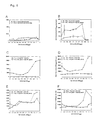
- Fig. 6 Expression of the phzl gene, phzR gene, and the PCN biosynthetic operon of strain Pseudomonas chlororaphis PCL1391 in lexA and gacS mutant strains.
- Panels A-C Expression studies of the phzI, phzR, and PCN biosynthetic genes in a gacS -deficient background using the phzI ::Tn 5luxAB (PCL1103), phzR ::Tn 5luxAB (PCL1104), and phzB ::Tn 5luxAB (PCL1119) reporters, respectively.
- Panels D-F Expression studies of the phzI ::Tn 5luxAB (PCL1103), phzR ::Tn 5luxAB (PCL1104), and phzB ::Tn 5luxAB (PCL1119) reporters, respectively.
- Panels D-F Expression studies of the p
- Fig. 7 Identification of sequences homologous to the binding sites for LexA (SOS boxes) in the promoter region of lexA in Pseudomonas chlororaphis strain PCL1391.
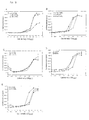
- FIG.8 Influence of root exudate components on expression of the PCN biosynthetic operon of Pseudomonas chlororaphis.
- P. chlororaphis strain PCL1119 ( phzB ::Tn 5luxAB ) was grown in modified Vogel-Bonner medium in which the indicated carbon sources were present.
- Panel A shows the maximal expression of the PCN biosynthetic operon.
- Panel B shows the expression of the PCN biosynthetic operon during growth in a selection of carbon and organic acids that show a clear elevation in expression as shown in panel A. Bioluminescence was detected as described in Materials and Methods.
- FIG.9 Influence of limited and excessive amounts of metal ions in the growth medium on the expression of the PCN biosynthetic operon.
- Pseudomonas chlororaphis strain PCL1119 (phzB ::Tn 5luxAB ) was grown in modified Vogel-Bonner medium as described in Materials and Methods. The middle concentration is the standard concentration in Vogel-Bonner medium. Selected metal ions were omitted or added in a tenfold or hundredfold increased concentration. Bioluminescence was detected as described in Materials and Methods.
- FIG.10.Effect of low oxygen tensions on phzB expression Pseudomonas chlororaphis PCL1119 ( phzB ::Tn 5luxAB ) was grown under 21% (air) or 1.0% oxygen conditions. Bioluminescence was detected as described in Materials and Methods.
Landscapes
- Life Sciences & Earth Sciences (AREA)
- Health & Medical Sciences (AREA)
- Zoology (AREA)
- Environmental Sciences (AREA)
- General Health & Medical Sciences (AREA)
- Engineering & Computer Science (AREA)
- Pest Control & Pesticides (AREA)
- Plant Pathology (AREA)
- Chemical & Material Sciences (AREA)
- Dentistry (AREA)
- Agronomy & Crop Science (AREA)
- Wood Science & Technology (AREA)
- Inorganic Chemistry (AREA)
- Biotechnology (AREA)
- Microbiology (AREA)
- Virology (AREA)
- Micro-Organisms Or Cultivation Processes Thereof (AREA)
- Agricultural Chemicals And Associated Chemicals (AREA)
- Hydroponics (AREA)
- Fertilizers (AREA)
- Glass Compositions (AREA)
Abstract
The invention relates to a mineral wool plant substrate
comprising a coherent matrix of mineral wool and bound to
the matrix a biologically active additive or a microorganism
producing said additive, which additive has a favourable
effect on plants. The invention further relates to the
use of a mineral wool plant substrate comprising a coherent
matrix of mineral wool and bound to the matrix a microorganism
producing a biologically active additive, in the
growth of crops under specified conditions. Also disclosed
is a process for producing the mineral wool plant substrate.
Description
- The present invention relates to a mineral wool plant substrate, more in particular to a mineral wool plant substrate comprising a foreign material or materials in order to improve the properties of the mineral wool substrate to realize Crop Protection and/or improve plant performance.
- Mineral wool plant substrates for plant growth are well-known in the art and consist of a coherent matrix of mineral wool. This coherent matrix is formed by collecting a layer of mineral wool fibres provided with a curable binder, so that after curing the mineral wool fibres are substantially not displaceable relative to one another. If required for fast uptake of water this coherent matrix of mineral wool may be provided with a wetting agent.
- Under mineral wool is to be understood glass wool, stone wool, rock wool, man made vitrous fibres, slag wool, and/or mixtures thereof.
- The fibres may have an average diameter varying in between 1-10 µm. For rock wool the fibre diameter is on average about 4 µm.
- The density of the coherent matrix of mineral wool may be between 10-200 kg/m3, in general in the range of 40-80 kg/m3.
- Such a coherent matrix of mineral wool has a form retaining property, which is inherent due to the inorganic starting materials used. Furthermore, the water retaining capacity of these mineral wool plant substrates is very well controllable and predictable.
- Growers when utilizing such mineral wool plant substrates will have to apply pesticides if disease symptoms have been observed. A problem is that continuous observations are necessary and that sometimes the application of pesticide is too late.
- An object of the present invention is to provide an improved mineral wool plant substrate, which aims to overcome this problem.
- According to the invention there is provided a mineral wool plant substrate according to
claim 1. - The biologically active additive may be any substance having a favourable effect on plants by providing improved growth conditions or by combatting diseases caused by fungus, virusses, bacteria, nematodes and insects. The biologically active additive may be a natural or a synthetic substance.
- The biologically active additive is preferably selected from the group consisting of antibiotics, plant growth promoters, and mixtures thereof, and more preferably a fungicide.
- From the group of fungicidal substances which comprises a great variety of different species, the phenazines are particularly preferred. Many phenazine derivatives and their syntheses are known. Many phenazines have antibiotic activity, and especially antifungus activity. For example, phenazine-1-carboxamide (PCN) shows a strong growth inhibiting effect on many phytopathogenic fungi, including Fusarium, Rhizoctonia, Pythium, Botrytis, Verticillium and Alternaria, and on some bacteria, especially grampositive bacteria.
- For example, phenazine-1-carboxamide efficiently controls tomato foot and root rot caused by Fusarium oxysporum f.sp. radicis lycopersici. Phenazine-1-carboxamide has a strong growth inhibiting effect in a wide pH range, tested between pH 3.1 and 7.0. PCN also efficiently controls post- and pre-emergence damping-off (e.g. of tomato) caused by Pythium.
- In a further aspect of the invention the mineral wool plant substrate comprises bound to the mineral wool matrix a microorganism producing a biologically active additive as defined above.
- In particular the microorganism is an antibiotic producing bacterium, preferably a fungicide producing bacterium. A plurality of bacterial species produces fungicidal substances. Illustrative examples are Pseudomonas spp., Streptomyces spp., Microbispora spp., Brevibacterium spp., Streptosporangium spp., Sorangium spp., etc. The fungicidal activity is due to the production of various compounds, including phenazine derivatives. Preferably a microorganism is selected which has good root colonisation properties and/or good mineral wool colonisation properties. The inventors have found that root colonisation and mineral wool colonisation play an important role in biocontrol, presumably by providing a delivery system for antifungal compounds. Moreover, a microorganism showing good root colonisation properties and/or good mineral wool colonisation properties will adhere and remain to the roots when plants are transferred to fresh substrates.
A microorganism which very efficiently controls fungus and bacteria diseases is Pseudomonas chlororaphis PCL1391. The fungicidal activity appears to be due to the production of various compounds of which phenazine-1-carboxamide is the most important one. P. chlororaphis strain PCL1391 has been deposited under No. CBS 102790 on 16 May 2000 at the Centraalbureau Schimmelcultures in Baarn, NL. - PCL1391 appeared to be an efficient colonizer of tomato roots and an excellent biocontrol strain in an F. oxysporum/tomato test system.
- In a further aspect the inventors have found genetic modifications of P. chlororaphis PCL1391 which result in overproduction of phenazine-1-carboxamide. Accordingly, such genetically transformed P.chlororaphis PCL1391 are preferably used in the present invention.
- a. Production of phenazine-1-carboxamide in P. chlororaphis PCL1391 is under control of quorum sensing, in which acyl homoserine lactones (AHLs) play an essential role as inducer molecules. The phenazine biosynthetic operon (phz) comprises various phenazine biosynthetic genes (phzA, phzB, etc.) and regulatory genes (phzR and phzI). It has been shown that multiple copies of the genes phzR and phzI, which results in an overproduction of AHLs, results in a 3-fold overproduction of phenazine-1-carboxamide. It is contemplated that also in general bacteria can be genetically modified such that they comprise multiple copies of genes phzR and phzI resulting in an overproduction of antibiotic.
- b. Also a mutation in the lexA gene of PCL1391 results in overproduction of AHLs and causes a 10-fold overproduction of phenazine-1-carboxamide by PCL1391. The lexA gene of PCL1391 is a gene that is homologous to the lexA gene of P. aeruginosa. The inventors are the first who have found that LexA is involved in regulation of antibiotic production.
-
- When using the substrate of the invention wherein P. chlororaphis PCL1391 is bound to the mineral wool matrix, the production of PCN can be increased by employing the following conditions:
- growth under low oxygen,
- the presence of glycerol, fructose, ribose or citric acid in the nutrient medium, and
- the presence of various minerals (Cu2+, Zn2+, Fe3+) in the nutrient medium.
- Evidently, these factors increase the expression of the PCN biosynthetic genes.
- This invention also contemplates the overproduction of phenazine derivatives by employing a combination of two or more of the above measures, i.e. multiple copies of the genes phzR and phzI, mutation in the lexA gene, and nutrient medium conditions.
- Mineral wool plant substrates are generally produced by curing mineral wool fibres provided with a curable binder. The mineral wool plant substrate of the invention can be produced by various methods. The biologically active additive or the microorganism producing said additive can be added either directly during production of the mineral wool substrate or to the finished (shaped) mineral wool substrate. When the additive or the microorganism can withstand the increased temperature during curing, it is preferred to add the additive or the microroganism directly during production. Accordingly, in a further aspect there is provided a process for producing a mineral wool plant substrate of the invention, wherein the additive or the microorganism producing said additive is admixed to mineral wool fibres and a curable binder to form a mixture, and said mixture is cured to form a coherent matrix.
- In another embodiment the microorganism(s) can be added to the finished (cured) mineral wool plant substrate. In this embodiment it is preferred to have a good habitat for the microorganisms. A good habitat for micro-organisms is available in materials containing pores with an average size of 6 µm or less. Very good conditions are provided when the pores are smaller than 3 times the size of the micro-organisms, yet still larger than the organisms. Clay (such as Bentonite) is an example of a material containing an average pore size < 6 µm. The porosity and average pore size of clay is not static but fluctuates considerably due to the swell and shrink behaviour of clay, which is influenced, amongst other things by the pH-level, EC-level and water content.
- The bacterial strains and plasmids used are listed in Table 1. King's medium B (KB) (King et al. 1954) was used for routinely culturing of Pseudomonas strains. E. coli and the Chromobacterium violaceum were grown in Luria-Bertani (LB) medium (Sambrook et al. 1989). Agrobacterium tumefaciens was grown on YMB medium (Smit et al. 1987). Solid growth media contained 1.8% agar (Difco Laboratories, Detroit, MI, USA). Kanamycin (50 µg/ml), tetracycline (80 µg/ml), chloramphenicol (20 µg/ml), and carbenicillin (50 µg/ml) were added for antibiotic selection where applicable.
- Digestions with restriction endonucleases, ligation, and transformation of E. coli cells with plasmid DNA were performed using standard molecular biological protocols (Sambrook et al. 1989). Nucleotide sequencing was performed by Eurogentec B.V. (Herstal, Belgium) using AB1377-based fluorescent sequencing technology. Computer analysis of protein and nucleotide sequences was achieved with the Wisconsin Package version 10.0 (Genetics Computer Group (GCG), Madison, WI, USA).
- For detection of autoinducer activity with the Chromobacterium violaceum N-AHL reporter assay (Milton et al. 1997), overnight cultures of Chromobacterium were grown in LB medium supplemented with kanamycin (50 µg/ml). LB agar plates were overlaid with a 0.8% LB top agar layer mixed with a 16-h culture of the Chromobacterium CV026 indicator strain (200 µl/ml) (McClean et al. 1997). A volume of 20 µl of a 100 µl HPLC sample was tested for autoinducer activity in wells punched into the agar. The activity of fractions was judged after 16 h of growth at 28°C by the appearance of a violet halo around the well caused by violascein production as a result of activation of the reporter genes in the Chromobacterium strain. Autoinducer activity on C18 thin layer chromatography (TLC) (Merck, Darmstadt, Germany), developed in methanol-water (60/40, vol/vol), was detected by overlaying the TLC plate with a 0.8% LB top agar layer containing CV026 cells as described above, followed by incubation at 28°C for 16 h and analysed for the appearance of violet spots.
- Autoinducer indicator assays based on the Photobacterium (lux) system using plasmid pSB401 (Winson et al. 1998) and the P. aeruginosa elastase (las) system using plasmid pSB1142 (T. Perehinec, Division of Food Sciences, Univ. of Nottingham, pers. comm.) were conducted similarly to the assay described above for Chromobacterium. A volume of 50 µl of a 16-h culture of DH5α[pSB401] or DH5α[pSB1142] was mixed with 3.0 ml 0.8% LB top agar and poured onto LB agar plates containing chloramphenicol (20 µg/ml). A volume of 20 µl of a sample was placed in the wells and the plates were incubated for 16 h at 28°C. Luminescence was detected by placing a photographic film (Fuji RX, Tokyo, Japan) against the bottom of the assay plates.
- The induction of the Agrobacterium tra system was detected using A. tumefaciens strain NT1 harbouring plasmid pJM749 containing a lacZ reporter fused to a tra gene the expression of which is dependent on TraR (located on plasmid pSVB33) and the presence of a sufficient concentration of an autoinducer (Piper et al. 1993). Agrobacterium was scraped from YMB plates three days after streaking and resuspended in sterile water to an optical density (OD620) of 0.1. A volume of 100 µl of the bacterial suspension was mixed with 3.0 ml of top agar and poured onto YMB plates containing 5-bromo-4-chloro-3-indolyl-β-galactopyranoside (X-Gal) to detect expression as blue pigmentation. Samples were tested as described above for the Chromobacterium bioassay. Blue zones were visible after 24-48 h of incubation at 28°C.
- For the isolation of autoinducer activity, three volumes of dichloromethane were added to seven volumes of supernatant of a 72-h KB culture of PCL1119 and shaken for one hour (120 rpm) Following extraction, the organic phase was removed and dried by evaporation in vacuo (McClean et al. 1997). Crude supernatant extracts were redissolved in 100
µl 100% acetonitrile and fractionated using either C18 TLC or high performance liquid chromatography (HPLC). C18-TLC plates (Merck, Darmstadt, Germany) were developed in a solvent mixture of methanol-water (60:40, vol/vol). After development, the plates were dried and overlaid with a top agar layer containing one of the indicator strains and incubated for 16 h at 28°C. HPLC was performed using anAlltech Hypersil ODS 5 µm 250 x 4.6 mm column (Alltech Associates, Inc, Deerfield, IL, USA) and a linear 20 to 90% (vol/vol) gradient of acetonitrile in water and a flow rate of 1 ml/min. After selecting active fractions, samples were pooled and reapplied to the column and eluting with an isocratic gradient of 35% acetonitrile. UV detection was performed using a Pharmacia RSD 2140 diode array detector (Pharmacia, Uppsala, Sweden) with wave-length scanning from 190 to 400 nm, and 1.0 ml fractions were collected and analysed for the presence of autoinducer activity using the Chromobacterium biosensor. Finally, active fractions were pooled for mass spectrometry analyses. - Electrospray collision-induced dissociation tandem mass spectra were obtained on a Micromass Q-TOF hybrid quadrupole Time-of-Flight tandem mass spectrometer (Wythenshawe, (UK)) equipped with a Z-Spray sample introduction system in a nanoflow electrospray ion source. The mass spectrometer was operated in the positive ion mode. The cone voltage was set at approximately 25 V and a capillary voltage of 1.5 kV was used. Argon was used as the collision gas and the spectra were obtained using a collision energy of 10 eV. Spectra were acquired via the Tof analyzer and were integrated every 2.4 seconds over the m/z 35-250 range. Data were recorded and processed using the MassLynx software, version 3.1. Mass calibration was performed by multiple ion monitoring of singly-charged sodium and caesium iodide signals. The samples were dissolved in 10 µl methanol, 3 µl of which were loaded into the nanospray gold coated glass capillary for sample delivery.
- A mutant library of PCL1391 consisting of 18,000 transposants was established using pRL1063a (Wolk et al. 1991), harbouring a Tn5-transposon carrying promoterless luxAB reporter genes. Mutants were selected for absence of, or change in, pigment production either on LB agar plates or in 200 µl liquid KB cultures grown in 96-well microtiter plates for three days. Phenotypic characterisation of the mutants for production of PCN, hydrogen cyanide, chitinase or protease, for motility (Chin-A-Woeng et al. 1998), and for tomato root colonising ability (Simons et al. 1996) was performed as previously described.
- Since the Tn5 transposon in the transconjugants contains an origin of replication that functions in E. coli (Wolk et al. 1991), chromosomal DNA regions flanking the transposon were recovered from the genome by excision with EcoRI, followed by circularisation, transfer to E. coli, and analysis by nucleotide sequencing. Nucleotide sequencing of the flanking regions was performed using unique primers oMP458 (5' TACTAGATTCAATGCTATCAATGAG 3') and oMP459 (5' AGGAGGTCACATGGAATATCAGAT 3') directed to the left and right ends of the Tn5 transposon, respectively.
- A plasmid library of chromosomal fragments of strain PCL1391 was constructed by cloning chromosomal DNA digested with EcoRI into the multicloning site of pBluescript (Stratagene, La Jolla, CA, USA). After electroporation of this fragment library to an E. coli lux reporter strain containing pSB401 and overnight growth on LB agar plates, clones that induced the luciferase reporter were identified using a photographic film. To cure the E. coli strain from the pSB401 reporter construct, chloramphenicol selection was omitted while carbenicillin selection was maintained. The nucleotide sequence of the chromosomal insert in the remaining plasmid was determined using standard primers, e.g. the universal and -40 reverse primer, flanking the multiple cloning site of pBluescript.
- Expression of Tn5luxAB-tagged genes was determined by quantification of bioluminescence during culturing. Cells from overnight cultures were washed with fresh medium and diluted to an optical density (OD620) of 0.1. Cultures were grown in LB medium in a volume of 10 ml under vigorous shaking. Growth was followed by measurement of optical density (OD620) at regular intervals and 100 µl samples were taken in triplicate to quantify luminescence. A volume of 100 µl of an n-decyl-aldehyde substrate solution [0.2% n-decyl-aldehyde (Sigma, St. Louis, MO, USA) in a 2.0% bovine serum albumin (BSA) solution] was added. After thorough mixing, bioluminescence was determined using a luminescence counter (MicroBeta 1450 TriLux, Wallac, Turku, Finland).
- The synthetic N-AHL molecules N-butanoyl-L-homoserine lactone (BHL), N-hexanoyl-L-homoserine lactone (HHL), N-octanoyl-L-homoserine lactone (OHL), N-decanoyl-L-homoserine lactone (DHL), N-dodecanoyl-L-homoserine lactone (dDHL), N-oxo-hexanoyl-L-homoserine lactone (OHHL), N-oxo-octanoyl-L-homoserine lactone (OOHL), and N-oxo-decanoyl-L-homoserine lactone (ODHL) (kindly provided by P. Williams, University of Nottingham) were tested for the ability to induce Tn5luxAB reporter strains. Cells were grown overnight in LB medium, washed, and resuspended to a cell density of 0.1 at OD620 in fresh medium supplemented with either synthetic N-AHL(s) (5 µM) or spent growth supernatant (10% vol/vol) and grown to stationary phase. Luminescence was determined after every 0.1 unit increase of OD620 and compared to that of the control without added N-AHL.
- Site-directed mutagenesis in the gacS homologous gene was performed using pMP6014, a pIC20R suicide construct containing a 0.3 kb internal PCR-fragment of the gacS-homologous gene of strain PCL1391 and a tetracycline resistance cassette. The PCR primers contained KpnI and EcoRI (underlined) restriction sites and annealed to nucleotide positions 1084 to 1103 (5'CCGGAATTCGAGCCACGAAATCCGTACCC 3') and 1294 to 1313 (5' CGGGGTACCTCAGGGTGTCCTGCAACAGG 3') of the gacS homologous gene of strain PCL1391. The construct was transformed to strain PCL1391 and its derivatives by electroporation and resistant colonies resulting from chromosomal integration were selected on LB agar medium supplemented with tetracycline (160 µg/ml) for PCL1391 or kanamycin (50 µg/ml) and tetracycline for derivatives. Transformants were analysed for correct recombination using Southern hybridisation. The effect of a mutation in the gacS gene on the expression of genes was determined by quantifying bioluminescence of the luxAB-reporter during culture in KB-medium supplemented with 100 µM FeCl3.
- A similar mutagenesis strategy as described above was used for the introduction of a mutation in the lexA homologous gene. The lexA fragment for constructing the suicide plasmid pMP6015 was obtained by PCR using primers oMP506 (5'CCCAAGCTTCCGCCTGACAAACACTTG3') and oMP507 (5'CCCAAGCTTATTTCGATCGCGCCCTTG3') of the lexA homologous gene of strain PCL1391.
- King's medium B (KB) (King et al. 1954) was used routinely for culturing Pseudomonas strains. Media were solidified with 1.8% agar (Difco Laboratories, Detroit, MI) when necessary. Kanamycin (50 µg/ml) was added for antibiotic selection where applicable. The expression of the PCN biosynthetic genes was determined in Vogel-Bonner defined medium (Smit et al. 1987) and KB medium.
- Expression of the Tn5luxAB-tagged gene was determined by quantification of bioluminescence during growth in liquid cultures. Cells from overnight cultures pre-grown in the tested medium were washed with fresh medium and diluted to an optical density (OD620) of 0.1. Cultures were grown in a volume of 10 ml under vigorous aeration. Growth was followed by measurement of optical density (OD620) at regular time intervals and 100 µl samples were taken in triplicate to quantify luminescence. A volume of 100 µl of a 0.2% n-decyl-aldehyde (Sigma, St. Louis, MO) in 2.0% bovine serum albumin (BSA) solution was added as the substrate to the sample. After thorough mixing bioluminescence was determined using a luminescence counter (MicroBeta 1450 TriLux, Wallac, Turku, Finland).
- To test the influence of root exudate components, malic acid, L-pyroglutamic acid, fumaric acid, citric acid, propionic acid, oxalic acid, succinic acid, glucose, ribose, xylose, sucrose, fructose, or maltose were individudually used in a final concentration of 2 µM as a carbon source in Vogel-Bonner medium. The medium was supplemented with 1.0% proteose peptone since otherwise neither the PCL1119 phzB::Tn5luxAB reporter strain nor the parental wild-type strain PCL1391 could reach an OD620 of 1.0 in minimal medium. Growth in 1.0% proteose peptone was used as a control.
- The expression of the PCN biosynthetic genes under the influence of metal ions was quantified in Vogel-Bonner medium with glucose as a sole carbon source containing 100 µM FeCl3, thiamine (2 mg/L), and biotin (2 mg/L). Standard Vogel-Bonner medium contains ZnSO4 (5 µM), CuSO4 (2 µM), MnSO4 (30 µM), and NaMoO4·H2O (20 µM). To determine the influence of the presence of single metal ions on phzB expression, individual ions were either omitted or added in a tenfold (Cu2+, Mn2+, Zn2+, MoO4 -) or hundredfold (Fe3+) higher concentration.
- To test the influence of a low oxygen tension, strains were grown in 40 ml KB medium in closed glass tubes under a continuous flow-through of 1.0% oxygen and 99% nitrogen, as described by Camacho et al. (submitted,) or in normal air as a control. Bioluminescence was measured as described above.
- Production of PCN in P. chlororaphis strain PCL1391 (Table 1) appeared to be cell density dependent and therefore likely to be subject to quorum sensing (Chin-A-Woeng et al., submitted). To analyse the production of autoinducer(s) by strain PCL1391, a crude dichloromethane extract of spent culture medium of a 72-hour culture of strain PCL1119 (phzB::Tn5luxAB) (Chin-A-Woeng et al. 1998) was used. Strain PCL1119, a PCL1391 derivative unable to produce PCN due to a mutation in the biosynthetic phzB gene (Chin-A-Woeng et al. 1998), was used for autoinducer purification to overcome the problem of copurification of PCN and autoinducer(s) in the wild-type strain. PCL1119 was not changed in its autoinducer production in comparison with the wild-type strain. Extracts of the culture supernatatns of strain PCL1119 were tested for induction of a number of quorum sensing reporter systems including those for Chromobacterium violaceum pigmentation (McClean et al. 1997), Photobacterium fisheri luminescence (lux) (Stevens and Greenberg 1997), Pseudomonas aeruginosa elastase (las) (Pearson et al. 1997) and Agrobacterium tumefaciens conjugation (tra) (Hwang et al. 1995). After separation using C18 thin layer chromatography (TLC), three spots were detected in the Chromobacterium overlay system, (Fig. 1, lane 4). One major spot with Rf value 0.4 migrated to the same position as synthetic HHL (Fig. 1, lane 2). When a large quantity of sample was applied to the TLC-plate, a second spot with an Rf value of 0.57 was detected which migrated to the same position as synthetic BHL (Fig. 1, lane 1). A third spot with Rf value 0.13 was found to comigrate with synthetic OHL (Fig. 1, lane 3). Extracts of spent culture supernatant were also able to induce the lux-system, whereas they induced only weak signals in the las- and tra-systems (data not shown). None of the reporter systems was induced by dichloromethane extracts of uninoculated KB or LB growth medium.
- The compound migrating with Rf value 0.4 was purified using HPLC and analysed using positive ion mode nanoelectrospray collision induced dissociation (CID) tandem mass spectrometry on a hybrid quadrupole time-of-flight mass spectrometer, which allows exceptional sensitivity in the tandem mode. Instrument conditions were optimised using a solution of standard HHL (1.3 ng/µl), having a concentration approximately one tenth of that necessary to give a response in the bioassay similar to that of the fraction isolated from strain PCL1391. Following optimisation, a CID spectrum, in which fragmentation is induced on collision with a positive pressure of argon, of the standard was recorded (Fig. 2A). The needle containing the standard was then discarded. A CID spectrum was then recorded of the same precursor ion mass but introducing solvent only, in order to be certain that no contamination of the instrument had occurred with the standard and to identify any background signals arising from the solvent. No ions corresponding to HHL were observed in this blank spectrum, although an ion at m/
z 107, also observed in the HHL spectrum, was present. The bioactive fraction was then introduced into the mass spectrometer in a fresh needle, and a mass spectrum was recorded. Very weak pseudomolecular ions were observed at m/z 200 (M+H+) and 222 (M+Na+) for a species with a molecular mass corresponding to HHL. These ions were barely discernible above the background. However, a CID spectrum of the M+H+ ion at m/z 200 was recorded, and generated a spectrum of good quality (Fig. 2B) which is very similar to that obtained from the standard HHL (Fig. 2A). Fragment ions characteristic of HHL were observed at m/z z z 99 corresponding to the hexanoyl substituent and that at m/z 102 being characteristic of the homoserine lactone. The ions at m/z z 172 = M+H+-C2H4; m/z 182 = M+H+-H2O). These results demonstrate clearly that the component in the major bioactive fraction is N-hexanoyl-L-homoserine lactone (HHL). - In dichloromethane extracts of spent culture supernatant the other two activities were present in small amounts and were not sufficient for mass spectrometric analyses and are thus tentatively assigned as N-butanoyl-L-homoserine lactone (BHL) and N-octanoyl-L-homoserine lactone (OHL) based upon their TLC migration behavior and their biological activities in the lux-, las-, and tra-reporter systems.
- Screening of 18,000 Tn5luxAB PCL1391 transconjugants on agar plates and in liquid cultures resulted in the isolation of eight mutants altered in PCN production as judged by their altered pigmentation. Four mutants were identified of which the transposon was not inserted in a PCN biosynthetic gene. The regions flanking the Tn5 insertion in the four mutants, PCL1103 (phzI::Tn5luxAB), PCL1104 (phzR::Tn5luxAB), PCL1123 (gacS::Tn5luxAB), and PCL1111 (lexA::Tn5luxAB) were recovered in the plasmids pMP6003, pMP6004, pMP6006, and pMP6005, respectively. Nucleotide sequence analyses of the flanking regions showed that the transposons in these mutants were inserted in homologues of luxI, luxR, gacS, and lexA genes, respectively.
- The production of PCN by these strains was determined using TLC and HPLC after extraction of culture supernatants with toluene. PCN was not detected in the toluene extracts of PCL1103 (phzI::Tn5luxAB) and PCL1104 (phzR::Tn5luxAB) (data not shown), nor were any autoinducers detected in dichloromethane extracts of these strains (Fig. 3). PCN production in the phzI mutant, but not in the phzR mutant, was restored by addition of either spent growth medium from PCL1119 (phzB::Tn5luxAB) or synthetic HHL (data not shown). The phzI and phzR mutants were not altered in the production of HCN, protease, or chitinase (Table 2). Neither mutant was impaired in motility or their ability to colonise in competition with the parental strain the tomato rhizosphere as assayed in competition with a lacZ-tagged derivative of the wild type strain PCL1391 (data not shown). Strains PCL1103 (phzI::Tn5luxAB) and PCL1104 (phzR::Tn5luxAB) were not able to inhibit growth of F. oxysporum f.sp. radicis-lycopersici as was shown with an in vitro antifungal assay (data not shown), which is consistent with the observed lack of PCN production.
- To isolate a PCL1391 chromosomal fragment containing luxI and luxR homologues, an EcoRI chromosomal library was transformed to DH5α harbouring pSB401, an N-AHL dependent reporter construct based upon the Photobacterium lux-system (McClean et al. 1997). Plasmid pMP6007 appeared to induce the reporter and contained a 4.5 kb chromosomal fragment of PCL1391. Partial sequencing of this clone revealed the complete phzI and phzR genes and the start of phzA (Fig. 4), the first gene of the PCN biosynthetic cluster (Chapter 4).
- E. coli strains harbouring pMP6007 induced the DH5α[pSB401] and Chromobacterium CV026 reporter strain when streaked in the vicinity of the reporter, indicating the production of a diffusible N-AHL. To test whether phzI and phzR are responsible for synthesis of HHL, culture supernatants of E. coli DH5α with and without pMP6007 were extracted with dichloromethane and subjected to TLC analysis. Autoinducer activities with Rf values identical to those from the wild type PCL1391 culture supernatants were only detected in strains harboring pMP6007, whereas no activity was detected in the DH5α control (data not shown).
- To transfer the phzI and phzR genes to PCL1391 mutant derivatives, plasmid pMP6008 was constructed by transfer of the 4.5 kb EcoRI chromosomal fragment containing the phzI and phzR genes of strain PCL1391 from pMP6007 to pME6010, a shuttle vector stably maintained in Pseudomonas species (Heeb et al. 2000). After introduction of pMP6008 into strains PCL1103 (phzI::Tn5luxAB) and PCL1104 (phzR::Tn5luxAB), PCN production was restored in both mutants as demonstrated on TLC analysis of culture supernatants (data not shown). This and the mutant studies described previously show that PhzI and PhzR are involved in the synthesis of the autoinducers BHL, HHL, and OHL.
- Sequence analysis of the ORFs shows that the phzI and phzR genes are oppositely transcribed, with phzI being transcribed in the same direction as the phz biosynthetic operon (Fig. 4A). In the promoter regions of the phzI and phzA genes, sequences were identified that are homologous to the lux-box in Photobacterium fisheri, constituting a putative binding region for the transcriptional activator luxR (Fig. 4B).
- The phzl- and phzR-homologous genes of PCL1391 were most homologous (85 to 95%) with other phzI (Fig. 4C) and phzR (Fig. 4D) genes in the PCA-producing Pseudomonas strains P. fluorescens 2-79 and P. aureofaciens 30-84. Homology with other LuxI and LuxR homologues in other Pseudomonas species and other bacterial species was much lower (20 to 40%).
- Previously, a number of biosynthetic mutants had been identified, of which mutant PCL1119 contains a promotorless luxAB reporter in the phzB gene and was used for expression studies in the tomato rhizosphere (Chin-A-Woeng et al. 1998). This strain was used to quantify the expression of the PCN biosynthetic operon during growth in liquid cultures. Since the promoterless luxAB genes inserted in the same orientation as the direction of transcription of the phzI and phzR genes mutated in PCL1103 (phzI::Tn5luxAB) and PCL1104 (phzR::Tn5luxAB), these strains were also used to quantify the expression of these genes. Expression of the phzI gene in mutant PCL1103 remained at a basal level during growth, indicating that inducing activity is absent without a functional phzI. Addition of synthetic HHL or spent growth medium of an overnight culture of PCL1391 to a low density (OD620 0.1) cell culture of PCL1103 resulted in an induction of phzI expression once the cell culture has grown to an OD620 of 0.6 or more (Fig. 5A). Expression of phzR in mutant PCL1104 was constitutive both in the presence of exogenous HHL and in the absence of endogenous autoinducers (Fig. 58). Expression of the PCN biosynthesis gene cluster (phzB::Tn5luxAB) in PCL1119 was greatly increased in the late exponential/early stationary phase and the moment of induction could be advanced by addition of synthetic HHL (Fig. 5C) but not by other synthetic N-AHLs.
- Addition of cell-free spent culture medium of the N-AHL-producing strain PCL1119 (phzB::Tn5luxAB) to a fresh culture of strain PCL1103 (phzI::Tn5luxAB) led to a much earlier and larger induction of the phzI gene than addition of synthetic HHL. Although addition of spent culture medium of an overnight culture of strain PCL1103 as such did not induce the phzI gene, a synergistic effect was observed when it was added together with HHL. Induction of expression in the presence of culture supernatant of strain PCL1103 was already in mid-exponential phase growth (OD620 0.35), much earlier than in the presence of HHL only (Fig. 5D). Combinations of autoinducers produced by strain PCL1391 were tested for their possible synergistic effect on expression. None of the combinations BHL/HHL, HHL/OHL, or BHL/HHL/OHL resulted in a different level or point of onset of induction than that observed after addition of HHL only (data not shown).
- Toluene extracts of culture supernatants of strain PCL1123 (gacS::Tn5luxAB) did not contain PCN as judged after TLC and HPLC separations. The production of autoinducer in this strain was greatly reduced compared with that in the wild-type as judged from TLC analysis of extracts of cell-free growth supernatant of three-day old cultures (Fig. 3, lane 4). PCN production could not be restored by the addition of spent growth medium of PCL1119 (phzB::Tn5luxAB) or of synthetic HHL (data not shown). Strain PCL1123 (gacS::Tn5luxAB) was not altered in the production of HCN but lacked protease and chitinase production (Table 2). The mutant was not impaired in motility or ability to colonise the tomato rhizosphere in competition with a lacZ-tagged derivative of the wild type strain (data not shown). Like strains PCL1103 (phzI::Tn5luxAB) and PCL1104 (phzR::Tn5luxAB), PCL1123 was not able to inhibit growth of F. oxysporum f.sp. radicis-lycopersici in an vitro antifungal assay (data not shown).
- The part of the nucleotide sequence flanking the transposon in strain PCL1123 that was analysed has a total length of 999 bp and is 90% identical to the sequence of the gacS (formerly known as lemA) gene of P. fluorescens (Whistler et al. 1998) and has 84% identity with the gacS gene of P. syringae (Rich et al. 1994).
- A gacS mutant independently constructed by homologous recombination using a pIC20R suicide construct containing a tetracycline resistance cassette and a PCR fragment of an internal fragment of the gacS homologous gene (pMP6014) yielded mutants with the same phenotype as PCL1123, confirming that the phenotype observed in strain PCL1123 was due to the transposon insertion in gacS.
- The gacS mutant was complemented for production of PCN, protease, and chitinase after introduction of pEMH97, a pLAFR3 derivative containing the lemA gene of P. syringae (Hrabak and Willis 1992). Introduction of the pEMH97 construct into the phzI mutant PCL1104 and the phzR mutant PCL1104 did not restore PCN production and neither did introduction of pMP6008, containing the phzI and the phzR genes, restore PCN production in the gacS mutant.
- To analyse the effect of a gacS mutation on the expression of phzI, phzR, and phzB, a mutation in the gacS homologous gene was introduced in the reporter strains PCL1103 (phzI::Tn5luxAB), PCL1104 (phzR::Tn5luxAB), and PCL1119 (phzB::Tn5luxAB) using homologous recombination. Analyses of the luxAB expression in these strains showed that the response characteristic for a quorum sensing regulation mechanism is abolished by an additional gacS mutation (Fig. 6A, B, and C). Whereas phzI in PCL1103 (phzI::Tn5luxAB) is responsive to added synthetic HHL, phzI in the double mutant PCL1147 (phzI::Tn5luxAB, ΔgacS) is not induced by the addition of autoinducer (Fig. 6A). The basal level of expression of the phzR gene is reduced with an additional defective gacS gene (Fig. 6B). The expression of the biosynthetic phzB gene is completely abolished in a gacS background (Fig. 6C) as was the PCN production of the gacS mutant PCL1123 (data not shown).
- The mutation of lexA in PCL1111 resulted in a more than tenfold overproduction of PCN (Table 2 and unpublished results). An increased production of autoinducer was observed as judged from the increased intensity of the spot for HHL and the clear presence of BHL, which is normally only detected when larger amounts of sample are analysed on TLC. This apparent overproduction of autoinducer is consistent with higher PCN expression levels in the lexA mutant. No alterations in production of HCN, protease, and chitinase were detected in the lexA mutant strain. The mutant was not impaired in motility or ability to colonise the tomato root system as assayed in competition with a lacZ-tagged derivative of the wild type strain PCL1391 (data not shown).
- Analysis of 1.5 kb of the nucleotide sequence flanking the transposon in mutant PCL1111 revealed a transposon insertion in a gene homologous with the lexA genes of P. aeruginosa (90%), P. putida (87%) (Garriga et al. 1992), and E. coli (41%) (Brent and Ptashne 1981; Little et al. 1981; Calero et al. 1993). In the promoter region of the lexA homologue two putative LexA repressor binding sites starting at relative nucleotide positions -26 (5'-CTGTATAAAAAGACAG-3') and -45 (5'-CTGTATATAATTCCAG-3') were identified, the distance between them being 3 bp (Fig. 7).
- An independently constructed lexA mutant made by homologous recombination using a pIC20R suicide construct containing a tetracycline resistance cassette and a PCR fragment of a part of the lexA gene (pMP6015) yielded a mutant with the same phenotype as PCL1111 (lexA::Tn5luxAB). The overproduction of PCN was also observed in this independent mutant confirming that the phenotype observed in PCL1111 is due to the transposon insertion in lexA.
- A lexA mutation was made in PCL1103, PCL1104, PCL1119, and PCL1123 by homologous recombination using pMP6015. Surprisingly, introduction of a lexA mutation in the phzI or phzR mutant strains PCL1103 and PCL1104 restores PCN pigment production in these strains to almost wild-type levels. This was demonstrated on HPLC fractionation of culture supernatant extracts (data not shown) and observations of colonies on agar plates (data not shown). Expression of phzI and phzB in a lexA mutant was determined using the Tn5luxAB reporters (Fig. 6D, F). Surprisingly, phzI::Tn5luxAB in PCL1140 (ΔlexA, phzI::Tn5luxAB) was induced at the start of the stationary phase, even in the absence of autoinducers (Fig. 6D). The basic level of expression of phzI, and consequently of phzB (Fig. 6F), was higher than that of the parental strain PCL1103. A small positive effect was observed on the expression of phzR::Tn5luxAB of the lexA mutation (Fig. 6E). An additional lexA mutation in the gacS mutant PCL1123 (PCL1162) did not restore PCN production as observed for phzI and phzR mutants and resulted in the same phenotype as PCL1160 (lexA::Tn5luxAB, ΔgacS).
- Although the effect of a gacS mutation on the expression of lexA strain PCL1160 could not be determined by measuring luminescence due to the incorrect insertion of the reporter genes, the lexA/gacA double mutant did not produce PCN as demonstrated on TLC analysis of extracts of spent culture medium.
- Strain PCL1119 (phzB: :Tn5luxAB) is a derivative of strain PCL1391 in which a promoterless Tn5luxAB transposon is inserted into the phzB gene. This bioluminescent reporter strain can be used to analyze the expression of the PCN biosynthetic operon (Chin-A-Woeng et al. 1998). The influence of the tomato (Lycopersicon esculentum Mill. cv. Carmello) root exudate components malic acid, L-pyroglutamic acid, fumaric acid, citric acid, propionic acid, oxalic acid, succinic acid, glucose, ribose, xylose, sucrose, fructose, and maltose on expression of the PCN biosynthetic operon was tested. Most of the tested single root exudate components had no significant effect (FIG.8A) on the expression of phzB, neither on the point of onset of induction (data not shown). However, the presence of fructose, ribose, or citric acid appeared to increase the expression of the PCN biosynthetic operon significantly compared with the control (FIG.8A). Glycerol, the presence of which in root exudate had not been demonstrated, appeared to be the carbon source that caused the largest increase in expression. The effect of these carbon sources was followed further as a function of growth(FIG.8B). The control medium and medium to which malic acid was added were used as controls. The results indicate that expression was highest at the end of the logarithmic growth phase and during stationary phase. A clear increase in expression was observed for fructose, ribose, and citric acid when compared with malic acid or the control medium.
- To test the effect of limitation or a tenfold or hundredfold increased concentration of Zn2+, Cu2+, Mn2+, MoO4-, and Fe3+ on the expression of the PCN biosynthetic operon in Vogel-Bonner medium these ions were omitted or added in a ten- or hundredfold concentration in Vogel-Bonner medium (FIG.9). The absence of Cu2+(FIG.9B), Zn2+(FIG.9D), or MoO4- (FIG.9E) delayed expression of phzB whereas Fe3+ limitation resulted in an apparent delay and lower expression(FIG.9A) No influence of omission of Mn2+ was detected (FIG.9C).Excess of Fe3+ (FIG.9A), Cu2+ (FIG.9B), Zn2+ (FIG.(9D), or MoO4- (FIG.9E) had no significant effect. Surprisingly, excess of molybdate, like limitation for this ion, supressed expression of phzB.
- Creating micro-aerobic conditions by growing cultures of the wild-type P. chlororaphis strain PCL1391 without shaking resulted in higher production of PCN as was shown on HPLC fractionation of extracts of culture supernatants (data not shown). The expression pattern of the PCN biosynthetic operon under oxygen limiting conditions was determined in a closed system in which cells of strain PCL1119 were grown under aeration with 1.0% oxygen and 99% nitrogen. Indeed, under low oxygen conditions phzB expression was induced much earlier in the growth curve than the reference culture grown under aeration of air(FIG.10)
Microorganisms and plasmids Strains and plasmids Relevant characteristics Reference or source Bacterial strains PCL1391 Wild type Pseudomonas chlororaphis, producing phenazine-1-carboxamide and biocontrol strain of tomato foot and root rot caused by F. oxysporum f.sp. radicis-lycopersici Chin-A-Woeng et al., 1998 PCL1119 PCL1391 derivative in which a promoterless Tn5luxAB has been inserted in phzB Chin-A-Woeng et al., 1998 PCL1103 PCL1391 derivative in which a promoterless Tn5luxAB has been inserted in phzl This study PCL1104 PCL1391 derivative in which a promoterless Tn5luxAB has been inserted in phzR This study PCL1111 PCL1391 derivative in which a promoterless Tn5luxAB has been inserted in a lexA homologue This study PCL1123 PCL1391 derivative in which a promoterless Tn5luxAB has been inserted in a gacS homologue This study PCL1140 PCL1103 derivative, ΔlexA phzl::Tn5luxAB This study PCL1142 PCL1104 derivative, ΔlexA phzR::Tn5luxAB This study PCL1144 PCL1119 derivative, ΔlexA phzB::Tn5luxAB This study PCL1146 PCL1103 derivative, ΔgacS phzl::Tn5luxAB This study PCL1148 PCL1104 derivative, ΔgacS phzR::Tn5luxAB This study PCL1150 PCL1119 derivative, ΔgacS phzB::Tn5luxAB This study PCL1160 PCL1123 derivative, ΔlexA gacS::Tn5luxAB This study PCL1162 PCL1111 derivative, ΔgacS lexA::Tn5luxAB This study DH5α General purpose E. coli host strain Boyer and Roulland-Dussoix 1969 CV026 Chromobacterium violaceum N-AHL reporter strain Milton et al., 1997 NT1 Agrobacterium tumefaciens NT1 N-AHL reporter strain harbouring pJM749 containing a lacZ reporter fused to a tra gene of which expression is dependent on TraR. Piper et al., 1993 Fungi Fusarium oxysporum f. sp. radicis-lycopersici strain ZUM2407 Cause of crown and root rot of tomato IPO-DLO, Wageningen, The Netherlands Plasmids pRL1063a Plasmid harbouring Tn5 transposon containing promoterless luxAB Wolk et al., 1991 pMP6003 pRL1063a-based plasmid recovered from chromosomal DNA of PCL1103 after digestion with EcoRI This study pMP6004 pRL1063a-based plasmid recovered from chromosomal DNA of PCL1104 after digestion with EcoRI This study pMP6005 pRL1063a-based plasmid recovered from chromosomal DNA of PCL1111 after digestion with EcoRI This study pMP6006 pRL1063a-based plasmid recovered from chromosomal DNA of PCL1123 after digestion with EcoRI this study pMP6007 pBluescript containing a 4.5 kb chromosomal fragment of strain PCL1391 with the phzI, phzR genes and first part of the phzA gene. This study pMP6008 pME6010 containing a 4.5 kb chromosomal fragment of strain PCL1391 with the phzI, phzR genes and first part of the phzA gene. This study pMP6013 plC20R containing a 0.3 kb PCR fragment of the gacS gene and a tetracycline cassette from pMP5000 This study pSB401 Autoinducer reporter construct based upon the Photobacterium bioluminescence (lux) system Winson et al., 1998 pSB1142 Autoinducer reporter construct based upon the P. aeruginosa elastase (las) system T. Perehinec, Division of Food Sciences, Univ. of Nottingham, pers. comm. pEMH97 pLAFR3 harbouring the gacS gene of P. syringae Willis et al., 1990(Willis et al. 1990) pME6010 E. colil Pseudomonas shuttle vector, stably maintained in Pseudomonas species Heeb et al., 2000 pMP6014 plC20R with a KpnI/EcoRI 0.3 kb internal PCR fragment of gacS and a tetracycline marker from pMP5000 inserted in the multicloning site This study pMP6015 plC20R with a KpnI/EcoRI 0.3 kb internal PCR fragment of lexA and a tetracycline marker from pMP5000 inserted in the multicloning site This study Characteristics of P. chlororaphis PCL1391 transposon derivatives Traits Bacterial strains PCL1391 PCL1103 PCL1104 PCL1123 PCL1111 Mutated gene none phzI phzR gacS lexA PCN production + - - - ++++ Antifungal activity + - - - + Autoinducer production + - - - ++ HCN production + + + + + Protease production + + + - + Chitinase production + + + - + Motility + + + + + Tomato root tip colonisation + + + + + - Fig. 1. C18-reverse phase TLC analysis of N-acyl-L-homoserine lactones produced by Pseudomonas chlororaphis strain PCL1391 visualised using the Chromobacterium violaceum reporter assay. Lane 1: synthetic BHL standard; lane 2: synthetic HHL standard; lane 3: synthetic OHL standard; lane 4: Autoinducer profile of strain PCL1391. It should be noted that the major spot visible in
lane 4 moved to exactly the same position as HHL when smaller amount of sample were applied. - Fig. 2. Structural identification of the major compound with autoinducer activity produced by Pseudomonas chlororaphis PCL1391 by mass spectrometry. Panel A. CID spectrum obtained from a 1.3 ng/µl standard solution of HHL. Insert: fragmentation scheme for HHL. Panel B. CID spectrum obtained from fraction with Rf 0.4 after HPLC purification.
- Fig. 3. C18-reverse phase TLC analysis of N-acyl-L-homoserine lactones produced by Pseudomonas chlororaphis strain PCL1391 and derivatives. Autoinducer profile of Tn5 mutants of Pseudomonas chlororaphis strain PCL1391. Lane 1: PCL1391 wild type; lane 2: PCL1103 (phzI::Tn5luxAB); lane 3: PCL1104 (phzR::Tn5luxAB); lane 4: PCL1123 (gacS::Tn5luxAB); lane 5: PCL1111 (lexA::Tn5luxAB); lane 6: PCL1119 (phzB::Tn5luxAB); lane 7: synthetic HHL standard. A volume of 100 ml of three-day old KB culture supernatant of the strains was extracted with dichloromethane and tested in the Chromobacterium TLC overlay assay (See Experimental procedures).
- Fig. 4. Chromosomal localisation, regulatory elements, and homology of genes regulating PCN production in P. chororaphis PCL1391. Panel A. Genetic analysis of mutants altered in PCN production of Pseudomonas chlororaphis strain PCL1391. Positions of the Tn5luxAB transposon of strains PCL1103, PCL1104, and PCL119 are indicated with arrows. In addition, the first two genes of the biosynthetic operon, phzA and phzB are shown. Sequences homologous to lux-boxes of Photobacterium fisheri were identified in the promoter region of the phzI and phzA genes. Panel B. Identification of sequences homologous to the P. fisheri lux-box in the phzI and phzA promoter regions. The lux-box is double underlined and the ATG start codons of phzI and phzA are indicated. Panel C. Tree of homology of the Phzl proteins of strain P. aureofaciens 30-84 (P. aur. Phzl), P. fluorescens 2-79 (P. flu. Phzl), P. aeruginosa PAO1 (P. aer. Phzl, Vsml, Rhll, Lasl), P. syringae pv. syringae (P. syr. Ahll), P. fisheri (P. fis. Luxl), E. carotovora (E. car. Expl, Carl), A. tumefaciens (A. tum. Tral), and Rhizobium etli (R. etl. Rail). Panel D. Tree of homology of the PhzR proteins of P. aureofaciens 30-84 (P. aur. PhzR), P. fluorescens 2-79 (P. flu. PhzR), P. aeruginosa PAO1 (P. aer. PhzR, VsmR, RhlR, LasR), P. fisheri (P. fis. LuxR), E. carotovora (E. car. ExpR), A. tumefaciens (A. tum. TraR), and Rhizobium etli (R. etl. RaiR).
- Fig. 5. Expression studies of the phzl gene, phzR gene, and the PCN biosynthetic operon of Pseudomonas chlororaphis strain PCL1391. Strains were grown in LB medium. HHL was added at the initial optical density (OD620) of 0.1. Values depicted in the panels are values for the luminescence measured in counts per seconds (cps) per cell density unit during growth in time. Panel A. Induction of phzI in strain PCL1103 (phzI::Tn5luxAB) in the absence and presence of 5 µM synthetic HHL. Panel B. Quantification of phzR expression in the absence and presence of 5 µM synthetic HHL using strain PCL1104 (phzR::Tn5luxAB). Panel C. Expression of the PCN biosynthetic operon of strain PCL1119 (phzR::Tn5luxAB) in the absence and presence of 5 µM synthetic HHL. Panel D. Induction of phzI by synthetic HHL, by cell-free spent culture supernatant of strain PCL1103, by spent growth supernatant of strain PCL1119, and by a combination of spent growth supernatant of PCL1103 and HHL.
- Fig. 6. Expression of the phzl gene, phzR gene, and the PCN biosynthetic operon of strain Pseudomonas chlororaphis PCL1391 in lexA and gacS mutant strains. Panels A-C. Expression studies of the phzI, phzR, and PCN biosynthetic genes in a gacS-deficient background using the phzI::Tn5luxAB (PCL1103), phzR::Tn5luxAB (PCL1104), and phzB::Tn5luxAB (PCL1119) reporters, respectively. Panels D-F. Expression of the phzI, phzR, and biosynthetic genes in a lexA-deficient background using the phzI::Tn5luxAB (PCL1103), phzR::Tn5luxAB (PCL1104), and phzB::Tn5luxAB (PCL1119) reporters, respectively. Bioluminescence was measured as described in the legend of Fig. 5.
- Fig. 7. Identification of sequences homologous to the binding sites for LexA (SOS boxes) in the promoter region of lexA in Pseudomonas chlororaphis strain PCL1391.
- FIG.8, Influence of root exudate components on expression of the PCN biosynthetic operon of Pseudomonas chlororaphis. P. chlororaphis strain PCL1119 (phzB::Tn5luxAB) was grown in modified Vogel-Bonner medium in which the indicated carbon sources were present. Panel A shows the maximal expression of the PCN biosynthetic operon. Panel B shows the expression of the PCN biosynthetic operon during growth in a selection of carbon and organic acids that show a clear elevation in expression as shown in panel A. Bioluminescence was detected as described in Materials and Methods.
- FIG.9. Influence of limited and excessive amounts of metal ions in the growth medium on the expression of the PCN biosynthetic operon. Pseudomonas chlororaphis strain PCL1119 (phzB::Tn5luxAB) was grown in modified Vogel-Bonner medium as described in Materials and Methods. The middle concentration is the standard concentration in Vogel-Bonner medium. Selected metal ions were omitted or added in a tenfold or hundredfold increased concentration. Bioluminescence was detected as described in Materials and Methods.
- FIG.10.Effect of low oxygen tensions on phzB expression. Pseudomonas chlororaphis PCL1119 (phzB::Tn5luxAB) was grown under 21% (air) or 1.0% oxygen conditions. Bioluminescence was detected as described in Materials and Methods.
-


Claims (13)
- Mineral wool plant substrate comprising a coherent matrix of mineral wool and bound to the matrix a biologically active additive or a microorganism producing said additive, which additive has a favourable effect on plants.
- Substrate according to claim 1, wherein the biologically active additive is selected from the group consisting of antibiotics, plant growth promoters, and mixtures thereof.
- Substrate according to claim 2, wherein the biologically active additive is a fungicide.
- Substrate according to claim 3, wherein the fungicide is a phenazine derivative having fungicidal activity.
- Substrate according to claim 4, wherein the fungicide is phenazine-1-carboxamide.
- Substrate according to claim 1, wherein the microorganism producing the additive is an antibiotic producing bacterium.
- Substrate according to claim 6, wherein the bacterium is genetically modified such that it comprises multiple copies of genes phzR and phzI resulting in an overproduction of antibiotic.
- Substrate according to claim 6 or 7, wherein the antibiotic is a fungicide.
- Substrate according to claim 8, wherein the antibiotic is a phenazine derivative having fungicidal activity.
- Substrate according to claim 9, wherein the bacterium comprises Pseudomonas chlororaphis PCL1391 which produces phenazine-1-carboxamide.
- Substrate according to claim 10, wherein the bacterium comprises a genetically transformed Pseudomonas chlororaphis PCL1391 having a mutation in the lexA gene resulting in an overproduction of phenazine-1-carboxamide.
- Use of a substrate as defined in any of claims 6-11 in the growth of crops, wherein the production of the antibiotic is increased by employing one or more of the following conditions:growth under low oxygen,the presence of glycerol, fructose, ribose or citric acid in the nutrient medium, andthe presence of various minerals (Cu2+, Zn2+, Fe3+) in the nutrient medium.
- A process for producing a mineral wool plant substrate as defined in any of claims 1-11, wherein the additive or the microorganism producing said additive is admixed to mineral wool fibres and a curable binder to form a mixture, and said mixture is cured to form a coherent matrix.
Priority Applications (11)
| Application Number | Priority Date | Filing Date | Title |
|---|---|---|---|
| EP00201745A EP1155617A1 (en) | 2000-05-17 | 2000-05-17 | Mineral wool plant substrate |
| DE2001601849 DE60101849T2 (en) | 2000-05-17 | 2001-05-17 | PLANT SUBSTRATE OF MINERALWOOD |
| EP01932398A EP1282356B1 (en) | 2000-05-17 | 2001-05-17 | Mineral wool plant substrate |
| DK01932398T DK1282356T3 (en) | 2000-05-17 | 2001-05-17 | mineral wool |
| SI200130071T SI1282356T1 (en) | 2000-05-17 | 2001-05-17 | Mineral wool plant substrate |
| TR2004/00410T TR200400410T4 (en) | 2000-05-17 | 2001-05-17 | Mineral substrate plant |
| AT01932398T ATE258013T1 (en) | 2000-05-17 | 2001-05-17 | PLANT SUBSTRATE MADE OF MINERAL WOOL |
| ES01932398T ES2215132T3 (en) | 2000-05-17 | 2001-05-17 | SUBSTRATE OF MINERAL WOOL DESTINED FOR PLANTS. |
| AU2001258925A AU2001258925A1 (en) | 2000-05-17 | 2001-05-17 | Mineral wool plant substrate |
| PCT/NL2001/000369 WO2001087070A1 (en) | 2000-05-17 | 2001-05-17 | Mineral wool plant substrate |
| PT01932398T PT1282356E (en) | 2000-05-17 | 2001-05-17 | SUBSTRATE OF THE MINERAL FOR PLANTS |
Applications Claiming Priority (1)
| Application Number | Priority Date | Filing Date | Title |
|---|---|---|---|
| EP00201745A EP1155617A1 (en) | 2000-05-17 | 2000-05-17 | Mineral wool plant substrate |
Publications (1)
| Publication Number | Publication Date |
|---|---|
| EP1155617A1 true EP1155617A1 (en) | 2001-11-21 |
Family
ID=8171505
Family Applications (2)
| Application Number | Title | Priority Date | Filing Date |
|---|---|---|---|
| EP00201745A Withdrawn EP1155617A1 (en) | 2000-05-17 | 2000-05-17 | Mineral wool plant substrate |
| EP01932398A Expired - Lifetime EP1282356B1 (en) | 2000-05-17 | 2001-05-17 | Mineral wool plant substrate |
Family Applications After (1)
| Application Number | Title | Priority Date | Filing Date |
|---|---|---|---|
| EP01932398A Expired - Lifetime EP1282356B1 (en) | 2000-05-17 | 2001-05-17 | Mineral wool plant substrate |
Country Status (10)
| Country | Link |
|---|---|
| EP (2) | EP1155617A1 (en) |
| AT (1) | ATE258013T1 (en) |
| AU (1) | AU2001258925A1 (en) |
| DE (1) | DE60101849T2 (en) |
| DK (1) | DK1282356T3 (en) |
| ES (1) | ES2215132T3 (en) |
| PT (1) | PT1282356E (en) |
| SI (1) | SI1282356T1 (en) |
| TR (1) | TR200400410T4 (en) |
| WO (1) | WO2001087070A1 (en) |
Cited By (3)
| Publication number | Priority date | Publication date | Assignee | Title |
|---|---|---|---|---|
| CN103155936A (en) * | 2011-12-18 | 2013-06-19 | 深圳诺普信农化股份有限公司 | Plant disease control composition containing phenazino-1-carboxylic acid |
| CN103960244A (en) * | 2011-12-18 | 2014-08-06 | 深圳诺普信农化股份有限公司 | Sterilization composition containing phenazino-1-carboxylic acid |
| WO2018036479A1 (en) * | 2016-08-22 | 2018-03-01 | 上海交通大学 | Genetically engineered strain of high yield phenazine-1-carboxamide, construction method for same, and uses thereof |
Families Citing this family (7)
| Publication number | Priority date | Publication date | Assignee | Title |
|---|---|---|---|---|
| WO2010146046A1 (en) * | 2009-06-15 | 2010-12-23 | Basf Plant Science Company Gmbh | Hydroponic systems for generating transgenic plants |
| WO2013014585A1 (en) | 2011-07-22 | 2013-01-31 | Basf Plant Science Company Gmbh | Plant transformation method |
| WO2018206131A1 (en) | 2017-05-11 | 2018-11-15 | Rockwool International A/S | A fire-protecting insulation product and use of such product |
| RS61928B1 (en) * | 2016-05-13 | 2021-06-30 | Rockwool Int | Mineral wool products |
| KR20210113439A (en) | 2016-10-31 | 2021-09-15 | 테이코쿠 팔마 유에스에이, 인코포레이티드 | Methods of Managing Pain Using Dexmedetomidine Transdermal Delivery Devices |
| CN106818771B (en) * | 2017-03-21 | 2017-11-21 | 湖南农业大学 | The formamide of azophenlyene 1 transforms application of the compound 15 1 in Botrytis cinerea germ is suppressed |
| CN116326357B (en) * | 2023-03-30 | 2024-05-03 | 凯盛浩丰农业集团有限公司 | Cutting seedling raising method for lateral branch rock wool of tomatoes in glass greenhouse |
Citations (6)
| Publication number | Priority date | Publication date | Assignee | Title |
|---|---|---|---|---|
| JPH0427317A (en) * | 1990-05-22 | 1992-01-30 | Kimura Kenkyusho:Kk | Granular fiber medium blended with microorganism for plant culture |
| JPH05310521A (en) * | 1992-05-01 | 1993-11-22 | Norin Suisansyo Nogyo Kankyo Gijutsu Kenkyusho | Method for controlling gram-positive bacterium-caused crop disease by pseudomonas chloraphis treatment |
| WO1995028085A1 (en) * | 1994-04-18 | 1995-10-26 | Svenska Lantmännen, riksförbund ek.för. | Composition and method for controlling plant diseases |
| EP0823202A1 (en) * | 1996-02-29 | 1998-02-11 | Idemitsu Kosan Company Limited | Plant cultivating rock wool, method for producing the same, and method for cultivating plants using the rock wool |
| EP0933021A1 (en) * | 1998-02-02 | 1999-08-04 | Rockwool International A/S | Process for the manufacture of a mineral wool planth growth substrate and the obtainable mineral wool plant growth substrate |
| EP0980647A1 (en) * | 1998-08-14 | 2000-02-23 | Rockwool International A/S | Mineral wool plant substrate |
Family Cites Families (1)
| Publication number | Priority date | Publication date | Assignee | Title |
|---|---|---|---|---|
| NL9100087A (en) * | 1991-01-17 | 1992-08-17 | Rockwool Grodan Bv | GRANULAR GROWTH SUBSTRATE. |
-
2000
- 2000-05-17 EP EP00201745A patent/EP1155617A1/en not_active Withdrawn
-
2001
- 2001-05-17 DK DK01932398T patent/DK1282356T3/en active
- 2001-05-17 DE DE2001601849 patent/DE60101849T2/en not_active Expired - Fee Related
- 2001-05-17 PT PT01932398T patent/PT1282356E/en unknown
- 2001-05-17 ES ES01932398T patent/ES2215132T3/en not_active Expired - Lifetime
- 2001-05-17 AT AT01932398T patent/ATE258013T1/en not_active IP Right Cessation
- 2001-05-17 SI SI200130071T patent/SI1282356T1/en unknown
- 2001-05-17 AU AU2001258925A patent/AU2001258925A1/en not_active Abandoned
- 2001-05-17 TR TR2004/00410T patent/TR200400410T4/en unknown
- 2001-05-17 EP EP01932398A patent/EP1282356B1/en not_active Expired - Lifetime
- 2001-05-17 WO PCT/NL2001/000369 patent/WO2001087070A1/en not_active Ceased
Patent Citations (6)
| Publication number | Priority date | Publication date | Assignee | Title |
|---|---|---|---|---|
| JPH0427317A (en) * | 1990-05-22 | 1992-01-30 | Kimura Kenkyusho:Kk | Granular fiber medium blended with microorganism for plant culture |
| JPH05310521A (en) * | 1992-05-01 | 1993-11-22 | Norin Suisansyo Nogyo Kankyo Gijutsu Kenkyusho | Method for controlling gram-positive bacterium-caused crop disease by pseudomonas chloraphis treatment |
| WO1995028085A1 (en) * | 1994-04-18 | 1995-10-26 | Svenska Lantmännen, riksförbund ek.för. | Composition and method for controlling plant diseases |
| EP0823202A1 (en) * | 1996-02-29 | 1998-02-11 | Idemitsu Kosan Company Limited | Plant cultivating rock wool, method for producing the same, and method for cultivating plants using the rock wool |
| EP0933021A1 (en) * | 1998-02-02 | 1999-08-04 | Rockwool International A/S | Process for the manufacture of a mineral wool planth growth substrate and the obtainable mineral wool plant growth substrate |
| EP0980647A1 (en) * | 1998-08-14 | 2000-02-23 | Rockwool International A/S | Mineral wool plant substrate |
Non-Patent Citations (27)
| Title |
|---|
| ALABOUVETTE C ET AL: "RECENT ADVANCES IN THE BIOLOGICAL CONTROL OF FUSARIUM WILTS*", PESTICIDE SCIENCE,GB,ELSEVIER APPLIED SCIENCE PUBLISHER. BARKING, vol. 37, no. 4, 1993, pages 365 - 373, XP000385373, ISSN: 0031-613X * |
| ANJAIAH V ET AL: "Biocontrol of Fusarium wilt and Pythium damping-off by the metabolises of P. aeruginosa PNA1 and its TN5-derivatives: Phenazines and anthranilate.", MEDEDELINGEN FACULTEIT LANDBOUWKUNDIGE EN TOEGEPASTE BIOLOGISCHE, vol. 63, no. 4B, 1998, 1998, pages 1671 - 1678, XP000965192 * |
| BIOSCIENCE BIOTECHNOLOGY AND BIOCHEMISTRY, vol. 60, no. 7, 1996, pages 1186 - 1187, ISSN: 0916-8451 * |
| CHANG, P. C. ET AL: "Simultaneous biosynthesis of pyocyanine, phenazine-1-carboxylic acid, and oxychlororaphine from labeled substrates by Pseudomonas aeruginosa Mac 436", CAN. J. BIOCHEM. (1968), 46(8), 925-9, XP000972390 * |
| CHIN-A-WOENG THOMAS F C ET AL: "Biocontrol by phenazine-1-carboxamide-producing Pseudomonas chlororaphis PCL1391 of tomato root rot caused by Fusarium oxysporum f. sp. radicis-lycopersici.", MOLECULAR PLANT-MICROBE INTERACTIONS, vol. 11, no. 11, November 1998 (1998-11-01), pages 1069 - 1077, XP000965783, ISSN: 0894-0282 * |
| CURRENT MICROBIOLOGY, vol. 29, no. 1, 1994, pages 19 - 21, ISSN: 0343-8651 * |
| DATABASE BIOSIS [online] BIOSCIENCES INFORMATION SERVICE, PHILADELPHIA, PA, US; 1983, KRUEGER J H ET AL: "ISOLATION AND CHARACTERIZATION OF TN-5 INSERTION MUTATIONS IN THE LEX-A GENE OF ESCHERICHIA-COLI", XP002153106, Database accession no. PREV198376048861 * |
| DATABASE BIOSIS [online] BIOSCIENCES INFORMATION SERVICE, PHILADELPHIA, PA, US; 1985, SPANGLER R ET AL: "COLICIN SYNTHESIS AND CELL DEATH", XP002153105, Database accession no. PREV198580080493 * |
| DATABASE BIOSIS [online] BIOSCIENCES INFORMATION SERVICE, PHILADELPHIA, PA, US; 1990, MIHUTA-GRIMM L ET AL: "FUSARIUM CROWN AND ROOT ROT OF TOMATO IN GREENHOUSE ROCK WOOL SYSTEMS SOURCES OF INOCULUM AND DISEASE MANAGEMENT WITH BENOMYL", XP002153073, Database accession no. PREV199191043460 * |
| DATABASE BIOSIS [online] BIOSCIENCES INFORMATION SERVICE, PHILADELPHIA, PA, US; 1990, VAN PEER R ET AL: "CONTROL OF FUSARIUM WILT IN CARNATION GROWN ON ROCKWOOL BY PSEUDOMONAS-SP STRAIN WCS417R AND BY IRON EDDHA", XP002153070, Database accession no. PREV199090091421 * |
| DATABASE BIOSIS [online] BIOSCIENCES INFORMATION SERVICE, PHILADELPHIA, PA, US; 1994, CASTRIC PETER: "Influence of oxygen on the Pseudomonas aeruginosa hydrogen cyanide synthase.", XP002153108, Database accession no. PREV199497333135 * |
| DATABASE BIOSIS [online] BIOSCIENCES INFORMATION SERVICE, PHILADELPHIA, PA, US; 1996, KAWASHIMA HIDEKI ET AL: "Formation of 5,10-dihydrophenazine from phenazine by Pseudomonas cepacia IFO 15124 at low oxygen tensions.", XP002153107, Database accession no. PREV199699198633 * |
| DATABASE BIOSIS [online] BIOSCIENCES INFORMATION SERVICE, PHILADELPHIA, PA, US; 1996, MCCULLAGH M ET AL: "Evaluation of plant growth-promoting rhizobacteria for biological control of pythium root rot of cucumbers grown in rockwool and effects on yield.", XP002153072, Database accession no. PREV199699264904 * |
| DATABASE BIOSIS [online] BIOSCIENCES INFORMATION SERVICE, PHILADELPHIA, PA, US; 1996, STEAD PAUL ET AL: "Induction of phenazine biosynthesis in cultures of Pseudomonas aeruginosa by L-N-(3-oxohexanoyl)homoserine lactone.", XP002153075, Database accession no. PREV199699093583 * |
| DATABASE BIOSIS [online] BIOSCIENCES INFORMATION SERVICE, PHILADELPHIA, PA, US; December 1997 (1997-12-01), DUFFY BRION K ET AL: "Zinc improves biocontrol of fusarium crown and root rot of tomato by Pseudomonas fluorescens and represses the production of pathogen metabolites inhibitory to bacterial antibiotic biosynthesis.", XP002153071, Database accession no. PREV199800038429 * |
| DATABASE WPI Section Ch Week 199211, Derwent World Patents Index; Class C04, AN 1992-084737, XP002153077 * |
| DATABASE WPI Section Ch Week 199351, Derwent World Patents Index; Class C05, AN 1993-410750, XP002153076 * |
| EUROPEAN JOURNAL OF PLANT PATHOLOGY, vol. 102, no. 8, 1996, pages 747 - 755, ISSN: 0929-1873 * |
| FEMS MICROBIOLOGY LETTERS, vol. 140, no. 1, 1996, pages 15 - 22, ISSN: 0378-1097 * |
| G. SIERRA ET AL.: "Effect of Oxy-chlororaphin on the Growth in vitro of Streptomyces Species and Some Pathogenic Fungi", NATURE, vol. 182, no. 4630, 26 July 1958 (1958-07-26), LONDON, GB, pages 265, XP002155612 * |
| HAAS DIETER: "Biological control of plant diseases by bacteria.", MEDEDELINGEN FACULTEIT LANDBOUWKUNDIGE EN TOEGEPASTE BIOLOGISCHE, vol. 61, no. 2A, 1996, 1996, pages 195 - 198, XP000972358 * |
| JOURNAL OF BACTERIOLOGY, vol. 153, no. 3, 1983, pages 1368 - 1378, ISSN: 0021-9193 * |
| JOURNAL OF BACTERIOLOGY, vol. 163, no. 1, 1985, pages 167 - 173, ISSN: 0021-9193 * |
| KANNER D ET AL: "PATTERN OF PHENAZINE PIGMENT PRODUCTION BY A STRAIN OF PSEUDOMONAS-AERUGINOSA", JOURNAL OF BACTERIOLOGY, vol. 134, no. 2, 1978, EN, pages 690 - 692, XP000965232, ISSN: 0021-9193 * |
| NETHERLANDS JOURNAL OF PLANT PATHOLOGY, vol. 96, no. 3, 1990, pages 119 - 132, ISSN: 0028-2944 * |
| PHYTOPATHOLOGY, vol. 87, no. 12, December 1997 (1997-12-01), pages 1250 - 1257, ISSN: 0031-949X * |
| PLANT DISEASE, vol. 74, no. 12, 1990, pages 996 - 1002, ISSN: 0191-2917 * |
Cited By (5)
| Publication number | Priority date | Publication date | Assignee | Title |
|---|---|---|---|---|
| CN103155936A (en) * | 2011-12-18 | 2013-06-19 | 深圳诺普信农化股份有限公司 | Plant disease control composition containing phenazino-1-carboxylic acid |
| CN103960244A (en) * | 2011-12-18 | 2014-08-06 | 深圳诺普信农化股份有限公司 | Sterilization composition containing phenazino-1-carboxylic acid |
| CN103155936B (en) * | 2011-12-18 | 2014-08-20 | 深圳诺普信农化股份有限公司 | Plant disease control composition containing phenazino-1-carboxylic acid |
| CN103960244B (en) * | 2011-12-18 | 2015-09-02 | 深圳诺普信农化股份有限公司 | Bactericidal composition containing Shen piperazine mycin |
| WO2018036479A1 (en) * | 2016-08-22 | 2018-03-01 | 上海交通大学 | Genetically engineered strain of high yield phenazine-1-carboxamide, construction method for same, and uses thereof |
Also Published As
| Publication number | Publication date |
|---|---|
| ATE258013T1 (en) | 2004-02-15 |
| PT1282356E (en) | 2004-05-31 |
| EP1282356B1 (en) | 2004-01-21 |
| SI1282356T1 (en) | 2004-04-30 |
| AU2001258925A1 (en) | 2001-11-26 |
| DK1282356T3 (en) | 2004-05-17 |
| DE60101849D1 (en) | 2004-02-26 |
| ES2215132T3 (en) | 2004-10-01 |
| TR200400410T4 (en) | 2004-08-23 |
| DE60101849T2 (en) | 2004-11-18 |
| WO2001087070A1 (en) | 2001-11-22 |
| EP1282356A1 (en) | 2003-02-12 |
Similar Documents
| Publication | Publication Date | Title |
|---|---|---|
| Williams et al. | Elemental sulfur and thiol accumulation in tomato and defense against a fungal vascular pathogen | |
| Wood et al. | N-acyl-homoserine lactone-mediated regulation of phenazine gene expression by Pseudomonas aureofaciens 30-84 in the wheat rhizosphere | |
| Hamdan et al. | Relative importance of fluorescent siderophores and other factors in biological control of Gaeumannomyces graminis var. tritici by Pseudomonas fluorescens 2-79 and M4-80R | |
| Lithgow et al. | The regulatory locus cinRI in Rhizobium leguminosarum controls a network of quorum‐sensing loci | |
| Tierens et al. | Study of the role of antimicrobial glucosinolate-derived isothiocyanates in resistance of Arabidopsis to microbial pathogens | |
| Laue et al. | The biocontrol strain Pseudomonas fluorescens F113 produces the Rhizobium small bacteriocin, N-(3-hydroxy-7-cis-tetradecenoyl) homoserine lactone, via HdtS, a putative novel N-acylhomoserine lactone synthase | |
| Huang et al. | Pyrrolnitrin is more essential than phenazines for Pseudomonas chlororaphis G05 in its suppression of Fusarium graminearum | |
| Kavitha et al. | Biological control of rice diseases | |
| Long et al. | Symbiotic loci of Rhizobium meliloti identified by random TnphoA mutagenesis | |
| Zhou et al. | Biotechnological potential of a rhizosphere Pseudomonas aeruginosa strain producing phenazine-1-carboxylic acid and phenazine-1-carboxamide | |
| Yan et al. | Secondary metabolism and interspecific competition affect accumulation of spontaneous mutants in the GacS-GacA regulatory system in Pseudomonas protegens | |
| EP1282356B1 (en) | Mineral wool plant substrate | |
| Georgakopoulos et al. | Cloning of a phenazine biosynthetic locus of Pseudomonas aureofaciens PGS12 and analysis of its expression in vitro with the ice nucleation reporter gene | |
| Molyneux et al. | Honeydew analysis for detecting phloem transport of plant natural products: implications for host-plant resistance to sap-sucking insects | |
| Mayer et al. | In‐vitro and in‐vivo nematicidal activities of the cyclic dodecapeptide omphalotin A | |
| Gosai et al. | Elucidation of quorum sensing components and their role in regulation of symbiotically important traits in Ensifer nodulating pigeon pea | |
| US20100183557A1 (en) | Ptra gene and uses thereof | |
| Khalid et al. | Suppression of clubroot (Plasmodiophora brassicae) development in Brassica campestris sp. chinensis L. via exogenous inoculation of Piriformospora indica | |
| Nicolle et al. | Root-associated Streptomyces produce galbonolides to modulate plant immunity and promote rhizosphere colonization | |
| Davidse et al. | Antifungal modes of action of metalaxyl, cyprofuram, benalaxyl and oxadixyl in phenylamide-sensitive and phenylamide-resistant strains of Phytophthora megasperma f. sp. medicaginis and Phytophthora infestans | |
| Takeuchi | GABA, a primary metabolite controlled by the Gac/Rsm regulatory pathway, favors a planktonic over a biofilm lifestyle in Pseudomonas protegens CHA0 | |
| Li et al. | PhcA and PhcR regulate ralsolamycin biosynthesis oppositely in Ralstonia solanacearum | |
| Barraza et al. | Down-regulation of PvTRX1h increases nodule number and affects auxin, starch, and metabolic fingerprints in the common bean (Phaseolus vulgaris L.) | |
| WO1999042589A3 (en) | Insecticidal toxins from photorhabdus | |
| Davière et al. | Unravelling the interplay of nitrogen nutrition and the Botrytis cinerea pectin lyase BcPNL1 in modulating Arabidopsis thaliana susceptibility |
Legal Events
| Date | Code | Title | Description |
|---|---|---|---|
| PUAI | Public reference made under article 153(3) epc to a published international application that has entered the european phase |
Free format text: ORIGINAL CODE: 0009012 |
|
| AK | Designated contracting states |
Kind code of ref document: A1 Designated state(s): AT BE CH CY DE DK ES FI FR GB GR IE IT LI LU MC NL PT SE |
|
| AX | Request for extension of the european patent |
Free format text: AL;LT;LV;MK;RO;SI |
|
| AKX | Designation fees paid | ||
| REG | Reference to a national code |
Ref country code: DE Ref legal event code: 8566 |
|
| STAA | Information on the status of an ep patent application or granted ep patent |
Free format text: STATUS: THE APPLICATION IS DEEMED TO BE WITHDRAWN |
|
| 18D | Application deemed to be withdrawn |
Effective date: 20020522 |