EP1154791B1 - Neisserial vaccine compositions and methods - Google Patents
Neisserial vaccine compositions and methods Download PDFInfo
- Publication number
- EP1154791B1 EP1154791B1 EP00905182A EP00905182A EP1154791B1 EP 1154791 B1 EP1154791 B1 EP 1154791B1 EP 00905182 A EP00905182 A EP 00905182A EP 00905182 A EP00905182 A EP 00905182A EP 1154791 B1 EP1154791 B1 EP 1154791B1
- Authority
- EP
- European Patent Office
- Prior art keywords
- neisseria
- vaccine composition
- lactamica
- commensal
- outer membrane
- Prior art date
- Legal status (The legal status is an assumption and is not a legal conclusion. Google has not performed a legal analysis and makes no representation as to the accuracy of the status listed.)
- Expired - Lifetime
Links
Images

Classifications
-
- C—CHEMISTRY; METALLURGY
- C07—ORGANIC CHEMISTRY
- C07K—PEPTIDES
- C07K14/00—Peptides having more than 20 amino acids; Gastrins; Somatostatins; Melanotropins; Derivatives thereof
- C07K14/195—Peptides having more than 20 amino acids; Gastrins; Somatostatins; Melanotropins; Derivatives thereof from bacteria
- C07K14/22—Peptides having more than 20 amino acids; Gastrins; Somatostatins; Melanotropins; Derivatives thereof from bacteria from Neisseriaceae (F)
-
- A—HUMAN NECESSITIES
- A61—MEDICAL OR VETERINARY SCIENCE; HYGIENE
- A61K—PREPARATIONS FOR MEDICAL, DENTAL OR TOILETRY PURPOSES
- A61K39/00—Medicinal preparations containing antigens or antibodies
- A61K39/02—Bacterial antigens
- A61K39/095—Neisseria
-
- A—HUMAN NECESSITIES
- A61—MEDICAL OR VETERINARY SCIENCE; HYGIENE
- A61K—PREPARATIONS FOR MEDICAL, DENTAL OR TOILETRY PURPOSES
- A61K39/00—Medicinal preparations containing antigens or antibodies
- A61K39/12—Viral antigens
-
- A—HUMAN NECESSITIES
- A61—MEDICAL OR VETERINARY SCIENCE; HYGIENE
- A61K—PREPARATIONS FOR MEDICAL, DENTAL OR TOILETRY PURPOSES
- A61K39/00—Medicinal preparations containing antigens or antibodies
- A61K39/12—Viral antigens
- A61K39/155—Paramyxoviridae, e.g. parainfluenza virus
- A61K39/165—Mumps or measles virus
-
- A—HUMAN NECESSITIES
- A61—MEDICAL OR VETERINARY SCIENCE; HYGIENE
- A61P—SPECIFIC THERAPEUTIC ACTIVITY OF CHEMICAL COMPOUNDS OR MEDICINAL PREPARATIONS
- A61P31/00—Antiinfectives, i.e. antibiotics, antiseptics, chemotherapeutics
- A61P31/04—Antibacterial agents
-
- A—HUMAN NECESSITIES
- A61—MEDICAL OR VETERINARY SCIENCE; HYGIENE
- A61K—PREPARATIONS FOR MEDICAL, DENTAL OR TOILETRY PURPOSES
- A61K39/00—Medicinal preparations containing antigens or antibodies
- A61K2039/505—Medicinal preparations containing antigens or antibodies comprising antibodies
-
- A—HUMAN NECESSITIES
- A61—MEDICAL OR VETERINARY SCIENCE; HYGIENE
- A61K—PREPARATIONS FOR MEDICAL, DENTAL OR TOILETRY PURPOSES
- A61K39/00—Medicinal preparations containing antigens or antibodies
- A61K2039/51—Medicinal preparations containing antigens or antibodies comprising whole cells, viruses or DNA/RNA
- A61K2039/52—Bacterial cells; Fungal cells; Protozoal cells
- A61K2039/521—Bacterial cells; Fungal cells; Protozoal cells inactivated (killed)
-
- A—HUMAN NECESSITIES
- A61—MEDICAL OR VETERINARY SCIENCE; HYGIENE
- A61K—PREPARATIONS FOR MEDICAL, DENTAL OR TOILETRY PURPOSES
- A61K39/00—Medicinal preparations containing antigens or antibodies
- A61K2039/51—Medicinal preparations containing antigens or antibodies comprising whole cells, viruses or DNA/RNA
- A61K2039/52—Bacterial cells; Fungal cells; Protozoal cells
- A61K2039/523—Bacterial cells; Fungal cells; Protozoal cells expressing foreign proteins
-
- A—HUMAN NECESSITIES
- A61—MEDICAL OR VETERINARY SCIENCE; HYGIENE
- A61K—PREPARATIONS FOR MEDICAL, DENTAL OR TOILETRY PURPOSES
- A61K39/00—Medicinal preparations containing antigens or antibodies
- A61K2039/555—Medicinal preparations containing antigens or antibodies characterised by a specific combination antigen/adjuvant
- A61K2039/55511—Organic adjuvants
- A61K2039/55566—Emulsions, e.g. Freund's adjuvant, MF59
-
- Y—GENERAL TAGGING OF NEW TECHNOLOGICAL DEVELOPMENTS; GENERAL TAGGING OF CROSS-SECTIONAL TECHNOLOGIES SPANNING OVER SEVERAL SECTIONS OF THE IPC; TECHNICAL SUBJECTS COVERED BY FORMER USPC CROSS-REFERENCE ART COLLECTIONS [XRACs] AND DIGESTS
- Y02—TECHNOLOGIES OR APPLICATIONS FOR MITIGATION OR ADAPTATION AGAINST CLIMATE CHANGE
- Y02A—TECHNOLOGIES FOR ADAPTATION TO CLIMATE CHANGE
- Y02A50/00—TECHNOLOGIES FOR ADAPTATION TO CLIMATE CHANGE in human health protection, e.g. against extreme weather
- Y02A50/30—Against vector-borne diseases, e.g. mosquito-borne, fly-borne, tick-borne or waterborne diseases whose impact is exacerbated by climate change
Definitions
- the present invention relates to vaccines and methods for preparing vaccines that stimulate an immune response.
- the present invention relates to vaccines that provide broad spectrum protective immunity to microbial infection.
- Infection by pathogenic organisms is one of the major causes of chronic and acute disease.
- infection resulting from microbial sources - such as bacteria, viruses and protozoans - continue to claim millions of lives worldwide.
- microbial sources such as bacteria, viruses and protozoans
- Meningococcal meningitis is of particular importance as a worldwide health problem and in many countries the incidence of infection is increasing.
- Neisseria meningitidis (the meningococcus) is the organism that causes the disease and is also responsible for meningococcal septicaemia, which is associated with rapid onset and high mortality, with around 22% of cases proving fatal.
- vaccines directed at providing protective immunity against meningococcal disease provide only limited protection because of the many different strains of N. meningitidis.
- Vaccines based upon the serogroup antigens, the capsular polysaccharides offer only short lived protection against infection and do not protect against many strains commonly found in North America and Europe.
- a further drawback of these vaccines is that they provide low levels of protection for children under the age of 2 years, one of the most vulnerable groups that are commonly susceptible to infection. Newer conjugate vaccines now in use in the UK will address some of these problems but will only be effective against the C serogroup of the mieningococcus
- N. meningitidis it is desirable to provide a further vaccine that gives protective immunity to infection from N. meningitidis. It further is desirable to provide a vaccine that confers protective immunity to infants as well as adults and whose protection is long term. It may also be of advantage to provide a vaccine that protects against sub-clinical infection, i.e. where symptoms of meningococcal infection are not immediately apparent and the infected individual may act as a carrier of the pathogen. It would further be of advantage to protect against all or a wide range of strains of N. meningitidis. infection, notably gonorrhoea.
- WO-A-96/29412 describes the isolation of a N. meningitidis 22kDa surface antigen that is immunologically accessible.
- the 22kDa antigen is shown to be conserved in other neisserial species including the commensal N. lactamica.
- Aoun et al (Annals de l'Institut Pasteur Microbiol. Vol. 139, pp203-212119881 ) relates to the identification of antibodies in human patients to a 70kDa meningococcal surface antigen and its value as a vaccine component. Convalescent sera from human carriers was shown to also bind to the 70kDa protein of N. gonorrhoeae. However, non-pathogenic Neisseria species although possessing the 70kDa antigen elicited less frequently an antibody response in children.
- Gomez et al (Vaccine, Vol. 14, pp 1340-1346 (1996) ) describes the purification of a 37kDa iron-repressible protein (Fbp) from N. menigitidis.
- Fbp iron-repressible protein
- Mouse antibodies raised against Fbp from pathogenic Neisseria are shown to bind to Fbps from the commensals N. lactamica and N. sicca.
- compositions containing immunostimulating components, and vaccines based thereon that meet or at least ameliorate the disadvantages in the art.
- the present invention is based on the use of a commensal Neisseria in a vaccine against disease. Accordingly, a commensal species of Neisseria such as N. lactamica may be used as a live vaccine or a killed whole cell vaccine, or in a vaccine containing fractions of N. lactamica. It has surprisingly been demonstrated that mice immunised according to the present invention with N. lactamica killed whole cells and outer membrane preparations are protected from lethal intraperitoneal meningococcal challenge, and that vaccines composed of a detergent extract of N. lactamica cells or fractions of this, separated by preparative electrophoresis, also protect mice from lethal meningococcal challenge. These results have been obtained using mice and the mouse model used is regarded as predictive of corresponding immunogenic and vaccinating effects in humans.
- a first aspect of the present invention provides a vaccine composition comprising a commensal Neisseria or an outer membrane preparation thereof.
- the commensal Neisseria are selected from the group consisting of N. lactamica, N. cinerea, N. elongata, N. flavescens, N. polysaccharea, N. sicca and N. subflava.
- an immunogenic composition comprising a commensal Neisseria or an immunogenic component, extract or derivative thereof and a pharmaceutically acceptable carrier.
- the composition of the invention is particularly suited to vaccination against infection of an animal.
- infection as used herein is intended to include the proliferation of a pathogenic organism within and/or on the tissues of a host organism.
- pathogenic organisms typically include bacteria, viruses, fungi and protozoans, although growth of any microbe within and/or on the tissues of an organism are considered to fall within the term "infection”.
- Commensal micro-organisms are those that can colonize a host organism without signs of disease.
- a number of different commensal Neisseria are suitable for use in the invention, and these commensal Neisseria are selected from the group consisting of N. lactamica, N. cinerea, N. elongata, N. flavescens, N. polysaccharea, N. sicca and N. subflava.
- Different species of these commensal organisms are known to colonise the buccal or nasal areas or other mucosal surfaces and hence each species may be administered according to the known area of the body it normally colonises.
- use of a composition of the invention may result in stimulation of production of protective antibodies de novo or if the individual has already been colonised to a certain extent may result in an enhancement of naturally-existing antibodies.
- extract or “component” is an extract or component that is immunogenic such that antibodies raised aginast the extract or component of a commensal Neisseria cross react with a pathogenic Neisseria, in particular N. meningitidis.
- derivative is used to describe types and strains of commensal Neisseria that are modified or attenuated in some way so as to differ from the wild type species; for example, a vaccine composition comprising a recombinant commensal Neisseria that exhibits resistance to certain types of antibiotic compounds, which might advantageously be utilised in combination with such antibiotics in the treatment of infection.
- vaccination against neisserial diseases may thus be achieved using a non-pathogenic species of Neisseria, rendering the vaccination a safer procedure.
- protection conferred surprisingly may not be restricted to a specific serotype, subtype or serogroup of the meningococcus but is of general protective efficacy.
- a further advantage of the invention is that the commensal Neisseria that are the subject of the invention can not revert to virulent types. It is known in the vaccination field to use live, attenuated pathogens and this use carries the risk that the attenuated organism may revert to virulence. This risk is avoided by the present invention. Furthermore, N. meningitidis possesses many virulence factors the precise roles of which in pathogenesis are unknown and may possess hitherto unrecognised virulence factors. Therefore, an additional advantage of the invention is that a composition of the invention can be used with confidence in its level of safety.
- the method of the invention is of application to vaccination against various infections, preferably but not only neisserial infections. In a specific embodiment of the invention, protection against meningococcal disease has been demonstrated.
- the invention is also of application to vaccination generally against neisserial infection, including gonorrhoeal infection, and also to infection from other pathogenic microbial organisms.
- the invention further provides for vaccination that is aimed at either stimulating or desensitizing the immune system.
- the composition can specifically comprise killed commensal Neisseria, which may for example be obtained by heat or by suspending commensal Neisseria in a mixture of bactericidal agents such as thiomersal and formaldehyde.
- composition may also comprise live commensal Neisseria. As mentioned, it is optional but not usually required to use attenuated commensal Neisseria as these organisms are avirulent.
- an immunogenic component or extract of a commensal Neisseria is selected from an outer membrane vesicle preparation, an outer membrane preparation, lipooligosaccharide and a protein fraction.
- the outer membrane preparation and protein fraction of N.lactamica for example, can be obtained from N.lactamica cultured in the presence or absence of iron.
- the protein fraction of N.lactamica disclosed herein is conveniently obtained by suspending N.lactamica cells or membranes in the presence of detergent and incubating the suspension so as to extract proteins from the N.lactamica.
- outer membrane components - such as protein fractions, lipooligosaccharides and lipopolysaccharides - from cell preparations and are suitable to obtain the commensal Neisseria immunogenic components or extracts
- conventional techniques for this purpose include the use of variation in salt concentration, chaotropic agents, variation in pH (high or low), enzymic digestion and mechanical disruption.
- fractions disclosed herein are suitable for use in vaccinating against meningococcal disease. Particularly suitable fractions are those of molecular weight less than 50kDa, of molecular weight more than 40kDa and less than 70kDa, and of molecular weight more than 60kDa.
- compositions for eliciting an immune response comprising an antigenic component or antigenic components having the properties:-
- mice treated with this component survived a challenged dose of 2 x 10 7 CFU N. meningitidis and three out of five mice survived a higher challenge dose of 6 x 10 8 CFU.
- compositions for eliciting an immune response comprising an antigenic component or antigenic components having the properties:-
- mice treated with the component survived a challenge dose of 2 x 10 7 CFU N. meningitidis and mice receiving a higher challenge dose of 6 x 10 8 CFU survived longer than a control group.
- compositions for eliciting an immune response comprising an antigenic component or antigenic components having the properties:-
- proteins in the size ranges of 25-35 kDa and 35-43 kDa conferred a significant level of immune protection when administered to mice as a vaccine composition.
- an extraction method comprises:-
- the antigenic component is obtained using recombinant technology by expression of a N . lactamica sequence in a suitable host such as E. coli.
- the invention in a second aspect, relates to a composition for vaccination against neisserial infection comprising a commensal Neisseria or an immunogenic component, extract or derivative thereof and a pharmaceutically acceptable carrier, wherein the commensal Neisseria comprises and expresses a gene from a pathogenic Neisseria.
- This aspect of the invention offers the benefit of use of a commensal organism to deliver and/or present to the recipient an antigen from a pathogenic Neisseria.
- the gene optionally encodes a surface antigen or a protein that is secreted, and may code for an antigen from, for example, N . meningitidis or N. gonorrhoeae.
- the commensal Neisseria can be live or killed.
- composition for vaccination against meningococcal disease comprising a commensal Neisseria and a pharmaceutically acceptable carrier, wherein the commensal Neisseria comprises and expresses a N. meningitidis gene.
- the N . meningitidis gene may encode for example a transferrin binding protein, a superoxide dismutase (SOD) for example a Cu,Zn SOD, neisserial surface protein A ("NspA”), a porin or another outer membrane protein.
- SOD superoxide dismutase
- NspA neisserial surface protein A
- the invention also provides a pharmaceutical composition
- a pharmaceutical composition comprising a composition according to the first or second aspect of the invention plus a pharmaceutically acceptable carrier.
- the invention provides use of a composition according to the first and second aspects of the invention for the manufacture of a medicament for vaccination against neisserial infection.
- the medicament is for vaccination against meningococcal disease, and comprises a composition according to the first and second aspects of the invention.
- the invention also relates to a strain of a commensal Neisseria, such as N. lactamica, genetically modified so as to express a gene from a pathogenic Neisseria.
- the N.meningitidis gene may for example code for a protein selected from a transferrin binding protein, a SOD for example a Cu,Zn-SOD, NspA, a porin or another outer membrane protein.
- the protein fraction can suitably be of molecular weight 50kDa or lower, at least 40kDa and up to 90kDa or at least 80kDa.
- composition may be combined with a pharmaceutically acceptable carrier - for example the adjuvant alum although any carrier suitable for oral, intravenous, subcutaneous, intraperitoneal intramuscular, intradermal or any other route of administration is suitable - to produce a pharmaceutical composition for treatment of meningococcal disease.
- a pharmaceutically acceptable carrier for example the adjuvant alum although any carrier suitable for oral, intravenous, subcutaneous, intraperitoneal intramuscular, intradermal or any other route of administration is suitable - to produce a pharmaceutical composition for treatment of meningococcal disease.
- Commensal Neisseria that are buccal -colonizers can be administered in a mouthwash and nasal colonizers in a nasal spray.
- Transferrin binding proteins are known to be located on the outer membranes of a number of Gram negative bacteria such as N. meningitidis.
- Formulations of the composition of the present invention with conventional carriers or adjuvants and optionally further supplemented by one or more antigens from Neisseria species, optionally recombinantly produced, for example, Cu-Zn SOD, the 22kD NspA, porins; gonorrhoeal antigens or transferrin binding proteins provide a composition for treatment of infection by these bacteria.
- transferrin binding protein or "Tbp” refers to a protein which either alone binds to transferrin or can be part of a complex of proteins that binds transferrin.
- a live vaccine according to the present invention may be administered parenterally or to the mucosa for example via intranasal or oral inoculation.
- a killed bacteria or subunit vaccine may also be given by this route, or formulated for oral delivery.
- a subunit vaccine is conveniently administered via the parenteral route.
- a further aspect of the invention relates to a composition
- a composition comprising a commensal Neisseria, or an immunogenic component, extract or derivative thereof, wherein said Neisseria comprises a heterologous gene product.
- Heterologous gene products of the invention typically include peptides, proteins and antisense sequences that are coded for by a gene sequence that is not native to the commensal Neisseria.
- Typical heterologous gene products of the invention include, for example, bacterial proteins, viral proteins or surface peptides, antigens and antibodies and fragments thereof.
- the heterologous gene product of the invention may also be any antigen found in a pathogenic organism.
- the composition comprises a commensal Neisseria into which has been transformed an expression vector containing a gene sequence encoding a heterologous gene product.
- Specific proteins suitable for use in the invention typically include:-
- the expression vector pJSK422 is used to express green fluorescent protein, under the control of the groES/EL promoter, in the commensal N. cinerea.
- the invention further provides for a commensal Neisseria that is transformed with an expression vector that comprises a signal sequence that directs the heterologous gene product to the outer membrane of the neisserial cell.
- a signal sequence that directs the heterologous gene product to the outer membrane of the neisserial cell are also suitable for use in the invention, such as secretion signals or cellular subcompartment localisation signals e.g. periplasmic localisation signals.
- compositions are suitable for preparing vaccine compositions that elicit protective immunity to microbial infection when administered to an animal.
- Also disclosed is a method of preparing a composition comprising the steps of:
- Also disclosed is a method of preparing a composition comprising the steps of:
- the invention also relates to use of a commensal Neisseria in the manufacture of a medicament for treatment of neisserial infection, and for use of a commensal Neisseria, or an immunogenic component, extract or derivative thereof, wherein said Neisseria comprises a heterologous gene product, .in the manufacture of a medicament for the treatment of infection or for immunostimulation in an animal.
- Neisseria lactamica strain Y92-1009 was grown in Mueller Hinton broth (MHB) containing 5 ⁇ gml -1 ethylenediamine-di(o-hydroxyphenylacetic acid) (EDDHA), incubated at 37°C with shaking (140rpm) for approximately 6h.
- MLB Mueller Hinton broth
- EDDHA ethylenediamine-di(o-hydroxyphenylacetic acid)
- PBS phosphate buffered saline
- OD 650 1.0 (equivalent to 2 x 10 9 CFUml -1 ) and alhydrogel added to 25% (V/V), yielding a product suitable for subcutaneous administration.
- This method is suitable also for N. cinerea, N. elongata, N. flavescens, N. polysaccharea, N. sicca and N. subflava.
- N. lactamica strain Y92-1009 was grown in MHB with and without the addition of 5 ⁇ gml -1 EDDHA overnight at 37°C with shaking. Iron limited (with EDDHA) and iron replete cells were then treated separately. Bacteria from 1.5 litres were harvested by centrifugation and resuspended in 20ml 200mM Lithium acetate, 5mM EDTA, pH 6.0 and incubated for 3h at 37°C with shaking. Bacteria were then passed 7 times through a 21 gauge needle and pelleted at 8000g for 10min.
- OM-containing vaccinating preparations The protein content of the OM vaccine preparations was determined using the bicinchoninic acid assay (Sigma, UK). OMs were diluted in sterile deionized water to give a protein concentration of 100Ngml -1 . This was then mixed with an equal volume of Freund's adjuvant, to give a final protein concentration of 50 ⁇ gml -1 , and emulsified thoroughly. Freund's complete adjuvant was used for the primary dose, and Freund's incomplete for subsequent boosts.
- LOS Purification of LOS was carried out from N. lactamica strain Y92-1009 using the method of Gu, X-X and Tsai, C.M. (1991) Anal Biochem. 196; 311-318 .
- Vaccine was prepared using Freund's adjuvant as above with LOS at a final concentration of 10 ⁇ gml -1 .
- mice were vaccinated with each preparation as follows:- Prime:- Day 0 First boost:- Day 21 Second boost:- Day 28
- mice vaccinated with killed cells of Example 1 received 0.5ml subcutaneously, equivalent to 1 ⁇ 10 9 CFU.
- Mice vaccinated with OM of Example 2 and LOS of Example 3 received 0.2ml subcutaneously; equivalent to 10 ⁇ g of protein and 2 ⁇ g of LOS.
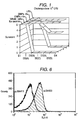
- mice were challenged by intraperitoneal injection with approximately 10 8 CFU N. meningitidis K454 made up in MHB containing transferrin at a final concentration of 20mg/ml. The mice were then examined and the number of survivors noted and the results are shown in fig.1 . After 4 days all 5 mice survived in the groups vaccinated with whole cells and OMPs (without iron) and 3 survived in the group vaccinated with OMPs (with iron). After 5 days all members of the control group and of the group vaccinated with LOS (marked LPS on the figure) had died.
- Brain heart infusion agar plates were inoculated with 50 ⁇ l of N. lactamica strain Y92-1009 and incubated overnight at 37°C, with 5% CO 2 . This was used to inoculate a 100ml MHB starter culture which was incubated with shaking at 37°C for 6 h. Starter culture (15ml) was added to each of 6x500ml volumes of MHB. These were then incubated with shaking overnight at 37°C and the conditions were made iron-limited by the addition of 5ugml -1 EDDHA. The cells were harvested by centrifugation and the supernatant discarded. The cells were washed with 1 00ml PBS and then pelleted by centrifugation.
- the BioRad (Registered Trade Mark) Prep Cell, model 491 was then used to separate the proteins contained in the detergent extract.
- a 4cm, 7% acrylamide native resolving gel was cast with a 2 cm stacking gel. 12mg of protein in native sample buffer was electrophoresed using running buffer containing 0.1 % (w/v) SDS, 0.025M Tris and 0.192M glycine at 40mA and 400V until the dye front reached the bottom of the gel. 3ml fractions of the eluted proteins were then collected. Once the fractions were collected they were pooled into groups consisting of proteins of molecular weight approximately less than 40kDa, between 40 and 67kDa and more than 67kDa.
- the pooled proteins were concentrated by ammonium sulphate precipitation and dialysed against PBS. These were diluted in PBS to a protein concentration of 100ug/ml and Freund's complete adjuvant was added at a ratio of 1: 1 (v/v) or Freund's incomplete adjuvant for booster doses.
- mice were vaccinated with each preparation as follows:- Prime:- Day 0 First boost:- Day 21 Second boost:- Day 28
- mice were vaccinated with no vaccine (i.e control group), Elugent ("Registered Trade Mark”) extract or high, medium or low molecular weight fraction.
- the mice receiving the protein fraction groups received 0.2ml subcutaneously; equivalent to 10 ⁇ g of protein.
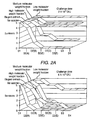
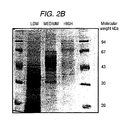
- mice were challenged by intraperitoneal injection with either approximately 2 x 10 7 or 6 x 10 8 CFU N. meningitidis K454 made up in MHB containing transferrin at a final concentration of 20mg/ml. The mice were then examined over four days and the number of survivors noted, and the results are shown in fig.2A - upper panel 2 x 10 7 challenge and lower panel 6 x 10 8 challenge. The components of the high, medium and low molecular weight fractions are shown in fig.2B . after being run an SDS-PAGE gel.
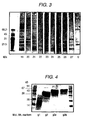
- Example 6 Due to the level of protection offered by the low molecular weight pool in Example 6 (see Fig. 2A ), further separation of these proteins was carried out, according to the method of Example 5, to further characterise components responsible for protection. Proteins were pooled into three groups consisting of ⁇ 25 kDa (g1), 25-35 kDa (g2) and 35-43 kDa (g3)(shown in Fig. 4 ).
- LPS lipopolysaccharide
- mice were immunised, using a three dose schedule with one of the three groups of proteins described above, proteins > 43 kDa and detergent extract of killed whole N. lactamica cells and killed whole N. lactamica.
- Animals were challenged with N. meningitidis serogroup B, strain K454, at a dose of 5 ⁇ 10 6 or 1 ⁇ 10 8 CFU, together with unimmunised controls. The number of survivors on each day post challenge is shown in Fig. 5 .
- mice apart from the control group and one mouse in group g3, survived the lower challenge dose; however, at the higher challenge dose the g2 and g3 protein groups (25-35 kDa and 35-43 kDa respectively) offered best protection.
- the gene encoding the measles virus nucleocapsid protein was cloned into the pMGC18.1 shuttle vector (Webb et al., 1998, poster at the 11 th International Pathogenic Neisseria Conference, Nice) and transformed into E.coli DH5alpha. Expression of the measles virus nucleocapsid protein was confirmed by western blotting probed with specific antiserum. This construct was then used to transform N. lactamica by conjugation. Expression of the measles virus nucleocapsid protein was placed under the control of the neisserial frpC promoter and expression at high levels was seen when the bacteria were grown under iron-limited growth conditions.
- the green fluorescent protein (GFP) gene of Aequorea victoria was inserted into the pJSK422 plasmid using standard cloning techniques.
- the GFP was under the control of the groES/EL promoter.
- As a negative control the GFP gene was also inserted into the pJSK41 1 plasmid which lacks the groES/EL promoter of the pJSK422 plasmid.
- N. cinerea was transformed via conjugation (see Example 9) either with the pJSK422 or pJSK411 (negative control) GFP containing plasmids.
- the transformed cells were cultured under appropriate conditions. Fluorescence of the pJSK422 transformed cultures of N. cinerea were compared to that of the pJSK411 transformed cultures. The results of the comparison are shown in Fig. 6 .
- the histogram shows intensity of GFP fluorescence on the X axis and the number of cells fluorescing on the Y axis. It is clear that the level of fluorescence is higher in the N.cinerea transformed with pJSK422 than those transformed with pJSK41 1, indicated by the peak shift to the right. This, demonstrates heterologous expression of the GFP gene in the commensal N. cinerea.
Landscapes
- Health & Medical Sciences (AREA)
- Life Sciences & Earth Sciences (AREA)
- Chemical & Material Sciences (AREA)
- Medicinal Chemistry (AREA)
- General Health & Medical Sciences (AREA)
- Virology (AREA)
- Veterinary Medicine (AREA)
- Pharmacology & Pharmacy (AREA)
- Animal Behavior & Ethology (AREA)
- Public Health (AREA)
- Mycology (AREA)
- Microbiology (AREA)
- Immunology (AREA)
- Epidemiology (AREA)
- Organic Chemistry (AREA)
- Communicable Diseases (AREA)
- Gastroenterology & Hepatology (AREA)
- Biochemistry (AREA)
- Biophysics (AREA)
- Genetics & Genomics (AREA)
- Molecular Biology (AREA)
- Proteomics, Peptides & Aminoacids (AREA)
- Pulmonology (AREA)
- Chemical Kinetics & Catalysis (AREA)
- Oncology (AREA)
- General Chemical & Material Sciences (AREA)
- Nuclear Medicine, Radiotherapy & Molecular Imaging (AREA)
- Medicines Containing Antibodies Or Antigens For Use As Internal Diagnostic Agents (AREA)
- Micro-Organisms Or Cultivation Processes Thereof (AREA)
- Medicines That Contain Protein Lipid Enzymes And Other Medicines (AREA)
- Medicines Containing Material From Animals Or Micro-Organisms (AREA)
- Peptides Or Proteins (AREA)
- Preparation Of Compounds By Using Micro-Organisms (AREA)
Abstract
Description
- The present invention relates to vaccines and methods for preparing vaccines that stimulate an immune response. In particular, the present invention relates to vaccines that provide broad spectrum protective immunity to microbial infection.
- Infection by pathogenic organisms is one of the major causes of chronic and acute disease. In particular, infection resulting from microbial sources - such as bacteria, viruses and protozoans - continue to claim millions of lives worldwide. With microbial species increasingly becoming resistant to conventional antibiotics, it would be desirable to provide alternative and preferably prophylactic means of protecting against and fighting microbial infection.
- Meningococcal meningitis is of particular importance as a worldwide health problem and in many countries the incidence of infection is increasing. Neisseria meningitidis (the meningococcus) is the organism that causes the disease and is also responsible for meningococcal septicaemia, which is associated with rapid onset and high mortality, with around 22% of cases proving fatal.
- At present, vaccines directed at providing protective immunity against meningococcal disease provide only limited protection because of the many different strains of N. meningitidis. Vaccines based upon the serogroup antigens, the capsular polysaccharides, offer only short lived protection against infection and do not protect against many strains commonly found in North America and Europe. A further drawback of these vaccines is that they provide low levels of protection for children under the age of 2 years, one of the most vulnerable groups that are commonly susceptible to infection. Newer conjugate vaccines now in use in the UK will address some of these problems but will only be effective against the C serogroup of the mieningococcus
- Gold et al. (Journal of Infectious Diseases, volume 137, no. 2, February 1978, pages 112-121) have reported that carriage of N. lactamica may assist in the development of natural immunity to N. meningitidis by induction of cross-reactive antibodies. This conclusion was based on the observation of cross-reacting antibodies having complement-dependent bactericidal activity produced in response to N. lactamica infection. However, Cann and Rogers (J. Med. Microbiol., ) detected antibodies to common antigens of pathogenic and commensal neisseria species, but observed also that antibody to the same antigens was present in both bactericidal and non-bactericidal sera. Thus, it was not possible to identify any cross-reactive bactericidal antibodies.
- Live attenuated vaccines for meningococcal disease have been suggested by Tang et al. (Vaccine 17, 1999, pages 114-117) in which a live, attenuated strain of N. meningitidis could be delivered mucosally. Tang also commented on the use of commensal bacteria to protect against infection by pathogenic bacteria, concluding that the cross-reactive epitopes that induce protection against meningococcal infection have not been defined, and therefore that use of genetically modified strains of N. meningitidis would be preferred.
- It is desirable to provide a further vaccine that gives protective immunity to infection from N. meningitidis. It further is desirable to provide a vaccine that confers protective immunity to infants as well as adults and whose protection is long term. It may also be of advantage to provide a vaccine that protects against sub-clinical infection, i.e. where symptoms of meningococcal infection are not immediately apparent and the infected individual may act as a carrier of the pathogen. It would further be of advantage to protect against all or a wide range of strains of N. meningitidis. infection, notably gonorrhoea.
-
WO-A-96/29412 - Aoun et al (Annals de l'Institut Pasteur Microbiol. Vol. 139, pp203-212119881) relates to the identification of antibodies in human patients to a 70kDa meningococcal surface antigen and its value as a vaccine component. Convalescent sera from human carriers was shown to also bind to the 70kDa protein of N. gonorrhoeae. However, non-pathogenic Neisseria species although possessing the 70kDa antigen elicited less frequently an antibody response in children.
- Gomez et al (Vaccine, Vol. 14, pp 1340-1346 (1996)) describes the purification of a 37kDa iron-repressible protein (Fbp) from N. menigitidis. Mouse antibodies raised against Fbp from pathogenic Neisseria are shown to bind to Fbps from the commensals N. lactamica and N. sicca.
- It is still further desirable to provide a vaccine against other neisserial infection, notably gonorrhoea.
- It is an object of the present invention to provide compositions containing immunostimulating components, and vaccines based thereon, that meet or at least ameliorate the disadvantages in the art.
- The present invention is based on the use of a commensal Neisseria in a vaccine against disease. Accordingly, a commensal species of Neisseria such as N. lactamica may be used as a live vaccine or a killed whole cell vaccine, or in a vaccine containing fractions of N. lactamica. It has surprisingly been demonstrated that mice immunised according to the present invention with N. lactamica killed whole cells and outer membrane preparations are protected from lethal intraperitoneal meningococcal challenge, and that vaccines composed of a detergent extract of N. lactamica cells or fractions of this, separated by preparative electrophoresis, also protect mice from lethal meningococcal challenge. These results have been obtained using mice and the mouse model used is regarded as predictive of corresponding immunogenic and vaccinating effects in humans.
- Accordingly, a first aspect of the present invention provides a vaccine composition comprising a commensal Neisseria or an outer membrane preparation thereof. The commensal Neisseria are selected from the group consisting of N. lactamica, N. cinerea, N. elongata, N. flavescens, N. polysaccharea, N. sicca and N. subflava. Also disclosed are an immunogenic composition, comprising a commensal Neisseria or an immunogenic component, extract or derivative thereof and a pharmaceutically acceptable carrier.
- The composition of the invention is particularly suited to vaccination against infection of an animal. The term "infection" as used herein is intended to include the proliferation of a pathogenic organism within and/or on the tissues of a host organism. Such pathogenic organisms typically include bacteria, viruses, fungi and protozoans, although growth of any microbe within and/or on the tissues of an organism are considered to fall within the term "infection".
- Commensal micro-organisms are those that can colonize a host organism without signs of disease. A number of different commensal Neisseria are suitable for use in the invention, and these commensal Neisseria are selected from the group consisting of N. lactamica, N. cinerea, N. elongata, N. flavescens, N. polysaccharea, N. sicca and N. subflava. Different species of these commensal organisms are known to colonise the buccal or nasal areas or other mucosal surfaces and hence each species may be administered according to the known area of the body it normally colonises. Hence also, use of a composition of the invention may result in stimulation of production of protective antibodies de novo or if the individual has already been colonised to a certain extent may result in an enhancement of naturally-existing antibodies.
- The "extract" or "component" is an extract or component that is immunogenic such that antibodies raised aginast the extract or component of a commensal Neisseria cross react with a pathogenic Neisseria, in particular N. meningitidis.
- The term "derivative" is used to describe types and strains of commensal Neisseria that are modified or attenuated in some way so as to differ from the wild type species; for example, a vaccine composition comprising a recombinant commensal Neisseria that exhibits resistance to certain types of antibiotic compounds, which might advantageously be utilised in combination with such antibiotics in the treatment of infection.
- It is an advantage of the invention that vaccination against neisserial diseases may thus be achieved using a non-pathogenic species of Neisseria, rendering the vaccination a safer procedure. Furthermore, the protection conferred surprisingly may not be restricted to a specific serotype, subtype or serogroup of the meningococcus but is of general protective efficacy.
- A further advantage of the invention is that the commensal Neisseria that are the subject of the invention can not revert to virulent types. It is known in the vaccination field to use live, attenuated pathogens and this use carries the risk that the attenuated organism may revert to virulence. This risk is avoided by the present invention. Furthermore, N. meningitidis possesses many virulence factors the precise roles of which in pathogenesis are unknown and may possess hitherto unrecognised virulence factors. Therefore, an additional advantage of the invention is that a composition of the invention can be used with confidence in its level of safety.
- The method of the invention is of application to vaccination against various infections, preferably but not only neisserial infections. In a specific embodiment of the invention, protection against meningococcal disease has been demonstrated. The invention is also of application to vaccination generally against neisserial infection, including gonorrhoeal infection, and also to infection from other pathogenic microbial organisms. The invention further provides for vaccination that is aimed at either stimulating or desensitizing the immune system.
- The composition can specifically comprise killed commensal Neisseria, which may for example be obtained by heat or by suspending commensal Neisseria in a mixture of bactericidal agents such as thiomersal and formaldehyde.
- The composition may also comprise live commensal Neisseria. As mentioned, it is optional but not usually required to use attenuated commensal Neisseria as these organisms are avirulent.
- In an embodiment of the invention, an immunogenic component or extract of a commensal Neisseria is selected from an outer membrane vesicle preparation, an outer membrane preparation, lipooligosaccharide and a protein fraction.
- The outer membrane preparation and protein fraction of N.lactamica, for example, can be obtained from N.lactamica cultured in the presence or absence of iron. The protein fraction of N.lactamica disclosed herein is conveniently obtained by suspending N.lactamica cells or membranes in the presence of detergent and incubating the suspension so as to extract proteins from the N.lactamica.
- Alternatively, a number of other techniques are known for extraction of outer membrane components - such as protein fractions, lipooligosaccharides and lipopolysaccharides - from cell preparations and are suitable to obtain the commensal Neisseria immunogenic components or extracts Examples of conventional techniques for this purpose include the use of variation in salt concentration, chaotropic agents, variation in pH (high or low), enzymic digestion and mechanical disruption.
- A number of different fractions disclosed herein are suitable for use in vaccinating against meningococcal disease. Particularly suitable fractions are those of molecular weight less than 50kDa, of molecular weight more than 40kDa and less than 70kDa, and of molecular weight more than 60kDa.
- As disclosed herein there is provided a composition for eliciting an immune response and suitable for use in vaccinating an individual against neisserial infection, more specifically meningococcal disease, comprising an antigenic component or antigenic components having the properties:-
- (a) molecular weight 50kDa or lower;
- (b) obtainable from N. lactamica; and
- (c) antibodies to the component(s) obtained from N. lactamica cross-react with N. meningitidis.
- In use of a composition containing such a component, extracted using detergent, all mice treated with this component survived a challenged dose of 2 x 10⁷ CFU N. meningitidis and three out of five mice survived a higher challenge dose of 6 x 10⁸ CFU.
- Also disclosed is a composition for eliciting an immune response and suitable for use in vaccinating an individual against neisserial infection, more specifically meningococcal disease, comprising an antigenic component or antigenic components having the properties:-
- (a) molecular weight at least 40kDa and up to 70kDa;
- (b) obtainable from N. lactamica; and
- (c) antibodies to the component(s) obtained from N. lactamica cross-react with N. meningitidis.
- in use of such a component obtained using a detergent extract of N. lactamica, four out of five mice treated with the component survived a challenge dose of 2 x 10⁷ CFU N. meningitidis and mice receiving a higher challenge dose of 6 x 10⁸ CFU survived longer than a control group.
- Also disclosed is a composition for eliciting an immune response and suitable for use in vaccinating an individual against neisserial infection, more specifically meningococcal disease, comprising an antigenic component or antigenic components having the properties:-
- (a) molecular weight at least 60kDa;
- (b) obtainable from N. lactamica; and
- (c) antibodies to the component(s) obtained from N. lactamica cross-react with N. meningitidis.
- In use of such a component, obtained using a detergent extract, one out of five mice survived a challenge dose of 2 x 10⁷ CFU N. meningitidis and, whilst all mice succumbed to a higher challenged dose of 6 x 10⁸ CFU, their survival time was longer than a control group which did not receive the component.
- In an example of the disclosed compositions in use, described in more detail below, proteins in the size ranges of 25-35 kDa and 35-43 kDa, extracted from a commensal Neisseria, conferred a significant level of immune protection when administered to mice as a vaccine composition.
- By way of example of a method of extracting an antigenic component disclosed herein an extraction method comprises:-
- (i) suspending N.lactamica, cells in an aqueous solution of detergent;
- (ii) incubating the suspension so as to extract the antigenic component from the N.lactamica;
- (iii) centrifuging the suspension to separate the suspension into a supernatant and a pellet; and
- (iv) fractionating the antigenic component from the supernatant.
- This specific method can be modified according to the extraction protocol selected by the user, for example by using high salt concentration in the initial step (i). In further embodiments of the invention the antigenic component is obtained using recombinant technology by expression of a N. lactamica sequence in a suitable host such as E. coli.
- In a second aspect, the invention relates to a composition for vaccination against neisserial infection comprising a commensal Neisseria or an immunogenic component, extract or derivative thereof and a pharmaceutically acceptable carrier, wherein the commensal Neisseria comprises and expresses a gene from a pathogenic Neisseria.
- This aspect of the invention offers the benefit of use of a commensal organism to deliver and/or present to the recipient an antigen from a pathogenic Neisseria. The gene optionally encodes a surface antigen or a protein that is secreted, and may code for an antigen from, for example, N. meningitidis or N. gonorrhoeae. The commensal Neisseria can be live or killed.
- In an embodiment of the second aspect of the invention there is provided a composition for vaccination against meningococcal disease comprising a commensal Neisseria and a pharmaceutically acceptable carrier, wherein the commensal Neisseria comprises and expresses a N. meningitidis gene.
- The N. meningitidis gene may encode for example a transferrin binding protein, a superoxide dismutase (SOD) for example a Cu,Zn SOD, neisserial surface protein A ("NspA"), a porin or another outer membrane protein. Gene sequences for the majority of these antigens are known in the literature. Kroll et al. in Microbiology 141 (Pt 9), 2271-2279 (1995) describe the sequence of Cu,Zn-SOD. Martin et al. in J Exp Med, 1997, April 7th, 185(7), ppl 173-1 183 describe the sequence of NspA from N. meningitidis.
- The invention also provides a pharmaceutical composition comprising a composition according to the first or second aspect of the invention plus a pharmaceutically acceptable carrier.
- In a third aspect, the invention provides use of a composition according to the first and second aspects of the invention for the manufacture of a medicament for vaccination against neisserial infection.
- In use of an embodiment of the invention described in an example below, the medicament is for vaccination against meningococcal disease, and comprises a composition according to the first and second aspects of the invention.
- The invention also relates to a strain of a commensal Neisseria, such as N. lactamica, genetically modified so as to express a gene from a pathogenic Neisseria. The N.meningitidis gene may for example code for a protein selected from a transferrin binding protein, a SOD for example a Cu,Zn-SOD, NspA, a porin or another outer membrane protein.
- Also disclosed is a method of extracting a protein for incorporation in a composition suitable for vaccinating against meningococcal disease, comprising:-
- (i) suspending commensal Neisseria, for example N.lactamica, cells in the presence of detergent; and
- (ii) incubating the suspension so as to extract a protein fraction from the cells.
- The protein fraction can suitably be of molecular weight 50kDa or lower, at least 40kDa and up to 90kDa or at least 80kDa.
- The composition may be combined with a pharmaceutically acceptable carrier - for example the adjuvant alum although any carrier suitable for oral, intravenous, subcutaneous, intraperitoneal intramuscular, intradermal or any other route of administration is suitable - to produce a pharmaceutical composition for treatment of meningococcal disease. Commensal Neisseria that are buccal -colonizers can be administered in a mouthwash and nasal colonizers in a nasal spray.
- Transferrin binding proteins are known to be located on the outer membranes of a number of Gram negative bacteria such as N. meningitidis. Formulations of the composition of the present invention with conventional carriers or adjuvants and optionally further supplemented by one or more antigens from Neisseria species, optionally recombinantly produced, for example, Cu-Zn SOD, the 22kD NspA, porins; gonorrhoeal antigens or transferrin binding proteins provide a composition for treatment of infection by these bacteria.
- In the present invention, the term "transferrin binding protein" or "Tbp" refers to a protein which either alone binds to transferrin or can be part of a complex of proteins that binds transferrin.
- A live vaccine according to the present invention may be administered parenterally or to the mucosa for example via intranasal or oral inoculation. A killed bacteria or subunit vaccine may also be given by this route, or formulated for oral delivery. A subunit vaccine is conveniently administered via the parenteral route.
- A further aspect of the invention relates to a composition comprising a commensal Neisseria, or an immunogenic component, extract or derivative thereof, wherein said Neisseria comprises a heterologous gene product.
- Heterologous gene products of the invention typically include peptides, proteins and antisense sequences that are coded for by a gene sequence that is not native to the commensal Neisseria. Typical heterologous gene products of the invention include, for example, bacterial proteins, viral proteins or surface peptides, antigens and antibodies and fragments thereof. The heterologous gene product of the invention may also be any antigen found in a pathogenic organism.
- In an embodiment of the invention, the composition comprises a commensal Neisseria into which has been transformed an expression vector containing a gene sequence encoding a heterologous gene product. Specific proteins suitable for use in the invention typically include:-
- Viral proteins - such as hepatitis B virus surface antigen; rabies virus glycoprotein G; herpes simplex virus glycoprotein D; Epstein-Barr virus glycoprotein; influenza virus glycoprotein; vesicular stomatitis virus nucleoprotein; human respiratory syncytial virus glycoprotein G; human immunodeficiency virus (HIV) envelope; rotavirus subunits; measles virus subunits; and vaccinia virus subunits.
- Bacterial proteins - such as Bordetella pertussis firnbrial subunits; Bordetella pertussis surface proteins; Bacillus anthracis subunits; Escherichia coli subunits; and Yersinia pestis subunits.
- Protozoan proteins - such as Plasmodium falciparum proteins; trypanosome proteins; and Cryptosporidium proteins.
- In a further example of the invention in use, described in more detail below, the expression vector pJSK422 is used to express green fluorescent protein, under the control of the groES/EL promoter, in the commensal N. cinerea.
- The invention further provides for a commensal Neisseria that is transformed with an expression vector that comprises a signal sequence that directs the heterologous gene product to the outer membrane of the neisserial cell. Other signal sequences are also suitable for use in the invention, such as secretion signals or cellular subcompartment localisation signals e.g. periplasmic localisation signals.
- Further aspects of the invention provide methods for preparing compositions. Such methods are suitable for preparing vaccine compositions that elicit protective immunity to microbial infection when administered to an animal.
- An example of the invention in use, described in more detail below, provides for a method of preparing a composition comprising the steps of:
- a) inserting a gene coding for a heterologous gene product into an expression vector;
- b) transforming said expression vector into a commensal Neisseria so that said heterologous gene product is expressed in said Neisseria; and
- c) combining the Neisseria of (b) with a pharmaceutically acceptable carrier.
- Also disclosed is a method of preparing a composition comprising the steps of:
- a) inserting a gene coding for a heterologous gene product into an expression vector;
- b) transforming said expression vector into a commensal Neisseria so that said heterologous gene product is expressed in said Neisseria;
- c) obtaining an immunogenic component or extract from the Neisseria of (b); and
- d) combining the immunogenic component or extract of (c) with a pharmaceutically acceptable carrier.
- Also disclosed is a method of preparing a composition comprising the steps of:
- a) obtaining an immunogenic component or extract from a commensal Neisseria; and
- b) combining the immunogenic component or extract of (a) with a heterologous gene product and a pharmaceutically acceptable carrier.
- Also disclosed are (a) methods and compositions in which an extract is taken from a commensal Neisseria that expresses a heterologous gene product, and (b) methods and compositions where an extract is obtained from a commensal Neisseria and the heterologous gene product expressed elsewhere (in another organism) is combined with this latter extract.
- The invention also relates to use of a commensal Neisseria in the manufacture of a medicament for treatment of neisserial infection, and for use of a commensal Neisseria, or an immunogenic component, extract or derivative thereof, wherein said Neisseria comprises a heterologous gene product, .in the manufacture of a medicament for the treatment of infection or for immunostimulation in an animal.
- Specific embodiments of the invention are discussed in more detail by means of the Examples described below. The results referred to in the Examples are illustrated by the accompanying drawings, in which:
-
Fig. 1 shows protection of mice against intraperitoneal ("IP") infection with N.meningitidis strain K454 by use of N.lactamica whole cells and outer membrane fractions; -
Fig. 2A shows protection of mice against IP infection with N.meningitidis strain K454 by use of detergent and high, medium and low molecular weight extracts of N.lactamica cells - upper panel = challenge by 2 x 10⁷ CFU, lower panel =challenge by 6 x 10⁸ CFU; -
Fig. 2B shows the components of the high, medium and low molecular weight fractions offig.2A ; -
Fig. 3 shows an immunoblot illustrating cross-reaction of antibodies in sera from meningococcal disease patients with proteins from N.lactamica strain Y92-1009; -
Fig. 4 shows a photograph of a gel on which subfractions of low molecular weight outer membrane protein extract have been run; and -
Fig. 5 shows protection of mice against IP infection with N.meningitidis strain K454 when immunised with low molecular weight subfractions - upper panel = challenge by 5 × 10⁶ CFU, lower panel = challenge by 1 × 10⁸ CFU. -
Fig. 6 shows a histogram comparing the fluorescence of N. cinerea NRL 32165 containing pJSK41 1 (promoterless GFP) to pJSK422 (pJSK41 with groEL/ES promoter). - Neisseria lactamica strain Y92-1009 was grown in Mueller Hinton broth (MHB) containing 5µgml-1 ethylenediamine-di(o-hydroxyphenylacetic acid) (EDDHA), incubated at 37°C with shaking (140rpm) for approximately 6h.
- Bacteria were then harvested by centrifugation and resuspended in phosphate buffered saline (PBS) containing 1 % (v/v) formaldehyde and 0.1 % (w/v) thiomersal, and left to stand overnight at 2-8°C. Killed cells were then resuspended in PBS to an OD650 of 1.0 (equivalent to 2 x 10⁹ CFUml-1) and alhydrogel added to 25% (V/V), yielding a product suitable for subcutaneous administration.
- This method is suitable also for N. cinerea, N. elongata, N. flavescens, N. polysaccharea, N. sicca and N. subflava.
- N. lactamica strain Y92-1009 was grown in MHB with and without the addition of 5µgml-1 EDDHA overnight at 37°C with shaking. Iron limited (with EDDHA) and iron replete cells were then treated separately. Bacteria from 1.5 litres were harvested by centrifugation and resuspended in 20ml 200mM Lithium acetate, 5mM EDTA, pH 6.0 and incubated for 3h at 37°C with shaking. Bacteria were then passed 7 times through a 21 gauge needle and pelleted at 8000g for 10min.
- The supernatant was recovered and membranes pelleted by centrifugation at 1 OO,OOOg for 1h at 4°C. The membranes were then resuspended in 10mM HEPES, pH 7.4, containing 0.1 % (v/v) 10mM PMSF, yielding OM-containing vaccinating preparations. The protein content of the OM vaccine preparations was determined using the bicinchoninic acid assay (Sigma, UK). OMs were diluted in sterile deionized water to give a protein concentration of 100Ngml-1. This was then mixed with an equal volume of Freund's adjuvant, to give a final protein concentration of 50µgml-1, and emulsified thoroughly. Freund's complete adjuvant was used for the primary dose, and Freund's incomplete for subsequent boosts.
- Purification of LOS was carried out from N. lactamica strain Y92-1009 using the method of Gu, X-X and Tsai, C.M. (1991) Anal Biochem. 196; 311-318. Vaccine was prepared using Freund's adjuvant as above with LOS at a final concentration of 10µgml-1.
- Groups of 5 mice were vaccinated with each preparation as follows:-
Prime:- Day 0First boost:- Day 21Second boost:- Day 28 - Mice vaccinated with killed cells of Example 1 received 0.5ml subcutaneously, equivalent to 1 × 10⁹ CFU. Mice vaccinated with OM of Example 2 and LOS of Example 3 received 0.2ml subcutaneously; equivalent to 10µg of protein and 2µg of LOS.
- On day 35, mice were challenged by intraperitoneal injection with approximately 108 CFU N. meningitidis K454 made up in MHB containing transferrin at a final concentration of 20mg/ml. The mice were then examined and the number of survivors noted and the results are shown in
fig.1 . After 4 days all 5 mice survived in the groups vaccinated with whole cells and OMPs (without iron) and 3 survived in the group vaccinated with OMPs (with iron). After 5 days all members of the control group and of the group vaccinated with LOS (marked LPS on the figure) had died. - Brain heart infusion agar plates were inoculated with 50µl of N. lactamica strain Y92-1009 and incubated overnight at 37°C, with 5% CO2. This was used to inoculate a 100ml MHB starter culture which was incubated with shaking at 37°C for 6 h. Starter culture (15ml) was added to each of 6x500ml volumes of MHB. These were then incubated with shaking overnight at 37°C and the conditions were made iron-limited by the addition of 5ugml-1 EDDHA. The cells were harvested by centrifugation and the supernatant discarded. The cells were washed with 1 00ml PBS and then pelleted by centrifugation. Cell pellets were resuspended in PBS + 0.3% (v/v) Elugent (Calbiochem, 2ml per g wet weight) and incubated with shaking at 37°C for 20 min. The cells were then removed by centrifugation and the pellet discarded. EDTA and N-lauroyl sarcosine were then added to the supernatant to 10mM and 0.5% (w/v) respectively.
- The BioRad (Registered Trade Mark) Prep Cell, model 491 was then used to separate the proteins contained in the detergent extract. A 4cm, 7% acrylamide native resolving gel was cast with a 2 cm stacking gel. 12mg of protein in native sample buffer was electrophoresed using running buffer containing 0.1 % (w/v) SDS, 0.025M Tris and 0.192M glycine at 40mA and 400V until the dye front reached the bottom of the gel. 3ml fractions of the eluted proteins were then collected. Once the fractions were collected they were pooled into groups consisting of proteins of molecular weight approximately less than 40kDa, between 40 and 67kDa and more than 67kDa. The pooled proteins were concentrated by ammonium sulphate precipitation and dialysed against PBS. These were diluted in PBS to a protein concentration of 100ug/ml and Freund's complete adjuvant was added at a ratio of 1: 1 (v/v) or Freund's incomplete adjuvant for booster doses.
- Groups of 5 mice were vaccinated with each preparation as follows:-
Prime:- Day 0First boost:- Day 21Second boost:- Day 28 - Mice were vaccinated with no vaccine (i.e control group), Elugent ("Registered Trade Mark") extract or high, medium or low molecular weight fraction. The mice receiving the protein fraction groups received 0.2ml subcutaneously; equivalent to 10µg of protein.
- On day 35 mice were challenged by intraperitoneal injection with either approximately 2 x 10⁷ or 6 x 10⁸ CFU N. meningitidis K454 made up in MHB containing transferrin at a final concentration of 20mg/ml. The mice were then examined over four days and the number of survivors noted, and the results are shown in
fig.2A - upper panel 2 x 10⁷ challenge and lower panel 6 x 10⁸ challenge. The components of the high, medium and low molecular weight fractions are shown infig.2B . after being run an SDS-PAGE gel. - Samples of human sera following meningococcal disease were investigated and these showed that antibodies were produced which react with a range of N. lactamica proteins. The results of the immunoblot are shown in
fig.3 . - Due to the level of protection offered by the low molecular weight pool in Example 6 (see
Fig. 2A ), further separation of these proteins was carried out, according to the method of Example 5, to further characterise components responsible for protection. Proteins were pooled into three groups consisting of < 25 kDa (g1), 25-35 kDa (g2) and 35-43 kDa (g3)(shown inFig. 4 ). Determination of the levels of lipopolysaccharide (LPS) revealed high levels of LPS in fraction g1 [26 580 endotoxin units per ml (EUml-1)], and considerably lower levels in the remaining fractions (9149 EUml-1 in g2 and 9348 EUml-1 in g3). - As in previous examples, groups of five mice were immunised, using a three dose schedule with one of the three groups of proteins described above, proteins > 43 kDa and detergent extract of killed whole N. lactamica cells and killed whole N. lactamica. Animals were challenged with N. meningitidis serogroup B, strain K454, at a dose of 5 × 10⁶ or 1 × 10⁸ CFU, together with unimmunised controls. The number of survivors on each day post challenge is shown in
Fig. 5 . - All mice, apart from the control group and one mouse in group g3, survived the lower challenge dose; however, at the higher challenge dose the g2 and g3 protein groups (25-35 kDa and 35-43 kDa respectively) offered best protection.
- The gene encoding the measles virus nucleocapsid protein was cloned into the pMGC18.1 shuttle vector (Webb et al., 1998, poster at the 11th International Pathogenic Neisseria Conference, Nice) and transformed into E.coli DH5alpha. Expression of the measles virus nucleocapsid protein was confirmed by western blotting probed with specific antiserum. This construct was then used to transform N. lactamica by conjugation. Expression of the measles virus nucleocapsid protein was placed under the control of the neisserial frpC promoter and expression at high levels was seen when the bacteria were grown under iron-limited growth conditions.
- The green fluorescent protein (GFP) gene of Aequorea victoria was inserted into the pJSK422 plasmid using standard cloning techniques. The GFP was under the control of the groES/EL promoter. As a negative control the GFP gene was also inserted into the
pJSK41 1 plasmid which lacks the groES/EL promoter of the pJSK422 plasmid. - N. cinerea was transformed via conjugation (see Example 9) either with the pJSK422 or pJSK411 (negative control) GFP containing plasmids. The transformed cells were cultured under appropriate conditions. Fluorescence of the pJSK422 transformed cultures of N. cinerea were compared to that of the pJSK411 transformed cultures. The results of the comparison are shown in
Fig. 6 . The histogram shows intensity of GFP fluorescence on the X axis and the number of cells fluorescing on the Y axis. It is clear that the level of fluorescence is higher in the N.cinerea transformed with pJSK422 than those transformed withpJSK41 1, indicated by the peak shift to the right. This, demonstrates heterologous expression of the GFP gene in the commensal N. cinerea.
Claims (22)
- A vaccine composition comprising a commensal Neisseria or an outer membrane preparation thereof wherein said commensal Neisseria is selected from the group consisting of N. lactamica; N. cinerea; N. elongata; N. flavescens-, N. polysaccharea; N. sicca; and N. subflava
- A vaccine composition according to Claim 1 comprising killed Neisseria.
- A vaccine composition according to Claim 2 wherein killed N. lactamica are obtained by suspending N. lactamica in a mixture of bactericidal agents.
- A vaccine composition according to Claim 1 comprising live N. lactamica.
- A vaccine composition according to Claim 1 wherein the Neisseria is N. lactamica.
- A vaccine composition according to Claim 1, wherein said outer membrane preparation comprises outer membrane vesicles.
- A method of preparing a vaccine composition comprising:a) obtaining a commensal Neisseria or an outer membrane preparation thereof; andb) combining said commensal Neisseria or outer membrane preparation with a pharmaceutically acceptable carrier, wherein said commensal Neisseria is selected from the group consisting of N. lactamica; N. cinerea; N. elongata; N. flavescens; N. polysaccharea; N. sicca; and N. subflava.
- A method according to Claim 7, wherein said outer membrane preparation comprises outer membrane vesicles.
- A method according to Claim 7, wherein the Neisseria is N. lactamica.
- A vaccine composition according to any of Claims 1 to 6 or a method according to any of Claims 7 to 9, wherein said Neisseria or outer membrane preparation thereof comprises a heterologous gene product.
- A vaccine composition or method according to Claim 10, wherein the commensal Neisseria expresses a gene from a pathogenic Neisseria.
- A vaccine composition or method according to Claim 11, wherein said pathogenic Neisseria is N. meningitidis.
- A vaccine composition or method according to Claim 12 wherein the commensal Neisseria expresses a gene which encodes a protein from N. meningitidis selected from the group consisting of transferrin binding protein; a Cu,Zn-SOD; an NspA; a porin; an outer membrane protein
- A vaccine composition according to any of Claims 1 to 6 or 10 to 13 or a method according to any of Claims 7 to 9, wherein said commensal Neisseria is modified or attenuated so as to differ from the wild type species.
- A vaccine composition comprising a composition according to any of Claims 1 to 6 or 10 to 14 plus a pharmaceutically acceptable carrier.
- A vaccine composition according to any of Claims 1 to 6 or 10 to 15 further comprising a gene product heterologous to said Neisseria.
- A vaccine composition according to Claim 16, wherein the heterologous gene product is physically combined with said commensal Neisseria.
- A method according to any of Claim 7 to 9 comprising:a) inserting a gene coding for a heterologous gene product into an expression vector,b) transforming said expression vector into a commensal Neisseria so that said heterologous gene product is expressed in said Neisseria; andc) combining the Neisseria of (b) or an outer membrane preparation thereof with a pharmaceutically acceptable carrier.
- Use of a composition according to any of Claims 1 to 6 or 10 to 17 for the manufacture of a medicament for vaccination against Neisserial infection.
- Use according to Claim 19, wherein said Neisserial infection is meningococcal infection.
- Use according to Claim 19 or 20, wherein said composition comprises a Neisseria which comprises a heterologous gene product.
- Use according to any of Claims 19 to 21, wherein the medicament is for oral, intravenous, subcutaneous, intraperitoneal, intramusculan or intradermal administration.
Priority Applications (2)
| Application Number | Priority Date | Filing Date | Title |
|---|---|---|---|
| EP07012248A EP1852125A3 (en) | 1999-02-22 | 2000-02-22 | Neisserial vaccine compositions and methods |
| CY20081100518T CY1107950T1 (en) | 1999-02-22 | 2008-05-19 | NAVIGATION VACCINE COMPOSITIONS AND METHODS |
Applications Claiming Priority (5)
| Application Number | Priority Date | Filing Date | Title |
|---|---|---|---|
| GB9904028 | 1999-02-22 | ||
| GBGB9904028.9A GB9904028D0 (en) | 1999-02-22 | 1999-02-22 | Neisserial vaccine |
| GB9922561 | 1999-09-23 | ||
| GBGB9922561.7A GB9922561D0 (en) | 1999-09-23 | 1999-09-23 | Neisserial vaccine compositions and methods |
| PCT/GB2000/000624 WO2000050074A2 (en) | 1999-02-22 | 2000-02-22 | Neisserial vaccine compositions and methods |
Related Child Applications (1)
| Application Number | Title | Priority Date | Filing Date |
|---|---|---|---|
| EP07012248A Division EP1852125A3 (en) | 1999-02-22 | 2000-02-22 | Neisserial vaccine compositions and methods |
Publications (2)
| Publication Number | Publication Date |
|---|---|
| EP1154791A2 EP1154791A2 (en) | 2001-11-21 |
| EP1154791B1 true EP1154791B1 (en) | 2008-02-20 |
Family
ID=26315168
Family Applications (2)
| Application Number | Title | Priority Date | Filing Date |
|---|---|---|---|
| EP07012248A Withdrawn EP1852125A3 (en) | 1999-02-22 | 2000-02-22 | Neisserial vaccine compositions and methods |
| EP00905182A Expired - Lifetime EP1154791B1 (en) | 1999-02-22 | 2000-02-22 | Neisserial vaccine compositions and methods |
Family Applications Before (1)
| Application Number | Title | Priority Date | Filing Date |
|---|---|---|---|
| EP07012248A Withdrawn EP1852125A3 (en) | 1999-02-22 | 2000-02-22 | Neisserial vaccine compositions and methods |
Country Status (12)
| Country | Link |
|---|---|
| US (1) | US7157245B2 (en) |
| EP (2) | EP1852125A3 (en) |
| JP (1) | JP4982009B2 (en) |
| AT (1) | ATE386541T1 (en) |
| AU (1) | AU779086B2 (en) |
| CA (1) | CA2371928C (en) |
| CY (1) | CY1107950T1 (en) |
| DE (1) | DE60038099T2 (en) |
| DK (1) | DK1154791T3 (en) |
| ES (1) | ES2298128T3 (en) |
| PT (1) | PT1154791E (en) |
| WO (1) | WO2000050074A2 (en) |
Families Citing this family (16)
| Publication number | Priority date | Publication date | Assignee | Title |
|---|---|---|---|---|
| US7081244B2 (en) * | 1999-02-22 | 2006-07-25 | Health Protection Agency | Neisserial vaccine compositions and methods |
| CA2371928C (en) * | 1999-02-22 | 2013-08-13 | Microbiological Research Authority | Neisserial vaccine compositions and methods |
| GB0007433D0 (en) * | 2000-03-27 | 2000-05-17 | Microbiological Res Authority | Recombinant transferrin binding proteins |
| GB0107219D0 (en) * | 2001-03-22 | 2001-05-16 | Microbiological Res Authority | Immunogenic commensal neisseria sequences |
| GB0130123D0 (en) | 2001-12-17 | 2002-02-06 | Microbiological Res Agency | Outer membrane vesicle vaccine and its preparation |
| EP1374892A1 (en) * | 2002-06-28 | 2004-01-02 | Braun, Jan Matthias, Dr. | Medicament for the treatment of diseases due to infection by Neisseria Meningitidis |
| GB0220194D0 (en) | 2002-08-30 | 2002-10-09 | Chiron Spa | Improved vesicles |
| US20070134214A1 (en) * | 2003-08-13 | 2007-06-14 | Feng Xu | Inactivated host cell delivery of polynucleotides encoding immunogens |
| GB0424092D0 (en) | 2004-10-29 | 2004-12-01 | Chiron Srl | Immunogenic bacterial vesicles with outer membrane proteins |
| RU2477145C2 (en) | 2008-05-30 | 2013-03-10 | ДЗЕ Ю.Эс.Эй., ЭС РЕПРЕЗЕНТЕД БАЙ ДЗЕ СЕКРЕТАРИ ОФ ДЗЕ АРМИ, ОН БЕХАФ ОФ УОЛТЕР РИД АРМИ | Multivalent vaccine of native vesicles of meningococcal outer membrane, method for making and using it |
| GB0916557D0 (en) | 2009-09-21 | 2009-10-28 | Health Prot Agency | Commensal neisserial stress protein complexes |
| GB0922224D0 (en) | 2009-12-21 | 2010-02-03 | Hiltech Developments Ltd | Transformation of commensal neisseria |
| US10286016B2 (en) | 2014-09-02 | 2019-05-14 | Arizona Board Of Regents On Behalf Of The University Of Arizona | Compositions and methods for treating gonorrhea |
| US10900043B2 (en) | 2014-09-02 | 2021-01-26 | Arizona Board Of Regents On Behalf Of The University Of Arizona | Compositions and methods for treating bacterial disease |
| GB201522153D0 (en) | 2015-12-15 | 2016-01-27 | Univ Southampton | Meningococcal infection and modified neisseria lactamica |
| WO2020168146A1 (en) * | 2019-02-14 | 2020-08-20 | University Of Florida Research Foundation, Inc. | Honeybee commensal snodgrassella alvi vaccine against pathogenic neisseriaceae |
Family Cites Families (14)
| Publication number | Priority date | Publication date | Assignee | Title |
|---|---|---|---|---|
| US5288617A (en) | 1984-10-31 | 1994-02-22 | Commonwealth Scientific And Industrial Research Organization | Method of producing an antigenic preparation |
| US6737521B1 (en) * | 1990-05-11 | 2004-05-18 | The Rockefeller University | Delivery and expression of a hybrid surface protein on the surface of gram positive bacteria |
| US5439808A (en) | 1993-07-23 | 1995-08-08 | North American Vaccine, Inc. | Method for the high level expression, purification and refolding of the outer membrane group B porin proteins from Neisseria meningitidis |
| US5470740A (en) * | 1993-11-04 | 1995-11-28 | Life Technologies, Inc. | Cloned NsiI restriction-modification system |
| IL117483A (en) * | 1995-03-17 | 2008-03-20 | Bernard Brodeur | Proteinase k resistant surface protein of neisseria meningitidis |
| US5980912A (en) | 1997-03-25 | 1999-11-09 | Zonagen, Inc. | Chitosan induced immunopotentiation |
| GB9811260D0 (en) * | 1998-05-26 | 1998-07-22 | Smithkline Beecham Biolog | Novel compounds |
| GB9823978D0 (en) * | 1998-11-02 | 1998-12-30 | Microbiological Res Authority | Multicomponent meningococcal vaccine |
| US20030215469A1 (en) * | 1998-11-02 | 2003-11-20 | Microbiological Research Authority | Multicomponent meningococcal vaccine |
| ES2286905T3 (en) * | 1998-12-02 | 2007-12-01 | University Of Maryland, Baltimore | PLASMID STABILIZATION SYSTEM FOR THE SUPPLY OF ANTIGENS. |
| US6413768B1 (en) * | 1998-12-02 | 2002-07-02 | University Of Maryland | Expression plasmids |
| CA2371928C (en) * | 1999-02-22 | 2013-08-13 | Microbiological Research Authority | Neisserial vaccine compositions and methods |
| US7081244B2 (en) * | 1999-02-22 | 2006-07-25 | Health Protection Agency | Neisserial vaccine compositions and methods |
| GB0130123D0 (en) * | 2001-12-17 | 2002-02-06 | Microbiological Res Agency | Outer membrane vesicle vaccine and its preparation |
-
2000
- 2000-02-22 CA CA2371928A patent/CA2371928C/en not_active Expired - Fee Related
- 2000-02-22 JP JP2000600684A patent/JP4982009B2/en not_active Expired - Fee Related
- 2000-02-22 AU AU26811/00A patent/AU779086B2/en not_active Ceased
- 2000-02-22 ES ES00905182T patent/ES2298128T3/en not_active Expired - Lifetime
- 2000-02-22 WO PCT/GB2000/000624 patent/WO2000050074A2/en not_active Ceased
- 2000-02-22 PT PT00905182T patent/PT1154791E/en unknown
- 2000-02-22 EP EP07012248A patent/EP1852125A3/en not_active Withdrawn
- 2000-02-22 DK DK00905182T patent/DK1154791T3/en active
- 2000-02-22 AT AT00905182T patent/ATE386541T1/en active
- 2000-02-22 DE DE60038099T patent/DE60038099T2/en not_active Expired - Lifetime
- 2000-02-22 EP EP00905182A patent/EP1154791B1/en not_active Expired - Lifetime
-
2001
- 2001-08-31 US US09/942,583 patent/US7157245B2/en not_active Expired - Fee Related
-
2008
- 2008-05-19 CY CY20081100518T patent/CY1107950T1/en unknown
Non-Patent Citations (1)
| Title |
|---|
| None * |
Also Published As
| Publication number | Publication date |
|---|---|
| JP4982009B2 (en) | 2012-07-25 |
| CA2371928C (en) | 2013-08-13 |
| WO2000050074A2 (en) | 2000-08-31 |
| CA2371928A1 (en) | 2000-08-31 |
| DE60038099T2 (en) | 2009-02-19 |
| AU779086B2 (en) | 2005-01-06 |
| US20030026809A1 (en) | 2003-02-06 |
| EP1852125A2 (en) | 2007-11-07 |
| EP1154791A2 (en) | 2001-11-21 |
| AU2681100A (en) | 2000-09-14 |
| WO2000050074A3 (en) | 2000-12-28 |
| DE60038099D1 (en) | 2008-04-03 |
| ES2298128T3 (en) | 2008-05-16 |
| EP1852125A3 (en) | 2010-09-22 |
| CY1107950T1 (en) | 2013-09-04 |
| PT1154791E (en) | 2008-05-30 |
| ATE386541T1 (en) | 2008-03-15 |
| JP2002537352A (en) | 2002-11-05 |
| US7157245B2 (en) | 2007-01-02 |
| DK1154791T3 (en) | 2008-06-16 |
Similar Documents
| Publication | Publication Date | Title |
|---|---|---|
| CA2371928C (en) | Neisserial vaccine compositions and methods | |
| US6558677B2 (en) | Vaccine against gram negative bacteria | |
| TW457247B (en) | Novel antigen | |
| EP0453024B1 (en) | Actinobacillus pleuropneumoniae subunit vaccine | |
| JP2004159660A (en) | Deletion mutants as cholera vaccines | |
| JPH04502402A (en) | Recombinant flagierin vaccine | |
| Mielcarek et al. | Intranasal priming with recombinant Bordetella pertussis for the induction of a systemic immune response against a heterologous antigen | |
| WO2018179003A2 (en) | A bivalent outer membrane vesicles (bomvs) based vaccine against typhoidal salmonellae | |
| US7081244B2 (en) | Neisserial vaccine compositions and methods | |
| HU213924B (en) | Method for producing vaccine against enteric infection caused by enterotoxigenic e.coli bacteria in humans, containing formalin-killed e.coli strain having the ability of expressing colonization factor antigens | |
| EP0725653B1 (en) | Vaccine compositions | |
| PT90310B (en) | PROCESS FOR OBTAINING ADENILATE-CYCLASE PREPARATIONS | |
| Sory et al. | Yersinia enterocolitica O: 9 as a potential live oral carrier for protective antigens | |
| CA1331445C (en) | Vaccine against e. coli septicaemia in poultry | |
| WO1999047164A1 (en) | Use of mutant enterotoxin with excess b-subunit as an adjuvant | |
| Srivastava | Immunogenicity of Pasteurella multocida grown in iron-restricted medium | |
| CN108619507A (en) | Respiratory Syncytial Virus(RSV)-epidemic meningitis combined vaccine and preparation method thereof | |
| CN104271733B (en) | Recombinant mycobacterium bovis strains, immunogenic compositions and uses | |
| CN101448522A (en) | Pharmaceutical composition comprising the NMB0938 protein | |
| CN101448518A (en) | Pharmaceutical composition containing the nmb0606 protein | |
| CN100549027C (en) | NMB0928 protein and its use in pharmaceutical formulations | |
| Papezova et al. | Comparison of live and inactivated Salmonella Typhimurium vaccines containing different combinations of SPI-1 and SPI-2 antigens in poultry | |
| CA2081950A1 (en) | Vaccine for the prevention of infections caused by pasteurella haemolytica | |
| Robinson | Neisserial vaccine compositions and methods | |
| US20130243810A1 (en) | Synergistic immunogenic compositions based on protein antigens combined with pertussis cell antigen and inactivated toxins |
Legal Events
| Date | Code | Title | Description |
|---|---|---|---|
| PUAI | Public reference made under article 153(3) epc to a published international application that has entered the european phase |
Free format text: ORIGINAL CODE: 0009012 |
|
| 17P | Request for examination filed |
Effective date: 20010921 |
|
| AK | Designated contracting states |
Kind code of ref document: A2 Designated state(s): AT BE CH CY DE DK ES FI FR GB GR IE IT LI LU MC NL PT SE |
|
| AX | Request for extension of the european patent |
Free format text: AL;LT;LV;MK;RO;SI |
|
| RIN1 | Information on inventor provided before grant (corrected) |
Inventor name: LANGFORD, PAUL, RICHARD Inventor name: ROBINSON, ANDREW MICROBIOL. RES. AUTHORITY CAMR Inventor name: BRACEGIRDLE, PHILIPPA MICROBIO. RES. AUTHORITY Inventor name: WEBB, STEVEN,ANTHONY,ROCHFORD Inventor name: CARTWRIGHT, KEITH, PUBLIC HEALTH LAB. SERVICE Inventor name: HUDSON, MICHAEL JOHN MICROBIO. RES. AUTHORITY Inventor name: GORRINGE, ANDREW RICHARD MICROBIO. RES. AUTHORITY Inventor name: KROLL, JOHN SIMON, IMPERIAL COLLEGE SCHOOL MED. |
|
| RAP1 | Party data changed (applicant data changed or rights of an application transferred) |
Owner name: PUBLIC HEALTH LABORATORY SERVICE BOARD Owner name: MICROBIOLOGICAL RESEARCH AUTHORITY Owner name: IMPERIAL COLLEGE INNOVATIONS LIMITED |
|
| RAP1 | Party data changed (applicant data changed or rights of an application transferred) |
Owner name: HEALTH PROTECTION AGENCY Owner name: PUBLIC HEALTH LABORATORY SERVICE BOARD Owner name: IMPERIAL COLLEGE INNOVATIONS LIMITED |
|
| RAP1 | Party data changed (applicant data changed or rights of an application transferred) |
Owner name: IMPERIAL COLLEGE INNOVATIONS LIMITED Owner name: HEALTH PROTECTION AGENCY |
|
| RAP1 | Party data changed (applicant data changed or rights of an application transferred) |
Owner name: IMPERIAL COLLEGE INNOVATIONS LIMITED Owner name: HEALTH PROTECTION AGENCY |
|
| RAP1 | Party data changed (applicant data changed or rights of an application transferred) |
Owner name: HEALTH PROTECTION AGENCY Owner name: IMPERIAL COLLEGE INNOVATIONS LIMITED |
|
| 17Q | First examination report despatched |
Effective date: 20051123 |
|
| 17Q | First examination report despatched |
Effective date: 20051123 |
|
| GRAP | Despatch of communication of intention to grant a patent |
Free format text: ORIGINAL CODE: EPIDOSNIGR1 |
|
| RIC1 | Information provided on ipc code assigned before grant |
Ipc: C12N 15/31 20060101ALI20070125BHEP Ipc: A61K 39/40 20060101ALI20070125BHEP Ipc: A61K 39/095 20060101AFI20070125BHEP Ipc: A61P 31/04 20060101ALI20070125BHEP Ipc: C12N 1/21 20060101ALI20070125BHEP Ipc: C07K 14/22 20060101ALI20070125BHEP |
|
| GRAS | Grant fee paid |
Free format text: ORIGINAL CODE: EPIDOSNIGR3 |
|
| RAP1 | Party data changed (applicant data changed or rights of an application transferred) |
Owner name: HEALTH PROTECTION AGENCY Owner name: IMPERIAL INNOVATIONS LIMITED |
|
| GRAA | (expected) grant |
Free format text: ORIGINAL CODE: 0009210 |
|
| AK | Designated contracting states |
Kind code of ref document: B1 Designated state(s): AT BE CH CY DE DK ES FI FR GB GR IE IT LI LU MC NL PT SE |
|
| REG | Reference to a national code |
Ref country code: GB Ref legal event code: FG4D |
|
| REG | Reference to a national code |
Ref country code: CH Ref legal event code: EP |
|
| REG | Reference to a national code |
Ref country code: IE Ref legal event code: FG4D |
|
| REF | Corresponds to: |
Ref document number: 60038099 Country of ref document: DE Date of ref document: 20080403 Kind code of ref document: P |
|
| REG | Reference to a national code |
Ref country code: ES Ref legal event code: FG2A Ref document number: 2298128 Country of ref document: ES Kind code of ref document: T3 |
|
| REG | Reference to a national code |
Ref country code: CH Ref legal event code: NV Representative=s name: ISLER & PEDRAZZINI AG Ref country code: PT Ref legal event code: SC4A Free format text: AVAILABILITY OF NATIONAL TRANSLATION Effective date: 20080519 |
|
| REG | Reference to a national code |
Ref country code: SE Ref legal event code: TRGR |
|
| REG | Reference to a national code |
Ref country code: DK Ref legal event code: T3 |
|
| REG | Reference to a national code |
Ref country code: GR Ref legal event code: EP Ref document number: 20080401180 Country of ref document: GR |
|
| ET | Fr: translation filed | ||
| PLBE | No opposition filed within time limit |
Free format text: ORIGINAL CODE: 0009261 |
|
| STAA | Information on the status of an ep patent application or granted ep patent |
Free format text: STATUS: NO OPPOSITION FILED WITHIN TIME LIMIT |
|
| 26N | No opposition filed |
Effective date: 20081121 |
|
| PGFP | Annual fee paid to national office [announced via postgrant information from national office to epo] |
Ref country code: PT Payment date: 20090303 Year of fee payment: 10 |
|
| PGFP | Annual fee paid to national office [announced via postgrant information from national office to epo] |
Ref country code: DK Payment date: 20100206 Year of fee payment: 11 Ref country code: LU Payment date: 20100209 Year of fee payment: 11 Ref country code: MC Payment date: 20100107 Year of fee payment: 11 |
|
| PGFP | Annual fee paid to national office [announced via postgrant information from national office to epo] |
Ref country code: FI Payment date: 20100219 Year of fee payment: 11 Ref country code: CY Payment date: 20091231 Year of fee payment: 11 |
|
| REG | Reference to a national code |
Ref country code: PT Ref legal event code: MM4A Free format text: LAPSE DUE TO NON-PAYMENT OF FEES Effective date: 20100823 |
|
| PGFP | Annual fee paid to national office [announced via postgrant information from national office to epo] |
Ref country code: SE Payment date: 20100216 Year of fee payment: 11 |
|
| PGFP | Annual fee paid to national office [announced via postgrant information from national office to epo] |
Ref country code: GR Payment date: 20100225 Year of fee payment: 11 |
|
| PG25 | Lapsed in a contracting state [announced via postgrant information from national office to epo] |
Ref country code: PT Free format text: LAPSE BECAUSE OF NON-PAYMENT OF DUE FEES Effective date: 20100823 |
|
| PGFP | Annual fee paid to national office [announced via postgrant information from national office to epo] |
Ref country code: IE Payment date: 20110223 Year of fee payment: 12 |
|
| PGFP | Annual fee paid to national office [announced via postgrant information from national office to epo] |
Ref country code: IT Payment date: 20110224 Year of fee payment: 12 Ref country code: AT Payment date: 20110225 Year of fee payment: 12 |
|
| PGFP | Annual fee paid to national office [announced via postgrant information from national office to epo] |
Ref country code: BE Payment date: 20110324 Year of fee payment: 12 Ref country code: ES Payment date: 20110223 Year of fee payment: 12 |
|
| PG25 | Lapsed in a contracting state [announced via postgrant information from national office to epo] |
Ref country code: MC Free format text: LAPSE BECAUSE OF NON-PAYMENT OF DUE FEES Effective date: 20110228 |
|
| REG | Reference to a national code |
Ref country code: DK Ref legal event code: EBP |
|
| REG | Reference to a national code |
Ref country code: SE Ref legal event code: EUG |
|
| PG25 | Lapsed in a contracting state [announced via postgrant information from national office to epo] |
Ref country code: GR Free format text: LAPSE BECAUSE OF NON-PAYMENT OF DUE FEES Effective date: 20110902 Ref country code: FI Free format text: LAPSE BECAUSE OF NON-PAYMENT OF DUE FEES Effective date: 20110222 Ref country code: CY Free format text: LAPSE BECAUSE OF NON-PAYMENT OF DUE FEES Effective date: 20110222 |
|
| BERE | Be: lapsed |
Owner name: IMPERIAL INNOVATIONS LTD Effective date: 20120228 Owner name: HEALTH PROTECTION AGENCY Effective date: 20120228 |
|
| REG | Reference to a national code |
Ref country code: IE Ref legal event code: MM4A |
|
| PG25 | Lapsed in a contracting state [announced via postgrant information from national office to epo] |
Ref country code: IT Free format text: LAPSE BECAUSE OF NON-PAYMENT OF DUE FEES Effective date: 20120222 |
|
| REG | Reference to a national code |
Ref country code: AT Ref legal event code: MM01 Ref document number: 386541 Country of ref document: AT Kind code of ref document: T Effective date: 20120222 |
|
| PG25 | Lapsed in a contracting state [announced via postgrant information from national office to epo] |
Ref country code: BE Free format text: LAPSE BECAUSE OF NON-PAYMENT OF DUE FEES Effective date: 20120228 |
|
| PG25 | Lapsed in a contracting state [announced via postgrant information from national office to epo] |
Ref country code: IE Free format text: LAPSE BECAUSE OF NON-PAYMENT OF DUE FEES Effective date: 20120222 Ref country code: AT Free format text: LAPSE BECAUSE OF NON-PAYMENT OF DUE FEES Effective date: 20120222 |
|
| PG25 | Lapsed in a contracting state [announced via postgrant information from national office to epo] |
Ref country code: SE Free format text: LAPSE BECAUSE OF NON-PAYMENT OF DUE FEES Effective date: 20110223 |
|
| PGFP | Annual fee paid to national office [announced via postgrant information from national office to epo] |
Ref country code: FR Payment date: 20130220 Year of fee payment: 14 Ref country code: CH Payment date: 20130214 Year of fee payment: 14 Ref country code: GB Payment date: 20130226 Year of fee payment: 14 Ref country code: DE Payment date: 20130219 Year of fee payment: 14 |
|
| PG25 | Lapsed in a contracting state [announced via postgrant information from national office to epo] |
Ref country code: LU Free format text: LAPSE BECAUSE OF NON-PAYMENT OF DUE FEES Effective date: 20110222 |
|
| PGFP | Annual fee paid to national office [announced via postgrant information from national office to epo] |
Ref country code: NL Payment date: 20130215 Year of fee payment: 14 |
|
| REG | Reference to a national code |
Ref country code: ES Ref legal event code: FD2A Effective date: 20130708 |
|
| REG | Reference to a national code |
Ref country code: GB Ref legal event code: 732E Free format text: REGISTERED BETWEEN 20130620 AND 20130626 |
|
| PG25 | Lapsed in a contracting state [announced via postgrant information from national office to epo] |
Ref country code: ES Free format text: LAPSE BECAUSE OF NON-PAYMENT OF DUE FEES Effective date: 20120223 |
|
| REG | Reference to a national code |
Ref country code: DE Ref legal event code: R081 Ref document number: 60038099 Country of ref document: DE Owner name: THE SECRETARY OF STATE FOR HEALTH, GB Free format text: FORMER OWNER: HEALTH PROTECTION AGENCY, IMPERIAL INNOVATIONS LTD., , GB Effective date: 20130718 Ref country code: DE Ref legal event code: R081 Ref document number: 60038099 Country of ref document: DE Owner name: IMPERIAL INNOVATIONS LTD., GB Free format text: FORMER OWNER: HEALTH PROTECTION AGENCY, IMPERIAL INNOVATIONS LTD., , GB Effective date: 20130718 Ref country code: DE Ref legal event code: R082 Ref document number: 60038099 Country of ref document: DE Representative=s name: BOSCH JEHLE PATENTANWALTSGESELLSCHAFT MBH, DE Effective date: 20130718 Ref country code: DE Ref legal event code: R081 Ref document number: 60038099 Country of ref document: DE Owner name: THE SECRETARY OF STATE FOR HEALTH, GB Free format text: FORMER OWNERS: HEALTH PROTECTION AGENCY, SALISBURY, WILTSHIRE, GB; IMPERIAL INNOVATIONS LTD., LONDON, GB Effective date: 20130718 Ref country code: DE Ref legal event code: R081 Ref document number: 60038099 Country of ref document: DE Owner name: IMPERIAL INNOVATIONS LTD., GB Free format text: FORMER OWNERS: HEALTH PROTECTION AGENCY, SALISBURY, WILTSHIRE, GB; IMPERIAL INNOVATIONS LTD., LONDON, GB Effective date: 20130718 |
|
| REG | Reference to a national code |
Ref country code: CH Ref legal event code: PUEA Owner name: IMPERIAL INNOVATIONS LIMITED, GB Free format text: FORMER OWNER: HEALTH PROTECTION AGENCY, GB |
|
| REG | Reference to a national code |
Ref country code: NL Ref legal event code: SD Effective date: 20131008 |
|
| REG | Reference to a national code |
Ref country code: FR Ref legal event code: TP Owner name: THE SECRETARY OF STATE FOR HEALTH, GB Effective date: 20130913 |
|
| REG | Reference to a national code |
Ref country code: GB Ref legal event code: 732E Free format text: REGISTERED BETWEEN 20140213 AND 20140219 |
|
| REG | Reference to a national code |
Ref country code: DE Ref legal event code: R119 Ref document number: 60038099 Country of ref document: DE |
|
| REG | Reference to a national code |
Ref country code: NL Ref legal event code: V1 Effective date: 20140901 |
|
| REG | Reference to a national code |
Ref country code: CH Ref legal event code: PL |
|
| GBPC | Gb: european patent ceased through non-payment of renewal fee |
Effective date: 20140222 |
|
| PG25 | Lapsed in a contracting state [announced via postgrant information from national office to epo] |
Ref country code: LI Free format text: LAPSE BECAUSE OF NON-PAYMENT OF DUE FEES Effective date: 20140228 Ref country code: CH Free format text: LAPSE BECAUSE OF NON-PAYMENT OF DUE FEES Effective date: 20140228 Ref country code: NL Free format text: LAPSE BECAUSE OF NON-PAYMENT OF DUE FEES Effective date: 20140901 |
|
| REG | Reference to a national code |
Ref country code: FR Ref legal event code: ST Effective date: 20141031 |
|
| REG | Reference to a national code |
Ref country code: DE Ref legal event code: R119 Ref document number: 60038099 Country of ref document: DE Effective date: 20140902 |
|
| PG25 | Lapsed in a contracting state [announced via postgrant information from national office to epo] |
Ref country code: FR Free format text: LAPSE BECAUSE OF NON-PAYMENT OF DUE FEES Effective date: 20140228 Ref country code: GB Free format text: LAPSE BECAUSE OF NON-PAYMENT OF DUE FEES Effective date: 20140222 Ref country code: DE Free format text: LAPSE BECAUSE OF NON-PAYMENT OF DUE FEES Effective date: 20140902 |