EP1150474A2 - IP address assignment system and process method thereof - Google Patents
IP address assignment system and process method thereof Download PDFInfo
- Publication number
- EP1150474A2 EP1150474A2 EP01110370A EP01110370A EP1150474A2 EP 1150474 A2 EP1150474 A2 EP 1150474A2 EP 01110370 A EP01110370 A EP 01110370A EP 01110370 A EP01110370 A EP 01110370A EP 1150474 A2 EP1150474 A2 EP 1150474A2
- Authority
- EP
- European Patent Office
- Prior art keywords
- subscriber terminal
- authentication
- internet protocol
- resource control
- server
- Prior art date
- Legal status (The legal status is an assumption and is not a legal conclusion. Google has not performed a legal analysis and makes no representation as to the accuracy of the status listed.)
- Granted
Links
Images




Classifications
-
- H—ELECTRICITY
- H04—ELECTRIC COMMUNICATION TECHNIQUE
- H04L—TRANSMISSION OF DIGITAL INFORMATION, e.g. TELEGRAPHIC COMMUNICATION
- H04L61/00—Network arrangements, protocols or services for addressing or naming
- H04L61/50—Address allocation
- H04L61/5007—Internet protocol [IP] addresses
-
- H—ELECTRICITY
- H04—ELECTRIC COMMUNICATION TECHNIQUE
- H04Q—SELECTING
- H04Q11/00—Selecting arrangements for multiplex systems
- H04Q11/04—Selecting arrangements for multiplex systems for time-division multiplexing
- H04Q11/0428—Integrated services digital network, i.e. systems for transmission of different types of digitised signals, e.g. speech, data, telecentral, television signals
- H04Q11/0435—Details
- H04Q11/0457—Connection protocols
-
- H—ELECTRICITY
- H04—ELECTRIC COMMUNICATION TECHNIQUE
- H04Q—SELECTING
- H04Q2213/00—Indexing scheme relating to selecting arrangements in general and for multiplex systems
- H04Q2213/13095—PIN / Access code, authentication
-
- H—ELECTRICITY
- H04—ELECTRIC COMMUNICATION TECHNIQUE
- H04Q—SELECTING
- H04Q2213/00—Indexing scheme relating to selecting arrangements in general and for multiplex systems
- H04Q2213/13097—Numbering, addressing
-
- H—ELECTRICITY
- H04—ELECTRIC COMMUNICATION TECHNIQUE
- H04Q—SELECTING
- H04Q2213/00—Indexing scheme relating to selecting arrangements in general and for multiplex systems
- H04Q2213/13176—Common channel signaling, CCS7
-
- H—ELECTRICITY
- H04—ELECTRIC COMMUNICATION TECHNIQUE
- H04Q—SELECTING
- H04Q2213/00—Indexing scheme relating to selecting arrangements in general and for multiplex systems
- H04Q2213/13196—Connection circuit/link/trunk/junction, bridge, router, gateway
-
- H—ELECTRICITY
- H04—ELECTRIC COMMUNICATION TECHNIQUE
- H04Q—SELECTING
- H04Q2213/00—Indexing scheme relating to selecting arrangements in general and for multiplex systems
- H04Q2213/13199—Modem, modulation
-
- H—ELECTRICITY
- H04—ELECTRIC COMMUNICATION TECHNIQUE
- H04Q—SELECTING
- H04Q2213/00—Indexing scheme relating to selecting arrangements in general and for multiplex systems
- H04Q2213/13202—Network termination [NT]
-
- H—ELECTRICITY
- H04—ELECTRIC COMMUNICATION TECHNIQUE
- H04Q—SELECTING
- H04Q2213/00—Indexing scheme relating to selecting arrangements in general and for multiplex systems
- H04Q2213/13204—Protocols
-
- H—ELECTRICITY
- H04—ELECTRIC COMMUNICATION TECHNIQUE
- H04Q—SELECTING
- H04Q2213/00—Indexing scheme relating to selecting arrangements in general and for multiplex systems
- H04Q2213/13209—ISDN
-
- H—ELECTRICITY
- H04—ELECTRIC COMMUNICATION TECHNIQUE
- H04Q—SELECTING
- H04Q2213/00—Indexing scheme relating to selecting arrangements in general and for multiplex systems
- H04Q2213/13224—Off-net subscriber, dial in to/out from network, teleworking
-
- H—ELECTRICITY
- H04—ELECTRIC COMMUNICATION TECHNIQUE
- H04Q—SELECTING
- H04Q2213/00—Indexing scheme relating to selecting arrangements in general and for multiplex systems
- H04Q2213/13367—Hierarchical multiplexing, add-drop multiplexing
-
- H—ELECTRICITY
- H04—ELECTRIC COMMUNICATION TECHNIQUE
- H04Q—SELECTING
- H04Q2213/00—Indexing scheme relating to selecting arrangements in general and for multiplex systems
- H04Q2213/13389—LAN, internet
Definitions
- the present invention relates to an IP (internet protocol) address assignment system and process method thereof, and more particularly to an IP address assignment system including a remote access server connected to a subscriber exchange by an NNI (network node interface) and process method thereof.
- IP internet protocol
- NNI network node interface
- a conventional IP address assignment system including a remote access server comprises a subscriber terminal 21, a first subscriber exchange 22, a second subscriber exchange 23, a remote access server 24 and an authentication server 25 connected to the remote access server 24 via an IP network 200 such as Internet.
- the subscriber terminal 21 and the first subscriber exchange 22 are connected to each other by a UNI (user network interface) such as an analog line.
- the first subscriber exchange 22 and the second subscriber exchange 23 are connected to each other by an NNI (network node interface) which is composed of a public switched telephone network (PSTN) and an SS7 (signalling system No. 7) network.
- the second subscriber exchange 23 and the remote access server 24 are connected to each other by a PRI (primary rate interface).
- the remote access server 24 contains a plurality of service providers.
- the authentication server 25 has been used for automatically carrying out an assignment of an IP address to the user such as the subscriber terminal 21.
- the authentication server 25 controls the IP addresses to be assigned to the users such as the subscriber terminal 21 who makes a contract with each service provider contained in the remote access server 24.
- the remote access server 24 and the second subscriber exchange 23 are linked by the UNI, the service provider cannot be identified by a receive number on the same channel.
- the subscriber terminal 21 accesses to the authentication server 25 via the remote access server 24 to carry out an authentication process after the remote access server 24 allows the authentication server 25 to receive an authentication request sent from the subscriber terminal 21, and even when there is not enough IP address, that is, lacking in the IP address to be assigned to the subscriber terminal 21, a telephone call cost can be charged to the user.
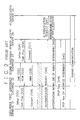
- Fig. 2 shows an operation of the conventional IP address assignment system shown in Fig. 1 when the IP address can be reserved for the user.
- the subscriber terminal 21 sends a "Set up" signal for representing that a start of a calling set up has been requested to the first subscriber exchange 22 in step S31.
- the first subscriber exchange 22 sends an IAM (initial address message) signal to the second subscriber exchange 23 via the SS7 network in step S32 and also sends a "Call Proceeding (refer to "Call Proc" in below)" signal for representing that the requested calling setup has been started to the subscriber terminal 21 in step S33.
- the aforementioned IAM signal represents that the subscriber has made a dial call and includes information such as telephone call numbers of a sender and a receiver, and the like.
- the second subscriber exchange 23 sends the "Set up" signal to the remote access server 24 in step S34 and sends an ACM (address complete message) signal to the first subscriber exchange 22 in step S35.
- This ACM signal represents that the second subscriber exchange 23 can accept the call in response to the IAM signal sent from the first subscriber exchange 22.
- the second subscriber exchange 23 becomes in calling the remote access server 24.
- the remote access server 24 sends the "Call Proc" signal to the second subscriber exchange 23 in step S36 and then sends a "Connect" signal for representing that a calling has been accepted to the second subscriber exchange 23 in step S37.
- the second subscriber exchange 23 After receiving the "Connect” signal from the remote access server 24, the second subscriber exchange 23 sends an ANM (answer message) signal to the first subscriber exchange 22 via the SS7 network in step S38.
- the first subscriber exchange 22 sends the "Connect” signal to the subscriber terminal 21 in step S39.
- the above-described ANM signal is sent from the second subscriber exchange 23. Thereby by sending the signals, the charge of the telephone call cost to the subscriber terminal 21 is started.
- a link between the subscriber terminal 21 and the remote access server 24 is set up by an LCP (link control protocol) or the like.
- the LCP is used in a PPP (point to point protocol) employed in an Internet connection using telephone lines.
- the subscriber terminal 21 sends an authentication request to the remote access server 24 in step S40, and the remote access server 24 transfers the authentication request to the authentication server 25 in step S41.
- the authentication server 25 performs an authentication process based on the authentication information sent from the subscriber terminal 21 to determine a positive authentication answer (OK) and gives the IP address to the remote access server 24 in step S42.
- the remote access server 24 sends the positive authentication answer OK determined by the authentication server 25 to the subscriber 21 in step S43, and after receiving the positive authentication answer OK from the remote access server 24, the subscriber terminal 21 sends an "IPCP Req" signal for requesting IP address assignment to the user or the subscriber terminal 21 to the remote access server 24 in step S44.
- the PPP is composed of the LCP and an NCP (network control protocol), and following the LCP, the NCP prepares the next stage such as IP of the data communication.
- the IPCP (internet protocol control protocol) is used for setting up the link of the IP in the NCP phase of the PPP.
- the remote access server 24 After receiving the "IPCP Req" signal from the subscriber terminal 21, the remote access server 24 carries out an "IPCP Ans (IP address assignment)" operation of the IP address reserved in step S42, that is, the assignment of the reserved IP address to the subscriber terminal 21 in the IPCP phase in step S45.
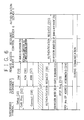
- Fig. 3 shows an operation of the conventional IP address assignment system shown in Fig. 1 when the IP address cannot be reserved for the user.
- the operation up to the build-up of the link between the subscriber terminal 21 and the remote access server 24 is the same as that shown in Fig. 2 and thus the description thereof can be omitted for brevity.
- the subscriber terminal 21 After the link between the subscriber terminal 21 and the remote access server 24 is built up in the LCP phase, the subscriber terminal 21 sends the authentication request to the remote access server 24 in step S50, and the remote access server 24 passes the authentication request to the authentication server 25 in step S51.
- the authentication server 25 carries out an authentication process on the basis of the authentication information sent from the subscriber terminal 21 to determine a negative authentication answer (NG) and sends back the negative authentication answer (NG) to the remote access server 24 in step S52.
- the remote access server 24 sends the negative authentication answer (NG) determined by the authentication server 25 to the subscriber terminal 21 in step S53.
- the subscriber terminal 21 After receiving the negative authentication answer (NG) from the remote access server 24, the subscriber terminal 21 sends a "Disconnect” signal for representing a disconnect request of the calling to the first subscriber exchange 22 in step S54.
- the first subscriber exchange 22 After receiving the "Disconnect" signal from the subscriber terminal 21, the first subscriber exchange 22 sends a "REL” signal for releasing a channel or the like to the second subscriber exchange 23 in step S55, and the second subscriber exchange 23 sends back a "REL COM" signal for representing a completion of the channel release to the first subscriber exchange 22 to finish the connection in step S56.
- an object of the present invention to provide an IP address assignment system and its process method in view of the aforementioned problems of the prior art, which is capable of stopping a wrong charge of a telephone call cost when lacking in an IP address to be assigned to a user, by a signal processing using a combination of a remote access server and a resource control server.
- a large capacity remote access server contains a large capacity trunk line and interworks a plural of service provider connected by an NNI which is directly signal processed with SS7.
- the present invention comprises steps of performing a resource of line efficiency and IP address assignment efficiency, controlling IP address by the resource control server and disconnecting by the subscriber terminal when there is no IP address to be assigned.
- an internet protocol address assignment system comprising a subscriber terminal, a subscriber exchange, a remote access server, an authentication server and a resource control server, the remote access server being connected to the subscriber exchange using a network node interface, an internet protocol address being assigned to the subscriber terminal using the authentication server and the resource control server, wherein the remote access server receives a calling sent from the subscriber terminal via the subscriber exchange, permits the resource control server to reserve the internet protocol address on the basis of information whether or not there is any internet protocol address to be assigned to the subscriber terminal, and assigns the internet protocol address reserved in the resource control server to the subscriber terminal when the subscriber terminal is authenticated.
- the resource control server reserves the internet protocol address
- the remote access server assigns the internet protocol address reserved in the resource control server to the subscriber terminal when the subscriber terminal is authenticated by the authentication server.
- the resource control server when there is no internet protocol address to be assigned to the subscriber terminal, the resource control server cannot reserve the internet protocol address, and the remote access server permits the subscriber exchange to release the line.
- an internet protocol address assignment system comprising a subscriber terminal, a subscriber exchange, a remote access server and an authentication and resource control server, the remote access server being connected to the subscriber exchange using a network node interface, an internet protocol address being assigned to the subscriber terminal using the authentication and resource control server, wherein the remote access server receives a calling sent from the subscriber terminal via the subscriber exchange, permits the authentication and resource control server to reserve the internet protocol address on the basis of information whether or not there is any internet protocol address to be assigned to the subscriber terminal and to execute authentication, and assigns the internet protocol address reserved in the authentication and resource control server to the subscriber terminal when the subscriber terminal is authenticated.
- the authentication and resource control server reserves the internet protocol address, and the remote access server assigns the internet protocol address reserved in the authentication and resource control server to the subscriber terminal when the subscriber terminal is authenticated by the authentication and resource control server.
- the authentication and resource control server when there is no internet protocol address to be assigned to the subscriber terminal, the authentication and resource control server cannot reserve the internet protocol address, and the remote access server permits the subscriber exchange to release the line.
- the authentication server executes the authentication on the basis of a sender number of the subscriber terminal.
- the authentication and resource control server executes the authentication on the basis of a sender number of the subscriber terminal.
- the remote access server is connected to the subscriber exchange via a public switched telephone network and a signalling system No. 7 signal network.
- a processing method of an internet protocol address assignment system comprising a subscriber terminal, a subscriber exchange, a remote access server, an authentication server and a resource control server, the remote access server being connected to the subscriber exchange using a network node interface, an internet protocol address being assigned to the subscriber terminal using the authentication server and the resource control server, comprising the steps of: calling from the subscriber terminal to the subscriber exchange; notifying the remote access server of the calling from the subscriber terminal to the subscriber exchange; confirming whether or not there is any internet protocol address to be assigned to the subscriber terminal by the resource control server; reserving the internet protocol address to be assigned to the subscriber terminal in the resource control server on the basis of the confirmation result of the resource control server; notifying the remote access server whether or not the resource control server reserves the internet protocol address to be assigned to the subscriber terminal; authenticating the subscriber terminal by the authentication server; notifying the remote access server of the authentication result of the authentication server; and assigning the internet protocol address reserved in the
- the resource control server reserves the internet protocol address
- the remote access server assigns the internet protocol address reserved in the resource control server to the subscriber terminal when the subscriber terminal is authenticated by the authentication server.
- the resource control server when there is no internet protocol address to be assigned to the subscriber terminal, notifies the remote access server that the resource control server cannot reserve the internet protocol address, and the remote access server permits the subscriber exchange to release the line.
- a processing method of an internet protocol address assignment system comprising a subscriber terminal, a subscriber exchange, a remote access server and an authentication and resource control server, the remote access server being connected to the subscriber exchange using a network node interface, an internet protocol address being assigned to the subscriber terminal using the authentication and resource control server, comprising the steps of: calling from the subscriber terminal to the subscriber exchange; notifying the remote access server of the calling from the subscriber terminal to the subscriber exchange; confirming whether or not there is any internet protocol address to be assigned to the subscriber terminal by the authentication and resource control server; reserving the internet protocol address to be assigned to the subscriber terminal in the authentication and resource control server on the basis of the confirmation result of the authentication and resource control server; notifying the remote access server whether or not the authentication and resource control server reserves the internet protocol address to be assigned to the subscriber terminal; authenticating the subscriber terminal by the authentication and resource control server; notifying the remote access server of the authentication result of the authentication and resource control server; and
- the authentication and resource control server reserves the internet protocol address, and the remote access server assigns the internet protocol address reserved in the authentication and resource control server to the subscriber terminal when the subscriber terminal is authenticated by the authentication and resource control server.
- the authentication and resource control server when there is no internet protocol address to be assigned to the subscriber terminal, notifies the remote access server that the authentication and resource control server cannot reserve the internet protocol address, and the remote access server permits the subscriber exchange to release the line.
- the authentication server executes the authentication on the basis of a sender number of the subscriber terminal.
- the authentication and resource control server executes the authentication on the basis of a sender number of the subscriber terminal.
- the remote access server is connected to the subscriber exchange via a public switched telephone network and a signalling system No. 7 signal network.
- a large scale remote access server containing a plurality of service providers is connected to a subscriber exchange by an NNI which contains a trunk line such as an SDH and carries out a direct signal processing with an SS7 network and cooperates with a resource control server to improve efficiency of line source and IP address assignment.
- the resource control server controls the IP addresses to be assigned to subscriber terminals. When there is no IP address to be assigned to the subscriber terminal, the resouce control server cannot reserve the IP address and the subscriber terminal disconnects the calling.
- an IP address assignment system comprises a subscriber terminal 1, a subscriber exchange 2, a remote access server 3, a call agent 4, an authentication server 5 and a resource control server 6.
- the authentication server 5 and the resource control server 6 are connected to an IP network 100 such as an Internet network.
- the subscriber terminal 1 is a user terminal for use in accessing to the Internet or the like and is connected to the subscriber exchange 2 on dial-up telephone lines. At this time, a network connection based on the PPP is employed.
- the subscriber exchange 2 is connected to the subscriber terminal 1 via a modem (not shown), a TA (terminal adapter) for the ISDN, a PIAFS card for a PHS (personal handy phone), or the like.
- the subscriber exchange 2 is also connected to the remote access server 3 via a public switched telephone network and an SS7 network.
- the present invention is not restricted used line(s) and the modem.
- the modem is suitably selected by a kind of used line. And the present invention may connect with high speed correspondence.
- the remote access server 3 interworks a large capacity trunk line such as an SDH (synchronous digital hierarchy) or the like, and is connected to the subscriber exchange 2 by the NNI which contains and performs a direct signal processing on the SS7 network.
- the remote access server 3 constitutes a plurality of service providers.
- the remote access server 3 reserves an IP address for a user and confirms whether or not the IP address can be assigned to the user.
- the call agent 4 executes a call proceeding based on a NO. 7 common line signal system (SS7 network) as a standard interface of a public telephone network on the IP network 100.
- SS7 network common line signal system
- the authentication server 5 along with the resource control server 6, are connected to the IP network 100 and carries out an authentication process requested from the subscriber terminal 1 via the subscriber exchange 2 and the remote access server 3.
- the resource control server 6 controls the IP addresses to be assigned to certain lines of subscriber terminals 1 or users contracted with service providers.
- the resource control server 6 assigns the IP address to the remote access server 3 and then executes the authentication process of the user or the subscriber terminal 1. Meanwhile, when the IP address cannot be assigned to the subscriber terminal 1, the calling is disconnected at that time.
- each service provider is identified by the receive number.
- Fig. 5 illustrates one example of the IP address assignment system shown in Fig. 4, in which the signals as regards the remote access server 3 and the resource control server 6 are shown.
- the remote access server 3 is connected to the subscriber exchange 2 by a speech line such as an SDH or the like via the public switched telephone network and by an SS7 signal (No. 7 common line signal) via the SS7 network.
- the remote access server 3 is also connected to the authentication server 5 and the resource control server 6 via the IP network 100.
- the remote access server 3 When receiving a calling by the SS7 signal, the remote access server 3 makes a reservation of the IP address to the resource control server 6.
- the resource control server 6 reserves the IP address for the user and sends a reservation finish answer to the remote access server 3.
- the subscriber terminal 1 disconnects the calling by the SS7 signal.
- Fig. 6 shows an operation of the IP address assignment system shown in Fig. 4 when the IP address can be reserved for the user.
- the subscriber terminal 1 sends a "Setup" signal for representing that a start of a calling setup has been requested to the subscriber exchange 2 in step S1
- the subscriber exchange 2 sends back a "Call Proc” signal for representing that the requested calling setup has been started to the subscriber terminal 1 in step S2.
- the subscriber exchange 2 also sends an IAM (initial address message) signal to the remote access server 3 via the SS7 network in step S3.
- This IAM signal represents that the user or the subscriber terminal 1 has made a dial call, as described above, and includes information such as telephone call numbers of a sender and a receiver, and the like.
- the remote access server 3 sends an "IP address reservation" signal to the resource control server 6 in step S4, and the resource control server 6 confirms whether or not there is any IP address to be assigned to the subscriber terminal 1.
- the IP address reservation is conducted by sending a parameter of the IAM signal received by the remote access server 3 and the IAM signal includes information such as a receive number or the like.
- the resource control server 6 When there is the IP address to be assigned to the subscriber terminal 1, the resource control server 6 sends back a reservation complete notice including IP address information to the remote access server 3 in step S5. That is, the resource control server 6 carries out an IP address reservation process as follows.
- the resource control server 6 confirms whether or not the IP address of the concerned service provider is present on the basis of the information such as the receive number within the IAM signal sent from the remote access server 3 and further confirms whether or not the IP address can be reserved for the user.
- the resource control server 6 determines that the IP address can be reserved for the user.
- the remote access server 3 sends an ACM (address complete message) signal to the subscriber exchange 2 via the SS7 network in step S6.
- the remote access server 3 sets up devices and the like and sends an ANM (answer message) signal to the subscriber exchange 2 via the SS7 network in step S7.
- the subscriber exchange 2 After receiving the ANM signal from the remote access server 3, the subscriber exchange 2 sends a "Connect" signal for representing that a calling has been accepted to the subscriber terminal 1 to build up a link between the subscriber terminal 1 and the remote access server 3 by the LCP or the like in step S8.
- the subscriber terminal 1 sends an authentication request to the remote access server 3 in step S9.
- the remote access server 3 transfers the authentication request to the authentication server 5 in step S10.
- the authentication server 5 carries out an authentication process based on the authentication information sent from the subscriber terminal 1 to determine a positive authentication answer (OK) and sends the positive authentication answer (OK) result to the remote access server 3 in step S11.
- the remote access server 3 After receiving the positive authentication answer (OK) from the authentication server 5, the remote access server 3 sends the fact of the positive authentication answer (OK) determined by the authentication server 5 to the subscriber terminal 1 in step S12.
- the subscriber terminal 1 After receiving the positive authentication answer (OK) from the remote access server 3, the subscriber terminal 1 sends an "IPCP Req (IPCP Request)" signal for requesting IP address assignment to the user or the subscriber terminal 1 to the remote access server 3 in step S13.
- the remote access server 3 After receiving the "IPCP Req” signal from the subscriber terminal 1, the remote access server 3 executes an "IPCP Ans (IP address assignment)" operation of the IP address reserved in step S5, that is, the assignment of the reserved IP address to the subscriber terminal 1 in the IPCP phase in step S14.
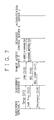
- Fig. 7 shows an operation of the IP address assignment system shown in Fig. 4 when the IP address cannot be reserved for the user.
- the subscriber terminal 1 sends the "Setup" signal to the subscriber exchange 2 in step S11, and after receiving the "Set up” signal from the subscriber terminal 1, the subscriber exchange 2 sends back the "Call Proc” signal to the subscriber terminal 1 in step S12.
- the subscriber exchange 2 also sends the IAM signal to the remote access server 3 via the SS7 network in step S13.
- the remote access server 3 sends the "IP address reservation" signal to the resource control server 6 in step S14, and the resource control server 6 confirms whether or not there is any IP address to be assigned to the subscriber terminal 1.
- the resource control server 6 sends back a negative IP address reservation answer to the remote access server 3 in step S15.
- the remote access server 3 sends an "REL (Release)" signal for representing channel release to the subscriber exchange 2 via the SS7 network in the same manner as a trunk resource blocking case in step S16.
- the subscriber exchange 2 After receiving the "REL” signal from the remote access server 3, the subscriber exchange 2 sends a "REL COM (Release complete)” signal for representing a channel release completion to the remote access server 3 in step S17 and also sends a "Disconnect” signal for requesting a calling disconnection to the subscriber terminal 1 to finish the connection in step S18. The subscriber terminal 1 then disconnects the calling.
- the IP address assignment system comprises a subscriber terminal 1, a subscriber exchange 2, a remote access server 3 and an authentication and resource control server 7 which is connected to the remote access server 3 via an IP network 100.
- the authentication and resource control server 7 has substantially the same hardware as the combination of the resource control server 6 and the authentication server 5 of the first embodiment described above.
- the authentication and resource control server 7 has the cooperated with functions of the resource control and the sequence of the authentication operation using a sequence of a conventional authentication server.
- this construction can be applied to the authentication operation based on the information of the IAM signal in addition to the IP address control. For example, the authentication operation based on the sender number can be carried out when reserving the IP address.
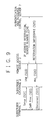
- Fig. 9 shows an operation of the IP address assignment system shown in Fig. 8 when the IP address cannot be reserved for the user.
- the subscriber terminal 1 sends the "Setup" signal for representing that the start of the calling setup has been requested to the subscriber exchange 2 in step S21, and after receiving the "Setup" signal from the subscriber terminal 1, the subscriber exchange 2 sends back the "Call Proc” signal for representing that the requested calling setup has been started to the subscriber terminal 1 in step S22.
- the subscriber exchange 2 also sends the IAM (initial address message) signal to the remote access server 3 via the SS7 network in step S23.
- the remote access server 3 sends an "IP address reservation - sender number" signal to the authentication and resource control server 7 in step S24, and the authentication and resource control server 7 confirms whether or not there is any IP address to be assigned to the subscriber terminal 1.
- the authentication and resource control server 7 sends back a negative IP address reservation answer to the remote access server 3 in step S25.
- the remote access server 3 Since the IP address cannot be reserved for the subscriber terminal 1, the remote access server 3 sends the "REL" signal for representing the channel release to the subscriber exchange 2 via the SS7 network in the same manner as the trunk resource blocking case in step S26. After receiving the "REL" signal from the remote access server 3, the subscriber exchange 2 sends the "Disconnect” signal for requesting the calling disconnection to the subscriber terminal 1 to finish the connection in step S27. Then, the subscriber terminal 1 disconnects the calling.
- the remote access server can cover a system which is provided with a server for regarding the Internet to be equivalent to a trunk line of a line switching by considering the resource such as the IP address to be a line switching resource in order to reflect the IP resource situation and the like to the sequence at the call connection.
- an IP address is reserved for a user or a subscriber terminal and hence a calling disconnection can be made at the IP address reservation answer without charging a telephone call cost at an IP address assignment.
- the IP addresses are controlled by an external server, and the IP address control number is made larger than the entire number of the trunk lines according to traffic characteristics. As a result, the line resource can be effectively used.
- the NNI connection is used for linking between the remote access server and the subscriber exchange, and the service providers can be identified on the basis of the information obtained by the NNI connection, which cannot be obtained in the UNI connection.
- the resource control function and the authentication function are combined, and the authentication operation based on the sender number can be carried out when the IP address is reserved.
- the NNI connection is used for linking between the remote access server and the subscriber exchange, and a large scale system can be effectively built up using a small number of cables.
Landscapes
- Engineering & Computer Science (AREA)
- Computer Networks & Wireless Communication (AREA)
- Signal Processing (AREA)
- Data Exchanges In Wide-Area Networks (AREA)
- Telephonic Communication Services (AREA)
Abstract
Description
Claims (18)
- An internet protocol address assignment system comprising a subscriber terminal, a subscriber exchange, a remote access server, an authentication server and a resource control server, the remote access server being connected to the subscriber exchange using a network node interface, an internet protocol address being assigned to the subscriber terminal using the authentication server and the resource control server,
wherein the remote access server receives a calling sent from the subscriber terminal via the subscriber exchange, permits the resource control server to reserve the internet protocol address on the basis of information whether or not there is any internet protocol address to be assigned to the subscriber terminal, and assigns the internet protocol address reserved in the resource control server to the subscriber terminal when the subscriber terminal is authenticated. - The internet protocol address assignment system claimed in claim 1, wherein when there is the internet protocol address to be assigned to the subscriber terminal, the resource control server reserves the internet protocol address, and the remote access server assigns the internet protocol address reserved in the resource control server to the subscriber terminal when the subscriber terminal is authenticated by the authentication server.
- The internet protocol address assignment system claimed in claim 1, wherein when there is no internet protocol address to be assigned to the subscriber terminal, the resource control server cannot reserve the internet protocol address, and the remote access server permits the subscriber exchange to release the line.
- An internet protocol address assignment system comprising a subscriber terminal, a subscriber exchange, a remote access server and an authentication and resource control server, the remote access server being connected to the subscriber exchange using a network node interface, an internet protocol address being assigned to the subscriber terminal using the authentication and resource control server, wherein
the remote access server receives a calling sent from the subscriber terminal via the subscriber exchange, permits the authentication and resource control server to reserve the internet protocol address on the basis of information whether or not there is any internet protocol address to be assigned to the subscriber terminal and to execute authentication, and assigns the internet protocol address reserved in the authentication and resource control server to the subscriber terminal when the subscriber terminal is authenticated. - The internet protocol address assignment system claimed in claim 4, wherein when there is the internet protocol address to be assigned to the subscriber terminal, the authentication and resource control server reserves the internet protocol address, and the remote access server assigns the internet protocol address reserved in the authentication and resource control server to the subscriber terminal when the subscriber terminal is authenticated by the authentication and resource control server.
- The internet protocol address assignment system claimed in claim 4, wherein when there is no internet protocol address to be assigned to the subscriber terminal, the authentication and resource control server cannot reserve the internet protocol address, and the remote access server permits the subscriber exchange to release the line.
- The internet protocol address assignment system claimed in any of claims 1 to 3, wherein the authentication server executes the authentication on the basis of a sender number of the subscriber terminal.
- The internet protocol address assignment system claimed in any of claims 4 to 6, wherein the authentication and resource control server executes the authentication on the basis of a sender number of the subscriber terminal.
- The internet protocol address assignment system claimed in any of claims 1 to 7, wherein the remote access server is connected to the subscriber exchange via a public switched telephone network and a signalling system number 7 signal network.
- A processing method of an internet protocol address assignment system comprising a subscriber terminal, a subscriber exchange, a remote access server, an authentication server and a resource control server, the remote access server being connected to the subscriber exchange using a network node interface, an internet protocol address being assigned to the subscriber terminal using the authentication server and the resource control server, comprising the steps of: calling from the subscriber terminal to the subscriber exchange; notifying the remote access server of the calling from the subscriber terminal to the subscriber exchange; confirming whether or not there is any internet protocol address to be assigned to the subscriber terminal by the resource control server; reserving the internet protocol address to be assigned to the subscriber terminal in the resource control server on the basis of the confirmation result of the resource control server; notifying the remote access server whether or not the resource control server reserves the internet protocol address to be assigned to the subscriber terminal;
authenticating the subscriber terminal by the authentication server; notifying the remote access server of the authentication result of the authentication server; and assigning the internet protocol address reserved in the resource control server to the subscriber terminal when the subscriber terminal is authenticated by the authentication server. - The processing method claimed in claim 10, wherein when there is the internet protocol address to be assigned to the subscriber terminal, the resource control server reserves the internet protocol address, and the remote access server assigns the internet protocol address reserved in the resource control server to the subscriber terminal when the subscriber terminal is authenticated by the authentication server.
- The processing method claimed in claim 10, wherein when there is no internet protocol address to be assigned to the subscriber terminal, the resource control server notifies the remote access server that the resource control server cannot reserve the internet protocol address, and the remote access server permits the subscriber exchange to release the line.
- A processing method of an internet protocol address assignment system comprising a subscriber terminal, a subscriber exchange, a remote access server and an authentication and resource control server, the remote access server being connected to the subscriber exchange using a network node interface, an internet protocol address being assigned to the subscriber terminal using the authentication and resource control server, comprising the steps of:
calling from the subscriber terminal to the subscriber exchange; notifying the remote access server of the calling from the subscriber terminal to the subscriber exchange; confirming whether or not there is any internet protocol address to be assigned to the subscriber terminal by the authentication and resource control server; reserving the internet protocol address to be assigned to the subscriber terminal in the authentication and resource control server on the basis of the confirmation result of the authentication and resource control server; notifying the remote access server whether or not the authentication and resource control server reserves the internet protocol address to be assigned to the subscriber terminal; authenticating the subscriber terminal by the authentication and resource control server; notifying the remote access server of the authentication result of the authentication and resource control server; and assigning the internet protocol address reserved in the authentication and resource control server to the subscriber terminal when the subscriber terminal is authenticated by the authentication and resource control server. - The processing method claimed in claim 13, wherein when there is the internet protocol address to be assigned to the subscriber terminal, the authentication and resource control server reserves the internet protocol address, and the remote access server assigns the internet protocol address reserved in the authentication and resource control server to the subscriber terminal when the subscriber terminal is authenticated by the authentication and resource control server.
- The processing method claimed in claim 13, wherein when there is no internet protocol address to be assigned to the subscriber terminal, the authentication and resource control server notifies the remote access server that the authentication and resource control server cannot reserve the internet protocol address, and the remote access server permits the subscriber exchange to release the line.
- The processing method claimed in any of claims 10 to 12, wherein the authentication server executes the authentication on the basis of a sender number of the subscriber terminal.
- The processing method claimed in any of claims 13 to 15, wherein the authentication and resource control server executes the authentication on the basis of a sender number of the subscriber terminal.
- The processing method of any of claims 10 to 16, wherein the remote access server is connected to the subscriber exchange via a public switched telephone network and a signalling system number 7 signal network.
Applications Claiming Priority (2)
| Application Number | Priority Date | Filing Date | Title |
|---|---|---|---|
| JP2000131565 | 2000-04-26 | ||
| JP2000131565A JP2001309053A (en) | 2000-04-26 | 2000-04-26 | IP address assignment system and processing method thereof |
Publications (3)
| Publication Number | Publication Date |
|---|---|
| EP1150474A2 true EP1150474A2 (en) | 2001-10-31 |
| EP1150474A3 EP1150474A3 (en) | 2003-04-16 |
| EP1150474B1 EP1150474B1 (en) | 2006-07-05 |
Family
ID=18640437
Family Applications (1)
| Application Number | Title | Priority Date | Filing Date |
|---|---|---|---|
| EP01110370A Expired - Lifetime EP1150474B1 (en) | 2000-04-26 | 2001-04-26 | IP address assignment system and process method thereof |
Country Status (4)
| Country | Link |
|---|---|
| US (1) | US20010037394A1 (en) |
| EP (1) | EP1150474B1 (en) |
| JP (1) | JP2001309053A (en) |
| DE (1) | DE60121248T2 (en) |
Cited By (1)
| Publication number | Priority date | Publication date | Assignee | Title |
|---|---|---|---|---|
| WO2006069599A1 (en) * | 2004-12-28 | 2006-07-06 | Telecom Italia S.P.A. | Remote access system and method for enabling a user to remotely access a terminal equipment from a subscriber terminal |
Families Citing this family (8)
| Publication number | Priority date | Publication date | Assignee | Title |
|---|---|---|---|---|
| US7519988B2 (en) * | 2003-07-31 | 2009-04-14 | International Business Machines Corporation | Method and apparatus for authenticated network address allocation |
| US7673021B2 (en) * | 2004-02-12 | 2010-03-02 | Cisco Technology, Inc. | Automated provisioning of phones in packet voice networks |
| US7548945B2 (en) * | 2005-04-13 | 2009-06-16 | Nokia Corporation | System, network device, method, and computer program product for active load balancing using clustered nodes as authoritative domain name servers |
| US8732279B2 (en) * | 2006-08-18 | 2014-05-20 | Cisco Technology, Inc. | Secure network deployment |
| US8782256B2 (en) * | 2008-11-26 | 2014-07-15 | Cisco Technology, Inc. | Deterministic session load-balancing and redundancy of access servers in a computer network |
| US8233385B1 (en) * | 2009-02-20 | 2012-07-31 | Juniper Networks, Inc. | Preventing upper layer renegotiations by making PPP aware of layer one switchovers |
| US8537762B2 (en) * | 2009-04-27 | 2013-09-17 | Qualcomm Incorporated | System and method for optimally transferring data traffic on networks |
| US8495218B1 (en) * | 2011-01-21 | 2013-07-23 | Google Inc. | Managing system resources |
Family Cites Families (13)
| Publication number | Priority date | Publication date | Assignee | Title |
|---|---|---|---|---|
| US5598536A (en) * | 1994-08-09 | 1997-01-28 | Shiva Corporation | Apparatus and method for providing remote users with the same unique IP address upon each network access |
| US5790548A (en) * | 1996-04-18 | 1998-08-04 | Bell Atlantic Network Services, Inc. | Universal access multimedia data network |
| US5918019A (en) * | 1996-07-29 | 1999-06-29 | Cisco Technology, Inc. | Virtual dial-up protocol for network communication |
| US6243379B1 (en) * | 1997-04-04 | 2001-06-05 | Ramp Networks, Inc. | Connection and packet level multiplexing between network links |
| US6151628A (en) * | 1997-07-03 | 2000-11-21 | 3Com Corporation | Network access methods, including direct wireless to internet access |
| US6041054A (en) * | 1997-09-24 | 2000-03-21 | Telefonaktiebolaget Lm Ericsson | Efficient transport of internet protocol packets using asynchronous transfer mode adaptation layer two |
| US5974453A (en) * | 1997-10-08 | 1999-10-26 | Intel Corporation | Method and apparatus for translating a static identifier including a telephone number into a dynamically assigned network address |
| DE19800772C2 (en) * | 1998-01-12 | 2000-04-06 | Ericsson Telefon Ab L M | Method and device for connection to a packet exchange network |
| US6779118B1 (en) * | 1998-05-04 | 2004-08-17 | Auriq Systems, Inc. | User specific automatic data redirection system |
| US6442169B1 (en) * | 1998-11-20 | 2002-08-27 | Level 3 Communications, Inc. | System and method for bypassing data from egress facilities |
| US6393484B1 (en) * | 1999-04-12 | 2002-05-21 | International Business Machines Corp. | System and method for controlled access to shared-medium public and semi-public internet protocol (IP) networks |
| US6918041B1 (en) * | 2000-02-23 | 2005-07-12 | Microsoft Corporation | System and method of network communication with client-forced authentication |
| JP2001339431A (en) * | 2000-05-26 | 2001-12-07 | Fujitsu Ltd | Communication system, relay device, end system, and communication method |
-
2000
- 2000-04-26 JP JP2000131565A patent/JP2001309053A/en active Pending
-
2001
- 2001-04-25 US US09/841,097 patent/US20010037394A1/en not_active Abandoned
- 2001-04-26 EP EP01110370A patent/EP1150474B1/en not_active Expired - Lifetime
- 2001-04-26 DE DE60121248T patent/DE60121248T2/en not_active Expired - Lifetime
Cited By (2)
| Publication number | Priority date | Publication date | Assignee | Title |
|---|---|---|---|---|
| WO2006069599A1 (en) * | 2004-12-28 | 2006-07-06 | Telecom Italia S.P.A. | Remote access system and method for enabling a user to remotely access a terminal equipment from a subscriber terminal |
| CN101120569B (en) * | 2004-12-28 | 2011-07-27 | 意大利电信股份公司 | Remote access system and method for user to remotely access terminal equipment from user terminal |
Also Published As
| Publication number | Publication date |
|---|---|
| DE60121248D1 (en) | 2006-08-17 |
| EP1150474A3 (en) | 2003-04-16 |
| US20010037394A1 (en) | 2001-11-01 |
| EP1150474B1 (en) | 2006-07-05 |
| JP2001309053A (en) | 2001-11-02 |
| DE60121248T2 (en) | 2007-06-28 |
Similar Documents
| Publication | Publication Date | Title |
|---|---|---|
| EP0928095B1 (en) | Method and apparatus for providing calling services over Internet | |
| US6292478B1 (en) | Telecommunications system | |
| RU2144271C1 (en) | System for control over telecommunication maintenance | |
| JP2575600B2 (en) | Connection management of switched lines via public data networks for wide area networks | |
| CA2197130C (en) | Method of using a narrowband server to provide service features to broadband subscribers | |
| RU2144208C1 (en) | Wide-band communication system | |
| US5978450A (en) | Personal dial tone | |
| JP2905358B2 (en) | Communication service system and switching system for implementing communication service | |
| RU2218673C2 (en) | Method for establishing connections in communication network | |
| US6438218B1 (en) | Internet telephone service | |
| US5761286A (en) | Method for enabling communications between calling an called multmedia terminals | |
| KR100357476B1 (en) | Wireless Internet Phone Servicing System utilizing Bluetooth-VoIP gateway apparatus | |
| EP1150474B1 (en) | IP address assignment system and process method thereof | |
| US6175620B1 (en) | Compatibility between a telephone service with server and a calling line identification service | |
| JP3758808B2 (en) | Communication terminal and communication method | |
| US6466661B2 (en) | Method of establishing a connection, as well as exchange, service computer and communications network | |
| JP4001768B2 (en) | Private telephone exchange system, terminal and server | |
| AU743988B2 (en) | Procedure for obtaining instructions regarding a destination subscriber | |
| JP2000501911A (en) | How to configure for auxiliary resources | |
| US20010026614A1 (en) | Method for transmitting data traffic in a telecommunications system | |
| JP3058088B2 (en) | Circuit switching method using in-band channel | |
| JP3224248B2 (en) | Control method for ISDN terminal device | |
| KR100445557B1 (en) | relay billing apparatus, system and method for direct outward dialing | |
| KR100443208B1 (en) | Reconfigurable Application Phone and Data Line Systems | |
| JP4158415B2 (en) | Communication control device and communication system |
Legal Events
| Date | Code | Title | Description |
|---|---|---|---|
| PUAI | Public reference made under article 153(3) epc to a published international application that has entered the european phase |
Free format text: ORIGINAL CODE: 0009012 |
|
| AK | Designated contracting states |
Kind code of ref document: A2 Designated state(s): AT BE CH CY DE DK ES FI FR GB GR IE IT LI LU MC NL PT SE TR |
|
| AX | Request for extension of the european patent |
Free format text: AL;LT;LV;MK;RO;SI |
|
| PUAL | Search report despatched |
Free format text: ORIGINAL CODE: 0009013 |
|
| AK | Designated contracting states |
Designated state(s): AT BE CH CY DE DK ES FI FR GB GR IE IT LI LU MC NL PT SE TR |
|
| AX | Request for extension of the european patent |
Extension state: AL LT LV MK RO SI |
|
| 17P | Request for examination filed |
Effective date: 20030310 |
|
| 17Q | First examination report despatched |
Effective date: 20030526 |
|
| AKX | Designation fees paid |
Designated state(s): DE FR GB |
|
| GRAP | Despatch of communication of intention to grant a patent |
Free format text: ORIGINAL CODE: EPIDOSNIGR1 |
|
| GRAS | Grant fee paid |
Free format text: ORIGINAL CODE: EPIDOSNIGR3 |
|
| GRAA | (expected) grant |
Free format text: ORIGINAL CODE: 0009210 |
|
| AK | Designated contracting states |
Kind code of ref document: B1 Designated state(s): DE FR GB |
|
| REG | Reference to a national code |
Ref country code: GB Ref legal event code: FG4D |
|
| REF | Corresponds to: |
Ref document number: 60121248 Country of ref document: DE Date of ref document: 20060817 Kind code of ref document: P |
|
| ET | Fr: translation filed | ||
| PLBE | No opposition filed within time limit |
Free format text: ORIGINAL CODE: 0009261 |
|
| STAA | Information on the status of an ep patent application or granted ep patent |
Free format text: STATUS: NO OPPOSITION FILED WITHIN TIME LIMIT |
|
| 26N | No opposition filed |
Effective date: 20070410 |
|
| REG | Reference to a national code |
Ref country code: FR Ref legal event code: PLFP Year of fee payment: 15 |
|
| PGFP | Annual fee paid to national office [announced via postgrant information from national office to epo] |
Ref country code: GB Payment date: 20150422 Year of fee payment: 15 Ref country code: DE Payment date: 20150422 Year of fee payment: 15 |
|
| PGFP | Annual fee paid to national office [announced via postgrant information from national office to epo] |
Ref country code: FR Payment date: 20150408 Year of fee payment: 15 |
|
| REG | Reference to a national code |
Ref country code: DE Ref legal event code: R119 Ref document number: 60121248 Country of ref document: DE |
|
| GBPC | Gb: european patent ceased through non-payment of renewal fee |
Effective date: 20160426 |
|
| REG | Reference to a national code |
Ref country code: FR Ref legal event code: ST Effective date: 20161230 |
|
| PG25 | Lapsed in a contracting state [announced via postgrant information from national office to epo] |
Ref country code: DE Free format text: LAPSE BECAUSE OF NON-PAYMENT OF DUE FEES Effective date: 20161101 Ref country code: FR Free format text: LAPSE BECAUSE OF NON-PAYMENT OF DUE FEES Effective date: 20160502 Ref country code: GB Free format text: LAPSE BECAUSE OF NON-PAYMENT OF DUE FEES Effective date: 20160426 |