TECHNICAL FIELD
The present invention relates to process for
activating a polypeptide through genetic recombinant
techniques using E. coli, a method for manufacturing an
activated polypeptide of chemokine through genetic
recombinant techniques using E. coli, and the like.
BACKGROUND ART
E. coli is most widely used for economic reasons and
the like to produce recombinant proteins (polypeptides),
but expression with E. coli can result in the formation
of inclusions and can fail to produce the proper S-S
bonds, so the expected activity is sometimes not obtained,
even when proteins are obtained. In one method for
obtaining active proteins using E. coli, a secretory
signal allows proteins in soluble form to accumulate in
the periplasmic space, thus giving active proteins (C.N.
Change et al, Gene, 55, 189-196, (1987)).
On the other hand, an advantage of expression in the
form of inclusions with E. coli is that the target
protein can be obtained in large amounts and with high
purity in inclusions. However, obtaining the active
forms from inclusions requires a refolding process
comprising the solubilization of the inclusions with a
denaturant and the removal of the denaturant (R.H. Pain,
ed., Folding of Proteins, 245-279 (1995), Schpringer-Verlag
Tokyo). The use of a precipitation preventive
such as urea or arginine hydrochloride and the use of a
redox buffer in such refolding have been reported to
improve refolding efficiency. However, the conditions
differ drastically depending on the target protein
(polypeptide), and in many cases active forms are not
obtained by general refolding methods.
There is a need to establish a simpler and more
reliable way of obtaining active forms in the production
of recombinant proteins (polypeptides). MPIF-1Δ23 (WO
95/17092) has action in suppressing colony formation of
myeloid stem cells, thus protecting them from
chemotherapeutic drugs, and is expected to prove
effective in permitting rapid recovery from leukopenia,
which is a limiting factor in the administration of anti-tumor
agents. There is a need to establish a method for
the inexpensive mass production of active MPIF-1Δ23 for
when MPIF-1Δ23 is used in the form of such a drug.
DISCLOSURE OF THE INVENTION
As a result of extensive research on efficient ways
of obtaining the active form of MPIF (myeloid progenitor
inhibitory factor)-1Δ23, a type of CC chemokine, the
inventors found that such an objective can be achieved by
treating MFIF-1Δ23 with copper, calcium, or magnesium.
That is, the present invention relates to:
BRIEF DESCRIPTION OF THE DRAWINGS
Figure 1 is an electrophorogram giving the results
of SDS-PAGE of the MPIF-1▵23 prepared in Reference
Example 2;
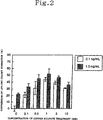
Figure 2 shows the levels of activation of MPIF-1Δ23
treated with copper sulfate in Example 1;
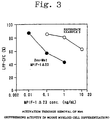
Figure 3 shows the results obtained in the assay of
the action of Des-Met MPIF-1Δ23 in suppressing mouse
myeloid cell differentiation in Example 2;
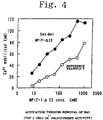
Figure 4 shows the changes in the intracellular
calcium concentration of Des-Met MPIF-1Δ23 in Example 2;
and
Figure 5 shows the results obtained in the assay of
the action of MPIF-1Δ23 in suppressing mouse myeloid cell
differentiation in Example 2.
BEST MODE FOR CARRYING OUT THE INVENTION
Examples of polypeptides used in the activation
method of the present invention or the method for
manufacturing active polypeptides (hereinafter sometimes
referred to as the polypeptides of the present invention)
include polypeptides with an amino acid sequence that is
identical or substantially identical to the amino acid
sequence represented by SEQ ID NO: 1.
The polypeptides of the present invention may be
polypeptides derived from recombinant E. coli or
synthetic polypeptides.
Examples of amino acid sequences that are
substantially identical to the amino acid sequence
represented by SEQ ID NO: 1 include amino acid sequences
with at least about 80%, preferably at least about 90%,
and even more preferably at least about 95% homology with
the amino acid sequence represented by SEQ ID NO: 1.
Examples of polypeptides with an amino acid sequence
that is substantially identical to the amino acid
sequence represented by SEQ ID NO: 1 preferably include
polypeptides which have an amino acid sequence
substantially identical to the amino acid sequence
represented by SEQ ID NO: 1 and which, as a result of the
activation or production method of the present invention,
have activity substantially identical to that of
polypeptides represented by the amino acid sequence of
SEQ ID NO: 1.
Examples of substantially identical activity include
activity in suppressing cell differentiation (such as
suppression of myeloid cell differentiation).
Substantially identical activity means activity that
is substantially identical. Accordingly, cell
differentiation-suppressing activity or the like should
be the same (such as about 0.01 to 100-fold, preferably
about 0.5 to 20-fold, and more preferably about 0.5 to 2-fold),
although the quantitative elements involved in the
level of such activity or the molecular weight of the
polypeptides may vary.
The activity in suppressing cell differentiation
(such as suppression of myeloid cell differentiation) can
be assayed according to publicly known methods (such as J.
Exp. Med., 185, 1163-1172 (1997)).
Activated polypeptides of the present invention
indicate polypeptides of the present invention in which,
in terms of the action in suppressing myeloid cell
differentiation (particularly the mouse myeloid cell
differentiation-suppressing activity described in the
examples below), the dose showing 30% LPP-CFC colony
forming suppression is 1/5 or less, and preferably 1/20
or less, compared to that of polypeptides of the present
invention before activation.
Examples of polypeptides of the present invention
include polypeptides having: (1) amino acid sequences
with one or more (preferably 1 to about 30, more
preferably 1 to about 10, and even more preferably
several (1 or 2)) amino acid deletions in the amino acid
sequence represented by SEQ ID NO: 1; (2) amino acid
sequences with one or more (preferably 1 to about 30,
more preferably 1 to about 10, and even more preferably
several (1 or 2)) amino acid additions in the amino acid
sequence represented by SEQ ID NO: 1; (3) amino acid
sequences with one or more (preferably 1 to about 30,
more preferably 1 to about 10, and even more preferably
several (1 or 2)) amino acid substitutions with other
amino acids in the amino acid sequence represented by SEQ
ID NO: 1; and (4) amino acid sequences in the combination
with the above.
In accordance with the usual procedure for
designating peptides, the left terminal of the
polypeptides in the present Specification is referred to
as the N terminal (amino terminal), and the right
terminal is referred to as the C terminal (carboxyl
terminal). The C terminal of polypeptides of the present
invention, including receptor proteins having the amino
acid sequence represented by SEQ ID NO: 1, is usually a
carboxyl group (-COOH) or carboxylate (-COO-), but the C
terminal may also be an amide (-CONH2) or ester (-COOR).
Examples of R in such esters include C1-6 alkyl
groups such as methyl, ethyl, n-propyl, isopropyl, or n-butyl,
C3-8 cycloalkyl groups such as cyclopentyl and
cyclohexyl, C6-12 aryl groups such as phenyl and α-naphthyl,
phenyl-C1-2 alkyls such as benzyl and phenethyl, or α-naphthyl-C1-2
alkyls such as benzyl or phenethyl, α-naphthyl-C1-2
alkyls such as α-naphthylmethyl and other
such C7-14 aralkyl groups, and pivaloyloxymethyl groups
commonly used as oral esters.
The polypeptides of the present invention also
include polypeptides, which have carboxyl or carboxylate
groups in addition to those in the C terminal, where such
groups are amidated or esterified. Examples of esters in
such cases include the aforementioned esters of the
aforementioned C terminal.
The polypeptides of the present invention also
include conjugated proteins such as those in which the
amino group of the methionine residue of the N terminal
among the aforementioned polypeptides is protected by a
protective group (formyl groups, acetyl groups or other
C2-6 alkanoyl groups and other such C1-6 acyl groups);
those in which the N terminal side is endogenously
cleaved, and the glutamyl group that is produced is
pyroglutamated; those in which substituents on the side
chains of amino acids in the molecule (such as -OH, -SH,
amino groups, imidazole group, indole groups, and
guanidino groups) are protected by suitable protective
groups (such as formyl groups, acetyl groups or other C2-6
alkanoyl groups and other such C1-6 acyl groups); or what
are referred to as glycoproteins with sugar chains bonded
thereto.
Specific examples of the polypeptides in the present
invention include those with the amino acid sequence
represented by SEQ ID NO: 1.
The polypeptides of the present invention may form
salts. Examples of salts of the polypeptides of the
present invention preferably include pharmaceutically
acceptable salts with acids. Examples of such salts
include salts with inorganic acids (such as hydrochloric
acid, phosphoric acid, hydrobromic acid, and sulfuric
acid) or with organic acids (such as acetic acid, formic
acid, propionic acid, fumaric acid, maleic acid, succinic
acid, tartaric acid, citric acid, malic acid, oxalic acid,
benzoic acid, methanesulfonic acid, benzenesulfonic acid).
The process for activating the polypeptides of the
present invention and the method for manufacturing
activated polypeptides of the present invention are
described in detail below.
Means for cloning DNA fully encoding the
polypeptides of the present invention include
amplification by PCR using synthetic primer with a
partial base sequence for the polypeptide of the present
invention, or screening by means of hybridization of DNA
incorporated into a suitable vector with labeled DNA
fragments or synthetic DNA encoding part or all of the
polypeptide of the present invention. The hybridization
may be undertaken in accordance with techniques such as
that in Molecular Cloning (2nd ed. J. Sambrook et al.,
Cold Spring Harbor Lab. Press (1989)). Commercially
available DNA libraries can be used in accordance with
the accompanying protocol.
DNA base sequences can be substituted using a
publicly known kit such as Mutan™-G (by Takara Shuzo) or
Mutan™-K (Takara Shuzo) in accordance with publicly known
methods, such as the gapped duplex method or the Kunkel
method, or the modification thereof.
Cloned polypeptide-encoding DNA may be used as such
or after digestion with suitable restriction enzymes or
after the addition of linker DNA, depending on the
purpose. The DNA may have ATG as the translation start
codon on the 5' terminal side, and TAA, TGA, or TAG as
the translation stop codon on the 3' terminal side. The
translation start and stop codons can be added using
suitable synthetic DNA adapters.
Expression vectors for the polypeptides of the
present invention can be manufactured by (1) exciting
target DNA fragments from the DNA encoding a polypeptide
of the present invention, and (2) ligating the DNA
fragments downstream of a promoter in a suitable
expression vector.
Vectors which may be used include pBR322, pBR325,
pUC12, and pUC13.
Examples of preferred promoters include the trp
promoter, lac promoter, recA promoter, λPL promoter, and
lpp promoter.
In addition to the above, expression vectors can
also include enhancers, splicing signals, polyA signals,
and selection markers. Examples of selection markers
include the ampicillin resistance gene (hereinafter
sometimes referred to as Ampr), and the neomycin
resistance gene (G418 resistance, hereinafter sometimes
referred to as Neo).
Transformants can be manufactured using such vectors
containing DNA encoding the polypeptides of the present
invention.
Cells such as E. coli can be used, for example, as
the host.
Specific examples of E. coli (Escherichia coli)
include E. coli K12-DH1 (Proc. Natl. Acad. Sci. USA),
60:160 (1968)), JM103 (Nucleic Acids Research, 9:309
(1981)), JA221 (Journal of Molecular Biology, 120:517
(1978)), HB101 (Journal of Molecular Biology, 41:459
(1969)), C600 (Genetics, 39:440 (1954)), and MM294 and
MM294 (DE3).
E. coli can be transformed, for example, by a method
such as that in Proc. Natl. Acad. Sci. USA, 69:2110
(1972) or Gene, 17:107 (1982).
When culturing transformants with E. coli hosts,
liquid media are preferred for the culture, and should be
prepared in such a way as to contain carbon sources,
nitrogen sources, inorganic material, and other materials
necessary for the growth of the transformants. Carbon
sources include glucose, dextrins, soluble starches, and
sucrose, and nitrogen sources include inorganic or
organic substances such as ammonium salts, nitrates, corn
steep liquor, peptone, casein, meat extract, soybean cake,
and potato extract. Examples of inorganic materials
include calcium chloride, sodium dihydrogen phosphate,
and magnesium chloride. Yeast extracts, vitamins, growth
promoting factors, and the like may also be added. The
medium pH is preferably about 5 to 8.
A preferred media for culturing E. coli is M9 medium
containing glucose and casamino acid (Miller, Journal of
Experiments in Molecular Genetics, pp. 431-433, Cold
Spring Harbor Laboratory, New York (1972)). A chemical
such as 3β-indoleacrylic acid can be added to enhance the
promoter as needed.
In cases where the host is E. coli, the culture
usually takes about 3 to 24 hours at about 15 to 43°C.
The culture can be aerated or stirred as needed.
Polypeptides of the present invention can be
isolated and purified from the aforementioned cultures in
the following manner, for example.
When polypeptides of the present invention
are extracted from cultured bacterial cells, the
bacterial cells are collected by a publicly known method
following the culture and are suspended in a suitable
buffer, they are disrupted by ultrasonication, lysozyme
treatment and/or by freezing and thawing, etc., and a
crude extract of polypeptides is then obtained by
centrifugation, filtration or the like. The buffer may
also contain a protein denaturant such as urea or
guanidine hydrochloride, or a surfactant such as Triton
X-100™. When the polypeptides of the present invention
are secreted in the culture, the bacterial cells are
separated from the supernatant by a publicly known method
after completion of the culture to collect the
supernatant.
The polypeptides contained in the extract or culture
supernatant obtained in this manner can be purified by a
suitable combination of publicly known methods of
isolation and purification. Examples of such publicly
known methods of isolation and purification include
methods featuring the use of the degree of dissolution
such as solvent precipitation or salting out; methods
making use of differences primarily in molecular weight
such as dialysis, ultrafiltration, gel filtration, and
SDS-polyacrylamide gel electrophoresis; methods making
use of differences in charge such as ion exchange
chromatography; methods making use of specific affinity
such as affinity chromatography; methods making use of
hydrophobic differences such as reverse phase HPLC; and
methods making use of differences in isoelectric point,
such as isoelectric point electrophoresis and
chromatofocusing.
When the polypeptides of the present invention are
obtained in free form, they can be converted to a salt by
a publicly known method or a modification thereof.
Alternatively, when they are obtained in the form of a
salt, they can be converted to free form or another salt
by a common method or a modification thereof.
Polypeptides of the present invention produced by
recombinants can be modified as desired through the
action of suitable protein-modifying enzymes before or
after purification, or the polypeptides can be partially
removed. Examples of protein-modifying enzymes include
trypsin, chymotrypsin, arginylendopeptidase, and protein
kinase.
The extracted polypeptides can be activated by
refolding the polypeptides. Refolding can be conducted,
for example, by publicly known methods described in R.H.
Pain, ed., Folding of Proteins, 245-279 (1995),
Schpringer-Verlag Tokyo, or the modifications thereof.
The peptides can be diluted with buffer containing either
no, or a low concentration of, extraction agent (such as
guanidine hydrochloride, urea or similar caotropic
solubilizers, n-lauryl methyl glycine, SDS or similar
surfactants, etc.) in one or more steps, and refolding
can be brought about by means of dialysis using
semipermeable membranes, replacing the buffer through gel
filtration, or the like. Arginine, polyethylene glycol,
a neutral surfactant, or the like can be added to prevent
the polypeptides from aggregating in such cases. Air
oxidation, a redox buffer system, or the like can be used
for the formation of the polypeptide disulfide bonds.
Examples of redox buffers include those based on
glutathione, cysteine, dithiothreitol, 2-mercaptoethanol,
or cysteamine.
The polypeptides of the present invention are
brought into contact with copper ions, calcium ions, or
magnesium ions, or substances providing copper ions,
substances providing calcium ions, or substances
providing magnesium ions (1) after the above isolation
and purification, (2) after the refolding process, (3) at
the same time as the refolding process, or (4) after the
polypeptides have been extracted from the bacterial cells.
In such cases, the polypeptides may be brought into
contact simultaneously with two or more of the copper
ions, calcium ions, or magnesium ions, or substances
providing copper ions, substances providing calcium ions,
or substances providing magnesium ions.
As used in the present Specification, "purified
polypeptides of the present invention" include
polypeptides of the present invention which have been
purified by the aforementioned methods of isolation and
purification (purity of at least 50%, preferably at least
80%, and more preferably at least 90%), as well as crude
extracts obtained from recombinant cells, culture
supernatant, or partially purified products obtained by
the aforementioned isolation or purification.
Copper ions, calcium ions, or magnesium ions, or
substances providing copper ions, substances providing
calcium ions, or substances providing magnesium ions can
be added to the extract or refolding buffer, or to both
the extract and refolding buffer, in order to bring the
polypeptides into contact with copper, calcium, or
magnesium ions, or substances providing copper ions
(copper, copper sulfate, copper acetate, copper bromide,
copper fluoride, copper oxalate, copper chloride, copper
formate, or copper nitrate), substances providing calcium
ions (such as calcium, calcium sulfate, calcium acetate,
calcium nitrate, calcium formate, or calcium chloride),
or substances providing magnesium (such as magnesium,
magnesium sulfate, magnesium acetate, magnesium nitrate,
magnesium formate, or magnesium chloride) during
refolding. The pH of the extract is preferably 4 to 10,
more preferably 6 to 9, and even more preferably 7 to 9.
The pH of the refolding solution is preferably 3 to 10,
more preferably 3 to 8, and even more preferably 4 to 6.
In terms of the copper ions, calcium ions, or magnesium
ions, or substances providing copper ions, substances
providing calcium ions, or substances providing magnesium
ions, the concentration is preferably 0.1 to 10000 µM,
more preferably 1 to 1000 µM, and even more preferably 1
to 100 µm, when, for example, copper sulfate, calcium
chloride, or magnesium sulfate is added to the extract or
refolding buffer, or to both the extract and refolding
buffer. The extraction may be carried out at 0 to 37°C for
1 to 96 hours, and the refolding may be carried out at 0
to 37°C for 1 to 96 hours.
The polypeptides of the present invention may be
brought into contact with copper ions, calcium ions, or
magnesium ions, or substances providing copper ions,
substances providing calcium ions, or substances
providing magnesium ions before or after refolding.
Examples of methods for bringing the polypeptides of the
present invention into contact with copper, calcium, or
magnesium ions, or substances providing copper ions
(copper, copper sulfate, copper acetate, copper bromide,
copper fluoride, copper oxalate, copper chloride, copper
formate, or copper nitrate), substances providing calcium
ions (such as calcium, calcium sulfate, calcium acetate,
calcium nitrate, calcium formate, or calcium chloride),
or substances providing magnesium (such as magnesium,
magnesium sulfate, magnesium acetate, magnesium nitrate,
magnesium formate, or magnesium chloride) after
purification include mixing or dissolving the purified
polypeptides of the invention in a solution containing
copper ions, calcium ions, or magnesium ions, or
substances providing copper ions, substances providing
calcium ions, or substances providing magnesium ions
(such as pyridine solution, acetic acid buffer, Tris
hydroxymethane buffer, and phosphate buffer) at a protein
(polypeptide) concentration of 0.01 to 50 mg/mL,
preferably 0.1 to 20 mg/mL, and even more preferably 1 to
10 mg/mL for 0.1 to 24 hours of activation at 0 to 37°C.
As for the concentration of copper ions, calcium ions, or
magnesium ions, or substances providing copper ions,
substances providing calcium ions, or substances
providing magnesium ions to be added, in the case of
copper sulfate, for example, it should be 0.01 to 1000 mM,
preferably 0.1 to 100mM, and even more preferably 0.1 to
10 mM.
The purified polypeptides of the present invention
can also be brought into contact with copper, calcium, or
magnesium ions, or substances providing copper ions
(copper, copper sulfate, copper acetate, copper bromide,
copper fluoride, copper oxalate, copper chloride, copper
formate, or copper nitrate), substances providing calcium
ions (such as calcium, calcium sulfate, calcium acetate,
calcium nitrate, calcium formate, or calcium chloride),
or substances providing magnesium (such as magnesium,
magnesium sulfate, magnesium acetate, magnesium nitrate,
magnesium formate, or magnesium chloride) during the step
for removing the N terminal methionine in accordance with
the method in EP 0812856, thereby giving activated
polypeptides of the present invention in which the N
terminal methionine has been removed.
The polypeptides of the present invention which have
been activated in the manner described above have action
in suppressing myeloid stem cell colony formation, thus
protecting the myeloid stem cells from chemotherapeutic
drugs, for example, and can thus be used as a drug or the
like to bring about recovery from leukopenia during the
administration of anti-tumor agents.
The polypeptides of the present invention can be
used as such drugs in the usual manner. For example,
they can be orally administered in the form of coated or
enterically coated tablets, capsules, elixirs,
microcapsules, and the like, and can be parenterally
administered in the form of injections such as sterile
solutions with water or other pharmaceutically acceptable
liquids, or suspensions. Such preparations can be
manufactured, for example, by mixing the compounds or
salts in generally recognized unit dose formulations
along with physiologically acceptable carriers,
flavorings, excipients, vehicles, antiseptics,
stabilizers, binders, and the like. The content of the
active ingredient in such formulations will give a
suitable dose within the indicated range.
Examples of additives miscible with tablets,
capsules, and the like include binders such as gelatin,
corn starch, tragacanth gum, and gum arabic, excipients
such as crystalline cellulose, extenders such as corn
starch, gelatin, and alginic acid, lubricants such as
magnesium stearate, sweeteners such as sucrose, lactose,
and saccharin, and flavors such as peppermint, Akamono
oil, or cherry. In the case of unit formulations in the
form of capsule preparations, the aforementioned types of
material can also include a liquid carrier such as a
lipid. Sterile compositions for injections can be
formulated by a common method such as dissolving or
suspending a naturally produced vegetable oil or the like
such as sesame oil or coconut oil and the active
ingredient in a vehicle such as water for injection.
Examples of aqueous solutions for injection include
physiological saline, isotonic liquids containing glucose
or other adjuvants (such as D-sorbitol, D-mannitol, and
sodium chloride). Suitable dissolving aids such as
alcohols (such as ethanol), polyalcohols (such as
propylene glycol and polyethylene glycol), and nonionic
surfactants (such as Polysorbate 80™ and HCO-50) can also
be used. Examples of oleaginous solutions include sesame
oil and soybean oil. Examples of dissolution aids
include benzyl benzoate and benzyl alcohol.
Buffers (such as phosphate buffers and sodium
acetate buffers), analgesics (such as benzalkonium
chloride and procaine hydrochloride), stabilizers (such
as human serum albumin and polyethylene glycol),
preservatives (such as benzyl alcohol and phenol),
antioxidants, and the like can also be blended.
Injections prepared are usually packaged aseptically in
suitable ampules.
The resulting preparation is safe and has low
toxicity, and can thus be administered, for example, to
humans and other mammals (such as mice, rats, guinea pigs,
rabbits, goats, pigs, cows, cats, dogs, and monkeys).
The dosage of the polypeptides in the present
invention varies depending on the subject's condition,
etc. The dosage in the form of an injection, for example,
for adult patients with cancer (per 60 kg body weight) is
generally about 0.01 to 30 mg at a time, preferably about
0.1 to 20 mg, and even more preferably about 0.1 to 10 mg.
The dosage for other mammals can also be calculated in
terms of 60 kg.
Abbreviations for bases, amino acids, and the like
in the Specification and figures are based on the IUPAC-IUB
Commission on Biochemical Nomenclature and on
abbreviations common in the field. Examples are given
below. Optical isomers of amino acids are the L form,
unless otherwise specified.
The following are SEQ ID NOsof the Sequence Listing
in the present Specification.
[SEQ ID NO: 1]
The amino acid sequence of MPIF-1Δ23 in the present
invention
[SEQ ID NO: 2]
The base sequence of Primer 1 used in Reference
Example 1
[SEQ ID NO: 3]
The base sequence of Primer 2 used in Reference
Example 1
[SEQ ID NO: 4]
The base sequence of Primer 3 used in Reference
Example 1
The E. coli (Escherichia coli) transformants
MM294(DE3)/pTCIId23-MPIF1 obtained in Reference Example 1
below were deposited with the Deposit No, FERM BP-6582 on
November 24, 1998 at the National Institute of Bioscience
and Human Technology, Agency of Industrial Science and
Technology, Ministry of International Trade and Industry
(NIBH), and the Deposit No. IFO 16212 on October 27, 1998
at the Institute for Fermentation, Osaka (IFO).
Examples
Examples and reference examples are given below to
illustrate the present invention in further detail, but
the scope of the present invention is not limited by
these examples. Genetic manipulation involving the use
of E. coli was based on the methods described in
Molecular Cloning.
Reference Example 1: Construction of MPIF-1Δ23 expressing
strain
The structural gene of mature MPIF-1 was amplified
by PCR from a human liver cDNA library (Quick-Clone, by
Clontech) using a primer 1 (5'-CATATGCGGG TCACAAAAGA
TGCAGAGACA GAG: SEQ ID NO: 2) having an NdeI cleavage
site and start codon adjacent upstream of the structural
gene and a
primer 2
having a BamHI cleavage site adjacent downstream of a
stop codon. The gene thus amplified by PCR was ligated
to the pCR2.1 vector using a TA original cloning kit (by
Invitrogen) to prepare pCR2.1/MPIF-1. This was
introduced to
E. coli JM109, and transformants were
selected using ampicillin resistance and β-galactosidase
activity as indicators. Transformants having
pCR2.1/MPIF-1 were cultured, and pCR2.1/MPIF-1 was
prepared using a QIAprep8 Miniprep kit (by Qiagen).
The structural gene of MPIF-1Δ23 with 23 amino acids
deleted from the N terminal of mature MPIF-1 was obtained
by PCR from the pCR2.1/MPIF-1. The structural gene of
MPIF-1Δ23 was amplified by PCR using primer 2 and a
primer 3 (5'-CATATGCGGG TCACAAAAGA TGCAGAGACA GAG: SEQ ID
NO: 4) having an NdeI cleavage site and start codon
adjacent upstream of the gene encoding the Asp at 24 of
mature MPIF-1. The gene thus amplified by PCR was
ligated to the pCR2.1 vector using a TA original cloning
kit (by Invitrogen) to prepare pCR2.1/d23-MPIF1. This
was introduced to E. coli JM109, and transformants were
selected using ampicillin resistance and β-galactosidase
activity as indicators. Transformants having pCR2.1/d23-MPIF1
were cultured, and pCR2.1/d23-MPIF1 was prepared
using a QIAprep8 Miniprep kit (by Qiagen).
Expression plasmids for MPIF-1Δ23 were constructed
in the following manner. pBR322 was digested with NdeI,
the ends were blunted with T4 DNA polymerase (DNA
Blunting kit, by Takara Shuzo), and pBRdesNde lacking the
NdeI recognition site was prepared by religation. pET3c
was digested with Bgl II-EcoRV, approximately 0.26 kbp
fragments were recovered, the ends were blunted with T4
DNA polymerase, and pBR/T7 desNde was prepared by
ligation with the ScaI fragment of pBRdesNde.
pBR322desBam lacking the BamHI recognition site of pBR322
was prepared by site-directed mutagenesis (Quick Change,
by Stratagene). The SphI-EcoRV fragment of pBR322desBam
was ligated with the SphI-EcoRV fragment of pBR/T7desNde,
giving the tetracycline resistance expression vector
pTCII. pCR2.1/d23-MPIF1 was digested with NdeI and BamHI
for agarose electrophoresis, and the approximately 240 bp
MPIF-1Δ23 structural gene was recovered using a QIAquick
Spin Purification Kit (by Qiagen). The expression vector
pTCII was digested with NdeI and BamHI for agarose
electrophoresis, and approximately 4.6 kbp bands were
similarly recovered. The MPIF-1Δ23 structural gene was
ligated with the NdeI-BamHI fragment of the pTCII
expression vector and then incorporated into E. coli
JM109 for selection of transformants by tetracycline
resistance, and plasmids were again recovered from the
strain, giving the expression plasmid pTCII/d23-MPIF1.
The pTCII/d23-MPIF1 was introduced into E. coli
MM294(DE3) for selection of transformants by tetracycline
resistance, giving the MPIF-1Δ23 expression line MM294
(DE3)/pTCIId23-MPIF1.
Reference Example 2: Culture of MPIF-1Δ23
The MPIF-1Δ23 expression strain MM294
(DE3)/pTCIId23-MPIF1 was cultured for 16 hours at 30°C in
1 L of LB medium (1% peptone, 0.5% yeast extract, 0.5%
sodium chloride) containing 10 mg/L tetracycline. The
resulting culture was used to inoculate 50 L fermentation
tanks containing 20 L primary fermenting medium (1.68%
sodium monohydrogen phosphate, 0.3% sodium dihydrogen
phosphate, 0.1% ammonium chloride, 0.05% sodium chloride,
0.024% magnesium sulfate, 0.02% Nupol LB-625, 0.0005%
thiamine hydrochloride, 1.5% glucose, 1.0% casamino acid,
1.0% yeast extract) for aerated stirred culture at 200
rpm, an air flow rate of 16 L/min, and a temperature of
37°C. When the turbidity of the culture reached about
1300 Klett units, 5.95 mg/L portions of isopropyl-β-D-thiogalactopyranoside
(IPTG) were added. 0.75% glucose
was added 24 minutes, 130 minutes, and 200 minutes after
the IPTG was added, and the culture lasted until 9.5
hours after the start of culture. The culture broth was
continuously centrifuged at a rate of about 300 mL/min at
12,000 rpm, giving 620 g of cells.
Reference Example 3: Purification of MPIF-1Δ23
65 g cells obtained in Reference Example 2 was
suspended in 65 mL of 0.1 M Tris-HCl (pH 7.5) containing
25 mM EDTA, and the cells were disrupted by continuous
ultrasonication using a sonifier (by Bronson). The
disrupted cell suspension was centrifuged (20 min at
10,000 rpm), and the supernatant was discarded to obtain
inclusions. 130 mL of 0.1 M Tris-HCl (pH 7.5) containing
25 mM EDTA and 3 M guanidine hydrochloride was added to
the inclusions to lyse them, and the lysate was
centrifuged (20 min at 10,000 rpm). 1.3 L of 0.1 M
sodium acetate buffer (pH 4.5) containing 2 mM EDTA and
0.125 M sodium chloride was added to 130 mL of the
resulting supernatant for refolding overnight at 4°C,
followed by centrifugation (20 min at 10,000 rpm) to give
60 L of supernatant. The resulting supernatant was
adsorbed at a flow rate of 20 mL/min onto a heparin
Toyopearl column (2.6 cm × 26 cm, by Tosoh) equilibrated
with 50 mM phosphate buffer (pH 6.0), which was
extensively washed with the buffer used for equilibration
and eluted with a 1 M sodium chloride linear gradient at
rate of 8 mL/min. Fractions containing the MPIF-1Δ23
were collected and dialyzed over night at 4°C against 50
mM sodium acetate buffer (pH 5.8) using a dialysis
membrane for fractions with a molecular weight of 1000,
and were added to a TSKgel SP-5PW column (2.15 cm × 15 cm,
by Tosoh) equilibrated with 50 mM sodium acetate buffer
(pH 5.8). The TSKgel SP-5PW column to which the MPIF-1Δ23
had been adsorbed was eluted with a 1.5 M sodium
chloride linear gradient. Fractions containing MPIF-1Δ23
were collected and concentrated by ultrafiltration using
Centriprep 3 (fraction molecular weight 3000, by Amicon).
The concentrate was applied to gel filtration using
a Sephacryl S100HR column (4.4 cm × 47.3 cm, by Amersham
Pharmacia Biotech) equilibrated with 50 mM sodium acetate
buffer (pH 5.8) containing 150 mM sodium chloride,
resulting in 149 mg of purified MPIF-1Δ23 product.
Figure 1 shows the results of SDS-PAGE of the resulting
MPIF-1Δ23. The purified MPIF-1Δ23 was hydrolyzed in the
vapor phase for 24 and 48 hours at 110°C with 6 N
hydrochloric acid containing 4% thioglycolic acid, and
the amino acid composition was sequenced using an amino
acid sequencer (Hitachi L-8500A Amino Acid Analyzer). As
shown in Table 1, the results were consistent with the
amino acid composition deduced from the cDNA base
sequence.
| amino acid composition of MPIF-1Δ23 prepared in Reference Example 3 |
| Amino acid | MPIF-1Δ23 Theoretical value | Measured value |
| Asx | 7 | 6.8 |
| Thr | 6 | 6.0 |
| Ser | 8 | 7.4 |
| Glx | 5 | 5.0 |
| Pro | 4 | 3.8 |
| Gly | 2 | 2.0 |
| Ala | 3 | 3.0 |
| Val | 3 | 2.8 |
| Met | 3 | 2.9 |
| Ile | 4 | 3.7 |
| Leu | 5 | 5.1 |
| Tyr | 2 | 2.0 |
| Phe | 2 | 2.0 |
| Lys | 7 | 6.7 |
| His | 1 | 1.0 |
| Arg | 7 | 6.9 |
| Ser and Thr extrapolated at 0 hr |
| Others are mean at 24 and 48 hr |
The N terminal amino acid sequence was sequenced
using a vapor phase protein sequencer (Applied Biosystems
model 477A). As shown in Table 2, the results were
consistent with the amino acid composition deduced from
the cDNA base sequence.
| N terminal amino acid composition of MPIF-1Δ23 prepared in Reference Example 3 |
| Residue No. | Detected amino acids (pmol) | Sequence of MPIF1Δ23 |
| 1 | Met (426) | Met |
| 2 | Asp (379) | Asp |
| 3 | Arg (209) | Arg |
| 4 | Phe (340) | Phe |
| 5 | His (121) | His |
| 6 | Ala (284) | Ala |
| 7 | Thr (117) | Thr |
| 8 | Ser ( 78) | Ser |
| 9 | Ala (144) | Ala |
| 10 | Asp ( 84) | Asp |
The MPIF-1Δ23 obtained Reference Example 3 was added
to a concentration of 0.5 mg/mL in 1.0 M pyridine buffer
(pH 5.9) containing 0.1, 0.5, 1, 5, and 10 mM copper
sulfate for 1 hour of treatment at room temperature. The
buffer was then replaced by means of a NAP-5 column
(Amersham Pharmacia Biotech) equilibrated with 50 mM
sodium acetate buffer (pH 5.8) containing 150 mM sodium
chloride. The action of MPIF-1Δ23 in suppressing mouse
myeloid cell differentiation before and after activation
was assayed in the following manner. 5 to 12 week old
female C57BL/6 mice were asphyxiated using dry ice, and
the femur was excised and flushed with 10% FBS-IMDM using
a 25 G syringe to extract the myeloid cells from the
marrow. The myeloid cell suspension was carefully
layered in 15 mL centrifuge tubes containing 4 mL
Histopack 1119, and the cells were collected after
centrifugation (30 min, 750 g). Cells in the
intermediate layer were collected, washed twice with 10%
FBS-IMDM, suspended in 10 mL of 10% FBS-IMDM, and used to
inoculate Petri dishes (10 cm in diameter) for 2 hours of
cell culture at 37°C and 5% CO2. Petri dishes to which
cells other than myeloid cells had adhered were carefully
shaken, the culture was transferred to a centrifuge tube,
and the cells were collected by centrifugation (5 min at
1000 rpm). Cells were suspended to a concentration of
44,000 cells/mL in 10% FBS-IMDM, and were cultured for 7
days at 37°C, 5% CO2, and 7% O2 in complete methyl
cellulose Methocult (by Veritas) containing 2.5 ng/mL
mouse IL-1α (by Genezyme), 2.5 ng/mL mouse IL-3 (by
Upstate Biotechnology), 10 ng/mL mouse SCF (by Genezyme),
10 ng/mL human M-CSF (by Genezyme), and MPIF-1Δ23. Each
well was examined by microscope after the culture to
count the number of LPP in wells, where a colony diameter
under 0.5 mm was regarded as LPP-CFC. The rate at which
colony formation was inhabited with the addition of MPIF-1Δ23
is given in percentages, where 100% is the LPP-CFC
colony number when no MPIF-1Δ23 was added. The results
are shown in Figure 2. LPP-CFC colony formation was
inhibited -1% with 0.1 ng/mL MPIF-1Δ23 obtained in
Reference Example 3, and 22% with 1.0 ng/mL, indicating
virtually no suppression of colony formation, whereas
maximum activity was found with 1 mM copper sulfate,
resulting in 44% suppression of LPP-CFC colony formation
with 0.1 ng/mL and 52% suppression with 1 ng/mL.
Example 2: Activation of inactive MPIF-1Δ23 by removing N
terminal amino acids
25 mg of the MPIF-1Δ23 obtained in Reference Example
3 was added to 25 mL of 1.0 M pyridine buffer (pH 5.9)
containing 0.15 M glyoxylic acid and 5 mM copper sulfate
for 1 hour of treatment at room temperature, and the
buffer was then replaced by means of a Sephadex G-25
column (3.2 x 45 cm, Amersham Pharmacia Biotech)
equilibrated with 50 mM sodium acetate buffer (pH 5.8)
containing 150 mM sodium chloride. 2 M sodium acetate, 2
M formic acid, and 40 mM phenylene-1,2-diamine were added
to 60 mL of the Sephadex G-25 eluate, and a reaction was
brought about for 15 hours at 37°C. After completion of
the reaction, the reaction solution was concentrated to
about 50 mL using a YM-3 ultrafiltration membrane (by
Amicon), and the buffer was replaced by means of a
Sephadex G-25 column (3.2 × 45 cm, Amersham Pharmacia
Biotech) equilibrated with 50 mM sodium acetate buffer
(pH 5.8) containing 150 mM sodium chloride. 60 mL of the
Sephadex G-25 eluate was adsorbed to a TSKgel CM-5PW
column (2.15 × 15 cm, by Tosoh) equilibrated with 50 mM
sodium acetate buffer (pH 5.8) containing 150 mM sodium
chloride, and was eluted with a 1.5 M sodium chloride
linear gradient. Fractions containing MPIF-1Δ23 were
collected and concentrated by ultrafiltration to a
concentration of about 3 mL using a Centriprep 3
(fraction molecular weight 3000, by Amicon). The
concentrate was applied to gel filtration on a Hi-Load
16/60 Superdex 75 column (2.6 cm × 60 cm, Amersham
Pharmacia Biotech) equilibrated with 50 mM sodium acetate
buffer (pH 5.8) containing 150 mM sodium chloride, giving
8.5 mg of purified MPIF-1Δ23 (Des-Met MPIF-1Δ23) lacking
the N terminal methionine. The resulting purified Des-Met
MPIF-1Δ23 was hydrolyzed in the vapor phase for 24
and 48 hours at 110°C with 6 N hydrochloric acid
containing 4% thioglycolic acid, and the amino acid
composition was sequenced using an amino acid sequencer
(Hitachi L-8500A Amino Acid Sequencer). As shown in
Table 3, the results were consistent with the amino acid
composition deduced from the cDNA base sequence.
| amino acid composition of Des-Met MPIF-1Δ23 prepared in Example 2 |
| Amino acid | MPIF-1Δ23 Theoretical value | Measured value |
| Asx | 7 | 7.2 |
| Thr | 6 | 5.4 |
| Ser | 8 | 8.3 |
| Glx | 5 | 5.0 |
| Pro | 4 | 3.8 |
| Gly | 2 | 2.1 |
| Ala | 3 | 2.9 |
| Val | 3 | 3.0 |
| Met | 3 | 2.0 |
| Ile | 4 | 3.7 |
| Leu | 5 | 5.2 |
| Tyr | 2 | 2.0 |
| Phe | 4 | 3.9 |
| Lys | 7 | 6.9 |
| His | 1 | 1.1 |
| Arg | 7 | 6.8 |
| Ser and Thr extrapolated at 0 hr |
| Others are mean at 24 and 48 hr |
The N terminal amino acid sequence was then
sequenced using a vapor phase protein sequencer (Applied
Biosystems model 477A). As shown in Table 4, the results
were consistent with the amino acid composition deduced
from the cDNA base sequence.
| N terminal amino acid composition of Des-Met MPIF-1Δ23 prepared in Example 2 |
| Residue No. | Detected amino acids (pmol) | Sequence of MPIF1▵23 |
| 1 | Asp (272) | Met |
| 2 | Arg (238) | Asp |
| 3 | Phe (390) | Arg |
| 4 | His ( 81) | Phe |
| 5 | Ala (193) | His |
| 6 | Thr ( 71) | Ala |
| 7 | Ser ( 49) | Thr |
| 8 | Ala ( 55) | Ser |
| 9 | Asp ( 51) | Ala |
| 10 | - | Asp |
Both analyses confirmed that the N terminal
methionine had been removed. Figure 3 gives the results
obtained in the assay of the suppression of mouse myeloid
cell differentiation. The Des-Met MPIF-1Δ23 prepared by
the above method showed higher activity than the
unactivated MPIF-1Δ23 obtained in Reference Example 3.
The intracellular recruitment of calcium ions was
assayed in the following manner. THP-1 cells (ATCC, TIB-202)
were suspended to a concentration of 5 × 10⁶ cells/mL
in MG buffer (modified Gey's Buffer) containing 1 mM
calcium chloride, the fluorescence indicator Fura PE3/AM
(Wako Pure Chemicals) was added to a concentration of 2
µM, and the suspension was maintained for 30 minutes at
37°C. The cells were washed with MB buffer, then
suspended to a concentration of 2.5 × 10⁶ cells/mL in MG
buffer containing 1 mM calcium chloride, and aliquoted in
100 µL portions into 96-well plates. The MPIF-1Δ23
obtained in Reference Example 3 and the Des-Met MPIF-1Δ23
obtained above were added to the well, and the changes in
the intracellular calcium ion concentration were measured
using a fluorescence drug screening system (Hamamatsu
Photonics). The results are given in Figure 4. The Des-Met
MPIF-1Δ23 obtained above had higher activity than the
unactivated MPIF-1Δ23 obtained in Reference Example 3.
Example 3
The MPIF-1Δ23 obtained in Reference Example 3 was
added to a concentration of 0.5 mg/mL in 50 mM sodium
acetate buffer (pH 5.8) containing 1 mM copper sulfate,
calcium chloride, or magnesium sulfate for 1 hour of
treatment at room temperature, and the buffer was then
replaced by means of a NAP-5 column (Amersham Pharmacia
Biotech) equilibrated with 50 mM sodium acetate buffer
(pH 5.8) containing 150 mM sodium chloride. The activity
of MPIF-1Δ23 in suppressing mouse myeloid cell
differentiation before and after activation was assayed
in accordance with the method described in Example 1.
All levels of activity were higher than that of the
unactivated MPIF-1Δ23 obtained in Reference Example 3
(Figure 5).
INDUSTRIAL APPLICABILITY
The methods for activation or manufacturing of the
present invention enable the inexpensive mass production
of active MPIF-1Δ23 which protects myeloid stem cells
from chemotherapeutic drugs and permits rapid recovery
from leukopenia, which is a limiting factor in the
administration of anti-tumor agents.