EP1142906A1 - A hepatitis B virus (subtype ayw) surface antigen variant - Google Patents
A hepatitis B virus (subtype ayw) surface antigen variant Download PDFInfo
- Publication number
- EP1142906A1 EP1142906A1 EP01303073A EP01303073A EP1142906A1 EP 1142906 A1 EP1142906 A1 EP 1142906A1 EP 01303073 A EP01303073 A EP 01303073A EP 01303073 A EP01303073 A EP 01303073A EP 1142906 A1 EP1142906 A1 EP 1142906A1
- Authority
- EP
- European Patent Office
- Prior art keywords
- hepatitis
- surface antigen
- monoclonal antibody
- hbsag
- variant
- Prior art date
- Legal status (The legal status is an assumption and is not a legal conclusion. Google has not performed a legal analysis and makes no representation as to the accuracy of the status listed.)
- Ceased
Links
- 239000000427 antigen Substances 0.000 title claims abstract description 13
- 102000036639 antigens Human genes 0.000 title claims abstract description 13
- 108091007433 antigens Proteins 0.000 title claims abstract description 13
- 241000700757 Hepatitis B virus subtype ayw Species 0.000 title 1
- 208000002672 hepatitis B Diseases 0.000 claims description 11
- 230000014509 gene expression Effects 0.000 claims description 8
- 230000035772 mutation Effects 0.000 claims description 7
- 238000000034 method Methods 0.000 claims description 6
- 238000012360 testing method Methods 0.000 claims description 5
- 150000001413 amino acids Chemical group 0.000 claims description 4
- 239000000203 mixture Substances 0.000 claims description 4
- 108090000623 proteins and genes Proteins 0.000 claims description 4
- 239000003153 chemical reaction reagent Substances 0.000 claims description 2
- 239000013604 expression vector Substances 0.000 claims description 2
- 239000007790 solid phase Substances 0.000 claims description 2
- ROHFNLRQFUQHCH-YFKPBYRVSA-N L-leucine Chemical compound CC(C)C[C@H](N)C(O)=O ROHFNLRQFUQHCH-YFKPBYRVSA-N 0.000 claims 2
- ROHFNLRQFUQHCH-UHFFFAOYSA-N Leucine Natural products CC(C)CC(N)C(O)=O ROHFNLRQFUQHCH-UHFFFAOYSA-N 0.000 claims 2
- MTCFGRXMJLQNBG-UHFFFAOYSA-N Serine Natural products OCC(N)C(O)=O MTCFGRXMJLQNBG-UHFFFAOYSA-N 0.000 claims 2
- 210000004408 hybridoma Anatomy 0.000 claims 2
- AGPKZVBTJJNPAG-WHFBIAKZSA-N L-isoleucine Chemical compound CC[C@H](C)[C@H](N)C(O)=O AGPKZVBTJJNPAG-WHFBIAKZSA-N 0.000 claims 1
- FFEARJCKVFRZRR-BYPYZUCNSA-N L-methionine Chemical compound CSCC[C@H](N)C(O)=O FFEARJCKVFRZRR-BYPYZUCNSA-N 0.000 claims 1
- KDXKERNSBIXSRK-UHFFFAOYSA-N Lysine Natural products NCCCCC(N)C(O)=O KDXKERNSBIXSRK-UHFFFAOYSA-N 0.000 claims 1
- 239000004472 Lysine Substances 0.000 claims 1
- ONIBWKKTOPOVIA-UHFFFAOYSA-N Proline Natural products OC(=O)C1CCCN1 ONIBWKKTOPOVIA-UHFFFAOYSA-N 0.000 claims 1
- AYFVYJQAPQTCCC-UHFFFAOYSA-N Threonine Natural products CC(O)C(N)C(O)=O AYFVYJQAPQTCCC-UHFFFAOYSA-N 0.000 claims 1
- 239000004473 Threonine Substances 0.000 claims 1
- 238000003149 assay kit Methods 0.000 claims 1
- ZDXPYRJPNDTMRX-UHFFFAOYSA-N glutamine Natural products OC(=O)C(N)CCC(N)=O ZDXPYRJPNDTMRX-UHFFFAOYSA-N 0.000 claims 1
- AGPKZVBTJJNPAG-UHFFFAOYSA-N isoleucine Natural products CCC(C)C(N)C(O)=O AGPKZVBTJJNPAG-UHFFFAOYSA-N 0.000 claims 1
- 229960000310 isoleucine Drugs 0.000 claims 1
- 229930182817 methionine Natural products 0.000 claims 1
- 239000013598 vector Substances 0.000 claims 1
- 241000700721 Hepatitis B virus Species 0.000 abstract description 14
- 201000010374 Down Syndrome Diseases 0.000 abstract description 3
- 206010044688 Trisomy 21 Diseases 0.000 abstract description 3
- 230000005923 long-lasting effect Effects 0.000 abstract description 2
- 108020004414 DNA Proteins 0.000 description 8
- 101000872838 Hepatitis B virus genotype C subtype adr (isolate China/NC-1/1988) Small envelope protein Proteins 0.000 description 7
- 108091028043 Nucleic acid sequence Proteins 0.000 description 6
- 239000012228 culture supernatant Substances 0.000 description 6
- 108090000765 processed proteins & peptides Proteins 0.000 description 6
- 230000009257 reactivity Effects 0.000 description 6
- 238000003119 immunoblot Methods 0.000 description 5
- 210000002966 serum Anatomy 0.000 description 5
- 239000000047 product Substances 0.000 description 4
- 125000003275 alpha amino acid group Chemical group 0.000 description 3
- 239000012634 fragment Substances 0.000 description 3
- 238000007449 liver function test Methods 0.000 description 3
- 102000004196 processed proteins & peptides Human genes 0.000 description 3
- 102000004169 proteins and genes Human genes 0.000 description 3
- 239000000243 solution Substances 0.000 description 3
- BPYKTIZUTYGOLE-IFADSCNNSA-N Bilirubin Chemical compound N1C(=O)C(C)=C(C=C)\C1=C\C1=C(C)C(CCC(O)=O)=C(CC2=C(C(C)=C(\C=C/3C(=C(C=C)C(=O)N\3)C)N2)CCC(O)=O)N1 BPYKTIZUTYGOLE-IFADSCNNSA-N 0.000 description 2
- 238000001712 DNA sequencing Methods 0.000 description 2
- 102000004190 Enzymes Human genes 0.000 description 2
- 108090000790 Enzymes Proteins 0.000 description 2
- LFQSCWFLJHTTHZ-UHFFFAOYSA-N Ethanol Chemical compound CCO LFQSCWFLJHTTHZ-UHFFFAOYSA-N 0.000 description 2
- KFZMGEQAYNKOFK-UHFFFAOYSA-N Isopropanol Chemical compound CC(C)O KFZMGEQAYNKOFK-UHFFFAOYSA-N 0.000 description 2
- 101000702488 Rattus norvegicus High affinity cationic amino acid transporter 1 Proteins 0.000 description 2
- QAOWNCQODCNURD-UHFFFAOYSA-N Sulfuric acid Chemical compound OS(O)(=O)=O QAOWNCQODCNURD-UHFFFAOYSA-N 0.000 description 2
- 241000700605 Viruses Species 0.000 description 2
- 238000004458 analytical method Methods 0.000 description 2
- 230000000890 antigenic effect Effects 0.000 description 2
- 238000003556 assay Methods 0.000 description 2
- 238000006243 chemical reaction Methods 0.000 description 2
- 238000010367 cloning Methods 0.000 description 2
- 230000009089 cytolysis Effects 0.000 description 2
- 238000011161 development Methods 0.000 description 2
- 208000006454 hepatitis Diseases 0.000 description 2
- 238000003018 immunoassay Methods 0.000 description 2
- 238000011534 incubation Methods 0.000 description 2
- 208000015181 infectious disease Diseases 0.000 description 2
- 239000002245 particle Substances 0.000 description 2
- 239000008188 pellet Substances 0.000 description 2
- 238000001890 transfection Methods 0.000 description 2
- DGVVWUTYPXICAM-UHFFFAOYSA-N β‐Mercaptoethanol Chemical compound OCCS DGVVWUTYPXICAM-UHFFFAOYSA-N 0.000 description 2
- 108091032973 (ribonucleotides)n+m Proteins 0.000 description 1
- 238000012232 AGPC extraction Methods 0.000 description 1
- 241000283707 Capra Species 0.000 description 1
- 206010008909 Chronic Hepatitis Diseases 0.000 description 1
- 108020004638 Circular DNA Proteins 0.000 description 1
- 108020004705 Codon Proteins 0.000 description 1
- 108091035707 Consensus sequence Proteins 0.000 description 1
- 102000053602 DNA Human genes 0.000 description 1
- 241000450599 DNA viruses Species 0.000 description 1
- 101710173228 Glutathione hydrolase proenzyme Proteins 0.000 description 1
- 208000005176 Hepatitis C Diseases 0.000 description 1
- 108010001336 Horseradish Peroxidase Proteins 0.000 description 1
- 102100034343 Integrase Human genes 0.000 description 1
- 206010023126 Jaundice Diseases 0.000 description 1
- 208000001940 Massive Hepatic Necrosis Diseases 0.000 description 1
- 241001529936 Murinae Species 0.000 description 1
- 239000000020 Nitrocellulose Substances 0.000 description 1
- 241000283973 Oryctolagus cuniculus Species 0.000 description 1
- 238000012408 PCR amplification Methods 0.000 description 1
- 229920001213 Polysorbate 20 Polymers 0.000 description 1
- 108091034057 RNA (poly(A)) Proteins 0.000 description 1
- 238000002123 RNA extraction Methods 0.000 description 1
- 108010092799 RNA-directed DNA polymerase Proteins 0.000 description 1
- 101150010882 S gene Proteins 0.000 description 1
- 238000012300 Sequence Analysis Methods 0.000 description 1
- 238000002835 absorbance Methods 0.000 description 1
- 230000001154 acute effect Effects 0.000 description 1
- 238000000246 agarose gel electrophoresis Methods 0.000 description 1
- 125000000539 amino acid group Chemical group 0.000 description 1
- 238000003277 amino acid sequence analysis Methods 0.000 description 1
- 230000003321 amplification Effects 0.000 description 1
- 238000000137 annealing Methods 0.000 description 1
- OWMVSZAMULFTJU-UHFFFAOYSA-N bis-tris Chemical compound OCCN(CCO)C(CO)(CO)CO OWMVSZAMULFTJU-UHFFFAOYSA-N 0.000 description 1
- 210000004369 blood Anatomy 0.000 description 1
- 239000008280 blood Substances 0.000 description 1
- 238000009534 blood test Methods 0.000 description 1
- 208000019425 cirrhosis of liver Diseases 0.000 description 1
- 238000012875 competitive assay Methods 0.000 description 1
- 239000012141 concentrate Substances 0.000 description 1
- 238000010276 construction Methods 0.000 description 1
- 230000003247 decreasing effect Effects 0.000 description 1
- 238000001514 detection method Methods 0.000 description 1
- 238000010790 dilution Methods 0.000 description 1
- 239000012895 dilution Substances 0.000 description 1
- 229940079593 drug Drugs 0.000 description 1
- 239000003814 drug Substances 0.000 description 1
- 238000005516 engineering process Methods 0.000 description 1
- 238000000605 extraction Methods 0.000 description 1
- 239000012737 fresh medium Substances 0.000 description 1
- 239000000499 gel Substances 0.000 description 1
- WGXUDTHMEITUBO-YFKPBYRVSA-N glutaurine Chemical compound OC(=O)[C@@H](N)CCC(=O)NCCS(O)(=O)=O WGXUDTHMEITUBO-YFKPBYRVSA-N 0.000 description 1
- 238000001631 haemodialysis Methods 0.000 description 1
- 230000000322 hemodialysis Effects 0.000 description 1
- 231100000283 hepatitis Toxicity 0.000 description 1
- 208000005252 hepatitis A Diseases 0.000 description 1
- 206010073071 hepatocellular carcinoma Diseases 0.000 description 1
- 231100000844 hepatocellular carcinoma Toxicity 0.000 description 1
- 238000002649 immunization Methods 0.000 description 1
- 230000003053 immunization Effects 0.000 description 1
- 238000011835 investigation Methods 0.000 description 1
- 208000019423 liver disease Diseases 0.000 description 1
- 239000012528 membrane Substances 0.000 description 1
- 238000012986 modification Methods 0.000 description 1
- 230000004048 modification Effects 0.000 description 1
- 238000002887 multiple sequence alignment Methods 0.000 description 1
- 229920001220 nitrocellulos Polymers 0.000 description 1
- 238000003199 nucleic acid amplification method Methods 0.000 description 1
- 230000003287 optical effect Effects 0.000 description 1
- 238000012510 peptide mapping method Methods 0.000 description 1
- 230000002688 persistence Effects 0.000 description 1
- 238000013081 phylogenetic analysis Methods 0.000 description 1
- 235000010486 polyoxyethylene sorbitan monolaurate Nutrition 0.000 description 1
- 239000000256 polyoxyethylene sorbitan monolaurate Substances 0.000 description 1
- 229920001184 polypeptide Polymers 0.000 description 1
- 238000001556 precipitation Methods 0.000 description 1
- 230000005180 public health Effects 0.000 description 1
- 238000009877 rendering Methods 0.000 description 1
- 230000010076 replication Effects 0.000 description 1
- 108091008146 restriction endonucleases Proteins 0.000 description 1
- 238000002864 sequence alignment Methods 0.000 description 1
- 238000013207 serial dilution Methods 0.000 description 1
- 230000000405 serological effect Effects 0.000 description 1
- 238000001228 spectrum Methods 0.000 description 1
- 239000006228 supernatant Substances 0.000 description 1
- 230000001052 transient effect Effects 0.000 description 1
- 230000010474 transient expression Effects 0.000 description 1
- 229960005486 vaccine Drugs 0.000 description 1
Images
Classifications
-
- C—CHEMISTRY; METALLURGY
- C07—ORGANIC CHEMISTRY
- C07K—PEPTIDES
- C07K14/00—Peptides having more than 20 amino acids; Gastrins; Somatostatins; Melanotropins; Derivatives thereof
- C07K14/005—Peptides having more than 20 amino acids; Gastrins; Somatostatins; Melanotropins; Derivatives thereof from viruses
-
- A—HUMAN NECESSITIES
- A61—MEDICAL OR VETERINARY SCIENCE; HYGIENE
- A61P—SPECIFIC THERAPEUTIC ACTIVITY OF CHEMICAL COMPOUNDS OR MEDICINAL PREPARATIONS
- A61P1/00—Drugs for disorders of the alimentary tract or the digestive system
- A61P1/16—Drugs for disorders of the alimentary tract or the digestive system for liver or gallbladder disorders, e.g. hepatoprotective agents, cholagogues, litholytics
-
- A—HUMAN NECESSITIES
- A61—MEDICAL OR VETERINARY SCIENCE; HYGIENE
- A61P—SPECIFIC THERAPEUTIC ACTIVITY OF CHEMICAL COMPOUNDS OR MEDICINAL PREPARATIONS
- A61P31/00—Antiinfectives, i.e. antibiotics, antiseptics, chemotherapeutics
- A61P31/12—Antivirals
-
- C—CHEMISTRY; METALLURGY
- C12—BIOCHEMISTRY; BEER; SPIRITS; WINE; VINEGAR; MICROBIOLOGY; ENZYMOLOGY; MUTATION OR GENETIC ENGINEERING
- C12N—MICROORGANISMS OR ENZYMES; COMPOSITIONS THEREOF; PROPAGATING, PRESERVING, OR MAINTAINING MICROORGANISMS; MUTATION OR GENETIC ENGINEERING; CULTURE MEDIA
- C12N2730/00—Reverse transcribing DNA viruses
- C12N2730/00011—Details
- C12N2730/10011—Hepadnaviridae
- C12N2730/10111—Orthohepadnavirus, e.g. hepatitis B virus
- C12N2730/10122—New viral proteins or individual genes, new structural or functional aspects of known viral proteins or genes
-
- Y—GENERAL TAGGING OF NEW TECHNOLOGICAL DEVELOPMENTS; GENERAL TAGGING OF CROSS-SECTIONAL TECHNOLOGIES SPANNING OVER SEVERAL SECTIONS OF THE IPC; TECHNICAL SUBJECTS COVERED BY FORMER USPC CROSS-REFERENCE ART COLLECTIONS [XRACs] AND DIGESTS
- Y10—TECHNICAL SUBJECTS COVERED BY FORMER USPC
- Y10S—TECHNICAL SUBJECTS COVERED BY FORMER USPC CROSS-REFERENCE ART COLLECTIONS [XRACs] AND DIGESTS
- Y10S530/00—Chemistry: natural resins or derivatives; peptides or proteins; lignins or reaction products thereof
- Y10S530/806—Antigenic peptides or proteins
-
- Y—GENERAL TAGGING OF NEW TECHNOLOGICAL DEVELOPMENTS; GENERAL TAGGING OF CROSS-SECTIONAL TECHNOLOGIES SPANNING OVER SEVERAL SECTIONS OF THE IPC; TECHNICAL SUBJECTS COVERED BY FORMER USPC CROSS-REFERENCE ART COLLECTIONS [XRACs] AND DIGESTS
- Y10—TECHNICAL SUBJECTS COVERED BY FORMER USPC
- Y10S—TECHNICAL SUBJECTS COVERED BY FORMER USPC CROSS-REFERENCE ART COLLECTIONS [XRACs] AND DIGESTS
- Y10S530/00—Chemistry: natural resins or derivatives; peptides or proteins; lignins or reaction products thereof
- Y10S530/82—Proteins from microorganisms
-
- Y—GENERAL TAGGING OF NEW TECHNOLOGICAL DEVELOPMENTS; GENERAL TAGGING OF CROSS-SECTIONAL TECHNOLOGIES SPANNING OVER SEVERAL SECTIONS OF THE IPC; TECHNICAL SUBJECTS COVERED BY FORMER USPC CROSS-REFERENCE ART COLLECTIONS [XRACs] AND DIGESTS
- Y10—TECHNICAL SUBJECTS COVERED BY FORMER USPC
- Y10S—TECHNICAL SUBJECTS COVERED BY FORMER USPC CROSS-REFERENCE ART COLLECTIONS [XRACs] AND DIGESTS
- Y10S530/00—Chemistry: natural resins or derivatives; peptides or proteins; lignins or reaction products thereof
- Y10S530/82—Proteins from microorganisms
- Y10S530/826—Viruses
Definitions
- Hepatitis B virus a small double stranded DNA virus
- HBV Hepatitis B virus
- asymptomatic carrier state acute self-limited hepatitis, fulminant hepatitis, and chronic liver diseases including chronic hepatitis, liver cirrhosis, and hepatocellular carcinoma. It has a circular genome of 3182 to 3221 base pairs (bp).
- bp base pairs
- the HBsAg particles carry the common determinant, "a", as well as d or y and w or r subtype determinants, and are classified into the four major subtypes, i.e., adw, adr, ayw and ayr.
- Rare sera contain HBsAg particles with all four-subtype determinants (adywr).
- the antigenic determinants for the main HBV subtypes: adw, adr, ayw and ayr lie in the surface or "S" polypeptide. Two amino acid residues in particular, encoded by the S gene at codon positions 122 and 160, have been postulated to determine the different antigenic subtypes.
- the preC regions have frequently been reported to have mutations rendering HBe Ag negative.
- the virus has a high rate of mutation relative to other DNA viruses due to its mode of replication by reverse transcriptase of its pregenomic RNA.
- the importance of a novel mutant can be reflected in vaccine escape and HBsAg detection failure, implicating a public health problem.
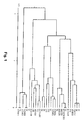
- Figure 1 illustrates the phylogeny tree of the HBsAg genomes and the accession numbers. Sequence of S1 - S13 strains are obtained from reference (Norder H, Hammas B, Lofdahl S, Courouce AM, Magnius LO. Comparison of the amino acid sequences of nine different serotypes of hepatitis B surface antigen and genomic classification of the corresponding hepatitis B virus strains. J Gen Virol. 1992 May;73 ( Pt 5):1201-8); GenBank accession numbers are given for the rest of strains.
- LFT liver function tests
- ALT 450 IU/L range 10-35 IU/L
- AST 250 IU/L range 10-40 IU/L
- gamma-GT 383 IU/L range 10-50 IU/L
- Bilirubin was 3.8/2.6 mg/dL (total/direct) (range, total: 0.1-1.2 IU/L and direct: 0.0-0.2 IU/L). More significantly, we noted incongruity in the HBV blood tests.
- HBV markers test results using enzyme immunoassay (EIA) methodology were as follows: HBs Ag positive (>2/0.051), anti-HBs Ab positive (0.417/0.206), anti-HBc IgM Ab low positive (0.371/0.208), anti-HBc IgG Ab strong positive (>2/0.412), HBe Ag negative and anti-HBe Ab positive (0.197/0.830, a competitive assay). Both the anti-hepatitis A Ab and the anti-hepatitis C Ab were negative. Due to the discrepancy in the HBV markers, molecular methods were used to confirm the HBV antigen. The patient was continuously followed up for LFT that decreased consistently over the following ten months including AST 80 IU/L.
- HBV markers that were repeated ten months after initial presentation revealed both HBsAg positive (>2/0,056) (DiaSorin, Italy) and anti HBs Ab positive (56/5) (BioMerieux, Mini-Vidas, France), and the persistence of a low positive anti-HBc IgM Ab (0.303/0.221) (DiaSorin, Italy).
- DNA was isolated and purified from 40 uL samples based on a guanidinium-thiocynate (GuSCN) lysis method.
- Five volumes of lysis solution [5.75 M GuSCN, 50 mM Tris-Cl pH7.5, 100 mM 2-mercaptoethanol and 15 ug/mL poly (A)] were added to 1 volume of serum. After a brief vortex, the mixture was heated at 60°C for 10 minutes. The DNA pellet was obtained with isopropanol precipitation, and was washed with 75% ethanol.
- Dried DNA pellet was then resuspended in 50 uL of PCR reaction solution, with 40 uM (each) of the first-round primers (F1-6 and R1-6).
- the mixture was heated to 95°C for 3 min, followed by 30 PCR cycles consisting of 94°C/45 sec, 55°C/45 sec and 72°C/45 sec in a thermal cycler (GeneAmp PCR System 9600, Perkin Elmer, USA).
- 0.5 uL of the first-round PCR product was then served as template for a second-round PCR amplification using F1-7 and R13-2d primers pair consisting same cycles except annealing temperature was raised to 60°C.
- Positive PCR products, a DNA band of 604bp as expected, were detected in agarose gel electrophoresis.
- PCR Primer sequences [nucleotide sequences were derived from HBV DNA (accession number J02203) were as follows:
- Amplified PCR product was cleaned with a QIAquick spin column (Qiagen) and subsequently cloned for DNA sequencing and protein expression. Five clones were sent for DNA sequencing in order to obtain reliable DNA sequence determination. Nucleotide sequences were determined for both strands with the BigDye Terminator Ready Reaction Kit (PE Applied Biosystems, USA) on an ABI 377 DNA Sequencer (PE Applied Biosystems, USA). Sequence analysis was performed using SeqMan 4.00 module of the Lasergene package (DNAStar Inc., Madison, WI, USA). Sequence alignment and the construction of phylogenetic trees were computed by MegAlign 4.00 module of the Lasergene package (DNAStar Inc., Madison, WI, USA). Clustal multiple sequence alignment was used through sequence weighting. The 28 reference strains for genotype grouping were derived from published sequences.
- the PCR product was digested by Xba I /EcoR I restriction enzymes.
- the fragment was then ligated into a previously constructed mammalian expression vector, to replace the wild-type ayw S-HBsAg fragment, which was placed downstream of a CMV promoter.
- the transfection was then performed on a COS-7 cell line using LIPOFECTAMINE Plus reagent (Life technologies, MD, USA). Culture supernatant containing secreted variant S-HBsAg from the COS-7 cell infections was then harvested and fresh medium was added every 72 hours after transfection.
- Wild-type ayw [wt(ayw)] S-HBsAg (GeneBank accession number J02203), was also expressed for control use.
- Recombinant wt(ayw) and LBN variant S-HBsAg expression was determined by solid-phase EIA in a sandwich format.
- One polyclonal and a panel of six monoclonal antibodies [mAb(s)] were used in this study. They were goat anti-HBsAg ( ay/ad ) (Fitzgerald, MA, USA), HB-1, HB-8, HB-9, HB-13, HB-14 and HB-16. All six mAb(s) were raised against serum derived wild-type HBsAg and were reactive to both ad and ay subtypes. EIA were used to measure serum and recombinant HBsAg reactivity.
- purified mAb(s) or polyclonal anti-HBsAg were coated on a microtiter plate and kept at 4°C until use. Prior to performing EIA, the plates were blocked with PBS containing BSA for 2 hours at 25°C. EIA was performed in a one-step sandwich format with 150 uL of sample (serum or diluted recombinant HBsAg culture) mixed with 50 uL HRP conjugated monoclonal antibodies. The plates were incubated at 37°C for 90 minutes, then washed 6 times with PBS containing 0.005% Tween 20. The plates were developed by a final incubation for 30 minutes with 200 ul of OPD solution (Sigma, USA).
- HBsAg culture supernatant was concentrated 15 fold by a centrifugal filter (Biomax-100, Millipore, USA). The concentrate was run on a NuPAGE 10% Bis-Tris SDS Gel (Novex, San Diego, USA) and then transferred to nitrocellulose membrane. Transferred protein was immunoblotted with HBsAg mAb. The binding was detected using an immunoblot system (BioRad, GAM-AP, USA).
- the HBs DNA sequence of this novel Lebanese (LBN) variant was analyzed for genotypes. Sequence comparison between variant HBs DNA sequence and other 28 defined HBs genotype strain put this variant HBs into genotype D group (Fig. 1). Although serological typing on this patient's serum was not performed, the amino acid sequence of this HBs variant showed highest homology with ayw2 HBs subtype. Five amino acid mutations within position 32-226 of LBN variant were observed in all five clones.
- Wild-type HBsAg consensus sequence was derived from other three strains (X02496, M32138 and S7) of the genotype D group.
- Bold indicates the "a" determinant region (Stirk HJ, Thornton JM, Howard CR. A topological model for hepatitis B surface antigen. Intervirology. 1992;33(3) :148-58)
- the secreted recombinant HBsAg expression was in a range of 0.1-0.2 mg/liter, calibrated by a purified wild-type recombinant HBsAg. Only secreted HBsAg in culture supernatant was examined for expression. There was no significant expression yield difference at 72 hours and 144 hours time point. The culture supernatant harvested at 216 hours gave only 1/5 expressed HBsAg compared to the supernatants collected at 72 and 144 hours.
Landscapes
- Health & Medical Sciences (AREA)
- Chemical & Material Sciences (AREA)
- Life Sciences & Earth Sciences (AREA)
- Organic Chemistry (AREA)
- Medicinal Chemistry (AREA)
- General Health & Medical Sciences (AREA)
- Virology (AREA)
- Gastroenterology & Hepatology (AREA)
- Animal Behavior & Ethology (AREA)
- Proteomics, Peptides & Aminoacids (AREA)
- General Chemical & Material Sciences (AREA)
- Pharmacology & Pharmacy (AREA)
- Chemical Kinetics & Catalysis (AREA)
- Nuclear Medicine, Radiotherapy & Molecular Imaging (AREA)
- Public Health (AREA)
- Veterinary Medicine (AREA)
- Molecular Biology (AREA)
- Biochemistry (AREA)
- Biophysics (AREA)
- Genetics & Genomics (AREA)
- Communicable Diseases (AREA)
- Oncology (AREA)
- Engineering & Computer Science (AREA)
- Bioinformatics & Cheminformatics (AREA)
- Peptides Or Proteins (AREA)
- Medicines Containing Antibodies Or Antigens For Use As Internal Diagnostic Agents (AREA)
- Micro-Organisms Or Cultivation Processes Thereof (AREA)
Abstract
Description
- Hepatitis B virus (HBV), a small double stranded DNA virus, can cause a wide spectrum of clinical presentations: asymptomatic carrier state, acute self-limited hepatitis, fulminant hepatitis, and chronic liver diseases including chronic hepatitis, liver cirrhosis, and hepatocellular carcinoma. It has a circular genome of 3182 to 3221 base pairs (bp). Four major subtypes have been identified and can be differentiated by antibodies that recognize the different epitopes on the HBV surface. The HBsAg particles carry the common determinant, "a", as well as d or y and w or r subtype determinants, and are classified into the four major subtypes, i.e., adw, adr, ayw and ayr. Rare sera contain HBsAg particles with all four-subtype determinants (adywr). The antigenic determinants for the main HBV subtypes: adw, adr, ayw and ayr lie in the surface or "S" polypeptide. Two amino acid residues in particular, encoded by the S gene at codon positions 122 and 160, have been postulated to determine the different antigenic subtypes. While, the preC regions have frequently been reported to have mutations rendering HBe Ag negative. The virus has a high rate of mutation relative to other DNA viruses due to its mode of replication by reverse transcriptase of its pregenomic RNA. The importance of a novel mutant can be reflected in vaccine escape and HBsAg detection failure, implicating a public health problem.
- We have identified and characterized a new surface mutant of HBV. The mutant was isolated from a symptomatic patient with Down's syndrome who was found to be persistently positive for both for HBsAg and anti-HBs Antibody (Ab) with an equally long-lasting anti-HB core (c) IgM Ab. With a panel of six monoclonal antibodies (mAb(s)) to HBsAg, we evaluated the mutation influence on the major epitope of the "a" determinant antigenicity.
- Figure 1 illustrates the phylogeny tree of the HBsAg genomes and the accession numbers. Sequence of S1 - S13 strains are obtained from reference (Norder H, Hammas B, Lofdahl S, Courouce AM, Magnius LO. Comparison of the amino acid sequences of nine different serotypes of hepatitis B surface antigen and genomic classification of the corresponding hepatitis B virus strains. J Gen Virol. 1992 May;73 ( Pt 5):1201-8); GenBank accession numbers are given for the rest of strains.
- A sample was taken from a 43-year-old white male patient with Down's syndrome who presented with jaundice to the American University of Beirut Medical Center in March 1999. The patient had no history of immunization to HBV, no transmissible risk factor including blood transfusion, IV drugs, homosexuality, family HBV infection or hemodialysis. During investigation, he was found to have elevated liver function tests (LFT): ALT 450 IU/L (range 10-35 IU/L), AST 250 IU/L (range 10-40 IU/L), gamma-GT 383 IU/L (range 10-50 IU/L), Bilirubin was 3.8/2.6 mg/dL (total/direct) (range, total: 0.1-1.2 IU/L and direct: 0.0-0.2 IU/L). More significantly, we noted incongruity in the HBV blood tests. The HBV markers test results using enzyme immunoassay (EIA) methodology were as follows: HBs Ag positive (>2/0.051), anti-HBs Ab positive (0.417/0.206), anti-HBc IgM Ab low positive (0.371/0.208), anti-HBc IgG Ab strong positive (>2/0.412), HBe Ag negative and anti-HBe Ab positive (0.197/0.830, a competitive assay). Both the anti-hepatitis A Ab and the anti-hepatitis C Ab were negative. Due to the discrepancy in the HBV markers, molecular methods were used to confirm the HBV antigen. The patient was continuously followed up for LFT that decreased consistently over the following ten months including AST 80 IU/L. However, the HBV markers that were repeated ten months after initial presentation revealed both HBsAg positive (>2/0,056) (DiaSorin, Italy) and anti HBs Ab positive (56/5) (BioMerieux, Mini-Vidas, France), and the persistence of a low positive anti-HBc IgM Ab (0.303/0.221) (DiaSorin, Italy).
- DNA was isolated and purified from 40 uL samples based on a guanidinium-thiocynate (GuSCN) lysis method. The single-step method of RNA isolation by acid guanidinium thiocyanate-phenol-chloroform extraction was used with some modifications. Five volumes of lysis solution [5.75 M GuSCN, 50 mM Tris-Cl pH7.5, 100 mM 2-mercaptoethanol and 15 ug/mL poly (A)] were added to 1 volume of serum. After a brief vortex, the mixture was heated at 60°C for 10 minutes. The DNA pellet was obtained with isopropanol precipitation, and was washed with 75% ethanol. Dried DNA pellet was then resuspended in 50 uL of PCR reaction solution, with 40 uM (each) of the first-round primers (F1-6 and R1-6). The mixture was heated to 95°C for 3 min, followed by 30 PCR cycles consisting of 94°C/45 sec, 55°C/45 sec and 72°C/45 sec in a thermal cycler (GeneAmp PCR System 9600, Perkin Elmer, USA). 0.5 uL of the first-round PCR product was then served as template for a second-round PCR amplification using F1-7 and R13-2d primers pair consisting same cycles except annealing temperature was raised to 60°C. Positive PCR products, a DNA band of 604bp as expected, were detected in agarose gel electrophoresis.
- The PCR Primer sequences [nucleotide sequences were derived from HBV DNA (accession number J02203) were as follows:
- First-round Primer Set:


- Second-round Primer Set:


-
- An EcoR I site was added at the 5'-end of R13-2d for cloning purpose.
- Amplified PCR product was cleaned with a QIAquick spin column (Qiagen) and subsequently cloned for DNA sequencing and protein expression. Five clones were sent for DNA sequencing in order to obtain reliable DNA sequence determination. Nucleotide sequences were determined for both strands with the BigDye Terminator Ready Reaction Kit (PE Applied Biosystems, USA) on an ABI 377 DNA Sequencer (PE Applied Biosystems, USA). Sequence analysis was performed using SeqMan 4.00 module of the Lasergene package (DNAStar Inc., Madison, WI, USA). Sequence alignment and the construction of phylogenetic trees were computed by MegAlign 4.00 module of the Lasergene package (DNAStar Inc., Madison, WI, USA). Clustal multiple sequence alignment was used through sequence weighting. The 28 reference strains for genotype grouping were derived from published sequences.
- The PCR product was digested by Xba I /EcoR I restriction enzymes. The 595 bp fragment encoded 86% of the S-HBsAg protein from amino acids Leu 32 to the end (Ileu 226). The fragment was then ligated into a previously constructed mammalian expression vector, to replace the wild-type ayw S-HBsAg fragment, which was placed downstream of a CMV promoter. The transfection was then performed on a COS-7 cell line using LIPOFECTAMINE Plus reagent (Life technologies, MD, USA). Culture supernatant containing secreted variant S-HBsAg from the COS-7 cell infections was then harvested and fresh medium was added every 72 hours after transfection. Wild-type ayw [wt(ayw)] S-HBsAg, (GeneBank accession number J02203), was also expressed for control use.
- Recombinant wt(ayw) and LBN variant S-HBsAg expression was determined by solid-phase EIA in a sandwich format. One polyclonal and a panel of six monoclonal antibodies [mAb(s)] were used in this study. They were goat anti-HBsAg (ay/ad) (Fitzgerald, MA, USA), HB-1, HB-8, HB-9, HB-13, HB-14 and HB-16. All six mAb(s) were raised against serum derived wild-type HBsAg and were reactive to both ad and ay subtypes. EIA were used to measure serum and recombinant HBsAg reactivity. Basically, purified mAb(s) or polyclonal anti-HBsAg were coated on a microtiter plate and kept at 4°C until use. Prior to performing EIA, the plates were blocked with PBS containing BSA for 2 hours at 25°C. EIA was performed in a one-step sandwich format with 150 uL of sample (serum or diluted recombinant HBsAg culture) mixed with 50 uL HRP conjugated monoclonal antibodies. The plates were incubated at 37°C for 90 minutes, then washed 6 times with PBS containing 0.005% Tween 20. The plates were developed by a final incubation for 30 minutes with 200 ul of OPD solution (Sigma, USA). Adding 50 uL of 4N Sulfuric acid then stopped the color development. The absorbance was read on an automatic microtiter plate reader (Molecular Devices, USA) and the results were expressed as optical density (OD) units at 490 nm. To evaluate the mAb reactivity to the native HBsAg and to the synthetic peptides, direct EIA procedure was performed. A serial dilution of each purified and quantity adjustified mAb was incubated on plates, which were previously coated with purified native HBsAg or oxidized peptides. Bound murine IgG were detected by a second incubation with horseradish peroxidase conjugated rabbit anti-mouse IgG. The reactivity was ascertained by enzyme catalyzed OPD color development. Recombinant variant and wild-type S-HBsAg were also analyzed by western immunoblot. HBsAg culture supernatant was concentrated 15 fold by a centrifugal filter (Biomax-100, Millipore, USA). The concentrate was run on a NuPAGE 10% Bis-Tris SDS Gel (Novex, San Diego, USA) and then transferred to nitrocellulose membrane. Transferred protein was immunoblotted with HBsAg mAb. The binding was detected using an immunoblot system (BioRad, GAM-AP, USA).
- The HBs DNA sequence of this novel Lebanese (LBN) variant was analyzed for genotypes. Sequence comparison between variant HBs DNA sequence and other 28 defined HBs genotype strain put this variant HBs into genotype D group (Fig. 1). Although serological typing on this patient's serum was not performed, the amino acid sequence of this HBs variant showed highest homology with ayw2 HBs subtype. Five amino acid mutations within position 32-226 of LBN variant were observed in all five clones. They are 103 M (ATG)→ I (ATT) , 118 T (ACG)→ K (AAG), 120 P (CCA) → Q (CAA), 170 L (TTA)→ S (TCA) and 213 L (TTA) → S (TCA). At amino acid position 122, three clones revealed sequence Arg (AGA) while 2 clones revealed sequence as Lys (AAA). ). For recombinant LBN HBsAg expression, sequence with Arg (122) was used.

- Wild-type HBsAg consensus sequence was derived from other three strains (X02496, M32138 and S7) of the genotype D group. Bold indicates the "a" determinant region (Stirk HJ, Thornton JM, Howard CR. A topological model for hepatitis B surface antigen. Intervirology. 1992;33(3) :148-58)
- The secreted recombinant HBsAg expression was in a range of 0.1-0.2 mg/liter, calibrated by a purified wild-type recombinant HBsAg. Only secreted HBsAg in culture supernatant was examined for expression. There was no significant expression yield difference at 72 hours and 144 hours time point. The culture supernatant harvested at 216 hours gave only 1/5 expressed HBsAg compared to the supernatants collected at 72 and 144 hours.
- Both the recombinant HBsAg (ayw) and the novel variant HBsAg (LBN) culture supernatants were tested for their reactivity by a panel consisting of six mAb(s). Culture supernatants were diluted 1:40 to insure the same quantity of antigen concentration. Amino acid mutations apparently affected four mAb(s) binding affinity to wt HBsAg. HB-16 was affected most, losing almost 90% strength. Strikingly, the binding strength of two mAb(s), HB-13 and HB-14, to the LBN variant was significantly increased to 5-6 fold. Peptide mapping revealed that these two antibodies were specific to the first loop linear sequence while mAb HB-9 was specific to the sequence from 137 to147, located in the second loop region. All the three mAb(s), HB-1, HB-8 and HB-16, are conformation specific. They did not react with SDS denatured HBsAg in immunoblot but had higher dilution titer in direct EIA assay. On the other hand, the mAb(s) HB-13 and HB-14 blotted to both wild type and LBN HBsAg very well, indicating that these two mAb(s) recognize denatured epitopes, independent of the mutation sites.
Immunal reactivity of a panel of monoclonal antibodies to various antigens in EIA assay and in western immunoblot Monoclonal antibodies raised against wild type HBsAg HB-1 HB-8 HB-9 HB-13 NB-14 HB-16 mAb relative reactivity (%) to LBN variant 55.5 55.7 35.3 530.1 665.2 10.3 mAb titer against native HBsAg 1:8X10⁵ 1:2X10⁵ 1:2X10⁴ 1:4X10⁴ 1:4X10⁴ 1:4X10⁵ peptide (122-137) 0.161 1:50 0.154 1:50 0.125 1:50 >2.00 1:2K >2.00 1:500 0.121 1:50 peptide (139-147) 0.183 1:50 0.223 1:50 >2.00 1:500 0.250 1:50 0.331 1:50 0.119 1:50 peptide (122-147) 0.201 1:50 0.261 1:50 >2.00 1:2K 0.292 1:50 0.340 1:50 0.143 1:50 Western wt - - n.p. ++ +++ - Immunoblot (ayw) LBN - - n.p. ++ +++
Claims (6)
- An isolated variant hepatitis B surface antigen comprising an amino acid sequence wherein mutations from hepatitis B wild type ayw2 strain appear as follows: at position 103 isoleucine is present instead of methionine, at position 118 lysine is present instead of threonine, at position 120 glutamine is present instead of proline, at position 170 serine is present instead of leucine, and at position 213 serine is present instead of leucine.
- An expression vector for expression of a variant hepatitis B surface antigen in a recombinant host, wherein said vector contains a recombinant gene encoding the variant hepatitis B surface antigen of claim 1.
- A monoclonal antibody raised against the variant hepatitis B surface antigen of claim 1.
- A hybridoma cell line which secretes the monoclonal antibody of claim 3.
- An assay kit for determining the presence of hepatitis B in a test sample, comprising: a container containing at least one monoclonal antibody which specifically binds to hepatitis B surface antigen wherein the monoclonal antibody is a monoclonal antibody secreted by the hybridoma cell line claimed in claim 4.
- A method for determining the presence of hepatitis B in a test sample, comprising:a. contacting a test sample with at least one monoclonal antibody claimed in claim 3 attached to a solid phase, to form a mixture,b. incubating the mixture for a time and under conditions sufficient to form antigen-antibody complexes,c. contacting the complexes with an antibody conjugated to a signal generating reagent that is specific for the complexes, andd. determining the presence of hepatitis B present in the test sample by detecting the signal generated.
Applications Claiming Priority (2)
| Application Number | Priority Date | Filing Date | Title |
|---|---|---|---|
| US19379500P | 2000-03-31 | 2000-03-31 | |
| US193795P | 2000-03-31 |
Publications (1)
| Publication Number | Publication Date |
|---|---|
| EP1142906A1 true EP1142906A1 (en) | 2001-10-10 |
Family
ID=22715032
Family Applications (1)
| Application Number | Title | Priority Date | Filing Date |
|---|---|---|---|
| EP01303073A Ceased EP1142906A1 (en) | 2000-03-31 | 2001-03-30 | A hepatitis B virus (subtype ayw) surface antigen variant |
Country Status (3)
| Country | Link |
|---|---|
| US (2) | US7067247B2 (en) |
| EP (1) | EP1142906A1 (en) |
| JP (1) | JP4772199B2 (en) |
Cited By (2)
| Publication number | Priority date | Publication date | Assignee | Title |
|---|---|---|---|---|
| WO2004113369A1 (en) | 2003-06-20 | 2004-12-29 | Dade Behring Marburg Gmbh | Novel surface protein (hbsag) variant of hepatitis b virus |
| US7485312B2 (en) | 2003-06-20 | 2009-02-03 | Dade Behring Marburg Gmbh | Surface protein (HBsAg) variant of the hepatitis B virus |
Families Citing this family (4)
| Publication number | Priority date | Publication date | Assignee | Title |
|---|---|---|---|---|
| JP4948783B2 (en) * | 2005-05-18 | 2012-06-06 | シスメックス株式会社 | Anti-HBs monoclonal antibody |
| CN105263522B (en) * | 2013-05-31 | 2019-03-22 | 赛特瑞恩股份有限公司 | Binding molecules that can neutralize hepatitis B virus |
| WO2016085284A1 (en) * | 2014-11-28 | 2016-06-02 | (주)셀트리온 | Epitope of hepatitis b virus surface antigen and binding molecule specifically binding to same for neutralizing hepatitis b virus |
| EP4458975A3 (en) | 2019-09-30 | 2025-02-12 | Gilead Sciences, Inc. | Hbv vaccines and methods treating hbv |
Family Cites Families (4)
| Publication number | Priority date | Publication date | Assignee | Title |
|---|---|---|---|---|
| GB8431170D0 (en) * | 1984-12-11 | 1985-01-23 | Medical & Scient Research Asso | Diagnostic reagents |
| CA2147600A1 (en) * | 1992-11-06 | 1994-05-26 | Lars G. Ostberg | Production of human monoclonal antibodies active against hepatitis b surface antigen |
| GB9608626D0 (en) * | 1996-04-25 | 1996-07-03 | Univ College Of London | Hepatitis b monoclonal antibodies |
| JP2002351417A (en) * | 2001-05-24 | 2002-12-06 | Internatl Business Mach Corp <Ibm> | Driving power supply circuit which generates driving power supply voltage of driver circuit used in display device and reference voltage used in the driver circuit to generate gradation voltage, driver circuit voltage generating method to generate the driving power supply voltage and the reference voltage and display device having the driving power supply circuit |
-
2001
- 2001-03-30 EP EP01303073A patent/EP1142906A1/en not_active Ceased
- 2001-03-30 US US09/823,077 patent/US7067247B2/en not_active Expired - Lifetime
- 2001-03-30 JP JP2001101389A patent/JP4772199B2/en not_active Expired - Fee Related
-
2006
- 2006-05-25 US US11/440,977 patent/US20060269953A1/en not_active Abandoned
Non-Patent Citations (4)
| Title |
|---|
| DATABASE EMBL EMBL; 1 January 2000 (2000-01-01), WIENBERGER ET AL.: "Hepatitis B virus isolate wr2209 small surface antigen (s) gene, complete cds", XP002173120 * |
| DATABASE EMBL EMBL; 9 June 1982 (1982-06-09), "Hepatitis B virus (strain ayw) genome", XP002173119 * |
| NORDER H. ET AL.: "Comparison of the amino acid sequences of nine different serotypes of hepatitis B surface antigen and genomic classification of the corresponding hepatitis B virus strains", J. GEN. VIROL., vol. 73, 1992, pages 1201 - 1208, XP002140252 * |
| NORDER H. ET AL.: "Subtypes, genotypes and molecular epidemiology of the hepatitis B virus as reflected by sequence variability of the S-gene", INTERVIROL., vol. 38, 1995, pages 24 - 34, XP000197124 * |
Cited By (4)
| Publication number | Priority date | Publication date | Assignee | Title |
|---|---|---|---|---|
| WO2004113369A1 (en) | 2003-06-20 | 2004-12-29 | Dade Behring Marburg Gmbh | Novel surface protein (hbsag) variant of hepatitis b virus |
| US7485312B2 (en) | 2003-06-20 | 2009-02-03 | Dade Behring Marburg Gmbh | Surface protein (HBsAg) variant of the hepatitis B virus |
| US8242238B2 (en) | 2003-06-20 | 2012-08-14 | Dade Behring Marburg Gmbh | Surface protein (HBsAg) variant of the hepatitis B virus |
| US8628772B2 (en) | 2003-06-20 | 2014-01-14 | Siemens Healthcare Diagnostics Products Gmbh | Surface protein (HBsAg) variant of the hepatitis B virus |
Also Published As
| Publication number | Publication date |
|---|---|
| US7067247B2 (en) | 2006-06-27 |
| US20060269953A1 (en) | 2006-11-30 |
| US20030165816A1 (en) | 2003-09-04 |
| JP2002327000A (en) | 2002-11-15 |
| JP4772199B2 (en) | 2011-09-14 |
Similar Documents
| Publication | Publication Date | Title |
|---|---|---|
| Hou et al. | A unique insertion in the S gene of surface antigen—negative hepatitis B virus Chinese carriers | |
| Yamamoto et al. | Naturally occurring escape mutants of hepatitis B virus with various mutations in the S gene in carriers seropositive for antibody to hepatitis B surface antigen | |
| Kfoury Baz et al. | Characterization of a novel hepatitis B virus mutant: demonstration of mutation‐induced hepatitis B virus surface antigen group specific ‘a’determinant conformation change and its application in diagnostic assays | |
| Gao et al. | Mutations in preS genes of genotype C hepatitis B virus in patients with chronic hepatitis B and hepatocellular carcinoma | |
| Meisel et al. | Fine mapping and functional characterization of two immuno-dominant regions from the preS2 sequence of hepatitis B virus | |
| Lusida et al. | Genotype and subtype analyses of hepatitis B virus (HBV) and possible co‐infection of HBV and hepatitis C virus (HCV) or hepatitis D virus (HDV) in blood donors, patients with chronic liver disease and patients on hemodialysis in Surabaya, Indonesia | |
| US5183734A (en) | Antibodies, diagnostic systems and methods for assaying SV40 HBxAg | |
| KR100370341B1 (en) | Hepatitis B Vaccine | |
| Karthigesu et al. | A hepatitis B virus variant found in the sera of immunised children induces a conformational change in the HBsAg “a” determinant | |
| AU628156B2 (en) | Monoclonal antibodies to pres2 and pres1 polypeptides of the hepatitis b viral envelope | |
| US7067247B2 (en) | Hepatitis B virus surface protein | |
| US7038035B1 (en) | Vaccine-induced hepatitis B viral strain and uses thereof | |
| JP4293788B2 (en) | Monoclonal antibody against hepatitis B virus | |
| Schneider et al. | Mechanism, kinetics, and role of duck hepatitis B virus e-antigen expression in vivo | |
| Kremsdorf et al. | Complete nucleotide sequence and viral envelope protein expression of a hepatitis B virus DNA derived from a hepatitis B surface antigen-seronegative patient | |
| AU646039B2 (en) | Monoclonal antibodies to Pres2 and Pres1 polypeptides of the hepatitis B viral envelope | |
| Banerjee et al. | Identification of a novel surface mutant of hepatitis B virus in a seronegative chronic liver disease patient | |
| Weimer et al. | Antibodies to the RNase H domain of hepatitis B virus P protein are associated with ongoing viral replication | |
| FI101966B (en) | Antigenic, synthetic polypeptide and its use in diagnostics | |
| EP0993470B1 (en) | Antibodies and other binding molecules specific for hepatitis b viral antigens | |
| HK1038028A (en) | A hepatitis b virus (subtype ayw) surface antigen variant | |
| Yuki et al. | Detection of antibodies against the polymerase gene product in hepatitis B virus infection | |
| Carman | Vaccine-associated mutants of hepatitis B virus | |
| Ijaz | Production and use of monoclonal antibodies against a conserved epitope of hepatitis B surface antigen | |
| Baig | Genotyping and Phylogenetic Analysis of Hepatitis B Virus and Identification of its Binding Protein in Serum |
Legal Events
| Date | Code | Title | Description |
|---|---|---|---|
| PUAI | Public reference made under article 153(3) epc to a published international application that has entered the european phase |
Free format text: ORIGINAL CODE: 0009012 |
|
| AK | Designated contracting states |
Kind code of ref document: A1 Designated state(s): AT BE CH CY DE DK ES FI FR GB GR IE IT LI LU MC NL PT SE TR |
|
| AX | Request for extension of the european patent |
Free format text: AL;LT;LV;MK;RO;SI |
|
| 17P | Request for examination filed |
Effective date: 20020321 |
|
| AKX | Designation fees paid |
Free format text: AT BE CH CY DE DK ES FI FR GB GR IE IT LI LU MC NL PT SE TR |
|
| APBN | Date of receipt of notice of appeal recorded |
Free format text: ORIGINAL CODE: EPIDOSNNOA2E |
|
| APBR | Date of receipt of statement of grounds of appeal recorded |
Free format text: ORIGINAL CODE: EPIDOSNNOA3E |
|
| APAF | Appeal reference modified |
Free format text: ORIGINAL CODE: EPIDOSCREFNE |
|
| APBT | Appeal procedure closed |
Free format text: ORIGINAL CODE: EPIDOSNNOA9E |
|
| STAA | Information on the status of an ep patent application or granted ep patent |
Free format text: STATUS: THE APPLICATION HAS BEEN REFUSED |
|
| 18R | Application refused |
Effective date: 20130423 |
|
| REG | Reference to a national code |
Ref country code: HK Ref legal event code: WD Ref document number: 1038028 Country of ref document: HK |