EP1135114B1 - Method for reducing free-radical induced injury in vitro - Google Patents
Method for reducing free-radical induced injury in vitro Download PDFInfo
- Publication number
- EP1135114B1 EP1135114B1 EP99961852A EP99961852A EP1135114B1 EP 1135114 B1 EP1135114 B1 EP 1135114B1 EP 99961852 A EP99961852 A EP 99961852A EP 99961852 A EP99961852 A EP 99961852A EP 1135114 B1 EP1135114 B1 EP 1135114B1
- Authority
- EP
- European Patent Office
- Prior art keywords
- cells
- perfluorocarbon
- vitro
- injury
- free
- Prior art date
- Legal status (The legal status is an assumption and is not a legal conclusion. Google has not performed a legal analysis and makes no representation as to the accuracy of the status listed.)
- Expired - Lifetime
Links
- 230000006378 damage Effects 0.000 title claims abstract description 23
- 238000000034 method Methods 0.000 title claims abstract description 21
- 208000027418 Wounds and injury Diseases 0.000 title claims abstract description 17
- 208000014674 injury Diseases 0.000 title claims abstract description 17
- 238000000338 in vitro Methods 0.000 title claims description 12
- TXEYQDLBPFQVAA-UHFFFAOYSA-N tetrafluoromethane Chemical compound FC(F)(F)F TXEYQDLBPFQVAA-UHFFFAOYSA-N 0.000 claims abstract description 24
- 244000005700 microbiome Species 0.000 claims abstract description 4
- WTWWXOGTJWMJHI-UHFFFAOYSA-N perflubron Chemical compound FC(F)(F)C(F)(F)C(F)(F)C(F)(F)C(F)(F)C(F)(F)C(F)(F)C(F)(F)Br WTWWXOGTJWMJHI-UHFFFAOYSA-N 0.000 claims description 20
- 229960001217 perflubron Drugs 0.000 claims description 20
- 239000013553 cell monolayer Substances 0.000 claims description 12
- 238000004113 cell culture Methods 0.000 claims description 3
- 230000001590 oxidative effect Effects 0.000 claims description 3
- 230000005855 radiation Effects 0.000 claims description 3
- 239000000126 substance Substances 0.000 claims description 3
- 239000000839 emulsion Substances 0.000 abstract description 9
- 239000007789 gas Substances 0.000 abstract description 7
- 239000000203 mixture Substances 0.000 abstract description 7
- 150000002632 lipids Chemical class 0.000 abstract description 3
- 210000004027 cell Anatomy 0.000 description 38
- 150000003254 radicals Chemical class 0.000 description 20
- 230000036542 oxidative stress Effects 0.000 description 9
- LOKCTEFSRHRXRJ-UHFFFAOYSA-I dipotassium trisodium dihydrogen phosphate hydrogen phosphate dichloride Chemical compound P(=O)(O)(O)[O-].[K+].P(=O)(O)([O-])[O-].[Na+].[Na+].[Cl-].[K+].[Cl-].[Na+] LOKCTEFSRHRXRJ-UHFFFAOYSA-I 0.000 description 7
- 239000002953 phosphate buffered saline Substances 0.000 description 7
- 239000007788 liquid Substances 0.000 description 6
- 210000001519 tissue Anatomy 0.000 description 6
- 239000000872 buffer Substances 0.000 description 5
- MHAJPDPJQMAIIY-UHFFFAOYSA-N Hydrogen peroxide Chemical compound OO MHAJPDPJQMAIIY-UHFFFAOYSA-N 0.000 description 4
- 230000004792 oxidative damage Effects 0.000 description 4
- IAZDPXIOMUYVGZ-UHFFFAOYSA-N Dimethylsulphoxide Chemical compound CS(C)=O IAZDPXIOMUYVGZ-UHFFFAOYSA-N 0.000 description 3
- HEMHJVSKTPXQMS-UHFFFAOYSA-M Sodium hydroxide Chemical compound [OH-].[Na+] HEMHJVSKTPXQMS-UHFFFAOYSA-M 0.000 description 3
- 210000000170 cell membrane Anatomy 0.000 description 3
- 239000003795 chemical substances by application Substances 0.000 description 3
- 210000002889 endothelial cell Anatomy 0.000 description 3
- 238000002474 experimental method Methods 0.000 description 3
- 238000009472 formulation Methods 0.000 description 3
- -1 hydroxyl radicals Chemical class 0.000 description 3
- 238000011534 incubation Methods 0.000 description 3
- XLYOFNOQVPJJNP-UHFFFAOYSA-N water Substances O XLYOFNOQVPJJNP-UHFFFAOYSA-N 0.000 description 3
- 239000000592 Artificial Cell Substances 0.000 description 2
- 206010061218 Inflammation Diseases 0.000 description 2
- 241000700159 Rattus Species 0.000 description 2
- 230000032683 aging Effects 0.000 description 2
- 210000000601 blood cell Anatomy 0.000 description 2
- 230000002526 effect on cardiovascular system Effects 0.000 description 2
- 230000000694 effects Effects 0.000 description 2
- 230000005284 excitation Effects 0.000 description 2
- 239000011521 glass Substances 0.000 description 2
- 230000001939 inductive effect Effects 0.000 description 2
- 230000004054 inflammatory process Effects 0.000 description 2
- 238000007254 oxidation reaction Methods 0.000 description 2
- 230000037361 pathway Effects 0.000 description 2
- 239000012071 phase Substances 0.000 description 2
- 230000000241 respiratory effect Effects 0.000 description 2
- 230000029058 respiratory gaseous exchange Effects 0.000 description 2
- 210000002966 serum Anatomy 0.000 description 2
- 238000006467 substitution reaction Methods 0.000 description 2
- GVJHHUAWPYXKBD-IEOSBIPESA-N α-tocopherol Chemical compound OC1=C(C)C(C)=C2O[C@@](CCC[C@H](C)CCC[C@H](C)CCCC(C)C)(C)CCC2=C1C GVJHHUAWPYXKBD-IEOSBIPESA-N 0.000 description 2
- RTPQXHZLCUUIJP-UHFFFAOYSA-N 1,2-dimethyladamantane Chemical compound C1C(C2)CC3CC1C(C)C2(C)C3 RTPQXHZLCUUIJP-UHFFFAOYSA-N 0.000 description 1
- GXBQNRJGFDHTOT-UHFFFAOYSA-N 1-cyclononyl-1,2,2-trimethylcyclononane Chemical compound CC1(C)CCCCCCCC1(C)C1CCCCCCCC1 GXBQNRJGFDHTOT-UHFFFAOYSA-N 0.000 description 1
- VFNKZQNIXUFLBC-UHFFFAOYSA-N 2',7'-dichlorofluorescein Chemical compound O1C(=O)C2=CC=CC=C2C21C1=CC(Cl)=C(O)C=C1OC1=C2C=C(Cl)C(O)=C1 VFNKZQNIXUFLBC-UHFFFAOYSA-N 0.000 description 1
- KEDSBJOHAWJRQU-UHFFFAOYSA-N 2,2,3,3,4,4,5,5,6-nonafluoro-6-(1,1,2,2,3,3,3-heptafluoropropyl)oxane Chemical compound FC(F)(F)C(F)(F)C(F)(F)C1(F)OC(F)(F)C(F)(F)C(F)(F)C1(F)F KEDSBJOHAWJRQU-UHFFFAOYSA-N 0.000 description 1
- JKMHFZQWWAIEOD-UHFFFAOYSA-N 2-[4-(2-hydroxyethyl)piperazin-1-yl]ethanesulfonic acid Chemical compound OCC[NH+]1CCN(CCS([O-])(=O)=O)CC1 JKMHFZQWWAIEOD-UHFFFAOYSA-N 0.000 description 1
- CJFUEPJVIFJOOU-UHFFFAOYSA-N 2-perfluorobutyltetrahydrofuran Chemical compound FC(F)(F)C(F)(F)C(F)(F)C(F)(F)C1CCCO1 CJFUEPJVIFJOOU-UHFFFAOYSA-N 0.000 description 1
- 201000001320 Atherosclerosis Diseases 0.000 description 1
- WKBOTKDWSSQWDR-UHFFFAOYSA-N Bromine atom Chemical compound [Br] WKBOTKDWSSQWDR-UHFFFAOYSA-N 0.000 description 1
- OKTJSMMVPCPJKN-UHFFFAOYSA-N Carbon Chemical compound [C] OKTJSMMVPCPJKN-UHFFFAOYSA-N 0.000 description 1
- 208000005623 Carcinogenesis Diseases 0.000 description 1
- 208000024172 Cardiovascular disease Diseases 0.000 description 1
- WQZGKKKJIJFFOK-GASJEMHNSA-N Glucose Natural products OC[C@H]1OC(O)[C@H](O)[C@@H](O)[C@@H]1O WQZGKKKJIJFFOK-GASJEMHNSA-N 0.000 description 1
- 239000007995 HEPES buffer Substances 0.000 description 1
- 206010018910 Haemolysis Diseases 0.000 description 1
- 241000124008 Mammalia Species 0.000 description 1
- 206010040047 Sepsis Diseases 0.000 description 1
- 229940087168 alpha tocopherol Drugs 0.000 description 1
- 150000001412 amines Chemical class 0.000 description 1
- 238000004458 analytical method Methods 0.000 description 1
- 229940121363 anti-inflammatory agent Drugs 0.000 description 1
- 239000002260 anti-inflammatory agent Substances 0.000 description 1
- 239000003963 antioxidant agent Substances 0.000 description 1
- 230000003078 antioxidant effect Effects 0.000 description 1
- 235000006708 antioxidants Nutrition 0.000 description 1
- 239000008346 aqueous phase Substances 0.000 description 1
- 230000036523 atherogenesis Effects 0.000 description 1
- 239000003633 blood substitute Substances 0.000 description 1
- GDTBXPJZTBHREO-UHFFFAOYSA-N bromine Substances BrBr GDTBXPJZTBHREO-UHFFFAOYSA-N 0.000 description 1
- 229910052794 bromium Inorganic materials 0.000 description 1
- 244000309466 calf Species 0.000 description 1
- 230000036952 cancer formation Effects 0.000 description 1
- 229910052799 carbon Inorganic materials 0.000 description 1
- 231100000504 carcinogenesis Toxicity 0.000 description 1
- 230000007248 cellular mechanism Effects 0.000 description 1
- 210000003850 cellular structure Anatomy 0.000 description 1
- 238000006243 chemical reaction Methods 0.000 description 1
- 150000001875 compounds Chemical class 0.000 description 1
- 239000012141 concentrate Substances 0.000 description 1
- 125000004122 cyclic group Chemical group 0.000 description 1
- 230000002939 deleterious effect Effects 0.000 description 1
- 238000007865 diluting Methods 0.000 description 1
- 201000010099 disease Diseases 0.000 description 1
- 208000037265 diseases, disorders, signs and symptoms Diseases 0.000 description 1
- 210000002472 endoplasmic reticulum Anatomy 0.000 description 1
- 230000002255 enzymatic effect Effects 0.000 description 1
- 210000002615 epidermis Anatomy 0.000 description 1
- 238000001704 evaporation Methods 0.000 description 1
- 230000008020 evaporation Effects 0.000 description 1
- 210000001723 extracellular space Anatomy 0.000 description 1
- 125000001153 fluoro group Chemical group F* 0.000 description 1
- NBVXSUQYWXRMNV-UHFFFAOYSA-N fluoromethane Chemical compound FC NBVXSUQYWXRMNV-UHFFFAOYSA-N 0.000 description 1
- 230000002496 gastric effect Effects 0.000 description 1
- 239000008103 glucose Substances 0.000 description 1
- 239000001963 growth medium Substances 0.000 description 1
- 230000008588 hemolysis Effects 0.000 description 1
- 125000004435 hydrogen atom Chemical group [H]* 0.000 description 1
- 238000005984 hydrogenation reaction Methods 0.000 description 1
- 238000003384 imaging method Methods 0.000 description 1
- 238000001727 in vivo Methods 0.000 description 1
- 208000015181 infectious disease Diseases 0.000 description 1
- 210000004969 inflammatory cell Anatomy 0.000 description 1
- 230000028709 inflammatory response Effects 0.000 description 1
- 230000003834 intracellular effect Effects 0.000 description 1
- 230000007774 longterm Effects 0.000 description 1
- 230000007246 mechanism Effects 0.000 description 1
- 230000001404 mediated effect Effects 0.000 description 1
- 239000002609 medium Substances 0.000 description 1
- 239000012528 membrane Substances 0.000 description 1
- 239000003595 mist Substances 0.000 description 1
- 210000003470 mitochondria Anatomy 0.000 description 1
- 239000006199 nebulizer Substances 0.000 description 1
- 208000015122 neurodegenerative disease Diseases 0.000 description 1
- 230000000626 neurodegenerative effect Effects 0.000 description 1
- 210000000440 neutrophil Anatomy 0.000 description 1
- 210000000633 nuclear envelope Anatomy 0.000 description 1
- 235000015097 nutrients Nutrition 0.000 description 1
- 230000009965 odorless effect Effects 0.000 description 1
- 230000003287 optical effect Effects 0.000 description 1
- 210000000056 organ Anatomy 0.000 description 1
- 150000002894 organic compounds Chemical class 0.000 description 1
- 230000003647 oxidation Effects 0.000 description 1
- 230000007170 pathology Effects 0.000 description 1
- 229950011087 perflunafene Drugs 0.000 description 1
- FYJQJMIEZVMYSD-UHFFFAOYSA-N perfluoro-2-butyltetrahydrofuran Chemical compound FC(F)(F)C(F)(F)C(F)(F)C(F)(F)C1(F)OC(F)(F)C(F)(F)C1(F)F FYJQJMIEZVMYSD-UHFFFAOYSA-N 0.000 description 1
- UWEYRJFJVCLAGH-IJWZVTFUSA-N perfluorodecalin Chemical compound FC1(F)C(F)(F)C(F)(F)C(F)(F)[C@@]2(F)C(F)(F)C(F)(F)C(F)(F)C(F)(F)[C@@]21F UWEYRJFJVCLAGH-IJWZVTFUSA-N 0.000 description 1
- 239000012466 permeate Substances 0.000 description 1
- 238000005502 peroxidation Methods 0.000 description 1
- 210000002824 peroxisome Anatomy 0.000 description 1
- 230000002265 prevention Effects 0.000 description 1
- 230000008569 process Effects 0.000 description 1
- 230000001737 promoting effect Effects 0.000 description 1
- 230000001681 protective effect Effects 0.000 description 1
- 210000001147 pulmonary artery Anatomy 0.000 description 1
- 210000004879 pulmonary tissue Anatomy 0.000 description 1
- 238000004445 quantitative analysis Methods 0.000 description 1
- 238000007348 radical reaction Methods 0.000 description 1
- 239000003642 reactive oxygen metabolite Substances 0.000 description 1
- 208000023504 respiratory system disease Diseases 0.000 description 1
- 239000000523 sample Substances 0.000 description 1
- 229920006395 saturated elastomer Polymers 0.000 description 1
- 210000003491 skin Anatomy 0.000 description 1
- 230000003381 solubilizing effect Effects 0.000 description 1
- 239000000243 solution Substances 0.000 description 1
- 230000002269 spontaneous effect Effects 0.000 description 1
- 239000003381 stabilizer Substances 0.000 description 1
- 238000010561 standard procedure Methods 0.000 description 1
- 125000001424 substituent group Chemical group 0.000 description 1
- 230000001629 suppression Effects 0.000 description 1
- 239000000725 suspension Substances 0.000 description 1
- 230000009885 systemic effect Effects 0.000 description 1
- 229960000984 tocofersolan Drugs 0.000 description 1
- 239000003053 toxin Substances 0.000 description 1
- 231100000765 toxin Toxicity 0.000 description 1
- 108700012359 toxins Proteins 0.000 description 1
- 238000009423 ventilation Methods 0.000 description 1
- 238000005406 washing Methods 0.000 description 1
- 239000002076 α-tocopherol Substances 0.000 description 1
- 235000004835 α-tocopherol Nutrition 0.000 description 1
Images


Classifications
-
- A—HUMAN NECESSITIES
- A61—MEDICAL OR VETERINARY SCIENCE; HYGIENE
- A61K—PREPARATIONS FOR MEDICAL, DENTAL OR TOILETRY PURPOSES
- A61K31/00—Medicinal preparations containing organic active ingredients
- A61K31/02—Halogenated hydrocarbons
-
- A—HUMAN NECESSITIES
- A61—MEDICAL OR VETERINARY SCIENCE; HYGIENE
- A61P—SPECIFIC THERAPEUTIC ACTIVITY OF CHEMICAL COMPOUNDS OR MEDICINAL PREPARATIONS
- A61P17/00—Drugs for dermatological disorders
- A61P17/02—Drugs for dermatological disorders for treating wounds, ulcers, burns, scars, keloids, or the like
-
- A—HUMAN NECESSITIES
- A61—MEDICAL OR VETERINARY SCIENCE; HYGIENE
- A61P—SPECIFIC THERAPEUTIC ACTIVITY OF CHEMICAL COMPOUNDS OR MEDICINAL PREPARATIONS
- A61P17/00—Drugs for dermatological disorders
- A61P17/16—Emollients or protectives, e.g. against radiation
-
- A—HUMAN NECESSITIES
- A61—MEDICAL OR VETERINARY SCIENCE; HYGIENE
- A61P—SPECIFIC THERAPEUTIC ACTIVITY OF CHEMICAL COMPOUNDS OR MEDICINAL PREPARATIONS
- A61P39/00—General protective or antinoxious agents
- A61P39/06—Free radical scavengers or antioxidants
Definitions
- This invention relates generally to the area of in vitro free radical induced damage to cells. More particularly, this invention provides a method for in vitro reducing free radical induced damage to cells by using compositions comprising perfluorocarbons.
- Perfluorocarbons are liquids derived from common organic compounds in which all or substantially all of the carbon-bound hydrogen atoms or other substituents have been replaced by fluorine atoms. PFCs have low surface tension and low viscosity. PFCs are clear, colorless, odorless, non-inflammable liquids that are essentially insoluble in water. PFCs are denser than water, have low surface tension and generally, low viscosity.
- a widely used perfluorocarbon is perfluorooctyl bromide (PFOB), also known as perflubron.
- PFCs are known for their high solubility for gases. Mammals can breath certain PFCs and later resume breathing air without suffering any long-term effects. Thus, PFCs have been used for respiratory gas exchange (e.g. liquid breathing; partial liquid ventilation, Faithfull et al., U.S. Patent Nos. 5,490,498 , 5,655,521 ; perfluorocarbon associated gas exchange, Fuhrman et al., U.S. Patent No. 5,437,272 ). Their high solubility of gases has made PFCs useful as blood substitutes ( Riess, 1984, Artificial Organs, 8:34:56 ). Further, PFCs have also been used to reduce the inflammatory responses in tissues and have been recently disclosed as antiinflammatory agents ( Fuhrman et al., U.S. Patent Nos. 5,470,885 and 5,733,939 ).
- Free radicals are highly reactive structures known to cause reactions capable of damaging biomolecules in living organisms. Free radicals such as hydrogen peroxide, hydroxyl radicals, and organic free radicals are produced in vivo by enzymatic, spontaneous, radiation, and photochemical oxidation reactions, or may be generated by direct oxidative attack on cell components. Intracellular sources of free radicals include mitochondria, endoplasmic reticulum, peroxisomes, and plasma and nuclear membranes.
- Free radicals can damage cell membranes by promoting peroxidation of membrane lipids, a process that has been implicated in various disease states and aging.
- hydroxyl radicals can cause site specific damage to DNA such as oxidation of DNA bases.
- Biological injury by free radicals may represent a final common pathway for inflammation in tissues. These pathways include liberation of free radicals including reactive oxygen species by cells collectively called inflammatory cells. Thus, free-radical reactions and oxidative stress appear to be basic mechanisms by which living tissues and cells are injured.
- Oxidative damage to cellular mechanisms has been implicated in various conditions including photic injury to skin, carcinogenesis, aging, atherogenesis, inflammation, infection, sepsis as well as neurodegenerative, cardiovascular and respiratory diseases.
- Oxidative damage to cellular mechanisms has been implicated in various conditions including photic injury to skin, carcinogenesis, aging, atherogenesis, inflammation, infection, sepsis as well as neurodegenerative, cardiovascular and respiratory diseases.
- EMBASE extract AN: 96360983 (& Artificial Cell, Blood Substitutions and Immobilisation Biotechnology, (1996), 24/6, pages 629-641 , describes increased antioxidant capacity, suppression of free radical damage and erthyrocyte aggrerability after combined application of alpha-tocopherol and FC-43 perfluorocarbon emulsion in the early post-burn period in rats.
- EMBASE extract AN: 94300068 (& Artificial Cell, Blood Substitutions and Immobilisation Biotechnology, (1994), 22/4, pages 1083-1096 , describes cardiovascular applications of fluorocarbons.
- the present invention provides a method for protecting cells in vitro from injury, comprising contacting the cells with perfluorocarbon, wherein said perfluorocarbon protects the cells from free-radical induced injury.
- the present invention thus provides a method for protecting cells in vitro from injury, comprising contacting the cells with perfluorocarbon, wherein said perfluorocarbon protects the cells from free-radical induced injury.
- the method thus comprises the steps of exposing the cells in vitro to a pharmacologically effective amount of perfluorocarbons.
- Formulations comprising PFCs are useful for free-radical-effect reducing applications.
- the cells may include but are not limited to epidermis, pulmonary tissue, gastrointestinal tissue and systemic tissue cells.
- the cells are microoganisms in culture.
- the present invention provides a method for protecting cells in in vitro from free-radical induced injury.
- the method involves contacting the cells with a perfluorocarbon comprising composition.
- Perfluorocarbons of the present invention include straight or branched chain, or cyclic structures (Riess, supra). These molecules may have some degree of unsaturation, and may also contain bromine or hydrogenations, or they may be amine derivatives.
- the perfluorocarbons suitable for the present invention are similar to those useful in respiratory gas exchange methods.
- Suitable perfluorocarbons include FC-75, FC-77, RM-101, Hostinert 130, APF-145, APF-140, APF-125, perfluorodecalin, perfluorooctylbromide, perfluorobutyltetrahydrofuran, perfluoropropyltetrahydropyran, dimethyladamantane, trimethylbicyclononane, and combinations thereof.
- the perfluorocarbon is perflubron (PFOB)
- a method for the use of PFCs for protecting cells in vitro from free-radical induced injury.
- perfluorocarbons can be used as neat liquids, gases, or emulsions in pharmacologically effective amounts.
- a pharmacologically effective amount refers to an amount effective in reducing the deleterious effect of free radicals on normal cells.
- PFCs can be used in formulations suitable for the specific cells in need of such treatment.
- the compounds can be placed into sterile, isotonic formulations and may contain additional components like conventional stabilizers and incipients.
- Emulsions of PFCs may be prepared by methods well known in the art. Such emulsions are typically fluorocarbon-in-water emulsions having a fluorocarbon phase and an aqueous phase.
- U.S. Patent No. 5,470,885 to Fuhrman et al . discloses such emulsions.
- perfluorocarbon saturated vapor or PFC droplets in the form of a mist or air-borne suspension delivered using a nebulizer or atomizer can be used.
- the cells to be protected from free-radical induced injury are microorganisms in culture.
- PFCs can be used as neat liquids, as emulsions or as a component of nutrient mixtures.
- Cells may be contacted in vitro with PFCs prior to, simultaneously or following exposure to free radical inducing agents including, but not limited to, toxins, radiation and heat. Exposure to free-radical inducing agents may be incidental, or accidental, or predetermined.
- Perfluorocarbon protects Cell Monolayers against Direct in vitro oxidative injury
- This embodiment of the invention demonstrates the effectiveness of PFCs against free radical injury to cells in vitro.
- An endothelial cell culture system was utilized to demonstrate a protective effect of PFCs.
- Rat pulmonary artery endothelial cells (RPAECs) were grown to confluence on optical grade culture dishes using standard technique. Cells were gown in Dulbecco's Modified Eagles Medium (high glucose) containing 1 M HEPES, 0.8 M NaOH 10% serum (calf serum). Cells were incubated at 37°C in 5% CO 2 , 95% relative humidity.
- DCFDA dichlorofluorescein diacetate
- the dye DCFDA Upon excitation by contact with free radicals, the dye DCFDA becomes fluorescent and the intensity of fluorescence is directly proportional to the degree of oxidative stress suffered by the cells. After the incubation period, the DCFDA containing buffer was removed and the cells were washed with PBS (three times) to remove any residual DCFDA from the extracellular space.
- a buffer containing 10 mM H 2 O 2 in PBS was used to promote oxidative stress to cell monolayers.
- Culture dishes were exposed to perflubron which was then either removed by evaporation or by aspiration.
- PFOB perflubron
- Figure 1A cell monolayers were exposed to perflubron (PFOB) by adding 1 ml of perfluorocarbon to the culture dish.
- Cell monolayers not exposed to PFOB served as controls.
- PFOB was aspirated from the culture dish using a fine glass pipette and cell monolayers were washed with PBS.
- Oxidative stress was initiated by the addition of the buffer containing 10 mM H 2 O 2 in PBS to the cell monolayers. Oxidative stress to cells was measured by sequential imaging with a confocal laser microscope obtained at baseline and every 10 seconds for 120 seconds. The excitation filter was wet at 488 nm and the images were read at 515 nm. The images were stored as digital files and were subsequently subjected to histogram analysis by dedicated software to quantify objective differences in oxidative injury to cells per high power field.
- FIG. 1 Relative fluorescence of cell monolayers exposed to perflubron (open circles) and standard buffer (closed circles) are shown in Figure 1 .
- the upper panel ( Figure 1A ) depicts the experiment where perflubron was removed from the culture dishes by aspiration before application of the oxidative stress.
- the lower panel ( Figure 1B ) depicts the experiment where perflubron was removed by aspiration and allowed to evaporate. Data are expressed as mean + standard error of the mean.
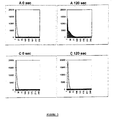
- Digital images of representative cell monolayers from Figure 1 are shown in Figure 2 .
- a 0 and C 0 represent the baseline fluorescence before exposure to oxidative stress.
- a 120 and C 120 represent fluorescence after 120 seconds of oxidative stress in cultures exposed to perfluorocarbons (C 120 ) or control cultures (A 120 ) Quantitative analysis of the fluorescence in cell cultures from Figure 2 is shown in Figure 3 . A lack of fluorescence, indicating the absence free-radicals, is observed in cultures protected with PFOB (C 120 ) Thus, as shown in Figures 1 , 2 and 3 , perfluorocarbon attenuates oxidative injury to cell monolayers.
Landscapes
- Health & Medical Sciences (AREA)
- Chemical & Material Sciences (AREA)
- Life Sciences & Earth Sciences (AREA)
- Pharmacology & Pharmacy (AREA)
- Veterinary Medicine (AREA)
- Public Health (AREA)
- General Health & Medical Sciences (AREA)
- Medicinal Chemistry (AREA)
- Animal Behavior & Ethology (AREA)
- General Chemical & Material Sciences (AREA)
- Nuclear Medicine, Radiotherapy & Molecular Imaging (AREA)
- Chemical Kinetics & Catalysis (AREA)
- Organic Chemistry (AREA)
- Dermatology (AREA)
- Toxicology (AREA)
- Engineering & Computer Science (AREA)
- Bioinformatics & Cheminformatics (AREA)
- Epidemiology (AREA)
- Biochemistry (AREA)
- Acyclic And Carbocyclic Compounds In Medicinal Compositions (AREA)
- Medicinal Preparation (AREA)
- Micro-Organisms Or Cultivation Processes Thereof (AREA)
- Cosmetics (AREA)
- Disintegrating Or Milling (AREA)
- Pharmaceuticals Containing Other Organic And Inorganic Compounds (AREA)
- Medicines That Contain Protein Lipid Enzymes And Other Medicines (AREA)
- Measuring Or Testing Involving Enzymes Or Micro-Organisms (AREA)
Abstract
Description
- This invention relates generally to the area of in vitro free radical induced damage to cells. More particularly, this invention provides a method for in vitro reducing free radical induced damage to cells by using compositions comprising perfluorocarbons.
- Perfluorocarbons (PFCs) are liquids derived from common organic compounds in which all or substantially all of the carbon-bound hydrogen atoms or other substituents have been replaced by fluorine atoms. PFCs have low surface tension and low viscosity. PFCs are clear, colorless, odorless, non-inflammable liquids that are essentially insoluble in water. PFCs are denser than water, have low surface tension and generally, low viscosity. A widely used perfluorocarbon is perfluorooctyl bromide (PFOB), also known as perflubron.
- PFCs are known for their high solubility for gases. Mammals can breath certain PFCs and later resume breathing air without suffering any long-term effects. Thus, PFCs have been used for respiratory gas exchange (e.g. liquid breathing; partial liquid ventilation, Faithfull et al.,
U.S. Patent Nos. 5,490,498 ,5,655,521 ; perfluorocarbon associated gas exchange,Fuhrman et al., U.S. Patent No. 5,437,272 ). Their high solubility of gases has made PFCs useful as blood substitutes (Riess, 1984, Artificial Organs, 8:34:56). Further, PFCs have also been used to reduce the inflammatory responses in tissues and have been recently disclosed as antiinflammatory agents (Fuhrman et al., U.S. Patent Nos. 5,470,885 and5,733,939 ). - Free radicals are highly reactive structures known to cause reactions capable of damaging biomolecules in living organisms. Free radicals such as hydrogen peroxide, hydroxyl radicals, and organic free radicals are produced in vivo by enzymatic, spontaneous, radiation, and photochemical oxidation reactions, or may be generated by direct oxidative attack on cell components. Intracellular sources of free radicals include mitochondria, endoplasmic reticulum, peroxisomes, and plasma and nuclear membranes.
- Free radicals can damage cell membranes by promoting peroxidation of membrane lipids, a process that has been implicated in various disease states and aging. In addition, hydroxyl radicals can cause site specific damage to DNA such as oxidation of DNA bases. Biological injury by free radicals may represent a final common pathway for inflammation in tissues. These pathways include liberation of free radicals including reactive oxygen species by cells collectively called inflammatory cells. Thus, free-radical reactions and oxidative stress appear to be basic mechanisms by which living tissues and cells are injured.
- Oxidative damage to cellular mechanisms has been implicated in various conditions including photic injury to skin, carcinogenesis, aging, atherogenesis, inflammation, infection, sepsis as well as neurodegenerative, cardiovascular and respiratory diseases. Thus, there is an ongoing need to identify agents by which damage by free radicals to tissues is reduced.
- Burns, Mar. 1997, 23(2), pages 117-121 describes the suppressive effect of FC-43 perfluorocarbon emulsion on enhanced oxidative haemolysis in the early post-burn phase.
- EMBASE extract, AN: 96360983 (& Artificial Cell, Blood Substitutions and Immobilisation Biotechnology, (1996), 24/6, pages 629-641, describes increased antioxidant capacity, suppression of free radical damage and erthyrocyte aggrerability after combined application of alpha-tocopherol and FC-43 perfluorocarbon emulsion in the early post-burn period in rats.
- EMBASE extract, AN: 94300068 (& Artificial Cell, Blood Substitutions and Immobilisation Biotechnology, (1994), 22/4, pages 1083-1096, describes cardiovascular applications of fluorocarbons.
- Babbit D.C., et al., American Journal of Pathology, Vol. 136 (1990), pages 451-459, describes prevention of neutrophil-mediated injury to endothelial cells by perfluorochemical.
- The present invention provides a method for protecting cells in vitro from injury, comprising contacting the cells with perfluorocarbon, wherein said perfluorocarbon protects the cells from free-radical induced injury.
-
-
Figure 1 is a representation of free radical generation in cells as determined by fluorescence in control cells (-●-) or cells protected with perfluorocarbon (-o-) . -
Figure 2 is a photomicrograph of cells wherein the fluorescence is an indicator of free radicals in cells protected with (lower panel) or without (upper panel) perfluorocarbon. -
Figure 3 is a quantitative representation of the fluorescence of cells fromFigure 2 . - The present invention thus provides a method for protecting cells in vitro from injury, comprising contacting the cells with perfluorocarbon, wherein said perfluorocarbon protects the cells from free-radical induced injury. The method thus comprises the steps of exposing the cells in vitro to a pharmacologically effective amount of perfluorocarbons. Formulations comprising PFCs are useful for free-radical-effect reducing applications.
- The cells may include but are not limited to epidermis, pulmonary tissue, gastrointestinal tissue and systemic tissue cells.
- In another embodiment, the cells are microoganisms in culture.
- The present invention provides a method for protecting cells in in vitro from free-radical induced injury. The method involves contacting the cells with a perfluorocarbon comprising composition.
- Perfluorocarbons of the present invention include straight or branched chain, or cyclic structures (Riess, supra). These molecules may have some degree of unsaturation, and may also contain bromine or hydrogenations, or they may be amine derivatives. The perfluorocarbons suitable for the present invention are similar to those useful in respiratory gas exchange methods. Suitable perfluorocarbons include FC-75, FC-77, RM-101, Hostinert 130, APF-145, APF-140, APF-125, perfluorodecalin, perfluorooctylbromide, perfluorobutyltetrahydrofuran, perfluoropropyltetrahydropyran, dimethyladamantane, trimethylbicyclononane, and combinations thereof. In a preferred embodiment, the perfluorocarbon is perflubron (PFOB)
- In one embodiment of the invention, a method is provided for the use of PFCs for protecting cells in vitro from free-radical induced injury. For the method of the present invention, perfluorocarbons can be used as neat liquids, gases, or emulsions in pharmacologically effective amounts. A pharmacologically effective amount refers to an amount effective in reducing the deleterious effect of free radicals on normal cells.
- PFCs can be used in formulations suitable for the specific cells in need of such treatment. For example, for using PFCs neat, the compounds can be placed into sterile, isotonic formulations and may contain additional components like conventional stabilizers and incipients. Emulsions of PFCs may be prepared by methods well known in the art. Such emulsions are typically fluorocarbon-in-water emulsions having a fluorocarbon phase and an aqueous phase.
U.S. Patent No. 5,470,885 to Fuhrman et al . discloses such emulsions. For use in a gaseous form, perfluorocarbon saturated vapor or PFC droplets in the form of a mist or air-borne suspension delivered using a nebulizer or atomizer can be used. - In another embodiment, the cells to be protected from free-radical induced injury are microorganisms in culture. For this embodiment, PFCs can be used as neat liquids, as emulsions or as a component of nutrient mixtures.
- Effects on free radical attack appear to require little contact with perfluorocarbon. Low concentrations and small quantities may be effective if they provide to the target of attack a quantity of perfluorocarbon that it may dissolve, store or concentrate. Thus, for certain applications, neat (100%) perfluorocarbon may be required, but for other, small quantities or low concentrations may suffice.
- Cells may be contacted in vitro with PFCs prior to, simultaneously or following exposure to free radical inducing agents including, but not limited to, toxins, radiation and heat. Exposure to free-radical inducing agents may be incidental, or accidental, or predetermined.
- Other object, features, and advantages of the present invention will become apparent from the following drawings and examples which are to be construed as illustrative and not restrictive.
- This embodiment of the invention demonstrates the effectiveness of PFCs against free radical injury to cells in vitro. An endothelial cell culture system was utilized to demonstrate a protective effect of PFCs. Rat pulmonary artery endothelial cells (RPAECs) were grown to confluence on optical grade culture dishes using standard technique. Cells were gown in Dulbecco's Modified Eagles Medium (high glucose) containing 1 M HEPES, 0.8 M NaOH 10% serum (calf serum). Cells were incubated at 37°C in 5% CO2, 95% relative humidity.
- An oxidative stress indicator, dichlorofluorescein diacetate (DCFDA), was used to indicate the extent of injury to cells. DCFDA is a colorless substance that permeates through the cell membrane. Fresh DCFDA (5 uM) was prepared by solubilizing 2.4 mg DCFDA in 300 ul DMSO, then diluting the solution in 1000 ml Phosphate buffered saline (PBS), pH 7.4. Immediately prior to the experiment, the culture medium was removed and the buffer containing DCFDA was added to the culture dish. Cells were incubated for 15 minutes to allow for the DCFDA probe to enter the cells. Upon excitation by contact with free radicals, the dye DCFDA becomes fluorescent and the intensity of fluorescence is directly proportional to the degree of oxidative stress suffered by the cells. After the incubation period, the DCFDA containing buffer was removed and the cells were washed with PBS (three times) to remove any residual DCFDA from the extracellular space.
- To generate free radicals, a buffer containing 10 mM H2O2 in PBS was used to promote oxidative stress to cell monolayers. Culture dishes were exposed to perflubron which was then either removed by evaporation or by aspiration. Thus, in one set of culture dishes (
Figure 1A ), cell monolayers were exposed to perflubron (PFOB) by adding 1 ml of perfluorocarbon to the culture dish. Cell monolayers not exposed to PFOB served as controls. After an incubation period of 1 minute, PFOB was aspirated from the culture dish using a fine glass pipette and cell monolayers were washed with PBS. - In another set of culture dishes (
Figure 1B ), cell monolayers were exposed to perfluorocarbon by adding 1.0 ml of perflubron to the culture dish. Cells monolayers not exposed to PFOB served as controls. After an incubation period of 1 minute, PFOB was removed from the culture dish using a glass pipette and any residual perflubron was allowed to evaporate prior to washing the cell monolayers with PBS. - Oxidative stress was initiated by the addition of the buffer containing 10 mM H2O2 in PBS to the cell monolayers. Oxidative stress to cells was measured by sequential imaging with a confocal laser microscope obtained at baseline and every 10 seconds for 120 seconds. The excitation filter was wet at 488 nm and the images were read at 515 nm. The images were stored as digital files and were subsequently subjected to histogram analysis by dedicated software to quantify objective differences in oxidative injury to cells per high power field.
- Relative fluorescence of cell monolayers exposed to perflubron (open circles) and standard buffer (closed circles) are shown in
Figure 1 . The upper panel (Figure 1A ) depicts the experiment where perflubron was removed from the culture dishes by aspiration before application of the oxidative stress. The lower panel (Figure 1B ) depicts the experiment where perflubron was removed by aspiration and allowed to evaporate. Data are expressed as mean + standard error of the mean. Digital images of representative cell monolayers fromFigure 1 are shown inFigure 2 . A0 and C0 represent the baseline fluorescence before exposure to oxidative stress. A120 and C120 represent fluorescence after 120 seconds of oxidative stress in cultures exposed to perfluorocarbons (C120) or control cultures (A120) Quantitative analysis of the fluorescence in cell cultures fromFigure 2 is shown inFigure 3 . A lack of fluorescence, indicating the absence free-radicals, is observed in cultures protected with PFOB (C120) Thus, as shown inFigures 1 ,2 and3 , perfluorocarbon attenuates oxidative injury to cell monolayers.
Claims (7)
- A method for protecting cells in vitro from injury, comprising contacting the cells with perfluorocarbon, wherein said perfluorocarbon protects the cells from free-radical induced injury.
- A method according to Claim 1, wherein the cells are a cell culture.
- A method according to Claim 2, wherein the cells are a cell monolayer.
- A method according to Claim1, wherein the cells are microorganisms.
- A method according to any previous claim, for protecting cells from injury caused by a stimulus selected from the group consisting of photic, radiation and chemical.
- A method according to Claim 5, wherein the chemical stimulus is an oxidative stimulus.
- A method according to any previous claim, wherein the perfluorocarbon is perflubron.
Applications Claiming Priority (3)
| Application Number | Priority Date | Filing Date | Title |
|---|---|---|---|
| US11040498P | 1998-12-01 | 1998-12-01 | |
| US110404P | 1998-12-01 | ||
| PCT/US1999/028171 WO2000032181A1 (en) | 1998-12-01 | 1999-11-29 | Method for reducing free-radical induced injury |
Publications (3)
| Publication Number | Publication Date |
|---|---|
| EP1135114A1 EP1135114A1 (en) | 2001-09-26 |
| EP1135114A4 EP1135114A4 (en) | 2002-01-02 |
| EP1135114B1 true EP1135114B1 (en) | 2009-01-07 |
Family
ID=22332834
Family Applications (1)
| Application Number | Title | Priority Date | Filing Date |
|---|---|---|---|
| EP99961852A Expired - Lifetime EP1135114B1 (en) | 1998-12-01 | 1999-11-29 | Method for reducing free-radical induced injury in vitro |
Country Status (7)
| Country | Link |
|---|---|
| EP (1) | EP1135114B1 (en) |
| JP (1) | JP2002531399A (en) |
| AT (1) | ATE419843T1 (en) |
| AU (1) | AU769633B2 (en) |
| CA (1) | CA2353529C (en) |
| DE (1) | DE69940273D1 (en) |
| WO (1) | WO2000032181A1 (en) |
Families Citing this family (1)
| Publication number | Priority date | Publication date | Assignee | Title |
|---|---|---|---|---|
| US20120039796A1 (en) * | 2010-08-15 | 2012-02-16 | Demetrios Markou | Novel method for creating, suspending and stabilizing electronically modified oxygen derivatives, along with creating, suspending and stabilizing electronically modified reaction intermediates, in a bio compatible fluorocarbon suspension, for the purpose of inducing a cascading immune response in mammalian patients |
Family Cites Families (3)
| Publication number | Priority date | Publication date | Assignee | Title |
|---|---|---|---|---|
| US4523039A (en) * | 1980-04-11 | 1985-06-11 | The University Of Texas | Method for forming perfluorocarbon ethers |
| US4993415A (en) * | 1988-08-19 | 1991-02-19 | Alliance Pharmaceutical Corp. | Magnetic resonance imaging with perfluorocarbon hydrides |
| FR2672213B1 (en) * | 1991-02-05 | 1995-03-10 | Sanofi Sa | USE OF 4- (3-TRIFLUOROMETHYLPHENYL) -1,2,3,6-TETRAHYDROPYRIDINIC DERIVATIVES AS SENSORS OF FREE RADICALS. |
-
1999
- 1999-11-29 DE DE69940273T patent/DE69940273D1/en not_active Expired - Lifetime
- 1999-11-29 AT AT99961852T patent/ATE419843T1/en not_active IP Right Cessation
- 1999-11-29 JP JP2000584877A patent/JP2002531399A/en active Pending
- 1999-11-29 EP EP99961852A patent/EP1135114B1/en not_active Expired - Lifetime
- 1999-11-29 WO PCT/US1999/028171 patent/WO2000032181A1/en not_active Ceased
- 1999-11-29 CA CA002353529A patent/CA2353529C/en not_active Expired - Fee Related
- 1999-11-29 AU AU18347/00A patent/AU769633B2/en not_active Ceased
Non-Patent Citations (2)
| Title |
|---|
| BABBITT D.G. ET AL: "Prevention of neutrophil-mediated inhjury to endothelial cells by perfluorochemical", AMERICAN JOURNAL OF PATHOLOGY, vol. 136, 1990, pages 459 - 459, Retrieved from the Internet <URL:http://ajp.amjpathol.org/cgi/content/abstract/136/2/451> * |
| BEKYAROVA G. ET AL: "Suppressive effect of FC-43 perfluorocarbon emulsion on enhanced oxidative haemolysis in the early postburn phase", BURNS, vol. 23, no. 2, March 1997 (1997-03-01), pages 117 - 121 * |
Also Published As
| Publication number | Publication date |
|---|---|
| WO2000032181A9 (en) | 2002-04-11 |
| WO2000032181A1 (en) | 2000-06-08 |
| CA2353529C (en) | 2009-11-17 |
| DE69940273D1 (en) | 2009-02-26 |
| AU769633B2 (en) | 2004-01-29 |
| CA2353529A1 (en) | 2000-06-08 |
| ATE419843T1 (en) | 2009-01-15 |
| AU1834700A (en) | 2000-06-19 |
| JP2002531399A (en) | 2002-09-24 |
| EP1135114A1 (en) | 2001-09-26 |
| EP1135114A4 (en) | 2002-01-02 |
Similar Documents
| Publication | Publication Date | Title |
|---|---|---|
| Ahkong et al. | The fusion of erythrocytes by fatty acids, esters, retinol and α-tocopherol | |
| Luo et al. | Acrolein-induced cell death in PC12 cells: role of mitochondria-mediated oxidative stress | |
| Babizhayev | Failure to withstand oxidative stress induced by phospholipid hydroperoxides as a possible cause of the lens opacities in systemic diseases and ageing | |
| Hennig et al. | Linoleic acid hydroperoxide increases the transfer of albumin across cultured endothelial monolayers | |
| Marzabadi et al. | Effect of ferric iron and desferrioxamine on lipofuscin accumulation in cultured rat heart myocytes | |
| Geldwerth et al. | Transbilayer mobility and distribution of red cell phospholipids during storage. | |
| Fujiwara et al. | Pulmonary surfactant phospholipids from turkey lung: comparison with rabbit lung | |
| Moseley et al. | Augmentation of fibroblast proliferation by bleomycin. | |
| Nakamura et al. | Full-thickness human skin explants for testing the toxicitiy of topically applied chemicals | |
| Chen et al. | The membrane disordering effect of ethanol on neural crest cells in vitro and the protective role of GM1 ganglioside | |
| US5300528A (en) | Use of perfluoroethyldimethyl cyclohexane for oxygen transport | |
| Shivaram et al. | The effect of idebenone, a coenzyme Q analogue, on hydrophobic bile acid toxicity to isolated rat hepatocytes and hepatic mitochondria | |
| Ghibu et al. | Antioxidant properties of alpha-lipoic acid: effects on red blood membrane permeability and adaptation of isolated rat heart to reversible ischemia | |
| Spector et al. | Development and characterization of an H2O2-resistant immortal lens epithelial cell line | |
| Balkan et al. | Effects of added dietary taurine on erythrocyte lipids and oxidative stress in rabbits fed a high cholesterol diet | |
| CA2353529C (en) | Method for reducing free-radical induced injury | |
| US6894079B1 (en) | Method for reducing free-radical induced injury | |
| Ali et al. | Hemolysis of human red blood cells by combination of riboflavin and aminophylline | |
| Hackl et al. | Effect of cholesterol content on gramicidin S-induced hemolysis of erythrocytes | |
| Calvet et al. | Airway epithelial damage and release of inflammatory mediators in human lung parenchyma after sulfur mustard exposure | |
| WO2005044299A1 (en) | Cytoprotective effects of ethyl pyruvate | |
| Carpenter-Deyo et al. | Toxicity to isolated hepatocytes caused by the intracellular calcium indicator, Quin 2. | |
| Zeybek et al. | Protective effects of taurine on protamine sulfate induced bladder damage | |
| Hackam et al. | Exudative neutrophils show impaired pH regulation compared with circulating neutrophils | |
| Hou et al. | Studies on H+-ATPase in cultured rabbit nonpigmented ciliary epithelium |
Legal Events
| Date | Code | Title | Description |
|---|---|---|---|
| PUAI | Public reference made under article 153(3) epc to a published international application that has entered the european phase |
Free format text: ORIGINAL CODE: 0009012 |
|
| 17P | Request for examination filed |
Effective date: 20010613 |
|
| AK | Designated contracting states |
Kind code of ref document: A1 Designated state(s): AT BE CH CY DE DK ES FI FR GB GR IE IT LI LU MC NL PT SE |
|
| A4 | Supplementary search report drawn up and despatched |
Effective date: 20011109 |
|
| AK | Designated contracting states |
Kind code of ref document: A4 Designated state(s): AT BE CH CY DE DK ES FI FR GB GR IE IT LI LU MC NL PT SE |
|
| 17Q | First examination report despatched |
Effective date: 20050211 |
|
| 17Q | First examination report despatched |
Effective date: 20050211 |
|
| RIC1 | Information provided on ipc code assigned before grant |
Ipc: A61P 39/06 20060101ALI20060908BHEP Ipc: A61K 31/02 20060101AFI20060908BHEP |
|
| RTI1 | Title (correction) |
Free format text: METHOD FOR REDUCING FREE-RADICAL INDUCED INJURY IN VITRO |
|
| GRAP | Despatch of communication of intention to grant a patent |
Free format text: ORIGINAL CODE: EPIDOSNIGR1 |
|
| GRAS | Grant fee paid |
Free format text: ORIGINAL CODE: EPIDOSNIGR3 |
|
| GRAS | Grant fee paid |
Free format text: ORIGINAL CODE: EPIDOSNIGR3 |
|
| GRAA | (expected) grant |
Free format text: ORIGINAL CODE: 0009210 |
|
| AK | Designated contracting states |
Kind code of ref document: B1 Designated state(s): AT BE CH CY DE DK ES FI FR GB GR IE IT LI LU MC NL PT SE |
|
| REG | Reference to a national code |
Ref country code: GB Ref legal event code: FG4D |
|
| REG | Reference to a national code |
Ref country code: CH Ref legal event code: EP |
|
| REG | Reference to a national code |
Ref country code: IE Ref legal event code: FG4D |
|
| REF | Corresponds to: |
Ref document number: 69940273 Country of ref document: DE Date of ref document: 20090226 Kind code of ref document: P |
|
| PG25 | Lapsed in a contracting state [announced via postgrant information from national office to epo] |
Ref country code: NL Free format text: LAPSE BECAUSE OF FAILURE TO SUBMIT A TRANSLATION OF THE DESCRIPTION OR TO PAY THE FEE WITHIN THE PRESCRIBED TIME-LIMIT Effective date: 20090107 |
|
| NLV1 | Nl: lapsed or annulled due to failure to fulfill the requirements of art. 29p and 29m of the patents act | ||
| PG25 | Lapsed in a contracting state [announced via postgrant information from national office to epo] |
Ref country code: FI Free format text: LAPSE BECAUSE OF FAILURE TO SUBMIT A TRANSLATION OF THE DESCRIPTION OR TO PAY THE FEE WITHIN THE PRESCRIBED TIME-LIMIT Effective date: 20090107 Ref country code: ES Free format text: LAPSE BECAUSE OF FAILURE TO SUBMIT A TRANSLATION OF THE DESCRIPTION OR TO PAY THE FEE WITHIN THE PRESCRIBED TIME-LIMIT Effective date: 20090418 |
|
| PG25 | Lapsed in a contracting state [announced via postgrant information from national office to epo] |
Ref country code: SE Free format text: LAPSE BECAUSE OF FAILURE TO SUBMIT A TRANSLATION OF THE DESCRIPTION OR TO PAY THE FEE WITHIN THE PRESCRIBED TIME-LIMIT Effective date: 20090407 Ref country code: PT Free format text: LAPSE BECAUSE OF FAILURE TO SUBMIT A TRANSLATION OF THE DESCRIPTION OR TO PAY THE FEE WITHIN THE PRESCRIBED TIME-LIMIT Effective date: 20090608 Ref country code: AT Free format text: LAPSE BECAUSE OF FAILURE TO SUBMIT A TRANSLATION OF THE DESCRIPTION OR TO PAY THE FEE WITHIN THE PRESCRIBED TIME-LIMIT Effective date: 20090107 |
|
| PG25 | Lapsed in a contracting state [announced via postgrant information from national office to epo] |
Ref country code: BE Free format text: LAPSE BECAUSE OF FAILURE TO SUBMIT A TRANSLATION OF THE DESCRIPTION OR TO PAY THE FEE WITHIN THE PRESCRIBED TIME-LIMIT Effective date: 20090107 |
|
| PG25 | Lapsed in a contracting state [announced via postgrant information from national office to epo] |
Ref country code: DK Free format text: LAPSE BECAUSE OF FAILURE TO SUBMIT A TRANSLATION OF THE DESCRIPTION OR TO PAY THE FEE WITHIN THE PRESCRIBED TIME-LIMIT Effective date: 20090107 |
|
| PLBE | No opposition filed within time limit |
Free format text: ORIGINAL CODE: 0009261 |
|
| STAA | Information on the status of an ep patent application or granted ep patent |
Free format text: STATUS: NO OPPOSITION FILED WITHIN TIME LIMIT |
|
| 26N | No opposition filed |
Effective date: 20091008 |
|
| PGFP | Annual fee paid to national office [announced via postgrant information from national office to epo] |
Ref country code: DE Payment date: 20091120 Year of fee payment: 11 |
|
| PGFP | Annual fee paid to national office [announced via postgrant information from national office to epo] |
Ref country code: GB Payment date: 20091111 Year of fee payment: 11 Ref country code: FR Payment date: 20091216 Year of fee payment: 11 |
|
| PG25 | Lapsed in a contracting state [announced via postgrant information from national office to epo] |
Ref country code: MC Free format text: LAPSE BECAUSE OF NON-PAYMENT OF DUE FEES Effective date: 20091130 |
|
| REG | Reference to a national code |
Ref country code: CH Ref legal event code: PL |
|
| REG | Reference to a national code |
Ref country code: IE Ref legal event code: MM4A |
|
| PG25 | Lapsed in a contracting state [announced via postgrant information from national office to epo] |
Ref country code: LI Free format text: LAPSE BECAUSE OF NON-PAYMENT OF DUE FEES Effective date: 20091130 Ref country code: IE Free format text: LAPSE BECAUSE OF NON-PAYMENT OF DUE FEES Effective date: 20091129 Ref country code: GR Free format text: LAPSE BECAUSE OF FAILURE TO SUBMIT A TRANSLATION OF THE DESCRIPTION OR TO PAY THE FEE WITHIN THE PRESCRIBED TIME-LIMIT Effective date: 20090408 Ref country code: CH Free format text: LAPSE BECAUSE OF NON-PAYMENT OF DUE FEES Effective date: 20091130 |
|
| PG25 | Lapsed in a contracting state [announced via postgrant information from national office to epo] |
Ref country code: IT Free format text: LAPSE BECAUSE OF FAILURE TO SUBMIT A TRANSLATION OF THE DESCRIPTION OR TO PAY THE FEE WITHIN THE PRESCRIBED TIME-LIMIT Effective date: 20090107 |
|
| PG25 | Lapsed in a contracting state [announced via postgrant information from national office to epo] |
Ref country code: LU Free format text: LAPSE BECAUSE OF NON-PAYMENT OF DUE FEES Effective date: 20091129 |
|
| GBPC | Gb: european patent ceased through non-payment of renewal fee |
Effective date: 20101129 |
|
| REG | Reference to a national code |
Ref country code: DE Ref legal event code: R119 Ref document number: 69940273 Country of ref document: DE Effective date: 20110601 Ref country code: DE Ref legal event code: R119 Ref document number: 69940273 Country of ref document: DE Effective date: 20110531 |
|
| REG | Reference to a national code |
Ref country code: FR Ref legal event code: ST Effective date: 20110801 |
|
| PG25 | Lapsed in a contracting state [announced via postgrant information from national office to epo] |
Ref country code: CY Free format text: LAPSE BECAUSE OF FAILURE TO SUBMIT A TRANSLATION OF THE DESCRIPTION OR TO PAY THE FEE WITHIN THE PRESCRIBED TIME-LIMIT Effective date: 20090107 Ref country code: DE Free format text: LAPSE BECAUSE OF NON-PAYMENT OF DUE FEES Effective date: 20110531 |
|
| PG25 | Lapsed in a contracting state [announced via postgrant information from national office to epo] |
Ref country code: FR Free format text: LAPSE BECAUSE OF NON-PAYMENT OF DUE FEES Effective date: 20101130 |
|
| PG25 | Lapsed in a contracting state [announced via postgrant information from national office to epo] |
Ref country code: GB Free format text: LAPSE BECAUSE OF NON-PAYMENT OF DUE FEES Effective date: 20101129 |