EP1133992B1 - Novel pharmacological activities of curcuma longa extracts - Google Patents
Novel pharmacological activities of curcuma longa extracts Download PDFInfo
- Publication number
- EP1133992B1 EP1133992B1 EP00964281A EP00964281A EP1133992B1 EP 1133992 B1 EP1133992 B1 EP 1133992B1 EP 00964281 A EP00964281 A EP 00964281A EP 00964281 A EP00964281 A EP 00964281A EP 1133992 B1 EP1133992 B1 EP 1133992B1
- Authority
- EP
- European Patent Office
- Prior art keywords
- psoriasis
- extract
- curcuma
- extracts
- curcuma longa
- Prior art date
- Legal status (The legal status is an assumption and is not a legal conclusion. Google has not performed a legal analysis and makes no representation as to the accuracy of the status listed.)
- Expired - Lifetime
Links
- 239000000284 extract Substances 0.000 title claims abstract description 50
- 244000163122 Curcuma domestica Species 0.000 title claims abstract description 32
- 235000003373 curcuma longa Nutrition 0.000 title claims abstract description 32
- 230000000144 pharmacologic effect Effects 0.000 title abstract description 10
- 201000004681 Psoriasis Diseases 0.000 claims abstract description 58
- VFLDPWHFBUODDF-FCXRPNKRSA-N curcumin Chemical compound C1=C(O)C(OC)=CC(\C=C\C(=O)CC(=O)\C=C\C=2C=C(OC)C(O)=CC=2)=C1 VFLDPWHFBUODDF-FCXRPNKRSA-N 0.000 claims description 56
- 238000011282 treatment Methods 0.000 claims description 33
- 241000407170 Curcuma Species 0.000 claims description 29
- 235000014375 Curcuma Nutrition 0.000 claims description 29
- 239000000399 hydroalcoholic extract Substances 0.000 claims description 17
- 238000004519 manufacturing process Methods 0.000 claims description 8
- 238000000605 extraction Methods 0.000 claims description 7
- 239000012675 alcoholic extract Substances 0.000 claims description 6
- XLYOFNOQVPJJNP-UHFFFAOYSA-N water Substances O XLYOFNOQVPJJNP-UHFFFAOYSA-N 0.000 claims description 5
- 239000008194 pharmaceutical composition Substances 0.000 claims description 3
- 239000003795 chemical substances by application Substances 0.000 abstract description 6
- 201000010099 disease Diseases 0.000 abstract description 6
- 208000037265 diseases, disorders, signs and symptoms Diseases 0.000 abstract description 6
- 239000003638 chemical reducing agent Substances 0.000 abstract description 4
- 230000002062 proliferating effect Effects 0.000 abstract description 4
- 230000001028 anti-proliverative effect Effects 0.000 abstract description 3
- 101710095342 Apolipoprotein B Proteins 0.000 abstract description 2
- 102100040202 Apolipoprotein B-100 Human genes 0.000 abstract description 2
- 102000005666 Apolipoprotein A-I Human genes 0.000 abstract 1
- 108010059886 Apolipoprotein A-I Proteins 0.000 abstract 1
- 102000008946 Fibrinogen Human genes 0.000 abstract 1
- 108010049003 Fibrinogen Proteins 0.000 abstract 1
- 230000015271 coagulation Effects 0.000 abstract 1
- 238000005345 coagulation Methods 0.000 abstract 1
- 229940012952 fibrinogen Drugs 0.000 abstract 1
- 230000000694 effects Effects 0.000 description 38
- 230000005855 radiation Effects 0.000 description 28
- 210000004027 cell Anatomy 0.000 description 24
- 238000010348 incorporation Methods 0.000 description 22
- 210000002510 keratinocyte Anatomy 0.000 description 19
- 230000003902 lesion Effects 0.000 description 18
- 108020004414 DNA Proteins 0.000 description 15
- ZCCUUQDIBDJBTK-UHFFFAOYSA-N psoralen Chemical compound C1=C2OC(=O)C=CC2=CC2=C1OC=C2 ZCCUUQDIBDJBTK-UHFFFAOYSA-N 0.000 description 15
- 108090001005 Interleukin-6 Proteins 0.000 description 13
- 102000004889 Interleukin-6 Human genes 0.000 description 13
- 229940109262 curcumin Drugs 0.000 description 13
- 235000012754 curcumin Nutrition 0.000 description 13
- 239000004148 curcumin Substances 0.000 description 13
- VFLDPWHFBUODDF-UHFFFAOYSA-N diferuloylmethane Natural products C1=C(O)C(OC)=CC(C=CC(=O)CC(=O)C=CC=2C=C(OC)C(O)=CC=2)=C1 VFLDPWHFBUODDF-UHFFFAOYSA-N 0.000 description 13
- 102000004169 proteins and genes Human genes 0.000 description 13
- 108090000623 proteins and genes Proteins 0.000 description 13
- 239000006286 aqueous extract Substances 0.000 description 11
- 230000008595 infiltration Effects 0.000 description 11
- 238000001764 infiltration Methods 0.000 description 11
- 102000004127 Cytokines Human genes 0.000 description 10
- 108090000695 Cytokines Proteins 0.000 description 10
- 206010015150 Erythema Diseases 0.000 description 10
- 231100000321 erythema Toxicity 0.000 description 10
- 229940070710 valerate Drugs 0.000 description 10
- LFQSCWFLJHTTHZ-UHFFFAOYSA-N Ethanol Chemical compound CCO LFQSCWFLJHTTHZ-UHFFFAOYSA-N 0.000 description 9
- 239000006071 cream Substances 0.000 description 9
- 108090001007 Interleukin-8 Proteins 0.000 description 8
- 150000004676 glycans Chemical class 0.000 description 8
- 229920001282 polysaccharide Polymers 0.000 description 8
- 239000005017 polysaccharide Substances 0.000 description 8
- VXGRJERITKFWPL-UHFFFAOYSA-N 4',5'-Dihydropsoralen Natural products C1=C2OC(=O)C=CC2=CC2=C1OCC2 VXGRJERITKFWPL-UHFFFAOYSA-N 0.000 description 7
- 206010018797 guttate psoriasis Diseases 0.000 description 7
- 230000005764 inhibitory process Effects 0.000 description 7
- 238000000034 method Methods 0.000 description 7
- 230000028327 secretion Effects 0.000 description 7
- 210000003491 skin Anatomy 0.000 description 7
- 230000003110 anti-inflammatory effect Effects 0.000 description 6
- 230000002829 reductive effect Effects 0.000 description 6
- 239000002904 solvent Substances 0.000 description 6
- 239000000126 substance Substances 0.000 description 6
- 238000012360 testing method Methods 0.000 description 6
- 206010028400 Mutagenic effect Diseases 0.000 description 5
- 239000004480 active ingredient Substances 0.000 description 5
- 229940079593 drug Drugs 0.000 description 5
- 239000003814 drug Substances 0.000 description 5
- 239000001963 growth medium Substances 0.000 description 5
- 231100000243 mutagenic effect Toxicity 0.000 description 5
- 230000003505 mutagenic effect Effects 0.000 description 5
- 230000000699 topical effect Effects 0.000 description 5
- 239000008513 turmeric extract Substances 0.000 description 5
- 102000007592 Apolipoproteins Human genes 0.000 description 4
- 108010071619 Apolipoproteins Proteins 0.000 description 4
- IJGRMHOSHXDMSA-UHFFFAOYSA-N Atomic nitrogen Chemical compound N#N IJGRMHOSHXDMSA-UHFFFAOYSA-N 0.000 description 4
- 238000002965 ELISA Methods 0.000 description 4
- 230000004663 cell proliferation Effects 0.000 description 4
- 238000006243 chemical reaction Methods 0.000 description 4
- 239000012909 foetal bovine serum Substances 0.000 description 4
- 230000002757 inflammatory effect Effects 0.000 description 4
- 239000007788 liquid Substances 0.000 description 4
- 239000000203 mixture Substances 0.000 description 4
- 229960005322 streptomycin Drugs 0.000 description 4
- 238000002560 therapeutic procedure Methods 0.000 description 4
- RWQNBRDOKXIBIV-UHFFFAOYSA-N thymine Chemical compound CC1=CNC(=O)NC1=O RWQNBRDOKXIBIV-UHFFFAOYSA-N 0.000 description 4
- 102000018616 Apolipoproteins B Human genes 0.000 description 3
- 108010027006 Apolipoproteins B Proteins 0.000 description 3
- 241000196324 Embryophyta Species 0.000 description 3
- OKKJLVBELUTLKV-UHFFFAOYSA-N Methanol Chemical compound OC OKKJLVBELUTLKV-UHFFFAOYSA-N 0.000 description 3
- 206010037575 Pustular psoriasis Diseases 0.000 description 3
- 230000003078 antioxidant effect Effects 0.000 description 3
- 210000002615 epidermis Anatomy 0.000 description 3
- 239000003862 glucocorticoid Substances 0.000 description 3
- 239000003112 inhibitor Substances 0.000 description 3
- 239000011159 matrix material Substances 0.000 description 3
- 201000005962 mycosis fungoides Diseases 0.000 description 3
- 231100000760 phototoxic Toxicity 0.000 description 3
- 239000000047 product Substances 0.000 description 3
- 150000003254 radicals Chemical class 0.000 description 3
- 230000010076 replication Effects 0.000 description 3
- 229940037128 systemic glucocorticoids Drugs 0.000 description 3
- 231100000331 toxic Toxicity 0.000 description 3
- 230000002588 toxic effect Effects 0.000 description 3
- 235000013311 vegetables Nutrition 0.000 description 3
- 102000018619 Apolipoproteins A Human genes 0.000 description 2
- 108010027004 Apolipoproteins A Proteins 0.000 description 2
- 230000006820 DNA synthesis Effects 0.000 description 2
- 206010012438 Dermatitis atopic Diseases 0.000 description 2
- 206010020649 Hyperkeratosis Diseases 0.000 description 2
- 102000015696 Interleukins Human genes 0.000 description 2
- 108010063738 Interleukins Proteins 0.000 description 2
- 206010025323 Lymphomas Diseases 0.000 description 2
- 206010025421 Macule Diseases 0.000 description 2
- 206010047642 Vitiligo Diseases 0.000 description 2
- 238000010521 absorption reaction Methods 0.000 description 2
- 230000004075 alteration Effects 0.000 description 2
- 201000008937 atopic dermatitis Diseases 0.000 description 2
- 230000015572 biosynthetic process Effects 0.000 description 2
- 239000013626 chemical specie Substances 0.000 description 2
- HVYWMOMLDIMFJA-DPAQBDIFSA-N cholesterol Chemical compound C1C=C2C[C@@H](O)CC[C@]2(C)[C@@H]2[C@@H]1[C@@H]1CC[C@H]([C@H](C)CCCC(C)C)[C@@]1(C)CC2 HVYWMOMLDIMFJA-DPAQBDIFSA-N 0.000 description 2
- 238000009826 distribution Methods 0.000 description 2
- 210000002950 fibroblast Anatomy 0.000 description 2
- 230000006870 function Effects 0.000 description 2
- 239000003906 humectant Substances 0.000 description 2
- JYGXADMDTFJGBT-VWUMJDOOSA-N hydrocortisone Chemical compound O=C1CC[C@]2(C)[C@H]3[C@@H](O)C[C@](C)([C@@](CC4)(O)C(=O)CO)[C@@H]4[C@@H]3CCC2=C1 JYGXADMDTFJGBT-VWUMJDOOSA-N 0.000 description 2
- 230000001900 immune effect Effects 0.000 description 2
- 238000011534 incubation Methods 0.000 description 2
- 208000015181 infectious disease Diseases 0.000 description 2
- 230000004054 inflammatory process Effects 0.000 description 2
- 150000002617 leukotrienes Chemical class 0.000 description 2
- 238000004811 liquid chromatography Methods 0.000 description 2
- 230000002879 macerating effect Effects 0.000 description 2
- 210000000440 neutrophil Anatomy 0.000 description 2
- 229910052757 nitrogen Inorganic materials 0.000 description 2
- 231100000957 no side effect Toxicity 0.000 description 2
- 239000000546 pharmaceutical excipient Substances 0.000 description 2
- 239000003755 preservative agent Substances 0.000 description 2
- 230000008569 process Effects 0.000 description 2
- 238000001243 protein synthesis Methods 0.000 description 2
- 231100000241 scar Toxicity 0.000 description 2
- 230000002195 synergetic effect Effects 0.000 description 2
- 230000009885 systemic effect Effects 0.000 description 2
- 229940113082 thymine Drugs 0.000 description 2
- SNICXCGAKADSCV-JTQLQIEISA-N (-)-Nicotine Chemical compound CN1CCC[C@H]1C1=CC=CN=C1 SNICXCGAKADSCV-JTQLQIEISA-N 0.000 description 1
- 102100034542 Acyl-CoA (8-3)-desaturase Human genes 0.000 description 1
- 206010067484 Adverse reaction Diseases 0.000 description 1
- 201000004384 Alopecia Diseases 0.000 description 1
- 206010003694 Atrophy Diseases 0.000 description 1
- 229930003347 Atropine Natural products 0.000 description 1
- OYPRJOBELJOOCE-UHFFFAOYSA-N Calcium Chemical compound [Ca] OYPRJOBELJOOCE-UHFFFAOYSA-N 0.000 description 1
- 241000222120 Candida <Saccharomycetales> Species 0.000 description 1
- 208000032544 Cicatrix Diseases 0.000 description 1
- 208000014311 Cushing syndrome Diseases 0.000 description 1
- PMPVIKIVABFJJI-UHFFFAOYSA-N Cyclobutane Chemical compound C1CCC1 PMPVIKIVABFJJI-UHFFFAOYSA-N 0.000 description 1
- 108010073542 Delta-5 Fatty Acid Desaturase Proteins 0.000 description 1
- 201000004624 Dermatitis Diseases 0.000 description 1
- 206010012442 Dermatitis contact Diseases 0.000 description 1
- 206010012504 Dermatophytosis Diseases 0.000 description 1
- 206010048768 Dermatosis Diseases 0.000 description 1
- 240000001879 Digitalis lutea Species 0.000 description 1
- MYMOFIZGZYHOMD-UHFFFAOYSA-N Dioxygen Chemical compound O=O MYMOFIZGZYHOMD-UHFFFAOYSA-N 0.000 description 1
- 206010052804 Drug tolerance Diseases 0.000 description 1
- 241000588724 Escherichia coli Species 0.000 description 1
- 241000206602 Eukaryota Species 0.000 description 1
- 201000005708 Granuloma Annulare Diseases 0.000 description 1
- RKUNBYITZUJHSG-UHFFFAOYSA-N Hyosciamin-hydrochlorid Natural products CN1C(C2)CCC1CC2OC(=O)C(CO)C1=CC=CC=C1 RKUNBYITZUJHSG-UHFFFAOYSA-N 0.000 description 1
- 208000003367 Hypopigmentation Diseases 0.000 description 1
- 108060003951 Immunoglobulin Proteins 0.000 description 1
- 206010062016 Immunosuppression Diseases 0.000 description 1
- 206010061218 Inflammation Diseases 0.000 description 1
- 108010002352 Interleukin-1 Proteins 0.000 description 1
- 108010002335 Interleukin-9 Proteins 0.000 description 1
- 102000011782 Keratins Human genes 0.000 description 1
- 108010076876 Keratins Proteins 0.000 description 1
- 102000004895 Lipoproteins Human genes 0.000 description 1
- 108090001030 Lipoproteins Proteins 0.000 description 1
- JLVVSXFLKOJNIY-UHFFFAOYSA-N Magnesium ion Chemical compound [Mg+2] JLVVSXFLKOJNIY-UHFFFAOYSA-N 0.000 description 1
- 241001460074 Microsporum distortum Species 0.000 description 1
- 208000012902 Nervous system disease Diseases 0.000 description 1
- 208000025966 Neurological disease Diseases 0.000 description 1
- 108091093105 Nuclear DNA Proteins 0.000 description 1
- 206010051246 Photodermatosis Diseases 0.000 description 1
- 208000012641 Pigmentation disease Diseases 0.000 description 1
- 241000607142 Salmonella Species 0.000 description 1
- 208000000453 Skin Neoplasms Diseases 0.000 description 1
- 206010040925 Skin striae Diseases 0.000 description 1
- OUUQCZGPVNCOIJ-UHFFFAOYSA-M Superoxide Chemical compound [O-][O] OUUQCZGPVNCOIJ-UHFFFAOYSA-M 0.000 description 1
- 210000001744 T-lymphocyte Anatomy 0.000 description 1
- 206010043087 Tachyphylaxis Diseases 0.000 description 1
- 208000002474 Tinea Diseases 0.000 description 1
- 230000037338 UVA radiation Effects 0.000 description 1
- 241000234299 Zingiberaceae Species 0.000 description 1
- 239000002253 acid Substances 0.000 description 1
- 229910052767 actinium Inorganic materials 0.000 description 1
- QQINRWTZWGJFDB-UHFFFAOYSA-N actinium atom Chemical compound [Ac] QQINRWTZWGJFDB-UHFFFAOYSA-N 0.000 description 1
- 230000009471 action Effects 0.000 description 1
- 230000004913 activation Effects 0.000 description 1
- 230000001154 acute effect Effects 0.000 description 1
- 239000003470 adrenal cortex hormone Substances 0.000 description 1
- 230000006838 adverse reaction Effects 0.000 description 1
- 230000002776 aggregation Effects 0.000 description 1
- 238000004220 aggregation Methods 0.000 description 1
- 230000000843 anti-fungal effect Effects 0.000 description 1
- 230000001857 anti-mycotic effect Effects 0.000 description 1
- 230000000702 anti-platelet effect Effects 0.000 description 1
- 230000002421 anti-septic effect Effects 0.000 description 1
- 230000000259 anti-tumor effect Effects 0.000 description 1
- 239000003146 anticoagulant agent Substances 0.000 description 1
- 239000003963 antioxidant agent Substances 0.000 description 1
- 235000006708 antioxidants Nutrition 0.000 description 1
- 239000003443 antiviral agent Substances 0.000 description 1
- QVGXLLKOCUKJST-UHFFFAOYSA-N atomic oxygen Chemical compound [O] QVGXLLKOCUKJST-UHFFFAOYSA-N 0.000 description 1
- 230000037444 atrophy Effects 0.000 description 1
- RKUNBYITZUJHSG-SPUOUPEWSA-N atropine Chemical compound O([C@H]1C[C@H]2CC[C@@H](C1)N2C)C(=O)C(CO)C1=CC=CC=C1 RKUNBYITZUJHSG-SPUOUPEWSA-N 0.000 description 1
- 229960000396 atropine Drugs 0.000 description 1
- 230000001580 bacterial effect Effects 0.000 description 1
- 230000009286 beneficial effect Effects 0.000 description 1
- 230000001588 bifunctional effect Effects 0.000 description 1
- 210000004369 blood Anatomy 0.000 description 1
- 239000008280 blood Substances 0.000 description 1
- 244000309464 bull Species 0.000 description 1
- 239000011575 calcium Substances 0.000 description 1
- 229910001424 calcium ion Inorganic materials 0.000 description 1
- 230000001925 catabolic effect Effects 0.000 description 1
- 238000004113 cell culture Methods 0.000 description 1
- 230000036978 cell physiology Effects 0.000 description 1
- 235000012000 cholesterol Nutrition 0.000 description 1
- 238000004587 chromatography analysis Methods 0.000 description 1
- 230000001684 chronic effect Effects 0.000 description 1
- 150000001875 compounds Chemical class 0.000 description 1
- 230000002517 constrictor effect Effects 0.000 description 1
- 208000010247 contact dermatitis Diseases 0.000 description 1
- BMCQMVFGOVHVNG-TUFAYURCSA-N cortisol 17-butyrate Chemical compound C1CC2=CC(=O)CC[C@]2(C)[C@@H]2[C@@H]1[C@@H]1CC[C@@](C(=O)CO)(OC(=O)CCC)[C@@]1(C)C[C@@H]2O BMCQMVFGOVHVNG-TUFAYURCSA-N 0.000 description 1
- RKHQGWMMUURILY-UHRZLXHJSA-N cortivazol Chemical compound C([C@H]1[C@@H]2C[C@H]([C@]([C@@]2(C)C[C@H](O)[C@@H]1[C@@]1(C)C2)(O)C(=O)COC(C)=O)C)=C(C)C1=CC1=C2C=NN1C1=CC=CC=C1 RKHQGWMMUURILY-UHRZLXHJSA-N 0.000 description 1
- 238000002425 crystallisation Methods 0.000 description 1
- 210000000805 cytoplasm Anatomy 0.000 description 1
- 230000001085 cytostatic effect Effects 0.000 description 1
- 230000003247 decreasing effect Effects 0.000 description 1
- 239000007857 degradation product Substances 0.000 description 1
- 230000003111 delayed effect Effects 0.000 description 1
- 210000004207 dermis Anatomy 0.000 description 1
- 238000001514 detection method Methods 0.000 description 1
- 238000011161 development Methods 0.000 description 1
- 238000003745 diagnosis Methods 0.000 description 1
- 235000014113 dietary fatty acids Nutrition 0.000 description 1
- 230000004069 differentiation Effects 0.000 description 1
- 229910001882 dioxygen Inorganic materials 0.000 description 1
- 238000001035 drying Methods 0.000 description 1
- 230000001516 effect on protein Effects 0.000 description 1
- 230000008030 elimination Effects 0.000 description 1
- 238000003379 elimination reaction Methods 0.000 description 1
- 239000003974 emollient agent Substances 0.000 description 1
- 210000003979 eosinophil Anatomy 0.000 description 1
- 229930195729 fatty acid Natural products 0.000 description 1
- 239000000194 fatty acid Substances 0.000 description 1
- 150000004665 fatty acids Chemical class 0.000 description 1
- 230000008303 genetic mechanism Effects 0.000 description 1
- 230000026781 habituation Effects 0.000 description 1
- 208000024963 hair loss Diseases 0.000 description 1
- 230000003676 hair loss Effects 0.000 description 1
- 230000036541 health Effects 0.000 description 1
- 229960000890 hydrocortisone Drugs 0.000 description 1
- 229960001524 hydrocortisone butyrate Drugs 0.000 description 1
- 208000000069 hyperpigmentation Diseases 0.000 description 1
- 230000003810 hyperpigmentation Effects 0.000 description 1
- 230000003425 hypopigmentation Effects 0.000 description 1
- 210000003016 hypothalamus Anatomy 0.000 description 1
- 230000036039 immunity Effects 0.000 description 1
- 102000018358 immunoglobulin Human genes 0.000 description 1
- 229940072221 immunoglobulins Drugs 0.000 description 1
- 230000007233 immunological mechanism Effects 0.000 description 1
- 230000001506 immunosuppresive effect Effects 0.000 description 1
- 229960003444 immunosuppressant agent Drugs 0.000 description 1
- 230000001861 immunosuppressant effect Effects 0.000 description 1
- 239000003018 immunosuppressive agent Substances 0.000 description 1
- 230000006872 improvement Effects 0.000 description 1
- 230000028709 inflammatory response Effects 0.000 description 1
- 230000002401 inhibitory effect Effects 0.000 description 1
- 229940047122 interleukins Drugs 0.000 description 1
- 230000007794 irritation Effects 0.000 description 1
- 210000003127 knee Anatomy 0.000 description 1
- 210000001821 langerhans cell Anatomy 0.000 description 1
- 208000032839 leukemia Diseases 0.000 description 1
- 238000000622 liquid--liquid extraction Methods 0.000 description 1
- 210000004698 lymphocyte Anatomy 0.000 description 1
- 210000003712 lysosome Anatomy 0.000 description 1
- 230000001868 lysosomic effect Effects 0.000 description 1
- 229910001425 magnesium ion Inorganic materials 0.000 description 1
- 239000012528 membrane Substances 0.000 description 1
- 230000004060 metabolic process Effects 0.000 description 1
- 230000005012 migration Effects 0.000 description 1
- 238000013508 migration Methods 0.000 description 1
- 230000002438 mitochondrial effect Effects 0.000 description 1
- 210000001616 monocyte Anatomy 0.000 description 1
- 230000019079 negative regulation of cytokine secretion Effects 0.000 description 1
- 229960002715 nicotine Drugs 0.000 description 1
- SNICXCGAKADSCV-UHFFFAOYSA-N nicotine Natural products CN1CCCC1C1=CC=CN=C1 SNICXCGAKADSCV-UHFFFAOYSA-N 0.000 description 1
- 239000003960 organic solvent Substances 0.000 description 1
- 239000001301 oxygen Substances 0.000 description 1
- 229910052760 oxygen Inorganic materials 0.000 description 1
- 230000002093 peripheral effect Effects 0.000 description 1
- 150000002978 peroxides Chemical class 0.000 description 1
- 239000000825 pharmaceutical preparation Substances 0.000 description 1
- 229940127557 pharmaceutical product Drugs 0.000 description 1
- 230000003285 pharmacodynamic effect Effects 0.000 description 1
- 230000000886 photobiology Effects 0.000 description 1
- 208000017983 photosensitivity disease Diseases 0.000 description 1
- 230000019612 pigmentation Effects 0.000 description 1
- 239000000419 plant extract Substances 0.000 description 1
- 229920000768 polyamine Polymers 0.000 description 1
- 201000009395 primary hyperaldosteronism Diseases 0.000 description 1
- 230000000770 proinflammatory effect Effects 0.000 description 1
- 230000035755 proliferation Effects 0.000 description 1
- 230000001012 protector Effects 0.000 description 1
- 208000014230 psoriasis 6 Diseases 0.000 description 1
- 208000014235 psoriasis 9 Diseases 0.000 description 1
- 238000000746 purification Methods 0.000 description 1
- 238000010992 reflux Methods 0.000 description 1
- 150000004492 retinoid derivatives Chemical class 0.000 description 1
- 230000036573 scar formation Effects 0.000 description 1
- 230000037387 scars Effects 0.000 description 1
- 230000009291 secondary effect Effects 0.000 description 1
- 208000017520 skin disease Diseases 0.000 description 1
- 208000031019 skin pigmentation disease Diseases 0.000 description 1
- 238000000638 solvent extraction Methods 0.000 description 1
- 238000002798 spectrophotometry method Methods 0.000 description 1
- 238000001228 spectrum Methods 0.000 description 1
- 208000010110 spontaneous platelet aggregation Diseases 0.000 description 1
- 239000000021 stimulant Substances 0.000 description 1
- 208000024891 symptom Diseases 0.000 description 1
- 208000011580 syndromic disease Diseases 0.000 description 1
- 238000003786 synthesis reaction Methods 0.000 description 1
- 230000001225 therapeutic effect Effects 0.000 description 1
- 210000001519 tissue Anatomy 0.000 description 1
- 231100000816 toxic dose Toxicity 0.000 description 1
- 230000014616 translation Effects 0.000 description 1
- 150000003626 triacylglycerols Chemical class 0.000 description 1
- 108010038909 turmerin Proteins 0.000 description 1
- 210000003462 vein Anatomy 0.000 description 1
- 230000003612 virological effect Effects 0.000 description 1
- 230000003442 weekly effect Effects 0.000 description 1
- 230000002087 whitening effect Effects 0.000 description 1
Images




Classifications
-
- A—HUMAN NECESSITIES
- A61—MEDICAL OR VETERINARY SCIENCE; HYGIENE
- A61K—PREPARATIONS FOR MEDICAL, DENTAL OR TOILETRY PURPOSES
- A61K36/00—Medicinal preparations of undetermined constitution containing material from algae, lichens, fungi or plants, or derivatives thereof, e.g. traditional herbal medicines
- A61K36/18—Magnoliophyta (angiosperms)
- A61K36/88—Liliopsida (monocotyledons)
- A61K36/906—Zingiberaceae (Ginger family)
- A61K36/9066—Curcuma, e.g. common turmeric, East Indian arrowroot or mango ginger
-
- A—HUMAN NECESSITIES
- A61—MEDICAL OR VETERINARY SCIENCE; HYGIENE
- A61P—SPECIFIC THERAPEUTIC ACTIVITY OF CHEMICAL COMPOUNDS OR MEDICINAL PREPARATIONS
- A61P17/00—Drugs for dermatological disorders
-
- A—HUMAN NECESSITIES
- A61—MEDICAL OR VETERINARY SCIENCE; HYGIENE
- A61P—SPECIFIC THERAPEUTIC ACTIVITY OF CHEMICAL COMPOUNDS OR MEDICINAL PREPARATIONS
- A61P17/00—Drugs for dermatological disorders
- A61P17/06—Antipsoriatics
-
- A—HUMAN NECESSITIES
- A61—MEDICAL OR VETERINARY SCIENCE; HYGIENE
- A61P—SPECIFIC THERAPEUTIC ACTIVITY OF CHEMICAL COMPOUNDS OR MEDICINAL PREPARATIONS
- A61P17/00—Drugs for dermatological disorders
- A61P17/16—Emollients or protectives, e.g. against radiation
-
- A—HUMAN NECESSITIES
- A61—MEDICAL OR VETERINARY SCIENCE; HYGIENE
- A61P—SPECIFIC THERAPEUTIC ACTIVITY OF CHEMICAL COMPOUNDS OR MEDICINAL PREPARATIONS
- A61P35/00—Antineoplastic agents
-
- A—HUMAN NECESSITIES
- A61—MEDICAL OR VETERINARY SCIENCE; HYGIENE
- A61P—SPECIFIC THERAPEUTIC ACTIVITY OF CHEMICAL COMPOUNDS OR MEDICINAL PREPARATIONS
- A61P35/00—Antineoplastic agents
- A61P35/02—Antineoplastic agents specific for leukemia
-
- A—HUMAN NECESSITIES
- A61—MEDICAL OR VETERINARY SCIENCE; HYGIENE
- A61P—SPECIFIC THERAPEUTIC ACTIVITY OF CHEMICAL COMPOUNDS OR MEDICINAL PREPARATIONS
- A61P43/00—Drugs for specific purposes, not provided for in groups A61P1/00-A61P41/00
-
- A—HUMAN NECESSITIES
- A61—MEDICAL OR VETERINARY SCIENCE; HYGIENE
- A61P—SPECIFIC THERAPEUTIC ACTIVITY OF CHEMICAL COMPOUNDS OR MEDICINAL PREPARATIONS
- A61P7/00—Drugs for disorders of the blood or the extracellular fluid
- A61P7/02—Antithrombotic agents; Anticoagulants; Platelet aggregation inhibitors
Definitions
- This invention describes the new pharmacological activities of Curcuma longa extracts as a photosensitivisation effect greater than psoralens and its use in a pharmaceutical composition as an agent in proliferative diseases such as psoriasis, mycosis fungoides, atopic dermatitis, and photodermatosis without the side effects caused by psoralens, corticoids and/or retinoids.
- the photosensitivisation effect is active both with ultraviolet light and visible light.
- Psoriasis is a chronic inflammatory dermatitis of unknown aetiology. Clinically, it is characterised by papulous lesions on erythemato-scaly maculae. The majority of these lesions are due to alterations in cellular proliferation marked by immunological and genetic mechanisms.
- IL-6 Interleukin is a cytokine that structures the 2(BSF-2) factor, structurally identical to interferon ⁇ -2 (IFN- ⁇ -2). IL-6 is synthesised in the fibroblasts, monocytes and T cells. This cytokine stimulates the acute phase of protein synthesis and the production of immunoglobulins.
- IL-8 is an interleukin that is directly involved in psoriasis, since it is responsible for producing the migration of the neutrophils that are produced in the epidermis and consequently increases the inflammatory process.
- HaCat cells are derived from human keratinocytes that exhibit the same differentiations as normal keratinocytes. Therefore, HaCat cells are an extraordinary model for testing different substances for topical application.
- Keratinocytes are very biologically active cells, the function of which is not only to produce keratin synthesis to form the corneal stratus, but which also have immunological properties based on the production and secretion of cytokines and the selective expression of surface receivers.
- Glucocorticoids are the substances most used in the dermatology field, because of their immunosuppressant and anti-inflammatory properties, manifest after UV radiation, but with no effect in visible light.
- corticoids affect the production of pro-inflammatory cytokines.
- Well known glucocorticoids such as hydrocortisone-17-butyrate and betametasone-17-valerate produce a decrease in inflammatory cytokines after ultraviolet radiation.
- Topical corticoids thanks to their anti-inflammatory, vaso constricting and antimycotic properties, have been seen to be useful in a large variety of dermatosis. Nevertheless, the application of corticoids has a series of side effects that have a direct impact on the skin:
- psoriasis are the oral or topical application of photosensitivisation substances (psoralens) together with ultraviolet A radiation.
- psoralens photosensitivisation substances
- the photochemistry of psoralens is not well know, and can act on several levels.
- Psoralens bind with DNA and RNA, but interact with lysosomes, endothellums, cytoplasmatic membranes and dermic cells.
- psoralen is intercalated between the DNA bases.
- UVA cyclobutane monoadducts are produced by binding with a DNA base thymine or cytokine. If radiation continues, a new photon stimulates the other double psoralen link to form a crossover link with the thymine from the other DNA chain.
- photosensitivisation substances can be used in the treatment of different diseases with an excess of hyperproliferation such as vitiligo, atopic dermatitis, granuloma annulare, lichen, mycosis fungoides, lymphomas, leukaemia, etc.
- Examples are US 5891924 (inhibitor of NF kappa B activation), US 5336496 (inhibitor of delta 5 desaturase), EP 256353 (treatment of bad absorption syndromes), EP 568001 (anti-viral agent), US 5108750 (hyperilpldaemla and platelet aggregation reducer), FR 2655054 (cell protector) and EP 550807 (antioxidant and anti-inflammatory properties), EP440885 (anti-inflammatory), EP 319058 (against hair loss), US 510750 , US 4906471 and US 4842859 (antiplatelet aggregation and anti-cholosterol agent), WO 88/05304 (treatment of neurological disorders), W 96/03999 (lipidic peroxide reducer), ES 20103689 (
- the aqueous extract of Curcuma longa free from curcuminoids, has also been seen to have antioxidant properties. Srinivas et al. Archives of Biochemistry and Biophysis 292 n°2 617-623 (1992 ), describe the antioxidant activity of turmerin, a protein that is present in Curcuma rhizomes. Yeharayou et al Ind J. Med. Res. 64, 4, 601 (1976 ), describe the anti-inflammatory effect of the aqueous extract of Curcuma longa , with properties similar to hydrocortisone. Gonda et al. Chem Pharm Bull 40, 990 (1992 ) describe the immunological activity of ukonan A and its degradation products.
- Curcuma longa extract is an ideal drug for the treatment of diseased with cell hyperproliferation such as psoriasis, without the side effects of the presently used treatments (psoralens, corticoids). Moreover, the photosensitivisation properties of Curcuma extracts with visible lights avoids the mutagenic effects of ultraviolet A or B radiation.
- Vegetable extracts contain a series of structurally related chemical species due to the metabolic processes in plants. These related compounds can have a synergic effect on pharmacological activity. These chemical substances are used as markers, in order to qualitatively and quantitatively standardise the extracts.
- the alcoholic extracts of Curcuma are chemically characterised in that they contain curcuminoids (curcumin, desmetoxicurcumin and bisdesmetxosicurcumin).
- the aqueous extract of Curcuma is characterised in that it does not contain curcuminoids, but a protein fraction and a polysaccharide fraction, in which ukonan A, B and C have been identified.
- the pharmacological effect is due to the total composition of the aqueous and/or alcoholic extract of Curcuma longa .
- This invention develops a new therapeutic application of the hydroalcoholic extract of Curcuma longa as a photosensitivisation agent, both with ultraviolet and visible light.
- the alcoholic extract of Curcuma longa can be obtained, according to Spanish patent ES 2103689 , by the extraction of the Curcuma rhizomes by macerating with alcohol (methanol, ethanol) at 50°C for 24 hours and then removing the solvent at reduced pressure.
- the alcoholic extract of Curcuma longa is chemically characterised in that it contains curcuminoids.
- other extraction and/or purification methods known by an expert can be used, such as extraction with other organic solvents, extraction with solvents in a supercritical state, reflux extraction and steam current extraction.
- the extract can be purified by fractioned crystallisation, chromatography, liquid-liquid extraction, etc.
- the aqueous extract of Curcuma can also be obtained by macerating with water for 24 hours at 50 - 70°C and then removing the solvent at reduced pressure.
- the aqueous extract of Curcuma longa is chemically characterised in that it contains a protein fraction with a concentration around 20-30%, measured by the Pierce method, analysing the protein nitrogen, and a polysaccharide content (ukonan A, B and C) between 3-8%, with no curcuminoids.
- the procedure for manufacturing Curcuma longa extracts is not the object of this invention.
- the content of the markers can be measured by the methods described in the state of the art.
- the curcuminolds can be quantified by visible-ultraviolet spectrophotometry at 420 nm, the protein fraction can be quantified by the Pierce method, analysing the protein nitrogen and/or by liquid chromatography and the polysaccharide fraction is quantified by liquid chromatography.
- the hydroalcoholic extract of Curcuma longa has shown a pharmacological activity greater than curcumin (greater proliferative activity, greater photosensitivisation activity, greater inhibition of cytokine secretion). These results support the view that vegetable extracts are drugs that are different than the molecules responsible for pharmacological activity, because the pharmacodynamics are different (absorption, distribution, action and elimination), and there could be synergic or anti-synergic effects between the different chemical species present in the extract.
- the hydroalcoholic extract of Curcuma longa has shown an antiproliferative activity similar to betametasone-17-valerate.
- This hydroalcohollc extract showed a significant decrease in the incorporation of 5-bromine-2'-deoxyuddin (BrdU) in the DNA of human keratinocyte cultures between concentrations of 5 ⁇ g/ml and 50 ⁇ g/ml of extract. This effect is similar to that of beta-merasone-17-valerate.
- Both the aqueous extract of Curcuma and the hydroalcohollc extract of Curcuma longa have inhibited the secretion of cytokine IL-6 and/or IL-8 in human keratinocyte cultures with an activity similar to betametasone-17-valerate. This inhibition is increased after subjecting the cells to ultraviolet A radiation.
- the aqueous and hydroalcoholic extracts of Curcuma have been seen to inhibit cell proliferation without altering the mitochondrial activity, and the extracts have no effect on protein synthesis.
- the extract therefore shows cytostatic activity.
- the hydroalcoholic extracts show photosensitivisation activity and can therefore be used in proliferative diseases such as psoriasis, vitiligo, lymphomas, mycosis fungoides, etc, instead of psoralens.
- the hydroalcoholic extract (10% curcuminoids, 18% protein fraction, 3% polysaccharides) of Curcuma shows a greater photosensitivation activity after UVA radiation than curcumin.
- the hydroalcoholic (10% curcuminoids, 18% protein fraction, 3% polysacccharides) extract of Curcuma has shown photosensitivisation activity with visible light, inhibiting the percentage of BrdU incorporated into the DNA after radiation with visible light in human keratinocyte cultures.
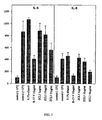
- Figure 1 Inhibition of the secretion of IL-6 and IL-8 after ultraviolet light radiation of aqueous Curcuma extract (ZCL3) and betametasone-17-valerate (B-17-V).
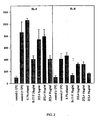
- Figure 2 Inhibition of the secretion of IL-6 and IL-8 after ultraviolet light radiation of hydroalcoholic Curcuma extract (ZCL4) and betametasone-17-valerate (B-17-V).
- FIG. 4 Effect of aqueous Curcuma extract (ZCL3) on the incorporation of BrdU in the DNA after UV radiation. Photosensitive capacity.
- FIG. 5 Effect of hydroalcoholic Curcuma extract (ZCL4) on the incorporation of BrdU in the DNA after UV radiation. Photosensitive capacity.
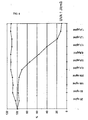
- Figure 8 Effect of the hydroalcoholic extract of Curcuma longa on the incorporation of BrdU in the DNA of human keratinocytes with visible light radiation (450 nm) and without radiation, with the concentration in ⁇ g/ml of extract represented on abscissas and the percentage of BrdU incorporation on ordinates. Photosensitivisation capacity with visible light.
- Example 1 Variation of the apolipoprotein B/apolipoprotein A quotient after the intake of Curcuma tablets.
- Curcuma extracts on apolipoproteins A-1 and B was studied in a total of 13 healthy individuals of between 24 and 75 years of age with a good state of health.
- apolipoproteins A-1 and B were determined nephelometrically and their quotient was then calculated. After 15 days of treatment, as in example 1, apolipoproteins A-I and B were analysed once again.
- Quantitative composition of the cream Aqueous Curcuma extract * 2% Greasy phase 27% Emulgents 47 % Humectants 20 % Preservatives 1 % pH adjusters 1% Water sq "Content in proteins no less than 15%, content in polysaccharides no less than 4%
- the 22 patients went for 15 days without treatment of any kind, emollients, corticoids, retinoids, fatty acids.
- the most studied case was vulgar psoriasis, because it represented the largest number of patients.
- the lesions in the trunk area presented considerable infiltration and peripheral scale shedding. Hyperkeratosis was predominant on the articulations. After 7 days of treatment the infiltration and the erythema was drastically reduced. After 14 days reaction was positive on both the trunk and the articulations, and very slightly erythematous lesions were observed on the trunk and slightly scale-shedding lesions on elbows and knees.
- the HaCat line is an immortalised line of normal human keratinocytes. These cells grow in a culture medium consisting of Hanks liquid to which 5% of foetal bovine serum and 2% of penicillin-streptomycin is added at 37°C in a CO 2 atmosphere.
- the supernadant of the cultures is taken to measure the IL-6 and IL-8 using an ELISA test kit.
- the minimum detection for each test is 3.13 pg/ml for the IL-6 and 31.0 pg/ml for the IL-9.
- the cells were radiated by an UVA/UVB lamp with a UVA range of 340-390 nm and a UVB range of 290-310, with no UVC.
- the radiation dose was 150 mJ/cm 2 .
- PBS free calcium and magnesium ions were changed before radiation.
- the HaCat line is an immortalised line of normal human keratinocytes. These cells grow inn a culture medium consisting of Hanks liquid to which 5% of foetal bovine serum and 2% of penicillin-streptomycin is added at 37°C in a CO 2 atmosphere.
- the cells were grown in microplates at a density of 2°10 4 cells per matrix. After 24 hours of treatment the media was renewed and the cultures were incubated for 24 hours at 37°C with different concentrations of the extracts and betametasone-17-valerate with a concentration of 10 ⁇ g/m). Parallel controls were carried out with the solvent (ethanol 0.1%). The incorporation of BrdU was determined with the ELISA test.
- the HaCat line is an immortalised line of normal human keratinocytes. These cells grow in a culture medium consisting of Hanks liquid to which 5% of foetal bovine serum and 2% of penicillin-streptomycin is added at 37°C in a CO 2 atmosphere.
- the cells were grown in microplates at a density of 2*10 4 cells per matrix. After 24 hours of treatment, the media was renewed and the cultures were incubated for 24 hours at 37°C with different concentrations of the extracts and different concentrations of the curcumin and psoralen. Parallel controls were carried out with the solvent (ethanol 0.1%). The incorporation of BrdU was determined with the ELISA test.
- the cells were radiated with UVA light at an intensity of 1J/cm 2 and the incorporation of BrdU was then analysed.
- Aqueous Curcuma longa extract has photosensitivisation properties.
- Quantitative composition of the pharmaceutical product Hydroalcoholic Curcuma extract * 2 % Greasy phase 27 % Emulgents 47% Humectants 20 % Preservatives 1% pH adjusters 1% Water sq Equivalent to 10% of curcuminoide, 16% of proteins.
- the cream with the hydroalcoholic extract was applied to the lesions and after 10 minutes the patients were radiated with a 440 nanometer lamp for three minutes. Sessions were weekly. The erythema, the infiltration and the scale shedding was evaluated after 48 hours, 5 days and 15 days.
- the HaCat line is an immortalised line of normal human keratinocytes. These cells grow in a culture medium consisting of Hanks liquid to which 5% of foetal bovine serum and 2% of penicillin-streptomycin is added at 37°C in a CO 2 atmosphere.
- the cells were grown in microplates at a density of 2*10 4 cells per matrix. After 24 hours of treatment, the media was renewed and the cultures were incubated for 24 hours at 37°C with different concentrations of the extracts and different concentrations of the curcumin and psoralen. Parallel controls were carried out with the solvent (ethanol 0.1%). The incorporation of BrdU was determined with the ELISA test.
- the cells were radiated with visible light using an actinium lamp with a spectrum of 400-550 nm (maximum at 450 nm)
Landscapes
- Health & Medical Sciences (AREA)
- Life Sciences & Earth Sciences (AREA)
- Natural Medicines & Medicinal Plants (AREA)
- General Health & Medical Sciences (AREA)
- Chemical & Material Sciences (AREA)
- Medicinal Chemistry (AREA)
- Veterinary Medicine (AREA)
- Public Health (AREA)
- Pharmacology & Pharmacy (AREA)
- Animal Behavior & Ethology (AREA)
- General Chemical & Material Sciences (AREA)
- Organic Chemistry (AREA)
- Nuclear Medicine, Radiotherapy & Molecular Imaging (AREA)
- Engineering & Computer Science (AREA)
- Chemical Kinetics & Catalysis (AREA)
- Bioinformatics & Cheminformatics (AREA)
- Dermatology (AREA)
- Biotechnology (AREA)
- Medical Informatics (AREA)
- Epidemiology (AREA)
- Mycology (AREA)
- Alternative & Traditional Medicine (AREA)
- Hematology (AREA)
- Botany (AREA)
- Microbiology (AREA)
- Toxicology (AREA)
- Diabetes (AREA)
- Oncology (AREA)
- Medicines Containing Plant Substances (AREA)
- Acyclic And Carbocyclic Compounds In Medicinal Compositions (AREA)
- Pharmaceuticals Containing Other Organic And Inorganic Compounds (AREA)
Abstract
Description
- This invention describes the new pharmacological activities of Curcuma longa extracts as a photosensitivisation effect greater than psoralens and its use in a pharmaceutical composition as an agent in proliferative diseases such as psoriasis, mycosis fungoides, atopic dermatitis, and photodermatosis without the side effects caused by psoralens, corticoids and/or retinoids. The photosensitivisation effect is active both with ultraviolet light and visible light.
- Psoriasis is a chronic inflammatory dermatitis of unknown aetiology. Clinically, it is characterised by papulous lesions on erythemato-scaly maculae. The majority of these lesions are due to alterations in cellular proliferation marked by immunological and genetic mechanisms.
- We find an increase in arachinonic acid and its derivatives, both in normal and diseased skin; an increase in polyamines, an increase of B4 leukotriene in the scales. From the epidermis and the dermis we find an increase in Langerhans cells with lower infiltration of CD8 lymphocytes compared with CD4. These patients' neutrophils synthesise double the number of B4 leukotrienes as healthy individuals.
- IL-6 Interleukin is a cytokine that structures the 2(BSF-2) factor, structurally identical to interferon β-2 (IFN-β-2). IL-6 is synthesised in the fibroblasts, monocytes and T cells. This cytokine stimulates the acute phase of protein synthesis and the production of immunoglobulins.
- IL-8 is an interleukin that is directly involved in psoriasis, since it is responsible for producing the migration of the neutrophils that are produced in the epidermis and consequently increases the inflammatory process.
- In the present therapy used for psoriasis it is fundamental to act on cellular proliferation and the production of cytokines by the use of glucocorticoids and/or photosensitivisation agents (psoralens).
- Cell cultures are acknowledged models for the study of cell physiology and the effect of drugs. HaCat cells are derived from human keratinocytes that exhibit the same differentiations as normal keratinocytes. Therefore, HaCat cells are an extraordinary model for testing different substances for topical application.
- Keratinocytes are very biologically active cells, the function of which is not only to produce keratin synthesis to form the corneal stratus, but which also have immunological properties based on the production and secretion of cytokines and the selective expression of surface receivers.
- Different stimulants including ultraviolet radiation have inflammatory responses that act directly on these keratinocytes, producing a release of cytokines and adhesion molecules. This production of substances on the epidermis level starts the cutaneous inflammation symptoms, releasing the IL-6 and the IL-8, which are two cytokines involved in inflammatory cutaneous processes.
- Glucocorticoids are the substances most used in the dermatology field, because of their immunosuppressant and anti-inflammatory properties, manifest after UV radiation, but with no effect in visible light.
- Different studies show that corticoids affect the production of pro-inflammatory cytokines. Well known glucocorticoids such as hydrocortisone-17-butyrate and betametasone-17-valerate produce a decrease in inflammatory cytokines after ultraviolet radiation.
- The accessibility of the skin often allows for skin alterations to be treated by the topical application of drugs. Topical corticoids, thanks to their anti-inflammatory, vaso constricting and antimycotic properties, have been seen to be useful in a large variety of dermatosis. Nevertheless, the application of corticoids has a series of side effects that have a direct impact on the skin:
- Cutaneous atrophies, which consist of thin, transparent skin, purple lesions, star-shaped scars and elastic catabolic striae.
- Delay in scar formation because of inhibition of the fibroblasts' function.
- Disguise and de-typing of cutaneous infections, particularly dermatophytosis, making diagnosis difficult and with the possible appearance of viral or bacterial cutaneous infections.
- Skin pigmentation disorders with hyper or hypopigmentation.
- Contact dermatitis.
- Habituation and tachyphylaxis phenomena that require the use of increasingly strong products and lead to relapses with the appearance of increasingly severe forms of the process (pustular psoriasis) that could be caused by suddenly ceasing administration.
- Systemic side effects are fortunately less frequent, since the use of corticoids for long periods is required, as for psoriasis. The most common side effects are:
- Inhibition of the hypothalamus hypophysial - suprarenal axis.
- Episodes of hyperglucaemia and glucaemia.
- A fall in the number of eosinophils.
- Clinical manifestations of Cushing's Syndrome.
- Other therapies used for psoriasis are the oral or topical application of photosensitivisation substances (psoralens) together with ultraviolet A radiation. The photochemistry of psoralens is not well know, and can act on several levels. Psoralens bind with DNA and RNA, but interact with lysosomes, endothellums, cytoplasmatic membranes and dermic cells. In the dark, psoralen is intercalated between the DNA bases. With UVA, cyclobutane monoadducts are produced by binding with a DNA base thymine or cytokine. If radiation continues, a new photon stimulates the other double psoralen link to form a crossover link with the thymine from the other DNA chain. The formation of these bifunctional adducts suppresses DNA synthesis. Another reaction that is observed is that the photoactivated psoralen can act with molecular oxygen to produce an oxygen singlet, superoxide anion and free radicals, and all these reactive forms act on the keratinocytes. The use of psoralens, therefore, presents side effects that are well known in dermatological literature, such as a decrease in delayed immunity, phototoxic reactions, immunosuppression, a decrease in the production of IL-1 by the keratinocytes and more inclination to skin cancers.
- On the other hand, photosensitivisation substances can be used in the treatment of different diseases with an excess of hyperproliferation such as vitiligo, atopic dermatitis, granuloma annulare, lichen, mycosis fungoides, lymphomas, leukaemia, etc.
- Curcumin and the curcuminoids present in the rhizomes of Curcuma longa and the zingiberaceae family in general, have been used for the treatment of a large variety of diseases. Examples are
US 5891924 (inhibitor of NF kappa B activation),US 5336496 (inhibitor of delta 5 desaturase),EP 256353 EP 568001 US 5108750 (hyperilpldaemla and platelet aggregation reducer),FR 2655054 EP 550807 EP440885 EP 319058 US 510750 ,US 4906471 andUS 4842859 (antiplatelet aggregation and anti-cholosterol agent),WO 88/05304 96/03999 ES 20103689 CN1156601 describes the use of medicinal composition prepared from 13 plants, including Curcuma longa, as a reducing agent for triglycerides and cholesterol increasing the HDL. - There is a large number of documents in the scientific literature, describing different pharmacological activities such as anti-tumour agent, anti-inflammatory, scar forming, proliferation inhibitor, anti-fungal, etc.
- The aqueous extract of Curcuma longa, free from curcuminoids, has also been seen to have antioxidant properties. Srinivas et al. Archives of Biochemistry and Biophysis 292 n°2 617-623 (1992), describe the antioxidant activity of turmerin, a protein that is present in Curcuma rhizomes. Yeharayou et al Ind J. Med. Res. 64, 4, 601 (1976), describe the anti-inflammatory effect of the aqueous extract of Curcuma longa, with properties similar to hydrocortisone. Gonda et al. Chem Pharm Bull 40, 990 (1992) describe the immunological activity of ukonan A and its degradation products.
- The document that is closes to our invention, Tonnessen et al J. Pharm Sci 76, n°5 (1987), describes the phototoxic activity of curcumin in coreless biological systems (E. Coli, Salmonella typhimuis); however, this document comments on the possible mutagenic effects on DNA.
- Dhal et al Photochemistry and Photobiology 59 n° 3, 290 (1994) describe the phototoxic activity of curcumin on rat cells.
ES 2103689 - None of the documents of the state of the art describes the photosensitivisation properties of aqueous Curcuma longa extracts, the inhibition of the secretion of inflammatory cytokines after UVA and/or visible radiation with aqueous Curcuma longa extracts and/or the beneficial effects on a clinical and histological level of a pharmaceutical composition the active ingredient of which is the aqueous Curcuma longa extract for different types of psoriasis with oral and topical application.
- The development of this new pharmacological activity of Curcuma longa extract means that it is an ideal drug for the treatment of diseased with cell hyperproliferation such as psoriasis, without the side effects of the presently used treatments (psoralens, corticoids). Moreover, the photosensitivisation properties of Curcuma extracts with visible lights avoids the mutagenic effects of ultraviolet A or B radiation.
- The use of the vegetable extracts of plants with pharmacological activities is well known, and it is also known that the active ingredients can be isolated and purified from plant extracts. However, active ingredients that are purified and/or synthetically obtained could have side effects or be toxic, such as in the case of atropine, digitalis, nicotine etc.
- Vegetable extracts contain a series of structurally related chemical species due to the metabolic processes in plants. These related compounds can have a synergic effect on pharmacological activity. These chemical substances are used as markers, in order to qualitatively and quantitatively standardise the extracts. The alcoholic extracts of Curcuma are chemically characterised in that they contain curcuminoids (curcumin, desmetoxicurcumin and bisdesmetxosicurcumin). The aqueous extract of Curcuma is characterised in that it does not contain curcuminoids, but a protein fraction and a polysaccharide fraction, in which ukonan A, B and C have been identified. The pharmacological effect is due to the total composition of the aqueous and/or alcoholic extract of Curcuma longa.
- This invention develops a new therapeutic application of the hydroalcoholic extract of Curcuma longa as a photosensitivisation agent, both with ultraviolet and visible light.
- The alcoholic extract of Curcuma longa can be obtained, according to Spanish patent
ES 2103689 - The aqueous extract of Curcuma can also be obtained by macerating with water for 24 hours at 50 - 70°C and then removing the solvent at reduced pressure. The aqueous extract of Curcuma longa is chemically characterised in that it contains a protein fraction with a concentration around 20-30%, measured by the Pierce method, analysing the protein nitrogen, and a polysaccharide content (ukonan A, B and C) between 3-8%, with no curcuminoids. The procedure for manufacturing Curcuma longa extracts is not the object of this invention.
- Combinations of the two extracts are used, obtaining hydroalcoholic extracts chemically characterised by the concentration of their markers (concentration of curcuminoids, proteins and polysaccharides).
- The content of the markers can be measured by the methods described in the state of the art. The curcuminolds can be quantified by visible-ultraviolet spectrophotometry at 420 nm, the protein fraction can be quantified by the Pierce method, analysing the protein nitrogen and/or by liquid chromatography and the polysaccharide fraction is quantified by liquid chromatography.
- The hydroalcoholic extract of Curcuma longa has shown a pharmacological activity greater than curcumin (greater proliferative activity, greater photosensitivisation activity, greater inhibition of cytokine secretion). These results support the view that vegetable extracts are drugs that are different than the molecules responsible for pharmacological activity, because the pharmacodynamics are different (absorption, distribution, action and elimination), and there could be synergic or anti-synergic effects between the different chemical species present in the extract. The hydroalcoholic extract of Curcuma longa has shown an antiproliferative activity similar to betametasone-17-valerate. This hydroalcohollc extract showed a significant decrease in the incorporation of 5-bromine-2'-deoxyuddin (BrdU) in the DNA of human keratinocyte cultures between concentrations of 5 µg/ml and 50 µg/ml of extract. This effect is similar to that of beta-merasone-17-valerate.
- Both the aqueous extract of Curcuma and the hydroalcohollc extract of Curcuma longa have inhibited the secretion of cytokine IL-6 and/or IL-8 in human keratinocyte cultures with an activity similar to betametasone-17-valerate. This inhibition is increased after subjecting the cells to ultraviolet A radiation.
- The aqueous and hydroalcoholic extracts of Curcuma have been seen to inhibit cell proliferation without altering the mitochondrial activity, and the extracts have no effect on protein synthesis. The extract therefore shows cytostatic activity.
- On the other hand, the hydroalcoholic extracts show photosensitivisation activity and can therefore be used in proliferative diseases such as psoriasis, vitiligo, lymphomas, mycosis fungoides, etc, instead of psoralens.
- In studies carried out on eucaryote cells (human ketinocytes) with Curcuma longa extracts, the activated curcumin has been found in the cytoplasm. Therefore the nucleus is free from curcumin and the extract does not interact with the nuclear DNA and the secondary and mutagenic effects produced by psoralens do not appear.
- The hydroalcoholic extract (10% curcuminoids, 18% protein fraction, 3% polysaccharides) of Curcuma shows a greater photosensitivation activity after UVA radiation than curcumin.
- Therefore, a smaller amount of the drug is best for a greater photosensitivisation activity (lower percentage of BrdU incorporated).
% incorporation 80 60 40 20 Ng extract 2000 4000 5000 6000 Ng curcumin aquiv 200 400 500 600 Ng curcumin 600 800 1000 1200 - To produce the same level of photosensitivisation as Curcuma extracts, doses of 10 ng/ml of psoralen is required, as with this dose toxic and mutagenic effects are produced.
- The administration of a cream the active ingredient of which is the aqueous extract of Curcuma longa at 2%, and one tablet a day with 100 mg of aqueous extract with pharmaceutically acceptable excipients has been seen to be clinically effective in different types of psoriasis, and these effects are increased after radiation with ultraviolet A light. There are no side effects, as is the case for corticoids.
- 22 patients with different types of psoriasis were studied: Guttate, Vulgar, inverse, Palmo-plantar, Pustular. They were without any psoriasis treatment (retinoids, corticoids, etc.) for 15 days. The cream with aqueous Curcuma extract was then applied and a tablet was administered every 12 days. The cream was tolerated perfectly by all the patients and no patient had to cease treatment because of cutaneous or systemic adverse reactions.
- All the patients and all the types of psoriasis responded to this therapy. In the palmo-plantar psoriasis, which does not react to conventional treatments, all the patients responded to the treatment. In the vulgar psoriasis, the plaque was reduced after administration. Fissured and/or ulcerated pustular psoriasis scarred quickly. An antiseptic and drying effect was observed in the inverse psoriasis.
- The association of the aqueous Curcuma extract with UVA favoured the product's activity, whitening the lesions after three days of treatment.
- The hydroalcoholic (10% curcuminoids, 18% protein fraction, 3% polysacccharides) extract of Curcuma has shown photosensitivisation activity with visible light, inhibiting the percentage of BrdU incorporated into the DNA after radiation with visible light in human keratinocyte cultures.
- The administration of a cream in which the active ingredient is the hydroalcoholic extract of Curcuma longa at 2% with pharmaceutically acceptable excipients has been shown to be clinically effective in the different types of psoriasis that did not respond to treatment with corticoids or with PUVA. After 15 days of treatment with the cream with hydroalcoholic extract of Curcuma longa, the erythema, the infiltration and the scaling disappeared. The effects were greater after radiation with visible light and there were no side effects, unlike with the use of psoralens and ultraviolet light.
- The following examples illustrate the invention, but they are not exhaustive to the scope of the invention.
-
Figure 1 - Inhibition of the secretion of IL-6 and IL-8 after ultraviolet light radiation of aqueous Curcuma extract (ZCL3) and betametasone-17-valerate (B-17-V). -
Figure 2 - Inhibition of the secretion of IL-6 and IL-8 after ultraviolet light radiation of hydroalcoholic Curcuma extract (ZCL4) and betametasone-17-valerate (B-17-V). -
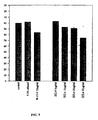
Figure 3 - Incorporation of BrdU of hydroalcoholic Curcuma extract (ZCL4) and betametasone-17-valerate (B-17-V). -
Figure 4 - Effect of aqueous Curcuma extract (ZCL3) on the incorporation of BrdU in the DNA after UV radiation. Photosensitive capacity. -
Figure 5 - Effect of hydroalcoholic Curcuma extract (ZCL4) on the incorporation of BrdU in the DNA after UV radiation. Photosensitive capacity. -
Figure 6 - Effect of curcumin on the incorporation of BrdU in the DNA after UV radiation. Photosensitive capacity. -
Figure 7 - Effect of psoralen on the incorporation of BrdU in the DNA after UV radiation. Photosensitive capacity. -
Figure 8 - Effect of the hydroalcoholic extract of Curcuma longa on the incorporation of BrdU in the DNA of human keratinocytes with visible light radiation (450 nm) and without radiation, with the concentration in µg/ml of extract represented on abscissas and the percentage of BrdU incorporation on ordinates. Photosensitivisation capacity with visible light. - The effect of Curcuma extracts on apolipoproteins A-1 and B was studied in a total of 13 healthy individuals of between 24 and 75 years of age with a good state of health.
- At time zero blood was extracted from the ulnar vein and apolipoproteins A-1 and B were determined nephelometrically and their quotient was then calculated. After 15 days of treatment, as in example 1, apolipoproteins A-I and B were analysed once again.
Apo B Apo A ApoB/ApoA T=0 T=30 T=0 T=30 T=0 T=30 100 120 104 100 1.04 0.83 120 160 141 110 1.17 0.68 157 172 136 126 0.86 0.73 130 141 96 90 0.73 0.63 146 160 65 60 0.44 0.38 155 166 70 53 0.46 0.32 90 138 101 82 1.10 0.59 125 164 99 74 0.79 0.45 110 151 86 76 0.78 0.50 160 179 109 88 0.68 0.49 99 133 102 90 1.03 0.67 104 141 116 103 1.10 0.73 - After the intake of Curcuma longa extract we observe a significant decreasing trend for the ApoB/ApoA quotient.
- Quantitative composition of the cream:
Aqueous Curcuma extract * 2% Greasy phase 27% Emulgents 47 % Humectants 20 % Preservatives 1 % pH adjusters 1% Water sq "Content in proteins no less than 15%, content in polysaccharides no less than 4% - 22 patients diagnosed with psoriasis were studied, distributed by age and sex.
Sex Age Type of psoriasis F 12 Guttate F 22 Vulgar F 37 Palmo-plantar M 24 Vulgar M 48 Vulgar F 51 Inverse F 27 Palma-plantar M 19 Vulgar M 57 Palmo-plantar M 61 Inverse F 46 Palmo- plantar M 6 Pustular M 16 Vulgar F 32 Vulgar F 39 Pustular F 41 Vulgar M 31 Palmo-plantar F 13 Guttate F 3 Vulgar F 51 Vulgar F 60 Inverse F 18 Palmo plantar - Patients clinically or histologically diagnosed with psoriasis.
- They had no other disease.
- They did not receive treatment for psoriasis. Protocol:
- The 22 patients went for 15 days without treatment of any kind, emollients, corticoids, retinoids, fatty acids.
- Patients were instructed to apply the formula 3 times a day with a light massage and take 1 tablet every 12 hours.
- All the patients tolerated the treatment well. The cream presented no irritation or contact reaction.
- The cases of guttate psoriasis evolved in the same way. Their lesions were not very scaly but very erythematous. After 7 days of treatment there were no scaled and the erythema was minimal. After 14 days the lesions were not visible. There were no residual pigmentation lesions.
- 4 of the 6 cases of psoriasis palmo-plantar had the palms more evidently affected, with scaly lesions and significant fissuration. After 7 days of treatment the fissuration, painful for the patients, had disappeared and been replaced by an erythematous lesion with badly defined borders with practically no scales. After 14 days, the lesions had been reduced to a slightly erythematous macula on skin with normal characteristics. The plantar lesions presented an important hyperkeratosis with fissuration and were more resistant to treatment, obtaining results after 14 days, with scarred fissures.
- In the two patients with pustular psoriasis, the lesions scarred after a week of treatment and the scales disappeared after 14 days of treatment.
- In the patients with inverse psoriasis, the lesions were slightly scaly and intensively erythematous with an eroded surface. Cultures were prepared and they were contaminated with Candidas. After 7 days of treatment, scale shedding had ceased and the erythema was reduced. After 14 days of treatment only a slightly erythematous macula was observed.
- The most studied case was vulgar psoriasis, because it represented the largest number of patients. The lesions in the trunk area presented considerable infiltration and peripheral scale shedding. Hyperkeratosis was predominant on the articulations. After 7 days of treatment the infiltration and the erythema was drastically reduced. After 14 days reaction was positive on both the trunk and the articulations, and very slightly erythematous lesions were observed on the trunk and slightly scale-shedding lesions on elbows and knees.
- In patients with palmo-plantar psoriasis treated with PUVA, the fissures and scale shedding disappeared 72 hours after treatment. In patients with vulgar psoriasis treated with PUVA, the lesions showed no infiltration and scale shedding after 2 sessions.
- Culture of the HaCat line:
- The HaCat line is an immortalised line of normal human keratinocytes. These cells grow in a culture medium consisting of Hanks liquid to which 5% of foetal bovine serum and 2% of penicillin-streptomycin is added at 37°C in a CO2 atmosphere.
- Determination of the interleukins.
- After 48 hours of incubation with or without radiation, the supernadant of the cultures is taken to measure the IL-6 and IL-8 using an ELISA test kit. The minimum detection for each test is 3.13 pg/ml for the IL-6 and 31.0 pg/ml for the IL-9.
- The cells were radiated by an UVA/UVB lamp with a UVA range of 340-390 nm and a UVB range of 290-310, with no UVC. The radiation dose was 150 mJ/cm2. To avoid toxic products from the culture media from forming, PBS free calcium and magnesium ions were changed before radiation.
- The hydroalcoholic and aqueous Curcuma extracts, at doses of 50 µg/ml, inhibited the secretion of interleukins IL-6 and IL-8 after radiation with UVB light in a similar way to betametasone-17-valerate.
Figure 1 ,2 - The HaCat line is an immortalised line of normal human keratinocytes. These cells grow inn a culture medium consisting of Hanks liquid to which 5% of foetal bovine serum and 2% of penicillin-streptomycin is added at 37°C in a CO2 atmosphere.
- To determine the replication rate, the cells were grown in microplates at a density of 2°104 cells per matrix. After 24 hours of treatment the media was renewed and the cultures were incubated for 24 hours at 37°C with different concentrations of the extracts and betametasone-17-valerate with a concentration of 10 µg/m). Parallel controls were carried out with the solvent (ethanol 0.1%). The incorporation of BrdU was determined with the ELISA test.
- The incubation of the cells with 50 µg/ml of hydroalcoholic extract leads to a significant decrease in the incorporation with BrdU. The hydroalcoholic extract, a combination of the aqueous and alcoholic extract of Curcuma longa, showed an antiproliferative activity similar to betametasone-17-valerate.
Figure 3 - The HaCat line is an immortalised line of normal human keratinocytes. These cells grow in a culture medium consisting of Hanks liquid to which 5% of foetal bovine serum and 2% of penicillin-streptomycin is added at 37°C in a CO2 atmosphere.
- To determine the replication rate, the cells were grown in microplates at a density of 2*104 cells per matrix. After 24 hours of treatment, the media was renewed and the cultures were incubated for 24 hours at 37°C with different concentrations of the extracts and different concentrations of the curcumin and psoralen. Parallel controls were carried out with the solvent (ethanol 0.1%). The incorporation of BrdU was determined with the ELISA test.
- The cells were radiated with UVA light at an intensity of 1J/cm2 and the incorporation of BrdU was then analysed.
- The hydroalcoholic extract of Curcuma longa with 10% curcuminolds, 18% proteins and 3% polysaccharide fraction, showed a photosensitivisation activity greater than curcumin after radiation with UVA light, that is less percentage of incorporation.
- Aqueous Curcuma longa extract has photosensitivisation properties.
- To produce the same level of photosensitivisation as Curcuma extracts, toxic doses of psoralen (10 ng/ml) have to be used.
Figures 4 ,5 ,6 ,7 . - Quantitative composition of the pharmaceutical product:
Hydroalcoholic Curcuma extract * 2 % Greasy phase 27 % Emulgents 47 % Humectants 20 % Preservatives 1 % pH adjusters 1% Water sq Equivalent to 10% of curcuminoide, 16% of proteins. - 8 patients who were affected and diagnosed with and treated for different types of psoriasis: Guttate, Vulgar, Inverse and Palmo-plantar. The previous treatment consisted of the application of corticoid creams, PUVA sessions (around 14 sessions per patient) and in some cases retinoid therapy. The distribution of the patients by sex, age and type of psoriasis was as follows.
Age Sex Type of psoriasis 9 Female Palmar psoriasis 6 Female Guttate psoriasis 31 Male Vulgar psoriasis 46 Female Vulgar psoriasis 19 Female Palmo-plantar psoriasis 56 Female Vulgar and palmo-plantar psoriasis 14 Female Guttate psoriasis 28 Male Inverse psoriasis - The cream with the hydroalcoholic extract was applied to the lesions and after 10 minutes the patients were radiated with a 440 nanometer lamp for three minutes. Sessions were weekly. The erythema, the infiltration and the scale shedding was evaluated after 48 hours, 5 days and 15 days.
- The results obtained were:
Day 0Type of psoriasis Erythema Infiltration Scale shed Palmar psoriasis ++ +++ +++ Guttate psoriasis ++ +++ ++ Vulgar psoriasis ++ ++ +++ Palmo-plantar psoriasis + +++ +++ Inverse psoriasis +++ ++ + Day 2 Type of psoriasis Erythema Infiltration Scale shed Palmar psoriasis ++ ++ ++ Guttate psoriasis ++ ++ + Vulgar psoriasis + ++ +++ Palmo-plantar psoriasis + + ++ Inverse Psoriasis ++ ++ + Days 5 Type of psoriasis Erythema Infiltration Scale shed Palmar psoriasis ++ + + Guttate psoriasis + + - Vulgar psoriasis + + + Palmo-plantar psoriasis + - ++ Inverse psoriasis - + - Day 15 Type of psoriasis Erythema Infiltration Scale shed Palmar psoriasis + - - Guttate psoriasis + - - Vulgar psoriasis - - + Palmo-plantar psoriasis - - + Inverse psoriasis - - - +++ Intense ++moderate +slight - negative - An improvement was observed in the erythema, infiltration and skin shedding after treatment with Curcuma longa extract and visible light.
- Culture of the HaCat line
- The HaCat line is an immortalised line of normal human keratinocytes. These cells grow in a culture medium consisting of Hanks liquid to which 5% of foetal bovine serum and 2% of penicillin-streptomycin is added at 37°C in a CO2 atmosphere.
- To determine the replication rate, the cells were grown in microplates at a density of 2*104 cells per matrix. After 24 hours of treatment, the media was renewed and the cultures were incubated for 24 hours at 37°C with different concentrations of the extracts and different concentrations of the curcumin and psoralen. Parallel controls were carried out with the solvent (ethanol 0.1%). The incorporation of BrdU was determined with the ELISA test.
- The cells were radiated with visible light using an actinium lamp with a spectrum of 400-550 nm (maximum at 450 nm)
- The hydroalcoholic extract of Curcuma longa with 10% of curcuminoids, 18% of proteins and 3% of polysaccharide fraction showed a decrease in DNA synthesis. The maximum inhibition of BrdU incorporation was at concentrations of 10 µg/ml of extract.
Figure 8 .
Claims (1)
- Use of an hydroalcoholic extracts of Curcuma longa, consisting of:a. An alcoholic extract characterized by the presence of curcuminoids and,b. A water soluble extract, which is obtainable by extraction of Curcuma rhizome with water,for the manufacture of a pharmaceutical composition for the treatment psoriasis, in combination with an UVA or visible irradiation.
Applications Claiming Priority (3)
| Application Number | Priority Date | Filing Date | Title |
|---|---|---|---|
| ES009902364A ES2154610B1 (en) | 1999-09-23 | 1999-09-23 | NEW PHARMACOLOGICAL ACTIVITIES OF CURCUMA LONGA EXTRACTS. |
| ES9902364 | 1999-09-23 | ||
| PCT/ES2000/000354 WO2001021185A1 (en) | 1999-09-23 | 2000-09-21 | Novel pharmacological activities of curcuma longa extracts |
Publications (2)
| Publication Number | Publication Date |
|---|---|
| EP1133992A1 EP1133992A1 (en) | 2001-09-19 |
| EP1133992B1 true EP1133992B1 (en) | 2009-12-30 |
Family
ID=8310389
Family Applications (1)
| Application Number | Title | Priority Date | Filing Date |
|---|---|---|---|
| EP00964281A Expired - Lifetime EP1133992B1 (en) | 1999-09-23 | 2000-09-21 | Novel pharmacological activities of curcuma longa extracts |
Country Status (9)
| Country | Link |
|---|---|
| US (1) | US6841177B1 (en) |
| EP (1) | EP1133992B1 (en) |
| JP (1) | JP2003509464A (en) |
| AT (1) | ATE453398T1 (en) |
| AU (1) | AU7525300A (en) |
| CA (1) | CA2351482A1 (en) |
| DE (1) | DE60043609D1 (en) |
| ES (3) | ES2154610B1 (en) |
| WO (1) | WO2001021185A1 (en) |
Families Citing this family (19)
| Publication number | Priority date | Publication date | Assignee | Title |
|---|---|---|---|---|
| WO2002063982A1 (en) * | 2001-02-09 | 2002-08-22 | New Chapter, Inc. | Composition and method for smoke detoxification |
| US9265808B2 (en) | 2004-03-23 | 2016-02-23 | Lifeline Nutraceuticals Corporation | Compositions for alleviating inflammation and oxidative stress in a mammal |
| KR20070007837A (en) * | 2004-03-23 | 2007-01-16 | 라이프라인 뉴트러세티컬스 코포레이션 | Compositions and Methods for Relieving Inflammation and Oxidative Stress in Mammals |
| BRPI0621872A2 (en) * | 2006-07-19 | 2012-10-16 | Universidad De Guadalajara | methods for preparing a suspension and capsule drug for pediatric and adult curcumin-based, formulation and suspension drugs and capsules for the treatment of a parasitic infection caused by giardia lamblia, and methods for treating a parasitic infection caused by giardia lamblia |
| CN101686725A (en) | 2007-04-03 | 2010-03-31 | 刚迦·拉贾·高卡拉贾 | Anti-inflammatory and antioxidant synergistic dietary supplement compositions |
| JP5486744B2 (en) * | 2007-10-03 | 2014-05-07 | サベル コーポレーション | A composition for treating hepatitis, comprising extracts of muyuyo flowers, leaves of thorny banci and turmeric roots |
| WO2009066303A2 (en) | 2007-11-22 | 2009-05-28 | Ganga Raju Gokaraju | New synergistic phytochemical composition for the treatment of obesity |
| WO2009080842A1 (en) * | 2007-12-21 | 2009-07-02 | Asac Compañía De Biotecnología E Investigación Sa | Photoprotective compositions |
| WO2009080850A1 (en) * | 2007-12-21 | 2009-07-02 | Asac Compañia De Biotecnologia E Investigacion, S.A. | Method for increasing the therapeutic efficacy of curcuminoids and analogues |
| MY174568A (en) * | 2013-12-31 | 2020-04-27 | Sirim Berhad | A bioactive composition having natural uv photoprotective properties |
| CN104888098A (en) * | 2015-05-04 | 2015-09-09 | 孙著叶 | Preparation of Chinese medicine for venous thrombosis after joint replacement and method for preparing same |
| EP3658161A4 (en) * | 2017-07-24 | 2021-04-21 | Sami Labs Limited | CURCUMA RESIDUES - PROCESSES AND COMPOSITIONS THEREOF |
| CN107596252A (en) * | 2017-09-04 | 2018-01-19 | 中国科学院化学研究所 | Turmeric P.E and preparation method thereof, purposes and health products |
| JP6709001B1 (en) * | 2019-07-01 | 2020-06-10 | ハウスウェルネスフーズ株式会社 | Composition for suppressing TNF-α or IL-6 production |
| KR102327827B1 (en) * | 2019-11-01 | 2021-11-18 | 한국과학기술연구원 | Composition for improving psoriasis symptom comprising extract of Curcuma longa L and UV treatment |
| FR3104947B1 (en) * | 2019-12-18 | 2022-11-25 | Fabre Pierre Dermo Cosmetique | Curcuma longa extract without curcuminoid, in inflammatory dermatoses |
| CN111166847B (en) * | 2019-12-23 | 2021-12-31 | 成都锦华药业有限责任公司 | Pharmaceutical composition containing turmeric, tablet thereof and preparation method |
| RU2760551C1 (en) * | 2020-06-17 | 2021-11-29 | федеральное государственное бюджетное научное учреждение "Федеральный центр токсикологической, радиационной и биологической безопасности" (ФГБНУ "ФЦТРБ-ВНИВИ") | Method for treating radiation damage to the body and method for producing a biological product for treating radiation damage to the body |
| CN117771223A (en) * | 2023-03-01 | 2024-03-29 | 孙良丹 | Use of compounds or pharmaceutically acceptable derivatives thereof for inhibiting AIM2 protein activity |
Family Cites Families (5)
| Publication number | Priority date | Publication date | Assignee | Title |
|---|---|---|---|---|
| DE4137540A1 (en) * | 1991-11-14 | 1993-05-19 | Steigerwald Arzneimittelwerk | USE OF PREPARATIONS OF CURCUMA PLANTS |
| PT726074E (en) * | 1994-08-03 | 2003-10-31 | A C Pharmaceutical Internation | METHOD OF OBTAINING APOLAR AND POLAR EXTRACTS FROM CURCUMA AND ITS APPLICATION |
| US5891924A (en) * | 1996-09-26 | 1999-04-06 | Research Development Foundation | Curcumin (diferuloylmethane) inhibition of NFκB activation |
| US6019735A (en) * | 1997-08-28 | 2000-02-01 | Visco Technologies, Inc. | Viscosity measuring apparatus and method of use |
| US20020164374A1 (en) * | 1997-10-29 | 2002-11-07 | John Jackson | Polymeric systems for drug delivery and uses thereof |
-
1999
- 1999-09-23 ES ES009902364A patent/ES2154610B1/en not_active Expired - Fee Related
- 1999-09-23 ES ES200003146A patent/ES2154615B1/en not_active Expired - Fee Related
-
2000
- 2000-02-10 ES ES200000396A patent/ES2157862B1/en not_active Expired - Fee Related
- 2000-09-21 CA CA002351482A patent/CA2351482A1/en not_active Abandoned
- 2000-09-21 AT AT00964281T patent/ATE453398T1/en not_active IP Right Cessation
- 2000-09-21 AU AU75253/00A patent/AU7525300A/en not_active Abandoned
- 2000-09-21 JP JP2001524611A patent/JP2003509464A/en not_active Withdrawn
- 2000-09-21 EP EP00964281A patent/EP1133992B1/en not_active Expired - Lifetime
- 2000-09-21 WO PCT/ES2000/000354 patent/WO2001021185A1/en not_active Ceased
- 2000-09-21 DE DE60043609T patent/DE60043609D1/en not_active Expired - Lifetime
- 2000-09-21 US US09/856,035 patent/US6841177B1/en not_active Expired - Fee Related
Also Published As
| Publication number | Publication date |
|---|---|
| EP1133992A1 (en) | 2001-09-19 |
| ES2154615B1 (en) | 2001-11-16 |
| AU7525300A (en) | 2001-04-24 |
| JP2003509464A (en) | 2003-03-11 |
| WO2001021185A1 (en) | 2001-03-29 |
| DE60043609D1 (en) | 2010-02-11 |
| US6841177B1 (en) | 2005-01-11 |
| ES2154615A1 (en) | 2001-04-01 |
| ATE453398T1 (en) | 2010-01-15 |
| ES2157862B1 (en) | 2002-03-01 |
| ES2157862A1 (en) | 2001-08-16 |
| ES2154610A1 (en) | 2001-04-01 |
| CA2351482A1 (en) | 2001-03-29 |
| ES2154610B1 (en) | 2001-11-16 |
Similar Documents
| Publication | Publication Date | Title |
|---|---|---|
| US7220438B2 (en) | Pharmacological activities of Curcuma longa extracts | |
| US6841177B1 (en) | Pharmacological activities of curcuma longa extracts | |
| KR101445010B1 (en) | Antiphlogistic, antioncotic and analgesic chinese herbal composition, preparative method and usage thereof | |
| US20020071868A1 (en) | Multicomponent biological vehicle | |
| CZ20023854A3 (en) | Topic composition for treating psoriasis and related skin diseases | |
| KR101902911B1 (en) | Composition for improving human skin cell injury by UV-B comprising the extract of Hydrangea serrata | |
| Kshirsagar et al. | Navigating psoriasis: from immune mechanisms to natural healing approaches | |
| CN100366245C (en) | Oil from Momordica charantia, method for its preparation and use | |
| US7582314B2 (en) | Compositions and methods for the management of hyperproliferative dermatological conditions | |
| EP1791423B1 (en) | Compositions and methods for the management of hyperproliferative dermatological conditions | |
| EP2149378B1 (en) | Topical formulations for the symptomatic treatment of musculoskeletal disorders | |
| EP1131063A2 (en) | Hyperforin as cytostatic agent and hyperforin ointment or cream as application form | |
| DE68916777T2 (en) | Use of TNF for the manufacture of a medicament for the treatment of psoriasis. | |
| CN113274477A (en) | Application of carbon dioxide supercritical extract of rhizoma coptidis ointment in preparation of medicine for treating skin diseases | |
| EP3833371B1 (en) | Formulations containing lipophilic extracts of spicy edible plants useful in controlling pain and inflammation | |
| KR100666420B1 (en) | Pharmaceutical composition for improving or treating atopic dermatitis containing snakeberry extract as an active ingredient | |
| Viquar | Detoxification of the therapeutically essential drug Aelwa (Aloe vera (L.) Burm. f.) using a modified traditional method | |
| CN110088073A (en) | Methods and compositions for treating atopic dermatitis | |
| Hairunisa et al. | Pharmacological and anticancer potential of black ginger (Kaempferia parviflora)-Review Article | |
| EP1509285B1 (en) | Synergistic composition of trans-tetracos-15-enoic acid and apocynin and use thereof | |
| Chandrasekaran et al. | Aloe vera-A Herbal Panacea for Periodontal Disease | |
| CN104274528A (en) | Cassia polyphenol extractive with immunosuppressive activity, and preparation method and application thereof | |
| Rai et al. | Curcuma longa L.: From Ethnomedicinal to Novel Biomedical Applications Mahendra Rai, Avinash Ingle, Raksha Pandit, Priti Paralikar, Farkhanda Rehman, Netravati Anasane, Pramod Ingle andSuneesh Buxy | |
| Fazeenah et al. | Therapeutic effect of a herbal paste in the treatment of da us sadaf (psoriasis vulgaris)-a case study | |
| Kumar | Nutraceuticals as a Nonpharmacological Approach for Psoriasis |
Legal Events
| Date | Code | Title | Description |
|---|---|---|---|
| PUAI | Public reference made under article 153(3) epc to a published international application that has entered the european phase |
Free format text: ORIGINAL CODE: 0009012 |
|
| 17P | Request for examination filed |
Effective date: 20010711 |
|
| AK | Designated contracting states |
Kind code of ref document: A1 Designated state(s): AT BE CH CY DE DK ES FI FR GB GR IE IT LI LU MC NL PT SE |
|
| 17Q | First examination report despatched |
Effective date: 20031216 |
|
| 17Q | First examination report despatched |
Effective date: 20031216 |
|
| RIC1 | Information provided on ipc code assigned before grant |
Ipc: A61P 7/02 20060101ALI20090429BHEP Ipc: A61K 36/9066 20060101AFI20090429BHEP Ipc: A61P 17/06 20060101ALI20090429BHEP |
|
| GRAP | Despatch of communication of intention to grant a patent |
Free format text: ORIGINAL CODE: EPIDOSNIGR1 |
|
| GRAS | Grant fee paid |
Free format text: ORIGINAL CODE: EPIDOSNIGR3 |
|
| GRAA | (expected) grant |
Free format text: ORIGINAL CODE: 0009210 |
|
| AK | Designated contracting states |
Kind code of ref document: B1 Designated state(s): AT BE CH CY DE DK ES FI FR GB GR IE IT LI LU MC NL PT SE |
|
| REG | Reference to a national code |
Ref country code: GB Ref legal event code: FG4D |
|
| REG | Reference to a national code |
Ref country code: CH Ref legal event code: EP |
|
| REG | Reference to a national code |
Ref country code: IE Ref legal event code: FG4D |
|
| REF | Corresponds to: |
Ref document number: 60043609 Country of ref document: DE Date of ref document: 20100211 Kind code of ref document: P |
|
| PG25 | Lapsed in a contracting state [announced via postgrant information from national office to epo] |
Ref country code: FI Free format text: LAPSE BECAUSE OF FAILURE TO SUBMIT A TRANSLATION OF THE DESCRIPTION OR TO PAY THE FEE WITHIN THE PRESCRIBED TIME-LIMIT Effective date: 20091230 Ref country code: SE Free format text: LAPSE BECAUSE OF FAILURE TO SUBMIT A TRANSLATION OF THE DESCRIPTION OR TO PAY THE FEE WITHIN THE PRESCRIBED TIME-LIMIT Effective date: 20091230 |
|
| REG | Reference to a national code |
Ref country code: NL Ref legal event code: VDEP Effective date: 20091230 |
|
| PG25 | Lapsed in a contracting state [announced via postgrant information from national office to epo] |
Ref country code: AT Free format text: LAPSE BECAUSE OF FAILURE TO SUBMIT A TRANSLATION OF THE DESCRIPTION OR TO PAY THE FEE WITHIN THE PRESCRIBED TIME-LIMIT Effective date: 20091230 |
|
| PG25 | Lapsed in a contracting state [announced via postgrant information from national office to epo] |
Ref country code: PT Free format text: LAPSE BECAUSE OF FAILURE TO SUBMIT A TRANSLATION OF THE DESCRIPTION OR TO PAY THE FEE WITHIN THE PRESCRIBED TIME-LIMIT Effective date: 20100430 Ref country code: ES Free format text: LAPSE BECAUSE OF FAILURE TO SUBMIT A TRANSLATION OF THE DESCRIPTION OR TO PAY THE FEE WITHIN THE PRESCRIBED TIME-LIMIT Effective date: 20100410 Ref country code: NL Free format text: LAPSE BECAUSE OF FAILURE TO SUBMIT A TRANSLATION OF THE DESCRIPTION OR TO PAY THE FEE WITHIN THE PRESCRIBED TIME-LIMIT Effective date: 20091230 |
|
| PG25 | Lapsed in a contracting state [announced via postgrant information from national office to epo] |
Ref country code: BE Free format text: LAPSE BECAUSE OF FAILURE TO SUBMIT A TRANSLATION OF THE DESCRIPTION OR TO PAY THE FEE WITHIN THE PRESCRIBED TIME-LIMIT Effective date: 20091230 |
|
| PG25 | Lapsed in a contracting state [announced via postgrant information from national office to epo] |
Ref country code: GR Free format text: LAPSE BECAUSE OF FAILURE TO SUBMIT A TRANSLATION OF THE DESCRIPTION OR TO PAY THE FEE WITHIN THE PRESCRIBED TIME-LIMIT Effective date: 20100331 Ref country code: CY Free format text: LAPSE BECAUSE OF FAILURE TO SUBMIT A TRANSLATION OF THE DESCRIPTION OR TO PAY THE FEE WITHIN THE PRESCRIBED TIME-LIMIT Effective date: 20091230 |
|
| PLBE | No opposition filed within time limit |
Free format text: ORIGINAL CODE: 0009261 |
|
| STAA | Information on the status of an ep patent application or granted ep patent |
Free format text: STATUS: NO OPPOSITION FILED WITHIN TIME LIMIT |
|
| 26N | No opposition filed |
Effective date: 20101001 |
|
| PG25 | Lapsed in a contracting state [announced via postgrant information from national office to epo] |
Ref country code: DK Free format text: LAPSE BECAUSE OF FAILURE TO SUBMIT A TRANSLATION OF THE DESCRIPTION OR TO PAY THE FEE WITHIN THE PRESCRIBED TIME-LIMIT Effective date: 20091230 |
|
| PG25 | Lapsed in a contracting state [announced via postgrant information from national office to epo] |
Ref country code: IT Free format text: LAPSE BECAUSE OF FAILURE TO SUBMIT A TRANSLATION OF THE DESCRIPTION OR TO PAY THE FEE WITHIN THE PRESCRIBED TIME-LIMIT Effective date: 20091230 |
|
| PG25 | Lapsed in a contracting state [announced via postgrant information from national office to epo] |
Ref country code: MC Free format text: LAPSE BECAUSE OF NON-PAYMENT OF DUE FEES Effective date: 20100930 |
|
| REG | Reference to a national code |
Ref country code: CH Ref legal event code: PL |
|
| GBPC | Gb: european patent ceased through non-payment of renewal fee |
Effective date: 20100921 |
|
| REG | Reference to a national code |
Ref country code: FR Ref legal event code: ST Effective date: 20110531 |
|
| REG | Reference to a national code |
Ref country code: DE Ref legal event code: R119 Ref document number: 60043609 Country of ref document: DE Effective date: 20110401 |
|
| PG25 | Lapsed in a contracting state [announced via postgrant information from national office to epo] |
Ref country code: CH Free format text: LAPSE BECAUSE OF NON-PAYMENT OF DUE FEES Effective date: 20100930 Ref country code: IE Free format text: LAPSE BECAUSE OF NON-PAYMENT OF DUE FEES Effective date: 20100921 Ref country code: FR Free format text: LAPSE BECAUSE OF NON-PAYMENT OF DUE FEES Effective date: 20100930 Ref country code: DE Free format text: LAPSE BECAUSE OF NON-PAYMENT OF DUE FEES Effective date: 20110401 Ref country code: LI Free format text: LAPSE BECAUSE OF NON-PAYMENT OF DUE FEES Effective date: 20100930 |
|
| PG25 | Lapsed in a contracting state [announced via postgrant information from national office to epo] |
Ref country code: GB Free format text: LAPSE BECAUSE OF NON-PAYMENT OF DUE FEES Effective date: 20100921 |
|
| PG25 | Lapsed in a contracting state [announced via postgrant information from national office to epo] |
Ref country code: LU Free format text: LAPSE BECAUSE OF NON-PAYMENT OF DUE FEES Effective date: 20100921 |