EP1132837A2 - Method and apparatus for transferring data files retrievable via a communications network - Google Patents
Method and apparatus for transferring data files retrievable via a communications network Download PDFInfo
- Publication number
- EP1132837A2 EP1132837A2 EP00311060A EP00311060A EP1132837A2 EP 1132837 A2 EP1132837 A2 EP 1132837A2 EP 00311060 A EP00311060 A EP 00311060A EP 00311060 A EP00311060 A EP 00311060A EP 1132837 A2 EP1132837 A2 EP 1132837A2
- Authority
- EP
- European Patent Office
- Prior art keywords
- user
- data file
- electronic address
- computer readable
- readable medium
- Prior art date
- Legal status (The legal status is an assumption and is not a legal conclusion. Google has not performed a legal analysis and makes no representation as to the accuracy of the status listed.)
- Withdrawn
Links
Images

Classifications
-
- G—PHYSICS
- G06—COMPUTING OR CALCULATING; COUNTING
- G06Q—INFORMATION AND COMMUNICATION TECHNOLOGY [ICT] SPECIALLY ADAPTED FOR ADMINISTRATIVE, COMMERCIAL, FINANCIAL, MANAGERIAL OR SUPERVISORY PURPOSES; SYSTEMS OR METHODS SPECIALLY ADAPTED FOR ADMINISTRATIVE, COMMERCIAL, FINANCIAL, MANAGERIAL OR SUPERVISORY PURPOSES, NOT OTHERWISE PROVIDED FOR
- G06Q99/00—Subject matter not provided for in other groups of this subclass
Definitions
- This invention relates generally to the field of communications networks, e.g., the Internet or the World Wide Web, and more particularly to a method and apparatus for transferring data files retrievable via a communications network.
- Web The World Wide Web
- Web servers i.e., computers. These computers, and others, are connected by a global communications network, the Internet.
- the Internet For the purpose of convenience, the person or entity from whom a file is to be received is referred to herein as the "sender” and the person or entity desiring access to the file is referred to herein as the "user”.
- theender the person or entity from whom a file is to be received
- the person or entity desiring access to the file is referred to herein as the "user”.
- users may electronically transfer files from the Web to their own computers for viewing, storing, use, etc.
- Web browser software running on the user's computer is used to access, interpret, and display files stored on the Web.
- the user may request a file by selecting a hyperlink (typically displayed by the Web browser as an image, or an underlined word or phrase) within a document being viewed at the user's computer.
- a hyperlink typically displayed by the Web browser as an image, or an underlined word or phrase
- Use of browser software to browse the Web and download files is well known in the art.
- Users may connect to the Internet in a variety of ways. Some users connect via dedicated “always on” connections (e.g., T1, and T3 lines). Such connections are "wide bandwidth” connections capable of transmitting data very quickly, typically in the range of 1.5 - 5 gigabytes/second. Many users, particularly home users, have “dial-up" access to the Internet. In a dial-up arrangement, the user establishes a temporary connection, as needed, with an Internet Service Provider ("ISP").
- the ISP typically has a wide bandwidth connection to the Internet and acts as a conduit between senders and a user.
- the dial-up connection between the user and the ISP operates at considerably slower speeds, e.g., up to 56 kilobytes/second, and is therefore typically the bottleneck in a communications network path between a sender and a user.
- the types of files desired by users today typically include audio clips, video clips, graphical images, and functional software.
- the average size of such files continues to grow as technology develops, and such files are now frequently many megabytes in size.
- Storage of such large files in university and corporate settings, where a limited amount of storage space on a network computer is typically allocated to each user, is often a problem, frequently requiring deletion of a useful old file to make space for a new file. Providing storage for such files is often difficult or burdensome.
- Downloading a large file, or a number of such files, is so slow as to make their retrieval overly burdensome or impractical, often requiring several hours of continuous monitoring by the user. Transmission rates are slower and downloading times are frequently longer when files are retrieved from senders in foreign countries or across long geographical distances. Waiting for lengthy downloads to complete is highly undesirable.
- downloading requires a certain amount of supervision by the user, e.g., to monitor for an interrupted or incomplete download.
- Web browser software allows continued Web browsing, and even initiation of another download, while a download request runs in the background.
- each downloading and browsing process slows as additional processes are performed concurrently. Accordingly, the user's Web session and the performance of the user's computer is significantly degraded when multiple processes are performed concurrently. Therefore, downloading in the background does not overcome the problems indicated above.
- the present invention relates to methods for transferring files retrievable via a communications network such as the Internet or World Wide Web.
- a file desired by a user is transmitted electronically from the sender to a third party, referred to herein as the "receiving agent", rather than to the user.
- the receiving agent then downloads the desired file to a transportable medium.
- a transportable medium For example, an interpretation of the data file, such as text or an image, could be printed on paper, or the data file could be recorded on a portable computer readable medium, such as a CD-ROM.
- the transportable medium is then physically transported to the user, e.g., by postal service or courier. In this manner, the user receives the content he desires by a method other than electronic transmission.
- a user's computer is configured to send an electronic address of a desired file to the receiving agent for electronic retrieval by the receiving agent.
- the receiving agent requests and receives the file at the electronic address by electronic transmission.
- a user's computer is configured to send an electronic address of the receiving agent to the sender along with the user's request for a desired file. The sender then electronically transmits the desired file to the receiving agent rather than to the user.
- the invention eliminates the user's burden of waiting for file(s) to download and enables the user to devote all of his network connection's capacity to other tasks, such as browsing the Web.
- the files may be retrieved without the user's supervision, without use of the user's telephone line or other connection, computer, or other resources, and the user may obtain the desired files without depleting the user's computer's available storage space.
- network traffic burdens may be reduced in those preferred embodiments in which the receiving agent defers downloads to non-peak hours.
- the user is given an opportunity to view and modify a list of user-selected files and to confirm the list before the files are downloaded by the receiving agent and/or delivered to the user.
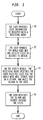
- Figure 1 is a flow diagram from a user's perspective of a file transfer method in accordance with one embodiment of the present invention.
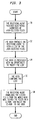
- Figure 2 is a flow diagram from a receiving agent's perspective of the file transfer method of Figure 1.
- Figure 3 is a flow diagram of an alternate embodiment in accordance with the present invention in which the user is presented with an opportunity to view, modify and/or confirm a list of user-selected files.
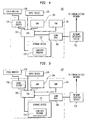
- FIG. 4 is a block diagram of a user's computer in accordance with the present invention.
- FIG. 5 is a block diagram of a receiving agent's computer in accordance with the present invention.
- a user using his computer to browse a communications network could electronically transfer a file retrievable via the communications network from a sender to the user's own computer.
- the present invention provides a method and apparatus for transferring such a file from a sender to a user via a third party.
- the third party is referred to herein as the "receiving agent.”
- a file selected by a user is transmitted electronically from the sender to the receiving agent.
- the receiving agent stores the file, or multiple user-selected files, onto a portable computer readable medium, such as a floppy disk, CD-ROM, or hard disk drive.
- the receiving agent then physically transports the portable computer readable medium to the user.
- the portable computer readable medium is transported by a method other than electronic transmission, such as by postal service or courier.
- the present invention eliminates the user's need to wait for completion of a lengthy download and enables the user's computer to immediately devote all of its Internet connection's capacity to other tasks, e.g., continued Web browsing.
- the user's bottleneck connection to the communications network is therefore avoided and the degradation of performance due to downloading in the background is eliminated.
- the file(s) may then be copied to the user's computer.
- the file(s) may be retained on the portable computer readable medium. This may be advantageous, for example, to preserve limited computer or network storage space.
- the receiving agent could be an Internet Service Provider acting as a destination for the file(s), rather than as simply a conduit, or an entity established specifically as a receiving agent.
- the receiving agent could be the sender.
- the receiving agent reduces communications network traffic burdens by performing downloads only during non-peak network traffic hours.
- Figure 1 is a flow diagram from a user's perspective of a file transfer method in accordance with the present invention.
- the desired file is retrievable from the World Wide Web.
- a user first registers with a receiving agent by providing information about the user, as shown at step 10 in Figure 1.
- the information may include the user's name, shipping address, billing address and credit card account information.
- the registration process may be performed by mail, telephone, etc., it is preferable that the receiving agent maintain a user-accessible website for conducting the registration process electronically, as is known in the art. In such an embodiment, it is necessary for the user to first connect to the receiving agent's website.
- a user may subsequently use the receiving agent without having to re-register. This may be achieved, for example, through the use of "cookies", as is well known in the art.
- a password may be required from the user for future account maintenance or access.
- the user may then browse the Web in the usual fashion until he finds a file, e.g., a computer program, image, document, audio clip, video clip, etc., that he desires.
- the user selects the file, as shown at step 12, e.g., by selecting a hyperlink displayed by the user's computer's Web browser software.
- the selection is typically made by depressing, i.e., "clicking", a left-side button of the user's computer's mouse.
- the user obtains instructions and/or a computer program for configuring the user's right-side mouse button to present a menu option for sending the electronic address associated with a selected hyperlink to the receiving agent.
- a user may select the hyperlink with the left-side mouse button to electronically transfer the file to the user's computer, as is known in the art, or, alternatively, may select the hyperlink with the right-side mouse button to send the electronic address to the receiving agent so the file may be electronically transferred to the receiving agent, in accordance with the present invention.
- the receiving agent electronically retrieves, i.e., downloads, the user-selected file using the electronic address, stores the file on a portable computer readable medium, such as a CD-ROM, and mails the CD-ROM to the user, e.g., at the shipping address received in step 10, as shown at step 14.
- a portable computer readable medium such as a CD-ROM
- the user receives the CD-ROM and the desired files stored thereon, as shown at step 16.
- the mailing of the CD-ROM may introduce additional delay between the user's request and receipt of a file.
- the inventive method is advantageous to the user because it allows the user to continue to make full use of the user's Internet connection's capacity (i.e., bandwidth) while browsing the Web, does not require the user's attention during downloading, and may free a residential telephone line for telephone use if that telephone line is also used for the user's Internet connection.
- files stored on the portable computer readable medium need not occupy a portion of the user's computer's limited hard drive space (although it may be transferred to the user's computer at the user's option). In university or business settings in which individuals are allocated limited amounts of storage space on a network hard disk drive, files that would not fit in the allocated space may be retained on the CD-ROM.
- Figure 2 is a flow diagram from a receiving agent's perspective of the data file transfer method of Figure 1.
- Figure 2 describes step 14 of Figure 1 in more detail.
- the receiving agent receives electronic addresses of files associated with a hyperlink selected by a user using a right-side mouse button.
- the electronic addresses may be received and compiled by the receiving agent during multiple Internet sessions.
- each file is downloaded immediately upon receipt of the electronic address.
- downloading is delayed until an off-peak hour.
- files are downloaded when a total file size is reached (e.g., enough or nearly enough to fill a CD-ROM). In the preferred embodiment, downloading is delayed until the user confirms the list, as discussed further below with reference to Figure 3.
- the receiving agent After downloading the files, the receiving agent stores the files on a portable computer readable medium, such as a CD-ROM, as shown at step 24. It should be noted that the files may be stored directly onto a portable computer readable medium or, alternatively, may be stored elsewhere as an intermediate step. The receiving agent then transports the CD-ROM to the user, as discussed above and as shown at step 26.
- a portable computer readable medium such as a CD-ROM
- Figure 3 is a flow diagram of an alternate embodiment in accordance with the present invention in which the user is presented with an opportunity to view, modify and/or confirm a list of user-selected files before the files are downloaded and/or transported by the receiving agent.
- the receiving agent is billing the user for its services
- the user is thereby provided with an opportunity to eliminate or defer receipt of certain files to reduce the user's bill.
- it allows the user to eliminate files that were added to the list in error, that the user no longer desires, or that were selected mistakenly. By asking the user to confirm the list before the receiving agent downloads the files, unnecessary downloading may be avoided.
- the receiving agent receives electronic addresses of user-selected files.
- the user is required to confirm the list before the files are downloaded by the receiving agent.
- the user may be required to provide a password before viewing, modifying or confirming the list.
- the list may include the electronic addresses themselves, a textual description of the file located at each electronic address, and/or a thumbnail image, if the file is an image file.
- the list may be presented in various ways. For example, the list may present the files in the order in which the electronic addresses were received. Alternatively, they may be sorted, e.g., alphabetically, by file size, by content, or by leaf and trunk of the electronic addresses.
- the user may modify the list of files, as shown at step 34. For example, the user may delete certain files he previously requested but no longer desires. Alternatively, the user may select a subset of the files and choose to have the subset of files downloaded, stored on a CD-ROM and delivered to him immediately, the rest to be downloaded, stored and delivered at a later date. The user could also select a subset of files to optimize the identity or number of files stored on the CD-ROM or to optimize usage of the CD-ROM's storage capacity. When satisfied, the user confirms the list as shown at step 36. Finally the receiving agent downloads the listed files from the Web, stores them on one or more CD-ROMs, and mails them to the user, as shown at step 38.
- the receiving agent downloads the listed files from the Web, stores them on one or more CD-ROMs, and mails them to the user, as shown at step 38.
- the receiving agent may bill the user for its services. For example, the user could be billed as a function of the number of files downloaded, the size of the files, or the number of CD-ROMs mailed to the user.
- FIG 4 is a block diagram of a user's computer 100 in accordance with the present invention.
- the computer includes a central processing unit (“CPU") 102, random access memory (“RAM”) 104, read only memory (“ROM”) 106.
- the user's computer also includes a communications port (“COMM PORT") 108 connected to a network interface device 110, such as a modem, for communicating with other computers via a communications network, such as the Internet.
- the user's computer 100 has a video driver 116 and video monitor 118 for displaying information to the user, such as hyperlinks and the list of selected files.
- the user's computer 100 also has one or more input devices 120, e.g., a keyboard and/or a mouse, for selecting hyperlinks, data entry, etc.
- the user's computer 100 also includes a storage device 112 for storing a computer program 114.
- the computer program includes instructions for configuring a user's computer to send an electronic address to a receiving agent, e.g., by presenting a menu option for doing so use of a mouse button to select a hyperlink associated with the electronic address.
- the computer program includes instructions for configuring a user's computer to ensure that the receiving agent receives the file(s) directly, without having to request the files(s). For example, this may be achieved by configuring a user's computer to specify, to an ISP or to the sender, the receiving agent as the intended recipient of the file. The ISP, or sender, then transmits the file(s) to the receiving agent rather than to the user's computer.
- FIG. 5 is a block diagram of a receiving agent's computer 200 in accordance with the present invention.
- the computer includes a central processing unit (“CPU") 202, random access memory (“RAM”) 204, read only memory (“ROM”) 206.
- the receiving agent's computer also includes a communications port (“COMM PORT") 208 connected to a network interface device 210, such as one or more modems and/or network cards for communicating with other computers via a communications network, such as the Internet.
- the receiving agent's computer 200 has a video driver 216 and video monitor 218 for displaying information.
- the receiving agent's computer 200 may also have one or more input devices 220, e.g., a keyboard and/or a mouse.
- the receiving agent's computer 200 also includes a storage device 212 for storing a computer program 214.
- the computer program includes instructions for receiving from a user an electronic address of data stored by a sender, requesting data at the electronic address from the sender, receiving the data from the sender, and recording the data on a portable computer readable medium for transportation to the user.
- files could be retrieved from a communications network other than the Web or Internet, and could transport the transportable medium to the user in any suitable fashion, e.g., postal service, courier, or hand delivery.
- a communications network other than the Web or Internet
- any portable computer readable medium such as a floppy disk or hard disk could be used.
- paper is used as the transportable medium and the data file is interpreted by the receiving agent and the interpretation, e.g., text or images, is printed on one or more sheets of paper, as necessary.
- Alternate mouse buttons, hot keys, menu options, and/or key sequences could be used to specify the receiving agent as the recipient of the file.
Landscapes
- Business, Economics & Management (AREA)
- Physics & Mathematics (AREA)
- General Business, Economics & Management (AREA)
- General Physics & Mathematics (AREA)
- Engineering & Computer Science (AREA)
- Theoretical Computer Science (AREA)
- Information Transfer Between Computers (AREA)
- Information Retrieval, Db Structures And Fs Structures Therefor (AREA)
Abstract
Description
- This invention relates generally to the field of communications networks, e.g., the Internet or the World Wide Web, and more particularly to a method and apparatus for transferring data files retrievable via a communications network.
- The World Wide Web ("Web") is essentially a distributed depository of interconnected data files ("files") stored on Web servers, i.e., computers. These computers, and others, are connected by a global communications network, the Internet. For the purpose of convenience, the person or entity from whom a file is to be received is referred to herein as the "sender" and the person or entity desiring access to the file is referred to herein as the "user". Once connected to the Internet, users may electronically transfer files from the Web to their own computers for viewing, storing, use, etc.
- Web browser software running on the user's computer is used to access, interpret, and display files stored on the Web. The user may request a file by selecting a hyperlink (typically displayed by the Web browser as an image, or an underlined word or phrase) within a document being viewed at the user's computer. Use of browser software to browse the Web and download files is well known in the art.
- Users may connect to the Internet in a variety of ways. Some users connect via dedicated "always on" connections (e.g., T1, and T3 lines). Such connections are "wide bandwidth" connections capable of transmitting data very quickly, typically in the range of 1.5 - 5 gigabytes/second. Many users, particularly home users, have "dial-up" access to the Internet. In a dial-up arrangement, the user establishes a temporary connection, as needed, with an Internet Service Provider ("ISP"). The ISP typically has a wide bandwidth connection to the Internet and acts as a conduit between senders and a user. The dial-up connection between the user and the ISP operates at considerably slower speeds, e.g., up to 56 kilobytes/second, and is therefore typically the bottleneck in a communications network path between a sender and a user.
- The types of files desired by users today typically include audio clips, video clips, graphical images, and functional software. The average size of such files continues to grow as technology develops, and such files are now frequently many megabytes in size. Storage of such large files in university and corporate settings, where a limited amount of storage space on a network computer is typically allocated to each user, is often a problem, frequently requiring deletion of a useful old file to make space for a new file. Providing storage for such files is often difficult or burdensome.
- Downloading a large file, or a number of such files, is so slow as to make their retrieval overly burdensome or impractical, often requiring several hours of continuous monitoring by the user. Transmission rates are slower and downloading times are frequently longer when files are retrieved from senders in foreign countries or across long geographical distances. Waiting for lengthy downloads to complete is highly undesirable.
- Additionally, downloading requires a certain amount of supervision by the user, e.g., to monitor for an interrupted or incomplete download. Web browser software allows continued Web browsing, and even initiation of another download, while a download request runs in the background. However, due to the limited speed and capacity of each user's Internet connection, each downloading and browsing process slows as additional processes are performed concurrently. Accordingly, the user's Web session and the performance of the user's computer is significantly degraded when multiple processes are performed concurrently. Therefore, downloading in the background does not overcome the problems indicated above.
- The present invention relates to methods for transferring files retrievable via a communications network such as the Internet or World Wide Web. In accordance with the present invention, a file desired by a user is transmitted electronically from the sender to a third party, referred to herein as the "receiving agent", rather than to the user. The receiving agent then downloads the desired file to a transportable medium. For example, an interpretation of the data file, such as text or an image, could be printed on paper, or the data file could be recorded on a portable computer readable medium, such as a CD-ROM. The transportable medium is then physically transported to the user, e.g., by postal service or courier. In this manner, the user receives the content he desires by a method other than electronic transmission.
- In one embodiment, a user's computer is configured to send an electronic address of a desired file to the receiving agent for electronic retrieval by the receiving agent. In this embodiment, the receiving agent requests and receives the file at the electronic address by electronic transmission. In another embodiment, a user's computer is configured to send an electronic address of the receiving agent to the sender along with the user's request for a desired file. The sender then electronically transmits the desired file to the receiving agent rather than to the user.
- The invention eliminates the user's burden of waiting for file(s) to download and enables the user to devote all of his network connection's capacity to other tasks, such as browsing the Web. In addition, the files may be retrieved without the user's supervision, without use of the user's telephone line or other connection, computer, or other resources, and the user may obtain the desired files without depleting the user's computer's available storage space. Additionally, network traffic burdens may be reduced in those preferred embodiments in which the receiving agent defers downloads to non-peak hours.
- In one embodiment, the user is given an opportunity to view and modify a list of user-selected files and to confirm the list before the files are downloaded by the receiving agent and/or delivered to the user.
- Figure 1 is a flow diagram from a user's perspective of a file transfer method in accordance with one embodiment of the present invention.
- Figure 2 is a flow diagram from a receiving agent's perspective of the file transfer method of Figure 1.
- Figure 3 is a flow diagram of an alternate embodiment in accordance with the present invention in which the user is presented with an opportunity to view, modify and/or confirm a list of user-selected files.
- Figure 4 is a block diagram of a user's computer in accordance with the present invention.
- Figure 5 is a block diagram of a receiving agent's computer in accordance with the present invention.
- Until now, a user using his computer to browse a communications network, such as the Internet or Web, could electronically transfer a file retrievable via the communications network from a sender to the user's own computer. The present invention provides a method and apparatus for transferring such a file from a sender to a user via a third party. The third party is referred to herein as the "receiving agent." In accordance with the present invention, a file selected by a user is transmitted electronically from the sender to the receiving agent. The receiving agent stores the file, or multiple user-selected files, onto a portable computer readable medium, such as a floppy disk, CD-ROM, or hard disk drive. The receiving agent then physically transports the portable computer readable medium to the user. In other words, the portable computer readable medium is transported by a method other than electronic transmission, such as by postal service or courier.
- The present invention eliminates the user's need to wait for completion of a lengthy download and enables the user's computer to immediately devote all of its Internet connection's capacity to other tasks, e.g., continued Web browsing. The user's bottleneck connection to the communications network is therefore avoided and the degradation of performance due to downloading in the background is eliminated.
- If desired, the file(s) may then be copied to the user's computer. Alternatively, the file(s) may be retained on the portable computer readable medium. This may be advantageous, for example, to preserve limited computer or network storage space. The receiving agent could be an Internet Service Provider acting as a destination for the file(s), rather than as simply a conduit, or an entity established specifically as a receiving agent. Alternatively, the receiving agent could be the sender. In one embodiment, the receiving agent reduces communications network traffic burdens by performing downloads only during non-peak network traffic hours.
- Figure 1 is a flow diagram from a user's perspective of a file transfer method in accordance with the present invention. In the embodiment of Figure 1, the desired file is retrievable from the World Wide Web. A user first registers with a receiving agent by providing information about the user, as shown at
step 10 in Figure 1. For example, the information may include the user's name, shipping address, billing address and credit card account information. Although the registration process may be performed by mail, telephone, etc., it is preferable that the receiving agent maintain a user-accessible website for conducting the registration process electronically, as is known in the art. In such an embodiment, it is necessary for the user to first connect to the receiving agent's website. - Once registered, a user may subsequently use the receiving agent without having to re-register. This may be achieved, for example, through the use of "cookies", as is well known in the art. For security purposes, a password may be required from the user for future account maintenance or access.
- The user may then browse the Web in the usual fashion until he finds a file, e.g., a computer program, image, document, audio clip, video clip, etc., that he desires. The user then selects the file, as shown at
step 12, e.g., by selecting a hyperlink displayed by the user's computer's Web browser software. For right-handed users, the selection is typically made by depressing, i.e., "clicking", a left-side button of the user's computer's mouse. In accordance with the present invention, the user obtains instructions and/or a computer program for configuring the user's right-side mouse button to present a menu option for sending the electronic address associated with a selected hyperlink to the receiving agent. Computer programs for configuring a mouse button to present options are well-known in the art. Accordingly, a user may select the hyperlink with the left-side mouse button to electronically transfer the file to the user's computer, as is known in the art, or, alternatively, may select the hyperlink with the right-side mouse button to send the electronic address to the receiving agent so the file may be electronically transferred to the receiving agent, in accordance with the present invention. - Subsequently, the receiving agent electronically retrieves, i.e., downloads, the user-selected file using the electronic address, stores the file on a portable computer readable medium, such as a CD-ROM, and mails the CD-ROM to the user, e.g., at the shipping address received in
step 10, as shown atstep 14. These steps are described in more detail below with reference to Figure 2. - Finally, the user receives the CD-ROM and the desired files stored thereon, as shown at
step 16. The mailing of the CD-ROM may introduce additional delay between the user's request and receipt of a file. However, the inventive method is advantageous to the user because it allows the user to continue to make full use of the user's Internet connection's capacity (i.e., bandwidth) while browsing the Web, does not require the user's attention during downloading, and may free a residential telephone line for telephone use if that telephone line is also used for the user's Internet connection. Additionally, files stored on the portable computer readable medium need not occupy a portion of the user's computer's limited hard drive space (although it may be transferred to the user's computer at the user's option). In university or business settings in which individuals are allocated limited amounts of storage space on a network hard disk drive, files that would not fit in the allocated space may be retained on the CD-ROM. - Figure 2 is a flow diagram from a receiving agent's perspective of the data file transfer method of Figure 1. Figure 2 describes
step 14 of Figure 1 in more detail. As shown atstep 20 in Figure 2, the receiving agent receives electronic addresses of files associated with a hyperlink selected by a user using a right-side mouse button. The electronic addresses may be received and compiled by the receiving agent during multiple Internet sessions. - Next, the receiving agent downloads the user-selected file(s) from the Web, as shown at
step 22. In one embodiment, each file is downloaded immediately upon receipt of the electronic address. In another embodiment, downloading is delayed until an off-peak hour. In yet another embodiment, files are downloaded when a total file size is reached (e.g., enough or nearly enough to fill a CD-ROM). In the preferred embodiment, downloading is delayed until the user confirms the list, as discussed further below with reference to Figure 3. - After downloading the files, the receiving agent stores the files on a portable computer readable medium, such as a CD-ROM, as shown at
step 24. It should be noted that the files may be stored directly onto a portable computer readable medium or, alternatively, may be stored elsewhere as an intermediate step. The receiving agent then transports the CD-ROM to the user, as discussed above and as shown atstep 26. - Figure 3 is a flow diagram of an alternate embodiment in accordance with the present invention in which the user is presented with an opportunity to view, modify and/or confirm a list of user-selected files before the files are downloaded and/or transported by the receiving agent. In embodiments in which the receiving agent is billing the user for its services, the user is thereby provided with an opportunity to eliminate or defer receipt of certain files to reduce the user's bill. In addition, it allows the user to eliminate files that were added to the list in error, that the user no longer desires, or that were selected mistakenly. By asking the user to confirm the list before the receiving agent downloads the files, unnecessary downloading may be avoided.
- As shown at
step 30 in Figure 3, the receiving agent receives electronic addresses of user-selected files. In this embodiment, the user is required to confirm the list before the files are downloaded by the receiving agent. When the user contacts the receiving agent, as shown in step 32, the user may be required to provide a password before viewing, modifying or confirming the list. - The user is then presented with a list of previously selected files. For example, the list may include the electronic addresses themselves, a textual description of the file located at each electronic address, and/or a thumbnail image, if the file is an image file. The list may be presented in various ways. For example, the list may present the files in the order in which the electronic addresses were received. Alternatively, they may be sorted, e.g., alphabetically, by file size, by content, or by leaf and trunk of the electronic addresses.
- In this embodiment, the user may modify the list of files, as shown at
step 34. For example, the user may delete certain files he previously requested but no longer desires. Alternatively, the user may select a subset of the files and choose to have the subset of files downloaded, stored on a CD-ROM and delivered to him immediately, the rest to be downloaded, stored and delivered at a later date. The user could also select a subset of files to optimize the identity or number of files stored on the CD-ROM or to optimize usage of the CD-ROM's storage capacity. When satisfied, the user confirms the list as shown atstep 36. Finally the receiving agent downloads the listed files from the Web, stores them on one or more CD-ROMs, and mails them to the user, as shown atstep 38. - The receiving agent may bill the user for its services. For example, the user could be billed as a function of the number of files downloaded, the size of the files, or the number of CD-ROMs mailed to the user.
- Figure 4 is a block diagram of a user's
computer 100 in accordance with the present invention. The computer includes a central processing unit ("CPU") 102, random access memory ("RAM") 104, read only memory ("ROM") 106. The user's computer also includes a communications port ("COMM PORT") 108 connected to anetwork interface device 110, such as a modem, for communicating with other computers via a communications network, such as the Internet. The user'scomputer 100 has avideo driver 116 and video monitor 118 for displaying information to the user, such as hyperlinks and the list of selected files. The user'scomputer 100 also has one ormore input devices 120, e.g., a keyboard and/or a mouse, for selecting hyperlinks, data entry, etc. - The user's
computer 100 also includes astorage device 112 for storing acomputer program 114. In one embodiment, the computer program includes instructions for configuring a user's computer to send an electronic address to a receiving agent, e.g., by presenting a menu option for doing so use of a mouse button to select a hyperlink associated with the electronic address. In an alternate embodiment, the computer program includes instructions for configuring a user's computer to ensure that the receiving agent receives the file(s) directly, without having to request the files(s). For example, this may be achieved by configuring a user's computer to specify, to an ISP or to the sender, the receiving agent as the intended recipient of the file. The ISP, or sender, then transmits the file(s) to the receiving agent rather than to the user's computer. - Figure 5 is a block diagram of a receiving agent's
computer 200 in accordance with the present invention. The computer includes a central processing unit ("CPU") 202, random access memory ("RAM") 204, read only memory ("ROM") 206. The receiving agent's computer also includes a communications port ("COMM PORT") 208 connected to anetwork interface device 210, such as one or more modems and/or network cards for communicating with other computers via a communications network, such as the Internet. The receiving agent'scomputer 200 has avideo driver 216 and video monitor 218 for displaying information. The receiving agent'scomputer 200 may also have one ormore input devices 220, e.g., a keyboard and/or a mouse. - The receiving agent's
computer 200 also includes astorage device 212 for storing acomputer program 214. The computer program includes instructions for receiving from a user an electronic address of data stored by a sender, requesting data at the electronic address from the sender, receiving the data from the sender, and recording the data on a portable computer readable medium for transportation to the user. - It should be appreciated that the inventive method may be accomplished in other manners. For example, files could be retrieved from a communications network other than the Web or Internet, and could transport the transportable medium to the user in any suitable fashion, e.g., postal service, courier, or hand delivery. In an embodiment in which the data file is stored on a computer readable medium, any portable computer readable medium, such as a floppy disk or hard disk could be used. In an alternate embodiment, paper is used as the transportable medium and the data file is interpreted by the receiving agent and the interpretation, e.g., text or images, is printed on one or more sheets of paper, as necessary. Alternate mouse buttons, hot keys, menu options, and/or key sequences could be used to specify the receiving agent as the recipient of the file.
- Having thus described a few particular embodiments of the invention, various alterations, modifications, and improvements will readily occur to those skilled in the art. Such alterations, modifications and improvements as are made obvious by this disclosure are intended to be part of this description though not expressly stated herein, and are intended to be within the spirit and scope of the invention. Accordingly, the foregoing description is by way of example only, and not limiting. The invention is limited only as defined in the following claims.
Claims (22)
- A method for transferring to a user a data file retrievable from a sender via a communications network, the method comprising a receiving agent performing the following steps:(a) receiving the data file via the communicatior network from the sender in accordance with the user's request for the data file;(b) downloading the data file to a transportable medium; and(c) transporting the transportable medium to the user.
- The method of claim 1, wherein the transportable medium comprises a computer readable medium and step (b comprises recording the data file on the computer readable medium.
- The method of claim 1, wherein the transportable medium comprises one or more sheets of paper and step (b) comprises printing an interpretation of the data file on the one or more sheets of paper.
- The method of claim 1, further comprising the receiving agent performing the following steps:steps (d) and (e) being performed before step (a).(d) receiving an electronic address of the data file from the user; and(e) requesting the data file from the electronic address;
- The method of claim 4, wherein step (d) is performed responsive to the user's selection of a hyperlink associated with the electronic address.
- The method of claim 5, wherein the communications network is the Internet and the data file is accessible via the World Wide Web.
- The method of claim 2, wherein the portable computer readable medium in steps (b) and (c) is a CD-ROM.
- The method of claim 2, wherein the portable computer readable medium in steps (b) and (c) is a hard disk drive.
- The method of claim 2, wherein the portable computer readable medium in steps (b) and (c) is a floppy disk.
- The method of claim 2, wherein the portable computer readable medium is transported in step (c) via a postal service.
- The method of claim 2, wherein the portable computer readable medium is transported in step (c) via a courier.
- The method of claim 1, further comprising a user performing the following step:
(f) designating the receiving agent, step (f) being performed before step (a). - The method of claim 1, further comprising the receiving agent performing the following steps:(g) receiving an additional electronic address of an additional data file from the user;(h) retrieving the additional data file from the additional electronic address; and(i) downloading the additional data file to the transportable medium, steps (g) - (i) being performed before step (c).
- The method of claim 13, further comprising the receiving agent performing the following steps:(j) presenting to the user a list comprising the electronic address and the additional electronic address;(k) allowing the user to modify list; and(l) requesting the user to confirm the user's desire for the data files associated with the electronic address and additional electronic address, steps (j) - (l) being performed before step (c).
- The method of claim 13, further comprising the receiving agent performing the following steps:(m) presenting to the user a list describing the data files retrievable from the electronic address and the additional electronic address;(n) allowing the user to modify the list; and(o) requesting the user to confirm the user's desire for the data files associated with the electronic address and the additional electronic address, steps (m) - (o) being performed before step (c).
- The method of claim 15, wherein the list is presented in a sorted order.
- The method of claim 13, further comprising the receiving agent performing the following step:
(p) allowing the user to select a subset of the data file and the additional data file for storage on the transportable medium. - A computer readable medium comprising computer readable instructions for:(a) receiving from a user an electronic address of a data file stored by a sender;(b) requesting from the sender the data file stored at the electronic address;(c) receiving the data file from the sender; and(d) downloading the data file to a transportable medium for transportation to the user.
- The computer readable medium of claim 18, wherein the transportable medium is a component of a computer.
- A computer readable medium comprising computer readable instructions for:(a) identifying a data file for electronic transfer from a sender; and(b) specifying an electronic address of a receiving agent for receipt of the data file.
- The computer readable medium of claim 20, further comprising instructions for:
(c) receiving an electronic address from a user, step (c) being performed before step (a). - The computer readable medium of claim 21, wherein the transportable medium is a component of a computer.
Applications Claiming Priority (2)
| Application Number | Priority Date | Filing Date | Title |
|---|---|---|---|
| US48343800A | 2000-01-14 | 2000-01-14 | |
| US483438 | 2000-01-14 |
Publications (2)
| Publication Number | Publication Date |
|---|---|
| EP1132837A2 true EP1132837A2 (en) | 2001-09-12 |
| EP1132837A3 EP1132837A3 (en) | 2001-10-10 |
Family
ID=23920027
Family Applications (1)
| Application Number | Title | Priority Date | Filing Date |
|---|---|---|---|
| EP00311060A Withdrawn EP1132837A3 (en) | 2000-01-14 | 2000-12-12 | Method and apparatus for transferring data files retrievable via a communications network |
Country Status (3)
| Country | Link |
|---|---|
| EP (1) | EP1132837A3 (en) |
| JP (1) | JP2001290726A (en) |
| CA (1) | CA2328044A1 (en) |
Cited By (1)
| Publication number | Priority date | Publication date | Assignee | Title |
|---|---|---|---|---|
| GB2380378A (en) * | 2001-09-28 | 2003-04-02 | Hewlett Packard Co | A method of sending data files, e.g. audio files |
-
2000
- 2000-12-11 CA CA002328044A patent/CA2328044A1/en not_active Abandoned
- 2000-12-12 EP EP00311060A patent/EP1132837A3/en not_active Withdrawn
-
2001
- 2001-01-15 JP JP2001044326A patent/JP2001290726A/en active Pending
Non-Patent Citations (1)
| Title |
|---|
| No Search * |
Cited By (1)
| Publication number | Priority date | Publication date | Assignee | Title |
|---|---|---|---|---|
| GB2380378A (en) * | 2001-09-28 | 2003-04-02 | Hewlett Packard Co | A method of sending data files, e.g. audio files |
Also Published As
| Publication number | Publication date |
|---|---|
| JP2001290726A (en) | 2001-10-19 |
| CA2328044A1 (en) | 2001-07-14 |
| EP1132837A3 (en) | 2001-10-10 |
Similar Documents
| Publication | Publication Date | Title |
|---|---|---|
| US7663652B1 (en) | Enhanced electronic mail delivery system | |
| US9197708B2 (en) | Method and arrangement for mediating web services using UDDI | |
| US7774410B2 (en) | Handling a multimedia object associated with an electronic message | |
| US6938074B2 (en) | World Wide Web access for voice mail and page | |
| US20020013817A1 (en) | Method and apparatus for distributing of e-mail to multiple recipients | |
| EP0936567A2 (en) | Method and device for automated transfer and maintenance of internet based information | |
| US20030053122A1 (en) | Printing method, storage medium and program for performing a printing operation and a printing device | |
| US20140040771A1 (en) | Systems and Methods for Downloading and Viewing Images | |
| US20050015721A1 (en) | Facility for distributing and providing access to electronic mail message attachments | |
| US7519916B1 (en) | Methods for tailoring a bandwidth profile for an operating environment | |
| JP2001022678A (en) | Internet mail distribution agent with automatic cache storage of file attachments | |
| US20010018709A1 (en) | Web Serving System | |
| WO1998004985A9 (en) | Web serving system with primary and secondary servers | |
| EP1538808A1 (en) | Methods and devices for the asynchronous delivery of digital data | |
| US20020065748A1 (en) | Methods for sending and receiving content and system for delivering content through use of e-mail or the like | |
| KR20050040834A (en) | Location based print job distribution | |
| US20040215806A1 (en) | On the fly offering and allocation of bandwidth on demand | |
| US6681246B1 (en) | Method, system, and program for automatically processing pushed information without subscriber involvement | |
| US20040220997A1 (en) | Mobile wireless data transfer, storage, retrieval, and delivery system for remote printing and sorting of mail | |
| US7165089B2 (en) | Mail server providing information on electronic mail for sharing the electronic mail | |
| CA2328044A1 (en) | Method and apparatus for transferring data files retrievable via a communications network | |
| US8788593B1 (en) | Systems and methods for downloading attachments | |
| JPH11355348A (en) | How to provide digitized information | |
| JP2002300191A (en) | Method for providing a plurality of service types, its implementation system, its processing program and recording medium | |
| JP3979005B2 (en) | Information distribution method, information distribution system, distribution management device, information management device |
Legal Events
| Date | Code | Title | Description |
|---|---|---|---|
| PUAI | Public reference made under article 153(3) epc to a published international application that has entered the european phase |
Free format text: ORIGINAL CODE: 0009012 |
|
| PUAL | Search report despatched |
Free format text: ORIGINAL CODE: 0009013 |
|
| AK | Designated contracting states |
Kind code of ref document: A2 Designated state(s): AT BE CH CY DE DK ES FI FR GB GR IE IT LI LU MC NL PT SE TR |
|
| AX | Request for extension of the european patent |
Free format text: AL;LT;LV;MK;RO;SI |
|
| AK | Designated contracting states |
Kind code of ref document: A3 Designated state(s): AT BE CH CY DE DK ES FI FR GB GR IE IT LI LU MC NL PT SE TR |
|
| AX | Request for extension of the european patent |
Free format text: AL;LT;LV;MK;RO;SI |
|
| AKX | Designation fees paid | ||
| REG | Reference to a national code |
Ref country code: DE Ref legal event code: 8566 |
|
| STAA | Information on the status of an ep patent application or granted ep patent |
Free format text: STATUS: THE APPLICATION IS DEEMED TO BE WITHDRAWN |
|
| 18D | Application deemed to be withdrawn |
Effective date: 20020411 |