EP1101761A2 - Process for producing 3-phenyluracil compounds - Google Patents
Process for producing 3-phenyluracil compounds Download PDFInfo
- Publication number
- EP1101761A2 EP1101761A2 EP00124758A EP00124758A EP1101761A2 EP 1101761 A2 EP1101761 A2 EP 1101761A2 EP 00124758 A EP00124758 A EP 00124758A EP 00124758 A EP00124758 A EP 00124758A EP 1101761 A2 EP1101761 A2 EP 1101761A2
- Authority
- EP
- European Patent Office
- Prior art keywords
- group
- carbonyl
- alkoxy
- methyl
- alkyl
- Prior art date
- Legal status (The legal status is an assumption and is not a legal conclusion. Google has not performed a legal analysis and makes no representation as to the accuracy of the status listed.)
- Granted
Links
- QMKYYLDIODEKMH-UHFFFAOYSA-N N#Cc(c(F)c1)cc(F)c1[NH+](CCC(C(F)(F)F)=O)[O-] Chemical compound N#Cc(c(F)c1)cc(F)c1[NH+](CCC(C(F)(F)F)=O)[O-] QMKYYLDIODEKMH-UHFFFAOYSA-N 0.000 description 1
- BXPPTFOZQIOOTG-UHFFFAOYSA-N N#Cc(cc(c(N(C(O)OC(C(F)(F)F)=C1)C1=O)c1)F)c1F Chemical compound N#Cc(cc(c(N(C(O)OC(C(F)(F)F)=C1)C1=O)c1)F)c1F BXPPTFOZQIOOTG-UHFFFAOYSA-N 0.000 description 1
Classifications
-
- C—CHEMISTRY; METALLURGY
- C07—ORGANIC CHEMISTRY
- C07D—HETEROCYCLIC COMPOUNDS
- C07D239/00—Heterocyclic compounds containing 1,3-diazine or hydrogenated 1,3-diazine rings
- C07D239/02—Heterocyclic compounds containing 1,3-diazine or hydrogenated 1,3-diazine rings not condensed with other rings
- C07D239/24—Heterocyclic compounds containing 1,3-diazine or hydrogenated 1,3-diazine rings not condensed with other rings having three or more double bonds between ring members or between ring members and non-ring members
- C07D239/28—Heterocyclic compounds containing 1,3-diazine or hydrogenated 1,3-diazine rings not condensed with other rings having three or more double bonds between ring members or between ring members and non-ring members with hetero atoms or with carbon atoms having three bonds to hetero atoms with at the most one bond to halogen, directly attached to ring carbon atoms
- C07D239/46—Two or more oxygen, sulphur or nitrogen atoms
- C07D239/52—Two oxygen atoms
- C07D239/54—Two oxygen atoms as doubly bound oxygen atoms or as unsubstituted hydroxy radicals
-
- C—CHEMISTRY; METALLURGY
- C07—ORGANIC CHEMISTRY
- C07D—HETEROCYCLIC COMPOUNDS
- C07D405/00—Heterocyclic compounds containing both one or more hetero rings having oxygen atoms as the only ring hetero atoms, and one or more rings having nitrogen as the only ring hetero atom
- C07D405/02—Heterocyclic compounds containing both one or more hetero rings having oxygen atoms as the only ring hetero atoms, and one or more rings having nitrogen as the only ring hetero atom containing two hetero rings
- C07D405/04—Heterocyclic compounds containing both one or more hetero rings having oxygen atoms as the only ring hetero atoms, and one or more rings having nitrogen as the only ring hetero atom containing two hetero rings directly linked by a ring-member-to-ring-member bond
-
- C—CHEMISTRY; METALLURGY
- C07—ORGANIC CHEMISTRY
- C07D—HETEROCYCLIC COMPOUNDS
- C07D413/00—Heterocyclic compounds containing two or more hetero rings, at least one ring having nitrogen and oxygen atoms as the only ring hetero atoms
- C07D413/02—Heterocyclic compounds containing two or more hetero rings, at least one ring having nitrogen and oxygen atoms as the only ring hetero atoms containing two hetero rings
- C07D413/04—Heterocyclic compounds containing two or more hetero rings, at least one ring having nitrogen and oxygen atoms as the only ring hetero atoms containing two hetero rings directly linked by a ring-member-to-ring-member bond
Definitions
- the present invention relates to a process for producing 3-phenyluracil compounds.
- Scheme 2 (described in PCT publication WO98/27067) The process of Compound [2-a] to Compound [2-b] is carried out in a condition using phosgene/pyridine/4-dimethylaminopyridine and the process of Compound [2-b] to Compound [2-c] is carried out in a condition using aqueous ammonia.
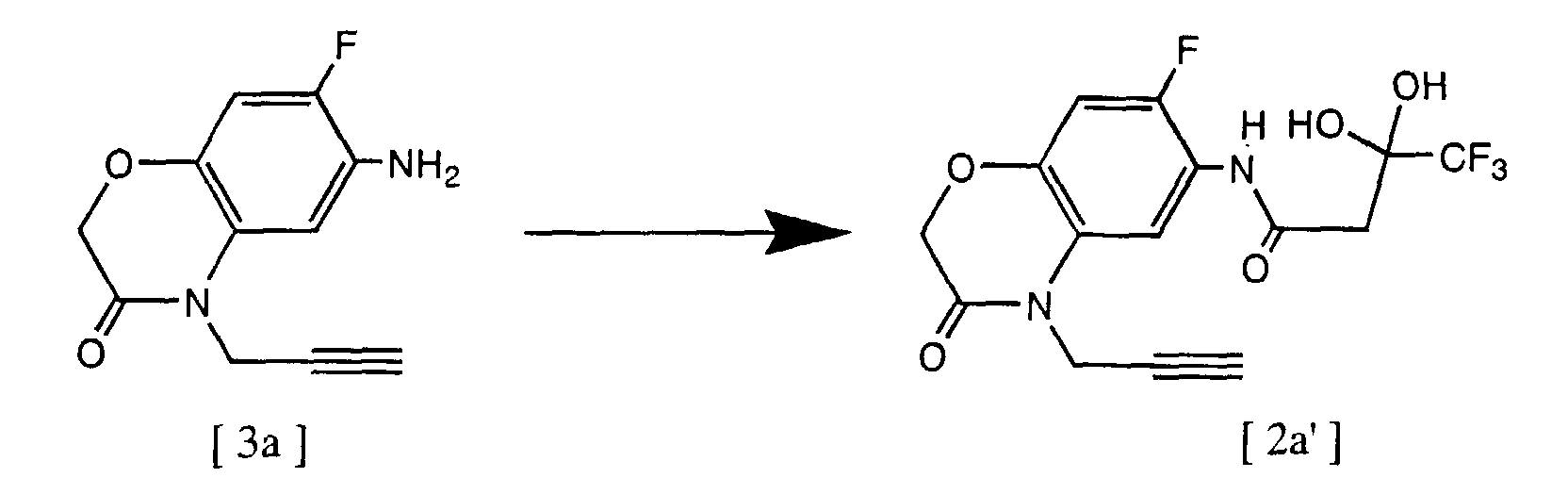
- Scheme 3 (described in PCT publication WO95/32952) The process of Compound [3-a] to Compound [3-b] is carried out in a basic condition using anhydrous sodium acetate and the process of Compound [3-b] to Compound [3-c] is carried out in a condition using phosgene/pyridine/4-dimethylaminopyridine.
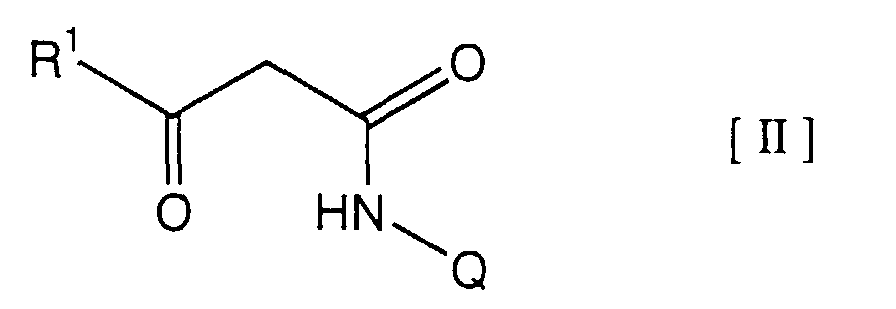
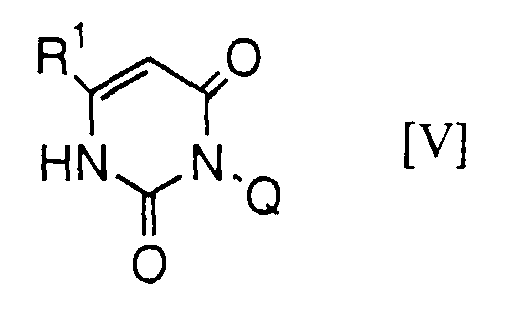
- the present invention provides a process for producing the 3-phenyluracil compounds represented by the formula [V]: wherein R 1 represents C1-C5 perfluoroalkyl group and Q represents an aromatic group, which comprises making the amide compound represented by the formula [II]: wherein R 1 and Q have the same meanings defined above, or its hydrate react with a cyanate salt in the presence of a protonic acid at 55°C to 150°C.
- the present invention provides an economical process for producing the 3-phenyluracil compounds because they can be produced in one-pot and in high yield.
- the process of the present invention is explained in detail. Typically the process of the present invention is performed by adding a cyanate salt gradually into a mixture of an amide compound of the formula [II] or its hydrate and a protonic acid at 55°C to 150°C and allowing them to react.
- the cyanate salt in the present invention means both of cyanate salts of a narrow meaning and isocyanate salts.
- Such cyanate salts of the narrow meaning are exemplified by alkali metal salts of cyanic acid (e.g., sodium cyanate, potassium cyanate).
- alkali metal salts of cyanic acid e.g., sodium cyanate, potassium cyanate.
- Examples of the isocyanate salt include silver isocyanate.
- Examples of the protonic acid include aliphatic carboxylic acids such as acetic acid, propionic acid, butyric acid, trifluoroacetic acid and trichloroacetic acid; aromatic carboxylic acids such as benzoic acid and 4-nitrobenzoic acid; organic sulfonic acids such as p-toluenesulfonic acid, methanesulfonic acid and trifluoromethanesulfonic acid; inorganic mineral acids such as hydrochloric acid and sulfuric acid; and boronic acids such as phenylboronic acid.
- aliphatic carboxylic acids such as acetic acid, propionic acid, butyric acid, trifluoroacetic acid and trichloroacetic acid
- aromatic carboxylic acids such as benzoic acid and 4-nitrobenzoic acid
- organic sulfonic acids such as p-toluenesulfonic acid, methanesulfonic acid and trifluoromethanesulfonic acid
- the amount of the cyanate salt to be used in the present process is usually 1 mol to 10 mols, preferably 1 mol to 2 mols based on 1 mol of the amide compound given by the formula [II].
- the amount of the protonic acid to be used in the present process is usually 1.1 mol to a large excess based on 1 mol of the amide compound given by the formula [II].
- the solvent include aliphatic hydrocarbons such as pentane, hexane, heptane, cyclopentane and cyclohexane; halogenated aliphatic hydrocarbons such as dichloromethane, chloroform and 1,2-dichloroethane; aromatic hydrocarbons such as benzene, toluene and xylene; halogenated aromatic hydrocarbons such as chlorobenzene and m-dichlorobenzene; ketones such as acetone, methyl ethyl ketone, methyl isobutyl ketone, cyclopentanone and cyclohexanone; ethers such as diethyl ether, tert-butyl methyl ether, diethylene glycol dimethyl ether, 1,4-dioxane and tetrahydrofuran; alcohol
- the present reaction is usually carried out in 30 minutes to 100 hours. It is preferable that the reaction mixture is kept under 50°C at first and then aged at 55°C to 150°C after disappearance of most of the amide compound represented by the formula [II]. Thereafter, the reaction mixture is subjected to usual work-up procedures such as methods (a), (b), (c) and (d) to give the 3-phenyluracil compound represented by the formula [V].
- the 3-phenyluracil compounds represented by the formula [V] can be purified by usual procedures such as recrystallization, column chromatography and so on.
- amide compounds represented by the formula [II] utilized in the present process can be prepared according to the known methods in USP-5360713, WO95/32952, WO98/27057 and WO98/27067, or prepared according to the preparation method described below:
- the reaction temperature in said process is usually in the range of room temperature to 150°C, or room temperature to boiling point of a solvent utilized. Further, by-produced alcohol (methanol or ethanol) may be distilled away from the reaction mixture or a small amount of an acid or a base may be added for the purpose of speeding up the reaction.
- methanol or ethanol by-produced alcohol
- the amount of the acetate ester compound, which is provided to the reaction, given by the formula [IV] is usually at the rate of 1 mol to 5 mols based on 1 mol of the aniline compound given by the formula [III].
- Examples of the acid used for speeding up the reaction include protonic acids such as p-toluenesulfonic acid and methanesulfonic acid, and the amount of the used acid is at the rate of 0.05 mol to 1 mol based on 1 mol of the aniline compound given by the formula [III].
- Examples of the base include tertiary amines such as triethylamine, tributylamine and N,N-dimethylaniline; pyridines such as pyridine and picoline; and inorganic bases such as potassium carbonate and sodium hydride, and the amount of the used base is at the rate of 0.05 mol to 1 mol based on 1 mol of the aniline compound given by the formula [III].
- the solvent examples include aliphatic hydrocarbons such as pentane, hexane, heptane, cyclopentane and cyclohexane; halogenated aliphatic hydrocarbons such as dichloromethane, chloroform and 1,2-dichloroethane; aromatic hydrocarbons such as benzene, toluene and xylene; halogenated aromatic hydrocarbons such as chlorobenzene and m-dichlorobenzene; ketones such as acetone, methyl ethyl ketone, methyl isobutyl ketone, cyclopentanone and cyclohexanone; ethers such as diethyl ether, tert-butyl methyl ether, diethylene glycol dimethyl ether, 1,4-dioxane and tetrahydrofuran; amides such as N,N-dimethyformamide and N,N-dimethylacetamide; sulfur-containing
- reaction mixture is subjected to usual work-up procedures such as methods (a), (b) and (c) to give the objective product.
- the produced amide compounds given by the formula [II] can be purified by the procedures such as recrystallization, column chromatography and so on.
- the amide compound given by the formula [II] may exist as a hydrate which is formed by bonding one molecule of the amide compound with one molecule of water, and said compound can also be utilized to the process of the present invention.
- Said hydrate may have the chemical structure as follows: wherein R 1 and Q have the same meanings defined above.
- aniline compounds represented by the formula [III] can be prepared according to the methods in JP Sho62-221677A, JP Sho62-158280A, JP Sho63-156787A, EP-61741A, USP-4670046, USP-4770695, USP-4709049, USP-4640707, USP-4720297, USP-5169431, WO97/08136, WO98/13331, WO98/37065 and so on.
- Typical examples of the aromatic group given by Q in the formulae [I], [II], [III], [IV] and [V] include optionally substituted phenyl group, optionally substituted pyridyl group, optionally substituted pyrazyl group, optionally substituted pyrimidinyl group, optionally substituted pyridazinyl group, optionally substituted triazinyl group, optionally substituted furyl group, optionally substituted thienyl group, optionally substituted pyrazolyl group, optionally substituted oxazolyl group, optionally substituted thiazolyl group, optionally substituted isoxazolyl group and optionally substituted isothiazolyl group.
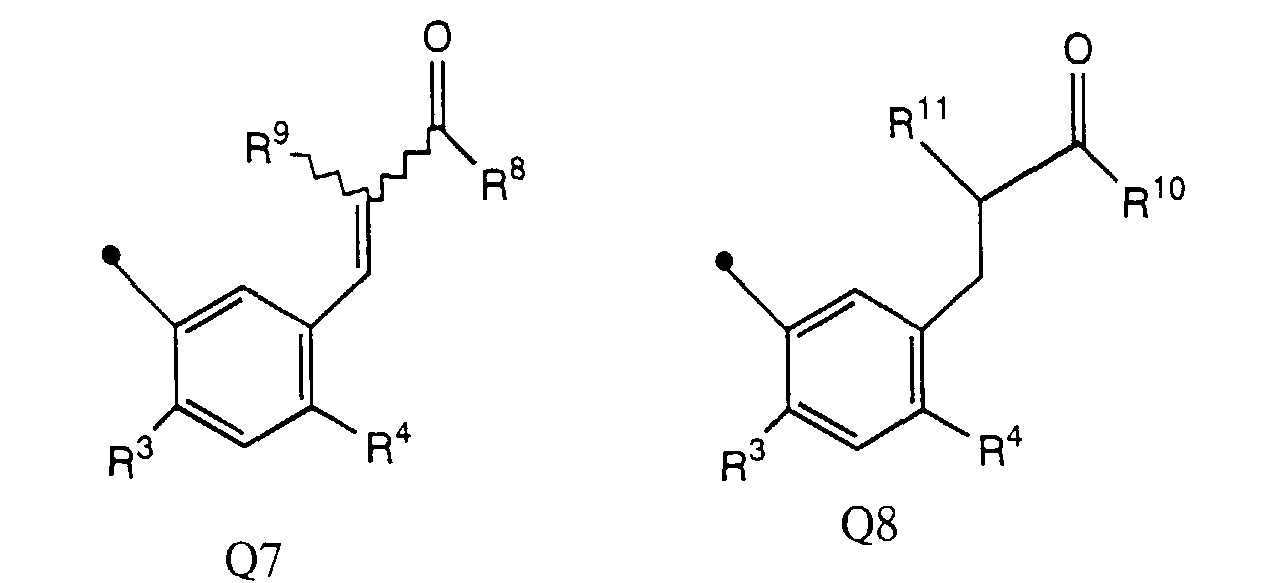
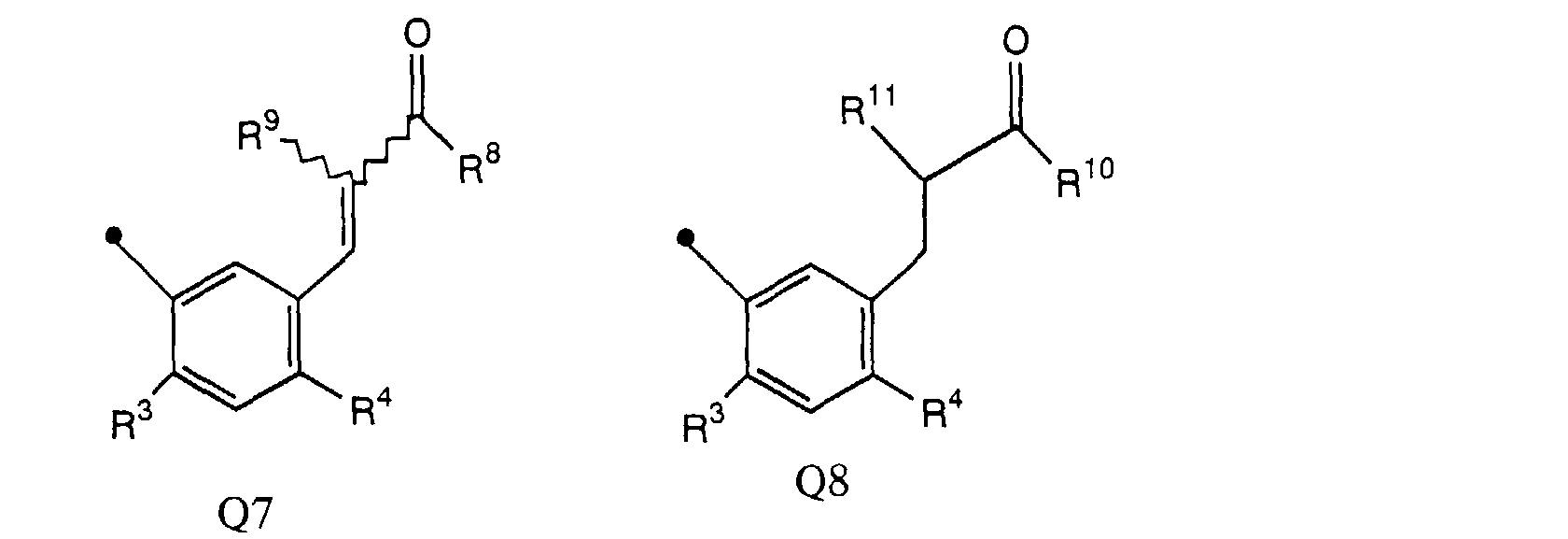
- Preferable examples are optionally substituted phenyl group and exemplified by the groups given by the formulae Q1 to Q8 below: wherein R 3 represents hydrogen atom or halogen atom; R 4 represents hydrogen atom, halogen atom, cyano group, nitro group, ethynyl group or a group given by the formula: R 5 represents hydrogen atom, C1-C6 alkyl group, halogen atom, cyano group, nitro group or hydroxy group; R 6 represents C1-C6 alkyl group, C1-C6 haloalkyl group, C3-C8 cycloalkyl group, (C3-C8 cycloalkyl) C1-C3 alkyl group, C3-C6 alkenyl group, C3-C6 alkynyl group, cyano C1-C3 alkyl group, (C1-C3 alkoxy) C1-C3 alkyl group, (C1-C3 alkylthio
- substituents describd as "optionally substituted” above are exemlified by halogen atom, C1-C6 alkyl group, C1-C6 alkoxy group, C1-C6 haloalkyl group, C1-C6 haloalkoxy group, nitro group, cyano group, (C1-C6 alkoxy)carbonyl group, (C1-C6 alkoxy)carbonyl C1-C3 alkyl group and (C1-C6 alkoxy)carbonyl C1-C3 alkoxy group.
- the C1-C5 perfluoroalkyl group represented by R 1 may include trifluoromethyl group and pentafluoroethyl group.
- the halogen atom represented by R 3 may include fluorine atom, chlorine atom, bromine atom and iodine atom.
- the halogen atom represented by R 4 may include fluorine atom, chlorine atom, bromine atom and iodine atom.
- the C1-C6 alkyl group represented by R 5 may include methyl group, ethyl group, propyl group, isopropyl group, butyl group, isobutyl group, sec-butyl group and tert-butyl group; and the halogen atom represented by R 5 may include fluorine atom, chlorine atom, bromine atom and iodine atom.
- the C1-C6 alkyl group represented by R 6 may include methyl group, ethyl group, propyl group, isopropyl group, butyl group, isobutyl group, sec-butyl group, tert-butyl group, pentyl group and hexyl group;
- the C1-C6 haloalkyl group represented by R 6 may include trifluoromethyl group, difluoromethyl group, 2-fluoroethyl group, 2-chloroethyl group and 2-bromoethyl group;
- the C3-C8 cycloalkyl group represented by R 6 may include cyclopropyl group, cyclobutyl group, cyclopentyl group and cyclohexyl group;
- the (C3-C8 cycloalkyl) C1-C3 alkyl group represented by R 6 may include cyclopropylmethyl group, cyclobutylmethyl group, cyclopentyl
- the C1-C6 alkyl group represented by R 7 may include methyl group, ethyl group, propyl group, isopropyl group, butyl group, isobutyl group, sec-butyl group, tert-butyl group, pentyl group and hexyl group;
- the C1-C6 haloalkyl group represented by R 7 may include trifluoromethyl group, difluoromethyl group, 2-fluoroethyl group, 2-chloroethyl group and 2-bromoethyl group;
- the C3-C8 cycloalkyl group represented by R 7 may include cyclopropyl group, cyclobutyl group, cyclopentyl group and cyclohexyl group;
- the C1-C6 alkoxy group represented by R 7 may include methoxy group, ethoxy group, propoxy group, isopropoxy group, butoxy group, isobutoxy group, sec-butoxy group,
- the C1-C6 alkoxy group represented by R 8 may include methoxy group, ethoxy group, propoxy group, isopropoxy group, butoxy group, isobutoxy group, sec-butoxy group, tert-butoxy group, pentyloxy group and hexyloxy group;
- the C1-C6 haloalkoxy group represented by R 8 may include 2-fluoroethoxy group, 2-chloroethoxy group, 2-bromoroethoxy group and so on;
- the C3-C8 cycloalkoxy group represented by R 8 may include cyclopropoxy group, cyclobutoxy group, cyclopentyloxy group and cyclohexyloxy group;
- the C3-C6 alkenyloxy group represented by R 8 may include allyloxy group, 1-methyl-2-propenyloxy group, 2-methyl-2-propenyloxy group and 1,1-dimethyl-2-propenyloxy group;
- the halogen atom represented by R 9 may include chlorine atom and bromine atom.
- the C1-C6 alkoxy group represented by R 10 may include methoxy group, ethoxy group, propoxy group, isopropoxy group, butoxy group, isobutoxy group, sec-butoxy group, tert-butoxy group, pentyloxy group and hexyloxy group;
- the C1-C6 haloalkoxy group represented by R 10 may include 2-fluoroethoxy group, 2-chloroethoxy group and 2-bromoroethoxy group;
- the C3-C8 cycloalkoxy group represented by R 10 may include cyclopropoxy group, cyclobutoxy group, cyclopentyloxy group and cyclohexyloxy group;
- the C3-C6 alkenyloxy group represented by R 10 may include allyloxy group, 1-methyl-2-propenyloxy group, 2-methyl-2-propenyloxy group and 1,1-di
- the halogen atom represented by R 11 may include chlorine atom and bromine atom.
- the C1-C6 alkyl group represented by R 12 may include methyl group, ethyl group and isopropyl group; the C1-C6 haloalkyl group represented by R 12 may include chloromethyl group, bromomethyl group, fluoromethyl group, dichloromethyl group, dibromomethyl group and difluoromethyl group; the hydroxy C1-C3 alkyl group represented by R 12 may include hydroxymethyl group and 2-hydroxyethyl group; the (C1-C3 alkoxy) C1-C3 alkyl group represented by R 12 may include methoxymethyl group, ethoxymethyl group and isopropoxymethyl group; the (C1-C6 alkyl)carbonyloxy C1-C3 alkyl group represented by R 12 may include methylcarbonyloxymethyl group and ethylcarbonyloxymethyl group; the (C1-C6 haloalkyl
- the C1-C3 alkyl group represented by R 13 may include methyl group and ethyl group.
- the C1-C6 alkyl group represented by R 14 may include methyl group, ethyl group and isopropyl group;
- the C1-C6 haloalkyl group represented by R 14 may include chloromethyl group, bromomethyl group, fluoromethyl group, dichloromethyl group, dibromomethyl group and difluoromethyl group;
- the hydroxy C1-C3 alkyl group represented by R 14 may include hydroxymethyl group and 2-hydroxyethyl group;
- the (C1-C3 alkoxy) C1-C3 alkyl group represented by R 14 may include methoxymethyl group, ethoxymethyl group and isopropoxymethyl group;
- the (C1-C6 alkyl)carbonyloxy C1-C3 alkyl group represented by R 14 may include acetoxymethyl group and propionyloxymethyl group;
- the C1-C6 alkyl group represented by R 15 may include methyl group, ethyl group, propyl group, isopropyl group, butyl group, isobutyl group, sec-butyl group, tert-butyl group, pentyl group and hexyl group;
- the C1-C6 haloalkyl group represented by R 15 may include trifluoromethyl group, difluoromethyl group, 2-fluoroethyl group, 2-chloroethyl group and 2-bromoethyl group;
- the C3-C8 cycloalkyl group represented by R 15 may include cyclopropyl group, cyclobutyl group, cyclopentyl group and cyclohexyl group;
- the (C3-C8 cycloalkyl) C1-C3 alkyl group represented by R 15 may include cyclopropylmethyl group, cyclobutylmethyl group, cyclopentyl
- the C1-C3 alkyl group represented by R 17 may include methyl group, ethyl group, propyl group and isopropyl group; and the C1-C3 haloalkyl group represented by R 17 may include chloromethyl group and trifluoromethyl group.
- the C1-C3 alkyl group represented by R 18 may include methyl group and ethyl group; and the (C1-C6 alkoxy)carbonyl group represented by R 18 may include methoxycarbonyl group and ethoxycarbonyl group.
- the halogen atom represented by R 19 may include fluorine atom, chlorine atom, bromine atom and iodine atom.
- the C1-C6 alkyl group represented by R 19 may include methyl group, ethyl group, propyl group, isopropyl group, butyl group, isobutyl group, sec-butyl group, tert-butyl group, pentyl group and hexyl group;
- the C1-C6 haloalkyl group represented by R 19 may include trifluoromethyl group, difluoromethyl group, 2-fluoroethyl group, 2-chloroethyl group and 2-bromoethyl group;
- the C1-C6 alkoxy group represented by R 19 may include methoxy group, ethoxy group, propoxy group, isopropoxy group, butoxy group, isobutoxy group, sec-butoxy group, tert-butoxy group, pentyloxy group and hexyloxy group;
- the C1-C6 haloalkoxy group represented by R 19 may include 2-fluoroethoxy group, 2-
- the halogen atom represented by R 20 may include fluorine atom, chlorine atom, bromine atom and iodine atom;
- the C1-C6 alkyl group represented by R 20 may include methyl group, ethyl group, propyl group, isopropyl group, butyl group, isobutyl group, sec-butyl group, tert-butyl group, pentyl group and hexyl group;
- the C1-C6 haloalkyl group represented by R 20 may include trifluoromethyl group, difluoromethyl group, 2-fluoroethyl group, 2-chloroethyl group and 2-bromoethyl group;
- the C1-C6 alkoxy group represented by R 20 may include methoxy group, ethoxy group, propoxy group, isopropoxy group, butoxy group, isobutoxy group, sec-butoxy group, tert-butoxy group, pentyloxy group and he
- the C1-C3 alkyl group represented by R 21 and R 22 may include methyl group, ethyl group and propyl group; the C2-C5 alkylene group represented by R 21 and R 22 may include ethylene group, trimethylene group, tetramethylene group and pentamethylene group; and the C1-C3 alkyleneoxy C1-C3 alkylene group represented by R 21 and R 22 may include ethyleneoxyethylene group.
- the C1-C3 alkyl group represented by R 23 and R 24 may include methyl group, ethyl group and propyl group; the C2-C5 alkylene group represented by R 23 and R 24 may include ethylene group, trimethylene group, tetramethylene group and pentamethylene group; and the (C1-C3 alkyleneoxy) C1-C3 alkylene group represented by R 23 and R 24 may include ethyleneoxyethylene group.
- the C1-C3 alkyl group represented by R 25 may include methyl group and ethyl group; and the (C1-C6 alkoxy)carbonyl group represented by R 25 may include methoxycarbonyl group and ethoxycarbonyl group.
- the halogen atom represented by R 26 may include fluorine atom, chlorine atom, bromine atom and iodine atom;
- the C1-C6 alkyl group represented by R 26 may include methyl group, ethyl group, propyl group, isopropyl group, butyl group, isobutyl group, sec-butyl group, tert-butyl group, pentyl group and hexyl group;
- the C1-C6 haloalkyl group represented by R 26 may include trifluoromethyl group, difluoromethyl group, 2-fluoroethyl group, 2-chloroethyl group and 2-bromoethyl group;
- the C1-C6 alkoxy group represented by R 26 may include methoxy group, ethoxy group, propoxy group, isopropoxy group, butoxy group, isobutoxy group, sec-butoxy group, tert-butoxy group, pentyloxy group and he
- the halogen atom represented by R 27 may include fluorine atom, chlorine atom, bromine atom and iodine atom;
- the C1-C6 alkyl group represented by R 27 may include methyl group, ethyl group, propyl group, isopropyl group, butyl group, isobutyl group, sec-butyl group, tert-butyl group, pentyl group and hexyl group;
- the C1-C6 haloalkyl group represented by R 27 may include trifluoromethyl group, difluoromethyl group, 2-fluoroethyl group, 2-chloroethyl group and 2-bromoethyl group;
- the C1-C6 alkoxy group represented by R 27 may include methoxy group, ethoxy group, propoxy group, isopropoxy group, butoxy group, isobutoxy group, sec-butoxy group, tert-butoxy group, pentyloxy group and he
- the C1-C6 alkyl group represented by R 28 , R 29 , R 30 and R 31 may include methyl group and ethyl group.
- the halogen atom represented by R 32 , R 33 and R 34 may include fluorine atom, chlorine atom, bromine atom and iodine atom;
- the C1-C3 alkyl group represented by R 32 , R 33 and R 34 may include methyl group, ethyl group, propyl group and isopropyl group;
- the C1-C3 haloalkyl group represented by R 32 , R 33 and R 34 may include trifluoromethyl group, difluoromethyl group, fluoromethyl group, chloromethyl group and bromomethyl group;
- the (C1-C6 alkoxy)carbonyl group represented by R 32 , R 33 and R 34 may include methoxycarbonyl group, ethoxycarbonyl group, propoxycarbonyl group and isopropoxycarbonyl group; the (
Landscapes
- Chemical & Material Sciences (AREA)
- Organic Chemistry (AREA)
- Plural Heterocyclic Compounds (AREA)
- Low-Molecular Organic Synthesis Reactions Using Catalysts (AREA)
Abstract
Description
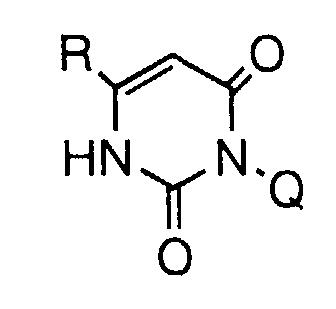
and derivatives thereof have excellent herbicidal activity.


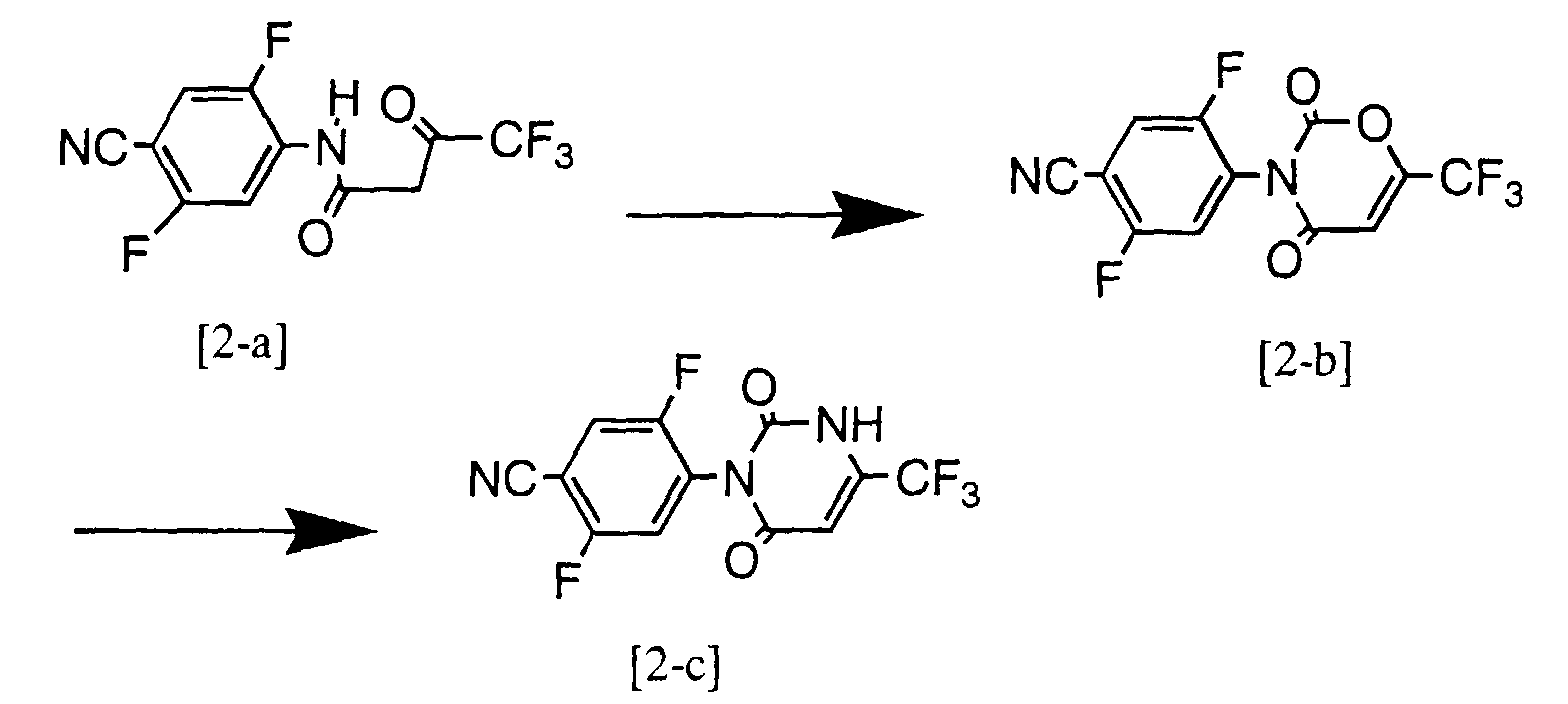
Scheme 3 (described in PCT publication WO95/32952)


which comprises making the amide compound represented by the formula [II]:




wherein R17 represents C1-C3 alkyl group or C1-C3 haloalkyl group; R18 represents hydrogen atom, C1-C3 alkyl group or (C1-C6 alkoxy)carbonyl group; R19 represents hydrogen atom, halogen atom, nitro group, hydroxy group, C1-C6 alkyl group, C1-C6 haloalkyl group, C1-C6 alkoxy group, C1-C6 haloalkoxy group, C3-C8 cycloalkoxy group, C3-C6 alkenyloxy group, C3-C6 alkynyloxy group, carboxy C1-C3 alkoxy group, (C1-C6 alkoxy)carbonyl C1-C3 alkoxy group, (C3-C8 cycloalkoxy)carbonyl C1-C3 alkoxy group, (C3-C6 alkenyloxy)carbonyl C1-C3 alkoxy group or (C3-C6 alkynyloxy)carbonyl C1-C3 alkoxy group; R20 represents hydrogen atom, halogen atom, nitro group, hydroxy group, C1-C6 alkyl group, C1-C6 haloalkyl group, C1-C6 alkoxy group, C1-C6 haloalkoxy group, C3-C8 cycloalkoxy group, C3-C6 alkenyloxy group, C3-C6 alkynyloxy group, carboxy C1-C3 alkoxy group, (C1-C6 alkoxy)carbonyl C1-C3 alkoxy group, (C3-C8 cycloalkoxy)carbonyl C1-C3 alkoxy group, (C3-C6 alkenyloxy)carbonyl C1-C3 alkoxy group or (C3-C6 alkynyloxy)carbonyl C1-C3 alkoxy group; R21 and R22 independently represent hydrogen atom or C1-C3 alkyl group, or combined together at their terminal ends to form C2-C5 alkylene group or (C1-C3 alkyleneoxy) C1-C3 alkylene group; R23 and R24 independently represent hydrogen atom or C1-C3 alkyl group, or combined together at their terminal ends to form C2-C5 alkylene group or (C1-C3 alkyleneoxy) C1-C3 alkylene group; R25 represents hydrogen atom, C1-C3 alkyl group or (C1-C6 alkoxy)carbonyl group; R26 represents hydrogen atom, halogen atom, nitro group, hydroxy group, C1-C6 alkyl group, C1-C6 haloalkyl group, C1-C6 alkoxy group, C1-C6 haloalkoxy group, C3-C8 cycloalkoxy group, C3-C6 alkenyloxy group, C3-C6 alkynyloxy group, carboxy C1-C3 alkoxy group, (C1-C6 alkoxy)carbonyl C1-C3 alkoxy group, (C3-C8 cycloalkoxy)carbonyl C1-C3 alkoxy group, (C3-C6 alkenyloxy)carbonyl C1-C3 alkoxy group or (C3-C6 alkynyloxy)carbonyl C1-C3 alkoxy group; R27 represents hydrogen atom, halogen atom, nitro group, hydroxy group, C1-C6 alkyl group, C1-C6 haloalkyl group, C1-C6 alkoxy group, C1-C6 haloalkoxy group, C3-C8 cycloalkoxy group, C3-C6 alkenyloxy group, C3-C6 alkynyloxy group, carboxy C1-C3 alkoxy group, (C1-C6 alkoxy)carbonyl C1-C3 alkoxy group, (C3-C8 cycloalkoxy)carbonyl C1-C3 alkoxy group, (C3-C6 alkenyloxy)carbonyl C1-C3 alkoxy group or (C3-C6 alkynyloxy)carbonyl C1-C3 alkoxy group; R28 represents hydrogen atom or C1-C3 alkyl group; R29 represents hydrogen atom or C1-C3 alkyl group; R30 represents hydrogen atom or C1-C3 alkyl group; R31 represents hydrogen atom or C1-C3 alkyl group; R32, R33 and R34 are the same or different and represent hydrogen atom, halogen atom, C1-C3 alkyl group, C1-C3 haloalkyl group, nitro group, hydroxy group, mercapto group, cyano group, carboxy group, (C1-C6 alkoxy)carbonyl group, (C3-C8 cycloalkoxy)carbonyl group, (C3-C6 alkenyloxy)carbonyl group, (C3-C6 alkynyloxy)carbonyl group, carboxy C1-C3 alkyl group, (C1-C6 alkoxy)carbonyl C1-C3 alkyl group, (C3-C8 cycloalkoxy)carbonyl C1-C3 alkyl group, (C3-C6 alkenyloxy)carbonyl C1-C3 alkyl group, (C3-C6 alkynyloxy)carbonyl C1-C3 alkyl group, carboxy C1-C3 alkoxy group, (C1-C6 alkoxy)carbonyl C1-C3 alkoxy group, (C3-C8 cycloalkoxy)carbonyl C1-C3 alkoxy group, (C3-C6 alkenyloxy)carbonyl C1-C3 alkoxy group, (C3-C6 alkynyloxy)carbonyl C1-C3 alkoxy group, carboxy C1-C3 alkylthio group, (C1-C6 alkoxy)carbonyl C1-C3 alkylthio group, (C3-C8 cycloalkoxy)carbonyl C1-C3 alkylthio group, (C3-C6 alkenyloxy)carbonyl C1-C3 alkylthio group, (C3-C6 alkynyloxy)carbonyl C1-C3 alkylthio group, C1-C6 alkoxy group, C3-C6 alkenyloxy group, C3-C6 alkynyloxy group, (C1-C6 alkyl)carbonyloxy group, (C1-C6 alkoxy)carbonyloxy group, C1-C6 alkylthio group, C3-C6 alkenylthio group, C3-C6 alkynylthio group, (C1-C6 alkyl)carbonylthio group, (C1-C6 alkoxy)carbonylthio group.

| Compound Nos. | Z | R3 | R4 | R12 |
| 1-1 | O | F | Cl | H |
| 1-2 | O | F | Cl | CO2CH3 |
| 1-3 | O | F | Cl | CO2C2H5 |
| 1-4 | O | F | Cl | CO2CH(CH3)2 |
| 1-5 | O | F | Cl | CO2(CH2)3CH3 |
| 1-6 | O | F | Cl | CO2(CH2)4CH3 |
| 1-7 | O | Cl | Cl | H |
| 1-8 | O | Cl | Cl | CO2CH3 |
| 1-9 | O | Cl | Cl | CO2C2H5 |
| 1-10 | O | Cl | Cl | CO2CH(CH3)2 |
| 1-11 | O | Cl | Cl | CO2(CH2)3CH3 |
| 1-12 | O | Cl | Cl | CO2(CH2)4CH3 |
| 1-13 | O | F | Cl | CH2OCH3 |
| 1-14 | O | H | Cl | H |
| 1-15 | O | H | Cl | CO2CH3 |
| 1-16 | O | H | Cl | CO2C2H5 |
| 1-17 | O | H | Cl | CO2CH(CH3)2 |
| 1-18 | O | H | Cl | CO2(CH2)3CH3 |
| 1-19 | O | H | Cl | CO2(CH2)4CH3 |
| 1-20 | S | F | Cl | H |
| 1-21 | S | F | Cl | CO2CH3 |
| 1-22 | S | F | Cl | CO2C2H5 |
| 1-23 | S | F | Cl | CO2CH(CH3)2 |

| Compound Nos. | Z | R3 | R4 | R13 | R14 |
| 2-1 | O | F | Cl | H | H |
| 2-2 | O | F | Cl | H | CO2CH3 |
| 2-3 | O | F | Cl | H | CO2C2H5 |
| 2-4 | O | F | Cl | H | CO2CH(CH3)2 |
| 2-5 | O | F | Cl | H | CO2(CH2)3CH3 |
| 2-6 | O | F | Cl | H | CO2(CH2)4CH3 |
| 2-7 | O | F | Cl | CH3 | H |
| 2-8 | O | F | Cl | CH3 | CO2CH3 |
| 2-9 | O | F | Cl | CH3 | CO2C2H5 |
| 2-10 | O | F | Cl | CH3 | CO2CH(CH3)2 |
| 2-11 | 0 | F | Cl | CH3 | CO2(CH2)3CH3 |
| 2-12 | O | F | Cl | CH3 | CO2(CH2)4CH3 |
| 2-13 | O | F | Cl | CH3 | CH2OC(=O)CH3 |
| 2-14 | O | H | Cl | H | H |
| 2-15 | O | H | Cl | H | CO2CH3 |
| 2-16 | O | H | Cl | H | CO2C2H5 |
| 2-17 | O | H | Cl | H | CO2CH(CH3)2 |
| 2-18 | O | H | Cl | H | CO2(CH2)3CH3 |
| 2-19 | O | H | Cl | H | CO2(CH2)4CH3 |
| 2-20 | O | H | Cl | CH3 | H |
| 2-21 | O | H | Cl | CH3 | CO2CH3 |
| 2-22 | O | H | Cl | CH3 | CO2C2H5 |
| 2-23 | O | H | Cl | CH3 | CO2CH(CH3)2 |

| Compound Nos. | Z | R3 | T | R15 |
| 3-1 | O | F | CH2 | CH3 |
| 3-2 | O | F | CH2 | CH(CH3)2 |
| 3-3 | 0 | F | CH2 | CH2C≡CH |
| 3-4 | O | F | CH2 | CH(CH3)C≡CH |
| 3-5 | O | F | CH2 | CH2CH=CH2 |
| 3-6 | O | F | CH2 | CH2CH2F |
| 3-7 | O | F | CH2 | CH2OCH3 |
| 3-8 | O | H | CH2 | CH3 |
| 3-9 | O | H | CH2 | CH(CH3)2 |
| 3-10 | O | H | CH2 | CH2C≡CH |
| 3-11 | O | H | CH2 | CH(CH3)C≡CH |
| 3-12 | O | H | CH2 | CH2CH=CH2 |
| 3-13 | O | H | CH2 | CH2CH2F |
| 3-14 | O | H | CH2 | CH2OCH3 |
| 3-15 | S | F | bond | CH3 |
| 3-16 | S | F | bond | CH(CH3)2 |
| 3-17 | S | F | bond | CH2C≡CH |
| 3-18 | S | F | bond | CH(CH3)C≡CH |
| 3-19 | S | F | bond | CH2CH=CH2 |
| 3-20 | S | F | bond | CH2CH2F |
| 3-21 | S | F | bond | CH2OCH3 |
| 3-22 | S | F | bond | CH(CH3)CO2CH3 |
| 3-23 | S | F | bond | CH(CH3)CO2C2H5 |
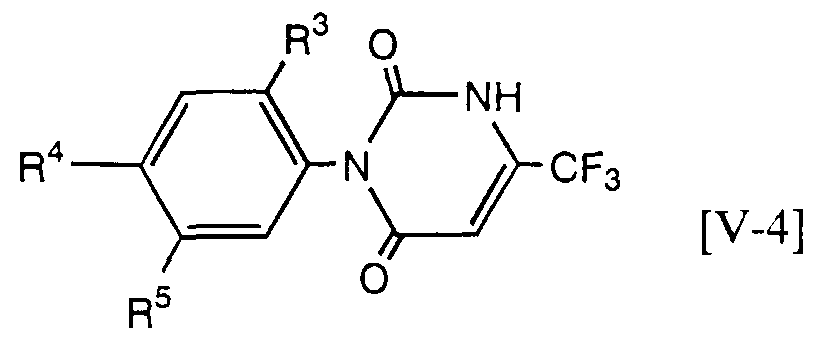
| Compound Nos. | R3 | R4 | R5 |
| 4-1 | F | C≡CH | H |
| 4-2 | F | F | H |
| 4-3 | F | Cl | H |
| 4-4 | F | Br | H |
| 4-5 | F | CN | H |
| 4-6 | F | NO2 | H |
| 4-7 | Cl | Cl | H |
| 4-8 | F | F | NO2 |
| 4-9 | Cl | Cl | NO2 |
| 4-10 | F | CN | NO2 |
| 4-11 | F | CN | F |
| 4-12 | F | Br | NO2 |
| 4-13 | F | F | F |
| 4-14 | Cl | Cl | Cl |
| 4-15 | H | F | NO2 |
| 4-16 | H | Cl | NO2 |
| 4-17 | H | Br | NO2 |
| 4-18 | H | CN | NO2 |
| 4-19 | H | NO2 | F |

| Compound Nos. | Z | R3 | R4 | R6 |
| 5-1 | O | H | Cl | CH(CH3)2 |
| 5-2 | O | H | Br | CH(CH3)2 |
| 5-3 | O | H | CN | CH(CH3)2 |
| 5-4 | O | H | F | CH(CH3)2 |
| 5-5 | O | H | Cl | CH(CH3)CO2CH3 |
| 5-6 | O | H | Cl | CH(CH3)CO2C2H5 |
| 5-7 | O | H | Cl | CH2C≡CH |
| 5-8 | O | H | Cl | CH(CH3)C≡CH |
| 5-9 | O | H | Cl | CH2CO2CH3 |
| 5-10 | O | H | Cl | CH2CO2C2H5 |
| 5-11 | O | F | Cl | CH3 |
| 5-12 | O | F | Cl | CH(CH3)2 |
| 5-13 | O | F | Cl | CH2CH=CH2 |
| 5-14 | O | F | Cl | CH2C≡CH |
| 5-15 | O | F | Cl | CH(CH3)C≡CH |
| 5-16 | O | F | Cl | CH2CO2CH3 |
| 5-17 | O | F | Cl | CH2CO2C2H5 |
| 5-18 | O | F | Cl | CH2CO2(CH2)2CH3 |
| 5-19 | O | F | Cl | CH2CO2CH(CH3)2 |
| 5-20 | O | F | Cl | CH2CO2(CH2)3CH3 |
| 5-21 | O | F | Cl | CH2CO2CH(CH3)C2H5 |
| 5-22 | O | F | Cl | CH2CO2(CH2)4CH3 |
| 5-23 | O | F | Cl | CH2CO2(CH2)5CH3 |
| 5-24 | O | F | Cl | CH(CH3)CO2CH3 |
| 5-25 | O | F | Cl | CH(CH3)CO2C2H5 |
| 5-26 | O | F | Cl | CH(CH3)CO2(CH2)2CH3 |
| 5-27 | O | F | Cl | CH(CH3)CO2CH(CH3)2 |
| 5-28 | O | F | Cl | CH(CH3)CO2(CH2)3CH3 |
| 5-29 | O | F | Cl | CH(CH3)CO2CH(CH3)C2H5 |
| 5-30 | O | F | Cl | CH(CH3)CO2(CH2)4CH3 |
| 5-31 | O | F | Cl | CH(CH3)CO2(CH2)5CH3 |
| 5-32 | O | F | Cl | CH(CH3)CO2CH2OCH3 |
| 5-33 | O | F | Cl | CH(CH3)CO2CH2OC2H5 |
| 5-34 | O | F | Cl | CH(CH3)CO2CH2CH2OCH3 |
| 5-35 | O | F | Cl | CH(CH3)CO2CH2CH2OC2H5 |
| 5-36 | O | F | Cl | CH2OCH3 |
| 5-37 | O | F | Cl | CH2OC2H5 |
| 5-38 | O | F | Cl | CH2CH2F |
| 5-39 | O | F | Cl | CH(CH3)C≡CH (R-isomer) |
| 5-40 | O | F | Cl | CH(CH3)C≡CH (S-isomer) |
| 5-41 | O | F | Cl | CH(CH3)CO2CH3 (R-isomer) |
| 5-42 | O | F | Cl | CH(CH3)CO2CH3 (S-isomer) |
| 5-43 | O | F | Cl | CH(CH3)CO2C2H5 (R-isomer) |
| 5-44 | O | F | Cl | CH(CH3)CO2C2H5 (S-isomer) |
| 5-45 | O | F | Cl | CH(CH3)CO2(CH2)2CH3 (R-isomer) |
| 5-46 | O | F | Cl | CH(CH3)CO2(CH2)2CH3 (S-isomer) |
| 5-47 | O | F | Cl | CH(CH3)CO2CH(CH3)C2H5 (R-isomer) |
| 5-48 | O | F | Cl | CH(CH3)CO2CH(CH3)C2H5 (S-isomer) |
| 5-49 | O | F | Cl | C6H4-3-(OCH2CO2CH3) |
| 5-50 | O | F | Cl | C6H4-3-(OCH2CO2C2H5) |
| 5-51 | O | F | Cl | C6H4-3-(OCH2CO2(CH2)2CH3 |
| 5-52 | O | F | Cl | C6H4-4-(OCH2CO2CH3) |
| 5-53 | O | F | Cl | C6H4-4-(OCH2CO2C2H5) |
| 5-54 | O | F | Cl | C6H4-4-(OCH2CO2(CH2)2CH3) |
| 5-55 | O | F | Cl | C6H4-3-(OCH(CH3)CO2CH3) |
| 5-56 | O | F | Cl | C6H4-3-(OCH(CH3)CO2C2H5) |
| 5-57 | O | F | Cl | C6H4-3-(OCH(CH3)CO2(CH2)2CH3) |
| 5-58 | O | F | Cl | C6H4-4-(OCH(CH3)CO2CH3) |
| 5-59 | O | F | Cl | C6H4-4-(OCH(CH3)CO2C2H5) |
| 5-60 | O | F | Cl | C6H4-4-(OCH(CH3)CO2(CH2)2CH3) |
| 5-61 | O | F | Cl | C6H4-2-(OCH2CO2CH3) |

| Compound Nos. | R3 | R4 | R7 |
| 6-1 | H | Cl | OCH2CH=CH2 |
| 6-2 | H | Cl | OCH3 |
| 6-3 | H | Cl | OC2H5 |
| 6-4 | H | Cl | O(CH2)2CH3 |
| 6-5 | H | Cl | OCH(CH3)2 |
| 6-6 | H | Cl | OCH2CO2CH3 |
| 6-7 | H | Cl | OCH2CO2C2H5 |
| 6-8 | H | Cl | OCH2CO2CH2CH=CH2 |
| 6-9 | H | Cl | OCH2CO2CH2C≡CH |
| 6-10 | H | Cl | OCH(CH3)CO2CH3 |
| 6-11 | H | Cl | OCH(CH3)CO2C2H5 |
| 6-12 | H | Cl | OCH(CH3)CO2CH2CH=CH2 |
| 6-13 | H | Cl | OCH(CH3)CO2CH2C≡CH |
| 6-14 | H | Cl | OC(CH3)2CO2CH3 |
| 6-15 | H | Cl | OC(CH3)2CO2C2H5 |
| 6-16 | H | Cl | OC(CH3)2CO2CH2CH=CH2 |
| 6-17 | H | Cl | OC(CH3)2CO2CH2C≡CH |
| 6-18 | F | Cl | OCH2CH=CH2 |
| 6-19 | F | Cl | OCH(CH3)2 |
| 6-20 | F | Cl | OCH2CO2CH2CH=CH2 |
| 6-21 | F | Cl | OCH2CO2CH2C≡CH |
| 6-22 | F | Cl | OC(CH3)2CO2CH2CH=CH2 |
| 6-23 | F | Cl | OC(CH3)2CO2CH2C≡CH |
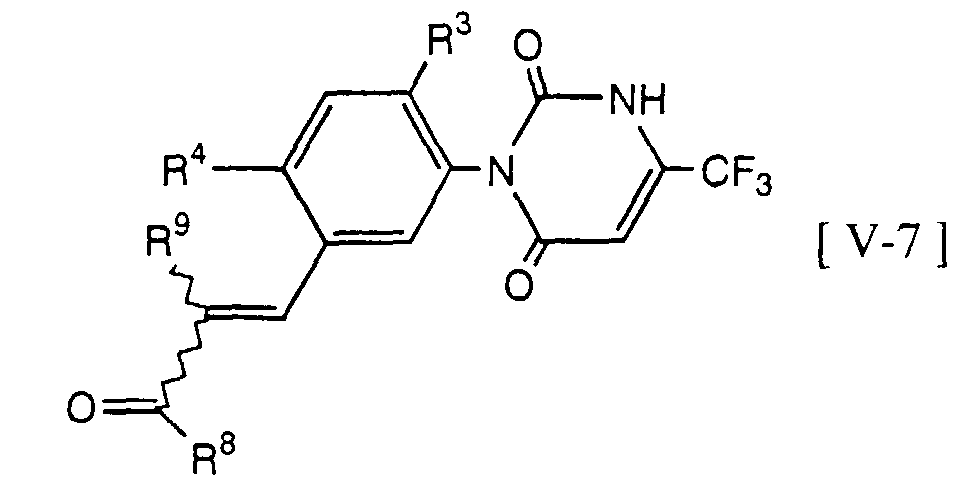
| Compound Nos. | R3 | R4 | R9 | R8 |
| 7-1 | H | Cl | H | OCH3 |
| 7-2 | H | Cl | H | OC2H5 |
| 7-3 | H | Cl | H | O(CH2)2CH3 |
| 7-4 | H | Cl | H | OCH(CH3)2 |
| 7-5 | H | Cl | H | O(CH2)3CH3 |
| 7-6 | H | Cl | H | O(CH2)4CH3 |
| 7-7 | H | Cl | Cl | OCH3 |
| 7-8 | H | Cl | Cl | OC2H5 |
| 7-9 | H | Cl | Cl | O(CH2)2CH3 |
| 7-10 | H | Cl | Cl | OCH(CH3)2 |
| 7-11 | H | Cl | Cl | O(CH2)3CH3 |
| 7-12 | H | Cl | Cl | O(CH2)4CH3 |
| 7-13 | F | Cl | H | OCH3 |
| 7-14 | F | Cl | H | OC2H5 |
| 7-15 | F | Cl | H | O(CH2)2CH3 |
| 7-16 | F | Cl | H | OCH(CH3)2 |
| 7-17 | F | Cl | H | O(CH2)3CH3 |
| 7-18 | F | Cl | Cl | OCH3 |
| 7-19 | F | Cl | Cl | OC2H5 |
| 7-20 | F | Cl | Cl | O(CH2)2CH3 |
| 7-21 | F | Cl | Cl | OCH(CH3)2 |
| 7-22 | F | Cl | Cl | O(CH2)3CH3 |
| 7-23 | F | Cl | Cl | O(CH2)4CH3 |

| Compound Nos. | R3 | R4 | R11 | R10 |
| 8-1 | H | Cl | H | OCH3 |
| 8-2 | H | Cl | H | OC2H5 |
| 8-3 | H | Cl | H | O(CH2)2CH3 |
| 8-4 | H | Cl | H | OCH(CH3)2 |
| 8-5 | H | Cl | H | O(CH2)3CH3 |
| 8-6 | H | Cl | H | O(CH2)4CH3 |
| 8-7 | H | Cl | Cl | OCH3 |
| 8-8 | H | Cl | Cl | OC2H5 |
| 8-9 | H | Cl | Cl | O(CH2)2CH3 |
| 8-10 | H | Cl | Cl | OCH(CH3)2 |
| 8-11 | H | Cl | Cl | O(CH2)3CH3 |
| 8-12 | H | Cl | Cl | O(CH2)4CH3 |
| 8-13 | F | Cl | H | OCH3 |
| 8-14 | F | Cl | H | OC2H5 |
| 8-15 | F | Cl | H | O(CH2)2CH3 |
| 8-16 | F | Cl | H | OCH(CH3)2 |
| 8-17 | F | Cl | H | O(CH2)3CH3 |
| 8-18 | F | Cl | Cl | OCH3 |
| 8-19 | F | Cl | Cl | OC2H5 |
| 8-20 | F | Cl | Cl | O(CH2)2CH3 |
| 8-21 | F | Cl | Cl | OCH(CH3)2 |
| 8-22 | F | Cl | Cl | O(CH2)3CH3 |
| 8-23 | F | Cl | Cl | O(CH2)4CH3 |


1H-NMR (300MHz, CDCl3, TMS δ (ppm)) 1.67 (3H,d,J=6.92Hz), 3.75 (3H,s), 4.70 (1H,q,J=6.92Hz), 6.23 (1H,s), 6.81-6.85 (1H,m), 7.32 (1H,d,J=8.92Hz)
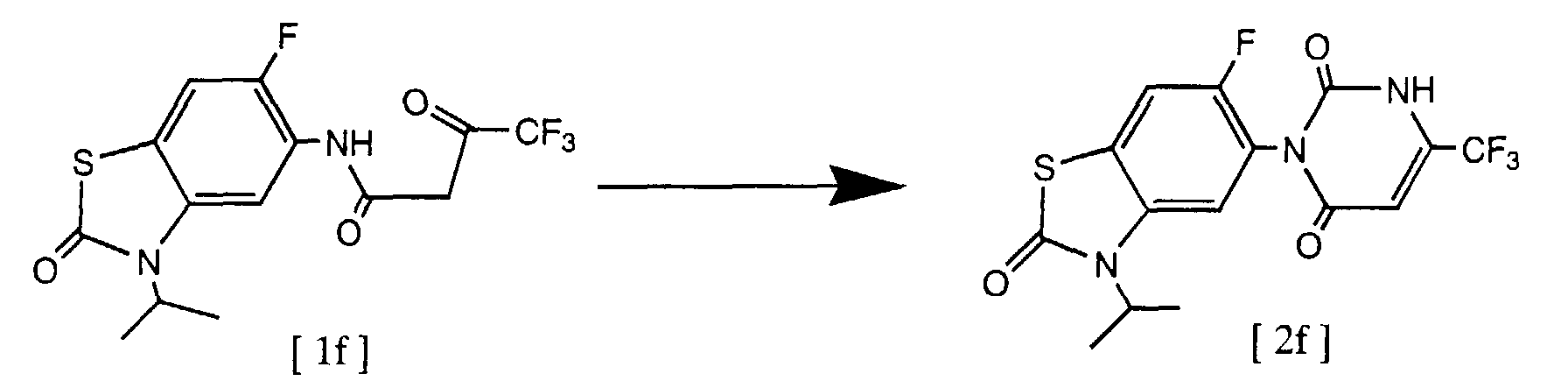

1H-NMR (300MHz, CDCl3, TMS δ (ppm)) 2.57 (1H,t,J=2.30Hz), 4.75 (2H,d,J=2.30Hz), 6.26 (1H,s), 6.99 (1H,d,J=6.36Hz), 7.34 (1H,d,J=8.77Hz)

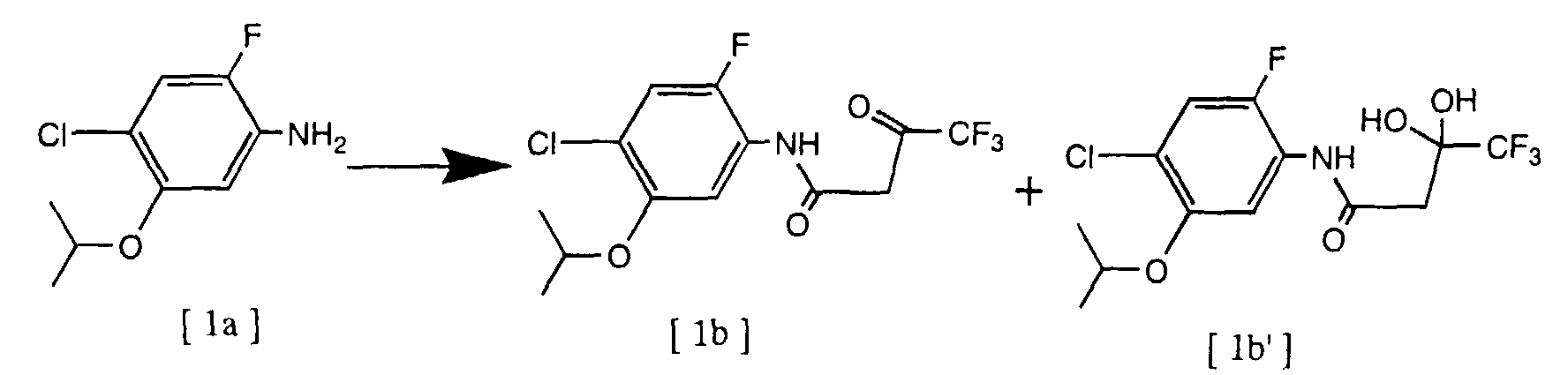
Claims (4)
- A process for producing an uracil compound represented by the formula [V]:wherein R1 represents C1-C5 perfluoroalkyl group and Q represents an aromatic group,
which comprises making an amide compound represented by the formula [II]:wherein R1 and Q have the same meanings defined above, or its hydrate react with a cyanate salt in the presence of a protonic acid at 55°C to 150°C.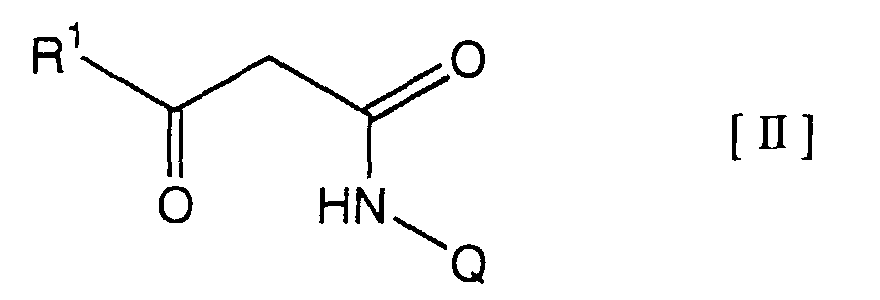
- A process according to claim 1, wherein R1 represents trifluoromethyl group.
- A process according to claim 1, wherein Q represents an optionally substituted phenyl group.
- A process according to claim 1, wherein Q in the formulae [II] and [V] is any group of the general formulae Q1 to Q8 given below:

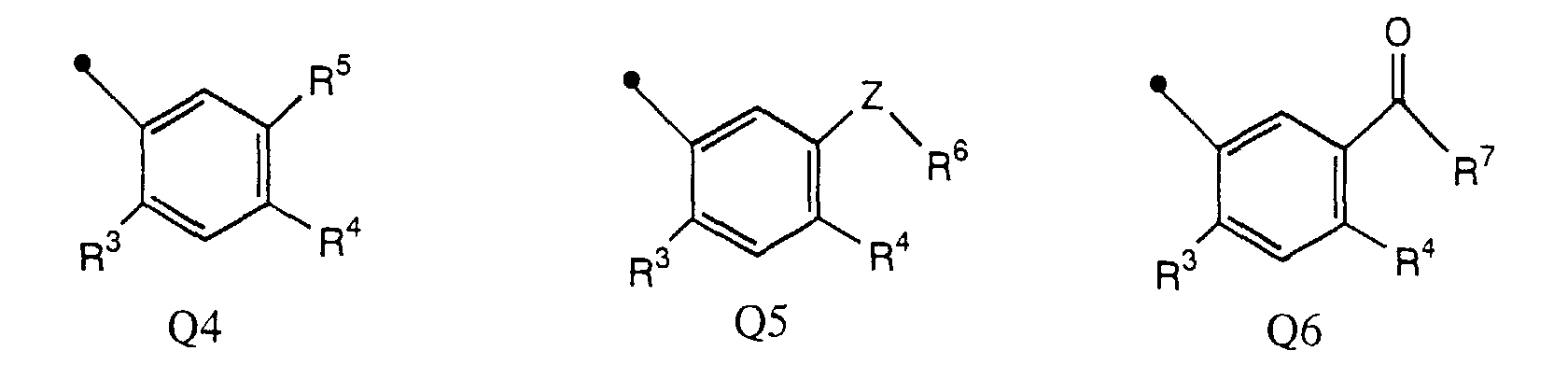 wherein R3 represents hydrogen atom or halogen atom; R4 represents hydrogen atom, halogen atom, cyano group, nitro group, ethynyl group or a group given by the formula:
 R5 represents hydrogen atom, C1-C6 alkyl group, halogen atom, cyano group, nitro group or hydroxy group; R6 represents C1-C6 alkyl group, C1-C6 haloalkyl group, C3-C8 cycloalkyl group, (C3-C8 cycloalkyl) C1-C3 alkyl group, C3-C6 alkenyl group, C3-C6 alkynyl group, cyano C1-C3 alkyl group, (C1-C3 alkoxy) C1-C3 alkyl group, (C1-C3 alkylthio) C1-C3 alkyl group, (C1-C6 alkyl)carbonyl group, (C1-C6 haloalkyl)carbonyl group, (C3-C8 cycloalkyl)carbonyl group, carboxy C1-C3 alkyl group, (C1-C6 alkoxy)carbonyl C1-C3 alkyl group, (C1-C6 haloalkoxy)carbonyl C1-C3 alkyl group, (C3-C8 cycloalkoxy)carbonyl C1-C3 alkyl group, (C3-C6 alkenyloxy)carbonyl C1-C3 alkyl group, (C3-C6 alkynyloxy)carbonyl C1-C3 alkyl group, C1-C3 alkoxy (C1-C3 alkoxy)carbonyl C1-C3 alkyl group, carboxy (C1-C3 alkoxy)carbonyl C1-C3 alkyl group, (C1-C6 alkoxy)carbonyl C1-C3 alkoxycarbonyl C1-C3 alkyl group, (C1-C6 haloalkoxy)carbonyl C1-C3 alkoxycarbonyl C1-C3 alkyl group, (C3-C6 alkenyloxy)carbonyl C1-C3 alkoxycarbonyl C1-C3 alkyl group, (C3-C6 alkynyloxy)carbonyl (C1-C3 alkoxy)carbonyl C1-C3 alkyl group, (C3-C8 cycloalkoxy)carbonyl (C1-C3 alkoxy)carbonyl C1-C3 alkyl group, optionally substituted aryloxycarbonyl C1-C3 alkyl group, optionally substituted aryl (C1-C3 alkoxy)carbonyl C1-C3 alkyl group, (C1-C6 alkoxy)carbonyl group, or a group given by the formula -SO2R17, -C(R28)R29CON(R21)R22,-C(R30)R31COON(R23)R24,
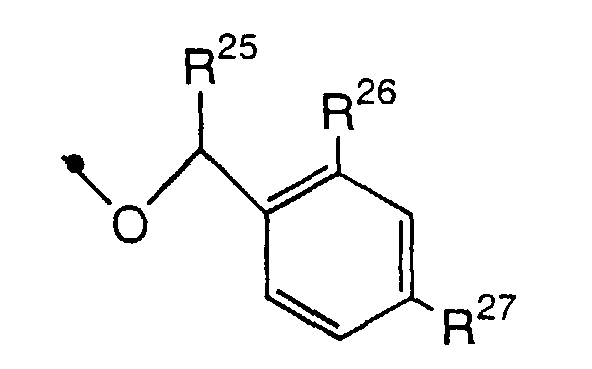 or
or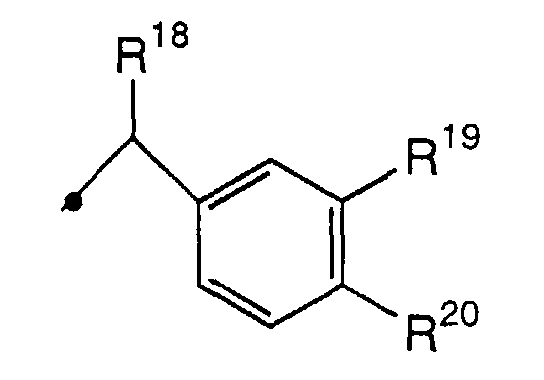 ; R7 represents hydrogen atom, C1-C6 alkyl group, C1-C6 haloalkyl group, C3-C8 cycloalkyl group, hydroxy group, C1-C6 alkoxy group, C1-C6 haloalkoxy group, C3-C8 cycloalkoxy group, C3-C6 alkenyloxy group, C3-C6 alkynyloxy group, (C1-C3 alkoxy) C1-C3 alkoxy group, carboxy C1-C3 alkoxy group, (C1-C6 alkoxy)carboxy C1-C3 alkoxy group, (C3-C8 cycloalkoxy)carboxy C1-C3 alkoxy group, (C3-C6 alkenyloxy)carboxy C1-C3 alkoxy group, (C3-C6 alkynyloxy)carboxy C1-C3 alkoxy group, optionally substituted phenoxy group, optionally substituted benzyloxy group, or a group given by the formula -N(R21)R22 or -ON(R23)R24; R8 represents hydroxy group, C1-C6 alkoxy group, C1-C6 haloalkoxy group, C3-C8 cycloalkoxy group, C3-C6 alkenyloxy group, C3-C6 alkynyloxy group, (C1-C3 alkoxy) C1-C3 alkoxy group, optionally substituted phenoxy group, optionally substituted benzyloxy group, or a group given by the general formula -N(R21)R22 or -ON(R23)R24; R9 represents hydrogen atom or halogen atom; R10 represents hydroxy group, C1-C6 alkoxy group, C1-C6 haloalkoxy group, C3-C8 cycloalkoxy group, C3-C6 alkenyloxy group, C3-C6 alkynyloxy group, (C1-C3 alkoxy) C1-C3 alkoxy group, optionally substituted phenoxy group, optionally substituted benzyloxy group, or a group given by the formula -N(R21)R22 or -ON(R23)R24; R11 represents hydrogen atom or halogen atom; R12 represents hydrogen atom, formyl group, cyano group, nitro group, C1-C6 alkyl group, C1-C6 haloalkyl group, hydroxy C1-C3 alkyl group, (C1-C3 alkoxy) C1-C3 alkyl group, (C1-C6 alkyl)carbonyloxy C1-C3 alkyl group, (C1-C6 haloalkyl)carbonyloxy C1-C3 alkyl group, carboxy group, (C1-C6 alkoxy)carbonyl group, (C1-C6 haloalkoxy)carbonyl group, (C3-C8 cycloalkoxy)carbonyl group, (C3-C6 alkenyloxy)carbonyl group, (C3-C6 alkynyloxy)carbonyl group or C1-C3 alkoxy (C1-C3 alkoxy)carbonyl group; R13 represents hydrogen atom or C1-C3 alkyl group; R14 represents hydrogen atom, C1-C6 alkyl group, C1-C6 haloalkyl group, hydroxy C1-C3 alkyl group, (C1-C3 alkoxy) C1-C3 alkyl group, (C1-C6 alkyl)carbonyloxy C1-C3 alkyl group, (C1-C6 haloalkyl)carbonyloxy C1-C3 alkyl group, carboxy group, (C1-C6 alkoxy)carbonyl group, (C1-C6 haloalkoxy)carbonyl group, (C3-C8 cycloalkoxy)carbonyl group, (C3-C6 alkenyloxy)carbonyl group, (C3-C6 alkynyloxy)carbonyl group or C1-C3 alkoxy (C1-C3 alkoxy)carbonyl group; R15 represents C1-C6 alkyl group, C1-C6 haloalkyl group, C3-C8 cycloalkyl group, (C3-C8 cycloalkyl) C1-C3 alkyl group, C3-C6 alkenyl group, C3-C6 alkynyl group, cyano C1-C3 alkyl group, (C1-C3 alkoxy) C1-C3 alkyl group, (C1-C3 alkylthio) C1-C3 alkyl group, (C1-C6 alkyl)carbonyl group, (C1-C6 haloalkyl)carbonyl group, (C3-C8 cycloalkyl)carbonyl group, carboxy C1-C3 alkyl group, (C1-C6 alkoxy)carbonyl C1-C3 alkyl group, (C1-C6 haloalkoxy)carbonyl C1-C3 alkyl group, (C3-C8 cycloalkoxy)carbonyl C1-C3 alkyl group, (C3-C6 alkenyloxy)carbonyl C1-C3 alkyl group, (C3-C6 alkynyloxy)carbonyl C1-C3 alkyl group, C1-C3 alkoxy (C1-C3 alkoxy)carbonyl C1-C3 alkyl group, carboxy (C1-C3 alkoxy)carbonyl C1-C3 alkyl group, (C1-C6 alkoxy)carbonyl (C1-C3 alkoxy)carbonyl C1-C3 alkyl group, (C1-C6 haloalkoxy)carbonyl (C1-C3 alkoxy)carbonyl C1-C3 alkyl group, (C3-C8 cycloalkoxy)carbonyl (C1-C3 alkoxy)carbonyl C1-C3 alkyl group, (C3-C6 alkenyloxy)carbonyl (C1-C3 alkoxy)carbonyl C1-C3 alkyl group, (C3-C6 alkynyloxy)carbonyl (C1-C3 alkoxy)carbonyl C1-C3 alkyl group, optionally substituted aryloxycarbonyl C1-C3 alkyl group, optionally substituted aryl (C1-C3 alkoxy)carbonyl C1-C3 alkyl group, (C1-C6 alkoxy)carbonyl group or a group given by the formula:
 ; Z represents oxygen atom or sulfur atom; T represents direct bond or methylene group;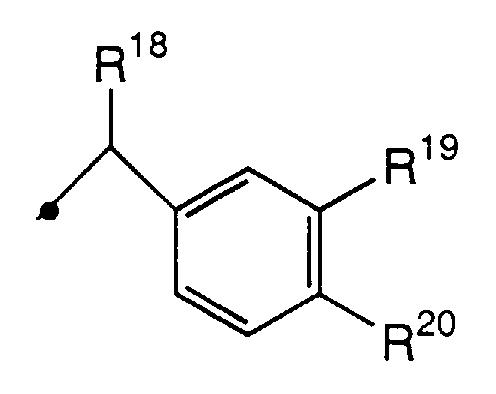
wherein R17 represents C1-C3 alkyl group or C1-C3 haloalkyl group; R18 represents hydrogen atom, C1-C3 alkyl group or (C1-C6 alkoxy)carbonyl group; R19 represents hydrogen atom, halogen atom, nitro group, hydroxy group, C1-C6 alkyl group, C1-C6 haloalkyl group, C1-C6 alkoxy group, C1-C6 haloalkoxy group, C3-C8 cycloalkoxy group, C3-C6 alkenyloxy group, C3-C6 alkynyloxy group, carboxy C1-C3 alkoxy group, (C1-C6 alkoxy)carbonyl C1-C3 alkoxy group, (C3-C8 cycloalkoxy)carbonyl C1-C3 alkoxy group, (C3-C6 alkenyloxy)carbonyl C1-C3 alkoxy group or (C3-C6 alkynyloxy)carbonyl C1-C3 alkoxy group; R20 represents hydrogen atom, halogen atom, nitro group, hydroxy group, C1-C6 alkyl group, C1-C6 haloalkyl group, C1-C6 alkoxy group, C1-C6 haloalkoxy group, C3-C8 cycloalkoxy group, C3-C6 alkenyloxy group, C3-C6 alkynyloxy group, carboxy C1-C3 alkoxy group, (C1-C6 alkoxy)carbonyl C1-C3 alkoxy group, (C3-C8 cycloalkoxy)carbonyl C1-C3 alkoxy group, (C3-C6 alkenyloxy)carbonyl C1-C3 alkoxy group or (C3-C6 alkynyloxy)carbonyl C1-C3 alkoxy group; R21 and R22 independently represent hydrogen atom or C1-C3 alkyl group, or combined together at their terminal ends to form C2-C5 alkylene group or (C1-C3 alkyleneoxy) C1-C3 alkylene group; R23 and R24 independently represent hydrogen atom or C1-C3 alkyl group, or combined together at their terminal ends to form C2-C5 alkylene group or (C1-C3 alkyleneoxy) C1-C3 alkylene group; R25 represents hydrogen atom, C1-C3 alkyl group or C1-C6 alkoxycarbonyl group; R26 represents hydrogen atom, halogen atom, nitro group, hydroxy group, C1-C6 alkyl group, C1-C6 haloalkyl group, C1-C6 alkoxy group, C1-C6 haloalkoxy group, C3-C8 cycloalkoxy group, C3-C6 alkenyloxy group, C3-C6 alkynyloxy group, carboxy C1-C3 alkoxy group, (C1-C6 alkoxy)carbonyl C1-C3 alkoxy group, (C3-C8 cycloalkoxy)carbonyl C1-C3 alkoxy group, (C3-C6 alkenyloxy)carbonyl C1-C3 alkoxy group or (C3-C6 alkynyloxy)carbonyl C1-C3 alkoxy group; R27 represents hydrogen atom, halogen atom, nitro group, hydroxy group, C1-C6 alkyl group, C1-C6 haloalkyl group, C1-C6 alkoxy group, C1-C6 haloalkoxy group, C3-C8 cycloalkoxy group, C3-C6 alkenyloxy group, C3-C6 alkynyloxy group, carboxy C1-C3 alkoxy group, (C1-C6 alkoxy)carbonyl C1-C3 alkoxy group, (C3-C8 cycloalkoxy)carbonyl C1-C3 alkoxy group, (C3-C6 alkenyloxy)carbonyl C1-C3 alkoxy group or (C3-C6 alkynyloxy)carbonyl C1-C3 alkoxy group; R28 represents hydrogen atom or C1-C3 alkyl group; R29 represents hydrogen atom or C1-C3 alkyl group; R30 represents hydrogen atom or C1-C3 alkyl group; R31 represents hydrogen atom or C1-C3 alkyl group; R32, R33 and R34 are the same or different and represent hydrogen atom, halogen atom, C1-C3 alkyl group, C1-C3 haloalkyl group, nitro group, hydroxy group, mercapto group, cyano group, carboxy group, (C1-C6 alkoxy)carbonyl group, (C3-C8 cycloalkoxy)carbonyl group, (C3-C6 alkenyloxy)carbonyl group, (C3-C6 alkynyloxy)carbonyl group, carboxy C1-C3 alkyl group, (C1-C6 alkoxy)carbonyl C1-C3 alkyl group, (C3-C8 cycloalkoxy)carbonyl C1-C3 alkyl group, (C3-C6 alkenyloxy)carbonyl C1-C3 alkyl group, (C3-C6 alkynyloxy)carbonyl C1-C3 alkyl group, carboxy C1-C3 alkoxy group, (C1-C6 alkoxy)carbonyl C1-C3 alkoxy group, (C3-C8 cycloalkoxy)carbonyl C1-C3 alkoxy group, (C3-C6 alkenyloxy)carbonyl C1-C3 alkoxy group, (C3-C6 alkynyloxy)carbonyl C1-C3 alkoxy group, carboxy C1-C3 alkylthio group, (C1-C6 alkoxy)carbonyl C1-C3 alkylthio group, (C3-C8 cycloalkoxy)carbonyl C1-C3 alkylthio group, (C3-C6 alkenyloxy)carbonyl C1-C3 alkylthio group, (C3-C6 alkynyloxy)carbonyl C1-C3 alkylthio group, C1-C6 alkoxy group, C3-C6 alkenyloxy group, C3-C6 alkynyloxy group, (C1-C6 alkyl)carbonyloxy group, (C1-C6 alkoxy)carbonyloxy group, C1-C6 alkylthio group, C3-C6 alkenylthio group, C3-C6 alkynylthio group, (C1-C6 alkyl)carbonylthio group, (C1-C6 alkoxy)carbonylthio group.
Applications Claiming Priority (4)
| Application Number | Priority Date | Filing Date | Title |
|---|---|---|---|
| JP32379799 | 1999-11-15 | ||
| JP32379799 | 1999-11-15 | ||
| JP2000063458 | 2000-03-08 | ||
| JP2000063458 | 2000-03-08 |
Publications (3)
| Publication Number | Publication Date |
|---|---|
| EP1101761A2 true EP1101761A2 (en) | 2001-05-23 |
| EP1101761A3 EP1101761A3 (en) | 2001-07-18 |
| EP1101761B1 EP1101761B1 (en) | 2005-08-17 |
Family
ID=26571300
Family Applications (1)
| Application Number | Title | Priority Date | Filing Date |
|---|---|---|---|
| EP00124758A Expired - Lifetime EP1101761B1 (en) | 1999-11-15 | 2000-11-13 | Process for producing 3-phenyluracil compounds |
Country Status (3)
| Country | Link |
|---|---|
| US (1) | US6339155B1 (en) |
| EP (1) | EP1101761B1 (en) |
| DE (1) | DE60021986T2 (en) |
Cited By (1)
| Publication number | Priority date | Publication date | Assignee | Title |
|---|---|---|---|---|
| WO2021063821A1 (en) | 2019-10-01 | 2021-04-08 | Bayer Aktiengesellschaft | Pyrimidinedione derivatives |
Families Citing this family (1)
| Publication number | Priority date | Publication date | Assignee | Title |
|---|---|---|---|---|
| CN117551044B (en) * | 2022-08-04 | 2026-05-19 | 江苏中旗科技股份有限公司 | A method for preparing uracil compounds containing carboxylic acid ester fragments |
Family Cites Families (2)
| Publication number | Priority date | Publication date | Assignee | Title |
|---|---|---|---|---|
| DK366887A (en) | 1986-07-31 | 1988-05-13 | Hoffmann La Roche | pyrimidine |
| EP0436680B1 (en) * | 1989-06-29 | 1994-09-07 | Ciba-Geigy Ag | Heterocyclic compounds |
-
2000
- 2000-11-13 DE DE60021986T patent/DE60021986T2/en not_active Expired - Lifetime
- 2000-11-13 US US09/709,711 patent/US6339155B1/en not_active Expired - Lifetime
- 2000-11-13 EP EP00124758A patent/EP1101761B1/en not_active Expired - Lifetime
Cited By (1)
| Publication number | Priority date | Publication date | Assignee | Title |
|---|---|---|---|---|
| WO2021063821A1 (en) | 2019-10-01 | 2021-04-08 | Bayer Aktiengesellschaft | Pyrimidinedione derivatives |
Also Published As
| Publication number | Publication date |
|---|---|
| EP1101761A3 (en) | 2001-07-18 |
| DE60021986T2 (en) | 2006-05-18 |
| DE60021986D1 (en) | 2005-09-22 |
| EP1101761B1 (en) | 2005-08-17 |
| US6339155B1 (en) | 2002-01-15 |
Similar Documents
| Publication | Publication Date | Title |
|---|---|---|
| PL218431B1 (en) | Pyrazole derivatives and process for the production thereof | |
| ES2587386T3 (en) | Method for the preparation of 5-haloalkyl-4,5-dihydroisoxazole derivatives | |
| KR890001546B1 (en) | Method for preparing pyrazole sulfonamide derivatives | |
| DE69509765T2 (en) | N-HETEROCYCLYL SULPHONAMIDE DERIVATIVES AND THEIR USE AS ENDOTHELINE ANTAGONISTS | |
| ES2215712T3 (en) | PIRIMIDINE DERIVATIVES AND HERBICIDES CONTAINING THEM. | |
| JPS5939878A (en) | Manufacture of herbicidal and plant growth regulant sulfonylurea | |
| JPWO2001017975A1 (en) | Pyrimidine derivatives and herbicides containing them | |
| JP5161764B2 (en) | Process for producing optionally 2-substituted 1,6-dihydro-6-oxo-4-pyrimidinecarboxylic acid | |
| EP1101761B1 (en) | Process for producing 3-phenyluracil compounds | |
| JP5173443B2 (en) | Alkylanilide production method | |
| DE10005284A1 (en) | 1-Amino-3-phenyl-uracil preparation in high yield, for use as agrochemical or intermediate, by aminating 3-phenyl-uracil with 2-aminooxysulfonyl-1,3,5-trimethylbenzene | |
| US10836717B2 (en) | Reagents for fluorosulfating alcohols or amines | |
| HU225477B1 (en) | Process and new intermediates for the preparation of triazolinon-derivatives | |
| JPH0753718B2 (en) | N-substituted-3- (substituted hydrazino) benzenesulfonamide derivative, process for producing the same and herbicide | |
| AU4572997A (en) | Production of pyridazine herbicides | |
| WO1996022284A1 (en) | Method of preparing sulfonyl ureas | |
| AU644281B2 (en) | Novel thiazole derivatives | |
| US6410484B1 (en) | 6-Hydroxy-5,6-dihydrouracil compound and herbicidal composition containing thereof | |
| JPH0827147A (en) | N-(substituted amino)imide derivative, its production and herbicide | |
| JP2951765B2 (en) | Enaminoesters and their production | |
| PL211016B1 (en) | Process for the preparation of cyclic diketones | |
| JP2001322986A (en) | Method for producing 3-phenyluracil compound | |
| JP4075357B2 (en) | 4,5-disubstituted-1,2,3-triazole and process for producing the same | |
| WO2023275705A1 (en) | A process for the preparation of pyrazolopyridine-diamides of formula (i) and intermediates thereof | |
| JP2002020384A (en) | Benzoxazole derivatives, their preparation and herbicides |
Legal Events
| Date | Code | Title | Description |
|---|---|---|---|
| PUAI | Public reference made under article 153(3) epc to a published international application that has entered the european phase |
Free format text: ORIGINAL CODE: 0009012 |
|
| AK | Designated contracting states |
Kind code of ref document: A2 Designated state(s): CH DE FR GB LI |
|
| AX | Request for extension of the european patent |
Free format text: AL;LT;LV;MK;RO;SI |
|
| PUAL | Search report despatched |
Free format text: ORIGINAL CODE: 0009013 |
|
| AK | Designated contracting states |
Kind code of ref document: A3 Designated state(s): AT BE CH CY DE DK ES FI FR GB GR IE IT LI LU MC NL PT SE TR |
|
| AX | Request for extension of the european patent |
Free format text: AL;LT;LV;MK;RO;SI |
|
| 17P | Request for examination filed |
Effective date: 20011227 |
|
| AKX | Designation fees paid |
Free format text: CH DE FR GB LI |
|
| RAP1 | Party data changed (applicant data changed or rights of an application transferred) |
Owner name: SUMITOMO CHEMICAL COMPANY, LIMITED |
|
| GRAP | Despatch of communication of intention to grant a patent |
Free format text: ORIGINAL CODE: EPIDOSNIGR1 |
|
| GRAS | Grant fee paid |
Free format text: ORIGINAL CODE: EPIDOSNIGR3 |
|
| GRAA | (expected) grant |
Free format text: ORIGINAL CODE: 0009210 |
|
| AK | Designated contracting states |
Kind code of ref document: B1 Designated state(s): CH DE FR GB LI |
|
| REG | Reference to a national code |
Ref country code: GB Ref legal event code: FG4D |
|
| REG | Reference to a national code |
Ref country code: CH Ref legal event code: EP |
|
| REF | Corresponds to: |
Ref document number: 60021986 Country of ref document: DE Date of ref document: 20050922 Kind code of ref document: P |
|
| REG | Reference to a national code |
Ref country code: CH Ref legal event code: NV Representative=s name: A. BRAUN, BRAUN, HERITIER, ESCHMANN AG PATENTANWAE |
|
| ET | Fr: translation filed | ||
| PLBE | No opposition filed within time limit |
Free format text: ORIGINAL CODE: 0009261 |
|
| STAA | Information on the status of an ep patent application or granted ep patent |
Free format text: STATUS: NO OPPOSITION FILED WITHIN TIME LIMIT |
|
| 26N | No opposition filed |
Effective date: 20060518 |
|
| REG | Reference to a national code |
Ref country code: CH Ref legal event code: PFA Owner name: SUMITOMO CHEMICAL COMPANY, LIMITED Free format text: SUMITOMO CHEMICAL COMPANY, LIMITED#27-1, SHINKAWA 2-CHOME, CHUO-KU#TOKYO 104-8260 (JP) -TRANSFER TO- SUMITOMO CHEMICAL COMPANY, LIMITED#27-1, SHINKAWA 2-CHOME, CHUO-KU#TOKYO 104-8260 (JP) |
|
| REG | Reference to a national code |
Ref country code: CH Ref legal event code: PCAR Free format text: NEW ADDRESS: HOLBEINSTRASSE 36-38, 4051 BASEL (CH) |
|
| REG | Reference to a national code |
Ref country code: FR Ref legal event code: PLFP Year of fee payment: 16 |
|
| REG | Reference to a national code |
Ref country code: FR Ref legal event code: PLFP Year of fee payment: 17 |
|
| REG | Reference to a national code |
Ref country code: FR Ref legal event code: PLFP Year of fee payment: 18 |
|
| REG | Reference to a national code |
Ref country code: FR Ref legal event code: PLFP Year of fee payment: 19 |
|
| PGFP | Annual fee paid to national office [announced via postgrant information from national office to epo] |
Ref country code: DE Payment date: 20191029 Year of fee payment: 20 |
|
| PGFP | Annual fee paid to national office [announced via postgrant information from national office to epo] |
Ref country code: FR Payment date: 20191015 Year of fee payment: 20 |
|
| PGFP | Annual fee paid to national office [announced via postgrant information from national office to epo] |
Ref country code: CH Payment date: 20191116 Year of fee payment: 20 |
|
| PGFP | Annual fee paid to national office [announced via postgrant information from national office to epo] |
Ref country code: GB Payment date: 20191115 Year of fee payment: 20 |
|
| REG | Reference to a national code |
Ref country code: DE Ref legal event code: R071 Ref document number: 60021986 Country of ref document: DE |
|
| REG | Reference to a national code |
Ref country code: CH Ref legal event code: PL |
|
| REG | Reference to a national code |
Ref country code: GB Ref legal event code: PE20 Expiry date: 20201112 |
|
| PG25 | Lapsed in a contracting state [announced via postgrant information from national office to epo] |
Ref country code: GB Free format text: LAPSE BECAUSE OF EXPIRATION OF PROTECTION Effective date: 20201112 |