EP1074544A1 - Process for production of 3-(3-pyridyl)-1-propanol derivatives - Google Patents
Process for production of 3-(3-pyridyl)-1-propanol derivatives Download PDFInfo
- Publication number
- EP1074544A1 EP1074544A1 EP00402196A EP00402196A EP1074544A1 EP 1074544 A1 EP1074544 A1 EP 1074544A1 EP 00402196 A EP00402196 A EP 00402196A EP 00402196 A EP00402196 A EP 00402196A EP 1074544 A1 EP1074544 A1 EP 1074544A1
- Authority
- EP
- European Patent Office
- Prior art keywords
- process according
- group
- carbon atoms
- pyridyl
- strong base
- Prior art date
- Legal status (The legal status is an assumption and is not a legal conclusion. Google has not performed a legal analysis and makes no representation as to the accuracy of the status listed.)
- Granted
Links
- 238000000034 method Methods 0.000 title claims abstract description 62
- ZUGAIMFLQLPTKB-UHFFFAOYSA-N 3-pyridin-3-ylpropan-1-ol Chemical class OCCCC1=CC=CN=C1 ZUGAIMFLQLPTKB-UHFFFAOYSA-N 0.000 title claims abstract description 23
- 238000004519 manufacturing process Methods 0.000 title description 30
- ITQTTZVARXURQS-UHFFFAOYSA-N 3-methylpyridine Chemical compound CC1=CC=CN=C1 ITQTTZVARXURQS-UHFFFAOYSA-N 0.000 claims abstract description 98
- -1 magnesium halide Chemical group 0.000 claims abstract description 56
- 125000004432 carbon atom Chemical group C* 0.000 claims abstract description 39
- 150000001875 compounds Chemical class 0.000 claims abstract description 38
- 150000003839 salts Chemical class 0.000 claims abstract description 34
- 229910052751 metal Inorganic materials 0.000 claims abstract description 27
- 239000002184 metal Substances 0.000 claims abstract description 27
- 239000004593 Epoxy Substances 0.000 claims abstract description 21
- WHXSMMKQMYFTQS-UHFFFAOYSA-N Lithium Chemical group [Li] WHXSMMKQMYFTQS-UHFFFAOYSA-N 0.000 claims abstract description 20
- 229910052744 lithium Inorganic materials 0.000 claims abstract description 20
- 125000000217 alkyl group Chemical group 0.000 claims abstract description 11
- 125000003710 aryl alkyl group Chemical group 0.000 claims abstract description 11
- 125000003118 aryl group Chemical group 0.000 claims abstract description 11
- DGAQECJNVWCQMB-PUAWFVPOSA-M Ilexoside XXIX Chemical group C[C@@H]1CC[C@@]2(CC[C@@]3(C(=CC[C@H]4[C@]3(CC[C@@H]5[C@@]4(CC[C@@H](C5(C)C)OS(=O)(=O)[O-])C)C)[C@@H]2[C@]1(C)O)C)C(=O)O[C@H]6[C@@H]([C@H]([C@@H]([C@H](O6)CO)O)O)O.[Na+] DGAQECJNVWCQMB-PUAWFVPOSA-M 0.000 claims abstract description 8
- ZLMJMSJWJFRBEC-UHFFFAOYSA-N Potassium Chemical group [K] ZLMJMSJWJFRBEC-UHFFFAOYSA-N 0.000 claims abstract description 8
- 239000011591 potassium Chemical group 0.000 claims abstract description 8
- 229910052700 potassium Inorganic materials 0.000 claims abstract description 8
- 239000011734 sodium Chemical group 0.000 claims abstract description 8
- 229910052708 sodium Inorganic materials 0.000 claims abstract description 8
- CPELXLSAUQHCOX-UHFFFAOYSA-M Bromide Chemical compound [Br-] CPELXLSAUQHCOX-UHFFFAOYSA-M 0.000 claims abstract description 7
- 150000004820 halides Chemical class 0.000 claims abstract description 7
- 239000011777 magnesium Substances 0.000 claims abstract description 7
- 229910052749 magnesium Inorganic materials 0.000 claims abstract description 7
- 150000001805 chlorine compounds Chemical group 0.000 claims abstract description 6
- 238000006243 chemical reaction Methods 0.000 claims description 47
- ZMANZCXQSJIPKH-UHFFFAOYSA-N Triethylamine Chemical compound CCN(CC)CC ZMANZCXQSJIPKH-UHFFFAOYSA-N 0.000 claims description 24
- YLYBMCORGKBUGR-UHFFFAOYSA-N 4-pyridin-3-ylbutane-1,2-diol Chemical compound OCC(O)CCC1=CC=CN=C1 YLYBMCORGKBUGR-UHFFFAOYSA-N 0.000 claims description 21
- CTKINSOISVBQLD-UHFFFAOYSA-N Glycidol Chemical compound OCC1CO1 CTKINSOISVBQLD-UHFFFAOYSA-N 0.000 claims description 21
- 150000001412 amines Chemical class 0.000 claims description 20
- ZNXBFVHYDAKRCO-UHFFFAOYSA-N 1-phenylmethoxy-4-pyridin-3-ylbutan-2-ol Chemical compound C=1C=CC=CC=1COCC(O)CCC1=CC=CN=C1 ZNXBFVHYDAKRCO-UHFFFAOYSA-N 0.000 claims description 18
- ZCSHNCUQKCANBX-UHFFFAOYSA-N lithium diisopropylamide Chemical group [Li+].CC(C)[N-]C(C)C ZCSHNCUQKCANBX-UHFFFAOYSA-N 0.000 claims description 18
- JUJWROOIHBZHMG-UHFFFAOYSA-N Pyridine Chemical group C1=CC=NC=C1 JUJWROOIHBZHMG-UHFFFAOYSA-N 0.000 claims description 16
- 125000006239 protecting group Chemical group 0.000 claims description 16
- 125000001797 benzyl group Chemical group [H]C1=C([H])C([H])=C(C([H])=C1[H])C([H])([H])* 0.000 claims description 13
- 239000001257 hydrogen Substances 0.000 claims description 11
- 229910052739 hydrogen Inorganic materials 0.000 claims description 11
- ZNXBFVHYDAKRCO-MRXNPFEDSA-N (2r)-1-phenylmethoxy-4-pyridin-3-ylbutan-2-ol Chemical compound C([C@@H](O)COCC=1C=CC=CC=1)CC1=CC=CN=C1 ZNXBFVHYDAKRCO-MRXNPFEDSA-N 0.000 claims description 10
- 125000001997 phenyl group Chemical group [H]C1=C([H])C([H])=C(*)C([H])=C1[H] 0.000 claims description 9
- UMJSCPRVCHMLSP-UHFFFAOYSA-N pyridine Natural products COC1=CC=CN=C1 UMJSCPRVCHMLSP-UHFFFAOYSA-N 0.000 claims description 8
- NFEPLAHPIVNTIR-UHFFFAOYSA-N [Li+].[SiH3][N-][SiH3] Chemical compound [Li+].[SiH3][N-][SiH3] NFEPLAHPIVNTIR-UHFFFAOYSA-N 0.000 claims description 7
- 125000000999 tert-butyl group Chemical group [H]C([H])([H])C(*)(C([H])([H])[H])C([H])([H])[H] 0.000 claims description 7
- 150000003512 tertiary amines Chemical class 0.000 claims description 7
- 150000002431 hydrogen Chemical class 0.000 claims description 6
- 125000004430 oxygen atom Chemical group O* 0.000 claims description 6
- UFHFLCQGNIYNRP-UHFFFAOYSA-N Hydrogen Chemical compound [H][H] UFHFLCQGNIYNRP-UHFFFAOYSA-N 0.000 claims description 5
- 125000001981 tert-butyldimethylsilyl group Chemical group [H]C([H])([H])[Si]([H])(C([H])([H])[H])[*]C(C([H])([H])[H])(C([H])([H])[H])C([H])([H])[H] 0.000 claims description 5
- QNYBOILAKBSWFG-JTQLQIEISA-N (2r)-2-(phenylmethoxymethyl)oxirane Chemical compound C([C@@H]1OC1)OCC1=CC=CC=C1 QNYBOILAKBSWFG-JTQLQIEISA-N 0.000 claims description 3
- YLYBMCORGKBUGR-SECBINFHSA-N (2r)-4-pyridin-3-ylbutane-1,2-diol Chemical compound OC[C@H](O)CCC1=CC=CN=C1 YLYBMCORGKBUGR-SECBINFHSA-N 0.000 claims description 3
- 125000000753 cycloalkyl group Chemical group 0.000 claims description 3
- 125000003808 silyl group Chemical group [H][Si]([H])([H])[*] 0.000 claims description 3
- 229910052717 sulfur Inorganic materials 0.000 claims description 3
- 125000004434 sulfur atom Chemical group 0.000 claims description 3
- 125000001181 organosilyl group Chemical group [SiH3]* 0.000 claims 2
- 239000012450 pharmaceutical intermediate Substances 0.000 abstract description 4
- 239000000463 material Substances 0.000 abstract description 2
- WYURNTSHIVDZCO-UHFFFAOYSA-N Tetrahydrofuran Chemical compound C1CCOC1 WYURNTSHIVDZCO-UHFFFAOYSA-N 0.000 description 110
- XEKOWRVHYACXOJ-UHFFFAOYSA-N Ethyl acetate Chemical compound CCOC(C)=O XEKOWRVHYACXOJ-UHFFFAOYSA-N 0.000 description 87
- VLKZOEOYAKHREP-UHFFFAOYSA-N n-Hexane Chemical compound CCCCCC VLKZOEOYAKHREP-UHFFFAOYSA-N 0.000 description 81
- YLQBMQCUIZJEEH-UHFFFAOYSA-N tetrahydrofuran Natural products C=1C=COC=1 YLQBMQCUIZJEEH-UHFFFAOYSA-N 0.000 description 55
- UAOMVDZJSHZZME-UHFFFAOYSA-N diisopropylamine Chemical compound CC(C)NC(C)C UAOMVDZJSHZZME-UHFFFAOYSA-N 0.000 description 51
- 239000000243 solution Substances 0.000 description 50
- 239000000203 mixture Substances 0.000 description 41
- MZRVEZGGRBJDDB-UHFFFAOYSA-N N-Butyllithium Chemical compound [Li]CCCC MZRVEZGGRBJDDB-UHFFFAOYSA-N 0.000 description 36
- XKRFYHLGVUSROY-UHFFFAOYSA-N Argon Chemical compound [Ar] XKRFYHLGVUSROY-UHFFFAOYSA-N 0.000 description 34
- XLYOFNOQVPJJNP-UHFFFAOYSA-N water Substances O XLYOFNOQVPJJNP-UHFFFAOYSA-N 0.000 description 33
- 239000002904 solvent Substances 0.000 description 32
- WEVYAHXRMPXWCK-UHFFFAOYSA-N Acetonitrile Chemical compound CC#N WEVYAHXRMPXWCK-UHFFFAOYSA-N 0.000 description 21
- 239000011541 reaction mixture Substances 0.000 description 21
- HEDRZPFGACZZDS-MICDWDOJSA-N Trichloro(2H)methane Chemical compound [2H]C(Cl)(Cl)Cl HEDRZPFGACZZDS-MICDWDOJSA-N 0.000 description 18
- 229910052786 argon Inorganic materials 0.000 description 17
- 229940043279 diisopropylamine Drugs 0.000 description 17
- 239000007789 gas Substances 0.000 description 17
- 239000012044 organic layer Substances 0.000 description 17
- 230000007062 hydrolysis Effects 0.000 description 16
- 238000006460 hydrolysis reaction Methods 0.000 description 16
- RTZKZFJDLAIYFH-UHFFFAOYSA-N Diethyl ether Chemical compound CCOCC RTZKZFJDLAIYFH-UHFFFAOYSA-N 0.000 description 15
- GQHTUMJGOHRCHB-UHFFFAOYSA-N 2,3,4,6,7,8,9,10-octahydropyrimido[1,2-a]azepine Chemical compound C1CCCCN2CCCN=C21 GQHTUMJGOHRCHB-UHFFFAOYSA-N 0.000 description 14
- QNYBOILAKBSWFG-UHFFFAOYSA-N 2-(phenylmethoxymethyl)oxirane Chemical compound C1OC1COCC1=CC=CC=C1 QNYBOILAKBSWFG-UHFFFAOYSA-N 0.000 description 13
- JLTDJTHDQAWBAV-UHFFFAOYSA-N N,N-dimethylaniline Chemical compound CN(C)C1=CC=CC=C1 JLTDJTHDQAWBAV-UHFFFAOYSA-N 0.000 description 10
- VYPSYNLAJGMNEJ-UHFFFAOYSA-N Silicium dioxide Chemical compound O=[Si]=O VYPSYNLAJGMNEJ-UHFFFAOYSA-N 0.000 description 10
- 238000002955 isolation Methods 0.000 description 10
- 238000010898 silica gel chromatography Methods 0.000 description 10
- 238000005160 1H NMR spectroscopy Methods 0.000 description 9
- OKKJLVBELUTLKV-UHFFFAOYSA-N Methanol Chemical compound OC OKKJLVBELUTLKV-UHFFFAOYSA-N 0.000 description 9
- SJRJJKPEHAURKC-UHFFFAOYSA-N N-Methylmorpholine Chemical compound CN1CCOCC1 SJRJJKPEHAURKC-UHFFFAOYSA-N 0.000 description 9
- YXFVVABEGXRONW-UHFFFAOYSA-N Toluene Chemical compound CC1=CC=CC=C1 YXFVVABEGXRONW-UHFFFAOYSA-N 0.000 description 9
- 239000007858 starting material Substances 0.000 description 8
- 238000001514 detection method Methods 0.000 description 7
- 239000003480 eluent Substances 0.000 description 7
- 238000004128 high performance liquid chromatography Methods 0.000 description 7
- 239000008363 phosphate buffer Substances 0.000 description 7
- YMWUJEATGCHHMB-UHFFFAOYSA-N Dichloromethane Chemical compound ClCCl YMWUJEATGCHHMB-UHFFFAOYSA-N 0.000 description 6
- XTHFKEDIFFGKHM-UHFFFAOYSA-N Dimethoxyethane Chemical compound COCCOC XTHFKEDIFFGKHM-UHFFFAOYSA-N 0.000 description 6
- KDLHZDBZIXYQEI-UHFFFAOYSA-N Palladium Chemical compound [Pd] KDLHZDBZIXYQEI-UHFFFAOYSA-N 0.000 description 6
- MCSXGCZMEPXKIW-UHFFFAOYSA-N 3-hydroxy-4-[(4-methyl-2-nitrophenyl)diazenyl]-N-(3-nitrophenyl)naphthalene-2-carboxamide Chemical compound Cc1ccc(N=Nc2c(O)c(cc3ccccc23)C(=O)Nc2cccc(c2)[N+]([O-])=O)c(c1)[N+]([O-])=O MCSXGCZMEPXKIW-UHFFFAOYSA-N 0.000 description 5
- HSUGRBWQSSZJOP-RTWAWAEBSA-N diltiazem Chemical compound C1=CC(OC)=CC=C1[C@H]1[C@@H](OC(C)=O)C(=O)N(CCN(C)C)C2=CC=CC=C2S1 HSUGRBWQSSZJOP-RTWAWAEBSA-N 0.000 description 5
- SFJRUJUEMVAZLM-UHFFFAOYSA-N 2-[(2-methylpropan-2-yl)oxymethyl]oxirane Chemical compound CC(C)(C)OCC1CO1 SFJRUJUEMVAZLM-UHFFFAOYSA-N 0.000 description 4
- KWYHDKDOAIKMQN-UHFFFAOYSA-N N,N,N',N'-tetramethylethylenediamine Chemical compound CN(C)CCN(C)C KWYHDKDOAIKMQN-UHFFFAOYSA-N 0.000 description 4
- FQYUMYWMJTYZTK-UHFFFAOYSA-N Phenyl glycidyl ether Chemical compound C1OC1COC1=CC=CC=C1 FQYUMYWMJTYZTK-UHFFFAOYSA-N 0.000 description 4
- 239000007810 chemical reaction solvent Substances 0.000 description 4
- 238000000605 extraction Methods 0.000 description 4
- 125000001624 naphthyl group Chemical group 0.000 description 4
- 238000000746 purification Methods 0.000 description 4
- YANSSVVGZPNSKD-UHFFFAOYSA-N tert-butyl-dimethyl-(oxiran-2-ylmethoxy)silane Chemical compound CC(C)(C)[Si](C)(C)OCC1CO1 YANSSVVGZPNSKD-UHFFFAOYSA-N 0.000 description 4
- RYHBNJHYFVUHQT-UHFFFAOYSA-N 1,4-Dioxane Chemical compound C1COCCO1 RYHBNJHYFVUHQT-UHFFFAOYSA-N 0.000 description 3
- MYBWNWNBXBBZKW-UHFFFAOYSA-N 2-(phenylsulfanylmethyl)oxirane Chemical compound C1OC1CSC1=CC=CC=C1 MYBWNWNBXBBZKW-UHFFFAOYSA-N 0.000 description 3
- 125000000094 2-phenylethyl group Chemical group [H]C1=C([H])C([H])=C(C([H])=C1[H])C([H])([H])C([H])([H])* 0.000 description 3
- UHOVQNZJYSORNB-UHFFFAOYSA-N Benzene Chemical compound C1=CC=CC=C1 UHOVQNZJYSORNB-UHFFFAOYSA-N 0.000 description 3
- BZLVMXJERCGZMT-UHFFFAOYSA-N Methyl tert-butyl ether Chemical compound COC(C)(C)C BZLVMXJERCGZMT-UHFFFAOYSA-N 0.000 description 3
- 238000005859 coupling reaction Methods 0.000 description 3
- 150000002170 ethers Chemical class 0.000 description 3
- 125000001495 ethyl group Chemical group [H]C([H])([H])C([H])([H])* 0.000 description 3
- 125000001449 isopropyl group Chemical group [H]C([H])([H])C([H])(*)C([H])([H])[H] 0.000 description 3
- YNESATAKKCNGOF-UHFFFAOYSA-N lithium bis(trimethylsilyl)amide Chemical compound [Li+].C[Si](C)(C)[N-][Si](C)(C)C YNESATAKKCNGOF-UHFFFAOYSA-N 0.000 description 3
- UODMSBYDFUPQHC-UHFFFAOYSA-M magnesium;di(propan-2-yl)azanide;bromide Chemical compound CC(C)N([Mg]Br)C(C)C UODMSBYDFUPQHC-UHFFFAOYSA-M 0.000 description 3
- RMHOGFJEHWOPLT-UHFFFAOYSA-M magnesium;di(propan-2-yl)azanide;chloride Chemical compound Cl[Mg+].CC(C)[N-]C(C)C RMHOGFJEHWOPLT-UHFFFAOYSA-M 0.000 description 3
- GTDCQMPQTQGUBI-UHFFFAOYSA-M magnesium;dicyclohexylazanide;chloride Chemical compound [Mg+2].[Cl-].C1CCCCC1[N-]C1CCCCC1 GTDCQMPQTQGUBI-UHFFFAOYSA-M 0.000 description 3
- 125000002496 methyl group Chemical group [H]C([H])([H])* 0.000 description 3
- PSHKMPUSSFXUIA-UHFFFAOYSA-N n,n-dimethylpyridin-2-amine Chemical compound CN(C)C1=CC=CC=N1 PSHKMPUSSFXUIA-UHFFFAOYSA-N 0.000 description 3
- 125000004123 n-propyl group Chemical group [H]C([H])([H])C([H])([H])C([H])([H])* 0.000 description 3
- 230000003287 optical effect Effects 0.000 description 3
- 125000006503 p-nitrobenzyl group Chemical group [H]C1=C([H])C(=C([H])C([H])=C1[N+]([O-])=O)C([H])([H])* 0.000 description 3
- 125000002914 sec-butyl group Chemical group [H]C([H])([H])C([H])([H])C([H])(*)C([H])([H])[H] 0.000 description 3
- RBACIKXCRWGCBB-UHFFFAOYSA-N 1,2-Epoxybutane Chemical compound CCC1CO1 RBACIKXCRWGCBB-UHFFFAOYSA-N 0.000 description 2
- JBCSLPWXJYFCKK-UHFFFAOYSA-N 1-(n-ethylanilino)-4-pyridin-3-ylbutan-2-ol Chemical compound C=1C=CC=CC=1N(CC)CC(O)CCC1=CC=CN=C1 JBCSLPWXJYFCKK-UHFFFAOYSA-N 0.000 description 2
- MTLASPVGFBDALR-UHFFFAOYSA-N 1-[(2-methylpropan-2-yl)oxy]-4-pyridin-3-ylbutan-2-ol Chemical compound CC(C)(C)OCC(O)CCC1=CC=CN=C1 MTLASPVGFBDALR-UHFFFAOYSA-N 0.000 description 2
- UWOMAHJWCQYWOW-UHFFFAOYSA-N 1-[tert-butyl(dimethyl)silyl]oxy-4-pyridin-3-ylbutan-2-ol Chemical compound CC(C)(C)[Si](C)(C)OCC(O)CCC1=CC=CN=C1 UWOMAHJWCQYWOW-UHFFFAOYSA-N 0.000 description 2
- IOXIEQWIGOAGBZ-UHFFFAOYSA-N 1-phenoxy-4-pyridin-3-ylbutan-2-ol Chemical compound C=1C=CC=CC=1OCC(O)CCC1=CC=CN=C1 IOXIEQWIGOAGBZ-UHFFFAOYSA-N 0.000 description 2
- CXUXQLBLXHHZPI-UHFFFAOYSA-N 1-phenylsulfanyl-4-pyridin-3-ylbutan-2-ol Chemical compound C=1C=CC=CC=1SCC(O)CCC1=CC=CN=C1 CXUXQLBLXHHZPI-UHFFFAOYSA-N 0.000 description 2
- PFKZVHVRYGFYPH-UHFFFAOYSA-N 1-pyridin-3-ylpentan-3-ol Chemical compound CCC(O)CCC1=CC=CN=C1 PFKZVHVRYGFYPH-UHFFFAOYSA-N 0.000 description 2
- FSJPDLYSFQMHHV-UHFFFAOYSA-N 2-(oxiran-2-ylmethoxy)oxane Chemical compound C1OC1COC1CCCCO1 FSJPDLYSFQMHHV-UHFFFAOYSA-N 0.000 description 2
- MFYSUUPKMDJYPF-UHFFFAOYSA-N 2-[(4-methyl-2-nitrophenyl)diazenyl]-3-oxo-n-phenylbutanamide Chemical compound C=1C=CC=CC=1NC(=O)C(C(=O)C)N=NC1=CC=C(C)C=C1[N+]([O-])=O MFYSUUPKMDJYPF-UHFFFAOYSA-N 0.000 description 2
- 125000003903 2-propenyl group Chemical group [H]C([*])([H])C([H])=C([H])[H] 0.000 description 2
- QGZKDVFQNNGYKY-UHFFFAOYSA-N Ammonia Chemical compound N QGZKDVFQNNGYKY-UHFFFAOYSA-N 0.000 description 2
- PAYRUJLWNCNPSJ-UHFFFAOYSA-N Aniline Chemical compound NC1=CC=CC=C1 PAYRUJLWNCNPSJ-UHFFFAOYSA-N 0.000 description 2
- ROSDSFDQCJNGOL-UHFFFAOYSA-N Dimethylamine Chemical compound CNC ROSDSFDQCJNGOL-UHFFFAOYSA-N 0.000 description 2
- BRLQWZUYTZBJKN-UHFFFAOYSA-N Epichlorohydrin Chemical compound ClCC1CO1 BRLQWZUYTZBJKN-UHFFFAOYSA-N 0.000 description 2
- CSNNHWWHGAXBCP-UHFFFAOYSA-L Magnesium sulfate Chemical compound [Mg+2].[O-][S+2]([O-])([O-])[O-] CSNNHWWHGAXBCP-UHFFFAOYSA-L 0.000 description 2
- BAVYZALUXZFZLV-UHFFFAOYSA-N Methylamine Chemical compound NC BAVYZALUXZFZLV-UHFFFAOYSA-N 0.000 description 2
- YNAVUWVOSKDBBP-UHFFFAOYSA-N Morpholine Chemical compound C1COCCN1 YNAVUWVOSKDBBP-UHFFFAOYSA-N 0.000 description 2
- HDOUGSFASVGDCS-UHFFFAOYSA-N NCc1cccnc1 Chemical compound NCc1cccnc1 HDOUGSFASVGDCS-UHFFFAOYSA-N 0.000 description 2
- OFBQJSOFQDEBGM-UHFFFAOYSA-N Pentane Chemical compound CCCCC OFBQJSOFQDEBGM-UHFFFAOYSA-N 0.000 description 2
- NQRYJNQNLNOLGT-UHFFFAOYSA-N Piperidine Chemical compound C1CCNCC1 NQRYJNQNLNOLGT-UHFFFAOYSA-N 0.000 description 2
- UIIMBOGNXHQVGW-UHFFFAOYSA-M Sodium bicarbonate Chemical compound [Na+].OC([O-])=O UIIMBOGNXHQVGW-UHFFFAOYSA-M 0.000 description 2
- QAOWNCQODCNURD-UHFFFAOYSA-N Sulfuric acid Chemical compound OS(O)(=O)=O QAOWNCQODCNURD-UHFFFAOYSA-N 0.000 description 2
- 239000003153 chemical reaction reagent Substances 0.000 description 2
- 238000004440 column chromatography Methods 0.000 description 2
- 230000001010 compromised effect Effects 0.000 description 2
- 238000002425 crystallisation Methods 0.000 description 2
- 230000008025 crystallization Effects 0.000 description 2
- 125000000113 cyclohexyl group Chemical group [H]C1([H])C([H])([H])C([H])([H])C([H])(*)C([H])([H])C1([H])[H] 0.000 description 2
- PAFZNILMFXTMIY-UHFFFAOYSA-N cyclohexylamine Chemical compound NC1CCCCC1 PAFZNILMFXTMIY-UHFFFAOYSA-N 0.000 description 2
- 125000001559 cyclopropyl group Chemical group [H]C1([H])C([H])([H])C1([H])* 0.000 description 2
- GYZLOYUZLJXAJU-UHFFFAOYSA-N diglycidyl ether Chemical compound C1OC1COCC1CO1 GYZLOYUZLJXAJU-UHFFFAOYSA-N 0.000 description 2
- 238000004821 distillation Methods 0.000 description 2
- 238000001914 filtration Methods 0.000 description 2
- 238000004508 fractional distillation Methods 0.000 description 2
- 150000004795 grignard reagents Chemical class 0.000 description 2
- 238000010438 heat treatment Methods 0.000 description 2
- 125000002887 hydroxy group Chemical group [H]O* 0.000 description 2
- 239000000543 intermediate Substances 0.000 description 2
- DVSDBMFJEQPWNO-UHFFFAOYSA-N methyllithium Chemical compound C[Li] DVSDBMFJEQPWNO-UHFFFAOYSA-N 0.000 description 2
- VRCFZKKIBKCDQH-UHFFFAOYSA-N n-ethyl-n-(oxiran-2-ylmethyl)aniline Chemical compound C=1C=CC=CC=1N(CC)CC1CO1 VRCFZKKIBKCDQH-UHFFFAOYSA-N 0.000 description 2
- 150000002989 phenols Chemical class 0.000 description 2
- 238000011084 recovery Methods 0.000 description 2
- 150000003335 secondary amines Chemical class 0.000 description 2
- 238000010561 standard procedure Methods 0.000 description 2
- 238000003786 synthesis reaction Methods 0.000 description 2
- 125000000037 tert-butyldiphenylsilyl group Chemical group [H]C1=C([H])C([H])=C([H])C([H])=C1[Si]([H])([*]C(C([H])([H])[H])(C([H])([H])[H])C([H])([H])[H])C1=C([H])C([H])=C([H])C([H])=C1[H] 0.000 description 2
- 150000003573 thiols Chemical class 0.000 description 2
- 125000000026 trimethylsilyl group Chemical group [H]C([H])([H])[Si]([*])(C([H])([H])[H])C([H])([H])[H] 0.000 description 2
- 239000002750 tryptase inhibitor Substances 0.000 description 2
- 238000010626 work up procedure Methods 0.000 description 2
- 0 *CC(CCc1cnccc1)O Chemical compound *CC(CCc1cnccc1)O 0.000 description 1
- PBLSPJMEKUMPAY-UHFFFAOYSA-N 1-chloro-4-pyridin-3-ylbutan-2-ol Chemical compound ClCC(O)CCC1=CC=CN=C1 PBLSPJMEKUMPAY-UHFFFAOYSA-N 0.000 description 1
- MEKOFIRRDATTAG-UHFFFAOYSA-N 2,2,5,8-tetramethyl-3,4-dihydrochromen-6-ol Chemical compound C1CC(C)(C)OC2=C1C(C)=C(O)C=C2C MEKOFIRRDATTAG-UHFFFAOYSA-N 0.000 description 1
- YQTCQNIPQMJNTI-UHFFFAOYSA-N 2,2-dimethylpropan-1-one Chemical group CC(C)(C)[C]=O YQTCQNIPQMJNTI-UHFFFAOYSA-N 0.000 description 1
- OJVZVTXHMWMDSM-UHFFFAOYSA-N 2-(1-phenoxyethyl)oxirane Chemical compound C1OC1C(C)OC1=CC=CC=C1 OJVZVTXHMWMDSM-UHFFFAOYSA-N 0.000 description 1
- STMDPCBYJCIZOD-UHFFFAOYSA-N 2-(2,4-dinitroanilino)-4-methylpentanoic acid Chemical compound CC(C)CC(C(O)=O)NC1=CC=C([N+]([O-])=O)C=C1[N+]([O-])=O STMDPCBYJCIZOD-UHFFFAOYSA-N 0.000 description 1
- YXIOECOAAMLHPG-UHFFFAOYSA-N 2-(2-methylpropyl)oxirane Chemical compound CC(C)CC1CO1 YXIOECOAAMLHPG-UHFFFAOYSA-N 0.000 description 1
- NURCWMNFJPYINF-UHFFFAOYSA-N 2-(2-naphthalen-2-ylethyl)oxirane Chemical compound C=1C=C2C=CC=CC2=CC=1CCC1CO1 NURCWMNFJPYINF-UHFFFAOYSA-N 0.000 description 1
- WFXOPKUXJAXZGF-UHFFFAOYSA-N 2-(2-naphthalen-2-ylethynyl)oxirane Chemical compound C1OC1C#CC1=CC=C(C=CC=C2)C2=C1 WFXOPKUXJAXZGF-UHFFFAOYSA-N 0.000 description 1
- 125000003163 2-(2-naphthyl)ethyl group Chemical group [H]C1=C([H])C([H])=C2C([H])=C(C([H])=C([H])C2=C1[H])C([H])([H])C([H])([H])* 0.000 description 1
- WFAHFLMWNLMVSF-UHFFFAOYSA-N 2-(2-phenoxypropan-2-yl)oxirane Chemical compound C1OC1C(C)(C)OC1=CC=CC=C1 WFAHFLMWNLMVSF-UHFFFAOYSA-N 0.000 description 1
- JVGAGAVQROERFI-UHFFFAOYSA-N 2-(2-phenylethyl)oxirane Chemical compound C1OC1CCC1=CC=CC=C1 JVGAGAVQROERFI-UHFFFAOYSA-N 0.000 description 1
- WPAOOYKMWQFVKD-UHFFFAOYSA-N 2-(2-phenylethyl)oxirene Chemical compound C=1OC=1CCC1=CC=CC=C1 WPAOOYKMWQFVKD-UHFFFAOYSA-N 0.000 description 1
- BKYSFVJCBRHGMA-UHFFFAOYSA-N 2-(naphthalen-2-yloxymethyl)oxirane Chemical compound C=1C=C2C=CC=CC2=CC=1OCC1CO1 BKYSFVJCBRHGMA-UHFFFAOYSA-N 0.000 description 1
- IBAFDLSPDATYLR-UHFFFAOYSA-N 2-(naphthalen-2-ylsulfanylmethyl)oxirane Chemical compound C=1C=C2C=CC=CC2=CC=1SCC1CO1 IBAFDLSPDATYLR-UHFFFAOYSA-N 0.000 description 1
- 125000003821 2-(trimethylsilyl)ethoxymethyl group Chemical group [H]C([H])([H])[Si](C([H])([H])[H])(C([H])([H])[H])C([H])([H])C(OC([H])([H])[*])([H])[H] 0.000 description 1
- GXANCFOKAWEPIS-UHFFFAOYSA-N 2-[(4-phenylphenoxy)methyl]oxirane Chemical compound C1OC1COC(C=C1)=CC=C1C1=CC=CC=C1 GXANCFOKAWEPIS-UHFFFAOYSA-N 0.000 description 1
- ZFFBIQMNKOJDJE-UHFFFAOYSA-N 2-bromo-1,2-diphenylethanone Chemical compound C=1C=CC=CC=1C(Br)C(=O)C1=CC=CC=C1 ZFFBIQMNKOJDJE-UHFFFAOYSA-N 0.000 description 1
- 125000004182 2-chlorophenyl group Chemical group [H]C1=C([H])C(Cl)=C(*)C([H])=C1[H] 0.000 description 1
- IZXPFTLEVNQLGD-UHFFFAOYSA-N 2-ethynylnaphthalene Chemical group C1=CC=CC2=CC(C#C)=CC=C21 IZXPFTLEVNQLGD-UHFFFAOYSA-N 0.000 description 1
- 125000001622 2-naphthyl group Chemical group [H]C1=C([H])C([H])=C2C([H])=C(*)C([H])=C([H])C2=C1[H] 0.000 description 1
- REYZXWIIUPKFTI-UHFFFAOYSA-N 2-propan-2-yloxirane Chemical compound CC(C)C1CO1 REYZXWIIUPKFTI-UHFFFAOYSA-N 0.000 description 1
- SYURNNNQIFDVCA-UHFFFAOYSA-N 2-propyloxirane Chemical compound CCCC1CO1 SYURNNNQIFDVCA-UHFFFAOYSA-N 0.000 description 1
- HEAYDCIZOFDHRM-UHFFFAOYSA-N 2-tert-butyloxirane Chemical compound CC(C)(C)C1CO1 HEAYDCIZOFDHRM-UHFFFAOYSA-N 0.000 description 1
- VEKTVECCRMXHAI-UHFFFAOYSA-N 3-[2-(oxiran-2-yl)ethyl]pyridine Chemical compound C1OC1CCC1=CC=CN=C1 VEKTVECCRMXHAI-UHFFFAOYSA-N 0.000 description 1
- VEXZGXHMUGYJMC-UHFFFAOYSA-M Chloride anion Chemical compound [Cl-] VEXZGXHMUGYJMC-UHFFFAOYSA-M 0.000 description 1
- 239000007818 Grignard reagent Substances 0.000 description 1
- CTQNGGLPUBDAKN-UHFFFAOYSA-N O-Xylene Chemical compound CC1=CC=CC=C1C CTQNGGLPUBDAKN-UHFFFAOYSA-N 0.000 description 1
- GOOHAUXETOMSMM-UHFFFAOYSA-N Propylene oxide Chemical compound CC1CO1 GOOHAUXETOMSMM-UHFFFAOYSA-N 0.000 description 1
- AWMVMTVKBNGEAK-UHFFFAOYSA-N Styrene oxide Chemical compound C1OC1C1=CC=CC=C1 AWMVMTVKBNGEAK-UHFFFAOYSA-N 0.000 description 1
- CDKFWIMBZAUBRS-UHFFFAOYSA-M [I-].CC[Mg+] Chemical compound [I-].CC[Mg+] CDKFWIMBZAUBRS-UHFFFAOYSA-M 0.000 description 1
- 125000002777 acetyl group Chemical group [H]C([H])([H])C(*)=O 0.000 description 1
- 150000001338 aliphatic hydrocarbons Chemical class 0.000 description 1
- 150000001336 alkenes Chemical class 0.000 description 1
- 150000001408 amides Chemical class 0.000 description 1
- 229910021529 ammonia Inorganic materials 0.000 description 1
- 239000007864 aqueous solution Substances 0.000 description 1
- 150000004945 aromatic hydrocarbons Chemical class 0.000 description 1
- 125000003236 benzoyl group Chemical group [H]C1=C([H])C([H])=C(C([H])=C1[H])C(*)=O 0.000 description 1
- 125000001584 benzyloxycarbonyl group Chemical group C(=O)(OCC1=CC=CC=C1)* 0.000 description 1
- 239000003054 catalyst Substances 0.000 description 1
- 125000004218 chloromethyl group Chemical group [H]C([H])(Cl)* 0.000 description 1
- 238000007872 degassing Methods 0.000 description 1
- 238000010511 deprotection reaction Methods 0.000 description 1
- 125000005982 diphenylmethyl group Chemical group [H]C1=C([H])C([H])=C(C([H])=C1[H])C([H])(*)C1=C([H])C([H])=C([H])C([H])=C1[H] 0.000 description 1
- 150000002118 epoxides Chemical class 0.000 description 1
- GNOIPBMMFNIUFM-UHFFFAOYSA-N hexamethylphosphoric triamide Chemical compound CN(C)P(=O)(N(C)C)N(C)C GNOIPBMMFNIUFM-UHFFFAOYSA-N 0.000 description 1
- 125000004029 hydroxymethyl group Chemical group [H]OC([H])([H])* 0.000 description 1
- AFRJJFRNGGLMDW-UHFFFAOYSA-N lithium amide Chemical compound [Li+].[NH2-] AFRJJFRNGGLMDW-UHFFFAOYSA-N 0.000 description 1
- UBJFKNSINUCEAL-UHFFFAOYSA-N lithium;2-methylpropane Chemical compound [Li+].C[C-](C)C UBJFKNSINUCEAL-UHFFFAOYSA-N 0.000 description 1
- WGOPGODQLGJZGL-UHFFFAOYSA-N lithium;butane Chemical compound [Li+].CC[CH-]C WGOPGODQLGJZGL-UHFFFAOYSA-N 0.000 description 1
- CQRPUKWAZPZXTO-UHFFFAOYSA-M magnesium;2-methylpropane;chloride Chemical compound [Mg+2].[Cl-].C[C-](C)C CQRPUKWAZPZXTO-UHFFFAOYSA-M 0.000 description 1
- LWLPYZUDBNFNAH-UHFFFAOYSA-M magnesium;butane;bromide Chemical compound [Mg+2].[Br-].CCC[CH2-] LWLPYZUDBNFNAH-UHFFFAOYSA-M 0.000 description 1
- QUXHCILOWRXCEO-UHFFFAOYSA-M magnesium;butane;chloride Chemical compound [Mg+2].[Cl-].CCC[CH2-] QUXHCILOWRXCEO-UHFFFAOYSA-M 0.000 description 1
- 125000004184 methoxymethyl group Chemical group [H]C([H])([H])OC([H])([H])* 0.000 description 1
- VGGNVBNNVSIGKG-UHFFFAOYSA-N n,n,2-trimethylaziridine-1-carboxamide Chemical compound CC1CN1C(=O)N(C)C VGGNVBNNVSIGKG-UHFFFAOYSA-N 0.000 description 1
- NJVDPMFWASDKDP-UHFFFAOYSA-N n,n-dibenzyl-1-(oxiran-2-yl)methanamine Chemical compound C=1C=CC=CC=1CN(CC=1C=CC=CC=1)CC1CO1 NJVDPMFWASDKDP-UHFFFAOYSA-N 0.000 description 1
- ZCOGQSHZVSZAHH-UHFFFAOYSA-N n,n-dimethylaziridine-1-carboxamide Chemical compound CN(C)C(=O)N1CC1 ZCOGQSHZVSZAHH-UHFFFAOYSA-N 0.000 description 1
- 238000006386 neutralization reaction Methods 0.000 description 1
- JRZJOMJEPLMPRA-UHFFFAOYSA-N olefin Natural products CCCCCCCC=C JRZJOMJEPLMPRA-UHFFFAOYSA-N 0.000 description 1
- NOQXXYIGRPAZJC-UHFFFAOYSA-N oxiran-2-ylmethyl 4-methylbenzenesulfonate Chemical compound C1=CC(C)=CC=C1S(=O)(=O)OCC1OC1 NOQXXYIGRPAZJC-UHFFFAOYSA-N 0.000 description 1
- 125000000636 p-nitrophenyl group Chemical group [H]C1=C([H])C(=C([H])C([H])=C1*)[N+]([O-])=O 0.000 description 1
- 229910052763 palladium Inorganic materials 0.000 description 1
- UYWQUFXKFGHYNT-UHFFFAOYSA-N phenylmethyl ester of formic acid Natural products O=COCC1=CC=CC=C1 UYWQUFXKFGHYNT-UHFFFAOYSA-N 0.000 description 1
- PTMHPRAIXMAOOB-UHFFFAOYSA-N phosphoramidic acid Chemical class NP(O)(O)=O PTMHPRAIXMAOOB-UHFFFAOYSA-N 0.000 description 1
- ZMJJCODMIXQWCQ-UHFFFAOYSA-N potassium;di(propan-2-yl)azanide Chemical compound [K+].CC(C)[N-]C(C)C ZMJJCODMIXQWCQ-UHFFFAOYSA-N 0.000 description 1
- 150000003141 primary amines Chemical class 0.000 description 1
- QLNJFJADRCOGBJ-UHFFFAOYSA-N propionamide Chemical compound CCC(N)=O QLNJFJADRCOGBJ-UHFFFAOYSA-N 0.000 description 1
- 229920006395 saturated elastomer Polymers 0.000 description 1
- 238000007086 side reaction Methods 0.000 description 1
- ODZPKZBBUMBTMG-UHFFFAOYSA-N sodium amide Chemical compound [NH2-].[Na+] ODZPKZBBUMBTMG-UHFFFAOYSA-N 0.000 description 1
- 235000017557 sodium bicarbonate Nutrition 0.000 description 1
- 229910000030 sodium bicarbonate Inorganic materials 0.000 description 1
- YHOBGCSGTGDMLF-UHFFFAOYSA-N sodium;di(propan-2-yl)azanide Chemical compound [Na+].CC(C)[N-]C(C)C YHOBGCSGTGDMLF-UHFFFAOYSA-N 0.000 description 1
- 125000005931 tert-butyloxycarbonyl group Chemical group [H]C([H])([H])C(OC(*)=O)(C([H])([H])[H])C([H])([H])[H] 0.000 description 1
- 125000003718 tetrahydrofuranyl group Chemical group 0.000 description 1
- 125000001412 tetrahydropyranyl group Chemical group 0.000 description 1
- AACMXYCXYZGNBT-UHFFFAOYSA-N trimethyl(oxiran-2-ylmethoxy)silane Chemical compound C[Si](C)(C)OCC1CO1 AACMXYCXYZGNBT-UHFFFAOYSA-N 0.000 description 1
- BPLKQGGAXWRFOE-UHFFFAOYSA-M trimethylsulfoxonium iodide Chemical compound [I-].C[S+](C)(C)=O BPLKQGGAXWRFOE-UHFFFAOYSA-M 0.000 description 1
- DSZOIWAUHRGQQD-UHFFFAOYSA-M triphenyl(pyridin-3-ylmethyl)phosphanium;chloride;hydrochloride Chemical compound Cl.[Cl-].C=1C=CC=CC=1[P+](C=1C=CC=CC=1)(C=1C=CC=CC=1)CC1=CC=CN=C1 DSZOIWAUHRGQQD-UHFFFAOYSA-M 0.000 description 1
- 125000002221 trityl group Chemical group [H]C1=C([H])C([H])=C([H])C([H])=C1C([*])(C1=C(C(=C(C(=C1[H])[H])[H])[H])[H])C1=C([H])C([H])=C([H])C([H])=C1[H] 0.000 description 1
- 150000003672 ureas Chemical class 0.000 description 1
- 239000008096 xylene Substances 0.000 description 1
Classifications
-
- C—CHEMISTRY; METALLURGY
- C07—ORGANIC CHEMISTRY
- C07D—HETEROCYCLIC COMPOUNDS
- C07D213/00—Heterocyclic compounds containing six-membered rings, not condensed with other rings, with one nitrogen atom as the only ring hetero atom and three or more double bonds between ring members or between ring members and non-ring members
- C07D213/02—Heterocyclic compounds containing six-membered rings, not condensed with other rings, with one nitrogen atom as the only ring hetero atom and three or more double bonds between ring members or between ring members and non-ring members having three double bonds between ring members or between ring members and non-ring members
- C07D213/04—Heterocyclic compounds containing six-membered rings, not condensed with other rings, with one nitrogen atom as the only ring hetero atom and three or more double bonds between ring members or between ring members and non-ring members having three double bonds between ring members or between ring members and non-ring members having no bond between the ring nitrogen atom and a non-ring member or having only hydrogen or carbon atoms directly attached to the ring nitrogen atom
- C07D213/24—Heterocyclic compounds containing six-membered rings, not condensed with other rings, with one nitrogen atom as the only ring hetero atom and three or more double bonds between ring members or between ring members and non-ring members having three double bonds between ring members or between ring members and non-ring members having no bond between the ring nitrogen atom and a non-ring member or having only hydrogen or carbon atoms directly attached to the ring nitrogen atom with substituted hydrocarbon radicals attached to ring carbon atoms
- C07D213/28—Radicals substituted by singly-bound oxygen or sulphur atoms
- C07D213/30—Oxygen atoms
Definitions
- the present invention is related to production of a pharmaceutical intermediate, particularly a 3-(3-pyridyl)-1-propanol derivative which is of value as an intermediate of tryptase inhibitors, especially a 4-(3-pyridyl)-1,2-butanediol.
- the prior art processes (1) and (2) require expensive starting materials and, in addition, the product is invariably a racemic mixture which requires optical resolution.
- the prior art process (3) is not practically useful because the yield of the coupling reaction in the first step is low.
- the prior art process (4) uses very expensive starting materials. For these and other reasons, none of the prior art processes are efficient enough for commercial production.
- the present invention has for its object to provide a process for producing a 3-(3-pyridyl)-1-propanol derivative of use as a pharmaceutical intermediate, particularly an 4-(3-pyridyl)-1,2-butanediol expediently with an inexpensive material.
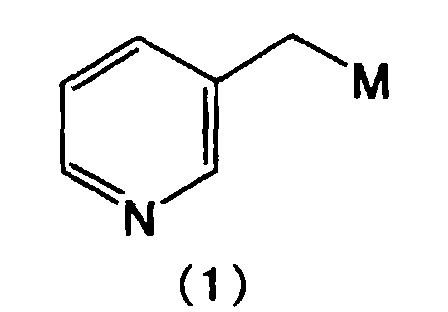
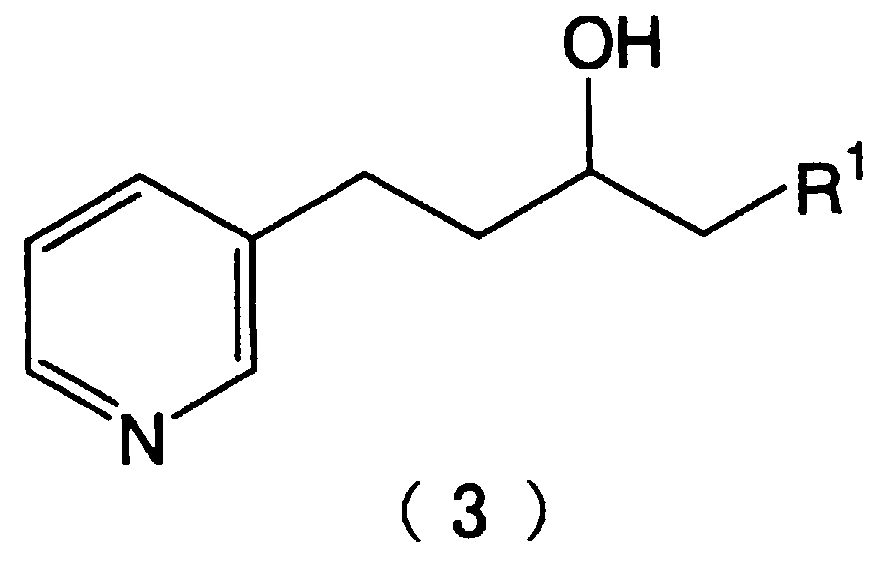
- the present invention is directed to a process for producing a 3-(3-pyridyl)-1-propanol derivative (3): in the formula, R 1 represents an alkyl group of 1 to 20 carbon atoms, aryl group of 6 to 20 carbon atoms or aralkyl group of 7 to 20 carbon atoms, which may be substituted, which comprises reacting a 3-methylpyridine with a strong base to prepare a 3-methylpyridine metal (1): in the formula, M represents lithium, sodium, potassium or a magnesium halide, where the halide is chloride or bromide, and then reacting said metal salt with an epoxy compound (2): in the formula, R 1 is as defined above, to give a 3-(3-pyridyl)-1-propanol derivative, wherein the 3-methylpyridine is used in molar in excess of said strong base, and/or the reaction between said metal salt and said epoxy compound is conducted in the presence of an amine.
- R 1 represents an alkyl group of 1 to 20 carbon atoms,
- the present invention is further directed to a process for producing a 4-(3-pyridyl)-1,2-butanediol (7): which comprises reacting a 3-methylpyridine with a strong base to prepare a 3-methylpyridine metal salt (1), then reacting said metal salt with an O-protected glycidol (5): in the formula, R 5 represents a hydroxy-protecting group, to give a 1-O-protected-4-(3-pyridyl)-1,2-butanediol (6): and deprotecting the same.
- the present invention is directed to a process for producing an 1-O-protected-4-(3-pyridyl)-1,2-butanediol (6) which comprises reacting 3-methylpyridine with a strong base to prepare a 3-methylpyridine metal salt (1) and reacting said metal salt with an 0-protected glycidol (5).
- M represents lithium, sodium, potassium or a magnesium halide, where the halide means chloride or bromide. Preferred is lithium.
- R 1 represents an alkyl group of 1 to 20 carbon atoms, aryl group of 6 to 20 carbon atoms or aralkyl group of 7 to 20 carbon atoms, which may be substituted. More particularly, R 1 includes but is not limited to methyl, ethyl, n-propyl, isopropyl, sec-butyl, tert-butyl, phenyl, benzyl, 2-phenylethyl, 2-(2-naphthyl)ethyl, 2-phenylvinyl, 2-(2-naphthyl)acetylene, chloromethyl, hydroxymethyl, p-toluenesulfonyloxymethyl, acetyloxymethyl, pivaloyloxymethyl, benzoyloxymethyl, phenyloxymethyl, 4-(phenyl)phenyloxymethyl, 4-[3'-(N,N-dimethylphenylacetamido
- R 1 is preferably a group of the following general formula (4) :
- R 2 and R 3 each independently represents hydrogen, an alkyl group of 1 to 18 carbon atoms, an aryl group of 6 to 18 carbon atoms or an aralkyl group of 7 to 18 carbon atoms, or R 2 and R 3 , taken together, represent a cycloalkyl group of 3 to 18 carbon atoms.
- these include methyl, ethyl, n-propyl, isopropyl, sec-butyl, tert-butyl, phenyl, benzyl, cyclopropyl and cyclohexyl, among others. Particularly preferred is the case in which both R 2 and R 3 represent hydrogen.
- R 4 represents hydrogen, an alkyl group of 1 to 18 carbon atoms, aryl group of 6 to 18 carbon atoms, aralkyl group of 7 to 18 carbon atoms or silyl group of 3 to 18 carbon atoms, which may be substituted.
- R 4 includes methyl, ethyl, methoxyethyl, 2-trimethylsilylethyl, n-propyl, isopropyl, sec-butyl, tert-butyl, cyclopropyl, cyclohexyl, allyl, 2-tetrahydropyranyl, phenyl, p-nitrophenyl, o-chlorophenyl, 4-(phenyl)phenyl, 4-(3'-N,N-dimethylphenylacetamido)phenyl, 2-naphthyl, 2-(6-bromo)naphthyl, 2-(6-(3-N,N-dimethyl)propanamido)naphthyl, benzyl, p-nitrobenzyl, p-methoxybenzyl, phenethyl, trimethylsilyl, triethylsilyl, tert-butyldimethyl
- X represents an oxygen atom or a sulfur atom. Preferred is an oxygen atom.
- the present invention is directed to a process for producing a 3-(3-pyridyl)-1-propanol derivative comprising permitting a strong base to act upon 3-methylpyridine to prepare a 3-methylpyridine metal salt and reacting said metal salt with an epoxy compound, wherein 3-methylpyridine is used in molar in excess of said strong base and/or the reaction between said metal salt and said epoxy compound is conducted in the presence of an amine.
- this reaction involves many side reactions so that the yield is generally too low for commercial exploitation (e.g. WO97/20815).
- the present inventors discovered that the yield of the objective compound can be improved dramatically by reacting a molar excess of 3-methylpyridine with the strong base and/or conducting the reaction between said metal salt and epoxy compound in the presence of an amine.
- the present invention has been developed on the basis of the above finding.
- the epoxy compound of the general formula (2) is not particularly restricted but includes, among others, propylene oxide, 1,2-epoxybutane, 1,2-epoxypentane, 1,2-epoxy-3-methylbutane, 1,2-epoxy-4-methylpentane, 1,2-epoxy-3,3-dimethylbutane, styrene oxide, 1,2-epoxy-4-phenylbutane, 1,2-epoxy-4-(2-naphthyl)butane, 1,2-epoxy-4-phenylbutene, 1,2-epoxy-4-(2-naphthyl)butyne, epichlorohydrin, glycidol, glycidyl tosylate, O-acetylglycidol, O-pivaloylglycidol, O-benzoylglycidol, phenyl glycidyl ether, 4-(phenyl)phenyl glycidyl
- optically active epoxy compound even when an optically active epoxy compound is used as a starting compound, the objective compound can be produced without being compromised in optical purity. Therefore, optically active forms of phenyl glycidyl ether, benzyl glycidyl ether, tert-butyl glycidyl ether, tert-butyl dimethylsilyl glycidyl ether, phenyl glycidyl thioether, etc. can be used with greater advantage.
- the strong base mentioned above is not particularly restricted but includes alkyllithiums such as methyllithium, n-butyllithium, sec-butyllithium, tert-butyllithium, etc.; Grignard reagents such as n-butylmagnesium chloride, n-butylmagnesium bromide, tert-butylmagnesium chloride, ethylmagnesium iodide, etc.; metal amides such as lithium amide, sodium amide, potassium amide, etc.; lithium dialkylamides such as lithium diisopropylamide, lithium dicyclohexylamide, etc.; lithium disilylamides such as lithium hexamethyldisilazide, etc.; sodium dialkylamides such as sodium diisopropylamide etc.; potassium dialkylamides such as potassium diisopropylamide etc.; and halomagnesium dialkylamides obtainable from a Grignard reagent
- the strong base preferably includes, among others, lithium dialkylamides such as lithium diisopropylamide, lithium dicyclohexylamide, etc., lithium disilylamides such as lithium hexamethyldisilazide etc., and halomagnesium dialkylamides such as chloromagnesium diisopropylamide, bromomagnesium diisopropylamide, chloromagnesium dicyclohexylamide, etc. Still more preferred are lithium dialkylamides such as lithium diisopropylamide, lithium dicyclohexylamide, etc. Particularly preferred is lithium diisopropylamide. These bases may be used each alone or in a suitable combination of 2 or more species.
- the amount of the strong base relative to the epoxy derivative is preferably 1 to 5 molar equivalents, more preferably 1 to 2 molar equivalents.
- the yield of the objective compound can be dramatically improved by using 3-methylpyridine in a stoichiometrically excess amount relative to the strong base.
- the amine which can be used for this purpose is not particularly restricted but includes ammonia; primary amines such as methylamine, cyclohexylamine, aniline, etc.; secondary amines such as dimethylamine, piperidine, morpholine, diisopropylamine, etc.; and tertiary amines such as N-methylmorpholine, pyridine, N,N,N',N'-tetramethylethylenediamine, triethylamine, N,N-dimethylaniline, 1,8-diazabicyclo[5.4.0]undec-7-ene (DBU), and N,N-dimethylaminopyridine.
- ammonia primary amines such as methylamine, cyclohexylamine, aniline, etc.
- secondary amines such as dimethylamine, piperidine, morpholine, diisopropylamine, etc.
- tertiary amines such as N-methylmorpholine, pyridine,
- tertiary amines such as N-methylmorpholine, pyridine, N,N,N',N'-tetramethylethylenediamine, triethylamine, N,N-dimethylaniline, 1,8-diazabicyclo[5.4.0]udec-7-ene (DBU), N,N-dimethylaminopyridine, etc. are more preferred from the viewpoint of improving product yields. Still more preferred is pyridine or triethylamine. These compounds can be used each alone or in a suitable combination of 2 or more species.
- the amount of the amine is preferably at least equimolar to the strong base, more preferably 1 to 20 molar equivalents, still more preferably 1 to 5 molar equivalents.
- the reaction solvent to be used for this reaction is not particularly restricted but includes various ether series solvents such as diethyl ether, 1,2-dimethoxyethane, tert-butyl methyl ether, tetrahydrofuran, 1,4-dioxane, etc.; aliphatic hydrocarbon series solvents such as hexane, pentane, etc.; aromatic hydrocarbon series solvents such as benzene, toluene, xylene, etc.; urea series solvents such as N,N-dimethylpropyleneurea, N,N-dimethylethyleneurea, etc.; and phosphoric amide series solvents such as hexamethylphosphoric triamide and the like.
- ether series solvents such as diethyl ether, 1,2-dimethoxyethane, tert-butyl methyl ether, tetrahydrofuran, 1,4-dioxane, etc.
- ether series solvents such as diethyl ether, 1,2-dimethoxyethane, tert-butyl methyl ether, tetrahydrofuran and 1,4-dioxane and more preferred is tetrahydrofuran. These solvents may be used each alone or in a suitable combination of 2 or more species.
- the reaction temperature for this reaction is preferably not less than -20 °C, more preferably -20 °C to 80 °C, still more preferably -10 °C to 40 °C.
- the order of addition of reagents for this reaction may be arbitrary, although a typical sequence may comprise adding 3-methylpyridine to a solution of said strong base to carry out the first-step reaction for preferably 0.5 to 24 hours, more preferably 0.5 to 3 hours, and then adding said epoxy compound to carry out the second-step reaction for preferably 0.5 to 24 hours, more preferably 0.5 to 3 hours.
- the amine when used, is preferably added prior to addition of the epoxy compound. More particularly, after addition of the amine, the reaction system is stirred for preferably 0.5 to 24 hours, more preferably 0.3 to 3 hours, and then the epoxy compound is added.
- the standard method for recovery of a product from a reaction mixture can be utilized.
- the reaction mixture is diluted with water and extracted with a standard extraction solvent, such as ethyl acetate, diethyl ether, methylene chloride, toluene, hexane, tetrahydrofuran or the like.
- a standard extraction solvent such as ethyl acetate, diethyl ether, methylene chloride, toluene, hexane, tetrahydrofuran or the like.
- the objective compound is obtained as the reaction solvent and extraction solvent are removed from the extract by distillation under heating and reduced pressure.
- the objective compound thus obtained can be further purified by the conventional purification procedure, such as crystallization for purification, fractional distillation, column chromatography and/or the like.
- 1-O-protected-4-(3-pyridyl)-1,2-butanediols (6) in particular, can be produced by reacting 3-methylpyridine with a strong base to prepare a 3-methylpyridine metal salt of said general formula (1) and reacting said metal salt with an O-protected glycidol (5): in the formula, R 5 represents a hydroxy protecting group.
- R 5 represents a hydroxy-protective group, which is not particularly restricted but may be any conventional protective group for hydroxyl function.
- R 5 includes the protective groups mentioned in Theodora W. Greene, Protective Groups in Organic Synthesis, 2nd Ed., John Wiley & Sons [1990] on pages 14 to 118, namely ether-type protective groups such as methoxymethyl, tert-butyl, tetrahydropyranyl, tetrahydrofuranyl, 2-(trimethylsilyl)ethoxymethyl, 1-methyl-1-methoxyethyl, 1-methyl-1-benzyloxyethyl, 2-(trimethylsilyl)ethyl, allyl, benzyl, p-methoxybenzyl, p-nitrobenzyl, diphenylmethyl, phenethyl, triphenylmethyl, etc.; silyl-type protective groups such as trimethylsilyl, triethy
- ether-type protective groups and silyl-type protective groups Preferred are ether-type protective groups and silyl-type protective groups, and more preferred are benzyl series protective groups, which may have a substituted group, such as benzyl, p-methoxybenzyl, p-nitrobenzyl and so on. Still more preferred protective group is benzyl.
- 3-methylpyridine is reacted with a strong base to prepare a 3-methylpyridine metal salt (1) which is then reacted with an O-protected glycidol (5) to synthesize an 1-O-protected-4-(3-pyridyl)-1,2-butanediol (6).
- the 0-protected glycidol (5) includes benzyl glycidyl ether, tert-butyl glycidyl ether, tetrahydropyranyl glycidyl ether, trimethylsilyl glycidyl ether, tert-butyldimethylsilyl glycidyl ether and O-tert-butyloxycarbonylglycidol.
- Preferred is benzyl glycidyl ether.
- an optically active 0-protected glycidol is used as a starting compound, the objective compound can be produced without being compromised in optical purity. Therefore, it is more preferred to use an optically active benzyl glycidyl ether.
- the strong base mentioned above is not particularly restricted but includes the same bases as mentioned hereinbefore.
- Preferred are lithium dialkylamides such as lithium diisopropylamide, lithium dicyclohexylamide, etc.; lithium disilylamides such as lithium hexamethyldisilazide etc.; and halomagnesium dialkylamides such as chloromagnesium diisopropylamide, bromomagnesium diisopropylamide, chloromagnesium dicyclohexylamide, and so on. More preferred are lithium dialkylamides such as lithium diisopropylamide, lithium dicyclohexylamide, etc., and still more preferred is lithium diisopropylamide.
- bases can be used each alone or in a suitable combination of 2 or more species.
- the amount of use of the strong base is 1 to 5 molar equivalents, preferably 1 to 2 molar equivalents, based on the 0-protected glycidol (5) .
- the amount of use of 3-methylpyridine based on the strong base is 1 to 10 molar equivalents. Particularly when 3-methylpyridine is used in a proportion of not less than 1.5 molar equivalents, the production yield of the 1-0-protected 4-(3-pyridyl)-1,2-butanediol is dramatically improved. Therefore, preferred ratio to the strong base is 1.5 to 5 molar equivalents.
- the amine is not particularly restricted but includes the same species as mentioned hereinbefore.
- tertiary amines such as N-methylmorpholine, pyridine, N,N,N',N'-tetramethylethylenediamine, triethylamine, N,N-dimethylaniline, 1,8-diazabicyclo[5.4.0]undec-7-ene (DBU), N,N-dimethylaminopyridine, etc. are preferred from the viewpoint of improving yield.
- DBU 1,8-diazabicyclo[5.4.0]undec-7-ene
- N,N-dimethylaminopyridine etc.
- pyridine or triethylamine are preferred from the viewpoint of improving yield.
- the amount of use of the amine is preferably 1 to 20 molar equivalents, more preferably 1 to 5 molar equivalents, based on the strong base.
- the reaction solvent for this reaction is not particularly restricted but includes the same solvents as mentioned hereinbefore.
- Preferred are ether series solvents such as diethyl ether, 1,2-dimethoxyethane, tert-butyl methyl ether, tetrahydrofuran, 1,4-dioxane, etc. More preferred is tetrahydrofuran. These solvents can be used each alone or as a suitable mixture of 2 or more species.
- the reaction temperature for this reaction is preferably not less than -20 °C, more preferably -20 °C to 80 °C, still more preferably -10 °C to 40 °C.
- the order of addition of reagents for this reaction may be arbitrary, although a typical sequence may comprise adding 3-methylpyridine to a solution of said strong base to carry out the first-step reaction for preferably 0.5 to 24 hours, more preferably 0.5 to 3 hours, and then adding said 0-protected glycidol (5) to carry out the second-step reaction for preferably 0.5 to 24 hours, more preferably 0.5 to 3 hours.
- the amine when used, is preferably added prior to addition of the 0-protected glycidol. More particularly, after addition of the amine, the reaction mixture is stirred for preferably 0.5 to 24 hours, more preferably 0.3 to 3 hours, and then the 0-protected glycidol is added.
- the standard procedure for recovery of a product from a reaction mixture can be utilized.
- the reaction mixture is diluted with water and extracted with the common extraction solvent, such as ethyl acetate, diethyl ether, methylene chloride, toluene, hexane, tetrahydrofuran or the like.
- the objective compound is obtained as the reaction solvent and extraction solvent are removed from the extract by distillation under heating and reduced pressure.
- the objective compound thus obtained can be further purified by the conventional purification procedure such as crystallization for purification, fractional distillation, column chromatography and the like.
- the deprotection procedure can be selected according to the species of protective group used from among the conventional procedures described in Theodora W. Greene, Protective Groups in Organic Synthesis, 2nd Ed., John Wiley & Sons, 1990 on pages 14 to 118.
- R 5 in the compound (6) is a benzyl group
- the compound can be deprotected using hydrogen in the presence of a palladium catalyst.
- the present invention constituted as above, enables production of pharmaceutical intermediates, particularly 3-(3-pyridyl)-1-propanol derivatives which are of value as intermediates of tryptase inhibitors, especially 4-(3-pyridyl)-1,2-butanediol, from inexpensive and readily available starting compounds.
- N,N,N',N'-tetramethylethylenediamine (2.794 g, 30 mmol) was added and the mixture was further stirred at 5 °C for 30 minutes.
- a solution of benzyl glycidyl ether (3.284 g, 20 mmol) in tetrahydrofuran (5 mL) at 5 °C, and the reaction was carried out for 2 hours.
- This reaction mixture was diluted with 20 mL of water for hydrolysis, and extracted with 30 mL of ethyl acetate. The organic layer was washed with 20 mL of water twice and the solvent was distilled off under reduced pressure to give 7.512 g of a yellow oil.
Landscapes
- Chemical & Material Sciences (AREA)
- Organic Chemistry (AREA)
- Pyridine Compounds (AREA)
- Plural Heterocyclic Compounds (AREA)
- Pharmaceuticals Containing Other Organic And Inorganic Compounds (AREA)
Abstract

which comprises reacting a 3-methylpyridine with a strong base to prepare a 3-methylpyridine metal (1):
and then reacting said metal salt with an epoxy compound (2):
Description
- The present invention is related to production of a pharmaceutical intermediate, particularly a 3-(3-pyridyl)-1-propanol derivative which is of value as an intermediate of tryptase inhibitors, especially a 4-(3-pyridyl)-1,2-butanediol.
- Up to the present, the following processes are known for the production of 3-(3-pyridyl)-1-propanol derivatives.
- (1) A process starting with 3-(3-pyridyl)-1-propionaldehyde
which comprises subjecting the starting compound and trimethylsulfoxonium iodide to coupling reaction to synthesize 3-(2-oxiranylethyl)pyridine and reacting it with a phenol derivative or a thiol derivative (WO97/20815). - (2) A synthetic process starting with 3-(3-pyridyl)-1-propionaldehyde
which comprises reacting this starting compound with an aryloxymethyllithium or arylthiomethyllithium prepared from an aryloxymethane or arylthiomethane and butyllithium (WO97/20815). - (3) A process
which comprises reacting 3-(pyridyl)methyllithium prepared from 3-methylpyridine and the lithium base with epichlorohydrin to synthesize α-(chloromethyl)-3-pyridinepropanol, cyclizing it with a base to give an epoxide derivative and reacting this derivative with a phenol derivative or a thiol derivative (WO97/20815). - (4) A synthetic process starting with 3-pyridylmethyltriphenylphosphonium
chloride hydrochloride
which comprises subjecting this starting compound and 2,3-O-isopropylideneglyceraldehyde to coupling reaction and further subjecting the resulting 4-(3-pyridyl)-1,2-O-isoproylidenebut-3-ene-1,2-diol to olefin reduction and deacetonylation (WO98/42669). -
- However, the prior art processes (1) and (2) require expensive starting materials and, in addition, the product is invariably a racemic mixture which requires optical resolution. The prior art process (3) is not practically useful because the yield of the coupling reaction in the first step is low. The prior art process (4) uses very expensive starting materials. For these and other reasons, none of the prior art processes are efficient enough for commercial production.
- In view of the above state of the art, the present invention has for its object to provide a process for producing a 3-(3-pyridyl)-1-propanol derivative of use as a pharmaceutical intermediate, particularly an 4-(3-pyridyl)-1,2-butanediol expediently with an inexpensive material.
- The present invention, therefore, is directed to a process for producing a 3-(3-pyridyl)-1-propanol derivative (3):in the formula, R1 represents an alkyl group of 1 to 20 carbon atoms, aryl group of 6 to 20 carbon atoms or aralkyl group of 7 to 20 carbon atoms, which may be substituted,
which comprises reacting a 3-methylpyridine with a strong base to prepare a 3-methylpyridine metal (1):in the formula, M represents lithium, sodium, potassium or a magnesium halide, where the halide is chloride or bromide,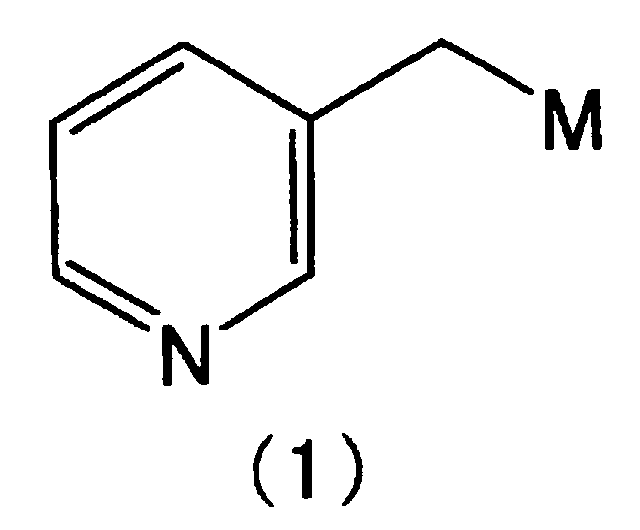
and then reacting said metal salt with an epoxy compound (2):in the formula, R1 is as defined above,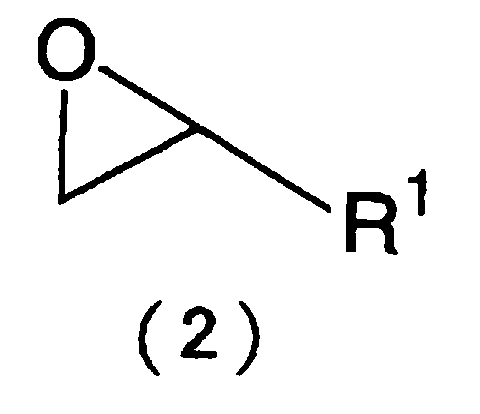
to give a 3-(3-pyridyl)-1-propanol derivative,
wherein the 3-methylpyridine is used in molar in excess of said strong base,
and/or the reaction between said metal salt and said epoxy compound is conducted in the presence of an amine. - The present invention is further directed to a process for producing a 4-(3-pyridyl)-1,2-butanediol (7):which comprises reacting a 3-methylpyridine with a strong base to prepare a 3-methylpyridine metal salt (1),

then reacting said metal salt with an O-protected glycidol (5):in the formula, R5 represents a hydroxy-protecting group,
to give a 1-O-protected-4-(3-pyridyl)-1,2-butanediol (6):and deprotecting the same.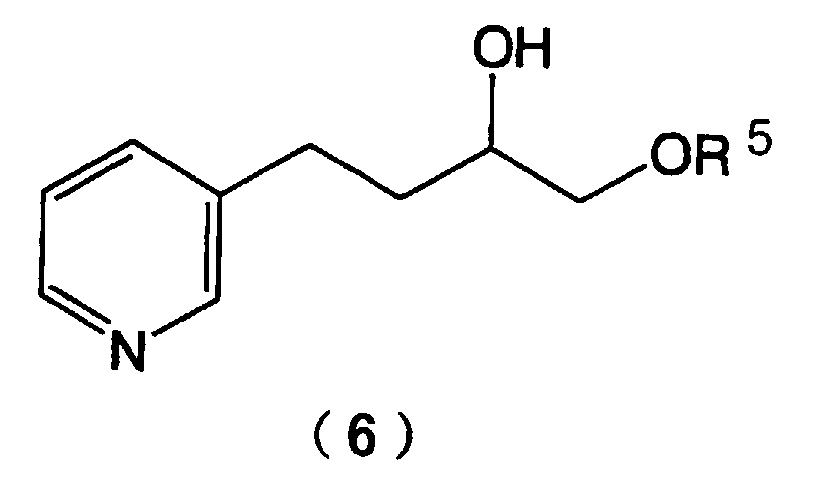
- In addition, the present invention is directed to a process for producing an 1-O-protected-4-(3-pyridyl)-1,2-butanediol (6)
which comprises reacting 3-methylpyridine with a strong base to prepare a 3-methylpyridine metal salt (1)
and reacting said metal salt with an 0-protected glycidol (5). - The present invention is now described in detail.
- Referring to the above general formula (1), M represents lithium, sodium, potassium or a magnesium halide, where the halide means chloride or bromide. Preferred is lithium.
- Referring to the above general formulas (2) and (3), R1 represents an alkyl group of 1 to 20 carbon atoms, aryl group of 6 to 20 carbon atoms or aralkyl group of 7 to 20 carbon atoms, which may be substituted. More particularly, R1 includes but is not limited to methyl, ethyl, n-propyl, isopropyl, sec-butyl, tert-butyl, phenyl, benzyl, 2-phenylethyl, 2-(2-naphthyl)ethyl, 2-phenylvinyl, 2-(2-naphthyl)acetylene, chloromethyl, hydroxymethyl, p-toluenesulfonyloxymethyl, acetyloxymethyl, pivaloyloxymethyl, benzoyloxymethyl, phenyloxymethyl, 4-(phenyl)phenyloxymethyl, 4-[3'-(N,N-dimethylphenylacetamido)phenyl]phenyloxymethyl, 2-naphthyloxymethyl, 2-(6-bromonaphthyl)oxymethyl, 2-[6-(3-(N,N-dimethyl)propanamide)naphthyl]oxymethyl, benzyloxymethyl, tert-butyloxymethyl, aryloxymethyl, tert-butyldimethylsilyloxymethyl, 2-tetrahydropyranyloxymethyl, 1-(phenyloxy)ethyl, 1-(phenyloxy)-1-methylethyl, phenylthiomethyl, 2-naphthylthiomethyl, N,N-dibenzylamino, and N-phenyl-N-ethylaminomethyl.
- In the epoxy compound represented by general formula (2), R1 is preferably a group of the following general formula (4) :
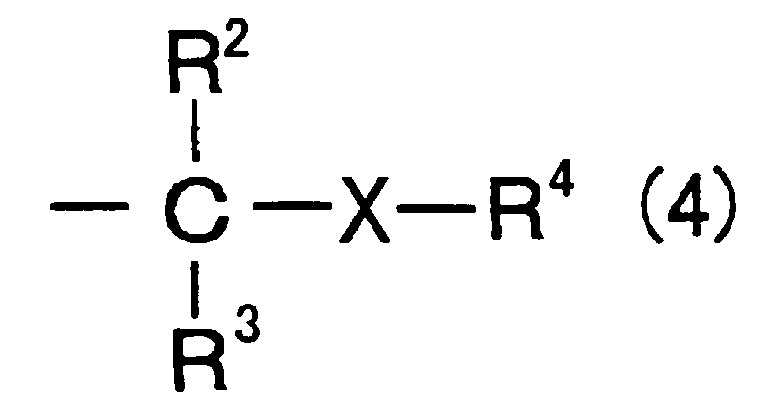
- In the above general formula (4), R2 and R3 each independently represents hydrogen, an alkyl group of 1 to 18 carbon atoms, an aryl group of 6 to 18 carbon atoms or an aralkyl group of 7 to 18 carbon atoms, or R2 and R3, taken together, represent a cycloalkyl group of 3 to 18 carbon atoms. As specific groups, these include methyl, ethyl, n-propyl, isopropyl, sec-butyl, tert-butyl, phenyl, benzyl, cyclopropyl and cyclohexyl, among others. Particularly preferred is the case in which both R2 and R3 represent hydrogen.
- R4 represents hydrogen, an alkyl group of 1 to 18 carbon atoms, aryl group of 6 to 18 carbon atoms, aralkyl group of 7 to 18 carbon atoms or silyl group of 3 to 18 carbon atoms, which may be substituted. More particularly, R4 includes methyl, ethyl, methoxyethyl, 2-trimethylsilylethyl, n-propyl, isopropyl, sec-butyl, tert-butyl, cyclopropyl, cyclohexyl, allyl, 2-tetrahydropyranyl, phenyl, p-nitrophenyl, o-chlorophenyl, 4-(phenyl)phenyl, 4-(3'-N,N-dimethylphenylacetamido)phenyl, 2-naphthyl, 2-(6-bromo)naphthyl, 2-(6-(3-N,N-dimethyl)propanamido)naphthyl, benzyl, p-nitrobenzyl, p-methoxybenzyl, phenethyl, trimethylsilyl, triethylsilyl, tert-butyldimethylsilyl and tert-butyldiphenylsilyl. Among these, R4 is preferably phenyl, benzyl, tert-butyl or tert-butyldimethylsilyl.
- X represents an oxygen atom or a sulfur atom. Preferred is an oxygen atom.
- The process for producing a 3-(3-pyridyl)-1-propanol derivative in accordance with the present invention is now described.
- Thus, the present invention is directed to a process for producing a 3-(3-pyridyl)-1-propanol derivative comprising permitting a strong base to act upon 3-methylpyridine to prepare a 3-methylpyridine metal salt and reacting said metal salt with an epoxy compound, wherein 3-methylpyridine is used in molar in excess of said strong base and/or the reaction between said metal salt and said epoxy compound is conducted in the presence of an amine.
- Heretofore, this reaction involves many side reactions so that the yield is generally too low for commercial exploitation (e.g. WO97/20815). The present inventors discovered that the yield of the objective compound can be improved dramatically by reacting a molar excess of 3-methylpyridine with the strong base and/or conducting the reaction between said metal salt and epoxy compound in the presence of an amine. The present invention has been developed on the basis of the above finding.
- The epoxy compound of the general formula (2) is not particularly restricted but includes, among others, propylene oxide, 1,2-epoxybutane, 1,2-epoxypentane, 1,2-epoxy-3-methylbutane, 1,2-epoxy-4-methylpentane, 1,2-epoxy-3,3-dimethylbutane, styrene oxide, 1,2-epoxy-4-phenylbutane, 1,2-epoxy-4-(2-naphthyl)butane, 1,2-epoxy-4-phenylbutene, 1,2-epoxy-4-(2-naphthyl)butyne, epichlorohydrin, glycidol, glycidyl tosylate, O-acetylglycidol, O-pivaloylglycidol, O-benzoylglycidol, phenyl glycidyl ether, 4-(phenyl)phenyl glycidyl ether, 4-[3'-(N,N-dimethylphenylacetamido)phenyl]phenyl glycidyl ether, 2-naphthyl glycidyl ether, 2-(6-bromonaphthyl)glycidylether, 2-[6-(3-(N,N-dimethyl)propanamido)naphthyl]glycidyl ether, benzyl glycidyl ether, tert-butyl glycidyl ether, allyl glycidyl ether, tert-butyldimethylsilyl glycidyl ether, 2-tetrahydropyranyl glycidyl ether, 1,2-epoxy-3-phenoxybutane, 1,2-epoxy-3-phenoxy-3-methylbutane, phenyl glycidyl thioether, 2-naphthyl glycidyl thioether, 2-(dibenzylamino)methyloxirane and 2-([ethyl(phenyl)amino]methyl)oxirane. Moreover, in the present invention, even when an optically active epoxy compound is used as a starting compound, the objective compound can be produced without being compromised in optical purity. Therefore, optically active forms of phenyl glycidyl ether, benzyl glycidyl ether, tert-butyl glycidyl ether, tert-butyl dimethylsilyl glycidyl ether, phenyl glycidyl thioether, etc. can be used with greater advantage.
- The strong base mentioned above is not particularly restricted but includes alkyllithiums such as methyllithium, n-butyllithium, sec-butyllithium, tert-butyllithium, etc.; Grignard reagents such as n-butylmagnesium chloride, n-butylmagnesium bromide, tert-butylmagnesium chloride, ethylmagnesium iodide, etc.; metal amides such as lithium amide, sodium amide, potassium amide, etc.; lithium dialkylamides such as lithium diisopropylamide, lithium dicyclohexylamide, etc.; lithium disilylamides such as lithium hexamethyldisilazide, etc.; sodium dialkylamides such as sodium diisopropylamide etc.; potassium dialkylamides such as potassium diisopropylamide etc.; and halomagnesium dialkylamides obtainable from a Grignard reagent and a secondary amine, such as chloromagnesium diisopropylamide, bromomagnesium diisopropylamide, chloromagnesium dicyclohexylamide, and so on. The strong base preferably includes, among others, lithium dialkylamides such as lithium diisopropylamide, lithium dicyclohexylamide, etc., lithium disilylamides such as lithium hexamethyldisilazide etc., and halomagnesium dialkylamides such as chloromagnesium diisopropylamide, bromomagnesium diisopropylamide, chloromagnesium dicyclohexylamide, etc. Still more preferred are lithium dialkylamides such as lithium diisopropylamide, lithium dicyclohexylamide, etc. Particularly preferred is lithium diisopropylamide. These bases may be used each alone or in a suitable combination of 2 or more species. The amount of the strong base relative to the epoxy derivative is preferably 1 to 5 molar equivalents, more preferably 1 to 2 molar equivalents.
- In this reaction, the yield of the objective compound can be dramatically improved by using 3-methylpyridine in a stoichiometrically excess amount relative to the strong base. Specifically, it is advantageous to use not less than 1.5 molar equivalents based on the strong base. Preferred range is 1.5 to 20 molar equivalents and more preferred range is 2 to 5 molar equivalents.
- By conducting this reaction in the presence of an amine, the yield of the objective compound can be further improved. The amine which can be used for this purpose is not particularly restricted but includes ammonia; primary amines such as methylamine, cyclohexylamine, aniline, etc.; secondary amines such as dimethylamine, piperidine, morpholine, diisopropylamine, etc.; and tertiary amines such as N-methylmorpholine, pyridine, N,N,N',N'-tetramethylethylenediamine, triethylamine, N,N-dimethylaniline, 1,8-diazabicyclo[5.4.0]undec-7-ene (DBU), and N,N-dimethylaminopyridine. In particular, tertiary amines such as N-methylmorpholine, pyridine, N,N,N',N'-tetramethylethylenediamine, triethylamine, N,N-dimethylaniline, 1,8-diazabicyclo[5.4.0]udec-7-ene (DBU), N,N-dimethylaminopyridine, etc. are more preferred from the viewpoint of improving product yields. Still more preferred is pyridine or triethylamine. These compounds can be used each alone or in a suitable combination of 2 or more species. The amount of the amine is preferably at least equimolar to the strong base, more preferably 1 to 20 molar equivalents, still more preferably 1 to 5 molar equivalents.
- The reaction solvent to be used for this reaction is not particularly restricted but includes various ether series solvents such as diethyl ether, 1,2-dimethoxyethane, tert-butyl methyl ether, tetrahydrofuran, 1,4-dioxane, etc.; aliphatic hydrocarbon series solvents such as hexane, pentane, etc.; aromatic hydrocarbon series solvents such as benzene, toluene, xylene, etc.; urea series solvents such as N,N-dimethylpropyleneurea, N,N-dimethylethyleneurea, etc.; and phosphoric amide series solvents such as hexamethylphosphoric triamide and the like. Preferred are ether series solvents such as diethyl ether, 1,2-dimethoxyethane, tert-butyl methyl ether, tetrahydrofuran and 1,4-dioxane and more preferred is tetrahydrofuran. These solvents may be used each alone or in a suitable combination of 2 or more species.
- The reaction temperature for this reaction is preferably not less than -20 °C, more preferably -20 °C to 80 °C, still more preferably -10 °C to 40 °C.
- The order of addition of reagents for this reaction may be arbitrary, although a typical sequence may comprise adding 3-methylpyridine to a solution of said strong base to carry out the first-step reaction for preferably 0.5 to 24 hours, more preferably 0.5 to 3 hours, and then adding said epoxy compound to carry out the second-step reaction for preferably 0.5 to 24 hours, more preferably 0.5 to 3 hours. The amine, when used, is preferably added prior to addition of the epoxy compound. More particularly, after addition of the amine, the reaction system is stirred for preferably 0.5 to 24 hours, more preferably 0.3 to 3 hours, and then the epoxy compound is added.
- As the work-up procedure following this reaction, the standard method for recovery of a product from a reaction mixture can be utilized. For example, upon completion of said reaction, the reaction mixture is diluted with water and extracted with a standard extraction solvent, such as ethyl acetate, diethyl ether, methylene chloride, toluene, hexane, tetrahydrofuran or the like. Then, as the reaction solvent and extraction solvent are removed from the extract by distillation under heating and reduced pressure, the objective compound is obtained. The objective compound thus obtained can be further purified by the conventional purification procedure, such as crystallization for purification, fractional distillation, column chromatography and/or the like.
- In the present invention, among 3- (3-pyridyl)-1-propanol derivatives (3), 1-O-protected-4-(3-pyridyl)-1,2-butanediols (6):in particular, can be produced by reacting 3-methylpyridine with a strong base to prepare a 3-methylpyridine metal salt of said general formula (1) and reacting said metal salt with an O-protected glycidol (5):
 in the formula, R5 represents a hydroxy protecting group.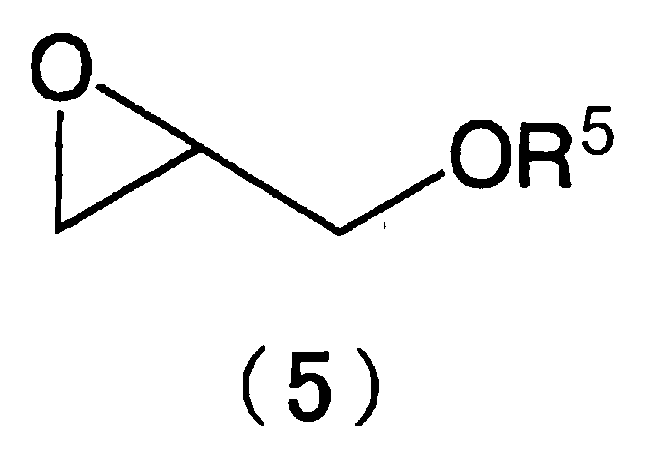
- In addition, by deprotecting the 1-O-protected-4-(3-pyridyl)-1,2-butanediol thus obtained, there can be obtained 4-(3-pyridyl)-1,2-butanediol (7):
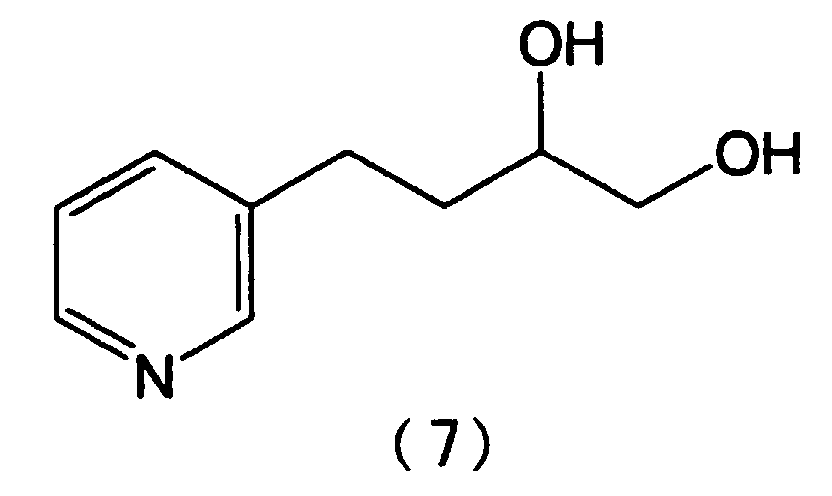
- Referring to the above general formulas (5) and (6), R5 represents a hydroxy-protective group, which is not particularly restricted but may be any conventional protective group for hydroxyl function. Thus, it includes the protective groups mentioned in Theodora W. Greene, Protective Groups in Organic Synthesis, 2nd Ed., John Wiley & Sons [1990] on pages 14 to 118, namely ether-type protective groups such as methoxymethyl, tert-butyl, tetrahydropyranyl, tetrahydrofuranyl, 2-(trimethylsilyl)ethoxymethyl, 1-methyl-1-methoxyethyl, 1-methyl-1-benzyloxyethyl, 2-(trimethylsilyl)ethyl, allyl, benzyl, p-methoxybenzyl, p-nitrobenzyl, diphenylmethyl, phenethyl, triphenylmethyl, etc.; silyl-type protective groups such as trimethylsilyl, triethylsilyl, tert-butyldimethylsilyl, tert-butyldiphenylsilyl, etc.; acetyl, benzoyl, pivaloyl, methyloxycarbonyl, ethyloxycarbonyl, benzyloxycarbonyl, tert-butyloxycarbonyl, etc. Preferred are ether-type protective groups and silyl-type protective groups, and more preferred are benzyl series protective groups, which may have a substituted group, such as benzyl, p-methoxybenzyl, p-nitrobenzyl and so on. Still more preferred protective group is benzyl.
- The process for producing an 1-O-protected-4-(3-pyridyl)-1,2-butanediol according to the present invention is now described.
- Thus, 3-methylpyridine is reacted with a strong base to prepare a 3-methylpyridine metal salt (1) which is then reacted with an O-protected glycidol (5) to synthesize an 1-O-protected-4-(3-pyridyl)-1,2-butanediol (6).
- The 0-protected glycidol (5) includes benzyl glycidyl ether, tert-butyl glycidyl ether, tetrahydropyranyl glycidyl ether, trimethylsilyl glycidyl ether, tert-butyldimethylsilyl glycidyl ether and O-tert-butyloxycarbonylglycidol. Preferred is benzyl glycidyl ether. Furthermore, in the present invention, even when an optically active 0-protected glycidol is used as a starting compound, the objective compound can be produced without being compromised in optical purity. Therefore, it is more preferred to use an optically active benzyl glycidyl ether.
- The strong base mentioned above is not particularly restricted but includes the same bases as mentioned hereinbefore. Preferred are lithium dialkylamides such as lithium diisopropylamide, lithium dicyclohexylamide, etc.; lithium disilylamides such as lithium hexamethyldisilazide etc.; and halomagnesium dialkylamides such as chloromagnesium diisopropylamide, bromomagnesium diisopropylamide, chloromagnesium dicyclohexylamide, and so on. More preferred are lithium dialkylamides such as lithium diisopropylamide, lithium dicyclohexylamide, etc., and still more preferred is lithium diisopropylamide. These bases can be used each alone or in a suitable combination of 2 or more species. The amount of use of the strong base is 1 to 5 molar equivalents, preferably 1 to 2 molar equivalents, based on the 0-protected glycidol (5) .
- The amount of use of 3-methylpyridine based on the strong base is 1 to 10 molar equivalents. Particularly when 3-methylpyridine is used in a proportion of not less than 1.5 molar equivalents, the production yield of the 1-0-protected 4-(3-pyridyl)-1,2-butanediol is dramatically improved. Therefore, preferred ratio to the strong base is 1.5 to 5 molar equivalents.
- By conducting this reaction in the presence of an amine, the yield of the objective compound can be further improved. The amine is not particularly restricted but includes the same species as mentioned hereinbefore. In particular, tertiary amines such as N-methylmorpholine, pyridine, N,N,N',N'-tetramethylethylenediamine, triethylamine, N,N-dimethylaniline, 1,8-diazabicyclo[5.4.0]undec-7-ene (DBU), N,N-dimethylaminopyridine, etc. are preferred from the viewpoint of improving yield. Still more preferred is pyridine or triethylamine. These amines can be used each alone or in a suitable combination of 2 or more species. The amount of use of the amine is preferably 1 to 20 molar equivalents, more preferably 1 to 5 molar equivalents, based on the strong base.
- The reaction solvent for this reaction is not particularly restricted but includes the same solvents as mentioned hereinbefore. Preferred are ether series solvents such as diethyl ether, 1,2-dimethoxyethane, tert-butyl methyl ether, tetrahydrofuran, 1,4-dioxane, etc. More preferred is tetrahydrofuran. These solvents can be used each alone or as a suitable mixture of 2 or more species.
- The reaction temperature for this reaction is preferably not less than -20 °C, more preferably -20 °C to 80 °C, still more preferably -10 °C to 40 °C.
- The order of addition of reagents for this reaction may be arbitrary, although a typical sequence may comprise adding 3-methylpyridine to a solution of said strong base to carry out the first-step reaction for preferably 0.5 to 24 hours, more preferably 0.5 to 3 hours, and then adding said 0-protected glycidol (5) to carry out the second-step reaction for preferably 0.5 to 24 hours, more preferably 0.5 to 3 hours. The amine, when used, is preferably added prior to addition of the 0-protected glycidol. More particularly, after addition of the amine, the reaction mixture is stirred for preferably 0.5 to 24 hours, more preferably 0.3 to 3 hours, and then the 0-protected glycidol is added.
- As the work-up procedure following this reaction, the standard procedure for recovery of a product from a reaction mixture can be utilized. For example, upon completion of said reaction, the reaction mixture is diluted with water and extracted with the common extraction solvent, such as ethyl acetate, diethyl ether, methylene chloride, toluene, hexane, tetrahydrofuran or the like. Then, as the reaction solvent and extraction solvent are removed from the extract by distillation under heating and reduced pressure, the objective compound is obtained. The objective compound thus obtained can be further purified by the conventional purification procedure such as crystallization for purification, fractional distillation, column chromatography and the like.
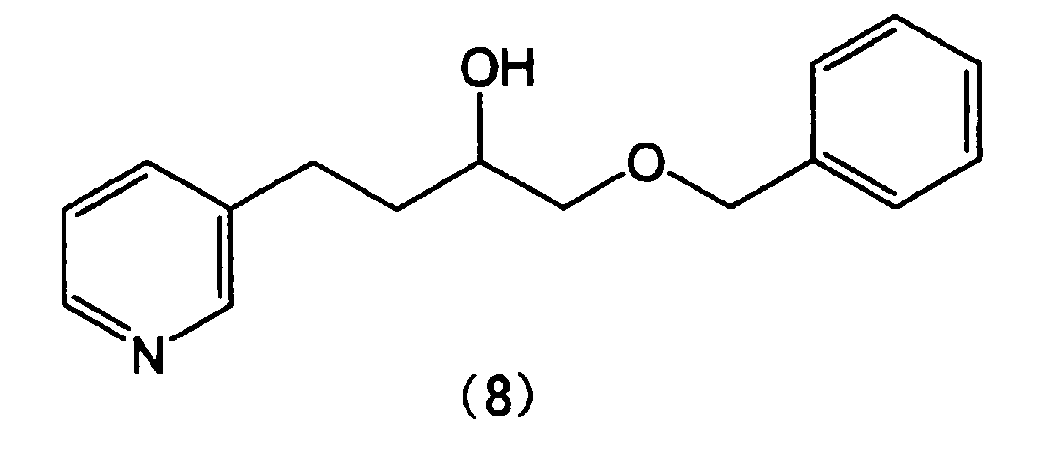
- It should be noted that the 1-O-benzyl-4-(3-pyridyl)-1,2-butanediol and (2R)-1-O-benzyl-4-(3-pyridyl)-1,2-butanediol (8):which can be obtained by this reaction are novel compounds not heretofore described in the literature.
- The process for producing a 4-(3-pyridyl)-1,2-butanediol (7) is now described.
- Thus, an 1-O-protected-4-(3-pyridyl)-1,2-butanediol is deprotected to give a 4-(3-pyridyl)-1,2-butanediol.
- The deprotection procedure can be selected according to the species of protective group used from among the conventional procedures described in Theodora W. Greene, Protective Groups in Organic Synthesis, 2nd Ed., John Wiley & Sons, 1990 on pages 14 to 118.
- By way of illustration, when R5 in the compound (6) is a benzyl group, the compound can be deprotected using hydrogen in the presence of a palladium catalyst.
- The present invention, constituted as above, enables production of pharmaceutical intermediates, particularly 3-(3-pyridyl)-1-propanol derivatives which are of value as intermediates of tryptase inhibitors, especially 4-(3-pyridyl)-1,2-butanediol, from inexpensive and readily available starting compounds.
- The following examples are intended to illustrate the present invention in further detail and should by no means be construed as defining the scope of the invention.
- Under argon gas, a solution of diisopropylamine (3.34 g, 33 mmol) in tetrahydrofuran (5 mL) was added dropwise to n-butyllithium (1.53 M in hexane, 19.6 mL, 30 mmol) at 5 t and the mixture was stirred for 30 minutes. To this was added a solution of 3-methylpyridine (4.191 g, 45 mmol) in tetrahydrofuran (5 mL) dropwise at 5 °C, and the mixture was stirred for 30 minutes. Then, a solution of benzyl glycidyl ether (3.284 g, 20 mmol) in tetrahydrofuran (5 mL) was added at 5 °C and the reaction was carried out for 2 hours. This reaction mixture was diluted with 20 mL of water for hydrolysis, and extracted with 30 mL of ethyl acetate. The organic layer was washed with 20 mL of water twice and the solvent was distilled off under reduced pressure to give 7.189 g of a yellow oil. This oil was analyzed quantitatively by high-performance liquid chromatography [column: Nacalai-Tesque's Cosmosil 5CN-R (4.6 mm × 250 mm), eluent: acetonitrile/phosphate buffer (pH 2.4) = 1/100, flow rate: 0.5 mL/min., detection: UV210 nm, column temperature: 40 °C]. The production yield, thus found, of 1-O-benzyl-4-(3-pyridyl)-1,2-butanediol was 73%.
- Under argon gas, a solution of diisopropylamine (3.34 g, 33 mmol) in tetrahydrofuran (5 mL) was added dropwise to n-butyllithium (1.53 M in hexane, 19.6 mL, 30 mmol) at 5 °C and the mixture was stirred for 30 minutes. To this was further added a solution of 3-methylpyridine (5.588 g, 60 mmol) in tetrahydrofuran (5 mL) dropwise at 5 °C, and the mixture was stirred for 30 minutes. Then, a solution of benzyl glycidyl ether (3.284 g, 20 mmol) in tetrahydrofuran (5 mL) was added at 5 °C and the reaction was carried out for 2 hours. This reaction mixture was diluted with 20 mL of water for hydrolysis, and extracted with 30 mL of ethyl acetate. The organic layer was washed with 20 mL of water twice and the solvent was distilled off under reduced pressure to give 8.587 g of a yellow oil. This oil was analyzed quantitatively by high-performance liquid chromatography [column: Nacalai-Tesque's Cosmosil 5CN-R (4.6 mm × 250 mm), eluent: acetonitrile/phosphate buffer (pH 2.4) = 1/100, flow rate: 0.5 mL/min., detection: UV210 nm, column temperature: 40 °C]. The production yield, thus found, of 1-O-benzyl-4-(3-pyridyl)-1,2-butanediol was 93%.
- Under argon gas, a solution of diisopropylamine (25.04 g, 247.5 mmol) in tetrahydrofuran (30 mL) was added dropwise to n-butyllithium (1.53 M in hexane, 147 mL, 225 mmol) at 10 °C and the mixture was stirred for 30 minutes. To this was further added a solution of 3-methylpyridine (41.85 g, 300 mmol) in tetrahydrofuran (30 mL) dropwise at 5 °C, and the mixture was stirred for 30 minutes. Then, a solution of (R) -benzyl glycidyl ether (25.11 g, 150 mmol, 98.8% ee) in tetrahydrofuran (30 mL) was added dropwise over 30 minutes at 10 °C and the reaction was carried out at 5 °C for 1.5 hours. This reaction mixture was diluted with 225 mL of water for hydrolysis, and extracted with 225 mL of ethyl acetate. The organic layer was washed with 100 mL of water twice and the solvent was distilled off under reduced pressure to give 74.00 g of a yellow oil. This oil was purified by silica gel column chromatography (Merck's Kieselgel 60, hexane/ethyl acetate = 1/2) to give 35.15 g (purity: 91.1 wt. %, isolation yield: 83%) of (2R)-1-O-benzyl-4-(3-pyridyl)-1,2-butandiol (yellow oil).
- Under argon gas, a solution of diisopropylamine (3.34 g, 33 mmol) in tetrahydrofuran (5 mL) was added dropwise to n-butyllithium (1.53 M in hexane, 19.6 mL, 30 mmol) at 5 °C and the mixture was stirred for 30 minutes. To this was further added a solution of 3-methylpyridine (5.588 g, 60 mmol) in tetrahydrofuran (5 mL) dropwise at 5 °C, and the mixture was stirred for 30 minutes. Then, a solution of tert-butyl glycidyl ether (2.60 g, 20 mmol) in tetrahydrofuran (5 mL) was added at 5 °C, and the reaction was carried out for 2 hours. This reaction mixture was diluted with 20 mL of water for hydrolysis, and extracted with 30 mL of ethyl acetate. The organic layer was washed with 20 mL of water twice and the solvent was distilled off under reduced pressure to give 9.375 g of a deep-red oil. This oil was purified by silica gel column chromatography (Merck's Kieselgel 60, hexane/ethyl acetate = 1/2) to give 3.473 g (isolation yield: 78%) of 1-O-tert-butyl-4-(3-pyridyl)-1,2-butanediol (yellow oil).
1H-NMR (400 MHz, CDCl3) δ: 1.19 (s, 9H), 1.69-1.81 (m, 2H), 2.58 (bs, 1H), 2.67-2.75 (m, 1H), 2.81-2.88 (m, 1H), 3.20 (dd, 1H), 3.37 (dd, 1H), 3.67-3.71 (bs, 1H), 7.20-7.27 (m, 1H), 7.52-7.55 (m, 1H), 8.43-8.48 (m, 2H) - Under argon gas, a solution of diisopropylamine (2.51 g, 24.75 mmol) in tetrahydrofuran (5 mL) was added dropwise to n-butyllithium (1.53 M in hexane, 14.71 mL, 22.5 mmol) at 5 °C and the mixture was stirred for 30 minutes. To this was further added a solution of 3-methylpyridine (4.19 g, 45 mmol) in tetrahydrofuran (5 mL) dropwise at 5 °C, and the mixture was stirred for 30 minutes. Then, a solution of tert-butyldimethylsilyl glycidyl ether (2.82 g, 15 mmol) in tetrahydrofuran (5 mL) was added at 5 °C and the reaction was carried out for 2 hours. This reaction mixture was diluted with 20 mL of water for hydrolysis, and extracted with 30 mL of ethyl acetate. The organic layer was washed with 20 mL of water twice and the solvent was distilled off under reduced pressure to give 6.164 g of a deep-red oil. This oil was purified by silica gel column chromatography (Merck's Kieselgel 60, hexane/ethyl acetate = 1/2) to give 2.39 g (isolation yield: 66%) of 1-O-(tert-butyldimethylsilyl)-4-(3-pyridyl)-1,2-butanediol (yellow oil).
1H-NMR (400MHz, CDCl3) δ : 0.07 (s, 6H), 0.90 (s, 9H), 1.65-1.98 (m, 2H), 2.63-2.74 (m, 3H), 3.36-3.57 (m, 3H), 7.19-7.22 (m, 1H), 7.50-7.55 (m, 1H), 8.43-8.44 (m, 2H) - Under argon gas, a solution of diisopropylamine (1.67 g, 16.5 mmol) in tetrahydrofuran (5 mL) was added dropwise to n-butyllithium (1.53 M in hexane, 9.8 mL, 15 mmol) at 5 °C and the mixture was stirred for 30 minutes. To this was further added a solution of 3-methylpyridine (2.794 g, 30 mmol) in tetrahydrofuran (5 mL) dropwise at 5 °C, and the mixture was stirred for 30 minutes. Then, a solution of phenyl glycidyl ether (1.50 g, 10 mmol) in tetrahydrofuran (5 mL) was added at 5 °C and the reaction was carried out for 2 hours. This reaction mixture was diluted with 20 mL of water for hydrolysis, and extracted with 30 mL of ethyl acetate. The organic layer was washed with 20 mL of water twice and the solvent was distilled off under reduced pressure to give a deep-red oil. This oil was purified by silica gel column chromatography (Merck's Kieselgel 60, hexane/ethyl acetate = 1/2) to give 1.911 g (isolation yield: 79%) of 1-O-phenyl-4-(3-pyridyl)-1,2-butanediol (yellow oil).
1H-NMR (400MHz, CDCl3) δ: 1.83-1.96 (m, 2H), 2.74-2.82 (m, 1H), 2.87-2.95 (m, 1H), 3.86-3.90 (m, 1H), 3.95-4.03 (m, 2H), 6.88-6.98 (m, 3H), 7.21-7.30 (m, 3H), 7.56 (d, 1H), 8.44-8.50 (m, 2H) - Under argon gas, a solution of diisopropylamine (0.835 g, 8.25 mmol) in tetrahydrofuran (5 mL) was added dropwise to n-butyllithium (1.53 M in hexane, 4.9 mL, 7.5 mmol) at 5 °C and the mixture was stirred for 30 minutes. To this was further added a solution of 3-methylpyridine (1.40 g, 15 mmol) in tetrahydrofuran (5 mL) dropwise at 5 °C, and the mixture was stirred for 30 minutes. Then, a solution of phenyl glycidyl thioether (0.83 g, 5 mmol) in tetrahydrofuran (5 mL) was added at 5 °C and the reaction was carried out for 2 hours. This reaction mixture was diluted with 10 mL of water for hydrolysis, and extracted with 20 mL of ethyl acetate. The organic layer was washed with 10 mL of water twice and the solvent was distilled off under reduced pressure to give a deep-red oil. This oil was purified by silica gel column chromatography (Merck's Kieselgel 60, hexane/ethyl acetate = 1/2) to give 0.521 g (isolation yield: 41%) of 1-(phenylsulfanyl)-4-pyridin-3-ylbutan-2-ol (yellow oil).
1H-NMR (400 MHz, CDCl3) δ : 1.81-1.86 (m, 2H), 2.65-2.72 (m, 1H), 2.79-2.93 (m, 3H), 3.13 (dd, 1H), 3.65-3.71 (m, 1H), 7.18-7.38 (m, 6H), 7.49 (d, 1H), 8.41-8.43 (m, 2H) - Under argon gas, a solution of diisopropylamine (3.34 g, 33 mmol) in tetrahydrofuran (5 mL) was added dropwise to n-butyllithium (1.53 M in hexane, 18.2 mL, 30 mmol) at 5 °C and the mixture was stirred for 30 minutes. To this was further added a solution of 3-methylpyridine (5.588 g, 60 mmol) in tetrahydrofuran (5 mL) dropwise at 5 °C, and the mixture was stirred for 30 minutes. Then, a solution of 1,2-epoxybutane (1.420 g, 20 mmol) in tetrahydrofuran (5 mL) was added at 5 °C and the reaction was carried out for 2 hours. This reaction mixture was diluted with 30 mL of water for hydrolysis, and extracted with 30 mL of ethyl acetate. The organic layer was washed with 30 mL of water twice and the solvent was distilled off under reduced pressure to give 5.538 g of a yellow oil. This oil was purified by silica gel column chromatography (Merck's Kieselgel 60, hexane/ethyl acetate = 1/1) to give 1.840 g (isolation yield: 53%) of 1-pyridin-3-ylpentan-3-ol (light-yellow oil).
1H-NMR (400 MHz, CDCl3) δ: 0.95 (t, 3H), 1.42-1.58 (m, 2H), 1.68-1.86 (m, 2H), 2.19-2.30 (bs, 1H), 2.62-2.73 (m, 1H), 2.77-2.90 (m, 1H), 3.52-3.59 (m, 1H), 7.18-7.26 (m, 1H), 7.52 (d, 1H), 8.39-8.50 (m, 2H) - Under argon gas, a solution of diisopropylamine (1.67 g, 16.5 mmol) in tetrahydrofuran (5 mL) was added dropwise to n-butyllithium (1.53 M in hexane, 9.8 mL, 15 mmol) at 5 °C and the mixture was stirred for 30 minutes. To this was further added a solution of 3-methylpyridine (2.794 g, 30 mmol) in tetrahydrofuran (5 mL) dropwise at 5 °C and the mixture was stirred for 30 minutes. Then, a solution of 2-([ethyl(phenyl)amino]methyl)oxirane (1.77 g, 10 mmol) in tetrahydrofuran (5 mL) was added at 5 °C, and the reaction was carried out for 2 hours. This reaction mixture was diluted with 20 mL of water for hydrolysis, and extracted with 20 mL of ethyl acetate. The organic layer was washed with 20 mL of water twice and the solvent was distilled off under reduced pressure to give a yellow oil. This oil was purified by silica gel column chromatography (Merck's Kieselgel 60, hexane/ethyl acetate = 1/1) to give 2.322 g (isolation yield: 86%) of 1-[ethyl(phenyl)amino]-4-pyridin-3-ylbutan-2-ol (yellow oil).
1H-NMR (400 MHz, CDCl3) δ: 1.12 (t, 3H), 1.77-1.83 (m, 2H), 2.70-2.77 (m, 1H), 2.88-2.95 (m, 1H), 3.13-3.19 (m, 1H), 3.29-3.48 (m, 3H), 3.88-3.93 (m, 1H), 6.73-6.79 (m, 3H), 7.20-7.26 (m, 3H), 7.54 (d, 1H), 8.43-8.49 (m, 2H) - Under argon gas, a solution of diisopropylamine (3.34 g, 33 mmol) in tetrahydrofuran (5 mL) was added dropwise to n-butyllithium (1.53 M in hexane, 19.6 mL, 30 mmol) at 5 t and the mixture was stirred for 30 minutes. To this was further added a solution of 3-methylpyridine (2.794 g, 30 mmol) in tetrahydrofuran (5 mL) dropwise at 5 °C, and the mixture was stirred for 30 minutes. Then, pyridine (2.370 g, 30 mmol) was added and the mixture was further stirred at 5 °C for 30 minutes. To this was added a solution of benzyl glycidyl ether (3.284 g, 20 mmol) in tetrahydrofuran (5 mL) at 5 °C, and the reaction was carried out for 2 hours. This reaction mixture was diluted with 20 mL of water for hydrolysis, and extracted with 30 mL of ethyl acetate. The organic layer was washed with 20 mL of water twice and the solvent was distilled off under reduced pressure to give 8.100 g of a yellow oil. This oil was analyzed quantitatively by high-performance liquid chromatography [column: Nacalai-Tesque's Cosmosil 5CN-R (4.6 mm × 250 mm), eluent: acetonitrile/phosphate buffer (pH 2.4) = 1/100, flow rate: 0.5 mL/min., detection: UV210 nm, column temperature: 40 °C]. The production yield, thus found, of 1-O-benzyl-4-(3-pyridyl)-1,2-butanediol was 59%.
- Under argon gas, a solution of diisopropylamine (3.34 g, 33 mmol) in tetrahydrofuran (5 mL) was added dropwise to n-butyllithium (1.53 M in hexane, 19.6 mL, 30 mmol) at 5 °C and the mixture was stirred for 30 minutes. To this was further added a solution of 3-methylpyridine (2.794 g, 30 mmol) in tetrahydrofuran (5 mL) dropwise at 5 °C, and the mixture was stirred for 30 minutes. Then, N,N,N',N'-tetramethylethylenediamine (2.794 g, 30 mmol) was added and the mixture was further stirred at 5 °C for 30 minutes. To this was added a solution of benzyl glycidyl ether (3.284 g, 20 mmol) in tetrahydrofuran (5 mL) at 5 °C, and the reaction was carried out for 2 hours. This reaction mixture was diluted with 20 mL of water for hydrolysis, and extracted with 30 mL of ethyl acetate. The organic layer was washed with 20 mL of water twice and the solvent was distilled off under reduced pressure to give 7.512 g of a yellow oil. This oil was analyzed quantitatively by high-performance liquid chromatography [column: Nacalai-Tesque's Cosmosil 5CN-R (4.6 mm × 250 mm), eluent: acetonitrile/phosphate buffer (pH 2.4) = 1/100, flow rate: 0.5 mL/min., detection: UV210 nm, column temperature: 40 °C]. The production yield, thus found, of 1-O-benzyl-4-(3-pyridyl)-1,2-butanediol was 42%.
- Under argon gas, a solution of diisopropylamine (3.34 g, 33 mmol) in tetrahydrofuran (5 mL) was added dropwise to n-butyllithium (1.53 M in hexane, 19.6 mL, 30 mmol) at 5 °C and the mixture was stirred for 30 minutes. To this was further added a solution of 3-methylpyridine (2.794 g, 30 mmol) in tetrahydrofuran (5 mL) dropwise at 5 °C, and the mixture was stirred for 30 minutes. Then, triethylamine (3.040 g, 30 mmol) was added and the mixture was further stirred at 5 °C for 30 minutes. To this was added a solution of benzyl glycidyl ether (3.284 g, 20 mmol) in tetrahydrofuran (5 mL) at 5 °C, and the reaction was carried out for 2 hours. This reaction mixture was diluted with 20 mL of water for hydrolysis, and extracted with 30 mL of ethyl acetate. The organic layer was washed with 20 mL of water twice and the solvent was distilled off under reduced pressure to give 7.266 g of a yellow oil. This oil was analyzed quantitatively by high-performance liquid chromatography [column: Nacalai-Tesque's Cosmosil 5CN-R (4.6 mm × 250 mm), eluent: acetonitrile/phosphate buffer (pH 2.4) = 1/100, flow rate: 0.5 mL/min., detection: UV210 nm, column temperature: 40 °C]. The production yield, thus found, of 1-O-benzyl-4-(3-pyridyl)-1,2-butanediol was 55%.
- Under argon gas, a solution of diisopropylamine (3.34 g, 33 mmol) in tetrahydrofuran (5 mL) was added dropwise to n-butyllithium (1.53 M in hexane, 19.6 mL, 30 mmol) at 5 °C and the mixture was stirred for 30 minutes. To this was added a solution of 3-methylpyridine (2.794 g, 30 mmol) in tetrahydrofuran (5 mL) dropwise at 5 °C, and the mixture was stirred for 30 minutes. Then, 1,8-diazabicyclo[5.4.0]undec-7-ene (DBU) (4.56 g, 30 mmol) was added and the mixture was further stirred at 5 °C for 30 minutes. To this was added a solution of benzyl glycidyl ether (3.284 g, 20 mmol) in tetrahydrofuran (5 mL) at 5 °C, and the reaction was carried out for 2 hours. This reaction mixture was diluted with 20 mL of water for hydrolysis, and extracted with 30 mL of ethyl acetate. The organic layer was washed with 20 mL of water twice and the solvent was distilled off under reduced pressure to give 7.266 g of a yellow oil. This oil was analyzed quantitatively by high-performance liquid chromatography [column: Nacalai-Tesque's Cosmosil 5CN-R (4.6 mm × 250 mm), eluent: acetonitrile/phosphate buffer (pH 2.4) = 1/100, flow rate: 0.5 mL/min., detection: UV210 nm, column temperature: 40 °C]. The production yield, thus found, of 1-O-benzyl-4-(3-pyridyl)-1,2-butanediol was 52%.
- Under argon gas, a solution of diisopropylamine (3.34 g, 33 mmol) in tetrahydrofuran (5 mL) was added dropwise to n-butyllithium (1.53 M in hexane, 19.6 mL, 30 mmol) at 5 °C and the mixture was stirred for 30 minutes. To this was further added a solution of 3-methylpyridine (2.794 g, 30 mmol) in tetrahydrofuran (5 mL) dropwise at 5 °C, and the mixture was stirred for 30 minutes. Then, N,N-dimethylaniline (3.64 g, 30 mmol) was added and the mixture was further stirred at 5 °C for 30 minutes. To this was added a solution of benzyl glycidyl ether (3.284 g, 20 mmol) in tetrahydrofuran (5 mL) at 5 °C, and the reaction was carried out for 2 hours. This reaction mixture was diluted with 20 mL of water for hydrolysis, and extracted with 30 mL of ethyl acetate. The organic layer was washed with 20 mL of water twice and the solvent was distilled off under reduced pressure to give 7.266 g of a yellow oil. This oil was analyzed quantitatively by high-performance liquid chromatography [column: Nacalai-Tesque's Cosmosil 5CN-R (4.6 mm × 250 mm), eluent: acetonitrile/phosphate buffer (pH 2.4) = 1/100, flow rate: 0.5 mL/min., detection: UV210 nm, column temperature: 40 °C]. The production yield, thus found, of 1-O-benzyl-4-(3-pyridyl)-1,2-butanediol was 42%.
- Under argon gas, a solution of diisopropylamine (5.57 g, 55 mmol) in tetrahydrofuran (5 mL) was added dropwise to n-butyllithium (1.53 M in hexane, 31.8 mL, 50 mmol) at 5 °C and the mixture was stirred for 30 minutes. To this was further added a solution of 3-methylpyridine (5.588 g, 30 mmol) in tetrahydrofuran (5 mL) dropwise at 5 °C, and the mixture was stirred for 30 minutes. Then, N,N-dimethylaniline (3.64 g, 30 mmol) was added and the mixture was further stirred at 5 °C for 30 minutes. To this was added a solution of glycidol (1.480 g, 20 mmol) in tetrahydrofuran (5 mL) at 5 °C, and the reaction was carried out for 2 hours. This reaction mixture was diluted with 30 mL of water for hydrolysis and concentrated under reduced pressure. The residue was extracted with ethyl acetate twice (200 mL each) . The organic layers were combined and dried over anhydrous magnesium sulfate. After filtration, the solvent was distilled off under reduced pressure and the residual oil was purified by silica gel column chromatography (Merck's Kieselgel 60, MeOH/ethyl acetate = 1/9) to give 2.505 g (isolation yield: 75%) of 4-(3-pyridyl)-1,2-butanediol (yellow oil).
1H-NMR (400 MHz, CDCl3) δ : 1.65-1.88 (m, 2H), 2.63-2.78 (m, 2H), 2.79-2.95 (m, 2H), 3.50 (dd, 1H), 3.62-3.73 (m, 2H), 7.22 (dd, 1H), 7.54 (d, 1H), 8.38-8.50 (m, 2H) - Under argon gas, a solution of diisopropylamine (3.34 g, 33 mmol) in tetrahydrofuran (5 mL) was added dropwise to n-butyllithium (1.53 M in hexane, 19.6 mL, 30 mmol) at 5 °C and the mixture was stirred for 30 minutes. To this was further added a solution of 3-methylpyridine (2.794 g, 30 mmol) in tetrahydrofuran (5 mL) dropwise at 5 °C, and the mixture was stirred for 30 minutes. Then, a solution of benzyl glycidyl ether (3.284 g, 20 mmol) in tetrahydrofuran (5 mL) was added at 5 °C and the reaction was carried out for 2 hours. This reaction mixture was diluted with 20 mL of water for hydrolysis, and extracted with 30 mL of ethyl acetate. The organic layer was washed with 20 mL of water twice and the solvent was distilled off under reduced pressure to give 6.248 g of a deep-red oil. This oil was purified by silica gel column chromatography (Merck's Kieselgel 60, hexane/ethyl acetate = 1/2) to give 1.50 g (isolation yield: 26%) of 1-O-benzyl-4-(3-pyridyl)-1,2-butanediol (yellow oil).
1H-NMR (400MHz, CDCl3) δ : 1.63-1.83 (m, 2H), 2.53-2.92 (m, 2H), 3.38 (dd, 1H), 3.49 (d, 1H), 3.80 (m, 1H), 4.57 (s, 2H), 7.21 (m, 1H), 7.25-7.40 (m, 5H), 7.53 (d, 1H), 8.43 (m, 1H), 8.47 (s, 1H) - Under argon gas, MeOH (70 mL) was added to 10% palladium-on-carbon (1.0 g). Then, the (2R)-1-O-benzyl-4-(3-pyridyl)-1,2-butanediol produced in Example 3 (28.25 g, 100 mmol) and sulfuric acid (19.6 g, 200 mmol) were added. After degassing under reduced pressure, a hydrogen atmosphere was established. The pressure was increased to 3 atm. and the mixture was stirred at room temperature for 16 hours. The palladium-on-carbon was filtered off and the solvent was distilled off under reduced pressure, whereupon a light-yellow oil was obtained. To this oil was added a saturated aqueous solution of sodium hydrogencarbonate for neutralization, followed by concentration under reduced pressure. The residue was extracted with ethyl acetate twice (200 mL each). The organic layers were combined and dried over anhydrous magnesium sulfate. After filtration, the solvent was distilled off under reduced pressure and the oily residue was purified by silica gel column chromatography (Merck's Kieselgel 60, MeOH/ethyl acetate = 1/9) to give 10.52 g (isolation yield: 63%) of (2R)-4-(3-pyridyl)-1,2-butanediol (yellow oil).
1H-NMR (400MHz, CDCl3) δ : 1.65-1.88 (m, 2H), 2.63-2.78 (m, 2H), 2.79-2.95 (m, 2H), 3.50 (dd, 1H), 3.62-3.73 (m, 2H), 7.22 (dd, 1H), 7.54 (d, 1H), 8.38-8.50 (m, 2H)
Claims (42)
- A process for producing a 3-(3-pyridyl)-1-propanol derivative (3):in the formula, R1 represents an alkyl group of 1 to 20 carbon atoms, aryl group of 6 to 20 carbon atoms or aralkyl group of 7 to 20 carbon atoms, which may be substituted,

which comprises reacting a 3-methylpyridine with a strong base to prepare a 3-methylpyridine metal salt (1):in the formula, M represents lithium, sodium, potassium or a magnesium halide, where the halide is chloride or bromide,
and then reacting said metal salt with an epoxy compound (2) :in the formula, R1 is as defined above,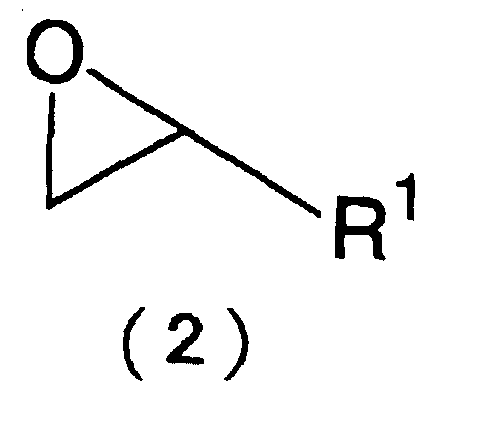
to give a 3-(3-pyridyl)-1-propanol derivative,
wherein the 3-methylpyridine is used in molar in excess of said strong base. - The process according to Claim 1
wherein said strong base is a lithium dialkylamide, a lithium disilylamide or a halomagnesium dialkylamide. - The process according to Claim 2
wherein said strong base is a lithium dialkylamide. - The process according to Claim 3
wherein said strong base is lithium diisopropylamide. - The process according to Claim 1, 2, 3 or 4
wherein 3-methylpyridine is used in an amount of not less than 1.5 molar equivalents to said strong base. - The process according to Claim 1, 2, 3, 4 or 5
wherein the reaction of said metal salt with said epoxy compound is conducted in the presence of an amine. - The process according to Claim 6
wherein said amine is a tertiary amine. - The process according to Claim 7
wherein said tertiary amine is pyridine or triethylamine. - The process according to Claim 6, 7 or 8
wherein said amine is used in not less than an equimolar amount relative to said strong base. - The process according to Claim 1, 2, 3, 4, 5, 6, 7, 8 or 9
wherein the reaction temperature is not less than -20 °C. - The process according to Claim 1, 2, 3, 4, 5, 6, 7, 8, 9 or 10
wherein R1 in the epoxy compound (2) is represented by the general formula (4):in the formula, R2 and R3 each independently represents hydrogen, an alkyl group of 1 to 18 carbon atoms, an aryl group of 6 to 18 carbon atoms or an aralkyl group of 7 to 18 carbon atoms, or R2 and R3, taken together, represent a cycloalkyl group of 3 to 18 carbon atoms; R4 represents hydrogen, an alkyl group of 1 to 18 carbon atoms, aryl group of 6 to 18 carbon atoms, aralkyl group of 7 to 18 carbon atoms or silyl group of 3 to 18 carbon atoms, which may be substituted; X represents an oxygen atom or a sulfur atom.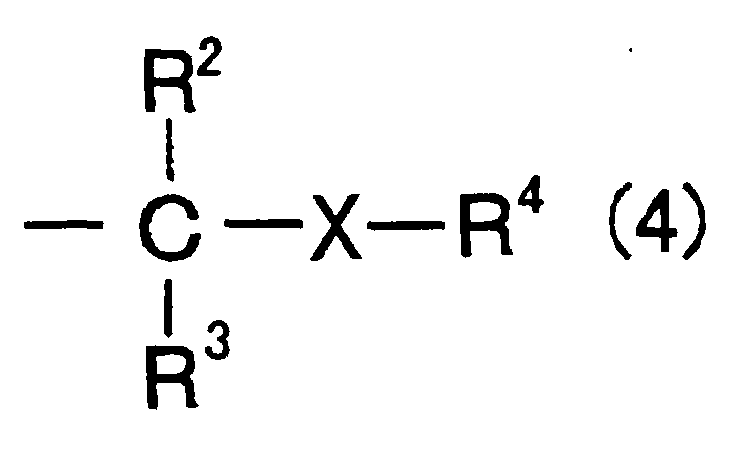
- The process according to claim 11
wherein R2 and R3 in the general formula (4) each represents hydrogen. - The process according to Claim 11 or 12 wherein X in the general formula (4) is an oxygen atom.
- The process according to Claim 11, 12 or 13
wherein R4 in the general formula (4) represents a phenyl group, a benzyl group, a tert-butyl group or a tert-butyldimethylsilyl group. - The process according to Claim 1, 2, 3, 4, 5, 6, 7, 8, 9, 10, 11, 12, 13 or 14
wherein the epoxy compound (2) is optically active. - A process for producing a 3-(3-pyridyl)-1-propanol derivative (3):in the formula, R1 represents an alkyl group of 1 to 20 carbon atoms, aryl group of 6 to 20 carbon atoms or aralkyl group of 7 to 20 carbon atoms, which may be substituted,
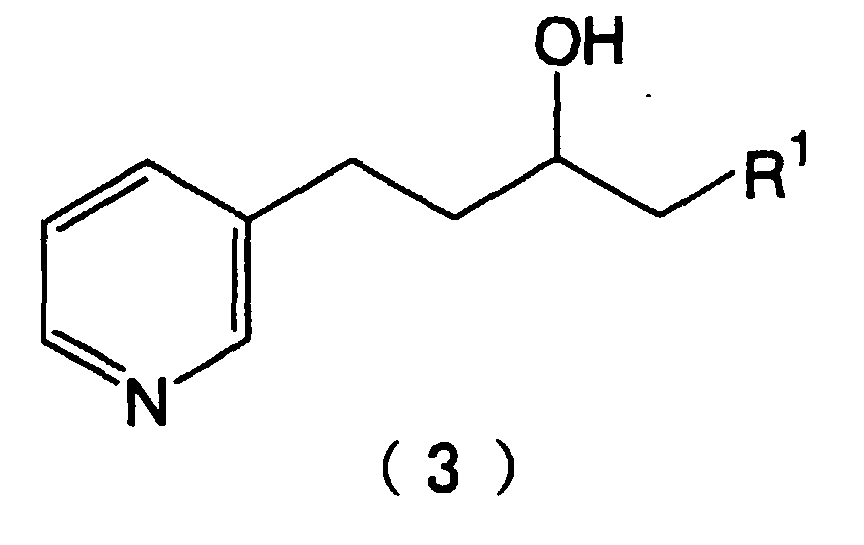
which comprises reacting a 3-methylpyridine with a strong base to prepare a 3-methylpyridine metal salt (1):in the formula, M represents lithium, sodium, potassium or a magnesium halide, where the halide is chloride or bromide,
and then reacting said metal salt with an epoxy compound (2):in the formula, R1 is as defined above,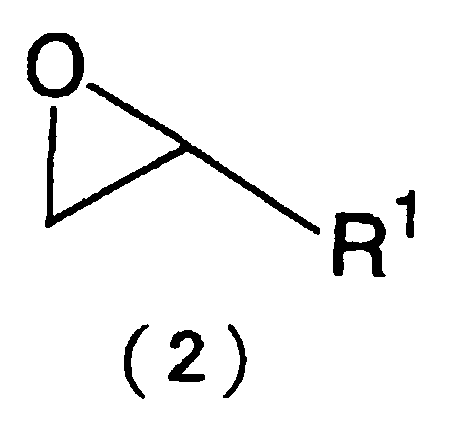
to give a 3-(3-pyridyl)-1-propanol derivative (3),
wherein the reaction of said metal salt with said epoxy compound is conducted in the presence of an amine. - The process according to Claim 16
wherein said strong base is a lithium dialkylamide, a lithium disilylamide or a halomagnesium dialkylamide. - The process according to Claim 17
wherein said strong base is a lithium dialkylamide. - The process according to Claim 18
wherein said strong base is lithium diisopropylamide. - The process according to Claim 16, 17, 18 or 19
wherein said amine is a tertiary amine. - The process according to Claim 20
wherein said tertiary amine is pyridine or triethylamine. - The process according to Claim 16, 17, 18, 19, 20 or 21
wherein said amine is used in not less than an equimolar amount relative to said strong base. - The process according to Claim 16, 17, 18, 19, 20, 21 or 22
wherein the reaction temperature is not less than -20 °C. - The process according to Claim 16, 17, 18, 19, 20, 21, 22 or 23
wherein R1 in the epoxy compound (2) is represented by the general formula (4):wherein R2 and R3 each independently represents hydrogen, an alkyl group of 1 to 18 carbon atoms, an aryl group of 6 to 18 carbon atoms or an aralkyl group of 7 to 18 carbon atoms, or R2 and R3, taken together, represent a cycloalkyl group of 3 to 18 carbon atoms; R4 represents hydrogen, an alkyl group of 1 to 18 carbon atoms, aryl group of 6 to 18 carbon atoms, aralkyl group of 7 to 18 carbon atoms or silyl group of 3 to 18 carbon atoms, which may be substituted; X represents an oxygen atom or a sulfur atom.
- The process according to Claim 24
wherein R2 and R3 in the general formula (4) each represents hydrogen. - The process according to Claim 24 or 25
wherein X in the general formula (4) is an oxygen atom. - The process according to Claim 24, 25 or 26
wherein R4 in the general formula (4) represents a phenyl group, a benzyl group, a tert-butyl group or a tert-butyldimethylsilyl group. - The process according to Claim 16, 17, 18, 19, 20, 21, 22, 23, 24, 25, 26 or 27
wherein the epoxy compound (2) is optically active. - A process for producing a 4-(3-pyridyl)-1,2-butanediol (7):which comprises reacting a 3-methylpyridine with a strong base to prepare a 3-methylpyridine metal salt (1):
 in the formula, M represents lithium, sodium, potassium or a magnesium halide, where the halide is chloride or bromide,
then reacting said metal salt with an 0-protected glycidol (5):in the formula, R5 represents a hydroxy-protecting group,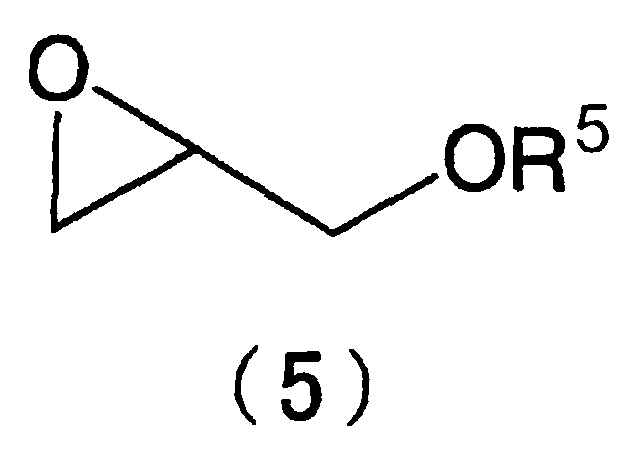
to give a 1-O-protected-4-(3-pyridyl)-1,2-butanediol (6):and further deprotecting the same.
- The process according to Claim 29
wherein R5 is an ether-type protective group or a silyl type protective group. - The process according to Claim 30
wherein R5 is a benzyl group. - The process according to Claim 29, 30 or 31
wherein said strong base is a lithium dialkylamide, a lithium disilylamide or a halomagnesium dialkylamide. - The process according to Claim 29, 30, 31 or 32
wherein the reaction temperature is not less than -20 °C. - The process according to Claim 29, 30, 31, 32 or 33
wherein the compound of the general formula (5) is an optically active (R)-benzyl glycidyl ether
and the compound of the formula (7) is an optically active (2R)-4-(3-pyridyl)-1,2-butanediol. - A process for producing an 1-O-protected-4-(3-pyridyl)-1,2-butanediol (6):which comprises reacting 3-methylpyridine with a strong base to prepare a 3-methylpyridine metal salt (1):
 in the formula, M represents lithium, sodium, potassium or a magnesium halide, where the halide is chloride or bromide,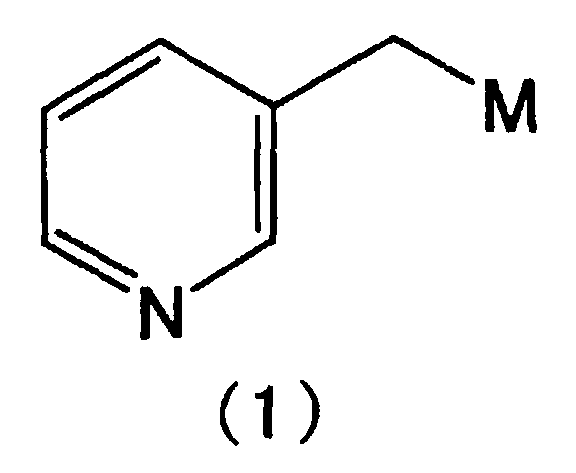
and then reacting said metal salt with an 0-protected glycidol (5):in the formula, R5 represents a hydroxy-protecting group,
to give an 1-O-protected-4-(3-pyridyl)-1,2-butanediol. - The process according to Claim 35
wherein R5 is an ether-type protective group or a silyl type protective group. - The process according to Claim 36
wherein R5 is a benzyl group. - The process according to Claim 35, 36 or 37
wherein said strong base is a lithium dialkylamide, a lithium disilylamide or a halomagnesium dialkylamide. - The process according to Claim 35, 36, 37 or 38
wherein the reaction temperature is not less than -20 °C. - The process according to Claim 35, 36, 37, 38 or 39
wherein the compound of the general formula (5) is an optically active (R)-benzyl glycidyl ether
and the compound of the general formula (6) is an optically active (2R)-1-O-benzyl-4-(3-pyridyl)-1,2-butanediol. - An 1-O-benzyl-4-(3-pyridyl)-1,2-butanediol represented by the following formula (8).

- The compound according to Claim 41
which is an optically active (2R)-1-O-benzyl-4-(3-pyridyl)-1,2-butanediol.
Applications Claiming Priority (4)
| Application Number | Priority Date | Filing Date | Title |
|---|---|---|---|
| JP21865099 | 1999-08-02 | ||
| JP11218650A JP2001039951A (en) | 1999-08-02 | 1999-08-02 | Method for producing 4- (3-pyridyl) -1,2-butanediol |
| JP22677299 | 1999-08-10 | ||
| JP11226772A JP2001048863A (en) | 1999-08-10 | 1999-08-10 | Method for producing 3- (3-pyridyl) -1-propanol derivative |
Publications (2)
| Publication Number | Publication Date |
|---|---|
| EP1074544A1 true EP1074544A1 (en) | 2001-02-07 |
| EP1074544B1 EP1074544B1 (en) | 2003-08-27 |
Family
ID=26522678
Family Applications (1)
| Application Number | Title | Priority Date | Filing Date |
|---|---|---|---|
| EP00402196A Expired - Lifetime EP1074544B1 (en) | 1999-08-02 | 2000-07-31 | Process for production of 3-(3-pyridyl)-1-propanol derivatives |
Country Status (5)
| Country | Link |
|---|---|
| US (1) | US6388086B1 (en) |
| EP (1) | EP1074544B1 (en) |
| AT (1) | ATE248149T1 (en) |
| CA (1) | CA2314458A1 (en) |
| DE (1) | DE60004747T2 (en) |
Citations (6)
| Publication number | Priority date | Publication date | Assignee | Title |
|---|---|---|---|---|
| FR2051536A1 (en) * | 1969-05-16 | 1971-04-09 | Yoshitomi Pharmaceutical | |
| FR2270863A1 (en) * | 1974-05-14 | 1975-12-12 | Ciba Geigy Ag | |
| EP0264114A1 (en) * | 1986-10-16 | 1988-04-20 | G.D. Searle & Co. | Alpha-[(phenylmethoxy)methyl]pyridine-alkanol derivatives |
| EP0267439A2 (en) * | 1986-10-14 | 1988-05-18 | G.D. Searle & Co. | Alpha-(phenylalkyl) pyridinealkanol derivatives |
| WO1997020815A1 (en) * | 1995-12-06 | 1997-06-12 | Astra Pharmaceuticals Ltd. | Compounds |
| WO1998043971A1 (en) * | 1997-04-01 | 1998-10-08 | Astra Pharmaceuticals Ltd. | Novel pyridine derivatives and pharmaceutical compositions containing them |
-
2000
- 2000-07-21 CA CA002314458A patent/CA2314458A1/en not_active Abandoned
- 2000-07-31 DE DE60004747T patent/DE60004747T2/en not_active Expired - Fee Related
- 2000-07-31 EP EP00402196A patent/EP1074544B1/en not_active Expired - Lifetime
- 2000-07-31 AT AT00402196T patent/ATE248149T1/en not_active IP Right Cessation
- 2000-08-02 US US09/631,678 patent/US6388086B1/en not_active Expired - Fee Related
Patent Citations (6)
| Publication number | Priority date | Publication date | Assignee | Title |
|---|---|---|---|---|
| FR2051536A1 (en) * | 1969-05-16 | 1971-04-09 | Yoshitomi Pharmaceutical | |
| FR2270863A1 (en) * | 1974-05-14 | 1975-12-12 | Ciba Geigy Ag | |
| EP0267439A2 (en) * | 1986-10-14 | 1988-05-18 | G.D. Searle & Co. | Alpha-(phenylalkyl) pyridinealkanol derivatives |
| EP0264114A1 (en) * | 1986-10-16 | 1988-04-20 | G.D. Searle & Co. | Alpha-[(phenylmethoxy)methyl]pyridine-alkanol derivatives |
| WO1997020815A1 (en) * | 1995-12-06 | 1997-06-12 | Astra Pharmaceuticals Ltd. | Compounds |
| WO1998043971A1 (en) * | 1997-04-01 | 1998-10-08 | Astra Pharmaceuticals Ltd. | Novel pyridine derivatives and pharmaceutical compositions containing them |
Also Published As
| Publication number | Publication date |
|---|---|
| ATE248149T1 (en) | 2003-09-15 |
| CA2314458A1 (en) | 2001-02-02 |
| US6388086B1 (en) | 2002-05-14 |
| DE60004747D1 (en) | 2003-10-02 |
| EP1074544B1 (en) | 2003-08-27 |
| DE60004747T2 (en) | 2004-07-01 |
Similar Documents
| Publication | Publication Date | Title |
|---|---|---|
| EP0167451B1 (en) | A new process for preparing novel n-(acyloxy-alkoxy) carbonyl derivatives useful as bioreversible prodrug moieties for primary and secondary amine functions in drugs | |
| EP3483161B1 (en) | Intermediates used to make entecavir | |
| US4803292A (en) | Process for producing statin and related compounds | |
| JP2002533430A (en) | Preparation method of aryl ether | |
| WO2011004389A2 (en) | An improved process for the preparation of elvitegravir | |
| EP1074544B1 (en) | Process for production of 3-(3-pyridyl)-1-propanol derivatives | |
| Albanese et al. | Synthesis of N-sulfonyl aziridines through regioselective opening of epoxides under solid-liquid PTC conditions | |
| JP2001048863A (en) | Method for producing 3- (3-pyridyl) -1-propanol derivative | |
| HU208536B (en) | Process for producing amino-diol derivatives and pharmaceutical compositions containing them as active components | |
| CA2266473A1 (en) | A method for producing optically active erythro-3-amino-2-hydroxybutyric esters and acids thereof | |
| Fokina et al. | Towards optically pure mono-and difluorinated amino acids: Common methodology based on (R)-2, 3-O-isopropylideneglyceraldehyde | |
| JP7629421B2 (en) | Method for producing alkene derivatives | |
| JP2835785B2 (en) | Process for producing optically active 2- (1-hydroxyalkyl) benzaldehydes | |
| US5677455A (en) | Preparation of 3-oxy-5-oxo-6-heptenoic acid derivatives | |
| AU2005276642B2 (en) | Method for the production of diarylcycloalkyl derivatives | |
| JP2000080082A (en) | Method for producing 5-halogeno-2-substituted pyridine | |
| Chen et al. | S, S-Dimethyl dithiocarbonate: A novel carbonyl dication synthon in the synthesis of ketones | |
| JP3573357B2 (en) | Method for producing optically active 3-amino-2-butanol derivative starting from 3-amino-2-hydroxy-butyric acid ester derivative and intermediates thereof | |
| JP2503040B2 (en) | α-Substituted-γ-alkoxyallyl sulfide derivative and method for producing the same | |
| JP2922943B2 (en) | Imidazolidinone derivatives | |
| KR20050071800A (en) | Novel process for the preparation of amide derivatives | |
| JP2831358B2 (en) | Process for the enantioselective production of trans- or cis-structured hemicaronic acid aldehydes | |
| JP2571080B2 (en) | Method for producing optically active 1,2-alkanediol | |
| JP2001039951A (en) | Method for producing 4- (3-pyridyl) -1,2-butanediol | |
| JP2974181B2 (en) | A new method for producing cyclobutanol |
Legal Events
| Date | Code | Title | Description |
|---|---|---|---|
| PUAI | Public reference made under article 153(3) epc to a published international application that has entered the european phase |
Free format text: ORIGINAL CODE: 0009012 |
|
| AK | Designated contracting states |
Kind code of ref document: A1 Designated state(s): AT BE CH CY DE DK ES FI FR GB GR IE IT LI LU MC NL PT SE |
|
| AX | Request for extension of the european patent |
Free format text: AL;LT;LV;MK;RO;SI |
|
| 17P | Request for examination filed |
Effective date: 20010622 |
|
| AKX | Designation fees paid |
Free format text: AT BE CH CY DE DK ES FI FR GB GR IE IT LI LU MC NL PT SE |
|
| 17Q | First examination report despatched |
Effective date: 20011119 |
|
| GRAH | Despatch of communication of intention to grant a patent |
Free format text: ORIGINAL CODE: EPIDOS IGRA |
|
| GRAH | Despatch of communication of intention to grant a patent |
Free format text: ORIGINAL CODE: EPIDOS IGRA |
|
| GRAA | (expected) grant |
Free format text: ORIGINAL CODE: 0009210 |
|
| AK | Designated contracting states |
Designated state(s): AT BE CH CY DE DK ES FI FR GB GR IE IT LI LU MC NL PT SE |
|
| PG25 | Lapsed in a contracting state [announced via postgrant information from national office to epo] |
Ref country code: IT Free format text: LAPSE BECAUSE OF FAILURE TO SUBMIT A TRANSLATION OF THE DESCRIPTION OR TO PAY THE FEE WITHIN THE PRESCRIBED TIME-LIMIT;WARNING: LAPSES OF ITALIAN PATENTS WITH EFFECTIVE DATE BEFORE 2007 MAY HAVE OCCURRED AT ANY TIME BEFORE 2007. THE CORRECT EFFECTIVE DATE MAY BE DIFFERENT FROM THE ONE RECORDED. Effective date: 20030827 Ref country code: CY Free format text: LAPSE BECAUSE OF FAILURE TO SUBMIT A TRANSLATION OF THE DESCRIPTION OR TO PAY THE FEE WITHIN THE PRESCRIBED TIME-LIMIT Effective date: 20030827 Ref country code: FI Free format text: LAPSE BECAUSE OF FAILURE TO SUBMIT A TRANSLATION OF THE DESCRIPTION OR TO PAY THE FEE WITHIN THE PRESCRIBED TIME-LIMIT Effective date: 20030827 |
|
| REG | Reference to a national code |
Ref country code: GB Ref legal event code: FG4D |
|
| REG | Reference to a national code |
Ref country code: CH Ref legal event code: EP |
|
| REG | Reference to a national code |
Ref country code: IE Ref legal event code: FG4D |
|
| REF | Corresponds to: |
Ref document number: 60004747 Country of ref document: DE Date of ref document: 20031002 Kind code of ref document: P |
|
| PG25 | Lapsed in a contracting state [announced via postgrant information from national office to epo] |
Ref country code: GR Free format text: LAPSE BECAUSE OF FAILURE TO SUBMIT A TRANSLATION OF THE DESCRIPTION OR TO PAY THE FEE WITHIN THE PRESCRIBED TIME-LIMIT Effective date: 20031127 Ref country code: DK Free format text: LAPSE BECAUSE OF FAILURE TO SUBMIT A TRANSLATION OF THE DESCRIPTION OR TO PAY THE FEE WITHIN THE PRESCRIBED TIME-LIMIT Effective date: 20031127 Ref country code: SE Free format text: LAPSE BECAUSE OF FAILURE TO SUBMIT A TRANSLATION OF THE DESCRIPTION OR TO PAY THE FEE WITHIN THE PRESCRIBED TIME-LIMIT Effective date: 20031127 |
|
| REG | Reference to a national code |
Ref country code: CH Ref legal event code: NV Representative=s name: BOVARD AG PATENTANWAELTE |
|
| PG25 | Lapsed in a contracting state [announced via postgrant information from national office to epo] |
Ref country code: ES Free format text: LAPSE BECAUSE OF FAILURE TO SUBMIT A TRANSLATION OF THE DESCRIPTION OR TO PAY THE FEE WITHIN THE PRESCRIBED TIME-LIMIT Effective date: 20031208 |
|
| PG25 | Lapsed in a contracting state [announced via postgrant information from national office to epo] |
Ref country code: PT Free format text: LAPSE BECAUSE OF FAILURE TO SUBMIT A TRANSLATION OF THE DESCRIPTION OR TO PAY THE FEE WITHIN THE PRESCRIBED TIME-LIMIT Effective date: 20040127 |
|
| ET | Fr: translation filed | ||
| PLBE | No opposition filed within time limit |
Free format text: ORIGINAL CODE: 0009261 |
|
| STAA | Information on the status of an ep patent application or granted ep patent |
Free format text: STATUS: NO OPPOSITION FILED WITHIN TIME LIMIT |
|
| PGFP | Annual fee paid to national office [announced via postgrant information from national office to epo] |
Ref country code: AT Payment date: 20040713 Year of fee payment: 5 |
|
| PG25 | Lapsed in a contracting state [announced via postgrant information from national office to epo] |
Ref country code: MC Free format text: LAPSE BECAUSE OF NON-PAYMENT OF DUE FEES Effective date: 20040731 Ref country code: LU Free format text: LAPSE BECAUSE OF NON-PAYMENT OF DUE FEES Effective date: 20040731 |
|
| PG25 | Lapsed in a contracting state [announced via postgrant information from national office to epo] |
Ref country code: IE Free format text: LAPSE BECAUSE OF NON-PAYMENT OF DUE FEES Effective date: 20040802 |
|
| 26N | No opposition filed |
Effective date: 20040528 |
|
| REG | Reference to a national code |
Ref country code: IE Ref legal event code: MM4A |
|
| PGFP | Annual fee paid to national office [announced via postgrant information from national office to epo] |
Ref country code: NL Payment date: 20050703 Year of fee payment: 6 |
|
| PGFP | Annual fee paid to national office [announced via postgrant information from national office to epo] |
Ref country code: FR Payment date: 20050708 Year of fee payment: 6 |
|
| PGFP | Annual fee paid to national office [announced via postgrant information from national office to epo] |
Ref country code: CH Payment date: 20050727 Year of fee payment: 6 Ref country code: GB Payment date: 20050727 Year of fee payment: 6 |
|
| PGFP | Annual fee paid to national office [announced via postgrant information from national office to epo] |
Ref country code: DE Payment date: 20050728 Year of fee payment: 6 |
|
| PG25 | Lapsed in a contracting state [announced via postgrant information from national office to epo] |
Ref country code: AT Free format text: LAPSE BECAUSE OF NON-PAYMENT OF DUE FEES Effective date: 20050731 |
|
| PGFP | Annual fee paid to national office [announced via postgrant information from national office to epo] |
Ref country code: BE Payment date: 20050915 Year of fee payment: 6 |
|
| PG25 | Lapsed in a contracting state [announced via postgrant information from national office to epo] |
Ref country code: GB Free format text: LAPSE BECAUSE OF NON-PAYMENT OF DUE FEES Effective date: 20060731 Ref country code: LI Free format text: LAPSE BECAUSE OF NON-PAYMENT OF DUE FEES Effective date: 20060731 Ref country code: CH Free format text: LAPSE BECAUSE OF NON-PAYMENT OF DUE FEES Effective date: 20060731 Ref country code: BE Free format text: LAPSE BECAUSE OF NON-PAYMENT OF DUE FEES Effective date: 20060731 |
|
| PG25 | Lapsed in a contracting state [announced via postgrant information from national office to epo] |
Ref country code: DE Free format text: LAPSE BECAUSE OF NON-PAYMENT OF DUE FEES Effective date: 20070201 Ref country code: NL Free format text: LAPSE BECAUSE OF NON-PAYMENT OF DUE FEES Effective date: 20070201 |
|
| REG | Reference to a national code |
Ref country code: CH Ref legal event code: PL |
|
| GBPC | Gb: european patent ceased through non-payment of renewal fee |
Effective date: 20060731 |
|
| NLV4 | Nl: lapsed or anulled due to non-payment of the annual fee |
Effective date: 20070201 |
|
| REG | Reference to a national code |
Ref country code: FR Ref legal event code: ST Effective date: 20070330 |
|
| BERE | Be: lapsed |
Owner name: *KANEKA CORP. Effective date: 20060731 |
|
| PG25 | Lapsed in a contracting state [announced via postgrant information from national office to epo] |
Ref country code: FR Free format text: LAPSE BECAUSE OF NON-PAYMENT OF DUE FEES Effective date: 20060731 |