EP1074266B1 - Live attenuated bacteria for use in a vaccine - Google Patents
Live attenuated bacteria for use in a vaccine Download PDFInfo
- Publication number
- EP1074266B1 EP1074266B1 EP00201985A EP00201985A EP1074266B1 EP 1074266 B1 EP1074266 B1 EP 1074266B1 EP 00201985 A EP00201985 A EP 00201985A EP 00201985 A EP00201985 A EP 00201985A EP 1074266 B1 EP1074266 B1 EP 1074266B1
- Authority
- EP
- European Patent Office
- Prior art keywords
- cra
- gene
- live attenuated
- vaccine
- salmonella
- Prior art date
- Legal status (The legal status is an assumption and is not a legal conclusion. Google has not performed a legal analysis and makes no representation as to the accuracy of the status listed.)
- Expired - Lifetime
Links
Images
Classifications
-
- A—HUMAN NECESSITIES
- A61—MEDICAL OR VETERINARY SCIENCE; HYGIENE
- A61K—PREPARATIONS FOR MEDICAL, DENTAL OR TOILETRY PURPOSES
- A61K39/00—Medicinal preparations containing antigens or antibodies
- A61K39/02—Bacterial antigens
-
- A—HUMAN NECESSITIES
- A61—MEDICAL OR VETERINARY SCIENCE; HYGIENE
- A61K—PREPARATIONS FOR MEDICAL, DENTAL OR TOILETRY PURPOSES
- A61K39/00—Medicinal preparations containing antigens or antibodies
- A61K39/02—Bacterial antigens
- A61K39/025—Enterobacteriales, e.g. Enterobacter
- A61K39/0275—Salmonella
-
- A—HUMAN NECESSITIES
- A61—MEDICAL OR VETERINARY SCIENCE; HYGIENE
- A61P—SPECIFIC THERAPEUTIC ACTIVITY OF CHEMICAL COMPOUNDS OR MEDICINAL PREPARATIONS
- A61P31/00—Antiinfectives, i.e. antibiotics, antiseptics, chemotherapeutics
- A61P31/04—Antibacterial agents
-
- A—HUMAN NECESSITIES
- A61—MEDICAL OR VETERINARY SCIENCE; HYGIENE
- A61P—SPECIFIC THERAPEUTIC ACTIVITY OF CHEMICAL COMPOUNDS OR MEDICINAL PREPARATIONS
- A61P43/00—Drugs for specific purposes, not provided for in groups A61P1/00-A61P41/00
-
- A—HUMAN NECESSITIES
- A61—MEDICAL OR VETERINARY SCIENCE; HYGIENE
- A61K—PREPARATIONS FOR MEDICAL, DENTAL OR TOILETRY PURPOSES
- A61K39/00—Medicinal preparations containing antigens or antibodies
- A61K2039/51—Medicinal preparations containing antigens or antibodies comprising whole cells, viruses or DNA/RNA
- A61K2039/52—Bacterial cells; Fungal cells; Protozoal cells
- A61K2039/522—Bacterial cells; Fungal cells; Protozoal cells avirulent or attenuated
-
- A—HUMAN NECESSITIES
- A61—MEDICAL OR VETERINARY SCIENCE; HYGIENE
- A61K—PREPARATIONS FOR MEDICAL, DENTAL OR TOILETRY PURPOSES
- A61K39/00—Medicinal preparations containing antigens or antibodies
- A61K2039/54—Medicinal preparations containing antigens or antibodies characterised by the route of administration
- A61K2039/541—Mucosal route
- A61K2039/542—Mucosal route oral/gastrointestinal
-
- A—HUMAN NECESSITIES
- A61—MEDICAL OR VETERINARY SCIENCE; HYGIENE
- A61K—PREPARATIONS FOR MEDICAL, DENTAL OR TOILETRY PURPOSES
- A61K39/00—Medicinal preparations containing antigens or antibodies
- A61K2039/55—Medicinal preparations containing antigens or antibodies characterised by the host/recipient, e.g. newborn with maternal antibodies
- A61K2039/552—Veterinary vaccine
-
- Y—GENERAL TAGGING OF NEW TECHNOLOGICAL DEVELOPMENTS; GENERAL TAGGING OF CROSS-SECTIONAL TECHNOLOGIES SPANNING OVER SEVERAL SECTIONS OF THE IPC; TECHNICAL SUBJECTS COVERED BY FORMER USPC CROSS-REFERENCE ART COLLECTIONS [XRACs] AND DIGESTS
- Y02—TECHNOLOGIES OR APPLICATIONS FOR MITIGATION OR ADAPTATION AGAINST CLIMATE CHANGE
- Y02A—TECHNOLOGIES FOR ADAPTATION TO CLIMATE CHANGE
- Y02A50/00—TECHNOLOGIES FOR ADAPTATION TO CLIMATE CHANGE in human health protection, e.g. against extreme weather
- Y02A50/30—Against vector-borne diseases, e.g. mosquito-borne, fly-borne, tick-borne or waterborne diseases whose impact is exacerbated by climate change
Definitions
- the present invention relates to live attenuated bacteria for use in a medicament, to vaccines based upon such bacteria useful for the prevention of microbial pathogenesis, to live attenuated bacteria carrying a heterologous gene and to methods for the preparation of such vaccines and bacteria.
- the means by which a warm blooded animal overcomes microbial pathogenesis is a complex process. Immunity to microbial pathogenesis is one means by which a warm blooded animal avoids pathogenesis, or suffers a less intense pathogenic state. Incomplete immunity to a given pathogen results in morbidity and mortality in a population exposed to a pathogen. It is generally agreed that vaccines based on live but attenuated micro-organisms (live attenuated vaccines) induce a highly effective type of immune response.
- Such vaccines have the advantage that, once the animal host has been vaccinated, entry of the microbial pathogen into the host induces an accelerated recall of earlier, cell-mediated or humoral immunity which is able to control the further growth of the organism before the infection can assume clinically significant proportions.
- Vaccines based on a killed pathogen are generally conceded to be unable to achieve this type of response.
- vaccines that contain a live pathogen present depending on the level of attenuation, the danger that the vaccinated host upon vaccination may contract the disease against which protection is being sought. Therefore, it would be desirable to have a vaccine that possesses the immunising attributes of a live micro-organism but that is not capable of causing undesirable side effects upon vaccination.
- a live vaccine should preferably retain the antigenic complement of the wild-type strain.
- the live vaccine should be sufficiently a-virulent to avoid unacceptable pathological effects, but on the other hand it must cause a sufficient level of immunity in the host.
- the live attenuated vaccine strain should preferably have substantially no probability for reverting to a virulent wild type strain.
- the gene that according to the present invention can be deleted and leads to an attenuated in vivo behaviour of the deletion mutants is a gene formerly known as the fruR gene, currently however called the cra gene. It was known that mutants lacking this gene could be grown in vitro , but only if the deficiencies due to lack of Cra activity are compensated for in the growth medium. This means that nutrients on which the Cra-deficient mutant can grow must be present in the growth medium. Generally spoken, pathogenic bacteria are self-supporting in the sense that they adapt their metabolism to the nutrients that are available. The cra gene plays such an adaptive role in many main metabolic pathways (see below). Mutants from which the cra gene has been deleted can however grow perfectly well on glucose and many other sugars as carbon source.
- One embodiment of the invention relates to live attenuated bacteria that are no longer capable to express a functional Cra protein as a result of a mutation in the cra gene, for use in a vaccine.
- the gene product (formerly known as FruR; the Fructose Repressor Protein), now also known as Cra (the Catabolite Repressor/Activator Protein), is a regulatory protein in many main pathways of the carbohydrate metabolism.
- the cra -gene product Cra regulates the central carbon metabolism. More specifically, Cra positively regulates transcription of genes encoding biosynthetic and oxidative enzymes (e.g. key enzymes in the TCA cycle, the glyoxalate shunt, the gluconeogenic pathway and electron transport) by binding upstream of the promoters of these genes and negatively regulates transcription of genes encoding glycolytic enzymes (e.g. key enzymes in the Embden-Meyerhof and Entner-Doudoroff pathways). Due to its key position in carbohydrate metabolism, the cra gene and its gene product Cra are widespread in the bacterial realm. The Cra protein is a highly conserved protein. It can be found in e.g.
- Escherichia coli in Salmonella enterica species, such as serotype Typhimurium, Enteritidis and Dublin, in Actinobacillus species such as A. pleuropneumoniae, in Haemophilus species such as H. paragallinarum, in Aeromonas salmonicidae, in Pasteurella species such as P. piscida and P. multocida, in Streptococcus species such as S. equi and S. suis and in Yersinia species such as Y. pestis .
- Salmonella enterica species such as serotype Typhimurium, Enteritidis and Dublin
- Actinobacillus species such as A. pleuropneumoniae
- Haemophilus species such as H. paragallinarum
- Aeromonas salmonicidae in Aeromonas salmonicidae
- Pasteurella species such as P. piscida and P. multocida
- Streptococcus species such as S.
- Such a mutation can be an insertion, a deletion, a substitution or a combination thereof, provided that the mutation leads to the failure to express a functional Cra protein.
- a functional Cra protein is understood to be a protein having the regulating characteristics of the wild-type protein. Therefore, a Cra protein that is defective in at least one of its functions is considered to be a non-functional Cra protein.
- Live attenuated bacteria for use according to the invention can be obtained in several ways.
- One possible way of obtaining such bacteria is by means of classical methods such as the treatment of wild-type bacteria having the cra gene with mutagenic agents such as base analogues, treatment with ultraviolet light or temperature treatment.
- Strains that do not produce a functional Cra protein can easily be picked up. They grow on minimal medium exclusively in the presence of glucose and other sugars as carbon sources (which differentiates them from cya and crp mutants) but they are not able to grow with gluconeogenic substrates as sole carbon source. (Chin et al., J. Bacteriol. 169: 897-899 (1987)) They can therefore very easily be selected in vitro.
- transposon mutagenesis is also a mutagenesis-technique well-known in the art. This is a mutation accomplished at a localised site in the chromosome. Transposon-insertions can not be targeted to a specific gene. It is however very easy to pick up cra -mutants since they do not grow in vitro without nutrient compensation for lack of Cra activity. Therefore, they can easily be selected from a pool of randomly transposon-mutated bacteria.
- Site-directed mutations can e.g. be made by means of in vitro site directed mutagenesis using the Transformer ® kit sold by Clontech. PCR-techniques are extensively described in (Dieffenbach & Dreksler; PCR primers, a laboratory manual. ISBN 0-87969-447-3 and ISBN 0-87969-447-5).
- the cra gene comprises not only the coding sequence encoding the Cra protein, but also regulatory sequences such as the promoter.
- the gene also comprises sites essential for correct translation of the Cra mRNA, such as the ribosome binding site. Therefore, not only mutations in the coding regions but also mutations in those sequences essential for correct transcription and translation are considered to fall within the scope of the invention.
- the invention relates to live attenuated bacteria of the genera Escherichia , Salmonella , Actinobacillus, Haemophilus, Aeromonas, Pasteurella, Streptococcus and Yersinia for use in a vaccine.
- the live attenuated bacterium according to the invention is selected from the group consisting of S. enterica serotype Typhimurium, Enteritidis, Choleraesuis, Dublin, Typhi, Gallinarum, Abortusovi, Abortus-equi, Pullorum, E. coli or Y. pestis .
- S. enterica serotype Typhimurium Enteritidis
- Choleraesuis Dublin
- Typhi Gallinarum
- Abortusovi Abortus-equi
- Pullorum E. coli or Y. pestis
- the live attenuated bacterium according to the invention is S. enterica, E. coli or Y. pestis .
- this embodiment relates to live attenuated bacteria according to the invention in which the mutation in the Cra gene has been made by recombinant DNA technology.
- this embodiment of the invention refers to live attenuated bacteria in which the cra gene comprises an insertion and/or a deletion.
- live attenuated bacteria as a recombinant carrier for heterologous genes, encoding antigens selected from other pathogenic micro-organisms or viruses.
- Administration of such a recombinant carrier has the advantage that immunity is induced against two or more diseases at the same time.
- the live attenuated bacteria for use in a vaccine, according to the present invention provide very suitable carriers for heterologous genes, since the gene encoding the Cra protein can be used as an insertion site for such heterologous genes.
- cra gene as an insertion site has the advantage that at the same time the cra gene is inactivated and the newly introduced heterologous gene can be expressed (in concert with the homologous bacterial genes).
- the construction of such recombinant carriers can be done routinely, using standard molecular biology techniques such as allelic exchange. Therefore, another embodiment of the invention relates to live attenuated recombinant bacteria, preferably of the genera Escherichia , Salmonella , Actinobacillus, Haemophilus, Aeromonas, Pasteurella, Streptococcus and Yersinia that do not produce a functional Cra protein, and in which a heterologous gene is inserted.
- Such a heterologous gene can, as mentioned above, e.g. be a gene encoding an antigen selected from other pathogenic micro-organisms or viruses.
- Such genes can e.g. be derived from pathogenic herpesviruses (e.g. the genes encoding the structural proteins of herpesviruses), retroviruses (e.g. the gp160 envelope protein), adenoviruses and the like.
- a heterologous gene can be obtained from pathogenic bacteria.
- genes encoding bacterial toxins such as Actinobacillus pleuropneumoniae toxins, Clostridium toxins, outer membrane proteins and the like are very suitable bacterial heterologous genes.
- Another possibility is to insert a gene encoding a protein involved in triggering the immune system, such as an interleukin or an interferon, or another gene involved in immune-regulation.
- Insertion of the heterologous gene in the cra gene is advantageous, since there is no need to find an insertion site for the heterologous gene, and at the same time the cra gene is knocked out.
- the heterologous gene is inserted in the cra gene.
- the heterologous gene can be inserted somewhere in the cra gene or it can be inserted at the site of the cra gene while this gene has been partially or completely deleted.
- the bacteria for use in a vaccine are very suitable as a basis for live attenuated vaccines.
- still another embodiment of the invention relates to live attenuated vaccines for the protection of animals and humans against infection with a bacterium of which the wild type form comprises a cra gene.
- Such vaccines comprise an immunogenically effective amount of a live attenuated bacterium for use in a vaccine, according to the invention or a live recombinant carrier bacterium according to the invention, and a pharmaceutically acceptable carrier.
- the vaccine comprises a live attenuated bacterium according to the invention, selected from the group of Escherichia , Salmonella , Actinobacillus, Haemophilus, Aeromonas, Pasteurella, Streptococcus and Yersinia.
- Immunogenically effective means that the amount of live attenuated bacteria administered at vaccination is sufficient to induce in the host an effective immune response against virulent forms of the bacterium.
- a vaccine according to the present invention also contains a pharmaceutically acceptable carrier.
- a carrier may be as simple as water, but it may e.g. also comprise culture fluid in which the bacteria were cultured.
- Another suitable carrier is e.g. a solution of physiological salt concentration.
- the useful dosage to be administered will vary depending on the age, weight and animal vaccinated, the mode of administration and the type of pathogen against which vaccination is sought.
- the vaccine may comprise any dose of bacteria, sufficient to evoke an immune response. Doses ranging between 10 3 and 10 10 bacteria are e.g. very suitable doses.
- Adjuvants are non-specific stimulators of the immune system. They enhance the immune response of the host to the vaccine. Examples of adjuvants known in the art are Freunds Complete and Incomplete adjuvant, vitamin E, non-ionic block polymers, muramyldipeptides, ISCOMs (immune stimulating complexes, cf. for instance European Patent EP 109942), Saponins, mineral oil, vegetable oil, and Carbopol. Adjuvants, specially suitable for mucosal application are e.g. the E. coli heat-labile toxin (LT) or Cholera toxin (CT).
- LT heat-labile toxin
- CT Cholera toxin
- Suitable adjuvants are for example aluminium hydroxide, aluminium phosphate or aluminium oxide, oil-emulsions (e.g. of Bayol F (R) or Marcol 52 (R) , saponins or vitamin-E solubilisate.
- the vaccines according to the present invention comprise an adjuvant.
- compositions e.g. sorbitol, mannitol, starch, sucrose, glucose, dextran
- proteins such as albumin or casein
- protein containing agents such as bovine serum or skimmed milk
- buffers e.g. phosphate buffer
- the vaccine according to the present invention can be given inter alia intranasally, intradermally, subcutaneously, orally, by aerosol or intramuscularly.
- aerosol or intramuscularly for application to poultry, wing web and eye-drop administration are very suitable.
- Still another embodiment relates to the use of a bacterium for use in a vaccine or a recombinant bacterium according to the invention for the manufacture of a vaccine for the protection of animals and humans against infection with a wild type bacterium or the pathogenic effects of infection.
- Still another embodiment of the invention relates to methods for the preparation of a vaccine according to the invention.
- Such methods comprise the admixing of a live attenuated bacterium according to the invention or a live recombinant carrier bacterium according to the invention, and a pharmaceutically acceptable carrier.
- the transposon-mutated gene of the mutant S. typhimurium SR-11 Fad - has been identified, cloned and sequenced.
- the nucleotide sequence of the mutant gene that renders the disclosed SR-11 Fad - a-virulent is set forth in Sequence ID NO:1.
- Sequence ID NO:2 sets forth the amino acid sequence of the protein molecule that the nucleotide sequence of Sequence ID NO:1 encodes. It was now determined that S. typhimurium SR-11 Fad - is mutant in the cra gene. The point of the transposon insertion has been found to be located within the range of about 45 base pairs from the 3'end of the cra translational stop codon.
- the regions flanking the Tn 10 d Cam insertion were sequenced using the Sanger Dideoxy Thermal Cycling Method.
- the nucleotide sequences immediately flanking each side of the Tn 10 d Cam insertion were found to be 100% homologous to the S.
- S . typhimurium cra (fruR) gene and the point of the insertion was found to be 45 nucleotides from the 3' end of the cra translational stop codon. This suggested that S . typhimurium SR-11 Fad - is a cra mutant. In contrast to SR-11, SR-11 Fad - failed to grow on M9 minimal agar plates containing citrate, oleate, pyruvate, acetate, succinate and fumarate.
- the S. typhimurium SR-11 wild type cra ( fruR ) was amplified by PCR and was inserted into the Pstl site in the ampicillin resistance gene of pBR322.
- the resulting plasmid, pJHA8, returned the ability of S. typhimurium SR-11 Fad - to grow as well as their wild type parents utilising each of the aforementioned compounds as carbon sources.
- SR-11 Fad - was constructed by bacteriophage P22 HT105 int - transduction of chloramphenicol resistance from a mini-transposon mutant of LT-2 into SR-11. Although unlikely, it was therefore possible that avirulence of SR-Fad - was due to loss of some SR-11 DNA upon transduction, e.g. loss of a pathogenicity island, rather than due to a defective cra gene. Therefore, as described immediately below, a strain identical to SR-11, hereinafter SR-11 Cra mod AX-2, except that it contains the same mutation in the cra gene that is present in SR-Fad - , was constructed by allelic exchange.
- the 4.3 kb Pstl SR-11 Fad - DNA fragment that contains the SR-11 Fad - mutant cra gene was inserted into the Pstl site of pLD55, a suicide vector that contains both an ampicillin resistance gene and a tetracycline resistance gene ( tet AR). This was named pMJN10.
- pMJN10 was put into E. coli S17-1 ⁇ pir by electroporation. Following mating of E.
- coli S17-1 ⁇ pir (pMJN10) with SR-11, several ampicillin, tetracycline, and chloramphenicol SR-11 transconjugants were tested for the ability to utilise oleate, citrate, actetate, pyruvate, succinate, and fumarate as sole carbon sources. All were able to do so as would be expected if pMJN10 had integrated into the chromosome by a single crossover using homologous sequences, i.e. as if both the mutant and wild type cra alleles were present in the chromosome.
- TSS agar contains fumaric acid and tetracycline sensitive cells, i.e.
- SR-11 Cra mod AX-2 AX meaning allelic exchange
- pBR322 or pJHA8 pJHA8 containing the wild type cra gene
- both strains were tested for the ability to utilise glucose, glycerol, oleate, acetate, pyruvate, citrate, succinate, and fumarate as sole carbon sources.
- SR-11 Cra mod AX-2 pBR322
- SR-11 Cra mod AX-2 pJHA8
- mice Four BALB/c mice were infected perorally with SR-11 (2.1 x 10 8 cfu/mouse) and 5 mice with SR-11 Cra mod AX-2 (2.8 x 10 8 cfu/mouse).
- SR-11 infected mice had died, whereas all 5 mice infected with SR-11 Cra mod AX-2 remained healthy and active (Table 1).
- SR-11 Cra mod AX-2 is identical to SR-11 with the exception of the same mutation in cra that is present in SR-11 Cra mod the possibility is eliminated that something anomalous happened during construction of SR-11 Cra mod by transduction from the LT-2 strain, unrelated to cra , that could account for its loss of virulence.
- SR-11Cra mod was complemented with pJHA8, which only contains the wild type cra gene, with the intent of determining whether SR-11 Cra mod (pJHA8) regained virulence.
- SR-11 Cra mod was complemented with pBR322, the vector used in constructing pJHA8.
- mice Four BALB/c mice were infected perorally with 3.1 x 10 8 cfu/mouse of SR-11 Cra mod (pBR322) and 4 mice with 4.3 x 10 8 cfu/mouse of SR-11 Fad - (pJHA8).
- pBR322 3.1 x 10 8 cfu/mouse of SR-11 Cra mod
- pJHA8 4 mice with 4.3 x 10 8 cfu/mouse of SR-11 Fad -
- mice By day 9 post infection 3 of the 4 mice infected with SR-11 Cra mod (pJHA8) had died whereas the 4 mice infected with SR-11 1 Cra mod (pBR322) remained healthy and active (Table 1).
- the livers and spleens of all mice that died had greater than 10 8 cfu per organ of SR-11 Fad - (pJHA8).
- Table 1 S. typhimurium strain Number infected a Number Surviving SR-11 4 0 SR-11 Cra mod AX-2 5 5 SR-11 Cra mod (pBR322) 4 4 SR-11 Cra mod (pJHA8) 4 1 a Mice were infected perorally with between 2.0 x 10 8 cfu/mouse and 5.0 x 10 8 cfu/mouse, depending on the strain. All mice that died did so by day 9 post infection. All mice that survived recovered completely.
- Aeromonas salmonicidae strain and strains of the bacterial genera Actinobacillus, Haemophilus, Pasteurella, Streptococcus and Yersinia were tested and all showed the presence of a cra gene.
- Genomic DNA of these strains was digested with 20 units of Pstl (Promega) at 37° C overnight.
- Gel electrophoresis (0.7% agarose, 1x TAE) was used to separate the various size Pstl DNA fragments.
- the separated DNA was transferred under alkaline conditions to positively charged nylon for 3 hours using the S&S Turboblotter system (Schleicher and Schuell).
- the membrane was baked for 30 minutes at 90 ° C to bind the DNA to the membrane. Subsequently, a 700 basepair fragment of the cra gene of Salmonella typhimurium was DIG labelled and used to probe the membrane.
- the membrane was prehybridised (in a roller bottle hybridisation oven) at 62° C for 2-4 hours in hybridisation buffer containing 5x SSC, 0.1% N-lauroylsarcosine, 0.02% SDS, 1.5% blocking reagent (from DIG Detection Starter Kit II with CSPD, Boehringer Mannheim). Labelled probe was denatured and added to fresh hybridisation buffer and the blot was incubated at 62° C for 16-20 hours. Blots were washed twice with 2x SSC, 0.1% SDS at 62-65° C for 5 min. Blots were then washed twice with 0.1% SDS, 0.5x SSC at 60° C for 15 min.
- the blots were developed as recommended with the following modification: 2% blocking reagent was used in the blocking solution (1% is normally used), blots were blocked for an hour (30 min. is the normal blocking time) and a lower concentration of the antibody (70% of the concentration normally used) was used for the detection of the DIG-labelled probe. These changes were recommended by the manufacturer for lower background signal.
- the pigs in each group were challenged at 5-6 weeks of age.
- the pigs were challenged intranasally (0.5ml/nare) and orally (1.0ml culture + 4.0ml bacterial diluent).
- the challenge culture was approximately 9.0 x 10 8 CFU/ml.
- the pigs were observed daily for clinical signs typical of Salmonella infection including weight loss, diarrhoea, and elevated rectal temperature.
- the pigs were euthanized. The pigs were necropsied and the lungs, liver, spleen, mesenteric lymph nodes (MLN), and ileum were cultured for growth of S. choleraesuis .
- the average daily gain was calculated by subtracting the beginning weight from the end weight and dividing by the number of days from challenge to sacrifice.
- Group ADG is the mean of the individual pig ADG.
- mice Two hundred (200) 16-20 grams CF-1 Sasco mice were divided into 20 groups of 10 mice each for the mouse safety testing. Throughout the study the mice were housed in the same room, but in different tubs.
- Each strain had 5 subgroups containing 10 mice each. These subgroups were challenged with 0.25ml intraperitoneally (IP) using 5 different dilutions of the strain (10 -3 -10 -7 ). Frozen seeds of each of the four strains were diluted 10 -3 -10 -7 . Each of these dilutions were injected intraperitoneally (0.25 ml) into 10 mice.
- IP intraperitoneally
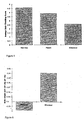
- the weight gain of the pigs is shown in figure 1. These data clearly show differences between pigs challenged with KO strains and pigs challenged with parent strains. The data also reflect the overall health differences of the animals. Both groups of pigs challenged with the parent strains lost weight from the time of challenge until sacrifice; whereas the pigs challenged with the KO strains gained approximately 0.75 kilograms per day.
- the purpose of this Example was to evaluate the safety of the KO-34682 Cra mutant compared to its parent strain, and to determine the efficacy of Salmonella strain KO-34682 against heterologous virulent Salmonella strain 35276 challenge. In addition, efficacy of the KO-34682 Cra mutant was compared to non-vaccinated controls.
- Pigs were vaccinated orally at 3 weeks of age with approximately 1x10 9 CFU/ml of Salmonella choleraesuis strain KO-34682, the 34682 parent, or left non-vaccinated.
- the pigs were challenged intranasally (0.5 ml/nare) and orally (1.0 ml culture + 4.0 ml bacterial diluent) with virulent Salmonella choleraesuis strain 35276.
- the 35276 challenge strain was made nalidixic acid (Nal) resistant prior to challenge so plates containing Nal could be used to differentiate the challenge strain from the vaccine strain.
- the pigs were observed daily for clinical signs typical of Salmonella infection including weight loss, diarrhoea, and elevated rectal temperatures. The duration of Salmonella shedding was evaluated by culturing the faces daily.
- HE Hektoen enteric
- the diarrhoea score was calculated by giving one point to each pig for each day of diarrhoea post-challenge. At the end of the test, the total number of points scored during the study were divided by the number of days from challenge until sacrifice. This number was multiplied by 100 to give the percentage of days the diarrhoea was seen.
- Fecals were taken from the pigs daily to determine the length of Salmonella choleraesuis shedding post-vaccination and again post-challenge. After 2 days of negative results, taking fecals was stopped. The fecals were titered on HE plates for isolation. Points were given in relation to growth seen after various dilutions of the samples. Points were assigned as follows: 10 -1 1 pt 10 -2 2 pts 10 -3 3 pts 10 -4 4 pts 10 -5 5 pts
- the average daily gain was calculated by subtracting the beginning weight from the end weight and dividing by the number of days from challenge to sacrifice.
- Group ADG is the mean of the individual pig ADG.
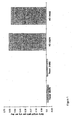
- Figure 2 shows the S. c. isolation results for each organ.
- groups of pigs vaccinated with the KO vaccine had no isolation from any organ compared to the parent and non-vac groups.
- the non-vac group had Salmonella choleraesuis isolated from all 5 pigs in the ileum and the MLN whereas the parent group had no isolation in either of those organs.
- an isolation score was calculated for each group. The results demonstrate that the pigs vaccinated with the KO vaccine had lower scores than the pigs vaccinated with the parent strain, and were significantly lower than the non-vacs.
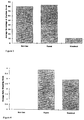
- the average daily diarrhoea score is shown in figure 3. This figure shows a significant difference in the KO scores compared to the other three groups. The KO group clearly showed the lowest score.
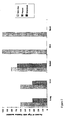
- the Salmonella shedding of the pigs following vaccination and post-challenge are shown in figures 4 and 5. Following vaccination, the chart shows the parent having the highest level of shedding. In the post-challenge chart, the non-vaccinates shed Salmonella choleraesuis for the longest duration, thus receiving the highest score.
- the weight gain of the pigs is shown in figure 6. These data clearly shows differences between the different groups. They also reflect the overall health differences between the animals. The non-vac group lost an average of 0.15 kilograms per day, whereas the KO group gained an average of 0.6 kilograms per day.
- Salmonella choleraesuis Knockout strain 34682 proved to be an efficacious and safe vaccine strain. Isolation of Salmonella at necropsy was completely negative for the knockout strain. The non-vaccinates scored the highest in re-isolation. Concerning average daily weight gain post challenge, the knockout strain had the highest weight gain and non-vacs had significantly less weight gain.
- the live KO-34682 Salmonella choleraesuis vaccine strain is safe and efficacious.
Landscapes
- Health & Medical Sciences (AREA)
- Life Sciences & Earth Sciences (AREA)
- General Health & Medical Sciences (AREA)
- Veterinary Medicine (AREA)
- Chemical & Material Sciences (AREA)
- Animal Behavior & Ethology (AREA)
- Medicinal Chemistry (AREA)
- Pharmacology & Pharmacy (AREA)
- Public Health (AREA)
- Immunology (AREA)
- Epidemiology (AREA)
- Microbiology (AREA)
- Mycology (AREA)
- General Chemical & Material Sciences (AREA)
- Chemical Kinetics & Catalysis (AREA)
- Organic Chemistry (AREA)
- Nuclear Medicine, Radiotherapy & Molecular Imaging (AREA)
- Communicable Diseases (AREA)
- Bioinformatics & Cheminformatics (AREA)
- Engineering & Computer Science (AREA)
- Oncology (AREA)
- Medicines Containing Antibodies Or Antigens For Use As Internal Diagnostic Agents (AREA)
- Micro-Organisms Or Cultivation Processes Thereof (AREA)
- Medicines Containing Material From Animals Or Micro-Organisms (AREA)
- Immobilizing And Processing Of Enzymes And Microorganisms (AREA)
- Agricultural Chemicals And Associated Chemicals (AREA)
Abstract
Description
- The present invention relates to live attenuated bacteria for use in a medicament, to vaccines based upon such bacteria useful for the prevention of microbial pathogenesis, to live attenuated bacteria carrying a heterologous gene and to methods for the preparation of such vaccines and bacteria.
- The means by which a warm blooded animal overcomes microbial pathogenesis is a complex process. Immunity to microbial pathogenesis is one means by which a warm blooded animal avoids pathogenesis, or suffers a less intense pathogenic state. Incomplete immunity to a given pathogen results in morbidity and mortality in a population exposed to a pathogen.
It is generally agreed that vaccines based on live but attenuated micro-organisms (live attenuated vaccines) induce a highly effective type of immune response. Such vaccines have the advantage that, once the animal host has been vaccinated, entry of the microbial pathogen into the host induces an accelerated recall of earlier, cell-mediated or humoral immunity which is able to control the further growth of the organism before the infection can assume clinically significant proportions. Vaccines based on a killed pathogen (killed vaccine) are generally conceded to be unable to achieve this type of response. However, vaccines that contain a live pathogen present, depending on the level of attenuation, the danger that the vaccinated host upon vaccination may contract the disease against which protection is being sought. Therefore, it would be desirable to have a vaccine that possesses the immunising attributes of a live micro-organism but that is not capable of causing undesirable side effects upon vaccination. - The general approach for attenuating bacteria is the removal of one or more virulence factors. In most cases however, virulence factors also play a role in inducing immunity. In those cases, deletion of virulence factors unavoidably impairs the immunogenic capacities of the bacterium. This is of course an unwanted situation. A live vaccine should preferably retain the antigenic complement of the wild-type strain.
Moreover, the live vaccine should be sufficiently a-virulent to avoid unacceptable pathological effects, but on the other hand it must cause a sufficient level of immunity in the host.
Finally, the live attenuated vaccine strain should preferably have substantially no probability for reverting to a virulent wild type strain. - It was now surprisingly found that a gene encoding a protein known to play a role in the central carbohydrate metabolism in many bacterial genera can be deleted, causing attenuated behaviour in vivo without impairing the viability of such bacteria in vivo. Bacteria from which this gene is deleted do unexpectedly show an attenuated character. Moreover, since the encoded protein plays no role in the induction of immunity, the antigenic load of bacteria from which this gene is deleted, is identical to that of the wild-type. Therefore, such bacteria could unexpectedly be advantageously used in the field of preparation of medicaments, more specifically for the preparation of live attenuated vaccines.
The gene that according to the present invention can be deleted and leads to an attenuated in vivo behaviour of the deletion mutants is a gene formerly known as the fruR gene, currently however called the cra gene. It was known that mutants lacking this gene could be grown in vitro, but only if the deficiencies due to lack of Cra activity are compensated for in the growth medium. This means that nutrients on which the Cra-deficient mutant can grow must be present in the growth medium.
Generally spoken, pathogenic bacteria are self-supporting in the sense that they adapt their metabolism to the nutrients that are available. The cra gene plays such an adaptive role in many main metabolic pathways (see below). Mutants from which the cra gene has been deleted can however grow perfectly well on glucose and many other sugars as carbon source. In the host animal, such sugars are available and therefore one would not expect the cra gene to be functional under in vivo conditions. And thus, one would not expect Cra-negative mutants to show attenuated characteristics in the host. That explains why, although such mutants were known in the art, they have never been suggested to be potential live attenuated vaccine candidates. - One embodiment of the invention relates to live attenuated bacteria that are no longer capable to express a functional Cra protein as a result of a mutation in the cra gene, for use in a vaccine.
- The gene product, (formerly known as FruR; the Fructose Repressor Protein), now also known as Cra (the Catabolite Repressor/Activator Protein), is a regulatory protein in many main pathways of the carbohydrate metabolism.
- The cra-gene product Cra regulates the central carbon metabolism. More specifically, Cra positively regulates transcription of genes encoding biosynthetic and oxidative enzymes (e.g. key enzymes in the TCA cycle, the glyoxalate shunt, the gluconeogenic pathway and electron transport) by binding upstream of the promoters of these genes and negatively regulates transcription of genes encoding glycolytic enzymes (e.g. key enzymes in the Embden-Meyerhof and Entner-Doudoroff pathways).
Due to its key position in carbohydrate metabolism, the cra gene and its gene product Cra are widespread in the bacterial realm. The Cra protein is a highly conserved protein. It can be found in e.g. Escherichia coli, in Salmonella enterica species, such as serotype Typhimurium, Enteritidis and Dublin, in Actinobacillus species such as A. pleuropneumoniae, in Haemophilus species such as H. paragallinarum, in Aeromonas salmonicidae, in Pasteurella species such as P. piscida and P. multocida, in Streptococcus species such as S. equi and S. suis and in Yersinia species such as Y. pestis. - The gene itself and its complete nucleotide sequence in Salmonella and Escherichia have been elucidated already in 1991 by Jahreis, K. et al. (Mol. Gen. Genet. 226: 332-336 (1991)). Jahreis showed that the Cra protein in Salmonella enterica, serotype Typhimurium and Escherichia coli differed only in 4 positions, of which two were merely conservative exchanges. This is of course in line with what could be expected for a protein playing a rote in so many universal pathways in the bacterial carbohydrate metabolism, especially where E. coli and Salmonella diverged not that far during evolution. The mechanism of binding of the Cra protein has been at least partially elucidated by Ramseier, T.M. et al. (J. Mol. Biol.234:28-44 (1993)). The role and function of the Cra protein (the Catabolite Repressor/Activator Protein) have been regularly described in the literature, e.g. in a recent mini-review by Saier, M.H. and Ramseier, T.M. (Journ. Bacteriol. 178: 3411-3417 (1996)).
- Such a mutation can be an insertion, a deletion, a substitution or a combination thereof, provided that the mutation leads to the failure to express a functional Cra protein. A functional Cra protein is understood to be a protein having the regulating characteristics of the wild-type protein. Therefore, a Cra protein that is defective in at least one of its functions is considered to be a non-functional Cra protein.
- Live attenuated bacteria for use according to the invention can be obtained in several ways. One possible way of obtaining such bacteria is by means of classical methods such as the treatment of wild-type bacteria having the cra gene with mutagenic agents such as base analogues, treatment with ultraviolet light or temperature treatment.
Strains that do not produce a functional Cra protein can easily be picked up. They grow on minimal medium exclusively in the presence of glucose and other sugars as carbon sources (which differentiates them from cya and crp mutants) but they are not able to grow with gluconeogenic substrates as sole carbon source. (Chin et al., J. Bacteriol. 169: 897-899 (1987)) They can therefore very easily be selected in vitro.
The nature of the mutation caused by classical mutation techniques is unknown. This may be a point mutation which may, although this is unlikely to happen, eventually revert to wild-type. In order to avoid this small risk, transposon mutagenesis would be a good alternative. Mutagenesis by transposon mutagenesis, is also a mutagenesis-technique well-known in the art. This is a mutation accomplished at a localised site in the chromosome. Transposon-insertions can not be targeted to a specific gene. It is however very easy to pick up cra-mutants since they do not grow in vitro without nutrient compensation for lack of Cra activity. Therefore, they can easily be selected from a pool of randomly transposon-mutated bacteria. Utley et al. (FEMS Microbiology Letters 163: 129 - 134 (1998)) describes an avirulent and immunogenic Salmonella Typhimurium SR-11 Fad- strain obtained by transposon mutagenesis and which is unable to utilize either acetate or isocitrate as sole carbon source. However, the defective gene is not identified.
A possibility to introduce a mutation at a predetermined site, rather deliberately than randomly, is offered by recombinant DNA-technology. Such a mutation may be an insertion, a deletion, a replacement of one nucleotide by another one or a combination thereof, with the only proviso that the mutated gene no longer encodes functional Cra. Such a mutation can e.g. be made by deletion of a number of nucleic acids. Even very small deletions such a stretches of 10 nucleic acids can already render Cra non-functional. Even the deletion of one single nucleic acid may already lead to a non-functional Cra, since as a result of such a mutation, the other nucleic acids are no longer in the correct reading frame. Each deletion or insertion of a number of nucleic acids indivisible by three causes such a frame shift. More preferably, a longer stretch is removed e.g. 100 nucleic acids. Even more preferably, the whole cra gene is deleted.
It can easily be seen, that especially mutations introducing a stop-codon in the open reading frame, or mutations causing a frame-shift in the open reading frame are very suitable to obtain a strain which no longer encodes functional Cra. - All techniques for the construction of Cra-negative mutants are well-known standard techniques. They relate to cloning of the Cra-gene, modification of the gene sequence by site-directed mutagenesis, restriction enzyme digestion followed by re-ligation or PCR-approaches and to subsequent replacement of the wild type cra gene with the mutant gene (allelic exchange or allelic replacement). Standard recombinant DNA techniques such as cloning the cra gene in a plasmid, digestion of the gene with a restriction enzyme, followed by endonuclease treatment, re-ligation and homologous recombination in the host strain, are all known in the art and described i.a. in Maniatis/Sambrook (Sambrook, J. et al. Molecular cloning: a laboratory manual. ISBN 0-87969-309-6). Site-directed mutations can e.g. be made by means of in vitro site directed mutagenesis using the Transformer® kit sold by Clontech. PCR-techniques are extensively described in (Dieffenbach & Dreksler; PCR primers, a laboratory manual. ISBN 0-87969-447-3 and ISBN 0-87969-447-5).
- The cra gene comprises not only the coding sequence encoding the Cra protein, but also regulatory sequences such as the promoter. The gene also comprises sites essential for correct translation of the Cra mRNA, such as the ribosome binding site.
Therefore, not only mutations in the coding regions but also mutations in those sequences essential for correct transcription and translation are considered to fall within the scope of the invention. - In a preferred embodiment, the invention relates to live attenuated bacteria of the genera Escherichia, Salmonella, Actinobacillus, Haemophilus, Aeromonas, Pasteurella, Streptococcus and Yersinia for use in a vaccine.
- In a more preferred form of the invention, the live attenuated bacterium according to the invention is selected from the group consisting of S. enterica serotype Typhimurium, Enteritidis, Choleraesuis, Dublin, Typhi, Gallinarum, Abortusovi, Abortus-equi, Pullorum, E. coli or Y. pestis. These bacterial genera comprise a large number of species that are pathogenic to both humans and a variety of different animals.
- In an even more preferred form thereof, the live attenuated bacterium according to the invention is S. enterica, E. coli or Y. pestis.
- In a still even more preferred form, this embodiment relates to live attenuated bacteria according to the invention in which the mutation in the Cra gene has been made by recombinant DNA technology.
- Well-defined and deliberately made mutations involving the deletion of fragments of the cra gene or even the whole gene or the insertion of heterologous DNA-fragments or both, have the advantage, in comparison to classically induced mutations, that they will not revert to the wild-type situation.
Thus, in an even more preferred form, this embodiment of the invention refers to live attenuated bacteria in which the cra gene comprises an insertion and/or a deletion. - Given the large amount of vaccines given nowadays to both pets and farm animals, it is clear that combined administration of several vaccines would be desirable, if only for reasons of decreased vaccination costs. It is therefore very attractive to use live attenuated bacteria as a recombinant carrier for heterologous genes, encoding antigens selected from other pathogenic micro-organisms or viruses. Administration of such a recombinant carrier has the advantage that immunity is induced against two or more diseases at the same time. The live attenuated bacteria for use in a vaccine, according to the present invention provide very suitable carriers for heterologous genes, since the gene encoding the Cra protein can be used as an insertion site for such heterologous genes. The use of the cra gene as an insertion site has the advantage that at the same time the cra gene is inactivated and the newly introduced heterologous gene can be expressed (in concert with the homologous bacterial genes). The construction of such recombinant carriers can be done routinely, using standard molecular biology techniques such as allelic exchange. Therefore, another embodiment of the invention relates to live attenuated recombinant bacteria, preferably of the genera Escherichia, Salmonella, Actinobacillus, Haemophilus, Aeromonas, Pasteurella, Streptococcus and Yersinia that do not produce a functional Cra protein, and in which a heterologous gene is inserted. Such a heterologous gene can, as mentioned above, e.g. be a gene encoding an antigen selected from other pathogenic micro-organisms or viruses. Such genes can e.g. be derived from pathogenic herpesviruses (e.g. the genes encoding the structural proteins of herpesviruses), retroviruses (e.g. the gp160 envelope protein), adenoviruses and the like.
Also a heterologous gene can be obtained from pathogenic bacteria. As an example, genes encoding bacterial toxins such as Actinobacillus pleuropneumoniae toxins, Clostridium toxins, outer membrane proteins and the like are very suitable bacterial heterologous genes.
Another possibility is to insert a gene encoding a protein involved in triggering the immune system, such as an interleukin or an interferon, or another gene involved in immune-regulation. - Insertion of the heterologous gene in the cra gene is advantageous, since there is no need to find an insertion site for the heterologous gene, and at the same time the cra gene is knocked out.
Thus, in a preferred form of this embodiment the heterologous gene is inserted in the cra gene. The heterologous gene can be inserted somewhere in the cra gene or it can be inserted at the site of the cra gene while this gene has been partially or completely deleted. - Because of their unexpected attenuated but immunogenic character in vivo, the bacteria for use in a vaccine, according to the invention are very suitable as a basis for live attenuated vaccines. Thus, still another embodiment of the invention relates to live attenuated vaccines for the protection of animals and humans against infection with a bacterium of which the wild type form comprises a cra gene.
Such vaccines comprise an immunogenically effective amount of a live attenuated bacterium for use in a vaccine, according to the invention or a live recombinant carrier bacterium according to the invention, and a pharmaceutically acceptable carrier. - Preferably, the vaccine comprises a live attenuated bacterium according to the invention, selected from the group of Escherichia, Salmonella, Actinobacillus, Haemophilus, Aeromonas, Pasteurella, Streptococcus and Yersinia.
Immunogenically effective means that the amount of live attenuated bacteria administered at vaccination is sufficient to induce in the host an effective immune response against virulent forms of the bacterium. - In addition to an immunogenically effective amount of the live attenuated bacterium described above, a vaccine according to the present invention also contains a pharmaceutically acceptable carrier. Such a carrier may be as simple as water, but it may e.g. also comprise culture fluid in which the bacteria were cultured. Another suitable carrier is e.g. a solution of physiological salt concentration.
- The useful dosage to be administered will vary depending on the age, weight and animal vaccinated, the mode of administration and the type of pathogen against which vaccination is sought.
- The vaccine may comprise any dose of bacteria, sufficient to evoke an immune response. Doses ranging between 103 and 1010 bacteria are e.g. very suitable doses.
- Optionally, one or more compounds having adjuvant activity may be added to the vaccine. Adjuvants are non-specific stimulators of the immune system. They enhance the immune response of the host to the vaccine. Examples of adjuvants known in the art are Freunds Complete and Incomplete adjuvant, vitamin E, non-ionic block polymers, muramyldipeptides, ISCOMs (immune stimulating complexes, cf. for instance European Patent EP 109942), Saponins, mineral oil, vegetable oil, and Carbopol.
Adjuvants, specially suitable for mucosal application are e.g. the E. coli heat-labile toxin (LT) or Cholera toxin (CT).
Other suitable adjuvants are for example aluminium hydroxide, aluminium phosphate or aluminium oxide, oil-emulsions (e.g. of Bayol F (R) or Marcol 52 (R), saponins or vitamin-E solubilisate. - Therefore, in a preferred form, the vaccines according to the present invention comprise an adjuvant.
- Other examples of pharmaceutically acceptable carriers or diluents useful in the present invention include stabilisers such as SPGA, carbohydrates (e.g. sorbitol, mannitol, starch, sucrose, glucose, dextran), proteins such as albumin or casein, protein containing agents such as bovine serum or skimmed milk and buffers (e.g. phosphate buffer).
Especially when such stabilisers are added to the vaccine, the vaccine is very suitable for freeze-drying. Therefore, in a more preferred form, the vaccine is in a freeze-dried form. - For administration to animals or humans, the vaccine according to the present invention can be given inter alia intranasally, intradermally, subcutaneously, orally, by aerosol or intramuscularly. For application to poultry, wing web and eye-drop administration are very suitable.
- Still another embodiment relates to the use of a bacterium for use in a vaccine or a recombinant bacterium according to the invention for the manufacture of a vaccine for the protection of animals and humans against infection with a wild type bacterium or the pathogenic effects of infection.
- Still another embodiment of the invention relates to methods for the preparation of a vaccine according to the invention. Such methods comprise the admixing of a live attenuated bacterium according to the invention or a live recombinant carrier bacterium according to the invention, and a pharmaceutically acceptable carrier.
- The transposon-mutated gene of the mutant S. typhimurium SR-11 Fad- has been identified, cloned and sequenced.
The nucleotide sequence of the mutant gene that renders the disclosed SR-11 Fad- a-virulent is set forth in Sequence ID NO:1.
Sequence ID NO:2 sets forth the amino acid sequence of the protein molecule that the nucleotide sequence of Sequence ID NO:1 encodes.
It was now determined that S. typhimurium SR-11 Fad- is mutant in the cra gene. The point of the transposon insertion has been found to be located within the range of about 45 base pairs from the 3'end of the cra translational stop codon.
A 4.5 kb Pstl fragment containing the 1.5 kb Tn 10 d Cam insertion flanked by a 1.9 kb S. typhimurium SR-11 DNA fragment on the one end and a 1.1 kb S. typhimurium SR-11 DNA fragment on the other end was inserted in the Pstl site of pBluescript II SK (+). The resulting plasmid, pJHA7, was put into E. Coli HB101 by electroporation. The regions flanking the Tn10 d Cam insertion were sequenced using the Sanger Dideoxy Thermal Cycling Method. The nucleotide sequences immediately flanking each side of the Tn10 d Cam insertion were found to be 100% homologous to the S. typhimurium cra (fruR) gene and the point of the insertion was found to be 45 nucleotides from the 3' end of the cra translational stop codon. This suggested that S. typhimurium SR-11 Fad- is a cra mutant.
In contrast to SR-11, SR-11 Fad- failed to grow on M9 minimal agar plates containing citrate, oleate, pyruvate, acetate, succinate and fumarate.
The S. typhimurium SR-11 wild type cra (fruR) was amplified by PCR and was inserted into the Pstl site in the ampicillin resistance gene of pBR322. The resulting plasmid, pJHA8, returned the ability of S. typhimurium SR-11 Fad- to grow as well as their wild type parents utilising each of the aforementioned compounds as carbon sources. These experiments establish that S. typhimurium SR-11- is a cra (fruR) mutant. - SR-11 Fad- was constructed by bacteriophage P22 HT105 int - transduction of chloramphenicol resistance from a mini-transposon mutant of LT-2 into SR-11. Although unlikely, it was therefore possible that avirulence of SR-Fad- was due to loss of some SR-11 DNA upon transduction, e.g. loss of a pathogenicity island, rather than due to a defective cra gene. Therefore, as described immediately below, a strain identical to SR-11, hereinafter SR-11 Cramod AX-2, except that it contains the same mutation in the cra gene that is present in SR-Fad-, was constructed by allelic exchange.
- The 4.3 kb Pstl SR-11 Fad- DNA fragment that contains the SR-11 Fad- mutant cra gene (chloramphenicol resistance gene in cra) was inserted into the Pstl site of pLD55, a suicide vector that contains both an ampicillin resistance gene and a tetracycline resistance gene (tetAR). This was named pMJN10. pMJN10 was put into E. coli S17-1 λpir by electroporation. Following mating of E. coli S17-1 λpir(pMJN10) with SR-11, several ampicillin, tetracycline, and chloramphenicol SR-11 transconjugants were tested for the ability to utilise oleate, citrate, actetate, pyruvate, succinate, and fumarate as sole carbon sources. All were able to do so as would be expected if pMJN10 had integrated into the chromosome by a single crossover using homologous sequences, i.e. as if both the mutant and wild type cra alleles were present in the chromosome. Five of these "integrants" were tested for the presence of pMJN10 as a free plasmid and none had it, further suggesting that the plasmid had inserted in the SR-11 chromosome. Each of the five integrants were streaked on a Luria agar plate containing chloramphenicol. In this instance, cells in which a second crossover takes place survive only if the cra allele left in the chromosome is the mutant allele containing the chloramphenicol resistance gene. Samples of the streaked integrants were then streaked on tetracycline sensitive selection agar (TSS agar). TSS agar contains fumaric acid and tetracycline sensitive cells, i.e. cells that have lost the suicide plasmid come up as very large colonies relative to the tetracylcline resistance cells that still have the plasmid in the chromosome. A total of 34 large colonies were tested for resistance to chloramphenicol, sensitivity to ampicillin and tetracycline and for the ability to utilise oleate, acetate, pyruvate, citrate, succinate, and fumarate as sole carbon sources. Of the 34 isolates, six were resistant to chloramphenicol, sensitive to ampicillin and tetracycline, and were unable to utilise the aforementioned compounds as sole carbon sources. One of the isolates, designated SR-11 Cramod AX-2 (AX meaning allelic exchange), was transformed with either pBR322 or pJHA8 (pJHA8 containing the wild type cra gene) and both strains were tested for the ability to utilise glucose, glycerol, oleate, acetate, pyruvate, citrate, succinate, and fumarate as sole carbon sources. In contrast to SR-11 Cramod AX-2 (pBR322), SR-11 Cramod AX-2 (pJHA8) was able to utilise the aforementioned compounds as sole carbon sources, suggesting that SR-11 Cramod AX-2 is a cra mutant. Both strains, as expected, were able to use glucose and glycerol as sole carbon sources.
To determine whether a functional cra(fruR) gene renders S. typhimurium SR-11 virulent the following experiments were performed. - Four BALB/c mice were infected perorally with SR-11 (2.1 x 10⁸ cfu/mouse) and 5 mice with SR-11 Cramod AX-2 (2.8 x 10⁸ cfu/mouse). By day 8 post infection, all 4 SR-11 infected mice had died, whereas all 5 mice infected with SR-11 Cramod AX-2 remained healthy and active (Table 1). Since SR-11 Cramod AX-2 is identical to SR-11 with the exception of the same mutation in cra that is present in SR-11 Cramod the possibility is eliminated that something anomalous happened during construction of SR-11 Cramod by transduction from the LT-2 strain, unrelated to cra, that could account for its loss of virulence.
- It was also still possible that insertion of the chloramphenicol resistance cassette into the cra gene resulted in a polar effect on downstream genes and therefore that the attenuation of SR-11 Fad- was not due to a defective cra gene. Therefore, the SR-11Cramod was complemented with pJHA8, which only contains the wild type cra gene, with the intent of determining whether SR-11 Cramod (pJHA8) regained virulence. As a control, SR-11 Cramod was complemented with pBR322, the vector used in constructing pJHA8. Four BALB/c mice were infected perorally with 3.1 x 10⁸ cfu/mouse of SR-11 Cramod (pBR322) and 4 mice with 4.3 x 10⁸ cfu/mouse of SR-11 Fad- (pJHA8). By day 9
post infection 3 of the 4 mice infected with SR-11 Cramod (pJHA8) had died whereas the 4 mice infected with SR-11 1 Cramod (pBR322) remained healthy and active (Table 1). The livers and spleens of all mice that died had greater than 108 cfu per organ of SR-11 Fad- (pJHA8). This result rules out the possibility that inactivation of the cra gene with a chloramphenicol cassette causes a downstream effect that results in avirulence and proves that a functional cra gene is required for SR-11 virulence.Table 1 S. typhimurium strain Number infected a Number Surviving SR-11 4 0 SR-11 Cramod AX-2 5 5 SR-11 Cramod (pBR322) 4 4 SR-11 Cramod (pJHA8) 4 1 a Mice were infected perorally with between 2.0 x 10⁸ cfu/mouse and 5.0 x 10⁸ cfu/mouse, depending on the strain. All mice that died did so by day 9 post infection. All mice that survived recovered completely. - Four S. typhimurium strains, and one strain each of S. enteritidis, S. gallinarum, S. dublin, and S. choleraesuis were tested for the cra gene by Southern hybridisation. In all cases the cra gene was found on the same size 4.3 kb Pstl DNA fragment as SR-11. Six different pathogenic E. coli strains were also tested and all had the cra gene, although the gene was present in three different size Pstl fragments among the six strains. In addition, an Aeromonas salmonicidae strain and strains of the bacterial genera Actinobacillus, Haemophilus, Pasteurella, Streptococcus and Yersinia were tested and all showed the presence of a cra gene.
- Genomic DNA of these strains was digested with 20 units of Pstl (Promega) at 37° C overnight. Gel electrophoresis (0.7% agarose, 1x TAE) was used to separate the various size Pstl DNA fragments. The separated DNA was transferred under alkaline conditions to positively charged nylon for 3 hours using the S&S Turboblotter system (Schleicher and Schuell). The membrane was baked for 30 minutes at 90 ° C to bind the DNA to the membrane. Subsequently, a 700 basepair fragment of the cra gene of Salmonella typhimurium was DIG labelled and used to probe the membrane. The membrane was prehybridised (in a roller bottle hybridisation oven) at 62° C for 2-4 hours in hybridisation buffer containing 5x SSC, 0.1% N-lauroylsarcosine, 0.02% SDS, 1.5% blocking reagent (from DIG Detection Starter Kit II with CSPD, Boehringer Mannheim). Labelled probe was denatured and added to fresh hybridisation buffer and the blot was incubated at 62° C for 16-20 hours. Blots were washed twice with 2x SSC, 0.1% SDS at 62-65° C for 5 min. Blots were then washed twice with 0.1% SDS, 0.5x SSC at 60° C for 15 min. The blots were developed as recommended with the following modification: 2% blocking reagent was used in the blocking solution (1% is normally used), blots were blocked for an hour (30 min. is the normal blocking time) and a lower concentration of the antibody (70% of the concentration normally used) was used for the detection of the DIG-labelled probe. These changes were recommended by the manufacturer for lower background signal.
- Efficacy of vaccination. Growth conditions for the Salmonella strains were comparable to those described in Example 2. In one experiment two groups of 20 broilers (at 3 days of age) were vaccinated orally with 6 x 10⁷ CFU Salmonella t. SR11Cramod in PBS. One group was boosted after 11 days with 8.3 x 10⁷ CFU of the same strain. After 18 days, both groups were challenged subcutaneously, intramuscularly and orally with 1.9 x 10⁹ bacteria of a virulent wild type strain. Table 2 gives the results.
Table 2 SR11 Cramod SR11 Cramod Control Vacc. Dose day 16.0 x 10⁷ 6.0 x 10⁷ -- Vacc. Dose day 11 -- 8.3 x 10⁷ -- Chall. Dose day 18 1.9 x 10⁹ 1.9 x 10⁹ 1.9 x 10⁹ Mortality (%) 15 10 100 - Combined vaccination safety and efficacy experiment. In a second experiment both the efficacy of the vaccine and the safety of the vaccine were determined. The safety of the vaccine was determined on the basis of growth retardation. One group of 15 broilers was vaccinated orally with 2.7 x 10⁸ CFU Salmonella t. SR11 Cramod in culture medium. Another group of 15 broilers was vaccinated orally with 1.3 x 10⁸ CFU of the same strain in PBS. After 18 days, both groups were challenged subcutaneously, intramuscularly and orally with 6.5 x 10⁸ bacteria of a virulent wild type strain.
Table 3 gives the results.Table 3: i = culture medium, ii = PBS SR11 Cramod (i) SR11 Cramod (ii) Control Vacc. Dose day 12.7 x 10⁸ 1.3 x 10⁸ -- Weight day 7 178 ND 185 Weight day 18 733 722 749 Chall. Dose Day 18 6.5 x 10⁸ 6.5 x 10⁸ 6.5 x 10⁸ Mortality (%) 0 13 100 - Results: Both experiments show, that a very high level of protection is obtained with a Cra-negative Salmonella typhimurium strain, in spite of the high challenge dose given. In addition, no significant growth retardation as a result of vaccination is seen. Therefore it can be concluded that Cra-negative Salmonella typhimurium strains are very suitable in live attenuated vaccines for the protection of poultry against infection with a wild type bacterium.
- A pig challenge study was done to determine the safety of Salmonella choleraesuis Cra negative knockout (KO) strains 34682 and 35276 compared to cra positive parent strains 34682 and 35276. These knockout mutants were made using the plasmids and methods identical to those described above for the construction of Cramod AX-2.
- Twenty (20) 5-6 week old pigs that had never been vaccinated for Salmonella were purchased from a farm with no history of Salmonella. The pigs were divided into four groups of 5 pigs. Throughout the study, the pigs were housed in 4 isolation rooms.
- Five pigs in each group were challenged at 5-6 weeks of age. The pigs were challenged intranasally (0.5ml/nare) and orally (1.0ml culture + 4.0ml bacterial diluent). The challenge culture was approximately 9.0 x 10⁸ CFU/ml. Following challenge, the pigs were observed daily for clinical signs typical of Salmonella infection including weight loss, diarrhoea, and elevated rectal temperature.
- Seven days post-challenge, the pigs were euthanized. The pigs were necropsied and the lungs, liver, spleen, mesenteric lymph nodes (MLN), and ileum were cultured for growth of S. choleraesuis.
- The average daily gain (ADG) was calculated by subtracting the beginning weight from the end weight and dividing by the number of days from challenge to sacrifice. Group ADG is the mean of the individual pig ADG.
- A mouse study was done to determine the LD50 of various S. choleraesuis strains; cra positive parent strains 34682 and 35276, and cra negative knockout (KO) strains 34682 and 35276.
- Two hundred (200) 16-20 grams CF-1 Sasco mice were divided into 20 groups of 10 mice each for the mouse safety testing. Throughout the study the mice were housed in the same room, but in different tubs.
- Each strain had 5 subgroups containing 10 mice each. These subgroups were challenged with 0.25ml intraperitoneally (IP) using 5 different dilutions of the strain (10-3-10-7).
Frozen seeds of each of the four strains were diluted 10-3-10-7. Each of these dilutions were injected intraperitoneally (0.25 ml) into 10 mice. - The weight gain of the pigs is shown in figure 1. These data clearly show differences between pigs challenged with KO strains and pigs challenged with parent strains. The data also reflect the overall health differences of the animals. Both groups of pigs challenged with the parent strains lost weight from the time of challenge until sacrifice; whereas the pigs challenged with the KO strains gained approximately 0.75 kilograms per day.
- The results of the mouse study are shown in table 4 below. The right column shows the LD50 in CFUs of the various strains. The knockout strains clearly show a high level of attenuation.
Table 4 Strain LD50 cfu 35276 Parent < 7.7 cfu 35276 Knockout 1.5E+04 cfu 34682 Parent 12.5 cfu 34682 Knockout > 9.0E+04 cfu - From the pig safety test it shows that Cra knockout (KO) strains give a significantly higher weight gain post challenge, when compared to the parent strains. This demonstrates the attenuated character of the Cra KO mutants. In addition to pig safety testing, mouse safety testing also showed that the Cra KO strains were attenuated: the LD50 of the KO-mutants is dramatically higher than that of the parent strains.
- The purpose of this Example was to evaluate the safety of the KO-34682 Cra mutant compared to its parent strain, and to determine the efficacy of Salmonella strain KO-34682 against heterologous
virulent Salmonella strain 35276 challenge. In addition, efficacy of the KO-34682 Cra mutant was compared to non-vaccinated controls. - Twenty 3 week old pigs that have never been vaccinated for Salmonella were purchased from a farm with no history of Salmonella. The pigs were divided into four groups of 5 pigs and were housed in 4 separate isolation rooms.
- Pigs were vaccinated orally at 3 weeks of age with approximately 1x10⁹ CFU/ml of Salmonella choleraesuis strain KO-34682, the 34682 parent, or left non-vaccinated.
- Twenty-one days following vaccination, the pigs were challenged intranasally (0.5 ml/nare) and orally (1.0 ml culture + 4.0 ml bacterial diluent) with virulent
Salmonella choleraesuis strain 35276. The 35276 challenge strain was made nalidixic acid (Nal) resistant prior to challenge so plates containing Nal could be used to differentiate the challenge strain from the vaccine strain. Following challenge, the pigs were observed daily for clinical signs typical of Salmonella infection including weight loss, diarrhoea, and elevated rectal temperatures. The duration of Salmonella shedding was evaluated by culturing the faces daily. - Nine days post-challenge, the pigs were euthanized. The pigs were necropsied and the lungs, liver, spleen, mesenteric lymph nodes (MLN), and ileum were cultured for growth of Salmonella choleraesuis on Hektoen enteric (HE) agar plates containing 80ug/ml of nalidixic acid.
- The diarrhoea score was calculated by giving one point to each pig for each day of diarrhoea post-challenge. At the end of the test, the total number of points scored during the study were divided by the number of days from challenge until sacrifice. This number was multiplied by 100 to give the percentage of days the diarrhoea was seen.
- Fecals were taken from the pigs daily to determine the length of Salmonella choleraesuis shedding post-vaccination and again post-challenge. After 2 days of negative results, taking fecals was stopped. The fecals were titered on HE plates for isolation. Points were given in relation to growth seen after various dilutions of the samples. Points were assigned as follows:
10-1 1 pt 10-2 2 pts 10-3 3 pts 10-4 4 pts 10-5 5 pts - The average daily gain (ADG) was calculated by subtracting the beginning weight from the end weight and dividing by the number of days from challenge to sacrifice. Group ADG is the mean of the individual pig ADG.
- Two pigs that were vaccinated with Salmonella choleraesuis wild
type parent strain 34682 died post-vaccination. The other three pigs in this group remained alive throughout the end of the study. - Figure 2 shows the S. c. isolation results for each organ. For all organs, groups of pigs vaccinated with the KO vaccine had no isolation from any organ compared to the parent and non-vac groups. The non-vac group had Salmonella choleraesuis isolated from all 5 pigs in the ileum and the MLN whereas the parent group had no isolation in either of those organs. By assigning one point to each organ Salmonella choleraesuis was isolated from, an isolation score was calculated for each group. The results demonstrate that the pigs vaccinated with the KO vaccine had lower scores than the pigs vaccinated with the parent strain, and were significantly lower than the non-vacs.
- The average daily diarrhoea score is shown in figure 3. This figure shows a significant difference in the KO scores compared to the other three groups. The KO group clearly showed the lowest score.
- The Salmonella shedding of the pigs following vaccination and post-challenge are shown in figures 4 and 5. Following vaccination, the chart shows the parent having the highest level of shedding. In the post-challenge chart, the non-vaccinates shed Salmonella choleraesuis for the longest duration, thus receiving the highest score.
- The weight gain of the pigs is shown in figure 6. These data clearly shows differences between the different groups. They also reflect the overall health differences between the animals. The non-vac group lost an average of 0.15 kilograms per day, whereas the KO group gained an average of 0.6 kilograms per day.
- Salmonella
choleraesuis Knockout strain 34682 proved to be an efficacious and safe vaccine strain. Isolation of Salmonella at necropsy was completely negative for the knockout strain. The non-vaccinates scored the highest in re-isolation. Concerning average daily weight gain post challenge, the knockout strain had the highest weight gain and non-vacs had significantly less weight gain. - The live KO-34682 Salmonella choleraesuis vaccine strain is safe and efficacious.
-
- Figure 1: Average daily weight gain post-challenge per pig per day in kilograms.
- Figure 2: Percentage of pigs from which Salmonella choleraesuis could be re-isolated from various tissues (MLN = mesenteric lymph node).
- Figure 3: Average percentage of diarrhoea score post-challenge.
- Figure 4: Average daily Salmonella shedding score post-vaccination.
- Figure 5: Average daily bacterial shedding score post-challenge
- Figure 6: Average daily weight gain post-challenge per pig per day in kilograms
Claims (7)
- Live attenuated vaccine for the protection of animals against infection with a pathogenic bacterium or the pathogenic effects thereof, said vaccine being characterized in that it comprises a live attenuated bacterium selected from the group of Escherichia, Salmonella, Actinobacillus, Haemophilus, Aeromonas, Pasteurella, Streptococcus and Yersinia said bacterium being incapable of expressing a functional Cra protein as a result of a mutation in the cra gene, and a pharmaceutically acceptable carrier.
- Live attenuated vaccine according to claim 1, characterised in that the live attenuated bacterium carries a heterologous gene.
- Live attenuated vaccine according to claim 1 or 2, characterised in that it comprises an adjuvant.
- Live attenuated vaccine according to claims 1-3, characterised in that it is in freeze-dried form.
- Method for the preparation of a live attenuated vaccine according to claim 1-4, said method comprising admixing the live attenuated bacterium with a pharmaceutically acceptable carrier.
- Live attenuated bacterium as described in claim 1, for use in a vaccine.
- Use of a live attenuated bacterium as described in claim 1 for the manufacture of a vaccine for the protection of animals against infection with a pathogenic bacterium or the pathogenic effects of infection.
Priority Applications (1)
| Application Number | Priority Date | Filing Date | Title |
|---|---|---|---|
| CY20071100244T CY1107560T1 (en) | 1999-06-09 | 2007-02-21 | LIVING DESTROYED BACTERIA FOR USE IN THE VACCINE |
Applications Claiming Priority (2)
| Application Number | Priority Date | Filing Date | Title |
|---|---|---|---|
| US328859 | 1999-06-09 | ||
| US09/328,859 US6764687B1 (en) | 1999-06-09 | 1999-06-09 | Live attenuated bacteria for use in a vaccine |
Publications (3)
| Publication Number | Publication Date |
|---|---|
| EP1074266A2 EP1074266A2 (en) | 2001-02-07 |
| EP1074266A3 EP1074266A3 (en) | 2003-03-26 |
| EP1074266B1 true EP1074266B1 (en) | 2006-12-13 |
Family
ID=23282768
Family Applications (1)
| Application Number | Title | Priority Date | Filing Date |
|---|---|---|---|
| EP00201985A Expired - Lifetime EP1074266B1 (en) | 1999-06-09 | 2000-06-06 | Live attenuated bacteria for use in a vaccine |
Country Status (17)
| Country | Link |
|---|---|
| US (1) | US6764687B1 (en) |
| EP (1) | EP1074266B1 (en) |
| JP (1) | JP4716542B2 (en) |
| KR (1) | KR100602460B1 (en) |
| AT (1) | ATE347905T1 (en) |
| AU (1) | AU779795B2 (en) |
| BR (1) | BR0002602A (en) |
| CA (1) | CA2308691A1 (en) |
| CY (1) | CY1107560T1 (en) |
| DE (1) | DE60032293T2 (en) |
| DK (1) | DK1074266T3 (en) |
| ES (1) | ES2276662T3 (en) |
| HU (1) | HUP0002228A3 (en) |
| MX (1) | MXPA00005734A (en) |
| NZ (1) | NZ505018A (en) |
| PT (1) | PT1074266E (en) |
| ZA (1) | ZA200002615B (en) |
Families Citing this family (6)
| Publication number | Priority date | Publication date | Assignee | Title |
|---|---|---|---|---|
| WO2005017128A2 (en) * | 2003-02-26 | 2005-02-24 | University Of Massachusetts | Improved reagents for recombinogenic engineering and uses thereof |
| JP4705573B2 (en) * | 2003-08-29 | 2011-06-22 | ザ・ボード・オブ・ガバナーズ・フオー・ハイヤー・エデユケーシヨン、ステート・オブ・ロード・アイランド・アンド・プロビデンス・プランテーシヨンズ | Live attenuated bacterial vaccine |
| US8834891B2 (en) * | 2005-03-14 | 2014-09-16 | Boehringer Ingelheim Vetmedica, Inc. | Immunogenic compositions comprising Lawsonia intracellularis |
| RU2409385C2 (en) * | 2006-03-30 | 2011-01-20 | Эмбрекс, Инк. | Method of poultry immunisation against clostridium bacteria infection |
| KR101491793B1 (en) | 2013-09-10 | 2015-02-16 | 대한민국 | Novel Actinobacillus pleuropneumoniae serotype 12 strain, diagnostic composition and vaccine composition comprising the same |
| KR101993186B1 (en) | 2018-12-04 | 2019-06-27 | 이용근 | Shut type continuous packing machine |
Family Cites Families (2)
| Publication number | Priority date | Publication date | Assignee | Title |
|---|---|---|---|---|
| JPH0284172A (en) * | 1988-07-21 | 1990-03-26 | Smithkline Beckman Corp | Salmonella tansformant having manifestation capacity as different kind of gene and useful for recombinant vaccine |
| IT1262895B (en) * | 1992-03-02 | 1996-07-22 | Protein extracted from cytotoxic strains of Helicobacter pylori, gene expressing it, use of the protein as a vaccine or for diagnostic purposes. |
-
1999
- 1999-06-09 US US09/328,859 patent/US6764687B1/en not_active Expired - Fee Related
-
2000
- 2000-05-25 ZA ZA200002615A patent/ZA200002615B/en unknown
- 2000-05-30 JP JP2000159455A patent/JP4716542B2/en not_active Expired - Fee Related
- 2000-06-06 DE DE60032293T patent/DE60032293T2/en not_active Expired - Lifetime
- 2000-06-06 AT AT00201985T patent/ATE347905T1/en not_active IP Right Cessation
- 2000-06-06 ES ES00201985T patent/ES2276662T3/en not_active Expired - Lifetime
- 2000-06-06 DK DK00201985T patent/DK1074266T3/en active
- 2000-06-06 PT PT00201985T patent/PT1074266E/en unknown
- 2000-06-06 EP EP00201985A patent/EP1074266B1/en not_active Expired - Lifetime
- 2000-06-07 AU AU39353/00A patent/AU779795B2/en not_active Ceased
- 2000-06-08 HU HU0002228A patent/HUP0002228A3/en unknown
- 2000-06-08 NZ NZ505018A patent/NZ505018A/en not_active IP Right Cessation
- 2000-06-08 CA CA002308691A patent/CA2308691A1/en not_active Abandoned
- 2000-06-08 BR BR0002602-6A patent/BR0002602A/en not_active IP Right Cessation
- 2000-06-08 KR KR1020000031322A patent/KR100602460B1/en not_active Expired - Fee Related
- 2000-06-09 MX MXPA00005734A patent/MXPA00005734A/en active IP Right Grant
-
2007
- 2007-02-21 CY CY20071100244T patent/CY1107560T1/en unknown
Also Published As
| Publication number | Publication date |
|---|---|
| ZA200002615B (en) | 2000-12-08 |
| EP1074266A3 (en) | 2003-03-26 |
| DK1074266T3 (en) | 2007-04-10 |
| ATE347905T1 (en) | 2007-01-15 |
| JP4716542B2 (en) | 2011-07-06 |
| US6764687B1 (en) | 2004-07-20 |
| KR20010039651A (en) | 2001-05-15 |
| DE60032293D1 (en) | 2007-01-25 |
| AU3935300A (en) | 2000-12-14 |
| BR0002602A (en) | 2001-01-02 |
| NZ505018A (en) | 2001-04-27 |
| MXPA00005734A (en) | 2002-08-20 |
| HU0002228D0 (en) | 2000-08-28 |
| KR100602460B1 (en) | 2006-07-19 |
| EP1074266A2 (en) | 2001-02-07 |
| HUP0002228A2 (en) | 2002-06-29 |
| DE60032293T2 (en) | 2007-05-10 |
| CY1107560T1 (en) | 2013-03-13 |
| AU779795B2 (en) | 2005-02-10 |
| HUP0002228A3 (en) | 2009-03-30 |
| JP2001039890A (en) | 2001-02-13 |
| PT1074266E (en) | 2007-02-28 |
| ES2276662T3 (en) | 2007-07-01 |
| CA2308691A1 (en) | 2000-12-09 |
Similar Documents
| Publication | Publication Date | Title |
|---|---|---|
| US7887816B2 (en) | Attenuated microorganisms for the treatment of infection | |
| US20080069843A1 (en) | Salmonella vaccine | |
| EP1345621B1 (en) | Salmonella vaccine | |
| US20150246107A1 (en) | Novel live attenuated shigella vaccine | |
| AU779795B2 (en) | Live attenuated bacteria for use in a vaccine | |
| US8163297B2 (en) | Live attenuated aldolase-negative bacterial vaccine | |
| JP2003518933A (en) | Attenuated microorganisms for the treatment of infectious diseases | |
| ES2358595T3 (en) | VACCINES OF LIVED BACTERIA ATENUATED. |
Legal Events
| Date | Code | Title | Description |
|---|---|---|---|
| PUAI | Public reference made under article 153(3) epc to a published international application that has entered the european phase |
Free format text: ORIGINAL CODE: 0009012 |
|
| AK | Designated contracting states |
Kind code of ref document: A2 Designated state(s): AT BE CH CY DE DK ES FI FR GB GR IE IT LI LU MC NL PT SE |
|
| AX | Request for extension of the european patent |
Free format text: AL;LT;LV;MK;RO;SI |
|
| RAP1 | Party data changed (applicant data changed or rights of an application transferred) |
Owner name: THE BOARD OF GOVERNORS FOR HIGHER EDUCATION, STAT Owner name: AKZO NOBEL N.V. |
|
| PUAL | Search report despatched |
Free format text: ORIGINAL CODE: 0009013 |
|
| RIC1 | Information provided on ipc code assigned before grant |
Ipc: 7A 61P 31/04 B Ipc: 7A 61K 39/02 A |
|
| AK | Designated contracting states |
Kind code of ref document: A3 Designated state(s): AT BE CH CY DE DK ES FI FR GB GR IE IT LI LU MC NL PT SE |
|
| AX | Request for extension of the european patent |
Extension state: AL LT LV MK RO SI |
|
| 17P | Request for examination filed |
Effective date: 20030926 |
|
| AKX | Designation fees paid |
Designated state(s): AT BE CH CY DE DK ES FI FR GB GR IE IT LI LU MC NL PT SE |
|
| 17Q | First examination report despatched |
Effective date: 20050504 |
|
| GRAP | Despatch of communication of intention to grant a patent |
Free format text: ORIGINAL CODE: EPIDOSNIGR1 |
|
| RAP1 | Party data changed (applicant data changed or rights of an application transferred) |
Owner name: THE BOARD OF GOVERNORS FOR HIGHER EDUCATION, STATE Owner name: INTERVET INTERNATIONAL BV |
|
| GRAS | Grant fee paid |
Free format text: ORIGINAL CODE: EPIDOSNIGR3 |
|
| GRAA | (expected) grant |
Free format text: ORIGINAL CODE: 0009210 |
|
| AK | Designated contracting states |
Kind code of ref document: B1 Designated state(s): AT BE CH CY DE DK ES FI FR GB GR IE IT LI LU MC NL PT SE |
|
| REG | Reference to a national code |
Ref country code: GB Ref legal event code: FG4D |
|
| REG | Reference to a national code |
Ref country code: CH Ref legal event code: EP Ref country code: CH Ref legal event code: NV Representative=s name: ISLER & PEDRAZZINI AG |
|
| REG | Reference to a national code |
Ref country code: IE Ref legal event code: FG4D |
|
| REF | Corresponds to: |
Ref document number: 60032293 Country of ref document: DE Date of ref document: 20070125 Kind code of ref document: P |
|
| REG | Reference to a national code |
Ref country code: PT Ref legal event code: SC4A Free format text: AVAILABILITY OF NATIONAL TRANSLATION Effective date: 20070131 |
|
| REG | Reference to a national code |
Ref country code: SE Ref legal event code: TRGR |
|
| REG | Reference to a national code |
Ref country code: GR Ref legal event code: EP Ref document number: 20070400645 Country of ref document: GR |
|
| REG | Reference to a national code |
Ref country code: DK Ref legal event code: T3 |
|
| ET | Fr: translation filed | ||
| REG | Reference to a national code |
Ref country code: ES Ref legal event code: FG2A Ref document number: 2276662 Country of ref document: ES Kind code of ref document: T3 |
|
| REG | Reference to a national code |
Ref country code: CH Ref legal event code: PCAR Free format text: ISLER & PEDRAZZINI AG;POSTFACH 1772;8027 ZUERICH (CH) |
|
| PLBE | No opposition filed within time limit |
Free format text: ORIGINAL CODE: 0009261 |
|
| STAA | Information on the status of an ep patent application or granted ep patent |
Free format text: STATUS: NO OPPOSITION FILED WITHIN TIME LIMIT |
|
| 26N | No opposition filed |
Effective date: 20070914 |
|
| PGFP | Annual fee paid to national office [announced via postgrant information from national office to epo] |
Ref country code: IE Payment date: 20100625 Year of fee payment: 11 Ref country code: PT Payment date: 20100519 Year of fee payment: 11 Ref country code: FI Payment date: 20100629 Year of fee payment: 11 Ref country code: MC Payment date: 20100520 Year of fee payment: 11 |
|
| PGFP | Annual fee paid to national office [announced via postgrant information from national office to epo] |
Ref country code: AT Payment date: 20100519 Year of fee payment: 11 Ref country code: IT Payment date: 20100625 Year of fee payment: 11 |
|
| PGFP | Annual fee paid to national office [announced via postgrant information from national office to epo] |
Ref country code: BE Payment date: 20100630 Year of fee payment: 11 Ref country code: CH Payment date: 20100625 Year of fee payment: 11 |
|
| PGFP | Annual fee paid to national office [announced via postgrant information from national office to epo] |
Ref country code: SE Payment date: 20100629 Year of fee payment: 11 Ref country code: LU Payment date: 20100702 Year of fee payment: 11 |
|
| PGFP | Annual fee paid to national office [announced via postgrant information from national office to epo] |
Ref country code: GR Payment date: 20100628 Year of fee payment: 11 Ref country code: CY Payment date: 20100614 Year of fee payment: 11 |
|
| REG | Reference to a national code |
Ref country code: PT Ref legal event code: MM4A Free format text: LAPSE DUE TO NON-PAYMENT OF FEES Effective date: 20111206 |
|
| BERE | Be: lapsed |
Owner name: INTERVET INTERNATIONAL BV Effective date: 20110630 Owner name: THE BOARD OF GOVERNORS FOR HIGHER EDUCATION, STATE Effective date: 20110630 |
|
| PG25 | Lapsed in a contracting state [announced via postgrant information from national office to epo] |
Ref country code: PT Free format text: LAPSE BECAUSE OF NON-PAYMENT OF DUE FEES Effective date: 20111206 Ref country code: FI Free format text: LAPSE BECAUSE OF NON-PAYMENT OF DUE FEES Effective date: 20110606 |
|
| REG | Reference to a national code |
Ref country code: CH Ref legal event code: PL |
|
| REG | Reference to a national code |
Ref country code: SE Ref legal event code: EUG |
|
| PG25 | Lapsed in a contracting state [announced via postgrant information from national office to epo] |
Ref country code: AT Free format text: LAPSE BECAUSE OF NON-PAYMENT OF DUE FEES Effective date: 20110606 Ref country code: CY Free format text: LAPSE BECAUSE OF NON-PAYMENT OF DUE FEES Effective date: 20110606 Ref country code: IT Free format text: LAPSE BECAUSE OF NON-PAYMENT OF DUE FEES Effective date: 20110606 |
|
| REG | Reference to a national code |
Ref country code: GR Ref legal event code: ML Ref document number: 20070400645 Country of ref document: GR Effective date: 20120105 |
|
| REG | Reference to a national code |
Ref country code: AT Ref legal event code: MM01 Ref document number: 347905 Country of ref document: AT Kind code of ref document: T Effective date: 20110606 |
|
| REG | Reference to a national code |
Ref country code: IE Ref legal event code: MM4A |
|
| PG25 | Lapsed in a contracting state [announced via postgrant information from national office to epo] |
Ref country code: BE Free format text: LAPSE BECAUSE OF NON-PAYMENT OF DUE FEES Effective date: 20110630 |
|
| PG25 | Lapsed in a contracting state [announced via postgrant information from national office to epo] |
Ref country code: CH Free format text: LAPSE BECAUSE OF NON-PAYMENT OF DUE FEES Effective date: 20110630 Ref country code: IE Free format text: LAPSE BECAUSE OF NON-PAYMENT OF DUE FEES Effective date: 20110606 Ref country code: LI Free format text: LAPSE BECAUSE OF NON-PAYMENT OF DUE FEES Effective date: 20110630 |
|
| PG25 | Lapsed in a contracting state [announced via postgrant information from national office to epo] |
Ref country code: GR Free format text: LAPSE BECAUSE OF NON-PAYMENT OF DUE FEES Effective date: 20120105 |
|
| PGFP | Annual fee paid to national office [announced via postgrant information from national office to epo] |
Ref country code: ES Payment date: 20120618 Year of fee payment: 13 |
|
| PG25 | Lapsed in a contracting state [announced via postgrant information from national office to epo] |
Ref country code: SE Free format text: LAPSE BECAUSE OF NON-PAYMENT OF DUE FEES Effective date: 20110607 Ref country code: MC Free format text: LAPSE BECAUSE OF NON-PAYMENT OF DUE FEES Effective date: 20110630 |
|
| PG25 | Lapsed in a contracting state [announced via postgrant information from national office to epo] |
Ref country code: LU Free format text: LAPSE BECAUSE OF NON-PAYMENT OF DUE FEES Effective date: 20110606 |
|
| PGFP | Annual fee paid to national office [announced via postgrant information from national office to epo] |
Ref country code: DK Payment date: 20130527 Year of fee payment: 14 |
|
| PGFP | Annual fee paid to national office [announced via postgrant information from national office to epo] |
Ref country code: GB Payment date: 20140527 Year of fee payment: 15 |
|
| PGFP | Annual fee paid to national office [announced via postgrant information from national office to epo] |
Ref country code: FR Payment date: 20140527 Year of fee payment: 15 |
|
| PGFP | Annual fee paid to national office [announced via postgrant information from national office to epo] |
Ref country code: DE Payment date: 20140630 Year of fee payment: 15 Ref country code: NL Payment date: 20140610 Year of fee payment: 15 |
|
| REG | Reference to a national code |
Ref country code: DK Ref legal event code: EBP Effective date: 20140630 |
|
| REG | Reference to a national code |
Ref country code: ES Ref legal event code: FD2A Effective date: 20150729 |
|
| PG25 | Lapsed in a contracting state [announced via postgrant information from national office to epo] |
Ref country code: DK Free format text: LAPSE BECAUSE OF NON-PAYMENT OF DUE FEES Effective date: 20140630 |
|
| PG25 | Lapsed in a contracting state [announced via postgrant information from national office to epo] |
Ref country code: ES Free format text: LAPSE BECAUSE OF NON-PAYMENT OF DUE FEES Effective date: 20140607 |
|
| REG | Reference to a national code |
Ref country code: DE Ref legal event code: R119 Ref document number: 60032293 Country of ref document: DE |
|
| GBPC | Gb: european patent ceased through non-payment of renewal fee |
Effective date: 20150606 |
|
| REG | Reference to a national code |
Ref country code: NL Ref legal event code: MM Effective date: 20150701 |
|
| REG | Reference to a national code |
Ref country code: FR Ref legal event code: ST Effective date: 20160229 |
|
| PG25 | Lapsed in a contracting state [announced via postgrant information from national office to epo] |
Ref country code: DE Free format text: LAPSE BECAUSE OF NON-PAYMENT OF DUE FEES Effective date: 20160101 Ref country code: GB Free format text: LAPSE BECAUSE OF NON-PAYMENT OF DUE FEES Effective date: 20150606 Ref country code: NL Free format text: LAPSE BECAUSE OF NON-PAYMENT OF DUE FEES Effective date: 20150701 |
|
| PG25 | Lapsed in a contracting state [announced via postgrant information from national office to epo] |
Ref country code: FR Free format text: LAPSE BECAUSE OF NON-PAYMENT OF DUE FEES Effective date: 20150630 |