EP1064402B1 - Antisense modulation of lfa-3 - Google Patents
Antisense modulation of lfa-3 Download PDFInfo
- Publication number
- EP1064402B1 EP1064402B1 EP99913927A EP99913927A EP1064402B1 EP 1064402 B1 EP1064402 B1 EP 1064402B1 EP 99913927 A EP99913927 A EP 99913927A EP 99913927 A EP99913927 A EP 99913927A EP 1064402 B1 EP1064402 B1 EP 1064402B1
- Authority
- EP
- European Patent Office
- Prior art keywords
- lfa
- antisense
- antisense compound
- oligonucleotides
- antisense compounds
- Prior art date
- Legal status (The legal status is an assumption and is not a legal conclusion. Google has not performed a legal analysis and makes no representation as to the accuracy of the status listed.)
- Expired - Lifetime
Links
- 230000000692 anti-sense effect Effects 0.000 title claims description 211
- 108010084313 CD58 Antigens Proteins 0.000 claims abstract description 228
- 102100030984 Lymphocyte function-associated antigen 3 Human genes 0.000 claims abstract description 226
- 238000000034 method Methods 0.000 claims abstract description 91
- 208000037265 diseases, disorders, signs and symptoms Diseases 0.000 claims abstract description 86
- 108090000623 proteins and genes Proteins 0.000 claims abstract description 69
- 230000014509 gene expression Effects 0.000 claims abstract description 67
- 150000007523 nucleic acids Chemical class 0.000 claims abstract description 49
- 102000039446 nucleic acids Human genes 0.000 claims abstract description 47
- 108020004707 nucleic acids Proteins 0.000 claims abstract description 47
- 238000011282 treatment Methods 0.000 claims abstract description 47
- 208000035475 disorder Diseases 0.000 claims abstract description 42
- 102000004169 proteins and genes Human genes 0.000 claims abstract description 34
- 150000001875 compounds Chemical class 0.000 claims description 212
- 210000004027 cell Anatomy 0.000 claims description 104
- 241000282414 Homo sapiens Species 0.000 claims description 68
- 239000008194 pharmaceutical composition Substances 0.000 claims description 54
- 239000002773 nucleotide Substances 0.000 claims description 50
- 125000003729 nucleotide group Chemical group 0.000 claims description 50
- 150000003839 salts Chemical class 0.000 claims description 43
- 239000003814 drug Substances 0.000 claims description 35
- 238000012384 transportation and delivery Methods 0.000 claims description 32
- 210000001744 T-lymphocyte Anatomy 0.000 claims description 30
- 235000000346 sugar Nutrition 0.000 claims description 28
- 108700026244 Open Reading Frames Proteins 0.000 claims description 25
- 206010028980 Neoplasm Diseases 0.000 claims description 24
- 230000004048 modification Effects 0.000 claims description 17
- 238000012986 modification Methods 0.000 claims description 17
- 108091081024 Start codon Proteins 0.000 claims description 16
- 230000003993 interaction Effects 0.000 claims description 16
- 150000002148 esters Chemical class 0.000 claims description 15
- 108020004705 Codon Proteins 0.000 claims description 14
- 239000003795 chemical substances by application Substances 0.000 claims description 14
- 230000003463 hyperproliferative effect Effects 0.000 claims description 14
- 208000023275 Autoimmune disease Diseases 0.000 claims description 12
- 108091036066 Three prime untranslated region Proteins 0.000 claims description 12
- 238000004519 manufacturing process Methods 0.000 claims description 12
- 238000002560 therapeutic procedure Methods 0.000 claims description 12
- 108010029485 Protein Isoforms Proteins 0.000 claims description 10
- 102000001708 Protein Isoforms Human genes 0.000 claims description 10
- 208000027866 inflammatory disease Diseases 0.000 claims description 10
- 208000009329 Graft vs Host Disease Diseases 0.000 claims description 9
- 241000725303 Human immunodeficiency virus Species 0.000 claims description 9
- 206010061218 Inflammation Diseases 0.000 claims description 9
- 206010027476 Metastases Diseases 0.000 claims description 9
- 238000001246 colloidal dispersion Methods 0.000 claims description 9
- 208000024908 graft versus host disease Diseases 0.000 claims description 9
- 230000028993 immune response Effects 0.000 claims description 9
- 238000000338 in vitro Methods 0.000 claims description 9
- 230000009401 metastasis Effects 0.000 claims description 9
- 208000011231 Crohn disease Diseases 0.000 claims description 8
- 241000701022 Cytomegalovirus Species 0.000 claims description 8
- 108010064593 Intercellular Adhesion Molecule-1 Proteins 0.000 claims description 8
- 230000000840 anti-viral effect Effects 0.000 claims description 7
- 239000002246 antineoplastic agent Substances 0.000 claims description 7
- 206010003246 arthritis Diseases 0.000 claims description 7
- 230000000903 blocking effect Effects 0.000 claims description 7
- 229940127089 cytotoxic agent Drugs 0.000 claims description 6
- 208000015181 infectious disease Diseases 0.000 claims description 6
- 230000004054 inflammatory process Effects 0.000 claims description 6
- 230000000638 stimulation Effects 0.000 claims description 6
- 108010024212 E-Selectin Proteins 0.000 claims description 5
- 108010000134 Vascular Cell Adhesion Molecule-1 Proteins 0.000 claims description 5
- 102100023543 Vascular cell adhesion protein 1 Human genes 0.000 claims description 5
- 230000004913 activation Effects 0.000 claims description 5
- 230000000670 limiting effect Effects 0.000 claims description 5
- 206010030983 oral lichen planus Diseases 0.000 claims description 5
- 230000002265 prevention Effects 0.000 claims description 5
- 238000007385 chemical modification Methods 0.000 claims description 4
- 208000006673 asthma Diseases 0.000 claims description 3
- 201000004681 Psoriasis Diseases 0.000 claims description 2
- 208000019423 liver disease Diseases 0.000 claims description 2
- 230000001717 pathogenic effect Effects 0.000 claims 3
- 102000015689 E-Selectin Human genes 0.000 claims 1
- 102000015271 Intercellular Adhesion Molecule-1 Human genes 0.000 claims 1
- 230000003115 biocidal effect Effects 0.000 claims 1
- 239000000203 mixture Substances 0.000 abstract description 49
- 201000010099 disease Diseases 0.000 abstract description 44
- 101001063392 Homo sapiens Lymphocyte function-associated antigen 3 Proteins 0.000 abstract description 5
- 238000003745 diagnosis Methods 0.000 abstract description 5
- 108091034117 Oligonucleotide Proteins 0.000 description 234
- JLCPHMBAVCMARE-UHFFFAOYSA-N [3-[[3-[[3-[[3-[[3-[[3-[[3-[[3-[[3-[[3-[[3-[[5-(2-amino-6-oxo-1H-purin-9-yl)-3-[[3-[[3-[[3-[[3-[[3-[[5-(2-amino-6-oxo-1H-purin-9-yl)-3-[[5-(2-amino-6-oxo-1H-purin-9-yl)-3-hydroxyoxolan-2-yl]methoxy-hydroxyphosphoryl]oxyoxolan-2-yl]methoxy-hydroxyphosphoryl]oxy-5-(5-methyl-2,4-dioxopyrimidin-1-yl)oxolan-2-yl]methoxy-hydroxyphosphoryl]oxy-5-(6-aminopurin-9-yl)oxolan-2-yl]methoxy-hydroxyphosphoryl]oxy-5-(6-aminopurin-9-yl)oxolan-2-yl]methoxy-hydroxyphosphoryl]oxy-5-(6-aminopurin-9-yl)oxolan-2-yl]methoxy-hydroxyphosphoryl]oxy-5-(6-aminopurin-9-yl)oxolan-2-yl]methoxy-hydroxyphosphoryl]oxyoxolan-2-yl]methoxy-hydroxyphosphoryl]oxy-5-(5-methyl-2,4-dioxopyrimidin-1-yl)oxolan-2-yl]methoxy-hydroxyphosphoryl]oxy-5-(4-amino-2-oxopyrimidin-1-yl)oxolan-2-yl]methoxy-hydroxyphosphoryl]oxy-5-(5-methyl-2,4-dioxopyrimidin-1-yl)oxolan-2-yl]methoxy-hydroxyphosphoryl]oxy-5-(5-methyl-2,4-dioxopyrimidin-1-yl)oxolan-2-yl]methoxy-hydroxyphosphoryl]oxy-5-(6-aminopurin-9-yl)oxolan-2-yl]methoxy-hydroxyphosphoryl]oxy-5-(6-aminopurin-9-yl)oxolan-2-yl]methoxy-hydroxyphosphoryl]oxy-5-(4-amino-2-oxopyrimidin-1-yl)oxolan-2-yl]methoxy-hydroxyphosphoryl]oxy-5-(4-amino-2-oxopyrimidin-1-yl)oxolan-2-yl]methoxy-hydroxyphosphoryl]oxy-5-(4-amino-2-oxopyrimidin-1-yl)oxolan-2-yl]methoxy-hydroxyphosphoryl]oxy-5-(6-aminopurin-9-yl)oxolan-2-yl]methoxy-hydroxyphosphoryl]oxy-5-(4-amino-2-oxopyrimidin-1-yl)oxolan-2-yl]methyl [5-(6-aminopurin-9-yl)-2-(hydroxymethyl)oxolan-3-yl] hydrogen phosphate Polymers Cc1cn(C2CC(OP(O)(=O)OCC3OC(CC3OP(O)(=O)OCC3OC(CC3O)n3cnc4c3nc(N)[nH]c4=O)n3cnc4c3nc(N)[nH]c4=O)C(COP(O)(=O)OC3CC(OC3COP(O)(=O)OC3CC(OC3COP(O)(=O)OC3CC(OC3COP(O)(=O)OC3CC(OC3COP(O)(=O)OC3CC(OC3COP(O)(=O)OC3CC(OC3COP(O)(=O)OC3CC(OC3COP(O)(=O)OC3CC(OC3COP(O)(=O)OC3CC(OC3COP(O)(=O)OC3CC(OC3COP(O)(=O)OC3CC(OC3COP(O)(=O)OC3CC(OC3COP(O)(=O)OC3CC(OC3COP(O)(=O)OC3CC(OC3COP(O)(=O)OC3CC(OC3COP(O)(=O)OC3CC(OC3COP(O)(=O)OC3CC(OC3CO)n3cnc4c(N)ncnc34)n3ccc(N)nc3=O)n3cnc4c(N)ncnc34)n3ccc(N)nc3=O)n3ccc(N)nc3=O)n3ccc(N)nc3=O)n3cnc4c(N)ncnc34)n3cnc4c(N)ncnc34)n3cc(C)c(=O)[nH]c3=O)n3cc(C)c(=O)[nH]c3=O)n3ccc(N)nc3=O)n3cc(C)c(=O)[nH]c3=O)n3cnc4c3nc(N)[nH]c4=O)n3cnc4c(N)ncnc34)n3cnc4c(N)ncnc34)n3cnc4c(N)ncnc34)n3cnc4c(N)ncnc34)O2)c(=O)[nH]c1=O JLCPHMBAVCMARE-UHFFFAOYSA-N 0.000 description 107
- 239000002502 liposome Substances 0.000 description 69
- 238000012230 antisense oligonucleotides Methods 0.000 description 51
- 239000000074 antisense oligonucleotide Substances 0.000 description 50
- 230000000694 effects Effects 0.000 description 50
- 108020004999 messenger RNA Proteins 0.000 description 43
- ABEXEQSGABRUHS-UHFFFAOYSA-N 16-methylheptadecyl 16-methylheptadecanoate Chemical compound CC(C)CCCCCCCCCCCCCCCOC(=O)CCCCCCCCCCCCCCC(C)C ABEXEQSGABRUHS-UHFFFAOYSA-N 0.000 description 41
- 241000764238 Isis Species 0.000 description 41
- 241001465754 Metazoa Species 0.000 description 41
- 238000005417 image-selected in vivo spectroscopy Methods 0.000 description 41
- 238000012739 integrated shape imaging system Methods 0.000 description 41
- 229920002477 rna polymer Polymers 0.000 description 36
- 108020000948 Antisense Oligonucleotides Proteins 0.000 description 34
- 108020004414 DNA Proteins 0.000 description 34
- 102000053602 DNA Human genes 0.000 description 34
- -1 diagnostic aids Substances 0.000 description 34
- 150000002632 lipids Chemical group 0.000 description 32
- 230000001225 therapeutic effect Effects 0.000 description 31
- OKKJLVBELUTLKV-UHFFFAOYSA-N Methanol Chemical compound OC OKKJLVBELUTLKV-UHFFFAOYSA-N 0.000 description 30
- 235000018102 proteins Nutrition 0.000 description 30
- 230000005764 inhibitory process Effects 0.000 description 28
- 238000003556 assay Methods 0.000 description 27
- 210000001519 tissue Anatomy 0.000 description 27
- 102100025237 T-cell surface antigen CD2 Human genes 0.000 description 23
- 239000002585 base Substances 0.000 description 22
- RYYWUUFWQRZTIU-UHFFFAOYSA-K thiophosphate Chemical compound [O-]P([O-])([O-])=S RYYWUUFWQRZTIU-UHFFFAOYSA-K 0.000 description 22
- 239000003937 drug carrier Substances 0.000 description 20
- 239000002253 acid Substances 0.000 description 19
- 239000000243 solution Substances 0.000 description 19
- 229940079593 drug Drugs 0.000 description 18
- 230000001404 mediated effect Effects 0.000 description 18
- 230000003110 anti-inflammatory effect Effects 0.000 description 17
- 201000011510 cancer Diseases 0.000 description 17
- 230000006870 function Effects 0.000 description 17
- 238000001727 in vivo Methods 0.000 description 17
- 239000003446 ligand Substances 0.000 description 17
- 230000001413 cellular effect Effects 0.000 description 16
- 230000015572 biosynthetic process Effects 0.000 description 15
- 238000002360 preparation method Methods 0.000 description 15
- XEKOWRVHYACXOJ-UHFFFAOYSA-N Ethyl acetate Chemical compound CCOC(C)=O XEKOWRVHYACXOJ-UHFFFAOYSA-N 0.000 description 14
- 230000000295 complement effect Effects 0.000 description 14
- 238000011160 research Methods 0.000 description 14
- 230000008685 targeting Effects 0.000 description 14
- 210000002889 endothelial cell Anatomy 0.000 description 13
- 210000000056 organ Anatomy 0.000 description 13
- 229920001223 polyethylene glycol Polymers 0.000 description 13
- CSCPPACGZOOCGX-UHFFFAOYSA-N Acetone Chemical compound CC(C)=O CSCPPACGZOOCGX-UHFFFAOYSA-N 0.000 description 12
- HEDRZPFGACZZDS-UHFFFAOYSA-N Chloroform Chemical compound ClC(Cl)Cl HEDRZPFGACZZDS-UHFFFAOYSA-N 0.000 description 12
- VYPSYNLAJGMNEJ-UHFFFAOYSA-N Silicium dioxide Chemical compound O=[Si]=O VYPSYNLAJGMNEJ-UHFFFAOYSA-N 0.000 description 12
- 230000027455 binding Effects 0.000 description 12
- RTZKZFJDLAIYFH-UHFFFAOYSA-N ether Substances CCOCC RTZKZFJDLAIYFH-UHFFFAOYSA-N 0.000 description 12
- VLKZOEOYAKHREP-UHFFFAOYSA-N n-Hexane Chemical compound CCCCCC VLKZOEOYAKHREP-UHFFFAOYSA-N 0.000 description 12
- 239000002777 nucleoside Substances 0.000 description 12
- 230000008569 process Effects 0.000 description 12
- 239000000047 product Substances 0.000 description 12
- 230000000069 prophylactic effect Effects 0.000 description 12
- 230000014621 translational initiation Effects 0.000 description 12
- 230000001965 increasing effect Effects 0.000 description 11
- 239000000523 sample Substances 0.000 description 11
- 238000003786 synthesis reaction Methods 0.000 description 11
- 239000002202 Polyethylene glycol Substances 0.000 description 10
- 239000002260 anti-inflammatory agent Substances 0.000 description 10
- 238000006243 chemical reaction Methods 0.000 description 10
- OPTASPLRGRRNAP-UHFFFAOYSA-N cytosine Chemical compound NC=1C=CNC(=O)N=1 OPTASPLRGRRNAP-UHFFFAOYSA-N 0.000 description 10
- 238000009396 hybridization Methods 0.000 description 10
- 238000012552 review Methods 0.000 description 10
- UHDGCWIWMRVCDJ-CCXZUQQUSA-N Cytarabine Chemical compound O=C1N=C(N)C=CN1[C@H]1[C@@H](O)[C@H](O)[C@@H](CO)O1 UHDGCWIWMRVCDJ-CCXZUQQUSA-N 0.000 description 9
- 108091028043 Nucleic acid sequence Proteins 0.000 description 9
- 108091093037 Peptide nucleic acid Proteins 0.000 description 9
- 229940121363 anti-inflammatory agent Drugs 0.000 description 9
- KRKNYBCHXYNGOX-UHFFFAOYSA-N citric acid Chemical compound OC(=O)CC(O)(C(O)=O)CC(O)=O KRKNYBCHXYNGOX-UHFFFAOYSA-N 0.000 description 9
- 238000002474 experimental method Methods 0.000 description 9
- UYTPUPDQBNUYGX-UHFFFAOYSA-N guanine Chemical compound O=C1NC(N)=NC2=C1N=CN2 UYTPUPDQBNUYGX-UHFFFAOYSA-N 0.000 description 9
- 108090000765 processed proteins & peptides Proteins 0.000 description 9
- 239000000126 substance Substances 0.000 description 9
- YMWUJEATGCHHMB-UHFFFAOYSA-N Dichloromethane Chemical compound ClCCl YMWUJEATGCHHMB-UHFFFAOYSA-N 0.000 description 8
- 108010002350 Interleukin-2 Proteins 0.000 description 8
- 102000000588 Interleukin-2 Human genes 0.000 description 8
- JUJWROOIHBZHMG-UHFFFAOYSA-N Pyridine Chemical compound C1=CC=NC=C1 JUJWROOIHBZHMG-UHFFFAOYSA-N 0.000 description 8
- UIIMBOGNXHQVGW-UHFFFAOYSA-M Sodium bicarbonate Chemical compound [Na+].OC([O-])=O UIIMBOGNXHQVGW-UHFFFAOYSA-M 0.000 description 8
- FAPWRFPIFSIZLT-UHFFFAOYSA-M Sodium chloride Chemical class [Na+].[Cl-] FAPWRFPIFSIZLT-UHFFFAOYSA-M 0.000 description 8
- 229960000684 cytarabine Drugs 0.000 description 8
- 239000003085 diluting agent Substances 0.000 description 8
- 239000000839 emulsion Substances 0.000 description 8
- 229940125721 immunosuppressive agent Drugs 0.000 description 8
- 239000003018 immunosuppressive agent Substances 0.000 description 8
- 238000001802 infusion Methods 0.000 description 8
- 239000012528 membrane Substances 0.000 description 8
- 210000004379 membrane Anatomy 0.000 description 8
- 150000003905 phosphatidylinositols Chemical class 0.000 description 8
- 150000003904 phospholipids Chemical class 0.000 description 8
- 102000004196 processed proteins & peptides Human genes 0.000 description 8
- 206010039073 rheumatoid arthritis Diseases 0.000 description 8
- 239000002904 solvent Substances 0.000 description 8
- 239000003826 tablet Substances 0.000 description 8
- RWQNBRDOKXIBIV-UHFFFAOYSA-N thymine Chemical compound CC1=CNC(=O)NC1=O RWQNBRDOKXIBIV-UHFFFAOYSA-N 0.000 description 8
- 230000014616 translation Effects 0.000 description 8
- WEVYAHXRMPXWCK-UHFFFAOYSA-N Acetonitrile Chemical compound CC#N WEVYAHXRMPXWCK-UHFFFAOYSA-N 0.000 description 7
- 108091003079 Bovine Serum Albumin Proteins 0.000 description 7
- 102100037877 Intercellular adhesion molecule 1 Human genes 0.000 description 7
- 108010047620 Phytohemagglutinins Proteins 0.000 description 7
- 230000006044 T cell activation Effects 0.000 description 7
- 125000000217 alkyl group Chemical group 0.000 description 7
- 239000007864 aqueous solution Substances 0.000 description 7
- 239000000872 buffer Substances 0.000 description 7
- 238000009826 distribution Methods 0.000 description 7
- 235000019439 ethyl acetate Nutrition 0.000 description 7
- 230000006749 inflammatory damage Effects 0.000 description 7
- 239000007788 liquid Substances 0.000 description 7
- 239000000463 material Substances 0.000 description 7
- 125000000325 methylidene group Chemical group [H]C([H])=* 0.000 description 7
- 125000003835 nucleoside group Chemical group 0.000 description 7
- 229910052698 phosphorus Inorganic materials 0.000 description 7
- 230000001885 phytohemagglutinin Effects 0.000 description 7
- 229920001184 polypeptide Polymers 0.000 description 7
- 230000002829 reductive effect Effects 0.000 description 7
- 150000008163 sugars Chemical class 0.000 description 7
- 239000004094 surface-active agent Substances 0.000 description 7
- 230000009885 systemic effect Effects 0.000 description 7
- 238000013519 translation Methods 0.000 description 7
- 238000011269 treatment regimen Methods 0.000 description 7
- XLYOFNOQVPJJNP-UHFFFAOYSA-N water Substances O XLYOFNOQVPJJNP-UHFFFAOYSA-N 0.000 description 7
- RYVNIFSIEDRLSJ-UHFFFAOYSA-N 5-(hydroxymethyl)cytosine Chemical compound NC=1NC(=O)N=CC=1CO RYVNIFSIEDRLSJ-UHFFFAOYSA-N 0.000 description 6
- QTBSBXVTEAMEQO-UHFFFAOYSA-N Acetic acid Chemical compound CC(O)=O QTBSBXVTEAMEQO-UHFFFAOYSA-N 0.000 description 6
- PEDCQBHIVMGVHV-UHFFFAOYSA-N Glycerine Chemical compound OCC(O)CO PEDCQBHIVMGVHV-UHFFFAOYSA-N 0.000 description 6
- 101000599857 Mus musculus Intercellular adhesion molecule 1 Proteins 0.000 description 6
- MUBZPKHOEPUJKR-UHFFFAOYSA-N Oxalic acid Chemical compound OC(=O)C(O)=O MUBZPKHOEPUJKR-UHFFFAOYSA-N 0.000 description 6
- 238000010521 absorption reaction Methods 0.000 description 6
- 238000010171 animal model Methods 0.000 description 6
- 230000000947 anti-immunosuppressive effect Effects 0.000 description 6
- 230000004071 biological effect Effects 0.000 description 6
- HVYWMOMLDIMFJA-DPAQBDIFSA-N cholesterol Chemical group C1C=C2C[C@@H](O)CC[C@]2(C)[C@@H]2[C@@H]1[C@@H]1CC[C@H]([C@H](C)CCCC(C)C)[C@@]1(C)CC2 HVYWMOMLDIMFJA-DPAQBDIFSA-N 0.000 description 6
- 230000016396 cytokine production Effects 0.000 description 6
- 229940104302 cytosine Drugs 0.000 description 6
- 238000001514 detection method Methods 0.000 description 6
- 238000001943 fluorescence-activated cell sorting Methods 0.000 description 6
- 230000002401 inhibitory effect Effects 0.000 description 6
- 230000008611 intercellular interaction Effects 0.000 description 6
- HQKMJHAJHXVSDF-UHFFFAOYSA-L magnesium stearate Chemical compound [Mg+2].CCCCCCCCCCCCCCCCCC([O-])=O.CCCCCCCCCCCCCCCCCC([O-])=O HQKMJHAJHXVSDF-UHFFFAOYSA-L 0.000 description 6
- 230000007246 mechanism Effects 0.000 description 6
- 150000003833 nucleoside derivatives Chemical class 0.000 description 6
- 230000035515 penetration Effects 0.000 description 6
- 239000000825 pharmaceutical preparation Substances 0.000 description 6
- 229940002612 prodrug Drugs 0.000 description 6
- 239000000651 prodrug Substances 0.000 description 6
- 239000000725 suspension Substances 0.000 description 6
- 229940126585 therapeutic drug Drugs 0.000 description 6
- 229930024421 Adenine Natural products 0.000 description 5
- JZNWSCPGTDBMEW-UHFFFAOYSA-N Glycerophosphorylethanolamin Natural products NCCOP(O)(=O)OCC(O)CO JZNWSCPGTDBMEW-UHFFFAOYSA-N 0.000 description 5
- 102100034343 Integrase Human genes 0.000 description 5
- 101710203526 Integrase Proteins 0.000 description 5
- 102100037850 Interferon gamma Human genes 0.000 description 5
- 108010074328 Interferon-gamma Proteins 0.000 description 5
- 108091026898 Leader sequence (mRNA) Proteins 0.000 description 5
- 229910019142 PO4 Inorganic materials 0.000 description 5
- DBMJMQXJHONAFJ-UHFFFAOYSA-M Sodium laurylsulphate Chemical compound [Na+].CCCCCCCCCCCCOS([O-])(=O)=O DBMJMQXJHONAFJ-UHFFFAOYSA-M 0.000 description 5
- RYYWUUFWQRZTIU-UHFFFAOYSA-N Thiophosphoric acid Chemical class OP(O)(S)=O RYYWUUFWQRZTIU-UHFFFAOYSA-N 0.000 description 5
- ISAKRJDGNUQOIC-UHFFFAOYSA-N Uracil Chemical compound O=C1C=CNC(=O)N1 ISAKRJDGNUQOIC-UHFFFAOYSA-N 0.000 description 5
- HMNZFMSWFCAGGW-XPWSMXQVSA-N [3-[hydroxy(2-hydroxyethoxy)phosphoryl]oxy-2-[(e)-octadec-9-enoyl]oxypropyl] (e)-octadec-9-enoate Chemical compound CCCCCCCC\C=C\CCCCCCCC(=O)OCC(COP(O)(=O)OCCO)OC(=O)CCCCCCC\C=C\CCCCCCCC HMNZFMSWFCAGGW-XPWSMXQVSA-N 0.000 description 5
- 230000002159 abnormal effect Effects 0.000 description 5
- 239000004480 active ingredient Substances 0.000 description 5
- 239000000654 additive Substances 0.000 description 5
- 229960000643 adenine Drugs 0.000 description 5
- 239000000427 antigen Substances 0.000 description 5
- 108091007433 antigens Proteins 0.000 description 5
- 102000036639 antigens Human genes 0.000 description 5
- 230000001363 autoimmune Effects 0.000 description 5
- 230000037396 body weight Effects 0.000 description 5
- 230000008614 cellular interaction Effects 0.000 description 5
- 239000003623 enhancer Substances 0.000 description 5
- 239000012091 fetal bovine serum Substances 0.000 description 5
- 239000012634 fragment Substances 0.000 description 5
- 102000006602 glyceraldehyde-3-phosphate dehydrogenase Human genes 0.000 description 5
- 108020004445 glyceraldehyde-3-phosphate dehydrogenase Proteins 0.000 description 5
- 229910052739 hydrogen Inorganic materials 0.000 description 5
- 239000001257 hydrogen Substances 0.000 description 5
- 238000010369 molecular cloning Methods 0.000 description 5
- 150000008104 phosphatidylethanolamines Chemical class 0.000 description 5
- 150000004713 phosphodiesters Chemical class 0.000 description 5
- 150000008300 phosphoramidites Chemical class 0.000 description 5
- 125000004437 phosphorous atom Chemical group 0.000 description 5
- 229920000642 polymer Polymers 0.000 description 5
- 230000010076 replication Effects 0.000 description 5
- 230000019491 signal transduction Effects 0.000 description 5
- 235000019333 sodium laurylsulphate Nutrition 0.000 description 5
- 238000003756 stirring Methods 0.000 description 5
- 229940124597 therapeutic agent Drugs 0.000 description 5
- 238000002054 transplantation Methods 0.000 description 5
- IAKHMKGGTNLKSZ-INIZCTEOSA-N (S)-colchicine Chemical compound C1([C@@H](NC(C)=O)CC2)=CC(=O)C(OC)=CC=C1C1=C2C=C(OC)C(OC)=C1OC IAKHMKGGTNLKSZ-INIZCTEOSA-N 0.000 description 4
- LDGWQMRUWMSZIU-LQDDAWAPSA-M 2,3-bis[(z)-octadec-9-enoxy]propyl-trimethylazanium;chloride Chemical compound [Cl-].CCCCCCCC\C=C/CCCCCCCCOCC(C[N+](C)(C)C)OCCCCCCCC\C=C/CCCCCCCC LDGWQMRUWMSZIU-LQDDAWAPSA-M 0.000 description 4
- CIWBSHSKHKDKBQ-JLAZNSOCSA-N Ascorbic acid Chemical compound OC[C@H](O)[C@H]1OC(=O)C(O)=C1O CIWBSHSKHKDKBQ-JLAZNSOCSA-N 0.000 description 4
- IJGRMHOSHXDMSA-UHFFFAOYSA-N Atomic nitrogen Chemical compound N#N IJGRMHOSHXDMSA-UHFFFAOYSA-N 0.000 description 4
- 102000004127 Cytokines Human genes 0.000 description 4
- 108090000695 Cytokines Proteins 0.000 description 4
- RGHNJXZEOKUKBD-SQOUGZDYSA-N D-gluconic acid Chemical compound OC[C@@H](O)[C@@H](O)[C@H](O)[C@@H](O)C(O)=O RGHNJXZEOKUKBD-SQOUGZDYSA-N 0.000 description 4
- 102100023471 E-selectin Human genes 0.000 description 4
- LFQSCWFLJHTTHZ-UHFFFAOYSA-N Ethanol Chemical compound CCO LFQSCWFLJHTTHZ-UHFFFAOYSA-N 0.000 description 4
- VZCYOOQTPOCHFL-OWOJBTEDSA-N Fumaric acid Chemical compound OC(=O)\C=C\C(O)=O VZCYOOQTPOCHFL-OWOJBTEDSA-N 0.000 description 4
- VEXZGXHMUGYJMC-UHFFFAOYSA-N Hydrochloric acid Chemical compound Cl VEXZGXHMUGYJMC-UHFFFAOYSA-N 0.000 description 4
- GUBGYTABKSRVRQ-QKKXKWKRSA-N Lactose Natural products OC[C@H]1O[C@@H](O[C@H]2[C@H](O)[C@@H](O)C(O)O[C@@H]2CO)[C@H](O)[C@@H](O)[C@H]1O GUBGYTABKSRVRQ-QKKXKWKRSA-N 0.000 description 4
- CSNNHWWHGAXBCP-UHFFFAOYSA-L Magnesium sulfate Chemical compound [Mg+2].[O-][S+2]([O-])([O-])[O-] CSNNHWWHGAXBCP-UHFFFAOYSA-L 0.000 description 4
- AFVFQIVMOAPDHO-UHFFFAOYSA-N Methanesulfonic acid Chemical compound CS(O)(=O)=O AFVFQIVMOAPDHO-UHFFFAOYSA-N 0.000 description 4
- NWIBSHFKIJFRCO-WUDYKRTCSA-N Mytomycin Chemical compound C1N2C(C(C(C)=C(N)C3=O)=O)=C3[C@@H](COC(N)=O)[C@@]2(OC)[C@@H]2[C@H]1N2 NWIBSHFKIJFRCO-WUDYKRTCSA-N 0.000 description 4
- 101710163270 Nuclease Proteins 0.000 description 4
- 239000012124 Opti-MEM Substances 0.000 description 4
- NBIIXXVUZAFLBC-UHFFFAOYSA-N Phosphoric acid Chemical compound OP(O)(O)=O NBIIXXVUZAFLBC-UHFFFAOYSA-N 0.000 description 4
- PMZURENOXWZQFD-UHFFFAOYSA-L Sodium Sulfate Chemical compound [Na+].[Na+].[O-]S([O-])(=O)=O PMZURENOXWZQFD-UHFFFAOYSA-L 0.000 description 4
- QAOWNCQODCNURD-UHFFFAOYSA-N Sulfuric acid Chemical compound OS(O)(=O)=O QAOWNCQODCNURD-UHFFFAOYSA-N 0.000 description 4
- 150000007513 acids Chemical class 0.000 description 4
- RJURFGZVJUQBHK-UHFFFAOYSA-N actinomycin D Natural products CC1OC(=O)C(C(C)C)N(C)C(=O)CN(C)C(=O)C2CCCN2C(=O)C(C(C)C)NC(=O)C1NC(=O)C1=C(N)C(=O)C(C)=C2OC(C(C)=CC=C3C(=O)NC4C(=O)NC(C(N5CCCC5C(=O)N(C)CC(=O)N(C)C(C(C)C)C(=O)OC4C)=O)C(C)C)=C3N=C21 RJURFGZVJUQBHK-UHFFFAOYSA-N 0.000 description 4
- 150000001408 amides Chemical group 0.000 description 4
- 150000001412 amines Chemical class 0.000 description 4
- WPYMKLBDIGXBTP-UHFFFAOYSA-N benzoic acid Chemical compound OC(=O)C1=CC=CC=C1 WPYMKLBDIGXBTP-UHFFFAOYSA-N 0.000 description 4
- 239000011230 binding agent Substances 0.000 description 4
- 210000004556 brain Anatomy 0.000 description 4
- 239000002775 capsule Substances 0.000 description 4
- 150000001768 cations Chemical class 0.000 description 4
- 230000004700 cellular uptake Effects 0.000 description 4
- 239000003153 chemical reaction reagent Substances 0.000 description 4
- 238000003776 cleavage reaction Methods 0.000 description 4
- 239000005289 controlled pore glass Substances 0.000 description 4
- 230000004940 costimulation Effects 0.000 description 4
- 230000003247 decreasing effect Effects 0.000 description 4
- 235000014113 dietary fatty acids Nutrition 0.000 description 4
- 238000001647 drug administration Methods 0.000 description 4
- 238000005516 engineering process Methods 0.000 description 4
- 239000000284 extract Substances 0.000 description 4
- 229930195729 fatty acid Natural products 0.000 description 4
- 239000000194 fatty acid Substances 0.000 description 4
- 150000004665 fatty acids Chemical class 0.000 description 4
- 238000010579 first pass effect Methods 0.000 description 4
- 230000002068 genetic effect Effects 0.000 description 4
- 239000008187 granular material Substances 0.000 description 4
- IPCSVZSSVZVIGE-UHFFFAOYSA-N hexadecanoic acid Chemical compound CCCCCCCCCCCCCCCC(O)=O IPCSVZSSVZVIGE-UHFFFAOYSA-N 0.000 description 4
- CGIGDMFJXJATDK-UHFFFAOYSA-N indomethacin Chemical compound CC1=C(CC(O)=O)C2=CC(OC)=CC=C2N1C(=O)C1=CC=C(Cl)C=C1 CGIGDMFJXJATDK-UHFFFAOYSA-N 0.000 description 4
- 230000002757 inflammatory effect Effects 0.000 description 4
- 239000003112 inhibitor Substances 0.000 description 4
- 239000008101 lactose Substances 0.000 description 4
- 210000004185 liver Anatomy 0.000 description 4
- 239000000314 lubricant Substances 0.000 description 4
- 229910052757 nitrogen Inorganic materials 0.000 description 4
- 238000007911 parenteral administration Methods 0.000 description 4
- 239000000546 pharmaceutical excipient Substances 0.000 description 4
- 230000000144 pharmacologic effect Effects 0.000 description 4
- 235000021317 phosphate Nutrition 0.000 description 4
- 125000002467 phosphate group Chemical group [H]OP(=O)(O[H])O[*] 0.000 description 4
- WTJKGGKOPKCXLL-RRHRGVEJSA-N phosphatidylcholine Chemical compound CCCCCCCCCCCCCCCC(=O)OC[C@H](COP([O-])(=O)OCC[N+](C)(C)C)OC(=O)CCCCCCCC=CCCCCCCCC WTJKGGKOPKCXLL-RRHRGVEJSA-N 0.000 description 4
- ZJAOAACCNHFJAH-UHFFFAOYSA-N phosphonoformic acid Chemical compound OC(=O)P(O)(O)=O ZJAOAACCNHFJAH-UHFFFAOYSA-N 0.000 description 4
- 239000000843 powder Substances 0.000 description 4
- 150000003212 purines Chemical class 0.000 description 4
- UMJSCPRVCHMLSP-UHFFFAOYSA-N pyridine Natural products COC1=CC=CN=C1 UMJSCPRVCHMLSP-UHFFFAOYSA-N 0.000 description 4
- 102000005962 receptors Human genes 0.000 description 4
- 108020003175 receptors Proteins 0.000 description 4
- 230000009467 reduction Effects 0.000 description 4
- 238000006722 reduction reaction Methods 0.000 description 4
- 230000007017 scission Effects 0.000 description 4
- 239000000377 silicon dioxide Substances 0.000 description 4
- 229910052938 sodium sulfate Inorganic materials 0.000 description 4
- 238000007920 subcutaneous administration Methods 0.000 description 4
- 208000024891 symptom Diseases 0.000 description 4
- 229940113082 thymine Drugs 0.000 description 4
- VZCYOOQTPOCHFL-UHFFFAOYSA-N trans-butenedioic acid Natural products OC(=O)C=CC(O)=O VZCYOOQTPOCHFL-UHFFFAOYSA-N 0.000 description 4
- 229940035893 uracil Drugs 0.000 description 4
- LRSASMSXMSNRBT-UHFFFAOYSA-N 5-methylcytosine Chemical compound CC1=CNC(=O)N=C1N LRSASMSXMSNRBT-UHFFFAOYSA-N 0.000 description 3
- WFDIJRYMOXRFFG-UHFFFAOYSA-N Acetic anhydride Chemical compound CC(=O)OC(C)=O WFDIJRYMOXRFFG-UHFFFAOYSA-N 0.000 description 3
- GFFGJBXGBJISGV-UHFFFAOYSA-N Adenine Chemical compound NC1=NC=NC2=C1N=CN2 GFFGJBXGBJISGV-UHFFFAOYSA-N 0.000 description 3
- 102100034540 Adenomatous polyposis coli protein Human genes 0.000 description 3
- 208000023328 Basedow disease Diseases 0.000 description 3
- 101100202502 Caenorhabditis elegans scd-2 gene Proteins 0.000 description 3
- 102000053642 Catalytic RNA Human genes 0.000 description 3
- 108090000994 Catalytic RNA Proteins 0.000 description 3
- 229920002261 Corn starch Polymers 0.000 description 3
- 102000004190 Enzymes Human genes 0.000 description 3
- 108090000790 Enzymes Proteins 0.000 description 3
- 229930186217 Glycolipid Natural products 0.000 description 3
- 208000015023 Graves' disease Diseases 0.000 description 3
- 241000282412 Homo Species 0.000 description 3
- 102000004388 Interleukin-4 Human genes 0.000 description 3
- 108090000978 Interleukin-4 Proteins 0.000 description 3
- FBOZXECLQNJBKD-ZDUSSCGKSA-N L-methotrexate Chemical compound C=1N=C2N=C(N)N=C(N)C2=NC=1CN(C)C1=CC=C(C(=O)N[C@@H](CCC(O)=O)C(O)=O)C=C1 FBOZXECLQNJBKD-ZDUSSCGKSA-N 0.000 description 3
- 108700018351 Major Histocompatibility Complex Proteins 0.000 description 3
- 108020004711 Nucleic Acid Probes Proteins 0.000 description 3
- ABLZXFCXXLZCGV-UHFFFAOYSA-N Phosphorous acid Chemical class OP(O)=O ABLZXFCXXLZCGV-UHFFFAOYSA-N 0.000 description 3
- DNIAPMSPPWPWGF-UHFFFAOYSA-N Propylene glycol Chemical compound CC(O)CO DNIAPMSPPWPWGF-UHFFFAOYSA-N 0.000 description 3
- 102000003923 Protein Kinase C Human genes 0.000 description 3
- 108090000315 Protein Kinase C Proteins 0.000 description 3
- XUIMIQQOPSSXEZ-UHFFFAOYSA-N Silicon Chemical compound [Si] XUIMIQQOPSSXEZ-UHFFFAOYSA-N 0.000 description 3
- 229930182558 Sterol Natural products 0.000 description 3
- 108020005038 Terminator Codon Proteins 0.000 description 3
- ZMANZCXQSJIPKH-UHFFFAOYSA-N Triethylamine Chemical compound CCN(CC)CC ZMANZCXQSJIPKH-UHFFFAOYSA-N 0.000 description 3
- 241000700605 Viruses Species 0.000 description 3
- 239000013543 active substance Substances 0.000 description 3
- 230000000735 allogeneic effect Effects 0.000 description 3
- 210000004102 animal cell Anatomy 0.000 description 3
- 239000003443 antiviral agent Substances 0.000 description 3
- 230000008901 benefit Effects 0.000 description 3
- 239000012867 bioactive agent Substances 0.000 description 3
- 230000015556 catabolic process Effects 0.000 description 3
- 210000003169 central nervous system Anatomy 0.000 description 3
- 239000002738 chelating agent Substances 0.000 description 3
- 235000012000 cholesterol Nutrition 0.000 description 3
- 230000004087 circulation Effects 0.000 description 3
- 235000015165 citric acid Nutrition 0.000 description 3
- 238000003501 co-culture Methods 0.000 description 3
- 239000002299 complementary DNA Substances 0.000 description 3
- 238000006731 degradation reaction Methods 0.000 description 3
- 230000018044 dehydration Effects 0.000 description 3
- 238000006297 dehydration reaction Methods 0.000 description 3
- 238000011161 development Methods 0.000 description 3
- 239000002552 dosage form Substances 0.000 description 3
- 231100000673 dose–response relationship Toxicity 0.000 description 3
- 239000003995 emulsifying agent Substances 0.000 description 3
- 239000000796 flavoring agent Substances 0.000 description 3
- QPJBWNIQKHGLAU-IQZHVAEDSA-N ganglioside GM1 Chemical compound O[C@@H]1[C@@H](O)[C@H](OC[C@H](NC(=O)CCCCCCCCCCCCCCCCC)[C@H](O)\C=C\CCCCCCCCCCCCC)O[C@H](CO)[C@H]1O[C@H]1[C@H](O)[C@@H](O[C@]2(O[C@H]([C@H](NC(C)=O)[C@@H](O)C2)[C@H](O)[C@H](O)CO)C(O)=O)[C@@H](O[C@H]2[C@@H]([C@@H](O[C@H]3[C@@H]([C@@H](O)[C@@H](O)[C@@H](CO)O3)O)[C@@H](O)[C@@H](CO)O2)NC(C)=O)[C@@H](CO)O1 QPJBWNIQKHGLAU-IQZHVAEDSA-N 0.000 description 3
- 238000001502 gel electrophoresis Methods 0.000 description 3
- 230000012010 growth Effects 0.000 description 3
- 125000000623 heterocyclic group Chemical group 0.000 description 3
- 229940028885 interleukin-4 Drugs 0.000 description 3
- 238000007912 intraperitoneal administration Methods 0.000 description 3
- 238000007913 intrathecal administration Methods 0.000 description 3
- 238000007914 intraventricular administration Methods 0.000 description 3
- 230000009545 invasion Effects 0.000 description 3
- 238000002372 labelling Methods 0.000 description 3
- 210000000265 leukocyte Anatomy 0.000 description 3
- 235000019359 magnesium stearate Nutrition 0.000 description 3
- 239000011159 matrix material Substances 0.000 description 3
- 239000002609 medium Substances 0.000 description 3
- 230000001394 metastastic effect Effects 0.000 description 3
- 206010061289 metastatic neoplasm Diseases 0.000 description 3
- 229960000485 methotrexate Drugs 0.000 description 3
- 150000007522 mineralic acids Chemical class 0.000 description 3
- 210000000214 mouth Anatomy 0.000 description 3
- 201000006417 multiple sclerosis Diseases 0.000 description 3
- 229940021182 non-steroidal anti-inflammatory drug Drugs 0.000 description 3
- 239000002853 nucleic acid probe Substances 0.000 description 3
- QIQXTHQIDYTFRH-UHFFFAOYSA-N octadecanoic acid Chemical compound CCCCCCCCCCCCCCCCCC(O)=O QIQXTHQIDYTFRH-UHFFFAOYSA-N 0.000 description 3
- 229940046166 oligodeoxynucleotide Drugs 0.000 description 3
- 150000007524 organic acids Chemical class 0.000 description 3
- 239000002245 particle Substances 0.000 description 3
- 244000052769 pathogen Species 0.000 description 3
- NBIIXXVUZAFLBC-UHFFFAOYSA-K phosphate Chemical compound [O-]P([O-])([O-])=O NBIIXXVUZAFLBC-UHFFFAOYSA-K 0.000 description 3
- 239000010452 phosphate Substances 0.000 description 3
- 150000008105 phosphatidylcholines Chemical class 0.000 description 3
- 229920000768 polyamine Polymers 0.000 description 3
- 239000001267 polyvinylpyrrolidone Substances 0.000 description 3
- 235000013855 polyvinylpyrrolidone Nutrition 0.000 description 3
- 229920000036 polyvinylpyrrolidone Polymers 0.000 description 3
- 230000035935 pregnancy Effects 0.000 description 3
- 239000003755 preservative agent Substances 0.000 description 3
- 239000011541 reaction mixture Substances 0.000 description 3
- 239000006215 rectal suppository Substances 0.000 description 3
- 108091092562 ribozyme Proteins 0.000 description 3
- 150000003873 salicylate salts Chemical class 0.000 description 3
- 229920006395 saturated elastomer Polymers 0.000 description 3
- 239000000741 silica gel Substances 0.000 description 3
- 229910002027 silica gel Inorganic materials 0.000 description 3
- 229910052710 silicon Inorganic materials 0.000 description 3
- 239000010703 silicon Substances 0.000 description 3
- 238000004513 sizing Methods 0.000 description 3
- 235000011152 sodium sulphate Nutrition 0.000 description 3
- 239000007787 solid Substances 0.000 description 3
- 239000003381 stabilizer Substances 0.000 description 3
- 150000003432 sterols Chemical class 0.000 description 3
- 235000003702 sterols Nutrition 0.000 description 3
- 239000000758 substrate Substances 0.000 description 3
- 230000020382 suppression by virus of host antigen processing and presentation of peptide antigen via MHC class I Effects 0.000 description 3
- 239000000454 talc Substances 0.000 description 3
- 229910052623 talc Inorganic materials 0.000 description 3
- JOXIMZWYDAKGHI-UHFFFAOYSA-N toluene-4-sulfonic acid Chemical compound CC1=CC=C(S(O)(=O)=O)C=C1 JOXIMZWYDAKGHI-UHFFFAOYSA-N 0.000 description 3
- 239000002691 unilamellar liposome Substances 0.000 description 3
- 239000003981 vehicle Substances 0.000 description 3
- 239000000080 wetting agent Substances 0.000 description 3
- HDTRYLNUVZCQOY-UHFFFAOYSA-N α-D-glucopyranosyl-α-D-glucopyranoside Natural products OC1C(O)C(O)C(CO)OC1OC1C(O)C(O)C(O)C(CO)O1 HDTRYLNUVZCQOY-UHFFFAOYSA-N 0.000 description 2
- BJEPYKJPYRNKOW-REOHCLBHSA-N (S)-malic acid Chemical compound OC(=O)[C@@H](O)CC(O)=O BJEPYKJPYRNKOW-REOHCLBHSA-N 0.000 description 2
- LVNGJLRDBYCPGB-UHFFFAOYSA-N 1,2-distearoylphosphatidylethanolamine Chemical compound CCCCCCCCCCCCCCCCCC(=O)OCC(COP([O-])(=O)OCC[NH3+])OC(=O)CCCCCCCCCCCCCCCCC LVNGJLRDBYCPGB-UHFFFAOYSA-N 0.000 description 2
- RYHBNJHYFVUHQT-UHFFFAOYSA-N 1,4-Dioxane Chemical compound C1COCCO1 RYHBNJHYFVUHQT-UHFFFAOYSA-N 0.000 description 2
- NEVQCHBUJFYGQO-DNRKLUKYSA-N 1-[(2r,3r,4r,5r)-4-hydroxy-5-(hydroxymethyl)-3-(2-methoxyethoxy)oxolan-2-yl]-5-methylpyrimidine-2,4-dione Chemical compound COCCO[C@@H]1[C@H](O)[C@@H](CO)O[C@H]1N1C(=O)NC(=O)C(C)=C1 NEVQCHBUJFYGQO-DNRKLUKYSA-N 0.000 description 2
- LOSXTWDYAWERDB-UHFFFAOYSA-N 1-[chloro(diphenyl)methyl]-2,3-dimethoxybenzene Chemical compound COC1=CC=CC(C(Cl)(C=2C=CC=CC=2)C=2C=CC=CC=2)=C1OC LOSXTWDYAWERDB-UHFFFAOYSA-N 0.000 description 2
- RZRNAYUHWVFMIP-KTKRTIGZSA-N 1-oleoylglycerol Chemical compound CCCCCCCC\C=C/CCCCCCCC(=O)OCC(O)CO RZRNAYUHWVFMIP-KTKRTIGZSA-N 0.000 description 2
- HZAXFHJVJLSVMW-UHFFFAOYSA-N 2-Aminoethan-1-ol Chemical compound NCCO HZAXFHJVJLSVMW-UHFFFAOYSA-N 0.000 description 2
- FZWGECJQACGGTI-UHFFFAOYSA-N 2-amino-7-methyl-1,7-dihydro-6H-purin-6-one Chemical compound NC1=NC(O)=C2N(C)C=NC2=N1 FZWGECJQACGGTI-UHFFFAOYSA-N 0.000 description 2
- BMYNFMYTOJXKLE-UHFFFAOYSA-N 3-azaniumyl-2-hydroxypropanoate Chemical compound NCC(O)C(O)=O BMYNFMYTOJXKLE-UHFFFAOYSA-N 0.000 description 2
- UJBCLAXPPIDQEE-UHFFFAOYSA-N 5-prop-1-ynyl-1h-pyrimidine-2,4-dione Chemical compound CC#CC1=CNC(=O)NC1=O UJBCLAXPPIDQEE-UHFFFAOYSA-N 0.000 description 2
- STQGQHZAVUOBTE-UHFFFAOYSA-N 7-Cyan-hept-2t-en-4,6-diinsaeure Natural products C1=2C(O)=C3C(=O)C=4C(OC)=CC=CC=4C(=O)C3=C(O)C=2CC(O)(C(C)=O)CC1OC1CC(N)C(O)C(C)O1 STQGQHZAVUOBTE-UHFFFAOYSA-N 0.000 description 2
- PEHVGBZKEYRQSX-UHFFFAOYSA-N 7-deaza-adenine Chemical compound NC1=NC=NC2=C1C=CN2 PEHVGBZKEYRQSX-UHFFFAOYSA-N 0.000 description 2
- LOSIULRWFAEMFL-UHFFFAOYSA-N 7-deazaguanine Chemical compound O=C1NC(N)=NC2=C1CC=N2 LOSIULRWFAEMFL-UHFFFAOYSA-N 0.000 description 2
- HCGHYQLFMPXSDU-UHFFFAOYSA-N 7-methyladenine Chemical compound C1=NC(N)=C2N(C)C=NC2=N1 HCGHYQLFMPXSDU-UHFFFAOYSA-N 0.000 description 2
- ZCYVEMRRCGMTRW-UHFFFAOYSA-N 7553-56-2 Chemical compound [I] ZCYVEMRRCGMTRW-UHFFFAOYSA-N 0.000 description 2
- KDCGOANMDULRCW-UHFFFAOYSA-N 7H-purine Chemical compound N1=CNC2=NC=NC2=C1 KDCGOANMDULRCW-UHFFFAOYSA-N 0.000 description 2
- MSSXOMSJDRHRMC-UHFFFAOYSA-N 9H-purine-2,6-diamine Chemical compound NC1=NC(N)=C2NC=NC2=N1 MSSXOMSJDRHRMC-UHFFFAOYSA-N 0.000 description 2
- LRFVTYWOQMYALW-UHFFFAOYSA-N 9H-xanthine Chemical compound O=C1NC(=O)NC2=C1NC=N2 LRFVTYWOQMYALW-UHFFFAOYSA-N 0.000 description 2
- QGZKDVFQNNGYKY-UHFFFAOYSA-O Ammonium Chemical compound [NH4+] QGZKDVFQNNGYKY-UHFFFAOYSA-O 0.000 description 2
- VHUUQVKOLVNVRT-UHFFFAOYSA-N Ammonium hydroxide Chemical compound [NH4+].[OH-] VHUUQVKOLVNVRT-UHFFFAOYSA-N 0.000 description 2
- 101000666833 Autographa californica nuclear polyhedrosis virus Uncharacterized 20.8 kDa protein in FGF-VUBI intergenic region Proteins 0.000 description 2
- 101000977027 Azospirillum brasilense Uncharacterized protein in nodG 5'region Proteins 0.000 description 2
- 101000962005 Bacillus thuringiensis Uncharacterized 23.6 kDa protein Proteins 0.000 description 2
- 239000005711 Benzoic acid Substances 0.000 description 2
- OYPRJOBELJOOCE-UHFFFAOYSA-N Calcium Chemical compound [Ca] OYPRJOBELJOOCE-UHFFFAOYSA-N 0.000 description 2
- CURLTUGMZLYLDI-UHFFFAOYSA-N Carbon dioxide Chemical compound O=C=O CURLTUGMZLYLDI-UHFFFAOYSA-N 0.000 description 2
- 102000016289 Cell Adhesion Molecules Human genes 0.000 description 2
- 108010067225 Cell Adhesion Molecules Proteins 0.000 description 2
- 206010009900 Colitis ulcerative Diseases 0.000 description 2
- CMSMOCZEIVJLDB-UHFFFAOYSA-N Cyclophosphamide Chemical compound ClCCN(CCCl)P1(=O)NCCCO1 CMSMOCZEIVJLDB-UHFFFAOYSA-N 0.000 description 2
- RGHNJXZEOKUKBD-UHFFFAOYSA-N D-gluconic acid Natural products OCC(O)C(O)C(O)C(O)C(O)=O RGHNJXZEOKUKBD-UHFFFAOYSA-N 0.000 description 2
- 108010092160 Dactinomycin Proteins 0.000 description 2
- 229920002307 Dextran Polymers 0.000 description 2
- FEWJPZIEWOKRBE-JCYAYHJZSA-N Dextrotartaric acid Chemical compound OC(=O)[C@H](O)[C@@H](O)C(O)=O FEWJPZIEWOKRBE-JCYAYHJZSA-N 0.000 description 2
- AOJJSUZBOXZQNB-TZSSRYMLSA-N Doxorubicin Chemical compound O([C@H]1C[C@@](O)(CC=2C(O)=C3C(=O)C=4C=CC=C(C=4C(=O)C3=C(O)C=21)OC)C(=O)CO)[C@H]1C[C@H](N)[C@H](O)[C@H](C)O1 AOJJSUZBOXZQNB-TZSSRYMLSA-N 0.000 description 2
- 101000785191 Drosophila melanogaster Uncharacterized 50 kDa protein in type I retrotransposable element R1DM Proteins 0.000 description 2
- 238000008157 ELISA kit Methods 0.000 description 2
- 241000792859 Enema Species 0.000 description 2
- 101000747704 Enterobacteria phage N4 Uncharacterized protein Gp1 Proteins 0.000 description 2
- 101000861206 Enterococcus faecalis (strain ATCC 700802 / V583) Uncharacterized protein EF_A0048 Proteins 0.000 description 2
- 101000769180 Escherichia coli Uncharacterized 11.1 kDa protein Proteins 0.000 description 2
- GHASVSINZRGABV-UHFFFAOYSA-N Fluorouracil Chemical compound FC1=CNC(=O)NC1=O GHASVSINZRGABV-UHFFFAOYSA-N 0.000 description 2
- 108010010803 Gelatin Proteins 0.000 description 2
- AEMRFAOFKBGASW-UHFFFAOYSA-N Glycolic acid Chemical compound OCC(O)=O AEMRFAOFKBGASW-UHFFFAOYSA-N 0.000 description 2
- NYHBQMYGNKIUIF-UUOKFMHZSA-N Guanosine Chemical group C1=NC=2C(=O)NC(N)=NC=2N1[C@@H]1O[C@H](CO)[C@@H](O)[C@H]1O NYHBQMYGNKIUIF-UUOKFMHZSA-N 0.000 description 2
- 101000599940 Homo sapiens Interferon gamma Proteins 0.000 description 2
- 241000701044 Human gammaherpesvirus 4 Species 0.000 description 2
- DGAQECJNVWCQMB-PUAWFVPOSA-M Ilexoside XXIX Chemical compound C[C@@H]1CC[C@@]2(CC[C@@]3(C(=CC[C@H]4[C@]3(CC[C@@H]5[C@@]4(CC[C@@H](C5(C)C)OS(=O)(=O)[O-])C)C)[C@@H]2[C@]1(C)O)C)C(=O)O[C@H]6[C@@H]([C@H]([C@@H]([C@H](O6)CO)O)O)O.[Na+] DGAQECJNVWCQMB-PUAWFVPOSA-M 0.000 description 2
- 102100025390 Integrin beta-2 Human genes 0.000 description 2
- 108010064600 Intercellular Adhesion Molecule-3 Proteins 0.000 description 2
- 101710148794 Intercellular adhesion molecule 2 Proteins 0.000 description 2
- 102100037872 Intercellular adhesion molecule 2 Human genes 0.000 description 2
- 102100037871 Intercellular adhesion molecule 3 Human genes 0.000 description 2
- 102000010789 Interleukin-2 Receptors Human genes 0.000 description 2
- 108010038453 Interleukin-2 Receptors Proteins 0.000 description 2
- 101000976301 Leptospira interrogans Uncharacterized 35 kDa protein in sph 3'region Proteins 0.000 description 2
- 239000000232 Lipid Bilayer Substances 0.000 description 2
- 108010064548 Lymphocyte Function-Associated Antigen-1 Proteins 0.000 description 2
- FYYHWMGAXLPEAU-UHFFFAOYSA-N Magnesium Chemical compound [Mg] FYYHWMGAXLPEAU-UHFFFAOYSA-N 0.000 description 2
- 235000019759 Maize starch Nutrition 0.000 description 2
- 229920000168 Microcrystalline cellulose Polymers 0.000 description 2
- 241000699666 Mus <mouse, genus> Species 0.000 description 2
- HSHXDCVZWHOWCS-UHFFFAOYSA-N N'-hexadecylthiophene-2-carbohydrazide Chemical compound CCCCCCCCCCCCCCCCNNC(=O)c1cccs1 HSHXDCVZWHOWCS-UHFFFAOYSA-N 0.000 description 2
- 101000658690 Neisseria meningitidis serogroup B Transposase for insertion sequence element IS1106 Proteins 0.000 description 2
- PVNIIMVLHYAWGP-UHFFFAOYSA-N Niacin Chemical compound OC(=O)C1=CC=CN=C1 PVNIIMVLHYAWGP-UHFFFAOYSA-N 0.000 description 2
- 102000015636 Oligopeptides Human genes 0.000 description 2
- 108010038807 Oligopeptides Proteins 0.000 description 2
- 235000021314 Palmitic acid Nutrition 0.000 description 2
- OAICVXFJPJFONN-UHFFFAOYSA-N Phosphorus Chemical compound [P] OAICVXFJPJFONN-UHFFFAOYSA-N 0.000 description 2
- 206010035226 Plasma cell myeloma Diseases 0.000 description 2
- 108010069381 Platelet Endothelial Cell Adhesion Molecule-1 Proteins 0.000 description 2
- 102000037602 Platelet Endothelial Cell Adhesion Molecule-1 Human genes 0.000 description 2
- ZLMJMSJWJFRBEC-UHFFFAOYSA-N Potassium Chemical compound [K] ZLMJMSJWJFRBEC-UHFFFAOYSA-N 0.000 description 2
- OFOBLEOULBTSOW-UHFFFAOYSA-N Propanedioic acid Natural products OC(=O)CC(O)=O OFOBLEOULBTSOW-UHFFFAOYSA-N 0.000 description 2
- 101000748660 Pseudomonas savastanoi Uncharacterized 21 kDa protein in iaaL 5'region Proteins 0.000 description 2
- 241000700159 Rattus Species 0.000 description 2
- 101000584469 Rice tungro bacilliform virus (isolate Philippines) Protein P1 Proteins 0.000 description 2
- BQCADISMDOOEFD-UHFFFAOYSA-N Silver Chemical compound [Ag] BQCADISMDOOEFD-UHFFFAOYSA-N 0.000 description 2
- 101000818096 Spirochaeta aurantia Uncharacterized 15.5 kDa protein in trpE 3'region Proteins 0.000 description 2
- 229920002472 Starch Polymers 0.000 description 2
- 235000021355 Stearic acid Nutrition 0.000 description 2
- 101000766081 Streptomyces ambofaciens Uncharacterized HTH-type transcriptional regulator in unstable DNA locus Proteins 0.000 description 2
- KDYFGRWQOYBRFD-UHFFFAOYSA-N Succinic acid Natural products OC(=O)CCC(O)=O KDYFGRWQOYBRFD-UHFFFAOYSA-N 0.000 description 2
- 229930006000 Sucrose Natural products 0.000 description 2
- CZMRCDWAGMRECN-UGDNZRGBSA-N Sucrose Chemical compound O[C@H]1[C@H](O)[C@@H](CO)O[C@@]1(CO)O[C@@H]1[C@H](O)[C@@H](O)[C@H](O)[C@@H](CO)O1 CZMRCDWAGMRECN-UGDNZRGBSA-N 0.000 description 2
- 241000282898 Sus scrofa Species 0.000 description 2
- 101000804403 Synechococcus elongatus (strain PCC 7942 / FACHB-805) Uncharacterized HIT-like protein Synpcc7942_1390 Proteins 0.000 description 2
- 101000750910 Synechococcus elongatus (strain PCC 7942 / FACHB-805) Uncharacterized HTH-type transcriptional regulator Synpcc7942_2319 Proteins 0.000 description 2
- 101000644897 Synechococcus sp. (strain ATCC 27264 / PCC 7002 / PR-6) Uncharacterized protein SYNPCC7002_B0001 Proteins 0.000 description 2
- 230000006052 T cell proliferation Effects 0.000 description 2
- NKANXQFJJICGDU-QPLCGJKRSA-N Tamoxifen Chemical compound C=1C=CC=CC=1C(/CC)=C(C=1C=CC(OCCN(C)C)=CC=1)/C1=CC=CC=C1 NKANXQFJJICGDU-QPLCGJKRSA-N 0.000 description 2
- FEWJPZIEWOKRBE-UHFFFAOYSA-N Tartaric acid Natural products [H+].[H+].[O-]C(=O)C(O)C(O)C([O-])=O FEWJPZIEWOKRBE-UHFFFAOYSA-N 0.000 description 2
- MUMGGOZAMZWBJJ-DYKIIFRCSA-N Testostosterone Chemical compound O=C1CC[C@]2(C)[C@H]3CC[C@](C)([C@H](CC4)O)[C@@H]4[C@@H]3CCC2=C1 MUMGGOZAMZWBJJ-DYKIIFRCSA-N 0.000 description 2
- 241000906446 Theraps Species 0.000 description 2
- 208000024799 Thyroid disease Diseases 0.000 description 2
- HDTRYLNUVZCQOY-WSWWMNSNSA-N Trehalose Natural products O[C@@H]1[C@@H](O)[C@@H](O)[C@@H](CO)O[C@@H]1O[C@@H]1[C@H](O)[C@@H](O)[C@@H](O)[C@@H](CO)O1 HDTRYLNUVZCQOY-WSWWMNSNSA-N 0.000 description 2
- 241000224527 Trichomonas vaginalis Species 0.000 description 2
- 201000006704 Ulcerative Colitis Diseases 0.000 description 2
- XSQUKJJJFZCRTK-UHFFFAOYSA-N Urea Chemical compound NC(N)=O XSQUKJJJFZCRTK-UHFFFAOYSA-N 0.000 description 2
- 101000916336 Xenopus laevis Transposon TX1 uncharacterized 82 kDa protein Proteins 0.000 description 2
- 101001000760 Zea mays Putative Pol polyprotein from transposon element Bs1 Proteins 0.000 description 2
- 101000678262 Zymomonas mobilis subsp. mobilis (strain ATCC 10988 / DSM 424 / LMG 404 / NCIMB 8938 / NRRL B-806 / ZM1) 65 kDa protein Proteins 0.000 description 2
- 230000003187 abdominal effect Effects 0.000 description 2
- 235000011054 acetic acid Nutrition 0.000 description 2
- RJURFGZVJUQBHK-IIXSONLDSA-N actinomycin D Chemical compound C[C@H]1OC(=O)[C@H](C(C)C)N(C)C(=O)CN(C)C(=O)[C@@H]2CCCN2C(=O)[C@@H](C(C)C)NC(=O)[C@H]1NC(=O)C1=C(N)C(=O)C(C)=C2OC(C(C)=CC=C3C(=O)N[C@@H]4C(=O)N[C@@H](C(N5CCC[C@H]5C(=O)N(C)CC(=O)N(C)[C@@H](C(C)C)C(=O)O[C@@H]4C)=O)C(C)C)=C3N=C21 RJURFGZVJUQBHK-IIXSONLDSA-N 0.000 description 2
- 229910052784 alkaline earth metal Inorganic materials 0.000 description 2
- 125000003342 alkenyl group Chemical group 0.000 description 2
- 125000000304 alkynyl group Chemical group 0.000 description 2
- HDTRYLNUVZCQOY-LIZSDCNHSA-N alpha,alpha-trehalose Chemical compound O[C@@H]1[C@@H](O)[C@H](O)[C@@H](CO)O[C@@H]1O[C@@H]1[C@H](O)[C@@H](O)[C@H](O)[C@@H](CO)O1 HDTRYLNUVZCQOY-LIZSDCNHSA-N 0.000 description 2
- BJEPYKJPYRNKOW-UHFFFAOYSA-N alpha-hydroxysuccinic acid Natural products OC(=O)C(O)CC(O)=O BJEPYKJPYRNKOW-UHFFFAOYSA-N 0.000 description 2
- 229910000147 aluminium phosphate Inorganic materials 0.000 description 2
- 229940024606 amino acid Drugs 0.000 description 2
- 235000001014 amino acid Nutrition 0.000 description 2
- 150000001413 amino acids Chemical class 0.000 description 2
- 238000004458 analytical method Methods 0.000 description 2
- 210000000612 antigen-presenting cell Anatomy 0.000 description 2
- 235000010323 ascorbic acid Nutrition 0.000 description 2
- 239000011668 ascorbic acid Substances 0.000 description 2
- 229960005070 ascorbic acid Drugs 0.000 description 2
- 238000000376 autoradiography Methods 0.000 description 2
- 235000010233 benzoic acid Nutrition 0.000 description 2
- 210000004369 blood Anatomy 0.000 description 2
- 239000008280 blood Substances 0.000 description 2
- 230000017531 blood circulation Effects 0.000 description 2
- 229910052794 bromium Inorganic materials 0.000 description 2
- KDYFGRWQOYBRFD-NUQCWPJISA-N butanedioic acid Chemical compound O[14C](=O)CC[14C](O)=O KDYFGRWQOYBRFD-NUQCWPJISA-N 0.000 description 2
- 239000011575 calcium Substances 0.000 description 2
- 229910052791 calcium Inorganic materials 0.000 description 2
- FUFJGUQYACFECW-UHFFFAOYSA-L calcium hydrogenphosphate Chemical compound [Ca+2].OP([O-])([O-])=O FUFJGUQYACFECW-UHFFFAOYSA-L 0.000 description 2
- OSGAYBCDTDRGGQ-UHFFFAOYSA-L calcium sulfate Chemical compound [Ca+2].[O-]S([O-])(=O)=O OSGAYBCDTDRGGQ-UHFFFAOYSA-L 0.000 description 2
- 239000007894 caplet Substances 0.000 description 2
- 235000013877 carbamide Nutrition 0.000 description 2
- 210000000170 cell membrane Anatomy 0.000 description 2
- 230000036755 cellular response Effects 0.000 description 2
- 235000013339 cereals Nutrition 0.000 description 2
- 239000000460 chlorine Substances 0.000 description 2
- 229910052801 chlorine Inorganic materials 0.000 description 2
- 229960001231 choline Drugs 0.000 description 2
- OEYIOHPDSNJKLS-UHFFFAOYSA-N choline Chemical compound C[N+](C)(C)CCO OEYIOHPDSNJKLS-UHFFFAOYSA-N 0.000 description 2
- 229960001338 colchicine Drugs 0.000 description 2
- 206010009887 colitis Diseases 0.000 description 2
- 238000004040 coloring Methods 0.000 description 2
- 230000021615 conjugation Effects 0.000 description 2
- 238000007796 conventional method Methods 0.000 description 2
- 210000004748 cultured cell Anatomy 0.000 description 2
- 125000000753 cycloalkyl group Chemical group 0.000 description 2
- HCAJEUSONLESMK-UHFFFAOYSA-N cyclohexylsulfamic acid Chemical compound OS(=O)(=O)NC1CCCCC1 HCAJEUSONLESMK-UHFFFAOYSA-N 0.000 description 2
- 229960004397 cyclophosphamide Drugs 0.000 description 2
- 229960000640 dactinomycin Drugs 0.000 description 2
- 230000006378 damage Effects 0.000 description 2
- STQGQHZAVUOBTE-VGBVRHCVSA-N daunorubicin Chemical compound O([C@H]1C[C@@](O)(CC=2C(O)=C3C(=O)C=4C=CC=C(C=4C(=O)C3=C(O)C=21)OC)C(C)=O)[C@H]1C[C@H](N)[C@H](O)[C@H](C)O1 STQGQHZAVUOBTE-VGBVRHCVSA-N 0.000 description 2
- GHVNFZFCNZKVNT-UHFFFAOYSA-N decanoic acid Chemical compound CCCCCCCCCC(O)=O GHVNFZFCNZKVNT-UHFFFAOYSA-N 0.000 description 2
- 230000001419 dependent effect Effects 0.000 description 2
- 239000003599 detergent Substances 0.000 description 2
- 229960002086 dextran Drugs 0.000 description 2
- 235000019700 dicalcium phosphate Nutrition 0.000 description 2
- 102000038379 digestive enzymes Human genes 0.000 description 2
- 108091007734 digestive enzymes Proteins 0.000 description 2
- 238000010790 dilution Methods 0.000 description 2
- 239000012895 dilution Substances 0.000 description 2
- XBDQKXXYIPTUBI-UHFFFAOYSA-N dimethylselenoniopropionate Natural products CCC(O)=O XBDQKXXYIPTUBI-UHFFFAOYSA-N 0.000 description 2
- MWRBNPKJOOWZPW-CLFAGFIQSA-N dioleoyl phosphatidylethanolamine Chemical group CCCCCCCC\C=C/CCCCCCCC(=O)OCC(COP(O)(=O)OCCN)OC(=O)CCCCCCC\C=C/CCCCCCCC MWRBNPKJOOWZPW-CLFAGFIQSA-N 0.000 description 2
- 239000002270 dispersing agent Substances 0.000 description 2
- POULHZVOKOAJMA-UHFFFAOYSA-N dodecanoic acid Chemical compound CCCCCCCCCCCC(O)=O POULHZVOKOAJMA-UHFFFAOYSA-N 0.000 description 2
- 238000012377 drug delivery Methods 0.000 description 2
- 210000003989 endothelium vascular Anatomy 0.000 description 2
- 239000007920 enema Substances 0.000 description 2
- 229940079360 enema for constipation Drugs 0.000 description 2
- 239000002702 enteric coating Substances 0.000 description 2
- 238000009505 enteric coating Methods 0.000 description 2
- 238000001704 evaporation Methods 0.000 description 2
- 210000002744 extracellular matrix Anatomy 0.000 description 2
- 239000012894 fetal calf serum Substances 0.000 description 2
- 239000000945 filler Substances 0.000 description 2
- 239000000706 filtrate Substances 0.000 description 2
- ODKNJVUHOIMIIZ-RRKCRQDMSA-N floxuridine Chemical compound C1[C@H](O)[C@@H](CO)O[C@H]1N1C(=O)NC(=O)C(F)=C1 ODKNJVUHOIMIIZ-RRKCRQDMSA-N 0.000 description 2
- 229960000961 floxuridine Drugs 0.000 description 2
- GNBHRKFJIUUOQI-UHFFFAOYSA-N fluorescein Chemical compound O1C(=O)C2=CC=CC=C2C21C1=CC=C(O)C=C1OC1=CC(O)=CC=C21 GNBHRKFJIUUOQI-UHFFFAOYSA-N 0.000 description 2
- 229960002949 fluorouracil Drugs 0.000 description 2
- 235000013355 food flavoring agent Nutrition 0.000 description 2
- 229960005102 foscarnet Drugs 0.000 description 2
- 239000001530 fumaric acid Substances 0.000 description 2
- 235000011087 fumaric acid Nutrition 0.000 description 2
- IRSCQMHQWWYFCW-UHFFFAOYSA-N ganciclovir Chemical compound O=C1NC(N)=NC2=C1N=CN2COC(CO)CO IRSCQMHQWWYFCW-UHFFFAOYSA-N 0.000 description 2
- 229960002963 ganciclovir Drugs 0.000 description 2
- 150000002270 gangliosides Chemical class 0.000 description 2
- 239000007789 gas Substances 0.000 description 2
- 230000002496 gastric effect Effects 0.000 description 2
- 229920000159 gelatin Polymers 0.000 description 2
- 239000008273 gelatin Substances 0.000 description 2
- 235000019322 gelatine Nutrition 0.000 description 2
- 235000011852 gelatine desserts Nutrition 0.000 description 2
- 239000000174 gluconic acid Substances 0.000 description 2
- 235000012208 gluconic acid Nutrition 0.000 description 2
- 239000003102 growth factor Substances 0.000 description 2
- 229940093915 gynecological organic acid Drugs 0.000 description 2
- 125000001475 halogen functional group Chemical group 0.000 description 2
- 210000002443 helper t lymphocyte Anatomy 0.000 description 2
- 125000005842 heteroatom Chemical group 0.000 description 2
- 210000005260 human cell Anatomy 0.000 description 2
- JYGXADMDTFJGBT-VWUMJDOOSA-N hydrocortisone Chemical compound O=C1CC[C@]2(C)[C@H]3[C@@H](O)C[C@](C)([C@@](CC4)(O)C(=O)CO)[C@@H]4[C@@H]3CCC2=C1 JYGXADMDTFJGBT-VWUMJDOOSA-N 0.000 description 2
- 229920001477 hydrophilic polymer Polymers 0.000 description 2
- 239000001866 hydroxypropyl methyl cellulose Substances 0.000 description 2
- 235000010979 hydroxypropyl methyl cellulose Nutrition 0.000 description 2
- 229920003088 hydroxypropyl methyl cellulose Polymers 0.000 description 2
- FDGQSTZJBFJUBT-UHFFFAOYSA-N hypoxanthine Chemical compound O=C1NC=NC2=C1NC=N2 FDGQSTZJBFJUBT-UHFFFAOYSA-N 0.000 description 2
- 230000001506 immunosuppresive effect Effects 0.000 description 2
- 229960000905 indomethacin Drugs 0.000 description 2
- 230000004968 inflammatory condition Effects 0.000 description 2
- 238000001990 intravenous administration Methods 0.000 description 2
- 229910052740 iodine Inorganic materials 0.000 description 2
- 239000011630 iodine Substances 0.000 description 2
- SUMDYPCJJOFFON-UHFFFAOYSA-N isethionic acid Chemical compound OCCS(O)(=O)=O SUMDYPCJJOFFON-UHFFFAOYSA-N 0.000 description 2
- 238000002955 isolation Methods 0.000 description 2
- TWBYWOBDOCUKOW-UHFFFAOYSA-N isonicotinic acid Chemical compound OC(=O)C1=CC=NC=C1 TWBYWOBDOCUKOW-UHFFFAOYSA-N 0.000 description 2
- JVTAAEKCZFNVCJ-UHFFFAOYSA-N lactic acid Chemical compound CC(O)C(O)=O JVTAAEKCZFNVCJ-UHFFFAOYSA-N 0.000 description 2
- 125000005647 linker group Chemical group 0.000 description 2
- 238000011068 loading method Methods 0.000 description 2
- 230000004807 localization Effects 0.000 description 2
- 210000004698 lymphocyte Anatomy 0.000 description 2
- 229920002521 macromolecule Polymers 0.000 description 2
- 239000011777 magnesium Substances 0.000 description 2
- 229910052749 magnesium Inorganic materials 0.000 description 2
- 229910052943 magnesium sulfate Inorganic materials 0.000 description 2
- VZCYOOQTPOCHFL-UPHRSURJSA-N maleic acid Chemical compound OC(=O)\C=C/C(O)=O VZCYOOQTPOCHFL-UPHRSURJSA-N 0.000 description 2
- 239000011976 maleic acid Substances 0.000 description 2
- 239000001630 malic acid Substances 0.000 description 2
- 235000011090 malic acid Nutrition 0.000 description 2
- GLVAUDGFNGKCSF-UHFFFAOYSA-N mercaptopurine Chemical compound S=C1NC=NC2=C1NC=N2 GLVAUDGFNGKCSF-UHFFFAOYSA-N 0.000 description 2
- 229910052751 metal Inorganic materials 0.000 description 2
- 239000002184 metal Substances 0.000 description 2
- 150000002739 metals Chemical class 0.000 description 2
- 229940098779 methanesulfonic acid Drugs 0.000 description 2
- 125000002496 methyl group Chemical group [H]C([H])([H])* 0.000 description 2
- 239000000693 micelle Substances 0.000 description 2
- 235000019813 microcrystalline cellulose Nutrition 0.000 description 2
- 229940016286 microcrystalline cellulose Drugs 0.000 description 2
- 239000008108 microcrystalline cellulose Substances 0.000 description 2
- 230000005012 migration Effects 0.000 description 2
- 238000013508 migration Methods 0.000 description 2
- 229960004857 mitomycin Drugs 0.000 description 2
- 239000000178 monomer Substances 0.000 description 2
- 210000000865 mononuclear phagocyte system Anatomy 0.000 description 2
- 125000004573 morpholin-4-yl group Chemical group N1(CCOCC1)* 0.000 description 2
- 238000000465 moulding Methods 0.000 description 2
- 201000000050 myeloid neoplasm Diseases 0.000 description 2
- WQEPLUUGTLDZJY-UHFFFAOYSA-N n-Pentadecanoic acid Natural products CCCCCCCCCCCCCCC(O)=O WQEPLUUGTLDZJY-UHFFFAOYSA-N 0.000 description 2
- XTEGVFVZDVNBPF-UHFFFAOYSA-N naphthalene-1,5-disulfonic acid Chemical compound C1=CC=C2C(S(=O)(=O)O)=CC=CC2=C1S(O)(=O)=O XTEGVFVZDVNBPF-UHFFFAOYSA-N 0.000 description 2
- 230000007935 neutral effect Effects 0.000 description 2
- 229960005419 nitrogen Drugs 0.000 description 2
- OQCDKBAXFALNLD-UHFFFAOYSA-N octadecanoic acid Natural products CCCCCCCC(C)CCCCCCCCC(O)=O OQCDKBAXFALNLD-UHFFFAOYSA-N 0.000 description 2
- WWZKQHOCKIZLMA-UHFFFAOYSA-N octanoic acid Chemical compound CCCCCCCC(O)=O WWZKQHOCKIZLMA-UHFFFAOYSA-N 0.000 description 2
- 239000003921 oil Substances 0.000 description 2
- ZQPPMHVWECSIRJ-KTKRTIGZSA-N oleic acid Chemical compound CCCCCCCC\C=C/CCCCCCCC(O)=O ZQPPMHVWECSIRJ-KTKRTIGZSA-N 0.000 description 2
- 235000005985 organic acids Nutrition 0.000 description 2
- 235000006408 oxalic acid Nutrition 0.000 description 2
- 230000003647 oxidation Effects 0.000 description 2
- 238000007254 oxidation reaction Methods 0.000 description 2
- 229910052760 oxygen Inorganic materials 0.000 description 2
- 229960002895 phenylbutazone Drugs 0.000 description 2
- VYMDGNCVAMGZFE-UHFFFAOYSA-N phenylbutazonum Chemical compound O=C1C(CCCC)C(=O)N(C=2C=CC=CC=2)N1C1=CC=CC=C1 VYMDGNCVAMGZFE-UHFFFAOYSA-N 0.000 description 2
- 150000003013 phosphoric acid derivatives Chemical class 0.000 description 2
- 239000011574 phosphorus Substances 0.000 description 2
- XHXFXVLFKHQFAL-UHFFFAOYSA-N phosphoryl trichloride Chemical compound ClP(Cl)(Cl)=O XHXFXVLFKHQFAL-UHFFFAOYSA-N 0.000 description 2
- 230000004962 physiological condition Effects 0.000 description 2
- 235000020004 porter Nutrition 0.000 description 2
- 239000011591 potassium Substances 0.000 description 2
- 229910052700 potassium Inorganic materials 0.000 description 2
- 229960004618 prednisone Drugs 0.000 description 2
- XOFYZVNMUHMLCC-ZPOLXVRWSA-N prednisone Chemical compound O=C1C=C[C@]2(C)[C@H]3C(=O)C[C@](C)([C@@](CC4)(O)C(=O)CO)[C@@H]4[C@@H]3CCC2=C1 XOFYZVNMUHMLCC-ZPOLXVRWSA-N 0.000 description 2
- 230000009696 proliferative response Effects 0.000 description 2
- 125000001436 propyl group Chemical group [H]C([*])([H])C([H])([H])C([H])([H])[H] 0.000 description 2
- 238000000746 purification Methods 0.000 description 2
- 238000000163 radioactive labelling Methods 0.000 description 2
- 210000000664 rectum Anatomy 0.000 description 2
- DWRXFEITVBNRMK-JXOAFFINSA-N ribothymidine Chemical compound O=C1NC(=O)C(C)=CN1[C@H]1[C@H](O)[C@H](O)[C@@H](CO)O1 DWRXFEITVBNRMK-JXOAFFINSA-N 0.000 description 2
- YGSDEFSMJLZEOE-UHFFFAOYSA-N salicylic acid Chemical compound OC(=O)C1=CC=CC=C1O YGSDEFSMJLZEOE-UHFFFAOYSA-N 0.000 description 2
- 235000003441 saturated fatty acids Nutrition 0.000 description 2
- 150000004671 saturated fatty acids Chemical class 0.000 description 2
- 238000012216 screening Methods 0.000 description 2
- 238000007789 sealing Methods 0.000 description 2
- 229910052709 silver Inorganic materials 0.000 description 2
- 239000004332 silver Substances 0.000 description 2
- 210000003491 skin Anatomy 0.000 description 2
- 229940083542 sodium Drugs 0.000 description 2
- 239000011734 sodium Substances 0.000 description 2
- 229910052708 sodium Inorganic materials 0.000 description 2
- 229910000030 sodium bicarbonate Inorganic materials 0.000 description 2
- 229920003109 sodium starch glycolate Polymers 0.000 description 2
- 229940079832 sodium starch glycolate Drugs 0.000 description 2
- 239000008109 sodium starch glycolate Substances 0.000 description 2
- 238000010532 solid phase synthesis reaction Methods 0.000 description 2
- 230000009870 specific binding Effects 0.000 description 2
- ATHGHQPFGPMSJY-UHFFFAOYSA-N spermidine Chemical compound NCCCCNCCCN ATHGHQPFGPMSJY-UHFFFAOYSA-N 0.000 description 2
- PFNFFQXMRSDOHW-UHFFFAOYSA-N spermine Chemical compound NCCCNCCCCNCCCN PFNFFQXMRSDOHW-UHFFFAOYSA-N 0.000 description 2
- 229910001220 stainless steel Inorganic materials 0.000 description 2
- 239000010935 stainless steel Substances 0.000 description 2
- 239000008107 starch Substances 0.000 description 2
- 235000019698 starch Nutrition 0.000 description 2
- 239000008117 stearic acid Substances 0.000 description 2
- 210000002784 stomach Anatomy 0.000 description 2
- 238000003860 storage Methods 0.000 description 2
- UCSJYZPVAKXKNQ-HZYVHMACSA-N streptomycin Chemical compound CN[C@H]1[C@H](O)[C@@H](O)[C@H](CO)O[C@H]1O[C@@H]1[C@](C=O)(O)[C@H](C)O[C@H]1O[C@@H]1[C@@H](NC(N)=N)[C@H](O)[C@@H](NC(N)=N)[C@H](O)[C@H]1O UCSJYZPVAKXKNQ-HZYVHMACSA-N 0.000 description 2
- 238000006467 substitution reaction Methods 0.000 description 2
- 239000005720 sucrose Substances 0.000 description 2
- 210000001179 synovial fluid Anatomy 0.000 description 2
- 239000006188 syrup Substances 0.000 description 2
- 235000020357 syrup Nutrition 0.000 description 2
- 238000007910 systemic administration Methods 0.000 description 2
- 238000012385 systemic delivery Methods 0.000 description 2
- 239000011975 tartaric acid Substances 0.000 description 2
- 235000002906 tartaric acid Nutrition 0.000 description 2
- 238000012360 testing method Methods 0.000 description 2
- 239000002562 thickening agent Substances 0.000 description 2
- 210000001685 thyroid gland Anatomy 0.000 description 2
- WYWHKKSPHMUBEB-UHFFFAOYSA-N tioguanine Chemical compound N1C(N)=NC(=S)C2=C1N=CN2 WYWHKKSPHMUBEB-UHFFFAOYSA-N 0.000 description 2
- 231100000588 tumorigenic Toxicity 0.000 description 2
- 230000000381 tumorigenic effect Effects 0.000 description 2
- 210000005166 vasculature Anatomy 0.000 description 2
- OQQOAWVKVDAJOI-UHFFFAOYSA-N (2-dodecanoyloxy-3-hydroxypropyl) dodecanoate Chemical compound CCCCCCCCCCCC(=O)OCC(CO)OC(=O)CCCCCCCCCCC OQQOAWVKVDAJOI-UHFFFAOYSA-N 0.000 description 1
- QBYIENPQHBMVBV-HFEGYEGKSA-N (2R)-2-hydroxy-2-phenylacetic acid Chemical compound O[C@@H](C(O)=O)c1ccccc1.O[C@@H](C(O)=O)c1ccccc1 QBYIENPQHBMVBV-HFEGYEGKSA-N 0.000 description 1
- MTCFGRXMJLQNBG-REOHCLBHSA-N (2S)-2-Amino-3-hydroxypropansäure Chemical compound OC[C@H](N)C(O)=O MTCFGRXMJLQNBG-REOHCLBHSA-N 0.000 description 1
- WLLOAUCNUMYOQI-JAGXHNFQSA-N (2r,3r,3as,9ar)-3-hydroxy-2-(hydroxymethyl)-7-methyl-2,3,3a,9a-tetrahydrofuro[1,2][1,3]oxazolo[3,4-a]pyrimidin-6-one Chemical compound O1C2=NC(=O)C(C)=CN2[C@H]2[C@@H]1[C@H](O)[C@@H](CO)O2 WLLOAUCNUMYOQI-JAGXHNFQSA-N 0.000 description 1
- YIMATHOGWXZHFX-WCTZXXKLSA-N (2r,3r,4r,5r)-5-(hydroxymethyl)-3-(2-methoxyethoxy)oxolane-2,4-diol Chemical compound COCCO[C@H]1[C@H](O)O[C@H](CO)[C@H]1O YIMATHOGWXZHFX-WCTZXXKLSA-N 0.000 description 1
- JNYAEWCLZODPBN-JGWLITMVSA-N (2r,3r,4s)-2-[(1r)-1,2-dihydroxyethyl]oxolane-3,4-diol Chemical compound OC[C@@H](O)[C@H]1OC[C@H](O)[C@H]1O JNYAEWCLZODPBN-JGWLITMVSA-N 0.000 description 1
- BHQCQFFYRZLCQQ-UHFFFAOYSA-N (3alpha,5alpha,7alpha,12alpha)-3,7,12-trihydroxy-cholan-24-oic acid Natural products OC1CC2CC(O)CCC2(C)C2C1C1CCC(C(CCC(O)=O)C)C1(C)C(O)C2 BHQCQFFYRZLCQQ-UHFFFAOYSA-N 0.000 description 1
- QGVQZRDQPDLHHV-DPAQBDIFSA-N (3s,8s,9s,10r,13r,14s,17r)-10,13-dimethyl-17-[(2r)-6-methylheptan-2-yl]-2,3,4,7,8,9,11,12,14,15,16,17-dodecahydro-1h-cyclopenta[a]phenanthrene-3-thiol Chemical compound C1C=C2C[C@@H](S)CC[C@]2(C)[C@@H]2[C@@H]1[C@@H]1CC[C@H]([C@H](C)CCCC(C)C)[C@@]1(C)CC2 QGVQZRDQPDLHHV-DPAQBDIFSA-N 0.000 description 1
- OMJKFYKNWZZKTK-POHAHGRESA-N (5z)-5-(dimethylaminohydrazinylidene)imidazole-4-carboxamide Chemical compound CN(C)N\N=C1/N=CN=C1C(N)=O OMJKFYKNWZZKTK-POHAHGRESA-N 0.000 description 1
- OYHQOLUKZRVURQ-NTGFUMLPSA-N (9Z,12Z)-9,10,12,13-tetratritiooctadeca-9,12-dienoic acid Chemical compound C(CCCCCCC\C(=C(/C\C(=C(/CCCCC)\[3H])\[3H])\[3H])\[3H])(=O)O OYHQOLUKZRVURQ-NTGFUMLPSA-N 0.000 description 1
- 125000000008 (C1-C10) alkyl group Chemical group 0.000 description 1
- WRIDQFICGBMAFQ-UHFFFAOYSA-N (E)-8-Octadecenoic acid Natural products CCCCCCCCCC=CCCCCCCC(O)=O WRIDQFICGBMAFQ-UHFFFAOYSA-N 0.000 description 1
- UWYVPFMHMJIBHE-OWOJBTEDSA-N (e)-2-hydroxybut-2-enedioic acid Chemical compound OC(=O)\C=C(\O)C(O)=O UWYVPFMHMJIBHE-OWOJBTEDSA-N 0.000 description 1
- 108091032973 (ribonucleotides)n+m Proteins 0.000 description 1
- 102000040650 (ribonucleotides)n+m Human genes 0.000 description 1
- WBYWAXJHAXSJNI-VOTSOKGWSA-M .beta-Phenylacrylic acid Natural products [O-]C(=O)\C=C\C1=CC=CC=C1 WBYWAXJHAXSJNI-VOTSOKGWSA-M 0.000 description 1
- JUDOLRSMWHVKGX-UHFFFAOYSA-N 1,1-dioxo-1$l^{6},2-benzodithiol-3-one Chemical compound C1=CC=C2C(=O)SS(=O)(=O)C2=C1 JUDOLRSMWHVKGX-UHFFFAOYSA-N 0.000 description 1
- FYADHXFMURLYQI-UHFFFAOYSA-N 1,2,4-triazine Chemical class C1=CN=NC=N1 FYADHXFMURLYQI-UHFFFAOYSA-N 0.000 description 1
- KILNVBDSWZSGLL-KXQOOQHDSA-N 1,2-dihexadecanoyl-sn-glycero-3-phosphocholine Chemical compound CCCCCCCCCCCCCCCC(=O)OC[C@H](COP([O-])(=O)OCC[N+](C)(C)C)OC(=O)CCCCCCCCCCCCCCC KILNVBDSWZSGLL-KXQOOQHDSA-N 0.000 description 1
- NRJAVPSFFCBXDT-HUESYALOSA-N 1,2-distearoyl-sn-glycero-3-phosphocholine Chemical compound CCCCCCCCCCCCCCCCCC(=O)OC[C@H](COP([O-])(=O)OCC[N+](C)(C)C)OC(=O)CCCCCCCCCCCCCCCCC NRJAVPSFFCBXDT-HUESYALOSA-N 0.000 description 1
- TZCPCKNHXULUIY-RGULYWFUSA-N 1,2-distearoyl-sn-glycero-3-phosphoserine Chemical compound CCCCCCCCCCCCCCCCCC(=O)OC[C@H](COP(O)(=O)OC[C@H](N)C(O)=O)OC(=O)CCCCCCCCCCCCCCCCC TZCPCKNHXULUIY-RGULYWFUSA-N 0.000 description 1
- TUSDEZXZIZRFGC-UHFFFAOYSA-N 1-O-galloyl-3,6-(R)-HHDP-beta-D-glucose Natural products OC1C(O2)COC(=O)C3=CC(O)=C(O)C(O)=C3C3=C(O)C(O)=C(O)C=C3C(=O)OC1C(O)C2OC(=O)C1=CC(O)=C(O)C(O)=C1 TUSDEZXZIZRFGC-UHFFFAOYSA-N 0.000 description 1
- AXTGDCSMTYGJND-UHFFFAOYSA-N 1-dodecylazepan-2-one Chemical compound CCCCCCCCCCCCN1CCCCCC1=O AXTGDCSMTYGJND-UHFFFAOYSA-N 0.000 description 1
- VSNHCAURESNICA-NJFSPNSNSA-N 1-oxidanylurea Chemical compound N[14C](=O)NO VSNHCAURESNICA-NJFSPNSNSA-N 0.000 description 1
- OWEGMIWEEQEYGQ-UHFFFAOYSA-N 100676-05-9 Natural products OC1C(O)C(O)C(CO)OC1OCC1C(O)C(O)C(O)C(OC2C(OC(O)C(O)C2O)CO)O1 OWEGMIWEEQEYGQ-UHFFFAOYSA-N 0.000 description 1
- DBPWSSGDRRHUNT-CEGNMAFCSA-N 17α-hydroxyprogesterone Chemical compound C1CC2=CC(=O)CC[C@]2(C)[C@@H]2[C@@H]1[C@@H]1CC[C@@](C(=O)C)(O)[C@@]1(C)CC2 DBPWSSGDRRHUNT-CEGNMAFCSA-N 0.000 description 1
- UHUHBFMZVCOEOV-UHFFFAOYSA-N 1h-imidazo[4,5-c]pyridin-4-amine Chemical compound NC1=NC=CC2=C1N=CN2 UHUHBFMZVCOEOV-UHFFFAOYSA-N 0.000 description 1
- NOGFHTGYPKWWRX-UHFFFAOYSA-N 2,2,6,6-tetramethyloxan-4-one Chemical compound CC1(C)CC(=O)CC(C)(C)O1 NOGFHTGYPKWWRX-UHFFFAOYSA-N 0.000 description 1
- QSHACTSJHMKXTE-UHFFFAOYSA-N 2-(2-aminopropyl)-7h-purin-6-amine Chemical compound CC(N)CC1=NC(N)=C2NC=NC2=N1 QSHACTSJHMKXTE-UHFFFAOYSA-N 0.000 description 1
- PIINGYXNCHTJTF-UHFFFAOYSA-N 2-(2-azaniumylethylamino)acetate Chemical group NCCNCC(O)=O PIINGYXNCHTJTF-UHFFFAOYSA-N 0.000 description 1
- XNWFRZJHXBZDAG-UHFFFAOYSA-N 2-METHOXYETHANOL Chemical compound COCCO XNWFRZJHXBZDAG-UHFFFAOYSA-N 0.000 description 1
- PBUUPFTVAPUWDE-UGZDLDLSSA-N 2-[[(2S,4S)-2-[bis(2-chloroethyl)amino]-2-oxo-1,3,2lambda5-oxazaphosphinan-4-yl]sulfanyl]ethanesulfonic acid Chemical compound OS(=O)(=O)CCS[C@H]1CCO[P@](=O)(N(CCCl)CCCl)N1 PBUUPFTVAPUWDE-UGZDLDLSSA-N 0.000 description 1
- RFVNOJDQRGSOEL-UHFFFAOYSA-N 2-hydroxyethyl octadecanoate Chemical compound CCCCCCCCCCCCCCCCCC(=O)OCCO RFVNOJDQRGSOEL-UHFFFAOYSA-N 0.000 description 1
- 125000004200 2-methoxyethyl group Chemical group [H]C([H])([H])OC([H])([H])C([H])([H])* 0.000 description 1
- XIFVTSIIYVGRHJ-UHFFFAOYSA-N 2-n,2-n,4-n,4-n,6-n-pentamethyl-1,3,5-triazine-2,4,6-triamine Chemical compound CNC1=NC(N(C)C)=NC(N(C)C)=N1 XIFVTSIIYVGRHJ-UHFFFAOYSA-N 0.000 description 1
- PKRSYEPBQPFNRB-UHFFFAOYSA-N 2-phenoxybenzoic acid Chemical compound OC(=O)C1=CC=CC=C1OC1=CC=CC=C1 PKRSYEPBQPFNRB-UHFFFAOYSA-N 0.000 description 1
- WLJVXDMOQOGPHL-PPJXEINESA-N 2-phenylacetic acid Chemical compound O[14C](=O)CC1=CC=CC=C1 WLJVXDMOQOGPHL-PPJXEINESA-N 0.000 description 1
- GXIURPTVHJPJLF-UHFFFAOYSA-N 2-phosphoglyceric acid Chemical compound OCC(C(O)=O)OP(O)(O)=O GXIURPTVHJPJLF-UHFFFAOYSA-N 0.000 description 1
- LQJBNNIYVWPHFW-UHFFFAOYSA-N 20:1omega9c fatty acid Natural products CCCCCCCCCCC=CCCCCCCCC(O)=O LQJBNNIYVWPHFW-UHFFFAOYSA-N 0.000 description 1
- HVCOBJNICQPDBP-UHFFFAOYSA-N 3-[3-[3,5-dihydroxy-6-methyl-4-(3,4,5-trihydroxy-6-methyloxan-2-yl)oxyoxan-2-yl]oxydecanoyloxy]decanoic acid;hydrate Chemical compound O.OC1C(OC(CC(=O)OC(CCCCCCC)CC(O)=O)CCCCCCC)OC(C)C(O)C1OC1C(O)C(O)C(O)C(C)O1 HVCOBJNICQPDBP-UHFFFAOYSA-N 0.000 description 1
- OSJPPGNTCRNQQC-UWTATZPHSA-N 3-phospho-D-glyceric acid Chemical compound OC(=O)[C@H](O)COP(O)(O)=O OSJPPGNTCRNQQC-UWTATZPHSA-N 0.000 description 1
- AOJJSUZBOXZQNB-VTZDEGQISA-N 4'-epidoxorubicin Chemical compound O([C@H]1C[C@@](O)(CC=2C(O)=C3C(=O)C=4C=CC=C(C=4C(=O)C3=C(O)C=21)OC)C(=O)CO)[C@H]1C[C@H](N)[C@@H](O)[C@H](C)O1 AOJJSUZBOXZQNB-VTZDEGQISA-N 0.000 description 1
- YJCCSLGGODRWKK-NSCUHMNNSA-N 4-Acetamido-4'-isothiocyanostilbene-2,2'-disulphonic acid Chemical compound OS(=O)(=O)C1=CC(NC(=O)C)=CC=C1\C=C\C1=CC=C(N=C=S)C=C1S(O)(=O)=O YJCCSLGGODRWKK-NSCUHMNNSA-N 0.000 description 1
- FWMNVWWHGCHHJJ-SKKKGAJSSA-N 4-amino-1-[(2r)-6-amino-2-[[(2r)-2-[[(2r)-2-[[(2r)-2-amino-3-phenylpropanoyl]amino]-3-phenylpropanoyl]amino]-4-methylpentanoyl]amino]hexanoyl]piperidine-4-carboxylic acid Chemical compound C([C@H](C(=O)N[C@H](CC(C)C)C(=O)N[C@H](CCCCN)C(=O)N1CCC(N)(CC1)C(O)=O)NC(=O)[C@H](N)CC=1C=CC=CC=1)C1=CC=CC=C1 FWMNVWWHGCHHJJ-SKKKGAJSSA-N 0.000 description 1
- WUBBRNOQWQTFEX-UHFFFAOYSA-N 4-aminosalicylic acid Chemical compound NC1=CC=C(C(O)=O)C(O)=C1 WUBBRNOQWQTFEX-UHFFFAOYSA-N 0.000 description 1
- OVONXEQGWXGFJD-UHFFFAOYSA-N 4-sulfanylidene-1h-pyrimidin-2-one Chemical compound SC=1C=CNC(=O)N=1 OVONXEQGWXGFJD-UHFFFAOYSA-N 0.000 description 1
- NMUSYJAQQFHJEW-UHFFFAOYSA-N 5-Azacytidine Natural products O=C1N=C(N)N=CN1C1C(O)C(O)C(CO)O1 NMUSYJAQQFHJEW-UHFFFAOYSA-N 0.000 description 1
- NMUSYJAQQFHJEW-KVTDHHQDSA-N 5-azacytidine Chemical compound O=C1N=C(N)N=CN1[C@H]1[C@H](O)[C@H](O)[C@@H](CO)O1 NMUSYJAQQFHJEW-KVTDHHQDSA-N 0.000 description 1
- JDBGXEHEIRGOBU-UHFFFAOYSA-N 5-hydroxymethyluracil Chemical compound OCC1=CNC(=O)NC1=O JDBGXEHEIRGOBU-UHFFFAOYSA-N 0.000 description 1
- IZZIWIAOVZOBLF-UHFFFAOYSA-N 5-methoxysalicylic acid Chemical compound COC1=CC=C(O)C(C(O)=O)=C1 IZZIWIAOVZOBLF-UHFFFAOYSA-N 0.000 description 1
- ZLAQATDNGLKIEV-UHFFFAOYSA-N 5-methyl-2-sulfanylidene-1h-pyrimidin-4-one Chemical compound CC1=CNC(=S)NC1=O ZLAQATDNGLKIEV-UHFFFAOYSA-N 0.000 description 1
- KXBCLNRMQPRVTP-UHFFFAOYSA-N 6-amino-1,5-dihydroimidazo[4,5-c]pyridin-4-one Chemical compound O=C1NC(N)=CC2=C1N=CN2 KXBCLNRMQPRVTP-UHFFFAOYSA-N 0.000 description 1
- DCPSTSVLRXOYGS-UHFFFAOYSA-N 6-amino-1h-pyrimidine-2-thione Chemical compound NC1=CC=NC(S)=N1 DCPSTSVLRXOYGS-UHFFFAOYSA-N 0.000 description 1
- QNNARSZPGNJZIX-UHFFFAOYSA-N 6-amino-5-prop-1-ynyl-1h-pyrimidin-2-one Chemical compound CC#CC1=CNC(=O)N=C1N QNNARSZPGNJZIX-UHFFFAOYSA-N 0.000 description 1
- HRYKDUPGBWLLHO-UHFFFAOYSA-N 8-azaadenine Chemical compound NC1=NC=NC2=NNN=C12 HRYKDUPGBWLLHO-UHFFFAOYSA-N 0.000 description 1
- LPXQRXLUHJKZIE-UHFFFAOYSA-N 8-azaguanine Chemical compound NC1=NC(O)=C2NN=NC2=N1 LPXQRXLUHJKZIE-UHFFFAOYSA-N 0.000 description 1
- 229960005508 8-azaguanine Drugs 0.000 description 1
- QSBYPNXLFMSGKH-UHFFFAOYSA-N 9-Heptadecensaeure Natural products CCCCCCCC=CCCCCCCCC(O)=O QSBYPNXLFMSGKH-UHFFFAOYSA-N 0.000 description 1
- OYHQOLUKZRVURQ-HZJYTTRNSA-M 9-cis,12-cis-Octadecadienoate Chemical compound CCCCC\C=C/C\C=C/CCCCCCCC([O-])=O OYHQOLUKZRVURQ-HZJYTTRNSA-M 0.000 description 1
- 101150077616 ASO gene Proteins 0.000 description 1
- HRPVXLWXLXDGHG-UHFFFAOYSA-N Acrylamide Chemical compound NC(=O)C=C HRPVXLWXLXDGHG-UHFFFAOYSA-N 0.000 description 1
- 208000009746 Adult T-Cell Leukemia-Lymphoma Diseases 0.000 description 1
- 208000016683 Adult T-cell leukemia/lymphoma Diseases 0.000 description 1
- GUBGYTABKSRVRQ-XLOQQCSPSA-N Alpha-Lactose Chemical compound O[C@@H]1[C@@H](O)[C@@H](O)[C@@H](CO)O[C@H]1O[C@@H]1[C@@H](CO)O[C@H](O)[C@H](O)[C@H]1O GUBGYTABKSRVRQ-XLOQQCSPSA-N 0.000 description 1
- QGZKDVFQNNGYKY-UHFFFAOYSA-N Ammonia Chemical compound N QGZKDVFQNNGYKY-UHFFFAOYSA-N 0.000 description 1
- 229920000856 Amylose Polymers 0.000 description 1
- 108020005544 Antisense RNA Proteins 0.000 description 1
- 208000019901 Anxiety disease Diseases 0.000 description 1
- 206010003445 Ascites Diseases 0.000 description 1
- BSYNRYMUTXBXSQ-UHFFFAOYSA-N Aspirin Chemical compound CC(=O)OC1=CC=CC=C1C(O)=O BSYNRYMUTXBXSQ-UHFFFAOYSA-N 0.000 description 1
- 241000894006 Bacteria Species 0.000 description 1
- DWRXFEITVBNRMK-UHFFFAOYSA-N Beta-D-1-Arabinofuranosylthymine Natural products O=C1NC(=O)C(C)=CN1C1C(O)C(O)C(CO)O1 DWRXFEITVBNRMK-UHFFFAOYSA-N 0.000 description 1
- 108010006654 Bleomycin Proteins 0.000 description 1
- WKBOTKDWSSQWDR-UHFFFAOYSA-N Bromine atom Chemical compound [Br] WKBOTKDWSSQWDR-UHFFFAOYSA-N 0.000 description 1
- COVZYZSDYWQREU-UHFFFAOYSA-N Busulfan Chemical compound CS(=O)(=O)OCCCCOS(C)(=O)=O COVZYZSDYWQREU-UHFFFAOYSA-N 0.000 description 1
- 239000005632 Capric acid (CAS 334-48-5) Substances 0.000 description 1
- 239000005635 Caprylic acid (CAS 124-07-2) Substances 0.000 description 1
- OKTJSMMVPCPJKN-UHFFFAOYSA-N Carbon Chemical group [C] OKTJSMMVPCPJKN-UHFFFAOYSA-N 0.000 description 1
- 208000005623 Carcinogenesis Diseases 0.000 description 1
- ZAMOUSCENKQFHK-UHFFFAOYSA-N Chlorine atom Chemical compound [Cl] ZAMOUSCENKQFHK-UHFFFAOYSA-N 0.000 description 1
- 239000004380 Cholic acid Substances 0.000 description 1
- WBYWAXJHAXSJNI-SREVYHEPSA-N Cinnamic acid Chemical compound OC(=O)\C=C/C1=CC=CC=C1 WBYWAXJHAXSJNI-SREVYHEPSA-N 0.000 description 1
- 206010009208 Cirrhosis alcoholic Diseases 0.000 description 1
- 102000008186 Collagen Human genes 0.000 description 1
- 108010035532 Collagen Proteins 0.000 description 1
- 102400000739 Corticotropin Human genes 0.000 description 1
- 101800000414 Corticotropin Proteins 0.000 description 1
- MIKUYHXYGGJMLM-GIMIYPNGSA-N Crotonoside Natural products C1=NC2=C(N)NC(=O)N=C2N1[C@H]1O[C@@H](CO)[C@H](O)[C@@H]1O MIKUYHXYGGJMLM-GIMIYPNGSA-N 0.000 description 1
- FBPFZTCFMRRESA-FSIIMWSLSA-N D-Glucitol Natural products OC[C@H](O)[C@H](O)[C@@H](O)[C@H](O)CO FBPFZTCFMRRESA-FSIIMWSLSA-N 0.000 description 1
- NBSCHQHZLSJFNQ-GASJEMHNSA-N D-Glucose 6-phosphate Chemical compound OC1O[C@H](COP(O)(O)=O)[C@@H](O)[C@H](O)[C@H]1O NBSCHQHZLSJFNQ-GASJEMHNSA-N 0.000 description 1
- DSLZVSRJTYRBFB-LLEIAEIESA-N D-glucaric acid Chemical compound OC(=O)[C@@H](O)[C@@H](O)[C@H](O)[C@@H](O)C(O)=O DSLZVSRJTYRBFB-LLEIAEIESA-N 0.000 description 1
- FBPFZTCFMRRESA-JGWLITMVSA-N D-glucitol Chemical compound OC[C@H](O)[C@@H](O)[C@H](O)[C@H](O)CO FBPFZTCFMRRESA-JGWLITMVSA-N 0.000 description 1
- AEMOLEFTQBMNLQ-AQKNRBDQSA-N D-glucopyranuronic acid Chemical compound OC1O[C@H](C(O)=O)[C@@H](O)[C@H](O)[C@H]1O AEMOLEFTQBMNLQ-AQKNRBDQSA-N 0.000 description 1
- NYHBQMYGNKIUIF-UHFFFAOYSA-N D-guanosine Natural products C1=2NC(N)=NC(=O)C=2N=CN1C1OC(CO)C(O)C1O NYHBQMYGNKIUIF-UHFFFAOYSA-N 0.000 description 1
- VVNCNSJFMMFHPL-VKHMYHEASA-N D-penicillamine Chemical compound CC(C)(S)[C@@H](N)C(O)=O VVNCNSJFMMFHPL-VKHMYHEASA-N 0.000 description 1
- 230000006820 DNA synthesis Effects 0.000 description 1
- WEAHRLBPCANXCN-UHFFFAOYSA-N Daunomycin Natural products CCC1(O)CC(OC2CC(N)C(O)C(C)O2)c3cc4C(=O)c5c(OC)cccc5C(=O)c4c(O)c3C1 WEAHRLBPCANXCN-UHFFFAOYSA-N 0.000 description 1
- 208000034423 Delivery Diseases 0.000 description 1
- 102000016911 Deoxyribonucleases Human genes 0.000 description 1
- 108010053770 Deoxyribonucleases Proteins 0.000 description 1
- XBPCUCUWBYBCDP-UHFFFAOYSA-N Dicyclohexylamine Chemical compound C1CCCCC1NC1CCCCC1 XBPCUCUWBYBCDP-UHFFFAOYSA-N 0.000 description 1
- 239000003109 Disodium ethylene diamine tetraacetate Substances 0.000 description 1
- KCXVZYZYPLLWCC-UHFFFAOYSA-N EDTA Chemical compound OC(=O)CN(CC(O)=O)CCN(CC(O)=O)CC(O)=O KCXVZYZYPLLWCC-UHFFFAOYSA-N 0.000 description 1
- ZGTMUACCHSMWAC-UHFFFAOYSA-L EDTA disodium salt (anhydrous) Chemical compound [Na+].[Na+].OC(=O)CN(CC([O-])=O)CCN(CC(O)=O)CC([O-])=O ZGTMUACCHSMWAC-UHFFFAOYSA-L 0.000 description 1
- 238000012286 ELISA Assay Methods 0.000 description 1
- 102100031780 Endonuclease Human genes 0.000 description 1
- 108010042407 Endonucleases Proteins 0.000 description 1
- HTIJFSOGRVMCQR-UHFFFAOYSA-N Epirubicin Natural products COc1cccc2C(=O)c3c(O)c4CC(O)(CC(OC5CC(N)C(=O)C(C)O5)c4c(O)c3C(=O)c12)C(=O)CO HTIJFSOGRVMCQR-UHFFFAOYSA-N 0.000 description 1
- 241000588724 Escherichia coli Species 0.000 description 1
- 239000001856 Ethyl cellulose Substances 0.000 description 1
- ZZSNKZQZMQGXPY-UHFFFAOYSA-N Ethyl cellulose Chemical compound CCOCC1OC(OC)C(OCC)C(OCC)C1OC1C(O)C(O)C(OC)C(CO)O1 ZZSNKZQZMQGXPY-UHFFFAOYSA-N 0.000 description 1
- PIICEJLVQHRZGT-UHFFFAOYSA-N Ethylenediamine Chemical compound NCCN PIICEJLVQHRZGT-UHFFFAOYSA-N 0.000 description 1
- 241000206602 Eukaryota Species 0.000 description 1
- 108700024394 Exon Proteins 0.000 description 1
- 108010037362 Extracellular Matrix Proteins Proteins 0.000 description 1
- 102000010834 Extracellular Matrix Proteins Human genes 0.000 description 1
- 239000001263 FEMA 3042 Substances 0.000 description 1
- IAJILQKETJEXLJ-UHFFFAOYSA-N Galacturonsaeure Natural products O=CC(O)C(O)C(O)C(O)C(O)=O IAJILQKETJEXLJ-UHFFFAOYSA-N 0.000 description 1
- VFRROHXSMXFLSN-UHFFFAOYSA-N Glc6P Natural products OP(=O)(O)OCC(O)C(O)C(O)C(O)C=O VFRROHXSMXFLSN-UHFFFAOYSA-N 0.000 description 1
- WQZGKKKJIJFFOK-GASJEMHNSA-N Glucose Natural products OC[C@H]1OC(O)[C@H](O)[C@@H](O)[C@@H]1O WQZGKKKJIJFFOK-GASJEMHNSA-N 0.000 description 1
- WHUUTDBJXJRKMK-UHFFFAOYSA-N Glutamic acid Natural products OC(=O)C(N)CCC(O)=O WHUUTDBJXJRKMK-UHFFFAOYSA-N 0.000 description 1
- ZWZWYGMENQVNFU-UHFFFAOYSA-N Glycerophosphorylserin Natural products OC(=O)C(N)COP(O)(=O)OCC(O)CO ZWZWYGMENQVNFU-UHFFFAOYSA-N 0.000 description 1
- 102000003886 Glycoproteins Human genes 0.000 description 1
- 108090000288 Glycoproteins Proteins 0.000 description 1
- 206010018691 Granuloma Diseases 0.000 description 1
- 208000001204 Hashimoto Disease Diseases 0.000 description 1
- 208000030836 Hashimoto thyroiditis Diseases 0.000 description 1
- 108010068250 Herpes Simplex Virus Protein Vmw65 Proteins 0.000 description 1
- SQUHHTBVTRBESD-UHFFFAOYSA-N Hexa-Ac-myo-Inositol Natural products CC(=O)OC1C(OC(C)=O)C(OC(C)=O)C(OC(C)=O)C(OC(C)=O)C1OC(C)=O SQUHHTBVTRBESD-UHFFFAOYSA-N 0.000 description 1
- 101001002657 Homo sapiens Interleukin-2 Proteins 0.000 description 1
- 101000636213 Homo sapiens Transcriptional activator Myb Proteins 0.000 description 1
- 206010020850 Hyperthyroidism Diseases 0.000 description 1
- UGQMRVRMYYASKQ-UHFFFAOYSA-N Hypoxanthine nucleoside Natural products OC1C(O)C(CO)OC1N1C(NC=NC2=O)=C2N=C1 UGQMRVRMYYASKQ-UHFFFAOYSA-N 0.000 description 1
- HEFNNWSXXWATRW-UHFFFAOYSA-N Ibuprofen Chemical compound CC(C)CC1=CC=C(C(C)C(O)=O)C=C1 HEFNNWSXXWATRW-UHFFFAOYSA-N 0.000 description 1
- XDXDZDZNSLXDNA-TZNDIEGXSA-N Idarubicin Chemical compound C1[C@H](N)[C@H](O)[C@H](C)O[C@H]1O[C@@H]1C2=C(O)C(C(=O)C3=CC=CC=C3C3=O)=C3C(O)=C2C[C@@](O)(C(C)=O)C1 XDXDZDZNSLXDNA-TZNDIEGXSA-N 0.000 description 1
- XDXDZDZNSLXDNA-UHFFFAOYSA-N Idarubicin Natural products C1C(N)C(O)C(C)OC1OC1C2=C(O)C(C(=O)C3=CC=CC=C3C3=O)=C3C(O)=C2CC(O)(C(C)=O)C1 XDXDZDZNSLXDNA-UHFFFAOYSA-N 0.000 description 1
- 108060003951 Immunoglobulin Proteins 0.000 description 1
- 208000022559 Inflammatory bowel disease Diseases 0.000 description 1
- 102000008070 Interferon-gamma Human genes 0.000 description 1
- 102000019223 Interleukin-1 receptor Human genes 0.000 description 1
- 108050006617 Interleukin-1 receptor Proteins 0.000 description 1
- 108091092195 Intron Proteins 0.000 description 1
- CKLJMWTZIZZHCS-REOHCLBHSA-N L-aspartic acid Chemical compound OC(=O)[C@@H](N)CC(O)=O CKLJMWTZIZZHCS-REOHCLBHSA-N 0.000 description 1
- WHUUTDBJXJRKMK-VKHMYHEASA-N L-glutamic acid Chemical compound OC(=O)[C@@H](N)CCC(O)=O WHUUTDBJXJRKMK-VKHMYHEASA-N 0.000 description 1
- FFEARJCKVFRZRR-BYPYZUCNSA-N L-methionine Chemical compound CSCC[C@H](N)C(O)=O FFEARJCKVFRZRR-BYPYZUCNSA-N 0.000 description 1
- 229920002884 Laureth 4 Polymers 0.000 description 1
- 239000005639 Lauric acid Substances 0.000 description 1
- 108090001030 Lipoproteins Proteins 0.000 description 1
- 102000004895 Lipoproteins Human genes 0.000 description 1
- GUBGYTABKSRVRQ-PICCSMPSSA-N Maltose Natural products O[C@@H]1[C@@H](O)[C@H](O)[C@@H](CO)O[C@@H]1O[C@@H]1[C@@H](CO)OC(O)[C@H](O)[C@H]1O GUBGYTABKSRVRQ-PICCSMPSSA-N 0.000 description 1
- 241000124008 Mammalia Species 0.000 description 1
- SBDNJUWAMKYJOX-UHFFFAOYSA-N Meclofenamic Acid Chemical compound CC1=CC=C(Cl)C(NC=2C(=CC=CC=2)C(O)=O)=C1Cl SBDNJUWAMKYJOX-UHFFFAOYSA-N 0.000 description 1
- FQISKWAFAHGMGT-SGJOWKDISA-M Methylprednisolone sodium succinate Chemical compound [Na+].C([C@@]12C)=CC(=O)C=C1[C@@H](C)C[C@@H]1[C@@H]2[C@@H](O)C[C@]2(C)[C@@](O)(C(=O)COC(=O)CCC([O-])=O)CC[C@H]21 FQISKWAFAHGMGT-SGJOWKDISA-M 0.000 description 1
- 241000699670 Mus sp. Species 0.000 description 1
- 208000031888 Mycoses Diseases 0.000 description 1
- 102000004868 N-Methyl-D-Aspartate Receptors Human genes 0.000 description 1
- 108090001041 N-Methyl-D-Aspartate Receptors Proteins 0.000 description 1
- PYUSHNKNPOHWEZ-YFKPBYRVSA-N N-formyl-L-methionine Chemical compound CSCC[C@@H](C(O)=O)NC=O PYUSHNKNPOHWEZ-YFKPBYRVSA-N 0.000 description 1
- MBBZMMPHUWSWHV-BDVNFPICSA-N N-methylglucamine Chemical compound CNC[C@H](O)[C@@H](O)[C@H](O)[C@H](O)CO MBBZMMPHUWSWHV-BDVNFPICSA-N 0.000 description 1
- 239000007832 Na2SO4 Substances 0.000 description 1
- CMWTZPSULFXXJA-UHFFFAOYSA-N Naproxen Natural products C1=C(C(C)C(O)=O)C=CC2=CC(OC)=CC=C21 CMWTZPSULFXXJA-UHFFFAOYSA-N 0.000 description 1
- 102000009497 Neuropeptide Y1 receptors Human genes 0.000 description 1
- 108050000303 Neuropeptide Y1 receptors Proteins 0.000 description 1
- GRYLNZFGIOXLOG-UHFFFAOYSA-N Nitric acid Chemical compound O[N+]([O-])=O GRYLNZFGIOXLOG-UHFFFAOYSA-N 0.000 description 1
- 239000000020 Nitrocellulose Substances 0.000 description 1
- SNIOPGDIGTZGOP-UHFFFAOYSA-N Nitroglycerin Chemical compound [O-][N+](=O)OCC(O[N+]([O-])=O)CO[N+]([O-])=O SNIOPGDIGTZGOP-UHFFFAOYSA-N 0.000 description 1
- 239000000006 Nitroglycerin Substances 0.000 description 1
- 229910004679 ONO2 Inorganic materials 0.000 description 1
- REYJJPSVUYRZGE-UHFFFAOYSA-N Octadecylamine Chemical compound CCCCCCCCCCCCCCCCCCN REYJJPSVUYRZGE-UHFFFAOYSA-N 0.000 description 1
- 239000005642 Oleic acid Substances 0.000 description 1
- ZQPPMHVWECSIRJ-UHFFFAOYSA-N Oleic acid Natural products CCCCCCCCC=CCCCCCCCC(O)=O ZQPPMHVWECSIRJ-UHFFFAOYSA-N 0.000 description 1
- 108700020796 Oncogene Proteins 0.000 description 1
- 229910019213 POCl3 Inorganic materials 0.000 description 1
- HYRKAAMZBDSJFJ-LFDBJOOHSA-N Paramethasone acetate Chemical compound C1([C@@H](F)C2)=CC(=O)C=C[C@]1(C)[C@@H]1[C@@H]2[C@@H]2C[C@@H](C)[C@@](C(=O)COC(C)=O)(O)[C@@]2(C)C[C@@H]1O HYRKAAMZBDSJFJ-LFDBJOOHSA-N 0.000 description 1
- 241001494479 Pecora Species 0.000 description 1
- 229920002230 Pectic acid Polymers 0.000 description 1
- 201000011152 Pemphigus Diseases 0.000 description 1
- 229930182555 Penicillin Natural products 0.000 description 1
- JGSARLDLIJGVTE-MBNYWOFBSA-N Penicillin G Chemical compound N([C@H]1[C@H]2SC([C@@H](N2C1=O)C(O)=O)(C)C)C(=O)CC1=CC=CC=C1 JGSARLDLIJGVTE-MBNYWOFBSA-N 0.000 description 1
- LRBQNJMCXXYXIU-PPKXGCFTSA-N Penta-digallate-beta-D-glucose Natural products OC1=C(O)C(O)=CC(C(=O)OC=2C(=C(O)C=C(C=2)C(=O)OC[C@@H]2[C@H]([C@H](OC(=O)C=3C=C(OC(=O)C=4C=C(O)C(O)=C(O)C=4)C(O)=C(O)C=3)[C@@H](OC(=O)C=3C=C(OC(=O)C=4C=C(O)C(O)=C(O)C=4)C(O)=C(O)C=3)[C@H](OC(=O)C=3C=C(OC(=O)C=4C=C(O)C(O)=C(O)C=4)C(O)=C(O)C=3)O2)OC(=O)C=2C=C(OC(=O)C=3C=C(O)C(O)=C(O)C=3)C(O)=C(O)C=2)O)=C1 LRBQNJMCXXYXIU-PPKXGCFTSA-N 0.000 description 1
- 108010004729 Phycoerythrin Proteins 0.000 description 1
- 108010020346 Polyglutamic Acid Proteins 0.000 description 1
- 108010021757 Polynucleotide 5'-Hydroxyl-Kinase Proteins 0.000 description 1
- 102000008422 Polynucleotide 5'-hydroxyl-kinase Human genes 0.000 description 1
- 239000004793 Polystyrene Substances 0.000 description 1
- 241000288906 Primates Species 0.000 description 1
- 102000015537 Protein Kinase C-alpha Human genes 0.000 description 1
- 108010050276 Protein Kinase C-alpha Proteins 0.000 description 1
- 101710192141 Protein Nef Proteins 0.000 description 1
- 108010087776 Proto-Oncogene Proteins c-myb Proteins 0.000 description 1
- CZPWVGJYEJSRLH-UHFFFAOYSA-N Pyrimidine Chemical compound C1=CN=CN=C1 CZPWVGJYEJSRLH-UHFFFAOYSA-N 0.000 description 1
- IWYDHOAUDWTVEP-UHFFFAOYSA-N R-2-phenyl-2-hydroxyacetic acid Natural products OC(=O)C(O)C1=CC=CC=C1 IWYDHOAUDWTVEP-UHFFFAOYSA-N 0.000 description 1
- 239000012980 RPMI-1640 medium Substances 0.000 description 1
- 101150062264 Raf gene Proteins 0.000 description 1
- 102000006382 Ribonucleases Human genes 0.000 description 1
- 108010083644 Ribonucleases Proteins 0.000 description 1
- 241000293869 Salmonella enterica subsp. enterica serovar Typhimurium Species 0.000 description 1
- 108091081021 Sense strand Proteins 0.000 description 1
- MTCFGRXMJLQNBG-UHFFFAOYSA-N Serine Natural products OCC(N)C(O)=O MTCFGRXMJLQNBG-UHFFFAOYSA-N 0.000 description 1
- 241000700584 Simplexvirus Species 0.000 description 1
- VMHLLURERBWHNL-UHFFFAOYSA-M Sodium acetate Chemical compound [Na+].CC([O-])=O VMHLLURERBWHNL-UHFFFAOYSA-M 0.000 description 1
- 239000004141 Sodium laurylsulphate Substances 0.000 description 1
- ABBQHOQBGMUPJH-UHFFFAOYSA-M Sodium salicylate Chemical compound [Na+].OC1=CC=CC=C1C([O-])=O ABBQHOQBGMUPJH-UHFFFAOYSA-M 0.000 description 1
- QAOWNCQODCNURD-UHFFFAOYSA-L Sulfate Chemical compound [O-]S([O-])(=O)=O QAOWNCQODCNURD-UHFFFAOYSA-L 0.000 description 1
- UCKMPCXJQFINFW-UHFFFAOYSA-N Sulphide Chemical compound [S-2] UCKMPCXJQFINFW-UHFFFAOYSA-N 0.000 description 1
- 230000024932 T cell mediated immunity Effects 0.000 description 1
- 101710165202 T-cell surface antigen CD2 Proteins 0.000 description 1
- IQFYYKKMVGJFEH-XLPZGREQSA-N Thymidine Chemical compound O=C1NC(=O)C(C)=CN1[C@@H]1O[C@H](CO)[C@@H](O)C1 IQFYYKKMVGJFEH-XLPZGREQSA-N 0.000 description 1
- 206010052779 Transplant rejections Diseases 0.000 description 1
- 102000004142 Trypsin Human genes 0.000 description 1
- 108090000631 Trypsin Proteins 0.000 description 1
- 206010067584 Type 1 diabetes mellitus Diseases 0.000 description 1
- 208000003443 Unconsciousness Diseases 0.000 description 1
- 108091023045 Untranslated Region Proteins 0.000 description 1
- 208000007097 Urinary Bladder Neoplasms Diseases 0.000 description 1
- JXLYSJRDGCGARV-WWYNWVTFSA-N Vinblastine Natural products O=C(O[C@H]1[C@](O)(C(=O)OC)[C@@H]2N(C)c3c(cc(c(OC)c3)[C@]3(C(=O)OC)c4[nH]c5c(c4CCN4C[C@](O)(CC)C[C@H](C3)C4)cccc5)[C@@]32[C@H]2[C@@]1(CC)C=CCN2CC3)C JXLYSJRDGCGARV-WWYNWVTFSA-N 0.000 description 1
- 108010067390 Viral Proteins Proteins 0.000 description 1
- 206010047700 Vomiting Diseases 0.000 description 1
- 208000027418 Wounds and injury Diseases 0.000 description 1
- LEBBDRXHHNYZIA-LDUWYPJVSA-N [(2s,3r,4s,5r,6r)-3,4,5-trihydroxy-6-(hydroxymethyl)oxan-2-yl] n-[(z)-1,3-dihydroxyoctadec-4-en-2-yl]carbamate Chemical compound CCCCCCCCCCCCC\C=C/C(O)C(CO)NC(=O)O[C@@H]1O[C@H](CO)[C@H](O)[C@H](O)[C@H]1O LEBBDRXHHNYZIA-LDUWYPJVSA-N 0.000 description 1
- RLXCFCYWFYXTON-JTTSDREOSA-N [(3S,8S,9S,10R,13S,14S,17R)-3-hydroxy-10,13-dimethyl-17-[(2R)-6-methylheptan-2-yl]-2,3,4,7,8,9,11,12,14,15,16,17-dodecahydro-1H-cyclopenta[a]phenanthren-16-yl] N-hexylcarbamate Chemical group C1C=C2C[C@@H](O)CC[C@]2(C)[C@@H]2[C@@H]1[C@@H]1CC(OC(=O)NCCCCCC)[C@H]([C@H](C)CCCC(C)C)[C@@]1(C)CC2 RLXCFCYWFYXTON-JTTSDREOSA-N 0.000 description 1
- ATBOMIWRCZXYSZ-XZBBILGWSA-N [1-[2,3-dihydroxypropoxy(hydroxy)phosphoryl]oxy-3-hexadecanoyloxypropan-2-yl] (9e,12e)-octadeca-9,12-dienoate Chemical compound CCCCCCCCCCCCCCCC(=O)OCC(COP(O)(=O)OCC(O)CO)OC(=O)CCCCCCC\C=C\C\C=C\CCCCC ATBOMIWRCZXYSZ-XZBBILGWSA-N 0.000 description 1
- 238000009825 accumulation Methods 0.000 description 1
- 150000001242 acetic acid derivatives Chemical class 0.000 description 1
- DPXJVFZANSGRMM-UHFFFAOYSA-N acetic acid;2,3,4,5,6-pentahydroxyhexanal;sodium Chemical compound [Na].CC(O)=O.OCC(O)C(O)C(O)C(O)C=O DPXJVFZANSGRMM-UHFFFAOYSA-N 0.000 description 1
- XVIYCJDWYLJQBG-UHFFFAOYSA-N acetic acid;adamantane Chemical compound CC(O)=O.C1C(C2)CC3CC1CC2C3 XVIYCJDWYLJQBG-UHFFFAOYSA-N 0.000 description 1
- GAMPNQJDUFQVQO-UHFFFAOYSA-N acetic acid;phthalic acid Chemical compound CC(O)=O.OC(=O)C1=CC=CC=C1C(O)=O GAMPNQJDUFQVQO-UHFFFAOYSA-N 0.000 description 1
- 230000009471 action Effects 0.000 description 1
- 239000011149 active material Substances 0.000 description 1
- 230000010398 acute inflammatory response Effects 0.000 description 1
- 125000002252 acyl group Chemical group 0.000 description 1
- 238000011374 additional therapy Methods 0.000 description 1
- 201000006966 adult T-cell leukemia Diseases 0.000 description 1
- 239000000443 aerosol Substances 0.000 description 1
- 208000010002 alcoholic liver cirrhosis Diseases 0.000 description 1
- 239000000783 alginic acid Substances 0.000 description 1
- 235000010443 alginic acid Nutrition 0.000 description 1
- 229920000615 alginic acid Polymers 0.000 description 1
- 229960001126 alginic acid Drugs 0.000 description 1
- 150000004781 alginic acids Chemical class 0.000 description 1
- 125000001931 aliphatic group Chemical group 0.000 description 1
- 239000003513 alkali Substances 0.000 description 1
- 150000001447 alkali salts Chemical class 0.000 description 1
- 150000001342 alkaline earth metals Chemical class 0.000 description 1
- 150000001336 alkenes Chemical class 0.000 description 1
- 125000005083 alkoxyalkoxy group Chemical group 0.000 description 1
- 125000003282 alkyl amino group Chemical group 0.000 description 1
- 125000002877 alkyl aryl group Chemical group 0.000 description 1
- 125000005600 alkyl phosphonate group Chemical group 0.000 description 1
- 125000004414 alkyl thio group Chemical group 0.000 description 1
- 208000026935 allergic disease Diseases 0.000 description 1
- 150000001371 alpha-amino acids Chemical class 0.000 description 1
- 235000008206 alpha-amino acids Nutrition 0.000 description 1
- AWUCVROLDVIAJX-UHFFFAOYSA-N alpha-glycerophosphate Natural products OCC(O)COP(O)(O)=O AWUCVROLDVIAJX-UHFFFAOYSA-N 0.000 description 1
- DTOSIQBPPRVQHS-PDBXOOCHSA-N alpha-linolenic acid Chemical compound CC\C=C/C\C=C/C\C=C/CCCCCCCC(O)=O DTOSIQBPPRVQHS-PDBXOOCHSA-N 0.000 description 1
- 235000020661 alpha-linolenic acid Nutrition 0.000 description 1
- 229960000473 altretamine Drugs 0.000 description 1
- 125000005122 aminoalkylamino group Chemical group 0.000 description 1
- 229960004909 aminosalicylic acid Drugs 0.000 description 1
- 239000000908 ammonium hydroxide Substances 0.000 description 1
- XCPGHVQEEXUHNC-UHFFFAOYSA-N amsacrine Chemical compound COC1=CC(NS(C)(=O)=O)=CC=C1NC1=C(C=CC=C2)C2=NC2=CC=CC=C12 XCPGHVQEEXUHNC-UHFFFAOYSA-N 0.000 description 1
- 229960001220 amsacrine Drugs 0.000 description 1
- 150000001450 anions Chemical class 0.000 description 1
- 230000001093 anti-cancer Effects 0.000 description 1
- 230000001139 anti-pruritic effect Effects 0.000 description 1
- 230000000890 antigenic effect Effects 0.000 description 1
- 239000003963 antioxidant agent Substances 0.000 description 1
- 235000006708 antioxidants Nutrition 0.000 description 1
- 239000003908 antipruritic agent Substances 0.000 description 1
- 210000000436 anus Anatomy 0.000 description 1
- 230000036506 anxiety Effects 0.000 description 1
- 238000003782 apoptosis assay Methods 0.000 description 1
- 230000006907 apoptotic process Effects 0.000 description 1
- 238000013459 approach Methods 0.000 description 1
- 239000012062 aqueous buffer Substances 0.000 description 1
- 239000007900 aqueous suspension Substances 0.000 description 1
- 238000010936 aqueous wash Methods 0.000 description 1
- 210000001367 artery Anatomy 0.000 description 1
- 125000003710 aryl alkyl group Chemical group 0.000 description 1
- 125000003118 aryl group Chemical group 0.000 description 1
- 235000003704 aspartic acid Nutrition 0.000 description 1
- 238000002820 assay format Methods 0.000 description 1
- 239000003212 astringent agent Substances 0.000 description 1
- AUJRCFUBUPVWSZ-XTZHGVARSA-M auranofin Chemical compound CCP(CC)(CC)=[Au]S[C@@H]1O[C@H](COC(C)=O)[C@@H](OC(C)=O)[C@H](OC(C)=O)[C@H]1OC(C)=O AUJRCFUBUPVWSZ-XTZHGVARSA-M 0.000 description 1
- 229960005207 auranofin Drugs 0.000 description 1
- 239000012752 auxiliary agent Substances 0.000 description 1
- 229960002756 azacitidine Drugs 0.000 description 1
- CBHOOMGKXCMKIR-UHFFFAOYSA-N azane;methanol Chemical compound N.OC CBHOOMGKXCMKIR-UHFFFAOYSA-N 0.000 description 1
- 229960002170 azathioprine Drugs 0.000 description 1
- LMEKQMALGUDUQG-UHFFFAOYSA-N azathioprine Chemical compound CN1C=NC([N+]([O-])=O)=C1SC1=NC=NC2=C1NC=N2 LMEKQMALGUDUQG-UHFFFAOYSA-N 0.000 description 1
- 210000003719 b-lymphocyte Anatomy 0.000 description 1
- 230000037429 base substitution Effects 0.000 description 1
- 210000002469 basement membrane Anatomy 0.000 description 1
- 239000011324 bead Substances 0.000 description 1
- JUHORIMYRDESRB-UHFFFAOYSA-N benzathine Chemical compound C=1C=CC=CC=1CNCCNCC1=CC=CC=C1 JUHORIMYRDESRB-UHFFFAOYSA-N 0.000 description 1
- SRSXLGNVWSONIS-UHFFFAOYSA-N benzenesulfonic acid Chemical compound OS(=O)(=O)C1=CC=CC=C1 SRSXLGNVWSONIS-UHFFFAOYSA-N 0.000 description 1
- 229940092714 benzenesulfonic acid Drugs 0.000 description 1
- WQZGKKKJIJFFOK-VFUOTHLCSA-N beta-D-glucose Chemical compound OC[C@H]1O[C@@H](O)[C@H](O)[C@@H](O)[C@@H]1O WQZGKKKJIJFFOK-VFUOTHLCSA-N 0.000 description 1
- OQFSQFPPLPISGP-UHFFFAOYSA-N beta-carboxyaspartic acid Natural products OC(=O)C(N)C(C(O)=O)C(O)=O OQFSQFPPLPISGP-UHFFFAOYSA-N 0.000 description 1
- GUBGYTABKSRVRQ-QUYVBRFLSA-N beta-maltose Chemical compound OC[C@H]1O[C@H](O[C@H]2[C@H](O)[C@@H](O)[C@H](O)O[C@@H]2CO)[C@H](O)[C@@H](O)[C@@H]1O GUBGYTABKSRVRQ-QUYVBRFLSA-N 0.000 description 1
- 229960002537 betamethasone Drugs 0.000 description 1
- UREBDLICKHMUKA-DVTGEIKXSA-N betamethasone Chemical compound C1CC2=CC(=O)C=C[C@]2(C)[C@]2(F)[C@@H]1[C@@H]1C[C@H](C)[C@@](C(=O)CO)(O)[C@@]1(C)C[C@@H]2O UREBDLICKHMUKA-DVTGEIKXSA-N 0.000 description 1
- 239000003833 bile salt Substances 0.000 description 1
- 229940093761 bile salts Drugs 0.000 description 1
- 210000003445 biliary tract Anatomy 0.000 description 1
- 230000008236 biological pathway Effects 0.000 description 1
- 230000031018 biological processes and functions Effects 0.000 description 1
- 229960001561 bleomycin Drugs 0.000 description 1
- OYVAGSVQBOHSSS-UAPAGMARSA-O bleomycin A2 Chemical compound N([C@H](C(=O)N[C@H](C)[C@@H](O)[C@H](C)C(=O)N[C@@H]([C@H](O)C)C(=O)NCCC=1SC=C(N=1)C=1SC=C(N=1)C(=O)NCCC[S+](C)C)[C@@H](O[C@H]1[C@H]([C@@H](O)[C@H](O)[C@H](CO)O1)O[C@@H]1[C@H]([C@@H](OC(N)=O)[C@H](O)[C@@H](CO)O1)O)C=1N=CNC=1)C(=O)C1=NC([C@H](CC(N)=O)NC[C@H](N)C(N)=O)=NC(N)=C1C OYVAGSVQBOHSSS-UAPAGMARSA-O 0.000 description 1
- 230000036765 blood level Effects 0.000 description 1
- 210000004958 brain cell Anatomy 0.000 description 1
- GDTBXPJZTBHREO-UHFFFAOYSA-N bromine Substances BrBr GDTBXPJZTBHREO-UHFFFAOYSA-N 0.000 description 1
- 210000005178 buccal mucosa Anatomy 0.000 description 1
- 244000309464 bull Species 0.000 description 1
- 229960002092 busulfan Drugs 0.000 description 1
- 235000011132 calcium sulphate Nutrition 0.000 description 1
- 230000036952 cancer formation Effects 0.000 description 1
- 239000004202 carbamide Substances 0.000 description 1
- 125000004432 carbon atom Chemical group C* 0.000 description 1
- 239000001569 carbon dioxide Substances 0.000 description 1
- 229910002092 carbon dioxide Inorganic materials 0.000 description 1
- BVKZGUZCCUSVTD-UHFFFAOYSA-N carbonic acid Chemical class OC(O)=O BVKZGUZCCUSVTD-UHFFFAOYSA-N 0.000 description 1
- 150000004649 carbonic acid derivatives Chemical class 0.000 description 1
- 239000001768 carboxy methyl cellulose Substances 0.000 description 1
- 231100000504 carcinogenesis Toxicity 0.000 description 1
- 230000000747 cardiac effect Effects 0.000 description 1
- 210000001168 carotid artery common Anatomy 0.000 description 1
- 210000000269 carotid artery external Anatomy 0.000 description 1
- 239000000969 carrier Substances 0.000 description 1
- 230000003197 catalytic effect Effects 0.000 description 1
- 125000002091 cationic group Chemical group 0.000 description 1
- 230000021164 cell adhesion Effects 0.000 description 1
- 238000003352 cell adhesion assay Methods 0.000 description 1
- 238000004113 cell culture Methods 0.000 description 1
- 230000003915 cell function Effects 0.000 description 1
- 239000013592 cell lysate Substances 0.000 description 1
- 238000001516 cell proliferation assay Methods 0.000 description 1
- 230000005859 cell recognition Effects 0.000 description 1
- 108091092328 cellular RNA Proteins 0.000 description 1
- 230000006800 cellular catabolic process Effects 0.000 description 1
- 230000033077 cellular process Effects 0.000 description 1
- 150000001783 ceramides Chemical class 0.000 description 1
- 229930183167 cerebroside Natural products 0.000 description 1
- 150000001784 cerebrosides Chemical class 0.000 description 1
- 230000008859 change Effects 0.000 description 1
- 230000000973 chemotherapeutic effect Effects 0.000 description 1
- JCKYGMPEJWAADB-UHFFFAOYSA-N chlorambucil Chemical compound OC(=O)CCCC1=CC=C(N(CCCl)CCCl)C=C1 JCKYGMPEJWAADB-UHFFFAOYSA-N 0.000 description 1
- 229960004630 chlorambucil Drugs 0.000 description 1
- VDANGULDQQJODZ-UHFFFAOYSA-N chloroprocaine Chemical compound CCN(CC)CCOC(=O)C1=CC=C(N)C=C1Cl VDANGULDQQJODZ-UHFFFAOYSA-N 0.000 description 1
- 229960002023 chloroprocaine Drugs 0.000 description 1
- 235000019416 cholic acid Nutrition 0.000 description 1
- BHQCQFFYRZLCQQ-OELDTZBJSA-N cholic acid Chemical compound C([C@H]1C[C@H]2O)[C@H](O)CC[C@]1(C)[C@@H]1[C@@H]2[C@@H]2CC[C@H]([C@@H](CCC(O)=O)C)[C@@]2(C)[C@@H](O)C1 BHQCQFFYRZLCQQ-OELDTZBJSA-N 0.000 description 1
- 229960002471 cholic acid Drugs 0.000 description 1
- 230000001684 chronic effect Effects 0.000 description 1
- 235000013985 cinnamic acid Nutrition 0.000 description 1
- 229930016911 cinnamic acid Natural products 0.000 description 1
- DQLATGHUWYMOKM-UHFFFAOYSA-L cisplatin Chemical compound N[Pt](N)(Cl)Cl DQLATGHUWYMOKM-UHFFFAOYSA-L 0.000 description 1
- 229960004316 cisplatin Drugs 0.000 description 1
- HNEGQIOMVPPMNR-IHWYPQMZSA-N citraconic acid Chemical compound OC(=O)C(/C)=C\C(O)=O HNEGQIOMVPPMNR-IHWYPQMZSA-N 0.000 description 1
- 239000011248 coating agent Substances 0.000 description 1
- 238000000576 coating method Methods 0.000 description 1
- 229940110456 cocoa butter Drugs 0.000 description 1
- 235000019868 cocoa butter Nutrition 0.000 description 1
- 229920001436 collagen Polymers 0.000 description 1
- 229940075614 colloidal silicon dioxide Drugs 0.000 description 1
- 210000001072 colon Anatomy 0.000 description 1
- 239000003086 colorant Substances 0.000 description 1
- 238000002648 combination therapy Methods 0.000 description 1
- 238000011284 combination treatment Methods 0.000 description 1
- 239000003184 complementary RNA Substances 0.000 description 1
- 239000002131 composite material Substances 0.000 description 1
- 239000007891 compressed tablet Substances 0.000 description 1
- 238000007906 compression Methods 0.000 description 1
- 230000006835 compression Effects 0.000 description 1
- 238000012790 confirmation Methods 0.000 description 1
- 238000013270 controlled release Methods 0.000 description 1
- 239000008120 corn starch Substances 0.000 description 1
- 239000003246 corticosteroid Substances 0.000 description 1
- 229960001334 corticosteroids Drugs 0.000 description 1
- IDLFZVILOHSSID-OVLDLUHVSA-N corticotropin Chemical compound C([C@@H](C(=O)N[C@@H](CO)C(=O)N[C@@H](CCSC)C(=O)N[C@@H](CCC(O)=O)C(=O)N[C@@H](CC=1NC=NC=1)C(=O)N[C@@H](CC=1C=CC=CC=1)C(=O)N[C@@H](CCCNC(N)=N)C(=O)N[C@@H](CC=1C2=CC=CC=C2NC=1)C(=O)NCC(=O)N[C@@H](CCCCN)C(=O)N1[C@@H](CCC1)C(=O)N[C@@H](C(C)C)C(=O)NCC(=O)N[C@@H](CCCCN)C(=O)N[C@@H](CCCCN)C(=O)N[C@@H](CCCNC(N)=N)C(=O)N[C@@H](CCCNC(N)=N)C(=O)N1[C@@H](CCC1)C(=O)N[C@@H](C(C)C)C(=O)N[C@@H](CCCCN)C(=O)N[C@@H](C(C)C)C(=O)N[C@@H](CC=1C=CC(O)=CC=1)C(=O)N1[C@@H](CCC1)C(=O)N[C@@H](CC(N)=O)C(=O)NCC(=O)N[C@@H](C)C(=O)N[C@@H](CCC(O)=O)C(=O)N[C@@H](CC(O)=O)C(=O)N[C@@H](CCC(O)=O)C(=O)N[C@@H](CO)C(=O)N[C@@H](C)C(=O)N[C@@H](CCC(O)=O)C(=O)N[C@@H](C)C(=O)N[C@@H](CC=1C=CC=CC=1)C(=O)N1[C@@H](CCC1)C(=O)N[C@@H](CC(C)C)C(=O)N[C@@H](CCC(O)=O)C(=O)N[C@@H](CC=1C=CC=CC=1)C(O)=O)NC(=O)[C@@H](N)CO)C1=CC=C(O)C=C1 IDLFZVILOHSSID-OVLDLUHVSA-N 0.000 description 1
- 229960000258 corticotropin Drugs 0.000 description 1
- 230000008878 coupling Effects 0.000 description 1
- 238000010168 coupling process Methods 0.000 description 1
- 238000005859 coupling reaction Methods 0.000 description 1
- 239000012228 culture supernatant Substances 0.000 description 1
- 230000001186 cumulative effect Effects 0.000 description 1
- 125000004122 cyclic group Chemical group 0.000 description 1
- 125000001995 cyclobutyl group Chemical group [H]C1([H])C([H])([H])C([H])(*)C1([H])[H] 0.000 description 1
- 230000001461 cytolytic effect Effects 0.000 description 1
- 231100000433 cytotoxic Toxicity 0.000 description 1
- 230000001472 cytotoxic effect Effects 0.000 description 1
- 229960003901 dacarbazine Drugs 0.000 description 1
- 229960000975 daunorubicin Drugs 0.000 description 1
- GHVNFZFCNZKVNT-UHFFFAOYSA-M decanoate Chemical compound CCCCCCCCCC([O-])=O GHVNFZFCNZKVNT-UHFFFAOYSA-M 0.000 description 1
- 230000000593 degrading effect Effects 0.000 description 1
- 229940124447 delivery agent Drugs 0.000 description 1
- CFCUWKMKBJTWLW-UHFFFAOYSA-N deoliosyl-3C-alpha-L-digitoxosyl-MTM Natural products CC=1C(O)=C2C(O)=C3C(=O)C(OC4OC(C)C(O)C(OC5OC(C)C(O)C(OC6OC(C)C(O)C(C)(O)C6)C5)C4)C(C(OC)C(=O)C(O)C(C)O)CC3=CC2=CC=1OC(OC(C)C1O)CC1OC1CC(O)C(O)C(C)O1 CFCUWKMKBJTWLW-UHFFFAOYSA-N 0.000 description 1
- KXGVEGMKQFWNSR-UHFFFAOYSA-N deoxycholic acid Natural products C1CC2CC(O)CCC2(C)C2C1C1CCC(C(CCC(O)=O)C)C1(C)C(O)C2 KXGVEGMKQFWNSR-UHFFFAOYSA-N 0.000 description 1
- 238000000151 deposition Methods 0.000 description 1
- 238000010511 deprotection reaction Methods 0.000 description 1
- 210000004207 dermis Anatomy 0.000 description 1
- 229960003957 dexamethasone Drugs 0.000 description 1
- UREBDLICKHMUKA-CXSFZGCWSA-N dexamethasone Chemical compound C1CC2=CC(=O)C=C[C@]2(C)[C@]2(F)[C@@H]1[C@@H]1C[C@@H](C)[C@@](C(=O)CO)(O)[C@@]1(C)C[C@@H]2O UREBDLICKHMUKA-CXSFZGCWSA-N 0.000 description 1
- 229960000633 dextran sulfate Drugs 0.000 description 1
- SAIKDASRPDRSGZ-UHFFFAOYSA-O di(propan-2-yl)azanium;1,2,3-triaza-4-azanidacyclopenta-2,5-diene Chemical compound C1=NN=N[N-]1.CC(C)[NH2+]C(C)C SAIKDASRPDRSGZ-UHFFFAOYSA-O 0.000 description 1
- 238000002405 diagnostic procedure Methods 0.000 description 1
- 229960001193 diclofenac sodium Drugs 0.000 description 1
- ZBCBWPMODOFKDW-UHFFFAOYSA-N diethanolamine Chemical compound OCCNCCO ZBCBWPMODOFKDW-UHFFFAOYSA-N 0.000 description 1
- 229960004132 diethyl ether Drugs 0.000 description 1
- RGLYKWWBQGJZGM-ISLYRVAYSA-N diethylstilbestrol Chemical compound C=1C=C(O)C=CC=1C(/CC)=C(\CC)C1=CC=C(O)C=C1 RGLYKWWBQGJZGM-ISLYRVAYSA-N 0.000 description 1
- 230000029087 digestion Effects 0.000 description 1
- 230000001079 digestive effect Effects 0.000 description 1
- 238000007865 diluting Methods 0.000 description 1
- 229960003724 dimyristoylphosphatidylcholine Drugs 0.000 description 1
- ROORDVPLFPIABK-UHFFFAOYSA-N diphenyl carbonate Chemical compound C=1C=CC=CC=1OC(=O)OC1=CC=CC=C1 ROORDVPLFPIABK-UHFFFAOYSA-N 0.000 description 1
- 235000019301 disodium ethylene diamine tetraacetate Nutrition 0.000 description 1
- POULHZVOKOAJMA-UHFFFAOYSA-M dodecanoate Chemical compound CCCCCCCCCCCC([O-])=O POULHZVOKOAJMA-UHFFFAOYSA-M 0.000 description 1
- 229960004679 doxorubicin Drugs 0.000 description 1
- 210000001198 duodenum Anatomy 0.000 description 1
- 239000000975 dye Substances 0.000 description 1
- 230000005014 ectopic expression Effects 0.000 description 1
- 239000012636 effector Substances 0.000 description 1
- 238000001962 electrophoresis Methods 0.000 description 1
- 230000008030 elimination Effects 0.000 description 1
- 238000003379 elimination reaction Methods 0.000 description 1
- 150000002081 enamines Chemical class 0.000 description 1
- 238000001839 endoscopy Methods 0.000 description 1
- 230000002708 enhancing effect Effects 0.000 description 1
- 230000006353 environmental stress Effects 0.000 description 1
- 229960001904 epirubicin Drugs 0.000 description 1
- 210000003386 epithelial cell of thymus gland Anatomy 0.000 description 1
- 210000003238 esophagus Anatomy 0.000 description 1
- 229950002017 esorubicin Drugs 0.000 description 1
- ITSGNOIFAJAQHJ-BMFNZSJVSA-N esorubicin Chemical compound O([C@H]1C[C@@](O)(CC=2C(O)=C3C(=O)C=4C=CC=C(C=4C(=O)C3=C(O)C=21)OC)C(=O)CO)[C@H]1C[C@H](N)C[C@H](C)O1 ITSGNOIFAJAQHJ-BMFNZSJVSA-N 0.000 description 1
- AFAXGSQYZLGZPG-UHFFFAOYSA-N ethanedisulfonic acid Chemical compound OS(=O)(=O)CCS(O)(=O)=O AFAXGSQYZLGZPG-UHFFFAOYSA-N 0.000 description 1
- CCIVGXIOQKPBKL-UHFFFAOYSA-M ethanesulfonate Chemical compound CCS([O-])(=O)=O CCIVGXIOQKPBKL-UHFFFAOYSA-M 0.000 description 1
- 235000019325 ethyl cellulose Nutrition 0.000 description 1
- 229920001249 ethyl cellulose Polymers 0.000 description 1
- 229940071106 ethylenediaminetetraacetate Drugs 0.000 description 1
- VJJPUSNTGOMMGY-MRVIYFEKSA-N etoposide Chemical compound COC1=C(O)C(OC)=CC([C@@H]2C3=CC=4OCOC=4C=C3[C@@H](O[C@H]3[C@@H]([C@@H](O)[C@@H]4O[C@H](C)OC[C@H]4O3)O)[C@@H]3[C@@H]2C(OC3)=O)=C1 VJJPUSNTGOMMGY-MRVIYFEKSA-N 0.000 description 1
- 229960005420 etoposide Drugs 0.000 description 1
- 230000008020 evaporation Effects 0.000 description 1
- 230000000763 evoking effect Effects 0.000 description 1
- 238000001125 extrusion Methods 0.000 description 1
- 210000002950 fibroblast Anatomy 0.000 description 1
- 238000001914 filtration Methods 0.000 description 1
- 238000000684 flow cytometry Methods 0.000 description 1
- 229960002011 fludrocortisone Drugs 0.000 description 1
- AAXVEMMRQDVLJB-BULBTXNYSA-N fludrocortisone Chemical compound O=C1CC[C@]2(C)[C@@]3(F)[C@@H](O)C[C@](C)([C@@](CC4)(O)C(=O)CO)[C@@H]4[C@@H]3CCC2=C1 AAXVEMMRQDVLJB-BULBTXNYSA-N 0.000 description 1
- 239000012530 fluid Substances 0.000 description 1
- MHMNJMPURVTYEJ-UHFFFAOYSA-N fluorescein-5-isothiocyanate Chemical compound O1C(=O)C2=CC(N=C=S)=CC=C2C21C1=CC=C(O)C=C1OC1=CC(O)=CC=C21 MHMNJMPURVTYEJ-UHFFFAOYSA-N 0.000 description 1
- 239000006260 foam Substances 0.000 description 1
- 235000013305 food Nutrition 0.000 description 1
- 235000003599 food sweetener Nutrition 0.000 description 1
- 239000010794 food waste Substances 0.000 description 1
- 238000009472 formulation Methods 0.000 description 1
- 238000004108 freeze drying Methods 0.000 description 1
- 238000007710 freezing Methods 0.000 description 1
- 230000008014 freezing Effects 0.000 description 1
- 230000002538 fungal effect Effects 0.000 description 1
- 108020001507 fusion proteins Proteins 0.000 description 1
- 102000037865 fusion proteins Human genes 0.000 description 1
- LRBQNJMCXXYXIU-QWKBTXIPSA-N gallotannic acid Chemical compound OC1=C(O)C(O)=CC(C(=O)OC=2C(=C(O)C=C(C=2)C(=O)OC[C@H]2[C@@H]([C@@H](OC(=O)C=3C=C(OC(=O)C=4C=C(O)C(O)=C(O)C=4)C(O)=C(O)C=3)[C@H](OC(=O)C=3C=C(OC(=O)C=4C=C(O)C(O)=C(O)C=4)C(O)=C(O)C=3)[C@@H](OC(=O)C=3C=C(OC(=O)C=4C=C(O)C(O)=C(O)C=4)C(O)=C(O)C=3)O2)OC(=O)C=2C=C(OC(=O)C=3C=C(O)C(O)=C(O)C=3)C(O)=C(O)C=2)O)=C1 LRBQNJMCXXYXIU-QWKBTXIPSA-N 0.000 description 1
- 210000001035 gastrointestinal tract Anatomy 0.000 description 1
- 238000002575 gastroscopy Methods 0.000 description 1
- 238000010448 genetic screening Methods 0.000 description 1
- 239000008103 glucose Substances 0.000 description 1
- 229940097043 glucuronic acid Drugs 0.000 description 1
- 235000013922 glutamic acid Nutrition 0.000 description 1
- 239000004220 glutamic acid Substances 0.000 description 1
- ZDXPYRJPNDTMRX-UHFFFAOYSA-N glutamine Natural products OC(=O)C(N)CCC(N)=O ZDXPYRJPNDTMRX-UHFFFAOYSA-N 0.000 description 1
- UPWGQKDVAURUGE-UHFFFAOYSA-N glycerine monooleate Natural products CCCCCCCCC=CCCCCCCCC(=O)OC(CO)CO UPWGQKDVAURUGE-UHFFFAOYSA-N 0.000 description 1
- RZRNAYUHWVFMIP-HXUWFJFHSA-N glycerol monolinoleate Natural products CCCCCCCCC=CCCCCCCCC(=O)OC[C@H](O)CO RZRNAYUHWVFMIP-HXUWFJFHSA-N 0.000 description 1
- 125000003976 glyceryl group Chemical group [H]C([*])([H])C(O[H])([H])C(O[H])([H])[H] 0.000 description 1
- 229960003711 glyceryl trinitrate Drugs 0.000 description 1
- 125000003827 glycol group Chemical group 0.000 description 1
- 150000002334 glycols Chemical class 0.000 description 1
- PCHJSUWPFVWCPO-UHFFFAOYSA-N gold Chemical compound [Au] PCHJSUWPFVWCPO-UHFFFAOYSA-N 0.000 description 1
- 239000010931 gold Substances 0.000 description 1
- 229910052737 gold Inorganic materials 0.000 description 1
- 150000002344 gold compounds Chemical class 0.000 description 1
- ZRALSGWEFCBTJO-UHFFFAOYSA-O guanidinium Chemical compound NC(N)=[NH2+] ZRALSGWEFCBTJO-UHFFFAOYSA-O 0.000 description 1
- 229940029575 guanosine Drugs 0.000 description 1
- 238000003306 harvesting Methods 0.000 description 1
- 230000036541 health Effects 0.000 description 1
- 238000010438 heat treatment Methods 0.000 description 1
- 210000002767 hepatic artery Anatomy 0.000 description 1
- 230000002440 hepatic effect Effects 0.000 description 1
- 125000000592 heterocycloalkyl group Chemical group 0.000 description 1
- IPCSVZSSVZVIGE-UHFFFAOYSA-M hexadecanoate Chemical compound CCCCCCCCCCCCCCCC([O-])=O IPCSVZSSVZVIGE-UHFFFAOYSA-M 0.000 description 1
- UUVWYPNAQBNQJQ-UHFFFAOYSA-N hexamethylmelamine Chemical compound CN(C)C1=NC(N(C)C)=NC(N(C)C)=N1 UUVWYPNAQBNQJQ-UHFFFAOYSA-N 0.000 description 1
- 238000004128 high performance liquid chromatography Methods 0.000 description 1
- 238000000265 homogenisation Methods 0.000 description 1
- QRMZSPFSDQBLIX-UHFFFAOYSA-N homovanillic acid Chemical compound COC1=CC(CC(O)=O)=CC=C1O QRMZSPFSDQBLIX-UHFFFAOYSA-N 0.000 description 1
- 229940088597 hormone Drugs 0.000 description 1
- 239000005556 hormone Substances 0.000 description 1
- 230000028996 humoral immune response Effects 0.000 description 1
- 150000003840 hydrochlorides Chemical class 0.000 description 1
- 229960000890 hydrocortisone Drugs 0.000 description 1
- 239000000017 hydrogel Substances 0.000 description 1
- 239000008172 hydrogenated vegetable oil Substances 0.000 description 1
- 125000002887 hydroxy group Chemical group [H]O* 0.000 description 1
- XXSMGPRMXLTPCZ-UHFFFAOYSA-N hydroxychloroquine Chemical compound ClC1=CC=C2C(NC(C)CCCN(CCO)CC)=CC=NC2=C1 XXSMGPRMXLTPCZ-UHFFFAOYSA-N 0.000 description 1
- 229960004171 hydroxychloroquine Drugs 0.000 description 1
- 229920003063 hydroxymethyl cellulose Polymers 0.000 description 1
- 229940031574 hydroxymethyl cellulose Drugs 0.000 description 1
- 229960002899 hydroxyprogesterone Drugs 0.000 description 1
- 229960001680 ibuprofen Drugs 0.000 description 1
- 229960000908 idarubicin Drugs 0.000 description 1
- 229960001101 ifosfamide Drugs 0.000 description 1
- HOMGKSMUEGBAAB-UHFFFAOYSA-N ifosfamide Chemical compound ClCCNP1(=O)OCCCN1CCCl HOMGKSMUEGBAAB-UHFFFAOYSA-N 0.000 description 1
- 210000000987 immune system Anatomy 0.000 description 1
- 102000018358 immunoglobulin Human genes 0.000 description 1
- 238000000099 in vitro assay Methods 0.000 description 1
- 238000010874 in vitro model Methods 0.000 description 1
- 238000005462 in vivo assay Methods 0.000 description 1
- 238000010348 incorporation Methods 0.000 description 1
- 238000011534 incubation Methods 0.000 description 1
- 239000003701 inert diluent Substances 0.000 description 1
- 239000012678 infectious agent Substances 0.000 description 1
- 210000004969 inflammatory cell Anatomy 0.000 description 1
- 230000028709 inflammatory response Effects 0.000 description 1
- 239000004615 ingredient Substances 0.000 description 1
- 239000003999 initiator Substances 0.000 description 1
- 230000000977 initiatory effect Effects 0.000 description 1
- 238000002347 injection Methods 0.000 description 1
- 239000007924 injection Substances 0.000 description 1
- 230000000266 injurious effect Effects 0.000 description 1
- 208000014674 injury Diseases 0.000 description 1
- CDAISMWEOUEBRE-GPIVLXJGSA-N inositol Chemical compound O[C@H]1[C@H](O)[C@@H](O)[C@H](O)[C@H](O)[C@@H]1O CDAISMWEOUEBRE-GPIVLXJGSA-N 0.000 description 1
- 229960000367 inositol Drugs 0.000 description 1
- 239000000138 intercalating agent Substances 0.000 description 1
- 229960003130 interferon gamma Drugs 0.000 description 1
- 210000000936 intestine Anatomy 0.000 description 1
- 238000010255 intramuscular injection Methods 0.000 description 1
- 239000007927 intramuscular injection Substances 0.000 description 1
- 230000007794 irritation Effects 0.000 description 1
- 230000000302 ischemic effect Effects 0.000 description 1
- FZWBNHMXJMCXLU-BLAUPYHCSA-N isomaltotriose Chemical compound O[C@@H]1[C@@H](O)[C@H](O)[C@@H](CO)O[C@@H]1OC[C@@H]1[C@@H](O)[C@H](O)[C@@H](O)[C@@H](OC[C@@H](O)[C@@H](O)[C@H](O)[C@@H](O)C=O)O1 FZWBNHMXJMCXLU-BLAUPYHCSA-N 0.000 description 1
- QXJSBBXBKPUZAA-UHFFFAOYSA-N isooleic acid Natural products CCCCCCCC=CCCCCCCCCC(O)=O QXJSBBXBKPUZAA-UHFFFAOYSA-N 0.000 description 1
- 125000001449 isopropyl group Chemical group [H]C([H])([H])C([H])(*)C([H])([H])[H] 0.000 description 1
- 238000005304 joining Methods 0.000 description 1
- DKYWVDODHFEZIM-UHFFFAOYSA-N ketoprofen Chemical compound OC(=O)C(C)C1=CC=CC(C(=O)C=2C=CC=CC=2)=C1 DKYWVDODHFEZIM-UHFFFAOYSA-N 0.000 description 1
- 229960000991 ketoprofen Drugs 0.000 description 1
- 210000003734 kidney Anatomy 0.000 description 1
- 239000004310 lactic acid Substances 0.000 description 1
- 235000014655 lactic acid Nutrition 0.000 description 1
- 210000002429 large intestine Anatomy 0.000 description 1
- 230000002045 lasting effect Effects 0.000 description 1
- 229940070765 laurate Drugs 0.000 description 1
- 229940062711 laureth-9 Drugs 0.000 description 1
- 230000003902 lesion Effects 0.000 description 1
- 208000032839 leukemia Diseases 0.000 description 1
- 229940049918 linoleate Drugs 0.000 description 1
- 229960004488 linolenic acid Drugs 0.000 description 1
- KQQKGWQCNNTQJW-UHFFFAOYSA-N linolenic acid Natural products CC=CCCC=CCC=CCCCCCCCC(O)=O KQQKGWQCNNTQJW-UHFFFAOYSA-N 0.000 description 1
- 125000003473 lipid group Chemical group 0.000 description 1
- 239000003589 local anesthetic agent Substances 0.000 description 1
- 229960005015 local anesthetics Drugs 0.000 description 1
- 206010025135 lupus erythematosus Diseases 0.000 description 1
- 230000002934 lysing effect Effects 0.000 description 1
- 229950000547 mafosfamide Drugs 0.000 description 1
- 238000012423 maintenance Methods 0.000 description 1
- 230000014759 maintenance of location Effects 0.000 description 1
- 238000009115 maintenance therapy Methods 0.000 description 1
- 238000007726 management method Methods 0.000 description 1
- 229960002510 mandelic acid Drugs 0.000 description 1
- 238000005259 measurement Methods 0.000 description 1
- 229940013798 meclofenamate Drugs 0.000 description 1
- 238000002483 medication Methods 0.000 description 1
- SGDBTWWWUNNDEQ-LBPRGKRZSA-N melphalan Chemical compound OC(=O)[C@@H](N)CC1=CC=C(N(CCCl)CCCl)C=C1 SGDBTWWWUNNDEQ-LBPRGKRZSA-N 0.000 description 1
- 229960001924 melphalan Drugs 0.000 description 1
- 229960001428 mercaptopurine Drugs 0.000 description 1
- 208000030159 metabolic disease Diseases 0.000 description 1
- 239000002207 metabolite Substances 0.000 description 1
- 229930182817 methionine Natural products 0.000 description 1
- WBYWAXJHAXSJNI-UHFFFAOYSA-N methyl p-hydroxycinnamate Natural products OC(=O)C=CC1=CC=CC=C1 WBYWAXJHAXSJNI-UHFFFAOYSA-N 0.000 description 1
- 229960004584 methylprednisolone Drugs 0.000 description 1
- 239000004005 microsphere Substances 0.000 description 1
- 230000003278 mimic effect Effects 0.000 description 1
- CFCUWKMKBJTWLW-BKHRDMLASA-N mithramycin Chemical compound O([C@@H]1C[C@@H](O[C@H](C)[C@H]1O)OC=1C=C2C=C3C[C@H]([C@@H](C(=O)C3=C(O)C2=C(O)C=1C)O[C@@H]1O[C@H](C)[C@@H](O)[C@H](O[C@@H]2O[C@H](C)[C@H](O)[C@H](O[C@@H]3O[C@H](C)[C@@H](O)[C@@](C)(O)C3)C2)C1)[C@H](OC)C(=O)[C@@H](O)[C@@H](C)O)[C@H]1C[C@@H](O)[C@H](O)[C@@H](C)O1 CFCUWKMKBJTWLW-BKHRDMLASA-N 0.000 description 1
- 239000003226 mitogen Substances 0.000 description 1
- KKZJGLLVHKMTCM-UHFFFAOYSA-N mitoxantrone Chemical compound O=C1C2=C(O)C=CC(O)=C2C(=O)C2=C1C(NCCNCCO)=CC=C2NCCNCCO KKZJGLLVHKMTCM-UHFFFAOYSA-N 0.000 description 1
- 229960001156 mitoxantrone Drugs 0.000 description 1
- 239000007932 molded tablet Substances 0.000 description 1
- 238000000329 molecular dynamics simulation Methods 0.000 description 1
- 238000012544 monitoring process Methods 0.000 description 1
- 210000001616 monocyte Anatomy 0.000 description 1
- RZRNAYUHWVFMIP-UHFFFAOYSA-N monoelaidin Natural products CCCCCCCCC=CCCCCCCCC(=O)OCC(O)CO RZRNAYUHWVFMIP-UHFFFAOYSA-N 0.000 description 1
- 229940074096 monoolein Drugs 0.000 description 1
- 210000002200 mouth mucosa Anatomy 0.000 description 1
- 210000004877 mucosa Anatomy 0.000 description 1
- 206010028417 myasthenia gravis Diseases 0.000 description 1
- 229940105132 myristate Drugs 0.000 description 1
- 239000002088 nanocapsule Substances 0.000 description 1
- YZMHQCWXYHARLS-UHFFFAOYSA-N naphthalene-1,2-disulfonic acid Chemical compound C1=CC=CC2=C(S(O)(=O)=O)C(S(=O)(=O)O)=CC=C21 YZMHQCWXYHARLS-UHFFFAOYSA-N 0.000 description 1
- PSZYNBSKGUBXEH-UHFFFAOYSA-N naphthalene-1-sulfonic acid Chemical compound C1=CC=C2C(S(=O)(=O)O)=CC=CC2=C1 PSZYNBSKGUBXEH-UHFFFAOYSA-N 0.000 description 1
- KVBGVZZKJNLNJU-UHFFFAOYSA-N naphthalene-2-sulfonic acid Chemical compound C1=CC=CC2=CC(S(=O)(=O)O)=CC=C21 KVBGVZZKJNLNJU-UHFFFAOYSA-N 0.000 description 1
- 229960002009 naproxen Drugs 0.000 description 1
- CMWTZPSULFXXJA-VIFPVBQESA-N naproxen Chemical compound C1=C([C@H](C)C(O)=O)C=CC2=CC(OC)=CC=C21 CMWTZPSULFXXJA-VIFPVBQESA-N 0.000 description 1
- 210000000822 natural killer cell Anatomy 0.000 description 1
- 230000016273 neuron death Effects 0.000 description 1
- 235000001968 nicotinic acid Nutrition 0.000 description 1
- 239000011664 nicotinic acid Substances 0.000 description 1
- 229960003512 nicotinic acid Drugs 0.000 description 1
- 150000002823 nitrates Chemical class 0.000 description 1
- 229910017604 nitric acid Inorganic materials 0.000 description 1
- 229920001220 nitrocellulos Polymers 0.000 description 1
- 239000012299 nitrogen atmosphere Substances 0.000 description 1
- 125000004433 nitrogen atom Chemical group N* 0.000 description 1
- 229910000069 nitrogen hydride Inorganic materials 0.000 description 1
- 125000001893 nitrooxy group Chemical group [O-][N+](=O)O* 0.000 description 1
- 239000000041 non-steroidal anti-inflammatory agent Substances 0.000 description 1
- 239000012457 nonaqueous media Substances 0.000 description 1
- 230000009871 nonspecific binding Effects 0.000 description 1
- 231100000252 nontoxic Toxicity 0.000 description 1
- 230000003000 nontoxic effect Effects 0.000 description 1
- 238000007899 nucleic acid hybridization Methods 0.000 description 1
- 229960002446 octanoic acid Drugs 0.000 description 1
- 235000019198 oils Nutrition 0.000 description 1
- 239000002674 ointment Substances 0.000 description 1
- 229940049964 oleate Drugs 0.000 description 1
- 239000003605 opacifier Substances 0.000 description 1
- 239000008203 oral pharmaceutical composition Substances 0.000 description 1
- 150000002894 organic compounds Chemical class 0.000 description 1
- 239000012074 organic phase Substances 0.000 description 1
- 239000003960 organic solvent Substances 0.000 description 1
- 125000001181 organosilyl group Chemical group [SiH3]* 0.000 description 1
- 230000003204 osmotic effect Effects 0.000 description 1
- 229960000649 oxyphenbutazone Drugs 0.000 description 1
- HFHZKZSRXITVMK-UHFFFAOYSA-N oxyphenbutazone Chemical compound O=C1C(CCCC)C(=O)N(C=2C=CC=CC=2)N1C1=CC=C(O)C=C1 HFHZKZSRXITVMK-UHFFFAOYSA-N 0.000 description 1
- 238000012856 packing Methods 0.000 description 1
- 125000000913 palmityl group Chemical group [H]C([*])([H])C([H])([H])C([H])([H])C([H])([H])C([H])([H])C([H])([H])C([H])([H])C([H])([H])C([H])([H])C([H])([H])C([H])([H])C([H])([H])C([H])([H])C([H])([H])C([H])([H])C([H])([H])[H] 0.000 description 1
- WLJNZVDCPSBLRP-UHFFFAOYSA-N pamoic acid Chemical compound C1=CC=C2C(CC=3C4=CC=CC=C4C=C(C=3O)C(=O)O)=C(O)C(C(O)=O)=CC2=C1 WLJNZVDCPSBLRP-UHFFFAOYSA-N 0.000 description 1
- 210000000277 pancreatic duct Anatomy 0.000 description 1
- FJKROLUGYXJWQN-UHFFFAOYSA-N papa-hydroxy-benzoic acid Natural products OC(=O)C1=CC=C(O)C=C1 FJKROLUGYXJWQN-UHFFFAOYSA-N 0.000 description 1
- 239000012188 paraffin wax Substances 0.000 description 1
- 229960002858 paramethasone Drugs 0.000 description 1
- 230000008506 pathogenesis Effects 0.000 description 1
- 230000007918 pathogenicity Effects 0.000 description 1
- 239000001814 pectin Substances 0.000 description 1
- 235000010987 pectin Nutrition 0.000 description 1
- 229920001277 pectin Polymers 0.000 description 1
- 201000001976 pemphigus vulgaris Diseases 0.000 description 1
- 229960001639 penicillamine Drugs 0.000 description 1
- 229940049954 penicillin Drugs 0.000 description 1
- ONTNXMBMXUNDBF-UHFFFAOYSA-N pentatriacontane-17,18,19-triol Chemical compound CCCCCCCCCCCCCCCCC(O)C(O)C(O)CCCCCCCCCCCCCCCC ONTNXMBMXUNDBF-UHFFFAOYSA-N 0.000 description 1
- FPVKHBSQESCIEP-JQCXWYLXSA-N pentostatin Chemical compound C1[C@H](O)[C@@H](CO)O[C@H]1N1C(N=CNC[C@H]2O)=C2N=C1 FPVKHBSQESCIEP-JQCXWYLXSA-N 0.000 description 1
- 229960002340 pentostatin Drugs 0.000 description 1
- 210000005259 peripheral blood Anatomy 0.000 description 1
- 239000011886 peripheral blood Substances 0.000 description 1
- 230000003285 pharmacodynamic effect Effects 0.000 description 1
- 238000001050 pharmacotherapy Methods 0.000 description 1
- 239000012071 phase Substances 0.000 description 1
- 125000001095 phosphatidyl group Chemical group 0.000 description 1
- 150000008298 phosphoramidates Chemical class 0.000 description 1
- 230000000704 physical effect Effects 0.000 description 1
- 230000035790 physiological processes and functions Effects 0.000 description 1
- 239000006187 pill Substances 0.000 description 1
- 229960002702 piroxicam Drugs 0.000 description 1
- QYSPLQLAKJAUJT-UHFFFAOYSA-N piroxicam Chemical compound OC=1C2=CC=CC=C2S(=O)(=O)N(C)C=1C(=O)NC1=CC=CC=N1 QYSPLQLAKJAUJT-UHFFFAOYSA-N 0.000 description 1
- 230000036470 plasma concentration Effects 0.000 description 1
- 229960003171 plicamycin Drugs 0.000 description 1
- 239000002798 polar solvent Substances 0.000 description 1
- ONJQDTZCDSESIW-UHFFFAOYSA-N polidocanol Chemical compound CCCCCCCCCCCCOCCOCCOCCOCCOCCOCCOCCOCCOCCO ONJQDTZCDSESIW-UHFFFAOYSA-N 0.000 description 1
- 229920000058 polyacrylate Polymers 0.000 description 1
- 230000008488 polyadenylation Effects 0.000 description 1
- 229920001515 polyalkylene glycol Polymers 0.000 description 1
- 239000010318 polygalacturonic acid Substances 0.000 description 1
- 229920002643 polyglutamic acid Polymers 0.000 description 1
- 229920002223 polystyrene Polymers 0.000 description 1
- 238000001556 precipitation Methods 0.000 description 1
- 229960005205 prednisolone Drugs 0.000 description 1
- OIGNJSKKLXVSLS-VWUMJDOOSA-N prednisolone Chemical compound O=C1C=C[C@]2(C)[C@H]3[C@@H](O)C[C@](C)([C@@](CC4)(O)C(=O)CO)[C@@H]4[C@@H]3CCC2=C1 OIGNJSKKLXVSLS-VWUMJDOOSA-N 0.000 description 1
- 230000002335 preservative effect Effects 0.000 description 1
- 125000002924 primary amino group Chemical group [H]N([H])* 0.000 description 1
- 238000007639 printing Methods 0.000 description 1
- MFDFERRIHVXMIY-UHFFFAOYSA-N procaine Chemical compound CCN(CC)CCOC(=O)C1=CC=C(N)C=C1 MFDFERRIHVXMIY-UHFFFAOYSA-N 0.000 description 1
- 229960004919 procaine Drugs 0.000 description 1
- CPTBDICYNRMXFX-UHFFFAOYSA-N procarbazine Chemical compound CNNCC1=CC=C(C(=O)NC(C)C)C=C1 CPTBDICYNRMXFX-UHFFFAOYSA-N 0.000 description 1
- 229960000624 procarbazine Drugs 0.000 description 1
- 238000012545 processing Methods 0.000 description 1
- 230000005522 programmed cell death Effects 0.000 description 1
- 230000000750 progressive effect Effects 0.000 description 1
- 230000000770 proinflammatory effect Effects 0.000 description 1
- 230000035755 proliferation Effects 0.000 description 1
- 230000001737 promoting effect Effects 0.000 description 1
- 238000011321 prophylaxis Methods 0.000 description 1
- 235000019260 propionic acid Nutrition 0.000 description 1
- 230000001681 protective effect Effects 0.000 description 1
- 238000002731 protein assay Methods 0.000 description 1
- 210000004777 protein coat Anatomy 0.000 description 1
- 230000006337 proteolytic cleavage Effects 0.000 description 1
- 150000003230 pyrimidines Chemical class 0.000 description 1
- 238000010791 quenching Methods 0.000 description 1
- 230000000171 quenching effect Effects 0.000 description 1
- IUVKMZGDUIUOCP-BTNSXGMBSA-N quinbolone Chemical compound O([C@H]1CC[C@H]2[C@H]3[C@@H]([C@]4(C=CC(=O)C=C4CC3)C)CC[C@@]21C)C1=CCCC1 IUVKMZGDUIUOCP-BTNSXGMBSA-N 0.000 description 1
- 230000005855 radiation Effects 0.000 description 1
- 238000001959 radiotherapy Methods 0.000 description 1
- 238000011084 recovery Methods 0.000 description 1
- 238000006578 reductive coupling reaction Methods 0.000 description 1
- 238000010992 reflux Methods 0.000 description 1
- 230000001105 regulatory effect Effects 0.000 description 1
- 239000003488 releasing hormone Substances 0.000 description 1
- 125000006853 reporter group Chemical group 0.000 description 1
- 230000004043 responsiveness Effects 0.000 description 1
- 230000000717 retained effect Effects 0.000 description 1
- 229960004889 salicylic acid Drugs 0.000 description 1
- 239000012266 salt solution Substances 0.000 description 1
- CDAISMWEOUEBRE-UHFFFAOYSA-N scyllo-inosotol Natural products OC1C(O)C(O)C(O)C(O)C1O CDAISMWEOUEBRE-UHFFFAOYSA-N 0.000 description 1
- 208000011581 secondary neoplasm Diseases 0.000 description 1
- 230000035945 sensitivity Effects 0.000 description 1
- 210000002966 serum Anatomy 0.000 description 1
- 238000007493 shaping process Methods 0.000 description 1
- 238000010008 shearing Methods 0.000 description 1
- 230000011664 signaling Effects 0.000 description 1
- RMAQACBXLXPBSY-UHFFFAOYSA-N silicic acid Chemical compound O[Si](O)(O)O RMAQACBXLXPBSY-UHFFFAOYSA-N 0.000 description 1
- 235000012239 silicon dioxide Nutrition 0.000 description 1
- 238000005549 size reduction Methods 0.000 description 1
- 210000000813 small intestine Anatomy 0.000 description 1
- 239000001632 sodium acetate Substances 0.000 description 1
- 235000017281 sodium acetate Nutrition 0.000 description 1
- WXMKPNITSTVMEF-UHFFFAOYSA-M sodium benzoate Chemical compound [Na+].[O-]C(=O)C1=CC=CC=C1 WXMKPNITSTVMEF-UHFFFAOYSA-M 0.000 description 1
- 239000004299 sodium benzoate Substances 0.000 description 1
- 235000010234 sodium benzoate Nutrition 0.000 description 1
- 235000017557 sodium bicarbonate Nutrition 0.000 description 1
- 235000019812 sodium carboxymethyl cellulose Nutrition 0.000 description 1
- 229920001027 sodium carboxymethylcellulose Polymers 0.000 description 1
- 239000011780 sodium chloride Substances 0.000 description 1
- 238000002415 sodium dodecyl sulfate polyacrylamide gel electrophoresis Methods 0.000 description 1
- 229960004025 sodium salicylate Drugs 0.000 description 1
- JGMJQSFLQWGYMQ-UHFFFAOYSA-M sodium;2,6-dichloro-n-phenylaniline;acetate Chemical compound [Na+].CC([O-])=O.ClC1=CC=CC(Cl)=C1NC1=CC=CC=C1 JGMJQSFLQWGYMQ-UHFFFAOYSA-M 0.000 description 1
- 239000012439 solid excipient Substances 0.000 description 1
- 238000000527 sonication Methods 0.000 description 1
- 239000000600 sorbitol Substances 0.000 description 1
- 241000894007 species Species 0.000 description 1
- 229940063673 spermidine Drugs 0.000 description 1
- 229940063675 spermine Drugs 0.000 description 1
- 150000003408 sphingolipids Chemical class 0.000 description 1
- 230000007480 spreading Effects 0.000 description 1
- 238000003892 spreading Methods 0.000 description 1
- 229940032147 starch Drugs 0.000 description 1
- 229940071117 starch glycolate Drugs 0.000 description 1
- 230000001954 sterilising effect Effects 0.000 description 1
- 238000004659 sterilization and disinfection Methods 0.000 description 1
- 230000003637 steroidlike Effects 0.000 description 1
- 150000003431 steroids Chemical class 0.000 description 1
- 229960005322 streptomycin Drugs 0.000 description 1
- 201000007497 subacute thyroiditis Diseases 0.000 description 1
- 125000001424 substituent group Chemical group 0.000 description 1
- IIACRCGMVDHOTQ-UHFFFAOYSA-N sulfamic acid Chemical group NS(O)(=O)=O IIACRCGMVDHOTQ-UHFFFAOYSA-N 0.000 description 1
- 125000000020 sulfo group Chemical group O=S(=O)([*])O[H] 0.000 description 1
- 150000003456 sulfonamides Chemical group 0.000 description 1
- BDHFUVZGWQCTTF-UHFFFAOYSA-M sulfonate Chemical compound [O-]S(=O)=O BDHFUVZGWQCTTF-UHFFFAOYSA-M 0.000 description 1
- 150000003457 sulfones Chemical group 0.000 description 1
- 150000003462 sulfoxides Chemical class 0.000 description 1
- 229910052717 sulfur Inorganic materials 0.000 description 1
- MLKXDPUZXIRXEP-MFOYZWKCSA-N sulindac Chemical compound CC1=C(CC(O)=O)C2=CC(F)=CC=C2\C1=C/C1=CC=C(S(C)=O)C=C1 MLKXDPUZXIRXEP-MFOYZWKCSA-N 0.000 description 1
- 229960000894 sulindac Drugs 0.000 description 1
- 239000000829 suppository Substances 0.000 description 1
- 238000001356 surgical procedure Methods 0.000 description 1
- 230000004083 survival effect Effects 0.000 description 1
- 239000000375 suspending agent Substances 0.000 description 1
- 238000013268 sustained release Methods 0.000 description 1
- 239000012730 sustained-release form Substances 0.000 description 1
- 239000003765 sweetening agent Substances 0.000 description 1
- 230000002194 synthesizing effect Effects 0.000 description 1
- 230000001839 systemic circulation Effects 0.000 description 1
- 201000000596 systemic lupus erythematosus Diseases 0.000 description 1
- 235000012222 talc Nutrition 0.000 description 1
- 229960001603 tamoxifen Drugs 0.000 description 1
- 235000015523 tannic acid Nutrition 0.000 description 1
- 229920002258 tannic acid Polymers 0.000 description 1
- 229940033123 tannic acid Drugs 0.000 description 1
- 210000004876 tela submucosa Anatomy 0.000 description 1
- NRUKOCRGYNPUPR-QBPJDGROSA-N teniposide Chemical compound COC1=C(O)C(OC)=CC([C@@H]2C3=CC=4OCOC=4C=C3[C@@H](O[C@H]3[C@@H]([C@@H](O)[C@@H]4O[C@@H](OC[C@H]4O3)C=3SC=CC=3)O)[C@@H]3[C@@H]2C(OC3)=O)=C1 NRUKOCRGYNPUPR-QBPJDGROSA-N 0.000 description 1
- 229960001278 teniposide Drugs 0.000 description 1
- 229960003604 testosterone Drugs 0.000 description 1
- TUNFSRHWOTWDNC-UHFFFAOYSA-N tetradecanoic acid Chemical compound CCCCCCCCCCCCCC(O)=O TUNFSRHWOTWDNC-UHFFFAOYSA-N 0.000 description 1
- TUNFSRHWOTWDNC-HKGQFRNVSA-N tetradecanoic acid Chemical compound CCCCCCCCCCCCC[14C](O)=O TUNFSRHWOTWDNC-HKGQFRNVSA-N 0.000 description 1
- 150000003536 tetrazoles Chemical class 0.000 description 1
- 238000004809 thin layer chromatography Methods 0.000 description 1
- 150000003568 thioethers Chemical class 0.000 description 1
- ZEMGGZBWXRYJHK-UHFFFAOYSA-N thiouracil Chemical compound O=C1C=CNC(=S)N1 ZEMGGZBWXRYJHK-UHFFFAOYSA-N 0.000 description 1
- 210000001541 thymus gland Anatomy 0.000 description 1
- 208000005057 thyrotoxicosis Diseases 0.000 description 1
- 229960003087 tioguanine Drugs 0.000 description 1
- 230000000699 topical effect Effects 0.000 description 1
- 231100000419 toxicity Toxicity 0.000 description 1
- 230000001988 toxicity Effects 0.000 description 1
- 230000002110 toxicologic effect Effects 0.000 description 1
- 231100000759 toxicological effect Toxicity 0.000 description 1
- 238000013518 transcription Methods 0.000 description 1
- 230000035897 transcription Effects 0.000 description 1
- 230000002103 transcriptional effect Effects 0.000 description 1
- 230000037317 transdermal delivery Effects 0.000 description 1
- 238000012546 transfer Methods 0.000 description 1
- 230000009261 transgenic effect Effects 0.000 description 1
- 230000005945 translocation Effects 0.000 description 1
- 229960005294 triamcinolone Drugs 0.000 description 1
- GFNANZIMVAIWHM-OBYCQNJPSA-N triamcinolone Chemical compound O=C1C=C[C@]2(C)[C@@]3(F)[C@@H](O)C[C@](C)([C@@]([C@H](O)C4)(O)C(=O)CO)[C@@H]4[C@@H]3CCC2=C1 GFNANZIMVAIWHM-OBYCQNJPSA-N 0.000 description 1
- 150000003852 triazoles Chemical class 0.000 description 1
- ZMANZCXQSJIPKH-UHFFFAOYSA-O triethylammonium ion Chemical compound CC[NH+](CC)CC ZMANZCXQSJIPKH-UHFFFAOYSA-O 0.000 description 1
- 125000000876 trifluoromethoxy group Chemical group FC(F)(F)O* 0.000 description 1
- 125000002023 trifluoromethyl group Chemical group FC(F)(F)* 0.000 description 1
- NOYPYLRCIDNJJB-UHFFFAOYSA-N trimetrexate Chemical compound COC1=C(OC)C(OC)=CC(NCC=2C(=C3C(N)=NC(N)=NC3=CC=2)C)=C1 NOYPYLRCIDNJJB-UHFFFAOYSA-N 0.000 description 1
- 229960001099 trimetrexate Drugs 0.000 description 1
- 239000001226 triphosphate Substances 0.000 description 1
- 235000011178 triphosphate Nutrition 0.000 description 1
- UNXRWKVEANCORM-UHFFFAOYSA-N triphosphoric acid Chemical compound OP(O)(=O)OP(O)(=O)OP(O)(O)=O UNXRWKVEANCORM-UHFFFAOYSA-N 0.000 description 1
- IYGPXXORQKFXCZ-UHFFFAOYSA-N tris(2-methoxyethyl) borate Chemical compound COCCOB(OCCOC)OCCOC IYGPXXORQKFXCZ-UHFFFAOYSA-N 0.000 description 1
- 239000012588 trypsin Substances 0.000 description 1
- 210000003606 umbilical vein Anatomy 0.000 description 1
- 125000002948 undecyl group Chemical group [H]C([*])([H])C([H])([H])C([H])([H])C([H])([H])C([H])([H])C([H])([H])C([H])([H])C([H])([H])C([H])([H])C([H])([H])C([H])([H])[H] 0.000 description 1
- 241000712461 unidentified influenza virus Species 0.000 description 1
- 235000021122 unsaturated fatty acids Nutrition 0.000 description 1
- 150000004670 unsaturated fatty acids Chemical class 0.000 description 1
- 210000000626 ureter Anatomy 0.000 description 1
- 210000003708 urethra Anatomy 0.000 description 1
- 210000002700 urine Anatomy 0.000 description 1
- 210000001215 vagina Anatomy 0.000 description 1
- 230000009677 vaginal delivery Effects 0.000 description 1
- 239000006216 vaginal suppository Substances 0.000 description 1
- 230000002792 vascular Effects 0.000 description 1
- 210000003462 vein Anatomy 0.000 description 1
- 210000002620 vena cava superior Anatomy 0.000 description 1
- 229960003048 vinblastine Drugs 0.000 description 1
- JXLYSJRDGCGARV-XQKSVPLYSA-N vincaleukoblastine Chemical compound C([C@@H](C[C@]1(C(=O)OC)C=2C(=CC3=C([C@]45[C@H]([C@@]([C@H](OC(C)=O)[C@]6(CC)C=CCN([C@H]56)CC4)(O)C(=O)OC)N3C)C=2)OC)C[C@@](C2)(O)CC)N2CCC2=C1NC1=CC=CC=C21 JXLYSJRDGCGARV-XQKSVPLYSA-N 0.000 description 1
- OGWKCGZFUXNPDA-XQKSVPLYSA-N vincristine Chemical compound C([N@]1C[C@@H](C[C@]2(C(=O)OC)C=3C(=CC4=C([C@]56[C@H]([C@@]([C@H](OC(C)=O)[C@]7(CC)C=CCN([C@H]67)CC5)(O)C(=O)OC)N4C=O)C=3)OC)C[C@@](C1)(O)CC)CC1=C2NC2=CC=CC=C12 OGWKCGZFUXNPDA-XQKSVPLYSA-N 0.000 description 1
- 229960004528 vincristine Drugs 0.000 description 1
- OGWKCGZFUXNPDA-UHFFFAOYSA-N vincristine Natural products C1C(CC)(O)CC(CC2(C(=O)OC)C=3C(=CC4=C(C56C(C(C(OC(C)=O)C7(CC)C=CCN(C67)CC5)(O)C(=O)OC)N4C=O)C=3)OC)CN1CCC1=C2NC2=CC=CC=C12 OGWKCGZFUXNPDA-UHFFFAOYSA-N 0.000 description 1
- 210000002845 virion Anatomy 0.000 description 1
- 230000003612 virological effect Effects 0.000 description 1
- 210000004127 vitreous body Anatomy 0.000 description 1
- 230000008673 vomiting Effects 0.000 description 1
- 238000003260 vortexing Methods 0.000 description 1
- 238000005303 weighing Methods 0.000 description 1
- 229940075420 xanthine Drugs 0.000 description 1
- XOOUIPVCVHRTMJ-UHFFFAOYSA-L zinc stearate Chemical class [Zn+2].CCCCCCCCCCCCCCCCCC([O-])=O.CCCCCCCCCCCCCCCCCC([O-])=O XOOUIPVCVHRTMJ-UHFFFAOYSA-L 0.000 description 1
- 150000003952 β-lactams Chemical group 0.000 description 1
Images


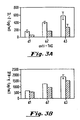
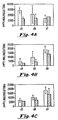
Classifications
-
- C—CHEMISTRY; METALLURGY
- C12—BIOCHEMISTRY; BEER; SPIRITS; WINE; VINEGAR; MICROBIOLOGY; ENZYMOLOGY; MUTATION OR GENETIC ENGINEERING
- C12N—MICROORGANISMS OR ENZYMES; COMPOSITIONS THEREOF; PROPAGATING, PRESERVING, OR MAINTAINING MICROORGANISMS; MUTATION OR GENETIC ENGINEERING; CULTURE MEDIA
- C12N15/00—Mutation or genetic engineering; DNA or RNA concerning genetic engineering, vectors, e.g. plasmids, or their isolation, preparation or purification; Use of hosts therefor
- C12N15/09—Recombinant DNA-technology
- C12N15/11—DNA or RNA fragments; Modified forms thereof; Non-coding nucleic acids having a biological activity
- C12N15/113—Non-coding nucleic acids modulating the expression of genes, e.g. antisense oligonucleotides; Antisense DNA or RNA; Triplex- forming oligonucleotides; Catalytic nucleic acids, e.g. ribozymes; Nucleic acids used in co-suppression or gene silencing
- C12N15/1138—Non-coding nucleic acids modulating the expression of genes, e.g. antisense oligonucleotides; Antisense DNA or RNA; Triplex- forming oligonucleotides; Catalytic nucleic acids, e.g. ribozymes; Nucleic acids used in co-suppression or gene silencing against receptors or cell surface proteins
-
- A—HUMAN NECESSITIES
- A61—MEDICAL OR VETERINARY SCIENCE; HYGIENE
- A61P—SPECIFIC THERAPEUTIC ACTIVITY OF CHEMICAL COMPOUNDS OR MEDICINAL PREPARATIONS
- A61P1/00—Drugs for disorders of the alimentary tract or the digestive system
-
- A—HUMAN NECESSITIES
- A61—MEDICAL OR VETERINARY SCIENCE; HYGIENE
- A61P—SPECIFIC THERAPEUTIC ACTIVITY OF CHEMICAL COMPOUNDS OR MEDICINAL PREPARATIONS
- A61P19/00—Drugs for skeletal disorders
- A61P19/02—Drugs for skeletal disorders for joint disorders, e.g. arthritis, arthrosis
-
- A—HUMAN NECESSITIES
- A61—MEDICAL OR VETERINARY SCIENCE; HYGIENE
- A61P—SPECIFIC THERAPEUTIC ACTIVITY OF CHEMICAL COMPOUNDS OR MEDICINAL PREPARATIONS
- A61P29/00—Non-central analgesic, antipyretic or antiinflammatory agents, e.g. antirheumatic agents; Non-steroidal antiinflammatory drugs [NSAID]
-
- A—HUMAN NECESSITIES
- A61—MEDICAL OR VETERINARY SCIENCE; HYGIENE
- A61P—SPECIFIC THERAPEUTIC ACTIVITY OF CHEMICAL COMPOUNDS OR MEDICINAL PREPARATIONS
- A61P31/00—Antiinfectives, i.e. antibiotics, antiseptics, chemotherapeutics
-
- A—HUMAN NECESSITIES
- A61—MEDICAL OR VETERINARY SCIENCE; HYGIENE
- A61P—SPECIFIC THERAPEUTIC ACTIVITY OF CHEMICAL COMPOUNDS OR MEDICINAL PREPARATIONS
- A61P35/00—Antineoplastic agents
-
- A—HUMAN NECESSITIES
- A61—MEDICAL OR VETERINARY SCIENCE; HYGIENE
- A61P—SPECIFIC THERAPEUTIC ACTIVITY OF CHEMICAL COMPOUNDS OR MEDICINAL PREPARATIONS
- A61P37/00—Drugs for immunological or allergic disorders
- A61P37/02—Immunomodulators
- A61P37/06—Immunosuppressants, e.g. drugs for graft rejection
-
- A—HUMAN NECESSITIES
- A61—MEDICAL OR VETERINARY SCIENCE; HYGIENE
- A61K—PREPARATIONS FOR MEDICAL, DENTAL OR TOILETRY PURPOSES
- A61K38/00—Medicinal preparations containing peptides
-
- C—CHEMISTRY; METALLURGY
- C12—BIOCHEMISTRY; BEER; SPIRITS; WINE; VINEGAR; MICROBIOLOGY; ENZYMOLOGY; MUTATION OR GENETIC ENGINEERING
- C12N—MICROORGANISMS OR ENZYMES; COMPOSITIONS THEREOF; PROPAGATING, PRESERVING, OR MAINTAINING MICROORGANISMS; MUTATION OR GENETIC ENGINEERING; CULTURE MEDIA
- C12N2310/00—Structure or type of the nucleic acid
- C12N2310/30—Chemical structure
- C12N2310/31—Chemical structure of the backbone
- C12N2310/315—Phosphorothioates
-
- C—CHEMISTRY; METALLURGY
- C12—BIOCHEMISTRY; BEER; SPIRITS; WINE; VINEGAR; MICROBIOLOGY; ENZYMOLOGY; MUTATION OR GENETIC ENGINEERING
- C12N—MICROORGANISMS OR ENZYMES; COMPOSITIONS THEREOF; PROPAGATING, PRESERVING, OR MAINTAINING MICROORGANISMS; MUTATION OR GENETIC ENGINEERING; CULTURE MEDIA
- C12N2310/00—Structure or type of the nucleic acid
- C12N2310/30—Chemical structure
- C12N2310/31—Chemical structure of the backbone
- C12N2310/318—Chemical structure of the backbone where the PO2 is completely replaced, e.g. MMI or formacetal
- C12N2310/3181—Peptide nucleic acid, PNA
-
- C—CHEMISTRY; METALLURGY
- C12—BIOCHEMISTRY; BEER; SPIRITS; WINE; VINEGAR; MICROBIOLOGY; ENZYMOLOGY; MUTATION OR GENETIC ENGINEERING
- C12N—MICROORGANISMS OR ENZYMES; COMPOSITIONS THEREOF; PROPAGATING, PRESERVING, OR MAINTAINING MICROORGANISMS; MUTATION OR GENETIC ENGINEERING; CULTURE MEDIA
- C12N2310/00—Structure or type of the nucleic acid
- C12N2310/30—Chemical structure
- C12N2310/32—Chemical structure of the sugar
- C12N2310/321—2'-O-R Modification
-
- C—CHEMISTRY; METALLURGY
- C12—BIOCHEMISTRY; BEER; SPIRITS; WINE; VINEGAR; MICROBIOLOGY; ENZYMOLOGY; MUTATION OR GENETIC ENGINEERING
- C12N—MICROORGANISMS OR ENZYMES; COMPOSITIONS THEREOF; PROPAGATING, PRESERVING, OR MAINTAINING MICROORGANISMS; MUTATION OR GENETIC ENGINEERING; CULTURE MEDIA
- C12N2310/00—Structure or type of the nucleic acid
- C12N2310/30—Chemical structure
- C12N2310/32—Chemical structure of the sugar
- C12N2310/322—2'-R Modification
-
- C—CHEMISTRY; METALLURGY
- C12—BIOCHEMISTRY; BEER; SPIRITS; WINE; VINEGAR; MICROBIOLOGY; ENZYMOLOGY; MUTATION OR GENETIC ENGINEERING
- C12N—MICROORGANISMS OR ENZYMES; COMPOSITIONS THEREOF; PROPAGATING, PRESERVING, OR MAINTAINING MICROORGANISMS; MUTATION OR GENETIC ENGINEERING; CULTURE MEDIA
- C12N2310/00—Structure or type of the nucleic acid
- C12N2310/30—Chemical structure
- C12N2310/33—Chemical structure of the base
- C12N2310/334—Modified C
-
- C—CHEMISTRY; METALLURGY
- C12—BIOCHEMISTRY; BEER; SPIRITS; WINE; VINEGAR; MICROBIOLOGY; ENZYMOLOGY; MUTATION OR GENETIC ENGINEERING
- C12N—MICROORGANISMS OR ENZYMES; COMPOSITIONS THEREOF; PROPAGATING, PRESERVING, OR MAINTAINING MICROORGANISMS; MUTATION OR GENETIC ENGINEERING; CULTURE MEDIA
- C12N2310/00—Structure or type of the nucleic acid
- C12N2310/30—Chemical structure
- C12N2310/34—Spatial arrangement of the modifications
- C12N2310/341—Gapmers, i.e. of the type ===---===
-
- C—CHEMISTRY; METALLURGY
- C12—BIOCHEMISTRY; BEER; SPIRITS; WINE; VINEGAR; MICROBIOLOGY; ENZYMOLOGY; MUTATION OR GENETIC ENGINEERING
- C12N—MICROORGANISMS OR ENZYMES; COMPOSITIONS THEREOF; PROPAGATING, PRESERVING, OR MAINTAINING MICROORGANISMS; MUTATION OR GENETIC ENGINEERING; CULTURE MEDIA
- C12N2310/00—Structure or type of the nucleic acid
- C12N2310/30—Chemical structure
- C12N2310/34—Spatial arrangement of the modifications
- C12N2310/346—Spatial arrangement of the modifications having a combination of backbone and sugar modifications
Definitions
- the present invention provides compositions and methods for detecting and modulating levels of lymphocyte function-associated antigen 3 (LFA-3) proteins, including human LFA-3 (also known as CD58 antigen).
- LFA-3 also known as CD58 antigen
- the invention relates to antisense compounds specifically hybridizable with nucleic acids encoding LFA-3 proteins.
- LFA-3 mediates particular cell-cell interactions. Accordingly, modulation of the expression of LFA-3 allows for the control of such cell-cell interactions and resulting effects such as, for example, inflammation.
- the invention is thus directed to diagnostic methods for detecting, and prophylactic and therapeutic methods for preventing or inhibiting, respectively, LFA-3-mediated processes. Furthermore, this invention is directed to treatment of conditions associated with abnormal expression of LFA-3 proteins.
- This invention also relates to therapies, diagnostics, and research reagents for disease states or disorders which respond to modulation of the expression of LFA-3 proteins. Inhibition of the hyperproliferation of cells, and corresponding prophylactic, palliative and therapeutic effects result from treatment with the antisense compounds of the invention.
- Cell-cell interactions are a feature of a variety of biological processes.
- one of the earliest detectable events in a normal inflammatory response is adhesion of leukocytes to the vascular endothelium, followed by migration of leukocytes out of the vasculature to the site of infection or injury.
- the adhesion of leukocytes to vascular endothelium is an obligate step in their migration out of the vasculature (for a review, see Albelda et al ., FASEB J. , 1994, 8, 504).
- cell-cell interactions are also critical for propagation of both B-lymphocytes and T-lymphocytes resulting in enhanced humoral and cellular immune responses, respectively.
- adhesion molecules located on the surface membrane of cells.
- the interaction between adhesion molecules is similar to classical receptor ligand interactions with the exception that the ligand is fixed to the surface of a cell instead of being soluble.
- CAMs biologically significant molecules mediating cell-cell interactions.
- CAMs include, for example, several i nter c ellular a dhesion molecules (i.e., ICAM-1, ICAM-2 and ICAM-3), e ndothelial l eukocyte a dhesion molecule 1 (ELAM-1), v ascular c ell a dhesion molecule 1 (VCAM-1), and platelet e ndothelial c ell a dhesion m olecule 1 (PECAM-1).
- the CAM family is in turn a part of the immunoglobulin superfamily of genes (Newman et al ., Science, 1990, 247, 1219).
- a given cellular adhesion molecule present on a first cell binds one or more ligands present on a second cell.
- ICAM-1 binds LFA-1
- LFA-3 binds CD2, etc.
- Such interactions may be simply represented as follows: CELL.1 ⁇ LFA-3 + CD ⁇ CELL.2 ⁇ CELL.1 ⁇ LFA-3:CD2 ⁇ CELL.2
- the binding of a given cellular adhesion molecule to its ligand can have many results, including (1) facilitating the ability of the two cells to remain in close contact for a period of time, during which molecules (e.g., antigens) can be passed directly from one cell to the other and/or (2) initiating a cellular response in, for example, the second cell via a conformational or chemical change in the ligand of the second cell that results from the ligand's interaction with the first cell's adhesion molecule (i.e., signal transduction).
- molecules e.g., antigens
- a free (i.e., not associated with a cell) soluble form of the appropriate adhesion molecule may be capable of binding to the surface ligands of the second cell and thereby evoking the same or similar cellular response.
- Such soluble isoforms of adhesion molecules may also be produced in vivo in order to competitively bind with the membrane-bound ligand and thus reduce or inhibit cell:cell interactions, and/or to effect cell:cell de-adhesion.
- T cells thymus-derived lymphocytes
- helper cells act to regulate other cells of the immune system by, e.g., producing and releasing factors that stimulate such other cells to effect molecular immunoreactive activities.
- T cells e.g., cytotoxic, cytolytic or natural killer (NK) cells
- NK cells natural killer cells
- cell:cell interactions between a T cell and, e.g., an antigen presenting cell (APC) (Bierer et al., FASEB J ., 1988, 2, 2584).
- APC antigen presenting cell
- these cell:cell interactions are mediated by adhesion molecules present on T cells and APC s (Bierer et al., FASEB J., 1988, 2, 2584; Makgoba et al., Immunol. Today, 1989, 10, 417).
- LFA-1, LFA-2 and LFA-3 lymphocyte function associated antigens
- ICAMs including ICAM-1, ICAM-2 and ICAM-3
- CD2 is expressed primarily on T cells, including helper and NK cells
- LFA-3 is expressed on all human cells except thymocytes and some T cells (Bierer et al., FASEB J., 1988, 2, 2584).
- LFA-3 proteins are glycoproteins expressed on the surfaces of a variety of cell types (for reviews of LFA-3 and related proteins, see Dustin et al., Annu. Rev. Immunol., 1991, 9, 27). LFA-3 plays a role in mediating thymocyte interactions with thymic epithelial cells, and antigen-dependent and -independent interactions of T lymphocytes with target cells and APCs (Wallner et al., J. Exp. Med., 1987, 166, 923). This interaction can also enhance major histocompatibility complex (MHC) T cell recognition (Selvaraj et al., Nature, 1987, 326, 400).
- MHC major histocompatibility complex
- LFA-3 is also associated with some hyperproliferative diseases, such as myeloma (Cook et al., Acta Haematol., 1997, 97, 81; Tatsumi et al., Jpn. J. Cancer Res., 1996, 87, 837). Furthermore, LFA-3 is upregulated in cells infected with, or enhances the replication of, certain viruses, for example, cytomegalovirus (Grundy et al ., Immunol., 1993, 78, 405) .
- autoimmune disorders such as multiple sclerosis, particularly autoimmune disorders of the thyroid such as Graves' disease, and undesired immune responses, such as, for example, those that occur in graft versus host disease (GVHD);
- autoimmune disorders such as multiple sclerosis, particularly autoimmune disorders of the thyroid such as Graves' disease, and undesired immune responses, such as, for example, those that occur in graft versus host disease (GVHD);
- autoimmune disorders such as multiple sclerosis, particularly autoimmune disorders of the thyroid such as Graves' disease, and undesired immune responses, such as, for example, those that occur in graft versus host disease (GVHD)
- GVHD graft versus host disease
- a variety of inflammatory diseases or disorders with an inflammatory or T cell-mediated component such as various forms of arthritis
- allograft rejections such as various forms of arthritis
- asthma inflammatory diseases of the bowel, including Crohn's disease
- various dermatological conditions such as psoriasis; and the
- monoclonal antibodies are large proteins which may have difficulty in gaining access to the inflammatory site.
- Polypeptide forms of the cell adhesion molecules suffer from many of the same limitations as monoclonal antibodies in addition to the expense of their production and their low binding affinity.
- LFA-3 is transmembrane or membrane-bound protein, and polypeptides derived from LFA-3 are often insoluble in aqueous solution, limiting their therapeutic potential (Dustin et al., Annu. Rev. Immunol., 1991, 9, 27).
- Antisense oligonucleotides avoid many of the pitfalls of current agents used to block the effects of LFA-3. It has been found that such antisense compounds can modulate the expression of LFA-3 proteins.
- U.S. Patents 4,956,281, 5,185,441 and 5,354,665 disclose nucleotide sequences encoding LFA-3 and methods of producing LFA-3 polypeptides.
- U.S. Patent 5,547,853 discloses peptides corresponding to the CD2 binding domain of LFA-3 indicated to be useful for diagnostic and therapeutic purposes.
- U.S. Patent 5,556,943 discloses sheep LFA-3 protein sequences and derivatives thereof, and indicates that such polypeptides are useful for treating leukemias.
- antisense compounds according to any one of claims 1 to 4 which specifically hybridize with a nucleic acid encoding a LFA-3 protein.
- Certain antisense compounds of the invention are designed to bind either directly to mRNA transcribed from, or to a selected DNA portion of, a gene that encodes a LFA-3 protein, thereby modulating the expression thereof.
- the LFA-3 protein, and the gene encoding it are those of a mammal including a human.
- Pharmaceutical compositions comprising the antisense compounds of the invention, and various methods of using the antisense compounds of the invention, are also herein provided.
- Oligonucleotides may comprise nucleotide sequences sufficient in identity and number to effect specific hybridization with a particular nucleic acid. Such oligonucleotides are commonly described as “antisense.” Antisense oligonucleotides are commonly used as research reagents, diagnostic aids, and therapeutic agents. It has been discovered that genes encoding lymphocyte function associated antigen-3 (LFA-3; also known as CD58 antigen) proteins, including human LFA-3, are particularly amenable to this approach. More specifically, the present invention is directed to antisense compounds, including oligonucleotides, that modulate the expression of LFA-3.
- LFA-3 lymphocyte function associated antigen-3
- Methods of modulating the expression of LFA-3 proteins with antisense compounds are provided herein and are believed to be useful both therapeutically and diagnostically as a consequence of the association between LFA-3 expression and certain hyperproliferative and inflammatory disorders. These methods are also useful as tools, for example, in the detection and determination of the role of LFA-3 in various cell functions and physiological processes and conditions, and for the diagnosis of conditions associated with such expression and activation.
- LFA-3 As a consequence of the association between LFA-3 and normal and abnormal cell-cell interactions, inhibition of the expression of LFA-3 proteins is expected to lead to, for example, the inhibition of a variety of undesired immunoresponsive events and tumorigenic and/or metastatic events and, accordingly, results in modulation of the undesirable consequences of such events. Such modulation is desirable for treating (i.e., providing prophylactic, palliative and/or therapeutic effects) various inflammatory and hyperproliferative disorders or diseases. Such inhibition of LFA-3, and other CAMs, is further desirable for preventing or modulating the development of such diseases or disorders in an animal suspected of being, or known to be, prone to such diseases or disorders.
- the present invention also comprises methods of inhibiting a variety of LFA-3-mediated inflammatory and tumorigenic and/or metastatic events using the antisense compounds of the invention.
- Methods of treating conditions in which abnormal or excessive LFA-3 expression and/or LFA-3-mediated inflammation occurs are also provided. These methods employ the antisense compounds of the invention and are believed to be useful both therapeutically and as clinical research and diagnostic tools.
- the oligonucleotides of the present invention may also be used for research purposes. Thus, the specific hybridization exhibited by the oligonucleotides of the present invention may be used for assays, purifications, cellular product preparations and in other methodologies which may be appreciated by persons of ordinary skill in the art.
- the present invention employs antisense compounds which modulate the function of DNA or messenger RNA (mRNA) encoding a protein (LFA-3) the modulation of which is desired and ultimately regulate the expression of the protein.
- mRNA messenger RNA
- LFA-3 messenger RNA
- Hybridization of an antisense oligonucleotide with its mRNA target interferes with the normal role of mRNA and causes a modulation of its function in cells.
- the functions of mRNA to be interfered with include all vital functions such as translocation of the RNA to the site for protein translation, actual translation of protein from the RNA, splicing of the RNA to yield one or more mRNA species, and possibly even independent catalytic activity which may be engaged in by the RNA.
- modulation means either an increase (stimulation) or a decrease (inhibition) in the expression of the protein.
- inhibition is the preferred form of modulation of gene expression.
- Targeting an oligonucleotide to the associated nucleic acid, in the context of this invention, is a multistep process. The process usually begins with the identification of a nucleic acid sequence whose function is to be modulated. This may be, for example, a cellular gene (or mRNA transcribed from the gene) whose expression is associated with a particular disorder or disease state, or a foreign nucleic acid from an infectious agent. In the present invention, the target is a cellular gene associated with hyperproliferative disorders.
- the targeting process also includes determination of a site or sites within this gene for the oligonucleotide interaction to occur such that the desired effect, either detection or modulation of expression of the protein, will result. Once the target site or sites have been identified, oligonucleotides are chosen which are sufficiently complementary to the target, i.e., hybridize sufficiently well and with sufficient specificity to give the desired effect.
- the 5' "cap” which comprises an N7-methylated guanosine residue joined to the most 5' residue of the mRNA via a triphosphate linkage (Baker, Chapter 3 In: Antisense Research and Applications, Crooke et al ., eds., CRC Press, Boca Raton, FL, 1993, pages 37-53); the 5' untranslated region (hereinafter, the "5'-UTR”), the translation initiation codon region (hereinafter, the "AUG” region), the open reading frame (hereinafter, the “ORF”) or "coding region,” the translation termination codon region (hereinafter, the “stop codon” region or simply “stop” for short) and the 3' untranslated region (hereinafter, the "3'-UTR”).
- the 5' "cap which comprises an N7-methylated guanosine residue joined to the most 5' residue of the mRNA via a triphosphate linkage
- these regions are arranged in a typical messenger RNA molecule in the following order (left to right, 5' to 3'): cap, 5'-UTR, AUG, ORF, stop codon, 3'-UTR.
- ORFs contain one or more sequences, known as "introns,” which are excised from a transcript before it is translated; the expressed (unexcised) portions of the ORF are referred to as "exons" (Alberts et al., Molecular Biology of the Cell, 1983, Garland Publishing Inc., New York, pp. 411-415).
- an ORF contains one or more sites that may be targeted due to some functional significance in vivo. Examples of the latter types of sites include intragenic stem-loop structures (see, e.g., U.S. Patent No. 5,512,438) and, in unprocessed mRNA molecules, intron/exon splice sites.
- one preferred intragenic site is the region encompassing the translation initiation codon of the open reading frame (ORF) of the gene.
- the translation initiation codon is typically 5'-AUG (in transcribed mRNA molecules; 5'-ATG in the corresponding DNA molecule)
- the translation initiation codon is also referred to as the "AUG codon,” the “start codon” or the "AUG start codon.”
- a minority of genes have a translation initiation codon having the RNA sequence 5'-GUG, 5'-UUG or 5'-CUG, and 5'-AUA, 5'-ACG and 5'-CUG have been shown to function in vivo.
- 5'-UUU functions as a translation initiation codon in vitro (Brigstock et al ., Growth Factors, 1990, 4 , 45; Gelbert et al., Somat. Cell. Mol. Genet., 1990, 16 , 173; Gold and Stormo, in: Escherichia coli and Salmonella typhimurium: Cellular and Molecular Biology, Vol. 2, 1987, Neidhardt et al ., eds., American Society for Microbiology, Washington, D.C., p. 1303).
- translation initiation codon and “start codon” can encompass many codon sequences, even though the initiator amino acid in each instance is typically methionine (in eukaryotes) or formylmethionine (prokaryotes). It is also known in the art that eukaryotic and prokaryotic genes may have two or more alternative start codons, any one of which may be preferentially utilized for translation initiation in a particular cell type or tissue, or under a particular set of conditions, in order to generate related polypeptides having different amino terminal sequences.
- start codon and “translation initiation codon” refer to the codon or codons that are used in vivo to initiate translation of an mRNA molecule transcribed from a gene encoding a LFA-3 protein, regardless of the nucleotide sequence(s) of such codons. It is also known in the art that a translation termination codon (or "stop codon") of a gene may have one of three sequences, i.e., 5'-UAA, 5'-UAG and 5'-UGA (the corresponding DNA sequences are 5'-TAA, 5'-TAG and 5'-TGA, respectively).
- start codon region and “translation initiation region” refer to a portion of such an mRNA or gene that encompasses about 50 contiguous (adjacent) nucleotides in either direction (i.e., 5' or 3') from a translation initiation codon.
- stop codon region and “translation termination region” refer to a portion of such an mRNA or gene that encompasses about 50 contiguous (adjacent) nucleotides in either direction ( i . e ., 5' or 3') from a translation termination codon.
- Antisense Compounds of the Invention employs antisense compounds that modulate LFA-3 proteins.
- the term "antisense compounds” (a) specifically includes synthetic oligonucleotides, as well as peptide nucleic acids (PNAs), having a nucleobase sequence specifically hybridizable with a nucleic acid encoding a LFA-3 protein and (b) specifically excludes ribozymes and nucleic acids of biological origin.
- PNAs peptide nucleic acids
- oligonucleotide refers to an oligomer or polymer of ribonucleic acid (RNA) or deoxyribonucleic acid (DNA) or mimetics thereof.
- This term includes oligonucleotides composed of naturally-occurring nucleobases, sugars and covalent intersugar (backbone) linkages as well as oligonucleotides having non-naturally-occurring portions which function similarly. Such modified or substituted oligonucleotides are often preferred over native forms because of desirable properties such as, for example, enhanced cellular uptake, enhanced affinity for nucleic acid target and increased stability in the presence of nucleases.
- the antisense compounds of the invention are synthesized in vitro and do not include antisense compositions of biological origin, or genetic vector constructs designed to direct the in vivo synthesis of antisense molecules.
- the antisense compounds in accordance with this invention preferably comprise from about 8 to about 30 nucleobases, more preferably from about 12 to about 28 and most preferably from about 20 to about 26 nucleobases.
- Particularly preferred antisense compounds are antisense oligonucleotides.
- An oligonucleotide is a polymer of a repeating unit generically known as a nucleotide.
- An unmodified (naturally occurring) nucleotide has three components: (1) a nitrogen-containing heterocyclic base linked by one of its nitrogen atoms to (2) a 5-pentofuranosyl sugar and (3) a phosphate esterified to one of the 5' or 3' carbon atoms of the sugar.
- the phosphate of a first nucleotide is also esterified to an adjacent sugar of a second, adjacent nucleotide via a 3'-5' phosphate linkage.
- nucleoside is a base-sugar combination.
- the base portion of the nucleoside is normally a heterocyclic base.
- the two most common classes of such heterocyclic bases are the purines and the pyrimidines.
- Nucleotides are nucleosides that further include a phosphate group covalently linked to the sugar portion of the nucleoside.
- the phosphate group can be linked to either the 2', 3' or 5' hydroxyl moiety of the sugar.
- the phosphate groups covalently link adjacent nucleosides to one another to form a linear polymeric compound.
- the respective ends of this linear polymeric structure can be further joined to form a circular structure, however, within the context of the invention, open linear structures are generally preferred.
- the phosphate groups are commonly referred to as forming the intersugar "backbone" of the oligonucleotide.
- the normal linkage or backbone of RNA and DNA is a 3' to 5' phosphodiester linkage.
- the backbone of an oligonucleotide (or other antisense compound) positions a series of bases in a specific order; the written representation of this ordered series of bases, usually written in 5' to 3' order unless otherwise indicated, is known as a nucleotide or nucleobase sequence.
- Oligonucleotides may comprise nucleotide sequences sufficient in identity and number to effect specific hybridization with a particular nucleic acid. Such oligonucleotides which specifically hybridize to a portion of the sense strand of a gene are commonly described as “antisense.”
- antisense means hydrogen bonding, which may be Watson-Crick, Hoogsteen or reversed Hoogsteen hydrogen bonding, between complementary nucleotides.
- adenine and thymine are complementary nucleobases which pair through the formation of hydrogen bonds.
- oligonucleotide and the DNA or RNA are considered to be complementary to each other at that position.
- the oligonucleotide and the DNA or RNA are complementary to each other when a sufficient number of corresponding positions in each molecule are occupied by nucleotides which can hydrogen bond with each other.
- oligonucleotide is specifically hybridizable to its target sequence due to the formation of base pairs between specific partner nucleobases in the interior of a nucleic acid duplex.
- guanine (G) binds to cytosine (C)
- adenine (A) binds to thymine (T) or uracil (U).
- RNA and T (DNA) are known as partners for A
- other naturally occurring nucleobase equivalents including 5-methylcytosine and 5-hydroxymethylcytosine (HMC) (C equivalents), and 5-hydroxymethyluracil (U equivalent).
- synthetic nucleobases which retain partner specificity are known in the art and include, for example, 7-deaza-Guanine, which retains partner specificity for C.
- an oligonucleotide's capacity to specifically hybridize with its target sequence will not be altered by a chemical modification to a nucleobase in the nucleotide sequence of the oligonucleotide which does not impact its specificity for a partner nucleobase in the target nucleic acid.
- nucleobase sequence of an oligonucleotide or other antisense compound need not be 100% complementary to its target nucleic acid sequence to be specifically hybridizable.
- An antisense compound is specifically hybridizable to its target nucleic acid when there is a sufficient degree of complementarity to avoid nonspecific binding of the oligonucleotide to non-target sequences under conditions in which specific binding is desired, i.e., under physiological conditions in the case of in vivo assays or therapeutic treatment, or, in the case of in vitro assays, under assay conditions.
- Antisense oligonucleotides are commonly used as research reagents, diagnostic aids, and therapeutic agents.
- antisense oligonucleotides which are able to inhibit gene expression with exquisite specificity, are often used by those of ordinary skill to elucidate the function of particular genes, for example to distinguish between the functions of various members of a biological pathway. This specific inhibitory effect has, therefore, been harnessed by those skilled in the art for research uses.
- the specificity and sensitivity of oligonucleotides is also harnessed by those of skill in the art for therapeutic uses.
- Specific examples of preferred antisense compounds useful in this invention include oligonucleotides containing modified backbones or non-natural intersugar linkages.
- oligonucleotides having modified backbones include those that retain a phosphorus atom in the backbone and those that do not have a phosphorus atom in the backbone.
- modified oligonucleotides that do not have a phosphorus atom in their intersugar backbone can also be considered to be oligonucleosides.
- oligonucleotide chemical modifications are described in the following subsections. It is not necessary for all positions in a given compound to be uniformly modified, and in fact more than one of the following modifications may be incorporated in a single antisense compound or even in a single residue thereof, for example, at a single nucleoside within an oligonucleotide.
- Preferred modified oligonucleotide backbones include, for example, phosphorothioates, chiral phosphorothioates, phosphoro-dithioates, phosphotriesters, aminoalkylphosphotriesters, methyl and other alkyl phosphonates including 3'-alkylene phosphonates and chiral phosphonates, phosphinates, phosphoramidates including 3'-amino phosphoramidate and aminoalkylphosphoramidates, thionophosphoramidates, thiono-alkylphosphonates, thionoalklyphosphotriesters, and borano-phosphates having normal 3'-5' linkages, 2'-5' linked analogs of these, and those having inverted polarity wherein the adjacent pairs of nucleoside units are linked 3'-5' to 5'-3' or 2'-5' to 5'-2'.
- Various salts, mixed salts and free acid forms are also included.
- Preferred modified oligonucleotide backbones that do not include a phosphorus atom therein have backbones that are formed by short chain alkyl or cycloalkyl intersugar linkages, mixed heteroatom and alkyl or cycloalkyl intersugar linkages, or one or more short chain heteroatomic or heterocyclic intersugar linkages.
- morpholino linkages formed in part from the sugar portion of a nucleoside
- siloxane backbones sulfide, sulfoxide and sulfone backbones
- formacetyl and thioformacetyl backbones methylene formacetyl and thioformacetyl backbones
- alkene containing backbones sulfamate backbones
- sulfonate and sulfonamide backbones amide backbones; and others having mixed N, O, S and CH 2 component parts.
- both the sugar and the intersugar linkage, i.e., the backbone, of the nucleotide units are replaced with novel groups.
- the base units are maintained for hybridization with an appropriate nucleic acid target compound.
- an oligomeric compound an oligonucleotide mimetic that has been shown to have excellent hybridization properties, is referred to as a peptide nucleic acid (PNA).
- PNA peptide nucleic acid
- the sugar-backbone of an oligonucleotide is replaced with an amide containing backbone, in particular an aminoethylglycine backbone.
- nucleobases are retained and are bound directly or indirectly to aza nitrogen atoms of the amide portion of the backbone.
- Representative United States patents that teach the preparation of PNA compounds include, but are not limited to, U.S. Patents Nos. 5,539,082; 5,714,331; and 5,719,262,. Further teaching of PNA compounds can be found in Nielsen et al ., Science, 1991, 254 , 1497.
- Most preferred embodiments of the invention are oligonucleotides with phosphorothioate backbones and oligonucleosides with heteroatom backbones, and in particular -CH 2 -NH-O-CH 2 -, -CH 2 -N (CH 3 ) -O-CH 2 - [known as a methylene (methylimino) or MMI backbone], -CH 2 -O-N (CH 3 ) -CH 2 -, - CH 2 -N (CH 3 ) - N (CH 3 ) -CH 2 - and -O-N (CH 3 )-CH 2 -CH 2 - [wherein the native phosphodiester backbone is represented as -O-P-O-CH 2 -] of the above referenced U.S.
- Patent 5,489,677 and the amide backbones of the above referenced U.S. Patent No. 5,602,240. Also preferred are oligonucleotides having morpholino backbone structures of the above-referenced U.S. Patent No. 5,034,506.
- nucleobases The compounds of the invention may additionally or alternatively comprise nucleobase (often referred to in the art simply as “base”) modifications or substitutions.
- nucleobases include the purine bases adenine (A) and guanine (G), and the pyrimidine bases thymine (T), cytosine (C) and uracil (U).
- Modified nucleobases include other synthetic and natural nucleobases such as 5-methylcytosine (5-me-C), 5-hydroxymethyl cytosine, xanthine, hypoxanthine, 2-aminoadenine, 6-methyl and other alkyl derivatives of adenine and guanine, 2-propyl and other alkyl derivatives of adenine and guanine, 2-thiouracil, 2-thiothymine and 2-thiocytosine, 5-halouracil and cytosine, 5-propynyl uracil and cytosine, 6-azo uracil, cytosine and thymine, 5-uracil (pseudouracil), 4-thiouracil, 8-halo, 8-amino, 8-thiol, 8-thioalkyl, 8-hydroxyl and other 8-substituted adenines and guanines, 5-halo particularly 5-bromo, 5-trifluoromethyl and other 5-substitute
- nucleobases include those disclosed in United States Patent No. 3,687,808, those disclosed in the Concise Encyclopedia Of Polymer Science And Engineering, pages 858-859, Kroschwitz, J.I., ed. John Wiley & Sons, 1990, those disclosed by Englisch et al., Angewandte Chemie, International Edition, 1991, 30, 613, and those disclosed by Sanghvi, Y.S., Chapter 15, Antisense Research and Applications, pages 289-302, Crooke, S.T. and Lebleu, B., ed., CRC Press, 1993. Certain of these nucleobases are particularly useful for increasing the binding affinity of the oligomeric compounds of the invention.
- 5-substituted pyrimidines include 5-substituted pyrimidines, 6-azapyrimidines and N-2, N-6 and O-6 substituted purines, including 2-aminopropyladenine, 5-propynyluracil and 5-propynylcytosine.
- 5-methylcytosine substitutions have been shown to increase nucleic acid duplex stability by 0.6-1.2°C (Id., pages 276-278) and are presently preferred base substitutions, even more particularly when combined with 2'-methoxyethyl sugar modifications.
- Representative United States patents that teach the preparation of certain of the above noted modified nucleobases as well as other modified nucleobases include, but are not limited to, the above noted U.S. Patent 3,687,808, as well as U.S. Patents 4,845,205; 5,130,302; 5,134,066; 5,175,273; 5,367,066; 5,432,272; 5,457,187; 5,459,255; 5,484,908; 5,502,177; 5,525,711; 5,552,540; 5,587,469; 5,594,121, 5,596,091; 5,614,617; 5,681,941; and 5,750,692.
- the antisense compounds of the invention may additionally or alternatively comprise one or more substituted sugar moieties.
- Preferred oligonucleotides comprise one of the following at the 2' position: OH; F; O-, S-, or N-alkyl, O-, S-, or N-alkenyl, or O, S- or N-alkynyl, wherein the alkyl, alkenyl and alkynyl may be substituted or unsubstituted C 1 to C 10 alkyl or C 2 to C 10 alkenyl and alkynyl.
- oligonucleotides comprise one of the following at the 2' position: C 1 to C 10 lower alkyl, substituted lower alkyl, alkaryl, aralkyl, O-alkaryl or O-aralkyl, SH, SCH 3 , OCN, Cl, Br, CN, CF 3 , OCF 3 , SOCH 3 , SO 2 CH 3 , ONO 2 , NO 2 , N 3 , NH 2 , heterocycloalkyl, heterocycloalkaryl, aminoalkylamino, poly-alkylamino, substituted silyl, an RNA cleaving group, a reporter group, an intercalator, a group for improving the pharmacokinetic properties of an oligonucleotide, or a group for improving the pharmacodynamic properties of an oligonucleotide, and other substituents having similar properties.
- a preferred modification includes 2'-methoxyethoxy [2'-O-CH 2 CH 2 OCH 3 , also known as 2'-O-(2-methoxyethyl) or 2'-MOE] (Martin et al., Helv. Chim. Acta, 1995, 78, 486), i.e., an alkoxyalkoxy group.
- a further preferred modification includes 2'-dimethylaminooxyethoxy, i.e., a O(CH 2 ) ON(CH) 3 2 group, also known as 2' -DMAOE, as described in co-owned United States patent 6,127,533.
- modifications include 2'-methoxy (2'-O-CH 3 ), 2'-aminopropoxy (2'-OCH 2 CH 2 CH 2 NH 2 ) and 2'-fluoro (2'-F). Similar modifications may also be made at other positions on the oligonucleotide, particularly the 3' position of the sugar on the 3' terminal nucleotide or in 2'-5' linked oligonucleotides and the 5' position of 5' terminal nucleotide. Oligonucleotides may also have sugar mimetics such as cyclobutyl moieties in place of the pentofuranosyl sugar. Representative United States patents that teach the preparation of such modified sugars structures include, but are not limited to, u.s.
- Additional modifications may also be made at other positions on the oligonucleotide, particularly the 3' position of the sugar on the 3' terminal nucleotide and the 5' position of 5' terminal nucleotide.
- one additional modification of the oligonucleotides of the invention involves chemically linking to the oligonucleotide one or more moieties or conjugates which enhance the activity, cellular distribution or cellular uptake of the oligonucleotide.
- moieties include but are not limited to lipid moieties such as a cholesterol moiety (Letsinger et al ., Proc. Natl. Acad. Sci.
- the present invention also includes antisense compounds which are chimeric compounds.
- "Chimeric” antisense compounds or “chimeras,” in the context of this invention, are antisense compounds, particularly oligonucleotides, which contain two or more chemically distinct regions, each made up of at least one monomer unit, i.e., a nucleotide in the case of an oligonucleotide compound.
- These oligonucleotides typically contain at least one region wherein the oligonucleotide is modified so as to confer upon the oligonucleotide increased resistance to nuclease degradation, increased cellular uptake, and/or increased binding affinity for the target nucleic acid.
- An additional region of the oligonucleotide may serve as a substrate for enzymes capable of cleaving RNA:DNA or RNA:RNA hybrids.
- RNase H is a cellular endonuclease which cleaves the RNA strand of an RNA:DNA duplex. Activation of RNase H, therefore, results in cleavage of the RNA target, thereby greatly enhancing the efficiency of oligonucleotide inhibition of gene expression. Consequently, comparable results can often be obtained with shorter oligonucleotides when chimeric oligonucleotides are used, compared to phosphorothioate deoxyoligonucleotides hybridizing to the same target region.
- RNA target can be routinely detected by gel electrophoresis and, if necessary, associated nucleic acid hybridization techniques known in the art.
- RNase H-mediated target cleavage is distinct from the use of ribozymes to cleave nucleic acids, and ribozymes are not comprehended by the present invention.
- such “chimeras” may be “gapmers,” i.e., oligonucleotides in which a central portion (the "gap") of the oligonucleotide serves as a substrate for, e.g., RNase H, and the 5' and 3' portions (the “wings”) are modified in such a fashion so as to have greater affinity for, or stability when duplexed with, the target RNA molecule but are unable to support nuclease activity (e.g., 2'-fluoro- or 2'-methoxyethoxy- substituted).
- nuclease activity e.g., 2'-fluoro- or 2'-methoxyethoxy- substituted.
- chimeras include "hemimers,” that is, oligonucleotides in which the 5' portion of the oligonucleotide serves as a substrate for, e.g., RNase H, whereas the 3' portion is modified in such a fashion so as to have greater affinity for, or stability when duplexed with, the target RNA molecule but is unable to support nuclease activity (e.g., 2'-fluoro- or 2'-methoxyethoxy- substituted), or vice-versa.
- nuclease activity e.g., 2'-fluoro- or 2'-methoxyethoxy- substituted
- Chimeric antisense compounds of the invention may be formed as composite structures of two or more oligonucleotides, modified oligonucleotides, oligonucleosides and/or oligonucleotide mimetics as described above. Such compounds have also been referred to in the art as hybrids or gapmers. Representative United States patents that teach the preparation of such hybrid structures include, but are not limited to, U.S. Patents Nos. 5,013,830; 5,149,797; .5,220,007; 5,256,775; 5,366,878; 5,403,711; 5,491,133; 5,565,350; 5,623,065; 5,652,355; 5,652,356; 5, 700, 922; and 5,955,589.
- oligonucleotides used in accordance with this invention may be conveniently and routinely made through the well-known technique of solid phase synthesis.
- Equipment for such synthesis is sold by several vendors including, for example, Applied Biosystems (Foster City, CA). Any other means for such synthesis known in the art may additionally or alternatively be employed. It is also known to use similar techniques to prepare other oligonucleotides such as the phosphorothioates and alkylated derivatives.
- U.S. Patent No. 5,506,351 drawn to processes for the preparation of 2'-O-alkyl guanosine and related compounds, including 2,6-diaminopurine compounds;
- U.S. Patent No. 5,587,469 drawn to oligonucleotides having N-2 substituted purines;
- the compounds of the invention encompass any pharmaceutically acceptable salts, esters, or salts of such esters, or any other compound which, upon administration to an animal including a human, is capable of providing (directly or indirectly) the biologically active metabolite or residue thereof. Accordingly, for example, the disclosure is also drawn to "prodrugs” and “pharmaceutically acceptable salts” of the antisense compounds of the invention, pharmaceutically acceptable salts of such prodrugs, and other bioequivalents.
- the antisense compounds of the invention may additionally or alternatively be prepared to be delivered in a "prodrug" form.
- prodrug indicates a therapeutic agent that is prepared in an inactive form that is converted to an active form (i.e ., drug) within the body or cells thereof by the action of endogenous enzymes or other chemicals and/or conditions.
- prodrug versions of the antisense compounds of the invention are prepared as SATE [(S-acetyl-2-thioethyl) phosphate] derivatives according to the methods disclosed in NO 93/24510 to Gosselin et al. , published December 9, 1993.
- compositions refers to physiologically and pharmaceutically acceptable salts of the antisense compounds of the invention: i.e., salts that retain the desired biological activity of the parent compound and do not impart undesired toxicological effects thereto.
- Pharmaceutically acceptable base addition salts are formed with metals or amines, such as alkali and alkaline earth metals or organic amines.
- metals used as cations are sodium, potassium, magnesium, calcium, and the like.
- suitable amines are chloroprocaine, choline, N,N'-dibenzylethylenediamine, diethanolamine, dicyclohexylamine, ethylenediamine, N-methylglucamine, and procaine (see, for example, Berge et al., "Pharmaceutical Salts," J. of Pharma Sci., 1977, 66 :1).
- the base addition salts of said acidic compounds are prepared by contacting the free acid form with a sufficient amount of the desired base to produce the salt in the conventional manner.
- the free acid form may be regenerated by contacting the salt form with an acid and isolating the free acid in the conventional manner.
- the free acid forms differ from their respective salt forms somewhat in certain physical properties such as solubility in polar solvents, but otherwise the salts are equivalent to their respective free acid for purposes of the present invention.
- a "pharmaceutical addition salt” includes a pharmaceutically acceptable salt of an acid form of one of the components of the compositions of the invention. These include organic or inorganic acid salts of the amines.
- Preferred acid salts are the hydrochlorides, acetates, salicylates, nitrates and phosphates.
- Other suitable pharmaceutically acceptable salts are well known to those skilled in the art and include basic salts of a variety of inorganic and organic acids, such as, for example, with inorganic acids, such as for example hydrochloric acid, hydrobromic acid, sulfuric acid or phosphoric acid; with organic carboxylic, sulfonic, sulfo or phospho acids or N-substituted sulfamic acids, for example acetic acid, propionic acid, glycolic acid, succinic acid, maleic acid, hydroxymaleic acid, methylmaleic acid, fumaric acid, malic acid, tartaric acid, lactic acid, oxalic acid, gluconic acid, glucaric acid, glucuronic acid, citric acid, benzoic acid, cinnamic acid, mandelic acid, salicylic acid, embonic acid, 4-ami
- Pharmaceutically acceptable salts of compounds may also be prepared with a pharmaceutically acceptable cation.
- Suitable pharmaceutically acceptable cations are well known to those skilled in the art and include alkaline, alkaline earth, ammonium and quaternary ammonium cations. Carbonates or hydrogen carbonates are also possible.
- salts formed with cations such as sodium, potassium, ammonium, magnesium, calcium, polyamines such as spermine and spermidine, etc.
- acid addition salts formed with inorganic acids for example hydrochloric acid, hydrobromic acid, sulfuric acid, phosphoric acid, nitric acid and the like
- salts formed with organic acids such as, for example, acetic acid, oxalic acid, tartaric acid, succinic acid, maleic acid, fumaric acid, gluconic acid, citric acid, malic acid, ascorbic acid, benzoic acid, tannic acid, palmitic acid, alginic acid, polyglutamic acid, naphthalenesulfonic acid, methanesulfonic acid, p-toluenesulfonic acid, naphthalenedisulfonic acid, polygalacturonic acid
- oligonucleotides of the present invention specifically hybridize to nucleic acids (e.g., mRNAs) encoding a LFA-3 protein.
- the antisense compounds of the present invention can be utilized as therapeutic compounds, as diagnostic tools or research reagents that can be incorporated into kits as well as other methodologies as will be apparent to persons of ordinary skill in the art.
- the oligonucleotides of the present invention can be used to detect the presence of LFA-3 protein-specific nucleic acids in a cell or tissue sample.
- radiolabeled oligonucleotides can be prepared by 32 P labeling at the 5' end with polynucleotide kinase. (Sambrook et al., Molecular Cloning. A Laboratory Manual, Cold Spring Harbor Laboratory Press, 1989, Volume 2, pg. 10.59.) Radiolabeled oligonucleotides are then contacted with cell or tissue samples suspected of containing LFA-3 protein message RNAs (and thus LFA-3 proteins), and the samples are washed to remove unbound oligonucleotide.
- Radioactivity remaining in the sample indicates the presence of bound oligonucleotide, which in turn indicates the presence of nucleic acids complementary to the oligonucleotide, and can be quantitated using a scintillation counter or other routine means. Expression of nucleic acids encoding these proteins is thus detected.
- Radiolabeled oligonucleotides of the present invention can also be used to perform autoradiography of tissues to determine the localization, distribution and quantitation of LFA-3 proteins for research, diagnostic or therapeutic purposes.
- tissue sections are treated with radiolabeled oligonucleotide and washed as described above, then exposed to photographic emulsion according to routine autoradiography procedures.
- the emulsion when developed, yields an image of silver grains over the regions expressing a LFA-3 protein gene. Quantitation of the silver grains permits detection of the expression of mRNA molecules encoding these proteins and permits targeting of oligonucleotides to these areas.
- Analogous assays for fluorescent detection of expression of LFA-3 protein nucleic acids can be developed using oligonucleotides of the present invention which are conjugated with fluorescein or other fluorescent tags instead of radiolabeling. Such conjugations are routinely accomplished during solid phase synthesis using fluorescently-labeled amidites or controlled pore glass (CPG) columns. Fluorescein-labeled amidites and CPG are available from, e.g., Glen Research, Sterling VA. Other means of labeling oligonucleotides are known in the art (see, e.g., Ruth, Chapter 6 In: Methods in Molecular Biology, Vol. 26: Protocols for Oligonucleotide Conjugates, Agrawal, ed., Humana Press Inc., Totowa, NJ, 1994, pages 167-185).
- Kits for detecting the presence or absence of expression of a LFA-3 protein may also be prepared.
- Such kits include an oligonucleotide targeted to an appropriate gene, i.e., a gene encoding a LFA-3 protein.
- Appropriate kit and assay formats such as, e.g., "sandwich” assays, are known in the art and can easily be adapted for use with the antisense compounds of the invention.
- Hybridization of the antisense compounds of the invention with a nucleic acid encoding a LFA-3 protein can be detected by means known in the art. Such means may include conjugation of an enzyme to the oligonucleotide, radiolabelling of the oligonucleotide or any other suitable detection systems.
- Biologically Active Oligonucleotides The invention is also drawn to the administration of oligonucleotides having biological activity to cultured cells, isolated tissues and organs and animals.
- having biological activity it is meant that the oligonucleotide functions to modulate the expression of one or more genes in cultured cells, isolated tissues or organs and/or animals.
- Such modulation can be achieved by an antisense oligonucleotide by a variety of mechanisms known in the art, including but not limited to transcriptional arrest; effects on RNA processing (capping, polyadenylation and splicing) and transportation; enhancement of cellular degradation of the target nucleic acid; and translational arrest (Crooke et al ., Exp . Opin. Ther. Patents, 1996, 6:855).
- compositions and methods of the invention can be used to study the function of one or more genes in the animal.
- antisense oligonucleotides have been systemically administered to rats in order to study the role of the N -methyl-D-aspartate receptor in neuronal death, to mice in order to investigate the biological role of protein kinase C- ⁇ , and to rats in order to examine the role of the neuropeptide Y1 receptor in anxiety (Wahlestedt et al., Nature , 1993, 363:260; Dean et al., Proc. Natl. Acad . Sci.
- antisense knockouts i.e., inhibition of a gene by systemic administration of antisense oligonucleotides
- antisense oligonucleotides may represent the most accurate means for examining a specific member of the family (see, generally, Albert et al ., Trends Pharmacol. Sci., 1994, 15 :250).
- compositions and methods of the invention also have therapeutic uses in an animal, including a human, having (i.e., suffering from), or known to be or suspected of being prone to having, a disease or disorder that is treatable in whole or in part with one or more nucleic acids.
- therapeutic uses is intended to encompass prophylactic, palliative and curative uses wherein the antisense compounds of the invention are contacted with animal cells either in vivo or ex vivo. When contacted with animal cells ex vivo, a therapeutic use includes incorporating such cells into an animal after treatment with one or more of the antisense compounds of the invention.
- an animal suspected of having a disease or disorder which can be treated or prevented by modulating the expression or activity of a LFA-3 protein is, for example, treated by administering oligonucleotides in accordance with this invention.
- the antisense compounds of the invention can be utilized in pharmaceutical compositions by adding an effective amount of an oligonucleotide to a suitable pharmaceutically acceptable carrier such as, e.g., a diluent. Workers in the field have identified antisense, triplex and other oligonucleotide compositions which are capable of modulating expression of genes implicated in viral, fungal and metabolic diseases. Antisense oligonucleotides have been safely administered to humans and several clinical trials are presently underway.
- oligonucleotides can be useful therapeutic instrumentalities that can be configured to be useful in treatment regimes for treatment of cells, tissues and animals, especially humans.
- the following U.S. patents demonstrate palliative, therapeutic and other methods utilizing antisense oligonucleotides.
- U. S. Patent No. 5,135,917 provides antisense oligonucleotides that inhibit human interleukin-1 receptor expression.
- U.S. Patent No. 5,098,890 is directed to antisense oligonucleotides complementary to the c-myb oncogene and antisense oligonucleotide therapies for certain cancerous conditions.
- U.S. Patent No. 5,166,195 provides oligonucleotide inhibitors of Human Immunodeficiency Virus (HIV).
- U.S. Patent No. 5,004,810 provides oligomers capable of hybridizing to herpes simplex virus Vmw65 mRNA and inhibiting replication.
- U.S. Patent No. 5,194,428 provides antisense oligonucleotides having antiviral activity against influenzavirus.
- U.S. Patent No. 4,806,463 provides antisense oligonucleotides and methods using them to inhibit HTLV-III replication.
- U.S. Patent No. 5,276,019 and U.S. Patent No. 5,264,423 are directed to phosphorothioate oligonucleotide analogs used to prevent replication of foreign nucleic acids in cells.
- U.S. Patent No. 4,689,320 is directed to antisense oligonucleotides as antiviral agents specific to cytomegalovirus (CMV).
- CMV cytomegalovirus
- U.S. Patent No. 5,098,890 provides oligonucleotides complementary to at least a portion of the mRNA transcript of the human c-myb gene.
- U.S. Patent No. 5,242,906 provides antisense oligonucleotides useful in the treatment of latent Epstein-Barr virus (EBV) infections.
- EBV Epstein-Barr virus
- disease or disorder includes any abnormal condition of an organism or part, especially as a consequence of infection, inherent weakness, environmental stress, that impairs normal physiological functioning; (2) excludes pregnancy per se but not autoimmune and other diseases associated with pregnancy; and (3) includes cancers and tumors.
- the term "known to be or suspected of being prone to having a disease or disorder” indicates that the subject animal has been determined to be, or is suspected of being, at increased risk, relative to the general population of such animals, of developing a particular disease or disorder as herein defined.
- a subject animal "known to be or suspected of being prone to having a disease or disorder” could have a personal and/or family medical history that includes frequent occurrences of a particular disease or disorder.
- a subject animal "known to be or suspected of being prone to having a disease or disorder" could have had such a susceptibility determined by genetic screening according to techniques known in the art (see, e.g., U.S. Congress, Office of Technology Assessment, Chapter 5 In : Genetic Monitoring and Screening in the Workplace, OTA-BA-455, U.S. Government Printing Office, Washington, D.C., 1990, pages 75-99).
- a disease or disorder that is treatable in whole or in part with one or more antisense compounds refers to a disease or disorder, as herein defined, (1) the management, modulation or treatment thereof, and/or (2) therapeutic, curative, palliative and/or prophylactic relief therefrom, can be provided via the administration of compositions comprising one or more antisense compounds of the invention.
- compositions comprising one or more LFA-3-modulating antisense compounds.
- Compositions for the administration of the antisense compounds of the invention may include sterile aqueous solutions which may also contain buffers, diluents and other suitable additives.
- compositions for Alimentary Delivery are administered via alimentary delivery, preferably by oral administration.
- Pharmaceutical compositions for oral administration include powders or granules, suspensions or solutions in water or non-aqueous media, capsules, sachets, troches, tablets or SECs (soft elastic capsules or "caplets"). Thickeners, flavoring agents, diluents, emulsifiers, dispersing aids, carrier substances or binders may be added to such compositions.
- Such pharmaceutical compositions have the effect of delivering the antisense compound(s) to the alimentary canal for exposure to the mucosa thereof.
- the pharmaceutical composition can comprise material effective in protecting the oligonucleotide from pH extremes of the stomach, or in releasing the oligonucleotide over time, to optimize the delivery thereof to a particular mucosal site.
- Enteric coatings for acid-resistant tablets, capsules and caplets are known in the art and typically include acetate phthalate, propylene glycol and sorbitan monoleate.
- Various methods for producing pharmaceutical compositions for alimentary delivery are well known in the art. See, generally, Nairn, Chapter 83; Block, Chapter 87; Rudnic et al., Chapter 89; Porter, Chapter 90; and Longer et al., Chapter 91 In: Remington's Pharmaceutical Sciences, 18th Ed. , Gennaro, ed., Mack Publishing Co., Easton, PA, 1990.
- the antisense compounds of the invention can be incorporated in a known manner into customary pharmaceutical compositions, such as tablets, coated tablets, pills, granules, aerosols, syrups, emulsions, suspensions and solutions, using inert, non-toxic, pharmaceutically acceptable carriers (excipients).
- the therapeutically active compound should in each case be present here in a concentration of about 0.5% to about 95% by weight of the total mixture, i . e ., in amounts which are sufficient to achieve the stated dosage range.
- compositions are prepared, for example, by diluting the active compounds with pharmaceutically acceptable carriers, if appropriate using emulsifying agents and/or dispersing agents, and, for example, in the case where water is used as the diluent, organic solvents can be used as auxiliary solvents if appropriate.
- Pharmaceutical compositions may be formulated in a conventional manner using additional pharmaceutically acceptable carriers as appropriate.
- compositions may be prepared by conventional means with additional excipients such as binding agents (e.g., pregelatinised maize starch, polyvinylpyrrolidone or hydroxypropyl methylcellulose); fillers (e.g., lactose, microcrystalline cellulose or calcium hydrogen phosphate); lubricants (e.g., magnesium stearate, talc or silica); disintegrates (e.g., starch or sodium starch glycolate); or wetting agents (e.g., sodium lauryl sulfate). Tablets are coated by methods well known in the art and may also contain flavoring, coloring and/or sweetening agents.
- binding agents e.g., pregelatinised maize starch, polyvinylpyrrolidone or hydroxypropyl methylcellulose
- fillers e.g., lactose, microcrystalline cellulose or calcium hydrogen phosphate
- lubricants e.g., magnesium stearate, talc or silica
- compositions comprising one or more LFA-3-modulating antisense compounds can be administered via the rectal mode.
- therapeutic or pharmaceutical compositions for rectal administration include foams, solutions (enemas) and suppositories. Rectal suppositories for adults are usually tapered at one or both ends and typically weigh about 2 g each, with infant rectal suppositories typically weighing about one-half as much when the usual base, cocoa butter, is used (Block, Chapter 87 In: Remington's Pharmaceutical Sciences, 18th Ed., Gennaro, ed., Mack Publishing Co., Easton, PA, 1990).
- compositions which may conveniently be presented in unit dosage form, may be prepared according to conventional techniques well known in the pharmaceutical industry. Such techniques include the step of bringing into association the active ingredient(s) with the pharmaceutically acceptable carrier(s). In general the pharmaceutical compositions are prepared by uniformly and intimately bringing into association the active ingredient(s) with liquid excipients or finely divided solid excipients or both, and then, if necessary, shaping the product.
- compositions of the present invention suitable for oral administration may be presented as discrete units such as capsules, cachets or tablets each containing predetermined amounts of the active ingredients; as powders or granules; as solutions or suspensions in an aqueous liquid or a non-aqueous liquid; or as oil-in-water emulsions or water-in-oil liquid emulsions.
- a tablet may be made by compression or molding, optionally with one or more accessory ingredients.
- Compressed tablets may be prepared by compressing in a suitable machine, the active ingredients in a free-flowing form such as a powder or granules, optionally mixed with a binder, lubricant, inert diluent, preservative, surface active or dispersing agent.
- Molded tablets may be made by molding in a suitable machine a mixture of the powdered compound moistened with an inert liquid diluent.
- the tablets may optionally be coated or scored and may be formulated so as to provide slow or controlled release of the active ingredients therein.
- Sustained release oral delivery systems and/or enteric coatings for orally administered dosage forms are described in U.S. Patents Nos. 4,704,295; 4,556,552; 4,309,406; and 4,309,404.
- compositions comprising one or more of the antisense compounds of the invention may further include sterile aqueous solutions which may also contain buffers, diluents and other suitable additives.
- Pharmaceutically acceptable organic or inorganic carrier substances suitable for non-parenteral administration which do not deleteriously react with the antisense compounds can be used.
- compositions can be sterilized and, if desired, mixed with auxiliary agents, e.g., lubricants, preservatives, stabilizers, wetting agents, emulsifiers, salts for influencing osmotic pressure, buffers, colorings flavorings and/or aromatic substances and the like which do not deleteriously react with the oligonucleotide(s) of the pharmaceutical composition.
- auxiliary agents e.g., lubricants, preservatives, stabilizers, wetting agents, emulsifiers, salts for influencing osmotic pressure, buffers, colorings flavorings and/or aromatic substances and the like which do not deleteriously react with the oligonucleotide(s) of the pharmaceutical composition.
- Pharmaceutical compositions in the form of aqueous suspensions may contain substances which increase the viscosity of the suspension including, for example, sodium carboxymethylcellulose, sorbitol and/or dextran.
- such compositions may also contain one
- Penetration Enhancers Pharmaceutical compositions comprising the oligonucleotides of the present invention may also include penetration enhancers in order to enhance the alimentary delivery of the oligonucleotides.
- Penetration enhancers may be classified as belonging to one of five broad categories, i.e., fatty acids, bile salts, chelating agents, surfactants and non-surfactants (Lee et al., Critical Reviews in Therapeutic Drug Carrier Systems, 1991, 8:91-192; Muranishi, Critical Reviews in Therapeutic Drug Carrier Systems, 1990, 7:1).
- Fatty Acids Various fatty acids and their derivatives which act as penetration enhancers include, for example, oleic acid, lauric acid, capric acid, myristic acid, palmitic acid, stearic acid, linoleic acid, linolenic acid, dicaprate, tricaprate, recinleate, monoolein (a.k.a.
- Bile Salts The physiological roles of bile include the facilitation of dispersion and absorption of lipids and fat-soluble vitamins (Brunton, Chapter 38 In: Goodman & Gilman's The Pharmacological Basis of Therapeutics, 9th Ed., Hardman et al., eds., McGraw-Hill, New York, NY, 1996, pages 934-935).
- “bile salt” includes any of the naturally occurring components of bile and any of their synthetic derivatives.
- Chelating agents have the added advantage of also serving as DNase inhibitors and include, but are not limited to, citric acid, disodium ethylenediaminetetraacetate (EDTA), salicylates (e.g., sodium salicylate, 5-methoxysalicylate and homovanilate), N -acyl derivatives of collagen, laureth-9 and N -amino acyl derivatives of beta-diketones (enamines)(Lee et al., Crit. Rev. Therap. Drug Carrier Systems, 1991, p. 92; Muranishi, Crit. Rev. Therap. Drug Carrier Systems, 1990, 7, 1; Buur et al., J. Control Rel., 1990, 14 , 43).
- citric acid disodium ethylenediaminetetraacetate
- salicylates e.g., sodium salicylate, 5-methoxysalicylate and homovanilate
- N -acyl derivatives of collagen laureth-9
- Surfactants include, for example, sodium lauryl sulfate, polyoxyethylene-9-lauryl ether and polyoxyethylene-20-cetyl ether (Lee et al ., Critical Reviews in Therapeutic Drug Carrier Systems, 1991, page 92); and perfluorochemical emulsions, such as FC-43 (Takahashi et al., J. Pharm. Phamacol., 1988, 40:252).
- Non-surfactants include, for example, unsaturated cyclic ureas, 1-alkyl- and 1-alkenylazacyclo-alkanone derivatives (Lee et al ., Critical Reviews in Therapeutic Drug Carrier Systems, 1991, page 92); and non-steroidal anti-inflammatory agents such as diclofenac sodium, indomethacin and phenylbutazone (Yamashita et al., J. Pharm. Pharmacol., 1987, 39: 621) .
- carrier compound refers to a nucleic acid, or analog thereof, which is inert (i.e., does not possess biological activity per se) but is recognized as a nucleic acid by in vivo processes that reduce the bioavailability of a nucleic acid having biological activity by, for example, degrading the biologically active nucleic acid or promoting its removal from circulation.
- carrier compound typically with an excess of the latter substance, can result in a substantial reduction of the amount of nucleic acid recovered in the liver, kidney or other extracirculatory reservoirs, presumably due to competition between the carrier compound and the nucleic acid for a common receptor.
- the recovery of a partially phosphorothioated oligonucleotide in hepatic tissue is reduced when it is coadministered with polyinosinic acid, dextran sulfate, polycytidic acid or 4-acetamido-4'-isothiocyano-stilbene-2,2'-disulfonic acid (Miyao et al., Antisense Res. Dev., 1995, 5:115; Takakura et al ., Antisense & Nucl. Acid Drug Dev., 1996, 6 :177).
- a "pharmaceutically acceptable carrier” is a pharmaceutically acceptable solvent, suspending agent or any other pharmacologically inert vehicle for delivering one or more nucleic acids to an animal.
- the pharmaceutically acceptable carrier may be liquid or solid and is selected with the planned manner of administration in mind so as to provide for the desired bulk, consistency, etc., when combined with a nucleic acid and the other components of a given pharmaceutical composition.
- Typical pharmaceutically acceptable carriers include, but are not limited to, binding agents (e.g., pregelatinised maize starch, polyvinylpyrrolidone or hydroxypropyl methylcellulose, etc.); fillers (e.g., lactose and other sugars, microcrystalline cellulose, pectin, gelatin, calcium sulfate, ethyl cellulose, polyacrylates or calcium hydrogen phosphate, etc.); lubricants (e.g., magnesium stearate, talc, silica, colloidal silicon dioxide, stearic acid, metallic stearates, hydrogenated vegetable oils, corn starch, polyethylene glycols, sodium benzoate, sodium acetate, etc.); disintegrates (e.g., starch, sodium starch glycolate, etc.); or wetting agents (e.g., sodium lauryl sulphate, etc.).
- binding agents e.g., pregelatinised maize starch, polyvinylpyrrolidone or hydroxy
- Suitable pharmaceutically acceptable carriers include, but are not limited to, water, salt solutions, alcohol, polyethylene glycols, gelatin, lactose, amylose, magnesium stearate, talc, silicic acid, hydroxymethylcellulose, polyvinylpyrrolidone viscous paraffin and the like.
- compositions of the present invention may additionally contain other adjunct components conventionally found in pharmaceutical compositions, at their art-established usage levels.
- the compositions may contain additional compatible pharmaceutically-active materials such as, e.g., antipruritics, astringents, local anesthetics or anti-inflammatory agents, or may contain additional materials useful in physically formulating various dosage forms of the composition of present invention, such as dyes, flavoring agents, preservatives, antioxidants, opacifiers, thickening agents and stabilizers.
- additional compatible pharmaceutically-active materials such as, e.g., antipruritics, astringents, local anesthetics or anti-inflammatory agents
- additional materials useful in physically formulating various dosage forms of the composition of present invention such as dyes, flavoring agents, preservatives, antioxidants, opacifiers, thickening agents and stabilizers.
- such materials when added, should not unduly interfere with the biological activities of the components of the compositions of the invention.
- colloidal Dispersion systems may be used as delivery vehicles to enhance the in vivo stability of the compounds and/or to target the compounds to a particular organ, tissue or cell type.
- Colloidal dispersion systems include, but are not limited to, macromolecule complexes, nanocapsules, microspheres, beads and lipid-based systems including oil-in-water emulsions, micelles, mixed micelles, lipid: oligonucleotide complexes of uncharacterized structure and liposomes.
- a preferred colloidal dispersion system is a plurality of liposomes.
- Liposomes are microscopic spheres having an aqueous core surrounded by one or more outer layer(s) made up of lipids arranged in a bilayer configuration (see, generally, Chonn et al ., Current Op . Biotech., 1995, 6 , 698).
- the therapeutic potential of liposomes as drug delivery agents was recognized nearly thirty years ago (Sessa et al., J . Lipid Res., 1968, 9 , 310).
- Liposomes in some instances, may be used as cellular delivery vehicles for bioactive agents in vitro and in vivo (Mannino et al., Biotechniques, 1988, 6 , 682; Blume et al., Biochem. et Biophys. Acta , 1990, 1029, 91; Lappalainen et al., Antiviral Res., 1994, 23 , 119.
- large unilamellar vesicles LUV
- RNA, DNA and intact virions can be encapsulated within the aqueous interior and delivered to brain cells in a biologically active form (Fraley et al ., Trends Biochem. Sci., 1981, 6 , 77).
- the targeting of colloidal dispersion systems can be either passive or active. Passive targeting utilizes the natural tendency of liposomes to distribute to cells of the reticuloendothelial system in organs that contain sinusoidal capillaries. Active targeting, by contrast, involves modification of the liposome by coupling thereto a specific ligand such as a viral protein coat (Morishita et al., Proc. Natl. Acad. Sci.
- lipid groups can be incorporated into the lipid bilayer of the liposome in order to maintain the targeting ligand in close association with the lipid bilayer.
- Various linking groups can be used for joining the lipid chains to the targeting ligand.
- the targeting ligand which binds a specific cell surface molecule found predominantly on cells to which delivery of the compounds of the invention is desired, may be, for example, (1) a hormone, growth factor or a suitable oligopeptide fragment thereof which is bound by a specific cellular receptor predominantly expressed by cells to which delivery is desired or (2) a polyclonal or monoclonal antibody, or a suitable fragment thereof ( e.g., Fab; F(ab') 2 ) which specifically binds an antigenic epitope found predominantly on targeted cells.
- Two or more bioactive agents e.g., an antisense oligonucleotide and a conventional drug; two oligonucleotides
- colloidal dispersion systems which enhance the intercellular stability and/or targeting of the contents thereof.
- the liposomes of the invention are formed from vesicle-forming lipids which generally include one or more neutral or negatively charged phospholipids, preferably one or more neutral phospholipids, usually in combination with one or more sterols, particularly cholesterol.
- lipids useful in liposome production include phosphatidyl compounds, such as phosphatidylglycerol, phosphatidylcholine, phosphatidylserine, sphingolipids, phosphatidylethanolamine, cerebrosides and gangliosides.
- the major lipid component of the liposomes is a phosphatidylcholine (PC) or PC derivative.
- PC derivatives with a variety of acyl chain groups of varying chain length and degree of saturation are commercially available or may be synthesized by known techniques. For purposes of filter sterilization, less-saturated PCs are generally more easily sized, particularly when the liposomes must be sized below about 0.3 microns.
- PCs containing saturated fatty acids with carbon chain lengths in the range of C 14 to C 22 , particularly C 16 to C 18 are preferred, particularly diacyl phosphatidylglycerols.
- Illustrative phospholipids include, for example, dipalmitoylphosphatidylcholine, phosphatidylcholine and distearoylphosphatidylcholine.
- Phosphatidylcholines with mono- and di-unsaturated fatty acids and mixtures of saturated and unsaturated fatty acids may also be used.
- Other suitable phospholipids include those with head groups other than choline, such as, for example, ethanolamine, serine, glycerol and inositol.
- Other suitable lipids include phosphonolipids in which the fatty acids are linked to glycerol via ether linkages rather than ester linkages.
- Preferred liposomes will include a sterol, e.g., cholesterol, at molar ratios of from about 0.1 to 1.0 (sterol: phospholipid).
- the liposomes of the invention will contain, in their aqueous interiors, one or more antisense oligonucleotides in an amount of from about 0.005 ng/mL to about 400 mg/mL, preferably from about 0.01 ng/mL to about 200 mg/mL, most preferably from about 0.1 ng/mL to about 100 mg/mL, where "about" indicates ⁇ 5% of the desired concentration.
- compositions of the invention may include one or more antisense compounds and/or other therapeutic agents entrapped within sterically stabilized liposomes.
- sterically stabilized liposome refers to a liposome comprising one or more specialized lipids that, when incorporated into liposomes, result in enhanced circulation lifetimes relative to liposomes lacking such specialized lipids.
- sterically stabilized liposomes are those in which part of the vesicle-forming lipid portion of the liposome (A) comprises one or more glycolipids, such as monosialoganglioside G M1 , or (B) is derivatized with one or more hydrophilic polymers, such as a polyethylene glycol (PEG) moiety.
- A comprises one or more glycolipids, such as monosialoganglioside G M1
- hydrophilic polymers such as a polyethylene glycol (PEG) moiety.
- liposomes comprising lipids derivatized with one or more hydrophilic polymers, and methods of preparation thereof, are known in the art.
- Sunamoto et al . Bull. Chem. Soc. Jpn., 1980, 53 , 2778
- liposomes comprising a nonionic detergent, 2C 12 15G, that contains a PEG moiety.
- Illum et al. FEBS Letters, 1984, 167 , 79
- hydrophilic coating of polystyrene particles with polymeric glycols results in significantly enhanced blood half-lives.
- Synthetic phospholipids modified by the attachment of carboxylic groups of polyalkylene glycols are described by Sears (U.S.
- Liposomes having covalently bound PEG moieties on their external surface are described in European Patent No. 0,445,131 B1 and WO 90/04384 to Fisher. Liposome compositions containing 1-20 mole percent of PE derivatized with PEG, and methods of use thereof, are described by Woodle et al. (U.S. Patent Nos. 5,013,556 and 5,356,633) and Martin et al. (U.S. Patent No. 5,213,804 and European Patent No. EP 0,496,813 B1). Liposomes comprising a number of other lipid-polymer conjugates are disclosed in WO 91/05545 and U.S. Patent No. 5,225,212 (both to Martin et al.
- a limited number of liposomes comprising nucleic acids are known in the art.
- Published PCT application No. WO 96/40062 to Thierry et al . discloses methods for encapsulating high molecular weight nucleic acids in liposomes.
- U.S. Patent No. 5,264,221 to Tagawa et al . discloses protein-bonded liposomes and asserts that the contents of such liposomes may include an antisense RNA.
- U.S. Patent No. 5,665,710 to Rahman et al. describes certain methods of encapsulating oligodeoxynucleotides in liposomes.
- liposomes comprising antisense oligonucleotides targeted to the raf gene.
- WO 97/46671 to Klimuk et al. discloses liposomes comprising antisense oligonucleotides targeted to genes encoding ICAM-1.
- One or more antisense compounds of the invention can be formulated in a [lipid:(antisense compound)] complex comprising one or more cationic lipids as disclosed in U.S. Patent No. 5,705,385 to Bally et al . and in WO 96/40964 to Wheeler et al ., or in lipoprotein-containing complexes such as are described in WO 98/00556 to Kim et al .
- the liposomes of the invention can be prepared by any of a variety of known techniques.
- the liposomes can be formed by any conventional technique for preparing multilamellar lipid vesicles (MLVs), i.e., by depositing one or more selected lipids on the inside wall of a suitable vessel by dissolving the lipid in chloroform, evaporating the chloroform and then adding an aqueous solution which comprises the agent(s) to be encapsulated to the vessel, allowing the aqueous solution to hydrate the lipid, and swirling or vortexing the resulting lipid suspension. This process yields a mixture including the desired liposomes.
- MLVs multilamellar lipid vesicles
- LUVs large unilamellar vesicles
- SPLVs stable plurilamellar vesicles
- MPVs monophasic vesicles
- LMCs lipid matrix carriers
- the liposomes can be subjected to multiple (five or more) freeze-thaw cycles to enhance their trapped volumes and trapping efficiencies and to provide a more uniform interlamellar distribution of solute if desired (Mayer et al., J. Biol. Chem., 1985, 260 , 802). Specific methods for making particular oligodeoxynucleotide:liposome compositions are described in U.S. Patent 5,665,710 to Rahman et al .
- liposomes may be sized to achieve a desired size range and relatively narrow distribution of sized particles.
- the liposomes have a lower range of diameters of from about 50 to about 75 nM, most preferably about 60 nM, and an upper range of diameters from about 75 to about 150 nM, most preferably about 125 nM, where "about" indicates ⁇ 10 nM.
- Other useful sizing methods are known to those skilled in the art. In most such methods, the particle size distribution can be monitored by conventional laser-beam size determination or other means known in the art.
- Liposomes may be dehydrated, preferably under reduced pressure using standard freeze-drying equipment, for extended storage. Whether dehydrated or not, the liposomes and their surrounding media can first be frozen in liquid nitrogen and placed under reduced pressure. Although the addition of the latter freezing step makes for a longer overall dehydration process, there is less damage to the lipid vesicles, and less loss of their internal contents, when the liposomes are frozen before dehydration.
- one or more protective sugars may be made available to interact with the lipid vesicle membranes and keep them intact as water is removed.
- Appropriate sugars include, but are not limited to, trehalose, maltose, sucrose, lactose, glucose, dextran and the like.
- disaccharide sugars may work better than monosaccharide sugars, with trehalose and sucrose being particularly effective in most cases, but other, more complicated sugars may alternatively be used.
- the amount of sugar to be used depends on the type of sugar and the characteristics of the lipid vesicles.
- Two or more bioactive agents e.g., an oligonucleotide and a conventional drug, or two or more oligonucleotides; see below
- compositions comprising the antisense compounds of the invention are believed to be within the skill of those in the art.
- a patient in need of therapy or prophylaxis is administered a composition comprising one or more antisense compounds in accordance with the invention, commonly in a pharmaceutically acceptable carrier, in doses ranging from 0.01 ⁇ g to 100 g per kg of body weight depending on the age of the patient and the severity of the disorder or disease state being treated. Dosing is dependent on severity and responsiveness of the disease state to be treated, with the course of treatment lasting from several days to several months, or until a cure is effected or a diminution or prevention of the disease state is achieved.
- Optimal dosing schedules can be calculated from measurements of drug accumulation in the body of the patient. Persons of ordinary skill can easily determine optimum dosages, dosing methodologies and repetition rates. Optimum dosages may vary depending on the relative potency of individual antisense compounds, and can generally be estimated based on EC 50 s found to be effective in in vitro and in vivo animal models.
- treatment regimen is meant to encompass therapeutic, palliative and prophylactic modalities of administration of one or more compositions comprising one or more antisense compounds of the invention.
- a particular treatment regimen may last for a period of time which will vary depending upon the nature of the particular disease or disorder, its severity and the overall condition of the patient, and may extend from once daily to once every 20 years. Following treatment, the patient is monitored for changes in his/her condition and for alleviation of the symptoms of the disorder or disease state.
- the dosage of the oligonucleotide may either be increased in the event the patient does not respond significantly to current dosage levels, or the dose may be decreased if an alleviation of the symptoms of the disorder or disease state is observed, or if the disorder or disease state has been ablated.
- An optimal dosing schedule is used to deliver a therapeutically effective amount of the oligonucleotide being administered via a particular mode of administration.
- the term "therapeutically effective amount,” for the purposes of the invention refers to the amount of oligonucleotide-containing pharmaceutical composition which is effective to achieve an intended purpose without undesirable side effects (such as toxicity, irritation or allergic response). Although individual needs may vary, determination of optimal ranges for effective amounts of pharmaceutical compositions is within the skill of the art. Human doses can be extrapolated from animal studies (Katocs et al., Chapter 27 In: Remington's Pharmaceutical Sciences, 18th Ed., Gennaro, ed., Mack Publishing Co., Easton, PA, 1990).
- the dosage required to provide an effective amount of a pharmaceutical composition will vary depending on the age, health, physical condition, weight, type and extent of the disease or disorder of the recipient, frequency of treatment, the nature of concurrent therapy (if any) and the nature and scope of the desired effect(s) (Nies et al. , Chapter 3 In: Goodman & Gilman's The Pharmacological Basis of Therapeutics, 9th Ed., Hardman et al ., eds., McGraw-Hill, New York, NY, 1996).
- nucleic acid is administered in maintenance doses, ranging from 0.01 ug to 100 g per kg of body weight, once or more daily, to once every 20 years.
- maintenance doses ranging from 0.01 ug to 100 g per kg of body weight, once or more daily, to once every 20 years.
- preventative doses ranging from 0.01 ug to 100 g per kg of body weight, once or more daily, to once every 20 years.
- an individual may be made less susceptible to an inflammatory condition that is expected to occur as a result of some medical treatment, e.g., graft versus host disease resulting from the transplantation of cells, tissue or an organ into the individual.
- a first antisense oligonucleotide targeted to a first LFA-3 protein is used in combination with a second antisense oligonucleotide targeted to a second LFA-3 protein in order to modulate such LFA-3 proteins to a more extensive degree than can be achieved when either oligonucleotide is used individually.
- the first and second LFA-3 proteins which are targeted by such oligonucleotides are identical, are different LFA-3 proteins or are different isoforms of the same LFA-3 protein.
- treatment regimen is meant to encompass therapeutic, palliative and prophylactic modalities.
- the patient is monitored for changes in his/her condition and for alleviation of the symptoms of the disorder or disease state.
- the dosage of the therapeutic or pharmaceutical composition may either be increased in the event the patient does not respond significantly to current dosage levels, or the dose may be decreased if an alleviation of the symptoms of the disorder or disease state is observed, or if the disorder or disease state has been ablated.
- Prophylactic modalities for high risk individuals are also encompassed by the invention.
- the term "high risk individual” is meant to refer to an individual for whom it has been determined, via, e.g., individual or family history or genetic testing, that there is a significantly higher than normal probability of being susceptible to the onset or recurrence of a disease or disorder.
- the individual can be prophylactically treated to prevent the onset or recurrence of the disease or disorder.
- prophylactically effective amount is meant to refer to an amount of a pharmaceutical composition which produces an effect observed as the prevention of the onset or recurrence of a disease or disorder.
- Prophylactically effective amounts of a pharmaceutical composition are typically determined by the effect they have compared to the effect observed when a second pharmaceutical composition lacking the active agent is administered to a similarly situated individual.
- compositions of the present invention may be administered in a number of ways depending upon whether local or systemic treatment is desired and upon the area to be treated. Typically, either oral or parenteral administration is employed.
- parenteral delivery refers to the administration of one or more antisense compounds of the invention to an animal in a manner other than through the digestive canal.
- Parenteral administration includes intravenous (i.v.) drip, subcutaneous, intraperitoneal (i.p.) or intramuscular injection, or intrathecal or intraventricular administration.
- Compositions for parenteral, intrathecal or intraventricular administration may include sterile aqueous solutions which may also contain buffers, diluents and other suitable additives.
- Parenteral means of delivery include, but are not limited to, the following illustrative examples.
- Intravitreal injection for the direct delivery of drug to the vitreous humor of a mammalian eye, is described in U.S. Patent No. 5,591,720,.
- Means of preparing and administering ophthalmic preparations are known in the art (see, e.g ., Mullins et al ., Chapter 86 In: Remington's Pharmaceutical Sciences , 18th Ed., Gennaro, ed., Mack Publishing Co., Easton, PA, 1990, pages 1581-1595).
- Intravenous administration of antisense oligonucleotides to various non-human mammals has been described by Iversen (Chapter 26 In: Antisense Research and Applications, Crooke et al., eds., CRC Press, Boca Raton, FL, 1993, pages 461-469).
- Systemic delivery of oligonucleotides to non-human mammals via intraperitoneal means has also been described (Dean et al ., Proc. Natl . Acad. Sci. U.S.A., 1994, 91 , 11766).
- Intraluminal drug administration for the direct delivery of drug to an isolated portion of a tubular organ or tissue (e.g., such as an artery, vein, ureter or urethra), may be desired for the treatment of patients with diseases or conditions afflicting the lumen of such organs or tissues.
- a catheter or cannula is surgically introduced by appropriate means. For example, for treatment of the left common carotid artery, a cannula is inserted thereinto via the external carotid artery.
- a composition comprising the antisense compounds of the invention is infused through the cannula or catheter into the isolated segment.
- the infusion cannula or catheter is removed and flow within the tubular organ or tissue is restored by removal of the ligatures which effected the isolation of a segment thereof (Morishita et al., Proc. Natl. Acad. Sci. U.S.A., 1993, 90, 8474).
- Antisense oligonucleotides may also be combined with a biocompatible matrix, such as a hydrogel material, and applied directly to vascular tissue in vivo (Rosenberg et al ., U.S. Patent No. 5,593,974, issued January 14, 1997).
- a biocompatible matrix such as a hydrogel material
- Intraventricular drug administration for the direct delivery of drug to the brain of a patient, may be desired for the treatment of patients with diseases or conditions afflicting the brain.
- a silicon catheter is surgically introduced into a ventricle of the brain of a human patient, and is connected to a subcutaneous infusion pump (Medtronic Inc., Minneapolis, MN) that has been surgically implanted in the abdominal region (Zimm et al., Cancer Research, 1984, 44 , 1698; Shaw, Cancer, 1993, 72( 11 Suppl., 3416).
- the pump is used to inject the oligonucleotides and allows precise dosage adjustments and variation in dosage schedules with the aid of an external programming device.
- the reservoir capacity of the pump is 18-20 mL and infusion rates may range from 0.1 mL/h to 1 mL/h.
- the pump reservoir may be refilled at 3-10 week intervals. Refilling of the pump is accomplished by percutaneous puncture of the pump's self-sealing septum.
- Intrathecal drug administration for the introduction of a drug into the spinal column of a patient may be desired for the treatment of patients with diseases of the central nervous system (CNS).
- CNS central nervous system
- a silicon catheter is surgically implanted into the L3-4 lumbar spinal interspace of a human patient, and is connected to a subcutaneous infusion pump which has been surgically implanted in the upper abdominal region (Luer and Hatton, The Annals of Pharmacotherapy, 1993, 27 , 912, 1993; Ettinger et al. Cancer, 1978, 41 , 1270; Yaida et al., Regul. Pept. , 1985, 59 , 193).
- the pump is used to inject the oligonucleotides and allows precise dosage adjustments and variations in dose schedules with the aid of an external programming device.
- the reservoir capacity of the pump is 18-20 mL, and infusion rates may vary from 0.1 mL/h to 1 mL/h.
- the pump reservoir may be refilled at 3-10 week intervals. Refilling of the pump is accomplished by a single percutaneous puncture to the self-sealing septum of the pump.
- the silicon catheter is configured to connect the subcutaneous infusion pump to, e.g., the hepatic artery, for delivery to the liver (Kemeny et al., Cancer, 1993, 71 , 1964).
- Infusion pumps may also be used to effect systemic delivery of oligonucleotides (Ewel et al ., Cancer Res., 1992, 52 , 3005; Rubenstein et al ., J. Surg. Oncol ., 1996, 62 , 194).
- Epidermal and Transdermal Delivery in which pharmaceutical compositions containing drugs are applied topically, can be used to administer drugs to be absorbed by the local dermis or for further penetration and absorption by underlying tissues, respectively.
- Means of preparing and administering medications topically are known in the art (see, e . g ., Block, Chapter 87 In: Remington's Pharmaceutical Sciences, 18th Ed., Gennaro, ed., Mack Publishing Co., Easton, PA, 1990, pages 1596-1609).
- Vaginal Delivery provides local treatment and avoids first pass metabolism, degradation by digestive enzymes, and potential systemic side-effects. This mode of administration may be preferred for antisense oligonucleotides targeted to pathogenic organisms for which the vagina is the usual habitat, e.g ., Trichomonas vaginalis. In another embodiment, antisense oligonucleotides to genes encoding sperm-specific antibodies can be delivered by this mode of administration in order to increase the probability of conception and subsequent pregnancy.
- Vaginal suppositories (Block, Chapter 87 In: Remington's Pharmaceutical Sciences, 18th Ed., Gennaro, ed., Mack Publishing Co., Easton, PA, 1990, pages 1609-1614) or topical ointments can be used to effect this mode of delivery.
- Intravesical Delivery provides local treatment and avoids first pass metabolism, degradation by digestive enzymes, and potential systemic side-effects.
- the method requires urethral catheterization of the patient and a skilled staff. Nevertheless, this mode of administration may be preferred for antisense oligonucleotides targeted to pathogenic organisms, such as T. vaginalis, which may invade the urogenital tract.
- Alimentary Delivery refers to the administration, directly or otherwise, to a portion of the alimentary canal of an animal, of a composition comprising one or more of the antisense compounds of the invention.
- the term “alimentary canal” refers to the tubular passage in an animal that functions in the digestion and absorption of food and the elimination of food residue, which runs from the mouth to the anus, and any and all of its portions or segments, e.g., the oral cavity, the esophagus, the stomach, the small and large intestines and the colon, as well as compound portions thereof such as, e.g., the gastrointestinal tract.
- compositions for alimentary delivery may include sterile aqueous solutions which may also contain buffers, diluents and other suitable additives.
- Means of preparing and administering oral pharmaceutical compositions are known in the art (see, e . g ., Block, Chapter 87; Rudnic, Chapter 89; Porter, Chapter 90; and Longer, Chapter 91, In: Remington's Pharmaceutical Sciences, 18th Ed., Gennaro, ed., Mack Publishing Co., Easton, PA, 1990, pages 1596-1614, 1633-1665, 1666-1675 and 1676-1693, respectively).
- Preferred compositions for the alimentary delivery of the antisense compounds of the invention are described in co-pending U.S. patent application Serial No. 08/886,829 to Teng et al ., filed July 1, 1997.
- Buccal/Sublingual Administration Delivery of a drug via the oral mucosa has several desirable features, including, in many instances, a more rapid rise in plasma concentration of the drug than via oral delivery (Harvey, Chapter 35 In: Remington's Pharmaceutical Sciences, 18th Ed., Gennaro, ed., Mack Publishing Co., Easton, PA, 1990, page 711). Furthermore, because venous drainage from the mouth is to the superior vena cava, this route also bypasses rapid first-pass metabolism by the liver. Both features contribute to the sublingual route being the mode of choice for nitroglycerin (Benet et al. , Chapter 1 In: Goodman & Gilman's The Pharmacological Basis of Therapeutics, 9th Ed., Hardman et al., eds., McGraw-Hill, New York, NY, 1996, page 7).
- Endoscopy can be used for drug delivery directly to an interior portion of the alimentary tract.
- endoscopic retrograde cystopancreatography takes advantage of extended gastroscopy and permits selective access to the biliary tract and the pancreatic duct (Hirahata et al ., Gan To Kagaku Ryoho, 1992, 19 ( 10 Suppl. ), 1591).
- Pharmaceutical compositions, including liposomal formulations can be delivered directly into portions of the alimentary canal, such as, e.g., the duodenum (Somogyi et al., Pharm. Res., 1995, 12 , 149) or the gastric submucosa (Akamo et al., Japanese J .
- Rectal Administration Drugs administered by the oral route can often be alternatively administered by the lower enteral route, i.e., through the anal portal into the rectum or lower intestine. Rectal suppositories, retention enemas or rectal catheters can be used for this purpose and may be preferred when patient compliance might otherwise be difficult to achieve (e.g., in pediatric and geriatric applications, or when the patient is vomiting or unconscious) . Rectal administration may result in more prompt and higher blood levels than the oral route, but the converse may be true as well (Harvey, Chapter 35 In: Remington's Pharmaceutical Sciences, 18th Ed., Gennaro, ed., Mack Publishing Co., Easton, PA, 1990, page 711).
- Oral Administration The preferred method of administration is oral delivery, which is typically the most convenient route for access to the systemic circulation. Absorption from the alimentary canal is governed by factors that are generally applicable, e.g., surface area for absorption, blood flow to the site of absorption, the physical state of the drug and its concentration at the site of absorption (Benet et al., Chapter 1 In: Goodman & Gilman's The Pharmacological Basis of Therapeutics, 9th Ed., Hardman et al. , eds., McGraw-Hill, New York, NY, 1996, pages 5-7). Orally administered compositions comprising certain oligonucleotides are known in the art (see, for example, U.S. Patent No. 5,591,721 to Agrawal et al. ).
- Oligonucleotides were synthesized on an automated DNA synthesizer using standard phosphoramidite chemistry with oxidation using iodine: ß-Cyanoethyldiisopropyl phosphoramidites were purchased from Applied Biosystems (Foster City, CA). For phosphorothioate oligonucleotides, the standard oxidation bottle was replaced by a 0.2 M solution of 3 H -1,2-benzodithiole-3-one-1,1-dioxide in acetonitrile for the stepwise thiation of the phosphite linkages.
- the 2'-fluoro-phosphorothioate antisense compounds of the invention are synthesized using 5'-dimethoxytrityl-3'-phosphoramidites and prepared as disclosed in U.S. patent No. 5,262,241 and U.S. Patent 5,459,255, which issued October 8, 1996.
- the 2'-fluoro-oligonucleotides were prepared using phosphoramidite chemistry and a slight modification of the standard DNA synthesis protocol (i.e., deprotection was effected using methanolic ammonia at room temperature).
- the 2'-methoxyethyl oligonucleotides were synthesized essentially according to the methods of Martin et al. ( Helv. Chim. Acta, 1995, 78 , 486).
- the 3' nucleotide of the 2'-methoxyethyl oligonucleotides was a deoxynucleotide, and 2'-O-CH 2 CH 2 OCH)-cytosines were 5-methyl cytosines, which were synthesized according to the procedures described below.
- PNA antisense analogs are prepared essentially as described in U.S. Patents Nos. 5,539,082 and 5,539,083, both of which issued July 23, 1996.
- the ether was decanted and the residue was dissolved in a minimum amount of methanol (ca. 400 mL). The solution was poured into fresh ether (2.5 L) to yield a stiff gum. The ether was decanted and the gum was dried in a vacuum oven (60°C at 1 mm Hg for 24 h) to give a solid which was crushed to a light tan powder (57 g, 85% crude yield). The material was used as is for further reactions.
- HPLC showed the presence of approximately 70% product.
- the solvent was evaporated and triturated with CH 3 CN (200 mL).
- the residue was dissolved in CHCl 3 (1.5 L) and extracted with 2x 500 mL of saturated NaHCO 3 and 2x 500 mL of saturated NaCl.
- the organic phase was dried over Na 2 SO 4 , filtered and evaporated. 275 g of residue was obtained.
- the residue was purified on a 3.5 kg silica gel column, packed and eluted with EtOAc/Hexane/Acetone (5:5:1) containing 0.5% Et 3 NH.
- the pure fractions were evaporated to give 164 g of product. Approximately 20 g additional was obtained from the impure fractions to give a total yield of 183 g (57%).
- POCl 3 was added dropwise, over a 30 minute period, to the stirred solution maintained at 0-10°C, and the resulting mixture stirred for an additional 2 hours.
- the first solution was added dropwise, over a 45 minute period, to the later solution.
- the resulting reaction mixture was stored overnight in a cold room. Salts were filtered from the reaction mixture and the solution was evaporated. The residue was dissolved in EtOAc (1 L) and the insoluble solids were removed by filtration. The filtrate was washed with 1x 300 mL of NaHCO 3 and 2x 300 mL of saturated NaCl, dried over sodium sulfate and evaporated. The residue was triturated with EtOAc to give the title compound.
- N'-Benzoyl-2'-O-methoxyethyl-5'-O-dimethoxytrityl-5-methylcytidine 2'-O-Methoxyethyl-5'-O- dimethoxytrityl-5-methylcytidine (85 g, 0.134 M) was dissolved in DMF (800 mL) and benzoic anhydride (37.2 g, 0.165 M) was added with stirring. After stirring for 3 hours, tlc showed the reaction to be approximately 95% complete. The solvent was evaporated and the residue azeotroped with MeOH (200 mL).
- N 4 -Benzoyl-2'-O-methoxyethyl-5'-O-dimethoxytrityl-5-methylcytidine-3'-amidite N 4 -Benzoyl-2'-O-methoxyethyl-5'-O-dimethoxytrityl-5-methylcytidine (74 g, 0.10 M) was dissolved in CH 2 Cl 2 (1 L). Tetrazole diisopropylamine (7.1 g) and 2-cyanoethoxy-tetra(isopropyl)phosphite (40.5 mL, 0.123 M) were added with stirring, under a nitrogen atmosphere.
- Table 1 lists the nucleotide sequences of a set of oligonucleotides designed to specifically hybridize to human LFA-3 mRNAs and their corresponding ISIS and SEQ ID numbers. The nucleotide co-ordinates of the target gene and gene target regions are also included. The nucleotide co-ordinates are derived from GenBank Accession no. Y00636, locus name "HSLFA3" (see also Figure 2 of Wallner et al ., J . Exp. Med ., 1987, 166 , 923).
- gene target regions are as follows: 5'-UTR, 5' untranslated region; AUG, translation initiation region; ORF, open reading frame; stop, translation termination region; 3'-UTR, 3' untranslated region.
- the location of the target sequences complementary to those of the oligonucleotides is shown in Figure 1.
- nucleotides of the oligonucleotides whose sequences are presented in Table 1 are connected by phosphorothioate linkages, with the exception of ISIS 17159 which contains both phosphorothioate and phosphodiester linkages. These oligonucleotides are gapmers having, at both the 5' and 3' termini, five contiguous nucleotides modified at the 2' position (2'-methoxyethoxy). Internal nucleotides within these "gapmers" are unmodified at the 2' position (2'-deoxy).
- HAVEC human umbilical vein endothelial cells
- Clonetics Corporation Walkersville, MD; alternatively, ATCC CRL-1730 from the American Type Culture Collection, Rockville, MD, can be used
- oligonucleotides or control solutions as detailed below.
- cellular extracts were prepared and examined for LFA-3 RNA and protein levels (e.g., Northern or flow cytometry assays, respectively).
- RNA Assays The mRNA expression of each LFA-3 protein was determined by using a nucleic acid probe specifically hybridizable thereto in "Northern” assays. Nucleic acid probes specific for LFA-3 are described in the examples. The probes were radiolabelled by means well known in the art (see, e.g., Short Protocols in Molecular Biology, 2nd Ed., Ausubel et al., eds., John Wiley & Sons, New York, 1992, pages 3-11 to 2-3-44 and 4-17 to 4-18; Ruth, Chapter 6 in: Methods in Molecular Biology, Vol.
- HUVEC human cells were grown in EGM (Clonetics, Walkersville, MD) media containing 10% fetal bovine serum (FBS) in T-75 flasks until 80-90% confluent. At this time, the cells were washed 3x with 10 mL of Opti-MEM media (GIBCO-BRL).
- Total cellular RNA was then extracted in guanidinium, subjected to gel electrophoresis and transferred to a filter according to techniques known in the art (see, e.g., Chapter 7 In: Molecular Cloning: A Laboratory Manual, 2nd Ed., Sambrook et al., eds., pages 7.1-7.87, and Short Protocols in Molecular Biology, 2nd Ed., Ausubel et al., eds., John Wiley & Sons, New York, 1992, pages 2-24 to 2-30 and 4-14 to 4-29).
- RNA transfer filters were typically hybridized overnight to a probe specific for the particular LFA-3-encoding gene of interest in hybridization buffer (QUIKHYBTM hybridization solution, Stratagene, La Jolla, CA). This was followed by two washes in 2x SSC, 0.1% SDS at room temperature ( ⁇ 24°C) for 15 minutes and one wash in 0.1x SSC, 0.1% SDS at 60°C for 30 minutes. Hybridizing bands were visualized by exposure to X-OMAT AR film and quantitated using a PHOSPHORIMAGER® essentially according to the manufacturer's instructions (Molecular Dynamics, Sunnyvale, CA). Although quantitation via a PHOSPHORIMAGER® or a comparable instrument is a preferred means of measuring RNA levels, the results of these "Northern" assays could be determined by other means known in the art.
- HUVEC cells were grown in EGM (Clonetics, Walkersville, MD) media with 10% FBS in 12 well plates flasks until 80-90% confluent. At this time, the cells were washed 3x with 10 mL of Opti-MEM media (GIBCO-BRL). Then, 500 ⁇ l of Opti-MEM media containing 10 ⁇ g/mL LIPOFECTIN® ( i .
- a control cells were treated with LIPOFECTIN® without oligonucleotide under the same conditions and for the same times as the oligonucleotide-treated samples.
- the fluorescently labelled primary antibody specific for each LFA-3 protein is described in the appropriate Example.
- unlabelled primary antibodies to LFA-3 can be used and detected by the use of fluorescently-labelled secondary (i.e., specific for the primary antibody) antibodies.
- cell lysates and protein extracts are electrophoresed (SDS-PAGE), transferred to nitrocellulose filters and detected by means known in the art (see, e . g ., Chapter 18 In : Molecular Cloning: A Laboratory Manual, 2nd Ed., Sambrook et al ., eds., pages 18.34, 18.47-18.54 and 18.60-18.75)).
- Unlabelled primary antibodies to LFA-3 can be used and detected by means well known in the art including, for example, detection of the primary antibody by a secondary antibody that binds the primary antibody (see, e.g., Short Protocols in Molecular Biology, 2nd Ed., Ausubel et al., eds., John Wiley & Sons, New York, 1992, pages 10-33 to 10-35; and Chapter 18 In: Molecular Cloning: A Laboratory Manual, 2nd Ed., Sambrook et al., eds., pages 18.1-18.75 and 18.86-18.88) and quantitated using other antibody-based assays known in the art.
- Such antibody-based assays include, but are not limited to, ELISA assays, Western assays, and the like (see, for example, U.S. Patents Nos. 4,879,219 to Wands et al . and 4,837,167 to Schoemaker et al ., and Short Protocols in Molecular Biology, 2nd Ed., Ausubel et al ., eds., John Wiley & Sons, New York, 1992, pages 11-5 to 11-17).
- LFA-3 activity can be measured in appropriate cell adhesion assays and model systems known in the art (Dustin et al., Annu. Rev. Immunol., 1991, 9 , 27).
- LFA-3 Oligonucleotides In an initial screen for active compounds capable of modulating LFA-3 expression, HUVEC cells were treated with 10 nM of a series of LFA-3-specific "gapmer" oligonucleotides (ISIS Nos. 16371-16381, 16909-16912, 17092 and 17159; SEQ ID NOS: 2-15) and LFA-3 protein levels were determined by FACS® using a monoclonal antibody to LFA-3 (CD58) conjugated to phycoerythrin (PE) from Pharmingen (San Diego, CA).
- Isotypic (mouse IgG-2a kappa) control antibody typically gave signals of ⁇ 5% of the basal signal.
- PE- and FITC- labeled antibodies to LFA-3 are available from, for example, Immunotech (Westbrook, ME), Serotec (Oxford, England), Biodesign International (Kennebunk, ME), Research Diagnostics, Inc. (RDI, Flanders, NJ).
- Other primary antibodies to LFA-3 suitable for FACS® analysis in combination with a labelled secondary antibody are available from the above vendors and, e.g., Endogen (formerly T Cell Diagnostics, Woburn, MA) and Upstate Biotechnology (Lake Placid, NY).
- Oligonucleotides showing activity in this assay include ISIS Nos. 16371, 16373, 16374, 16376, 16377, 16378, 16909, 16910 and 17159 (SEQ ID NOS: 2, 4, 5, 7, 8, 9, 5, 2, and 5, respectively). These oligonucleotides are thus preferred embodiments of the invention for modulating LFA-3 expression.
- Oligonucleotides showing levels of inhibition ⁇ about 50% of LFA-3 in this assay, where "about" indicates ⁇ 5% include ISIS Nos.
- ISIS 13315 SEQ ID NO:16
- ISIS 16371 and ISIS 16374 were used as a non-related sequence control.
- levels of LFA-3 protein were determined by FACS® as above. Under these conditions, active antisense oligonucleotides ISIS 16371 and ISIS 16374 gave about 45% and 70%, respectively, inhibition of LFA-3 protein levels, where "about” indicates ⁇ 5%, when applied at a concentration of 10 nM.
- an inactive antisense oligonucleotide ISIS 16375 gave minimal inhibition, i.e., ⁇ about 15% inhibition.
- the degree of inhibition increased to about 65% at 30 nM.
- the degree of inhibition increased to about 80% at 30 nM.
- the antisense compounds of the invention may be designed to be specifically hybridizable (targeted) to any portion of a nucleic acid encoding LFA-3.
- target regions include regions, and sequences within such regions, of nucleic acids encoding human LFA-3 are particularly preferred for antisense modulation of, and are thus preferred target regions for antisense compounds designed to modulate, human LFA-3.
- the AUG (start) codon region of human LFA-3 is the target region for ISIS 16371 and 16910 (SEQ ID NO: 2), a preferred embodiment of the invention.
- ORF (open reading frame) region of human LFA-3 is the target region for ISIS 16373, 16374, 16909 and 17159 (SEQ ID NOS: 4 and 5), all of which are preferred embodiments of the invention.
- the stop codon region of human LFA-3 is the target region for ISIS 16376 and 16377 (SEQ ID NOS: 7 and 8), all of which are preferred embodiments of the invention. As is shown in Figure 1, these antisense compounds encompass base pairs 760 to 800 of the human LFA-3 sequence (SEQ ID NO: 1), and this region (SEQ ID NO: 19) is thus a preferred target region for antisense compounds designed to modulate human LFA-3.
- the 3'-UTR (untranslated region) of human LFA-3 is the target region for ISIS 16378 (SEQ ID NO: 9), a preferred embodiment of the invention.
- PI-linked LFA-3 (a.k.a. PI-linked CD58) is an isoform of LFA-3 that is anchored to the cell membrane via a covalent linkage to phosphatidylinositol (PI).
- PI phosphatidylinositol
- the nucleotide sequence of a cDNA encoding PI-linked LFA-3 (Seed, Nature, 1987, 329 , 840) diverges from that encoding the transmembrane isoform (SEQ ID NO: 1) at positions 719-1040.
- antisense compounds targeted to this region including but not limited to ISIS 16376, 16377 and 16378 (SEQ ID NOS: 7, 8 and 9), are expected to reduce or inhibit the expression of the transmembrane form of LFA-3 without significant impact on the expression of PI-linked LFA-3.
- Soluble LFA-3 (a.k.a. sLFA-3 or sCD58) has been identified in human serum and urine and in culture supernatants of several human cell lines (Hoffman et al., Eur. J . Immunol., 1993, 23 , 3003).
- the in vivo mechanism by which sLFA-3 is produced has not been characterized but, based on similar biological systems, could arise from either (1) alternate splicing of RNA encoding LFA-3 to produce an mRNA that encodes an isoform that lacks the transmembrane domain or (2) proteolytic cleavage of membrane-bound LFA-3 protein.
- antisense compounds targeted to the portion of RNA encoding the transmembrane domain of LFA-3 are expected to reduce or inhibit the expression of the transmembrane form of LFA-3 without significant impact on the expression of sLFA-3.
- the transmembrane domain is encoded by bases 655-1040 of SEQ ID NO: 1 (Wallner et al ., J. Exp. Med ., 1987, 166 , 923) and antisense compounds specifically targeted to this region include, but are not limited to, ISIS 16376, 16377 and 16378 (SEQ ID NOS: 7, 8 and 9).
- Such antisense compounds are expected to reduce or inhibit the expression of the transmembrane form of LFA-3 produced by alternate RNA splicing without significant impact on the expression of soluble LFA-3.
- ECs human endothelial cells
- IL-2 interleukin 2
- IL-4 interleukin 4
- IFN- ⁇ interferon-gamma
- PHA phytohemagglutinin
- A. PHA Costimulaton Assay Serially cultured HUVEC cells were treated with 25 nM of ISIS 16374 (active LFA-3 oligonucleotide) or 17092 (scrambled control for 16374) in six-well tissue FALCON® culture plates (Becton-Dickinson and Co., Franklin Lakes, NJ) using LIPOFECTIN® as described in the previous Examples. A sample of the treated cells were analyzed 70 hours later for surface expression of LFA-3 via FACS® analysis, as in the previous Examples, using FITC-conjugated anti-CD58 (Immunotech, Westbrook, ME).
- CD4 + T cells were isolated from peripheral blood monocytes (PBMC) from adult volunteer donors by negative selection, and the resulting cells were about 90% CD4 + .
- PBMC peripheral blood monocytes
- Approximately 2,000 purified CD4 + T cells were added to each well in RPMI 1640 media (Life Technologies, Inc., Gaithersburg, MD) containing 10% fetal calf serum (FCS), 2.5 mM glutamine, 100 U/ml penicillin and 100 ug/mL streptomycin (all from Life Technologies) in a final volume of 200 ⁇ L.
- FCS fetal calf serum
- streptomycin all from Life Technologies
- blocking antibody IE6 anti-CD58, isotype IgG1, gift from Biogen, Cambridge, MA
- K16/16 non-binding IgG1, ascites fluid
- Other anti-CD58 blocking antibodies such as, for example, catalog No. 8-4758N from Perceptive Diagnostics, Cambridge, MA, or deposit No. 91060558 of the European Collection of Animal Cell Cultures, Salisbury, U.K., may be used. Media was collected 24 hours later and assayed for various T cell-produced cytokines using human IL-2, IFN- ⁇ and IL-4 ELISA kits (Coulter Corp., Miami, FL).
- the ECs were treated with oligonucleotides on d(-3), replated on d(-1), treated with 10 ug/mL of mitomycin C (Sigma) for 1 hour and washed before the addition of 3 x 10 5 purified CD4 + T cells on d0.
- anti-TAC was added at 10 mg/mL in order to prevent cellular uptake of IL-2 from the media.
- Anti-TAC is a monoclonal antibody that binds to the alpha chain of the IL-2 receptor and blocks its interaction with IL-2 (gift from Tom Waldmann and commercially available from BioSource International, Camarillo, CA).
- ISIS 16374 As shown in Figure 3, pretreatment of ECs with the active antisense oligonucleotide ISIS 16374 (closed boxes) inhibited production of IL-2 and IFN- ⁇ relative to the scrambled control oligonucleotide 17092 (open boxes). ISIS 16374 on IL-2 maintained a level of about 50% inhibition for at least 3 days, although its effect on IFN- ⁇ was less striking.
- the antisense compounds of the invention result in immunosuppressive and anti-inflammatory effects in vivo and may be used by those skilled in the art to provide prophylactic, palliative and therapeutic benefit to an animal, including a human, in need of such effects.
- the antisense compounds of the invention are also evaluated for their ability to inhibit the metastasis of cancer cells and are used to provide prophylactic, palliative or therapeutic relief from hyperproliferative disorders.
- Therapeutic methods using the antisense compounds of the invention include, but are not limited to, the following examples.
- the present invention provides a method of modulating immunoresponsive events that are mediated or influenced, either directly or indirectly, by LFA-3 in an animal. Such immunoresponsive events can lead to undesirable effects such as, e.g., inflammation.
- the method of modulating immunoresponsive events mediated or influenced by LFA-3 comprises administering one or more of the antisense compounds of the invention (or a combination thereof with one or more anti-inflammatory or immunosuppressive non-antisense-based agents or NABAs; see below), in a pharmaceutical preparation if required, to the animal.
- the present invention provides compositions and methods for inhibiting LFA-3 expression. Because the binding of LFA-3 to CD2 is required to trigger a series of subsequent molecular and/or cellular events, inhibition of LFA-3 expression is expected to result in the reduction or inhibition of such events.
- a variety of in vitro and in vivo methods are available to assay the ability of the antisense compounds of the invention to inhibit LFA-3:CD2 interactions (see, for example, Dustin et al., J . Cell Biol. , 1996, 132 , 465; Ding et al., J . Immunol., 1996, 157 , 1863).
- the present invention provides a method of modulating LFA-3-mediated T cell activation in an animal comprising administering one or more of the antisense compounds of the invention, or a combination thereof with one or more anti-inflammatory or immunosuppressive agents, in a pharmaceutical preparation if required, to the animal.
- Soluble forms of LFA-3 which compete with cell surface LFA-3 for membrane-bound CD2, interfere with T cell activation (Yamashita et al ., Immunol., 1997, 92, 39).
- Undesired LFA-3-mediated or -associated T cell activation is thought to be an important component in many injurious immune responses, including inflammation, asthma, chronic liver disease including alcoholic cirrhosis, and the like (Mengelers et al., Am. J . Respir. Crit. Care Med ., 1994, 149 , 345; Hoffman et al., J. Hepatol., 1996, 25 , 465; Santos-Perez et al., Immunol. Lett. , 1996, 50 , 179).
- T cell activation and subsequent undesired immunoresponsive events such as, for example, inflammation and inflammatory damage.
- Such treatment may be in combination with one or more anti-inflammatory and/or immunosuppressive NABAs and, additionally or alternatively, with one or more additional antisense compounds targeted to, for example, a CAM protein, a B7 protein, or a protein kinase C (see below).
- additional antisense compounds targeted to, for example, a CAM protein, a B7 protein, or a protein kinase C see below.
- Such administration can be systemic or directly to the site(s) of inflammation and/or inflammatory damage.
- the antisense compounds of the invention are evaluated for their ability to modulate T cell activation and subsequent undesired inflammation and/or inflammatory damage using, for example, the assays described in Example 5 and/or other appropriate in vitro or in vivo models.
- Allograft Rejection and GVHD also provides a method of avoiding allograft rejection including treating or preventing graft versus host disease (GVHD) in an animal comprising administering one or more of the antisense compounds of the invention, or a combination thereof with one or more anti-inflammatory or immunosuppressive agents, in a pharmaceutical preparation if required, to the animal.
- GVHD graft versus host disease
- LFA-3:CD2 interactions by a soluble LFA-3-IgG1 fusion protein has been shown to prolong primate cardiac allograft survival and to protect xenografted skin tissue in immunodeficient mouse/human chimeras (Kaplon et al., Transplantation , 1996, 61 , 356; Sultan et al., Nature Biotech., 1997, 15 , 759). Accordingly, administration of one or more of the LFA-3-modulating antisense compounds of the invention (in combination with other agents and as part of an appropriate pharmaceutical composition if required) to an animal is expected to modulate xenograft or allograft rejection and GVHD.
- Administration of the antisense compounds of the invention in this method may be systemic or directly to the area(s) of the transplanted tissue(s) or organ(s), or administered ex vivo to tissue(s) or organ(s) prior to their transplantation.
- Such treatment may be in combination with one or more anti-inflammatory/immunosuppressive NABAs and, additionally or alternatively, with one or more additional antisense compounds targeted to a CAM protein, a B7 protein, or a protein kinase C (see below).
- the antisense compounds of the invention are evaluated for their ability to modulate allograft rejection using one or more assays known in the art and/or one or more appropriate animal models(see, e.g., Stepkowski et al., J. Immunol., 1994, 153 , 5336, and Example 21 in U.S. Patent No. 5,514,788 to Bennett et al .,
- the present invention also provides a method of treating various forms of arthritis in an animal comprising administering one or more of the antisense compounds of the invention, or a combination thereof with one or more anti-inflammatory or immunosuppressive agents, in a pharmaceutical preparation if required, to the animal.
- Such administration can be systemic or directly to involved tissues such as, e.g., synovial fluid.
- a soluble form of LFA-3 (CD58) has been identified in the synovial fluid of patients with rheumatoid arthritis (RA) and is found at decreased levels in RA patients relative to levels found in humans not having RA (Hoffman et al., Clin. Exp. Immunol., 1996, 104 , 460; Hoffman et al., Clin.
- Administration of the antisense compounds of the invention to treat RA may be in combination with one or more additional antisense compounds or anti-inflammatory/immunosuppressive NABAs (see below).
- the antisense compounds of the invention are evaluated for their ability to modulate arthritis and inflammatory damage resulting therefrom using one or more assays known in the art and/or one or more appropriate animal models (see, e.g., published PCT application No. WO 95/32285 to Benoist et al .).
- the present invention also provides a method of treating various inflammatory disorders of the bowel in an animal comprising administering one or more of the antisense compounds of the invention, or a combination thereof with one or more anti-inflammatory or immunosuppressive agents, in a pharmaceutical preparation if required, to the animal.
- Such disorders include, for example, Crohn's disease (CD) and other forms of regional enteritis; and various forms of colitis including ulcerative colitis (UC) and granulomatous, ischemic and radiation colitis (see The Merck Manual of Diagnosis and Therapy, 15th Ed., pp. 797-806, Berkow et al ., eds., Rahay, N.J., 1987).
- Administration of the antisense compounds of the invention to treat such disorders may be in combination with one or more additional antisense compounds or anti-inflammatory and/or immunosuppressive NABAs (see below).
- the antisense compounds of the invention are evaluated for their ability to modulate a inflammatory disorder of the bowel using one or more assays known in the art and/or one or more appropriate animal models (see, e.g., Okayasu et al ., Gastroenterol., 1990, 98 , 694; Mishra et al., Gastroenterol., 1993, 104 , 772; and Example 20 in U.S. Patent No. 5,514,788 to Bennett et al .,
- the present invention also provides a method of treating various autoimmune diseases and disorders including but not limited to autoimmune thyroid disorders; autoimmune forms of arthritis; multiple sclerosis (MS); some forms of juvenile diabetes mellitus; myasthenia gravis; pemphigus vulgaris; and systemic lupus erythematosus (SLE or lupus) (for a review of autoimmune disorders, see Steinman, Sci . Amer ., 1993, 269 , 107).
- MS multiple sclerosis
- SLE or lupus systemic lupus erythematosus
- a preferred embodiment of the invention involves the treatment or prevention of autoimmune thyroid disorders, such as, e.g., Graves' Disease (thyrotoxicosis), Hashimoto's disease and De Quervain thyroiditis, as LFA-3 has been observed to be expressed in such conditions (Zheng et al ., J . Autoimmun., 1990, 3 , 727).
- Administration of the antisense compounds of the invention, as part of an appropriate pharmaceutical composition if required, to an animal is expected to prevent or inhibit the development of the autoimmune disease and subsequent undesired events.
- Such treatment may be in combination with one or more anti-inflammatory/immunosuppressive NABAs and, additionally or alternatively, with one or more additional antisense compounds targeted to, for example, a CAM protein, a B7 protein, or a protein kinase C (see below).
- additional antisense compounds targeted to, for example, a CAM protein, a B7 protein, or a protein kinase C see below.
- Such administration can be systemic or directly to a specific tissue, depending on the nature of the disorder. For example, systemic administration might be more appropriate for SLE, whereas direct administration to the thyroid gland or adjacent tissues might be more efficacious in the case of Graves' Disease.
- the antisense compounds of the invention are evaluated for their ability to prevent or inhibit autoimmune diseases using appropriate assays and animal models known to those skilled in the art (see, for example, Burkhardt et al ., Rheumatol. Int ., 1997, 17, 91).
- A. Treatment of Hyperproliferative Disorders Patients having benign tumors, and primary malignant tumors that have been detected early in the course of their development, may often be successfully treated by the surgical removal of the benign or primary tumor. If unchecked, however, cells from malignant tumors are spread throughout a patient's body through the processes of invasion and metastasis. Invasion refers to the ability of cancer cells to detach from a primary site of attachment and penetrate, e.g., an underlying basement membrane.
- Metastasis indicates a sequence of events wherein (1) a cancer cell detaches from its extracellular matrices, (2) the detached cancer cell migrates to another portion of the patient's body, often via the circulatory system, and (3) attaches to a distal and inappropriate extracellular matrix, thereby creating a focus from which a secondary tumor can arise.
- Normal cells do not possess the ability to invade or metastasize and/or undergo apoptosis (programmed cell death) if such events occur (Ruoslahti, Sci . Amer., 1996, 275 , 72).
- adhesion molecules which may facilitate step (3) of the metastatic process as described above.
- adhesion molecules include ICAM-1 and other CAMs (for a review, see Tang et al ., Invasion Metastasis, 1994, 14 , 109).
- LFA-3 is also associated with some hyperproliferative diseases, such as various myelomas (Cook et al., Acta Haematol., 1997, 97 , 81; Tatsumi et al., Jpn. J. Cancer Res., 1996, 87 , 837), bladder tumors (Nouri et al., 1996, Urol. Int.
- modulation of one or more CAMs using the antisense compounds of the invention may result in a decreased ability of disseminating cancer cells to attach to a distal and/or inappropriate matrix, thereby modulating metastasis of the primary tumor.
- the present invention thus also provides a method of modulating or preventing metastasis in an animal comprising administering one or more of the antisense compounds of the invention, in a pharmaceutical preparation if required, to the animal.
- Such treatment may be in combination with one or more additional antisense compounds or anticancer chemotherapeutic NABAs (see below).
- the antisense compounds of the invention are evaluated for their ability to modulate metastasis using one or more assays known in the art and/or one or more appropriate animal models (see, e.g., Examples 16-18 in U.S. Patent No. 5,514,788 to Bennett et al.,
- LFA-3 Treatment of Diseases Caused by Pathogens: Several studies have implicated LFA-3 expression and or function with enhanced pathogenicity of human viruses. For example, LFA-3 is upregulated in fibroblasts infected with cytomegalovirus (Grundy et al ., Immunol ., 1993, 78 , 405), and this effect is not blocked by treatment with the antiviral NABAs ganciclovir and foscarnet (Craigen et al., Transplantation, 1996, 62 , 1102).
- CMV-infected donor cells may overexpress LFA-3 and thus be proinflammatory in nature, a characteristic which could contribute to immunopathology or accentuate GVHD or allograft rejection.
- Treatment of the recipient animal in vivo, and/or of donor cells or tissues ex vivo, with the antisense compounds of the invention, in combination with antiviral NABAs if need be, is expected to prevent or limit such undesired effects.
- HIV human immunodeficiency virus
- studies have demonstrated that engagement of LFA-3 (CD58) by soluble antibodies thereto enhances HIV replication (Shattock et al ., J. Infect. Dis ., 1996, 174 , 54). This effect may be due to a signal transduction mechanism, as that antibodies to the LFA-3 ligand, CD2, activate transcription from the long terminal repeat of HIV in T cells (Bressler et al., J. Immunol., 1991, 147 , 2290). Accordingly, treatment of individuals with the antisense compounds of the invention is expected to limit the growth and spread of HIV.
- LFA-3 expression is elevated in lesions present in the buccal mucosa of patients having oral lichen planus (OLP) and it thus implicated in the pathogenesis of OLP (Kirby et al., Oral Dis., 1995, 1, 193). Accordingly, treatment of individuals with the antisense compounds of the invention is expected to limit the growth and spread of OLP.
- OLP oral lichen planus
- Combinations of Antisense Compounds Two or more antisense compounds can be administered simultaneously as described above. Combination treatments can also be carried out by first (1) administering a first composition comprising one or more antisense compounds targeted to one or more CAMs (or a combination thereof with one or more anti-inflammatory/immunosuppressive or chemotherapeutic agents) for a first period of time and then (2) "switching" to administration of a second composition comprising one or more antisense compounds targeted to one or more CAMs (or a combination thereof with one or more anti-inflammatory or chemotherapeutic agents) for a second period of time.
- preferred pairings of antisense compounds include those targeted to molecules that mediate cellular adhesion, such as: (1) LFA-3 and ICAM-1; (2) LFA-3 and VCAM-1; (3) LFA-3 and ELAM-1; and (4) LFA-3 and a B7 protein, such as B7-1 or B7-2. Because B7-1 and LFA-3 act in a co-stimulatory manner to activate T cells (Parra et al., J. Immunol., 1997, 158 , 637; Parra et al., Mol. Cell. Biol., 17, 1314), combination (4) is particularly preferred for modulating T cell activation.
- Antisense compounds targeted to ICAM-1, VCAM-1, ELAM-1 and B7 proteins are described in U.S. Patents Nos. 5,514,788 and 5,591,623, and copending U.S. patent No. 6,077,833 all to Bennett et al.
- the therapeutic antisense modulation of the expression of LFA-3 can be combined with additional therapies in order to achieve a requisite level of interference with, or prevention of, undesirable disorders or diseases.
- additional therapies in order to achieve a requisite level of interference with, or prevention of, undesirable disorders or diseases.
- Such combinations can be carried out, for example, by simultaneously administering (a) two or more antisense compounds targeted to two or more CAMs, (b) two or more antisense compounds, one targeted to a CAM and one another genetic target or (c), when treating an animal having inflammation, an antisense compound targeted to a CAM in combination with a non-antisense-based anti-inflammatory or immunosuppressive agent.
- the antisense compound targeted to a CAM may be combined with a non-antisense-based chemotherapeutic agent.
- non-antisense-based agents may be used in simple combination (e.g., administration of a NABA and an antisense compound), sequentially (e.g., administration of a first NABA and an antisense compound for a period of time followed by administration of a second NABA and an antisense compound), or in combination with one or more other such non-antisense-based agents or physical treatments (e.g., administration of a NABA and an antisense compound, or, in the treatment of hyperproliferative disorders for example, administration of one or more NABAs and antisense compounds in combination with radiotherapy).
- one preferred composition is one comprising a lipid vesicle, particularly a sterically stabilized lipid vesicle, comprising both (or all) of the compounds-
- treatment regimen is meant to encompass therapeutic, palliative and prophylactic modalities.
- the antisense compounds of the invention may be combined with antisense compounds directed against a specific virus of interest.
- the antisense compounds may be combined with one or more antisense compounds targeted to CMV.
- Particularly preferred antisense compounds targeted to CMV, and therapeutic methods of use thereof, are described in U.S. Patents 5,442,049 and 5,595,978,.
- Particularly preferred antisense compounds to HIV are described in U.S. Patents 5,166,195 and 5, 591, 623,.
- One or more non-antisense based antiviral agents such as ganciclovir and foscarnet, may also be combined with one or more of the antisense compounds of the invention.
- Other non-antisense based antiviral agents preferably combined with the antisense compounds of the invention include those described in U.S. Patents 5,523,389 and 5,627,185, and published PCT application WO 96/40164.
- the antisense compounds of the invention can additionally or alternatively be used in combination with non-antisense-based chemotherapeutic agents.
- agents that can be used in combination with the antisense compounds of the invention include but are not limited to daunorubicin, daunomycin, dactinomycin, doxorubicin, epirubicin, idarubicin, esorubicin, bleomycin, mafosfamide, ifosfamide, cytosine arabinoside, bis-chloroethylnitrosurea, busulfan, mitomycin C, actinomycin D, mithramycin, prednisone, hydroxyprogesterone, testosterone, tamoxifen, dacarbazine, procarbazine, hexamethylmelamine, pentamethylmelamine, mitoxantrone, amsacrine, chloramb
- non-antisense-based anti-inflammatory or immunosuppressive agents that can be used in combination with the antisense compounds of the invention include but are not limited to salicylates; nonsteroidal anti-inflammatory drugs (NSAIDs), including indomethacin, ibuprofen, fenopofen, ketoprofen, naproxen, piroxicam, phenylbutazone, oxyphenbutazone, sulindac and meclofenamate; gold compounds, such as auranofin; D-penicillamine; cyclophosphamide; methotrexate; azathioprine; colchicine; hydroxychloroquine; corticotropin; steroids and corticosteroids such as, for example, hydrocortisone, deoxyhydrocortisone, fludrocortisone, prednisolone, methylprednisolone, prednisone, triam
Landscapes
- Health & Medical Sciences (AREA)
- Life Sciences & Earth Sciences (AREA)
- Engineering & Computer Science (AREA)
- Chemical & Material Sciences (AREA)
- Organic Chemistry (AREA)
- Genetics & Genomics (AREA)
- Bioinformatics & Cheminformatics (AREA)
- General Health & Medical Sciences (AREA)
- Chemical Kinetics & Catalysis (AREA)
- General Chemical & Material Sciences (AREA)
- Medicinal Chemistry (AREA)
- Nuclear Medicine, Radiotherapy & Molecular Imaging (AREA)
- Biomedical Technology (AREA)
- Pharmacology & Pharmacy (AREA)
- Animal Behavior & Ethology (AREA)
- Public Health (AREA)
- Veterinary Medicine (AREA)
- Wood Science & Technology (AREA)
- Molecular Biology (AREA)
- Zoology (AREA)
- Immunology (AREA)
- General Engineering & Computer Science (AREA)
- Biotechnology (AREA)
- Physics & Mathematics (AREA)
- Biochemistry (AREA)
- Biophysics (AREA)
- Rheumatology (AREA)
- Microbiology (AREA)
- Plant Pathology (AREA)
- Pharmaceuticals Containing Other Organic And Inorganic Compounds (AREA)
- Oncology (AREA)
- Communicable Diseases (AREA)
- Transplantation (AREA)
- Orthopedic Medicine & Surgery (AREA)
- Physical Education & Sports Medicine (AREA)
- Pain & Pain Management (AREA)
- Medicines That Contain Protein Lipid Enzymes And Other Medicines (AREA)
- Quinoline Compounds (AREA)
- Steroid Compounds (AREA)
- Measuring Or Testing Involving Enzymes Or Micro-Organisms (AREA)
Abstract
Description
- The present invention provides compositions and methods for detecting and modulating levels of lymphocyte function-associated antigen 3 (LFA-3) proteins, including human LFA-3 (also known as CD58 antigen). In particular, the invention relates to antisense compounds specifically hybridizable with nucleic acids encoding LFA-3 proteins.
- LFA-3 mediates particular cell-cell interactions. Accordingly, modulation of the expression of LFA-3 allows for the control of such cell-cell interactions and resulting effects such as, for example, inflammation. The invention is thus directed to diagnostic methods for detecting, and prophylactic and therapeutic methods for preventing or inhibiting, respectively, LFA-3-mediated processes. Furthermore, this invention is directed to treatment of conditions associated with abnormal expression of LFA-3 proteins. This invention also relates to therapies, diagnostics, and research reagents for disease states or disorders which respond to modulation of the expression of LFA-3 proteins. Inhibition of the hyperproliferation of cells, and corresponding prophylactic, palliative and therapeutic effects result from treatment with the antisense compounds of the invention.
- Cell-cell interactions are a feature of a variety of biological processes. In the activation of the immune response, for example, one of the earliest detectable events in a normal inflammatory response is adhesion of leukocytes to the vascular endothelium, followed by migration of leukocytes out of the vasculature to the site of infection or injury. The adhesion of leukocytes to vascular endothelium is an obligate step in their migration out of the vasculature (for a review, see Albelda et al., FASEB J. , 1994, 8, 504). As is well known in the art, cell-cell interactions are also critical for propagation of both B-lymphocytes and T-lymphocytes resulting in enhanced humoral and cellular immune responses, respectively.
- In several instances, the adhesion of one cell type to another is mediated by interactions between specific proteins, termed "adhesion molecules," located on the surface membrane of cells. The interaction between adhesion molecules is similar to classical receptor ligand interactions with the exception that the ligand is fixed to the surface of a cell instead of being soluble. One group of related (by peptide sequence), biologically significant molecules mediating cell-cell interactions are known in the art as CAMs (cellular adhesion molecules). CAMs include, for example, several intercellular adhesion molecules (i.e., ICAM-1, ICAM-2 and ICAM-3), endothelial leukocyte adhesion molecule 1 (ELAM-1), vascular cell adhesion molecule 1 (VCAM-1), and platelet endothelial cell adhesion molecule 1 (PECAM-1). The CAM family is in turn a part of the immunoglobulin superfamily of genes (Newman et al., Science, 1990, 247, 1219).
- In cell:cell interactions, a given cellular adhesion molecule present on a first cell binds one or more ligands present on a second cell. For example, ICAM-1 binds LFA-1, LFA-3 binds CD2, etc. Such interactions may be simply represented as follows:
CELL.1―LFA-3 + CD―CELL.2 → CELL.1―LFA-3:CD2―CELL.2
- The binding of a given cellular adhesion molecule to its ligand can have many results, including (1) facilitating the ability of the two cells to remain in close contact for a period of time, during which molecules (e.g., antigens) can be passed directly from one cell to the other and/or (2) initiating a cellular response in, for example, the second cell via a conformational or chemical change in the ligand of the second cell that results from the ligand's interaction with the first cell's adhesion molecule (i.e., signal transduction). In the latter instance, a free (i.e., not associated with a cell) soluble form of the appropriate adhesion molecule may be capable of binding to the surface ligands of the second cell and thereby evoking the same or similar cellular response. Such soluble isoforms of adhesion molecules may also be produced in vivo in order to competitively bind with the membrane-bound ligand and thus reduce or inhibit cell:cell interactions, and/or to effect cell:cell de-adhesion. Using LFA-3 and CD2 as examples, such reactions may be simply diagramed as follows, wherein "sCD2" indicates a soluble form of CD2 present in excess:
CELL.1―LFA-3:CD2―CELL.2 + sCD2 → CELL.1―LFA-3:sCD2 + CD2―CELL.2
As is known in the art, cell:cell interactions play an important role in the activation of thymus-derived lymphocytes (T cells), which are regulatory and/or effector cells in a variety of immune responses. That is, some T cells (e.g., helper cells) act to regulate other cells of the immune system by, e.g., producing and releasing factors that stimulate such other cells to effect molecular immunoreactive activities. Other T cells [e.g., cytotoxic, cytolytic or natural killer (NK) cells] directly effect immunoreactive activities by, e.g., lysing target cells bearing a foreign or abnormal antigen. In either event, the stimulation and antigen specificity of T cells in an immune response is mediated by cell:cell interactions between a T cell and, e.g., an antigen presenting cell (APC) (Bierer et al., FASEB J., 1988, 2, 2584). At a molecular level, these cell:cell interactions are mediated by adhesion molecules present on T cells and APCs (Bierer et al., FASEB J., 1988, 2, 2584; Makgoba et al., Immunol. Today, 1989, 10, 417). - Several types of adhesion molecules are implicated in mediating interactions between T cells and APCs. These include at least three lymphocyte function associated antigens (LFA-1, LFA-2 and LFA-3; Sanchez-Madrid et al., Proc. Natl. Acad. Sci. U.S.A., 1982, 79, 7489) and ICAMs (including ICAM-1, ICAM-2 and ICAM-3). The present invention is drawn to modulators of LFA-3 function, the ligand/receptor of which is CD2. CD2 is expressed primarily on T cells, including helper and NK cells, while LFA-3 is expressed on all human cells except thymocytes and some T cells (Bierer et al., FASEB J., 1988, 2, 2584).
- LFA-3 proteins are glycoproteins expressed on the surfaces of a variety of cell types (for reviews of LFA-3 and related proteins, see Dustin et al., Annu. Rev. Immunol., 1991, 9, 27). LFA-3 plays a role in mediating thymocyte interactions with thymic epithelial cells, and antigen-dependent and -independent interactions of T lymphocytes with target cells and APCs (Wallner et al., J. Exp. Med., 1987, 166, 923). This interaction can also enhance major histocompatibility complex (MHC) T cell recognition (Selvaraj et al., Nature, 1987, 326, 400). LFA-3 is also associated with some hyperproliferative diseases, such as myeloma (Cook et al., Acta Haematol., 1997, 97, 81; Tatsumi et al., Jpn. J. Cancer Res., 1996, 87, 837). Furthermore, LFA-3 is upregulated in cells infected with, or enhances the replication of, certain viruses, for example, cytomegalovirus (Grundy et al., Immunol., 1993, 78, 405) .
- Due to LFA-3's involvement in cellular processes associated with immune responses, tumorigenesis and other disease states, it is hoped that inhibitors of LFA-3 expression would provide a novel therapeutic class of immunosuppressive and/or anti-inflammatory and/or anticancer agents with activity towards (1) autoimmune disorders such as multiple sclerosis, particularly autoimmune disorders of the thyroid such as Graves' disease, and undesired immune responses, such as, for example, those that occur in graft versus host disease (GVHD); (2) a variety of inflammatory diseases or disorders with an inflammatory or T cell-mediated component such as various forms of arthritis; allograft rejections; asthma; inflammatory diseases of the bowel, including Crohn's disease; various dermatological conditions such as psoriasis; and the like, and (3) a variety of hyperproliferative diseases or disorders including, but not limited to, cancers, tumors, and the growth and spreading (metastasis) thereof.
- To date, there are no known therapeutic agents which effectively prevent the expression of LFA-3. Current agents which affect cellular adhesion molecules include monoclonal antibodies and polypeptide soluble forms of the ligands of adhesion molecules. Monoclonal antibodies to LFA-3 may prove to be useful for the treatment of acute inflammatory response due to expression of LFA-3. However, the binding of antibodies to membrane-bound LFA-3 may mimic ligand (CD2) binding and thus stimulate signal transduction, even though CD2 binding is blocked; compounds that reduce or inhibit the expression of LFA-3, such as the antisense compounds of the invention, should block both ligand and signal transduction. Moreover, with chronic treatment, the host animal develops antibodies against the monoclonal antibodies thereby limiting their usefulness. In addition, monoclonal antibodies are large proteins which may have difficulty in gaining access to the inflammatory site. Polypeptide forms of the cell adhesion molecules suffer from many of the same limitations as monoclonal antibodies in addition to the expense of their production and their low binding affinity. Moreover, LFA-3 is transmembrane or membrane-bound protein, and polypeptides derived from LFA-3 are often insoluble in aqueous solution, limiting their therapeutic potential (Dustin et al., Annu. Rev. Immunol., 1991, 9, 27). Thus, there is a long felt need for molecules which effectively inhibit LFA-3. Antisense oligonucleotides avoid many of the pitfalls of current agents used to block the effects of LFA-3. It has been found that such antisense compounds can modulate the expression of LFA-3 proteins.
- Published PCT patent applications WO 92/04463 and WO 92/16563 disclose monoclonal antibodies against LFA-3 and indicate that such antibodies may be of use in treating and diagnosing rheumatoid arthritis, autoimmune diseases and other diseases.
- Published PCT patent applications WO 91/13981, WO 93/06852 and WO 96/33217 disclose LFA-3 protein and fragments thereof and indicate that these polypeptides may be used to inhibit autoimmune diseases and transplant rejection.
- Published PCT patent application WO 93/06866 discloses methods of preventing or treating skin conditions using non-antisense based inhibitors of the LFA-3:CD2 interaction.
- Published EPO patent application EP 0 786 255 A1 discloses soluble forms and conjugates of LFA-3 that bind CD2, or of CD2 that bind LFA-3, and indicates that these compounds can be used to improve allograft or xenograft tolerance.
- U.S. Patents 4,956,281, 5,185,441 and 5,354,665 disclose nucleotide sequences encoding LFA-3 and methods of producing LFA-3 polypeptides.
- U.S. Patent 5,547,853 discloses peptides corresponding to the CD2 binding domain of LFA-3 indicated to be useful for diagnostic and therapeutic purposes.
- U.S. Patent 5,556,943 discloses sheep LFA-3 protein sequences and derivatives thereof, and indicates that such polypeptides are useful for treating leukemias.
- Published PCT patent application WO 96/06165 discloses genetically engineered swine cells and transgenic swines, which are made tolerant to grafts by expressing LFA-3 in an antisense orientation, so that expression of LFA-3 is suppressed.
- In accordance with the present invention, antisense compounds according to any one of
claims 1 to 4 are provided which specifically hybridize with a nucleic acid encoding a LFA-3 protein. Certain antisense compounds of the invention are designed to bind either directly to mRNA transcribed from, or to a selected DNA portion of, a gene that encodes a LFA-3 protein, thereby modulating the expression thereof. In particular embodiments of the invention, the LFA-3 protein, and the gene encoding it, are those of a mammal including a human. Pharmaceutical compositions comprising the antisense compounds of the invention, and various methods of using the antisense compounds of the invention, are also herein provided. -
- Figures 1A and 1B show the sequence of a cDNA encoding human LFA-3 (SEQ ID NO: 1; GenBank Accession no. Y00636, locus name "HSLFA3") and the locations and sequences of antisense oligonucleotides described in the Examples. The cDNA sequence is written from 5' to 3' and has vertical marks indicating every tenth base; the cumulative number of bases in the sequence is given in bold to the right of each line. The start (ATG) and stop (TGA) codons are emboldened and double-underlined. The nucleotide base sequences of the antisense oligonucleotides are written from 3' to 5' to demonstrate their complementary nature, and their ISIS number is given in parentheses to the right of each line.
- Figure 2 shows that pretreatment of human endothelial cells with antisense oligonucleotides inhibits costimulation of cytokine production from PHA-activated CD4+ T cells. Symbols and abbreviations: "SC," scrambled control oligonucleotide (ISIS 17092); "ASO," active antisense oligonucleotide (ISIS 16374); open boxes, no monoclonal antibody added; hatched boxes, monoclonal antibody to LFA-3 added; filled boxes, monoclonal antibody to CD2 added.
- Figure 3 shows that pretreatment of human endothelial cells with antisense oligonucleotides inhibits cytokine production by allogeneic CD4+ T cells. As indicated, a monoclonal antibody to alpha chain of the IL-2 receptor (i.e., "anti-TAC") was added in the experiments of the upper panel in order to prevent IL-2 utilization. Symbols: open boxes, scrambled control oligonucleotide (ISIS 17092); filled boxes, active antisense oligonucleotide (ISIS 16374).
- Figure 4 shows that pretreatment of human endothelial cells with antisense oligonucleotides inhibits the proliferation of allogeneic CD4+ cells. Symbols: open boxes, scrambled control oligonucleotide (ISIS 17092); filled boxes, active antisense oligonucleotide (ISIS 16374).
- Oligonucleotides may comprise nucleotide sequences sufficient in identity and number to effect specific hybridization with a particular nucleic acid. Such oligonucleotides are commonly described as "antisense." Antisense oligonucleotides are commonly used as research reagents, diagnostic aids, and therapeutic agents. It has been discovered that genes encoding lymphocyte function associated antigen-3 (LFA-3; also known as CD58 antigen) proteins, including human LFA-3, are particularly amenable to this approach. More specifically, the present invention is directed to antisense compounds, including oligonucleotides, that modulate the expression of LFA-3.
- Methods of modulating the expression of LFA-3 proteins with antisense compounds are provided herein and are believed to be useful both therapeutically and diagnostically as a consequence of the association between LFA-3 expression and certain hyperproliferative and inflammatory disorders. These methods are also useful as tools, for example, in the detection and determination of the role of LFA-3 in various cell functions and physiological processes and conditions, and for the diagnosis of conditions associated with such expression and activation.
- As a consequence of the association between LFA-3 and normal and abnormal cell-cell interactions, inhibition of the expression of LFA-3 proteins is expected to lead to, for example, the inhibition of a variety of undesired immunoresponsive events and tumorigenic and/or metastatic events and, accordingly, results in modulation of the undesirable consequences of such events. Such modulation is desirable for treating (i.e., providing prophylactic, palliative and/or therapeutic effects) various inflammatory and hyperproliferative disorders or diseases. Such inhibition of LFA-3, and other CAMs, is further desirable for preventing or modulating the development of such diseases or disorders in an animal suspected of being, or known to be, prone to such diseases or disorders.
- The present invention also comprises methods of inhibiting a variety of LFA-3-mediated inflammatory and tumorigenic and/or metastatic events using the antisense compounds of the invention. Methods of treating conditions in which abnormal or excessive LFA-3 expression and/or LFA-3-mediated inflammation occurs are also provided. These methods employ the antisense compounds of the invention and are believed to be useful both therapeutically and as clinical research and diagnostic tools. The oligonucleotides of the present invention may also be used for research purposes. Thus, the specific hybridization exhibited by the oligonucleotides of the present invention may be used for assays, purifications, cellular product preparations and in other methodologies which may be appreciated by persons of ordinary skill in the art.
- The present invention employs antisense compounds which modulate the function of DNA or messenger RNA (mRNA) encoding a protein (LFA-3) the modulation of which is desired and ultimately regulate the expression of the protein. Hybridization of an antisense oligonucleotide with its mRNA target interferes with the normal role of mRNA and causes a modulation of its function in cells. The functions of mRNA to be interfered with include all vital functions such as translocation of the RNA to the site for protein translation, actual translation of protein from the RNA, splicing of the RNA to yield one or more mRNA species, and possibly even independent catalytic activity which may be engaged in by the RNA. The overall effect of such interference with mRNA function is modulation of the expression of a protein, wherein "modulation" means either an increase (stimulation) or a decrease (inhibition) in the expression of the protein. In the context of the present invention, inhibition is the preferred form of modulation of gene expression.
- It is preferred to target specific genes for antisense attack. "Targeting" an oligonucleotide to the associated nucleic acid, in the context of this invention, is a multistep process. The process usually begins with the identification of a nucleic acid sequence whose function is to be modulated. This may be, for example, a cellular gene (or mRNA transcribed from the gene) whose expression is associated with a particular disorder or disease state, or a foreign nucleic acid from an infectious agent. In the present invention, the target is a cellular gene associated with hyperproliferative disorders. The targeting process also includes determination of a site or sites within this gene for the oligonucleotide interaction to occur such that the desired effect, either detection or modulation of expression of the protein, will result. Once the target site or sites have been identified, oligonucleotides are chosen which are sufficiently complementary to the target, i.e., hybridize sufficiently well and with sufficient specificity to give the desired effect. Generally, there are several regions of a gene that may be targeted for antisense modulation: the 5' "cap," which comprises an N7-methylated guanosine residue joined to the most 5' residue of the mRNA via a triphosphate linkage (Baker, Chapter 3 In: Antisense Research and Applications, Crooke et al., eds., CRC Press, Boca Raton, FL, 1993, pages 37-53); the 5' untranslated region (hereinafter, the "5'-UTR"), the translation initiation codon region (hereinafter, the "AUG" region), the open reading frame (hereinafter, the "ORF") or "coding region," the translation termination codon region (hereinafter, the "stop codon" region or simply "stop" for short) and the 3' untranslated region (hereinafter, the "3'-UTR"). As is known in the art, these regions are arranged in a typical messenger RNA molecule in the following order (left to right, 5' to 3'): cap, 5'-UTR, AUG, ORF, stop codon, 3'-UTR. As is known in the art, although some eukaryotic transcripts are directly translated, many ORFs contain one or more sequences, known as "introns," which are excised from a transcript before it is translated; the expressed (unexcised) portions of the ORF are referred to as "exons" (Alberts et al., Molecular Biology of the Cell, 1983, Garland Publishing Inc., New York, pp. 411-415). Furthermore, because many eukaryotic ORFs are a thousand nucleotides or more in length, it is often convenient to subdivide the ORF into, e.g., the 5' ORF region, the central ORF region, and the 3' ORF region. In some instances, an ORF contains one or more sites that may be targeted due to some functional significance in vivo. Examples of the latter types of sites include intragenic stem-loop structures (see, e.g., U.S. Patent No. 5,512,438) and, in unprocessed mRNA molecules, intron/exon splice sites.
- Within the context of the present invention, one preferred intragenic site is the region encompassing the translation initiation codon of the open reading frame (ORF) of the gene. Because, as is known in the art, the translation initiation codon is typically 5'-AUG (in transcribed mRNA molecules; 5'-ATG in the corresponding DNA molecule), the translation initiation codon is also referred to as the "AUG codon," the "start codon" or the "AUG start codon." A minority of genes have a translation initiation codon having the RNA sequence 5'-GUG, 5'-UUG or 5'-CUG, and 5'-AUA, 5'-ACG and 5'-CUG have been shown to function in vivo. Furthermore, 5'-UUU functions as a translation initiation codon in vitro (Brigstock et al., Growth Factors, 1990, 4, 45; Gelbert et al., Somat. Cell. Mol. Genet., 1990, 16, 173; Gold and Stormo, in: Escherichia coli and Salmonella typhimurium: Cellular and Molecular Biology, Vol. 2, 1987, Neidhardt et al., eds., American Society for Microbiology, Washington, D.C., p. 1303). Thus, the terms "translation initiation codon" and "start codon" can encompass many codon sequences, even though the initiator amino acid in each instance is typically methionine (in eukaryotes) or formylmethionine (prokaryotes). It is also known in the art that eukaryotic and prokaryotic genes may have two or more alternative start codons, any one of which may be preferentially utilized for translation initiation in a particular cell type or tissue, or under a particular set of conditions, in order to generate related polypeptides having different amino terminal sequences. In the context of the invention, "start codon" and "translation initiation codon" refer to the codon or codons that are used in vivo to initiate translation of an mRNA molecule transcribed from a gene encoding a LFA-3 protein, regardless of the nucleotide sequence(s) of such codons. It is also known in the art that a translation termination codon (or "stop codon") of a gene may have one of three sequences, i.e., 5'-UAA, 5'-UAG and 5'-UGA (the corresponding DNA sequences are 5'-TAA, 5'-TAG and 5'-TGA, respectively). The terms "start codon region" and "translation initiation region" refer to a portion of such an mRNA or gene that encompasses about 50 contiguous (adjacent) nucleotides in either direction (i.e., 5' or 3') from a translation initiation codon. Similarly, the terms "stop codon region" and "translation termination region" refer to a portion of such an mRNA or gene that encompasses about 50 contiguous (adjacent) nucleotides in either direction (i.e., 5' or 3') from a translation termination codon.
- The remainder of the Detailed Description relates in more detail the (1) Antisense Compounds of the Invention and (2) Bioequivalents and (3) Exemplary Utilities thereof, as well as (4) Pharmaceutical Compositions comprising the Antisense Compounds of the Invention and (5) Methods of Administration thereof.
- 1. Antisense Compounds of the Invention: The present invention employs antisense compounds that modulate LFA-3 proteins. The term "antisense compounds" (a) specifically includes synthetic oligonucleotides, as well as peptide nucleic acids (PNAs), having a nucleobase sequence specifically hybridizable with a nucleic acid encoding a LFA-3 protein and (b) specifically excludes ribozymes and nucleic acids of biological origin. In the context of this invention, the term "oligonucleotide" refers to an oligomer or polymer of ribonucleic acid (RNA) or deoxyribonucleic acid (DNA) or mimetics thereof. This term includes oligonucleotides composed of naturally-occurring nucleobases, sugars and covalent intersugar (backbone) linkages as well as oligonucleotides having non-naturally-occurring portions which function similarly. Such modified or substituted oligonucleotides are often preferred over native forms because of desirable properties such as, for example, enhanced cellular uptake, enhanced affinity for nucleic acid target and increased stability in the presence of nucleases. The antisense compounds of the invention are synthesized in vitro and do not include antisense compositions of biological origin, or genetic vector constructs designed to direct the in vivo synthesis of antisense molecules.
- The antisense compounds in accordance with this invention preferably comprise from about 8 to about 30 nucleobases, more preferably from about 12 to about 28 and most preferably from about 20 to about 26 nucleobases. Particularly preferred antisense compounds are antisense oligonucleotides. A discussion of antisense oligonucleotides and some desirable modifications can be found in De Mesmaeker et al., Acc. Chem. Res., 1995, 28, 366.
- An oligonucleotide is a polymer of a repeating unit generically known as a nucleotide. An unmodified (naturally occurring) nucleotide has three components: (1) a nitrogen-containing heterocyclic base linked by one of its nitrogen atoms to (2) a 5-pentofuranosyl sugar and (3) a phosphate esterified to one of the 5' or 3' carbon atoms of the sugar. When incorporated into an oligonucleotide chain, the phosphate of a first nucleotide is also esterified to an adjacent sugar of a second, adjacent nucleotide via a 3'-5' phosphate linkage.
- As is known in the art, a nucleoside is a base-sugar combination. The base portion of the nucleoside is normally a heterocyclic base. The two most common classes of such heterocyclic bases are the purines and the pyrimidines. Nucleotides are nucleosides that further include a phosphate group covalently linked to the sugar portion of the nucleoside. For those nucleosides that include a pentofuranosyl sugar, the phosphate group can be linked to either the 2', 3' or 5' hydroxyl moiety of the sugar. In forming oligonucleotides, the phosphate groups covalently link adjacent nucleosides to one another to form a linear polymeric compound. The respective ends of this linear polymeric structure can be further joined to form a circular structure, however, within the context of the invention, open linear structures are generally preferred.
- Within the oligonucleotide structure, the phosphate groups are commonly referred to as forming the intersugar "backbone" of the oligonucleotide. The normal linkage or backbone of RNA and DNA is a 3' to 5' phosphodiester linkage. The backbone of an oligonucleotide (or other antisense compound) positions a series of bases in a specific order; the written representation of this ordered series of bases, usually written in 5' to 3' order unless otherwise indicated, is known as a nucleotide or nucleobase sequence.
- Oligonucleotides may comprise nucleotide sequences sufficient in identity and number to effect specific hybridization with a particular nucleic acid. Such oligonucleotides which specifically hybridize to a portion of the sense strand of a gene are commonly described as "antisense." In the context of the invention, "hybridization" means hydrogen bonding, which may be Watson-Crick, Hoogsteen or reversed Hoogsteen hydrogen bonding, between complementary nucleotides. For example, adenine and thymine are complementary nucleobases which pair through the formation of hydrogen bonds. "Complementary," as used herein, refers to the capacity for precise pairing between two nucleotides. For example, if a nucleotide at a certain position of an oligonucleotide is capable of hydrogen bonding with a nucleotide at the same position of a DNA or RNA molecule, then the oligonucleotide and the DNA or RNA are considered to be complementary to each other at that position. The oligonucleotide and the DNA or RNA are complementary to each other when a sufficient number of corresponding positions in each molecule are occupied by nucleotides which can hydrogen bond with each other.
- "Specifically hybridizable" and "complementary" are thus terms which are used to indicate a sufficient degree of complementarity or precise pairing such that stable and specific binding occurs between the oligonucleotide and the DNA or RNA target. An oligonucleotide is specifically hybridizable to its target sequence due to the formation of base pairs between specific partner nucleobases in the interior of a nucleic acid duplex. Among the naturally occurring nucleobases, guanine (G) binds to cytosine (C), and adenine (A) binds to thymine (T) or uracil (U). In addition to the equivalency of U (RNA) and T (DNA) as partners for A, other naturally occurring nucleobase equivalents are known, including 5-methylcytosine and 5-hydroxymethylcytosine (HMC) (C equivalents), and 5-hydroxymethyluracil (U equivalent). Furthermore, synthetic nucleobases which retain partner specificity are known in the art and include, for example, 7-deaza-Guanine, which retains partner specificity for C. Thus, an oligonucleotide's capacity to specifically hybridize with its target sequence will not be altered by a chemical modification to a nucleobase in the nucleotide sequence of the oligonucleotide which does not impact its specificity for a partner nucleobase in the target nucleic acid.
- It is understood in the art that the nucleobase sequence of an oligonucleotide or other antisense compound need not be 100% complementary to its target nucleic acid sequence to be specifically hybridizable. An antisense compound is specifically hybridizable to its target nucleic acid when there is a sufficient degree of complementarity to avoid nonspecific binding of the oligonucleotide to non-target sequences under conditions in which specific binding is desired, i.e., under physiological conditions in the case of in vivo assays or therapeutic treatment, or, in the case of in vitro assays, under assay conditions.
- Antisense oligonucleotides are commonly used as research reagents, diagnostic aids, and therapeutic agents. For example, antisense oligonucleotides, which are able to inhibit gene expression with exquisite specificity, are often used by those of ordinary skill to elucidate the function of particular genes, for example to distinguish between the functions of various members of a biological pathway. This specific inhibitory effect has, therefore, been harnessed by those skilled in the art for research uses. The specificity and sensitivity of oligonucleotides is also harnessed by those of skill in the art for therapeutic uses. Specific examples of preferred antisense compounds useful in this invention include oligonucleotides containing modified backbones or non-natural intersugar linkages. As defined in this specification, oligonucleotides having modified backbones include those that retain a phosphorus atom in the backbone and those that do not have a phosphorus atom in the backbone. For the purposes of this specification, and as sometimes referenced in the art, modified oligonucleotides that do not have a phosphorus atom in their intersugar backbone can also be considered to be oligonucleosides.
- Specific oligonucleotide chemical modifications are described in the following subsections. It is not necessary for all positions in a given compound to be uniformly modified, and in fact more than one of the following modifications may be incorporated in a single antisense compound or even in a single residue thereof, for example, at a single nucleoside within an oligonucleotide.
- A. Modified Linkages: Preferred modified oligonucleotide backbones include, for example, phosphorothioates, chiral phosphorothioates, phosphoro-dithioates, phosphotriesters, aminoalkylphosphotriesters, methyl and other alkyl phosphonates including 3'-alkylene phosphonates and chiral phosphonates, phosphinates, phosphoramidates including 3'-amino phosphoramidate and aminoalkylphosphoramidates, thionophosphoramidates, thiono-alkylphosphonates, thionoalklyphosphotriesters, and borano-phosphates having normal 3'-5' linkages, 2'-5' linked analogs of these, and those having inverted polarity wherein the adjacent pairs of nucleoside units are linked 3'-5' to 5'-3' or 2'-5' to 5'-2'. Various salts, mixed salts and free acid forms are also included.
- Representative United States Patents that teach the preparation of the above phosphorus atom containing linkages include, but are not limited to, U.S. Patents Nos. 3,687,808; 4,469,863; 4,476,301; 5,023,243; 5,177,196; 5,188,897; 5,269,423; 5, 276, 019; 5,278,302; 5,286,717; 5,321,131; 5,399,676; 5,405,939; 5,453,996; 5,955,233; 5,966,677; 5,976,925; 5,519,126; 5,536,821; 5,591,306; 5,550,111; 5,563,253; 5,571,799; 5,587,361; 5,625,050; and 5,697,248,
- Preferred modified oligonucleotide backbones that do not include a phosphorus atom therein (i.e., oligonucleosides) have backbones that are formed by short chain alkyl or cycloalkyl intersugar linkages, mixed heteroatom and alkyl or cycloalkyl intersugar linkages, or one or more short chain heteroatomic or heterocyclic intersugar linkages. These include those having morpholino linkages (formed in part from the sugar portion of a nucleoside); siloxane backbones; sulfide, sulfoxide and sulfone backbones; formacetyl and thioformacetyl backbones; methylene formacetyl and thioformacetyl backbones; alkene containing backbones; sulfamate backbones; methyleneimino and methylenehydrazino backbones; sulfonate and sulfonamide backbones; amide backbones; and others having mixed N, O, S and CH2 component parts.
- Representative United States patents that teach the preparation of the above oligonucleosides include, but are not limited to, U.S. Patents Nos. 5,034,506; 5,166,315; 5,185,444; 5,214,134; 5,216,141; 5,235,033; 5,264,562; 5,264,564; 5,405,938; 5,434,257; 5,466,677; 5,470,967; 5,489,677; 5,541,307; 5,561,225; 5,596,086; 5,602,240; 5,610,289; 5,602,240; 5,608,046; 5,610,289; 5,618,704; 5,623,070; 5,663,312; 5,633,360; 5,677,437; and 5,677,439,.
- In other preferred oligonucleotide mimetics, both the sugar and the intersugar linkage, i.e., the backbone, of the nucleotide units are replaced with novel groups. The base units are maintained for hybridization with an appropriate nucleic acid target compound. One such oligomeric compound, an oligonucleotide mimetic that has been shown to have excellent hybridization properties, is referred to as a peptide nucleic acid (PNA). In PNA compounds, the sugar-backbone of an oligonucleotide is replaced with an amide containing backbone, in particular an aminoethylglycine backbone. The nucleobases are retained and are bound directly or indirectly to aza nitrogen atoms of the amide portion of the backbone. Representative United States patents that teach the preparation of PNA compounds include, but are not limited to, U.S. Patents Nos. 5,539,082; 5,714,331; and 5,719,262,. Further teaching of PNA compounds can be found in Nielsen et al., Science, 1991, 254, 1497.
- Most preferred embodiments of the invention are oligonucleotides with phosphorothioate backbones and oligonucleosides with heteroatom backbones, and in particular -CH2-NH-O-CH2-, -CH2-N (CH3) -O-CH2- [known as a methylene (methylimino) or MMI backbone], -CH2-O-N (CH3) -CH2-, - CH2-N (CH3) - N (CH3) -CH2- and -O-N (CH3)-CH2-CH2- [wherein the native phosphodiester backbone is represented as -O-P-O-CH2-] of the above referenced U.S. Patent 5,489,677, and the amide backbones of the above referenced U.S. Patent No. 5,602,240. Also preferred are oligonucleotides having morpholino backbone structures of the above-referenced U.S. Patent No. 5,034,506.
- B. Modified Nucleobases: The compounds of the invention may additionally or alternatively comprise nucleobase (often referred to in the art simply as "base") modifications or substitutions. As used herein, "unmodified" or "natural" nucleobases include the purine bases adenine (A) and guanine (G), and the pyrimidine bases thymine (T), cytosine (C) and uracil (U). Modified nucleobases include other synthetic and natural nucleobases such as 5-methylcytosine (5-me-C), 5-hydroxymethyl cytosine, xanthine, hypoxanthine, 2-aminoadenine, 6-methyl and other alkyl derivatives of adenine and guanine, 2-propyl and other alkyl derivatives of adenine and guanine, 2-thiouracil, 2-thiothymine and 2-thiocytosine, 5-halouracil and cytosine, 5-propynyl uracil and cytosine, 6-azo uracil, cytosine and thymine, 5-uracil (pseudouracil), 4-thiouracil, 8-halo, 8-amino, 8-thiol, 8-thioalkyl, 8-hydroxyl and other 8-substituted adenines and guanines, 5-halo particularly 5-bromo, 5-trifluoromethyl and other 5-substituted uracils and cytosines, 7-methylguanine and 7-methyladenine, 8-azaguanine and 8-azaadenine, 7-deazaguanine and 7-deazaadenine and 3-deazaguanine and 3-deazaadenine. Further nucleobases include those disclosed in United States Patent No. 3,687,808, those disclosed in the Concise Encyclopedia Of Polymer Science And Engineering, pages 858-859, Kroschwitz, J.I., ed. John Wiley & Sons, 1990, those disclosed by Englisch et al., Angewandte Chemie, International Edition, 1991, 30, 613, and those disclosed by Sanghvi, Y.S., Chapter 15, Antisense Research and Applications, pages 289-302, Crooke, S.T. and Lebleu, B., ed., CRC Press, 1993. Certain of these nucleobases are particularly useful for increasing the binding affinity of the oligomeric compounds of the invention. These include 5-substituted pyrimidines, 6-azapyrimidines and N-2, N-6 and O-6 substituted purines, including 2-aminopropyladenine, 5-propynyluracil and 5-propynylcytosine. 5-methylcytosine substitutions have been shown to increase nucleic acid duplex stability by 0.6-1.2°C (Id., pages 276-278) and are presently preferred base substitutions, even more particularly when combined with 2'-methoxyethyl sugar modifications.
- Representative United States patents that teach the preparation of certain of the above noted modified nucleobases as well as other modified nucleobases include, but are not limited to, the above noted U.S. Patent 3,687,808, as well as U.S. Patents 4,845,205; 5,130,302; 5,134,066; 5,175,273; 5,367,066; 5,432,272; 5,457,187; 5,459,255; 5,484,908; 5,502,177; 5,525,711; 5,552,540; 5,587,469; 5,594,121, 5,596,091; 5,614,617; 5,681,941; and 5,750,692.
- c. Sugar Modifications: The antisense compounds of the invention may additionally or alternatively comprise one or more substituted sugar moieties. Preferred oligonucleotides comprise one of the following at the 2' position: OH; F; O-, S-, or N-alkyl, O-, S-, or N-alkenyl, or O, S- or N-alkynyl, wherein the alkyl, alkenyl and alkynyl may be substituted or unsubstituted C1 to C10 alkyl or C2 to C10 alkenyl and alkynyl. Particularly preferred are O[(CH2)nO]mCH3, O(CH2)nOCH3, O (CH2)nNH2, O (CH2)nCH3, O(CH2)nONH2, and O(CH2)nON[(CH2)nCH3)]2, where n and m are from 1 to about 10. Other preferred oligonucleotides comprise one of the following at the 2' position: C1 to C10 lower alkyl, substituted lower alkyl, alkaryl, aralkyl, O-alkaryl or O-aralkyl, SH, SCH3, OCN, Cl, Br, CN, CF3, OCF3, SOCH3, SO2CH3, ONO2, NO2, N3, NH2, heterocycloalkyl, heterocycloalkaryl, aminoalkylamino, poly-alkylamino, substituted silyl, an RNA cleaving group, a reporter group, an intercalator, a group for improving the pharmacokinetic properties of an oligonucleotide, or a group for improving the pharmacodynamic properties of an oligonucleotide, and other substituents having similar properties. A preferred modification includes 2'-methoxyethoxy [2'-O-CH2CH2OCH3, also known as 2'-O-(2-methoxyethyl) or 2'-MOE] (Martin et al., Helv. Chim. Acta, 1995, 78, 486), i.e., an alkoxyalkoxy group. A further preferred modification includes 2'-dimethylaminooxyethoxy, i.e., a O(CH2) ON(CH)3 2 group, also known as 2' -DMAOE, as described in co-owned United States patent 6,127,533.
- Other preferred modifications include 2'-methoxy (2'-O-CH3), 2'-aminopropoxy (2'-OCH2CH2CH2NH2) and 2'-fluoro (2'-F). Similar modifications may also be made at other positions on the oligonucleotide, particularly the 3' position of the sugar on the 3' terminal nucleotide or in 2'-5' linked oligonucleotides and the 5' position of 5' terminal nucleotide. Oligonucleotides may also have sugar mimetics such as cyclobutyl moieties in place of the pentofuranosyl sugar. Representative United States patents that teach the preparation of such modified sugars structures include, but are not limited to, u.s. Patents Nos. 4,981,957; 5,118,800; 5,319,080; 5,359,044; 5,393,878; 5,446,137; 5,466,786; 5,514,785; 5,519,134; 5,567,811; 5,576,427; 5,591,722; 5,597,909; 5,610,300; 5,627,0531 5,639,873; 5,646,265; 5,658,873; 5,670,633; 5,700,920; and 5,859, 221.
- D. Other Modifications: Additional modifications may also be made at other positions on the oligonucleotide, particularly the 3' position of the sugar on the 3' terminal nucleotide and the 5' position of 5' terminal nucleotide. For example, one additional modification of the oligonucleotides of the invention involves chemically linking to the oligonucleotide one or more moieties or conjugates which enhance the activity, cellular distribution or cellular uptake of the oligonucleotide. Such moieties include but are not limited to lipid moieties such as a cholesterol moiety (Letsinger et al., Proc. Natl. Acad. Sci. USA, 1989, 86, 6553), cholic acid (Manoharan et al., Bioorg. Med. Chem. Lett., 1994, 4, 1053), a thioether, e.g., hexyl-S-tritylthiol (Manoharan et al., Ann. N.Y. Acad. Sci., 1992, 660, 306; Manoharan et al., Bioorg. Med. Chem. Let., 1993, 3, 2765), a thiocholesterol (Oberhauser et al., Nucl. Acids Res., 1992, 20, 533), an aliphatic chain, e.g., dodecandiol or undecyl residues (Saison-Behmoaras et al., EMBO J., 1991, 10, 111; Kabanov et al., FEBS Lett., 1990, 259, 327; Svinarchuk et al., Biochimie, 1993, 75, 49), a phospholipid, e.g., di-hexadecylrac-glycerol or
triethylammonium 1,2-di-O-hexadecyl-racglycero-3-H-phosphonate (Manoharan et al., Tetrahedron Lett., 1995, 36, 3651; Shea et al., Nucl. Acids Res., 1990, 18, 3777), a polyamine or a polyethylene glycol chain (Manoharan et al., Nucleosides & Nucleotides, 1995, 14, 969), or adamantane acetic acid (Manoharan et al., Tetrahedron Lett., 1995, 36, 3651), a palmityl moiety (Mishra et al., Biochim. Biophys. Acta, 1995, 1264, 229), or an octadecylamine or hexylamino-carbonyl-oxycholesterol moiety (Crooke et al., J. Pharmacol. Exp. Ther., 1996, 277, 923). - Representative United States patents that teach the preparation of such oligonucleotide conjugates include, but are not limited to, U.S. Patents Nos. 4,828,979; 4,948,882; 5,218,105; 5,525,465; 5,541,313; 5,545,730; 5,552,538; 5, 578, 717, 5, 580, 731; 5, 580, 731; 5,591,584; 5,109,124; 5, 118, 802; 5,138,045; 5, 419, 077; 5, 486, 603; 5,512,439; 5,578,718; 5,608,046; 4,587,044: 4,605,735; 4,667,025; 4,762,779; 4,789,737; 4,824,941; 4,835,263; 4,876,335; 4,904,582; 4,958,013; 5,082,830; 5,112,963; 5,214,136; 5,082,830; 5,112,963 5,214,136; 5,245,022; 5,254,469; 5,258,506; 5,262,536; 5,272,250; 5,292,873; 5,317,098; 5,371,241, 5,391,723; 5,416,203, 5,451,463; 5,510,475; 5,512,667; 5,519,785; 5,565,552; 5,567,810; 5,574,142; 5,585,481; 5,587,371; 5,595,726; 5,597,696; 5,599,923; 5,599,928 and 5,688,941,
- E. Chimeric Oligonucleotides: The present invention also includes antisense compounds which are chimeric compounds. "Chimeric" antisense compounds or "chimeras," in the context of this invention, are antisense compounds, particularly oligonucleotides, which contain two or more chemically distinct regions, each made up of at least one monomer unit, i.e., a nucleotide in the case of an oligonucleotide compound. These oligonucleotides typically contain at least one region wherein the oligonucleotide is modified so as to confer upon the oligonucleotide increased resistance to nuclease degradation, increased cellular uptake, and/or increased binding affinity for the target nucleic acid. An additional region of the oligonucleotide may serve as a substrate for enzymes capable of cleaving RNA:DNA or RNA:RNA hybrids. By way of example, RNase H is a cellular endonuclease which cleaves the RNA strand of an RNA:DNA duplex. Activation of RNase H, therefore, results in cleavage of the RNA target, thereby greatly enhancing the efficiency of oligonucleotide inhibition of gene expression. Consequently, comparable results can often be obtained with shorter oligonucleotides when chimeric oligonucleotides are used, compared to phosphorothioate deoxyoligonucleotides hybridizing to the same target region. Cleavage of the RNA target can be routinely detected by gel electrophoresis and, if necessary, associated nucleic acid hybridization techniques known in the art. RNase H-mediated target cleavage is distinct from the use of ribozymes to cleave nucleic acids, and ribozymes are not comprehended by the present invention.
- By way of example, such "chimeras" may be "gapmers," i.e., oligonucleotides in which a central portion (the "gap") of the oligonucleotide serves as a substrate for, e.g., RNase H, and the 5' and 3' portions (the "wings") are modified in such a fashion so as to have greater affinity for, or stability when duplexed with, the target RNA molecule but are unable to support nuclease activity (e.g., 2'-fluoro- or 2'-methoxyethoxy- substituted). Other chimeras include "hemimers," that is, oligonucleotides in which the 5' portion of the oligonucleotide serves as a substrate for, e.g., RNase H, whereas the 3' portion is modified in such a fashion so as to have greater affinity for, or stability when duplexed with, the target RNA molecule but is unable to support nuclease activity (e.g., 2'-fluoro- or 2'-methoxyethoxy- substituted), or vice-versa.
- A number of chemical modifications to oligonucleotides that confer greater oligonucleotide:RNA duplex stability have been described by Freier et al. (ucl. Acids Res., 1997, 25, 4429). Such modifications are preferred for the RNase H-refractory portions of chimeric oligonucleotides and may generally be used to enhance the affinity of an antisense compound for a target RNA.
- Chimeric antisense compounds of the invention may be formed as composite structures of two or more oligonucleotides, modified oligonucleotides, oligonucleosides and/or oligonucleotide mimetics as described above. Such compounds have also been referred to in the art as hybrids or gapmers. Representative United States patents that teach the preparation of such hybrid structures include, but are not limited to, U.S. Patents Nos. 5,013,830; 5,149,797; .5,220,007; 5,256,775; 5,366,878; 5,403,711; 5,491,133; 5,565,350; 5,623,065; 5,652,355; 5,652,356; 5, 700, 922; and 5,955,589.
- F. Synthesis: The oligonucleotides used in accordance with this invention may be conveniently and routinely made through the well-known technique of solid phase synthesis. Equipment for such synthesis is sold by several vendors including, for example, Applied Biosystems (Foster City, CA). Any other means for such synthesis known in the art may additionally or alternatively be employed. It is also known to use similar techniques to prepare other oligonucleotides such as the phosphorothioates and alkylated derivatives.
- 1. Teachings regarding the synthesis of particular modified oligonucleotides may be found in the following U.S. patents or pending patent applications: U.S. Patents Nos. 5,138,045 and 5,218,105, drawn to polyamine conjugated oligonucleotides; U.S. Patent No. 5,212,295, drawn to monomers for the preparation of oligonucleotides having chiral phosphorus linkages; U.S. Patents Nos. 5,378,825 and 5,541,307, drawn to oligonucleotides having modified backbones; U.S. Patent No. 5,386,023, drawn to backbone modified oligonucleotides and the preparation thereof through reductive coupling; U.S. Patent No. 5,457,191, drawn to modified nucleobases based on the 3-deazapurine ring system and methods of synthesis thereof; U.S. Patent No. 5,459,255, drawn to modified nucleobases based on N-2 substituted purines; U.S. Patent No. 5,521,302, drawn to processes for preparing oligonucleotides having chiral phosphorus linkages; U.S. Patent No. 5,539,082, drawn to peptide nucleic acids; U.S. Patent No. 5,554,746, drawn to oligonucleotides having β-lactam backbones; U.S. Patent No. 5,571,902, drawn to methods and materials for the synthesis of oligonucleotides; U.S. Patent No. 5,578,718, drawn to nucleosides having alkylthio groups, wherein such groups may be used as linkers to other moieties attached at any of a variety of positions of the nucleoside; U.S. Patents Nos. 5,587,361 and 5,599,797, drawn to oligonucleotides having phosphorothioate linkages of high chiral purity; U.S. Patent No. 5,506,351, drawn to processes for the preparation of 2'-O-alkyl guanosine and related compounds, including 2,6-diaminopurine compounds; U.S. Patent No. 5,587,469, drawn to oligonucleotides having N-2 substituted purines; U.S. Patent No. 5,587,470, drawn to oligonucleotides having 3-deazapurines; U.S. Patents Nos. 5,223,168, issued June 29, 1993, and 5,608,046, both drawn to conjugated 4'-desmethyl nucleoside analogs; U.S. Patent Nos. 5,602,290, and 5,610,269, drawn to backbone modified oligonucleotide analogs; and U.S. patent Nos. 6,262,241 and 5, 459,255, drawn to, inter alia, methods of synthesizing 2'-fluoro-oligonucleotides.
- 2. Bioequivalents: The compounds of the invention encompass any pharmaceutically acceptable salts, esters, or salts of such esters, or any other compound which, upon administration to an animal including a human, is capable of providing (directly or indirectly) the biologically active metabolite or residue thereof. Accordingly, for example, the disclosure is also drawn to "prodrugs" and "pharmaceutically acceptable salts" of the antisense compounds of the invention, pharmaceutically acceptable salts of such prodrugs, and other bioequivalents.
- A. Oligonucleotide Prodrugs: The antisense compounds of the invention may additionally or alternatively be prepared to be delivered in a "prodrug" form. The term "prodrug" indicates a therapeutic agent that is prepared in an inactive form that is converted to an active form (i.e., drug) within the body or cells thereof by the action of endogenous enzymes or other chemicals and/or conditions. In particular, prodrug versions of the antisense compounds of the invention are prepared as SATE [(S-acetyl-2-thioethyl) phosphate] derivatives according to the methods disclosed in NO 93/24510 to Gosselin et al., published December 9, 1993.
- B. Pharmaceutically Acceptable Salts: The term "pharmaceutically acceptable salts" refers to physiologically and pharmaceutically acceptable salts of the antisense compounds of the invention: i.e., salts that retain the desired biological activity of the parent compound and do not impart undesired toxicological effects thereto.
- Pharmaceutically acceptable base addition salts are formed with metals or amines, such as alkali and alkaline earth metals or organic amines. Examples of metals used as cations are sodium, potassium, magnesium, calcium, and the like. Examples of suitable amines are chloroprocaine, choline, N,N'-dibenzylethylenediamine, diethanolamine, dicyclohexylamine, ethylenediamine, N-methylglucamine, and procaine (see, for example, Berge et al., "Pharmaceutical Salts," J. of Pharma Sci., 1977, 66:1). The base addition salts of said acidic compounds are prepared by contacting the free acid form with a sufficient amount of the desired base to produce the salt in the conventional manner. The free acid form may be regenerated by contacting the salt form with an acid and isolating the free acid in the conventional manner. The free acid forms differ from their respective salt forms somewhat in certain physical properties such as solubility in polar solvents, but otherwise the salts are equivalent to their respective free acid for purposes of the present invention. As used herein, a "pharmaceutical addition salt" includes a pharmaceutically acceptable salt of an acid form of one of the components of the compositions of the invention. These include organic or inorganic acid salts of the amines. Preferred acid salts are the hydrochlorides, acetates, salicylates, nitrates and phosphates. Other suitable pharmaceutically acceptable salts are well known to those skilled in the art and include basic salts of a variety of inorganic and organic acids, such as, for example, with inorganic acids, such as for example hydrochloric acid, hydrobromic acid, sulfuric acid or phosphoric acid; with organic carboxylic, sulfonic, sulfo or phospho acids or N-substituted sulfamic acids, for example acetic acid, propionic acid, glycolic acid, succinic acid, maleic acid, hydroxymaleic acid, methylmaleic acid, fumaric acid, malic acid, tartaric acid, lactic acid, oxalic acid, gluconic acid, glucaric acid, glucuronic acid, citric acid, benzoic acid, cinnamic acid, mandelic acid, salicylic acid, embonic acid, 4-aminosalicylic acid, 2-phenoxybenzoic acid, nicotinic acid, isonicotinic acid or 2-acetoxybenzoic acid; and with amino acids, such as the 20 alpha-amino acids involved in the synthesis of proteins in nature, for example glutamic acid or aspartic acid, and also with naphthalene-1,5-disulfonic acid, phenylacetic acid, ethane-1,2-disulfonic acid, ethanesulfonic acid, methanesulfonic acid, 2-hydroxyethanesulfonic acid, benzenesulfonic acid, 4-methylbenzenesulfonic acid, naphthalene-2-sulfonic acid, 2- or 3-phosphoglycerate, glucose-6-phosphate, N-cyclohexylsulfamic acid (with the formation of cyclamates), or with other acid organic compounds, such as ascorbic acid. Pharmaceutically acceptable salts of compounds may also be prepared with a pharmaceutically acceptable cation. Suitable pharmaceutically acceptable cations are well known to those skilled in the art and include alkaline, alkaline earth, ammonium and quaternary ammonium cations. Carbonates or hydrogen carbonates are also possible.
- For oligonucleotides, preferred examples of pharmaceutically acceptable salts include but are not limited to (a) salts formed with cations such as sodium, potassium, ammonium, magnesium, calcium, polyamines such as spermine and spermidine, etc.; (b) acid addition salts formed with inorganic acids, for example hydrochloric acid, hydrobromic acid, sulfuric acid, phosphoric acid, nitric acid and the like; (c) salts formed with organic acids such as, for example, acetic acid, oxalic acid, tartaric acid, succinic acid, maleic acid, fumaric acid, gluconic acid, citric acid, malic acid, ascorbic acid, benzoic acid, tannic acid, palmitic acid, alginic acid, polyglutamic acid, naphthalenesulfonic acid, methanesulfonic acid, p-toluenesulfonic acid, naphthalenedisulfonic acid, polygalacturonic acid, and the like; and (d) salts formed from elemental anions such as chlorine, bromine, and iodine.
- 3. Exemplary Utilities of the Invention: The oligonucleotides of the present invention specifically hybridize to nucleic acids (e.g., mRNAs) encoding a LFA-3 protein. The antisense compounds of the present invention can be utilized as therapeutic compounds, as diagnostic tools or research reagents that can be incorporated into kits as well as other methodologies as will be apparent to persons of ordinary skill in the art.
- A. Assays and Diagnostic Applications: The oligonucleotides of the present invention can be used to detect the presence of LFA-3 protein-specific nucleic acids in a cell or tissue sample. For example, radiolabeled oligonucleotides can be prepared by 32P labeling at the 5' end with polynucleotide kinase. (Sambrook et al., Molecular Cloning. A Laboratory Manual, Cold Spring Harbor Laboratory Press, 1989,
Volume 2, pg. 10.59.) Radiolabeled oligonucleotides are then contacted with cell or tissue samples suspected of containing LFA-3 protein message RNAs (and thus LFA-3 proteins), and the samples are washed to remove unbound oligonucleotide. Radioactivity remaining in the sample indicates the presence of bound oligonucleotide, which in turn indicates the presence of nucleic acids complementary to the oligonucleotide, and can be quantitated using a scintillation counter or other routine means. Expression of nucleic acids encoding these proteins is thus detected. - Radiolabeled oligonucleotides of the present invention can also be used to perform autoradiography of tissues to determine the localization, distribution and quantitation of LFA-3 proteins for research, diagnostic or therapeutic purposes. In such studies, tissue sections are treated with radiolabeled oligonucleotide and washed as described above, then exposed to photographic emulsion according to routine autoradiography procedures. The emulsion, when developed, yields an image of silver grains over the regions expressing a LFA-3 protein gene. Quantitation of the silver grains permits detection of the expression of mRNA molecules encoding these proteins and permits targeting of oligonucleotides to these areas.
- Analogous assays for fluorescent detection of expression of LFA-3 protein nucleic acids can be developed using oligonucleotides of the present invention which are conjugated with fluorescein or other fluorescent tags instead of radiolabeling. Such conjugations are routinely accomplished during solid phase synthesis using fluorescently-labeled amidites or controlled pore glass (CPG) columns. Fluorescein-labeled amidites and CPG are available from, e.g., Glen Research, Sterling VA. Other means of labeling oligonucleotides are known in the art (see, e.g., Ruth, Chapter 6 In: Methods in Molecular Biology, Vol. 26: Protocols for Oligonucleotide Conjugates, Agrawal, ed., Humana Press Inc., Totowa, NJ, 1994, pages 167-185).
- Kits for detecting the presence or absence of expression of a LFA-3 protein may also be prepared. Such kits include an oligonucleotide targeted to an appropriate gene, i.e., a gene encoding a LFA-3 protein. Appropriate kit and assay formats, such as, e.g., "sandwich" assays, are known in the art and can easily be adapted for use with the antisense compounds of the invention. Hybridization of the antisense compounds of the invention with a nucleic acid encoding a LFA-3 protein can be detected by means known in the art. Such means may include conjugation of an enzyme to the oligonucleotide, radiolabelling of the oligonucleotide or any other suitable detection systems.
- B. Biologically Active Oligonucleotides: The invention is also drawn to the administration of oligonucleotides having biological activity to cultured cells, isolated tissues and organs and animals. By "having biological activity," it is meant that the oligonucleotide functions to modulate the expression of one or more genes in cultured cells, isolated tissues or organs and/or animals. Such modulation can be achieved by an antisense oligonucleotide by a variety of mechanisms known in the art, including but not limited to transcriptional arrest; effects on RNA processing (capping, polyadenylation and splicing) and transportation; enhancement of cellular degradation of the target nucleic acid; and translational arrest (Crooke et al., Exp. Opin. Ther. Patents, 1996, 6:855).
- In an animal other than a human, the compositions and methods of the invention can be used to study the function of one or more genes in the animal. For example, antisense oligonucleotides have been systemically administered to rats in order to study the role of the N-methyl-D-aspartate receptor in neuronal death, to mice in order to investigate the biological role of protein kinase C-α, and to rats in order to examine the role of the neuropeptide Y1 receptor in anxiety (Wahlestedt et al., Nature, 1993, 363:260; Dean et al., Proc. Natl. Acad. Sci. U.S.A., 1994, 91:11762; and Wahlestedt et al., Science, 1993, 259:528, respectively). In instances where complex families of related proteins are being investigated, "antisense knockouts" (i.e., inhibition of a gene by systemic administration of antisense oligonucleotides) may represent the most accurate means for examining a specific member of the family (see, generally, Albert et al., Trends Pharmacol. Sci., 1994, 15:250).
- The compositions and methods of the invention also have therapeutic uses in an animal, including a human, having (i.e., suffering from), or known to be or suspected of being prone to having, a disease or disorder that is treatable in whole or in part with one or more nucleic acids. The term "therapeutic uses" is intended to encompass prophylactic, palliative and curative uses wherein the antisense compounds of the invention are contacted with animal cells either in vivo or ex vivo. When contacted with animal cells ex vivo, a therapeutic use includes incorporating such cells into an animal after treatment with one or more of the antisense compounds of the invention.
- For therapeutic uses, an animal suspected of having a disease or disorder which can be treated or prevented by modulating the expression or activity of a LFA-3 protein is, for example, treated by administering oligonucleotides in accordance with this invention. The antisense compounds of the invention can be utilized in pharmaceutical compositions by adding an effective amount of an oligonucleotide to a suitable pharmaceutically acceptable carrier such as, e.g., a diluent. Workers in the field have identified antisense, triplex and other oligonucleotide compositions which are capable of modulating expression of genes implicated in viral, fungal and metabolic diseases. Antisense oligonucleotides have been safely administered to humans and several clinical trials are presently underway. It is thus established that oligonucleotides can be useful therapeutic instrumentalities that can be configured to be useful in treatment regimes for treatment of cells, tissues and animals, especially humans. The following U.S. patents demonstrate palliative, therapeutic and other methods utilizing antisense oligonucleotides. U. S. Patent No. 5,135,917 provides antisense oligonucleotides that inhibit human interleukin-1 receptor expression. U.S. Patent No. 5,098,890 is directed to antisense oligonucleotides complementary to the c-myb oncogene and antisense oligonucleotide therapies for certain cancerous conditions. U.S. Patent No. 5,087,617 provides methods for treating cancer patients with antisense oligonucleotides. U.S. Patent No. 5,166,195 provides oligonucleotide inhibitors of Human Immunodeficiency Virus (HIV). U.S. Patent No. 5,004,810 provides oligomers capable of hybridizing to herpes simplex virus Vmw65 mRNA and inhibiting replication. U.S. Patent No. 5,194,428 provides antisense oligonucleotides having antiviral activity against influenzavirus. U.S. Patent No. 4,806,463 provides antisense oligonucleotides and methods using them to inhibit HTLV-III replication. U.S. Patent No. 5,286,717 provides oligonucleotides having a complementary base sequence to a portion of an oncogene. U.S. Patent No. 5,276,019 and U.S. Patent No. 5,264,423 are directed to phosphorothioate oligonucleotide analogs used to prevent replication of foreign nucleic acids in cells. U.S. Patent No. 4,689,320 is directed to antisense oligonucleotides as antiviral agents specific to cytomegalovirus (CMV). U.S. Patent No. 5,098,890 provides oligonucleotides complementary to at least a portion of the mRNA transcript of the human c-myb gene. U.S. Patent No. 5,242,906 provides antisense oligonucleotides useful in the treatment of latent Epstein-Barr virus (EBV) infections.
- As used herein, the term "disease or disorder" (I) includes any abnormal condition of an organism or part, especially as a consequence of infection, inherent weakness, environmental stress, that impairs normal physiological functioning; (2) excludes pregnancy per se but not autoimmune and other diseases associated with pregnancy; and (3) includes cancers and tumors. The term "known to be or suspected of being prone to having a disease or disorder" indicates that the subject animal has been determined to be, or is suspected of being, at increased risk, relative to the general population of such animals, of developing a particular disease or disorder as herein defined. For example, a subject animal "known to be or suspected of being prone to having a disease or disorder" could have a personal and/or family medical history that includes frequent occurrences of a particular disease or disorder. As another example, a subject animal "known to be or suspected of being prone to having a disease or disorder" could have had such a susceptibility determined by genetic screening according to techniques known in the art (see, e.g., U.S. Congress, Office of Technology Assessment, Chapter 5 In: Genetic Monitoring and Screening in the Workplace, OTA-BA-455, U.S. Government Printing Office, Washington, D.C., 1990, pages 75-99). The term "a disease or disorder that is treatable in whole or in part with one or more antisense compounds" refers to a disease or disorder, as herein defined, (1) the management, modulation or treatment thereof, and/or (2) therapeutic, curative, palliative and/or prophylactic relief therefrom, can be provided via the administration of compositions comprising one or more antisense compounds of the invention.
- 4. Pharmaceutical Compositions Comprising Compounds of the Invention: The present invention provides for therapeutic and pharmaceutical compositions comprising one or more LFA-3-modulating antisense compounds. Compositions for the administration of the antisense compounds of the invention may include sterile aqueous solutions which may also contain buffers, diluents and other suitable additives.
- A. Compositions for Alimentary Delivery: In a preferred embodiment of the invention, one or more LFA-3-modulating antisense compounds are administered via alimentary delivery, preferably by oral administration. Pharmaceutical compositions for oral administration include powders or granules, suspensions or solutions in water or non-aqueous media, capsules, sachets, troches, tablets or SECs (soft elastic capsules or "caplets"). Thickeners, flavoring agents, diluents, emulsifiers, dispersing aids, carrier substances or binders may be added to such compositions. Such pharmaceutical compositions have the effect of delivering the antisense compound(s) to the alimentary canal for exposure to the mucosa thereof. Accordingly, the pharmaceutical composition can comprise material effective in protecting the oligonucleotide from pH extremes of the stomach, or in releasing the oligonucleotide over time, to optimize the delivery thereof to a particular mucosal site. Enteric coatings for acid-resistant tablets, capsules and caplets are known in the art and typically include acetate phthalate, propylene glycol and sorbitan monoleate. Various methods for producing pharmaceutical compositions for alimentary delivery are well known in the art. See, generally, Nairn, Chapter 83; Block, Chapter 87; Rudnic et al., Chapter 89; Porter, Chapter 90; and Longer et al., Chapter 91 In: Remington's Pharmaceutical Sciences, 18th Ed. , Gennaro, ed., Mack Publishing Co., Easton, PA, 1990.
- The antisense compounds of the invention can be incorporated in a known manner into customary pharmaceutical compositions, such as tablets, coated tablets, pills, granules, aerosols, syrups, emulsions, suspensions and solutions, using inert, non-toxic, pharmaceutically acceptable carriers (excipients). The therapeutically active compound should in each case be present here in a concentration of about 0.5% to about 95% by weight of the total mixture, i.e., in amounts which are sufficient to achieve the stated dosage range. The pharmaceutical compositions are prepared, for example, by diluting the active compounds with pharmaceutically acceptable carriers, if appropriate using emulsifying agents and/or dispersing agents, and, for example, in the case where water is used as the diluent, organic solvents can be used as auxiliary solvents if appropriate. Pharmaceutical compositions may be formulated in a conventional manner using additional pharmaceutically acceptable carriers as appropriate. Thus, the compositions may be prepared by conventional means with additional excipients such as binding agents (e.g., pregelatinised maize starch, polyvinylpyrrolidone or hydroxypropyl methylcellulose); fillers (e.g., lactose, microcrystalline cellulose or calcium hydrogen phosphate); lubricants (e.g., magnesium stearate, talc or silica); disintegrates (e.g., starch or sodium starch glycolate); or wetting agents (e.g., sodium lauryl sulfate). Tablets are coated by methods well known in the art and may also contain flavoring, coloring and/or sweetening agents.
- Compositions comprising one or more LFA-3-modulating antisense compounds can be administered via the rectal mode. In particular, therapeutic or pharmaceutical compositions for rectal administration include foams, solutions (enemas) and suppositories. Rectal suppositories for adults are usually tapered at one or both ends and typically weigh about 2 g each, with infant rectal suppositories typically weighing about one-half as much when the usual base, cocoa butter, is used (Block, Chapter 87 In: Remington's Pharmaceutical Sciences, 18th Ed., Gennaro, ed., Mack Publishing Co., Easton, PA, 1990).
- The pharmaceutical compositions, which may conveniently be presented in unit dosage form, may be prepared according to conventional techniques well known in the pharmaceutical industry. Such techniques include the step of bringing into association the active ingredient(s) with the pharmaceutically acceptable carrier(s). In general the pharmaceutical compositions are prepared by uniformly and intimately bringing into association the active ingredient(s) with liquid excipients or finely divided solid excipients or both, and then, if necessary, shaping the product.
- Pharmaceutical compositions of the present invention suitable for oral administration may be presented as discrete units such as capsules, cachets or tablets each containing predetermined amounts of the active ingredients; as powders or granules; as solutions or suspensions in an aqueous liquid or a non-aqueous liquid; or as oil-in-water emulsions or water-in-oil liquid emulsions. A tablet may be made by compression or molding, optionally with one or more accessory ingredients. Compressed tablets may be prepared by compressing in a suitable machine, the active ingredients in a free-flowing form such as a powder or granules, optionally mixed with a binder, lubricant, inert diluent, preservative, surface active or dispersing agent. Molded tablets may be made by molding in a suitable machine a mixture of the powdered compound moistened with an inert liquid diluent. The tablets may optionally be coated or scored and may be formulated so as to provide slow or controlled release of the active ingredients therein. Sustained release oral delivery systems and/or enteric coatings for orally administered dosage forms are described in U.S. Patents Nos. 4,704,295; 4,556,552; 4,309,406; and 4,309,404.
- B. Additives: Pharmaceutical and therapeutic compositions comprising one or more of the antisense compounds of the invention may further include sterile aqueous solutions which may also contain buffers, diluents and other suitable additives. Pharmaceutically acceptable organic or inorganic carrier substances suitable for non-parenteral administration which do not deleteriously react with the antisense compounds can be used. The pharmaceutical compositions can be sterilized and, if desired, mixed with auxiliary agents, e.g., lubricants, preservatives, stabilizers, wetting agents, emulsifiers, salts for influencing osmotic pressure, buffers, colorings flavorings and/or aromatic substances and the like which do not deleteriously react with the oligonucleotide(s) of the pharmaceutical composition. Pharmaceutical compositions in the form of aqueous suspensions may contain substances which increase the viscosity of the suspension including, for example, sodium carboxymethylcellulose, sorbitol and/or dextran. Optionally, such compositions may also contain one or more stabilizers, penetration enhancers, carrier compounds or pharmaceutically acceptable carriers.
- (1) Penetration Enhancers: Pharmaceutical compositions comprising the oligonucleotides of the present invention may also include penetration enhancers in order to enhance the alimentary delivery of the oligonucleotides. Penetration enhancers may be classified as belonging to one of five broad categories, i.e., fatty acids, bile salts, chelating agents, surfactants and non-surfactants (Lee et al., Critical Reviews in Therapeutic Drug Carrier Systems, 1991, 8:91-192; Muranishi, Critical Reviews in Therapeutic Drug Carrier Systems, 1990, 7:1).
- Fatty Acids: Various fatty acids and their derivatives which act as penetration enhancers include, for example, oleic acid, lauric acid, capric acid, myristic acid, palmitic acid, stearic acid, linoleic acid, linolenic acid, dicaprate, tricaprate, recinleate, monoolein (a.k.a. 1-monooleoyl-rac-glycerol), dilaurin, caprylic acid, arichidonic acid, glyceryl 1-monocaprate, acylcarnitines, acylcholines, 1-dodecylazacycloheptan-2-one, mono- and di-glycerides and physiologically acceptable salts thereof (i.e., oleate, laurate, caprate, myristate, palmitate, stearate, linoleate, etc.) (Lee et al., Critical Reviews in Therapeutic Drug Carrier Systems, 1991, page 92; Muranishi, Critical Reviews in Therapeutic Drug Carrier Systems, 1990, 7:1; El-Hariri et al., J. Pharm. Pharmacol., 1992, 44:651).
- Bile Salts: The physiological roles of bile include the facilitation of dispersion and absorption of lipids and fat-soluble vitamins (Brunton, Chapter 38 In: Goodman & Gilman's The Pharmacological Basis of Therapeutics, 9th Ed., Hardman et al., eds., McGraw-Hill, New York, NY, 1996, pages 934-935). Various natural bile salts, and their synthetic derivatives, act as penetration enhancers. Thus, "bile salt" includes any of the naturally occurring components of bile and any of their synthetic derivatives.
- Chelating Agents: Chelating agents have the added advantage of also serving as DNase inhibitors and include, but are not limited to, citric acid, disodium ethylenediaminetetraacetate (EDTA), salicylates (e.g., sodium salicylate, 5-methoxysalicylate and homovanilate), N-acyl derivatives of collagen, laureth-9 and N-amino acyl derivatives of beta-diketones (enamines)(Lee et al., Crit. Rev. Therap. Drug Carrier Systems, 1991, p. 92; Muranishi, Crit. Rev. Therap. Drug Carrier Systems, 1990, 7, 1; Buur et al., J. Control Rel., 1990, 14, 43).
- Surfactants: Surfactants include, for example, sodium lauryl sulfate, polyoxyethylene-9-lauryl ether and polyoxyethylene-20-cetyl ether (Lee et al., Critical Reviews in Therapeutic Drug Carrier Systems, 1991, page 92); and perfluorochemical emulsions, such as FC-43 (Takahashi et al., J. Pharm. Phamacol., 1988, 40:252).
- Non-Surfactants: Non-surfactants include, for example, unsaturated cyclic ureas, 1-alkyl- and 1-alkenylazacyclo-alkanone derivatives (Lee et al., Critical Reviews in Therapeutic Drug Carrier Systems, 1991, page 92); and non-steroidal anti-inflammatory agents such as diclofenac sodium, indomethacin and phenylbutazone (Yamashita et al., J. Pharm. Pharmacol., 1987, 39: 621) .
- (2) Carrier Compounds: As used herein, "carrier compound" refers to a nucleic acid, or analog thereof, which is inert (i.e., does not possess biological activity per se) but is recognized as a nucleic acid by in vivo processes that reduce the bioavailability of a nucleic acid having biological activity by, for example, degrading the biologically active nucleic acid or promoting its removal from circulation. The coadministration of a nucleic acid and a carrier compound, typically with an excess of the latter substance, can result in a substantial reduction of the amount of nucleic acid recovered in the liver, kidney or other extracirculatory reservoirs, presumably due to competition between the carrier compound and the nucleic acid for a common receptor. For example, the recovery of a partially phosphorothioated oligonucleotide in hepatic tissue is reduced when it is coadministered with polyinosinic acid, dextran sulfate, polycytidic acid or 4-acetamido-4'-isothiocyano-stilbene-2,2'-disulfonic acid (Miyao et al., Antisense Res. Dev., 1995, 5:115; Takakura et al., Antisense & Nucl. Acid Drug Dev., 1996, 6:177).
- (3) Pharmaceutically Acceptable Carriers: In contrast to a carrier compound, a "pharmaceutically acceptable carrier" (excipient) is a pharmaceutically acceptable solvent, suspending agent or any other pharmacologically inert vehicle for delivering one or more nucleic acids to an animal. The pharmaceutically acceptable carrier may be liquid or solid and is selected with the planned manner of administration in mind so as to provide for the desired bulk, consistency, etc., when combined with a nucleic acid and the other components of a given pharmaceutical composition. Typical pharmaceutically acceptable carriers include, but are not limited to, binding agents (e.g., pregelatinised maize starch, polyvinylpyrrolidone or hydroxypropyl methylcellulose, etc.); fillers (e.g., lactose and other sugars, microcrystalline cellulose, pectin, gelatin, calcium sulfate, ethyl cellulose, polyacrylates or calcium hydrogen phosphate, etc.); lubricants (e.g., magnesium stearate, talc, silica, colloidal silicon dioxide, stearic acid, metallic stearates, hydrogenated vegetable oils, corn starch, polyethylene glycols, sodium benzoate, sodium acetate, etc.); disintegrates (e.g., starch, sodium starch glycolate, etc.); or wetting agents (e.g., sodium lauryl sulphate, etc.). Suitable pharmaceutically acceptable carriers include, but are not limited to, water, salt solutions, alcohol, polyethylene glycols, gelatin, lactose, amylose, magnesium stearate, talc, silicic acid, hydroxymethylcellulose, polyvinylpyrrolidone viscous paraffin and the like.
- (4) Miscellaneous Additional Components: The compositions of the present invention may additionally contain other adjunct components conventionally found in pharmaceutical compositions, at their art-established usage levels. Thus, for example, the compositions may contain additional compatible pharmaceutically-active materials such as, e.g., antipruritics, astringents, local anesthetics or anti-inflammatory agents, or may contain additional materials useful in physically formulating various dosage forms of the composition of present invention, such as dyes, flavoring agents, preservatives, antioxidants, opacifiers, thickening agents and stabilizers. However, such materials, when added, should not unduly interfere with the biological activities of the components of the compositions of the invention.
- C. Colloidal Dispersion Systems: Regardless of the method by which the antisense compounds of the invention are introduced into a patient, colloidal dispersion systems may be used as delivery vehicles to enhance the in vivo stability of the compounds and/or to target the compounds to a particular organ, tissue or cell type. Colloidal dispersion systems include, but are not limited to, macromolecule complexes, nanocapsules, microspheres, beads and lipid-based systems including oil-in-water emulsions, micelles, mixed micelles, lipid: oligonucleotide complexes of uncharacterized structure and liposomes.
- A preferred colloidal dispersion system is a plurality of liposomes. Liposomes are microscopic spheres having an aqueous core surrounded by one or more outer layer(s) made up of lipids arranged in a bilayer configuration (see, generally, Chonn et al., Current Op. Biotech., 1995, 6, 698). The therapeutic potential of liposomes as drug delivery agents was recognized nearly thirty years ago (Sessa et al., J. Lipid Res., 1968, 9, 310). Liposomes, in some instances, may be used as cellular delivery vehicles for bioactive agents in vitro and in vivo (Mannino et al., Biotechniques, 1988, 6, 682; Blume et al., Biochem. et Biophys. Acta, 1990, 1029, 91; Lappalainen et al., Antiviral Res., 1994, 23, 119. For example, it has been shown that large unilamellar vesicles (LUV), which range in size from 0.2-0.4 microns, can encapsulate a substantial percentage of an aqueous buffer containing large macromolecules. RNA, DNA and intact virions can be encapsulated within the aqueous interior and delivered to brain cells in a biologically active form (Fraley et al., Trends Biochem. Sci., 1981, 6, 77).
- The targeting of colloidal dispersion systems, including liposomes, can be either passive or active. Passive targeting utilizes the natural tendency of liposomes to distribute to cells of the reticuloendothelial system in organs that contain sinusoidal capillaries. Active targeting, by contrast, involves modification of the liposome by coupling thereto a specific ligand such as a viral protein coat (Morishita et al., Proc. Natl. Acad. Sci. (U.S.A.), 1993, 90, 8474), monoclonal antibody (or a suitable binding portion thereof), sugar, glycolipid or protein (or a suitable oligopeptide fragment thereof), or by changing the composition and/or size of the liposome in order to achieve distribution to organs and cell types other than the naturally occurring sites of localization. The surface of the targeted colloidal dispersion system can be modified in a variety of ways. In the case of a liposomal targeted delivery system, lipid groups can be incorporated into the lipid bilayer of the liposome in order to maintain the targeting ligand in close association with the lipid bilayer. Various linking groups can be used for joining the lipid chains to the targeting ligand. The targeting ligand, which binds a specific cell surface molecule found predominantly on cells to which delivery of the compounds of the invention is desired, may be, for example, (1) a hormone, growth factor or a suitable oligopeptide fragment thereof which is bound by a specific cellular receptor predominantly expressed by cells to which delivery is desired or (2) a polyclonal or monoclonal antibody, or a suitable fragment thereof (e.g., Fab; F(ab')2) which specifically binds an antigenic epitope found predominantly on targeted cells. Two or more bioactive agents (e.g., an antisense oligonucleotide and a conventional drug; two oligonucleotides) can be combined within, and delivered by, a single liposome. It is also possible to add agents to colloidal dispersion systems which enhance the intercellular stability and/or targeting of the contents thereof.
- The liposomes of the invention are formed from vesicle-forming lipids which generally include one or more neutral or negatively charged phospholipids, preferably one or more neutral phospholipids, usually in combination with one or more sterols, particularly cholesterol. Examples of lipids useful in liposome production include phosphatidyl compounds, such as phosphatidylglycerol, phosphatidylcholine, phosphatidylserine, sphingolipids, phosphatidylethanolamine, cerebrosides and gangliosides. Typically, the major lipid component of the liposomes is a phosphatidylcholine (PC) or PC derivative. PC derivatives with a variety of acyl chain groups of varying chain length and degree of saturation are commercially available or may be synthesized by known techniques. For purposes of filter sterilization, less-saturated PCs are generally more easily sized, particularly when the liposomes must be sized below about 0.3 microns. PCs containing saturated fatty acids with carbon chain lengths in the range of C14 to C22, particularly C16 to C18, are preferred, particularly diacyl phosphatidylglycerols. Illustrative phospholipids include, for example, dipalmitoylphosphatidylcholine, phosphatidylcholine and distearoylphosphatidylcholine. Phosphatidylcholines with mono- and di-unsaturated fatty acids and mixtures of saturated and unsaturated fatty acids may also be used. Other suitable phospholipids include those with head groups other than choline, such as, for example, ethanolamine, serine, glycerol and inositol. Other suitable lipids include phosphonolipids in which the fatty acids are linked to glycerol via ether linkages rather than ester linkages. Preferred liposomes will include a sterol, e.g., cholesterol, at molar ratios of from about 0.1 to 1.0 (sterol: phospholipid).
- Typically, the liposomes of the invention will contain, in their aqueous interiors, one or more antisense oligonucleotides in an amount of from about 0.005 ng/mL to about 400 mg/mL, preferably from about 0.01 ng/mL to about 200 mg/mL, most preferably from about 0.1 ng/mL to about 100 mg/mL, where "about" indicates ± 5% of the desired concentration.
- Compositions of the invention may include one or more antisense compounds and/or other therapeutic agents entrapped within sterically stabilized liposomes. As used herein, the term "sterically stabilized liposome" refers to a liposome comprising one or more specialized lipids that, when incorporated into liposomes, result in enhanced circulation lifetimes relative to liposomes lacking such specialized lipids. Examples of sterically stabilized liposomes are those in which part of the vesicle-forming lipid portion of the liposome (A) comprises one or more glycolipids, such as monosialoganglioside GM1, or (B) is derivatized with one or more hydrophilic polymers, such as a polyethylene glycol (PEG) moiety. While not wishing to be bound by any particular theory, it is thought in the art that, at least for sterically stabilized liposomes containing gangliosides, sphingomyelin, or PEG-derivatized lipids, the enhanced circulation half-life of these sterically stabilized liposomes derives from a reduced uptake into cells of the reticuloendothelial system (Allen et al., FEBS Letts., 1987, 223, 42; Wu et al., Cancer Res., 1993, 53, 3765).
- Various liposomes comprising one or more glycolipids are known in the art. Papahadjopoulos et al. (Ann. N.Y. Acad. Sci., 1987, 507, 64) reported the ability of monosialoganglioside GM1, galactocerebroside sulfate and phosphatidylinositol to improve blood half-lives of liposomes. These findings were expounded upon by Gabizon et al. (Proc. Natl. Acad. Sci. U.S.A., 1988, 85, 6949). U.S. Patent No. 4,837,028 and WO 88/04924, both to Allen et al., disclose liposomes comprising (1) sphingomyelin and (2) the ganglioside GM1 or a galactocerebroside sulfate ester. U.S. Patent No. 5,543,152 (Webb et al.) discloses liposomes comprising sphingomyelin. Liposomes comprising 1,2-sn-dimyristoylphosphatidylcholine are disclosed in WO 97/13499 (Lim et al.).
- Many liposomes comprising lipids derivatized with one or more hydrophilic polymers, and methods of preparation thereof, are known in the art. Sunamoto et al. (Bull. Chem. Soc. Jpn., 1980, 53, 2778) described liposomes comprising a nonionic detergent, 2C1215G, that contains a PEG moiety. Illum et al. (FEBS Letters, 1984, 167, 79) noted that hydrophilic coating of polystyrene particles with polymeric glycols results in significantly enhanced blood half-lives. Synthetic phospholipids modified by the attachment of carboxylic groups of polyalkylene glycols (e.g., PEG) are described by Sears (U.S. Patent Nos. 4,426,330 and 4,534,899). Klibanov et al. (FEBS Letts., 1990, 268, 235) described experiments demonstrating that liposomes comprising phosphatidylethanolamine (PE) derivatized with PEG or PEG stearate have significant increases in blood circulation half-lives. Blume et al. (Biochimica et Biophysica Acta, 1990, 1029, 91) extended such observations to other PEG-derivatized phospholipids, e.g., DSPE-PEG, formed from the combination of distearoylphosphatidylethanolamine (DSPE) and PEG. Liposomes having covalently bound PEG moieties on their external surface are described in European Patent No. 0,445,131 B1 and WO 90/04384 to Fisher. Liposome compositions containing 1-20 mole percent of PE derivatized with PEG, and methods of use thereof, are described by Woodle et al. (U.S. Patent Nos. 5,013,556 and 5,356,633) and Martin et al. (U.S. Patent No. 5,213,804 and European Patent No. EP 0,496,813 B1). Liposomes comprising a number of other lipid-polymer conjugates are disclosed in WO 91/05545 and U.S. Patent No. 5,225,212 (both to Martin et al.) and in WO 94/20073 (Zalipsky et al.) Liposomes comprising PEG-modified ceramide lipids are described in WO 96/10391 (Choi et al.). U.S. Patent Nos. 5,540,935 (Miyazaki et al.) and 5,556,948 (Tagawa et al.) describe PEG-containing liposomes that can be further derivatized via functional surface moieties.
- A limited number of liposomes comprising nucleic acids are known in the art. Published PCT application No. WO 96/40062 to Thierry et al. discloses methods for encapsulating high molecular weight nucleic acids in liposomes. U.S. Patent No. 5,264,221 to Tagawa et al. discloses protein-bonded liposomes and asserts that the contents of such liposomes may include an antisense RNA. U.S. Patent No. 5,665,710 to Rahman et al. describes certain methods of encapsulating oligodeoxynucleotides in liposomes. WO 97/04787 to Love et al. discloses liposomes comprising antisense oligonucleotides targeted to the raf gene. WO 97/46671 to Klimuk et al. discloses liposomes comprising antisense oligonucleotides targeted to genes encoding ICAM-1. One or more antisense compounds of the invention can be formulated in a [lipid:(antisense compound)] complex comprising one or more cationic lipids as disclosed in U.S. Patent No. 5,705,385 to Bally et al. and in WO 96/40964 to Wheeler et al., or in lipoprotein-containing complexes such as are described in WO 98/00556 to Kim et al.
- The liposomes of the invention can be prepared by any of a variety of known techniques. For example, the liposomes can be formed by any conventional technique for preparing multilamellar lipid vesicles (MLVs), i.e., by depositing one or more selected lipids on the inside wall of a suitable vessel by dissolving the lipid in chloroform, evaporating the chloroform and then adding an aqueous solution which comprises the agent(s) to be encapsulated to the vessel, allowing the aqueous solution to hydrate the lipid, and swirling or vortexing the resulting lipid suspension. This process yields a mixture including the desired liposomes.
- As another example, techniques used for producing large unilamellar vesicles (LUVs), such as, e.g., reverse-phase evaporation, infusion procedures and detergent dilution, can be used to produce the liposomes. These and other methods for producing lipid vesicles are described in Liposome Technology, Volume I (Gregoriadis, Ed., CRC Press, Boca Raton, FL, 1984). The liposomes can be in the form of steroidal lipid vesicles, stable plurilamellar vesicles (SPLVs), monophasic vesicles (MPVs) or lipid matrix carriers (LMCs) of the type disclosed in U.S. Patents Nos. 4,588,578 and 4,610,868 (both to Fountain et al.), 4,522,803 (to Lenk et al.), and 5,008,050 (to Cullis et al.). In the case of MLVs, the liposomes can be subjected to multiple (five or more) freeze-thaw cycles to enhance their trapped volumes and trapping efficiencies and to provide a more uniform interlamellar distribution of solute if desired (Mayer et al., J. Biol. Chem., 1985, 260, 802). Specific methods for making particular oligodeoxynucleotide:liposome compositions are described in U.S. Patent 5,665,710 to Rahman et al.
- Following their preparation, liposomes may be sized to achieve a desired size range and relatively narrow distribution of sized particles. In preferred embodiments, the liposomes have a lower range of diameters of from about 50 to about 75 nM, most preferably about 60 nM, and an upper range of diameters from about 75 to about 150 nM, most preferably about 125 nM, where "about" indicates ± 10 nM.
- Several techniques are available for sizing liposomes to a desired size range. Sonicating a liposome suspension by either bath or probe sonication produces a progressive size reduction down to small unilamellar vesicles (SUVs) less than about 0.05 microns in size. Homogenization, which relies on shearing energy to fragment large liposomes into smaller ones, is another known sizing technique in which MLVs are recirculated through a standard emulsion homogenizer until a selected liposome size range, typically between about 0.1 and about 0.5 microns, is achieved. Extrusion of liposomes through a filter or membrane is another method for producing liposomes having a desired size range (see, for example, U.S. Patents 4,737,323 to Martin et al. and 5,008,050 to Cullis et al.). Other useful sizing methods are known to those skilled in the art. In most such methods, the particle size distribution can be monitored by conventional laser-beam size determination or other means known in the art.
- Liposomes may be dehydrated, preferably under reduced pressure using standard freeze-drying equipment, for extended storage. Whether dehydrated or not, the liposomes and their surrounding media can first be frozen in liquid nitrogen and placed under reduced pressure. Although the addition of the latter freezing step makes for a longer overall dehydration process, there is less damage to the lipid vesicles, and less loss of their internal contents, when the liposomes are frozen before dehydration.
- To ensure that the a significant portion of the liposomes will endure the dehydration process intact, one or more protective sugars may be made available to interact with the lipid vesicle membranes and keep them intact as water is removed. Appropriate sugars include, but are not limited to, trehalose, maltose, sucrose, lactose, glucose, dextran and the like. In general, disaccharide sugars may work better than monosaccharide sugars, with trehalose and sucrose being particularly effective in most cases, but other, more complicated sugars may alternatively be used. The amount of sugar to be used depends on the type of sugar and the characteristics of the lipid vesicles. Persons skilled in the art can readily test various sugars and concentrations to determine what conditions work best for a particular lipid vesicle preparation (see, generally, Harrigan et al., Chem. Phys. Lipids, 1990, 52, 139, and U.S. Patent No. 4,880,635 to Janoff et al.). Generally, sugar concentrations of greater than or equal to about 100 mM have been found to result in the desired degree of protection. Once the liposomes have been dehydrated, they can be stored for extended periods of time until they are to be used. The appropriate conditions for storage will depend on the chemical composition of the lipid vesicles and their encapsulated active agent(s). For example, liposomes comprising heat labile agents should be stored under refrigerated conditions so that the potency of the active agent is not lost.
- Two or more bioactive agents (e.g., an oligonucleotide and a conventional drug, or two or more oligonucleotides; see below) can be combined within, and delivered by, a single liposome. It is also possible to add agents to colloidal dispersion systems which enhance the intercellular stability and/or targeting of the contents thereof.
- 5. Methods of Administration of Compounds of the Invention: The administration of therapeutic or pharmaceutical compositions comprising the antisense compounds of the invention is believed to be within the skill of those in the art. In general, a patient in need of therapy or prophylaxis is administered a composition comprising one or more antisense compounds in accordance with the invention, commonly in a pharmaceutically acceptable carrier, in doses ranging from 0.01 µg to 100 g per kg of body weight depending on the age of the patient and the severity of the disorder or disease state being treated. Dosing is dependent on severity and responsiveness of the disease state to be treated, with the course of treatment lasting from several days to several months, or until a cure is effected or a diminution or prevention of the disease state is achieved. Optimal dosing schedules can be calculated from measurements of drug accumulation in the body of the patient. Persons of ordinary skill can easily determine optimum dosages, dosing methodologies and repetition rates. Optimum dosages may vary depending on the relative potency of individual antisense compounds, and can generally be estimated based on EC50s found to be effective in in vitro and in vivo animal models.
- A. Treatment Regimens: In the context of the invention, the term "treatment regimen" is meant to encompass therapeutic, palliative and prophylactic modalities of administration of one or more compositions comprising one or more antisense compounds of the invention. A particular treatment regimen may last for a period of time which will vary depending upon the nature of the particular disease or disorder, its severity and the overall condition of the patient, and may extend from once daily to once every 20 years. Following treatment, the patient is monitored for changes in his/her condition and for alleviation of the symptoms of the disorder or disease state. The dosage of the oligonucleotide may either be increased in the event the patient does not respond significantly to current dosage levels, or the dose may be decreased if an alleviation of the symptoms of the disorder or disease state is observed, or if the disorder or disease state has been ablated.
- An optimal dosing schedule is used to deliver a therapeutically effective amount of the oligonucleotide being administered via a particular mode of administration. The term "therapeutically effective amount," for the purposes of the invention, refers to the amount of oligonucleotide-containing pharmaceutical composition which is effective to achieve an intended purpose without undesirable side effects (such as toxicity, irritation or allergic response). Although individual needs may vary, determination of optimal ranges for effective amounts of pharmaceutical compositions is within the skill of the art. Human doses can be extrapolated from animal studies (Katocs et al., Chapter 27 In: Remington's Pharmaceutical Sciences, 18th Ed., Gennaro, ed., Mack Publishing Co., Easton, PA, 1990). Generally, the dosage required to provide an effective amount of a pharmaceutical composition, which can be adjusted by one skilled in the art, will vary depending on the age, health, physical condition, weight, type and extent of the disease or disorder of the recipient, frequency of treatment, the nature of concurrent therapy (if any) and the nature and scope of the desired effect(s) (Nies et al., Chapter 3 In: Goodman & Gilman's The Pharmacological Basis of Therapeutics, 9th Ed., Hardman et al., eds., McGraw-Hill, New York, NY, 1996).
- Following successful treatment, it may be desirable to have the patient undergo maintenance therapy to prevent the recurrence of the disease state, wherein the nucleic acid is administered in maintenance doses, ranging from 0.01 ug to 100 g per kg of body weight, once or more daily, to once every 20 years. For example, in the case of in individual known or suspected of being prone to an autoimmune or inflammatory condition, prophylactic effects may be achieved by administration of preventative doses, ranging from 0.01 ug to 100 g per kg of body weight, once or more daily, to once every 20 years. In like fashion, an individual may be made less susceptible to an inflammatory condition that is expected to occur as a result of some medical treatment, e.g., graft versus host disease resulting from the transplantation of cells, tissue or an organ into the individual.
- In another method of the invention, a first antisense oligonucleotide targeted to a first LFA-3 protein is used in combination with a second antisense oligonucleotide targeted to a second LFA-3 protein in order to modulate such LFA-3 proteins to a more extensive degree than can be achieved when either oligonucleotide is used individually. In various embodiments of the invention, the first and second LFA-3 proteins which are targeted by such oligonucleotides are identical, are different LFA-3 proteins or are different isoforms of the same LFA-3 protein.
- In some cases it may be more effective to treat a patient with a composition comprising one or more antisense compounds of the invention in conjunction with other, traditional therapeutic modalities in order to increase the efficacy of a treatment regimen. In the context of the invention, the term "treatment regimen" is meant to encompass therapeutic, palliative and prophylactic modalities. Following treatment, the patient is monitored for changes in his/her condition and for alleviation of the symptoms of the disorder or disease state. The dosage of the therapeutic or pharmaceutical composition may either be increased in the event the patient does not respond significantly to current dosage levels, or the dose may be decreased if an alleviation of the symptoms of the disorder or disease state is observed, or if the disorder or disease state has been ablated.
- Prophylactic modalities for high risk individuals are also encompassed by the invention. As used herein, the term "high risk individual" is meant to refer to an individual for whom it has been determined, via, e.g., individual or family history or genetic testing, that there is a significantly higher than normal probability of being susceptible to the onset or recurrence of a disease or disorder. As part of a treatment regimen for a high risk individual, the individual can be prophylactically treated to prevent the onset or recurrence of the disease or disorder. The term "prophylactically effective amount" is meant to refer to an amount of a pharmaceutical composition which produces an effect observed as the prevention of the onset or recurrence of a disease or disorder. Prophylactically effective amounts of a pharmaceutical composition are typically determined by the effect they have compared to the effect observed when a second pharmaceutical composition lacking the active agent is administered to a similarly situated individual.
- The therapeutic and pharmaceutical compositions of the present invention may be administered in a number of ways depending upon whether local or systemic treatment is desired and upon the area to be treated. Typically, either oral or parenteral administration is employed.
- B. Parenteral Delivery: The term "parenteral delivery" refers to the administration of one or more antisense compounds of the invention to an animal in a manner other than through the digestive canal. Parenteral administration includes intravenous (i.v.) drip, subcutaneous, intraperitoneal (i.p.) or intramuscular injection, or intrathecal or intraventricular administration. Compositions for parenteral, intrathecal or intraventricular administration may include sterile aqueous solutions which may also contain buffers, diluents and other suitable additives. Means of preparing and administering parenteral pharmaceutical compositions are known in the art (see, e.g., Avis, Chapter 84 In: Remington's Pharmaceutical Sciences, 18th Ed., Gennaro, ed., Mack Publishing Co., Easton, PA, 1990, pages 1545-1569). Parenteral means of delivery include, but are not limited to, the following illustrative examples.
- Intravitreal injection, for the direct delivery of drug to the vitreous humor of a mammalian eye, is described in U.S. Patent No. 5,591,720,. Means of preparing and administering ophthalmic preparations are known in the art (see, e.g., Mullins et al., Chapter 86 In: Remington's Pharmaceutical Sciences, 18th Ed., Gennaro, ed., Mack Publishing Co., Easton, PA, 1990, pages 1581-1595).
- Intravenous administration of antisense oligonucleotides to various non-human mammals has been described by Iversen (Chapter 26 In: Antisense Research and Applications, Crooke et al., eds., CRC Press, Boca Raton, FL, 1993, pages 461-469). Systemic delivery of oligonucleotides to non-human mammals via intraperitoneal means has also been described (Dean et al., Proc. Natl. Acad. Sci. U.S.A., 1994, 91, 11766).
- Intraluminal drug administration, for the direct delivery of drug to an isolated portion of a tubular organ or tissue (e.g., such as an artery, vein, ureter or urethra), may be desired for the treatment of patients with diseases or conditions afflicting the lumen of such organs or tissues. To effect this mode of oligonucleotide administration, a catheter or cannula is surgically introduced by appropriate means. For example, for treatment of the left common carotid artery, a cannula is inserted thereinto via the external carotid artery. After isolation of a portion of the tubular organ or tissue for which treatment is sought, a composition comprising the antisense compounds of the invention is infused through the cannula or catheter into the isolated segment. After incubation for from about 1 to about 120 minutes, during which the oligonucleotide is taken up by cells of the interior lumen of the vessel, the infusion cannula or catheter is removed and flow within the tubular organ or tissue is restored by removal of the ligatures which effected the isolation of a segment thereof (Morishita et al., Proc. Natl. Acad. Sci. U.S.A., 1993, 90, 8474). Antisense oligonucleotides may also be combined with a biocompatible matrix, such as a hydrogel material, and applied directly to vascular tissue in vivo (Rosenberg et al., U.S. Patent No. 5,593,974, issued January 14, 1997).
- Intraventricular drug administration, for the direct delivery of drug to the brain of a patient, may be desired for the treatment of patients with diseases or conditions afflicting the brain. To effect this mode of oligonucleotide administration, a silicon catheter is surgically introduced into a ventricle of the brain of a human patient, and is connected to a subcutaneous infusion pump (Medtronic Inc., Minneapolis, MN) that has been surgically implanted in the abdominal region (Zimm et al., Cancer Research, 1984, 44, 1698; Shaw, Cancer, 1993, 72(11 Suppl., 3416). The pump is used to inject the oligonucleotides and allows precise dosage adjustments and variation in dosage schedules with the aid of an external programming device. The reservoir capacity of the pump is 18-20 mL and infusion rates may range from 0.1 mL/h to 1 mL/h. Depending on the frequency of administration, ranging from daily to monthly, and the dose of drug to be administered, ranging from 0.01 ug to 100 g per kg of body weight, the pump reservoir may be refilled at 3-10 week intervals. Refilling of the pump is accomplished by percutaneous puncture of the pump's self-sealing septum.
- Intrathecal drug administration, for the introduction of a drug into the spinal column of a patient may be desired for the treatment of patients with diseases of the central nervous system (CNS). To effect this route of oligonucleotide administration, a silicon catheter is surgically implanted into the L3-4 lumbar spinal interspace of a human patient, and is connected to a subcutaneous infusion pump which has been surgically implanted in the upper abdominal region (Luer and Hatton, The Annals of Pharmacotherapy, 1993, 27, 912, 1993; Ettinger et al. Cancer, 1978, 41, 1270; Yaida et al., Regul. Pept. , 1985, 59, 193). The pump is used to inject the oligonucleotides and allows precise dosage adjustments and variations in dose schedules with the aid of an external programming device. The reservoir capacity of the pump is 18-20 mL, and infusion rates may vary from 0.1 mL/h to 1 mL/h. Depending on the frequency of drug administration, ranging from daily to monthly, and dosage of drug to be administered, ranging from 0.01 ug to 100 g per kg of body weight, the pump reservoir may be refilled at 3-10 week intervals. Refilling of the pump is accomplished by a single percutaneous puncture to the self-sealing septum of the pump. The distribution, stability and pharmacokinetics of oligonucleotides within the CNS are followed according to known methods (Whitesell et al., Proc. Natl. Acad. Sci. U.S.A., 1993, 90, 4665).
- To effect delivery of oligonucleotides to areas other than the brain or spinal column via this method, the silicon catheter is configured to connect the subcutaneous infusion pump to, e.g., the hepatic artery, for delivery to the liver (Kemeny et al., Cancer, 1993, 71, 1964). Infusion pumps may also be used to effect systemic delivery of oligonucleotides (Ewel et al., Cancer Res., 1992, 52, 3005; Rubenstein et al., J. Surg. Oncol., 1996, 62, 194).
- Epidermal and Transdermal Delivery, in which pharmaceutical compositions containing drugs are applied topically, can be used to administer drugs to be absorbed by the local dermis or for further penetration and absorption by underlying tissues, respectively. Means of preparing and administering medications topically are known in the art (see, e.g., Block, Chapter 87 In: Remington's Pharmaceutical Sciences, 18th Ed., Gennaro, ed., Mack Publishing Co., Easton, PA, 1990, pages 1596-1609).
- Vaginal Delivery provides local treatment and avoids first pass metabolism, degradation by digestive enzymes, and potential systemic side-effects. This mode of administration may be preferred for antisense oligonucleotides targeted to pathogenic organisms for which the vagina is the usual habitat, e.g., Trichomonas vaginalis. In another embodiment, antisense oligonucleotides to genes encoding sperm-specific antibodies can be delivered by this mode of administration in order to increase the probability of conception and subsequent pregnancy. Vaginal suppositories (Block, Chapter 87 In: Remington's Pharmaceutical Sciences, 18th Ed., Gennaro, ed., Mack Publishing Co., Easton, PA, 1990, pages 1609-1614) or topical ointments can be used to effect this mode of delivery.
- Intravesical Delivery provides local treatment and avoids first pass metabolism, degradation by digestive enzymes, and potential systemic side-effects. However, the method requires urethral catheterization of the patient and a skilled staff. Nevertheless, this mode of administration may be preferred for antisense oligonucleotides targeted to pathogenic organisms, such as T. vaginalis, which may invade the urogenital tract.
- C. Alimentary Delivery: The term "alimentary delivery" refers to the administration, directly or otherwise, to a portion of the alimentary canal of an animal, of a composition comprising one or more of the antisense compounds of the invention. The term "alimentary canal" refers to the tubular passage in an animal that functions in the digestion and absorption of food and the elimination of food residue, which runs from the mouth to the anus, and any and all of its portions or segments, e.g., the oral cavity, the esophagus, the stomach, the small and large intestines and the colon, as well as compound portions thereof such as, e.g., the gastrointestinal tract. Thus, the term "alimentary delivery" encompasses several routes of administration including, but not limited to, oral, rectal, endoscopic and sublingual/buccal administration. Compositions for alimentary delivery may include sterile aqueous solutions which may also contain buffers, diluents and other suitable additives. Means of preparing and administering oral pharmaceutical compositions are known in the art (see, e.g., Block, Chapter 87; Rudnic, Chapter 89; Porter, Chapter 90; and Longer, Chapter 91, In: Remington's Pharmaceutical Sciences, 18th Ed., Gennaro, ed., Mack Publishing Co., Easton, PA, 1990, pages 1596-1614, 1633-1665, 1666-1675 and 1676-1693, respectively). Preferred compositions for the alimentary delivery of the antisense compounds of the invention are described in co-pending U.S. patent application Serial No. 08/886,829 to Teng et al., filed July 1, 1997.
- Buccal/Sublingual Administration: Delivery of a drug via the oral mucosa has several desirable features, including, in many instances, a more rapid rise in plasma concentration of the drug than via oral delivery (Harvey, Chapter 35 In: Remington's Pharmaceutical Sciences, 18th Ed., Gennaro, ed., Mack Publishing Co., Easton, PA, 1990, page 711). Furthermore, because venous drainage from the mouth is to the superior vena cava, this route also bypasses rapid first-pass metabolism by the liver. Both features contribute to the sublingual route being the mode of choice for nitroglycerin (Benet et al.,
Chapter 1 In: Goodman & Gilman's The Pharmacological Basis of Therapeutics, 9th Ed., Hardman et al., eds., McGraw-Hill, New York, NY, 1996, page 7). - Endoscopic Administration: Endoscopy can be used for drug delivery directly to an interior portion of the alimentary tract. For example, endoscopic retrograde cystopancreatography (ERCP) takes advantage of extended gastroscopy and permits selective access to the biliary tract and the pancreatic duct (Hirahata et al., Gan To Kagaku Ryoho, 1992, 19(10 Suppl.), 1591). Pharmaceutical compositions, including liposomal formulations, can be delivered directly into portions of the alimentary canal, such as, e.g., the duodenum (Somogyi et al., Pharm. Res., 1995, 12, 149) or the gastric submucosa (Akamo et al., Japanese J. Cancer Res., 1994, 85, 652) via endoscopic means. Gastric lavage devices (Inoue et al., Artif. Organs, 1997, 21, 28) and percutaneous endoscopic feeding devices (Pennington et al., Aliment . Pharmacol. Ther., 1995, 9, 471) can also be used for direct alimentary delivery of pharmaceutical compositions.
- Rectal Administration: Drugs administered by the oral route can often be alternatively administered by the lower enteral route, i.e., through the anal portal into the rectum or lower intestine. Rectal suppositories, retention enemas or rectal catheters can be used for this purpose and may be preferred when patient compliance might otherwise be difficult to achieve (e.g., in pediatric and geriatric applications, or when the patient is vomiting or unconscious) . Rectal administration may result in more prompt and higher blood levels than the oral route, but the converse may be true as well (Harvey, Chapter 35 In: Remington's Pharmaceutical Sciences, 18th Ed., Gennaro, ed., Mack Publishing Co., Easton, PA, 1990, page 711). Because about 50% of the drug that is absorbed from the rectum will bypass the liver, administration by this route significantly reduces the potential for first-pass metabolism (Benet et al.,
Chapter 1 In: Goodman & Gilman's The Pharmacological Basis of Therapeutics, 9th Ed., Hardman et al., eds., McGraw-Hill, New York, NY, 1996). - Oral Administration: The preferred method of administration is oral delivery, which is typically the most convenient route for access to the systemic circulation. Absorption from the alimentary canal is governed by factors that are generally applicable, e.g., surface area for absorption, blood flow to the site of absorption, the physical state of the drug and its concentration at the site of absorption (Benet et al.,
Chapter 1 In: Goodman & Gilman's The Pharmacological Basis of Therapeutics, 9th Ed., Hardman et al., eds., McGraw-Hill, New York, NY, 1996, pages 5-7). Orally administered compositions comprising certain oligonucleotides are known in the art (see, for example, U.S. Patent No. 5,591,721 to Agrawal et al.). - The following examples illustrate the invention and are not intended to limit the same. Those skilled in the art will recognize, or be able to ascertain through routine experimentation, numerous equivalents to the specific substances and procedures described herein. Such equivalents are considered to be within the scope of the present invention.
- A. General Synthetic Techniques: Oligonucleotides were synthesized on an automated DNA synthesizer using standard phosphoramidite chemistry with oxidation using iodine: ß-Cyanoethyldiisopropyl phosphoramidites were purchased from Applied Biosystems (Foster City, CA). For phosphorothioate oligonucleotides, the standard oxidation bottle was replaced by a 0.2 M solution of 3H-1,2-benzodithiole-3-one-1,1-dioxide in acetonitrile for the stepwise thiation of the phosphite linkages.
- The synthesis of 2'-O-methyl- (a.k.a. 2'-methoxy-) phosphorothioate oligonucleotides is according to the procedures set forth above substituting 2'-O-methyl β-cyanoethyldiisopropyl phosphoramidites (Chemgenes, Needham, MA) for standard phosphoramidites and increasing the wait cycle after the pulse delivery of tetrazole and base to 360 seconds.
- Similarly, 2'-O-propyl- (a.k.a 2'-propoxy-) phosphorothioate oligonucleotides are prepared by slight modifications of this procedure and essentially according to procedures disclosed in U.S. patent 6,262,241.
- The 2'-fluoro-phosphorothioate antisense compounds of the invention are synthesized using 5'-dimethoxytrityl-3'-phosphoramidites and prepared as disclosed in U.S. patent No. 5,262,241 and U.S. Patent 5,459,255, which issued October 8, 1996. The 2'-fluoro-oligonucleotides were prepared using phosphoramidite chemistry and a slight modification of the standard DNA synthesis protocol (i.e., deprotection was effected using methanolic ammonia at room temperature).
- The 2'-methoxyethyl oligonucleotides were synthesized essentially according to the methods of Martin et al. (Helv. Chim. Acta, 1995, 78, 486). For ease of synthesis, the 3' nucleotide of the 2'-methoxyethyl oligonucleotides was a deoxynucleotide, and 2'-O-CH2CH2OCH)-cytosines were 5-methyl cytosines, which were synthesized according to the procedures described below.
- PNA antisense analogs are prepared essentially as described in U.S. Patents Nos. 5,539,082 and 5,539,083, both of which issued July 23, 1996.
- B. 5-Methyl-2'-Methoxyethoxy-Cytosine: Oligonucleotides having 5-methyl-2'-methoxyethoxy-cytosine residues are prepared as follows.
- (i) 2,2'-Anhydro[1-(β-D-arabinofuranosyl)-5-methyluridine]: 5-Methyluridine (ribosylthymine, commercially available through Yamasa, Choshi, Japan) (72.0 g, 0.279 M), diphenylcarbonate (90.0 g, 0.420 M) and sodium bicarbonate (2.0 g, 0.024 M) were added to DMF (300 mL). The mixture was heated to reflux, with stirring, allowing the evolved carbon dioxide gas to be released in a controlled manner. After 1 hour, the slightly darkened solution was concentrated under reduced pressure. The resulting syrup was poured into diethylether (2.5 L), with stirring. The product formed a gum. The ether was decanted and the residue was dissolved in a minimum amount of methanol (ca. 400 mL). The solution was poured into fresh ether (2.5 L) to yield a stiff gum. The ether was decanted and the gum was dried in a vacuum oven (60°C at 1 mm Hg for 24 h) to give a solid which was crushed to a light tan powder (57 g, 85% crude yield). The material was used as is for further reactions.
- (ii) 2'-O-Methoxyethyl-5-methyluridine: 2,2'-Anhydro-5-methyluridine (195 g, 0.81 M), tris(2-methoxyethyl)borate (231 g, 0.98 M) and 2-methoxyethanol (1.2 L) were added to a 2 L stainless steel pressure vessel and placed in a pre-heated oil bath at 160°C. After heating for 48 hours at 155-160°C, the vessel was opened and the solution evaporated to dryness and triturated with MeOH (200 mL). The residue was suspended in hot acetone (1 L). The insoluble salts were filtered, washed with acetone (150 mL) and the filtrate evaporated. The residue (280 g) was dissolved in CH3CN (600 mL) and evaporated. A silica gel column (3 kg) was packed in CH2Cl2/acetone/MeOH (20:5:3) containing 0.5% Et3NH. The residue was dissolved in CH2Cl2 (250 mL) and adsorbed onto silica (150 g) prior to loading onto the column. The product was eluted with the packing solvent to give 160 g (63%) of product.
- (iii) 2'-O-Methoxyethyl-5'-O-dimethoxytrityl-5-methyluridine: 2'-O-Methoxyethyl-5-methyluridine (160 g, 0.506 M) was co-evaporated with pyridine (250 mL) and the dried residue dissolved in pyridine (1.3 L). A first aliquot of dimethoxytrityl chloride (94.3 g, 0.278 M) was added and the mixture stirred at room temperature for one hour. A second aliquot of dimethoxytrityl chloride (94.3 g, 0.278 M) was added and the reaction stirred for an additional one hour. Methanol (170 mL) was then added to stop the reaction. HPLC showed the presence of approximately 70% product. The solvent was evaporated and triturated with CH3CN (200 mL). The residue was dissolved in CHCl3 (1.5 L) and extracted with
2x 500 mL of saturated NaHCO3 and2x 500 mL of saturated NaCl. The organic phase was dried over Na2SO4, filtered and evaporated. 275 g of residue was obtained. The residue was purified on a 3.5 kg silica gel column, packed and eluted with EtOAc/Hexane/Acetone (5:5:1) containing 0.5% Et3NH. The pure fractions were evaporated to give 164 g of product. Approximately 20 g additional was obtained from the impure fractions to give a total yield of 183 g (57%). - (iv) 3'-O-Acetyl-2'-O-methoxyethyl-5'-O-dimethoxytrityl-5-methyluridine: 2'-O-Methoxyethyl-5'-O-dimethoxytrityl-5-methyluridine (106 g, 0.167 M), DMF/pyridine (750 mL of a 3:1 mixture prepared from 562 mL of DMF and 188 mL of pyridine) and acetic anhydride (24.38 mL, 0.258 M) were combined and stirred at room temperature for 24 hours. The reaction was monitored by tlc by first quenching the tlc sample with the addition of MeOH. Upon completion of the reaction, as judged by tlc, MeOH (50 mL) was added and the mixture evaporated at 35°C. The residue was dissolved in CHCl3 (800 mL) and extracted with
2x 200 mL of saturated sodium bicarbonate and2x 200 mL of saturated NaCl. The water layers were back extracted with 200 mL of CHCl3. The combined organics were dried with sodium sulfate and evaporated to give 122 g of residue (approximately 90% product). The residue was purified on a 3.5 kg silica gel column and eluted using EtOAc/Hexane (4:1). Pure product fractions were evaporated to yield 96 g (84%). - (v) 3'-O-Acetyl-2'-O-methoxyethyl-5'-O-dimethoxytrityl-5-methyl-4-triazoleuridine: A first solution was prepared by dissolving 3'-O-acetyl-2'-O-methoxyethyl-5'-O-dimethoxytrityl-5-methyluridine (96 g, 0.144 M) in CH3CN (700 mL) and set aside. Triethylamine (189 mL, 1.44 M) was added to a solution of triazole (90 g, 1.3 M) in CH3CN (1 L), cooled to -5°C and stirred for 0.5 h using an overhead stirrer. POCl3 was added dropwise, over a 30 minute period, to the stirred solution maintained at 0-10°C, and the resulting mixture stirred for an additional 2 hours. The first solution was added dropwise, over a 45 minute period, to the later solution. The resulting reaction mixture was stored overnight in a cold room. Salts were filtered from the reaction mixture and the solution was evaporated. The residue was dissolved in EtOAc (1 L) and the insoluble solids were removed by filtration. The filtrate was washed with 1x 300 mL of NaHCO3 and 2x 300 mL of saturated NaCl, dried over sodium sulfate and evaporated. The residue was triturated with EtOAc to give the title compound.
- (vi) 2'-O-Methoxyethyl-5'-O-dimethoxytrityl-5-methylcytidine: A solution of 3'-O-acetyl-2'-O-methoxyethyl-5'-O-dimethoxytrityl-5-methyl-4-triazoleuridine (103 g, 0.141 M) in dioxane (500 mL) and NH4OH (30 mL) was stirred at room temperature for 2 hours. The dioxane solution was evaporated and the residue azeotroped with MeOH (
2x 200 mL). The residue was dissolved in MeOH (300 mL) and transferred to a 2 liter stainless steel pressure vessel. Methanol (400 mL) saturated with NH3 gas was added and the vessel heated to 100°C for 2 hours (thin layer chromatography, tlc, showed complete conversion). The vessel contents were evaporated to dryness and the residue was dissolved in EtOAc (500 mL) and washed once with saturated NaCl (200 mL). The organics were dried over sodium sulfate and the solvent was evaporated to give 85 g (95%) of the title compound. - (vii) N'-Benzoyl-2'-O-methoxyethyl-5'-O-dimethoxytrityl-5-methylcytidine: 2'-O-Methoxyethyl-5'-O-dimethoxytrityl-5-methylcytidine (85 g, 0.134 M) was dissolved in DMF (800 mL) and benzoic anhydride (37.2 g, 0.165 M) was added with stirring. After stirring for 3 hours, tlc showed the reaction to be approximately 95% complete. The solvent was evaporated and the residue azeotroped with MeOH (200 mL). The residue was dissolved in CHCl3 (700 mL) and extracted with saturated NaHCO3 (2x 300 mL) and saturated NaCl (2x 300 mL), dried over MgSO4 and evaporated to give a residue (96 g). The residue was chromatographed on a 1.5 kg silica column using EtOAc/Hexane (1:1) containing 0.5% Et3NH as the eluting solvent. The pure product fractions were evaporated to give 90 g (90%) of the title compound.
- (viii) N 4 -Benzoyl-2'-O-methoxyethyl-5'-O-dimethoxytrityl-5-methylcytidine-3'-amidite: N4-Benzoyl-2'-O-methoxyethyl-5'-O-dimethoxytrityl-5-methylcytidine (74 g, 0.10 M) was dissolved in CH2Cl2 (1 L). Tetrazole diisopropylamine (7.1 g) and 2-cyanoethoxy-tetra(isopropyl)phosphite (40.5 mL, 0.123 M) were added with stirring, under a nitrogen atmosphere. The resulting mixture was stirred for 20 hours at room temperature (tlc showed the reaction to be 95% complete). The reaction mixture was extracted with saturated NaHCO3 (1x 300 mL) and saturated NaCl (3x 300 mL). The aqueous washes were back-extracted with CH2Cl2 (300 mL), and the extracts were combined, dried over MgSO4 and concentrated. The residue obtained was chromatographed on a 1.5 kg silica column using EtOAc\Hexane (3:1) as the eluting solvent. The pure fractions were combined to give 90.6 g (87%) of the title compound.
- C. Purification: After cleavage from the controlled pore glass column (Applied Biosystems) and deblocking in concentrated ammonium hydroxide at 55°C for 18 hours, the oligonucleotides were purified by precipitation twice out of 0.5 M NaCl with 2.5 volumes ethanol. Analytical gel electrophoresis was accomplished in 20% acrylamide, 8 M urea, 45 mM Tris-borate buffer, pH 7.0. Oligodeoxynucleotides and their phosphorothioate analogs were judged from electrophoresis to be greater than 80% full length material.
- A. Oligonucleotides Targeted to Nucleic Acids Encoding Human LFA-3: Table 1 lists the nucleotide sequences of a set of oligonucleotides designed to specifically hybridize to human LFA-3 mRNAs and their corresponding ISIS and SEQ ID numbers. The nucleotide co-ordinates of the target gene and gene target regions are also included. The nucleotide co-ordinates are derived from GenBank Accession no. Y00636, locus name "HSLFA3" (see also Figure 2 of Wallner et al., J. Exp. Med., 1987, 166, 923). The abbreviations for gene target regions are as follows: 5'-UTR, 5' untranslated region; AUG, translation initiation region; ORF, open reading frame; stop, translation termination region; 3'-UTR, 3' untranslated region. The location of the target sequences complementary to those of the oligonucleotides is shown in Figure 1.
- The nucleotides of the oligonucleotides whose sequences are presented in Table 1 are connected by phosphorothioate linkages, with the exception of ISIS 17159 which contains both phosphorothioate and phosphodiester linkages. These oligonucleotides are gapmers having, at both the 5' and 3' termini, five contiguous nucleotides modified at the 2' position (2'-methoxyethoxy). Internal nucleotides within these "gapmers" are unmodified at the 2' position (2'-deoxy).


- A. General Techniques: In order to evaluate the activity of potential human LFA-3-modulating oligonucleotides, human umbilical vein endothelial cells (HUVEC) from Clonetics Corporation (Walkersville, MD; alternatively, ATCC CRL-1730 from the American Type Culture Collection, Rockville, MD, can be used) were grown and treated with oligonucleotides or control solutions as detailed below. After harvesting, cellular extracts were prepared and examined for LFA-3 RNA and protein levels (e.g., Northern or flow cytometry assays, respectively). In all cases, "% expression" refers to the amount of LFA-3-specific signal in an oligonucleotide-treated cell relative to an untreated cell (or a cell treated with a control solution that lacks oligonucleotide), and "% inhibition" is calculated as: 100% - % Expression = % Inhibition.
- B. RNA Assays: The mRNA expression of each LFA-3 protein was determined by using a nucleic acid probe specifically hybridizable thereto in "Northern" assays. Nucleic acid probes specific for LFA-3 are described in the examples. The probes were radiolabelled by means well known in the art (see, e.g., Short Protocols in Molecular Biology, 2nd Ed., Ausubel et al., eds., John Wiley & Sons, New York, 1992, pages 3-11 to 2-3-44 and 4-17 to 4-18; Ruth, Chapter 6 in: Methods in Molecular Biology, Vol. 26: Protocols for Oligonucleotide Conjugates, Agrawal, ed., Humana Press Inc., Totowa, NJ, 1994, pages 167-185; and Chapter 10 In: Molecular Cloning: A Laboratory Manual, 2nd Ed., Sambrook et al., eds., pages 10.1-10.70). The blots were stripped and reprobed with a 32P-labeled glyceraldehyde 3-phosphate dehydrogenase (G3PDH) probe (Clontech Laboratories, Inc., Palo Alto, CA) in order to confirm equal loading of RNA and to allow the levels of LFA-3 transcripts to be normalized with regard to the G3PDH signals.
- HUVEC (human) cells were grown in EGM (Clonetics, Walkersville, MD) media containing 10% fetal bovine serum (FBS) in T-75 flasks until 80-90% confluent. At this time, the cells were washed 3x with 10 mL of Opti-MEM media (GIBCO-BRL). Then, 5 mL of Opti-MEM media containing 10 ug/mL LIPOFECTIN® (i.e., 1:1 (w/w) DOTMA/DOPE, where DOTMA = N-[1-(2,3-dioleyoxy)propyl]-N,N,N-trimethylammonium chloride and DOPE = dioleoyl phosphatidylethanolamine; GIBCO-BRL) and an appropriate amount of oligonucleotide were added to the cells (the time of addition of oligonucleotide is t=0h in the experiments described herein). As a control, cells were treated with LIPOFECTIN® without oligonucleotide under the same conditions and for the same times as the oligonucleotide-treated samples. After 4 hours at 37°C (t=4h), the medium was replaced with fresh EGM media containing 10% FBS. The cells were typically allowed to recover for 2 hours. Total cellular RNA was then extracted in guanidinium, subjected to gel electrophoresis and transferred to a filter according to techniques known in the art (see, e.g., Chapter 7 In: Molecular Cloning: A Laboratory Manual, 2nd Ed., Sambrook et al., eds., pages 7.1-7.87, and Short Protocols in Molecular Biology, 2nd Ed., Ausubel et al., eds., John Wiley & Sons, New York, 1992, pages 2-24 to 2-30 and 4-14 to 4-29).
- Following RNA transfer, filters were typically hybridized overnight to a probe specific for the particular LFA-3-encoding gene of interest in hybridization buffer (QUIKHYB™ hybridization solution, Stratagene, La Jolla, CA). This was followed by two washes in 2x SSC, 0.1% SDS at room temperature (~24°C) for 15 minutes and one wash in 0.1x SSC, 0.1% SDS at 60°C for 30 minutes. Hybridizing bands were visualized by exposure to X-OMAT AR film and quantitated using a PHOSPHORIMAGER® essentially according to the manufacturer's instructions (Molecular Dynamics, Sunnyvale, CA). Although quantitation via a PHOSPHORIMAGER® or a comparable instrument is a preferred means of measuring RNA levels, the results of these "Northern" assays could be determined by other means known in the art.
- C. Protein Assays: HUVEC cells were grown in EGM (Clonetics, Walkersville, MD) media with 10% FBS in 12 well plates flasks until 80-90% confluent. At this time, the cells were washed 3x with 10 mL of Opti-MEM media (GIBCO-BRL). Then, 500 µl of Opti-MEM media containing 10 µg/mL LIPOFECTIN® (i.e., 1:1 (w/w) DOTMA/DOPE, where DOTMA = N-[1-(2,3-dioleyoxy)propyl]-N,N,N-trimethylammonium chloride and DOPE = dioleoyl phosphatidylethanolamine; GIBCO-BRL) and an appropriate amount of oligonucleotide were added to the cells (the time of addition of oligonucleotide is t=0h in the experiments described herein). As a control, cells were treated with LIPOFECTIN® without oligonucleotide under the same conditions and for the same times as the oligonucleotide-treated samples. After 4 hours at 37°C (t=4h), the medium was replaced with fresh EGM media containing 10% FBS. The cells were typically allowed to recover for 48 hours before protein extracts were prepared. Cells were washed and released by treatment with trypsin (GIBCO-BRL). Cells were stained with an appropriate fluorescently labeled primary antibody that specifically recognizes the LFA-3 protein under examination and the amount of each LFA-3 protein was determined by using fluorescence-activated cell sorting (FACS®) techniques (see, e.g., U.S. patents Nos. 4,727,020 to Recktenwald, 5,223,398 to Kortright et al., and 5,556,764 to Sizto et al.). The fluorescently labelled primary antibody specific for each LFA-3 protein is described in the appropriate Example. Alternatively, unlabelled primary antibodies to LFA-3 (some are described in the Examples) can be used and detected by the use of fluorescently-labelled secondary (i.e., specific for the primary antibody) antibodies.
- In alternative methods for measuring LFA-3 levels, cell lysates and protein extracts are electrophoresed (SDS-PAGE), transferred to nitrocellulose filters and detected by means known in the art (see, e.g., Chapter 18 In: Molecular Cloning: A Laboratory Manual, 2nd Ed., Sambrook et al., eds., pages 18.34, 18.47-18.54 and 18.60-18.75)). Unlabelled primary antibodies to LFA-3 can be used and detected by means well known in the art including, for example, detection of the primary antibody by a secondary antibody that binds the primary antibody (see, e.g., Short Protocols in Molecular Biology, 2nd Ed., Ausubel et al., eds., John Wiley & Sons, New York, 1992, pages 10-33 to 10-35; and Chapter 18 In: Molecular Cloning: A Laboratory Manual, 2nd Ed., Sambrook et al., eds., pages 18.1-18.75 and 18.86-18.88) and quantitated using other antibody-based assays known in the art. Such antibody-based assays include, but are not limited to, ELISA assays, Western assays, and the like (see, for example, U.S. Patents Nos. 4,879,219 to Wands et al. and 4,837,167 to Schoemaker et al., and Short Protocols in Molecular Biology, 2nd Ed., Ausubel et al., eds., John Wiley & Sons, New York, 1992, pages 11-5 to 11-17). LFA-3 activity can be measured in appropriate cell adhesion assays and model systems known in the art (Dustin et al., Annu. Rev. Immunol., 1991, 9, 27).
- A. Activities of LFA-3 Oligonucleotides: In an initial screen for active compounds capable of modulating LFA-3 expression, HUVEC cells were treated with 10 nM of a series of LFA-3-specific "gapmer" oligonucleotides (ISIS Nos. 16371-16381, 16909-16912, 17092 and 17159; SEQ ID NOS: 2-15) and LFA-3 protein levels were determined by FACS® using a monoclonal antibody to LFA-3 (CD58) conjugated to phycoerythrin (PE) from Pharmingen (San Diego, CA). Isotypic (mouse IgG-2a kappa) control antibody (also from Pharmingen) typically gave signals of ≤ 5% of the basal signal. PE- and FITC- labeled antibodies to LFA-3 are available from, for example, Immunotech (Westbrook, ME), Serotec (Oxford, England), Biodesign International (Kennebunk, ME), Research Diagnostics, Inc. (RDI, Flanders, NJ). Other primary antibodies to LFA-3 suitable for FACS® analysis in combination with a labelled secondary antibody are available from the above vendors and, e.g., Endogen (formerly T Cell Diagnostics, Woburn, MA) and Upstate Biotechnology (Lake Placid, NY).
- The data from the screening (Table 2) indicate the following results. Oligonucleotides showing activity in this assay, as reflected by levels of inhibition ≥ about 30% of LFA-3 protein levels, where "about" indicates ± 5%, include ISIS Nos. 16371, 16373, 16374, 16376, 16377, 16378, 16909, 16910 and 17159 (SEQ ID NOS: 2, 4, 5, 7, 8, 9, 5, 2, and 5, respectively). These oligonucleotides are thus preferred embodiments of the invention for modulating LFA-3 expression. Oligonucleotides showing levels of inhibition ≥ about 50% of LFA-3 in this assay, where "about" indicates ± 5%, include ISIS Nos. 16371, 16374, 16910 and 17159 (SEQ ID NOS: 2, 5, 2 and 5, respectively). These oligonucleotides are thus most preferred embodiments of the invention for modulating LFA-3 expression.
TABLE 2 Activities of Antisense Oligonucleotides Targeted to Human LFA-31 ISIS No: SEQ ID NO: GENE TARGET REGION % PROTEIN EXPRESSION % PROTEIN INHIBITION basal --- LIPOFECTIN® only 100% 0% 16371 2 AUG 51.2% 48.8% 16372 3 ORF 88.5% 11.5% 16373 4 ORF 66.8% 33.2% 16374 5 ORF 46.7% 53.3% 16375 6 ORF 84.9% 15.1% 16376 7 stop 63.3% 36.7% 16377 8 3'-UTR 67.8% 32.2% 16378 9 3'-UTR 71.4% 28.6% 16379 10 3'-UTR 84.7% 15.3% 16380 11 3'-UTR 81.5% 18.5% 16381 12 3'-UTR 77.9% 22.1% 16909 5 ORF 66.0% 34.0% 16910 2 AUG 52.8% % 16911 13 (control - 16374) 86.4% 13.6% 16912 14 (control - 16371) 103.0% --- 17092 15 (control - 16374) 105.0% --- 17159 5 ORF 41.0% 59.0% 1 Oligonucleotide concentration = 10 nM, t=4h. - B. Dose Response and Sequence Specificity: The dose response of LFA-3 protein expression in HUVEC cells following 4 hours of treatment with various concentrations of ISIS Nos. 16371, 16374, 16375 and 13315 is shown in Table 3. ISIS 13315 (SEQ ID NO:16) is a antisense oligonucleotide targeting mouse ICAM-1 and was used as a non-related sequence control. Levels of LFA-3 protein were determined by FACS® as above. Under these conditions, active
antisense oligonucleotides ISIS 16371 and ISIS 16374 gave about 45% and 70%, respectively, inhibition of LFA-3 protein levels, where "about" indicates ± 5%, when applied at a concentration of 10 nM. In contrast, an inactiveantisense oligonucleotide ISIS 16375 gave minimal inhibition, i.e., ≤ about 15% inhibition. ForISIS 16371, the degree of inhibition increased to about 65% at 30 nM. For ISIS 16374, the degree of inhibition increased to about 80% at 30 nM. - The specificity of modulation of LFA-3 by the antisense oligonucleotides was confirmed using ISIS No. 13315 as a control. The results demonstrate that treatment of cells with the control oligonucleotide had little effect on LFA-3 protein expression. This result agrees with the results presented in Table 2 for the scrambled control oligonucleotides ISIS Nos. 16911, 16912, 17092. These scrambled control oligonucleotides also gave minimal inhibition of LFA-3, i.e., ≤ about 10%, where "about" indicates ± 5%. These results demonstrate that the LFA-3-modulating activity of the active antisense compounds is sequence-specific.
TABLE 3 Dose Response of HUVEC Cells to, and Sequence Specificity of, LFA-3 Antisense Oligonucleotides (ASOs)1 ISIS # SEQ ID NO: ASO Gene Target Dose % Protein Expression % Protein Inhibition basal --- LIPOFECTIN® only 0 nM 100.0% 0.0% 16371 2 AUG 1 nM 101.7% --- 16371 2 " 3 nM 83.9% 16.1% 16371 2 " 10 nM 56.8% 43.2% 16371 2 " 30 nM 34.9% 65.1% 16374 5 ORF 1 nM 75.6% 24.4% 16374 5 " 3 nM 58.4% 41.6% 16374 5 " 10 nM 29.1% 70.9% 16374 5 " 30 nM 20.0% 80.0% 16375 6 ORF 1 nM 94.3% 5.7% 16375 6 " 3 nM 98.0% 2.0% 16375 6 " 10 nM 91.9% 8.1% 16375 6 " 30 nM 84.2% 15.8% 13315 16 mouse ICAM-1 1 nM 84.1% 15.9% 13315 16 mouse ICAM-1 3 nM 95.4% 4.6% 13315 16 mouse ICAM-1 10 nM 107.4% --- 13315 16 mouse ICAM-1 30 nM 122.6% --- 1 t=4h. - C. Confirmation of Antisense Mechanism: In order to confirm that the oligonucleotides identified as active work by an antisense mechanism, the following experiments were performed to assay LFA-3 mRNA levels. To prepare an LFA-3-specific nucleic acid probe, radiolabelled LFA-3-specific PCR product was prepared using RNA from HUVEC cells and a pair of phosphodiester oligonucleotides,
 as primers in PCR reactions using a PRIME-A-GENE® labeling kit (Promega, Madison, WI). The resultant 32P-cytosine-radiolabelled 743-bp product hybridizes to the open reading frame of human LFA-3 (SEQ ID NO: 1). Alternatively, however, other PCR probes can be prepared, or one or more of the oligonucleotides of Table 1 can be detectably labeled and used as LFA-3-specific probes using methods known in the art.
- Northern assays were performed as described in Example 3 using the above probe. HUVEC cells were treated with 5 nM of antisense oligonucleotide and RNA was harvested at t= h. The experiment was performed three and the results were quantitated using a PHOSPHORIMAGER® and normalized to mRNA encoding glyceraldehyde 3-phosphate dehydrogenase (G3PDH). The results (Table 4) demonstrate that ISIS 16374 reduces LFA-3 mRNA levels by almost 85%, whereas a control (scrambled) oligonucleotide had little effect on LFA-3 mRNA levels. Thus, the compounds of the invention exert their effect via a bona fide antisense mechanism.
TABLE 4 Antisense-Mediated Reduction of LFA-3 mRNA Levels ISIS No: x SEO ID NO: % Relative Level of LFA-3 mRNA Standard Deviation basal --- 1.01 0.13 16374 5 0.17 0.02 17092 15 0.95 0.18 - D. Preferred Regions for Antisense Modulation of Nucleic Acids Encoding Human LFA-3: The antisense compounds of the invention may be designed to be specifically hybridizable (targeted) to any portion of a nucleic acid encoding LFA-3. However, the above results indicate that several regions, and sequences within such regions, of nucleic acids encoding human LFA-3 are particularly preferred for antisense modulation of, and are thus preferred target regions for antisense compounds designed to modulate, human LFA-3.
- 1. The AUG (start) codon region of human LFA-3 is the target region for
ISIS 16371 and 16910 (SEQ ID NO: 2), a preferred embodiment of the invention. - 2. The ORF (open reading frame) region of human LFA-3 is the target region for
ISIS 16373, 16374, 16909 and 17159 (SEQ ID NOS: 4 and 5), all of which are preferred embodiments of the invention. - 3. The stop codon region of human LFA-3 is the target region for
ISIS 16376 and 16377 (SEQ ID NOS: 7 and 8), all of which are preferred embodiments of the invention. As is shown in Figure 1, these antisense compounds encompass base pairs 760 to 800 of the human LFA-3 sequence (SEQ ID NO: 1), and this region (SEQ ID NO: 19) is thus a preferred target region for antisense compounds designed to modulate human LFA-3. - 4. The 3'-UTR (untranslated region) of human LFA-3 is the target region for ISIS 16378 (SEQ ID NO: 9), a preferred embodiment of the invention.
- E. Targeting of Different Isoforms of LFA-3: In addition to the transmembrane form of LFA-3 encoded by SEQ ID NO: 1 (Wallner et al., J. Exp. Med., 1987, 166, 923), two isoforms of LFA-3 are known. Certain of the antisense compounds of the invention may be directed to particular isoforms in order to achieve specific effects.
- "PI-linked LFA-3" (a.k.a. PI-linked CD58) is an isoform of LFA-3 that is anchored to the cell membrane via a covalent linkage to phosphatidylinositol (PI). Although PI-linked LFA-3 is displayed on the cell surface and thus may contribute to cell:cell association, it does not cross the cell membrane and thus probably does not effect signal transduction. The nucleotide sequence of a cDNA encoding PI-linked LFA-3 (Seed, Nature, 1987, 329, 840) diverges from that encoding the transmembrane isoform (SEQ ID NO: 1) at positions 719-1040. Accordingly, antisense compounds targeted to this region, including but not limited to
ISIS - "Soluble LFA-3" (a.k.a. sLFA-3 or sCD58) has been identified in human serum and urine and in culture supernatants of several human cell lines (Hoffman et al., Eur. J. Immunol., 1993, 23, 3003). The in vivo mechanism by which sLFA-3 is produced has not been characterized but, based on similar biological systems, could arise from either (1) alternate splicing of RNA encoding LFA-3 to produce an mRNA that encodes an isoform that lacks the transmembrane domain or (2) proteolytic cleavage of membrane-bound LFA-3 protein. While not wishing to bound by any particular theory, if sLFA-3 is produced by alternate splicing, antisense compounds targeted to the portion of RNA encoding the transmembrane domain of LFA-3 are expected to reduce or inhibit the expression of the transmembrane form of LFA-3 without significant impact on the expression of sLFA-3. The transmembrane domain is encoded by bases 655-1040 of SEQ ID NO: 1 (Wallner et al., J. Exp. Med., 1987, 166, 923) and antisense compounds specifically targeted to this region include, but are not limited to,
ISIS - Studies have indicated that human endothelial cells (ECs) effectively costimulate interleukin 2 (IL-2), interleukin 4 (IL-4) and interferon-gamma (IFN-γ) production from T cells activated by phytohemagglutinin (PHA). Blocking experiments with monoclonal antibodies to LFA-3 suggest that LFA-3:CD2-mediated signaling contributes about 50% of the costimulation by ECs (Hughes et al., J. Exp. Med., 1990, 171, 1453). In order to assess the ability of the antisense compounds of the invention to modulate the ability of cells to activate T cells, as measured by cytokine production and T cell proliferation, the following experiments were performed.
- A. PHA Costimulaton Assay: Serially cultured HUVEC cells were treated with 25 nM of ISIS 16374 (active LFA-3 oligonucleotide) or 17092 (scrambled control for 16374) in six-well tissue FALCON® culture plates (Becton-Dickinson and Co., Franklin Lakes, NJ) using LIPOFECTIN® as described in the previous Examples. A sample of the treated cells were analyzed 70 hours later for surface expression of LFA-3 via FACS® analysis, as in the previous Examples, using FITC-conjugated anti-CD58 (Immunotech, Westbrook, ME). Surface expression of LFA-3 on ISIS 16374-treated HUVEC cells was reduced to 20-25% of that expressed on the surface of cells treated with the scrambled control oligonucleotide ISIS 17092. The remaining cells were replated in tissue culture roundbottom 96-well plates for the following costimulation assays.
- CD4+ T cells were isolated from peripheral blood monocytes (PBMC) from adult volunteer donors by negative selection, and the resulting cells were about 90% CD4+. Approximately 2,000 purified CD4+ T cells were added to each well in RPMI 1640 media (Life Technologies, Inc., Gaithersburg, MD) containing 10% fetal calf serum (FCS), 2.5 mM glutamine, 100 U/ml penicillin and 100 ug/mL streptomycin (all from Life Technologies) in a final volume of 200 µL. The T cell mitogen phytohemagglutinin (PHA-L from Sigma Chemical Co., St. Louis, MO) was also added to the media at 3 ug/mL.
- For purposes of comparison, blocking antibody IE6 (anti-CD58, isotype IgG1, gift from Biogen, Cambridge, MA) was added at 50 ug/mL; as a control, K16/16 (non-binding IgG1, ascites fluid) was added at a 1:1000 dilution. Other anti-CD58 blocking antibodies such as, for example, catalog No. 8-4758N from Perceptive Diagnostics, Cambridge, MA, or deposit No. 91060558 of the European Collection of Animal Cell Cultures, Salisbury, U.K., may be used. Media was collected 24 hours later and assayed for various T cell-produced cytokines using human IL-2, IFN-γ and IL-4 ELISA kits (Coulter Corp., Miami, FL).
- The results are shown in Figure 2, wherein each data point represents the mean of two wells. The scrambled control (SC) oligonucleotide ISIS 17092 had no effect on the production of the three cytokines ("SC/EC," open boxes) and did not inhibit the ability of monoclonal antibodies to LFA-3 or CD2 to reduce cytokine production ("SC/EC," hatched and filled boxes, respectively). In contrast, the active antisense oligonucleotide (ASO) ISIS 16374 was nearly as effective as antibodies to LFA-3 or CD2 in inhibiting cytokine production ("ASO/EC," open boxes). No further reduction in cytokine production was seen when ISIS 16374 was combined with the antibodies ("ASO/EC," hatched and filled boxes).
- B. Alloreactions: Previous studies have shown that IFN-γ-treated cultured ECs are able to activate allogeneic CD4+ cells to secrete cytokines and to proliferate, and that monoclonal antibodies to LFA-3 inhibit this alloreaction (Savage et al., Transplantation, 1993, 56, 128). Alloreactions were set in a similar manner as the PHA costimulation assays, except that co-cultures were established in flat bottom plates and no PHA was added. ECs were plated at
low confluency 4 days before [d (-4) ] addition of CD4+ T cells and immediately treated with 500 U/mL human IFN-γ to induce class II MHC expression. The ECs were treated with oligonucleotides on d(-3), replated on d(-1), treated with 10 ug/mL of mitomycin C (Sigma) for 1 hour and washed before the addition of 3 x 10⁵ purified CD4+ T cells on d0. - The medium from these co-cultures was collected on d1, d2 or d3 for cytokine assays using ELISA kits. In experiments where IL-2 was measured, anti-TAC was added at 10 mg/mL in order to prevent cellular uptake of IL-2 from the media. Anti-TAC is a monoclonal antibody that binds to the alpha chain of the IL-2 receptor and blocks its interaction with IL-2 (gift from Tom Waldmann and commercially available from BioSource International, Camarillo, CA). In addition, during the last 18 to 24 hours of co-cultures on d4, d5, d6 or d7, 1 µCi of [3H] thymidine as added to each well, and T cell proliferation was assessed by [3H] incorporation. The plates were harvested with a 96-well harvester (Tomtec Co. Ltd., Tokyo, Japan) and counted on a Microbeta scintillations counter (EC&G Wallac, Turku, Finland). The results are shown in Figures 3 and 4, wherein each data point represents the mean of three replicate wells.
- As shown in Figure 3, pretreatment of ECs with the active antisense oligonucleotide ISIS 16374 (closed boxes) inhibited production of IL-2 and IFN-γ relative to the scrambled control oligonucleotide 17092 (open boxes). ISIS 16374 on IL-2 maintained a level of about 50% inhibition for at least 3 days, although its effect on IFN-γ was less striking.
- Results from three independent proliferation assays are shown in Figure 4. The alloresponse is somewhat variable; the degree of inhibition of peak proliferative response ranged from about 20% to about 50%. However, in all cases, the peak proliferative response is inhibited by pretreatment of ECs with ISIS 16374.
- These results demonstrate that the antisense compounds of the invention specifically inhibit LFA-3 expression on human endothelial cells and that such treatment reduces the capacity of such cells to activate T cells to at least the same degree as monoclonal antibodies to LFA-3 or CD2.
- The antisense compounds of the invention result in immunosuppressive and anti-inflammatory effects in vivo and may be used by those skilled in the art to provide prophylactic, palliative and therapeutic benefit to an animal, including a human, in need of such effects. The antisense compounds of the invention are also evaluated for their ability to inhibit the metastasis of cancer cells and are used to provide prophylactic, palliative or therapeutic relief from hyperproliferative disorders. Therapeutic methods using the antisense compounds of the invention include, but are not limited to, the following examples.
- A. Modulation of Undesirable Immunoresponsive Events: The present invention provides a method of modulating immunoresponsive events that are mediated or influenced, either directly or indirectly, by LFA-3 in an animal. Such immunoresponsive events can lead to undesirable effects such as, e.g., inflammation. The method of modulating immunoresponsive events mediated or influenced by LFA-3 comprises administering one or more of the antisense compounds of the invention (or a combination thereof with one or more anti-inflammatory or immunosuppressive non-antisense-based agents or NABAs; see below), in a pharmaceutical preparation if required, to the animal. Some specific therapeutic modalities for the antisense compounds of the invention follow as examples but are not intended to limit the scope of the invention.
- 1. Events Mediated by LFA-3 and CD2: The present invention provides compositions and methods for inhibiting LFA-3 expression. Because the binding of LFA-3 to CD2 is required to trigger a series of subsequent molecular and/or cellular events, inhibition of LFA-3 expression is expected to result in the reduction or inhibition of such events. A variety of in vitro and in vivo methods are available to assay the ability of the antisense compounds of the invention to inhibit LFA-3:CD2 interactions (see, for example, Dustin et al., J. Cell Biol. , 1996, 132, 465; Ding et al., J. Immunol., 1996, 157, 1863).
- 2. T Cell Activation: The present invention provides a method of modulating LFA-3-mediated T cell activation in an animal comprising administering one or more of the antisense compounds of the invention, or a combination thereof with one or more anti-inflammatory or immunosuppressive agents, in a pharmaceutical preparation if required, to the animal. Soluble forms of LFA-3, which compete with cell surface LFA-3 for membrane-bound CD2, interfere with T cell activation (Yamashita et al., Immunol., 1997, 92, 39). Undesired LFA-3-mediated or -associated T cell activation is thought to be an important component in many injurious immune responses, including inflammation, asthma, chronic liver disease including alcoholic cirrhosis, and the like (Mengelers et al., Am. J. Respir. Crit. Care Med., 1994, 149, 345; Hoffman et al., J. Hepatol., 1996, 25, 465; Santos-Perez et al., Immunol. Lett., 1996, 50, 179). Administration of the antisense compounds of the invention, as part of an appropriate pharmaceutical composition if required, to an animal is expected to inhibit T cell activation and subsequent undesired immunoresponsive events such as, for example, inflammation and inflammatory damage. Such treatment may be in combination with one or more anti-inflammatory and/or immunosuppressive NABAs and, additionally or alternatively, with one or more additional antisense compounds targeted to, for example, a CAM protein, a B7 protein, or a protein kinase C (see below). Such administration can be systemic or directly to the site(s) of inflammation and/or inflammatory damage. The antisense compounds of the invention are evaluated for their ability to modulate T cell activation and subsequent undesired inflammation and/or inflammatory damage using, for example, the assays described in Example 5 and/or other appropriate in vitro or in vivo models.
- 3. Allograft Rejection and GVHD : The present invention also provides a method of avoiding allograft rejection including treating or preventing graft versus host disease (GVHD) in an animal comprising administering one or more of the antisense compounds of the invention, or a combination thereof with one or more anti-inflammatory or immunosuppressive agents, in a pharmaceutical preparation if required, to the animal. Inhibition of LFA-3:CD2 interactions by a soluble LFA-3-IgG1 fusion protein has been shown to prolong primate cardiac allograft survival and to protect xenografted skin tissue in immunodeficient mouse/human chimeras (Kaplon et al., Transplantation, 1996, 61, 356; Sultan et al., Nature Biotech., 1997, 15, 759). Accordingly, administration of one or more of the LFA-3-modulating antisense compounds of the invention (in combination with other agents and as part of an appropriate pharmaceutical composition if required) to an animal is expected to modulate xenograft or allograft rejection and GVHD.
- Administration of the antisense compounds of the invention in this method may be systemic or directly to the area(s) of the transplanted tissue(s) or organ(s), or administered ex vivo to tissue(s) or organ(s) prior to their transplantation. Such treatment may be in combination with one or more anti-inflammatory/immunosuppressive NABAs and, additionally or alternatively, with one or more additional antisense compounds targeted to a CAM protein, a B7 protein, or a protein kinase C (see below). The antisense compounds of the invention are evaluated for their ability to modulate allograft rejection using one or more assays known in the art and/or one or more appropriate animal models(see, e.g., Stepkowski et al., J. Immunol., 1994, 153, 5336, and Example 21 in U.S. Patent No. 5,514,788 to Bennett et al.,
- 5. Arthritis: The present invention also provides a method of treating various forms of arthritis in an animal comprising administering one or more of the antisense compounds of the invention, or a combination thereof with one or more anti-inflammatory or immunosuppressive agents, in a pharmaceutical preparation if required, to the animal. Such administration can be systemic or directly to involved tissues such as, e.g., synovial fluid. A soluble form of LFA-3 (CD58) has been identified in the synovial fluid of patients with rheumatoid arthritis (RA) and is found at decreased levels in RA patients relative to levels found in humans not having RA (Hoffman et al., Clin. Exp. Immunol., 1996, 104, 460; Hoffman et al., Clin. Exp. Rheumatol., 1996, 14, 23). Accordingly, administration of one or more of the LFA-3-modulating antisense compounds of the invention (in combination with other agents and as part of an appropriate pharmaceutical composition if required) to an animal is expected to modulate RA.
- Administration of the antisense compounds of the invention to treat RA may be in combination with one or more additional antisense compounds or anti-inflammatory/immunosuppressive NABAs (see below). The antisense compounds of the invention are evaluated for their ability to modulate arthritis and inflammatory damage resulting therefrom using one or more assays known in the art and/or one or more appropriate animal models (see, e.g., published PCT application No. WO 95/32285 to Benoist et al.).
- 6. Inflammatory Disorders of the Bowel: The present invention also provides a method of treating various inflammatory disorders of the bowel in an animal comprising administering one or more of the antisense compounds of the invention, or a combination thereof with one or more anti-inflammatory or immunosuppressive agents, in a pharmaceutical preparation if required, to the animal. Such disorders include, for example, Crohn's disease (CD) and other forms of regional enteritis; and various forms of colitis including ulcerative colitis (UC) and granulomatous, ischemic and radiation colitis (see The Merck Manual of Diagnosis and Therapy, 15th Ed., pp. 797-806, Berkow et al., eds., Rahay, N.J., 1987). An in vitro model of Crohn's disease, in which cellular aggregates similar to tissue granulomas found in the disease are formed, has been described. Blocking antibodies to LFA-3 inhibit in vitro aggregate formation in this model (Mishra et al., Gastroenterol., 1993, 104, 772). Moreover, as is the case with RA, levels of soluble LFA-3 are reduced in patients with inflammatory bowel disease (Hoffman et al., Z. Gastroenterol., 1996, 34, 522). These findings indicate that administration of one or more of the LFA-3-modulating - antisense compounds of the invention (in combination with other agents and as part of an appropriate pharmaceutical composition if required) to an animal might be expected to modulate Crohn's disease and other inflammatory disorders of the bowel.
- Administration of the antisense compounds of the invention to treat such disorders may be in combination with one or more additional antisense compounds or anti-inflammatory and/or immunosuppressive NABAs (see below). The antisense compounds of the invention are evaluated for their ability to modulate a inflammatory disorder of the bowel using one or more assays known in the art and/or one or more appropriate animal models (see, e.g., Okayasu et al., Gastroenterol., 1990, 98, 694; Mishra et al., Gastroenterol., 1993, 104, 772; and Example 20 in U.S. Patent No. 5,514,788 to Bennett et al.,
- 7. Autoimmune Diseases and Disorders: The present invention also provides a method of treating various autoimmune diseases and disorders including but not limited to autoimmune thyroid disorders; autoimmune forms of arthritis; multiple sclerosis (MS); some forms of juvenile diabetes mellitus; myasthenia gravis; pemphigus vulgaris; and systemic lupus erythematosus (SLE or lupus) (for a review of autoimmune disorders, see Steinman, Sci. Amer., 1993, 269, 107). A preferred embodiment of the invention involves the treatment or prevention of autoimmune thyroid disorders, such as, e.g., Graves' Disease (thyrotoxicosis), Hashimoto's disease and De Quervain thyroiditis, as LFA-3 has been observed to be expressed in such conditions (Zheng et al., J. Autoimmun., 1990, 3, 727). Administration of the antisense compounds of the invention, as part of an appropriate pharmaceutical composition if required, to an animal is expected to prevent or inhibit the development of the autoimmune disease and subsequent undesired events. Such treatment may be in combination with one or more anti-inflammatory/immunosuppressive NABAs and, additionally or alternatively, with one or more additional antisense compounds targeted to, for example, a CAM protein, a B7 protein, or a protein kinase C (see below). Such administration can be systemic or directly to a specific tissue, depending on the nature of the disorder. For example, systemic administration might be more appropriate for SLE, whereas direct administration to the thyroid gland or adjacent tissues might be more efficacious in the case of Graves' Disease. The antisense compounds of the invention are evaluated for their ability to prevent or inhibit autoimmune diseases using appropriate assays and animal models known to those skilled in the art (see, for example, Burkhardt et al., Rheumatol. Int., 1997, 17, 91).
- B. Treatment of Hyperproliferative Disorders: Patients having benign tumors, and primary malignant tumors that have been detected early in the course of their development, may often be successfully treated by the surgical removal of the benign or primary tumor. If unchecked, however, cells from malignant tumors are spread throughout a patient's body through the processes of invasion and metastasis. Invasion refers to the ability of cancer cells to detach from a primary site of attachment and penetrate, e.g., an underlying basement membrane. Metastasis indicates a sequence of events wherein (1) a cancer cell detaches from its extracellular matrices, (2) the detached cancer cell migrates to another portion of the patient's body, often via the circulatory system, and (3) attaches to a distal and inappropriate extracellular matrix, thereby creating a focus from which a secondary tumor can arise. Normal cells do not possess the ability to invade or metastasize and/or undergo apoptosis (programmed cell death) if such events occur (Ruoslahti, Sci. Amer., 1996, 275, 72).
- Disseminating precancerous or cancerous cells often display ectopic expression of adhesion molecules which may facilitate step (3) of the metastatic process as described above. Examples of such adhesion molecules include ICAM-1 and other CAMs (for a review, see Tang et al., Invasion Metastasis, 1994, 14, 109). LFA-3 is also associated with some hyperproliferative diseases, such as various myelomas (Cook et al., Acta Haematol., 1997, 97, 81; Tatsumi et al., Jpn. J. Cancer Res., 1996, 87, 837), bladder tumors (Nouri et al., 1996, Urol. Int. 56, 6) and adult T-cell leukemia (Imai et al., Int. J. Cancer, 1993, 55, 811). Thus, modulation of one or more CAMs using the antisense compounds of the invention may result in a decreased ability of disseminating cancer cells to attach to a distal and/or inappropriate matrix, thereby modulating metastasis of the primary tumor.
- The present invention thus also provides a method of modulating or preventing metastasis in an animal comprising administering one or more of the antisense compounds of the invention, in a pharmaceutical preparation if required, to the animal. Such treatment may be in combination with one or more additional antisense compounds or anticancer chemotherapeutic NABAs (see below). The antisense compounds of the invention are evaluated for their ability to modulate metastasis using one or more assays known in the art and/or one or more appropriate animal models (see, e.g., Examples 16-18 in U.S. Patent No. 5,514,788 to Bennett et al.,
- C. Treatment of Diseases Caused by Pathogens: Several studies have implicated LFA-3 expression and or function with enhanced pathogenicity of human viruses. For example, LFA-3 is upregulated in fibroblasts infected with cytomegalovirus (Grundy et al., Immunol., 1993, 78, 405), and this effect is not blocked by treatment with the antiviral NABAs ganciclovir and foscarnet (Craigen et al., Transplantation, 1996, 62, 1102). Accordingly, despite conventional antiviral treatment in a transplant recipient, CMV-infected donor cells may overexpress LFA-3 and thus be proinflammatory in nature, a characteristic which could contribute to immunopathology or accentuate GVHD or allograft rejection. Treatment of the recipient animal in vivo, and/or of donor cells or tissues ex vivo, with the antisense compounds of the invention, in combination with antiviral NABAs if need be, is expected to prevent or limit such undesired effects.
- In the case of human immunodeficiency virus (HIV), studies have demonstrated that engagement of LFA-3 (CD58) by soluble antibodies thereto enhances HIV replication (Shattock et al., J. Infect. Dis., 1996, 174, 54). This effect may be due to a signal transduction mechanism, as that antibodies to the LFA-3 ligand, CD2, activate transcription from the long terminal repeat of HIV in T cells (Bressler et al., J. Immunol., 1991, 147, 2290). Accordingly, treatment of individuals with the antisense compounds of the invention is expected to limit the growth and spread of HIV.
- LFA-3 expression is elevated in lesions present in the buccal mucosa of patients having oral lichen planus (OLP) and it thus implicated in the pathogenesis of OLP (Kirby et al., Oral Dis., 1995, 1, 193). Accordingly, treatment of individuals with the antisense compounds of the invention is expected to limit the growth and spread of OLP.
- 1. Combinations of Antisense Compounds: Two or more antisense compounds can be administered simultaneously as described above. Combination treatments can also be carried out by first (1) administering a first composition comprising one or more antisense compounds targeted to one or more CAMs (or a combination thereof with one or more anti-inflammatory/immunosuppressive or chemotherapeutic agents) for a first period of time and then (2) "switching" to administration of a second composition comprising one or more antisense compounds targeted to one or more CAMs (or a combination thereof with one or more anti-inflammatory or chemotherapeutic agents) for a second period of time. Whether administered simultaneously or sequentially, preferred pairings of antisense compounds include those targeted to molecules that mediate cellular adhesion, such as: (1) LFA-3 and ICAM-1; (2) LFA-3 and VCAM-1; (3) LFA-3 and ELAM-1; and (4) LFA-3 and a B7 protein, such as B7-1 or B7-2. Because B7-1 and LFA-3 act in a co-stimulatory manner to activate T cells (Parra et al., J. Immunol., 1997, 158, 637; Parra et al., Mol. Cell. Biol., 17, 1314), combination (4) is particularly preferred for modulating T cell activation. Antisense compounds targeted to ICAM-1, VCAM-1, ELAM-1 and B7 proteins are described in U.S. Patents Nos. 5,514,788 and 5,591,623, and copending U.S. patent No. 6,077,833 all to Bennett et al.
- If desired, the therapeutic antisense modulation of the expression of LFA-3 (or another CAM) can be combined with additional therapies in order to achieve a requisite level of interference with, or prevention of, undesirable disorders or diseases. Such combinations can be carried out, for example, by simultaneously administering (a) two or more antisense compounds targeted to two or more CAMs, (b) two or more antisense compounds, one targeted to a CAM and one another genetic target or (c), when treating an animal having inflammation, an antisense compound targeted to a CAM in combination with a non-antisense-based anti-inflammatory or immunosuppressive agent. If an animal having a hyperproliferative disease or disorder is to be treated, the antisense compound targeted to a CAM may be combined with a non-antisense-based chemotherapeutic agent. When used with the antisense compounds of the invention, such non-antisense-based agents (NABAs) may be used in simple combination (e.g., administration of a NABA and an antisense compound), sequentially (e.g., administration of a first NABA and an antisense compound for a period of time followed by administration of a second NABA and an antisense compound), or in combination with one or more other such non-antisense-based agents or physical treatments (e.g., administration of a NABA and an antisense compound, or, in the treatment of hyperproliferative disorders for example, administration of one or more NABAs and antisense compounds in combination with radiotherapy). When two (or more) antisense compounds, or a combination of one or more antisense compounds and one or more NABAs, are to be administered simultaneously in a treatment regime, one preferred composition is one comprising a lipid vesicle, particularly a sterically stabilized lipid vesicle, comprising both (or all) of the compounds- In the context of the invention, the term "treatment regimen" is meant to encompass therapeutic, palliative and prophylactic modalities.
- For antiviral uses, the antisense compounds of the invention may be combined with antisense compounds directed against a specific virus of interest. For example, for in vivo or ex vivo treatment of CMV infected cells, the antisense compounds may be combined with one or more antisense compounds targeted to CMV. Particularly preferred antisense compounds targeted to CMV, and therapeutic methods of use thereof, are described in U.S. Patents 5,442,049 and 5,595,978,. Particularly preferred antisense compounds to HIV are described in U.S. Patents 5,166,195 and 5, 591, 623,. One or more non-antisense based antiviral agents, such as ganciclovir and foscarnet, may also be combined with one or more of the antisense compounds of the invention. Other non-antisense based antiviral agents preferably combined with the antisense compounds of the invention include those described in U.S. Patents 5,523,389 and 5,627,185, and published PCT application WO 96/40164.
- 2. Combinations with Chemotherapeutic Agents: For the purpose of treating hyperproliferative disorders, the antisense compounds of the invention can additionally or alternatively be used in combination with non-antisense-based chemotherapeutic agents. Examples of such agents that can be used in combination with the antisense compounds of the invention include but are not limited to daunorubicin, daunomycin, dactinomycin, doxorubicin, epirubicin, idarubicin, esorubicin, bleomycin, mafosfamide, ifosfamide, cytosine arabinoside, bis-chloroethylnitrosurea, busulfan, mitomycin C, actinomycin D, mithramycin, prednisone, hydroxyprogesterone, testosterone, tamoxifen, dacarbazine, procarbazine, hexamethylmelamine, pentamethylmelamine, mitoxantrone, amsacrine, chlorambucil, nitrogen mustards, methylcyclohexylnitrosurea, melphalan, cyclophosphamide, 6-mercaptopurine, 6-thioguanine, cytarabine (CA), 5-azacytidine, hydroxyurea, deoxycoformycin, 5-fluorouracil (5-FU), 4-hydroxyperoxycyclophosphoramide, 5-fluorodeoxyuridine (5-FUdR), methotrexate (MTX), colchicine, vincristine, vinblastine, etoposide, trimetrexate, teniposide, cisplatin and diethylstilbestrol (DES). (See, generally, The Merck Manual of Diagnosis and Therapy, 15th Ed., pp. 1206-1228, Berkow et al., eds., Rahay, N.J., 1987).
- 3. Combinations with Anti-Inflammatory/Immunosuppressive Agents: Examples of non-antisense-based anti-inflammatory or immunosuppressive agents that can be used in combination with the antisense compounds of the invention include but are not limited to salicylates; nonsteroidal anti-inflammatory drugs (NSAIDs), including indomethacin, ibuprofen, fenopofen, ketoprofen, naproxen, piroxicam, phenylbutazone, oxyphenbutazone, sulindac and meclofenamate; gold compounds, such as auranofin; D-penicillamine; cyclophosphamide; methotrexate; azathioprine; colchicine; hydroxychloroquine; corticotropin; steroids and corticosteroids such as, for example, hydrocortisone, deoxyhydrocortisone, fludrocortisone, prednisolone, methylprednisolone, prednisone, triamcinolone, dexamethasone, betamethasone and paramethasone. See, generally, The Merck Manual of Diagnosis and Therapy, 15th Ed., pp. 1239-1267 and 2497-2506, Berkow et al., eds., Rahay, N.J., 1987).
-
- <110> Isis Pharmaceuticals, Inc
<110> Carlsbad Research Center
<110> Yale University
<120> Antisense modulation of LFA-3 - <130> P025271EP
- <140> 99913927.2
<141> 1999-03-17 - <150> US 09/045106
<151> 1998-03-20 - <160> 19
- <170> SeqWin99
- <210> 1
<211> 1040
<212> DNA
<213> Homo sapiens - <400> 1

- <210> 2
<211> 20
<212> DNA
<213> Artificial Sequence - <220>
<223> Oligonucleotide designed to hybridise to human LFA-3 mRNA. Oligonucleotide connected by phosphorothioate linkages.Nucleotides 1 to 4 and 16 to 20 are modified at the 2' position (2' methoxyethoxy). - <400> 2

- <210> 3
<211> 20
<212> DNA
<213> Artificial Sequence - <220>
<223> Oligonucleotide designed to hybridise to human LFA-3 mRNA. Oligonucleotide connected by phosphorothioate linkages.Nucleotides 1 to 4 and 16 to 20 are modified at the 2' position (2'methoxyethoxy). - <400> 3

- <210> 4
<211> 20
<212> DNA
<213> Artificial Sequence - <220>
<223> Oligonucleotide designed to hybridise to human LFA-3 mRNA. Oligonucleotide connected by phosphorothioate linkages.Nucleotides 1 to 4 and 16 to 20 are modified at the 2' position (2'methoxyethoxy). - <400> 4

- <210> 5
<211> 20
<212> DNA
<213> Artificial Sequence - <220>
<223> Oligonucleotide designed to hybridise to human LFA-3 mRNA. Connected by phosphorothioate linkages except for in ISIS 17159 which also contains phosphodiester linkages.Nucleotides 1 to 4 and 16 to 20 are modified at the 2' position (2'methoxyethoxy). - <400> 5

- <210> 6
<211> 20
<212> DNA
<213> Artificial Sequence - <220>
<223> Oligonucleotide designed to hybridise to human LFA-3 mRNA. Oligonucleotide connected by phosphorothioate linkages.Nucleotides 1 to 4 and 16 to 20 are modified at the 2' position (2'methoxyethoxy). - <400> 6

- <210> 7
<211> 20
<212> DNA - <213> Artificial Sequence
- <220>
<223> Oligonucleotide designed to hybridise to human LFA-3 mRNA. Oligonucleotide connected by phosphorothioate linkages.Nucleotides 1 to 4 and 16 to 20 are modified at the 2' position (2'methoxyethoxy). - <400> 7

- <210> 8
<211> 20
<212> DNA
<213> Artificial Sequence - <220>
<223> Oligonucleotide designed to hybridise to human LFA-3 mRNA. Oligonucleotide connected by phosphorothioate linkages.Nucleotides 1 to 4 and 16 to 20 are modified at the 2' position (2'methoxyethoxy). - <400> 8

- <210> 9
<211> 20
<212> DNA
<213> Artificial Sequence - <220>
<223> oligonucleotide designed to hybridise to human LFA-3 mRNA. Oligonucleotide connected by phosphorothioate linkages.Nucleotides 1 to 4 and 16 to 20 are modified at the 2' position (2'methoxyethoxy). - <400> 9

- <210> 10
<211> 20
<212> DNA
<213> Artificial Sequence - <220>
<223> Oligonucleotide designed to hybridise to human LFA-3 mRNA. Oligonucleotide connected by phosphorothioate linkages.Nucleotides 1 to 4 and 16 to 20 are modified at the 2' position (2'methoxyethoxy). - <400> 10

- <210> 11
<211> 20
<212> DNA
<213> Artificial Sequence - <220>
- <223> Oligonucleotide designed to hybridise to human LFA-3 mRNA. Oligonucleotide connected by phosphorothioate linkages.
Nucleotides 1 to 4 and 16 to 20 are modified at the 2' position (2' methoxyethoxy). - <400> 11

- <210> 12
<211> 20
<212> DNA
<213> Artificial Sequence - <220>
<223> Oligonucleotide designed to hybridise to human LFA-3 mRNA. Oligonucleotide connected by phosphorothioate linkages.Nucleotides 1 to 4 and 16 to 20 are modified at the 2' position (2'methoxyethoxy). - <400> 12

- <210> 13
<211> 20
<212> DNA
<213> Artificial Sequence - <220>
<223> Oligonucleotide designed to hybridise to human LFA-3 mRNA. Oligonucleotide connected by phosphorothioate linkages.Nucleotides 1 to 4 and 16 to 20 are modified at the 2' position (2'methoxyethoxy). - <400> 13

- <210> 14
<211> 20
<212> DNA
<213> Artificial Sequence - <220>
<223> Oligonucleotide designed to hybridise to human LFA-3 mRNA. Oligonucleotide connected by phosphorothioate linkages.Nucleotides 1 to 4 and 16 to 20 are modified at the 2' position (2'methoxyethoxy). - <400> 14

- <210> 15
<211> 20
<212> DNA
<213> Artificial Sequence - <220>
<223> Oligonucleotide designed to hybridise to human LFA-3 mRNA. Oligonucleotide connected by phosphorothioate linkages.Nucleotides 1 to 4 and 16 to 20 are modified at the 2' position (2'methoxyethoxy). - <400> 15

- <210> 16
<211> 20
<212> DNA
<213> Artificial Sequence - <220>
<223> Antisense oligonucleotide targeting mouse ICAM-1 - <400> 16

- <210> 17
<211> 20
<212> DNA
<213> Artificial Sequence - <220>
<223> PCR primer - <400> 17

- <210> 18
<211> 20
<212> DNA
<213> Artificial Sequence - <220>
<223> PCR primer - <400> 18

- <210> 19
<211> 41
<212> DNA
<213> Homo sapiens - <400> 19

Claims (20)
- An antisense compound comprising from 8 to 30 nucleotides connected by covalent linkages, wherein said antisense compound comprises a nucleobase sequence specifically hybridizable with a region of a nucleic acid encoding a human lymphocyte function-associated antigen 3 selected from the group consisting of the start codon region, the open reading frame, the stop codon region and the 3'-untranslated region, wherein said antisense compound modulates the expression of said human lymphocyte function-associated antigen 3 and wherein said nucleobase sequence of said antisense compound is selected from the group consisting of SEQ ID NOS: 2, 4, 5, 7 , 8 and 9.
- The antisense compound of claim 1 wherein said region is the stop codon region and wherein said nucleobase sequence specifically hybridizes to a sequence contained within SEQ ID NO: 19.
- The antisense compound of claim 1 wherein said antisense compound modulates the expression of the transmembrane isoform of said human lymphocyte function-associated antigen 3 but does not modulate the expression of the soluble or phosphatidylinositrol-linked isoform of said human lymphocyte function-associated antigen 3.
- The antisense compound of claim 1 wherein said antisense compound comprises one or more chemical modifications selected from the group consisting of one or more modified linkages, one or more modified nucleobases and one or more sugar modifications.
- An in vitro method of blocking or limiting the interaction of lymphocyte function-associated antigen 3 and CD2 comprising contacting cells expressing lymphocyte function-associated antigen 3 with one or more antisense compounds of claim 1.
- A pharmaceutical composition comprising one or more antisense compounds of claim 1 or one or more pharmaceutically acceptable salts, esters, or salts of esters thereof.
- The pharmaceutical composition of claim 6, wherein said pharmaceutical composition is formulated for alimentary delivery.
- The pharmaceutical composition of claim 6, wherein said pharmaceutical composition is formulated in a colloidal dispersion system.
- One or more antisense compounds of claim 1 or one or more pharmaceutically acceptable salts, esters, or salts of esters thereof for use in therapy.
- Use of one or more antisense compounds of claim 1 in the manufacture of a medicament for blocking or limiting the interaction of lymphocyte function-associated antigen 3 and CD2.
- Use of a therapeutically or prophylactically effective amount of the pharmaceutical composition of claim 6 in the manufacture of a medicament for the treatment or prevention of a condition selected from an undesired immune response, a hyperproliferative disorder, a pathogenic infection, or a condition resulting from T cell stimulation.
- Use of a therapeutically effective amount of the pharmaceutical composition of claim 6 in the manufacture of a medicament to limit, block or prevent T-cell stimulation to treat or prevent arthritis, allograft rejection, asthma, inflammatory diseases of the bowel, Crohn's disease, psoriasis or chronic liver disease.
- Use of a therapeutically or prophylactically effective amount of the pharmaceutical composition of claim 6 in the manufacture of a medicament to treat or prevent an undesired immune response, wherein said undesired immune response is inflammation, an inflammatory disorder of the bowel, Crohn's disease, allograft rejection, graft versus host disease, arthritis or an autoimmune disease or disorder.
- Use of a therapeutically or prophylactically effective amount of the pharmaceutical composition of claim 8 in the manufacture of a medicament to treat or prevent a hyperproliferative disorder, wherein said hyperproliferative disorder is cancers, tumors and metastasis thereof.
- Use of a therapeutically or prophylactically effective amount of the pharmaceutical composition of claim 8 in the manufacture of a medicament to treat or prevent a pathogenic infection, wherein said pathogenic infection is selected from cytomegalovirus, human immunodeficiency virus and oral lichen planus.
- A pharmaceutical composition comprising:(a) a first antisense compound or one or more pharmaceutically acceptable salts, esters, or salts of esters thereof, wherein said first antisense compound comprises from 8 to 30 nucleotides connected by covalent linkages, wherein said first antisense compound comprises a nucleobase sequence specifically hybridizable with a first nucleic acid encoding a human lymphocyte function-associated antigen 3, wherein said first antisense compound modulates the expression of said human lymphocyte function-associated antigen 3; and(b) a second antisense compound or one or more pharmaceutically acceptable salts, esters, or salts of esters thereof, wherein said second antisense compound comprises from 8 to 30 nucleotides connected by covalent linkages, wherein said second antisense compound comprises a nucleobase sequence specifically hybridizable with a second nucleic acid encoding a human gene product other than lymphocyte function-associated antigen 3 and wherein said second antisense compound modulates the expression of said human gene product other than lymphocyte function-associated antigen 3.
- The pharmaceutical composition of claim 16, wherein said human gene product other than lymphocyte function-associated antigen 3 is selected from the group consisting of ICAM-1, VCAM-1, ELAM-1 and a B7 protein.
- A pharmaceutical composition comprising:(a) one or more antisense compounds or one or more pharmaceutically acceptable salts, esters, or salts of esters thereof, wherein said first antisense compound comprises from 8 to 30 nucleotides connected by covalent linkages, wherein said one or more antisense compounds comprise a nucleobase sequence specifically hybridizable with a nucleic acid encoding a human lymphocyte function-associated antigen 3, wherein said one or more antisense compound modulate the expression of said human lymphocyte function-associated antigen 3 and(b) one or more non-antisense based chemotherapeutic agents.
- A pharmaceutical composition comprising:(a) one or more antisense compounds or one or more pharmaceutically acceptable salts, esters, or salts of esters thereof, wherein said first antisense compound comprises from 8 to 30 nucleotides connected by covalent linkages, wherein said one or more antisense compounds comprise a nucleobase sequence specifically hybridizable with a nucleic acid encoding a human lymphocyte function-associated antigen 3, wherein said one or more antisense compound modulate the expression of said human lymphocyte function-associated antigen 3; and(b) one or more non-antisense based antiviral or antibiotic agents.
- An in vitro method of limiting, blocking or preventing T cell stimulation or activation by cells expressing LFA-3 comprising contacting cells expressing LFA-3 with an effective amount of one or more of the antisense compounds of claim 1.
Applications Claiming Priority (3)
| Application Number | Priority Date | Filing Date | Title |
|---|---|---|---|
| US09/045,106 US6001651A (en) | 1998-03-20 | 1998-03-20 | Antisense modulation of LFA-3 |
| US45106 | 1998-03-20 | ||
| PCT/US1999/005837 WO1999047707A1 (en) | 1998-03-20 | 1999-03-17 | Antisense modulation of lfa-3 |
Publications (3)
| Publication Number | Publication Date |
|---|---|
| EP1064402A1 EP1064402A1 (en) | 2001-01-03 |
| EP1064402A4 EP1064402A4 (en) | 2003-06-11 |
| EP1064402B1 true EP1064402B1 (en) | 2006-02-01 |
Family
ID=21936028
Family Applications (1)
| Application Number | Title | Priority Date | Filing Date |
|---|---|---|---|
| EP99913927A Expired - Lifetime EP1064402B1 (en) | 1998-03-20 | 1999-03-17 | Antisense modulation of lfa-3 |
Country Status (7)
| Country | Link |
|---|---|
| US (1) | US6001651A (en) |
| EP (1) | EP1064402B1 (en) |
| JP (1) | JP3590585B2 (en) |
| AT (1) | ATE317021T1 (en) |
| AU (1) | AU3189199A (en) |
| DE (1) | DE69929683D1 (en) |
| WO (1) | WO1999047707A1 (en) |
Families Citing this family (7)
| Publication number | Priority date | Publication date | Assignee | Title |
|---|---|---|---|---|
| US6503754B1 (en) * | 2000-09-07 | 2003-01-07 | Isis Pharmaceuticals, Inc. | Antisense modulation of BH3 interacting domain death agonist expression |
| US6867203B2 (en) | 1998-12-29 | 2005-03-15 | Abbott Laboratories | Cell adhesion-inhibiting antiinflammatory and immune-suppressive compounds |
| US20040006036A1 (en) * | 2000-04-12 | 2004-01-08 | Gmr, A Delaware Corporation | Silencing transcription by methylation |
| WO2001093905A1 (en) * | 2000-06-08 | 2001-12-13 | Intercell Biomedizinische Forschungs- Und Entwicklungs Ag | Immunostimulatory oligodeoxynucleotides |
| US20110171296A1 (en) * | 2000-10-30 | 2011-07-14 | Biohit Oyj | Method and preparation for binding acetaldehyde in saliva, the stomach and the large intestine |
| US7105657B2 (en) * | 2002-11-08 | 2006-09-12 | Board Of Regents Of The University Of Nebraska | Compositions and methods for inhibiting pancreatic cancer metastasis |
| WO2006115509A2 (en) | 2004-06-24 | 2006-11-02 | Novartis Vaccines And Diagnostics Inc. | Small molecule immunopotentiators and assays for their detection |
Family Cites Families (14)
| Publication number | Priority date | Publication date | Assignee | Title |
|---|---|---|---|---|
| US4956281A (en) * | 1987-06-03 | 1990-09-11 | Biogen, Inc. | DNA sequences, recombinant DNA molecules and processes for producing lymphocyte function associated antigen-3 |
| US5185441A (en) * | 1988-08-26 | 1993-02-09 | Biogen, Inc. | Dna sequences, recombinant dna molecules and processes for producing pi-linked lymphocyte function associated antigen-3 |
| DE4008354A1 (en) * | 1990-03-15 | 1991-09-19 | Basf Ag | NEW PROTEIN, ITS PRODUCTION AND USE |
| CA2081770A1 (en) * | 1990-09-04 | 1992-03-05 | Anni B. Endler-Jobst | A cd58-specific monoclonal antibody and the use thereof |
| EP0503646A1 (en) * | 1991-03-12 | 1992-09-16 | Biogen, Inc. | Monoclonal antibodies recognizing lymphocyte function associated antigen-3 |
| WO1992016622A1 (en) * | 1991-03-12 | 1992-10-01 | Biogen, Inc. | Cd2-binding domain of lymphocyte function associated antigen 3 |
| AU660312B2 (en) * | 1991-06-06 | 1995-06-22 | Kanegafuchi Kagaku Kogyo Kabushiki Kaisha | LFA-3-like protein, derivatives thereof, genes thereof and processes for preparing the same |
| AU677772B2 (en) * | 1991-10-07 | 1997-05-08 | Biogen Idec Ma Inc. | Method of prophylaxis or treatment of antigen presenting cell driven skin conditions using inhibitors of the CD2/LFA -3 interaction |
| JPH07502495A (en) * | 1991-10-07 | 1995-03-16 | バイオゲン インコーポレイテッド | Methods for improving allograft or xenograft tolerance by administering LFA-3 or CD2 binding proteins of specific species |
| WO1994004180A2 (en) * | 1992-08-20 | 1994-03-03 | Schering Corporation | Novel uses of il-4 and/or il-10, and antibodies against the same |
| SE9302738L (en) * | 1993-08-25 | 1995-02-26 | Cito Trading Co | Device for the transmission of power between the rail of the tracked vehicle and the foundation |
| WO1996006165A1 (en) * | 1994-08-19 | 1996-02-29 | The General Hospital Corporation | Genetically engineered swine cells |
| EP0867449A4 (en) * | 1995-04-19 | 2000-08-09 | Kanegafuchi Chemical Ind | CELL ADHESION PROTEIN, IMMUNOSUPPRESSANT AGENT CONTAINING THE SAME, AND IMMUNOSUPPRESSANT AGENT CONTAINING THUS INDUCED CELLS |
| US7663394B2 (en) * | 2006-01-25 | 2010-02-16 | Nec Corporation | Start signal detector circuit |
-
1998
- 1998-03-20 US US09/045,106 patent/US6001651A/en not_active Expired - Lifetime
-
1999
- 1999-03-17 WO PCT/US1999/005837 patent/WO1999047707A1/en not_active Ceased
- 1999-03-17 JP JP2000536889A patent/JP3590585B2/en not_active Expired - Fee Related
- 1999-03-17 EP EP99913927A patent/EP1064402B1/en not_active Expired - Lifetime
- 1999-03-17 AT AT99913927T patent/ATE317021T1/en not_active IP Right Cessation
- 1999-03-17 AU AU31891/99A patent/AU3189199A/en not_active Abandoned
- 1999-03-17 DE DE69929683T patent/DE69929683D1/en not_active Expired - Lifetime
Also Published As
| Publication number | Publication date |
|---|---|
| JP3590585B2 (en) | 2004-11-17 |
| JP2002506658A (en) | 2002-03-05 |
| WO1999047707A1 (en) | 1999-09-23 |
| AU3189199A (en) | 1999-10-11 |
| DE69929683D1 (en) | 2006-04-13 |
| EP1064402A4 (en) | 2003-06-11 |
| ATE317021T1 (en) | 2006-02-15 |
| US6001651A (en) | 1999-12-14 |
| EP1064402A1 (en) | 2001-01-03 |
Similar Documents
| Publication | Publication Date | Title |
|---|---|---|
| US5955443A (en) | Antisense modulation of PECAM-1 | |
| US6111094A (en) | Enhanced antisense modulation of ICAM-1 | |
| US20010034329A1 (en) | Antisense modulation of focal adhesion kinase expression | |
| JP2003503048A (en) | Antisense modulation of Ship-2 expression | |
| WO1999061462A1 (en) | Antisense modulation of cellular adhesion molecule expression and treatment of cellular adhesion molecule-associated diseases | |
| JP2003503371A (en) | Antisense regulation of PI3Kp85 expression | |
| WO2000058512A1 (en) | Antisense modulation of interleukin-5 signal transduction | |
| WO2000059549A1 (en) | Antisense oligonucleotide compositions and methods for the modulation of jnk proteins | |
| JP2003505351A (en) | Antisense modulation of MAP kinase kinase 6 expression | |
| JP2002526125A (en) | Antisense oligonucleotide regulation of tumor necrosis factor-α (TNF-α) expression | |
| EP1123414B1 (en) | Antisense modulation of integrin alpha 4 expression | |
| JP2004509604A (en) | Modification of cell behavior by antisense modulation of mRNA processing | |
| JP2003505027A (en) | Antisense modulation of PI3 kinase P110delta expression | |
| JP2002513593A (en) | Antisense modulation of CD40 expression | |
| JP2003520042A (en) | Antisense modulation of inducible nitric oxide synthase expression | |
| JP2003505063A (en) | Antisense modulation of MEKK5 expression | |
| US6001651A (en) | Antisense modulation of LFA-3 | |
| WO1999063114A1 (en) | Antisense oligonucleotide modulation of human thymidylate synthase expression | |
| JP2003512079A (en) | Antisense modulation of protein kinase C-theta expression | |
| JP2002531469A (en) | Antisense modulation of the expression of cellular inhibitors of apoptosis-1 | |
| JP2003505040A (en) | Antisense modulation of FADD expression | |
| JP2003512037A (en) | Antisense modulation of Bcl-6 expression | |
| JP2003513640A (en) | Antisense inhibition of PI3 kinase p55 gamma expression | |
| JP2003505037A (en) | Antisense modulation of telomere repeat binding factor 1 expression | |
| US6607915B1 (en) | Antisense inhibition of E2A-Pbx1 expression |
Legal Events
| Date | Code | Title | Description |
|---|---|---|---|
| PUAI | Public reference made under article 153(3) epc to a published international application that has entered the european phase |
Free format text: ORIGINAL CODE: 0009012 |
|
| 17P | Request for examination filed |
Effective date: 20001017 |
|
| AK | Designated contracting states |
Kind code of ref document: A1 Designated state(s): AT BE CH CY DE DK ES FI FR GB GR IE IT LI LU MC NL PT SE |
|
| A4 | Supplementary search report drawn up and despatched |
Effective date: 20030502 |
|
| 17Q | First examination report despatched |
Effective date: 20040609 |
|
| GRAP | Despatch of communication of intention to grant a patent |
Free format text: ORIGINAL CODE: EPIDOSNIGR1 |
|
| RAP1 | Party data changed (applicant data changed or rights of an application transferred) |
Owner name: YALE UNIVERSITY Owner name: ISIS PHARMACEUTICALS, INC. |
|
| GRAS | Grant fee paid |
Free format text: ORIGINAL CODE: EPIDOSNIGR3 |
|
| GRAA | (expected) grant |
Free format text: ORIGINAL CODE: 0009210 |
|
| AK | Designated contracting states |
Kind code of ref document: B1 Designated state(s): AT BE CH CY DE DK ES FI FR GB GR IE IT LI LU MC NL PT SE |
|
| PG25 | Lapsed in a contracting state [announced via postgrant information from national office to epo] |
Ref country code: NL Free format text: LAPSE BECAUSE OF FAILURE TO SUBMIT A TRANSLATION OF THE DESCRIPTION OR TO PAY THE FEE WITHIN THE PRESCRIBED TIME-LIMIT Effective date: 20060201 Ref country code: LI Free format text: LAPSE BECAUSE OF FAILURE TO SUBMIT A TRANSLATION OF THE DESCRIPTION OR TO PAY THE FEE WITHIN THE PRESCRIBED TIME-LIMIT Effective date: 20060201 Ref country code: IT Free format text: LAPSE BECAUSE OF FAILURE TO SUBMIT A TRANSLATION OF THE DESCRIPTION OR TO PAY THE FEE WITHIN THE PRESCRIBED TIME-LIMIT;WARNING: LAPSES OF ITALIAN PATENTS WITH EFFECTIVE DATE BEFORE 2007 MAY HAVE OCCURRED AT ANY TIME BEFORE 2007. THE CORRECT EFFECTIVE DATE MAY BE DIFFERENT FROM THE ONE RECORDED. Effective date: 20060201 Ref country code: FI Free format text: LAPSE BECAUSE OF FAILURE TO SUBMIT A TRANSLATION OF THE DESCRIPTION OR TO PAY THE FEE WITHIN THE PRESCRIBED TIME-LIMIT Effective date: 20060201 Ref country code: CH Free format text: LAPSE BECAUSE OF FAILURE TO SUBMIT A TRANSLATION OF THE DESCRIPTION OR TO PAY THE FEE WITHIN THE PRESCRIBED TIME-LIMIT Effective date: 20060201 Ref country code: BE Free format text: LAPSE BECAUSE OF FAILURE TO SUBMIT A TRANSLATION OF THE DESCRIPTION OR TO PAY THE FEE WITHIN THE PRESCRIBED TIME-LIMIT Effective date: 20060201 Ref country code: AT Free format text: LAPSE BECAUSE OF FAILURE TO SUBMIT A TRANSLATION OF THE DESCRIPTION OR TO PAY THE FEE WITHIN THE PRESCRIBED TIME-LIMIT Effective date: 20060201 |
|
| REG | Reference to a national code |
Ref country code: GB Ref legal event code: FG4D |
|
| REG | Reference to a national code |
Ref country code: CH Ref legal event code: EP |
|
| REG | Reference to a national code |
Ref country code: IE Ref legal event code: FG4D |
|
| PG25 | Lapsed in a contracting state [announced via postgrant information from national office to epo] |
Ref country code: IE Free format text: LAPSE BECAUSE OF NON-PAYMENT OF DUE FEES Effective date: 20060320 |
|
| PG25 | Lapsed in a contracting state [announced via postgrant information from national office to epo] |
Ref country code: MC Free format text: LAPSE BECAUSE OF NON-PAYMENT OF DUE FEES Effective date: 20060331 |
|
| REF | Corresponds to: |
Ref document number: 69929683 Country of ref document: DE Date of ref document: 20060413 Kind code of ref document: P |
|
| PG25 | Lapsed in a contracting state [announced via postgrant information from national office to epo] |
Ref country code: SE Free format text: LAPSE BECAUSE OF FAILURE TO SUBMIT A TRANSLATION OF THE DESCRIPTION OR TO PAY THE FEE WITHIN THE PRESCRIBED TIME-LIMIT Effective date: 20060501 Ref country code: DK Free format text: LAPSE BECAUSE OF FAILURE TO SUBMIT A TRANSLATION OF THE DESCRIPTION OR TO PAY THE FEE WITHIN THE PRESCRIBED TIME-LIMIT Effective date: 20060501 |
|
| PG25 | Lapsed in a contracting state [announced via postgrant information from national office to epo] |
Ref country code: DE Free format text: LAPSE BECAUSE OF FAILURE TO SUBMIT A TRANSLATION OF THE DESCRIPTION OR TO PAY THE FEE WITHIN THE PRESCRIBED TIME-LIMIT Effective date: 20060503 |
|
| PG25 | Lapsed in a contracting state [announced via postgrant information from national office to epo] |
Ref country code: ES Free format text: LAPSE BECAUSE OF FAILURE TO SUBMIT A TRANSLATION OF THE DESCRIPTION OR TO PAY THE FEE WITHIN THE PRESCRIBED TIME-LIMIT Effective date: 20060512 |
|
| NLV1 | Nl: lapsed or annulled due to failure to fulfill the requirements of art. 29p and 29m of the patents act | ||
| PG25 | Lapsed in a contracting state [announced via postgrant information from national office to epo] |
Ref country code: PT Free format text: LAPSE BECAUSE OF FAILURE TO SUBMIT A TRANSLATION OF THE DESCRIPTION OR TO PAY THE FEE WITHIN THE PRESCRIBED TIME-LIMIT Effective date: 20060703 |
|
| REG | Reference to a national code |
Ref country code: CH Ref legal event code: PL |
|
| PLBE | No opposition filed within time limit |
Free format text: ORIGINAL CODE: 0009261 |
|
| STAA | Information on the status of an ep patent application or granted ep patent |
Free format text: STATUS: NO OPPOSITION FILED WITHIN TIME LIMIT |
|
| 26N | No opposition filed |
Effective date: 20061103 |
|
| EN | Fr: translation not filed | ||
| PG25 | Lapsed in a contracting state [announced via postgrant information from national office to epo] |
Ref country code: GR Free format text: LAPSE BECAUSE OF FAILURE TO SUBMIT A TRANSLATION OF THE DESCRIPTION OR TO PAY THE FEE WITHIN THE PRESCRIBED TIME-LIMIT Effective date: 20060502 Ref country code: FR Free format text: LAPSE BECAUSE OF FAILURE TO SUBMIT A TRANSLATION OF THE DESCRIPTION OR TO PAY THE FEE WITHIN THE PRESCRIBED TIME-LIMIT Effective date: 20070323 |
|
| PG25 | Lapsed in a contracting state [announced via postgrant information from national office to epo] |
Ref country code: LU Free format text: LAPSE BECAUSE OF NON-PAYMENT OF DUE FEES Effective date: 20060317 |
|
| PG25 | Lapsed in a contracting state [announced via postgrant information from national office to epo] |
Ref country code: FR Free format text: LAPSE BECAUSE OF FAILURE TO SUBMIT A TRANSLATION OF THE DESCRIPTION OR TO PAY THE FEE WITHIN THE PRESCRIBED TIME-LIMIT Effective date: 20060331 |
|
| PG25 | Lapsed in a contracting state [announced via postgrant information from national office to epo] |
Ref country code: FR Free format text: LAPSE BECAUSE OF FAILURE TO SUBMIT A TRANSLATION OF THE DESCRIPTION OR TO PAY THE FEE WITHIN THE PRESCRIBED TIME-LIMIT Effective date: 20060201 Ref country code: CY Free format text: LAPSE BECAUSE OF FAILURE TO SUBMIT A TRANSLATION OF THE DESCRIPTION OR TO PAY THE FEE WITHIN THE PRESCRIBED TIME-LIMIT Effective date: 20060201 |
|
| PGFP | Annual fee paid to national office [announced via postgrant information from national office to epo] |
Ref country code: GB Payment date: 20110221 Year of fee payment: 13 |
|
| GBPC | Gb: european patent ceased through non-payment of renewal fee |
Effective date: 20120317 |
|
| PG25 | Lapsed in a contracting state [announced via postgrant information from national office to epo] |
Ref country code: GB Free format text: LAPSE BECAUSE OF NON-PAYMENT OF DUE FEES Effective date: 20120317 |