EP1054857B1 - Biaryl-acetic acid derivatives and their use as cox-2 inhibitors - Google Patents
Biaryl-acetic acid derivatives and their use as cox-2 inhibitors Download PDFInfo
- Publication number
- EP1054857B1 EP1054857B1 EP99904652A EP99904652A EP1054857B1 EP 1054857 B1 EP1054857 B1 EP 1054857B1 EP 99904652 A EP99904652 A EP 99904652A EP 99904652 A EP99904652 A EP 99904652A EP 1054857 B1 EP1054857 B1 EP 1054857B1
- Authority
- EP
- European Patent Office
- Prior art keywords
- alkyl
- compound
- cox
- accordance
- disease
- Prior art date
- Legal status (The legal status is an assumption and is not a legal conclusion. Google has not performed a legal analysis and makes no representation as to the accuracy of the status listed.)
- Expired - Lifetime
Links
- 0 *C(C*=**1)C1*=C Chemical compound *C(C*=**1)C1*=C 0.000 description 3
- OMDLZGBTRINWCP-UHFFFAOYSA-N CC(C(O)=O)c(cc1)ccc1-c(cc1)cc2c1[nH]c(C)n2 Chemical compound CC(C(O)=O)c(cc1)ccc1-c(cc1)cc2c1[nH]c(C)n2 OMDLZGBTRINWCP-UHFFFAOYSA-N 0.000 description 1
- LTZDAWHCSXGUSQ-UHFFFAOYSA-N CC(C(O)=O)c(cc1)ccc1-c1cc2c[n](C)cc2cc1 Chemical compound CC(C(O)=O)c(cc1)ccc1-c1cc2c[n](C)cc2cc1 LTZDAWHCSXGUSQ-UHFFFAOYSA-N 0.000 description 1
- WAXHNTLFXHJPCL-UHFFFAOYSA-N CC(C(O)=O)c(cc1)ccc1-c1ccc2[o]c(C)nc2c1 Chemical compound CC(C(O)=O)c(cc1)ccc1-c1ccc2[o]c(C)nc2c1 WAXHNTLFXHJPCL-UHFFFAOYSA-N 0.000 description 1
- KXAIQZYXZDXVCJ-UHFFFAOYSA-N CC(C(O)=O)c(cc1)ccc1-c1ccc2[s]c(C)cc2c1 Chemical compound CC(C(O)=O)c(cc1)ccc1-c1ccc2[s]c(C)cc2c1 KXAIQZYXZDXVCJ-UHFFFAOYSA-N 0.000 description 1
- BNEVCNZNYADPOD-UHFFFAOYSA-N CC(C(O)=O)c(cc1)ccc1-c1ccc2[s]c(C)nc2c1 Chemical compound CC(C(O)=O)c(cc1)ccc1-c1ccc2[s]c(C)nc2c1 BNEVCNZNYADPOD-UHFFFAOYSA-N 0.000 description 1
- RYBNMHDHOFDMPL-UHFFFAOYSA-N CCOc1cc(-c(ccc(CC(O)=O)c2)c2F)cc(OCC)c1 Chemical compound CCOc1cc(-c(ccc(CC(O)=O)c2)c2F)cc(OCC)c1 RYBNMHDHOFDMPL-UHFFFAOYSA-N 0.000 description 1
Classifications
-
- C—CHEMISTRY; METALLURGY
- C07—ORGANIC CHEMISTRY
- C07D—HETEROCYCLIC COMPOUNDS
- C07D213/00—Heterocyclic compounds containing six-membered rings, not condensed with other rings, with one nitrogen atom as the only ring hetero atom and three or more double bonds between ring members or between ring members and non-ring members
- C07D213/02—Heterocyclic compounds containing six-membered rings, not condensed with other rings, with one nitrogen atom as the only ring hetero atom and three or more double bonds between ring members or between ring members and non-ring members having three double bonds between ring members or between ring members and non-ring members
- C07D213/04—Heterocyclic compounds containing six-membered rings, not condensed with other rings, with one nitrogen atom as the only ring hetero atom and three or more double bonds between ring members or between ring members and non-ring members having three double bonds between ring members or between ring members and non-ring members having no bond between the ring nitrogen atom and a non-ring member or having only hydrogen or carbon atoms directly attached to the ring nitrogen atom
- C07D213/60—Heterocyclic compounds containing six-membered rings, not condensed with other rings, with one nitrogen atom as the only ring hetero atom and three or more double bonds between ring members or between ring members and non-ring members having three double bonds between ring members or between ring members and non-ring members having no bond between the ring nitrogen atom and a non-ring member or having only hydrogen or carbon atoms directly attached to the ring nitrogen atom with hetero atoms or with carbon atoms having three bonds to hetero atoms with at the most one bond to halogen, e.g. ester or nitrile radicals, directly attached to ring carbon atoms
- C07D213/62—Oxygen or sulfur atoms
- C07D213/63—One oxygen atom
- C07D213/64—One oxygen atom attached in position 2 or 6
-
- A—HUMAN NECESSITIES
- A61—MEDICAL OR VETERINARY SCIENCE; HYGIENE
- A61P—SPECIFIC THERAPEUTIC ACTIVITY OF CHEMICAL COMPOUNDS OR MEDICINAL PREPARATIONS
- A61P1/00—Drugs for disorders of the alimentary tract or the digestive system
-
- A—HUMAN NECESSITIES
- A61—MEDICAL OR VETERINARY SCIENCE; HYGIENE
- A61P—SPECIFIC THERAPEUTIC ACTIVITY OF CHEMICAL COMPOUNDS OR MEDICINAL PREPARATIONS
- A61P11/00—Drugs for disorders of the respiratory system
- A61P11/06—Antiasthmatics
-
- A—HUMAN NECESSITIES
- A61—MEDICAL OR VETERINARY SCIENCE; HYGIENE
- A61P—SPECIFIC THERAPEUTIC ACTIVITY OF CHEMICAL COMPOUNDS OR MEDICINAL PREPARATIONS
- A61P15/00—Drugs for genital or sexual disorders; Contraceptives
- A61P15/06—Antiabortive agents; Labour repressants
-
- A—HUMAN NECESSITIES
- A61—MEDICAL OR VETERINARY SCIENCE; HYGIENE
- A61P—SPECIFIC THERAPEUTIC ACTIVITY OF CHEMICAL COMPOUNDS OR MEDICINAL PREPARATIONS
- A61P19/00—Drugs for skeletal disorders
- A61P19/02—Drugs for skeletal disorders for joint disorders, e.g. arthritis, arthrosis
-
- A—HUMAN NECESSITIES
- A61—MEDICAL OR VETERINARY SCIENCE; HYGIENE
- A61P—SPECIFIC THERAPEUTIC ACTIVITY OF CHEMICAL COMPOUNDS OR MEDICINAL PREPARATIONS
- A61P19/00—Drugs for skeletal disorders
- A61P19/06—Antigout agents, e.g. antihyperuricemic or uricosuric agents
-
- A—HUMAN NECESSITIES
- A61—MEDICAL OR VETERINARY SCIENCE; HYGIENE
- A61P—SPECIFIC THERAPEUTIC ACTIVITY OF CHEMICAL COMPOUNDS OR MEDICINAL PREPARATIONS
- A61P19/00—Drugs for skeletal disorders
- A61P19/08—Drugs for skeletal disorders for bone diseases, e.g. rachitism, Paget's disease
- A61P19/10—Drugs for skeletal disorders for bone diseases, e.g. rachitism, Paget's disease for osteoporosis
-
- A—HUMAN NECESSITIES
- A61—MEDICAL OR VETERINARY SCIENCE; HYGIENE
- A61P—SPECIFIC THERAPEUTIC ACTIVITY OF CHEMICAL COMPOUNDS OR MEDICINAL PREPARATIONS
- A61P25/00—Drugs for disorders of the nervous system
- A61P25/04—Centrally acting analgesics, e.g. opioids
-
- A—HUMAN NECESSITIES
- A61—MEDICAL OR VETERINARY SCIENCE; HYGIENE
- A61P—SPECIFIC THERAPEUTIC ACTIVITY OF CHEMICAL COMPOUNDS OR MEDICINAL PREPARATIONS
- A61P25/00—Drugs for disorders of the nervous system
- A61P25/06—Antimigraine agents
-
- A—HUMAN NECESSITIES
- A61—MEDICAL OR VETERINARY SCIENCE; HYGIENE
- A61P—SPECIFIC THERAPEUTIC ACTIVITY OF CHEMICAL COMPOUNDS OR MEDICINAL PREPARATIONS
- A61P25/00—Drugs for disorders of the nervous system
- A61P25/28—Drugs for disorders of the nervous system for treating neurodegenerative disorders of the central nervous system, e.g. nootropic agents, cognition enhancers, drugs for treating Alzheimer's disease or other forms of dementia
-
- A—HUMAN NECESSITIES
- A61—MEDICAL OR VETERINARY SCIENCE; HYGIENE
- A61P—SPECIFIC THERAPEUTIC ACTIVITY OF CHEMICAL COMPOUNDS OR MEDICINAL PREPARATIONS
- A61P27/00—Drugs for disorders of the senses
- A61P27/02—Ophthalmic agents
-
- A—HUMAN NECESSITIES
- A61—MEDICAL OR VETERINARY SCIENCE; HYGIENE
- A61P—SPECIFIC THERAPEUTIC ACTIVITY OF CHEMICAL COMPOUNDS OR MEDICINAL PREPARATIONS
- A61P27/00—Drugs for disorders of the senses
- A61P27/02—Ophthalmic agents
- A61P27/06—Antiglaucoma agents or miotics
-
- A—HUMAN NECESSITIES
- A61—MEDICAL OR VETERINARY SCIENCE; HYGIENE
- A61P—SPECIFIC THERAPEUTIC ACTIVITY OF CHEMICAL COMPOUNDS OR MEDICINAL PREPARATIONS
- A61P29/00—Non-central analgesic, antipyretic or antiinflammatory agents, e.g. antirheumatic agents; Non-steroidal antiinflammatory drugs [NSAID]
-
- A—HUMAN NECESSITIES
- A61—MEDICAL OR VETERINARY SCIENCE; HYGIENE
- A61P—SPECIFIC THERAPEUTIC ACTIVITY OF CHEMICAL COMPOUNDS OR MEDICINAL PREPARATIONS
- A61P3/00—Drugs for disorders of the metabolism
- A61P3/08—Drugs for disorders of the metabolism for glucose homeostasis
- A61P3/10—Drugs for disorders of the metabolism for glucose homeostasis for hyperglycaemia, e.g. antidiabetics
-
- A—HUMAN NECESSITIES
- A61—MEDICAL OR VETERINARY SCIENCE; HYGIENE
- A61P—SPECIFIC THERAPEUTIC ACTIVITY OF CHEMICAL COMPOUNDS OR MEDICINAL PREPARATIONS
- A61P31/00—Antiinfectives, i.e. antibiotics, antiseptics, chemotherapeutics
- A61P31/12—Antivirals
-
- A—HUMAN NECESSITIES
- A61—MEDICAL OR VETERINARY SCIENCE; HYGIENE
- A61P—SPECIFIC THERAPEUTIC ACTIVITY OF CHEMICAL COMPOUNDS OR MEDICINAL PREPARATIONS
- A61P35/00—Antineoplastic agents
-
- A—HUMAN NECESSITIES
- A61—MEDICAL OR VETERINARY SCIENCE; HYGIENE
- A61P—SPECIFIC THERAPEUTIC ACTIVITY OF CHEMICAL COMPOUNDS OR MEDICINAL PREPARATIONS
- A61P35/00—Antineoplastic agents
- A61P35/04—Antineoplastic agents specific for metastasis
-
- A—HUMAN NECESSITIES
- A61—MEDICAL OR VETERINARY SCIENCE; HYGIENE
- A61P—SPECIFIC THERAPEUTIC ACTIVITY OF CHEMICAL COMPOUNDS OR MEDICINAL PREPARATIONS
- A61P37/00—Drugs for immunological or allergic disorders
- A61P37/02—Immunomodulators
-
- A—HUMAN NECESSITIES
- A61—MEDICAL OR VETERINARY SCIENCE; HYGIENE
- A61P—SPECIFIC THERAPEUTIC ACTIVITY OF CHEMICAL COMPOUNDS OR MEDICINAL PREPARATIONS
- A61P43/00—Drugs for specific purposes, not provided for in groups A61P1/00-A61P41/00
-
- C—CHEMISTRY; METALLURGY
- C07—ORGANIC CHEMISTRY
- C07C—ACYCLIC OR CARBOCYCLIC COMPOUNDS
- C07C323/00—Thiols, sulfides, hydropolysulfides or polysulfides substituted by halogen, oxygen or nitrogen atoms, or by sulfur atoms not being part of thio groups
- C07C323/50—Thiols, sulfides, hydropolysulfides or polysulfides substituted by halogen, oxygen or nitrogen atoms, or by sulfur atoms not being part of thio groups containing thio groups and carboxyl groups bound to the same carbon skeleton
- C07C323/62—Thiols, sulfides, hydropolysulfides or polysulfides substituted by halogen, oxygen or nitrogen atoms, or by sulfur atoms not being part of thio groups containing thio groups and carboxyl groups bound to the same carbon skeleton having the sulfur atom of at least one of the thio groups bound to a carbon atom of a six-membered aromatic ring of the carbon skeleton
-
- C—CHEMISTRY; METALLURGY
- C07—ORGANIC CHEMISTRY
- C07C—ACYCLIC OR CARBOCYCLIC COMPOUNDS
- C07C57/00—Unsaturated compounds having carboxyl groups bound to acyclic carbon atoms
- C07C57/30—Unsaturated compounds having carboxyl groups bound to acyclic carbon atoms containing six-membered aromatic rings
- C07C57/42—Unsaturated compounds having carboxyl groups bound to acyclic carbon atoms containing six-membered aromatic rings having unsaturation outside the rings
-
- C—CHEMISTRY; METALLURGY
- C07—ORGANIC CHEMISTRY
- C07C—ACYCLIC OR CARBOCYCLIC COMPOUNDS
- C07C59/00—Compounds having carboxyl groups bound to acyclic carbon atoms and containing any of the groups OH, O—metal, —CHO, keto, ether, groups, groups, or groups
- C07C59/40—Unsaturated compounds
- C07C59/58—Unsaturated compounds containing ether groups, groups, groups, or groups
- C07C59/64—Unsaturated compounds containing ether groups, groups, groups, or groups containing six-membered aromatic rings
-
- C—CHEMISTRY; METALLURGY
- C07—ORGANIC CHEMISTRY
- C07C—ACYCLIC OR CARBOCYCLIC COMPOUNDS
- C07C69/00—Esters of carboxylic acids; Esters of carbonic or haloformic acids
- C07C69/612—Esters of carboxylic acids having a carboxyl group bound to an acyclic carbon atom and having a six-membered aromatic ring in the acid moiety
- C07C69/618—Esters of carboxylic acids having a carboxyl group bound to an acyclic carbon atom and having a six-membered aromatic ring in the acid moiety having unsaturation outside the six-membered aromatic ring
-
- C—CHEMISTRY; METALLURGY
- C07—ORGANIC CHEMISTRY
- C07C—ACYCLIC OR CARBOCYCLIC COMPOUNDS
- C07C69/00—Esters of carboxylic acids; Esters of carbonic or haloformic acids
- C07C69/66—Esters of carboxylic acids having esterified carboxylic groups bound to acyclic carbon atoms and having any of the groups OH, O—metal, —CHO, keto, ether, acyloxy, groups, groups, or in the acid moiety
- C07C69/73—Esters of carboxylic acids having esterified carboxylic groups bound to acyclic carbon atoms and having any of the groups OH, O—metal, —CHO, keto, ether, acyloxy, groups, groups, or in the acid moiety of unsaturated acids
- C07C69/734—Ethers
-
- C—CHEMISTRY; METALLURGY
- C07—ORGANIC CHEMISTRY
- C07D—HETEROCYCLIC COMPOUNDS
- C07D209/00—Heterocyclic compounds containing five-membered rings, condensed with other rings, with one nitrogen atom as the only ring hetero atom
- C07D209/02—Heterocyclic compounds containing five-membered rings, condensed with other rings, with one nitrogen atom as the only ring hetero atom condensed with one carbocyclic ring
- C07D209/04—Indoles; Hydrogenated indoles
- C07D209/08—Indoles; Hydrogenated indoles with only hydrogen atoms or radicals containing only hydrogen and carbon atoms, directly attached to carbon atoms of the hetero ring
-
- C—CHEMISTRY; METALLURGY
- C07—ORGANIC CHEMISTRY
- C07D—HETEROCYCLIC COMPOUNDS
- C07D209/00—Heterocyclic compounds containing five-membered rings, condensed with other rings, with one nitrogen atom as the only ring hetero atom
- C07D209/02—Heterocyclic compounds containing five-membered rings, condensed with other rings, with one nitrogen atom as the only ring hetero atom condensed with one carbocyclic ring
- C07D209/44—Iso-indoles; Hydrogenated iso-indoles
-
- C—CHEMISTRY; METALLURGY
- C07—ORGANIC CHEMISTRY
- C07D—HETEROCYCLIC COMPOUNDS
- C07D213/00—Heterocyclic compounds containing six-membered rings, not condensed with other rings, with one nitrogen atom as the only ring hetero atom and three or more double bonds between ring members or between ring members and non-ring members
- C07D213/02—Heterocyclic compounds containing six-membered rings, not condensed with other rings, with one nitrogen atom as the only ring hetero atom and three or more double bonds between ring members or between ring members and non-ring members having three double bonds between ring members or between ring members and non-ring members
- C07D213/04—Heterocyclic compounds containing six-membered rings, not condensed with other rings, with one nitrogen atom as the only ring hetero atom and three or more double bonds between ring members or between ring members and non-ring members having three double bonds between ring members or between ring members and non-ring members having no bond between the ring nitrogen atom and a non-ring member or having only hydrogen or carbon atoms directly attached to the ring nitrogen atom
- C07D213/24—Heterocyclic compounds containing six-membered rings, not condensed with other rings, with one nitrogen atom as the only ring hetero atom and three or more double bonds between ring members or between ring members and non-ring members having three double bonds between ring members or between ring members and non-ring members having no bond between the ring nitrogen atom and a non-ring member or having only hydrogen or carbon atoms directly attached to the ring nitrogen atom with substituted hydrocarbon radicals attached to ring carbon atoms
- C07D213/54—Radicals substituted by carbon atoms having three bonds to hetero atoms with at the most one bond to halogen, e.g. ester or nitrile radicals
- C07D213/55—Acids; Esters
-
- C—CHEMISTRY; METALLURGY
- C07—ORGANIC CHEMISTRY
- C07D—HETEROCYCLIC COMPOUNDS
- C07D213/00—Heterocyclic compounds containing six-membered rings, not condensed with other rings, with one nitrogen atom as the only ring hetero atom and three or more double bonds between ring members or between ring members and non-ring members
- C07D213/02—Heterocyclic compounds containing six-membered rings, not condensed with other rings, with one nitrogen atom as the only ring hetero atom and three or more double bonds between ring members or between ring members and non-ring members having three double bonds between ring members or between ring members and non-ring members
- C07D213/04—Heterocyclic compounds containing six-membered rings, not condensed with other rings, with one nitrogen atom as the only ring hetero atom and three or more double bonds between ring members or between ring members and non-ring members having three double bonds between ring members or between ring members and non-ring members having no bond between the ring nitrogen atom and a non-ring member or having only hydrogen or carbon atoms directly attached to the ring nitrogen atom
- C07D213/60—Heterocyclic compounds containing six-membered rings, not condensed with other rings, with one nitrogen atom as the only ring hetero atom and three or more double bonds between ring members or between ring members and non-ring members having three double bonds between ring members or between ring members and non-ring members having no bond between the ring nitrogen atom and a non-ring member or having only hydrogen or carbon atoms directly attached to the ring nitrogen atom with hetero atoms or with carbon atoms having three bonds to hetero atoms with at the most one bond to halogen, e.g. ester or nitrile radicals, directly attached to ring carbon atoms
- C07D213/62—Oxygen or sulfur atoms
- C07D213/69—Two or more oxygen atoms
-
- C—CHEMISTRY; METALLURGY
- C07—ORGANIC CHEMISTRY
- C07D—HETEROCYCLIC COMPOUNDS
- C07D235/00—Heterocyclic compounds containing 1,3-diazole or hydrogenated 1,3-diazole rings, condensed with other rings
- C07D235/02—Heterocyclic compounds containing 1,3-diazole or hydrogenated 1,3-diazole rings, condensed with other rings condensed with carbocyclic rings or ring systems
- C07D235/04—Benzimidazoles; Hydrogenated benzimidazoles
- C07D235/06—Benzimidazoles; Hydrogenated benzimidazoles with only hydrogen atoms, hydrocarbon or substituted hydrocarbon radicals, directly attached in position 2
- C07D235/08—Radicals containing only hydrogen and carbon atoms
-
- C—CHEMISTRY; METALLURGY
- C07—ORGANIC CHEMISTRY
- C07D—HETEROCYCLIC COMPOUNDS
- C07D263/00—Heterocyclic compounds containing 1,3-oxazole or hydrogenated 1,3-oxazole rings
- C07D263/52—Heterocyclic compounds containing 1,3-oxazole or hydrogenated 1,3-oxazole rings condensed with carbocyclic rings or ring systems
- C07D263/54—Benzoxazoles; Hydrogenated benzoxazoles
- C07D263/56—Benzoxazoles; Hydrogenated benzoxazoles with only hydrogen atoms, hydrocarbon or substituted hydrocarbon radicals, directly attached in position 2
-
- C—CHEMISTRY; METALLURGY
- C07—ORGANIC CHEMISTRY
- C07D—HETEROCYCLIC COMPOUNDS
- C07D277/00—Heterocyclic compounds containing 1,3-thiazole or hydrogenated 1,3-thiazole rings
- C07D277/60—Heterocyclic compounds containing 1,3-thiazole or hydrogenated 1,3-thiazole rings condensed with carbocyclic rings or ring systems
- C07D277/62—Benzothiazoles
- C07D277/64—Benzothiazoles with only hydrocarbon or substituted hydrocarbon radicals attached in position 2
-
- C—CHEMISTRY; METALLURGY
- C07—ORGANIC CHEMISTRY
- C07D—HETEROCYCLIC COMPOUNDS
- C07D307/00—Heterocyclic compounds containing five-membered rings having one oxygen atom as the only ring hetero atom
- C07D307/77—Heterocyclic compounds containing five-membered rings having one oxygen atom as the only ring hetero atom ortho- or peri-condensed with carbocyclic rings or ring systems
- C07D307/78—Benzo [b] furans; Hydrogenated benzo [b] furans
- C07D307/79—Benzo [b] furans; Hydrogenated benzo [b] furans with only hydrogen atoms, hydrocarbon or substituted hydrocarbon radicals, directly attached to carbon atoms of the hetero ring
-
- C—CHEMISTRY; METALLURGY
- C07—ORGANIC CHEMISTRY
- C07D—HETEROCYCLIC COMPOUNDS
- C07D333/00—Heterocyclic compounds containing five-membered rings having one sulfur atom as the only ring hetero atom
- C07D333/50—Heterocyclic compounds containing five-membered rings having one sulfur atom as the only ring hetero atom condensed with carbocyclic rings or ring systems
- C07D333/52—Benzo[b]thiophenes; Hydrogenated benzo[b]thiophenes
- C07D333/54—Benzo[b]thiophenes; Hydrogenated benzo[b]thiophenes with only hydrogen atoms, hydrocarbon or substituted hydrocarbon radicals, directly attached to carbon atoms of the hetero ring
-
- C—CHEMISTRY; METALLURGY
- C07—ORGANIC CHEMISTRY
- C07D—HETEROCYCLIC COMPOUNDS
- C07D471/00—Heterocyclic compounds containing nitrogen atoms as the only ring hetero atoms in the condensed system, at least one ring being a six-membered ring with one nitrogen atom, not provided for by groups C07D451/00 - C07D463/00
- C07D471/02—Heterocyclic compounds containing nitrogen atoms as the only ring hetero atoms in the condensed system, at least one ring being a six-membered ring with one nitrogen atom, not provided for by groups C07D451/00 - C07D463/00 in which the condensed system contains two hetero rings
- C07D471/04—Ortho-condensed systems
Definitions
- the present invention relates to compounds which are inhibitors of COX-2, compositions which contain such compounds and methods of use.
- Cyclooxygenase also known as prostaglandin H synthase, is an enzyme implicated in the mediation of pain, fever and inflammation. It catalyzes the oxidative conversion of arachidonic acid into prostaglandin H2, a key intermediate in the biosynthetic pathway of prostaglandins, prostacyclins and thromboxanes, which in turn mediate a variety of physiological effects both beneficial and pathological.
- COX-1 expressed constitutively in many tissues
- COX-2 an induced isoform having elevated levels of expression in inflamed tissues.
- COX-1 is thought to be involved in ongoing "housekeeping" functions, for example gastric cytoprotection, while COX-2 is implicated in the pathological effects mentioned above.
- NSAIDs non-steroidal anti-inflammatory drugs
- COX-1 and COX-2 have associated side effects, such as gastrotoxicity, which may be manifested as ulcer formation.
- COX-2 selective inhibitors act as effective NSAIDs without substantial gastrotoxic side effects.
- the first published COX X-ray crystal structure was of sheep COX-1 complexed with flurbiprofen, a non-selective NSAID. Subsequently, the crystal structure of human COX-2 complexed with an indomethacin analog was discovered. Other COX-2 crystal structures have recently been determined.
- the present invention relates to a compound represented by formula I: or a pharmaceutically acceptable salt, ester or tautomer thereof, wherein:
- Alkenyl refers to 2-4 membered carbon chains, having 1-2 double bonds as appropriate. If the alkenyl group has 2 or 3 carbon atoms, it may be linked to ring A via a heteroatom. If two double bonds are present, they are conjugated. The double bond or bonds are in the trans configuration.
- Alkynyl refers to a hydrocarbon radical straight, branched or cyclic, containing from 2 to 4 carbon atoms and at least one carbon to carbon triple bond.
- Preferred alkynyl groups include ethynyl, propynyl and butynyl.
- Heteroatom means O, S or N, selected on an independent basis.
- Cyclic structures are included, such as in the following structures: where W represents C or a heteroatom, and ring B can assume a configuration that is planar or substantially planar (to within about 15 degrees) with ring A.
- alkyl in general means linear, branched or cyclic structures and combinations thereof, containing the indicated number of carbon atoms.
- alkyl groups include methyl, ethyl, cyclopropyl, isopropyl, butyl, t-butyl, pentyl, hexyl, cyclohexyl, heptyl, pentadecyl, eicosyl, 3,7-diethyl-2,2-dimethyl- 4-propylnonyl, and the like.
- Alkoxy means alkoxy groups of the indicated number of carbon atoms of a straight, branched, or cyclic configuration. Examples of alkoxy groups include methoxy, ethoxy, propoxy, isopropoxy, cyclopropyloxy, cyclohexyloxy, and the like.
- Alkylthio means alkylthio groups of the indicated number of carbon atoms of a straight, branched or cyclic configuration. Examples of alkylthio groups include methylthio, propylthio, isopropylthio, cycloheptylthio, etc. By way of illustration, the propylthio group signifies -SCH 2 CH 2 CH 3 .
- Halogen includes F, Cl, Br, and I.
- the present invention relates to compounds represented by formula I: as well as pharmaceutically acceptable salts, esters and tautomers thereof, wherein:
- R and R 1 are taken in combination and together represent a 5- or 6-membered aromatic or non-aromatic ring B fused to ring A of the formula: wherein each W independently represents C, O, S or N; said ring B further being substituted with 1 R a group selected from the group consisting of: C 1-2 alkyl, -OC 1-2 alkyl, -NHC 1-2 alkyl, -N(C 1-2 alkyl) 2 , -C(O)C 1-2 alkyl, -S-C 1-2 alkyl and -C(S)C 1-2 alkyl; Y represents N, CH or C-OC 1-3 alkyl, and R 2 represents H, Br, Cl or F.
- Salts and esters of the carboxylic acid moiety are also included.
- Salts, esters of the carboxylic acid moiety and tautomers are also included.
- Tautomer refers to the keto-enol forms of the compounds of the invention, where such forms are possible.
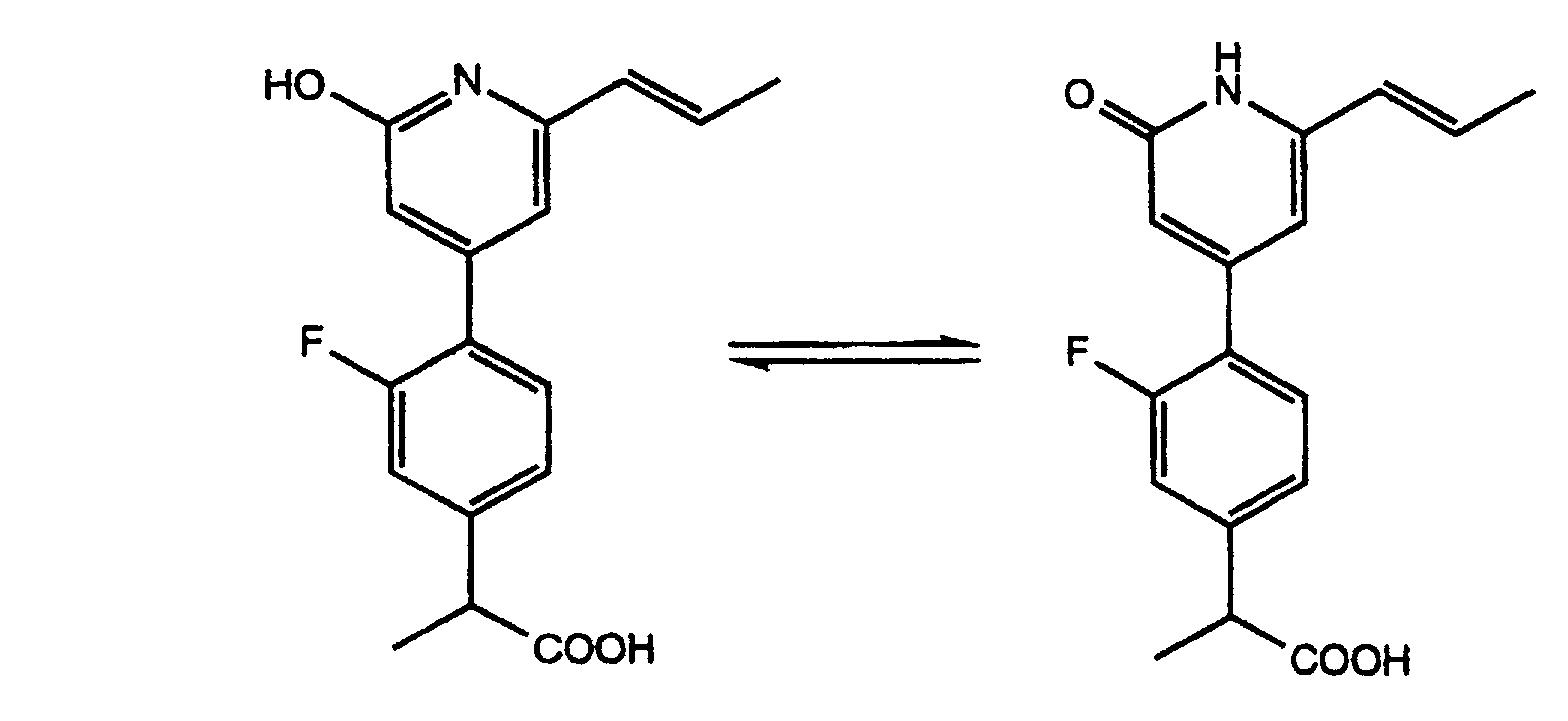
- One example of a tautomer is as follows: All such tautomers are included in the present invention.
- the invention described herein encompasses a pharmaceutical composition
- a pharmaceutical composition comprising a compound of formula I or a salt or ester thereof in combination with a pharmaceutically acceptable carrier.
- the invention described herein encompasses a method of treating or preventing a COX-2 mediated disease in a mammalian patient in need of such treatment, comprising administering to said patient a compound of formula I patient in an amount which is effective for treating or preventing said COX-2 mediated disease.
- COX-2 mediated diseases include the diseases and conditions which are mentioned herein.
- the compounds described herein contain one or more asymmetric centers and thus give rise to diastereomers and optical isomers.
- the present invention includes all such possible isomers, in pure form as well as in racemic mixture, and pharmaceutically acceptable salts and esters thereof.
- Salts of the compounds of formula I are prepared from, e.g., pharmaceutically acceptable inorganic and organic bases.
- suitable salts include ammonium, alkylammonium, dialkylammonium, trialkylammonium, tetraalkylammonium, sodium, potassium, calcium and magnesium salts.
- the carboxylate group is in its anionic form in association with the pharmaceutically acceptable cation.
- the cation is sodium, potassium calcium or magnesium. More preferred are sodium and potassium. Most preferred is sodium.
- Ester forms of the compounds are also included in the present invention.
- the carboxylic acid is esterified using a conventional esterifying agent.
- examples include pharmaceutically acceptable aliphatic alcohols and diols. Preferred are methyl and ethyl esters.
- the compounds are useful for the relief of pain, fever and inflammation of a variety of conditions including, e.g., rheumatic fever, symptoms associated with influenza or other viral infections, common cold, low back and neck pain, dysmenorrhea, headache, toothache, sprains and strains, myositis, neuralgia, synovitis, arthritis, including rheumatoid arthritis, degenerative joint diseases (osteoarthritis), gout and ankylosing spondylitis, bursitis, burns, injuries, following surgical and dental procedures.
- the compounds inhibit cellular neoplastic transformations and metastic tumour growth, and hence can be used in the treatment of cancer.
- the compounds are also of use in the treatment and/or prevention of cyclooxygenase-mediated proliferative disorders, such as diabetic retinopathy and tumour angiogenesis.
- the compounds of the present invention are useful in the treatment or prevention of autoimmune diseases, such as diabetes, including type I and type II diabetes, lupus erythematosus and other lupus-like syndromes, Graves' disease, rheumatoid arthritis, osteoarthritis, irritable bowel syndrome, Crohn's disease and other autoimmune diseases.
- autoimmune diseases such as diabetes, including type I and type II diabetes, lupus erythematosus and other lupus-like syndromes, Graves' disease, rheumatoid arthritis, osteoarthritis, irritable bowel syndrome, Crohn's disease and other autoimmune diseases.
- the compounds inhibit prostanoid-induced smooth muscle contraction by preventing the synthesis of contractile prostanoids and hence are of use in the treatment of dysmenorrhea, premature labour, asthma and eosinophil related disorders.
- the compounds are also of use in the treatment of Alzheimer's disease, for decreasing bone loss particularly in postmenopausal women (i.e. treatment of osteoporosis) and for the treatment of glaucoma.
- the compounds are useful as an alternative to non-COX-2 selective NSAIDs, particularly where such non-steroidal antiinflammatory drugs may be contraindicated such as in patients with peptic ulcers, gastritis, regional enteritis, ulcerative colitis, diverticulitis or with a recurrent history of gastrointestinal lesions; GI bleeding, coagulation disorders including anaemia such as hypoprothrombinemia, haemophilia or other bleeding problems; kidney disease; those prior to surgery or taking anticoagulants.
- non-steroidal antiinflammatory drugs may be contraindicated such as in patients with peptic ulcers, gastritis, regional enteritis, ulcerative colitis, diverticulitis or with a recurrent history of gastrointestinal lesions; GI bleeding, coagulation disorders including anaemia such as hypoprothrombinemia, haemophilia or other bleeding problems; kidney disease; those prior to surgery or taking anticoagulants.
- a compound of formula I may be administered orally, topically, parenterally, by inhalation, spray, rectally or intravaginally in formulations containing pharmaceutically acceptable carriers.
- parenteral as used herein includes subcutaneous injections, intravenous, intramuscular, intrasisternal injection or infusion techniques.
- warm-blooded animals such as mice, rats, horses, cattle sheep, dogs, cats, etc.
- the compounds of the invention are useful in the treatment of humans.
- compositions described herein may include one or more other active ingredients.
- compositions intended for oral use may be prepared according to any method known to the art for the manufacture of pharmaceutical compositions and typically such compositions contain one or more agents selected from the group consisting of sweetening agents, flavouring agents, colouring agents and preservatives in order to provide pharmaceutically elegant and palatable preparations.
- excipients may be for example, diluents such as lactose, calcium carbonate, sodium carbonate, calcium phosphate or sodium phosphate; granulating and disintegrating agents, for example, corn starch or alginic acid; binding agents, for example starch, gelatin or acacia, and lubricating agents, for example, magnesium stearate, stearic acid or talc.
- diluents such as lactose, calcium carbonate, sodium carbonate, calcium phosphate or sodium phosphate
- granulating and disintegrating agents for example, corn starch or alginic acid
- binding agents for example starch, gelatin or acacia
- lubricating agents for example, magnesium stearate, stearic acid or talc.
- the tablets may be uncoated or they may be coated. Coating can be included to delay disintegration and absorption in the gastrointestinal tract and thereby provide a sustained action over a longer period.
- a time delay material such as glyceryl monostearate or glyceryl distearate may be employed. They may also be coated by the technique described in the U.S. Patent 4,256,108; 4,166,452; and 4,265,874 to form osmotic therapeutic tablets for control release.
- Formulations for oral use may also be presented as hard gelatin capsules wherein the active ingredient is mixed with an inert solid diluent, for example, calcium carbonate, calcium phosphate or kaolin, or as soft gelatin capsules wherein the active ingredient is mixed with water or miscible solvents such as propylene glycol, PEGs and ethanol, or an oil medium, for example peanut oil, liquid paraffin or olive oil.
- an inert solid diluent for example, calcium carbonate, calcium phosphate or kaolin
- water or miscible solvents such as propylene glycol, PEGs and ethanol
- an oil medium for example peanut oil, liquid paraffin or olive oil.
- Aqueous suspensions contain the active material in admixture with excipients suitable for the manufacture of aqueous suspensions.
- excipients are suspending agents, for example sodium carboxymethylcellulose, methylcellulose, hydroxypropylmethycellulose, sodium alginate, polyvinyl-pyrrolidone, tragacanth and acacia; dispersing or wetting agents may be a naturally-occurring phosphatide, for example lecithin, or condensation products of an alkylene oxide with fatty acids, for example polyoxyethylene stearate, or condensation products of ethylene oxide with long chain aliphatic alcohols, for example heptadecaethyleneoxycetanol, or condensation products of ethylene oxide with partial esters derived from fatty acids and a hexitol such as polyoxyethylene sorbitol monooleate, or condensation products of ethylene oxide with partial esters derived from fatty acids and hexitol anhydrides, for example polyethylene sorbitan monoole
- the aqueous suspensions may also contain one or more preservatives, for example ethyl or n-propyl p-hydroxybenzoate, one or more colouring agents, one or more flavouring agents, and one or more sweetening agents, such as sucrose, saccharin or aspartame.
- preservatives for example ethyl or n-propyl p-hydroxybenzoate
- colouring agents for example ethyl or n-propyl p-hydroxybenzoate
- flavouring agents such as sucrose, saccharin or aspartame.
- sweetening agents such as sucrose, saccharin or aspartame.
- Oily suspensions may be formulated by suspending the active ingredient in a vegetable oil, for example arachis oil, olive oil, sesame oil or coconut oil, or in mineral oil such as liquid paraffin.
- the oily suspensions may contain a thickening agent, for example beeswax, hard paraffin or cetyl alcohol. Sweetening agents such as those set forth above, and flavouring agents may be added to provide a palatable oral preparation. These compositions may be preserved by the addition of an anti-oxidant such as ascorbic acid.
- Dispersible powders and granules suitable for preparation of an aqueous suspension by the addition of water provide the active ingredient in admixture with a dispersing or wetting agent, suspending agent and one or more preservatives.
- a dispersing or wetting agent e.g., kaolin, kaolin, kaolin, kaolin, kaolin, kaolin, kaolin, kaolin, kaolin, kaolin, kaolin, kaolin, kaolin, kaolin, kaolin, kaolin, sorbitol, sorbitol, sorbitol, sorbitol, sorbitol, sorbitol, sorbitol, sorbitol, sorbitol, mannitol, mannitol, mannitol, mannitol, mannitol, mannitol, mannitol, mannitol, mannitol, mannitol,
- the pharmaceutical compositions of the invention may also be in the form of oil-in-water emulsions.
- the oily phase may be a vegetable oil, for example olive oil or arachis oil, or a mineral oil, for example liquid paraffin or mixtures of these.
- Suitable emulsifying agents may be naturally-occurring phosphatides, for example soy bean, lecithin, and esters or partial esters derived from fatty acids and hexitol anhydrides, for example sorbitan monooleate, and condensation products of the said partial esters with ethylene oxide, for example polyoxy-ethylene sorbitan monooleate.
- the emulsions may also contain sweetening and flavouring agents.
- Syrups and elixirs may be formulated with sweetening agents, for example glycerol, propylene glycol, sorbitol or sucrose. Such formulations may also contain demulcents, preservatives, flavourants and colouring agents.
- sweetening agents for example glycerol, propylene glycol, sorbitol or sucrose.
- Such formulations may also contain demulcents, preservatives, flavourants and colouring agents.
- compositions may be in the form of a sterile injectable aqueous or oleagenous suspension.
- This suspension may be formulated according to the known art using those suitable dispersing or wetting agents and suspending agents which have been mentioned above.
- Injectable compositions are typically in the form of sterile solutions or suspensions, which include the active ingredient in a parenterally-acceptable diluent.
- sterile water dextrose 5% in water (D5W)
- Ringer's solution and isotonic saline, as well as mixtures thereof.
- Cosolvents such as ethanol, propylene glycol or polyethylene glycols may also be used.
- Sterile, injectable oil is occasionally employed as a solvent or suspending medium in intramuscular preparations.
- a representative example is peanut oil.
- fatty acids such as oleic acid, preservatives, buffers and local anesthetics find use in the preparation of intramuscular injectables.
- Compound I may also be administered rectally or intravaginally as suppositories. These can be prepared by mixing the drug with a suitable non-irritating excipient which is solid at ordinary room temperature but molten at normal or elevated body temperature. Examples of such materials include cocoa butter and polyethylene glycols.
- Topical formulations are comprised of a pharmaceutical carrier, which may include, e.g., cosolvents, emulsifiers, penetration enhancers, preservatives or emollients.
- Dosage levels on the order of from about 0.01 mg to about 140 mg/kg of body weight per day are useful in the treatment of the above-indicated conditions, or alternatively about 0.5 mg to about 7 g per patient per day.
- inflammation may be effectively treated by the administration of from about 0.01 to 50 mg of the compound per kilogram of body weight per day, or alternatively about 0.5 mg to about 3.5 g per patient per day.
- the active ingredient is combined with the carrier to produce the dosage form.
- the amount varies depending upon the host treated, the particular mode of administration and other factors.
- a formulation intended for oral administration may contain from as low as about 0.1 mg to as high as about 5 g of active agent per dose, compounded with an appropriate and convenient amount of carrier material which may vary from about 5 to about 95 percent of the total composition.
- Dosages generally range from as low as about 0.1 mg to as high as about 1500 mg of the active ingredient, more particularly about 25 mg to about 1000 mg.
- the dosage for any particular patient depends upon a variety of factors, including age, body weight, general health, sex, diet, time of administration, route of administration, rate of excretion, drug combination and the severity of the particular disease undergoing therapy. For these reasons, dosing is left to the discretion of the skilled clinician.
- compositions as defined above comprising a compound of formula I and one or more other active ingredients, such as another pain reliever, e.g., acetaminophen; a potentiator, e.g., caffeine; an H2-antagonist, e.g., famotidine; an antacid, e.g., aluminum or magnesium hydroxide; an antiflatulent, e.g., simethicone; a decongestant, e.g., phenylephrine, phenylpropanolamine, pseudophedrine, oxymetazoline, ephinephrine, naphazoline, xylometazoline, propylhexedrine or levo-desoxyephedrine; an antiitussive, e.g.,
- the invention encompasses a method of treating cyclooxygenase mediated diseases comprising: administering to a patient in need of such treatment an effective amount of a compound of formula I, optionally co-administered with one or more of such ingredients as listed immediately above.
- the compounds can be synthesized in accordance with the following general reaction scheme.
- intermediates A and B are prepared using routine skill or are commercially available, or are described in the literature. These intermediates are reacted in the presence of a transition metal catalyst. The ester can then be hydrolized using base, e.g., NaOH or LiOH to provide a carboxylic acid of formula I.
- base e.g., NaOH or LiOH
- L 1 and L 2 are Br, I or OTf, and the other represents a metal containing moiety, such as Zn, Mg, B or Sn.
- P represents H or a carboxylate protecting group.
- the group R 1 can be added after the reaction of A and B.
- a leaving group, e.g., Br, at the meta position the diphenyl precursor is then reacted with a side chain precursor under transition metal catalysis.
- the ester can then be hydrolized to provide the carboxylic acid as previously described.
- protecting groups for the compounds of the present invention will be recognized from the present application taking into account the level of skill in the art, and with reference to standard textbooks, such as Greene, T. W. et al. Protective Groups in Organic Synthesis Wiley, New York (1991).
- Conventional protecting groups consist of groups which are used to protectively block the carboxyl group during the synthesis procedures described herein. These conventional blocking groups are readily removable, i.e., they can be removed, if desired, by procedures which will not cause cleavage or other disruption of the remaining portions of the molecule. Such procedures include chemical and enzymatic hydrolysis, treatment with chemical reducing or oxidizing agents under mild conditions, treatment with a transition metal catalyst and a nucleophile and catalytic hydrogenation.
- carboxyl protecting groups include C1-6 alkyl, allyl, benzhydryl, 2-naphthylmethyl, benzyl, silyl such as t-butyldimethylsilyl (TBDMS), phenacyl, p-methoxybenzyl, o-nitrobenzyl, p-methoxyphenyl, p-nitrobenzyl, 4-pyridylmethyl and t-butyl.
- each R group is specific to the drawing appearing in the example, and is not intended to be consistent with the generic description of the compounds of the invention.
- the starting materials can be obtained as described in the examples, or synthesized using routine skill.
- This compound was prepared from 4a following the procedure described for example 3b.
- This compound was prepared from 9a following the procedure described for example 2g.
- Recombinant human COX-2 was expressed and purified as previously described (Cromlish et al. Arch. Biophys. Biochem. 1994 314, 193-199; Percival et al. Arch. Biophys. Biochem. 1994 315 , 111-118).
- Recombinant human COX-1 was expressed (Cromlish and Kennedy, Biochem. Pharmacol. 1996 52 , 1777-1785) and purified as described for COX-2 except that the protein was solubilised in 1.5% w/v decylmaltoside and ion exchange chromatography was performed in the presence of 0.2% w/v decylmaltoside.
- COX activity in the presence of inhibitors was determined by the method described in Riendeau et al. ( Brit. J.
- the assay mixture contained 2 mM genapol X-100 and in the case of COX-1 10 ⁇ M N,N,N',N'-tetramethyl-p-phenylenediamine in addition to the components mentioned in the above reference.
- COX-1 and COX-2 IC 50 values were determined and a ratio of COX-1 IC50/COX-2 IC 50 was calculated to determine selectivity for the compounds of COX-2 over COX-1.
- the compounds of the examples have a ratio of COX-1 IC 50 /COX-2 IC 50 in the range of approximately 9 to approximately 100, which demonstrates a high level of selectivity for COX-2 in the compounds of the invention.
- flurbiprofen has a COX-1 IC 50 /COX-2 IC 50 ratio of approximately 1.1, indicating that it is not COX-2 selective.
- Flurbiprofen has the following structural formula:
Landscapes
- Organic Chemistry (AREA)
- Chemical & Material Sciences (AREA)
- Health & Medical Sciences (AREA)
- Life Sciences & Earth Sciences (AREA)
- General Chemical & Material Sciences (AREA)
- Public Health (AREA)
- Medicinal Chemistry (AREA)
- Nuclear Medicine, Radiotherapy & Molecular Imaging (AREA)
- Chemical Kinetics & Catalysis (AREA)
- Pharmacology & Pharmacy (AREA)
- Veterinary Medicine (AREA)
- Animal Behavior & Ethology (AREA)
- General Health & Medical Sciences (AREA)
- Engineering & Computer Science (AREA)
- Bioinformatics & Cheminformatics (AREA)
- Physical Education & Sports Medicine (AREA)
- Rheumatology (AREA)
- Pain & Pain Management (AREA)
- Biomedical Technology (AREA)
- Neurology (AREA)
- Neurosurgery (AREA)
- Diabetes (AREA)
- Immunology (AREA)
- Orthopedic Medicine & Surgery (AREA)
- Ophthalmology & Optometry (AREA)
- Pulmonology (AREA)
- Endocrinology (AREA)
- Oncology (AREA)
- Pregnancy & Childbirth (AREA)
- Emergency Medicine (AREA)
- Communicable Diseases (AREA)
- Psychiatry (AREA)
- Hospice & Palliative Care (AREA)
- Gynecology & Obstetrics (AREA)
- Obesity (AREA)
- Reproductive Health (AREA)
- Hematology (AREA)
- Virology (AREA)
- Pharmaceuticals Containing Other Organic And Inorganic Compounds (AREA)
- Acyclic And Carbocyclic Compounds In Medicinal Compositions (AREA)
Abstract
Description
- The present invention relates to compounds which are inhibitors of COX-2, compositions which contain such compounds and methods of use.
- Cyclooxygenase (COX), also known as prostaglandin H synthase, is an enzyme implicated in the mediation of pain, fever and inflammation. It catalyzes the oxidative conversion of arachidonic acid into prostaglandin H2, a key intermediate in the biosynthetic pathway of prostaglandins, prostacyclins and thromboxanes, which in turn mediate a variety of physiological effects both beneficial and pathological. Recently it was discovered that two COX isoforms exist: COX-1, expressed constitutively in many tissues, and COX-2, an induced isoform having elevated levels of expression in inflamed tissues. COX-1 is thought to be involved in ongoing "housekeeping" functions, for example gastric cytoprotection, while COX-2 is implicated in the pathological effects mentioned above.
- Current cyclooxygenase inhibitors such as aspirin, ibuprofen and indomethacin, used as non-steroidal anti-inflammatory drugs (NSAIDs), inhibit both COX-1 and COX-2 and have associated side effects, such as gastrotoxicity, which may be manifested as ulcer formation. COX-2 selective inhibitors act as effective NSAIDs without substantial gastrotoxic side effects.
- The first published COX X-ray crystal structure was of sheep COX-1 complexed with flurbiprofen, a non-selective NSAID. Subsequently, the crystal structure of human COX-2 complexed with an indomethacin analog was discovered. Other COX-2 crystal structures have recently been determined.
- The present invention relates to a compound represented by formula I:or a pharmaceutically acceptable salt, ester or tautomer thereof,

wherein: - Z is C or N;
- when Z is N, R represents H or is absent, or is taken in conjunction with R1 as described below:
- when Z is C, R represents H and R1 is a moiety which has the following characteristics:
- (a) it is a linear chain of 3-4 atoms containing 0-2 double bonds, which can adopt an energetically stable transoid configuration and if a double bond is present, the bond is in the trans configuration;
- (b) it is lipophilic except for the atom bonded directly to ring A, which is either lipophilic or non-lipophilic;
-
- The present invention is described using the following definitions unless otherwise indicated.
- Alkenyl refers to 2-4 membered carbon chains, having 1-2 double bonds as appropriate. If the alkenyl group has 2 or 3 carbon atoms, it may be linked to ring A via a heteroatom. If two double bonds are present, they are conjugated. The double bond or bonds are in the trans configuration.
- Alkynyl refers to a hydrocarbon radical straight, branched or cyclic, containing from 2 to 4 carbon atoms and at least one carbon to carbon triple bond. Preferred alkynyl groups include ethynyl, propynyl and butynyl.
- Heteroatom means O, S or N, selected on an independent basis.
- Cyclic structures are included, such as in the following structures:where W represents C or a heteroatom, and ring B can assume a configuration that is planar or substantially planar (to within about 15 degrees) with ring A.

- The following abbreviations have the indicated meanings:
- AA =
- arachidonic acid
- Ac =
- acetyl
- AIBN =
- 2.2--azobisisobutyronitrile
- Bn =
- benzyl
- CSA =
- camphor sulfonic acid
- DMAP =
- 4-(dimethylamino)pyridine
- DMF =
- N,N-dimethylformamide
- DMSO =
- dimethyl sulfoxide
- Et3N =
- triethylamine
- HBSS =
- Hanks balanced salt solution
- HEPES =
- N-[2-Hydroxyethyl]piperazine-N1-[2-ethanesulfonic acid]
- HWB =
- human whole blood
- KHMDS =
- potassium hexamethyldisilazane
- LDA =
- lithium diisopropylamide
- LPS =
- lipopolysaccharide
- MMPP =
- magnesium monoperoxyphthalate
- Ms =
- methanesulfonyl = mesyl
- Ms0 =
- methanesulfonate = mesylate
- NSAID =
- non-steroidal anti-inflammatory drug
- OXONE™ =
- 2KHSO5 - KHSO4 - K2SO4
- PCC =
- pyridinium chlorochromate
- PDC =
- pyridinium dichromate
- Ph =
- phenyl
- r.t. =
- room temperature
- rac. =
- racemic
- Tf =
- trifluoromethanesulfonyl = triflyl
- Tf0 =
- trifluoromethanesulfonate = triflate
- TFOH =
- trifluoromethane sulfonic acid
- THF =
- tetrahydrofuran
- TLC =
- thin layer chromatography
- Ts =
- p-toluenesulfonyl = tosyl
- TsO =
- p-toluenesulfonate = tosylate
- SO2Me =
- methyl sulfone
- SO2NH2 =
- sulfonamide
-
- Me =
- methyl
- Et =
- ethyl
- n-Pr =
- normal propyl
- i-Pr =
- isopropyl
- n-Bu =
- normal butyl
- i-Bu =
- isobutyl
- s-Bu =
- secondary butyl
- t-Bu =
- tertiary butyl
- c-Pr =
- cyclopropyl
- c-Bu =
- cyclobutyl
- c-Pen =
- cyclopentyl
- c-Hex =
- cyclohexyl
- The term "alkyl" in general means linear, branched or cyclic structures and combinations thereof, containing the indicated number of carbon atoms. Examples of alkyl groups include methyl, ethyl, cyclopropyl, isopropyl, butyl, t-butyl, pentyl, hexyl, cyclohexyl, heptyl, pentadecyl, eicosyl, 3,7-diethyl-2,2-dimethyl- 4-propylnonyl, and the like.
- "Alkoxy" means alkoxy groups of the indicated number of carbon atoms of a straight, branched, or cyclic configuration. Examples of alkoxy groups include methoxy, ethoxy, propoxy, isopropoxy, cyclopropyloxy, cyclohexyloxy, and the like.
- "Alkylthio" means alkylthio groups of the indicated number of carbon atoms of a straight, branched or cyclic configuration. Examples of alkylthio groups include methylthio, propylthio, isopropylthio, cycloheptylthio, etc. By way of illustration, the propylthio group signifies -SCH2CH2CH3.
- Halogen includes F, Cl, Br, and I.
- The present invention relates to compounds represented by formula I:as well as pharmaceutically acceptable salts, esters and tautomers thereof, wherein:

- Z is C or N;
- when Z is N, R represents H or is absent, or is taken in conjunction with R1 as described below:
- when Z is C, R represents H and R1 represents a member
selected from the group consisting of:
-C3-4 alkenyl, -C3-4 alkynyl, -X-C2-3 alkynyl,
-X-C2-3 alkyl and -X-C2-3 alkenyl ,
wherein X represents O, S or NH; - or R and R1 are taken in combination and together represent a 5- or 6-membered
aromatic or non-aromatic ring B fused to ring A containing
0-3 heteroatoms selected from O, S and N;
said ring B further being substituted with 1 Ra group selected from the group consisting of: C1-2 alkyl, -OC1-2 alkyl, -NHC1-2 alkyl, -N(C1-2 alkyl)2, -C(O)C1-2 alkyl, -S-C1-2 alkyl and -C(S)C1-2 alkyl; - Y represents N, CH or C-OC1-3 alkyl, and when Z is N, Y can also represent a carbonyl group;
- R2 represents H, Br, Cl or F,
and - R3 represents H or CH3.
-
- Another aspect of the invention that is of interest relates to compounds of formula I wherein R represents H and R1 represents a member selected from the group consisting of:
-X-ethyl, -X-propyl, -X-vinyl, -X-CH=CHCH3 ,
-X-CH2CH=CH2, , -CH=CHCH=CH2 ,
-C≡CCH3 and -C≡CCH2CH3 ,
wherein X represents O, S or NH. - Another aspect of the invention relates to compounds of formula I wherein R and R1 are taken in combination and together represent a 5- or 6-membered aromatic or non-aromatic ring B fused to ring A of the formula:wherein each W independently represents C, O, S or N;

said ring B further being substituted with 1 Ra group selected from the group consisting of: C1-2 alkyl, -OC1-2 alkyl, -NHC1-2 alkyl, -N(C1-2 alkyl)2, -C(O)C1-2 alkyl, -S-C1-2 alkyl and -C(S)C1-2 alkyl;
Y represents N, CH or C-OC1-3 alkyl,
and
R2 represents H, Br, Cl or F. - Examples of species which fall within the invention include the following:

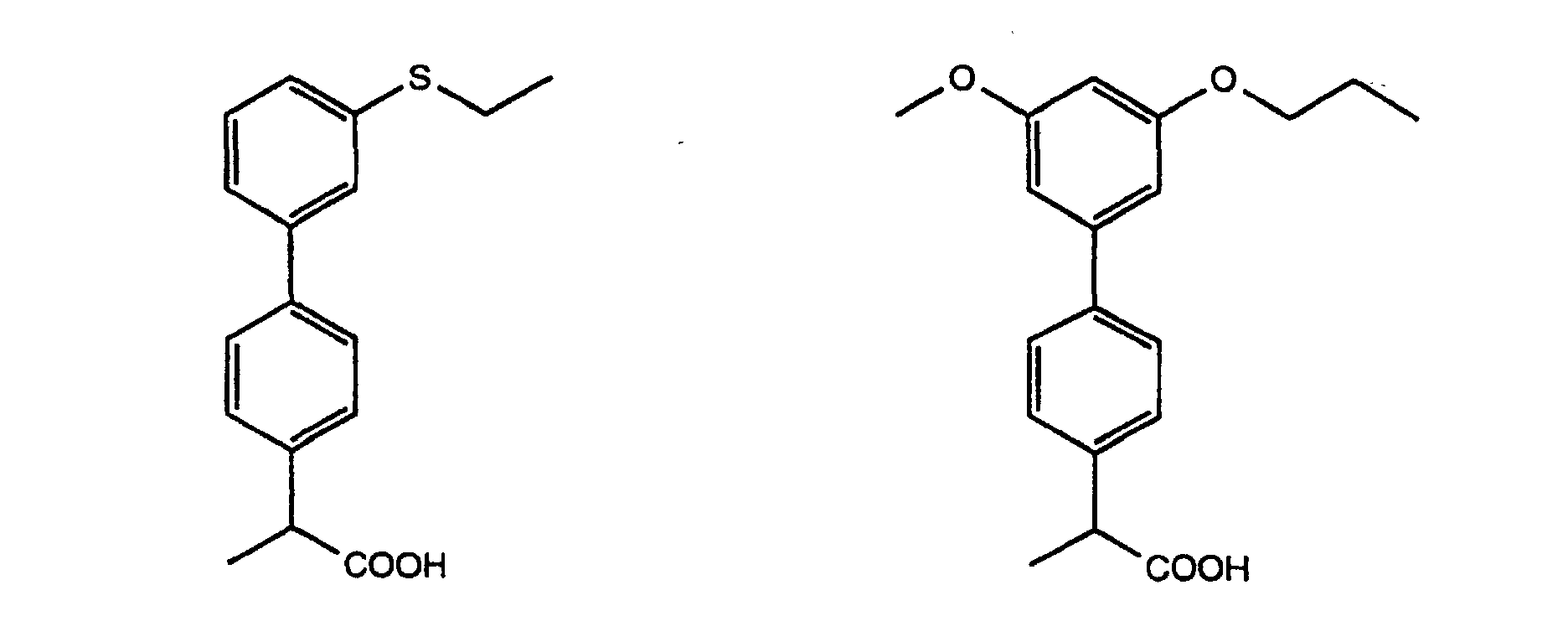

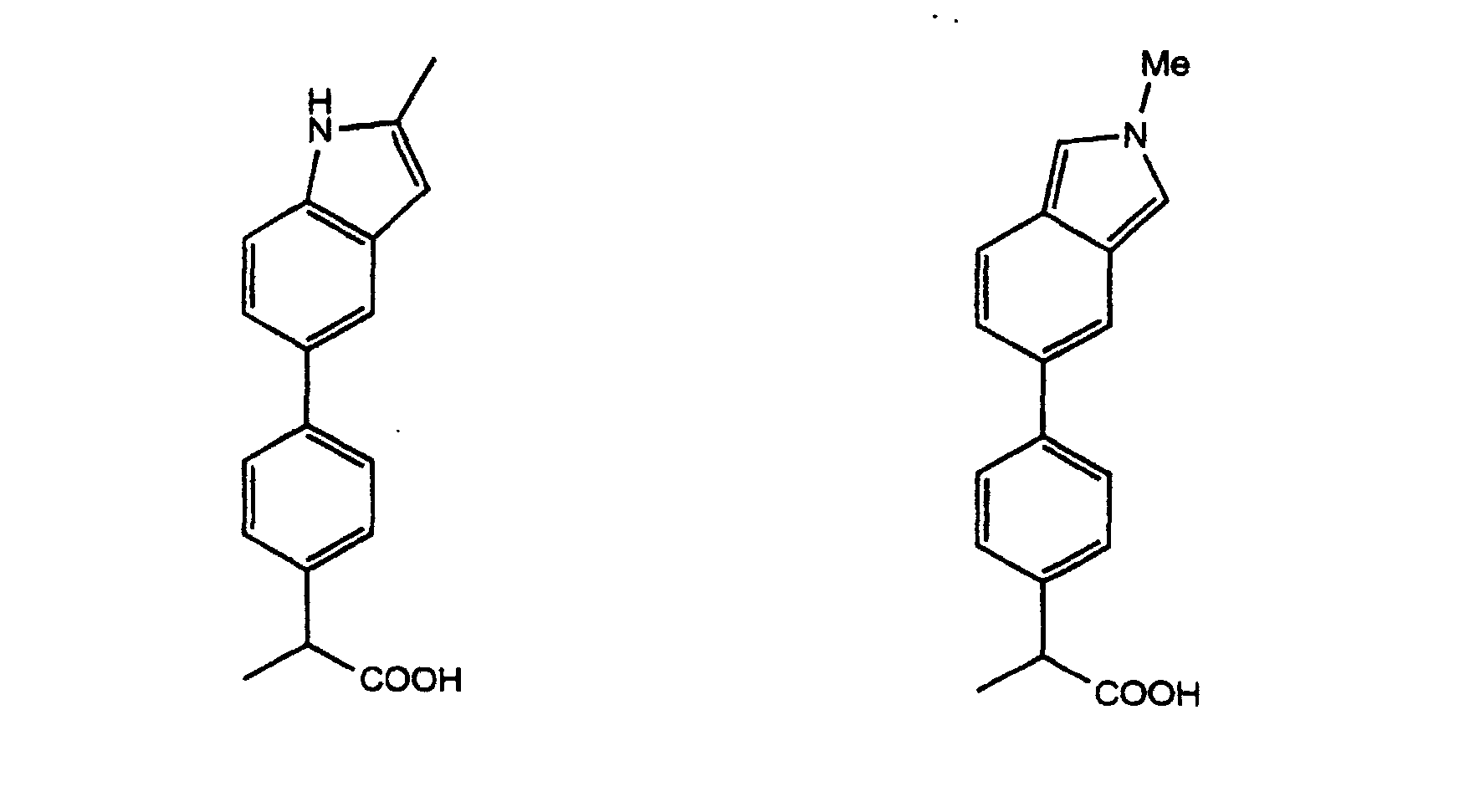

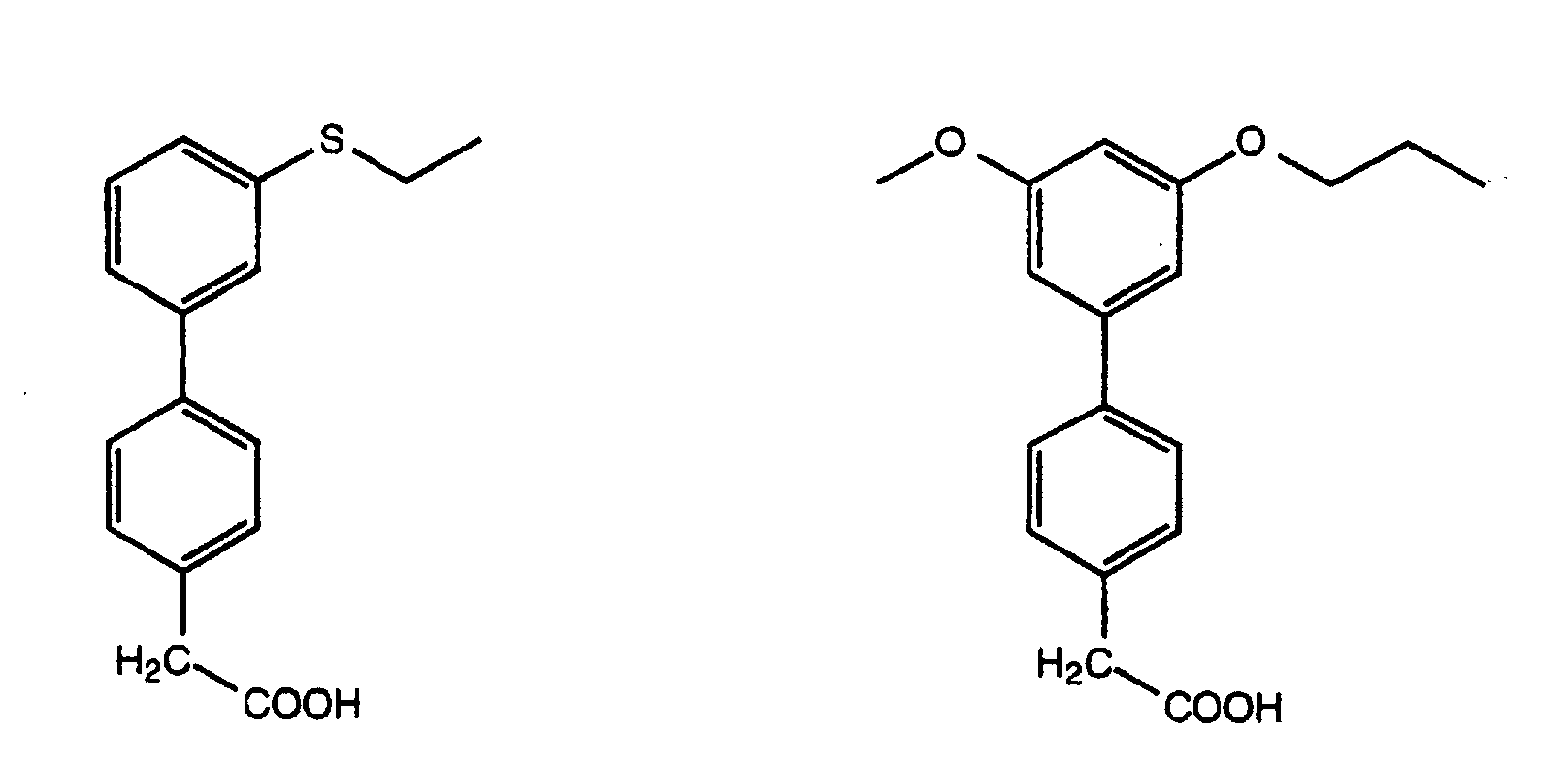


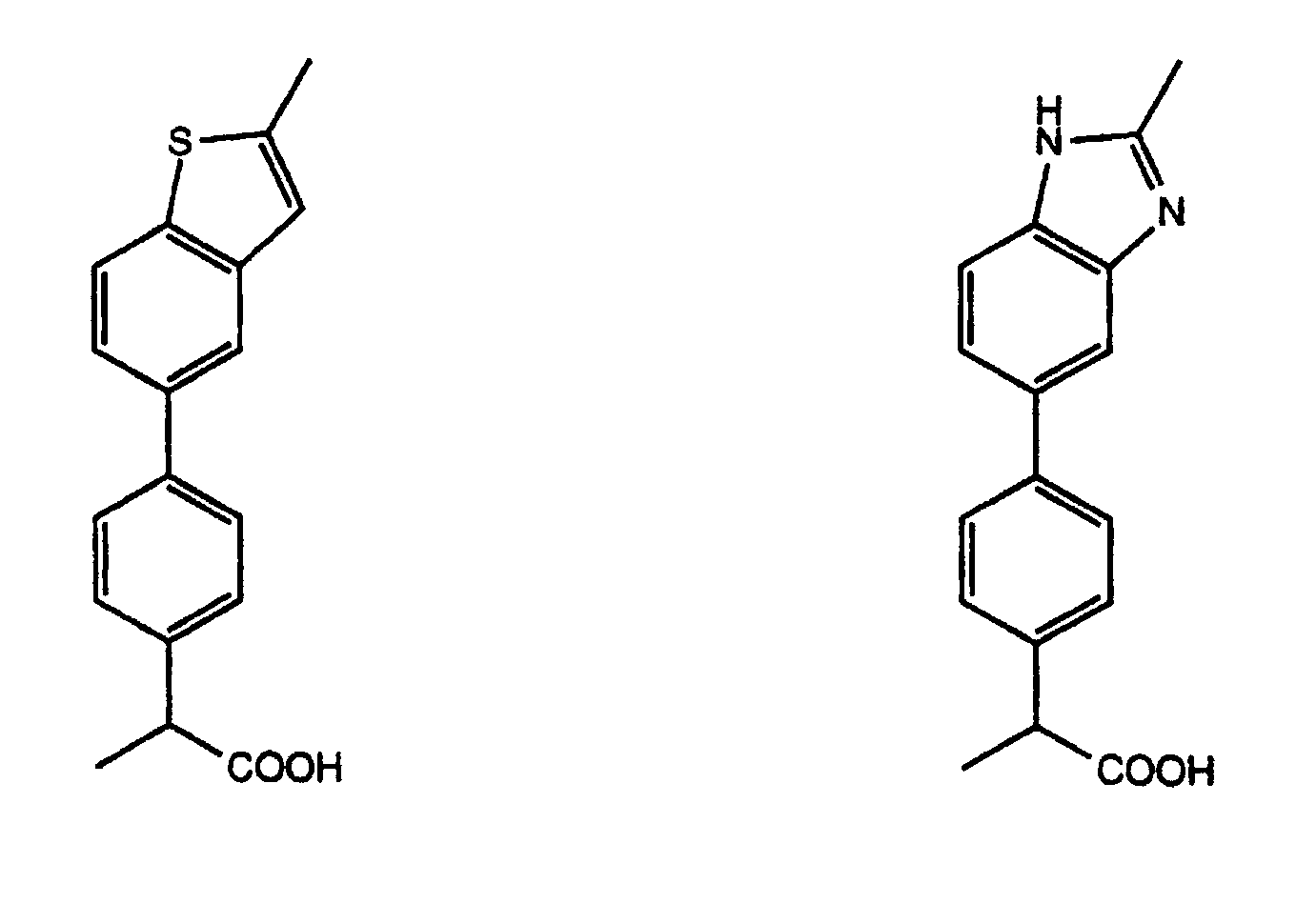
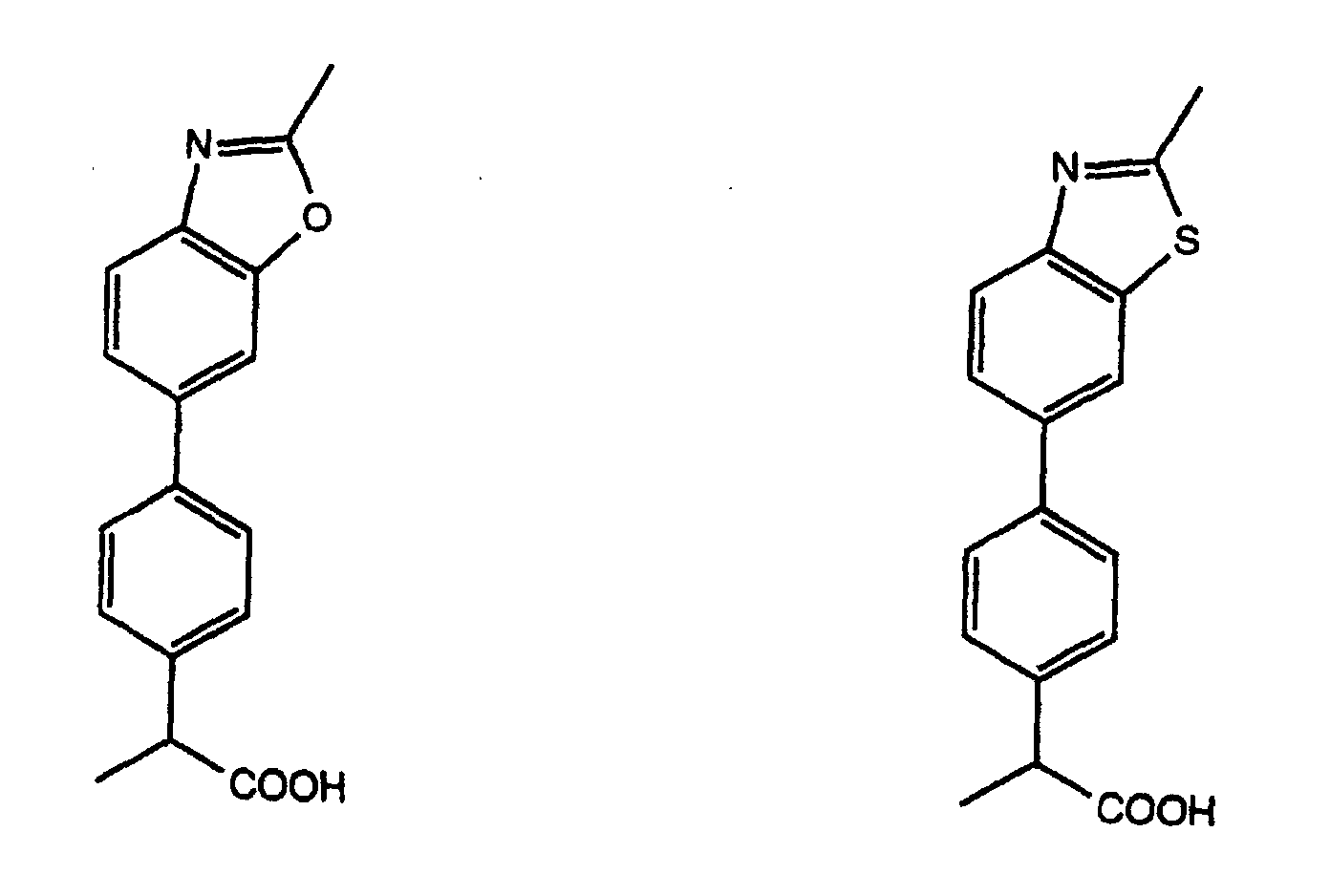
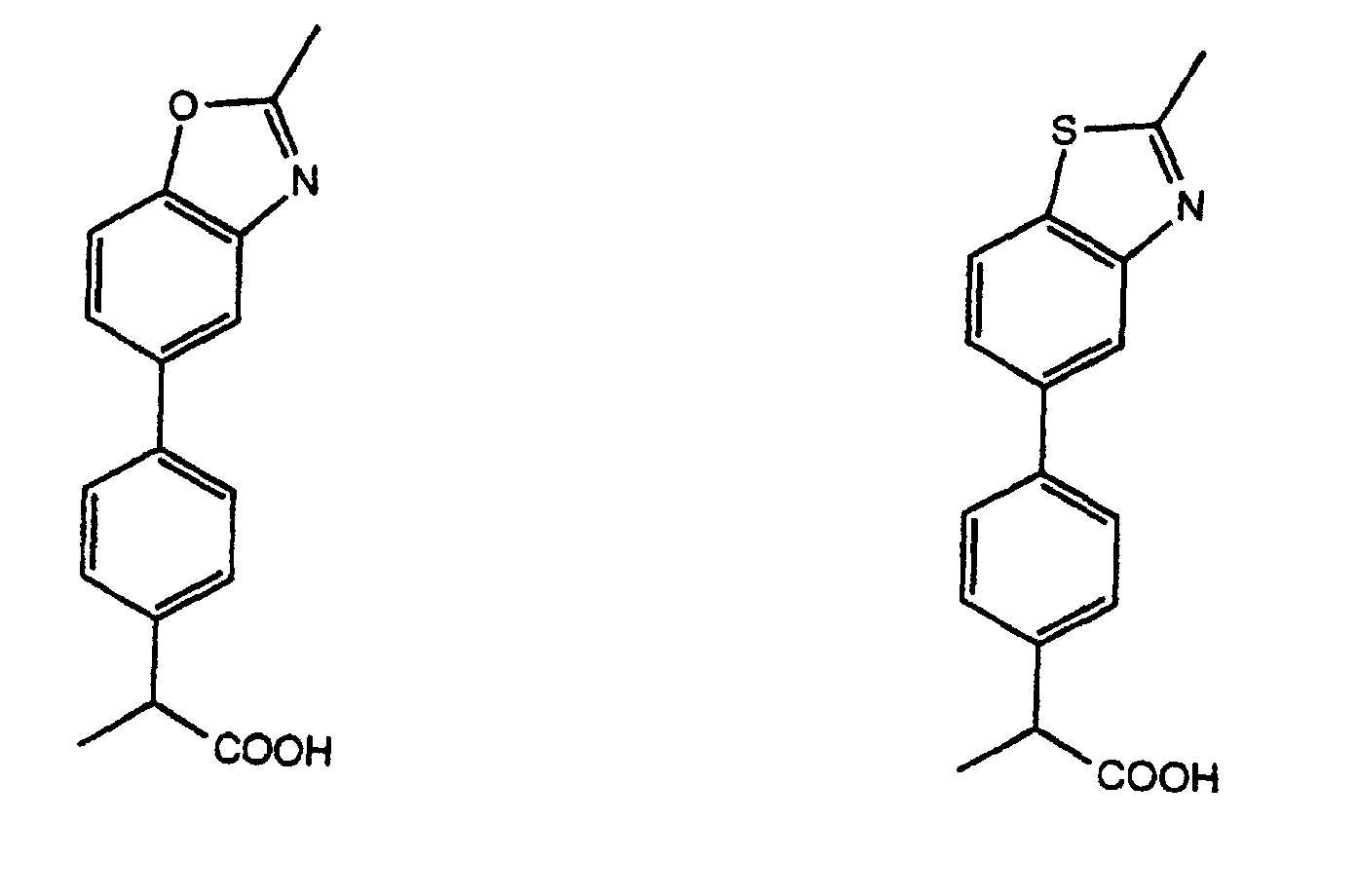 Salts and esters of the carboxylic acid moiety are also included.
 Salts, esters of the carboxylic acid moiety and tautomers are also included.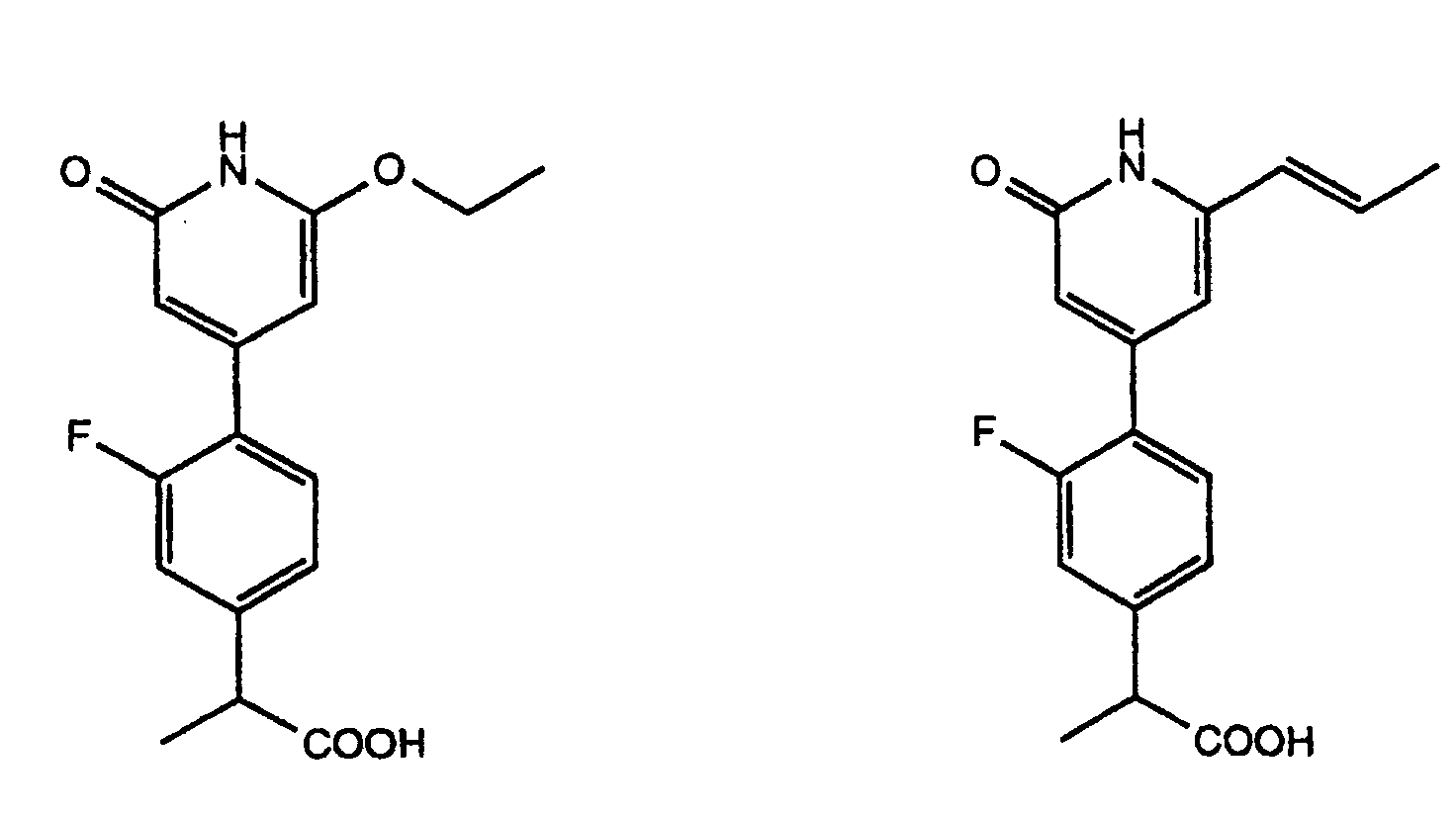
- Tautomer as used herein refers to the keto-enol forms of the compounds of the invention, where such forms are possible. One example of a tautomer is as follows:All such tautomers are included in the present invention.
- In another embodiment , the invention described herein encompasses a pharmaceutical composition comprising a compound of formula I or a salt or ester thereof in combination with a pharmaceutically acceptable carrier.
- In another embodiment, the invention described herein encompasses a method of treating or preventing a COX-2 mediated disease in a mammalian patient in need of such treatment, comprising administering to said patient a compound of formula I patient in an amount which is effective for treating or preventing said COX-2 mediated disease. As used herein, "COX-2 mediated diseases" include the diseases and conditions which are mentioned herein.
- The compounds described herein contain one or more asymmetric centers and thus give rise to diastereomers and optical isomers. The present invention includes all such possible isomers, in pure form as well as in racemic mixture, and pharmaceutically acceptable salts and esters thereof.
- Salts of the compounds of formula I are prepared from, e.g., pharmaceutically acceptable inorganic and organic bases. Representative examples of suitable salts include ammonium, alkylammonium, dialkylammonium, trialkylammonium, tetraalkylammonium, sodium, potassium, calcium and magnesium salts. In these salt forms, the carboxylate group is in its anionic form in association with the pharmaceutically acceptable cation. Preferably the cation is sodium, potassium calcium or magnesium. More preferred are sodium and potassium. Most preferred is sodium.
- Ester forms of the compounds are also included in the present invention. In this aspect of the invention, the carboxylic acid is esterified using a conventional esterifying agent. Examples include pharmaceutically acceptable aliphatic alcohols and diols. Preferred are methyl and ethyl esters.
- The methods of treatment described herein apply equally to pharmaceutically acceptable salts, esters and tautomers of the compounds of formula I.
- The compounds are useful for the relief of pain, fever and inflammation of a variety of conditions including, e.g., rheumatic fever, symptoms associated with influenza or other viral infections, common cold, low back and neck pain, dysmenorrhea, headache, toothache, sprains and strains, myositis, neuralgia, synovitis, arthritis, including rheumatoid arthritis, degenerative joint diseases (osteoarthritis), gout and ankylosing spondylitis, bursitis, burns, injuries, following surgical and dental procedures.
- In addition, by inhibiting COX-2, the compounds inhibit cellular neoplastic transformations and metastic tumour growth, and hence can be used in the treatment of cancer.
- In addition, the compounds are also of use in the treatment and/or prevention of cyclooxygenase-mediated proliferative disorders, such as diabetic retinopathy and tumour angiogenesis.
- In addition, the compounds of the present invention are useful in the treatment or prevention of autoimmune diseases, such as diabetes, including type I and type II diabetes, lupus erythematosus and other lupus-like syndromes, Graves' disease, rheumatoid arthritis, osteoarthritis, irritable bowel syndrome, Crohn's disease and other autoimmune diseases.
- In addition, the compounds inhibit prostanoid-induced smooth muscle contraction by preventing the synthesis of contractile prostanoids and hence are of use in the treatment of dysmenorrhea, premature labour, asthma and eosinophil related disorders. The compounds are also of use in the treatment of Alzheimer's disease, for decreasing bone loss particularly in postmenopausal women (i.e. treatment of osteoporosis) and for the treatment of glaucoma.
- By virtue of high inhibitory activity against COX-2 and/or specificity for COX-2 over COX-1, the compounds are useful as an alternative to non-COX-2 selective NSAIDs, particularly where such non-steroidal antiinflammatory drugs may be contraindicated such as in patients with peptic ulcers, gastritis, regional enteritis, ulcerative colitis, diverticulitis or with a recurrent history of gastrointestinal lesions; GI bleeding, coagulation disorders including anaemia such as hypoprothrombinemia, haemophilia or other bleeding problems; kidney disease; those prior to surgery or taking anticoagulants.
- For the treatment of any of these cyclooxygenase mediated diseases, a compound of formula I may be administered orally, topically, parenterally, by inhalation, spray, rectally or intravaginally in formulations containing pharmaceutically acceptable carriers.
- The term parenteral as used herein includes subcutaneous injections, intravenous, intramuscular, intrasisternal injection or infusion techniques. In addition to the treatment of warm-blooded animals such as mice, rats, horses, cattle sheep, dogs, cats, etc., the compounds of the invention are useful in the treatment of humans.
- The pharmaceutical compositions described herein may include one or more other active ingredients.
- The composition may be in a form suitable for oral use, for example, tablets, troches, lozenges, aqueous or oily suspensions, dispersible powders or granules, emulsions, hard or soft capsules, ' solutions, syrups and elixirs. Compositions intended for oral use may be prepared according to any method known to the art for the manufacture of pharmaceutical compositions and typically such compositions contain one or more agents selected from the group consisting of sweetening agents, flavouring agents, colouring agents and preservatives in order to provide pharmaceutically elegant and palatable preparations. These excipients may be for example, diluents such as lactose, calcium carbonate, sodium carbonate, calcium phosphate or sodium phosphate; granulating and disintegrating agents, for example, corn starch or alginic acid; binding agents, for example starch, gelatin or acacia, and lubricating agents, for example, magnesium stearate, stearic acid or talc.
- The tablets may be uncoated or they may be coated. Coating can be included to delay disintegration and absorption in the gastrointestinal tract and thereby provide a sustained action over a longer period. For example, a time delay material such as glyceryl monostearate or glyceryl distearate may be employed. They may also be coated by the technique described in the U.S. Patent 4,256,108; 4,166,452; and 4,265,874 to form osmotic therapeutic tablets for control release.
- Formulations for oral use may also be presented as hard gelatin capsules wherein the active ingredient is mixed with an inert solid diluent, for example, calcium carbonate, calcium phosphate or kaolin, or as soft gelatin capsules wherein the active ingredient is mixed with water or miscible solvents such as propylene glycol, PEGs and ethanol, or an oil medium, for example peanut oil, liquid paraffin or olive oil.
- Aqueous suspensions contain the active material in admixture with excipients suitable for the manufacture of aqueous suspensions. Such excipients are suspending agents, for example sodium carboxymethylcellulose, methylcellulose, hydroxypropylmethycellulose, sodium alginate, polyvinyl-pyrrolidone, tragacanth and acacia; dispersing or wetting agents may be a naturally-occurring phosphatide, for example lecithin, or condensation products of an alkylene oxide with fatty acids, for example polyoxyethylene stearate, or condensation products of ethylene oxide with long chain aliphatic alcohols, for example heptadecaethyleneoxycetanol, or condensation products of ethylene oxide with partial esters derived from fatty acids and a hexitol such as polyoxyethylene sorbitol monooleate, or condensation products of ethylene oxide with partial esters derived from fatty acids and hexitol anhydrides, for example polyethylene sorbitan monooleate. The aqueous suspensions may also contain one or more preservatives, for example ethyl or n-propyl p-hydroxybenzoate, one or more colouring agents, one or more flavouring agents, and one or more sweetening agents, such as sucrose, saccharin or aspartame.
- Oily suspensions may be formulated by suspending the active ingredient in a vegetable oil, for example arachis oil, olive oil, sesame oil or coconut oil, or in mineral oil such as liquid paraffin. The oily suspensions may contain a thickening agent, for example beeswax, hard paraffin or cetyl alcohol. Sweetening agents such as those set forth above, and flavouring agents may be added to provide a palatable oral preparation. These compositions may be preserved by the addition of an anti-oxidant such as ascorbic acid.
- Dispersible powders and granules suitable for preparation of an aqueous suspension by the addition of water provide the active ingredient in admixture with a dispersing or wetting agent, suspending agent and one or more preservatives. Suitable dispersing or wetting agents and suspending agents are exemplified by those already mentioned above. Additional excipients, for example sweetening, flavouring and colouring agents, may also be present.
- The pharmaceutical compositions of the invention may also be in the form of oil-in-water emulsions. The oily phase may be a vegetable oil, for example olive oil or arachis oil, or a mineral oil, for example liquid paraffin or mixtures of these. Suitable emulsifying agents may be naturally-occurring phosphatides, for example soy bean, lecithin, and esters or partial esters derived from fatty acids and hexitol anhydrides, for example sorbitan monooleate, and condensation products of the said partial esters with ethylene oxide, for example polyoxy-ethylene sorbitan monooleate. The emulsions may also contain sweetening and flavouring agents.
- Syrups and elixirs may be formulated with sweetening agents, for example glycerol, propylene glycol, sorbitol or sucrose. Such formulations may also contain demulcents, preservatives, flavourants and colouring agents.
- The pharmaceutical compositions may be in the form of a sterile injectable aqueous or oleagenous suspension. This suspension may be formulated according to the known art using those suitable dispersing or wetting agents and suspending agents which have been mentioned above.
- Injectable compositions are typically in the form of sterile solutions or suspensions, which include the active ingredient in a parenterally-acceptable diluent. Among these are sterile water, dextrose 5% in water (D5W), Ringer's solution and isotonic saline, as well as mixtures thereof. Cosolvents such as ethanol, propylene glycol or polyethylene glycols may also be used. Sterile, injectable oil is occasionally employed as a solvent or suspending medium in intramuscular preparations. A representative example is peanut oil. In addition, fatty acids such as oleic acid, preservatives, buffers and local anesthetics find use in the preparation of intramuscular injectables.
- Compound I may also be administered rectally or intravaginally as suppositories. These can be prepared by mixing the drug with a suitable non-irritating excipient which is solid at ordinary room temperature but molten at normal or elevated body temperature. Examples of such materials include cocoa butter and polyethylene glycols.
- For topical use, creams, ointments, gels, solutions, suspensions and the like containing the compound are employed. (For purposes of this application, topical application includes mouth washes and gargles, as well as transdermal applications.) Topical formulations are comprised of a pharmaceutical carrier, which may include, e.g., cosolvents, emulsifiers, penetration enhancers, preservatives or emollients.
- Dosage levels on the order of from about 0.01 mg to about 140 mg/kg of body weight per day are useful in the treatment of the above-indicated conditions, or alternatively about 0.5 mg to about 7 g per patient per day. For example, inflammation may be effectively treated by the administration of from about 0.01 to 50 mg of the compound per kilogram of body weight per day, or alternatively about 0.5 mg to about 3.5 g per patient per day.
- The active ingredient is combined with the carrier to produce the dosage form. The amount varies depending upon the host treated, the particular mode of administration and other factors. For example, a formulation intended for oral administration may contain from as low as about 0.1 mg to as high as about 5 g of active agent per dose, compounded with an appropriate and convenient amount of carrier material which may vary from about 5 to about 95 percent of the total composition. Dosages generally range from as low as about 0.1 mg to as high as about 1500 mg of the active ingredient, more particularly about 25 mg to about 1000 mg.
- It is understood that the dosage for any particular patient depends upon a variety of factors, including age, body weight, general health, sex, diet, time of administration, route of administration, rate of excretion, drug combination and the severity of the particular disease undergoing therapy. For these reasons, dosing is left to the discretion of the skilled clinician.
- Compounds of formula I are also useful as substitutes for conventional NSAIDs in preparations wherein they are presently co-administered with other agents or ingredients. Thus, the invention encompasses pharmaceutical compositions as defined above comprising a compound of formula I and one or more other active ingredients, such as another pain reliever, e.g., acetaminophen; a potentiator, e.g., caffeine; an H2-antagonist, e.g., famotidine; an antacid, e.g., aluminum or magnesium hydroxide; an antiflatulent, e.g., simethicone; a decongestant, e.g., phenylephrine, phenylpropanolamine, pseudophedrine, oxymetazoline, ephinephrine, naphazoline, xylometazoline, propylhexedrine or levo-desoxyephedrine; an antiitussive, e.g., codeine, hydrocodone and dextramethorphan; a prostaglandin, e.g., misoprostol, enprostil, rioprostil, ornoprostol or rosaprostol: a diuretic, e.g., hydrochlorothiazide; a sedating or non-sedating antihistamine, diphenhydramine or loratidine and other active compounds.
- In addition, the invention encompasses a method of treating cyclooxygenase mediated diseases comprising: administering to a patient in need of such treatment an effective amount of a compound of formula I, optionally co-administered with one or more of such ingredients as listed immediately above.
- The compounds can be synthesized in accordance with the following general reaction scheme.

- Generally, intermediates A and B are prepared using routine skill or are commercially available, or are described in the literature. These intermediates are reacted in the presence of a transition metal catalyst. The ester can then be hydrolized using base, e.g., NaOH or LiOH to provide a carboxylic acid of formula I.
- Typically one of L1 and L2 is a Br, I or OTf, and the other represents a metal containing moiety, such as Zn, Mg, B or Sn. P represents H or a carboxylate protecting group.
- Alternatively the group R1 can be added after the reaction of A and B. A leaving group, e.g., Br, at the meta position the diphenyl precursor is then reacted with a side chain precursor under transition metal catalysis. The ester can then be hydrolized to provide the carboxylic acid as previously described.
- When a functional group is termed "protected", this means that the group is in modified form to preclude undesired side reactions at the protected site. Suitable protecting groups for the compounds of the present invention will be recognized from the present application taking into account the level of skill in the art, and with reference to standard textbooks, such as Greene, T. W. et al. Protective Groups in Organic Synthesis Wiley, New York (1991).
- Conventional protecting groups consist of groups which are used to protectively block the carboxyl group during the synthesis procedures described herein. These conventional blocking groups are readily removable, i.e., they can be removed, if desired, by procedures which will not cause cleavage or other disruption of the remaining portions of the molecule. Such procedures include chemical and enzymatic hydrolysis, treatment with chemical reducing or oxidizing agents under mild conditions, treatment with a transition metal catalyst and a nucleophile and catalytic hydrogenation.
- Examples of carboxyl protecting groups include C1-6 alkyl, allyl, benzhydryl, 2-naphthylmethyl, benzyl, silyl such as t-butyldimethylsilyl (TBDMS), phenacyl, p-methoxybenzyl, o-nitrobenzyl, p-methoxyphenyl, p-nitrobenzyl, 4-pyridylmethyl and t-butyl.
- With respect to the synthesis of the compounds described in the examples, each R group is specific to the drawing appearing in the example, and is not intended to be consistent with the generic description of the compounds of the invention. The starting materials can be obtained as described in the examples, or synthesized using routine skill.
- 1H NMR spectra were recorded on a Bruker AMX-400 or AMX-300 spectrometer. Chemical shifts are reported in ppm from tetramethylsilane with the solvent resonance as the internal standard (d6-acetone: δ 2.04). Low resolution APCI mass spectra were obtained on a Sciex API 100 mass spectrometer. FAB mass spectra and high resolution mass spectra were obtained from the McGill University Biomedical Mass Spectrometry Unit. Combustion analyses were performed at the Department of Chemistry, Université de Montréal.
-

- To a solution of 3-5,diethoxyphenol (580 mg, 3.1 mmol) and diisopropylethylamine (1.0 mL, 5.7 mmol) in CH2Cl2 (15 mL) at -78 °C was added dropwise triflic anhydride (822 µL, 4.9 mmol). The solution was stirred while warming to room temperature over 2h and water was added. The product was extracted twice using CH2Cl2, the combined organic layers were washed with brine and dried over MgSO4.
Purification by flash chromatography (33% to 40% EtOAc/hexanes) provided 960 mg of the title compound.
1H NMR (acetone d6) δ 6.53 (m, 3H), 4.08 (m, 4H), 1.38 (m, 6H). - This compound was prepared from 4a following the procedure described for example 3b.
- This compound was prepared from 4b following the procedure described for example 3c. Purification by flash chromatography (4:2:0.5 hexanes:CH2Cl2:EtOAc) provided 200 mg of the title compound.
1H NMR (acetone d6) δ 7.47 (t, 1H), 7.18 (t, 2H), 6.66 (m, 2H), 6.49 (m, 1H), 4.07 (q, 4H), 3.85 (q, 1H), 3.65 (s, 3H), 1.48 (d, 3H), 1.35 (t, 6H). - The hydrolysis of 4c followed the procedure described in the preparation of compound 2. Purification by flash chromatography (20% EtOAc/ toluene + 2% AcOH) provided 350 mg of the title compound.
1H NMR (acetone d6) δ 7.48 (t, 1H), 7.22 (t, 2H), 6.66 (m, 2H), 6.49 (m, 1H), 4.07 (q, 4H), 3.85 (q, 1H), 1.50 (d, 3H), 1.38 (t, 6H). MS (FAB+) m/z 377 (M+Na), 287. -

- This compound was prepared from 4a and methyl 2-(4-bromophenyl)propanoate following the procedure described for example 5b. Purification by flash chromatography (20% Et2O/hexanes) provided 70 mg of the title compound.
1H NMR (acetone d6) δ 7.57 (d, 2H), 7.35 (d, 2H), 6.73 (s, 2H), 6.45 (s, 1H), 4.08 (m, 4H), 3.82 (m, 1H), 3.63 (s, 3H), 1.48 (d, 3H), 1.38 (t, 3H). - The hydrolysis of 8b followed the procedure described in the preparation of compound 2. Purification by flash chromatography (30% EtOAc/hexanes + 2% AcOH) provided 68 mg of the title compound.
1H NMR (acetone d6) δ 7.60 (d, 2H), 7.42 (d, 2H), 6.75 (d, 2H), 6.45 (t, 1H), 4.10 (m, 4H), 3.80 (m, 1H), 1.48 (d, 3H), 1.38 (t, 3H). MS (FAB+) m/z 359 (M+Na), 269. -
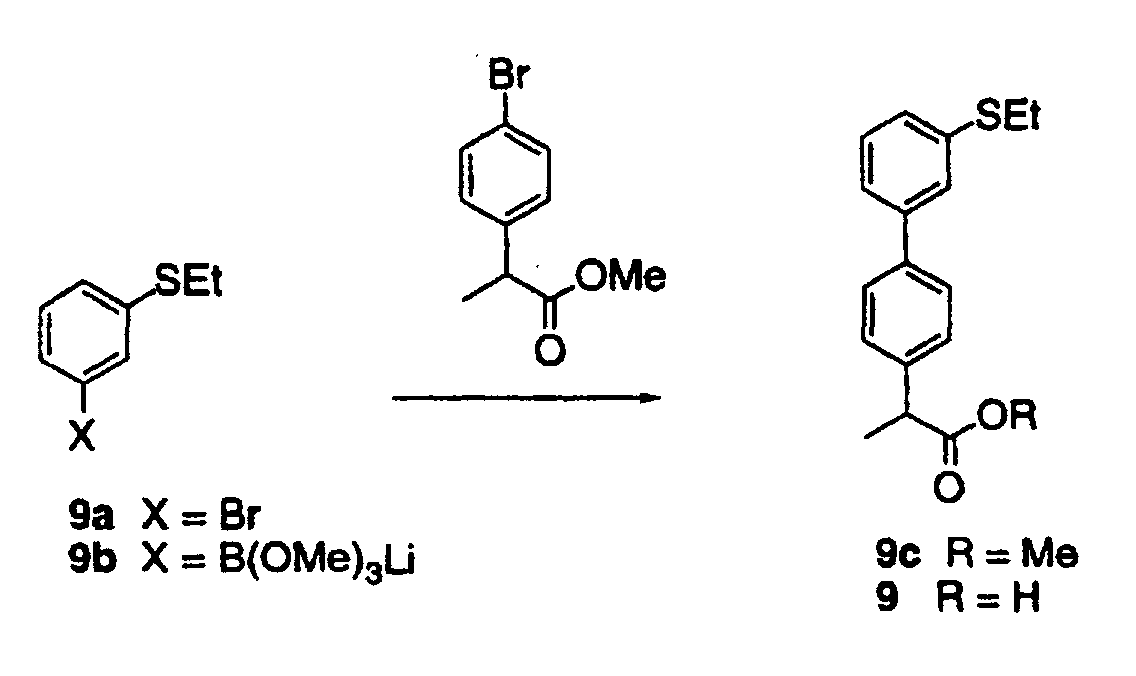
- To a solution of 3-bromothiophenol (3.0 g, 15.9 mmol) in DMF (40 mL) was added 10N KOH (1.75 mL, 17.4 mmol) followed 15 min later, by iodoethane (2.5 mL, 32 mmol). This mixture was stirred 1h at room temperature and 2h at 70 °C. The product was extracted twice using Et2O. The combined organic phases were washed with brine and dried over MgSO4. Purification by flash chromatography (100% hexanes) provided 3.2 g of the title compound as an orange oil.
1H NMR (acetone d6) δ 7.47 (m, 1H), 7.35-7.22 (m, 3H), 3.02 (q, 2H), 1.30 (t, 3H). - This compound was prepared from 9a following the procedure described for example 2g.
- This compound was prepared from 9b following the procedure described for example 2h. Purification by flash chromatography (15% EtOAc/hexanes) provided 373 mg of the title compound.
1H NMR (acetone d6) δ 7.62 (d, 2H), 7.56 (m, 1H), 7.45 (m, 1H), 7.40 (m, 3H), 7.32 (m, 1H), 3.85 (q, 1H), 3.63 (s, 3H), 3.05 (q, 2H), 1.48 (d, 3H), 1.32 (t, 3H). - The hydrolysis of 9c followed the procedure described in the preparation of compound 2. Purification by flash chromatography (30% EtOAc/hexanes + 2% AcOH) provided 346 mg of the title compound.
1H NMR (acetone d6) δ 7.60 (d, 2H), 7.56 (m, 1H), 7.43 (m, 4H), 7.32 (m, 1H), 3.82 (q, 1H), 3.05 (q, 2H), 1.48 (d, 3H), 1.32 (t, 3H). MS (FAB+): 331 (M+Na), 309. Anal. Calc. for C17H17O2SNa: C, 66.21; H, 5.56; S, 10.40. Found: C, 65.26; H, 5.59; S, 10.41. -
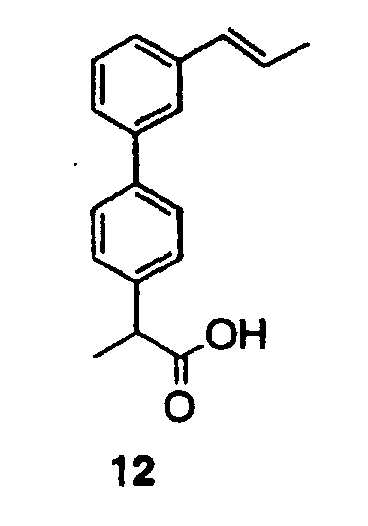
- This compound was prepared from 10c by the method described for the preparation of compound 10 using EtMgBr instead of MeMgBr, and was isolated as a 1:1 mixture of olefin isomers.
1H NMR (acetone-d6) δ 7.05-7.61 (8H, m), 6.30-6.55 (2H, m), 3.80 (1H, q), 1.47 & 1.87 (3H, d). -

- To a -100 °C suspension of 3,5-dibromopyridine (5.68 g, 24 mmol) in THF (30 mL) and ether (100 mL) was added nBuLi (1.6 M in hexanes, 15 mL, 24 mmol), giving a yellow suspension. After 15 min, (iPrO)3B (7.5 mL, 32 mmol) was added slowly. The mixture was allowed to warm to 0 °C, then was quenched with MeOH and concentrated. The residue was evaporated twice from MeOH to provide 9.4 g of the title compound which was used without further purification.
1H NMR (d4-MeOH) δ 8.48 (m, 1H), 8.26 (m, 1H), 8.00 (m, 1H). - A degassed solution of methyl 2-(4-bromophenyl)propanoate (3.0 g, 12.3 mmol), 14a (total crude material, ∼24 mmol), Pd2(dba)3 (240 mg, 0.26 mmol) and triphenylphosphine (260 mg, 1.0 mmol) in toluene (80 mL), nPrOH (25 mL) and water (25 mL) was heated to reflux for 4h. Cooled and extracted with EtOAc. Washed with saturated aqueous NaHCO3 and brine, and dried over MgSO4. Purification by flash chromatography (20% EtOAc/hexanes) provided 100 mg of the title compound.
1H NMR (d6-acetone) δ 8.84 (m, 1H), 8.64 (m, 1H), 8.24 (m, 1H), 7.72 (m, 2H), 7.46 (m, 2H), 3.87 (q, 1H), 3.65 (s, 3H), 1.49, (d, 3H). - To a 0 °C solution of 2-methyl-2-butene (2M in THF, 14 mL, 28 mmol) in THF (20 mL) was added BH3•DMS (10 M in DMS, 1.4 mL, 14 mmol). After 30 min, the solution was allowed to warm to room temperature for 1h, then cooled to -40 °C. A stream of propyne (large excess) was passed through the solution, and the solution was allowed to warm to 0 °C, then concentrated. 14b (100 mg, 0.31 mmol), Pd2(dba)3)(14 mg, 0.014 mmol) and triphenylphosphine (18 mg, 0.068 mmol) were added, and the mixture was dissolved in 20 mL of 3:1:1 toluene:nPrOH:water. Et2NH (0.5 mL, 4.8 mmol) was added, the solution was degassed, and heated to reflux for 3h. The mixture was cooled and partitioned between EtOAc and saturated aqueous NH4Cl. The organic phase was washed with brine, dried over MgSO4 and evaporated. Purification by flash chromatography (20% EtOAc/hexanes to 40% EtOAc/hexanes) provided 38 mg of the title compound.
1H NMR (d6-acetone) δ 8.68 (m, 1H), 8.54 (m, 1H), 8.01 (m, 1H), 7.68 (m, 2H), 7.45 (m, 2H), 6.5 (m, 2H), 3.85 (q, 1H), 3.64 (s, 3H), 1.90 (m, 3H), 1.48 (d, 3H). - To a solution of 14c (38 mg, 0.13 mmol) in methanol (3 mL) was added 2N NaOH (0.1 mL, 0.2 mmol). The light yellow solution was stirred overnight, then concentrated. The residue was partitioned between pH 7 phosphate buffer and EtOAc. The organic phase was washed with brine, dried over MgSO4 and evaporated to provide 31 mg of the title compound as an oil.
1H NMR (d6-acetone) δ 8.68 (m, 1H), 8.53 (m, 1H), 8.02 (m, 1H), 7.68 (m, 2H), 7.48 (m, 2H), 6.54 (m, 2H), 3.84 (q, 1H), 3.64 (s, 3H), 1.91 (m, 3H), 1.49 (d, 3H). HRMS for 290.11573 (M+1), found 290.11576. -
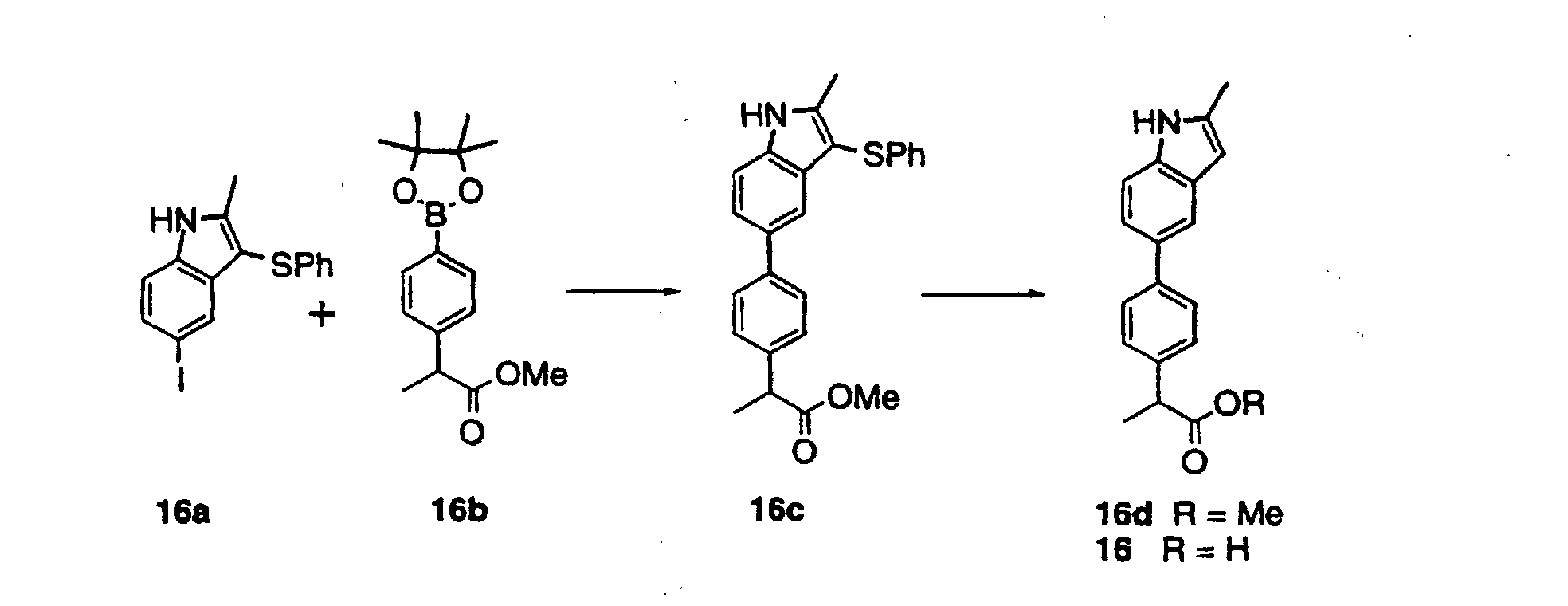
- To a -60 °C solution of 4-iodoaniline (2.06 g, 9.4 mmol) in CH2Cl2 (50 mL) was slowly added t-butyl hypochlorite (1.4 mL, 12.4 mmol) over 2 min, and the resulting mixture was stirred for an additional 10 min. A solution of 1-(phenylthio)acetone (2.17 g, 13.0 mmol) in CH2Cl2 (3 mL) was added over 3 min and the reaction was allowed to proceed at -60 °C for 1 hour. Et3N (1.85 mL, 13.3 mmol) was slowly added and the reaction was allowed to proceed at room temperature for another hour. The reaction mixture was diluted with water and the layers were separated. The organic layer was dried over MgSO4 and concentrated. The crude product was purified twice by flash chromatography (20 to 30% EtOAc/hexanes) to give 203 mg of a yellow gum.
TLC: Rf 0.4 (30% EtOAc/hexanes).
1H NMR (d6-acetone) δ 2.52 (3H, s), 7.01 (3H, m), 7.17 (2H, m), 7.27 (1H, d), 7.38 (1H, dd), 7.75 (1H, d). - A suspension of diboron dipinacolate (205 mg, 0.81 mmol), [1,2-bis(diphenylphosphino)-ethane]dichloropalladium(II) (27 mg, 47 µmol) and KOAc (217 mg, 2.2 mmol) in DMSO (2 mL) was degassed by bubbling N2 for 10 min. Then methyl 2-(4-bromophenyl)propanoate (112 µL, 0.6 mmol) was added and the resulting mixture was heated at 85 °C for 2 hours and allowed to cool to room temperature. To this mixture was added a 2.0M aqueous solution of Na2CO3 (1.5 mL, 3 mmol) and a solution of 16a (203 mg, 0.55 mmol) in DMSO (2 mL). The mixture was degassed by bubbling with N2 for 10 min., [1,1'-bis(diphenylphosphino) ferrocene]-dichloropalladium(II)•CH2Cl2 (19 mg, 23 µmol) was added and the reaction was heated at 85 °C for 2 hours. Then another portion of palladium catalyst was added (12 mg, 15 µmol) and the reaction was heated for another 2 hours. The reaction was allowed to cool to room temperature, diluted with EtOAc, washed with water, dried over MgSO4 and concentrated. The crude product was purified by flash chromatography (15 to 20% EtOAc/hexanes) to give 37 mg of the title compound as a yellow gum.
1H NMR (d6-acetone) δ 1.45 (3H, d), 2.55 (3H, s), 3.62 (3H, s), 3.78 (1H, q), 7.04 (3H, m), 7.17 (2H, m), 7.34 (2H, d), 7.48 (2H, m), 7.58 (2H, d), 7.67 (1H, s), 10.7 (1H, b). - A mixture of 10c (37 mg, 90 µmol), thiosalicylic acid (31 mg, 200 µmol) and TFA (1 mL) was heated to 70 °C for 10 min. The TFA was removed under reduced pressure and the resulting residue was purified by flash chromatography (15% EtOAc/hexanes) to provide 24 mg of the title compound as a colorless gum.
1H NMR (d6-acetone) δ 1.48 (3H, d), 2.44 (3H, s), 3.64 (3H, s), 3.81 (1H, q), 6.21 (1H, s), 7.35 (4H, m), 7.62 (1H, d), 7.70 (1H, s), 10.0 (1H, b). - To a solution of 16d (24 mg, 82 µmol) in THF (2 mL) and MeOH (0.5 mL) was added a 1.0N aqueous solution of LiOH (0.2 mL, 200 µmol) and the resulting mixture was stirred at room temperature overnight. The reaction was diluted with a 25 % aqueous solution of NH4OAc and extracted with EtOAc. The organic layer was dried over MgSO4 and concentrated. Purification by flash chromatography (30:70:1 EtOAc/hexane/AcOH) gave 23 mg of the title compound as a light yellow gum.
1H NMR (d6-acetone) δ 1.48 (3H, d), 2.43 (3H, s), 3.78 (1H, q), 6.21 (1H, s), 7.33 (2H, m), 7.40 (2H, d), 7.62 (2H, d), 7.69 (1H, s), 10.0 (1H, b). MS (APCI, neg. ion) 278 (M-1), 234. - Biological activity of the compounds of formula I is demonstrated using the assays described below.
- Recombinant human COX-2 was expressed and purified as previously described (Cromlish et al. Arch. Biophys. Biochem. 1994 314, 193-199; Percival et al. Arch. Biophys. Biochem. 1994 315, 111-118). Recombinant human COX-1 was expressed (Cromlish and Kennedy, Biochem. Pharmacol. 1996 52, 1777-1785) and purified as described for COX-2 except that the protein was solubilised in 1.5% w/v decylmaltoside and ion exchange chromatography was performed in the presence of 0.2% w/v decylmaltoside. COX activity in the presence of inhibitors was determined by the method described in Riendeau et al. (Brit. J. Pham. 1997 121, 105-117) with minor modifications. The assay mixture contained 2 mM genapol X-100 and in the case of COX-1 10 µM N,N,N',N'-tetramethyl-p-phenylenediamine in addition to the components mentioned in the above reference. COX-1 and COX-2 IC50 values were determined and a ratio of COX-1 IC50/COX-2 IC50 was calculated to determine selectivity for the compounds of COX-2 over COX-1.
- The compounds of the examples have a ratio of COX-1 IC50 /COX-2 IC50 in the range of approximately 9 to approximately 100, which demonstrates a high level of selectivity for COX-2 in the compounds of the invention. In comparison, flurbiprofen has a COX-1 IC50 /COX-2 IC50 ratio of approximately 1.1, indicating that it is not COX-2 selective.
- Flurbiprofen has the following structural formula:
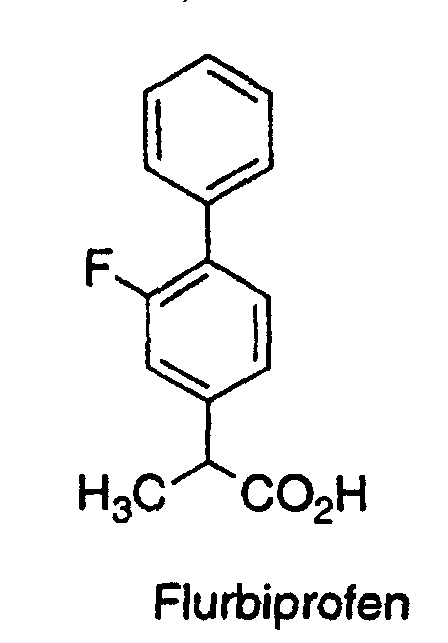
Claims (17)
- A compound represented by formula I:or a pharmaceutically acceptable salt, ester or tautomer thereof, wherein:
 wherein X represents O, S or NH;R represents H and R1 represents a member selected from the group consisting of:
-C3-4 alkenyl, -C3-4 alkynyl, -X-C2-3 alkynyl,
-X-C2-3 alkyl and -X-C2-3 alkenyl,
or R and R1 are taken in combination and together represent a 5- or 6-membered aromatic or non-aromatic ring B fused to ring A containing 0-3 heteroatoms selected from O, S and N;
said ring B further being substituted with 1 Ra group selected from the group consisting of: C1-2 alkyl, -OC1-2 alkyl, -NHC1-2 alkyl, -N(C1-2 alkyl)2, -C(O)C1-2 alkyl, -S-C1-2 alkyl and -C(S)C1-2 alkyl;
Y represents CH or C-OC1-3 alkyl;
R2 represents H, Br, Cl or F,
and
R3 represents H or CH3. - A compound in accordance with claim 1 wherein R represents H and R1 represents a member selected from the group consisting of:
-X-ethyl, X-propyl, -X-vinyl, -X-CH=CHCH3 ,
-X-CH2CH=CH2, -CH=CHCH=CH2 ,
-C≡CCH3 and -C≡CCH2CH3 ,
wherein X represents O, S or NH. - A compound in accordance with claim 1 wherein:wherein each W independently represents C, O, S or N;R and R1 are taken in combination and together represent a 5- or 6-membered aromatic or non-aromatic ring B fused to ring A of the formula:
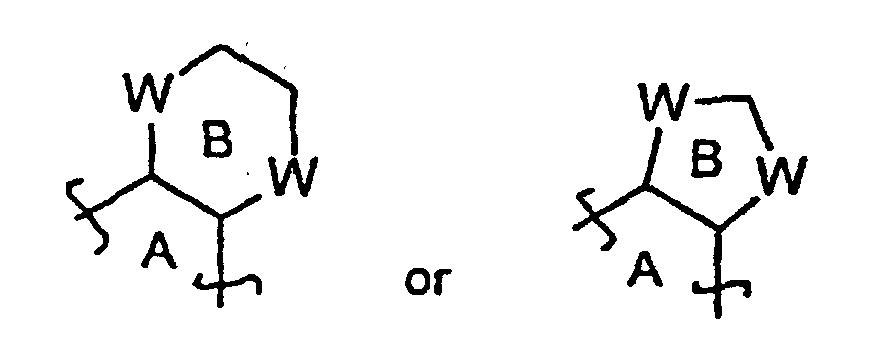
said ring B further being substituted with 1 Ra group selected from the group consisting of: C1-2 alkyl, -OC1-2 alkyl, -NHC1-2 alkyl, -N(C1-2 alkyl)2, -C(O)C1-2 alkyl, -S-C1-2 alkyl and -C(S)C1-2 alkyl;
Y represents CH or C-OC1-3 alkyl,
and
R2 represents H, Br, Cl or F. - A compound in accordance with claim 1 represented by one of the following structural formulas:
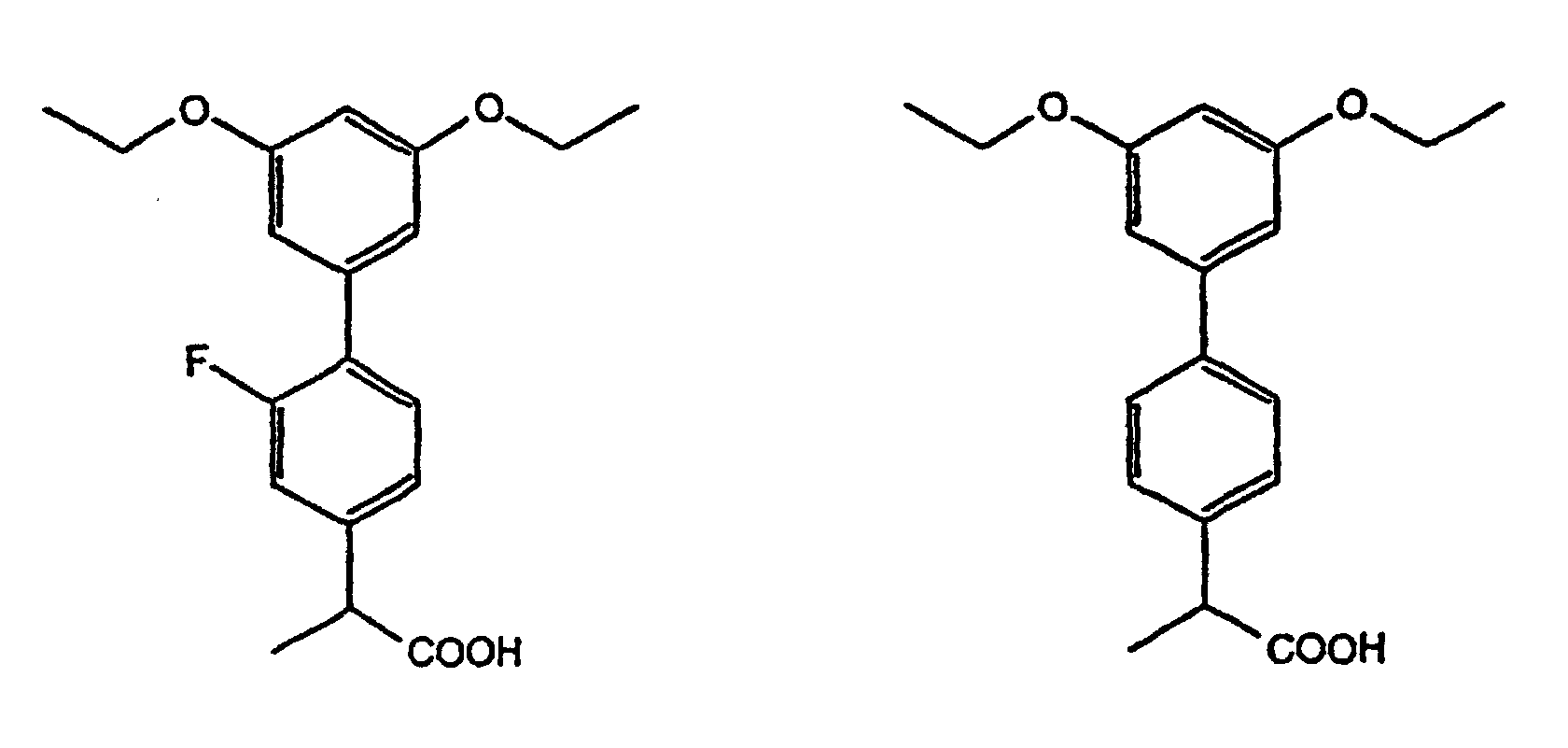
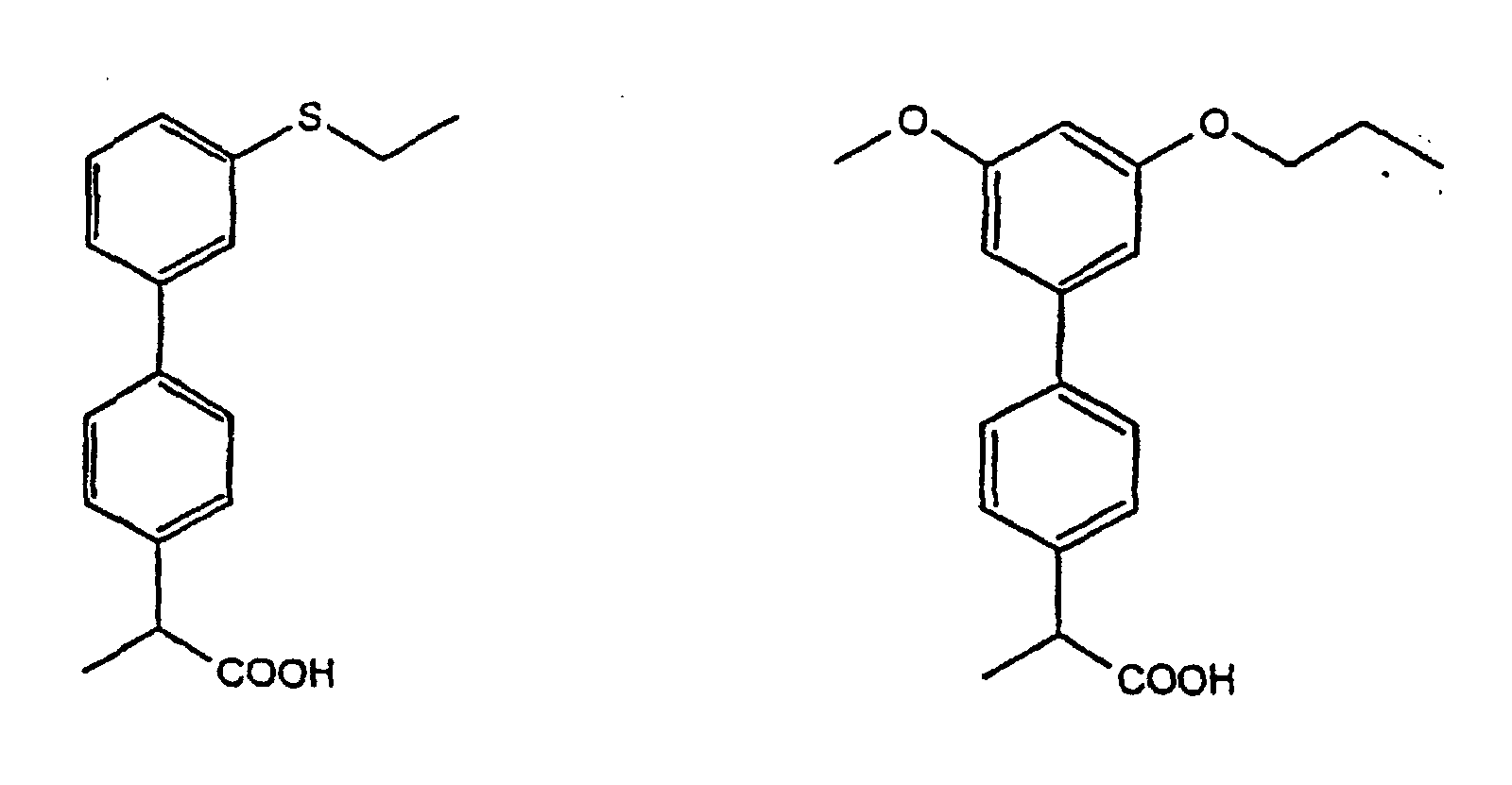
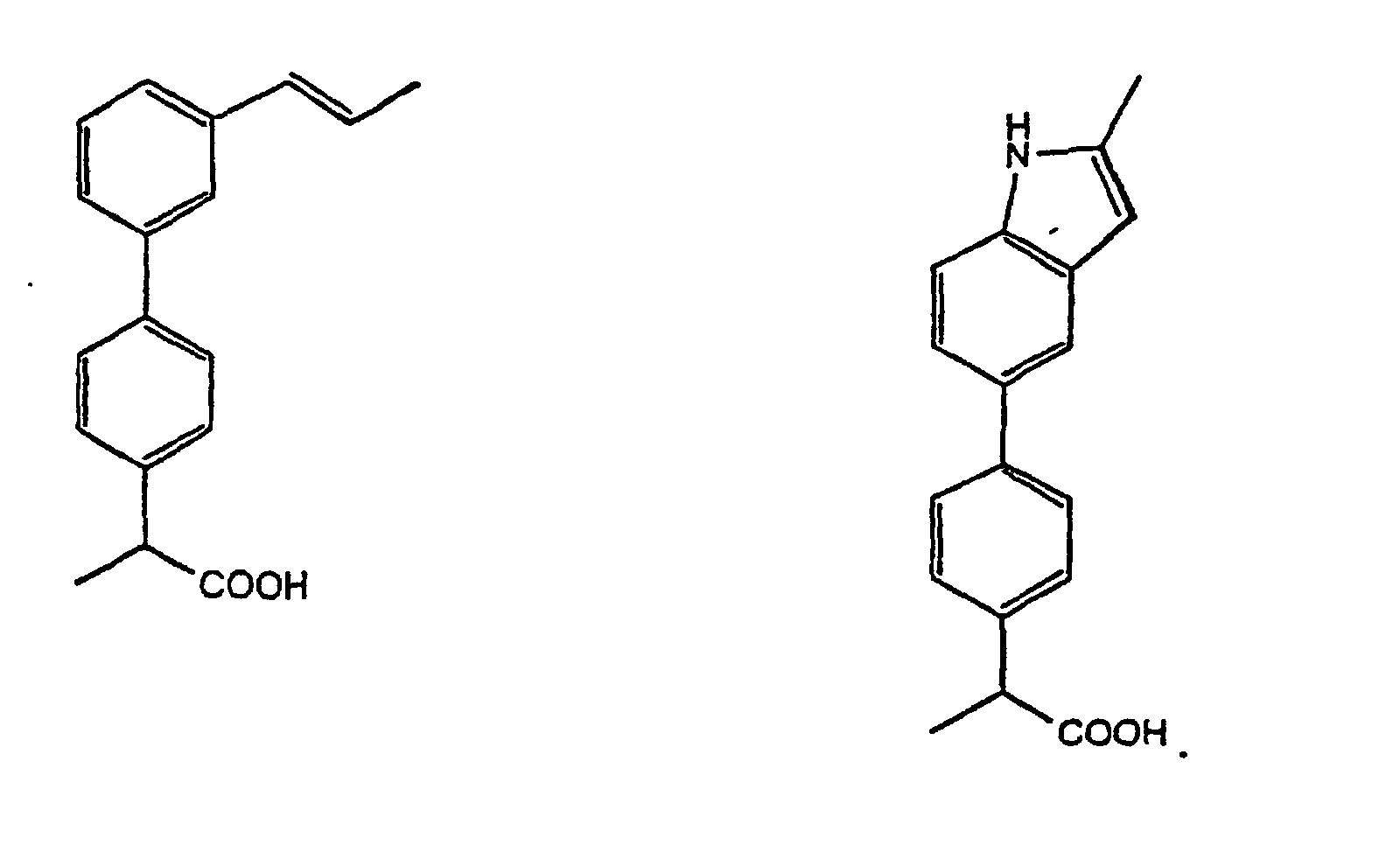

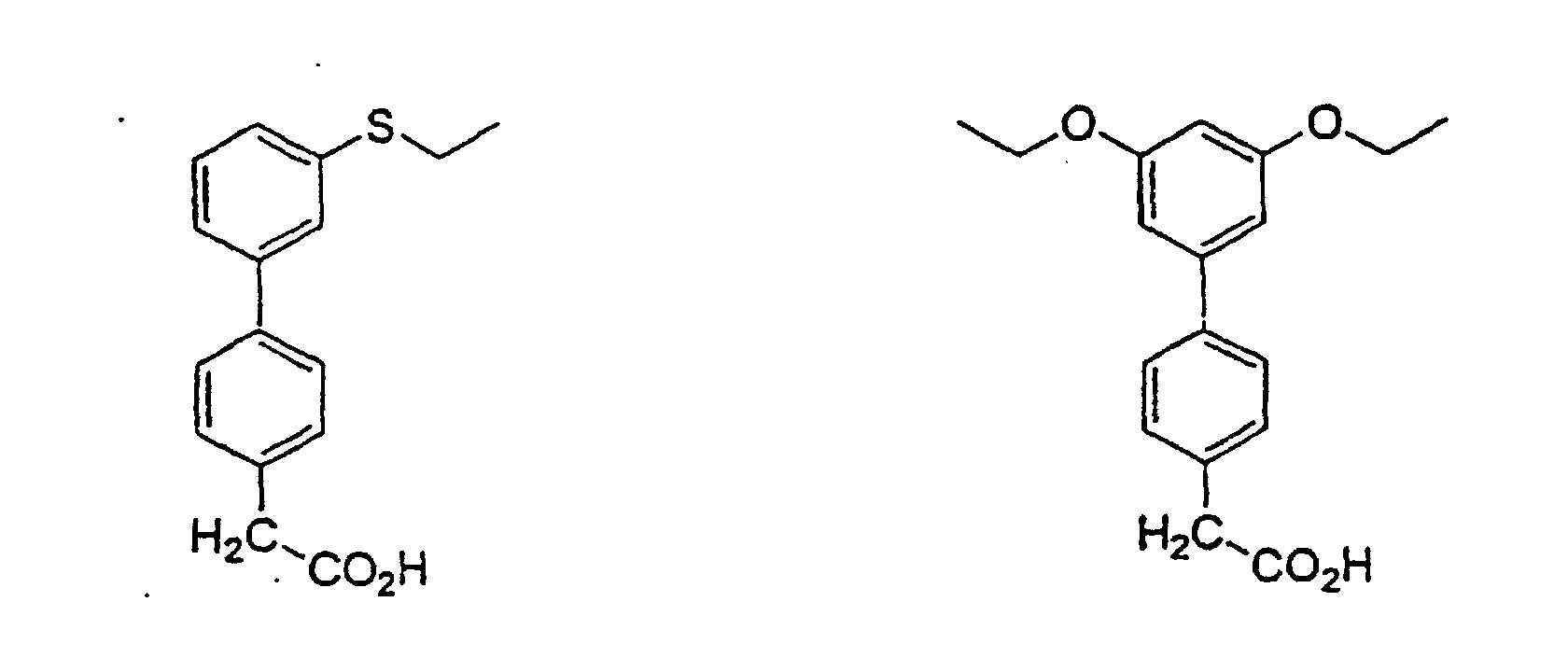
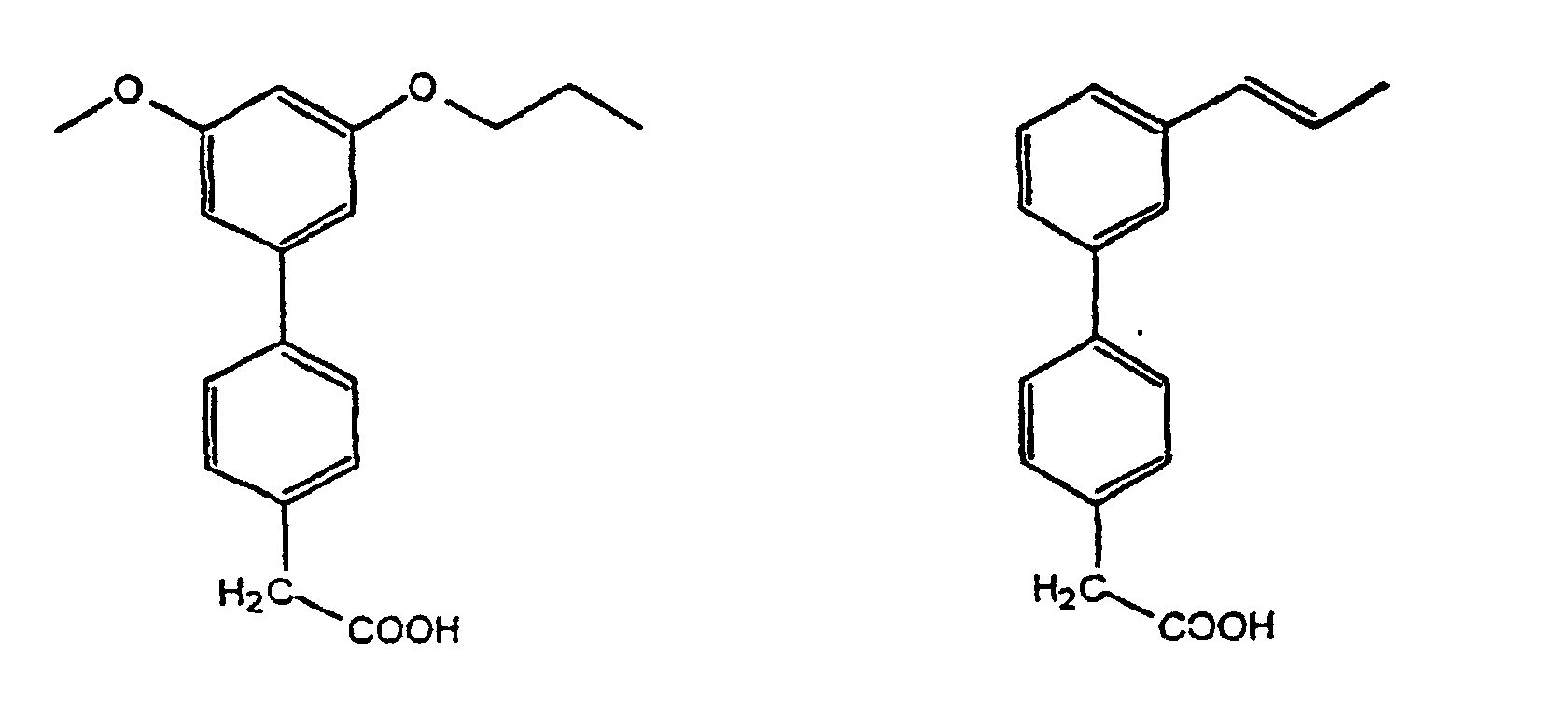
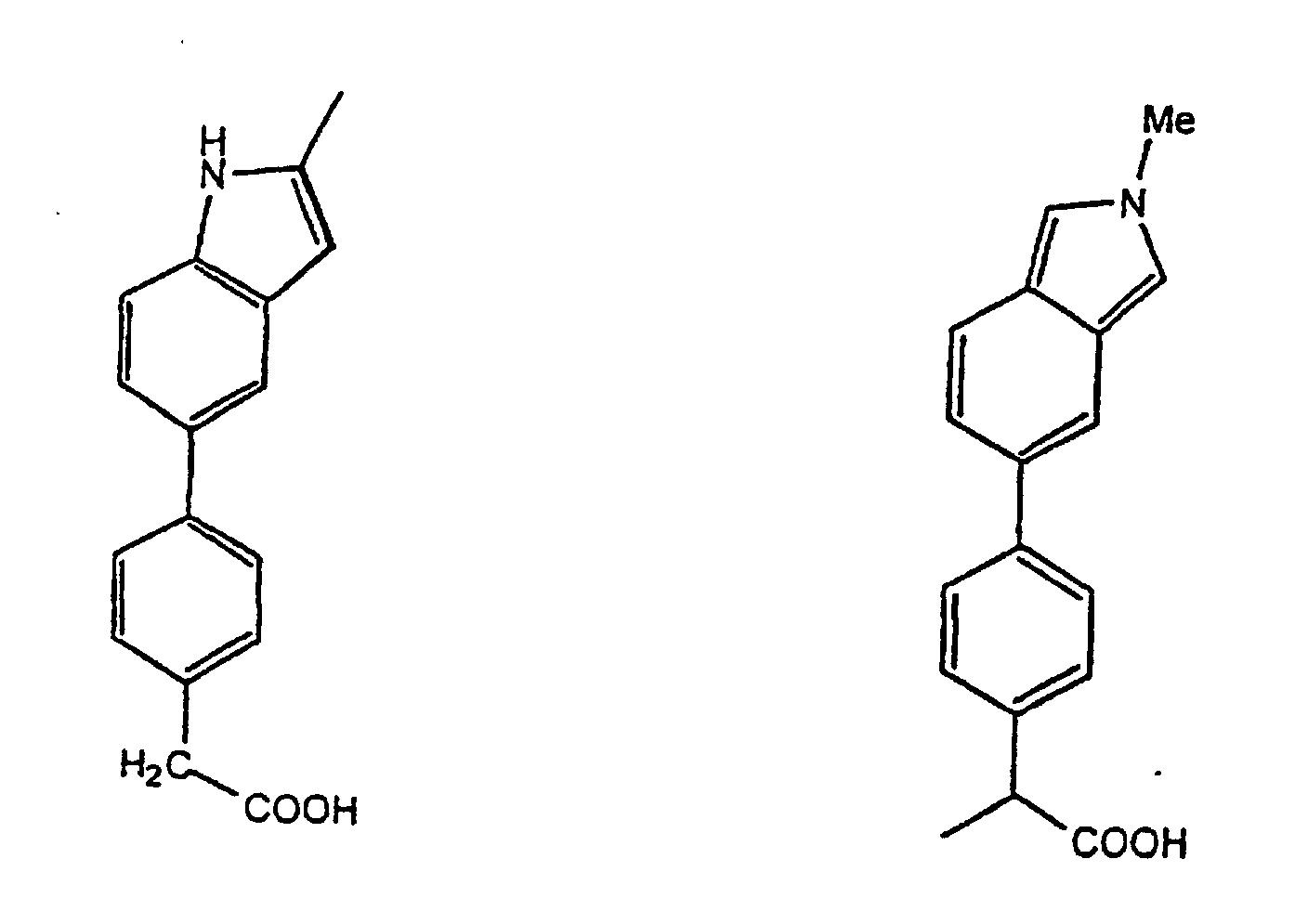


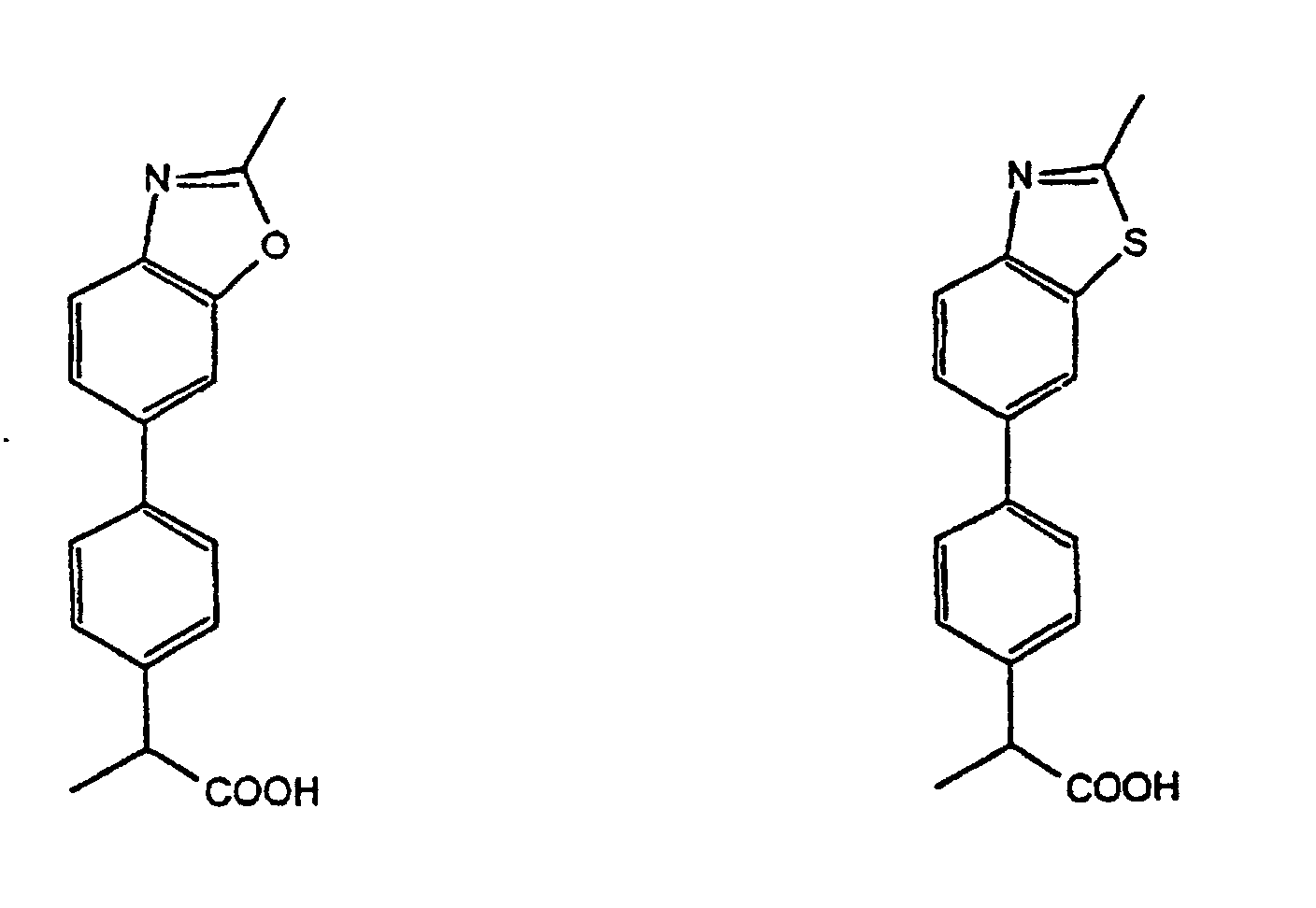 or a salt, ester of the carboxylic acid moiety or tautomer thereof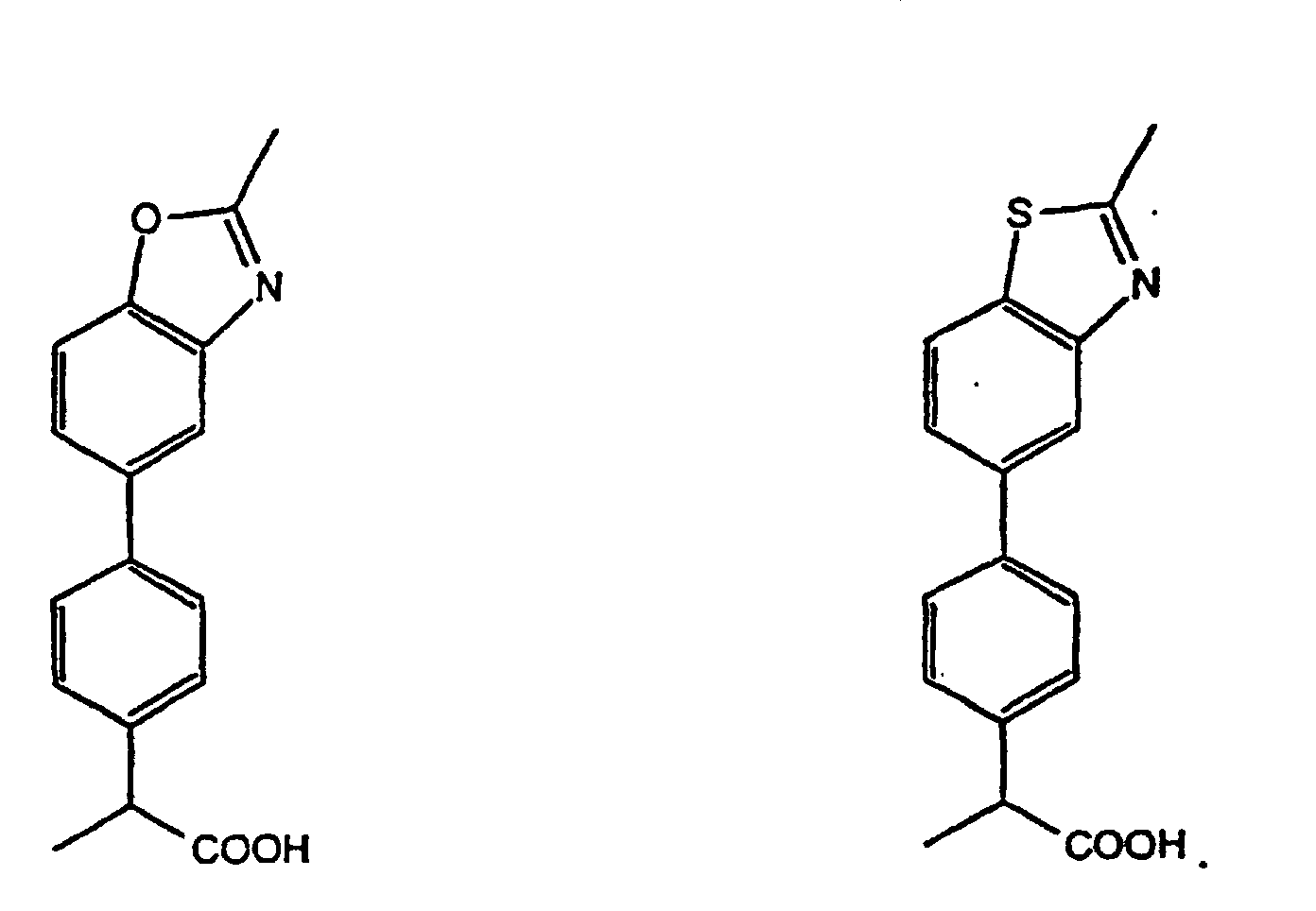
- A compound in accordance with claim 1 or 2 wherein: Y represents CH or C-OC1-3 alkyl.
- A compound in accordance with claim 1, 2, 3 or 5 wherein R2 represents H or F.
- A compound in accordance with claim 1, 2, 3, 5 or 6 wherein R3 represents CH3.
- A compound in accordance with claim 1, 2, 3, 5, 6 or 7 in the form of a salt.
- A compound in accordance with claim 8 wherein the salt is a sodium, potassium, calcium or magnesium salt.
- A compound in accordance with claim 1 represented by one of the following structural formulas:

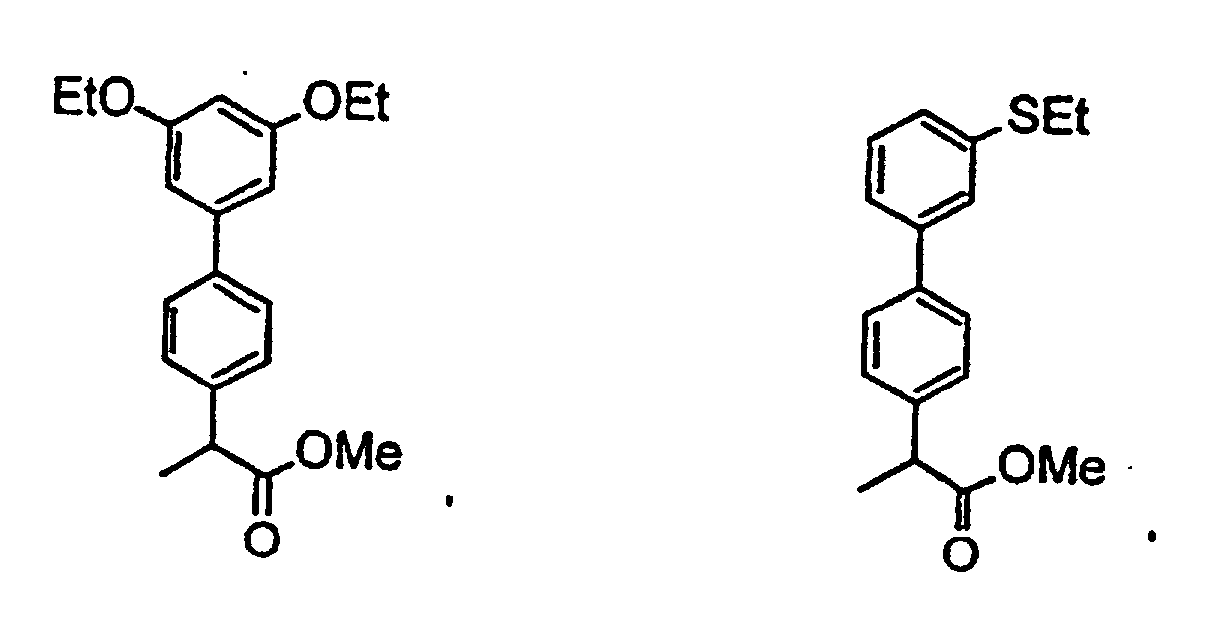
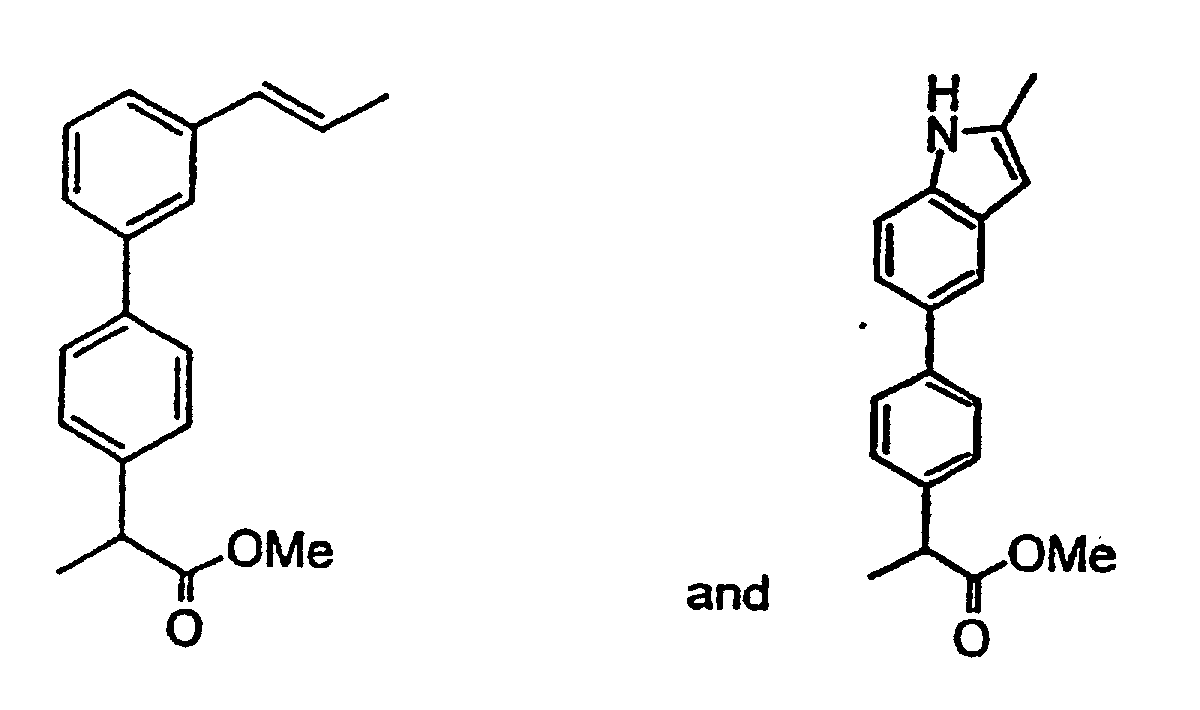
- A pharmaceutically acceptable salt, ester or tautomer of a compound of formula (I), as defined in any one of claims 1 to 10.
- A pharmaceutical composition which is comprised of a compound in accordance with any one of claims 1 to 11 or a pharmaceutically acceptable salt, ester or tautomer thereof, in combination with a pharmaceutically acceptable carrier.
- Use of a compound in accordance with any one of claims 1 to 11 or a pharmaceutically acceptable salt, ester or tautomer thereof, for the manufacture of a medicament for treating a COX-2 mediated disease or condition.
- Use according to claim 13 wherein the COX-2 mediated disease or condition is selected from: rheumatic fever, symptoms associated with influenza or other viral infection, common cold, low back pain, neck pain, dysmenorrhea, headache, migraine, toothache, sprain, strain, myositis, neuralgia, synovitis, arthritis, rheumatoid arthritis, degenerative joint disease, osteoarthritis, gout, ankylosing spondylitis, bursitis, burns, post-operative pain, cellular neoplastic transformations, metastatic tumour growth, diabetic retinopathy, tumour angiogenesis, autoimmune disease, type I diabetes, type II diabetes, lupus erythematosus, Graves' disease, irritable bowel syndrome, Crohn's disease, prostanoid-induced smooth muscle contraction, premature labour, asthma, eosinophil related disorders, Alzheimer's disease, bone loss (osteoporosis) and glaucoma.
- Use according to claim 13 wherein the COX-2 mediated disease or condition is arthritis.
- Use according to claim 13 wherein the COX-2 mediated condition is diabetes.
- A compound of formula (I), as defined in any one of claims 1 to 11 or a pharmaceutically acceptable salt, ester or tautomer thereof for use in treating a COX-2 mediated disease.
Applications Claiming Priority (3)
| Application Number | Priority Date | Filing Date | Title |
|---|---|---|---|
| US7462798P | 1998-02-13 | 1998-02-13 | |
| US74627P | 1998-02-13 | ||
| PCT/CA1999/000120 WO1999041224A1 (en) | 1998-02-13 | 1999-02-11 | Biaryl-acetic acid derivatives and their use as cox-2 inhibitors |
Publications (2)
| Publication Number | Publication Date |
|---|---|
| EP1054857A1 EP1054857A1 (en) | 2000-11-29 |
| EP1054857B1 true EP1054857B1 (en) | 2003-11-05 |
Family
ID=22120638
Family Applications (1)
| Application Number | Title | Priority Date | Filing Date |
|---|---|---|---|
| EP99904652A Expired - Lifetime EP1054857B1 (en) | 1998-02-13 | 1999-02-11 | Biaryl-acetic acid derivatives and their use as cox-2 inhibitors |
Country Status (9)
| Country | Link |
|---|---|
| US (1) | US5994379A (en) |
| EP (1) | EP1054857B1 (en) |
| JP (1) | JP3600156B2 (en) |
| AT (1) | ATE253545T1 (en) |
| AU (1) | AU749618B2 (en) |
| CA (1) | CA2318966A1 (en) |
| DE (1) | DE69912581T2 (en) |
| ES (1) | ES2209395T3 (en) |
| WO (1) | WO1999041224A1 (en) |
Families Citing this family (47)
| Publication number | Priority date | Publication date | Assignee | Title |
|---|---|---|---|---|
| FR2746101B1 (en) * | 1996-03-14 | 1998-04-30 | BICYCLIC-AROMATIC COMPOUNDS | |
| US20040072889A1 (en) * | 1997-04-21 | 2004-04-15 | Pharmacia Corporation | Method of using a COX-2 inhibitor and an alkylating-type antineoplastic agent as a combination therapy in the treatment of neoplasia |
| ATE284691T1 (en) * | 1998-11-02 | 2005-01-15 | Merck & Co Inc | COMPOSITIONS OF A 5HT1B/1D AGONIST AND A SELECTIVE COX-2 INHIBITOR FOR THE TREATMENT OF MIGRAINE |
| IL136025A0 (en) * | 1999-05-14 | 2001-05-20 | Pfizer Prod Inc | Combination therapy for the treatment of migraine |
| CO5190664A1 (en) | 1999-06-30 | 2002-08-29 | Pfizer Prod Inc | COMBINATION THERAPY FOR THE TREATMENT OF MIGRANA ADMINISTRATION OF A 5HT RECEPTOR, CAFFEINE AND A CYCLLOXYGENASA-2 INHIBITOR |
| DE19940130A1 (en) | 1999-08-24 | 2001-03-01 | Probiodrug Ges Fuer Arzneim | New effectors of Dipeptidyl Peptidase IV for topical use |
| AU5754701A (en) * | 2000-07-13 | 2002-01-30 | Pharmacia Corp | Method of using cox-2 inhibitors in the treatment and prevention of ocular cox-2mediated disorders |
| AR030345A1 (en) * | 2000-08-14 | 2003-08-20 | Alcon Inc | METHOD OF TREATMENT OF DISORDERS RELATED TO ANGIOGENESIS |
| US20030130199A1 (en) | 2001-06-27 | 2003-07-10 | Von Hoersten Stephan | Dipeptidyl peptidase IV inhibitors and their uses as anti-cancer agents |
| US20040132773A1 (en) * | 2001-08-13 | 2004-07-08 | Gamache Daniel A | Method of treating neurodgenerative disorders of the retina and optic nerve head |
| US6844316B2 (en) | 2001-09-06 | 2005-01-18 | Probiodrug Ag | Inhibitors of dipeptidyl peptidase I |
| US20030212138A1 (en) * | 2002-01-14 | 2003-11-13 | Pharmacia Corporation | Combinations of peroxisome proliferator-activated receptor-alpha agonists and cyclooxygenase-2 selective inhibitors and therapeutic uses therefor |
| US20030220374A1 (en) * | 2002-01-14 | 2003-11-27 | Pharmacia Corporation | Compositions and methods of treatment involving peroxisome proliferator-activated receptor-gamma agonists and cyclooxygenase-2 selective inhibitors |
| US6867320B2 (en) * | 2002-02-21 | 2005-03-15 | Asahi Kasei Pharma Corporation | Substituted phenylalkanoic acid derivatives and use thereof |
| GB0209257D0 (en) * | 2002-04-23 | 2002-06-05 | Novartis Ag | Organic compounds |
| TW200413009A (en) * | 2002-10-04 | 2004-08-01 | Univ Pennsylvania | Biphenyls and fluorenes as imaging agents in alzheimer's disease |
| US20040147581A1 (en) * | 2002-11-18 | 2004-07-29 | Pharmacia Corporation | Method of using a Cox-2 inhibitor and a 5-HT1A receptor modulator as a combination therapy |
| DE60332387D1 (en) | 2002-12-13 | 2010-06-10 | Warner Lambert Co | ALPHA-2-DELTA LIGAND FOR THE TREATMENT OF LOWER HARNESS SYMPTOMS |
| ES2213485B1 (en) * | 2003-02-13 | 2005-12-16 | Almirall Prodesfarma, S.A. | DERIVATIVES OF 2-FENILPIRAN-4-ONA. |
| ES2214130B1 (en) * | 2003-02-13 | 2005-12-01 | Almirall Prodesfarma, S.A. | 2-3'-BIPIRIDINES. |
| ES2214129B1 (en) * | 2003-02-13 | 2005-12-01 | Almirall Prodesfarma, S.A. | 3-FENILFURAN-2-ONAS. |
| ITMI20030311A1 (en) * | 2003-02-21 | 2004-08-22 | Chiesi Farma Spa | 2-FENYL-2-DIALKYL-ACETIC ACIDS FOR THE TREATMENT OF ALZHEIMER DISEASE. |
| ITMI20030312A1 (en) * | 2003-02-21 | 2004-08-22 | Chiesi Farma Spa | DERIVATIVES OF 2-FENYL-2-ALCHYL-ACETIC ACIDS FOR THE TREATMENT OF ALZHEIMER DISEASE. |
| ATE409176T1 (en) | 2003-02-21 | 2008-10-15 | Chiesi Farma Spa | 1-PHENYLALKANECARBOXYLIC ACID DERIVATIVES FOR THE TREATMENT OF NEURODEGENERATIVE DISEASES |
| US20040220155A1 (en) * | 2003-03-28 | 2004-11-04 | Pharmacia Corporation | Method of providing a steroid-sparing benefit with a cyclooxygenase-2 inhibitor and compositions therewith |
| NZ568459A (en) * | 2003-05-05 | 2009-06-26 | Probiodrug Ag | Use of effectors of glutaminyl and glutamate cyclases |
| US7732162B2 (en) | 2003-05-05 | 2010-06-08 | Probiodrug Ag | Inhibitors of glutaminyl cyclase for treating neurodegenerative diseases |
| JP4806628B2 (en) * | 2003-05-05 | 2011-11-02 | プロビオドルグ エージー | Glutaminyl cyclase inhibitor |
| MXPA05011861A (en) * | 2003-05-05 | 2006-02-17 | Probiodrug Ag | Medical use of inhibitors of glutaminyl and glutamate cyclases. |
| ES2275218T3 (en) | 2003-05-07 | 2007-06-01 | Osteologix A/S | HYDROSOLUBLE STRONTIUM SALTS FOR THE TREATMENT OF CARTILAGOS AND / OR BONE AFFECTIONS. |
| US20050004224A1 (en) * | 2003-06-10 | 2005-01-06 | Pharmacia Corporation | Treatment of Alzheimer's disease with the R(-) isomer of a 2-arylpropionic acid non-steroidal anti-inflammatory drug alone or in combination with a cyclooxygenase-2 selective inhibitor |
| WO2005009342A2 (en) * | 2003-07-16 | 2005-02-03 | Pharmacia Corporation | Method for the treatment or prevention of dermatological disorders with a cyclooxygenase-2 inhibitor alone and in combination with a dermatological treatment agent and compositions therewith |
| KR20060079190A (en) * | 2003-08-14 | 2006-07-05 | 아사히 가세이 파마 가부시키가이샤 | Substituted arylalkanoic acid derivatives and uses thereof |
| US20050119262A1 (en) * | 2003-08-21 | 2005-06-02 | Pharmacia Corporation | Method for preventing or treating an optic neuropathy with a cox-2 inhibitor and an intraocular pressure reducing agent |
| WO2005023189A2 (en) * | 2003-09-03 | 2005-03-17 | Pharmacia Corporation | Method of cox-2 selective inhibitor and nitric oxide-donating agent |
| CA2542419C (en) | 2003-10-15 | 2013-06-04 | Probiodrug Ag | Use of glutamyl cyclase inhibitors in the treatment of familial british dementia and familial danish dementia |
| EP1691797A2 (en) * | 2003-10-21 | 2006-08-23 | Pharmacia Corporation | Combination of cyclooxygenase-2 inhibitor and phosphodiesterase 4 inhibitor and method |
| JP2007518788A (en) | 2004-01-22 | 2007-07-12 | ファイザー・インク | Triazole derivatives that inhibit the antagonist activity of vasopressin |
| KR101099206B1 (en) | 2004-02-05 | 2011-12-27 | 프로비오드룩 아게 | Novel Inhibitors of Glutaminyl Cyclase |
| CA2563963A1 (en) * | 2004-04-28 | 2005-11-10 | Pfizer Inc. | 3-heterocyclyl-4-phenyl-triazole derivatives as inhibitors of the vasopressin v1a receptor |
| DE602005007912D1 (en) * | 2004-08-03 | 2008-08-14 | Chiesi Farma Spa | DERIVATIVES OF 1-PHENYLALKANCARBOXYLIC ACIDS FOR THE TREATMENT OF NEURODEEGENERATIVE DISEASES |
| ATE511860T1 (en) | 2006-12-22 | 2011-06-15 | Recordati Ireland Ltd | COMBINATION THERAPY FOR DISEASES OF THE LOWER URINARY TRACT WITH 2 LIGANDS AND NSAIDS |
| TW201311149A (en) * | 2011-06-24 | 2013-03-16 | Ishihara Sangyo Kaisha | Pesticide |
| WO2015074081A1 (en) | 2013-11-18 | 2015-05-21 | Bair Kenneth W | Benzopiperazine compositions as bet bromodomain inhibitors |
| PT3071203T (en) | 2013-11-18 | 2021-03-11 | Forma Therapeutics Inc | Tetrahydroquinoline compositions as bet bromodomain inhibitors |
| CN109906082A (en) | 2016-09-07 | 2019-06-18 | 塔夫茨大学信托人 | Use the combined therapy of immune DASH inhibitor and PGE2 antagonist |
| CA3209491A1 (en) | 2021-03-15 | 2022-09-22 | Saul Yedgar | Hyaluronic acid-conjugated dipalmitoyl phosphatidyl ethanolamine in combination with non-steroidal anti-inflammatory drugs (nsaids) for treating or alleviating inflammatory disease |
Family Cites Families (4)
| Publication number | Priority date | Publication date | Assignee | Title |
|---|---|---|---|---|
| GB1091403A (en) * | 1964-01-24 | 1967-11-15 | Boots Pure Drug Co Ltd | Therapeutically active phenylalkane derivatives |
| US3624142A (en) * | 1964-09-10 | 1971-11-30 | Merck & Co Inc | Substituted biphenyl acetic acid derivatives |
| US4153721A (en) * | 1977-12-19 | 1979-05-08 | Riker Laboratories, Inc. | Derivatives of 2-nitrobenzofuran |
| JPH0977664A (en) * | 1995-09-13 | 1997-03-25 | Yakult Honsha Co Ltd | Cyclooxygenase-2 specific inhibitor and anti-inflammatory agent |
-
1999
- 1999-02-09 US US09/246,925 patent/US5994379A/en not_active Expired - Fee Related
- 1999-02-11 AT AT99904652T patent/ATE253545T1/en not_active IP Right Cessation
- 1999-02-11 ES ES99904652T patent/ES2209395T3/en not_active Expired - Lifetime
- 1999-02-11 JP JP2000531421A patent/JP3600156B2/en not_active Expired - Fee Related
- 1999-02-11 CA CA002318966A patent/CA2318966A1/en not_active Abandoned
- 1999-02-11 EP EP99904652A patent/EP1054857B1/en not_active Expired - Lifetime
- 1999-02-11 DE DE69912581T patent/DE69912581T2/en not_active Expired - Fee Related
- 1999-02-11 WO PCT/CA1999/000120 patent/WO1999041224A1/en not_active Ceased
- 1999-02-11 AU AU25065/99A patent/AU749618B2/en not_active Ceased
Also Published As
| Publication number | Publication date |
|---|---|
| EP1054857A1 (en) | 2000-11-29 |
| AU2506599A (en) | 1999-08-30 |
| JP2002503647A (en) | 2002-02-05 |
| CA2318966A1 (en) | 1999-08-19 |
| DE69912581D1 (en) | 2003-12-11 |
| US5994379A (en) | 1999-11-30 |
| JP3600156B2 (en) | 2004-12-08 |
| AU749618B2 (en) | 2002-06-27 |
| ES2209395T3 (en) | 2004-06-16 |
| ATE253545T1 (en) | 2003-11-15 |
| WO1999041224A1 (en) | 1999-08-19 |
| DE69912581T2 (en) | 2004-09-16 |
Similar Documents
| Publication | Publication Date | Title |
|---|---|---|
| US5994379A (en) | Bisaryl COX-2 inhibiting compounds, compositions and methods of use | |
| EP0788476B1 (en) | Stilbene derivatives useful as cyclooxygenase-2 inhibitors | |
| EP0705254B1 (en) | Phenyl heterocycles as cyclooxygenase-2 inhibitors | |
| US5436265A (en) | 1-aroyl-3-indolyl alkanoic acids and derivatives thereof useful as anti-inflammatory agents | |
| US5585504A (en) | Process of making cox-2 inhibitors having a lactone bridge | |
| EP0828724B1 (en) | Diaryl-5-oxygenated-2-(5h)-furanones as cox-2 inhibitors | |
| US5521213A (en) | Diaryl bicyclic heterocycles as inhibitors of cyclooxygenase-2 | |
| EP1012142B1 (en) | 2,3,5-trisubstituted pyridines as inhibitors of cyclooxygenase-2 | |
| US5733909A (en) | Diphenyl stilbenes as prodrugs to COX-2 inhibitors | |
| US5922742A (en) | Pyridinyl-2-cyclopenten-1-ones as selective cyclooxygenase-2 inhibitors | |
| US6046217A (en) | 2,3,5-trisubstituted pyridines as inhibitors of cyclooxygenase-2 | |
| US6133292A (en) | Diaryl-5-alkyl-5-methyl-2-(5H)-furanones as selective cyclooxygenase-2-inhibitors | |
| EP0882015B1 (en) | Diphenyl stilbenes as prodrugs to cox-2 inhibitors | |
| AU741790B2 (en) | Diaryl-5-alkyl-5-methyl-2(5H)-furanones as selective cyclooxygenase-2 inhibitors | |
| EP1015431B1 (en) | 2-aminopyridines as inhibitors of cyclooxygenase-2 | |
| AU6818298A (en) | Alpha-methylene gamma lactones as selective cyclooxygenase-2 inhibitors | |
| HK1027474B (en) | Phenyl heterocycles as cyclooxygenase-2 inhibitors | |
| JP2005120047A (en) | Alykylene derivative having edg receptor antagonism |
Legal Events
| Date | Code | Title | Description |
|---|---|---|---|
| PUAI | Public reference made under article 153(3) epc to a published international application that has entered the european phase |
Free format text: ORIGINAL CODE: 0009012 |
|
| 17P | Request for examination filed |
Effective date: 20000913 |
|
| AK | Designated contracting states |
Kind code of ref document: A1 Designated state(s): AT BE CH CY DE DK ES FI FR GB GR IE IT LI LU NL PT SE |
|
| AX | Request for extension of the european patent |
Free format text: AL PAYMENT 20000913;LT PAYMENT 20000913;LV PAYMENT 20000913;MK PAYMENT 20000913;RO PAYMENT 20000913;SI PAYMENT 20000913 |
|
| 17Q | First examination report despatched |
Effective date: 20020430 |
|
| GRAH | Despatch of communication of intention to grant a patent |
Free format text: ORIGINAL CODE: EPIDOS IGRA |
|
| GRAS | Grant fee paid |
Free format text: ORIGINAL CODE: EPIDOSNIGR3 |
|
| GRAA | (expected) grant |
Free format text: ORIGINAL CODE: 0009210 |
|
| AK | Designated contracting states |
Kind code of ref document: B1 Designated state(s): AT BE CH CY DE DK ES FI FR GB GR IE IT LI LU NL PT SE |
|
| AX | Request for extension of the european patent |
Extension state: AL LT LV MK RO SI |
|
| PG25 | Lapsed in a contracting state [announced via postgrant information from national office to epo] |
Ref country code: NL Free format text: LAPSE BECAUSE OF FAILURE TO SUBMIT A TRANSLATION OF THE DESCRIPTION OR TO PAY THE FEE WITHIN THE PRESCRIBED TIME-LIMIT Effective date: 20031105 Ref country code: LI Free format text: LAPSE BECAUSE OF FAILURE TO SUBMIT A TRANSLATION OF THE DESCRIPTION OR TO PAY THE FEE WITHIN THE PRESCRIBED TIME-LIMIT Effective date: 20031105 Ref country code: FI Free format text: LAPSE BECAUSE OF FAILURE TO SUBMIT A TRANSLATION OF THE DESCRIPTION OR TO PAY THE FEE WITHIN THE PRESCRIBED TIME-LIMIT Effective date: 20031105 Ref country code: CY Free format text: LAPSE BECAUSE OF FAILURE TO SUBMIT A TRANSLATION OF THE DESCRIPTION OR TO PAY THE FEE WITHIN THE PRESCRIBED TIME-LIMIT Effective date: 20031105 Ref country code: CH Free format text: LAPSE BECAUSE OF FAILURE TO SUBMIT A TRANSLATION OF THE DESCRIPTION OR TO PAY THE FEE WITHIN THE PRESCRIBED TIME-LIMIT Effective date: 20031105 Ref country code: BE Free format text: LAPSE BECAUSE OF FAILURE TO SUBMIT A TRANSLATION OF THE DESCRIPTION OR TO PAY THE FEE WITHIN THE PRESCRIBED TIME-LIMIT Effective date: 20031105 Ref country code: AT Free format text: LAPSE BECAUSE OF FAILURE TO SUBMIT A TRANSLATION OF THE DESCRIPTION OR TO PAY THE FEE WITHIN THE PRESCRIBED TIME-LIMIT Effective date: 20031105 |
|
| REG | Reference to a national code |
Ref country code: GB Ref legal event code: FG4D |
|
| REG | Reference to a national code |
Ref country code: CH Ref legal event code: EP |
|
| REF | Corresponds to: |
Ref document number: 69912581 Country of ref document: DE Date of ref document: 20031211 Kind code of ref document: P |
|
| REG | Reference to a national code |
Ref country code: IE Ref legal event code: FG4D |
|
| PG25 | Lapsed in a contracting state [announced via postgrant information from national office to epo] |
Ref country code: SE Free format text: LAPSE BECAUSE OF FAILURE TO SUBMIT A TRANSLATION OF THE DESCRIPTION OR TO PAY THE FEE WITHIN THE PRESCRIBED TIME-LIMIT Effective date: 20040205 Ref country code: GR Free format text: LAPSE BECAUSE OF FAILURE TO SUBMIT A TRANSLATION OF THE DESCRIPTION OR TO PAY THE FEE WITHIN THE PRESCRIBED TIME-LIMIT Effective date: 20040205 Ref country code: DK Free format text: LAPSE BECAUSE OF FAILURE TO SUBMIT A TRANSLATION OF THE DESCRIPTION OR TO PAY THE FEE WITHIN THE PRESCRIBED TIME-LIMIT Effective date: 20040205 |
|
| PG25 | Lapsed in a contracting state [announced via postgrant information from national office to epo] |
Ref country code: LU Free format text: LAPSE BECAUSE OF NON-PAYMENT OF DUE FEES Effective date: 20040211 Ref country code: IE Free format text: LAPSE BECAUSE OF NON-PAYMENT OF DUE FEES Effective date: 20040211 |
|
| NLV1 | Nl: lapsed or annulled due to failure to fulfill the requirements of art. 29p and 29m of the patents act | ||
| LTIE | Lt: invalidation of european patent or patent extension |
Effective date: 20031105 |
|
| REG | Reference to a national code |
Ref country code: CH Ref legal event code: PL |
|
| REG | Reference to a national code |
Ref country code: ES Ref legal event code: FG2A Ref document number: 2209395 Country of ref document: ES Kind code of ref document: T3 |
|
| ET | Fr: translation filed | ||
| PLBE | No opposition filed within time limit |
Free format text: ORIGINAL CODE: 0009261 |
|
| STAA | Information on the status of an ep patent application or granted ep patent |
Free format text: STATUS: NO OPPOSITION FILED WITHIN TIME LIMIT |
|
| 26N | No opposition filed |
Effective date: 20040806 |
|
| REG | Reference to a national code |
Ref country code: IE Ref legal event code: MM4A |
|
| REG | Reference to a national code |
Ref country code: GB Ref legal event code: 732E |
|
| REG | Reference to a national code |
Ref country code: FR Ref legal event code: TP |
|
| PG25 | Lapsed in a contracting state [announced via postgrant information from national office to epo] |
Ref country code: PT Free format text: LAPSE BECAUSE OF NON-PAYMENT OF DUE FEES Effective date: 20040405 |
|
| PGFP | Annual fee paid to national office [announced via postgrant information from national office to epo] |
Ref country code: ES Payment date: 20080221 Year of fee payment: 10 |
|
| PGFP | Annual fee paid to national office [announced via postgrant information from national office to epo] |
Ref country code: IT Payment date: 20080223 Year of fee payment: 10 Ref country code: GB Payment date: 20080108 Year of fee payment: 10 Ref country code: DE Payment date: 20080229 Year of fee payment: 10 |
|
| PGFP | Annual fee paid to national office [announced via postgrant information from national office to epo] |
Ref country code: FR Payment date: 20080212 Year of fee payment: 10 |
|
| GBPC | Gb: european patent ceased through non-payment of renewal fee |
Effective date: 20090211 |
|
| REG | Reference to a national code |
Ref country code: FR Ref legal event code: ST Effective date: 20091030 |
|
| PG25 | Lapsed in a contracting state [announced via postgrant information from national office to epo] |
Ref country code: DE Free format text: LAPSE BECAUSE OF NON-PAYMENT OF DUE FEES Effective date: 20090901 |
|
| REG | Reference to a national code |
Ref country code: ES Ref legal event code: FD2A Effective date: 20090212 |
|
| PG25 | Lapsed in a contracting state [announced via postgrant information from national office to epo] |
Ref country code: GB Free format text: LAPSE BECAUSE OF NON-PAYMENT OF DUE FEES Effective date: 20090211 Ref country code: FR Free format text: LAPSE BECAUSE OF NON-PAYMENT OF DUE FEES Effective date: 20090302 |
|
| PG25 | Lapsed in a contracting state [announced via postgrant information from national office to epo] |
Ref country code: ES Free format text: LAPSE BECAUSE OF NON-PAYMENT OF DUE FEES Effective date: 20090212 |
|
| PG25 | Lapsed in a contracting state [announced via postgrant information from national office to epo] |
Ref country code: IT Free format text: LAPSE BECAUSE OF NON-PAYMENT OF DUE FEES Effective date: 20090211 |