EP1054004B1 - Novel pyrimidine-5-carboxamide derivatives - Google Patents
Novel pyrimidine-5-carboxamide derivatives Download PDFInfo
- Publication number
- EP1054004B1 EP1054004B1 EP98959197A EP98959197A EP1054004B1 EP 1054004 B1 EP1054004 B1 EP 1054004B1 EP 98959197 A EP98959197 A EP 98959197A EP 98959197 A EP98959197 A EP 98959197A EP 1054004 B1 EP1054004 B1 EP 1054004B1
- Authority
- EP
- European Patent Office
- Prior art keywords
- group
- alkyl
- aryl
- pyrimidine
- substituent
- Prior art date
- Legal status (The legal status is an assumption and is not a legal conclusion. Google has not performed a legal analysis and makes no representation as to the accuracy of the status listed.)
- Expired - Lifetime
Links
- QDXGKRWDQCEABB-UHFFFAOYSA-N pyrimidine-5-carboxamide Chemical class NC(=O)C1=CN=CN=C1 QDXGKRWDQCEABB-UHFFFAOYSA-N 0.000 title claims abstract description 8
- 125000001424 substituent group Chemical group 0.000 claims abstract description 71
- 150000003839 salts Chemical class 0.000 claims abstract description 23
- 125000003118 aryl group Chemical group 0.000 claims abstract description 18
- 125000000753 cycloalkyl group Chemical group 0.000 claims abstract description 18
- 229910052717 sulfur Inorganic materials 0.000 claims abstract description 15
- 229910052760 oxygen Inorganic materials 0.000 claims abstract description 13
- 125000001072 heteroaryl group Chemical group 0.000 claims abstract description 12
- 125000000623 heterocyclic group Chemical group 0.000 claims abstract description 12
- 125000002947 alkylene group Chemical group 0.000 claims abstract description 6
- 150000001875 compounds Chemical class 0.000 claims description 86
- 125000004169 (C1-C6) alkyl group Chemical group 0.000 claims description 32
- -1 2'-(1H-tetrazol-5-yl)biphenyl-4-yl group Chemical group 0.000 claims description 32
- 125000005275 alkylenearyl group Chemical group 0.000 claims description 15
- 239000000651 prodrug Substances 0.000 claims description 12
- 229940002612 prodrug Drugs 0.000 claims description 12
- 125000005842 heteroatom Chemical group 0.000 claims description 11
- 125000000449 nitro group Chemical group [O-][N+](*)=O 0.000 claims description 11
- 125000004432 carbon atom Chemical group C* 0.000 claims description 10
- 125000002950 monocyclic group Chemical group 0.000 claims description 10
- 229910052757 nitrogen Inorganic materials 0.000 claims description 10
- 238000002360 preparation method Methods 0.000 claims description 10
- 125000001997 phenyl group Chemical group [H]C1=C([H])C([H])=C(*)C([H])=C1[H] 0.000 claims description 9
- VBXCDJBVXOKGRQ-UHFFFAOYSA-N 2-(2-aminoethylamino)-4-(3-methylanilino)pyrimidine-5-carboxamide Chemical compound CC1=CC=CC(NC=2C(=CN=C(NCCN)N=2)C(N)=O)=C1 VBXCDJBVXOKGRQ-UHFFFAOYSA-N 0.000 claims description 7
- 125000003178 carboxy group Chemical group [H]OC(*)=O 0.000 claims description 7
- 230000003287 optical effect Effects 0.000 claims description 6
- 229910052794 bromium Inorganic materials 0.000 claims description 5
- 125000005843 halogen group Chemical group 0.000 claims description 5
- 229910052740 iodine Inorganic materials 0.000 claims description 5
- 125000006413 ring segment Chemical group 0.000 claims description 5
- NZNTWOVDIXCHHS-LSDHHAIUSA-N 2-{[(1r,2s)-2-aminocyclohexyl]amino}-4-[(3-methylphenyl)amino]pyrimidine-5-carboxamide Chemical compound CC1=CC=CC(NC=2C(=CN=C(N[C@H]3[C@H](CCCC3)N)N=2)C(N)=O)=C1 NZNTWOVDIXCHHS-LSDHHAIUSA-N 0.000 claims description 4
- 229940100514 Syk tyrosine kinase inhibitor Drugs 0.000 claims description 4
- 229910052801 chlorine Inorganic materials 0.000 claims description 4
- 239000003814 drug Substances 0.000 claims description 4
- 125000001495 ethyl group Chemical group [H]C([H])([H])C([H])([H])* 0.000 claims description 4
- 229910052731 fluorine Inorganic materials 0.000 claims description 4
- 239000008194 pharmaceutical composition Substances 0.000 claims description 4
- 239000012453 solvate Substances 0.000 claims description 4
- LBKIYSKFQDGJFW-UHFFFAOYSA-N 2-(2-aminoethylamino)-4-(3,5-dimethylanilino)pyrimidine-5-carboxamide Chemical compound CC1=CC(C)=CC(NC=2C(=CN=C(NCCN)N=2)C(N)=O)=C1 LBKIYSKFQDGJFW-UHFFFAOYSA-N 0.000 claims description 3
- LCHFUEDOARMXDD-UHFFFAOYSA-N 2-(2-aminoethylamino)-4-(3-bromoanilino)pyrimidine-5-carboxamide Chemical compound NCCNC1=NC=C(C(N)=O)C(NC=2C=C(Br)C=CC=2)=N1 LCHFUEDOARMXDD-UHFFFAOYSA-N 0.000 claims description 3
- ZJHNRTDOUBLCIB-UHFFFAOYSA-N 2-(2-aminoethylamino)-4-(3-nitroanilino)pyrimidine-5-carboxamide Chemical compound NCCNC1=NC=C(C(N)=O)C(NC=2C=C(C=CC=2)[N+]([O-])=O)=N1 ZJHNRTDOUBLCIB-UHFFFAOYSA-N 0.000 claims description 3
- UESTVQDQHVLWMD-UHFFFAOYSA-N 2-(2-aminoethylamino)-4-(naphthalen-2-ylamino)pyrimidine-5-carboxamide Chemical compound NCCNC1=NC=C(C(N)=O)C(NC=2C=C3C=CC=CC3=CC=2)=N1 UESTVQDQHVLWMD-UHFFFAOYSA-N 0.000 claims description 3
- FQNFLNSVHWCZML-UHFFFAOYSA-N 2-(2-aminoethylamino)-4-[3-(trifluoromethyl)anilino]pyrimidine-5-carboxamide Chemical compound NCCNC1=NC=C(C(N)=O)C(NC=2C=C(C=CC=2)C(F)(F)F)=N1 FQNFLNSVHWCZML-UHFFFAOYSA-N 0.000 claims description 3
- FXFUDZRQTGOJSU-UHFFFAOYSA-N 2-(4-aminobutylamino)-4-[3-(trifluoromethyl)anilino]pyrimidine-5-carboxamide Chemical compound NCCCCNC1=NC=C(C(N)=O)C(NC=2C=C(C=CC=2)C(F)(F)F)=N1 FXFUDZRQTGOJSU-UHFFFAOYSA-N 0.000 claims description 3
- FHXHXRHHGFSKBQ-UONOGXRCSA-N 2-[[(1r,2s)-2-aminocyclohexyl]amino]-4-(3,4,5-trimethoxyanilino)pyrimidine-5-carboxamide Chemical compound COC1=C(OC)C(OC)=CC(NC=2C(=CN=C(N[C@H]3[C@H](CCCC3)N)N=2)C(N)=O)=C1 FHXHXRHHGFSKBQ-UONOGXRCSA-N 0.000 claims description 3
- VHRJOXOLISCMLJ-UONOGXRCSA-N 2-[[(1r,2s)-2-aminocyclohexyl]amino]-4-(3,5-dichloroanilino)pyrimidine-5-carboxamide Chemical compound N[C@H]1CCCC[C@H]1NC1=NC=C(C(N)=O)C(NC=2C=C(Cl)C=C(Cl)C=2)=N1 VHRJOXOLISCMLJ-UONOGXRCSA-N 0.000 claims description 3
- NDVKRGJUFLANIQ-UONOGXRCSA-N 2-[[(1r,2s)-2-aminocyclohexyl]amino]-4-(3-bromoanilino)pyrimidine-5-carboxamide Chemical compound N[C@H]1CCCC[C@H]1NC1=NC=C(C(N)=O)C(NC=2C=C(Br)C=CC=2)=N1 NDVKRGJUFLANIQ-UONOGXRCSA-N 0.000 claims description 3
- 150000004677 hydrates Chemical class 0.000 claims description 3
- 229920002554 vinyl polymer Polymers 0.000 claims description 3
- 239000003937 drug carrier Substances 0.000 claims description 2
- 125000003261 o-tolyl group Chemical group [H]C1=C([H])C(*)=C(C([H])=C1[H])C([H])([H])[H] 0.000 claims description 2
- 230000006806 disease prevention Effects 0.000 claims 1
- 125000000217 alkyl group Chemical group 0.000 abstract description 27
- QJGQUHMNIGDVPM-UHFFFAOYSA-N nitrogen group Chemical group [N] QJGQUHMNIGDVPM-UHFFFAOYSA-N 0.000 abstract description 5
- XEKOWRVHYACXOJ-UHFFFAOYSA-N Ethyl acetate Chemical compound CCOC(C)=O XEKOWRVHYACXOJ-UHFFFAOYSA-N 0.000 description 60
- OKKJLVBELUTLKV-UHFFFAOYSA-N Methanol Chemical compound OC OKKJLVBELUTLKV-UHFFFAOYSA-N 0.000 description 54
- 238000006243 chemical reaction Methods 0.000 description 49
- 238000004519 manufacturing process Methods 0.000 description 38
- ZMXDDKWLCZADIW-UHFFFAOYSA-N N,N-Dimethylformamide Chemical compound CN(C)C=O ZMXDDKWLCZADIW-UHFFFAOYSA-N 0.000 description 37
- LFQSCWFLJHTTHZ-UHFFFAOYSA-N Ethanol Chemical compound CCO LFQSCWFLJHTTHZ-UHFFFAOYSA-N 0.000 description 27
- 101150110875 Syk gene Proteins 0.000 description 27
- 239000000203 mixture Substances 0.000 description 27
- 238000000034 method Methods 0.000 description 26
- 239000002904 solvent Substances 0.000 description 25
- WEVYAHXRMPXWCK-UHFFFAOYSA-N Acetonitrile Chemical compound CC#N WEVYAHXRMPXWCK-UHFFFAOYSA-N 0.000 description 24
- HEMHJVSKTPXQMS-UHFFFAOYSA-M Sodium hydroxide Chemical compound [OH-].[Na+] HEMHJVSKTPXQMS-UHFFFAOYSA-M 0.000 description 24
- XLYOFNOQVPJJNP-UHFFFAOYSA-N water Substances O XLYOFNOQVPJJNP-UHFFFAOYSA-N 0.000 description 24
- WYURNTSHIVDZCO-UHFFFAOYSA-N Tetrahydrofuran Chemical compound C1CCOC1 WYURNTSHIVDZCO-UHFFFAOYSA-N 0.000 description 20
- 239000011347 resin Substances 0.000 description 20
- 229920005989 resin Polymers 0.000 description 20
- IAZDPXIOMUYVGZ-UHFFFAOYSA-N Dimethylsulphoxide Chemical compound CS(C)=O IAZDPXIOMUYVGZ-UHFFFAOYSA-N 0.000 description 18
- GSNUFIFRDBKVIE-UHFFFAOYSA-N DMF Natural products CC1=CC=C(C)O1 GSNUFIFRDBKVIE-UHFFFAOYSA-N 0.000 description 17
- YMWUJEATGCHHMB-UHFFFAOYSA-N Dichloromethane Chemical compound ClCCl YMWUJEATGCHHMB-UHFFFAOYSA-N 0.000 description 15
- VEXZGXHMUGYJMC-UHFFFAOYSA-N Hydrochloric acid Chemical compound Cl VEXZGXHMUGYJMC-UHFFFAOYSA-N 0.000 description 15
- 239000003795 chemical substances by application Substances 0.000 description 15
- 239000011541 reaction mixture Substances 0.000 description 15
- 239000000243 solution Substances 0.000 description 15
- 238000003756 stirring Methods 0.000 description 15
- JUJWROOIHBZHMG-UHFFFAOYSA-N Pyridine Chemical compound C1=CC=NC=C1 JUJWROOIHBZHMG-UHFFFAOYSA-N 0.000 description 14
- 239000013078 crystal Substances 0.000 description 14
- 238000001914 filtration Methods 0.000 description 12
- 230000000694 effects Effects 0.000 description 11
- 125000006239 protecting group Chemical group 0.000 description 11
- HEDRZPFGACZZDS-UHFFFAOYSA-N Chloroform Chemical compound ClC(Cl)Cl HEDRZPFGACZZDS-UHFFFAOYSA-N 0.000 description 10
- 125000003277 amino group Chemical group 0.000 description 10
- 208000037265 diseases, disorders, signs and symptoms Diseases 0.000 description 10
- 239000012046 mixed solvent Substances 0.000 description 10
- YLQBMQCUIZJEEH-UHFFFAOYSA-N tetrahydrofuran Natural products C=1C=COC=1 YLQBMQCUIZJEEH-UHFFFAOYSA-N 0.000 description 10
- QTBSBXVTEAMEQO-UHFFFAOYSA-N Acetic acid Chemical compound CC(O)=O QTBSBXVTEAMEQO-UHFFFAOYSA-N 0.000 description 9
- KWYUFKZDYYNOTN-UHFFFAOYSA-M Potassium hydroxide Chemical compound [OH-].[K+] KWYUFKZDYYNOTN-UHFFFAOYSA-M 0.000 description 9
- YXFVVABEGXRONW-UHFFFAOYSA-N Toluene Chemical compound CC1=CC=CC=C1 YXFVVABEGXRONW-UHFFFAOYSA-N 0.000 description 9
- 239000007864 aqueous solution Substances 0.000 description 9
- 125000001449 isopropyl group Chemical group [H]C([H])([H])C([H])(*)C([H])([H])[H] 0.000 description 9
- 239000012044 organic layer Substances 0.000 description 9
- 238000010992 reflux Methods 0.000 description 9
- 239000007787 solid Substances 0.000 description 9
- RTZKZFJDLAIYFH-UHFFFAOYSA-N Diethyl ether Chemical compound CCOCC RTZKZFJDLAIYFH-UHFFFAOYSA-N 0.000 description 8
- JGFZNNIVVJXRND-UHFFFAOYSA-N N,N-Diisopropylethylamine (DIPEA) Chemical compound CCN(C(C)C)C(C)C JGFZNNIVVJXRND-UHFFFAOYSA-N 0.000 description 8
- 239000002253 acid Substances 0.000 description 8
- 201000010099 disease Diseases 0.000 description 8
- 150000002170 ethers Chemical class 0.000 description 8
- 150000008282 halocarbons Chemical class 0.000 description 8
- BWHMMNNQKKPAPP-UHFFFAOYSA-L potassium carbonate Chemical compound [K+].[K+].[O-]C([O-])=O BWHMMNNQKKPAPP-UHFFFAOYSA-L 0.000 description 8
- ASOKPJOREAFHNY-UHFFFAOYSA-N 1-Hydroxybenzotriazole Chemical compound C1=CC=C2N(O)N=NC2=C1 ASOKPJOREAFHNY-UHFFFAOYSA-N 0.000 description 7
- QGZKDVFQNNGYKY-UHFFFAOYSA-N Ammonia Chemical compound N QGZKDVFQNNGYKY-UHFFFAOYSA-N 0.000 description 7
- SECXISVLQFMRJM-UHFFFAOYSA-N N-Methylpyrrolidone Chemical compound CN1CCCC1=O SECXISVLQFMRJM-UHFFFAOYSA-N 0.000 description 7
- 102000000551 Syk Kinase Human genes 0.000 description 7
- 108010016672 Syk Kinase Proteins 0.000 description 7
- 239000002585 base Substances 0.000 description 7
- 210000004027 cell Anatomy 0.000 description 7
- 238000001816 cooling Methods 0.000 description 7
- 238000000605 extraction Methods 0.000 description 7
- 230000005764 inhibitory process Effects 0.000 description 7
- 239000007788 liquid Substances 0.000 description 7
- UMJSCPRVCHMLSP-UHFFFAOYSA-N pyridine Natural products COC1=CC=CN=C1 UMJSCPRVCHMLSP-UHFFFAOYSA-N 0.000 description 7
- 0 C**c1n*(**N)ncc1C Chemical compound C**c1n*(**N)ncc1C 0.000 description 6
- FXHOOIRPVKKKFG-UHFFFAOYSA-N N,N-Dimethylacetamide Chemical compound CN(C)C(C)=O FXHOOIRPVKKKFG-UHFFFAOYSA-N 0.000 description 6
- 102000004022 Protein-Tyrosine Kinases Human genes 0.000 description 6
- 108090000412 Protein-Tyrosine Kinases Proteins 0.000 description 6
- ZMANZCXQSJIPKH-UHFFFAOYSA-N Triethylamine Chemical compound CCN(CC)CC ZMANZCXQSJIPKH-UHFFFAOYSA-N 0.000 description 6
- 230000009471 action Effects 0.000 description 6
- 150000004945 aromatic hydrocarbons Chemical class 0.000 description 6
- 229940113088 dimethylacetamide Drugs 0.000 description 6
- NPZTUJOABDZTLV-UHFFFAOYSA-N hydroxybenzotriazole Substances O=C1C=CC=C2NNN=C12 NPZTUJOABDZTLV-UHFFFAOYSA-N 0.000 description 6
- 125000000956 methoxy group Chemical group [H]C([H])([H])O* 0.000 description 6
- 150000007530 organic bases Chemical class 0.000 description 6
- 239000000843 powder Substances 0.000 description 6
- 108090000765 processed proteins & peptides Proteins 0.000 description 6
- QZAYGJVTTNCVMB-UHFFFAOYSA-N serotonin Chemical compound C1=C(O)C=C2C(CCN)=CNC2=C1 QZAYGJVTTNCVMB-UHFFFAOYSA-N 0.000 description 6
- HPALAKNZSZLMCH-UHFFFAOYSA-M sodium;chloride;hydrate Chemical class O.[Na+].[Cl-] HPALAKNZSZLMCH-UHFFFAOYSA-M 0.000 description 6
- 125000000999 tert-butyl group Chemical group [H]C([H])([H])C(*)(C([H])([H])[H])C([H])([H])[H] 0.000 description 6
- 206010020751 Hypersensitivity Diseases 0.000 description 5
- 102000009438 IgE Receptors Human genes 0.000 description 5
- 108010073816 IgE Receptors Proteins 0.000 description 5
- 206010061218 Inflammation Diseases 0.000 description 5
- OUYCCCASQSFEME-QMMMGPOBSA-N L-tyrosine Chemical compound OC(=O)[C@@H](N)CC1=CC=C(O)C=C1 OUYCCCASQSFEME-QMMMGPOBSA-N 0.000 description 5
- CSNNHWWHGAXBCP-UHFFFAOYSA-L Magnesium sulfate Chemical compound [Mg+2].[O-][S+2]([O-])([O-])[O-] CSNNHWWHGAXBCP-UHFFFAOYSA-L 0.000 description 5
- 241000699666 Mus <mouse, genus> Species 0.000 description 5
- 150000001298 alcohols Chemical class 0.000 description 5
- 125000005518 carboxamido group Chemical group 0.000 description 5
- 125000000524 functional group Chemical group 0.000 description 5
- 230000004054 inflammatory process Effects 0.000 description 5
- 239000003112 inhibitor Substances 0.000 description 5
- 125000001570 methylene group Chemical group [H]C([H])([*:1])[*:2] 0.000 description 5
- 238000002821 scintillation proximity assay Methods 0.000 description 5
- 238000010532 solid phase synthesis reaction Methods 0.000 description 5
- OUYCCCASQSFEME-UHFFFAOYSA-N tyrosine Natural products OC(=O)C(N)CC1=CC=C(O)C=C1 OUYCCCASQSFEME-UHFFFAOYSA-N 0.000 description 5
- XSQUKJJJFZCRTK-UHFFFAOYSA-N urea group Chemical group NC(=O)N XSQUKJJJFZCRTK-UHFFFAOYSA-N 0.000 description 5
- MHAJPDPJQMAIIY-UHFFFAOYSA-N Hydrogen peroxide Chemical compound OO MHAJPDPJQMAIIY-UHFFFAOYSA-N 0.000 description 4
- MUBZPKHOEPUJKR-UHFFFAOYSA-N Oxalic acid Chemical compound OC(=O)C(O)=O MUBZPKHOEPUJKR-UHFFFAOYSA-N 0.000 description 4
- CDBYLPFSWZWCQE-UHFFFAOYSA-L Sodium Carbonate Chemical compound [Na+].[Na+].[O-]C([O-])=O CDBYLPFSWZWCQE-UHFFFAOYSA-L 0.000 description 4
- PMZURENOXWZQFD-UHFFFAOYSA-L Sodium Sulfate Chemical compound [Na+].[Na+].[O-]S([O-])(=O)=O PMZURENOXWZQFD-UHFFFAOYSA-L 0.000 description 4
- QAOWNCQODCNURD-UHFFFAOYSA-N Sulfuric acid Chemical compound OS(O)(=O)=O QAOWNCQODCNURD-UHFFFAOYSA-N 0.000 description 4
- 241000700605 Viruses Species 0.000 description 4
- 230000004913 activation Effects 0.000 description 4
- 230000009435 amidation Effects 0.000 description 4
- 238000007112 amidation reaction Methods 0.000 description 4
- 125000006295 amino methylene group Chemical group [H]N(*)C([H])([H])* 0.000 description 4
- 239000011324 bead Substances 0.000 description 4
- PFKFTWBEEFSNDU-UHFFFAOYSA-N carbonyldiimidazole Chemical compound C1=CN=CN1C(=O)N1C=CN=C1 PFKFTWBEEFSNDU-UHFFFAOYSA-N 0.000 description 4
- 238000010438 heat treatment Methods 0.000 description 4
- 239000003701 inert diluent Substances 0.000 description 4
- 230000002401 inhibitory effect Effects 0.000 description 4
- 239000007924 injection Substances 0.000 description 4
- 238000002347 injection Methods 0.000 description 4
- 230000001404 mediated effect Effects 0.000 description 4
- BDAGIHXWWSANSR-UHFFFAOYSA-N methanoic acid Natural products OC=O BDAGIHXWWSANSR-UHFFFAOYSA-N 0.000 description 4
- 239000011259 mixed solution Substances 0.000 description 4
- 230000026731 phosphorylation Effects 0.000 description 4
- 238000006366 phosphorylation reaction Methods 0.000 description 4
- 229910000027 potassium carbonate Inorganic materials 0.000 description 4
- 239000002244 precipitate Substances 0.000 description 4
- 125000002924 primary amino group Chemical group [H]N([H])* 0.000 description 4
- 238000010898 silica gel chromatography Methods 0.000 description 4
- 239000007858 starting material Substances 0.000 description 4
- SCYULBFZEHDVBN-UHFFFAOYSA-N 1,1-Dichloroethane Chemical compound CC(Cl)Cl SCYULBFZEHDVBN-UHFFFAOYSA-N 0.000 description 3
- BDNKZNFMNDZQMI-UHFFFAOYSA-N 1,3-diisopropylcarbodiimide Chemical compound CC(C)N=C=NC(C)C BDNKZNFMNDZQMI-UHFFFAOYSA-N 0.000 description 3
- RYHBNJHYFVUHQT-UHFFFAOYSA-N 1,4-Dioxane Chemical compound C1COCCO1 RYHBNJHYFVUHQT-UHFFFAOYSA-N 0.000 description 3
- WORJRXHJTUTINR-UHFFFAOYSA-N 1,4-dioxane;hydron;chloride Chemical compound Cl.C1COCCO1 WORJRXHJTUTINR-UHFFFAOYSA-N 0.000 description 3
- CFVBBSQZWBDCSM-UHFFFAOYSA-N 2-(benzotriazol-1-yloxy)-4-(4-methylanilino)pyrimidine-5-carboxamide Chemical compound C1=CC(C)=CC=C1NC1=NC(ON2C3=CC=CC=C3N=N2)=NC=C1C(N)=O CFVBBSQZWBDCSM-UHFFFAOYSA-N 0.000 description 3
- VHUUQVKOLVNVRT-UHFFFAOYSA-N Ammonium hydroxide Chemical compound [NH4+].[OH-] VHUUQVKOLVNVRT-UHFFFAOYSA-N 0.000 description 3
- UHOVQNZJYSORNB-UHFFFAOYSA-N Benzene Chemical compound C1=CC=CC=C1 UHOVQNZJYSORNB-UHFFFAOYSA-N 0.000 description 3
- OYPRJOBELJOOCE-UHFFFAOYSA-N Calcium Chemical compound [Ca] OYPRJOBELJOOCE-UHFFFAOYSA-N 0.000 description 3
- QOSSAOTZNIDXMA-UHFFFAOYSA-N Dicylcohexylcarbodiimide Chemical compound C1CCCCC1N=C=NC1CCCCC1 QOSSAOTZNIDXMA-UHFFFAOYSA-N 0.000 description 3
- VZCYOOQTPOCHFL-OWOJBTEDSA-N Fumaric acid Chemical compound OC(=O)\C=C\C(O)=O VZCYOOQTPOCHFL-OWOJBTEDSA-N 0.000 description 3
- WHUUTDBJXJRKMK-UHFFFAOYSA-N Glutamic acid Natural products OC(=O)C(N)CCC(O)=O WHUUTDBJXJRKMK-UHFFFAOYSA-N 0.000 description 3
- CKLJMWTZIZZHCS-REOHCLBHSA-N L-aspartic acid Chemical compound OC(=O)[C@@H](N)CC(O)=O CKLJMWTZIZZHCS-REOHCLBHSA-N 0.000 description 3
- WHUUTDBJXJRKMK-VKHMYHEASA-N L-glutamic acid Chemical compound OC(=O)[C@@H](N)CCC(O)=O WHUUTDBJXJRKMK-VKHMYHEASA-N 0.000 description 3
- GUBGYTABKSRVRQ-QKKXKWKRSA-N Lactose Natural products OC[C@H]1O[C@@H](O[C@H]2[C@H](O)[C@@H](O)C(O)O[C@@H]2CO)[C@H](O)[C@@H](O)[C@H]1O GUBGYTABKSRVRQ-QKKXKWKRSA-N 0.000 description 3
- OFOBLEOULBTSOW-UHFFFAOYSA-N Malonic acid Chemical compound OC(=O)CC(O)=O OFOBLEOULBTSOW-UHFFFAOYSA-N 0.000 description 3
- SJRJJKPEHAURKC-UHFFFAOYSA-N N-Methylmorpholine Chemical compound CN1CCOCC1 SJRJJKPEHAURKC-UHFFFAOYSA-N 0.000 description 3
- DNIAPMSPPWPWGF-UHFFFAOYSA-N Propylene glycol Chemical compound CC(O)CO DNIAPMSPPWPWGF-UHFFFAOYSA-N 0.000 description 3
- 235000011054 acetic acid Nutrition 0.000 description 3
- 239000000654 additive Substances 0.000 description 3
- 208000030961 allergic reaction Diseases 0.000 description 3
- 150000001408 amides Chemical class 0.000 description 3
- 230000002421 anti-septic effect Effects 0.000 description 3
- 230000010056 antibody-dependent cellular cytotoxicity Effects 0.000 description 3
- 239000000427 antigen Substances 0.000 description 3
- 102000036639 antigens Human genes 0.000 description 3
- 108091007433 antigens Proteins 0.000 description 3
- 235000003704 aspartic acid Nutrition 0.000 description 3
- 208000006673 asthma Diseases 0.000 description 3
- 210000003651 basophil Anatomy 0.000 description 3
- OQFSQFPPLPISGP-UHFFFAOYSA-N beta-carboxyaspartic acid Natural products OC(=O)C(N)C(C(O)=O)C(O)=O OQFSQFPPLPISGP-UHFFFAOYSA-N 0.000 description 3
- 230000037396 body weight Effects 0.000 description 3
- 239000011575 calcium Substances 0.000 description 3
- 229910052791 calcium Inorganic materials 0.000 description 3
- KRKNYBCHXYNGOX-UHFFFAOYSA-N citric acid Chemical compound OC(=O)CC(O)(C(O)=O)CC(O)=O KRKNYBCHXYNGOX-UHFFFAOYSA-N 0.000 description 3
- 238000009833 condensation Methods 0.000 description 3
- 230000005494 condensation Effects 0.000 description 3
- 125000004093 cyano group Chemical group *C#N 0.000 description 3
- BGRWYRAHAFMIBJ-UHFFFAOYSA-N diisopropylcarbodiimide Natural products CC(C)NC(=O)NC(C)C BGRWYRAHAFMIBJ-UHFFFAOYSA-N 0.000 description 3
- 210000003979 eosinophil Anatomy 0.000 description 3
- 150000002148 esters Chemical class 0.000 description 3
- 235000013922 glutamic acid Nutrition 0.000 description 3
- 239000004220 glutamic acid Substances 0.000 description 3
- 238000004128 high performance liquid chromatography Methods 0.000 description 3
- 210000003630 histaminocyte Anatomy 0.000 description 3
- RAXXELZNTBOGNW-UHFFFAOYSA-N imidazole Natural products C1=CNC=N1 RAXXELZNTBOGNW-UHFFFAOYSA-N 0.000 description 3
- 239000012442 inert solvent Substances 0.000 description 3
- 230000003834 intracellular effect Effects 0.000 description 3
- 239000008101 lactose Substances 0.000 description 3
- 239000000463 material Substances 0.000 description 3
- 229910052751 metal Inorganic materials 0.000 description 3
- 239000002184 metal Substances 0.000 description 3
- 125000002560 nitrile group Chemical group 0.000 description 3
- 150000007524 organic acids Chemical class 0.000 description 3
- 150000003230 pyrimidines Chemical class 0.000 description 3
- 102000005962 receptors Human genes 0.000 description 3
- 108020003175 receptors Proteins 0.000 description 3
- 239000008247 solid mixture Substances 0.000 description 3
- 230000000638 stimulation Effects 0.000 description 3
- 239000000126 substance Substances 0.000 description 3
- 238000006467 substitution reaction Methods 0.000 description 3
- VZCYOOQTPOCHFL-UHFFFAOYSA-N trans-butenedioic acid Natural products OC(=O)C=CC(O)=O VZCYOOQTPOCHFL-UHFFFAOYSA-N 0.000 description 3
- 239000003981 vehicle Substances 0.000 description 3
- 238000005406 washing Methods 0.000 description 3
- YBJHBAHKTGYVGT-ZKWXMUAHSA-N (+)-Biotin Chemical group N1C(=O)N[C@@H]2[C@H](CCCCC(=O)O)SC[C@@H]21 YBJHBAHKTGYVGT-ZKWXMUAHSA-N 0.000 description 2
- WSLDOOZREJYCGB-UHFFFAOYSA-N 1,2-Dichloroethane Chemical compound ClCCCl WSLDOOZREJYCGB-UHFFFAOYSA-N 0.000 description 2
- LMDZBCPBFSXMTL-UHFFFAOYSA-N 1-ethyl-3-(3-dimethylaminopropyl)carbodiimide Chemical compound CCN=C=NCCCN(C)C LMDZBCPBFSXMTL-UHFFFAOYSA-N 0.000 description 2
- HZAXFHJVJLSVMW-UHFFFAOYSA-N 2-Aminoethan-1-ol Chemical compound NCCO HZAXFHJVJLSVMW-UHFFFAOYSA-N 0.000 description 2
- DMXALDGPWTWXHP-UHFFFAOYSA-N 2-[(2-aminoacetyl)amino]-4-[3-(trifluoromethyl)anilino]pyrimidine-5-carboxamide Chemical compound NCC(=O)NC1=NC=C(C(N)=O)C(NC=2C=C(C=CC=2)C(F)(F)F)=N1 DMXALDGPWTWXHP-UHFFFAOYSA-N 0.000 description 2
- UIZLTWGJEQJWPV-UHFFFAOYSA-N 2-chloro-4-(3-methylanilino)pyrimidine-5-carboxamide Chemical compound CC1=CC=CC(NC=2C(=CN=C(Cl)N=2)C(N)=O)=C1 UIZLTWGJEQJWPV-UHFFFAOYSA-N 0.000 description 2
- YQQVWEVNEXXVKB-UHFFFAOYSA-N 2-chloro-4-(4-methylanilino)pyrimidine-5-carboxylic acid Chemical compound C1=CC(C)=CC=C1NC1=NC(Cl)=NC=C1C(O)=O YQQVWEVNEXXVKB-UHFFFAOYSA-N 0.000 description 2
- AGYXIUAGBLMBGV-UHFFFAOYSA-N 3,5-dimethylpyrazole-1-carboximidamide;nitric acid Chemical compound O[N+]([O-])=O.CC=1C=C(C)N(C(N)=N)N=1 AGYXIUAGBLMBGV-UHFFFAOYSA-N 0.000 description 2
- BMYNFMYTOJXKLE-UHFFFAOYSA-N 3-azaniumyl-2-hydroxypropanoate Chemical compound NCC(O)C(O)=O BMYNFMYTOJXKLE-UHFFFAOYSA-N 0.000 description 2
- OSWFIVFLDKOXQC-UHFFFAOYSA-N 4-(3-methoxyphenyl)aniline Chemical compound COC1=CC=CC(C=2C=CC(N)=CC=2)=C1 OSWFIVFLDKOXQC-UHFFFAOYSA-N 0.000 description 2
- 208000023275 Autoimmune disease Diseases 0.000 description 2
- 101100241173 Caenorhabditis elegans dat-1 gene Proteins 0.000 description 2
- 108090000695 Cytokines Proteins 0.000 description 2
- 102000004127 Cytokines Human genes 0.000 description 2
- 206010012438 Dermatitis atopic Diseases 0.000 description 2
- QUSNBJAOOMFDIB-UHFFFAOYSA-N Ethylamine Chemical compound CCN QUSNBJAOOMFDIB-UHFFFAOYSA-N 0.000 description 2
- ZHNUHDYFZUAESO-UHFFFAOYSA-N Formamide Chemical compound NC=O ZHNUHDYFZUAESO-UHFFFAOYSA-N 0.000 description 2
- 102000004457 Granulocyte-Macrophage Colony-Stimulating Factor Human genes 0.000 description 2
- 108010017213 Granulocyte-Macrophage Colony-Stimulating Factor Proteins 0.000 description 2
- NTYJJOPFIAHURM-UHFFFAOYSA-N Histamine Chemical compound NCCC1=CN=CN1 NTYJJOPFIAHURM-UHFFFAOYSA-N 0.000 description 2
- 229920002153 Hydroxypropyl cellulose Polymers 0.000 description 2
- DGAQECJNVWCQMB-PUAWFVPOSA-M Ilexoside XXIX Chemical compound C[C@@H]1CC[C@@]2(CC[C@@]3(C(=CC[C@H]4[C@]3(CC[C@@H]5[C@@]4(CC[C@@H](C5(C)C)OS(=O)(=O)[O-])C)C)[C@@H]2[C@]1(C)O)C)C(=O)O[C@H]6[C@@H]([C@H]([C@@H]([C@H](O6)CO)O)O)O.[Na+] DGAQECJNVWCQMB-PUAWFVPOSA-M 0.000 description 2
- TWRXJAOTZQYOKJ-UHFFFAOYSA-L Magnesium chloride Chemical compound [Mg+2].[Cl-].[Cl-] TWRXJAOTZQYOKJ-UHFFFAOYSA-L 0.000 description 2
- AFVFQIVMOAPDHO-UHFFFAOYSA-N Methanesulfonic acid Chemical compound CS(O)(=O)=O AFVFQIVMOAPDHO-UHFFFAOYSA-N 0.000 description 2
- BAVYZALUXZFZLV-UHFFFAOYSA-N Methylamine Chemical compound NC BAVYZALUXZFZLV-UHFFFAOYSA-N 0.000 description 2
- GRYLNZFGIOXLOG-UHFFFAOYSA-N Nitric acid Chemical compound O[N+]([O-])=O GRYLNZFGIOXLOG-UHFFFAOYSA-N 0.000 description 2
- 206010057249 Phagocytosis Diseases 0.000 description 2
- NBIIXXVUZAFLBC-UHFFFAOYSA-N Phosphoric acid Chemical compound OP(O)(O)=O NBIIXXVUZAFLBC-UHFFFAOYSA-N 0.000 description 2
- GLUUGHFHXGJENI-UHFFFAOYSA-N Piperazine Chemical compound C1CNCCN1 GLUUGHFHXGJENI-UHFFFAOYSA-N 0.000 description 2
- FAPWRFPIFSIZLT-UHFFFAOYSA-M Sodium chloride Chemical compound [Na+].[Cl-] FAPWRFPIFSIZLT-UHFFFAOYSA-M 0.000 description 2
- 102000016266 T-Cell Antigen Receptors Human genes 0.000 description 2
- 108010092262 T-Cell Antigen Receptors Proteins 0.000 description 2
- DTQVDTLACAAQTR-UHFFFAOYSA-N Trifluoroacetic acid Chemical compound OC(=O)C(F)(F)F DTQVDTLACAAQTR-UHFFFAOYSA-N 0.000 description 2
- 229920004890 Triton X-100 Polymers 0.000 description 2
- 239000013504 Triton X-100 Substances 0.000 description 2
- KXEORZWRVFXBQS-UHFFFAOYSA-N [4-[[5-carbamoyl-4-(3-methylanilino)pyrimidin-2-yl]amino]phenyl]methylcarbamic acid Chemical compound CC1=CC=CC(NC=2C(=CN=C(NC=3C=CC(CNC(O)=O)=CC=3)N=2)C(N)=O)=C1 KXEORZWRVFXBQS-UHFFFAOYSA-N 0.000 description 2
- 239000004480 active ingredient Substances 0.000 description 2
- 230000000996 additive effect Effects 0.000 description 2
- 239000000853 adhesive Substances 0.000 description 2
- 230000001070 adhesive effect Effects 0.000 description 2
- 125000000539 amino acid group Chemical group 0.000 description 2
- 229910021529 ammonia Inorganic materials 0.000 description 2
- 229940064004 antiseptic throat preparations Drugs 0.000 description 2
- 239000007900 aqueous suspension Substances 0.000 description 2
- YZXBAPSDXZZRGB-DOFZRALJSA-N arachidonic acid Chemical compound CCCCC\C=C/C\C=C/C\C=C/C\C=C/CCCC(O)=O YZXBAPSDXZZRGB-DOFZRALJSA-N 0.000 description 2
- 201000008937 atopic dermatitis Diseases 0.000 description 2
- 239000012752 auxiliary agent Substances 0.000 description 2
- 210000003719 b-lymphocyte Anatomy 0.000 description 2
- 239000004202 carbamide Substances 0.000 description 2
- 229910052799 carbon Inorganic materials 0.000 description 2
- WGXZDYPGLJYBJW-UHFFFAOYSA-N chloroform;propan-2-ol Chemical compound CC(C)O.ClC(Cl)Cl WGXZDYPGLJYBJW-UHFFFAOYSA-N 0.000 description 2
- 238000004587 chromatography analysis Methods 0.000 description 2
- 230000001684 chronic effect Effects 0.000 description 2
- 238000004132 cross linking Methods 0.000 description 2
- 230000002950 deficient Effects 0.000 description 2
- 239000003085 diluting agent Substances 0.000 description 2
- XBDQKXXYIPTUBI-UHFFFAOYSA-N dimethylselenoniopropionate Natural products CCC(O)=O XBDQKXXYIPTUBI-UHFFFAOYSA-N 0.000 description 2
- 239000012153 distilled water Substances 0.000 description 2
- 239000000839 emulsion Substances 0.000 description 2
- MILBGNAEYILHAE-UHFFFAOYSA-N ethyl 2-chloro-4-(4-methylanilino)pyrimidine-5-carboxylate Chemical compound CCOC(=O)C1=CN=C(Cl)N=C1NC1=CC=C(C)C=C1 MILBGNAEYILHAE-UHFFFAOYSA-N 0.000 description 2
- MVEAAGBEUOMFRX-UHFFFAOYSA-N ethyl acetate;hydrochloride Chemical compound Cl.CCOC(C)=O MVEAAGBEUOMFRX-UHFFFAOYSA-N 0.000 description 2
- 238000004992 fast atom bombardment mass spectroscopy Methods 0.000 description 2
- 239000000706 filtrate Substances 0.000 description 2
- 235000019253 formic acid Nutrition 0.000 description 2
- 239000008187 granular material Substances 0.000 description 2
- 125000002795 guanidino group Chemical group C(N)(=N)N* 0.000 description 2
- IKDUDTNKRLTJSI-UHFFFAOYSA-N hydrazine hydrate Chemical compound O.NN IKDUDTNKRLTJSI-UHFFFAOYSA-N 0.000 description 2
- 125000002887 hydroxy group Chemical group [H]O* 0.000 description 2
- 239000001863 hydroxypropyl cellulose Substances 0.000 description 2
- 235000010977 hydroxypropyl cellulose Nutrition 0.000 description 2
- 229910052500 inorganic mineral Inorganic materials 0.000 description 2
- JVTAAEKCZFNVCJ-UHFFFAOYSA-N lactic acid Chemical compound CC(O)C(O)=O JVTAAEKCZFNVCJ-UHFFFAOYSA-N 0.000 description 2
- 210000002540 macrophage Anatomy 0.000 description 2
- HQKMJHAJHXVSDF-UHFFFAOYSA-L magnesium stearate Chemical compound [Mg+2].CCCCCCCCCCCCCCCCCC([O-])=O.CCCCCCCCCCCCCCCCCC([O-])=O HQKMJHAJHXVSDF-UHFFFAOYSA-L 0.000 description 2
- 125000002496 methyl group Chemical group [H]C([H])([H])* 0.000 description 2
- 125000002816 methylsulfanyl group Chemical group [H]C([H])([H])S[*] 0.000 description 2
- 235000010755 mineral Nutrition 0.000 description 2
- 239000011707 mineral Substances 0.000 description 2
- VLKZOEOYAKHREP-UHFFFAOYSA-N n-Hexane Chemical compound CCCCCC VLKZOEOYAKHREP-UHFFFAOYSA-N 0.000 description 2
- 229910017604 nitric acid Inorganic materials 0.000 description 2
- 125000004433 nitrogen atom Chemical group N* 0.000 description 2
- 239000012457 nonaqueous media Substances 0.000 description 2
- RZXMPPFPUUCRFN-UHFFFAOYSA-N p-toluidine Chemical compound CC1=CC=C(N)C=C1 RZXMPPFPUUCRFN-UHFFFAOYSA-N 0.000 description 2
- 238000007911 parenteral administration Methods 0.000 description 2
- 230000008782 phagocytosis Effects 0.000 description 2
- 239000006187 pill Substances 0.000 description 2
- GKKCIDNWFBPDBW-UHFFFAOYSA-M potassium cyanate Chemical compound [K]OC#N GKKCIDNWFBPDBW-UHFFFAOYSA-M 0.000 description 2
- 108090000623 proteins and genes Proteins 0.000 description 2
- 238000000746 purification Methods 0.000 description 2
- XVIAPHVAGFEFFN-UHFFFAOYSA-N pyrimidine-5-carbonitrile Chemical compound N#CC1=CN=CN=C1 XVIAPHVAGFEFFN-UHFFFAOYSA-N 0.000 description 2
- 125000000714 pyrimidinyl group Chemical group 0.000 description 2
- 239000011734 sodium Substances 0.000 description 2
- 229910052708 sodium Inorganic materials 0.000 description 2
- 229910000029 sodium carbonate Inorganic materials 0.000 description 2
- 230000007928 solubilization Effects 0.000 description 2
- 238000005063 solubilization Methods 0.000 description 2
- 239000003381 stabilizer Substances 0.000 description 2
- 239000000725 suspension Substances 0.000 description 2
- 238000003786 synthesis reaction Methods 0.000 description 2
- 239000003826 tablet Substances 0.000 description 2
- 229940124597 therapeutic agent Drugs 0.000 description 2
- 210000001519 tissue Anatomy 0.000 description 2
- AQRLNPVMDITEJU-UHFFFAOYSA-N triethylsilane Chemical compound CC[SiH](CC)CC AQRLNPVMDITEJU-UHFFFAOYSA-N 0.000 description 2
- 241000701447 unidentified baculovirus Species 0.000 description 2
- SSJXIUAHEKJCMH-OLQVQODUSA-N (1s,2r)-cyclohexane-1,2-diamine Chemical compound N[C@H]1CCCC[C@H]1N SSJXIUAHEKJCMH-OLQVQODUSA-N 0.000 description 1
- YDRYCKQMBHLPPU-UHFFFAOYSA-N (4-aminophenyl)methylcarbamic acid Chemical compound NC1=CC=C(CNC(O)=O)C=C1 YDRYCKQMBHLPPU-UHFFFAOYSA-N 0.000 description 1
- BJEPYKJPYRNKOW-REOHCLBHSA-N (S)-malic acid Chemical compound OC(=O)[C@@H](O)CC(O)=O BJEPYKJPYRNKOW-REOHCLBHSA-N 0.000 description 1
- 125000003088 (fluoren-9-ylmethoxy)carbonyl group Chemical group 0.000 description 1
- UXOWQQCLBQBRMQ-SREVYHEPSA-N (z)-3-(2-acetyloxyphenyl)prop-2-enoic acid Chemical compound CC(=O)OC1=CC=CC=C1\C=C/C(O)=O UXOWQQCLBQBRMQ-SREVYHEPSA-N 0.000 description 1
- VUYQBMXVCZBVHP-UHFFFAOYSA-N 1,1-difluoroethanol Chemical compound CC(O)(F)F VUYQBMXVCZBVHP-UHFFFAOYSA-N 0.000 description 1
- ICKZCSUQZTVGJQ-UHFFFAOYSA-N 2-(2-acetamidoethylamino)-4-(3-methylanilino)pyrimidine-5-carboxamide Chemical compound CC(=O)NCCNC1=NC=C(C(N)=O)C(NC=2C=C(C)C=CC=2)=N1 ICKZCSUQZTVGJQ-UHFFFAOYSA-N 0.000 description 1
- WHVGSXCRWGRKGN-UHFFFAOYSA-N 2-(2-aminoethoxy)-4-(3-methylanilino)pyrimidine-5-carboxamide Chemical compound CC1=CC=CC(NC=2C(=CN=C(OCCN)N=2)C(N)=O)=C1 WHVGSXCRWGRKGN-UHFFFAOYSA-N 0.000 description 1
- FSQXXFVSSQZAGB-UHFFFAOYSA-N 2-(2-aminoethylamino)-4-(3-hydroxyanilino)pyrimidine-5-carboxamide Chemical compound NCCNC1=NC=C(C(N)=O)C(NC=2C=C(O)C=CC=2)=N1 FSQXXFVSSQZAGB-UHFFFAOYSA-N 0.000 description 1
- NNTIOSOTJSMAML-UHFFFAOYSA-N 2-(2-aminoethylamino)-4-(3-phenylmethoxyanilino)pyrimidine-5-carboxamide Chemical compound NCCNC1=NC=C(C(N)=O)C(NC=2C=C(OCC=3C=CC=CC=3)C=CC=2)=N1 NNTIOSOTJSMAML-UHFFFAOYSA-N 0.000 description 1
- PHHCDYHRFLEBMR-UHFFFAOYSA-N 2-(2-aminoethylamino)-4-(4-methylanilino)pyrimidine-5-carboxamide Chemical compound C1=CC(C)=CC=C1NC1=NC(NCCN)=NC=C1C(N)=O PHHCDYHRFLEBMR-UHFFFAOYSA-N 0.000 description 1
- MWFLUYFYHANMCM-UHFFFAOYSA-N 2-(2-hydroxyethyl)isoindole-1,3-dione Chemical compound C1=CC=C2C(=O)N(CCO)C(=O)C2=C1 MWFLUYFYHANMCM-UHFFFAOYSA-N 0.000 description 1
- VRPJIFMKZZEXLR-UHFFFAOYSA-N 2-[(2-methylpropan-2-yl)oxycarbonylamino]acetic acid Chemical compound CC(C)(C)OC(=O)NCC(O)=O VRPJIFMKZZEXLR-UHFFFAOYSA-N 0.000 description 1
- HCOPGMDVLRMFCK-UHFFFAOYSA-N 2-[2-(1,3-dioxoisoindol-2-yl)ethylamino]-4-(3-methylanilino)pyrimidine-5-carboxamide Chemical compound CC1=CC=CC(NC=2C(=CN=C(NCCN3C(C4=CC=CC=C4C3=O)=O)N=2)C(N)=O)=C1 HCOPGMDVLRMFCK-UHFFFAOYSA-N 0.000 description 1
- HCPVJMFYOONGNN-UHFFFAOYSA-N 2-[2-(carbamoylamino)ethylamino]-4-(3-methylanilino)pyrimidine-5-carboxamide Chemical compound CC1=CC=CC(NC=2C(=CN=C(NCCNC(N)=O)N=2)C(N)=O)=C1 HCPVJMFYOONGNN-UHFFFAOYSA-N 0.000 description 1
- SFDCRRSENNZFBG-UHFFFAOYSA-N 2-[2-(diaminomethylideneamino)ethylamino]-4-(3-methylanilino)pyrimidine-5-carboxamide;nitric acid Chemical compound O[N+]([O-])=O.CC1=CC=CC(NC=2C(=CN=C(NCCN=C(N)N)N=2)C(N)=O)=C1 SFDCRRSENNZFBG-UHFFFAOYSA-N 0.000 description 1
- NYDYULMFICCYHS-UHFFFAOYSA-N 2-[2-(methanesulfonamido)ethylamino]-4-(3-methylanilino)pyrimidine-5-carboxamide Chemical compound CC1=CC=CC(NC=2C(=CN=C(NCCNS(C)(=O)=O)N=2)C(N)=O)=C1 NYDYULMFICCYHS-UHFFFAOYSA-N 0.000 description 1
- CLGLAITVZSDFMD-UHFFFAOYSA-N 2-[4-(aminomethyl)anilino]-4-(3-methylanilino)pyrimidine-5-carboxamide Chemical compound CC1=CC=CC(NC=2C(=CN=C(NC=3C=CC(CN)=CC=3)N=2)C(N)=O)=C1 CLGLAITVZSDFMD-UHFFFAOYSA-N 0.000 description 1
- QKNYBSVHEMOAJP-UHFFFAOYSA-N 2-amino-2-(hydroxymethyl)propane-1,3-diol;hydron;chloride Chemical compound Cl.OCC(N)(CO)CO QKNYBSVHEMOAJP-UHFFFAOYSA-N 0.000 description 1
- ORTWBHPZEUCAAC-UHFFFAOYSA-N 2-chloro-4-(3-methylanilino)pyrimidine-5-carboxylic acid Chemical compound CC1=CC=CC(NC=2C(=CN=C(Cl)N=2)C(O)=O)=C1 ORTWBHPZEUCAAC-UHFFFAOYSA-N 0.000 description 1
- OVEITOHWIKPURR-UHFFFAOYSA-N 2-imidazol-1-yl-4-[3-(trifluoromethyl)anilino]pyrimidine-5-carboxamide Chemical compound NC(=O)C1=CN=C(N2C=NC=C2)N=C1NC1=CC=CC(C(F)(F)F)=C1 OVEITOHWIKPURR-UHFFFAOYSA-N 0.000 description 1
- PPXDHDZGBBPDMW-UHFFFAOYSA-N 2-methyl-4-[3-(trifluoromethyl)anilino]pyrimidine-5-carboxamide;hydrochloride Chemical compound Cl.CC1=NC=C(C(N)=O)C(NC=2C=C(C=CC=2)C(F)(F)F)=N1 PPXDHDZGBBPDMW-UHFFFAOYSA-N 0.000 description 1
- IOQRMGAFZKJIKP-UHFFFAOYSA-N 2-methyl-4-[3-(trifluoromethyl)anilino]pyrimidine-5-carboxylic acid Chemical compound CC1=NC=C(C(O)=O)C(NC=2C=C(C=CC=2)C(F)(F)F)=N1 IOQRMGAFZKJIKP-UHFFFAOYSA-N 0.000 description 1
- 125000001622 2-naphthyl group Chemical group [H]C1=C([H])C([H])=C2C([H])=C(*)C([H])=C([H])C2=C1[H] 0.000 description 1
- FPQQSJJWHUJYPU-UHFFFAOYSA-N 3-(dimethylamino)propyliminomethylidene-ethylazanium;chloride Chemical compound Cl.CCN=C=NCCCN(C)C FPQQSJJWHUJYPU-UHFFFAOYSA-N 0.000 description 1
- VYFSBTXRITZCCZ-UHFFFAOYSA-N 3-[[2-(2-aminoethylamino)-5-carbamoylpyrimidin-4-yl]amino]benzoic acid Chemical compound NCCNC1=NC=C(C(N)=O)C(NC=2C=C(C=CC=2)C(O)=O)=N1 VYFSBTXRITZCCZ-UHFFFAOYSA-N 0.000 description 1
- MMIGAUQBZZQZJV-UHFFFAOYSA-N 3-[[2-(2-aminoethylamino)-5-carbamoylpyrimidin-4-yl]amino]benzoic acid;dihydrochloride Chemical compound Cl.Cl.NCCNC1=NC=C(C(N)=O)C(NC=2C=C(C=CC=2)C(O)=O)=N1 MMIGAUQBZZQZJV-UHFFFAOYSA-N 0.000 description 1
- AKZPXPSKIRQIIY-UHFFFAOYSA-N 4-(3,5-dichloroanilino)-2-methylsulfanylpyrimidine-5-carbonitrile Chemical compound CSC1=NC=C(C#N)C(NC=2C=C(Cl)C=C(Cl)C=2)=N1 AKZPXPSKIRQIIY-UHFFFAOYSA-N 0.000 description 1
- VHYFNPMBLIVWCW-UHFFFAOYSA-N 4-Dimethylaminopyridine Chemical compound CN(C)C1=CC=NC=C1 VHYFNPMBLIVWCW-UHFFFAOYSA-N 0.000 description 1
- FZTIWOBQQYPTCJ-UHFFFAOYSA-N 4-[4-(4-carboxyphenyl)phenyl]benzoic acid Chemical compound C1=CC(C(=O)O)=CC=C1C1=CC=C(C=2C=CC(=CC=2)C(O)=O)C=C1 FZTIWOBQQYPTCJ-UHFFFAOYSA-N 0.000 description 1
- GUBGYTABKSRVRQ-XLOQQCSPSA-N Alpha-Lactose Chemical compound O[C@@H]1[C@@H](O)[C@@H](O)[C@@H](CO)O[C@H]1O[C@@H]1[C@@H](CO)O[C@H](O)[C@H](O)[C@H]1O GUBGYTABKSRVRQ-XLOQQCSPSA-N 0.000 description 1
- 206010002198 Anaphylactic reaction Diseases 0.000 description 1
- 102000006306 Antigen Receptors Human genes 0.000 description 1
- 108010083359 Antigen Receptors Proteins 0.000 description 1
- 206010003445 Ascites Diseases 0.000 description 1
- 102000019260 B-Cell Antigen Receptors Human genes 0.000 description 1
- 108010012919 B-Cell Antigen Receptors Proteins 0.000 description 1
- 241000894006 Bacteria Species 0.000 description 1
- 108091003079 Bovine Serum Albumin Proteins 0.000 description 1
- COXVTLYNGOIATD-HVMBLDELSA-N CC1=C(C=CC(=C1)C1=CC(C)=C(C=C1)\N=N\C1=C(O)C2=C(N)C(=CC(=C2C=C1)S(O)(=O)=O)S(O)(=O)=O)\N=N\C1=CC=C2C(=CC(=C(N)C2=C1O)S(O)(=O)=O)S(O)(=O)=O Chemical compound CC1=C(C=CC(=C1)C1=CC(C)=C(C=C1)\N=N\C1=C(O)C2=C(N)C(=CC(=C2C=C1)S(O)(=O)=O)S(O)(=O)=O)\N=N\C1=CC=C2C(=CC(=C(N)C2=C1O)S(O)(=O)=O)S(O)(=O)=O COXVTLYNGOIATD-HVMBLDELSA-N 0.000 description 1
- ICVFPLUSMYSIFO-UHFFFAOYSA-N CCCCCNCC Chemical compound CCCCCNCC ICVFPLUSMYSIFO-UHFFFAOYSA-N 0.000 description 1
- QSXLLKPEHYZNIE-UHFFFAOYSA-N CCN(CCNC)CCO Chemical compound CCN(CCNC)CCO QSXLLKPEHYZNIE-UHFFFAOYSA-N 0.000 description 1
- YRHGBFJMAAGEAD-UHFFFAOYSA-N CCc(nc1)nc(Nc2c(C)cccc2)c1C(N)=O Chemical compound CCc(nc1)nc(Nc2c(C)cccc2)c1C(N)=O YRHGBFJMAAGEAD-UHFFFAOYSA-N 0.000 description 1
- YFNPFALDHRAUIZ-LSDHQDQOSA-N CNC(CCCC1)C1/N=C(\c1ccccc1)/c(cccc1)c1O Chemical compound CNC(CCCC1)C1/N=C(\c1ccccc1)/c(cccc1)c1O YFNPFALDHRAUIZ-LSDHQDQOSA-N 0.000 description 1
- UZFSSDLWBZWJRU-UHFFFAOYSA-N CNC(CCCC1)C1N Chemical compound CNC(CCCC1)C1N UZFSSDLWBZWJRU-UHFFFAOYSA-N 0.000 description 1
- AXVZFRBSCNEKPQ-UHFFFAOYSA-N CNCCc(cc1)ccc1O Chemical compound CNCCc(cc1)ccc1O AXVZFRBSCNEKPQ-UHFFFAOYSA-N 0.000 description 1
- UZFSSDLWBZWJRU-NKWVEPMBSA-N CN[C@H](CCCC1)[C@H]1N Chemical compound CN[C@H](CCCC1)[C@H]1N UZFSSDLWBZWJRU-NKWVEPMBSA-N 0.000 description 1
- IZHMUNZMWFJULW-UHFFFAOYSA-N CNc1ccc(CCN)cc1 Chemical compound CNc1ccc(CCN)cc1 IZHMUNZMWFJULW-UHFFFAOYSA-N 0.000 description 1
- XLTFRTTTZWMJJQ-UHFFFAOYSA-N Cc1cccc2c1[o]c1ccccc21 Chemical compound Cc1cccc2c1[o]c1ccccc21 XLTFRTTTZWMJJQ-UHFFFAOYSA-N 0.000 description 1
- 206010009900 Colitis ulcerative Diseases 0.000 description 1
- 102000008186 Collagen Human genes 0.000 description 1
- 108010035532 Collagen Proteins 0.000 description 1
- 206010010741 Conjunctivitis Diseases 0.000 description 1
- 206010010744 Conjunctivitis allergic Diseases 0.000 description 1
- XZMCDFZZKTWFGF-UHFFFAOYSA-N Cyanamide Chemical compound NC#N XZMCDFZZKTWFGF-UHFFFAOYSA-N 0.000 description 1
- FBPFZTCFMRRESA-KVTDHHQDSA-N D-Mannitol Chemical compound OC[C@@H](O)[C@@H](O)[C@H](O)[C@H](O)CO FBPFZTCFMRRESA-KVTDHHQDSA-N 0.000 description 1
- 206010012442 Dermatitis contact Diseases 0.000 description 1
- FEWJPZIEWOKRBE-JCYAYHJZSA-N Dextrotartaric acid Chemical compound OC(=O)[C@H](O)[C@@H](O)C(O)=O FEWJPZIEWOKRBE-JCYAYHJZSA-N 0.000 description 1
- KCXVZYZYPLLWCC-UHFFFAOYSA-N EDTA Chemical compound OC(=O)CN(CC(O)=O)CCN(CC(O)=O)CC(O)=O KCXVZYZYPLLWCC-UHFFFAOYSA-N 0.000 description 1
- 241000196324 Embryophyta Species 0.000 description 1
- PIICEJLVQHRZGT-UHFFFAOYSA-N Ethylenediamine Chemical compound NCCN PIICEJLVQHRZGT-UHFFFAOYSA-N 0.000 description 1
- 206010015719 Exsanguination Diseases 0.000 description 1
- 102000009109 Fc receptors Human genes 0.000 description 1
- 108010087819 Fc receptors Proteins 0.000 description 1
- 208000004262 Food Hypersensitivity Diseases 0.000 description 1
- 206010016946 Food allergy Diseases 0.000 description 1
- 108010010803 Gelatin Proteins 0.000 description 1
- WQZGKKKJIJFFOK-GASJEMHNSA-N Glucose Natural products OC[C@H]1OC(O)[C@H](O)[C@@H](O)[C@@H]1O WQZGKKKJIJFFOK-GASJEMHNSA-N 0.000 description 1
- AEMRFAOFKBGASW-UHFFFAOYSA-M Glycolate Chemical compound OCC([O-])=O AEMRFAOFKBGASW-UHFFFAOYSA-M 0.000 description 1
- 241001481828 Glyptocephalus cynoglossus Species 0.000 description 1
- 208000009329 Graft vs Host Disease Diseases 0.000 description 1
- 208000035186 Hemolytic Autoimmune Anemia Diseases 0.000 description 1
- 101100454139 Homo sapiens SYK gene Proteins 0.000 description 1
- UFHFLCQGNIYNRP-UHFFFAOYSA-N Hydrogen Chemical compound [H][H] UFHFLCQGNIYNRP-UHFFFAOYSA-N 0.000 description 1
- 108060003951 Immunoglobulin Proteins 0.000 description 1
- AHLPHDHHMVZTML-BYPYZUCNSA-N L-Ornithine Chemical compound NCCC[C@H](N)C(O)=O AHLPHDHHMVZTML-BYPYZUCNSA-N 0.000 description 1
- KDXKERNSBIXSRK-YFKPBYRVSA-N L-lysine Chemical compound NCCCC[C@H](N)C(O)=O KDXKERNSBIXSRK-YFKPBYRVSA-N 0.000 description 1
- 102100020870 La-related protein 6 Human genes 0.000 description 1
- 108050008265 La-related protein 6 Proteins 0.000 description 1
- KDXKERNSBIXSRK-UHFFFAOYSA-N Lysine Natural products NCCCCC(N)C(O)=O KDXKERNSBIXSRK-UHFFFAOYSA-N 0.000 description 1
- 239000004472 Lysine Substances 0.000 description 1
- FYYHWMGAXLPEAU-UHFFFAOYSA-N Magnesium Chemical compound [Mg] FYYHWMGAXLPEAU-UHFFFAOYSA-N 0.000 description 1
- 229930195725 Mannitol Natural products 0.000 description 1
- 239000012359 Methanesulfonyl chloride Substances 0.000 description 1
- 229920000168 Microcrystalline cellulose Polymers 0.000 description 1
- 241000699670 Mus sp. Species 0.000 description 1
- NQTADLQHYWFPDB-UHFFFAOYSA-N N-Hydroxysuccinimide Chemical compound ON1C(=O)CCC1=O NQTADLQHYWFPDB-UHFFFAOYSA-N 0.000 description 1
- AFBPFSWMIHJQDM-UHFFFAOYSA-N N-methyl-N-phenylamine Natural products CNC1=CC=CC=C1 AFBPFSWMIHJQDM-UHFFFAOYSA-N 0.000 description 1
- 206010028980 Neoplasm Diseases 0.000 description 1
- CTQNGGLPUBDAKN-UHFFFAOYSA-N O-Xylene Chemical compound CC1=CC=CC=C1C CTQNGGLPUBDAKN-UHFFFAOYSA-N 0.000 description 1
- 108091034117 Oligonucleotide Proteins 0.000 description 1
- AHLPHDHHMVZTML-UHFFFAOYSA-N Orn-delta-NH2 Natural products NCCCC(N)C(O)=O AHLPHDHHMVZTML-UHFFFAOYSA-N 0.000 description 1
- UTJLXEIPEHZYQJ-UHFFFAOYSA-N Ornithine Natural products OC(=O)C(C)CCCN UTJLXEIPEHZYQJ-UHFFFAOYSA-N 0.000 description 1
- IIXHQGSINFQLRR-UHFFFAOYSA-N Piceatannol Natural products Oc1ccc(C=Cc2c(O)c(O)c3CCCCc3c2O)cc1O IIXHQGSINFQLRR-UHFFFAOYSA-N 0.000 description 1
- 239000002202 Polyethylene glycol Substances 0.000 description 1
- ZLMJMSJWJFRBEC-UHFFFAOYSA-N Potassium Chemical compound [K] ZLMJMSJWJFRBEC-UHFFFAOYSA-N 0.000 description 1
- 102000003923 Protein Kinase C Human genes 0.000 description 1
- 108090000315 Protein Kinase C Proteins 0.000 description 1
- 201000004681 Psoriasis Diseases 0.000 description 1
- 206010039085 Rhinitis allergic Diseases 0.000 description 1
- 102000014400 SH2 domains Human genes 0.000 description 1
- 108050003452 SH2 domains Proteins 0.000 description 1
- 206010070834 Sensitisation Diseases 0.000 description 1
- UIIMBOGNXHQVGW-UHFFFAOYSA-M Sodium bicarbonate Chemical class [Na+].OC([O-])=O UIIMBOGNXHQVGW-UHFFFAOYSA-M 0.000 description 1
- UIIMBOGNXHQVGW-DEQYMQKBSA-M Sodium bicarbonate-14C Chemical compound [Na+].O[14C]([O-])=O UIIMBOGNXHQVGW-DEQYMQKBSA-M 0.000 description 1
- 229920002472 Starch Polymers 0.000 description 1
- KDYFGRWQOYBRFD-UHFFFAOYSA-N Succinic acid Natural products OC(=O)CCC(O)=O KDYFGRWQOYBRFD-UHFFFAOYSA-N 0.000 description 1
- 229930006000 Sucrose Natural products 0.000 description 1
- CZMRCDWAGMRECN-UGDNZRGBSA-N Sucrose Chemical compound O[C@H]1[C@H](O)[C@@H](CO)O[C@@]1(CO)O[C@@H]1[C@H](O)[C@@H](O)[C@H](O)[C@@H](CO)O1 CZMRCDWAGMRECN-UGDNZRGBSA-N 0.000 description 1
- 230000006044 T cell activation Effects 0.000 description 1
- FEWJPZIEWOKRBE-UHFFFAOYSA-N Tartaric acid Natural products [H+].[H+].[O-]C(=O)C(O)C(O)C([O-])=O FEWJPZIEWOKRBE-UHFFFAOYSA-N 0.000 description 1
- 208000007536 Thrombosis Diseases 0.000 description 1
- 208000025865 Ulcer Diseases 0.000 description 1
- 201000006704 Ulcerative Colitis Diseases 0.000 description 1
- 208000024780 Urticaria Diseases 0.000 description 1
- 102000007624 ZAP-70 Protein-Tyrosine Kinase Human genes 0.000 description 1
- 108010046882 ZAP-70 Protein-Tyrosine Kinase Proteins 0.000 description 1
- DGUNVDVVFWNZKA-UDYLSCQWSA-N [2-[(z)-3-[[(1r,2s)-2-[[5-carbamoyl-4-(3-methylanilino)pyrimidin-2-yl]amino]cyclohexyl]amino]-3-oxoprop-1-enyl]phenyl] acetate Chemical compound CC(=O)OC1=CC=CC=C1\C=C/C(=O)N[C@H]1[C@@H](NC=2N=C(NC=3C=C(C)C=CC=3)C(C(N)=O)=CN=2)CCCC1 DGUNVDVVFWNZKA-UDYLSCQWSA-N 0.000 description 1
- 230000001133 acceleration Effects 0.000 description 1
- 125000000738 acetamido group Chemical group [H]C([H])([H])C(=O)N([H])[*] 0.000 description 1
- PBCJIPOGFJYBJE-UHFFFAOYSA-N acetonitrile;hydrate Chemical compound O.CC#N PBCJIPOGFJYBJE-UHFFFAOYSA-N 0.000 description 1
- WETWJCDKMRHUPV-UHFFFAOYSA-N acetyl chloride Chemical compound CC(Cl)=O WETWJCDKMRHUPV-UHFFFAOYSA-N 0.000 description 1
- 239000012346 acetyl chloride Substances 0.000 description 1
- 125000002777 acetyl group Chemical group [H]C([H])([H])C(*)=O 0.000 description 1
- 150000008065 acid anhydrides Chemical class 0.000 description 1
- 239000011149 active material Substances 0.000 description 1
- 239000013543 active substance Substances 0.000 description 1
- 230000001154 acute effect Effects 0.000 description 1
- 230000004520 agglutination Effects 0.000 description 1
- 239000003513 alkali Substances 0.000 description 1
- 208000002205 allergic conjunctivitis Diseases 0.000 description 1
- 208000026935 allergic disease Diseases 0.000 description 1
- 230000000172 allergic effect Effects 0.000 description 1
- 201000010105 allergic rhinitis Diseases 0.000 description 1
- BJEPYKJPYRNKOW-UHFFFAOYSA-N alpha-hydroxysuccinic acid Natural products OC(=O)C(O)CC(O)=O BJEPYKJPYRNKOW-UHFFFAOYSA-N 0.000 description 1
- 229910052782 aluminium Inorganic materials 0.000 description 1
- XAGFODPZIPBFFR-UHFFFAOYSA-N aluminium Chemical compound [Al] XAGFODPZIPBFFR-UHFFFAOYSA-N 0.000 description 1
- 229910000147 aluminium phosphate Inorganic materials 0.000 description 1
- 229940009868 aluminum magnesium silicate Drugs 0.000 description 1
- WMGSQTMJHBYJMQ-UHFFFAOYSA-N aluminum;magnesium;silicate Chemical compound [Mg+2].[Al+3].[O-][Si]([O-])([O-])[O-] WMGSQTMJHBYJMQ-UHFFFAOYSA-N 0.000 description 1
- 150000001409 amidines Chemical class 0.000 description 1
- 150000003863 ammonium salts Chemical class 0.000 description 1
- 230000036783 anaphylactic response Effects 0.000 description 1
- 208000003455 anaphylaxis Diseases 0.000 description 1
- 125000002490 anilino group Chemical group [H]N(*)C1=C([H])C([H])=C([H])C([H])=C1[H] 0.000 description 1
- 230000002402 anti-lipaemic effect Effects 0.000 description 1
- 230000010100 anticoagulation Effects 0.000 description 1
- 239000000074 antisense oligonucleotide Substances 0.000 description 1
- 238000012230 antisense oligonucleotides Methods 0.000 description 1
- 230000006907 apoptotic process Effects 0.000 description 1
- 229940114079 arachidonic acid Drugs 0.000 description 1
- 235000021342 arachidonic acid Nutrition 0.000 description 1
- 239000012298 atmosphere Substances 0.000 description 1
- 208000010668 atopic eczema Diseases 0.000 description 1
- 201000000448 autoimmune hemolytic anemia Diseases 0.000 description 1
- ANTGQBPGYZDWAW-UHFFFAOYSA-N azane;1,4-dioxane Chemical compound N.C1COCCO1 ANTGQBPGYZDWAW-UHFFFAOYSA-N 0.000 description 1
- 125000001797 benzyl group Chemical group [H]C1=C([H])C([H])=C(C([H])=C1[H])C([H])([H])* 0.000 description 1
- WQZGKKKJIJFFOK-VFUOTHLCSA-N beta-D-glucose Chemical compound OC[C@H]1O[C@@H](O)[C@H](O)[C@@H](O)[C@@H]1O WQZGKKKJIJFFOK-VFUOTHLCSA-N 0.000 description 1
- 230000015572 biosynthetic process Effects 0.000 description 1
- 229960002685 biotin Drugs 0.000 description 1
- 235000020958 biotin Nutrition 0.000 description 1
- 239000011616 biotin Substances 0.000 description 1
- 230000006287 biotinylation Effects 0.000 description 1
- 238000007413 biotinylation Methods 0.000 description 1
- 229940098773 bovine serum albumin Drugs 0.000 description 1
- 239000000872 buffer Substances 0.000 description 1
- KDYFGRWQOYBRFD-NUQCWPJISA-N butanedioic acid Chemical compound O[14C](=O)CC[14C](O)=O KDYFGRWQOYBRFD-NUQCWPJISA-N 0.000 description 1
- 125000000484 butyl group Chemical group [H]C([*])([H])C([H])([H])C([H])([H])C([H])([H])[H] 0.000 description 1
- 239000002775 capsule Substances 0.000 description 1
- 230000005779 cell damage Effects 0.000 description 1
- 230000007969 cellular immunity Effects 0.000 description 1
- 239000001913 cellulose Substances 0.000 description 1
- 229920002678 cellulose Polymers 0.000 description 1
- 235000010980 cellulose Nutrition 0.000 description 1
- 238000005119 centrifugation Methods 0.000 description 1
- 239000007795 chemical reaction product Substances 0.000 description 1
- WORJEOGGNQDSOE-UHFFFAOYSA-N chloroform;methanol Chemical compound OC.ClC(Cl)Cl WORJEOGGNQDSOE-UHFFFAOYSA-N 0.000 description 1
- 235000015165 citric acid Nutrition 0.000 description 1
- 229920001436 collagen Polymers 0.000 description 1
- 239000002299 complementary DNA Substances 0.000 description 1
- 208000010247 contact dermatitis Diseases 0.000 description 1
- 238000002425 crystallisation Methods 0.000 description 1
- 230000008025 crystallization Effects 0.000 description 1
- 239000012228 culture supernatant Substances 0.000 description 1
- XLJMAIOERFSOGZ-UHFFFAOYSA-N cyanic acid Chemical class OC#N XLJMAIOERFSOGZ-UHFFFAOYSA-N 0.000 description 1
- ATDGTVJJHBUTRL-UHFFFAOYSA-N cyanogen bromide Chemical compound BrC#N ATDGTVJJHBUTRL-UHFFFAOYSA-N 0.000 description 1
- 125000000113 cyclohexyl group Chemical group [H]C1([H])C([H])([H])C([H])([H])C([H])(*)C([H])([H])C1([H])[H] 0.000 description 1
- 125000001511 cyclopentyl group Chemical group [H]C1([H])C([H])([H])C([H])([H])C([H])(*)C1([H])[H] 0.000 description 1
- 125000001559 cyclopropyl group Chemical group [H]C1([H])C([H])([H])C1([H])* 0.000 description 1
- 230000016396 cytokine production Effects 0.000 description 1
- 230000001086 cytosolic effect Effects 0.000 description 1
- 238000000354 decomposition reaction Methods 0.000 description 1
- 230000001419 dependent effect Effects 0.000 description 1
- 238000010511 deprotection reaction Methods 0.000 description 1
- 238000010586 diagram Methods 0.000 description 1
- 238000010790 dilution Methods 0.000 description 1
- 239000012895 dilution Substances 0.000 description 1
- 208000035475 disorder Diseases 0.000 description 1
- 239000002270 dispersing agent Substances 0.000 description 1
- 239000000428 dust Substances 0.000 description 1
- 210000000624 ear auricle Anatomy 0.000 description 1
- 210000005069 ears Anatomy 0.000 description 1
- 238000002451 electron ionisation mass spectrometry Methods 0.000 description 1
- 239000003995 emulsifying agent Substances 0.000 description 1
- 230000002327 eosinophilic effect Effects 0.000 description 1
- 210000003743 erythrocyte Anatomy 0.000 description 1
- 125000004185 ester group Chemical group 0.000 description 1
- CCIVGXIOQKPBKL-UHFFFAOYSA-M ethanesulfonate Chemical compound CCS([O-])(=O)=O CCIVGXIOQKPBKL-UHFFFAOYSA-M 0.000 description 1
- LJQKCYFTNDAAPC-UHFFFAOYSA-N ethanol;ethyl acetate Chemical compound CCO.CCOC(C)=O LJQKCYFTNDAAPC-UHFFFAOYSA-N 0.000 description 1
- SRJBDGLSCPDXBL-UHFFFAOYSA-N ethyl 2,4-dichloropyrimidine-5-carboxylate Chemical compound CCOC(=O)C1=CN=C(Cl)N=C1Cl SRJBDGLSCPDXBL-UHFFFAOYSA-N 0.000 description 1
- MQXORNNWOAIXHE-UHFFFAOYSA-N ethyl 2-(ethoxymethylidene)-4-(3-methoxyphenyl)-3-oxobutanoate Chemical compound CCOC=C(C(=O)OCC)C(=O)CC1=CC=CC(OC)=C1 MQXORNNWOAIXHE-UHFFFAOYSA-N 0.000 description 1
- MUAWDSJXGUECQX-UHFFFAOYSA-N ethyl 2-[2-(1,3-dioxoisoindol-2-yl)ethylamino]-4-(3-methylanilino)pyrimidine-5-carboxylate Chemical compound CCOC(=O)C1=CN=C(NCCN2C(C3=CC=CC=C3C2=O)=O)N=C1NC1=CC=CC(C)=C1 MUAWDSJXGUECQX-UHFFFAOYSA-N 0.000 description 1
- MSDAFHLDQRKFRQ-UHFFFAOYSA-N ethyl 2-chloro-4-(3-methylanilino)pyrimidine-5-carboxylate Chemical compound CCOC(=O)C1=CN=C(Cl)N=C1NC1=CC=CC(C)=C1 MSDAFHLDQRKFRQ-UHFFFAOYSA-N 0.000 description 1
- OESUXQBFCUQMBQ-UHFFFAOYSA-N ethyl 4-[(3-methoxyphenyl)methyl]-2-methylsulfanylpyrimidine-5-carboxylate Chemical compound CCOC(=O)C1=CN=C(SC)N=C1CC1=CC=CC(OC)=C1 OESUXQBFCUQMBQ-UHFFFAOYSA-N 0.000 description 1
- UREBWPXBXRYXRJ-UHFFFAOYSA-N ethyl acetate;methanol Chemical compound OC.CCOC(C)=O UREBWPXBXRYXRJ-UHFFFAOYSA-N 0.000 description 1
- 229960003699 evans blue Drugs 0.000 description 1
- 238000001704 evaporation Methods 0.000 description 1
- 230000008020 evaporation Effects 0.000 description 1
- 239000003889 eye drop Substances 0.000 description 1
- 229940012356 eye drops Drugs 0.000 description 1
- 239000003885 eye ointment Substances 0.000 description 1
- 239000000945 filler Substances 0.000 description 1
- 239000000796 flavoring agent Substances 0.000 description 1
- 235000019634 flavors Nutrition 0.000 description 1
- 235000020932 food allergy Nutrition 0.000 description 1
- 235000003599 food sweetener Nutrition 0.000 description 1
- 238000001640 fractional crystallisation Methods 0.000 description 1
- 239000001530 fumaric acid Substances 0.000 description 1
- 230000006870 function Effects 0.000 description 1
- 125000002541 furyl group Chemical group 0.000 description 1
- 230000002496 gastric effect Effects 0.000 description 1
- 239000008273 gelatin Substances 0.000 description 1
- 229920000159 gelatin Polymers 0.000 description 1
- 235000019322 gelatine Nutrition 0.000 description 1
- 235000011852 gelatine desserts Nutrition 0.000 description 1
- 230000002070 germicidal effect Effects 0.000 description 1
- 239000008103 glucose Substances 0.000 description 1
- 235000001727 glucose Nutrition 0.000 description 1
- 208000024908 graft versus host disease Diseases 0.000 description 1
- 150000004820 halides Chemical class 0.000 description 1
- 229960001340 histamine Drugs 0.000 description 1
- 125000000487 histidyl group Chemical group [H]N([H])C(C(=O)O*)C([H])([H])C1=C([H])N([H])C([H])=N1 0.000 description 1
- 210000004408 hybridoma Anatomy 0.000 description 1
- 150000002430 hydrocarbons Chemical group 0.000 description 1
- 229910052739 hydrogen Inorganic materials 0.000 description 1
- 239000001257 hydrogen Substances 0.000 description 1
- XMBWDFGMSWQBCA-UHFFFAOYSA-N hydrogen iodide Chemical compound I XMBWDFGMSWQBCA-UHFFFAOYSA-N 0.000 description 1
- 229940071870 hydroiodic acid Drugs 0.000 description 1
- 230000007062 hydrolysis Effects 0.000 description 1
- 238000006460 hydrolysis reaction Methods 0.000 description 1
- 229940031704 hydroxypropyl methylcellulose phthalate Drugs 0.000 description 1
- 229920003132 hydroxypropyl methylcellulose phthalate Polymers 0.000 description 1
- 125000002632 imidazolidinyl group Chemical group 0.000 description 1
- 125000002883 imidazolyl group Chemical group 0.000 description 1
- 230000008105 immune reaction Effects 0.000 description 1
- 102000018358 immunoglobulin Human genes 0.000 description 1
- 238000000338 in vitro Methods 0.000 description 1
- 125000003392 indanyl group Chemical group C1(CCC2=CC=CC=C12)* 0.000 description 1
- 230000002757 inflammatory effect Effects 0.000 description 1
- 208000030603 inherited susceptibility to asthma Diseases 0.000 description 1
- 150000007529 inorganic bases Chemical class 0.000 description 1
- 238000003780 insertion Methods 0.000 description 1
- 230000037431 insertion Effects 0.000 description 1
- 230000003993 interaction Effects 0.000 description 1
- 230000031146 intracellular signal transduction Effects 0.000 description 1
- 238000007918 intramuscular administration Methods 0.000 description 1
- 239000007928 intraperitoneal injection Substances 0.000 description 1
- 238000001990 intravenous administration Methods 0.000 description 1
- 238000010253 intravenous injection Methods 0.000 description 1
- 239000012948 isocyanate Substances 0.000 description 1
- 150000002513 isocyanates Chemical class 0.000 description 1
- 238000002955 isolation Methods 0.000 description 1
- 150000002541 isothioureas Chemical class 0.000 description 1
- 150000002542 isoureas Chemical class 0.000 description 1
- 239000004310 lactic acid Substances 0.000 description 1
- 235000014655 lactic acid Nutrition 0.000 description 1
- 239000010410 layer Substances 0.000 description 1
- 150000002617 leukotrienes Chemical class 0.000 description 1
- SIAPCJWMELPYOE-UHFFFAOYSA-N lithium hydride Chemical compound [LiH] SIAPCJWMELPYOE-UHFFFAOYSA-N 0.000 description 1
- 229910000103 lithium hydride Inorganic materials 0.000 description 1
- 239000000314 lubricant Substances 0.000 description 1
- 239000012139 lysis buffer Substances 0.000 description 1
- 239000011777 magnesium Substances 0.000 description 1
- 229910052749 magnesium Inorganic materials 0.000 description 1
- 229910001629 magnesium chloride Inorganic materials 0.000 description 1
- 235000019359 magnesium stearate Nutrition 0.000 description 1
- 230000014759 maintenance of location Effects 0.000 description 1
- VZCYOOQTPOCHFL-UPHRSURJSA-N maleic acid Chemical compound OC(=O)\C=C/C(O)=O VZCYOOQTPOCHFL-UPHRSURJSA-N 0.000 description 1
- 239000011976 maleic acid Substances 0.000 description 1
- 239000001630 malic acid Substances 0.000 description 1
- 235000011090 malic acid Nutrition 0.000 description 1
- 239000000594 mannitol Substances 0.000 description 1
- 235000010355 mannitol Nutrition 0.000 description 1
- 238000004949 mass spectrometry Methods 0.000 description 1
- 238000005259 measurement Methods 0.000 description 1
- 238000002844 melting Methods 0.000 description 1
- 230000008018 melting Effects 0.000 description 1
- 230000004060 metabolic process Effects 0.000 description 1
- UKVIEHSSVKSQBA-UHFFFAOYSA-N methane;palladium Chemical compound C.[Pd] UKVIEHSSVKSQBA-UHFFFAOYSA-N 0.000 description 1
- 229940098779 methanesulfonic acid Drugs 0.000 description 1
- QARBMVPHQWIHKH-UHFFFAOYSA-N methanesulfonyl chloride Chemical compound CS(Cl)(=O)=O QARBMVPHQWIHKH-UHFFFAOYSA-N 0.000 description 1
- GBMDVOWEEQVZKZ-UHFFFAOYSA-N methanol;hydrate Chemical compound O.OC GBMDVOWEEQVZKZ-UHFFFAOYSA-N 0.000 description 1
- NNBBQNFHCVVQHZ-UHFFFAOYSA-N methyl carbamimidothioate;sulfuric acid Chemical compound CSC(N)=N.OS(O)(=O)=O NNBBQNFHCVVQHZ-UHFFFAOYSA-N 0.000 description 1
- 239000008108 microcrystalline cellulose Substances 0.000 description 1
- 229940016286 microcrystalline cellulose Drugs 0.000 description 1
- 235000019813 microcrystalline cellulose Nutrition 0.000 description 1
- 150000007522 mineralic acids Chemical class 0.000 description 1
- 238000002156 mixing Methods 0.000 description 1
- 125000002757 morpholinyl group Chemical group 0.000 description 1
- 206010028417 myasthenia gravis Diseases 0.000 description 1
- XGXNTJHZPBRBHJ-UHFFFAOYSA-N n-phenylpyrimidin-2-amine Chemical class N=1C=CC=NC=1NC1=CC=CC=C1 XGXNTJHZPBRBHJ-UHFFFAOYSA-N 0.000 description 1
- 125000001624 naphthyl group Chemical group 0.000 description 1
- 210000003928 nasal cavity Anatomy 0.000 description 1
- 239000007923 nasal drop Substances 0.000 description 1
- 229940100662 nasal drops Drugs 0.000 description 1
- 229930014626 natural product Natural products 0.000 description 1
- 230000007935 neutral effect Effects 0.000 description 1
- 239000003921 oil Substances 0.000 description 1
- 235000019198 oils Nutrition 0.000 description 1
- 239000002674 ointment Substances 0.000 description 1
- 239000004006 olive oil Substances 0.000 description 1
- 235000008390 olive oil Nutrition 0.000 description 1
- 210000000056 organ Anatomy 0.000 description 1
- 235000005985 organic acids Nutrition 0.000 description 1
- 239000003960 organic solvent Substances 0.000 description 1
- 229960003104 ornithine Drugs 0.000 description 1
- 201000008482 osteoarthritis Diseases 0.000 description 1
- 235000006408 oxalic acid Nutrition 0.000 description 1
- 239000003002 pH adjusting agent Substances 0.000 description 1
- 230000037361 pathway Effects 0.000 description 1
- 239000000546 pharmaceutical excipient Substances 0.000 description 1
- 239000000825 pharmaceutical preparation Substances 0.000 description 1
- 230000000144 pharmacologic effect Effects 0.000 description 1
- 150000003905 phosphatidylinositols Chemical class 0.000 description 1
- 230000004962 physiological condition Effects 0.000 description 1
- 239000002504 physiological saline solution Substances 0.000 description 1
- CDRPUGZCRXZLFL-OWOJBTEDSA-N piceatannol Chemical compound OC1=CC(O)=CC(\C=C\C=2C=C(O)C(O)=CC=2)=C1 CDRPUGZCRXZLFL-OWOJBTEDSA-N 0.000 description 1
- 125000004193 piperazinyl group Chemical group 0.000 description 1
- 125000005936 piperidyl group Chemical group 0.000 description 1
- 239000010773 plant oil Substances 0.000 description 1
- 239000013612 plasmid Substances 0.000 description 1
- 239000004033 plastic Substances 0.000 description 1
- 229920003023 plastic Polymers 0.000 description 1
- 229920001223 polyethylene glycol Polymers 0.000 description 1
- 239000000244 polyoxyethylene sorbitan monooleate Substances 0.000 description 1
- 235000010482 polyoxyethylene sorbitan monooleate Nutrition 0.000 description 1
- 229940068968 polysorbate 80 Drugs 0.000 description 1
- 229920000053 polysorbate 80 Polymers 0.000 description 1
- 239000001267 polyvinylpyrrolidone Substances 0.000 description 1
- 229920000036 polyvinylpyrrolidone Polymers 0.000 description 1
- 235000013855 polyvinylpyrrolidone Nutrition 0.000 description 1
- 239000011591 potassium Substances 0.000 description 1
- 229910052700 potassium Inorganic materials 0.000 description 1
- 238000001556 precipitation Methods 0.000 description 1
- 235000019260 propionic acid Nutrition 0.000 description 1
- 125000001436 propyl group Chemical group [H]C([*])([H])C([H])([H])C([H])([H])[H] 0.000 description 1
- 235000018102 proteins Nutrition 0.000 description 1
- 102000004169 proteins and genes Human genes 0.000 description 1
- 239000008213 purified water Substances 0.000 description 1
- 125000003072 pyrazolidinyl group Chemical group 0.000 description 1
- 125000004076 pyridyl group Chemical group 0.000 description 1
- 125000000719 pyrrolidinyl group Chemical group 0.000 description 1
- IUVKMZGDUIUOCP-BTNSXGMBSA-N quinbolone Chemical compound O([C@H]1CC[C@H]2[C@H]3[C@@H]([C@]4(C=CC(=O)C=C4CC3)C)CC[C@@]21C)C1=CCCC1 IUVKMZGDUIUOCP-BTNSXGMBSA-N 0.000 description 1
- 238000001953 recrystallisation Methods 0.000 description 1
- 230000004044 response Effects 0.000 description 1
- 238000003757 reverse transcription PCR Methods 0.000 description 1
- 206010039073 rheumatoid arthritis Diseases 0.000 description 1
- 206010039083 rhinitis Diseases 0.000 description 1
- 210000004739 secretory vesicle Anatomy 0.000 description 1
- 230000008313 sensitization Effects 0.000 description 1
- 229940076279 serotonin Drugs 0.000 description 1
- 239000011780 sodium chloride Substances 0.000 description 1
- ZVCDLGYNFYZZOK-UHFFFAOYSA-M sodium cyanate Chemical compound [Na]OC#N ZVCDLGYNFYZZOK-UHFFFAOYSA-M 0.000 description 1
- QDRKDTQENPPHOJ-UHFFFAOYSA-N sodium ethoxide Chemical compound [Na+].CC[O-] QDRKDTQENPPHOJ-UHFFFAOYSA-N 0.000 description 1
- 208000010110 spontaneous platelet aggregation Diseases 0.000 description 1
- 239000008107 starch Substances 0.000 description 1
- 235000019698 starch Nutrition 0.000 description 1
- 239000008223 sterile water Substances 0.000 description 1
- 239000000758 substrate Substances 0.000 description 1
- 239000005720 sucrose Substances 0.000 description 1
- 238000009495 sugar coating Methods 0.000 description 1
- 230000006103 sulfonylation Effects 0.000 description 1
- 238000005694 sulfonylation reaction Methods 0.000 description 1
- YBBRCQOCSYXUOC-UHFFFAOYSA-N sulfuryl dichloride Chemical compound ClS(Cl)(=O)=O YBBRCQOCSYXUOC-UHFFFAOYSA-N 0.000 description 1
- 239000006228 supernatant Substances 0.000 description 1
- 239000000829 suppository Substances 0.000 description 1
- 239000000375 suspending agent Substances 0.000 description 1
- 239000003765 sweetening agent Substances 0.000 description 1
- 208000024891 symptom Diseases 0.000 description 1
- 238000001308 synthesis method Methods 0.000 description 1
- 230000002194 synthesizing effect Effects 0.000 description 1
- 239000006188 syrup Substances 0.000 description 1
- 235000020357 syrup Nutrition 0.000 description 1
- 201000000596 systemic lupus erythematosus Diseases 0.000 description 1
- 239000011975 tartaric acid Substances 0.000 description 1
- 235000002906 tartaric acid Nutrition 0.000 description 1
- 125000003718 tetrahydrofuranyl group Chemical group 0.000 description 1
- 125000001412 tetrahydropyranyl group Chemical group 0.000 description 1
- 125000000335 thiazolyl group Chemical group 0.000 description 1
- 239000002562 thickening agent Substances 0.000 description 1
- 125000001544 thienyl group Chemical group 0.000 description 1
- HNKJADCVZUBCPG-UHFFFAOYSA-N thioanisole Chemical compound CSC1=CC=CC=C1 HNKJADCVZUBCPG-UHFFFAOYSA-N 0.000 description 1
- 230000000451 tissue damage Effects 0.000 description 1
- 231100000827 tissue damage Toxicity 0.000 description 1
- 239000012929 tonicity agent Substances 0.000 description 1
- 238000001890 transfection Methods 0.000 description 1
- 230000007704 transition Effects 0.000 description 1
- 238000002054 transplantation Methods 0.000 description 1
- ZGYICYBLPGRURT-UHFFFAOYSA-N tri(propan-2-yl)silicon Chemical compound CC(C)[Si](C(C)C)C(C)C ZGYICYBLPGRURT-UHFFFAOYSA-N 0.000 description 1
- 125000005951 trifluoromethanesulfonyloxy group Chemical group 0.000 description 1
- 201000005539 vernal conjunctivitis Diseases 0.000 description 1
- 239000008096 xylene Substances 0.000 description 1
Classifications
-
- C—CHEMISTRY; METALLURGY
- C07—ORGANIC CHEMISTRY
- C07D—HETEROCYCLIC COMPOUNDS
- C07D239/00—Heterocyclic compounds containing 1,3-diazine or hydrogenated 1,3-diazine rings
- C07D239/02—Heterocyclic compounds containing 1,3-diazine or hydrogenated 1,3-diazine rings not condensed with other rings
- C07D239/24—Heterocyclic compounds containing 1,3-diazine or hydrogenated 1,3-diazine rings not condensed with other rings having three or more double bonds between ring members or between ring members and non-ring members
- C07D239/28—Heterocyclic compounds containing 1,3-diazine or hydrogenated 1,3-diazine rings not condensed with other rings having three or more double bonds between ring members or between ring members and non-ring members with hetero atoms or with carbon atoms having three bonds to hetero atoms with at the most one bond to halogen, directly attached to ring carbon atoms
- C07D239/32—One oxygen, sulfur or nitrogen atom
- C07D239/42—One nitrogen atom
-
- A—HUMAN NECESSITIES
- A61—MEDICAL OR VETERINARY SCIENCE; HYGIENE
- A61P—SPECIFIC THERAPEUTIC ACTIVITY OF CHEMICAL COMPOUNDS OR MEDICINAL PREPARATIONS
- A61P37/00—Drugs for immunological or allergic disorders
- A61P37/08—Antiallergic agents
-
- C—CHEMISTRY; METALLURGY
- C07—ORGANIC CHEMISTRY
- C07D—HETEROCYCLIC COMPOUNDS
- C07D231/00—Heterocyclic compounds containing 1,2-diazole or hydrogenated 1,2-diazole rings
- C07D231/02—Heterocyclic compounds containing 1,2-diazole or hydrogenated 1,2-diazole rings not condensed with other rings
- C07D231/10—Heterocyclic compounds containing 1,2-diazole or hydrogenated 1,2-diazole rings not condensed with other rings having two or three double bonds between ring members or between ring members and non-ring members
- C07D231/12—Heterocyclic compounds containing 1,2-diazole or hydrogenated 1,2-diazole rings not condensed with other rings having two or three double bonds between ring members or between ring members and non-ring members with only hydrogen atoms, hydrocarbon or substituted hydrocarbon radicals, directly attached to ring carbon atoms
-
- C—CHEMISTRY; METALLURGY
- C07—ORGANIC CHEMISTRY
- C07D—HETEROCYCLIC COMPOUNDS
- C07D233/00—Heterocyclic compounds containing 1,3-diazole or hydrogenated 1,3-diazole rings, not condensed with other rings
- C07D233/54—Heterocyclic compounds containing 1,3-diazole or hydrogenated 1,3-diazole rings, not condensed with other rings having two double bonds between ring members or between ring members and non-ring members
- C07D233/56—Heterocyclic compounds containing 1,3-diazole or hydrogenated 1,3-diazole rings, not condensed with other rings having two double bonds between ring members or between ring members and non-ring members with only hydrogen atoms or radicals containing only hydrogen and carbon atoms, attached to ring carbon atoms
-
- C—CHEMISTRY; METALLURGY
- C07—ORGANIC CHEMISTRY
- C07D—HETEROCYCLIC COMPOUNDS
- C07D239/00—Heterocyclic compounds containing 1,3-diazine or hydrogenated 1,3-diazine rings
- C07D239/02—Heterocyclic compounds containing 1,3-diazine or hydrogenated 1,3-diazine rings not condensed with other rings
- C07D239/24—Heterocyclic compounds containing 1,3-diazine or hydrogenated 1,3-diazine rings not condensed with other rings having three or more double bonds between ring members or between ring members and non-ring members
- C07D239/28—Heterocyclic compounds containing 1,3-diazine or hydrogenated 1,3-diazine rings not condensed with other rings having three or more double bonds between ring members or between ring members and non-ring members with hetero atoms or with carbon atoms having three bonds to hetero atoms with at the most one bond to halogen, directly attached to ring carbon atoms
- C07D239/32—One oxygen, sulfur or nitrogen atom
- C07D239/38—One sulfur atom
-
- C—CHEMISTRY; METALLURGY
- C07—ORGANIC CHEMISTRY
- C07D—HETEROCYCLIC COMPOUNDS
- C07D239/00—Heterocyclic compounds containing 1,3-diazine or hydrogenated 1,3-diazine rings
- C07D239/02—Heterocyclic compounds containing 1,3-diazine or hydrogenated 1,3-diazine rings not condensed with other rings
- C07D239/24—Heterocyclic compounds containing 1,3-diazine or hydrogenated 1,3-diazine rings not condensed with other rings having three or more double bonds between ring members or between ring members and non-ring members
- C07D239/28—Heterocyclic compounds containing 1,3-diazine or hydrogenated 1,3-diazine rings not condensed with other rings having three or more double bonds between ring members or between ring members and non-ring members with hetero atoms or with carbon atoms having three bonds to hetero atoms with at the most one bond to halogen, directly attached to ring carbon atoms
- C07D239/46—Two or more oxygen, sulphur or nitrogen atoms
- C07D239/47—One nitrogen atom and one oxygen or sulfur atom, e.g. cytosine
-
- C—CHEMISTRY; METALLURGY
- C07—ORGANIC CHEMISTRY
- C07D—HETEROCYCLIC COMPOUNDS
- C07D239/00—Heterocyclic compounds containing 1,3-diazine or hydrogenated 1,3-diazine rings
- C07D239/02—Heterocyclic compounds containing 1,3-diazine or hydrogenated 1,3-diazine rings not condensed with other rings
- C07D239/24—Heterocyclic compounds containing 1,3-diazine or hydrogenated 1,3-diazine rings not condensed with other rings having three or more double bonds between ring members or between ring members and non-ring members
- C07D239/28—Heterocyclic compounds containing 1,3-diazine or hydrogenated 1,3-diazine rings not condensed with other rings having three or more double bonds between ring members or between ring members and non-ring members with hetero atoms or with carbon atoms having three bonds to hetero atoms with at the most one bond to halogen, directly attached to ring carbon atoms
- C07D239/46—Two or more oxygen, sulphur or nitrogen atoms
- C07D239/48—Two nitrogen atoms
-
- C—CHEMISTRY; METALLURGY
- C07—ORGANIC CHEMISTRY
- C07D—HETEROCYCLIC COMPOUNDS
- C07D239/00—Heterocyclic compounds containing 1,3-diazine or hydrogenated 1,3-diazine rings
- C07D239/02—Heterocyclic compounds containing 1,3-diazine or hydrogenated 1,3-diazine rings not condensed with other rings
- C07D239/24—Heterocyclic compounds containing 1,3-diazine or hydrogenated 1,3-diazine rings not condensed with other rings having three or more double bonds between ring members or between ring members and non-ring members
- C07D239/28—Heterocyclic compounds containing 1,3-diazine or hydrogenated 1,3-diazine rings not condensed with other rings having three or more double bonds between ring members or between ring members and non-ring members with hetero atoms or with carbon atoms having three bonds to hetero atoms with at the most one bond to halogen, directly attached to ring carbon atoms
- C07D239/46—Two or more oxygen, sulphur or nitrogen atoms
- C07D239/56—One oxygen atom and one sulfur atom
-
- C—CHEMISTRY; METALLURGY
- C07—ORGANIC CHEMISTRY
- C07D—HETEROCYCLIC COMPOUNDS
- C07D249/00—Heterocyclic compounds containing five-membered rings having three nitrogen atoms as the only ring hetero atoms
- C07D249/02—Heterocyclic compounds containing five-membered rings having three nitrogen atoms as the only ring hetero atoms not condensed with other rings
- C07D249/08—1,2,4-Triazoles; Hydrogenated 1,2,4-triazoles
-
- C—CHEMISTRY; METALLURGY
- C07—ORGANIC CHEMISTRY
- C07D—HETEROCYCLIC COMPOUNDS
- C07D401/00—Heterocyclic compounds containing two or more hetero rings, having nitrogen atoms as the only ring hetero atoms, at least one ring being a six-membered ring with only one nitrogen atom
- C07D401/02—Heterocyclic compounds containing two or more hetero rings, having nitrogen atoms as the only ring hetero atoms, at least one ring being a six-membered ring with only one nitrogen atom containing two hetero rings
- C07D401/12—Heterocyclic compounds containing two or more hetero rings, having nitrogen atoms as the only ring hetero atoms, at least one ring being a six-membered ring with only one nitrogen atom containing two hetero rings linked by a chain containing hetero atoms as chain links
-
- C—CHEMISTRY; METALLURGY
- C07—ORGANIC CHEMISTRY
- C07D—HETEROCYCLIC COMPOUNDS
- C07D403/00—Heterocyclic compounds containing two or more hetero rings, having nitrogen atoms as the only ring hetero atoms, not provided for by group C07D401/00
- C07D403/02—Heterocyclic compounds containing two or more hetero rings, having nitrogen atoms as the only ring hetero atoms, not provided for by group C07D401/00 containing two hetero rings
- C07D403/12—Heterocyclic compounds containing two or more hetero rings, having nitrogen atoms as the only ring hetero atoms, not provided for by group C07D401/00 containing two hetero rings linked by a chain containing hetero atoms as chain links
-
- C—CHEMISTRY; METALLURGY
- C07—ORGANIC CHEMISTRY
- C07D—HETEROCYCLIC COMPOUNDS
- C07D405/00—Heterocyclic compounds containing both one or more hetero rings having oxygen atoms as the only ring hetero atoms, and one or more rings having nitrogen as the only ring hetero atom
- C07D405/02—Heterocyclic compounds containing both one or more hetero rings having oxygen atoms as the only ring hetero atoms, and one or more rings having nitrogen as the only ring hetero atom containing two hetero rings
- C07D405/12—Heterocyclic compounds containing both one or more hetero rings having oxygen atoms as the only ring hetero atoms, and one or more rings having nitrogen as the only ring hetero atom containing two hetero rings linked by a chain containing hetero atoms as chain links
-
- C—CHEMISTRY; METALLURGY
- C07—ORGANIC CHEMISTRY
- C07D—HETEROCYCLIC COMPOUNDS
- C07D409/00—Heterocyclic compounds containing two or more hetero rings, at least one ring having sulfur atoms as the only ring hetero atoms
- C07D409/02—Heterocyclic compounds containing two or more hetero rings, at least one ring having sulfur atoms as the only ring hetero atoms containing two hetero rings
- C07D409/12—Heterocyclic compounds containing two or more hetero rings, at least one ring having sulfur atoms as the only ring hetero atoms containing two hetero rings linked by a chain containing hetero atoms as chain links
-
- C—CHEMISTRY; METALLURGY
- C07—ORGANIC CHEMISTRY
- C07D—HETEROCYCLIC COMPOUNDS
- C07D417/00—Heterocyclic compounds containing two or more hetero rings, at least one ring having nitrogen and sulfur atoms as the only ring hetero atoms, not provided for by group C07D415/00
- C07D417/02—Heterocyclic compounds containing two or more hetero rings, at least one ring having nitrogen and sulfur atoms as the only ring hetero atoms, not provided for by group C07D415/00 containing two hetero rings
- C07D417/12—Heterocyclic compounds containing two or more hetero rings, at least one ring having nitrogen and sulfur atoms as the only ring hetero atoms, not provided for by group C07D415/00 containing two hetero rings linked by a chain containing hetero atoms as chain links
Definitions
- This invention relates to medicaments, particularly pyrimidine-5-carboxamide derivatives having Syk tyrosine kinase inhibition activity.
- type I immediate type
- allergic reaction such as bronchial asthma, allergic rhinitis or atopic dermatitis
- IgE immunoglobulin E
- mast cells or basophiles Mast cells and basophiles have an Fc receptor (Fc ⁇ RI) having high affinity for IgE.
- Fc ⁇ RI Fc receptor
- IgE binds to Fc ⁇ RI and then antigens such as pollen, house dust or the like cross-link the receptor by binding to its specific IgE, thereby making progress of an allergic reaction.
- cytoplasmic secretory granules containing inflammatory mediators such as histamine, leukotriene are released, which cause acute inflammatory reactions, and production of cytokine which takes part in various allergic and inflammatory reactions is accelerated.
- Syk is important for the activation of B cells via a B cell antigen receptor and deeply concerned in the phosphatidylinositol metabolism and increase in the intracellular calcium concentration caused by the antigen receptor stimulation ( Hutchcroft, J.E. et al., J. Biol. Chem., 267: 8613 - 8619 (1992 ) and Takata, M. et al., EMBO J., 13: 1341 - 1349 (1994 )).
- Syk inhibitors have a possibility of controlling the function of B cells and therefore are expected as therapeutic agents for antibody-related diseases.
- Syk binds to a T cell antigen receptor, quickly undergoes tyrosine phosphorylation through crosslinking of the receptor and synergistically acts upon intracellular signals in which tyrosine kinases essential for the T cell activation such as Lck takes part ( Couture, C. et al., Proc. Natl. Acad. Sci. USA, 91: 5301 - 5305 (1994 ) and Couture, C. et al., Mol. Cell. Biol., 14: 5249 - 5258 (1994 )).
- tyrosine kinases essential for the T cell activation such as Lck takes part ( Couture, C. et al., Proc. Natl. Acad. Sci. USA, 91: 5301 - 5305 (1994 ) and Couture, C. et al., Mol. Cell. Biol., 14: 5249 - 5258 (1994 )).
- WO 97/19065 discloses that a 2-anilinopyrimidine derivative represented by the following formula selectively inhibits p56 1ck , p59 fyn , ZAP-70 and protein kinase C. However, it does not disclose or suggest about its action upon Syk. (In the formula, R 6 represents H, -NH 2 , substituted amino, nitro, -COOH, ester. See said document for other symbols.)
- antilipidemic activity of pyrimidine compounds having a phenylamino group at the 4-position is disclosed in EP 73328 , US 3901887 , US 3910910 and US 3940394 .
- these compounds do not have a carboxamido group at the 5-position, and there is no disclosure about the action upon Syk.
- the present inventors have made extensive studies on compounds capable of inhibiting tyrosine kinase activity of Syk and, as a result, found that a pyrimidine derivative having a carboxamido group at the 5-position has excellent Syk tyrosine kinase inhibitory activity and is useful as an agent for preventing, treating or diagnosing diseases in which Syk takes part, and thereby have accomplished the invention.
- the present invention provides a compound selected from pyrimidine-5-carboxamide derivatives of formula (I), tautomers and geometric and optical isomers thereof, salts of said derivatives, tautomers and isomers, and hydrates and solvates of said derivatives, tautomers, isomers and salts
- Y is C 2 -C 6 alkylene which may be substituted by OR 1 or -NHR 1 , or a bond
- Z is O, NR 2 or a bond
- A is H, or C 1 -C 6 alkyl which may have a substituent, -CO-(C 1 -C 6 alkyl) which may have a substituent, aryl which may have a substituent, a five- to eight-membered monocyclic heteroaryl group having from 1 to 4 hetero atoms selected from O, S and N which may
- a pharmaceutical composition particularly a Syk tyrosine kinase inhibitor, which comprises the aforementioned pyrimidine-5-carboxamide derivative or a salt thereof.
- lower means a straight or branched hydrocarbon chain having from 1 to 6 carbon atoms.
- the "lower alkyl group” is preferably a lower alkyl group having from 1 to 4 carbon atoms, more preferably a methyl group, an ethyl group or an isopropyl group.
- the "lower alkylene group” is preferably a methylene group.
- the "aryl group” is preferably a monocyclic to tricyclic aryl group having from 6 to 14 carbon atoms, more preferably, a phenyl group or a naphthyl group. Also, the phenyl group may be condensed with a five- to eight-membered cycloalkyl ring to form, for example, an indanyl group or a 5,6,7,8-tetrahydronaphthyl group, which is connected to the aromatic ring.
- cycloalkyl group is preferably a cycloalkyl group having from 3 to 8 carbon atoms, more preferably a cyclopropyl group, a cyclopentyl group or a cyclohexyl group. Also, the cycloalkyl group may be condensed with a benzene ring to form, for example, 1- or 2-indanyl or a 1,2,3,4-tetrahydronaphthyl group.
- the "nitrogen-containing saturated heterocyclic group” is a five- to eight-membered saturated heterocyclic group which has at least one N as a ring atom and may further have one O or S, and is preferably pyrrolidinyl, piperidyl, morpholinyl, piperazinyl, pyrazolidinyl, imidazolidinyl or homopiperazinyl.
- the "saturated heterocyclic group” is a five- to eight-membered saturated heterocyclic group having from 1 to 4 hetero atoms selected from O, S and N, and it preferably includes tetrahydrofuranyl and tetrahydropyranyl, in addition to the groups described in the aforementioned "nitrogen-containing saturated heterocyclic group".
- heteroaryl group is a five- to eight-membered monocyclic heteroaryl group having from 1 to 4 hetero atoms selected from O, S and N, and it preferably includes pyridyl, pyrimidinyl, imidazolyl, thienyl, furyl and thiazolyl groups.
- Substituents of the "lower alkyl which may have a substituent”, “aryl which may have a substituent”, “heteroaryl which may have a substituent”, “cycloalkyl which may have a substituent” and “nitrogen-containing saturated heterocyclic group which may have a substituent” are not particularly limited so long as they can be used as substituents of these rings, but are preferably the substituents described in the following.
- Substituents in the "cycloalkyl which may have a substituent” and "nitrogen-containing saturated heterocyclic group which may have a substituent” are preferably the groups selected from the following Group a, and they may have from 1 to 4 of these substituents. Particularly preferred are -NH 2 , -NH 2 in a prodrug form and -lower alkylene-NH 2 .
- the "-NH 2 in a prodrug form” means the groups well known by those skilled in the art, which becomes -NH 2 under physiological conditions. Preferred are (Z)-3-[2-(acetoxy)phenyl]-2-propenoylamino-, (acetoxy)methoxycarbonylamino-, 4-azidobenzyloxycarbonylamino-, (5-methyl-2-oxo-1,3-dioxol-4-en-4-yl)methoxycarbonylamino- and [(2-hydroxyphenyl)(phenyl)methylidene]amino-, and other groups of this type known by those skilled in the art are also included.
- the compound of the present invention may exist in the form of geometrical isomers or tautomers, and isolated forms or mixtures of these isomers are included in the present invention.
- the compound of the present invention may contain an asymmetric carbon atom in some cases, so that isomers based on the asymmetric carbon atom can exist. Mixtures or isolated forms of these optical isomers are included in the present invention.
- the compound of the present invention sometimes forms an acid addition salt or, depending on the kinds of substituent groups, a salt with a base.
- Such salts are pharmaceutically acceptable salts, and their illustrative examples include acid addition salts with inorganic acids (e.g., hydrochloric acid, hydrobromic acid, hydroiodic acid, sulfuric acid, nitric acid, phosphoric acid or with organic acids (e.g., formic acid, acetic acid, propionic acid, oxalic acid, malonic acid, succinic acid, fumaric acid, maleic acid, lactic acid, malic acid, tartaric acid, citric acid, methanesulfonic acid, ethanesulfonic acid, aspartic acid, glutamic acid), salts with inorganic bases (e.g., sodium, potassium, magnesium, calcium, aluminum) or with organic bases (e.g., methylamine, ethylamine, ethanolamine, lysine, ornithine), ammoni
- the compound of the present invention and pharmaceutically acceptable salt thereof can be produced by applying various known synthesis methods, making use of their characteristics based on the basic structures or kinds of substituents.
- functional groups include an amino group, a hydroxyl group, a carboxyl group and examples of their protecting groups include the protecting groups described in "Protective Groups in Organic Synthesis (2nd. Ed.)" edited by Greene and Wuts, and these groups are optionally used depending on the reaction conditions.
- This production method is a method in which the compound of the present invention represented by the general formula (I) is obtained by allowing a compound (II) to react with a compound (III).
- the leaving group L include halogen atoms and methylsulfanyl, 1H -benzotriazol-1-yloxy, methanesulfonyloxy, p-toluenesulfonyloxy, trifluoromethanesulfonyloxy and the like.
- the reaction can be carried out from at room temperature to under heat reflux using the compounds (II) and (III) in equimolar amounts, or one of them in an excess amount, without solvent or in a solvent inert to the reaction such as aromatic hydrocarbons (e.g., benzene, toluene, xylene), ethers (e.g., diethyl ether, tetrahydrofuran (THF), dioxane), halogenated hydrocarbons (e.g., dichloromethane, 1,2-dichloroethane, chloroform), and N,N-dimethylformamide (DMF), dimethyl acetamide (DMA), N-methylpyrrolidone, ethyl acetate, acetonitrile.
- aromatic hydrocarbons e.g., benzene, toluene, xylene
- ethers e.g., diethyl ether, tetrahydrofuran (TH
- the reaction temperature can be optionally selected depending on the compounds. Depending on the compounds, it is advantageous in some cases to carry out the reaction in the presence of an organic base (preferably diisopropylethylamine, N-methylmorpholine, pyridine or 4-(N,N-dimethylamino)pyridine) or a metal salt base (preferably potassium carbonate or sodium hydroxide).
- organic base preferably diisopropylethylamine, N-methylmorpholine, pyridine or 4-(N,N-dimethylamino)pyridine
- a metal salt base preferably potassium carbonate or sodium hydroxide
- This production method is a method in which the compound (I) of the present invention is obtained by converting the nitrile group of a nitrile compound (IV) into a carboxamido group under various conditions.
- the reaction can be carried out from at room temperature to under heat reflux without solvent or in an reaction inert solvent such as aromatic hydrocarbons, ethers, halogenated hydrocarbons, alcohols (e.g., methanol, ethanol), DMF, pyridine, water, dimethyl sulfoxide (DMSO), in the presence of a mineral acid (e.g., sulfuric acid, hydrochloric acid, hydrobromic acid), an organic acid (e.g., formic acid, acetic acid), or a base (e.g., sodium hydroxide, potassium hydroxide, potassium carbonate, sodium carbonate, ammonia),
- a mineral acid e.g., sulfuric acid, hydrochloric acid, hydrobromic acid
- an organic acid e.g., formic acid,
- reaction temperature can be selected optionally, depending on the compound.
- This production method is a method in which the compound (I) of the present invention is obtained by converting the carboxyl group of a compound (V) into carboxamido group under various conditions.
- the production reaction can be carried out by treating the carboxylic acid compound (V) with ammonia without solvent or in a solvent inert to the reaction such as aromatic hydrocarbons, ethers, halogenated hydrocarbons, DMF, DMA, N-methylpyrrolidone, pyridine, DMSO, ethyl acetate, acetonitrile, in the presence of a condensing agent (e.g., dicyclohexylcarbodiimide (DCC), diisopropylcarbodiimide (DIPC), 1-ethyl-3-(3-dimethylaminopropyl)carbodiimide (WSC), 1,1'-carbonylbis-1H-imidazole (CDI) and, in some cases, an additive agent such as N-hydroxysuccinimide (HONSu), 1-hydroxybenzotriazole (HOBt) .
- a condensing agent e.g., dicyclohexylcarbodiimi
- the reaction can be carried out from under cooling to under heat reflux and the reaction temperature can be selected optionally depending on the compound.
- the compound (I) of the present invention in this production method has a hydroxyl group, an amino group
- these functional groups of the carboxylic acid compound (V) are protected in advance with a protecting group, and the protecting group is removed after completion of the reaction of the production method C.
- the protecting group it may be selected optionally from the protecting groups described in the aforementioned "Protective Groups in Organic Synthesis (2nd. Ed.)".
- R 3 means a lower alkyl or R 3 -CONH- as an amino group in a prodrug form, A 1 taken together with NH 2 or R 3 -CONH- or a group derived from NH 2 which will be described later represents A, and other symbols are as defined in the foregoing.
- This production method is a method in which a compound (Ib) of the present invention is obtained by allowing the amino group of a compound (Ia) having an amino group on A to react with a carboxylic acid compound.
- condensation is effected for example by an acid halide method, a mixed or a symmetric acid anhydride method, an active ester method or a condensing agent (e.g. DCC, WSC, CDI) method in an inert solvent such as halogenated hydrocarbons, ethers, DMF from under cooling to under heating, preferably at from -20°C to 60°C.
- a condensing agent e.g. DCC, WSC, CDI
- R 4 represents a lower alkyl, and other symbols are as defined in the foregoing.
- This production method is a method in which a compound (Ic) is obtained by carrying out sulfonylation of the amino group of the compound (Ia) having an amino group on A.
- condensation of a sulfonyl chloride compound with the compound (Ia) is carried out in an inert solvent such as halogenated hydrocarbons, ethers, DMF from under cooling to under heating, preferably at from -20°C to 60°C. It is advantageous in some cases to carry out the reaction in the presence of an organic base, from the viewpoint of effecting smooth progress of the reaction.
- an inert solvent such as halogenated hydrocarbons, ethers, DMF
- This production method is a method in which a compound (Id) of the present invention having a guanidino group is produced from the compound (Ia) having an amino group on A.
- the reaction is carried out using the amine compound and an guanidino adding agent such as 3,5-dimethylpyrazole-1-carboxamidine nitrate, cyanamide, isothiourea derivatives, isourea derivatives without solvent or in a solvent inert to the reaction such as aromatic hydrocarbons, ethers, halogenated hydrocarbons, alcohols, water, DMF, DMA, N-methylpyrrolidone, pyridine, DMSO, ethyl acetate, acetonitrile. It is advantageous in some cases to carry out the reaction in the presence of an organic base or a metal salt base, from the viewpoint of effecting smooth progress of the reaction. These solvents may be used alone or as a mixture of two or more.
- the reaction can be carried out from under cooling to under heat reflux.
- the reaction temperature can be selected optionally depending on the compounds.
- This production method is a method in which a compound (Ie) having a urea group is produced from the compound (Ia) having an amino group on A.
- This reaction is carried out using the amine compound, a urea adding agent such as a cyanic acid derivative (e.g., sodium cyanate, potassium cyanate, isocyanate derivative, urea, cyanogen bromide, without solvent or in a solvent inert to the reaction such as aromatic hydrocarbons, ethers, halogenated hydrocarbons, alcohols, water, DMF, DMA, N-methylpyrrolidone, pyridine, DMSO, ethyl acetate, acetonitrile. It is advantageous in some cases to carry out the reaction in the presence of an acid such as acetic acid, hydrochloric acid or an base such as sodium hydroxide, potassium hydroxide, from the viewpoint of effecting smooth progress of the reaction. These solvents may be used alone or as a mixture of two or more.
- the reaction can be carried out from under cooling to under heat reflux.
- the reaction temperature can be selected optionally depending on the compounds.
- R 5 represents a resin for solid phase synthesis, and other symbols are as described in the foregoing.
- This production method is a solid phase synthesis method which comprises the following three steps.
- a compound (VII) can be obtained by effecting condensation of a carboxylic acid compound (VI) with an amino terminal-containing resin for solid phase synthesis (e.g., amino(methyl) resin, Rink amide resin) in the same manner as the case of production method C.
- an amino terminal-containing resin for solid phase synthesis e.g., amino(methyl) resin, Rink amide resin
- a compound (VIII) can be produced in the same manner as described in the production method A.
- the compound (I) of the present invention is produced by eliminating the resin from the compound (VIII).
- the reaction is carried out by treating it with a mineral acid or organic acid without solvent or in a solvent inert to the reaction such as aromatic hydrocarbons, ethers, halogenated hydrocarbons, alcohols, DMF, DMA, N-methylpyrrolidone, pyridine, DMSO, ethyl acetate, acetonitrile. It is advantageous in some cases to carry out the reaction in the presence of an additive agent such as difluoroethanol, triethylsilane, triisopropylsilane, (thio) anisole.
- an additive agent such as difluoroethanol, triethylsilane, triisopropylsilane, (thio) anisole.
- R 6 represents an ester or nitrile group and L' represents a leaving group. The same shall apply hereinafter.
- the substitution reaction can be carried out in the same manner as the case of the aforementioned production method A. It is desirable to carry out the reaction in a solvent such as acetonitrile in the presence of an organic base when X is NR 2 , or in a solvent such as DMF in the presence of a metal salt base when X is O or S.
- a solvent such as acetonitrile
- the amide compound (II) can be obtained by carrying out the same procedure of the aforementioned production method B and, when R 6 is an ester group, the carboxylic acid compound (VI) can be obtained by treating with an acid or alkali in the usual way.
- the amidation can be carried out in the same manner as the case of the aforementioned production method C.
- the leaving group L may be substituted by other group (e.g. benzotriazol-1-yloxy, imidazolyl, amino) depending on the conditions.
- R 7 represents a lower alkyl or methylsulfanyl group, and other symbols are as defined in the foregoing.
- This production method is a method in which a pyrimidine ring is formed by allowing an alkoxymethylene compound (XI) to react with an amidine or isothiourea compound (XII) under a neutral or basic condition.
- Water, methanol, ethanol, 1,4-dioxane, pyridine etc. can be used as the solvent. These solvents may be used alone or as a mixture of two or more.
- Examples of the base to be used include potassium carbonate, sodium carbonate, sodium bicarbonate, sodium hydroxide, potassium hydroxide, sodium ethoxide.
- the reaction can be carried out generally from under room temperature to under heat refulx. The reaction temperature can be optionally selected depending on the compounds.
- the reaction product obtained by each of the aforementioned production methods is isolated and purified as a free compound, a salt thereof or various types of solvate such as hydrate. Salts can be produced by usual salt formation treatment.
- the isolation and purification are carried out by employing usual chemical operations such as extraction, concentration, evaporation, crystallization, filtration, recrystallization and various chromatographic techniques.
- optical isomers can be isolated in the usual way making use of a physicochemical difference among isomers.
- optical isomers can be separated by a general optical resolution method such as fractional crystallization or a chromatography.
- an optical isomer can also be produced from an appropriate optically active material compound.
- the compound of the invention is useful as an active ingredient for pharmaceutical preparations. Particularly, since it has the action to inhibit Syk tyrosine kinase activity, it is useful as agents for preventing and treating diseases in which Syk takes part, including those diseases in which an allergic or inflammatory reaction becomes the main cause, such as allergic diseases (e.g., asthma, rhinitis, atopic dermatitis, contact dermatitis, nettle rash, food allergy, conjunctivitis, vernal conjunctivitis), autoimmune diseases (e.g., rheumatoid arthritis, systemic lupus erythematosus, psoriasis, ulcerative diseases (e.g., ulcerative colitis), fibrosing diseases, osteoarthritis, cancers; diseases in which immune reaction takes part, such as rejection at the time of organ transplantation and graft versus host disease; diseases in which ADCC takes part, such as autoimmune hemolytic anemia, myasthenia gravis, and
- Human Syk gene in which a gene of FLAG tag consisting of 8 amino acid residues was linked to the 3'-end, was cloned using RT-PCR method from total RNA prepared from Jurkat cells.
- the amplified cDNA was incorporated into a vector, pFASTBAC HT, contained in Baculovirus Expression System (GIBCO BRL Inc.).
- the pFASTBAC HT is designed in such a manner that a His tag consisting of 6 histidine residues can be fused to the 5'-end of Syk.
- This plasmid DNA was introduced into competent cells, DH10BAC, contained in the Baculovirus Expression System to prepare DNA of recombinant virus. Thereafter, the recombinant virus (culture supernatant) was obtained by transfection of the DNA of recombinant virus into Sf-9 cells (ATCC).
- the Sf-9 cells infected with this recombinant virus were recovered and lysed using a lysis buffer containing 1% Triton X-100. After centrifugation of the soluble fraction, TALON resin (CLONTECH) was added to the supernatant to allow the His-tag fused Syk protein to be adsorbed by the resin. After several times of washing of the resin, the His-tag fused Syk protein was eluted with a buffer containing imidazole.
- a peptide of 18 amino acid residues (MEELQDDYEDMMEENLEQ) containing Tyr-8 of human erythrocyte Band 3 ( Harrison, M.L. et al., J. Biol. Chem., 269: 955 - 959 (1994 )) was synthesized using a peptide synthesizer. Using a biotinylation kit manufactured by Pierce, the N-terminal of the peptide under a resin-linked condition was biotinylated, and purification was carried out using an HPLC.
- SPA Scintillation Proximity Assay
- Amersham making use of a phenomenon in which scintillation occurs when a molecule having a radioactivity is in the proximity of (linked to) the surface of plastic beads having a scintillant included therein. These beads are coated in advance with streptoavidin to which the biotin moiety of substrate peptide is bound.
- reaction was terminated by adding PBS containing 0.25 mg SPA beads, 50 ⁇ M ATP, 5 mM EDTA and 1% Triton X-100 (reaction termination solution) in an amount of 150 ⁇ l per well.
- the plate was sealed, stirred, allowed to stand at room temperature for 15 minutes and then centrifuged at 1,500 rpm for 3 minutes to effect precipitation of the SPA beads. Radioactivity of each well was measured using TOP COUNT (PACKARD), and the tyrosine phosphorylation activity by Syk was calculated.
- the compound of the present invention excellently inhibited release of 5-HT.
- mice of 5 weeks age were sensitized by subcutaneously injecting 10 ⁇ l of anti-dinitrophenyl-IgE (DNP-IgE) (1,000 times dilution of a partially purified preparation of ascites of Balb/c mouse to which a DNP-IgE producing hybridoma had been administered by intraperitoneal injection) under the right ear pinna while lightly anesthetizing with ether.
- DNP-IgE anti-dinitrophenyl-IgE
- 200 ⁇ l of 0.5% Evans blue solution containing 50 ⁇ g of DNP-conjugated bovine serum albumin was intravenously administered, and then each mouse was sacrificed by exsanguination 30 minutes thereafter to isolate both ears.
- Each test compound or the vehicle alone as a control was subcutaneously administered 30 minutes before the antigen challenge.
- the dye in the tissues was extracted with formamide and colorimetrically determined at 620 nm. A value obtained by subtracting the dye content of the left ear from the dye content of the right ear was used as the amount of dye leaked into the tissues by the PCA reaction.
- the PCA inhibition ratio by the test compound was calculated based on the following equation.
- CA amount of the dye leaked into the sensitized right ear at the time of the administration of the vehicle alone
- CB amount of the dye leaked into the un-sensitized left ear at the time of the administration of the vehicle alone
- XA amount of the dye leaked into the sensitized right ear at the time of the administration of the compound to be tested
- XB amount of the dye leaked into the un-sensitized left ear at the time of the administration of the compound to be tested.
- Inhibition ratio ( % ) ( CA - CB ) - XA - XB ⁇ 100 / CA - CB
- the compounds of the present invention excellently suppressed PCA reaction.
- the pharmaceutical composition which contains one or two or more of the compounds represented by the general formula (I) or salts thereof as the active ingredient can be prepared by generally used methods using pharmaceutical carriers, fillers which are generally used in this field.
- Its administration form may be either oral administration by tablets, pills, capsules, granules, powders, liquids etc., or parenteral administration by intravenous, intramuscular etc. injections, suppositories, eye drops, eye ointments, percutaneous liquids, ointments, percutaneous adhesive preparations, transmucosal liquids, transmucosal adhesive preparations, inhalations.
- the solid composition for use in the oral administration according to the invention is used in the form of tablets, powders, granules etc.
- one or more active substances are mixed with at least one inert diluent such as lactose, mannitol, glucose, hydroxypropylcellulose, microcrystalline cellulose, starch, polyvinyl pyrrolidone, aluminum magnesium silicate.
- the composition may contain other additives than the inert diluent, such as a lubricant (e.g., magnesium stearate), a disintegrating agent (e.g., calcium cellulose glycolate), a stabilizing agent (e.g., lactose) and a solubilization assisting agent (e.g., glutamic acid, aspartic acid).
- a lubricant e.g., magnesium stearate
- a disintegrating agent e.g., calcium cellulose glycolate
- a stabilizing agent e.g., lactose
- solubilization assisting agent e.g., glutamic acid, aspartic acid
- tablets or pills may be coated with a film of a sugar coating, gastric or enteric substance such as sucrose, gelatin, hydroxypropylcellulose, hydroxypropylmethylcellulose phthalate.
- the liquid composition for oral administration use includes pharmaceutically acceptable emulsions, solutions, suspensions, syrups, elixirs and contains a generally used inert diluent such as purified water or ethanol.
- this composition may also contain auxiliary agents such as a solubilizing agent, a moistening agent, a suspending agent, as well as sweeteners, flavors, aromatics and antiseptics.
- the injections for parenteral administration use include aseptic aqueous or non-aqueous solutions, suspensions and emulsions.
- examples of the diluent for use in the aqueous solutions and suspensions include distilled water for injection use and physiological saline.
- examples of the diluent for use in the non-aqueous solutions and suspensions include propylene glycol, polyethylene glycol, plant oil such as olive oil, alcohols such as ethanol, polysorbate 80 (trade name).
- Such a composition may further contain auxiliary agents such as a tonicity agent, an antiseptic, a moistening agent, an emulsifying agent, a dispersing agent, a stabilizing agent (e.g., lactose) and a solubilization assisting agent (e.g., glutamic acid or aspartic acid).
- auxiliary agents such as a tonicity agent, an antiseptic, a moistening agent, an emulsifying agent, a dispersing agent, a stabilizing agent (e.g., lactose) and a solubilization assisting agent (e.g., glutamic acid or aspartic acid).
- auxiliary agents such as a tonicity agent, an antiseptic, a moistening agent, an emulsifying agent, a dispersing agent, a stabilizing agent (e.g., lactose) and a solubilization assisting agent (e.g., glutamic acid or aspartic acid).
- transmucosal preparations such as transnasal preparations are in the solid, liquid or semisolid form and can be produced by known methods. For example, they are formed into a solid, liquid or semisolid state by optionally adding known pH adjusting agents, antiseptics, thickeners, excipients.
- the transnasal preparations are administered using generally used sprayers, nasal drops containers, tubes, nasal cavity insertion tools.
- the suitable daily dose is generally from about 0.001 to 100 mg/kg body weight, preferably from 0.1 to 10 mg/kg, which is administered in one portion or by dividing into two to four doses.
- the suitable daily dose is from about 0.0001 to 10 mg/kg body weight, which is administered in one portion or by dividing into several doses.
- a dose of from about 0.001 to 10 mg/kg body weight is administered once a day or by dividing into several doses. The dose is optionally decided by taking into consideration symptoms, age, sex of each patient.
- Ethyl 2,4-dichloropyrimidine-5-carboxylate was allowed to react with p-toluidine at room temperature in acetonitrile in the presence of diisopropylethylamine, thereby obtaining ethyl 2-chloro-4-(4-methylanilino)pyrimidine-5-carboxylate (light yellow powder).
- N -(2-Hydroxyethyl)phthalimide was treated with lithium hydride in DMF and then allowed to react with ethyl 2-chloro-4-(3-methylanilino)pyrimidine-5-carboxylate at 80°C, thereby obtaining ethyl 2-[2-(1,3-dioxo-2,3-dihydroisoindol-2-yl)ethyl]amino-4-(3-methylanilino)pyrimidine-5-carboxylate (green crystals).
- Rink Amide AM resin formed into an amino compound was added to 2-chloro-4-(3-methylanilino)pyrimidine-5-carboxylic acid, and then a mixed solvent of dichloromethane and DMF was added thereto. Then, DIPC was added and the mixture was stirred at room temperature for 5 hours. The resin was collected by filtration and washed with dichloromethane, DMF, THF and methanol in that order. The same series of washing was repeated again, and then finally washed with diethyl ether. The resin was dried under a reduced pressure, thereby obtaining 2-chloro-4-(3-methylanilino)pyrimidine-5-carboxamide (resin) adhered to the resin via the nitrogen atom of the amide moiety.
- a 128 mg portion of potassium carbonate and 350 ⁇ l of 31% hydrogen peroxide aqueous solution were added to a mixture of 350 mg of 2-(cis-2-aminohexylamino)-4-(3,5-dichloroanilino)pyrimidine-5-carbonitrile with 5 ml of dimethyl sulfoxide, followed by stirring at room temperature for 2 hours.
- Distilled water was added to the reaction mixture, and the thus formed precipitate was collected by filtration.
- the filtered material was dissolved in ethyl acetate, 1 M hydrochloric acid aqueous solution was added thereto, and the thus formed precipitate was collected by filtration.
- the organic layer was dried over anhydrous sodium sulfate and concentrated under a reduced pressure, and the thus obtained residue was purified by silica gel column chromatography (developing solvent: chloroform:methanol) and recrystallized from ethanol to obtain 280 mg of colorless crystals.
- a 12 ml portion of ethanol and 1.5 ml of 4 M hydrochloric acid-ethyl acetate were added to the thus obtained crystals, followed by stirring at room temperature for 1 hour.
- a 147 mg portion of potassium cyanate and 450 ⁇ l of 4 M hydrochloric acid-dioxane solution were added to a mixture of 312 mg of 2-(2-aminoethylamino)-4-(3-methylanilino)pyrimidine-5-carboxamide and 3 ml of water and 3 ml of 1,4-dioxane, followed by stirring at room temperature for 1 day.
- the reaction mixture was alkalified by adding 1 M sodium hydroxide aqueous solution, and the thus formed precipitate was collected by filtration.
- Rex Reference Example number; Ex: Example number; Cmp: compound number; Syn: production method (A to H: produced in the same manner as Examples 1, 2, 3, 10, 11, 12, 14 and 51, respectively; C', D': respectively produced in the same manner as Examples 3 and 4, followed by deprotection); Sal: salt (Fu: fumarate; Ox: oxalate; blank space: free form; regarding the number before each acid component, 2HCl, for example, indicates dihydrochloride, and the absence of a number means 1); Dat: physicochemical data (F: FAB-MS (M + H) + ; FN: FAB-MS (M - H) - ; E: EI-MS; M: melting point (°C); dec: decomposition); Ph: phenyl; Bn: benzyl; Me: methyl; Et: ethyl; Pr: propyl; iPr: 2-propyl; Bu: butyl; tBu: tert-butyl; Bt:
Landscapes
- Chemical & Material Sciences (AREA)
- Organic Chemistry (AREA)
- Health & Medical Sciences (AREA)
- Pulmonology (AREA)
- Engineering & Computer Science (AREA)
- Bioinformatics & Cheminformatics (AREA)
- Immunology (AREA)
- Chemical Kinetics & Catalysis (AREA)
- General Chemical & Material Sciences (AREA)
- Medicinal Chemistry (AREA)
- Nuclear Medicine, Radiotherapy & Molecular Imaging (AREA)
- Pharmacology & Pharmacy (AREA)
- Life Sciences & Earth Sciences (AREA)
- Animal Behavior & Ethology (AREA)
- General Health & Medical Sciences (AREA)
- Public Health (AREA)
- Veterinary Medicine (AREA)
- Pharmaceuticals Containing Other Organic And Inorganic Compounds (AREA)
- Plural Heterocyclic Compounds (AREA)
Abstract
Description
- This invention relates to medicaments, particularly pyrimidine-5-carboxamide derivatives having Syk tyrosine kinase inhibition activity.
- It is known that type I (immediate type) allergic reaction such as bronchial asthma, allergic rhinitis or atopic dermatitis is mediated mainly by the interaction between immunoglobulin E (IgE) and mast cells or basophiles. Mast cells and basophiles have an Fc receptor (FcεRI) having high affinity for IgE. Firstly, IgE binds to FcεRI and then antigens such as pollen, house dust or the like cross-link the receptor by binding to its specific IgE, thereby making progress of an allergic reaction. As a result of such a response, cytoplasmic secretory granules containing inflammatory mediators such as histamine, leukotriene are released, which cause acute inflammatory reactions, and production of cytokine which takes part in various allergic and inflammatory reactions is accelerated.
- It is known that at least two types of protein tyrosine kinase, Lyn (Eiseman, E. and Bolen, J.B., Nature, 355: 78 - 80 (1992)) and Syk (Taniguchi, T. et al., J. Biol. Chem., 266: 15790 - 15796 (1991)), are concerned in the intracellular signal transduction accompanied by this FcεRI activation. These tyrosine kinases are activated (tyrosine phosphorylated) after crosslinking of FcεRI by antigens (Hutchcroft, J.E. et al., Proc. Natl. Acad. Sci. USA, 89: 9107 - 9111 (1992)). It has been shown also that the SH2 domain and tyrosine kinase activity of Syk are necessary for the degranulation and cytokine production acceleration induced by the activation of FcεRI (Rivera, V.M. and Brugge, J.S., Mol. Cell. Biol., 15: 1582 - 1590 (1995)).
- In consequence, it is expected that the release of mediators and the production of cytokines concerned in IgE stimulation-dependent allergic and inflammatory reactions from mast cells and basophiles can be controlled by inhibiting the tyrosine kinase activity of Syk.
- It has been reported that the tyrosine phosphorylation of intracellular protein (activation) induced by stimulation of a receptor for IgG antibody, FcγR, and the phagocytosis mediated by FcγR are considerably inhibited in macrophages derived from Syk deficient mouse (Crowley, M.T. et al., J. Exp. Med., 186: 1027 - 1039 (1997)), suggesting that Syk has a markedly important role in the FcγR-mediated phagocytosis of macrophage. In consequence, there is a possibility that Syk inhibitors can inhibit cell or tissue damage induced by antibody-dependent cellular cytotoxicity (ADCC).
- It has been reported that an antisense oligonucleotide of Syk suppresses the apoptosis inhibition of eosinophils induced by GM-CSF (Yousefi, S. et al., J. Exp. Med., 183: 1407 - 1414 (1996)), showing that Syk is essential for the life extending signal of eosinophils caused by GM-CSF. Since life extension of eosinophils is closely related to the transition of diseases into a chronic state in allergic disorders such as asthma, Syk inhibitors can also become therapeutic agents for chronic eosinophilic inflammation.
- Syk is important for the activation of B cells via a B cell antigen receptor and deeply concerned in the phosphatidylinositol metabolism and increase in the intracellular calcium concentration caused by the antigen receptor stimulation (Hutchcroft, J.E. et al., J. Biol. Chem., 267: 8613 - 8619 (1992) and Takata, M. et al., EMBO J., 13: 1341 - 1349 (1994)). In consequence, Syk inhibitors have a possibility of controlling the function of B cells and therefore are expected as therapeutic agents for antibody-related diseases.
- Syk binds to a T cell antigen receptor, quickly undergoes tyrosine phosphorylation through crosslinking of the receptor and synergistically acts upon intracellular signals in which tyrosine kinases essential for the T cell activation such as Lck takes part (Couture, C. et al., Proc. Natl. Acad. Sci. USA, 91: 5301 - 5305 (1994) and Couture, C. et al., Mol. Cell. Biol., 14: 5249 - 5258 (1994)). In consequence, it is suggested that Syk inhibitors have a potential to be agents for inhibiting cellular immunity mediated by T cell antigen receptor.
- Release of arachidonic acid and serotonin and platelet aggregation induced by collagen are markedly inhibited in platelets derived from Syk deficient mouse (Poole, A. et al., EMBO J., 16: 2333 - 2341 (1997)), so that an anticoagulation action is also expected in Syk inhibitors.
- On the other hand,
WO 97/19065 
- As pyrimidine compounds having substituted amino group at the 4-position and carboxamido group at the 5-position, the following compound


EP 475206 US 5104877 .
However, there is no disclosure or suggestion about the action of these compounds upon Syk. - Also, antilipidemic activity of pyrimidine compounds having a phenylamino group at the 4-position is disclosed in
EP 73328 US 3901887 ,US 3910910 andUS 3940394 . However, these compounds do not have a carboxamido group at the 5-position, and there is no disclosure about the action upon Syk. - A plant natural product, Piceatannol, has so far been reported as a Syk tyrosine kinase inhibitor (Oliver, J.M. et al., J. Biol. Chem., 269: 29697 - 29703 (1994)).
However, since its in vitro Syk kinase inhibition activity is weak, great concern has been directed toward the creation of more excellent Syk tyrosine kinase inhibitor. - The present inventors have made extensive studies on compounds capable of inhibiting tyrosine kinase activity of Syk and, as a result, found that a pyrimidine derivative having a carboxamido group at the 5-position has excellent Syk tyrosine kinase inhibitory activity and is useful as an agent for preventing, treating or diagnosing diseases in which Syk takes part, and thereby have accomplished the invention.
- Accordingly, the present invention provides a compound selected from pyrimidine-5-carboxamide derivatives of formula (I), tautomers and geometric and optical isomers thereof, salts of said derivatives, tautomers and isomers, and hydrates and solvates of said derivatives, tautomers, isomers and salts

X is O, S, NR1, CO, NR1CO, CONR1, C=N-OR1 or a bond;
Y is C2-C6 alkylene which may be substituted by OR1 or -NHR1, or a bond;
Z is O, NR2 or a bond;
A is H, or C1-C6 alkyl which may have a substituent, -CO-(C1-C6 alkyl) which may have a substituent, aryl which may have a substituent, a five- to eight-membered monocyclic heteroaryl group having from 1 to 4 hetero atoms selected from O, S and N which may have a substituent, cycloalkyl which may have a substituent or a five- to eight-membered saturated heterocyclic group which has at least one N as a ring atom and may further have one O or S which may have a substituent;
B is aryl which may have a substituent (provided that 2'-(1H-tetrazol-5-yl)biphenyl-4-yl group is excluded) or a five- to eight-membered monocyclic heteroaryl group having from 1 to 4 hetero atoms selected from 0, S and N which may have a substituent; and
R1, R2 are independently H, C1-C6 alkyl or -CO-(C1-C6 alkyl); with the proviso that A is other than ethyl when X is NH, Y and Z are bonds and B is 2-methylphenyl; wherein substituents in the cycloalkyl which may have a substituent" and "a five- to eight-membered saturated heterocyclic group which has at least one N as a ring atom and may a further have one 0 or S which may have a substituent" are selected from the following Group a, and they may have from 1 to 4 of these substituents; - Group a:-NH2, -NH2 in a prodrug form, -C1-C6 alkylene-NH2, -C2-C6 alkylene-NH2 in a prodrug form, -NH-C1-C6 alkyl, -N(-C1-C6 alkyl)2, -NH-C2-C6 alkylene-aryl, -NH-aryl, -NH-cycloalkyl, -NH-heteroaryl, -NHCO-C1-C6 alkyl, -NHSO2-C1-C6 alkyl, -NHC(NH)NH2, -NHCONH2, -OH, -0-C1-C6 alkyl, -CO2H, -CONHOH, -CO2-C1-C6 alkyl, -CONH-C1-C6 alkyl and -CON(-C1-C6 alkyl)2;
substituents of the "aryl which may have a substituent" and "five- to eight-membered monocyclic heteroaryl group having from 1 to 4 hetero atoms selected from O, S and N which may have a substituent" are selected from the aforementioned Group a and the following Group b, and they may have from 1 to 4 of these substituents; - Group b: -C1-C6 alkyl, -halogen atom (F, Cl, Br or I), -C1-C6 alkyl substituted by a halogen atom, -0-C2-C6 alkylene-aryl, -0-aryl, -0-C2-C6 alkylene-aryl-0-C1-C6 alkyl, -S-C2-C6 alkylene-aryl, -S-C2-C6 alkylene-aryl-0-C1-C6 alkyl, -NO2 and -CN;
substituents of the "-C1-C6 alkyl group which may have a substituent" are selected from the aforementioned Group a and the following Group c, and it may have from 1 to 4 of these substituents; - Group c: -halogen atom, -0-C2-C6 alkylene-aryl, -0-aryl, -0-C2-C6 alkylene-aryl-0-C1-C6 alkyl, -S-C2-C6 alkylene-aryl, -S-C2-C6 alkylene-aryl-0-C1-C6 alkyl, -NO2,
- -CN, -aryl which may be substituted by a group selected from the Group a, -cycloalkyl, -heteroaryl, -saturated hetero ring, -vinyl, -(1-propenyl) and -ethynyl;
aryl means a monocyclic to tricyclic aryl group having from 6 to 14 carbon atoms or a phenyl group condensed with a five- to eight-membered cycloalkyl ring; cycloalkyl means a cycloalkyl group having from 3 to 8 carbon atoms including such a group condensed witch a benzene ring. - Also, according to the present invention, there is provided a pharmaceutical composition, particularly a Syk tyrosine kinase inhibitor, which comprises the aforementioned pyrimidine-5-carboxamide derivative or a salt thereof.
- The following further describes the compound of general formula (I).
- In this specification, the term "lower" means a straight or branched hydrocarbon chain having from 1 to 6 carbon atoms. The "lower alkyl group" is preferably a lower alkyl group having from 1 to 4 carbon atoms, more preferably a methyl group, an ethyl group or an isopropyl group. The "lower alkylene group" is preferably a methylene group.
- The "aryl group" is preferably a monocyclic to tricyclic aryl group having from 6 to 14 carbon atoms, more preferably, a phenyl group or a naphthyl group. Also, the phenyl group may be condensed with a five- to eight-membered cycloalkyl ring to form, for example, an indanyl group or a 5,6,7,8-tetrahydronaphthyl group, which is connected to the aromatic ring. The "cycloalkyl group" is preferably a cycloalkyl group having from 3 to 8 carbon atoms, more preferably a cyclopropyl group, a cyclopentyl group or a cyclohexyl group. Also, the cycloalkyl group may be condensed with a benzene ring to form, for example, 1- or 2-indanyl or a 1,2,3,4-tetrahydronaphthyl group.
- The "nitrogen-containing saturated heterocyclic group" is a five- to eight-membered saturated heterocyclic group which has at least one N as a ring atom and may further have one O or S, and is preferably pyrrolidinyl, piperidyl, morpholinyl, piperazinyl, pyrazolidinyl, imidazolidinyl or homopiperazinyl. The "saturated heterocyclic group" is a five- to eight-membered saturated heterocyclic group having from 1 to 4 hetero atoms selected from O, S and N, and it preferably includes tetrahydrofuranyl and tetrahydropyranyl, in addition to the groups described in the aforementioned "nitrogen-containing saturated heterocyclic group".
- The "heteroaryl group" is a five- to eight-membered monocyclic heteroaryl group having from 1 to 4 hetero atoms selected from O, S and N, and it preferably includes pyridyl, pyrimidinyl, imidazolyl, thienyl, furyl and thiazolyl groups.
- Substituents of the "lower alkyl which may have a substituent", "aryl which may have a substituent", "heteroaryl which may have a substituent", "cycloalkyl which may have a substituent" and "nitrogen-containing saturated heterocyclic group which may have a substituent" are not particularly limited so long as they can be used as substituents of these rings, but are preferably the substituents described in the following.
- Substituents in the "cycloalkyl which may have a substituent" and "nitrogen-containing saturated heterocyclic group which may have a substituent" are preferably the groups selected from the following Group a, and they may have from 1 to 4 of these substituents. Particularly preferred are -NH2, -NH2 in a prodrug form and -lower alkylene-NH2.
- Group a: -NH2, -NH2 in a prodrug form, -lower alkylene-NH2, -lower alkylene-NH2 in a prodrug form, -NH-lower alkyl, -N(lower alkyl)2, -NH-lower alkylene-aryl, -NH-aryl, -NH-cycloalkyl, -NH-heteroaryl, -NHCO-lower alkyl, -NHSO2-lower alkyl, -NHC(NH)NH2, -NHCONH2, -OH, -O-lower alkyl, -CO2H, -CONHOH, -CO2-lower alkyl, -CONH-lower alkyl and -CON(lower alkyl)2.
Substituents of the "aryl which may have a substituent", "heteroaryl which may have a substituent" are preferably the groups selected from the aforementioned Group a and the following Group b, and they may have from 1 to 4 of these substituents. Particularly preferred are -NH2, -lower alkylene-NH2, -lower alkyl, -halogen atom (F, Cl, Br or I), -CF3 and -O-lower alkyl group. - Group b: -lower alkyl, -halogen atom (F, Cl, Br or I), -lower alkyl substituted by a halogen atom (-CH2F, -CHF2, -CF3, -O-lower alkylene-aryl, -O-aryl, -O-lower alkylene-aryl-O-lower alkyl, -S-lower alkylene-aryl, -S-lower alkylene-aryl-O-lower alkyl, -NO2 and -CN.
The substituent of the "lower alkyl group which may have a substituent" is preferably a group selected from the aforementioned Group a and the following Group c, and it may have from 1 to 4 of these substituents. Particularly preferred are -NH2 and -NH2 in a prodrug form. - Group c: -halogen atom (F, C1, Br or I), -O-lower alkylene-aryl, -O-aryl, -O-lower alkylene-aryl-O-lower alkyl, -S-lower alkylene-aryl, -S-lower alkylene-aryl-O-lower alkyl, -NO2, -CN, -aryl which may be substituted by a group selected from the Group a, -cycloalkyl, -heteroaryl, -saturated hetero ring, -vinyl, -(1-propenyl) and -ethynyl.
- Also, the "-NH2 in a prodrug form" means the groups well known by those skilled in the art, which becomes -NH2 under physiological conditions. Preferred are (Z)-3-[2-(acetoxy)phenyl]-2-propenoylamino-, (acetoxy)methoxycarbonylamino-, 4-azidobenzyloxycarbonylamino-, (5-methyl-2-oxo-1,3-dioxol-4-en-4-yl)methoxycarbonylamino- and [(2-hydroxyphenyl)(phenyl)methylidene]amino-, and other groups of this type known by those skilled in the art are also included.
- In addition, the term "bond" means that the corresponding group does not exist, and the groups of both sides are directly linked.
- Among compounds of the present invention, the following compounds can be cited as most preferred compounds: 2-(2-aminoethylamino)-4-(3-methylanilino)pyrimidine-5-carboxamide, 2-(2-aminoethylamino)-4-(3-trifluoromethylanilino)pyrimidine-5-carboxamide, 2-(4-aminobutylamino)-4-(3-trifluoromethylanilino)pyrimidine-5-carboxamide, 2-(2-aminoethylamino)-4-(3-bromoanilino)pyrimidine-5-carboxamide, 2-(2-aminoethylamino)-4-(3-nitroanilino)pyrimidine-5-carboxamide, 2-(2-aminoethylamino)-4-(3,5-dimethylanilino)pyrimidine-5-carboxamide, 2-(2-aminoethylamino)-4-(2-naphthylamino)pyrimidine-5-carboxamide, 2-(cis-2-aminocyclohexylamino)-4-(3-methylanilino)pyrimidine-5-carboxamide, 2-(cis-2-aminocyclohexylamino)-4-(3-bromoanilino)pyrimidine-5-carboxamide, 2-(cis-2-aminocyclohexylamino)-4-(3,5-dichloroanilino)pyrimidine-5-carboxamide and 2-(cis-2-aminocyclohexylamino)-4-(3,4,5-trimethoxyanilino)pyrimidine-5-carboxamide.
- Depending on the kinds of substituents, the compound of the present invention may exist in the form of geometrical isomers or tautomers, and isolated forms or mixtures of these isomers are included in the present invention. Also, the compound of the present invention may contain an asymmetric carbon atom in some cases, so that isomers based on the asymmetric carbon atom can exist. Mixtures or isolated forms of these optical isomers are included in the present invention.
- Also, the compound of the present invention sometimes forms an acid addition salt or, depending on the kinds of substituent groups, a salt with a base. Such salts are pharmaceutically acceptable salts, and their illustrative examples include acid addition salts with inorganic acids (e.g., hydrochloric acid, hydrobromic acid, hydroiodic acid, sulfuric acid, nitric acid, phosphoric acid or with organic acids (e.g., formic acid, acetic acid, propionic acid, oxalic acid, malonic acid, succinic acid, fumaric acid, maleic acid, lactic acid, malic acid, tartaric acid, citric acid, methanesulfonic acid, ethanesulfonic acid, aspartic acid, glutamic acid), salts with inorganic bases (e.g., sodium, potassium, magnesium, calcium, aluminum) or with organic bases (e.g., methylamine, ethylamine, ethanolamine, lysine, ornithine), ammonium salts. In addition, various types of hydrates and solvates and polymorphic substances of the compound (I) of the present invention and salts thereof are also included in the present invention.
- The compound of the present invention and pharmaceutically acceptable salt thereof can be produced by applying various known synthesis methods, making use of their characteristics based on the basic structures or kinds of substituents. In this regard, depending on the kinds of functional groups, it is sometimes effective in view of the production techniques to replace said functional group by an appropriate protecting group, namely a group which can be easily converted into said functional group, at the step of the starting material or intermediate. Thereafter, the desired compound can be obtained by removing the protecting group as occasion demands. Examples of such functional groups include an amino group, a hydroxyl group, a carboxyl group and examples of their protecting groups include the protecting groups described in "Protective Groups in Organic Synthesis (2nd. Ed.)" edited by Greene and Wuts, and these groups are optionally used depending on the reaction conditions.
- The following describes typical production methods of the compound of the present invention.
-

- This production method is a method in which the compound of the present invention represented by the general formula (I) is obtained by allowing a compound (II) to react with a compound (III). In this regard, examples of the leaving group L include halogen atoms and methylsulfanyl, 1H-benzotriazol-1-yloxy, methanesulfonyloxy, p-toluenesulfonyloxy, trifluoromethanesulfonyloxy and the like.
- The reaction can be carried out from at room temperature to under heat reflux using the compounds (II) and (III) in equimolar amounts, or one of them in an excess amount, without solvent or in a solvent inert to the reaction such as aromatic hydrocarbons (e.g., benzene, toluene, xylene), ethers (e.g., diethyl ether, tetrahydrofuran (THF), dioxane), halogenated hydrocarbons (e.g., dichloromethane, 1,2-dichloroethane, chloroform), and N,N-dimethylformamide (DMF), dimethyl acetamide (DMA), N-methylpyrrolidone, ethyl acetate, acetonitrile.
- The reaction temperature can be optionally selected depending on the compounds. Depending on the compounds, it is advantageous in some cases to carry out the reaction in the presence of an organic base (preferably diisopropylethylamine, N-methylmorpholine, pyridine or 4-(N,N-dimethylamino)pyridine) or a metal salt base (preferably potassium carbonate or sodium hydroxide). Production method B

- This production method is a method in which the compound (I) of the present invention is obtained by converting the nitrile group of a nitrile compound (IV) into a carboxamido group under various conditions. The reaction can be carried out from at room temperature to under heat reflux without solvent or in an reaction inert solvent such as aromatic hydrocarbons, ethers, halogenated hydrocarbons, alcohols (e.g., methanol, ethanol), DMF, pyridine, water, dimethyl sulfoxide (DMSO), in the presence of a mineral acid (e.g., sulfuric acid, hydrochloric acid, hydrobromic acid), an organic acid (e.g., formic acid, acetic acid), or a base (e.g., sodium hydroxide, potassium hydroxide, potassium carbonate, sodium carbonate, ammonia),
- It is advantageous in some cases to carry out the reaction in the presence of hydrogen peroxide, in effecting smooth progress of the reaction. The reaction temperature can be selected optionally, depending on the compound.
-

- This production method is a method in which the compound (I) of the present invention is obtained by converting the carboxyl group of a compound (V) into carboxamido group under various conditions.
- The production reaction can be carried out by treating the carboxylic acid compound (V) with ammonia without solvent or in a solvent inert to the reaction such as aromatic hydrocarbons, ethers, halogenated hydrocarbons, DMF, DMA, N-methylpyrrolidone, pyridine, DMSO, ethyl acetate, acetonitrile, in the presence of a condensing agent (e.g., dicyclohexylcarbodiimide (DCC), diisopropylcarbodiimide (DIPC), 1-ethyl-3-(3-dimethylaminopropyl)carbodiimide (WSC), 1,1'-carbonylbis-1H-imidazole (CDI) and, in some cases, an additive agent such as N-hydroxysuccinimide (HONSu), 1-hydroxybenzotriazole (HOBt).
- The reaction can be carried out from under cooling to under heat reflux and the reaction temperature can be selected optionally depending on the compound.
- In this regard, when the compound (I) of the present invention in this production method has a hydroxyl group, an amino group, these functional groups of the carboxylic acid compound (V) are protected in advance with a protecting group, and the protecting group is removed after completion of the reaction of the production method C. As the protecting group, it may be selected optionally from the protecting groups described in the aforementioned "Protective Groups in Organic Synthesis (2nd. Ed.)".
-

- This production method is a method in which a compound (Ib) of the present invention is obtained by allowing the amino group of a compound (Ia) having an amino group on A to react with a carboxylic acid compound.
- In this reaction, condensation is effected for example by an acid halide method, a mixed or a symmetric acid anhydride method, an active ester method or a condensing agent (e.g. DCC, WSC, CDI) method in an inert solvent such as halogenated hydrocarbons, ethers, DMF from under cooling to under heating, preferably at from -20°C to 60°C. It is advantageous in some cases to carry out the reaction in the presence of an organic base, from the viewpoint of effecting smooth progress of the reaction.
-

- This production method is a method in which a compound (Ic) is obtained by carrying out sulfonylation of the amino group of the compound (Ia) having an amino group on A.
- In this reaction, condensation of a sulfonyl chloride compound with the compound (Ia) is carried out in an inert solvent such as halogenated hydrocarbons, ethers, DMF from under cooling to under heating, preferably at from -20°C to 60°C. It is advantageous in some cases to carry out the reaction in the presence of an organic base, from the viewpoint of effecting smooth progress of the reaction.
-

- This production method is a method in which a compound (Id) of the present invention having a guanidino group is produced from the compound (Ia) having an amino group on A.
- The reaction is carried out using the amine compound and an guanidino adding agent such as 3,5-dimethylpyrazole-1-carboxamidine nitrate, cyanamide, isothiourea derivatives, isourea derivatives without solvent or in a solvent inert to the reaction such as aromatic hydrocarbons, ethers, halogenated hydrocarbons, alcohols, water, DMF, DMA, N-methylpyrrolidone, pyridine, DMSO, ethyl acetate, acetonitrile. It is advantageous in some cases to carry out the reaction in the presence of an organic base or a metal salt base, from the viewpoint of effecting smooth progress of the reaction. These solvents may be used alone or as a mixture of two or more. The reaction can be carried out from under cooling to under heat reflux. The reaction temperature can be selected optionally depending on the compounds.
-

- This production method is a method in which a compound (Ie) having a urea group is produced from the compound (Ia) having an amino group on A.
- This reaction is carried out using the amine compound, a urea adding agent such as a cyanic acid derivative (e.g., sodium cyanate, potassium cyanate, isocyanate derivative, urea, cyanogen bromide, without solvent or in a solvent inert to the reaction such as aromatic hydrocarbons, ethers, halogenated hydrocarbons, alcohols, water, DMF, DMA, N-methylpyrrolidone, pyridine, DMSO, ethyl acetate, acetonitrile. It is advantageous in some cases to carry out the reaction in the presence of an acid such as acetic acid, hydrochloric acid or an base such as sodium hydroxide, potassium hydroxide, from the viewpoint of effecting smooth progress of the reaction. These solvents may be used alone or as a mixture of two or more. The reaction can be carried out from under cooling to under heat reflux. The reaction temperature can be selected optionally depending on the compounds.
-

- This production method is a solid phase synthesis method which comprises the following three steps.
- A compound (VII) can be obtained by effecting condensation of a carboxylic acid compound (VI) with an amino terminal-containing resin for solid phase synthesis (e.g., amino(methyl) resin, Rink amide resin) in the same manner as the case of production method C.
- A compound (VIII) can be produced in the same manner as described in the production method A.
- The compound (I) of the present invention is produced by eliminating the resin from the compound (VIII). The reaction is carried out by treating it with a mineral acid or organic acid without solvent or in a solvent inert to the reaction such as aromatic hydrocarbons, ethers, halogenated hydrocarbons, alcohols, DMF, DMA, N-methylpyrrolidone, pyridine, DMSO, ethyl acetate, acetonitrile. It is advantageous in some cases to carry out the reaction in the presence of an additive agent such as difluoroethanol, triethylsilane, triisopropylsilane, (thio) anisole.
- Starting compounds for the compound of the present invention can be produced in the usual way, for example, by applying known reactions shown in the following synthetic pathway diagram.
-

- The substitution reaction can be carried out in the same manner as the case of the aforementioned production method A. It is desirable to carry out the reaction in a solvent such as acetonitrile in the presence of an organic base when X is NR2, or in a solvent such as DMF in the presence of a metal salt base when X is O or S. Regarding the hydrolysis, when R6 is nitrile group, the amide compound (II) can be obtained by carrying out the same procedure of the aforementioned production method B and, when R6 is an ester group, the carboxylic acid compound (VI) can be obtained by treating with an acid or alkali in the usual way. The amidation can be carried out in the same manner as the case of the aforementioned production method C. In carrying out the amidation, the leaving group L may be substituted by other group (e.g. benzotriazol-1-yloxy, imidazolyl, amino) depending on the conditions.
-

- This production method is a method in which a pyrimidine ring is formed by allowing an alkoxymethylene compound (XI) to react with an amidine or isothiourea compound (XII) under a neutral or basic condition. Water, methanol, ethanol, 1,4-dioxane, pyridine etc. can be used as the solvent. These solvents may be used alone or as a mixture of two or more. Examples of the base to be used include potassium carbonate, sodium carbonate, sodium bicarbonate, sodium hydroxide, potassium hydroxide, sodium ethoxide. The reaction can be carried out generally from under room temperature to under heat refulx. The reaction temperature can be optionally selected depending on the compounds.
- The reaction product obtained by each of the aforementioned production methods is isolated and purified as a free compound, a salt thereof or various types of solvate such as hydrate. Salts can be produced by usual salt formation treatment.
- The isolation and purification are carried out by employing usual chemical operations such as extraction, concentration, evaporation, crystallization, filtration, recrystallization and various chromatographic techniques.
- Various isomers can be isolated in the usual way making use of a physicochemical difference among isomers. For example, optical isomers can be separated by a general optical resolution method such as fractional crystallization or a chromatography. In addition, an optical isomer can also be produced from an appropriate optically active material compound.
- The compound of the invention is useful as an active ingredient for pharmaceutical preparations. Particularly, since it has the action to inhibit Syk tyrosine kinase activity, it is useful as agents for preventing and treating diseases in which Syk takes part, including those diseases in which an allergic or inflammatory reaction becomes the main cause, such as allergic diseases (e.g., asthma, rhinitis, atopic dermatitis, contact dermatitis, nettle rash, food allergy, conjunctivitis, vernal conjunctivitis), autoimmune diseases (e.g., rheumatoid arthritis, systemic lupus erythematosus, psoriasis, ulcerative diseases (e.g., ulcerative colitis), fibrosing diseases, osteoarthritis, cancers; diseases in which immune reaction takes part, such as rejection at the time of organ transplantation and graft versus host disease; diseases in which ADCC takes part, such as autoimmune hemolytic anemia, myasthenia gravis, and diseases in which platelet agglutination takes part, such as thrombosis.
- Actions of the compound of the invention have been confirmed by the following pharmacological tests.
- Human Syk gene, in which a gene of FLAG tag consisting of 8 amino acid residues was linked to the 3'-end, was cloned using RT-PCR method from total RNA prepared from Jurkat cells. The amplified cDNA was incorporated into a vector, pFASTBAC HT, contained in Baculovirus Expression System (GIBCO BRL Inc.). The pFASTBAC HT is designed in such a manner that a His tag consisting of 6 histidine residues can be fused to the 5'-end of Syk. This plasmid DNA was introduced into competent cells, DH10BAC, contained in the Baculovirus Expression System to prepare DNA of recombinant virus. Thereafter, the recombinant virus (culture supernatant) was obtained by transfection of the DNA of recombinant virus into Sf-9 cells (ATCC).
- The Sf-9 cells infected with this recombinant virus were recovered and lysed using a lysis buffer containing 1% Triton X-100. After centrifugation of the soluble fraction, TALON resin (CLONTECH) was added to the supernatant to allow the His-tag fused Syk protein to be adsorbed by the resin. After several times of washing of the resin, the His-tag fused Syk protein was eluted with a buffer containing imidazole.
- A peptide of 18 amino acid residues (MEELQDDYEDMMEENLEQ) containing Tyr-8 of human erythrocyte Band 3 (Harrison, M.L. et al., J. Biol. Chem., 269: 955 - 959 (1994)) was synthesized using a peptide synthesizer. Using a biotinylation kit manufactured by Pierce, the N-terminal of the peptide under a resin-linked condition was biotinylated, and purification was carried out using an HPLC.
- SPA (Scintillation Proximity Assay) is a system developed by Amersham making use of a phenomenon in which scintillation occurs when a molecule having a radioactivity is in the proximity of (linked to) the surface of plastic beads having a scintillant included therein. These beads are coated in advance with streptoavidin to which the biotin moiety of substrate peptide is bound.
- A 2 µl portion of DMSO solution of each compound to be tested (final DMSO concentration, 4%) was added to each well containing 50 µl of a reaction solution (composition: 0.2 µg Syk, 50 mM Tris-HCl (pH 8), 10 mM MgCl2, 50 mM NaCl, 1 mM DTT, 0.4 µM Band 3 peptide and 0.1 µCi [γ-33P]ATP (10 mCi/ml, Amersham)). This was prepared in OptiPlate™ (PACKARD) and allowed to stand at room temperature (20 to 25°C) for 1 hour to effect tyrosine phosphorylation.
- The reaction was terminated by adding PBS containing 0.25 mg SPA beads, 50 µM ATP, 5 mM EDTA and 1% Triton X-100 (reaction termination solution) in an amount of 150 µl per well.
- The plate was sealed, stirred, allowed to stand at room temperature for 15 minutes and then centrifuged at 1,500 rpm for 3 minutes to effect precipitation of the SPA beads. Radioactivity of each well was measured using TOP COUNT (PACKARD), and the tyrosine phosphorylation activity by Syk was calculated.
- The following compounds of the present invention showed an inhibition activity of 0.1 µM or less as IC50 value upon Syk tyrosine kinase.
2-(2-Aminoethylamino)-4-(3-methylanilino)pyrimidine-5-carboxamide, 2-(2-aminoethylamino)-4-(3-trifluoromethylanilino)pyrimidine-5-carboxamide, 2-(4-aminobutylamino)-4-(3-trifluoromethylanilino)pyrimidine-5-carboxamide, 2-(2-aminoethylamino)-4-(3-bromoanilino)pyrimidine-5-carboxamide, 2-(2-aminoethylamino)-4-(3-nitroanilino)pyrimidine-5-carboxamide, 2-(2-aminoethylamino)-4-(3,5-dimethylanilino)pyrimidine-5-carboxamide, 2-(2-aminoethylamino)-4-(2-naphthylamino)pyrimidine-5-carboxamide, 2-(cis-2-aminocyclohexylamino)-4-(3-methylanilino)pyrimidine-5-carboxamide, 2-(cis-2-aminocyclohexylamino)-4-(3-bromoanilino)pyrimidine-5-carboxamide, 2-(cis-2-aminocyclohexylamino)-4-(3,5-dichloroanilino)pyrimidine-5-carboxamide and 2-(cis-2-aminocyclohexylamino)-4-(3,4,5-trimethoxyanilino)pyrimidine-5-carboxamide. - This was carried out in accordance with the method reported by Collado-Escobar et al. (Collado-Escobar, D et al. J. Immunol., 144: 3449 - 3457 (1990)).
- The compound of the present invention excellently inhibited release of 5-HT.
- Male ICR (CD-1) mice of 5 weeks age were sensitized by subcutaneously injecting 10 µl of anti-dinitrophenyl-IgE (DNP-IgE) (1,000 times dilution of a partially purified preparation of ascites of Balb/c mouse to which a DNP-IgE producing hybridoma had been administered by intraperitoneal injection) under the right ear pinna while lightly anesthetizing with ether. After 24 hours of the sensitization, 200 µl of 0.5% Evans blue solution containing 50 µg of DNP-conjugated bovine serum albumin was intravenously administered, and then each mouse was sacrificed by exsanguination 30 minutes thereafter to isolate both ears. Each test compound or the vehicle alone as a control was subcutaneously administered 30 minutes before the antigen challenge. The dye in the tissues was extracted with formamide and colorimetrically determined at 620 nm. A value obtained by subtracting the dye content of the left ear from the dye content of the right ear was used as the amount of dye leaked into the tissues by the PCA reaction.
- The PCA inhibition ratio by the test compound was calculated based on the following equation. In the formula, CA: amount of the dye leaked into the sensitized right ear at the time of the administration of the vehicle alone, CB: amount of the dye leaked into the un-sensitized left ear at the time of the administration of the vehicle alone, XA: amount of the dye leaked into the sensitized right ear at the time of the administration of the compound to be tested, and XB: amount of the dye leaked into the un-sensitized left ear at the time of the administration of the compound to be tested.

- The compounds of the present invention excellently suppressed PCA reaction.
- The pharmaceutical composition which contains one or two or more of the compounds represented by the general formula (I) or salts thereof as the active ingredient can be prepared by generally used methods using pharmaceutical carriers, fillers which are generally used in this field. Its administration form may be either oral administration by tablets, pills, capsules, granules, powders, liquids etc., or parenteral administration by intravenous, intramuscular etc. injections, suppositories, eye drops, eye ointments, percutaneous liquids, ointments, percutaneous adhesive preparations, transmucosal liquids, transmucosal adhesive preparations, inhalations.
- The solid composition for use in the oral administration according to the invention is used in the form of tablets, powders, granules etc. In such a solid composition, one or more active substances are mixed with at least one inert diluent such as lactose, mannitol, glucose, hydroxypropylcellulose, microcrystalline cellulose, starch, polyvinyl pyrrolidone, aluminum magnesium silicate. In the usual way, the composition may contain other additives than the inert diluent, such as a lubricant (e.g., magnesium stearate), a disintegrating agent (e.g., calcium cellulose glycolate), a stabilizing agent (e.g., lactose) and a solubilization assisting agent (e.g., glutamic acid, aspartic acid). If necessary, tablets or pills may be coated with a film of a sugar coating, gastric or enteric substance such as sucrose, gelatin, hydroxypropylcellulose, hydroxypropylmethylcellulose phthalate.
- The liquid composition for oral administration use includes pharmaceutically acceptable emulsions, solutions, suspensions, syrups, elixirs and contains a generally used inert diluent such as purified water or ethanol. In addition to the inert diluent, this composition may also contain auxiliary agents such as a solubilizing agent, a moistening agent, a suspending agent, as well as sweeteners, flavors, aromatics and antiseptics.
- The injections for parenteral administration use include aseptic aqueous or non-aqueous solutions, suspensions and emulsions. Examples of the diluent for use in the aqueous solutions and suspensions include distilled water for injection use and physiological saline. Examples of the diluent for use in the non-aqueous solutions and suspensions include propylene glycol, polyethylene glycol, plant oil such as olive oil, alcohols such as ethanol, polysorbate 80 (trade name). Such a composition may further contain auxiliary agents such as a tonicity agent, an antiseptic, a moistening agent, an emulsifying agent, a dispersing agent, a stabilizing agent (e.g., lactose) and a solubilization assisting agent (e.g., glutamic acid or aspartic acid). These compositions are sterilized by filtration through a bacteria retaining filter, blending of a germicide or irradiation. Alternatively, they may be used by firstly making into sterile solid compositions and dissolving them in sterile water or a sterile solvent for injection use prior to their use.
- The transmucosal preparations such as transnasal preparations are in the solid, liquid or semisolid form and can be produced by known methods. For example, they are formed into a solid, liquid or semisolid state by optionally adding known pH adjusting agents, antiseptics, thickeners, excipients. The transnasal preparations are administered using generally used sprayers, nasal drops containers, tubes, nasal cavity insertion tools.
- In the case of oral administration, the suitable daily dose is generally from about 0.001 to 100 mg/kg body weight, preferably from 0.1 to 10 mg/kg, which is administered in one portion or by dividing into two to four doses. In the case of intravenous injection, the suitable daily dose is from about 0.0001 to 10 mg/kg body weight, which is administered in one portion or by dividing into several doses. In the case of transmucosal preparations, a dose of from about 0.001 to 10 mg/kg body weight is administered once a day or by dividing into several doses. The dose is optionally decided by taking into consideration symptoms, age, sex of each patient.
- The following describes the present invention further in detail based on Examples. Compounds of the present invention are not limited to the compounds described in the following Examples. In this connection, methods for the production of starting compounds to be used in the Examples are described as Reference Examples.
- Ethyl 2,4-dichloropyrimidine-5-carboxylate was allowed to react with p-toluidine at room temperature in acetonitrile in the presence of diisopropylethylamine, thereby obtaining ethyl 2-chloro-4-(4-methylanilino)pyrimidine-5-carboxylate (light yellow powder).
- 4-(3,5-Dichloroanilino)-2-methylsulfanylpyrimidine-5-carbonitrile was allowed to react with cis-1,2-cyclohexanediamine under heat reflux in toluene to obtain 2-(cis-2-aminohexylamino)-4-(3,5-dichloroanilino)pyrimidine-5-carbonitrile (colorless solid).
- In ethanol in which sodium had been dissolved, ethyl 3-ethoxy-2-[(3-methoxyphenyl)acetyl]acrylate and methylisothiourea sulfate were reacted under heat reflux to obtain ethyl 2-methylsulfanyl-4-(3-methoxybenzyl)pyrimidine-5-carboxylate (yellow oil).
- N-(2-Hydroxyethyl)phthalimide was treated with lithium hydride in DMF and then allowed to react with ethyl 2-chloro-4-(3-methylanilino)pyrimidine-5-carboxylate at 80°C, thereby obtaining ethyl 2-[2-(1,3-dioxo-2,3-dihydroisoindol-2-yl)ethyl]amino-4-(3-methylanilino)pyrimidine-5-carboxylate (green crystals).
- Ethyl 2-chloro-4-(4-methylanilino)-pyrimidine-5-carboxylate was treated with 1 M sodium hydroxide aqueous solution in THF at room temperature, thereby obtaining 2-chloro-4-(4-methylanilino)pyrimidine-5-carboxylic acid (light yellow powder).
- 2-Chloro-4-(4-methylanilino)pyrimidine-5-carboxylic acid was treated with HOBt and WSC•HCl in dichloroethane and then, under ice-cooling, allowed to undergo the reaction by adding 0.5 M ammonia-1,4-dioxane solution to obtain 2-(benzotriazol-1-yloxy)-4-(4-methylanilino)pyrimidine-5-carboxamide (light yellow powder).
- 2-(Benzotriazol-1-yloxy)-4-(4-methylanilino)pyrimidine-5-carboxamide and tert-butyl ester of 4-aminobenzylcarbamic acid were allowed to undergo the reaction in toluene under heat reflux, thereby obtaining tert-butyl ester of {4-[5-carbamoyl-4-(3-methylanilino)pyrimidin-2-ylamino]benzyl}carbamic acid (yellow solid).
- Rink Amide AM resin formed into an amino compound (by removing Fmoc protecting group through piperazine treatment) was added to 2-chloro-4-(3-methylanilino)pyrimidine-5-carboxylic acid, and then a mixed solvent of dichloromethane and DMF was added thereto. Then, DIPC was added and the mixture was stirred at room temperature for 5 hours. The resin was collected by filtration and washed with dichloromethane, DMF, THF and methanol in that order. The same series of washing was repeated again, and then finally washed with diethyl ether. The resin was dried under a reduced pressure, thereby obtaining 2-chloro-4-(3-methylanilino)pyrimidine-5-carboxamide (resin) adhered to the resin via the nitrogen atom of the amide moiety.
- In the following, using commercially available compounds or known compounds by the literature, the compounds of Reference Examples 9 to 29 shown in Table 1 were produced in the same manner as described in Reference Example 1, and the compounds of Reference Examples 30 to 51 shown in Table 2 in the same manner as described in Reference Example 5, the compounds of Reference Examples 52 to 70 shown in Table 3 in the same manner as described in Reference Example 6 and the compound of Reference Example 71 shown in Table 3 in the same manner as described in Reference Example 7. Structures and physicochemical data of the compounds of Reference Examples 1 to 71 are shown in Tables 1 to 3.
- A 3.0 ml portion of ethylenediamine was added to a mixture of 1.0 g of 2-(benzotriazol-1-yloxy)-4-(4-methylanilino)pyrimidine-5-carboxamide and 30 ml of acetonitrile, followed by stirring at room temperature for 1 hour and 40 minutes. Water was added to the reaction mixture, followed by extraction with a chloroform-isopropanol mixed solution. The resulting organic layer was dried over anhydrous sodium sulfate and concentrated under a reduced pressure and then the thus obtained residue was purified by silica gel column chromatography (eluting solvent; chloroform:methanol:aqueous ammonia). By recrystallizing the thus obtained colorless solid from an ethyl acetate-ethanol mixed solvent, 471 mg of 2-(2-aminoethylamino)-4-(4-methylanilino)pyrimidine-5-carboxamide was obtained (colorless crystals).
- A 128 mg portion of potassium carbonate and 350 µl of 31% hydrogen peroxide aqueous solution were added to a mixture of 350 mg of 2-(cis-2-aminohexylamino)-4-(3,5-dichloroanilino)pyrimidine-5-carbonitrile with 5 ml of dimethyl sulfoxide, followed by stirring at room temperature for 2 hours. Distilled water was added to the reaction mixture, and the thus formed precipitate was collected by filtration. The filtered material was dissolved in ethyl acetate, 1 M hydrochloric acid aqueous solution was added thereto, and the thus formed precipitate was collected by filtration. By recrystallizing the filtered material from a mixed solvent of acetonitrile-water, 85 mg of 2-(cis-2-aminohexylamino)-4-(3,5-dichloroanilino)pyrimidine-5-carboxamide dihydrochloride was obtained (colorless crystals).
- A 210 mg portion of HOBt and 320 mg of WSC•HCl were added to a mixture of 450 mg of 2-methyl-4-(3-trifluoromethylanilino)pyrimidine-5-carboxylic acid, 20 ml of DMF and dichloroethane, followed by stirring at room temperature for 2 hours. Then, 1.5 ml of 30% aqueous ammonia was added thereto and stirred for 1 hour. Water was added to the reaction mixture, followed by extraction with ethyl acetate. The organic layer was washed with water and saturated brine in that order. The organic layer was dried over anhydrous sodium sulfate and concentrated under a reduced pressure, and the thus obtained residue was purified by silica gel column chromatography (developing solvent: chloroform:methanol) and recrystallized from ethanol to obtain 280 mg of colorless crystals. A 12 ml portion of ethanol and 1.5 ml of 4 M hydrochloric acid-ethyl acetate were added to the thus obtained crystals, followed by stirring at room temperature for 1 hour. The solvent was evaporated under a reduced pressure, and the resulting colorless solid was recrystallized from a water-methanol mixed solvent to obtain 170 mg of 2-methyl-4-(3-trifluoromethylanilino)pyrimidine-5-carboxamide hydrochloride (colorless crystals).
- Using CDI instead of WSC•HCl and HOBt as the condensing agent at the time of amidation, 2-(1H-imidazol-1-yl)-4-(3-trifluoromethylanilino)pyrimidine-5-carboxamide was obtained.
- A 0.2 ml portion of hydrazine monohydrate was added to a mixture of 350 mg of 2-[2-(1,3-dioxo-2,3-dihydroisoindol-2-yl)ethyl]amino-4-(3-methylanilino)pyrimidine-5-carboxamide with 10 ml of ethanol, followed by heating under reflux for 4 hours. The reaction mixture was concentrated under a reduced pressure. A chloroform-methanol mixed solution was added to the thus obtained residue, followed by washing with water, 1 M sodium hydroxide aqueous solution and saturated brine. The organic layer was dried over anhydrous magnesium sulfate and concentrated under a reduced pressure, and the resulting residue was recrystallized from ethanol to obtain 140 mg of 2-(2-aminoethoxy)-4-(3-methylanilino)pyrimidine-5-carboxamide (colorless crystals).
- A 100 mg portion of 10% palladium-carbon powder was added to a mixture of 869 mg of 2-(2-aminoethylamino)-4-(3-benzyloxyanilino)pyrimidine-5-carboxamide with THF, methanol and DMF, followed by stirring at room temperature for 3 days in an atmosphere of hydrogen under ordinary pressure. The reaction mixture was filtered, and the filtrate was concentrated under a reduced pressure. By recrystallizing the resulting residue from an ethyl acetate-methanol mixed solvent, 217 mg of 2-(2-aminoethylamino)-4-(3-hydroxyanilino)pyrimidine-5-carboxamide was obtained (light brown solid).
- A 12 ml portion of 4 M hydrochloric acid-dioxane solution was added to a mixture of 580 mg of tert-butyl ester of 3-[2-(2-aminoethylamino)-5-carbamoylpyrimidin-4-ylamino]benzoic acid with 6 ml of methanol and 6 ml of water and stirred at 80°C for 1 hour. The organic solvent was evaporated from the reaction mixture under a reduced pressure, and the thus formed precipitate was collected by filtration. After adding methanol and water, the mixture was heated. The insoluble matter was removed by filtration and then the mother liquid was concentrated under a reduced pressure. By recrystallizing the resulting residue from a mixed solvent of methanol and water, 59 mg of 3-[2-(2-aminoethylamino)-5-carbamoylpyrimidin-4-ylamino]benzoic acid dihydrochloride was obtained (colorless crystals).
- A 4 ml portion of 4 M hydrochloric acid-dioxane solution was added to 183 mg of tert-butyl ester of {4-[5-carbamoyl-4-(3-methylanilino)pyrimidin-2-ylamino]benzyl}carbamic acid, followed by stirring at room temperature for 16 hours. Water and ethyl acetate were added to the reaction mixture, the thus formed insoluble matter was removed by filtration and the filtrate was alkalified by adding 1 M sodium hydroxide aqueous solution. After extraction with ethyl acetate, the organic layer was washed with saturated brine and dried over anhydrous magnesium sulfate. The residue concentrated under a reduced pressure was recrystallized from a mixed solvent of ethyl acetate and n-hexane, thereby obtaining 44 mg of 2-(4-aminomethylanilino)-4-(3-methylanilino)pyrimidine-5-carboxamide (light yellow crystals).
- An 87 µl portion of acetyl chloride and 170 µl of triethylamine were added to a mixture of 318 mg of 2-(2-aminoethylamino)-4-(3-methylanilino)pyrimidine-5-carboxamide and 20 ml of ethyl acetate, followed by stirring at room temperature for 30 minutes. Water and THF were added to the reaction mixture, followed by extraction with ethyl acetate. The organic layer was washed with saturated brine, dried over anhydrous magnesium sulfate and then concentrated under a reduced pressure. The resulting residue was recrystallized from a mixed solvent of THF and ethyl acetate, thereby obtaining 198 mg of 2-[(2-acetylaminoethyl)amino]-4-(3-methylanilino)pyrimidine-5-carboxamide (colorless crystals).
- A mixture of 350 mg of N-tert-butoxycarbonylglycine, 270 mg of HOBt, 384 mg of WSC•HCl and 10 ml of 1,2-dichloroethane was stirred at room temperature for 30 minutes, 2-(2-aminoacetyl)amino-4-(3-trifluoromethylanilino)pyrimidine-5-carboxamide was added, followed by stirring overnight at room temperature. Water was added to the reaction mixture, followed by extraction with a chloroform-isopropanol mixed solution. The combined organic layer was dried over anhydrous magnesium sulfate and concentrated under a reduced pressure to obtain 2-[2-tert-(butoxycarbonylamino)acetylamino]-4-(3-trifluoromethylanilino)pyrimidine-5-carboxamide. This was dissolved in 5 ml of methanol, and 10 ml of 4 M hydrochloric acid-ethyl acetate solution was added, followed by stirring at room temperature for 2 hours. Methanol and ethyl acetate were added to the reaction mixture, and the mixture was washed with saturated sodium bicarbonate aqueous solution and saturated brine, dried over anhydrous sodium sulfate and then concentrated under a reduced pressure. The resulting residue was purified by silica gel column chromatography (eluting solvent; chloroform:methanol:aqueous ammonia), thereby obtaining 70 mg of 2-(2-aminoacetylamino)-4-(3-trifluoromethylanilino)pyrimidine-5-carboxamide (colorless crystals).
- A 114 µl portion of methanesulfonyl chloride and 205 µl of triethylamine were added to a mixture of 382 mg of 2-(2-aminoethylamino)-4-(3-methylanilino)pyrimidine-5-carboxamide with 10 ml of ethyl acetate, followed by stirring at room temperature for 3.5 hours. The reaction mixture was washed with water and saturated brine, and then the organic layer was dried over anhydrous magnesium sulfate. This was concentrated under a reduced pressure and the resulting residue was recrystallized from a mixed solvent of methanol and ethyl acetate to obtain 210 mg of 2-{[2-(methanesulfonylamino)ethyl]amino}-4-(3-methylanilino)pyrimidine-5-carboxamide (colorless crystals).
- A 508 mg portion of 3,5-dimethylpyrazole-1-carboxamidine nitrate and 876 µl of diisopropylethylamine were added to a mixture of 328 mg of 2-(2-aminoethylamino)-4-(3-methylanilino)pyrimidine-5-carboxamide and THF, followed by stirring at 60°C for one week. Water and ethyl acetate were added to the reaction mixture, and the water layer was concentrated under a reduced pressure. The resulting residue was washed with a mixed solution of methanol and ethyl acetate and then recrystallized from a mixed solvent of methanol and water to obtain 200 mg of 2-[(2-guanidinoethyl)amino]-4-(3-methylanilino)pyrimidine-5-carboxamide nitrate as colorless crystals.
- A 135 mg portion of HOBt and 192 mg of WSC•HCl were added to a mixture of 195 mg of (Z)-3-[2-(acetoxy)phenyl]acrylic acid and 10 ml of dichloroethane, followed by stirring for 20 minutes under ice-cooling. Then, 2 ml of DMF solution containing 340 mg of 2-(cis-2-aminocyclohexylamino)-4-(3-methylanilino)pyrimidine-5-carboxamide was added, followed by stirring at room temperature for 2 hours. Water was added to the reaction mixture, followed by extraction with ethyl acetate. The organic layer was dried over anhydrous sodium sulfate and concentrated under a reduced pressure. The resulting residue was purified by silica gel column chromatography (eluting solvent; chloroform:methanol) and then the thus obtained colorless solid was recrystallized from ethyl acetate, thereby obtaining 98 mg of 2-{(Z)-2-[(cis-2-{[5-carbamoyl-4-(3-methylanilino)pyrimidin-2-yl]amino}cyclohexyl)carbamoyl]vinyl}phenyl acetate (colorless crystals).
- A 147 mg portion of potassium cyanate and 450 µl of 4 M hydrochloric acid-dioxane solution were added to a mixture of 312 mg of 2-(2-aminoethylamino)-4-(3-methylanilino)pyrimidine-5-carboxamide and 3 ml of water and 3 ml of 1,4-dioxane, followed by stirring at room temperature for 1 day. The reaction mixture was alkalified by adding 1 M sodium hydroxide aqueous solution, and the thus formed precipitate was collected by filtration. The filtered material was washed by stirring it in methanol while heating and then collected by filtration to obtain 212 mg of 4-(3-methylanilino)-2-[(2-ureidoethyl)amino]pyrimidine-5-carboxamide (colorless solid).
- 100 mg (equivalent to 40 µM) portions of 2-chloro-4-(3-methylanilino)pyrimidine-5-carboxamide (resin) adhered to the resin via the nitrogen atom of the amide moiety, prepared in the Reference Example, were respectively added into 96 wells of the reaction vessel of a synthesizing machine (ACT496MOS manufactured by Advanced ChemTech). Thereafter, N-methylpyrrolidone 0.5 M solution of a corresponding amine compound in 1.0 ml portions and N-methylpyrrolidone 2.5 M solution of diisopropylethylamine in 200 µl portions were dispensed into respective wells and 12 hours of shaking was carried out at 100°C. After removal of the reaction solution by filtration, respective resins were washed with DMF twice and then with dichloromethane, DMF, THF, methanol and THF in that order. To respective resins were added 4 ml of 40% trifluoroacetic acid solution in dichloromethane, and the mixtures were shaken at room temperature for 5 minutes. Respective resins were removed by filtration, and the reaction mixtures were collected. Respective solvents were evaporated under a reduced pressure to obtain 2-(substituted amino)-4-(3-methylanilino)pyrimidine-5-carboxamide compounds. Identification of the compounds was carried out based on mass spectrometry and retention time of HPLC, and the area ratio of HPLC was used as the purity of compound.
- The compounds of Examples 15 to 47 shown in Tables 4 and 5 were synthesized in the same manner as described in Example 1, the compounds of Examples 48 to 50 shown in Table 5 were synthesized in the same manner as described in Example 3, and the compounds of Examples 51 to 60 were synthesized by the solid phase synthesis method. Structures, production methods and physicochemical data of the example compounds 1 to 60 are shown in Tables 4 and 5.
- Also, structures of other compounds of the present invention are shown in Tables 6 to 9. These compounds can be easily synthesized by the aforementioned production methods and the methods described in the Examples, as well as the methods which are obvious to those skilled in the art or modified methods thereof.
- The following abbreviations are used in the tables. Also, the number before each substituent group indicates the substitution position, and plural numbers indicates plural substitutions. For example, 3,5-Me indicates 3,5-dimethyl.
- Rex: Reference Example number; Ex: Example number; Cmp: compound number; Syn: production method (A to H: produced in the same manner as Examples 1, 2, 3, 10, 11, 12, 14 and 51, respectively; C', D': respectively produced in the same manner as Examples 3 and 4, followed by deprotection); Sal: salt (Fu: fumarate; Ox: oxalate; blank space: free form; regarding the number before each acid component, 2HCl, for example, indicates dihydrochloride, and the absence of a number means 1); Dat: physicochemical data (F: FAB-MS (M + H)+; FN: FAB-MS (M - H)-; E: EI-MS; M: melting point (°C); dec: decomposition);
Ph: phenyl; Bn: benzyl; Me: methyl; Et: ethyl; Pr: propyl; iPr: 2-propyl; Bu: butyl; tBu: tert-butyl; Bt: benzotriazol-1-yl; Ac: acetyl; Boc: tBuO-CO-. Also, a compound in which Rb is 2,3-(CH)4 forms a 2-naphthyl group together with the adjacent benzene ring.Table 1 
Rex A-Z R X-Y Rb Dat 1 Cl CO2Et NH 4-Me F 292 2 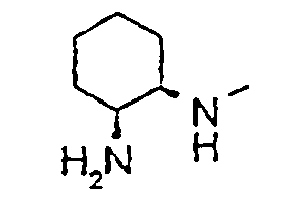
CN NH 3,5-Cl F 377, 379 3 MeS CO2Et CH2 3-OMe F 319 4 
CO2Et NH 3-Me F 447 9 Cl CO2Et NH 3-Me F 292 10 Cl CO2Et NH 2-Me F 292 11 Cl CO2Et NH 3-CF3 F 346 12 Cl CO2Et NH 3-CN F 303 13 Cl CO2Et NH 3-OMe F 308 14 Cl CO2Et NH-CH2 3-CF3 F 360 15 Cl CO2Et S 3-CF3 F 363 16 Cl CO2Et NH 3-Br F 358 17 Cl CO2Et NH 2,3-(CH2)4 F 332 18 Cl CO2Et NH 3,4-(CH2)3 F 318 19 Cl CO2Et NH 3,5-Me FN 304 20 Cl CO2Et NH 2,3-(CH)4 F 328 21 MeS CO2Et NH 3-OBn F 396 22 MeS CO2Et NH 3-Boc F 390 23 MeS CO2Et NH 3-NO2 F 335 24 MeS CO2Et NH 3-CF3 F 358 25 MeS CO2Et N(Me) 3-CF3 26 Me CO2Et NH 3-CF3 F 326 27 Ph CO2Et NH 3-CF3 F 388 28 AcHN CO2Et NH 3-CF3 F 369 29 MeS CN NH 3,5-Cl F 311 Table 2 
Rex A-Z X-Y Rb Dat 5 Cl NH 4-Me FN 262 30 Cl NH 3-Me F 264 31 Cl NH 2-Me FN 262 32 Cl NH 3-CF3 F 318 33 Cl NH 3-CN FN 273 34 Cl NH 3-OMe FN 278 35 Cl NH-CH2 3-CF3 F 332 36 Cl S 3-CF3 F 299 37 Cl NH 3-Br FN 328 38 Cl NH 2,3-(CH2)4 F 304 39 Cl NH 3,4-(CH2)3 F 290 40 Cl NH 3,5-Me FN 276 41 Cl NH 2,3-(CH)4 F 300 42 MeS NH 3-OBn F 368 43 MeS NH 3-Boc F 362 44 MeS NH 3-NO2 F 307 45 MeS NH 3-CF3 F 330 46 MeS N(Me) 3-CF3 F 344 47 Me NH 3-CF3 F 298 48 Ph NH 3-CF3 F 360 49 H2N NH 3-CF3 F 299 50 MeS CH2 3-OMe F 291 51 
NH 3-Me F 419 Table 3 
Rex A-Z X-Y Rb Dat 6 BtO NH 4-Me F 362 7 
NH 3-Me F 449 52 BtO NH 3-Me F 362 53 BtO NH 2-Me F 362 54 BtO NH 3-CF3 F 416 55 BtO NH 3-CN F 373 56 BtO NH 3-OMe F 378 57 BtO NH-CH2 3-CF3 F 430 58 BtO S 3-CF3 FN 431 59 BtO NH 3-Br FN 424 60 BtO NH 2,3-(CH2)4 F 402 61 BtO NH 3,4-(CH2)3 F 388 62 BtO NH 3,5-Me FN 374 63 BtO NH 2,3-(CH)4 64 MeS NH 3-OBn F 367 65 MeS NH 3-Boc F 361 66 MeS NH 3-NO2 F 306 67 MeS NH 3-CF3 F 329 68 MeS N(Me) 3-CF3 F 343 69 MeS CH2 3-OMe F 290 70 
NH 3-Me F 418 71 
NH 3-Me F 458 Table 4 
Ex Syn X-Y Rb Sal Dat 1 A NH 4-Me F 287, M 191-193 6 C' NH 3-HO F 289, M 203-207(dec) 7 C' NH 3-CO2H 2HCl F 317, M 285-290 15 A NH 3-Me F 287, M 185-188 16 A NH 2-Me F 287, M 185-187 17 A NH 3-CF3 2HCl F 341, M 270-272(dec) 18 A NH 3-CN F 298, M 192-194 19 A NH 3-MeO F 303, M 142-145 20 A NH-CH2 3-CF3 F 355, M 193-196 21 A S 3-CF3 F 358 22 A NH 3-Br F 351, M 194-196 23 A NH 2,3-(CH2)4 F 327 24 A NH 3,4-(CH2)3 F 313 25 A NH 3,5-Me F 301 26 A NH 2,3-(CH)4 F 323 41 A NH 3-BnO F 379, M 192-194 42 A NH 3-NO2 F 318, M 210-214(dec) 43 A CH2 3-MeO F 302, M 127-129 44 A N(Me) 3-CF3 Ox F 355, M 223-225 Table 5 
Ex Syn A-Z- Rb Sal Dat 2 B 
3,5-Cl 2HCl F 395, M 285-300(dec) 3 C Me- 3-CF3 HCl F 297, M 254-255(dec) 4 C 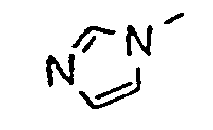
3-Me F 295, M 240-242 5 C' 
3-Me F 288, M 155-157 8 C' 
3-Me F 349, M 197-203 9 D 
3-Me F 329, M 250-253 10 D' 
3-CF3 F 355 11 E 
3-Me F 365, M 202-204 12 F 
3-Me HNO3 F 329, M 254-257 13 D 
3-Me F 529, M 171-173 14 G 
3-Me F 330, M 249-250 27 A 
3-CF3 F 369, M 185-187 28 A 
3-CF3 F 383, M 153-157 29 A 
3-CF3 F 367, M 207-209 30 A 
3-CF3 0.5Fu F 411, M 222-224(dec) 31 A 
3-CF3 F 369, M 198-200 32 A 
3-CF3 FN 401, M 259(dec) 33 A 
3-CF3 F 355, M 194-196 34 A 
3-Br F 405, M 204-206 35 A 
3-Me F 341, M 161-163 36 A 
3-Br F 348, M 217-220(dec) 37 A 
3-Me F 341, M 171-175 38 A 
3,5-Me HCl F 453, M 256-259 39 A 
3-Me F 335, M 220-224 40 A 
3-Me F 336, M 220-223 45 A 
3-Me 2HCl F 358, M 218-220 46 A 
3-CF3 F 342, M 216-219 47 A 
3-CF3 F 355, M 185-189 48 C Ph- 3-CF3 F 359, M 233-235 49 C H2N- 3-CF3 F 298, M:234-235 50 C' 
3-Me 2HCl F 358, M 206-209(dec) 51 H 
3-Me F 301 52 H 
3-Me F 364 53 H 
3-Me F 453 54 H 
3-Me F 363 55 H 
3-Me F 345 56 H 
3-Me F 360 57 H 
3-Me F 335 58 H 
3-Me F 328 59 H 
3-Me F 324 60 H 
3-Me F 340 Table 6 
Cmp Rb Cmp Rb Cmp Rb Cmp Rb 1 2-F 10 2-NH2 19 2-OPh 28 2-Bu 2 3-F 11 3-NH2 20 3-OPh 29 3-Bu 3 4-F 12 4-NH2 21 4-OPh 30 4-Bu 4 2-Cl 13 2-Ac 22 2-Et 31 2-iPr 5 3-Cl 14 3-Ac 23 3-Et 32 3-iPr 6 4-Cl 15 4-Ac 24 4-Et 33 4-iPr 7 2-CH2OH 16 2-SMe 25 2-Pr 34 2,3-OCH2O 8 3-CH2OH 17 3-SMe 26 3-Pr 35 3,4-OCH2O 9 4-CH2OH 18 4-SMe 27 4-Pr 36 3,4-(CH)4 Table 7 
Cmp Rb Cmp Rb Cmp Rb Cmp Rb 37 2-F 46 2-NH2 55 2-OPh 64 2-Bu 38 3-F 47 3-NH2 56 3-OPh 65 3-Bu 39 4-F 48 4-NH2 57 4-OPh 66 4-Bu 40 2-Cl 49 2-Ac 58 2-Et 67 2-iPr 31 3-Cl 50 3-Ac 59 3-Et 68 3-iPr 42 4-Cl 51 4-Ac 60 4-Et 69 4-iPr 43 2-CH2OH 52 2-SMe 61 2-Pr 70 2,3-OCH2O 44 3-CH2OH 53 3-SMe 62 3-Pr 71 3,4-OCH2O 45 4-CH2OH 54 4-SMe 63 4-Pr 72 3,4-(CH)4 Table 8 
Cmp X-Y A-Z B Cmp X-Y A-Z B 73 -NH- 
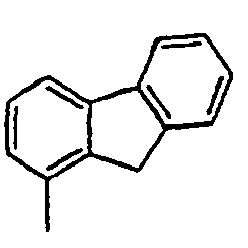
87 -NH- 

74 
88 
75 -NH- 

89 -NH- 

76 
90 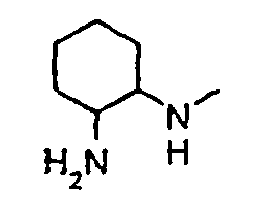
77 -NH- 

91 -NH- 

78 
92 
79 -NH- 

93 -NH- 

80 
94 
81 -NH- 
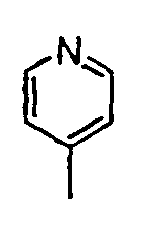
95 -CH(OH)- 

82 
96 
83 -NH- 

97 -CO- 

84 
98 
85 -NH- 

99 -C(=NOH)- 

86 
100 
Table 9 
Cmp Rb A-Z Cmp Rb A-Z Cmp Rb A-Z 101 Me 
121 Me 
141 Me 
102 Br 122 Br 142 Br 103 Cl 123 Cl 143 Cl 104 CF3 124 CF3 144 CF3 105 Me 
125 Me 
145 Me 
106 Br 126 Br 146 Br 107 Cl 127 Cl 147 Cl 108 CF3 128 CF3 148 CF3 109 Me 
129 Me 
149 Me 
110 Br 130 Br 150 Br 111 Cl 131 Cl 151 Cl 112 CF3 132 CF3 152 CF3 113 Me 
133 Me 
153 Me 
114 Br 134 Br 154 Br 115 Cl 135 Cl 155 Cl 116 CF3 136 CF3 156 CF3 117 Me 
137 Me 
157 Me 
118 Br 138 Br 158 Br 119 Cl 139 Cl 159 Cl 120 CF3 140 CF3 160 CF3
Claims (8)
- A compound selected from pyrimidine-5-carboxamide derivatives of formula (I), tautomers and geometric and optical isomers thereof, salts of said derivatives, tautomers and isomers, and hydrates and solvates of said derivatives, tautomers, isomers and salts

Xis O, S, NR1, CO, NR1CO, CONR1, C=N-OR1 or a bond;
Y is C2-C6 alkylene which may be substituted by OR1 or -NHR1, or a bond;
Z is O, NR2 or a bond;
A is H, or C1-C6 alkyl which may have a substituent, -CO-(C1-C6 alkyl) which may have a substituent, aryl which may have a substituent, a five- to eight-membered monocyclic heteroaryl group having from 1 to 4 hetero atoms selected from O, S and N which may have a substituent, cycloalkyl which may have a substituent or a five- to eight-membered saturated heterocyclic group which has at least one N as a ring atom and may further have one O or S which may have a substituent;
B is aryl which may have a substituent (provided that 2'-(1H-tetrazol-5-yl)biphenyl-4-yl group is excluded) or a five- to eight-membered monocyclic heteroaryl group having from 1 to 4 hetero atoms selected from 0, S and N which may have a substituent; and
R1, R2 are independently H, C1-C6 alkyl or -CO-(C1-C6 alkyl); with the proviso that A is other than ethyl when X is NH, Y and Z are bonds and B is 2-methylphenyl; wherein substituents in the "cycloalkyl which may have a substituent" and "a five- to eight-membered saturated heterocyclic group which has at least one N as a ring atom and may a further have one 0 or S which may have a substituent" are selected from the following Group a, and they may have from 1 to 4 of these substituents;
Group a:-NH2, -NH2 in a prodrug form, -C1-C6 alkylene-NH2, -C2-C6 alkylene-NH2 in a prodrug form, -NH-C1-C6 alkyl, -N(-C1-C6 alkyl)2, -NH-C2-C6 alkylene-aryl, -NH-aryl, -NH-cycloalkyl, -NH-heteroaryl, -NHCO-C1-C6 alkyl, -NHSO2-C1-C6 alkyl, -NHC(NH)NH2, -NHCONH2, -OH, -0-C1-C6 alkyl, -CO2H, -CONHOH, -CO2-C1-C6 alkyl, -CONH-C1-C6 alkyl and -CON(-C1-C6 alkyl)2;
substituents of the "aryl which may have a substituent" and "five- to eight-membered monocyclic heteroaryl group having from 1 to 4 hetero atoms selected from O, S and N which may have a substituent" are selected from the aforementioned Group a and the following Group b, and they may have from 1 to 4 of these substituents;
Group b: -C1-C6 alkyl, -halogen atom (F, Cl, Br or I), -C1-C6 alkyl substituted by a halogen atom, -0-C2-C6 alkylene-aryl, -0-aryl, -0-C2-C6 alkylene-aryl-0-C1-C6 alkyl, -S-C2-C6 alkylene-aryl, -S-C2-C6 alkylene-aryl-0-C1-C6 alkyl, -NO2 and -CN;
substituents of the "-C1-C6 alkyl group which may have a substituent" are selected from the aforementioned Group a and the following Group c, and it may have from 1 to 4 of these substituents;
Group c: -halogen atom, -0-C2-C6 alkylene-aryl, -0-aryl, -0-C2-C6 alkylene-aryl-0-C1-C6 alkyl, -S-C2-C6 alkylene-aryl, -S-C2-C6 alkylene-aryl-0-C1-C6 alkyl, -NO2, -CN, -aryl which may be substituted by a group selected from the Group a, -cycloalkyl, -heteroaryl, -saturated hetero ring, -vinyl, -(1-propenyl) and -ethynyl;
aryl means a monocyclic to tricyclic aryl group having from 6 to 14 carbon atoms or a phenyl group condensed with a five- to eight-membered cycloalkyl ring; cycloalkyl means a cycloalkyl group having from 3 to 8 carbon atoms including such a group condensed with a benzene ring. - A compound according to claim 1 wherein X is NR1, R1 is H or C1-C6 alkyl, Y is a bond, Z is NH and B is aryl which may have 1 to 3 substituents selected from -NH2, -(C2-C6 alkylene)-NH2, -(C1-C6 alkyl), halogen atoms, -CF3 and -0-(C1-C6 alkyl) groups.
- A compound according to claim 2 wherein A is C1-C6 alkyl substituted by a group selected from -NH2 and -NH2 in a prodrug form.
- A compound according to claim 2 wherein A is cycloalkyl substituted by a group selected from -NH2, -NH2 in a prodrug form and -(C2-C6 alkylene)-NH2.
- A compound according to claim 1 selected from
2-(2-aminoethylamino)-4-(3-methylanilino)pyrimidine-5-carboxamide, 2-(2-aminoethylamino)-4-(3-trifluoromethylanilino)pyrimidine-5-carboxamide, 2-(4-aminobutylamino)-4-(3-trifluoromethylanilino)pyrimidine-5-carboxamide, 2-(2-aminoethylamino)-4-(3-bromoanilino)pyrimidine-5-carboxamide, 2-(2-aminoethylamino)-4-(3-nitroanilino)pyrimidine-5-carboxamide, 2-(2-aminoethylamino)-4-(3,5-dimethylanilino)pyrimidine-5-carboxamide, 2-(2-aminoethylamino)-4-(2-naphthylamino)pyrimidine-5-carboxamide, 2-(cis-2-aminocyclohexylamino)-4-(3-methylanilino)pyrimidine-5-carboxamide, 2-(cis-2-aminocyclohexylamino)-4-(3-bromoanilino)pyrimidine-5-carboxamide, 2-(cis-2-aminocyclohexylamino)-4-(3,5-dichloroanilino)pyrimidine-5-carboxamide and 2-(cis-2-aminocyclohexylamino)-4-(3,4,5-trimethoxyanilino)pyrimidine-5-carboxamide, and salts thereof. - A pharmaceutical composition which comprises a pharmaceutically acceptable compound according to any preceding claim and a pharmaceutically acceptable carrier.
- A pharmaceutical composition according to claim 6 which is a Syk tyrosine kinase inhibitor.
- The use of a compound according to any of claims 1 to 5 for the preparation of a medicament for the treatment or prevention of disease in which Syk takes part.
Applications Claiming Priority (3)
| Application Number | Priority Date | Filing Date | Title |
|---|---|---|---|
| JP34458897 | 1997-12-15 | ||
| JP34458897 | 1997-12-15 | ||
| PCT/JP1998/005643 WO1999031073A1 (en) | 1997-12-15 | 1998-12-14 | Novel pyrimidine-5-carboxamide derivatives |
Publications (3)
| Publication Number | Publication Date |
|---|---|
| EP1054004A1 EP1054004A1 (en) | 2000-11-22 |
| EP1054004A4 EP1054004A4 (en) | 2003-01-29 |
| EP1054004B1 true EP1054004B1 (en) | 2008-07-16 |
Family
ID=18370439
Family Applications (1)
| Application Number | Title | Priority Date | Filing Date |
|---|---|---|---|
| EP98959197A Expired - Lifetime EP1054004B1 (en) | 1997-12-15 | 1998-12-14 | Novel pyrimidine-5-carboxamide derivatives |
Country Status (8)
| Country | Link |
|---|---|
| US (1) | US6432963B1 (en) |
| EP (1) | EP1054004B1 (en) |
| JP (1) | JP4135318B2 (en) |
| AT (1) | ATE401312T1 (en) |
| AU (1) | AU1507199A (en) |
| DE (1) | DE69839735D1 (en) |
| ES (1) | ES2308821T3 (en) |
| WO (1) | WO1999031073A1 (en) |
Cited By (8)
| Publication number | Priority date | Publication date | Assignee | Title |
|---|---|---|---|---|
| US8133900B2 (en) | 2005-11-01 | 2012-03-13 | Targegen, Inc. | Use of bi-aryl meta-pyrimidine inhibitors of kinases |
| US8138199B2 (en) | 2005-11-01 | 2012-03-20 | Targegen, Inc. | Use of bi-aryl meta-pyrimidine inhibitors of kinases |
| US8338439B2 (en) | 2008-06-27 | 2012-12-25 | Celgene Avilomics Research, Inc. | 2,4-disubstituted pyrimidines useful as kinase inhibitors |
| US8450335B2 (en) | 2008-06-27 | 2013-05-28 | Celgene Avilomics Research, Inc. | 2,4-disubstituted pyrimidines useful as kinase inhibitors |
| US8604042B2 (en) | 2005-11-01 | 2013-12-10 | Targegen, Inc. | Bi-aryl meta-pyrimidine inhibitors of kinases |
| AU2009251863B2 (en) * | 2008-04-16 | 2014-09-25 | Alexion Pharmaceuticals, Inc. | 2, 6-diamino-pyrimidin- 5-yl-carboxamides as syk or JAK kinases inhibitors |
| AU2009244897B2 (en) * | 2008-04-16 | 2014-11-13 | Alexion Pharmaceuticals, Inc. | 2, 6-diamino- pyrimidin- 5-yl-carboxamides as syk or JAK kinases inhibitors |
| US9012462B2 (en) | 2008-05-21 | 2015-04-21 | Ariad Pharmaceuticals, Inc. | Phosphorous derivatives as kinase inhibitors |
Families Citing this family (189)
| Publication number | Priority date | Publication date | Assignee | Title |
|---|---|---|---|---|
| CA2309319A1 (en) | 1997-11-10 | 1999-05-20 | Bristol-Myers Squibb Company | Benzothiazole protein tyrosine kinase inhibitors |
| DE69933680T2 (en) | 1998-08-29 | 2007-08-23 | Astrazeneca Ab | PYRIMIDINE COMPOUNDS |
| US6632820B1 (en) | 1998-08-29 | 2003-10-14 | Astrazeneca Ab | Pyrimidine compounds |
| GB9828511D0 (en) | 1998-12-24 | 1999-02-17 | Zeneca Ltd | Chemical compounds |
| GB9905075D0 (en) | 1999-03-06 | 1999-04-28 | Zeneca Ltd | Chemical compounds |
| GB9907658D0 (en) | 1999-04-06 | 1999-05-26 | Zeneca Ltd | Chemical compounds |
| NZ513639A (en) | 1999-04-15 | 2004-02-27 | Bristol Myers Squibb Co | Cyclic protein tyrosine kinase inhibitors |
| US7125875B2 (en) | 1999-04-15 | 2006-10-24 | Bristol-Myers Squibb Company | Cyclic protein tyrosine kinase inhibitors |
| AU5107900A (en) * | 1999-06-09 | 2000-12-28 | Yamanouchi Pharmaceutical Co., Ltd. | Novel heterocyclic carboxamide derivatives |
| AU5108000A (en) * | 1999-06-10 | 2001-01-02 | Yamanouchi Pharmaceutical Co., Ltd. | Novel nitrogen-contaiing heterocyclic derivatives or salts thereof |
| GB9914258D0 (en) * | 1999-06-18 | 1999-08-18 | Celltech Therapeutics Ltd | Chemical compounds |
| GB9919778D0 (en) | 1999-08-21 | 1999-10-27 | Zeneca Ltd | Chemical compounds |
| JP2003511378A (en) | 1999-10-07 | 2003-03-25 | アムジエン・インコーポレーテツド | Triazine kinase inhibitors |
| ATE314362T1 (en) * | 1999-10-12 | 2006-01-15 | Takeda Pharmaceutical | PYRIMIDINE-5-CARBOXIMIDE COMPOUNDS, METHOD FOR PRODUCING SAME AND USE THEREOF |
| AU1941501A (en) * | 1999-11-30 | 2001-06-12 | Parker Hughes Institute | Syk localized at centrosome |
| HUP0301117A3 (en) | 2000-02-17 | 2004-01-28 | Amgen Inc Thousand Oaks | Imidazole derivatives kinase inhibitors, their use, process for their preparation and pharmaceutical compositions containing them |
| GB0004888D0 (en) | 2000-03-01 | 2000-04-19 | Astrazeneca Uk Ltd | Chemical compounds |
| GB0004887D0 (en) | 2000-03-01 | 2000-04-19 | Astrazeneca Uk Ltd | Chemical compounds |
| GB0004890D0 (en) | 2000-03-01 | 2000-04-19 | Astrazeneca Uk Ltd | Chemical compounds |
| GB0004886D0 (en) | 2000-03-01 | 2000-04-19 | Astrazeneca Uk Ltd | Chemical compounds |
| GB0007371D0 (en) | 2000-03-28 | 2000-05-17 | Astrazeneca Uk Ltd | Chemical compounds |
| US7273868B2 (en) | 2000-04-28 | 2007-09-25 | Tanabe Seiyaku Co., Ltd. | Pyrazine derivatives |
| US20080027037A1 (en) * | 2000-04-28 | 2008-01-31 | Tanabe Seiyaku Co., Ltd. | Cyclic compounds |
| KR100711042B1 (en) * | 2000-04-28 | 2007-04-24 | 다나베 세이야꾸 가부시키가이샤 | Cyclic compound |
| JP2001302667A (en) * | 2000-04-28 | 2001-10-31 | Bayer Ag | Imidazopyrimidine derivative and triazolopyrimidine derivative |
| US7276510B2 (en) | 2000-05-08 | 2007-10-02 | Janssen Pharmaceutica, Inc. | HIV replication inhibitors |
| US7034019B2 (en) * | 2000-05-08 | 2006-04-25 | Janssen Pharmaceutica N.V. | Prodrugs of HIV replication inhibiting pyrimidines |
| GB0016877D0 (en) | 2000-07-11 | 2000-08-30 | Astrazeneca Ab | Chemical compounds |
| GB0021726D0 (en) | 2000-09-05 | 2000-10-18 | Astrazeneca Ab | Chemical compounds |
| GB0103926D0 (en) | 2001-02-17 | 2001-04-04 | Astrazeneca Ab | Chemical compounds |
| UA76977C2 (en) | 2001-03-02 | 2006-10-16 | Icos Corp | Aryl- and heteroaryl substituted chk1 inhibitors and their use as radiosensitizers and chemosensitizers |
| GB0113041D0 (en) | 2001-05-30 | 2001-07-18 | Astrazeneca Ab | Chemical compounds |
| US7115617B2 (en) | 2001-08-22 | 2006-10-03 | Amgen Inc. | Amino-substituted pyrimidinyl derivatives and methods of use |
| US6939874B2 (en) | 2001-08-22 | 2005-09-06 | Amgen Inc. | Substituted pyrimidinyl derivatives and methods of use |
| CN1582277A (en) | 2001-11-01 | 2005-02-16 | 詹森药业有限公司 | Amide derivatives as glycogen synthase kinase 3-beta inhibitors |
| CN101810600B (en) * | 2001-11-02 | 2012-11-21 | 加州大学校务委员会 | Methods and compositions for prevention and treatment of inflammatory disease, autoimmune disease, and transplant rejection |
| RU2343148C2 (en) * | 2002-02-01 | 2009-01-10 | Райджел Фармасьютикалз, Инк | Compounds of 2,4-pyrimidindiamines and their application |
| TWI329105B (en) | 2002-02-01 | 2010-08-21 | Rigel Pharmaceuticals Inc | 2,4-pyrimidinediamine compounds and their uses |
| GB0205690D0 (en) | 2002-03-09 | 2002-04-24 | Astrazeneca Ab | Chemical compounds |
| GB0205688D0 (en) | 2002-03-09 | 2002-04-24 | Astrazeneca Ab | Chemical compounds |
| GB0205693D0 (en) | 2002-03-09 | 2002-04-24 | Astrazeneca Ab | Chemical compounds |
| JP2005524672A (en) | 2002-03-09 | 2005-08-18 | アストラゼネカ アクチボラグ | Imidazolyl-substituted pyrimidine derivatives having CDK inhibitory activity |
| GB0206215D0 (en) | 2002-03-15 | 2002-05-01 | Novartis Ag | Organic compounds |
| US7176310B1 (en) * | 2002-04-09 | 2007-02-13 | Ucb Sa | Pyrimidinecarboxamide derivatives and their use as anti-inflammatory agents |
| EP1518855B1 (en) * | 2002-06-28 | 2011-10-26 | Astellas Pharma Inc. | Diaminopyrimidinecarboxa mide derivative |
| SI1534286T1 (en) * | 2002-07-29 | 2010-04-30 | Rigel Pharmaceuticals Inc | Methods of treating or preventing autoimmune diseases with 2,4-pyrimidinediamine compounds |
| BR0313059B8 (en) | 2002-07-29 | 2021-07-27 | Rigel Pharmaceuticals | compound, and, pharmaceutical composition |
| ATE360015T1 (en) * | 2002-07-31 | 2007-05-15 | Critical Outcome Technologies | PROTEIN TYROSINE KINASE INHIBITORS |
| ATE380810T1 (en) * | 2002-10-09 | 2007-12-15 | Critical Outcome Technologies | PROTEIN TYROSINE KINASE INHIBITORS |
| WO2004052364A1 (en) * | 2002-12-06 | 2004-06-24 | The Trustees Of Boston University | METHODS FOR SUSTAINING eNOS ACTIVITY |
| PT1572217E (en) * | 2002-12-12 | 2008-11-28 | Nycomed Gmbh | Combination medicament of r,r-formoterol and ciclesonide |
| WO2004054617A1 (en) * | 2002-12-13 | 2004-07-01 | Kyowa Hakko Kogyo Co., Ltd. | Preventives and/or remedies for central diseases |
| DE602004022633D1 (en) * | 2003-01-30 | 2009-10-01 | Boehringer Ingelheim Pharma | 2,4-DIAMINOPYRIMIDIN DERIVATIVES SUITABLE AS INHIBITORS OF PKC-THETA |
| GB0305929D0 (en) * | 2003-03-14 | 2003-04-23 | Novartis Ag | Organic compounds |
| RU2400477C2 (en) * | 2003-03-14 | 2010-09-27 | Новартис Аг | 2,4-di(phenylamino)pyrimidines, applied in treatment of neoplastic diseases, inflammatory disorders and immune system disorders |
| GB0311276D0 (en) | 2003-05-16 | 2003-06-18 | Astrazeneca Ab | Chemical compounds |
| GB0311274D0 (en) | 2003-05-16 | 2003-06-18 | Astrazeneca Ab | Chemical compounds |
| US7459460B2 (en) * | 2003-05-28 | 2008-12-02 | Bristol-Myers Squibb Company | Trisubstituted heteroaromatic compounds as calcium sensing receptor modulators |
| US7504396B2 (en) | 2003-06-24 | 2009-03-17 | Amgen Inc. | Substituted heterocyclic compounds and methods of use |
| CN102358738A (en) * | 2003-07-30 | 2012-02-22 | 里格尔药品股份有限公司 | 2,4-pyrimidinediamine compounds and uses of treating or preventing autoimmune diseases thereof |
| EP1663242B1 (en) * | 2003-08-07 | 2011-04-27 | Rigel Pharmaceuticals, Inc. | 2,4-pyrimidinediamine compounds and uses as anti-proliferative agents |
| TWI378923B (en) * | 2003-08-15 | 2012-12-11 | Novartis Ag | Pyrimidine derivatives |
| US8371292B2 (en) * | 2003-09-16 | 2013-02-12 | Nycomed Gmbh | Use of ciclesonide for the treatment of respiratory diseases |
| TW200528101A (en) | 2004-02-03 | 2005-09-01 | Astrazeneca Ab | Chemical compounds |
| US8057815B2 (en) * | 2004-04-19 | 2011-11-15 | Portola Pharmaceuticals, Inc. | Methods of treatment with Syk inhibitors |
| AU2005235384B2 (en) * | 2004-04-20 | 2010-09-09 | Covis Pharma B.V. | Use of ciclesonide for the treatment of respiratory diseases in a smoking patient |
| WO2006014482A1 (en) * | 2004-07-08 | 2006-02-09 | Boehringer Ingelheim Pharmaceuticals, Inc. | Pyrimidine derivatives useful as inhibitors of pkc-theta |
| JP2008512429A (en) * | 2004-09-10 | 2008-04-24 | ニコメッド ゲゼルシャフト ミット ベシュレンクテル ハフツング | Combination of roflumilast and syk inhibitor and method of use thereof |
| EP1796679A1 (en) * | 2004-09-10 | 2007-06-20 | Altana Pharma AG | Ciclesonide and syk inhibitor combination and methods of use thereof |
| JP5095409B2 (en) * | 2004-11-24 | 2012-12-12 | ライジェル ファーマシューティカルズ, インコーポレイテッド | Spiro 2,4-pyrimidinediamine compounds and uses thereof |
| US20090099160A1 (en) * | 2004-12-17 | 2009-04-16 | David Andrews | 4-(4-(Imidazol-4-Yl) Pyrimidin-2-Ylamino) Benzamides as CDK Inhibitors |
| JP4801096B2 (en) | 2005-01-19 | 2011-10-26 | ライジェル ファーマシューティカルズ, インコーポレイテッド | Prodrugs of 2,4-pyrimidinediamine compounds and their use |
| AU2006209216A1 (en) * | 2005-01-25 | 2006-08-03 | Galenea Corp | Substituted arylamine compounds and their use as 5-HT6 modulators |
| UY29449A1 (en) * | 2005-03-30 | 2006-10-02 | Astion Dev As | TREATMENT OF DERMATOLOGICAL AND PRURITE DISEASES. |
| US20060270694A1 (en) * | 2005-05-03 | 2006-11-30 | Rigel Pharmaceuticals, Inc. | JAK kinase inhibitors and their uses |
| WO2007028445A1 (en) * | 2005-07-15 | 2007-03-15 | Glaxo Group Limited | 6-indolyl-4-yl-amino-5-halogeno-2-pyrimidinyl-amino derivatives |
| PE20070362A1 (en) * | 2005-07-15 | 2007-04-23 | Glaxo Group Ltd | COMPOUNDS DERIVED FROM INDAZOLE-4-IL-2,4-PYRIMIDINDIAMINE AS INHIBITORS OF TYROSINE KINASE (KINASE Syk) |
| AU2006274733B2 (en) * | 2005-07-30 | 2010-09-16 | Astrazeneca Ab | Imidazolyl-pyrimidine compounds for use in the treatment of proliferative disorders |
| WO2007036732A1 (en) | 2005-09-30 | 2007-04-05 | Astrazeneca Ab | Imidazo [1,2-a] pyridine having anti-cell-proliferation activity |
| TW200811169A (en) * | 2006-05-26 | 2008-03-01 | Astrazeneca Ab | Chemical compounds |
| CA2657260A1 (en) * | 2006-07-21 | 2008-01-24 | Novartis Ag | 2, 4 -di (arylaminio) -pyrimidine-5-carboxamide compounds as jak kinases inhibitors |
| BRPI0722383A2 (en) | 2006-12-08 | 2012-06-05 | Irm Llc | protein kinase inhibiting compounds, compositions containing them as well as their uses |
| CA2673683C (en) | 2007-01-11 | 2014-07-29 | Critical Outcome Technologies, Inc. | Compounds and method for treatment of cancer |
| EP2121633A2 (en) * | 2007-02-12 | 2009-11-25 | Merck & Co., Inc. | Piperazine derivatives for treatment of ad and related conditions |
| CA2710039C (en) | 2007-12-26 | 2018-07-03 | Critical Outcome Technologies, Inc. | Semicarbazones, thiosemicarbazones and related compounds and methods for treatment of cancer |
| EP2247729B1 (en) | 2008-02-11 | 2019-05-01 | Phio Pharmaceuticals Corp. | Modified rnai polynucleotides and uses thereof |
| KR20100132550A (en) * | 2008-04-16 | 2010-12-17 | 포톨라 파마슈티컬스, 인코포레이티드 | 2,6-diamino-pyrimidin-5-yl-carboxamide as an xsy or yak kinase inhibitor |
| US8138339B2 (en) | 2008-04-16 | 2012-03-20 | Portola Pharmaceuticals, Inc. | Inhibitors of protein kinases |
| JP5705720B2 (en) * | 2008-04-16 | 2015-04-22 | ポートラ ファーマシューティカルズ, インコーポレイテッド | 2,6-Diamino-pyrimidin-5-yl-carboxamide as SYK or JAK kinase inhibitor |
| US9273077B2 (en) | 2008-05-21 | 2016-03-01 | Ariad Pharmaceuticals, Inc. | Phosphorus derivatives as kinase inhibitors |
| US11351168B1 (en) | 2008-06-27 | 2022-06-07 | Celgene Car Llc | 2,4-disubstituted pyrimidines useful as kinase inhibitors |
| CA2730890C (en) | 2008-07-17 | 2018-05-15 | Critical Outcome Technologies Inc. | Thiosemicarbazone inhibitor compounds and cancer treatment methods |
| WO2010008582A2 (en) | 2008-07-18 | 2010-01-21 | Rxi Pharmaceuticals Corporation | Phagocytic cell drug delivery system |
| EP2340309A2 (en) | 2008-09-22 | 2011-07-06 | Rxi Pharmaceuticals Corporation | Neutral nanotransporters |
| US9074211B2 (en) | 2008-11-19 | 2015-07-07 | Rxi Pharmaceuticals Corporation | Inhibition of MAP4K4 through RNAI |
| JPWO2010058846A1 (en) | 2008-11-21 | 2012-04-19 | アステラス製薬株式会社 | 4,6-diaminonicotinamide compound |
| US9493774B2 (en) | 2009-01-05 | 2016-11-15 | Rxi Pharmaceuticals Corporation | Inhibition of PCSK9 through RNAi |
| MX2011007499A (en) | 2009-01-13 | 2011-08-04 | Glaxo Group Ltd | Pyrimidinecarboxamide derivatives as inhibitors of syk kinase. |
| WO2010090762A1 (en) | 2009-02-04 | 2010-08-12 | Rxi Pharmaceuticals Corporation | Rna duplexes with single stranded phosphorothioate nucleotide regions for additional functionality |
| JP5918693B2 (en) | 2009-05-05 | 2016-05-18 | ダナ ファーバー キャンサー インスティテュート インコーポレイテッド | EGFR inhibitor and disease treatment method |
| US8367689B2 (en) | 2009-05-06 | 2013-02-05 | Portola Pharmaceuticals, Inc. | Inhibitors of JAK |
| JP2012529535A (en) * | 2009-06-12 | 2012-11-22 | ブリストル−マイヤーズ スクイブ カンパニー | Nicotinamide compounds useful as kinase modulators |
| TW201105669A (en) * | 2009-07-30 | 2011-02-16 | Irm Llc | Compounds and compositions as Syk kinase inhibitors |
| KR101246911B1 (en) * | 2009-11-02 | 2013-03-25 | 한국화학연구원 | Novel 2,4-pyrimidine derivatives and use thereof |
| WO2011065800A2 (en) * | 2009-11-30 | 2011-06-03 | 주식회사 오스코텍 | Pyrimidine derivative, method for preparing same and pharmaceutical composition containing same |
| DK2516434T3 (en) | 2009-12-23 | 2015-08-31 | Takeda Pharmaceutical | FUSED HETEROAROMATIC PYRROLIDINONS AS SICK INHIBITORS |
| EP2542536B1 (en) | 2010-03-04 | 2015-01-21 | Cellzome Limited | Morpholino substituted urea derivatives as mtor inhibitors |
| CN106074591B (en) | 2010-03-24 | 2020-01-14 | 菲奥医药公司 | RNA interference in ocular symptoms |
| EP2550000A4 (en) | 2010-03-24 | 2014-03-26 | Advirna Inc | Reduced size self-delivering rnai compounds |
| BR112012024049A2 (en) | 2010-03-24 | 2017-03-01 | Rxi Pharmaceuticals Corp | rna interference on dermal and fibrotic indications |
| CA2794952C (en) | 2010-04-01 | 2018-05-15 | Critical Outcome Technologies Inc. | Compounds and method for treatment of hiv |
| CN105566229A (en) | 2010-08-10 | 2016-05-11 | 西建阿维拉米斯研究公司 | Besylate salt of a BTK inhibitor, application and preparation method thereof |
| US8580805B2 (en) * | 2010-08-31 | 2013-11-12 | Hubert Maehr | Pyrimidine carboxamide derivatives |
| SG10201508958WA (en) | 2010-11-01 | 2015-11-27 | Celgene Avilomics Res Inc | Heterocyclic Compounds And Uses Thereof |
| US9238629B2 (en) | 2010-11-01 | 2016-01-19 | Celgene Avilomics Research, Inc. | Heteroaryl compounds and uses thereof |
| WO2012060847A1 (en) | 2010-11-07 | 2012-05-10 | Targegen, Inc. | Compositions and methods for treating myelofibrosis |
| EP2637502B1 (en) | 2010-11-10 | 2018-01-10 | Celgene CAR LLC | Mutant-selective egfr inhibitors and uses thereof |
| GB201104153D0 (en) | 2011-03-11 | 2011-04-27 | Glaxo Group Ltd | Novel compounds |
| HRP20240097T1 (en) | 2011-04-22 | 2024-03-29 | Signal Pharmaceuticals, Llc | Substituted diaminocarboxamide and diaminocarbonitrile pyrimidines, compositions thereof, and methods of treatment therewith |
| AU2016244228B2 (en) * | 2011-04-22 | 2019-02-21 | Signal Pharmaceuticals, Llc | Substituted diaminocarboxamide and diaminocarbonitrile pyrimidines, compositions thereof, and methods of treatment therewith |
| EP2704572B1 (en) | 2011-05-04 | 2015-12-30 | Ariad Pharmaceuticals, Inc. | Compounds for inhibiting cell proliferation in egfr-driven cancers |
| US9145391B2 (en) | 2011-05-10 | 2015-09-29 | Merck Sharp & Dohme Corp. | Bipyridylaminopyridines as Syk inhibitors |
| CA2834062A1 (en) | 2011-05-10 | 2012-11-15 | Merck Sharp & Dohme Corp. | Pyridyl aminopyridines as syk inhibitors |
| AU2012253885A1 (en) | 2011-05-10 | 2013-10-31 | Merck Sharp & Dohme Corp. | Aminopyrimidines as Syk inhibitors |
| WO2012177714A1 (en) | 2011-06-22 | 2012-12-27 | Takeda Pharmaceutical Company Limited | Substituted 6-aza-isoindolin-1-one derivatives |
| EP2736901A1 (en) * | 2011-07-28 | 2014-06-04 | Cellzome Limited | Heterocyclyl pyrimidine analogues as jak inhibitors |
| RU2564419C1 (en) * | 2011-07-28 | 2015-09-27 | Целльзом Лимитид | Heterocyclic analogues of pyrimidines as jak inhibitors |
| CA2849189A1 (en) | 2011-09-21 | 2013-03-28 | Cellzome Limited | Morpholino substituted urea or carbamate derivatives as mtor inhibitors |
| JP5878178B2 (en) * | 2011-09-30 | 2016-03-08 | 大鵬薬品工業株式会社 | 1,2,4-triazine-6-carboxamide derivatives |
| EP2763974B1 (en) | 2011-10-05 | 2016-09-14 | Merck Sharp & Dohme Corp. | Phenyl carboxamide-containing spleen tyrosine kinase (syk) inhibitors |
| EP2763976B1 (en) | 2011-10-05 | 2016-05-18 | Merck Sharp & Dohme Corp. | 2-pyridyl carboxamide-containing spleen tyrosine kinase (syk) inhibitors |
| WO2013052393A1 (en) | 2011-10-05 | 2013-04-11 | Merck Sharp & Dohme Corp. | 3-PYRIDYL CARBOXAMIDE-CONTAINING SPLEEN TYROSINE KINASE (Syk) INHIBITORS |
| JP5995977B2 (en) | 2011-10-07 | 2016-09-21 | セルゾーム リミテッド | Morpholino-substituted bicyclic pyrimidine urea or carbamate derivatives as MTOR inhibitors |
| JP2014532658A (en) | 2011-10-28 | 2014-12-08 | セルジーン アヴィロミクス リサーチ, インコーポレイテッド | Methods for treating Breton tyrosine kinase diseases or disorders |
| SG11201402570QA (en) | 2011-11-23 | 2014-06-27 | Portola Pharm Inc | Pyrazine kinase inhibitors |
| EP2782580A4 (en) * | 2011-11-23 | 2015-10-07 | Portola Pharm Inc | Selective kinase inhibitors |
| CA2861202C (en) * | 2011-12-28 | 2018-03-13 | Fujifilm Corporation | Nicotinamide derivatives or salt thereof having syk-inhibitory activity |
| CA2866857C (en) | 2012-03-15 | 2021-03-09 | Celgene Avilomics Research, Inc. | Salts of an epidermal growth factor receptor kinase inhibitor |
| JP6317319B2 (en) | 2012-03-15 | 2018-04-25 | セルジーン シーエーアール エルエルシー | Solid forms of epidermal growth factor receptor kinase inhibitors |
| NZ631340A (en) | 2012-03-23 | 2016-11-25 | Univ Queensland | Immunomodulatory agent and uses therefor |
| JP6469567B2 (en) | 2012-05-05 | 2019-02-13 | アリアド・ファーマシューティカルズ・インコーポレイテッド | Compound for inhibiting cell proliferation of EGFR-activated cancer |
| UY34807A (en) * | 2012-05-16 | 2013-12-31 | Novartis Ag | MONOCYCLIC DERIVATIVES OF HETEROARYL CYCLOALKYL-DIAMINE |
| WO2013192128A1 (en) | 2012-06-20 | 2013-12-27 | Merck Sharp & Dohme Corp. | Imidazolyl analogs as syk inhibitors |
| EP2863916B1 (en) | 2012-06-22 | 2018-07-18 | Merck Sharp & Dohme Corp. | Substituted pyridine spleen tyrosine kinase (syk) inhibitors |
| US9416111B2 (en) | 2012-06-22 | 2016-08-16 | Merck Sharp & Dohme Corp. | Substituted diazine and triazine spleen tyrosine kinease (Syk) inhibitors |
| US9353066B2 (en) | 2012-08-20 | 2016-05-31 | Merck Sharp & Dohme Corp. | Substituted phenyl-Spleen Tyrosine Kinase (Syk) inhibitors |
| US9586931B2 (en) | 2012-09-28 | 2017-03-07 | Merck Sharp & Dohme Corp. | Triazolyl derivatives as Syk inhibitors |
| CA2883534A1 (en) | 2012-10-19 | 2014-04-24 | F. Hoffmann-La Roche Ag | Inhibitors of syk |
| US9624210B2 (en) | 2012-12-12 | 2017-04-18 | Merck Sharp & Dohme Corp. | Amino-pyrimidine-containing spleen tyrosine kinase (Syk) inhibitors |
| EP2935226A4 (en) | 2012-12-21 | 2016-11-02 | Celgene Avilomics Res Inc | Heteroaryl compounds and uses thereof |
| US9598405B2 (en) | 2012-12-21 | 2017-03-21 | Merck Sharp & Dohme Corp. | Thiazole-substituted aminopyridines as spleen tyrosine kinase inhibitors |
| WO2014111031A1 (en) * | 2013-01-17 | 2014-07-24 | 四川恒康发展有限责任公司 | Triazine compound, pharmaceutical salt, isomer, or hydrate thereof, and pharmaceutical composition thereof |
| US9561228B2 (en) | 2013-02-08 | 2017-02-07 | Celgene Avilomics Research, Inc. | ERK inhibitors and uses thereof |
| US9611283B1 (en) | 2013-04-10 | 2017-04-04 | Ariad Pharmaceuticals, Inc. | Methods for inhibiting cell proliferation in ALK-driven cancers |
| WO2014176210A1 (en) | 2013-04-26 | 2014-10-30 | Merck Sharp & Dohme Corp. | Thiazole-substituted aminoheteroaryls as spleen tyrosine kinase inhibitors |
| EP2988749B1 (en) | 2013-04-26 | 2019-08-14 | Merck Sharp & Dohme Corp. | Thiazole-substituted aminopyrimidines as spleen tyrosine kinase inhibitors |
| US9492471B2 (en) | 2013-08-27 | 2016-11-15 | Celgene Avilomics Research, Inc. | Methods of treating a disease or disorder associated with Bruton'S Tyrosine Kinase |
| CN106061488B (en) | 2013-12-02 | 2021-04-09 | 菲奥医药公司 | Immunotherapy for Cancer |
| CA2932753A1 (en) | 2013-12-04 | 2015-06-11 | Rxi Pharmaceuticals Corporation | Methods for treatment of wound healing utilizing chemically modified oligonucleotides |
| EP3077388A1 (en) | 2013-12-05 | 2016-10-12 | Pharmacyclics, LLC | Inhibitors of bruton's tyrosine kinase |
| US9415049B2 (en) | 2013-12-20 | 2016-08-16 | Celgene Avilomics Research, Inc. | Heteroaryl compounds and uses thereof |
| EP3083560B1 (en) | 2013-12-20 | 2021-10-27 | Merck Sharp & Dohme Corp. | Thiazole-substituted aminoheteroaryls as spleen tyrosine kinase inhibitors |
| WO2015095445A1 (en) | 2013-12-20 | 2015-06-25 | Merck Sharp & Dohme Corp. | Thiazole-substituted aminoheteroaryls as spleen tyrosine kinase inhibitors |
| US9783531B2 (en) | 2013-12-20 | 2017-10-10 | Merck Sharp & Dohme Corp. | Thiazole-substituted aminoheteroaryls as spleen tyrosine kinase inhibitors |
| NZ715903A (en) | 2014-01-30 | 2017-06-30 | Signal Pharm Llc | Solid forms of 2-(tert-butylamino)-4-((1r,3r,4r)-3-hydroxy-4-methylcyclohexylamino)-pyrimidine-5-carboxamide, compositions thereof and methods of their use |
| WO2015138273A1 (en) | 2014-03-13 | 2015-09-17 | Merck Sharp & Dohme Corp. | 2-pyrazine carboxamides as spleen tyrosine kinase inhibitors |
| JP2017518737A (en) | 2014-04-21 | 2017-07-13 | ミレニアム ファーマシューティカルズ, インコーポレイテッドMillennium Pharmaceuticals, Inc. | Anti-pSYK antibody molecules and their use for SYK targeted therapeutics |
| US11279934B2 (en) | 2014-04-28 | 2022-03-22 | Phio Pharmaceuticals Corp. | Methods for treating cancer using nucleic acids targeting MDM2 or MYCN |
| WO2015168605A1 (en) | 2014-05-01 | 2015-11-05 | Rxi Pharmaceuticals Corporation | Methods for treatment of disorders in the front of the eye utilizing nucleic acid molecules |
| US10005760B2 (en) | 2014-08-13 | 2018-06-26 | Celgene Car Llc | Forms and compositions of an ERK inhibitor |
| KR102506169B1 (en) | 2014-09-05 | 2023-03-08 | 피오 파마슈티칼스 코프. | Methods for treating aging and skin disorders using nucleic acids targeting tyr or mmp1 |
| WO2016100310A1 (en) | 2014-12-16 | 2016-06-23 | Signal Pharmaceuticals, Llc | Formulations of 2-(tert-butylamino)-4-((1r,3r,4r)-3-hydroxy-4-methycyclohexylamino)-pyrimidine-5-carboxamide |
| EP3233808B1 (en) | 2014-12-16 | 2021-07-14 | Signal Pharmaceuticals, LLC | Medical uses comprising methods for measurement of inhibition of c-jun n-terminal kinase in skin |
| CA2975260C (en) | 2015-01-29 | 2024-05-21 | Signal Pharmaceuticals Llc | Isotopologues of 2-(tert-butylamino)-4-((1r,3r,4r)-3-hydroxy-4-methylcyclohexylamino)-pyrimidine-5-carboxamide |
| WO2016168444A1 (en) * | 2015-04-14 | 2016-10-20 | Purdue Research Foundation Office Of Technology Commercialization | Methods for treating hemolytic diseases and sickle cell disease |
| WO2016196385A1 (en) | 2015-05-29 | 2016-12-08 | Portola Pharmaceuticals, Inc. | Cerdulatinib for the treatment of b-cell malignancies |
| US10808247B2 (en) | 2015-07-06 | 2020-10-20 | Phio Pharmaceuticals Corp. | Methods for treating neurological disorders using a synergistic small molecule and nucleic acids therapeutic approach |
| US11001845B2 (en) | 2015-07-06 | 2021-05-11 | Phio Pharmaceuticals Corp. | Nucleic acid molecules targeting superoxide dismutase 1 (SOD1) |
| ES2994877T3 (en) | 2015-07-24 | 2025-02-03 | Celgene Corp | Methods of synthesis of (1r,2r,5r)-5-amino-2-methylcyclohexanol hydrochloride and intermediates useful therein |
| CN109563509B (en) | 2015-10-19 | 2022-08-09 | 菲奥医药公司 | Reduced size self-delivering nucleic acid compounds targeting long non-coding RNAs |
| WO2017096303A2 (en) | 2015-12-04 | 2017-06-08 | Portola Pharmaceuticals, Inc. | Cerdulatinib for treating hematological cancers |
| WO2018002311A1 (en) | 2016-06-30 | 2018-01-04 | Siess Wolfgang | Treatment and prevention of atherothrombosis by inhibition of syk kinase |
| JP7167059B2 (en) | 2017-04-19 | 2022-11-08 | フィオ ファーマシューティカルズ コーポレーション | Local delivery of nucleic acid compounds |
| GB201807845D0 (en) * | 2018-05-15 | 2018-06-27 | Univ Manchester | Kinase Inhibitors |
| CA3160657A1 (en) | 2019-11-08 | 2021-05-14 | Phio Pharmaceuticals Corp. | Chemically modified oligonucleotides targeting bromodomain containing protein 4 (brd4) for immunotherapy |
| WO2021138537A1 (en) | 2019-12-31 | 2021-07-08 | Phio Pharmaceuticals Corp. | Chemically modified oligonucleotides with improved systemic delivery |
| WO2023015264A1 (en) | 2021-08-04 | 2023-02-09 | Phio Pharmaceuticals Corp. | Immunotherapy of cancer utilizing natural killer cells treated with chemically modified oligonucleotides |
| WO2023015265A2 (en) | 2021-08-04 | 2023-02-09 | Phio Pharmaceuticals Corp. | Chemically modified oligonucleotides |
| WO2024141066A1 (en) * | 2022-12-30 | 2024-07-04 | 杭州矩阵生物药业有限公司 | Pyrimidine derivatives having jnk inhibitory activity and use thereof |
Family Cites Families (9)
| Publication number | Priority date | Publication date | Assignee | Title |
|---|---|---|---|---|
| US3901887A (en) | 1972-03-31 | 1975-08-26 | American Home Prod | (2-pyrimidinylthio) alkanoic acids, esters, amides and hydrazides |
| IT1211096B (en) | 1981-08-20 | 1989-09-29 | Lpb Ist Farm | PYRIMIDINES AND S.TRIAZINICS HYPOLIPIDEMIZING ADAPTITY. |
| DE3338859A1 (en) * | 1983-10-26 | 1985-05-09 | Bayer Ag, 5090 Leverkusen | SUBSTITUTED PYRIMIDINE |
| HU207287B (en) * | 1989-01-17 | 1993-03-29 | Biosignal Kutato Fejlesztoe Kf | Polyene fatty acid derivatives of tyrozine-quinaze inhibiting activity and pharmaceutical composition containing them as active component |
| US5250548A (en) | 1990-09-10 | 1993-10-05 | Abbott Laboratories | Angiotensin II receptor antagonists |
| IE912956A1 (en) | 1990-09-10 | 1992-03-11 | Abbott Lab | Angiotensin ii receptor antagonists |
| US5104877A (en) | 1991-02-25 | 1992-04-14 | Abbott Laboratories | Psoriasis treatment |
| US5935966A (en) * | 1995-09-01 | 1999-08-10 | Signal Pharmaceuticals, Inc. | Pyrimidine carboxylates and related compounds and methods for treating inflammatory conditions |
| GB9523675D0 (en) | 1995-11-20 | 1996-01-24 | Celltech Therapeutics Ltd | Chemical compounds |
-
1998
- 1998-12-14 AU AU15071/99A patent/AU1507199A/en not_active Abandoned
- 1998-12-14 EP EP98959197A patent/EP1054004B1/en not_active Expired - Lifetime
- 1998-12-14 WO PCT/JP1998/005643 patent/WO1999031073A1/en not_active Ceased
- 1998-12-14 ES ES98959197T patent/ES2308821T3/en not_active Expired - Lifetime
- 1998-12-14 AT AT98959197T patent/ATE401312T1/en not_active IP Right Cessation
- 1998-12-14 JP JP2000539000A patent/JP4135318B2/en not_active Expired - Lifetime
- 1998-12-14 US US09/581,595 patent/US6432963B1/en not_active Expired - Lifetime
- 1998-12-14 DE DE69839735T patent/DE69839735D1/en not_active Expired - Lifetime
Cited By (8)
| Publication number | Priority date | Publication date | Assignee | Title |
|---|---|---|---|---|
| US8133900B2 (en) | 2005-11-01 | 2012-03-13 | Targegen, Inc. | Use of bi-aryl meta-pyrimidine inhibitors of kinases |
| US8138199B2 (en) | 2005-11-01 | 2012-03-20 | Targegen, Inc. | Use of bi-aryl meta-pyrimidine inhibitors of kinases |
| US8604042B2 (en) | 2005-11-01 | 2013-12-10 | Targegen, Inc. | Bi-aryl meta-pyrimidine inhibitors of kinases |
| AU2009251863B2 (en) * | 2008-04-16 | 2014-09-25 | Alexion Pharmaceuticals, Inc. | 2, 6-diamino-pyrimidin- 5-yl-carboxamides as syk or JAK kinases inhibitors |
| AU2009244897B2 (en) * | 2008-04-16 | 2014-11-13 | Alexion Pharmaceuticals, Inc. | 2, 6-diamino- pyrimidin- 5-yl-carboxamides as syk or JAK kinases inhibitors |
| US9012462B2 (en) | 2008-05-21 | 2015-04-21 | Ariad Pharmaceuticals, Inc. | Phosphorous derivatives as kinase inhibitors |
| US8338439B2 (en) | 2008-06-27 | 2012-12-25 | Celgene Avilomics Research, Inc. | 2,4-disubstituted pyrimidines useful as kinase inhibitors |
| US8450335B2 (en) | 2008-06-27 | 2013-05-28 | Celgene Avilomics Research, Inc. | 2,4-disubstituted pyrimidines useful as kinase inhibitors |
Also Published As
| Publication number | Publication date |
|---|---|
| ES2308821T3 (en) | 2008-12-01 |
| ATE401312T1 (en) | 2008-08-15 |
| US6432963B1 (en) | 2002-08-13 |
| WO1999031073A1 (en) | 1999-06-24 |
| EP1054004A4 (en) | 2003-01-29 |
| JP4135318B2 (en) | 2008-08-20 |
| EP1054004A1 (en) | 2000-11-22 |
| AU1507199A (en) | 1999-07-05 |
| DE69839735D1 (en) | 2008-08-28 |
Similar Documents
| Publication | Publication Date | Title |
|---|---|---|
| US6432963B1 (en) | Pyrimidine-5-carboxamide derivatives | |
| US6797706B1 (en) | Heterocyclecarboxamide derivative | |
| JPWO1999031073A1 (en) | Novel pyrimidine-5-carboxamide derivatives | |
| EP4129986B1 (en) | Substituted pyridazine compound | |
| TWI752580B (en) | Kras mutant protein inhibitor | |
| EP4083038B1 (en) | Pyridazinyl thiazolecarboxamide compound | |
| US20110166161A1 (en) | Heterocyclic carboxamide compounds | |
| JP4969010B2 (en) | Prodrug of HIV replication inhibitory pyrimidine | |
| US6911439B2 (en) | Heteroaryl, heterocyclic and aryl compounds which inhibit leukocyte adhesion mediated by VLA-4 | |
| TWI516484B (en) | Cyclopropane compound | |
| AU2010306927A1 (en) | Amino - pyrimidine compounds as inhibitors of TBKL and/or IKK epsilon | |
| EP3398939A1 (en) | Acrylanilide derivative, preparation method therefor, and applications thereof in pharmacy | |
| SA516370384B1 (en) | Medicinal active ingredients and methods of use | |
| JP2003507328A (en) | 3 (5) -Ureido-pyrazole derivatives, their preparation and use as antitumor agents | |
| TW200813042A (en) | Six membered heteroaromatic inhibitors targeting resistant kinase mutations | |
| KR20080100271A (en) | Pyrimidinyl sulfonamide compounds that inhibit leukocyte adhesion mediated by JLA-4 | |
| CA2889697A1 (en) | Cannabinoid receptor mediating compounds | |
| US20050176722A1 (en) | Piperazinylacylpiperidine derivatives, their preparation and therapeutic use thereof | |
| JP4622047B2 (en) | Novel heterocyclic carboxamide derivatives | |
| EP4450490A1 (en) | Novel compound for degrading target protein or polypeptide by using polyubiquitination | |
| JPWO2019235553A1 (en) | Azetidine derivatives and their prodrugs | |
| KR20100017724A (en) | Pharmaceutically active diazepanes | |
| JPWO2000075113A1 (en) | Novel heterocyclic carboxamide derivatives | |
| CN100378096C (en) | Diazepane derivatives useful as LFA inhibitors |
Legal Events
| Date | Code | Title | Description |
|---|---|---|---|
| PUAI | Public reference made under article 153(3) epc to a published international application that has entered the european phase |
Free format text: ORIGINAL CODE: 0009012 |
|
| 17P | Request for examination filed |
Effective date: 20000713 |
|
| AK | Designated contracting states |
Kind code of ref document: A1 Designated state(s): AT BE CH DE DK ES FI FR GB GR IE IT LI LU NL PT SE |
|
| A4 | Supplementary search report drawn up and despatched |
Effective date: 20021216 |
|
| RIC1 | Information provided on ipc code assigned before grant |
Ipc: 7C 07D 409:12 Z Ipc: 7C 07D 307:00 Z Ipc: 7C 07D 239:00 Z Ipc: 7C 07D 239:00 P Ipc: 7C 07D 407/12 P Ipc: 7C 07D 209:00 N Ipc: 7C 07D 403/06 N Ipc: 7C 07D 233:00 L Ipc: 7C 07D 403/12 L Ipc: 7C 07D 209:00 J Ipc: 7C 07D 403/12 J Ipc: 7A 61P 37/08 B Ipc: 7A 61K 31/505 B Ipc: 7C 07D 405/12 B Ipc: 7C 07D 239/46 B Ipc: 7C 07D 401/06 B Ipc: 7C 07D 401/12 B Ipc: 7C 07D 409/12 B Ipc: 7C 07D 407/12 B Ipc: 7C 07D 403/06 B Ipc: 7C 07D 403/12 B Ipc: 7C 07D 239/42 B Ipc: 7C 07D 239/56 B Ipc: 7C 07D 239/47 B Ipc: 7C 07D 239/48 A |
|
| RAP1 | Party data changed (applicant data changed or rights of an application transferred) |
Owner name: ASTELLAS PHARMA INC. |
|
| GRAP | Despatch of communication of intention to grant a patent |
Free format text: ORIGINAL CODE: EPIDOSNIGR1 |
|
| RIC1 | Information provided on ipc code assigned before grant |
Ipc: A61P 37/08 20060101ALI20080116BHEP Ipc: A61K 31/505 20060101ALI20080116BHEP Ipc: C07D 405/12 20060101ALI20080116BHEP Ipc: C07D 239/46 20060101ALI20080116BHEP Ipc: C07D 401/06 20060101ALI20080116BHEP Ipc: C07D 401/12 20060101ALI20080116BHEP Ipc: C07D 409/12 20060101ALI20080116BHEP Ipc: C07D 407/12 20060101ALI20080116BHEP Ipc: C07D 403/06 20060101ALI20080116BHEP Ipc: C07D 403/12 20060101ALI20080116BHEP Ipc: C07D 239/42 20060101ALI20080116BHEP Ipc: C07D 239/56 20060101ALI20080116BHEP Ipc: C07D 239/47 20060101ALI20080116BHEP Ipc: C07D 239/48 20060101AFI20080116BHEP |
|
| GRAS | Grant fee paid |
Free format text: ORIGINAL CODE: EPIDOSNIGR3 |
|
| RIN1 | Information on inventor provided before grant (corrected) |
Inventor name: TOYOSHIMA, AKIRA,C/O ASTELLAS PHARMA INC. Inventor name: TAKEUCHI, MAKOTO,C/O ASTELLAS PHARMA INC. Inventor name: ORITA, AKIKO,C/O ASTELLAS PHARMA INC. Inventor name: ICHIKAWA, ATSUSHI,C/O ASTELLAS PHARMA INC. Inventor name: NAKAI, EIICHI,C/O ASTELLAS PHARMA INC. Inventor name: TANABE, KAZUHITO,C/O ASTELLAS PHARMA INC. Inventor name: KAWAZOE, SOUICHIROU,C/O ASTELLAS PHARMA INC. Inventor name: NAITO, RYO,C/O ASTELLAS PHARMA INC. Inventor name: HISAMICHI, HIROYUKI,C/O ASTELLAS PHARMA INC. |
|
| GRAA | (expected) grant |
Free format text: ORIGINAL CODE: 0009210 |
|
| AK | Designated contracting states |
Kind code of ref document: B1 Designated state(s): AT BE CH DE DK ES FI FR GB GR IE IT LI LU NL PT SE |
|
| REG | Reference to a national code |
Ref country code: GB Ref legal event code: FG4D |
|
| REG | Reference to a national code |
Ref country code: CH Ref legal event code: EP |
|
| REF | Corresponds to: |
Ref document number: 69839735 Country of ref document: DE Date of ref document: 20080828 Kind code of ref document: P |
|
| REG | Reference to a national code |
Ref country code: IE Ref legal event code: FG4D |
|
| REG | Reference to a national code |
Ref country code: ES Ref legal event code: FG2A Ref document number: 2308821 Country of ref document: ES Kind code of ref document: T3 |
|
| PG25 | Lapsed in a contracting state [announced via postgrant information from national office to epo] |
Ref country code: PT Free format text: LAPSE BECAUSE OF FAILURE TO SUBMIT A TRANSLATION OF THE DESCRIPTION OR TO PAY THE FEE WITHIN THE PRESCRIBED TIME-LIMIT Effective date: 20081216 |
|
| PG25 | Lapsed in a contracting state [announced via postgrant information from national office to epo] |
Ref country code: FI Free format text: LAPSE BECAUSE OF FAILURE TO SUBMIT A TRANSLATION OF THE DESCRIPTION OR TO PAY THE FEE WITHIN THE PRESCRIBED TIME-LIMIT Effective date: 20080716 Ref country code: AT Free format text: LAPSE BECAUSE OF FAILURE TO SUBMIT A TRANSLATION OF THE DESCRIPTION OR TO PAY THE FEE WITHIN THE PRESCRIBED TIME-LIMIT Effective date: 20080716 |
|
| PG25 | Lapsed in a contracting state [announced via postgrant information from national office to epo] |
Ref country code: BE Free format text: LAPSE BECAUSE OF FAILURE TO SUBMIT A TRANSLATION OF THE DESCRIPTION OR TO PAY THE FEE WITHIN THE PRESCRIBED TIME-LIMIT Effective date: 20080716 |
|
| PG25 | Lapsed in a contracting state [announced via postgrant information from national office to epo] |
Ref country code: DK Free format text: LAPSE BECAUSE OF FAILURE TO SUBMIT A TRANSLATION OF THE DESCRIPTION OR TO PAY THE FEE WITHIN THE PRESCRIBED TIME-LIMIT Effective date: 20080716 |
|
| PLBE | No opposition filed within time limit |
Free format text: ORIGINAL CODE: 0009261 |
|
| STAA | Information on the status of an ep patent application or granted ep patent |
Free format text: STATUS: NO OPPOSITION FILED WITHIN TIME LIMIT |
|
| 26N | No opposition filed |
Effective date: 20090417 |
|
| REG | Reference to a national code |
Ref country code: CH Ref legal event code: PL |
|
| REG | Reference to a national code |
Ref country code: IE Ref legal event code: MM4A |
|
| PG25 | Lapsed in a contracting state [announced via postgrant information from national office to epo] |
Ref country code: LI Free format text: LAPSE BECAUSE OF NON-PAYMENT OF DUE FEES Effective date: 20081231 Ref country code: IE Free format text: LAPSE BECAUSE OF NON-PAYMENT OF DUE FEES Effective date: 20081214 Ref country code: CH Free format text: LAPSE BECAUSE OF NON-PAYMENT OF DUE FEES Effective date: 20081231 |
|
| PG25 | Lapsed in a contracting state [announced via postgrant information from national office to epo] |
Ref country code: SE Free format text: LAPSE BECAUSE OF FAILURE TO SUBMIT A TRANSLATION OF THE DESCRIPTION OR TO PAY THE FEE WITHIN THE PRESCRIBED TIME-LIMIT Effective date: 20081016 |
|
| PG25 | Lapsed in a contracting state [announced via postgrant information from national office to epo] |
Ref country code: LU Free format text: LAPSE BECAUSE OF NON-PAYMENT OF DUE FEES Effective date: 20081214 |
|
| PG25 | Lapsed in a contracting state [announced via postgrant information from national office to epo] |
Ref country code: GR Free format text: LAPSE BECAUSE OF FAILURE TO SUBMIT A TRANSLATION OF THE DESCRIPTION OR TO PAY THE FEE WITHIN THE PRESCRIBED TIME-LIMIT Effective date: 20081017 |
|
| REG | Reference to a national code |
Ref country code: FR Ref legal event code: PLFP Year of fee payment: 18 |
|
| REG | Reference to a national code |
Ref country code: FR Ref legal event code: PLFP Year of fee payment: 19 |
|
| REG | Reference to a national code |
Ref country code: FR Ref legal event code: PLFP Year of fee payment: 20 |
|
| PGFP | Annual fee paid to national office [announced via postgrant information from national office to epo] |
Ref country code: DE Payment date: 20171206 Year of fee payment: 20 Ref country code: FR Payment date: 20171113 Year of fee payment: 20 Ref country code: NL Payment date: 20171115 Year of fee payment: 20 |
|
| PGFP | Annual fee paid to national office [announced via postgrant information from national office to epo] |
Ref country code: GB Payment date: 20171213 Year of fee payment: 20 |
|
| PGFP | Annual fee paid to national office [announced via postgrant information from national office to epo] |
Ref country code: ES Payment date: 20180104 Year of fee payment: 20 |
|
| PGFP | Annual fee paid to national office [announced via postgrant information from national office to epo] |
Ref country code: IT Payment date: 20171221 Year of fee payment: 20 |
|
| REG | Reference to a national code |
Ref country code: DE Ref legal event code: R071 Ref document number: 69839735 Country of ref document: DE |
|
| REG | Reference to a national code |
Ref country code: NL Ref legal event code: MK Effective date: 20181213 |
|
| REG | Reference to a national code |
Ref country code: GB Ref legal event code: PE20 Expiry date: 20181213 |
|
| PG25 | Lapsed in a contracting state [announced via postgrant information from national office to epo] |
Ref country code: GB Free format text: LAPSE BECAUSE OF EXPIRATION OF PROTECTION Effective date: 20181213 |
|
| REG | Reference to a national code |
Ref country code: ES Ref legal event code: FD2A Effective date: 20200803 |
|
| PG25 | Lapsed in a contracting state [announced via postgrant information from national office to epo] |
Ref country code: ES Free format text: LAPSE BECAUSE OF EXPIRATION OF PROTECTION Effective date: 20181215 |