-
The present invention relates to the nucleic acid sequence of genes encoding proteins of
the 37 kD protein family of Babesia divergens, recombinant molecules comprising such
nucleic acid sequences, live recombinant carriers comprising such nucleic acid sequences,
host cells comprising such nucleic acid sequences, vaccines against Babesia
divergens comprising proteins of the 37 kD protein family, methods for the preparation of
such vaccines, methods for the detection of antibodies against a protein of the 37 kD
protein family, diagnostic kits for the detection of Babesia divergens, diagnostic kits for
the detection of antibodies against Babesia divergens and methods for the detection of
Babesia divergens.
-
The parasite Babesia divergens causes severe economical losses in cattle. The genus
Babesia to which Babesia divergens belongs comprises amongst others also the species
B. bovis, B. canis and B. bigemina. In Europe, Babesia divergens is the most pathogenic
Babesia species affecting cattle. (Kuttler, K.L., in M. Ristic (ed.), Babesiosis of domestic
animals and man. CRC Press, Inc., Boca Raton, Fla. 1988). The parasite is transmitted
by the three-host cattle-tick Ixodes ricinus. Babesia divergens causes anaemia in cattle,
in severe cases leading to death. The disease is also called "red water" since in a progressed
state it causes bloody urine. The problem of bovine Babesiosis has been a long-standing
problem: vaccination against bovine Babesiosis in Sweden, using blood from
carrier cattle which had acute Babesiosis in the previous summer, was already advised
by local veterinary authorities in 1920. In spite of all efforts however, there is still no safe
and efficacious vaccine commercially available today, although in Sweden alone, babesiosis
costs farmers more than 875.000 $ each year. It has been shown that babesiosis
in cattle can be controlled by vaccination with live attenuated vaccines. The presently
available live vaccines however have the drawback that their application needs veterinary
surveillance. This is due to their variable infectivity and morbidity: in unhealthy animals an
attenuated live vaccine causes a virulent infection leading to sickness.
It is known that vaccination with live vaccines is however not necessary. It appeared that
so-called Soluble Parasite Antigen (SPA) preparations are capable of inducing an immune
response that, although not necessarily affecting the parasite, sufficiently reduces
the level of clinical manifestations upon infection. (Rev.: Schetters et al. in Parasitology
today 11: 456-462 (1995)).
Further analysis of the various components found in SPA has revealed several proteins
that possibly play a role in inducing protection against infection, or at least against the
clinical manifestations of the infection. When the SPA proteins were separated into 4
separate groups F1-F4, based on their molecular weight, it surprisingly turned out that all
4 groups contained a compound that gave at least a certain amount of protection against
infection. (Précigout et al., Experimental Parasitology 77: 425-434 (1993)).
Of the proteins found in the F4-fraction, one specific Babesia divergens protein has been
studied for several years already for its use in vaccines: the 17 kD Merozoite Membrane
protein. Of this protein it has been strongly suggested that it plays a very important role, if
not the key role, in inducing immunity against Babesia. This was based i.a. upon the
finding that monoclonal antibodies against the 17 kD protein were induced after live infection
and could in vitro drastically inhibit growth of the parasite. (Précigout et al. (1993),
Exp. Parasitol. 77 (4) : 425-34).
-
Two other proteins, present in the same fraction that comprises the 17 kD protein, i.e. the
F4-fraction, and also recognised by antiserum against Babesia divergens, are a 50 kD
protein and a 37 kD protein. (Carcy et al., Infect. and Immun. 63: 811-817 (1995)). The
detection of both the 50 kD and the 37 kD protein was based on the fact that in vivo antibodies
are raised against these proteins. This is however the case with many proteins of
the SPA: practically all proteins are capable of raising antibodies, but only one or a minor
number of proteins plays a role in the induction of neutralising antibodies.
Only antibodies against the 17 kD protein were known to possess protective activity.
Thus, one would expect this 17 kD protein to be the protein of the F4-group that is responsible
for inducing immunity. And therefore the possible role of the other F4-proteins,
e.g. the 37 kD and the 50 kD protein remained fully unclear.
-
It is an objective of the present invention to provide an novel and efficient vaccine component
against Babesia divergens infection in cattle, or at least against the clinical manifestations
of the infection.
-
In one embodiment, therefore, the present invention provides for the first time the nucleotide
sequence of the gene encoding the 37 kD protein. Surprisingly it was found, that
the 37 kD protein can be found in at least two different variant forms: a 37 kD form and a
slightly shorter form; a 35 kD form. Other, slightly smaller or larger forms are also seen.
The form depends on the Babesia divergens strain from which the gene was isolated. It
is therefore appropriate to talk about a 37 kD protein family rather than merely a 37 kD
protein. The reason for the difference in size of the various members lies in the fact that
certain regions of the protein can apparently be deleted without drastically altering the
function of the protein (see below). Many different Babesia divergens strains have until
now been isolated that indeed show such variations in molecular weight of the 37 kD
protein. It will be clear, that the molecular weight of the proteins is determined on a
PAGE-gel relative to marker proteins. Therefore it is appropriate to read 37 kD as 37 kD
(+/- 3 kD), and to read 35 kD as 35 kD (+/- 3 kD).
It is clear that for the determination of the level of homology between two members of the
37 kD protein family, a DNA fragment that is present in one protein and deleted in the
other contributes to a decrease in homology level, even in the case that all nucleic acids
still present would be 100 % homologous. The following may serve as an example: if the
genes encoding a 37 kD protein and a 35 kD protein are compared, there is a non-homology
of 5% which is only due to the deletion in the shorter of the two genes. Therefore,
in order to compensate for those differences in homology that are due to differences
in size of the proteins of the 37 kD protein family, the minimal level of overall homology
between the genes encoding the various proteins of the 37 kD protein family is estimated
to be 60%. Thus, the 37 kD protein family comprises those proteins of which the genes
encoding them share at least 60% homology with the genes encoding the 37 kD protein
family of which the nucleic acid sequences are given in SEQ ID NO: 1, 2 and 3. These
sequences are merely given as examples of proteins of the 37 kD protein family. The algorithm
used for the determination of the level of nucleic acid homology is known as
"Clustal W" and has been described by Thompson et al., in Nucleic Acid Research 22:
4673-4680 (1994). The program can be found at several sites on Internet.
All genes encoding a protein of the 37 kD protein family that share at least 60% homology
with the nucleic acid sequences given in SEQ ID NO: 1, 2 or 3 are considered to be
members of the 37 kD protein family. For e.g. vaccine applications (see below) the homology
between a selected gene encoding a protein of the 37 kD protein family and SEQ
ID NO: 1, 2 or 3 will preferably be somewhat higher than 60%. Although a 60% homology
with SEQ ID NO: 1, 2 or 3 would be acceptable, a homology of > 70 % would be preferred.
A homology of > 80% is more preferred, whereas an homology of > 90% is most
preferred.
In exceptional cases, a member of the 37 kD protein may be found to have a nucleic acid
homology that is below the level given above. This may e.g. be caused by an exceptionally
large deletion. Nevertheless, such genes belong to the family of genes encoding a
protein of the 37 kD protein family if they hybridise with any of the genes of which the nucleic
acid sequence is given in SEQ ID NO: 1, 2 or 3 under stringent conditions. The conditions
for hybridisation are given in Example 1.
-
Another way of determining if a protein belongs to the proteins of the 37 kD protein family
is based upon binding of the protein to a specific antibody. This way of characterising the
proteins of the 37 kD family is provided below. The characterisation is based upon the
specific reaction of proteins of the 37 kD protein family with the monoclonal antibody
F4.2F8. This monoclonal antibody binds to most proteins of the 37 kD family tested so
far. The monoclonal antibody is highly specific; a common characteristic of all monoclonal
antibodies. A hybridoma cell line producing the monoclonal antibody F4.2F8 has been
deposited with the European Collection of Cell Cultures (ECACC), Centre for Applied Microbiology
& Research (CAMR), Salisbury, Wiltshire SP4 OJG United Kingdom, under
accession number 99031816. Therefore, all proteins binding to F4.2F8 are considered to
be members of the 37 kD protein family.
It can not be excluded that occasionally a strain is isolated having a protein of the 37 kD
protein family that does not bind to monoclonal antibody F4.2F8. In such exceptional
cases, the gene encoding the protein will however still hybridise to a gene of which the
nucleic acid sequence is given in SEQ ID NO: 1, 2 or 3, or the gene will show a homology
of at least 60 % with the nucleic acid sequence is given in SEQ ID NO: 1, 2 or 3.
-
In a first embodiment, the invention provides a nucleic acid sequence of Babesia divergens
that encodes a protein of the 37 kD protein family or an immunogenic fragment
thereof.
-
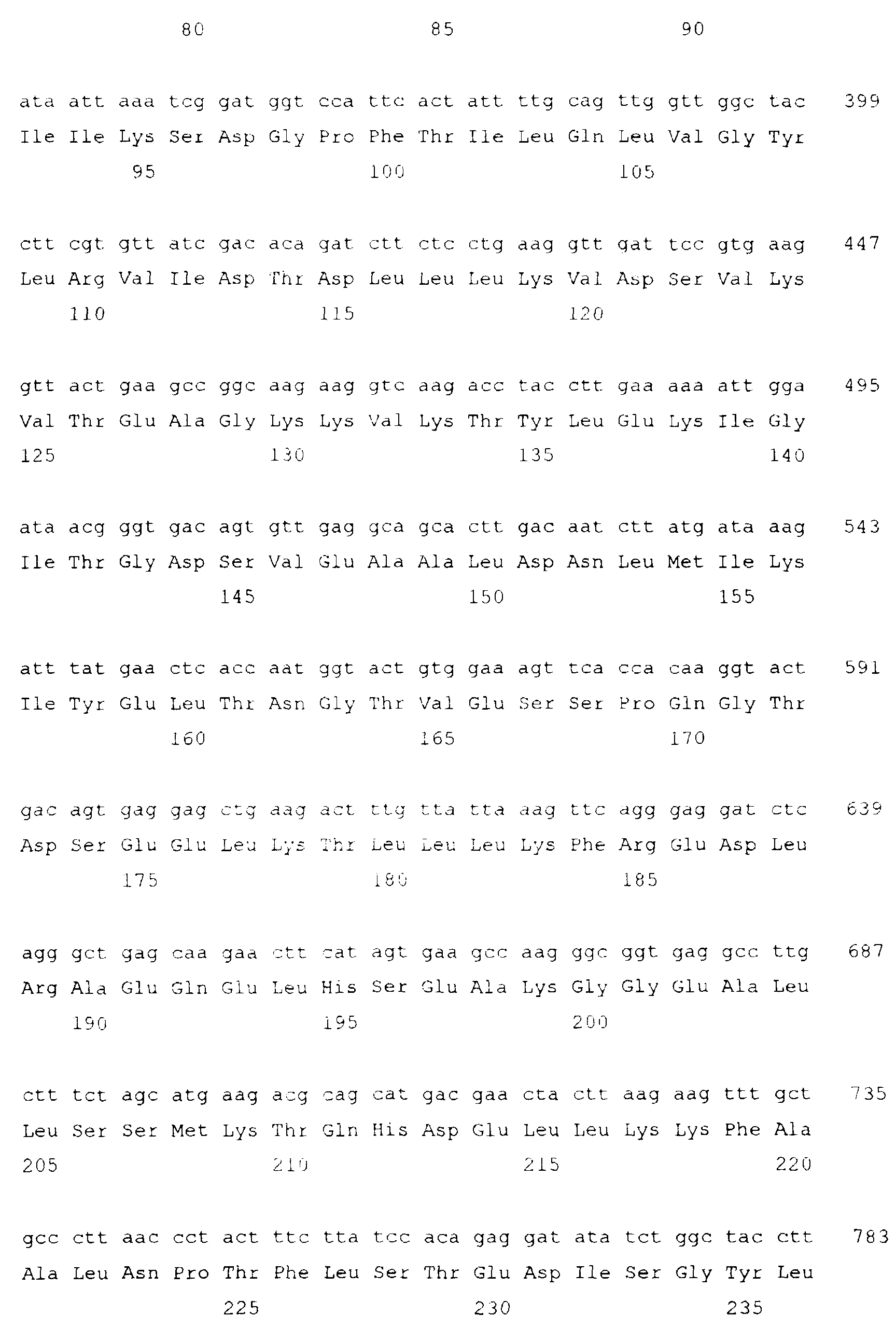
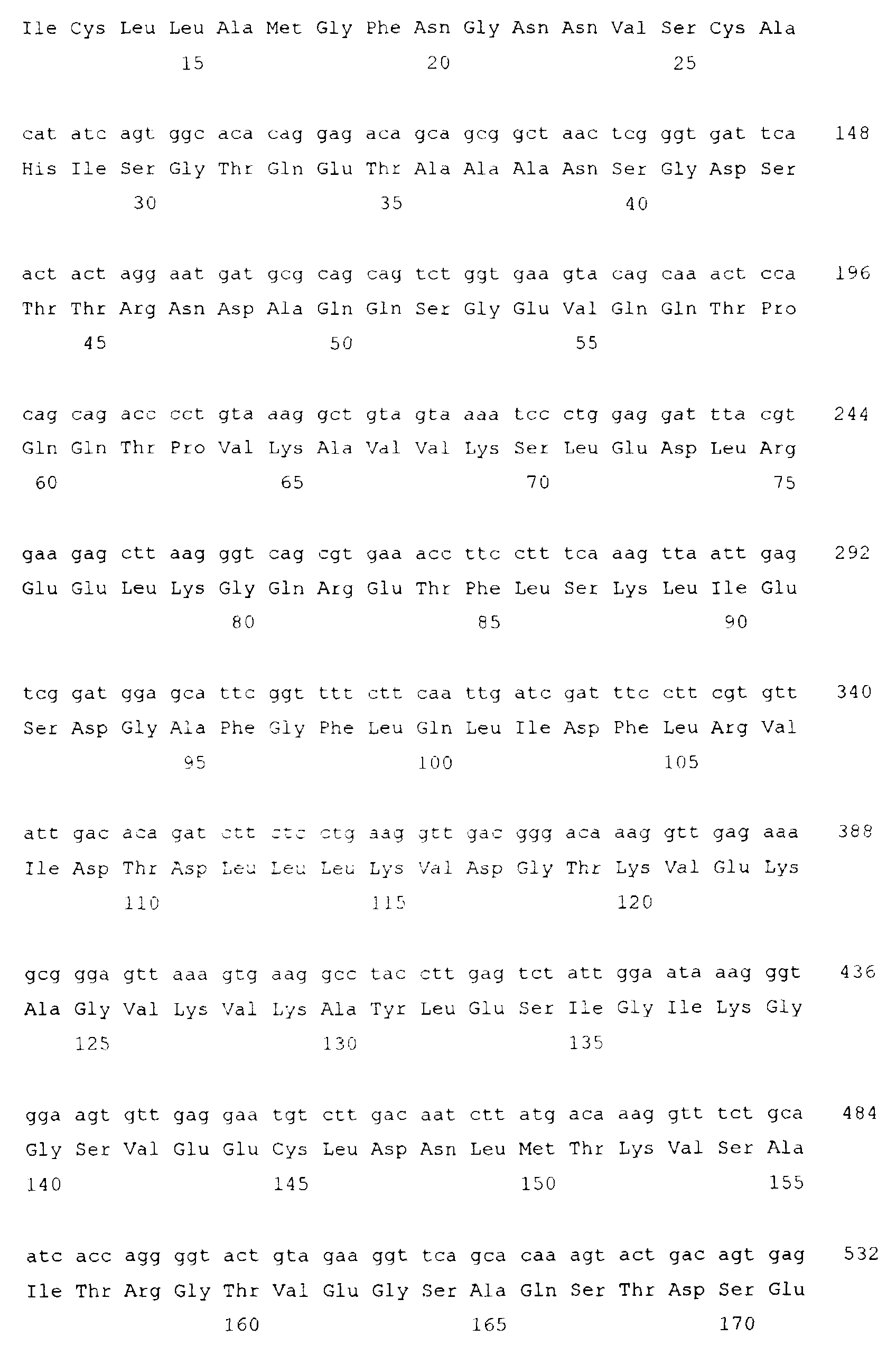
It could be shown by sequence analysis of the genes encoding the 37 kD protein family in
the various strains, that the difference in size is often due to the presence, absence or
polymorphism of small nucleic acid deletions in the gene. This is shown in fig. 1. This figure
shows a sequence comparison between the B. divergens strains Rouen 1987 (R),
Weybridge 8843 (W) and Y5. It can be seen that strains W and Y5 encode a 35 kD variant
form, whereas strain R encodes a 37 kD variant.
-
Next to the presence/absence of the deletion in W and Y5 compared to R, there are minor
variations in the overall nucleic acid sequence of the gene encoding a protein of the
37 kD protein family in the respective Babesia strains. These variations may have no effect
on the amino acid sequence of the polypeptide, in case that the modification is such
that the variant triplet codes for the same amino acid. This cause of variation is based
upon the phenomenon of degeneracy of the genetic code. It happens e.g. that due to
natural mutation the G in the triplet CTG, coding for the amino acid Leucine, is replaced
by a C, also coding for Leucine, or that the G in GAG coding for glutamic acid is replaced
by an A, which triplet still encodes glutamic acid. Such a mutation is a silent mutation, i.e.
it does not show at the amino acid level. Such silent modifications are very frequently
found in nature, when comparing e.g. two different field isolates of Babesia divergens.
This phenomenon holds for all amino acids, except Met and Trp. Thus, it is obvious, that
the protein family of the present invention can not only be coded for by the nucleotide sequences
given in SEQ ID NO: 1-3 but also by a very large variety of other sequences, all
encoding the identical protein. It therefore goes without saying that any nucleic acid sequence
encoding the proteins of SEQ. ID. NO: 1, 2 or 3 of the present invention as well
as nucleic acid sequences having a 60% homology are also considered to fall within the
scope of the invention.
-
It will be understood that, for the particular proteins embraced herein, natural variations
can exist between individual Babesia parasites or strains. These variations may be demonstrated
by (an) amino acid difference(s) in the overall sequence or by deletions, substitutions,
insertions, inversions or additions of (an) amino acid(s) in said sequence.
Amino acid substitutions which do not essentially alter biological and immunological activities,
have been described, e.g. by Neurath et al in "The Proteins" Academic Press
New York (1979). Amino acid replacements between related amino acids or replacements
which have occurred frequently in evolution are, inter alia, Ser/Ala, Ser/Gly,
Asp/Gly, Asp/Asn, Ile/Val (see Dayhof, M.D., Atlas of protein sequence and structure,
Nat. Biomed. Res. Found., Washington D.C., 1978, vol. 5, suppl. 3). Other amino acid
substitutions include Asp/Glu, Thr/Ser, Ala/Gly, Ala/Thr, Ser/Asn, Ala/Val, Thr/Phe,
Ala/Pro, Lys/Arg, Leu/Ile, Leu/Val and Ala/Glu. Based on this information, Lipman and
Pearson developed a method for rapid and sensitive protein comparison (Science,227,
1435-1441, 1985) and determining the functional similarity between homologous proteins.
Such amino acid substitutions of the exemplary embodiments of this invention, as
well as variations having deletions and/or insertions are within the scope of the invention
as long as the resulting proteins retain their immunoreactivity. Thus, variations not essentially
influencing the immunogenicity of the protein compared to the wild type protein
as depicted in SEQ ID NO: 4-6 are considered to fall within the scope of the invention.
Those variations in the amino acid sequence of a certain 37 kD protein according to the
invention that still provide a protein capable of inducing protection against infection with
B. divergens or at least against the clinical manifestations of the infection are considered
as "not essentially influencing the immunogenicity".
-
In a preferred form, the invention relates to a nucleic acid sequence encoding a 37 kD
protein or an immunogenic fragment thereof. Such a sequence could e.g. be isolated
from an R strain, or any other strain encoding a protein of the 37 kD protein family with a
molecular weight of 37 kD.
-
In a more preferred form of this embodiment the gene encoding the 37 kD protein has the
sequence depicted in SEQ ID NO: 1.
-
In another preferred form, the invention relates to a nucleic acid sequence encoding a 35
kD protein or an immunogenic fragment thereof. This sequence could e.g. be isolated
from a W strain, or any other strain encoding a protein of the 37 kD protein family with a
molecular weight of 35 kD.
-
In a more preferred form of this embodiment the gene encoding the 35 kD protein has the
sequence depicted in SEQ ID NO: 2 or 3.
-
The invention also relates to nucleic acid sequences encoding a protein of the 37 kD
protein family that is capable of binding to the monoclonal antibody F42F8.
-
A definition of immunogenic fragments of a protein of the 37 kD protein family will be
given below, where another embodiment of the invention, i.e. vaccination is discussed.
-
In general, the term "protein" refers to a molecular chain of amino acids with biological
activity. A protein is not of a specific length and can, if required, be modified in vivo or in
vitro, by, for example, glycosylation, amidation, carboxylation or phosphorylation; thus,
inter alia, peptides, oligopeptides and polypeptides are included within the definition.
-
Since the present invention discloses the nucleic acid sequence encoding members of
the 37 kD protein family, it is now for the first time possible to obtain such proteins in sufficient
quantities. This can e.g. be done by using expression systems to express the gene
encoding the protein of the 37 kD protein family.
An essential requirement for the expression of the nucleic acid sequence is an adequate
promoter operably linked to the nucleic acid sequence. It is obvious to those skilled in the
art that the choice of a promoter extends to any eukaryotic, prokaryotic or viral promoter
capable of directing gene transcription in cells used as host cells for protein expression.
Therefore, an even more preferred form of this embodiment relates to recombinant DNA
molecules, i.e. DNA molecules according to the invention to which regulating sequences
enabling expression of that nucleic add sequence have been added. This can be obtained
by means of e.g. standard molecular biology techniques. (Maniatis/Sambrook
(Sambrook, J. Molecular cloning: a laboratory manual, 1989. ISBN 0-87969-309-6).
-
When the host cells are bacteria, useful expression control sequences which may be
used include the Trp promoter and operator (Goeddel, et al., Nucl. Acids Res.,8, 4057,
1980); the lac promoter and operator (Chang, et al., Nature, 275, 615, 1978); the outer
membrane protein promoter (Nakamura, K. and Inouge, M., EMBO J., 1, 771-775, 1982);
the bacteriophage lambda promoters and operators (Remaut, E. et al., Nucl. Acids Res.,
11, 4677-4688, 1983); the α-amylase (B. subtilis) promoter and operator, termination sequences
and other expression enhancement and control sequences compatible with the
selected host cell.
When the host cell is yeast, useful expression control sequences include, e.g., α-mating
factor. For insect cells the polyhedrin or p10 promoters of baculoviruses can be used
(Smith, G.E. et al., Mol. Cell. Biol. 3, 2156-65, 1983). When the host cell is of mammalian
origin illustrative useful expression control sequences include the SV-40 promoter
(Berman, P.W. et al., Science, 222, 524-527, 1983) or the metallothionein promoter
(Brinster, R.L., Nature, 296, 39-42, 1982) or a heat shock promoter (Voellmy et al., Proc.
Natl. Acad. Sci. USA, 82, 4949-53, 1985). Alternatively, expression control sequences
present in Babesia may also be applied. For maximising gene expression, see also Roberts
and Lauer (Methods in Enzymology, 68, 473, 1979).
-
Bacterial, yeast, fungal, insect and mammalian cell expression systems are very frequently
used systems. Such systems are well-known in the art and easily available, e.g.
commercially through Clontech Laboratories, Inc. 4030 Fabian Way, Palo Alto, California
94303-4607, USA. Next to these expression systems, parasite-based expression systems
are very attractive expression systems. Such systems are e.g. described in the
French Patent Application with Publication number 2 714 074, and in US NTIS Publication
No US 08/043109 (Hoffman, S. and Rogers, W.: Public. Date 1 December 1993).
-
Another embodiment of the invention relates to Live Recombinant Carrier microorganisms
(LRCs) comprising a gene encoding a protein of the 37 kD protein family according
to the invention. Such micro-organisms are e.g. bacteria and viruses. These LRC
micro-organisms are micro-organisms in which additional genetic information has been
cloned. Animals infected with such LRCs will produce an immunogenic response not only
against the immunogens of the vector, but also against the immunogenic parts of the
polypeptide(s) for which the genetic code is additionally cloned into the LRC, e.g. the 37
kD protein.
As an example of bacterial LRCs, attenuated Salmonella strains known in the art can
attractively be used.
-
Live recombinant carrier parasites have i.a. been described by Vermeulen, A. N. (Int.
Journ. Parasitol. 28: 1121-1130 (1998))
Also, LRC viruses may be used as a way of transporting the nucleic acid sequence into a
target cell. Live recombinant carrier viruses are also called vector viruses. The site of integration
of the gene encoding a 37 kD protein may be a site in a viral gene that is not
essential to the virus, or a site in an intergenic region. Viruses often used as vectors are
Vaccinia viruses (Panicali et al; Proc. Natl. Acad. Sci. USA, 79: 4927 (1982), Herpesviruses
(E.P.A. 0473210A2), and Retroviruses (Valerio, D. et al; in Baum, S.J., Dicke, K.A.,
Lotzova, E. and Pluznik, D.H. (Eds.), Experimental Haematology today - 1988. Springer
Verlag, New York: pp. 92-99 (1989)).
-
The technique of in vivo homologous recombination, well-known in the art, can be used
to introduce a recombinant nucleic acid sequence into the genome of a bacterium, parasite
or virus of choice, capable of inducing expression of the inserted nucleic acid sequence
according to the invention in the host animal.
-
Furthermore the invention relates to a host cell containing a nucleic acid sequence encoding
the protein according to the invention, or a recombinant nucleic acid molecule encoding
the protein under the control of regulating sequences enabling expression of the
protein encoded by said nucleic acid sequence.
The invention also relates to a host cell containing a live recombinant carrier containing a
nucleic acid molecule encoding a protein of the 37 kD family, or a recombinant nucleic
acid molecule encoding a protein of the 37 kD family under the control of regulating sequences
enabling expression of the protein encoded by said nucleic acid sequence.
A host cell may be a cell of bacterial origin, e.g. Escherichia coli, Bacillus subtilus and
Lactobacillus species, in combination with bacteria-based plasmids as pBR322, or bacterial
expression vectors as pGEX, or with bacteriophages. The host cell may also be of
eukaryotic origin, e.g. yeast-cells in combination with yeast-specific vector molecules, or
higher eukaryotic cells like insect cells (Luckow et al; Bio-technology 6: 47-55 (1988)) in
combination with vectors or recombinant baculoviruses, plant cells in combination with
e.g. Ti-plasmid based vectors or plant viral vectors (Barton, K.A. et al; Cell 32: 1033
(1983), mammalian cells like Hela cells, Chinese Hamster Ovary cells (CHO) or Crandell
Feline Kidney-cells, also with appropriate vectors or recombinant viruses.
-
Another objective of the invention is to provide an efficient vaccine against Babesia divergens
infection, or at least against the clinical manifestations of the infection.
It was now surprisingly found, that an immunological response that provides immunity
against infection with the Babesia parasite, or at least an immunological response that
sufficiently reduces the level of clinical manifestations upon infection (as shown e.g. by a
decrease of the haematocrit value), can be obtained by vaccination with vaccines comprising
a protein of the 37 kD protein family or an immunogenic fragment thereof.
-
When a polypeptide is used for e.g. vaccination purposes or for raising antibodies, it is
however not necessary to use the whole polypeptide. It is also possible to use a fragment
of that polypeptide that is capable, as such or coupled to a carrier such as e.g. KLH, of
inducing an immune response against that polypeptide, a so-called immunogenic fragment.
An "immunogenic fragment" is understood to be a fragment of the full-length protein
of the 37 kD family, that still has retained its capability to induce an immune response
in the host, i.e. comprises a B- or T-cell epitope. At this moment, a variety of
techniques is available to easily identify DNA fragments encoding antigenic fragments
(determinants). The method described by Geysen et al (Patent Application WO
84/03564, Patent Application WO 86/06487, US Patent NR. 4,833,092, Proc. Natl Acad.
Sci. 81: 3998-4002 (1984), J. Imm. Meth. 102, 259-274 (1987), the so-called PEPSCAN
method is an easy to perform, quick and well-established method for the detection of
epitopes; the immunologically important regions of the protein. The method is used worldwide
and as such well-known to man skilled in the art. This (empirical) method is especially
suitable for the detection of B-cell epitopes. Also, given the sequence of the gene
encoding any protein, computer algorithms are able to designate specific polypeptide
fragments as the immunologically important epitopes on the basis of their sequential
and/or structural agreement with epitopes that are now known. The determination of
these regions is based on a combination of the hydrophilicity criteria according to Hopp
and Woods (Proc. Natl. Acad. Sci. 78: 38248-3828 (1981)), and the secondary structure
aspects according to Chou and Fasman (Advances in Enzymology 47: 45-148 (1987)
and US Patent 4,554,101). T-cell epitopes can likewise be predicted from the sequence
by computer with the aid of Berzofsky's amphiphilicity criterion (Science 235, 1059-1062
(1987) and US Patent application NTIS US 07/005,885). A condensed overview is found
in: Shan Lu on common principles: Tibtech 9: 238-242 (1991), Good et al on Malaria
epitopes; Science 235: 1059-1062 (1987), Lu for a review; Vaccine 10: 3-7 (1992), Berzowsky
for HIV-epitopes; The FASEB Journal 5:2412-2418 (1991).
-
Therefore, another embodiment of the invention relates to vaccines inducing protection
against infection with B. divergens or the clinical manifestations of the infection, comprising
at least one protein of the 37 kD protein family or an immunogenic fragment thereof.
It is clear that the protein of choice selected from the 37 kD protein family, or the gene
encoding that protein can be a 35 kD protein or a 37 kD protein, or a mixture of the two.
The protein or the gene encoding the protein can e.g. be chosen from Babesia divergens
strain Rouen 1987 or Weybridge 8843 or any variants from other isolates.
-
More surprisingly it was also found, that proteins of the 37 kD protein family are capable
of inducing antibodies that do not only protect against infection with a homologous Babesia
divergens strain, but also with heterologous strains. This means i.a. that a vaccine
based upon a 35 kD protein of e.g. B. divergens strain Weybridge induces protection
against a 37 kD protein of e.g. B. divergens strain Rouen and vice versa.
Also, it was unexpectedly found that antibodies against a protein of the 37 kD protein
family are capable of conferring in vivo immunity against both homologous and heterologous
challenge.
This is the more surprising for the following reason: antibodies against the 17 kD protein
mentioned above are abundantly found after experimental infection and after immunisation
with fraction 4. Moreover, α-Bd17, a monoclonal antibody against the 17 kD protein
was described as the relevant vaccine component in passive vaccination against Babesia
(Précigout et al., Experimental Parasitology 77: 425-434 (1993), see above) on the basis
of the fact that it dramatically inhibits in vitro growth of the parasite. On the basis thereof,
the 17 kD protein was expected to be the relevant vaccine component. This antibody
however, when used as a reference in in vivo experiments, did unexpectedly not confer
any protection at all, nor in a homologous nor in a heterologous challenge experiment (as
will be seen in Example 4).
-
It was even more surprisingly found, that a vaccine comprising a mixture of two or more
different proteins of the 37 kD family exhibit a synergistic effect compared to vaccines
comprising the same amount of protein but from only one member of the 37 kD protein
family. This has the advantage that vaccines comprising a mixture of two or more different
proteins of the 37 kD protein family may comprise a lower overall amount of antigenic
material compared to vaccines comprising a protein of only one member of the 37 kD
protein family.
Thus in a preferred form, this embodiment of the invention relates to vaccines comprising
two or more different proteins of the 37 kD protein family.
-
The following may serve as an example: a vaccine comprising a 35 kD protein and a 37
kD protein exhibits a synergistic effect compared to vaccines comprising the same
amount of protein but from only 37 or 35 kD protein. A vaccine comprising both 50-75%
of a 37 kD protein and 25-50 % of a 35 kD protein gives a level of protection against disease
that is between 33% and 60% better than that found when the same amount of pure
37 kD protein or 35 kD protein was used as a vaccine. This holds true for challenge with
strains comprising a 37kD protein as well as for strains comprising a 35 kD protein. This
has the advantage that relatively low amounts of immunogenic material can be used, yet
giving rise to a sufficiently high immune response.
Such vaccines can be made e.g. by admixing the desired amounts of the purified proteins,
but also by admixing the desired amounts of cells comprising the different proteins.
Therefore, in a more preferred form, this embodiment of the invention relates to vaccines
comprising both 50-75% of a 37 kD protein of the 37 kD protein family and 25-50 % of a
35 kD protein of the 37 kD protein family.
-
Such vaccines can alternatively be made by admixing live recombinant carriers encoding
the 37 kD protein and encoding the 35 kD protein according to the invention.
Alternatively, in the case of DNA-vaccines, mixtures of recombinant DNA molecules each
capable of expressing one of the proteins can be made.
-
It is clear, that a vaccine for the protection of cattle against Babesia divergens infection or
the clinical manifestations thereof can also be based upon the administration of antibodies
against a protein of the 37 kD protein family. As a source of antibodies a polyclonal
antiserum raised in e.g. rabbits against a member of the 37 kD protein family can be
used. As described above, antisera against one protein of the 37 kD protein family show
cross-protection against other proteins of the 37 kD protein family. Therefore, any protein
of the 37 kD protein family can be used for the induction of such a polyclonal antiserum.
Also, neutralising monoclonal antibodies against a protein of the 37 kD protein family,
such as e.g. the monoclonal antibody F4.2F8 can be used.
Thus, the invention also relates to vaccines protecting against infection of cattle with B.
divergens or the clinical manifestations of the infection, that comprise antibodies against
a protein of the 37 kD protein family.
-
Also, a vaccine according to the invention may comprise a recombinant DNA molecule
comprising a nucleic acid sequence according to the invention and regulating sequences
enabling expression of that nucleic acid sequence as described above. Such a vaccine is
capable of making the encoded protein of the 37 kD family in the host animal.
-
As an alternative to the administration of vaccines comprising proteins of the 37 kD protein
family, vaccines can be administered that comprise an LRC carrying a gene encoding
a protein of the 37 kD protein family or an immunogenic fragment thereof. The advantage
of such an approach is, that such an LRC invades certain target cells of the host
organism. Once inside the target cells all LRC-genes are expressed, including the gene
encoding the protein of the 37 kD protein family as carried by the LRC. As a result, the
protein of the 37 kD protein family is expressed and presented to the immune system in a
way that closely mimics the natural way of expression and immune presentation. Therefore,
vaccination with a LRC carrying a gene of the 37 kD protein family or an immunogenic
fragment thereof can advantageously be used.
Thus in another form of the embodiment relating to vaccines, the vaccine inducing protection
against infection with B. divergens or at least against the clinical manifestations of
the infection comprises a live recombinant carrier according to the invention.
-
When a vaccine is made on the basis of a protein of the 37 kD protein family or an immunogenic
fragment thereof obtained from an expression system, in principle the protein
can be purified from the proteins of the host cells of the expression system. This is however
not always necessary. It is very well possible to incorporate in a vaccine the cells
that have been used for the expression of the protein of choice from the 37 kD protein
family.
Thus, in still another form of the embodiment relating to vaccines, the vaccine inducing
protection against infection with B. divergens or at least against the clinical manifestations
of the infection, comprises a host cell according to the invention.
-
Additionally, the vaccine according to the invention may comprise one or more immunogenic
proteins of other pathogens. This is advantageous, since vaccination with such a
vaccine makes it possible to immunise an animal against two or more diseases in one
vaccination step.
There are several ways of obtaining such a vaccine. One is admixing a protein according
to the invention with one ore more immunogenic proteins of other pathogens. Another
possibility is the cloning of a heterologous DNA sequence encoding an immunogenic
protein of another pathogen into a live recombinant carrier according to the invention.
-
Preferably the immunogenic protein is chosen from the group of cattle pathogens, consisting
of Bovine Herpesvirus, bovine Viral Diarrhoea virus, Parainfluenza type 3 virus,
Bovine Paramyxovirus, Foot and Mouth Disease virus, Pasteurella haemolytica, Bovine
Respiratory Syncytial Virus, Theileria parva, Theileria annulata, Babesia bovis, Babesia
bigemina, Babesia major, Trypanosoma species, Anaplasma marginale, Anaplasma
centrale or Neospora caninum.
-
Furthermore, the heterologous DNA sequence may encode a cytokine such as interleukins,
TNF and interferons. Several cytokines, e.g. interferons are known to play an important
role as immune modulators. Thus it may be advantageous to include genetic information
for this kind of molecule into said section.
-
It is obvious that a heterologous DNA sequence can be introduced at a certain site in said
section, e.g. in a restriction site without deleting any nucleotides from the section. On the
other hand, it is possible to exchange one or more nucleotides with heterologous DNA
sequences of equal or different length.
-
Vaccines according to the present invention can be made e.g. by merely admixing of a
protein of the 37 kD protein family or an immunogenic fragment thereof, either as such or
coupled to a suitable carrier molecule, and a pharmaceutically acceptable carrier. A
pharmaceutically acceptable carrier is understood to be a compound that does not adverse
effect the health of the animal to be vaccinated, at least not to the extend that the
adverse effect is worse than the effects seen when the animal is not vaccinated. A pharmaceutically
acceptable carrier can be e.g. sterile water or a sterile physiological salt solution.
In a more complex form the carrier can e.g. be a buffer.
Also, the vaccine can be made by admixing a nucleic acid sequence encoding a protein
of the 37 kD family, a recombinant DNA molecule encoding a protein of the 37 kD family,
a live recombinant carrier or a host cell according to the invention and a pharmaceutically
acceptable carrier.
-
Thus another embodiment of the invention relates to methods for the preparation of a
vaccine comprising the admixing of a protein of the 37 kD protein family or an immunogenic
fragment thereof, antibodies against a protein of the 37 kD family, a nucleic acid
sequence according to the invention, a recombinant DNA molecule according to the invention,
a live recombinant carrier according to the invention or a host cell according to
the invention and a pharmaceutically acceptable carrier.
-
The vaccine according to the present invention may in a preferred presentation also
contain an adjuvant. Adjuvants in general comprise substances that boost the immune
response of the host. A number of different adjuvants are known in the art. Examples of
adjuvants are Freunds Complete and Incomplete adjuvant, vitamin E, non-ionic block
polymers and polyamines such as dextransulphate, carbopol and pyran. Also very suitable
are surface active substances such as Quil A(R).
-
Saponins are a preferred adjuvant. Saponins are preferably added to the vaccine at a
level between 20 and 150 µg/ml. Within the group of saponins, the saponin Quil A is a
more preferred adjuvant.
Furthermore, peptides such as muramyldipeptides, dimethylglycine, tuftsin, are often
used. Next to these adjuvants, Immune-stimulating Complexes (ISCOMS), mineral oil
e.g. Bayol(R) or Markol(R), vegetable oils or emulsions thereof and Diluvac(R) Forte can advantageously
be used. The vaccine may also comprise a so-called "vehicle". A vehicle is
a compound to which the polypeptide adheres, without being covalently bound to it. Often
used vehicle compounds are e.g. aluminium hydroxide, -phosphate, sulphate or -oxide,
silica, Kaolin, and Bentonite. A special form of such a vehicle, in which the antigen is partially
embedded in the vehicle, is the so-called ISCOM (EP 109.942, EP 180.564, EP
242.380).
Often, the vaccine is mixed with stabilisers, e.g. to protect degradation-prone polypeptides
from being degraded, to enhance the shelf-life of the vaccine, or to improve freeze-drying
efficiency. Useful stabilisers are i.a. SPGA (Bovarnik et al; J. Bacteriology 59: 509
(1950)), skimmed milk, gelatin, bovine serum albumin, carbohydrates e.g. sorbitol, mannitol,
trehalose, starch, sucrose, dextran or glucose, proteins such as albumin or casein
or degradation products thereof, and buffers, such as alkali metal phosphates.
Freeze-drying is an efficient method for conservation. Freeze-dried material can be
stored and kept viable for many years. Storage temperatures for freeze-dried material
may well be above zero degrees, without being detrimental to the material.
Freeze-drying can be done according to all well-known standard freeze-drying procedures.
Therefore, in a preferred embodiment, the vaccine is in a freeze-dried form.
In addition, the vaccine may be suspended in a physiologically acceptable diluent. Such a
diluent can e.g. be as simple as sterile water, or a physiological salt solution.
It goes without saying, that other ways of adjuvating, adding vehicle compounds or diluents,
emulsifying or stabilising a polypeptide are also embodied in the present invention.
-
The vaccine according to the invention can be administered in a conventional active immunisation
scheme: single or repeated administration in a manner compatible with the
dosage formulation, and in such amount as will be prophylactically effective, i.e. the
amount of immunising antigen or recombinant micro-organism capable of expressing said
antigen that will induce immunity in cattle against challenge by virulent Babesia divergens
parasites. Immunity is defined as the induction of a significant level of protection in a
population of cattle after vaccination compared to an unvaccinated group.
-
For live viral vector vaccines the dose rate per animal may range from 103 to 108 pfu (but
even <1000 pfu might be sufficient e.g. for Bovine Herpesvirus carrier virus). A typical
subunit vaccine according to the invention comprises 0.1 to 100µg of the polypeptide (or
variant or fragment thereof) according to the invention. Preferably at least 5µg will be
present. Such vaccines can be administered e.g. intradermally, subcutaneously, intramuscularly,
intraperitoneally, intravenously, orally or intranasally.
-
An alternative and efficient way of vaccination is direct vaccination with DNA encoding
the relevant antigen. Direct vaccination with DNA encoding proteins has been successful
for many different proteins. (As reviewed in e.g. Donnelly et al., The Immunologist 2: 20-26
(1993)). In the field of anti-parasite vaccines, protection against e.g. Plasmodium
yoelii has been obtained with DNA-vaccination with the Plasmodium yoelii circumsporozoite
gene (Vaccine 12: 1529-1533 (1994)). Protection against Leishmania major has
been obtained with DNA-vaccination with the Leishmania major surface glycoprotein
gp63 gene (Vaccine 12: 1534-1536 (1994)).
This way of vaccination is also very attractive for the vaccination of cattle against Babesiosis.
Therefore, the invention also relates to vaccines comprising DNA encoding one or
more proteins of the 37 kD protein family or an immunogenic fragment thereof.
-
Since infection with Babesia divergens may progress relatively slowly, it may take some
time before the diagnosis of Babesia divergens infection is made. In many cases in diseased
animals Babesia divergens infection is only found to be the cause of the disease
after the occurrence of haemoglobinuria (visible since it turns the urine red), which
means that the disease has already significantly progressed.
Moreover, babesiosis infection is found in different forms. One form is characterised by
the fact that Babesia antigens are found in the plasma, but no antibodies have yet been
formed. This situation is found in acutely infected animals.
-
A second form is the form in which the Babesia parasites have been cured and the
plasma does contain antibodies against Babesia antigens but no Babesia antigens. This
is the situation found in animals that have developed a sterile immunity against Babesia.
A third form is the form in which both antigens and antibodies are found in the plasma.
Animals having this form of infection are immune against Babesia but they are at the
same time carrier of the parasite. These animals are a potential source of infection for
other animals.
Thus in order to determine the Babesia infection status of an animal it is important to determine
both the Babesia antigen-levels and the anti-Babesia antibody-level in the serum.
Therefore diagnostic tools, preferably capable of differentiating between the various
forms, are highly wanted.
Another embodiment of this invention provides such diagnostic tools.
-
A diagnostic test for the detection of Babesia divergens antibodies in sera can be e.g. a
simple ELISA-test in which purified protein of the 37 kD protein family or an antigenic
fragment thereof is coated to the wall of the wells of an ELISA-plate. Incubation with serum
from mammals to be tested, followed by e.g. incubation with a labelled antibody
against the relevant mammalian antibody can then reveal the presence or absence of
antibodies against the 37 kD protein.
Another example of a diagnostic test system is e.g. the incubation of a Western blot
comprising 37 kD protein with serum of mammals to be tested, followed by analysis of
the blot.
-
Thus, one form of this embodiment relates to a method for the detection in serum of antibodies
against Babesia divergens in which the method comprises the incubation of serum
with protein of the 37 kD protein family or an antigenic fragment thereof.
-
A diagnostic test for the Babesia antigens and therefore suitable for the detection of
Babesia divergens parasites can e.g. also be a standard ELISA test, in which the walls of
the wells of an ELISA plate are coated with antibodies directed against a protein of the 37
kD protein family.
-
The invention also relates to methods for the detection of Babesia divergens parasites,
that comprise the incubation of serum with antibodies against a protein of the 37 kD protein
family.
-
A quantitative, or competition ELISA not only indicating the presence or absence of
Babesia antigens but also indicating the amount of Babesia antigens, is also part of the
invention. Such an ELISA is well-known in the art.
Thus this embodiment of the invention also relates to competitive ELISAs.
-
Antibodies or derivatives thereof (e.g. fragments such as Fab, F(ab')2 or Fv fragments),
which are directed against proteins of the 37 kD protein family according to the invention
and have potential uses in passive immunotherapy, diagnostic immunoassays and in the
generation of anti-idiotypic antibodies can be made according to standard techniques as
indicated below.
The proteins or immunogenic fragments thereof according to the invention as characterised
above can be used to produce antibodies, which may be polyclonal, monospecific or
monoclonal (or derivatives thereof). If polyclonal antibodies are desired, techniques for
producing and processing polyclonal sera are known in the art (e.g. Mayer and Walter,
eds. Immunochemical Methods in Cell and Molecular Biology, Academic Press, London,
1987).
Monoclonal antibodies, reactive against the protein according to the invention (or variants
or fragments thereof) according to the present invention, can be prepared by immunising
inbred mice by techniques known in the art (Kohler and Milstein, Nature, 256, 495-497,
1975).
Antibodies against any of the polypeptides of the present invention and made e.g. in one
of the manners described above, can be used i.a. for vaccination purposes, especially in
immunocompromised animals.
-
All kinds of antibodies against a protein of the 37 kDa protein family can be used in the
diagnostic tests described above. Polyclonal antibodies obtained by injection of the Bd37
protein to an animal have a high affinity with all proteins of the 37 kDa protein family.
Nevertheless, the antibodies of preference are specific antibodies made by the
hybridoma cell line deposited with the ECACC under accession number 99031816. They
have a high affinity with all proteins of the 37 kDa protein family tested so far.
-
The diagnostic tests for the detection of antibodies against Babesia divergens are preferably
in the form of a kit, comprising 37 kD protein in a purified form. The antigens could
e.g. be purified through standard protein separation techniques over a suitable column.
Another possibility is separation on a PAAGE gel followed by Western-blotting. On the
Western-blot, the 37 kD protein will form a specific band, separated from other Babesia
divergens protein bands, and thus is also considered to be purified. Also, a pure form of
the protein can be obtained by expressing one of the nucleic acid sequences according
to the invention.
In principle, the easiest way of making such a diagnostic test system is to use purified
whole 37 kD protein as explained above. It is however very well possible to use only part
of the 37 kD protein. This with the proviso that the fragment used still comprises an antigenic
determinant of the protein. All antigenic determinants of the 37 kD protein will induce
antibodies by definition. Therefore, the use of a 37 kD protein fragment comprising
even one single antigenic determinant of the 37 kD protein wilt be capable of binding to
anti-37 kD protein antibodies.
Therefore, in another embodiment the present invention relates to a diagnostic kit for the
detection of antibodies against Babesia divergens, in which the kit comprises a purified
protein of the 37 kD protein family or fragments thereof still comprising an antigenic determinant.
As mentioned above, the protein can be purified directly from cells infected with the parasite.
It is however also possible to use standard expression systems such as bacterial,
parasite, yeast, baculovirus or mammalian expression systems, of which a large variety
has been described in the art, for the expression of the 37 kD protein. The protein thus
expressed can easily be purified.
-
In still another embodiment the present invention relates to a diagnostic kit for the detection
of Babesia divergens parasites, in which the kit comprises antibodies reactive with an
antigenic determinant on a protein of the 37 kD family.
-
Finally, still another embodiment of the invention relates to the use of a protein of the 37
kD protein family or a mixture of such proteins for the manufacture of a vaccine inducing
protection against infection of cattle with B. divergens or the clinical manifestations of the
infection. Such manufacture is described above where methods for the preparation of
vaccines are described.
EXAMPLES :
Example 1.
Growth of Babesia divergens and Genomic DNA extraction
-
An in vitro culture of Babesia divergens was grown according to Grande et al.
(Parasitology, 115, 81-84 (1997)).
When parasitemia from in vitro culture reached 30 %, B. divergens parasitized
erythrocytes were pelleted by centrifugation 5 min. at 2500 g.
Supernatant was centrifuged 20 min. at 15000 g : the pellet, containing merozoites, was
washed twice in RPMI.
Infected red blood cells were lysed in 5 volumes of lysis buffer (5 mM EDTA ; 100 mM
NaCl; 20 mM Tris pH 7.5; 0.5 % Triton X-100; 0.5 % SDS) supplemented with
proteinase K at a final concentration of 1 mg/ml, 1 h at 37°C.
DNA extraction was performed in 3 steps with phenol, phenol-chloroform, and finally
chloroform : isoamyl alcohol (24 :1) : addition of 1 volume of phenol or phenol-chloroform
or chloroform : isoamyl alcohol (24 :1), vortex 1 min., centrifugation 5 min. at 10000 g,
and transfer of the top aqueous phase in a fresh tube.
DNA was then precipitated by 2 volumes of cold ethanol 100 % and 1/10 volume of 3M
sodium acetate pH 5.6, 1h at -80°C. After centrifugation 15 min. at 10000 g at 4°C, DNA
pellet was washed with ethanol 70 %, dried and resuspended in sterile water.
Plasmid miniprep
-
A single plasmid colony was picked up into a tube containing 1.5ml of LB medium (10 g
of bactotryptone, 5 g of yeast extract and 5 g of NaCl in 1 litre of distilled water, mixed
and autoclaved), containing the appropriate antibiotic and incubated overnight at 37°C.
Cells, pelleted by centrifugation 30 seconds at 10000 g, were firstly dissolved in 200 µl of
a solution containing 100 mM Tris-HCl pH 7.5; 10 mM EDTA, secondly in 200 µl of a
solution containing 200 mM NaOH, 1 % SDS and thirdly, after 5 min. at room temperature,
in 200 µl of a solution containing 3 M potassium acetate and 5 M acetic acid. After
incubation during 5 min. at 4°C and centrifugation 5 min. at 10000 g, plasmid DNA contained
in the supernatant was precipitated by 0.7 volumes of isopropanol : it was then
dissolved in 200 µl of TE buffer (10 mM Tris-HCl pH 7.5 ; 1 mM EDTA). For sequencing,
a phenol-chloroform extraction and an ethanol precipitation were performed, as previously
described.
cDNA library construction
-
A cDNA library was obtained from mRNA derived from B. divergens Rouen 1987
cultures as follows: 109 infected erythrocytes were pelleted by centrifugation of culture
and treated by a lytic agent containing guanidine thiocyanate, using RNA-agents ® Total
RNA Isolation System kit (Promega). Total RNA were then purified by phenol : chloroform
extraction and precipited with isopropanol. With total RNA as the starting material, the
poly(A) mRNA fraction was isolated by hybridisation to a biotinylated oligo(dT) primer,
using PolyA Tract mRNA Isolation Systems kit (Promega). The hybrids were captured
and washed at high stringency using streptavidin coupled to paramagnetic particles and a
magnetic separation stand. mRNA were eluted by water and cDNA were synthesised,
using ZAP Express™ cDNA Synthesis kit (Stratagene).
cDNA synthesis was performed by reverse transcription, using a primer which contains a
poly(dT) sequence and a XhoI restriction site. EcoRI adapters were added to the 5' end
of 0,4-4 kbp cDNA fragments (size-fractionated on Sephacryl S-500 spin Columns), after
XhoI digestion. cDNA was ligated into the λ-ZAPII Express Vector in a sense orientation
(EcoRI-XhoI) with respect to the lacZ promoter, using a ratio of 150 ng of cDNA to 1 µg of
vector. Recombinant lambda phages were then packaged in Gigapack II packaging
extracts from Stratagene, and plated on NZY agar plates, using XL1-Blue MRF' cells, to
be amplified and titered as recommended by the manufacturer (Stratagene).
cDNA library screening
-
The polyclonal antibody directed against the 37 kDa protein family (α-Bd37) was used for
the screening of the cDNA library of B. divergens Rouen 1987.
For screening, 4000 recombinants of the cDNA library were plated using XL1-Blue MRF'
cells. After 8 hours growth at 37°C, recombinant β-galactosidase from each clone was
blotted during 3 hours onto membranes of nitrocellulose, saturated with 10 mM IPTG.
Discs were then saturated overnight in TBS (150 mM NaCl, 20 mM Tris-HCl pH 7.2) +
5 % non fat milk at 4°C, washed in TBS and incubated 1 h with the α-Bd37 at a dilution of
1:250. Positives plates were visualised using goat anti-rabbit IgG conjugated to
peroxydase, at a dilution of 1:500.
-
Positive plates were transferred in 500 µl of SM buffer, incubated 1 h at 37°C and stored
at 4°C. Following purification of these positive plates, cDNA encoding the 37 kDa protein
was excised out of the λ-ZAPII phage in the form of the kanamycin resistant pBK-CMV
phagemid vector, using a helper phage, as recommended by Stratagene.
cDNA sequencing
-
4 µg of plasmids carrying cDNA encoding the 37 kDa protein of B. divergens Rouen were
sequenced by using the T7Sequencing™ kit (Pharmacia Biotech). After denaturation with
NaOH, neutralisation and ethanol precipitation, cDNA was pelleted by centrifugation and
resuspended in 10 µl of water. Annealing reactions were made using 10 pmol of primer
and then, DNA were sequenced using the dideoxy method of Sanger et al.((1977), Proc.
Natl. Acad. Sci. USA 74 (12) : 5463-7), using the reagents and procedures of Pharmacia
Biotech.
Primers usefuf for reading the entire sequence were synthesised by Eurogentec.
Analysis of the cDNA sequence encoding the 37 kDa protein
-
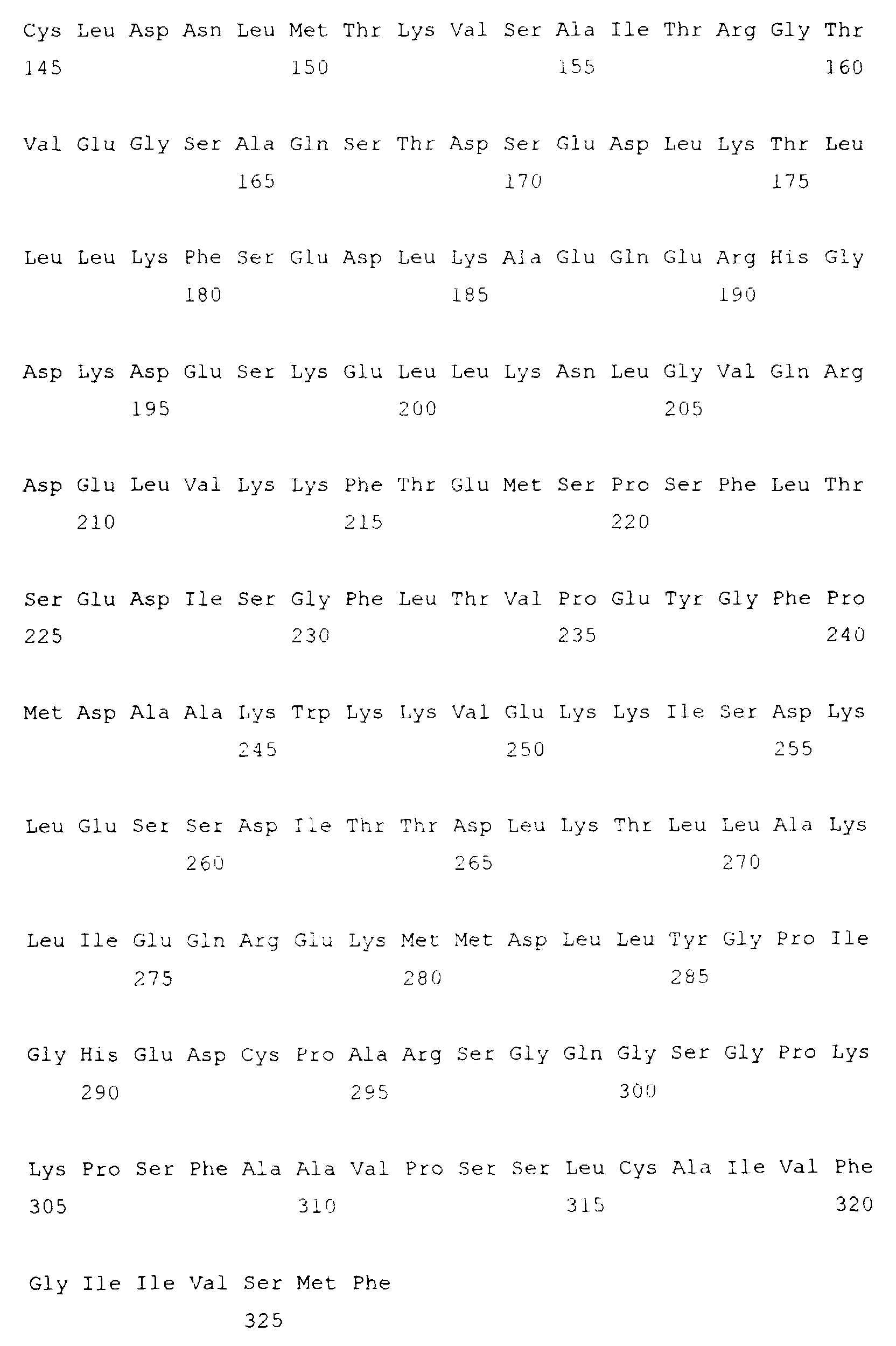
The sequence of the cDNA encoding the 37 kDa protein (1208 bp between restrictions
sites EcoRI and XhoI) showed the presence of a poly(A)18 tail and a coding region of
1023 desoxyribonucleotides, giving a single open reading frame of 341 amino acids,
without repetitive motif.
Analysis of the hydrophilicity profile revealed two hydrophobic sequences, at each
extremity of the protein : from amino acids 1 to 18 at the N-terminal end and from amino
acids 321 to 341 at the C-terminal end of the protein. The hydrophobic segment at the N-terminal
end could correspond to the signal sequence of the 37 kDa protein and the
presence of such a cleavable N-terminal signal sequence suggested that the 37 kDa
protein is a secreted protein. However, the presence of another hydrophobic segment at
the C-terminal end of the molecule indicated that the 37 kDa protein could interact or be
anchored in the membrane of parasitic vesicles during the secretory pathway to be on
the surface of the parasite at the end of this process. These observations are consistent
with the pattern of immunofluorescence obtained on B. divergens infected erythrocyte
since the labelling was observed both inside parasitic vesicles and on the surface of the
parasite. The finding of the 37 kDa protein in the supernatant of in vitro culture could
result in a cleavage of the molecule either from the surface of the parasite or from
secreting vesicles.
Cloning of the 37 kDa protein gDNA from different isolates of B. divergens in
pGEM®-T Vector
-
Genomic DNA (gDNA) of the B. divergens Rouen 1987, Weybridge 8843 and Y5 isolates
were amplified by Polymerase Chain Reaction (PCR) and cloned in pGEM®-T vector
System II (Promega), in order to be sequenced as described above.
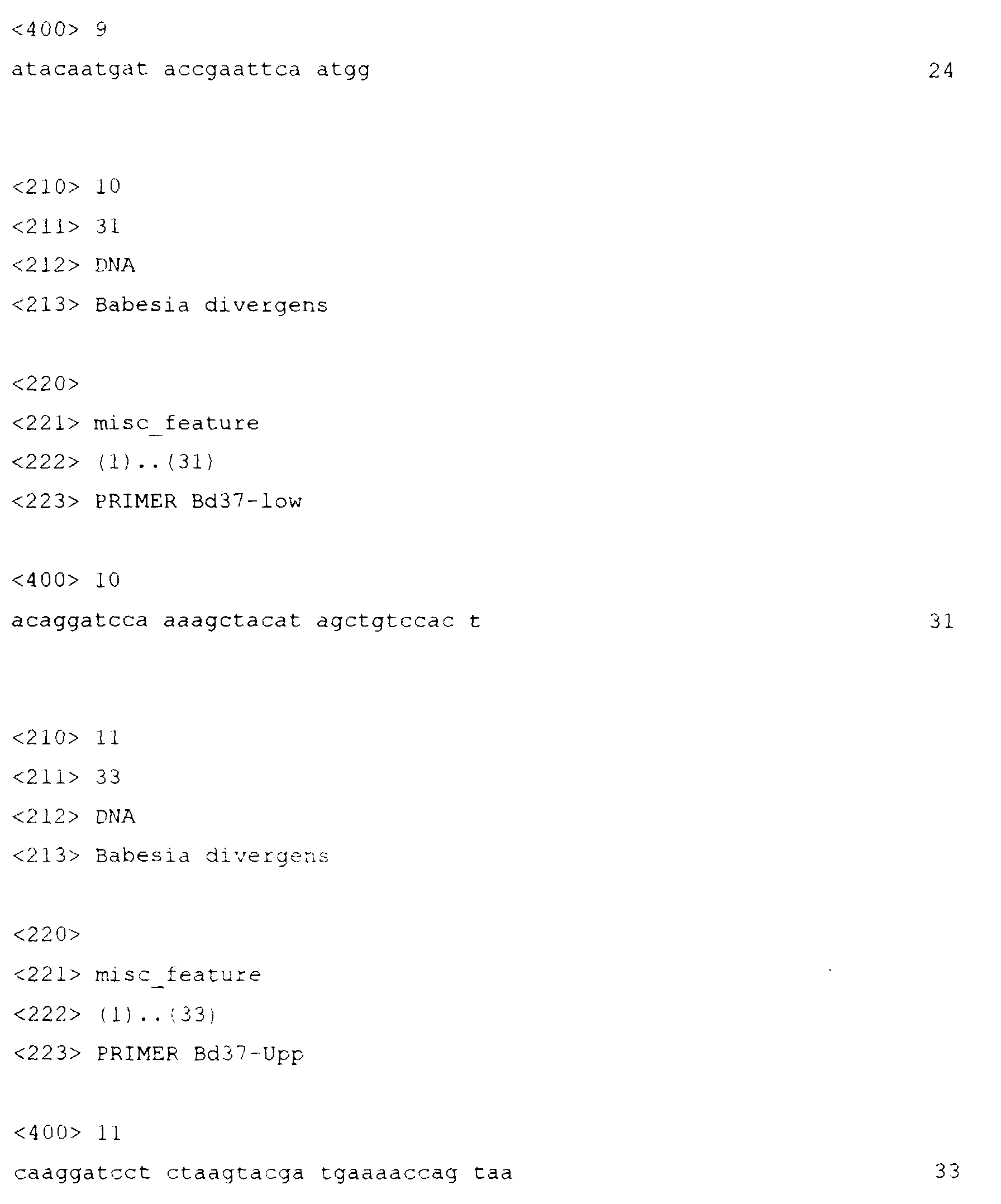
gDNA from B. divergens Rouen 1987 and Weybridge 8843 were amplified using primer
Bd37-5 (sense oligonucleotide), 5'-GAATTCACGACCATACGAATA-3', and Bd37-Low
(antisense oligonucleotide), 5'-ACAGGATCCAAAAGCTACATAGCTGTCCACT-3',
whereas gDNA from B. divergens Y5 were amplified using primer Bd37-Upp (sense
oligonucleotide), 5'-CAAGGATCCTCTAAGTACGATGAAAACCAGTAA-3', and Bd37-Low.
To perform the PCR, 100 ng of each gDNA were incubated with 0.5 µl of each
primer at 10 µM, 4 µl of dNTP (1.25 mM each), 2.5 µl of 10X enzyme buffer and 1 unit of
Taq DNA polymerase (Ozyme), in a final volume of 25 µl. The following conditions were
used : 3 min. at 94°C, 30 cycles of 1 min. at 94°C, 1 min. at 50°C and 2 min. at 72°C,
and then 5 min. at 72°C.
PCR products were purified by electroelution : they were subjected to a 1 % agarose gel
electrophoresis. The expected band was visualised under UV, excised and subjected to
electroelution in 400 µl of TAE buffer, at 100 mA during 1 h. The electroeluted materials
was phenol extracted and ethanol precipitated as descrived above.
The ligation reaction was performed by adding 50 ng of each gDNA to 50 ng of pGEM
vector, and 3 units of T4 DNA ligase in 1 µl of the 10X appropriate buffer, during 5 h at
16°C. 2 µl of each ligation mix were used for the transformation reaction, in JM109 High
Efficiency Competent Cells, as recommended by Promega.
Recombinant vectors were visualised, using blue-white screening : some white colonies
were picked up and transferred in 50 µl of sterile water. After vortex, tubes were boiled
for 5 min. and centrifuged 1 min. at 10000 g : 10 µl of the supernatant were used for a
PCR reaction as described above, with T3 and T7 primers, in order to verify the presence
of the insert. For sequencing of the insert, a culture of 1,5 ml in LB of the recombinant
vector was used for a plasmid miniprep, as previously described.
Characterisation of genes as encoding a protein of the 37 kD protein family by
hybridisation.
-
For hybridisation experiments 4 µg of genomic DNA is digested by 20 units of Pst I
restriction enzyme, 3 h at 37°C and digested products are submitted to a 0.8 % agarose
electrophoresis. After denaturation and neutralisation, DNA is transferred to Hybond-N
membrane (Amersham) and fixed by UV. The DNA to be tested is labeled using Nick
Translation kit (Boehringer Mannheim), with the Redivue™ [α-32P]dCTP (3000 Ci/mmol)
at a final concentration of 20 µCi (Amersham) and then purified using Probe Purification
after labelling kit (Jetnick) as recommended by manufacturer. Membranes are firstly
incubated in a prehybridization solution (5xSSC, 0.5 % SDS and 1 g/l of Ficoll type 400,
Polyvinylpyrrolidone and Bovine Serum Albumine), 1 h at 65°C and then hybridized
overnight at 65°C in 10 ml of the same solution, supplemented with 1 mg of herring
sperm DNA and the denaturated labelled probe. Membranes are washed three times for
15 min. at 65°C in 6xSSC and exposed to Biomax MR-1 film (Polylabo) at -80°C, during
48 hours.
DNA that hybridises to the DNA on the Hybond-N membrane comprises a gene encoding
a protein of the 37 kD protein family.
Example 2
Cloning of the Bd37 cDNA in the pGEX-A vector
-
In order to express a recombinant Bd37 protein, the cDNA was sub-cloned in the E. coli
vector pGEX-A. In a first step, the entire coding region of the cDNA was amplified by
PCR using primers Bd37-Upp (sense oligonucleotide) and Bd37-Low (antisense oligonucleotide),
which contain BamHI restriction sites. The PCR products was then sub-cloned
in the pGEM®-T vector, as described above. In a second step, 500ng of pGEX-A vector
and 500ng of the pGEM®-T vector containing Bd37 cDNA were digested with 30 units of
BamHI restriction enzyme, 3 h at 37°C, in the appropriate buffer (Life technologies), in
order to be ligated.
After phenol/chloroforme extraction and ethanol precipitation, the pGEX-A vector was
dephosphorylated, using 0.0015 units of Calf Intestinal Alkaline Phosphatase (Promega),
1 h at 37°C in the appropriate buffer and reprecipitated. The excised cDNA fragment was
purified by electroelution, as described above.
The ligation of 100 ng of BamHI-cut phosphatase treated pGEX-A vector with 100 ng of
Bd37 cDNA fragment was performed using 15 units of T4 DNA ligase, in the appropriate
buffer, during 1 h at 25°C. 1 µl of the ligation mix were used to transform 75 µl of Epicurian
Coli® SURE®2 supercompetent cells, as recommended by the manufacturer
(Stratagene).
Recombinants were determined by hybridisation : Hybond-N (Amersham) filters were applied
30 seconds on plates, denatured 1 min. with 1.5M NaCl, 0.5N NaOH and neutralised
with 1.5 M NaCl, 0.5 M Tris-HCl pH 7.5. The filters were rinsed in 2xSSC, air dried
and exposed, DNA side up, to UV (λ>254nm) during 3 min.
A PCR was performed on B. divergens Rouen 1987 cDNA, using internal primers Bd37-E1
(sense oligonucleotide), 5'-CAAGGTGGTGCGAATTCAAAG-3' and Bd37-E4
(antisense oligonucleotide), 5'-ATACAATGATACCGAATTCAATGG-3' : 0.2 µg of the
electroeluted PCR fragment were used to synthesise a nucleotide probe using Nick
Translation kit (Boehringer Mannheim). The probe was labelled with the Redivue™ [α-32P]dCTP
(3000 Ci/mmol) at a final concentration of 20 µCi (Amersham). The excess of
triphosphate deoxyribonucleosides were discarded on a column of glass beads
(Glasperlen 0.25-0.3µ from Braun) and Sephadex® G50 superfine (Pharmacia).
Membranes were prehybridised in 6xSSC + 2.5% non fat milk, 1 h at 65°C, and
hybridized overnight at 65°C in 6xSSC + 2.5% non fat milk containing herring sperm DNA
at 100 µg/ml and the denaturated labelled probe. Membranes were washed three times
for 15 min. at 65°C in 6xSSC and exposed to Biomax MR-1 film (Polylabo) at -80°C,
during two hours.
The correct orientation of the Bd37 fragment in the positive recombinant pGEX-A vector
was controlled by performing PCR on the purified recombinant vector using the 5'pGEX
primer (Pharmacia), combined with the internal Bd37-E4 primer.
-
The same procedure has been followed, using 100 ng of genomic DNA from B. divergens
Weybridge 8843 as the starting material, in order to clone a gene encoding a 35 kDa
protein in the pGEX-A vector and to express a recombinant Bd35 protein.
-
Lastly, as a control, 100 ng of native pGEX-A vector were used to transform 75 µl of
Epicurian Coli® SURE®2, supercompetent cells, in order to produce native glutathione
S-transferase (GST).
Production of recombinant GST, GST-Bd37 and GST-6d35 proteins for a
vaccination assay.
-
The different constructs, which express GST or a fusion protein of Bd37 or Bd35 protein
with GST, were induced by IPTG. The bacterial cultures were grown overnight and
diluted 1:10 with LB-medium supplemented with ampicillin at 50 µg/ml. The cultures were
incubated for 1 h at 37°C and then induced with 10-4M IPTG during 3 h. The bacteria
were lysed by sonication in MTPBS (150mM NaCl, 16mM Na2HPO4, 4mM NaH2PO4,
pH 7.3)-1% Triton X-100 and the recombinant proteins were purified by affinity on
glutathione-agarose beads and eluted by competition with reduced glutathione (Smith
D.B. and Johnson K.S. (1988),Gene 67(1): 31-40).
Production of a recombinant 37 kDa protein in insect cells for a vaccination assay
-
For the production of the recombinant DNA in baculovirus, the cDNA encoding the
37 kDa protein was cloned according to standard procedures into the Bac-to-Bac ™
vector provided by Life Technologies, 8717 Grovemont Circle, P.O. box 6009,
Gaithersburg, MD 20884-9980, U.S.A.
Six T75 flasks were used for the culture of infected and non-infected SF9 cells,
containing each 7.5x10⁶ SF9 cells in a final volume of 15 ml of HYQ CCM3 medium
(Hyclone Europe NV, Belgium) : three of these flasks were infected with 52.5 µl of Bd37-1
virus (6.9x10⁷ pfu/ml), which correspond to an infection of SF9 cells at a multiplicity of
infection of 0.5.
Infected and non-infected cells (NIC) were collected 60 h post-infection in a final volume
of 7.5 ml of CCM3 medium and treated by 0.3 % Triton X-100, 1 h at room temperature.
An aliquot of 100 µl of infected and non-infected cells were dissociated in 10 µl of 10X
Sample Buffer and boiled during 5 min. Two aliquots of 25 µl from each sample (one
used for a Coomassie Blue staining and one used for an immunoblotting using the
monoclonal antibody F4.2F8 at a dilution of 1:50) were submitted to a 12 % SDS-PAGE.
These infected cells, expressing the 37 kDa protein, and non-infected cells have been
used to immunise gerbils, in order to test the immunoprotective effect of the 37 kDa
protein.
Example 3
Vaccination assay with a recombinant 35 and 37 kD protein of the 37 kDa protein
family.
-
The vaccination assay has been conducted on 15 groups of 10 gerbils, in order to test
the immunoprotective effect of the recombinant Bd37 protein, either expressed in the
procaryotic system (using the fusion proteins GST-Bd37 or GST-bd35) or in the
eukaryotic Bac-to-bac system (using the recombinant Bac-Bd37). Three different doses
of recombinant proteins, comprising of 5 µg, 25 µg and 125 µg, have been tested (See
table 1). Negative controls groups have only received the equivalent of native GST or non
infected insect cells. Each vaccine preparation have been adjuvanted with the Quil-A
adjuvant. A positive control group have received 300 µl of supernatant from B. divergens
Rouen 1987 in vitro culture. A challenge control group only received 106 parasitized
erythrocytes.
Animals
-
Gerbils (7-8 weeks of age) were used. The animals received food and water ad libitum.
Parasites
-
The challenge strain used was B. divergens Rouen 1987 and each animal received 106
parasitized erythrocytes in a final volume of 100 µl.
Vaccine preparation
-
Recombinant proteins (GST, GST-Bd35 or GST-Bd37 protein, infected or non-infected
insect cells lysate) were produced as described above. (cf. fig. 3)
Supernatant from B. divergens Rouen 1987 in vitro culture was harvested when
parasitemia reached 30-40% in RPMI-Albumax, centrifuged at 10000 g for 15 min.,
passed through a filter-membrane (0.22 µm pore-size ; Gelman Sciences) and stored at
-80°C until use.
-
Each preparation (GST, GST-Bd35 or GST-Bd37 protein, infected or non-infected insect
cells lysate and supernatant from
in vitro culture) was diluted in RPMI in order to obtain
12 doses each containing the expected quantity of recombinant protein (or equivalent) in
a final volume of 3.4 ml. 100 µl of a stock solution Quil A at 2.8 mg/ml have been added
to each vaccine preparation. A dose of 300 µl has been injected subcutaneously to each
gerbil.
| Group | Vaccine | Quantity | Nb of injection | Challenge | |
| 1 | GST-Bd37 | 5µg | 2 | R |
| 2 | GST-Bd37 | 25µg | 2 | R |
| 3 | GST-Bd37 | 125µg | 2 | R |
| 4 | GST-Bd35 | 25µg | 2 | R |
| 5 | GST | 2,5µg | 2 | R |
| 6 | GST | 12,5µg | 2 | R |
| 7 | GST | 62,5µg | 2 | R |
| 8 | bac-Bd37 | 5µg | 2 | R |
| 9 | bac-Bd37 | 25µg | 2 | R |
| 10 | bac-Bd37 | 125µg | 2 | R |
| 11 | NIC | 5µg | 2 | R |
| 12 | NIC | 25µg | 2 | R |
| 13 | NIC | 125µg | 2 | R |
| 14 | SN R | 300µl | 2 | R |
| 15 | / | / | 2 | R |
R : B. divergens Rouen 1987 strain
NIC : non-infected insect cells
SN R : supernatant from B. divergens Rouen 1987 in vitro culture |
Vaccination procedure
-
Priming and booster infections have been done subcutaneously with a 3 weeks interval.
Animals were challenged with B. divergens Rouen 1987 intraperitonealy, 3 weeks after
the booster injection, with 106 parasitized erythrocytes (100 µl)/gerbil.
-
At days D-43, D-22 and D-1, a blood sample has been collected from the animals of each
group. The serum samples of each group were tested by immunoprecipitation and
immunofluorescence in order to analyse the humoral response of the gerbils against the
recombinant 37 kDa protein.
Results
Immunoprecipitation
-
The sera from each gerbil, from D-43, D-22 and D-1, were used to immunoprecipitate
35S-radiolabelled B. divergens Rouen 1987 total antigens.
Firstly, from figure 4, it can be seen that non-infected insect cells and native GST are not
immunogenic in the sense that the humoral response doesn't cross-react with
B. divergens antigens (groups 5 to 7 and 11 to 13) : the pattern observed corresponds to
the non-specific response.
For all the sera from gerbils vaccinated with the 37 kDa recombinant protein, a strong
humoral response against the protein is specifically observed (groups 1 to 4 and 8 to 10),
whereas controls vaccinated with NIC (non-infected cells) or native GST are negative.
Protection
-
Conclusion
-
As can be seen from Table 2A, a total immunoprotection is conferred to gerbils
vaccinated with GST-Bd37 and GST-Bd35, respectively against a homologous or
heterologous challenge with B. divergens Rouen 1987 (which encodes a 37kDa protein).
Gerbils did not present any fall of haematocrit and any positive parasitemia. These
results were obtained with very low (5 µg) doses as well as with high doses (125 µg) of
recombinant protein. Contrary to this, all control gerbils, vaccinated with native GST,
died.
From Table 2B it can be seen that very good results were also obtained for gerbils
vaccinated with recombinant Bac-Bd37, even taking into account that the Bd37 protein
was not purified. Even if gerbils received a high dose of insect cells lysate, the level of
protection reached 80 to 100 %, according to the dose tested, whereas control gerbils,
vaccinated with non-infected insect cells, all died except one.
It can be concluded, that protein of the 37 kD protein family gives very high level
protection regardless the expression system used.
Example 4.
Passive immunisation with monoclonal antibodies F4.2F8 and homologous or
heterologous challenge
-
Hybridoma producing the mAb F4.2F8 were grown and the monoclonal antibodies were
purified according to standard procedures for the preparation of monoclonal antibodies.
The monoclonal antibodies were injected intraperitonealy in gerbils and the
concentrations of F4.2F8 were maintened by multiple injections, starting one day before
the challenge and continuing several days after.
As an antibody concentration of 100 µg/ml is needed (1 % of total gerbil
immunoglobulins), 0.5 mg of antibodies in culture medium was daily injected per gerbil.
The experiment was continued during 7 days after challenge.
-
Two different challenge strains were used : B. divergens Rouen 1987 (comprising the
37 kDa protein) and Weybridge 8843 (comprising the 35 kDa protein). Gerbils were
challenged by a high dose (106 parasitized erythrocytes by gerbil) or a low dose (103
parasitized erythrocytes by gerbil). The volume of the challenge dose (106 PE or 103 PE)
was 100 µl.
For each strain of challenge, a first control group (isotype control) has received an
unrelated mouse monoclonal antibody IgG2a, which is an antibody against a non-37 kDa
protein having however the same isotype as F4.2F8, in order to test the non-specific
activity. A second control group (antibody control) has received the monoclonal antibody
α-Bd17, directed against another B. divergens protein, the 17 kDa protein described
above (Précigout et al. (1993), Exp. Parasitol. 77 (4): 425-34). A last control has not
received any injection of antibodies (no antibody control), in order to control the virulence
of the strains.
Results
-
Conclusion
homologous challenge results
-
As is clear from Table 3A, vaccination with antibodies specifically raised against the
37 kDa protein gives full protection against infection with a homologous Babesia
divergens strain. This corroborate the fact that the 37 kDa protein according to the
invention is capable of triggering antibodies providing full protection against homologous
challenge.
heterologous challenge results
-
As follows from Table 3B, the 37 kDa antibodies do not only provide full protection
against homologous challenge (a strain expressing the 37 kDa protein), but also against
heterologous challenge (a strain expressing the 35 kDa protein).
Therefore it can be concluded that proteins of the 37 kDa protein family according to the
invention induce an antibody response that gives protection against challenge with both
homologous Babesia divergens strains but also against heterologous strains.
Example 5.
Synergistic effect of vaccines comprising both a 35 kD protein and a 37 kD protein
of the 37 kD protein family
Vaccine preparation
-
B. divergens Rouen en Weybridge parasites were propagated in human erythrocytes in
RPMI 1640 medium supplemented with 5 g/l Albumax®. Culture supernatants were harvested
at 30-40% parasitaemia, and passed trough a 0.22 µm filter. The total volume was
kept at 250 µl. One dose of vaccine contained 23.3 µg of Quil A.
Immunisation procedure
-
Vaccination of gerbils was done with volumina of 250 µl, comprising supernatant of
Rouen/Weybridge in a ratio of 0/100, 25/75, 50/50, 75/25 and 100/0. Vaccination was
done twice, with a three week interval.
Challenge
-
Gerbils were challenged intraperitoneally with 103 or 106 parasitized erythrocytes/250µl/gerbil
at three weeks after booster injection.
Challenge strain 7107b was passed through gerbils to prepare the challenge inoculum.
After developing babesiosis, animals were sacrificed and the level of parasitaemia was
determined.
Rank score analysis
-
Survival, minimal PCV (Packed Cell Volume = haematocrite) and parasite load were
submitted to rank score analysis. For each parameter, groups were ranked. The best
group was ranked 1, the second best 2 and so on. After ranking the different parameters
the total scores for each group were determined. The total net rank score was expressed
as the difference between the control and vaccinated groups. This total score can be described
as new parameter: protection based upon the different parameters mentioned
above.
Results.
-
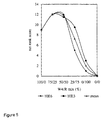
As can be clearly seen from figure 5, a vaccine based upon a mixture of both 35 kD and
37 kD proteins according to the invention gives a better protection against challenge with
both strains comprising 35 kD and 37 kD protein, compared to vaccines based upon the
same amount of protein from only a 35 kD or a 37 kD protein.
Conclusion.
-
Vaccination with a mixed vaccine comprising both 35 kD and 37 kD protein has a synergistic
effect. Such a vaccine protects, when given in low (i.e. below the optimal protective)
doses, even better against challenge with both homologous and heterologous
strains than comparable low amounts of vaccines based upon pure 35 kD or 37 kD protein.
Legend to the figures
-
- Figure 1: Alignment of nucleic acid sequences encoding protein of the 37 kDa protein
family in B. divergens strains Rouen 1987, Weybridge and Y5, respectively SEQ. ID.
NO: 1, 2 and 3 by Clustal method.
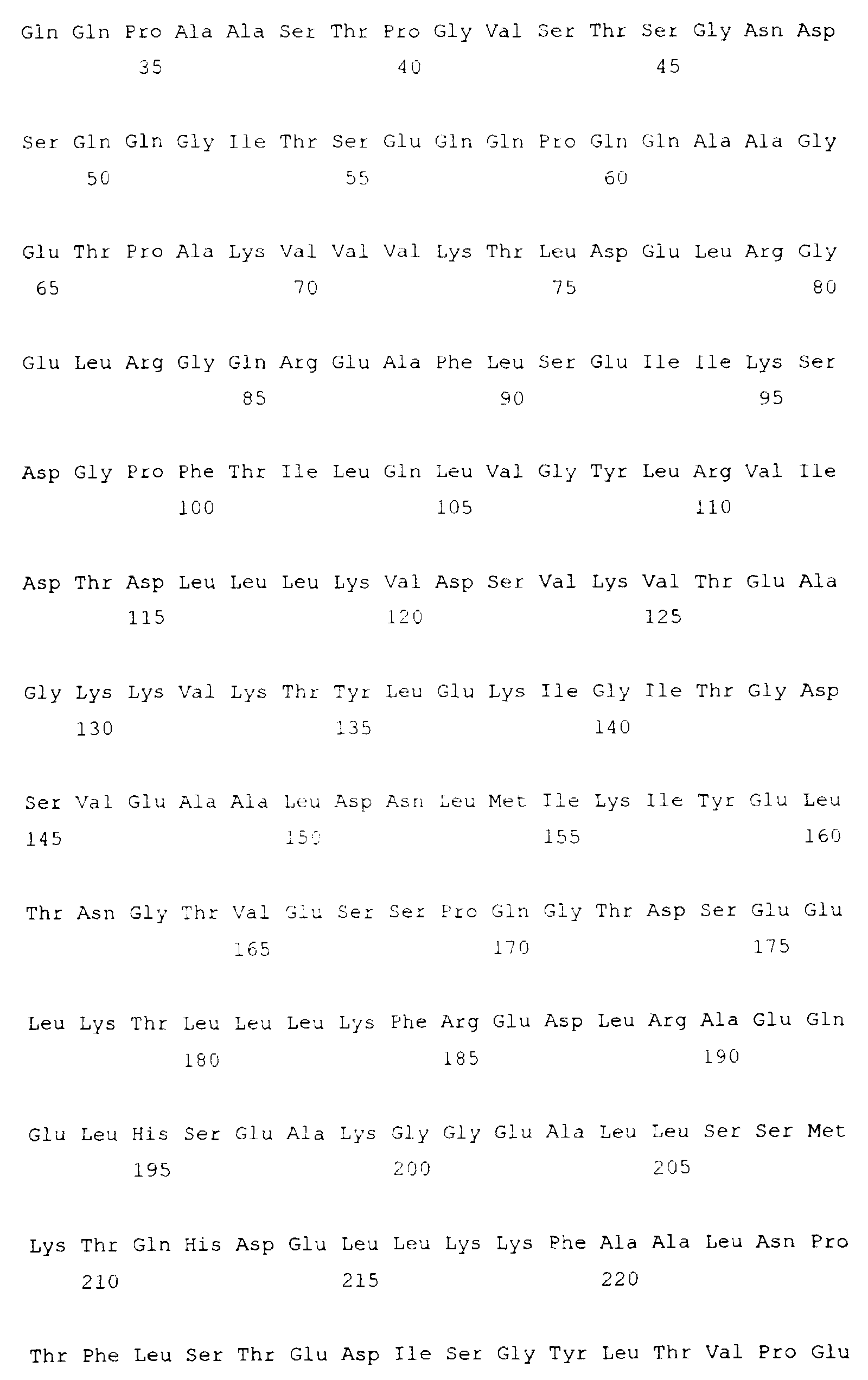
- Figure 2: Alignment of amino acid sequences of the 37 kDa protein family in B. divergens
strains Rouen 1987, Weybridge and Y5, respectively SEQ. ID. NO : 4,5 and 6 by Clustal
method.
- Figure 3: Recombinant proteins of the 37 kD protein family were produced either in a
prokaryotic system (A) or in a eukaryotic baculovirus (Bac-to-bac) system (B). The following
proteins are visible on gel: purified GST-Bd37 (lane 1) and GST-Bd35 (lane 2) fusion
proteins, infected cell lysate containing the Bac-Bd37 protein (lane 3) and non-infected
insect cell lysate (lane 4).
- Figure 4: Immunoprecipitation of antigens from B. divergens Rouen 1987 by sera from
gerbils vaccinated with recombinant Bd37 proteins.
- Figure 5: Total net rank score of minimal PCV, parasite load and survival of gerbils vaccinated
with a mix of Weybridge and Rouen SPA (Soluble Parasite Antigen) challenged
with a high or a low challenge dose.
-