EP1049784B1 - Polyhydroxyalkanoate biosynthesis-related genes derived from alcaligenes latus - Google Patents
Polyhydroxyalkanoate biosynthesis-related genes derived from alcaligenes latus Download PDFInfo
- Publication number
- EP1049784B1 EP1049784B1 EP99900695A EP99900695A EP1049784B1 EP 1049784 B1 EP1049784 B1 EP 1049784B1 EP 99900695 A EP99900695 A EP 99900695A EP 99900695 A EP99900695 A EP 99900695A EP 1049784 B1 EP1049784 B1 EP 1049784B1
- Authority
- EP
- European Patent Office
- Prior art keywords
- gene
- pha
- sequence
- polyhydroxyalkanoate
- biosynthesis
- Prior art date
- Legal status (The legal status is an assumption and is not a legal conclusion. Google has not performed a legal analysis and makes no representation as to the accuracy of the status listed.)
- Expired - Lifetime
Links
Images




Classifications
-
- C—CHEMISTRY; METALLURGY
- C12—BIOCHEMISTRY; BEER; SPIRITS; WINE; VINEGAR; MICROBIOLOGY; ENZYMOLOGY; MUTATION OR GENETIC ENGINEERING
- C12N—MICROORGANISMS OR ENZYMES; COMPOSITIONS THEREOF; PROPAGATING, PRESERVING, OR MAINTAINING MICROORGANISMS; MUTATION OR GENETIC ENGINEERING; CULTURE MEDIA
- C12N9/00—Enzymes; Proenzymes; Compositions thereof; Processes for preparing, activating, inhibiting, separating or purifying enzymes
- C12N9/0004—Oxidoreductases (1.)
- C12N9/0006—Oxidoreductases (1.) acting on CH-OH groups as donors (1.1)
-
- C—CHEMISTRY; METALLURGY
- C12—BIOCHEMISTRY; BEER; SPIRITS; WINE; VINEGAR; MICROBIOLOGY; ENZYMOLOGY; MUTATION OR GENETIC ENGINEERING
- C12N—MICROORGANISMS OR ENZYMES; COMPOSITIONS THEREOF; PROPAGATING, PRESERVING, OR MAINTAINING MICROORGANISMS; MUTATION OR GENETIC ENGINEERING; CULTURE MEDIA
- C12N15/00—Mutation or genetic engineering; DNA or RNA concerning genetic engineering, vectors, e.g. plasmids, or their isolation, preparation or purification; Use of hosts therefor
- C12N15/09—Recombinant DNA-technology
- C12N15/11—DNA or RNA fragments; Modified forms thereof; Non-coding nucleic acids having a biological activity
- C12N15/52—Genes encoding for enzymes or proenzymes
-
- C—CHEMISTRY; METALLURGY
- C12—BIOCHEMISTRY; BEER; SPIRITS; WINE; VINEGAR; MICROBIOLOGY; ENZYMOLOGY; MUTATION OR GENETIC ENGINEERING
- C12N—MICROORGANISMS OR ENZYMES; COMPOSITIONS THEREOF; PROPAGATING, PRESERVING, OR MAINTAINING MICROORGANISMS; MUTATION OR GENETIC ENGINEERING; CULTURE MEDIA
- C12N9/00—Enzymes; Proenzymes; Compositions thereof; Processes for preparing, activating, inhibiting, separating or purifying enzymes
- C12N9/10—Transferases (2.)
- C12N9/1025—Acyltransferases (2.3)
-
- C—CHEMISTRY; METALLURGY
- C12—BIOCHEMISTRY; BEER; SPIRITS; WINE; VINEGAR; MICROBIOLOGY; ENZYMOLOGY; MUTATION OR GENETIC ENGINEERING
- C12N—MICROORGANISMS OR ENZYMES; COMPOSITIONS THEREOF; PROPAGATING, PRESERVING, OR MAINTAINING MICROORGANISMS; MUTATION OR GENETIC ENGINEERING; CULTURE MEDIA
- C12N9/00—Enzymes; Proenzymes; Compositions thereof; Processes for preparing, activating, inhibiting, separating or purifying enzymes
- C12N9/10—Transferases (2.)
- C12N9/1025—Acyltransferases (2.3)
- C12N9/1029—Acyltransferases (2.3) transferring groups other than amino-acyl groups (2.3.1)
-
- C—CHEMISTRY; METALLURGY
- C12—BIOCHEMISTRY; BEER; SPIRITS; WINE; VINEGAR; MICROBIOLOGY; ENZYMOLOGY; MUTATION OR GENETIC ENGINEERING
- C12Y—ENZYMES
- C12Y101/00—Oxidoreductases acting on the CH-OH group of donors (1.1)
- C12Y101/01—Oxidoreductases acting on the CH-OH group of donors (1.1) with NAD+ or NADP+ as acceptor (1.1.1)
- C12Y101/01036—Acetoacetyl-CoA reductase (1.1.1.36)
-
- C—CHEMISTRY; METALLURGY
- C12—BIOCHEMISTRY; BEER; SPIRITS; WINE; VINEGAR; MICROBIOLOGY; ENZYMOLOGY; MUTATION OR GENETIC ENGINEERING
- C12Y—ENZYMES
- C12Y203/00—Acyltransferases (2.3)
- C12Y203/01—Acyltransferases (2.3) transferring groups other than amino-acyl groups (2.3.1)
- C12Y203/01016—Acetyl-CoA C-acyltransferase (2.3.1.16)
Definitions
- the present invention relates to polyhydroxyalkanoate (hereinafter referred to as "PHA”) biosynthesis-related genes for PHA synthase, ⁇ -ketothiolase and acetoacetyl-CoA reductase, derived from Alcaligenes latus , their amino acid sequences, a recombinant plasmid carrying these genes, and a method for massproducing PHA using these gene.
- PHA polyhydroxyalkanoate
- PHB polyhydroxybutyrate
- Petroleum synthetic plastics are so durable that they are not degraded in usual conditions at all. Because the production amount of the petroleum synthetic plastics increases each year, the environmental pollution ascribed to petroleum synthetic plastics wastes are now a big social problem. To solve the problem of non-degradable plastics, active research and development efforts have been and continued to be directed to biodegradable polymers all over the world.
- Biodegradable polymers are the high molecular weight materials that are completely degraded under natural conditions after a period of time. Many biodegradable polymers have been developed. Of them, PHA, a natural polyester which is synthesized and accumulated by microorganisms. is of particular interest because it is superior in biodegradability as well as shows physical properties similar to those of the synthetic plastics in current use (Anderson A.J. and Dawes, E.A., Microbiol. Rev., 1990, 54, 450-472; Lee, S.Y., Biotechnol. Bioeng., 49:1-14,1996; Lee, S.Y., Trends Biotechnol ., 14:431-438, 1996).
- PHA is an organic reserve material, which can provide an intracellular store of carbon or energy, usually found in Pseudomonas, Alcaligenes, Azotobacter , and Bacillus spp.,etc. It is detectable as granular cytoplasmic inclusions.
- the cellular content of the reserve material is relatively low in actively growing cells: They accumulate massively when cells are limited in nitrogen, phosphorous, sulfur. oxygen, etc., but still have carbon and energy available.
- This reserve material was first found in Bacillus megaterium by Lemoigne in 1925 (Lemoigne, M., Bull. Soc. Chem. Biol ., 8:770-782, 1926). Since then, its chemical and physical properties have been extensively researched. Poly(3-hydroxybutyrate) is the most widely and first known PHA.
- PHAs are divided into two classes ; short-chain-length PHAs(SCL PHAs) and medium-chain-length PHAs(MCL PHAs)
- SCL PHAs include poly- ⁇ -hydroxypropionic acid, poly- ⁇ -hydroxybutyric acid, and poly- ⁇ -hydroxyvaleric acid, which are produced by Alcaligenes eutrophus , Azotobacter vinelandii, methylotrophs , etc. SCL PHAs are widely used due to their similar properties to polypropylene, a kind of chemically synthesized plastics.
- MCL PHAs composed of 3 to 9 more carbon atoms than SCL PHAs, are produced by Pseudomonas spp., by using alkane, 1-alkene, C 6 ⁇ C 12 alkanoic acids as a carbon.
- a concrete biosynthetic pathway of PHA in Alcaligenes eutrophus, gram negative bacteria, is as follows. Between two molecules of acetyl-CoA, a carbon-carbon bond forms in the presence of ⁇ -ketothiolase, the product of gene phbA , according to a biological Claisen condensation. The acetoacetyl-CoA thus formed is converted into D(-)- ⁇ -hydroxybutyryl-CoA by the stereoselective reduction of NADPH-dependent acetoacetyl-CoA reductase, the product of gene phbB . Finally, D(-)- ⁇ -hydroxybutyryl-CoA is polymerized via ester bond by PHA synthase, the product of gene phbC .
- Alcaligenes latus is reported to be so superior in the production of PHA that it accumulates PHA in cells at a proportion of around 90%. Also, Alcaligenes latus has the advantage in that it grows fast and uses inexpensive substrates as carbon sources (Wang, F. and Lee, S.Y., Appl . Environ . Microbiol., 63:3703-3706, 1997). Unlike Alcaligenes eutrophus, Alcaligenes latus accumulates PHAs while they are growing. Thus, Alcaligenes latus can mass-produce PHA by one-step culture although the amount is low relative to that upon Alcaligenes eutrophus .
- Alcaligenes latus also produces poly(3-hydroxybutyrate/3-hydroxypropionate) as well as poly(3-hydroxybutyrate/4-hydroxypropionate) in a medium containing disaccharides as carbon source by addition of 3-hydroxypropionate and ⁇ -butyrolactone (Hiramitsu, M., Koyama, N., and Doi, Y.. Biotechnol . Lett .. 15:461-464, 1993).
- PHA can be produced by chemical process as well as biological process.
- Commercially favorable production scale of PHA is possible only by biological process.
- new technologies are required to reduce the production cost of PHA.
- recombinant DNA technology gives a great contribution to the development and modification of novel strains, showing the production of novel polymers, utility of low-priced substrate, high efficiency of production, and facility in separation and purification.
- the inventors In order to mass-produce biodegradable, natural PHA and its copolymers, the inventors have cloned genes for polyhydroxyalkanoate synthase, ⁇ -ketothiolase, and acetoacetyl-CoA reductase, and determined amino acid sequences and gene sequences. They have made expression vectors carrying the above genes and transformants, whereby polyhydroxyalkanoate can be produced and accumulated.
- the inventors have cloned gene for polyhydroxybutyrate (PHB) and determined gene sequence and amino acid sequence, and made expression vector carrying the PHB gene and transformant, whereby polyhydroxybutyrate can be produced and accumulated.
- PHB polyhydroxybutyrate
- the present invention provides a polyhydroxyalkanoate biosynthesis-related gene.
- the present invention provides an expression vector containing the polyhydroxyalkanoate biosynthesis- related gene and its transformant.
- the present invention provides the method of preparing the polyhydroxyalkanoate synthase.
- the present invention provides the method of preparing the polyhydroxyalkanoate.
- the present invention provides a polyhydroxybutyrate gene.
- the present invention provides an expression vector containing the polyhydroxybutyrate gene and its transformant.
- the present invention provides the method of preparing the polyhydroxybutyrate synthase.
- the present invention provides the method of preparing the polyhydroxybutyrate.
- genes for the biosynthesis of PHA are separated from Alcaligenes latus , which accumulates PHA while growing, whereby biodegradable, natural and industrially useful PHA and its copolymers can be mass-produced.
- the total genomic DNA separated from Alcaligenes latus is partly digested by restriction enzymes and the resulting DNA fragments are inserted into vector pUC19.
- E. coli is transformed with vector pUC19, followed by the selection of the recombinant vectors with a PHA biosynthesis-related DNA.
- the bacteria harboring the interest DNA was observed to accumulate PHA on a solid medium and in a liquid medium, as shown in Figs. 1 and 2, respectively.
- Isolation of the recombinant vector from the transformed bacteria capable of producing PHA is the first thing necessary to identify the DNA fragment of interest.
- Various analytic works show that the DNA fragment of interest is 6.4 kb in size, containing the genes coding for all of the ⁇ -ketothiolase, acetoacetyl-CoA reductase and PHA synthase.
- the present invention pertains to a PHA biosynthesis-related DNA fragment containing a PHA synthase gene, a ⁇ -ketothiolase gene and an acetoacetyl-CoA reductase gene, in due order, which has a size of 1608 bp (corresponding to 536 aa), 1176 bp (392 aa) and 735 bp (245 aa), respectively (see, Fig. 4).
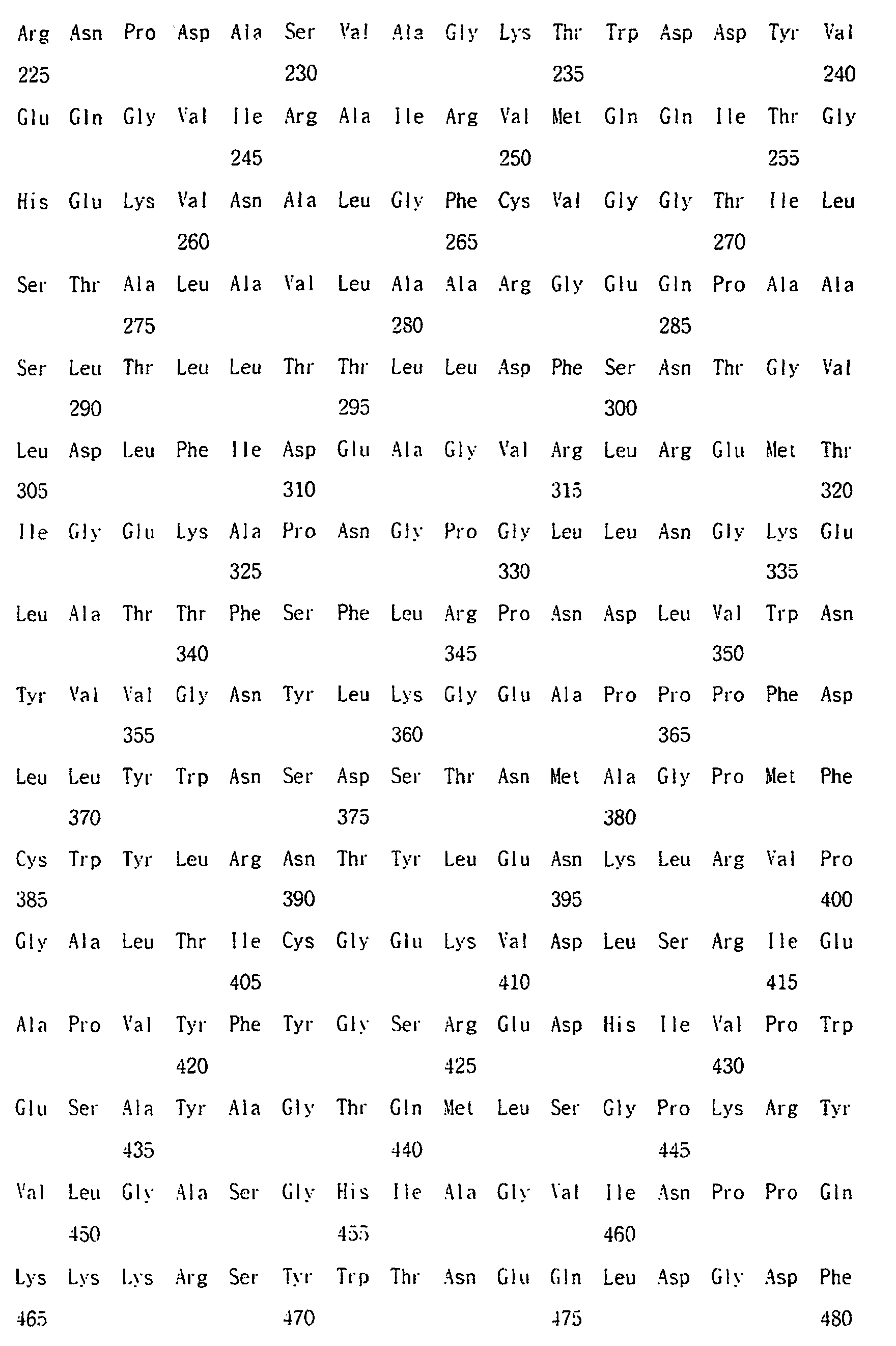
- Sequencing analyses reveal that the PHA synthase gene has a base sequence of Sequence 2 with a corresponding amino acid sequence of Sequence 5. as suggested in the accompanying Sequence Lists.
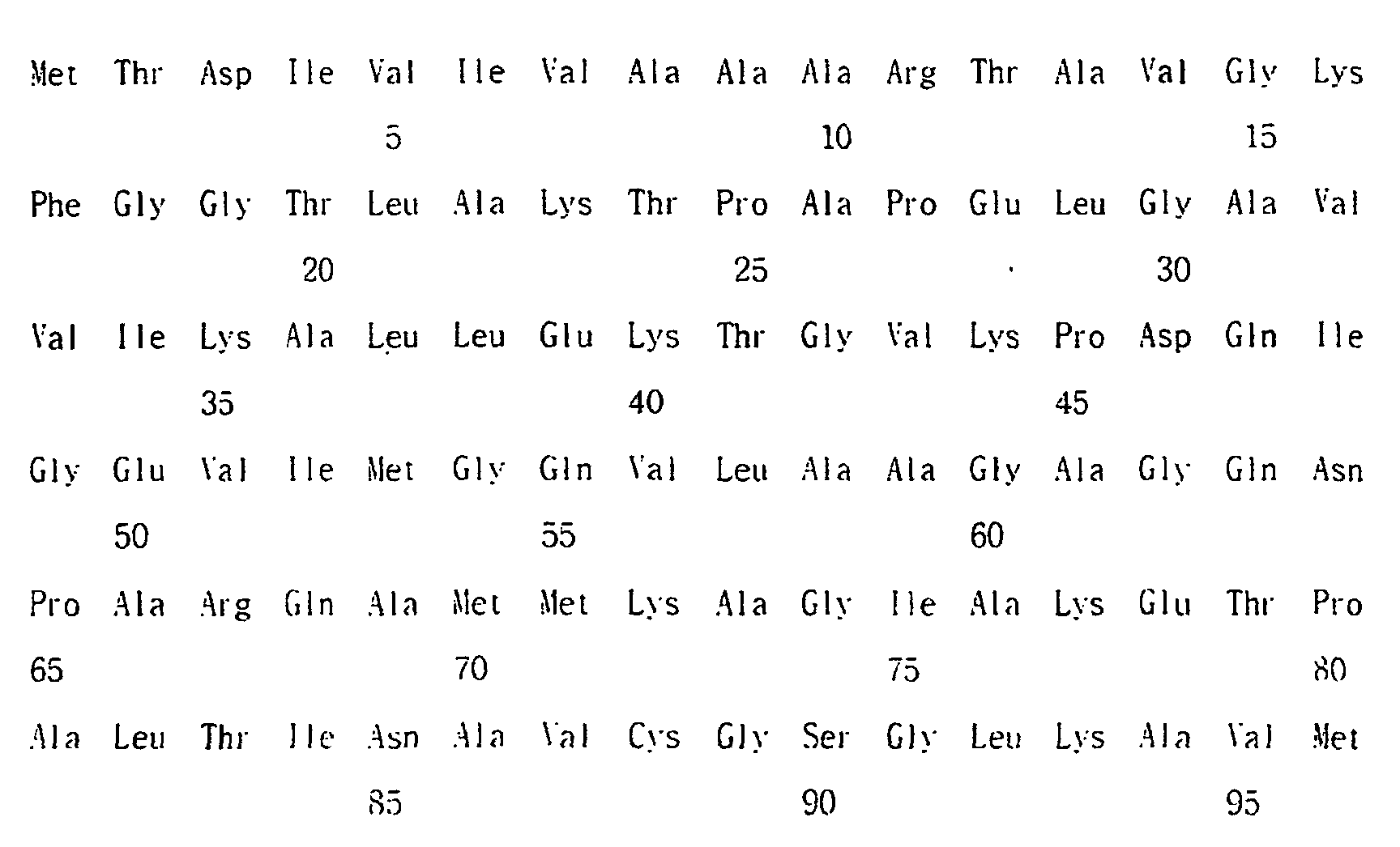
- the ⁇ -ketothiolase gene has a base sequence of Sequence 3 and the ⁇ -ketothiolase expressed therefrom has an amino acid sequence of Sequence 6.
- the analyses also give that the acetoacetyl-CoA reductase gene has a base sequence of Sequence 4 which corresponds to an amino acid sequence of Sequence 7(see, Fig. 3 and Sequence Lists).
- the recombinant vector anchoring the DNA for biosynthesis of PHA was named pJC1 (see, Fig. 5) and the transformant, E. coli XL-1 Blue/pJC1, was deposited in Korean Collection for Type Cultures, Korean Research Institute of Bioscience and Biotechnology on Nov. 5, 1997 and received a Deposition No. KCTC 0398 BP.
- the present invention pertains to the preparation of the PHA biosynthesis-related enzymes by culturing host bacteria which harbor a recombinant expression vector containing the PHA biosynthesis-related genes.
- the present invention pertains to the production of PHA and its copolymers by use of the above host bacteria which can express the PHA biosynthesis-related genes.
- E. coli was transformed by the recombinant expression vector and after selecting, the transformed E. coli was cultured in a liquid medium containing glucose in suitable concentration to produce PHA. Where the E. coli was cultured in this manner, PHA was observed to accumulate until it represent as much as 40 % or more of the dry cell weight.
- this invention provides polyhydroxybutyrate synthase (hereinafter referred to as "PHB synthase”) and genes thereof.
- PHB synthase polyhydroxybutyrate synthase
- the total genomic DNA separated from Alcaligenes latus is partly digested by restriction enzyme, followed by selecting the DNA fragment showing positive signal by use of PHB gene derived from Alcaligenes eutrophus H16 as a probe.
- Plasmid vector pAL32 is obtained by inserting the above PHB gene into pSK(+).
- the pAL32 is digested with Eco RI and Not I to obtain the PHB gene and then the resulting gene is inserted into plasmid pK230 of broad host range to obtain the recombinant expression vector pKTC32.
- This pKTC32 can express the gene in various host cells.(see Fig. 6)
- the strain Alcaligenes latus (Wang, F and Lee, S.Y., Appl. Envirn. Microbiol ., 63:3707-3706, 1997) was cultured overnight in 500 ml of an NB medium (8 g/L nutrient broth). The bacteria in an initial stage of exponential growth were harvested by centrifugation and washed twice with saline-EDTA (0.15 M NaCl, 0.1 M EDTA, pH 8.0). The washed bacteria were suspended in 40 ml of 0.1 M saline-Tris-Cl (0.1 M NaCl, 10 mM EDTA, pH 9.0) and 1 ml of lysozyme solution (20 mg/ml) prepared just before use was added to the suspension.
- This suspension was dropwise added at 37 °C with Tris-SDS buffer (0.4 M NaCl, I mM EDTA, 20 mM Tris-Cl, pH 7.5, added with 5% SDS) with slow agitation. When the resulting solution became viscous. 5.5 ml of Proteinase K (10 mg/ml) was added and the total solution was incubated at 37 °C for 2 hours to remove proteins. Next, equal volume of phenol was added to the solution and well mixed for 30 min at room temperature with caution.
- Tris-SDS buffer 0.4 M NaCl, I mM EDTA, 20 mM Tris-Cl, pH 7.5, added with 5% SDS
- the genomic DNA of Alcaligenes latus obtained Example I, was partly digested by restriction enzyme Sau 3AI. Because restriction enzyme Sau3 AI recognizes a specific four-base sequence in double-stranded DNA and cleaves both strands of the duplex at a specific site, various DNA fragments ranging from a small size to a large size can be obtained. These DNA fragments were separated according to size by electrophoresis on a low-melting temperature agarose gel.
- the recombinant vector thus obtained was used to transform E. coli XL1-Blue (Stratagene) with the aid of an electroporator.
- E. coli XL1-Blue Stratagene
- the recombinant vector pUC19 which contained the whole PHA biosynthesis-related gene at a Bam HI cloning site was taken up by E.
- coli XL1-Blue white colonies were formed on a solid LB medium (tryptone 10 g/L, yeast extract 5 g/L, NaCl 10 g/L) supplemented with ampicillin, X-gal (5-bromo-4-chloro-3-indolyl- ⁇ --D-galactopyranoside) and IPTG (isopropyl-1-thio- ⁇ --D-galactopyranoside).
- the bacteria contained plasmid vector pUC19 without a DNA insert, blue colonies were formed. Through this procedure, colonies containing plasmid vector pUC 19 with a partial genomic DNA insert of Alcaligenes latus , were selected. In order to determine whether these colonies were able to produce PHA, they each were inoculated in a broth capable of accumulating PHA.
- the recombinant expression vector was named pJC1.
- the transformant which harbored plasmid pJC1 was deposited in Korean Collection for Type Cultures, Korean Research Institute of Bioscience and Biotechnology on Nov. 5, 1997, with a deposition No. KCTC 0398 BP.
- the 6.4 kb DNA insert ligated to the plasmid vector pUC19 was analyzed to contain all the genes for ⁇ -ketothiolase, acetoacetyl-CoA reductase and PHA synthase. These genes were positioned in the order of PHA synthase, ⁇ -ketothiolase and acetoacetyl-CoA reductase from the 5' end to the 3' end.
- the PHA synthase gene, ⁇ -ketothiolase gene and acetoacetyl-CoA reductase gene were 1608 bp (536 aa), 1176 bp (392 aa) and 735 bp (245 aa) long, respectively.
- EXAMPLE IV PHA-Producing Recombinant E. coli Containing PHA Biosynthesis-Related Genes Derived from A. latus
- the recombinant expression vector pJC 1 anchoring the 6.4 kb genomic DNA fragment of Alcaligenes latus was used to transform E. coli XL1-Blue. Since the bacteria which took up the recombinant expression vector could grow in a medium containing ampicillin, selection of the E. coli transformants was made on a solid medium containing 100 g/ml ampicillin. The selected E. coli was cultured in a defined or complex liquid medium containing 20 g/l glucose to produce PHA. When the strain was cultured at a temperature of 30 or 37 °C in a flask, PHA was accumulated until it represented as much as 40 % or more of the dry cell weight.
- the PHA biosynthesis-related genes of the present invention are derived from Alcaligenes latus and contains all of the genes for PHA synthase, ⁇ -ketothiolase and acetoacetyl-CoA reductase.
- E. coli is transformed with the PHA biosynthesis-related genes of the present invention, a one-step culture of the transformant E. coli can mass-produce PHA.
- these enzymes and the genes are very helpful in understanding the biosynthesis of PHA in a molecular biological level.
- EXAMPLE V Separation of PHB gene from Alcaligenes latus and determination of its DNA and amino acid sequence
- EXAMPLE VI Construction of recombinant expression vector pKTC32 containing PHB gene
- PHB gene is obtained by digesting pAL32 with EcoR I and Not I, and then the resulting DNA fragment was ligated to the restriction site by EcoR I and Not I. (see Fig. 5)
- the recombinant expression vector pKTC32 of Example VI was introduced into the strains of A . eutrophus DSM541 which is lacking in PHB gene. When culturing the transformant, PHB particles in the cell were observed.
- EXAMPLE VIII Identification of primer region of PHB gene derived from A. latus
- the total DNA of Alcaligenes latus was separated.
- the site wherefrom RNA transcription starts was determined by primer extension method and then the promoter region consisting of 210 bp DNA upstream was obtained.
- the gene sequence of promoter region of PHB was analyzed by PC/Gene software program .
Landscapes
- Health & Medical Sciences (AREA)
- Life Sciences & Earth Sciences (AREA)
- Chemical & Material Sciences (AREA)
- Genetics & Genomics (AREA)
- Organic Chemistry (AREA)
- Engineering & Computer Science (AREA)
- Wood Science & Technology (AREA)
- Bioinformatics & Cheminformatics (AREA)
- Zoology (AREA)
- General Engineering & Computer Science (AREA)
- General Health & Medical Sciences (AREA)
- Biochemistry (AREA)
- Biomedical Technology (AREA)
- Biotechnology (AREA)
- Molecular Biology (AREA)
- Microbiology (AREA)
- Medicinal Chemistry (AREA)
- Physics & Mathematics (AREA)
- Biophysics (AREA)
- Plant Pathology (AREA)
- Preparation Of Compounds By Using Micro-Organisms (AREA)
- Micro-Organisms Or Cultivation Processes Thereof (AREA)
- Enzymes And Modification Thereof (AREA)
Abstract
Description
- The present invention relates to polyhydroxyalkanoate (hereinafter referred to as "PHA") biosynthesis-related genes for PHA synthase, β-ketothiolase and acetoacetyl-CoA reductase, derived from Alcaligenes latus, their amino acid sequences, a recombinant plasmid carrying these genes, and a method for massproducing PHA using these gene. Also, the present invention relates to polyhydroxybutyrate(hereinafter referred to as "PHB") gene derived from Alcaligenes latus, its amino acid sequence and a recombinant plasmid carrying PHB gene, and a method for mass-producing PHB using the gene.
- Petroleum synthetic plastics are so durable that they are not degraded in usual conditions at all. Because the production amount of the petroleum synthetic plastics increases each year, the environmental pollution ascribed to petroleum synthetic plastics wastes are now a big social problem. To solve the problem of non-degradable plastics, active research and development efforts have been and continued to be directed to biodegradable polymers all over the world.
- Biodegradable polymers are the high molecular weight materials that are completely degraded under natural conditions after a period of time. Many biodegradable polymers have been developed. Of them, PHA, a natural polyester which is synthesized and accumulated by microorganisms. is of particular interest because it is superior in biodegradability as well as shows physical properties similar to those of the synthetic plastics in current use (Anderson A.J. and Dawes, E.A., Microbiol. Rev., 1990, 54, 450-472; Lee, S.Y., Biotechnol. Bioeng., 49:1-14,1996; Lee, S.Y., Trends Biotechnol., 14:431-438, 1996).
- In detail, PHA is an organic reserve material, which can provide an intracellular store of carbon or energy, usually found in Pseudomonas, Alcaligenes, Azotobacter, and Bacillus spp.,etc. It is detectable as granular cytoplasmic inclusions. As a general rule, the cellular content of the reserve material is relatively low in actively growing cells: They accumulate massively when cells are limited in nitrogen, phosphorous, sulfur. oxygen, etc., but still have carbon and energy available. This reserve material was first found in Bacillus megaterium by Lemoigne in 1925 (Lemoigne, M., Bull. Soc. Chem. Biol., 8:770-782, 1926). Since then, its chemical and physical properties have been extensively researched. Poly(3-hydroxybutyrate) is the most widely and first known PHA.
- According to the number of carbon atoms and the substituents in hydroxyalkanoate, many PHAs were reported. In general, PHAs are divided into two classes ; short-chain-length PHAs(SCL PHAs) and medium-chain-length PHAs(MCL PHAs)
- SCL PHAs include poly-β-hydroxypropionic acid, poly-β-hydroxybutyric acid, and poly-β-hydroxyvaleric acid, which are produced by Alcaligenes eutrophus, Azotobacter vinelandii, methylotrophs, etc. SCL PHAs are widely used due to their similar properties to polypropylene, a kind of chemically synthesized plastics.
- MCL PHAs, composed of 3 to 9 more carbon atoms than SCL PHAs, are produced by Pseudomonas spp., by using alkane, 1-alkene, C6 ∼ C12 alkanoic acids as a carbon.
- Since early the 1960s, it was recognized that PHA could work like thermoplastic polymers. Thereafter, attracting a great attention, many types of PHA copolymers were synthesized, which are superior in mechanical properties as well as in biodegradability. By virtue of these advantages and owing to the environmental pollution aggravated by petroleum synthetic polymer wastes, PHA is now actively researched and developed as an alternative for plastics over the world. In addition, biocompatibility and bioabsorptivity allow PHA to be used in a variety of fields, as materials for agriculture, medicinal care, drug transfer system, and package, and as precursors for fine chemical products (Holmes, P.A. in Developments in crystalline polymers. 1-65, 1988).
- Taking advantage of various bacteria, molecular biological research has revealed that there are four different biosynthetic pathway for PHA (Steinbuchel, A. in Biomaterials: novel materials from biological sources, 215-262, 1991). For example, for Alcaligenes eutrophus, the most widely known bacteria, β-ketothiolase, acetoacetyl-CoA reductase and polyhydroxyalkanoate synthase (PHA synthase) are known to be involved in the biosynthesis of PHA (People, O.P. and Shinskey, A.J., J. Biol. Chem., 264: 15298-15303, 1989; Schubert, P., Steinbuchel, A. and Schlegel, H.G., J. Bacteriol., 170:5837-5847, 1988; Slater, S.C., Voige, W.H. and Dennis, D.E., J. Bacteriol., 170:4431-4436, 1988).
- A concrete biosynthetic pathway of PHA in Alcaligenes eutrophus, gram negative bacteria, is as follows. Between two molecules of acetyl-CoA, a carbon-carbon bond forms in the presence of β-ketothiolase, the product of gene phbA, according to a biological Claisen condensation. The acetoacetyl-CoA thus formed is converted into D(-)-β-hydroxybutyryl-CoA by the stereoselective reduction of NADPH-dependent acetoacetyl-CoA reductase, the product of gene phbB. Finally, D(-)-β-hydroxybutyryl-CoA is polymerized via ester bond by PHA synthase, the product of gene phbC.
- In order to clone the genes which pertain to the biosynthesis of PHA in other bacteria than Alcaligenes eutrophus, much effort has been made. That is, the comprehension of the biosynthesis of PHA in bacteria makes it possible efficient production of PHA, versatility of substrates, synthesis of new PHA, and development of biopolymers similar to PHA. Further, recombinant strains which are obtained by utilizing the PHA biosynthesis-related genes can synthesize various PHAs at high efficiencies, resulting in a scientific and industrial significance (Lee, S.Y., Trends Biotechnol., 14:431-438, 1996).
- Strain Alcaligenes latus is reported to be so superior in the production of PHA that it accumulates PHA in cells at a proportion of around 90%. Also, Alcaligenes latus has the advantage in that it grows fast and uses inexpensive substrates as carbon sources (Wang, F. and Lee, S.Y., Appl. Environ. Microbiol., 63:3703-3706, 1997). Unlike Alcaligenes eutrophus, Alcaligenes latus accumulates PHAs while they are growing. Thus, Alcaligenes latus can mass-produce PHA by one-step culture although the amount is low relative to that upon Alcaligenes eutrophus.
- The use of Alcaligenes latus to produce PHA began in earnest in the mid-1980s by Chemie Linz AG, Austria. Biotechnologishe forchungesellschaft mbH, Austria, developed a process in which a one-step culture of strain btF-96, a mutant strain of Alcaligenes latus., produces PHA, asserting that one ton of PHA is obtained from a 15 m3 fermentor per week (Hrabak, O., FEMS Microbiol. Rev., 103:251-256, 1992). Alcaligenes latus also produces poly(3-hydroxybutyrate/3-hydroxypropionate) as well as poly(3-hydroxybutyrate/4-hydroxypropionate) in a medium containing disaccharides as carbon source by addition of 3-hydroxypropionate and γ-butyrolactone (Hiramitsu, M., Koyama, N., and Doi, Y.. Biotechnol. Lett.. 15:461-464, 1993).
- PHA can be produced by chemical process as well as biological process. However, Commercially favorable production scale of PHA is possible only by biological process. Since the production cost of PHA is much higher than those of other commercially available synthetic polymers, new technologies are required to reduce the production cost of PHA. Particularly, recombinant DNA technology gives a great contribution to the development and modification of novel strains, showing the production of novel polymers, utility of low-priced substrate, high efficiency of production, and facility in separation and purification. In order to develop such recombinant strains, first of all, it is necessary to understand the enzymes involved in the biosynthetic pathway for PHA.
- In order to mass-produce biodegradable, natural PHA and its copolymers, the inventors have cloned genes for polyhydroxyalkanoate synthase, β-ketothiolase, and acetoacetyl-CoA reductase, and determined amino acid sequences and gene sequences. They have made expression vectors carrying the above genes and transformants, whereby polyhydroxyalkanoate can be produced and accumulated.
- In addition, the inventors have cloned gene for polyhydroxybutyrate (PHB) and determined gene sequence and amino acid sequence, and made expression vector carrying the PHB gene and transformant, whereby polyhydroxybutyrate can be produced and accumulated.
-
- Fig. 1 is a photograph showing opaque colonies of recombinant E. coli containing PHA biosynthesis-related genes derived from Alcaligenes latus, formed on a solid medium.
- Fig. 2 is a photograph showing that recombinant E. coli containing PHA biosynthesis-related genes accumulates PHA in a broth.
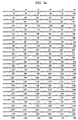
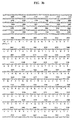
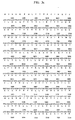
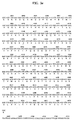
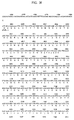
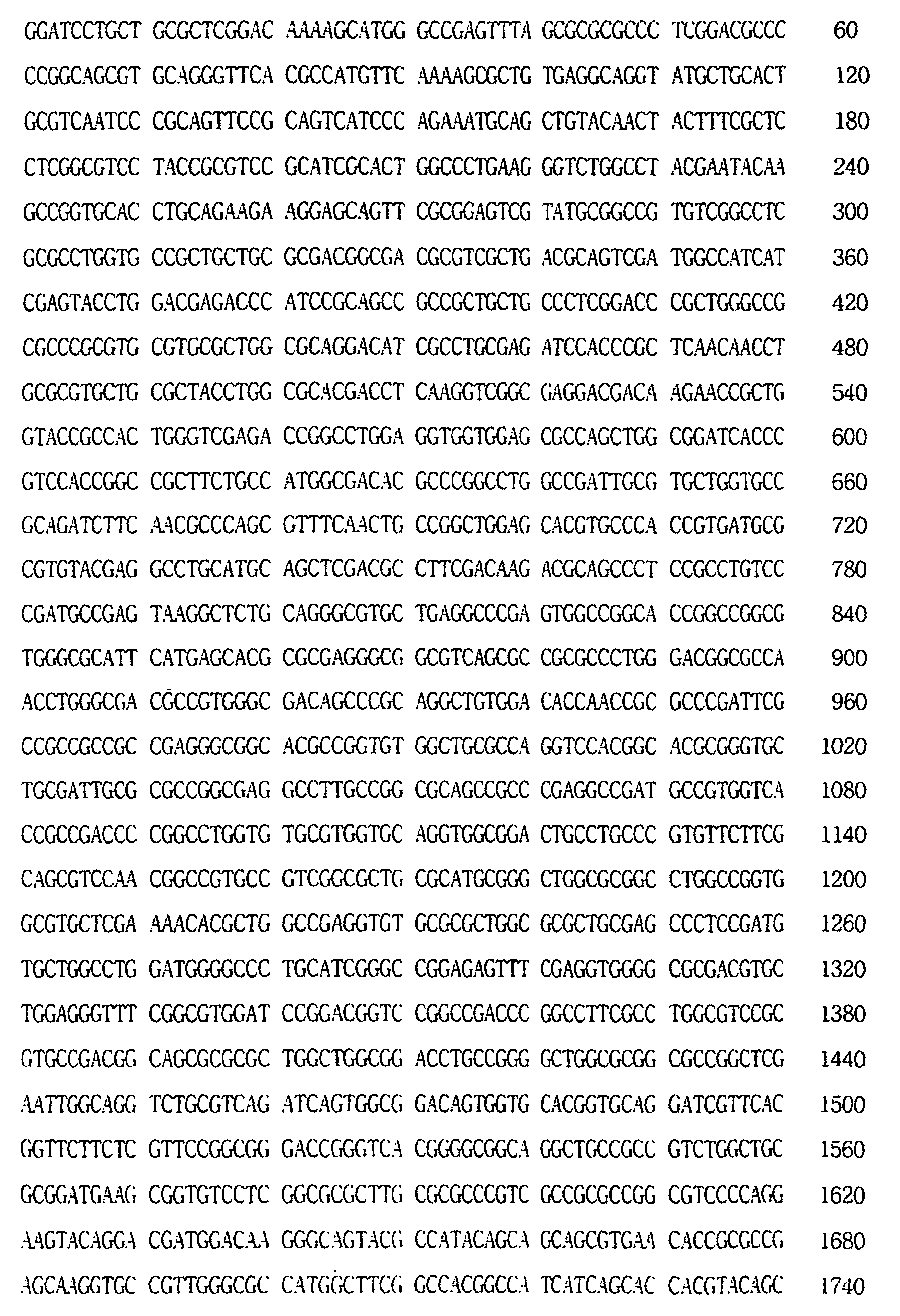
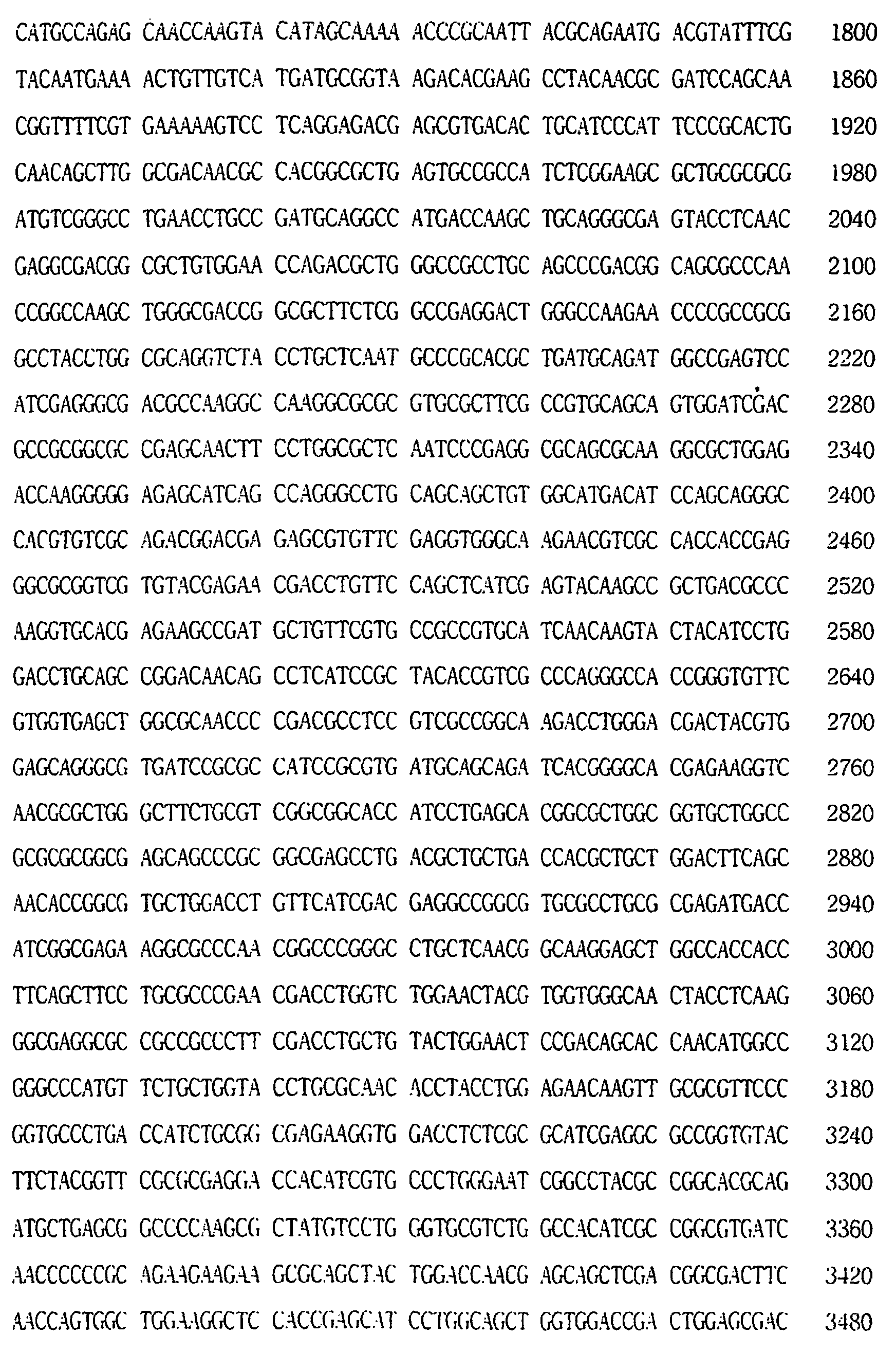
- Fig. 3 is a base sequence 6.4 kb in size, which contains the whole PHA biosynthesis-related genes derived from Alcaligenes latus.
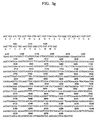
- Fig. 4 shows a restriction enzyme map of a 6.4 kb DNA fragment containing PHA biosynthesis-related genes derived from Alcaligenes latus, along with a gene structure.
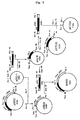
- Fig. 5 shows the gene structure of recombinant expression vector pJC1 carrying PHA biosynthesis-related genes derived from Alcaligenes latus.
- Fig. 6 shows the process of preparing the recombinant expression vector carrying PHB synthase gene derived from Alcaligenes latus.
-
- The present invention provides a polyhydroxyalkanoate biosynthesis-related gene.
- The present invention provides an expression vector containing the polyhydroxyalkanoate biosynthesis- related gene and its transformant.
- The present invention provides the method of preparing the polyhydroxyalkanoate synthase.
- The present invention provides the method of preparing the polyhydroxyalkanoate.
- In addition, the present invention provides a polyhydroxybutyrate gene.
- The present invention provides an expression vector containing the polyhydroxybutyrate gene and its transformant.
- The present invention provides the method of preparing the polyhydroxybutyrate synthase.
- The present invention provides the method of preparing the polyhydroxybutyrate.
- In the present invention, genes for the biosynthesis of PHA, are separated from Alcaligenes latus, which accumulates PHA while growing, whereby biodegradable, natural and industrially useful PHA and its copolymers can be mass-produced.
- In more detail, the total genomic DNA separated from Alcaligenes latus is partly digested by restriction enzymes and the resulting DNA fragments are inserted into vector pUC19. E. coli is transformed with vector pUC19, followed by the selection of the recombinant vectors with a PHA biosynthesis-related DNA. The bacteria harboring the interest DNA was observed to accumulate PHA on a solid medium and in a liquid medium, as shown in Figs. 1 and 2, respectively.
- Isolation of the recombinant vector from the transformed bacteria capable of producing PHA, is the first thing necessary to identify the DNA fragment of interest. Various analytic works show that the DNA fragment of interest is 6.4 kb in size, containing the genes coding for all of the β-ketothiolase, acetoacetyl-CoA reductase and PHA synthase.
- Therefore, in accordance with an aspect, the present invention pertains to a PHA biosynthesis-related DNA fragment containing a PHA synthase gene, a β-ketothiolase gene and an acetoacetyl-CoA reductase gene, in due order, which has a size of 1608 bp (corresponding to 536 aa), 1176 bp (392 aa) and 735 bp (245 aa), respectively (see, Fig. 4).
- Sequencing analyses reveal that the PHA synthase gene has a base sequence of Sequence 2 with a corresponding amino acid sequence of Sequence 5. as suggested in the accompanying Sequence Lists. The β-ketothiolase gene has a base sequence of Sequence 3 and the β-ketothiolase expressed therefrom has an amino acid sequence of Sequence 6. The analyses also give that the acetoacetyl-CoA reductase gene has a base sequence of Sequence 4 which corresponds to an amino acid sequence of Sequence 7(see, Fig. 3 and Sequence Lists).
- The recombinant vector anchoring the DNA for biosynthesis of PHA was named pJC1 (see, Fig. 5) and the transformant, E. coli XL-1 Blue/pJC1, was deposited in Korean Collection for Type Cultures, Korean Research Institute of Bioscience and Biotechnology on Nov. 5, 1997 and received a Deposition No. KCTC 0398 BP.
- In accordance with another aspect, the present invention pertains to the preparation of the PHA biosynthesis-related enzymes by culturing host bacteria which harbor a recombinant expression vector containing the PHA biosynthesis-related genes.
- In accordance with a further aspect, the present invention pertains to the production of PHA and its copolymers by use of the above host bacteria which can express the PHA biosynthesis-related genes. To this end, E. coli was transformed by the recombinant expression vector and after selecting, the transformed E. coli was cultured in a liquid medium containing glucose in suitable concentration to produce PHA. Where the E. coli was cultured in this manner, PHA was observed to accumulate until it represent as much as 40 % or more of the dry cell weight.
- In addition, this invention provides polyhydroxybutyrate synthase (hereinafter referred to as "PHB synthase") and genes thereof. The total genomic DNA separated from Alcaligenes latus is partly digested by restriction enzyme, followed by selecting the DNA fragment showing positive signal by use of PHB gene derived from Alcaligenes eutrophus H16 as a probe. Plasmid vector pAL32 is obtained by inserting the above PHB gene into pSK(+).
- The pAL32 is digested with EcoRI and NotI to obtain the PHB gene and then the resulting gene is inserted into plasmid pK230 of broad host range to obtain the recombinant expression vector pKTC32. This pKTC32 can express the gene in various host cells.(see Fig. 6)
- The transformant Alcaligenes eutrophus LAR5 obtained by inserting pKTC32 into Alcaligenes eutrophus DSM541 which is lacking in PHB gene, was deposited in Korean Collection for Type Cultures, Korean Research institute of Bioscience and Biotechnology on Nov. 11, 1997, with a deposition No. KCTC 0568 BP.
- When the above transformant Alcaligenes eutrophus DSM541(phb-) /pKTC32 is cultured, it is observed that PHB synthase is produced in the cell cytoplasm in the form of white particle.
- The invention will now be illustrated by the following examples, but not be limited in scope by reason of any of the following examples.
- The strain Alcaligenes latus (Wang, F and Lee, S.Y., Appl. Envirn. Microbiol., 63:3707-3706, 1997) was cultured overnight in 500 ml of an NB medium (8 g/L nutrient broth). The bacteria in an initial stage of exponential growth were harvested by centrifugation and washed twice with saline-EDTA (0.15 M NaCl, 0.1 M EDTA, pH 8.0). The washed bacteria were suspended in 40 ml of 0.1 M saline-Tris-Cl (0.1 M NaCl, 10 mM EDTA, pH 9.0) and 1 ml of lysozyme solution (20 mg/ml) prepared just before use was added to the suspension. This suspension was dropwise added at 37 °C with Tris-SDS buffer (0.4 M NaCl, I mM EDTA, 20 mM Tris-Cl, pH 7.5, added with 5% SDS) with slow agitation. When the resulting solution became viscous. 5.5 ml of Proteinase K (10 mg/ml) was added and the total solution was incubated at 37 °C for 2 hours to remove proteins. Next, equal volume of phenol was added to the solution and well mixed for 30 min at room temperature with caution. After the solution was centrifuged at 6,000 rpm for 10 min, the supernatant was transferred to a fresh beaker followed by volume-measurement, and slowly added with two times the volume of cold ethanol to precipitate the genomic DNA which was, then, rolled up with a glass bar. The DNA was dried at room temperature and dissolved in 10 ml of TE buffer (10mM Tris-HCl, 1mM EDTA, pH 8.0). Thereafter RNase was added to the above solution until the final concentration became 50µg/ml and the total solution was incubated at 37 °C for 1 hour. Then the same following process, i.e. mixing with phenol, centrifugation, volume mearsurement, addition of cold ethanol, rolling up, drying, and resuspension in TE buffer, was repeated. The only difference was that the concentration of TE buffer was 2ml.
- The genomic DNA of Alcaligenes latus, obtained Example I, was partly digested by restriction enzyme Sau3AI. Because restriction enzyme Sau3AI recognizes a specific four-base sequence in double-stranded DNA and cleaves both strands of the duplex at a specific site, various DNA fragments ranging from a small size to a large size can be obtained. These DNA fragments were separated according to size by electrophoresis on a low-melting temperature agarose gel.
- To obtain the whole PHA biosynthesis-related gene, only the genes which were as large as or larger than 4 kb in size. were selected and inserted in plasmid pUC19 2.68 kb in size. To this end, first, the plasmid was cut with restriction enzyme BamHI which leaves the same end sequence with restriction enzyme Sau3A1. Then. the genomic DNA fragments at least 4 kb long were ligated with the opened plasmid vector pUC 19 by using T4 DNA iigase (New England Biolabs).
- The recombinant vector thus obtained was used to transform E. coli XL1-Blue (Stratagene) with the aid of an electroporator. When the recombinant vector pUC19 which contained the whole PHA biosynthesis-related gene at a BamHI cloning site was taken up by E. coli XL1-Blue, white colonies were formed on a solid LB medium (tryptone 10 g/L, yeast extract 5 g/L, NaCl 10 g/L) supplemented with ampicillin, X-gal (5-bromo-4-chloro-3-indolyl-β--D-galactopyranoside) and IPTG (isopropyl-1-thio-β--D-galactopyranoside). On the other hand, where the bacteria contained plasmid vector pUC19 without a DNA insert, blue colonies were formed. Through this procedure, colonies containing plasmid vector pUC 19 with a partial genomic DNA insert of Alcaligenes latus, were selected. In order to determine whether these colonies were able to produce PHA, they each were inoculated in a broth capable of accumulating PHA.
- In result, recombinant E. coli which was able to accumulate PHA, was obtained. From the recombinant E. coli, the recombinant plasmid vector was separated. An analysis data showed that the recombinant plasmid vector pUC19 anchored a partial genomic DNA of Alcaligenes latus, 6.4 kb long and that this DNA fragment contained the PHA synthesis-related genes. In addition, base sequencing analysis revealed that the 6.4 kb DNA fragment coded for all of the PHA biosynthesis-related enzymes, that is, β-ketothiolase, acetoacetyl-CoA reductase and PHA synthase.
- In the present invention, the recombinant expression vector was named pJC1. The transformant which harbored plasmid pJC1 was deposited in Korean Collection for Type Cultures, Korean Research Institute of Bioscience and Biotechnology on Nov. 5, 1997, with a deposition No. KCTC 0398 BP.
- The 6.4 kb DNA insert ligated to the plasmid vector pUC19 was analyzed to contain all the genes for β-ketothiolase, acetoacetyl-CoA reductase and PHA synthase. These genes were positioned in the order of PHA synthase, β-ketothiolase and acetoacetyl-CoA reductase from the 5' end to the 3' end.
- Regarding the sizes of the PHA biosynthesis genes, the PHA synthase gene, β-ketothiolase gene and acetoacetyl-CoA reductase gene were 1608 bp (536 aa), 1176 bp (392 aa) and 735 bp (245 aa) long, respectively.
- The recombinant
expression vector pJC 1 anchoring the 6.4 kb genomic DNA fragment of Alcaligenes latus was used to transform E. coli XL1-Blue. Since the bacteria which took up the recombinant expression vector could grow in a medium containing ampicillin, selection of the E. coli transformants was made on a solid medium containing 100 g/ml ampicillin. The selected E. coli was cultured in a defined or complex liquid medium containing 20 g/l glucose to produce PHA. When the strain was cultured at a temperature of 30 or 37 °C in a flask, PHA was accumulated until it represented as much as 40 % or more of the dry cell weight. - As described hereinbefore, the PHA biosynthesis-related genes of the present invention are derived from Alcaligenes latus and contains all of the genes for PHA synthase, β-ketothiolase and acetoacetyl-CoA reductase. When E. coli is transformed with the PHA biosynthesis-related genes of the present invention, a one-step culture of the transformant E. coli can mass-produce PHA. In addition, these enzymes and the genes are very helpful in understanding the biosynthesis of PHA in a molecular biological level.
- The present invention has been described in an illustrative manner, and it is to be understood the terminology used is intended to be in the nature of description rather than of limitation.
- Many modifications and variations of the present invention are possible in light of the above teachings. Therefore, it is to be understood that within the scope of the appended claims, the invention may be practiced otherwise than as specifically described.
- In order to separate PHB gene, total DNA extracted from culture of Alcaligenes latus and digested with restriction enzymes such as BamHI, HindIII, SmaI, XhoI, and SalI and the DNA fragment was obtained.
- Among the resulting DNA fragments digested with BamHI, the 3.2 kb DNA showing positive signal , was separated by using 1 kb PHB gene derived from Alcaligenes eutrophus as a probe.
- Then the separated DNA was ligated to the BamHI restriction site of the vector pSK(+), whereby recombinant plasmid pAL32 was constructed. (see Fig. 5)
- As the result of analyzing the pAL32 DNA sequence by Sanger Method (dideoxy-nucleotide chain termination method), it has revealed that the PHB gene derived from Alcaligenes latus consists of 1,608 bp. The amino acid sequence of the PHB synthase encoded by the above PHB gene. was analyzed by using PC/Gene software program. PHB synthase derived from Alcaligenes latus has the amino acid sequence composed by 536 amino acids.
- PHB gene is obtained by digesting pAL32 with EcoRI and NotI, and then the resulting DNA fragment was ligated to the restriction site by EcoRI and NotI. (see Fig. 5)
- The recombinant expression vector pKTC32 of Example VI was introduced into the strains of A. eutrophus DSM541 which is lacking in PHB gene. When culturing the transformant, PHB particles in the cell were observed.
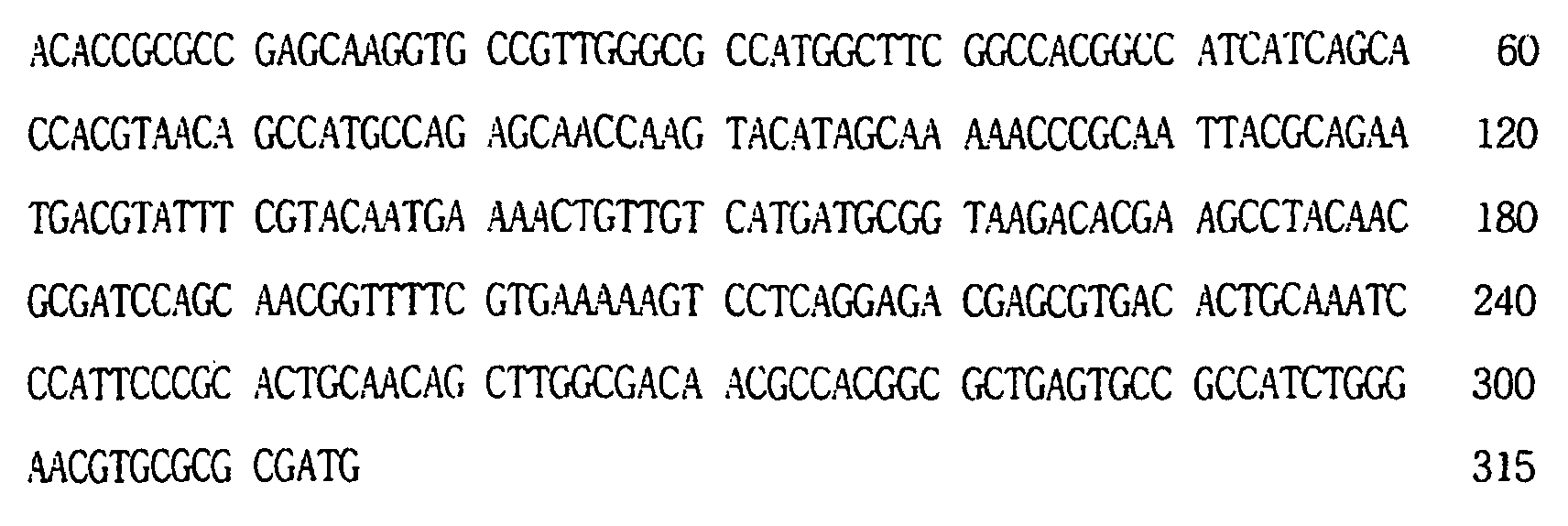
- For the purpose of identifying the PHB primer region, the total DNA of Alcaligenes latus was separated. The site wherefrom RNA transcription starts was determined by primer extension method and then the promoter region consisting of 210 bp DNA upstream was obtained. The gene sequence of promoter region of PHB was analyzed by PC/Gene software program .
-
- (1) GENERAL INFORMATION:
- (i) APPLICANT :
- LG CHEMICAL LTD.
- LEE, Sang Yup
- CHOI, Jong-il
- CHOO, Seung-Ho
- YOON, Hye-Sung
- HAN, Kyuboem
- SONG, Ji-Yong
- LEE, Yong-Hyun
- HUH, Tae-Lin
- HONG, Sung-Kook
- (ii) TITLE OF INVENTION : POLYHYDROXYALKANOATE BIOSYNTHESIS-RELATED GENES DERIVED FROM Alcaligenes latus
- (iii) NUMBER OF SEQUENCES : 8
- (2) INFORMATION FOR SEQ ID NO.: 1:
- (i) SEQUENCE CHARACTERISTICS:
- (A) LENGTH : 6436 base pairs
- (B) TYPE: nucleic acid
- (C) STRANDEDNESS : double
- (D) TOPOLOGY: linear
- (ii) MOLECULAR TYPE : oligonucleotide
- (xi) SEQUENCE DESCRIPTION : SEQ ID NO. : 1:


- (2) INFORMATION FOR SEQ ID NO. : 2:
- (i) SEQUENCE CHARACTERISTICS:
- (A) LENGTH : 1161 base pairs
- (B) TYPE : nucleic acid
- (C) STRANDEDNESS : double
- (D) TOPOLOGY : linear
- (ii) MOLECULAR TYPE : oligonucleotide
- (xi) SEQUENCE DESCRIPTION: SEQ ID NO. : 2:

- (2) INFORMATION FOR SEQ ID NO. : 3:
- (i) SEQUENCE CHARACTERISTICS:
- (A) LENGTH : 1179 base pairs
- (B) TYPE : nucleic acid
- (C) STRANDEDNESS: double
- (D) TOPOLOGY: linear
- (ii) MOLECULAR TYPE : oligonucleotide
- (xi) SEQUENCE DESCRIPTION : SEQ ID NO. :3:

- (2) INFORMATION FOR SEQ ID NO. : 4:
- (i) SEQUENCE CHARACTERISTICS:
- (A) LENGTH : 738 base pairs
- (B) TYPE : nucleic acid
- (C) STRANDEDNESS : double
- (D) TOPOLOGY : linear
- (ii) MOLECULAR TYPE : oligonucleotide
- (xi) SEQUENCE DESCRIPTION: SEQ ID NO. : 4:

- (2) INFORMATION FOR SEQ ID NO. : 5:
- (i) SEQUENCE CHARACTERISTICS :
- (A) LENGTH : 536 amino acids
- (B) TYPE : amino acid
- (C) STRANDEDNESS : single
- (D) TOPOLOGY : linear
- (ii) MOLECULAR TYPE : peptide
- (xi) SEQUENCE DESCRIPTION : SEQ ID NO. : 5:


- (2) INFORMATION FOR SEQ ID NO. : 6:
- (i) SEQUENCE CHARACTERISTICS:
- (A) LENGTH : 392 amino acids
- (B) TYPE : amino acid
- (C) STRANDEDNESS : single
- (D) TOPOLOGY : linear
- (ii) MOLECULAR TYPE : peptide
- (xi) SEQUENCE DESCRIPTION : SEQ ID NO. : 6 :


- (2) INFORMATION FOR SEQ ID NO.: 7
- (i) SEQUENCE CHARACTERISTICS :
- (A) LENGTH : 245 amino acids
- (B) TYPE : amino acid
- (C) STRANDEDNESS : single
- (D) TOPOLOGY: linear
- (ii) MOLECULAR TYPE : peptide
- (xi) SEQUENCE DESCRIPTION : SEQ ID NO. : 7 :


- (2) INFORMATION FOR SEQ ID NO. : 8:
- (i) SEQUENCE CHARACTERISTICS:
- (A) LENGTH : 315 base pairs
- (B) TYPE : nucleic acid
- (C) STRANDEDNESS : single
- (D) TOPOLOGY : linear
- (ii) MOLECULAR TYPE : promoter gene
- (xi) SEQUENCE DESCRIPTION : SEQ ID NO. : 8:
-
Claims (16)
- A polyhydroxyalkanoate biosynthesis-related DNA fragment derived from Alcaligenes latus, containing a gene for polyhydroxyalkanoate synthase, a gene for β-ketothiolase and a gene for acetoacetyl-CoA reductase in due order and has a base sequence of Sequence ID No.:1.
- A polyhydroxyalkanoate biosynthesis-related DNA fragment as set forth in claim 1, wherein the gene for polyhydroxyalkanoate synthase has a base sequence of Sequence ID No:2.
- A polyhydroxyalkanoate biosynthesis-related DNA fragment as set forth in claim 1, wherein the gene for β-ketothiolase has a base sequence of Sequence ID No:3.
- A polyhydroxyalkanoate biosynthesis-related DNA fragment as set forth in claim 1, wherein the gene for acetoacetyl-CoA reductase has a base sequence of Sequence ID No:4.
- A polyhydroxyalkanoate synthase, having an amino acid sequence of Sequence ID No:5, derived from Alcaligenes latus.
- A β-ketothiolase, having an amino acid sequence of Sequence ID No:6, derived from Alcaligenes latus.
- An acetoacetyl-CoA reductase, having an amino acid sequence of Sequence ID No:7, derived from Alcaligenes latus.
- A recombinant expression vector pJC1, containing the polyhydroxyalkanoate biosynthesis-related gene of claim 2.
- A recombinant expression vector pAL32, containing the gene for polyhydroxyalkanoate synthase of claim 2.
- A recombinant expression vector pKTC32, containing the gene for polyhydroxyalkanoate synthase of claim 2.
- An E. coli transformant XL1-Blue/gJC1 with a deposition No. of KCTC 0398BP, which is transformed with the recombinant expression vector of claim 8.
- An Alcaligrenes eutrophus transformant LAR5(DSM541/pKTC32) with a deposition No. KCTC 0568BP, which is transformed with the recombinant expression vector of claim 10.
- A method for preparing polyhydroxyalkanoate biosynthesis-related enzyme, by culturing the E. Coli transformant of claim 11.
- A method for preparing polyhydroxybutyrate synthase, by culturing the A. eutrophus transformant of claim 12.
- A method for producing polyhydroxyalkanoate and its copolymers, by culturing the transformant of claim 11.
- A method for producing polyhydroxyalkanoate and its copolymers, by culturing the transformant of claim 12.
Applications Claiming Priority (7)
| Application Number | Priority Date | Filing Date | Title |
|---|---|---|---|
| KR9801423 | 1998-01-19 | ||
| KR19980001423 | 1998-01-19 | ||
| KR9801422 | 1998-01-19 | ||
| KR1019980001422A KR19990065908A (en) | 1998-01-19 | 1998-01-19 | Poly-beta-hydroxybutyric acid synthetase derived from Alkali Genus Letters and its gene |
| KR1019980058760A KR100321631B1 (en) | 1998-01-19 | 1998-12-26 | Genes associated with biosynthesis of polyhydroxyalkanoate(pha) derived from alcaligenes latus |
| KR9858760 | 1998-12-26 | ||
| PCT/KR1999/000031 WO1999036547A1 (en) | 1998-01-19 | 1999-01-19 | POLYHYDROCYALKANOATE BIOSYNTHESIS-RELATED GENES DERIVED FROM $i(ALCALIGENES LATUS) |
Publications (2)
| Publication Number | Publication Date |
|---|---|
| EP1049784A1 EP1049784A1 (en) | 2000-11-08 |
| EP1049784B1 true EP1049784B1 (en) | 2005-04-20 |
Family
ID=27349673
Family Applications (1)
| Application Number | Title | Priority Date | Filing Date |
|---|---|---|---|
| EP99900695A Expired - Lifetime EP1049784B1 (en) | 1998-01-19 | 1999-01-19 | Polyhydroxyalkanoate biosynthesis-related genes derived from alcaligenes latus |
Country Status (5)
| Country | Link |
|---|---|
| US (1) | US6649382B1 (en) |
| EP (1) | EP1049784B1 (en) |
| JP (1) | JP3524495B2 (en) |
| DE (1) | DE69924830T2 (en) |
| WO (1) | WO1999036547A1 (en) |
Families Citing this family (3)
| Publication number | Priority date | Publication date | Assignee | Title |
|---|---|---|---|---|
| WO2004063357A1 (en) * | 2003-01-08 | 2004-07-29 | Basf Aktiengesellschaft | Methods for preserving and/or storing cells having a nitrilase or nitrile hydratase activity |
| KR20060113697A (en) * | 2003-11-11 | 2006-11-02 | 가부시키가이샤 가네카 | Method for producing novel acetoacetyl-COA reductase and optically active alcohol |
| US9447441B2 (en) | 2011-09-05 | 2016-09-20 | Riken | Method for producing polyhydroxyalkanoate having long main chain structure |
Citations (3)
| Publication number | Priority date | Publication date | Assignee | Title |
|---|---|---|---|---|
| EP0144017A1 (en) * | 1983-12-01 | 1985-06-12 | Chemie Linz Aktiengesellschaft | Process for the biotechnological preparation of poly-D(-)-3-hydroxybutyric acid |
| EP0149744A1 (en) * | 1983-12-01 | 1985-07-31 | Petrochemie Danubia Gesellschaft m.b.H. | Process for the biotechnological preparation of poly-D(-)-3-hydroxybutyric acid |
| US5245023A (en) * | 1987-06-29 | 1993-09-14 | Massachusetts Institute Of Technology | Method for producing novel polyester biopolymers |
Family Cites Families (5)
| Publication number | Priority date | Publication date | Assignee | Title |
|---|---|---|---|---|
| US5245032A (en) | 1990-09-20 | 1993-09-14 | Union Carbide Chemicals & Plastics Technology Corporation | Catalytic processes for the preparation of n,n,n-trisubstituted nitrogen-containing compounds |
| GB9108756D0 (en) * | 1991-04-24 | 1991-06-12 | Ici Plc | Production of polyalkanoate in plants |
| GB9115245D0 (en) * | 1991-07-16 | 1991-08-28 | Ici Plc | Production of polyalkanoate |
| US5610041A (en) * | 1991-07-19 | 1997-03-11 | Board Of Trustees Operating Michigan State University | Processes for producing polyhydroxybutyrate and related polyhydroxyalkanoates in the plastids of higher plants |
| JP2777597B2 (en) * | 1995-11-13 | 1998-07-16 | 工業技術院長 | Recombinant plasmid, transformed cyanobacteria containing the same and method for producing poly-β-hydroxybutyric acid |
-
1999
- 1999-01-19 WO PCT/KR1999/000031 patent/WO1999036547A1/en not_active Ceased
- 1999-01-19 EP EP99900695A patent/EP1049784B1/en not_active Expired - Lifetime
- 1999-01-19 JP JP2000540249A patent/JP3524495B2/en not_active Expired - Fee Related
- 1999-01-19 DE DE69924830T patent/DE69924830T2/en not_active Expired - Lifetime
- 1999-01-19 US US09/600,099 patent/US6649382B1/en not_active Expired - Fee Related
Patent Citations (3)
| Publication number | Priority date | Publication date | Assignee | Title |
|---|---|---|---|---|
| EP0144017A1 (en) * | 1983-12-01 | 1985-06-12 | Chemie Linz Aktiengesellschaft | Process for the biotechnological preparation of poly-D(-)-3-hydroxybutyric acid |
| EP0149744A1 (en) * | 1983-12-01 | 1985-07-31 | Petrochemie Danubia Gesellschaft m.b.H. | Process for the biotechnological preparation of poly-D(-)-3-hydroxybutyric acid |
| US5245023A (en) * | 1987-06-29 | 1993-09-14 | Massachusetts Institute Of Technology | Method for producing novel polyester biopolymers |
Non-Patent Citations (5)
| Title |
|---|
| CHOI ET AL: "Cloning of the Alcaligenes latus Polyhydroxyalkanoate Biosynthesis Genes and Use of These Genes for Enhanced Production of Poly(3-hydroxybutyrate) in Escherichia coli", APPLIED AND ENVIRONMENTAL MICROBIOLOGY, vol. 64, no. 12, 1998, pages 4897 - 4903, XP001033932 * |
| LEE SANG YUP: "Bacterial Polyhydroxyalkanoates", BIOTECHNOLOGY AND BIOENGINEERING, vol. 49, 1996, pages 1 - 14, XP002900599, DOI: doi:10.1002/(SICI)1097-0290(19960105)49:1<1::AID-BIT1>3.0.CO;2-P * |
| RYU ET AL: "Production of Poly(3-hydroxybutyrate) by High Cell Density Fed-Batch Culture of Alcaligenes eutrophus with Phosphate Limitation", BIOTECHNOLOGY AND BIO-ENGINEERING, vol. 55, no. 1, 1997, pages 28 - 32 * |
| WANG; LEE: "Poly(3-hydroxybutyrate) Production with High Productivity and High Polymer Content by a Fed-Batch Culture of Alcaligenes latus under Nitrogen Limitation", APPLIED AND ENVIRONMENTAL MICROBIOLOGY, vol. 63, no. 9, 1997, pages 3703 - 3706 * |
| WANG; LEE: "Production of Poly(3-hydroxybutyrate) by Fed-Batch Culture of Filamentous-Suppressed Recombinant Escherichia coli", APPLIED AND ENVIRONMENTAL MICROBIOLOGY, vol. 63, no. 12, 1997, pages 4765 - 4769 * |
Also Published As
| Publication number | Publication date |
|---|---|
| US6649382B1 (en) | 2003-11-18 |
| JP3524495B2 (en) | 2004-05-10 |
| JP2002541759A (en) | 2002-12-10 |
| EP1049784A1 (en) | 2000-11-08 |
| DE69924830D1 (en) | 2005-05-25 |
| DE69924830T2 (en) | 2006-03-02 |
| WO1999036547A1 (en) | 1999-07-22 |
Similar Documents
| Publication | Publication Date | Title |
|---|---|---|
| Steinbüchel | Perspectives for biotechnological production and utilization of biopolymers: metabolic engineering of polyhydroxyalkanoate biosynthesis pathways as a successful example | |
| Lee | Plastic bacteria? Progress and prospects for polyhydroxyalkanoate production in bacteria | |
| US7384766B2 (en) | Gene-substituted microorganisms, and production method of polyesters using the same | |
| Fukui et al. | Cloning and analysis of the poly (3-hydroxybutyrate-co-3-hydroxyhexanoate) biosynthesis genes of Aeromonas caviae | |
| Byrom | Polymer synthesis by microorganisms: technology and economics | |
| MXPA00011401A (en) | Polyhydroxyalkanoate biopolymer compositions. | |
| CN114381415B (en) | Gene recombination strain for high-yield PHA and construction method thereof | |
| JP5468779B2 (en) | Gene replacement microorganism and method for producing polyester using the same | |
| US20130071892A1 (en) | PROCESS FOR PRODUCTION OF POLYHYDROXYALKANOIC ACID USING GENETICALLY MODIFIED MICROORGANISM HAVING ENOYL-CoA HYDRATASE GENE INTRODUCED THEREIN | |
| CN104755623A (en) | Process for preparing polyhydroxyalkanoates (PHA) on oil substrate | |
| CN116875524B (en) | Method for regulating and controlling polygene expression in microorganism and application thereof | |
| EP1172438B1 (en) | Polyhydroxyalkanoate synthase and gene encoding the same enzyme | |
| EP1138770B1 (en) | Polyhydroxyalkanoate synthase and gene encoding the same enzyme | |
| EP1154021B1 (en) | Polyhydroxyalkanoate synthase and gene encoding the same enzyme | |
| JP4960033B2 (en) | Method for producing copolymerized polyester using microorganisms having reduced enzyme activity | |
| JP4995469B2 (en) | Genetically modified microorganism and method for producing polyester using the same | |
| EP1049784A1 (en) | Polyhydroxyalkanoate biosynthesis-related genes derived from alcaligenes latus | |
| KR100447532B1 (en) | (R)-Hydroxycarboxylic Acid Producing Recombinant Microorganism and Process for Preparing (R)-Hydroxycarboxylic Acid Using the Same | |
| EP2963119A1 (en) | Production method for copolymer polyhydroxyalkanoate using genetically modified strain of fatty acid -oxidation pathway | |
| US20030077746A1 (en) | Polyhydroxyalkanoate synthase and gene encoding the same enzyme | |
| KR100321631B1 (en) | Genes associated with biosynthesis of polyhydroxyalkanoate(pha) derived from alcaligenes latus | |
| JP2008086238A (en) | Method for producing polyhydroxyalkanoate | |
| Lee et al. | Polyhydroxyalkanoates, a Family of Biodegradable Polymers | |
| WO2025173697A1 (en) | Transformed microorganism, and method for producing polyhydroxyalkanoic acid | |
| KR970007863B1 (en) | Method for producing poly-beta-hydroxybutanoic acid using recombinant microorganism |
Legal Events
| Date | Code | Title | Description |
|---|---|---|---|
| PUAI | Public reference made under article 153(3) epc to a published international application that has entered the european phase |
Free format text: ORIGINAL CODE: 0009012 |
|
| 17P | Request for examination filed |
Effective date: 20000718 |
|
| AK | Designated contracting states |
Kind code of ref document: A1 Designated state(s): DE FR GB NL |
|
| TPAD | Observations filed by third parties |
Free format text: ORIGINAL CODE: EPIDOS TIPA |
|
| 17Q | First examination report despatched |
Effective date: 20030324 |
|
| GRAP | Despatch of communication of intention to grant a patent |
Free format text: ORIGINAL CODE: EPIDOSNIGR1 |
|
| RTI1 | Title (correction) |
Free format text: POLYHYDROXYALKANOATE BIOSYNTHESIS-RELATED GENES DERIVED FROM ALCALIGENES LATUS |
|
| RAP1 | Party data changed (applicant data changed or rights of an application transferred) |
Owner name: LG CHEMICAL LTD. |
|
| GRAS | Grant fee paid |
Free format text: ORIGINAL CODE: EPIDOSNIGR3 |
|
| GRAA | (expected) grant |
Free format text: ORIGINAL CODE: 0009210 |
|
| AK | Designated contracting states |
Kind code of ref document: B1 Designated state(s): DE FR GB NL |
|
| PG25 | Lapsed in a contracting state [announced via postgrant information from national office to epo] |
Ref country code: NL Free format text: LAPSE BECAUSE OF FAILURE TO SUBMIT A TRANSLATION OF THE DESCRIPTION OR TO PAY THE FEE WITHIN THE PRESCRIBED TIME-LIMIT Effective date: 20050420 |
|
| REG | Reference to a national code |
Ref country code: GB Ref legal event code: FG4D |
|
| REF | Corresponds to: |
Ref document number: 69924830 Country of ref document: DE Date of ref document: 20050525 Kind code of ref document: P |
|
| NLV1 | Nl: lapsed or annulled due to failure to fulfill the requirements of art. 29p and 29m of the patents act | ||
| PLBE | No opposition filed within time limit |
Free format text: ORIGINAL CODE: 0009261 |
|
| STAA | Information on the status of an ep patent application or granted ep patent |
Free format text: STATUS: NO OPPOSITION FILED WITHIN TIME LIMIT |
|
| ET | Fr: translation filed | ||
| 26N | No opposition filed |
Effective date: 20060123 |
|
| PGFP | Annual fee paid to national office [announced via postgrant information from national office to epo] |
Ref country code: FR Payment date: 20100208 Year of fee payment: 12 |
|
| PGFP | Annual fee paid to national office [announced via postgrant information from national office to epo] |
Ref country code: GB Payment date: 20100113 Year of fee payment: 12 Ref country code: DE Payment date: 20100114 Year of fee payment: 12 |
|
| GBPC | Gb: european patent ceased through non-payment of renewal fee |
Effective date: 20110119 |
|
| REG | Reference to a national code |
Ref country code: FR Ref legal event code: ST Effective date: 20110930 |
|
| PG25 | Lapsed in a contracting state [announced via postgrant information from national office to epo] |
Ref country code: FR Free format text: LAPSE BECAUSE OF NON-PAYMENT OF DUE FEES Effective date: 20110131 |
|
| PG25 | Lapsed in a contracting state [announced via postgrant information from national office to epo] |
Ref country code: GB Free format text: LAPSE BECAUSE OF NON-PAYMENT OF DUE FEES Effective date: 20110119 |
|
| REG | Reference to a national code |
Ref country code: DE Ref legal event code: R119 Ref document number: 69924830 Country of ref document: DE Effective date: 20110802 |
|
| PG25 | Lapsed in a contracting state [announced via postgrant information from national office to epo] |
Ref country code: DE Free format text: LAPSE BECAUSE OF NON-PAYMENT OF DUE FEES Effective date: 20110802 |