EP1049487B1 - Treatment of acute intermittent porphyria (aip) and other porphyric diseases - Google Patents
Treatment of acute intermittent porphyria (aip) and other porphyric diseases Download PDFInfo
- Publication number
- EP1049487B1 EP1049487B1 EP99906067A EP99906067A EP1049487B1 EP 1049487 B1 EP1049487 B1 EP 1049487B1 EP 99906067 A EP99906067 A EP 99906067A EP 99906067 A EP99906067 A EP 99906067A EP 1049487 B1 EP1049487 B1 EP 1049487B1
- Authority
- EP
- European Patent Office
- Prior art keywords
- catalyst
- use according
- pbgd
- enzyme
- porphyria
- Prior art date
- Legal status (The legal status is an assumption and is not a legal conclusion. Google has not performed a legal analysis and makes no representation as to the accuracy of the status listed.)
- Expired - Lifetime
Links
- 206010036182 Porphyria acute Diseases 0.000 title claims abstract description 80
- 208000005452 Acute intermittent porphyria Diseases 0.000 title claims abstract description 65
- 238000011282 treatment Methods 0.000 title claims abstract description 33
- 208000037265 diseases, disorders, signs and symptoms Diseases 0.000 title claims abstract description 31
- 201000010099 disease Diseases 0.000 title claims abstract description 30
- 108010056651 Hydroxymethylbilane synthase Proteins 0.000 claims abstract description 173
- 102100034391 Porphobilinogen deaminase Human genes 0.000 claims abstract description 141
- 239000003054 catalyst Substances 0.000 claims abstract description 103
- 102000004190 Enzymes Human genes 0.000 claims abstract description 84
- 108090000790 Enzymes Proteins 0.000 claims abstract description 84
- 150000003278 haem Chemical class 0.000 claims abstract description 52
- 230000006696 biosynthetic metabolic pathway Effects 0.000 claims abstract description 30
- 206010036186 Porphyria non-acute Diseases 0.000 claims abstract description 28
- 208000010642 Porphyrias Diseases 0.000 claims abstract description 28
- 241000097929 Porphyria Species 0.000 claims abstract description 27
- 238000001415 gene therapy Methods 0.000 claims abstract description 21
- 208000003591 Hepatoerythropoietic Porphyria Diseases 0.000 claims abstract description 15
- 208000000627 Hereditary Coproporphyria Diseases 0.000 claims abstract description 15
- 230000007812 deficiency Effects 0.000 claims abstract description 15
- 201000010273 Porphyria Cutanea Tarda Diseases 0.000 claims abstract description 14
- 201000008220 erythropoietic protoporphyria Diseases 0.000 claims abstract description 14
- 238000000034 method Methods 0.000 claims abstract description 14
- 208000000070 harderoporphyria Diseases 0.000 claims abstract description 13
- 108010064762 Uroporphyrinogen decarboxylase Proteins 0.000 claims abstract description 8
- 102000015437 Uroporphyrinogen decarboxylase Human genes 0.000 claims abstract description 8
- 108020000963 Uroporphyrinogen-III synthase Proteins 0.000 claims abstract description 8
- 102100034397 Uroporphyrinogen-III synthase Human genes 0.000 claims abstract description 7
- 208000034958 Congenital erythropoietic porphyria Diseases 0.000 claims abstract description 6
- 208000007209 Erythropoietic Porphyria Diseases 0.000 claims abstract description 6
- 101001067100 Homo sapiens Uroporphyrinogen-III synthase Proteins 0.000 claims abstract description 6
- 108010094074 Coproporphyrinogen oxidase Proteins 0.000 claims abstract description 5
- 102000003875 Ferrochelatase Human genes 0.000 claims abstract description 5
- 108010057394 Ferrochelatase Proteins 0.000 claims abstract description 5
- 102000004867 Hydro-Lyases Human genes 0.000 claims abstract description 5
- 108090001042 Hydro-Lyases Proteins 0.000 claims abstract description 5
- 102100036201 Oxygen-dependent coproporphyrinogen-III oxidase, mitochondrial Human genes 0.000 claims abstract description 5
- 108020001991 Protoporphyrinogen Oxidase Proteins 0.000 claims abstract description 5
- 102000005135 Protoporphyrinogen oxidase Human genes 0.000 claims abstract description 5
- NIUVHXTXUXOFEB-UHFFFAOYSA-N coproporphyrinogen III Chemical compound C1C(=C(C=2C)CCC(O)=O)NC=2CC(=C(C=2C)CCC(O)=O)NC=2CC(N2)=C(CCC(O)=O)C(C)=C2CC2=C(C)C(CCC(O)=O)=C1N2 NIUVHXTXUXOFEB-UHFFFAOYSA-N 0.000 claims abstract description 4
- 238000011321 prophylaxis Methods 0.000 claims abstract description 4
- 230000000913 erythropoietic effect Effects 0.000 claims description 48
- 210000004027 cell Anatomy 0.000 claims description 44
- 239000013598 vector Substances 0.000 claims description 43
- 241000282414 Homo sapiens Species 0.000 claims description 42
- 230000002255 enzymatic effect Effects 0.000 claims description 38
- 238000004519 manufacturing process Methods 0.000 claims description 33
- 230000035772 mutation Effects 0.000 claims description 31
- 108090000623 proteins and genes Proteins 0.000 claims description 31
- 239000000203 mixture Substances 0.000 claims description 30
- 239000002299 complementary DNA Substances 0.000 claims description 28
- 108091034117 Oligonucleotide Proteins 0.000 claims description 20
- 230000000694 effects Effects 0.000 claims description 20
- 238000009472 formulation Methods 0.000 claims description 18
- WDFJYRZCZIUBPR-UHFFFAOYSA-N Hydroxymethylbilane Natural products OC(=O)CC1=C(CO)NC(CC2=C(C(CCC(O)=O)=C(CC3=C(C(CCC(O)=O)=C(CC4=C(C(CCC(O)=O)=CN4)CC(O)=O)N3)CC(O)=O)N2)CC(O)=O)=C1CCC(O)=O WDFJYRZCZIUBPR-UHFFFAOYSA-N 0.000 claims description 12
- 150000002632 lipids Chemical class 0.000 claims description 12
- 239000002243 precursor Substances 0.000 claims description 12
- 238000002360 preparation method Methods 0.000 claims description 12
- DHMQDGOQFOQNFH-UHFFFAOYSA-N Glycine Chemical compound NCC(O)=O DHMQDGOQFOQNFH-UHFFFAOYSA-N 0.000 claims description 11
- 230000037396 body weight Effects 0.000 claims description 11
- 150000007523 nucleic acids Chemical group 0.000 claims description 11
- 239000003814 drug Substances 0.000 claims description 9
- 239000001488 sodium phosphate Substances 0.000 claims description 9
- 229910000162 sodium phosphate Inorganic materials 0.000 claims description 9
- 238000012546 transfer Methods 0.000 claims description 9
- RYFMWSXOAZQYPI-UHFFFAOYSA-K trisodium phosphate Chemical compound [Na+].[Na+].[Na+].[O-]P([O-])([O-])=O RYFMWSXOAZQYPI-UHFFFAOYSA-K 0.000 claims description 9
- 210000002700 urine Anatomy 0.000 claims description 9
- 239000000872 buffer Substances 0.000 claims description 8
- 239000004005 microsphere Substances 0.000 claims description 8
- 241000701161 unidentified adenovirus Species 0.000 claims description 8
- 108091028043 Nucleic acid sequence Proteins 0.000 claims description 7
- 230000007547 defect Effects 0.000 claims description 7
- 238000002347 injection Methods 0.000 claims description 7
- 239000007924 injection Substances 0.000 claims description 7
- 230000003834 intracellular effect Effects 0.000 claims description 7
- 239000008194 pharmaceutical composition Substances 0.000 claims description 7
- JZNWSCPGTDBMEW-UHFFFAOYSA-N Glycerophosphorylethanolamin Natural products NCCOP(O)(=O)OCC(O)CO JZNWSCPGTDBMEW-UHFFFAOYSA-N 0.000 claims description 6
- 150000001720 carbohydrates Chemical class 0.000 claims description 6
- 235000014633 carbohydrates Nutrition 0.000 claims description 6
- 230000007935 neutral effect Effects 0.000 claims description 6
- 150000008104 phosphatidylethanolamines Chemical class 0.000 claims description 6
- 238000001890 transfection Methods 0.000 claims description 6
- 241001430294 unidentified retrovirus Species 0.000 claims description 6
- 239000013603 viral vector Substances 0.000 claims description 6
- ULGZDMOVFRHVEP-RWJQBGPGSA-N Erythromycin Chemical compound O([C@@H]1[C@@H](C)C(=O)O[C@@H]([C@@]([C@H](O)[C@@H](C)C(=O)[C@H](C)C[C@@](C)(O)[C@H](O[C@H]2[C@@H]([C@H](C[C@@H](C)O2)N(C)C)O)[C@H]1C)(C)O)CC)[C@H]1C[C@@](C)(OC)[C@@H](O)[C@H](C)O1 ULGZDMOVFRHVEP-RWJQBGPGSA-N 0.000 claims description 5
- 238000012937 correction Methods 0.000 claims description 5
- 210000005260 human cell Anatomy 0.000 claims description 5
- 238000001990 intravenous administration Methods 0.000 claims description 5
- 210000005229 liver cell Anatomy 0.000 claims description 5
- 150000003904 phospholipids Chemical class 0.000 claims description 5
- 230000008439 repair process Effects 0.000 claims description 5
- XLYOFNOQVPJJNP-UHFFFAOYSA-N water Substances O XLYOFNOQVPJJNP-UHFFFAOYSA-N 0.000 claims description 5
- QSHWIQZFGQKFMA-UHFFFAOYSA-N Porphobilinogen Natural products NCC=1NC=C(CCC(O)=O)C=1CC(O)=O QSHWIQZFGQKFMA-UHFFFAOYSA-N 0.000 claims description 4
- 125000000539 amino acid group Chemical group 0.000 claims description 4
- 230000002503 metabolic effect Effects 0.000 claims description 4
- YPHQRHBJEUDWJW-UHFFFAOYSA-N porphobilinogen Chemical compound NCC1=NC=C(CCC(O)=O)[C]1CC(O)=O YPHQRHBJEUDWJW-UHFFFAOYSA-N 0.000 claims description 4
- 159000000001 potassium salts Chemical class 0.000 claims description 4
- 230000008569 process Effects 0.000 claims description 4
- 238000013268 sustained release Methods 0.000 claims description 4
- 239000012730 sustained-release form Substances 0.000 claims description 4
- FBPFZTCFMRRESA-KVTDHHQDSA-N D-Mannitol Chemical compound OC[C@@H](O)[C@@H](O)[C@H](O)[C@H](O)CO FBPFZTCFMRRESA-KVTDHHQDSA-N 0.000 claims description 3
- 229930195725 Mannitol Natural products 0.000 claims description 3
- 229920000954 Polyglycolide Polymers 0.000 claims description 3
- FAPWRFPIFSIZLT-UHFFFAOYSA-M Sodium chloride Chemical compound [Na+].[Cl-] FAPWRFPIFSIZLT-UHFFFAOYSA-M 0.000 claims description 3
- 230000029936 alkylation Effects 0.000 claims description 3
- 238000005804 alkylation reaction Methods 0.000 claims description 3
- 239000012620 biological material Substances 0.000 claims description 3
- -1 cationic phospholipids Chemical class 0.000 claims description 3
- 238000012258 culturing Methods 0.000 claims description 3
- 230000022811 deglycosylation Effects 0.000 claims description 3
- 239000003937 drug carrier Substances 0.000 claims description 3
- 239000003623 enhancer Substances 0.000 claims description 3
- 210000003617 erythrocyte membrane Anatomy 0.000 claims description 3
- 210000003608 fece Anatomy 0.000 claims description 3
- 230000004927 fusion Effects 0.000 claims description 3
- 238000000338 in vitro Methods 0.000 claims description 3
- 239000000644 isotonic solution Substances 0.000 claims description 3
- 239000002502 liposome Substances 0.000 claims description 3
- 239000007791 liquid phase Substances 0.000 claims description 3
- 239000000594 mannitol Substances 0.000 claims description 3
- 235000010355 mannitol Nutrition 0.000 claims description 3
- 238000010647 peptide synthesis reaction Methods 0.000 claims description 3
- WTJKGGKOPKCXLL-RRHRGVEJSA-N phosphatidylcholine Chemical compound CCCCCCCCCCCCCCCC(=O)OC[C@H](COP([O-])(=O)OCC[N+](C)(C)C)OC(=O)CCCCCCCC=CCCCCCCCC WTJKGGKOPKCXLL-RRHRGVEJSA-N 0.000 claims description 3
- 229920000747 poly(lactic acid) Polymers 0.000 claims description 3
- 239000004633 polyglycolic acid Substances 0.000 claims description 3
- 239000004626 polylactic acid Substances 0.000 claims description 3
- 230000001323 posttranslational effect Effects 0.000 claims description 3
- 238000012545 processing Methods 0.000 claims description 3
- 230000030788 protein refolding Effects 0.000 claims description 3
- 239000007790 solid phase Substances 0.000 claims description 3
- 230000001131 transforming effect Effects 0.000 claims description 3
- 206010010356 Congenital anomaly Diseases 0.000 claims description 2
- 239000004471 Glycine Substances 0.000 claims description 2
- 239000002202 Polyethylene glycol Substances 0.000 claims description 2
- 239000011248 coating agent Substances 0.000 claims description 2
- 238000000576 coating method Methods 0.000 claims description 2
- 229910001385 heavy metal Inorganic materials 0.000 claims description 2
- 238000001361 intraarterial administration Methods 0.000 claims description 2
- 238000007918 intramuscular administration Methods 0.000 claims description 2
- 229940042880 natural phospholipid Drugs 0.000 claims description 2
- 229920001223 polyethylene glycol Polymers 0.000 claims description 2
- 238000007920 subcutaneous administration Methods 0.000 claims description 2
- 239000003981 vehicle Substances 0.000 claims description 2
- VONNLLSMCGYFIZ-UHFFFAOYSA-N hydroxymethylbilane Chemical compound OC(=O)C[C]1C(CO)=NC(CC=2[C](C(CCC(O)=O)=C(CC=3[C](C(CCC(O)=O)=C(CC=4[C](C(CCC(O)=O)=CN=4)CC(O)=O)N=3)CC(O)=O)N=2)CC(O)=O)=C1CCC(O)=O VONNLLSMCGYFIZ-UHFFFAOYSA-N 0.000 claims 1
- 102000003643 uroporphyrinogen-III synthase Human genes 0.000 abstract description 6
- 239000013612 plasmid Substances 0.000 description 53
- 108020004414 DNA Proteins 0.000 description 29
- 238000006243 chemical reaction Methods 0.000 description 21
- 108091026890 Coding region Proteins 0.000 description 20
- 150000001413 amino acids Chemical class 0.000 description 17
- 239000000047 product Substances 0.000 description 17
- 230000001154 acute effect Effects 0.000 description 16
- 210000002966 serum Anatomy 0.000 description 16
- 241000700605 Viruses Species 0.000 description 14
- 108091032973 (ribonucleotides)n+m Proteins 0.000 description 11
- 241000588724 Escherichia coli Species 0.000 description 11
- 240000004808 Saccharomyces cerevisiae Species 0.000 description 11
- JLCPHMBAVCMARE-UHFFFAOYSA-N [3-[[3-[[3-[[3-[[3-[[3-[[3-[[3-[[3-[[3-[[3-[[5-(2-amino-6-oxo-1H-purin-9-yl)-3-[[3-[[3-[[3-[[3-[[3-[[5-(2-amino-6-oxo-1H-purin-9-yl)-3-[[5-(2-amino-6-oxo-1H-purin-9-yl)-3-hydroxyoxolan-2-yl]methoxy-hydroxyphosphoryl]oxyoxolan-2-yl]methoxy-hydroxyphosphoryl]oxy-5-(5-methyl-2,4-dioxopyrimidin-1-yl)oxolan-2-yl]methoxy-hydroxyphosphoryl]oxy-5-(6-aminopurin-9-yl)oxolan-2-yl]methoxy-hydroxyphosphoryl]oxy-5-(6-aminopurin-9-yl)oxolan-2-yl]methoxy-hydroxyphosphoryl]oxy-5-(6-aminopurin-9-yl)oxolan-2-yl]methoxy-hydroxyphosphoryl]oxy-5-(6-aminopurin-9-yl)oxolan-2-yl]methoxy-hydroxyphosphoryl]oxyoxolan-2-yl]methoxy-hydroxyphosphoryl]oxy-5-(5-methyl-2,4-dioxopyrimidin-1-yl)oxolan-2-yl]methoxy-hydroxyphosphoryl]oxy-5-(4-amino-2-oxopyrimidin-1-yl)oxolan-2-yl]methoxy-hydroxyphosphoryl]oxy-5-(5-methyl-2,4-dioxopyrimidin-1-yl)oxolan-2-yl]methoxy-hydroxyphosphoryl]oxy-5-(5-methyl-2,4-dioxopyrimidin-1-yl)oxolan-2-yl]methoxy-hydroxyphosphoryl]oxy-5-(6-aminopurin-9-yl)oxolan-2-yl]methoxy-hydroxyphosphoryl]oxy-5-(6-aminopurin-9-yl)oxolan-2-yl]methoxy-hydroxyphosphoryl]oxy-5-(4-amino-2-oxopyrimidin-1-yl)oxolan-2-yl]methoxy-hydroxyphosphoryl]oxy-5-(4-amino-2-oxopyrimidin-1-yl)oxolan-2-yl]methoxy-hydroxyphosphoryl]oxy-5-(4-amino-2-oxopyrimidin-1-yl)oxolan-2-yl]methoxy-hydroxyphosphoryl]oxy-5-(6-aminopurin-9-yl)oxolan-2-yl]methoxy-hydroxyphosphoryl]oxy-5-(4-amino-2-oxopyrimidin-1-yl)oxolan-2-yl]methyl [5-(6-aminopurin-9-yl)-2-(hydroxymethyl)oxolan-3-yl] hydrogen phosphate Polymers Cc1cn(C2CC(OP(O)(=O)OCC3OC(CC3OP(O)(=O)OCC3OC(CC3O)n3cnc4c3nc(N)[nH]c4=O)n3cnc4c3nc(N)[nH]c4=O)C(COP(O)(=O)OC3CC(OC3COP(O)(=O)OC3CC(OC3COP(O)(=O)OC3CC(OC3COP(O)(=O)OC3CC(OC3COP(O)(=O)OC3CC(OC3COP(O)(=O)OC3CC(OC3COP(O)(=O)OC3CC(OC3COP(O)(=O)OC3CC(OC3COP(O)(=O)OC3CC(OC3COP(O)(=O)OC3CC(OC3COP(O)(=O)OC3CC(OC3COP(O)(=O)OC3CC(OC3COP(O)(=O)OC3CC(OC3COP(O)(=O)OC3CC(OC3COP(O)(=O)OC3CC(OC3COP(O)(=O)OC3CC(OC3COP(O)(=O)OC3CC(OC3CO)n3cnc4c(N)ncnc34)n3ccc(N)nc3=O)n3cnc4c(N)ncnc34)n3ccc(N)nc3=O)n3ccc(N)nc3=O)n3ccc(N)nc3=O)n3cnc4c(N)ncnc34)n3cnc4c(N)ncnc34)n3cc(C)c(=O)[nH]c3=O)n3cc(C)c(=O)[nH]c3=O)n3ccc(N)nc3=O)n3cc(C)c(=O)[nH]c3=O)n3cnc4c3nc(N)[nH]c4=O)n3cnc4c(N)ncnc34)n3cnc4c(N)ncnc34)n3cnc4c(N)ncnc34)n3cnc4c(N)ncnc34)O2)c(=O)[nH]c1=O JLCPHMBAVCMARE-UHFFFAOYSA-N 0.000 description 11
- 238000000855 fermentation Methods 0.000 description 11
- 230000004151 fermentation Effects 0.000 description 11
- 102100031780 Endonuclease Human genes 0.000 description 10
- 239000012634 fragment Substances 0.000 description 10
- 229940024606 amino acid Drugs 0.000 description 9
- 235000001014 amino acid Nutrition 0.000 description 9
- 238000002560 therapeutic procedure Methods 0.000 description 9
- 210000001519 tissue Anatomy 0.000 description 9
- 108010042407 Endonucleases Proteins 0.000 description 8
- 230000008901 benefit Effects 0.000 description 8
- 230000001413 cellular effect Effects 0.000 description 8
- 239000013615 primer Substances 0.000 description 8
- 230000002829 reductive effect Effects 0.000 description 8
- 108700028369 Alleles Proteins 0.000 description 7
- 108020004705 Codon Proteins 0.000 description 7
- 108010076504 Protein Sorting Signals Proteins 0.000 description 7
- 101000702488 Rattus norvegicus High affinity cationic amino acid transporter 1 Proteins 0.000 description 7
- 230000008859 change Effects 0.000 description 7
- 230000000875 corresponding effect Effects 0.000 description 7
- 208000024891 symptom Diseases 0.000 description 7
- KFZMGEQAYNKOFK-UHFFFAOYSA-N Isopropanol Chemical compound CC(C)O KFZMGEQAYNKOFK-UHFFFAOYSA-N 0.000 description 6
- 241000235070 Saccharomyces Species 0.000 description 6
- 239000004098 Tetracycline Substances 0.000 description 6
- 229960000723 ampicillin Drugs 0.000 description 6
- AVKUERGKIZMTKX-NJBDSQKTSA-N ampicillin Chemical compound C1([C@@H](N)C(=O)N[C@H]2[C@H]3SC([C@@H](N3C2=O)C(O)=O)(C)C)=CC=CC=C1 AVKUERGKIZMTKX-NJBDSQKTSA-N 0.000 description 6
- 238000003776 cleavage reaction Methods 0.000 description 6
- 238000010367 cloning Methods 0.000 description 6
- 239000000284 extract Substances 0.000 description 6
- 230000006698 induction Effects 0.000 description 6
- 210000004185 liver Anatomy 0.000 description 6
- 239000002609 medium Substances 0.000 description 6
- 230000007017 scission Effects 0.000 description 6
- 238000012163 sequencing technique Methods 0.000 description 6
- 230000037432 silent mutation Effects 0.000 description 6
- 238000006467 substitution reaction Methods 0.000 description 6
- 229960002180 tetracycline Drugs 0.000 description 6
- 229930101283 tetracycline Natural products 0.000 description 6
- 235000019364 tetracycline Nutrition 0.000 description 6
- 150000003522 tetracyclines Chemical class 0.000 description 6
- 230000001225 therapeutic effect Effects 0.000 description 6
- BMUDPLZKKRQECS-UHFFFAOYSA-K 3-[18-(2-carboxyethyl)-8,13-bis(ethenyl)-3,7,12,17-tetramethylporphyrin-21,24-diid-2-yl]propanoic acid iron(3+) hydroxide Chemical compound [OH-].[Fe+3].[N-]1C2=C(C)C(CCC(O)=O)=C1C=C([N-]1)C(CCC(O)=O)=C(C)C1=CC(C(C)=C1C=C)=NC1=CC(C(C)=C1C=C)=NC1=C2 BMUDPLZKKRQECS-UHFFFAOYSA-K 0.000 description 5
- 229920002684 Sepharose Polymers 0.000 description 5
- 210000004369 blood Anatomy 0.000 description 5
- 239000008280 blood Substances 0.000 description 5
- 210000004978 chinese hamster ovary cell Anatomy 0.000 description 5
- 238000010276 construction Methods 0.000 description 5
- 230000002950 deficient Effects 0.000 description 5
- 239000013613 expression plasmid Substances 0.000 description 5
- 230000006870 function Effects 0.000 description 5
- 229940109738 hematin Drugs 0.000 description 5
- 238000001727 in vivo Methods 0.000 description 5
- 210000004962 mammalian cell Anatomy 0.000 description 5
- 230000028327 secretion Effects 0.000 description 5
- 238000013519 translation Methods 0.000 description 5
- 241000024188 Andala Species 0.000 description 4
- WQZGKKKJIJFFOK-GASJEMHNSA-N Glucose Natural products OC[C@H]1OC(O)[C@H](O)[C@@H](O)[C@@H]1O WQZGKKKJIJFFOK-GASJEMHNSA-N 0.000 description 4
- 241000282412 Homo Species 0.000 description 4
- RJKFOVLPORLFTN-LEKSSAKUSA-N Progesterone Chemical compound C1CC2=CC(=O)CC[C@]2(C)[C@@H]2[C@@H]1[C@@H]1CC[C@H](C(=O)C)[C@@]1(C)CC2 RJKFOVLPORLFTN-LEKSSAKUSA-N 0.000 description 4
- 238000000137 annealing Methods 0.000 description 4
- 210000001185 bone marrow Anatomy 0.000 description 4
- 235000019577 caloric intake Nutrition 0.000 description 4
- 229940079593 drug Drugs 0.000 description 4
- 230000029142 excretion Effects 0.000 description 4
- 230000012010 growth Effects 0.000 description 4
- 238000005342 ion exchange Methods 0.000 description 4
- 230000001376 precipitating effect Effects 0.000 description 4
- 102000004169 proteins and genes Human genes 0.000 description 4
- 230000001177 retroviral effect Effects 0.000 description 4
- 210000000952 spleen Anatomy 0.000 description 4
- 150000003573 thiols Chemical class 0.000 description 4
- 208000004998 Abdominal Pain Diseases 0.000 description 3
- WEVYAHXRMPXWCK-UHFFFAOYSA-N Acetonitrile Chemical compound CC#N WEVYAHXRMPXWCK-UHFFFAOYSA-N 0.000 description 3
- 229930024421 Adenine Natural products 0.000 description 3
- GFFGJBXGBJISGV-UHFFFAOYSA-N Adenine Chemical compound NC1=NC=NC2=C1N=CN2 GFFGJBXGBJISGV-UHFFFAOYSA-N 0.000 description 3
- 108020004635 Complementary DNA Proteins 0.000 description 3
- 101001067140 Homo sapiens Porphobilinogen deaminase Proteins 0.000 description 3
- 241001135569 Human adenovirus 5 Species 0.000 description 3
- 239000006137 Luria-Bertani broth Substances 0.000 description 3
- 108010022394 Threonine synthase Proteins 0.000 description 3
- 229960000643 adenine Drugs 0.000 description 3
- 239000011543 agarose gel Substances 0.000 description 3
- 238000004458 analytical method Methods 0.000 description 3
- 230000001580 bacterial effect Effects 0.000 description 3
- 210000004556 brain Anatomy 0.000 description 3
- 230000003197 catalytic effect Effects 0.000 description 3
- 230000002759 chromosomal effect Effects 0.000 description 3
- 102000004419 dihydrofolate reductase Human genes 0.000 description 3
- 239000002552 dosage form Substances 0.000 description 3
- 210000003743 erythrocyte Anatomy 0.000 description 3
- BTCSSZJGUNDROE-UHFFFAOYSA-N gamma-aminobutyric acid Chemical compound NCCCC(O)=O BTCSSZJGUNDROE-UHFFFAOYSA-N 0.000 description 3
- 239000008103 glucose Substances 0.000 description 3
- 239000001963 growth medium Substances 0.000 description 3
- 238000003505 heat denaturation Methods 0.000 description 3
- 230000002401 inhibitory effect Effects 0.000 description 3
- 230000005764 inhibitory process Effects 0.000 description 3
- 238000011068 loading method Methods 0.000 description 3
- 210000004072 lung Anatomy 0.000 description 3
- 210000001165 lymph node Anatomy 0.000 description 3
- 239000012528 membrane Substances 0.000 description 3
- 230000004048 modification Effects 0.000 description 3
- 238000012986 modification Methods 0.000 description 3
- 238000010369 molecular cloning Methods 0.000 description 3
- 238000010606 normalization Methods 0.000 description 3
- 239000012466 permeate Substances 0.000 description 3
- 125000001997 phenyl group Chemical group [H]C1=C([H])C([H])=C(*)C([H])=C1[H] 0.000 description 3
- 238000000746 purification Methods 0.000 description 3
- 230000009467 reduction Effects 0.000 description 3
- 230000001105 regulatory effect Effects 0.000 description 3
- 210000000130 stem cell Anatomy 0.000 description 3
- 239000006228 supernatant Substances 0.000 description 3
- 238000013518 transcription Methods 0.000 description 3
- 230000035897 transcription Effects 0.000 description 3
- 229940088594 vitamin Drugs 0.000 description 3
- 229930003231 vitamin Natural products 0.000 description 3
- 239000011782 vitamin Substances 0.000 description 3
- 235000013343 vitamin Nutrition 0.000 description 3
- SBKVPJHMSUXZTA-MEJXFZFPSA-N (2S)-2-[[(2S)-2-[[(2S)-1-[(2S)-5-amino-2-[[2-[[(2S)-1-[(2S)-6-amino-2-[[(2S)-2-[[(2S)-5-amino-2-[[(2S)-2-[[(2S)-2-[[(2S)-2-[[(2S)-2-amino-3-(1H-indol-3-yl)propanoyl]amino]-3-(1H-imidazol-4-yl)propanoyl]amino]-3-(1H-indol-3-yl)propanoyl]amino]-4-methylpentanoyl]amino]-5-oxopentanoyl]amino]-4-methylpentanoyl]amino]hexanoyl]pyrrolidine-2-carbonyl]amino]acetyl]amino]-5-oxopentanoyl]pyrrolidine-2-carbonyl]amino]-4-methylsulfanylbutanoyl]amino]-3-(4-hydroxyphenyl)propanoic acid Chemical compound C([C@@H](C(=O)N[C@@H](CC=1C2=CC=CC=C2NC=1)C(=O)N[C@@H](CC(C)C)C(=O)N[C@@H](CCC(N)=O)C(=O)N[C@@H](CC(C)C)C(=O)N[C@@H](CCCCN)C(=O)N1CCC[C@H]1C(=O)NCC(=O)N[C@@H](CCC(N)=O)C(=O)N1CCC[C@H]1C(=O)N[C@@H](CCSC)C(=O)N[C@@H](CC=1C=CC(O)=CC=1)C(O)=O)NC(=O)[C@@H](N)CC=1C2=CC=CC=C2NC=1)C1=CNC=N1 SBKVPJHMSUXZTA-MEJXFZFPSA-N 0.000 description 2
- LLDZJTIZVZFNCM-UHFFFAOYSA-J 3-[18-(2-carboxyethyl)-8,13-diethyl-3,7,12,17-tetramethylporphyrin-21,24-diid-2-yl]propanoic acid;dichlorotin(2+) Chemical compound [H+].[H+].[Cl-].[Cl-].[Sn+4].[N-]1C(C=C2C(=C(C)C(=CC=3C(=C(C)C(=C4)N=3)CC)[N-]2)CCC([O-])=O)=C(CCC([O-])=O)C(C)=C1C=C1C(C)=C(CC)C4=N1 LLDZJTIZVZFNCM-UHFFFAOYSA-J 0.000 description 2
- ZGXJTSGNIOSYLO-UHFFFAOYSA-N 88755TAZ87 Chemical compound NCC(=O)CCC(O)=O ZGXJTSGNIOSYLO-UHFFFAOYSA-N 0.000 description 2
- 239000013607 AAV vector Substances 0.000 description 2
- 241000894006 Bacteria Species 0.000 description 2
- 102000004031 Carboxy-Lyases Human genes 0.000 description 2
- 108090000489 Carboxy-Lyases Proteins 0.000 description 2
- 102000002004 Cytochrome P-450 Enzyme System Human genes 0.000 description 2
- 108010015742 Cytochrome P-450 Enzyme System Proteins 0.000 description 2
- 229920002271 DEAE-Sepharose Polymers 0.000 description 2
- 102000053602 DNA Human genes 0.000 description 2
- 102000012410 DNA Ligases Human genes 0.000 description 2
- 108010061982 DNA Ligases Proteins 0.000 description 2
- 239000003155 DNA primer Substances 0.000 description 2
- KCXVZYZYPLLWCC-UHFFFAOYSA-N EDTA Chemical compound OC(=O)CN(CC(O)=O)CCN(CC(O)=O)CC(O)=O KCXVZYZYPLLWCC-UHFFFAOYSA-N 0.000 description 2
- 241001646716 Escherichia coli K-12 Species 0.000 description 2
- 229920000209 Hexadimethrine bromide Polymers 0.000 description 2
- 206010020772 Hypertension Diseases 0.000 description 2
- 108010044467 Isoenzymes Proteins 0.000 description 2
- 108091026898 Leader sequence (mRNA) Proteins 0.000 description 2
- CSNNHWWHGAXBCP-UHFFFAOYSA-L Magnesium sulfate Chemical compound [Mg+2].[O-][S+2]([O-])([O-])[O-] CSNNHWWHGAXBCP-UHFFFAOYSA-L 0.000 description 2
- 108010038049 Mating Factor Proteins 0.000 description 2
- 241001465754 Metazoa Species 0.000 description 2
- 102000004316 Oxidoreductases Human genes 0.000 description 2
- 108090000854 Oxidoreductases Proteins 0.000 description 2
- 108091005804 Peptidases Proteins 0.000 description 2
- 102000035195 Peptidases Human genes 0.000 description 2
- 239000004365 Protease Substances 0.000 description 2
- 108010092799 RNA-directed DNA polymerase Proteins 0.000 description 2
- 229920005654 Sephadex Polymers 0.000 description 2
- 239000012507 Sephadex™ Substances 0.000 description 2
- 238000012300 Sequence Analysis Methods 0.000 description 2
- 101150006914 TRP1 gene Proteins 0.000 description 2
- 108010006785 Taq Polymerase Proteins 0.000 description 2
- 108700019146 Transgenes Proteins 0.000 description 2
- 229920004890 Triton X-100 Polymers 0.000 description 2
- 239000013504 Triton X-100 Substances 0.000 description 2
- LVTKHGUGBGNBPL-UHFFFAOYSA-N Trp-P-1 Chemical compound N1C2=CC=CC=C2C2=C1C(C)=C(N)N=C2C LVTKHGUGBGNBPL-UHFFFAOYSA-N 0.000 description 2
- 239000002253 acid Substances 0.000 description 2
- 239000000853 adhesive Substances 0.000 description 2
- 230000001070 adhesive effect Effects 0.000 description 2
- 210000000577 adipose tissue Anatomy 0.000 description 2
- 238000001042 affinity chromatography Methods 0.000 description 2
- 230000003321 amplification Effects 0.000 description 2
- QVGXLLKOCUKJST-UHFFFAOYSA-N atomic oxygen Chemical compound [O] QVGXLLKOCUKJST-UHFFFAOYSA-N 0.000 description 2
- 230000015572 biosynthetic process Effects 0.000 description 2
- 108010042276 boar sperm acidic arginine amidase-1 Proteins 0.000 description 2
- 229940041514 candida albicans extract Drugs 0.000 description 2
- 230000015556 catabolic process Effects 0.000 description 2
- 239000003153 chemical reaction reagent Substances 0.000 description 2
- 238000004587 chromatography analysis Methods 0.000 description 2
- 210000000349 chromosome Anatomy 0.000 description 2
- 230000000295 complement effect Effects 0.000 description 2
- OPTASPLRGRRNAP-UHFFFAOYSA-N cytosine Chemical compound NC=1C=CNC(=O)N=1 OPTASPLRGRRNAP-UHFFFAOYSA-N 0.000 description 2
- 230000001086 cytosolic effect Effects 0.000 description 2
- 239000003599 detergent Substances 0.000 description 2
- 238000000605 extraction Methods 0.000 description 2
- 229960003692 gamma aminobutyric acid Drugs 0.000 description 2
- 239000000499 gel Substances 0.000 description 2
- 102000034356 gene-regulatory proteins Human genes 0.000 description 2
- 108091006104 gene-regulatory proteins Proteins 0.000 description 2
- 229960001031 glucose Drugs 0.000 description 2
- UYTPUPDQBNUYGX-UHFFFAOYSA-N guanine Chemical compound O=C1NC(N)=NC2=C1N=CN2 UYTPUPDQBNUYGX-UHFFFAOYSA-N 0.000 description 2
- 238000004191 hydrophobic interaction chromatography Methods 0.000 description 2
- 208000015181 infectious disease Diseases 0.000 description 2
- 230000010354 integration Effects 0.000 description 2
- BPHPUYQFMNQIOC-NXRLNHOXSA-N isopropyl beta-D-thiogalactopyranoside Chemical compound CC(C)S[C@@H]1O[C@H](CO)[C@H](O)[C@H](O)[C@H]1O BPHPUYQFMNQIOC-NXRLNHOXSA-N 0.000 description 2
- 239000007788 liquid Substances 0.000 description 2
- 230000007246 mechanism Effects 0.000 description 2
- 108020004999 messenger RNA Proteins 0.000 description 2
- 125000002496 methyl group Chemical group [H]C([H])([H])* 0.000 description 2
- 230000003278 mimic effect Effects 0.000 description 2
- 230000033607 mismatch repair Effects 0.000 description 2
- 210000003470 mitochondria Anatomy 0.000 description 2
- 210000003205 muscle Anatomy 0.000 description 2
- 210000000663 muscle cell Anatomy 0.000 description 2
- 230000001537 neural effect Effects 0.000 description 2
- 238000003199 nucleic acid amplification method Methods 0.000 description 2
- 108020004707 nucleic acids Proteins 0.000 description 2
- 102000039446 nucleic acids Human genes 0.000 description 2
- 239000002773 nucleotide Substances 0.000 description 2
- 125000003729 nucleotide group Chemical group 0.000 description 2
- 229910052760 oxygen Inorganic materials 0.000 description 2
- 239000001301 oxygen Substances 0.000 description 2
- 230000001717 pathogenic effect Effects 0.000 description 2
- 230000037361 pathway Effects 0.000 description 2
- 210000005259 peripheral blood Anatomy 0.000 description 2
- 239000011886 peripheral blood Substances 0.000 description 2
- 239000012071 phase Substances 0.000 description 2
- 239000013600 plasmid vector Substances 0.000 description 2
- 235000010482 polyoxyethylene sorbitan monooleate Nutrition 0.000 description 2
- 229920000053 polysorbate 80 Polymers 0.000 description 2
- 238000001556 precipitation Methods 0.000 description 2
- 108090000765 processed proteins & peptides Proteins 0.000 description 2
- 229960003387 progesterone Drugs 0.000 description 2
- 239000000186 progesterone Substances 0.000 description 2
- 235000018102 proteins Nutrition 0.000 description 2
- 230000010076 replication Effects 0.000 description 2
- 238000012552 review Methods 0.000 description 2
- 150000003839 salts Chemical class 0.000 description 2
- 239000000243 solution Substances 0.000 description 2
- VNOYUJKHFWYWIR-ITIYDSSPSA-N succinyl-CoA Chemical compound O[C@@H]1[C@H](OP(O)(O)=O)[C@@H](COP(O)(=O)OP(O)(=O)OCC(C)(C)[C@@H](O)C(=O)NCCC(=O)NCCSC(=O)CCC(O)=O)O[C@H]1N1C2=NC=NC(N)=C2N=C1 VNOYUJKHFWYWIR-ITIYDSSPSA-N 0.000 description 2
- 230000008685 targeting Effects 0.000 description 2
- 239000012138 yeast extract Substances 0.000 description 2
- OSBLTNPMIGYQGY-UHFFFAOYSA-N 2-amino-2-(hydroxymethyl)propane-1,3-diol;2-[2-[bis(carboxymethyl)amino]ethyl-(carboxymethyl)amino]acetic acid;boric acid Chemical compound OB(O)O.OCC(N)(CO)CO.OC(=O)CN(CC(O)=O)CCN(CC(O)=O)CC(O)=O OSBLTNPMIGYQGY-UHFFFAOYSA-N 0.000 description 1
- QKNYBSVHEMOAJP-UHFFFAOYSA-N 2-amino-2-(hydroxymethyl)propane-1,3-diol;hydron;chloride Chemical compound Cl.OCC(N)(CO)CO QKNYBSVHEMOAJP-UHFFFAOYSA-N 0.000 description 1
- GUPXYSSGJWIURR-UHFFFAOYSA-N 3-octoxypropane-1,2-diol Chemical compound CCCCCCCCOCC(O)CO GUPXYSSGJWIURR-UHFFFAOYSA-N 0.000 description 1
- OSJPPGNTCRNQQC-UWTATZPHSA-N 3-phospho-D-glyceric acid Chemical compound OC(=O)[C@H](O)COP(O)(O)=O OSJPPGNTCRNQQC-UWTATZPHSA-N 0.000 description 1
- 229920001817 Agar Polymers 0.000 description 1
- 229920000936 Agarose Polymers 0.000 description 1
- 102000002260 Alkaline Phosphatase Human genes 0.000 description 1
- 108020004774 Alkaline Phosphatase Proteins 0.000 description 1
- 238000012371 Aseptic Filling Methods 0.000 description 1
- DCXYFEDJOCDNAF-UHFFFAOYSA-N Asparagine Natural products OC(=O)C(N)CC(N)=O DCXYFEDJOCDNAF-UHFFFAOYSA-N 0.000 description 1
- 102000030907 Aspartate Carbamoyltransferase Human genes 0.000 description 1
- 235000014469 Bacillus subtilis Nutrition 0.000 description 1
- 108091003079 Bovine Serum Albumin Proteins 0.000 description 1
- 241000701822 Bovine papillomavirus Species 0.000 description 1
- 238000009010 Bradford assay Methods 0.000 description 1
- 108020004638 Circular DNA Proteins 0.000 description 1
- 206010010071 Coma Diseases 0.000 description 1
- 206010010144 Completed suicide Diseases 0.000 description 1
- 206010010774 Constipation Diseases 0.000 description 1
- 206010010904 Convulsion Diseases 0.000 description 1
- 238000007399 DNA isolation Methods 0.000 description 1
- 108010054576 Deoxyribonuclease EcoRI Proteins 0.000 description 1
- 206010012735 Diarrhoea Diseases 0.000 description 1
- 108091000126 Dihydroorotase Proteins 0.000 description 1
- 101710146739 Enterotoxin Proteins 0.000 description 1
- 108700024394 Exon Proteins 0.000 description 1
- LLQPHQFNMLZJMP-UHFFFAOYSA-N Fentrazamide Chemical compound N1=NN(C=2C(=CC=CC=2)Cl)C(=O)N1C(=O)N(CC)C1CCCCC1 LLQPHQFNMLZJMP-UHFFFAOYSA-N 0.000 description 1
- 241000233866 Fungi Species 0.000 description 1
- 230000005526 G1 to G0 transition Effects 0.000 description 1
- 208000004547 Hallucinations Diseases 0.000 description 1
- 102100021519 Hemoglobin subunit beta Human genes 0.000 description 1
- 108091005904 Hemoglobin subunit beta Proteins 0.000 description 1
- DCXYFEDJOCDNAF-REOHCLBHSA-N L-asparagine Chemical compound OC(=O)[C@@H](N)CC(N)=O DCXYFEDJOCDNAF-REOHCLBHSA-N 0.000 description 1
- FFEARJCKVFRZRR-BYPYZUCNSA-N L-methionine Chemical compound CSCC[C@H](N)C(O)=O FFEARJCKVFRZRR-BYPYZUCNSA-N 0.000 description 1
- QIVBCDIJIAJPQS-VIFPVBQESA-N L-tryptophane Chemical compound C1=CC=C2C(C[C@H](N)C(O)=O)=CNC2=C1 QIVBCDIJIAJPQS-VIFPVBQESA-N 0.000 description 1
- 108010054278 Lac Repressors Proteins 0.000 description 1
- 102000003960 Ligases Human genes 0.000 description 1
- 108090000364 Ligases Proteins 0.000 description 1
- 241001529936 Murinae Species 0.000 description 1
- 101710138657 Neurotoxin Proteins 0.000 description 1
- SNIOPGDIGTZGOP-UHFFFAOYSA-N Nitroglycerin Chemical compound [O-][N+](=O)OCC(O[N+]([O-])=O)CO[N+]([O-])=O SNIOPGDIGTZGOP-UHFFFAOYSA-N 0.000 description 1
- CXOFVDLJLONNDW-UHFFFAOYSA-N Phenytoin Chemical compound N1C(=O)NC(=O)C1(C=1C=CC=CC=1)C1=CC=CC=C1 CXOFVDLJLONNDW-UHFFFAOYSA-N 0.000 description 1
- 108091000080 Phosphotransferase Proteins 0.000 description 1
- 108010072970 Porphobilinogen synthase Proteins 0.000 description 1
- 108010029485 Protein Isoforms Proteins 0.000 description 1
- 102000001708 Protein Isoforms Human genes 0.000 description 1
- 241000125945 Protoparvovirus Species 0.000 description 1
- 101150033538 Rala gene Proteins 0.000 description 1
- 208000010476 Respiratory Paralysis Diseases 0.000 description 1
- 241000712907 Retroviridae Species 0.000 description 1
- 108091081024 Start codon Proteins 0.000 description 1
- 239000008051 TBE buffer Substances 0.000 description 1
- 208000001871 Tachycardia Diseases 0.000 description 1
- 108091036066 Three prime untranslated region Proteins 0.000 description 1
- AYFVYJQAPQTCCC-UHFFFAOYSA-N Threonine Natural products CC(O)C(N)C(O)=O AYFVYJQAPQTCCC-UHFFFAOYSA-N 0.000 description 1
- 239000004473 Threonine Substances 0.000 description 1
- 239000007983 Tris buffer Substances 0.000 description 1
- QIVBCDIJIAJPQS-UHFFFAOYSA-N Tryptophan Natural products C1=CC=C2C(CC(N)C(O)=O)=CNC2=C1 QIVBCDIJIAJPQS-UHFFFAOYSA-N 0.000 description 1
- 239000006035 Tryptophane Substances 0.000 description 1
- 238000002835 absorbance Methods 0.000 description 1
- 238000009825 accumulation Methods 0.000 description 1
- 230000009056 active transport Effects 0.000 description 1
- 201000010275 acute porphyria Diseases 0.000 description 1
- 239000008272 agar Substances 0.000 description 1
- 230000001270 agonistic effect Effects 0.000 description 1
- 230000001476 alcoholic effect Effects 0.000 description 1
- 238000010171 animal model Methods 0.000 description 1
- 125000000129 anionic group Chemical group 0.000 description 1
- 239000003242 anti bacterial agent Substances 0.000 description 1
- 230000003466 anti-cipated effect Effects 0.000 description 1
- 229940088710 antibiotic agent Drugs 0.000 description 1
- 239000000427 antigen Substances 0.000 description 1
- 108091007433 antigens Proteins 0.000 description 1
- 102000036639 antigens Human genes 0.000 description 1
- 229960001230 asparagine Drugs 0.000 description 1
- 235000009582 asparagine Nutrition 0.000 description 1
- 238000003556 assay Methods 0.000 description 1
- 229940125717 barbiturate Drugs 0.000 description 1
- 230000037429 base substitution Effects 0.000 description 1
- 230000003542 behavioural effect Effects 0.000 description 1
- 230000009286 beneficial effect Effects 0.000 description 1
- WQZGKKKJIJFFOK-VFUOTHLCSA-N beta-D-glucose Chemical compound OC[C@H]1O[C@@H](O)[C@H](O)[C@@H](O)[C@@H]1O WQZGKKKJIJFFOK-VFUOTHLCSA-N 0.000 description 1
- 230000033228 biological regulation Effects 0.000 description 1
- 230000001851 biosynthetic effect Effects 0.000 description 1
- 210000000988 bone and bone Anatomy 0.000 description 1
- 229940098773 bovine serum albumin Drugs 0.000 description 1
- 210000005013 brain tissue Anatomy 0.000 description 1
- 244000309466 calf Species 0.000 description 1
- 239000000969 carrier Substances 0.000 description 1
- 108010079058 casein hydrolysate Proteins 0.000 description 1
- 210000000170 cell membrane Anatomy 0.000 description 1
- 238000005119 centrifugation Methods 0.000 description 1
- 108010088172 chelatin Proteins 0.000 description 1
- 239000007795 chemical reaction product Substances 0.000 description 1
- 239000013611 chromosomal DNA Substances 0.000 description 1
- 208000020832 chronic kidney disease Diseases 0.000 description 1
- 208000022831 chronic renal failure syndrome Diseases 0.000 description 1
- 230000005794 circulatory dysfunction Effects 0.000 description 1
- 230000002596 correlated effect Effects 0.000 description 1
- 229940104302 cytosine Drugs 0.000 description 1
- HAAZLUGHYHWQIW-KVQBGUIXSA-N dGTP Chemical compound C1=NC=2C(=O)NC(N)=NC=2N1[C@H]1C[C@H](O)[C@@H](COP(O)(=O)OP(O)(=O)OP(O)(O)=O)O1 HAAZLUGHYHWQIW-KVQBGUIXSA-N 0.000 description 1
- NHVNXKFIZYSCEB-XLPZGREQSA-N dTTP Chemical compound O=C1NC(=O)C(C)=CN1[C@@H]1O[C@H](COP(O)(=O)OP(O)(=O)OP(O)(O)=O)[C@@H](O)C1 NHVNXKFIZYSCEB-XLPZGREQSA-N 0.000 description 1
- 230000034994 death Effects 0.000 description 1
- 230000006735 deficit Effects 0.000 description 1
- 238000012217 deletion Methods 0.000 description 1
- 230000037430 deletion Effects 0.000 description 1
- 238000001514 detection method Methods 0.000 description 1
- 238000001784 detoxification Methods 0.000 description 1
- 238000011161 development Methods 0.000 description 1
- 230000018109 developmental process Effects 0.000 description 1
- 239000008121 dextrose Substances 0.000 description 1
- 238000003745 diagnosis Methods 0.000 description 1
- LVYZJEPLMYTTGH-UHFFFAOYSA-H dialuminum chloride pentahydroxide dihydrate Chemical compound [Cl-].[Al+3].[OH-].[OH-].[Al+3].[OH-].[OH-].[OH-].O.O LVYZJEPLMYTTGH-UHFFFAOYSA-H 0.000 description 1
- 238000010790 dilution Methods 0.000 description 1
- 239000012895 dilution Substances 0.000 description 1
- 208000035475 disorder Diseases 0.000 description 1
- 238000004520 electroporation Methods 0.000 description 1
- 101150012763 endA gene Proteins 0.000 description 1
- 230000002124 endocrine Effects 0.000 description 1
- 239000002158 endotoxin Substances 0.000 description 1
- 238000005516 engineering process Methods 0.000 description 1
- 231100000655 enterotoxin Toxicity 0.000 description 1
- 239000000147 enterotoxin Substances 0.000 description 1
- 238000006911 enzymatic reaction Methods 0.000 description 1
- 230000000925 erythroid effect Effects 0.000 description 1
- 210000003013 erythroid precursor cell Anatomy 0.000 description 1
- 210000002375 erythropoietic cell Anatomy 0.000 description 1
- 239000003687 estradiol congener Substances 0.000 description 1
- 239000000262 estrogen Substances 0.000 description 1
- 229940011871 estrogen Drugs 0.000 description 1
- ZMMJGEGLRURXTF-UHFFFAOYSA-N ethidium bromide Chemical compound [Br-].C12=CC(N)=CC=C2C2=CC=C(N)C=C2[N+](CC)=C1C1=CC=CC=C1 ZMMJGEGLRURXTF-UHFFFAOYSA-N 0.000 description 1
- 229960005542 ethidium bromide Drugs 0.000 description 1
- 238000011156 evaluation Methods 0.000 description 1
- 238000002474 experimental method Methods 0.000 description 1
- 239000013604 expression vector Substances 0.000 description 1
- 210000002950 fibroblast Anatomy 0.000 description 1
- 239000000706 filtrate Substances 0.000 description 1
- 238000001914 filtration Methods 0.000 description 1
- 239000012467 final product Substances 0.000 description 1
- 238000004108 freeze drying Methods 0.000 description 1
- 108020001507 fusion proteins Proteins 0.000 description 1
- 102000037865 fusion proteins Human genes 0.000 description 1
- 238000002523 gelfiltration Methods 0.000 description 1
- 238000001476 gene delivery Methods 0.000 description 1
- 230000009395 genetic defect Effects 0.000 description 1
- 230000002068 genetic effect Effects 0.000 description 1
- 239000011521 glass Substances 0.000 description 1
- XLXSAKCOAKORKW-UHFFFAOYSA-N gonadorelin Chemical class C1CCC(C(=O)NCC(N)=O)N1C(=O)C(CCCN=C(N)N)NC(=O)C(CC(C)C)NC(=O)CNC(=O)C(NC(=O)C(CO)NC(=O)C(CC=1C2=CC=CC=C2NC=1)NC(=O)C(CC=1NC=NC=1)NC(=O)C1NC(=O)CC1)CC1=CC=C(O)C=C1 XLXSAKCOAKORKW-UHFFFAOYSA-N 0.000 description 1
- 208000035474 group of disease Diseases 0.000 description 1
- 239000003102 growth factor Substances 0.000 description 1
- 101150107144 hemC gene Proteins 0.000 description 1
- 208000033552 hepatic porphyria Diseases 0.000 description 1
- 206010073071 hepatocellular carcinoma Diseases 0.000 description 1
- 231100000844 hepatocellular carcinoma Toxicity 0.000 description 1
- 230000002209 hydrophobic effect Effects 0.000 description 1
- 230000028993 immune response Effects 0.000 description 1
- 230000005847 immunogenicity Effects 0.000 description 1
- 238000011337 individualized treatment Methods 0.000 description 1
- 230000001939 inductive effect Effects 0.000 description 1
- 230000000977 initiatory effect Effects 0.000 description 1
- 239000002054 inoculum Substances 0.000 description 1
- 238000003780 insertion Methods 0.000 description 1
- 230000037431 insertion Effects 0.000 description 1
- 230000003993 interaction Effects 0.000 description 1
- 238000011835 investigation Methods 0.000 description 1
- 238000004255 ion exchange chromatography Methods 0.000 description 1
- 101150109249 lacI gene Proteins 0.000 description 1
- 101150066555 lacZ gene Proteins 0.000 description 1
- 238000011031 large-scale manufacturing process Methods 0.000 description 1
- 208000032839 leukemia Diseases 0.000 description 1
- 230000007774 longterm Effects 0.000 description 1
- 239000006166 lysate Substances 0.000 description 1
- 229910052943 magnesium sulfate Inorganic materials 0.000 description 1
- 238000012423 maintenance Methods 0.000 description 1
- 238000013411 master cell bank Methods 0.000 description 1
- 230000002175 menstrual effect Effects 0.000 description 1
- 230000005906 menstruation Effects 0.000 description 1
- 230000037353 metabolic pathway Effects 0.000 description 1
- 230000004060 metabolic process Effects 0.000 description 1
- 229930182817 methionine Natural products 0.000 description 1
- XARDSBCDZPSYTN-UHFFFAOYSA-N n-(6-nitro-1,3-benzothiazol-2-yl)acetamide Chemical compound C1=C([N+]([O-])=O)C=C2SC(NC(=O)C)=NC2=C1 XARDSBCDZPSYTN-UHFFFAOYSA-N 0.000 description 1
- 210000000653 nervous system Anatomy 0.000 description 1
- 238000007857 nested PCR Methods 0.000 description 1
- 239000002581 neurotoxin Substances 0.000 description 1
- 231100000618 neurotoxin Toxicity 0.000 description 1
- 239000002858 neurotransmitter agent Substances 0.000 description 1
- 125000002347 octyl group Chemical group [H]C([*])([H])C([H])([H])C([H])([H])C([H])([H])C([H])([H])C([H])([H])C([H])([H])C([H])([H])[H] 0.000 description 1
- 230000003204 osmotic effect Effects 0.000 description 1
- 238000012261 overproduction Methods 0.000 description 1
- 230000016087 ovulation Effects 0.000 description 1
- 230000010627 oxidative phosphorylation Effects 0.000 description 1
- 238000004806 packaging method and process Methods 0.000 description 1
- 210000000496 pancreas Anatomy 0.000 description 1
- 208000035824 paresthesia Diseases 0.000 description 1
- 239000002245 particle Substances 0.000 description 1
- 244000052769 pathogen Species 0.000 description 1
- 239000008188 pellet Substances 0.000 description 1
- 208000033808 peripheral neuropathy Diseases 0.000 description 1
- 229960002036 phenytoin Drugs 0.000 description 1
- 102000020233 phosphotransferase Human genes 0.000 description 1
- 238000003752 polymerase chain reaction Methods 0.000 description 1
- 102000054765 polymorphisms of proteins Human genes 0.000 description 1
- 229920001184 polypeptide Polymers 0.000 description 1
- 239000002244 precipitate Substances 0.000 description 1
- 125000002924 primary amino group Chemical group [H]N([H])* 0.000 description 1
- 102000004196 processed proteins & peptides Human genes 0.000 description 1
- 230000000069 prophylactic effect Effects 0.000 description 1
- 208000033685 pterin-4 alpha-carbinolamine dehydratase 1 deficiency Diseases 0.000 description 1
- 238000009790 rate-determining step (RDS) Methods 0.000 description 1
- 108020003175 receptors Proteins 0.000 description 1
- 229960000160 recombinant therapeutic protein Drugs 0.000 description 1
- 238000011160 research Methods 0.000 description 1
- 230000027756 respiratory electron transport chain Effects 0.000 description 1
- 238000004007 reversed phase HPLC Methods 0.000 description 1
- 101150034869 rpo5 gene Proteins 0.000 description 1
- 101150106872 rpoH gene Proteins 0.000 description 1
- 101150098466 rpsL gene Proteins 0.000 description 1
- 238000005070 sampling Methods 0.000 description 1
- 238000012216 screening Methods 0.000 description 1
- 230000003248 secreting effect Effects 0.000 description 1
- 238000011218 seed culture Methods 0.000 description 1
- 230000035807 sensation Effects 0.000 description 1
- 230000035939 shock Effects 0.000 description 1
- 208000007056 sickle cell anemia Diseases 0.000 description 1
- 239000012064 sodium phosphate buffer Substances 0.000 description 1
- 238000005063 solubilization Methods 0.000 description 1
- 230000007928 solubilization Effects 0.000 description 1
- 238000000527 sonication Methods 0.000 description 1
- 241000894007 species Species 0.000 description 1
- 230000002269 spontaneous effect Effects 0.000 description 1
- 238000010186 staining Methods 0.000 description 1
- 238000010561 standard procedure Methods 0.000 description 1
- 238000011146 sterile filtration Methods 0.000 description 1
- 239000000126 substance Substances 0.000 description 1
- 150000003456 sulfonamides Chemical class 0.000 description 1
- 239000013589 supplement Substances 0.000 description 1
- 230000009469 supplementation Effects 0.000 description 1
- 238000001356 surgical procedure Methods 0.000 description 1
- 230000002459 sustained effect Effects 0.000 description 1
- 238000003786 synthesis reaction Methods 0.000 description 1
- 230000009885 systemic effect Effects 0.000 description 1
- 230000006794 tachycardia Effects 0.000 description 1
- 238000010361 transduction Methods 0.000 description 1
- 230000026683 transduction Effects 0.000 description 1
- 230000009261 transgenic effect Effects 0.000 description 1
- 238000011269 treatment regimen Methods 0.000 description 1
- LENZDBCJOHFCAS-UHFFFAOYSA-N tris Chemical compound OCC(N)(CO)CO LENZDBCJOHFCAS-UHFFFAOYSA-N 0.000 description 1
- 229960004799 tryptophan Drugs 0.000 description 1
- 238000000108 ultra-filtration Methods 0.000 description 1
- 230000002485 urinary effect Effects 0.000 description 1
- 230000029812 viral genome replication Effects 0.000 description 1
- 230000003612 virological effect Effects 0.000 description 1
- 239000008215 water for injection Substances 0.000 description 1
- 210000005253 yeast cell Anatomy 0.000 description 1
Images










Classifications
-
- A—HUMAN NECESSITIES
- A61—MEDICAL OR VETERINARY SCIENCE; HYGIENE
- A61K—PREPARATIONS FOR MEDICAL, DENTAL OR TOILETRY PURPOSES
- A61K38/00—Medicinal preparations containing peptides
- A61K38/16—Peptides having more than 20 amino acids; Gastrins; Somatostatins; Melanotropins; Derivatives thereof
- A61K38/43—Enzymes; Proenzymes; Derivatives thereof
- A61K38/51—Lyases (4)
-
- A—HUMAN NECESSITIES
- A61—MEDICAL OR VETERINARY SCIENCE; HYGIENE
- A61P—SPECIFIC THERAPEUTIC ACTIVITY OF CHEMICAL COMPOUNDS OR MEDICINAL PREPARATIONS
- A61P43/00—Drugs for specific purposes, not provided for in groups A61P1/00-A61P41/00
-
- A—HUMAN NECESSITIES
- A61—MEDICAL OR VETERINARY SCIENCE; HYGIENE
- A61P—SPECIFIC THERAPEUTIC ACTIVITY OF CHEMICAL COMPOUNDS OR MEDICINAL PREPARATIONS
- A61P7/00—Drugs for disorders of the blood or the extracellular fluid
-
- A—HUMAN NECESSITIES
- A61—MEDICAL OR VETERINARY SCIENCE; HYGIENE
- A61P—SPECIFIC THERAPEUTIC ACTIVITY OF CHEMICAL COMPOUNDS OR MEDICINAL PREPARATIONS
- A61P7/00—Drugs for disorders of the blood or the extracellular fluid
- A61P7/04—Antihaemorrhagics; Procoagulants; Haemostatic agents; Antifibrinolytic agents
-
- C—CHEMISTRY; METALLURGY
- C12—BIOCHEMISTRY; BEER; SPIRITS; WINE; VINEGAR; MICROBIOLOGY; ENZYMOLOGY; MUTATION OR GENETIC ENGINEERING
- C12N—MICROORGANISMS OR ENZYMES; COMPOSITIONS THEREOF; PROPAGATING, PRESERVING, OR MAINTAINING MICROORGANISMS; MUTATION OR GENETIC ENGINEERING; CULTURE MEDIA
- C12N9/00—Enzymes; Proenzymes; Compositions thereof; Processes for preparing, activating, inhibiting, separating or purifying enzymes
- C12N9/88—Lyases (4.)
-
- A—HUMAN NECESSITIES
- A61—MEDICAL OR VETERINARY SCIENCE; HYGIENE
- A61K—PREPARATIONS FOR MEDICAL, DENTAL OR TOILETRY PURPOSES
- A61K48/00—Medicinal preparations containing genetic material which is inserted into cells of the living body to treat genetic diseases; Gene therapy
Definitions
- the present invention relates to the use of an effective amount of a catalyst which is an enzyme belonging to the heme biosynthetic pathway for the preparation of a pharmaceutical composition for treating and preventing disease caused by absence or deficiency of the activity of enzymes belonging to the heme biosynthetic pathway. More specifically, the invention pertains to alleviating the symptoms of certain porphyrias, notably acute intermittent porphyria including gene therapy.
- Heme is a vital molecule for life in all living higher animal species. Heme is involved in such important processes as oxygen transportation (haemoglobin), drug detoxification (cytochrome P450), and electron transfer for the generation of chemical energy (ATP) during oxidative phosphorylation in mitochondria.
- oxygen transportation haemoglobin
- drug detoxification cytochrome P450
- ATP chemical energy
- Important regulation of the home biosynthetic pathway is delivered by the end product of the metabolic pathway, namely heme, which exerts a negative inhibition on the first rate-limiting enzymatic step (conducted by ALA-synthetase) in the heme biosynthetic pathway, (Strand et al. Proc. Natl. Acad. Sci. 1970, 67, 1315-1320).
- porphyrias Deficiencies in the heme biosynthetic enzymes have been reported leading to a group of diseases collectively called porphyrias.
- a defect in the third enzymatic step leads to acute intermittent porphyria, AIP.
- Acute intermittent porphyria is an autosomal dominant disorder in man caused by a defect (50% reduction of activity) of the third enzyme in the heme biosynthetic pathway, porphobilinogen deaminase, (also known as porphobilinogen ammonialyase(polymerizing)), E.C. 4.3.1.8.(Waldenström J. Acta.Med. Scand. 1937 Suppl.82).
- this enzyme will be termed "PBGD”.
- ALA delta-aminolevulinic acid
- PBG porphobilonogen
- AIP The clinical manifestation of AIP involves abdominal pain and a variety of neuropsychiatric and circulatory dysfunctions.
- heme precursors such as porphobilinogen (PBG) and delta-aminolevulinic acid (ALA) are excreted in excess amounts in the urine and stool.
- PBG porphobilinogen
- ALA delta-aminolevulinic acid
- ALA bears a close resemblance to the inhibitory neurotransmitter 4-aminobutyric acid (GABA) and has been suggested to be a neurotoxin. (Jeans J. et al. American J. of Medical Genetics 1996,65, 269-273).
- Abdominal pain is the most frequent symptom in AIP patients and occurs in more than 90% during acute attacks, which will be followed rapidly by the development of peripheral neuropathy with weakness in proximal muscles, loss of pinprick sensation, and paraesthesia. Tachycardia, obstipation or diarrhoea may also be present. During acute attacks behavioural changes, confusion, seizures, respiratory paralysis, coma and hallucinations may be present.
- Hypertension is also associated with AIP, with as high as 40% of patients showing sustained hypertension between attacks.
- the AIP is a lifelong disease, which usually becomes manifest in puberty.
- Treatment between acute attacks involves sufficient caloric intake and avoidance of drugs and immediate treatment of infections.
- Suicide was also a major cause of death, occurring at a rate of 370 times that expected in the general population (Jeans J. et al. 1996, Am. J. of Medical Genetics 65, 269-273).
- Hematin therapy is usually initiated when high caloric intake is not sufficient to alleviate acute attacks. Studies with hematin have been performed but these studies generally used the patients as their own control after the patients did not respond to high carbohydrate treatment. (Mustajoki et al. 1989, Sem. Hematol. 26, 1-9).
- Levels of ALA and PBG found in urine in patients with symptomatic AIP are in the range of 1-203 mg/day and 4-782 mg/day, respectively. Normal excretion of ALA and PBG is very low (0-4 mg/day). Important is the observation that these patients also have elevated levels of ALA and PBG in serum. It was shown in a study that AIP patients had significantly elevated levels of ALA (96 ⁇ g %) and PBG (334 ⁇ g %) in serum in connection with acute attacks and that the severity of the attacks were correlated to high levels of ALA and PBG. Hence, it is important to reduce the circulating levels of ALA and PBG in order to eliminate clinical symptoms and to normalize the heme pool.
- the present inventors present a new therapeutic rational in the treatment of AIP, a rationale using PBGD, preferably recombinant PBGD (rPBGD) in order to reduce circulating high levels of PBG in serum by metabolising (by enzymatic conversion) PBG to hydroxymethylbilane (HMB), which is the normal product of the reaction.
- PBGD preferably recombinant PBGD
- HMB hydroxymethylbilane
- PBGD administered by injections will carry out its normal catalytic function by converting PBG to HMB in serum (extracellularly, not inside the cells), where it normally functions.
- the new therapeutic idea is based on the assumption that ALA, PBG and HMB permeate cellular membranes or are transported specifically across them.
- An alternative to this is to administer a form of PBGD which will be able to act intracellularly, either as a consequence of formulation or as consequence of modification of PBGD so as to facilitate its entry into cells from the extracellular compartment.
- the basic new therapeutic concept for AIP is valid for all porphyrias and therefore the invention is in general aimed at treating these diseases by substituting the reduced or missing enzymatic activity characterizing the porphyrias.
- the invention pertains to the use of an effective amount of a catalyst which is an enzyme belonging to the heme biosynthetic pathway or an enzymatically equivalent part or analogue thereof together with a pharmaceutically acceptable carrier for the preparation of a pharmaceutical composition for treatment or prophylasis of a disease caused by a defiency, in a subject, of an enzyme belonging to the heme biosynthetic pathway.
- catalyst is herein meant either the relevant enzyme which is substituted as it is, or an enzymatically equivalent part or analogue thereof.
- an enzymatically equivalent part of the enzyme could be a domain or subsequence of the enzyme which includes the necessary catalytic site to enable the domain or subsequence to exert substantially the same enzymatic activity as the full-length enzyme or alternatively a gene coding for the catalyst.
- an enzymatically equivalent analogue of the enzyme could be a fusion protein which includes the catalytic site of the enzyme in a functional form, but it can also be a homologous variant of the enzyme derived from another species. Also, completely synthetic molecules which mimic the specific enzymatic activity of the relevant enzyme would also constitute "enzymatic equivalent analogues".
- the inventive concept is based on the novel idea of substituting the reduced enzymatic activity in the subject simply by administering a catalyst which will "assist" the enzyme which is in deficit.
- the precise nature, however, of the catalyst is not all-important. What is important is merely that the catalyst can mimic the enzymatic in vivo activity of the enzyme.
- the heme biosynthetic pathway refers to the well-known enzymatic steps (cf. e.g. Sassa S. 1996, Blood Review, 10, 53-58) which leads from glycin and succinyl-CoA to heme, and enzymes belonging to this synthetic pathway are porphobilinogen deaminase (PBGD), ALA dehydratase, Uroporphyrinogendecarboxylase, Coproporphyrinogen oxidase, Coproporphyrinogen oxidise, Protoporphyrinogen oxidase, Uroporphyrinogen III synthase, Ferrochelatase, and Uroporphyrinogen decarboxylase.
- PBGD porphobilinogen deaminase
- ALA dehydratase ALA dehydratase
- Uroporphyrinogendecarboxylase Coproporphyrinogen oxidase
- a catalyst used according to the invention is such an enzyme or an enzymatically equivalent part or analogue thereof. It should be noted that all of the above-mentioned enzymes have been sequenced, thus allowing recombinant or synthetic production thereof.
- AIP acute intermittent porphyria
- ADP ALA deficiency porphyria
- PCT Porphyria cutanea tarda
- HCP Hereditary coproporphyria
- HDP Harderoporphyria
- VP Variegata porphyria
- CEP Congenital erythropoetic porphyria
- EPP Erythropoietic protoporphyria
- HEP Hepatoerythropoietic porphyria
- an effective amount is herein meant a dosage of the catalyst which will supplement the lack or deficiency of enzymatic activity in a subject suffering from porphyria caused by reduced activity of one of the above-mentioned enzymes.
- the precise dosage constituting an effective amount will depend on a number of factors such as serum half-life of the catalyst, specific activity of the catalyst etc. but the skilled person will be able to determine the correct dosage in a given case by means of standard methods (for instance starting out with experiments in a suitable animal model such as with transgenic animals so as to determine the correlation between blood concentration and enzymatic activity).
- the disease which is the preferred target for the inventive method is AIP, and therefore the catalyst is PBGD or an enzymatically equivalent part or analogue thereof. It is most preferred that the catalyst is a recombinant form of the enzyme belonging to the heme biosynthetic pathway or of the enzymatically equivalent part or analogue thereof, since recombinant production will allow large-scale production which, with the present means available, does not seem feasible if the enzyme would have to be purified from a native source.
- One important embodiment of the invention is one wherein the catalyst, upon administration, exerts at least part of its enzymatic activity in the intracellular compartment.
- This can e.g. be achieved when the catalyst is an enzymatically equivalent part or analogue of the enzyme, since such variations of the enzyme can be tailored to render them permeate cell membranes.
- the catalyst is a small artificial enzyme or an organic catalyst which can polymerize porphobilinogen to hydroxymethylbilane, it should be possible for the skilled man to introduce relevant side chains which facilitates entry into the intracellular compartment.
- the catalyst is the enzyme, but formulated in such a manner that it exerts at least part of its enzymatic activity intracellularly upon administration to the subject. This can be achieved by tagging the enzyme with specific carbohydrates or other liver cell specific structures for specific liver uptake, i.e. the enzyme (or analogue) is modified so as to facilitate active transport into e.g. liver cells.
- the normal, practical embodiment of the invention will involve use of a catalyst which exerts substantially all its enzymatic activity extracellularly in the bloodstream, since it is believed that the metabolic products of the enzymatic conversion of the relevant heme precursor will permeate freely into the intracellular compartment where the remaining conversions of the heme biosynthetic pathway can take place.
- the metabolic product may be excreted from the subject via urine and/or faeces at least to some extent.
- the catalyst is produced recombinantly, i.e. by a method comprising
- the catalyst can alternatively be prepared by liquid-phase or solid-phase peptide synthesis.
- the dosage regimen will normally be comprised of at least one daily dose of the catalyst, (preferably by the intravenous route). Normally 2, 3, 4 or 5 daily dosages will be necessary, but if sustained release compositions are employed, less than 1 daily dosage are anticipated.
- the daily dosage should be determined on a case by case basis by the skilled practitioner, but as a general rule, the daily dosage will be in the range between 0.01 - 1.0 mg/kg body weight per day of the catalyst. More often the dosage will be in the range of 0.05 - 0.5 mg/kg body weight per day, but it should never be forgotten that precise dosage depends on the dosage form and on the activity of the catalyst as well as on the degree of deficiency of the relevant enzyme and an individualized treatment, where the dose is adjusted to normalize patient serum and urine precusor levels.
- the most correct way of determining the correct dosage is based on the patient specific precursor levels.
- the precursor being the product of the enzymatic reaction.
- the daily dosage is about 0.08-0.2 mg per kg body weight per day, and most often 0.1 mg per kg body weight per day will be the dosage of choice. It is believed that comparable dosages will be applicable for the other full-length enzymes.
- the invention is based on the novel idea of providing substitution for the enzymes lacking in activity.
- therapeutic use of catalysts having such effects have never been suggested before, and therefore the invention also pertains to a catalyst as defined herein for use as a pharmaceutical.
- use of such catalysts for the preparation of pharmaceutical compositions for treatment of the above-discussed diseases is also part of the invention.
- the invention relates to the use of an effective amount of a catalyst which is an enzyme belonging to the heme biosynthetic pathway or an enzymatically equivalent part or analogue thereof together with a pharmaceutically acceptable carrier for the preparation of a pharmaceutical composition for treatment or prophylaxis of a disease caused by a deficiency, in a subject, or an enzyme belonging to the heme biosynthetic pathway.
- a catalyst which is an enzyme belonging to the heme biosynthetic pathway or an enzymatically equivalent part or analogue thereof
- a pharmaceutically acceptable carrier for the preparation of a pharmaceutical composition for treatment or prophylaxis of a disease caused by a deficiency, in a subject, or an enzyme belonging to the heme biosynthetic pathway.
- the disease may be selected from the phorphyria group and the catalyst may be an enzyme selected from the group consisting of porphobilinogen deaminase (PBGD) ALA dehydratase, Uroporphyrinogendecarboxylase, Coproporphyrinogen oxidase, Coproporphyrinogen oxidise, Protoporphyrinogen oxidase, Uroporphyrinogen III synthase, Ferrochelatase, and Uroporphyrinogen decarboxylase, or an enzymatically equivalent part or analogue thereof.
- PBGD porphobilinogen deaminase
- ALA dehydratase Uroporphyrinogendecarboxylase
- Coproporphyrinogen oxidase Coproporphyrinogen oxidise
- Protoporphyrinogen oxidase Uroporphyrinogen III synthase
- Ferrochelatase and Uroporphy
- the disease is AIP and the enzyme is PBGD or an enzymatically equivalent part or analogue thereof.
- the catalyst is a recombinant form of the enzyme belonging to the home biosynthetic pathway or of the enzymatically equivalent part or analogue thereof.
- the catalyst may be administrable by a route selected from the group consisting of the intravenous route, the intraarterial route, the intracutaneous route, the subcutaneous route, the oral route, the buccal route, the intramuscular route, the anal route, the transdermic route, the intraderrnal route, and the intratechal route.
- the catalyst is preferrable formulated in an isotonic solution, such as 0.9% NaCl and 10-50 mM Sodium phosphate pH 7.0 +/- 0.5 up to pH 8.0 or Sodium phosphate, glycine, mannitol or the corresponding potassium salts.
- the catalyst may also be lyophilised, sterile filtered, and in a further embodyment formulated as lipid vesicles comprising phosphatidylcholine or phosphatidylethanolamine or combinations thereof.
- the catalyst is incorporated into erythrocyte ghosts.
- sustained release formulation may be perforrmed involving biodegradable microspheres, such as microspheres comprising polylactic acid, polyglycolic acid or mixtures of these.
- a further method according to the invention is wherein the catalyst is lyophilized in a two-compartment cartridge, where the catalyst will be in the front compartment and water for reconstitution in the rear compartment.
- the two compartment cartridge may be combined with an injection device to administer the catalyst either by a needle or by a needle-less (high pressure) device.
- formulations for the catalyst include an oral formulation containing lipid vesicles, such as those comprising phospatidylcholine, phosphatidylethanolamine, or sphingomyeline, or dextrane microspheres.
- the formulation is preferable one which is able to enhance the half-life of the catalyst in the subject's bloodstream. This may by use of a formulation wherein the catalyst has a polyethylene glycol coating.
- the catalyst may also be complexed with a heavy metal.
- the catalyst is an enzymatically equivalent part or analogue of the enzyme and exerts at least part of its enzymatic activity intracellularly upon administration to the subject. This may be when the catalyst is a small artificial enzyme or an organic catalyst which can polymerize porphobilinogen to hydroxymethylbilane.
- the catalyst may be said enzyme formulated in such a manner that it exerts at least part of its enzymatic activity intracellularly upon administration to the subject.
- the catalyst may be tagged with specific carbohydrates or other liver cell specific structures for specific liver uptake.
- the catalyst exerts substantially all its enzymatic activity extracellularly in the bloodstream.
- the enzymatic activity of the catalyst on its relevant heme precursor results in a metabolic product which 1) either moves into the intracellular compartment and is converted further via the remaining steps of the heme biosynthetic pathway or 2) is excreted from the subject via urine and/or faeces.
- a furhter embodiment of the invention relates to a use wherein the catalyst has been prepared by a method comprising
- the catalyst may be prepared by liquid-phase or solid-phase peptide synthesis and it is preferable free from any other biological material of human origin.
- the catalyst may be administrable at least once a day, such as 2, 3, 4, and 5 times daily depending on the specific treatment regimen outlined for the patient in that precursor levels for each patient are measured before and/or during treament for evaluation of the specific dosage.
- the daily dosage may be in the range of 0.01 - 1.0 mg/kg body weight per day, such as in the range of 0.05 - 0.5 mg/kg body weight per day.
- the present invention also relates to the use of the catalyst for the preparation of a pharmaceutical composition.
- a dosage will often be about 0.1 mg per kg body weight per day.
- the invention also relates to a catalyst which is an enzyme of the heme biosynthetic pathway or an enzymatically equivalent part or analogue thereof, for use as a medicament.
- the invention relates to a catalyst which is an enzyme of the heme biosynthetic pathway or an enzymatically equivalent part or analogue thereof for the preparation of a pharmaceutical composition for the treatment or prophylaxis of diseases caused by deficiency of said enzyme.
- the catalyst may be a recombinant form of the enzyme.
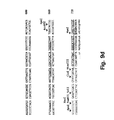
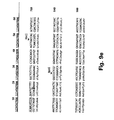
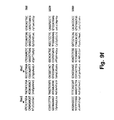
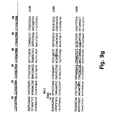
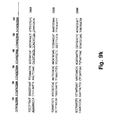
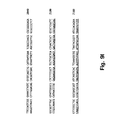
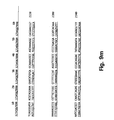
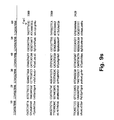
- An example is a recombinant human PBCD based on any of Seq. ID NO 1 (clone PBGD 1.1) and Seq. ID NO 12 (non-erythro PBGD 1.1.1).
- the invention also relates to the use of a human PBGD cDNA sequence of either non-Erythropoietic form or Erythropoietic form for the preparation of a medicamant for gene therapy by transfection of the patient with the human PBGD cDNA sequence of either non- Erythropoietic form or Erythropoletic form according to the tissue in which PBGD should be expressed, for treatment or preventing disearse in a patient having a mutation in the PBGD gene causing an enzyme defect.
- the enzyme defiency is selected from enzyme defiencies resulting in a disease selected from Acute Intermittent Porphyria, (AIP), ALA deficiency porphyria (ADP), Porphyria cutanea tarda (PCT), Hereditary coproporphyria (HCP), Harderoporphyria (HDP), Variegata porphyria (VP), Congenital erythropoietic porphyria (CEP), Erythropoietic protoporphyria (EPP), and Hepatoerythropoietic porphyria (HEP).
- AIP Acute Intermittent Porphyria
- ADP ALA deficiency porphyria
- PCT Porphyria cutanea tarda
- HCP Hereditary coproporphyria
- HDP Harderoporphyria
- VP Variegata porphyria
- CEP Congenital erythrop
- the human PBGD cDNA sequence is selected from Seq. ID NO 1 (clone PBGD 1.1) and Seq. ID NO 12 (non-erythro PBGD 1.1.1).
- the transfection may be by use of a vector selected from adenovirus, retrovirus and associated adenovirus.
- the PBGD gene transfer vector into human cells preferably results in normal PBGD activity or in an activity wherin the patient is free of symptoms of disease.
- AIP Acute Intermittent Porphyria
- chimeraplasty gene repair is by use of a delivery system for transfection by use of non-viral vectors formulated in a vehicle preparation comprising one or more components selected from cationic phospholipids, phospholipids, phospholipids mixed with neutral lipids, lictosylated PEI, liposomes comprising mixtures of natural phopholipids and neutral lipids.
- the mutation may be selected from the mutations shown in Table A.
- the gene for the erythropoietic PBGD which is located in the human genome in the chromosomal region 11q 24, is composed of 15 exons spanning 10 kb of DNA and is shown in Grandchamp B. et al. 1996. J. of Gastroenerology and Hepatology 11. 1046-1052.
- the gene coding the erythropoietic PBGD enzyme (344 amino acids) (Raich N. et al 1986, Nucleic. Acid. Res, 14, 5955-5968), will be cloned from a human erythropoietic tissue by reverse transcriptase or amplification by PCR (polymeraso chain reaction) of the PBGD coding region.
- the gene will be inserted in a plasmid and transformed into a suitable host cell (a bacterium such as E. coli and B. subtilis, a fungus such as Saccharomyces, or a mammalian cell line, such as CHO cells).
- a suitable host cell a bacterium such as E. coli and B. subtilis, a fungus such as Saccharomyces, or a mammalian cell line, such as CHO cells.
- the expression of the PBGD gene will be regulated by a promoter which is compatible with the selected host cell.
- An endogenous ATG sequence is located at the NH2-terminal end of the rPBGD structural gene for initiation of translation and cytoplasmic expression.
- a bacterial signal sequence for example an E. coli periplasmic enzyme signal peptide or a signal peptide from a secreted enterotoxin or endotoxin in E. coli, to obtain secretion in E. coli.
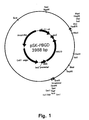
- the plasmid used for production of rPBGD in E. coli was constructed in the following way:
- PBGD porphobilinogen deaminase
- PBGD cDNA clones were isolated and sequenced from a number of sources to define the most common amino acid usage.
- Oligonucleotide primers were designed to amplify the coding region from cDNAs by Polymerase Chain Reaction (PCR) (Saiki RK, et al. Enzymatic amplification of beta-globin genomic sequences and restriction site analysis for diagnosis of sickle cell anemia. Science 1985, Dec 20; 230(4732):1350-4). These were used to isolate cDNAs from 5 sources of mRNA which were then cloned into a plasmid vector. Eight of these clones were sequenced and along with the published sequences define a wild type allele, which should be the most common amino acid sequence in the population. This wild type allele will be used for protein expression.
- the first primer set (see Table 1) Ico379 and Ico382, are 20mers that bind to sequence outside of the coding region. Ico379 is specific for the 5' untranslated region of the mRNA (cDNA) of the erythropoietic form of PBGD. The binding site is in an exon region not expressed in the constitutive form of the enzyme. Ico382 binds to the 3' untranslated region of both forms of PBGD. Internal to these are a second set of oligonucleotide primers to be used for the second round of PCR, Ico375 and Ico376, designed to distal ends of the PBGD coding region.
- Ico375 has 22 bases of sequence homologous to the 5' end of the coding region of the erythropoietic form of PBGD with the ATG start codon followed by an EcoRI endonuclease cleavage site for cloning of the PCR product and 4 bases of sequence to ensure efficient restriction.
- Ico376 has 33 bases homologous to the 3' end of the PBGD coding region with 3 bases changed internally to introduce a Munl/Mfel endonuclease cleavage site through silent mutations and ending with the TAA stop codon. This restriction site will be used to easily introduce sequence encoding a His-Tag to the DNA with oligonucleotide adapters or to enable other 3' modifications.
- a second stop codon Following the stop codon is a second stop codon to ensure good termination of translation and a HindIII endonuclease cleavage site for cloning the PCR product followed by 4 bases to ensure efficient restriction.
- the EcoRI and HindIII endonuclease cleavage sites introduced onto the ends of the PBGD PCR product ligate into the respective unique restriction sites in the high copy number pBluescriptll SK-(Stratagene) vector for sequencing and will then be used to move the PBGD DNA into an E. coli expression vector for production of recombinant human porphobilinogen deaminase, rh-PBGD.
- cDNAs were used as a PCR source; spleen, bone marrow, lymph node, lung, whole brain and adipose tissue each from a different pool of human donors (produced by Donald Rao using BRL Superscript II with 500 ng Clontech poly-A RNA in 20 ⁇ l reaction volumes per manufacturers instructions except adipose which was made from 5 ⁇ g of Clontech total RNA from a single donor). List of equipment and supplies used (see lists below).
- Two cycle PCR was used again with an initial heat denaturation step at 94°C for 1' 40" then 2 cycles of 96°C for 16" and 68°C for 2' then 13 cycles of 96°C for 16" and 72°C for 2' with a final extension of 6' at 74°C.
- Ten ⁇ l of the 50 ⁇ l reactions were run on a 1.2% agarose gel with 2 ⁇ l 6X loading dye. The resulting bands were of the expected size, 1.05 kb.
- the remainder of the PCR reactions were passed through Chromaspin-400 columns (Clontech) per manufacturers instructions to remove reaction components and to exchange buffer with TE (10mM Tris-HCI pH8.0/1mM EDTA).
- the DNA containing eluates were washed with dH20 and concentrated with Microcon-100 spin-filters (Amicon/Millipore) per manufacturers instructions.
- the purified PBGD DNA was digested for 6 hours with 40 Units each of EcoRI and HindIII in EcoRI "U” buffer (New England Biolabs (NEB)) in 50 ⁇ l reactions at 37°C. Enzymes were heat killed for 20 minutes at 68°C and reactions were spun in Microcon 100 spin-filters to remove small DNA end pieces, washed with dH2O and concentrated. One fifth of the resulting DNA was ligated with approximately 50 ng EcoRI and HindIII digested and twice gel purified pBluescriptII SK- (Stratagene) and 200 units T4 DNA ligase (NEB cohesive end units) for 15 hours at 16°C. The ligase was heat killed at 75°C for 10 minutes.
- Colony PCR was used to analyze 18 transformants of each electroporation for the presence of PBGD.
- An internal PBGD specific primer (lco381) was used with a pBluescript specific primer (lco385) to both confirm identity and proper orientation in the vector.
- the 25 ⁇ l reactions were set up on ice to inactivate proteases with primer concentrations of 0.4 ⁇ M, 0.125U Taq polymerase (Fisher), and 0.2mM dNTP(PE/ABI.)
- Two cycle PCR was used, with an initial heat denaturation step at 94°C for 1' 40" a further denaturing step at 96°C for 20 seconds, then 30 cycles of 96°C for 16" and 68°C for 1' with a final extension of 4' at 74°C.
- Five ⁇ l of 6X loading dye was added and 12.5 ⁇ l each were run out on a 1.2% agarose gel.
- Results are as follows: 12/18 positive colonies for spleen; 10/18 for bone marrow; 8/18 for lymph node; 9/18 for brain and 10/18 for adipose tissue. Two positive colonies each for the first 3 and 1 each for the latter two were grown up in 25 ml. liquid LB culture with 150 ⁇ g/ml ampicillin over night at 37°C with 250 rpm. Plasmid DNA was purified from the cultures with Qiagen's Tip-100 DNA purification kit per manufacturer's instructions. UV absorbance at 260nm was used to determine the plasmid yields which varied from between 131 and 169 ⁇ g of highly purified DNA.
- Sequencing reactions of double stranded plasmid DNA with Big Dye terminator cycle sequencing were performed in a 9700 thermocycler (Perkin Elmer/Applied Biosystems.) Two vector primers (Ico383 and Ico385) and two PBGD specific internal primers (Ico380 and Ico381) were used for all 8 plasmids (see sequence). In addition a fifth vector primer (Ico285) was used for the brain and adipose derived clones. Reaction conditions were per manufacturers protocol as follows: 500 ng plasmid DNA and 4 pmol oligonucleotide primer with 8 ⁇ l ready mix in 20 ⁇ l volumes with 30 cycles of 96°C for 12" and 60°C for 4'.
- Extension products were purified by isopropanol precipitation.
- 20 ⁇ l of dH2O and 60 ⁇ l Isopropanol were added. These were mixed by inversion and allowed to sit at room temperature for 15 minutes then spun for 40' at 3250 rpm in a Beckman GS-6KR centrifuge with the GH3 rotor and Microplate + carriers. Reactions were inverted then spun at 1680 rpm for 1' to remove liquid from the pelleted DNA.
- DNA sequence analysis was performed at the University of Washington Biochemistry Department sequencing Laboratory with an Applied Biosystems 377 sequencer.
- the inserts of all 8 clones were confirmed to be PBGD by complete double strand sequence analysis (see sequences 1 - 8). Each has some change(s) from the published sequences. Some changes are unique and some are shared with other clones (see Table 2 and Table 3). For differences found only in one clone, it is difficult to distinguish between PCR or cloning artifacts and actual allelic variations without additional sampling. However, when the same base difference is found in more than one sequence it is unlikely to be from cloning errors. From the alignment of all 11 PBGD sequences a set of common bases emerged, the consensus or wild type allele sequence. Five of the eight clones (1.1, 1.3, 2.1, 3.3, and 5.3.) have the wild type amino acid sequence.
- the second difference is a cytosine to adenine substitution at base 995 (Thr 332.) This is not a silent change, with a threonine to asparagine non-conservative mutation. It appears however that the difference is an error in the published erythropoietic PBGD sequence since all 10 other sequences have an adenine at this position. In addition to these natural variations, there are three additional silent mutations introduced during the cloning at positions 1017, 1018 and 1020 to create a Mun-I site for future manipulations.
- the PBGD gene was ligated into pBluescript SK plasmid generating the pSK-PBGD 3988 bp plasmid, which was sequenced (see Fig. 1, Fig. 9a-9x and sequence 9).
- clone number 1.1 represents the most prevalent "wild type" allele in the population with respect to amino acid sequence.
- Clone number 1.1 contains the consensus wild type amino acid sequence and differs from the published erythropoietic PBGD sequence by only one amino acid. Because this difference is found in all the other PBGD clones besides the erythropoietic PBGD sequence, it, rather than the published erythropoietic sequence, is deamed to be the prevalent wild type sequence. For this reason PBGD encoded by clone number 1.1 was chosen for production of recombinant human porphobilinogen deaminase (rh-PBGD.)
- the expression plasmid pExp0 (see Fig. 2) was constructed by excising the PBGD coding sequence (nt1-1043) from pPBGD1.1 (see Fig. 3) with EcoR I and Hind III and inserting it into the vector pKK223-3 (see Fig. 4) (Pharmacia Cat # 27-4935, Lot # 8054935011) cut with the same enzymes, thus operatively linking it to the inducible tac promoter.
- Another plasmid, pExp1 (see Fig. 5) was also constructed with modifications to the 5' untranslated region and the initial part of the coding sequence both aimed at improving translation efficiencies (translation enhanced). The changes are indicated below and include, insertion of a second ribosome binding site, an AT rich sequence preceding the ATG and three silent base substitutions shown in as underlined.
- Plasmid pExp1 (Fig. 5) was made in a two step process. Oligonucieotides ICO386 (5' AAT TCT AAC ATA AGT TAA GGA GGA AAA AAA AAT GAG AGT TAT TCG TGT CGG TAC 3') and ICO387 (5' CGA CAC GAA TAA CTC TCA TTT TTT TTT CCT CCT TAA CTT ATG TTA G 3') were designed to provide upon annealing a 5' Eco R I adhesive end and a 3' Kpn I sticky end.
- Oligonucleotides ICO386 and ICO387 were annealed and ligated with the Kpn I- Hind III PBGD fragment from pPBGD1.1 into Eco R I -Hind III linearized pBluescript II SK-(Stratagene Cat # 212206) to yield plasmid pPBGD1.1Tra (Fig. 6).
- the Eco R I -Hind III fragment from pPBGD1.1Tra was ligated into pKK223-3 cut with the same enzymes resulting in plasmid pExp1 (Fig. 5).
- E. coli K12 strains were used. Both these strains carry the lacl q repressor and are, DH12S (Life Technologies cat # 1832-017) and JM105 (Parmacia Cat # 27-1550-01).
- the media used was mainly LB Broth (Difco Laboratories Cat # 0446-07-5) containing 100 ⁇ g/ml ampicillin. The cultures were grown at 37° C and induced with 4mM IPTG for 3 hours.
- the choice of the final strain will partly depend on the induction strategy used (see below).
- the use of lacits will force the use of strains that do not carry the lacl q repressor.
- strains deficient in proteases such as La, Clp and the rpoH locus may prove to be beneficial if thermal induction is to be used.
- the hemC gene is deleted in the final production strain.
- a plasmid, which will be used as a tool for this purpose has been constructed.
- Plasmid pExp1-M2 (Fig. 7) has been constructed from pExp1 with a functional tetracycline resistance gene. This was designed with a view to be able to introduce other regulatory elements or genes as required by the project as also being able to retain the ability to replace the "translation enhanced" PBGD sequence by the native sequence or a polylinker for the blank plasmid.
- Plasmid pExp1 was cut with Sal I and Bam H I and the 5348 base-pair fragment containing part of the tetracycline coding sequence and the bulk of the plasmid was isolated.
- the Sal I- Hin d III fragment from pBR322 (New England BioLabs Cat # 303-3S, Lot # 50) containing rest of the coding sequence and an adapter formed by annealing oligonucleotides ICO424 (5' GATCACTCAT GTTTGACAGC TTATCATCGA TT 3') and ICO425 (5. AGCTAATCGA TGATAAGCTG TCAAACATGA GT 3').
- the adapter contains part of the tetracycline promoter and provides Hind III and Bam H I overhangs for ligation but destroys the Hind III and Bam H I restriction sites.
- the tac promoter is a strong promoter when induced with IPTG and other groups have shown that it or the other almost identical trc promoter can be induced very well at 42°C when a thermosensitive lac repressor is used.
- pExp1-M2-Puc-BB construct a high level of expression which can translate to gram quantities of product in the fermenter. Based on study data and data from the literature the thermal induction is efficient.
- the plasmid pExp1 (see Fig. 5) has a basal level of expression which is about one-fifth that of a fully induced culture in a lacl q strain in LB broth. Stable and with acceptable expression levels, it can be used without induction in defined fermentation media.
- the plasmid pExp1-M2 (see Fig. 7) the rom gene has been deleted on the plasmid and the pBR223 replicon exchanged by the pUC-based replicon.
- These plasmids have elevated copy numbers with increasing temperature (greater than 30°C) and serve as a pseudo-induction system.
- thermo-labile lacI repressor In plasmid pExp1-M2 a thermo-labile lacI repressor has been introduced either at the Sca 1 site or the Bsa A 1 site.
- the repressor was derived from plasmid pTYB1 (New England BioLabs Cat # 6701, Lot # 3) by PCR, wherein Gly 187 was changed to Ser. If the thermal induction works but a high basal level of expression leads to instability, the native PBGD sequence as in pExp0 (without the enhancements) is substituted. In plasmid pExp0 the uninduced level of expression is below the level of detection in the assay system used. Other variations would be to use lacl q ts on the plasmid or in the genome.
- the production plasmid pExp1-M2-Puc-BB (see Fig. 8) for rPBGD was constructed in a multi-step process. The individual steps used and all the intermediate plasmids are outlined below.
- the expression plasmid pExp1 was first constructed wherein the PBGD coding sequence is operatively linked to the tac promoter of the vector pKK223-3 (Pharmacia Cat # 27-4935, Lot # 8054935011) by means of a short adapter designed to include a ribosome binding site, an AT-rich region preceding the ATG and the first six codons of the PBGD human erythropoietic enzyme with three silent base changes.
- the sequence of the adapter is shown below with the base changes introduced in the wobble positions boldfaced.
- Oligonucleotides ICO386 (5' AAT TCT AAC ATA AGT TAA GGA GGA AAA AAA AAT GAG AGT TAT TCG TGT CGG TAC 3') and ICO387 (5' CGA CAC GAA TAA CTC TCA TTT TTT TTT CCT CCT TAA CTT ATG TTA G 3') were designed to provide upon annealing a 5' Eco R I adhesive end and a 3' Kpn I sticky end.
- Oligonucleotides ICO386 and ICO387 were annealed and ligated with the Kpn I- Hind III PBGD fragment from pPBGD1.1 into Eco R I- Hind III linearized pBluescript II SK- (Stratagene Cat # 212206) to yield plasmid pPBGD1.1Tra.
- the Eco R I -Hind III fragment from pPBGD1.1Tra was ligated into pKK223-3 cut with the same enzymes resulting in plasmid pExp1.
- the teracycline resistance gene was next restored using the following strategy.
- Plasmid pExp1 was cut with Sal I and Bam H I and the 5348 base-pair fragment containing part of the tetracycline coding sequence and the bulk of the plasmid was isolated.
- the Sal I- Hin d III fragment from pBR322 (New England BioLabs Cat # 303-3S, Lot # 50) containing rest of the coding sequence and an adapter formed by annealing oligonucleotides ICO424 (5' GATCACTCAT GTTTGACAGC TTATCATCGA TT 3') and ICO425 (5. AGCTAATCGA TGATAAGCTG TCAAACATGA GT 3').
- the adapter contains part of the tetracycline promoter and provides Hind III and Bam H I overhangs for ligation but destroys the Hin d III and Bam H I restriction sites.
- the resulting plasmid was called pExp1-M2.
- Plasmid pExp1-M2 was digested with Pvu I and Afl III and the larger of the two fragments corresponding to a size of 4745 base-pairs was isolated. This was ligated to the 1257 base-pairs long Pvu I-AflIII fragment derived from pUC19 containing the origin of replication and part of the ampicillin resistance gene to obtain plasmid pExp1-M2-Puc. This was passaged through JM110 and cut with BsaA1 and BsaB1 to excise the rom gene contained between the two sites and blunt-ended together to yield the final expression plasmid pExp1-M2-Puc-BB. The pExp1-M2-Puc-BB plasmid has been fully sequenced (see sequence 11).
- the E. coli K12 host strain JM105 genotype endA thi rpsL sbcB15 hsdR4 ⁇ (lac-proAB) [F'traD36 proAB lacl q ⁇ (lacZ)M15] containing the expression plasmid pExp1-M2-Puc-BB was grown in LB broth containing 100 ⁇ g/ml ampicillin at to mid-log phase at 30°C from a 1 to 40 dilution of an overnight inoculum. The culture was then split into three and growth was continued for another 4 hours at 30°C, 37°C and 42°C respectively. Cells were spun down from 1 ml samples and frozen at -20°C.
- the PBGD coding sequence can be inserted into a plasmid vector, for example YEP type, containing 2 u circular DNA (Ori) origin for high expression in yeast.
- YEP plasmids contain TRP 1 and URA 3 as markers for selective maintenance in trp1-, ura 3-yeast strains.
- the PBGD gene can be inserted in bovine papilloma virus vectors BPV for high expression in a murine cell line C-127 (Stephens P.E. et. al. Biochem J. 248, 1-11, 1987) or vectors compatible with expression in CHO cells or COS cells.
- An expression of PBGD can be made intracellularly.
- a secretory signal in Saccharomyces for example alpha-mating factor presequence, can be added in front of the rPBGD structural gene for efficient secretion in yeast.
- a sequence encoding a mammalian signal peptide can be added for secretion of rPBGD into the culture medium upon expression in for example CHO cells or COS cells.
- a bacterial promoter for example the tryptophane (trp) promoter or the lac promoter or alternatively an alkaline phosphatase promoter, should be inserted before the PBGD coding region for efficient transcription in prokaryotes for example E. coli.
- a yeast promoter for example 3-phosphoglycerate kinase (PGK) or chelatin or alpha-mating factor should be inserted before the PBGD coding region for efficient transcription in yeast for example Saccharomyces cerevesiae or Saccharomyces pombe.
- PGK 3-phosphoglycerate kinase
- chelatin or alpha-mating factor
- a mammalian promoter for example Metallothionin-1 (MT-1) or Aspartate transcarbamylase or Dihydrofolate reductase (DHFR) should be inserted before the PBGD coding region for efficient transcription in mammalian cell lines for example CHO cells or COS cells.
- MT-1 Metallothionin-1
- DHFR Dihydrofolate reductase
- yeast plasmid containing a yeast promoter, signal and/or ATG codon (methionine) in front of the PBGD coding region and a yeast vector containing selectable markers such URA 3 or TRP 1 will be transformed into the yeast host cell such as Saccharomyces cerevesiae or Saccharomyces pombe for production of rPBGD.
- the mammalian plasmid (M-G&F-PBGD) containing a mammalian promoter for example Metallothionine-1 or Dihydrofolate reductase and a mammalian signal sequence or an ATG codon in front of the PBGD coding region and vector pAT or pSV2 respectively.
- Plasmid (M-G&F PBGD) will be transfected into a mammalian cell line for example CHO cells, for production of rPBGD.
- the E. coli cell containing plasmid (pExp1 or pExp1-M2 Puc-BB), will be fermented to stationary phase between 24-48 hours, in a medium containing casein hydrolysate, or yeast extract, glucose, vitamins and salts. pH oxygen will be monitored by electrodes during fermentation. Temperature will be kept at 37 +/- 2 C during the fermentation.
- the yeast cell containing the plasmid (Y-G&F-PBGD), will be fermented to late log phase between 20-40 hours in a medium containing yeast extract, glucose, salts and vitamins. pH and temperature will be monitored by specific electrodes during fermentation. Temperature will be kept at 30+/- 2 C during fermentation.
- the mammalian cell line containing the plasmid (M-G&F-PBGD) will be fermented in a medium containing, foetal calf serum (or serum free), vitamins, glucose, antibiotics, growth factors. pH and temperature will be monitored continuously during fermentation by specific electrodes.
- rPBGD will be recovered from E. coli after fermentation by an extraction procedure involving for example ribipress, sonication, osmotic shock or total solubilization by detergent for example Tween 80, Triton X-100 or Brij.
- rPBGD will be recovered from fermentation medium after production in yeast or from a total cellular extract using detergents such as Triton X-100, Tween 80 or Brij.
- rPBGD will be recovered from mammalian culture medium or from a total cellular extract by ion-exchange chromatography or affinity chromatography.
- rPBGD will be purified from E. coli extract or from yeast medium or total cellular extract or from mammalian culture medium or total mammalian cellular extract by binding to an ion-exchange column for example DEAE-Sepharose or MonoQ-Sepharose and eluted with for example NaCI and Sodium phosphate buffer pH 7-8 or the corresponding potassium salts.
- an ion-exchange column for example DEAE-Sepharose or MonoQ-Sepharose and eluted with for example NaCI and Sodium phosphate buffer pH 7-8 or the corresponding potassium salts.
- rPBGD will be recovered from extracts by binding to an affinity chromatography column for example an anti-PBGD affinity column.
- rPBGD will be eluted by lowering the pH to 4-2, or a thiol specific affinity column.
- rPBGD has been "tagged" with thiols residues when a thiol affinity column step is used. Thiols will be removed by a specific enzymatic cleavage step to generate authentic rPBGD.
- rPBGD ion-exchange or affinity purified rPBGD will be further purified by hydrophobic interaction chromatography on for example, TSK Phenyl 5 PW column or Octyl-Sepharose or Phenyl-Sepharose columns.
- Binding of rPBGD will be done at high ionic strength for example in 10-50 mM Tris-HCl pH 7-8, 1M NaCI or 10-15 mM Sodium phosphate pH 7-8, 0.5 M MgSO 4 and eluted by lowering the ionic strength for example with 10-50 mM Tris-HCI pH 7-8 or 10-50 mM Sodium phosphate pH 7-8.
- rPBGD will be further purified with preparative RP-HPLC for example C12 or C18 matrixes.
- the rPBGD will be eluted from the column by a gradient of 10-50 mM Sodium phosphate and 1-10% acetonitrile buffer.
- Formulation of rPBGD will be done by passing the enzyme over a G-100 Sephadex column and eluting it in an isotonic solution for example 0.9%NaCl and 10-50mM Sodium phosphate pH7.0 +/- 0.5 or Sodium phosphate, glycin, mannitol or the corresponding potassium salts.
- the formulation solution of rPBGD will be sterile filtered and filled aseptically in glass vials and lyophilised.
- the sterile filtered rPBGD solution will be formulated in for example, lipid vesicles constituting phosphatidylcholine or phosphatidylethanolamine or combinations of these or incorporated into erythrocyte ghosts.
- Reconstitution of lyophilised rPBGD will be done in water for injection.
- rPBGD will be formulated in a sustained release formulation involving biodegradable microspheres, for example in polylactic acid, polyglycolic acid or mixtures of these.
- rPBGD will be lyophilized in a two-compartment cartridge, where rPBGD will be in the front compartment and water for reconstitution in the rear compartment.
- This two compartment cartridge will be combined with an injection device to administer either rPBGD by a needle or needle less (by high pressure) device.
- rPBGD will be formulated in a physiological buffer containing an enhancer for nasal administration.
- rPBGD will be formulated in an oral formulation containing for example, lipid vesicles (phospatidylcholine, phosphatidylethanolamine, sphingomyeline) or dextrane microspheres.
- lipid vesicles phospatidylcholine, phosphatidylethanolamine, sphingomyeline
- dextrane microspheres lipid vesicles (phospatidylcholine, phosphatidylethanolamine, sphingomyeline) or dextrane microspheres.
- PBGD recombinant production of PBGD is preferred for the treatment of AIP, it can alternatively be produced from human red blood cells.
- hepatic Porphyrias such as ALA deficiency Porphyria (ADP), Porphyria cutanea tarda (PCT), Hereditary Coproporphyria (HCP) and Variegata Porphyria (VP) can benefit from substitution therapy by rALA dehydratase, rUroporphyrinogen decarboxylase, rCoproporphyrinogen oxidase and rProtoporphyrinogen oxidase, respectively.
- ADP ALA deficiency Porphyria
- PCT Porphyria cutanea tarda
- HCP Hereditary Coproporphyria
- VP Variegata Porphyria
- Erythropoetic Porphyrias such as Congenital erythropoietic Porphyria (CEP) or Erythropoietic protoporphyria (EPP) will benefit from substitution therapy with rUroporphyrinogen III syntetase and rFerrochelatase, respectively.
- CEP Congenital erythropoietic Porphyria
- EPP Erythropoietic protoporphyria
- Hepatoerythropoietic Porphyrias e.g. Hepatoerythropoietic Porphyrias(HEP) can be treated with rUroporphyrinogen decarboxylase.
- All porphyrias can be treated by the administration of the enzymatic activity lacking or being reduced (normally 50%) in any of the eight steps in the heme biosynthetic pathway as described above.
- substitution of the enzymatic activity can be achieved by adding the corresponding recombinant enzyme or other molecules that will provide the missing enzymatic activity.
- Porphobilinogen deaminase PBGD is coded for by a single gene located on chromosome 11q 24.
- AIP Acute Intermittent Porphyria
- the present invention relates to a therapeutic method for AIP patients based on gene therapy.
- the gene therapy treatment may involve the following steps.
- erythropoietic erythropoietic and the non-erythropoietic form, which are formed by an alternative splicing mechanism.
- the non-erythropoietic form has a 17 amino acid extension on the N-terminal end of the erythropoietic PBGD form.
- Non-erythropoietic PBGD form (nPBGD):
- ePBGD Erythropoietic PBGD form
- the nucleotide and amino acid sequence for human PBGD that will be used for gene therapy differs from that published by Raich N. et al. Nucl. Acid. Res. 14, 5955-5968, 1986 in that the amino acid residue in position 332 is an Asn residue rather than Thr. In order to make the "wild type enzyme" and avoiding formation of antibodies the PBGD sequence has to contain an Asn residue in position 332.
- the cDNA sequence that will be used for the erythropoietic PBGD form is shown above.
- Patient with a defect erythropoietic PBGD enzyme will be transfected with the erythropoietic PBGD cDNA sequence and patients with a defect in the non-erythropoietic form will be transfected with the non-erythropoietic cDNA sequence.
- the vector is based on adenovirus type 5 (Ad5), containing three essential genetic loci E.g. E1, E2, E4, encoding important regulatory proteins and one locus E3 which is non-essential for virus growth. Deletion of E1A and E1B region renders the virus replication deficient in vivo. Efficient complementation of the E1 function (recombinant viral stocks) can be obtained in an E1 expressing cell line such as human 293-cell line.
- Ad5 adenovirus type 5
- E1A and E1B region renders the virus replication deficient in vivo.
- Efficient complementation of the E1 function can be obtained in an E1 expressing cell line such as human 293-cell line.
- the human PBGD cDNA will be inserted in an adenovirus vector system.
- the PBGD transgenes will be driven by the endogenous PBGD promoter or a cytolomega virus promoter (CMV).
- CMV cytolomega virus promoter
- Retroviral vectors are well suited for gene delivery for several reasons:
- retroviral vectors can only transduce dividing cells.
- retroviridae Most common retroviridae considered for gene therapy, are the lentiviridae and the mammalian C-type viridae. Other type retroviruses have also been considered.
- the expression of the UROIIIS gene was driven by long terminal repeat (LTR).
- LTR long terminal repeat
- the UROIIIS cDNA was also successfully transduced by the retrovirus vectors into human peripheral blood progenitor cells.
- the erythropoietic PBGD cDNA sequence can be inserted in a retrovirus vector LXSN (Miller et al BioTechniques 7, 980-990, 1989) and pMFG ( Dranoff et al. Proc. Natl. Acad.Sci. USA. 90,3539-3543, 1993). This will lead to the following constructs e.g. LePSN and pMFG-ePBGD, respectively.
- the non-erythropoietic cDNA (See sequence 12) will be inserted in the LSXN vector and the pMFG vector resulting in the LSnPN and pMFG-nPBGD vectors, respectively.
- the LePSN and LnPSN vectors can be converted to the corresponding virus by transfer into an appropriate host cell line e.g. ⁇ CRE as described by (Danos et al. Proc. Natl. Acad. Sci. USA. 85, 6460-6464, 1988). Filtered supernatants from ectopic virus producing cells were added to amphotropic cells ⁇ CRIP, in the presence of Polybrene. Clones can be isolated and tested for virus. Clones that show titers over 1.000.000 cfu/ml wilt be saved (resistant to G418). The LnPSN vector will be cotransfected with the pMCl-Neo plasmid (Pharmacia, Sweden) into the packaging cell line ⁇ CRIP. Clones that shows integration of provirus and high expression levels of message will be selected.
- ⁇ CRE amphotropic cells
- Filtrate from supernatants from virus producing cells can be mixed with Polybrene and incubated with peripheral blood progenitor cells (bone marrow transplant) from an AIP patient for several hours. The transduced progenitor cells can then be transplanted back into an AIP patient.
- the success of the treatment will be measured as the increase in the PBGD activity in erythrocytes and reduced excretion of ALA and PBG in the urine. Clinically a success of the treatment can be evaluated as a reduction of frequency of spontaneous acute attacks or drug-induced attacks. This will be a more convenient way of administering the recombinant PBGD enzyme than regular injections.
- the efficacy of the therapy can be evaluated by measuring the PBGD activity in blood and reduced excretion of PBG and ALA in the urine. Clinically, a successful treatment should result in less number of acute attacks or preferably no more attacks.
- AAV Associated Adenovirus system
- AAV is a non-pathogenic human virus (Parvovirus) carried by more than 80% of all people.
- the advantage with AAV as compared to retroviral systems is that AAV can transduce both dividing and non-dividing cells.
- the virus genome which is small, contains two Inverted Therminal Repeats (ITR) and a REP and CAP functions.
- ITR Inverted Therminal Repeats
- REP and CAP functions can be deleted and exogenous cDNA inserted.
- Construction of an AAV vector containing the erythropoietic PBGD cDNA can be made. This AAV/PBGD vector will be suitable to transduce AIP patient's bone muscle cells, as a" muscle factory" for PBGD enzyme production.
- the PBGD cDNA will be engineered in such a way that a signal sequence for secretion will be added on the 5'-end of the cDNA. This will allow the erythropoietic PBGD enzyme to become secreted from the muscle cells into the blood stream. By this system patients will receive a constant delivery of active PBGD enzyme into the bloodstream, which will metabolize PBG thereby avoiding acute attacks.
- liver cells can be transduced with AAV containing the non-erythropoietic PBGD cDNA.
- the construct will be engineered in such a way that the translated PBGD enzyme will remain intracellular e.g. contain a Met residue at the N-terminal end of the PBGD enzyme without a signal sequence for secretion in mammalian cells.
- the PBGD transgene will be transcribed and translated into new PBGD enzymes that will remain intracellularly. Levels of new PBGD enzymes made in the liver will normalize the PBGD activity to 100%.
- AIP patients have usually reduced PBGD activity (50-80%) in the liver depending on the mutation and individual variations.
- the AAV containing the non-erythropoietic PBGD form can also be used to correct the genetic defect in other cell types such as neuronal tissue, pancreas spleen e.g. non-erythropoietic tissue, by a similar mechanism.
- the erythropoietic PBGD cDNA can be inserted in an AAV vector and used to transduce erythropoietic cells and stem cells in AIP patients, having a mutation affecting the erythropoietic form of PBGD.
- Adenovirus have approximately 36 kbp double stranded DNA, containing three essential early gene loci (E1, E2, and E4) encoding important regulatory proteins.
- Loci E3 codes for a gene product that block immune response to virus infected cells in vivo.
- the PBGD gene transfer adenovirus vector can be produced by deleting the E1 and E3 loci.
- the PBGD gene cassette is inserted in that position instead.
- the virus will be replication defective when the E1 locus has been deleted.
- Efficient E1 complementation and thus high yield of recombinant virus vector (PBGD) can be obtained in an E1 expressing cell line, such as the human 293 cell line. (Graham, F. et al. 1977, Characteristics of a human cell line transformed by DNA from human adenovirus 5. J. Gen. Virol. 36, 59-72).
- Delivery of viral vectors are based on injection into the patient of a virus particle that will transduce human cells in vivo.
- RNA-DNA chimeric oligonucleotides
- the oligonucleotide will repair point mutations on the chromosome by binding to the site of mutation and create a mismatch.
- the endogenous "mismatch repair system" which is present in all living cells, will correct the mutation.
- the Chimeric oligonucleotides has the following general properties:
- Chimeric oligonucleotides can be used to correct any other point mutation causing any of the 8 known Porphyrias in a similar way as described above.
- the chimeric oligonucleotide can be formulated in a vehicles preparation containing anionic or cationic phospholipids or phospholipids mixed with neutral lipids or lictosylated PEI.
- non-viral vectors can be formulated in liposomes containing mixtures of natural phospholipids and neutral lipids.
- Specific protein sequences can be incorporated into liposomal membranes, that recognizes cellular receptors for specific targeting of non-viral vectors to a specific cell type such as liver, neuronal tissue or erythropoietic tissues, can be incorporated.
- specific antibodies recognizing specific cellular surface antigens can be used for targeting.
- carbohydrates on the liposomal membrane can be used for liver uptake of chimeric oligonucleotides.
- the formulated chimeric oligonucleotide (HemeBiotech 595 W/X) will be administered by sc. or IV. injections to AIP patients.
- the efficacy of the treatment can be evaluated as above.
- the gene therapy strategies outlined herein can also be used for other Porphyric diseases.
- the general principle is to increase the cellular or systemic content of a particular defective enzyme causing the disease.
- the following Porphyric diseases can be encompassed by this strategy:
- Grandchamp B et al Tissue-specific expression of porphobilinogen deaminase. Two isoenzymes from a single gene. Eur J Biochem. 1987 Jan;162(1):105-10.
Landscapes
- Health & Medical Sciences (AREA)
- Life Sciences & Earth Sciences (AREA)
- Chemical & Material Sciences (AREA)
- Engineering & Computer Science (AREA)
- Bioinformatics & Cheminformatics (AREA)
- General Health & Medical Sciences (AREA)
- Medicinal Chemistry (AREA)
- Organic Chemistry (AREA)
- Public Health (AREA)
- Veterinary Medicine (AREA)
- Animal Behavior & Ethology (AREA)
- Pharmacology & Pharmacy (AREA)
- General Chemical & Material Sciences (AREA)
- Nuclear Medicine, Radiotherapy & Molecular Imaging (AREA)
- Chemical Kinetics & Catalysis (AREA)
- Wood Science & Technology (AREA)
- Zoology (AREA)
- Genetics & Genomics (AREA)
- Diabetes (AREA)
- Hematology (AREA)
- Biotechnology (AREA)
- Immunology (AREA)
- General Engineering & Computer Science (AREA)
- Biochemistry (AREA)
- Molecular Biology (AREA)
- Microbiology (AREA)
- Gastroenterology & Hepatology (AREA)
- Biomedical Technology (AREA)
- Proteomics, Peptides & Aminoacids (AREA)
- Epidemiology (AREA)
- Medicines That Contain Protein Lipid Enzymes And Other Medicines (AREA)
- Enzymes And Modification Thereof (AREA)
- Pharmaceuticals Containing Other Organic And Inorganic Compounds (AREA)
- Acyclic And Carbocyclic Compounds In Medicinal Compositions (AREA)
- Medicinal Preparation (AREA)
Abstract
Description
ALA dehydratase,
Uroporphyrinogendecarboxylase,
Coproporphyrinogen oxidase,
Coproporphyrinogen oxidise,
Protoporphyrinogen oxidase,
Uroporphyrinogen III synthase,
Ferrochelatase, and
Uroporphyrinogen decarboxylase,
or an enzymatically equivalent part or analogue thereof.

| Item | Manufacturer | Serial Number |
| Pipetman P-1000 | Gilson | N55287E |
| Pipetman P-200 | Gilson | N52324E |
| Pipetman P-20 | Gilson | N53465M |
| Pipetman P-10 | Gilson | P626586 |
| 5415C centrifuge | Eppendorf | 5415B68381 |
| GS-6KR centrifuge | Beckman | NGD97J18 |
| Avanti J-25 I centrifuge | Beckman | JJY97J14 |
| DU 640B Spectrophotometer | Beckman | 4323015 |
| Genie II vortex | VWR | 2-241186 |
| |
Perkin Elmer (PE) / Applied Biosystems (ABI) | 803N6021903 |
| |
PE / ABI | 803S7100104 |
| GeneAmp PCR system 9700 | PE / ABI | 805S7121566 |
| 1545 incubator | VWR | 0902597 |
| |
VWR | 0795 |
| |
VWR | 0511 |
| Gene Pulser II Apparatus | BioRad | 340BR2745 |
| Pulse Controller Plus | BioRad | 339BR1377 |
| Power Pac 1000 | BioRad | 286BR00770 |
| Sub Cell | BioRad | 16S/8860 |
| Wide-Mini Sub Cell | BioRad | 02S/7951 |
| Foto/Prep transilluminator | Fotodyne | PTG1-0997-2831 |
| Elutrap Electro-separator | Schleicher + Schuell | Order No. 57880 |
| Innova 4000 incubator | New Brunswick Scientific | 890165366 |
| Power Mac G3 computer | Macintosh | XA8061A3BBW |
| Trinitron Multiscan 200GS monitor | Sony | 8057052 |
| DNA analysis Software: Geneworks | Intelligenetics | Version 2.5.1 |
| Item | Supplier | Cat No. | Lot No. |
| Human Spleen Poly A+ RNA | Clontech | 6542-1 | 7120266 |
| Human Bone Marrow Poly A+ RNA | Clontech | 6573-1 | 56714 |
| Human Lung Poly A + RNA | Clontech | 6524-1 | 7050104 |
| Human Lymph Node Poly A+ RNA | Clontech | 6594-1 | 6120292 |
| Human Brain Poly A+ RNA | Clontech | 6516-1 | 63101 |
| Human Adipose Total RNA | Clontech | D6005-01 | 7907005 |
| Superscript II reverse transcriptase | Gibco/BRL | 18064-014 | JM6418 |
| 100 mM dNTP set | Pharmacia | 27-2035-01 | 6072035011 |
| pBluescriptII SK- phagemid | Stratagene | 212206 | 0270702 |
| Advantage cDNA polymerase mix | Clontech | 8417-1 | 8060354 |
| GeneAmp dNTP | PE/ABI | N-808-0007 | H0172.4,H0553 |
| Xba-I endonuclease | New England Biolabs (NEB) | 145S | 30 |
| Pvu-II endonuclease | NEB | 151L | 14 |
| EcoR-I endonuclease | NEB | 101L | 25 |
| Hind-III endonuclease | NEB | 104S | 49 |
| Tris six-Pack "C" | Sigma | T-PAC-C | 77H9049 |
| 0.5 M EDTA pH 8.0 | Sigma | E-7889 | 16H8924 |
| Chromaspin TE 400 | Clontech | K1323-1 | 7090795 |
| Chromaspin 400 DepC dH20 | Clontech | K1333-1 | 7040086 |
| Quiaquick gel extraction kit | Qiagen | 28704 | BY97017/0397/11 9 |
| Microcon-30 | Amicon | 42410 | L8JM4330B |
| Microcon-100 | Amicon | 42413 | L8DM3296A |
| Micropure 0.22µm | Amicon | 42544 | CCB017 |
| Seakem GTG agarose | FMC | 50074 | 709397 |
| 100 bp DNA Ladder | NEB | 323-1 | 3 |
| 123 bp DNA Ladder | Gibco/BRL | 15613-029 | JK9706 |
| T4 DNA Ligase | NEB | 202S | 64 |
| Ampicillin | Sigma | A-9518 | 76H0434 |
| LB media | Gibco/BRL | 12795-084 | 12E1072B |
| Bacto Agar | Difco | 0140-07-4 | 106728JA |
| DH10B electromax | Gibco/BRL | 18290-015 | KHN430 |
| SOC media | Gibco/BRL | 15544-042 | 1010351 |
| Taq polymerase | Fisher | FB-6000-15 | H0436 |
| TaqStart antibody | Clontech | 5400-1 | 6070479 |
| Qiafilter Midi DNA isolation kit | Qiagen | 12243 | PO No. 514 |
| Isopropanol | Sigma | I-9516 | 47H3724 |
| Big Dye terminator cycle sequencing kit | PE/ABI | 4303152 | 9803008 |

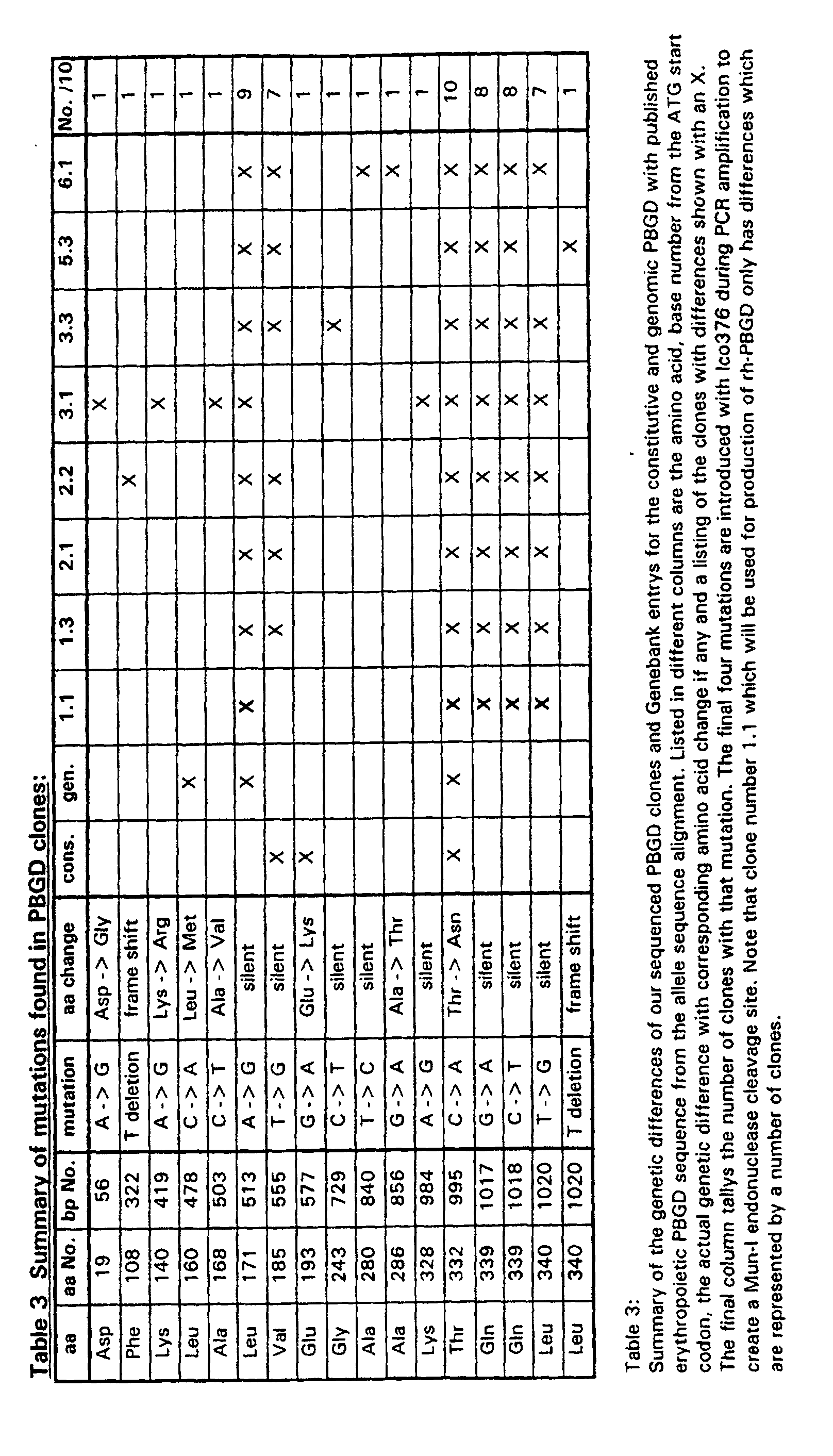


| Temperature | PBGD Units/ |
| 30°C | 363 |
| 37°C | 573 |
| 42° | 1080 |
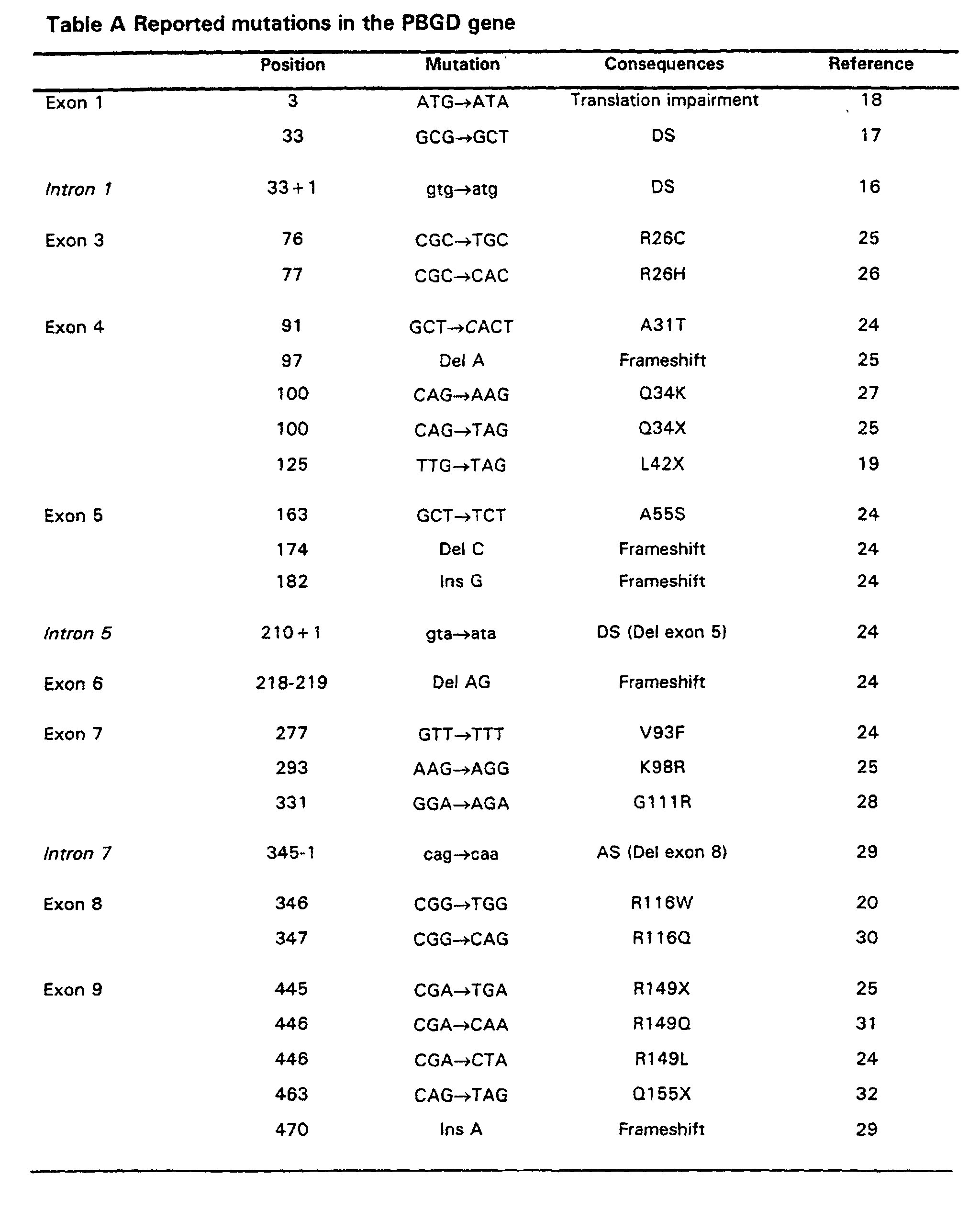








The LnPSN vector will be cotransfected with the pMCl-Neo plasmid (Pharmacia, Sweden) into the packaging cell line Ψ CRIP. Clones that shows integration of provirus and high expression levels of message will be selected.
Construction of an AAV vector containing the erythropoietic PBGD cDNA can be made. This AAV/PBGD vector will be suitable to transduce AIP patient's bone muscle cells, as a" muscle factory" for PBGD enzyme production. The PBGD cDNA will be engineered in such a way that a signal sequence for secretion will be added on the 5'-end of the cDNA. This will allow the erythropoietic PBGD enzyme to become secreted from the muscle cells into the blood stream. By this system patients will receive a constant delivery of active PBGD enzyme into the bloodstream, which will metabolize PBG thereby avoiding acute attacks.


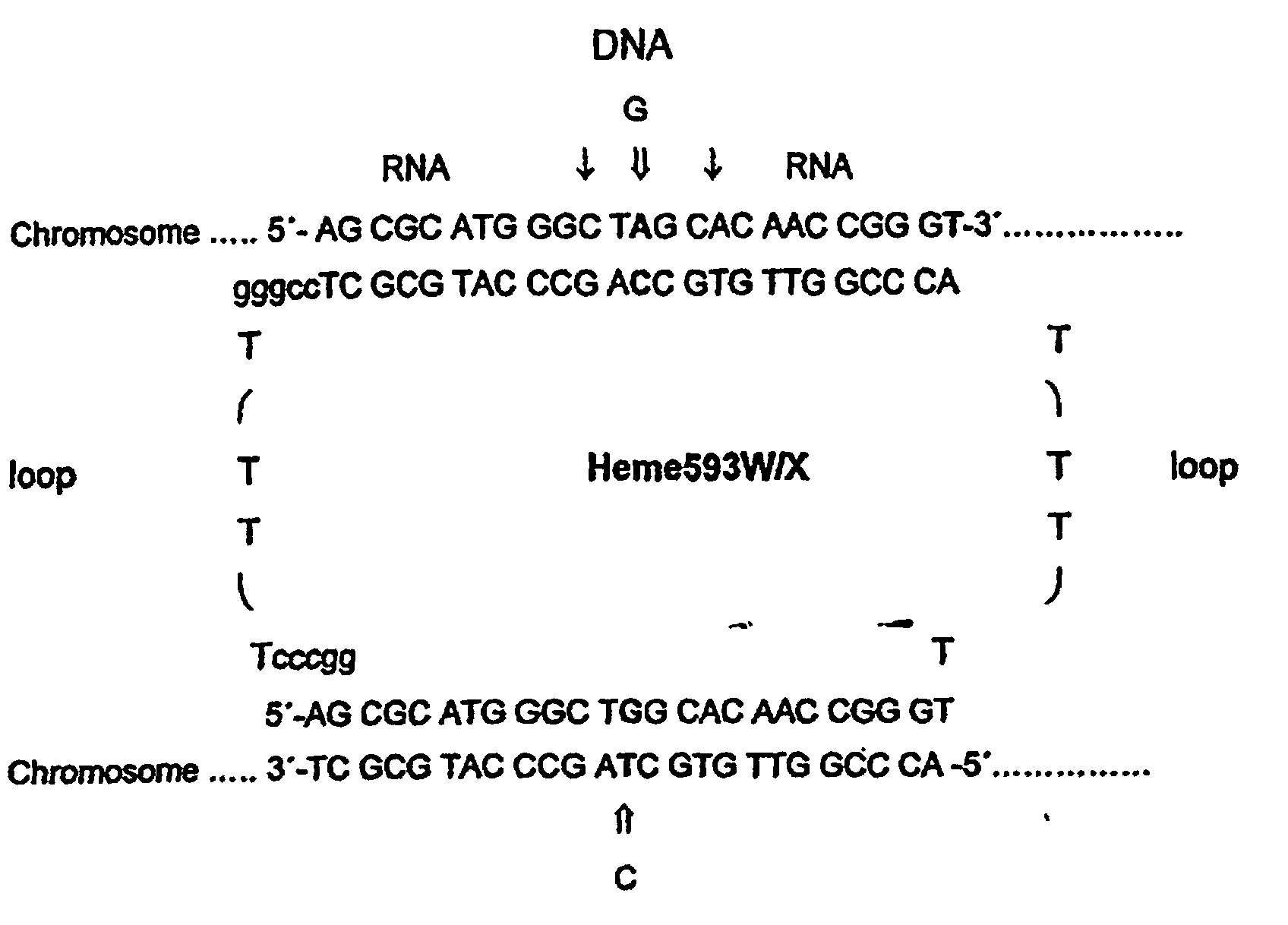
Claims (45)
- Use of an effective amount of a catalyst which is an enzyme belonging to the heme biosynthetic pathway or an enzymatically equivalent part or analogue thereof together with a pharmaceutically acceptable carrier for the preparation of a pharmaceutical composition for treatment or prophylaxis of a disease caused by a deficiency, in a subject, of an enzyme belonging to the heme biosynthetic pathway.
- Use according to claim 1, wherein the disease is selected from the group consisting ofacute intermittent porphyria (AIP),ALA deficiency porphyria (ADP),Porphyria cutanea tarda (PCT),Hereditary coproporphyria (HCP),Harderoporphyria (HDP),Variegata porphyria (VP),Congenital erythropoetic porphyria (CEP),Erythropoietic protoporphyria (EPP), andHepatoerythropoietic porphyria (HEP).
- Use according to claim 1 or 2, wherein the catalyst is an enzyme selected from the group consisting ofporphobilinogen deaminase (PBGD)ALA dehydratase,Uroporphyrinogendecarboxylase,Coproporphyrinogen oxidase,Coproporphyrinogen oxidise,Protoporphyrinogen oxidase,Uroporphyrinogen III synthase,Ferrochelatase, andUroporphyrinogen decarboxylase,or an enzymatically equivalent part or analogue thereof.
- Use according to any of the preceding claims, wherein the disease is AIP and the enzyme is PBGD or an enzymatically equivalent part or analogue thereof.
- Use according to any of the preceding claims, wherein the catalyst is a recombinant form of the enzyme belonging to the heme biosynthetic pathway or of the enzymatically equivalent part or analogue thereof.
- Use according to any of the preceding claims, wherein the catalyst is administrable by a route selected from the group consisting of the intravenous route, the intraarterial route, the intracutaneous route, the subcutaneous route, the oral route, the buccal route, the intramuscular route, the anal route, the transdermic route, the intradermal route, and the intratechal route.
- Use according to any of claims 1-6, wherein the catalyst is formulated in an isotonic solution, such as 0.9% NaCl and 10-50 mM Sodium phosphate pH 6.50 to 8 or Sodium phosphate, glycine, mannitol or the corresponding potassium salts.
- Use according to any of claims 1-7, wherein the catalyst is lyophilised.
- Use according to any of claims 1-8, wherein the catalyst is sterile filtered.
- Use according to any of claims 1-6, 8 or 9, wherein the catalyst is formulated as lipid vesicles comprising phosphatidylcholine or phosphatidylethanolamine or combinations thereof.
- Use according to any of claims 1-6, 8 or 9, wherein the catalyst is incorporated into erythrocyte ghosts.
- Use according to any of claims 1-6, 8 or 9, wherein the catalyst is formulated as a sustained release formulation involving biodegradable microspheres, such as microspheres comprising polylactic acid, polyglycolic acid or mixtures of these.
- Use according to any of claims 1-9, wherein the catalyst is lyophilized in a two-compartment cartridge, where the catalyst will be in the front compartment and water for reconstitution in the rear compartment.
- Use according to claim 13, wherein the two compartment cartridge is combined with an injection device to administer the catalyst either by a needle or by a needle-less (high pressure) device.
- Use according to any of claims 1-9, wherein the catalyst is formulated in a physiological buffer containing an enhancer for nasal administration.
- Use according to any of the preceding claims, wherein the catalyst is formulated as an oral formulation containing lipid vesicles, such as those comprising phospatidylcholine, phosphatidylethanolamine, or sphingomyeline, or dextrane microspheres.
- Use according to any of the preceding claims, wherein the catalyst is formulated so as to enhance the half-life thereof in the subject's bloodstream.
- Use according to claim 17, wherein the catalyst has a polyethylene glycol coating.
- Use according to claim 17, wherein the catalyst is complexed with a heavy metal.
- Use according to any of the preceding claims, wherein the catalyst is an enzymatically equivalent part or analogue of the enzyme and exerts at least part of its enzymatic activity intracellularly upon administration to the subject.
- Use according to claim 20, wherein the catalyst is a small artificial enzyme or an organic catalyst which can polymerize porphobilinogen to hydroxymethylbilane.
- Use according to any of claims 1-9, wherein the catalyst is said enzyme formulated in such a manner that it exerts at least part of its enzymatic activity intracellularly upon administration to the subject.
- Use according to claim 22, wherein the catalyst is tagged with specific carbohydrates or other liver cell specific structures for specific fiver uptake.
- Use according to claims 1-19, wherein the catalyst exerts substantially all its enzymatic activity extracellularly in the bloodstream.
- Use according to claim 24, wherein the enzymatic activity of the catalyst on its relevant heme precursor results in a metabolic product which 1) either moves into the intracellular compartment and is converted further via the remaining steps of the heme biosynthetic pathway or 2) is excreted from the subject via urine and/or faeces.
- Use according to any of the preceding claims, wherein the catalyst has been prepared by a process comprisingand optionally subjecting the expression product to post-translational processing, such as in vitro protein refolding, enzymatic removal of fusion partners, alkylation of amino acid residues, and deglycosylation, so as to obtain the catalyst.a) introducing, into a suitable vector, a nucleic acid fragment which includes a nucleic acid sequence encoding the catalyst;b) transforming a compatible host cell with the vector;c) culturing the transformed host cell under conditions facilitating expression of the nucleic acid sequence; andd) recovering the expression product from the culture
- Use according to any of claims 1-25, wherein the catalyst has been prepared by liquid-phase or solid-phase peptide synthesis.
- Use according to any of the preceding claims, wherein the catalyst is free from any other biological material of human origin.
- Use according to any of the preceding claims, wherein the catalyst is administrable at least once a day, such as 2, 3, 4, and 5 times daily.
- Use according to any of the preceding claims wherein the daily dosage is in the range of 0.01 - 1.0 mg/kg body weight per day, such as in the range of 0.05 - 0.5 mg/kg body weight per day.
- Use according to any of the preceding claims, wherein the daily dosage is about 0.1 mg per kg body weight per day.
- Use according to any of the preceding claims, wherein the composition is adapted for administration at least once a day, such as 2, 3, 4, and 5 times daily and wherein the daily dosage is about 0.1 mg per kg body weight per day.
- Use according to any of claims 1-31 wherein the catalyst is a recombinant form of the enzyme.
- Use according to any of claims 1-33 wherein the catalyst is recombinant human PBGD based on any of Seq. ID NO 1 (clone PBGD 1.1) and Seq. ID NO 12 (non-erythro PBGD 1.1.1).
- A catalyst which is an enzyme of the heme biosynthetic pathway or an enzymatically equivalent part or analogue thereof, for use as a medicament.
- A catalyst according to claim 35, which is recombinant human PBGD based on any of Seq. ID NO 1 (clone PBGD 1.1) and Seq. ID NO 12 (non-erythro PBGD 1.1.1).
- Use of a human PBGD cDNA sequence of either non-erythropoietic form or erythropoietic form for the preparation of a medicament for gene therapy by transfection of the patient with the human PBGD cDNA sequence of either non-erythropoietic form or erythropoietic form according to the tissue in which PBGD should be expressed, for treatment or preventing disease in a patient having a mutation in the PBGD gene causing an enzyme defect.
- Use according to claim 37 wherein the enzyme defect is selected from enzyme defiencies resulting in a disease selected from Acute Intermittent Porphyria (AIP), ALA deficiency porphyria (ADP), Porphyria cutanea tarda (PCT), Hereditary coproporphyria (HCP), Harderoporphyria (HDP), Variegata porphyria (VP), Congenital erythropoietic porphyria (CEP), Erythropoietic protoporphyria (EPP), and Hepatoerythropoietic porphyria (HEP).
- Use according to claim 37 wherein the disease is Acute Intermittent Porphyria, (AIP).
- Use according to any of claims 37-39 wherein the human PBGD cDNA sequence is selected from Seq. ID NO 1 (clone PBGD 1.1) and Seq. ID NO 12 (non-erythro PBGD 1.1.1)
- Use according to any of claims 37-40 wherein the transfection is by use of a vector selected from adenovirus, retrovirus and associated adenovirus.
- Use according to any of claims 37-41 wherein the PBGD gene transfer vector into human cells (erythropoeitic and/or non-erythropoietic) results in normal PBGD activity.
- Use of a specific designed oligonucleotide molecule for the manufacture of a medicament for the gene therapy treatment of patients with Acute Intermittent Porphyria (AIP) by a correction of one of the specific point mutations identified causing AIP by use of chimeraplasty gene repair.
- Use according to any of claims 37-43 wherein the delivery system for transfection is by use of non-viral vectors formulated in a vehicle preparation comprising one or more components selected from cationic phospholipids, phospholipids, phospholipids mixed with neutral lipids, lictosylated PEI, liposomes comprising mixtures of natural phospholipids and neutral lipids.
- Use according to claim 43 or 44 wherein the mutation is selected from the following Table A :


Priority Applications (1)
| Application Number | Priority Date | Filing Date | Title |
|---|---|---|---|
| SI9930077T SI1049487T1 (en) | 1998-01-27 | 1999-01-27 | Treatment of acute intermittent porphyria (aip) and other porphyric diseases |
Applications Claiming Priority (5)
| Application Number | Priority Date | Filing Date | Title |
|---|---|---|---|
| DK11298 | 1998-01-27 | ||
| DK11298 | 1998-01-27 | ||
| DK174898 | 1998-12-30 | ||
| DKPA199801748 | 1998-12-30 | ||
| PCT/DK1999/000040 WO1999037325A2 (en) | 1998-01-27 | 1999-01-27 | Method for treating acute intermittent porphyria (aip) and other porphyric diseases |
Publications (2)
| Publication Number | Publication Date |
|---|---|
| EP1049487A2 EP1049487A2 (en) | 2000-11-08 |
| EP1049487B1 true EP1049487B1 (en) | 2002-05-22 |
Family
ID=26063333
Family Applications (1)
| Application Number | Title | Priority Date | Filing Date |
|---|---|---|---|
| EP99906067A Expired - Lifetime EP1049487B1 (en) | 1998-01-27 | 1999-01-27 | Treatment of acute intermittent porphyria (aip) and other porphyric diseases |
Country Status (11)
| Country | Link |
|---|---|
| EP (1) | EP1049487B1 (en) |
| JP (1) | JP2002501032A (en) |
| AT (1) | ATE217799T1 (en) |
| AU (1) | AU750143B2 (en) |
| CA (1) | CA2319096C (en) |
| DE (1) | DE69901536T2 (en) |
| DK (1) | DK1049487T3 (en) |
| ES (1) | ES2177240T3 (en) |
| NO (1) | NO327241B1 (en) |
| PT (1) | PT1049487E (en) |
| WO (1) | WO1999037325A2 (en) |
Cited By (1)
| Publication number | Priority date | Publication date | Assignee | Title |
|---|---|---|---|---|
| WO2010036118A1 (en) * | 2008-09-29 | 2010-04-01 | Amsterdam Molecular Therapeutics (Amt) B.V. | Porphobilinogen deaminase gene therapy |
Families Citing this family (11)
| Publication number | Priority date | Publication date | Assignee | Title |
|---|---|---|---|---|
| US6537777B1 (en) | 1998-07-27 | 2003-03-25 | Hemebiotech A/S | Human porphobilinogen deaminase sequences |
| JP2003505057A (en) * | 1999-07-27 | 2003-02-12 | ヘム−バイオテック エイ/エス | Production of rhPBGD and novel therapeutic methods for treating patients with acute intermittent porphyria (AIP) and other porphyrias |
| JP4586027B2 (en) | 2004-01-30 | 2010-11-24 | シャイア ファーマシューティカルズ アイルランド リミテッド | Production and purification of recombinant arylsulfatase A |
| MX2008012748A (en) | 2006-04-04 | 2009-01-07 | Shire Pharmaceuticals Ireland | A process for concentration of a polypeptide. |
| EP2729566B1 (en) | 2011-07-08 | 2017-03-15 | Shire Human Genetic Therapies, Inc. | Methods for purification of arylsulfatase a |
| SG11201404741VA (en) | 2012-02-07 | 2014-09-26 | Global Bio Therapeutics Usa Inc | Compartmentalized method of nucleic acid delivery and compositions and uses thereof |
| EP2943568B1 (en) | 2013-01-09 | 2019-11-20 | Shire Human Genetic Therapies, Inc. | Methods for purification of arylsulfatase a |
| CN105813579B (en) | 2013-08-08 | 2019-05-07 | 全球生物疗法有限公司 | Fixture device for minimally invasive surgical procedures and its application |
| AU2017266948B2 (en) * | 2016-05-18 | 2024-07-04 | Fundacion Para La Investigacion Medica Aplicada | Polynucleotides encoding porphobilinogen deaminase for the treatment of acute intermittent porphyria |
| MA45032A (en) | 2016-05-18 | 2019-03-27 | Fundacion Para La Investig Medica Aplicada | POLYNUCLEOTIDES CODING FOR PORPHOBILINOGEN DESAMINASE FOR THE TREATMENT OF ACUTE INTERMITTEN PORPHYRIA |
| EP3621637A1 (en) * | 2017-05-09 | 2020-03-18 | Fundacion para la Investigacion Medica Aplicada | Human porphobilinogen deaminase derived proteins and polynucleotides and uses thereof |
Family Cites Families (1)
| Publication number | Priority date | Publication date | Assignee | Title |
|---|---|---|---|---|
| JP2657345B2 (en) * | 1992-04-17 | 1997-09-24 | 新日本製鐵株式会社 | Medical diagnostic apparatus and disease determination method |
-
1999
- 1999-01-27 AT AT99906067T patent/ATE217799T1/en active
- 1999-01-27 PT PT99906067T patent/PT1049487E/en unknown
- 1999-01-27 AU AU26097/99A patent/AU750143B2/en not_active Expired
- 1999-01-27 DE DE69901536T patent/DE69901536T2/en not_active Expired - Lifetime
- 1999-01-27 EP EP99906067A patent/EP1049487B1/en not_active Expired - Lifetime
- 1999-01-27 DK DK99906067T patent/DK1049487T3/en active
- 1999-01-27 JP JP2000528305A patent/JP2002501032A/en active Pending
- 1999-01-27 CA CA002319096A patent/CA2319096C/en not_active Expired - Lifetime
- 1999-01-27 ES ES99906067T patent/ES2177240T3/en not_active Expired - Lifetime
- 1999-01-27 WO PCT/DK1999/000040 patent/WO1999037325A2/en not_active Ceased
-
2000
- 2000-07-26 NO NO20003830A patent/NO327241B1/en not_active IP Right Cessation
Cited By (2)
| Publication number | Priority date | Publication date | Assignee | Title |
|---|---|---|---|---|
| WO2010036118A1 (en) * | 2008-09-29 | 2010-04-01 | Amsterdam Molecular Therapeutics (Amt) B.V. | Porphobilinogen deaminase gene therapy |
| US8697665B2 (en) | 2008-09-29 | 2014-04-15 | Proyecto De Biomedicina Cima S.L. | Porphobilinogen deaminase gene therapy |
Also Published As
| Publication number | Publication date |
|---|---|
| NO20003830D0 (en) | 2000-07-26 |
| NO327241B1 (en) | 2009-05-18 |
| AU2609799A (en) | 1999-08-09 |
| ES2177240T3 (en) | 2002-12-01 |
| CA2319096C (en) | 2007-07-03 |
| NO20003830L (en) | 2000-09-27 |
| PT1049487E (en) | 2002-10-31 |
| AU750143B2 (en) | 2002-07-11 |
| DE69901536D1 (en) | 2002-06-27 |
| WO1999037325A2 (en) | 1999-07-29 |
| ATE217799T1 (en) | 2002-06-15 |
| DE69901536T2 (en) | 2003-01-16 |
| DK1049487T3 (en) | 2002-09-16 |
| CA2319096A1 (en) | 1999-07-29 |
| EP1049487A2 (en) | 2000-11-08 |
| JP2002501032A (en) | 2002-01-15 |
| WO1999037325A3 (en) | 1999-09-30 |
Similar Documents
| Publication | Publication Date | Title |
|---|---|---|
| CN100558745C (en) | Specific inhibition of allotype rejection | |
| AU666142B2 (en) | Viral recombinant vectors for expression in muscle cells | |
| AU2016231630B2 (en) | Purine nucleoside phosphorylase as enzymatic activator of nucleoside prodrugs | |
| NZ505955A (en) | Variants of the angiogenic factor vascular endothelial cell growth factor: VEGF-A, and pharmaceutical use | |
| AU2609799A (en) | Method for treating acute intermittent porphyria (aip) and other porphyric diseases | |
| KR20200110055A (en) | Recombinant vector containing target sequence for miR-142-3p | |
| US20260125672A1 (en) | Nucleic acid construct comprising utr and use thereof | |
| US6093396A (en) | Modified glutamic acid decarboxylase (GAD) | |
| US11473069B2 (en) | Butyrylcholinesterases having an enhanced ability to hydrolyze acyl ghrelin | |
| US7074399B2 (en) | Treatment of inflammation with p20 | |
| EP3199182B1 (en) | Composition for preventing or treating peripheral artery disease using hepatocyte growth factor and stromal cell derived factor 1a | |
| AU6426200A (en) | Production of rhpbgd and new therapeutic methods for treating patients with acute intermittent porphyria (aip) and other porphyric diseases | |
| EP0806477B1 (en) | Use of a recombinant dna comprising dna coding for smooth muscle-type myosin heavy-chain sm1 isoform protein in the manufacture of a medicament | |
| JP7863796B2 (en) | Composition and application of arginine depletion agents for cancer, obesity, metabolic disorders, and related complications and comorbidities. | |
| US20260109963A1 (en) | Compositions, systems, and methods for reducing adipose tissue | |
| EP4106801A1 (en) | Compound for the treatment of a glycogenosis | |
| EP0852619A1 (en) | A modified glutamic acid decarboxylase (gad) | |
| WO2026082097A1 (en) | Polypeptide, rna molecule and medical use thereof | |
| HK40101360A (en) | Composition and application of arginine-depleting agents for cancer, obesity, metabolic disorders, and related complications and comorbidities | |
| US11390854B2 (en) | Human porphobilinogen deaminase derived proteins and polynucleotides and uses thereof | |
| WO2003004065A1 (en) | Method of transporting physiological polymer using protein having rxp repeated sequence | |
| HK1160798B (en) | Purine nucleoside phosphorylase as enzymatic activator of nucleoside prodrugs | |
| HK1004680A (en) | Recombinant dna prepared by integrating dna that codes for myosin heavy-chain sm1 isoform protein into vector dna, and microorganism and arteriosclerosis remedy both containing the recombinant dna |
Legal Events
| Date | Code | Title | Description |
|---|---|---|---|
| PUAI | Public reference made under article 153(3) epc to a published international application that has entered the european phase |
Free format text: ORIGINAL CODE: 0009012 |
|
| 17P | Request for examination filed |
Effective date: 20000828 |
|
| AK | Designated contracting states |
Kind code of ref document: A2 Designated state(s): AT BE CH CY DE DK ES FI FR GB GR IE IT LI LU MC NL PT SE |
|
| AX | Request for extension of the european patent |
Free format text: AL PAYMENT 20000828;LT PAYMENT 20000828;LV PAYMENT 20000828;MK PAYMENT 20000828;RO PAYMENT 20000828;SI PAYMENT 20000828 |
|
| 17Q | First examination report despatched |
Effective date: 20010326 |
|
| GRAG | Despatch of communication of intention to grant |
Free format text: ORIGINAL CODE: EPIDOS AGRA |
|
| RTI1 | Title (correction) |
Free format text: TREATMENT OF ACUTE INTERMITTENT PORPHYRIA (AIP) AND OTHER PORPHYRIC DISEASES |
|
| RTI1 | Title (correction) |
Free format text: TREATMENT OF ACUTE INTERMITTENT PORPHYRIA (AIP) AND OTHER PORPHYRIC DISEASES |
|
| GRAG | Despatch of communication of intention to grant |
Free format text: ORIGINAL CODE: EPIDOS AGRA |
|
| GRAH | Despatch of communication of intention to grant a patent |
Free format text: ORIGINAL CODE: EPIDOS IGRA |
|
| GRAH | Despatch of communication of intention to grant a patent |
Free format text: ORIGINAL CODE: EPIDOS IGRA |
|
| GRAA | (expected) grant |
Free format text: ORIGINAL CODE: 0009210 |
|
| AX | Request for extension of the european patent |
Free format text: AL PAYMENT 20000828;LT PAYMENT 20000828;LV PAYMENT 20000828;MK PAYMENT 20000828;RO PAYMENT 20000828;SI PAYMENT 20000828 |
|
| REF | Corresponds to: |
Ref document number: 217799 Country of ref document: AT Date of ref document: 20020615 Kind code of ref document: T |
|
| REG | Reference to a national code |
Ref country code: GB Ref legal event code: FG4D |
|
| REG | Reference to a national code |
Ref country code: CH Ref legal event code: EP |
|
| REG | Reference to a national code |
Ref country code: IE Ref legal event code: FG4D |
|
| REF | Corresponds to: |
Ref document number: 69901536 Country of ref document: DE Date of ref document: 20020627 |
|
| REG | Reference to a national code |
Ref country code: CH Ref legal event code: NV Representative=s name: ISLER & PEDRAZZINI AG |
|
| REG | Reference to a national code |
Ref country code: DK Ref legal event code: T3 |
|
| REG | Reference to a national code |
Ref country code: GR Ref legal event code: EP Ref document number: 20020402344 Country of ref document: GR |
|
| ET | Fr: translation filed | ||
| REG | Reference to a national code |
Ref country code: PT Ref legal event code: SC4A Free format text: AVAILABILITY OF NATIONAL TRANSLATION Effective date: 20020821 |
|
| REG | Reference to a national code |
Ref country code: ES Ref legal event code: FG2A Ref document number: 2177240 Country of ref document: ES Kind code of ref document: T3 |
|
| PG25 | Lapsed in a contracting state [announced via postgrant information from national office to epo] |
Ref country code: CY Free format text: LAPSE BECAUSE OF FAILURE TO SUBMIT A TRANSLATION OF THE DESCRIPTION OR TO PAY THE FEE WITHIN THE PRESCRIBED TIME-LIMIT Effective date: 20030127 |
|
| PLBE | No opposition filed within time limit |
Free format text: ORIGINAL CODE: 0009261 |
|
| STAA | Information on the status of an ep patent application or granted ep patent |
Free format text: STATUS: NO OPPOSITION FILED WITHIN TIME LIMIT |
|
| 26N | No opposition filed |
Effective date: 20030225 |
|
| REG | Reference to a national code |
Ref country code: SI Ref legal event code: IF |
|
| REG | Reference to a national code |
Ref country code: GB Ref legal event code: 732E |
|
| REG | Reference to a national code |
Ref country code: CH Ref legal event code: PUE Owner name: ZYMENEX A/S Free format text: ZYMENEX HOLDING A/S#ROSKILDEVEJ 12C#3400 HILLEROD (DK) -TRANSFER TO- ZYMENEX A/S#ROSKILDEVEJ 12C#3400 HILLEROD (DK) Ref country code: CH Ref legal event code: PFA Owner name: ZYMENEX HOLDING A/S Free format text: HEMEBIOTECH A/S#ROSKILDEVEJ 12C#3400 HELLEROD (DK) -TRANSFER TO- ZYMENEX HOLDING A/S#ROSKILDEVEJ 12C#3400 HILLEROD (DK) |
|
| REG | Reference to a national code |
Ref country code: PT Ref legal event code: PD4A Owner name: ZYMENEX HOLDING A/S, DK Effective date: 20050531 Ref country code: PT Ref legal event code: PD4A Owner name: ZYMENEX A/S, DK Effective date: 20050531 Ref country code: PT Ref legal event code: PC4A Owner name: ZYMENEX A/S, DK Effective date: 20050531 |
|
| BECH | Be: change of holder |
Owner name: *ZYMENEX A/S Effective date: 20050718 |
|
| BECN | Be: change of holder's name |
Owner name: *ZYMENEX A/S Effective date: 20050718 |
|
| NLS | Nl: assignments of ep-patents |
Owner name: ZYMENEX A/S |
|
| NLT1 | Nl: modifications of names registered in virtue of documents presented to the patent office pursuant to art. 16 a, paragraph 1 |
Owner name: ZYMENEX HOLDING A/S Owner name: ZYMENEX A/S |
|
| REG | Reference to a national code |
Ref country code: SI Ref legal event code: SP73 Owner name: ZYMENEX A/S; DK Effective date: 20050718 |
|
| REG | Reference to a national code |
Ref country code: FR Ref legal event code: TP Ref country code: FR Ref legal event code: CD |
|
| REG | Reference to a national code |
Ref country code: ES Ref legal event code: PC2A |
|
| REG | Reference to a national code |
Ref country code: CH Ref legal event code: PCAR Free format text: ISLER & PEDRAZZINI AG;POSTFACH 1772;8027 ZUERICH (CH) |
|
| BECH | Be: change of holder |
Owner name: *ZYMENEX A/S Effective date: 20050718 |
|
| BECN | Be: change of holder's name |
Owner name: *ZYMENEX A/S Effective date: 20050718 |
|
| REG | Reference to a national code |
Ref country code: FR Ref legal event code: PLFP Year of fee payment: 18 |
|
| REG | Reference to a national code |
Ref country code: FR Ref legal event code: PLFP Year of fee payment: 19 |
|
| REG | Reference to a national code |
Ref country code: FR Ref legal event code: PLFP Year of fee payment: 20 |
|
| PGFP | Annual fee paid to national office [announced via postgrant information from national office to epo] |
Ref country code: LU Payment date: 20180119 Year of fee payment: 20 |
|
| PGFP | Annual fee paid to national office [announced via postgrant information from national office to epo] |
Ref country code: NL Payment date: 20180119 Year of fee payment: 20 |
|
| PGFP | Annual fee paid to national office [announced via postgrant information from national office to epo] |
Ref country code: DE Payment date: 20180122 Year of fee payment: 20 Ref country code: DK Payment date: 20180119 Year of fee payment: 20 Ref country code: ES Payment date: 20180226 Year of fee payment: 20 Ref country code: GB Payment date: 20180119 Year of fee payment: 20 Ref country code: FI Payment date: 20180122 Year of fee payment: 20 Ref country code: CH Payment date: 20180119 Year of fee payment: 20 |
|
| PGFP | Annual fee paid to national office [announced via postgrant information from national office to epo] |
Ref country code: BE Payment date: 20180119 Year of fee payment: 20 Ref country code: PT Payment date: 20180125 Year of fee payment: 20 Ref country code: IT Payment date: 20180129 Year of fee payment: 20 Ref country code: FR Payment date: 20180119 Year of fee payment: 20 Ref country code: SE Payment date: 20180119 Year of fee payment: 20 Ref country code: GR Payment date: 20180112 Year of fee payment: 20 Ref country code: IE Payment date: 20180119 Year of fee payment: 20 Ref country code: AT Payment date: 20180122 Year of fee payment: 20 Ref country code: MC Payment date: 20180112 Year of fee payment: 20 |
|
| REG | Reference to a national code |
Ref country code: DE Ref legal event code: R071 Ref document number: 69901536 Country of ref document: DE |
|
| REG | Reference to a national code |
Ref country code: DK Ref legal event code: EUP Effective date: 20190127 |
|
| REG | Reference to a national code |
Ref country code: NL Ref legal event code: MK Effective date: 20190126 |
|
| REG | Reference to a national code |
Ref country code: CH Ref legal event code: PL |
|
| REG | Reference to a national code |
Ref country code: GB Ref legal event code: PE20 Expiry date: 20190126 Ref country code: IE Ref legal event code: MK9A |
|
| REG | Reference to a national code |
Ref country code: BE Ref legal event code: MK Effective date: 20190127 |
|
| REG | Reference to a national code |
Ref country code: AT Ref legal event code: MK07 Ref document number: 217799 Country of ref document: AT Kind code of ref document: T Effective date: 20190127 |
|
| PG25 | Lapsed in a contracting state [announced via postgrant information from national office to epo] |
Ref country code: IE Free format text: LAPSE BECAUSE OF EXPIRATION OF PROTECTION Effective date: 20190127 Ref country code: GB Free format text: LAPSE BECAUSE OF EXPIRATION OF PROTECTION Effective date: 20190126 |
|
| PG25 | Lapsed in a contracting state [announced via postgrant information from national office to epo] |
Ref country code: PT Free format text: LAPSE BECAUSE OF EXPIRATION OF PROTECTION Effective date: 20190205 |
|
| REG | Reference to a national code |
Ref country code: ES Ref legal event code: FD2A Effective date: 20201202 |
|
| PG25 | Lapsed in a contracting state [announced via postgrant information from national office to epo] |
Ref country code: ES Free format text: LAPSE BECAUSE OF EXPIRATION OF PROTECTION Effective date: 20190128 |