EP1041157A2 - Methods for the screening of non-recombinant cell lines capable of expressing a single PDE4 isoenzyme and for the screening of PDE4 inhibitors - Google Patents
Methods for the screening of non-recombinant cell lines capable of expressing a single PDE4 isoenzyme and for the screening of PDE4 inhibitors Download PDFInfo
- Publication number
- EP1041157A2 EP1041157A2 EP00400839A EP00400839A EP1041157A2 EP 1041157 A2 EP1041157 A2 EP 1041157A2 EP 00400839 A EP00400839 A EP 00400839A EP 00400839 A EP00400839 A EP 00400839A EP 1041157 A2 EP1041157 A2 EP 1041157A2
- Authority
- EP
- European Patent Office
- Prior art keywords
- cells
- pde4
- expression
- camp
- screening
- Prior art date
- Legal status (The legal status is an assumption and is not a legal conclusion. Google has not performed a legal analysis and makes no representation as to the accuracy of the status listed.)
- Withdrawn
Links
- 238000000034 method Methods 0.000 title claims abstract description 66
- 101100296720 Dictyostelium discoideum Pde4 gene Proteins 0.000 title claims abstract description 54
- 101100082610 Plasmodium falciparum (isolate 3D7) PDEdelta gene Proteins 0.000 title claims abstract description 54
- 108010044467 Isoenzymes Proteins 0.000 title claims abstract description 31
- 238000012216 screening Methods 0.000 title claims abstract description 26
- 229940123932 Phosphodiesterase 4 inhibitor Drugs 0.000 title description 4
- 239000002587 phosphodiesterase IV inhibitor Substances 0.000 title description 4
- 230000014509 gene expression Effects 0.000 claims abstract description 56
- 230000000694 effects Effects 0.000 claims abstract description 50
- 101001098805 Homo sapiens cAMP-specific 3',5'-cyclic phosphodiesterase 4A Proteins 0.000 claims abstract description 34
- 108090000623 proteins and genes Proteins 0.000 claims abstract description 26
- 102000004169 proteins and genes Human genes 0.000 claims abstract description 25
- 102000048118 human PDE4A Human genes 0.000 claims abstract description 12
- 230000001747 exhibiting effect Effects 0.000 claims abstract description 3
- PHEDXBVPIONUQT-RGYGYFBISA-N phorbol 13-acetate 12-myristate Chemical compound C([C@]1(O)C(=O)C(C)=C[C@H]1[C@@]1(O)[C@H](C)[C@H]2OC(=O)CCCCCCCCCCCCC)C(CO)=C[C@H]1[C@H]1[C@]2(OC(C)=O)C1(C)C PHEDXBVPIONUQT-RGYGYFBISA-N 0.000 claims description 82
- 239000002644 phorbol ester Substances 0.000 claims description 20
- 238000011282 treatment Methods 0.000 claims description 17
- 239000013592 cell lysate Substances 0.000 claims description 11
- 230000001086 cytosolic effect Effects 0.000 claims description 11
- 239000001963 growth medium Substances 0.000 claims description 10
- 102000030621 adenylate cyclase Human genes 0.000 claims description 6
- 108060000200 adenylate cyclase Proteins 0.000 claims description 6
- 229940126513 cyclase activator Drugs 0.000 claims description 6
- 238000011002 quantification Methods 0.000 claims description 6
- 150000001875 compounds Chemical class 0.000 claims description 4
- 238000003306 harvesting Methods 0.000 claims description 4
- 239000002609 medium Substances 0.000 claims description 4
- 238000012258 culturing Methods 0.000 claims description 2
- 102100037092 cAMP-specific 3',5'-cyclic phosphodiesterase 4A Human genes 0.000 abstract description 22
- 230000001105 regulatory effect Effects 0.000 abstract description 11
- 125000004122 cyclic group Chemical class 0.000 abstract description 8
- 208000037265 diseases, disorders, signs and symptoms Diseases 0.000 abstract description 6
- 201000010099 disease Diseases 0.000 abstract description 4
- 230000007246 mechanism Effects 0.000 abstract description 3
- 230000001225 therapeutic effect Effects 0.000 abstract description 3
- 230000026683 transduction Effects 0.000 abstract description 3
- 238000010361 transduction Methods 0.000 abstract description 3
- 208000006673 asthma Diseases 0.000 abstract description 2
- 210000004027 cell Anatomy 0.000 description 144
- 102000004861 Phosphoric Diester Hydrolases Human genes 0.000 description 63
- 108090001050 Phosphoric Diester Hydrolases Proteins 0.000 description 63
- IVOMOUWHDPKRLL-KQYNXXCUSA-M 3',5'-cyclic AMP(1-) Chemical compound C([C@H]1O2)OP([O-])(=O)O[C@H]1[C@@H](O)[C@@H]2N1C(N=CN=C2N)=C2N=C1 IVOMOUWHDPKRLL-KQYNXXCUSA-M 0.000 description 41
- 239000000523 sample Substances 0.000 description 20
- 150000007523 nucleic acids Chemical class 0.000 description 19
- HJORMJIFDVBMOB-UHFFFAOYSA-N rolipram Chemical compound COC1=CC=C(C2CC(=O)NC2)C=C1OC1CCCC1 HJORMJIFDVBMOB-UHFFFAOYSA-N 0.000 description 17
- 229950005741 rolipram Drugs 0.000 description 17
- UREBDLICKHMUKA-CXSFZGCWSA-N dexamethasone Chemical compound C1CC2=CC(=O)C=C[C@]2(C)[C@]2(F)[C@@H]1[C@@H]1C[C@@H](C)[C@@](C(=O)CO)(O)[C@@]1(C)C[C@@H]2O UREBDLICKHMUKA-CXSFZGCWSA-N 0.000 description 16
- 229960003957 dexamethasone Drugs 0.000 description 16
- 108020004707 nucleic acids Proteins 0.000 description 15
- 102000039446 nucleic acids Human genes 0.000 description 15
- NDAUXUAQIAJITI-UHFFFAOYSA-N albuterol Chemical compound CC(C)(C)NCC(O)C1=CC=C(O)C(CO)=C1 NDAUXUAQIAJITI-UHFFFAOYSA-N 0.000 description 11
- 239000013615 primer Substances 0.000 description 11
- 229960002052 salbutamol Drugs 0.000 description 11
- 101000988424 Homo sapiens cAMP-specific 3',5'-cyclic phosphodiesterase 4B Proteins 0.000 description 10
- 102100029168 cAMP-specific 3',5'-cyclic phosphodiesterase 4B Human genes 0.000 description 10
- 239000002299 complementary DNA Substances 0.000 description 10
- 108020004999 messenger RNA Proteins 0.000 description 10
- 101000988419 Homo sapiens cAMP-specific 3',5'-cyclic phosphodiesterase 4D Proteins 0.000 description 9
- 102100029170 cAMP-specific 3',5'-cyclic phosphodiesterase 4D Human genes 0.000 description 9
- 238000012512 characterization method Methods 0.000 description 9
- 239000000047 product Substances 0.000 description 9
- 102000004190 Enzymes Human genes 0.000 description 8
- 108090000790 Enzymes Proteins 0.000 description 8
- 238000001514 detection method Methods 0.000 description 8
- 238000005259 measurement Methods 0.000 description 8
- 102000011017 Type 4 Cyclic Nucleotide Phosphodiesterases Human genes 0.000 description 7
- 108010037584 Type 4 Cyclic Nucleotide Phosphodiesterases Proteins 0.000 description 7
- 238000004113 cell culture Methods 0.000 description 7
- 239000012634 fragment Substances 0.000 description 7
- 238000011534 incubation Methods 0.000 description 7
- 239000002773 nucleotide Substances 0.000 description 7
- 239000006228 supernatant Substances 0.000 description 7
- YBJHBAHKTGYVGT-ZKWXMUAHSA-N (+)-Biotin Chemical compound N1C(=O)N[C@@H]2[C@H](CCCCC(=O)O)SC[C@@H]21 YBJHBAHKTGYVGT-ZKWXMUAHSA-N 0.000 description 6
- 108091032973 (ribonucleotides)n+m Proteins 0.000 description 6
- IAZDPXIOMUYVGZ-UHFFFAOYSA-N Dimethylsulphoxide Chemical compound CS(C)=O IAZDPXIOMUYVGZ-UHFFFAOYSA-N 0.000 description 6
- UDMBCSSLTHHNCD-KQYNXXCUSA-N adenosine 5'-monophosphate Chemical compound C1=NC=2C(N)=NC=NC=2N1[C@@H]1O[C@H](COP(O)(O)=O)[C@@H](O)[C@H]1O UDMBCSSLTHHNCD-KQYNXXCUSA-N 0.000 description 6
- 230000003321 amplification Effects 0.000 description 6
- 230000007062 hydrolysis Effects 0.000 description 6
- 238000006460 hydrolysis reaction Methods 0.000 description 6
- 238000003199 nucleic acid amplification method Methods 0.000 description 6
- 239000008188 pellet Substances 0.000 description 6
- YBYRMVIVWMBXKQ-UHFFFAOYSA-N phenylmethanesulfonyl fluoride Chemical compound FS(=O)(=O)CC1=CC=CC=C1 YBYRMVIVWMBXKQ-UHFFFAOYSA-N 0.000 description 6
- 238000012360 testing method Methods 0.000 description 6
- 230000003827 upregulation Effects 0.000 description 6
- IVOMOUWHDPKRLL-KQYNXXCUSA-N Cyclic adenosine monophosphate Chemical compound C([C@H]1O2)OP(O)(=O)O[C@H]1[C@@H](O)[C@@H]2N1C(N=CN=C2N)=C2N=C1 IVOMOUWHDPKRLL-KQYNXXCUSA-N 0.000 description 5
- 230000007423 decrease Effects 0.000 description 5
- HEMHJVSKTPXQMS-UHFFFAOYSA-M sodium hydroxide Inorganic materials [OH-].[Na+] HEMHJVSKTPXQMS-UHFFFAOYSA-M 0.000 description 5
- KCXVZYZYPLLWCC-UHFFFAOYSA-N EDTA Chemical compound OC(=O)CN(CC(O)=O)CCN(CC(O)=O)CC(O)=O KCXVZYZYPLLWCC-UHFFFAOYSA-N 0.000 description 4
- 108091028043 Nucleic acid sequence Proteins 0.000 description 4
- 238000006243 chemical reaction Methods 0.000 description 4
- 230000003828 downregulation Effects 0.000 description 4
- 238000002474 experimental method Methods 0.000 description 4
- 230000003834 intracellular effect Effects 0.000 description 4
- 108091033319 polynucleotide Proteins 0.000 description 4
- 102000040430 polynucleotide Human genes 0.000 description 4
- 239000002157 polynucleotide Substances 0.000 description 4
- 238000003757 reverse transcription PCR Methods 0.000 description 4
- 238000000527 sonication Methods 0.000 description 4
- 238000013518 transcription Methods 0.000 description 4
- 230000035897 transcription Effects 0.000 description 4
- ZOOGRGPOEVQQDX-UUOKFMHZSA-N 3',5'-cyclic GMP Chemical compound C([C@H]1O2)OP(O)(=O)O[C@H]1[C@@H](O)[C@@H]2N1C(N=C(NC2=O)N)=C2N=C1 ZOOGRGPOEVQQDX-UUOKFMHZSA-N 0.000 description 3
- QTBSBXVTEAMEQO-UHFFFAOYSA-N Acetic acid Chemical compound CC(O)=O QTBSBXVTEAMEQO-UHFFFAOYSA-N 0.000 description 3
- 101100296719 Caenorhabditis elegans pde-4 gene Proteins 0.000 description 3
- 102000008130 Cyclic AMP-Dependent Protein Kinases Human genes 0.000 description 3
- 108010049894 Cyclic AMP-Dependent Protein Kinases Proteins 0.000 description 3
- 238000002965 ELISA Methods 0.000 description 3
- 101000988423 Homo sapiens cAMP-specific 3',5'-cyclic phosphodiesterase 4C Proteins 0.000 description 3
- ZMANZCXQSJIPKH-UHFFFAOYSA-N Triethylamine Chemical compound CCN(CC)CC ZMANZCXQSJIPKH-UHFFFAOYSA-N 0.000 description 3
- 230000001464 adherent effect Effects 0.000 description 3
- PNEYBMLMFCGWSK-UHFFFAOYSA-N aluminium oxide Inorganic materials [O-2].[O-2].[O-2].[Al+3].[Al+3] PNEYBMLMFCGWSK-UHFFFAOYSA-N 0.000 description 3
- 238000004458 analytical method Methods 0.000 description 3
- -1 anionic phospholipids Chemical class 0.000 description 3
- 238000003556 assay Methods 0.000 description 3
- 230000033228 biological regulation Effects 0.000 description 3
- 229960002685 biotin Drugs 0.000 description 3
- 235000020958 biotin Nutrition 0.000 description 3
- 239000011616 biotin Substances 0.000 description 3
- OWMVSZAMULFTJU-UHFFFAOYSA-N bis-tris Chemical compound OCCN(CCO)C(CO)(CO)CO OWMVSZAMULFTJU-UHFFFAOYSA-N 0.000 description 3
- 102100029169 cAMP-specific 3',5'-cyclic phosphodiesterase 4C Human genes 0.000 description 3
- 238000000423 cell based assay Methods 0.000 description 3
- 238000005119 centrifugation Methods 0.000 description 3
- 230000008859 change Effects 0.000 description 3
- 238000011161 development Methods 0.000 description 3
- 210000005260 human cell Anatomy 0.000 description 3
- 230000002401 inhibitory effect Effects 0.000 description 3
- 238000002372 labelling Methods 0.000 description 3
- 230000002934 lysing effect Effects 0.000 description 3
- 239000000463 material Substances 0.000 description 3
- 239000000203 mixture Substances 0.000 description 3
- 239000002987 primer (paints) Substances 0.000 description 3
- 239000000758 substrate Substances 0.000 description 3
- 238000003786 synthesis reaction Methods 0.000 description 3
- MSYGAHOHLUJIKV-UHFFFAOYSA-N 3,5-dimethyl-1-(3-nitrophenyl)-1h-pyrazole-4-carboxylic acid ethyl ester Chemical compound CC1=C(C(=O)OCC)C(C)=NN1C1=CC=CC([N+]([O-])=O)=C1 MSYGAHOHLUJIKV-UHFFFAOYSA-N 0.000 description 2
- 239000003155 DNA primer Substances 0.000 description 2
- OHCQJHSOBUTRHG-KGGHGJDLSA-N FORSKOLIN Chemical compound O=C([C@@]12O)C[C@](C)(C=C)O[C@]1(C)[C@@H](OC(=O)C)[C@@H](O)[C@@H]1[C@]2(C)[C@@H](O)CCC1(C)C OHCQJHSOBUTRHG-KGGHGJDLSA-N 0.000 description 2
- TWRXJAOTZQYOKJ-UHFFFAOYSA-L Magnesium chloride Chemical compound [Mg+2].[Cl-].[Cl-] TWRXJAOTZQYOKJ-UHFFFAOYSA-L 0.000 description 2
- 108010029485 Protein Isoforms Proteins 0.000 description 2
- 102000001708 Protein Isoforms Human genes 0.000 description 2
- 239000012980 RPMI-1640 medium Substances 0.000 description 2
- 230000004913 activation Effects 0.000 description 2
- 239000012298 atmosphere Substances 0.000 description 2
- CLKOFPXJLQSYAH-ABRJDSQDSA-N bacitracin A Chemical compound C1SC([C@@H](N)[C@@H](C)CC)=N[C@@H]1C(=O)N[C@@H](CC(C)C)C(=O)N[C@H](CCC(O)=O)C(=O)N[C@@H]([C@@H](C)CC)C(=O)N[C@@H]1C(=O)N[C@H](CCCN)C(=O)N[C@@H]([C@@H](C)CC)C(=O)N[C@H](CC=2C=CC=CC=2)C(=O)N[C@@H](CC=2N=CNC=2)C(=O)N[C@H](CC(O)=O)C(=O)N[C@@H](CC(N)=O)C(=O)NCCCC1 CLKOFPXJLQSYAH-ABRJDSQDSA-N 0.000 description 2
- PXXJHWLDUBFPOL-UHFFFAOYSA-N benzamidine Chemical compound NC(=N)C1=CC=CC=C1 PXXJHWLDUBFPOL-UHFFFAOYSA-N 0.000 description 2
- 230000015572 biosynthetic process Effects 0.000 description 2
- 239000000872 buffer Substances 0.000 description 2
- 238000010805 cDNA synthesis kit Methods 0.000 description 2
- 230000003197 catalytic effect Effects 0.000 description 2
- 230000001413 cellular effect Effects 0.000 description 2
- 239000003795 chemical substances by application Substances 0.000 description 2
- 230000002860 competitive effect Effects 0.000 description 2
- 230000000295 complement effect Effects 0.000 description 2
- 210000004748 cultured cell Anatomy 0.000 description 2
- 230000004069 differentiation Effects 0.000 description 2
- 238000005516 engineering process Methods 0.000 description 2
- 230000002255 enzymatic effect Effects 0.000 description 2
- ZMMJGEGLRURXTF-UHFFFAOYSA-N ethidium bromide Chemical compound [Br-].C12=CC(N)=CC=C2C2=CC=C(N)C=C2[N+](CC)=C1C1=CC=CC=C1 ZMMJGEGLRURXTF-UHFFFAOYSA-N 0.000 description 2
- 229960005542 ethidium bromide Drugs 0.000 description 2
- 238000011156 evaluation Methods 0.000 description 2
- 238000010195 expression analysis Methods 0.000 description 2
- 238000009396 hybridization Methods 0.000 description 2
- 230000005764 inhibitory process Effects 0.000 description 2
- 230000007774 longterm Effects 0.000 description 2
- 238000010841 mRNA extraction Methods 0.000 description 2
- 238000012986 modification Methods 0.000 description 2
- 230000004048 modification Effects 0.000 description 2
- 150000004713 phosphodiesters Chemical class 0.000 description 2
- 230000008569 process Effects 0.000 description 2
- 238000003753 real-time PCR Methods 0.000 description 2
- 238000010839 reverse transcription Methods 0.000 description 2
- 230000019491 signal transduction Effects 0.000 description 2
- 239000012089 stop solution Substances 0.000 description 2
- PORPENFLTBBHSG-MGBGTMOVSA-N 1,2-dihexadecanoyl-sn-glycerol-3-phosphate Chemical compound CCCCCCCCCCCCCCCC(=O)OC[C@H](COP(O)(O)=O)OC(=O)CCCCCCCCCCCCCCC PORPENFLTBBHSG-MGBGTMOVSA-N 0.000 description 1
- JKMHFZQWWAIEOD-UHFFFAOYSA-N 2-[4-(2-hydroxyethyl)piperazin-1-yl]ethanesulfonic acid Chemical compound OCC[NH+]1CCN(CCS([O-])(=O)=O)CC1 JKMHFZQWWAIEOD-UHFFFAOYSA-N 0.000 description 1
- 102000001707 3',5'-Cyclic-AMP Phosphodiesterases Human genes 0.000 description 1
- 108010054479 3',5'-Cyclic-AMP Phosphodiesterases Proteins 0.000 description 1
- WOVKYSAHUYNSMH-RRKCRQDMSA-N 5-bromodeoxyuridine Chemical compound C1[C@H](O)[C@@H](CO)O[C@H]1N1C(=O)NC(=O)C(Br)=C1 WOVKYSAHUYNSMH-RRKCRQDMSA-N 0.000 description 1
- 206010001052 Acute respiratory distress syndrome Diseases 0.000 description 1
- 108091003079 Bovine Serum Albumin Proteins 0.000 description 1
- 102000000584 Calmodulin Human genes 0.000 description 1
- 108010041952 Calmodulin Proteins 0.000 description 1
- 206010009900 Colitis ulcerative Diseases 0.000 description 1
- 208000011231 Crohn disease Diseases 0.000 description 1
- SUZLHDUTVMZSEV-UHFFFAOYSA-N Deoxycoleonol Natural products C12C(=O)CC(C)(C=C)OC2(C)C(OC(=O)C)C(O)C2C1(C)C(O)CCC2(C)C SUZLHDUTVMZSEV-UHFFFAOYSA-N 0.000 description 1
- 206010012438 Dermatitis atopic Diseases 0.000 description 1
- 101100189582 Dictyostelium discoideum pdeD gene Proteins 0.000 description 1
- SHIBSTMRCDJXLN-UHFFFAOYSA-N Digoxigenin Natural products C1CC(C2C(C3(C)CCC(O)CC3CC2)CC2O)(O)C2(C)C1C1=CC(=O)OC1 SHIBSTMRCDJXLN-UHFFFAOYSA-N 0.000 description 1
- 101001117089 Drosophila melanogaster Calcium/calmodulin-dependent 3',5'-cyclic nucleotide phosphodiesterase 1 Proteins 0.000 description 1
- 101001117257 Drosophila melanogaster High affinity cAMP-specific and IBMX-insensitive 3',5'-cyclic phosphodiesterase 8 Proteins 0.000 description 1
- 101001117256 Drosophila melanogaster High affinity cGMP-specific 3',5'-cyclic phosphodiesterase 9A Proteins 0.000 description 1
- 238000011891 EIA kit Methods 0.000 description 1
- CEAZRRDELHUEMR-URQXQFDESA-N Gentamicin Chemical compound O1[C@H](C(C)NC)CC[C@@H](N)[C@H]1O[C@H]1[C@H](O)[C@@H](O[C@@H]2[C@@H]([C@@H](NC)[C@@](C)(O)CO2)O)[C@H](N)C[C@@H]1N CEAZRRDELHUEMR-URQXQFDESA-N 0.000 description 1
- 229930182566 Gentamicin Natural products 0.000 description 1
- 239000007995 HEPES buffer Substances 0.000 description 1
- 101150004367 Il4i1 gene Proteins 0.000 description 1
- 102100034343 Integrase Human genes 0.000 description 1
- ZDXPYRJPNDTMRX-VKHMYHEASA-N L-glutamine Chemical compound OC(=O)[C@@H](N)CCC(N)=O ZDXPYRJPNDTMRX-VKHMYHEASA-N 0.000 description 1
- 229930182816 L-glutamine Natural products 0.000 description 1
- 241000124008 Mammalia Species 0.000 description 1
- 101000909851 Mycobacterium tuberculosis (strain ATCC 25618 / H37Rv) cAMP/cGMP dual specificity phosphodiesterase Rv0805 Proteins 0.000 description 1
- POECHIXSIXBYKI-UHFFFAOYSA-N N-fluorenylacetamide Chemical compound C1C2=CC=CC=C2C2=C1C(NC(=O)C)=CC=C2 POECHIXSIXBYKI-UHFFFAOYSA-N 0.000 description 1
- JOCBASBOOFNAJA-UHFFFAOYSA-N N-tris(hydroxymethyl)methyl-2-aminoethanesulfonic acid Chemical compound OCC(CO)(CO)NCCS(O)(=O)=O JOCBASBOOFNAJA-UHFFFAOYSA-N 0.000 description 1
- 208000011623 Obstructive Lung disease Diseases 0.000 description 1
- 101150098694 PDE5A gene Proteins 0.000 description 1
- 229910019142 PO4 Inorganic materials 0.000 description 1
- 102000003992 Peroxidases Human genes 0.000 description 1
- 102000004160 Phosphoric Monoester Hydrolases Human genes 0.000 description 1
- 108090000608 Phosphoric Monoester Hydrolases Proteins 0.000 description 1
- 201000004681 Psoriasis Diseases 0.000 description 1
- 238000002123 RNA extraction Methods 0.000 description 1
- 108010092799 RNA-directed DNA polymerase Proteins 0.000 description 1
- 208000013616 Respiratory Distress Syndrome Diseases 0.000 description 1
- FAPWRFPIFSIZLT-UHFFFAOYSA-M Sodium chloride Chemical compound [Na+].[Cl-] FAPWRFPIFSIZLT-UHFFFAOYSA-M 0.000 description 1
- 108010090804 Streptavidin Proteins 0.000 description 1
- 108010006785 Taq Polymerase Proteins 0.000 description 1
- 239000007983 Tris buffer Substances 0.000 description 1
- 108010037622 Type 7 Cyclic Nucleotide Phosphodiesterases Proteins 0.000 description 1
- IVOMOUWHDPKRLL-UHFFFAOYSA-N UNPD107823 Natural products O1C2COP(O)(=O)OC2C(O)C1N1C(N=CN=C2N)=C2N=C1 IVOMOUWHDPKRLL-UHFFFAOYSA-N 0.000 description 1
- 201000006704 Ulcerative Colitis Diseases 0.000 description 1
- 201000000028 adult respiratory distress syndrome Diseases 0.000 description 1
- 239000011543 agarose gel Substances 0.000 description 1
- 210000001552 airway epithelial cell Anatomy 0.000 description 1
- 208000037883 airway inflammation Diseases 0.000 description 1
- 230000003110 anti-inflammatory effect Effects 0.000 description 1
- 239000012131 assay buffer Substances 0.000 description 1
- 201000008937 atopic dermatitis Diseases 0.000 description 1
- OHDRQQURAXLVGJ-HLVWOLMTSA-N azane;(2e)-3-ethyl-2-[(e)-(3-ethyl-6-sulfo-1,3-benzothiazol-2-ylidene)hydrazinylidene]-1,3-benzothiazole-6-sulfonic acid Chemical compound [NH4+].[NH4+].S/1C2=CC(S([O-])(=O)=O)=CC=C2N(CC)C\1=N/N=C1/SC2=CC(S([O-])(=O)=O)=CC=C2N1CC OHDRQQURAXLVGJ-HLVWOLMTSA-N 0.000 description 1
- LZCZIHQBSCVGRD-UHFFFAOYSA-N benzenecarboximidamide;hydron;chloride Chemical compound [Cl-].NC(=[NH2+])C1=CC=CC=C1 LZCZIHQBSCVGRD-UHFFFAOYSA-N 0.000 description 1
- 230000004071 biological effect Effects 0.000 description 1
- 102100029175 cGMP-specific 3',5'-cyclic phosphodiesterase Human genes 0.000 description 1
- 244000309466 calf Species 0.000 description 1
- 210000000170 cell membrane Anatomy 0.000 description 1
- 230000036755 cellular response Effects 0.000 description 1
- 239000003153 chemical reaction reagent Substances 0.000 description 1
- 238000004587 chromatography analysis Methods 0.000 description 1
- 238000010367 cloning Methods 0.000 description 1
- OHCQJHSOBUTRHG-UHFFFAOYSA-N colforsin Natural products OC12C(=O)CC(C)(C=C)OC1(C)C(OC(=O)C)C(O)C1C2(C)C(O)CCC1(C)C OHCQJHSOBUTRHG-UHFFFAOYSA-N 0.000 description 1
- 238000002967 competitive immunoassay Methods 0.000 description 1
- 229940095074 cyclic amp Drugs 0.000 description 1
- 230000009089 cytolysis Effects 0.000 description 1
- 210000000172 cytosol Anatomy 0.000 description 1
- 238000004925 denaturation Methods 0.000 description 1
- 230000036425 denaturation Effects 0.000 description 1
- QONQRTHLHBTMGP-UHFFFAOYSA-N digitoxigenin Natural products CC12CCC(C3(CCC(O)CC3CC3)C)C3C11OC1CC2C1=CC(=O)OC1 QONQRTHLHBTMGP-UHFFFAOYSA-N 0.000 description 1
- SHIBSTMRCDJXLN-KCZCNTNESA-N digoxigenin Chemical compound C1([C@@H]2[C@@]3([C@@](CC2)(O)[C@H]2[C@@H]([C@@]4(C)CC[C@H](O)C[C@H]4CC2)C[C@H]3O)C)=CC(=O)OC1 SHIBSTMRCDJXLN-KCZCNTNESA-N 0.000 description 1
- 230000008034 disappearance Effects 0.000 description 1
- 208000035475 disorder Diseases 0.000 description 1
- 231100000673 dose–response relationship Toxicity 0.000 description 1
- 239000003814 drug Substances 0.000 description 1
- 238000001962 electrophoresis Methods 0.000 description 1
- 238000010828 elution Methods 0.000 description 1
- 239000006167 equilibration buffer Substances 0.000 description 1
- 238000000605 extraction Methods 0.000 description 1
- 239000011536 extraction buffer Substances 0.000 description 1
- 239000012894 fetal calf serum Substances 0.000 description 1
- 238000001914 filtration Methods 0.000 description 1
- GNBHRKFJIUUOQI-UHFFFAOYSA-N fluorescein Chemical compound O1C(=O)C2=CC=CC=C2C21C1=CC=C(O)C=C1OC1=CC(O)=CC=C21 GNBHRKFJIUUOQI-UHFFFAOYSA-N 0.000 description 1
- 239000007850 fluorescent dye Substances 0.000 description 1
- PCHJSUWPFVWCPO-UHFFFAOYSA-N gold Chemical compound [Au] PCHJSUWPFVWCPO-UHFFFAOYSA-N 0.000 description 1
- 239000010931 gold Substances 0.000 description 1
- 229910052737 gold Inorganic materials 0.000 description 1
- 229940088597 hormone Drugs 0.000 description 1
- 239000005556 hormone Substances 0.000 description 1
- 238000003018 immunoassay Methods 0.000 description 1
- 230000000984 immunochemical effect Effects 0.000 description 1
- 230000006872 improvement Effects 0.000 description 1
- 238000000338 in vitro Methods 0.000 description 1
- 208000027866 inflammatory disease Diseases 0.000 description 1
- 239000003112 inhibitor Substances 0.000 description 1
- 230000037041 intracellular level Effects 0.000 description 1
- 238000011835 investigation Methods 0.000 description 1
- 238000002955 isolation Methods 0.000 description 1
- 239000007791 liquid phase Substances 0.000 description 1
- 239000006166 lysate Substances 0.000 description 1
- 239000012139 lysis buffer Substances 0.000 description 1
- 229910001629 magnesium chloride Inorganic materials 0.000 description 1
- 238000004519 manufacturing process Methods 0.000 description 1
- 239000013642 negative control Substances 0.000 description 1
- 239000002858 neurotransmitter agent Substances 0.000 description 1
- 230000007935 neutral effect Effects 0.000 description 1
- 229920002113 octoxynol Polymers 0.000 description 1
- 230000003287 optical effect Effects 0.000 description 1
- 108040007629 peroxidase activity proteins Proteins 0.000 description 1
- 238000005191 phase separation Methods 0.000 description 1
- NBIIXXVUZAFLBC-UHFFFAOYSA-K phosphate Chemical compound [O-]P([O-])([O-])=O NBIIXXVUZAFLBC-UHFFFAOYSA-K 0.000 description 1
- 239000010452 phosphate Substances 0.000 description 1
- 150000003904 phospholipids Chemical class 0.000 description 1
- 230000026731 phosphorylation Effects 0.000 description 1
- 238000006366 phosphorylation reaction Methods 0.000 description 1
- 230000003389 potentiating effect Effects 0.000 description 1
- 125000002924 primary amino group Chemical group [H]N([H])* 0.000 description 1
- 230000001737 promoting effect Effects 0.000 description 1
- 238000000751 protein extraction Methods 0.000 description 1
- 208000002815 pulmonary hypertension Diseases 0.000 description 1
- 238000011158 quantitative evaluation Methods 0.000 description 1
- 239000000941 radioactive substance Substances 0.000 description 1
- 239000011541 reaction mixture Substances 0.000 description 1
- 238000011084 recovery Methods 0.000 description 1
- 230000002441 reversible effect Effects 0.000 description 1
- 238000012552 review Methods 0.000 description 1
- 206010039073 rheumatoid arthritis Diseases 0.000 description 1
- 238000007790 scraping Methods 0.000 description 1
- 238000000926 separation method Methods 0.000 description 1
- 210000002966 serum Anatomy 0.000 description 1
- 230000009064 short-term regulation Effects 0.000 description 1
- 239000011780 sodium chloride Substances 0.000 description 1
- 239000007787 solid Substances 0.000 description 1
- 239000000243 solution Substances 0.000 description 1
- 238000011895 specific detection Methods 0.000 description 1
- 238000002798 spectrophotometry method Methods 0.000 description 1
- 238000010186 staining Methods 0.000 description 1
- 239000000126 substance Substances 0.000 description 1
- 239000000725 suspension Substances 0.000 description 1
- 238000010257 thawing Methods 0.000 description 1
- 229940124597 therapeutic agent Drugs 0.000 description 1
- 210000001519 tissue Anatomy 0.000 description 1
- 231100000331 toxic Toxicity 0.000 description 1
- 230000002588 toxic effect Effects 0.000 description 1
- 238000012546 transfer Methods 0.000 description 1
- 230000001960 triggered effect Effects 0.000 description 1
- LENZDBCJOHFCAS-UHFFFAOYSA-N tris Chemical compound OCC(N)(CO)CO LENZDBCJOHFCAS-UHFFFAOYSA-N 0.000 description 1
- 238000005406 washing Methods 0.000 description 1
- DGVVWUTYPXICAM-UHFFFAOYSA-N β‐Mercaptoethanol Chemical compound OCCS DGVVWUTYPXICAM-UHFFFAOYSA-N 0.000 description 1
Images



Classifications
-
- G—PHYSICS
- G01—MEASURING; TESTING
- G01N—INVESTIGATING OR ANALYSING MATERIALS BY DETERMINING THEIR CHEMICAL OR PHYSICAL PROPERTIES
- G01N33/00—Investigating or analysing materials by specific methods not covered by groups G01N1/00 - G01N31/00
- G01N33/48—Biological material, e.g. blood, urine; Haemocytometers
- G01N33/50—Chemical analysis of biological material, e.g. blood, urine; Testing involving biospecific ligand binding methods; Immunological testing
- G01N33/68—Chemical analysis of biological material, e.g. blood, urine; Testing involving biospecific ligand binding methods; Immunological testing involving proteins, peptides or amino acids
- G01N33/6872—Intracellular protein regulatory factors and their receptors, e.g. including ion channels
-
- C—CHEMISTRY; METALLURGY
- C12—BIOCHEMISTRY; BEER; SPIRITS; WINE; VINEGAR; MICROBIOLOGY; ENZYMOLOGY; MUTATION OR GENETIC ENGINEERING
- C12Q—MEASURING OR TESTING PROCESSES INVOLVING ENZYMES, NUCLEIC ACIDS OR MICROORGANISMS; COMPOSITIONS OR TEST PAPERS THEREFOR; PROCESSES OF PREPARING SUCH COMPOSITIONS; CONDITION-RESPONSIVE CONTROL IN MICROBIOLOGICAL OR ENZYMOLOGICAL PROCESSES
- C12Q1/00—Measuring or testing processes involving enzymes, nucleic acids or microorganisms; Compositions therefor; Processes of preparing such compositions
- C12Q1/34—Measuring or testing processes involving enzymes, nucleic acids or microorganisms; Compositions therefor; Processes of preparing such compositions involving hydrolase
- C12Q1/44—Measuring or testing processes involving enzymes, nucleic acids or microorganisms; Compositions therefor; Processes of preparing such compositions involving hydrolase involving esterase
-
- G—PHYSICS
- G01—MEASURING; TESTING
- G01N—INVESTIGATING OR ANALYSING MATERIALS BY DETERMINING THEIR CHEMICAL OR PHYSICAL PROPERTIES
- G01N33/00—Investigating or analysing materials by specific methods not covered by groups G01N1/00 - G01N31/00
- G01N33/48—Biological material, e.g. blood, urine; Haemocytometers
- G01N33/50—Chemical analysis of biological material, e.g. blood, urine; Testing involving biospecific ligand binding methods; Immunological testing
- G01N33/5005—Chemical analysis of biological material, e.g. blood, urine; Testing involving biospecific ligand binding methods; Immunological testing involving human or animal cells
- G01N33/5008—Chemical analysis of biological material, e.g. blood, urine; Testing involving biospecific ligand binding methods; Immunological testing involving human or animal cells for testing or evaluating the effect of chemical or biological compounds, e.g. drugs, cosmetics
-
- G—PHYSICS
- G01—MEASURING; TESTING
- G01N—INVESTIGATING OR ANALYSING MATERIALS BY DETERMINING THEIR CHEMICAL OR PHYSICAL PROPERTIES
- G01N33/00—Investigating or analysing materials by specific methods not covered by groups G01N1/00 - G01N31/00
- G01N33/48—Biological material, e.g. blood, urine; Haemocytometers
- G01N33/50—Chemical analysis of biological material, e.g. blood, urine; Testing involving biospecific ligand binding methods; Immunological testing
- G01N33/5005—Chemical analysis of biological material, e.g. blood, urine; Testing involving biospecific ligand binding methods; Immunological testing involving human or animal cells
- G01N33/5008—Chemical analysis of biological material, e.g. blood, urine; Testing involving biospecific ligand binding methods; Immunological testing involving human or animal cells for testing or evaluating the effect of chemical or biological compounds, e.g. drugs, cosmetics
- G01N33/502—Chemical analysis of biological material, e.g. blood, urine; Testing involving biospecific ligand binding methods; Immunological testing involving human or animal cells for testing or evaluating the effect of chemical or biological compounds, e.g. drugs, cosmetics for testing non-proliferative effects
-
- G—PHYSICS
- G01—MEASURING; TESTING
- G01N—INVESTIGATING OR ANALYSING MATERIALS BY DETERMINING THEIR CHEMICAL OR PHYSICAL PROPERTIES
- G01N33/00—Investigating or analysing materials by specific methods not covered by groups G01N1/00 - G01N31/00
- G01N33/48—Biological material, e.g. blood, urine; Haemocytometers
- G01N33/50—Chemical analysis of biological material, e.g. blood, urine; Testing involving biospecific ligand binding methods; Immunological testing
- G01N33/5005—Chemical analysis of biological material, e.g. blood, urine; Testing involving biospecific ligand binding methods; Immunological testing involving human or animal cells
- G01N33/5008—Chemical analysis of biological material, e.g. blood, urine; Testing involving biospecific ligand binding methods; Immunological testing involving human or animal cells for testing or evaluating the effect of chemical or biological compounds, e.g. drugs, cosmetics
- G01N33/502—Chemical analysis of biological material, e.g. blood, urine; Testing involving biospecific ligand binding methods; Immunological testing involving human or animal cells for testing or evaluating the effect of chemical or biological compounds, e.g. drugs, cosmetics for testing non-proliferative effects
- G01N33/5023—Chemical analysis of biological material, e.g. blood, urine; Testing involving biospecific ligand binding methods; Immunological testing involving human or animal cells for testing or evaluating the effect of chemical or biological compounds, e.g. drugs, cosmetics for testing non-proliferative effects on expression patterns
-
- G—PHYSICS
- G01—MEASURING; TESTING
- G01N—INVESTIGATING OR ANALYSING MATERIALS BY DETERMINING THEIR CHEMICAL OR PHYSICAL PROPERTIES
- G01N33/00—Investigating or analysing materials by specific methods not covered by groups G01N1/00 - G01N31/00
- G01N33/48—Biological material, e.g. blood, urine; Haemocytometers
- G01N33/50—Chemical analysis of biological material, e.g. blood, urine; Testing involving biospecific ligand binding methods; Immunological testing
- G01N33/5005—Chemical analysis of biological material, e.g. blood, urine; Testing involving biospecific ligand binding methods; Immunological testing involving human or animal cells
- G01N33/5008—Chemical analysis of biological material, e.g. blood, urine; Testing involving biospecific ligand binding methods; Immunological testing involving human or animal cells for testing or evaluating the effect of chemical or biological compounds, e.g. drugs, cosmetics
- G01N33/502—Chemical analysis of biological material, e.g. blood, urine; Testing involving biospecific ligand binding methods; Immunological testing involving human or animal cells for testing or evaluating the effect of chemical or biological compounds, e.g. drugs, cosmetics for testing non-proliferative effects
- G01N33/5038—Chemical analysis of biological material, e.g. blood, urine; Testing involving biospecific ligand binding methods; Immunological testing involving human or animal cells for testing or evaluating the effect of chemical or biological compounds, e.g. drugs, cosmetics for testing non-proliferative effects involving detection of metabolites per se
-
- G—PHYSICS
- G01—MEASURING; TESTING
- G01N—INVESTIGATING OR ANALYSING MATERIALS BY DETERMINING THEIR CHEMICAL OR PHYSICAL PROPERTIES
- G01N2500/00—Screening for compounds of potential therapeutic value
- G01N2500/10—Screening for compounds of potential therapeutic value involving cells
Definitions
- the invention relates to a method for the screening of a non-recombinant cell line capable, under appropriate conditions, of selectively expressing levels of a target protein, preferably an isoenzyme of PDE4A.
- the invention also concerns methods for the screening of a candidate molecule that modulates the expression or the activity of human phosphodiesterase 4A.
- Cyclic nucleotides are important second messengers that regulate and mediate a number of cellular responses to extra-cellular signals, such as hormones, light and neuro-transmitters.
- cyclic nucleotide phosphodiesterases regulate the cellular concentrations of cyclic nucleotides and thereby play a role in signal transduction.
- nine different classes of phosphodiesterases have been identified and, among them, phosphodiesterase 4, 7, 8 and 9 have been recognized as cAMP-specific enzymes.
- the cAMP phosphodiesterases are proteins encoded by 4 genes in mammals (PDE 4A, B, C, D) that encode multiple PDE isoforms generated from alternative spliced mRNA transcripts.
- PDE 4A, B, C, D the physiological significance of this diversity of cAMP specific PDE isoforms is not yet known, although it has been shown that the rat PDE4 genes have different patterns of expression in tissues.
- PDE4 isoenzymes are likely to be good targets for molecules acting in diseases caused or regulated by cyclic nucleotide-modulated transduction mechanisms. Pharmaceutical interest in this area has been further sparked by the hypothesis that different PDE isoenzymes having distinct sequences at regulatory and catalytic sites could allow the development of selective therapeutic agents that can target a specific cyclic nucleotide pool in a very limited number of cell types. This in turn holds great promise of being able to limit the toxic effects of many of the first generation selective PDE4 inhibitors.
- PDE4 activity can be short-term or long-term regulated; short-term regulation of PDE4 activity is a cAMP-dependent protein kinase phosphorylation of the isoenzyme triggered by intracellular cAMP-elevating agents or a direct activation of PDE4 by phosphatidic acid . Long-term up-regulation is also realized by increased intracellular cAMP concentrations but requires both protein and mRNA synthesis . An interesting feature is that different types of regulation can occur in the same cell-type. For example, cells possess a phospholipid-sensitive form of PDE4 which can be activated by anionic phospholipids .
- the invention concerns a method for the screening of a non-recombinant cell line capable, under appropriate conditions, of exhibiting an upregulated expression of a target protein, preferably of an isoenzyme of PDE4, naturally expressed in the cell.
- the method comprises :
- This screening method of the invention exploits the inventor's findings that a human promyelocytic cell line presents significantly upregulated expression of a specific isoenzyme of phosphodiesterase, namely phosphodiesterase 4A, and a substantially downregulated expression of other PDE4 isoenzymes, preferably unmeasurable levels of all other PDE4 isoenzymes, when treated with a phorbol ester such as PMA.
- the present invention also concerns methods for the screening of candidate molecules that modulate the expression or the activity of human phosphodiesterase 4A.
- a first screening method of the invention comprises the step of quantifying cAMP content in phorbol ester-treated non-recombinant cells incubated with a candidate molecule to be assayed.
- a second screening method of the invention comprises a step wherein an expression analysis of human phosphodiesterase 4A is performed.
- the candidate molecules selected by the screening methods of the invention are potentially useful as therapeutic molecules for diseases caused or regulated by cyclic nucleotide-modulated transduction mechanisms, airway disorders such as asthma, pulmonary hypertension, COPD (constructive obstructive pulmonary disease), CNS related diseases such as depression and other inflammatory disorders including atopic dermatitis, psoriasis, Crohn's disease, ulcerative colitis, acute respiratory distress syndrome and rheumatoid arthritis.
- the invention also concerns a method for determining the selectivity of a candidate molecule for a PDE4 subtype.
- the method comprises:
- Fig1 Comparison of level of expression of PDE 4 subtypes in control cells and in PMA-treated HL60 cells.
- RNA from control cells (C) and PMA-treated HL-60 cells (T) was reverse transcribed and amplified with subtype specific PDE4 primers. The analysis of the PCR fragments was performed by electrophoresis on 1.5% agarose gels and visualized by ethidium bromide staining.
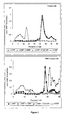
- Fig2 Comparison of the chromatographic profiles of phosphodiesterase activities in PMA-treated HL60 versus control cells.
- Phosphodiesterase 4A activity in HL60 control cells as revealed by hydrolysis of different cyclic monophosphate nucleotides.
- Fig.3 Comparison of the chromatographic profiles of phosphodiesterase activities in PMA-treated HK-293 cells versus control cells.
- Fig.4 Evaluation of the levels of cAMP in PMA-treated cells in the presence of different concentrations of a candidate PDE4 inhibitor to test.
- the inventors have surprisingly found that a promyelocytic human cell line that normally expresses different phosphodiesterase 4 isoenzymes, such as PDE 4A, PDE 4B and PDE 4D, and mainly the PDE 4B isoenzyme, expresses exclusively the PDE 4A isoenzyme when treated with an appropriate concentration of a phorbol ester.
- This finding can be applied to test other non-recombinant cell lines to attempt to upregulate expression of selected target proteins such as PDE4 isoenzymes.
- target protein when used herein, is intended to designate a single protein or group of proteins possessing the same biological properties but bearing structural differences.
- a preferred target protein of the invention is the isoenzyme generally designated as PDE4A.
- PDE4A represents a family of proteins which all share the same catalytic domain but which differ in the sequence of their amino terminus.
- the invention therefore comprises the method that was used to set up a particular PDE4A selective cellular assay.
- a particular embodiment of the invention concerns a method for the development of the PDE4A selective cellular assay for the screening of a candidate molecule that modulates the activity of the human phosphodiesterase 4A (PDE 4A).
- the method comprises the steps of:
- the phorbol ester is present in the culture medium at a concentration ranging from 0.1 to 3 ⁇ M, preferably from 0,5 to 1,5 ⁇ M ; and most preferably, at a concentration of 1 ⁇ M.
- the incubation time of the cells in the medium containing the phorbol ester preferably ranges from 2 to 7 days, most preferably from 4 to 7 days. These concentrations and incubation times are not limited to the development of cell lines expressing a PDE4 subtype.
- the PDE4 subtype transcripts found in PMA-treated HL-60 cells are preferably characterized, quantified and compared to control cells, through a method comprising the following steps:
- the detection and quantification of the PDE4 amplified nucleic acid comprises the steps of:
- the detection and quantification of amplified nucleic acid is performed with a polynucleotide probe, for example a probe that hybridizes specifically to human PDE 4A mRNA or to any nucleic acid strand of the human PDE 4A cDNA.
- a polynucleotide probe for example a probe that hybridizes specifically to human PDE 4A mRNA or to any nucleic acid strand of the human PDE 4A cDNA.
- Some specific primers and probes that hybridize specifically with the PDE 4A mRNA or any strand of the human PDE 4A cDNA may be designed on the basis of the nucleic acid sequence of phosphodiesterase 4A that is disclosed in Livi et al. (1990) incorporated herein by reference.
- the primers and probes used for performing the characterization method described above can be prepared by any suitable method, including for example, cloning and restriction of appropriate sequences and direct chemical synthesis by a method such as the phosphodiester method of Narang et al. (1979), the phosphodiester method of Brown et al. (1979), the diethylphosphoramidic method of Boccage et al. (1981) and the solid support method described in EP 0 707 592.
- a method such as the phosphodiester method of Narang et al. (1979), the phosphodiester method of Brown et al. (1979), the diethylphosphoramidic method of Boccage et al. (1981) and the solid support method described in EP 0 707 592.
- a method such as the phosphodiester method of Narang et al. (1979), the phosphodiester method of Brown et al. (1979), the diethylphosphoramidic method of Boccage et al.
- PCR technology is the preferred amplification technique used in the present invention.
- the variety of PCR techniques are familiar to those skilled in the art.
- PCR primers on either side of the PDE 4A nucleic acid sequences to be amplified are added to a suitably prepared nucleic acid sample along with dNTPs and a thermostable polymerase such as Taq polymerase.
- the nucleic acid in the sample is denatured and the PCR primers are specifically hybridized to complement a nucleic acid sequence in the sample.
- the hybridized primers are extended. Thereafter, another cycle of denaturation, hybridization, and extension is initiated.
- the cycles are repeated several times to produce an amplified fragment containing the nucleic acid sequence between the primer sites.
- the primers used to perform the amplification reaction of the characterization study of the invention are selected from the group consisting of the nucleotide sequences of SEQ ID N°1 and SEQ ID N°2.
- the detection and quantification of the PDE 4A amplified nucleic acid comprises the steps of:
- the detection probe is labelled.
- the amplified nucleic acid is labelled.
- any of the probes or primers of the present invention can be labelled if desired, by incorporating a label detectable by spectroscopic, photochemical, biochemical, immunochemical, or chemical means.
- useful labels include radioactive substances ( 32 P, 35 S, 3 H, 125 I), fluorescent dyes (5-bromodesoxyuridin, fluorescein, acetylaminofluoren, digoxygenin) or biotin.
- the detection probe used for performing the characterization study of the invention is labelled with biotin.
- the amplified nucleic acid is labelled with digoxygenin.
- a further preferred method to characterize the enzymatic activity of the human phosphodiesterases (PDE) found in PMA-treated HL-60 cells compared to control cells comprises the steps of:
- the human phosphodiesterase activities are measured both in cultures of PMA-treated and in control HL-60 cells in order to compare the profile and the level of PDE activities in both cell lysates.
- the activity of human PDEs can be assessed by the capacity of the enzymes to hydrolyse several cyclic monophosphate nucleotides such as cAMP and cGMP; the level of cAMP hydrolysis is performed on the cytosolic fraction of the cell lysate.
- the cytosolic fraction of the cell lysate may be obtained by lysing the PMA-treated HL60 cells harvested from the culture plates, for example by sonication, or by one or several cycles of freezing-thawing, then by extracting the proteins and centrifuging the cell pellets in order to collect the supernatant which contains the cytosolic enzymes, optionally after filtration of the supernatant through a 0.2 ⁇ m filter.
- the quantification of the level of cAMP hydrolysis is performed on successive aliquot fractions from the chromatography eluate of the cytosolic fraction of the cell lysate.
- cells from the human HL60 cell line mainly express the PDE 4A isoenzyme after treatement with phorbol myristate acetate.
- PMA treated non-recombinant cells such as HL60 cells represent valuable targets for screening candidate molecules that modulate the expression or the activity of human PDE 4A.
- PMA treated HL60 cell cultures allow the skilled person to screen for molecules that regulate the synthesis of phosphodiesterase 4A and also of molecules that inhibit the activity of the PDE 4A isoenzyme.
- the methods of the invention for the screening of candidate molecules represent an improvement as regards to prior art methods in that they use non-recombinant cell lines that are selective for a single PDE 4 isoenzyme.
- selective for a single PDE4 isoenzyme is intended to designate cell lines which produce significant levels of a single PDE4 isoenzyme while the production of other PDE4 isoenzymes is downregulated to the point that these enzymes become virtually unmeasurable in the cells.
- a further object of the invention concerns a method for the screening of a candidate molecule that modulates the expression or the activity of human phosphodiesterase 4A (PDE 4A).
- the method comprises the steps of:
- the potency of a candidate molecule to inhibit the activity of human phosphodiesterase 4A is assessed by measuring cAMP content in cells stimulated by an adenylate cyclase activator.
- the inhibition of human phosphodiesterase 4A activity is measured in cultures of PMA-treated HL 60 cells in the presence or in the absence of the candidate molecule to be assayed.
- the cAMP content measured in both cell lysates are compared in order to determine the capacity of the candidate molecule to modulate, and more particularly inhibit, the activity of the human phosphodiesterase 4A.
- a method for the screening of a candidate molecule that modulate the activity of the human phosphodiesterase 4A can comprise the following detailed process steps:
- the inhibitory potency of the molecules is determined by the evaluation of the cAMP levels in the PMA-treated HL-60 cells when the molecule to test is added to the cell culture.
- the HL-60 cells are cultivated in 24-wells plate before and during PMA treatment; this allows the comparison of the effect of different concentrations of a candidate molecule on an homogenous cell population in the same culture plate.
- the analysis of the cAMP contents is performed on the cytosolic fraction of the cell lysate.
- the cytosolic fraction of a cell lysate can be obtained by lysing the PMA-treated HL60 cells harvested from the culture plates, for example by sonication, then by centrifuging the cell homogenate in order to discard the pellet (particulate fraction composed mainly by cell membranes and non-soluble entities) and to collect the supernatant.
- This supernatant contains the cytosolic and soluble components; preferentially the cyclic nucleotides.
- the cell medium prior to disruption and lysis of the cells, the cell medium is preferably discarded and the cell culture washed with phosphate saline buffer (PBS).
- PBS phosphate saline buffer
- the cell lysate may be obtained by sonication or by manual scraping; then the lysate can be collected for direct cAMP measurement or optionally can be frozen for further determination.
- the level of cAMP in PMA-treated HL-60 cells incubated in the presence or in the absence of the candidate molecule is measured by an Enzyme Immuno-Assay (EIA).
- EIA Enzyme Immuno-Assay
- the measurement of the protein content in each cells-containing well is also performed by spectrophotometric determination.
- RPMI-1640 medium fetal calf serum, L-glutamine, gentamycin, PBS and HEPES were from Gibco/BRL.
- [ 3 H]cAMP and [ 14 C]AMP were from Amersham International.
- Rolipram was synthesized by the department of therapeutic chemistry in Jouveinal Institute of Research (Fresnes, France). First-strand cDNA synthesis kit, PCR-Dig labeling kit and PCR-ELISA Dig detection kit were from Boehringer-Mannheim .
- RT-PCR was carried out using the commercial PCR ELISA Dig Labelling Kit. First strand cDNA was generated from 1 ⁇ g of total RNA per sample using random hexamers to prime the reverse transcription (First Strand cDNA Synthesis Kit for RT-PCR) and was directly amplified by PCR following the addition of specific primer pairs.
- Oligonucleotide primers were: PDE4A, 5'-TCGGAGCTGGCGCTCATGTAC-3' (SEQ ID N°1) and 5'-GGCAGTGTGCTTGTCACACAT-3' (SEQ ID N°2), defining a 439-bp product; PDE4B, 5'-AGCTCATGACCCAGATAAGTG-3' and 5'-GCAGCGTGCAGGCTGTTGTGA-3', defining a 327-bp product; PDE4C, 5'-CGCTCAGATAGCGACTATGAA-3' and 5'-TCCGCTTGAACTTGTTGGAGG-3' defining a 331-bp product; PDE4D, 5'-GGCCTCCAACAAGTTTAAAA-3' and 5'-ACCAGACAACTCTGCTATTCT-3', defining a 339-bp product.
- the 5'-biotin-labelled capture probes used for the detection of PCR fragments were: 5'-AGCGCCAGCGCAGAGCCTAC-3' for PDE4A, 5'-TAGACCCCTAACATG-3' for PDE4B, 5'-AGCAGCCAAGCAGGGACCC-3' for PDE4C, 5'-CAATGTCTCAGATCAGTGGA-3' for PDE4D.
- this PCR ELISA allows the specific detection of PCR products in a semi-quantitative microtiter plate format.
- the PCR products are labelled with digoxigenin during the amplification process (dig labelling).
- the labelled PCR products are analyzed by solution hybridization to a specific capture probe that is complementary to the inner part of the amplification product (dig detection).
- This capture probe is labelled with biotin to allow immobilization of the hybrid to a streptavidin coated microtiterplate surface. Unspecific amplification products will not hybridized to this capture probe and thus will be removed during the following washing steps;
- the bound hybrid is detected by an anti-digoxigenin peroxidase conjugate and by use of the colorimetric substrate ABTS. In comparison with suitable standards the color signal can be used for semi-quantitative evaluation of an amplification reaction.
- the PDE4 subtypes PCR fragments amplified in the control cells were our standards and the optical densities found for these PCR-fragments were normalized to 1.
- the adherent cells were disrupted by trypsinisation and along with the non-adherent cells were washed carefully at least twice with sterile PBS and counted. After 5 min centrifugation at 2000 rpm the cell pellets (2.5 x 10 8 cells) were frozen and stored at -85°C prior to use. Cell pellets were resuspended in an extraction buffer (10 8 cells/4 ml): 20 mM bis-Tris buffer, pH 6.5, containing 2 mM EDTA, 2 mM DTT, 0.1 mM PMSF, 2 ⁇ g/ml SBTI, 100 ⁇ g:ml bacitracine and 2 mM benzamidine, and sonicated on ice.
- an extraction buffer (10 8 cells/4 ml): 20 mM bis-Tris buffer, pH 6.5, containing 2 mM EDTA, 2 mM DTT, 0.1 mM PMSF, 2 ⁇ g/ml SBTI, 100 ⁇ g:
- the homogenate was then centrifuged at 28000g for 60 min at 4°C. After centrifugation the pellet was discarded and the supernatant frozen at -80°C if not used immediately.
- the supernatant which contained the cytosolic enzymes was filtered through a 0.2 ⁇ m filter and applied onto a FPLC column (MonoQ HR 5/5, Pharmacia). The elution was performed at a flow rate of 1 ml/min with a linear gradient of NaCI (0-0.6 M) in a 20 mM bis-Tris buffer, pH 6.5, containing 2 mM EDTA, 2 mM DTT, 0.1 M PMSF and 2 mM benzamidine. Fractions of 1.5 ml were collected and stabilized by addition of BSA (1 mg/ml). An aliquot of each fraction was taken for further phosphodiesterase activities determination and the rest was stored at -85°C.
- Phosphodiesterase activities were assayed using a modification of the method described by Smith et al. (1993) utilizing the observation that 5'-nucleotides bind very strongly to alumina while the cyclic nucleotides are readily eluted at neutral or slightly alkaline pH. Assays were performed in 96-well plate at 37°C in a total volume of 200 ⁇ l.
- Each well contained 5 ⁇ l of each eluted fractions and assay buffer (final concentration of 40 mM Tris-HCI, pH 8.0, 5 mM MgCl 2 , 4 mM ⁇ -mercaptoethanol, 10 nM [ 3 H]cAMP and 10 ⁇ M cAMP); for the identification of the phosphodiesterase activities found, cGMP was also used to replace cAMP as a substrate and Ca 2+ (2 mM), calmodulin (4 units/well), cGMP (10 ⁇ M) and rolipram (30 ⁇ M) were used as modulators of activity. Following 60 min incubation, the reactions were terminated by the addition of [ 14 C]AMP (1 ⁇ M) in TFA (0.5%).
- HL-60 cells were seeded in 24-wells plate at a concentration of 1.5x10 6 cells/ml culture medium and 1 ⁇ M PMA, dissolved in DMSO was added in each well. The plate is incubated for 72 h at 37°C in an humidified atmosphere of 95% air-5% CO 2 . After the 72 h of differentiation period, the culture medium is removed by aspiration and each well is washed with PBS. The candidate molecules are added in the well diluted in 150mM Tris/HCI buffer, 2mM EDTA, pH 7.4 to reach the desired concentrations to test. The cells are then incubated for 30 min at 37°C under gentle shaking before addition of 10 ⁇ M forskolin, adenylate cyclase activator, for 15 min.
- the plate is stored on ice and 200 ⁇ l of stop solution, composed by 0.2M HCI, 1% Triton X 100, 0.2 mM IBMX, is added in each well.
- stop solution composed by 0.2M HCI, 1% Triton X 100, 0.2 mM IBMX, is added in each well.
- the cells are then disrupted by sonication to allow the measurement of intracellular cAMP produced during the reaction.
- cAMP levels in each cell population treated with candidate molecule were evaluated using an EIA kit from Euromedex.
- This kit is a competitive immunoassay for the quantitative determination of cAMP in samples treated with 0.1 M HCl.
- the kit uses a cAMP polyclonal antibody to bind, in a competitive manner, the cAMP in the sample or an alkalin phosphatase molecule which has cAMP covalently attached to it.
- 280 ⁇ l of each sample are transferred to 96-wells plate to separate cellular cytosol from particulate fraction by centrifugation, 15 min at 3500 rpm, 4°C.
- cytosolic fraction separated from the pellet is then transferred to a "transfer 96-wells plate", which is stored on ice until protein and cAMP measurement.
- 195 ⁇ l of each sample along with samples from the cAMP standard curve provided in the kit are acetylated with 10 ⁇ l of a mix of 1:1/2 triethylamine : anhydrous acetic acid before competitive cAMP-EIA.
- Cells were cultured and treated for 2 hours with a combination of 1 ⁇ M salbutamol/30 ⁇ M rolipram, 3 days with 1 ⁇ M PMA or 2 hours with 1 ⁇ M dexamethasone.
- the control cells received 1% DMSO for 2 hours or 3 days. After treated, the cells were washed and prepared for mRNA extraction as described in the Materials and Methods section. PCR fragments were quantified by semi-quantitative PCR: The expression of the subtypes in control cells was normalized to 1 to allow expression of the data found in the treated cells as an x-fold increase or decrease expression of each subtype in comparison to the control value.
- PDE4 subtypes The expression profile of PDE4 subtypes was determined in each cell line using specific primers for RT-PCR. The cell lines used were chosen because the predominant and in some cases the only PDE activity present was PDE4 The results obtained are summarized in table 1 and showed that PDE4C was not found in any of the cell lines tested.
- Molt and Jurkat cells we found a similar expression profile of the subtypes with a large predominance of PDE4A.
- the D subtype was slightly expressed and represents a mix of D1 and D2. D3 is not present in these cells.
- a very slight fragment corresponding to PDE4B seemed also to be present in Molt and Jurkat.
- PDE4 subtypes in different human cell lines PDE 4A PDE 4B PDE 4C PDE 4D1/D2 PDE 4D3 Molt-4 ++ - - + - Jurkat ++ +/- - + - HL-60 + ++ - +/- + U-937 ++ - - + ++ HK-293 + + - + ++ HT-29 + +/- - + ++ CACO-2 ++ - - + + +
- HL-60 cells In HL-60 cells the increase of intracellular level of cAMP induced by salbutamol/rolipram up regulated the expression of PDE4A (+3.3 fold) along with PDE4D essentially through the variants D1 and D2.
- PDE4B level was unaffected by the raise in cAMP.
- Dexamethasone did not cause any change in the expression profile of the subtypes.
- the PMA effect was very interesting and led to an up regulation of PDE4A (+2.3 fold) and a down-regulation of the PDE4B and D signals that almost reached the negative control value.
- HL-60 cells treated with PMA were preferentially expressing the A subtype of the PDE4 enzymes (see figure 1).
- PMA was a very potent up regulator of PDE4D expression in HK-293 cells (+3.7 fold) but did not affect any other subtype studied. In this
- HL-60 cells were used in this experiment as a PDE 4A selective PDE4 subtype assay, to assess the inhibitory potency of rolipram, a well-known PDE4 inhibitor.
- a PDE 4A selective PDE4 subtype assay to assess the inhibitory potency of rolipram, a well-known PDE4 inhibitor.
- cAMP content increased when we increased the concentrations of rolipram used for PDE4A inhibition.
Landscapes
- Health & Medical Sciences (AREA)
- Life Sciences & Earth Sciences (AREA)
- Engineering & Computer Science (AREA)
- Immunology (AREA)
- Chemical & Material Sciences (AREA)
- Biomedical Technology (AREA)
- Molecular Biology (AREA)
- Hematology (AREA)
- Urology & Nephrology (AREA)
- Biochemistry (AREA)
- Cell Biology (AREA)
- Microbiology (AREA)
- Biotechnology (AREA)
- Analytical Chemistry (AREA)
- General Health & Medical Sciences (AREA)
- Physics & Mathematics (AREA)
- Medicinal Chemistry (AREA)
- Food Science & Technology (AREA)
- Bioinformatics & Cheminformatics (AREA)
- General Physics & Mathematics (AREA)
- Pathology (AREA)
- Tropical Medicine & Parasitology (AREA)
- Toxicology (AREA)
- Proteomics, Peptides & Aminoacids (AREA)
- Organic Chemistry (AREA)
- Wood Science & Technology (AREA)
- Zoology (AREA)
- Biophysics (AREA)
- General Engineering & Computer Science (AREA)
- Genetics & Genomics (AREA)
- Measuring Or Testing Involving Enzymes Or Micro-Organisms (AREA)
- Medicines That Contain Protein Lipid Enzymes And Other Medicines (AREA)
Abstract
The candidate molecules selected by the screening methods of the invention are potentially useful as therapeutic molecules for diseases caused or regulated by cyclic nucleotide-modulated transduction mechanisms, such as airway disorders like asthma.
Description
- The invention relates to a method for the screening of a non-recombinant cell line capable, under appropriate conditions, of selectively expressing levels of a target protein, preferably an isoenzyme of PDE4A.
- The invention also concerns methods for the screening of a candidate molecule that modulates the expression or the activity of
human phosphodiesterase 4A. - Cyclic nucleotides are important second messengers that regulate and mediate a number of cellular responses to extra-cellular signals, such as hormones, light and neuro-transmitters.
- The cyclic nucleotide phosphodiesterases regulate the cellular concentrations of cyclic nucleotides and thereby play a role in signal transduction. To date, nine different classes of phosphodiesterases have been identified and, among them, phosphodiesterase 4, 7, 8 and 9 have been recognized as cAMP-specific enzymes.
- Investigations of recent years revealed that isoenzymes of cyclic-3'-5'-nucleotide phosphodiesterases are critically important components of the cyclic-3',5'-adenosine monophosphate (cAMP) protein kinase A (PKA) signalling pathway.
- The experimental data suggest that PDE isoenzymes are important in airway inflammation and that PDE inhibitors exert antiinflammatory effects by acting on airway epithelial cells.
- The cAMP phosphodiesterases are proteins encoded by 4 genes in mammals (
PDE 4A, B, C, D) that encode multiple PDE isoforms generated from alternative spliced mRNA transcripts. However, the physiological significance of this diversity of cAMP specific PDE isoforms is not yet known,
although it has been shown that the rat PDE4 genes have different patterns of expression in tissues. - PDE4 isoenzymes are likely to be good targets for molecules acting in diseases caused or regulated by cyclic nucleotide-modulated transduction mechanisms. Pharmaceutical interest in this area has been further sparked by the hypothesis that different PDE isoenzymes having distinct sequences at regulatory and catalytic sites could allow the development of selective therapeutic agents that can target a specific cyclic nucleotide pool in a very limited number of cell types. This in turn holds great promise of being able to limit the toxic effects of many of the first generation selective PDE4 inhibitors.
- Regulation of PDE4 gene expression appears to be a complex process. In various cell-based differentiation systems it has been demonstrated that elevation of intracellular cAMP levels plays a pivotal promoting role.
- In general, PDE4 activity can be short-term or long-term regulated; short-term regulation of PDE4 activity is a cAMP-dependent protein kinase phosphorylation of the isoenzyme triggered by intracellular cAMP-elevating agents or a direct activation of PDE4 by phosphatidic acid . Long-term up-regulation is also realized by increased intracellular cAMP concentrations but requires both protein and mRNA synthesis . An interesting feature is that different types of regulation can occur in the same cell-type. For example, cells possess a phospholipid-sensitive form of PDE4 which can be activated by anionic phospholipids .
- It has been shown that cAMP-increasing agents increased PDE4 activity in this cell-type by enhancement of the transcription of certain PDE4 subtypes (PDE4A and B).
- Consequently, there is a great need for new molecules that selectively modulate the expression or the activity of the
human PDE 4A, and particularly molecules that are able to inhibit the expression or the activity of the human PDE4A. - The invention concerns a method for the screening of a non-recombinant cell line capable, under appropriate conditions, of exhibiting an upregulated expression of a target protein, preferably of an isoenzyme of PDE4, naturally expressed in the cell. The method comprises :
- providing a non-recombinant cell line;
- treating the non-recombinant cell line with a concentration of a phorbol ester, preferably PMA, ranging from 0.1 µM to 3 µM, for a period of time ranging from 12 hours to 10 days; preferably from 2 to 7 days, more preferably from 4 to 7 days : and
- measuring the amount of target protein produced by the treated non-recombinant cell line and comparing the measured amount with the amount of protein produced under normal culturing conditions by the non-recombinant cell line prior to phorbol ester treatment.
- This screening method of the invention exploits the inventor's findings that a human promyelocytic cell line presents significantly upregulated expression of a specific isoenzyme of phosphodiesterase, namely
phosphodiesterase 4A, and a substantially downregulated expression of other PDE4 isoenzymes, preferably unmeasurable levels of all other PDE4 isoenzymes, when treated with a phorbol ester such as PMA. - The present invention also concerns methods for the screening of candidate molecules that modulate the expression or the activity of
human phosphodiesterase 4A. - A first screening method of the invention comprises the step of quantifying cAMP content in phorbol ester-treated non-recombinant cells incubated with a candidate molecule to be assayed.
- A second screening method of the invention comprises a step wherein an expression analysis of
human phosphodiesterase 4A is performed. The candidate molecules selected by the screening methods of the invention are potentially useful as therapeutic molecules for diseases caused or regulated by cyclic nucleotide-modulated transduction mechanisms, airway disorders such as asthma, pulmonary hypertension, COPD (constructive obstructive pulmonary disease), CNS related diseases such as depression and other inflammatory disorders including atopic dermatitis, psoriasis, Crohn's disease, ulcerative colitis, acute respiratory distress syndrome and rheumatoid arthritis. - The invention also concerns a method for determining the selectivity of a candidate molecule for a PDE4 subtype. The method comprises:
- providing a non-recombinant cell line culture presenting a significantly upregulated expression of PDE4A and a substantially downregulated expression of other PDE4 isoenzymes, preferably unmeasurable levels of all other PDE4 isoenzymes ;
- adding said candidate compound to said cell line culture; and
- quantifying the cAMP content in said culture.
- Fig1: Comparison of level of expression of PDE 4 subtypes in control cells and in PMA-treated HL60 cells.
- One µg of total RNA from control cells (C) and PMA-treated HL-60 cells (T) was reverse transcribed and amplified with subtype specific PDE4 primers.The analysis of the PCR fragments was performed by electrophoresis on 1.5% agarose gels and visualized by ethidium bromide staining.
- Fig2: Comparison of the chromatographic profiles of phosphodiesterase activities in PMA-treated HL60 versus control cells.
- 2A:
Phosphodiesterase 4A activity in HL60 control cells, as revealed by hydrolysis of different cyclic monophosphate nucleotides. - 2B:
Phosphodiesterase 4A activities in PMA-treated HL60 cells, as revealed by hydrolysis of different monophosphate nucleotides. - Fig.3: Comparison of the chromatographic profiles of phosphodiesterase activities in PMA-treated HK-293 cells versus control cells.
- 3A: Phosphodiesterase activities of HK-293 control cells, as revealed by hydrolysis of different cyclic monophosphate nucleotides.
- 3B: Phosphodiesterase activities in PMA-treated HK-293 cells, as revealed by hydrolysis of different cyclic monophosphate nucleotides.
- Fig.4: Evaluation of the levels of cAMP in PMA-treated cells in the presence of different concentrations of a candidate PDE4 inhibitor to test.
- The figures were obtained using the mean values of 3 experiments. The calculated IC50 for rolipram is 1.85µM.
- The inventors have surprisingly found that a promyelocytic human cell line that normally expresses different phosphodiesterase 4 isoenzymes, such as
PDE 4A,PDE 4B andPDE 4D, and mainly thePDE 4B isoenzyme, expresses exclusively thePDE 4A isoenzyme when treated with an appropriate concentration of a phorbol ester. - This finding can be applied to test other non-recombinant cell lines to attempt to upregulate expression of selected target proteins such as PDE4 isoenzymes.
- The expression " target protein ", when used herein, is intended to designate a single protein or group of proteins possessing the same biological properties but bearing structural differences. For instance, a preferred target protein of the invention is the isoenzyme generally designated as PDE4A. In fact, PDE4A represents a family of proteins which all share the same catalytic domain but which differ in the sequence of their amino terminus.
- In one of its preferred embodiments, the invention therefore comprises the method that was used to set up a particular PDE4A selective cellular assay. In this part of the invention we describe the characterization and quantification methods that were used to show differences in PDE4 subtype expression profiles in phorbol ester-treated cells compared to control cells. This comprises the comparison of the enzymatic activity pattern of phosphodiesterase in phorbol ester-treated cells and in control cells.
- Thus, a particular embodiment of the invention concerns a method for the development of the PDE4A selective cellular assay for the screening of a candidate molecule that modulates the activity of the
human phosphodiesterase 4A (PDE 4A). The method comprises the steps of: - a) incubating non-recombinant cells from the
HL 60 cell line in the presence of a phorbol ester such as phorbol myristate acetate (PMA) without changing the culture medium during incubation, - b) harvesting the cultured cells and preferably rinsing many times the residual PMA before further utilization,
- c) separating and counting the differentiated cells, preferably to use them either for the analysis of the PDE4 subtypes expression profile, or for determination of the PDE enzyme activity profiles.
-
- Preferably, the phorbol ester is present in the culture medium at a concentration ranging from 0.1 to 3 µM, preferably from 0,5 to 1,5 µM ; and most preferably, at a concentration of 1 µM. The incubation time of the cells in the medium containing the phorbol ester preferably ranges from 2 to 7 days, most preferably from 4 to 7 days. These concentrations and incubation times are not limited to the development of cell lines expressing a PDE4 subtype.
- The PDE4 subtype transcripts found in PMA-treated HL-60 cells are preferably characterized, quantified and compared to control cells, through a method comprising the following steps:
- a) incubating non-recombinant cells, preferably cells from a
HL 60 cell line, in the presence of a concentration of a phorbol ester, preferably phorbol myristate acetate (PMA), which is sufficient to significantly upgrade PDE4 expression in the cell; - b) harvesting the cultured cells and extracting the total RNA;
- c) incubating the total RNA extract with random polynucleotide hexamers in the presence of an enzyme having a reverse transcriptase activity to generate cDNA;
- d) amplifying the cDNA obtained in step c) with a pair of
oligonucleotide primers that hybridize specifically to
human PDE 4A cDNA; - f) detecting and quantifying the amplified nucleic acid.
-
- In a preferred embodiment of the method described above, the detection and quantification of the PDE4 amplified nucleic acid comprises the steps of:
- a) bringing into contact the amplified PDE4 nucleic acid with polynucleotide probes that hybridize specifically to the human PDE4 subtypes mRNA or to any nucleic acid strand of the human PDE4 subtypes cDNA;
- b) detecting the nucleic acid hybrid complexes formed.
-
- Preferably, the detection and quantification of amplified nucleic acid is performed with a polynucleotide probe, for example a probe that hybridizes specifically to
human PDE 4A mRNA or to any nucleic acid strand of thehuman PDE 4A cDNA. - Some specific primers and probes that hybridize specifically with the
PDE 4A mRNA or any strand of thehuman PDE 4A cDNA may be designed on the basis of the nucleic acid sequence ofphosphodiesterase 4A that is disclosed in Livi et al. (1990) incorporated herein by reference. - The primers and probes used for performing the characterization method described above can be prepared by any suitable method, including for example, cloning and restriction of appropriate sequences and direct chemical synthesis by a method such as the phosphodiester method of Narang et al. (1979), the phosphodiester method of Brown et al. (1979), the diethylphosphoramidic method of Boccage et al. (1981) and the solid support method described in
EP 0 707 592. The disclosures of all these documents are herein incorporated by reference. - The PCR technology is the preferred amplification technique used in the present invention. The variety of PCR techniques are familiar to those skilled in the art.
- For a review of PCR technology, see White (1997) and the publication entitled " PCR methods and applications " (1991, Cold Spring Harbor Laboratory Press).
- PCR primers on either side of the
PDE 4A nucleic acid sequences to be amplified are added to a suitably prepared nucleic acid sample along with dNTPs and a thermostable polymerase such as Taq polymerase. - The nucleic acid in the sample is denatured and the PCR primers are specifically hybridized to complement a nucleic acid sequence in the sample. The hybridized primers are extended. Thereafter, another cycle of denaturation, hybridization, and extension is initiated.
- The cycles are repeated several times to produce an amplified fragment containing the nucleic acid sequence between the primer sites.
- An illustrative embodiment of a PCR method that can be used for performing the characterization of the invention is described herein in the examples.
- Preferably, the primers used to perform the amplification reaction of the characterization study of the invention are selected from the group consisting of the nucleotide sequences of SEQ ID N°1 and SEQ ID N°2.
- In this characterization study involving steps in which an expression analysis of the
PDE 4A mRNA is performed, a quantity ofPDE 4A mRNA or cDNA obtained from the control cells is compared to the quantity ofPDE 4A mRNA or cDNA obtained from PMA-treatedHL 60 cell cultures. - In a preferred embodiment of the characterization study described above, the detection and quantification of the
PDE 4A amplified nucleic acid comprises the steps of: - a) bringing into contact the amplified
PDE 4A nucleic acid with a polynucleotide probe that hybridizes specifically to thehuman PDE 4A mRNA or to any nucleic acids strand of thehuman PDE 4A cDNA; - b) detecting the nucleic acid hybrid complex formed.
-
- Preferably, the detection probe is labelled.
- In another embodiment of the characterization study described above, the amplified nucleic acid is labelled.
- Any of the probes or primers of the present invention can be labelled if desired, by incorporating a label detectable by spectroscopic, photochemical, biochemical, immunochemical, or chemical means.
- For example, useful labels include radioactive substances (32P, 35S, 3H, 125I), fluorescent dyes (5-bromodesoxyuridin, fluorescein, acetylaminofluoren, digoxygenin) or biotin.
- In a preferred embodiment, the detection probe used for performing the characterization study of the invention is labelled with biotin.
- In another preferred embodiment of the characterization study of the invention, the amplified nucleic acid is labelled with digoxygenin.
- A further preferred method to characterize the enzymatic activity of the human phosphodiesterases (PDE) found in PMA-treated HL-60 cells compared to control cells, comprises the steps of:
- a) Extracting cytosolic protein content from the PMA-treated and control HL-60 cells in an appropriate lysis buffer;
- b) applying the extracted proteins onto a FPLC column to separate the different phosphodiesterase activities;
- c) collecting the separated FPLC fractions and preserving an aliquot from each one for PDE activity measurement;
- d) measuring PDE activities extracted from PMA-treated and control HL-60 cells using a modification of the method described by Smith et al. (1993);
-
- In the methods described above, the human phosphodiesterase activities are measured both in cultures of PMA-treated and in control HL-60 cells in order to compare the profile and the level of PDE activities in both cell lysates. The activity of human PDEs can be assessed by the capacity of the enzymes to hydrolyse several cyclic monophosphate nucleotides such as cAMP and cGMP; the level of cAMP hydrolysis is performed on the cytosolic fraction of the cell lysate.
- The cytosolic fraction of the cell lysate may be obtained by lysing the PMA-treated HL60 cells harvested from the culture plates, for example by sonication, or by one or several cycles of freezing-thawing, then by extracting the proteins and centrifuging the cell pellets in order to collect the supernatant which contains the cytosolic enzymes, optionally after filtration of the supernatant through a 0.2 µm filter.
- In another embodiment of this method, the quantification of the level of cAMP hydrolysis is performed on successive aliquot fractions from the chromatography eluate of the cytosolic fraction of the cell lysate.
- Although it clearly appears from the examples of the present application that upregulation of specific protein expression may not be achieved for all non-recombinant cell lines, the inventors findings provide appropriate guidelines for the skilled person to carry out suitable testing on a wide variety of potential candidates. The protein whose expression is to be regulated can vary substantially and is not intended to be restricted to PDE4 isoenzymes, although recombinant cell lines with an upregulated PDE4 isoenzyme expression constitute preferred embodiments of the present invention.
- In the preferred embodiment described above and in the examples, the inventors have found that cells from the human HL60 cell line mainly express the
PDE 4A isoenzyme after treatement with phorbol myristate acetate. - PMA treated non-recombinant cells such as HL60 cells represent valuable targets for screening candidate molecules that modulate the expression or the activity of
human PDE 4A. For instance, PMA treated HL60 cell cultures allow the skilled person to screen for molecules that regulate the synthesis ofphosphodiesterase 4A and also of molecules that inhibit the activity of thePDE 4A isoenzyme. - The methods of the invention for the screening of candidate molecules represent an improvement as regards to prior art methods in that they use non-recombinant cell lines that are selective for a single PDE 4 isoenzyme. The term "selective for a single PDE4 isoenzyme" is intended to designate cell lines which produce significant levels of a single PDE4 isoenzyme while the production of other PDE4 isoenzymes is downregulated to the point that these enzymes become virtually unmeasurable in the cells.
- Thus, a further object of the invention concerns a method for the screening of a candidate molecule that modulates the expression or the activity of
human phosphodiesterase 4A (PDE 4A). The method comprises the steps of: - a) Incubating non-recombinant cells, preferably cells from a
HL 60 cell line, in the presence of a concentration of a phorbol ester, preferably phorbol myristate acetate (PMA), which is sufficient to significantly upregulate PDE4 expression the said cells; - b) adding a candidate molecule to the culture medium in which the phorbol ester-treated cells are cultured;
- c) harvesting and disrupting the cells; and
- d) quantifying the cyclic AMP content in the cell lysate.
-
- In the screening method of the invention, the potency of a candidate molecule to inhibit the activity of
human phosphodiesterase 4A is assessed by measuring cAMP content in cells stimulated by an adenylate cyclase activator. - In a preferred embodiment of the screening method described above, the inhibition of
human phosphodiesterase 4A activity is measured in cultures of PMA-treatedHL 60 cells in the presence or in the absence of the candidate molecule to be assayed. The cAMP content measured in both cell lysates are compared in order to determine the capacity of the candidate molecule to modulate, and more particularly inhibit, the activity of thehuman phosphodiesterase 4A. - More specifically, a method for the screening of a candidate molecule that modulate the activity of the
human phosphodiesterase 4A (PDE 4A) can comprise the following detailed process steps: - a) incubating cells from a HL-60 cell line in the presence of phorbol myristate acetate (PMA);
- b) adding a candidate molecule at different concentrations for a determined time to the culture medium wherein the PMA-treated HL-60 cells are cultured;
- c) adding an adenylate cyclase activator to allow cAMP level to increase in the cells for a short time;
- d) adding a stop solution to control the effect of the adenylate cyclase activator;
- e) disrupting and lysing the cells to collect their supernatant for cAMP measurement;
- f) measuring cAMP content in each cell population treated with different concentration of candidate molecule;
- g) comparing the cAMP content in the PMA-treated HL-60 in the presence or absence of candidate molecule to test.
-
- The inhibitory potency of the molecules is determined by the evaluation of the cAMP levels in the PMA-treated HL-60 cells when the molecule to test is added to the cell culture.
- In a further embodiment of the screening method of the invention, the HL-60 cells are cultivated in 24-wells plate before and during PMA treatment; this allows the comparison of the effect of different concentrations of a candidate molecule on an homogenous cell population in the same culture plate.
- In a further embodiment of the first screening method of the invention, the analysis of the cAMP contents is performed on the cytosolic fraction of the cell lysate.
- The cytosolic fraction of a cell lysate can be obtained by lysing the PMA-treated HL60 cells harvested from the culture plates, for example by sonication, then by centrifuging the cell homogenate in order to discard the pellet (particulate fraction composed mainly by cell membranes and non-soluble entities) and to collect the supernatant. This supernatant contains the cytosolic and soluble components; preferentially the cyclic nucleotides.
- More specifically, prior to disruption and lysis of the cells, the cell medium is preferably discarded and the cell culture washed with phosphate saline buffer (PBS). The cell lysate may be obtained by sonication or by manual scraping; then the lysate can be collected for direct cAMP measurement or optionally can be frozen for further determination.
- In the screening method described above, the level of cAMP in PMA-treated HL-60 cells incubated in the presence or in the absence of the candidate molecule is measured by an Enzyme Immuno-Assay (EIA). The measurement of the protein content in each cells-containing well is also performed by spectrophotometric determination.
- The present invention will be further illustrated, without being limited to, by the following examples.
- RPMI-1640 medium, fetal calf serum, L-glutamine, gentamycin, PBS and HEPES were from Gibco/BRL. Salbutamol, PMA, dexamethazone, benzamidine hydrochloride, PMSF, SBTI, EDTA, bis-TRIS, DTT, bacitracine, BSA, TES, cAMP, ethidium bromide were from Sigma (St-Quentin-Fallavier, France). [3H]cAMP and [14C]AMP were from Amersham International. Rolipram was synthesized by the department of therapeutic chemistry in Jouveinal Institute of Research (Fresnes, France). First-strand cDNA synthesis kit, PCR-Dig labeling kit and PCR-ELISA Dig detection kit were from Boehringer-Mannheim .
- RNA was purified using Tripure™ Isolation Reagent, a single-step liquid phase separation issued from the total RNA isolation method developed by Chomczynski and Sacchi (1987). Washed and pelleted cells were resuspended at a concentration of 1 x 10⁶ cells/ml Tripure and the total RNA extracted was quantified spectrophotometrically. RT-PCR was carried out using the commercial PCR ELISA Dig Labelling Kit. First strand cDNA was generated from 1µg of total RNA per sample using random hexamers to prime the reverse transcription (First Strand cDNA Synthesis Kit for RT-PCR) and was directly amplified by PCR following the addition of specific primer pairs.
- Oligonucleotide primers were: PDE4A, 5'-TCGGAGCTGGCGCTCATGTAC-3' (SEQ ID N°1) and 5'-GGCAGTGTGCTTGTCACACAT-3' (SEQ ID N°2), defining a 439-bp product; PDE4B, 5'-AGCTCATGACCCAGATAAGTG-3' and 5'-GCAGCGTGCAGGCTGTTGTGA-3', defining a 327-bp product; PDE4C, 5'-CGCTCAGATAGCGACTATGAA-3' and 5'-TCCGCTTGAACTTGTTGGAGG-3' defining a 331-bp product; PDE4D, 5'-GGCCTCCAACAAGTTTAAAA-3' and 5'-ACCAGACAACTCTGCTATTCT-3', defining a 339-bp product. The 5'-biotin-labelled capture probes used for the detection of PCR fragments were: 5'-AGCGCCAGCGCAGAGCCTAC-3' for PDE4A, 5'-TAGACCCCTAACATG-3' for PDE4B, 5'-AGCAGCCAAGCAGGGACCC-3' for PDE4C, 5'-CAATGTCTCAGATCAGTGGA-3' for PDE4D. Briefly, this PCR ELISA allows the specific detection of PCR products in a semi-quantitative microtiter plate format. The PCR products are labelled with digoxigenin during the amplification process (dig labelling). The labelled PCR products are analyzed by solution hybridization to a specific capture probe that is complementary to the inner part of the amplification product (dig detection). This capture probe is labelled with biotin to allow immobilization of the hybrid to a streptavidin coated microtiterplate surface. Unspecific amplification products will not hybridized to this capture probe and thus will be removed during the following washing steps; The bound hybrid is detected by an anti-digoxigenin peroxidase conjugate and by use of the colorimetric substrate ABTS. In comparison with suitable standards the color signal can be used for semi-quantitative evaluation of an amplification reaction. In our experiments the PDE4 subtypes PCR fragments amplified in the control cells (cells non treated with any of the compound tested), were our standards and the optical densities found for these PCR-fragments were normalized to 1.
- All the cell lines used in this study were obtained from the European Collection of Cell Culture (ECACC). U-937, HT-29, HL-60, Jurkat, MOLT-4, HK-293, CACO2 were grown in RPMI 1640 medium supplemented with 10% (v/v) heat-inactivated calf serum at 37°C in an humidified atmosphere of 95% air-5% C02. Culture media were changed every 2 to 3 days and always 24 hr before addition of the compounds tested: 1 µM PMA (72 hrs), 1 µM dexamethazone (2 hrs) or a combination of 1 µM salbutamol and 30µM rolipram (2 hrs). Cells in suspension were seeded at 106 cells/ml and adherent ones were used when confluent. After the required incubation times, 106 cells were used for mRNA extraction and 2.5 x 10⁸ for proteins extraction.
- The adherent cells were disrupted by trypsinisation and along with the non-adherent cells were washed carefully at least twice with sterile PBS and counted. After 5 min centrifugation at 2000 rpm the cell pellets (2.5 x 10⁸ cells) were frozen and stored at -85°C prior to use. Cell pellets were resuspended in an extraction buffer (108 cells/4 ml): 20 mM bis-Tris buffer, pH 6.5, containing 2 mM EDTA, 2 mM DTT, 0.1 mM PMSF, 2 µg/ml SBTI, 100 µg:ml bacitracine and 2 mM benzamidine, and sonicated on ice. The homogenate was then centrifuged at 28000g for 60 min at 4°C. After centrifugation the pellet was discarded and the supernatant frozen at -80°C if not used immediately. The supernatant which contained the cytosolic enzymes was filtered through a 0.2 µm filter and applied onto a FPLC column (
MonoQ HR 5/5, Pharmacia). The elution was performed at a flow rate of 1 ml/min with a linear gradient of NaCI (0-0.6 M) in a 20 mM bis-Tris buffer, pH 6.5, containing 2 mM EDTA, 2 mM DTT, 0.1 M PMSF and 2 mM benzamidine. Fractions of 1.5 ml were collected and stabilized by addition of BSA (1 mg/ml). An aliquot of each fraction was taken for further phosphodiesterase activities determination and the rest was stored at -85°C. - Phosphodiesterase activities were assayed using a modification of the method described by Smith et al. (1993) utilizing the observation that 5'-nucleotides bind very strongly to alumina while the cyclic nucleotides are readily eluted at neutral or slightly alkaline pH. Assays were performed in 96-well plate at 37°C in a total volume of 200 µl. Each well contained 5 µl of each eluted fractions and assay buffer (final concentration of 40 mM Tris-HCI, pH 8.0, 5 mM MgCl2, 4 mM β-mercaptoethanol, 10 nM [3H]cAMP and 10 µM cAMP); for the identification of the phosphodiesterase activities found, cGMP was also used to replace cAMP as a substrate and Ca2+ (2 mM), calmodulin (4 units/well), cGMP (10 µM) and rolipram (30 µM) were used as modulators of activity. Following 60 min incubation, the reactions were terminated by the addition of [14C]AMP (1 µM) in TFA (0.5%). Membrane-bottomed microtiter plates (Silent monitor, Nalge Nunc) filled with 50 mg alumina were equilibrated with 0.1M TES-NaOH, pH 8.0. The reaction mixtures were applied to these "alumina micro-columns" and the non-hydrolyzed cAMP was eluted with 3 ml equilibration buffer. The [3H]AMP and [14C]AMP were then eluted with 2 ml NaOH directly into scintillation vials containing alkali-compatible scintillant (Ultima gold, Packard). The separated [3H]cAMP was back-corrected for recovery using the separated and non-separated 14C values and expressed as a fraction of the total [3H]cAMP to give the amount of substrate hydrolyzed.
- HL-60 cells were seeded in 24-wells plate at a concentration of 1.5x10⁶ cells/ml culture medium and 1 µM PMA, dissolved in DMSO was added in each well. The plate is incubated for 72 h at 37°C in an humidified atmosphere of 95% air-5% CO2. After the 72 h of differentiation period, the culture medium is removed by aspiration and each well is washed with PBS. The candidate molecules are added in the well diluted in 150mM Tris/HCI buffer, 2mM EDTA, pH 7.4 to reach the desired concentrations to test. The cells are then incubated for 30 min at 37°C under gentle shaking before addition of 10µM forskolin, adenylate cyclase activator, for 15 min. After the activation time, the plate is stored on ice and 200 µl of stop solution, composed by 0.2M HCI, 1
% Triton X 100, 0.2 mM IBMX, is added in each well. The cells are then disrupted by sonication to allow the measurement of intracellular cAMP produced during the reaction. - cAMP levels in each cell population treated with candidate molecule were evaluated using an EIA kit from Euromedex. This kit is a competitive immunoassay for the quantitative determination of cAMP in samples treated with 0.1 M HCl. The kit uses a cAMP polyclonal antibody to bind, in a competitive manner, the cAMP in the sample or an alkalin phosphatase molecule which has cAMP covalently attached to it. 280 µl of each sample are transferred to 96-wells plate to separate cellular cytosol from particulate fraction by centrifugation, 15 min at 3500 rpm, 4°C. The cytosolic fraction separated from the pellet is then transferred to a "transfer 96-wells plate", which is stored on ice until protein and cAMP measurement. 195 µl of each sample along with samples from the cAMP standard curve provided in the kit, are acetylated with 10 µl of a mix of 1:1/2 triethylamine : anhydrous acetic acid before competitive cAMP-EIA.
- Cells were cultured and treated for 2 hours with a combination of 1 µM salbutamol/30 µM rolipram, 3 days with 1 µM PMA or 2 hours with 1 µM dexamethasone. The control cells received 1% DMSO for 2 hours or 3 days. After treated, the cells were washed and prepared for mRNA extraction as described in the Materials and Methods section. PCR fragments were quantified by semi-quantitative PCR: The expression of the subtypes in control cells was normalized to 1 to allow expression of the data found in the treated cells as an x-fold increase or decrease expression of each subtype in comparison to the control value.
- The expression profile of PDE4 subtypes was determined in each cell line using specific primers for RT-PCR. The cell lines used were chosen because the predominant and in some cases the only PDE activity present was PDE4 The results obtained are summarized in table 1 and showed that PDE4C was not found in any of the cell lines tested. In Molt and Jurkat cells we found a similar expression profile of the subtypes with a large predominance of PDE4A. The D subtype was slightly expressed and represents a mix of D1 and D2. D3 is not present in these cells. A very slight fragment corresponding to PDE4B seemed also to be present in Molt and Jurkat. In HL-60 cells, U-937 and HK-293 transcripts corresponding to the 3 subtypes A, B and D were found, with a large predominance of PDE4D (especially D3) in HK-293. In HT-29 PDE4D3 was predominant but 4D1/4D2 and 4A were also present with a trace of 4B transcript. In CACO-2 cells PDE4A and D (a mix D1, D2 and D3) were expressed.
Expression of PDE4 subtypes in different human cell lines PDE 4APDE 4B PDE 4C PDE 4D1/D2 PDE 4D3 Molt-4 ++ - - + - Jurkat ++ +/- - + - HL-60 + ++ - +/- + U-937 ++ - - + ++ HK-293 + + - + ++ HT-29 + +/- - + ++ CACO-2 ++ - - + + - Changes in PDE4 subtype expression were evaluated by semi-quantitative PCR after the treatment of the cells with salbutamol/rolipram, PMA and dexamethasone, and compared to control cells. The expression of the subtypes in control cells was normalized to 1 to be able to express the data found in the treated cells as an x-fold increase or decrease expression of each subtype in comparison to the control value. The results obtained are summarised in table 2 and here again, none of the treatment used was able to induce the expression of a C subtype.
- In Molt-4 cells the expression level of PDE4 subtypes did not significantly change after the 2 hours incubation with salbutamol/rolipram. Expression of PDE4A was slightly down regulated under PMA (-1.5 fold) and up regulated (+2 fold) with dexamethasone; no change occurred for the other subtypes.
- In Jurkat cells no regulation was observed under salbutamol/rolipram and dexamethasone treatments. In contrast, PMA led to the down regulation of PDE4B (-2 fold) and PDE4D (-1.9 fold) without affecting PDE4A levels.
- In U-937 cells treated with salbutamol/rolipram, PDE4A was induced 3.2-fold and PDE4B 2-fold. PDE4D3 level was unaffected by this treatment in opposite to D1/D2 that were up regulated. Dexamethasone treatment was without effect on the subtype expression in this cell type.
- In HL-60 cells the increase of intracellular level of cAMP induced by salbutamol/rolipram up regulated the expression of PDE4A (+3.3 fold) along with PDE4D essentially through the variants D1 and D2. PDE4B level was unaffected by the raise in cAMP. Dexamethasone did not cause any change in the expression profile of the subtypes. The PMA effect was very interesting and led to an up regulation of PDE4A (+2.3 fold) and a down-regulation of the PDE4B and D signals that almost reached the negative control value. HL-60 cells treated with PMA were preferentially expressing the A subtype of the PDE4 enzymes (see figure 1).
- In HT-29 PDE4D3 was still the predominant form of PDE4 subtypes but 4D1/4D2 and 4A were also present with a trace of 4B transcript. Neither salbutamol/rolipram nor dexamethasone were affected expression, but PMA up regulated the PDE4A and D expression.
- PMA was a very potent up regulator of PDE4D expression in HK-293 cells (+3.7 fold) but did not affect any other subtype studied. In this
- In CACO-2 cells none of the treatment used affected the profile of PDE4 subtypes expression, except PMA that exhibited a slight up regulation (+1.5 fold) of total PDE4D expression.
Changes in the expression of PDE4 subtypes in human cell lines, following treatments with Salbutamol/rolipram, PMA or dexamethasone Cell lines Treatment A B D D1/D2 D3 Molt-4 Control ++ (1) +/- (1) + (1) + - Salb/Rol ++ (1.3) +/- (1) + (1) + - PMA +/- (-1.5) +/- (1) + (1.1) + - Dexamethasone +++ (2) +/- (1) + (1.1) +/- - Jurkat Control ++ (1) +/- (1) + (1) + - Salb/Rol ++ (1.4) +/- (1) + (1.2) + - PMA ++ (1) - (-2) +/- (-1.9) + - Dexamethasone ++ (1) +/- (1) + (1) +/- - U-937 Control + (1) ++ (1) + (1) + ++ (1) Salb/Rol +++ (3.2) +++ (2) + (1) ++ ++ (1) PMA Dexamethasone HL-60 Control + (1) ++ (1) + (1) +/- + (1) Salb/Rol +++ (3.3) ++ (1.3) ++ (1.8) + +/- (- PMA ++ (2.3) - (-12.2) - (-14.5) +/- 1.8) Dexamethasone + (1) ++ (-1.2) + (1) + - + (1) HK-293 Control + (1) + (1) ++ (1) +++ Salb/Rol + (1.1) ++ (2.1) ++ (1.4) + ++ (1) PMA + (1) +/-(1) +++(3.7) + ++(-1.1) Dexamethasone + (1) +/-(-1.5) ++ (1) + ++ (1) ++ (1) HT-29 Control + (1) +/- (1) + (1) + Salb/Rol + (1) +/- (-1.2) + (1.1) + ++ (1) PMA ++ (1.5) - ++ (1.8) + ++ (1) Dexamethasone + (1) - + (1) +/- ++ (1) ++ (1) CACO-2 Control ++ (1) - + (1) + Salb/Rol ++ (1) - + (-1.1) + + (1) PMA ++ (1) - ++ (1.5) ++ + (1.2) Dexamethasone ++ (1) - + (1) + + (-1.1) + (1) - These studies were conducted originally to set up PDE4 subtype cellular assays, for this reason the cell lines that were expressing either a single or majority of a single subtype after the different treatments, were analysed for their phosphodiesterase activities. Among the entire cell lines tested only HL-60 and HK-293 fulfilled this criteria after a 3 day-incubation with PMA; HL-60 was a potential PDE4A selective cell line while HK-293 was a potential PDE4D selective cell line. In HL-60 cells, PMA treatment for 72 hours induced a significant decrease of PDE4B and 4D transcription leading these cells to preferentially express PDE4A. A significant increase of the total PDE4 activity along with the disappearance of a cAMP-hydrolysing activity, probably due to PDE4B and D down regulation, was also seen in these cells ; the maximum activity in control cells was 0.14 pmol AMP formed/min/µl compared to 0.9 pmol AMP formed/min/µl in PMA-treated cells. No other PDE activity occurred after the PMA treatment of HL-60 cells (figure 2). In HK-293 cells the same treatment induced an up-regulation of PDE4D transcription and the appearance of a PDE1 activity along with a down-regulation of PDE5 activity (figure 3). In PMA-treated HL-60 cells, we noticed a marked decrease of PDE4B and 4D expression and an up-regulation of PDE4A transcription. No other PDE activity was induced by the treatment.
- HL-60 cells were used in this experiment as a
PDE 4A selective PDE4 subtype assay, to assess the inhibitory potency of rolipram, a well-known PDE4 inhibitor. As can be seen in figure 4 we obtained a classical dose-response curve; cAMP content increased when we increased the concentrations of rolipram used for PDE4A inhibition. We reached a plateau corresponding to a maximum cAMP release of 1038.9 pmol cAMP/mg total protein the IC50 calculated for rolipram is 1.85 µM which is close to the in vitro values found in our experiments and in the litterature. -
- Beaucage et al., Tetrahedron Lett 1981, 22: 1859-1862
- Brown EL, Belagaje R, Ryan MJ, Khorana HG, 1979, Methods Enzymol., 68:109-151
- Chomczynski, P. and Sacchi N., 1987, Anal. Biochem., 162: 156-159.
- Livi, G. P.; Kmetz, P.; McHale, M. M.; Cieslinski, L. B.; Sathe, G. M.; Taylor, D. P.; Davis, R. L.; Torphy, T. J.; Balcarek, 1990, Molec. Cell. Biol. 10: 2678-2686.
- Narang SA, Hsiung HM, Brousseau R, 1979, Methods Enzymol., 68:90-98
- White, M.B. et al., 1997, Genomics, 12:301-306.
- Smith et al., 1993, Anal. Biochem., 241: 355-357.


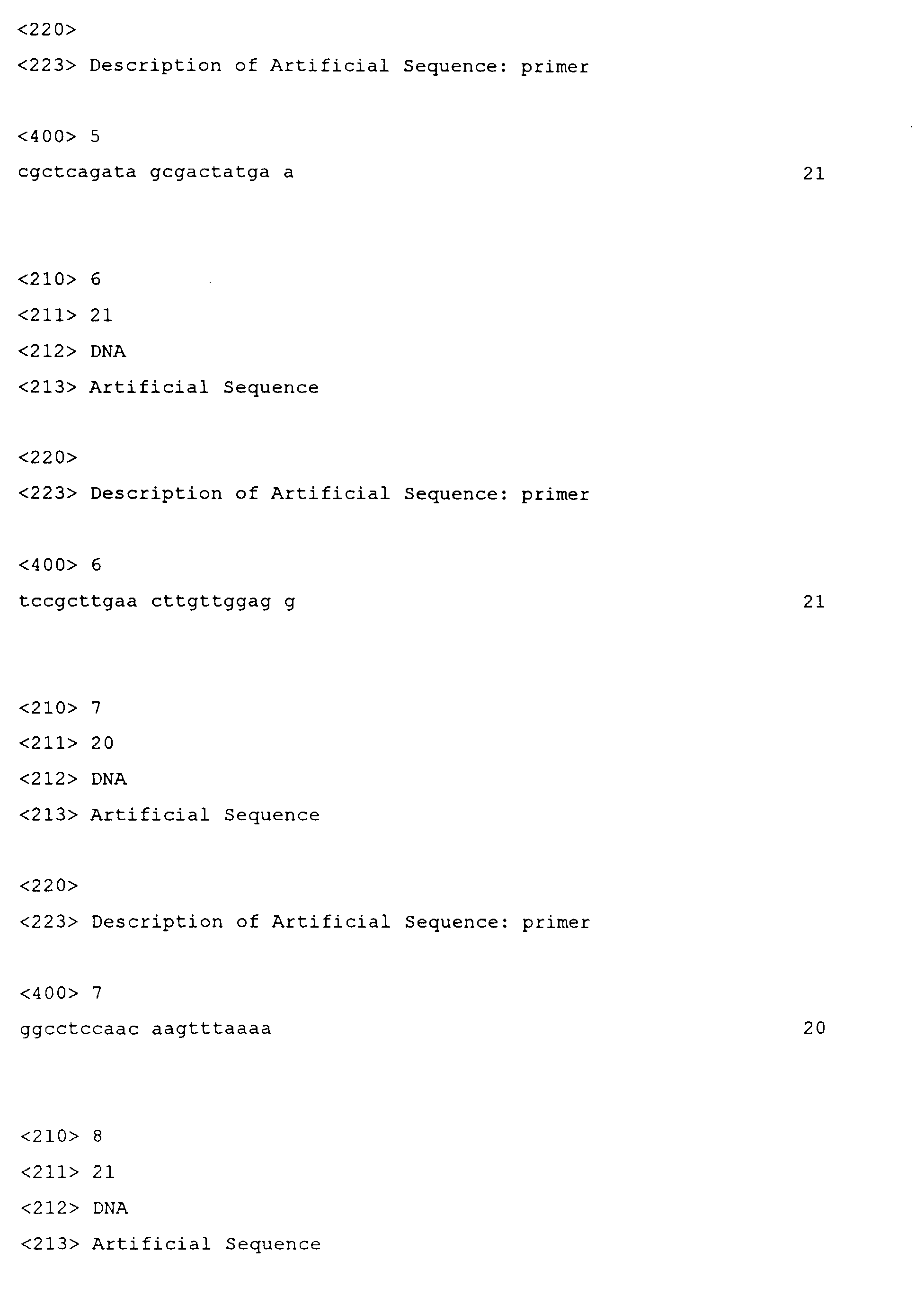

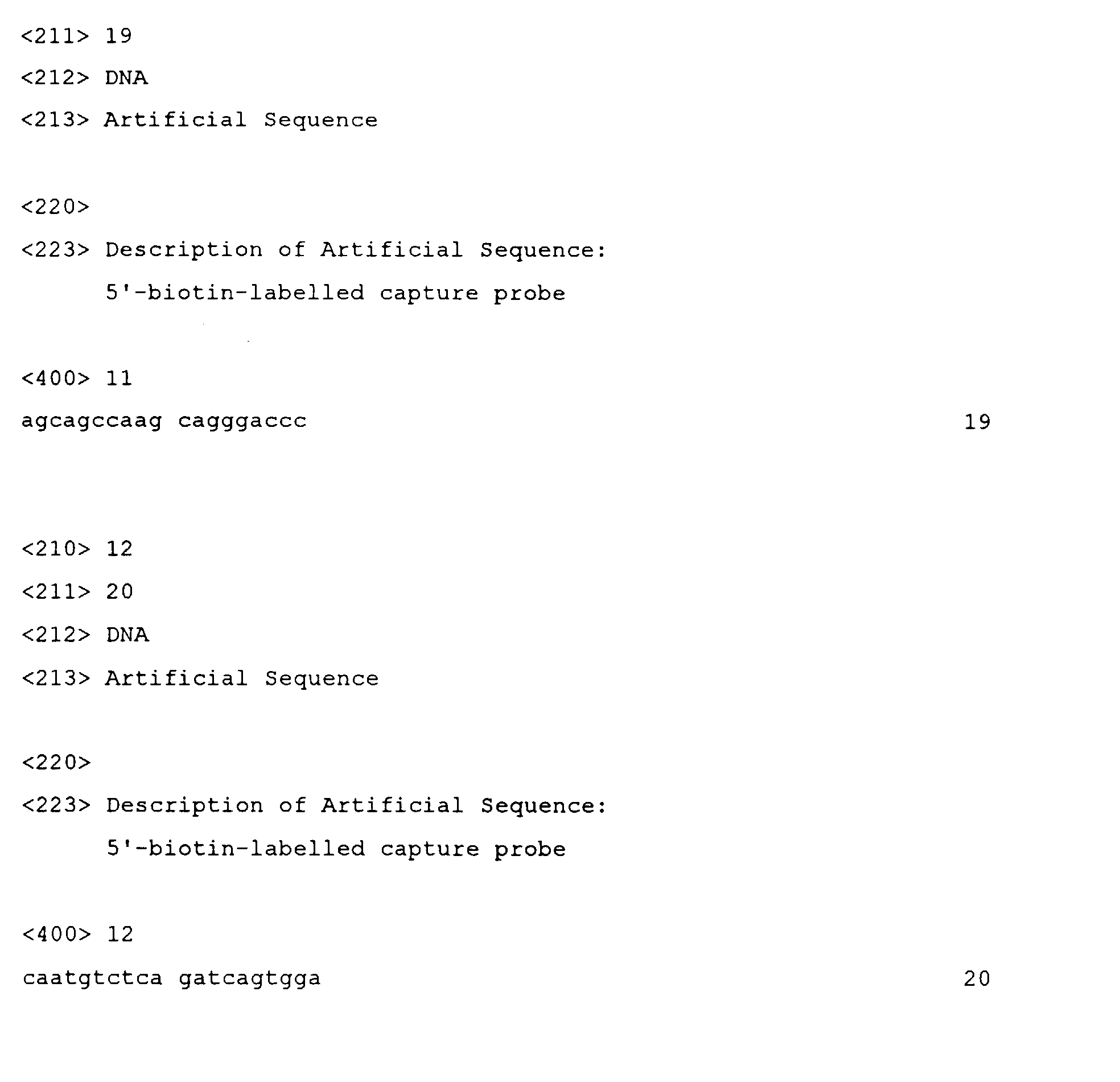
Claims (9)
- A method for the screening of a non-recombinant cell line capable under appropriate conditions, of exhibiting an upregulated expression of a target protein, preferably of an isoenzyme of PDE4, naturally expressed in said cell, said method comprising:andproviding a non-recombinant cell line;treating said non-recombinant cell line with a concentration of a phorbol ester, preferably PMA, ranging from 0.1 to 3 µM for a period of time ranging from 12 hours to 10 days,measuring the amount of target protein produced by said treated non-recombinant cell line and comparing the measured amount with the amount of protein produced under normal culturing conditions by the non-recombinant cell line prior to phorbol ester treatment.
- A method for the screening of a candidate molecule that modulates the expression or the activity of the human phosphodiesterase 4A (PDE 4A), said method comprising the steps of:a) incubating non-recombinant cells, preferably cells from a HL60 cell line, in the presence of a concentration of a phorbol ester, preferably phorbol myristate acetate (PMA), which is sufficient to significantly upregulate PDE4 expression in said cells;b) adding a candidate molecule to the culture medium in which the phorbol ester-treated cells are cultured;c) harvesting and disrupting the cells; andd) quantifying the cAMP content in the cell lysate.
- The method of claim 2 which comprises a further step whereby after the addition of the candidate molecule an adenylate cyclase activator is added in the medium to allow cAMP level to increase in the cells for a short time.
- The method according to claim 2 wherein the cAMP content measured in step d) is compared with the cAMP content in the cell lysate of the phorbol ester treated cells cultured in the absence of the candidate molecule.
- The method according to claim 4 wherein after the addition of the candidate molecule an adenylate cyclase activator is added in the medium to allow cAMP level to increase in the cells for a short time.
- The method according to claim 2 or claim 3, wherein the phorbol ester is present in the culture medium at a concentration ranging from 0.5 to 1.5 µM.
- The method according to claim 2 or claim 3, wherein the phorbol ester is present in the culture medium at the concentration of 1 µM.
- The method according to claim 2 or claim 3, wherein the quantification of cAMP content is performed on the cytosolic fraction of the cell lysed.
- A method for determining the selectivity of a candidate molecule for a PDE4 subtype, said method comprising:andproviding a non-recombinant cell line culture presenting a significantly upregulated expression of a PDE4 isoenzyme and a substantially downregulated expression of other PDE4 isoenzymes, preferably unmeasurable levels of all other PDE4 isoenzymes ;adding said candidate compound to said cell line culture;quantifying the variation of cAMP contents in said culture.
Applications Claiming Priority (2)
| Application Number | Priority Date | Filing Date | Title |
|---|---|---|---|
| US12666999P | 1999-03-29 | 1999-03-29 | |
| US126669P | 1999-03-29 |
Publications (2)
| Publication Number | Publication Date |
|---|---|
| EP1041157A2 true EP1041157A2 (en) | 2000-10-04 |
| EP1041157A3 EP1041157A3 (en) | 2000-10-11 |
Family
ID=22426109
Family Applications (1)
| Application Number | Title | Priority Date | Filing Date |
|---|---|---|---|
| EP00400839A Withdrawn EP1041157A3 (en) | 1999-03-29 | 2000-03-27 | Methods for the screening of non-recombinant cell lines capable of expressing a single PDE4 isoenzyme and for the screening of PDE4 inhibitors |
Country Status (2)
| Country | Link |
|---|---|
| US (3) | US6368815B1 (en) |
| EP (1) | EP1041157A3 (en) |
Cited By (1)
| Publication number | Priority date | Publication date | Assignee | Title |
|---|---|---|---|---|
| EP1251181A1 (en) * | 2001-04-20 | 2002-10-23 | Warner-Lambert Company | Non-recombinant cell lines capable of expressing predominantly cyclic nucleotide phosphodiesterase 4 (PDE4) subtype B and their use for the screening of PDE4 subtype-specific modulators |
Families Citing this family (2)
| Publication number | Priority date | Publication date | Assignee | Title |
|---|---|---|---|---|
| US20030220273A1 (en) * | 2002-05-15 | 2003-11-27 | Isis Pharmaceuticals Inc. | Antisense modulation of phosphodiesterase 4D expression |
| US20110020843A1 (en) * | 2009-07-22 | 2011-01-27 | Ye Fang | Label-free methods related to phosphodiesterases |
Family Cites Families (9)
| Publication number | Priority date | Publication date | Assignee | Title |
|---|---|---|---|---|
| DE3716513A1 (en) * | 1987-05-16 | 1988-11-24 | Basf Ag | PROTEINS WITH TNF EFFECT |
| GB9100825D0 (en) * | 1991-01-15 | 1991-02-27 | Univ Guelph | Pasteurella haemolytica glycoprotease gene and the purified enzyme |
| AU4535893A (en) * | 1992-06-15 | 1994-01-04 | Regents Of The University Of California, The | Screening assay for the identification of immunosuppressive drugs |
| US5672509A (en) * | 1993-08-25 | 1997-09-30 | Pfizer Inc. | hPDE IV-C: a human phosphodiesterase IV isozyme |
| DE4430128A1 (en) * | 1994-08-25 | 1996-02-29 | Hoechst Ag | Combination preparation with immunosuppressive, cardiovascular and cerebral effects |
| CN1169792C (en) * | 1996-09-25 | 2004-10-06 | 爱斯制药株式会社 | Substituted vinylpyridine derivatives and medicaments containing them |
| WO1998030718A1 (en) * | 1997-01-09 | 1998-07-16 | Merck Frosst Canada Co. | System for stably expressing a high-affinity camp phosphodiesterase and use thereof |
| US5922557A (en) * | 1997-01-09 | 1999-07-13 | Merck & Co., Inc. | System for stably expressing a high-affinity camp phosphodiesterase and use thereof |
| CZ20003842A3 (en) * | 1998-04-17 | 2001-08-15 | Société des Produits Nestlé S. A. | Cellular line of human keratinocytes |
-
2000
- 2000-03-20 US US09/528,806 patent/US6368815B1/en not_active Expired - Fee Related
- 2000-03-27 EP EP00400839A patent/EP1041157A3/en not_active Withdrawn
-
2001
- 2001-10-17 US US09/982,074 patent/US6635436B2/en not_active Expired - Fee Related
-
2003
- 2003-07-08 US US10/616,275 patent/US20040058396A1/en not_active Abandoned
Non-Patent Citations (2)
| Title |
|---|
| ATKINS K. ET AL: "Coordinate expression of OPNand associated receptors during monocyte/macrophage differentiation of HL-60 cells", JOURNAL OF CELLULAR PHYSIOLOGY, vol. 175, 1998, pages 229 - 237 * |
| BURG M. ET AL: "Differential regulation of the C3a and C5a receptors (CD88) by interferon gamma and PMA in U937 cells and related myeloblastic cell lines", THE JOURNAL OF IMMUNOLOGY, vol. 157, 1996, pages 5574 - 5581 * |
Cited By (2)
| Publication number | Priority date | Publication date | Assignee | Title |
|---|---|---|---|---|
| EP1251181A1 (en) * | 2001-04-20 | 2002-10-23 | Warner-Lambert Company | Non-recombinant cell lines capable of expressing predominantly cyclic nucleotide phosphodiesterase 4 (PDE4) subtype B and their use for the screening of PDE4 subtype-specific modulators |
| WO2002086152A1 (en) * | 2001-04-20 | 2002-10-31 | Warner-Lambert Company Llc | Non-recombinant cell lines capable of expressing predominantly cyclic nucleotide phophodiesterase 4 (pde4) subtype b and their use for the screening of pde4 subtype-specific modulators |
Also Published As
| Publication number | Publication date |
|---|---|
| US6635436B2 (en) | 2003-10-21 |
| US20040058396A1 (en) | 2004-03-25 |
| EP1041157A3 (en) | 2000-10-11 |
| US20020150960A1 (en) | 2002-10-17 |
| US6368815B1 (en) | 2002-04-09 |
Similar Documents
| Publication | Publication Date | Title |
|---|---|---|
| Lakics et al. | Quantitative comparison of phosphodiesterase mRNA distribution in human brain and peripheral tissues | |
| Laderman et al. | Aging-dependent functional alterations of mitochondrial DNA (mtDNA) from human fibroblasts transferred into mtDNA-less cells | |
| Zhang et al. | Up-regulation of bradykinin receptors in a murine in-vitro model of chronic airway inflammation | |
| St Leger et al. | Calcium-and calmodulin-mediated protein synthesis and protein phosphorylation during germination, growth and protease production by Metarhizium anisopliae | |
| Juliano et al. | A selective assay for endooligopeptidase A based on the cleavage of fluorogenic substrate structurally related to enkephalin | |
| Bigot et al. | The relative semi-quantification of mRNA expression as a useful toxicological endpoint for the identification of embryotoxic/teratogenic substances | |
| US6368815B1 (en) | Screening of molecules that inhibit human phosphodiesterase 4A produced by non-recombinant cell lines | |
| Harrison et al. | The presence of atropinesterase activity in animal plasma | |
| US12371739B2 (en) | Methods for sequentially preparing different test samples from a single dried blood sample | |
| CA2629061A1 (en) | Diamine oxidase determination | |
| EP1251181A1 (en) | Non-recombinant cell lines capable of expressing predominantly cyclic nucleotide phosphodiesterase 4 (PDE4) subtype B and their use for the screening of PDE4 subtype-specific modulators | |
| Lee et al. | Nitric oxide decreases surfactant protein gene expression in primary cultures of type II pneumocytes | |
| CN101952458A (en) | Prediction of bone marrow toxicity | |
| Nezu et al. | Comparison of agonist-induced Ca2+ responses in rat submandibular acini and ducts | |
| Adigun et al. | Organophosphate exposure during a critical developmental stage reprograms adenylyl cyclase signaling in PC12 cells | |
| Sourlingas et al. | The effect of the histone deacetylase inhibitor, trichostatin A, on total histone synthesis, H10 synthesis and histone H4 acetylation in peripheral blood lymphocytes increases as a function of increasing age: a model study | |
| Schöttler et al. | Serum xylosyltransferase I activity, the new biochemical fibrosis marker, is not affected by renal insufficiency | |
| Prasad et al. | Functional link between tyrosine phosphorylation and human serotonin transporter gene expression | |
| Blake | Somatostatin receptor subtype 1 (sst1) regulates intracellular 3′, 5′-cyclic adenosine monophosphate accumulation in rat embryonic cortical neurons: evidence with L-797,591, an sst1-subtype-selective nonpeptidyl agonist | |
| EP2160607B1 (en) | Assay methods for identifying agents that modify the activity of nape-pld or abh4 | |
| KR102083408B1 (en) | Method for stem cell based toxicity screening | |
| EP1299723B1 (en) | Quantitative fluorescent assay for determining the activity of transport proteins | |
| US20040092475A1 (en) | Organic compounds | |
| US20040197834A1 (en) | Method to increase expression of pgd2 receptors and assays for identifying modulators of prostaglandin d2 receptors | |
| EP1778860B1 (en) | Methods for determining the potency, specificity, and toxicity of hematopoietic prostaglandin d2 synthase |
Legal Events
| Date | Code | Title | Description |
|---|---|---|---|
| PUAI | Public reference made under article 153(3) epc to a published international application that has entered the european phase |
Free format text: ORIGINAL CODE: 0009012 |
|
| PUAL | Search report despatched |
Free format text: ORIGINAL CODE: 0009013 |
|
| AK | Designated contracting states |
Kind code of ref document: A2 Designated state(s): AT BE CH CY DE DK ES FI FR GB GR IE IT LI LU MC NL PT SE |
|
| AX | Request for extension of the european patent |
Free format text: AL;LT;LV;MK;RO;SI |
|
| AK | Designated contracting states |
Kind code of ref document: A3 Designated state(s): AT BE CH CY DE DK ES FI FR GB GR IE IT LI LU MC NL PT SE |
|
| AX | Request for extension of the european patent |
Free format text: AL;LT;LV;MK;RO;SI |
|
| 17P | Request for examination filed |
Effective date: 20010411 |
|
| AKX | Designation fees paid |
Free format text: AT BE CH CY DE DK ES FI FR GB GR IE IT LI LU MC NL PT SE |
|
| 17Q | First examination report despatched |
Effective date: 20020926 |
|
| RAP1 | Party data changed (applicant data changed or rights of an application transferred) |
Owner name: WARNER-LAMBERT COMPANY LLC |
|
| GRAP | Despatch of communication of intention to grant a patent |
Free format text: ORIGINAL CODE: EPIDOSNIGR1 |
|
| STAA | Information on the status of an ep patent application or granted ep patent |
Free format text: STATUS: THE APPLICATION IS DEEMED TO BE WITHDRAWN |
|
| 18D | Application deemed to be withdrawn |
Effective date: 20060725 |