EP1025052B1 - Method for reducing the effect of detergents upon germination and/or growth of microorganisms - Google Patents
Method for reducing the effect of detergents upon germination and/or growth of microorganisms Download PDFInfo
- Publication number
- EP1025052B1 EP1025052B1 EP98948628A EP98948628A EP1025052B1 EP 1025052 B1 EP1025052 B1 EP 1025052B1 EP 98948628 A EP98948628 A EP 98948628A EP 98948628 A EP98948628 A EP 98948628A EP 1025052 B1 EP1025052 B1 EP 1025052B1
- Authority
- EP
- European Patent Office
- Prior art keywords
- micro
- organism
- growth
- medium
- germination
- Prior art date
- Legal status (The legal status is an assumption and is not a legal conclusion. Google has not performed a legal analysis and makes no representation as to the accuracy of the status listed.)
- Expired - Lifetime
Links
- 244000005700 microbiome Species 0.000 title claims abstract description 35
- 238000000034 method Methods 0.000 title claims abstract description 32
- 239000003599 detergent Substances 0.000 title claims abstract description 30
- 230000012010 growth Effects 0.000 title claims abstract description 22
- 230000035784 germination Effects 0.000 title claims abstract description 15
- 230000000694 effects Effects 0.000 title claims abstract description 14
- 230000001603 reducing effect Effects 0.000 title claims abstract description 11
- 102000004190 Enzymes Human genes 0.000 claims abstract description 32
- 108090000790 Enzymes Proteins 0.000 claims abstract description 32
- 239000001963 growth medium Substances 0.000 claims abstract description 14
- 229940088598 enzyme Drugs 0.000 claims description 31
- 239000004094 surface-active agent Substances 0.000 claims description 28
- 239000002351 wastewater Substances 0.000 claims description 20
- 241000193830 Bacillus <bacterium> Species 0.000 claims description 12
- 230000001580 bacterial effect Effects 0.000 claims description 11
- 239000000203 mixture Substances 0.000 claims description 11
- 239000002736 nonionic surfactant Substances 0.000 claims description 8
- 108091005804 Peptidases Proteins 0.000 claims description 7
- 102000004139 alpha-Amylases Human genes 0.000 claims description 6
- 108090000637 alpha-Amylases Proteins 0.000 claims description 6
- 102000004882 Lipase Human genes 0.000 claims description 5
- 108090001060 Lipase Proteins 0.000 claims description 5
- 239000004367 Lipase Substances 0.000 claims description 5
- 239000004365 Protease Substances 0.000 claims description 5
- 125000000129 anionic group Chemical group 0.000 claims description 5
- 125000002091 cationic group Chemical group 0.000 claims description 5
- 235000019421 lipase Nutrition 0.000 claims description 5
- 239000002280 amphoteric surfactant Substances 0.000 claims description 4
- 239000003945 anionic surfactant Substances 0.000 claims description 4
- 239000003093 cationic surfactant Substances 0.000 claims description 4
- 241000589291 Acinetobacter Species 0.000 claims description 3
- 108010084185 Cellulases Proteins 0.000 claims description 3
- 102000005575 Cellulases Human genes 0.000 claims description 3
- 241000195493 Cryptophyta Species 0.000 claims description 3
- 241000233866 Fungi Species 0.000 claims description 3
- 102000035195 Peptidases Human genes 0.000 claims description 3
- 241000589516 Pseudomonas Species 0.000 claims description 3
- 241000316848 Rhodococcus <scale insect> Species 0.000 claims description 3
- 239000012736 aqueous medium Substances 0.000 claims description 2
- 239000002609 medium Substances 0.000 description 25
- 210000004215 spore Anatomy 0.000 description 23
- 210000004027 cell Anatomy 0.000 description 19
- 230000002401 inhibitory effect Effects 0.000 description 11
- 230000004151 fermentation Effects 0.000 description 7
- 108010059892 Cellulase Proteins 0.000 description 6
- 102000004157 Hydrolases Human genes 0.000 description 6
- 108090000604 Hydrolases Proteins 0.000 description 6
- 229940106157 cellulase Drugs 0.000 description 6
- 229920001817 Agar Polymers 0.000 description 5
- 239000008272 agar Substances 0.000 description 5
- 229940024171 alpha-amylase Drugs 0.000 description 5
- 150000001875 compounds Chemical class 0.000 description 5
- 238000011534 incubation Methods 0.000 description 5
- 239000007788 liquid Substances 0.000 description 5
- 239000010865 sewage Substances 0.000 description 5
- 102100037486 Reverse transcriptase/ribonuclease H Human genes 0.000 description 4
- 230000015556 catabolic process Effects 0.000 description 4
- 238000006731 degradation reaction Methods 0.000 description 4
- 238000009655 industrial fermentation Methods 0.000 description 4
- 230000005764 inhibitory process Effects 0.000 description 4
- 238000011081 inoculation Methods 0.000 description 4
- 230000017066 negative regulation of growth Effects 0.000 description 4
- 239000001967 plate count agar Substances 0.000 description 4
- 230000008569 process Effects 0.000 description 4
- 239000010802 sludge Substances 0.000 description 4
- 239000007787 solid Substances 0.000 description 4
- 241000894006 Bacteria Species 0.000 description 3
- PEDCQBHIVMGVHV-UHFFFAOYSA-N Glycerine Chemical compound OCC(O)CO PEDCQBHIVMGVHV-UHFFFAOYSA-N 0.000 description 3
- 238000004140 cleaning Methods 0.000 description 3
- YRIUSKIDOIARQF-UHFFFAOYSA-N dodecyl benzenesulfonate Chemical compound CCCCCCCCCCCCOS(=O)(=O)C1=CC=CC=C1 YRIUSKIDOIARQF-UHFFFAOYSA-N 0.000 description 3
- 229940071161 dodecylbenzenesulfonate Drugs 0.000 description 3
- 239000010840 domestic wastewater Substances 0.000 description 3
- 239000003925 fat Substances 0.000 description 3
- 238000000855 fermentation Methods 0.000 description 3
- 230000003301 hydrolyzing effect Effects 0.000 description 3
- 239000000463 material Substances 0.000 description 3
- 239000000047 product Substances 0.000 description 3
- 235000019419 proteases Nutrition 0.000 description 3
- 230000004763 spore germination Effects 0.000 description 3
- 239000000126 substance Substances 0.000 description 3
- IGFHQQFPSIBGKE-UHFFFAOYSA-N 4-nonylphenol Chemical compound CCCCCCCCCC1=CC=C(O)C=C1 IGFHQQFPSIBGKE-UHFFFAOYSA-N 0.000 description 2
- 102000013142 Amylases Human genes 0.000 description 2
- 108010065511 Amylases Proteins 0.000 description 2
- IJGRMHOSHXDMSA-UHFFFAOYSA-N Atomic nitrogen Chemical compound N#N IJGRMHOSHXDMSA-UHFFFAOYSA-N 0.000 description 2
- 239000002028 Biomass Substances 0.000 description 2
- 241000192125 Firmicutes Species 0.000 description 2
- WQZGKKKJIJFFOK-GASJEMHNSA-N Glucose Natural products OC[C@H]1OC(O)[C@H](O)[C@@H](O)[C@@H]1O WQZGKKKJIJFFOK-GASJEMHNSA-N 0.000 description 2
- 235000019418 amylase Nutrition 0.000 description 2
- QVGXLLKOCUKJST-UHFFFAOYSA-N atomic oxygen Chemical compound [O] QVGXLLKOCUKJST-UHFFFAOYSA-N 0.000 description 2
- 210000004666 bacterial spore Anatomy 0.000 description 2
- 239000002537 cosmetic Substances 0.000 description 2
- 239000012153 distilled water Substances 0.000 description 2
- 230000002538 fungal effect Effects 0.000 description 2
- 239000008103 glucose Substances 0.000 description 2
- KWIUHFFTVRNATP-UHFFFAOYSA-N glycine betaine Chemical compound C[N+](C)(C)CC([O-])=O KWIUHFFTVRNATP-UHFFFAOYSA-N 0.000 description 2
- 239000004519 grease Substances 0.000 description 2
- 229910001385 heavy metal Inorganic materials 0.000 description 2
- 239000002054 inoculum Substances 0.000 description 2
- 238000004519 manufacturing process Methods 0.000 description 2
- 239000010813 municipal solid waste Substances 0.000 description 2
- 239000005416 organic matter Substances 0.000 description 2
- 229910052760 oxygen Inorganic materials 0.000 description 2
- 239000001301 oxygen Substances 0.000 description 2
- 150000002989 phenols Chemical class 0.000 description 2
- 238000001556 precipitation Methods 0.000 description 2
- 235000018102 proteins Nutrition 0.000 description 2
- 102000004169 proteins and genes Human genes 0.000 description 2
- 108090000623 proteins and genes Proteins 0.000 description 2
- 230000009467 reduction Effects 0.000 description 2
- 230000002829 reductive effect Effects 0.000 description 2
- 239000000523 sample Substances 0.000 description 2
- 239000002453 shampoo Substances 0.000 description 2
- 241000894007 species Species 0.000 description 2
- 239000000725 suspension Substances 0.000 description 2
- XLYOFNOQVPJJNP-UHFFFAOYSA-N water Chemical compound O XLYOFNOQVPJJNP-UHFFFAOYSA-N 0.000 description 2
- 239000004382 Amylase Substances 0.000 description 1
- 244000063299 Bacillus subtilis Species 0.000 description 1
- 235000014469 Bacillus subtilis Nutrition 0.000 description 1
- OKTJSMMVPCPJKN-UHFFFAOYSA-N Carbon Chemical compound [C] OKTJSMMVPCPJKN-UHFFFAOYSA-N 0.000 description 1
- DGAQECJNVWCQMB-PUAWFVPOSA-M Ilexoside XXIX Chemical compound C[C@@H]1CC[C@@]2(CC[C@@]3(C(=CC[C@H]4[C@]3(CC[C@@H]5[C@@]4(CC[C@@H](C5(C)C)OS(=O)(=O)[O-])C)C)[C@@H]2[C@]1(C)O)C)C(=O)O[C@H]6[C@@H]([C@H]([C@@H]([C@H](O6)CO)O)O)O.[Na+] DGAQECJNVWCQMB-PUAWFVPOSA-M 0.000 description 1
- 102100024295 Maltase-glucoamylase Human genes 0.000 description 1
- OAICVXFJPJFONN-UHFFFAOYSA-N Phosphorus Chemical compound [P] OAICVXFJPJFONN-UHFFFAOYSA-N 0.000 description 1
- 229920002257 Plurafac® Polymers 0.000 description 1
- ZLMJMSJWJFRBEC-UHFFFAOYSA-N Potassium Chemical compound [K] ZLMJMSJWJFRBEC-UHFFFAOYSA-N 0.000 description 1
- 229920001131 Pulp (paper) Polymers 0.000 description 1
- 240000004808 Saccharomyces cerevisiae Species 0.000 description 1
- 108090000787 Subtilisin Proteins 0.000 description 1
- 230000004913 activation Effects 0.000 description 1
- 239000002671 adjuvant Substances 0.000 description 1
- 238000013019 agitation Methods 0.000 description 1
- -1 alkylbenzene sulfonates Chemical class 0.000 description 1
- 108010028144 alpha-Glucosidases Proteins 0.000 description 1
- 235000001014 amino acid Nutrition 0.000 description 1
- 150000001413 amino acids Chemical class 0.000 description 1
- 229940025131 amylases Drugs 0.000 description 1
- WQZGKKKJIJFFOK-VFUOTHLCSA-N beta-D-glucose Chemical compound OC[C@H]1O[C@@H](O)[C@H](O)[C@@H](O)[C@@H]1O WQZGKKKJIJFFOK-VFUOTHLCSA-N 0.000 description 1
- 102000006995 beta-Glucosidase Human genes 0.000 description 1
- 108010047754 beta-Glucosidase Proteins 0.000 description 1
- 229960003237 betaine Drugs 0.000 description 1
- 238000011138 biotechnological process Methods 0.000 description 1
- 150000001720 carbohydrates Chemical class 0.000 description 1
- 235000014633 carbohydrates Nutrition 0.000 description 1
- 229910052799 carbon Inorganic materials 0.000 description 1
- 239000000969 carrier Substances 0.000 description 1
- 230000010261 cell growth Effects 0.000 description 1
- 210000000170 cell membrane Anatomy 0.000 description 1
- 239000001913 cellulose Substances 0.000 description 1
- 229920002678 cellulose Polymers 0.000 description 1
- 235000010980 cellulose Nutrition 0.000 description 1
- 230000008859 change Effects 0.000 description 1
- 239000013065 commercial product Substances 0.000 description 1
- 230000003750 conditioning effect Effects 0.000 description 1
- 230000003413 degradative effect Effects 0.000 description 1
- 238000001514 detection method Methods 0.000 description 1
- 235000014113 dietary fatty acids Nutrition 0.000 description 1
- 230000029087 digestion Effects 0.000 description 1
- 238000005516 engineering process Methods 0.000 description 1
- 238000000605 extraction Methods 0.000 description 1
- 235000019197 fats Nutrition 0.000 description 1
- 239000000194 fatty acid Substances 0.000 description 1
- 229930195729 fatty acid Natural products 0.000 description 1
- 150000004665 fatty acids Chemical class 0.000 description 1
- 235000001727 glucose Nutrition 0.000 description 1
- 150000004676 glycans Chemical class 0.000 description 1
- 235000011187 glycerol Nutrition 0.000 description 1
- 230000006872 improvement Effects 0.000 description 1
- 239000004615 ingredient Substances 0.000 description 1
- 229910052500 inorganic mineral Inorganic materials 0.000 description 1
- 230000003834 intracellular effect Effects 0.000 description 1
- 230000000670 limiting effect Effects 0.000 description 1
- 150000002632 lipids Chemical class 0.000 description 1
- 238000009630 liquid culture Methods 0.000 description 1
- 239000012263 liquid product Substances 0.000 description 1
- 239000010808 liquid waste Substances 0.000 description 1
- 230000007774 longterm Effects 0.000 description 1
- 229920002521 macromolecule Polymers 0.000 description 1
- 230000014759 maintenance of location Effects 0.000 description 1
- 235000012054 meals Nutrition 0.000 description 1
- 238000005259 measurement Methods 0.000 description 1
- 230000000813 microbial effect Effects 0.000 description 1
- 239000011707 mineral Substances 0.000 description 1
- 230000007935 neutral effect Effects 0.000 description 1
- 229910052757 nitrogen Inorganic materials 0.000 description 1
- 235000015097 nutrients Nutrition 0.000 description 1
- 239000003921 oil Substances 0.000 description 1
- 150000002894 organic compounds Chemical class 0.000 description 1
- 230000001717 pathogenic effect Effects 0.000 description 1
- 229920001282 polysaccharide Polymers 0.000 description 1
- 239000005017 polysaccharide Substances 0.000 description 1
- 229910052700 potassium Inorganic materials 0.000 description 1
- 239000011591 potassium Substances 0.000 description 1
- 238000002203 pretreatment Methods 0.000 description 1
- 235000019833 protease Nutrition 0.000 description 1
- 230000001681 protective effect Effects 0.000 description 1
- 238000000746 purification Methods 0.000 description 1
- 229910052708 sodium Inorganic materials 0.000 description 1
- 239000011734 sodium Substances 0.000 description 1
- 239000012265 solid product Substances 0.000 description 1
- 238000004659 sterilization and disinfection Methods 0.000 description 1
- 239000013595 supernatant sample Substances 0.000 description 1
- 231100000331 toxic Toxicity 0.000 description 1
- 230000002588 toxic effect Effects 0.000 description 1
- 150000003626 triacylglycerols Chemical class 0.000 description 1
- 241001148471 unidentified anaerobic bacterium Species 0.000 description 1
- 238000004065 wastewater treatment Methods 0.000 description 1
Images

Classifications
-
- C—CHEMISTRY; METALLURGY
- C02—TREATMENT OF WATER, WASTE WATER, SEWAGE, OR SLUDGE
- C02F—TREATMENT OF WATER, WASTE WATER, SEWAGE, OR SLUDGE
- C02F3/00—Biological treatment of water, waste water, or sewage
- C02F3/34—Biological treatment of water, waste water, or sewage characterised by the microorganisms used
- C02F3/342—Biological treatment of water, waste water, or sewage characterised by the microorganisms used characterised by the enzymes used
Definitions
- the present invention is related to a method for removing or reducing the effect of detergents upon germination and/or growth of micro-organisms, which will allow the improving of industrial fermentation processes, in particular treatment of specific polluted aqueous effluents, based upon the use of said micro-organisms.
- Detergents comprising surfactant or a mixture of surfactants (anionic, cationic, amphoteric and/or non-ionic surfactants), have a variety of industrial uses and are common ingredients in laundry, household or personal (e.g., shampoos and cosmetics) cleaning products.
- surfactant anionic, cationic, amphoteric and/or non-ionic surfactants
- Detergents comprising the surfactant linear alkylbenzene sulfonates (LAS) are the most widely used detergents in commerce today. These compounds are discarded in wastewater and normally removed during sewage treatment.
- the LAS concentrations in effluents from kitchens, bath- and laundry-rooms vary between 35 and 125 mg.liter -1 (Durand & Golicheff, 1978).
- Fungi and microscopic algae have also many uses in this area (Feijoo et al., 1995; Travieso et al., 1996; Pena et al., 1996; Ahn et al., 1996; Russian Patent Application RU-97152804.14).
- the main applications include removal of heavy metals (Macaskie et al., 1997), degradation or precipitation of phenolic compounds (Borja et al., 1995), treatment by precipitation of forest industry effluents (Jaspers & Penninckx, 1996 and International Patent Application PCT/BE93/00014) as well as degradation of fats, oils and greases (Wakelin & Forster, 1997).
- Bacillus includes a variety of industrially important species that are commonly used as hosts in the fermentation industry (Arbige et al., 1996). Different reasons make Bacillus one of the preferred micro-organisms for production by fermentation: most members of the genus are non-pathogenic, relatively easy to manipulate genetically, simple to cultivate and good secretors of enzymes (including proteases, amylases, cellulases and other degradative enzymes). Moreover, Bacillus spp. sporulate, a characteristic very useful for the conditioning and the long-term conservation of a commercial product.
- Adney et al. (Biotechnology and Applied Biochemistry No. 11, pp. 387-400 (1989)) describe the detection of extracellular hydrolytic enzymes in the anaerobic digestion of municipal solid waste.
- This publication describes the ⁇ -amylase and protease enzymes were detectable at trace level in supernatant samples from stable lab-scale digesters fed municipal solid waste meal.
- This document describes also that by using a detergent extraction protocol, cellulase, ⁇ -glucosidase, ⁇ -glucosidase, protease and ⁇ -amylase activities were recovered from sludge particulate, but with a very low hydrolytic enzyme activity.
- the US patent US-4,940,539 describes devices for the treatment of waste water containing grease and foreigner materials treated by an aqueous composition containing a high amount of a mixture of enzymes (2500 protease units/ml, 200 amylase units/ml, 10 lipase units/ml and 5 cellulase units /ml) and bacterial spores (50.10 6 bacterial spores/ml), which act on the grease, fat and other materials in the waste water to provide a substantial reduction in total solids and an increase in soluble solids as well as a substantial reduction in the BOD level of the waste water.
- a mixture of enzymes (2500 protease units/ml, 200 amylase units/ml, 10 lipase units/ml and 5 cellulase units /ml
- bacterial spores 50.10 6 bacterial spores/ml
- the US patent US-5,468,375 describes a device for removing or reducing the amount of solid matters on sludge in a household sewage before the waste water is introduced in a municipal sewage treatment system.
- high amounts of mixture of bacteria and enzymes are added in the waste water in a chamber where the sludge is digested. Said pre-treatment reduces the burden on the municipal sewage treatment facility and reduces the risk on exceeding the capacity of the facility.
- the US patent US-4,237,003 describes a process for the biological purification of liquid waste by using high amounts of anaerobic bacteria in the presence of extracellular enzymes produced by gram positive bacteria and separating said gram positive bacteria and the intracellular enzymes contained therein.
- the anaerobic process according to said method reduces the production of sludge and reduces the retention time.
- the international patent application WO95/15924 describes that extracellular enzymes from bacillus subspecies in combination with fungal cellulases has been found to synergetically degrade cellulose, carbohydrates, fat and proteins in a sewage treatment, the composition comprising a bacillus subspecies culture and a fungal cellulase.
- the present invention aims to provide a method for removing or reducing the effects of detergents upon germination and/or growth of micro-organisms, especially bacterial strains, in an aqueous culture medium.
- Another aim of the present invention is to provide a method which does not need the use of expensive and toxic products or processes.
- a further aim of the present invention is to provide a method which will additionally improve the industrial fermentation process of said micro-organisms by removing or reducing the effects of said detergents, in particular in the treatment of specific polluted aqueous effluents which contain said detergents.
- the present invention is related to a method wherein a sufficient amount of one or more enzyme(s) is added to the aqueous culture medium of a possibly genetically modified micro-organism for removing or reducing the effects of detergents, advantageously detergents comprising surfactants (which are preferably selected from the group consisting of anionic, cationic, amphoteric and/or non-ionic surfactants), upon germination and/or growth of said micro-organism in said aqueous (culture) medium.
- surfactants which are preferably selected from the group consisting of anionic, cationic, amphoteric and/or non-ionic surfactants
- Said enzyme is selected from the group consisting of a protease, a cellulase, an alpha-amylase, a lipase or a mixture thereof.
- aqueous (culture) medium any aqueous medium comprising the nutrients (such as carbon, nitrogen and phosphor sources, mineral components like sodium, potassium, ...) which naturally allow the germination and/or growth of a micro-organism present in said medium.
- nutrients such as carbon, nitrogen and phosphor sources, mineral components like sodium, potassium, .
- said aqueous (culture) medium is a waste water effluent (which is known to inhibit completely the micro-organism by the important percentage of detergent comprised in it).
- the possibly genetically modified micro-organism is a bacterial strain, preferably selected from the group consisting of the bacteria belonging to the pseudomonas, bacillus, acinetobacter and rhodococcus genera.
- the micro-organism is selected from the group consisting of fungi (including yeasts) and microscopic algae.
- a "sufficient amount of one or more enzyme(s)” means that the amount of the enzyme (s) is comprised between 1 and 5000 ⁇ g weight enzyme for an aqueous culture medium of 100 ml comprising between 0,001 and 1000 ppm detergent (preferably comprising a surfactant), advantageously between 10 and 500 ⁇ g weight enzyme for an aqueous culture medium of 100 ml comprising between 0,1 and 500 ppm detergent (preferably comprising a surfactant), more preferably between 50 and 400 ⁇ g weight enzyme for an aqueous culture medium of 100 ml comprising between 0,5 and 250 ppm detergent (preferably comprising a surfactant). Said amount is particularly low compared to the amounts usually used in the methods and devices of the state of the art.
- the micro-organism is present in the aqueous culture medium in the form of a dormant spore and/or in the form of a vegetative dividing cell.
- the Inventors have discovered unexpectedly that it is possible with the method according to the invention, to modulate the addition of enzyme according to the wild type of micro-organism, according to its form (dormant spore or vegetative dividing cell) and according to the detergent and the amount of detergent present in the aqueous culture medium (see enclosed figure 2).
- the amount of enzyme used in the method according to the invention may be lower when the micro-organism is present in the form of a vegetative dividing cell.
- the Inventors have also discovered unexpectedly that it is possible by the method according to the invention to improve easily and at low cost the industrial fermentation processes of micro-organisms upon specific polluted aqueous effluents, because said aqueous effluents may comprise naturally said micro-organism in the form of a dormant spore or in the form of a vegetative dividing cell.
- micro-organisms will be able to germinate and/or will be allowed to grow and secrete new enzymes which will increase the protective properties against the inhibitory effects of the detergent.
- the method according to the invention will allow the improvement of the industrial fermentation processes by micro-organisms, especially the treatment of specific polluted aqueous effluents which comprise already said micro-organism, or the treatment of polluted aqueous effluents wherein micro-organisms (in the form or dormant spores or vegetative dividing cells) have been added in order to increase (accelerate) said fermentation processes.
- the method according to the invention can be combined with one or more treatment method(s) of specific polluted aqueous effluents well known by the person skilled in the art and already described in the scientific literature.
- said method can be combined with methods for the removal of heavy metals, degradation of phenolic compounds, treatment of forest industry effluents, etc., obtained from paper pulp, metallurgic or chemical industry.
- the enzyme is added in a sufficient amount to the solid or liquid detergent in the laundry, household or personal (shampoos, cosmetics, ...) cleaning solid or liquid products.
- said enzyme is kept “active” (by carriers or adjuvants) in said detergent during and after the cleaning process in order to maintain its "activity" its reducing properties against the inhibitory effect of the surfactant(s) (present in the detergent) upon germination and/or growth of the micro-organism present in its aqueous culture medium as described above.
- the bacterial consortium used for this study contained different strains of Bacillus.
- the commercial enzymes used in this work were a Bacillus subtilis proteinase, a cellulase, an ⁇ -amylase and a lipase. Product specifications are given by the Réalco Company (Louvain-la-Neuve, Belgium).
- the synthetic liquid media used for the determination of the inhibitory thresholds were prepared as described by Leitch and Collier (1996).
- Liquid cultures were performed at room temperature (20 ⁇ 1°C) using 250 ml conical flasks which contained 125 ml of medium, the orbital agitation being fixed at 150 rpm.
- the bacterial biomass time-course was monitored via turbidity measurements (O.D. at 600 nm).
- the Chemical Oxygen Demand (COD) was determined using the NBN-T91-201 norm.
- the non-ionic surfactant concentration was determined colorimetrically as described by Rodier (1978). Elfapur N 90® (nonylphe-nol) was used to prepare the standard curve. A concentration of 3.2 ( ⁇ 0.4) ppm was obtained for the sample of wastewater examined.
- the Leitch and Collier media containing surfactant concentrations ranging from 0 to 200 ppm were inoculated with either vegetative cells or dormant spores.
- the Figures 1 show the time-course of the bacterial biomass in the presence of dodecyl benzene sulfonate.
- the presence of 1 ppm surfactant was sufficient to increase the lag period by about 4 hours whereas a concentration of 10 ppm was responsible for a complete inhibition of growth, at least during the first 50 hours of incubation ( Figure 1A ).
- Figure 1B When vegetative cells were used for the inoculation, the inhibitory effect was largely reduced: the lowest surfactant concentration produced no significant effect whereas the largest one increased the lag period by only about 10 hours ( Figure 1B ).
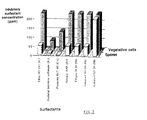
- the surfactant concentrations producing a complete inhibition of growth were determined for the seven compounds studied and values corresponding to inoculation with either vegetative cells or spores were compared ( Figure 2 ).
- Lutensol GD 50® a non-ionic surfactant which exhibited no inhibitory effect
- all the tested compounds inhibited the germination of the spores and the subsequent growth at surfactant concentrations ranging from 1 to 50 ppm.
- a significant increase of the inhibitory threshold was observed for all surfactants tested.
- agar-solidified media were prepared using waste water and distilled water in the following ratios : 100:0 (medium A), 50:50 (medium B) and 10:90 (medium C).
- All the media contained 2 g of casaminoacids, 2 g of glucose and 15 g of Bacto Agar® per liter. Each batch of petri dishes was seeded with an appropriate volume of a suspension of spores or of a diluted suspension of vegetative cells so as to have 100 cfu per plate.
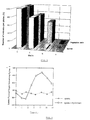
- the Figure 3 gives the number of colonies enumerated after a 24 hour incubation at 37 °C. The results are expressed as percentage of the number of colonies developed on Plate Count Agar medium (medium D) inoculated and incubated in the same conditions.
- medium A For media containing non-diluted waste water (medium A), a complete inhibition of growth was observed irrespective of the nature of the inoculum. This inhibition was largely reduced for medium B prepared with vegetative cells only. No significant difference was observed between spores and vegetative cells for the most diluted medium (medium C).
- Liquid wastewater media 125 ml of sterile wastewater in 250 ml conical flasks were inoculated with 5.10 6 spores or with a mixture of the same amount of spores plus neutral subtilisin (390 ⁇ g), cellulase (115 ⁇ g), ⁇ -amylase (235 ⁇ g) and lipase (155 ⁇ g).
- the soluble COD of the media was determined as a function of time ( Figure 4 ). No significant change was observed when the inoculum contained only spores. The additional presence of hydrolases was responsible for the appearance, after a lag period of 18 hours, of a bell-shaped time-course of the soluble COD.
- Lutensol GD 50 a non-ionic surfactant which exhibited no inhibitory effect
- all the other tested compounds inhibited spore germination and the subsequent growth of the Bacillus strains at surfactant concentrations ranging from 1 to 50 ppm, i.e., concentrations close to those reported for domestic wastewaters.
- Germination appeared to be more affected than cell growth by the presence of surfactants, the inhibitory thresholds being largely increased when inoculation was done with vegetative cells.
Landscapes
- Life Sciences & Earth Sciences (AREA)
- Microbiology (AREA)
- Biodiversity & Conservation Biology (AREA)
- Hydrology & Water Resources (AREA)
- Engineering & Computer Science (AREA)
- Environmental & Geological Engineering (AREA)
- Water Supply & Treatment (AREA)
- Chemical & Material Sciences (AREA)
- Organic Chemistry (AREA)
- Micro-Organisms Or Cultivation Processes Thereof (AREA)
- Purification Treatments By Anaerobic Or Anaerobic And Aerobic Bacteria Or Animals (AREA)
- Detergent Compositions (AREA)
- Enzymes And Modification Thereof (AREA)
- Pretreatment Of Seeds And Plants (AREA)
- Preparation Of Compounds By Using Micro-Organisms (AREA)
Abstract
Description
- The present invention is related to a method for removing or reducing the effect of detergents upon germination and/or growth of micro-organisms, which will allow the improving of industrial fermentation processes, in particular treatment of specific polluted aqueous effluents, based upon the use of said micro-organisms.
- Detergents, comprising surfactant or a mixture of surfactants (anionic, cationic, amphoteric and/or non-ionic surfactants), have a variety of industrial uses and are common ingredients in laundry, household or personal (e.g., shampoos and cosmetics) cleaning products.
- Detergents comprising the surfactant linear alkylbenzene sulfonates (LAS) are the most widely used detergents in commerce today. These compounds are discarded in wastewater and normally removed during sewage treatment. The LAS concentrations in effluents from kitchens, bath- and laundry-rooms vary between 35 and 125 mg.liter-1 (Durand & Golicheff, 1978).
- Many literature reports have been published about the potential inhibitory effects of surfactants present in detergents upon the growth of micro-organisms and results are often a matter of controversy. For instance, Konopka et al. (1996) mentioned that LAS-degrading microbes were inhibited at LAS concentrations of >40 mg.liter-1, whereas Sigoillot and Nguyen (1992) reported on cultures enriched at LAS concentrations of up to 700 mg.liter-1.
- Rouse et al. (Crit. Rev. Environ. Sci. Technol. Vol. 24, No. 4, pp. 325-370 (1994)) state that steric and conformational compatibility of surfactants with cell membrane lipids and enzymes has an influence on a microbial degradation of organic compounds.
- The use of pure cultures or defined consortia of micro-organisms is a widespread technology for the treatment of specific polluted aqueous effluents. Amongst bacteria, strains belonging to the Pseudomonas, Bacillus, Acinetobacter and Rhodococcus genera are frequently reported (Chitra et al., 1996; Zissi & Lyberatos, 1996; Russian Patent Application 96441455.44; Iliuta, 1997; French Patent Application FR-97154177.14). Fungi and microscopic algae have also many uses in this area (Feijoo et al., 1995; Travieso et al., 1996; Pena et al., 1996; Ahn et al., 1996; Russian Patent Application RU-97152804.14).
- The main applications include removal of heavy metals (Macaskie et al., 1997), degradation or precipitation of phenolic compounds (Borja et al., 1995), treatment by precipitation of forest industry effluents (Jaspers & Penninckx, 1996 and International Patent Application PCT/BE93/00014) as well as degradation of fats, oils and greases (Wakelin & Forster, 1997).
- The genus Bacillus includes a variety of industrially important species that are commonly used as hosts in the fermentation industry (Arbige et al., 1996). Different reasons make Bacillus one of the preferred micro-organisms for production by fermentation: most members of the genus are non-pathogenic, relatively easy to manipulate genetically, simple to cultivate and good secretors of enzymes (including proteases, amylases, cellulases and other degradative enzymes). Moreover, Bacillus spp. sporulate, a characteristic very useful for the conditioning and the long-term conservation of a commercial product.
- Adney et al. (Biotechnology and Applied Biochemistry No. 11, pp. 387-400 (1989)) describe the detection of extracellular hydrolytic enzymes in the anaerobic digestion of municipal solid waste. This publication describes the α-amylase and protease enzymes were detectable at trace level in supernatant samples from stable lab-scale digesters fed municipal solid waste meal. This document describes also that by using a detergent extraction protocol, cellulase, β-glucosidase, α-glucosidase, protease and α-amylase activities were recovered from sludge particulate, but with a very low hydrolytic enzyme activity.
- The US patent US-4,940,539 describes devices for the treatment of waste water containing grease and foreigner materials treated by an aqueous composition containing a high amount of a mixture of enzymes (2500 protease units/ml, 200 amylase units/ml, 10 lipase units/ml and 5 cellulase units /ml) and bacterial spores (50.106 bacterial spores/ml), which act on the grease, fat and other materials in the waste water to provide a substantial reduction in total solids and an increase in soluble solids as well as a substantial reduction in the BOD level of the waste water.
- Similarly, the US patent US-5,468,375 describes a device for removing or reducing the amount of solid matters on sludge in a household sewage before the waste water is introduced in a municipal sewage treatment system. In said device, high amounts of mixture of bacteria and enzymes are added in the waste water in a chamber where the sludge is digested. Said pre-treatment reduces the burden on the municipal sewage treatment facility and reduces the risk on exceeding the capacity of the facility.
- The US patent US-4,237,003 describes a process for the biological purification of liquid waste by using high amounts of anaerobic bacteria in the presence of extracellular enzymes produced by gram positive bacteria and separating said gram positive bacteria and the intracellular enzymes contained therein. As compared to the current techniques, the anaerobic process according to said method reduces the production of sludge and reduces the retention time.
- The international patent application WO95/15924 describes that extracellular enzymes from bacillus subspecies in combination with fungal cellulases has been found to synergetically degrade cellulose, carbohydrates, fat and proteins in a sewage treatment, the composition comprising a bacillus subspecies culture and a fungal cellulase.
- However, none of these documents describes or teach that low amounts of enzymes can be used for removing or reducing the effect of detergents preferably detergent comprising surfactant(s) upon the spores germination or the growth of micro-organisms and therefore improve the treatment of polluted aqueous effluents.
- The present invention aims to provide a method for removing or reducing the effects of detergents upon germination and/or growth of micro-organisms, especially bacterial strains, in an aqueous culture medium.
- Another aim of the present invention is to provide a method which does not need the use of expensive and toxic products or processes.
- A further aim of the present invention is to provide a method which will additionally improve the industrial fermentation process of said micro-organisms by removing or reducing the effects of said detergents, in particular in the treatment of specific polluted aqueous effluents which contain said detergents.
- The present invention is related to a method wherein a sufficient amount of one or more enzyme(s) is added to the aqueous culture medium of a possibly genetically modified micro-organism for removing or reducing the effects of detergents, advantageously detergents comprising surfactants (which are preferably selected from the group consisting of anionic, cationic, amphoteric and/or non-ionic surfactants), upon germination and/or growth of said micro-organism in said aqueous (culture) medium.
- Said enzyme is selected from the group consisting of a protease, a cellulase, an alpha-amylase, a lipase or a mixture thereof.
- It is meant by an aqueous (culture) medium, any aqueous medium comprising the nutrients (such as carbon, nitrogen and phosphor sources, mineral components like sodium, potassium, ...) which naturally allow the germination and/or growth of a micro-organism present in said medium.
- According to the invention, said aqueous (culture) medium is a waste water effluent (which is known to inhibit completely the micro-organism by the important percentage of detergent comprised in it).
- According to a preferred embodiment of the present invention, the possibly genetically modified micro-organism is a bacterial strain, preferably selected from the group consisting of the bacteria belonging to the pseudomonas, bacillus, acinetobacter and rhodococcus genera.
- According to another preferred embodiment of the present invention, the micro-organism is selected from the group consisting of fungi (including yeasts) and microscopic algae.
- It is meant by "removing or reducing the effects of detergents", the capacity of the enzyme to allow and/or to improve the germination and/or growth of a micro-organism in an aqueous culture medium containing said detergents at a concentration which inhibits completely said germination and/or said growth, the capacity of said enzyme to reduce the lag period after which one can measure the increasing of the micro-organism density in said aqueous (culture) medium and/or the capacity of said enzyme to improve or accelerate said growth in an aqueous (culture) medium.
- A "sufficient amount of one or more enzyme(s)" means that the amount of the enzyme (s) is comprised between 1 and 5000 µg weight enzyme for an aqueous culture medium of 100 ml comprising between 0,001 and 1000 ppm detergent (preferably comprising a surfactant), advantageously between 10 and 500 µg weight enzyme for an aqueous culture medium of 100 ml comprising between 0,1 and 500 ppm detergent (preferably comprising a surfactant), more preferably between 50 and 400 µg weight enzyme for an aqueous culture medium of 100 ml comprising between 0,5 and 250 ppm detergent (preferably comprising a surfactant). Said amount is particularly low compared to the amounts usually used in the methods and devices of the state of the art.
- According to a preferred embodiment of the present invention, the micro-organism is present in the aqueous culture medium in the form of a dormant spore and/or in the form of a vegetative dividing cell.
- The Inventors have discovered unexpectedly that it is possible with the method according to the invention, to modulate the addition of enzyme according to the wild type of micro-organism, according to its form (dormant spore or vegetative dividing cell) and according to the detergent and the amount of detergent present in the aqueous culture medium (see enclosed figure 2).
- Advantageously, the amount of enzyme used in the method according to the invention may be lower when the micro-organism is present in the form of a vegetative dividing cell.
- The Inventors have also discovered unexpectedly that it is possible by the method according to the invention to improve easily and at low cost the industrial fermentation processes of micro-organisms upon specific polluted aqueous effluents, because said aqueous effluents may comprise naturally said micro-organism in the form of a dormant spore or in the form of a vegetative dividing cell.
- Therefore, said micro-organisms will be able to germinate and/or will be allowed to grow and secrete new enzymes which will increase the protective properties against the inhibitory effects of the detergent.
- Therefore, the method according to the invention will allow the improvement of the industrial fermentation processes by micro-organisms, especially the treatment of specific polluted aqueous effluents which comprise already said micro-organism, or the treatment of polluted aqueous effluents wherein micro-organisms (in the form or dormant spores or vegetative dividing cells) have been added in order to increase (accelerate) said fermentation processes.
- In addition, the method according to the invention can be combined with one or more treatment method(s) of specific polluted aqueous effluents well known by the person skilled in the art and already described in the scientific literature. For instance, said method can be combined with methods for the removal of heavy metals, degradation of phenolic compounds, treatment of forest industry effluents, etc., obtained from paper pulp, metallurgic or chemical industry.
- According to a specific embodiment of the present invention, the enzyme is added in a sufficient amount to the solid or liquid detergent in the laundry, household or personal (shampoos, cosmetics, ...) cleaning solid or liquid products.
- Advantageously, said enzyme is kept "active" (by carriers or adjuvants) in said detergent during and after the cleaning process in order to maintain its "activity" its reducing properties against the inhibitory effect of the surfactant(s) (present in the detergent) upon germination and/or growth of the micro-organism present in its aqueous culture medium as described above.
- The present invention will be described in details in the following examples in reference to the drawings which are presented as a non-limiting illustration of the present invention.
-
- Figure 1
- represents time-course of bacterial growth of cultures inoculated with dormant spores (A) and vegetative cells (B) in the presence of varying concentrations of dodecyl benzene sulfonate.
- Figure 2
- represents surfactant concentrations resulting in complete inhibition of growth.
- Figure 3
- represents bacterial count on waste water amended agar media, wherein the following waste water / distilled water ratios were used : 100:0 (medium A), 50:50 (medium B), and 10:90 (medium C), medium D corresponding to Plate Count Agar medium.
- Figure 4
- represents time-course of the soluble COD of waste water medium inoculated with spores of with a mixture of spores and hydrolases.
- In order to develop a biotechnological process for urban wastewater treatment, the Inventors have currently studied the potentialities of different strains of Bacillus.
- They have discovered unexpectedly that it is possible to reduce the inhibitory effect of anionic, cationic, amphoteric and non-ionic surfactants upon germination and growth of a mixture of Bacillus strains.
- The behaviour of this consortium in liquid and agar-solidified media prepared with domestic wastewater and containing surfactants is also reported.
- The bacterial consortium used for this study contained different strains of Bacillus.
- The commercial enzymes used in this work were a Bacillus subtilis proteinase, a cellulase, an α-amylase and a lipase. Product specifications are given by the Réalco Company (Louvain-la-Neuve, Belgium).
- The following commercial surfactants were tested:
Protectol KLC 80®,Plurafac LF 400®, Lutensol TO 89® andLutensol GD 50® (obtained from BASF, Ludwigshafen, Germany),Elfapur N 90®,Elfan NS 242® and dodecyl benzene sulfonate (obtained from Akzo Chemie, Düren, Germany) and Betaine AAB® (obtained from Mosselman, Bruxelles, Belgium). - The synthetic liquid media used for the determination of the inhibitory thresholds were prepared as described by Leitch and Collier (1996).
- The sample of domestic wastewater was taken at Braine-l'Alleud (Belgium) at the end of a pipe overhanging the «Légère Eau» brook. After sterilisation by autoclaving, the following parameters were determined: total COD = 820mg O2.liter-1; soluble COD = 330mg O2.liter-1; pH = 7.2.
- Casaminoacids, Bacto Agar® and Plate Count Agar® were obtained from Difco (Detroit, MI, USA).
- Liquid cultures were performed at room temperature (20±1°C) using 250 ml conical flasks which contained 125 ml of medium, the orbital agitation being fixed at 150 rpm.
- The bacterial biomass time-course was monitored via turbidity measurements (O.D. at 600 nm).
- The Chemical Oxygen Demand (COD) was determined using the NBN-T91-201 norm.
- The non-ionic surfactant concentration was determined colorimetrically as described by Rodier (1978).
Elfapur N 90® (nonylphe-nol) was used to prepare the standard curve. A concentration of 3.2 (±0.4) ppm was obtained for the sample of wastewater examined. - Seven widely used surfactants including anionic (A-), cationic (C+), amphoteric (AO) and non-ionic (NI) compounds were tested. The Leitch and Collier media containing surfactant concentrations ranging from 0 to 200 ppm were inoculated with either vegetative cells or dormant spores.
- The Figures 1 show the time-course of the bacterial biomass in the presence of dodecyl benzene sulfonate. For cultures started through inoculation of spores, the presence of 1 ppm surfactant was sufficient to increase the lag period by about 4 hours whereas a concentration of 10 ppm was responsible for a complete inhibition of growth, at least during the first 50 hours of incubation (Figure 1A). When vegetative cells were used for the inoculation, the inhibitory effect was largely reduced: the lowest surfactant concentration produced no significant effect whereas the largest one increased the lag period by only about 10 hours (Figure 1B).
- The surfactant concentrations producing a complete inhibition of growth (no growth during the first 50 hours of incubation) were determined for the seven compounds studied and values corresponding to inoculation with either vegetative cells or spores were compared (Figure 2). With the exception of
Lutensol GD 50®, a non-ionic surfactant which exhibited no inhibitory effect, all the tested compounds inhibited the germination of the spores and the subsequent growth at surfactant concentrations ranging from 1 to 50 ppm. When media were inoculated with vegetative cells, a significant increase of the inhibitory threshold was observed for all surfactants tested. - Different agar-solidified media were prepared using waste water and distilled water in the following ratios : 100:0 (medium A), 50:50 (medium B) and 10:90 (medium C).
- All the media contained 2 g of casaminoacids, 2 g of glucose and 15 g of Bacto Agar® per liter. Each batch of petri dishes was seeded with an appropriate volume of a suspension of spores or of a diluted suspension of vegetative cells so as to have 100 cfu per plate.
- The Figure 3 gives the number of colonies enumerated after a 24 hour incubation at 37 °C. The results are expressed as percentage of the number of colonies developed on Plate Count Agar medium (medium D) inoculated and incubated in the same conditions.
- For media containing non-diluted waste water (medium A), a complete inhibition of growth was observed irrespective of the nature of the inoculum. This inhibition was largely reduced for medium B prepared with vegetative cells only. No significant difference was observed between spores and vegetative cells for the most diluted medium (medium C).
- Liquid wastewater media (125 ml of sterile wastewater in 250 ml conical flasks) were inoculated with 5.106 spores or with a mixture of the same amount of spores plus neutral subtilisin (390 µg), cellulase (115 µg), α-amylase (235 µg) and lipase (155 µg). The soluble COD of the media was determined as a function of time (Figure 4). No significant change was observed when the inoculum contained only spores. The additional presence of hydrolases was responsible for the appearance, after a lag period of 18 hours, of a bell-shaped time-course of the soluble COD. The number of viable cells after 60 hours of incubation at room temperature was determined by enumerating colonies on Plate Count Agar media. Values of 5.106 and 6.107 cfu per 125 ml were obtained for the media inoculated with spores and with the mixture of spores and hydrolases, respectively. These results indicate that the additional presence of hydrolases in the medium allowed the initial solubilisation of the insoluble organic matter (reflected by an increase of the soluble COD) followed by its consumption by the growing cells (reflected by a decrease of the soluble COD and by an increase of the bacterial density).
- With the exception of
Lutensol GD 50, a non-ionic surfactant which exhibited no inhibitory effect, all the other tested compounds inhibited spore germination and the subsequent growth of the Bacillus strains at surfactant concentrations ranging from 1 to 50 ppm, i.e., concentrations close to those reported for domestic wastewaters. Germination appeared to be more affected than cell growth by the presence of surfactants, the inhibitory thresholds being largely increased when inoculation was done with vegetative cells. - The bacterial species forming the consortium used for this study were incapable of growing on non-diluted wastewater agar media. The presence of surfactants was probably the main reason for this inhibition since, as observed previously for the determination of inhibition thresholds for the different surfactants tested, vegetative cells were less sensitive to this inhibition than spores.
- A complete absence of growth was also observed when the liquid wastewater medium was inoculated with spores. Under the experimental conditions described, the integrity of spores appears to be fully conserved since the number of viable cells enumerated after a 60-hour incubation was exactly the same as the number of spores initially present.
- The fact that the addition of hydrolases in the wastewater medium allowed spore germination and subsequent growth constitutes the most remarkable observed result. This unexpected effect may be due to (i) a peptidase-catalysed activation of spore germination and/or (ii) a much easier assimilation of the organic matter by the cells resulting from the hydrolytic action of the added enzymes which cut macromolecules (e.g. proteins, polysaccharides, triglycerides) into shorter molecules (e.g. aminoacids, glucose, glycerol, fatty acids).
-
- 1.
- Ahn, D.H. et al. (1996) Biotechnol. Lett. 18: 917-922.
- 2.
- Arbige, M.V. et al. (1993) Fermentation of Bacillus. In Sonenshein, A.L., Hoch J.A. & Losick R. (ed.), Bacillus subtilis and Other Gram-Positive Bacteria: Biochemistry, Physiology, and Molecular genetics. American Society for Microbiology, Washington, D.C., pp 871-895.
- 3.
- Borja, R. et al. (1995) Bioprocess Eng. 13: 317-322.
- 4.
- Chitra, S. et al. (1996) J. Gen. Appl. Microbiol. 42: 355-361.
- 5.
- Durand, A. & Golicheff, A. (1978) Etude des composants des eaux usées domestiques. La Technique de l'Eau et de l'Assainissement 383: 27-42.
- 6.
- Feijoo, G. et al. (1995) Biotechnol. Lett. 17: 1261-1266.
- 7.
- Iliuta, I. (1997) J. Chem. Technol. Biotechnol. 68: 47-56.
- 8.
- Jaspers, C.J. & Penninckx, M.J. (1996) Biotechnol. Lett. 18: 1257-1260.
- 9.
- Konopka, A. et al. (1996) Appl. Environ. Microbiol. 62: 3292-3297.
- 10.
- Leitch, J. & Collier, P.J. (1996) A new chemically-defined medium for Bacillus subtilis (168) NCIMB 12900. Appl. Microbiol. 22: 18-20.
- 11.
- Macaskie, L.E. et al. (1997) Biotechnol. Bioeng. 53: 100-109.
- 12.
- Pena, M.M. et al. (1996) Bioresource Technol. 57: 229-235.
- 13.
- Rodier, J. (1978) L'Analyse de l'Eau, Eaux Naturelles et Eaux Residuaires, 6ème édition, Bordas, Paris.
- 14.
- Sigoillot, J.-C. & Nguyen, M.-H (1992) Appl. Environ. Microbiol. 58: 1308-1312.
- 15.
- Travieso, L. et al. (1996) Bull. Environ. Contam. Toxicol. 57: 986-992.
- 16.
- Wakelin, N.G. & Forster, C.F. (1997) Bioresource Technol. 59: 37-43.
- 17.
- Williams, N.D. & Russell, A.D. (1993) J. Appl. Bacteriol. 75: 76-81.
- 18.
- Zissi, U. & Lyberatos, G. (1996) Wat. Sci. Technol. 34: 495-500.
Claims (9)
- Method for removing or reducing the effects of detergents upon germination and/or growth of a micro-organism present in an aqueous culture medium, characterised in that a sufficient amount of one or more enzyme(s) selected from the group consisting of proteases, cellulases, alpha-amylases, lipases or a mixture thereof is added to said aqueous medium of said micro-organism.
- Method according to claim 1, characterised in that the detergent comprises a surfactant which is preferably selected from the group consisting of the anionic, cationic, amphoteric and/or non-ionic surfactants.
- Method according to any of the preceding claims 1 or 2, wherein the aqueous culture medium is a waste water effluent.
- Method according to any of the preceding claims 1 to 3, characterised in that the micro-organism is a bacterial strain.
- Method according to claim 4, characterised in that the bacterial strain is selected from the group consisting of the strains belonging to the pseudomonas, bacillus, acinetobacter and rhodococcus genera.
- Method according to any of the claims 1 to 3, characterised in that the micro-organism is selected from the group consisting of fungi and microscopic algae.
- Method according to any of the preceding claims 1 to 6, characterised in that the micro-organism is a dormant spore.
- Method according to any of the claims 1 to 7, characterised in that the micro-organism is a vegetative dividing cell.
- Method according to any of the preceding claims 1 to 8, characterised in that the amount of added enzyme is comprised between 1 and 5000 µg weight for 100 ml aqueous culture medium comprising between 0,001 and 1000 ppm detergent.
Priority Applications (1)
| Application Number | Priority Date | Filing Date | Title |
|---|---|---|---|
| EP98948628A EP1025052B1 (en) | 1997-10-20 | 1998-10-14 | Method for reducing the effect of detergents upon germination and/or growth of microorganisms |
Applications Claiming Priority (4)
| Application Number | Priority Date | Filing Date | Title |
|---|---|---|---|
| EP97870158 | 1997-10-20 | ||
| EP97870158A EP0915061A1 (en) | 1997-10-20 | 1997-10-20 | Method for reducing the effect of detergents upon germination and/or growth of micro-organisms |
| EP98948628A EP1025052B1 (en) | 1997-10-20 | 1998-10-14 | Method for reducing the effect of detergents upon germination and/or growth of microorganisms |
| PCT/BE1998/000152 WO1999020571A1 (en) | 1997-10-20 | 1998-10-14 | Method for reducing the effect of detergents upon germination and/or growth of microorganisms |
Publications (2)
| Publication Number | Publication Date |
|---|---|
| EP1025052A1 EP1025052A1 (en) | 2000-08-09 |
| EP1025052B1 true EP1025052B1 (en) | 2003-03-26 |
Family
ID=8231052
Family Applications (2)
| Application Number | Title | Priority Date | Filing Date |
|---|---|---|---|
| EP97870158A Withdrawn EP0915061A1 (en) | 1997-10-20 | 1997-10-20 | Method for reducing the effect of detergents upon germination and/or growth of micro-organisms |
| EP98948628A Expired - Lifetime EP1025052B1 (en) | 1997-10-20 | 1998-10-14 | Method for reducing the effect of detergents upon germination and/or growth of microorganisms |
Family Applications Before (1)
| Application Number | Title | Priority Date | Filing Date |
|---|---|---|---|
| EP97870158A Withdrawn EP0915061A1 (en) | 1997-10-20 | 1997-10-20 | Method for reducing the effect of detergents upon germination and/or growth of micro-organisms |
Country Status (8)
| Country | Link |
|---|---|
| EP (2) | EP0915061A1 (en) |
| JP (1) | JP2001520120A (en) |
| CN (1) | CN1276771A (en) |
| AT (1) | ATE235427T1 (en) |
| AU (1) | AU9524698A (en) |
| CA (1) | CA2303009A1 (en) |
| DE (1) | DE69812675D1 (en) |
| WO (1) | WO1999020571A1 (en) |
Families Citing this family (3)
| Publication number | Priority date | Publication date | Assignee | Title |
|---|---|---|---|---|
| FI106042B (en) * | 1999-07-12 | 2000-11-15 | Tekno Forest Oy | Water purification method, suitable bacteria and their use |
| CN105198095A (en) * | 2015-10-21 | 2015-12-30 | 浙江海洋学院 | Treatment method of degrading xylene in wastewater by immobilization of microalgae of fungus medium |
| CN108251345B (en) * | 2017-12-28 | 2021-07-20 | 江苏世邦生物工程科技有限公司 | Recombinant engineering bacterium containing lipase gene for domestic sewage treatment and construction method thereof |
-
1997
- 1997-10-20 EP EP97870158A patent/EP0915061A1/en not_active Withdrawn
-
1998
- 1998-10-14 DE DE69812675T patent/DE69812675D1/en not_active Expired - Lifetime
- 1998-10-14 WO PCT/BE1998/000152 patent/WO1999020571A1/en not_active Ceased
- 1998-10-14 AT AT98948628T patent/ATE235427T1/en not_active IP Right Cessation
- 1998-10-14 AU AU95246/98A patent/AU9524698A/en not_active Abandoned
- 1998-10-14 EP EP98948628A patent/EP1025052B1/en not_active Expired - Lifetime
- 1998-10-14 CA CA002303009A patent/CA2303009A1/en not_active Abandoned
- 1998-10-14 CN CN98810331.1A patent/CN1276771A/en active Pending
- 1998-10-14 JP JP2000516918A patent/JP2001520120A/en not_active Withdrawn
Also Published As
| Publication number | Publication date |
|---|---|
| CN1276771A (en) | 2000-12-13 |
| ATE235427T1 (en) | 2003-04-15 |
| WO1999020571A1 (en) | 1999-04-29 |
| EP0915061A1 (en) | 1999-05-12 |
| AU9524698A (en) | 1999-05-10 |
| CA2303009A1 (en) | 1999-04-29 |
| DE69812675D1 (en) | 2003-04-30 |
| EP1025052A1 (en) | 2000-08-09 |
| JP2001520120A (en) | 2001-10-30 |
Similar Documents
| Publication | Publication Date | Title |
|---|---|---|
| Dharmsthiti et al. | Lipase from Pseudomonas aeruginosa LP602: biochemical properties and application for wastewater treatment | |
| Stoilova et al. | Biodegradation of high amounts of phenol, catechol, 2, 4-dichlorophenol and 2, 6-dimethoxyphenol by Aspergillus awamori cells | |
| Sonune et al. | Isolation, characterization and identification of extracellular enzyme producer Bacillus licheniformis from municipal wastewater and evaluation of their biodegradability | |
| Abou-Elela et al. | Biological treatment of saline wastewater using a salt-tolerant microorganism | |
| Yang et al. | Extracellular enzyme production and phylogenetic distribution of yeasts in wastewater treatment systems | |
| Facchin et al. | Biodiversity and secretion of enzymes with potential utility in wastewater treatment | |
| Bleve et al. | Selection of non-conventional yeasts and their use in immobilized form for the bioremediation of olive oil mill wastewaters | |
| Bala et al. | Reduction of organic load and biodegradation of palm oil mill effluent by aerobic indigenous mixed microbial consortium isolated from Palm Oil Mill Effluent (POME) | |
| Jafari et al. | Biodecolorization of textile azo dyes by isolated yeast from activated sludge: Issatchenkia orientalis JKS6 | |
| Ahmadi et al. | Phenolic removal in olive oil mill wastewater using loofah-immobilized Phanerochaete chrysosporium | |
| Al-Qodah et al. | Biodegradation of olive mills wastewater using thermophilic bacteria | |
| JP5448512B2 (en) | Microorganism having oil and fat decomposability and method for treating oil and fat-containing wastewater using the same | |
| EP1204608A2 (en) | Method of purifying water, suitable bacteria for the method and use thereof | |
| EP0915061A1 (en) | Method for reducing the effect of detergents upon germination and/or growth of micro-organisms | |
| Kumar et al. | Bioremediation of sewage using specific consortium of microorganisms | |
| Bao-jun et al. | The research status and development trend of microbial flocculant | |
| Shah et al. | Decolorization of Remazol Black-B by three bacterial isolates | |
| Ledent et al. | Reversal of the inhibitory effect of surfactants upon germination and growth of a consortium of two strains of Bacillus | |
| Anggraeni et al. | Potential bacterial consortium to increase the effectiveness of beer wastewater treatment | |
| Garcha et al. | Performance of a laboratory prepared microbial consortium for degradation of dairy waste water in a batch system | |
| Kandasamy et al. | Biodegradation of cyanide and starch by individual bacterial strains and mixed bacterial consortium isolated from cassava sago wastewater | |
| Arunkumar et al. | Bioremediation of color and COD from dye effluent using indigenous and exogenous microbes | |
| Sen et al. | Potential application of Bacillus pseudofirmus SVB1 extract in effluent treatment | |
| Shinde et al. | Exploring extracellular hydrolytic enzyme and bio flocculant-producing bacterial isolates for bioremediation of vegetable oil refinery effluent | |
| Lihong et al. | Biological treatment of high-pH and high-concentration black liquor of cotton pulp by an immediate aerobic-anaerobic-aerobic process |
Legal Events
| Date | Code | Title | Description |
|---|---|---|---|
| PUAI | Public reference made under article 153(3) epc to a published international application that has entered the european phase |
Free format text: ORIGINAL CODE: 0009012 |
|
| 17P | Request for examination filed |
Effective date: 20000509 |
|
| AK | Designated contracting states |
Kind code of ref document: A1 Designated state(s): AT BE CH DE DK ES FI FR GB IT LI LU NL SE |
|
| 17Q | First examination report despatched |
Effective date: 20010131 |
|
| GRAG | Despatch of communication of intention to grant |
Free format text: ORIGINAL CODE: EPIDOS AGRA |
|
| GRAG | Despatch of communication of intention to grant |
Free format text: ORIGINAL CODE: EPIDOS AGRA |
|
| GRAH | Despatch of communication of intention to grant a patent |
Free format text: ORIGINAL CODE: EPIDOS IGRA |
|
| GRAH | Despatch of communication of intention to grant a patent |
Free format text: ORIGINAL CODE: EPIDOS IGRA |
|
| GRAA | (expected) grant |
Free format text: ORIGINAL CODE: 0009210 |
|
| AK | Designated contracting states |
Designated state(s): AT BE CH DE DK ES FI FR GB IT LI LU NL SE |
|
| PG25 | Lapsed in a contracting state [announced via postgrant information from national office to epo] |
Ref country code: NL Free format text: LAPSE BECAUSE OF FAILURE TO SUBMIT A TRANSLATION OF THE DESCRIPTION OR TO PAY THE FEE WITHIN THE PRESCRIBED TIME-LIMIT Effective date: 20030326 Ref country code: LI Free format text: LAPSE BECAUSE OF FAILURE TO SUBMIT A TRANSLATION OF THE DESCRIPTION OR TO PAY THE FEE WITHIN THE PRESCRIBED TIME-LIMIT Effective date: 20030326 Ref country code: IT Free format text: LAPSE BECAUSE OF FAILURE TO SUBMIT A TRANSLATION OF THE DESCRIPTION OR TO PAY THE FEE WITHIN THE PRE;WARNING: LAPSES OF ITALIAN PATENTS WITH EFFECTIVE DATE BEFORE 2007 MAY HAVE OCCURRED AT ANY TIME BEFORE 2007. THE CORRECT EFFECTIVE DATE MAY BE DIFFERENT FROM THE ONE RECORDED.SCRIBED TIME-LIMIT Effective date: 20030326 Ref country code: FI Free format text: LAPSE BECAUSE OF FAILURE TO SUBMIT A TRANSLATION OF THE DESCRIPTION OR TO PAY THE FEE WITHIN THE PRESCRIBED TIME-LIMIT Effective date: 20030326 Ref country code: CH Free format text: LAPSE BECAUSE OF FAILURE TO SUBMIT A TRANSLATION OF THE DESCRIPTION OR TO PAY THE FEE WITHIN THE PRESCRIBED TIME-LIMIT Effective date: 20030326 Ref country code: AT Free format text: LAPSE BECAUSE OF FAILURE TO SUBMIT A TRANSLATION OF THE DESCRIPTION OR TO PAY THE FEE WITHIN THE PRESCRIBED TIME-LIMIT Effective date: 20030326 |
|
| REG | Reference to a national code |
Ref country code: GB Ref legal event code: FG4D |
|
| REG | Reference to a national code |
Ref country code: CH Ref legal event code: EP |
|
| REF | Corresponds to: |
Ref document number: 69812675 Country of ref document: DE Date of ref document: 20030430 Kind code of ref document: P |
|
| PG25 | Lapsed in a contracting state [announced via postgrant information from national office to epo] |
Ref country code: SE Free format text: LAPSE BECAUSE OF FAILURE TO SUBMIT A TRANSLATION OF THE DESCRIPTION OR TO PAY THE FEE WITHIN THE PRESCRIBED TIME-LIMIT Effective date: 20030626 Ref country code: DK Free format text: LAPSE BECAUSE OF FAILURE TO SUBMIT A TRANSLATION OF THE DESCRIPTION OR TO PAY THE FEE WITHIN THE PRESCRIBED TIME-LIMIT Effective date: 20030626 |
|
| PG25 | Lapsed in a contracting state [announced via postgrant information from national office to epo] |
Ref country code: DE Free format text: LAPSE BECAUSE OF FAILURE TO SUBMIT A TRANSLATION OF THE DESCRIPTION OR TO PAY THE FEE WITHIN THE PRESCRIBED TIME-LIMIT Effective date: 20030627 |
|
| NLV1 | Nl: lapsed or annulled due to failure to fulfill the requirements of art. 29p and 29m of the patents act | ||
| PG25 | Lapsed in a contracting state [announced via postgrant information from national office to epo] |
Ref country code: ES Free format text: LAPSE BECAUSE OF FAILURE TO SUBMIT A TRANSLATION OF THE DESCRIPTION OR TO PAY THE FEE WITHIN THE PRESCRIBED TIME-LIMIT Effective date: 20030930 |
|
| PG25 | Lapsed in a contracting state [announced via postgrant information from national office to epo] |
Ref country code: LU Free format text: LAPSE BECAUSE OF NON-PAYMENT OF DUE FEES Effective date: 20031014 Ref country code: GB Free format text: LAPSE BECAUSE OF NON-PAYMENT OF DUE FEES Effective date: 20031014 |
|
| REG | Reference to a national code |
Ref country code: CH Ref legal event code: PL |
|
| ET | Fr: translation filed | ||
| PLBE | No opposition filed within time limit |
Free format text: ORIGINAL CODE: 0009261 |
|
| STAA | Information on the status of an ep patent application or granted ep patent |
Free format text: STATUS: NO OPPOSITION FILED WITHIN TIME LIMIT |
|
| 26N | No opposition filed |
Effective date: 20031230 |
|
| GBPC | Gb: european patent ceased through non-payment of renewal fee |
Effective date: 20031014 |
|
| REG | Reference to a national code |
Ref country code: FR Ref legal event code: PLFP Year of fee payment: 19 |
|
| REG | Reference to a national code |
Ref country code: FR Ref legal event code: PLFP Year of fee payment: 20 |
|
| PGFP | Annual fee paid to national office [announced via postgrant information from national office to epo] |
Ref country code: FR Payment date: 20170921 Year of fee payment: 20 |
|
| PGFP | Annual fee paid to national office [announced via postgrant information from national office to epo] |
Ref country code: BE Payment date: 20170922 Year of fee payment: 20 |
|
| REG | Reference to a national code |
Ref country code: BE Ref legal event code: MK Effective date: 20181014 |