EP1024826B1 - Passive immunization against clostridium difficile disease - Google Patents
Passive immunization against clostridium difficile disease Download PDFInfo
- Publication number
- EP1024826B1 EP1024826B1 EP98953806A EP98953806A EP1024826B1 EP 1024826 B1 EP1024826 B1 EP 1024826B1 EP 98953806 A EP98953806 A EP 98953806A EP 98953806 A EP98953806 A EP 98953806A EP 1024826 B1 EP1024826 B1 EP 1024826B1
- Authority
- EP
- European Patent Office
- Prior art keywords
- toxin
- difficile
- toxoid
- clostridium difficile
- immune globulin
- Prior art date
- Legal status (The legal status is an assumption and is not a legal conclusion. Google has not performed a legal analysis and makes no representation as to the accuracy of the status listed.)
- Expired - Lifetime
Links
Images




Classifications
-
- A—HUMAN NECESSITIES
- A61—MEDICAL OR VETERINARY SCIENCE; HYGIENE
- A61K—PREPARATIONS FOR MEDICAL, DENTAL OR TOILETRY PURPOSES
- A61K39/00—Medicinal preparations containing antigens or antibodies
- A61K39/02—Bacterial antigens
- A61K39/08—Clostridium, e.g. Clostridium tetani
-
- A—HUMAN NECESSITIES
- A61—MEDICAL OR VETERINARY SCIENCE; HYGIENE
- A61P—SPECIFIC THERAPEUTIC ACTIVITY OF CHEMICAL COMPOUNDS OR MEDICINAL PREPARATIONS
- A61P31/00—Antiinfectives, i.e. antibiotics, antiseptics, chemotherapeutics
- A61P31/04—Antibacterial agents
-
- C—CHEMISTRY; METALLURGY
- C07—ORGANIC CHEMISTRY
- C07K—PEPTIDES
- C07K14/00—Peptides having more than 20 amino acids; Gastrins; Somatostatins; Melanotropins; Derivatives thereof
- C07K14/195—Peptides having more than 20 amino acids; Gastrins; Somatostatins; Melanotropins; Derivatives thereof from bacteria
- C07K14/33—Peptides having more than 20 amino acids; Gastrins; Somatostatins; Melanotropins; Derivatives thereof from bacteria from Clostridium (G)
-
- C—CHEMISTRY; METALLURGY
- C07—ORGANIC CHEMISTRY
- C07K—PEPTIDES
- C07K16/00—Immunoglobulins [IG], e.g. monoclonal or polyclonal antibodies
- C07K16/12—Immunoglobulins [IG], e.g. monoclonal or polyclonal antibodies against material from bacteria
- C07K16/1267—Gram-positive bacteria
- C07K16/1282—Clostridium (G)
-
- A—HUMAN NECESSITIES
- A61—MEDICAL OR VETERINARY SCIENCE; HYGIENE
- A61K—PREPARATIONS FOR MEDICAL, DENTAL OR TOILETRY PURPOSES
- A61K39/00—Medicinal preparations containing antigens or antibodies
- A61K2039/505—Medicinal preparations containing antigens or antibodies comprising antibodies
-
- A—HUMAN NECESSITIES
- A61—MEDICAL OR VETERINARY SCIENCE; HYGIENE
- A61K—PREPARATIONS FOR MEDICAL, DENTAL OR TOILETRY PURPOSES
- A61K39/00—Medicinal preparations containing antigens or antibodies
- A61K2039/54—Medicinal preparations containing antigens or antibodies characterised by the route of administration
-
- A—HUMAN NECESSITIES
- A61—MEDICAL OR VETERINARY SCIENCE; HYGIENE
- A61K—PREPARATIONS FOR MEDICAL, DENTAL OR TOILETRY PURPOSES
- A61K39/00—Medicinal preparations containing antigens or antibodies
Definitions
- This invention relates to methods and compositions for preventing and treating Clostridium difficile disease.
- Clostridium difficile a toxin-producing gram positive bacterium, invades the intestinal tracts of patients whose normal intestinal flora is suppressed due to treatment with broad spectrum antibiotics.
- the bacterial toxins cause varying degrees of damage to the large intestinal (i.e., colonic) epithelium, and cause a spectrum of illnesses, ranging from mild diarrhea to severe colitis.
- antibiotic treatment induces the onset of C . difficile disease, the associated syndromes are named antibiotic-associated diarrhea and colitis (LaMont, Bacterial Infections of the Colon, Textbook of Gastroenterology, second edition, 1897-1903, 1995).
- PMC pseudomembranous colitis
- AAC Antibiotic-associated colitis
- C. difficile is characterized by mild-moderate diarrhea, lacking both large intestinal inflammation (as characterized, e.g., by abdominal pain, tenderness) and systemic signs of infection (e.g., fever). These three distinct syndromes occur in an increasing order of frequency. That is, PMC occurs less frequently than AAC, and AAD is the most frequent clinical presentation of C. difficile disease.
- C. difficile infection A frequent complication of C . difficile infection is relapsing disease, which occurs in up to 20% of all subjects who recover from C. difficile disease. Relapse may be characterized clinically as AAD, AAC, or PMC. There are no specific risk factors or predisposing factors for relapse, but patients who relapse once are more likely to relapse again.
- C. difficile produces two exotoxins, Toxin A and Toxin B, which mediate the disease process caused by C . difficile.
- Toxin A and Toxin B are large ( ⁇ 300 kDa) extracellular proteins, the active forms of which are believed to be homodimers.
- the toxins are stably expressed in approximately equivalent amounts from a single chromosomal locus (Mitty et al., The Gastroenterologist 2:61-69, 1994).
- the toxins have nearly 50% amino acid sequence homology, but are immunologically distinct.
- the 100 kDa carboxyl-termini of the two toxins contain repetitive oligopeptides, and are involved in carbohydrate receptor binding in vivo.
- Receptor specificity is believed to mediate tissue and host specificity of toxin action. This region is also more immunogenic than the amino terminus.
- the amino terminal 200 kDa region contains the enzymatic domain, which is believed to glycosylate the GTP binding proteins Rho, Rac, and Cdc42. thereby preventing their phosphorylation, and leading to a loss of actin polymerization and cytoskeletal integrity (Eichel-Streiber. Trends Micro. 4:375-382, 1996).
- cytoskeletal changes tight junctions between epithelial cells are lost. The epithelial damage in conjunction with local inflammatory events causes fluid exudation into the gut, manifested as diarrhea (Mitty et al.. supra ).
- both toxins cause the rounding of cells in tissue culture at very low concentrations.
- the dose that causes morphologic change in 50% of cells (MC 50 ) for Toxin A on IMR90 cells 10 is 0.4 ng/ml and for Toxin B is 3.5 pg/ml (Torres et al.. Infect. & Immun. 63:4619-4727. 1995).
- Toxin A is an enterotoxin that causes fluid accumulation in ligated animal intestinal loops. Although Toxin B does not induce fluid secretion in animal intestinal loops. both it and Toxin A elicit inflammatory changes in vivo and in vitro (Mitty et al., supra ) . Both toxins are lethal to animals when administered systemically.
- the invention relates to the use of human Clostridium difficile toxin-neutralizing polyclonal immune globulin for the preparation of a pharmaceutical composition for the treatment of Clostridium difficile infection in a human patient by percutaneous administration.
- the polyclonal immune globuline is a polyclonal hyperimmune serum raised in human subjects vaccinated with C. difficile toxoids and contains antibodies that neutralize cytotoxicity and in vivo effects of Toxin A and Toxin B.
- the invention further provides methods of treating Clostridium difficile disease in human patients. These methods involve percutaneously (e.g ., intramuscularly. intravenously, or intraperitoneally) administering to a patient human C. difficile polyclonal immune globulin that neutralizes both Toxin A and Toxin B (hereinafter "immune globulin") (e.g .. 0.01-100 mg/kg body weight). These methods can also include percutaneous administration of a clostridial toxin or toxoid to a patient. to stimulate an anti- C. difficile immune response in the patient. When administered as treatment in affected individuals. the injected immune globulin will also prevent relapse. Also included in the invention are the use of the compositions described herein in the methods described herein, as well as use of these compositions in the preparation of medicaments for carrying out the methods described herein.
- a toxin-neutralizing antibody to a C. difficile toxoid e.g., a C. difficile polyclonal immune globulin (e.g., 0.01-100 mg/kg body weight)
- a C. difficile toxoid e.g., a C. difficile polyclonal immune globulin (e.g., 0.01-100 mg/kg body weight)
- the C. difficile immune globulin used in these methods can be produced, e.g. , in a human.
- These methods can also include percutaneous administration of a clostridial toxin or toxoid containing Toxin A and Toxin B epitopes to the patient.
- a clostridial e.g., C. difficile
- An additional method included in the invention involves administering C . difficile immune globulin, as described above, to rapidly treat or protect a patient, while simultaneously administering toxoid for long-term. active protection by means of stimulation of the patient's immune system.
- prophylactic and therapeutic methods described above can, in conjunction with percutaneous administration, involve mucosal administration, such as oral or rectal administration.
- C . difficile toxoid Also disclosed are methods of producing C . difficile toxoid. These methods involve providing C . difficile bacteria; culturing the bacteria in media containing suitable animal products (e.g. , casein products) to generate a culture; co-purifying clostridial Toxin A and clostridial Toxin B from the culture to generate a mixture of co-purified Toxin A and Toxin B; and inactivating the co-purified Toxin A and Toxin B by incubation in formaldehyde at a temperature of about 25 °C or less ( e.g. , 15°C or less, or 5 °C or less) to generate the clostridial toxoid.
- suitable animal products e.g. , casein products
- the co-purified Toxin A and Toxin B can be present in the mixture at a ratio in the range of 0.1:1 to 10:1, for example, 2:1.
- the invention also includes a C. difficile toxoid produced by this method, and a vaccine composition containing this toxoid and 0.012-0.020% formaldehyde.
- this composition can contain an adjuvant, such as alum.
- C. difficile immune globulin produced using these methods is also disclosed.
- ELISA enzyme-linked immunosorbent assay
- C. difficile immune globulin is used herein to describe polyclonal hyperimmune serum raised in subjects (e.g., human volunteers) vaccinated with C. difficile toxoids.
- the immune globulin contains antibodies. that neutralize cytotoxicity and in vivo effects of Toxin A and Toxin B.
- C. difficile toxoid is used to describe a C . difficile toxin (Toxin A or Toxin B) or a mixture of C . difficile toxins that have been partially or completely inactivated, for example, by chemical (e.g. , formaldehyde) treatment.
- a toxin is said to be "inactivated” if it has less toxicity (e.g. , 100%, 99%, 95%, 90%, 80%, 75%, 60%, 50%, 25%, or 10% less toxicity) than untreated toxin, as measured, for example, by an in vitro cytotoxicity assay or by animal toxicity.
- Other chemical means for inactivating toxins can be used including, for example, peroxide or glutaraldehyde treatment.
- Toxoids can also be generated by genetic changes that result in toxin inactivation.
- the invention provides several advantages. For example, treatment using the methods of the invention specifically results in inactivation of C . difficile bacterial toxins, without affecting normal intestinal flora. Both C . difficile Toxin A and Toxin B are involved in human disease, and the immunotherapy methods of the invention can be used to target both of these molecules. Recovery using immunotherapy is more rapid than antimicrobial therapy, which targets vegetative bacteria, rather than directing toxin neutralization. The specific neutralization of toxin activity has the advantage of specifically and rapidly inactivating the cause of tissue damage. In addition, a single dose of C .
- C . difficile immune globulin administered percutaneously (e.g., intramuscularly, intravenously, or intraperitoneally), can be used in the methods of the invention, rather than the repeating dosing required for oral administration (Lyerly et al., Infect. & Immun. 59:2215-2218, 1991).
- the overall dose of C . difficile immune globulin administered percutaneously is lower than the dose required in oral methods, due to the longer half life of injected antibodies, compared to orally administered antibodies (hours vs. weeks or months).
- Specific antibody therapy also permits continuation of treatment of underlying conditions with antibiotics, which may otherwise have to be withdrawn to permit reconstitution of the intestinal flora and recovery from C. difficile infection.
- C. difficile disease has been traditionally treated with vancomycin and metronidizole, and use of vancomycin has led to the emergence of vancomycin-resistant enterococcus. Similar problems may be arising from metronidizole treatment.
- C . difficile is cultured in the methods of the invention in medium that lacks complex animal products, such as nervous system products, e.g. , the animal products in Brain Heart Infusion medium. Media containing such complex animal products have been found to contain the bovine spongiform encephalopathy (BSE) prion. Thus, in not using such medium, the invention provides safety against infection by such agents.
- BSE bovine spongiform encephalopathy
- the invention provides methods and compositions for preventing and treating C . difficile disease in mammals, such as humans.
- the methods include passive and active immunization approaches, which involve percutaneous (e.g. , intramuscular, intravenous, or intraperitoneal) administration of antibodies (e.g., toxin-neutralizing polyclonal immune globulin) to C. difficile toxoids, C. difficile toxoids themselves, or combinations thereof.
- the invention also includes C . difficile toxoids, vaccine compositions containing C . difficile toxoids, methods of producing C . difficile toxin-neutralizing polyclonal immune globulin, substantially purified C. difficile toxin-neutralizing polyclonal immune globulin, and methods of identifying donors of C. difficile toxin-neutralizing polyclonal immune globulin.
- the prophylactic and therapeutic methods of the invention involve vaccination with C . difficile toxoids, whether in carrying out the treatment itself or in the production of C. difficile immune globulin for subsequent use in passive immunization.
- C. difficile toxoids are produced by purification of toxins (Toxin A, Toxin B, or, preferably, a combination of Toxin A and Toxin B) from C .
- mutant C . difficile toxins that lack or have reduced toxicity can be produced using recombinant methods.
- Methods for making toxoids by genetic methods are well known in the art (see, e.g. , U.S. Patent Nos.
- deletion mutations that remove the amino terminal, enzymatic region of the toxin can be made.
- Deletion or point mutations can also be made in the toxin active site.
- deletion or point mutations can be made that prevent receptor or carbohydrate binding.
- Vaccine compositions containing C . difficile toxoids can be prepared for administration by suspension of the toxoids in a pharmaceutically acceptable diluent (e.g. , physiological saline) or by association of the toxoids with a pharmaceutically acceptable carrier.
- a pharmaceutically acceptable diluent e.g. , physiological saline
- the toxoids can be administered in the presence or absence of an adjuvant, in amounts that can be determined by one skilled in the art.
- Adjuvants that can be used in the invention include aluminum compounds, such as aluminum hydroxide, aluminum phosphate, and aluminum hydroxy phosphate.
- the antigen can be precipitated with, or adsorbed onto, the aluminum compound using standard methods.
- alum e.g.
- Rehydragel LV® Reheis, Inc., Berkeley Heights, New Jersey; up to 2 mg AlOH/dose, e.g. , about 1.5 mg AlOH/dose
- Additional adjuvants that can be used include RIBI (ImmunoChem, Hamilton, MT), QS21 (Aquila), Bay (Bayer), and Polyphosphazene (Virus Research Institute, Cambridge, MA; WO 95/2415).
- the vaccine compositions of the invention can be administered by the percutaneous (e.g. , intramuscular, intravenous, or intraperitoneal) route in amounts and in regimens determined to be appropriate by one skilled in the art. For example, 100 ng-500 ⁇ g, 1-250 ⁇ g, or 10-100 ⁇ g toxoid can be administered.
- the vaccine can be administered, for example, 1, 2, 3, or 4 times. Preferably, only 1 or 2 administrations are carried out.
- the doses can be separated from one another by, for example, one week to a month.
- a higher number of doses can be administered. For example, up to 6 doses can be administered, separated from each other by, e.g. , one week to a month.
- C. difficile polyclonal immune globulin e.g., human C . difficile polyclonal immune globulin
- serum samples from the immunized donors are first monitored for the presence of C . difficile Toxin A and Toxin B by enzyme-linked immunosorbent assay (ELISA) analysis. Briefly, ELISA plates are coated with carbonate/bicarbonate, pH 8.5, and 1 ⁇ g/ml protein (purified Toxin A or Toxin B), and incubated at 4°C overnight.
- ELISA enzyme-linked immunosorbent assay
- the wells are contacted with serum samples diluted in phosphate-buffered saline (PBS), washed, and contacted with an anti-human antibody coupled to a detectable label, such as alkaline phosphatase. Detection of a signal of greater than two times over background is considered positive. Signal is detected by optical density measurement at 405 nm.
- PBS phosphate-buffered saline
- Samples that test positive in the ELISA assay are then tested in a toxin neutralization assay. Briefly, serum samples (100 ⁇ l) are serially diluted twofold in MEM, and are pre-incubated with an equal volume of Toxin A containing 10 MC 50 for 1 hour at 37°C. The Toxin A concentration is standardized for challenge of the cells. For example, ten times the concentration that affects 50% of the cells is used for challenge. The range used for Toxin A is 10-100 ng. Toxin A/serum mixtures (100 ⁇ l) are then added to confluent IMR90 cell monolayers (American Type Culture Collection (ATCC, Rockville, Maryland); Torres et al., supra).
- the overlaid cells are incubated for 16-18 hours at 37°C, and are then scored for cytotoxicity. If at least 50% of the cells are protected from rounding, the sera is rated "protective.”
- the potency test for Toxin B is performed by the same procedures described above for Toxin A, except that the serum samples are pre-incubated with Toxin B prior to determination of cytotoxicity in the IMR90 cell assay.
- the amount of Toxin B that has an effect on 50% of IMR90 cells is 10-100 pg.
- the screening methods described above can also be used to identify subjects that have not been vaccinated with C . difficile toxoids, but have higher than normal serum levels of antibodies against C . difficile toxins. These subjects are good candidates for vaccination with the toxoids, for production of C. difficile immune globulin.
- immune globulin is obtained from the donor using standard plasmapheresis methods.
- the immune globulin is purified using standard methods, such as Cohn cold-ethanol fractionation, or standard chromatography methods, such as sizing column chromatography or antibody affinity chromatography (e.g., using Protein A).
- standard methods such as Cohn cold-ethanol fractionation, or standard chromatography methods, such as sizing column chromatography or antibody affinity chromatography (e.g., using Protein A).
- whole blood 500 ml-1 L
- plasma is isolated by centrifugation, and cells are returned to the donors.
- the purified sample contains all or predominantly IgG, but mixtures containing, e.g. , IgG, IgA, and IgM, can also be used in the invention.
- the C . difficile immune globulin prepared as described above, can be percutaneously (e.g. , intramuscularly, intravenously, or intraperitoneally) administered to patients that have, or are at risk of developing, C. difficile infection.
- patient populations include, for example, patients that have received broad spectrum antibiotics, such as hospitalized elderly patients, nursing home residents, chronically ill patients, cancer patients, AIDS patients, patients in intensive care units, and patients receiving dialysis treatment.
- broad spectrum antibiotics such as hospitalized elderly patients, nursing home residents, chronically ill patients, cancer patients, AIDS patients, patients in intensive care units, and patients receiving dialysis treatment.
- the difficile immune globulin is administered in amounts ranging from 100 ⁇ g/kg-100 mg/kg, or 1-50 mg/kg, for example, about 15 mg/kg, depending on donor titer: the higher the neutralization titer of the immune globulin, the lower the amount is that needs to be administered.
- the immune globulin can be administered in, e.g. , one or two doses. For example, in the case of therapeutic passive immunization, an initial dose can be administered for treatment and a second dose can be administered to prevent relapse.
- C. difficile Toxin A and Toxin B are produced in anaerobic cultures of C. difficile grown in culture bottles (10-20 L). Master and working cell banks of C . difficile were manufactured from a lyophilized research cell bank prepared at the ATCC from C. difficile strain ATCC 43255.
- toxins are produced by C. difficile cultures grown in dialysis sacs, suspended in growth medium. Multiple sac cultures are pooled, and viable C. difficile and spores are removed by centrifugation, followed by submicron filtration. The resulting filtrate is concentrated and diafiltered, the toxins are precipitated at 4°C with 60% saturated ammonium sulfate, and pellets are stored frozen.
- the ammonium sulfate pellets are re-dissolved in phosphate buffer, and applied to an S-300 Sephacryl size-exclusion column.
- the peak containing Toxin A and Toxin B is collected and concentrated (50-60% toxin, with a ratio of Toxin A to Toxin B of 2:1).
- the toxin preparation is then inactivated for 18 days with 4.25 mg/ml formaldehyde at 4°C-6°C in a solution containing 4.25 mg/ml lysine. After inactivation, the formaldehyde concentration is reduced by diafiltration to 0.016% for use as a stabilizer.
- Final product, at a concentration of 2.5 mg/ml is filled into glass vials at a fill volume of 0.6 ml.
- a research seed was prepared and lyophilized under contract by the ATCC by their standard methods using an ampule of the type strain ATCC 43255.
- Oxoid Reinforced Clostridial Medium (RCM) was used to grow the seed stock (Oxoid Ltd., Hampshire, England).
- the bovine-derived materials in media were obtained in Australia, New Zealand, Holland, and the USA from healthy animals used for human consumption. Cultures were stabilized in RCM using 5% dextran and trehalose as preservatives.
- the MCB of C. difficile was prepared by resuspending and incubating a lyophilized vial of the research seed stock in RCM (the same lot used by the ATCC), followed by two expansions in Tryptone (0.48%)-Yeast Extract (0.24%)-Mannitol (0.1 %) (TYM) medium. Glycerol was added as cryopreservative and 250 aliquots of ⁇ 1 ml each were snap frozen and stored in liquid nitrogen. The working cell bank was prepared in a similar fashion using a vial of the MCB as inoculum.
- the master and working cell banks were tested for viability, purity, identity, and toxin expression. Viability was demonstrated by growth on both solid and liquid medium. Purity was tested by gram stain and colony morphology under anaerobic culture, and by the absence of aerobic growth. C . difficile identity was demonstrated by gas chromatography fatty acid analysis and by clinical anaerobic identity testing. Toxin expression and identity were confirmed by culturing the cell banks in dialysis sacs and testing the culture for expression of both toxins by crossed immunoelectrophoresis. Toxin A expression and identity were also confirmed by ELISA. Toxin B expression was confirmed by testing for cytotoxicity and specific neutralization of cytotoxicity. Toxin expression was measured in parallel with ATCC 43255 standards and was shown to be comparable.
- Toxins are produced in anaerobic cultures of C. pere grown in dialysis sacs (13-14,000 MW cutoff) and suspended in a media containing a nitrogen source (e.g., tryptone in a concentration of 1-100 g/L, 5-20 g/L, or 12 g/L), yeast extract (1-100 g/L, 15-35 g/L, or 24 g/L), phosphate buffer, a carbon source (e.g., mannitol (1-50 g/L, e.g., 8 g/L), glucose, glycerol (1-50 g/L, e.g., 4 g/L), or mannitol + glycerol (e.g.
- a nitrogen source e.g., tryptone in a concentration of 1-100 g/L, 5-20 g/L, or 12 g/L
- yeast extract (1-100 g/L, 15-35 g/L, or 24 g/L
- Production is initiated by expanding a vial of the working cell bank in a small static culture and using aliquots of the culture to inoculate dialysis sacs. After growth at 37°C for approximately 5 days, material in the sacs is harvested. The harvested product is centrifuged and filtered (0.5 ⁇ m followed by 0.2 ⁇ m) to remove vegetative cells and spores. The filtrate is washed, concentrated, and precipitated with ammonium sulfate.
- a culture unit consists of an 8 L or 16 L spinner flask, with two sidearm ports, a dialysis sac, and a 1 L or 2 L flask of phosphate buffer. Up to twenty-five 8 L or 16 L units are inoculated for each production run.
- the culture unit is prepared by dissolving media in a spinner flask, suspending the dialysis sac between the sidearm ports, capping the ends of the ports, and attaching a flask of 100 mM phosphate buffer to one port.
- the entire unit is autoclaved for media sterilization and creation of anaerobiasis.
- the phosphate buffer is pumped into the dialysis sac and the unit is equilibrated overnight at 37°C, prior to inoculation during which growth nutrients diffuse into the dialysis sac, establishing conditions suitable for bacterial growth.
- a vial of the working cell bank is thawed and used to inoculate 50 ml of anaerobic TY starter medium (tryptone (0.48%) and yeast extract (0.24%)).
- the flask is placed in an anaerobic chamber at 37°C for 14-16 hours.
- Approximately 2 ml of inoculum in an appropriate volume of diluent is added to each dialysis sac
- the culture units are then returned to the incubator and left undisturbed for 5 days.
- Anaerobiasis is maintained after autoclaving by preventing unnecessary agitation.
- Filtered, saturated ammonium sulfate solution is added to the concentrate to give a final solution of 60% saturation.
- the solution is incubated at 4°C for 48 hours or longer, the toxin-containing precipitate is harvested by centrifugation, and the supernatant decanted.
- the ammonium sulfate pellet is stored frozen at -10 °C or colder until processed further.
- the pellet is thawed by mixing with 100 mM phosphate buffer, pH 7.4, at room temperature. Solubilized toxin is clarified by centrifugation and filtered using a 0.45 ⁇ m filter. Clarified material is then fractionated on a Sephacryl S-300 High Resolution (Pharmacia Biotechnology) gel filtration column. A typical chromatographic profile is shown in Fig. 1. The toxin peak is collected and concentrated to 5.0 ⁇ 0.5 mg/ml. Collection begins with the ascending limb of the toxin peak and continues to the inflection point on the descending limb, as determined by visual inspection of the chromatogram.
- the toxin solution is inactivated for 18 days at 4-6 °C using 4.25 mg/ml of formaldehyde.
- the inactivation is carried out at pH 7.0 ⁇ 0.2 in 100 mM phosphate buffer containing 4.25 rng/mI lysine hydrochloride.
- the inactivation period is set to exceed three times the period needed for complete elimination of lethality in mice.
- intraperitoneal inoculation with 0.5 mg of toxoid produces no lethality or weight change in mice. This corresponds to a reduction in the cytotoxicity titer in IMR90 cells of approximately 6 log 10 .
- biological activity is typically reduced another 2 to 3 orders of magnitude, as judged by effects on IMR90 cells, for a total extent of inactivation of 8 to 9 log 10 .
- the inactivated toxin is buffer-exchanged in 50 mM phosphate, 100 mM NaCl, pH 7.4, reducing the formaldehyde concentration to 0.16 ⁇ 0.04 mg/ml.
- the soluble, inactivated toxin at 2.5 mg/ml is sterile filtered and filled into 2 ml Type I borosilicate glass vials with gray butyl rubber stoppers.
- C. difficile toxins were very sensitive to inactivation at 37°C under all conditions, with inactivation occurring extremely rapidly (e.g., loss of 7 log 10 of activity in 8 hours). Therefore, to maximize control and reproducibility of the inactivation, we elected to inactivate at 4°C.
- Toxoids inactivated at 4°C induced higher antibody titers than toxoids inactivated with formaldehyde at 37°C.
- complete loss of detectable in vivo biological activity occurs within 6 days of inactivation, corresponding to a loss of approximately 5-6 log 10 in vitro.
- inactivation is continued for an additional 12 days, during which an additional 2-3 log 10 of cytotoxicity are lost.
- activity in the cell culture system is just barely detectable, at the threshold of detectability.
- Kinetics for a typical inactivation are shown in Fig. 2.
- Toxin A and Toxin B are not well separated in Tris-Glycine reducing SDS-PAGE.
- total toxin can be estimated by densitometric scanning of Coomassie stained, Tris-Glycine reducing SDS-PAGE gels.
- Total toxin accounts for 50-60% of total protein. Immunoblots of these reducing gels show a major anti-Toxin A reactive band and a major and several minor anti-Toxin B reactive bands.
- Toxin A and Toxin B proteins are achieved using native PAGE gels, as confirmed by western blotting with anti-Toxin A and anti-Toxin B antibodies. As with the reducing gels, a number of lower molecular weight anti-Toxin B reactive bands are observed.
- Toxin A can also be separated from Toxin B by ion exchange HPLC using a DEAE-5PW column.
- the Toxin A/Toxin B ratio is approximately 2.2, as measured by ELISA, and approximately 1.9, as measured by ion-exchange chromatography.
- Rehydragel LV® which contains 20 mg/ml aluminum oxide (Reheis, Inc., Berkeley Heights, New Jersey). This material is first diluted to 3 mg/ml aluminum oxide with 50 mM phosphate buffer at pH 7.4, 100 mM NaCl, 100 mg/ml formaldehyde. The diluted alum is filled aseptically into sterile, pyrogen-free 10 ml capacity glass vials with gray butyl rubber stoppers under class 100 conditions.
- C . difficile immune globulin donors can be generated by percutaneous administration of C. difficile toxoid vaccine.
- Preferred candidates for vaccination are subjects that already have C . difficile toxoid neutralizing antibodies. These donors have been exposed to toxin and would require fewer booster doses to reach useful titers.
- the titers of antitoxin in these preparations is ⁇ 1:50 to both toxins, the titer being higher to Toxin B than to Toxin A.
- IP intraperitoneally
- Toxoid was adsorbed to alum to mimic the human formulation (ratio of 0.144 mg protein per mg of aluminum). Doses were administered over a range of tenfold dilutions of adsorbed vaccine. Animals were dosed with four different toxoid lots for comparison of immunogenicity: one research lot (Lot 27-33) and three vaccine lots (Lots 133, 135, and 144) manufactured according to the method for production of the clinical product.
- toxins (10x MC 50 ) are incubated with twofold antibody dilutions for 1 hour at 37°C, and then inoculated onto monolayer cultures of IMR90 cells. Neutralization titer is expressed as the highest dilution of antibody that protects 50% of the cells from rounding.
- ELISA data show that anti-toxin immunity develops in a dose-dependent manner.
- Toxin A appears slightly more immunogenic than Toxin B when the magnitude of response at a particular dilution of toxoid is compared.
- the toxoid also elicited neutralizing antibody responses.
- the dose of toxoid required to elicit neutralizing antibodies that protect cells from rounding is higher for Toxin B than for Toxin A, also demonstrating the higher immunogenicity of Toxin A in mice.
- mice were immunized intraperitoneally with two weekly doses of vaccine. They were then challenged with five LD 50 of Toxin A (100 ng, IP) or Toxin B (200 ng, IV). Animals were monitored for illness and death for 14 days. Unimmunized animals died within the first 24 hours after challenge.
- mice were protected from Toxin A at a dose of adsorbed toxoid that contained >50 ng of protein and mice were protected from Toxin B at a dose of >5 mg.
- Toxin A was protective at a dose 10-100 fold lower than that required to protect animals from Toxin B challenge.
- mice The effect of alum on the immunogenicity of the toxoid was tested in mice.
- Groups of ten animals were immunized intraperitoneally with 3 weekly doses of soluble toxoid or toxoid adsorbed to alum.
- Alum adsorptions were performed immediately prior to dosing by mixing 0.144 mg toxoid protein per mg aluminum. Animals received 10 ⁇ g toxoid alone or 10 ⁇ g toxoid adsorbed to alum.
- Anti-toxin immune responses were measured by ELISA and cytotoxicity neutralization in serum samples.
- Total antibody titers determined by ELISA were comparable for soluble toxoid and alum adsorbed toxoid. Neutralizing antibody titers against both toxins were higher in groups that received alum adsorbed toxoid.
- Mice are very sensitive to parenterally administered purified Toxin A and Toxin B, and thus can be used to monitor toxoid inactivation.
- the LD 50 of purified Toxin A and Toxin B tested individually are approximately 50 ng.
- the partially purified toxin preparation, prior to inactivation, has an LD 50 of less than 20 ng total protein, which corresponds to approximately 4-8 ng of each toxin, suggesting that the toxins may act synergistically when administered together.
- mice Following inactivation with formalin, no toxicity is observed in mice when animals receive the largest dose of inactivated toxoid that has been administered, containing 1.25 mg total protein, corresponding to about 500 mg of Toxin A toxoid and 250 ⁇ g of Toxin B toxoid. These data show a minimum reduction in lethality of over 6.25 x 10 4 fold. The actual extent of inactivation is at least 8 orders of magnitude, as determined by a more sensitive tissue culture assay. The mouse safety assay is also used to define the duration of inactivation. Toxoid (0.5 mg) is typically fully tolerated at Days 5-6. Inactivation is stopped after three times the length of inactivation required to show no lethality in mice after a 0.5 mg intraperitoneal challenge.
- mice Since vaccination protects the mouse from the biologic effects of Toxin A and Toxin B, the mouse model has been adapted to serve as the principal potency assay for the manufactured toxoid vaccine. In this assay, mice are immunized and then bled to recover serum, which is tested for toxin neutralization activity in vitro in the IMR90 tissue culture system.
- mice were vaccinate mice intraperitoneally with two weekly doses. Toxoid was adsorbed to alum as described above and tested over a range of tenfold doses. Animals were bled 7 days after the second dose of vaccine and sera from individual mice was tested for its ability to neutralize the effects of Toxins A and B on IMR90 cells. Animals were allowed to recover for 4 days, and then challenged with lethal doses of either Toxin A or Toxin B. The correlation of neutralizing antibody titer and survival from challenge with both toxins was highly significant (p ⁇ 0.0001 by the Wilcoxon Rank Sums Test).
- the hamster provides an excellent model of C. difficile infection, as this species is highly sensitive to the actions of Toxin A and Toxin B.
- hamsters die within 2-3 days with fulminant diarrhea and hemorrhagic diarrhea.
- Hamsters immunized with the toxoid vaccine intramuscularly are protected from death and diarrhea when subsequently challenged with C. difficile. This route of immunization induces serum antibodies (IgG), but does not induce detectable mucosal antibodies, indicating that high titers of IgG can protect from the intestinal disease caused by C. difficile.
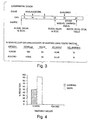
- mice were given hyperimmune mouse ascites containing antibodies to both Toxin A and Toxin B by the intraperitoneal (IP) route and then challenged with Toxin A or Toxin B.
- IP intraperitoneal
- the mice received a single dose of pooled ascites at doses of 100, 10, or 1 ⁇ l, and were bled daily to determine the level of neutralizing antibodies passively obtained in serum.
- Animals were then challenged with Toxin A (5 x LD SO IP) or Toxin B (5 x LD 50 IV) and monitored for 7 days. Direct administration of Toxin A and Toxin B leads to death in mice.
- the 100 ⁇ l dose of ascites protected 60% of animals against Toxin A and 80% of animals against Toxin B lethality.
- the mice were protected from Toxin A challenge for up to 23 days after antibody administration.
- Antibodies had to be administered within 30 minutes of toxin injection to obtain this level of protection from lethality.
- Laboratory measurements indicated all surviving animals had reciprocal serum neutralization titers of ⁇ 200 as a result of the infusion with ascites.
- the half-life of toxin-neutralizing antibodies was estimated to be 2 weeks, under the conditions of the study.
- the hamster model of antibiotic-associated diarrhea is a useful one for the evaluation of prophylactic strategies against C. difficile.
- C. difficile disease is very severe in hamsters with acute cestis and death occurring rapidly after clindamycin challenge.
- the severity of the infection can be reduced by the administration of a predetermined amount of neutralizing antibodies against Toxin A and Toxin B designed to protect from death but not diarrhea.
- the dose that prevents death but not diarrhea was defined in dose ranging experiments. During the period when animals had diarrhea, additional neutralizing antibodies could resolve the diarrhea. Animals given ascites from non-immune animals continued to suffer from diarrhea and most eventually died. Treated animals recovered from diarrhea within 24 hours after treatment, without relapse.
- the experimental design and diarrhea outcome are shown in Figs. 7 and 8. This experiment shows that toxin-neutralizing antibodies can be used to treat C. difficile associated diarrhea. Recovery was rapid.
- Neutralizing antibodies to both Toxin A and Toxin B were induced in rhesus monkeys after immunization with our toxoid vaccine.
- Groups of 3. animals were given fluid vaccine, with either the vaccine adsorbed to alum or placebo.
- the study was designed to demonstrate the ability of the vaccine to raise high titer neutralizing antibodies in non-human primates. Placebo controls were included primarily for safety comparisons. Animals received 5 doses of vaccine (110 ⁇ g) in solution adsorbed to alum or placebo.
- Vaccine was administered on days 0, 8, 29, 65, and 118 in a 0.5 ml volume by the intramuscular route in the gluteal area. Immune response and clinical pathology were monitored (Fig. 9).
Landscapes
- Health & Medical Sciences (AREA)
- Chemical & Material Sciences (AREA)
- Life Sciences & Earth Sciences (AREA)
- Organic Chemistry (AREA)
- Medicinal Chemistry (AREA)
- General Health & Medical Sciences (AREA)
- Immunology (AREA)
- Proteomics, Peptides & Aminoacids (AREA)
- Molecular Biology (AREA)
- Genetics & Genomics (AREA)
- Biophysics (AREA)
- Biochemistry (AREA)
- Veterinary Medicine (AREA)
- Pharmacology & Pharmacy (AREA)
- Public Health (AREA)
- Animal Behavior & Ethology (AREA)
- Microbiology (AREA)
- Epidemiology (AREA)
- Mycology (AREA)
- Gastroenterology & Hepatology (AREA)
- Communicable Diseases (AREA)
- Oncology (AREA)
- Chemical Kinetics & Catalysis (AREA)
- General Chemical & Material Sciences (AREA)
- Nuclear Medicine, Radiotherapy & Molecular Imaging (AREA)
- Medicines Containing Antibodies Or Antigens For Use As Internal Diagnostic Agents (AREA)
Description
2 ml of inoculum in an appropriate volume of diluent is added to each dialysis sac The culture units are then returned to the incubator and left undisturbed for 5 days. Anaerobiasis is maintained after autoclaving by preventing unnecessary agitation.
| Parameters Tested | |
| Parameters | Range tested |
| pH | 6.5: 7.0: 7.4: 8.0 |
| Temperature (°C) | 5: 14; 28; 37 |
| Toxin concentration (mg/ml) | 1; 5 |
| Formaldehyde concentration (mg/ml) | 0.5: 1.0: 2.0; 2.5: 4.25; 10; 15; 20 |
| Lysine HCl concentration (mg/ml) | 1: 2: 4.25 |
| Partial Reversion of C. difficile Toxoid in Absence of Formalin | ||||
| Time of Incubation 37°C (Days) | MC50 ( IMR90 cell culture assay) | |||
| Lot 133A | Lot | Lot 144A | ||
| 0 | 0.2 mg/ml | 0.2 mg/ml | 0.41 mg/ml | |
| 7-8 | 0.10 mg/ml | 0.13 mg/ml | 0.2 mg/ | |
| 14 | 0.11 mg/ml | 0.13 mg/ml | 0.025 mg/ | |
| 35 | 0.052 mg/ml | 0.064 mg/ml | Not determined | |
| 63 | 0.014 mg/ml | 0.017 mg/ml | Not determined |
| Prevention of Reversion by Low Concentrations of Formalin | ||||
| Time of Incubation (Days) | Lot 133B MC50 (mg/ml, IMR90 cell culture assay) | |||
| No formaldehyde | Formaldehyde | Formaldehyde | Formaldehyde | |
| 0.05 mg/ml | 0.10 mg/ml | 0.15 mg/ | ||
| 0 | 0.33 | 0.20 | 0.11 | 0.11 |
| 4 | 0.00028 | 0.025 | 0.09 | 0.11 |
| 7 | 0.00028 | - | - | - |
| 14 | 0.000095 | 0.00028 | 0.12 | 0.053 |
| 28 | 0.00029 | 0.00029 | 0.12 | 0.12 |
| 56 | 0.00029 | 0.00029 | 0.12 | 0.12 |
| Antitoxin Antibody Levels in Plasma Donors (n=100) | |||
| Antigen | Assay* | Positive (%) | Mean** |
| Toxin A | ELISA (>0.2 OD) | 15 | 0.33±0.14 |
| | 2 | 1:7.5 | |
| Toxin B | ELISA (>0.2 OD) | 40 | 0.53±0.37 |
| Neutralization | 11 | 1:35 |
Claims (9)
- Use of human Clostridium difficile toxin-neutralizing polyclonal immune globulin for the preparation of a pharmaceutical composition for the treatment of Clostridium difficile infection in a human patient by percutaneous administration, wherein the polyclonal immune globulin is a polyclonal hyperimmune serum raised in human subjects vaccinated with C. difficile toxoids and contains antibodies that neutralize cytotoxicity and in vivo effects of Toxin A and Toxin B.
- The use of claim 1, wherein 0.01-100 mg/kg weight of said Clostridium difficile toxin-neutralizing immune globulin is administered to said human patient.
- The use of claim 1, further comprising use of a clostridial toxin or toxoid for the preparation of a pharmaceutical composition for the treatment of Clostridium difficile infection in a human patient by percutaneous administration.
- The use of claim 1 or claim 3, wherein said percutaneous administration is intramuscular, intravenous, or subcutaneous
- Use of a human, toxin-neutralizing antibody to a Clostridium difficile toxin or toxoid for the preparation of a pharmaceutical composition for the prevention of Clostridium difficile infection in a human patient by percutaneous administration, wherein said toxin-neutralizing antibody is a polyclonal hyperimmune serum raised in human subjects vaccinated with C. difficile toxoids and neutralizes cytotoxicity and in vivo effects of Toxin A and Toxin B.
- The use of claim 5, wherein said antibody is a Clostridium difficile toxin-neutralizing polyclonal immune globulin.
- The use of claim 5, wherein 0.01-100 mg/kg body weight of said antibody is administered to said human patient.
- The use of claim 5, further comprising use of a clostridial toxin or toxoid for the preparation of a pharmaceutical composition for the prevention of Clostridium difficile infection in a human patient by percutaneous administration.
- The use of claim 5 or claim 8, wherein said percutaneous administration is intramuscular, intravenous or subcutaneous.
Priority Applications (3)
| Application Number | Priority Date | Filing Date | Title |
|---|---|---|---|
| EP10013117.6A EP2305303A3 (en) | 1997-10-20 | 1998-10-20 | Immunization against Clostridium difficile disease |
| EP05005524.3A EP1568378B1 (en) | 1997-10-20 | 1998-10-20 | Immunization against Clostridium difficile disease |
| EP10012889.1A EP2305293A3 (en) | 1997-10-20 | 1998-10-20 | Immunization against Clostridium difficile disease |
Applications Claiming Priority (3)
| Application Number | Priority Date | Filing Date | Title |
|---|---|---|---|
| US6252297P | 1997-10-20 | 1997-10-20 | |
| US62522P | 1997-10-20 | ||
| PCT/US1998/022216 WO1999020304A1 (en) | 1997-10-20 | 1998-10-20 | Passive immunization against clostridium difficile disease |
Related Child Applications (1)
| Application Number | Title | Priority Date | Filing Date |
|---|---|---|---|
| EP05005524.3A Division EP1568378B1 (en) | 1997-10-20 | 1998-10-20 | Immunization against Clostridium difficile disease |
Publications (3)
| Publication Number | Publication Date |
|---|---|
| EP1024826A1 EP1024826A1 (en) | 2000-08-09 |
| EP1024826A4 EP1024826A4 (en) | 2001-01-17 |
| EP1024826B1 true EP1024826B1 (en) | 2005-03-16 |
Family
ID=22043034
Family Applications (3)
| Application Number | Title | Priority Date | Filing Date |
|---|---|---|---|
| EP98953806A Expired - Lifetime EP1024826B1 (en) | 1997-10-20 | 1998-10-20 | Passive immunization against clostridium difficile disease |
| EP10013117.6A Withdrawn EP2305303A3 (en) | 1997-10-20 | 1998-10-20 | Immunization against Clostridium difficile disease |
| EP10012889.1A Withdrawn EP2305293A3 (en) | 1997-10-20 | 1998-10-20 | Immunization against Clostridium difficile disease |
Family Applications After (2)
| Application Number | Title | Priority Date | Filing Date |
|---|---|---|---|
| EP10013117.6A Withdrawn EP2305303A3 (en) | 1997-10-20 | 1998-10-20 | Immunization against Clostridium difficile disease |
| EP10012889.1A Withdrawn EP2305293A3 (en) | 1997-10-20 | 1998-10-20 | Immunization against Clostridium difficile disease |
Country Status (6)
| Country | Link |
|---|---|
| US (2) | US6214341B1 (en) |
| EP (3) | EP1024826B1 (en) |
| AU (1) | AU754270B2 (en) |
| CA (1) | CA2307331C (en) |
| DE (1) | DE69829400T2 (en) |
| WO (1) | WO1999020304A1 (en) |
Cited By (1)
| Publication number | Priority date | Publication date | Assignee | Title |
|---|---|---|---|---|
| WO2013130981A1 (en) | 2012-03-02 | 2013-09-06 | Regeneron Pharmaceuticals, Inc. | Human antibodies to clostridium difficile toxins |
Families Citing this family (36)
| Publication number | Priority date | Publication date | Assignee | Title |
|---|---|---|---|---|
| US6969520B2 (en) * | 1997-10-20 | 2005-11-29 | Acambis Inc. | Active immunization against clostridium difficile disease |
| US20030054009A1 (en) * | 2001-02-09 | 2003-03-20 | Windle Henry J. | Clostridium difficile vaccine |
| GB0306782D0 (en) * | 2003-03-25 | 2003-04-30 | Neutec Pharma Plc | Treatment of infection due to clostridium difficile |
| GB0309126D0 (en) | 2003-04-17 | 2003-05-28 | Neutec Pharma Plc | Clostridium difficile focussed antibodies |
| EP2857418B1 (en) * | 2004-02-06 | 2017-07-26 | University of Massachusetts | Antibodies against Clostridium difficile toxins and uses thereof |
| GB0414886D0 (en) | 2004-07-02 | 2004-08-04 | Neutec Pharma Plc | Treatment of bacterial infections |
| EP1833510A4 (en) * | 2004-12-27 | 2010-02-10 | Progenics Pharmaceuticals Neva | Orally deliverable and anti-toxin antibodies and methods for making and using them |
| GB0502901D0 (en) * | 2005-02-11 | 2005-03-16 | Nat Inst Biological Standards & Control | New detoxification method |
| US7622121B2 (en) * | 2005-09-21 | 2009-11-24 | New York University | Heat shock proteins from Mycobacterium leprae and uses thereof |
| WO2008076806A2 (en) * | 2006-12-15 | 2008-06-26 | Trustees Of Boston University | Compositions and methods to potentiate colistin activity |
| EP2198007B1 (en) | 2007-09-14 | 2017-10-25 | Sanofi Pasteur Biologics, LLC | Pharmaceutical compositions containing clostridium difficile toxoids a and b |
| AU2015201233B2 (en) * | 2007-09-14 | 2017-02-23 | Sanofi Pasteur Biologics, Llc | Pharmaceutical compositions containing clostridium difficile toxoids a and b |
| EP2405940B1 (en) * | 2009-02-20 | 2021-08-04 | Secretary of State for Health and Social Care | Antibodies to clostridium difficile toxins |
| GB0921288D0 (en) | 2009-12-04 | 2010-01-20 | Health Prot Agency | Therapies for preventing or suppressing clostridium difficile infection |
| WO2011094027A1 (en) | 2010-02-01 | 2011-08-04 | Hlavka Edwin J | Bacteriotherapy for clostridium difficile colitis |
| ES2969952T3 (en) | 2011-04-22 | 2024-05-23 | Wyeth Llc | Compositions related to a mutant Clostridium difficile toxin and their procedures |
| US10364298B2 (en) | 2011-11-18 | 2019-07-30 | National Research Council Of Canada | Clostridium difficile lipoteichoic acid and uses thereof |
| AR089797A1 (en) | 2012-01-27 | 2014-09-17 | Merck Sharp & Dohme | VACCINES AGAINST CLOSTRIDUM DIFFICILE THAT INCLUDE RECOMBINANT TOXINS |
| BR122016023101B1 (en) | 2012-10-21 | 2022-03-22 | Pfizer Inc | Polypeptide, immunogenic composition comprising it, as well as recombinant cell derived from Clostridium difficile |
| HRP20230359T1 (en) | 2012-12-05 | 2023-06-09 | Glaxosmithkline Biologicals Sa | Immunogenic composition |
| JP2016516721A (en) * | 2013-03-15 | 2016-06-09 | サノフィ パストゥール インコーポレイテッド | Toxoids, compositions and related methods |
| US9782445B2 (en) | 2013-06-05 | 2017-10-10 | Rebiotix, Inc. | Microbiota restoration therapy (MRT), compositions and methods of manufacture |
| US10383901B2 (en) | 2013-06-05 | 2019-08-20 | Rebiotix, Inc. | Microbiota restoration therapy (MRT), compositions and methods of manufacture |
| US9511099B2 (en) | 2013-06-05 | 2016-12-06 | Rebiotix, Inc. | Microbiota restoration therapy (MRT), compositions and methods of manufacture |
| US9511100B2 (en) | 2013-06-05 | 2016-12-06 | Rebiotix, Inc. | Microbiota restoration therapy (MRT), compositions and methods of manufacture |
| US9694039B2 (en) | 2013-06-05 | 2017-07-04 | Rebiotix, Inc. | Microbiota restoration therapy (MRT), compositions and methods of manufacture |
| EP4234011A3 (en) | 2013-06-05 | 2023-09-20 | Rebiotix, Inc. | Microbiota restoration therapy (mrt), compositions and methods of manufacture |
| CN105611942A (en) | 2013-06-14 | 2016-05-25 | 圣诺菲·帕斯图尔公司 | Compositions and methods of immunizing against clostridium difficile |
| US10828340B2 (en) | 2015-06-09 | 2020-11-10 | Rebiotix, Inc. | Microbiota restoration therapy (MRT) compositions and methods of manufacture |
| US10799539B2 (en) | 2015-06-09 | 2020-10-13 | Rebiotix, Inc. | Microbiota restoration therapy (MRT) compositions and methods of manufacture |
| US10905726B2 (en) | 2015-06-09 | 2021-02-02 | Rebiotix, Inc. | Microbiota restoration therapy (MRT) compositions and methods of manufacture |
| CN107921072A (en) | 2015-06-09 | 2018-04-17 | 雷柏奥提斯有限公司 | Micropopulation resumes treatment(MRT)Composition and manufacture method |
| WO2019064115A1 (en) * | 2017-09-28 | 2019-04-04 | Pfizer Inc. | Compositions and methods for eliciting an immune response against clostridium difficile |
| WO2021255690A2 (en) | 2020-06-19 | 2021-12-23 | Pfizer Inc. | Immunogenic compositions against clostridioides (clostridium) difficile and methods thereof |
| US20250376506A1 (en) | 2021-12-02 | 2025-12-11 | Bactolife A/S | Single domain antibodies for prevention of clostridium difficile infection |
| CN120615016A (en) | 2023-02-02 | 2025-09-09 | 葛兰素史克生物有限公司 | Immunogenic composition |
Family Cites Families (17)
| Publication number | Priority date | Publication date | Assignee | Title |
|---|---|---|---|---|
| US3221613A (en) | 1962-10-26 | 1965-12-07 | Paper Converting Machine Co | Strip bag producing mechanism |
| US5358868A (en) | 1987-11-24 | 1994-10-25 | Connaught Laboratories Limited | Genetic detoxification of pertussis toxin |
| US5332583A (en) | 1987-11-24 | 1994-07-26 | Connaught Laboratories Limited | Vaccine containing genetically-detoxified pertussis holotoxin |
| US5244657A (en) | 1987-11-24 | 1993-09-14 | Connaught Laboratories Limited | Genetic detoxification of pertussis toxin |
| US5221618A (en) | 1987-11-24 | 1993-06-22 | Connaught Laboratories Limited | Genetic detoxification of pertussis toxin |
| GB8727489D0 (en) | 1987-11-24 | 1987-12-23 | Connaught Lab | Detoxification of pertussis toxin |
| US5599539A (en) | 1989-10-31 | 1997-02-04 | Ophidian Pharmaceuticals, Inc. | Therapy for clostridial botulinum toxin |
| US5601823A (en) | 1989-10-31 | 1997-02-11 | Ophidian Pharmaceuticals, Inc. | Avian antitoxins to clostridium difficle toxin A |
| JPH0639368B2 (en) | 1990-02-28 | 1994-05-25 | 株式会社萩原技研 | Antibacterial organism based on silica gel |
| ATE161967T1 (en) | 1991-04-22 | 1998-01-15 | Massachusetts Health Res | METHOD FOR SCREENING PLASMA SAMPLES FOR EFFECTIVE ANTIBODIES DETECTION AGAINST RESPIRATORY VIRUSES |
| CA2153661A1 (en) | 1993-01-12 | 1994-07-21 | Anthony George Gristina | Methods and compositions for the direct concentrated delivery of passive immunity |
| US5562909A (en) | 1993-07-12 | 1996-10-08 | Massachusetts Institute Of Technology | Phosphazene polyelectrolytes as immunoadjuvants |
| NZ291659A (en) | 1994-09-06 | 2001-04-27 | Galagen Inc | Use in the manufacture of a medicament of an antibody having specific activity against Clostridium difficile, and pharmaceutical compositions comprising Anti-Clostridium difficile bovine immunoglobulin concentrate; for treating diseases associated with Clostridium difficile |
| CN1176658A (en) * | 1994-10-24 | 1998-03-18 | 蛇药制品有限公司 | Vaccines and antitoxins to treat and prevent Clostridium difficile disease |
| WO1997002836A1 (en) * | 1995-07-07 | 1997-01-30 | Oravax, Inc. | Clostridium difficile toxins as mucosal adjuvants |
| IT1302793B1 (en) | 1998-11-04 | 2000-09-29 | Danieli & C Ohg Sp | DEVICE FOR FORMING THE SPOOLS IN A LAMINATED PRODUCT MACHINE |
| DE19853595C1 (en) | 1998-11-20 | 2000-08-24 | Dornier Gmbh | Method and transducer for the detection of the oxygen content in a gas |
-
1998
- 1998-10-20 EP EP98953806A patent/EP1024826B1/en not_active Expired - Lifetime
- 1998-10-20 EP EP10013117.6A patent/EP2305303A3/en not_active Withdrawn
- 1998-10-20 US US09/176,076 patent/US6214341B1/en not_active Expired - Lifetime
- 1998-10-20 EP EP10012889.1A patent/EP2305293A3/en not_active Withdrawn
- 1998-10-20 CA CA2307331A patent/CA2307331C/en not_active Expired - Lifetime
- 1998-10-20 DE DE69829400T patent/DE69829400T2/en not_active Expired - Lifetime
- 1998-10-20 WO PCT/US1998/022216 patent/WO1999020304A1/en not_active Ceased
- 1998-10-20 AU AU11082/99A patent/AU754270B2/en not_active Expired
-
2001
- 2001-03-22 US US09/815,452 patent/US6680168B2/en not_active Expired - Lifetime
Cited By (2)
| Publication number | Priority date | Publication date | Assignee | Title |
|---|---|---|---|---|
| WO2013130981A1 (en) | 2012-03-02 | 2013-09-06 | Regeneron Pharmaceuticals, Inc. | Human antibodies to clostridium difficile toxins |
| US9399674B2 (en) | 2012-03-02 | 2016-07-26 | Regeneron Pharmaceuticals, Inc. | Human antibodies to Clostridium difficile toxins |
Also Published As
| Publication number | Publication date |
|---|---|
| AU754270B2 (en) | 2002-11-07 |
| AU1108299A (en) | 1999-05-10 |
| CA2307331C (en) | 2017-03-21 |
| EP2305293A2 (en) | 2011-04-06 |
| DE69829400D1 (en) | 2005-04-21 |
| DE69829400T2 (en) | 2006-04-13 |
| US6214341B1 (en) | 2001-04-10 |
| EP2305303A2 (en) | 2011-04-06 |
| EP1024826A4 (en) | 2001-01-17 |
| US6680168B2 (en) | 2004-01-20 |
| EP2305293A3 (en) | 2013-11-06 |
| EP2305303A3 (en) | 2013-11-13 |
| CA2307331A1 (en) | 1999-04-29 |
| WO1999020304A1 (en) | 1999-04-29 |
| EP1024826A1 (en) | 2000-08-09 |
| HK1083736A1 (en) | 2006-07-14 |
| US20010051153A1 (en) | 2001-12-13 |
Similar Documents
| Publication | Publication Date | Title |
|---|---|---|
| US6214341B1 (en) | Passive immunization against Clostridium difficile disease | |
| EP1708743B1 (en) | Passive immunization against clostridium difficile disease | |
| US20150010580A1 (en) | Antibodies to clostridium difficile toxins | |
| CA2907154A1 (en) | Toxoids, compositions and related methods | |
| EP1568378B1 (en) | Immunization against Clostridium difficile disease | |
| US6994854B1 (en) | Protective epitopes of adenyl cyclase-haemolysin (AC-Hly), their application to the treatment or to the prevention of bordetella infections | |
| HK1083736B (en) | Immunization against clostridium difficile disease | |
| HK1165269A (en) | Passive immunization against clostridium difficile disease | |
| HK1099198B (en) | Passive immunization against clostridium difficile disease | |
| KR101922414B1 (en) | Enterotoxigenic Escherichia coli that surface displaying alpha toxin of Clostridium perfringens | |
| Westerink et al. | MB Nelson, TF Murphy, and MA Apicella |
Legal Events
| Date | Code | Title | Description |
|---|---|---|---|
| PUAI | Public reference made under article 153(3) epc to a published international application that has entered the european phase |
Free format text: ORIGINAL CODE: 0009012 |
|
| 17P | Request for examination filed |
Effective date: 20000509 |
|
| AK | Designated contracting states |
Kind code of ref document: A1 Designated state(s): CH DE FR GB LI SE |
|
| RIN1 | Information on inventor provided before grant (corrected) |
Inventor name: MONATH, THOMAS, P. Inventor name: LEI, WENDE Inventor name: ZHANG, ZHENGI Inventor name: GIANNASCA, PAUL Inventor name: THOMAS, WILLIAM, D., JR. |
|
| RIN1 | Information on inventor provided before grant (corrected) |
Inventor name: MONATH, THOMAS, P. Inventor name: LEI, WENDE Inventor name: ZHANG, ZHENGI Inventor name: GIANNASCA, PAUL Inventor name: THOMAS, WILLIAM, D., JR. |
|
| A4 | Supplementary search report drawn up and despatched |
Effective date: 20001205 |
|
| AK | Designated contracting states |
Kind code of ref document: A4 Designated state(s): CH DE FR GB LI SE |
|
| 17Q | First examination report despatched |
Effective date: 20010628 |
|
| GRAP | Despatch of communication of intention to grant a patent |
Free format text: ORIGINAL CODE: EPIDOSNIGR1 |
|
| RTI1 | Title (correction) |
Free format text: PASSIVE IMMUNIZATION AGAINST CLOSTRIDIUM DIFFICILE DISEASE |
|
| RTI1 | Title (correction) |
Free format text: PASSIVE IMMUNIZATION AGAINST CLOSTRIDIUM DIFFICILE DISEASE |
|
| RAP1 | Party data changed (applicant data changed or rights of an application transferred) |
Owner name: ACAMBIS, INC. |
|
| GRAS | Grant fee paid |
Free format text: ORIGINAL CODE: EPIDOSNIGR3 |
|
| GRAA | (expected) grant |
Free format text: ORIGINAL CODE: 0009210 |
|
| AK | Designated contracting states |
Kind code of ref document: B1 Designated state(s): CH DE FR GB LI SE |
|
| REG | Reference to a national code |
Ref country code: GB Ref legal event code: FG4D |
|
| REG | Reference to a national code |
Ref country code: CH Ref legal event code: EP |
|
| REF | Corresponds to: |
Ref document number: 69829400 Country of ref document: DE Date of ref document: 20050421 Kind code of ref document: P |
|
| REG | Reference to a national code |
Ref country code: SE Ref legal event code: TRGR |
|
| REG | Reference to a national code |
Ref country code: CH Ref legal event code: NV Representative=s name: RITSCHER & PARTNER AG |
|
| PLBE | No opposition filed within time limit |
Free format text: ORIGINAL CODE: 0009261 |
|
| STAA | Information on the status of an ep patent application or granted ep patent |
Free format text: STATUS: NO OPPOSITION FILED WITHIN TIME LIMIT |
|
| ET | Fr: translation filed | ||
| 26N | No opposition filed |
Effective date: 20051219 |
|
| REG | Reference to a national code |
Ref country code: CH Ref legal event code: PCAR Free format text: RITSCHER & PARTNER AG;RESIRAIN 1;8125 ZOLLIKERBERG (CH) |
|
| REG | Reference to a national code |
Ref country code: CH Ref legal event code: PFA Owner name: ACAMBIS, INC., US Free format text: FORMER OWNER: ACAMBIS, INC., US |
|
| REG | Reference to a national code |
Ref country code: FR Ref legal event code: CD Owner name: SANOFI PASTEUR BIOLOGICS, LLC Effective date: 20140311 |
|
| REG | Reference to a national code |
Ref country code: DE Ref legal event code: R082 Ref document number: 69829400 Country of ref document: DE Representative=s name: ZSP PATENTANWAELTE PARTNERSCHAFTSGESELLSCHAFT, DE |
|
| REG | Reference to a national code |
Ref country code: DE Ref legal event code: R082 Ref document number: 69829400 Country of ref document: DE Representative=s name: ZSP PATENTANWAELTE PARTG MBB, DE Effective date: 20140414 Ref country code: DE Ref legal event code: R082 Ref document number: 69829400 Country of ref document: DE Representative=s name: ZSP PATENTANWAELTE PARTNERSCHAFTSGESELLSCHAFT, DE Effective date: 20140414 Ref country code: DE Ref legal event code: R081 Ref document number: 69829400 Country of ref document: DE Owner name: SANOFI PASTEUR BIOLOGICS, LLC (N.D.GES.D. STAA, US Free format text: FORMER OWNER: ACAMBIS, INC., CAMBRIDGE, MASS., US Effective date: 20140414 Ref country code: DE Ref legal event code: R081 Ref document number: 69829400 Country of ref document: DE Owner name: SANOFI PASTEUR BIOLOGICS, LLC (N.D.GES.D. STAA, US Free format text: FORMER OWNER: ACAMBIS, INC., CAMBRIDGE, US Effective date: 20140414 |
|
| REG | Reference to a national code |
Ref country code: CH Ref legal event code: PFA Owner name: SANOFI PASTEUR BIOLOGICS, LLC, US Free format text: FORMER OWNER: SANOFI PASTEUR BIOLOGICS CO., US Ref country code: CH Ref legal event code: PFA Owner name: SANOFI PASTEUR BIOLOGICS CO., US Free format text: FORMER OWNER: ACAMBIS, INC., US |
|
| REG | Reference to a national code |
Ref country code: FR Ref legal event code: PLFP Year of fee payment: 19 |
|
| REG | Reference to a national code |
Ref country code: FR Ref legal event code: PLFP Year of fee payment: 20 |
|
| PGFP | Annual fee paid to national office [announced via postgrant information from national office to epo] |
Ref country code: FR Payment date: 20170918 Year of fee payment: 20 |
|
| PGFP | Annual fee paid to national office [announced via postgrant information from national office to epo] |
Ref country code: DE Payment date: 20171018 Year of fee payment: 20 |
|
| PGFP | Annual fee paid to national office [announced via postgrant information from national office to epo] |
Ref country code: CH Payment date: 20171013 Year of fee payment: 20 Ref country code: SE Payment date: 20171011 Year of fee payment: 20 Ref country code: GB Payment date: 20171018 Year of fee payment: 20 |
|
| REG | Reference to a national code |
Ref country code: DE Ref legal event code: R071 Ref document number: 69829400 Country of ref document: DE |
|
| REG | Reference to a national code |
Ref country code: CH Ref legal event code: PL |
|
| REG | Reference to a national code |
Ref country code: GB Ref legal event code: PE20 Expiry date: 20181019 |
|
| REG | Reference to a national code |
Ref country code: SE Ref legal event code: EUG |
|
| PG25 | Lapsed in a contracting state [announced via postgrant information from national office to epo] |
Ref country code: GB Free format text: LAPSE BECAUSE OF EXPIRATION OF PROTECTION Effective date: 20181019 |