EP1021437B1 - Arylsulfonylimidazolone derivatives as an antitumor agent - Google Patents
Arylsulfonylimidazolone derivatives as an antitumor agent Download PDFInfo
- Publication number
- EP1021437B1 EP1021437B1 EP97936869A EP97936869A EP1021437B1 EP 1021437 B1 EP1021437 B1 EP 1021437B1 EP 97936869 A EP97936869 A EP 97936869A EP 97936869 A EP97936869 A EP 97936869A EP 1021437 B1 EP1021437 B1 EP 1021437B1
- Authority
- EP
- European Patent Office
- Prior art keywords
- following formula
- phenyl
- imidazolone
- sulfonyl
- compound
- Prior art date
- Legal status (The legal status is an assumption and is not a legal conclusion. Google has not performed a legal analysis and makes no representation as to the accuracy of the status listed.)
- Expired - Lifetime
Links
- 0 *C(Cc1c2)Nc1ccc2S(N(*C(CN1)c2ccccc2)C1=O)(=O)=O Chemical compound *C(Cc1c2)Nc1ccc2S(N(*C(CN1)c2ccccc2)C1=O)(=O)=O 0.000 description 11
- IJXJGQCXFSSHNL-MRVPVSSYSA-N N[C@H](CO)c1ccccc1 Chemical compound N[C@H](CO)c1ccccc1 IJXJGQCXFSSHNL-MRVPVSSYSA-N 0.000 description 1
- YSCUGWYZLSHPPQ-CQSZACIVSA-N OC[C@H](c1ccccc1)NC(Oc1ccccc1)=O Chemical compound OC[C@H](c1ccccc1)NC(Oc1ccccc1)=O YSCUGWYZLSHPPQ-CQSZACIVSA-N 0.000 description 1
Classifications
-
- C—CHEMISTRY; METALLURGY
- C07—ORGANIC CHEMISTRY
- C07D—HETEROCYCLIC COMPOUNDS
- C07D401/00—Heterocyclic compounds containing two or more hetero rings, having nitrogen atoms as the only ring hetero atoms, at least one ring being a six-membered ring with only one nitrogen atom
- C07D401/14—Heterocyclic compounds containing two or more hetero rings, having nitrogen atoms as the only ring hetero atoms, at least one ring being a six-membered ring with only one nitrogen atom containing three or more hetero rings
-
- A—HUMAN NECESSITIES
- A61—MEDICAL OR VETERINARY SCIENCE; HYGIENE
- A61P—SPECIFIC THERAPEUTIC ACTIVITY OF CHEMICAL COMPOUNDS OR MEDICINAL PREPARATIONS
- A61P35/00—Antineoplastic agents
-
- C—CHEMISTRY; METALLURGY
- C07—ORGANIC CHEMISTRY
- C07D—HETEROCYCLIC COMPOUNDS
- C07D403/00—Heterocyclic compounds containing two or more hetero rings, having nitrogen atoms as the only ring hetero atoms, not provided for by group C07D401/00
- C07D403/02—Heterocyclic compounds containing two or more hetero rings, having nitrogen atoms as the only ring hetero atoms, not provided for by group C07D401/00 containing two hetero rings
- C07D403/12—Heterocyclic compounds containing two or more hetero rings, having nitrogen atoms as the only ring hetero atoms, not provided for by group C07D401/00 containing two hetero rings linked by a chain containing hetero atoms as chain links
-
- C—CHEMISTRY; METALLURGY
- C07—ORGANIC CHEMISTRY
- C07D—HETEROCYCLIC COMPOUNDS
- C07D405/00—Heterocyclic compounds containing both one or more hetero rings having oxygen atoms as the only ring hetero atoms, and one or more rings having nitrogen as the only ring hetero atom
- C07D405/14—Heterocyclic compounds containing both one or more hetero rings having oxygen atoms as the only ring hetero atoms, and one or more rings having nitrogen as the only ring hetero atom containing three or more hetero rings
-
- C—CHEMISTRY; METALLURGY
- C07—ORGANIC CHEMISTRY
- C07D—HETEROCYCLIC COMPOUNDS
- C07D409/00—Heterocyclic compounds containing two or more hetero rings, at least one ring having sulfur atoms as the only ring hetero atoms
- C07D409/14—Heterocyclic compounds containing two or more hetero rings, at least one ring having sulfur atoms as the only ring hetero atoms containing three or more hetero rings
Definitions
- the present invention relates to a novel arylsulfonylimidazolone derivative that exhibits potent antineoplastic activity. More specifically, the present invention relates to a novel arylsulfonylimidazolone derivative represented by the following formula (I) which shows a superior antineoplastic activity in contrast to the known sulfonylurea antitumor agents as well as little side effect : its pharmaceutically acceptable salt or stereoisomer, in which
- the present invention also relates to a process for preparing the compound of formula (I), a novel intermediate which can be used for preparing the desired compound of formula (I), and an antitumor composition that includes the compound of formula (I) as an active ingredient.
- Sulofenur[N-(indan-5-sulfonyl)-N-(4-chlorophenyl)urea; LY186641] represented by the following formula (II) is a typical example of the known antineoplastic diarylsulfonylurea compounds and it has progressed to Phase I clinical trials(see, Cancer Res ., 49, 5217-5220, 1989) : Particularly, it has been reported that this compound exhibits potent antitumor activity upon solid tumors which is hard to cure(see, J. Med. Chem ., 1990, 33, 2393).
- alkyl which is used alone or in the form of a composite term such as “alkylaminoacetyl” means a straight or branched, saturated hydrocarbon, for example, methyl, ethyl, propyl, isopropyl, isobutyl, t-butyl or its isomers, etc.
- alkoxy which is used alone or in the form of a composite term such as “alkoxycarbonyl” means a straight or branched alkoxy group, for example, methoxy, ethoxy, propoxy, n-butoxy or its isomers, etc
- halogen means fluoro or chloro
- nonpolar amino acid residue means an amino acid residue having a nonpolar side chain, for example, aminoacetyl, 2-aminopropanoyl, 2-amino-3-methylbutyryl, 2-amino-4-methylpent
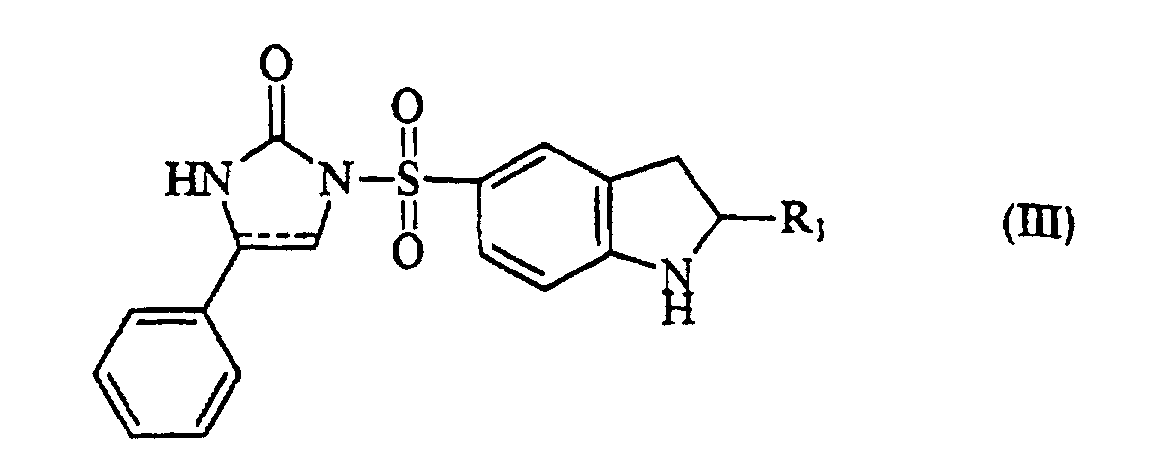
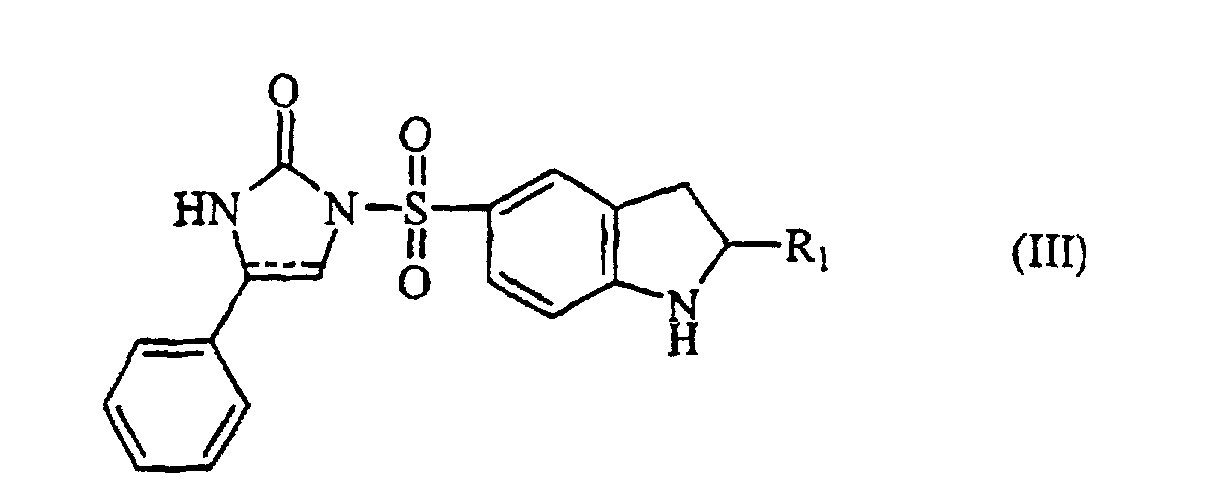
- the compound of formula (III) used as a starting material in the above methods (a) and (b) is itself a novel compound. Therefore, providing the compound of formula (III) with a process for preparation thereof is also another object of the present invention.
- It is yet further object of the present invention to provide an antitumor composition that comprises as an active ingredient a therapeutically effective amount of a compound of formula (I) as defined above together with a pharmaceutically acceptable carrier.
- preferred compound includes those wherein
- the most preferred compounds among those exemplified above are 4-phenyl-1-(N-isopropylcarbamoylindoline-5-sulfonyl)-2-imidazolone and (S)-(+)-4-phenyl-1-[N-(4-aminobenzoyl)indoline-5-sulfonyl]-4,5-dihydro-2-imidazolone.
- the compound of the present invention can have an asymmetric carbon atom in their structure, namely the 4-carbon atom of the imidazolone ring bearing the phenyl group.
- Said chiral center can be present in the configuration of (R) or (S), or a mixture of (R) and (S).
- the present invention also includes all those stereoisomers and their mixtures. Particularly, in the present invention, more preferred stereoisomeric configuration is (S).
- the compound of formula (I) according to the present invention can form a pharmaceutically acceptable salt.
- pharmaceutically acceptable salt means "non-toxic acid addition salt” and such salt includes a salt with inorganic acids such as hydrochloric acid, hydrobromic acid, phosphoric acid, sulfuric acid, etc., a salt with organic acids such as acetic acid, oxalic acid, p-toluenesulfonic acid, methanesulfonic acid, citric acid, fumaric acid, succinic acid, tartaric acid, ascorbic acid, etc., and a salt with other acids which are generally known and conventionally used in the technical field of imidazoline-based compounds.
- These acid-addition salts can be prepared in situ during the final isolation and purification of the compound of formula (I), or can be prepared separately by reacting the free form compound with a corresponding acid according to a conventional conversion method.
- the compound of formula (I) can be prepared by any method depicted in the following reaction schemes (a) to (c), which will be explained in detail.
- any reaction-inert organic solvent may be used unless it adversely affects the reaction.
- Solvents suitable for this reaction include benzene, toluene, dichloromethane, tetrahydrofuran, chloroform, methanol and ethanol. Among those, dichloro- methane or tetrahydrofuran can be preferably used.
- This reaction may also be carried out in the presence of a base.
- pyridine, dimethylaminopyridine, triethylamine or diethylamine, preferably pyridine can be used.
- Reaction temperature and time are not restricted specifically, and can be determined depending on the starting materials used. Generally, this reaction may be carried out at room temperature for 1 to 8 hours.
- reaction of the compound of formula (III) with the compound of formula (V) to prepare the compound of formula (Ia) wherein the nitrogen of the indoline ring is substituted by carbamoyl or thiocarbamoyl group may be carried out in a solvent.
- a solvent benzene, toluene or dimethylformamide, preferably toluene can be used.
- Reaction temperature and time are not restricted specifically as in the reaction (a) above, however, this reaction can be generally carried out at 50 to 80°C for 5 to 18 hours.
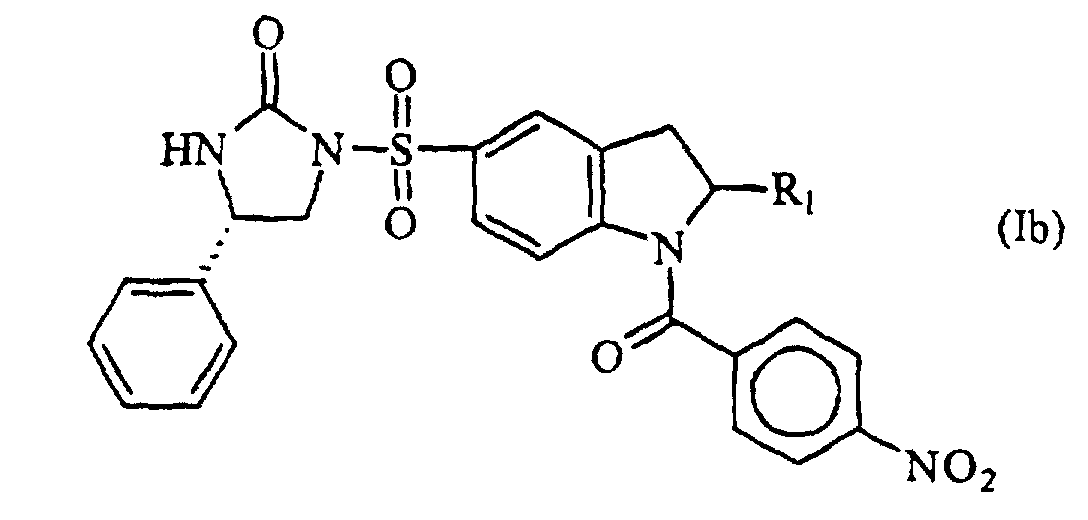
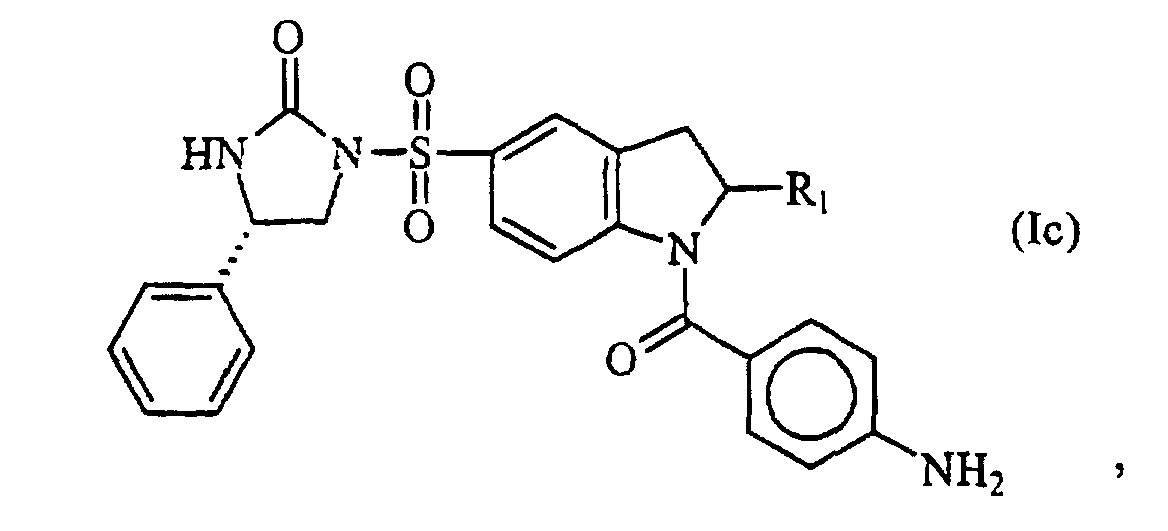
- the nitro group of the compound of formula (Ib) which has an asymmetric centor in the imidazolone ring and thus has (S)-stereospecificity is reduced to amino group to prepare the compound of formula (Ic).
- Reduction may be carried out under conventional reducing conditions, for example, under the presence of iron and methanol, Raney nickel and hydrogen gas, or sodiumborohydride and palladium.
- the condensation product obtained by reacting the compound of formula (Ic) with the subsitituted amino acid of formula (VI) is subsequently deprotected to produce the desired compound of formula (Id) having (S)-stereospecificity.
- the compound of formula (VI) L-form amino acid which is the form generally occurred in human body is used.
- Conventional reaction conditions for removing protecting groups may be used for the deprotection reaction.
- the deprotection can be carried out in the presence of trifluoroacetic acid (TFA) and p-cresol.
- TFA trifluoroacetic acid
- This second reaction step may be easily carried out by referring to the known method disclosed in J. Med. Chem., 1996, 39, 3114-3122.
- (S)-stereoisomeric starting materials may be used.
- the desired product is obtained according to the processes (a) to (c), it may be recovered and purified, if desired, by any methods known to those skilled in the art, such as filtration, chromatography or crystallization.
- the compound of formula (III) can be obtained by anyone of processes (d) to (f), wherein
- the compounds of formula (VIIa) and (VIII) are coupled to produce the compound (IXa).
- These starting compounds (VIIa) and (VIII) can be synthesized by conventional methods known in the art (see, Drug Res., 42, pp592-594, 1992; Chimie Therapeutique , 6, pp659-668, 1973).
- This reaction may be carried out in an aprotic organic solvent and in the presence of a base.
- Solvents which can be suitably used for the reaction include dimethylformamide, N-methylpyrrolidone, acetonitrile, dimethylsulfoxide, benzene, tetrahydrofuran and the like. Dimethylformamide is the most preferable one.
- potassium carbonate, sodium carbonate, sodium methoxide, patassium t-butoxide, sodium hydride, etc, preferably sodium hydride can be mentioned.
- the two reactants are used in an equimolar amount to each other although one can be used in an excessive amount with respect to the other, and the present reaction is carried out at 0°C to the boiling point of the reaction mixture, preferably at 20 to 30°C.
- the reaction is somewhat exothermic and usually completed within 5 to 6 hours.
- the trifluoroacetyl group is removed by suspending the compound of formula (IXa) in a solvent mixture of water and methanol and then reacting the suspension with potassium carbonate to produce the compound of formula (IIIa).
- the deprotection reaction can also be carried out according to conventional methods known in the art (see, J . Org. Chem., 53, 3108, 1988; J. Am . Chem . Soc., 95, 612, 1973).
- the starting compounds (VIIb) and (VIII) which can be obtained by conventional methods known in the art (see, J . Am. Chem . Soc., 107, pp2931-2943, 1992; Chimie Therapeutique , 6, pp659-668, 1973) are coupled to produce the compound (IXb).
- This reaction can be carried out in a water miscible inert solvent such as tetrahydrofuran or acetone in the presence of a base such as potassium carbonate, sodium carbonate, lithium hydroxide or sodium bicarbonate, preferably sodium bicarbonate.
- the two reactants are used in an equimolar amount to each other or slight molar excess of compound (VIII) is used with respect to compound (VIIb) although other ratios are also operative.
- the present reaction is carried out at 0 to 80°C, preferably at 20 to 30°C. At these preferable temperature, the reaction is usually completed within about 4 hours.
- the deprotection reaction can be performed according to the same manner as described in method (d). Then, the acid-hydrolysis is carried out according to conventional methods known in the art.
- the commercially available (S)-2-phenylglycinol is dissolved in distilled water together with a base selected from a group consisting of sodium carbonate, sodium bicarbonate and potassium bicarbonate, and then to this reaction mixture is slowly added dropwise phenylchloroformate dissolved in a small amount of tetrahydrofuran.
- a base selected from a group consisting of sodium carbonate, sodium bicarbonate and potassium bicarbonate
- the compound (XI) thus produced is dissolved in a solvent of chloroform, tetrahydrofuran or methylene chloride, cooled down to 0°C, and then reacted with methanesulfonylchloride in the presence of a base of pyridine or triethylamine to obtain the (S)-2-N-phenoxycarbonylamino-2-phenylethyl methanesulfonate of formula (XII).
- the compound (XII) thus produced is reacted with the known N-trifluoroacetyl-5-aminosulfonyl-indoline of formula (XIII) to prepare the compound of formula (IIIc).
- the compound of formula (XIII) used as a reactant in this reaction can be prepared by an art-known procedure (see, Chimie Therapeutique , 6, 659-668, 1973).
- an aprotic solvent such as, for example, benzene, chloroform, dimethylsulfoxide, dimethylformamide, tetrahydrofuran, methylethylketone, etc., preferably dimetylformamide can be mentioned.
- a suitable base such as, for example, potassium carbonate, sodium methoxide, sodium carbonate, potassium t-butoxide, sodium hydride, etc., particularly sodium hydride may be appropriate.
- a suitable base such as, for example, potassium carbonate, sodium methoxide, sodium carbonate, potassium t-butoxide, sodium hydride, etc., particularly sodium hydride may be appropriate.
- the same molar ratio of reactants, reaction temperature and time as the first step of reaction (d) may be applied for this reaction.
- the desired compound of formula (I) according to the present invention may be formulated into pharmaceutical compositions for administration purposes.
- Said pharmaceutical compositions are deemed novel and consequently constitutes a further aspect of the present invention. Therefore, the present invention also relates to an antitumor composition comprising a pharmaceutically acceptable carrier and as an active ingredient a therapeutically effective amount of a compound of formula (I), as defined above.
- composition according to the present invention may be administered orally, rectally, parenterally (i.e., intravenously, intramuscularly or subcutaneously), intracisternally, intravaginally, intraperitoneally or locally for the treatment of susceptible neoplasms.
- Oral preparations of solid dosage form may include capsules, tablets, pills, powders or granules.
- the active compound of formula (I) is admixed with at least one excipient such as fillers, binders, humectants, disintegrating agents, solution retarders, absorption accelerators, wetting agents, adsorbents or lubricants.
- Oral preparations of liquid dosage form may include pharmaceutically acceptable emulsions, solutions, suspensions, syrups and elixirs.
- the liquid dosage form may contain inert diluents commonly used in the art, such as water, other solvents, solubilizing agents, suspending agents or emulsifiers.
- the injectable preparation for parenteral administration may be in the form of water, water-polyethyleneglycol or water-propyleneglycol solution, of which isotonicity, pH, fluidity and the like can be adjusted to be suited for the physiological condition of living body.
- the injectable preparation may include sterile aqueous or nonaqueous solutions, dispersions, suspensions, emulsions and ready-to-use injectable preparation.
- suitable aqueous or nonaqueous carriers, diluents, solvents or vehicles include water, ethanol, propylene glycol, polyethylene glycol, glycerol, suitable mixtures thereof, vegetable oils(such as corn oil or olive oil) and injectable organic esters such as ethyl oleate.
- Proper fluidity can be maintained, for example, by the use of a coating agent such as lecithin, by the maintenance of the specified particle size in the case of dispersions, and by the use of surfactants.
- Dosage unit forms of the preparation refer to physically discrete units suitable as unitary dosage, each unit containing a predetermined quantity of the active component calculated to produce the desired therapeutic effect.
- Such dosage unit form can be in the packaged form, for example, a tablet, a capsule or a powder filled in vial or ampule, or an ointment, gel or cream filled in tube or bottle.
- the active compound of formula (I) of the present invention When the active compound of formula (I) of the present invention is applied as a medicine to a patent suffering from susceptible neoplasm, it is preferably administered in an amount of about 10 to about 5000 mg , preferably about 10 to about 1000 mg .
- the administration dosage can be varied with the requirement of the subject patient, severity of the neoplasm to be treated, the selected compound, the route of administration, the duration of treatment and the like.
- the preferred dosage suitable for a certain condition can be determined by a person skilled in this art according to a conventional manner.
- the therapeutic treatment is started from the amount less than the optimal dosage of the active compound and then the administration dosage is increased little by little until the optimal therapeutic effect is obtained.
- the total daily dosage can be divided into several portions and administered over several times, for example, once to six times per day.
- N-trifluoroacetyl-indoline-5-sulfonylchloride can also be prepared according to the same procedure except that indoline instead of 2-methylindoline is used as a starting material.
- 4-Phenyl-1-(2-methylindoline-5-sulfonyl)-2-imidazolone can also be prepared according to the same procedure except that N-trifluoroacetyl-2-methylindoline-5-sulfonylchloride instead of N-trifluoroacetyl-indoline-5-sulfonylchloride is reacted.
- N-bromosuccinimide (10.68g, 0.06mol) and cyanamide (4.2g, 0.1mol) were dissolved in 150 ml of dichloromethane and the mixture was stirred for 5 min.
- Each of the tumor cells was cultured in RPMI 1640 media containing 10% fetal bovine serum, 100 IU/ ml penicillin and 100 ⁇ g / ml streptomycin, and then periodically subcultured once or twice per week in trypsin-EDTA solution containing 0.05% trypsin and 0.53mM EDTA . 4Na.
- the human tumor cell line thus obtained (10,000cells/100 ⁇ l ) was plated on 96-well microplate and then cultured for 24 hrs at 37°C in a 5% CO 2 incubator.
- Test compound was dissolved in DMSO, sterilized with 0.22 ⁇ m PVDF filter, and then serially 5-fold diluted from 40 ⁇ g / ml to 0.00256 ⁇ g / ml .
- 100 ⁇ l of the sample solution thus prepared and RPMI 1640 medium only (control group) were added to 96-well microplate containing the human tumor cell, respectively.
- the final concentration of the test compound was in the range from 20 ⁇ g / ml to 0.00128 ⁇ g / ml and the concentration of DMSO was below 0.5%.
- the cells were cultured for 48 hrs at 37°C in a 5% CO 2 incubator.
- MTT (3-(4,5-Dimethylthiazole-2-yl)-e,5-diphenyltetrazoliumbromide) was dissolved in physiological saline in a concentration of 2 mg / ml and the resulting solution was filtered through 0.22 ⁇ m PTFE filter. 25 ⁇ l of MTT solution thus prepared was added to each well of 96-well microplate and incubated for additional 4 hrs at 37°C in a 5% CO 2 incubator. Then, the content of microplate was centrifuged at 1000rpm for 10min, and supernatant was removed by flicking. The formazan formed from MTT by mitochondrial succinate dehydrogenase was dissolved in 100 ⁇ l of DMSO.
- the absorbance of each well was measured at 540nm by micro ELISA reader and the cytotoxicity was calculated by dividing the absorbance of test group by the absorbance of control group. After the calculated cytotoxicity (%) was plotted, the concentration of 50% tumor growth inhibition concentration (IC 50 ) was estimated by Linear-Regression method.
- P388 murine leukemia cells were injected into BDF1 mouse intraperitoneally and grown in the peritoneal cavity. The P388 cells were periodically exudated and reinjected intraperitoneally into mouse for subculture.
- the cells were exudated, washed, resuspended in saline (2 ⁇ 10 7 cells/ ml ), and then injected intraperitoneally again into BDF1 mouse (2 ⁇ 10 6 cells/0.1 ml ).
- Test compound dissolved in appropriate vehicle was administered intraperitonealy or orally into the mouse which was implanted with P388 murine leukemia tumor cells in the frequency of once per 2 days for 10 days.
- the vehicle was administered into the mouse of control group. Then, the number of live animals were daily checked to estimate the median survival time (MST).
- MST median survival time
- T/C ratio(%) of each test compound was calculated according to the following formula, and the test results are shown in Table 6.
- T/C(%) (MST of test group ⁇ MST of control group) ⁇ 100 Compound No. Dose (mg/kg) Route T/C rate (%)
- Example 12 65 p.o. 115.4
- Example 29 6.25 i.p. 113.6
- Example 34 6.25 i.p. 140.9
- Colon 26 murine cancer cells were injected into Balb/C mouse intradermally and grown in mouse abdominal skin to a solid tumor.
- the Colon 26 tumors were periodically excised from the mouse, digested with an enzyme mixture containing collagenase and DNase, and then intradermally reinjected into mouse for subculture.
- the cells were washed, resuspended in saline (5x10 6 cells/ ml ) and inoculated (5x10 5 cells/0.1 ml ) intradermally to abdominal part of Balb/C mouse of which hair was removed in advance.
- Each test compound was dissolved in a solvent mixture of 60% propylene glycol(PG), 40% cremophor RH60(CP), and distilled water(DW) in the volume ratio of 30:20:50.
- PG propylene glycol
- CP cremophor RH60
- DW distilled water
- Tumor volume (mm 3 ) (1/2) ⁇ [length of major axis(mm)] ⁇ [length of minor axis(mm)] 2
- Test compounds 57 and 65 were suspended in 0.5% Na-CMC, respectively, before dosing. Test compounds were administered by gastric lavage with the dosage of 400, 550, 700, 850 and 1000 mg / kg . Control group was treated only with 0.5% Na-CMC. Each group was consisted of 5 rats. LD 50 value and 95% confidence intervals of each test compound were calculated according to probit method and the results thus obtained are described in the following Table 8 (95% confidence intervals are represented in the parenthesis). Compound No.
- the compound (I) according to the present invention has little acute toxicity against mammals including human being, therefore can be safely used as an antitumor agent.
Landscapes
- Chemical & Material Sciences (AREA)
- Organic Chemistry (AREA)
- Health & Medical Sciences (AREA)
- Chemical Kinetics & Catalysis (AREA)
- General Chemical & Material Sciences (AREA)
- Medicinal Chemistry (AREA)
- Nuclear Medicine, Radiotherapy & Molecular Imaging (AREA)
- Pharmacology & Pharmacy (AREA)
- Life Sciences & Earth Sciences (AREA)
- Animal Behavior & Ethology (AREA)
- General Health & Medical Sciences (AREA)
- Public Health (AREA)
- Veterinary Medicine (AREA)
- Pharmaceuticals Containing Other Organic And Inorganic Compounds (AREA)
- Plural Heterocyclic Compounds (AREA)
- Cosmetics (AREA)
- Lubricants (AREA)
- Developing Agents For Electrophotography (AREA)
Abstract
Description
- The present invention relates to a novel arylsulfonylimidazolone derivative that exhibits potent antineoplastic activity. More specifically, the present invention relates to a novel arylsulfonylimidazolone derivative represented by the following formula (I) which shows a superior antineoplastic activity in contrast to the known sulfonylurea antitumor agents as well as little side effect :its pharmaceutically acceptable salt or stereoisomer, in which
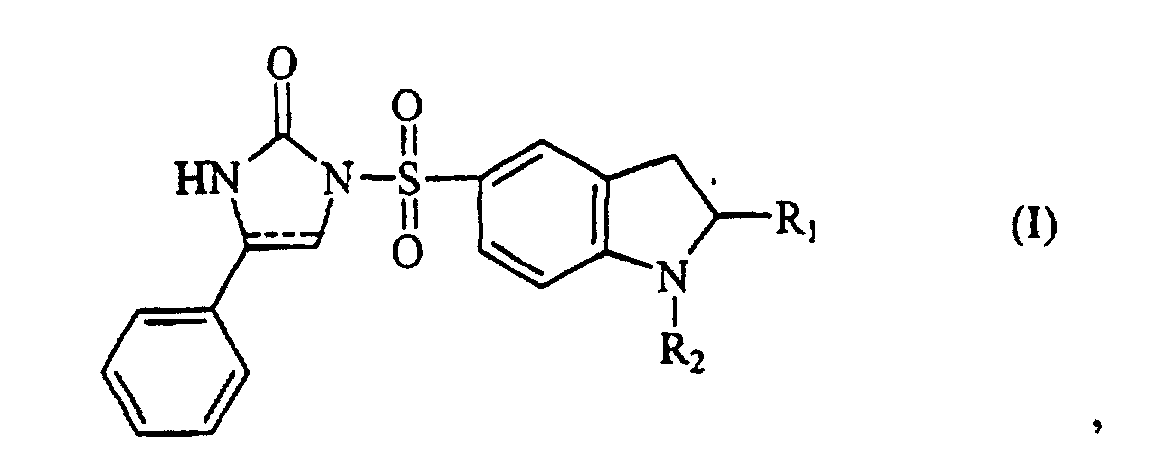
-

- represents single or double bond,
- R1
- represents hydrogen or methyl,
- R2
- represents chloroacetyl; C1-C5alkylaminoacetyl; allylaminoacetyl; C1-C4
alkoxycarbonyl; nicotinyl; furanoyl; thiophenoyl; benzoyl which can be
substituted by halogen, nitro, cyano, amino which can be substituted by
nonpolar amino acid residue, hydroxy, methyl or methoxy which can be
independently of one another substituted by halogen, ethoxy or
chloroacetylamino; or
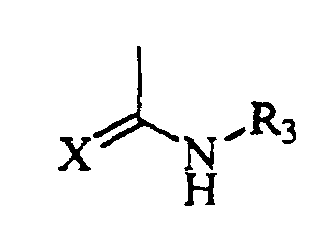
(wherein, X represents oxygen or sulfur atom, R3 represents substituted by methoxy, fluoro, methyl, amino or methylthio).

- The present invention also relates to a process for preparing the compound of formula (I), a novel intermediate which can be used for preparing the desired compound of formula (I), and an antitumor composition that includes the compound of formula (I) as an active ingredient.
- Many sulfonylureas that exhibit different kinds of activities from each other have been known in the art. Some of them have hypoglycemic activities, some of them have herbicidal activities, and some of them have antimycotic activities.
- In recent years, it has also been reported in several literatures that certain diarylsulfonylureas have antineoplastic activity (see, U.S. Patent. No. 4,845,128(1989); European Patent Publication No. 0222475 (published on May 20, 1987); European Patent Publication No. 0291269 (published on Nov. 17, 1988); European Patent Publication No. 0467613 (published on Jan. 22, 1992); Grindey, et al., American Association of Cancer Research, 27:277 (1986); Houghton, et al., Cancer Chemotherapy and Pharmacology, 25:84-88 (1989) Sang-Hun Jung et. al., Bioorganic & Medicinal Chemistry Letters, Vol. 6. No. 21, pp. 2553-2558 (1996).
- Sulofenur[N-(indan-5-sulfonyl)-N-(4-chlorophenyl)urea; LY186641] represented by the following formula (II) is a typical example of the known antineoplastic diarylsulfonylurea compounds and it has progressed to Phase I clinical trials(see, Cancer Res., 49, 5217-5220, 1989) :Particularly, it has been reported that this compound exhibits potent antitumor activity upon solid tumors which is hard to cure(see, J. Med. Chem., 1990, 33, 2393). Although the mechanism of action of this compound has not known yet, it has an exceptionally broad spectrum of activity upon solid tumors and human tumor xenografts and also has some other clinical activities. Moreover, Sulofenur does not produce serious side effects including myelosuppression, nausea, vomiting, alopecia, mucositis, and hepatotoxicity which may be commonly encountered when other antineoplastic agents are used, but only shows minor side effects such as anemia or methemoglobinemia which are originated from aniline class of metabolite.

- Those results aforementioned led the present inventors to investigate new arylsulfonylurea derivatives which have more improved antineoplastic activity against solid tumors than Sulofenur and do not produce the aniline class of metabolite which is causative of the side effects as mentioned above. And as a result, the present inventors have identified that the arylsulfonylimidazolone derivative of formula (I) as defined above can satisfies such purpose, and thus completed the present invention.
- Therefore, it is an object of the present invention to provide a novel arylsulfonylimidazolone derivative represented by the following formula (I) :or its pharmaceutically acceptable salt or stereoisomer, in which
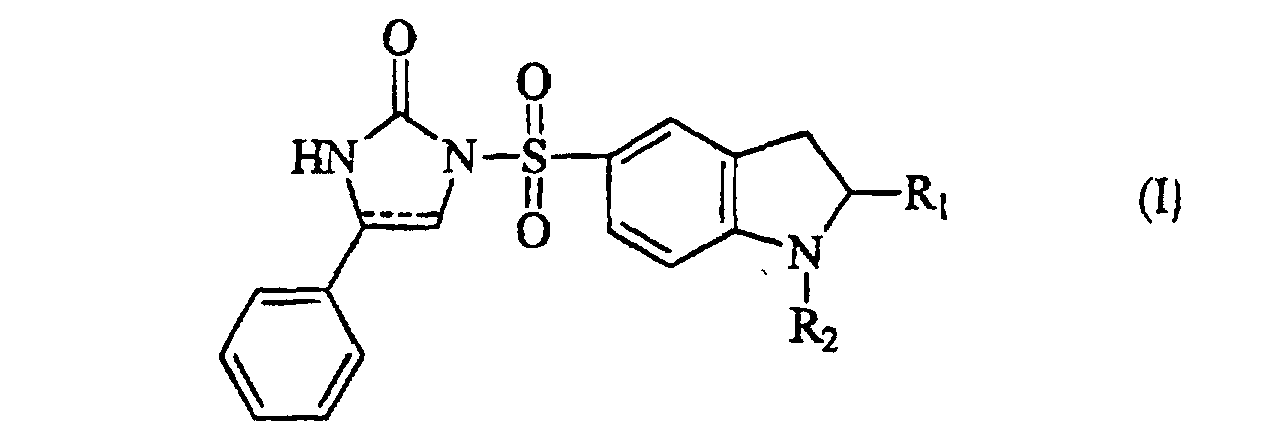
-
- represents single or double bond,
- R1
- represents hydrogen or methyl,
- R2
- represents chloroacetyl; C1-C5alkylaminoacetyl; allylaminoacetyl; C1-C4
alkoxycarbonyl; nicotinyl, furanoyl; thiophenoyl, benzoyl which can be
substituted by halogen, nitro, cyano, amino which can be substituted by
nonpolar amino acid residue, hydroxy, methyl or methoxy which can be
independently of one another substituted by halogen, ethoxy or
chloroacetylamino; or
(wherein, X represents oxygen or sulfur atom, R3 represents C1-C4alkyl, allyl, chloroacetyl or cyclohexyl, or phenyl which can be substituted by methoxy, fluoro, methyl, amino or methylthio).
- In the definitions for the substituents of the compound of formula (I), the term "alkyl" which is used alone or in the form of a composite term such as "alkylaminoacetyl" means a straight or branched, saturated hydrocarbon, for example, methyl, ethyl, propyl, isopropyl, isobutyl, t-butyl or its isomers, etc.; the term "alkoxy" which is used alone or in the form of a composite term such as "alkoxycarbonyl" means a straight or branched alkoxy group, for example, methoxy, ethoxy, propoxy, n-butoxy or its isomers, etc; the term "halogen" means fluoro or chloro In addition, the term "nonpolar amino acid residue" means an amino acid residue having a nonpolar side chain, for example, aminoacetyl, 2-aminopropanoyl, 2-amino-3-methylbutyryl, 2-amino-4-methylpentanoyl, 2-amino-4-methylthiobutyryl, pyrrolidin-2-ylcarbonyl, 2-amino-3-phenylpropanoyl, etc.
- It is another object of the present invention to provide a process for preparing a novel arylsulfonylimidazolone derivative of formula (I) or its pharmaceutically acceptable salt or stereoisomer, wherein
- a) a compound represented by the following formula (III)
is reacted with a compound represented by the following formula (IV) :
 in the above formulas, R1 and R2 are each as previously defined, and Y represents a reactive leaving group; or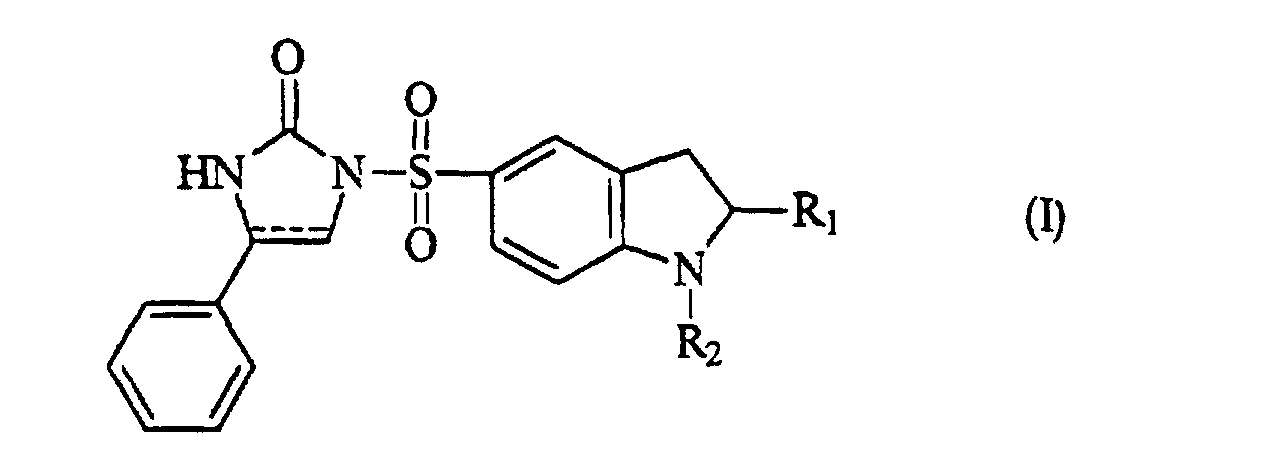
- b) a compound represented by the following formula (III) or its salt :
is reacted with a compound represented by the following formula (V) :
 in the above formulas, R1, R3 and X are each as previously defined; or
- c) a compound represented by the following formula (Ib) having a
p-nitrobenzoyl group at 1-position of indoline group :
is reduced to provide a compound represented by the following formula (Ic) :
 the compound of formula (Ic) or its salt thus prepared is condensed with an amino acid wherein the amino group is protected by t-butoxycarbonyl represented by the following formula (VI) :
 in the above formulas, tBOC represents t-butoxycarbonyl and R4 represents nonpolar amino acid residue.
-
- The compound of formula (III) used as a starting material in the above methods (a) and (b) is itself a novel compound. Therefore, providing the compound of formula (III) with a process for preparation thereof is also another object of the present invention.
- It is yet further object of the present invention to provide an antitumor composition that comprises as an active ingredient a therapeutically effective amount of a compound of formula (I) as defined above together with a pharmaceutically acceptable carrier.
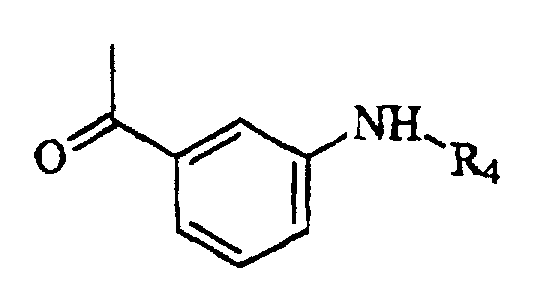
- Among the compound of formula (1) according to the present invention, preferred compound includes those wherein
- a)
- b)

- c)
-
- Typical examples of the compound represented by formula (I) include
- 4-phenyl-1-(N-ethoxycarbonylindoline-5-sulfonyl)-2-imidazolone;
- 4-phenyl-1-(N-ethylcarbamoylindoline-5-sulfonyl)-2-imidazolone;
- 4-phenyl-1-(N-ethylcarbamoyl-2-methylindoline-5-sulfonyl)-2-imidazolone;
- 4-phenyl-1-(N-propylcarbamoylindoline-5-sulfonyl)-2-imidazolone;
- 4-phenyl-1-(N-propylcarbamoyl-2-methylindoline-5-sulfonyl)-2-imidazolone;
- 4-phenyl-1-(N-isopropylcarbamoylindoline-5-sulfonyl)-2-imidazolone;
- 4-phenyl-1-(N-isopropylcarbamoyl-2-methylindoline-5-sulfonyl)-2-imidazolone;
- 4-phenyl-1-(N-t-butylcarbamoylindoline-5-sulfonyl)-2-imidazolone;
- 4-phenyl-1-[N-(4-nitrobenzoyl)indoline-5-sulfonyl]-2-imidazolone;
- 4-phenyl-1-[N-(4-aminobenzoyl)indoline-5-sulfonyl]-2-imidazolone. HCl;
- 4-phenyl-1-[N-(4-nitrobenzoyl)-2-methylindoline-5-sulfonyl]-2-imidazolone;
- 4-phenyl-1-[N-(4-aminobenzoyl)-2-methylindoline-5-sulfonyl]-2-imidazolone . HCl;
- 4-phenyl-1-(N-benzoylindoline-5-sulfonyl)-2-imidazolone;
- 4-phenyl-1-[N-(4-ethoxybenzoyl)indoline-5-sulfonyl]-2-imidazolone;
- 4-phenyl-1-(N-nicotinylindoline-5-sulfonyl)-2-imidazolone;
- 4-phenyl-1-(N-furanoylindoline-5-sulfonyl)-2-imidazolone;
- 4-phenyl-1-(N-thiophenoylindoline-5-sulfonyl)-2-imidazolone;
- 4-phenyl-1-[N-(4-chlorobenzoyl)indoline-5-sulfonyl]-2-imidazolone;
- 4-phenyl-1-[N-(4-chloroacetylaminobenzoyl)indoline-5-sulfonyl]-2-imidazolone;
- 4-phenyl-1-[N-(4-chloroacetylaminobenzoyl)-2-methylindoline-5-sulfonyl]-2-imidazolone;
- 4-phenyl-1-(N-chloroacetyl-2-methylindoline-5-sulfonyl)-2-imidazolone;
- 4-phenyl-1-(N-methylaminoacetyl-2-methylindoline-5-sulfonyl)-2-imidazolone . HCl;
- 4-phenyl-1-(N-isopropylaminoacetyl-2-methylindoline-5-sulfonyl)-2-imidazolone . HCl;
- 4-phenyl-1-(N-isopropylaminoacetylindoline-5-sulfonyl)-2-imidazolone . HCl;
- 4-phenyl-1-(N-isobutylaminoacetyl-2-methylindoline-5-sulfonyl)-2-imidazolone . HCI;
- 4-phenyl-1-(N-isobutylaminoacetylindoline-5-sulfonyl)-2-imidazolone . HCl;
- 4-phenyl-1-(N-t-butylaminoacetyl-2-methylindoline-5-sulfonyl)-2-imidazoione . HCl;
- 4-phenyl-1-(N-allylaminoacetyl-2-methylindoline-5-sulfonyl)-2-imidazolone . HCl;
- 4-phenyl-1-(N-ethylcarbamoylindoline-5-sulfonyl)-4,5-dihydro-2-imidazolone;
- 4-phenyl-1-(N-propylcarbamoylindoline-5-sulfonyl)-4,5-dihydro-2-imidazolone;
- 4-phenyl-1-(N-isopropylcarbamoylindoline-5-sulfonyl)-4,5-dihydro-2-imidazolone ;
- 4-phenyl-1-(N-allylcarbamoylindoline-5-sulfonyl)-4,5-dihydro-2-imidazolone;
- 4-phenyl-1-(N-cyclohexylcarbamoylindoline-5-sulfonyl)-4,5-dihydro-2-imidazolone;
- 4-phenyl- 1-(N-phenylcarbamoylindoline-5-sulfonyl)-4,5-dihydro-2-imidazolone;
- 4-phenyl-1-[N-(4-aminophenyl)carbamoylindoline-5-sulfonyl]-4,5-dihydro-2-imidazolone;
- 4-phenyl-1-[N-(4-methoxyphenyl)carbamoylindoline-5-sulfonyl]-4,5-dihydro-2-imidazolone;
- 4-phenyl-1-[N-(4-methylthiophenyl)carbamoylindoline-5-sulfonyl]-4,5-dihydro-2-imidazolone;
- 4-phenyl-1-(N-methylthiocarbamoylindoline-5-sulfonyl)-4,5-dihydro-2-imidazolone;
- 4-phenyl-1-(N-ethylthiocarbamoylindoline-5-sulfonyl)-4,5-dihydro-2-imidazolone;
- 4-phenyl-1-(N-propylthiocarbamoylindoline-5-sulfonyl)-4,5-dihydro-2-imidazolone;
- 4-phenyl-1-(N-butylthiocarbamoylindoline-5-sulfonyl)-4,5-dihydro-2-imidazolone;
- 4-phenyl-1-(N-phenylthiocarbamoylindoline-5-sulfonyl)-4,5-dihydro-2-imidazolone;
- 4-phenyl-1-[N-(4-methoxyphenyl)thiocarbamoylindoline-5-sulfonyl]-4,5-dihydro-2-imidazolone;
- 4-phenyl-1-[N-(2-methoxyphenyl)carbamoylindoline-5-sulfonyl]-4,5-dihydro-2-im idazolone;
- 4-phenyl-1-[N-(4-methylphenyl)carbamoylindoline-5-sulfonyl]-4,5-dihydro-2-imi dazolone;
- 4-phenyl-1-[N-(4-fluorophenyl)thiocarbamoylindoline-5-sulfonyl]-4,5-dihydro-2-imidazolone;
- 4-phenyl-1-(N-benzoylindoline-5-sulfonyl)-4,5-dihydro-2-imidazolone;
- 4-phenyl-1-[N-(4-methylbenzoyl)indoline-5-sulfonyl]-4,5-dihydro-2-imidazolone;
- 4-phenyl-1-[N-(2-hydroxybenzoyl)indoline-5-sulfonyl]-4,5-dihydro-2-imidazolone;
- 4-phenyl-1-[N-(4-methoxybenzoyl)indoline-5-sulfonyl]-4,5-dihydro-2-imidazolone;
- 4-phenyl-1-[N-(3,4-dimethoxybenzoyl)indoline-5-sulfonyl]-4,5-dihydro-2-imidazolone;
- 4-phenyl-1-[N-(4-ethoxybenzoyl)indoline-5-sulfonyl]-4,5-dihydro-2-imidazolone;
- 4-phenyl-1-[N-(4-chlorobenzoyl)indoline-5-sulfonyl]-4,5-dihydro-2-imidazolone;
- 4-phenyl-1-[N-(4-fluorobenzoyl)indoline-5-sulfonyl]-4,5-dihydro-2-imidazolone;
- 4-phenyl-1-[N-(4-nitrobenzoyl)indoline-5-sulfonyl]-4,5-dihydro-2-imidazolone;
- 4-phenyl-1-[N-(4-cyanobenzoyl)indoline-5-sulfonyl]-4,5-dihydro-2-imidazolone;
- 4-phenyl-1-[N-(4-aminobenzoyl)indoline-5-sulfonyl]-4,5-dihydro-2-imidazolone . HCl;
- 4-phenyl-1-[N-(3-chlorobenzoyl)indoline-5-sulfonyl]-4,5-dihydro-2-imidazolone;
- 4-phenyl-1-[N-(3,5-dichlorobenzoyl)indoline-5-sulfonyl]-4,5-dihydro-2-imidazolone;
- 4-phenyl- 1-[N-(3-fluorobenzoyl)indoline-5-sulfonyl]-4,5-dihydro-2-imidazolone;
- 4-phenyl-1-[N-(2,4-difluorobenzoyl)indoline-5-sulfonyl]-4,5-dihydro-2-imidazolone;
- 4-phenyl-1-[N-(3-trifluoromethylbenzoyl)indoline-5-sulfonyl]-4,5-dihydro-2-imidazolone;
- 4-phenyl-1-[N-(3-trifluoromethoxybenzoyl)indoline-5-sulfonyl]-4,5-dihydro-2-imidazolone;
- 4-phenyl-1-[N-(4-trifluoromethoxybenzoyl)indoline-5-sulfonyl]-4,5-dihydro-2-imidazolone;
- (S)-(+)-4-phenyl-1-[N-(4-aminobenzoyl)indoline-5-sulfonyl)-4,5-dihydro-2-imidazolone . HCl;
- (S)-(+)-4-phenyl-1-[N-{4-(2-aminopropanoyl)aminobenzoyl}indoline-5-sulfonyl]-4,5-dihydro-2-imidazolone . HCl;
- (S)-(+)-4-phenyl-1-[N-{4-(2-aminoacetyl)aminobenzoyl)indoline-5-sulfonyl]-4,5-dihydro-2-imidazolone . HCl;
- (S)-(-)-4-phenyl-1-[N-{4-(2-amino-3-phenyl-propanoyl)aminobenzoyl}indoline-5-sulfonyl]-4,5-dihydro-2-imidazolone . HCl.
-
- The most preferred compounds among those exemplified above are 4-phenyl-1-(N-isopropylcarbamoylindoline-5-sulfonyl)-2-imidazolone and (S)-(+)-4-phenyl-1-[N-(4-aminobenzoyl)indoline-5-sulfonyl]-4,5-dihydro-2-imidazolone.
- The compound of the present invention can have an asymmetric carbon atom in their structure, namely the 4-carbon atom of the imidazolone ring bearing the phenyl group. Said chiral center can be present in the configuration of (R) or (S), or a mixture of (R) and (S). Thus, the present invention also includes all those stereoisomers and their mixtures. Particularly, in the present invention, more preferred stereoisomeric configuration is (S).
- The compound of formula (I) according to the present invention can form a pharmaceutically acceptable salt. In the present specification, the term "pharmaceutically acceptable salt" means "non-toxic acid addition salt" and such salt includes a salt with inorganic acids such as hydrochloric acid, hydrobromic acid, phosphoric acid, sulfuric acid, etc., a salt with organic acids such as acetic acid, oxalic acid, p-toluenesulfonic acid, methanesulfonic acid, citric acid, fumaric acid, succinic acid, tartaric acid, ascorbic acid, etc., and a salt with other acids which are generally known and conventionally used in the technical field of imidazoline-based compounds. These acid-addition salts can be prepared in situ during the final isolation and purification of the compound of formula (I), or can be prepared separately by reacting the free form compound with a corresponding acid according to a conventional conversion method.
- According to the present invention, the compound of formula (I) can be prepared by any method depicted in the following reaction schemes (a) to (c), which will be explained in detail.

- In the reaction of the compound of formula (III) with the compound of formula (IV) according to the reaction scheme (a) above, any reaction-inert organic solvent may be used unless it adversely affects the reaction. Solvents suitable for this reaction include benzene, toluene, dichloromethane, tetrahydrofuran, chloroform, methanol and ethanol. Among those, dichloro- methane or tetrahydrofuran can be preferably used. This reaction may also be carried out in the presence of a base. As the base, pyridine, dimethylaminopyridine, triethylamine or diethylamine, preferably pyridine can be used. Reaction temperature and time are not restricted specifically, and can be determined depending on the starting materials used. Generally, this reaction may be carried out at room temperature for 1 to 8 hours.
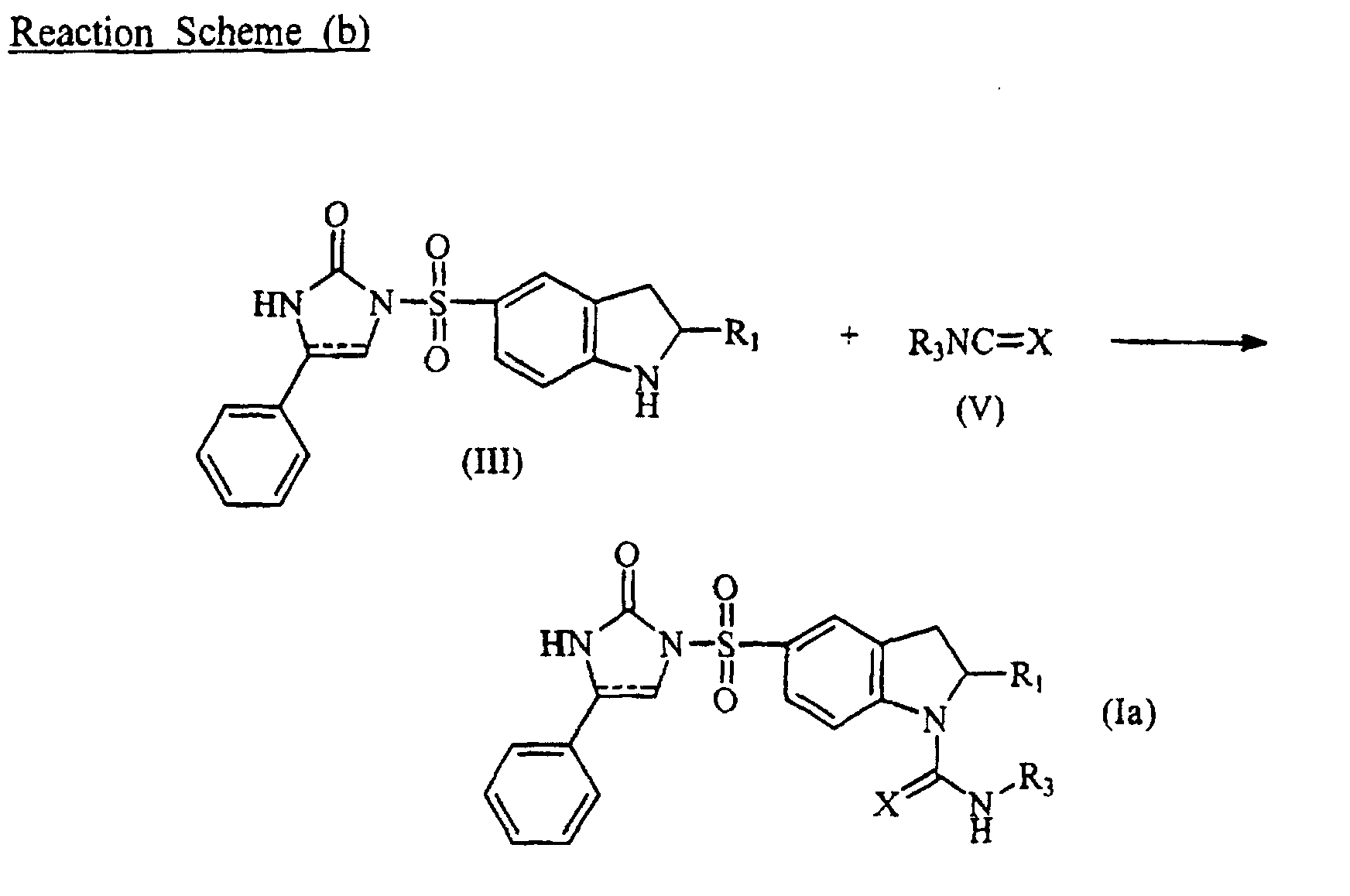
- The reaction of the compound of formula (III) with the compound of formula (V) to prepare the compound of formula (Ia) wherein the nitrogen of the indoline ring is substituted by carbamoyl or thiocarbamoyl group, may be carried out in a solvent. As the solvent, benzene, toluene or dimethylformamide, preferably toluene can be used. Reaction temperature and time are not restricted specifically as in the reaction (a) above, however, this reaction can be generally carried out at 50 to 80°C for 5 to 18 hours.

- In the first step of the reaction (c), the nitro group of the compound of formula (Ib) which has an asymmetric centor in the imidazolone ring and thus has (S)-stereospecificity, is reduced to amino group to prepare the compound of formula (Ic). Reduction may be carried out under conventional reducing conditions, for example, under the presence of iron and methanol, Raney nickel and hydrogen gas, or sodiumborohydride and palladium.
- In the second step of the reaction (c), the condensation product obtained by reacting the compound of formula (Ic) with the subsitituted amino acid of formula (VI) is subsequently deprotected to produce the desired compound of formula (Id) having (S)-stereospecificity. As the compound of formula (VI), L-form amino acid which is the form generally occurred in human body is used. Conventional reaction conditions for removing protecting groups may be used for the deprotection reaction. For example, the deprotection can be carried out in the presence of trifluoroacetic acid (TFA) and p-cresol. This second reaction step may be easily carried out by referring to the known method disclosed in J. Med. Chem., 1996, 39, 3114-3122.
- When the compound of formula (I) having (S)-stereoisomeric configuration is desired, (S)-stereoisomeric starting materials may be used.
- After the desired product is obtained according to the processes (a) to (c), it may be recovered and purified, if desired, by any methods known to those skilled in the art, such as filtration, chromatography or crystallization.
- While, the starting material of formula (III) used in reaction processes (a) and (b) is itself novel. Therefore, the present invention provides the compound (III) as an useful intermediate for preparing the compound (I).
- The compound of formula (III) can be obtained by anyone of processes (d) to (f), wherein
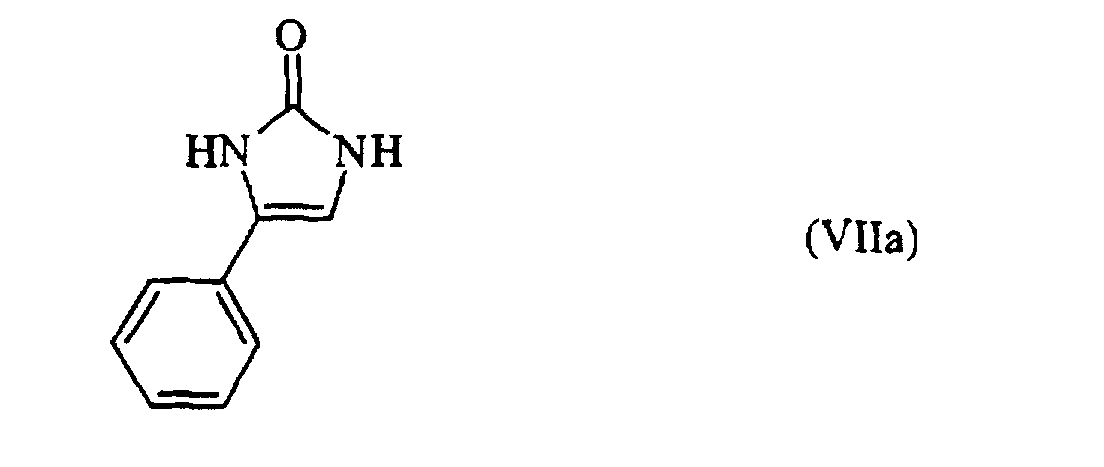
- d) a compound represented by the following formula (VIIa) :
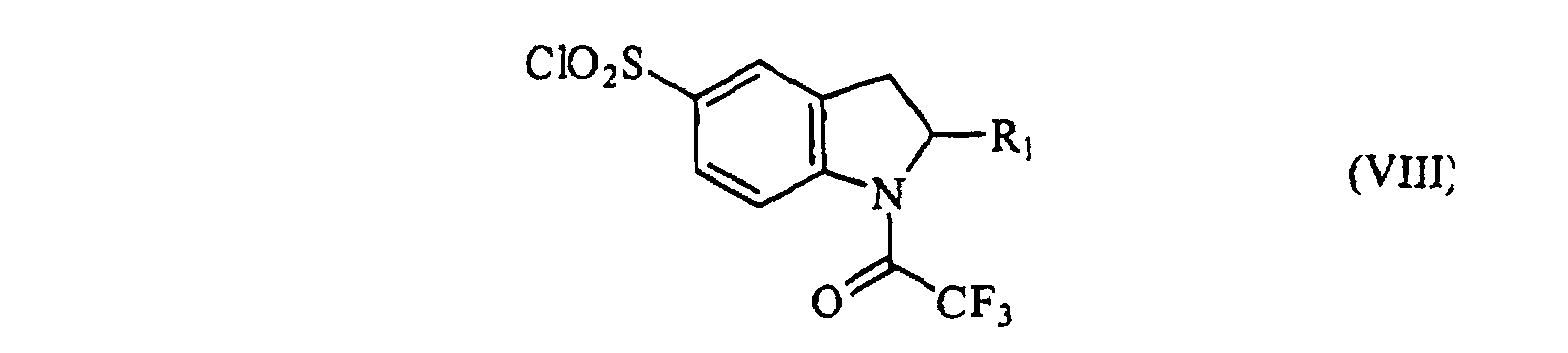
is reacted with a compound represented by the following formula (VIII):
 to provide a compound represented by the following formula (IXa) :
 then the trifluoroacetyl group as an amino-protecting group of the compound of fomula (IXa) is removed to prepare the compound represented by the following formula (IIIa) :
 in the above formulas, R1 is as previously defined; or
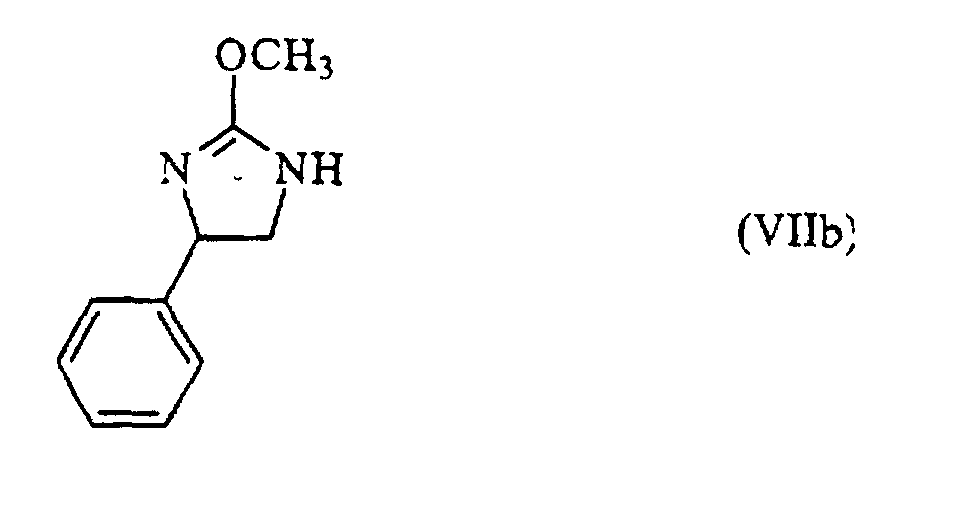
- e) a compound represented by the following formula (VIIb) :
is reacted with a compound represented by the following formula (VIII):
 to provide a compound represented by the following formula (IXb) :
 then the trifluoroacetyl group of the compound of fomula (IXb) is removed and the product thus obtained is acid-hydrolyzed to prepare the compound represented by the following formula (IIIb) :
 in the above formulas, R1 is as previously defined; or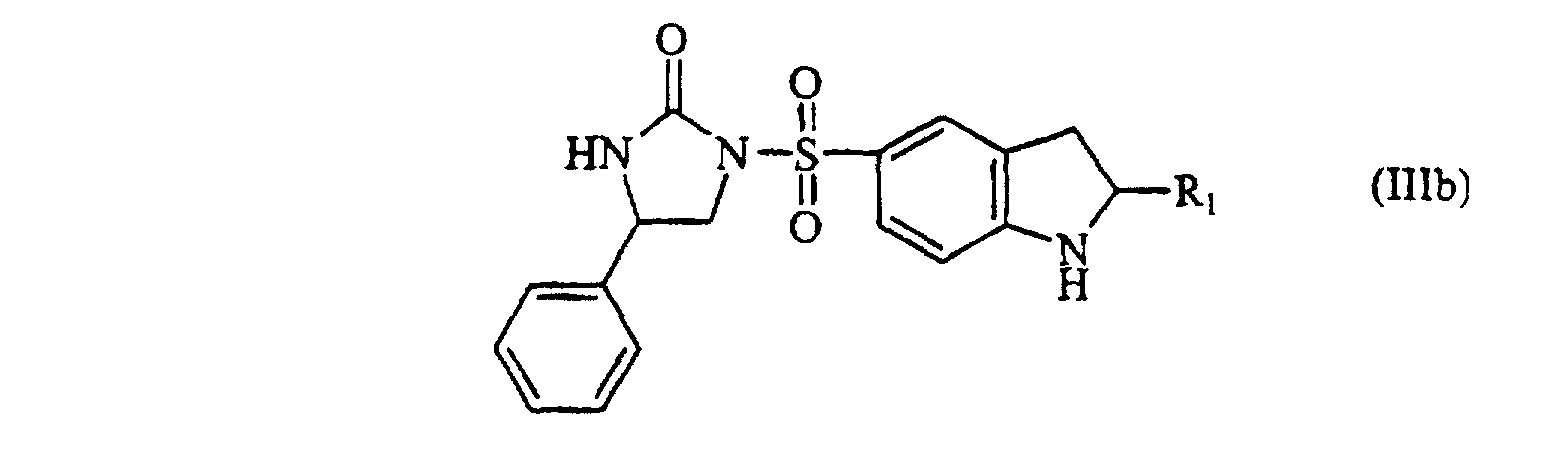
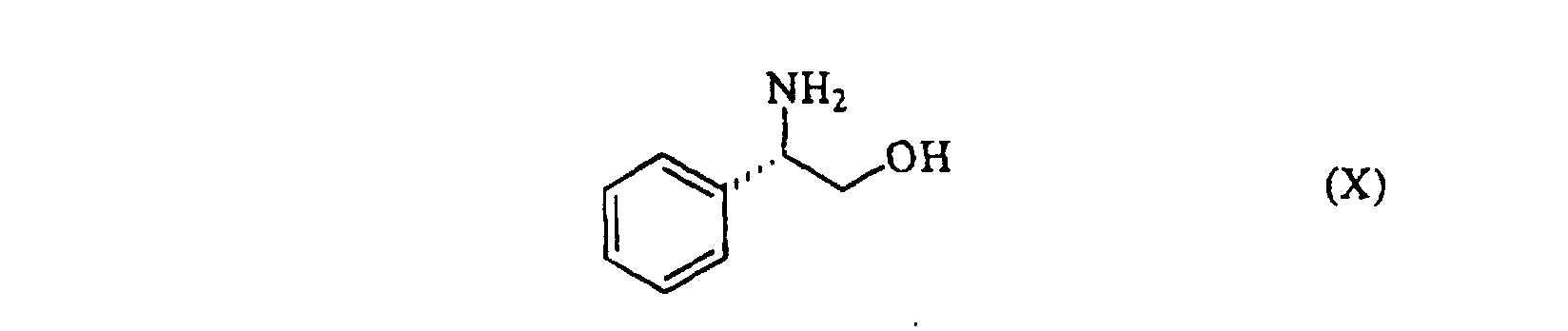
- f) (S)-phenylglycinol represented by the following formula (X) :
is reacted with phenylchloroformate (CICOOPh) to provide a compound represented by the following formula (XI) :
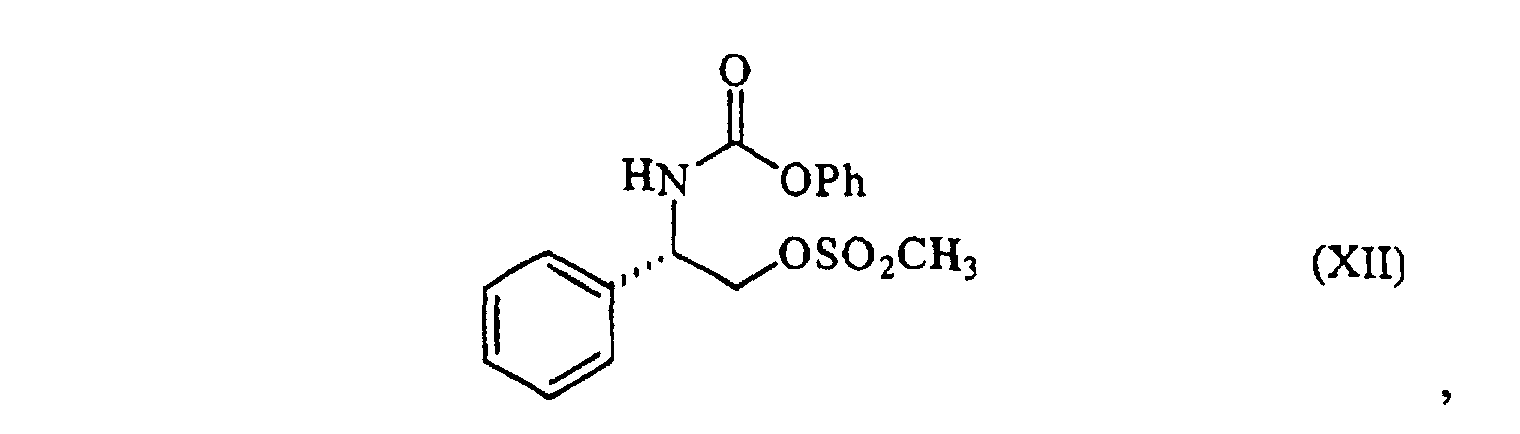
 which is reacted with methanesulfonylchloride (CH3SO2Cl) to produce a compound represented by the following formula (XII) :
 then the compound of formula (XII) thus obtained is combined with a compound represented by the following formula (XIII) :
 and deprotected to provide a compound represented by the following formula (IIIc) :
 in the above formulas, R1 is as previously defined.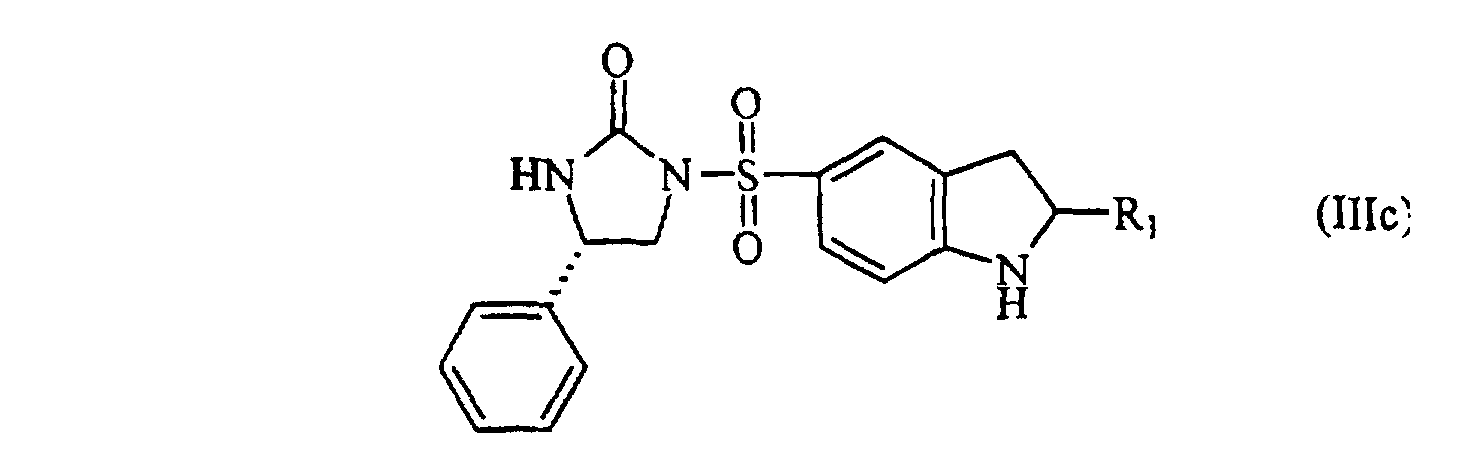
-
- The above methods (d) to (f) for preparing the compound (III) can be depicted as the following reaction schemes (d) to (f), respectively, which will be explained in detail.

- In the first step of the reaction (d), the compounds of formula (VIIa) and (VIII) are coupled to produce the compound (IXa). These starting compounds (VIIa) and (VIII) can be synthesized by conventional methods known in the art (see, Drug Res., 42, pp592-594, 1992; Chimie Therapeutique, 6, pp659-668, 1973). This reaction may be carried out in an aprotic organic solvent and in the presence of a base. Solvents which can be suitably used for the reaction include dimethylformamide, N-methylpyrrolidone, acetonitrile, dimethylsulfoxide, benzene, tetrahydrofuran and the like. Dimethylformamide is the most preferable one. As the base, potassium carbonate, sodium carbonate, sodium methoxide, patassium t-butoxide, sodium hydride, etc, preferably sodium hydride can be mentioned. Generally, the two reactants are used in an equimolar amount to each other although one can be used in an excessive amount with respect to the other, and the present reaction is carried out at 0°C to the boiling point of the reaction mixture, preferably at 20 to 30°C. The reaction is somewhat exothermic and usually completed within 5 to 6 hours.
- In the deprotection step, the trifluoroacetyl group is removed by suspending the compound of formula (IXa) in a solvent mixture of water and methanol and then reacting the suspension with potassium carbonate to produce the compound of formula (IIIa). However, the deprotection reaction can also be carried out according to conventional methods known in the art (see, J. Org. Chem., 53, 3108, 1988; J. Am. Chem. Soc., 95, 612, 1973).

- In the first step, the starting compounds (VIIb) and (VIII) which can be obtained by conventional methods known in the art (see, J. Am. Chem. Soc., 107, pp2931-2943, 1992; Chimie Therapeutique, 6, pp659-668, 1973) are coupled to produce the compound (IXb). This reaction can be carried out in a water miscible inert solvent such as tetrahydrofuran or acetone in the presence of a base such as potassium carbonate, sodium carbonate, lithium hydroxide or sodium bicarbonate, preferably sodium bicarbonate. Generally, the two reactants are used in an equimolar amount to each other or slight molar excess of compound (VIII) is used with respect to compound (VIIb) although other ratios are also operative. The present reaction is carried out at 0 to 80°C, preferably at 20 to 30°C. At these preferable temperature, the reaction is usually completed within about 4 hours.
- The deprotection reaction can be performed according to the same manner as described in method (d). Then, the acid-hydrolysis is carried out according to conventional methods known in the art.
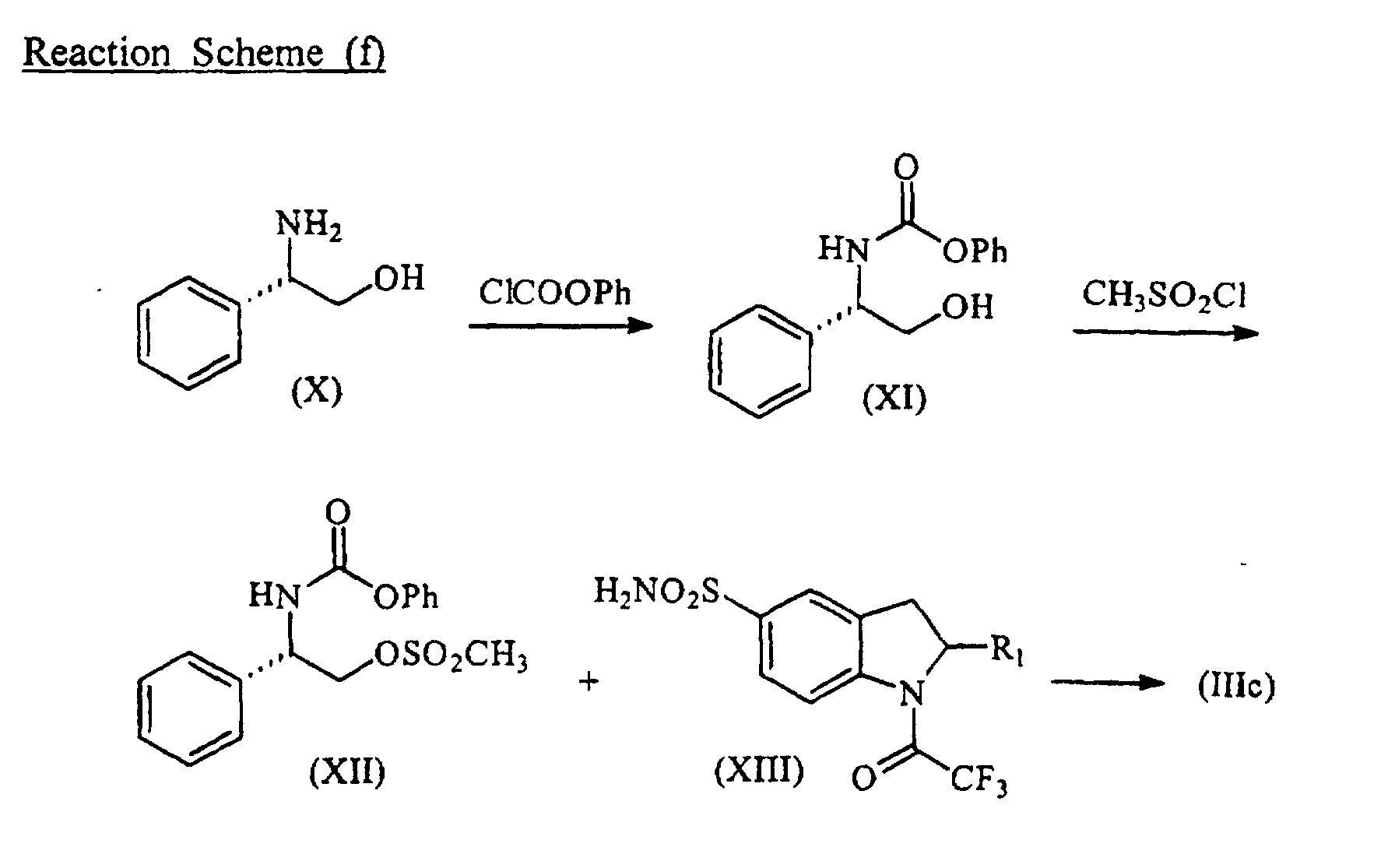
- In the first reaction step, the commercially available (S)-2-phenylglycinol is dissolved in distilled water together with a base selected from a group consisting of sodium carbonate, sodium bicarbonate and potassium bicarbonate, and then to this reaction mixture is slowly added dropwise phenylchloroformate dissolved in a small amount of tetrahydrofuran. After the reaction is carried out at room temperature for one hour, the product is extracted with ethyl acetate to obtain the (S)-2-N-phenoxycarbonylamino-2-phenylethanol of formula (XI).
- The compound (XI) thus produced is dissolved in a solvent of chloroform, tetrahydrofuran or methylene chloride, cooled down to 0°C, and then reacted with methanesulfonylchloride in the presence of a base of pyridine or triethylamine to obtain the (S)-2-N-phenoxycarbonylamino-2-phenylethyl methanesulfonate of formula (XII).
- Finally, the compound (XII) thus produced is reacted with the known N-trifluoroacetyl-5-aminosulfonyl-indoline of formula (XIII) to prepare the compound of formula (IIIc). The compound of formula (XIII) used as a reactant in this reaction can be prepared by an art-known procedure (see, Chimie Therapeutique, 6, 659-668, 1973). As the solvent suitable for the reaction of compounds (XII) with (XIII), an aprotic solvent such as, for example, benzene, chloroform, dimethylsulfoxide, dimethylformamide, tetrahydrofuran, methylethylketone, etc., preferably dimetylformamide can be mentioned. In some instances, the addition of a suitable base such as, for example, potassium carbonate, sodium methoxide, sodium carbonate, potassium t-butoxide, sodium hydride, etc., particularly sodium hydride may be appropriate. The same molar ratio of reactants, reaction temperature and time as the first step of reaction (d) may be applied for this reaction.
- In view of their potent antineoplastic activities, the desired compound of formula (I) according to the present invention may be formulated into pharmaceutical compositions for administration purposes. Said pharmaceutical compositions are deemed novel and consequently constitutes a further aspect of the present invention. Therefore, the present invention also relates to an antitumor composition comprising a pharmaceutically acceptable carrier and as an active ingredient a therapeutically effective amount of a compound of formula (I), as defined above.
- The pharmaceutical composition according to the present invention may be administered orally, rectally, parenterally (i.e., intravenously, intramuscularly or subcutaneously), intracisternally, intravaginally, intraperitoneally or locally for the treatment of susceptible neoplasms. Oral preparations of solid dosage form may include capsules, tablets, pills, powders or granules. In such a solid dosage form for oral administration, the active compound of formula (I) is admixed with at least one excipient such as fillers, binders, humectants, disintegrating agents, solution retarders, absorption accelerators, wetting agents, adsorbents or lubricants. Oral preparations of liquid dosage form may include pharmaceutically acceptable emulsions, solutions, suspensions, syrups and elixirs. In addition to the active ingredient, the liquid dosage form may contain inert diluents commonly used in the art, such as water, other solvents, solubilizing agents, suspending agents or emulsifiers. The injectable preparation for parenteral administration may be in the form of water, water-polyethyleneglycol or water-propyleneglycol solution, of which isotonicity, pH, fluidity and the like can be adjusted to be suited for the physiological condition of living body. The injectable preparation may include sterile aqueous or nonaqueous solutions, dispersions, suspensions, emulsions and ready-to-use injectable preparation. Examples of suitable aqueous or nonaqueous carriers, diluents, solvents or vehicles include water, ethanol, propylene glycol, polyethylene glycol, glycerol, suitable mixtures thereof, vegetable oils(such as corn oil or olive oil) and injectable organic esters such as ethyl oleate. Proper fluidity can be maintained, for example, by the use of a coating agent such as lecithin, by the maintenance of the specified particle size in the case of dispersions, and by the use of surfactants. It is especially advantageous to formulate the aforementioned pharmaceutical preparations in dosage unit form for ease of administration and uniformity of dosage. Dosage unit forms of the preparation refer to physically discrete units suitable as unitary dosage, each unit containing a predetermined quantity of the active component calculated to produce the desired therapeutic effect. Such dosage unit form can be in the packaged form, for example, a tablet, a capsule or a powder filled in vial or ampule, or an ointment, gel or cream filled in tube or bottle.
- When the active compound of formula (I) of the present invention is applied as a medicine to a patent suffering from susceptible neoplasm, it is preferably administered in an amount of about 10 to about 5000mg, preferably about 10 to about 1000mg. However, the administration dosage can be varied with the requirement of the subject patient, severity of the neoplasm to be treated, the selected compound, the route of administration, the duration of treatment and the like. The preferred dosage suitable for a certain condition can be determined by a person skilled in this art according to a conventional manner. In general, the therapeutic treatment is started from the amount less than the optimal dosage of the active compound and then the administration dosage is increased little by little until the optimal therapeutic effect is obtained. As a matter of convenience, the total daily dosage can be divided into several portions and administered over several times, for example, once to six times per day.
- The present invention will be more specifically explained in the following examples. However, it should be understood that the following preparations and examples are intended to illustrate the present invention and not to limit the scope of the present invention in any manner.
- 2-Bromoacetophenone (18g, 90mmol) was dissolved in 900mℓ of chloroform. Hexamethylenetetraamine (13.87g, 99mmol) was added thereto and the reaction mixture was stirred at 60 °C for 4 hours. After stirring, the reaction mixture was cooled down to room temperature, filtered, and the collected precipitate was suspended in 180mℓ of ethanol. To the suspension thus obtained was added dropwise 90mℓ of conc. HCl, and the reaction mixture was stirred at room temperature for 18 hours. Then, the reaction mixture was filtered to remove a white precipitate, the filtrate was concentrated under reduced pressure to obtain a yellow solid. This solid was recrystallized from a mixture of methanol and ethyl acetate (1:50, v/v) to obtain 13g of 2-aminoacetophenone as a yellow solid.
Yield : 84%
1H NMR(DMSO-d6) : 4.45(s,2H), 7.5-7.8(m,4H), 8.64(brs,2H), 8.68(s,1H) - 2-Aminoacetophenone (5.6g, 32.65mmol) was dissolved in 200mℓ of water in a three necked flask equipped with a thermometer and was heated up to 70°C. Potassium cyanate (2.9g, 35.92mmol) was added in several portions at 70°C while the pH of the reaction solution was maintained in the range of 1 to 3 by the continuous addition of conc. HCI. After the addition of potassium cyanate was completed, the reaction mixture was stirred at 70°C for 4 hours and left at room temperature overnight. The brownish precipitate thus formed was collected by filtration and dried to obtain 3.7g of the title compound.
yield : 72%
1H NMR(DMSO-d6) : 6.90(s,1H), 7.2-7.6(m,5H), 10.02(s,1H), 10.49(s,1H) - 2-Methylindoline (10mℓ, 76.8mmol) was dissolved in 100mℓ of dichloromethane and then cooled down to 0°C. To this solution were added pyridine (18.7mℓ, 0.22mol) and trifluoroacetic anhydride (24mℓ, 0.17mol). The reaction mixture was stirred at room temperature for 6 hours, diluted with 300mℓ of dichloromethane, and then washed twice with 150mℓ of 5% HCl. The dichloromethane layer was dried over anhydrous magnesium sulfate, and concentrated to obtain 15g of N-trifluoroacetyl-2-methyl-indoline.
Yield : 85% - Chlorosulfonic acid (25mℓ, 0.37mmol) was cooled down to 0°C in a three necked flask equipped with a thermometer. N-trifluoroacetyl-2-methyl-indoline (17g, 74.23mmol) was added thereto in several portions. After the resulting mixture was stirred at 60°C for 1 hour, the reaction mixture was slowly poured into 200mℓ of ice water. The precipitate thus formed was collected by filtration and dried to afford 9.2g of the title compound.
Yield : 80%
1H NMR(DMSO-d6): 1.20(d,J=6.9Hz,3H), 2.75-2.79(m,1H), 3.39-3.45(m,1H), 4.81-4.84(m,1H), 7.48-7.58(m,2H), 7.95(d,J=8.3Hz,1H) - N-trifluoroacetyl-indoline-5-sulfonylchloride can also be prepared according to the same procedure except that indoline instead of 2-methylindoline is used as a starting material.
- 4-Phenyl-2,3-dihydro-1H-2-imidazolone (4g, 24.84mmol) prepared in Preparation 1 was suspended in 30mℓ of dimethylformamide and cooled down to 0°C. After sodium hydride (60% oily, 1.09g, 27.3mmol) was added thereto, the resulting mixture was stirred for a few minutes at 0°C until it became a clear solution. To the reaction mixture was added portionwise at 0°C the N-trifluoroacetyl-indoline-5-sulfonylchloride (8.56g, 27.32mmol) prepared in Preparation 2. The reaction mixture was stirred at room temperature for 4 hours, cooled down again to 0°C, and then water was slowly added to the mixture until precipitate was formed. The resulting precipitate was collected, washed with water, and dried to afford 7.6g of 4-phenyl-1-(N-trifluoroacetylindoline-5-sulfonyl)-2-imidazolone.
- 4-Pheny]-1-(N-trifluoroacetylindoline-5-sulfonyl)-2-imidazolone (6g, 13.3mmol) thus obtained was suspended in 30mℓ of a mixture of water and methanol (1:1, v/v). Potassium carbonate (3.7g, 26.6mmol) was added to the suspension and the reaction mixture was stirred at room temperature for 4 hours. After stirring, the reaction mixture was concentrated to a half volume. The crude product thus obtained was extracted twice with 200mℓ of dichloromethane, washed with brine, dried over anhydrous magnesium sulfate, concentrated to an oily state, and then crystallized from ethyl acetate to afford 4.08g of the title compound as a white solid.
Yield : 87%
1H NMR (DMSO-d6): 3.01(t,J=8.76Hz,2H), 3.56(t,J=8.8Hz,2H), 6.47(d,J= 6.12Hz,1H), 6.95(s,1H), 7.25-7.63(m,8H), 11.09(s,1H) - 4-Phenyl-1-(2-methylindoline-5-sulfonyl)-2-imidazolone can also be prepared according to the same procedure except that N-trifluoroacetyl-2-methylindoline-5-sulfonylchloride instead of N-trifluoroacetyl-indoline-5-sulfonylchloride is reacted.
- N-bromosuccinimide (10.68g, 0.06mol) and cyanamide (4.2g, 0.1mol) were dissolved in 150mℓ of dichloromethane and the mixture was stirred for 5 min. To this mixture was added a solution of styrene (5.2g, 0.05mol) in 20mℓ of dichloromethane using a dropping funnel for one hour. The resulting reaction mixture was stirred at room temperature for 12 hours, washed with an equal volume of 5% sodium thiosulfate and brine which were freshly prepared, dried over anhydrous magnesium sulfate, concentrated, and then purified by silica gel column chromatography (eluent : ethylacetate/toluene=1/20, v/v) to afford 8.98g of 2-bromo-1-phenylethyl cyanamide.
Yield : 64% - 2-Bromo-1-phenylethylcyanamide (4.5g, 0.02mol) thus obtained was dissolved in 16mℓ of 7%(w/w) HCl-CH3OH solution and the resulting mixture was stirred at 35 to 40°C for 6 hours. After the reaction mixture was cooled down to room temperature, sodium carbonate (5.3g, 0.05mol) was added thereto and the reaction mixture was stirred overnight at room temperature. Then, water (200mℓ) was added, the product was extracted with dichloromethane, dried over anhydrous magnesium sulfate, concentrated and purified by recrystallization from ethylacetate to afford 2.6g of the title compound as a white solid.
Yield : 74%
1H NMR (CDCl3): 3.45(dd,1H,J=7.9,10.8Hz), 3.90(s,3H), 4.01(dd,1H,J=9.2, 10.8Hz), 4.93(dd,1H,J=7.9,9.2Hz), 7.71(s,5H) - 2-Methoxy-4-phenyl-4,5-dihydro-2-imidazole (0.95g, 5mmol) prepared in Preparation 4 was dissolved in 20mℓ of acetone, and then sodium bicarbonate (0.63g, 7.5mmol) in 20mℓ of water, N-trifluoroacetyl-indoline-5-sulfonylchloride (1.3g, 5mmol) prepared in Preparation 2 were added thereto one after another. After the reaction mixture was stirred at room temperature for 1 hour, the crude product was extracted four times from 20 mℓ of dichloromethane, dried over anhydrous magnesium sulfate, concentrated, and then purified by silica gel column chromatography (eluent: ethyl acetate/hexane=1/2, v/v) to afford 1.01g (Yield: 49%) of 2-methoxy-4-phenyl-1-(N-trifluoroacetylindoline-5-sulfonyl)-4,5-dihydro-2-imidazole. The compound thus obtained was treated with 10mℓ of 5%(w/w) HCl-CH3OH at room temperature for 3 hours. The resulting precipitate was collected, washed with methanol, and then dried to afford 0.8g (Yield: 75%) of 4-phenyl-1-(N-trifluoroacetylindoline-5-sulfonyl)-4,5-dihydro-2-imidazolone. The trifluoroacetyl group of said compound was deprotected according to the same procedure as Preparation 3 to afford the title compound as a white solid.
Yield : 72%
1H NMR (DMS4-d6) : 2.98(t,J=8Hz,2H), 3.33-3.40(m,1H), 3.57(t,J=8Hz,2H), 4.17(t,J=8.8Hz,1H), 4.74(t,J=6.36Hz,1H), 6.49(d,J=8.32Hz,1H), 6.79(s,1H), 7.22-7.47(m,12H), 8.08(s,1H) - (S)-(+)-2-phenylglycinol (1g, 7.3mmol) and sodium bicarbonate (0.92g, 10.95mmol) were dissolved in 20mℓ of water. Phenylchloroformate (0.92mℓ, 7.66mmol) in 2mℓ of THF was slowly added thereto, and the reaction mixture was stirred at room temperature for 1 hour. The resulting product was extracted from 100mℓ of ethyl acetate, washed with brine, dried over anhydrous magnesium sulfate, and then concentrated to afford 1.72g (Yield : 91%) of (S)-2-N-phenoxycarbonylamino-2-phenylethanol as a white solid.
- (S)-2-N-phenoxycarbonylamino-2-phenylethanol (2g, 7.75mmol) was dissolved in 30mℓ of dichloromethane and then cooled down to 0°C. Triethylamine (3.24mℓ, 33.25mmol) and methanesulfonyl chloride (1.2mℓ, 15.5mmol) were added thereto at 0°C one after another. The whole reaction mixture was stirred at 0°C for 30 min and then further stirred at room temperature for 1 hour. The reaction mixture was diluted with 50mℓ of dichloromethane, washed with brine, dried over anhydrous magnesium sulfate, and then concentrated. The residue was recrystallized from a mixture of methanol and ethyl acetate (1/30, v/v) to afford 2.5g of the title compound as a white solid.
Yield : 96%
1H NMR (DMSO-d6): 3.20(s,3H), 4.31-4.40(m,2H), 4.96-5.14(m,1H), 6.97-7.46(m,10H), 8.63(d,J=8.76Hz) - N-trifluoroacetyl-indoline-5-sulfonylchloride (4g, 13.35mmol) prepared in Preparation 2 was dissolved in 100mℓ of dichloromethane and ammonia gas was passed through the reaction mixture for 2 hours. The precipitate thus formed was collected and dried to afford 3.51g of the title compound.
Yield : 94%
1H NMR (DMSO-d6): 3.32(t,J=16Hz,2H), 4.33(t,J=16Hz,2H), 7.35(s,2H), 7.73-7.76(m,2H), 8.13-8.15(m,1H) - Sodium hydride (60% oily, 475mg, 11.88mmol) was suspended in 15 mℓ of dimethylformamide and cooled down to 0°C. To the suspension was added N-trifluoroacetyl-indoline-5-sulfonamide (0.832g, 2.97mmol) prepared in Preparation 7 in several portions, and then the mixture was stirred at 0°C for 10 min. Then, (S)-2-N-phenoxycarbonylamino-2-phenylethylmethane-sulfonate (1.0g, 2.97mmol) prepared in Preparation 6 was added thereto. The reaction mixture was stirred at 0°C for 3 hours and further stirred at room temperature for I hour. After confirming the completion of reaction by TLC, the reaction mixture was poured into 30mℓ of ice. The resulting precipitate was collected and dried to afford 0.72g of the title compound.
Yield : 68%
1H NMR (DMSO-d6): 2.98(t,J=8Hz,2H), 3.33-3.40(m,1H), 3.57(t,J=8Hz,2H), 4.17(t,J=8.8Hz,1H), 4.74(t,J=6.36Hz,1H), 6.49(d,J=8.32Hz,1H), 6.79(s,1H), 7.22-7.47(m,12H), 8.08(s,1H) - 4-Phenyl-1-(indoline-5-sulfonyl)-2-imidazolone (150mg, 0.44mmol) prepared in Preparation 3 was dissolved in 10mℓ of dichloromethane and then pyridine (39 µ ℓ, 0.484mmol) and ethylchloroformate (46 µ ℓ, 0.484mmol) were added thereto one after another. After the reaction mixture was stirred for one hour at room temperature, it was diluted with dichloromethane and washed twice with brine. The organic layer thus obtained was dried over anhydrous magnesium sulfate, concentrated to an oily state under reduced pressure, and then purified by silica gel column chromatography (eluent: dichloromethane/methanol=15/1, v/v) to afford 173mg of the title compound as a white solid.
Yield : 96%
M.P. : 214-216°C
1H NMR(DMSO-d6): 1.17(t,J=4.87Hz,3H), 3.13-3.18(m,2H), 3.98-4.03(m,2H), 4.16-4.23(m,2H), 7.19-7.84(m,8H), 11.20(s,1H) - 4-Phenyl-1-(indoline-5-sulfonyl)-2-imidazolone (100mg, 0.29mmol) prepared in Preparation 3 was dissolved in 10mℓ of toluene, and ethylisocyanate (35 µ ℓ, 0.435mmol) was added thereto. The reaction mixture was stirred for 8 hours at 80°C. The solvent was evaporated therefrom under reduced pressure. The residue was dissolved in 30mℓ of dichloromethane, washed twice with brine, dried over anhydrous magnesium sulfate, concentrated to an oily state, and then purified by silica gel column chromatography (eluent: dichloromethane/methanol=15/1, v/v) to obtain 113mg of the title compound.
Yield : 95%
M.P. : 234.1-234.8°C
1H NMR(DMSO-d6): 1.06(t,J=3.98Hz,3H), 3.23-3.28(m,2H), 3.89-4.03(m,2H), 6.93(s,1H), 7.28-7.99(m,8H), 11.16(s,1H) - The title compound was prepared according to a procedure substantially similar to Example 2.
Yield : 92%
M.P. : 239.8-241.4°C
1H NMR (DMSO-d6): 1.17(t,J=4.87Hz,3H), 3.13-3.18(m,2H), 3.98-4.03(m,2H), 4.16-4.23(m,2H), 7.19-7.84(m,8H), 11.20(s,1H) - The title compound was prepared according to a procedure substantially identical to Example 2.
Yield : 95%
M.P. : 165-167°C
1H NMR (DMSO-d6): 0.84(t,J=7.56Hz,3H), 1.41-1.48(m,2H), 3.03-3.33(m,4H), 3.92-4.02(m,2H), 6.95(s,1H), 7.26-7.98(m,9H), 11.18(s,1H) - The title compound was prepared according to a procedure substantially identical to Example 2.
Yield : 95%
M.P. : 137.8-138.2°C
1H NMR (DMSO-d6): 0.84(t,J=7.32Hz,3H), 1.15(d,J=5.88Hz,3H), 1.45-1.51(m,2H), 2.71-2.75(m,1H), 3.0-3.38(m,2H), 4.58-4.61(m,1H), 7.05 (s,1H), 7.26-7.98(m,9H), 11.2(s,1H) - The title compound was prepared according to a procedure substantially identical to Example 2.
Yield : 93%
M.P. : 214-216.5°C
1H NMR (DMSO-d6): 1.10-1.17(m,6H), 3.14-3.18(m,2H), 3.83-4.04(m,3H), 6.60(d,J=7.8Hz,1H), 7.27-7.98(m,9H), 11.18(s,1H) - The title compound was prepared according to a procedure substantially identical to Example 2.
Yield : 93%
M.P. : 154.3-156.5°C
1H NMR (DMSO-d6): 1.10-1.19(m,9H), 3.16-3.20(m,2H), 3.83-4.04(m,3H), 6.57(d,J=7.55Hz,1H), 7.27-7.98(m,9H), 11.20(s,1H) - The title compound was prepared according to a procedure substantially identical to Example 2.
Yield : 76%
M.P. : 221.7-223°C
1H NMR (DMSO-d6): 1.39(s,9H), 2.62-2.80(m,2H), 3.89-4.01(m,2H), 6.12 (s,1H), 7.24-7.99(m,9H), 11.25(s,1H) - 4-Phenyl-1-(indoline-5-sulfonyl)-2-imidazolone (300mg, 0.88mmol) prepared in Preparation 3 was suspended in 10mℓ of dichloromethane. Then, pyridine (85 µ ℓ, 1.05mmol) and 4-nitrobenzoyl chloride (163mg, 0.88mmol) were added thereto one after another. The resulting reaction mixture was stirred at room temperature under nitrogen atmosphere for 5 hours while the reaction being monitored by TLC. After the reaction was completed, the whole mixture was diluted with dichloromethane, washed with brine, dried over anhydrous magnesium sulfate, concentrated, and finally purified by silica gel column chromatography (eluent: dichloromethane/methanol=15/1, v/v) to afford 400mg of the title compound as a yellow solid.
Yield : 92%
M.P. : 244.8-246.3°C
1H NMR (DMSO-d6): 3.16-3.20(m,2H), 4.00-4.04(m,2H), 7.28-8.37(m,13H), 11.22(s,1H) - 4-Phenyl-1-[N-(4-nitrobenzoyl)indoline-5-sulfonyl]-2-imidazolone (100 mg, 0.2mmol) prepared in Example 9 and 1.5mℓ of 50% Raney-Ni were suspended in 20mℓ of methanol. The reaction mixture was stirred at room temperature under hydrogen atmosphere (5bar) for 4 hours. The reaction mixture was filtered through Celite and then the filtrate was concentrated. The residue thus obtained was crystallized from a solvent mixture of methanol and dichloromethane (1:40, v/v) to afford the title compound in a free base form, which was then reacted with 20%(w/w) HCl-CH3OH to provide 92mg of the title compound as a white solid HCl salt.
Yield : 92%
M.P. : 199-201°C
1H NMR (DMSO-d6): 3.12-3.15(m,2H), 4.00-4.17(m,2H), 5.79-6.0(brs,2H), 6.57(d,J=8.32Hz,2H), 7.27-7.86(m,11H), 11.21(s,1H). - The title compound was prepared according to a procedure substantially identical to Example 9.
Yield : 88%
M.P. :168.5-171.8°C
1H NMR (DMSO-d6): 1.04-1.16(m,3H), 2.77-2.81(m,1H), 3.49-3.53(m,1H), 4.55-4.65(m,1H), 7.28-8.58(m,13H), 11.25(s,1H) - The title compound was prepared according to a procedure substantially identical to Example 10.
Yield : 68%
M.P. : 189-190°C
1H NMR (DMSO-d6): 1.06-1.21(d,J=4.99Hz,3H), 2.74-2.78(m,1H), 3.41-3.47(m,1H), 4.73-4.77(m,1H), 5.74-5.79(brs,1H), 6.56(d,J=8.53Hz,2H). 7.27-7.84(m,11H), 11.22(s,1H) - The title compound was prepared according to a procedure substantially identical to Example 9.
Yield : 96%
M.P. : 167.4-170°C
1H NMR (DMSO-d6): 3.13-3.18(m,2H), 4.03-4.07(m,2H), 7.27-8.31(m,14H), 11.24(s,1H) - The title compound was prepared according to a procedure substantially identical to Example 9.
Yield : 89%
M.P. : 249-252.8°C
1H NMR (DMSO-d6): 1.33(t,J=6.84Hz,3H), 3.13-3.17(m,2H), 4.05-4.13(m,4H), 6.99-7.86(m,13H), 11.23(s,1H) - The title compound was prepared according to a procedure substantially identical to Example 9.
Yield : 82%
M.P. : 244-245.2°C
1H NMR (DMSO-d6): 3.15-3.19(m,2H), 4.06-4.10(m,2H), 7.28-9.06(m,13H), 11.24(s,1H) - The title compound was prepared according to a procedure substantially identical to Example 9.
Yield : 85%
M.P. : 255.5-257°C
1H NMR (DMSO-d6): 3.26-3.28(m,2H), 4.47-4.51(m,2H), 6.73(s,1H), 7.29-8.24(m,11H), 11.23(s,1H) - The title compound was prepared according to a procedure substantially identical to Example 9.
Yield : 97%
M.P. : 258.2-259.5°C
1H NMR (DMSO-d6): 3.25-3.29(m,2H), 4.47-4.51(m,2H), 7.21-8.20(m,12H), 11.24(s,1H) - The title compound was prepared according to a procedure substantially identical to Example 9.
Yield : 87%
M.P. : 220.3-221.3°C
1H NMR (DMSO-d6): 3.13-3.18(m,2H), 4.00-4.07(m,2H), 7.27-7.87(m,13H), 11.24(s,1H) - 4-Phenyl-1-[N-(4-aminobenzoyl)indoline-5-sulfonyl]-2-imidazolone (150 mg, 0.3mmol) prepared in Example 10 was dissolved in 10mℓ of dichloromethane. Pyridine (73 µ ℓ, 0.9mmol) and chloroacetylchloride (36 µ ℓ, 0.45mmol) were added thereto one after another, and then the reaction mixture was stirred at room temperature under nitrogen atmosphere for 2 hours. After stirring, the reaction mixture was diluted with 30mℓ of dichloromethane, washed with water, dried over anhydrous magnesium sulfate, and then concentrated. The residue was purified by silica gel column chromatography (eluent: dichloromethane/methanol=10/1, v/v) to afford 130mg of the title compound as a white solid.
Yield : 84%
M.P. : 188-189°C
1H NMR (DMSO-d6): 3.14-3.18(m,2H), 4.08-4.12(m,2H), 4.29(s,2H), 7.27-7.86(m,13H), 10.58(s,1H), 11.24(s,1H) - The title compound was prepared according to a procedure substantially identical to Example 19.
Yield : 72%
M.P. : 245.5-246.4°C
1H NMR (DMSO-d6): 1.03(d,J=6.36Hz,3H), 2.76-2.80(m,1H), 3.45-3.51 (m,1H), 4.28(s,2H), 4.69-4,71(m,1H), 7.27-7.89(m,13H), 10.56(s,1H), 11.24 (s,1H) - 4-Phenyl-1-(2-methylindoline-5-sulfonyl)-2-imidazolone (300mg, 0.85 mmol) prepared in Preparation 3 was dissolved in 10mℓ of dichloromethane. Pyridine (75 µ ℓ, 0.93mmol) and chloroacetylchloride (74 µ ℓ, 0.93mmol) were added thereto one after another, and then the reaction mixture was stirred at room temperature under nitrogen atmosphere for 2 hours. After stirring, the reaction mixture was diluted with 50mℓ of dichloromethane, washed with water, dried over anhydrous magnesium sulfate, and then concentrated. The residue was purified by silica gel column chromatography (eluent: dichloromethane/methanol=10/1, v/v) to afford 342mg of the title compound as a white solid.
Yield : 94%
M.P. : 157-159°C
1H NMR (DMSO-d6): 1.22(d,J=6.36Hz,3H), 2.78-2.83(m,1H), 3.42-3.44 (m,1H), 4.58-4.62(m,1H), 4.72-4.79(m,1H), 7.27-8.56(m,9H). 11.25(s,1H) - 4-Phenyl-1-(N-chloroacetyl-2-methylindoline-5-sulfonyl)-2-imidazolone (120mg, 0.278mmol) prepared in Example 21 was dissolved in 10mℓ of acetone, and then sodium iodide (63mg, 0.42mmol) was added thereto. The reaction mixture was stirred at room temperature for 2 hours and the solvent was evaporated. The residue was dissolved in 10mℓ of tetrahydrofuran. After 40% methylamine (239 µ ℓ, 2.78mmol) was added thereto, the reaction mixture was stirred at room temperature for 6 hours. The solvent was removed under reduced pressure, then the residue was dissolved in 50mℓ of dichloromethane, washed with water, dried over anhydrous magnesium sulfate, and concentrated. The residue was purified by silica gel column chromatography (eluent: dichloromethane/methanol=15/1, v/v) to afford the title compound in a free base form, which was then reacted with 20%(w/w) HCl-CH3OH to provide 88mg of the title compound as a white solid HCl salt.
Yield : 65%
M.P. : 197-199°C
1H NMR (DMSO-d6): 1.23-1.26(m,6H), 2.84-2.89(m,1H), 4.07-4.09(m,1H), 4.33-4.35(m,2H), 4.67-4.71(m,1H), 7.36-8.17(m,9H), 8.88(brs,1H), 11.26(s,1H) - The title compound was prepared according to a procedure substantially identical to Example 22.
Yield : 76%
M.P. : 202-203.6°C
1H NMR (DMSO-d6): 1.16-1.28(m,9H), 2.84-2.89(m,1H), 4.08-4.11(m.2H), 4.37-4.39(m,2H), 4.79-4.81(m,1H), 7.28-8.17(m,9H), 8.91(brs,1H), 11.27(s,1H) - The title compound was prepared according to a procedure substantially identical to Example 22.
Yield : 81%
M.P. : 205-206°C
1H NMR (DMSO-d6): 1.25-1.26(m,6H), 4.17-4.21(m,4H), 7.29-8.23(m,9H), 9.00(brs,1H), 11.26(s,1H) - The title compound was prepared according to a procedure substantially identical to Example 22.
Yield : 84%
M.P. : 197-199°C
1H NMR (DMSO-d6): 0.89-0.95(m,6H), 1.24(d,J=5.89Hz,3H), 1.97-2.05 (m,2H), 2.84-2.88(m,3H), 4.15-4.17(m,1H), 4.34-4.40(m,1H), 4.72-4.80(m,1H), 7.28-8.18(m,9H), 9.00(brs,2H), 11.27(s,1H) - The title compound was prepared according to a procedure substantially identical to Example 22.
Yield : 77%
M.P. : 225°C
1H NMR (DMSO-d6): 0.94-0.96(m,6H), 2.02-2.03(m,1H), 2.77-2.79(m,2H), 3.32-3.34(m,2H), 4.00-4.17(m,4H), 7.29-8.23(m,9H), 9.10(brs,1H), 11.26(s,1H) - The title compound was prepared according to a procedure substantially identical to Example 22.
Yield : 65%
M.P. : 227.2-230°C
1H NMR (DMSO-d6): 1.31(s,9H), 3.26-3.31(m,2H), 4.11-4.13(m,2H), 4.25-4.29(m,2H), 7.28-8.22(m,9H), 8.94(brs,1H), 11.27(s,1H) - The title compound was prepared according to a procedure substantially identical to Example 22.
Yield : 85%
M.P. : 220-222°C
1H NMR (DMSO-d6): 1.23(d,J=6.36Hz,3H), 2.82-2.86(m,1H), 4.08-4.12 (m,1H), 4.31-4.35(m,1H), 4.71-4.74(m,1H), 5.39-5.49(m,2H), 5.88-5.97(m,1H), 7.27-8.19(m,9H), 9.44(brs,2H), 11.29(s,1H) - 4-Phenyl-1-(indoline-5-sulfonyl)-4,5-dihydro-2-imidazolone (0.25g, 0.73 mmol) prepared in Preparation 5 was dissolved in 10mℓ of toluene and then ethylisocyanate (0.1mℓ, 1.09mmol) was added thereto. The reaction mixture was stirred at 50-60°C for 18 hours. After the solvent was evaporated, the residue was dissolved in 50mℓ of dichloromethane, washed twice with water, dried over anhydrous magnesium sulfate, and then concentrated under reduced pressure. The crude product thus obtained was purified by silica gel column chromatography (eluent: dichloromethane/methanol=15/1, v/v) to afford 0.22g of the title compound.
Yield : 90%
M.P. : 127°C
1H NMR (DMSO-d6): 1.07(t,3H,J=6.9Hz), 6.92(s,1H,J=7.16Hz), 3.19-3.31 (m,4H), 3.43-3.52(m,1H), 3.94(t,2H,J=8.7Hz), 4.22(t,1H,J=8.99Hz), 4.76 (t,1H,J=7.79Hz), 6.92(s,1H), 7.19-7.35(m,5H), 7.63-7,66(m,2H), 7.93-7.97 (m,1H), 8.15(s,1H) - The title compound was prepared according to a procedure substantially identical to Example 29.
Yield : 92%
M.P. : 197-198.6°C
1H NMR (DMSO-d6): 0.86(t,1H,J=4.62Hz), 1.48(q,2H,J=4.4Hz), 3.05-3.19 (m,4H), 3.43-3.45(m,1H), 3.96(t,2H,J=5.57Hz), 4.22(t,1H,J=5.55Hz), 4.74-4.78 (m,1H), 6.93(t,1H,J=3.47Hz), 7.20-7.37(m,5H), 7.63-7.65(m,2H), 7.94-7.96 (m,1H), 8.16(s,1H) - The title compound was prepared according to a procedure substantially identical to Example 29.
Yield : 89%
M.P. : 120-122°C
1H NMR (DMSO-d6): 0.99-1.28(m,6H), 3.13-3.18(m,2H), 3.34-3.45(m,1H), 3.84-3.99(m,3H), 4.20-4.24(m,1H), 4.74-4.78(m,1H), 6.58(d,1H,J=4.72), 7.21-7.37(m,5H), 7.63-7.66(m,2H), 7.95(d,1H,J=5.2Hz), 8,16(s,1H) - The title compound was prepared according to a procedure substantially identical to Example 29.
Yield : 69%
M.P. : 217.3-218.7°C
1H NMR (DMSO-d6): 3.16(t,2H,J=8.62Hz), 3.4-3.5(m,1H), 3.69-3.82(m,2H), 3.69(t,2H,J=8.88Hz), 4.26(t, 1H,J=9.1Hz), 4.76(t,1H,J=7.5Hz), 5.03-5.21(m,2H), 5.79-6.0(m,1H), 7.1-7.42(m,5H), 7.68-7.73(m,2H), 7.88-8.02(m,1H), 8.16(s,1H) - The title compound was prepared according to a procedure substantially identical to Example 29.
Yield : 82%
M.P. : 272.9-274.8°C
1H NMR (DMSO-d6): 1.15-1.95(m,10H), 3.18(t,2H,J=8.8Hz), 3.46(dd,1H, J=6.6, 7.7Hz), 7.20-8.05(m,13H) - The title compound was prepared according to a procedure substantially identical to Example 29.
Yield : 76%
M.P. : 246.7-248.5°C
1H NMR (DMSO-d6): 3.15-3.60(m,3H), 4.10-4.40(m,3H), 4.80-4.90(m,2H), 7.00-8.30(m,13H) - The title compound was prepared according to a procedure substantially identical to Example 29.
Yield : 63 %
M.P. : 158-160°C
1H NMR (DMSO-d6): 3.15-3.44(m,2H), 3.45-3.48(m,1H), 4.12-4.26(m,3H), 4.75-4.79(m,1H), 4.87(brs,2H), 6.54(d,2H,J=9.15Hz), 7.10-7.37(m,7H), 7.66-7.70(m,2H), 7.95(d,1H,J=5.85Hz), 8.15(s,1H), 8.37(s,1H) - The title compound was prepared according to a procedure substantially identical to Example 29.
Yield : 68%
M.P. : 267.7-269-6°C
1H NMR (DMSO-d6): 3.20-3.68(m,3H), 3.75(s,3H), 4.77(dd,1H,J=6.5, 7.1Hz), 6.85(d,2H,J=8.9Hz), 7.30-7.75(m,7H), 7.73-7.75(m,2H), 8.08(s,1H) - The title compound was prepared according to a procedure substantially identical to Example 29.
Yield : 88%
M.P. : 260.1-261.3°C
1H NMR (DMSO-d6): 2.45(s,3H), 3.17-3.62(m,3H), 4.20-4.26(m,3H), 4.75(dd, 1H,J=6.2, 7.9Hz), 7.16-8.11(m,12H) - The title compound was prepared according to a procedure substantially identical to Example 29.
Yield : 75%
M.P. : 217.4-219.2°C
1H NMR (DMSO-d6): 2.98(d,3H,J=3.92Hz), 3.15(t,2H,J=8.25Hz), 3.44-3.48 (m,1H), 4.14-4.29(m,2H), 4.78(t,1H,J=6.53Hz), 7.21-7.39(m,5H), 7.68-7.71 (m,1H), 8.19(s.1H), 8.34-8.36(brs,1H), 8.77(d,1H,J=8.63Hz) - The title compound was prepared according to a procedure substantially identical to Example 29.
Yield : 86 %
M.P. : 223.1-224.5°C
1H NMR (DMSO-d6): 1.67(t,3H,J=7.09Hz), 3.08-3.22(m,2H), 3.42-3.67(m,3H), 4.05-4.27(m,3H), 4.72-4.86(m,1H), 7.13-7.43(m,5H), 7.62-7.8(m,2H), 8.20 (s,1H), 8.38(t,1H,J=4.8Hz), 8.64(d,1H,J=8.29Hz) - The title compound was prepared according to a procedure substantially identical to Example 29.
Yield : 86 %
M.P. : 222.3-223.5°C
1H NMR (DMSO-d6): 0.87(t,3H,J=4.12Hz), 1.62(q,2H,J=4.57Hz), 3.15(t,2H, J=5.2Hz), 3.45-3.54(m,3H), 4.78(t,1H,J=4.42Hz), 7.21-7.36(m,5H), 7.68-7.71 (m,2H), 8.18(s,1H), 8.37(t,1H,J=4.11Hz), 8.63(d,1H,J=5.47Hz) - The title compound was prepared according to a procedure substantially identical to Example 29.
Yield : 93 %
M.P. : 186.3-187.7°C
1H NMR (DMSO-d6): 0.91(t,3H,J=7.27Hz), 1.28-1.37(m,2H), 1.56-1.62(m,2H), 3.13(t,2H,J=8.35Hz), 3.39-3.61(m,3H), 4.13-4.29(m,3H), 4.75(t,1H,J=7.48), 7.22(d,2H,J=6.17Hz), 7.29-7.42(m,3H), 7.63-7.79(m,2H), 8,19(s,1H), 8.3-8.42 (brs,1H), 8.62(d,2H,J=6.17Hz) - The title compound was prepared according to a procedure substantially identical to Example 29.
Yield : 80%
M.P. : 182-182.7°C
1H NMR (DMSO-d6): 3.13-3.27(m,2H), 3.41-3.51(m,1H), 4.12-4.3(m,3H), 4.78(t,1H,J=7.66Hz), 7.12-8.35(m,13H), 10.15(s,1H) - The title compound was prepared according to a procedure substantially identical to Example 29.
Yield : 89 %
M.P. : 181-183°C
1H NMR (DMSO-d6): 3.18(t,2H,J=8.32Hz), 3.43-3.61(m,1H), 3.75(s,3H), 4.21-4.40(m,3H), 4.81(t,1H,J=7.45Hz), 6.95(d,2H,J=8.93Hz), 7.23-7.42(m,5H), 7.64-7.82(m,2H), 8.17(s,1H), 8.42(d,2H,J=8.67Hz), 9.96(s,1H) - The title compound was prepared according to a procedure substantially identical to Example 29.
Yield : 69%
M.P. : 201.9-203.8°C
1H NMR (DMSO-d6): 3.20-3.58(m,3H), 3.88(s,3H), 4.25-4.35(m,3H), 4.74(dd, 1H, J=6.6, 7.7Hz), 7.05-8.20(m,13H) - The title compound was prepared according to a procedure substantially identical to Example 29.
Yield : 82 %
M.P. : 222.7-224.2°C
1H NMR (DMSO-d6): 4.25-4.30(m,3H), 4.78-4.80(m,1H), 7.00-8.20(m,12H) - The title compound was prepared according to a procedure substantially identical to Example 29.
Yield : 72 %
M.P. : 190.5-192.5°C
1H NMR (DMSO-d6): 3.15-3.22(m,2H), 3.46-3.52(m,1H), 4.23-4.38(m,3H), 4.79(t,1H,J=7.32Hz), 7.16-7.44(m,7H), 7.69-7.86(m,2H), 8.19(s,1H), 8.32-8.48 (m,2H), 10.07(s,1H) - 4-Phenyl-1-(indoline-5-sulfonyl)-4,5-dihydro-2-imidazolone (0.20g, 0.58 mmol) prepared in Preparation 5 was dissolved in 12mℓ of dichloromethane. Pyridine (0.1mℓ , 0.58mmol) and benzoyl chloride (0.1g, 0.58mmol) were added dropwise one after another at 0°C under nitrogen atmosphere. The reaction mixture was stirred at 0°C for 2 hours and further stirred at room temperature for 3 hours. The reaction mixture was diluted with 20mℓ of dichloromethane, washed twice with 10mℓ of water, dried over anhydrous magnesium sulfate, and then concentrated under reduced pressure. The residue was purified by silica gel column chromatography (eluent: ethylacetate/hexane=2/1, v/v) to afford the title compound.
Yield : 92%
M.P. : 127°C
1H NMR (DMSO-d6): 3.16(t,2H,J=8.18Hz), 3.53-3.46(dd,1H,J=9.3, 9.28Hz), 4.08(t,2H,J=8.38Hz), 4.27(t,1H,J=8.99Hz), 4.79(t,1H,J=7,35Hz), 7.25-7.22 (m,2H), 7.38-7.31(m,3H), 7.53-7.50(m,3H), 7.63-7,60(m,2H), 7.79(s,2H), 8.21 (s,1H) - The title compound was prepared according to a procedure substantially identical to Example 47.
Yield : 68%
M.P. : 125°C
1H NMR (DMSO-d6): 2.50-2.47(m,3H), 3,15(t,2H,J=8.28Hz), 3.53-3.47 (dd,1H,J=9.48, 9.26Hz), 4.07(t,2H,J=8.45Hz), 4.27(t,1H,J=9.00Hz), 4.79(t,1H, J=7.43Hz), 7.42-7.22(m,10H), 7.79-7.75(m,2H) - The title compound was prepared according to a procedure substantially identical to Example 47.
Yield : 76%
M.P. : 221°C
1H NMR (DMSO-d6): 3.16-3.12(m,2H), 3.50-3.48(m,1H), 3.96(bs,2H), 4.28-4.24(t,1H,J=7.99Hz), 4.80-4.76(t,1H,J=7.45Hz), 6.95-6.88(m,2H), 7.76-7.21 (m,8H), 8.21(s,1H), 8.30(s,1H) - The title compound was prepared according to a procedure substantially identical to Example 47.
Yield : 69%
M.P. : 220-222°C
1H NMR (DMSO-d6): 3.15(t,2H,J=8.29Hz), 3.53-3.36(dd,1H,J=9.28, 9.31Hz), 4.14(t,2H,J=9.38Hz), 4.27(t,1H,J=8.97Hz), 4.80(t,1H,J=7.54Hz), 7.05-7.02(d, 2H,J=8.77Hz), 7.40-7.22(m,5H), 7.63-7.69(d,2H,J=8.74Hz), 7.83-7.73(m,5H) - The title compound was prepared according to a procedure substantially identical to Example 47.
Yield : 60%
M.P. : 178-179°C
1H NMR (DMSO-d6): 3.15(t,2H,J=8.26Hz), 3.52-3.46(m,1H), 3.78(s,3H), 3.82 (s,3H), 4.14(t,2H,J=8.41Hz), 4.27(t,1H,J=9.0Hz), 4.79(t,1H,J=7.42Hz), 7.05(d, 1H,J=8.92Hz), 7.25-7.22(m,4H), 7.37-7.31(m,3H), 7.82-7,74(m,3H) - The title compound was prepared according to a procedure substantially identical to Example 47.
Yield : 62%
M.P. : 216.5-217.5 °C
1H NMR (DMSO-d6): 1.34(t,3H,J=6.94Hz), 3.15(t,2H,J=8.3Hz), 3.5(m,1H), 4.17-4.06(m,4H), 4.27(t,1H,J=8.96Hz), 4.79(t,1H,J=7.36Hz), 7.37-7.00(m,7H), 7.84-7.58(m,5H) - The title compound was prepared according to a procedure substantially identical to Example 47.
Yield : 78%
M.P. : 235.3°C
1H NMR (DMSO-d6): 3.15(t,2H,J=8.47Hz), 3.50(dd,1H,J=9.31, 9.28Hz), 4.08 (t,2H,J=8.38Hz), 4.27(t,1H,J=9.0Hz), 4.79(t,1H,J=7.38Hz), 7.25-7.22(m,2H), 7.37-7.31(m,3H), 7.68-7.56(m,4H), 7.80-7.77(m,2H), 7.91-8.05(bs,1H) - The title compound was prepared according to a procedure substantially identical to Example 47.
Yield : 67%
M.P. : 134°C
1H NMR (DMSO-d6): 3.15(t,2H,J=8.33Hz), 3.53-3.46(dd,1H,J=9.3, 9.28Hz), 4.08(t,2H,J=8.38Hz), 4.27(t,1H,J=8.99Hz), 4.79(t,1H,J=7.35Hz), 7.40-7.22(m, 8H), 7.79-7.68(m,5H) - The title compound was prepared according to a procedure substantially identical to Example 47.
Yield : 86%
M.P. : 145°C
1H NMR (DMSO-d6): 3.18(t,2H,J=8.35Hz), 3.54-3.47(dd,1H,J=9.28, 9.3Hz), 4.05-4.01(m,2H), 4.28(t,1H,J=9.04Hz), 4.80(t,1H,J=7.37Hz), 7.25-7.22(m,2H), 7.38-7.31(m,3H), 7.92-7.82(m,5H), 8.30-8.33(d,2H,J=8.73Hz) - The title compound was prepared according to a procedure substantially identical to Example 47.
Yield : 85%
M.P. : 241-243°C
1H NMR (DMSO-d6): 3.16(t,2H,J=8.34Hz), 3.53-3.41(m,1H), 4.03(t,2H, J=8.15Hz), 4.27(t,1H,J=8.92Hz), 4.79(t,1H,J=7.05Hz), 7.38-7.22(m,5H), 7.82-7.80(m,4H), 8.02-7.98(d,2H,J=7.99Hz), 8.21(s,1H) - 4-Phenyl-1-[N-(4-nitrobenzoyl)indoline-5-sulfonyl]-4,5-dihydro-2-imidazolone (100mg, 0.2mmol) prepared in Example 55 and 1.5mℓ of 50% Raney-Ni were suspended in 20mℓ of a solvent mixture containing methanol and dichloromethane(3/1, v/v). The reaction mixture was stirred at room temperature under hydrogen atmosphere (5bar) for 4 hours. The reaction mixture was filtered through Celite and then the filtrate was concentrated under reduced pressure. The residue thus obtained was crystallized from a solvent mixture of methanol and dichloromethane (1:40, v/v) to afford the title compound in a free base form, which was then reacted with 5mℓ of 5.7%(w/w) HCl-CH3OH to provide 90mg of the title compound as a white solid HCI salt.
Yield : 88%
M.P. : 216-217°C
1H NMR (DMSO-d6): 3.15(t,J=8.3Hz,2H), 3.49(dd, J=9.3, 9.3Hz,1H), 4.15(t, J=8.3Hz,2H), 4.27(dd,J=9.0, 9.0Hz,1H), 4.79(dd,J=7.8, 6.6Hz,1H), 6.95-6.97 (m,2H), 7.20-7.40(m,5H), 7.52-7.54(m,2H), 7.73-7.83(m,3H), 8.2(s,1H) - The title compound was prepared according to a procedure substantially identical to Example 47.
Yield : 72%
M.P. : 132-136°C
1H NMR (DMSO-d6): 3.16(t,2H,J=8.38Hz), 3.53-3.47(dd,1H,J=9.39, 9.34Hz), 4.06(t,2H,J=8.58Hz), 4.27(t,2H,J=9.00Hz), 4.79(t,1H,J=7.35Hz), 7.22-7.41 (m,5H), 7.80-7.53(m,6H), 8.01(bs,1H), 8.21(s,1H) - The title compound was prepared according to a procedure substantially identical to Example 47.
Yield : 79%
M.P. : 235.8-236°C
1H NMR (DMSO-d6): 3.19(t,2H,J=8.32Hz), 3.53-3.49(m,1H), 4.06(t,2H, J=8.36Hz), 4.28(t,1H,J=9.00Hz), 4.81(t,1H,J=8.34Hz), 7.25-7.22(m,2H), 7.38-7.31(m,4H), 7.71-7.70(m,2H), 7.81-7.80(m,3H) - The title compound was prepared according to a procedure substantially identical to Example 47.
yielld : 81%
M.P. : 202.5°C
1H NMR (DMSO-d6): 3,16(t,2H,J=8.36Hz), 3.53-3.47(dd,1H,J=9.39, 9.33Hz), 4.07(t,2H,J=8.37Hz), 4.28(t,1H,J=8.97Hz), 4.79(t,1H,J=7.32Hz), 7.58-7.22 (m,9H), 7.81(m,1H), 8.2-7.8(bs,1H), 8.21(s,1H) - The title compound was prepared according to a procedure substantially identical to Example 47.
Yield : 71%
M.P. : 128°C
1H NMR (DMSO-d6): 3.18(t,2H,J=8.61Hz), 3.53-3.47(dd,1H,J=9.28, 9.29Hz), 3.97-3.87(bs,2H), 4.28(t,2H,J=9.04Hz), 4.80(t,1H,J=7.42Hz), 7.50-7.22(m,8H), 7.81-7.65(m,3H), 8.22(s,1H) - The title compound was prepared according to a procedure substantially identical to Example 47.
Yield : 83%
M.P. : 119.2-119.4°C
1H NMR (DMSO-d6): 3.16(t,2H,J=8.24Hz), 3.5-3.47(m,1H), 4.07(t,2H,J=8.34 Hz), 4.28(t,1H,J=8.99Hz), 4.79(t,1H,J=7.30Hz), 7.38-7.22(m,6H), 7.82-7.73(m, 3H), 7.99-7.90(m,3H) - The title compound was prepared according to a procedure substantially identical to Example 47.
Yield : 65%
M.P. : 129-131°C
1H NMR (DMSO-d6): 3.16(t,2H,J=8.31Hz), 3.50(m,1H), 4.07(t,2H,J=8.36Hz), 4.27(t,1H,J=8.98Hz), 4.29(t,1H,J=7.45Hz), 7.40-7.21(m,5H), 8.2-7.7(m,7H) - The title compound was prepared according to a procedure substantially identical to Example 47.
Yield : 71%
M.P. : 180-181.5°C
1H NMR (DMSO-d6): 3.15(t,2H,J=8.34Hz), 3.50(m,1H), 4.07(t,2H,J=8.39Hz), 4.27(t,1H,J=8.99Hz), 4.79(t,1H,J=7.39Hz), 7.5-7.2(m,7H), 7.8-7.7(m,5H) - (S)-(+)-4-phenyl-1-(indoline-5-sulfonyl)-4,5-dihydro-2-imidazolone (0.72g, 2.09mmol) prepared in Preparation 8 was dissolved in 20mℓ of dichloromethane. Then, pyridine (186 µ ℓ, 2.23mmol) and 4-nitrobenzoyl chloride (413mg, 2.23mmol) were added thereto at 0°C under nitrogen atmosphere one after another. The reaction mixture was stirred at 5°C for 2 hours and further stirred at room temperature for 3 hours. Then, the reaction mixture was diluted with 20mℓ of dichloromethane, washed with water, dried over anhydrous magnesium sulfate, concentrated and finally purified by silica gel column chromatography (eluent: ethylacetate/hexane= 2/1, v/v) to afford 0.97g (Yield: 93%) of (S)-(+)-4-phenyl-1-[N-(4-nitrobenzoyl)-indoline-5-sulfonyl]-4,5-dihydro-2-imidazolone.
- (S)-(+)-4-phenyl-1-[N-(4-nitrobenzoyl)-indoline-5-sulfonyl]-4,5-dihydro-2-imidazolone (100mg, 0.2mmol) was dissolved in a solvent mixture of methanol and dichloromethane (3/1, v/v). Then, 50% Raney-Ni was added thereto and the whole reaction mixture was stirred at room temperature under hydrogen atmosphere (5bar) for 4 hours. The reaction mixture was filtered through Celite and then the filtrate was concentrated under reduced pressure. The residue thus obtained was purified by recrystallization from a solvent mixture of methanol and diethylether (1/40, v/v) to afford the title compound in a free base form, which was then treated with 23%(w/w) HCl-CH3OH to provide 82mg of the title compound as a white solid HCl salt.
Yield : 87%
M.P. : 216.0°C
[α]D = +20.4° (C=0.98, MeOH)
1H NMR (DMSO-d6): 3.15(t,J=8.3Hz,2H), 3.49(dd,J=9.3, 9.3Hz,1H), 4.15(t, J=8.3Hz,2H), 4.27(dd,J=9.0, 9.0Hz,1H), 4.79(dd,J=7.8, 6.6Hz,1H), 6.95-6.97 (m,2H), 7.20-7.40(m,5H), 7.52-7.54(m,2H), 7.73-7.83(m,3H), 8.2(s,1H) - To a solution of 1,3-dicyclohexylcarboimide (483mg, 2.15 mmol) and 1-hydroxybenzotriazolehydrate (291mg, 2.15mmol) in 10mℓ of tetrahydrofuran were added N-(t-butoxycarbonyl)-L-alanine (352mg, 1.86mmol) and 4-dimethylaminopyridine (50mg, 0.41mmol) in order. The reaction mixture was stirred at room temperature for 5 min. Then, (S)-(+)-4-phenyl-1-[N-(4-aminobenzoyl)-indoline-5-sulfonyl]-4,5-dihydro-2-imidazolone (200mg, 0.41 mmol) prepared in Example 65 was added thereto and the whole mixture was stirred at room temperature for 24 hours. After stirring, the reaction mixture was filtered. The filtrate was diluted with ethylacetate, washed with brine, dried over anhydrous magnesium sulfate, and then concentrated. The crude product thus obtained was purified by silica gel column chromatography (eluent: ethylacetate/hexane=2/1, v/v) to provide 260mg (Yield:96%) of (S)-(+)-4-phenyl-1-[N-{4-(2-t-butoxycarbonylaminopropanoyl)-aminobenzoyl}indoline-5-sulfonyl]-4,5-dihydro-2-imidazolone.
- (S)-(+)-4-phenyl-1-[N-{4-(2-t-butoxycarbonylaminopropanoyl)aminobenzoyl}indoline-5-sulfonyl]-4,5-dihydro-2-imidazolone (140mg, 0.22mmol) and p-cresol (57 µ ℓ, 0.55mmol) were dissolved in a solvent mixture of trifluoroacetic acid and water (5mℓ:0.5mℓ). The reaction mixture was stirred at room temperature for 3 hours, and then 10mℓ of diethylether was added thereto. The precipitate thus formed was collected, dissolved in 20mℓ of water, neutralized using triethylamine, and then extracted with ethylacetate. The extract was dried over anhydrous magnesium sulfate, concentrated, and purified by silica gel column chromatography (eluent: dichloromethane/ methanol=10/1, v/v) to afford the title compound in a free base form, which was then treated with 5.7%(w/w) HCl-CH3OH to provide 110mg of the title compound as a white solid HCl salt.
Yield : 82%
M.P. : 247.4°C
[α]D = +34.5° (C=0.02, MeOH)
1H NMR (DMSO-d6): 1.47(d,J=6.84Hz,3H), 3.13-3.17(m,2H), 3.47-3.51(m, 1H), 4.10-4.24(m,2H), 4.24-4.29(m,1H), 4.77-4.81(m,1H), 7.22-8.46(m,13H), 11.25(s,1H) - The title compound was prepared according to a procedure substantially identical to Example 66 except that N-(t-butoxycarbonyl)-L-glycine was used instead of N-(t-butoxycarbonyl)-L-alanine.
Yield : 71%
M.P. : 263.3°C
[α]D = +35.6° (C=1.26, MeOH)
1H NMR (DMSO-d6): 3.13-3.17(m,2H), 3.47-3.49(m,1H), 3.83(s,2H), 4.10-4.14(m,2H), 4.24-4.29(m,1H), 4.77-4.81(m,1H), 7.22-8.31(m,13H), 11.03(s,1H) - The title compound was prepared according to a procedure substantially identical to Example 66 except that N-(t-butoxycarbonyl)-L-phenylglycine was used instead of N-(t-butoxycarbonyl)-L-alanine.
Yield : 66%
M.P. : 202.5°C
[α]D = -9.1° (C=2.76, MeOH)
1H NMR (DMSO-d6): 3.09-3.24(m,4H), 3.47-3.51(m,1H), 4.09-4.14(m,2H), 4.25-4.29(m,2H), 4.77-4.81(m,1H), 7.22-8.47(m,18H), 11.07(s,1H) - Hereinafter, the anti-tumor activity of compound (I) according to the present invention was evaluated in vitro and in vivo. The evaluation procedure and results were described in the following Experiments 1 to 4.
- In vitro antitumor activity of the compounds according to the present invention was determined by MTT assay method against the following human tumor cell lines :
- A549 (ATCC CCL 185) : human lung carcinoma
- K562 (ATCC CCL 243) : human chronic myelogenous leukemia
- SK-OV-3 (ATCC HTB 77) : human ovarian adenocarcinoma
- KB (ATCC CCL 17) : human epidermoid carcinoma
- Colo205 (ATCC CCL 222) : human colon adenocarcinoma In this test, the known antineoplastic compounds, Doxorubicin and Sulofenur, were used as the comparative agents.
-
- Each of the tumor cells was cultured in RPMI 1640 media containing 10% fetal bovine serum, 100 IU/mℓ penicillin and 100 µ g/mℓ streptomycin, and then periodically subcultured once or twice per week in trypsin-EDTA solution containing 0.05% trypsin and 0.53mM EDTA . 4Na. The human tumor cell line thus obtained (10,000cells/100 µ ℓ) was plated on 96-well microplate and then cultured for 24 hrs at 37°C in a 5% CO2 incubator. Test compound was dissolved in DMSO, sterilized with 0.22 µ m PVDF filter, and then serially 5-fold diluted from 40 µ g/mℓ to 0.00256 µ g/mℓ. 100 µ ℓ of the sample solution thus prepared and RPMI 1640 medium only (control group) were added to 96-well microplate containing the human tumor cell, respectively. The final concentration of the test compound was in the range from 20 µ g/mℓ to 0.00128 µ g/mℓ and the concentration of DMSO was below 0.5%. The cells were cultured for 48 hrs at 37°C in a 5% CO2 incubator. MTT(3-(4,5-Dimethylthiazole-2-yl)-e,5-diphenyltetrazoliumbromide) was dissolved in physiological saline in a concentration of 2mg/mℓ and the resulting solution was filtered through 0.22 µ m PTFE filter. 25 µ ℓ of MTT solution thus prepared was added to each well of 96-well microplate and incubated for additional 4 hrs at 37°C in a 5% CO2 incubator. Then, the content of microplate was centrifuged at 1000rpm for 10min, and supernatant was removed by flicking. The formazan formed from MTT by mitochondrial succinate dehydrogenase was dissolved in 100 µ ℓ of DMSO. The absorbance of each well was measured at 540nm by micro ELISA reader and the cytotoxicity was calculated by dividing the absorbance of test group by the absorbance of control group. After the calculated cytotoxicity (%) was plotted, the concentration of 50% tumor growth inhibition concentration (IC50) was estimated by Linear-Regression method.
- The test results are described in the following Tables 1 to 5.
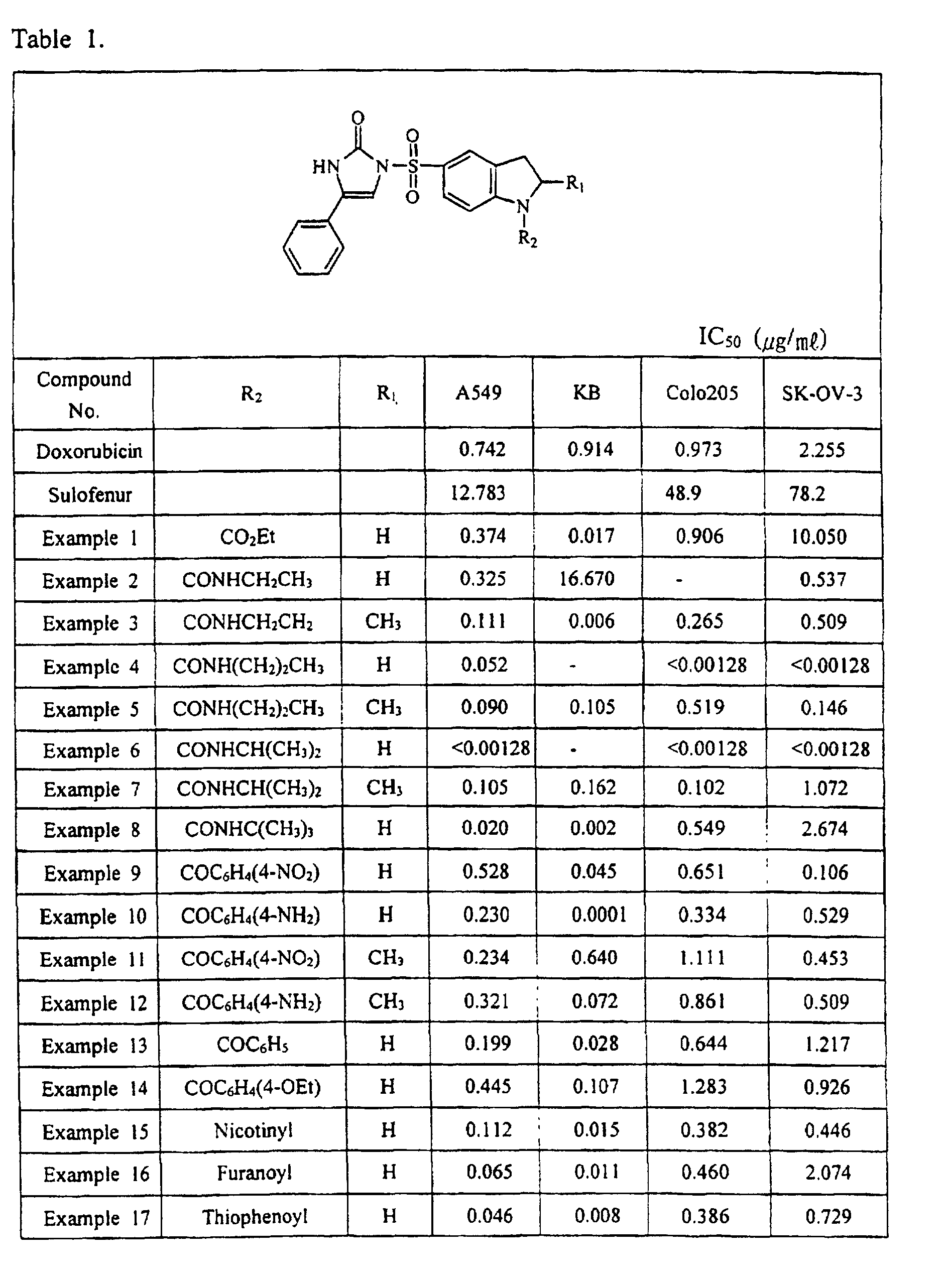


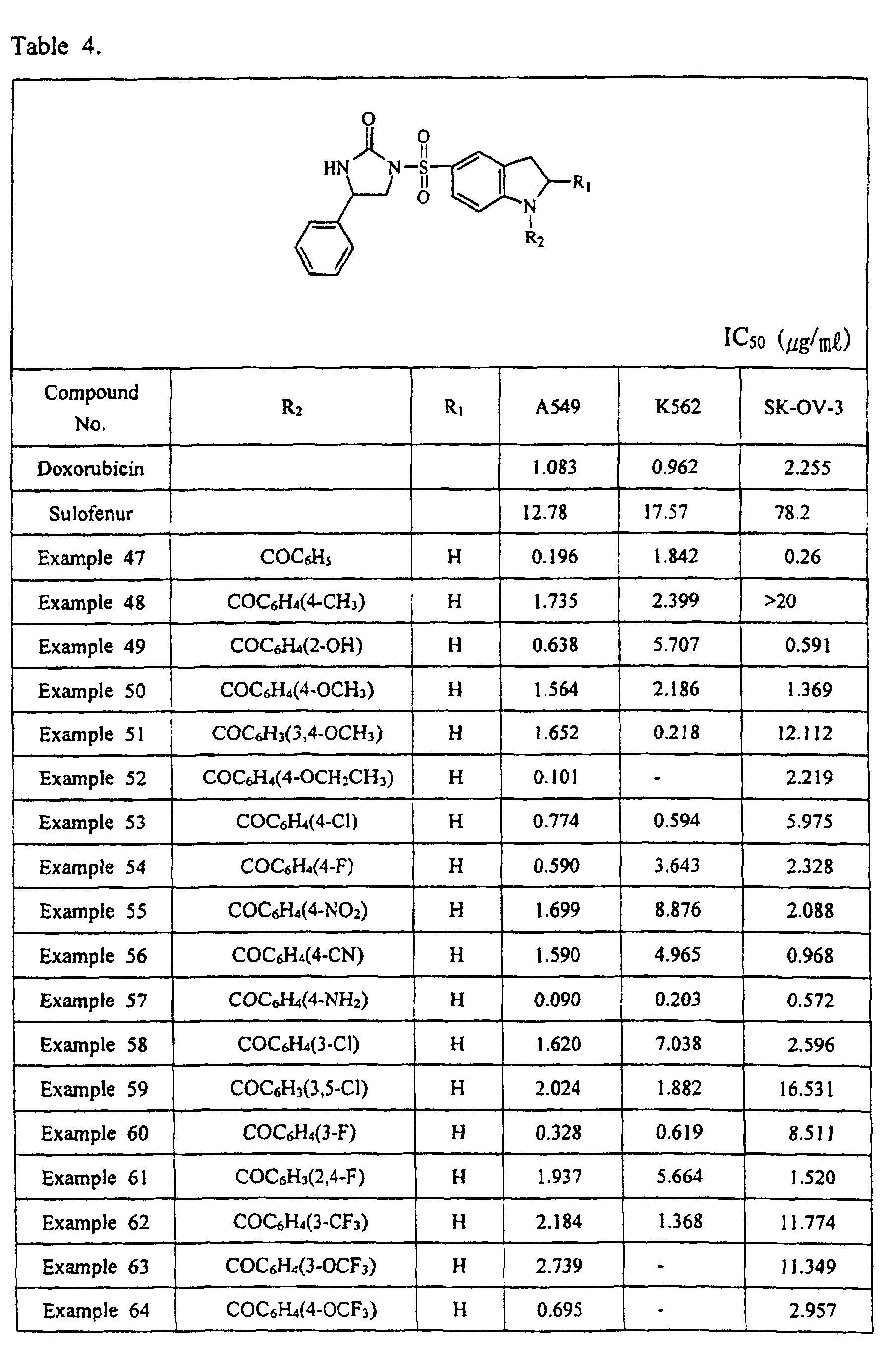
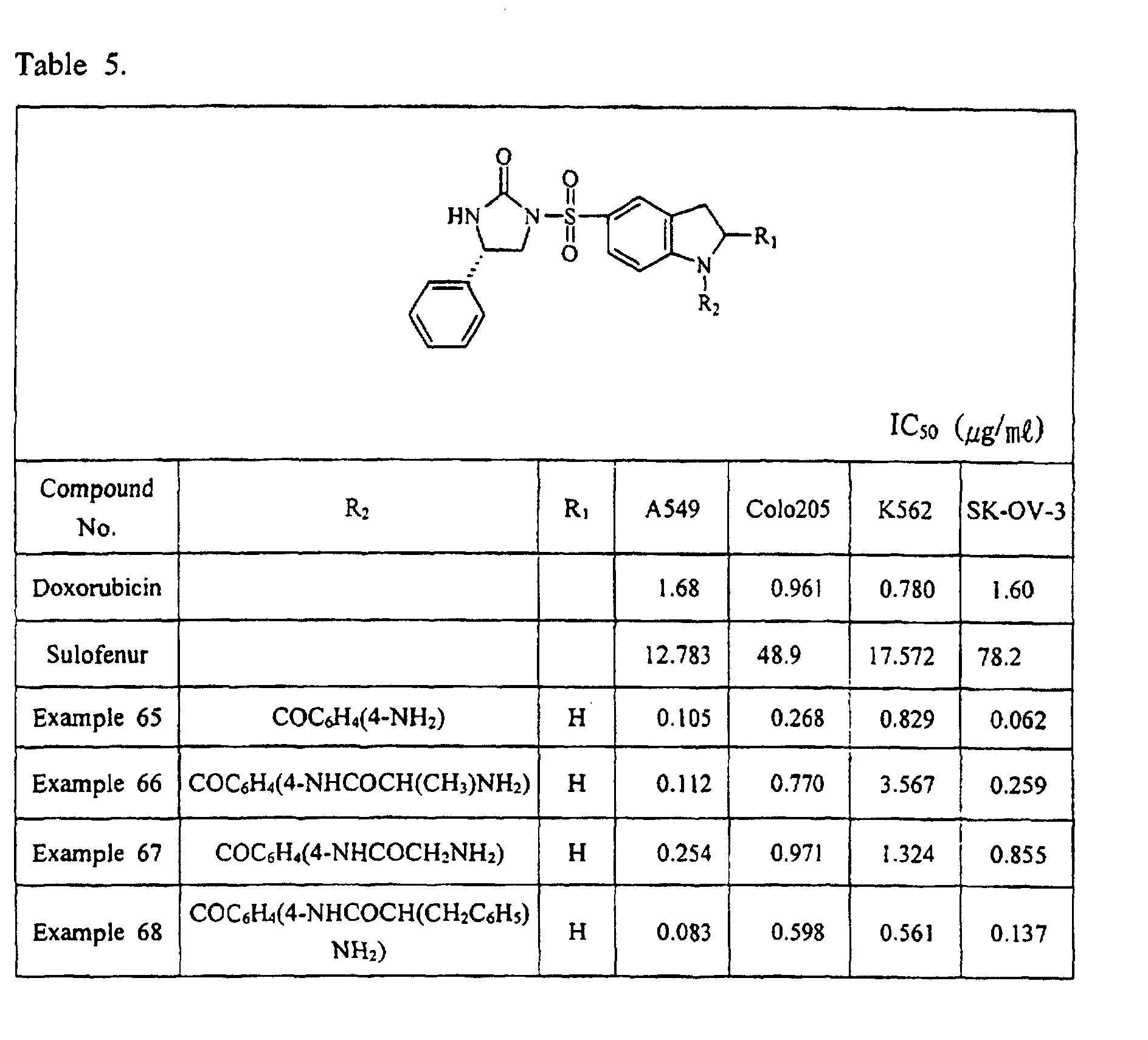
- P388 murine leukemia cells were injected into BDF1 mouse intraperitoneally and grown in the peritoneal cavity. The P388 cells were periodically exudated and reinjected intraperitoneally into mouse for subculture.
- The cells were exudated, washed, resuspended in saline (2×10⁷ cells/mℓ), and then injected intraperitoneally again into BDF1 mouse (2× 10⁶cells/0.1mℓ ).
- Test compound dissolved in appropriate vehicle was administered intraperitonealy or orally into the mouse which was implanted with P388 murine leukemia tumor cells in the frequency of once per 2 days for 10 days. The vehicle was administered into the mouse of control group. Then, the number of live animals were daily checked to estimate the median survival time (MST).
- T/C ratio(%) of each test compound was calculated according to the following formula, and the test results are shown in Table 6.
Compound No. Dose (mg/kg) Route T/C rate (%) Example 12 65 p.o. 115.4 Example 29 6.25 i.p. 113.6 Example 34 6.25 i.p. 140.9 Example 57 100 i.p. 166.7 Example 57 100 p.o. 175.0 Example 57 65 p.o. 146.0 Example 57 50 p.o. 133.3 Example 65 65 p.o. 138.5 - Colon 26 murine cancer cells were injected into Balb/C mouse intradermally and grown in mouse abdominal skin to a solid tumor. The Colon 26 tumors were periodically excised from the mouse, digested with an enzyme mixture containing collagenase and DNase, and then intradermally reinjected into mouse for subculture.
- The cells were washed, resuspended in saline (5x10⁶cells/mℓ) and inoculated (5x10⁵cells/0.1mℓ) intradermally to abdominal part of Balb/C mouse of which hair was removed in advance. Each test compound was dissolved in a solvent mixture of 60% propylene glycol(PG), 40% cremophor RH60(CP), and distilled water(DW) in the volume ratio of 30:20:50. When the size of tumor reached at appropriate level, the test compound was administered orally into the mouse which was implanted with colon 26 tumor cells in the frequency of once per 2 days for 10 days. The vehicle was also administered into the mouse of control group. The major and minor axis of tumor in each group were regularly measured by vernier calipers to estimate the increase of the tumor volume. Tumor volume was calculated on the basis of the following formula :
- When the tumor volume of the control group reached at about 1500 mm3, the test animals were sacrificed by cervical dislocation and tumor was carefully excised and weighed. The inhibition rate of tumor growth (%) of each test compound was calculated as follows :
- The results are shown in the following Table 7.
Compound No. Dose (mg/kg) Route Inhibition rate of tumor growth (%) Example 57 65 p.o. 67.4 Example 65 65 p.o. 69.2 Example 68 65 p.o. 45.3 - Male Wistar Rat (Charles River Japan, ca, 6 weeks old) was used as test animal and sodium-carboxymethylcellulose (Na-CMC, Sigma Chemical, U.S.A.) was used as a vehicle control. Compounds 57 and 65 were suspended in 0.5% Na-CMC, respectively, before dosing. Test compounds were administered by gastric lavage with the dosage of 400, 550, 700, 850 and 1000mg/kg. Control group was treated only with 0.5% Na-CMC. Each group was consisted of 5 rats. LD50 value and 95% confidence intervals of each test compound were calculated according to probit method and the results thus obtained are described in the following Table 8 (95% confidence intervals are represented in the parenthesis).
Compound No. Doses (mg/kg) LD50 0 400 550 700 850 1000 Example 27 0/5 0/5 1/5 3/5 5/5 5/5 644.3 (521.8-756.5) Example 48 0/5 0/5 1/5 4/5 4/5 5/5 644.6 (506.8-756.6) - As can be seen from the results of Table 8, the compound (I) according to the present invention has little acute toxicity against mammals including human being, therefore can be safely used as an antitumor agent.
Claims (8)
- An arylsulfonylimidazolone derivative represented by the following formula (I) :its pharmaceutically acceptable salt or stereoisomer, in which

-

- represents single or double bond,
- R1
- represents hydrogen or methyl,
- R2
- represents chloroacetyl; C1-C5alkylaminoacetyl; allylaminoacetyl; C1-C4
alkoxycarbonyl; nicotinyl; furanoyl; thiophenoyl; benzoyl which can be
substituted by halogen, nitro, cyano, amino which can be substituted by
nonpolar amino acid residue, hydroxy, methyl or methoxy which can
independently of one another be substituted by halogen, ethoxy or
chloroacetylamino; or
(wherein, X represents oxygen or sulfur atom, R3 represents C1-C4alkyl, allyl, chloroacetyl or cyclohexyl, or phenyl which can be substituted by methoxy, fluoro, methyl, amino or methylthio).

-
- The compound of claim 1, wherein
- The compound of claim 1, wherein

- The compound of claim 1, wherein
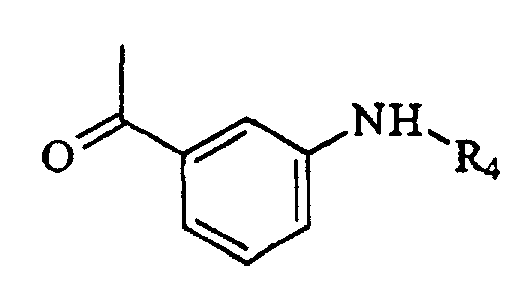
- A process for preparing an arylsulfonylimidazolone derivative of the following formula (I):its pharmaceutically acceptable salt, or stereoisomer, in which R1 and R2 are each as defined in claim 1, wherein
 a) a compound represented by the following formula (III):is reacted with a compound represented by the following formula (IV) :
 in the above formulas, R1 and R2 are each as defined in claim 1, and Y represents a reactive leaving group; or
 b) the compound represented by the following formula (III) or its salt :is reacted with a compound represented by the following formula (V) :
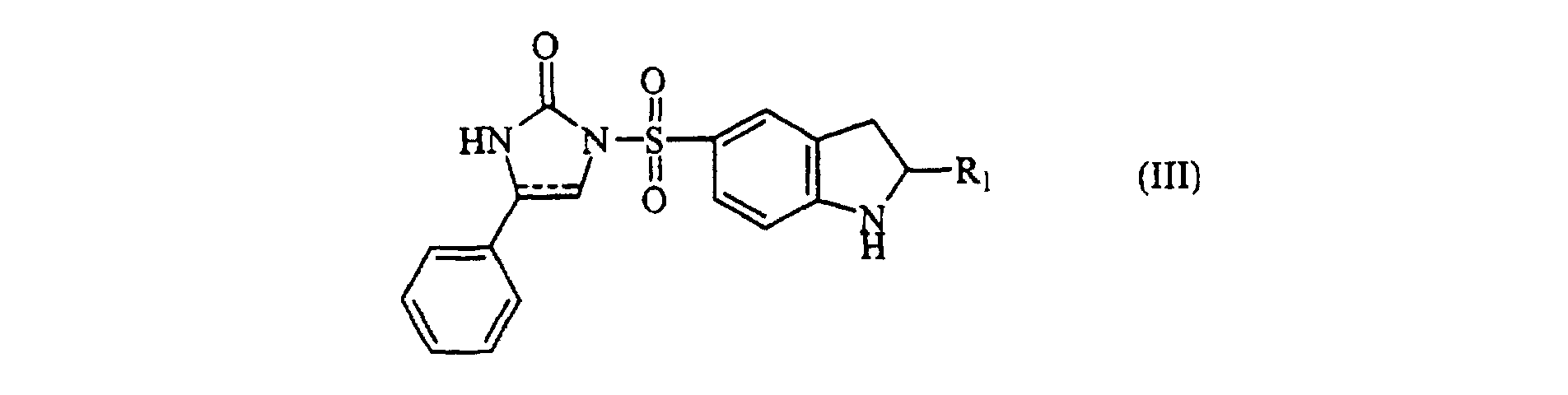 in the above formulas, R1, R3 and X are each as defined in claim 1; or
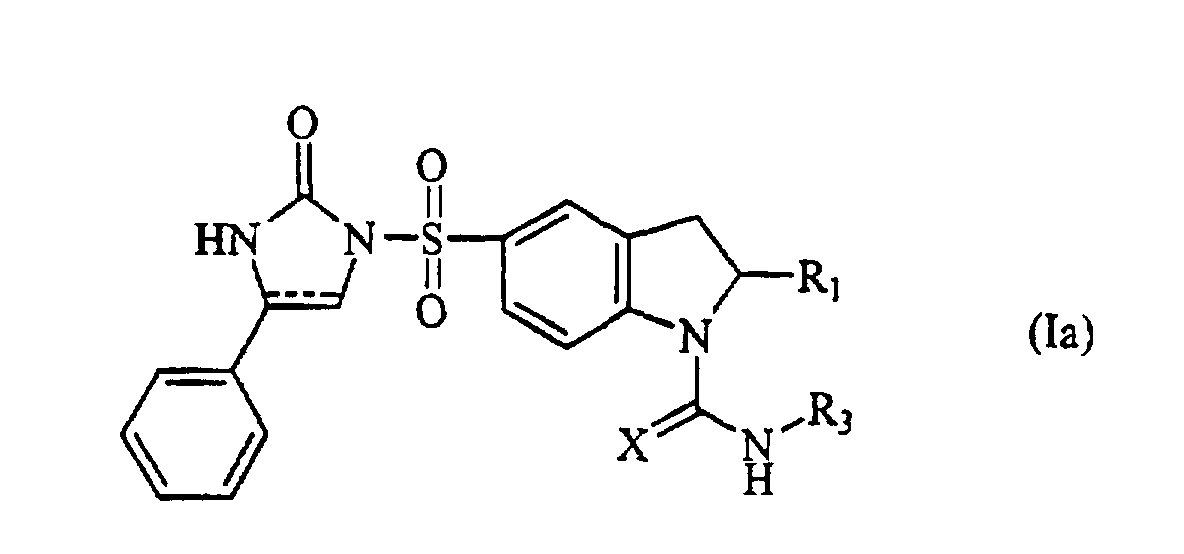 a compound represented by the following formula (Ib) having a p-nitrobenzoyl group at 1-position of indoline ring :is reduced to provide a compound represented by the following formula (Ic) :
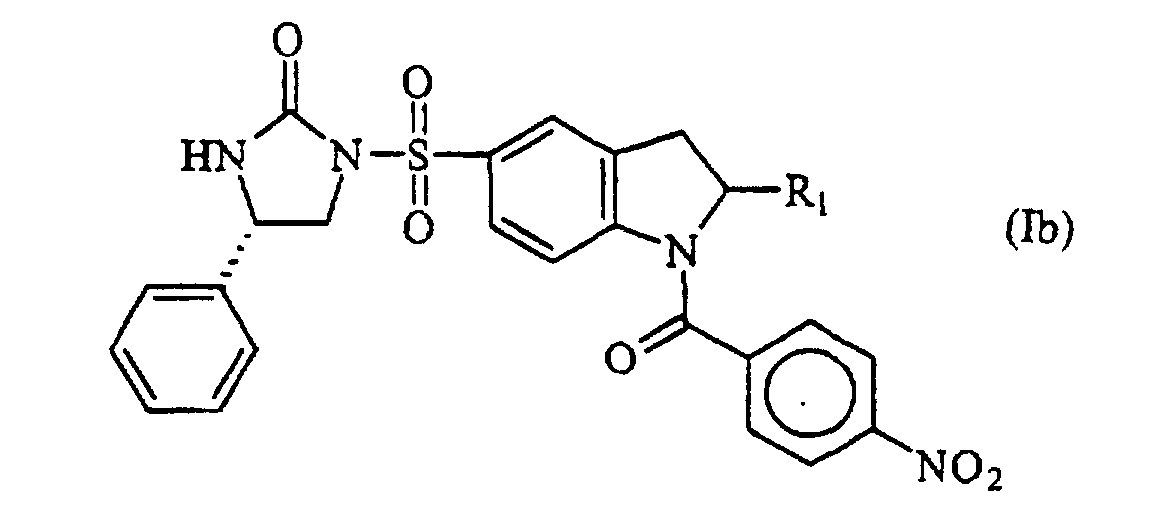 the compound of formula (Ic) or its salt thus prepared is condensed with an amino acid wherein the amino group is substituted by t-butoxycarbonyl represented by the following formula (VI) :
 in the above formulas, tBOC represents t-butoxycarbonyl and R4 represents nonpolar amino acid residue.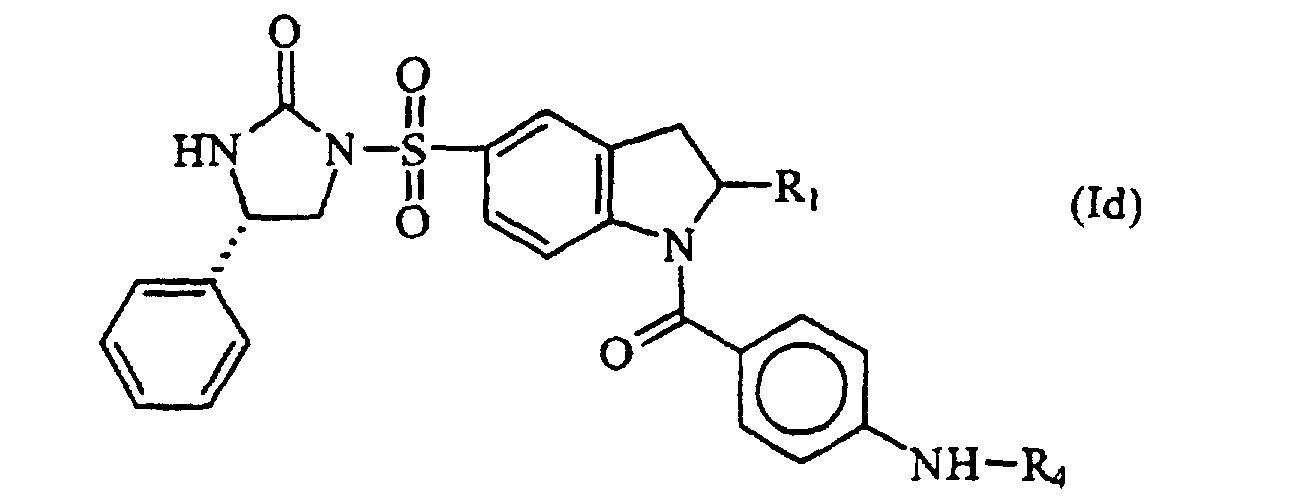
- An intermediate represented by the following formula (III):in which R1 is as defined in claim 1.
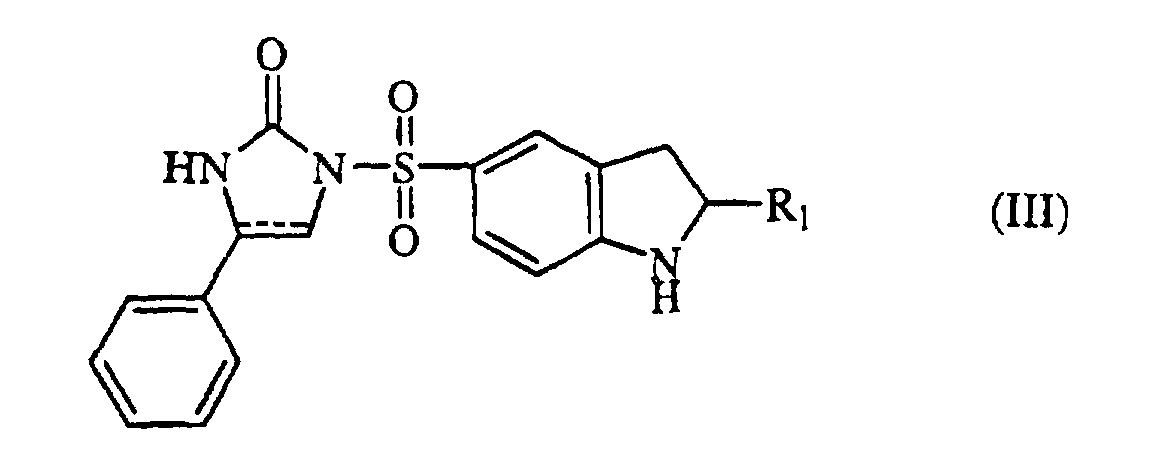
- A process for preparing an intermediate of the following formula (III) :in which R1 is as defined in claim 1, wherein
 d) a compound represented by the following formula (VIIa) :is reacted with a compound represented by the following formula (VIII):
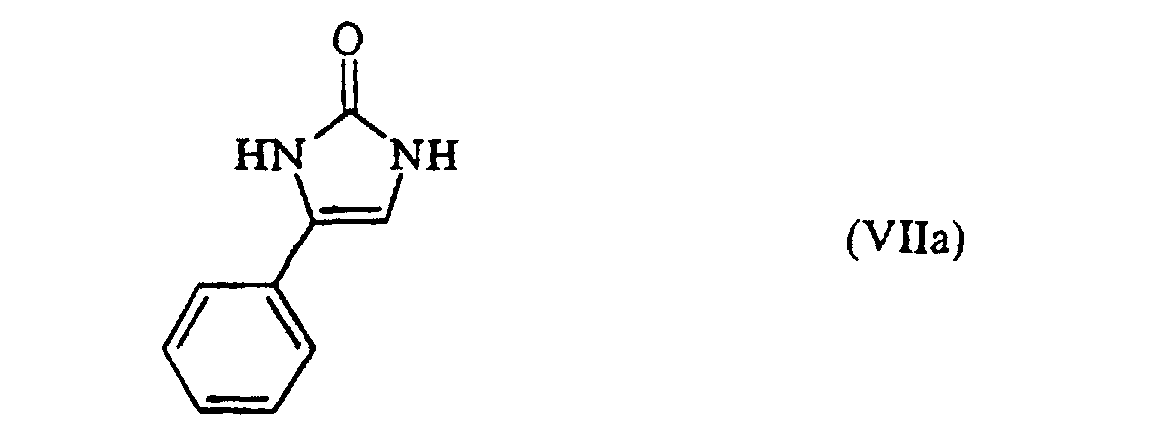 to provide a compound represented by the following formula (IXa) :
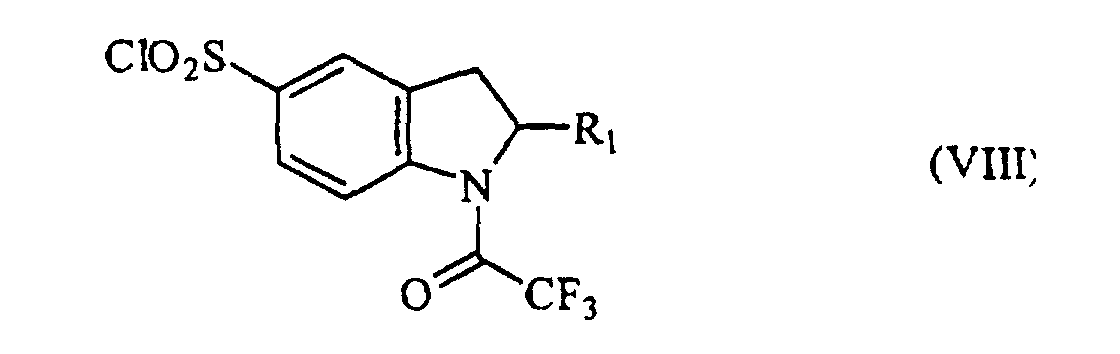 then the trifluoroacetyl group as an amino-protecting group of the compound of fomula (IXa) is removed to prepare the compound represented by the following formula (IIIa) :
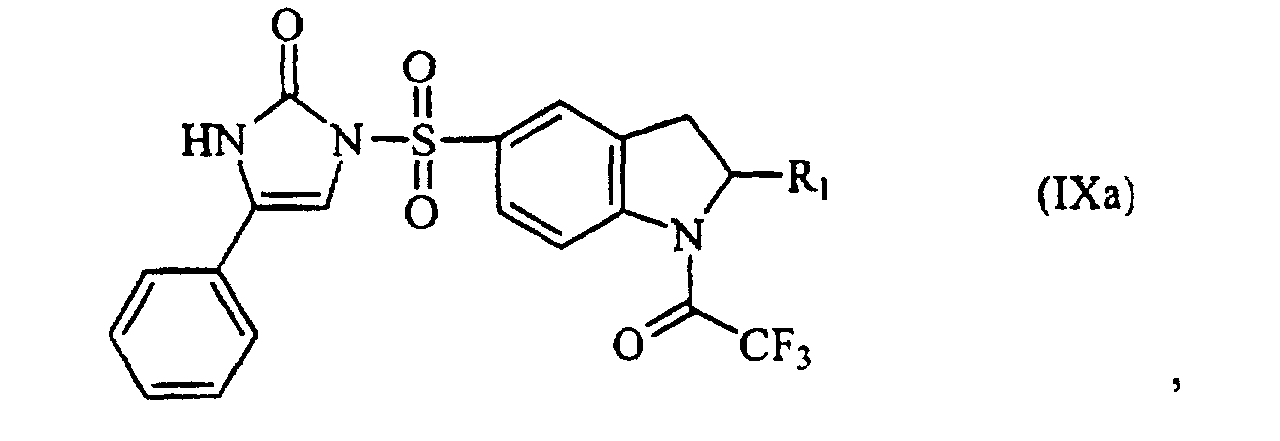 in the above formulas, R1 is as defined in claim 1; or
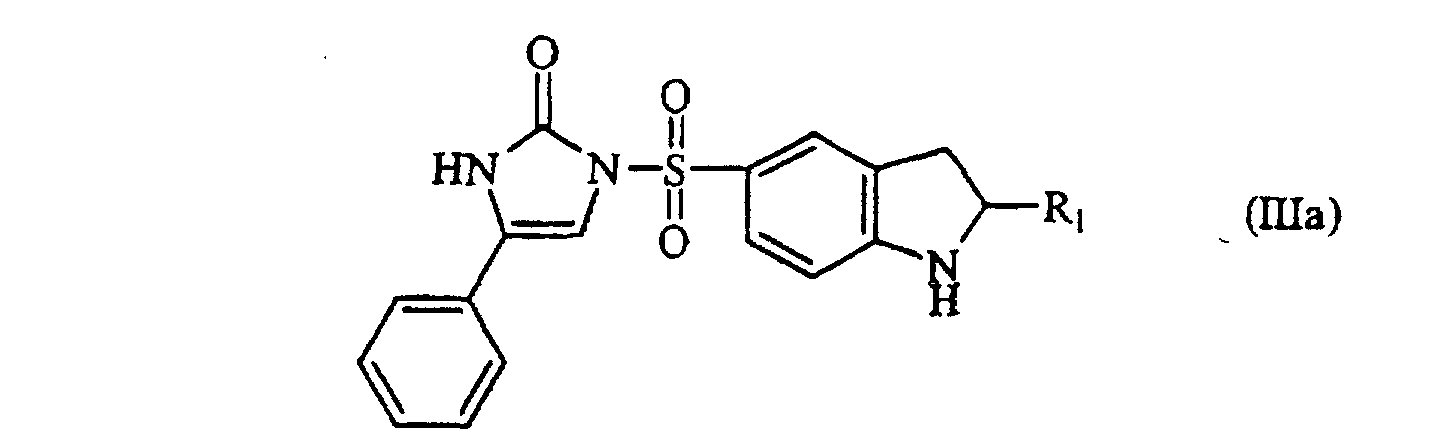 e) a compound represented by the following formula (VIIb) :is reacted with a compound represented by the following formula (VIII):
 to provide a compound represented by the following formula (IXb) :
 then the trifluoroacetyl group of the compound of fomula (IXb) is removed and the product thus obtained is acid-hydrolyzed to prepare the compound represented by the following formula (IIIb) :
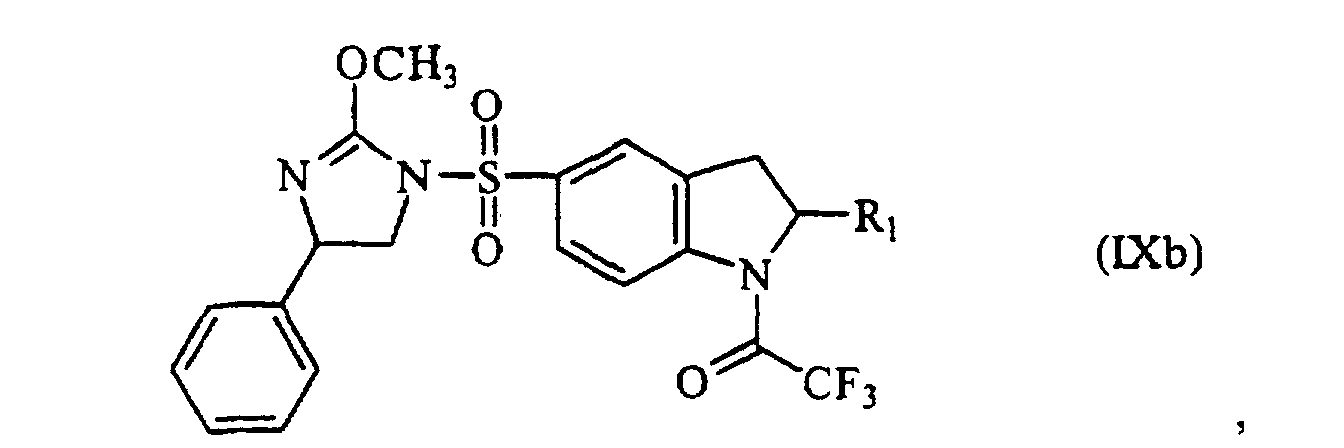 in the above formulas, R1 is as defined in claim 1; or
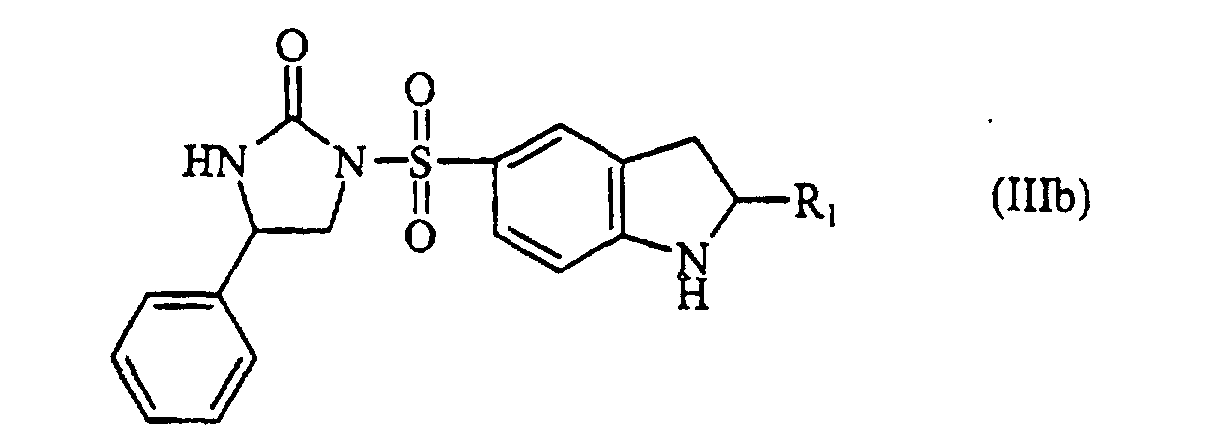 f) (S)-phenylglycinol represented by the following formula (X) :is reacted with phenylchloroformate (CICOOPh) to provide a compound represented by the following formula (XI) :
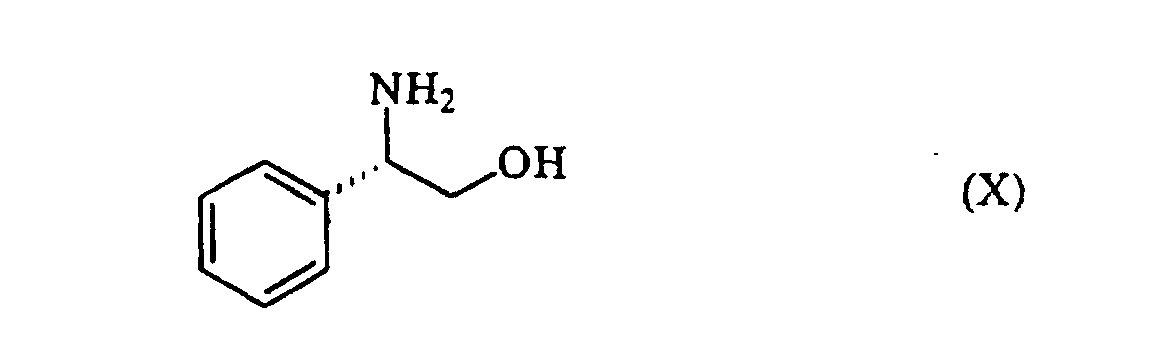 which is reacted with methanesulfonylchloride (CH3SO2Cl) to produce a compound represented by the following formula (XII) :
 then the compound of formula (XII) thus obtained is combined with a compound represented by the following formula (XIII) :
 and deprotected to provide a compound represented by the following formula (IIIc) :
 in the above formulas, R1 is as defined in claim 1.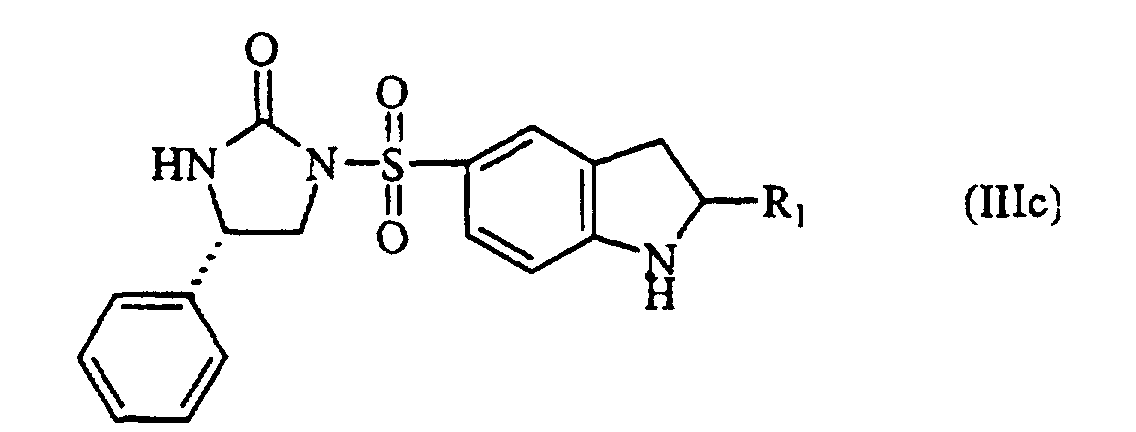
- An antitumor composition comprising as an active ingredient a therapeutically effective amount of a compound of formula (I) as defined in claim 1 together with a pharmaceutically acceptable carrier.
Applications Claiming Priority (9)
| Application Number | Priority Date | Filing Date | Title |
|---|---|---|---|
| KR9634920 | 1996-08-22 | ||
| KR1019960034920A KR19980015550A (en) | 1996-08-22 | 1996-08-22 | Novel benzoyl substituted indolinylsulfonylurea derivatives |
| KR1019960051939A KR100438482B1 (en) | 1996-11-05 | 1996-11-05 | Diarylsulfonyl imidazolone derivative having anticancer activity and preparation method thereof |
| KR9651939 | 1996-11-05 | ||
| KR1019960053450A KR100435085B1 (en) | 1996-11-12 | 1996-11-12 | New sulfonyl imidazolone derivatives |
| KR9653450 | 1996-11-12 | ||
| KR1019970019365A KR100437670B1 (en) | 1997-05-19 | 1997-05-19 | (s)-isomer type indoline sulfonyl urea derivatives having improved anticancer activity and hydrophobic properties, preparation method thereof and pharmaceutical composition comprising the same |
| KR9719365 | 1997-05-19 | ||
| PCT/KR1997/000154 WO1998007719A1 (en) | 1996-08-22 | 1997-08-20 | Arylsulfonylimidazolone derivatives as an antitumor agent |
Publications (2)
| Publication Number | Publication Date |
|---|---|
| EP1021437A1 EP1021437A1 (en) | 2000-07-26 |
| EP1021437B1 true EP1021437B1 (en) | 2001-11-14 |
Family
ID=27483149
Family Applications (1)
| Application Number | Title | Priority Date | Filing Date |
|---|---|---|---|
| EP97936869A Expired - Lifetime EP1021437B1 (en) | 1996-08-22 | 1997-08-20 | Arylsulfonylimidazolone derivatives as an antitumor agent |
Country Status (9)
| Country | Link |
|---|---|
| US (2) | US5929103A (en) |
| EP (1) | EP1021437B1 (en) |
| JP (1) | JP3226100B2 (en) |
| CN (1) | CN1079096C (en) |
| AT (1) | ATE208774T1 (en) |
| AU (1) | AU709107B2 (en) |
| CA (1) | CA2263353C (en) |
| DE (1) | DE69708340T2 (en) |
| WO (1) | WO1998007719A1 (en) |
Families Citing this family (15)
| Publication number | Priority date | Publication date | Assignee | Title |
|---|---|---|---|---|
| DE19919793A1 (en) | 1999-04-30 | 2000-11-02 | Bayer Ag | New sulfonamides |
| CA2408913A1 (en) * | 2000-05-16 | 2001-11-22 | Takeda Chemical Industries, Ltd. | Melanin-concentrating hormone antagonist |
| KR20030082292A (en) * | 2002-04-17 | 2003-10-22 | 주식회사 엘지생명과학 | Novel Indolinesulfonylurea Derivatives and Composition for Anti-cancer Comprising the Same |
| KR20030082294A (en) * | 2002-04-17 | 2003-10-22 | 주식회사 엘지생명과학 | Novel Arylsulfonylurea Derivatives, Method for Preparation Thereof and Composition for Anti-cancer Comprising the Same |
| US7358269B2 (en) | 2002-05-21 | 2008-04-15 | Allergan, Inc. | 2-((2-Thioxo-2,3-dihydro-1H-imidazol-4-yl)methyl)-3,4-dihydronapthalen-1(2H)-one |
| US7091232B2 (en) * | 2002-05-21 | 2006-08-15 | Allergan, Inc. | 4-(substituted cycloalkylmethyl) imidazole-2-thiones, 4-(substituted cycloalkenylmethyl) imidazole-2-thiones, 4-(substituted cycloalkylmethyl) imidazol-2-ones and 4-(substituted cycloalkenylmethyl) imidazol-2-ones and related compounds |
| US7323485B2 (en) * | 2002-05-21 | 2008-01-29 | Allergan, Inc. | 4-(substituted cycloalkylmethyl) imidazole-2-thiones, 4-(substituted cycloalkenylmethyl) imidazole-2-thiones, 4-(substituted cycloalkylmethyl) imidazol-2-ones and 4-(substituted cycloalkenylmethyl) imidazol-2-ones and related compounds |
| GB0421525D0 (en) * | 2004-09-28 | 2004-10-27 | Novartis Ag | Inhibitors of protein kineses |
| TWI329102B (en) * | 2006-08-15 | 2010-08-21 | Nat Health Research Institutes | Thiourea compounds and method for inhibiting hepatitis c virus infection |
| WO2008124300A1 (en) * | 2007-04-10 | 2008-10-16 | National Health Research Institutes | Hepatitis c virus inhibitors |
| WO2008154091A1 (en) * | 2007-06-08 | 2008-12-18 | National Health Research Institutes | Thiourea derivatives |
| KR100965247B1 (en) * | 2008-02-13 | 2010-06-22 | 일동제약주식회사 | Novel arylsulfonylimidazolone derivative compounds and anticancer compositions containing the compounds |
| US8198284B2 (en) * | 2008-04-30 | 2012-06-12 | National Health Research Institutes | Treatment of neurodegenerative disorders with thiourea compounds |
| KR101458494B1 (en) * | 2010-07-08 | 2014-11-07 | 충남대학교산학협력단 | New arylsulfonylimidazolone derivatives and an anti-cancer pharmaceutical composition comprising the same |
| PL231063B1 (en) * | 2013-04-10 | 2019-01-31 | Oncoarendi Therapeutics Spolka Z Ograniczona Odpowiedzialnoscia | Derivatives of 1-(substituted sulfonyl) 2-aminoimidazoline as an anticancer and antiproliferative agents |
Family Cites Families (13)
| Publication number | Priority date | Publication date | Assignee | Title |
|---|---|---|---|---|
| US4845128A (en) * | 1984-06-27 | 1989-07-04 | Eli Lilly And Company | N([(4-trifluoromethylphenyl)amino]carbonyl)benzene sulfonamides |
| US5110830A (en) * | 1984-06-27 | 1992-05-05 | Eli Lilly And Company | Benzenesulfonamides treatment of tumors susceptible to |
| US5116874A (en) * | 1985-09-23 | 1992-05-26 | Eli Lilly And Company | Anti-tumor method and compounds |
| IL80032A (en) * | 1985-09-23 | 1992-07-15 | Lilly Co Eli | Anti-tumor phenyl-aminocarbonylsulfonamides,their preparation and pharmaceutical compositions containing them |
| US4677131A (en) * | 1985-11-01 | 1987-06-30 | Merck & Co., Inc. | Cyclic ureas as dermal penetration enhancers |
| JP2764262B2 (en) * | 1987-08-28 | 1998-06-11 | 持田製薬株式会社 | Hydantoin derivative and pharmaceutical composition containing the same as active ingredient |
| FI902028A7 (en) * | 1988-08-24 | 1990-04-23 | Mochida Pharm Co Ltd | Hydantoin derivatives |
| ZA915371B (en) * | 1990-07-17 | 1993-03-31 | Lilly Co Eli | Antitumor compositions and methods of treatment |
| US5254582A (en) * | 1992-02-05 | 1993-10-19 | Eli Lilly And Company | Antitumor compositions and methods |
| US5169860A (en) * | 1992-03-13 | 1992-12-08 | Eli Lilly And Company | Antitumor compositions and methods of treatment |
| CA2110524A1 (en) * | 1992-12-10 | 1994-06-11 | Gerald Burr Grindey | Antitumor compositions and methods of treatment |
| US5270329A (en) * | 1992-12-10 | 1993-12-14 | Eli Lilly And Company | Antitumor compositions and methods of treatment |
| ZA941500B (en) * | 1993-03-10 | 1995-09-04 | Lilly Co Eli | Antitumor compositions and methods of treatment |
-
1997
- 1997-08-20 AU AU39529/97A patent/AU709107B2/en not_active Ceased
- 1997-08-20 EP EP97936869A patent/EP1021437B1/en not_active Expired - Lifetime
- 1997-08-20 WO PCT/KR1997/000154 patent/WO1998007719A1/en not_active Ceased
- 1997-08-20 DE DE69708340T patent/DE69708340T2/en not_active Expired - Fee Related
- 1997-08-20 AT AT97936869T patent/ATE208774T1/en active
- 1997-08-20 CN CN97197359A patent/CN1079096C/en not_active Expired - Fee Related
- 1997-08-20 JP JP51060898A patent/JP3226100B2/en not_active Expired - Fee Related
- 1997-08-20 CA CA002263353A patent/CA2263353C/en not_active Expired - Fee Related
- 1997-08-21 US US08/915,726 patent/US5929103A/en not_active Expired - Fee Related
-
1998
- 1998-12-16 US US09/212,396 patent/US5932742A/en not_active Expired - Fee Related
Also Published As
| Publication number | Publication date |
|---|---|
| US5929103A (en) | 1999-07-27 |
| AU3952997A (en) | 1998-03-06 |
| ATE208774T1 (en) | 2001-11-15 |
| AU709107B2 (en) | 1999-08-19 |
| JP2000505096A (en) | 2000-04-25 |
| DE69708340T2 (en) | 2002-05-16 |
| CN1079096C (en) | 2002-02-13 |
| WO1998007719A1 (en) | 1998-02-26 |
| EP1021437A1 (en) | 2000-07-26 |
| CA2263353A1 (en) | 1998-02-26 |
| JP3226100B2 (en) | 2001-11-05 |
| US5932742A (en) | 1999-08-03 |
| CA2263353C (en) | 2002-04-23 |
| DE69708340D1 (en) | 2001-12-20 |
| CN1228088A (en) | 1999-09-08 |
Similar Documents
| Publication | Publication Date | Title |
|---|---|---|
| CA2263353C (en) | Arylsulfonylimidazolone derivatives as an antitumor agent | |
| US4923986A (en) | Derivatives of physiologically active substance K-252 | |
| EP0722446B1 (en) | Distamycin a analogues as antitumour or antiviral agents | |
| CN101998954B (en) | Conformationally restricted biphenyl derivatives for use as hepatitis c virus inhibitors | |
| ES2751761T3 (en) | Pyrrole compounds such as ERK protein kinase inhibitors and pharmaceutical compositions containing those compounds | |
| ES2212138T3 (en) | DERIVED FROM BENZO-HETEROCICLIC DISTAMYCIN, ITS PREPARATION PROCEDURE AND ITS USE AS ANTITUMORAL OR ANTIVIRAL AGENTS. | |
| WO2001018032A2 (en) | Dolastatin peptides | |
| EP3315492B1 (en) | Pyrazole derivative, or pharmaceutically acceptable salt thereof | |
| WO2001027105A1 (en) | Pyrimidine-5-carboxamide compounds, process for producing the same and use thereof | |
| US6544981B2 (en) | Lactam inhibitors of factor Xa and method | |
| EP1064281B1 (en) | Benzoheterocyclic distamycin derivatives, process for preparing them, and their use as antitumor agents | |
| JP4088249B2 (en) | Pyrazole derivatives as HIV reverse transcriptase inhibitors | |
| WO2001004125A1 (en) | Staurosporin derivatives | |
| EP0541798A1 (en) | New diamine compound and brain protecting agent containing the same | |
| JP2024073409A (en) | Substituted alkynylene compounds as anticancer agents. | |
| KR101109948B1 (en) | Novel imidazole derivatives, the production thereof, and the use of the same as a medicament | |
| AU2005227954B2 (en) | Heterocyclic compound and anti-malignant-tumor agent comprising the same as effective component | |
| AU2006243393A1 (en) | 3 -mono- and 3 , 5-disubstituted piperidine derivatives as renin inhibitors | |
| EP3655394B1 (en) | Novel albicidin derivatives, their use and synthesis | |
| WO2001040181A1 (en) | Acryloyl peptidic derivatives, process for their preparation and their use as antitumor agents | |
| EP4722208A1 (en) | Novel benzamide derivative compound and pharmaceutical composition comprising same | |
| KR100435085B1 (en) | New sulfonyl imidazolone derivatives | |
| JPWO2001004125A1 (en) | Staurosporine derivatives | |
| HK1105202B (en) | Heterocyclic compound and anti-malignant-tumor agent containing the same as active ingredient |
Legal Events
| Date | Code | Title | Description |
|---|---|---|---|
| PUAI | Public reference made under article 153(3) epc to a published international application that has entered the european phase |
Free format text: ORIGINAL CODE: 0009012 |
|
| 17P | Request for examination filed |
Effective date: 19990219 |
|
| AK | Designated contracting states |
Kind code of ref document: A1 Designated state(s): AT BE CH DE DK ES FI FR GB GR IE IT LI LU MC NL PT SE |
|
| GRAG | Despatch of communication of intention to grant |
Free format text: ORIGINAL CODE: EPIDOS AGRA |
|
| 17Q | First examination report despatched |
Effective date: 20001026 |
|
| GRAG | Despatch of communication of intention to grant |
Free format text: ORIGINAL CODE: EPIDOS AGRA |
|
| GRAH | Despatch of communication of intention to grant a patent |
Free format text: ORIGINAL CODE: EPIDOS IGRA |
|
| GRAH | Despatch of communication of intention to grant a patent |
Free format text: ORIGINAL CODE: EPIDOS IGRA |
|
| GRAA | (expected) grant |
Free format text: ORIGINAL CODE: 0009210 |
|
| AK | Designated contracting states |
Kind code of ref document: B1 Designated state(s): AT BE CH DE DK ES FI FR GB GR IE IT LI LU MC NL PT SE |
|
| PG25 | Lapsed in a contracting state [announced via postgrant information from national office to epo] |
Ref country code: NL Free format text: LAPSE BECAUSE OF FAILURE TO SUBMIT A TRANSLATION OF THE DESCRIPTION OR TO PAY THE FEE WITHIN THE PRESCRIBED TIME-LIMIT Effective date: 20011114 Ref country code: LI Free format text: LAPSE BECAUSE OF FAILURE TO SUBMIT A TRANSLATION OF THE DESCRIPTION OR TO PAY THE FEE WITHIN THE PRESCRIBED TIME-LIMIT Effective date: 20011114 Ref country code: IT Free format text: LAPSE BECAUSE OF FAILURE TO SUBMIT A TRANSLATION OF THE DESCRIPTION OR TO PAY THE FEE WITHIN THE PRE;WARNING: LAPSES OF ITALIAN PATENTS WITH EFFECTIVE DATE BEFORE 2007 MAY HAVE OCCURRED AT ANY TIME BEFORE 2007. THE CORRECT EFFECTIVE DATE MAY BE DIFFERENT FROM THE ONE RECORDED.SCRIBED TIME-LIMIT Effective date: 20011114 Ref country code: GR Free format text: LAPSE BECAUSE OF FAILURE TO SUBMIT A TRANSLATION OF THE DESCRIPTION OR TO PAY THE FEE WITHIN THE PRESCRIBED TIME-LIMIT Effective date: 20011114 Ref country code: FI Free format text: LAPSE BECAUSE OF FAILURE TO SUBMIT A TRANSLATION OF THE DESCRIPTION OR TO PAY THE FEE WITHIN THE PRESCRIBED TIME-LIMIT Effective date: 20011114 Ref country code: CH Free format text: LAPSE BECAUSE OF FAILURE TO SUBMIT A TRANSLATION OF THE DESCRIPTION OR TO PAY THE FEE WITHIN THE PRESCRIBED TIME-LIMIT Effective date: 20011114 Ref country code: BE Free format text: LAPSE BECAUSE OF FAILURE TO SUBMIT A TRANSLATION OF THE DESCRIPTION OR TO PAY THE FEE WITHIN THE PRESCRIBED TIME-LIMIT Effective date: 20011114 Ref country code: AT Free format text: LAPSE BECAUSE OF FAILURE TO SUBMIT A TRANSLATION OF THE DESCRIPTION OR TO PAY THE FEE WITHIN THE PRESCRIBED TIME-LIMIT Effective date: 20011114 |
|
| REF | Corresponds to: |
Ref document number: 208774 Country of ref document: AT Date of ref document: 20011115 Kind code of ref document: T |
|
| REG | Reference to a national code |
Ref country code: CH Ref legal event code: EP |
|
| REG | Reference to a national code |
Ref country code: IE Ref legal event code: FG4D |
|
| REF | Corresponds to: |
Ref document number: 69708340 Country of ref document: DE Date of ref document: 20011220 |
|
| REG | Reference to a national code |
Ref country code: GB Ref legal event code: IF02 |
|
| PG25 | Lapsed in a contracting state [announced via postgrant information from national office to epo] |
Ref country code: SE Free format text: LAPSE BECAUSE OF FAILURE TO SUBMIT A TRANSLATION OF THE DESCRIPTION OR TO PAY THE FEE WITHIN THE PRESCRIBED TIME-LIMIT Effective date: 20020214 Ref country code: PT Free format text: LAPSE BECAUSE OF FAILURE TO SUBMIT A TRANSLATION OF THE DESCRIPTION OR TO PAY THE FEE WITHIN THE PRESCRIBED TIME-LIMIT Effective date: 20020214 Ref country code: DK Free format text: LAPSE BECAUSE OF FAILURE TO SUBMIT A TRANSLATION OF THE DESCRIPTION OR TO PAY THE FEE WITHIN THE PRESCRIBED TIME-LIMIT Effective date: 20020214 |
|
| ET | Fr: translation filed | ||
| NLV1 | Nl: lapsed or annulled due to failure to fulfill the requirements of art. 29p and 29m of the patents act | ||
| PG25 | Lapsed in a contracting state [announced via postgrant information from national office to epo] |
Ref country code: ES Free format text: LAPSE BECAUSE OF FAILURE TO SUBMIT A TRANSLATION OF THE DESCRIPTION OR TO PAY THE FEE WITHIN THE PRESCRIBED TIME-LIMIT Effective date: 20020530 |
|
| REG | Reference to a national code |
Ref country code: CH Ref legal event code: PL |
|
| PG25 | Lapsed in a contracting state [announced via postgrant information from national office to epo] |
Ref country code: LU Free format text: LAPSE BECAUSE OF NON-PAYMENT OF DUE FEES Effective date: 20020820 Ref country code: IE Free format text: LAPSE BECAUSE OF NON-PAYMENT OF DUE FEES Effective date: 20020820 |
|
| PGFP | Annual fee paid to national office [announced via postgrant information from national office to epo] |
Ref country code: GB Payment date: 20020910 Year of fee payment: 6 |
|
| PGFP | Annual fee paid to national office [announced via postgrant information from national office to epo] |
Ref country code: FR Payment date: 20020916 Year of fee payment: 6 |
|
| PLBE | No opposition filed within time limit |
Free format text: ORIGINAL CODE: 0009261 |
|
| STAA | Information on the status of an ep patent application or granted ep patent |
Free format text: STATUS: NO OPPOSITION FILED WITHIN TIME LIMIT |
|
| PGFP | Annual fee paid to national office [announced via postgrant information from national office to epo] |
Ref country code: DE Payment date: 20020927 Year of fee payment: 6 |
|
| 26N | No opposition filed | ||
| PG25 | Lapsed in a contracting state [announced via postgrant information from national office to epo] |
Ref country code: MC Free format text: LAPSE BECAUSE OF NON-PAYMENT OF DUE FEES Effective date: 20030301 |
|
| REG | Reference to a national code |
Ref country code: IE Ref legal event code: MM4A |
|
| PG25 | Lapsed in a contracting state [announced via postgrant information from national office to epo] |
Ref country code: GB Free format text: LAPSE BECAUSE OF NON-PAYMENT OF DUE FEES Effective date: 20030820 |
|
| PG25 | Lapsed in a contracting state [announced via postgrant information from national office to epo] |
Ref country code: DE Free format text: LAPSE BECAUSE OF NON-PAYMENT OF DUE FEES Effective date: 20040302 |
|
| GBPC | Gb: european patent ceased through non-payment of renewal fee | ||
| PG25 | Lapsed in a contracting state [announced via postgrant information from national office to epo] |
Ref country code: FR Free format text: LAPSE BECAUSE OF NON-PAYMENT OF DUE FEES Effective date: 20040430 |
|
| REG | Reference to a national code |
Ref country code: FR Ref legal event code: ST |