EP1021190B1 - Amid derivatives as growth hormone release promotors - Google Patents
Amid derivatives as growth hormone release promotors Download PDFInfo
- Publication number
- EP1021190B1 EP1021190B1 EP98942140A EP98942140A EP1021190B1 EP 1021190 B1 EP1021190 B1 EP 1021190B1 EP 98942140 A EP98942140 A EP 98942140A EP 98942140 A EP98942140 A EP 98942140A EP 1021190 B1 EP1021190 B1 EP 1021190B1
- Authority
- EP
- European Patent Office
- Prior art keywords
- naphthalen
- oxo
- ethyl
- dihydro
- propionamide
- Prior art date
- Legal status (The legal status is an assumption and is not a legal conclusion. Google has not performed a legal analysis and makes no representation as to the accuracy of the status listed.)
- Expired - Lifetime
Links
- 0 BC(C(O*)=O)N(*)C(NNCCCCCCC)=O Chemical compound BC(C(O*)=O)N(*)C(NNCCCCCCC)=O 0.000 description 33
- SWLPEEUPLOKPNS-UHFFFAOYSA-N CN(c1ccccc1SCC1)C1=O Chemical compound CN(c1ccccc1SCC1)C1=O SWLPEEUPLOKPNS-UHFFFAOYSA-N 0.000 description 4
- QIMMUPPBPVKWKM-UHFFFAOYSA-N Cc1cc2ccccc2cc1 Chemical compound Cc1cc2ccccc2cc1 QIMMUPPBPVKWKM-UHFFFAOYSA-N 0.000 description 3
- IHUSFSNXGZZXHU-UHFFFAOYSA-N CN(c(cccc1)c1OCC1)C1=O Chemical compound CN(c(cccc1)c1OCC1)C1=O IHUSFSNXGZZXHU-UHFFFAOYSA-N 0.000 description 2
- DNCWFFJCEZQWNA-UHFFFAOYSA-N CNCC(CNI)O Chemical compound CNCC(CNI)O DNCWFFJCEZQWNA-UHFFFAOYSA-N 0.000 description 2
- XGULRGVPTVUQDT-UHFFFAOYSA-N CC(NC(CCc(cccc1)c1N1C)C1=O)=O Chemical compound CC(NC(CCc(cccc1)c1N1C)C1=O)=O XGULRGVPTVUQDT-UHFFFAOYSA-N 0.000 description 1
- UYCBOHQEGPSEQB-UHFFFAOYSA-N CC(OC(CN)CNC)=O Chemical compound CC(OC(CN)CNC)=O UYCBOHQEGPSEQB-UHFFFAOYSA-N 0.000 description 1
- JFOLCHMWNVBWPC-CCKFTAQKSA-N CCOC([C@H](C[C@@H](C1)N)N1C([C@H](C)Cc1cc2ccccc2cc1)=O)=O Chemical compound CCOC([C@H](C[C@@H](C1)N)N1C([C@H](C)Cc1cc2ccccc2cc1)=O)=O JFOLCHMWNVBWPC-CCKFTAQKSA-N 0.000 description 1
- PNBAISGOCUGMRG-UHFFFAOYSA-N CN(c1c(CCC2)c(OC)ccc1)C2=O Chemical compound CN(c1c(CCC2)c(OC)ccc1)C2=O PNBAISGOCUGMRG-UHFFFAOYSA-N 0.000 description 1
- ZWFBAQAIVGHQLF-UHFFFAOYSA-N CN(c1c(CCC2)cccc1)C2=O Chemical compound CN(c1c(CCC2)cccc1)C2=O ZWFBAQAIVGHQLF-UHFFFAOYSA-N 0.000 description 1
- NGZYRKGJWYJGRS-UHFFFAOYSA-N CNC1CNCC1 Chemical compound CNC1CNCC1 NGZYRKGJWYJGRS-UHFFFAOYSA-N 0.000 description 1
- RMIVMBYMDISYFZ-UHFFFAOYSA-N CNCCCCN Chemical compound CNCCCCN RMIVMBYMDISYFZ-UHFFFAOYSA-N 0.000 description 1
- KKBKULKEPIWMJB-UHFFFAOYSA-N OC(NN1CCCCCCCCC1)=O Chemical compound OC(NN1CCCCCCCCC1)=O KKBKULKEPIWMJB-UHFFFAOYSA-N 0.000 description 1
Classifications
-
- C—CHEMISTRY; METALLURGY
- C07—ORGANIC CHEMISTRY
- C07D—HETEROCYCLIC COMPOUNDS
- C07D223/00—Heterocyclic compounds containing seven-membered rings having one nitrogen atom as the only ring hetero atom
- C07D223/14—Heterocyclic compounds containing seven-membered rings having one nitrogen atom as the only ring hetero atom condensed with carbocyclic rings or ring systems
- C07D223/16—Benzazepines; Hydrogenated benzazepines
-
- A—HUMAN NECESSITIES
- A61—MEDICAL OR VETERINARY SCIENCE; HYGIENE
- A61P—SPECIFIC THERAPEUTIC ACTIVITY OF CHEMICAL COMPOUNDS OR MEDICINAL PREPARATIONS
- A61P17/00—Drugs for dermatological disorders
- A61P17/02—Drugs for dermatological disorders for treating wounds, ulcers, burns, scars, keloids, or the like
-
- A—HUMAN NECESSITIES
- A61—MEDICAL OR VETERINARY SCIENCE; HYGIENE
- A61P—SPECIFIC THERAPEUTIC ACTIVITY OF CHEMICAL COMPOUNDS OR MEDICINAL PREPARATIONS
- A61P19/00—Drugs for skeletal disorders
-
- A—HUMAN NECESSITIES
- A61—MEDICAL OR VETERINARY SCIENCE; HYGIENE
- A61P—SPECIFIC THERAPEUTIC ACTIVITY OF CHEMICAL COMPOUNDS OR MEDICINAL PREPARATIONS
- A61P19/00—Drugs for skeletal disorders
- A61P19/08—Drugs for skeletal disorders for bone diseases, e.g. rachitism, Paget's disease
-
- A—HUMAN NECESSITIES
- A61—MEDICAL OR VETERINARY SCIENCE; HYGIENE
- A61P—SPECIFIC THERAPEUTIC ACTIVITY OF CHEMICAL COMPOUNDS OR MEDICINAL PREPARATIONS
- A61P19/00—Drugs for skeletal disorders
- A61P19/08—Drugs for skeletal disorders for bone diseases, e.g. rachitism, Paget's disease
- A61P19/10—Drugs for skeletal disorders for bone diseases, e.g. rachitism, Paget's disease for osteoporosis
-
- A—HUMAN NECESSITIES
- A61—MEDICAL OR VETERINARY SCIENCE; HYGIENE
- A61P—SPECIFIC THERAPEUTIC ACTIVITY OF CHEMICAL COMPOUNDS OR MEDICINAL PREPARATIONS
- A61P37/00—Drugs for immunological or allergic disorders
-
- A—HUMAN NECESSITIES
- A61—MEDICAL OR VETERINARY SCIENCE; HYGIENE
- A61P—SPECIFIC THERAPEUTIC ACTIVITY OF CHEMICAL COMPOUNDS OR MEDICINAL PREPARATIONS
- A61P43/00—Drugs for specific purposes, not provided for in groups A61P1/00-A61P41/00
-
- A—HUMAN NECESSITIES
- A61—MEDICAL OR VETERINARY SCIENCE; HYGIENE
- A61P—SPECIFIC THERAPEUTIC ACTIVITY OF CHEMICAL COMPOUNDS OR MEDICINAL PREPARATIONS
- A61P5/00—Drugs for disorders of the endocrine system
-
- A—HUMAN NECESSITIES
- A61—MEDICAL OR VETERINARY SCIENCE; HYGIENE
- A61P—SPECIFIC THERAPEUTIC ACTIVITY OF CHEMICAL COMPOUNDS OR MEDICINAL PREPARATIONS
- A61P5/00—Drugs for disorders of the endocrine system
- A61P5/06—Drugs for disorders of the endocrine system of the anterior pituitary hormones, e.g. TSH, ACTH, FSH, LH, PRL, GH
-
- C—CHEMISTRY; METALLURGY
- C07—ORGANIC CHEMISTRY
- C07C—ACYCLIC OR CARBOCYCLIC COMPOUNDS
- C07C237/00—Carboxylic acid amides, the carbon skeleton of the acid part being further substituted by amino groups
- C07C237/02—Carboxylic acid amides, the carbon skeleton of the acid part being further substituted by amino groups having the carbon atoms of the carboxamide groups bound to acyclic carbon atoms of the carbon skeleton
- C07C237/22—Carboxylic acid amides, the carbon skeleton of the acid part being further substituted by amino groups having the carbon atoms of the carboxamide groups bound to acyclic carbon atoms of the carbon skeleton having nitrogen atoms of amino groups bound to the carbon skeleton of the acid part, further acylated
-
- C—CHEMISTRY; METALLURGY
- C07—ORGANIC CHEMISTRY
- C07D—HETEROCYCLIC COMPOUNDS
- C07D209/00—Heterocyclic compounds containing five-membered rings, condensed with other rings, with one nitrogen atom as the only ring hetero atom
- C07D209/02—Heterocyclic compounds containing five-membered rings, condensed with other rings, with one nitrogen atom as the only ring hetero atom condensed with one carbocyclic ring
- C07D209/04—Indoles; Hydrogenated indoles
- C07D209/30—Indoles; Hydrogenated indoles with hetero atoms or with carbon atoms having three bonds to hetero atoms with at the most one bond to halogen, directly attached to carbon atoms of the hetero ring
- C07D209/32—Oxygen atoms
- C07D209/38—Oxygen atoms in positions 2 and 3, e.g. isatin
-
- C—CHEMISTRY; METALLURGY
- C07—ORGANIC CHEMISTRY
- C07D—HETEROCYCLIC COMPOUNDS
- C07D209/00—Heterocyclic compounds containing five-membered rings, condensed with other rings, with one nitrogen atom as the only ring hetero atom
- C07D209/02—Heterocyclic compounds containing five-membered rings, condensed with other rings, with one nitrogen atom as the only ring hetero atom condensed with one carbocyclic ring
- C07D209/52—Heterocyclic compounds containing five-membered rings, condensed with other rings, with one nitrogen atom as the only ring hetero atom condensed with one carbocyclic ring condensed with a ring other than six-membered
-
- C—CHEMISTRY; METALLURGY
- C07—ORGANIC CHEMISTRY
- C07D—HETEROCYCLIC COMPOUNDS
- C07D211/00—Heterocyclic compounds containing hydrogenated pyridine rings, not condensed with other rings
- C07D211/04—Heterocyclic compounds containing hydrogenated pyridine rings, not condensed with other rings with only hydrogen or carbon atoms directly attached to the ring nitrogen atom
- C07D211/06—Heterocyclic compounds containing hydrogenated pyridine rings, not condensed with other rings with only hydrogen or carbon atoms directly attached to the ring nitrogen atom having no double bonds between ring members or between ring members and non-ring members
- C07D211/08—Heterocyclic compounds containing hydrogenated pyridine rings, not condensed with other rings with only hydrogen or carbon atoms directly attached to the ring nitrogen atom having no double bonds between ring members or between ring members and non-ring members with hydrocarbon or substituted hydrocarbon radicals directly attached to ring carbon atoms
- C07D211/18—Heterocyclic compounds containing hydrogenated pyridine rings, not condensed with other rings with only hydrogen or carbon atoms directly attached to the ring nitrogen atom having no double bonds between ring members or between ring members and non-ring members with hydrocarbon or substituted hydrocarbon radicals directly attached to ring carbon atoms with substituted hydrocarbon radicals attached to ring carbon atoms
- C07D211/20—Heterocyclic compounds containing hydrogenated pyridine rings, not condensed with other rings with only hydrogen or carbon atoms directly attached to the ring nitrogen atom having no double bonds between ring members or between ring members and non-ring members with hydrocarbon or substituted hydrocarbon radicals directly attached to ring carbon atoms with substituted hydrocarbon radicals attached to ring carbon atoms with hydrocarbon radicals, substituted by singly bound oxygen or sulphur atoms
- C07D211/22—Heterocyclic compounds containing hydrogenated pyridine rings, not condensed with other rings with only hydrogen or carbon atoms directly attached to the ring nitrogen atom having no double bonds between ring members or between ring members and non-ring members with hydrocarbon or substituted hydrocarbon radicals directly attached to ring carbon atoms with substituted hydrocarbon radicals attached to ring carbon atoms with hydrocarbon radicals, substituted by singly bound oxygen or sulphur atoms by oxygen atoms
-
- C—CHEMISTRY; METALLURGY
- C07—ORGANIC CHEMISTRY
- C07D—HETEROCYCLIC COMPOUNDS
- C07D215/00—Heterocyclic compounds containing quinoline or hydrogenated quinoline ring systems
- C07D215/02—Heterocyclic compounds containing quinoline or hydrogenated quinoline ring systems having no bond between the ring nitrogen atom and a non-ring member or having only hydrogen atoms or carbon atoms directly attached to the ring nitrogen atom
- C07D215/04—Heterocyclic compounds containing quinoline or hydrogenated quinoline ring systems having no bond between the ring nitrogen atom and a non-ring member or having only hydrogen atoms or carbon atoms directly attached to the ring nitrogen atom with only hydrogen atoms or radicals containing only hydrogen and carbon atoms, directly attached to the ring carbon atoms
- C07D215/06—Heterocyclic compounds containing quinoline or hydrogenated quinoline ring systems having no bond between the ring nitrogen atom and a non-ring member or having only hydrogen atoms or carbon atoms directly attached to the ring nitrogen atom with only hydrogen atoms or radicals containing only hydrogen and carbon atoms, directly attached to the ring carbon atoms having only hydrogen atoms, hydrocarbon or substituted hydrocarbon radicals, attached to the ring nitrogen atom
-
- C—CHEMISTRY; METALLURGY
- C07—ORGANIC CHEMISTRY
- C07D—HETEROCYCLIC COMPOUNDS
- C07D215/00—Heterocyclic compounds containing quinoline or hydrogenated quinoline ring systems
- C07D215/02—Heterocyclic compounds containing quinoline or hydrogenated quinoline ring systems having no bond between the ring nitrogen atom and a non-ring member or having only hydrogen atoms or carbon atoms directly attached to the ring nitrogen atom
- C07D215/16—Heterocyclic compounds containing quinoline or hydrogenated quinoline ring systems having no bond between the ring nitrogen atom and a non-ring member or having only hydrogen atoms or carbon atoms directly attached to the ring nitrogen atom with hetero atoms or with carbon atoms having three bonds to hetero atoms with at the most one bond to halogen, e.g. ester or nitrile radicals, directly attached to ring carbon atoms
- C07D215/20—Oxygen atoms
- C07D215/22—Oxygen atoms attached in position 2 or 4
- C07D215/227—Oxygen atoms attached in position 2 or 4 only one oxygen atom which is attached in position 2
-
- C—CHEMISTRY; METALLURGY
- C07—ORGANIC CHEMISTRY
- C07D—HETEROCYCLIC COMPOUNDS
- C07D215/00—Heterocyclic compounds containing quinoline or hydrogenated quinoline ring systems
- C07D215/02—Heterocyclic compounds containing quinoline or hydrogenated quinoline ring systems having no bond between the ring nitrogen atom and a non-ring member or having only hydrogen atoms or carbon atoms directly attached to the ring nitrogen atom
- C07D215/16—Heterocyclic compounds containing quinoline or hydrogenated quinoline ring systems having no bond between the ring nitrogen atom and a non-ring member or having only hydrogen atoms or carbon atoms directly attached to the ring nitrogen atom with hetero atoms or with carbon atoms having three bonds to hetero atoms with at the most one bond to halogen, e.g. ester or nitrile radicals, directly attached to ring carbon atoms
- C07D215/48—Carbon atoms having three bonds to hetero atoms with at the most one bond to halogen
- C07D215/54—Carbon atoms having three bonds to hetero atoms with at the most one bond to halogen attached in position 3
- C07D215/56—Carbon atoms having three bonds to hetero atoms with at the most one bond to halogen attached in position 3 with oxygen atoms in position 4
-
- C—CHEMISTRY; METALLURGY
- C07—ORGANIC CHEMISTRY
- C07D—HETEROCYCLIC COMPOUNDS
- C07D223/00—Heterocyclic compounds containing seven-membered rings having one nitrogen atom as the only ring hetero atom
- C07D223/14—Heterocyclic compounds containing seven-membered rings having one nitrogen atom as the only ring hetero atom condensed with carbocyclic rings or ring systems
- C07D223/18—Dibenzazepines; Hydrogenated dibenzazepines
- C07D223/20—Dibenz [b, e] azepines; Hydrogenated dibenz [b, e] azepines
-
- C—CHEMISTRY; METALLURGY
- C07—ORGANIC CHEMISTRY
- C07D—HETEROCYCLIC COMPOUNDS
- C07D225/00—Heterocyclic compounds containing rings of more than seven members having one nitrogen atom as the only ring hetero atom
- C07D225/04—Heterocyclic compounds containing rings of more than seven members having one nitrogen atom as the only ring hetero atom condensed with carbocyclic rings or ring systems
- C07D225/06—Heterocyclic compounds containing rings of more than seven members having one nitrogen atom as the only ring hetero atom condensed with carbocyclic rings or ring systems condensed with one six-membered ring
-
- C—CHEMISTRY; METALLURGY
- C07—ORGANIC CHEMISTRY
- C07D—HETEROCYCLIC COMPOUNDS
- C07D225/00—Heterocyclic compounds containing rings of more than seven members having one nitrogen atom as the only ring hetero atom
- C07D225/04—Heterocyclic compounds containing rings of more than seven members having one nitrogen atom as the only ring hetero atom condensed with carbocyclic rings or ring systems
- C07D225/08—Heterocyclic compounds containing rings of more than seven members having one nitrogen atom as the only ring hetero atom condensed with carbocyclic rings or ring systems condensed with two six-membered rings
-
- C—CHEMISTRY; METALLURGY
- C07—ORGANIC CHEMISTRY
- C07D—HETEROCYCLIC COMPOUNDS
- C07D243/00—Heterocyclic compounds containing seven-membered rings having two nitrogen atoms as the only ring hetero atoms
- C07D243/06—Heterocyclic compounds containing seven-membered rings having two nitrogen atoms as the only ring hetero atoms having the nitrogen atoms in positions 1 and 4
- C07D243/10—Heterocyclic compounds containing seven-membered rings having two nitrogen atoms as the only ring hetero atoms having the nitrogen atoms in positions 1 and 4 condensed with carbocyclic rings or ring systems
-
- C—CHEMISTRY; METALLURGY
- C07—ORGANIC CHEMISTRY
- C07D—HETEROCYCLIC COMPOUNDS
- C07D243/00—Heterocyclic compounds containing seven-membered rings having two nitrogen atoms as the only ring hetero atoms
- C07D243/06—Heterocyclic compounds containing seven-membered rings having two nitrogen atoms as the only ring hetero atoms having the nitrogen atoms in positions 1 and 4
- C07D243/10—Heterocyclic compounds containing seven-membered rings having two nitrogen atoms as the only ring hetero atoms having the nitrogen atoms in positions 1 and 4 condensed with carbocyclic rings or ring systems
- C07D243/12—1,5-Benzodiazepines; Hydrogenated 1,5-benzodiazepines
-
- C—CHEMISTRY; METALLURGY
- C07—ORGANIC CHEMISTRY
- C07D—HETEROCYCLIC COMPOUNDS
- C07D243/00—Heterocyclic compounds containing seven-membered rings having two nitrogen atoms as the only ring hetero atoms
- C07D243/06—Heterocyclic compounds containing seven-membered rings having two nitrogen atoms as the only ring hetero atoms having the nitrogen atoms in positions 1 and 4
- C07D243/10—Heterocyclic compounds containing seven-membered rings having two nitrogen atoms as the only ring hetero atoms having the nitrogen atoms in positions 1 and 4 condensed with carbocyclic rings or ring systems
- C07D243/14—1,4-Benzodiazepines; Hydrogenated 1,4-benzodiazepines
-
- C—CHEMISTRY; METALLURGY
- C07—ORGANIC CHEMISTRY
- C07D—HETEROCYCLIC COMPOUNDS
- C07D265/00—Heterocyclic compounds containing six-membered rings having one nitrogen atom and one oxygen atom as the only ring hetero atoms
- C07D265/28—1,4-Oxazines; Hydrogenated 1,4-oxazines
- C07D265/34—1,4-Oxazines; Hydrogenated 1,4-oxazines condensed with carbocyclic rings
- C07D265/36—1,4-Oxazines; Hydrogenated 1,4-oxazines condensed with carbocyclic rings condensed with one six-membered ring
-
- C—CHEMISTRY; METALLURGY
- C07—ORGANIC CHEMISTRY
- C07D—HETEROCYCLIC COMPOUNDS
- C07D267/00—Heterocyclic compounds containing rings of more than six members having one nitrogen atom and one oxygen atom as the only ring hetero atoms
- C07D267/02—Seven-membered rings
- C07D267/08—Seven-membered rings having the hetero atoms in positions 1 and 4
- C07D267/12—Seven-membered rings having the hetero atoms in positions 1 and 4 condensed with carbocyclic rings or ring systems
- C07D267/14—Seven-membered rings having the hetero atoms in positions 1 and 4 condensed with carbocyclic rings or ring systems condensed with one six-membered ring
-
- C—CHEMISTRY; METALLURGY
- C07—ORGANIC CHEMISTRY
- C07D—HETEROCYCLIC COMPOUNDS
- C07D267/00—Heterocyclic compounds containing rings of more than six members having one nitrogen atom and one oxygen atom as the only ring hetero atoms
- C07D267/02—Seven-membered rings
- C07D267/08—Seven-membered rings having the hetero atoms in positions 1 and 4
- C07D267/12—Seven-membered rings having the hetero atoms in positions 1 and 4 condensed with carbocyclic rings or ring systems
- C07D267/16—Seven-membered rings having the hetero atoms in positions 1 and 4 condensed with carbocyclic rings or ring systems condensed with two six-membered rings
- C07D267/18—[b, e]-condensed
-
- C—CHEMISTRY; METALLURGY
- C07—ORGANIC CHEMISTRY
- C07D—HETEROCYCLIC COMPOUNDS
- C07D279/00—Heterocyclic compounds containing six-membered rings having one nitrogen atom and one sulfur atom as the only ring hetero atoms
- C07D279/10—1,4-Thiazines; Hydrogenated 1,4-thiazines
- C07D279/14—1,4-Thiazines; Hydrogenated 1,4-thiazines condensed with carbocyclic rings or ring systems
- C07D279/16—1,4-Thiazines; Hydrogenated 1,4-thiazines condensed with carbocyclic rings or ring systems condensed with one six-membered ring
-
- C—CHEMISTRY; METALLURGY
- C07—ORGANIC CHEMISTRY
- C07D—HETEROCYCLIC COMPOUNDS
- C07D279/00—Heterocyclic compounds containing six-membered rings having one nitrogen atom and one sulfur atom as the only ring hetero atoms
- C07D279/10—1,4-Thiazines; Hydrogenated 1,4-thiazines
- C07D279/14—1,4-Thiazines; Hydrogenated 1,4-thiazines condensed with carbocyclic rings or ring systems
- C07D279/18—[b, e]-condensed with two six-membered rings
- C07D279/22—[b, e]-condensed with two six-membered rings with carbon atoms directly attached to the ring nitrogen atom
- C07D279/24—[b, e]-condensed with two six-membered rings with carbon atoms directly attached to the ring nitrogen atom with hydrocarbon radicals, substituted by amino radicals, attached to the ring nitrogen atom
- C07D279/26—[b, e]-condensed with two six-membered rings with carbon atoms directly attached to the ring nitrogen atom with hydrocarbon radicals, substituted by amino radicals, attached to the ring nitrogen atom without other substituents attached to the ring system
-
- C—CHEMISTRY; METALLURGY
- C07—ORGANIC CHEMISTRY
- C07D—HETEROCYCLIC COMPOUNDS
- C07D281/00—Heterocyclic compounds containing rings of more than six members having one nitrogen atom and one sulfur atom as the only ring hetero atoms
- C07D281/02—Seven-membered rings
- C07D281/04—Seven-membered rings having the hetero atoms in positions 1 and 4
- C07D281/08—Seven-membered rings having the hetero atoms in positions 1 and 4 condensed with carbocyclic rings or ring systems
- C07D281/10—Seven-membered rings having the hetero atoms in positions 1 and 4 condensed with carbocyclic rings or ring systems condensed with one six-membered ring
-
- C—CHEMISTRY; METALLURGY
- C07—ORGANIC CHEMISTRY
- C07D—HETEROCYCLIC COMPOUNDS
- C07D281/00—Heterocyclic compounds containing rings of more than six members having one nitrogen atom and one sulfur atom as the only ring hetero atoms
- C07D281/02—Seven-membered rings
- C07D281/04—Seven-membered rings having the hetero atoms in positions 1 and 4
- C07D281/08—Seven-membered rings having the hetero atoms in positions 1 and 4 condensed with carbocyclic rings or ring systems
- C07D281/12—Seven-membered rings having the hetero atoms in positions 1 and 4 condensed with carbocyclic rings or ring systems condensed with two six-membered rings
- C07D281/14—[b, e]-condensed
-
- C—CHEMISTRY; METALLURGY
- C07—ORGANIC CHEMISTRY
- C07D—HETEROCYCLIC COMPOUNDS
- C07D401/00—Heterocyclic compounds containing two or more hetero rings, having nitrogen atoms as the only ring hetero atoms, at least one ring being a six-membered ring with only one nitrogen atom
- C07D401/02—Heterocyclic compounds containing two or more hetero rings, having nitrogen atoms as the only ring hetero atoms, at least one ring being a six-membered ring with only one nitrogen atom containing two hetero rings
- C07D401/04—Heterocyclic compounds containing two or more hetero rings, having nitrogen atoms as the only ring hetero atoms, at least one ring being a six-membered ring with only one nitrogen atom containing two hetero rings directly linked by a ring-member-to-ring-member bond
-
- C—CHEMISTRY; METALLURGY
- C07—ORGANIC CHEMISTRY
- C07D—HETEROCYCLIC COMPOUNDS
- C07D403/00—Heterocyclic compounds containing two or more hetero rings, having nitrogen atoms as the only ring hetero atoms, not provided for by group C07D401/00
- C07D403/02—Heterocyclic compounds containing two or more hetero rings, having nitrogen atoms as the only ring hetero atoms, not provided for by group C07D401/00 containing two hetero rings
- C07D403/12—Heterocyclic compounds containing two or more hetero rings, having nitrogen atoms as the only ring hetero atoms, not provided for by group C07D401/00 containing two hetero rings linked by a chain containing hetero atoms as chain links
-
- C—CHEMISTRY; METALLURGY
- C07—ORGANIC CHEMISTRY
- C07D—HETEROCYCLIC COMPOUNDS
- C07D417/00—Heterocyclic compounds containing two or more hetero rings, at least one ring having nitrogen and sulfur atoms as the only ring hetero atoms, not provided for by group C07D415/00
- C07D417/02—Heterocyclic compounds containing two or more hetero rings, at least one ring having nitrogen and sulfur atoms as the only ring hetero atoms, not provided for by group C07D415/00 containing two hetero rings
- C07D417/12—Heterocyclic compounds containing two or more hetero rings, at least one ring having nitrogen and sulfur atoms as the only ring hetero atoms, not provided for by group C07D415/00 containing two hetero rings linked by a chain containing hetero atoms as chain links
-
- C—CHEMISTRY; METALLURGY
- C07—ORGANIC CHEMISTRY
- C07D—HETEROCYCLIC COMPOUNDS
- C07D487/00—Heterocyclic compounds containing nitrogen atoms as the only ring hetero atoms in the condensed system, not provided for by groups C07D451/00 - C07D477/00
- C07D487/02—Heterocyclic compounds containing nitrogen atoms as the only ring hetero atoms in the condensed system, not provided for by groups C07D451/00 - C07D477/00 in which the condensed system contains two hetero rings
- C07D487/04—Ortho-condensed systems
-
- C—CHEMISTRY; METALLURGY
- C07—ORGANIC CHEMISTRY
- C07D—HETEROCYCLIC COMPOUNDS
- C07D498/00—Heterocyclic compounds containing in the condensed system at least one hetero ring having nitrogen and oxygen atoms as the only ring hetero atoms
- C07D498/02—Heterocyclic compounds containing in the condensed system at least one hetero ring having nitrogen and oxygen atoms as the only ring hetero atoms in which the condensed system contains two hetero rings
- C07D498/04—Ortho-condensed systems
-
- C—CHEMISTRY; METALLURGY
- C07—ORGANIC CHEMISTRY
- C07C—ACYCLIC OR CARBOCYCLIC COMPOUNDS
- C07C2602/00—Systems containing two condensed rings
- C07C2602/02—Systems containing two condensed rings the rings having only two atoms in common
- C07C2602/04—One of the condensed rings being a six-membered aromatic ring
- C07C2602/12—One of the condensed rings being a six-membered aromatic ring the other ring being at least seven-membered
Definitions
- the present invention related to synthetic peptidomimetics having growth hormone releasing activity in humans or animals, and their use in humans for treating medical disorders resulting from a deficiency in growth hormone, or use in animals for increasing the rate and extent of growth, or for increasing the milk or wool production, or for treatment of ailments.
- Growth hormone which is secreted from the pituitary, stimulate growth of all tissues of the body that are capable of growing.
- growth hormone is known to have following basic effects on the metabolic process of the body: 1)Increase the rate of protein synthesis in the cells of the body, 2)Decrease rate of carbohydrate utilization in the cells of the body; 3)Increase mobilization of the fatty acids and use of the fatty acids for the energy.
- GRF growth hormone releasing factor
- GHRH growth hormone releasing hormone
- GHRH growth hormone releasing hormone
- GHRH growth hormone releasing hormone
- GH growth hormone releasing hormone
- neurotransmitters either directly or indirectly.
- Growth hormone release can be stimulated by growth hormone releasing hormone and inhibited by somatostatin. In both cases the hormones are released from the hypothalamus but their action is mediated primarily via specific receptors located in the pituitary.
- GHRPs act synergistically at the pituitary to release growth hormone.
- a hypothalamic binding site for GHRPs which may be partially responsible for their growth hormone releasing in vivo by releasing endogenous GHRH, has been identified (Codd,E.E. et al., Neuropharmacology, 1989,28,1139-1144; Howard,D.H. et al.,Scienoe,1996, 273, 974-976).
- Momany and Bowers employed molecular modeling techniques to discovered the growth hormone releasing hexapeptide GHRP-6, which is extremely potent and specific growth hormone secretagogue in human.
- GHRP-6 More potent analogs of GHRP-6 have recently discovered and presently under clinical evaluation (Laron,A. Drugs, 1995,50,595-601). While GHRP-6 is a much more smaller peptide than either recombinant growth hormone or growth hormone releasing hormone, it still has low oral bioavailability in human(0.3%). However, GHRP-6 has demonstrated that relatively small molecule, with its possible advantage of lower cost and oral bioavailability, may be a viable alternative to subcutaneous treatment with recombinant growth hormone (DeVita,R.J. et al.,Drugs of the Future,1996,21(3), 273-281).
- growth hormone secretagogues should be orally bioavailable, induce production or release of growth hormone, and act as synergistically with growth hormone releasing hormone.
- Representative growth hormone secretagogues are disclosed in USP 3,239,345; USP 4,036,979; USP 4,411,890; USP5,206,235 ; USP 5,248,841; USP 5,310,017; USP 5,310,737; USP 5,434,261; USP 5,552,385; USP 5,559,128; EP 144,230; EP 513,974; WO 94/07486; WO 94/08583; WO 94/11012; WO 94/13696; WO 95/ 03290; WO 95/09633; WO 95/12598; WO 95/13069; WO 95/14666; WO 95/ 16692; WO 95/16675; WO 95/17422; WO 95/17423; WO 95/34311; WO 96/ 02530; WO 96/05195; WO 96/13265; WO 96/15148; WO 96/22997; WO 96/
- WO 96/15148 discloses low molecular weight peptidomimetic growth hormone secretagogues of the following structural formula I wherein A, B and C can be selected from very long lists of structural units. All concrete embodiments shown in this document are based on peptidic bonds of at least two amino acids, the use of naphtylalanine being strongly preferred.
- EP 0 411 751 A1 relates to renine inhibitory peptides of the following type which are stated to be useful in the treatment of diseases caused by retroviruses, cardiovascular disorders, CNS disorders and the treatment of glaucoma.
- WO 95/34311 discloses piperazine compounds which promote the release of growth hormone.
- the instant invention is directed to certain novel amide compounds which have the ability to stimulate the release of natural or endogenous growth hormone. It is a still further object of this invention to provide more potent growth hormone secretagogues than those of the prior, especially "GHRP-6", “GHRP-1”, “GHRP-2(KP-102)", “L-692,429”, “L-692,585", ''MK-0677” and “G07220”. It is a further object to provide growth hormone secretagogues that are specific for growth hormone release and do not cause significant release of other hormones, especially; LH, FSH, TSH, ACTH, prolactin, vasopressin, oxytocin, insulin, and cortisol.
- the compounds thus have the ability to be used to treat conditions which require the stimulation of growth hormone production or in animals used for food, wool, and milk production where the stimulation of growth hormone will result in a large, more productive animals.
- a still further object is to describe the use of such compounds to increase the secretion of growth hormone in humans and animals.
- compositions containing the compounds for the use of treating humans and animals so as to increase the levels of growth hormone secretions will be apparent from the following specification.
- the computational strategy described below has produced 3D pharmacophores for 3D database search in the lead Ending, and provided site-dependent quantitative structure activity relationship(QSAR) for fragment property refinement in the lead optimization, leading to the development of novel potent growth hormone secretagogues.
- the computational strategy has been implemented through three stages in the invention:
- the structural components of the growth hormone releasing peptides(GHRPs) and non-peptidyl derivatives are important for their growth hormone releasing potency. It is thus the crucial step in rational design to develop 3D pharmacophores, which represent the three dimensional arrangement of functional groups essential for activity, from a number of compounds with known activities, similar mechanism of action, and similar in vivo properties.
- the seven potent peptides selected for pharmacophore generation in the present invention include "GHRP-6","[D-Lys 6 ]GHRP-6", “KP102(GHRP-2)", and its four peptidyl analogs.
- Non-peptidyl analogs chosen for pharmacophore development include “L-692,429”, “L-692,585", “MK-0677”, and “L-164,080".
- one inactive peptide "[Val 3 ]GHRP-6” was used as control.
- Conformations of each of these compounds were generated using a strategy of repeated cycles of high (900°K) and low (300°K) temperature molecule dynamics combined with energy minimization of molecule structures. Details of this strategy are described by Chew,C. et al.(Mol.Pharm.,1991,39,502). The calculations were performed using Quanta/CHARMm 4.0(Molecular Simulation, Inc.USA).
- DistComp provides a procedure for identifying common spatial arrangements of selected moieties in a given set of molecules. No prior assumption of an active conformation is necessary. There is also need for a rigid template. However, central to this procedure is the selection of sets of common functional moieties assumed to be important for recognition or activation. The validity of these candidate recognition or activation sites is then assessed by the program: for each hypothetical set of recognition or activation moieties selected, the program systematically determines whether any common 3D relationships among them exists in active analogs but are absent in inactive ones. Each set of proposed chemical moieties that satisfies this requirement, together with the common spatial arrangements identified,comprises candidate 3D pharmacophores.
- 3D database search was performed of a number of databases including MDDR, Chapman & Hall Database of Organic Compounds, Maybridge, CAS30K, and NCI Database. Both 3D rigid and flexible search methods were used. While a rigid search does static comparison of the 3D structure stored in database of a compound with the pharmacophore, a flexible search takes into account molecular flexibility.
- the goal in this stage was to enhance the activity of initial lead compounds from, typically, micromolar into the nanomolar range. While experimentalists focused on making various analogs of the leads for SAR studies, computational efforts focused on the development of site-dependent QSAR (Quantitative Structure Activity Relationship) procedure embodied in a suite program, for refinement of the lead compounds.
- the innovative approach is in addition to improving compounds by making them more consistent with the pharmacophores in terms of the three-dimensional arrangement/location of the functional groups.
- a novel site-depended QSAR method was, therefore, developed to specifically identify the function of each pharmacophoric site that comprise the 3D pharmacophores. These supplementary requirements of site-dependent properties were used as additional criteria for optimizing and refining novel compounds on the basis of 3D pharmacophore.
- the most challenging aspect of this task was to identify and calculate relevant properties of each pharmacophoric site (i.e. site-dependent properties) rather than the properties of the entire molecule. These properties can be used in a regression analysis to identify the ones that modulate activity.
- a prerequisite to use of this site-dependent QSAR procedure is the definition of the pharmacophoric sites or fragments that comprise an already identified 3D pharmacophore.
- a pharmacophoric site in a molecule is defined as a fragment consisting of a phamacophore atom (core), which is a component in 3D Phamacophore, together with its immediate neighbors in the molecule and capping atoms.
- Present invention provides the novel compounds presented by the structural Formula I : and pharmaceutically acceptable salts and individual isomers thereof.
- R is hydrogen, alkyl, or cycloalkyl
- A is A 1 -M 1 - wherein A 1 is wherein A 2 is a fused ring as defined in claim 1 wherein, each ring constituting A 2 may be substituted by at least one group selected from halogen, hydroxy, alkyl, cycloalkyl, alkoxy, perfluoroalkyl, perfluoroalkoxy, cyano, nitro, mercapto, amino, and aryl
- M 1 is alkylene which may be substituted by halogen, hydroxy, (C 1 -C 5 )alkyl, and / or (C 1 -C 5 )alkoxy.
- Preferred substituents of A 2 are (C 1 -C 5 )alkyl, (C 1 -C 5 )alkoxy, (C 1 -C 5 )perfluoroalkyl, or (C 1 -C 5 )perfluoroalkoxy.
- a 2 is selected from 10,11-Dihydrodibenzo[b,f][1,4]oxazepin-11-one, 2-Oxo-3,4,5,6-tetrahydro-2H-benzo[b]azocine, 2,3-Dioxo-2,3-dihydro-indole, 2-Oxo-3,4-dihydro-2H-quinoline, 3-Oxo-2,3-dihydro-pyrido[3,2-b][1,4]oxazine, 4-Methyl-2,5-dioxo-2,3,4,5-tetrahydro-benzo[e][1,4]diazepine, 2,3-Dihydro-1H-pyrrolo[2,1-c] [1,4]benzodiazepin-5,11(10H,11aH)-dione, 3-Oxo-2,3-dihydro-benzo[1,4]thiazine, 6-Oxo-11,12-dihydro-6H
- B is substituted or unsubstituted(C 6 -C 20 )alkyl, phenylalkyl, naphthylalkyl, 5,6,7,8-tetrahydro-naphthylalkyl, indolylalkyl, quinolylalkyl, or phenylalkoxyalkyl, which may be substituted by a group selected from halogen, hydroxy, (C 1 -C 5 )alkyl, (C 1 -C 5 )alkoxy, nitro, cyano, amino, or phenyl.
- D is wherein R 1 is hydrogen, alkyl, (C 1 -C 5 )hydroxyalkyl, (C 1 -C 5 )aminoalkyl or cycloalkyl, and R 2 and R 3 are independently hydrogen, alkyl, acyl, amidino, alkoxycarbonyl, or either R 2 or R 3 can be taken together with R 1 to form alkylene, and R 2 and R 3 can be taken together to form alkylene, and M 2 is : or -(CH 2 )x -C ⁇ C -(CH 2 )z - wherein x, y and z are independently an integer of 0 to 4, and R 5 , R 6 , R 7 and R 8 are independently hydrogen, halogen, alkyl, -OR 9 , -SR 9 , -NR 9 R 10 , -NHC(O)R 9 , -OCOR 9 , -C(O)OR 9 , -OC(O)OR 9 , -CON
- R 1 is hydrogen, (C 1 -C 5 )alkyl, (C 3 -C 8 )cycloalkyl, (C 1 -C 5 )hydroxyalkyl, or (C 1 -C 5 )aminoalkyl
- R 2 and R 3 are independently hydrogen, (C 1 -C 5 )alkyl, (C 1 -C 6 )acyl, or (C 1 -C 6 )alkoxycarbonyl
- R 1 and R 2 or R 2 and R 3 are can be taken together to form alkylene
- Examples of referred D include
- Examples of claimed compounds include N-(2-Aminoethyl)-3-phenyl-2(R)-[2-(1,1,4-trioxo-2,3-dihydro-[1,5]benzothiazepin-5-yl)acetylamino]propionamide; N-[1(R)-(3-Aminopropylcarbamoyl)-2-(naphthalen-2-yl)ethyl]-3-(2-oxo-2,3,4,5-tetrahydro-benzo[b]azepin-1-yl)propionamide; 3-(3-Acetylamino-2-oxo-2,3,4,5-tetrahydro-benzo[b]azepin-1-yl)-N-[1(R)-(2-aminoethylcarbamoyl)-2-(naphthalen-2-yl)ethyl]propionamide; N-[1(R)-(2-Aminoethylcarbam
- the compounds of the instant invention all have at least one asymmetric centers as noted by the asterisk in the structural Formula I a. Additional asymmetric centers may be present on the molecule depending on the nature of the various substituents on the molecule.
- the compounds of the present invention occur as racemates, mixtures of enantiomers and as individual enantiomers, as well as diastereomers and mixtures of diastereomers.
- Each such asymmetric center will produce two optical isomers and it is intended that all such optical isomers, as separated, pure or partially purified optical isomers or racemic mixtures thereof, be included within the ambit of the instant invention.
- R and S are used herein as commonly used in organic chemistry to donate specific configuration of a chiral center.
- the term “R” (rectus) refers to that configuration of a chiral center with a clockwise relationship of group priorities (highest to second lowest) when viewed along the bond toward the lowest priorities group.
- the term “S” (sinsister) refers to that configuration of a chiral center with a counterclockwise relationship of a group priorities (highest to second lowest) when viewed along the bond toward the lowest priority group.
- the prioity of groups is based on their atomic number (in order of decreasing atomic number).
- This invention encompasses the pharmaceutically acceptable salts of the compounds defined by Formula I.
- a compound of this invention can possess a sufficiently acidic, a sufficient basic, or both functional groups, and accordingly react with any of a number of organic or inorganic acids, and organic or inorganic bases, to form a pharmaceutically acceptable salts.
- pharmaceutically acceptable salts refers to salts of the compounds of above Formula I which are substantially non-toxic to live organism.
- pharmaceutically acceptable salts include those salts prepared by reaction of the compounds of the present invention with pharmaceutically acceptable mineral or organic acid or an organic or inorganic base. Such salts are acid addition and base addition.
- the instant compounds are generally isolated in the form of their pharmaceutically acceptable acid addition salts, such as the salts derived from using inorganic and organic acids.
- inorganic acids include hydrochloric acid, hydrobromic acid, hydroiodic acid, nitric acid, sulfuric acid, phosphoric acid, and the like.
- organic acids examples include acetic acid, trifluroacetic acid, propionic acid, maleic acid, succinic acid, maleic acid, oxalic acid, methanesulfonic acid, p-toluenesulfonic acid, and the like.
- Preferred pharmaceutically acceptable acid addition salts are those formed with mineral acids such as hydrochloric acid and hydrobromic acid, and those formed with organic acids as methanesulfonic acid, trifluroacetic acid, maleic acid.
- the instant compounds are also generally isolated in the form of their pharmaceutically acceptable base addition salts, such as salts derived from using inorganic and organic bases.
- bases useful in preparing the salts of this invention thus include sodium hydroxide, potassium hydroxide, ammonium hydroxide, potassium carbonate, sodium carbonate, sodium bicarbonate, potassium bicarbonate, calcium carbonate, and the like.
- the sodium and potassium salts are particularly preferred.
- any salt of this invention is usually not of a critical nature, so long as the salt as a whole is pharmaceutically acceptable and as long as the couterion does not contribute undesired qualities to the salt as a whole.
- This invention further encompasses the pharmaceutically acceptable solvates of the compounds of Formula I.
- Most compounds of the Formula I can be combined with solvents such as water, methanol, ethanol, and acetonitrile to form pharmaceutically acceptable solvates such as corresponding hydrate, metanolate, ethanolate, and acetonitrilate.
- the compounds having a Formula I are prepared from intermediates such as 1.
- Typical itermediates 3 may be synthesized as shown in Scheme 1.
- Ester derivatives 2 are,in some cases, commercially available or are prepared by a number of methods well known in the art. Coupling of intermediate 1 with ester derivative 2 is carried out by standard peptide coupling reaction conditions using an acid activating agent such as EDC, DCC, and BOP in an inert solvent such as dichloromethne or DMF, with or without the presence of a catalyst such as HOBt.
- an acid activating agent such as EDC, DCC, and BOP
- an inert solvent such as dichloromethne or DMF
- HOBt a catalyst
- the skills required in carrying out the reaction and purification of the resulting reaction products are known to those in the art. Purification procedure includes crystallization, and / or chromatography.
- Conversion of typical itermediates 3 to intermediate acids 4 may be accomplished by a number of methods known in the art described in Scheme 2; for example, methyl and ethyl esters can be hydrolyzed with sodium hydroxide, potassium hydroxide, or lithium hydroxide in a protic solvent like aqueous methanol, ethanol, dioxane.
- a protic solvent like aqueous methanol, ethanol, dioxane.
- removal of benzyl ester can be achieved by a number of reductive methods including hydrogenation in the presence of palladium catalyst in a protic solvent such as methanol.
- An allyl ester can be cleaved with tetrakis-triphenylphosphine palladium catalyst in the presence of 2-ethylhexanoic acid in a variety of solvents including ethyl acetate and dichloromethane.
- t-Butyl ester can be removed with acid like hydrogen chloride, TFA in a various solvents including dioxane and dichloromethane.
- Diamino derivatives 5,6 are either commercially available or can be synthesized by routine methods.
- Compounds of Formula I and intermediates 7 are synthesized in following Scheme 3. Coupling a carboxylic acid 4 with an amine 5 or 6 is carried out using acid activating agent such as EDC, DCC, and BOP in a solvent such as dichloromethane or DMF with or without the presence of such as HOBt. Purification of the resulting reaction products are known to those in the art. Purification procedure includes crystallization, and / or chromatography using as a crrier like a silica gel.
- the preparation of compounds of Formula I and intermediate 7 may also be carried out in convergent synthetic route illustrated in Scheme 4,5,6,7.
- the protected amino acid derivatives 8 are, in some cases, commercially available, where the protecting L 1 is, for example, BOG or CBZ or Fmoc groups
- Other protected amino acid derivatives 8 can be prepared by a number of methods well known in the literature
- Intermediate 9 or 10 are prepared by coupling of protecting amino acids derivatives 8 with diamino derivatives 5 or 6
- Conversion of 9, 10 to intermediate 11, 12 can be achieved as shown in Scheme 5 by removal of the protecting group L 1 (CBZ, BOC, Fmoc, Formyl, Phthaloyl, etc.).
- CBZ and BOC are used extensively in the synthesis, and their removal conditions are known to those skilled in the art.
- removal of CBZ groups can be carried out by a number of methods known in the art; for example, catalytic hydrogenation with hydrogen in the presence of a novel metal or its oxide such as palladium on activated cabon in a protic solvent such as ethanol.
- removal of CBZ groups can also be achieved by treatment with a solution of hydrogen bromide in acetic acid, or by treatment with a mixture of TFA and dimethylsulfide. Removal of BOC protecting groups is carried out in a solvent such as ethyl acetate or dioxane or methylene chloride or methanol, with a strong acids, such as TFA or hydrochloric acid or hydrogen chloride gas.
- a solvent such as ethyl acetate or dioxane or methylene chloride or methanol
- Removal of Fmoc groups is carried out with a orgic base such as dimethylamine or piperazine Removal of formyl groups is carried out in a solvent such as water or methnol with a acid such as hydrochloric acid or hydrazine-acetic acid. Deprotection of phthaloyl groups is achieved in a solvent such as methanol or ethanol or dioxane with hydrazine. Conditions required to remove other protecting groups which may be present and can be found in Green,T. and Wuts,P.G.M., Protective Group in Organic Synthesis, John Wiley & Sons,Inc.,New York,NY1991. It should be recognized that L is different from L 1 and is stable to the removal conditions of L 1 . For example, when L 1 is CBZ or Fmoc, BOC as L is preferred.
- the growth hormone releasing compounds of Formula I are useful in vitro as unique tools for understanding how growth hormone secretion is regulated at the pituitary levels. This includes use in the evaluation of many factors thought or known to influence growth hormone secretion such as age, sex, nutritional factors, glucose, amino acids, fatty acids, as well as fasting and non-fasting states. In addition, the compounds of this invention can be used in the evaluation of how other hormones modify growth hormone releasing activity. For example, it has already been established that somatostatin inhibits growth hormone release and that the growth hormone releasing factor (GRF) stimulates its release.
- GRF growth hormone releasing factor
- hormones that are important and in need of study as to their effect on growth hormone release include the gonadal hormones, e.g., testosterone, estradiol, and progesterone; the adrenal hormones, e.g.,cortisol and other corticoids, epinephrine and norepinephrine; the pancreatic and gastrointestinal hormones, e.g., insulin, glucagon, gastrin, secretin; the vasoactive peptides, e.g., bombesin, the neurokinins; and the thyroid hormones, e.g., thyroxine and triiodothyronine.
- gonadal hormones e.g., testosterone, estradiol, and progesterone
- the adrenal hormones e.g.,cortisol and other corticoids, epinephrine and norepinephrine
- the pancreatic and gastrointestinal hormones e.g., insulin, glucagon,
- the compounds of the Formula I can also be employed to investigate the possible negative or positive feedback effects of some the pituitary hormones, e.g., growth hormone and endorphin peptides, on the pituitary to modify growth hormone release.
- some the pituitary hormones e.g., growth hormone and endorphin peptides
- the compounds of Formula I can be administered to animals, including man, to release growth hormone in vivo.
- the compounds can be administered to commercially important animals such as swine, sheep,cow and the like to accelerate and increase their rate and extent of growth, to improve feed efficiency and to increase milk production in such animals.
- these compounds can be administered to humans in vivo as a diagnostic tool to directly determine whether the hypothalamus-pituitary system is capable of releasing growth hormone.
- the compounds of Formula I can be administered to humans. Serum samples taken before and after such administration can be assayed for growth hormone. Comparison of the amounts of growth hormone in each of these samples would be a means for directly determining the ability of the patient's hypothalamus-pituitary system to release growth hormone.
- the present invention includes within its scope pharmaceutical comprising, as an active ingredient, at least one of the compounds of Formula I in association with a pharmaceutical carrier or diluent.
- the active ingredient of the pharmaceutical composition can comprise an anabolic agent in addition to at least one of the compounds of Formula I or another composition which exhibits a different activity., an antibiotic growth permittant or an agent to treat osteoporosis or in combination with a corticosteroid to minimized the catabolic side effects or with other pharmaceutically active materials wherein the combination enhances efficiency and minimizes side effects.
- Growth promoting and anabolic agents include, but are not limited to, THR, diethylstibesterol, amino acids, estrogens, ⁇ -agonists, theophylline, anabolic steroids, enkephalins, E series prostaglandins, retinoic acid, compounds disclosed in US Patent No.3,239,345, e.g., zeranol, and compounds disclosed in US Patent No. 4,036,979, e.g., sulbenox, or peptides disclosed in US Patent No.4,411,890.
- a still further use of the compounds of this invention is in combination with other growth hormone secretagogues such as the growth hormone releasing peptides GHRP-6, GHRP-1 as described in US Patent No.4,411,890 and publications WO 89/ 07110, WO89/07111 and B-HT920 as well as hexarelin and GHRP-2 as described in WO 93/04081 or growth hormone releasing hormone (GHRH also designated GRF) and its analogs or growth hormone and its analogs or somatomedins including IGF-1 and IGF-2 or a -adrenergic agonists such as clonidine or serotonin 5HTID agonists such as sumitriptan or agents which inhibit somatostatin or its release such as physostigmine and pyridostigmine.
- growth hormone secretagogues such as the growth hormone releasing peptides GHRP-6, GHRP-1 as described in US Patent No.4,411,890 and publications WO 89/ 07110,
- the compounds of this invention may be used in combination with growth hormone releasing factor, an analog of growth hormone releasing facor, IGF-1, or IGF-2.
- a compound of the present invention may be used in combination with IGF-1 for the treatment or prevention of obesity.
- a compounds of this invention may be employed in conjunction with retinoic acid to improve the conditon of musculature and skin that results from intrinsic agents.
- the present invention is further directed to a method for the manufacture of a medicament for stimulating the release of growth hormone in humans and animals comprising combining a compound of the prsent invention with a pharmaceutical carrieror diluent.
- the known and potential uses of growth hormone are varied and multitudinous.
- the administration of the compounds of this invention for purpose of stimulation the release of endogenous growth hormone can have the same effects or uses as growth hormone iself.
- These varied uses may be summarized as follows; stimulating growth hormone release in elderly humans; treating growth hormone deficient adults; prevention of catabolic side effects of glucocorticoids; treatment of osteoporosis; stimulation of the immune system, acceleration of wound healing; accelerating bone fracture repair; treatment of growth retardation; treating acute or chronic renal failure or insufficiency; treatment of physiological short stature, including growth hormone deficient children; treating short stature associated with chronic illness; treating obesity and growth retardation associated with obesity; treating growth retardation associated with Prader-Willi syndrome and Turner's syndrome; accelerating the recovery and reducing hospitalization of burn patients or following major surgery such as gastrointestinal surgery; treatment of intrauterine growth retardation, and skeletal dysplasia; treatment of hypercortisonism and Cushing's syndrome; treatment of peripheral
- the instant compounds are useful for increasing feed efficiency, promoting growth, increasing milk production and improving the carcass quality of livestock.
- the instant compounds are useful in a method of treatment of diseases or conditions which are benefited by the anabolic effects of enhanced growth hormone levels that comprises the administration of an instant compound.
- the instant compounds are useful in the prevention or treatment of a condition selected from the group consisting of; osteoporosis; catabolic illness; immune deficiency, including that in individuals with a depressed T4/T8-cell ratio; hip fracture; musculoskeletal impairment in the elderly; growth hormone deficiency in adults or in children; obesity; sleep disorders; cachexia and protein loss due to chronic illness such as AIDS or cancer; and treating patients recovering from major surgery, wounds or burns, in a patient in need thereof.
- a condition selected from the group consisting of; osteoporosis; catabolic illness; immune deficiency, including that in individuals with a depressed T4/T8-cell ratio; hip fracture; musculoskeletal impairment in the elderly; growth hormone deficiency in adults or in children; obesity; sleep disorders; cachexia and protein loss due to chronic illness such as AIDS or cancer; and treating patients recovering from major surgery, wounds or burns, in a patient in need thereof.
- the instant compounds may be useful in the treatment of illness induced or facilitated by corticotropin releasing factor or stress- and anxiety-related disorders, including stress-induced depression, and headache, abdominal bowel syndrome, immune suppression, HIV infections, Alzheimer's disease, gastrointestinal disease,anorexia nervosa, hemorrhagic stress, drug and alchol withdrawal symptons, drug addiction, and fertility problems.
- corticotropin releasing factor or stress- and anxiety-related disorders including stress-induced depression, and headache, abdominal bowel syndrome, immune suppression, HIV infections, Alzheimer's disease, gastrointestinal disease,anorexia nervosa, hemorrhagic stress, drug and alchol withdrawal symptons, drug addiction, and fertility problems.
- the therapeutic agents and the growth hormone secretagogues of this invention may independently present in dose rages from one one-hundredth to one times the dose levels which are effective when these compounds and secretagogues are used singly.
- bisphosphonates for these utilities has been reviewed, for example, by Hamdy,N.A.T., "Role of Bisphosphonates in Metabolic Bone Diseases " Trends in Endocrinol.Metab.,4,19-25(1993).
- Bisphosphonates with these utilities include alendronate, tiludronate, diethyl-APD, risedronate, etidronate, YM-175, clodronate, pamidronate, and BM-210995.
- oral daily dosage levels of the bisphosphonate of between 0.1 mg and 5 g and daily dosage levels of the growth hormone secretagogues of this invention of between 0.01 mg/kg to 20 mg/kg of body weight are administered to patients to obtain effective treatment of osteoporosis.
- Combined therapy to enhance the healing of bone fractures, wounds or burns can be illustrated by combinations of growth factors, especially bFGF (basic fibroblast growth factor), and the growth hormone secretagogues of this invention(Canalis,E. Clin.Orthop.,1985, 193, 246-263; Kawaguchi,H. Endocrinology, 1994, 135, 774-781; Nakamura, T. et al., Endocrinology, 1995,136,1276-1284 ; Shida,J.et al., Journal of Orthopaedic Research, 1996, 14,265-272).
- growth factors especially bFGF (basic fibroblast growth factor)
- the growth hormone secretagogues of this invention canalis,E. Clin.Orthop.,1985, 193, 246-263; Kawaguchi,H. Endocrinology, 1994, 135, 774-781; Nakamura, T. et al., Endocrinology, 1995,136,1276-1284 ; Shi
- Combined therapy to enhance the healing of bone fractures, wounds or burns can also be illustrated by combinations of growth factors, especially PDGF(platelet-derived growth factor), and the growth hormone secretagogues of this invention(Stile,C.D. et al., Proc.Natl.Acad.Sci.USA,1979, 76, 1279-1283; Chen,Y et al., J.Cell Physol.,1989, 140, 59-67).
- Osteoporosis and other bone disorders may also be treated with compounds of this invention in combination with calcitonin, estrogen, raloxifene and calcium supplements such as calcium citrate or calcium carbonate.
- Anabolic effects especially in the treatment of geriatric male patients are obtained with compounds of this invention in combination with anabolic steroids such as oxymetholone, methyltesterone, fluoxymesterone and stanozolol.
- the most potent compounds of this invention can be used as GH antagonists.
- hypothalamic hormones that are super agonists can also used as antagonists.
- super agonists of Gonadotropin Releasing Hormone(GnRH) such as Gonadorelin and Leuprolide act either as agonists or antagonists depending on the method of administration.
- GnRH super agonists are summarized in Goodman and Gilmans, The Pharmacological Basis of Therapertics, 8 th ED.,McGraw Hill Inc.,p. 1353(1993).
- GnRH Gonadotropin Releasing Hormone
- GH secretion uses include but are not limited to; treatment of excess GH secretion as in acromegaly or gigantism; in cancer of the breast, colon and prostate; in diabetes especially in Type I adolescent patients to counteract the dawn phenomenon; and Type I and Type II patients to directly control blood glucose, and to control the long-term affects of diabetes, as for example in retinopathy.
- the compounds of this invention can be administered by oral, parenteral (e.g.,intramuscular, intraperitoneal, intravenous or subcutaneous injection or infusion, or implant), nasal, pulmonary, vaginal, rectal, sublingual, or topical routes of administration and can be formulated in dosage forms appropriate for each route of administration.
- parenteral e.g.,intramuscular, intraperitoneal, intravenous or subcutaneous injection or infusion, or implant
- nasal, pulmonary, vaginal, rectal, sublingual, or topical routes of administration and can be formulated in dosage forms appropriate for each route of administration.
- the present invention includes within its scope for pharmaceutical composition
- a pharmaceutical acceptable carrier comprising, as active ingredient, at least one of the compounds of Formula I in association with a pharmaceutical acceptable carrier.
- the active ingredient of the pharmaceutical compositions can comprise an anabolic agent in addition to at least one of the compounds of formula I or another composition which exhibits a different activity, e.g., an antibiotic growth permittant or an agent to treat osteoporosis or in combination with a corticosteroid to minimize the catabolic side effects or with a growth factor such as bFGF (basic fibroblast growth factor) for treatment of patients recovering from major surgery, bone fractures, wounds, burns or with other pharmaceutically active materials wherein the combination enhances efficacy and minimizes side effects.
- bFGF basic fibroblast growth factor
- the compounds of this invention can be administered by oral, parenteal (e.g., intraperitonial, intramuscular, intravenous, or subcutaneous injection, or implant), nasal, vaginal, rectal, sublingual, or other topical routes of administration and can be formulated with pharmaceutically acceptable carries to provide appropriate dosage forms for each route of administration.
- parenteal e.g., intraperitonial, intramuscular, intravenous, or subcutaneous injection, or implant
- nasal, vaginal, rectal, sublingual, or other topical routes of administration and can be formulated with pharmaceutically acceptable carries to provide appropriate dosage forms for each route of administration.
- Solid dosage forms for oral administration include capsules, tablets, pills, powders and granules.
- the active compound is admixed with at least one inert pharmaceutically acceptable carrier such as sucrose, lactose, or starch.
- Such dosage forms can also comprise, as is normal practice, additional substances other than such inert diluents, e.g., lubricating agents such as magnesium stearate.
- the dosage forms may also comprise buffering agents. Tables and pills can additionally be prepared with enteric coatings.
- Liquid dosage forms for oral administration include pharmaceutically acceptable emulsion, solutions, suspensions, syrups, the elixirs coating inert diluents commonly used in the art, such as water. Besides such inert diluents, compositions can also include adjuvants, such as wetting agents, emulsifying and suspending agents, sweetening, flavoring, and perfuming agents.
- Preparations according to this invention for parenteral administration include sterile aqueous or non-aqueous solutions, suspensions, or emulsions.
- non-aqueous solvent or vehicles are propylene glycol,
- compositions for nasal or sublingual administration are also prepared with standard excipients well known in the art.
- the dosage of active ingredient in the compositions of this invention may be varied, however, it is necessary that the amount of the active ingredient be such that a suitable dosage form is obtained.
- the selected dosage depends upon the desired therapeutic effects, on the route of administration, and on the duration of the treatment. Generally, dosage levels of between 0.0001 to 100 mg/kg of body weight daily are administered to patients and animals, e.g., to obtain effective release of GH.
- a preferred dosage range is 0.01 to 10.0 mg/kg of boy weight daily.
- rat primary anterior pituitary cells were evaluated in vitro for their efficacy and potency to release growth hormone(GH) in primary rat anterior pituitary cells.
- Preparation of rat primary anterior pituitary cells were be essentially same as described previously (Chen et al., Endocrinology, 1989, 124, 2791- 2798 and Chen et al., Endocrinology, 1991, 129, 3337-3342). Briefly, Rats were killed by decapitation. The pituitary was quickly removed. The anterior pituitaries were digested with 0.2% collagenase, 0.2% hyaluronidase and 200U/ml DNase I in Hank's balanced salt solution.
- the cells were resuspended in Dulbecco's Modified Eagle's medium containing 7.5% horse serum, 5.0% fetal calf serum, 1% nonessential amino acids, 100 U/ml penicillin and 100 ⁇ g/ml streptomycin and adjusted to 1.0 ⁇ 10 5 cells/ml. 0.5 ml of this suspension was placed in each well of 48 -well trays and left for 3 days before release experiments were performed.
- Example number 165,206,253,257,259,262,264 have shown plasma GH value above 10 ng/ml.
- Example number o q 1 H-NMR( ⁇ ppm) FAB-MS(M+H) + 2 1 2 2.30-2.45(2H,m),2.80-3.50(8H,m),3.55-4.10(1H,m),4.68(2H,bs),7.17 (1H,bs),7.40-7.60(5H,m),7.65-8.10(7H,m),8.30-8.50(2H,m) 477 3 1 3 1.60-1.80(2H,m),2.30-2.55(2H,m),2.60-4.20(9H,m),4.66(2H,bs),7.16 (1H,bs),7.35-7.60(6H,m),7.65-8.00(7H.m).8.25(1H,bs),8.41(1H,bs) 491 4 1 4 1.30-1.
Landscapes
- Organic Chemistry (AREA)
- Chemical & Material Sciences (AREA)
- Health & Medical Sciences (AREA)
- Medicinal Chemistry (AREA)
- Bioinformatics & Cheminformatics (AREA)
- Chemical Kinetics & Catalysis (AREA)
- General Chemical & Material Sciences (AREA)
- Veterinary Medicine (AREA)
- Nuclear Medicine, Radiotherapy & Molecular Imaging (AREA)
- Engineering & Computer Science (AREA)
- Pharmacology & Pharmacy (AREA)
- Life Sciences & Earth Sciences (AREA)
- Animal Behavior & Ethology (AREA)
- General Health & Medical Sciences (AREA)
- Public Health (AREA)
- Physical Education & Sports Medicine (AREA)
- Orthopedic Medicine & Surgery (AREA)
- Rheumatology (AREA)
- Endocrinology (AREA)
- Diabetes (AREA)
- Dermatology (AREA)
- Immunology (AREA)
- Pharmaceuticals Containing Other Organic And Inorganic Compounds (AREA)
- Nitrogen And Oxygen Or Sulfur-Condensed Heterocyclic Ring Systems (AREA)
- Peptides Or Proteins (AREA)
- Medicines That Contain Protein Lipid Enzymes And Other Medicines (AREA)
- Plural Heterocyclic Compounds (AREA)
- Heterocyclic Carbon Compounds Containing A Hetero Ring Having Nitrogen And Oxygen As The Only Ring Hetero Atoms (AREA)
- Quinoline Compounds (AREA)
- Other In-Based Heterocyclic Compounds (AREA)
- Nitrogen Condensed Heterocyclic Rings (AREA)
- Nitrogen- Or Sulfur-Containing Heterocyclic Ring Compounds With Rings Of Six Or More Members (AREA)
- Indole Compounds (AREA)
- External Artificial Organs (AREA)
- Organic Low-Molecular-Weight Compounds And Preparation Thereof (AREA)
- Thiazole And Isothizaole Compounds (AREA)
Abstract
Description
- The present invention related to synthetic peptidomimetics having growth hormone releasing activity in humans or animals, and their use in humans for treating medical disorders resulting from a deficiency in growth hormone, or use in animals for increasing the rate and extent of growth, or for increasing the milk or wool production, or for treatment of ailments.
- Growth hormone, which is secreted from the pituitary, stimulate growth of all tissues of the body that are capable of growing. In addition, growth hormone is known to have following basic effects on the metabolic process of the body: 1)Increase the rate of protein synthesis in the cells of the body, 2)Decrease rate of carbohydrate utilization in the cells of the body; 3)Increase mobilization of the fatty acids and use of the fatty acids for the energy.
- Artificial manipulation of growth hormone levels has been demonstrated to have significant therapeutic utility. Human growth hormone supplementation has been shown to be an effective treatment for growth hormone deficiency and their related diseases states in humans, such as short statue (Robinson and Clark., Growth Hormone: Basic and Clinical Aspect, Isaksspn, Binder, Hall and Hokfelt eds., Amsterdam, p109-127(1987).
- Apart from this application, studies have uncovered new and significant properties of growth hormone which lend further importance to the ability to control growth hormone levels. For example, recent clinical studies indicate that growth hormone supplementation may be useful in combating the maladies of aging in humans. Elevated growth hormone levels in animals also have been shown to result in increase lean mass muscle. One application of this latter observation could results in higher production of leaner meat products or larger and / or stronger animals. However, their clinical and / or animal application, as with recombinant growth hormone, has been limited due to their high cost and lack of oral efficiency (Low,L.C.K..,Neuroendoclinology, 1991,53 (Supp.1), 37-40: Thomer, M.O., Acta Pediatr 1993,388 (Suppl),2-7).
- The release of growth hormone from pituitary organs is under tight control of a second protein, growth hormone releasing factor (GRF), which is also commonly known in the art as somatomedin, growth hormone releasing hormone (GHRH), growth releasing hormone (GRH) and neurotransmitters either directly or indirectly. Growth hormone release can be stimulated by growth hormone releasing hormone and inhibited by somatostatin. In both cases the hormones are released from the hypothalamus but their action is mediated primarily via specific receptors located in the pituitary. As a result, the development of synthetic growth hormone releasing agents and the use of drugs acting through established neurotrasmitter systems in the brain to stimulate growth hormone releasing are being considered as alternative to highly expensive and lack of oral efficiency growth hormone replacement therapy for the restoration on normal serum growth hormone levels (Pharm.Rev,46,1-33(1994)).
- Even before the discovery of the endogenous releasing factor GHRH in 1982 (Guillemin, R.etal.,Science,1982,218:585-587), Bowers and co-workers had reported on a series of peptides derived from Leu and Met enkephalins which specifically release growth hormone from pituitary(Bowers, C.Y et al., Molecular Endoclinology. Maclntyne I (Ed.) Elsevier / North Holland Biomedical Press, Amsterdam 1977,287-292). It was later discovered that these growth hormone releasing peptides (GHRPs) act directly on the pituitary through a different signal transduction pathway from that of GHRH. In combination with GHRH, GHRPs act synergistically at the pituitary to release growth hormone. A hypothalamic binding site for GHRPs, which may be partially responsible for their growth hormone releasing in vivo by releasing endogenous GHRH, has been identified (Codd,E.E. et al., Neuropharmacology, 1989,28,1139-1144; Howard,D.H. et al.,Scienoe,1996, 273, 974-976). Momany and Bowers employed molecular modeling techniques to discovered the growth hormone releasing hexapeptide GHRP-6, which is extremely potent and specific growth hormone secretagogue in human. More potent analogs of GHRP-6 have recently discovered and presently under clinical evaluation (Laron,A. Drugs, 1995,50,595-601). While GHRP-6 is a much more smaller peptide than either recombinant growth hormone or growth hormone releasing hormone, it still has low oral bioavailability in human(0.3%). However, GHRP-6 has demonstrated that relatively small molecule, with its possible advantage of lower cost and oral bioavailability, may be a viable alternative to subcutaneous treatment with recombinant growth hormone (DeVita,R.J. et al.,Drugs of the Future,1996,21(3), 273-281).
His-D-Trp-Ala-Trp-D-Phe-Lys-NH2 GHRP-6 Ala-His-D-β-Nal-Ala-Trp-D-Phe-Lys-NH2 GHRP-1 D-Ala-D-β-Nal-Ala-Trp-D-Phe-Lys―NH2 GHRP-2 (KP-102) His-D-2-MeTrp-Ala-Trp-D-Phe-Lys-NH2 Hexarelin - In recent years significant efforts have been taken to develop non-peptidyl analogs of this series of compounds. Such compounds, termed growth hormone secretagogues, should be orally bioavailable, induce production or release of growth hormone, and act as synergistically with growth hormone releasing hormone. Representative growth hormone secretagogues are disclosed in USP 3,239,345; USP 4,036,979; USP 4,411,890; USP5,206,235 ; USP 5,248,841; USP 5,310,017; USP 5,310,737; USP 5,434,261; USP 5,552,385; USP 5,559,128; EP 144,230; EP 513,974; WO 94/07486; WO 94/08583; WO 94/11012; WO 94/13696; WO 95/ 03290; WO 95/09633; WO 95/12598; WO 95/13069; WO 95/14666; WO 95/ 16692; WO 95/16675; WO 95/17422; WO 95/17423; WO 95/34311; WO 96/ 02530; WO 96/05195; WO 96/13265; WO 96/15148; WO 96/22997; WO 96/ 24587; WO 96/35713; WO 96/38471;WO 97/00894; WO 96/24580; WO 97/ 06803; WO 97/07117; WO 97/11697; WO 97/15191; WO 97/22620;WO 97/ 23508;WO 97/24369 and Science,260,1640-1643(1993), the entire of all of which are herein incorporate by reference.
- USP 5,206,235 issued April 27,1993, describes a series of benzolactam compounds typified by the following structure. These compounds have demonstrated

- Second generation of growth hormone secretagogues is described in WO 94/ 13696, WO 96/15148. These compounds are typified by the following structure.

- A number of these compounds are reported to be safe and effective in promoting endogenous growth hormone release in humans, however, there remain problems with oral availability and specificity.
- WO 96/15148 discloses low molecular weight peptidomimetic growth hormone secretagogues of the following structural formula I

- US 5,441,950 and US 5,449,675 relate to substituted dibenzoxazepine and dibenzthiazepine compounds which are useful as analgesic agents for the treatment of pain.
- EP 0 411 751 A1 relates to renine inhibitory peptides of the following type

- WO 95/34311 discloses piperazine compounds which promote the release of growth hormone.
- The instant invention is directed to certain novel amide compounds which have the ability to stimulate the release of natural or endogenous growth hormone. It is a still further object of this invention to provide more potent growth hormone secretagogues than those of the prior, especially "GHRP-6", "GHRP-1", "GHRP-2(KP-102)", "L-692,429", "L-692,585", ''MK-0677" and "G07220". It is a further object to provide growth hormone secretagogues that are specific for growth hormone release and do not cause significant release of other hormones, especially; LH, FSH, TSH, ACTH, prolactin, vasopressin, oxytocin, insulin, and cortisol. The compounds thus have the ability to be used to treat conditions which require the stimulation of growth hormone production or in animals used for food, wool, and milk production where the stimulation of growth hormone will result in a large, more productive animals. Thus, it is an object of the present invention to described the compounds. It is a further object of this invention to described procedures for the preparation of such compounds and intermediates. A still further object is to describe the use of such compounds to increase the secretion of growth hormone in humans and animals. It is a still further object to provide compositions containing the compounds for the use of treating humans and animals so as to increase the levels of growth hormone secretions. These and other objects of the invention will be apparent from the following specification.
- It is the object of this invention to provide a novel class of non-peptidyl growth hormone secretagogues using an approach of computer-aided rational drug design and discovery. The computational strategy described below has produced 3D pharmacophores for 3D database search in the lead Ending, and provided site-dependent quantitative structure activity relationship(QSAR) for fragment property refinement in the lead optimization, leading to the development of novel potent growth hormone secretagogues. The computational strategy has been implemented through three stages in the invention:
- (1) conceptual stage - generation and validation of 3D-pharmacophores
- (2)discovery stage - database search and compound modification
- (3)optimization stage - development of QSAR for refinement
- The structural components of the growth hormone releasing peptides(GHRPs) and non-peptidyl derivatives are important for their growth hormone releasing potency. It is thus the crucial step in rational design to develop 3D pharmacophores, which represent the three dimensional arrangement of functional groups essential for activity, from a number of compounds with known activities, similar mechanism of action, and similar in vivo properties. The seven potent peptides selected for pharmacophore generation in the present invention include "GHRP-6","[D-Lys6]GHRP-6", "KP102(GHRP-2)", and its four peptidyl analogs. Non-peptidyl analogs chosen for pharmacophore development include "L-692,429", "L-692,585", "MK-0677", and "L-164,080". In addition, one inactive peptide "[Val3]GHRP-6", and one inactive non-peptide "L-692,428" were used as control. Conformations of each of these compounds were generated using a strategy of repeated cycles of high (900°K) and low (300°K) temperature molecule dynamics combined with energy minimization of molecule structures. Details of this strategy are described by Chew,C. et al.(Mol.Pharm.,1991,39,502). The calculations were performed using Quanta/CHARMm 4.0(Molecular Simulation, Inc.USA). The search for the form in which flexible molecules such as peptides bind to receptors is a challenging task because many low-energy conformations are accessible and they coexist in equilibrium. The complexity increases enormously when several diverse families of fairly flexible molecules are included and the goal is to identify the common geometric arrangements of moieties that are determinants of receptor recognition or activation because all low-energy conformations of each molecule should be included in analysis. A novel computer program, DistComp, was thus developed to perform systematic and automated comparisons of molecular conformations in different compounds for the determination of 3D pharmacophores (Huang,P et al.,J.Computer-Aided Molecular Design., 1997,11,21.28). DistComp provides a procedure for identifying common spatial arrangements of selected moieties in a given set of molecules. No prior assumption of an active conformation is necessary. There is also need for a rigid template. However, central to this procedure is the selection of sets of common functional moieties assumed to be important for recognition or activation. The validity of these candidate recognition or activation sites is then assessed by the program: for each hypothetical set of recognition or activation moieties selected, the program systematically determines whether any common 3D relationships among them exists in active analogs but are absent in inactive ones. Each set of proposed chemical moieties that satisfies this requirement, together with the common spatial arrangements identified,comprises candidate 3D pharmacophores.
- Using the program DistComp, a convergent model termed "Pharmacophore I " which is common to all seven peptides and two non-peptides("L-692,429","L-692-585") was successfully developed. "Pharmacophore I " was subsequently validated using two new potent growth hormone secretagogues, "G-7220","G-7134", developed at Genentech by that time with the results indicating that the two compounds fit well to the pharmacophore. Another convergent model,termed "Pharmacophore II", was developed when "MK-0677" and "L-164,080" were reported by Merck to be potent growth hormone secretagogues. "Pharmacophore II" is common to all seven peptides and two non-peptides, "MK-0677" and "L-164,080". Pharmacophore I and II have some common features, but differ in two components.
- The successful development of the 3D pharmacophores provides a logical framework for the design and discovery of novel growth hormone secretagogues in the present invention. Using these 3D pharmacophores, 3D database search was performed of a number of databases including MDDR, Chapman & Hall Database of Organic Compounds, Maybridge, CAS30K, and NCI Database. Both 3D rigid and flexible search methods were used. While a rigid search does static comparison of the 3D structure stored in database of a compound with the pharmacophore, a flexible search takes into account molecular flexibility. Compounds obtained from database search were then screened and modified using structural and chemical intuition, with emphasis on scaffold novelty, conformational rigidity, minimum extra components, and chemical aspects such as excluding compounds that are polymeric, clathrate, molecular complex, metal complex, toxic, or peptides. Modification of compounds was performed mainly on compounds that have novel scaffolds. Subsequent computer modeling studies were then performed on compounds from the database search which had been either modified or obtained from a flexible search, in order to determine the extent to which they conformed either Pharmacophore I or II. Candidates which were found to be consistent with the pharmacophores and easy to synthesize were then selected for synthesis and pharmacological testing. Using these strategies, initial lead compounds in the present prevention have been successfully designed and discovered.
- The goal in this stage was to enhance the activity of initial lead compounds from, typically, micromolar into the nanomolar range. While experimentalists focused on making various analogs of the leads for SAR studies, computational efforts focused on the development of site-dependent QSAR (Quantitative Structure Activity Relationship) procedure embodied in a suite program, for refinement of the lead compounds. The innovative approach is in addition to improving compounds by making them more consistent with the pharmacophores in terms of the three-dimensional arrangement/location of the functional groups.
- Preliminary investigation were performed that demonstrated no significant correlation between the overall molecular properties of growth hormone releasing peptides and their activity. Clearly, growth hormone secretion activity cannot be described simply by these molecular descriptors. A possible explanation for this is that the overall molecular descriptors can be significantly modulated by the molecular regions which are not important to the drug-receptor interaction. As we have already experienced in many cases, complex drug interactions cannot be simply described by overall descriptors of a molecule.
- A novel site-depended QSAR method was, therefore, developed to specifically identify the function of each pharmacophoric site that comprise the 3D pharmacophores. These supplementary requirements of site-dependent properties were used as additional criteria for optimizing and refining novel compounds on the basis of 3D pharmacophore. The most challenging aspect of this task was to identify and calculate relevant properties of each pharmacophoric site (i.e. site-dependent properties) rather than the properties of the entire molecule. These properties can be used in a regression analysis to identify the ones that modulate activity. Among the library of properties that can be calculated for each site are: 1) regional net atomic charges; 2)polarizability; 3)free energy of solvation; 4)Van der Waals volume; 5)hydrophobicity; 6)proton donating ability; 7)proton accepting ability; 8)molecular flexibility. A prerequisite to use of this site-dependent QSAR procedure is the definition of the pharmacophoric sites or fragments that comprise an already identified 3D pharmacophore. A pharmacophoric site in a molecule is defined as a fragment consisting of a phamacophore atom (core), which is a component in 3D Phamacophore, together with its immediate neighbors in the molecule and capping atoms. The site-dependent QSAR studies have been performed on eight peptides including "GHRP-6","[D-Lys6]GHRP-6","G-7134","KP-102" and its four peptidyl analogs. The results demonstrated clearly the correlation of some fragment properties, particularly hydrophobicity, in some specific regions in these molecules with their growth hormone secretion activity. These results provided a useful guide for modification of the specific pharmacophoric sites leading to enhanced activity.
- The computational strategies used here: extensive conformational studies and Distcomp analysis for a small number of known peptide and non-peptide analogs have led to the successful development of 3D pharmacophores for activation of growth hormone secretagogues agonists. These 3D activation pharmacophores have provided the essential, enabling basis for the design and discovery of the novel non-peptidyl growth hormone secretagogues in this invention. Database search using the 3D pharmacophores together with strategies for compound screening and modification have led to the discovery of initial lead compounds. A site-dependent QSAR developed for fragment property refinement has provided guidelines for lead optimization. These three steps-pharmacophore development, lead discovery and optimization- together have led to the development of the novel potent growth hormone secretagogues described in this invention.
- Present invention provides the novel compounds presented by the structural Formula I :

wherein
R is hydrogen, alkyl, or cycloalkyl,
A is
A1-M1-
wherein
A1 is
A2 is a fused ring as defined in claim 1 wherein, each ring constituting A2 may be substituted by at least one group selected from halogen, hydroxy, alkyl, cycloalkyl, alkoxy, perfluoroalkyl, perfluoroalkoxy, cyano, nitro, mercapto, amino, and aryl, and
M1 is alkylene which may be substituted by halogen, hydroxy, (C1-C5)alkyl, and / or (C1-C5)alkoxy. - Preferred substituents of A2 are (C1-C5)alkyl, (C1-C5)alkoxy, (C1-C5)perfluoroalkyl, or (C1-C5)perfluoroalkoxy.
- A2 is selected from
10,11-Dihydrodibenzo[b,f][1,4]oxazepin-11-one,
2-Oxo-3,4,5,6-tetrahydro-2H-benzo[b]azocine,
2,3-Dioxo-2,3-dihydro-indole,
2-Oxo-3,4-dihydro-2H-quinoline,
3-Oxo-2,3-dihydro-pyrido[3,2-b][1,4]oxazine,
4-Methyl-2,5-dioxo-2,3,4,5-tetrahydro-benzo[e][1,4]diazepine,
2,3-Dihydro-1H-pyrrolo[2,1-c] [1,4]benzodiazepin-5,11(10H,11aH)-dione,
3-Oxo-2,3-dihydro-benzo[1,4]thiazine,
6-Oxo-11,12-dihydro-6H-dibenzo[b,f]azocine,
2-Oxo-2,3,4,5-tetrahydrobenzo[b]azepine,
1,1,4-Trioxo-2,3-dihydro-benzo[1,5]thiazepine,
4-Oxo-2,3-dihydro-1,5-benzothiazepine,
5H-Dibenzo[b,e]azepin-6,11-dione,
5H-Dibenzo[b,f]azocin-6-one,
10H-Dibenzo[b,f][1,4]thiazepin-11-one,
5-Oxo-5,10H-dibenzo[b,f][1,4]thiazepin-11-one,
5,5-Dioxo-5,10H-dibenzo-[b,f][1,4]thiazepin-11-one,
4-Oxo-2,3-dihydro-[1,5]benzoxazepine,
6,12-Dioxo-6,6a,7,8,9,10-hexahydro-12H-benzo[e]pyrido[1,2-a][1,4]diazepine, and
2-Oxo-2H-cyclohepta-4,6,8-trieno[b]pyrrole. - In Formula I, B is substituted or unsubstituted(C6-C20)alkyl, phenylalkyl, naphthylalkyl, 5,6,7,8-tetrahydro-naphthylalkyl, indolylalkyl, quinolylalkyl, or phenylalkoxyalkyl, which may be substituted by a group selected from halogen, hydroxy, (C1-C5)alkyl, (C1-C5)alkoxy, nitro, cyano, amino, or phenyl.
- In Formula I, D is

R1 is hydrogen, alkyl, (C1-C5)hydroxyalkyl, (C1-C5)aminoalkyl or cycloalkyl, and R2 and R3 are independently hydrogen, alkyl, acyl, amidino, alkoxycarbonyl,
or either R2 or R3 can be taken together with R1 to form alkylene,
and R2 and R3 can be taken together to form alkylene, and
M2 is :

-(CH2)x -C≡C -(CH2)z -
wherein x, y and z are independently an integer of 0 to 4, and
R5, R6, R7 and R8 are independently hydrogen, halogen, alkyl, -OR9, -SR9, -NR9R10, -NHC(O)R9, -OCOR9, -C(O)OR9, -OC(O)OR9, -CONR9R10 or can be taken together with R1 or R2 to form alkylene
R9 and R10 are independently hydrogen, alkyl, and
R9 can be taken together with R1 or R2 to form alkylene,
R5 and R7 or R6 and R8 can be taken together to form alkylene, or R5 and R6 or R7 and R8 can be taken together with the carbon atom to which R5 and R6, or R7 and R8 are bonded, respectively, to form carbonyl or thiocarbonyl or imino, and
E is oxygen atom or Sulfur atom. - Preferably combination is that
R1 is hydrogen, (C1-C5)alkyl, (C3-C8)cycloalkyl, (C1-C5)hydroxyalkyl, or (C1-C5)aminoalkyl, and
R2 and R3 are independently hydrogen, (C1-C5)alkyl, (C1-C6)acyl, or (C1-C6)alkoxycarbonyl, and
R1 and R2 or R2 and R3 are can be taken together to form alkylene,
R5, R6, R7, and R8 are independently hydrogen, halogen, (C1-C5)alkyl, -OR9, -SR9, -NR9R10, -OC(O)OR9, -NHC(O)R9, -C(O)OR9, and
R5 can be taken together with R1 or R2 to form alkylene,
R9 and R10 are independently hydrogen, (C1-C5)alkyl, and
R9 can be taken together with R1 or R2 to form alkylene. - Examples of referred D include
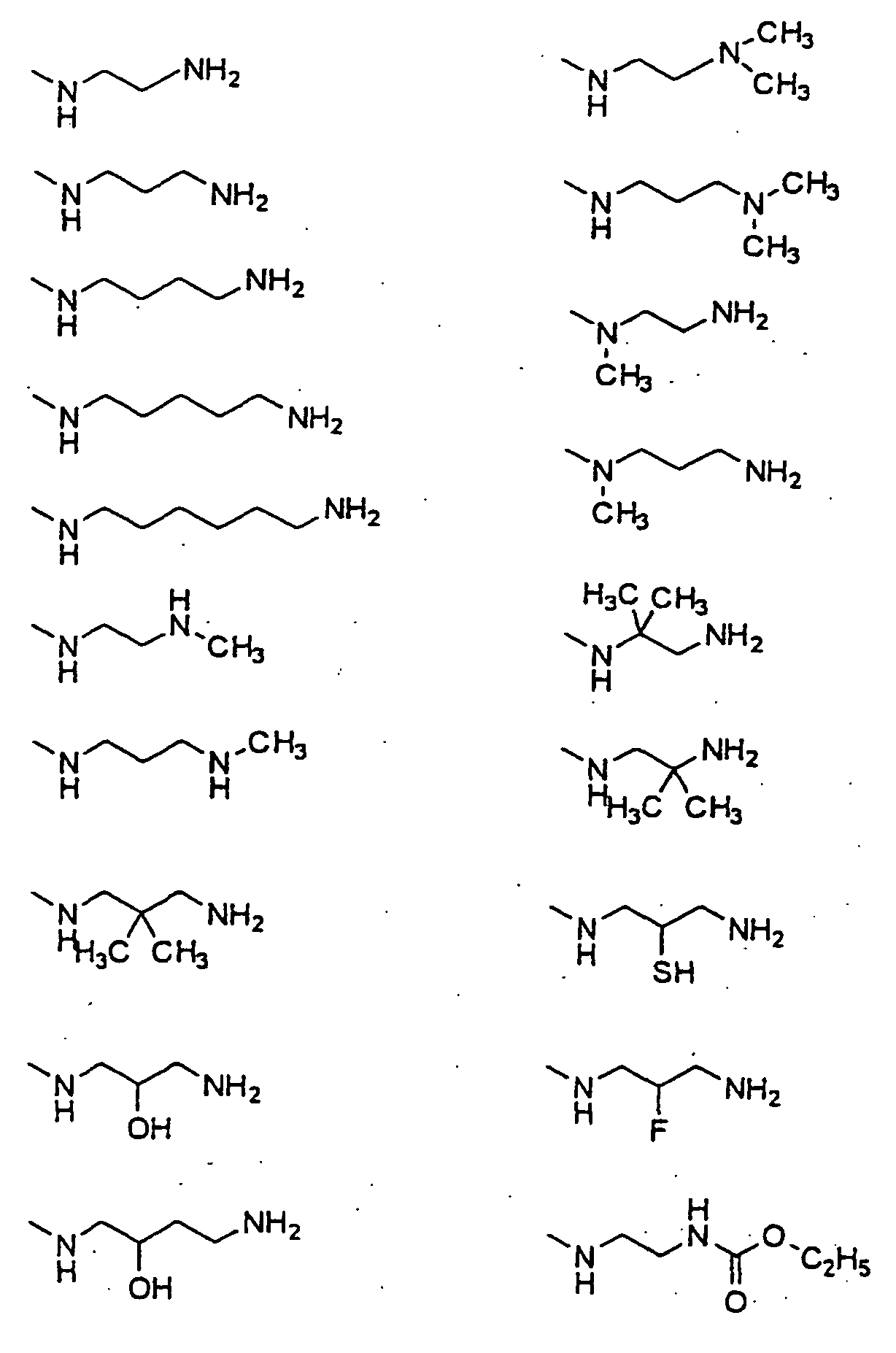


- Examples of claimed compounds include
N-(2-Aminoethyl)-3-phenyl-2(R)-[2-(1,1,4-trioxo-2,3-dihydro-[1,5]benzothiazepin-5-yl)acetylamino]propionamide;
N-[1(R)-(3-Aminopropylcarbamoyl)-2-(naphthalen-2-yl)ethyl]-3-(2-oxo-2,3,4,5-tetrahydro-benzo[b]azepin-1-yl)propionamide;
3-(3-Acetylamino-2-oxo-2,3,4,5-tetrahydro-benzo[b]azepin-1-yl)-N-[1(R)-(2-aminoethylcarbamoyl)-2-(naphthalen-2-yl)ethyl]propionamide;
N-[1(R)-(2-Aminoethylcarbamoyl)-2-(naphthalen-2-yl)ethyl]-3-(6-oxo-11,12-dihydro-6H-dibenzo[b,f]azocin-5-yl)propionamide;
N-[1(R)-(3-Aminopropylcarbamoyl)-2-(naphthalen-2-yl)ethyl]-3-(6-oxo-11,12-dihydro-6H-dibenzo[b,f]azocin-5-yl)propionamide;
N-[1(R)-(3-Aminopropylcarbamoyl)-2-(naphthalen-2-yl)ethyl]-3-(4-oxo-2,3-dihydro [1,5]benzothiazepin-5-yl)propionamide;
N-[1(R)-(4-Aminobutylcarbamoyl)-2-(naphthalen-2-yl)ethyl]-3-(4-oxo-2,3-dihydro-[1,5]benzothiazepin-5-yl)propionamide;
N-(4-Amino-butyl)-3-(naphthalen-2-yl)-2(R)-[2-(4-oxo-2,3-dihydro-[1,5]benzothiazepin-5-yl)acetylamino]propionamide;
N-[1(R)-(3-Aminopropylcarbamoyl)-2-(naphthalen-2-yl)ethyl]-3-(11-oxo-11H-dibenzo [b,f][1,4]oxazepin-10-yl)propionamide;
N-[1(R)-(3-Aminopropylcarbamoyl)-2-(naphthalen-2-yl)ethyl]-3-(5,11-dioxo-2,3-dihydro-1H,(11aS)-pyrrolo[2,1-c][1,4]benzodiazepin-10-yl)propionamide;
N-[1(R)-(3-Aminopropylcarbamoyl)-2-(naphthalen-2-yl)ethyl]-3-(6-methoxy-2-oxo-2,3,4,5-tetrahydro-benzo[b]azepin-1-yl)propionamide;
N-[1(R)-(3-Aminopropylcarbamoyl)-2-(naphthalen-2-yl)ethyl]-4-(4-oxo-2,3-dihydro-[1,5]benzothiazepin-5-yl)butyramide;
N-[1(R)-(4-Aminobutylcarbamoyl)-2-(naphthalen-2-yl)ethyl]-3-(4-methyl-2,5-dioxo-2,3,4,5-tetrahydro-benzo[e][1,4]diazepin-1-yl)propionamide.
N-[1(R)-(2-Aminoethylcarbamoyl)-2-(naphthalen-2-yl)ethyl]-3-(3-oxo-2,3-dihydro-benzo[3,2-b][1,4]oxazin-4-yl)propionamide;
N-[1(R)-(3-Aminopropylcarbamoyl)-2-(naphthalen-2-yl)ethyl]-3-(3-oxo-2,3-dihydro-benzo[1,4]oxazin-4-yl)propionamide;
N-[1(R)-(3-Aminopropylcarbamoyl)-2-(naphthalen-2-yl)ethyl]-3-(2-oxo-3,4,5,6-tetrahydro-2H-benzo[b]azocin-1-yl)propionamide;
N-(2-Amino-2-methylpropyl)-3-(naphthalen-2-yl)-2(R)-[3-(4-oxo-2,3-dihydro-[1,5] benzothiazepin-5-yl)propionylamino]propionamide
N-[1(R)-(3-Aminopropylcarbamoyl)-2-(naphthalen-2-yl)ethyl]-3-(2-methyl-4-oxo-2,3-dihydro[1,5]benzothiazepin-5-yl)-propionamide;
N-[1(R)-(3-Aminopropylcarbamoyl)-2-(naphthalen-2-yl)ethyl]-4-(6-oxo-11,12-dihydro-6H-dibenzo[b,f]azocin-5-yl)butyramide;
N-[1(R)-(3-Aminopropylcarbamoyl)-2-(naphthalen-2-yl)ethyl]-4-(3-oxo-2,3-dihydro-benzo[1,4]thiazin-4-yl)butyramide;
N-[1(R)-(3-Methylaminopropylcarbamoyl)-2-(naphthalen-2-yl)ethyl]-3-(4-oxo-2,3-dihydro-[1,5]benzothiazepin-5-yl)propionamide;
N-[1(R)-(3-Methylaminopropylcarbamoyl)-2-(naphthalen-2-yl)ethyl]-4-(4-oxo-2,3-dihydro-[1,5]benzothiazepin-5-yl)butyramide;
N-(1(R)-[(3-Aminopropyl)-methylcarbamoyl]-2-(naphthalen-2-yl)ethyl]-4-(4-oxo-2,3-dihydro-[1,5]benzothiazepin-5-yl)butyramide
N-(3-Amino-2-hydroxypropyl)-3-(naphthalen-2-yl)-2(R)-[3-(4-oxo-2,3-dihydro-[1,5] benzothiazepin-5-yl)propionylamino]propionamide;
N-[1(R)-(3-Amino-2-hydroxypropylcarbamoyl)-2-(naphthalen-2-yl)ethyl]-4-(4-oxo-2,3-dihydro-[1,5]benzothiazepin-5-yl)butyramide;
N-[1(R)-(2-Aminoethylcarbamoyl)-2-(naphthalen-2-yl)ethyl]-4-(4-oxo-2,3-dihydro-[1,5]benzothiazepin-5-yl)butyramide;
N-(1(R)-[Bis-(3-aminopropyl)-carbamoyl]-2-(naphthalen-2-yl)ethyl]-4-(4-oxo-2,3-dihydro-[1,5]benzothiazepin-5-yl)butyramide;
N-[1(R)-(3-Aminopropylcarbamoyl)-2-(naphthalen-2-yl)ethyl]-4-(1,1,4-trioxo-2,3-dihydro-[1,5]benzothiazepin-5-yl)butyramide;
N-[1(R)-(3-Aminopropylcarbamoyl)-2-(naphthalen-2-yl)ethyl]-4-(11-oxo-11H-dibenzo [b,f][1,4]oxazepin-10-yl)butyramide;
N-[1(R)-(3-Amino-2-hydroxypropylcarbamoyl)-2-(naphthalen-2-yl)ethyl]-3-(6-oxo-11,12-dihydro-6H-dibenzo[b,f]azocin-5-yl)propionamide;
N-(3-Amino-2-hydroxypropyl)-2(R)-[3-(6-methoxy-2-oxo-2,3,4,5-tetrahydro-benzo[b] azepin-1-yl)-propionylamino]-3-(naphthalen-2-yl)propionamide;
N-(3-Amino-2-hydroxypropyl)-3-(naphthalen-2-yl)-2(R)-[3-(2-oxo-2,3,4,5-tetrahydro-benzo[b]azepin-1-yl)propionylamino]propionamide;
N-(3-Amino-2-hydroxypropyl)-3-(naphthalen-2-yl)-2(R)-[3-(2-oxo-3,4,5,6-tetrahydro-2H-benzo[b]azocin-1-yl)propionylamino]propionamide;
N-[1(R)-(3-Aminopropylcarbamoyl)-2-(naphthalen-2-yl)ethyl]-5-(4-oxo-2,3-dihydro-[1,5]benzothiazepin-5-yl)pentanamide;
N-[1(R)-(2-aminoethylcarbamoyl)-2-(naphthalen-2-yl)ethyl]-5-(4-oxo-2,3-dihydro-[1,5]benzothiazepin-5-yl)pentanamide;
N-[1(R)-(3-Aminopropylcarbamoyl)-2-(1H-indol-3-yl)ethyl]-4-(4-oxo-2,3-dihydro-[1,5]-benzothiazepin-5-yl)butyramide;
N-[1(R)-(3-Aminopropylcarbamoyl)-2-(5,6,7,8-tetrahydro-naphthalen-2-yl)ethyl]-4-(4-oxo-2,3-dihydro-[1,5]-benzothiazepin-5-yl)butyramide;
N-[1(R)-(3-Amino-2-hydroxypropylcarbamoyl)-2-(naphthalen-2-yl)ethyl]-3-(11-oxo-11H-dibenzo[b,f][1,4]oxazepin-10-yl)propionamide;
N-[1(R)-(3-Aminopropylcarbamoyl)-2-(naphthalen-2-yl)ethyl]-4-(1,4-dioxo-2,3-dihydro-[1,5]benzothiazepin-5-yl)butyramide;
N-[1(R)-(3-Aminopropylcarbamoyl)-2-(naphthalen-2-yl)ethyl]-4-(4-oxo-2,3-dihydro-[1,5]-benzoxazepin-5-yl)butyramide;
N-[1(R)-(3-Amino-2-hydroxypropylcarbamyl)-2-(naphthalen-2-yl)ethyl]-3-(2-methyl-4-oxo-2,3-dihydro-[1,5]benzothiazepin-5-yl)-propionamide;
N-[1(R)-(3-Aminopropylcarbamoyl)-2-(naphthalen-2-yl)ethyl]-3-(7-fluoro-4-oxo-[1,5] benzothiazepin-5-yl)propionamide;
N-[1(R)-(3-Amino-2-hydroxypropylcarbamoyl)-2-(naphthalen-2-yl)ethyl]-3-(5,11-dioxo-2,3-dihydro-1H,(11aS)-pyrrolo[2,1-c][1,4]diazepin-10-yl)propionamide;
N-[1(R)-(3-Amino-2-hydroxypropylcarbamoyl)-2-(naphthalen-2-yl)ethyl]-4-(6-methoxy-2-oxo-2,3,4,5-tetrahydro-benzo[b]azepin-1-yl)butyramide;
N-[1(R)-(2-Aminoethylcarbamoyl)-2-(naphthalene-2-yl)ethyl]-3-(8-fluoro-4-oxo-2,3-dihydro-[1,5]benzothiazepin-5-yl)propionamide;
N-(3-Amino-2-hydroxypropyl)-3-(naphthalene-2-yl)-2(R)-[3-(4-oxo-7-trifluoromethyl-2,3-dihydro-[1,5]benzothiazepin-5-yl)propionylamino]propionamide;
N-[1(R)-(3-Amino-2-hydroxypropylcarbamoyl)-2-(naphthalen-2-yl)ethyl]-4-(4-oxo-2,3-dihydro-[1,5]-benzoxazepin-5-yl)butyramide;
N-(3-Amino-2-hydroxypropyl)-3-(naphthalen-2-yl)-2(R)-[3-(4-oxo-2,3-dihydro-[1,5]-benzoxazepin-5-yl)propionylamino]propionamide;
N-[1(R)-(3-Amino-2-hydroxypropylcarbamoyl)-2-(naphthalen-2-yl)ethyl]-4-(8-fluoro-4-oxo-2,3-dihydro-[1,5]benzothiazepin-5-yl)butyramide;
N-(3-Amino-2-hydroxypropyl)-2(R)-[3-(8-fluoro-4-oxo-2,3-dihydro-[1,5] benzothiazepin-5-yl)propionylamino]-3-(naphthalen-2-yl)propionamide;
N-[1(R)-(3-Aminopropylcarbamoyl)-2-(naphthalen-2-yl)ethyl]-4-(8-fluoro-4-oxo-[1,5]-benzothiazepin-5-yl)butyramide;
N-[1(R)-(3-Aminopropylcarbamoyl)-2-(naphthalen-2-yl)ethyl]-5-(6-oxo-6H-dibenzo [b,f]azocin-5-yl)pentanamide;
N-[1(R)-(3-Amino-2-hydroxypropylcarbamoyl)-2-(naphthalen-2-yl)ethyl]-5-(6-oxo-6H-dibenzo[b,f]azocin-5-yl)pentanamide;
N-[1(R)-(3-Aminopropylcarbamoyl)-2-(naphthalen-2-yl)ethyl]-3-(11-oxo-11H-dibenzo [b,f][1,4]thiazepin-10-yl)propionamide;
N-[1(R)-(3-Amino-2-hydroxypropylcarbamoyl)-2-(naphthalen-2-yl)ethyl]-3-(11-oxo-11H-dibenzo[b,f][1,4]-thiazepin-10-yl)propionamide;
N-[1(R)-(3-Amino-2-hydroxypropylcarbamoyl)-2-(naphthalen-2-yl)ethyl]-5-(5,11-dioxo-5,11-dihydrodibenzo-[b,f][1,4]thiazepin-10-yl)pentanamide;
N-[1(R)-(3-Amino-2-hydroxypropylcarbamoyl)-2-(naphthalen-2-yl)ethyl]-5-(5,5,11-trioxo-5,11-dihydro-dibenzo[b,f][1,4]thiazepin-10-yl)pentanamide;
N-[1(R)-(3-Amino-2-hydroxypropylcarbamoyl)-2-(naphthalen-2-yl)ethyl]-3-(2,2-dimethyl-4-oxo-3,4-dihydro-2H-benzo[1,5]thiazepin-5-yl)propionamide;
N-[1(R)-(3-Amino-2-hydroxypropylcarbamoyl)-2-(naphthalen-2-yl)ethyl]-3-(7-chloro-5,11-dioxo-2,3,11,11a-tetrahydro-1H,5H-benzo[e]pyrrolo[1,2-a][1,4]diazepine-10-yl) propionamide;
N-[1(R)-(3-Amino-2-hydroxypropylcarbamoyl)-2-(naphthalen-2-yl)ethyl]-3-(6,12-dioxo-6,6a,7,8,9,10-hexahydro-12H-benzo[e]pyrido[1,2-a][1,4]diazepine-5-yl)propionamide;
N-[1(R)-(3-Amino-2-hydroxypropylcarbamoyl)-2-(naphthalen-2-yl)ethyl]-3-(9-fluoro-2-oxo-3,4,5,6-tetrabydro-2H-benzo[b]azocin-1-yl)propionamide;
N-[1(R)-(3-Aminopropylcarbamoyl)-2-(naphthalen-2-yl)ethyl]-2-methyl-3-(4-oxo-3,4-dihydro-2H-benzo[1,5]-thiazepin-5-yl)propionamide;
N-[1(R)-(3-Amino-2-hydroxypropylcarbamoyl)-2-(naphthalen-2-yl)ethyl]-2-methyl-3-(4-oxo-3,4-dihydro-2H-benzo[1,5]thiazepin-5-yl)propionamide;
N-[1(R)-(3-amino-2(S)-hydroxypropylcarbamoyl)-2-(naphthalen-2-yl)ethyl]-4-(4-oxo-3,4-dihydro-[1,5]-benzothiazepin-5-yl)butyramide;
N-[1(R)-(3-Amino-2-hydroxy-propylcarbamoyl)-2-(naphthalen-2-yl)ethyl]-2-methyl-3-(5,11-dioxo-2,3,11,11a-tetrahydro-1H,5H-benzo[e]pyrrolo[1,2-a][1,4]diazepine-10-yl) propionamide;
N-[1(R)-(3-amino-2(R)-hydroxypropylcarbamoyl)-2-(naphthalen-2-yl)ethyl]-4-(4-oxo-3,4-dihydro-[1,5]-benzothiazepin-5-yl)buthanamide;
N-[1(R)-(3-Amino-2-hydroxy-propylcarbamoyl)-2-(naphthalen-2-yl)ethyl]-2,2-dimethyl-3-(5,11-dioxo-2,3,11,11a-tetrahydro-1H,5H-benzo[e]pyrrolo[1,2-a][1,4] diazepine-10-yl)propionamide;
N-[1(R)-(3-Amino-2-hydroxypropylcarbamoyl)-2-(naphthalen-2-yl)ethyl]-2,2-dimethyl-3-(1,1,4-trioxo-benzo-[1,5]thiazepin-5-yl)propionamide;
N-[1(R)-(3-Aminoethylcarbamoyl)-2-(naphthalen-2-yl)ethyl]-2-methyl-3-(4-oxo-3,4-dibydro-[1,5]benzothiazepin-5-yl)propionamide;
N-[1(R)-(3-Amino-2-hydroxycarbamoyl)-2-(naphthalen-2-yl)ethyl]-3-(4-oxo-3,4-dihydro[1,5]benzothiazepin-5-yl)butyramide;
N-[1(R)-(3-Amino-2-hydroxycarbamoyl)-2-(naphthalen-2-yl)ethyl]-3-(3-cyano-5-isopropyl-2-oxo-2H-cyclohepta-4,6,8-trieno[b]pyrrol-1-yl)propionamide;
N-[1(R)-(3-Amino-2-hydroxycarbamoyl)-2-(naphthalen-2-yl)ethyl]-3-(5,11-dioxo-2,3,11,11a-tetrahydro-1H,5H-benzo[e]pyrrolo[1,2-a][1,4]diazepin-10-yl)propionamide and
N-[1(R)-[2-Hydroxy-3-(2(R)-hydroxypropylamino)propylcarbamoyl]-2-(naphthalen-2-yl)ethyl]-4-(4-oxo-2,3-dihydro-[1,5]benzothiazepin-5-yl)butyramide. - The compounds of the instant invention all have at least one asymmetric centers as noted by the asterisk in the structural Formula I a. Additional asymmetric centers may be present on the molecule depending on the nature of the various substituents on the molecule.

- As consequence of these chiral centers, the compounds of the present invention occur as racemates, mixtures of enantiomers and as individual enantiomers, as well as diastereomers and mixtures of diastereomers. Each such asymmetric center will produce two optical isomers and it is intended that all such optical isomers, as separated, pure or partially purified optical isomers or racemic mixtures thereof, be included within the ambit of the instant invention.
- The term "R" and "S" are used herein as commonly used in organic chemistry to donate specific configuration of a chiral center. The term "R" (rectus) refers to that configuration of a chiral center with a clockwise relationship of group priorities (highest to second lowest) when viewed along the bond toward the lowest priorities group. The term "S" (sinsister) refers to that configuration of a chiral center with a counterclockwise relationship of a group priorities (highest to second lowest) when viewed along the bond toward the lowest priority group. The prioity of groups is based on their atomic number (in order of decreasing atomic number).
- In the case of the asymmetric center represented by the asterisk in Formula I a, it has been found that the compound in which the B substituent is below the plane of the structure, as seen in Formula I a, is more active and thus more preferred over the compound in which the B substituent is above the plane of the structure.
- This invention encompasses the pharmaceutically acceptable salts of the compounds defined by Formula I. A compound of this invention can possess a sufficiently acidic, a sufficient basic, or both functional groups, and accordingly react with any of a number of organic or inorganic acids, and organic or inorganic bases, to form a pharmaceutically acceptable salts. The term "pharmaceutically acceptable salts" as used herein, refers to salts of the compounds of above Formula I which are substantially non-toxic to live organism. Typically pharmaceutically acceptable salts include those salts prepared by reaction of the compounds of the present invention with pharmaceutically acceptable mineral or organic acid or an organic or inorganic base. Such salts are acid addition and base addition.
- The instant compounds are generally isolated in the form of their pharmaceutically acceptable acid addition salts, such as the salts derived from using inorganic and organic acids. Examples of such inorganic acids include hydrochloric acid, hydrobromic acid, hydroiodic acid, nitric acid, sulfuric acid, phosphoric acid, and the like. Examples of such organic acids include acetic acid, trifluroacetic acid, propionic acid, maleic acid, succinic acid, maleic acid, oxalic acid, methanesulfonic acid, p-toluenesulfonic acid, and the like.Preferred pharmaceutically acceptable acid addition salts are those formed with mineral acids such as hydrochloric acid and hydrobromic acid, and those formed with organic acids as methanesulfonic acid, trifluroacetic acid, maleic acid.
- The instant compounds are also generally isolated in the form of their pharmaceutically acceptable base addition salts, such as salts derived from using inorganic and organic bases. Such bases useful in preparing the salts of this invention thus include sodium hydroxide, potassium hydroxide, ammonium hydroxide, potassium carbonate, sodium carbonate, sodium bicarbonate, potassium bicarbonate, calcium carbonate, and the like. The sodium and potassium salts are particularly preferred.
- It should be recognized that the particular couterion forming a part of any salt of this invention is usually not of a critical nature, so long as the salt as a whole is pharmaceutically acceptable and as long as the couterion does not contribute undesired qualities to the salt as a whole.
- This invention further encompasses the pharmaceutically acceptable solvates of the compounds of Formula I. Most compounds of the Formula I can be combined with solvents such as water, methanol, ethanol, and acetonitrile to form pharmaceutically acceptable solvates such as corresponding hydrate, metanolate, ethanolate, and acetonitrilate.
- Throughout the instant application the following abbreviations are used with the following meanings :
- BOC:
- t-butoxycarbonyl
- BOP:
- benzotriazole-1-yloxy-tris-(dimethylamino)- phosphonium-hexafluorophosphate
- CBZ :
- benzyloxycarbonyl
- DCC :
- dicyclohexyl carbodiimide
- DMF:
- N,N-dimethylformamide
- EDC:
- 1-(3-dimethylaminopropyl)-3-ethylcarbodiimide hydrochloride
- FAB-MASS :
- FAB Mass Spectrum
- Fmoc:
- 9-fluorenylmeththyloxycarbonyl
- HOBt :
- 1-hydroxybenzotriazole
- MHz :
- Megaherz
- NMM:
- N-Methylmorpholine
- NMR :
- Nuclear Magnetic Resonance
- Ser :
- Serine
- Nal:
- Naphthylalanine
- TFA:
- trifluoroacetic acid
- The preparation of compounds of Formula I of the present invention may be carried out in sequential or convergent synthetic routes. Syntheses detailing the preparation of the compounds of Formula I in a sequential manner are presented in the following Schemes 1,2, and 3.
- The compounds having a Formula I are prepared from intermediates such as 1.

- Typical itermediates 3 may be synthesized as shown in Scheme 1. Ester derivatives 2 are,in some cases, commercially available or are prepared by a number of methods well known in the art. Coupling of intermediate 1 with ester derivative 2 is carried out by standard peptide coupling reaction conditions using an acid activating agent such as EDC, DCC, and BOP in an inert solvent such as dichloromethne or DMF, with or without the presence of a catalyst such as HOBt. The skills required in carrying out the reaction and purification of the resulting reaction products are known to those in the art. Purification procedure includes crystallization, and / or chromatography.

- Conversion of typical itermediates 3 to intermediate acids 4 may be accomplished by a number of methods known in the art described in Scheme 2; for example, methyl and ethyl esters can be hydrolyzed with sodium hydroxide, potassium hydroxide, or lithium hydroxide in a protic solvent like aqueous methanol, ethanol, dioxane. In addition, removal of benzyl ester can be achieved by a number of reductive methods including hydrogenation in the presence of palladium catalyst in a protic solvent such as methanol. An allyl ester can be cleaved with tetrakis-triphenylphosphine palladium catalyst in the presence of 2-ethylhexanoic acid in a variety of solvents including ethyl acetate and dichloromethane. t-Butyl ester can be removed with acid like hydrogen chloride, TFA in a various solvents including dioxane and dichloromethane.

- Diamino derivatives 5,6 are either commercially available or can be synthesized by routine methods. Compounds of Formula I and intermediates 7 are synthesized in following Scheme 3. Coupling a carboxylic acid 4 with an amine 5 or 6 is carried out using acid activating agent such as EDC, DCC, and BOP in a solvent such as dichloromethane or DMF with or without the presence of such as HOBt. Purification

- The preparation of compounds of Formula I and intermediate 7 may also be carried out in convergent synthetic route illustrated in Scheme 4,5,6,7. The protected amino acid derivatives 8 are, in some cases, commercially available, where the protecting L1 is, for example, BOG or CBZ or Fmoc groups Other protected amino acid derivatives 8 can be prepared by a number of methods well known in the literature Intermediate 9 or 10 are prepared by coupling of protecting amino acids derivatives 8 with diamino derivatives 5 or 6

- Conversion of 9, 10 to intermediate 11, 12 can be achieved as shown in Scheme 5 by removal of the protecting group L1 (CBZ, BOC, Fmoc, Formyl, Phthaloyl, etc.). CBZ and BOC are used extensively in the synthesis, and their removal conditions are known to those skilled in the art. For example, removal of CBZ groups can be carried out by a number of methods known in the art; for example, catalytic hydrogenation with hydrogen in the presence of a novel metal or its oxide such as palladium on activated cabon in a protic solvent such as ethanol. In the cases where catalytic hydrogenation is contraindicated by the presence of other potentially reactive fuctionality, removal of CBZ groups can also be achieved by treatment with a solution of hydrogen bromide in acetic acid, or by treatment with a mixture of TFA and dimethylsulfide. Removal of BOC protecting groups is carried out in a solvent such as ethyl acetate or dioxane or methylene chloride or methanol, with a strong acids, such as TFA or hydrochloric acid or hydrogen chloride gas. Removal of Fmoc groups is carried out with a orgic base such as dimethylamine or piperazine Removal of formyl groups is carried out in a solvent such as water or methnol with a acid such as hydrochloric acid or hydrazine-acetic acid. Deprotection of phthaloyl groups is achieved in a solvent such as methanol or ethanol or dioxane with hydrazine. Conditions required to remove other protecting groups which may be present and can be found in Green,T. and Wuts,P.G.M., Protective Group in Organic Synthesis, John Wiley & Sons,Inc.,New York,NY1991. It should be recognized that L is different from L1 and is stable to the removal conditions of L1. For example, when L1 is CBZ or Fmoc, BOC as L is preferred.

- Compouds of Formula I in present invention and intermediates 7 are synthesized as shown in Scheme 6. Coupling a carboxyhc acid 1 with an amine 11 or 12 is achieved using a condition described above.

- Conversion of itermediates 7 to compounds of Formula I may be accomplished as illustrated in Scheme 7. Removal of protecting group L may be carried out by various conditions described above.

- The growth hormone releasing compounds of Formula I are useful in vitro as unique tools for understanding how growth hormone secretion is regulated at the pituitary levels. This includes use in the evaluation of many factors thought or known to influence growth hormone secretion such as age, sex, nutritional factors, glucose, amino acids, fatty acids, as well as fasting and non-fasting states. In addition, the compounds of this invention can be used in the evaluation of how other hormones modify growth hormone releasing activity. For example, it has already been established that somatostatin inhibits growth hormone release and that the growth hormone releasing factor (GRF) stimulates its release. Other hormones that are important and in need of study as to their effect on growth hormone release include the gonadal hormones, e.g., testosterone, estradiol, and progesterone; the adrenal hormones, e.g.,cortisol and other corticoids, epinephrine and norepinephrine; the pancreatic and gastrointestinal hormones, e.g., insulin, glucagon, gastrin, secretin; the vasoactive peptides, e.g., bombesin, the neurokinins; and the thyroid hormones, e.g., thyroxine and triiodothyronine. The compounds of the Formula I can also be employed to investigate the possible negative or positive feedback effects of some the pituitary hormones, e.g., growth hormone and endorphin peptides, on the pituitary to modify growth hormone release. Of particular scientific importance is the use of these compounds to elucidate the subcellular mechanisms mediating the release of growth hormone.
- The compounds of Formula I can be administered to animals, including man, to release growth hormone in vivo. For example, the compounds can be administered to commercially important animals such as swine, sheep,cow and the like to accelerate and increase their rate and extent of growth, to improve feed efficiency and to increase milk production in such animals. In addition, these compounds can be administered to humans in vivo as a diagnostic tool to directly determine whether the hypothalamus-pituitary system is capable of releasing growth hormone. For example, the compounds of Formula I can be administered to humans. Serum samples taken before and after such administration can be assayed for growth hormone. Comparison of the amounts of growth hormone in each of these samples would be a means for directly determining the ability of the patient's hypothalamus-pituitary system to release growth hormone.
- Accordingly, the present invention includes within its scope pharmaceutical comprising, as an active ingredient, at least one of the compounds of Formula I in association with a pharmaceutical carrier or diluent. Optionally, the active ingredient of the pharmaceutical composition can comprise an anabolic agent in addition to at least one of the compounds of Formula I or another composition which exhibits a different activity., an antibiotic growth permittant or an agent to treat osteoporosis or in combination with a corticosteroid to minimized the catabolic side effects or with other pharmaceutically active materials wherein the combination enhances efficiency and minimizes side effects.
- Growth promoting and anabolic agents include, but are not limited to, THR, diethylstibesterol, amino acids, estrogens, β-agonists, theophylline, anabolic steroids, enkephalins, E series prostaglandins, retinoic acid, compounds disclosed in US Patent No.3,239,345, e.g., zeranol, and compounds disclosed in US Patent No. 4,036,979, e.g., sulbenox, or peptides disclosed in US Patent No.4,411,890.
- A still further use of the compounds of this invention is in combination with other growth hormone secretagogues such as the growth hormone releasing peptides GHRP-6, GHRP-1 as described in US Patent No.4,411,890 and publications WO 89/ 07110, WO89/07111 and B-HT920 as well as hexarelin and GHRP-2 as described in WO 93/04081 or growth hormone releasing hormone (GHRH also designated GRF) and its analogs or growth hormone and its analogs or somatomedins including IGF-1 and IGF-2 or a -adrenergic agonists such as clonidine or serotonin 5HTID agonists such as sumitriptan or agents which inhibit somatostatin or its release such as physostigmine and pyridostigmine. In particular, the compounds of this invention may be used in combination with growth hormone releasing factor, an analog of growth hormone releasing facor, IGF-1, or IGF-2. For example, a compound of the present invention may be used in combination with IGF-1 for the treatment or prevention of obesity. In addition, a compounds of this invention may be employed in conjunction with retinoic acid to improve the conditon of musculature and skin that results from intrinsic agents.
- The present invention is further directed to a method for the manufacture of a medicament for stimulating the release of growth hormone in humans and animals comprising combining a compound of the prsent invention with a pharmaceutical carrieror diluent.
- As is well known to those skilled in the art, the known and potential uses of growth hormone are varied and multitudinous. Thus, the administration of the compounds of this invention for purpose of stimulation the release of endogenous growth hormone can have the same effects or uses as growth hormone iself. These varied uses may be summarized as follows; stimulating growth hormone release in elderly humans; treating growth hormone deficient adults; prevention of catabolic side effects of glucocorticoids; treatment of osteoporosis; stimulation of the immune system, acceleration of wound healing; accelerating bone fracture repair; treatment of growth retardation; treating acute or chronic renal failure or insufficiency; treatment of physiological short stature, including growth hormone deficient children; treating short stature associated with chronic illness; treating obesity and growth retardation associated with obesity; treating growth retardation associated with Prader-Willi syndrome and Turner's syndrome; accelerating the recovery and reducing hospitalization of burn patients or following major surgery such as gastrointestinal surgery; treatment of intrauterine growth retardation, and skeletal dysplasia; treatment of hypercortisonism and Cushing's syndrome; treatment of peripheral neuopathies; replacement of growth hormone in stressed patients; treatment of osteochondrodysplasias, Noonans syndrome, sleep disorders, schizophrenia, depression, Alzheimer's disease, delayed wound healing, and psychosocial deprivation; treatment of pulmonary dysfunction and ventilator dependency; attenuation of protein catabolic response after a major operation; treating malabsorption syndrome; reducing cachexia and protein loss due to chronic illness such as cancer or AIDS; accelerating weight gain and protein accretion in patients on TPN (total parenteral nutrition); treatment of hyperinsulinemia including nesidioblastosis; adjuvant treatment for ovulation induction and to prevent and treat gastric and duodenal ulcers; stimulation of thymic development and prevention of the age-related decline of thymic function; adjunctive therapy for patients on chronic hemodialysis; treatment of immunosupprssed patients and to enhanced antibody response following vaccination; increasing the total lymphocyte count of a human, in particular, increasing the T4/ T8-cell ratio in a human with a depressed T4/T8-cell ratio resulting, for example, from infection, such as bacterial or viral infection, especially infection with the human immunodeficiency virus; treatment of syndromes manifested by non-restorative sleep and musculoskeletal pain, including fibromyalgia syndrome or chronic fatigue syndrome; improvement in muscle strength, mobility, maintenance of skin thickness, metabolic homeostasis in the frail elderly; stimulation of osteoblasts, bone remodeling, and cartilage growth; treatment of male and female infertility; stimulation of the immune system in companion animals and treatment of disorders of aging in companion animals; growth promotant in livestok; and stimulation of wool growth in sheep. Further, the instant compounds are useful for increasing feed efficiency, promoting growth, increasing milk production and improving the carcass quality of livestock. Likewise, the instant compounds are useful in a method of treatment of diseases or conditions which are benefited by the anabolic effects of enhanced growth hormone levels that comprises the administration of an instant compound.
- In particular, the instant compounds are useful in the prevention or treatment of a condition selected from the group consisting of; osteoporosis; catabolic illness; immune deficiency, including that in individuals with a depressed T4/T8-cell ratio; hip fracture; musculoskeletal impairment in the elderly; growth hormone deficiency in adults or in children; obesity; sleep disorders; cachexia and protein loss due to chronic illness such as AIDS or cancer; and treating patients recovering from major surgery, wounds or burns, in a patient in need thereof.
- In addition, the instant compounds may be useful in the treatment of illness induced or facilitated by corticotropin releasing factor or stress- and anxiety-related disorders, including stress-induced depression, and headache, abdominal bowel syndrome, immune suppression, HIV infections, Alzheimer's disease, gastrointestinal disease,anorexia nervosa, hemorrhagic stress, drug and alchol withdrawal symptons, drug addiction, and fertility problems.
- It will be known to those skilles in the art that there are numerous compounds now being used in an effort to treat the diseases or therapeutic indications enumerated above. Combinations of these therapeutic agents some of which have also been mentioned above with the growth hormone secretagogues of this invention will bring additional complementary, and often synergistic properties to enhance the growth promotant, anabolic and desirable properties of these various therapeutic agents. In these combinations, the therapeutic agents and the growth hormone secretagogues of this invention may independently present in dose rages from one one-hundredth to one times the dose levels which are effective when these compounds and secretagogues are used singly.
- Combined therapy to inhibit bone resorption, prevent osteoporosis and enhance the healing of bone fractures can be illustrated by combinations of bisphosphonates and the growth hormone secretagogues of this invention. The use of bisphosphonates for these utilities has been reviewed, for example, by Hamdy,N.A.T., "Role of Bisphosphonates in Metabolic Bone Diseases " Trends in Endocrinol.Metab.,4,19-25(1993). Bisphosphonates with these utilities include alendronate, tiludronate, diethyl-APD, risedronate, etidronate, YM-175, clodronate, pamidronate, and BM-210995. Accordingly to their potency, oral daily dosage levels of the bisphosphonate of between 0.1 mg and 5 g and daily dosage levels of the growth hormone secretagogues of this invention of between 0.01 mg/kg to 20 mg/kg of body weight are administered to patients to obtain effective treatment of osteoporosis.
- In the case of alendronate daily oral dosage levels of 0.1 mg to 50 mg are combined for effective osteoporosis therapy with 0.01 mg/kg to 20 mg/kg of the growth hormone secretagogues of this invention.
- Combined therapy to enhance the healing of bone fractures, wounds or burns can be illustrated by combinations of growth factors, especially bFGF (basic fibroblast growth factor), and the growth hormone secretagogues of this invention(Canalis,E. Clin.Orthop.,1985, 193, 246-263; Kawaguchi,H. Endocrinology, 1994, 135, 774-781; Nakamura, T. et al., Endocrinology, 1995,136,1276-1284 ; Shida,J.et al., Journal of Orthopaedic Research, 1996, 14,265-272).
- Combined therapy to enhance the healing of bone fractures, wounds or burns can also be illustrated by combinations of growth factors, especially PDGF(platelet-derived growth factor), and the growth hormone secretagogues of this invention(Stile,C.D. et al., Proc.Natl.Acad.Sci.USA,1979, 76, 1279-1283; Chen,Y et al., J.Cell Physol.,1989, 140, 59-67).
- Osteoporosis and other bone disorders may also be treated with compounds of this invention in combination with calcitonin, estrogen, raloxifene and calcium supplements such as calcium citrate or calcium carbonate.
- Anabolic effects especially in the treatment of geriatric male patients are obtained with compounds of this invention in combination with anabolic steroids such as oxymetholone, methyltesterone, fluoxymesterone and stanozolol.
- Other uses of the instant compounds will be apparent from the following references; Amato, et al., Journal of Clinical Endocrinology and Metabolism 77(6):1671-1676 (1993),
Bengtsson, et al., Journal of Clinical Endocrinology and Metabolism 76(2):309-317 (1993),
Binnerts, et al., Clinical Endocrinology 37:79-87(1992);
Bowers, et al., Journal of Clinical Endocrinology and Metabolism 76(4):817-823(1993),
Cuneo, et al., Journal of Applied Physiology 70(2):688-694(1991),
Cuneo, et al., Journal of Applied Physiology 70(2):695-700(1991),
Degerblad, et al., Acta Endocrinologica 126:387-393(1992),
Eden, et al., Arteriosclerosis and Thrombosis 13829:296-301(1993),
Hartman, et al., Horm Research 40:37-47(1993),
Ho, et al., Horm Research 40:80-86(1993),
Jogensen, et al., Acta Endocrinologica 125:449-453(1991),
Jogensen, et al., The Lancet June 3:1221-1224(1989),
Lambert, et al., Clinical Endocrinology 37:111-115(1992),
McGauley, et al., Horm Research 33:52-54(1990),
Moller,et al., Clinical Endocrinology 39:403-408(1993),
O'Halloran, et al., Journal of Clinical Endocrinology and Metabolism 76(5):1344-1348 (1993),
Orme, et al., Clinical Endocrinology 37:453-459(1992),
Rodriguez-Amao, et al., Horm Research 39:87-88(1993),
Rosen, et al.,Clinical Endocrinology 40:111-116(1994),
Rosen, et al., Acta Endocrinologica 129:195-200(1993),
Rudman, et al., The New England Journal of Medicine 323(1): 1-6(1990),
Salmon, et al., The New England Journal of Medicine 321(26):1797-1803(1989),
Shibasaki, et al., Journal of Clinical Endocrinology and Metabolism 58(1):212-214 (1984),
Sonksen, et al., Acta Paediatr Scand [Suppl]379:139-146(1991),
Tauber, et al., Journal of Clinical Endocrinology and Metabolism 76(5):1135-1139 (1993),
Vandeweghe, et al., Clinical Endocrinology 39:409-415(1993),
Whitehead, et al., Clinical Endocrinology 36:45-52(1992),
Bercu, etal., U.S.patent No. 5,246,920. - Additionally, the most potent compounds of this invention can be used as GH antagonists. It is known that hypothalamic hormones that are super agonists can also used as antagonists. For example super agonists of Gonadotropin Releasing Hormone(GnRH) such as Gonadorelin and Leuprolide act either as agonists or antagonists depending on the method of administration. The action of the GnRH super agonists are summarized in Goodman and Gilmans, The Pharmacological Basis of Therapertics, 8th ED.,McGraw Hill Inc.,p. 1353(1993). By analogy, it is believed the continuous administration of the compounds of formula I will lead to down-regulation of the growth response. These molecules can therefore be used as functional antagonists of pituitary GH secretion, thereby antagonizing GH or IGF-1.
- The uses of such antagonists of GH secretion include but are not limited to; treatment of excess GH secretion as in acromegaly or gigantism; in cancer of the breast, colon and prostate; in diabetes especially in Type I adolescent patients to counteract the dawn phenomenon; and Type I and Type II patients to directly control blood glucose, and to control the long-term affects of diabetes, as for example in retinopathy.
- The compounds of this invention can be administered by oral, parenteral (e.g.,intramuscular, intraperitoneal, intravenous or subcutaneous injection or infusion, or implant), nasal, pulmonary, vaginal, rectal, sublingual, or topical routes of administration and can be formulated in dosage forms appropriate for each route of administration.
- Accordingly, the present invention includes within its scope for pharmaceutical composition comprising, as active ingredient, at least one of the compounds of Formula I in association with a pharmaceutical acceptable carrier. Optionally, the active ingredient of the pharmaceutical compositions can comprise an anabolic agent in addition to at least one of the compounds of formula I or another composition which exhibits a different activity, e.g., an antibiotic growth permittant or an agent to treat osteoporosis or in combination with a corticosteroid to minimize the catabolic side effects or with a growth factor such as bFGF (basic fibroblast growth factor) for treatment of patients recovering from major surgery, bone fractures, wounds, burns or with other pharmaceutically active materials wherein the combination enhances efficacy and minimizes side effects.
- The compounds of this invention can be administered by oral, parenteal (e.g., intraperitonial, intramuscular, intravenous, or subcutaneous injection, or implant), nasal, vaginal, rectal, sublingual, or other topical routes of administration and can be formulated with pharmaceutically acceptable carries to provide appropriate dosage forms for each route of administration.
- Solid dosage forms for oral administration include capsules, tablets, pills, powders and granules. In such solids dosage forms, the active compound is admixed with at least one inert pharmaceutically acceptable carrier such as sucrose, lactose, or starch. Such dosage forms can also comprise, as is normal practice, additional substances other than such inert diluents, e.g., lubricating agents such as magnesium stearate. In the case of capsules, tablets and pills, the dosage forms may also comprise buffering agents. Tables and pills can additionally be prepared with enteric coatings.
- Liquid dosage forms for oral administration include pharmaceutically acceptable emulsion, solutions, suspensions, syrups, the elixirs coating inert diluents commonly used in the art, such as water. Besides such inert diluents, compositions can also include adjuvants, such as wetting agents, emulsifying and suspending agents, sweetening, flavoring, and perfuming agents.
- Preparations according to this invention for parenteral administration include sterile aqueous or non-aqueous solutions, suspensions, or emulsions. Examples of non-aqueous solvent or vehicles are propylene glycol,
- Composition for nasal or sublingual administration are also prepared with standard excipients well known in the art.
- The dosage of active ingredient in the compositions of this invention may be varied, however, it is necessary that the amount of the active ingredient be such that a suitable dosage form is obtained. The selected dosage depends upon the desired therapeutic effects, on the route of administration, and on the duration of the treatment. Generally, dosage levels of between 0.0001 to 100 mg/kg of body weight daily are administered to patients and animals, e.g., to obtain effective release of GH.
- A preferred dosage range is 0.01 to 10.0 mg/kg of boy weight daily.
- To DMF(15ml) solution of CBZ-D-Nal-OH(1.1g) and N-(3-Aminopropyl) carbamic acid tert-butyl ester (500mg), HOBt(530mg), EDC(720mg) were added under cooling on ice-water and then stirring was continued at room temperature overnight. The reaction mixture was poured into saturated sodium hydrogen carbonate solution (150ml),formed precipitate was collected by filtration and then dried to give white powder(1.43g). Obtained white powder(1.43g) in DMF(15ml) is hydrogenated with 10% Pd-C(400mg) at 35°C, 4.3 atm. for 4 days. After removal of catalyst by filtration, filtrate was evaporated to dryness and then crystallized from n-hexane:ethyl acetate. The crystal was collected and then dried to afford 640mg of product.
1H-NMR(270MHz,CDCl3) δ: 1.34(2H,s),1.43(9H,s),1.59(2H,m),2.90(1H,dd), 3.05(2H,q),3.32(2H,q),3.41(1H,dd),3.70(1H,bs), 5.02(1H,bs),7.38(1H,d),4.40-7.55(3H,m),7.66(1H,s), 7.75-7.85(3H,m) FAB-MSS : m/z 370(M+H)+ - To DMF(2ml) solution of 3-(4-oxo-2,3-dihydro-[1,5]-benzothiazepin-5-yl)-propionic acid(100mg) and [3-(2 (R)-Amino-3-naphthalen-2-yl-propionylamino)-propyl]-carbamic acid,t-butyl ester(134mg),EDC(90mg) and HOBt(66mg) were added under cooling on ice-water and then stirring was continued at room temperature overnight. The reaction mixture was poured into saturated sodium hydrogen carbonate solution(20ml), formed precipitate was collected by filtration and then dried to give white powder(217mg). After obtained white powder(80mg) was dissolved in ethyl acetate(2ml) under cooling on ice-water, 4N hydrogen chloride/ethyl acetate solution was added and then stirring is continued at room temperature for three hours. The reaction mixture was concentrated under reduced pressure. Ether was added to the oily residue. Solidified oily residue was collected by filtration and then dried to give 69mg of product.
1H-NMR(270MHz,DMSO-d6) δ : 1.30-1.65(2H,m),2.00-2.20(2H,m),2.20-2.45(2H,m), 2.70-3.00(3H,m),3.00-3.60(6H,m),3.98(1H,bs), 4.51(1H,m),7.25(1H,t),7.35-7.65(6H,m),7.66-8.05(6H,m), 8.17(1H,d),8.25(1H,t) FAB-MSS : m/z 505(M+H)+ - Compounds of Example 2~147,164~166,169,171,174,175,177,179,187~190, 193~ 196,199~273 were synthesized by using similar method of Example 1.
- Compounds of Example 34~37,40~45,102~103,112,136~137,177 were free base and NMR were measured in CDCl3.
- Compounds of Example 2~33,38~39,46~101,104~111,113~135,138~147,164,176, 179,187~190,193~196,199~273 were hydrochloride salts and NMR were measured in DMSO-d6.
- To DMF(2ml) solution of D-Ser(Bzl)-OMe hydrochloride(141mg) and 3-(4-oxo-2,3-dihydro-1,5-benzothiazepin-5-yl)-propionic acid(138mg),N-methyl morpholine(61mg), HOBt(92mg) and EDC(125mg) were added under cooling on ice-water and then stirring is continued at room temperature overnight. After reaction, reaction mixture was poured into saturated sodium hydrogen carbonate solution(20ml) and then extracted with ethyl acetate. Ethyl acetate layer was dried on anhydrous sodium sulfate and then evaporated to dryness. Title compound(270mg) was isolated by using silica gel chromatography(CHCl3:MeOH=100:1).
1H-NMR(270MHz,CDCl3) δ : 2.35-2.60(3H,m),2.65-2.80(1H,m),3.20-3.40(2H,m), 3.45-3.90(3H,m),3.71(3H,s),4.49(3H,m),4.64(1H,d), 6.56(1H,d),7.15-7.50(8H,m),7.59(1H,d) FAB-MSS: m/z 443(M+H)+ - To amethylalcohol solution(5ml) of 3-Benzyloxy-2-[3-(4-oxo-2,3-dihydro-1,5-benzothiazepin-5-yl)propionylamino]propionic acid methyl ester(260mg),1N sodium hydroxy solution(0.62ml) was added under cooling on ice-water and the stirring was continued for 3 hours. Reaction mixture is adjusted to pH 2 with 1N hydrochloric acid and then evaporated to dryness. To residue, water is added, extracted with ethyl acetate and then dried on anhydrous sodium sulfate. Ethyl acetate was removed by evaporation to give oily residue(210mg). To DMF solution of above oily residue and N-(2-aminoethyl)carbamic acid tert-butyl ester(79mg),HOBt(92mg) and EDC (120mg) were added under cooling on ice-water and then stirring was continued at room temperature overnight. Reaction mixture was poured into saturated sodium hydrogen carbonate solution(40ml),formed precipitate was collected by filtration and then dissolved in ethyl acetate, dried on anhydrous sodium sulfate. After removal ethyl acetate by evaporation, white powder(180mg) was isolated by using silica gel chromatography (CHCL3:MeOH=100:1). Hydrogen chloride salt of desired product was prepared as following way. To ethyl acetate solution(2ml) of obtained white powder (70mg), 4N hydrogen chloride ethyl acetate-solution(2ml) was added under cooling on ice-water and then stirring was continued at room temperature for 3 hours. After removal of solvent by evaporation, ether was added to oily residue. Solidified oily residue was collected by filtration and then dried to give 48mg of product.
1H-NMR(270MHz,DMSO-d6) δ: 2.20-2.65(4H,m),2.70-2.90(2H,m),3.20-3.75(7H,m), 4.15-4.55(4H,m),7.20-7.40(6H,m),7.50-7.75(3H,m), 7.95(2H,bs),8.10-8.25(2H,m) FAB-MSS: m/z 471(M+H)+ - Compounds of Example 149~163, 167,168,170,172,173,176,178, 180~186, 191, 192,197,198 were synthesized by using similar method of example 148.
- Compounds of Example 168,180 were free base and NMR were measured in CDCl3.
- Compounds of Example 149~163, 167,170,172,173,176,178, 181~186, 191, 192, 197,198 were hydrochloride salts and NMR were measured in DMSO-d6.
- Compounds of Formula I were evaluated in vitro for their efficacy and potency to release growth hormone(GH) in primary rat anterior pituitary cells. Preparation of rat primary anterior pituitary cells were be essentially same as described previously (Chen et al., Endocrinology, 1989, 124, 2791- 2798 and Chen et al., Endocrinology, 1991, 129, 3337-3342). Briefly, Rats were killed by decapitation. The pituitary was quickly removed. The anterior pituitaries were digested with 0.2% collagenase, 0.2% hyaluronidase and 200U/ml DNase I in Hank's balanced salt solution. The cells were resuspended in Dulbecco's Modified Eagle's medium containing 7.5% horse serum, 5.0% fetal calf serum, 1% nonessential amino acids, 100 U/ml penicillin and 100 µg/ml streptomycin and adjusted to 1.0 × 10⁵ cells/ml. 0.5 ml of this suspension was placed in each well of 48 -well trays and left for 3 days before release experiments were performed.
- On day of the experiments, cells were washed twice with the above medium containing 20mM HEPES, pH7.4. Growth hormone release was initiated by addition of medium containing 20mM HEPES and test compound. Incubation was carried out for 15 minutes at 37°C. After incubation, GH release into the medium was measured by a standard radioimmunoassay (RIA) procedure.
- Compounds of Example number 1,9,10,14,15,19,64,68,79,94,96,107,112,115,121, 126, 129,134,135,140,144,145,159,160,164,165,181,182,200,205,206,212,216,236,241, 242,244,249,252, ,253,254,255,257,258,259,262,263,264,have shown growth hormone (GH) releasing activity below 10-8 M.
- Evaluation of GH-releasing activity by oral administration in rats were carried out as follows.
- Male Sprague-Dawley rats (4 weeks old, n=6 per group) were fasted overnight and test compounds (10mg/kg) were orally administered. Thirty minutes after the administration the rats were decapitated and the trunk blood was collected in a heparin-containing tube. After centrifugation, the plasma was stored at -20°C before the GH assay by RIA as described above. Plasma GH values were converted into logarithms and the analysis of variance (ANOVA) was performed. The significance of the difference was examined by the LSD method.
- Compound of Example number 165,206,253,257,259,262,264 have shown plasma GH value above 10 ng/ml.

Example number o q 1H-NMR(δ ppm) : FAB-MS(M+H)+ 2 1 2 2.30-2.45(2H,m),2.80-3.50(8H,m),3.55-4.10(1H,m),4.68(2H,bs),7.17 (1H,bs),7.40-7.60(5H,m),7.65-8.10(7H,m),8.30-8.50(2H,m) 477 3 1 3 1.60-1.80(2H,m),2.30-2.55(2H,m),2.60-4.20(9H,m),4.66(2H,bs),7.16 (1H,bs),7.35-7.60(6H,m),7.65-8.00(7H.m).8.25(1H,bs),8.41(1H,bs) 491 4 1 4 1.30-1.65(4H,m),2.30-2.55(2H,m),2.60-2.80(2H,m),2.90-4.15(7H,m), 4.50-4.80(2H,m),7.16(1H,bs),7.35-7.6(5H,m),7.65-8.00(7H,m),8.16(1H,bs),8.40(1H,bs) 505 5 2 2 2.05-2.45(3H,m),2.75-3.00(3H,m),3.10-3.65(6H,m),3.90-4.25(1H,m), 4.50(1H,dd),7.26(1H,t),7.35-7.55(5H,m),7.58(1H,d),7.69(1H,s),7.75-7.95(3H,m),8.07(2H,bs),8.25-8.40(2H,m) 491 6 2 4 1.30-1.55(4H,m),2.00-2.55(4H,m),2.60-2.75(2H,m),2.80-4.30(8H,m), 4.49(1H,dd),7.26(1H,t),7.30-7.65(5H,m),7.65-7.90(7H,m),8.03(1H,t),8.24(1H,d) 519 7 2 5 1.10-1.40(4H,m),1.40-1.60(2H,m),2.00-3.65(13H,m),3.90-4.25(1H,m) 4.48(1H,dd),7.26(1H,t),7.30-7.55(5H,m),758(1H.d),7.67(1H,d),7.70-8.00(6H,m),8.22(1H,d) 533 8 2 6 1.00-1.60(8H,m),2.00-3.65(13H,m),3.90-4.25(1H,m),4.48(1H,dd),7.15 -8.00(14H,m),8.21(1H,d) 547 9 3 2 1.30-1.65(2H,m),2.00-2.20(2H,m),2.20-2.45(2H,m),2.70-3.00(3H,m),3.00-3.60(6H,m),3.98(1H,bs),4.51(1H,dd),7.25(1H,t),7.35-7.65(6H,m) ,7.65-8.05(6H,m),8.17(1H,d),8.25(1H,t) 505 10 3 3 1.30-1.75(4H,m),2.00-2.15(2H,m),2.20-2.45(2N,m),2.60-2.80(2H,m), 2.89(1H,dd),3.05-3.45(6H,m),3.95(1H,bs),4.50(1H,dd),7.28(1H,t),7.30 -7.65(6H,m),7.65-7.95(6H,m),8.10-8.20(2H,m) 519 11 3 4 1.30-1.70(6H,m),1.95-2.15(2H,m),2.20-2.50(2H,m),2.60-2.80(2H,m), 2.80-3.45(7H,m),3.85-4.10(1H,m),4.52(1H,dd),7.24(1H,t),7.30-7.55(5H,m),7.58(1H,d),7.65-7.95(6H,m),8.00-8.20(2H,m) 533 12 3 5 1.10-1.65(8H,m),1.95-2.15(2H,m),2.20-2.45(2H,m),2.55-2.80(2H,m),2.85-3.50(7H,m),3.80-4.10(1H,m),4.40-4.60(1H,m),7.24(1H,t),7.30-7.50(5H,m),7.58(1H,d),7.65-7.90(6H,m),7.95(1H,t),8.09(1H,d) 547 13 3 6 1.00-1.60(10H,m),1.95-2.15(2H,m),2.20-2.50(2H,m),2.60-2.85(2H,m),2.85-3.55(7H,m),3.80-4.10(1H,m),4.51(1H,dd),7.15-8.00(14H,m),8.08 (1H,d) 561 14 4 2 1.05-1.40(4H,m),1.85-2.10(2H,m),2.20-2.45(2H,m),2.70-3.00(3H,m),3.05-3.40(4H,m),3.50-3.80(2H,m),3.85-4.10(1H,m),4.52(1H,dd),7.25(1H,s),,7.30-7.65((6H,m),7.65-8.00(6H,m),8.10(1H,d),8.21(1H,t) 519 15 4 3 1.00-1.50(4H,m),1.55-1.80(2H,m),1.90-2.10(2H,m),2.25-2.45(2H,m),2.60-2.80(2H,m),2.91(1H,dd),3.00-3.50(6H,m),3.85-4.10(1H,m),4.51(1H,dd),7.25(1H,t),7.30-7.65(6H,m),7.65-7.95(5H,m),8.00-8.25(2H,m) 533 
Example number o D 1H-NMR(δ ppm) : FAB-MS (M+H)- 16 1 
2.35-2.60(5H,m),3.85-3.10(3H,m),3.10-3.50(5H,m),3.55-4.05(1H,m),4.70(2H,bs),7.16(1H,bs),7.40-7.60(5H,m),7.65-7.95(5H,m),8.20-8.55(2H,m),8.80(2H,bs) 491 17 2 2.00-2.65(7H,m),2.75-3.00(3H,m),3.10-3.60(6H,m),3.90-4.25(1H,m),4.49(1H,dd),7.27(1H,t),7.30-7.65(6H,m),7.65-7.90(4H,m),8.20-8.35(1H,m),8.75(2H,bs) 505 18 1 
1.60-1.80(2H,m),2.35-2.60(5H,m),2.70-3.45(8H,m),3.45-4.20(1H,m),4.65(2H,bs),7.15(1H,bs),7.40-7.60(5H,m),7.72(1H,s),7.75-7.95 (4H,m),8.25(1H,bs),8.42(1H,bs),8.63(2H,bs) 505 19 2 
1.55-1.75(2H,m),2.00-2.65(7H,m),2.65-2.80(2H,m),2.89(1H,dd),3.00-3.60(6H,m),3.95-4.40(1H,m),4.46(1H,dd),7.26(1H,t),7.35-7.65(6H,m),7.65-7.90(4H,m),8.15(1H,t),8.28(1H,d),8.59(2H,bs) 519 20 3 
1.30-1.85(4H,m),1.95-2.20(2H,m),2.20-3.00(7H,m),3.00-3.70(6H,m),4.00(1H,bs),4.49(1H,bs),7.15-8.00(11H,m),8.17(2H,bs),8.56(2H,bs) 533 21 1 
1.25(6H,s),2.35-2.50(2H,m),2.85-3.45(6H,m),3.55-4.20(1H,m),4.71(2H,bs),7.27(1H,t),7.35-7.60(6H,m),7.65-8.10(7H,m),8.36(1H,d) 505 22 2 
1.15(6H,s),2.05-2.60(4H,m),2.80-3.00(2H,m),3.05-3.80(5H,m),3.95-4.40(1H,bs),4.49(1H,dd),7.20-7.30(1H,m),7.35-7.60(6H,m),7.65-8.00(7H,m),8.26(1H,d) 519 23 2 
0.75(3H,s),0.80(3H,s),2.00-2.65(6H,m),2.85-3.00(3H,m),3.00-3.60(4H,m),4.10(1H,bs),4.53(1H,dd),7.26(1H,t),7.35-7.60(6H,m),7.65-7.90(6H,m),8.25-8.45(2H,m) 533 24 3 
0.75(3H,s),0.80(3H,s),1.30-1.70(2H,m),2.00-2.20(2H,m),2.20-2.60(4H,m),2.85-3.05(3H,m),3.05-3.50(4H,m),3.90-4.10(1H,m),4.55(1H,dd),7.24(1H,t),7.35-7.56(6H,m),7.65-7.95(6H,m),8.19(1H,d),8.361H,t) 547 25 2 
1.55(2H,m),2.00-2.60(4H,m),2.60-4.30(14H,m),4.85(1H,dd),7.28(1H,t),7.35-7.55(5H,m),7.60(1H,d),7.65-8.20(9H,m) 548 26 3 
1.30-1.90(4H,m),2.00-2.15(2H,m),2.20-2.50(2H,m),2.50-4.15(14H ,m),4.86(1H,dd),7.25(1H,t),7.30-7.55(4H,m),7.59(1H,d),7.65-8.20 (9H,m) 562 27 2 
1.60-1.95(4H,m),2.00-2.55(4H,m),2.60-2.85(3H,m),2.85-3.60(10H ,m),3.95-4.25(1H,m),4.85(1H,dd),7.28(1H,t),7.35-7.55(5H,m),7.60 (1H,d),7.65-8.10(6H,m),8.50(1H,d) 562 28 3 
1.30-1.65(2H,m),1.65-1.95(4H,m),2.00-2.15(2H,m),2.20-2.50(2H, m),2.60-2.85(3H,m),2.85-3.45(10H,m),3.99(1H,bs),4.87(1H,dd),7.25(1H,t),7.35-755(5H,m),7.59(1H,d),7.70-8.10(6H,m),8.37(1H,d) 576 29 2 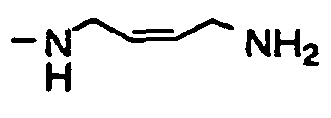
2.00-2.60(4H,m),2.89(1H,dd),3.05-3.60(6H,m),3.65-3.80(2H,m),3.90-4.25(1H,m),4.50(1H,dd),5.45-5.60(2H,m)7.24(1H,t),7.35-7.55(5H,m),7.58(1H,d),7.67(1H,s),7.75-7.90(3H,m),8.01(2H,bs),8.20-8.35(2H,m) 517 30 3 
1.30-1.60(2H,m),1.95-2.15(2H,m),2.20-2.50(2H,m),2.90(1H,dd),3.05-3.60(6H,m),3.05-4.10(3H,m),4.51(1H,dd),5.40-5.65(2H,m),7.24(1H,t),7.30-7.50(5H,m),7.58(1H,d),7.65-8.05(6H,m),8.12(1H,d),8.27(1H,t) 531 31 2 
1.20-1.50(2H,m),1.75-1.95(2H,m),2.00-2.60(4H,m),2.75-3.60(8H,m),3.90-4.40(3H,bs),4.97(1H,dd),7.20-7.90(11H.m).8.00-8.20(2H. m),8.41(1H,dd) 531 32 2 
2.10-2.65(4H,m),2.80-3.80(13H,m),4.10(1H,bs),4.95(1H,dd),7.27(11H,t),7.35-7.65(6H,m),7.65-7.85(4H,m) 517 33 2 
1.50-1.90(2H,m),1.90-2.70(6H,m),2.75-3.00(2H,m),3.0-03.60(5H,m),3.90-4.35(2H,m),4.48(1H,dd),7.20-7.90(11H,m),8.20-8.50((2H, m),9.12(1H,bs) 517 34 1 
1.70-2.65(10H,m),3.05-3.50(6H,m),4.05-4.40(1H,m),4.45-4.70(1H ,m),4.75-4.95(1H,m),7.05-7.90(13H,m) 505 35 2 
1.85(6H.s),1.90-2.05(1H,m),2.10-2.20(1H,m),2.30-2.75(4H,m),3.00-3.40(6H,m),3.60-3.80(1H,m),4.40-4.65(2H,m),7.15-7.50(6H,m),7.55-7.70(2H,m),7.70-7.85(3H,m) 519 36 2 
1.40-1.65(2H,m),1.90-2.80(12H,m),3.00-3.40(6H,m),3.55-3.80(1H,m),4.35-4.65(2H,m),6.60-6.80(1H,m),7.05-7.85(12H,m) 533 37 3 
1.35-1.95(4H,m),2.05-2.70(10H,m),2.85-3.60(9H,m),3.95-4.45(1H,m),4.60-4.80(1H,m),7.00-7.90(13H,m) 547 38 1 
1.45(2H,bs),2.15-2.80(7H,m),3.05-3.50(6H,m),4.00-4.95(3H.M),7.05-7.85(11H,m) 491 39 2 
1.35(2H,bs),2.10(2H,d),2.30-2.75(7H,m),2.95-3.45(6H,m),3.55-3.80(1H,m),4.40-4.70(2H,m),7.15-7.50(6H,m),7.5-7.85(5H,m) 505 40 I 1.35-1.75(4H,m),2.30-3.50(13H,m),4.15-4.75(2H,m),5.10-5.40(1H ,m),7.10-7.90(12H,m) 505 41 2 
1.20-1.75(4H,m),2.25-2.75(9H,m),2.90-3.45(6H,m),3.60-3.80(1H,m),4.40-4.60(1H,m),5.05-5.25(1H,m),6.70-6.90(1H,m),7.15-7.50(6H,m),7.50-7.85(5H,m) 519 42 3 
1.30-2.75(14H,m),2.75-3.55(8H,m),420-4.55(1H,m),5.10-5.35(1H,m),6.85-7.5(7H,m),7.55-7.90(5H,m) 533 43 1 
0.90(3H,s),1.05(3H,s),2.25-2.65(4H,m),2.95-3.50(6H,m),4.05-4.60 (2H,m),4.75-5.00(1H,m),7.00-7.85(13H,m) 505 44 2 
0.85(3H,s),0.90(3H,s),1.85(2H,bs),2.30-2.70(4H,m),2.95-3.40(6H, m),3.55-3.75(1H,m),4.35-4.60(1H,m),4.65-4.80(1H,dd),7.15-7.50(6H,m),7.55(1H,d),7.65-7.85(4H,m) 519 45 2 
1.05-1.55(4H,m),2.35-2.80(5H,m),2.90-2.85(9H,m),4.45-4.65(1H,m),4.75-4.95(1H,m),6.80-6.95(1H,m),7.15-8.50(11H,m) 517 
Example number o q * J 1H-NMR(δppm) : FAB-MS (M+H)+ 46 1 2 (S) 
2.35-2.45(2H,m),2.80-3.50(8H,m),3.55-4.10(1H,m),4.69(1H,bs) ,7.16(1H,bs),7.40-7.60(5H,m),7.65-8.10(7H,m),8.30-8.50(2H,m) 477 47 2 2 (S) 
2.05-2.60(4H,m).2.70-2.95(3H,m),3.10-3.60(6H,m),3.85-4.25(1H,m),4.47(1H,dd),7.26(1H,t),730-7.50(5H,m),7.58(1H,d),7.60-8.00(6H,m),8.15-8.35(2H,m) 491 48 2 3 (S) 
1.55-1.75(2H,m),2.00-2.95(7H,m),3.00-3.65(6H,m),3.90-4.35(1H,m),4.46(1H,dd),7.20-7.65(7H,m),7.65-7.95(6H,m),8.15(1H,t),8.27(1H,d) 505 49 3 3 (S) 
1.30-1.75(4H,m),1.90-2.15(2H,m),2.20-2.45(2H,m),2.65-2.80(2H,m),2.91(1H,dd),3.00-3.55(6H,m),3.85-4.10(1H,m),4.49(1H,dd),7.15-7.65(7H,m),7.65-7.95(6H,m),8.05-8.25(2H,m) 519 50 1 2 (R) 
2.35-2.55(2H,m),2.75-2.95(3H,m),3.09(1H,dd),3.20-3.50(4H,m),3.55-4.15(1H,m),4.56(2H,bs),7.15-7.35(7H,m),7.35-7.45(1H,m) ,7.58(1H,d),7.99(2H,bs),8.20-8.45(2H,m) 427 51 2 2 (R) 
2.10-2.45(4H,m),2.65-2.85(3H,m),2.85-3.85(6H,m),4.10(1H,bs) ,438(1H,dd),7.10-7.35(6H,m),7.40-7.65(3H,m),8.10-8.25(2H,m) 441 52 1 2 (S) 
2.35-2.50(2H,m),2.70-2.95(3H,m),3.09(1H,dd),3.15-3.50(4H,m),3.60-4.10(2H,m),4.57(2H,bs),7.15-7.30(7H,m),7.35-7.45(1H,m) ,7.59(1H,d),7.97(2H,bs),8.20-8.45(2H,m) 427 53 2 2 (S) 
2.10-2.45(4H,m),2.65-2.85(3H,m),2.85-3.85(6H,m),4.10(1H,bs) ,4.38(1H,dd),7.10-7.35(6H,m),7.40-7.65(3H,m),8.10-8.25(2H,m) 441 54 3 2 (S) 
1.35-1.65(2H,m),1.95-2.20(2H,m),2.25-2.50(2H,m),2.70-2.90(3H,m),3.02(1H.dd),3.85-4.15(1H,m),4.40(1H,d),7.05-7.30(6H,m),7.35-7.55(2H,m),7.61(1H,d),7.86(2H,bs),8.05-8.25(2H,m) 455 55 2 2 (R) 
2.05-2.60(4H,m),2.75-2.95(3H,m),3.00-3.70(6H,m),4.15(1H,bs), 4.39(1H,dd),6.90-7.15(3H,m),7.25-7.35(2H,m),7.45-7.65(4H,m), 7.88(2H,bs),8.05-8.20(2H,m),10.80(1H,s) 480 56 2 3 (R) 
1.55-1.70(2H,m),2.00-2.60(4H,m),2.60-2.75(2H,m),2.87(1H,dd),2.95-3.15(3H,m),3.15-3.65(3H,m),3.95-4.30(1H,m),4.37(1H,dd), 6.85-7.10(3H,m),7.20-7.35(2H,m),7.40-7.65(4H,m),7.82(2H,bs),8.00-8.20(2H,m),10.80(1H,s) 494 57 3 2 (R) 
1.35-1.70(2H,m),2.00-2.25(2H,m),2.25-2.50(2H,m),2.70-3.00(3H ,m),3.00-3.60(6H,m),3.90-4.20(1H,m),4.42(1H,dd),6.90-7.15(3H, m),7.20-7.65(6H,m),7.75-8.10(3H,m),8.16(1H,t),10.80(1H,s) 494 58 3 3 (R) 
1.35-1.75(4H,m),2.05-2.20(2H,m),2.30-2.45(2H,m),2.60-2.80(2H ,m),2.91(1H,dd),3.00-3.15(3H,m),3.15-3.55(3H,m),3.95-4.15(1H, m),4.36(1H,dd),6.90-7.15(3H,m),720-7.65(6H,m),7.80(2H,bs),8.01(1H,d),8.11(1H,t),10.81(1H,s) 508 59 1 2 (S) 
2.35-2.45(2H,m),2.70-3.50(8H,m),3.60-4.20(1H,m),4.58(2H,bs), 6.90-7.45(7H,m),7.57(2H,t),7.98(3H,bs),8.20-8.40(2H,m),10.86(1H,s) 466 60 2 3 (R) 
1.55-1.75(2H,m),2.00-2.80(6H,m),3.00-3.70(7H,m),3.90-4.30(1H ,m),4.49(1H,dd),7.20-7.65(9H,m),7.70-8.00(4H,m),8.05-8.25(2H,m),8.25-8.40(1H,m) 505 61 3 3 (R) 
1.30-1.75(4H,m),1.95-2.20(2H,m),2.25-2.50(2H,m),2.60-2.80(2H,m),3.05-3.80(7H,m),3.90-4.10(1H,m),4.51(1H,dd),7.20-7.65(9H, m),7.65-8.00(4H,m),8.05-8.25(3H,m) 519 62 3 3 (R) 
1.35-1.55(2H,m),1.65-1.80(2H,m),2.00-2.20(2H,m),2.25-2.45(2H ,m),3.10-3.50(6H,m),3.67(1H,dd),3.80-4.10(1H,m),4.81(1H,dd),7.25(1H,t),7.35-7.50(1H,m),7.58(1H,d),7.75-8.1.0(6H,m),8.15-8.45(4H,m),8.75-8.95(1H,m) 520 63 2 3 (R) 
1.60-1.75(6H,m),2.10-2.90(12H,m),3.05-3.35(4H,m),3.40-3.65(1H,m),3.95-4.10(1H,m),4.10-4.35(2H,m),6.95(3H,d),7.25-7.30(1H,m),7.45-7.50(2H,m),7.60(1H,d),7.80(3H,bs),8.05(1H,t),8.15(1H,d) 509 64 3 3 (R) 
1.45-1.80(10H,m),2.15(2H,bs),2.45(2H,bs),2.65-3.00(8H,m),3.15 -3.25(2H,m),3.25-3.40(1H,m),4.10(1H,bs),4.35-4.45(1H,m),6.95(3H,bs),7.35(2H,t),7.55(2H,bs),7.70(1H,d),7.98(2H,bs),8.15(1H,d),8.25(1H,t) 523 65 2 3 (RS) 
1.55-1.70(2H,m),2.10-2.50(4H,m),2.65-2.85(4H,m),2.95-3.15(4H,m),3.30-3.40(1H,m),4.00-4.10(1H,m),4.35-4.45(1H,m),7.00-7.05(2H,m),7.20-7.30(2H,m),7.35-7.65(6H,m),7.80 (3H,bs),8.10(1H,t),8.25(1H,d),9.50(1H,bs) 521 66 3 3 (RS) 
1.40-1.55(2H,m),1.60-1.70(2H,m),2.00-2.10(2H,m),2.00-2.10(2H,m)2.25-2.40(2H,m),2.65-2.90(4H,m),3.00-3.15(4H,m),3.35-3.45(1H,m)3.90-4.00(1H,m).4.35-4.45(1H,m),7.00-7.05(2H,m),7.20-7.25(2H,m),7.45(1H,bs),7.50-7.65(4H,m),7.75(3H,bs),8.05-8.15(2H,m),9.50(1H,bs) 535 
Example number o q 1H-NMR(δ ppm) : FAB-MS(M+H)+ 67 3 2 1.30-1.55(2H,m),1.95-2.15(2H,m),2.25-2.45(2H,m),2.75-3.00(3H,m),3.10-3.45(3H,m),3.50-4.25(4H,m),4.52(1H,dd),7.30-8.10(13H,m),8.10-8.35(2H,m) 521 68* 3 3 1.30-1.55(2H,m),1.55-1.75(2H,m),1.95-2.10(2H,m),2.25-2.45(2H,m),2.60-2.80(2H,m),2.85-3.25(4H,m),3.25-4.20(4H,m),4.49(1H,dd),7.30-7.95(13H,m),8.05-8.25(2H,m) 535 * Reference Example 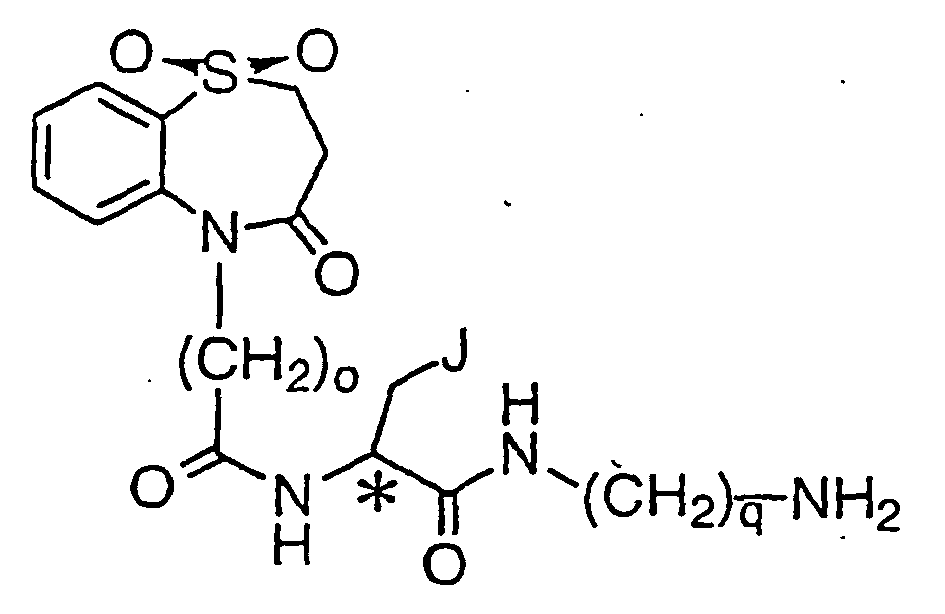
Exampl number o q * J 1H-NMR(δ ppm) : FAB-MS (M+H)+ 69* 1 2 (R) 
2.35-2.70(2H,m),2.80-4.20(9H,m),4.50-4.85(2H,m),7.10-8.15(13H,m),8.25-8.50(1H,m),8.60(1H,d) 509 70* 2 2 (R) 
2.05-2.60(4H,m),2.70-3.00(3H,m),3.00-4.20(7H,m),4.49(1H,dd),7.35-7.60(7H,m),7.60-7.95(6H,m),8.31(2H,bs) 523 71* 3 2 (R) 
1.35-1.70(2H,m),2.00-2.10(2H,m),2.45-2.55(2H,m),2.65-3.00(3H,m),3.05-3.50(5H,m),3.60-3.90(2H,m),4.53(1H,dd),7.35-7.55(5H,m),7.65-8.00(8H,m),8.17(1H,d),8.26(1H,t) 537 72 3 3 (R) 
1.30-1.80(4H,m),1.95-2.15(2H,m),2.40-2.60(2H,m),2.60-2.80(2H,m),2.91(1H,dd),3.00-3.20(4H,m),3.45-3.95(3H,m),4.51(1H,dd),7.30-7.55(5H,m),7.65-7.95(8H,m),8.05-8.25(2H,m) 551 73* 1 2 (R) 
2.35-2.35(1H,m),2.55-2.65(1H,m),2.70-2.95(3H,m),3.11(1H,dd),3.20-3.45(3H,m),3.50-4.15(2H,m),4.25-4.85(2H,m),7.27(6H,s),7.50-7.65(1H,m),7.75(1H,t),7.90(1H,d),7.98(2H,bs).8.26(1H,bs),8.52(1H,d) 459 74* 2 2 (R) 
2.05-2.60(4H,m),2.70-2.85(2H,m),3.02(1H,dd),3.10-3.45(3H,m),3.55-4.25(3H,m),4.38(1H,dd),7.10-7.30(5H,m),7.56(1H,t),7.67(1H,d),7.80-8.10(4H,m),8.15-8.30(2H,m) 473 75* 1 2 (S) 
235-2.55(1H,m),2.55-2.70(1H,m),2.70-2.95(3H,m),3.12(1H,dd),3.20-3.45(3H,m),3.50-4.20(2H,m),4.25-4.85(2H,m),7.27(6H,s),7.45-7.60(1H,m),7.75(1H,t),7.89(1H,d),7.96(2H,bs),8.26(1H,bs),8.53(1H,d) 459 76* 2 2 (S) 
2.05-2.60(4H,m),2.70-2.85(2H,m),3.02(1H,dd),3.10-3.45(3H,m),3.55-4.25(3H,m),4.38(1H,dd),7.10-7.30(5H,m),7.56(1H,t),7.67(1H,d),7.80-8.10(4H,m),8.15-8.30(2H,m) 473 77* 3 2 (S) 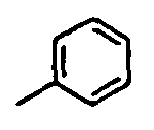
1.40-1.75(2H.m),1.95-2.15(2H,m),2.30-2.60(2H,m),2.70-2.90(3H,m),3.00(1H,dd),3.15-4.30(6H,m),4.40(1H,dd),7.05-7.25(5H,m),7.45-7.80(3H,m),7.80-8.00(3H,m),8.05-8.25(2H,m) 487 78* 3 3 (R) 
1.45-1.75(4H,m),2.00-2.15(2H,m),2.40-2.60(2H,m),2.60-2.75(2H,m),2.89(1H,dd),3.00-3.15(3H,m),3.25-3.95(4H,m),4.41(1H,dd),6.90-7.15(3H,m),7.31(1H,d),7.45-7.60(3H,m),7.65-7.95(4H,m),8.01(1H,d),8.10(1H,t),10.80(1H,s) 540 *Reference Example 
Example number o q R13 1H-NMR(δ ppm) : FAB-MS (M+H)+ 79 2 3 CH3 1.15(2H,d),1.35(1H,d),1.65(2H,t)1.80-2.30(2H,m),2.48(2H,m),2.71(2H,t),2.90(1H,m),3.12(3H,m),3.25-4.30(3H,m),4.45(1H,m),7.20-7.60(7H, m),7.65-8.00(6H,m),8.15(1H,m),8.27(1H,m) 519 80 3 2 CH3 1.17(2H,m),1.25-1.60(3H,m),1.85-2.25(3H,m),2.45(1H,m),2.60-3.05(3H,m),3.05-3.45(3H,m),3.60-4.10(3H,m),4.52(1H,m),7.00-7.60(7H,m),7.65-7.90(4H,m),8.00-8.30(3H,m),8.34(1H,bs) 519 81 3 3 CH3 1.18(2H,m),1.25-1.60(3H,m),1.69(2H,t),1.90-2.35(3H,m),2.50(1H,m),2.73(2H,m),2.90(1H,m),3.17(3H,m),3.30-4.10(3H,m),4.50(1H,m),7.00-7.60(7H,m),7.65-7.90(4H,m),7.96(2H,bs),8.10-8.30(2H,m) 533 82 2 3 
1.65(2H,t),2.15(1H,m),2.35-3.00(5H,m),3.10(3H,m),3.25-3.65(2H,m),4.00-4.30(1H,m),4.47(1H,m),4.89(1H,m),6.10(1H,s),6.34(1H,s),7.20-7.60(8H,m),7.65-7.95(6H,m),8.16(1H,bs),8.29(1H,t) 571 
Example number o q R14 1H-NMR(δppm) : FAB-MS (M+H)+ 83 2 2 7-CF3 2.05-2.60(4H,m),2.70-2.95(3H,m),3.10-3.70(6H,m),3.90-4.25(1H,m),4.49(1H,dd),7.30-7.50(3H,m),7.60(1H,d),7.62(1H,s),7.70-8.10(7H,m),8.20-8.35(2H,m) 559 84 3 2 7-CF3 1.30-1.60(2H,m),1.95-2.20(2H,m),2.25-2.50(2H,m),2.70-3.00(3H,m),3.15-3.60(6H,m),3.75-4.15(1H,m),4.51(1H,dd),7.30-7.50(3H,m),7.59(1H,d),7.65-8.10(8H,m),8.16(1H,d),8.25(1H,t) 573 85 2 3 7-CF3 1.50-1.75(2H,m),2.05-2.80(6H,m),2.88(1H,dd),3.00-3.20(3H,m),3.20-3.70(3H,m),3.95-4.35(1H,m),4.46(1H,dd),7.30-7.50(3H,m),7.60(1H,d), 7.67(1H,s),7.70-7.95(7H,m),8.14(1H,t),8.26(1H,d) 573 86 3 3 7-CF3 1.30-1.75(4H,m),1.95-2.15(2H,m),2.25-2.50(2H,m),2.65-2.80(2H,m),2.91(1H,dd),3.00-3.50(6H,m),3.80-4.15(1H,m),4.50(1H,dd),7.30-7.50 (3H,m),7.58(1H,d),7.65-7.95(9H,m),8.05-8.25(2H,m) 587 87 2 4 7-CF3 1.25-1.55(4H,m),2.00-2.60(4H,m),2.60-2.80(2H,m),2.80-3.80(7H,m),3.85-4.25(1H,m),4.40-4.60(1H,m),7.25-7.95(12H,m),8.03(1H,t),8.23(1H,d) 587 88 3 4 7-CF3 1.25-1.60(6H,m),2.05(2H,t),2.25-2.55(2H,m),2.60-2.80(2H,m),2.80-3.50(7H,m),3.95(1H,bs),4.45-4.60(1H,m),7.30-7.95(12H,m),8.00-8.15(2H,m) 601 89 2 2 8-F 2.00-2.65(4H,m),2.70-3.00(3H,m),3.10-3.65(6H,m),3.85-4.25(1H,m),4.40-4.60(1H,m),720-7.55(5H,m),7.65-8.10(6H,m),8.15-8.35(2H,m) 509 90 3 2 8-F 1.25-1.60(2H,m),1.95-2.20(2H,m),2.25-2.55(2H,m),2.70-3.70(9H,m),3.85-4.10(1H,m),4.40-4.60(1H,m),7.20-7.50(5H,m),7.65-8.10(7H,m), 8.17(1H,d),8.26(1H,t) 523 91 2 3 8-F 1.55-1.75(2H,m),2.00-2.55(4H,m),2.55-2.80(2H,m),2.89(1H,dd),3.00-3.60(6H,m),3.90-4.35(1H,m),4.35-4.55(1H,m),7.20-7.50(5H,m),7.65-7.95(6H,m),8.15(1H,t),8.26(1H,d) 523 92 3 3 8-F 1.25-1.80(4H,m),1.95-2.15(2H,m),2.20-2.50(2H.m),2.60-2.80(2H,m),2.92(1H,dd),3.00-3.65(6H,m),3.85-4.10(1H,m),4.40-4.60(1H,m),7.20-7.55(5H,m),7.60-8.00(7H,m),8.05-8.25(2H,m) 537 
Example number o q J 1H-NMR(δ ppm) : FAB-MS (M+H)+ 93 2 2 
1.85-2.10(4H,m),2.30(2H,m),2.70-2.95(3H,m),3.10-3.40(3H,m),3.75-3.95(2H,bs),4.50(1H,dd),7.10-7.55(7H,m),7.68(1H,s),7.75-8.10(5H,m), 8.20-8.30(2H,m) 473 94 2 3 
1.65(2H,m),1.90-2.10(4H,m),2.30(2H,m),2.65-2.75(2H,m),2.86(1H,dd) 3.05-3.15(3H,m),3.70-3.90((2H,bs),4.44(1H,dd),7.10-7.50(7H,m),7.68(1H,s),7.75-7.95((5H,m),8.16(1H,t),8.27(1H,d) 487 95 2 2 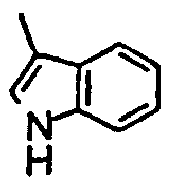
2.05(4H,m),2.32(2H,m),2.58(2H,m),2.76(2H,m),2.84(1H,dd),3.09(1H,dd),3.26(2H,m),3.85(2H,bs),4.38(1H,m),6.90-7.40(8H,m),7.53(1H,d),7.89(2H,bs),8.16(2H,m),10.89(1H,s) 462 
Example number o q J 1H-NMR(δ ppm) : FAB-MS (M+H)+ 96 2 3 
1.65(2H,m),2.03(2H,m),2.30(2H,m),2.70(2H,m),2.99(1H,dd),3.10(3H,m),3.78(3H,s),4.45(1H,dd),7.87(2H,d),7.22(1H,t),7.38(1H.d),7.46(2H, m),7.68(1H,s),7.75-7.95(5H,m),8.16(1H,t),8.26(1H,d) 517 97 3 3 
1.45(2H.m),1.59(2H,m),2.01(6H,m),2.72(2H,m),2.90(1H,dd),3.14(3H.m),3.80(3H,s),4.50(1H,m),6.73(1H,bs),6.87(1H,d),7.19(1H,t),7.35-7.55 (3H,m),7.69(1H,s),7.75-7.95(5H,m),8.21(2H,m) 531 98 2 3 
1.60-1.80(6H,m),1.90-2.10(4H,m).2.30(2H,bs),2.55-2.85(7H.m),3.05- 3.15(2H,m).3.80(3H,s),4.25(1H.dd),6.85-6.95(5H.m),7.25(1H,t),7.80(3H,bs),8.05-8.15(2H.m) 521 
Exampl number o q R14 R15 1H-NMR(δ ppm) : FAB-MS (M+H)* 99 2 3 8-OMe H 1.65(2H,m),1.80-2.15(4H,m),2.31(2H,m),2.70(2H,t),2.87(1H,dd),3.10(3H,m),3.74(3H,s),3.85(2H,bs),6.75(1H,d),6.86(1H,s),7.10(1H,d),7.38(1H,d),7.46(2H,m),7.68(1H,s),7.70-7.95(5H,m),8.15(1H,t),8.26(1H,d) 517 100 3 3 6-Me 8-Me 1.46(2H,bs),1.68(2H,m),2.02(4H,m),2.22(3H,s),2.25(3H.s),2.73(2H,m),2.91(1H,dd),3.12(3H,m),4.51(1H,m),6.87(2H,s),7.43(3H,m),7.70(1H,s),7.75-7.95(5H,m),8.20(2H,m) 529 
Example number R16 1H-NMR(δ ppm) : FAB-MS (M+H)+ 101 H 1.79(3H,s),1.85-2.70(4H,m),2.70-2.95(3H,m),3.10-3.35(3H,m),4.14(2H,m),4.46(1H,m),7.15-7.55(7H,m),7.67(1H,s),7.70-8.00(5H,m),8.10(1H,d),8.23(1H,m),8.28(1H,m) 530 102 
1.18(3H,t),1.90(3H,s),2.20-3.50(13H,m),3.85-4.45(5H,m),7.05-7.40(5H,m),7.47(2H,m),7.63(1H,s),7.77(3H,m) 602 
Example number 1H-NMR(δ ppm) : FAB-MS (M+H)+ 103 1.26(3H,t),1.90-2.35(6H,m),2.40-2.80(5H,m),3.00-3.20(3H,m),4.94(1H,m),6.64(1H,d),7.00-7.40(5H,m),7.45(2H,m),7.67(1H,s),7.75(3H,m) 571 
Example number o q 1H-NMR(δ ppm) : FAB-MS(M+H)+ 104 2 2 2.20-2.35(2H,m),2.44(2H,t),2.70-3.00(3H,m),3.10-3.35(3H,m),3.60-3.90(2H,m),4.35-4.55(3H,m),7.05-7.25(3H,m),7.30-7.50(4H,m),3.68(1H,s),7.70-8.00(5H,m),8.23(1H,t),8.30(1H,d) 475 105 2 3 1.55-1.75(2H,m),2.20-2.35(2H,m),2.43(2H,t),2.60-2.80(2H,m),2.89(1H,dd),3.00-3.20(3H,m),3.60-3.90(2H,m),4.35-4.55(3H,m),7.05-7.25(3H,m),7.30-7.50(4H,m),7.68(1H,s),7.70-7.95(5H,m),8.15(1H,t),8.29 (1H,d) 489 106 3 2 1.35-1.55(2H,m),1.95-2.20(2H,m),2.40-2.55(2H,m),2.75-3.00(3H,m),3.15-3.45(3H,m),3.50-3.70(2H,m),4.35-4.60(3H,m),7.05-7.25(4H,m),7.35-7.50(3H,m),7.69(1H,s),7.75-8.05(5H,m),8.15-8.30(2H,m) 489 107 3 3 1.35-1.55(2H,m),1.55-1.75(2H,m),2.40-2.55((2H,m),2.65-2.80(2H,m),2.92(1H,dd),3.05-3.20(3H,m),3.45-3.75(2H,m),4.40.4.55(3H,m),7.05-7.25(4H,m),7.35-7.50(3H,m)7.70(1H,s),7.75-7.90(5H,m),8.10-8.25(2H, m) 503 
Exampl e number o q A1 1H-NMR(δ ppm) FAB-MS (M+H)+ 108 2 3 
1.64(2H,m),2.27(2H,t),2.42(1H,bs),2.73(2H,m),2.40(1H,dd),3.00(3H,m),5.40(1H,m),3.73(1H,m),4.04(1H,m),4.20(1H,m),4.43(1H,dd),7.30-7.60(6H,m),7.65-7.95(7H,m),8.15(1H,t),8.30(1H,d) 542 109 2 4 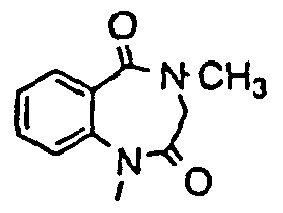
1.39(4H,m),2.29(2H,m),2.68(2H,m),2.89(1H,m),3.06(3H,m),3.09(3H,s),3.55-3.80(2H,m),3.90-4.25(2H,m),4.49(1H,m),7.25-7.60(6H,m),7.60-7.90(7H,m),8.01(1H,bs),8.25(1H,t) 530 110 2 3 
1.09(3H,m),1.75(4H,m),2.10-2.65(3H,m),2.81(4H,m),3.00-3.40(3H,m),4.00-4.40(2H,m),4.53(1H,m),7.20-7.55(9H,m),7.65-7.90(6H,m) 545 111 2 2 
2.45(2H,m),278(2H,m),2.90(1H,dd),3.15(1H,dd)3.28(2H,m),3.74(2H,m),4.53(1H,dd),7.09(2H,m),735-755(4H,m),7.59(1H,t),7.68(1H,s),7.78(3H,m),8.02(2H,bs),8.31(1H,t),8.48(1H,t) 459 112* 2 3 
1.28(2H,m),2.42(2H,m),2.67(2H,m),3.15(4H,m),4.15(2H,m),4.62(1H,dd),6.51(1H,d).6.87(3H,m),6.96(2H,t),7.10-7.25(5H,m),7.40-7.55(3H,m),7.68-7.85(3H,m) 525 113* 3 3 
1.50-1.85(6H,m),2.10(2H,m),2.55-2.80(3H,m),2.80-3.20(7H,m),4.58(1H,m),6.59(2H,m),6.89(2H,m),7.44(3H,m),7.60-8.00(6H,m),8.28(2H,m) 473 *Reference Example 
Exampl number o q * J 1H-NMR(DMSO-d6) δ : FAB-MS (M+H)+ 114 2 2 (R) 
1.20(1H,m),1.51(1H,m),1.73(2H,m),2.25-3.00(9H,m),3.10-3.50(4H,m),4.15(1H,m),4.47(1H,m),7.27(4H,m),7.35-7.55(3H,m),7.69(1H,s),7.75-8.10(5H,m),8.27(2H,m) 487 115 2 3 (R) 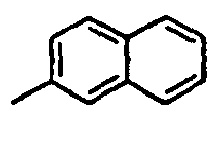
1.20(1H,m),1.35-2.65(11H,m),2.70(2H,m),2.88(1H,m),3.10(3H,m),4.15(1H,m),4.45(1H,m),7.25(4H,m),7.35-7.55(3H,m),7.69(1H,s),7.75-7.95(5H,m),8.17(1H,t),8.27(1H,d) 501 116 2 3 (RS) 
1.55-1.80(4H,m),1.95-2.20(4H,m),2.30-2.45(1H,m),2.55-2.85(5H,m),2.95-3.15(4H,m),3.30-3.45(1H,m),4.10-4.20(1H,m),4.35-4.45(1H,m),7.00-7.05(2H,m),7.20-7.30(5H,m),7.55-7.60(2H,m),7.65(1H,d),7.80(3H,bs),8.10(1H,t),8.25(1H,d), 9.50(1H,s) 517 
Example number o q X K 1H-NMR(DMSO-d6)δ : FAB-MS (M+H)+ 117 2 2 CH2 CH 2.30-2.55(4H,m),2.80(4H,m),2.95(1H,dd),2.95(1H,dd),3.25(1H,dd),3.88(1H,m),3.96(1H,m),4.55(1H,dd),7.00(2H,m),7.18(2H,m),7.46(3H,m),7.72(1H,s),7.75-7.95(3H,m),8.00(2H,bs),8.30(1H,t),8.43(1H,d) 459 118 2 3 CH2 CH 1.68(2H,m),2.25-2.50(4H,m),2.77(4H,m),2.92(1H.dd),3.13(3H,m),3.87(1H,m),3.97(1H,m),4.56(1H,dd),7.08(2H,m),7.18(2H,m),7.45(3H,m),7.72(1H,s),7.75-7.95(5H,m),8.22(1H,t),8.41(1H,d) 473 119 2 3 S CH 1.64(2H,m),2.75(2H,m),2.94(1H,m),3.13(3H,m),3.90(1H,m),4.54(1H,m),7.04(1H,m),7.23(2H,m),7.35-7.50(4H,m),7.60-7.90(6H,m),8.32(1H,t),8.41(1H,d) 491 120 3 2 S CH 1.58(2H,m),2.09(2H,m),2.82(2H,m),2.93(1H,dd),3.23(1H,dd),3.43(2H, s),3.53(1H,m),3.77(1H,m),4.58(1H,m),7.03(1H,t),7.19(2H,m),7.40(4H ,m),7.72(4H,m),7.98(2H,bs),8.27(1H,d),8.32(1H,t) 491 121 3 3 S CH 1.50-1.75(4H,m),2.10(2H,t),2.74(2H,m),2.91(1H,dd),3.13(3H,m),3.43(2H,s),3.52(1H,m),3.77(1H,m),4.57(1H,m),7.03(1H,t),7.10-7.25(2H,m),7.41(4H,m),7.65-7.95(6H,m),8.25(2H,m) 505 122 2 2 O CH 2.41(2H,m),2.82(2H,m),2.94(1H,dd),3.22(1H,dd),3.87(1H,m),4.00(1H, m),4.54(1H,m),4.55(2H,s),6.99(3H,s),7.11(1H,d),7.35-7.50(3H,m),7.71(1H,s),7.82(3H,m),7.95(2H,bs),8.30(1H,t),8.49(1H,t) 461 123 2 3 O CH 1.68(2H,m),2.41(2H,m),2.72(2H,m),2.91(1H,dd),3.13(3H,m),4.53(1H,m),4.57(2H,s),6.99(3H,m),7.13(1H,m),7.44(3H,m),7.72(1H,s),7.75-8.00(5H,m),8.24(1H,t),8.46(1H,d), 475 124 2 2 O N 2.45(2H,m),2.81(2H,m),2.92(1H,dd),3.19(1H,dd),3.30(2H,m),4.12(2H, t),4.53(1H,dd),4.72(2H,s),7.03(3H,dd),7.38(1H,d),7.47(3H,m),7.72(1H, s),7.82(3H,m),7.97(1H,d),7.97(2H,bs),8.29(1H,t),8.37(1H,d) 462 125 2 3 O N 1.67(2H,m),2.44(2H,m),2.72(2H,m),2.93(1H,dd),3.11(3H,m),4.12(2H,t),4.51(1H,m),4.72(2H,s),7.04(1H,dd),7.37(1H,d),7.47(3H,m),7.72(1H, s),7.75-7.95(5H,m),7.97(1H,d),5.22(1H,t),8.36(1H,d) 476 
Example number o q 1H-NMR(δ ppm) : FAB-MS(M+H)+ 126 2 3 1.65(2H,m),2.55(2H,m),2.73(2H,m),2.90(1H,dd),3.10-3.20(3H,m),4.10(2H,bs),4.50(1H,dd),7.20-7.65(9H,m),7.65-7.90(7H,m),8.20(1H,t),8.39(1H,d) 537 127 3 3 1.67(4H,m),2.11(2H,t),2.75(2H,m),2.90(1H,dd),3.13(3H,m),3.83(1H,m),3.93(1H,m),4.52(1H,m),7.15-7.50(9H,m),7.57(1H,t),7.65-7.95(7H,m),8.22(2H,m) 551 
Example number o q 1H-NMR(δ ppm) : FAB-MS(M+H)+ 128 3 2 1.30-1.75(2H,m),2.14(2H,t),2.70-3.50(11H,m),3.89(1H,m),4.55(1H,m), 6.90-7.15(8H,m),7.47(3H,m),7.70-7.90(4H,m),8.01(2H,bs),8.30(2H,m) 549 129 3 3 1.45-1.75(4H,m),2.13(2H,t),2.65-3.35(10H,m),3.89(1H,m),4.54(1H,m), 6.90-7.15(8H,m),7.47(3H,m),7.70-7.95(6H,m),8.24(2H,m) 563 130 4 3 1.15-1.50(4H,m),1.66(2H,t),2.08(2H,t),2.71(2H,m),2.91(3H,m),3.52(1H, m),3.91(1H,m),4.53(1H,dd),6.90-7.15(5H,m),7.49(3H,m),7.71(1H,s),7.7 5-7.95(5H,m),8.19(2H,m) 577 131 4 4 1.20-1.55(8H,m),2.07(2H,t),2.70(2H,m),2.80-3.20(5H,m),3.90(1H,m), 4.56(1H,dd),6.96(1H,d),7.07(7H,m),7.45(3H,m),7.70(1H,s),7.75-7.90(5H, m),8.07(1H,t),8.13(1H,d) 591 
Example number o q * J 1H-NMR(δ ppm) : FAB-MS (M+H)+ 132 2 3 (R) 
1.60-1.75(6H,m),2.30-2.50(2H,m),2.60-2.90(10H,m),3.05-3.20(4H,m),3.50-3.60(1H,m),4.20-4.40(2H,m),6.85-7.15(11H,m),7.75-7.90(3H,bs),8.15(1H,t),8.25(1H,d) 553 133 2 3 (RS) 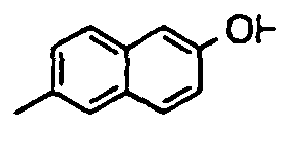
1.55-1.75(2H,m),2.30-2.50(2H,m),2.60-2.90(5H,m),2.90-3.20(5H,m),3.40-3.55(1H,m),4.20-4.30(1H,m),4.40-4.50(1H,m),6.90-7.20(10H,m),7.25-7.30(1H,m),7.55-7.65(3H,m),7.75(3H,bs),8.15(1H,t),8.30-8.35(1H,m),9.65(1H,s) 565 
Example number o A1 1H-NMR( δ ppm) : FAB-MS (M+H)+ 134 2 
2.00-2.70(5H,m),2.70-2.95(2H,m),3.00-3.60(6H,m),3.65-3.80(1H,m), 3.73(1H,bs),4.50(1H,bs),5.54(1H,bs),7.26(1H,t),7.30-7.50(5H,m), 7.57(1H,d),7.60-7.95(6H,m),8.15-8.35(2H,m) 521 135 3 
1.25-1.60(2H,m),1.95-2.15(2H,m),2.15-2.70(3H,m),2.70-3.00(2H,m), 3.00-3.45(6H,m),3.72(1H,bs),4.00(1H,bs),4.55(1H,dd),5.55(1H,bs), 7.24(1H,t),7.30-7.50(5H,m),7.58(1H,d),7.65-7.95(6H,m),8.14(m,d), 8.23(1H,t) 535 136 2 
1.95-2.70(4H,m),2.70-2.95(2H,m),3.00-3.55(7H,m),3.65-3.80(1H,m), 3.85-4.25(1H,m),4.40-4.60(1H,m),7.20-7.50(6H,m),7.60-7.95(6H,m), 8.10-8.35(2H,m), 539 137 3 
1.25-1.60(2H,m),1.95-2.15(2H,m),2.25-2.60(4H,m),2.60-3.55(7H,m), 3.65-3.80(1H,m),3.85-4.10(1H,m),4.53(1H,dd),7.20-7.50(6H,m),7.65 -7.95(6H,m),8.13(1H,d),8.22(1H,t) 553 138 2 
2.00-2.70(5H,m),2.70-2.95(2H,m),3.00-3.80(7H,m),3.90-4.35(1H,m), 4.50(1H,bs),5.54(1H,bs),7.30-7.50(3H,m),7.59(1H,d),7.68(1H,s),7.70 -8.00(7H,m),8.15-8.40(2H,m) 589 139 3 
1.25-1.60(2H,m), 1.90-2.15(2H,m),2.20-2.70(3H,m),2.70-3.50(8H,m), 3.73(1H,bs),3.95(1H,bs),4.54(1H,dd),5.54(1H,d),7.30-7.95(12H,m), 8.13(1H,d), 8.23(1H,t) 603 140 2 
1.85-2.10(4H,m),2.28(2H,bs),2.56(2H,m),2.70-2.95(2H,m),3.05-3.30 (3H,m),3,73(2H,m),3.78(3H,s),4.50(1H,m),5.60(1H,bs),6.84(2H,m), 7.22(1H,t),7.45-7.55(3H,m),7.69(1H,s),7.75-7.95(5H,m),8:25(2H,m) 533 141 3 
1.44(2H,m),2.02(4H,m),2.40-3.85(12H,m),4.54(1H,m),6.73(1H,bs), 6.86(1H,d),7.18(1H,t),7.46(3H,m),7.70-7.95(6H,m),8.20(1H,d),8.25( 1H,t) 547 142 2 
2.15-2.35(2H,m),2.43(2H,t),2.50-2.70(1H,m),2.70-2.95(2H,m),3.00-3.25(3H,m),3.60-3.90(3H,m),4.41(2H,t),4.45-4.60(1H,m),5.56(1H,bs),7.05-7.25(3H,m),7.25-7.35(1H,m),7.35-7.50(3H,m),7.69(1H,s),7.70-8.00(5H,m),8.23(1H,t),8.31(1H,d) 505 143 3 
1.35-1.55(2H,m),1.90-2.10(2H,m),2.35-2.70(3H,m),2.70-3.00(2H,m), 3.00-3.85(6H,m),435-4.60(3H,m),5.55(1H,bs),7.05-7.25(4H,m),7.35 -7.50(3H,m),7.60-7.95(6H,m),8.17(1H,d),8.23(1H,t) 519 144 2 
1.23(1H,m),1.50(1H,m),1.74(2H,m).1.95-3.60(15H,m),3.73(1H,m), 4.12(1H,m),4.48(1H,m),5.54(1H,bs),7.24(4H,m),7.46(3H,m),7.70(1H s),7.75-7.90(5H,m),8.25(2H,m) 517 145 2 
2.55(2H,m),2.70-3.00(3H,m),3.15(3H,m),3.75(1H,m),4.06(2H,m), 4.55(1H,m),7.15-7.50(10H,m),7.55-7.95(7H,m),8.25(1H,t),8.38(1H, m) 553 146 2 
1.90(2H,m),2.25(2H,m),2.40-2.65(3H,m),2.70-2.95(2H,m),3.16(3H, m),3.41(1H,m),3.53(1H,m),3.71(2H,m),4.04(2H,m),4.16(1H,m) ,4.47(1H,m),5.53(1H,d),7.25-7.60(6H,m),7.65-7.95(7H,m),8.19(1H,t) ,8.26(1H,d) 558 147* 2 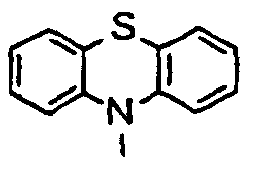
2.40-2.70(2H,m),2.70-3.00(2H,m),3.05-3.45(4H,m),3.70-3.90(3H,m), 4.64(1H,m),5.58(1H,bs),6.90(4H,m),7.11(4H,m),7.45(3H,m),7.73(1H) ,s),7.75-7.95(5H,m),8.31(1H,t),8.39(1H,d) 541 * Reference Example 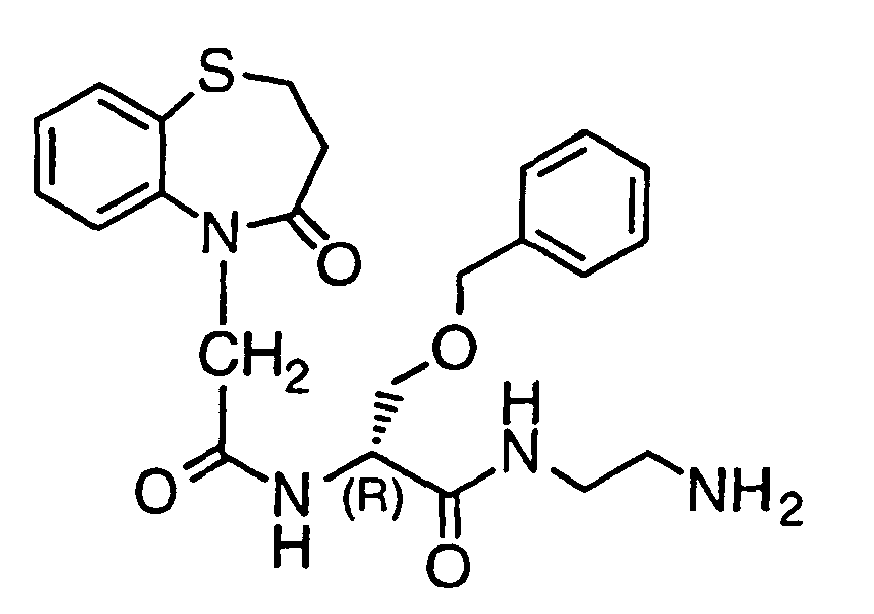
Example number 1H-NMR(δ ppm) : FAB-MS(M+H)+ 149 2.35-2.55(2H,m),2.75-2.95(2H,m),3.10-3.50(4H,m),3.60-3.75(2H,m),4.03(1H,bs),4.45-4.90(4H,m),7.2-7.5(8H,m),7.59(1H,d),7.94(2H,bs),8.22(1H,t),8.40(1H,d) 457 
Example number o * R13 D 1H-NMR(δ ppm) : FAB-MS (M+H)+ 150 1 (S) H 
2.30-2.45(2H,m),2.80-3.95(13H,m),4.60(1H,bs),5.10(1H,dd),7.10-7.25(1H,m),7.40-7.60(5H,m),7.65-7.95(5H,m),8 59(1H,bs),9.25(1H,bs)9.64(1H,bs) 503 151 2 (S) H 
2.30-2.60(4H,m),2.80-3.80(12H,m),4.10(1H,bs),4.45(1H,bs),4.95(1H,bs),7.20-7.90(11H,m),8.50(1H,d),8.80(1H,bs ) 517 152 2 (R) CH3 
1.14(2H.d),1.32(1H,d),1.80-3.55(11H,m),3.55-4.20(3H,m),4.49(1H,m),5.55(1H,bs),7.26(1H,m),7.30-7.60(6H,m),7 65-7.95(6H,m),8.15-8.35(2H,m), 535 153 2 (R) CH3 
1.17(2H,d),1.36(1H,d),1.80-2.30(2H,m),2.47(2H,m),2.90(1H,m),3.10(1H,m),3.52(2H,m),3.60-4.20(3H,m),3.73(2 H,m),4.50(1H,m),5.51(2H,m),7.27(1H,m),7.30-7.60(6H,m),7.65-7.90(4H.m),8.0=t(2H,bs),8.27(2H.m) 531 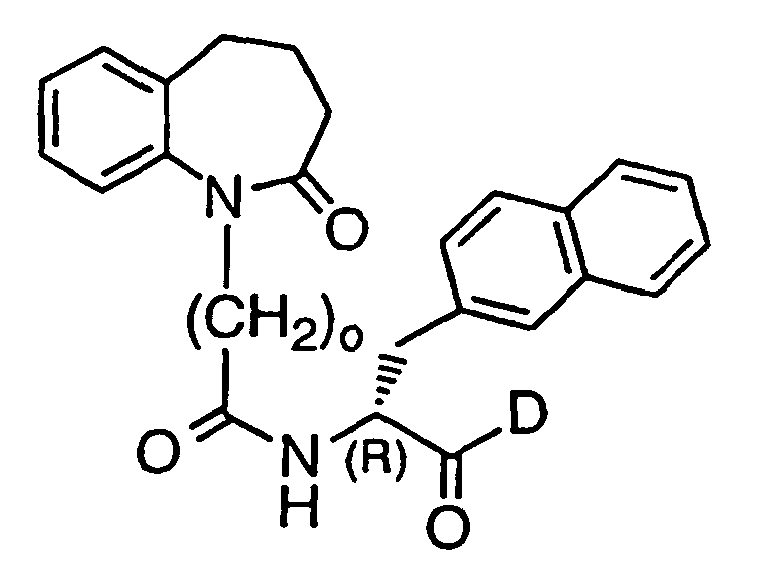
Exampl number o D 1H-NMR(δ ppm) : FAB-MS (M+H)+ 154 2 
1.30-1.50(4H,m),1.90-2.10(4H,m),2.30(2H,m),2.68(2H,m),2.86(1H,dd),3.07(3H,m),3.80(1H,bs),4.48(1H,dd),7.10-7.30(4H,m),7.30-7.50 (3H,m),7.67(1H,s),7.75-7.90(5H,m),8.04(1H,t),8.23(1H,d) 501 155 2 
2.01(4H,m),2.29(2H,m),2.70-2.90(2H,m),3.12(3H,m),3.38(2H,m),3.74(2H,m),4.49(1H,m),5.55(1H,bs),7.10-7.30(4H,m),7.35-7.55(3H,m),7.69(1H,s),7.75-7.95(5H,m),8.23(2H,m) 503 156 2 
2.00(4H,m),2.30(2H,m),2.86(1H,m),3.07(1H,m),3.45-4.00(6H,m),4.49(1H,m),5.50(2H,m),7.10-7.30(4H,m),7.30-7.50(3H,m),7.67(1H,s),7.75-7.95(3H,m),8.04(2H,b),8.25(2H,m) 499 157 2 
2.02(4H,m),2.29(2H,m),2.86(1H,dd),3.12(1H,dd),3.71(2H,s),3.60-4.10(2H,m),3.95(2H,d),4.52(1H,m),7.10-7.30(4H,m),7.35-7.50(3H,m),7.68(1H,s),7.70-7.90(3H,m),8.26(1H,d),8.34(2H,bs),8.54(1H,t) 497 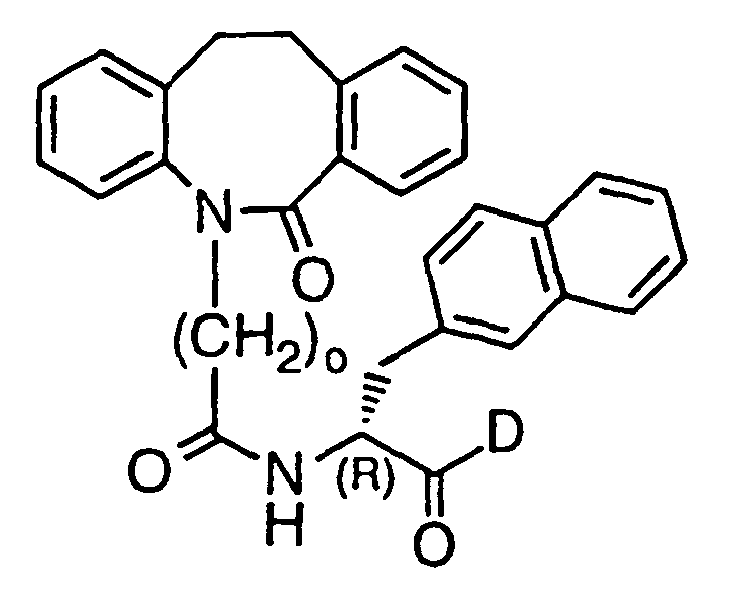
Example number o D 1H-NMR(δ ppm) : FAB-MS (M+H)+ 158 2 
2.25-3.60(13H,m),4.20(1H,m),4.35(1H,m),6.85-7.15(8H,m),7.35-7.50(3H,m),7.72(1H,s),7.80-8.00(5H,m),8.29(1H,t),8.38(1H,d) 535 159 2 
1.66(2H,m),2.30-3-55(13H,m),4.24(1H,m),4.51(1H,m),6.85-7.15(8H ,m),7.40-7.55(3H,m),7.71(1H,s),7.80-7.95(5H,m),8.22(1H,t),8.36(1H,d) 549 160 2 
2.25-3.60(13H,m),3.73(1H,m),4.22(1H,m),4.57(1H,m),5.55(1H,bs),6.85-7.15(8H,m),7.47(3H,m),7.73(1H,s),7.80-7.95(m,5H),8.27(1H,t) 8.34(1H,m) 565 161 2 
2.42(2H,m),2.70(2H,m),2.85-3.20(4H,m),3.50(3H,m),3.75(2H,m),4.15-4.65(2H,m),5.51(2H,m),6.85-7.15(8H,m),7.46(3H,m),7.71(1H,s).7.75-7.90(3H,m),8.08(2H,bs),8.35(2H.m) 561 162 2 
2.41(2H,m),2.69(2H,m),2.85-3.25(4H,m),3.34(2H,m),4.22(1H,m),4.59(1H,m),5.55(1H,m),5.70(1H,m),6.85-7.15(8H,m),7.48(3H,m),7.73(1H,s),7.83(3H,m),8.02(2H,bs),8.34(2H,m) 561 163 2 
2.40(2H,m),2.67(2H,m),2.80-3.20(4H,m),3.50(1H,m),3.71(2H,m),3.99(2H,m),4.21(1H,m),4.58(1H,m),6.85-7.15(8H,m),7.48(3H,m),7.72(1H,s),7.82(3H,m),8.35(3H,m),8.60(1H,t) 559 
Example number M1 D1 1H-NMR(δ ppm) : FAB-MS (M+H)+ 164 

0.50-1.05(3H,m),2.35(2H,m),2.84(3H,m),3.10-3.60(8H,m),3.60-4.65(1H,m),7.23(1H,m),7.45(6H,m),7.68(1H,s), 7.75- 8.10(5H,m),8.10-8.45(2H,m) 505 165 

0.45- 1.15(3H,m).1.15-1.80(2H,m),2.15-2.45(2H,m),2.50-3.00(4H,m),3.00-3.75(7H,m),3.85-4.65)1H,m),7.10-8-35(15H,m) 519 166 

1.10(6H,s),1.30-1.65(2H,m),1.95-2.20(2H,m),2.20-2.45(2H,m),2.95(1H,dd),3.99(1H,bs),4.57(1H,m),7.25(1H,t),7.30-7.55(4H,m),7.59(1H,d),7.65,8.05(7H,m),8,22(1H,d), 8.33(1H,t) 533 167 

1.26(2H,m),1.95-2.72(6H,m),2.73-3.10(3H,m),3.11-3.75(6H,m),4.10(2H,m),4.50(1H,m),4.89(1H,m),7.20-7.40(2H,m),7.45(4H,m),7.60(2H,m),7.75(3H,m),8.22(1H,t),837(1H,d) 545 168 

225-2.75(8H,m),3.05-3.40(6H,m),3.51(2H,m),430-4.70(2H,m),6.96(1H,m),7.10-7.50(7H,m),7.50-7.85(5H,m) 535 169 

130-1.60(2H,m),1.60-1.80(2H,m),1.95-2.15(2H,m),2.15-2.45(2H,m),2.70-2.95(4H,m),3.55-3.70(2H,m),3.97(1H,bs),3.47(1H,m),5.27(1H,bs),7.24(1H,t),7.30-7.50(5H,m),7.58(1H,d),7.65-7.90(4H,m),8.10- 8.25(2H,m),8.61(1H,bs) 563 170 

1.15(6H,s),1.35-1.60(2H,m),1.65-1.85(2H,m),2.00-2.15(2H,m),2.20-2.45(2H,m),2.65-2.85(2H,m),2.92(1H,dd),3.05-3.45(7H,m),3.95(1H,bs),4.48(1H,m),5.58(1H,s),7.24(1H,t),7.35-7.50(4H,m),7.58(1H,d),7.65-7.90(4H,m),8.10- 8.45(4H,m) 591 171 

1.16(3H,d),1.22(3H,s),1.30-1.60(2H,m),1.95-2.15(2H,m),2.20-2.45(2H,m),2.80-3.60(8H,m),3.94(1H,bs),4.50-4.70(1H,m),7.24(1H,t),7.30-7.50(5H,m),7.58(1H,d),7.65-7.95(6H,m),8.05-8.30(2H,m) 563 172 

1.80(3H,d),1.30-1.60(2H,m),1.95-2.15(2H,m),2.20-2.45(2H,m),2.60- 2.80(2H,m),2.80-3.65(9H,m),3.75-4.10(3H,m),4.45-4.60(1H,m),5.30(1H,bs),5.60(1H,bs),7.24(1H,bs),7.30-7.50(5H,m),7.58(1H,d),7.65-7.90(5H,m),8.10-8.35(2H,m) 593 173 

2.00- 2.55(4H,m),2.65-4.30(16H,m),7.26(1H,m),7.45(5H,m),7.70(1H,s),7.75-7.90(3H,m),8.52(1H,d) 547 174 

1.22-1.65(2H,m),1.65-1.85(2H,m),1.95-2.15(2H,m),2.20- 2.45(2H,m),3.95(1H,bs),4.98(1H,bs),7.24(1H,t),7.30-7.50(4H,m),7.58(1H,d),7.65-8.05(5H,m),8.32(1H,t) 563 175 

1.30-1.65(2H,m),1.65-1.80(2H,m),1.90(3H,s),1.95-2.15(2H,m),2.20- 2.50(2H,m),2.60- 2.85(2H,m),2.85-3.75(10H,m),3.90-4.15(2H,m),4.85-5.05(1H,m),7.24(1H,t),7.30-7.55(4H,m),7.58(1H,d),7.65-8.05(5H,m), 8.25- 8.45(1H,m) 605 176 

1.40-1.60(2H,m),1.75-1.90(2H,m),2.00-2.15(2H,m),2.30- 2.45(2H,m),2.95(2H,bt),3.15(4H,bt),3.90-4.00(1H,m),4.40-4.50(1H,m),7.1(1H,bs),7.25(1H,bt),7.35-7.50(4H,m),7.55-7.90(7H,m),8.15(1H,s),8.20-8.30(5H, m) - 177 
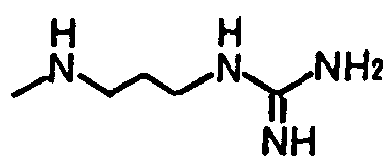
1.35-1.95(4H,m),2.00-2.55(4H,m),2.64(1H,m),2.90-3.55(8H,m),3.85- 4.60(1H,m),4.73(1H,m),6.92(1H,m),7.00-7.50(6H,m),7.52(1H,d),7.69(4H,m),8.18(1H,m) 561 178 

1.30-1.60(2H,m),1.65-1.85(2H,m),2.00-2.15(2H,m),2.20-2.45(2H,m),2.70-3.00(3H,m),3.20-3.70(8H,m),3.85-4.10(1H,m),4.40-4.55(1H,m),724(1H,t),7.35-7.65(6H,m),7.65-7.95(9H,m),8.10-8.30(2H,m),8.88 (2H,bs) 576 179 

0.45-1.10(3H,m),1.46(6H,m),2.35(2H,m),2.89(1H,m),3.05- 3.75(10H,m),3.80-4.65(1H,m),7.15-7.62(7H,m),7.69(1H,s),7.76(3H,m),8.22(5H,m) 590 180 

1.70-1.95(2H,m),2.30-2.65(4H,m),3.03(2H,m),3.15-3.40(4H,m),3.64(2H,m),3.74(2H,t),4.40-4.75(2H,m),6.81(1H,s),6.97(1H,s),7.20-7.55(7H,m),7.56-7.90 (5H,m) 556 181 

1.35-1.60(2H,m),2.00-2.10(2H,m),2.25-2.45(3H,m),2.55- 2.70(1H,m),2.75-3.00(3H,m),3.00-3.40(4H,m),3.70-3.80(1H,m),3.90-4.00(1H,m),4.45-4.55(1H,m),7.25(2H,t),7.35- 7.50(5H,m),7.55(1H,d),7.70(1H,s),7.65-7.90(6H,m),8.15(1H,d),8.20-8.35(1H,m) 535 182 

1.35-1.60(2H,m),2.0-2.10(2H,m),2.25-2.45(2H,m),2.55-2.70(1H,m),2.80-2.95(2H,m),3.0-3.4(6H,m),3.70-3.80(1H,m),3.90-4.00(1H,m),4.45-4.55(1H,m),7.25(1H,bt),7.40-7.50(4H,m),7.60(1H,d),7.85-8.00(6H,m),8.05-8.10(1H,m),8.15(1H,d),8.25(1H,bt) 535 
Example number M1 D1 1H-NMR(δ ppm) : FAB-MS (M+H)+ 183 

1.25-1.55(2H,m),1.60-1.80(2H,m),2.05-2.45(4H,m),2.65-3.50(12H,m),3.90-4.10(1H,m),5.05-5.35(1H,m), 7.15-8.15(14H,m) 533 184 

2.05-2.45(3H,m),2.50-2,95(6H,m),2.95-3.55(7H,m),3.65-3.90(1H,m),3.95-4.20(1H,m),5.15(1H,m),5.55(1H,bs),7.15-8.15(14H,m) 535 185 

1.25-1.55(2H,m),1.95-2.45(4H,m),2.50-2.65(1H,m),2.78(3H,s),2.75-2.90(1H,m),2.95-3.50(7H,m),3.65-3.85(1H,m),3.85-4.05(1H,m),5.05-5.40(1H,m),5.56(1H,bs),7.10-8.10(14H,m) 549 
Example number o B1 D1 1H-NMR(δ ppm): FAB-MS (M+H)+ 186 3 

1.30-1.65(2H,m),195-2.20(2H,m),2.25- 2.65(3H,m),2.70-2.95(2H,m),3.00-3.45(5H,m),3.50-3.85(2H,m), 3.90-4.15(1H,m),4.42(1H,m),5.50(1H,bs),6.85- 7.15(3H,m),7.15- 7.65(6H,m),7.83(2H,s),8.01(1H,d),8.16(1H,t),10.81(1H,s) 524 187 2 

1.55-1.75(2H,m),2.05-2.45(3H,m),2.60-2.90(3H,m),3.00-3.65(7H,m),3.90-4.30(1H,m),4.35-4.55(1H,m),7.20- 7.75(13H,m),7.86(2H,s),8.20(1H,t),8.30(1H,d) 559 188 3 

1.35-1.75(4H,m),2.00-2.15(2H,m),225-2.45(2H,m),2.65- 2.95(3H,m),3.00- 3.45(6H,m),4.22(1H,bs),4.46(1H,m),7.22(1H,t),7.30-7.75(12H,m),7.86(2H,s),8.10-8.30(2H.m) 573 189 2 

2.00- 2.70(4H,m),2.75-2.95(2H,m),3.00-3.65(7H,m),3.65-3.85(1H,m),3.95-4.30(1H,m),4.35-4.60(1H,m),5.55(1H,bs),7.20-7.75(13H,m),7.85(2H,s),8.15-8.40(2H,m) 575 190 3 

1.35- 1.60(2H,m),2.00-2.20(2H,m),2.25-2.45(2H,m),2.55- 2.70(1H,m),2.75-2.95(2H,m),3.00-3.65(6H,m),3.65-3.85(1H,m),3.90-4.15(1H,m),4.40-4.60(1H,m),5.55(1H,bs),7.22(1H,t),730-7.75(12H,m),7.89(2H,s),8.17(1H,d),828(1H,t) 589 191 3 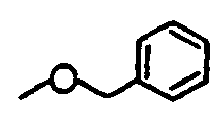

1.50-1.75(4H,m),2.10-2.25(2H,m),230-2.45(2H,m),2.75(2H,q),3.14(2H,q),3.20-3.50(3H,m),3.56(2H,d),4.11(1H,bs),4.41(1H,q),4.47(2H,s),7.22-7.35(6H,m),7.45-7.55(2H,m),7.61(1H,d),7.08(2H,s),2.05(1H,d),8.18(1H,t) 499 192 3 

1.50-1.75(2H,m),2.10-2.25(2H,m),2.30-2.45(2H,m),2.50- 2.70(1H,m),2.75-2.90(1H,m),3.00-3.65(7H,m),3.75(1H,bs),4.12(1H,bs),4.35-4.50(3H,m),7.15-7.35(6H,m),7.40-4.55(2H,m),7.61(1H,d),7.86(2H,s),8.07(1H,d),8.19(1H,t) 515 193 2 

1.65(2H,m),2.00-2.50(3H,m),2.55-2.75(3H,m),2.85(1H,dd),3.09(2H,q),3.15-3.60(3H,m),4.02(1H,bs),4.28(1H,bs),5.03(2H,s),6.87(2H,d),7.10(2H,bd),7.25-7.55(8H,m),7.60(1H,d),7.85(2H,bs),8.12(1H,t),8.19(1H,d) 561 194 3 

1.52(2H.bs),1.66(2H,m),2.07(2H,bs),2.60-2.80(3H,m),2.89(1H,dd),3.11(2H,q),3.15-3.45(3H,m),4.02(1H,bs),4-31(1H,m),5.03(2H,s),6.87(2H,d),7.12(2H,d),720-7.55(8H,m),7.60(1H,d),7.85(2H,bs),8.05(1H,d),8.14(1H,t) 575 195 2 

2.00- 2.70(5H,m),2.75-3.00(2H,m),3.00-3.60(5H,m),3.71(1H,bs),4.10(1H,m),432(1H,bs),5.03(2H,s),6.78(2H,d),7.13(2H,d),720-7.55(8H,m),7.60(1H,d),724(2H,bs),8.05-8.25(2H,m) 577 196 3 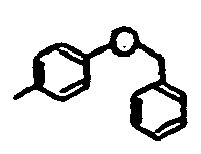

1.51(2H,bs),2.06(2H,bs),2.39(2H,bs),2.55-2.75(2H,m), 2.55-3.00(2H,m),3.00-3.80(5H,m),4.02(1H,bs),4.35(1H,m),5.03(2H,s),6.87(2H,d),7.13(2H,d),720-7.55(8H,m),7.60(1H,d),7.86(2H,bs),8.04(1H,d),8.18(1H,t) 591 197 3 

1.35-1.75(4H,m),2.00-2.15(2H,m),2.20-2.45(2H,m),2.65- 2.85(3H,m),3.02(1H,dd),3.05-3.55(5H,m),4.00(1H,bs),4.41(1H,m),7.15-7.65(13H,m),7.86(2H,s),8.14(1H,d),8.20(1H,t) 545 198 3 

1.30-1.65(2H,m),1.95-2.15(2H,m),2.20-2.45(2H,m),2.55- 2.70(1H,m),2.70-2.90(2H,m),2.95-3.45(4H,m),3.50-3.85(3H,m),3.90-4.15(1H,m),4.46(1H,m),7.15-7.65(13H,m),7.87(2H,s),8.13(1H,d),8.25(1H,t) 561 
Example number o q A1 1H-NMR(δ ppm) : FAB-MS (M+H)+ 199 2 2 
2.78(2H,m),2.92(2H,m),3.16(2H,m),3.41(2H,m),3.72(2H,q),3.83(1H,m),4.49-4.57(2H,m),7.07-8.33(19H,m) 521 200 2 3 
1.65(4H,bs),2.70(2H,m),2.88(1H,m),3.10(2H,d)3.70(2H, ABq),3.82(2H,m),4.47(1H,m),4.58(1H,dd),7.03-8.32(19H,m) 535 201 3 2 
1.61(2H,m),2.11(2H,m),2-82(2H,m),2.95(1H,m),3.25(2H,m),3.36(2H,m),3.31(2H,ABq),4.34(1H,m),4.54(1H,m),7.09-8.31(19H,m) 535 202 3 3 
1.68(4H,d),2.10(2H,m),2.75(2H,m),2.91(1H,m),3.15(4H, m),3.81(2H,ABq),4.33(1H,m),4.52(1H,m),7.10-8.31(19H,m) 549 203 4 2 
1.37(4H,bs),2.05(2H,d),2.85(2H,bs),2.95(1H,m),3.20(1H,m),329(2H,m),354(1H,m),3.81(2H,ABq),4.45(1H,m),4.54(1H,m),7.05-830(19H,m) 549 204 4 3 
1.37(4H,bs),1.66(2H,m),2.05(2H,d),2.71(2H,m),2.92(1H,m),3.12(2H,m),3.54(1H,m),3.81(2H,ABq),4.43(1H,m),4.52(2H,m),7.07-8.31(19H,m) 563 205 2 2 
2.80(2H,bs),2.93(1H,m),3.33(4H,m),4.18(2H,m),4.49(1H,m),727-8.34(19H,m) 535 206 2 3 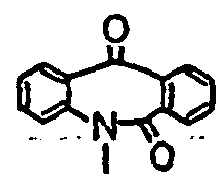
1.66(2H,m),2.59-3.15(8H,m),4.18(2H,m),4.47(1H,m),7.26- 8.33(19H,m) 549 207 3 2 
1.68(2H,t),2.07(2H,t),2.80(2H,m),2.92(2H,m),322(2H,m),3.63-3.97(2H,m),4.55(1H,m),7.29-8.38(19H,m) 549 208 3 3 
1.70(4H,q),2.09(2H,t),2.74(1H,m),2.92(1H,m),3.16(4H,m),3.61-3.94(2H,m),4.55(1H,m),7.28-8.27(19H,m) 563 209* 2 2 
0.85- 1.15(2H,m),2.10-2.62(4H,m),2.76-3.80(8H,m),4.29-4.33(1H,m),4.42-4.55(1H,m),6.69(1H,d),6.77(1H,d),6.86-7.07(3H,m),7.12-7.38(4H,m),7.40-7.52(3H,m),7.72-7.89(5H,m),8.28-8.32(2H,m) 533 210* 2 3 
1.63- 1.69(4H,m),2.25-2.38(1H,m),2.67-2.70(2H,m),2.76-2.89(1H,m),3.10-3.29(4H.m),3.25- 3.40(3H,m), 4.20-4.50(2H,m),6.71(1H,d),6.78(1H,d),6.82-7.07(4H, 547 211* 3 2 
1.01- 1.14(2H,m),2.06-2.64(2H,m),2.74-3.02(3H,m),3.15-3.97(7H,m),4.23- 4.37(1H,m),4.40-4.52(1H,m),6.73(1H,d),6.82(1H,d),6.86-7.09(3H,m),7.12-7.30(2H, m),7.37-7.57(3H,m),7.69-7.99(5H,m),8.26-8.34(2H,m) 547 212* 3 3 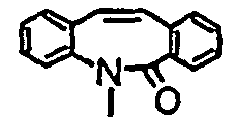
1.30-1,50(4H,m),1.64-1.72(2H,m),2.02-2.06(2H,m),2.74-2.80(2H,m),2.89-3.00(2H,m),3.14-3.42(7H,m),4.10- 4.50(2H,m),6.72- 7.23(4H,m),7.40-7.60(3H,m),7.70-8.00(6H,m),8.15-8.27(2H,m) 561 213* 4 2 
1.35-1.50(2H,m),2.05-2.10(2H,m),2.81-2.98(4H,m),3.10- 3.38(7H,m),4.47- 4.60(2H,m), 6.70(1H,d),6.82(1H,d),6.88- 7.25(5H,m),7.40-7.50(3H,m),7.73(1H,bs),7.80-7.98(5H,m),8.20- 8.34(2H,m) 561 214 4 3 
1.10-1.20(2H,m),1.25-1.40(4H,m),1.64-1.76(4H,m),1.97- 2.00(1H,m),2.70-2.78(2H,m),2.91-4.03(8H,m),4.48-4.60(2H,m),6.85-6.99(1H,m),7.03-7.34(5H,m),7.41-7.48(3H,m),7.63- 7.84(6H,m),8.13-8.32(2H,m) 575 215 2 2 
2.22-2.98((4H,m),3.12(4H,m),3.68(1H,m),4.49(1H,m),7.30-7.65(8H,m),7.65-7.90(3H,m),8.17(2H,bs),8.35(2H,m) 539 216 2 3 
1.66(2H,m),2.20-2.78(4H,m),2.88(1H,m),3.10(1H,m),3.68(1H,m),3.91(1H,m),4.96(1H,m),7.18(1H,m),7.30-8.00(12H,m),8.19(1H,m),8.32(1H,t) 553 217 3 2 
1.50(2H,m),2.06(2H,m),2.70-3.00(3H,m),3.15-3.45(3H,m),3.47(1H,m),433(1H,m),4.44(1H,m),7.10-7.86(1H,m),7.91(2H,bs),8.13(1H,d),8.21(1H,m) 553 218 3 3 
1.32-1.54(4H,m),2.11(2H,m),2.49-2.61(2H,m),2.64-2.82(2H,m),3.10(2H,m),3.04-3.44(1H,m),4.14-4.39(2H,m),6.94-7.82(11H,m),7.89(2H,bs),8.18(2H,m) 567 219 4 2 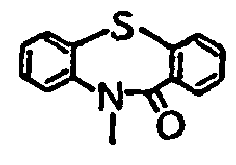
1.17-1.45(4H,m),2.01(2H,m),2.70-2.97(3H,m),3.13-3.52(4H,m),4.36-4.58(2H,m),7.17(1H,m),7.34-7.52(5H,m),7.54-7.63(2H,m),7.69(1H,bs),7.45-7.87(2H,m),7.95(2H,bs),8.14(1H,t),8.26(1H,t) 567 220 4 3 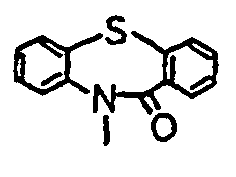
1.15-1.65(4H,m),1.65(2H,t),2.01(2H,m),2.66-2.78(2H,m),2.89(1H,m),3.06-3.18(2H,m),4.34-4.65(2H,m),7.20(1H,m),7.33-7.49(2H,m)7.53-7.66(2H,m),7.69(1H,d),7.75- 7.89(4H,m),8.12(1H,t),8.18(1H,t) 581 221 2 2 
2.77(2H,m),2.91(1H,dd),3.10-3.40(4H,m),3.16(1H,dd),4.51(1H,m),4.66-4.95(2H,m),7.34-7.87(11H,m),7.95(2H,bs),8.27(1H,m),837(1H,dd) 555 222 2 3 
1.64(2H,m),2.89(1H,dd),2.40-3.65(7H,m),3.78(1H,m),4.46- 4.64(2H,m),7.35-8.05(13H,m),8.19(1H,m),8.36(1H,d) 569 223 3 2 
1.54-1.73(2H,m),2.14(2H,m),2.72-3.00(3H,m),3.13-3.62(4H,m),4-37(1H,m),4.53(1H,m),7.26-7.85(11H,m),8.04(2H,m),8.30(2H,m) 569 224 3 3 
1.50-1.75(4H,m),2.14(2H,t),2.66-2.86(2H,m),2.89(1H,m),3.06-3.20(2H,m),3.20-3.60(2H,m),4.37(1H,m),4.51(1H,m),735-7.95(13H,m),8.17- 8.21(2H,m) 583 225 4 2 
1.20-1.45(4H,m),2.05(2H,m),2.80(2H,m),2.91(1H,m),3.10-3.52(4H,m),438-4.60(2H,m),7.35- 7.85(11H,m),7.96(2H,m),8.17(1H,dd),827(1H,t) 583 226 4 3 
1.20-1.46(4H,m),1.65(2H,m),2.04(2H,m),2.64-2.78(2H,m),2.90(1H,m),3.10(1H,m),3.15-3.55(2H,m),4.33-4.65(2H,m),7.36-7.88(13H,m),8.17(1H,m) 597 227 2 2 
2.22-3.68(8H,m),3.85(1H,m),4.35-4.68(2H,m),7.33-7.55(4H,m),7.62-8.53(11H,m) 571 228 2 3 
1.68(2H,m),2.24-3.68(8H,m),3.85(1H,m),4.35-4.72(2H,m),7.36-7.64(4H,m),7.64-8.47(11H,m) 585 229 3 2 
1.45-1.85(2H,m),2.13(2H,m),2.43-3.64(4H,m),2.93(1H,dd),3.22(1H,dd),3.78(1H,m),4,31(1H,m),4.53(1H,m),722-8.18(13H,m),8.18-8.37(2H,m) 585 230 3 3 
1.67(4H,m),2.12(2H,m),2.42-3.62(6H,m),3.73(1H,m),4.33(1H,m),4.51(1H,m),7.23-8.02(13H,m),8.22(2H,m) 599 231 4 2 
1.27-1.55(4H,m),2.04(2H,m),2.80(2H,m)2.93(1H,dd),3.23-3.45(2H,m),329(1H,dd),3.67(1H,m),4.36(1H,m), 4.52(1H,m),7.36-7.52(4H,m),7.68-8.04(9H,m),8.17(1H,t),8.26(1H,t) 599 232 4 3 
1.28-1.58(4H,m),1.65(2H,m),2.04(2H,m),2.66-2.78(2H,m),291(1H,m),3.10(2H,m),3.20-3.50(1H,m),3.67(1H,m),4.37(1H,m),4.51(1H,m),736-7.53(4H,m),7.67-7.97(9H,m),8.12-820(2H,m) 613 233 2 3 
1.28(6H,d),1.60-1.68(2H,m),2.62-2.93(5H,m),3.07-3.17(4H,m),4.14(2H,t),4.40-4.50(1H,m),7.33-7.47(4H,m),7.61- 7.85(9H,m),8.20(1H,t),8.44(1H,d) 538 234* 3 3 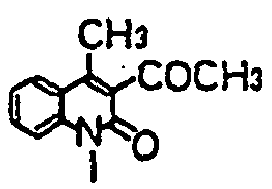
1.71(4H,m),2.19(2H,m),2.34(3H,s),2.45(3H,s),2.74(2H,m),2.91(1H,m),3.16(3H,m),3.48(1H,bs),3.96(1H,bs),4.66(1H,m),732(4H,m),7.45(1H,d),7.56(2H,m),7.68 (3H,m),7.90(3H,m),836(2H,m) 541 235 2 3 
1.07.1.11(3H,d),1.66(2H,m),1.80-2.15(1H,m),2.20-2.80(5H,m),2.89,3.01(3H,s),3.15(3H,m),3.65-3.95(2H,m),4.45-4.80(2H,m),7.25-7.55(6H,m),7.65-7.95(7H,m),8.15-8.50(2H,m) 580 * Reference Example 
Example number o A1 1H-NMR(δ ppm) : FAB-MS (M+H)+ 236 2 
2.47(2H,m),2.86(2H,m),3.09(4H,m),3.79- 4.05(4H,m),4.55(2H,m),7.03- 8.31(20H,m) 551 237 3 
1.64(2H,m),2.09(2H,m),2.63(1H,m),2.89(2H,m),3.15(4H,m),3.75(1H,m),3.80(2H,ABq),4.30(1H,m),4.56(1H,m),7.08- 8.31(20H,m) 565 238 4 
1.40(9H,s),1.62(4H,bs),1.75(2H,bs),2.22(2H,bs),2.90(1H,m),3.22(4H,bs),4.09(1H,m),4.52(1H,m),4.75(1H,m),5.01(1H,m),6.45(1H,m),6.81(1H,bs),7.08-7.77(15H,m) 579 239* 2 
1.05- 1.18(4H,m),1.22-1.39(2H,m),1.95-2.05(2H,m),2.80-3.38(11H,m),4.50-4.60(2H,m),6.85-7.27(5H,m)7.50-7.34(4H,m),7.68-7.90(4H,m),7.90-8.00(2H,m),8.15-8.31(2H,m) 563 240* 3 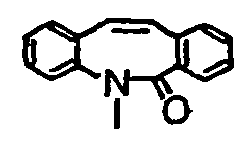
1.01-1.14(2H,m),2.10-2.03(2H,m),2.54-2.72(1H,m),2.72-3.00(3H,m),3.02-4.25(10H,m),4.62-4.50(1H,m), 6.65- 7.30(8H,m),7.35-7.58(3H,m),7.70-7.96(4H,m),8.10-8.47(2H,m) 577 241 4 
1.12-1.18(2H,m),1.23-1.49(2H,m),1.76(1H,d),2.14-1.99(2H,m),2.79-2.49(1H,m),2.86-3.65(9H,m),3.80-3.65(1H,m),4.09-4.55(1H,m),4.50-4.60(1H,m),5.53(1H,bs),6.81-7.36(8H,m),7.39-7.78(3H,m),7.80-7.99(4H,m),8.09-8.30(2H.m) 591 242 2 
2.61(2H,m),2.85-2.94(2H,m),3.11(4H,m),3.72(1H,m),4.15(2H,m),4.51(1H,m),7.27-8.32(20H,m) 565 243 3 
1.67(2H,m),1.84(2H,m),2.03-2.32(3H,m),2.86(2H,m),3.18(2H,m),4.15(1H,t),4.58(1H,m),7.29-8.31(20H,m) 579 244 2 
2.55- 3.60(8H,m),3.71(2H,m),4.55(2H,m),5.52(1H,m),7.35-8.00(13H,m),3.24(1H,m),8.35(1H,m) 569 245 3 
1.55(2H,m),2.11(2H,m),2.44(1H,m),2.54-3.44(6H,m),4.35(1H,m),4.53(1H,m),5.55(1H,m),7.10-7.97(13H,m),8.05-8.30(2H,m) 583 246 3 
1.13-1.60(4H,m),1.99(2H,m),2.45-3.80(8H,m),4.42(1H,m),4.56(1H,m),7.19(1H,m),7.33-7.53(5H,m),7.53-7.66(2H,m),7.70(1H,m),7.74-7.95(4H,m) 597 247 2 
2.22-3.45(7H,m),3.74(2H,m),4.51(2H,m),5.59(1H,d),7.32- 7.65(7H,m),7.39(1H,m),7.74(1H,m),7.78(1H,m),7.85(1H,m),7.90-8.03(2H,m),8.24-8.39(2H,m) 585 248 3 
1.62(2H,m),2.13(2H,t),2.40-3.62(7H,m),3.74(1H,m),4.36(1H,m),4.56(1H,m),5.56(1H,d),7.37-7.90(13H,m),8.25(2H,d) 599 249 4 
1.15-1.45(4H,m),2.03(2H,m),2.40-2.68(1H,m),2.68-2.95(2H,m),3.00-3.20(2H,m),3.20-3.60(2H,m),3.72(1H,m),4.44(1H,m),4.55(1H,m),5.55(1H,bs),7.36-7.87(13H,m),8.14(1H,m),8.22(1H,m) 613 250 2 
2.20-2.70(3H,m),2.70-2.95(2H,m),3.05-3.25(2H,m),3.27- 3.47(1H,m),3.65-3.95(2H,m),4.33-4.70(2H,m),5.55(1H,m),7.37-7.53(4H,m),7.60-8.46(1H,m) 601 251 3 
1.45-1.85(2H,m),2.10(2H,m),2.45-3.60(7H,m),2.78(1H,dd),4.16-4.61(2H,m),5.58(1H,d),7.20- 8.34(15H, m) 615 252 4 
125-1.57(4H,m),2.02(2H,m),2.40-3.79(6H,m),4.28-4.60(4H,m),5.55(1H,d),7.37-7.57(4H,m),7.63-8.00(9H,m),8.13(1H,t),8.22(1H,t) 629 * Reference Example 
Example number A1 M1 1H-NMR(δ ppm) : FAB-MS (M+H)+ 253 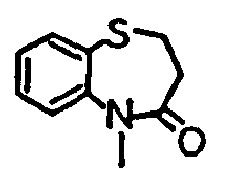
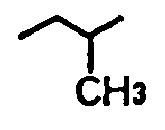
0.45-1.15(3H,m),2.15-2.45(2H,m),2.50-2.70(1H,m),2.75- 3.00(2H,m),3.20-3.55(8H,m),3.60-3.85(1H,m), 4.05-4.65(1H,m),5.56(1H,bs),7.10-8.35(15H,m) 535 254 

0.68(1H,d),0.85-1.05(2H,m),2.00-3.30(10H,m),3.60-4.70(5H,m),7.20- 8.00(13H,m),8.15-8.40(2H,m) 535 255 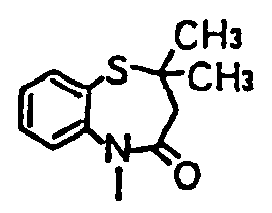

1.23(3H,m),1.44(3H,m),2.14(4H,m),2.56(1H,m),2.85(2H,m),3.12(3H,m),3.72(1H,m),3.95-4.25(1H,m),4.49(1H,m),5.53(1H,d),7.26(1H,m),7.35-7.60(6H,m),7.65-7.95(6H,m),8.19(1H,d),8.27(1H,t) 549 256 

1.23(3H,m),1.45(5H,m),2.04(2H,m),2.17(2H,m),2.61(1H,bs),2.90(1H,m),3.15(3H,m),3.74(1H,m),3.95(1H,m),4.53(1H,m),5.55(1H,bs),7.25(1H,m),7.35-7.65(6H, m),7.70- 7.95(6H,m),8.13(1H,t),8.23(1H,d) 563 257 

1.03(3H,s),1.10(3H,s),2.60(2H,t),2.90(3H,m),3.19(3H,m),3.59(2H,t),3.76(1H,m),4.62(1H,m),7.06(1H,t),7.23(1H,t),7.35(1H,d),7.45(3H,m),7.65-7.95(8H,m),8.22 (1H,t) 581 258 

1.16(1H,m),1.50(1H,m),1.64-1.89(2H,m),1.90-2.23(3H,m),2.28-2.96(6H,m),3.00-3.28(3H,m),3.72(1H,m),4.13(1H,m),4.49(1H,m),5.56(1H,bs) 535 259 

1.90(4H,m),2.25(2H,t),2.42(1H,m),2.70-2.95(2H,m),3.00-3.20(3H,m),3.40(1H,m),3.56(1H,m),3.70(2H,m), 4.05-4.25(2H,m),4,46(1H,m),5.53(1H,d),7.35-7.52(4H,m),7.61(1H,dd),7.68(1H,d),7.70-7.95(6H,m),8.19(1H,t),8.26(1H,m) 592 260 

1.90(4H,m),2.20-2.60(3H,m),2.85(2H,m),3.14(3H,m),3.40(1H,m),3.57(1H,m),3.74(2H,m),4.02(2H,m),4.52(1H,m),7.30-7.60(7H,m),7.70-7.95(6H,m),3.22(1H,t),8.32(1H,d) 558 261 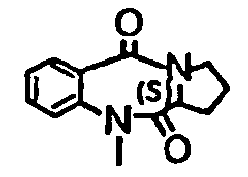
1.50(2H,m),1.95(6H,m),2.42(1H,m),2.60(1H,m),2.75-2.95(2H,m),3.15(3H,m).3.35-3.80(4H,m),4.03(1H,m),4.56(1H,m),7.40(5H,m),7.56(1H,m),7.71(5H,m),7.88(2H,bs),8.18(1H,d),8.27(1H,t) 572 262 

0.35-0.80(3H,m),1.92(4H,m),2.20-3.90(11H,m),4.07(1H,m),4.14-4.62(2H,m),7.20-7.62(6H,m),7.63- 8.00(7H,m),8.01- 8.38(2H,m) 572 263 

0.40-0.90(6H,m),1.91(4H,m),2.40(1H,m),2.62(1H,m),2.87(1H,m),2.95-3.85(7H,m),4.04(1H,m),7.25-7.50(6H,m),7.69(2H,m),7.75-8.00(6H,m),8.16(1H,m) 586 264 

1.25-2.00(6H,m),2.27(2H,m),2.50-2.95(3H,m),3.12(3H,m),3.72(3H,m),4.11(1H,m),4.28(1H,m),4.48(1H,m),7.25- 7.60(6H,m),7.60-7.73(2H,m),7.74-7.95(5H,m),8.18(1H,t),8.32(1H,d) 572 265 

2.20(3H,s),2.58- 3.45(8H,m),3.72-3.88(1H,m),4.25-4.50(2H,m),4.60-4.72(1H,m),5.64(1H,bs),7.13-7.35(4H,m),7.44-7.65(8H,m),7.77-7.97(6H,m), 8.39(1H,t),8.59(1H,d) 605 266 

1.50-1.70(2H,m),2.23(3H,s),2.57-3.55(8H,m),3.75-3.85(1H,m),4.30-4.50(2H,m),4.60- 4.70(1H,m),5.70(1H,bs),7.15-737(4H,m),7.44-7.66)8H,m), 7.77-7.98(6H,m),8.35(1H,t),8.60(1H,d) 619 267* 

1.28(3H,t),2.58-3.26(6H,m),3.88-4.03(1H,m),4.21(2H,q),4.61-4.74(1H,m),5.12(2H,s),7.38-7.58((5H,m),7.70-7.88(4H,m),7.90(2H,bs),8.18(1H,d),8.50(1H,bt),8.62(1H,s),9.00(1H,d) 579 268 

128(6H,d)2.63-2.73(1H,m),2.74-2.94(2H,m),3.12-3.19(4H,m),3.33(2H,s),3.74-3.82(1H,m),4.13(2H,t),4.53-4.56(1H,m),5.56(1H,bs),7.35-7.49(4H,m), 7.61-7.89(9H,m),823(1H,t),8.31-8.46(1H,m) 554 * Reference Example 
Example number A1 M1 D1 1H-NMR(δppm) : FAB-MS (M+H)+ 269 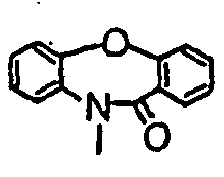


2.01,2.04(3H,s),2.35-3.63(8H,m),4.05(2H,m),4.54(1H,m),4.95(1H,m),7.21(2H,m),7.31(3H,m),7.44(4H,m),7.56(1H,m),7.65-7.90(5H,m),8.08(2H,bs), 8.36(2H,m) 595 270 


2.55(2H,m),2.93(1H,m),3.20(1H,m),3.35(2H,m),4.06(4H,m),4.65(1H,m),7.20(2H,m),7.32(3H,m),7.45(5H,m),7.56(1H,m),7.68(1H,m),7.70-7.90(4H,m), 8.20(2H,bs),8.44(1H,d),8.58(1H,t) 551 271 


1.16(1H,m),1.50(1H,m),1.65-2.25(7H,m),2.30-3.30(4H,m),3.85-425(3H,m),4.47(1H,m),7.24(4H,m),7.46(3H,m),7.72(1H,s),7.75-7.95(3H,m),8.05-8.60(4H.m),10.08,10.30(1H,bs) 530 Example number Structure 1H-NMR(δ ppm) : FAB-MS (M+H)+ 272* 
1.64-1.70(4H,m),2.42-2.82(6H,m),3.11-3.18(8H,m),3.34-3.50(3H,m),4.08-4.14(4H,m),420-4.60(2H,m),629-7.40(11H,m),7.84(1H,bs),8.10-820 (1H,m) 551 273* 
0.67(2H,d),0.85(2H,d),1.00-1.35(2H,m),1.35-1.65(3H,m),2.25-2.70(3H,m),2.70-3.55(10H,m),3.65-3.85(1H,m),450-4.80(1H,m),6.05(1H,bs),7.25-7.55(3H,m),7.65-8.05(6H,m),820-8.40(2H,m) 469 * Reference Example
Claims (9)
- A compound having formula (I) and pharmaceutically acceptable salts and individual optical isomers thereof:

R is hydrogen, alkyl, or cycloalkyl,
A is:
A1-M1-
wherein A1 is
10, 11-Dihydrodibenzo[b,f][1,4]oxazepin-11-one,
2-Oxo-3,4,5,6-tetrahydro-2H-benzo[b]azocine,
2,3-Dioxo-2,3-dihydro-indole,
2-Oxo-3,4-dihydro-2H-quinoline,
3-Oxo-2,3-dihydro-pyrido[3,2-b][1,4]oxazine,
4-Methyl-2,5-dioxo-2,3,4,5-tetrahydro-benzo[e][1,4]diazepine,
2,3-Dihydro-1H-pyrrolo[2,1-c][1,4] benzodiazepin-5,11 (10H, 11aH)-dione,
3-Oxo-2,3-dihydro-benzo[1,4]thiazine,
6-Oxo-11,12-dihydro-6H-dibenzo[b,f]azocine,
2-Oxo-2,3,4,5-tetrahydrobenzo[b]azepine,
1,1,4-Trioxo-2,3-dihydro-benzo[1,5]thiazepine,
4-Oxo-2,3-dihydro-1,5-benzothiazepine,
5H-Dibenzo[b,e]azepin-6,11-dione,
5H-Dibenzo[b,e]azocin-6-one,
10H-Dibenzo[b,f][1,4]thiazepin-11-one,
5-Oxo-5,10H-dibenzo[b,f][1,4]thiazepin-11-one,
5,5-Dioxo-5,10H-dibenzo[b,f][1,4]thiazepin-11-one,
4-Oxo-2,3-dihydro-[1,5]benzoxazepine,
6,12-Dioxo-6,6a,7,8,9,10-hexahydro-12H-benzo[e]-pyrido[1,2-a][1,4]diazepine, and
2-Oxo-2H-cyclohepta-4,6,8-trieno[b]pyrrole,
wherein each ring constituting A2 may be substituted by at least one group selected from halogen, hydroxy, alkyl, cycloalkyl, alkoxy, perfluoroalkyl, perfluoroalkoxy, cyano, nitro, mercapto, amino, and aryl and
M1 is alkylene which may be substituted by halogen, hydroxy, (C1-C5)alkyl, and/or (C1-C5)alkoxy,
wherein B is substituted or unsubstituted (C6-C20)alkyl, phenylalkyl, naphtylalkyl, 5,6,7,8,-tetrahydronaphhtylalkyl, indolylalkyl, quinolylalkyl, or phenylalkoxyalkyl, which may be substituted by a group selected from halogen, hydroxyl, (C1-C5)alkyl, (C1-C5)alkoxy, nitro, cyano, amino, or phenyl;
and D is:
R1 is hydrogen, alkyl, (C4-C5)-hydroxyalkyl, (C4-C5)-aminoalkyl, or cycloalkyl, and
R2 and R3 are independently hydrogen, alkyl, acyl, amidino, alkoxycarbonyl, or either R2 or R3 can be taken together with R1 to form alkylene, and
R2 and R3 can be taken together to form alkylene, and
M2 is:

-(CH2)x -C=C-(CH2)z-
wherein
x, y and z are independently an integer of 0 to 4, and
R5, R6, R7 and R8 are independently hydrogen, halogen, alkyl, ―OR9, -SR9, -NR9R10, -NHC(O)R9, -C(O)OR9,-OCOR9,-OC(O)OR9,-CONR9R10, or can be taken together with R1 or R2 to form alkylene
R9 and R10 are independently hydrogen, alkyl, and
R9 can be taken together with R1 or R2 to form alkylene,
R5 and R7 or R6 and R8 can be taken together to form alkylene or
R5 and R6 or R7 and R8 can be taken together with the carbon atom to which
R5 and R6, or R7 and R8 are bonded, respectively, to form carbonyl, thiocarbonyl or imino, and
E is oxygen atom or sulfur atom, or a compound selected from
N-(2-Aminoethyl)-3-phenyl-2(R)-[2-(1,1,4-trioxo-2,3-dihydro-[1,6]benzotriazepin-5-yl)-acetylamino]propionamide;
N-[1(R)-(3-Aminopropylcarbamoyl)-2-(naphthalen-2-yl)ethyl]-3-(2-oxo-2,3,4,5-tetrahydro-benzo[b]azepin-1-yl)propionamide;
3-(3-Acetylamino-2-oxo-2,3,4,5-tetrahydro-benzo[b]azepin-1-yl)-N-[1(R)-(2-aminoethylcarbamoyl)-2-(naphthalen-2-yl)ethyl]propionnamide;
N-[1(R)-(2-Aminoethylcarbamoyl)-2-(naphthalen-2-yl)ethyl]-3-(6-oxo-11,12-dihydro-6H-dibenzo[b,f]azocin-5-yl)propionamide;
N-[1(R)-(3-Amino-propylcarbamoyl)-2-(naphthalen-2-yl)ethyl]-3-(6-oxo-11,12-dihydro-6H-dibenzo[b,f]azocin-5-yl)propionamide;
N-[1(R)-(3-Aminopropylcarbamoyl)-2-(naphthalen-2-yl)ethyl]-3-(4-oxo-2,3-dihydro-[1,5] benzothiazepin-5-yl)propionamide;
N-[1(R)-(4-Aminobutylcarbamoyl)-2-(naphthalen-2-yl)ethyl]-3-(4-oxo-2,3-dihydro-[1,5] benzothiazepin-5-yl)propionamide;
N-(4-Aminobutyl)-3-(naphthalen-2-yl)-2(R)-[2-(4-oxo-2,3-dihydro-[1,5]benzothiazepin-5-yl)-acetylamino]propionamide;
N-[1(R)-(3-Aminopropylcarbamoyl)-2-(naphthalen-2-yl)ethyl]-3-(11-oxo-11H-dibenzo [b,f][1,4]oxazepin-10-yl)propionamide;
N-[1(R)-(3-Aminopropylcarbamoyl)-2-(naphthalan-2-yl)ethyl]-3-(5,11-diaxo-2,3-dihydro-1H-(11aS)-pyrrolo[2,1-c][1,4]benzodiazepin-10-yl)propionamide;
N-[1(R)-(3-Aminopropylcarbamoyl)-2-(naphthalen-2-yl)ethyl]-3-(6-methoxy-2-oxo-2,3,4,5-tetrahydro-benzo[b]azepin-1-yl)propionamide;
N-[1(R)-(3-Aminopropylcarbamoyl)-2-(naphthalen-2-yl)ethyl]-4-(4-oxo-2,3-dihydro-[1,5] benzothiazepin-5-yl)butyramide;
N-[1(R)-(4-Aminobutylcarbamoyl)-2-(naphthalen-2-yl)ethyl]-3-(4-methyl-2,5-dioxo-2,3,4,5-tetrahydro-benzo[e][1,4]diazepin-1-yl)propionamide;
N-[1(R)-(2-Aminoethylcarbamoyl)-2-(naphthalen-2-yl)ethyl]-3-(3-oxo-2,3-dihydro-benzo [3,2-b][1,4]oxazin-4-yl)propionamide;
N-[1(R)-(3-Aminopropylcarbamoyl)-2-(naphthalen-2-yl)ethyl]-3-(3-oxo-2,3-dihydro-benzo[1,4]oxazin-4-yl)propionamide;
N-[1(R)-(3-Aminopropylcarbamoyl)-2-(naphthalen-2-yl)ethyl]-3-(2-oxo-3,4,5,6-tetrahydro-2H-benzo[b]azocin-1-yl)propionamide;
N-(2-Amino-2-methylpropyl)-3-(naphthalen-2-yl)-2(R)-[3-(4-oxo-2,3-dihydro-[1,5] benzothiazepin-5-yl)-propionylamino]propionamide
N-[1(R)-(3-Aminopropylcarbamoyl)-2-(naphthalen-2-yl)ethyl]-3-(2-methyl-4-oxo-2,3-dihydro[1,5]benzothiazepin-5-yl)propionamide;
N-[1(R)-(3-Aminopropylcarbamoyl)-2-(naphthalen-2-yl)ethyl]-3-(4-oxo-2,3-dihydro-[1,5]benzothiazepin-5-yl)propionamide hydrochloride,
N-[1(R)-(3-Aminopropylcarbamoyl)-2-(naphthalen-2-yl)ethyl]-4-(6-oxo-11,12-dihydro-6H-dibenzo[b,f]azocin-5-yl)butyramide;
N-[1(R)-(3-Aminopropylcarbamoyl)-2-(naphthalen-2-yl)ethyl]-4-(3-oxo-2,3-dihydro-benzo[1,4]thiazin-4-yl)butyramide;
N-[1(R)-(3-Methylamino-propylcarbamoyl)-2-(naphthalen-2-yl)ethyl]-3-(4-oxo-2,3-dihydro-[1,5]benzothiazepin-5-yl)propionamide;
N-[1(R)-(3-Methylamino-propylcarbamoyl)-2-(naphthalen-2-yl)ethyl]-4-(4-oxo-2,3-dihydro-[1,5]benzothiazepin-5-yl)butyramide;
N-(1(R)-[(3-Aminopropyl)-methylcarbamoyl]-2-(naphthalen-2-yl)ethyl)-4-(4-oxo-2,3-dihydro-[1,5]benzothiazepin-5yl)butyramide;
N-(3-Amino-2-hydroxypropyl)-3-(naphthalen-2-yl)-2(R)-[3-(4-oxo-2,3-dihydro-[1,5] benzothiazepin-5-yl)-propionylamino]propionamide;
N-[1(R)-(3-Amino-2-hydroxypropylcarbamoyl)-2-(naphthalen-2-yl)ethyl]-4-(4-oxo-2,3-dihydro-[1,5]benzothiazepin-5-yl)butyramide;
N-[1(R)-(2-Amino-ethylcarbamoyl)-2-(naphthalen-2-yl)ethyl]-4-(4-oxo-2,3-dihydro-[1,5] benzothiazepin-5-yl)butyramide;
N-(1(R)-[Bis-(3-aminopropyl)carbamoyl]-2-(naphthalen-2-yl)ethyl)-4-(4-oxo-2,3-dihydro-[1,5]benzothiazepin-5-yl)butyramide;
N-[1(R)-(3-Amino-propylcarbamoyl)-2-(naphthalen-2-yl)ethyl]-4-(1,1,4-triozo-2,3-dihydro-[1,5]benzothiazepin-5-yl)butyramide;
N-[1(R)-(3-Aminopropylcarbamoyl)-2-(naphthalen-2-yl)ethyl]-4-(11-oxo-11H-dibenzo[b,f][1,4]orrazepin-10-yl)butyramide;
N-[1(R)-(3-Amino-2-hydroxypropylcarbamoyl)-2-(naphthalen-2-yl)ethyl]-3-(6-oxo-11,12-dihydro-6H-dibenzo[b,f]azocin-5-yl)propionamide;
N-(3-Amino-2-hydroxypropyl)-2(R)-[3-(6-methoxy-2oxo-2,3,4,5-tetrahydro-benzo[b] azepin-1-yl]propionylamino]-3-(naphthalen-2-yl)propionamide;
N-(3-Amino-2-hydroxypropyl)-3-(naphthalen-2-yl)2(R)-[3-(2-oxo-2,3,4,5-tetrabydro-benzo[b]azepin-1-yl)propionylamino]propionamide;
N-(3-Amino-2-hydroxypropyl)-3-(naphthalen-2-yl)-2(R)-[3-(2-oxo-3,4,5,6-tetrahydro-2H-benzo[b]azocin-1-yl)propionylamino]propionamide;
N-[1(R)-(3-Aminoproprylcarbamoyl)-2-(naphthalen-2-yl)ethyl]-5-(4-oxo-2,3-dihydro-[1,5] benzothiazepin-5-yl)pentanamide;
N-[1(R)-(2-aminoethylcarbamoyl)-2-(naphthalen-2-yl)ethyl]-5-(4-oxo-2,3-dihydro-[1,5] benzothiazepin-5-yl)pentanamide;
N-[1(R)-(3-Aminopropylcarbamoyl)-2-(1H-indol-3-yl)-ethyl]-4-(4-oxo-2,3-dihydro-[1,5]-benzothiazepin-5-yl)butyramide;
N-[1(R)-(3-Aminopropylcarbamoyl)-2-(5,6,7,8-tetrahydro-naphthalen-2-yl)ethyl]-4-(4-oxo-2,3-dihydro-[1,5]-benznthiazepin-5-yl)butyramide;
N-[1(R)-(3-Amino-2-hydroxypropylcarbamoyl)-2-(naphthalen-2-yl)ethyl]-3-(11-oxo-11H-dibenzo[b,f][1,4]oxazepin-10-yl)propionamide;
N-[1(R)-(3-Aminopropylcarbamoyl)-2-(naphthalen-2-yl)ethyl]-4-(1,4-dioxo-2,3-dihydro-[1,5]benzothiazapin-5-yl)butyramide;
N-[1(R)-(3-Aminopropylcarbamoyl)-2-(naphthalen-2-yl)ethyl]-4-(4-oxo-2,3-dihydro-[1,5]-benzoxazepin-5-yl)butyramide;
N-[1(R)-(3-Amino-2-hydroxypropylcarbamyl)-2-(naphthalen-2-yl)ethyl]-3-(2-methyl-4-oxo-2,3-dihydro[1,5]benzothiazepin-5-yl)propionamide;
N-[1(R)-(3-Aminopropylcarbamoyl)-2-(naphthalen-2-yl)ethyl]-3-(7-fluoro-4-oxo-[1,5]benzothiazepin-5-yl)propionamide;
N-[1(R)-(3-Amino-2-hydroxypropylcarbamoyl)-2-(naphthalen-2-yl)ethyl]-3-(5,11-dioxo-2,3-dihydro-1H,(11aS)-pyrrolo[2,1-c][1,4]diazepin-10-yl)propionamide;
N-[1(R)-(3-Amino-2-hydroxypropylcarbamoyl)-2-(naphthalen-2-yl)ethyl]-4-(6-methoxy-2-oxo-2,3,4,5-tetrahydro-benzo[b]azepin-2-yl)butyramide;
N-[1(R)-(2-Aminoethylcarbamoyl)-2-(naphthalene-2-yl)ethyl]-3-(8-fluoro-4-oxo-2,3-dihydro-[1,5]benzothiazepin-5-yl)propionamide;
N-(3-Amino-2-hydroxypropyl)-3-(naphthalene-2-yl)-2-(R)-3-(4-oxo-7-trifluoromethyl-2,3-dihydro-[1,5]benzothiazepin-5-yl)propionylamino]propionamide;
N-[1(R)-(3-Amino-2-hydrorypropylcarbamoyl)-2-(naphthalen-2-yl)ethyl]-4-(4-oxo-2,3-dihydro-[1,5]-benzoxazepin-5-yl)butyramide;
N-(3-Amino-2-hydroxypropyl)-3-(naphthalen-2-yl)-2(R)-[3-(4-oxo-2,3-dihydro-[1,5]-benzoxazepin-5-yl)propionylamino]propionamide;
N-[1(R)-(3-Amino-2-hydroxypropylcarbamoyl)-2-(naphthalen-2-yl)ethyl]-4-(8-fluoro-4-oxo-2,3-dihydro-[1,5]benzothiazepin-5-yl)butyramide;
N-(3-Amino-2-hydroxypropyl)-2-(R)-[3-(8-fluoro-4-oxo-2,3-dihydro-[1,5]benzothiazepin-5-yl)propionylamino]-3-(naphthalen-2-yl)propionamide
N-[1(R)-(3-Aminopropylcarbamoyl)-2-(naphthalen-2-yl)ethyl]-4-(8-fluoro-4-oxo-[1,5]-benzothiazepin-5-yl)butyramide;
N-[1(R)-(3-Aminopropylcarbamoyl)-2-(naphthalen-2-yl)etlyl]-5-(6-oxx-6H-dibenzo[b.f] azocin-5-yl)pentanamide;
N-[1(R)-(3-Amino-2-hydroxypropylcarbamoyl)-2-(naphthalen-2-yl)ethyl]-5-(6-oxo-6H-dibenzo[b.f]azocin-5-yl)pentanamide;
N-[1(R)-(3-Aminopropylcarbamoyl)-2-(naphthalen-2-yl)ethyl]-3-(11-oxo-11H-dibenzo[b,f][1,4]thiazepin-10-yl)propionamide;
N-[1(R)-(3-Amino-2-hydroxypropylcarbamoyl)-2-(naphthalen-2-yl)ethyl]-3-(11-oxo-11H-dihenzo[b,f][1,4]-thiazepin-10-yl)propionamide;
N-[1(R)-(3-Amino-2-hydroxypropylcarbamoyl)-2-(naphthalen-2-yl)ethyl]-5-(5,11-dioxo-5,11-dihydrodibenzo-[b,f][1,4]thiazepin-10-yl)pentanamide;
N-[1(R)-(3-Amino-2-hydroxypropylcarbamoyl)-2-(naphthalen-2-yl)ethyl]-5-(5,5,11-trioxo-5,11-dihydro-dibenzo[b,f][1,4]thiazepin-10-yl)pentanamide;
N-[1(R)-(3-Amino-2-hydroxypropylcarbamoyl)-2-(naphthalen-2-yl)ethyl]-3-(2,2-dimethyl-4-oxo-3,4-dihydro-2H-benzo[1,5]thiazepin-5-yl)propionamide;
N-[1(R)-(3-Amino-2-hydroxypropylcarbamoyl)-2-(naphthalen-2-yl)ethyl]-3-(7-chloro-5,11-dioxo-2,3,11,11a-tetrahydro-1H,5H-benzo[e]pyrrolo[1,2-a][1,4]diazepine-10-yl) propionamide;
N-[1(R)-(3-Amino-2-hydroxypropylcarbamoyl)-2-(naphthalen-2-yl)ethyl]-3-(6,12-dioxo-6,6a,7,8,9,10-hexahydro-12H-benzo[e]pyrido[1,2-a][1,4]diazepine-5-yl)propionamide;
N-[1(R)-(3-Amino-2-hydroxypropylcarbamoyl)-2-(naphthalen-2-yl)ethyl]-3-(3-fluoro-2-oxo-3,4,5,6-tetrahydro-2H-benzo[b]azocin-1-yl)propionamide;
N-[1(R)-(3-Aminopropylcarbamoyl)-2-(naphthalen-2-yl)ethyl]-2-methyl-3-(4-oxo-3,4-dihydro-2H-benzo[1,5]-thiazepin-5-yl)propionamide;
N-[1(R)-(3-Amino-2-hydroxypropylcarbamoyl)-2-(naphthalen-2-yl)ethyl]-2-methyl-3-(4-oxo-3,4-dihydro-2H-benzo[1,5]thiazepin-5-yl)propionamide;
N-[1(R)-(3-amino-2(S)-hydroxypropylcarbamoyl)-2-(naphthalen-2-yl)ethyl]-4-(4-oxo-3,4-dihydro-[1,5]-benzothiazepin-5-yl)butyramide;
N-[1(R)-(3-Amino-2-hydroxypropylcarbamoyl)-2-(naphthalen-2-yl)ethyl]-2-methyl-3-(5,11-dioxo-2,3,11,11a-tetrahydro-1H,5H-benzo[e]pyrrolo[1,2-a][1,4]diazepine-10-yl) propionamide;
N-[1(R)-(3-amino-2(R)-hydroxy-propylcarbamoyl)-2-(naphthalen-2-yl)ethyl)-4-(4-oxo-3,4-dihydro-[1,5]-benzothiazepin-5-yl)buthanamide;
N-[1(R)-(3-Amino-2-hydroxypropylcarbamoyl)-2-(naphthalen-2-yl)ethyl]-2,2-dimethyl-3-(5,11-dioxo-2,3,11,11a-tetrahydro-1H,5H-benzo[e]pyrrolo[1,2-a][1,4]diazepine-10-yl) propionamide;
N-[1(R)-(3-Amino-2-hydroxypropylcarbamoyl)-2-(naphthalen-2-yl)ethyl]-2,2-dimethyl-3-(1,1,4-trioxo-benzo-[1,5]thiazepin-5-yl)propionamide;
N-[1(R)-(3-Aminoethylcarbamoyl)-2-(naphthalen-2-yl)ethyl]-2-methyl-2-(4-oxo-3,4-dihydro-[1,5]benzothiazepin-5-yl)propionamide;
N-[1(R)-(3-Amino-2-hydroxycarbamoyl)-2-(naphthalen-2-yl)ethyl]-3-(4-oxo-3,4-dihydro[1,5]benzothiazepin-6-yl)butyramide;
N-[1(R)-(3-Amino-2-hydroxycarbamoyl)-2-(naphthalen-2-yl)ethyl]-3-(3-cyano-5-isopropyl-2-oxo-2H-cyclohepta-4,6,8-trieno[b]pyrrol-1-yl)propionamide;
N-[1(R)-(3-Amino-2-hydroxycarbamoyl)-2-(naphthalen-2-yl)ethyl]-3-(5,11-dioxo-2,3,11, 11a-tetrahydro-1H,5H-benzo[e]pyrrolo[1,2-a][1,4]diazepin-10-yl)propionamide; and
N-[1(R)-[2-Hydroxy-3-(2(R)-hydroxypropylamino)propylcarbamoyl]-2-naphthalen-2-yl-ethyl]-4-(4-oxo-2,3-dihydro-[1,5]benzothiazepin-5-yl)butyramide;
or a compound according to the following formula (II):
o q 1 2 1 3 1 4 2 2 2 4 2 5 2 6 3 2 3 3 3 4 3 5 3 6 4 2 4 3 
o D 1 
2 
1 
2 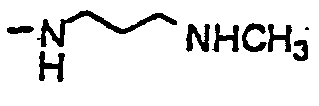
3 
1 
2 
2 
3 
2 
3 
2 
3 
3 
2 
2 
2 
1 
2 
2 
3 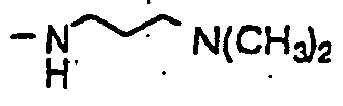
1 
2 
1 
2 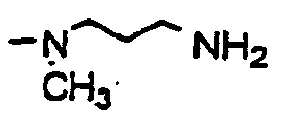
3 
1 
2 
2 

o q * J 1 2 (S) 
2 2 (S) 
2 3 (S) 
3 3 (S) 
1 2 (R) 
2 2 (R) 
1 2 (S) 
2 2 (S) 
3 2 (S) 
2 2 (R) 
2 3 (R) 
3 2 (R) 
3 3 (R) 
1 2 (S) 
2 3 (R) 
3 3 (R) 
2 3 (RS) 
3 3 (RS) 
3 3 (R) 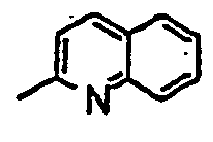
2 3 (R) 
3 3 (R) 

o q R13 2 3 CH3 3 2 CH3 3 3 CH3 2 3 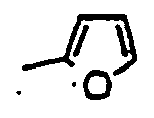
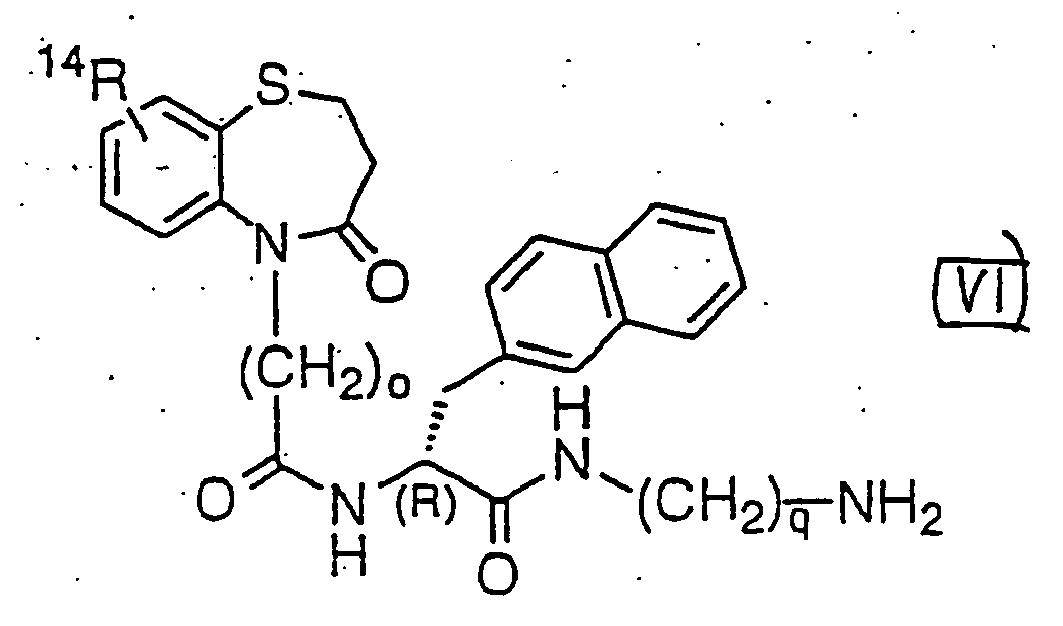
o q R14 2 2 7-CF3 3 2 7-CF3 2 3 7-CF3 3 3 7-CF3 2 4 7-CF3 3 4 7-CF3 2 2 8-F 3 2 8-F 2 3 8-F 3 3 8-F 
o q J 2 2 
2 3 
2 2 

o q J 2 3 
3 3 
2 3 

o q R14 R15 2 3 8-OMe H 3 3 6-Me 8-Me 
R16 H 

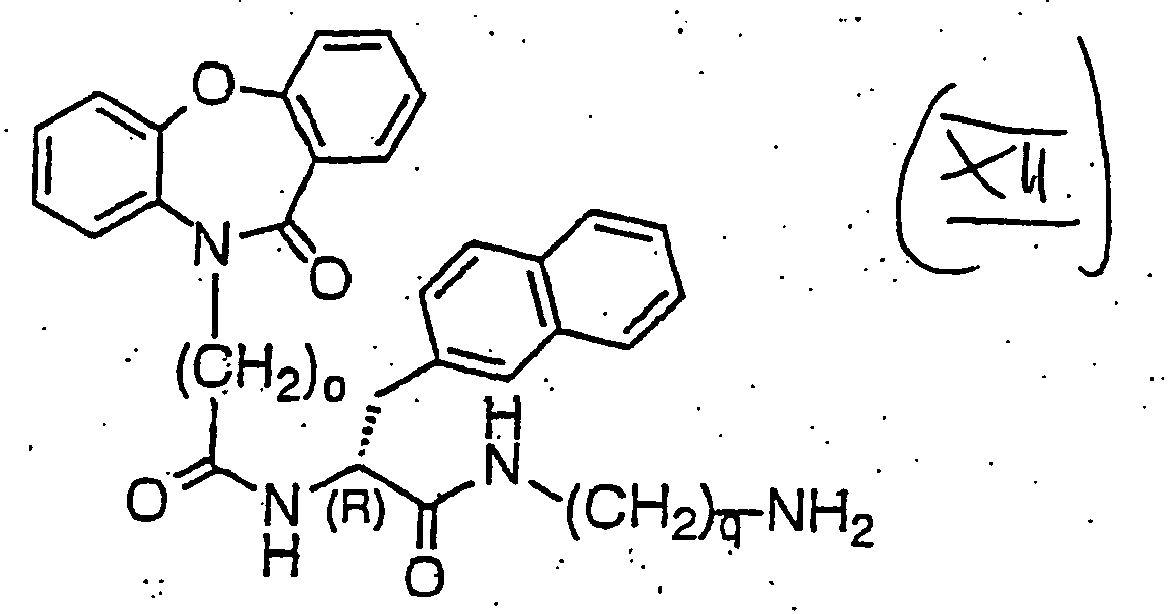
o q 2 3 3 3 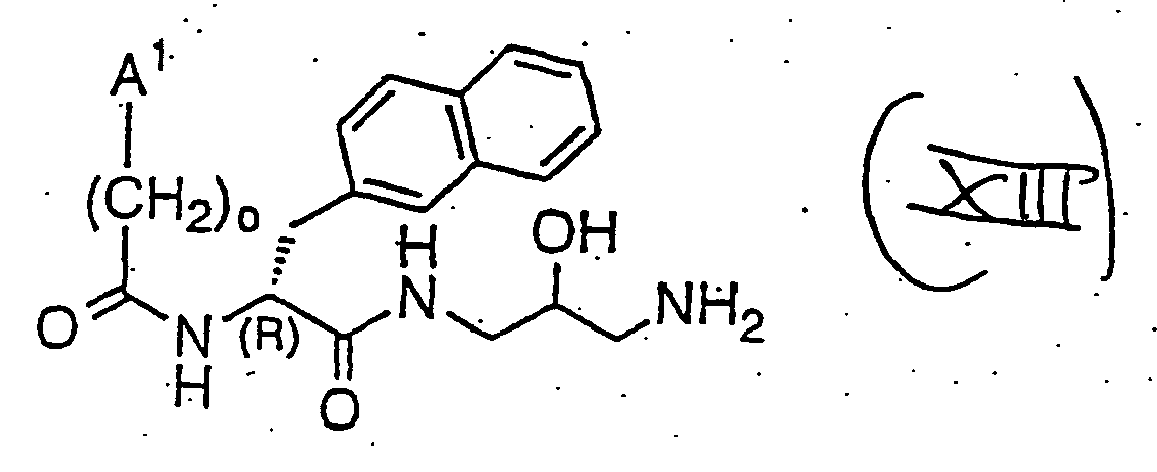
o A1 2 
3 
2 
3 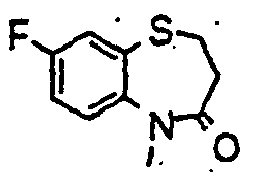
2 
3 
2 
3 
2 
3 
2 
2 


o * R13 D 1 (S) H 
2 (S) H 
2 (R) CH3 
2 (R) CH3 

o D 2 
2 
2 
2 

M1 D1 





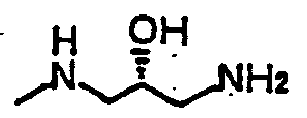



M1 D1 





o B1 D1 3 

3 

3 

2 

3 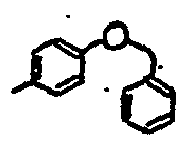

2 

3 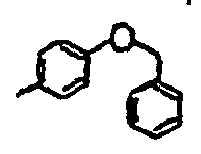

3 

3 
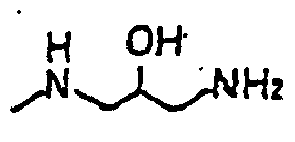
3 

2 

3 

2 


o q A1 2 2 
2 3 
3 2 
3 3 
4 2 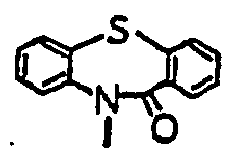
4 3 
2 2 
2 3 
3 2 
3 3 
4 2 
4 3 
2 2 
2 3 
3 2 
3 3 
4 2 
4 3 

o A1 2 
3 
3 
2 
3 
4 
2 
3 
4 

A1 M1 


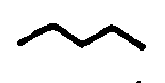

A1 M1 D1 


- A compound, and pharmaceutically acceptable salts and individual isomers thereof according to Claim 1 wherein:R1 is hydrogen, (C1-C5)alkyl, (C3-C8)cycloalkyl, (C1-C5)hydroxyalkyl, or (C1-C5)aminoalkyl, andR2 and R3 are independently hydrogen, (C1-C5)alkyl, (C1-C6)acyl, or (C1-C6)alkoxycarbonyl, andR1 and R2 or R2 and R3 are can be taken together to form alkylene,R5, R6, R7, and R8 are independently hydrogen, halogen, (C1-C5)alkyl, -OR9, -SR9, -NR9R10, -OC(O)OR9, -NHC(O)R9, -C(O)OR9, andR5 can be taken together with R1 or R2 to form alkylene,R9 and R10 are independently hydrogen, (C1-C5)alkyl, andR9 can be taken together with R1 or R2 to form alkylene.
- A compound, and pharmaceutically acceptable salts and individual thereof according to Claim 2, wherein D is selected from:


- Use of a compound as defined in any of claim 1 to 3, or pharmaceutically acceptable salts or individual optical isomers thereof, for the manufacture of a medicament for the treatment or prevention of diseases or conditions is selected from the group consisting of: osteoporosis; catabolic illness; immune deficiency, including that in individuals with depressed T4/T8 cell ratio; hip fracture; muscolosketal impairment in the elderly; growth hormone deficiency in adults or in children; obesity; cachexia and protein loss due to chronic illness such as AIDS or cancer, and treatment of patients recovering from major surgery, wounds or burns.
- Use of a compound as defined in any of claims 1 to 3, or pharmaceutically acceptable salts or individual optical isomers thereof, in combination with an additional growth hormone secretagogue selected from KP-102 (GHRP-2), GHRP-6, Hexarelin, GHRP-1, growth hormone releasing factor (GRF), IGF-1, IGF-2, or B-HT920 or a growth hormone for the manufacture of a medicament which increases.the levels of a growth hormone in a human or an animal.
- Use of a combination of a compound as defined in any of claims 1 to 3, or pharmaceutically acceptable salts or individual optical isomers thereof, and a bisphosphonate compound such as alendronate for the manufacture of a medicament for the treatment of osteoporosis.
- Use of a combination of a compound as defined in any of claims 1 to 3, or pharmaceutically acceptable salts or individual optical isomers thereof, and a growth factor such as FGF (fibroplast growth factor), PDBF (platelet-derived growth factor) for the manufacture of a medicament for the treatment of bone fractures, wounds and burns.
- Use of a compound as defined in any of claims 1 to 3, or pharmaceutically acceptable salts or individual optical isomers thereof, for the manufacture of a medicament increasing the rate and extent of growth of animals, increasing the milk or wool production of animals, or for the treatment of ailments.
- A compound having the formula:

Applications Claiming Priority (3)
| Application Number | Priority Date | Filing Date | Title |
|---|---|---|---|
| US916575 | 1992-07-20 | ||
| US91657597A | 1997-08-22 | 1997-08-22 | |
| PCT/US1998/017232 WO1999009991A1 (en) | 1997-08-22 | 1998-08-20 | Novel amide derivatives |
Publications (3)
| Publication Number | Publication Date |
|---|---|
| EP1021190A1 EP1021190A1 (en) | 2000-07-26 |
| EP1021190A4 EP1021190A4 (en) | 2004-08-18 |
| EP1021190B1 true EP1021190B1 (en) | 2006-11-08 |
Family
ID=25437497
Family Applications (1)
| Application Number | Title | Priority Date | Filing Date |
|---|---|---|---|
| EP98942140A Expired - Lifetime EP1021190B1 (en) | 1997-08-22 | 1998-08-20 | Amid derivatives as growth hormone release promotors |
Country Status (11)
| Country | Link |
|---|---|
| US (4) | US6864250B1 (en) |
| EP (1) | EP1021190B1 (en) |
| JP (1) | JP2001513565A (en) |
| KR (1) | KR100683445B1 (en) |
| CN (1) | CN1213036C (en) |
| AT (1) | ATE344667T1 (en) |
| AU (1) | AU758160B2 (en) |
| CA (1) | CA2301566A1 (en) |
| DE (1) | DE69836386T2 (en) |
| ES (1) | ES2275313T3 (en) |
| WO (1) | WO1999009991A1 (en) |
Families Citing this family (26)
| Publication number | Priority date | Publication date | Assignee | Title |
|---|---|---|---|---|
| WO2000048623A1 (en) | 1999-02-18 | 2000-08-24 | Kaken Pharmaceutical Co., Ltd. | Novel amide derivatives as growth hormone secretagogues |
| GB9914745D0 (en) * | 1999-06-24 | 1999-08-25 | Knoll Ag | Therapeutic agents |
| US6627743B1 (en) * | 1999-12-03 | 2003-09-30 | Abbott Laboratories | 6-O-methylerythromycin A crystal form III |
| US6849597B2 (en) | 1999-12-28 | 2005-02-01 | Kaken Pharmaceutical Co., Ltd. | Neuroprotective drug |
| ATE446758T1 (en) | 2000-05-31 | 2009-11-15 | Pfizer Prod Inc | USE OF GROWTH HORMONE SECRETAGOGENES TO PROMOTE DIGESTIVE MOTILITY |
| DE50204789D1 (en) * | 2001-05-10 | 2005-12-08 | Solvay Pharm Gmbh | NEW 1-AMIDOMETHYL CARBONYL-PIPERIDINE DERIVATIVES, PROCESS FOR THEIR PREPARATION AND MEDICAMENTS CONTAINING THESE COMPOUNDS |
| US7544653B2 (en) * | 2001-10-18 | 2009-06-09 | Zlatko Ademovic | Additive cytoprotective effects of two bioactive regions of pro-opiomelanocortin hormone |
| US7476653B2 (en) | 2003-06-18 | 2009-01-13 | Tranzyme Pharma, Inc. | Macrocyclic modulators of the ghrelin receptor |
| CA2545644C (en) * | 2003-11-12 | 2011-11-01 | Lg Life Sciences Ltd. | Melanocortin receptor agonists |
| US7417040B2 (en) | 2004-03-01 | 2008-08-26 | Bristol-Myers Squibb Company | Fused tricyclic compounds as inhibitors of 17β-hydroxysteroid dehydrogenase 3 |
| BRPI0613423A2 (en) * | 2005-07-19 | 2012-12-11 | Daiichi Sankyo Co Ltd | pharmaceutical composition, compound or a pharmaceutically acceptable salt thereof, and use of a compound or a pharmaceutically acceptable salt thereof |
| DK1966130T3 (en) | 2005-12-23 | 2014-02-10 | Zealand Pharma As | Modified lysine mimetic compounds |
| CU23558A1 (en) | 2006-02-28 | 2010-07-20 | Ct Ingenieria Genetica Biotech | COMPOUNDS ANALOG TO THE PEPTIDIC SECRETAGOGS OF THE GROWTH HORMONE |
| WO2008079266A2 (en) | 2006-12-21 | 2008-07-03 | Wyeth | Synthesis of pyrrolidine compounds |
| CA2677399C (en) | 2007-02-09 | 2016-09-13 | Tranzyme Pharma, Inc. | Macrocyclic ghrelin receptor modulators and methods of using the same |
| CA2714480C (en) * | 2008-02-08 | 2017-03-28 | Zeria Pharmaceutical Co., Ltd. | 3,8-diaminotetrahydroquinoline derivative |
| US9119832B2 (en) | 2014-02-05 | 2015-09-01 | The Regents Of The University Of California | Methods of treating mild brain injury |
| FR3027518B1 (en) | 2014-10-24 | 2018-01-19 | Societe D'exploitation De Produits Pour Les Industries Chimiques Seppic | USE OF ISOSORBIDE ESTER AND N-ACYL DERIVATIVES OF AMINO ACIDS AS AN ANTI-AGING AGENT FOR HUMAN SKIN |
| FR3027599A1 (en) | 2014-10-27 | 2016-04-29 | Soc D'exploitation De Produits Pour Les Ind Chimiques Seppic | USE OF ESTER OF AMINO ACID N-ACYL DERIVATIVES AND POLYOLS AS AN ANTI-AGING AGENT FOR HUMAN SKIN |
| GB201510010D0 (en) | 2015-06-09 | 2015-07-22 | King S College London | PDD and BPD compounds |
| GB201514928D0 (en) | 2015-08-21 | 2015-10-07 | King S College London | PDD compounds |
| US20180339985A1 (en) | 2015-08-21 | 2018-11-29 | Femtogenix Limited | Pdd compounds |
| KR20230116961A (en) | 2015-09-21 | 2023-08-04 | 암모네트 파마 엘엘씨 | Detecting and treating growth hormone deficiency |
| WO2017075535A1 (en) | 2015-10-28 | 2017-05-04 | Oxeia Biopharmaceuticals, Inc. | Methods of treating neurodegenerative conditions |
| JP6989864B2 (en) | 2017-05-05 | 2022-02-03 | ジーランド ファーマ,アー/エス | Gap junction intercellular communication modulators and their use for the treatment of diabetic eye disease |
| US11107236B2 (en) | 2019-04-22 | 2021-08-31 | Dag Michael Peter Hansson | Projected augmented reality interface with pose tracking for directing manual processes |
Family Cites Families (11)
| Publication number | Priority date | Publication date | Assignee | Title |
|---|---|---|---|---|
| EP0411751A1 (en) | 1989-06-06 | 1991-02-06 | Beecham Group p.l.c. | Renin inhibitory peptides |
| DE69009335T2 (en) * | 1989-07-31 | 1994-11-03 | Mitsubishi Materials Corp | Rare earth powder for permanent magnet, manufacturing process and bonded magnet. |
| US5206235A (en) | 1991-03-20 | 1993-04-27 | Merck & Co., Inc. | Benzo-fused lactams that promote the release of growth hormone |
| US5449675A (en) * | 1994-06-09 | 1995-09-12 | G. D. Searle & Co. | Substituted dibenzoxazepine and dibenzthiazepine urea compounds, pharmaceutical compositions and methods of use |
| US5441950A (en) | 1994-06-09 | 1995-08-15 | G. D. Searle & Co. | Substituted dibenzoxazepine and dibenzthiazepine carbamate compounds, pharmaceutical compositions and methods of use |
| WO1995034311A1 (en) | 1994-06-13 | 1995-12-21 | Merck & Co., Inc. | Piperazine compounds promote release of growth hormone |
| US5798337A (en) * | 1994-11-16 | 1998-08-25 | Genentech, Inc. | Low molecular weight peptidomimetic growth hormone secretagogues |
| WO1996035713A1 (en) | 1995-05-08 | 1996-11-14 | Pfizer, Inc. | Dipeptides which promote release of growth hormone |
| KR19990028303A (en) | 1995-06-22 | 1999-04-15 | 한센 핀 베네드, 안네 제헤르 | Compounds having growth hormone releasing properties |
| AU6772996A (en) | 1995-08-21 | 1997-03-12 | Eli Lilly And Company | 2-acylaminopropanamides as growth hormone secretagogues |
| WO1997022367A1 (en) | 1995-12-20 | 1997-06-26 | Merck & Co., Inc. | Radiolabeled growth hormone secretagogue |
-
1998
- 1998-08-20 US US09/485,845 patent/US6864250B1/en not_active Expired - Fee Related
- 1998-08-20 CA CA002301566A patent/CA2301566A1/en not_active Abandoned
- 1998-08-20 CN CNB988101343A patent/CN1213036C/en not_active Expired - Fee Related
- 1998-08-20 EP EP98942140A patent/EP1021190B1/en not_active Expired - Lifetime
- 1998-08-20 WO PCT/US1998/017232 patent/WO1999009991A1/en not_active Ceased
- 1998-08-20 AU AU90257/98A patent/AU758160B2/en not_active Ceased
- 1998-08-20 ES ES98942140T patent/ES2275313T3/en not_active Expired - Lifetime
- 1998-08-20 KR KR1020007001801A patent/KR100683445B1/en not_active Expired - Fee Related
- 1998-08-20 JP JP2000507381A patent/JP2001513565A/en active Pending
- 1998-08-20 DE DE69836386T patent/DE69836386T2/en not_active Expired - Fee Related
- 1998-08-20 AT AT98942140T patent/ATE344667T1/en not_active IP Right Cessation
-
2004
- 2004-10-13 US US10/962,598 patent/US7064121B2/en not_active Expired - Fee Related
-
2006
- 2006-02-23 US US11/359,616 patent/US7279573B2/en not_active Expired - Fee Related
-
2007
- 2007-08-20 US US11/892,063 patent/US20080027038A1/en not_active Abandoned
Also Published As
| Publication number | Publication date |
|---|---|
| WO1999009991A1 (en) | 1999-03-04 |
| CN1213036C (en) | 2005-08-03 |
| EP1021190A4 (en) | 2004-08-18 |
| US7064121B2 (en) | 2006-06-20 |
| AU9025798A (en) | 1999-03-16 |
| US20060142264A1 (en) | 2006-06-29 |
| US20080027038A1 (en) | 2008-01-31 |
| ATE344667T1 (en) | 2006-11-15 |
| AU758160B2 (en) | 2003-03-20 |
| CN1275912A (en) | 2000-12-06 |
| KR20010023175A (en) | 2001-03-26 |
| EP1021190A1 (en) | 2000-07-26 |
| CA2301566A1 (en) | 1999-03-04 |
| DE69836386D1 (en) | 2006-12-21 |
| KR100683445B1 (en) | 2007-02-20 |
| ES2275313T3 (en) | 2007-06-01 |
| JP2001513565A (en) | 2001-09-04 |
| US6864250B1 (en) | 2005-03-08 |
| DE69836386T2 (en) | 2007-10-11 |
| US20050059699A1 (en) | 2005-03-17 |
| US7279573B2 (en) | 2007-10-09 |
Similar Documents
| Publication | Publication Date | Title |
|---|---|---|
| US20080027038A1 (en) | N-Acylated lipophilic amino acid derivatives | |
| EP0659179B1 (en) | Benzo-fused lactams promote release of growth hormone | |
| FI108136B (en) | Process for the preparation of therapeutically useful 6-mercaptoacetylamino-5-oxopyrrolo [2,1-a] [2] benzazepine and 7-mercaptoacetylamino-6-oxopyrido-and- [1,4] azazino-, [1,4 ] oxazino and thiazino [3,4-a] [2] benzazepine derivatives | |
| JPH09505601A (en) | Indolyl-containing compounds and their use to promote growth hormone release | |
| AU677744B2 (en) | Benzo-fused macrocycles promote release of growth hormone | |
| SK49993A3 (en) | Dual action inhibitors | |
| AU697003B2 (en) | Novel n-substituted naphthofused lactams | |
| US20060014701A1 (en) | Novel amide derivatives as growth hormone secretagogues | |
| EP0728746B1 (en) | Azepinone compounds useful in the inhibition of ACE and NEP | |
| US5856477A (en) | Azepinones useful as intermediates in the preparation of inhibitors of angiotensin converting enzyme and neutralendopeptidase | |
| US6211174B1 (en) | Naphtho-fused lactams promote release of growth hormone | |
| JPH0680650A (en) | Cholecystokinin antagonist | |
| GB2297972A (en) | Camphor compounds promote release of growth hormone | |
| EP0154904A1 (en) | Acylamino oxo or hydroxy substituted alkylamino thiazines and thiazepines | |
| US7022677B1 (en) | Amide derivatives as growth hormone secretagogues |
Legal Events
| Date | Code | Title | Description |
|---|---|---|---|
| PUAI | Public reference made under article 153(3) epc to a published international application that has entered the european phase |
Free format text: ORIGINAL CODE: 0009012 |
|
| 17P | Request for examination filed |
Effective date: 20000322 |
|
| AK | Designated contracting states |
Kind code of ref document: A1 Designated state(s): AT BE CH CY DE DK ES FI FR GB GR IE IT LI LU MC NL PT SE |
|
| RAP1 | Party data changed (applicant data changed or rights of an application transferred) |
Owner name: MOLECULAR RESEARCH INSTITUTE Owner name: KAKEN PHARMACEUTICAL CO., LTD. |
|
| RIN1 | Information on inventor provided before grant (corrected) |
Inventor name: LOEW, GILDA H., MOLECULAR RESEARCH INSTITUTE Inventor name: HUANG, PING, MOLECULAR RESEARCH INSTITUTE Inventor name: INOGUCHI, KIYOSHI, CENTR. RES. INST. KAKEN PHARM. Inventor name: OKUNO, TADASHI, CENTR. RES. INST. KAKEN PHARM. Inventor name: IKEGAMI, SATORU, CENTR. RES. INST. KAKEN PHARM. Inventor name: ISHIYAMA, NOBUO, CENTR. RES. INST. KAKEN PHAR. Inventor name: FUNAMIZU, HIDENORI, CENTR. RES. INST. KAKEN PHAR. |
|
| A4 | Supplementary search report drawn up and despatched |
Effective date: 20040706 |
|
| RIC1 | Information provided on ipc code assigned before grant |
Ipc: 7A 61P 5/00 B Ipc: 7C 07D 403/12 B Ipc: 7C 07K 5/02 B Ipc: 7C 07D 223/16 B Ipc: 7C 07D 281/10 B Ipc: 7C 07D 267/16 B Ipc: 7C 07D 267/14 B Ipc: 7A 61K 31/55 A |
|
| 17Q | First examination report despatched |
Effective date: 20041223 |
|
| GRAP | Despatch of communication of intention to grant a patent |
Free format text: ORIGINAL CODE: EPIDOSNIGR1 |
|
| RTI1 | Title (correction) |
Free format text: AMID DERIVATIVES AS GROWTH HORMONE RELEASE PROMOTORS |
|
| GRAS | Grant fee paid |
Free format text: ORIGINAL CODE: EPIDOSNIGR3 |
|
| GRAA | (expected) grant |
Free format text: ORIGINAL CODE: 0009210 |
|
| RIN1 | Information on inventor provided before grant (corrected) |
Inventor name: LOEW, GILDA H.,MOLECULAR RESEARCH INSTITUTE Inventor name: HUANG, PING,MOLECULAR RESEARCH INSTITUTE Inventor name: INOGUCHI, KIYOSHI,CENTR. RES. INST. KAKEN PHARM. Inventor name: OKUNO, TADASHI,CENTR. RES. INST. KAKEN PHARM. Inventor name: IKEGAMI, SATORU,CENTR. RES. INST. KAKEN PHARM. Inventor name: ISHIYAMA, NOBUO Inventor name: FUNAMIZU, HIDENORI |
|
| AK | Designated contracting states |
Kind code of ref document: B1 Designated state(s): AT BE CH CY DE DK ES FI FR GB GR IE IT LI LU MC NL PT SE |
|
| PG25 | Lapsed in a contracting state [announced via postgrant information from national office to epo] |
Ref country code: NL Free format text: LAPSE BECAUSE OF FAILURE TO SUBMIT A TRANSLATION OF THE DESCRIPTION OR TO PAY THE FEE WITHIN THE PRESCRIBED TIME-LIMIT Effective date: 20061108 Ref country code: LI Free format text: LAPSE BECAUSE OF FAILURE TO SUBMIT A TRANSLATION OF THE DESCRIPTION OR TO PAY THE FEE WITHIN THE PRESCRIBED TIME-LIMIT Effective date: 20061108 Ref country code: FI Free format text: LAPSE BECAUSE OF FAILURE TO SUBMIT A TRANSLATION OF THE DESCRIPTION OR TO PAY THE FEE WITHIN THE PRESCRIBED TIME-LIMIT Effective date: 20061108 Ref country code: CH Free format text: LAPSE BECAUSE OF FAILURE TO SUBMIT A TRANSLATION OF THE DESCRIPTION OR TO PAY THE FEE WITHIN THE PRESCRIBED TIME-LIMIT Effective date: 20061108 Ref country code: BE Free format text: LAPSE BECAUSE OF FAILURE TO SUBMIT A TRANSLATION OF THE DESCRIPTION OR TO PAY THE FEE WITHIN THE PRESCRIBED TIME-LIMIT Effective date: 20061108 Ref country code: AT Free format text: LAPSE BECAUSE OF FAILURE TO SUBMIT A TRANSLATION OF THE DESCRIPTION OR TO PAY THE FEE WITHIN THE PRESCRIBED TIME-LIMIT Effective date: 20061108 |
|
| REG | Reference to a national code |
Ref country code: GB Ref legal event code: FG4D |
|
| REG | Reference to a national code |
Ref country code: CH Ref legal event code: EP |
|
| REG | Reference to a national code |
Ref country code: IE Ref legal event code: FG4D |
|
| REF | Corresponds to: |
Ref document number: 69836386 Country of ref document: DE Date of ref document: 20061221 Kind code of ref document: P |
|
| PG25 | Lapsed in a contracting state [announced via postgrant information from national office to epo] |
Ref country code: SE Free format text: LAPSE BECAUSE OF FAILURE TO SUBMIT A TRANSLATION OF THE DESCRIPTION OR TO PAY THE FEE WITHIN THE PRESCRIBED TIME-LIMIT Effective date: 20070208 Ref country code: DK Free format text: LAPSE BECAUSE OF FAILURE TO SUBMIT A TRANSLATION OF THE DESCRIPTION OR TO PAY THE FEE WITHIN THE PRESCRIBED TIME-LIMIT Effective date: 20070208 |
|
| PG25 | Lapsed in a contracting state [announced via postgrant information from national office to epo] |
Ref country code: PT Free format text: LAPSE BECAUSE OF FAILURE TO SUBMIT A TRANSLATION OF THE DESCRIPTION OR TO PAY THE FEE WITHIN THE PRESCRIBED TIME-LIMIT Effective date: 20070409 |
|
| NLV1 | Nl: lapsed or annulled due to failure to fulfill the requirements of art. 29p and 29m of the patents act | ||
| ET | Fr: translation filed | ||
| REG | Reference to a national code |
Ref country code: CH Ref legal event code: PL |
|
| REG | Reference to a national code |
Ref country code: ES Ref legal event code: FG2A Ref document number: 2275313 Country of ref document: ES Kind code of ref document: T3 |
|
| PLBE | No opposition filed within time limit |
Free format text: ORIGINAL CODE: 0009261 |
|
| STAA | Information on the status of an ep patent application or granted ep patent |
Free format text: STATUS: NO OPPOSITION FILED WITHIN TIME LIMIT |
|
| 26N | No opposition filed |
Effective date: 20070809 |
|
| PG25 | Lapsed in a contracting state [announced via postgrant information from national office to epo] |
Ref country code: MC Free format text: LAPSE BECAUSE OF NON-PAYMENT OF DUE FEES Effective date: 20070831 Ref country code: GR Free format text: LAPSE BECAUSE OF FAILURE TO SUBMIT A TRANSLATION OF THE DESCRIPTION OR TO PAY THE FEE WITHIN THE PRESCRIBED TIME-LIMIT Effective date: 20070209 |
|
| PG25 | Lapsed in a contracting state [announced via postgrant information from national office to epo] |
Ref country code: IE Free format text: LAPSE BECAUSE OF NON-PAYMENT OF DUE FEES Effective date: 20070820 |
|
| PGFP | Annual fee paid to national office [announced via postgrant information from national office to epo] |
Ref country code: ES Payment date: 20080922 Year of fee payment: 11 Ref country code: DE Payment date: 20080905 Year of fee payment: 11 |
|
| PGFP | Annual fee paid to national office [announced via postgrant information from national office to epo] |
Ref country code: IT Payment date: 20080829 Year of fee payment: 11 Ref country code: FR Payment date: 20080818 Year of fee payment: 11 |
|
| PGFP | Annual fee paid to national office [announced via postgrant information from national office to epo] |
Ref country code: GB Payment date: 20080827 Year of fee payment: 11 |
|
| PG25 | Lapsed in a contracting state [announced via postgrant information from national office to epo] |
Ref country code: LU Free format text: LAPSE BECAUSE OF NON-PAYMENT OF DUE FEES Effective date: 20070820 Ref country code: CY Free format text: LAPSE BECAUSE OF FAILURE TO SUBMIT A TRANSLATION OF THE DESCRIPTION OR TO PAY THE FEE WITHIN THE PRESCRIBED TIME-LIMIT Effective date: 20061108 |
|
| GBPC | Gb: european patent ceased through non-payment of renewal fee |
Effective date: 20090820 |
|
| REG | Reference to a national code |
Ref country code: FR Ref legal event code: ST Effective date: 20100430 |
|
| PG25 | Lapsed in a contracting state [announced via postgrant information from national office to epo] |
Ref country code: FR Free format text: LAPSE BECAUSE OF NON-PAYMENT OF DUE FEES Effective date: 20090831 Ref country code: DE Free format text: LAPSE BECAUSE OF NON-PAYMENT OF DUE FEES Effective date: 20100302 |
|
| REG | Reference to a national code |
Ref country code: ES Ref legal event code: FD2A Effective date: 20090821 |
|
| PG25 | Lapsed in a contracting state [announced via postgrant information from national office to epo] |
Ref country code: GB Free format text: LAPSE BECAUSE OF NON-PAYMENT OF DUE FEES Effective date: 20090820 |
|
| PG25 | Lapsed in a contracting state [announced via postgrant information from national office to epo] |
Ref country code: IT Free format text: LAPSE BECAUSE OF NON-PAYMENT OF DUE FEES Effective date: 20090820 |
|
| PG25 | Lapsed in a contracting state [announced via postgrant information from national office to epo] |
Ref country code: ES Free format text: LAPSE BECAUSE OF NON-PAYMENT OF DUE FEES Effective date: 20090821 |