EP1020191B1 - Medicaments for hyperlipidemic and hyperglycemic conditions - Google Patents
Medicaments for hyperlipidemic and hyperglycemic conditions Download PDFInfo
- Publication number
- EP1020191B1 EP1020191B1 EP99302556A EP99302556A EP1020191B1 EP 1020191 B1 EP1020191 B1 EP 1020191B1 EP 99302556 A EP99302556 A EP 99302556A EP 99302556 A EP99302556 A EP 99302556A EP 1020191 B1 EP1020191 B1 EP 1020191B1
- Authority
- EP
- European Patent Office
- Prior art keywords
- dien
- hydroxypregna
- cholesterol
- compound
- hyperlipidemic
- Prior art date
- Legal status (The legal status is an assumption and is not a legal conclusion. Google has not performed a legal analysis and makes no representation as to the accuracy of the status listed.)
- Expired - Lifetime
Links
- 239000003814 drug Substances 0.000 title claims description 31
- 230000003345 hyperglycaemic effect Effects 0.000 title claims description 8
- HVYWMOMLDIMFJA-DPAQBDIFSA-N cholesterol Chemical compound C1C=C2C[C@@H](O)CC[C@]2(C)[C@@H]2[C@@H]1[C@@H]1CC[C@H]([C@H](C)CCCC(C)C)[C@@]1(C)CC2 HVYWMOMLDIMFJA-DPAQBDIFSA-N 0.000 claims description 53
- YLFRRPUBVUAHSR-RRPFGEQOSA-N 16,17-didehydropregnenolone Chemical compound C1C=C2C[C@@H](O)CC[C@]2(C)[C@@H]2[C@@H]1[C@@H]1CC=C(C(=O)C)[C@@]1(C)CC2 YLFRRPUBVUAHSR-RRPFGEQOSA-N 0.000 claims description 44
- 150000001875 compounds Chemical class 0.000 claims description 36
- 238000011282 treatment Methods 0.000 claims description 21
- WQZGKKKJIJFFOK-GASJEMHNSA-N Glucose Natural products OC[C@H]1OC(O)[C@H](O)[C@@H](O)[C@@H]1O WQZGKKKJIJFFOK-GASJEMHNSA-N 0.000 claims description 19
- 239000008103 glucose Substances 0.000 claims description 19
- 206010012601 diabetes mellitus Diseases 0.000 claims description 12
- 238000004519 manufacturing process Methods 0.000 claims description 8
- 239000003472 antidiabetic agent Substances 0.000 claims description 7
- ORNBQBCIOKFOEO-YQUGOWONSA-N Pregnenolone Natural products O=C(C)[C@@H]1[C@@]2(C)[C@H]([C@H]3[C@@H]([C@]4(C)C(=CC3)C[C@@H](O)CC4)CC2)CC1 ORNBQBCIOKFOEO-YQUGOWONSA-N 0.000 claims description 6
- 229940127003 anti-diabetic drug Drugs 0.000 claims description 5
- 208000008589 Obesity Diseases 0.000 claims description 4
- 235000020824 obesity Nutrition 0.000 claims description 4
- 238000011321 prophylaxis Methods 0.000 claims description 3
- 229940124597 therapeutic agent Drugs 0.000 claims description 3
- UFTFJSFQGQCHQW-UHFFFAOYSA-N triformin Chemical compound O=COCC(OC=O)COC=O UFTFJSFQGQCHQW-UHFFFAOYSA-N 0.000 claims description 3
- 230000000702 anti-platelet effect Effects 0.000 claims description 2
- 239000003146 anticoagulant agent Substances 0.000 claims description 2
- 239000002775 capsule Substances 0.000 claims description 2
- 208000010110 spontaneous platelet aggregation Diseases 0.000 claims description 2
- 230000000694 effects Effects 0.000 description 31
- 241000700159 Rattus Species 0.000 description 25
- RJKFOVLPORLFTN-LEKSSAKUSA-N Progesterone Chemical compound C1CC2=CC(=O)CC[C@]2(C)[C@@H]2[C@@H]1[C@@H]1CC[C@H](C(=O)C)[C@@]1(C)CC2 RJKFOVLPORLFTN-LEKSSAKUSA-N 0.000 description 18
- 235000012000 cholesterol Nutrition 0.000 description 18
- 229940079593 drug Drugs 0.000 description 18
- 241001465754 Metazoa Species 0.000 description 16
- 230000000055 hyoplipidemic effect Effects 0.000 description 16
- 150000003626 triacylglycerols Chemical class 0.000 description 14
- 210000004369 blood Anatomy 0.000 description 13
- 239000008280 blood Substances 0.000 description 13
- 210000002966 serum Anatomy 0.000 description 11
- 238000002474 experimental method Methods 0.000 description 10
- 230000002218 hypoglycaemic effect Effects 0.000 description 10
- 150000002632 lipids Chemical class 0.000 description 10
- 108010007622 LDL Lipoproteins Proteins 0.000 description 9
- 102000007330 LDL Lipoproteins Human genes 0.000 description 9
- 229960001214 clofibrate Drugs 0.000 description 9
- KNHUKKLJHYUCFP-UHFFFAOYSA-N clofibrate Chemical compound CCOC(=O)C(C)(C)OC1=CC=C(Cl)C=C1 KNHUKKLJHYUCFP-UHFFFAOYSA-N 0.000 description 9
- 229940125782 compound 2 Drugs 0.000 description 9
- 235000005911 diet Nutrition 0.000 description 9
- 230000037213 diet Effects 0.000 description 9
- 230000001072 progestational effect Effects 0.000 description 9
- 239000000186 progesterone Substances 0.000 description 9
- 229960003387 progesterone Drugs 0.000 description 9
- 230000001548 androgenic effect Effects 0.000 description 8
- 238000000034 method Methods 0.000 description 8
- 150000003254 radicals Chemical class 0.000 description 8
- GVJHHUAWPYXKBD-IEOSBIPESA-N α-tocopherol Chemical compound OC1=C(C)C(C)=C2O[C@@](CCC[C@H](C)CCC[C@H](C)CCCC(C)C)(C)CCC2=C1C GVJHHUAWPYXKBD-IEOSBIPESA-N 0.000 description 8
- OUNLEGKRZUPPOS-ONTSXIIYSA-N 1-[(8r,9s,10s,13s)-10,13-dimethyl-2,3,4,5,6,7,8,9,11,12-decahydro-1h-cyclopenta[a]phenanthren-17-yl]ethanone Chemical class C1CC2CCCC[C@]2(C)[C@@H]2[C@@H]1C1=CC=C(C(=O)C)[C@@]1(C)CC2 OUNLEGKRZUPPOS-ONTSXIIYSA-N 0.000 description 7
- 244000215068 Acacia senegal Species 0.000 description 7
- 235000006491 Acacia senegal Nutrition 0.000 description 7
- HEMJJKBWTPKOJG-UHFFFAOYSA-N Gemfibrozil Chemical compound CC1=CC=C(C)C(OCCCC(C)(C)C(O)=O)=C1 HEMJJKBWTPKOJG-UHFFFAOYSA-N 0.000 description 7
- 229920000084 Gum arabic Polymers 0.000 description 7
- 108010028554 LDL Cholesterol Proteins 0.000 description 7
- 238000008214 LDL Cholesterol Methods 0.000 description 7
- 241000283973 Oryctolagus cuniculus Species 0.000 description 7
- ZSJLQEPLLKMAKR-UHFFFAOYSA-N Streptozotocin Natural products O=NN(C)C(=O)NC1C(O)OC(CO)C(O)C1O ZSJLQEPLLKMAKR-UHFFFAOYSA-N 0.000 description 7
- 235000010489 acacia gum Nutrition 0.000 description 7
- 229960003627 gemfibrozil Drugs 0.000 description 7
- -1 isopentenyl Chemical group 0.000 description 7
- ZSJLQEPLLKMAKR-GKHCUFPYSA-N streptozocin Chemical compound O=NN(C)C(=O)N[C@H]1[C@@H](O)O[C@H](CO)[C@@H](O)[C@@H]1O ZSJLQEPLLKMAKR-GKHCUFPYSA-N 0.000 description 7
- 229960001052 streptozocin Drugs 0.000 description 7
- MZWRIOUCMXPLKV-RFOVXIPZSA-N 16-Dehydropregnenolone acetate Chemical compound C([C@@H]12)C[C@]3(C)C(C(C)=O)=CC[C@H]3[C@@H]1CC=C1[C@]2(C)CC[C@H](OC(=O)C)C1 MZWRIOUCMXPLKV-RFOVXIPZSA-N 0.000 description 6
- 108010023302 HDL Cholesterol Proteins 0.000 description 6
- 230000015572 biosynthetic process Effects 0.000 description 6
- 230000008859 change Effects 0.000 description 6
- NOESYZHRGYRDHS-UHFFFAOYSA-N insulin Chemical compound N1C(=O)C(NC(=O)C(CCC(N)=O)NC(=O)C(CCC(O)=O)NC(=O)C(C(C)C)NC(=O)C(NC(=O)CN)C(C)CC)CSSCC(C(NC(CO)C(=O)NC(CC(C)C)C(=O)NC(CC=2C=CC(O)=CC=2)C(=O)NC(CCC(N)=O)C(=O)NC(CC(C)C)C(=O)NC(CCC(O)=O)C(=O)NC(CC(N)=O)C(=O)NC(CC=2C=CC(O)=CC=2)C(=O)NC(CSSCC(NC(=O)C(C(C)C)NC(=O)C(CC(C)C)NC(=O)C(CC=2C=CC(O)=CC=2)NC(=O)C(CC(C)C)NC(=O)C(C)NC(=O)C(CCC(O)=O)NC(=O)C(C(C)C)NC(=O)C(CC(C)C)NC(=O)C(CC=2NC=NC=2)NC(=O)C(CO)NC(=O)CNC2=O)C(=O)NCC(=O)NC(CCC(O)=O)C(=O)NC(CCCNC(N)=N)C(=O)NCC(=O)NC(CC=3C=CC=CC=3)C(=O)NC(CC=3C=CC=CC=3)C(=O)NC(CC=3C=CC(O)=CC=3)C(=O)NC(C(C)O)C(=O)N3C(CCC3)C(=O)NC(CCCCN)C(=O)NC(C)C(O)=O)C(=O)NC(CC(N)=O)C(O)=O)=O)NC(=O)C(C(C)CC)NC(=O)C(CO)NC(=O)C(C(C)O)NC(=O)C1CSSCC2NC(=O)C(CC(C)C)NC(=O)C(NC(=O)C(CCC(N)=O)NC(=O)C(CC(N)=O)NC(=O)C(NC(=O)C(N)CC=1C=CC=CC=1)C(C)C)CC1=CN=CN1 NOESYZHRGYRDHS-UHFFFAOYSA-N 0.000 description 6
- 230000007774 longterm Effects 0.000 description 6
- WDXRGPWQVHZTQJ-OSJVMJFVSA-N (8r,9s,10r,13s,14s,17z)-17-ethylidene-10,13-dimethyl-1,2,6,7,8,9,11,12,14,15-decahydrocyclopenta[a]phenanthrene-3,16-dione Chemical compound C1CC2=CC(=O)CC[C@]2(C)[C@@H]2[C@@H]1[C@@H]1CC(=O)\C(=C/C)[C@@]1(C)CC2 WDXRGPWQVHZTQJ-OSJVMJFVSA-N 0.000 description 5
- 241000282560 Macaca mulatta Species 0.000 description 5
- 230000002411 adverse Effects 0.000 description 5
- 230000003078 antioxidant effect Effects 0.000 description 5
- 230000003647 oxidation Effects 0.000 description 5
- 238000007254 oxidation reaction Methods 0.000 description 5
- IAOBHRLYOHUQBT-AFPISRSTSA-N 2-[(8R,9S,10S,13S,14S)-10,13-dimethyl-2,3,4,5,6,7,8,9,11,12,14,15-dodecahydro-1H-cyclopenta[a]phenanthren-17-yl]ethenol Chemical class C(=CC1=CC[C@H]2[C@@H]3CCC4CCCC[C@]4(C)[C@H]3CC[C@]12C)O IAOBHRLYOHUQBT-AFPISRSTSA-N 0.000 description 4
- 208000031226 Hyperlipidaemia Diseases 0.000 description 4
- JLRGJRBPOGGCBT-UHFFFAOYSA-N Tolbutamide Chemical compound CCCCNC(=O)NS(=O)(=O)C1=CC=C(C)C=C1 JLRGJRBPOGGCBT-UHFFFAOYSA-N 0.000 description 4
- WFDIJRYMOXRFFG-UHFFFAOYSA-N acetic acid anhydride Natural products CC(=O)OC(C)=O WFDIJRYMOXRFFG-UHFFFAOYSA-N 0.000 description 4
- 229940087168 alpha tocopherol Drugs 0.000 description 4
- 102000001307 androgen receptors Human genes 0.000 description 4
- 108010080146 androgen receptors Proteins 0.000 description 4
- 208000037265 diseases, disorders, signs and symptoms Diseases 0.000 description 4
- 230000005764 inhibitory process Effects 0.000 description 4
- 239000000583 progesterone congener Substances 0.000 description 4
- 230000004224 protection Effects 0.000 description 4
- 229960000984 tocofersolan Drugs 0.000 description 4
- 229960005371 tolbutamide Drugs 0.000 description 4
- GPRLSGONYQIRFK-MNYXATJNSA-N triton Chemical compound [3H+] GPRLSGONYQIRFK-MNYXATJNSA-N 0.000 description 4
- 235000004835 α-tocopherol Nutrition 0.000 description 4
- 239000002076 α-tocopherol Substances 0.000 description 4
- KJTLQQUUPVSXIM-ZCFIWIBFSA-M (R)-mevalonate Chemical compound OCC[C@](O)(C)CC([O-])=O KJTLQQUUPVSXIM-ZCFIWIBFSA-M 0.000 description 3
- YLFRRPUBVUAHSR-UHFFFAOYSA-N 16-dehydro-pregnenolone Natural products C1C=C2CC(O)CCC2(C)C2C1C1CC=C(C(=O)C)C1(C)CC2 YLFRRPUBVUAHSR-UHFFFAOYSA-N 0.000 description 3
- 201000001320 Atherosclerosis Diseases 0.000 description 3
- KJTLQQUUPVSXIM-UHFFFAOYSA-N DL-mevalonic acid Natural products OCCC(O)(C)CC(O)=O KJTLQQUUPVSXIM-UHFFFAOYSA-N 0.000 description 3
- RTZKZFJDLAIYFH-UHFFFAOYSA-N Diethyl ether Chemical compound CCOCC RTZKZFJDLAIYFH-UHFFFAOYSA-N 0.000 description 3
- 229940121710 HMGCoA reductase inhibitor Drugs 0.000 description 3
- 102000004877 Insulin Human genes 0.000 description 3
- 108090001061 Insulin Proteins 0.000 description 3
- 102000004895 Lipoproteins Human genes 0.000 description 3
- 108090001030 Lipoproteins Proteins 0.000 description 3
- YXFVVABEGXRONW-UHFFFAOYSA-N Toluene Chemical compound CC1=CC=CC=C1 YXFVVABEGXRONW-UHFFFAOYSA-N 0.000 description 3
- 230000009471 action Effects 0.000 description 3
- 238000004458 analytical method Methods 0.000 description 3
- 239000003963 antioxidant agent Substances 0.000 description 3
- 235000006708 antioxidants Nutrition 0.000 description 3
- 238000013459 approach Methods 0.000 description 3
- WQZGKKKJIJFFOK-VFUOTHLCSA-N beta-D-glucose Chemical compound OC[C@H]1O[C@@H](O)[C@H](O)[C@@H](O)[C@@H]1O WQZGKKKJIJFFOK-VFUOTHLCSA-N 0.000 description 3
- 150000001720 carbohydrates Chemical class 0.000 description 3
- ACTIUHUUMQJHFO-UPTCCGCDSA-N coenzyme Q10 Chemical compound COC1=C(OC)C(=O)C(C\C=C(/C)CC\C=C(/C)CC\C=C(/C)CC\C=C(/C)CC\C=C(/C)CC\C=C(/C)CC\C=C(/C)CC\C=C(/C)CC\C=C(/C)CCC=C(C)C)=C(C)C1=O ACTIUHUUMQJHFO-UPTCCGCDSA-N 0.000 description 3
- 201000010099 disease Diseases 0.000 description 3
- 230000002255 enzymatic effect Effects 0.000 description 3
- 125000002887 hydroxy group Chemical group [H]O* 0.000 description 3
- 229940125396 insulin Drugs 0.000 description 3
- 210000004185 liver Anatomy 0.000 description 3
- 230000002503 metabolic effect Effects 0.000 description 3
- 208000010125 myocardial infarction Diseases 0.000 description 3
- 102000003998 progesterone receptors Human genes 0.000 description 3
- 108090000468 progesterone receptors Proteins 0.000 description 3
- 238000003786 synthesis reaction Methods 0.000 description 3
- 210000001519 tissue Anatomy 0.000 description 3
- 229960001641 troglitazone Drugs 0.000 description 3
- GXPHKUHSUJUWKP-UHFFFAOYSA-N troglitazone Chemical compound C1CC=2C(C)=C(O)C(C)=C(C)C=2OC1(C)COC(C=C1)=CC=C1CC1SC(=O)NC1=O GXPHKUHSUJUWKP-UHFFFAOYSA-N 0.000 description 3
- GXPHKUHSUJUWKP-NTKDMRAZSA-N troglitazone Natural products C([C@@]1(OC=2C(C)=C(C(=C(C)C=2CC1)O)C)C)OC(C=C1)=CC=C1C[C@H]1SC(=O)NC1=O GXPHKUHSUJUWKP-NTKDMRAZSA-N 0.000 description 3
- WWYNJERNGUHSAO-XUDSTZEESA-N (+)-Norgestrel Chemical compound O=C1CC[C@@H]2[C@H]3CC[C@](CC)([C@](CC4)(O)C#C)[C@@H]4[C@@H]3CCC2=C1 WWYNJERNGUHSAO-XUDSTZEESA-N 0.000 description 2
- ASJSAQIRZKANQN-CRCLSJGQSA-N 2-deoxy-D-ribose Chemical compound OC[C@@H](O)[C@@H](O)CC=O ASJSAQIRZKANQN-CRCLSJGQSA-N 0.000 description 2
- RVBUGGBMJDPOST-UHFFFAOYSA-N 2-thiobarbituric acid Chemical compound O=C1CC(=O)NC(=S)N1 RVBUGGBMJDPOST-UHFFFAOYSA-N 0.000 description 2
- QTBSBXVTEAMEQO-UHFFFAOYSA-N Acetic acid Chemical compound CC(O)=O QTBSBXVTEAMEQO-UHFFFAOYSA-N 0.000 description 2
- 241000282693 Cercopithecidae Species 0.000 description 2
- 240000003890 Commiphora wightii Species 0.000 description 2
- 206010012735 Diarrhoea Diseases 0.000 description 2
- 208000018522 Gastrointestinal disease Diseases 0.000 description 2
- 229920002527 Glycogen Polymers 0.000 description 2
- MHAJPDPJQMAIIY-UHFFFAOYSA-N Hydrogen peroxide Chemical compound OO MHAJPDPJQMAIIY-UHFFFAOYSA-N 0.000 description 2
- 206010020772 Hypertension Diseases 0.000 description 2
- 208000021642 Muscular disease Diseases 0.000 description 2
- 201000009623 Myopathy Diseases 0.000 description 2
- 238000006036 Oppenauer oxidation reaction Methods 0.000 description 2
- FAPWRFPIFSIZLT-UHFFFAOYSA-M Sodium chloride Chemical compound [Na+].[Cl-] FAPWRFPIFSIZLT-UHFFFAOYSA-M 0.000 description 2
- 206010000059 abdominal discomfort Diseases 0.000 description 2
- 231100000570 acute poisoning Toxicity 0.000 description 2
- 239000000556 agonist Substances 0.000 description 2
- 230000004071 biological effect Effects 0.000 description 2
- 210000000481 breast Anatomy 0.000 description 2
- 230000023852 carbohydrate metabolic process Effects 0.000 description 2
- 230000000747 cardiac effect Effects 0.000 description 2
- JHIVVAPYMSGYDF-UHFFFAOYSA-N cyclohexanone Chemical compound O=C1CCCCC1 JHIVVAPYMSGYDF-UHFFFAOYSA-N 0.000 description 2
- 230000001086 cytosolic effect Effects 0.000 description 2
- 230000001419 dependent effect Effects 0.000 description 2
- 230000008021 deposition Effects 0.000 description 2
- 150000002009 diols Chemical class 0.000 description 2
- GCKFUYQCUCGESZ-BPIQYHPVSA-N etonogestrel Chemical compound O=C1CC[C@@H]2[C@H]3C(=C)C[C@](CC)([C@](CC4)(O)C#C)[C@@H]4[C@@H]3CCC2=C1 GCKFUYQCUCGESZ-BPIQYHPVSA-N 0.000 description 2
- 210000003754 fetus Anatomy 0.000 description 2
- 229940125753 fibrate Drugs 0.000 description 2
- 210000000497 foam cell Anatomy 0.000 description 2
- SIGSPDASOTUPFS-XUDSTZEESA-N gestodene Chemical compound O=C1CC[C@@H]2[C@H]3CC[C@](CC)([C@](C=C4)(O)C#C)[C@@H]4[C@@H]3CCC2=C1 SIGSPDASOTUPFS-XUDSTZEESA-N 0.000 description 2
- 229960005352 gestodene Drugs 0.000 description 2
- 229940096919 glycogen Drugs 0.000 description 2
- 235000009200 high fat diet Nutrition 0.000 description 2
- 230000003054 hormonal effect Effects 0.000 description 2
- 230000007062 hydrolysis Effects 0.000 description 2
- 238000006460 hydrolysis reaction Methods 0.000 description 2
- 239000002471 hydroxymethylglutaryl coenzyme A reductase inhibitor Substances 0.000 description 2
- 238000001727 in vivo Methods 0.000 description 2
- 229960004400 levonorgestrel Drugs 0.000 description 2
- 230000003859 lipid peroxidation Effects 0.000 description 2
- 230000008604 lipoprotein metabolism Effects 0.000 description 2
- 230000004048 modification Effects 0.000 description 2
- 238000012986 modification Methods 0.000 description 2
- 230000001590 oxidative effect Effects 0.000 description 2
- 230000000144 pharmacologic effect Effects 0.000 description 2
- 230000035935 pregnancy Effects 0.000 description 2
- 102000004169 proteins and genes Human genes 0.000 description 2
- 108090000623 proteins and genes Proteins 0.000 description 2
- 102000005962 receptors Human genes 0.000 description 2
- 108020003175 receptors Proteins 0.000 description 2
- 238000011160 research Methods 0.000 description 2
- 150000003431 steroids Chemical class 0.000 description 2
- 238000012360 testing method Methods 0.000 description 2
- 238000002560 therapeutic procedure Methods 0.000 description 2
- 231100000331 toxic Toxicity 0.000 description 2
- 230000002588 toxic effect Effects 0.000 description 2
- 210000004881 tumor cell Anatomy 0.000 description 2
- 230000002792 vascular Effects 0.000 description 2
- CABVTRNMFUVUDM-VRHQGPGLSA-N (3S)-3-hydroxy-3-methylglutaryl-CoA Chemical compound O[C@@H]1[C@H](OP(O)(O)=O)[C@@H](COP(O)(=O)OP(O)(=O)OCC(C)(C)[C@@H](O)C(=O)NCCC(=O)NCCSC(=O)C[C@@](O)(CC(O)=O)C)O[C@H]1N1C2=NC=NC(N)=C2N=C1 CABVTRNMFUVUDM-VRHQGPGLSA-N 0.000 description 1
- AXSZNOPJKXHJAB-UZCUGSDUSA-N (3s,8s,9s,10r,13r,14s,17r)-17-ethenyl-10,13-dimethyl-2,3,4,7,8,9,11,12,14,15,16,17-dodecahydro-1h-cyclopenta[a]phenanthren-3-ol Chemical compound C1[C@@H](O)CC[C@]2(C)[C@H]3CC[C@](C)([C@H](CC4)C=C)[C@@H]4[C@@H]3CC=C21 AXSZNOPJKXHJAB-UZCUGSDUSA-N 0.000 description 1
- IJLXLZGJDSJGIQ-BILPMHSYSA-N (8r,9s,10r,13s,14s,16r,17s)-16-ethyl-17-(2-hydroxyacetyl)-13-methyl-2,6,7,8,9,10,11,12,14,15,16,17-dodecahydro-1h-cyclopenta[a]phenanthren-3-one Chemical compound C1CC2=CC(=O)CC[C@@H]2[C@@H]2[C@@H]1[C@@H]1C[C@@H](CC)[C@H](C(=O)CO)[C@@]1(C)CC2 IJLXLZGJDSJGIQ-BILPMHSYSA-N 0.000 description 1
- VRRHHTISESGZFN-RKFFNLMFSA-N 16,17-didehydroprogesterone Chemical compound C1CC2=CC(=O)CC[C@]2(C)[C@@H]2[C@@H]1[C@@H]1CC=C(C(=O)C)[C@@]1(C)CC2 VRRHHTISESGZFN-RKFFNLMFSA-N 0.000 description 1
- NVKAWKQGWWIWPM-QHDNXLQLSA-N 17beta-hydroxyandrostan-3-one Chemical compound C1C(=O)CC[C@]2(C)[C@H]3CC[C@](C)([C@H](CC4)O)[C@@H]4[C@@H]3CCC21 NVKAWKQGWWIWPM-QHDNXLQLSA-N 0.000 description 1
- ZIIUUSVHCHPIQD-UHFFFAOYSA-N 2,4,6-trimethyl-N-[3-(trifluoromethyl)phenyl]benzenesulfonamide Chemical compound CC1=CC(C)=CC(C)=C1S(=O)(=O)NC1=CC=CC(C(F)(F)F)=C1 ZIIUUSVHCHPIQD-UHFFFAOYSA-N 0.000 description 1
- ZILVNHNSYBNLSZ-UHFFFAOYSA-N 2-(diaminomethylideneamino)guanidine Chemical compound NC(N)=NNC(N)=N ZILVNHNSYBNLSZ-UHFFFAOYSA-N 0.000 description 1
- ZGGNJJJYUVRADP-ACJLOTCBSA-N 2-[4-[(2R)-2-[[(2R)-2-(3-chlorophenyl)-2-hydroxyethyl]amino]propyl]phenoxy]acetic acid Chemical compound C([C@@H](C)NC[C@H](O)C=1C=C(Cl)C=CC=1)C1=CC=C(OCC(O)=O)C=C1 ZGGNJJJYUVRADP-ACJLOTCBSA-N 0.000 description 1
- IZVFFXVYBHFIHY-SKCNUYALSA-N 5alpha-cholest-7-en-3beta-ol Chemical compound C1[C@@H](O)CC[C@]2(C)[C@@H](CC[C@@]3([C@@H]([C@H](C)CCCC(C)C)CC[C@H]33)C)C3=CC[C@H]21 IZVFFXVYBHFIHY-SKCNUYALSA-N 0.000 description 1
- 108091006112 ATPases Proteins 0.000 description 1
- 102000057290 Adenosine Triphosphatases Human genes 0.000 description 1
- 108060003345 Adrenergic Receptor Proteins 0.000 description 1
- 102000017910 Adrenergic receptor Human genes 0.000 description 1
- 102000002260 Alkaline Phosphatase Human genes 0.000 description 1
- 108020004774 Alkaline Phosphatase Proteins 0.000 description 1
- 208000037260 Atherosclerotic Plaque Diseases 0.000 description 1
- 206010006187 Breast cancer Diseases 0.000 description 1
- 208000026310 Breast neoplasm Diseases 0.000 description 1
- UMQUQWCJKFOUGV-UHFFFAOYSA-N CGP 12177 Chemical compound CC(C)(C)NCC(O)COC1=CC=CC2=C1NC(=O)N2 UMQUQWCJKFOUGV-UHFFFAOYSA-N 0.000 description 1
- 208000005623 Carcinogenesis Diseases 0.000 description 1
- 208000024172 Cardiovascular disease Diseases 0.000 description 1
- 102000004420 Creatine Kinase Human genes 0.000 description 1
- 108010042126 Creatine kinase Proteins 0.000 description 1
- FBPFZTCFMRRESA-KVTDHHQDSA-N D-Mannitol Chemical compound OC[C@@H](O)[C@@H](O)[C@H](O)[C@H](O)CO FBPFZTCFMRRESA-KVTDHHQDSA-N 0.000 description 1
- ZNZYKNKBJPZETN-WELNAUFTSA-N Dialdehyde 11678 Chemical compound N1C2=CC=CC=C2C2=C1[C@H](C[C@H](/C(=C/O)C(=O)OC)[C@@H](C=C)C=O)NCC2 ZNZYKNKBJPZETN-WELNAUFTSA-N 0.000 description 1
- WDXRGPWQVHZTQJ-AUKWTSKRSA-N E-Guggulsterone Chemical compound C1CC2=CC(=O)CC[C@]2(C)[C@@H]2[C@@H]1[C@@H]1CC(=O)/C(=C/C)[C@@]1(C)CC2 WDXRGPWQVHZTQJ-AUKWTSKRSA-N 0.000 description 1
- CWYNVVGOOAEACU-UHFFFAOYSA-N Fe2+ Chemical compound [Fe+2] CWYNVVGOOAEACU-UHFFFAOYSA-N 0.000 description 1
- 108010015776 Glucose oxidase Proteins 0.000 description 1
- 239000004366 Glucose oxidase Substances 0.000 description 1
- 108010010234 HDL Lipoproteins Proteins 0.000 description 1
- UFHFLCQGNIYNRP-UHFFFAOYSA-N Hydrogen Chemical compound [H][H] UFHFLCQGNIYNRP-UHFFFAOYSA-N 0.000 description 1
- 206010060378 Hyperinsulinaemia Diseases 0.000 description 1
- 206010020710 Hyperphagia Diseases 0.000 description 1
- 206010020751 Hypersensitivity Diseases 0.000 description 1
- 206010020880 Hypertrophy Diseases 0.000 description 1
- 208000013016 Hypoglycemia Diseases 0.000 description 1
- 206010022489 Insulin Resistance Diseases 0.000 description 1
- 206010067125 Liver injury Diseases 0.000 description 1
- 229930195725 Mannitol Natural products 0.000 description 1
- 208000001089 Multiple system atrophy Diseases 0.000 description 1
- 208000010428 Muscle Weakness Diseases 0.000 description 1
- 206010028372 Muscular weakness Diseases 0.000 description 1
- 208000000112 Myalgia Diseases 0.000 description 1
- 206010028813 Nausea Diseases 0.000 description 1
- 206010028851 Necrosis Diseases 0.000 description 1
- 206010028980 Neoplasm Diseases 0.000 description 1
- 206010031127 Orthostatic hypotension Diseases 0.000 description 1
- KDLHZDBZIXYQEI-UHFFFAOYSA-N Palladium on carbon Substances [Pd] KDLHZDBZIXYQEI-UHFFFAOYSA-N 0.000 description 1
- 206010033645 Pancreatitis Diseases 0.000 description 1
- 235000019483 Peanut oil Nutrition 0.000 description 1
- 102000015439 Phospholipases Human genes 0.000 description 1
- 108010064785 Phospholipases Proteins 0.000 description 1
- TUZYXOIXSAXUGO-UHFFFAOYSA-N Pravastatin Natural products C1=CC(C)C(CCC(O)CC(O)CC(O)=O)C2C(OC(=O)C(C)CC)CC(O)C=C21 TUZYXOIXSAXUGO-UHFFFAOYSA-N 0.000 description 1
- 208000001647 Renal Insufficiency Diseases 0.000 description 1
- 206010039020 Rhabdomyolysis Diseases 0.000 description 1
- 229940124639 Selective inhibitor Drugs 0.000 description 1
- 102000003929 Transaminases Human genes 0.000 description 1
- 108090000340 Transaminases Proteins 0.000 description 1
- 206010044565 Tremor Diseases 0.000 description 1
- DWCSNWXARWMZTG-UHFFFAOYSA-N Trigonegenin A Natural products CC1C(C2(CCC3C4(C)CCC(O)C=C4CCC3C2C2)C)C2OC11CCC(C)CO1 DWCSNWXARWMZTG-UHFFFAOYSA-N 0.000 description 1
- 206010047700 Vomiting Diseases 0.000 description 1
- 210000000577 adipose tissue Anatomy 0.000 description 1
- 230000008484 agonism Effects 0.000 description 1
- 208000026935 allergic disease Diseases 0.000 description 1
- 230000004075 alteration Effects 0.000 description 1
- 150000001409 amidines Chemical class 0.000 description 1
- 239000003098 androgen Substances 0.000 description 1
- 229940030486 androgens Drugs 0.000 description 1
- 230000003178 anti-diabetic effect Effects 0.000 description 1
- 230000003276 anti-hypertensive effect Effects 0.000 description 1
- 230000003579 anti-obesity Effects 0.000 description 1
- 230000001911 anti-progestational effect Effects 0.000 description 1
- 229940125708 antidiabetic agent Drugs 0.000 description 1
- 239000002220 antihypertensive agent Substances 0.000 description 1
- 229940127088 antihypertensive drug Drugs 0.000 description 1
- 239000003524 antilipemic agent Substances 0.000 description 1
- 210000000709 aorta Anatomy 0.000 description 1
- 238000003556 assay Methods 0.000 description 1
- 230000008901 benefit Effects 0.000 description 1
- 230000037396 body weight Effects 0.000 description 1
- 230000000981 bystander Effects 0.000 description 1
- 201000011510 cancer Diseases 0.000 description 1
- 230000036952 cancer formation Effects 0.000 description 1
- 235000021256 carbohydrate metabolism Nutrition 0.000 description 1
- 231100000504 carcinogenesis Toxicity 0.000 description 1
- 230000005961 cardioprotection Effects 0.000 description 1
- 210000000170 cell membrane Anatomy 0.000 description 1
- 238000002144 chemical decomposition reaction Methods 0.000 description 1
- 238000006243 chemical reaction Methods 0.000 description 1
- 210000000038 chest Anatomy 0.000 description 1
- 201000001352 cholecystitis Diseases 0.000 description 1
- 201000001883 cholelithiasis Diseases 0.000 description 1
- 235000017471 coenzyme Q10 Nutrition 0.000 description 1
- 239000003433 contraceptive agent Substances 0.000 description 1
- 230000002254 contraceptive effect Effects 0.000 description 1
- 230000034994 death Effects 0.000 description 1
- 230000007812 deficiency Effects 0.000 description 1
- 238000011161 development Methods 0.000 description 1
- 229960004132 diethyl ether Drugs 0.000 description 1
- WQLVFSAGQJTQCK-VKROHFNGSA-N diosgenin Chemical compound O([C@@H]1[C@@H]([C@]2(CC[C@@H]3[C@@]4(C)CC[C@H](O)CC4=CC[C@H]3[C@@H]2C1)C)[C@@H]1C)[C@]11CC[C@@H](C)CO1 WQLVFSAGQJTQCK-VKROHFNGSA-N 0.000 description 1
- WQLVFSAGQJTQCK-UHFFFAOYSA-N diosgenin Natural products CC1C(C2(CCC3C4(C)CCC(O)CC4=CCC3C2C2)C)C2OC11CCC(C)CO1 WQLVFSAGQJTQCK-UHFFFAOYSA-N 0.000 description 1
- FUZBPOHHSBDTJQ-CFOQQKEYSA-L disodium;5-[(2r)-2-[[(2r)-2-(3-chlorophenyl)-2-hydroxyethyl]amino]propyl]-1,3-benzodioxole-2,2-dicarboxylate Chemical compound [Na+].[Na+].C1([C@@H](O)CN[C@@H](CC=2C=C3OC(OC3=CC=2)(C([O-])=O)C([O-])=O)C)=CC=CC(Cl)=C1 FUZBPOHHSBDTJQ-CFOQQKEYSA-L 0.000 description 1
- 208000035475 disorder Diseases 0.000 description 1
- 150000002031 dolichols Chemical class 0.000 description 1
- 229960001389 doxazosin Drugs 0.000 description 1
- RUZYUOTYCVRMRZ-UHFFFAOYSA-N doxazosin Chemical compound C1OC2=CC=CC=C2OC1C(=O)N(CC1)CCN1C1=NC(N)=C(C=C(C(OC)=C2)OC)C2=N1 RUZYUOTYCVRMRZ-UHFFFAOYSA-N 0.000 description 1
- 230000009977 dual effect Effects 0.000 description 1
- 201000006549 dyspepsia Diseases 0.000 description 1
- 230000002357 endometrial effect Effects 0.000 description 1
- 230000003176 fibrotic effect Effects 0.000 description 1
- 206010016766 flatulence Diseases 0.000 description 1
- 238000013467 fragmentation Methods 0.000 description 1
- 238000006062 fragmentation reaction Methods 0.000 description 1
- 230000006870 function Effects 0.000 description 1
- 208000001130 gallstones Diseases 0.000 description 1
- 235000019420 glucose oxidase Nutrition 0.000 description 1
- 229940116332 glucose oxidase Drugs 0.000 description 1
- 125000002791 glucosyl group Chemical group C1([C@H](O)[C@@H](O)[C@H](O)[C@H](O1)CO)* 0.000 description 1
- 235000015220 hamburgers Nutrition 0.000 description 1
- 230000004217 heart function Effects 0.000 description 1
- 231100000234 hepatic damage Toxicity 0.000 description 1
- 230000002440 hepatic effect Effects 0.000 description 1
- 229940088597 hormone Drugs 0.000 description 1
- 239000005556 hormone Substances 0.000 description 1
- 229960002163 hydrogen peroxide Drugs 0.000 description 1
- 230000000260 hypercholesteremic effect Effects 0.000 description 1
- 201000001421 hyperglycemia Diseases 0.000 description 1
- 230000003451 hyperinsulinaemic effect Effects 0.000 description 1
- 201000008980 hyperinsulinism Diseases 0.000 description 1
- 230000009610 hypersensitivity Effects 0.000 description 1
- 238000000338 in vitro Methods 0.000 description 1
- 238000011534 incubation Methods 0.000 description 1
- 239000003112 inhibitor Substances 0.000 description 1
- 230000002452 interceptive effect Effects 0.000 description 1
- 210000004153 islets of langerhan Anatomy 0.000 description 1
- 210000003734 kidney Anatomy 0.000 description 1
- 201000006370 kidney failure Diseases 0.000 description 1
- 208000006443 lactic acidosis Diseases 0.000 description 1
- 230000037356 lipid metabolism Effects 0.000 description 1
- 239000012280 lithium aluminium hydride Substances 0.000 description 1
- 230000008818 liver damage Effects 0.000 description 1
- 208000019423 liver disease Diseases 0.000 description 1
- 238000012153 long-term therapy Methods 0.000 description 1
- 210000002540 macrophage Anatomy 0.000 description 1
- 239000000594 mannitol Substances 0.000 description 1
- 235000010355 mannitol Nutrition 0.000 description 1
- 239000000463 material Substances 0.000 description 1
- 229910052751 metal Inorganic materials 0.000 description 1
- 239000002184 metal Substances 0.000 description 1
- 229910021645 metal ion Inorganic materials 0.000 description 1
- 239000000203 mixture Substances 0.000 description 1
- 210000001616 monocyte Anatomy 0.000 description 1
- 208000013465 muscle pain Diseases 0.000 description 1
- 230000002107 myocardial effect Effects 0.000 description 1
- 208000031225 myocardial ischemia Diseases 0.000 description 1
- 230000008693 nausea Effects 0.000 description 1
- 230000017074 necrotic cell death Effects 0.000 description 1
- 235000021590 normal diet Nutrition 0.000 description 1
- 239000003538 oral antidiabetic agent Substances 0.000 description 1
- 229940127209 oral hypoglycaemic agent Drugs 0.000 description 1
- 230000036542 oxidative stress Effects 0.000 description 1
- 230000008506 pathogenesis Effects 0.000 description 1
- 230000037361 pathway Effects 0.000 description 1
- 239000000312 peanut oil Substances 0.000 description 1
- 230000000737 periodic effect Effects 0.000 description 1
- 230000002093 peripheral effect Effects 0.000 description 1
- 238000005502 peroxidation Methods 0.000 description 1
- 230000000079 pharmacotherapeutic effect Effects 0.000 description 1
- 229940096701 plain lipid modifying drug hmg coa reductase inhibitors Drugs 0.000 description 1
- 235000020777 polyunsaturated fatty acids Nutrition 0.000 description 1
- 230000000291 postprandial effect Effects 0.000 description 1
- 230000003389 potentiating effect Effects 0.000 description 1
- 229960002965 pravastatin Drugs 0.000 description 1
- TUZYXOIXSAXUGO-PZAWKZKUSA-N pravastatin Chemical compound C1=C[C@H](C)[C@H](CC[C@@H](O)C[C@@H](O)CC(O)=O)[C@H]2[C@@H](OC(=O)[C@@H](C)CC)C[C@H](O)C=C21 TUZYXOIXSAXUGO-PZAWKZKUSA-N 0.000 description 1
- 229960001289 prazosin Drugs 0.000 description 1
- IENZQIKPVFGBNW-UHFFFAOYSA-N prazosin Chemical compound N=1C(N)=C2C=C(OC)C(OC)=CC2=NC=1N(CC1)CCN1C(=O)C1=CC=CO1 IENZQIKPVFGBNW-UHFFFAOYSA-N 0.000 description 1
- 239000002243 precursor Substances 0.000 description 1
- 150000003128 pregnanes Chemical class 0.000 description 1
- 150000003132 pregnenolones Chemical class 0.000 description 1
- 238000002360 preparation method Methods 0.000 description 1
- 230000000750 progressive effect Effects 0.000 description 1
- 230000035755 proliferation Effects 0.000 description 1
- 230000022558 protein metabolic process Effects 0.000 description 1
- 238000011552 rat model Methods 0.000 description 1
- 230000008707 rearrangement Effects 0.000 description 1
- 230000009467 reduction Effects 0.000 description 1
- 230000001850 reproductive effect Effects 0.000 description 1
- 210000004994 reproductive system Anatomy 0.000 description 1
- 239000011347 resin Substances 0.000 description 1
- 229920005989 resin Polymers 0.000 description 1
- 230000001235 sensitizing effect Effects 0.000 description 1
- 238000000926 separation method Methods 0.000 description 1
- 235000010378 sodium ascorbate Nutrition 0.000 description 1
- PPASLZSBLFJQEF-RKJRWTFHSA-M sodium ascorbate Substances [Na+].OC[C@@H](O)[C@H]1OC(=O)C(O)=C1[O-] PPASLZSBLFJQEF-RKJRWTFHSA-M 0.000 description 1
- 229960005055 sodium ascorbate Drugs 0.000 description 1
- PPASLZSBLFJQEF-RXSVEWSESA-M sodium-L-ascorbate Chemical compound [Na+].OC[C@H](O)[C@H]1OC(=O)C(O)=C1[O-] PPASLZSBLFJQEF-RXSVEWSESA-M 0.000 description 1
- 241000894007 species Species 0.000 description 1
- 238000010561 standard procedure Methods 0.000 description 1
- 125000001424 substituent group Chemical group 0.000 description 1
- 208000024891 symptom Diseases 0.000 description 1
- 206010042772 syncope Diseases 0.000 description 1
- 208000011580 syndromic disease Diseases 0.000 description 1
- 150000003505 terpenes Chemical class 0.000 description 1
- JOXIMZWYDAKGHI-UHFFFAOYSA-N toluene-4-sulfonic acid Chemical compound CC1=CC=C(S(O)(=O)=O)C=C1 JOXIMZWYDAKGHI-UHFFFAOYSA-N 0.000 description 1
- 150000003669 ubiquinones Chemical class 0.000 description 1
- 239000003981 vehicle Substances 0.000 description 1
- 210000003462 vein Anatomy 0.000 description 1
- 230000008673 vomiting Effects 0.000 description 1
- 238000005303 weighing Methods 0.000 description 1
- 230000004584 weight gain Effects 0.000 description 1
- 235000019786 weight gain Nutrition 0.000 description 1
Images

Classifications
-
- A—HUMAN NECESSITIES
- A61—MEDICAL OR VETERINARY SCIENCE; HYGIENE
- A61K—PREPARATIONS FOR MEDICAL, DENTAL OR TOILETRY PURPOSES
- A61K31/00—Medicinal preparations containing organic active ingredients
- A61K31/56—Compounds containing cyclopenta[a]hydrophenanthrene ring systems; Derivatives thereof, e.g. steroids
- A61K31/57—Compounds containing cyclopenta[a]hydrophenanthrene ring systems; Derivatives thereof, e.g. steroids substituted in position 17 beta by a chain of two carbon atoms, e.g. pregnane or progesterone
- A61K31/573—Compounds containing cyclopenta[a]hydrophenanthrene ring systems; Derivatives thereof, e.g. steroids substituted in position 17 beta by a chain of two carbon atoms, e.g. pregnane or progesterone substituted in position 21, e.g. cortisone, dexamethasone, prednisone or aldosterone
-
- A—HUMAN NECESSITIES
- A61—MEDICAL OR VETERINARY SCIENCE; HYGIENE
- A61P—SPECIFIC THERAPEUTIC ACTIVITY OF CHEMICAL COMPOUNDS OR MEDICINAL PREPARATIONS
- A61P3/00—Drugs for disorders of the metabolism
- A61P3/06—Antihyperlipidemics
-
- A—HUMAN NECESSITIES
- A61—MEDICAL OR VETERINARY SCIENCE; HYGIENE
- A61P—SPECIFIC THERAPEUTIC ACTIVITY OF CHEMICAL COMPOUNDS OR MEDICINAL PREPARATIONS
- A61P3/00—Drugs for disorders of the metabolism
- A61P3/08—Drugs for disorders of the metabolism for glucose homeostasis
- A61P3/10—Drugs for disorders of the metabolism for glucose homeostasis for hyperglycaemia, e.g. antidiabetics
-
- C—CHEMISTRY; METALLURGY
- C07—ORGANIC CHEMISTRY
- C07J—STEROIDS
- C07J13/00—Normal steroids containing carbon, hydrogen, halogen or oxygen having a carbon-to-carbon double bond from or to position 17
- C07J13/005—Normal steroids containing carbon, hydrogen, halogen or oxygen having a carbon-to-carbon double bond from or to position 17 with double bond in position 16 (17)
-
- C—CHEMISTRY; METALLURGY
- C07—ORGANIC CHEMISTRY
- C07J—STEROIDS
- C07J13/00—Normal steroids containing carbon, hydrogen, halogen or oxygen having a carbon-to-carbon double bond from or to position 17
- C07J13/007—Normal steroids containing carbon, hydrogen, halogen or oxygen having a carbon-to-carbon double bond from or to position 17 with double bond in position 17 (20)
Definitions
- This invention relates to the novel use of certain D-ring unsaturated pregnadienols/pregnadienones possessing both pronounced hypolipidemic and hypoglycemic activities and devoid of androgenic and progestational activities. More particularly this invention relates to the novel use of 3 ⁇ -hydroxy-pregna-5, 16-dienone an important prototype of this class, represented by the formula (II) as shown in the accompanying drawings, for the treatment of diabetes and pronounced hypolipidemic and hypoglycemic activities
- High plasma cholesterol and related lipids are known to be one of the factors that predispose an individual to atherosclerosis and thus to myocardial infraction.
- Diabetes mellitus which eventually impairs the function of kidneys, eyes, nervous and vascular systems, is quite often associated with lipid disorders. Both hyperlipidemia and diabetes mellitus require long term management and pose problems in choice of pharmacotherapeutic interventions when these conditions manifest together. Though a number of drugs are known separately to treat these conditions, there are a number of side effects associated with them which limit their long term use.
- hypolipidemic drugs available today belong to the statin and fibrate classes [ McCarthy, P.A., Med. Res. Rev., 13, 139-59 (1993 )] whereas hypoglycemic drugs fall into the category of sulphonylureas, biguanidines and amidines [ Wolff, M.E. (Ed), Burger's Medicinal Chemistry Part II, 1045 (1981), John Wiley & Sons, New York ].
- these therapeutic agents are not free of side effects-statins (HMG-CoA reductase inhibitors) the most widely used drugs today which hitherto were thought to be very safe drugs, have exhibited side effects following long term therapy [ Carrier, M. et al.; Ann. Thorac.
- HMG-CoA inhibitors block mevalonate production which occurs at an early stage in cholesterol synthetic pathway.
- Mevalonate is a common precursor for all isoprenoids such as ubiquinones (Co-enzyme Q-10), the dolichols, isopentenyl t-RNA etc. Therefore, long term blockade of mevalonate synthesis leads to Q-10 deficiency.
- Serum Co-enzyme Q-10 is important for cardiac function ⁇ Laaksonen, R. et al., Eur. J. Clin. Pharmacol. 46,313-7 (1994 ); Bargossi, A.M. et al; Int.J. Clin. Lab. Res., 24, 171-6 (1994 )].
- the adverse effects of biguanidine antidiabetic agents include gastro-intestinal disturbances like diarrhoea and lactic acidosis [ Paterson, K. R. et al.; Adverse Drug React Acute Poisoning Rev., 3, 173-82 (1984 )]. With sulphonylureas the commonly associated adverse effects are hypoglycemia, gastrointestinal disturbances, hypersensitivity and vascular complications [ Paice, BJ. et al., Adverse Drug React. Acute Poisoning, 4, 23-26 (1985 )]. As diabetes and hyperlipidemia are quite commonly manifesting together, it would be of great clinical benefit if the same compound could have both these activities together because the available drugs are not free of toxic effects and neither data regarding toxic manifestations are available when drugs for two clinical conditions are mixed together.
- Hypertens, 9, 323-333 (1996 )] and ⁇ 3 -adrenergy agonist (BTA-243, BRL-37344, CGP 12177, CL 316243 [ Arch, J. R. S. et al.; Med. Res. Rev., 13, 663-729 (1993 ); Largis, E. E. ct al;. Drug Dev. Res.. 32, 69-76 (1994 )] also affect plasma lipoprotein metabolism and increase insulin sensitivity.
- ⁇ 1 -adrenergy receptor blockers however have the inherent limitations of causing orthostatic hypotension and syncope [ Matyus, P.; Med. Res.
- Troglitazone an antioxidant drug has been developed as an oral hypoglycemic agent which enhances the action of insulin in peripheral tissues and liver besides its hypolipidemic effects.
- troglitazone is also not free of major side effect causing liver damage.
- the drug, troglitazone has been implicated in 35 cases of liver disease leading to one transplant and one death ( Warner-Lambert; Chem. & Ind., No.22. 897 (1997 )].
- no class of compound is yet available which has both effects together as the main action and have fair safety margin.
- Progesterone apart from its classical hormonal action on the reproductive system, is known to modulate lipid, carbohydrate, insulin and protein metabolism.
- the rise in the level of progesterone in the first trimester of pregnancy causes hyperphagia, pancreatic islet hypertrophy, hyperinsulinemia and body fat and glycogen deposition, when the metabolic demands of the fetus are very low.
- the progesterone levels are still high, the carbohydrate, lipid and protein reservoirs shift into circulation to meet the needs of the growing fetus. [ Kalkhoff, R.K.; Am. J. Obstet. Gynecol., 142, 735-38 (1982 )].
- Progesterone thus, having actions both on the reproductive and the metabolic systems, seemed to offer the possibility of dissociating these two biological activities by structural modifications.
- the experience of the development of second generation progestins supported this contention.
- the first generation progestins such as levonorgestrel exhibited undesirable pharmacologic effects like alteration in carbohydrate and lipoprotein metabolism, weight gain and hypertension, which was shown to be related to their intrinsic androgenic/anabotic activity and ability to bind with androgen receptors.
- the androgenic affinity has been attributed to C-17 hydroxy functionality which makes these molecules resemble androgens.
- the applicant's present invention relates to the use of D-ring unsaturated pregnadienones selected from the group consisting of 3 ⁇ -hydroxypregna-5,16-dien-20-one 4,16-dienpregna-3,20-dione, 3 ⁇ -hydroxypregna-5-en-20-one, 5,16-dien-pregnane-3,20-diol and 5,17(20)-dienpregna-3,16-diol which causes significant fall of serum cholesterol, triglycerides, LDL-cholesterol and glucose with mild increase in HDL-cholesterol.
- the compounds possess fair safety margin having antioxidant and cardio protection activities.
- the invention also provides a compound for use in the treatment of hyperlipidemic and hyperglycemic conditions.
- the present invention concerns methods for lowering serum cholesterol, triglycerides and glucose levels in subjects with obesity and diabetic conditions or prophylactically holding in check the symptoms of such a disease state.
- the invention provides the use of a compound selected from the group consisting of 3 ⁇ -hydroxypregna-5,16-dien-20-one, 4,16-dienpregna-3, 20-dione, 3 ⁇ -hydroxypregna-5-en-20-one, 5,16-dien-pregnane-3, 20-diol and 5,17(20)-dienpregna-3,16-diol in the manufacture of a medicament for the treatment or prophylaxis of a hyperlipidemic and/or hyperglycemic condition.
- the invention provides the use of a compound selected from the group consisting of 3 ⁇ -hydroxypregna-5,16-dien-20-one, 4,16-dienpregna-3, 20-dione, 3 ⁇ -hydroxypregna-5-en-20-one, 5,16-dien-pregnane-3, 20-diol and 5,17(20)-dienpregna-3,16-diol in the manufacture of a medicament for the treatment or prophylaxes of a diabetic condition.
- the invention provides the use of a compound listed above in the manufacture of a medicament for lowering serum cholesterol , triglyceride and/or glucose levels in a subject with obesity or a diabetic condition.
- the medicament is in the form of a tablet, capsule or injectible.
- the compounds of the formula (I) are characterised as a pregnadienone or pregnadienol.
- the most preferred compound belonging to the family of pregnadienones and pregnadienols represented by formula (I) is 3 ⁇ -hydroxy-pregna-5,16-dien-20-one, which is represented by the structural formula (II) as shown above.
- the invention provides the compounds listed above optionally administered as an admixture with one or more other therapeutic agents selected from anti-platelet aggregation, anti artherosclerotic, hypolipoproteinic and antidiabetic drugs.
- the invention provides a compound listed above for use in the treatment of a hyperlipidemic and/or hyperglycemic condition.
- the primary hypolipidemic effect of these compounds were established in triton induced hyperlipidemia in Charles Foster rats.
- the compounds which exhibited significant lipid lowering effect in this model were then evaluated for their hypolipidemic effect in normal, and diet induced hyperlipidemic rats, rabbits and rhesus monkeys.
- mice recived special diet and 3 ⁇ -hydroxypregna-5, 16-dien-20-one (2) 50 mg/kg p.o. in 1% gum acacia
- Group II animals received 3 ⁇ -hydroxpregna-5. 16-dien-20-one (2). 100 mg/kg p.o. in 1% gum acacia and special diet.
- Group III animals received special fat diet and 1% gum acacia and served as control.
- Group IV animals were fed with stock diet and served as normal control. All animals were sacrificed at the end of 36 days.
- mice were carried out with albino rats (Charles Foster strain) of either sex weighing 150-160 g. They were fed on laboratory diet prepared by M/s Lipton India Ltd. and maintained under 12 hr. light/dark cycle at 25 ⁇ 2°C.
- the animals were divided into eight groups, each of six rats; group I was given 1% gum acacia (0.1ml/100g body weight) intragastrically (p.o.) and the group II were given 3 ⁇ -hydroxypregna-5,16-dien-20-one ( 2 ) in 1% gum acacia, Animals of groups III were given the standard antidiabetic drug, tolbutamide in the similar fashion. 2.0g/kg glucose was given p.o. to all the rats along with the vehicle/Compound/Standard antidiabetic drug. Blood samples were taken from retroorbital plexus at periodic intervals.
- Glucose levels in the blood samples were measured by glucose oxidase method [ Bergmeyer and Benut, 1963 cited in “Methods of Enzymatic Analysis” ed. H. Bergmeyer, Verlag Chemie, GmBH, Weinheim, Beroster, pp123, Academic press, New York ]. Table 10.
- Hyperglycemia in rats was produced by streptozotocin treatment.
- the animals showing blood glucose levels between 250-350 mg/dl were selected. Blood samples were collected after treatment at intervals and blood glucose levels were estimated immediately. The results showed lowering in blood glucose level within 1 hr and the maximum fall was observed at 12 hrs.
- Table 11 Effect of 3 ⁇ -Hydroxypregna-5, 16-dien-20-one (2) and Tolbutamide on blood glucose level of streptozotocin induced diabetic rats.
- the free radical oxidative stress has been implicated in the pathogenesis of a variety of human disease conditions including atherosclerosis.
- Polyunsaturated fatty acids within cell membranes and lipoproteins are oxidized and resulting active specie modify macrophages and bystander cells monocytes which then move to subendothelial space, engorge cholesteryl esters and are transformed into what are known as foam cells.
- Group of these foam cells form atherosclerotic plaques in the intima.
- the antioxidant potential of compound 2 was evaluated against metal induced oxidation of LDL as well as generation of hydroxy (OH) radical.
- Thiobarbituric acid reactive lipid peroxides are measured by standard procedure. Compound 2 and ⁇ -tocopherol inhibit the generation of LDL lipid peroxide in concentration dependent manner. However the gemfibrozil at tested concentrations did not inhibit the oxidative modification (Table 13). Cu +2 induced oxidation in LDL lipids are mainly due to the free OH radical during incubation. Therefore the effect tested for generation of OH radical in vitro in nonenzymatic system of Fe +2 , sodium ascorbate, hydrogenperoxide and deoxyribose oxidative attack of oxy radical on deoxyribose caused fragmentation and formation of dialdehyde which are spectrophotometrically measured after their reaction with thiobarbituric acid.
- progestational activity was also tested in vivo by Clauberg assay method.
- the degree of endometrial proliferation was estimated on the McPhail scale where 3' or 4' was considered as a full progestational effect 3 ⁇ -Hydroxypregna-5,16-dien-20-one ( 2 ) did not exhibit any activity even at 200 mg/kg dose, whereas progesterone showed, as expected marked progestational activity even at 50 mg/kg.
Landscapes
- Health & Medical Sciences (AREA)
- Chemical & Material Sciences (AREA)
- Organic Chemistry (AREA)
- General Health & Medical Sciences (AREA)
- Life Sciences & Earth Sciences (AREA)
- Diabetes (AREA)
- Animal Behavior & Ethology (AREA)
- Pharmacology & Pharmacy (AREA)
- Public Health (AREA)
- Veterinary Medicine (AREA)
- Medicinal Chemistry (AREA)
- Engineering & Computer Science (AREA)
- Bioinformatics & Cheminformatics (AREA)
- Epidemiology (AREA)
- Hematology (AREA)
- Obesity (AREA)
- Chemical Kinetics & Catalysis (AREA)
- General Chemical & Material Sciences (AREA)
- Nuclear Medicine, Radiotherapy & Molecular Imaging (AREA)
- Emergency Medicine (AREA)
- Endocrinology (AREA)
- Pharmaceuticals Containing Other Organic And Inorganic Compounds (AREA)
Description
- This invention relates to the novel use of certain D-ring unsaturated pregnadienols/pregnadienones possessing both pronounced hypolipidemic and hypoglycemic activities and devoid of androgenic and progestational activities. More particularly this invention relates to the novel use of 3β-hydroxy-pregna-5, 16-dienone an important prototype of this class, represented by the formula (II) as shown in the accompanying drawings, for the treatment of diabetes and pronounced hypolipidemic and hypoglycemic activities
- High plasma cholesterol and related lipids are known to be one of the factors that predispose an individual to atherosclerosis and thus to myocardial infraction. Diabetes mellitus, which eventually impairs the function of kidneys, eyes, nervous and vascular systems, is quite often associated with lipid disorders. Both hyperlipidemia and diabetes mellitus require long term management and pose problems in choice of pharmacotherapeutic interventions when these conditions manifest together. Though a number of drugs are known separately to treat these conditions, there are a number of side effects associated with them which limit their long term use.
- The most important hypolipidemic drugs available today belong to the statin and fibrate classes [McCarthy, P.A., Med. Res. Rev., 13, 139-59 (1993)] whereas hypoglycemic drugs fall into the category of sulphonylureas, biguanidines and amidines [Wolff, M.E. (Ed), Burger's Medicinal Chemistry Part II, 1045 (1981), John Wiley & Sons, New York]. However, these therapeutic agents are not free of side effects-statins (HMG-CoA reductase inhibitors) the most widely used drugs today which hitherto were thought to be very safe drugs, have exhibited side effects following long term therapy [Carrier, M. et al.; Ann. Thorac. Surg., 57, 353-6 (1994)]. The adverse effects which have become the source of concern, are increases in hepatic transaminases and myopathies [Witztum, J.L., In Goodman & Gilman's The Pharmacological Basis of Therapeutics, eds. Hardman, J. et al., 9th edition, McGraw Hill, New York pp. 875-98, Fukami, M. et al; Res. Exp. Med., 193, 263-73 (1993); Appelkvist, E..; et al.; Clin. Invest., 71 (suppl 8), 597-102 (1993), Wills, R.A. et al.; Proc. Natl. Acad. Sci. (US), 87, 8928-30 (1990)] and carcinogenesis specially breast cancer in subjects undergoing treatment with pravastatin [Braunwald, E.; Scrip, 2117, 33 (1996)); Ciaravino, V. et al.; Mutat. Res.; 353, 95-107 (1995)]. The incidence of myopathy associated with rhabdomyolysis and renal failure is increased subsequent to such treatment [East, C. et al.; N. Engl. J. Med., 318, 47-48 (1998); Pierce L.R. et al.; J. Am.Med. Assoc., 265, 71-75 (1990)]. Also, these HMG-CoA inhibitors block mevalonate production which occurs at an early stage in cholesterol synthetic pathway. Mevalonate is a common precursor for all isoprenoids such as ubiquinones (Co-enzyme Q-10), the dolichols, isopentenyl t-RNA etc. Therefore, long term blockade of mevalonate synthesis leads to Q-10 deficiency. Serum Co-enzyme Q-10 is important for cardiac function {Laaksonen, R. et al., Eur. J. Clin. Pharmacol. 46,313-7 (1994); Bargossi, A.M. et al; Int.J. Clin. Lab. Res., 24, 171-6 (1994)]. The commonest side-effects of fibrates and particularly clofibrate therapy are gastrointestinal upsets including nausea, vomiting, diarrhoea, dyspepsia, flatulence and abdominal discomfort [Oliver M. F. et al.; Br. Heart J., 40, 1069-1118 (1978)]. Elevated creatine phosphokinase concentration during clofibrate therapy may be associated with a syndrome of muscle pain and weakness. Large-scale long-term studies have demonstrated an increased incidence of cholecystitis, gallstones and sometimes pancreatitis in patients receiving clofibrate and some studies have indicated cardiovascular disorders [The coronary Drug Project Research Group; N. Engl. J. Med., 296, 1185-90 (1977)]. The unexpected finding of an increased mortality rate in patients taking clofibrate in the WHO study produced serious concern over the long-term safely of clofibrate and ultimately led to its withdrawal in many countries [Oliver, M. F. et al ; Lancet, ii, 600-604 (1984)].
- The adverse effects of biguanidine antidiabetic agents include gastro-intestinal disturbances like diarrhoea and lactic acidosis [Paterson, K. R. et al.; Adverse Drug React Acute Poisoning Rev., 3, 173-82 (1984)]. With sulphonylureas the commonly associated adverse effects are hypoglycemia, gastrointestinal disturbances, hypersensitivity and vascular complications [Paice, BJ. et al., Adverse Drug React. Acute Poisoning, 4, 23-26 (1985)]. As diabetes and hyperlipidemia are quite commonly manifesting together, it would be of great clinical benefit if the same compound could have both these activities together because the available drugs are not free of toxic effects and neither data regarding toxic manifestations are available when drugs for two clinical conditions are mixed together.
- Two approaches currently being pursued in search of drugs with hypolipidemic and hypoglycemic activities together. The first approach emerged during detailed study of antihypertensive action of adrenergic receptor modulators. The study revealed that α1-adrenergie blockers (particularly Doxazosin and Prazosin) [Lithell, H.O. ; J. Hypertens,15 (Suppl 1), S 39-42 (1997); Poliare,T. et al.; Diabetologia, 31, 415-420 (1988); Anderson, P.E. et al.; Am. J. Hypertens, 9, 323-333 (1996)] and β3-adrenergie agonist (BTA-243, BRL-37344, CGP 12177, CL 316243 [Arch, J. R. S. et al.; Med. Res. Rev., 13, 663-729 (1993); Largis, E. E. ct al;. Drug Dev. Res.. 32, 69-76 (1994)] also affect plasma lipoprotein metabolism and increase insulin sensitivity. As a result such antihypertensive drugs exhibit lipid lowering and hypoglycemic actions together, α1-adrenergie receptor blockers, however have the inherent limitations of causing orthostatic hypotension and syncope [Matyus, P.; Med. Res. Rev., 17(6), 523-35 (1997)]. The essential requirement of β3-agonist for antiobesity and antidiabetic actions is the need for high selectivity for β3-adrenoceptor. Any substantial β1- or β2- agonism would likely cause increased heart rate and muscle tremor respectively which are unacceptable in a drug which could be administered on long term basis [Connacher, A . A. et al.; Brit. Med. J., 296, 1217-20 (1988); Mitchell, T. H. et al; Int. J. Obesity., 13(6), 757-66 (1989)]. The second line of approach for dual activity came into light during the study of anti-oxidant property of drugs. There have been many reports describing relationships between peroxidation and diseases such as diabetes mellitus, atherosclerosis and myocardial ischemia in terms of radical oxidation. Troglitazone, an antioxidant drug has been developed as an oral hypoglycemic agent which enhances the action of insulin in peripheral tissues and liver besides its hypolipidemic effects. However, troglitazone is also not free of major side effect causing liver damage. The drug, troglitazone, has been implicated in 35 cases of liver disease leading to one transplant and one death (Warner-Lambert; Chem. & Ind., No.22. 897 (1997)]. Thus to the best of out knowledge no class of compound is yet available which has both effects together as the main action and have fair safety margin.
- We, in early eighties started our work for search of such compounds which have effect on endogenous transportation of lipids and glucose rather than interfering with exogenous transportation. Our research was mainly based on secondary metabolic actions of progesterone.
- Progesterone, apart from its classical hormonal action on the reproductive system, is known to modulate lipid, carbohydrate, insulin and protein metabolism. The rise in the level of progesterone in the first trimester of pregnancy causes hyperphagia, pancreatic islet hypertrophy, hyperinsulinemia and body fat and glycogen deposition, when the metabolic demands of the fetus are very low. However, in the latter half of pregnancy, although the progesterone levels are still high, the carbohydrate, lipid and protein reservoirs shift into circulation to meet the needs of the growing fetus. [Kalkhoff, R.K.; Am. J. Obstet. Gynecol., 142, 735-38 (1982)].
- Progesterone thus, having actions both on the reproductive and the metabolic systems, seemed to offer the possibility of dissociating these two biological activities by structural modifications. The experience of the development of second generation progestins supported this contention. The first generation progestins such as levonorgestrel exhibited undesirable pharmacologic effects like alteration in carbohydrate and lipoprotein metabolism, weight gain and hypertension, which was shown to be related to their intrinsic androgenic/anabotic activity and ability to bind with androgen receptors. The androgenic affinity has been attributed to C-17 hydroxy functionality which makes these molecules resemble androgens. In recently discovered second generation progestins such as gestodene and 3-keto-desogestrel, an additional olefinic bond either in C- or D- ring brought a dramatic decrease in their affinity to androgen receptors (Table 1). As a result these compounds have a very high order of progestational effect with practically no androgenic activity and did not cause hyperlipidemia [ London, R.S.; Obstetrical & Gynocological Survey, 47, 777-81 (1992)].
Table 1. Relative Binding Affinity of Contraceptive Progestins for Progesterone and Androgen receptors Progestin Receptor Binding Affinity Androgen Receptor Binding Affinity Selectivity Index* (A/P ratio) Progesterone 1.00 0.005 93 Levonorgestrel 5.41 0.220 11 3-Keto-desogestrel 8.6 0.120 33 Gestodene 9.21 0.154 28 * The higher the selectivity index, the greater the separation between the dose needed to achieve the desired progestational effect and the dose associated with the undesired androgenic effect [Collins. D.C., Am. J. Obstet. Gynecol 170, 1508-13 (1994)]. - It is an object of the invention to explore the possibility of designing pregnadienones which while preserving the ability to modulate lipid and carbohydrate metabolism would not have any progestational effect. It would be pertinent to point out that earlier, the applicants had isolated a D-ring modified pregnenolone, named Gugulsterone represented by formula (9) as shown in Table 2, from guggul resin obtained from Commiphora mukul, which had potent hypolipidemic effect without any progestational effect [Arya, V.P.; Drugs Fut. 13, 618 (1998)].
- It is another object of the invention to explore the possibility of dissociating the hypolipidemic and insulin sensitizing activities of progesterone from its hormonal actions. Accordingly, the applicants focussed their attention to prepare and investigate analogues/prototypes with additional substituents in ring-D of pregnadienones.
-
-
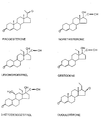
Figure 1 (I) represents the structural formula of compounds belonging to the class of pregnadienones and pregnadienols in general -
Figure 1 (II) represents the structural formula of 3β-hydroxypregna-5, 16-dien-20-one - Figure 2 represents the structural formulae of hormones.
- In accordance with the above objectives, the applicant's present invention relates to the use of D-ring unsaturated pregnadienones selected from the group consisting of 3β-hydroxypregna-5,16-dien-20-one 4,16-dienpregna-3,20-dione, 3β-hydroxypregna-5-en-20-one, 5,16-dien-pregnane-3,20-diol and 5,17(20)-dienpregna-3,16-diol which causes significant fall of serum cholesterol, triglycerides, LDL-cholesterol and glucose with mild increase in HDL-cholesterol. The compounds possess fair safety margin having antioxidant and cardio protection activities.
- The invention also provides a compound for use in the treatment of hyperlipidemic and hyperglycemic conditions.
- The present invention concerns methods for lowering serum cholesterol, triglycerides and glucose levels in subjects with obesity and diabetic conditions or prophylactically holding in check the symptoms of such a disease state.
- In particular, the applicants, during their study, have observed that the pregnadienone, 3β-hydroxypregna-5, 16-dien-20-one represented by the structural formula (II) shown hereinbelow and in the accompanying drawings is useful for the treatment of hyperlipidemic and hyperglycemic conditions.

- Accordingly, the invention provides the use of a compound selected from the group consisting of 3β-hydroxypregna-5,16-dien-20-one, 4,16-dienpregna-3, 20-dione, 3β-hydroxypregna-5-en-20-one, 5,16-dien-pregnane-3, 20-diol and 5,17(20)-dienpregna-3,16-diol in the manufacture of a medicament for the treatment or prophylaxis of a hyperlipidemic and/or hyperglycemic condition.
- In another embodiment, the invention provides the use of a compound selected from the group consisting of 3β-hydroxypregna-5,16-dien-20-one, 4,16-dienpregna-3, 20-dione, 3β-hydroxypregna-5-en-20-one, 5,16-dien-pregnane-3, 20-diol and 5,17(20)-dienpregna-3,16-diol in the manufacture of a medicament for the treatment or prophylaxes of a diabetic condition.
- In another embodiment, the invention provides the use of a compound listed above in the manufacture of a medicament for lowering serum cholesterol , triglyceride and/or glucose levels in a subject with obesity or a diabetic condition.
- In another embodiment, the medicament is in the form of a tablet, capsule or injectible.
- In another embodiment, the compounds of the formula (I) are characterised as a pregnadienone or pregnadienol.
- In yet another embodiment, the most preferred compound belonging to the family of pregnadienones and pregnadienols represented by formula (I) is 3β-hydroxy-pregna-5,16-dien-20-one, which is represented by the structural formula (II) as shown above.
- In a further embodiment, the invention provides the compounds listed above optionally administered as an admixture with one or more other therapeutic agents selected from anti-platelet aggregation, anti artherosclerotic, hypolipoproteinic and antidiabetic drugs.
- In a final embodiment, the invention provides a compound listed above for use in the treatment of a hyperlipidemic and/or hyperglycemic condition.
- The methods of synthesis are essentially known in the literature. 3β-hydroxy-pregna-5,16-dien-20-one can be obtained from diosgenin by chemical degradation [G. Rosenleranz "History of Steroids", Steroids, 57, 409 (1992)]. Although, it was later isolated from Vertrum Grandiflorum [Kanko, K et al; Phytochemistry, 12 1509 (1973)] but yield is too low to be of any practical value. Oppenauer oxidation of 2 with aluminium-isoproxide and cyclohexanone in toluene produces 4,16-dienpregna-3,20-dione [16-dehydroprogesterone, (3)]. The C-16 (17) olefinic bond in 1 is selectively reduced with Pd-C in diethylether at very low hydrogen gas pressure. The resultant product 4 on basic hydrolysis furnishes 5. The procedure of Benn and Dodson [J. Org. Chem. 29, 1142 (1964)] was followed for the preparation of Gugulsterone (9). The reduction of 16-DPA (1) with lithium aluminium hydride produces diol 6 which after Sigmatropic rearrangement in presence of p-toluenesulphonic acid, acetic acid and acetic anhydride produces the diacetate 7. Basic hydrolysis of the diacetate 7 followed by Oppenauer oxidation furnishes an 80 : 20 mixture of E&Z- Gugulsterone (9).
- The primary hypolipidemic effect of these compounds were established in triton induced hyperlipidemia in Charles Foster rats. The compounds which exhibited significant lipid lowering effect in this model were then evaluated for their hypolipidemic effect in normal, and diet induced hyperlipidemic rats, rabbits and rhesus monkeys.
- The cholesterol lowering effect of some representative compounds of pregrenadienols and pregrenadienones as compared to clofibrate and gugulsterone in triton treated Charles Foster rats is described in Table-2
Table-2 : Cholesterol lowering effect of pregnane compounds as compared to Clofibrate in Triton treated rats Compd. No. Compound Structure Dose (i.p.) mg/kg % Change S. Chol. Reference 1 3β-Acetoxypregna-5.16-dien-20-one (16-DPA) 
50 -43 2 3β-Hydroxypregna-5,16-dien-20-one 
50 -46 3 4.16-Dinpregna-3,20-dione 
50 -13 Reference 4 3β-Acetoxypregna-5-en-20-one 
100 -12 5 3β-Hydroxypregna-5-en-20-one 
100 -09 6 5,16-Dien-pregnane-3,20-diol 
50 -10 Reference 7 5,17(20)-Dienpregna-3,16-diol-diacetate 
50 -33 8 5,17(20)-Dienpregna-3,16-diol 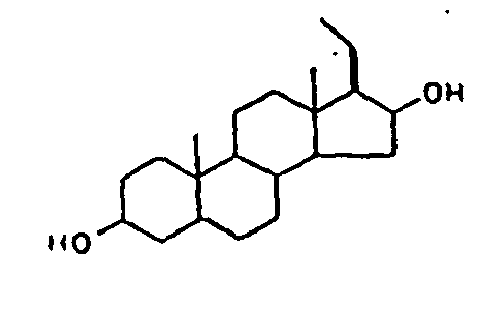
50 -31 9 Gugulsterone 
50 -44 10 Clofibrate 200 -15 - The results showed that of the compounds tested, the highest effect was exhibited by 16-DPA (1) and its 3-des-acetyl analog 2 comparable to gugulsterone (9), and that the removal of double bond in ring D of 1 or 2 almost abolished the effect.
- In normal rats, 3β-hydroxypregna-5,16-dien-20-one (2), at 50 mg/kg produced a significant lowering of serum cholesterol and triglycerides as describe in Table-3 below. The animals did not develop any tolerance to the compound even after administering for 30 days.
Table 3. Hypolipidemic activity of 3β-Hydroxypregna-5,16-dien-20-one (2) in normal rats Treatment Serum Cholesterol (mg%) %Fall Serum Triglycrides (mg%) 30 Days % Fall compared to control 0 Days 30 Days 2 (50 mg/kg) (8) 71.5±1.8 43.2±2.9 40 42.0±2.8 35 Clofibrate (50 mg/kg.) (6) 82.3±3.3 53.2±2.0 36 47.3±3.2 28 Normal saline (control) (6) 83.3±3. 80.1±1.4 - 65.2±2.9 Mean values ± SD. Figure in parenthesis represent number of animals. - Twenty three normal male rats average weight 110-120 g were taken for study and were divided into four groups. Group I: animals recived special diet and 3β-hydroxypregna-5, 16-dien-20-one (2) 50 mg/kg p.o. in 1% gum acacia Group II: animals received 3β-hydroxpregna-5. 16-dien-20-one (2). 100 mg/kg p.o. in 1% gum acacia and special diet. Group III animals received special fat diet and 1% gum acacia and served as control. Group IV: animals were fed with stock diet and served as normal control. All animals were sacrificed at the end of 36 days. Blood was drawn from the tail at 10 days and from the aorta at the time of sacrifice for estimation of serum cholesterol, triglycerides and HDL-cholesterol. LDL-cholesterol was calculated as described.
[Roschlau.P. In: Methods of Enzymatic Analysis 4th ed., H.U. Bergmeyer. Ed (Academic Press. New York ) 1975 p 1890; Wahlefield, W.A. In: Methods of Enzymatic Analysis, 4th ed.: I I.U. Bergmeyer, Ed.(Academic Press, New York) 1974 p 1831.] - Animals treated with 3β-hydroxypregna-5, 16-dien-20-one (2), at 50 and 100 mg/kg showed a significant lowering in serum cholesterol by 31 and 59%, triglycerides by 55 and 62%. LDL-cholesterol by 27 and 74% respectively (Table - 4 & 5).
Table-4. Effect of 3β-Hydroxypregna-5,16-dien-20-one (2) on serum cholesterol and triglycerides in hyperlipidemic rats Treatment Serum Cholesterol (mg%) Days Serum Triglycerides (mg%) 0 10 36 0 36 I 2(50mg/kg)+HFD 69.1±9.9 (7) 212.4±23.8 (7) 165±26.7 (7) 48.8±7.0 (6) 61.5±10.5 (6) %Decrease (Compound to group III) 16 31 55 II 2(100mg/kg)+HFD 60.8±10.3 (6) 145.5±10.6 (6) 106.4±4.6 (5) 50±7.1 (5) 53.0±7.5 (5) %Decrease (Compound to group III) 48 59 62 III HFD 73.2±5.8 (5) 325±29.8 (5) 293.2±16.6 (5) 48.75±5.1 (4) 137.5±8.5 (4) IV Normal Diet 72±7.1 (5) 48.2±4.3 (5) HFD= High fat diet, Values are Mean ± SD. Figures in parenthesis are number of animals Table-5. Effect of 3β-Hydroxypregna-5,16-dien-20-one (2) on HDL and LDL-cholesterol in hyperlipidemic rats Treatment HDL-Cholesterol (mg%) LDL-Cholesterol (mg%) Day 0 Day 36 Day 0 Day 36 I HFD 37.25±5.0 39.75±2.8 (4) 27.5±6.3 (4) 189.25 ± 18.0 (4) II 2(50 mg/kg)+HFD 34.8±5.8 (7) 37.57+2.8 (7) 24.5±14.2 (7) 123.87±14.0 (6) % Change 181 271 III 2(100 mg/kg)+HFD 43.4±8.3 (5) 47.2±3.7 (5) 10.02±8.5 (5) 48.64±5.1 (5) % Change 161 741 HFD = High fat diet. Values are Mean SD. Figures in parenthesis are number of animals - Effect of 3β-hydroxypregna-5,16-dien-20-one (2) was studied on hypercholesterolemic albino rabbits. Twelve male albino rabbits (approx 1.5-2 kg) on a stock diet were made hyperlipidemic by feeding daily cholesterol 0.5 g/kg in 2ml of groundnut oil for 45 days and then blood was drawn from the marginal vein in the ear of rabbits for serum cholesterol and triglycerides estimation.
- Two controlled experiments were carried out for a period of three months. In one set of experiments, the control group received 0.5 g/kg of cholesterol for 90 days and 3β-hydroxypregna-5,16-dien-20-one (2) in dose of 100 mg/kg and 50 mg/kg while in the control group (given only cholesterol) a massive rise of serum cholesterol and triglycerides were seen after 90 days, the addition of 3β-hydroxypregna-5,16-dien-20-one (2) at 50 and 100mg/kg doses kept the rise well under control. The percentage decrease at 100mg dose was 28% at 30 days to 52% at 90 days for cholesterol and 45 to 81% for triglycerides. In the 50mg/kg dose group the decrease percentage ranged from 40% at 30 days to 50% at 90 days for cholesterol and 45% at 30 days to 75% at 90 days for triglyceride (Table-6)
Table-6. Effect of 3β-Hdroxypregna-5,16-dien-20-one(2) in hyperlipidemic male-albino rabbits Treatment S. Cholesterol (mg%) Days S.Triglycerides (mg%) Days 30 60 90 30 60 90 Expt. I.A Control +cholesterol(0.5g/kg) 296.3 435.5 1337.5 69.0 150.0 161.0 Expt I.B 2(100mg/kg)+cholesterol(0.5/kg) 213.3 309.3 633.7 79.0 54.0 44.2 % Decrease 28 42 53 46 64 81 Expt II A Control -cholesterol(0.5g/kg) 317.8 531.8 1334.6 145.0 185.8 232.0 Expt II B 2 (50 mg/kg)+ cholesterol (0.5g/kg) 190.5 305.5 660.3 79.5 67.0 56.5 % Decrease 40 43 51 45 64 76 Table-7. Hypolipidemic effect in hyperlipidemic rabbits (120 days experiment) Parameters Stock diet+ Normal saline HFD HFD+Guglip +2(100mg/kg) HFD + 2 (100mg/kg) Serum Cholesterol (mg/dl) 56.3±3.1 1367.0±203 258.6±28.2 350.0±28.1 % Decrease (Compared with H FD) 81 74 Serum Triglycerides 50.0±2.1 188.0±10.2 66.2±4.1 74.2±10.3 % Decrease (Compared with HFD) 65 61 - In Rhesus monkeys: 3β-Hydroxypregna-5,16-dien-20-one (2) was administered orally daily for 90 days in doses of 62.5, 125 or 650 mg/kg to different group of animals. Significant decrease in serum cholesterol was observed (45-52%). At 90 days, percentage decrease in triglycerides varied from 14 to 36%. Compound 2 caused a marked decrease in low density lipoprotein (75-90%) whereas changes in HDL-cholesterol were not significant (Table-8 & 9)
Table-8. Effect of 3β-Hydroxypregna-5,16-dien-one (2) in Rhesus monkeys Treatment S. Cholesterol Days S. Triglycerides Days 0 90 %Fall 0 60 % Fall Expt. I Control +1% gum acacia 119.8 ±16.6 90.5 ±9.0 26 82.0 ±2.5 62.0 ±1.0 24 Expt. II 2(62.5 mg/kg) 156.8±23.0 83.3 ±8.5 47 77.5 ±7.0 66.3 ±6.9 14 Expt. III 2(125 mg/kg) 133.3 ±8.5 65.8±2.2 50 69.8 ±9.9 60.0 ±2.9 13 Expt. IV 2(650 mg/kg) 132.8 ±6.4 63.3 ±2.3 53 90.5 ±3.9 58.5±3.8 36 Mean ± SD values mg/dl. Each set of experiment involved 4 monkeys Table-9. Effect of β-Hydroxypregna-5,16-dien-20-one (2) on HDL- and LDL-cholesterol in Rhesus monkeys Treatment HDL-Cholesterol Days LDL-Cholesterol 0 90 % Change 0 90 % Fall Expt. I Control +1% gum acacia 45.5±7.4 43.0±0.5 -6 57.9±16.2 35.0±8.8 39 Expt. II 2(62.5 mg/kg) 50.0±4.5 45. ±2.5 -8 91.8±27.0 24.3±8.0 75 Expt. III 2(125 mg/kg) 46.3±2.0 50.8±0.5 +10 63.5±7.4 4.6±0.9 90 Expt.IV 2(650 mg/kg) 39.3±1.3 41.8±0.9 +6 72.7±8.4 13.1±0.7 82 Mean ± SD values mgldl. Each set of experiment involved 4 monkeys. - The compounds were tested for their hypoglycemic effects in normal, glucose loaded and streptozotocin induced diabetic rats. The experimental details of the testing of one such compound 3β-hydroxypregna-5,16-dien-20-one (2) is described below which possessed marked hypoglycemic effect in two models. (Tables 10 and 11)
- The experiments were carried out with albino rats (Charles Foster strain) of either sex weighing 150-160 g. They were fed on laboratory diet prepared by M/s Lipton India Ltd. and maintained under 12 hr. light/dark cycle at 25±2°C.
- The animals were divided into eight groups, each of six rats; group I was given 1% gum acacia (0.1ml/100g body weight) intragastrically (p.o.) and the group II were given 3β-hydroxypregna-5,16-dien-20-one (2) in 1% gum acacia, Animals of groups III were given the standard antidiabetic drug, tolbutamide in the similar fashion. 2.0g/kg glucose was given p.o. to all the rats along with the vehicle/Compound/Standard antidiabetic drug. Blood samples were taken from retroorbital plexus at periodic intervals. Glucose levels in the blood samples were measured by glucose oxidase method [Bergmeyer and Benut, 1963 cited in "Methods of Enzymatic Analysis" ed. H. Bergmeyer, Verlag Chemie, GmBH, Weinheim, Beroster, pp123, Academic press, New York].
Table 10. Effect of 3β-Hydroxypregna-5,16-dien-20-one (2) and standard antidiabetic drug on post-prandial blood glucose level after challenge with glucose Group Blood Glucose Level (mg/dl) Maximum Blood Glucose Change(%) 0 min 30 min 60 min 90 min 120 min Control 40.35±2.9 102.3±6.11 68.91 ±1.95 66.48 ±2.12 50.61 ±1.27 Compund 2 (100 mg/kg) + Glucose 42.43±1.64 76.15±6.07 (48) 56.06±4.65 (55) 55.06 ± 2.61 (54) 49.59 ± 1.66 (34) -18.7 Tolbutamide (100 mg/kg) + Glucose 38.15 ±2.02 76.31 ±6.29 (35) 27.26 ±3.1 (100) 24.64 ± 1.92 (100) 23.07 ±3.11 (100) -41.7 Figure in parenthesis indicates % inhibition compared to control
Mean ±SD values mg/dl. Each set of experiment involved 6 rats. - Hyperglycemia in rats was produced by streptozotocin treatment. The animals showing blood glucose levels between 250-350 mg/dl were selected. Blood samples were collected after treatment at intervals and blood glucose levels were estimated immediately. The results showed lowering in blood glucose level within 1 hr and the maximum fall was observed at 12 hrs.
Table 11: Effect of 3β-Hydroxypregna-5, 16-dien-20-one (2) and Tolbutamide on blood glucose level of streptozotocin induced diabetic rats. Treatment Blood glucose level mg/dl 0hr 1hr 2hr 3hr 4hr 5hr 6hr 7hr 8hr 24hr I Streptozotocin (50 mg/kg i.p.) 301 ± 7 314 ± 11 318 ± 12 328 ± 10 328 ± 15 333 ± 21 347 ± 19 355 ± 24 340 ± 22 349 ± 12 II Streptozotocin (50 mg/kg p.o.)+2 (100 mg/kg p.o.) 274 ± 9 243* ± 10 (11.3) 231* ± 14 (15.6) 203** ± 20 (25.9) 183*** ±14 (33.2) 157*** ± 21 (42.7) 133*** ±16 (51.4) 102*** ± 9 (62.7) 91*** ± 8 (66.7) 128*** ± 18 (52.2) IV Streptozotocin (50 mg/kg i.p. + Tolbutamide (100 mg/kg p.o.) 292 ± 10 218** ± 14 (25.3) 207** ± 17 (29.1) 202** ± 19 (30.8) 195** ±23 (33.2) 183** ± 23 (37.3) 174*** ± 23 (40.4) 192** ± 29 (34.2) 242* ± 18 (17.1) 332 ± 26 Mean ± SD values mg/dl., Parenthesis shows % lowering from zero hour value.
*P<0.05, **P<0.01, ***P<0.001 - The free radical oxidative stress has been implicated in the pathogenesis of a variety of human disease conditions including atherosclerosis. Polyunsaturated fatty acids within cell membranes and lipoproteins are oxidized and resulting active specie modify macrophages and bystander cells monocytes which then move to subendothelial space, engorge cholesteryl esters and are transformed into what are known as foam cells. Group of these foam cells form atherosclerotic plaques in the intima. The antioxidant potential of compound 2 was evaluated against metal induced oxidation of LDL as well as generation of hydroxy (OH) radical.
- In vivo experiment with cholesterol fed animals caused marked formation of lipid peroxides in serum lipoproteins. Simultaneous treatment with compound 2 caused significant reversal of the lipid peroxide levels in serum VLDL, LDL and liver in cholesterol fed animals. However gemfibrozil failed to protect the phenomenon of lipid peroxidation (Table 12). Human serum LDL was oxidized with Cu+2 in different concentrations of test compound in 0.05 mole PBS, pH7.4 for 16 hr at 37°C.
- Thiobarbituric acid reactive lipid peroxides are measured by standard procedure. Compound 2 and α-tocopherol inhibit the generation of LDL lipid peroxide in concentration dependent manner. However the gemfibrozil at tested concentrations did not inhibit the oxidative modification (Table 13). Cu+2 induced oxidation in LDL lipids are mainly due to the free OH radical during incubation. Therefore the effect tested for generation of OH radical in vitro in nonenzymatic system of Fe+2, sodium ascorbate, hydrogenperoxide and deoxyribose oxidative attack of oxy radical on deoxyribose caused fragmentation and formation of dialdehyde which are spectrophotometrically measured after their reaction with thiobarbituric acid. As observed in case of oxidation of LDL by metal ion, the compound 2 inhibits the generation of OH radical in concentration dependent manner. However, the activity of 2 is of low order to that of mannitol, a selective inhibitor of OH radical (Table 14)
Table 12: Effect of 3β-Hydroxypregna-5,16-dien-20-one (2) on lipid peroxidation in cholesterol fed hyperlipidemic rats Serum/Tissue Control Cholesterol Fed Cholesterol + Drug (25 mg/kg) Compound 2 Gemfibrozil Serum a 675 ± 82 1228 ±130 (+82) 931.5 ± 51 (-24) 1161 ± 74 (-5) VLDL a 237 ± 25 379 ± 20 (+60) 310 ± 15 (-18) 346 ± 10 (-9) LDL a 351 ± 17 604 ± 24 (+72) 421 ± 20 (-30) 568 ± 62 (-6) HDL a 123 ± 13 138 ± 17 (+12) 125 ± 10 (-9) 134 ± 13 (-3) Liver b 74 ± 8 274 ± 28 (+57) 212 ± 16 (-23) 253 ± 26 (-8) Values are mean ± SD of 6 rats; a=n mol MDA/dl, b=n mol MDA/g. Values in the parenthesis below drug treated groups are % reversal as compared with cholesterol fed rats. Table 13: Effect of 3β-Hydroxy-pregna-5,16-dien-20-one (2), gemfibrozil and α-Tocopherol on low density lipoprotein oxidation. Concentration Compound 2 Gemifibrozil α-Tocopherol (µmol/ml) MDA MDA Conc. (µmol/ml) MDA None 56.5 ± 3 52.0 ± 5.4 None 47.4 ± 3.8 2.5 Ref. Exp. 56.0 ± 5.8 41.4 ± 1.7 (26) 52.8 ± 5.7 53.0 ± 6.0 (-) 0.25 Ref. Exp. 47.4 ± 4.5 44.7 ± 4.5 (3) 5.0 Ref. Exp. 56.4 ± 5.6 28.7 ± 4.0 (49) 50.7 ± 6.1 48.8 ± 6.7 (5) 0.5 Ref. Exp. 47.3 ± 4.5 41.6 ± 4.0 (13) 10.0 Ref. Exp. 40.6 ± 3.7 10.6 ± 0.5 (74) 49.4 ± 5.2 43.8 ± 4.9 1.0 Ref. Exp. 47.4 ± 3.9 35.0 ± 3.8 20 Ref. Exp. 37.2 ± 0.8 4.0 ± 0.5 (89) 49.0 ± 2.9 41.4 ± 5.0 (16) 2.0 Ref Exp 47.4 ± 4.4 24.3 ± 2.0 (51) Values expressed as a mol MDA/mg protein are mean ± SD of four separate experiments Values in the parenthesis are % inhibition. Table 14 Inhibition of Hydroxy (OH) radical formation in nonenzymatic system. Concentration Compound 2 Gemfibrozil α-Tocopherol (µmol/ml) (nmol MDA/hr) (nmol MDA/hr) Conc. (µmol/ml) (nmol MDA/hr) None 90.4 ± 3.8 83.4 ± 7.5 None 78.2 ± 7.0 5 65.0 ± 5.4 (28) 79.9 ± 6.8 (4) 1 60.4 ± 7.0 (23) 10 52.8 ± 4.2 (42) 78.5 ± 8.0 (5) 2 45.2 ± 3.3 (42) 20 23.3 ± 1.8 (74) 76.8 ± 7.4 (8) 3 32.4 ± 3.5 (59) 30 11.7 ± 1.3 (87) 76.4 ± 3.8 (8) 4 27.1 ± 2.8 (65) 40 10.4 ± 2.0 (88) 74.3 ± 6.3 (II) 5 20.9 ± 2.0 (73) 50 9.9 ± 0.8 (90) 72.4 ± 8.0 (13) - - Values are mean ± SD of four separate observations.
Values in the parenthesis are % inhibition. - The underlying cause of myocardial infarction is believed to be the progressive deposition of lipids and fibrotic material into the arterial wall. These pregnadienols and pregnadienous also provided cardiac protection as assessed in isoproterneol induced myocardial necrosis in rat model, wich produces myocardial infarction due to an increased blood pressure and heart rate. The protection was comparable with that of gemfibrozil as described in Table 15
Table 15: Effect of 3B-Hydroxypregna-5,16-dien-20-one(2) on serum and tissue parameters of heart necrosis at 25 mg/kg (p.o.) in rats. Parameters Isoproterneol (85 mg/kg, p.o.) % Change Isoproterneol + Drug (25 mg/kg) % Protection Gemfibrozil Compound 2 Serum CPK 109.9 I 33.9 35.7 GOT 41.61 24.9 27.0 GPT 85.0 1 33.4 22.7 Alkaline Phosphatase 28.8 1 41.2 24.0 Heart Ga. - ATPase 44.5 1 30.2 30.2 Glycogen 20.2 I 32.1 25.1 Lipid peroxide 65.8 I 69.8 72.6 Phospholipase 216.0 1 28.2 74.2 - The relative affinity of a few selected compounds in the series for cytoplasmic androgenic receptors present in human breast tumour cells MCF-7 ( Michigan Cancer Foundation, MCF, USA) was estimated and compared with 4,5-dihydrotestosterone (DHT). The results showed that the
compounds 2,3 and 5 have no or only negligible binding affinity which therefore would be a reflection of their low androgenic effect. - The relative affinity of compounds for cytoplasmic progesterone receptors present in human breast tumour cells (MCF-7) were estimated and compared with 16-ethyl-21-hydroxy-19-norpregna-4-ene-3,20-dione (Org 2058). The experiments conducted revealed that the
compounds 2,3 and 5 have no or only negligible binding affinity. - The progestational activity was also tested in vivo by Clauberg assay method. The degree of endometrial proliferation was estimated on the McPhail scale where 3' or 4' was considered as a full progestational effect 3β-Hydroxypregna-5,16-dien-20-one (2) did not exhibit any activity even at 200 mg/kg dose, whereas progesterone showed, as expected marked progestational activity even at 50 mg/kg.
Claims (7)
- Use of a compound selected from the group consisting of 3β-hydroxypregna-5,16-dien-20-one, 4,16-dienpregna-3, 20-dione, 3β-hydroxypregna-5-en-20-one, 5,16-dien-pregnane-3, 20-diol and 5,17(20)-dienpregna-3,16-diol, in the manufacture of a medicament for the treatment or prophylaxis of a hyperlipidemic and/or hyperglycemic condition.
- Use of a compound as claimed in claim 1, in the manufacture of a medicament for the treatment or prophylaxis of a diabetic condition.
- Use of a compound as claimed in claim 1, in the manufacture of a medicament for lowering serum cholesterol, triglyceride and/or glucose levels in a subject with obesity or a diabetic condition.
- Use as claimed in any of claims 1 to 3, wherein the compound is 3β-hydroxy-pregna-5,16-dien-20-one.
- Use as claimed in any of claims 1 to 4, wherein the compound is optionally administered as an admixture with one or more other therapeutic agents selected from anti-platelet aggregation, anti-artherosclerotic, hypolipoproteinic and antidiabetic drugs.
- Use as claimed in any of claims 1 to 5 wherein the medicament is in the form of a tablet, capsule or injectible.
- A compound selected from the group consisting of 3β-hydroxypregna-5,16-dien-20-one, 4,16-dienpregna-3,20-dione, 3β-hydroxypregna-5-en-20-one, 5,16-dien-pregnane-3,20-diol and 5,17(20)-Dienpregna-3,16-diol for use in the treatment of a hyperlipidemic and/or hyperglycemic condition.
Applications Claiming Priority (2)
| Application Number | Priority Date | Filing Date | Title |
|---|---|---|---|
| IN6799 | 1999-01-12 | ||
| IN67DE1999 | 1999-01-12 |
Publications (2)
| Publication Number | Publication Date |
|---|---|
| EP1020191A1 EP1020191A1 (en) | 2000-07-19 |
| EP1020191B1 true EP1020191B1 (en) | 2008-12-24 |
Family
ID=11088060
Family Applications (1)
| Application Number | Title | Priority Date | Filing Date |
|---|---|---|---|
| EP99302556A Expired - Lifetime EP1020191B1 (en) | 1999-01-12 | 1999-03-31 | Medicaments for hyperlipidemic and hyperglycemic conditions |
Country Status (3)
| Country | Link |
|---|---|
| US (2) | US6579862B1 (en) |
| EP (1) | EP1020191B1 (en) |
| DE (1) | DE69940149D1 (en) |
Families Citing this family (8)
| Publication number | Priority date | Publication date | Assignee | Title |
|---|---|---|---|---|
| US20030099729A1 (en) * | 2000-12-22 | 2003-05-29 | Ram Pratap | Novel uses of Gugulipid: as cognition enhancer, anti-hyperglycemic and for dermal conditions |
| JP2002193818A (en) * | 2000-12-22 | 2002-07-10 | Council Scient Ind Res | New uses of gugulipid: as cognitive enhancers, anti-hyperglycemic, and as related to skin condition |
| CN1221563C (en) * | 2003-07-16 | 2005-10-05 | 中国科学院上海有机化学研究所 | Cleaning production technique of 16-dehydro pregnenetrolone and its same kind compound |
| KR100846441B1 (en) | 2006-12-22 | 2008-07-16 | 재단법인서울대학교산학협력재단 | Pharmaceutical Compositions, Health Food Compositions, Cosmetic Compositions, and Panasonic X Nuclear Receptor Inhibitor Compositions Containing Sterol Derivatives |
| CN103764151B (en) | 2011-05-20 | 2017-05-17 | 国家医疗保健研究所 | CB1 receptor antagonist |
| RS55803B1 (en) | 2012-11-28 | 2017-08-31 | Inst Nat De La Santé Et De La Rech Médicale (Inserm) | 3- (4'-SUBSTITUTED) -BENZYL-ETAR PREGNENOLONE DERIVATIVES |
| AU2014208337B2 (en) * | 2013-01-24 | 2017-10-12 | Council Of Scientific & Industrial Research | Pregnane-oximino-aminoalkylethers and process for preparation thereof, useful as antidiabetic and antidyslipidemic agents |
| GB2527958B (en) * | 2013-01-24 | 2019-09-04 | Council Scient Ind Res | Pregnane-oximino-aminoalkylethers and process for preparation thereof, useful as antidiabetic and antidyslipidemic agents |
Family Cites Families (5)
| Publication number | Priority date | Publication date | Assignee | Title |
|---|---|---|---|---|
| US2752370A (en) * | 1950-12-26 | 1956-06-26 | Schering Corp | Process for producing delta16-20 keto steroids from 16-substituted-20-keto steroids |
| DE1301999B (en) * | 1965-01-29 | 1969-09-25 | Schering Ag | Process for the production of delta 4, 16-pregnadien-20-ol-3-one |
| US3475464A (en) * | 1966-11-07 | 1969-10-28 | Syntex Corp | Process for the preparation of steroids and novel intermediates thereof |
| EP0447706A1 (en) * | 1990-03-22 | 1991-09-25 | Cipla Limited | A process for the preparation of pharmacologically active synthetic z and e steroisomeric mixture of guggulsterones |
| IL105050A0 (en) * | 1992-03-27 | 1993-07-08 | Lilly Co Eli | Steroid derivatives |
-
1999
- 1999-03-30 US US09/280,448 patent/US6579862B1/en not_active Expired - Lifetime
- 1999-03-31 EP EP99302556A patent/EP1020191B1/en not_active Expired - Lifetime
- 1999-03-31 DE DE69940149T patent/DE69940149D1/en not_active Expired - Lifetime
-
2003
- 2003-03-14 US US10/385,936 patent/US6875758B2/en not_active Expired - Lifetime
Also Published As
| Publication number | Publication date |
|---|---|
| US6579862B1 (en) | 2003-06-17 |
| EP1020191A1 (en) | 2000-07-19 |
| DE69940149D1 (en) | 2009-02-05 |
| US6875758B2 (en) | 2005-04-05 |
| US20030216363A1 (en) | 2003-11-20 |
Similar Documents
| Publication | Publication Date | Title |
|---|---|---|
| Gower | Modifiers of steroid-hormone metabolism: a review of their chemistry, biochemistry and clinical applications | |
| Benedek | History of the development of corticosteroid therapy | |
| Feldman | Ketoconazole and other imidazole derivatives as inhibitors of steroidogenesis | |
| US5277907A (en) | Regulation of the immune system | |
| US4396615A (en) | Method of treating androgen-related disorders | |
| US5880117A (en) | Use of 4-androstenediol to increase testosterone levels in humans | |
| JP2001511768A (en) | Method for treating prostate disease using active vitamin D analog | |
| DE3124719C2 (en) | 10- (1,2-Propadienyl) -estr-4-ene-3,17-dione, corresponding intermediate and pharmaceutical compositions containing these compounds | |
| CA2248032C (en) | Serum cholesterol lowering agent | |
| US6875758B2 (en) | Method of treating hyperlipidemic and hyperglycemic conditions in mammals using pregnadienols and pregnadienones | |
| CN110352058A (en) | Glucocorticoid receptor modulator and CYP3A inhibitor are given together | |
| EP0155934B1 (en) | Pharmaceutical compositions for treating androgen-related disorders in humans | |
| EP1778202A1 (en) | Use of vitamin d receptor activators or vitamin d analogs to treat cardiovascular disease | |
| US20060171983A1 (en) | Use of Vitamin D receptor activators or Vitamin D analogs to treat cardiovascular disease | |
| US20080262071A1 (en) | Pindolol for the Treating Premenstrual Syndrome and Premenstrual Dysphoric Disorder | |
| US20020151581A1 (en) | Glucose and lipid lowering compounds | |
| WO1999045886A2 (en) | New contraceptive kit for monotherapy | |
| Verhelst et al. | Use of ketoconazole in the treatment of a virilizing adrenocortical carcinoma | |
| US20040034003A1 (en) | 7-Hydroxy-16alpha-fluoro-5-androsten-17-ones and 7-hydroxy-16alpha-fluoro-5-androstan-17-ones and derivatives thereof | |
| US6531462B2 (en) | Medicament for treating obesity and improving lipid metabolism | |
| WO2008094665A1 (en) | Method of treating amyloidosis mediated diseases | |
| WO2003000696A1 (en) | COMBINATION THERAPY OF AN SODm AND A CORTICOSTEROID FOR PREVENTION AND/OR TREATMENT OF INFLAMMATORY DISEASE | |
| WO2006030306A2 (en) | Pindolol for treating premenstrual syndrome and premenstrual dysphoric disorder | |
| Morii et al. | Clinical efficacy and optimal dose of ST-630 (falecalcitriol) in secondary hyperparathyroidism in patients undergoing hemodialysis Late phase II multicenter trial | |
| US20060292185A1 (en) | Topical skin preparations for treatment of skin aging comprising a testosterone ester |
Legal Events
| Date | Code | Title | Description |
|---|---|---|---|
| PUAI | Public reference made under article 153(3) epc to a published international application that has entered the european phase |
Free format text: ORIGINAL CODE: 0009012 |
|
| AK | Designated contracting states |
Kind code of ref document: A1 Designated state(s): DE FR GB IT |
|
| AX | Request for extension of the european patent |
Free format text: AL;LT;LV;MK;RO;SI |
|
| 17P | Request for examination filed |
Effective date: 20010112 |
|
| AKX | Designation fees paid |
Free format text: AT BE CH CY LI |
|
| RBV | Designated contracting states (corrected) |
Designated state(s): DE FR GB IT |
|
| 17Q | First examination report despatched |
Effective date: 20010926 |
|
| 17Q | First examination report despatched |
Effective date: 20010926 |
|
| RIC1 | Information provided on ipc code assigned before grant |
Ipc: A61P 3/06 20060101ALI20080303BHEP Ipc: A61P 3/10 20060101ALI20080303BHEP Ipc: C07J 7/00 20060101ALI20080303BHEP Ipc: C07J 13/00 20060101ALI20080303BHEP Ipc: A61K 31/57 20060101AFI20080303BHEP |
|
| RTI1 | Title (correction) |
Free format text: MEDICAMENTS FOR HYPERLIPIDEMIC AND HYPERGLYCEMIC CONDITIONS |
|
| GRAP | Despatch of communication of intention to grant a patent |
Free format text: ORIGINAL CODE: EPIDOSNIGR1 |
|
| GRAS | Grant fee paid |
Free format text: ORIGINAL CODE: EPIDOSNIGR3 |
|
| GRAA | (expected) grant |
Free format text: ORIGINAL CODE: 0009210 |
|
| AK | Designated contracting states |
Kind code of ref document: B1 Designated state(s): DE FR GB IT |
|
| REG | Reference to a national code |
Ref country code: GB Ref legal event code: FG4D |
|
| REF | Corresponds to: |
Ref document number: 69940149 Country of ref document: DE Date of ref document: 20090205 Kind code of ref document: P |
|
| PLBE | No opposition filed within time limit |
Free format text: ORIGINAL CODE: 0009261 |
|
| STAA | Information on the status of an ep patent application or granted ep patent |
Free format text: STATUS: NO OPPOSITION FILED WITHIN TIME LIMIT |
|
| 26N | No opposition filed |
Effective date: 20090925 |
|
| REG | Reference to a national code |
Ref country code: DE Ref legal event code: R082 Ref document number: 69940149 Country of ref document: DE Representative=s name: BOEHMERT & BOEHMERT ANWALTSPARTNERSCHAFT MBB -, DE Ref country code: DE Ref legal event code: R082 Ref document number: 69940149 Country of ref document: DE Representative=s name: BOEHMERT & BOEHMERT, DE |
|
| REG | Reference to a national code |
Ref country code: FR Ref legal event code: PLFP Year of fee payment: 18 |
|
| REG | Reference to a national code |
Ref country code: FR Ref legal event code: PLFP Year of fee payment: 19 |
|
| PGFP | Annual fee paid to national office [announced via postgrant information from national office to epo] |
Ref country code: FR Payment date: 20170131 Year of fee payment: 19 |
|
| PGFP | Annual fee paid to national office [announced via postgrant information from national office to epo] |
Ref country code: GB Payment date: 20170327 Year of fee payment: 19 |
|
| PGFP | Annual fee paid to national office [announced via postgrant information from national office to epo] |
Ref country code: IT Payment date: 20170307 Year of fee payment: 19 |
|
| PGFP | Annual fee paid to national office [announced via postgrant information from national office to epo] |
Ref country code: DE Payment date: 20170403 Year of fee payment: 19 |
|
| REG | Reference to a national code |
Ref country code: DE Ref legal event code: R119 Ref document number: 69940149 Country of ref document: DE |
|
| GBPC | Gb: european patent ceased through non-payment of renewal fee |
Effective date: 20180331 |
|
| PG25 | Lapsed in a contracting state [announced via postgrant information from national office to epo] |
Ref country code: DE Free format text: LAPSE BECAUSE OF NON-PAYMENT OF DUE FEES Effective date: 20181002 |
|
| PG25 | Lapsed in a contracting state [announced via postgrant information from national office to epo] |
Ref country code: GB Free format text: LAPSE BECAUSE OF NON-PAYMENT OF DUE FEES Effective date: 20180331 Ref country code: IT Free format text: LAPSE BECAUSE OF NON-PAYMENT OF DUE FEES Effective date: 20180331 |
|
| PG25 | Lapsed in a contracting state [announced via postgrant information from national office to epo] |
Ref country code: FR Free format text: LAPSE BECAUSE OF NON-PAYMENT OF DUE FEES Effective date: 20180331 |