EP1019361B1 - Polyfunctional cationic cytofectins, formulations and methods for generating active cytofectin:polynucleotide transfection complexes - Google Patents
Polyfunctional cationic cytofectins, formulations and methods for generating active cytofectin:polynucleotide transfection complexes Download PDFInfo
- Publication number
- EP1019361B1 EP1019361B1 EP96935969A EP96935969A EP1019361B1 EP 1019361 B1 EP1019361 B1 EP 1019361B1 EP 96935969 A EP96935969 A EP 96935969A EP 96935969 A EP96935969 A EP 96935969A EP 1019361 B1 EP1019361 B1 EP 1019361B1
- Authority
- EP
- European Patent Office
- Prior art keywords
- group
- alkyl
- alkenyl
- alkynyl
- trifluoromethyl
- Prior art date
- Legal status (The legal status is an assumption and is not a legal conclusion. Google has not performed a legal analysis and makes no representation as to the accuracy of the status listed.)
- Expired - Lifetime
Links
- 239000000203 mixture Substances 0.000 title claims abstract description 77
- 108091033319 polynucleotide Proteins 0.000 title claims abstract description 64
- 102000040430 polynucleotide Human genes 0.000 title claims abstract description 64
- 239000002157 polynucleotide Substances 0.000 title claims abstract description 64
- 238000000034 method Methods 0.000 title claims description 37
- 238000001890 transfection Methods 0.000 title abstract description 127
- 238000009472 formulation Methods 0.000 title abstract description 33
- 125000002091 cationic group Chemical group 0.000 title description 42
- 125000000217 alkyl group Chemical group 0.000 claims abstract description 191
- 125000003342 alkenyl group Chemical group 0.000 claims abstract description 155
- 125000000304 alkynyl group Chemical group 0.000 claims abstract description 136
- -1 cationic amine compounds Chemical class 0.000 claims abstract description 54
- RTZKZFJDLAIYFH-UHFFFAOYSA-N Diethyl ether Chemical compound CCOCC RTZKZFJDLAIYFH-UHFFFAOYSA-N 0.000 claims abstract description 53
- 125000003977 lipoyl group Chemical group S1SC(C([H])([H])C(C(C(C(=O)[*])([H])[H])([H])[H])([H])[H])([H])C([H])([H])C1([H])[H] 0.000 claims abstract description 10
- 150000002632 lipids Chemical class 0.000 claims description 92
- 125000002023 trifluoromethyl group Chemical group FC(F)(F)* 0.000 claims description 52
- 125000002252 acyl group Chemical group 0.000 claims description 40
- 239000001257 hydrogen Substances 0.000 claims description 25
- 229910052739 hydrogen Inorganic materials 0.000 claims description 25
- MWRBNPKJOOWZPW-CLFAGFIQSA-N dioleoyl phosphatidylethanolamine Chemical compound CCCCCCCC\C=C/CCCCCCCC(=O)OCC(COP(O)(=O)OCCN)OC(=O)CCCCCCC\C=C/CCCCCCCC MWRBNPKJOOWZPW-CLFAGFIQSA-N 0.000 claims description 24
- 150000001450 anions Chemical class 0.000 claims description 22
- 125000004435 hydrogen atom Chemical class [H]* 0.000 claims description 20
- 125000002496 methyl group Chemical group [H]C([H])([H])* 0.000 claims description 15
- 230000008569 process Effects 0.000 claims description 14
- 238000000527 sonication Methods 0.000 claims description 13
- 239000002245 particle Substances 0.000 claims description 12
- 238000002156 mixing Methods 0.000 claims description 11
- 230000007704 transition Effects 0.000 claims description 6
- 238000002296 dynamic light scattering Methods 0.000 claims description 5
- ITMCEJHCFYSIIV-UHFFFAOYSA-M triflate Chemical compound [O-]S(=O)(=O)C(F)(F)F ITMCEJHCFYSIIV-UHFFFAOYSA-M 0.000 claims description 4
- 238000009826 distribution Methods 0.000 claims description 3
- QAOWNCQODCNURD-UHFFFAOYSA-M hydrogensulfate Chemical compound OS([O-])(=O)=O QAOWNCQODCNURD-UHFFFAOYSA-M 0.000 claims description 3
- CPELXLSAUQHCOX-UHFFFAOYSA-M Bromide Chemical compound [Br-] CPELXLSAUQHCOX-UHFFFAOYSA-M 0.000 claims description 2
- 125000002347 octyl group Chemical group [H]C([*])([H])C([H])([H])C([H])([H])C([H])([H])C([H])([H])C([H])([H])C([H])([H])C([H])([H])[H] 0.000 claims 4
- 150000001875 compounds Chemical class 0.000 abstract description 48
- 150000001412 amines Chemical class 0.000 abstract description 25
- 150000004820 halides Chemical class 0.000 abstract description 14
- 238000006243 chemical reaction Methods 0.000 abstract description 11
- 229910052736 halogen Inorganic materials 0.000 abstract description 9
- 150000002367 halogens Chemical class 0.000 abstract description 9
- 125000004423 acyloxy group Chemical group 0.000 abstract description 4
- 125000001589 carboacyl group Chemical group 0.000 abstract 1
- 108020004414 DNA Proteins 0.000 description 78
- 230000000694 effects Effects 0.000 description 69
- YMWUJEATGCHHMB-UHFFFAOYSA-N Dichloromethane Chemical compound ClCCl YMWUJEATGCHHMB-UHFFFAOYSA-N 0.000 description 57
- HEDRZPFGACZZDS-MICDWDOJSA-N Trichloro(2H)methane Chemical compound [2H]C(Cl)(Cl)Cl HEDRZPFGACZZDS-MICDWDOJSA-N 0.000 description 48
- 230000015572 biosynthetic process Effects 0.000 description 40
- 210000004027 cell Anatomy 0.000 description 38
- 238000003786 synthesis reaction Methods 0.000 description 34
- OKKJLVBELUTLKV-UHFFFAOYSA-N Methanol Chemical compound OC OKKJLVBELUTLKV-UHFFFAOYSA-N 0.000 description 33
- XLYOFNOQVPJJNP-UHFFFAOYSA-N water Substances O XLYOFNOQVPJJNP-UHFFFAOYSA-N 0.000 description 27
- 108060001084 Luciferase Proteins 0.000 description 23
- 238000001727 in vivo Methods 0.000 description 23
- 239000002502 liposome Substances 0.000 description 23
- 108090000623 proteins and genes Proteins 0.000 description 22
- 239000005089 Luciferase Substances 0.000 description 21
- 239000013612 plasmid Substances 0.000 description 21
- 239000011541 reaction mixture Substances 0.000 description 20
- 230000002209 hydrophobic effect Effects 0.000 description 19
- 230000001404 mediated effect Effects 0.000 description 18
- 239000000126 substance Substances 0.000 description 15
- 230000003993 interaction Effects 0.000 description 13
- 239000012044 organic layer Substances 0.000 description 13
- 238000001644 13C nuclear magnetic resonance spectroscopy Methods 0.000 description 12
- 238000005160 1H NMR spectroscopy Methods 0.000 description 12
- VYPSYNLAJGMNEJ-UHFFFAOYSA-N Silicium dioxide Chemical compound O=[Si]=O VYPSYNLAJGMNEJ-UHFFFAOYSA-N 0.000 description 12
- ZMANZCXQSJIPKH-UHFFFAOYSA-N Triethylamine Chemical compound CCN(CC)CC ZMANZCXQSJIPKH-UHFFFAOYSA-N 0.000 description 12
- 210000004072 lung Anatomy 0.000 description 12
- 239000000243 solution Substances 0.000 description 12
- 239000002904 solvent Substances 0.000 description 11
- 238000012546 transfer Methods 0.000 description 11
- XKRFYHLGVUSROY-UHFFFAOYSA-N Argon Chemical compound [Ar] XKRFYHLGVUSROY-UHFFFAOYSA-N 0.000 description 10
- 241000699670 Mus sp. Species 0.000 description 10
- 230000027455 binding Effects 0.000 description 10
- 229960004132 diethyl ether Drugs 0.000 description 10
- 230000014509 gene expression Effects 0.000 description 10
- BDAGIHXWWSANSR-UHFFFAOYSA-N methanoic acid Natural products OC=O BDAGIHXWWSANSR-UHFFFAOYSA-N 0.000 description 10
- 229910019142 PO4 Inorganic materials 0.000 description 9
- 239000012267 brine Substances 0.000 description 9
- 239000012043 crude product Substances 0.000 description 9
- 238000002474 experimental method Methods 0.000 description 9
- 238000001476 gene delivery Methods 0.000 description 9
- 230000036571 hydration Effects 0.000 description 9
- 238000006703 hydration reaction Methods 0.000 description 9
- 239000012528 membrane Substances 0.000 description 9
- 239000000047 product Substances 0.000 description 9
- HPALAKNZSZLMCH-UHFFFAOYSA-M sodium;chloride;hydrate Chemical compound O.[Na+].[Cl-] HPALAKNZSZLMCH-UHFFFAOYSA-M 0.000 description 9
- VHYFNPMBLIVWCW-UHFFFAOYSA-N 4-Dimethylaminopyridine Chemical compound CN(C)C1=CC=NC=C1 VHYFNPMBLIVWCW-UHFFFAOYSA-N 0.000 description 8
- QGZKDVFQNNGYKY-UHFFFAOYSA-O Ammonium Chemical compound [NH4+] QGZKDVFQNNGYKY-UHFFFAOYSA-O 0.000 description 8
- PMZURENOXWZQFD-UHFFFAOYSA-L Sodium Sulfate Chemical compound [Na+].[Na+].[O-]S([O-])(=O)=O PMZURENOXWZQFD-UHFFFAOYSA-L 0.000 description 8
- 125000000524 functional group Chemical group 0.000 description 8
- 238000010438 heat treatment Methods 0.000 description 8
- 230000001965 increasing effect Effects 0.000 description 8
- 230000007246 mechanism Effects 0.000 description 8
- NBIIXXVUZAFLBC-UHFFFAOYSA-K phosphate Chemical compound [O-]P([O-])([O-])=O NBIIXXVUZAFLBC-UHFFFAOYSA-K 0.000 description 8
- 239000010452 phosphate Substances 0.000 description 8
- 229910052938 sodium sulfate Inorganic materials 0.000 description 8
- 235000011152 sodium sulphate Nutrition 0.000 description 8
- LDGWQMRUWMSZIU-LQDDAWAPSA-M 2,3-bis[(z)-octadec-9-enoxy]propyl-trimethylazanium;chloride Chemical compound [Cl-].CCCCCCCC\C=C/CCCCCCCCOCC(C[N+](C)(C)C)OCCCCCCCC\C=C/CCCCCCCC LDGWQMRUWMSZIU-LQDDAWAPSA-M 0.000 description 7
- 241001529936 Murinae Species 0.000 description 7
- UIIMBOGNXHQVGW-DEQYMQKBSA-M Sodium bicarbonate-14C Chemical compound [Na+].O[14C]([O-])=O UIIMBOGNXHQVGW-DEQYMQKBSA-M 0.000 description 7
- 238000004113 cell culture Methods 0.000 description 7
- 239000000706 filtrate Substances 0.000 description 7
- 150000002431 hydrogen Chemical class 0.000 description 7
- 238000011160 research Methods 0.000 description 7
- 229920006395 saturated elastomer Polymers 0.000 description 7
- 239000007858 starting material Substances 0.000 description 7
- 125000005207 tetraalkylammonium group Chemical group 0.000 description 7
- 230000032258 transport Effects 0.000 description 7
- KSXTUUUQYQYKCR-LQDDAWAPSA-M 2,3-bis[[(z)-octadec-9-enoyl]oxy]propyl-trimethylazanium;chloride Chemical compound [Cl-].CCCCCCCC\C=C/CCCCCCCC(=O)OCC(C[N+](C)(C)C)OC(=O)CCCCCCC\C=C/CCCCCCCC KSXTUUUQYQYKCR-LQDDAWAPSA-M 0.000 description 6
- LFQSCWFLJHTTHZ-UHFFFAOYSA-N Ethanol Chemical compound CCO LFQSCWFLJHTTHZ-UHFFFAOYSA-N 0.000 description 6
- 241000699666 Mus <mouse, genus> Species 0.000 description 6
- MHCFAGZWMAWTNR-UHFFFAOYSA-M lithium perchlorate Chemical compound [Li+].[O-]Cl(=O)(=O)=O MHCFAGZWMAWTNR-UHFFFAOYSA-M 0.000 description 6
- 229910001486 lithium perchlorate Inorganic materials 0.000 description 6
- 210000004962 mammalian cell Anatomy 0.000 description 6
- 230000008384 membrane barrier Effects 0.000 description 6
- VLKZOEOYAKHREP-UHFFFAOYSA-N n-Hexane Chemical compound CCCCCC VLKZOEOYAKHREP-UHFFFAOYSA-N 0.000 description 6
- 230000007935 neutral effect Effects 0.000 description 6
- 102000004169 proteins and genes Human genes 0.000 description 6
- 210000001519 tissue Anatomy 0.000 description 6
- XFSXUCMYFWZRAF-UHFFFAOYSA-N 2-(trityloxymethyl)oxirane Chemical compound C1OC1COC(C=1C=CC=CC=1)(C=1C=CC=CC=1)C1=CC=CC=C1 XFSXUCMYFWZRAF-UHFFFAOYSA-N 0.000 description 5
- OSWFIVFLDKOXQC-UHFFFAOYSA-N 4-(3-methoxyphenyl)aniline Chemical compound COC1=CC=CC(C=2C=CC(N)=CC=2)=C1 OSWFIVFLDKOXQC-UHFFFAOYSA-N 0.000 description 5
- 230000002776 aggregation Effects 0.000 description 5
- 238000004220 aggregation Methods 0.000 description 5
- 238000004458 analytical method Methods 0.000 description 5
- 229910052786 argon Inorganic materials 0.000 description 5
- 239000003814 drug Substances 0.000 description 5
- 235000019253 formic acid Nutrition 0.000 description 5
- 230000006870 function Effects 0.000 description 5
- 238000010230 functional analysis Methods 0.000 description 5
- KLHSDMQFUVANEB-MELZOAELSA-L hexadecyl-[(2r,3r)-4-[hexadecyl(dimethyl)azaniumyl]-2,3-dimethoxybutyl]-dimethylazanium;dibromide Chemical compound [Br-].[Br-].CCCCCCCCCCCCCCCC[N+](C)(C)C[C@@H](OC)[C@H](OC)C[N+](C)(C)CCCCCCCCCCCCCCCC KLHSDMQFUVANEB-MELZOAELSA-L 0.000 description 5
- 238000001556 precipitation Methods 0.000 description 5
- 239000002243 precursor Substances 0.000 description 5
- 238000002390 rotary evaporation Methods 0.000 description 5
- 241000894007 species Species 0.000 description 5
- 238000012916 structural analysis Methods 0.000 description 5
- IJGRMHOSHXDMSA-UHFFFAOYSA-N Atomic nitrogen Chemical compound N#N IJGRMHOSHXDMSA-UHFFFAOYSA-N 0.000 description 4
- 108010078791 Carrier Proteins Proteins 0.000 description 4
- HEDRZPFGACZZDS-UHFFFAOYSA-N Chloroform Chemical compound ClC(Cl)Cl HEDRZPFGACZZDS-UHFFFAOYSA-N 0.000 description 4
- 102000003923 Protein Kinase C Human genes 0.000 description 4
- 108090000315 Protein Kinase C Proteins 0.000 description 4
- UIIMBOGNXHQVGW-UHFFFAOYSA-M Sodium bicarbonate Chemical compound [Na+].OC([O-])=O UIIMBOGNXHQVGW-UHFFFAOYSA-M 0.000 description 4
- OKJPEAGHQZHRQV-UHFFFAOYSA-N Triiodomethane Natural products IC(I)I OKJPEAGHQZHRQV-UHFFFAOYSA-N 0.000 description 4
- 150000001266 acyl halides Chemical class 0.000 description 4
- 125000002915 carbonyl group Chemical group [*:2]C([*:1])=O 0.000 description 4
- 239000013592 cell lysate Substances 0.000 description 4
- 239000003795 chemical substances by application Substances 0.000 description 4
- 229910052681 coesite Inorganic materials 0.000 description 4
- 238000004440 column chromatography Methods 0.000 description 4
- 229910052906 cristobalite Inorganic materials 0.000 description 4
- 210000004748 cultured cell Anatomy 0.000 description 4
- 238000011161 development Methods 0.000 description 4
- 229940079593 drug Drugs 0.000 description 4
- 239000000839 emulsion Substances 0.000 description 4
- 239000001963 growth medium Substances 0.000 description 4
- 230000001976 improved effect Effects 0.000 description 4
- 238000000338 in vitro Methods 0.000 description 4
- 238000010348 incorporation Methods 0.000 description 4
- INQOMBQAUSQDDS-UHFFFAOYSA-N iodomethane Chemical compound IC INQOMBQAUSQDDS-UHFFFAOYSA-N 0.000 description 4
- 229920002521 macromolecule Polymers 0.000 description 4
- 229910052757 nitrogen Inorganic materials 0.000 description 4
- 102000039446 nucleic acids Human genes 0.000 description 4
- 108020004707 nucleic acids Proteins 0.000 description 4
- 150000007523 nucleic acids Chemical class 0.000 description 4
- 238000005457 optimization Methods 0.000 description 4
- 230000037361 pathway Effects 0.000 description 4
- 238000002360 preparation method Methods 0.000 description 4
- 230000002685 pulmonary effect Effects 0.000 description 4
- 238000000746 purification Methods 0.000 description 4
- 239000011347 resin Substances 0.000 description 4
- 229920005989 resin Polymers 0.000 description 4
- 239000011369 resultant mixture Substances 0.000 description 4
- 239000000741 silica gel Substances 0.000 description 4
- 229910002027 silica gel Inorganic materials 0.000 description 4
- 238000010898 silica gel chromatography Methods 0.000 description 4
- 239000000377 silicon dioxide Substances 0.000 description 4
- 238000003756 stirring Methods 0.000 description 4
- 229910052682 stishovite Inorganic materials 0.000 description 4
- FPGGTKZVZWFYPV-UHFFFAOYSA-M tetrabutylammonium fluoride Chemical compound [F-].CCCC[N+](CCCC)(CCCC)CCCC FPGGTKZVZWFYPV-UHFFFAOYSA-M 0.000 description 4
- 210000003437 trachea Anatomy 0.000 description 4
- 229910052905 tridymite Inorganic materials 0.000 description 4
- 239000013598 vector Substances 0.000 description 4
- 229940126062 Compound A Drugs 0.000 description 3
- NLDMNSXOCDLTTB-UHFFFAOYSA-N Heterophylliin A Natural products O1C2COC(=O)C3=CC(O)=C(O)C(O)=C3C3=C(O)C(O)=C(O)C=C3C(=O)OC2C(OC(=O)C=2C=C(O)C(O)=C(O)C=2)C(O)C1OC(=O)C1=CC(O)=C(O)C(O)=C1 NLDMNSXOCDLTTB-UHFFFAOYSA-N 0.000 description 3
- 239000000232 Lipid Bilayer Substances 0.000 description 3
- 238000007126 N-alkylation reaction Methods 0.000 description 3
- 229930182558 Sterol Natural products 0.000 description 3
- 125000001931 aliphatic group Chemical group 0.000 description 3
- 230000004075 alteration Effects 0.000 description 3
- 150000003863 ammonium salts Chemical class 0.000 description 3
- 125000000129 anionic group Chemical group 0.000 description 3
- 238000013459 approach Methods 0.000 description 3
- 230000004888 barrier function Effects 0.000 description 3
- 210000000170 cell membrane Anatomy 0.000 description 3
- 230000001413 cellular effect Effects 0.000 description 3
- 239000003153 chemical reaction reagent Substances 0.000 description 3
- 238000009833 condensation Methods 0.000 description 3
- 230000005494 condensation Effects 0.000 description 3
- 150000004985 diamines Chemical group 0.000 description 3
- WGLUMOCWFMKWIL-UHFFFAOYSA-N dichloromethane;methanol Chemical compound OC.ClCCl WGLUMOCWFMKWIL-UHFFFAOYSA-N 0.000 description 3
- 210000002950 fibroblast Anatomy 0.000 description 3
- 239000010408 film Substances 0.000 description 3
- 238000001415 gene therapy Methods 0.000 description 3
- 230000036541 health Effects 0.000 description 3
- 238000002347 injection Methods 0.000 description 3
- 239000007924 injection Substances 0.000 description 3
- 238000004255 ion exchange chromatography Methods 0.000 description 3
- 239000012139 lysis buffer Substances 0.000 description 3
- 239000000463 material Substances 0.000 description 3
- 230000004048 modification Effects 0.000 description 3
- 238000012986 modification Methods 0.000 description 3
- 150000008104 phosphatidylethanolamines Chemical class 0.000 description 3
- 230000000704 physical effect Effects 0.000 description 3
- 239000002244 precipitate Substances 0.000 description 3
- 125000001436 propyl group Chemical group [H]C([*])([H])C([H])([H])C([H])([H])[H] 0.000 description 3
- LVTJOONKWUXEFR-FZRMHRINSA-N protoneodioscin Natural products O(C[C@@H](CC[C@]1(O)[C@H](C)[C@@H]2[C@]3(C)[C@H]([C@H]4[C@@H]([C@]5(C)C(=CC4)C[C@@H](O[C@@H]4[C@H](O[C@H]6[C@@H](O)[C@@H](O)[C@@H](O)[C@H](C)O6)[C@@H](O)[C@H](O[C@H]6[C@@H](O)[C@@H](O)[C@@H](O)[C@H](C)O6)[C@H](CO)O4)CC5)CC3)C[C@@H]2O1)C)[C@H]1[C@H](O)[C@H](O)[C@H](O)[C@@H](CO)O1 LVTJOONKWUXEFR-FZRMHRINSA-N 0.000 description 3
- 235000003702 sterols Nutrition 0.000 description 3
- 150000003432 sterols Chemical class 0.000 description 3
- 238000006467 substitution reaction Methods 0.000 description 3
- 239000013603 viral vector Substances 0.000 description 3
- 230000003612 virological effect Effects 0.000 description 3
- MLQBTMWHIOYKKC-KTKRTIGZSA-N (z)-octadec-9-enoyl chloride Chemical compound CCCCCCCC\C=C/CCCCCCCC(Cl)=O MLQBTMWHIOYKKC-KTKRTIGZSA-N 0.000 description 2
- RKOUFQLNMRAACI-UHFFFAOYSA-N 1,1,1-trifluoro-2-iodoethane Chemical compound FC(F)(F)CI RKOUFQLNMRAACI-UHFFFAOYSA-N 0.000 description 2
- CITHEXJVPOWHKC-UUWRZZSWSA-N 1,2-di-O-myristoyl-sn-glycero-3-phosphocholine Chemical group CCCCCCCCCCCCCC(=O)OC[C@H](COP([O-])(=O)OCC[N+](C)(C)C)OC(=O)CCCCCCCCCCCCC CITHEXJVPOWHKC-UUWRZZSWSA-N 0.000 description 2
- QTBSBXVTEAMEQO-UHFFFAOYSA-M Acetate Chemical group CC([O-])=O QTBSBXVTEAMEQO-UHFFFAOYSA-M 0.000 description 2
- NLXLAEXVIDQMFP-UHFFFAOYSA-N Ammonia chloride Chemical compound [NH4+].[Cl-] NLXLAEXVIDQMFP-UHFFFAOYSA-N 0.000 description 2
- 0 C*C(O)OC(C*(CCO)(CCO)N)COC(C(C)=*)=O Chemical compound C*C(O)OC(C*(CCO)(CCO)N)COC(C(C)=*)=O 0.000 description 2
- 230000004568 DNA-binding Effects 0.000 description 2
- 239000006144 Dulbecco’s modified Eagle's medium Substances 0.000 description 2
- XEKOWRVHYACXOJ-UHFFFAOYSA-N Ethyl acetate Chemical compound CCOC(C)=O XEKOWRVHYACXOJ-UHFFFAOYSA-N 0.000 description 2
- 241000282412 Homo Species 0.000 description 2
- 101000907783 Homo sapiens Cystic fibrosis transmembrane conductance regulator Proteins 0.000 description 2
- VEXZGXHMUGYJMC-UHFFFAOYSA-N Hydrochloric acid Chemical group Cl VEXZGXHMUGYJMC-UHFFFAOYSA-N 0.000 description 2
- 241000254064 Photinus pyralis Species 0.000 description 2
- 108700008625 Reporter Genes Proteins 0.000 description 2
- 241000700605 Viruses Species 0.000 description 2
- 239000000370 acceptor Substances 0.000 description 2
- 239000003929 acidic solution Substances 0.000 description 2
- 239000013543 active substance Substances 0.000 description 2
- 239000003957 anion exchange resin Substances 0.000 description 2
- 210000000424 bronchial epithelial cell Anatomy 0.000 description 2
- 244000309464 bull Species 0.000 description 2
- 244000309466 calf Species 0.000 description 2
- 210000004978 chinese hamster ovary cell Anatomy 0.000 description 2
- 238000005352 clarification Methods 0.000 description 2
- 230000009918 complex formation Effects 0.000 description 2
- 230000003013 cytotoxicity Effects 0.000 description 2
- 231100000135 cytotoxicity Toxicity 0.000 description 2
- 229940124447 delivery agent Drugs 0.000 description 2
- 238000013461 design Methods 0.000 description 2
- 150000002009 diols Chemical class 0.000 description 2
- 238000002224 dissection Methods 0.000 description 2
- 230000012202 endocytosis Effects 0.000 description 2
- 238000001704 evaporation Methods 0.000 description 2
- 230000008020 evaporation Effects 0.000 description 2
- 238000013401 experimental design Methods 0.000 description 2
- 239000003517 fume Substances 0.000 description 2
- 230000004927 fusion Effects 0.000 description 2
- 230000002068 genetic effect Effects 0.000 description 2
- 150000002430 hydrocarbons Chemical group 0.000 description 2
- XMBWDFGMSWQBCA-UHFFFAOYSA-N hydrogen iodide Chemical compound I XMBWDFGMSWQBCA-UHFFFAOYSA-N 0.000 description 2
- XLYOFNOQVPJJNP-UHFFFAOYSA-M hydroxide Chemical compound [OH-] XLYOFNOQVPJJNP-UHFFFAOYSA-M 0.000 description 2
- 230000001900 immune effect Effects 0.000 description 2
- 230000001939 inductive effect Effects 0.000 description 2
- 210000000867 larynx Anatomy 0.000 description 2
- 239000002960 lipid emulsion Substances 0.000 description 2
- 238000001638 lipofection Methods 0.000 description 2
- 239000007788 liquid Substances 0.000 description 2
- 238000003670 luciferase enzyme activity assay Methods 0.000 description 2
- 239000006166 lysate Substances 0.000 description 2
- 229940067605 phosphatidylethanolamines Drugs 0.000 description 2
- 229920000642 polymer Polymers 0.000 description 2
- 229920001184 polypeptide Polymers 0.000 description 2
- 102000004196 processed proteins & peptides Human genes 0.000 description 2
- 108090000765 processed proteins & peptides Proteins 0.000 description 2
- 125000001453 quaternary ammonium group Chemical group 0.000 description 2
- 230000008521 reorganization Effects 0.000 description 2
- 210000003079 salivary gland Anatomy 0.000 description 2
- 239000012266 salt solution Substances 0.000 description 2
- 210000002966 serum Anatomy 0.000 description 2
- 229910000030 sodium bicarbonate Inorganic materials 0.000 description 2
- 239000007787 solid Substances 0.000 description 2
- 239000008223 sterile water Substances 0.000 description 2
- 238000012360 testing method Methods 0.000 description 2
- 238000004809 thin layer chromatography Methods 0.000 description 2
- 238000004448 titration Methods 0.000 description 2
- LWIHDJKSTIGBAC-UHFFFAOYSA-K tripotassium phosphate Chemical compound [K+].[K+].[K+].[O-]P([O-])([O-])=O LWIHDJKSTIGBAC-UHFFFAOYSA-K 0.000 description 2
- 241000701161 unidentified adenovirus Species 0.000 description 2
- AOSZTAHDEDLTLQ-AZKQZHLXSA-N (1S,2S,4R,8S,9S,11S,12R,13S,19S)-6-[(3-chlorophenyl)methyl]-12,19-difluoro-11-hydroxy-8-(2-hydroxyacetyl)-9,13-dimethyl-6-azapentacyclo[10.8.0.02,9.04,8.013,18]icosa-14,17-dien-16-one Chemical compound C([C@@H]1C[C@H]2[C@H]3[C@]([C@]4(C=CC(=O)C=C4[C@@H](F)C3)C)(F)[C@@H](O)C[C@@]2([C@@]1(C1)C(=O)CO)C)N1CC1=CC=CC(Cl)=C1 AOSZTAHDEDLTLQ-AZKQZHLXSA-N 0.000 description 1
- SZUVGFMDDVSKSI-WIFOCOSTSA-N (1s,2s,3s,5r)-1-(carboxymethyl)-3,5-bis[(4-phenoxyphenyl)methyl-propylcarbamoyl]cyclopentane-1,2-dicarboxylic acid Chemical compound O=C([C@@H]1[C@@H]([C@](CC(O)=O)([C@H](C(=O)N(CCC)CC=2C=CC(OC=3C=CC=CC=3)=CC=2)C1)C(O)=O)C(O)=O)N(CCC)CC(C=C1)=CC=C1OC1=CC=CC=C1 SZUVGFMDDVSKSI-WIFOCOSTSA-N 0.000 description 1
- GHYOCDFICYLMRF-UTIIJYGPSA-N (2S,3R)-N-[(2S)-3-(cyclopenten-1-yl)-1-[(2R)-2-methyloxiran-2-yl]-1-oxopropan-2-yl]-3-hydroxy-3-(4-methoxyphenyl)-2-[[(2S)-2-[(2-morpholin-4-ylacetyl)amino]propanoyl]amino]propanamide Chemical compound C1(=CCCC1)C[C@@H](C(=O)[C@@]1(OC1)C)NC([C@H]([C@@H](C1=CC=C(C=C1)OC)O)NC([C@H](C)NC(CN1CCOCC1)=O)=O)=O GHYOCDFICYLMRF-UTIIJYGPSA-N 0.000 description 1
- QFLWZFQWSBQYPS-AWRAUJHKSA-N (3S)-3-[[(2S)-2-[[(2S)-2-[5-[(3aS,6aR)-2-oxo-1,3,3a,4,6,6a-hexahydrothieno[3,4-d]imidazol-4-yl]pentanoylamino]-3-methylbutanoyl]amino]-3-(4-hydroxyphenyl)propanoyl]amino]-4-[1-bis(4-chlorophenoxy)phosphorylbutylamino]-4-oxobutanoic acid Chemical compound CCCC(NC(=O)[C@H](CC(O)=O)NC(=O)[C@H](Cc1ccc(O)cc1)NC(=O)[C@@H](NC(=O)CCCCC1SC[C@@H]2NC(=O)N[C@H]12)C(C)C)P(=O)(Oc1ccc(Cl)cc1)Oc1ccc(Cl)cc1 QFLWZFQWSBQYPS-AWRAUJHKSA-N 0.000 description 1
- IWZSHWBGHQBIML-ZGGLMWTQSA-N (3S,8S,10R,13S,14S,17S)-17-isoquinolin-7-yl-N,N,10,13-tetramethyl-2,3,4,7,8,9,11,12,14,15,16,17-dodecahydro-1H-cyclopenta[a]phenanthren-3-amine Chemical compound CN(C)[C@H]1CC[C@]2(C)C3CC[C@@]4(C)[C@@H](CC[C@@H]4c4ccc5ccncc5c4)[C@@H]3CC=C2C1 IWZSHWBGHQBIML-ZGGLMWTQSA-N 0.000 description 1
- SPGLBRJPHNOJFV-UHFFFAOYSA-N 1-[bis(2-methoxyethyl)amino]-3-trityloxypropan-2-ol Chemical compound C=1C=CC=CC=1C(C=1C=CC=CC=1)(OCC(O)CN(CCOC)CCOC)C1=CC=CC=C1 SPGLBRJPHNOJFV-UHFFFAOYSA-N 0.000 description 1
- KIPSRYDSZQRPEA-UHFFFAOYSA-N 2,2,2-trifluoroethanamine Chemical compound NCC(F)(F)F KIPSRYDSZQRPEA-UHFFFAOYSA-N 0.000 description 1
- FYGBMFPLVGGZLK-JDVCJPALSA-M 2,3-bis[(z)-octadec-9-enoxy]propyl-dimethyl-(2,2,2-trifluoroethyl)azanium;chloride Chemical compound [Cl-].CCCCCCCC\C=C/CCCCCCCCOCC(C[N+](C)(C)CC(F)(F)F)OCCCCCCCC\C=C/CCCCCCCC FYGBMFPLVGGZLK-JDVCJPALSA-M 0.000 description 1
- SDAYAXJUPGUSEH-LQDDAWAPSA-M 2,3-bis[[(z)-octadec-9-enoyl]oxy]propyl-bis(2-methoxyethyl)-methylazanium;chloride Chemical compound [Cl-].CCCCCCCC\C=C/CCCCCCCC(=O)OCC(C[N+](C)(CCOC)CCOC)OC(=O)CCCCCCC\C=C/CCCCCCCC SDAYAXJUPGUSEH-LQDDAWAPSA-M 0.000 description 1
- WALUVDCNGPQPOD-UHFFFAOYSA-M 2,3-di(tetradecoxy)propyl-(2-hydroxyethyl)-dimethylazanium;bromide Chemical compound [Br-].CCCCCCCCCCCCCCOCC(C[N+](C)(C)CCO)OCCCCCCCCCCCCCC WALUVDCNGPQPOD-UHFFFAOYSA-M 0.000 description 1
- 125000000954 2-hydroxyethyl group Chemical group [H]C([*])([H])C([H])([H])O[H] 0.000 description 1
- KFZMGEQAYNKOFK-UHFFFAOYSA-N 2-propanol Substances CC(C)O KFZMGEQAYNKOFK-UHFFFAOYSA-N 0.000 description 1
- ORPOSTUEIMMBGE-UHFFFAOYSA-N 3-[bis(2-methoxyethyl)amino]propane-1,2-diol Chemical compound COCCN(CCOC)CC(O)CO ORPOSTUEIMMBGE-UHFFFAOYSA-N 0.000 description 1
- TYOAIJIQRJQJFB-UHFFFAOYSA-N 3-[bis[2-[tert-butyl(diphenyl)silyl]oxyethyl]amino]propane-1,2-diol Chemical compound C=1C=CC=CC=1[Si](C=1C=CC=CC=1)(C(C)(C)C)OCCN(CC(O)CO)CCO[Si](C(C)(C)C)(C=1C=CC=CC=1)C1=CC=CC=C1 TYOAIJIQRJQJFB-UHFFFAOYSA-N 0.000 description 1
- QTBSBXVTEAMEQO-UHFFFAOYSA-N Acetic acid Chemical group CC(O)=O QTBSBXVTEAMEQO-UHFFFAOYSA-N 0.000 description 1
- 206010002091 Anaesthesia Diseases 0.000 description 1
- 108091003079 Bovine Serum Albumin Proteins 0.000 description 1
- GAWIXWVDTYZWAW-UHFFFAOYSA-N C[CH]O Chemical group C[CH]O GAWIXWVDTYZWAW-UHFFFAOYSA-N 0.000 description 1
- OKTJSMMVPCPJKN-UHFFFAOYSA-N Carbon Chemical group [C] OKTJSMMVPCPJKN-UHFFFAOYSA-N 0.000 description 1
- 229940126657 Compound 17 Drugs 0.000 description 1
- MHZGKXUYDGKKIU-UHFFFAOYSA-N Decylamine Chemical compound CCCCCCCCCCN MHZGKXUYDGKKIU-UHFFFAOYSA-N 0.000 description 1
- LCGLNKUTAGEVQW-UHFFFAOYSA-N Dimethyl ether Chemical compound COC LCGLNKUTAGEVQW-UHFFFAOYSA-N 0.000 description 1
- KCXVZYZYPLLWCC-UHFFFAOYSA-N EDTA Chemical compound OC(=O)CN(CC(O)=O)CCN(CC(O)=O)CC(O)=O KCXVZYZYPLLWCC-UHFFFAOYSA-N 0.000 description 1
- IAYPIBMASNFSPL-UHFFFAOYSA-N Ethylene oxide Chemical compound C1CO1 IAYPIBMASNFSPL-UHFFFAOYSA-N 0.000 description 1
- JZNWSCPGTDBMEW-UHFFFAOYSA-N Glycerophosphorylethanolamin Natural products NCCOP(O)(=O)OCC(O)CO JZNWSCPGTDBMEW-UHFFFAOYSA-N 0.000 description 1
- CTKINSOISVBQLD-UHFFFAOYSA-N Glycidol Chemical compound OCC1CO1 CTKINSOISVBQLD-UHFFFAOYSA-N 0.000 description 1
- UFHFLCQGNIYNRP-UHFFFAOYSA-N Hydrogen Chemical class [H][H] UFHFLCQGNIYNRP-UHFFFAOYSA-N 0.000 description 1
- 241001465754 Metazoa Species 0.000 description 1
- YNAVUWVOSKDBBP-UHFFFAOYSA-N Morpholine Chemical group C1COCCN1 YNAVUWVOSKDBBP-UHFFFAOYSA-N 0.000 description 1
- 108091061960 Naked DNA Proteins 0.000 description 1
- 101710163270 Nuclease Proteins 0.000 description 1
- 230000010799 Receptor Interactions Effects 0.000 description 1
- 108020004511 Recombinant DNA Proteins 0.000 description 1
- FAPWRFPIFSIZLT-UHFFFAOYSA-M Sodium chloride Chemical compound [Na+].[Cl-] FAPWRFPIFSIZLT-UHFFFAOYSA-M 0.000 description 1
- 206010042566 Superinfection Diseases 0.000 description 1
- 102000004338 Transferrin Human genes 0.000 description 1
- 108090000901 Transferrin Proteins 0.000 description 1
- 229920004890 Triton X-100 Polymers 0.000 description 1
- 239000013504 Triton X-100 Substances 0.000 description 1
- 108700005077 Viral Genes Proteins 0.000 description 1
- QUQHEMSUWCJRBP-UHFFFAOYSA-N [3-(dimethylamino)-2-tetradecanoyloxypropyl] tetradecanoate Chemical compound CCCCCCCCCCCCCC(=O)OCC(CN(C)C)OC(=O)CCCCCCCCCCCCC QUQHEMSUWCJRBP-UHFFFAOYSA-N 0.000 description 1
- LVHNYOMLUXLCCK-CLFAGFIQSA-N [3-[bis(2-hydroxyethyl)amino]-2-[(z)-octadec-9-enoyl]oxypropyl] (z)-octadec-9-enoate Chemical compound CCCCCCCC\C=C/CCCCCCCC(=O)OCC(CN(CCO)CCO)OC(=O)CCCCCCC\C=C/CCCCCCCC LVHNYOMLUXLCCK-CLFAGFIQSA-N 0.000 description 1
- JXZOPVBDPZUXNN-WRBBJXAJSA-N [3-[bis(2-methoxyethyl)amino]-2-[(z)-octadec-9-enoyl]oxypropyl] (z)-octadec-9-enoate Chemical compound CCCCCCCC\C=C/CCCCCCCC(=O)OCC(CN(CCOC)CCOC)OC(=O)CCCCCCC\C=C/CCCCCCCC JXZOPVBDPZUXNN-WRBBJXAJSA-N 0.000 description 1
- JBXHRPCIAWOEBP-YPAXQUSRSA-N [3-[bis[2-[tert-butyl(diphenyl)silyl]oxyethyl]amino]-2-[(z)-octadec-9-enoyl]oxypropyl] (z)-octadec-9-enoate Chemical compound C=1C=CC=CC=1[Si](C(C)(C)C)(C=1C=CC=CC=1)OCCN(CC(COC(=O)CCCCCCC\C=C/CCCCCCCC)OC(=O)CCCCCCC\C=C/CCCCCCCC)CCO[Si](C(C)(C)C)(C=1C=CC=CC=1)C1=CC=CC=C1 JBXHRPCIAWOEBP-YPAXQUSRSA-N 0.000 description 1
- HMNZFMSWFCAGGW-XPWSMXQVSA-N [3-[hydroxy(2-hydroxyethoxy)phosphoryl]oxy-2-[(e)-octadec-9-enoyl]oxypropyl] (e)-octadec-9-enoate Chemical compound CCCCCCCC\C=C\CCCCCCCC(=O)OCC(COP(O)(=O)OCCO)OC(=O)CCCCCCC\C=C\CCCCCCCC HMNZFMSWFCAGGW-XPWSMXQVSA-N 0.000 description 1
- 230000009471 action Effects 0.000 description 1
- 125000005210 alkyl ammonium group Chemical group 0.000 description 1
- 150000001350 alkyl halides Chemical class 0.000 description 1
- 235000019270 ammonium chloride Nutrition 0.000 description 1
- 230000037005 anaesthesia Effects 0.000 description 1
- 210000004102 animal cell Anatomy 0.000 description 1
- 230000000692 anti-sense effect Effects 0.000 description 1
- 239000012736 aqueous medium Substances 0.000 description 1
- 239000007864 aqueous solution Substances 0.000 description 1
- 239000003125 aqueous solvent Substances 0.000 description 1
- 125000003710 aryl alkyl group Chemical group 0.000 description 1
- 125000003118 aryl group Chemical group 0.000 description 1
- 238000003556 assay Methods 0.000 description 1
- 230000008827 biological function Effects 0.000 description 1
- 230000008512 biological response Effects 0.000 description 1
- 229920001222 biopolymer Polymers 0.000 description 1
- 238000006664 bond formation reaction Methods 0.000 description 1
- 150000001767 cationic compounds Chemical class 0.000 description 1
- 230000006727 cell loss Effects 0.000 description 1
- 230000035567 cellular accumulation Effects 0.000 description 1
- 238000012512 characterization method Methods 0.000 description 1
- 239000013626 chemical specie Substances 0.000 description 1
- 150000001805 chlorine compounds Chemical group 0.000 description 1
- 239000011248 coating agent Substances 0.000 description 1
- 238000000576 coating method Methods 0.000 description 1
- 230000000052 comparative effect Effects 0.000 description 1
- 230000000295 complement effect Effects 0.000 description 1
- 229940125904 compound 1 Drugs 0.000 description 1
- 229940125773 compound 10 Drugs 0.000 description 1
- 229940125797 compound 12 Drugs 0.000 description 1
- 229940126543 compound 14 Drugs 0.000 description 1
- 229940125782 compound 2 Drugs 0.000 description 1
- 229940126214 compound 3 Drugs 0.000 description 1
- 229940125898 compound 5 Drugs 0.000 description 1
- 230000001010 compromised effect Effects 0.000 description 1
- 238000011109 contamination Methods 0.000 description 1
- 230000009089 cytolysis Effects 0.000 description 1
- 210000000805 cytoplasm Anatomy 0.000 description 1
- 238000000354 decomposition reaction Methods 0.000 description 1
- 230000007547 defect Effects 0.000 description 1
- 230000002950 deficient Effects 0.000 description 1
- 230000018044 dehydration Effects 0.000 description 1
- 238000006297 dehydration reaction Methods 0.000 description 1
- 239000008367 deionised water Substances 0.000 description 1
- 229910021641 deionized water Inorganic materials 0.000 description 1
- 230000001934 delay Effects 0.000 description 1
- 230000001419 dependent effect Effects 0.000 description 1
- 230000000368 destabilizing effect Effects 0.000 description 1
- ZBCBWPMODOFKDW-UHFFFAOYSA-N diethanolamine Chemical compound OCCNCCO ZBCBWPMODOFKDW-UHFFFAOYSA-N 0.000 description 1
- 238000009792 diffusion process Methods 0.000 description 1
- 238000010790 dilution Methods 0.000 description 1
- 239000012895 dilution Substances 0.000 description 1
- OGQYPPBGSLZBEG-UHFFFAOYSA-N dimethyl(dioctadecyl)azanium Chemical compound CCCCCCCCCCCCCCCCCC[N+](C)(C)CCCCCCCCCCCCCCCCCC OGQYPPBGSLZBEG-UHFFFAOYSA-N 0.000 description 1
- 239000006185 dispersion Substances 0.000 description 1
- 238000006073 displacement reaction Methods 0.000 description 1
- 238000004821 distillation Methods 0.000 description 1
- JRBPAEWTRLWTQC-UHFFFAOYSA-N dodecylamine Chemical compound CCCCCCCCCCCCN JRBPAEWTRLWTQC-UHFFFAOYSA-N 0.000 description 1
- 238000012377 drug delivery Methods 0.000 description 1
- 238000001493 electron microscopy Methods 0.000 description 1
- 238000002330 electrospray ionisation mass spectrometry Methods 0.000 description 1
- 230000009881 electrostatic interaction Effects 0.000 description 1
- 239000003480 eluent Substances 0.000 description 1
- 210000003890 endocrine cell Anatomy 0.000 description 1
- 210000002919 epithelial cell Anatomy 0.000 description 1
- 238000011067 equilibration Methods 0.000 description 1
- 150000002148 esters Chemical class 0.000 description 1
- 235000019439 ethyl acetate Nutrition 0.000 description 1
- 125000001495 ethyl group Chemical group [H]C([H])([H])C([H])([H])* 0.000 description 1
- 210000003527 eukaryotic cell Anatomy 0.000 description 1
- 230000007717 exclusion Effects 0.000 description 1
- 239000013604 expression vector Substances 0.000 description 1
- 150000002190 fatty acyls Chemical group 0.000 description 1
- 239000012894 fetal calf serum Substances 0.000 description 1
- 239000012530 fluid Substances 0.000 description 1
- 238000012395 formulation development Methods 0.000 description 1
- 230000000799 fusogenic effect Effects 0.000 description 1
- 239000000499 gel Substances 0.000 description 1
- 239000011521 glass Substances 0.000 description 1
- 230000005484 gravity Effects 0.000 description 1
- 239000003102 growth factor Substances 0.000 description 1
- 231100001261 hazardous Toxicity 0.000 description 1
- 125000004356 hydroxy functional group Chemical group O* 0.000 description 1
- 230000006872 improvement Effects 0.000 description 1
- 238000011065 in-situ storage Methods 0.000 description 1
- 238000011534 incubation Methods 0.000 description 1
- 230000005764 inhibitory process Effects 0.000 description 1
- 230000003834 intracellular effect Effects 0.000 description 1
- 230000010189 intracellular transport Effects 0.000 description 1
- 238000011835 investigation Methods 0.000 description 1
- 238000005342 ion exchange Methods 0.000 description 1
- 150000002500 ions Chemical class 0.000 description 1
- ZLVXBBHTMQJRSX-VMGNSXQWSA-N jdtic Chemical compound C1([C@]2(C)CCN(C[C@@H]2C)C[C@H](C(C)C)NC(=O)[C@@H]2NCC3=CC(O)=CC=C3C2)=CC=CC(O)=C1 ZLVXBBHTMQJRSX-VMGNSXQWSA-N 0.000 description 1
- 239000003446 ligand Substances 0.000 description 1
- 238000004020 luminiscence type Methods 0.000 description 1
- 230000035800 maturation Effects 0.000 description 1
- 230000010534 mechanism of action Effects 0.000 description 1
- 239000002609 medium Substances 0.000 description 1
- 230000034217 membrane fusion Effects 0.000 description 1
- 125000000325 methylidene group Chemical group [H]C([H])=* 0.000 description 1
- 230000005012 migration Effects 0.000 description 1
- 238000013508 migration Methods 0.000 description 1
- 230000003278 mimic effect Effects 0.000 description 1
- 238000012856 packing Methods 0.000 description 1
- 244000052769 pathogen Species 0.000 description 1
- 230000001717 pathogenic effect Effects 0.000 description 1
- 229920001467 poly(styrenesulfonates) Polymers 0.000 description 1
- 229920000656 polylysine Polymers 0.000 description 1
- 229910000160 potassium phosphate Inorganic materials 0.000 description 1
- 235000011009 potassium phosphates Nutrition 0.000 description 1
- 150000003141 primary amines Chemical class 0.000 description 1
- 125000002924 primary amino group Chemical group [H]N([H])* 0.000 description 1
- 230000001902 propagating effect Effects 0.000 description 1
- 238000005956 quaternization reaction Methods 0.000 description 1
- 230000003134 recirculating effect Effects 0.000 description 1
- 230000009467 reduction Effects 0.000 description 1
- 230000000241 respiratory effect Effects 0.000 description 1
- 230000004044 response Effects 0.000 description 1
- 150000003839 salts Chemical group 0.000 description 1
- 238000012216 screening Methods 0.000 description 1
- 150000003335 secondary amines Chemical class 0.000 description 1
- 230000035945 sensitivity Effects 0.000 description 1
- 239000004017 serum-free culture medium Substances 0.000 description 1
- 238000006884 silylation reaction Methods 0.000 description 1
- 238000004513 sizing Methods 0.000 description 1
- 239000011780 sodium chloride Substances 0.000 description 1
- 159000000000 sodium salts Chemical class 0.000 description 1
- 238000007614 solvation Methods 0.000 description 1
- 238000010561 standard procedure Methods 0.000 description 1
- 230000003335 steric effect Effects 0.000 description 1
- 239000008227 sterile water for injection Substances 0.000 description 1
- 235000000346 sugar Nutrition 0.000 description 1
- 150000008163 sugars Chemical class 0.000 description 1
- 230000008093 supporting effect Effects 0.000 description 1
- 238000001308 synthesis method Methods 0.000 description 1
- 230000002194 synthesizing effect Effects 0.000 description 1
- 230000009897 systematic effect Effects 0.000 description 1
- 229910052713 technetium Inorganic materials 0.000 description 1
- GKLVYJBZJHMRIY-UHFFFAOYSA-N technetium atom Chemical compound [Tc] GKLVYJBZJHMRIY-UHFFFAOYSA-N 0.000 description 1
- MHYGQXWCZAYSLJ-UHFFFAOYSA-N tert-butyl-chloro-diphenylsilane Chemical compound C=1C=CC=CC=1[Si](Cl)(C(C)(C)C)C1=CC=CC=C1 MHYGQXWCZAYSLJ-UHFFFAOYSA-N 0.000 description 1
- 150000003512 tertiary amines Chemical class 0.000 description 1
- 239000010409 thin film Substances 0.000 description 1
- 210000005062 tracheal ring Anatomy 0.000 description 1
- 239000012096 transfection reagent Substances 0.000 description 1
- 239000012581 transferrin Substances 0.000 description 1
- 125000005208 trialkylammonium group Chemical group 0.000 description 1
- JBWKIWSBJXDJDT-UHFFFAOYSA-N triphenylmethyl chloride Chemical compound C=1C=CC=CC=1C(C=1C=CC=CC=1)(Cl)C1=CC=CC=C1 JBWKIWSBJXDJDT-UHFFFAOYSA-N 0.000 description 1
- 239000002691 unilamellar liposome Substances 0.000 description 1
- 239000003039 volatile agent Substances 0.000 description 1
- 238000003260 vortexing Methods 0.000 description 1
- 238000005406 washing Methods 0.000 description 1
- 239000008215 water for injection Substances 0.000 description 1
- 238000005303 weighing Methods 0.000 description 1
Images

Classifications
-
- C—CHEMISTRY; METALLURGY
- C07—ORGANIC CHEMISTRY
- C07H—SUGARS; DERIVATIVES THEREOF; NUCLEOSIDES; NUCLEOTIDES; NUCLEIC ACIDS
- C07H21/00—Compounds containing two or more mononucleotide units having separate phosphate or polyphosphate groups linked by saccharide radicals of nucleoside groups, e.g. nucleic acids
-
- A—HUMAN NECESSITIES
- A61—MEDICAL OR VETERINARY SCIENCE; HYGIENE
- A61K—PREPARATIONS FOR MEDICAL, DENTAL OR TOILETRY PURPOSES
- A61K47/00—Medicinal preparations characterised by the non-active ingredients used, e.g. carriers or inert additives; Targeting or modifying agents chemically bound to the active ingredient
- A61K47/50—Medicinal preparations characterised by the non-active ingredients used, e.g. carriers or inert additives; Targeting or modifying agents chemically bound to the active ingredient the non-active ingredient being chemically bound to the active ingredient, e.g. polymer-drug conjugates
- A61K47/51—Medicinal preparations characterised by the non-active ingredients used, e.g. carriers or inert additives; Targeting or modifying agents chemically bound to the active ingredient the non-active ingredient being chemically bound to the active ingredient, e.g. polymer-drug conjugates the non-active ingredient being a modifying agent
- A61K47/54—Medicinal preparations characterised by the non-active ingredients used, e.g. carriers or inert additives; Targeting or modifying agents chemically bound to the active ingredient the non-active ingredient being chemically bound to the active ingredient, e.g. polymer-drug conjugates the non-active ingredient being a modifying agent the modifying agent being an organic compound
- A61K47/543—Lipids, e.g. triglycerides; Polyamines, e.g. spermine or spermidine
-
- A—HUMAN NECESSITIES
- A61—MEDICAL OR VETERINARY SCIENCE; HYGIENE
- A61K—PREPARATIONS FOR MEDICAL, DENTAL OR TOILETRY PURPOSES
- A61K9/00—Medicinal preparations characterised by special physical form
- A61K9/10—Dispersions; Emulsions
- A61K9/127—Synthetic bilayered vehicles, e.g. liposomes or liposomes with cholesterol as the only non-phosphatidyl surfactant
- A61K9/1271—Non-conventional liposomes, e.g. PEGylated liposomes or liposomes coated or grafted with polymers
- A61K9/1272—Non-conventional liposomes, e.g. PEGylated liposomes or liposomes coated or grafted with polymers comprising non-phosphatidyl surfactants as bilayer-forming substances, e.g. cationic lipids or non-phosphatidyl liposomes coated or grafted with polymers
-
- C—CHEMISTRY; METALLURGY
- C07—ORGANIC CHEMISTRY
- C07C—ACYCLIC OR CARBOCYCLIC COMPOUNDS
- C07C217/00—Compounds containing amino and etherified hydroxy groups bound to the same carbon skeleton
- C07C217/02—Compounds containing amino and etherified hydroxy groups bound to the same carbon skeleton having etherified hydroxy groups and amino groups bound to acyclic carbon atoms of the same carbon skeleton
- C07C217/04—Compounds containing amino and etherified hydroxy groups bound to the same carbon skeleton having etherified hydroxy groups and amino groups bound to acyclic carbon atoms of the same carbon skeleton the carbon skeleton being acyclic and saturated
- C07C217/28—Compounds containing amino and etherified hydroxy groups bound to the same carbon skeleton having etherified hydroxy groups and amino groups bound to acyclic carbon atoms of the same carbon skeleton the carbon skeleton being acyclic and saturated having one amino group and at least two singly-bound oxygen atoms, with at least one being part of an etherified hydroxy group, bound to the carbon skeleton, e.g. ethers of polyhydroxy amines
-
- C—CHEMISTRY; METALLURGY
- C07—ORGANIC CHEMISTRY
- C07C—ACYCLIC OR CARBOCYCLIC COMPOUNDS
- C07C217/00—Compounds containing amino and etherified hydroxy groups bound to the same carbon skeleton
- C07C217/02—Compounds containing amino and etherified hydroxy groups bound to the same carbon skeleton having etherified hydroxy groups and amino groups bound to acyclic carbon atoms of the same carbon skeleton
- C07C217/04—Compounds containing amino and etherified hydroxy groups bound to the same carbon skeleton having etherified hydroxy groups and amino groups bound to acyclic carbon atoms of the same carbon skeleton the carbon skeleton being acyclic and saturated
- C07C217/42—Compounds containing amino and etherified hydroxy groups bound to the same carbon skeleton having etherified hydroxy groups and amino groups bound to acyclic carbon atoms of the same carbon skeleton the carbon skeleton being acyclic and saturated having etherified hydroxy groups and at least two amino groups bound to the carbon skeleton
-
- C—CHEMISTRY; METALLURGY
- C07—ORGANIC CHEMISTRY
- C07C—ACYCLIC OR CARBOCYCLIC COMPOUNDS
- C07C219/00—Compounds containing amino and esterified hydroxy groups bound to the same carbon skeleton
- C07C219/02—Compounds containing amino and esterified hydroxy groups bound to the same carbon skeleton having esterified hydroxy groups and amino groups bound to acyclic carbon atoms of the same carbon skeleton
- C07C219/04—Compounds containing amino and esterified hydroxy groups bound to the same carbon skeleton having esterified hydroxy groups and amino groups bound to acyclic carbon atoms of the same carbon skeleton the carbon skeleton being acyclic and saturated
- C07C219/06—Compounds containing amino and esterified hydroxy groups bound to the same carbon skeleton having esterified hydroxy groups and amino groups bound to acyclic carbon atoms of the same carbon skeleton the carbon skeleton being acyclic and saturated having the hydroxy groups esterified by carboxylic acids having the esterifying carboxyl groups bound to hydrogen atoms or to acyclic carbon atoms of an acyclic saturated carbon skeleton
-
- C—CHEMISTRY; METALLURGY
- C07—ORGANIC CHEMISTRY
- C07C—ACYCLIC OR CARBOCYCLIC COMPOUNDS
- C07C219/00—Compounds containing amino and esterified hydroxy groups bound to the same carbon skeleton
- C07C219/02—Compounds containing amino and esterified hydroxy groups bound to the same carbon skeleton having esterified hydroxy groups and amino groups bound to acyclic carbon atoms of the same carbon skeleton
- C07C219/04—Compounds containing amino and esterified hydroxy groups bound to the same carbon skeleton having esterified hydroxy groups and amino groups bound to acyclic carbon atoms of the same carbon skeleton the carbon skeleton being acyclic and saturated
- C07C219/08—Compounds containing amino and esterified hydroxy groups bound to the same carbon skeleton having esterified hydroxy groups and amino groups bound to acyclic carbon atoms of the same carbon skeleton the carbon skeleton being acyclic and saturated having at least one of the hydroxy groups esterified by a carboxylic acid having the esterifying carboxyl group bound to an acyclic carbon atom of an acyclic unsaturated carbon skeleton
Definitions
- cytofectins are defined as chemical species that are cationic transfection amphiphiles
- cationic lipids that bind and transport polynucleotides, polypeptides, pharmaceutical substances and other biologically active species through membrane barriers. More specifically, cationic lipids are disclosed that complex with selected molecular species and facilitate delivery of those selected species into and through membranes and comparable boundary structures.
- formulations and methods of producing active cytofectin:polynucleotide transfection complexes from the collection of cytofectins or cationic lipids that bind and transport polynucleotides through membrane barriers. More specifically, structural features in cytofectins that improve transfection are selected, cytofectin counterions that improve transfection are chosen, and heating/sonication conditions for the formation of transfectin:polynucleotide complexes are maximized.
- Cationic amphiphiles are currently regarded as an alternative to viral vector technology for in vivo polynucleotide delivery. Cationic lipid-based reagents avoid many of the health and immunological concerns associated with viral vectors. In a practical sense, cationic amphiphile-based delivery agents are relatively simple to use, and offer unparalleled flexibility in the nature of the material that can be delivered. Typically, cationic lipid complexes are prepared by mixing the cationic lipid (cytofectin) with the desired DNA (1), RNA (2), antisense oligomer (3), or protein (4) to yield active particles; in contrast to the laborious recombinant DNA and cell culture manipulations which are typically required to produce virus-derived delivery agents.
- cytofectin cationic lipid
- lipid delivery systems for transporting DNA, proteins, and other chemical materials across membrane boundaries have been synthesized by research groups and business entities. Most of the synthesis schemes are relatively complex and generate lipid based delivery systems having only limited transfection abilities.
- LIPOFECTINTM is composed of a 1:1 formulation of the quaternary ammonium containing compound DOTMA and dioleoylphosphatidylethanolamine sonicated into small unilamellar vesicles in water.
- Problems associated with LIPOFECTINTM include non-metabolizable ether bonds, inhibition of protein kinase C activity, and direct cytotoxicity.
- the monoammonium compounds of the subject invention improve upon the capabilities of existing cationic liposomes and serve as a very efficient delivery system for biologically active chemicals.
- liposomes comprised of equal amounts of the cytofectin DOTMA (N-[1-(2,3-dioleyloxy)propyl]-N,N,N-trimethylammonium chloride) and neutral lipid DOPE (dioleoyl phosphotidylethanolamine) spontaneously associate with DNA to form efficient transfection complexes, the technology has advanced incrementally. There have been few cytofectins developed which have improved upon the in vivo activity of the prototypic agent DOTMA.
- DOTMA N-[1-(2,3-dioleyloxy)propyl]-N,N,N-trimethylammonium chloride
- DOPE dioleoyl phosphotidylethanolamine
- lipopolyamines and their use for transfecting eukaryotic cells.
- a polynucleotide is mixed with the subject lipopolyamine and contacted with the cells to be treated.
- U.S. Patent Nos. 5,186,923 and 5,277,897 relate an enhancement of cellular accumulation of lipophilic cationic organometallic compounds by reduction of the intramembrane potential.
- Technetium containing compounds are disclosed.
- Lipophilic cationic compounds are presented in U.S. Patent No. 5.208,036.
- Asymmetrical amine compounds are synthesized and employed in a method for DNA transfection.
- the amines are quaternized by two hydrogens or alkyl, aryl, aralkyl, quinuclidino, piperidino, pyrrolidino, or morpholine groups, unlike the present invention.
- U.S. Patent No. 5,264,618 discloses cationic lipids for intracellular delivery of biologically active molecules. Asymmetric ammonium containing cationic lipids are presented for transporting molecules into membrane enclosed systems. The amines are quaternized by two hydrogens or alkyl groups, unlike the present invention.
- U.S. Patent No. 5,334,761 describes other amine containing cationic lipids.
- Cationic lipids are utilized to form aggregates for delivery of macromolecules and other compounds into cells.
- the amines are quaternized by two hydrogens or unbranched alkyl groups, unlike the present invention.
- An object of the present invention is to disclose compounds, formulations, counterions, and conditions that yield lipid:polynucleotide complexes formed from a category of amines that greatly facilitate the delivery of biologically active compounds through membrane structures.
- Another object of the present invention is to present formulations, counterions, and conditions that yield lipid:polynucleotide complexes formed from a group of cationic amine compounds that assist in the transport of selected macromolecules and other substances into and past membrane barriers.
- Yet another object of the present invention is to describe compounds, formulations, counterions, and conditions that yield cytofectin:polynucleotide complexes in which the transfection efficiency is influenced by the effective sizes of the complexes which in turn are a function of the application of sonicating energies and surrounding temperatures.
- Still yet another object of the present invention is to disclose structural properties and counterions of cytofectins that influence transfection efficiency.
- Novel formulations, counterions, and heating/sonication conditions for producing transfection active cytofectin:polynucleotide complexes from cationic transporter molecules that facilitate the delivery of polynucleotides into and beyond membrane barriers or boundaries.
- Monoamine cationic transporter molecules (and one diamine derivative) are presented that facilitate the delivery of such compounds as polynucleotides, polypeptides, and the like into and beyond membrane walls.
- a cytofectin:polynucleotide complex that comprises a polynucleotide; at least one quatemized amine having bonded to an attached carbon chain at least a pair of same or different lipoyl moieties selected from a group consisting of an alkyl, alkenyl, alkynyl, alkanoyl, alkenoyl, or alkynoyl groups and at least two amine bonded hydroxylated, ether containing, or acyloxy containing alkyl, alkenyl, or alkynyl groups or at least one amine bonded halogen containing moiety selected from a group consisting of a halogenated alkyl, alkenyl, or alkynyl group or a mixture of at least one halogen containing moiety selected from a group consisting of a halogenated alkyl, alkenyl, or alkynyl group and at least one hydroxylated, ether containing, or
- the subject cytofectin:polynucleotide complexes are produced by sonicating a mixture of the polynucleotide, the quarternized amine containing cytofectin, and the counterion for a selected period of time at a predetermined temperature.
- the selected period of time for sonication is about thirty seconds to about two minutes and the predetermined temperature is above a phase transition temperature of lipoyl moieties within the cytofectin and is about 40°C to about 70°C, more usually about 50°C to about 60°C, and preferably about 56°C.
- Counterions that enhance transfection are bisulfate, trifluoromethanesulfonate, and the halides, in particular iodide and to a lesser extent bromide.
- Preferred reaction conditions for generating transfection active cytofectin:polynucleotide complexes include elevated temperatures and the use of sonication during the formation of the complexes.
- Cationic amphiphiles are widely used for the transfection of cultured cells, and may become useful for the development of genetic medicines.
- fundamental research focused on clarification of physicochemical structure/biologic function correlations has been limited, general principles relating to optimization of cytofectin structure are beginning to emerge.
- the formulation studies disclosed here address the tendency of high concentration cytofectin:polynucleotide complexes to precipitate. From these observations, we show that what we believe to be thermodynamically stable products can be formed by sonication with heating of cytofectin:polynucleotide complexes, and that this process reduces the kinetically driven aggregation and precipitation which currently complicates many in vivo studies.
- cytofectin:polynucleotide complexes formed from a cationic monoamine (and one diamine compound) having at least a pair of lipoyl moieties selected from a group consisting of an alkyl chain, an alkenyl chain, and an alkyl or alkenyl containing acyl chain such as: wherein m 1-10; R 1 , R 2 and R 3 are the same or different and are hydrogen, an alkyl group, an alkenyl group, an alkynyl group, a hydroxylated alkyl, alkenyl, or alkynyl group, an ether containing alkyl, alkenyl, or alkynyl group, a trifluoromethyl moiety containing alkyl group or a trifluoromethyl group, however, when two of the three are both hydrogens, both alkyls or both al
- R 3 is a hydrogen, an alkyl group, an alkenyl group, an alkynyl group, or a hydroxylated alkyl, alkenyl, alkynyl group, often an alkyl group of from 1 to 10 carbons, preferably a methyl group;
- R 4 and R 5 are the same or different with each an alkyl group, an alkenyl group, an alkynyl group, or an alkyl, alkenyl, or alkynyl containing acyl group;
- X - is an anion, usually an oxyanion or halide counterion.
- the first step involves reacting a tert -butyldiphenylsilyloxy derivatized material (made via a reaction of the dihydroxyethyl starting material with ClSiPh 2 tBu) with (triphenylmethoxy)methyloxirane (synthesized according to the procedure described in Bennett, M.J., Malone, R.W., and Nantz, M.H. Tetrahedron Lett . 1995, 36, 2207) in the presence of lithium perchlorate in absolute ethanol. Diethyl ether in formic acid comprised the second step.
- the third step is a reaction with an alkyl, alkenyl, or alkynyl halide or an alkyl, alkenyl, or alkynyl containing acyl halide.
- the fourth step is tetrabutylammonium fluoride and THE initiated removal of the tert -butyldiphenylsilyloxy protection groups to produce the general precursor compound.
- the general precursor compound is then allowed to react with a selected alkyl, alkenyl, alkynyl or hydroxylated alkyl, alkenyl, or alkynyl halide.
- n 1-10, usually between 1 and 3, preferably 1;
- R 3 is a hydrogen, an alkyl group, an alkenyl group, an alkynyl group, or a hydroxylated alkyl, alkenyl, alkynyl group, often an alkyl group of from 1 to 10 carbons, preferably a methyl group;
- R 4 and R 5 are the same or different with each an alkyl group, an alkenyl group, an alkynyl group, or an alkyl, alkenyl, or alkynyl containing acyl group;
- R 6 is an alkyl group, an alkenyl group, an alkynyl group of from 1 to 10 carbons, preferably a methyl group;
- R 7 is an alkyl group, an alkenyl group, an alkynyl group of from 1 to 10 carbons, preferably a methyl group;
- X - is an anion, usually an oxyanion or halide counterion
- the first step involves reacting an amine starting material with (triphenylmethoxy)methyloxirane in the presence of lithium perchlorate in absolute ethanol. Diethyl ether in formic acid comprised the second step.
- the third step is a reaction with an alkyl, alkenyl, or alkynyl halide or an alkyl, alkenyl, or alkynyl containing acyl halide.
- the general precursor compound is then allowed to react with a selected alkyl, alkenyl, alkynyl or hydroxylated alkyl, alkenyl, or alkynyl halide.
- a third preferred structure is: wherein for Compound C: a, b, or d are the same or different and are from 0-10, usually between 0 and 3, preferably 0 or 1; R 4 and R 5 are the same or different with each an alkyl group, an alkenyl group, an alkynyl group, or an alkyl, alkenyl, or alkynyl containing acyl group; R 8 , R 9 , or R 10 are the same or different with each an alkyl, alkenyl, or alkynyl group or halogenated alkyl, alkenyl, or alkynyl group as long as one is halogen containing; and X - is an anion, usually an oxyanion or halide counterion.
- a 0-10, usually between 0 and 3, preferably 1;
- R 4 and R 5 are the same or different with each an alkyl group, an alkenyl group, an alkynyl group, or an alkyl, alkenyl, or alkynyl containing acyl group;
- R 8 is an alkyl, alkenyl, or alkynyl group or halogenated alkyl, alkenyl, or alkynyl group, preferably a trifluoromethyl group;
- R 11 and R 12 are the same or different with each an alkyl, alkenyl, or alkynyl group or halogenated alkyl, alkenyl, or alkynyl group;
- X - is an anion, usually an oxyanion or halide counterion.
- the first step involves reacting the preferably halogenated starting material with (triphenylmethoxy)methyloxirane in the presence of lithium perchlorate in absolute ethanol.
- a reaction with diethylether in formic acid comprised the second step.
- the third step is a reaction with an alkyl, alkenyl, or alkynyl halide or an alkyl, alkenyl, or alkynyl containing acyl halide.
- the general precursor compound is then allowed to react with a selected alkyl, alkenyl, alkynyl or hydroxylated alkyl, alkenyl, alkynyl, halogenated R 11 and R 12 that are the same or different with each an alkyl, alkenyl, or alkynyl group or halogenated alkyl, alkenyl, or alkynyl group halide.
- a preferred diamine halogenated compound related to the above halogenated compound is: wherein for Compound D: a, b, or d are the same or different and are from 0-10, usually between 0 and 3, preferably 0 or 1; R 4 and R 5 are the same or different with each an alkyl group, an alkenyl group, an alkynyl group, or an alkyl, alkenyl, or alkynyl containing acyl group; R 8 , R 9 , or R 10 are the same or different with each an alkyl, alkenyl, or alkynyl group or halogenated alkyl, alkenyl, or alkynyl group as long as one is halogen containing; and X - is an anion, usually an oxyanion or halide counterion.
- R 4 and R 5 are the same or different with each an alkyl group, an alkenyl group, an alkynyl group, or an alkyl, alkenyl, or alkynyl containing acyl group and X - is an anion, usually an oxyanion or halide counterion.
- the first step involves reacting the preferably halogenated starting material with 1,3-butane diepoxide (available from Aldrich Chemical Company) in the presence of lithium perchlorate in absolute ethanol.
- the second step is a reaction with an alkyl, alkenyl, or alkynyl halide or an alkyl, alkenyl, or alkynyl containing acyl halide.
- the general precursor compound D-1 is then allowed to react with a methyl halide or the equivalent.
- a first specific preferred structure is:
- a second specific preferred structure is:
- a third specific preferred structure is:
- Compound 17, immediately above, may purchased directly from Aldrich Chemical Company and is usually ordered from this source.
- the subject synthesis schemes present opportunities for a widely flexible array of approaches to synthesizing related amine cationic transport molecules. Not only are monosubstituted amine transporters easily synthesized by the subject procedures, but so a disubstituted and trisubstituted derivatives with like or mixed polar domain functional groups readily produced. Either a monosubstituted or disubstituted amine starting material is utilized to generate one or two functional groups in the final compound or during the quaternization step a functional group containing residue is added (see the fluoronated example above).
- a mixed product is synthesized as follows: wherein R 30 , R 40 , and R 50 are the same or different and are a hydrogen, alkyl, alkenyl, or alkynyl group, a hydroxy or ether containing alkyl, alkenyl, or alkynyl group, or a halogen containing alkyl, alkenyl, or alkynyl group, R 60 and R 70 are carbonyl containing or not containing alkyl, alkenyl, or alkynyl groups, and X - is an oxyanion or halide counterion (note that the initial starting material functional group or groups may need to be protected via silation or other appropriate means).
- a preferred synthesis scheme for a mixed functional product is: wherein R 60 and R 70 are carbonyl containing or not containing alkyl, alkenyl, or alkynyl groups and X - is an oxyanion or halide counterion.
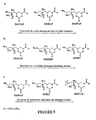
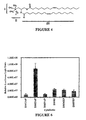
- Cytofectins can be defined by three principal structural motifs (FIG. 4): a cationic polynucleotide binding domain (I), a negatively charged counterion (II), and a hydrophobic domain (III).
- I cationic polynucleotide binding domain
- II negatively charged counterion
- III hydrophobic domain
- the chemical nature of these domains dictates the biophysical properties exhibited by the cytofectins.
- structural modifications within each motif can result in significant alterations in the behavior of pharmaceuticals containing these amphiphiles. For this reason, researchers have attempted to correlate biophysical properties, compound structure, and functional assessments of polynucleotide transfection.
- cytofectin polar domains In general, various functionalities have been incorporated into cytofectin polar domains. Many of these functionalities are known to modulate the binding and condensation of polynucleotides into cytofectin:polynucleotide complexes. These polynucleotide binding domains, usually comprised of nitrogen-based groups, are cationic either as a consequence of their basicity in aqueous solutions, or via N-alkylation to yield quaternary amines.
- cytofectins which contain a variety of nitrogen-based functionality including: tetraalkylammonium (Felgner, P. L., Gadek, T. R., Holm, M., Roman, R., Chan, H.
- Lipophilic polylysines mediate efficient DNA transfection in mammalian cells.
- a new cationic liposome encapsulating genetic material A potential delivery system for polynucleotides.
- Eur. J. Biochem. 228(3): 697-703 monoalkylammonium
- Gao, X. A. and Huang, L. 1991 A novel cationic liposome reagent for efficient transfection of mammalian cells. Biochem. Biophys. Res. Commun.
- cytofectins which incorporate a hydroxyethyl-derivatized tetraalkylammonium group in their polar domain demonstrate enhanced transfection activity when compared to analogs which do not incorporate such groups (e.g., DORI vs. DOTAP).
- lipid surface hydration may be one important property by which modifying the polar domain may alter cytofectin transfection activity.
- the degree of lipid surface hydration can influence intermolecular lipid interactions both prior to and following addition of polynucleotide. Such effects might occur via a variety of interactions.
- the addition of alkyl groups of increasing chain length to the ammonium group could weaken intermolecular lipid interactions by increasing the cross-sectional area of the headgroup (steric effects).
- the presence or absence of functional groups which can participate in hydrogen bond formation as either acceptors or donors will effect hydration, interaction with polynucleotide, and bonding to adjacent lipids (e.g. cytofectins, DOPE or cellular lipids).
- the inclusion of electron withdrawing functionality may influence the effective cationic charge of the binding domain through an inductive effect.
- these complex interactions make it difficult to identify the principal factors influencing cytofectin transfection activity.
- An example is the inclusion of functional groups capable of hydrogen bonding. In this example, either stronger or weaker lipid-lipid interactions might arise as a consequence of 1) intermolecular hydrogen bonding or 2) increased headgroup hydration respectively. Thus, we chose to empirically analyze the effect of such alterations on the DNA transfection activity.
- a panel of cationic amphiphiles were prepared by simple N-alkylation of N,N-dimethyl-1,2-dimyristoyloxy-3-aminopropane with the corresponding alkyl halide, using a procedure analogous to that used by Felgner et al . (Felgner, J. N., Kummar, R., Sridhar, C. N., Wheeler, C., Tsai, Y. J., Border, R., Ramsay, P., Martin, M. and Felgner, P. 1994.
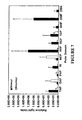
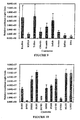
- both the methyl ether containing lipid DMMEP and the hydroxyethyl containing lipid showed a 2-fold enhancement over DMPAP, which has no hydrogen bonding capabilities.
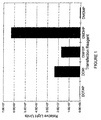
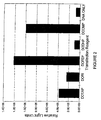
- Polar domain influences on the transfection ability of selected compounds are presented below (see FIGS. 6, in vitro , and 7, in vivo ).
- cytofectin polar domains incorporating monoalkylammonium, polyammonium, or tetraalkylammonium-based functionality, have an associated negatively charged counterion.
- Monoalkylammonium and polyammonium-containing lipids typically have one or more hydroxide counterions as a consequence of ammonium salt formation resulting from the basicity of the corresponding primary, secondary, or tertiary amine in aqueous media.
- Tetraalkylammonium-based cytofectins acquire their negatively charged counterion when the ammonium salt is formed as a result of N-alkylation.
- the counterion could influence lipid surface hydration, vesicle fluidity, and lipid polymorphism. Therefore, the counterion could also influence the transfection activity of cytofectins.
- DOTAP N-[1,2,3-dioleoyloxy)propyl]-N,N,N-trimethylammonium
- ion exchange chromatography Aberle, A. M., Bennett, M. J., Malone, R. W. and Nantz, M. H. 1996.
- the series of counterions (Table 1) were selected so that direct comparisons between anion-water interactions could be made.
- hydrophobic domains There are two types of hydrophobic domains which have been used in the design of cytofectins; sterol-based and di-acyl/alkyl-based domains.
- the hydrophobic domain which can serve as a scaffold from which a lipid bilayer structure is built, also modulates bilayer fluidity and lipid polymorphism. Increased bilayer fluidity can lead to more efficient formation of lipid:DNA complexes and enhanced fusion of cytofectin:DNA complexes with cell or endosomal membranes, which is likely to be a key mechanistic step of the transfection process.
- sterol hydrophobic domains While the contribution of sterol hydrophobic domains to bilayer fluidity is primarily dependent on the relative concentration of the sterol in the lipid particle, it is the chemical structure of the aliphatic groups contained in di-acyl/alkyl-based lipids which dictate their contribution to membrane fluidity.
- T c phase transition temperature between the gel and liquid crystalline phases
- the bilayer fluidity of liposomes containing di-acyl/alkyl-based cytofectins can be modified by manipulating the symmetry (see Table 2), chain length, and saturation of the aliphatic groups contained in these lipids.
- Table 2 The bilayer fluidity of liposomes containing di-acyl/alkyl-based cytofectins can be modified by manipulating the symmetry (see Table 2), chain length, and saturation of the aliphatic groups contained in these lipids.
- Cytofectins examined in this study included compounds with both symmetric and dissymmetric hydrocarbon side chains which varied in length from C18:1 to C8:0.
- a previous report (Felgner, J. N., Kummar, R., Sridhar, C. N., Wheeler, C., Tsai, Y. J., Border, R., Ramsay, P., Martin, M. and Felgner, P. 1994.
- Enhanced gene delivery and mechanism studies with a novel series of cationic lipid formulations. J. Biol. Chem. 269(4): 2550-2561) also examined a similar series of cytofectins.
- Cytofectins spontaneously form transfection complexes with a variety of biological polymers upon mixing in aqueous solvent.
- the mixing or formulation protocols used to prepare active transfection complexes currently involve optimization of; 1) the ratio of cationic lipid:neutral lipid, 2) solvent type, and 3) the molar ratio of cationic charge:polynucleotide phosphate charge.
- DOPE Dioleoylphosphatidylethanol-amine
- Cell culture experiments typically employ a formulation solvent consisting of either the media in which the cell line is cultured, or OptiMem (Gibco/BRL), a serum-free media which is enriched in factors including transferrin and various growth factors.
- OptiMem Gabco/BRL
- the enhanced transfection activity which can be observed with OptiMem may reflect incorporation of the added biologically active agents into the lipid:polynucleotide complex. In such cases, binding to cell surface may be facilitated by specific ligand:receptor interactions.
- Complexes are typically prepared for in vivo administration using either water for injection or isotonic solvents such as physiologic saline. In contrast to cell culture results, solvent-specific enhancement has not been reported.
- Molar cytofectin:polynucleotide phosphate charge ratio employed during formulation is frequently not reported, but typically ranges from 1:1 to 4:1 for cultured cells. Protocols for in vivo application, and particularly for pulmonary transfection, frequently employ strikingly different molar charge ratios.
- Yoshimura Yoshimura, K., Rosenfeld, M. A., Nakamura, H., Scherer, E. M., Pavirani, A., Lecocq, J. P. and Crystal, R. G. 1992. Expression of the human cystic fibrosis transmembrane conductance regulator gene in the mouse lung after in vivo intratracheal plasmid-mediated gene transfer. Nucleic Acids Res.
- High concentration lipid:DNA complexes (2:1 lipid:DNA charge ratio, 0.1 mg/ml or greater) are relatively insoluble, and tend to precipitate during formulation (see Table 3).
- lipid:polynucleotide emulsions can precipitate when stored at room temperature for prolonged periods. Vortex mixing and heating tend to facilitate the precipitation of high concentration complexes.
- the precipitation of cytofectin:DNA complexes represents a significant obstacle to the development of cytofectin medicines. We hypothesize that these precipitates represent a kinetic product of lipid:DNA association rather than the thermodynamically stable product which forms upon mixing at low concentration.
- cross linked proto-complexes- a kinetic product may be mediated via binding of uncoated polynucleotide by uncomplexed cytofectin present on the surface of the colliding particle. Therefore, we predict that aggregation will be a function of concentration, system energy (temperature, vortexing), solution viscosity, and time.
- the dynamic light scattering (DLS) estimates of sonicated versus unsonicated DNA-lipid complexes were for increasing plasmid DNA concentrations at a fixed 2:1 lipid-DNA charge ratio. Sizing experiments were designed to mimic murine lung transfection conditions. The complex was sonicated briefly (30" to 2 minutes) using a bath sonicator (Laboratory equipment, Hicksville NY or the equivalent) at 56°C (above the phase transition temperature of the lipoyl moieties within the cytofectin) until visible aggregates were dispersed. DLS experiments were performed using a Brookhaven Instruments BI-90 particle sizer, or the equivalent, at 25 °C, sampled continuously for five minutes and analyzed by the methods of cumulants.
- DLS dynamic light scattering
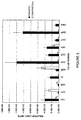
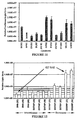
- thermodynamic product As demonstrated in Table 3 above, the combination of heating with sonication does result in the formation of stable, smaller lipidic particles. Furthermore, this process appears to enhance the pulmonary transfection activity of a range of lipids (see FIG. 12), including the relatively inactive compound DOTAP.
- iodomethane 3 mL
- the tube was flushed with argon then sealed.
- the reaction mixture was heated to 80 °C for 15h. After this time, the reaction mixture was concentrated under a stream of argon (Caution: perform evaporation in a fume hood).
- the resulting yellow oil was dissolved in methylene chloride and transferred to a round bottomed flask. This mixture was concentrated by rotary evaporation to insure that all residual iodomethane was removed.
- iodomethane 3 mL
- the tube was flushed with argon then sealed.
- the reaction mixture was heated to 80 °C for 15h. After this time, the reaction mixture was concentrated under a stream of argon (Caution: perform evaporation in a fume hood).
- the resulting yellow oil was dissolved in methylene chloride and transferred to a round bottomed flask. This mixture was concentrated by rotary evaporation to insure that all residual iodomethane was removed.
- Example 13 Liposome formulation.
- cationic lipid and a neutral lipid were added as solutions in chloroform to 1.9 mL sample vials to yield a 50:50 molar ratio of cationic lipid:neutral lipid.
- the chloroform was removed via rotary evaporation at 37 °C.
- the resulting thin lipid films were placed under vacuum overnight to insure that all traces of solvent have been removed.
- the lipid mixture was resuspended in 1 mL sterile water at 70 °C until the film is hydrated, and then vortex mixed to afford an emulsion (unsonicated preparation). These emulsions were formulated at a cationic lipid concentration of 1 mM.
- the lipid emulsions were sonicated using a Branson sonifier 450 sonicator equipped with a cup horn and recirculating water bath (35 °C, 80% output with 2 sec delays over 15 minutes.).
- a Branson sonifier 450 sonicator equipped with a cup horn and recirculating water bath (35 °C, 80% output with 2 sec delays over 15 minutes.).
- sonication of cytofectin emulsions above their phase transition temperature did not significantly alter transfection efficacy.
- sonication at or above 70 °C resulted in partial lipid decomposition as determined by thin layer chromatography.
- Example 14 Cell culture.
- NIH 3T3 cells were obtained from ATCC (CRL 1658), cultured in Dulbecco's Modified Eagle's Medium with 10% calf serum, and plated on standard 24 well tissue culture plates 12 to 24 hours prior to transfection. Cells were approximately 80% confluent at the time of transfection. CHO cells (ATCC CCL 61) were cultured using Ham's F12 medium supplemented with 10% fetal calf serum, and plated as described for NIH 3T3.
- Example 15 Transfection of cultured cells.
- NIH 3T3 cells were plated onto 24 well tissue culture plates as described above. The growth media was removed via aspiration and the cells were washed once with 0.5 mL PBS/well.
- the liposome/DNA complexes were formed through sequential addition of appropriate amounts of DMEM (serum-free), plasmid DNA (4 micrograms), and the liposome formulation into a 2 mL Eppendorf tube to a total volume of 800 microliters.
- DMEM serum-free
- plasmid DNA 4 micrograms
- the liposome formulation into a 2 mL Eppendorf tube to a total volume of 800 microliters.
- 24 microliters of a lipid emulsion (1 mM cytofectin, 1 mM DOPE) were used to complex 4 micrograms of DNA to yield a 2:1 cytofectin to DNA molar charge ratio.
- Example 16 Intratracheal instillation of DNA or lipid/DNA complexes.
- mice Female Balb/C mice (specific pathogen free) weighing approximately 20 to 21 grams were obtained from Charles River Laboratories. Anesthesia was provided for invasive procedures and animals were terminated by CO 2 inhalation in accordance with University of California, Davis guidelines. DNA was prepared for instillation by dilution in sterile water. Lipid/DNA complexes were prepared by mixing 20 micrograms of plasmid DNA (Luciferase) at a 4:1 molar charge ratio (cationic lipid:DNA) in sterile water for injection (total volume of 240 microliters). Mixtures were prepared and vortex mixed at room temperature, and injected within 5 minutes of lipid:DNA complex formation.
- Neck dissections were performed on anesthetized mice using a 1 cm incision through the skin of the anterior neck, dissection of the salivary gland and musculature surrounding the anterior trachea immediately below the larynx, and instillation of 240 microliters of DNA or lipid/DNA complex using a 1/2" 30g needle inserted 1-3 tracheal ring interspaces inferior to the larynx. After injection, the salivary gland was placed over the tracheal defect, and the superficial neck wound closed with staples. Mice were killed 48 hours after treatment and a tracheal/lung block dissected, homogenized in lysis buffer, and assayed for luciferase protein as described below. Mock treated mouse lung/trachea was used for assessment of background luciferase activity. No activity was detected in control mock-treated mouse tissue.
- Example 17 Luciferase assay.
- Relative luciferase activity was determined by using the Enhanced Luciferase Assay Kit and a Monolight 2010 luminometer (both from Analytical Luminescence Laboratories, San Diego, CA). This was accomplished by directly applying 233.3 mL of concentrated luciferase lysis buffer (final concentration 0.1M potassium phosphate pH 7.8, 1% Triton X-100, 1 mM DTT, 2 mM EDTA) to each well and placing the cells on ice for 15 minutes. Removal of growth media was not necessary prior to the application of the lysis buffer. This technique enhances reproducibility by avoiding the possibility of cell loss during media removal. An analogous experiment where the growth media was removed afforded similar results.
- Luciferase light emissions from 31 mL of the lysate were measured over a 10 second period, and results were expressed as a function of an assumed total lysate volume of 933.3 mL.
- a panel of DOTAP analogs was prepared by altering the anionic counterion that accompanies the ammonium head group using ionexchange chromatography.
- N-(1-(2,3-Dioleoyloxy)propyl)-N,N,N-trimethylammonium iodide (DOTAP) was prepared in a similar manner to the Silivius method (Leventis, R. and Silvius, J.R. (1990) Fiochim. Biophys. Acta 1023, 124-132). Chloride substitution was achieved using Dowex strongly anionic exchange resin, 8% crosslink (200-400 mesh), chloride form.
- Acetate substitution was performed using the anionic exchange resin AG1-8X (200-4 ⁇ mesh), acetate form, and the remaining counterions were obtained using the hydroxide form of this resin.
- the chloride and acetate ion exchange was performed by suspending the corresponding resin (1.0-1.5 g) in highly purified filtered water (10-20 ml), and ioading into a narrow bore glass column. The column was washed with water (5 x , 5 ml), methanol (10 x , 5 ml), and equilibrated with a CH 3 OH-CH 2 Cl 2 (8:2) solution.
- a solution of the cationic lipid 50-70 mg lipid in ca.
- FIG. 1 shows a comparison of cytofectin-mediated DNA transfection using NIH 3T3 cells.
- DNA transfections were performed in quadruplicate as described in the experimental procedures using a 2:1 molar charge ratio (lipid charge to DNA phosphate charge). The data demonstrates that the incorporation of a dihydroxyethyl substituted ammonium functionality in the lipid polar domain leads to significantly higher transfection efficacy in vitro .
- FIG. 2 there is shown an in vivo comparison of cytofectin-mediated DNA transfection.
- Balb-C mice were transfected with plasmid DNA using various cytofectins. Intratracheal instillations of cytofectin:DNA complexes were performed as described in the experimental procedures. The data demonstrates that the incorporation of dimethoxyethyl and triflouroethyl substituted ammonium functionality in the lipid polar domain leads to significantly higher transfection efficacy in vivo .
- RLU total luciferase light units
- FIG. 3 The transfection activity of various compounds is illustrated in FIG. 3. As can be seen in FIG. 3, the dioleoyl derivatives of -FEP and DMP of the subject invention are exceptionally effective in transfection. General transfection conditions were as above.
- cytofectin polar domain structure For the comparison of cytofectin polar domain structure to transfection activity in NIH 3T3 cells shown in FIG. 6, liposome formulations containing a 1:1 mole ratio of Cytofectin and DOPE were mixed with 1 mg of pNDCLUX plasmid DNA to give a 2:1 molar charge ratio (lipid charge to DNA phosphate). The resultant complex was placed directly on to the cell surface. Cell lysates obtained 48 hours after transfection were analyzed for luciferase activity. Each data point reflects the mean value of total light units derived from four transfections and the standard deviation from this mean.
- FIG. 7 depicts intratracheal instillation into mice.
- the dioleoyl hydrophobic domains are more effective than corresponding dimyristoyl analogs.
- cytofectins incorporating inductive functionality enhance mouse intratracheal transfection.
- cytofectin counterions For the comparison of cytofectin counterions to transfection activity in NIH 3T3 cells depicted in FIG. 8, liposome formulations containing a 1:1 mole ratio of Cytofectin and DOPE were mixed with 1 mg of pNDCLUX plasmid DNA to give a 2:1 molar charge ratio (lipid charge to DNA phosphate). The resultant complex was placed directly on to the cell surface. Cell lysates obtained 48 hours after transfection were analyzed for luciferase activity. Each data point reflects the mean value of total light units derived from four transfections and the standard deviation from this mean.
- cytofectin counterions were transfected with lipid/DNA complexes formed from mixing pNDCLUX plasmid DNA with various cytofectins (2:1 lipid to DNA phosphate charge ratio).
- liposome formulations containing a 1:1 mole ratio of Cytofectin and DOPE were mixed with 1 mg of pCMVL plasmid DNA to give a 2:1 molar charge ratio (lipid charge to DNA phosphate).
- the resultant complex was placed directly on to the cell surface.
- Cell lysates obtained 48 hours after transfection were analyzed for luciferase activity. Each data point reflects the mean value of total light units derived from four transfections and the standard deviation from this mean.
- cytofectin hydrophobic structure For the comparison of cytofectin hydrophobic structure to transfection activity in human bronchial epithelial cells (16HBE14o-) presented in FIG. 11, liposome formulations containing a 1:1 mole ratio of Cytofectin and DOPE were mixed with 1 mg of pCMVL plasmid DNA to give a 2:1 molar charge ratio (lipid charge to DNA phosphate). The resultant complex was placed directly on to the cell surface. Cell lysates obtained 48 hours after transfection were analyzed for luciferase activity. Each data point reflects the mean value of total light units derived from four transfections and the standard deviation from this mean.
Landscapes
- Chemical & Material Sciences (AREA)
- Organic Chemistry (AREA)
- Health & Medical Sciences (AREA)
- Life Sciences & Earth Sciences (AREA)
- Molecular Biology (AREA)
- General Health & Medical Sciences (AREA)
- Biochemistry (AREA)
- Engineering & Computer Science (AREA)
- Animal Behavior & Ethology (AREA)
- Veterinary Medicine (AREA)
- Biophysics (AREA)
- Public Health (AREA)
- Medicinal Chemistry (AREA)
- Pharmacology & Pharmacy (AREA)
- Epidemiology (AREA)
- Biotechnology (AREA)
- Bioinformatics & Cheminformatics (AREA)
- Genetics & Genomics (AREA)
- Dispersion Chemistry (AREA)
- Medicines That Contain Protein Lipid Enzymes And Other Medicines (AREA)
- Pharmaceuticals Containing Other Organic And Inorganic Compounds (AREA)
- Organic Low-Molecular-Weight Compounds And Preparation Thereof (AREA)
- Saccharide Compounds (AREA)
- Preparation Of Compounds By Using Micro-Organisms (AREA)
Abstract
Description

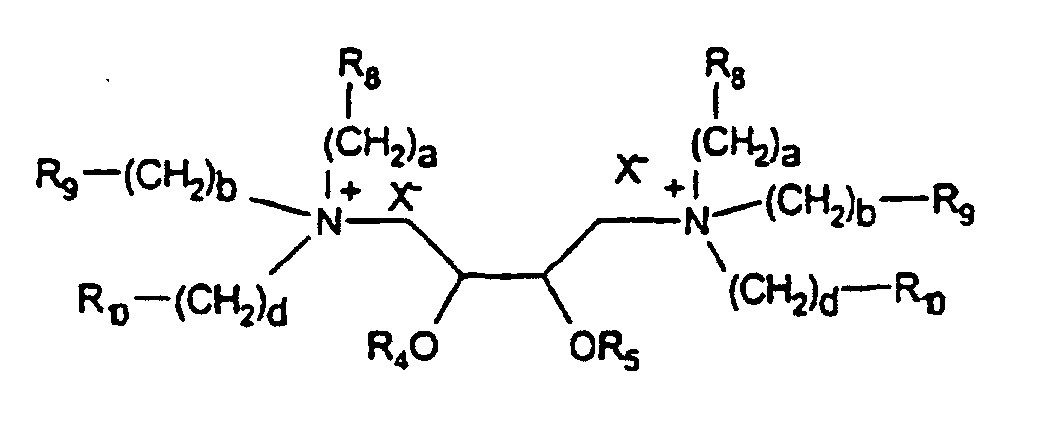

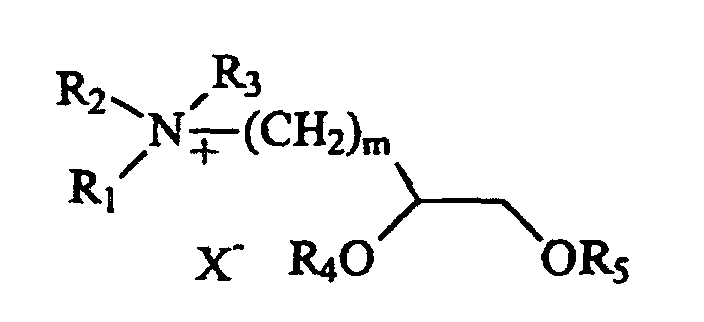


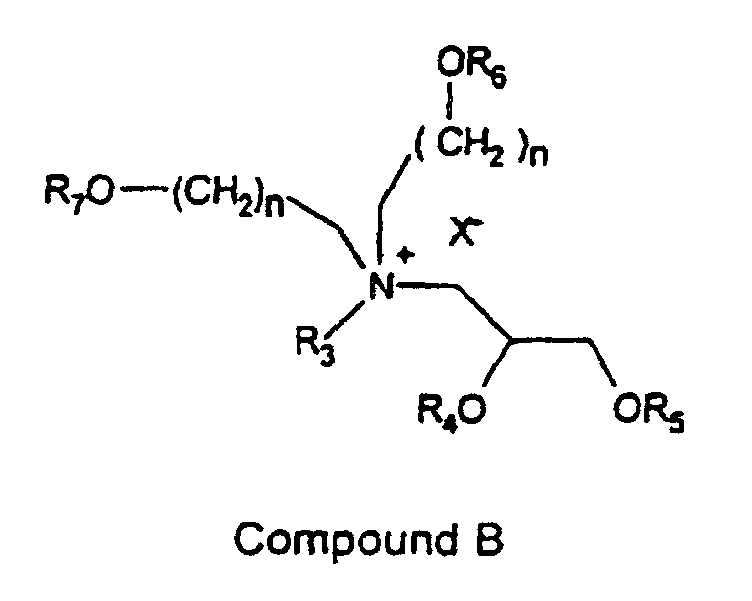
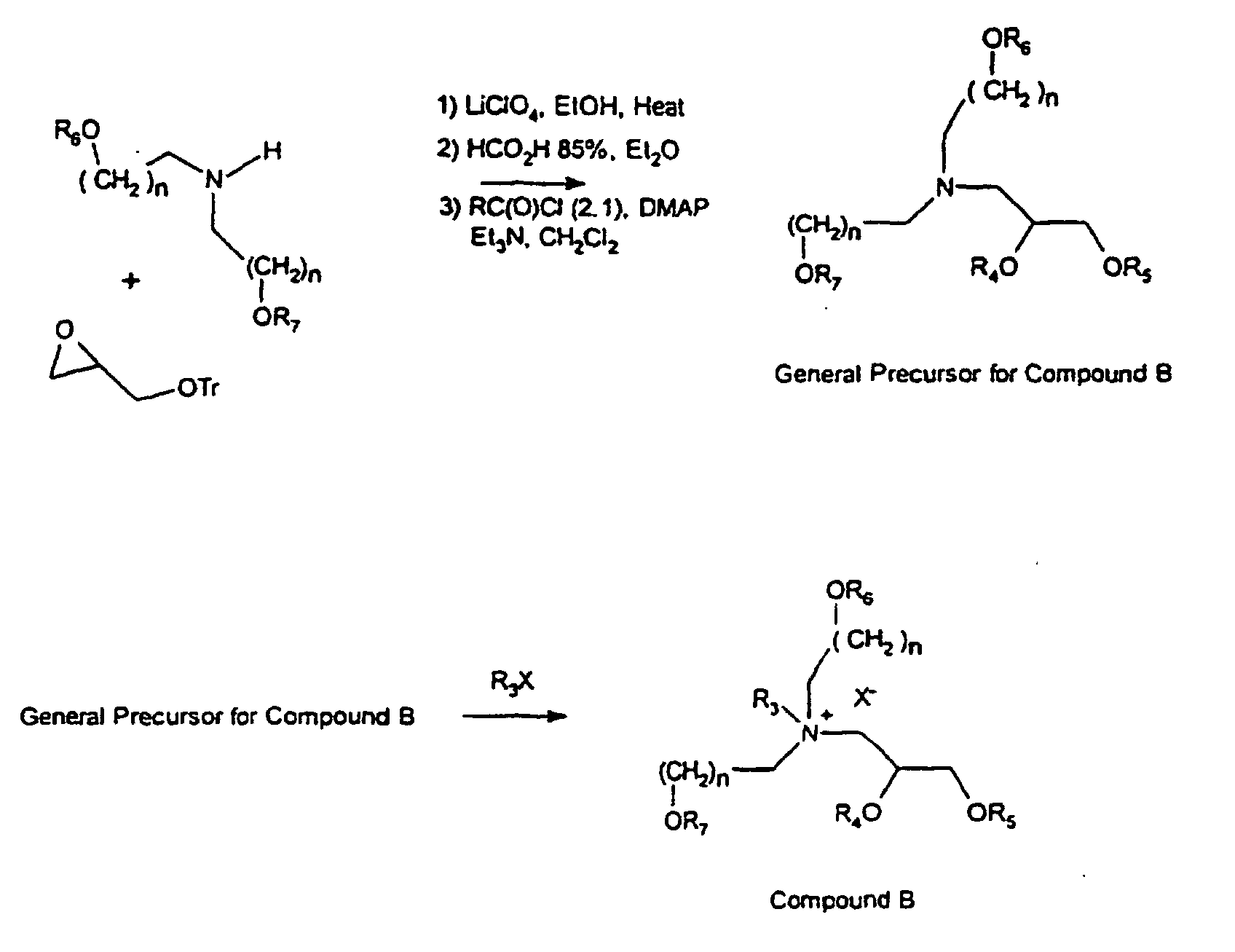


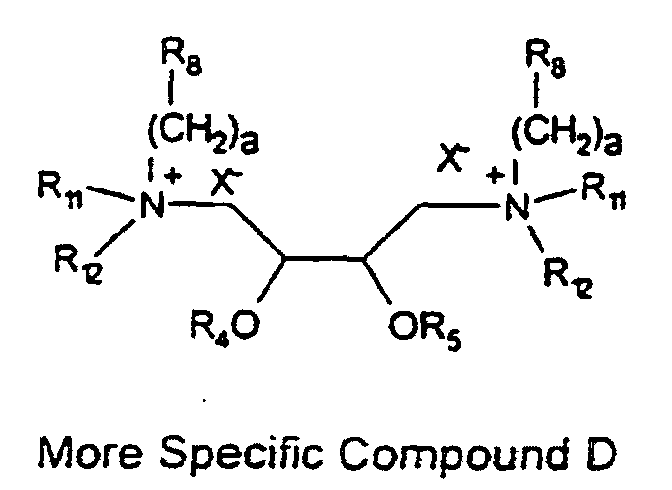
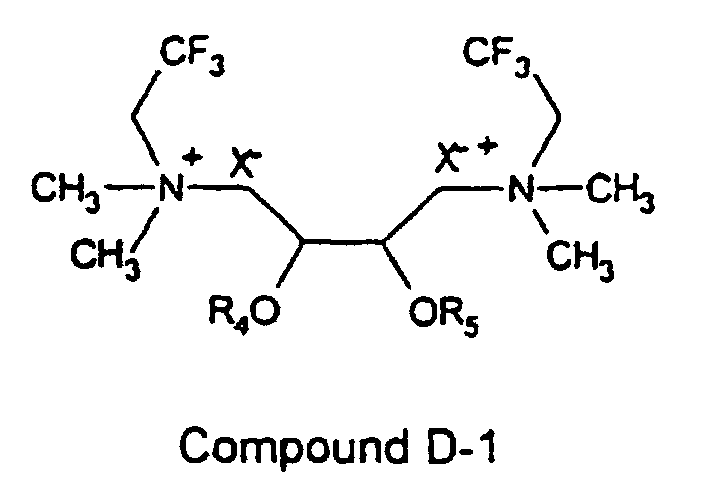


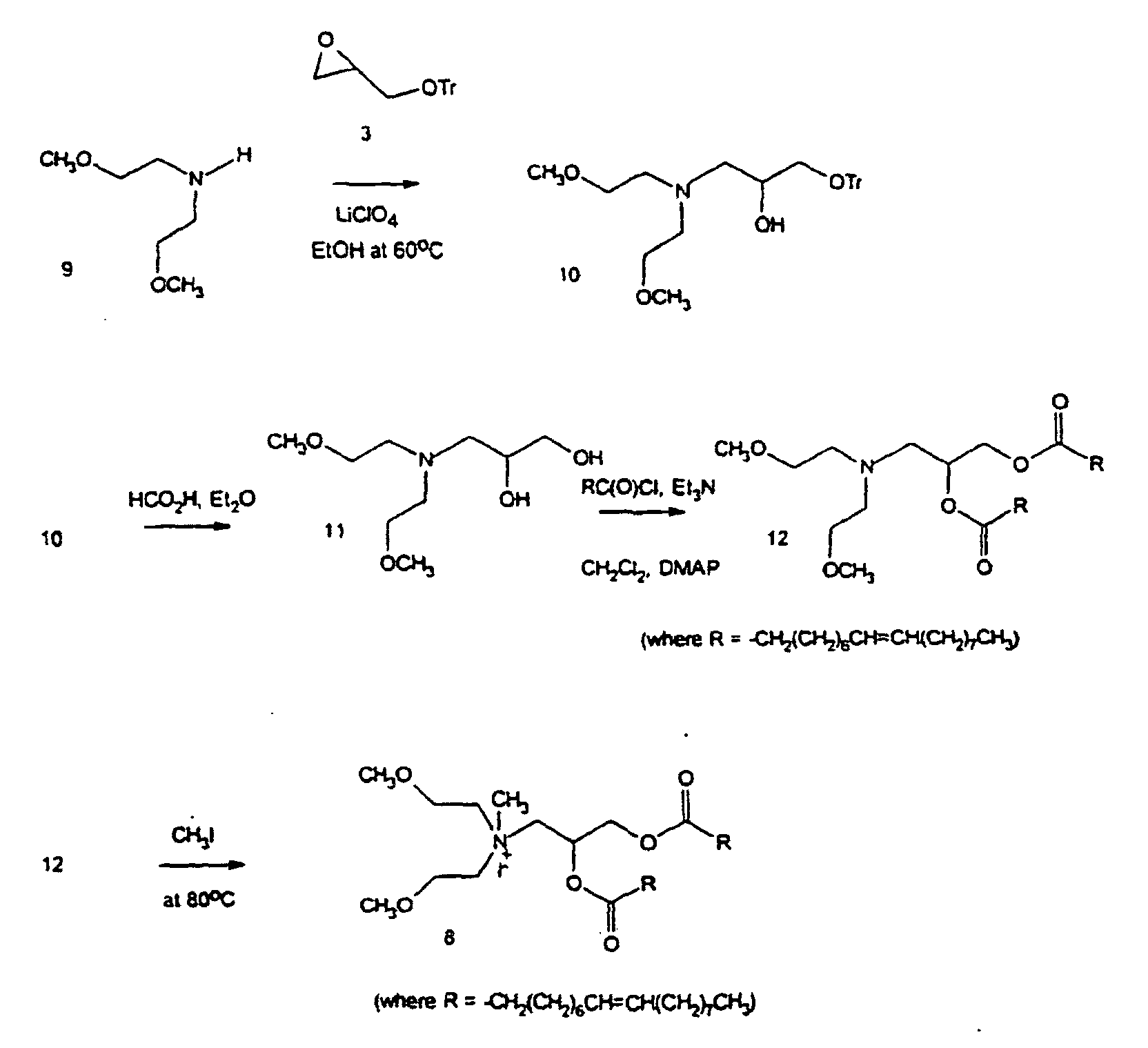


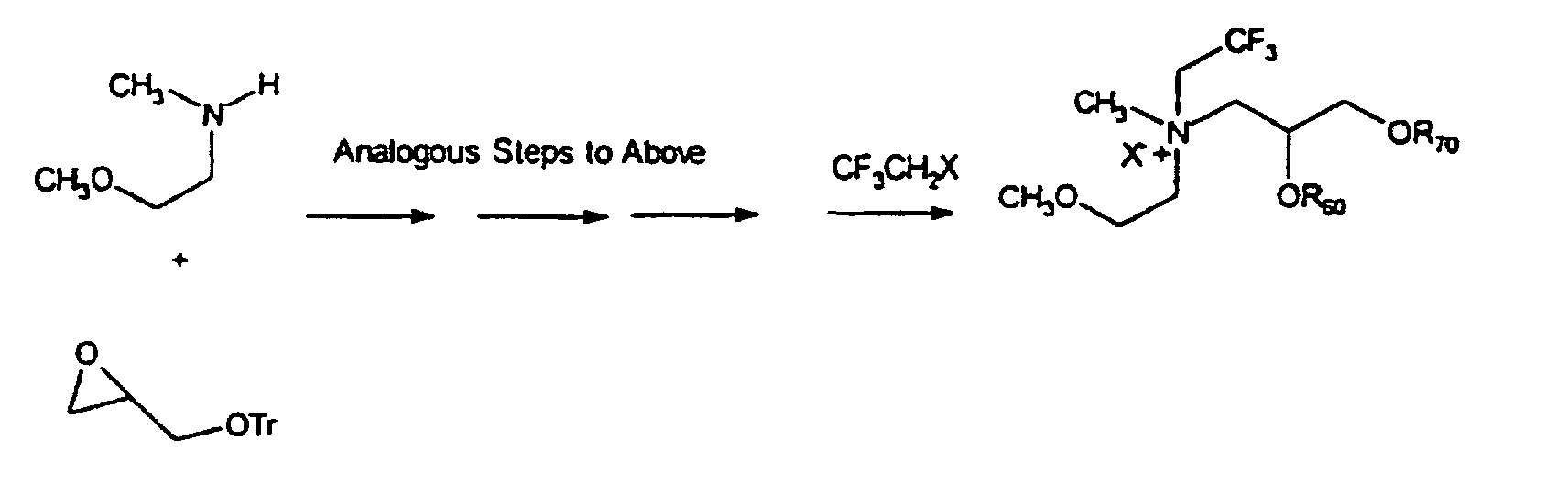
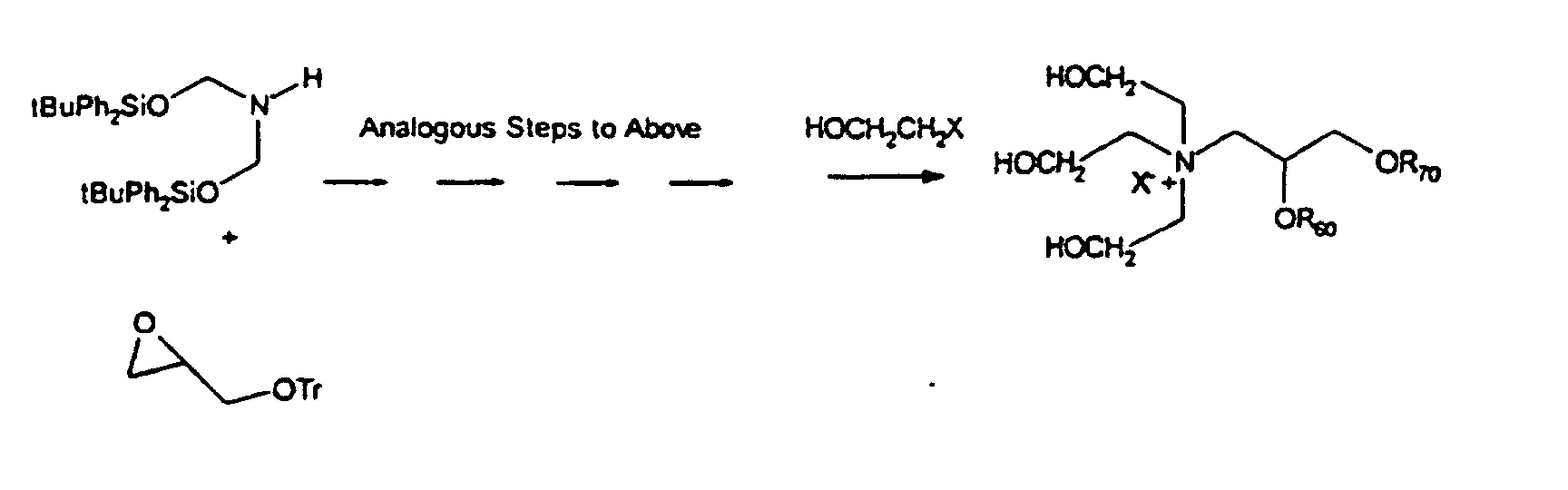
| Summary of cytofectin counterions | |
| Kosmotropes | Chaotropes |
| HSO4 -1 | I- |
| CF3SO3 -1 | Br |
| H2PO4 | Cl- |
| SO4 -2 | CH3C(O)O- |
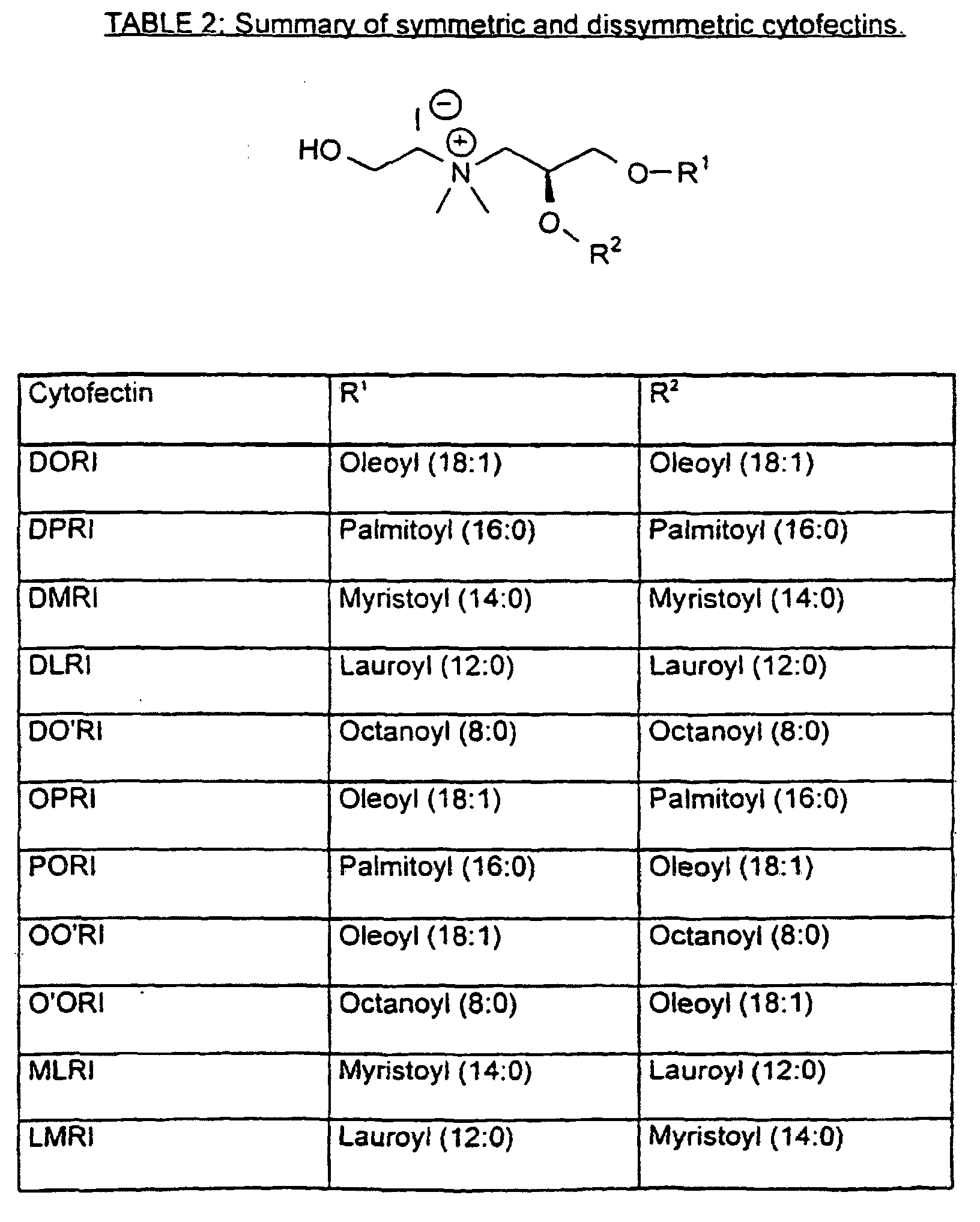
| Effect of Formulation with Heating and Sonication on Cytofectin:DNA Particle Size. | ||||
| Sonicated | Unsonicated | |||
| [DNA] mg/ml | effective diameter | polydispersity index | effective diameter | polydispersity index |
| 0.1 | 400 | 0.268 | 3900 | 1.548 |
| 0.2 | 300 | 0.019 | 2800 | 1.413 |
| 0.4 | 288 | 0.092 | 5700 | 3.682 |
| 0.8 | 334 | 0.154 | 2268 | 2.094 |
| 1.0 | 929 | 0.685 | 2110 | 1.800 |


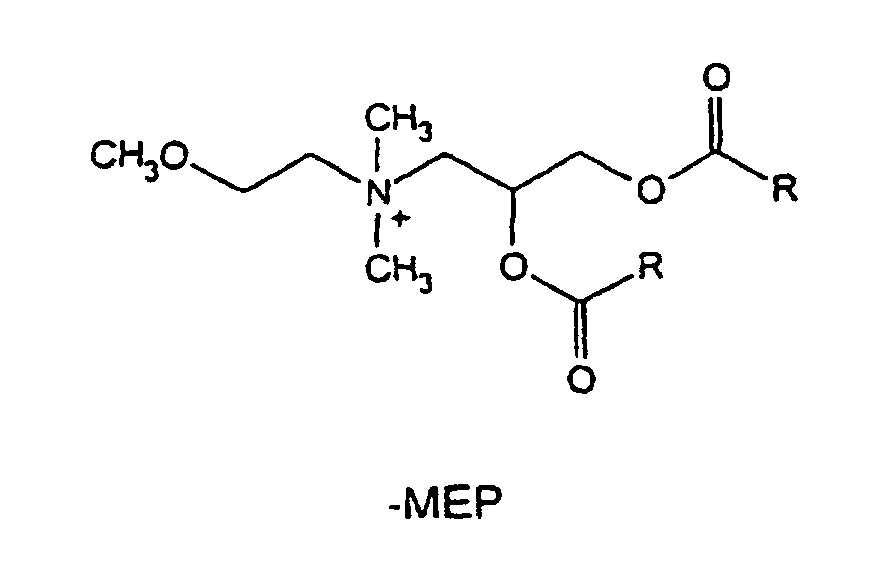

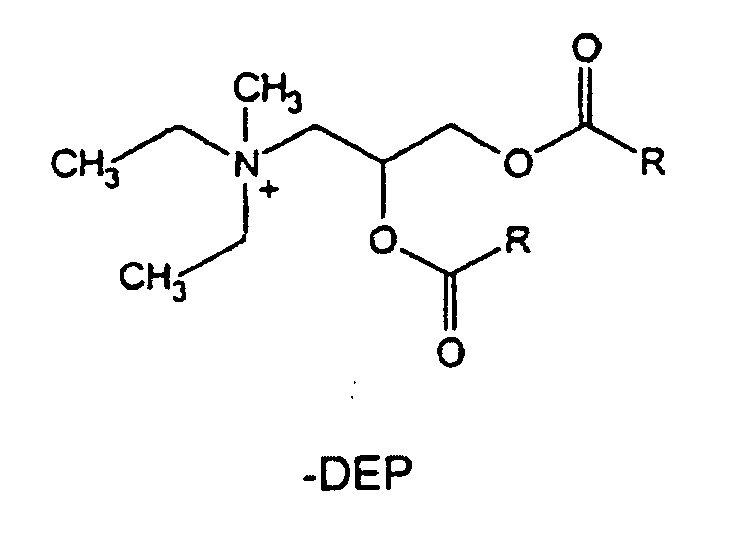
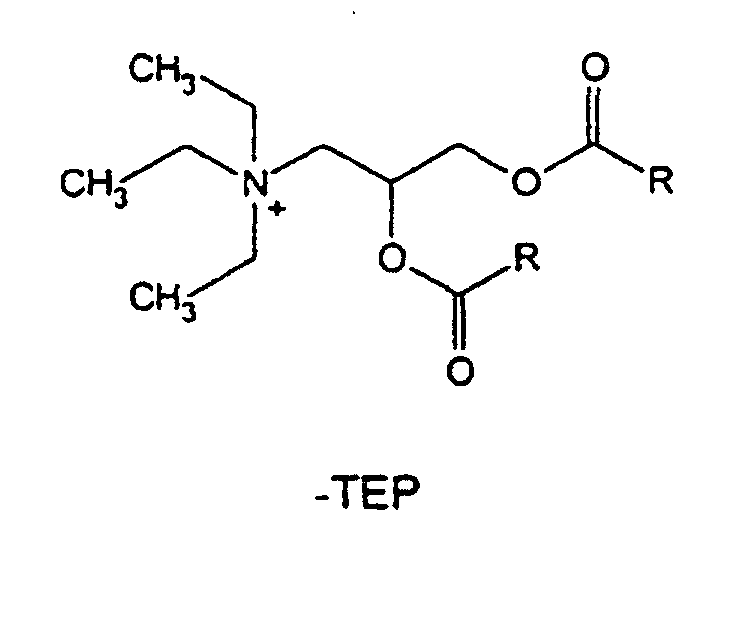
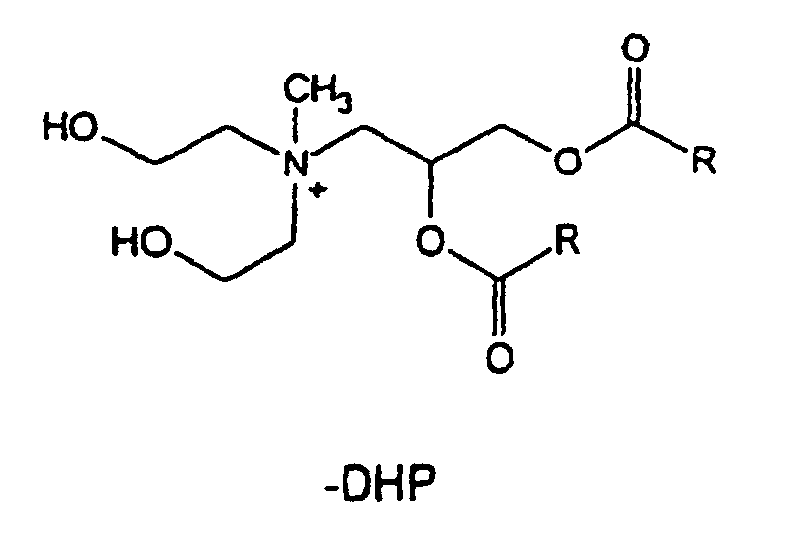
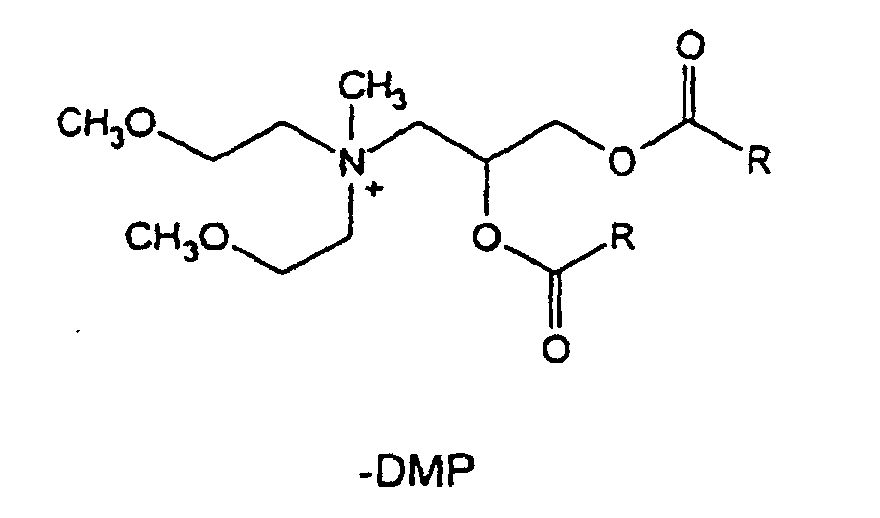
- DO
- as a prefix for the above "R" indicates dioleoyl (with the carbonyl)
- DM
- as a prefix for the above "R" indicated dimyristoyl (with the carbonyl)
- DOPE
- Dioleoylphosphatidylethanolamine
- DOTMA
- N-[1-(2,3-dioleyloxy)propyl]-N,N,N-trimethylammonium bromide [DIETHER]
Claims (31)
- A cytofectin composition of matter having the structure:wherein

m = 1 - 10;
R1, R2, and R3 are the same or different and are hydrogen, an alkyl group, an alkenyl group, an alkynyl group, a hydroxylated alkyl, alkenyl, or alkynyl group, an ether containing alkyl, alkenyl, or alkynyl group, a trifluoromethyl moiety containing alkyl group or a trifluoromethyl group, however, when two of the three are both hydrogens, both alkyls, or both alkenyls then the other is a trifluoromethyl moiety containing alkyl group or a trifluoromethyl group or when one of the three is hydrogen and another is an alkyl or alkenyl then the third is a trifluoromethyl moiety containing alkyl group or a trifluoromethyl group;
R4 is an alkyl group, an alkenyl group, an alkynyl group, or an alkyl, alkenyl, or alkynyl containing acyl group;
R5 is an alkyl group, an alkenyl group, an alkynyl group, or an alkyl, alkenyl, or alkynyl containing acyl group; and
X- is a counterion. - A composition according to claim 1, further comprising a polynucleotide and said counterion is selected from a group consisting of the oxyanions bisulfate or trifluoromethanesulfonate and the halides iodide or bromide.
- A composition of matter as claimed in claim 1 having the structure:wherein
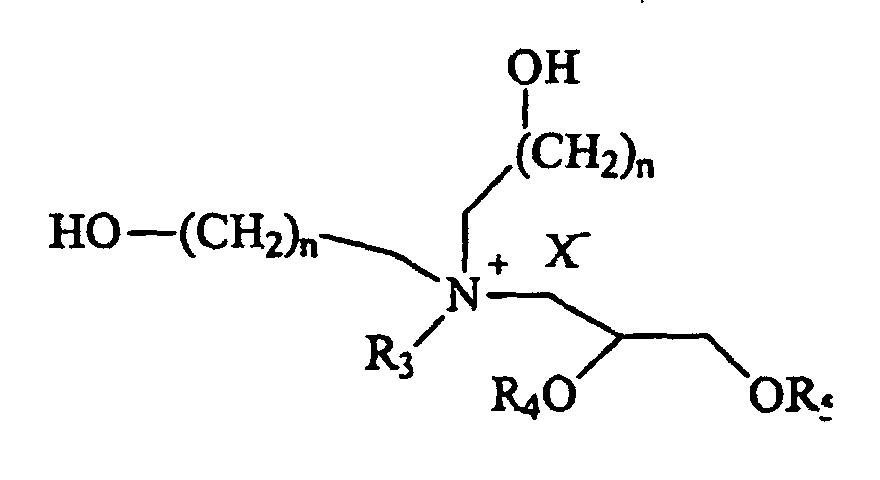
n = 1-10;
R3 is a hydrogen, an alkyl group, an alkenyl group, an alkynyl group, or a hydroxylated alkyl, alkenyl, alkynyl group;
R4 and R5 are the same or different with each an alkyl group, an alkenyl group, an alkynyl group, or an alkyl, alkenyl, or alkynyl containing acyl group; and
X- is an anion. - A composition according to claim 3, wherein n = 1-3, R3 is methyl, and R4 and R5 are acyl lipoyl groups.
- A composition according to claim 3, wherein n = 1, R3 is methyl, and R4 and R5 are -CH2(CH2)6CH=CH(CH2)7CH3 or -(CH2)12CH3.
- A composition according to claim 1 wherein the cytofectin has the structure:wherein
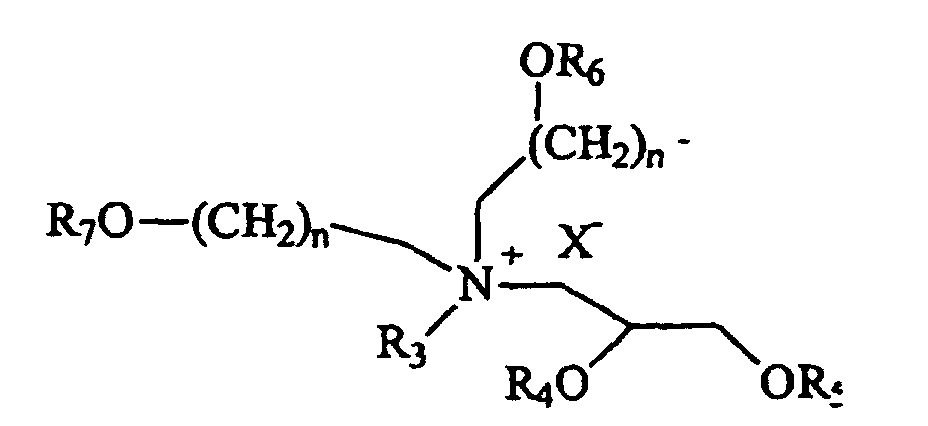
n = 1-10;
R3 is a hydrogen, an alkyl group, an alkenyl group, an alkynyl group, or a hydroxylated alkyl, alkenyl, alkynyl group;
R4 and R5 are the same or different with each an alkyl group, an alkenyl group, an alkynyl group, or an alkyl, alkenyl, or alkynyl containing acyl group.
R6 is an alkyl group, an alkenyl group, or an alkynyl group of from 1 to 10 carbons;
R7 is an alkyl group, an alkenyl group, or an alkynyl group of from 1 to 10 carbons; and
X- is an anion. - A composition according to claim 6, wherein n = 1, and R3, R6, and R7 are alkyl groups.
- A composition according to claim 6, wherein n = 1, R3, R6, and R7 are alkyl groups, and R4 and R5 are acyl groups.
- A composition according to claim 6, wherein n = 1, R3, R6 and R7 are methyl groups, and R4 and R5 are acyl groups.
- A composition according to claim 1 wherein the cytofectin has the structure:wherein

a, b, or d are the same or different and are from 0-10;
R4 and R5 are the same or different with each an alkyl group, an alkenyl group, an alkynyl group, or an alkyl, alkenyl or alkynyl containing acyl group;
R8, R9 or R10 are the same or different with each an alkyl, alkenyl or alkynyl group, a trifluoromethyl moiety containing alkyl group or trifluoromethyl group with at least one of the three being a trifluoromethyl group; and
X- is an anion. - A composition according to claim 10, wherein a, b, and d = 0-1, and R8 is a trifluoromethyl group.
- A composition according to claim 10, wherein a, b, and d=0-1, R8 is a trifluoromethyl group, and R9 and R10 are methyl.
- A composition according to claim 10, wherein a = 1, b and d = 0, R8 is a trifluoromethyl group, and R9 and R10 are methyl groups.
- A composition of matter as claimed in claim 10 having the structure:wherein

a = 0 - 10;
R4 and R5 are the same or different with each an alkyl group, an alkenyl group, an alkynyl group, or an alkyl, alkenyl, or alkynyl containing acyl group;
R8 is a trifluoromethyl group;
R11 and R12 are the same or different with each an alkyl, alkenyl, or alkynyl group, a trifluoromethyl moiety containing alkyl group or trifluoromethyl group;
and
X- is an anion. - A composition according to claim 14, wherein a = 1, R8 is a trifluoromethyl group, R11 and R12 are methyl groups, and R4 and R5 are acyl containing groups.
- A composition of matter as claimed in claim 3 having the structure:wherein R is a lipoyl moiety.

- A composition of matter according to claim 16, wherein said R group is -CH2(CH2)6CH=CH(CH2)7CH3 or -(CH2)12CH3.
- A composition of matter as claimed in claim 1 having the structure:wherein R is a lipoyl moiety.

- A composition of matter according to claim 18, wherein said R group is -CH2(CH2)6CH=CH(CH2)7CH3 or -(CH2)12CH3.
- A composition of matter as claimed in claim 1 having the structure:wherein R is a lipoyl moiety.

- A composition of matter according to claim 20, wherein said R group is -CH2(CH2)6CH=CH(CH2)7CH3 or -(CH2)12CH3.
- A process for producing a cytofectin: polynucleotide complex as claimed in claim 2 comprising:a) mixing a cytofectin with a polynucleotide andb) sonicating said mixture of cytofection and polynucleotide for a selected period of time at a predetermined temperature to produce a thermodynamically stale product, in which dynamic light scattering measured at 25 °C and sampled continuously for five minutes shows no significant shift in particle size distribution.
- A process according to claim 22, wherein said cytofectin comprises a composition of matter having the structure:wherein

m = 1-10;
R1, R2, and R3 are the same or different and are hydrogen, an alkyl group, an alkenyl group, an alkynyl group, a hydroxylated alkyl, alkenyl, or alkynyl group, an ether containing alkyl, alkenyl, or alkynyl group, a trifluoromethyl moiety containing alkyl group or a trifluoromethyl group, however, when two of the three are both hydrogens, both alkyls, or both alkenyls then the other is a trifluoromethyl moiety containing alkyl group or a trifluoromethyl group or when one of the three is hydrogen and another is an alkyl or alkenyl then the third is a trifluoromethyl moiety containing alkyl group or a trifluoromethyl group;
R4 is an alkyl group, an alkenyl group, an alkynyl group, or an alkyl, alkenyl, or alkynyl containing acyl group;
R5 is an alkyl group, an alkenyl group, or an alkyl, alkenyl or alkynyl containing acyl group; and
X- is an anion. - A process according to claim 22, wherein said cytofectin comprises a composition of matter having the structure:wherein

a, b, or d are the same or different and are from 0-10;
R4 and R5 are the same or different with each an alkyl group, an alkenyl group, an alkynyl group, or an alkyl, alkenyl, or alkynyl containing acyl group;
R8, R9, or R10 are the same or different with each an alkyl, alkenyl, or alkynyl group, a trifluoromethyl moiety containing alkyl group or trifluoromethyl group with at least one of the three being a trifluoromethyl group; and
X- is an anion. - A process for producing a cytofectin:polynucleotide complex as claimed in claim 2 by the steps comprising:a) combining a cytofectin with a lipid;b) mixing said combination of cytofectin and lipid with polynucleotide; andc) sonicating said mixture of polynucleotide, cytofectin, and lipid, to produce a product in which dynamic light scattering, measured at 25 °C and sampled continuously for five minutes shows no significant shift in particle size distribution.
- A process according to claim 25, wherein said cytofectin comprises a composition of matter having structure:wherein
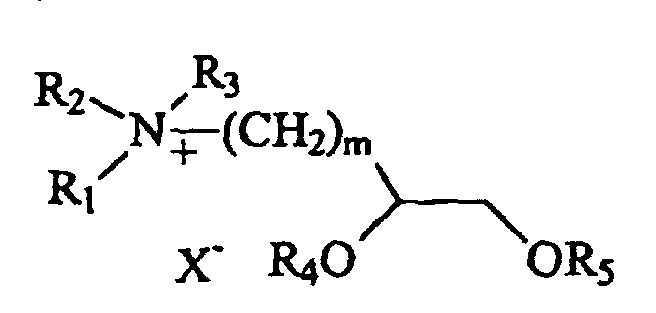
m = 1-10;
R1, R2 and R3 are the same or different and are hydrogen, an alkyl group, an alkenyl group, an alkynyl group, a hydroxylated alkyl, alkenyl, or akynyl group, an ether containing alkyl, alkenyl, or alkynyl group, a trifluoromethyl moiety containing alkyl group or a trifluoromethyl group, however, when two of the three are both hydrogens, both alkyls, or both alkenyls then the other is a trifluoromethyl moiety containing alkyl group or a trifluoromethyl group or when one of three is hydrogen and another is an alkyl or alkenyl then the third is a trifluoromethyl moiety containing alkyl group or a trifluoromethyl group;
R4 is an alkyl group, an alkenyl group, an alkynyl group, or an alkyl, alkenyl, or alkynyl containing acyl group;
R5 is an alkyl group, an alkenyl group, an alkynyl group, or an alkyl, alkenyl, or alkynyl containing acyl group; and
X- is an anion. - A process according to claim 26, wherein said combining of said cytofectin and said lipid is in a ratio of 9:1 to 1:2 cytofectin to lipid.
- A process according to claim 27, wherein said lipid is dioleoyl phosphatidylethanolamine (DOPE).
- A process according to claim 27, wherein said lipid is DOPE and the ratio of cytofectin to lipid is about 1:1.
- A process according to claim 25, wherein said sonication takes place for from thirty seconds to two minutes.
- A process according to claim 25, wherein said sonication takes place above a phase transition temperature of lipoyl moieties within said cytofectin.
Applications Claiming Priority (5)
| Application Number | Priority Date | Filing Date | Title |
|---|---|---|---|
| US08/534,471 US5869715A (en) | 1995-09-27 | 1995-09-27 | Polyfunctional cationic cytofectins |
| US534471 | 1995-09-27 | ||
| US08/710,350 US5824812A (en) | 1995-09-27 | 1996-09-17 | Polyfunctional cationic cytofectins, formulations and methods for generating active cytofectin: polynucleotide transfection complexes |
| US710350 | 1996-09-17 | ||
| PCT/US1996/015397 WO1997011935A1 (en) | 1995-09-27 | 1996-09-25 | Polyfunctional cationic cytofectins, formulations and methods for generating active cytofectin:polynucleotide transfection complexes |
Publications (2)
| Publication Number | Publication Date |
|---|---|
| EP1019361A1 EP1019361A1 (en) | 2000-07-19 |
| EP1019361B1 true EP1019361B1 (en) | 2004-04-14 |
Family
ID=27064478
Family Applications (1)
| Application Number | Title | Priority Date | Filing Date |
|---|---|---|---|
| EP96935969A Expired - Lifetime EP1019361B1 (en) | 1995-09-27 | 1996-09-25 | Polyfunctional cationic cytofectins, formulations and methods for generating active cytofectin:polynucleotide transfection complexes |
Country Status (7)
| Country | Link |
|---|---|
| EP (1) | EP1019361B1 (en) |
| JP (1) | JP4346111B2 (en) |
| AT (1) | ATE264293T1 (en) |
| AU (2) | AU7078396A (en) |
| CA (1) | CA2233064C (en) |
| DE (1) | DE69632210T2 (en) |
| WO (1) | WO1997011935A1 (en) |
Families Citing this family (9)
| Publication number | Priority date | Publication date | Assignee | Title |
|---|---|---|---|---|
| CA2237316C (en) * | 1995-11-30 | 2012-06-26 | Vical Incorporated | Complex cationic lipids |
| JP4723097B2 (en) * | 1999-05-28 | 2011-07-13 | バイカル インコーポレイテッド | Cytofectin dimer and method of use thereof |
| US6696424B1 (en) | 1999-05-28 | 2004-02-24 | Vical Incorporated | Cytofectin dimers and methods of use thereof |
| US7598421B2 (en) | 2002-05-08 | 2009-10-06 | Ucl Biomedica Plc | Materials for the delivery of biologically-active material to cells |
| GB0210538D0 (en) * | 2002-05-08 | 2002-06-19 | Univ London | Lipids and gene delivery |
| WO2008042973A2 (en) | 2006-10-03 | 2008-04-10 | Alnylam Pharmaceuticals, Inc. | Lipid containing formulations |
| JP5902617B2 (en) * | 2010-04-28 | 2016-04-13 | 協和発酵キリン株式会社 | Cationic lipid |
| US9834502B2 (en) | 2014-12-08 | 2017-12-05 | Nof Corporation | Method for producing cationic lipid |
| WO2024109794A1 (en) * | 2022-11-24 | 2024-05-30 | 传信生物医药(苏州)有限公司 | Novel lipids used for nucleic acid delivery and lipid nanoparticle composition |
Family Cites Families (5)
| Publication number | Priority date | Publication date | Assignee | Title |
|---|---|---|---|---|
| US5208036A (en) * | 1985-01-07 | 1993-05-04 | Syntex (U.S.A.) Inc. | N-(ω, (ω-1)-dialkyloxy)- and N-(ω, (ω-1)-dialkenyloxy)-alk-1-yl-N,N,N-tetrasubstituted ammonium lipids and uses therefor |
| US5264618A (en) * | 1990-04-19 | 1993-11-23 | Vical, Inc. | Cationic lipids for intracellular delivery of biologically active molecules |
| US5858784A (en) * | 1991-12-17 | 1999-01-12 | The Regents Of The University Of California | Expression of cloned genes in the lung by aerosol- and liposome-based delivery |
| US5334761A (en) * | 1992-08-28 | 1994-08-02 | Life Technologies, Inc. | Cationic lipids |
| US5928944A (en) * | 1994-02-04 | 1999-07-27 | The United States Of America As Represented By The Department Of Health And Human Services | Method of adenoviral-medicated cell transfection |
-
1996
- 1996-09-23 AU AU70783/96A patent/AU7078396A/en not_active Withdrawn
- 1996-09-25 DE DE69632210T patent/DE69632210T2/en not_active Expired - Lifetime
- 1996-09-25 AT AT96935969T patent/ATE264293T1/en not_active IP Right Cessation
- 1996-09-25 CA CA002233064A patent/CA2233064C/en not_active Expired - Fee Related
- 1996-09-25 JP JP51361297A patent/JP4346111B2/en not_active Expired - Lifetime
- 1996-09-25 AU AU73729/96A patent/AU713093B2/en not_active Ceased
- 1996-09-25 WO PCT/US1996/015397 patent/WO1997011935A1/en not_active Ceased
- 1996-09-25 EP EP96935969A patent/EP1019361B1/en not_active Expired - Lifetime
Also Published As
| Publication number | Publication date |
|---|---|
| CA2233064A1 (en) | 1997-04-03 |
| AU713093B2 (en) | 1999-11-25 |
| JP4346111B2 (en) | 2009-10-21 |
| DE69632210T2 (en) | 2005-04-14 |
| JP2002515024A (en) | 2002-05-21 |
| DE69632210D1 (en) | 2004-05-19 |
| AU7078396A (en) | 1997-04-30 |
| CA2233064C (en) | 2009-05-05 |
| EP1019361A1 (en) | 2000-07-19 |
| ATE264293T1 (en) | 2004-04-15 |
| WO1997011935A1 (en) | 1997-04-03 |
| AU7372996A (en) | 1997-04-17 |
Similar Documents
| Publication | Publication Date | Title |
|---|---|---|
| US5824812A (en) | Polyfunctional cationic cytofectins, formulations and methods for generating active cytofectin: polynucleotide transfection complexes | |
| US5527928A (en) | Cationic transport reagents | |
| US7501542B2 (en) | Highly-packed polycationic ammonium, sulfonium and phosphonium lipids | |
| AU677144B2 (en) | Amphiphilic derivatives of piperazine | |
| JP4965489B2 (en) | Cationic lipid complex | |
| EP0523189B1 (en) | Cationic lipids for intracellular delivery of biologically active molecules | |
| Banerjee et al. | Novel series of non-glycerol-based cationic transfection lipids for use in liposomal gene delivery | |
| US5925628A (en) | Cationic amphiphiles for intracellular delivery of therapeutic molecules | |
| WO1996010555A9 (en) | Cationic transport reagents | |
| US20120122760A1 (en) | Novel lipids for transfection of nucleic acids | |
| US5958894A (en) | Amphiphilic biguanide derivatives | |
| EP0783482B1 (en) | Cationic transport reagents | |
| Sainlos et al. | Kanamycin A‐Derived Cationic Lipids as Vectors for Gene Transfection | |
| AU713093B2 (en) | Polyfunctional cationic cytofectins, formulations and methods for generating active cytofectin:polynucleotide transfection complexes | |
| DE69708868T2 (en) | NEW CATIONIC CHOLESTEROL DERIVATIVES WITH CYCLIC POLAR GROUPS | |
| US5942634A (en) | Cationic amphiphiles for cell transfections | |
| US5912239A (en) | Imidazole-containing cationic amphiphiles for intracellular delivery of therapeutic molecules | |
| Bennett | Design, synthesis, and formulation of cationic lipids as carriers of plasmid DNA for In vitro and In vivo cell transfection |
Legal Events
| Date | Code | Title | Description |
|---|---|---|---|
| PUAI | Public reference made under article 153(3) epc to a published international application that has entered the european phase |
Free format text: ORIGINAL CODE: 0009012 |
|
| 17P | Request for examination filed |
Effective date: 19980427 |
|
| AK | Designated contracting states |
Kind code of ref document: A1 Designated state(s): AT BE CH DE DK ES FI FR GB GR IE IT LI LU MC NL PT SE |
|
| 17Q | First examination report despatched |
Effective date: 20010608 |
|
| GRAP | Despatch of communication of intention to grant a patent |
Free format text: ORIGINAL CODE: EPIDOSNIGR1 |
|
| GRAS | Grant fee paid |
Free format text: ORIGINAL CODE: EPIDOSNIGR3 |
|
| GRAA | (expected) grant |
Free format text: ORIGINAL CODE: 0009210 |
|
| AK | Designated contracting states |
Kind code of ref document: B1 Designated state(s): AT BE CH DE DK ES FI FR GB GR IE IT LI LU MC NL PT SE |
|
| PG25 | Lapsed in a contracting state [announced via postgrant information from national office to epo] |
Ref country code: FI Free format text: LAPSE BECAUSE OF FAILURE TO SUBMIT A TRANSLATION OF THE DESCRIPTION OR TO PAY THE FEE WITHIN THE PRESCRIBED TIME-LIMIT Effective date: 20040414 Ref country code: AT Free format text: LAPSE BECAUSE OF FAILURE TO SUBMIT A TRANSLATION OF THE DESCRIPTION OR TO PAY THE FEE WITHIN THE PRESCRIBED TIME-LIMIT Effective date: 20040414 |
|
| REG | Reference to a national code |
Ref country code: GB Ref legal event code: FG4D |
|
| REG | Reference to a national code |
Ref country code: CH Ref legal event code: EP |
|
| REF | Corresponds to: |
Ref document number: 69632210 Country of ref document: DE Date of ref document: 20040519 Kind code of ref document: P |
|
| REG | Reference to a national code |
Ref country code: IE Ref legal event code: FG4D |
|
| PG25 | Lapsed in a contracting state [announced via postgrant information from national office to epo] |
Ref country code: SE Free format text: LAPSE BECAUSE OF FAILURE TO SUBMIT A TRANSLATION OF THE DESCRIPTION OR TO PAY THE FEE WITHIN THE PRESCRIBED TIME-LIMIT Effective date: 20040714 Ref country code: GR Free format text: LAPSE BECAUSE OF FAILURE TO SUBMIT A TRANSLATION OF THE DESCRIPTION OR TO PAY THE FEE WITHIN THE PRESCRIBED TIME-LIMIT Effective date: 20040714 Ref country code: DK Free format text: LAPSE BECAUSE OF FAILURE TO SUBMIT A TRANSLATION OF THE DESCRIPTION OR TO PAY THE FEE WITHIN THE PRESCRIBED TIME-LIMIT Effective date: 20040714 |
|
| PG25 | Lapsed in a contracting state [announced via postgrant information from national office to epo] |
Ref country code: ES Free format text: LAPSE BECAUSE OF FAILURE TO SUBMIT A TRANSLATION OF THE DESCRIPTION OR TO PAY THE FEE WITHIN THE PRESCRIBED TIME-LIMIT Effective date: 20040725 |
|
| REG | Reference to a national code |
Ref country code: CH Ref legal event code: NV Representative=s name: R. A. EGLI & CO. PATENTANWAELTE |
|
| PG25 | Lapsed in a contracting state [announced via postgrant information from national office to epo] |
Ref country code: IE Free format text: LAPSE BECAUSE OF NON-PAYMENT OF DUE FEES Effective date: 20040927 |
|
| PG25 | Lapsed in a contracting state [announced via postgrant information from national office to epo] |
Ref country code: MC Free format text: LAPSE BECAUSE OF NON-PAYMENT OF DUE FEES Effective date: 20040930 |
|
| ET | Fr: translation filed | ||
| PLBE | No opposition filed within time limit |
Free format text: ORIGINAL CODE: 0009261 |
|
| STAA | Information on the status of an ep patent application or granted ep patent |
Free format text: STATUS: NO OPPOSITION FILED WITHIN TIME LIMIT |
|
| 26N | No opposition filed |
Effective date: 20050117 |
|
| REG | Reference to a national code |
Ref country code: IE Ref legal event code: MM4A |
|
| PG25 | Lapsed in a contracting state [announced via postgrant information from national office to epo] |
Ref country code: PT Free format text: LAPSE BECAUSE OF NON-PAYMENT OF DUE FEES Effective date: 20040914 |
|
| PGFP | Annual fee paid to national office [announced via postgrant information from national office to epo] |
Ref country code: CH Payment date: 20100930 Year of fee payment: 15 |
|
| PGFP | Annual fee paid to national office [announced via postgrant information from national office to epo] |
Ref country code: NL Payment date: 20100924 Year of fee payment: 15 |
|
| PGFP | Annual fee paid to national office [announced via postgrant information from national office to epo] |
Ref country code: LU Payment date: 20101008 Year of fee payment: 15 Ref country code: BE Payment date: 20100927 Year of fee payment: 15 |
|
| PGFP | Annual fee paid to national office [announced via postgrant information from national office to epo] |
Ref country code: IT Payment date: 20100929 Year of fee payment: 15 |
|
| BERE | Be: lapsed |
Owner name: THE *REGENTS OF THE UNIVERSITY OF CALIFORNIA Effective date: 20110930 |
|
| REG | Reference to a national code |
Ref country code: NL Ref legal event code: V1 Effective date: 20120401 |
|
| REG | Reference to a national code |
Ref country code: CH Ref legal event code: PL |
|
| PG25 | Lapsed in a contracting state [announced via postgrant information from national office to epo] |
Ref country code: IT Free format text: LAPSE BECAUSE OF NON-PAYMENT OF DUE FEES Effective date: 20110925 |
|
| PG25 | Lapsed in a contracting state [announced via postgrant information from national office to epo] |
Ref country code: BE Free format text: LAPSE BECAUSE OF NON-PAYMENT OF DUE FEES Effective date: 20110930 |
|
| PG25 | Lapsed in a contracting state [announced via postgrant information from national office to epo] |
Ref country code: CH Free format text: LAPSE BECAUSE OF NON-PAYMENT OF DUE FEES Effective date: 20110930 Ref country code: NL Free format text: LAPSE BECAUSE OF NON-PAYMENT OF DUE FEES Effective date: 20120401 Ref country code: LI Free format text: LAPSE BECAUSE OF NON-PAYMENT OF DUE FEES Effective date: 20110930 |
|
| PG25 | Lapsed in a contracting state [announced via postgrant information from national office to epo] |
Ref country code: LU Free format text: LAPSE BECAUSE OF NON-PAYMENT OF DUE FEES Effective date: 20110925 |
|
| REG | Reference to a national code |
Ref country code: FR Ref legal event code: PLFP Year of fee payment: 20 |
|
| PGFP | Annual fee paid to national office [announced via postgrant information from national office to epo] |
Ref country code: GB Payment date: 20150928 Year of fee payment: 20 |
|
| PGFP | Annual fee paid to national office [announced via postgrant information from national office to epo] |
Ref country code: FR Payment date: 20150917 Year of fee payment: 20 |
|
| PGFP | Annual fee paid to national office [announced via postgrant information from national office to epo] |
Ref country code: DE Payment date: 20150929 Year of fee payment: 20 |
|
| REG | Reference to a national code |
Ref country code: DE Ref legal event code: R071 Ref document number: 69632210 Country of ref document: DE |
|
| REG | Reference to a national code |
Ref country code: GB Ref legal event code: PE20 Expiry date: 20160924 |
|
| PG25 | Lapsed in a contracting state [announced via postgrant information from national office to epo] |
Ref country code: GB Free format text: LAPSE BECAUSE OF EXPIRATION OF PROTECTION Effective date: 20160924 |