EP1019087B1 - Ganglioside immunostimulating complexes and uses thereof - Google Patents
Ganglioside immunostimulating complexes and uses thereof Download PDFInfo
- Publication number
- EP1019087B1 EP1019087B1 EP98928010A EP98928010A EP1019087B1 EP 1019087 B1 EP1019087 B1 EP 1019087B1 EP 98928010 A EP98928010 A EP 98928010A EP 98928010 A EP98928010 A EP 98928010A EP 1019087 B1 EP1019087 B1 EP 1019087B1
- Authority
- EP
- European Patent Office
- Prior art keywords
- protein
- complex
- immunostimulating complex
- texas
- immunostimulating
- Prior art date
- Legal status (The legal status is an assumption and is not a legal conclusion. Google has not performed a legal analysis and makes no representation as to the accuracy of the status listed.)
- Expired - Lifetime
Links
- 230000003308 immunostimulating effect Effects 0.000 title claims description 69
- 150000002270 gangliosides Chemical class 0.000 title claims description 33
- 102000004169 proteins and genes Human genes 0.000 claims description 39
- 108090000623 proteins and genes Proteins 0.000 claims description 39
- 238000002360 preparation method Methods 0.000 claims description 26
- 206010028980 Neoplasm Diseases 0.000 claims description 25
- 201000001441 melanoma Diseases 0.000 claims description 17
- 238000000034 method Methods 0.000 claims description 16
- 229930182490 saponin Natural products 0.000 claims description 15
- 150000007949 saponins Chemical class 0.000 claims description 15
- 239000001397 quillaja saponaria molina bark Substances 0.000 claims description 14
- 230000002163 immunogen Effects 0.000 claims description 12
- 201000010099 disease Diseases 0.000 claims description 11
- 208000037265 diseases, disorders, signs and symptoms Diseases 0.000 claims description 11
- 206010022000 influenza Diseases 0.000 claims description 11
- 230000028993 immune response Effects 0.000 claims description 10
- 150000003904 phospholipids Chemical class 0.000 claims description 10
- 241000124008 Mammalia Species 0.000 claims description 9
- 239000008194 pharmaceutical composition Substances 0.000 claims description 8
- 229930182558 Sterol Natural products 0.000 claims description 6
- 201000011510 cancer Diseases 0.000 claims description 6
- 150000003432 sterols Chemical class 0.000 claims description 6
- 235000003702 sterols Nutrition 0.000 claims description 6
- 230000001939 inductive effect Effects 0.000 claims description 5
- 238000004519 manufacturing process Methods 0.000 claims description 4
- 239000003814 drug Substances 0.000 claims description 3
- 230000002401 inhibitory effect Effects 0.000 claims description 3
- 102100025570 Cancer/testis antigen 1 Human genes 0.000 claims description 2
- 101000856237 Homo sapiens Cancer/testis antigen 1 Proteins 0.000 claims description 2
- 239000003085 diluting agent Substances 0.000 claims description 2
- 239000003937 drug carrier Substances 0.000 claims description 2
- 238000012737 microarray-based gene expression Methods 0.000 claims description 2
- 238000012243 multiplex automated genomic engineering Methods 0.000 claims description 2
- 102000016200 MART-1 Antigen Human genes 0.000 claims 1
- 108010010995 MART-1 Antigen Proteins 0.000 claims 1
- 235000018102 proteins Nutrition 0.000 description 31
- GIVLTTJNORAZON-HDBOBKCLSA-N ganglioside GM2 (18:0) Chemical group O[C@@H]1[C@@H](O)[C@H](OC[C@H](NC(=O)CCCCCCCCCCCCCCCCC)[C@H](O)\C=C\CCCCCCCCCCCCC)O[C@H](CO)[C@H]1O[C@H]1[C@H](O)[C@@H](O[C@]2(O[C@H]([C@H](NC(C)=O)[C@@H](O)C2)[C@H](O)[C@H](O)CO)C(O)=O)[C@@H](O[C@H]2[C@@H]([C@@H](O)[C@@H](O)[C@@H](CO)O2)NC(C)=O)[C@@H](CO)O1 GIVLTTJNORAZON-HDBOBKCLSA-N 0.000 description 24
- 241000283973 Oryctolagus cuniculus Species 0.000 description 22
- HVYWMOMLDIMFJA-DPAQBDIFSA-N cholesterol Chemical compound C1C=C2C[C@@H](O)CC[C@]2(C)[C@@H]2[C@@H]1[C@@H]1CC[C@H]([C@H](C)CCCC(C)C)[C@@]1(C)CC2 HVYWMOMLDIMFJA-DPAQBDIFSA-N 0.000 description 20
- 239000000427 antigen Substances 0.000 description 19
- 102000036639 antigens Human genes 0.000 description 19
- 108091007433 antigens Proteins 0.000 description 19
- 235000017709 saponins Nutrition 0.000 description 14
- 210000002966 serum Anatomy 0.000 description 14
- 238000002649 immunization Methods 0.000 description 13
- 241000699670 Mus sp. Species 0.000 description 12
- LGRBZCLULGFXOD-DQMMGUQESA-L disodium (2S,4S,5R,6R)-5-acetamido-6-[(1S,2R)-2-[(2S,4S,5R,6R)-5-acetamido-2-carboxylato-4-hydroxy-6-[(1R,2R)-1,2,3-trihydroxypropyl]oxan-2-yl]oxy-1,3-dihydroxypropyl]-2-[(2S,3R,4S,5S,6R)-2-[(2R,3S,4R,5R,6R)-4,5-dihydroxy-2-(hydroxymethyl)-6-[(E,2S,3R)-3-hydroxy-2-(octadecanoylamino)octadec-4-enoxy]oxan-3-yl]oxy-3,5-dihydroxy-6-(hydroxymethyl)oxan-4-yl]oxy-4-hydroxyoxane-2-carboxylate Chemical compound [Na+].[Na+].CCCCCCCCCCCCCCCCCC(=O)N[C@@H](CO[C@@H]1O[C@H](CO)[C@@H](O[C@@H]2O[C@H](CO)[C@H](O)[C@H](O[C@@]3(C[C@H](O)[C@@H](NC(C)=O)[C@@H](O3)[C@H](O)[C@@H](CO)O[C@@]3(C[C@H](O)[C@@H](NC(C)=O)[C@@H](O3)[C@H](O)[C@H](O)CO)C([O-])=O)C([O-])=O)[C@H]2O)[C@H](O)[C@H]1O)[C@H](O)\C=C\CCCCCCCCCCCCC LGRBZCLULGFXOD-DQMMGUQESA-L 0.000 description 11
- 239000000203 mixture Substances 0.000 description 11
- CZMRCDWAGMRECN-UGDNZRGBSA-N Sucrose Chemical compound O[C@H]1[C@H](O)[C@@H](CO)O[C@@]1(CO)O[C@@H]1[C@H](O)[C@@H](O)[C@H](O)[C@@H](CO)O1 CZMRCDWAGMRECN-UGDNZRGBSA-N 0.000 description 10
- 229930006000 Sucrose Natural products 0.000 description 10
- 235000012000 cholesterol Nutrition 0.000 description 10
- 230000006698 induction Effects 0.000 description 10
- 239000005720 sucrose Substances 0.000 description 10
- 241000699666 Mus <mouse, genus> Species 0.000 description 9
- 230000003053 immunization Effects 0.000 description 9
- 235000020030 perry Nutrition 0.000 description 9
- 239000000243 solution Substances 0.000 description 9
- 239000012131 assay buffer Substances 0.000 description 8
- 241000283707 Capra Species 0.000 description 7
- 108010001336 Horseradish Peroxidase Proteins 0.000 description 7
- HRNLUBSXIHFDHP-UHFFFAOYSA-N N-(2-aminophenyl)-4-[[[4-(3-pyridinyl)-2-pyrimidinyl]amino]methyl]benzamide Chemical compound NC1=CC=CC=C1NC(=O)C(C=C1)=CC=C1CNC1=NC=CC(C=2C=NC=CC=2)=N1 HRNLUBSXIHFDHP-UHFFFAOYSA-N 0.000 description 7
- 150000001875 compounds Chemical class 0.000 description 7
- 239000000463 material Substances 0.000 description 7
- PEDCQBHIVMGVHV-UHFFFAOYSA-N Glycerine Chemical compound OCC(O)CO PEDCQBHIVMGVHV-UHFFFAOYSA-N 0.000 description 6
- 241001465754 Metazoa Species 0.000 description 6
- 108010058846 Ovalbumin Proteins 0.000 description 6
- 239000002671 adjuvant Substances 0.000 description 6
- 238000003556 assay Methods 0.000 description 6
- 150000001720 carbohydrates Chemical class 0.000 description 6
- 210000004027 cell Anatomy 0.000 description 6
- 238000006243 chemical reaction Methods 0.000 description 6
- 230000001965 increasing effect Effects 0.000 description 6
- 229940092253 ovalbumin Drugs 0.000 description 6
- 230000005875 antibody response Effects 0.000 description 5
- 239000000872 buffer Substances 0.000 description 5
- 235000014633 carbohydrates Nutrition 0.000 description 5
- KILNVBDSWZSGLL-KXQOOQHDSA-N 1,2-dihexadecanoyl-sn-glycero-3-phosphocholine Chemical group CCCCCCCCCCCCCCCC(=O)OC[C@H](COP([O-])(=O)OCC[N+](C)(C)C)OC(=O)CCCCCCCCCCCCCCC KILNVBDSWZSGLL-KXQOOQHDSA-N 0.000 description 4
- 210000001744 T-lymphocyte Anatomy 0.000 description 4
- 210000000612 antigen-presenting cell Anatomy 0.000 description 4
- 239000002775 capsule Substances 0.000 description 4
- 230000021615 conjugation Effects 0.000 description 4
- 238000001514 detection method Methods 0.000 description 4
- 239000006185 dispersion Substances 0.000 description 4
- 239000012847 fine chemical Substances 0.000 description 4
- 238000009472 formulation Methods 0.000 description 4
- 238000010348 incorporation Methods 0.000 description 4
- 239000011159 matrix material Substances 0.000 description 4
- 229920001184 polypeptide Polymers 0.000 description 4
- 108090000765 processed proteins & peptides Proteins 0.000 description 4
- 102000004196 processed proteins & peptides Human genes 0.000 description 4
- 239000000126 substance Substances 0.000 description 4
- 239000000758 substrate Substances 0.000 description 4
- 239000003826 tablet Substances 0.000 description 4
- RTKIYNMVFMVABJ-UHFFFAOYSA-L thimerosal Chemical compound [Na+].CC[Hg]SC1=CC=CC=C1C([O-])=O RTKIYNMVFMVABJ-UHFFFAOYSA-L 0.000 description 4
- 229960005486 vaccine Drugs 0.000 description 4
- 108091003079 Bovine Serum Albumin Proteins 0.000 description 3
- 102000014914 Carrier Proteins Human genes 0.000 description 3
- 108010078791 Carrier Proteins Proteins 0.000 description 3
- LFQSCWFLJHTTHZ-UHFFFAOYSA-N Ethanol Chemical compound CCO LFQSCWFLJHTTHZ-UHFFFAOYSA-N 0.000 description 3
- 229920001213 Polysorbate 20 Polymers 0.000 description 3
- DNIAPMSPPWPWGF-UHFFFAOYSA-N Propylene glycol Chemical compound CC(O)CO DNIAPMSPPWPWGF-UHFFFAOYSA-N 0.000 description 3
- 238000001793 Wilcoxon signed-rank test Methods 0.000 description 3
- 230000009471 action Effects 0.000 description 3
- 239000004480 active ingredient Substances 0.000 description 3
- 238000004458 analytical method Methods 0.000 description 3
- 230000000903 blocking effect Effects 0.000 description 3
- 229940098773 bovine serum albumin Drugs 0.000 description 3
- 238000000576 coating method Methods 0.000 description 3
- 238000000502 dialysis Methods 0.000 description 3
- 239000004615 ingredient Substances 0.000 description 3
- 239000000256 polyoxyethylene sorbitan monolaurate Substances 0.000 description 3
- 235000010486 polyoxyethylene sorbitan monolaurate Nutrition 0.000 description 3
- 239000000843 powder Substances 0.000 description 3
- 235000000346 sugar Nutrition 0.000 description 3
- 230000001225 therapeutic effect Effects 0.000 description 3
- 229960004906 thiomersal Drugs 0.000 description 3
- 231100000419 toxicity Toxicity 0.000 description 3
- 230000001988 toxicity Effects 0.000 description 3
- -1 troches Substances 0.000 description 3
- 238000005406 washing Methods 0.000 description 3
- TWCMVXMQHSVIOJ-UHFFFAOYSA-N Aglycone of yadanzioside D Natural products COC(=O)C12OCC34C(CC5C(=CC(O)C(O)C5(C)C3C(O)C1O)C)OC(=O)C(OC(=O)C)C24 TWCMVXMQHSVIOJ-UHFFFAOYSA-N 0.000 description 2
- PLMKQQMDOMTZGG-UHFFFAOYSA-N Astrantiagenin E-methylester Natural products CC12CCC(O)C(C)(CO)C1CCC1(C)C2CC=C2C3CC(C)(C)CCC3(C(=O)OC)CCC21C PLMKQQMDOMTZGG-UHFFFAOYSA-N 0.000 description 2
- 241000167854 Bourreria succulenta Species 0.000 description 2
- BVKZGUZCCUSVTD-UHFFFAOYSA-L Carbonate Chemical compound [O-]C([O-])=O BVKZGUZCCUSVTD-UHFFFAOYSA-L 0.000 description 2
- 229920002261 Corn starch Polymers 0.000 description 2
- 108010010803 Gelatin Proteins 0.000 description 2
- 239000000020 Nitrocellulose Substances 0.000 description 2
- ISWSIDIOOBJBQZ-UHFFFAOYSA-N Phenol Chemical compound OC1=CC=CC=C1 ISWSIDIOOBJBQZ-UHFFFAOYSA-N 0.000 description 2
- MQUFAARYGOUYEV-UWEXFCAOSA-N Quillaic acid Natural products CC1(C)CC[C@@]2([C@H](O)C[C@]3(C)C(=CC[C@H]4[C@@]5(C)CC[C@H](O)[C@](C)(C=O)[C@H]5CC[C@@]34C)[C@H]2C1)C(=O)O MQUFAARYGOUYEV-UWEXFCAOSA-N 0.000 description 2
- FAPWRFPIFSIZLT-UHFFFAOYSA-M Sodium chloride Chemical compound [Na+].[Cl-] FAPWRFPIFSIZLT-UHFFFAOYSA-M 0.000 description 2
- FJWGYAHXMCUOOM-QHOUIDNNSA-N [(2s,3r,4s,5r,6r)-2-[(2r,3r,4s,5r,6s)-4,5-dinitrooxy-2-(nitrooxymethyl)-6-[(2r,3r,4s,5r,6s)-4,5,6-trinitrooxy-2-(nitrooxymethyl)oxan-3-yl]oxyoxan-3-yl]oxy-3,5-dinitrooxy-6-(nitrooxymethyl)oxan-4-yl] nitrate Chemical compound O([C@@H]1O[C@@H]([C@H]([C@H](O[N+]([O-])=O)[C@H]1O[N+]([O-])=O)O[C@H]1[C@@H]([C@@H](O[N+]([O-])=O)[C@H](O[N+]([O-])=O)[C@@H](CO[N+]([O-])=O)O1)O[N+]([O-])=O)CO[N+](=O)[O-])[C@@H]1[C@@H](CO[N+]([O-])=O)O[C@@H](O[N+]([O-])=O)[C@H](O[N+]([O-])=O)[C@H]1O[N+]([O-])=O FJWGYAHXMCUOOM-QHOUIDNNSA-N 0.000 description 2
- 238000010521 absorption reaction Methods 0.000 description 2
- 239000007864 aqueous solution Substances 0.000 description 2
- 239000005018 casein Substances 0.000 description 2
- BECPQYXYKAMYBN-UHFFFAOYSA-N casein, tech. Chemical compound NCCCCC(C(O)=O)N=C(O)C(CC(O)=O)N=C(O)C(CCC(O)=N)N=C(O)C(CC(C)C)N=C(O)C(CCC(O)=O)N=C(O)C(CC(O)=O)N=C(O)C(CCC(O)=O)N=C(O)C(C(C)O)N=C(O)C(CCC(O)=N)N=C(O)C(CCC(O)=N)N=C(O)C(CCC(O)=N)N=C(O)C(CCC(O)=O)N=C(O)C(CCC(O)=O)N=C(O)C(COP(O)(O)=O)N=C(O)C(CCC(O)=N)N=C(O)C(N)CC1=CC=CC=C1 BECPQYXYKAMYBN-UHFFFAOYSA-N 0.000 description 2
- 235000021240 caseins Nutrition 0.000 description 2
- 210000000170 cell membrane Anatomy 0.000 description 2
- 239000003795 chemical substances by application Substances 0.000 description 2
- 235000019693 cherries Nutrition 0.000 description 2
- OSASVXMJTNOKOY-UHFFFAOYSA-N chlorobutanol Chemical compound CC(C)(O)C(Cl)(Cl)Cl OSASVXMJTNOKOY-UHFFFAOYSA-N 0.000 description 2
- 239000011248 coating agent Substances 0.000 description 2
- 239000008120 corn starch Substances 0.000 description 2
- 230000001934 delay Effects 0.000 description 2
- 239000003599 detergent Substances 0.000 description 2
- 239000002612 dispersion medium Substances 0.000 description 2
- 230000000694 effects Effects 0.000 description 2
- 125000005313 fatty acid group Chemical group 0.000 description 2
- 235000003599 food sweetener Nutrition 0.000 description 2
- 238000004108 freeze drying Methods 0.000 description 2
- 229920000159 gelatin Polymers 0.000 description 2
- 239000008273 gelatin Substances 0.000 description 2
- 235000019322 gelatine Nutrition 0.000 description 2
- 235000011852 gelatine desserts Nutrition 0.000 description 2
- 238000004128 high performance liquid chromatography Methods 0.000 description 2
- PFOARMALXZGCHY-UHFFFAOYSA-N homoegonol Natural products C1=C(OC)C(OC)=CC=C1C1=CC2=CC(CCCO)=CC(OC)=C2O1 PFOARMALXZGCHY-UHFFFAOYSA-N 0.000 description 2
- 108010045069 keyhole-limpet hemocyanin Proteins 0.000 description 2
- 238000009533 lab test Methods 0.000 description 2
- 239000007788 liquid Substances 0.000 description 2
- HQKMJHAJHXVSDF-UHFFFAOYSA-L magnesium stearate Chemical compound [Mg+2].CCCCCCCCCCCCCCCCCC([O-])=O.CCCCCCCCCCCCCCCCCC([O-])=O HQKMJHAJHXVSDF-UHFFFAOYSA-L 0.000 description 2
- 244000005700 microbiome Species 0.000 description 2
- 238000002156 mixing Methods 0.000 description 2
- 229920001220 nitrocellulos Polymers 0.000 description 2
- 229940079938 nitrocellulose Drugs 0.000 description 2
- 102000013415 peroxidase activity proteins Human genes 0.000 description 2
- 108040007629 peroxidase activity proteins Proteins 0.000 description 2
- 239000000546 pharmaceutical excipient Substances 0.000 description 2
- 239000006187 pill Substances 0.000 description 2
- MQUFAARYGOUYEV-UAWZMHPWSA-N quillaic acid Chemical compound C1C[C@H](O)[C@@](C)(C=O)[C@@H]2CC[C@@]3(C)[C@]4(C)C[C@@H](O)[C@@]5(C(O)=O)CCC(C)(C)C[C@H]5C4=CC[C@@H]3[C@]21C MQUFAARYGOUYEV-UAWZMHPWSA-N 0.000 description 2
- 230000009257 reactivity Effects 0.000 description 2
- 230000004044 response Effects 0.000 description 2
- 238000004007 reversed phase HPLC Methods 0.000 description 2
- 239000002904 solvent Substances 0.000 description 2
- 230000004083 survival effect Effects 0.000 description 2
- 239000003765 sweetening agent Substances 0.000 description 2
- 239000006188 syrup Substances 0.000 description 2
- 235000020357 syrup Nutrition 0.000 description 2
- 238000011282 treatment Methods 0.000 description 2
- 210000004881 tumor cell Anatomy 0.000 description 2
- XLYOFNOQVPJJNP-UHFFFAOYSA-N water Substances O XLYOFNOQVPJJNP-UHFFFAOYSA-N 0.000 description 2
- IIZPXYDJLKNOIY-JXPKJXOSSA-N 1-palmitoyl-2-arachidonoyl-sn-glycero-3-phosphocholine Chemical compound CCCCCCCCCCCCCCCC(=O)OC[C@H](COP([O-])(=O)OCC[N+](C)(C)C)OC(=O)CCC\C=C/C\C=C/C\C=C/C\C=C/CCCCC IIZPXYDJLKNOIY-JXPKJXOSSA-N 0.000 description 1
- GUBGYTABKSRVRQ-XLOQQCSPSA-N Alpha-Lactose Chemical compound O[C@@H]1[C@@H](O)[C@@H](O)[C@@H](CO)O[C@H]1O[C@@H]1[C@@H](CO)O[C@H](O)[C@H](O)[C@H]1O GUBGYTABKSRVRQ-XLOQQCSPSA-N 0.000 description 1
- 206010003571 Astrocytoma Diseases 0.000 description 1
- 241000894006 Bacteria Species 0.000 description 1
- 241000283690 Bos taurus Species 0.000 description 1
- YDNKGFDKKRUKPY-JHOUSYSJSA-N C16 ceramide Natural products CCCCCCCCCCCCCCCC(=O)N[C@@H](CO)[C@H](O)C=CCCCCCCCCCCCCC YDNKGFDKKRUKPY-JHOUSYSJSA-N 0.000 description 1
- 241000282421 Canidae Species 0.000 description 1
- 241000282472 Canis lupus familiaris Species 0.000 description 1
- 241000700198 Cavia Species 0.000 description 1
- 241000282994 Cervidae Species 0.000 description 1
- 102000009016 Cholera Toxin Human genes 0.000 description 1
- 108010049048 Cholera Toxin Proteins 0.000 description 1
- 235000019739 Dicalciumphosphate Nutrition 0.000 description 1
- 241000196324 Embryophyta Species 0.000 description 1
- 101710091045 Envelope protein Proteins 0.000 description 1
- 102000004190 Enzymes Human genes 0.000 description 1
- 108090000790 Enzymes Proteins 0.000 description 1
- 241000283086 Equidae Species 0.000 description 1
- 241000283074 Equus asinus Species 0.000 description 1
- 241000282326 Felis catus Species 0.000 description 1
- 241000233866 Fungi Species 0.000 description 1
- 241000282412 Homo Species 0.000 description 1
- 102100034349 Integrase Human genes 0.000 description 1
- GUBGYTABKSRVRQ-QKKXKWKRSA-N Lactose Natural products OC[C@H]1O[C@@H](O[C@H]2[C@H](O)[C@@H](O)C(O)O[C@@H]2CO)[C@H](O)[C@@H](O)[C@H]1O GUBGYTABKSRVRQ-QKKXKWKRSA-N 0.000 description 1
- 240000007472 Leucaena leucocephala Species 0.000 description 1
- 235000010643 Leucaena leucocephala Nutrition 0.000 description 1
- 208000007433 Lymphatic Metastasis Diseases 0.000 description 1
- 241000289619 Macropodidae Species 0.000 description 1
- 101710164702 Major outer membrane protein Proteins 0.000 description 1
- 206010064912 Malignant transformation Diseases 0.000 description 1
- 238000000585 Mann–Whitney U test Methods 0.000 description 1
- 102000007557 Melanoma-Specific Antigens Human genes 0.000 description 1
- 108010071463 Melanoma-Specific Antigens Proteins 0.000 description 1
- 244000246386 Mentha pulegium Species 0.000 description 1
- 235000016257 Mentha pulegium Nutrition 0.000 description 1
- 235000004357 Mentha x piperita Nutrition 0.000 description 1
- 241000238367 Mya arenaria Species 0.000 description 1
- CRJGESKKUOMBCT-VQTJNVASSA-N N-acetylsphinganine Chemical compound CCCCCCCCCCCCCCC[C@@H](O)[C@H](CO)NC(C)=O CRJGESKKUOMBCT-VQTJNVASSA-N 0.000 description 1
- 241000588650 Neisseria meningitidis Species 0.000 description 1
- 206010029260 Neuroblastoma Diseases 0.000 description 1
- 101710160107 Outer membrane protein A Proteins 0.000 description 1
- 241001494479 Pecora Species 0.000 description 1
- 239000002202 Polyethylene glycol Substances 0.000 description 1
- 241000288906 Primates Species 0.000 description 1
- 101710194807 Protective antigen Proteins 0.000 description 1
- 101710188315 Protein X Proteins 0.000 description 1
- 241000700159 Rattus Species 0.000 description 1
- 229920001800 Shellac Polymers 0.000 description 1
- 241000282887 Suidae Species 0.000 description 1
- QAOWNCQODCNURD-UHFFFAOYSA-N Sulfuric acid Chemical compound OS(O)(=O)=O QAOWNCQODCNURD-UHFFFAOYSA-N 0.000 description 1
- 238000002835 absorbance Methods 0.000 description 1
- 239000008351 acetate buffer Substances 0.000 description 1
- 125000002252 acyl group Chemical group 0.000 description 1
- 230000000240 adjuvant effect Effects 0.000 description 1
- 239000000783 alginic acid Substances 0.000 description 1
- 235000010443 alginic acid Nutrition 0.000 description 1
- 229920000615 alginic acid Polymers 0.000 description 1
- 229960001126 alginic acid Drugs 0.000 description 1
- 150000004781 alginic acids Chemical class 0.000 description 1
- 239000003242 anti bacterial agent Substances 0.000 description 1
- 230000000844 anti-bacterial effect Effects 0.000 description 1
- 239000003429 antifungal agent Substances 0.000 description 1
- 229940121375 antifungal agent Drugs 0.000 description 1
- 230000000890 antigenic effect Effects 0.000 description 1
- 150000001540 azides Chemical class 0.000 description 1
- 210000003719 b-lymphocyte Anatomy 0.000 description 1
- 239000011230 binding agent Substances 0.000 description 1
- 210000004556 brain Anatomy 0.000 description 1
- 239000006189 buccal tablet Substances 0.000 description 1
- 239000001506 calcium phosphate Substances 0.000 description 1
- 229940106189 ceramide Drugs 0.000 description 1
- ZVEQCJWYRWKARO-UHFFFAOYSA-N ceramide Natural products CCCCCCCCCCCCCCC(O)C(=O)NC(CO)C(O)C=CCCC=C(C)CCCCCCCCC ZVEQCJWYRWKARO-UHFFFAOYSA-N 0.000 description 1
- 238000012412 chemical coupling Methods 0.000 description 1
- 239000007958 cherry flavor Substances 0.000 description 1
- 229960004926 chlorobutanol Drugs 0.000 description 1
- 229960005004 cholera vaccine Drugs 0.000 description 1
- 239000006071 cream Substances 0.000 description 1
- 208000035250 cutaneous malignant susceptibility to 1 melanoma Diseases 0.000 description 1
- 230000003247 decreasing effect Effects 0.000 description 1
- 239000003405 delayed action preparation Substances 0.000 description 1
- NEFBYIFKOOEVPA-UHFFFAOYSA-K dicalcium phosphate Chemical compound [Ca+2].[Ca+2].[O-]P([O-])([O-])=O NEFBYIFKOOEVPA-UHFFFAOYSA-K 0.000 description 1
- 229940038472 dicalcium phosphate Drugs 0.000 description 1
- 229910000390 dicalcium phosphate Inorganic materials 0.000 description 1
- 235000005911 diet Nutrition 0.000 description 1
- 230000037213 diet Effects 0.000 description 1
- UGMCXQCYOVCMTB-UHFFFAOYSA-K dihydroxy(stearato)aluminium Chemical compound CCCCCCCCCCCCCCCCCC(=O)O[Al](O)O UGMCXQCYOVCMTB-UHFFFAOYSA-K 0.000 description 1
- 239000012895 dilution Substances 0.000 description 1
- 238000010790 dilution Methods 0.000 description 1
- 229960003983 diphtheria toxoid Drugs 0.000 description 1
- 238000002224 dissection Methods 0.000 description 1
- 238000001035 drying Methods 0.000 description 1
- 238000001493 electron microscopy Methods 0.000 description 1
- 238000006911 enzymatic reaction Methods 0.000 description 1
- BEFDCLMNVWHSGT-UHFFFAOYSA-N ethenylcyclopentane Chemical compound C=CC1CCCC1 BEFDCLMNVWHSGT-UHFFFAOYSA-N 0.000 description 1
- 239000013020 final formulation Substances 0.000 description 1
- 239000000796 flavoring agent Substances 0.000 description 1
- 235000013305 food Nutrition 0.000 description 1
- 235000013355 food flavoring agent Nutrition 0.000 description 1
- QPJBWNIQKHGLAU-IQZHVAEDSA-N ganglioside GM1 Chemical compound O[C@@H]1[C@@H](O)[C@H](OC[C@H](NC(=O)CCCCCCCCCCCCCCCCC)[C@H](O)\C=C\CCCCCCCCCCCCC)O[C@H](CO)[C@H]1O[C@H]1[C@H](O)[C@@H](O[C@]2(O[C@H]([C@H](NC(C)=O)[C@@H](O)C2)[C@H](O)[C@H](O)CO)C(O)=O)[C@@H](O[C@H]2[C@@H]([C@@H](O[C@H]3[C@@H]([C@@H](O)[C@@H](O)[C@@H](CO)O3)O)[C@@H](O)[C@@H](CO)O2)NC(C)=O)[C@@H](CO)O1 QPJBWNIQKHGLAU-IQZHVAEDSA-N 0.000 description 1
- 239000007903 gelatin capsule Substances 0.000 description 1
- 229930182470 glycoside Natural products 0.000 description 1
- 150000002338 glycosides Chemical class 0.000 description 1
- 150000002339 glycosphingolipids Chemical class 0.000 description 1
- 229960004443 hemophilus influenzae b vaccines Drugs 0.000 description 1
- 235000001050 hortel pimenta Nutrition 0.000 description 1
- 230000028996 humoral immune response Effects 0.000 description 1
- 230000002209 hydrophobic effect Effects 0.000 description 1
- 238000003018 immunoassay Methods 0.000 description 1
- 230000005847 immunogenicity Effects 0.000 description 1
- 239000002955 immunomodulating agent Substances 0.000 description 1
- 239000003701 inert diluent Substances 0.000 description 1
- 239000007972 injectable composition Substances 0.000 description 1
- 239000007951 isotonicity adjuster Substances 0.000 description 1
- 239000008101 lactose Substances 0.000 description 1
- 239000000787 lecithin Substances 0.000 description 1
- 235000010445 lecithin Nutrition 0.000 description 1
- 229940067606 lecithin Drugs 0.000 description 1
- 230000021633 leukocyte mediated immunity Effects 0.000 description 1
- 150000002632 lipids Chemical class 0.000 description 1
- 244000144972 livestock Species 0.000 description 1
- 239000000314 lubricant Substances 0.000 description 1
- 235000019359 magnesium stearate Nutrition 0.000 description 1
- 238000012423 maintenance Methods 0.000 description 1
- 230000036212 malign transformation Effects 0.000 description 1
- 238000005259 measurement Methods 0.000 description 1
- 125000002496 methyl group Chemical group [H]C([H])([H])* 0.000 description 1
- 235000010270 methyl p-hydroxybenzoate Nutrition 0.000 description 1
- OSWPMRLSEDHDFF-UHFFFAOYSA-N methyl salicylate Chemical compound COC(=O)C1=CC=CC=C1O OSWPMRLSEDHDFF-UHFFFAOYSA-N 0.000 description 1
- UMWKZHPREXJQGR-UHFFFAOYSA-N n-methyl-n-(2,3,4,5,6-pentahydroxyhexyl)decanamide Chemical compound CCCCCCCCCC(=O)N(C)CC(O)C(O)C(O)C(O)CO UMWKZHPREXJQGR-UHFFFAOYSA-N 0.000 description 1
- 210000000933 neural crest Anatomy 0.000 description 1
- VVGIYYKRAMHVLU-UHFFFAOYSA-N newbouldiamide Natural products CCCCCCCCCCCCCCCCCCCC(O)C(O)C(O)C(CO)NC(=O)CCCCCCCCCCCCCCCCC VVGIYYKRAMHVLU-UHFFFAOYSA-N 0.000 description 1
- 231100000252 nontoxic Toxicity 0.000 description 1
- 230000003000 nontoxic effect Effects 0.000 description 1
- 239000007968 orange flavor Substances 0.000 description 1
- 239000002245 particle Substances 0.000 description 1
- 238000009520 phase I clinical trial Methods 0.000 description 1
- 229960003742 phenol Drugs 0.000 description 1
- 229920001223 polyethylene glycol Polymers 0.000 description 1
- 229920005862 polyol Polymers 0.000 description 1
- 150000003077 polyols Chemical class 0.000 description 1
- 229920001592 potato starch Polymers 0.000 description 1
- 239000003755 preservative agent Substances 0.000 description 1
- 230000002265 prevention Effects 0.000 description 1
- 230000008569 process Effects 0.000 description 1
- 230000002035 prolonged effect Effects 0.000 description 1
- 230000000069 prophylactic effect Effects 0.000 description 1
- 238000011321 prophylaxis Methods 0.000 description 1
- 235000010232 propyl p-hydroxybenzoate Nutrition 0.000 description 1
- 230000001681 protective effect Effects 0.000 description 1
- 235000004252 protein component Nutrition 0.000 description 1
- 230000002829 reductive effect Effects 0.000 description 1
- 238000012552 review Methods 0.000 description 1
- CVHZOJJKTDOEJC-UHFFFAOYSA-N saccharin Chemical compound C1=CC=C2C(=O)NS(=O)(=O)C2=C1 CVHZOJJKTDOEJC-UHFFFAOYSA-N 0.000 description 1
- 229940081974 saccharin Drugs 0.000 description 1
- 235000019204 saccharin Nutrition 0.000 description 1
- 239000000901 saccharin and its Na,K and Ca salt Substances 0.000 description 1
- 230000035945 sensitivity Effects 0.000 description 1
- 239000004208 shellac Substances 0.000 description 1
- ZLGIYFNHBLSMPS-ATJNOEHPSA-N shellac Chemical compound OCCCCCC(O)C(O)CCCCCCCC(O)=O.C1C23[C@H](C(O)=O)CCC2[C@](C)(CO)[C@@H]1C(C(O)=O)=C[C@@H]3O ZLGIYFNHBLSMPS-ATJNOEHPSA-N 0.000 description 1
- 229940113147 shellac Drugs 0.000 description 1
- 235000013874 shellac Nutrition 0.000 description 1
- 239000011780 sodium chloride Substances 0.000 description 1
- 235000010199 sorbic acid Nutrition 0.000 description 1
- 229940075582 sorbic acid Drugs 0.000 description 1
- 239000004334 sorbic acid Substances 0.000 description 1
- 241000894007 species Species 0.000 description 1
- 239000003381 stabilizer Substances 0.000 description 1
- 238000004659 sterilization and disinfection Methods 0.000 description 1
- 230000004936 stimulating effect Effects 0.000 description 1
- 238000003860 storage Methods 0.000 description 1
- 150000008163 sugars Chemical class 0.000 description 1
- 239000000725 suspension Substances 0.000 description 1
- 229960000814 tetanus toxoid Drugs 0.000 description 1
- 229940124597 therapeutic agent Drugs 0.000 description 1
- 238000002560 therapeutic procedure Methods 0.000 description 1
- 229940021747 therapeutic vaccine Drugs 0.000 description 1
- 229940033663 thimerosal Drugs 0.000 description 1
- 230000000699 topical effect Effects 0.000 description 1
- 241000712461 unidentified influenza virus Species 0.000 description 1
- 239000012646 vaccine adjuvant Substances 0.000 description 1
- 229940124931 vaccine adjuvant Drugs 0.000 description 1
- 238000001291 vacuum drying Methods 0.000 description 1
- 235000015112 vegetable and seed oil Nutrition 0.000 description 1
- 239000008158 vegetable oil Substances 0.000 description 1
- 239000003981 vehicle Substances 0.000 description 1
- 235000012431 wafers Nutrition 0.000 description 1
- 239000011534 wash buffer Substances 0.000 description 1
- 239000009637 wintergreen oil Substances 0.000 description 1
Images



Classifications
-
- A—HUMAN NECESSITIES
- A61—MEDICAL OR VETERINARY SCIENCE; HYGIENE
- A61K—PREPARATIONS FOR MEDICAL, DENTAL OR TOILETRY PURPOSES
- A61K39/00—Medicinal preparations containing antigens or antibodies
- A61K39/12—Viral antigens
- A61K39/145—Orthomyxoviridae, e.g. influenza virus
-
- A—HUMAN NECESSITIES
- A61—MEDICAL OR VETERINARY SCIENCE; HYGIENE
- A61K—PREPARATIONS FOR MEDICAL, DENTAL OR TOILETRY PURPOSES
- A61K39/00—Medicinal preparations containing antigens or antibodies
- A61K39/0005—Vertebrate antigens
- A61K39/0011—Cancer antigens
- A61K39/001184—Cancer testis antigens, e.g. SSX, BAGE, GAGE or SAGE
- A61K39/001186—MAGE
-
- A—HUMAN NECESSITIES
- A61—MEDICAL OR VETERINARY SCIENCE; HYGIENE
- A61K—PREPARATIONS FOR MEDICAL, DENTAL OR TOILETRY PURPOSES
- A61K39/00—Medicinal preparations containing antigens or antibodies
- A61K39/12—Viral antigens
-
- A—HUMAN NECESSITIES
- A61—MEDICAL OR VETERINARY SCIENCE; HYGIENE
- A61K—PREPARATIONS FOR MEDICAL, DENTAL OR TOILETRY PURPOSES
- A61K39/00—Medicinal preparations containing antigens or antibodies
- A61K39/39—Medicinal preparations containing antigens or antibodies characterised by the immunostimulating additives, e.g. chemical adjuvants
-
- A—HUMAN NECESSITIES
- A61—MEDICAL OR VETERINARY SCIENCE; HYGIENE
- A61K—PREPARATIONS FOR MEDICAL, DENTAL OR TOILETRY PURPOSES
- A61K45/00—Medicinal preparations containing active ingredients not provided for in groups A61K31/00 - A61K41/00
- A61K45/06—Mixtures of active ingredients without chemical characterisation, e.g. antiphlogistics and cardiaca
-
- A—HUMAN NECESSITIES
- A61—MEDICAL OR VETERINARY SCIENCE; HYGIENE
- A61P—SPECIFIC THERAPEUTIC ACTIVITY OF CHEMICAL COMPOUNDS OR MEDICINAL PREPARATIONS
- A61P31/00—Antiinfectives, i.e. antibiotics, antiseptics, chemotherapeutics
-
- A—HUMAN NECESSITIES
- A61—MEDICAL OR VETERINARY SCIENCE; HYGIENE
- A61P—SPECIFIC THERAPEUTIC ACTIVITY OF CHEMICAL COMPOUNDS OR MEDICINAL PREPARATIONS
- A61P35/00—Antineoplastic agents
-
- A—HUMAN NECESSITIES
- A61—MEDICAL OR VETERINARY SCIENCE; HYGIENE
- A61P—SPECIFIC THERAPEUTIC ACTIVITY OF CHEMICAL COMPOUNDS OR MEDICINAL PREPARATIONS
- A61P37/00—Drugs for immunological or allergic disorders
- A61P37/02—Immunomodulators
- A61P37/04—Immunostimulants
-
- A—HUMAN NECESSITIES
- A61—MEDICAL OR VETERINARY SCIENCE; HYGIENE
- A61K—PREPARATIONS FOR MEDICAL, DENTAL OR TOILETRY PURPOSES
- A61K39/00—Medicinal preparations containing antigens or antibodies
- A61K2039/555—Medicinal preparations containing antigens or antibodies characterised by a specific combination antigen/adjuvant
- A61K2039/55511—Organic adjuvants
-
- A—HUMAN NECESSITIES
- A61—MEDICAL OR VETERINARY SCIENCE; HYGIENE
- A61K—PREPARATIONS FOR MEDICAL, DENTAL OR TOILETRY PURPOSES
- A61K39/00—Medicinal preparations containing antigens or antibodies
- A61K2039/555—Medicinal preparations containing antigens or antibodies characterised by a specific combination antigen/adjuvant
- A61K2039/55511—Organic adjuvants
- A61K2039/55577—Saponins; Quil A; QS21; ISCOMS
Definitions
- the present invention relates generally to an immunostimulating complex comprising one or more gangliosides and more particularly to an immunostimulating complex comprising at least one of the gangliosides GM2, GD2, GD3 or GT3.
- the present invention is useful, inter alia, as a prophylactic and/or therapeutic agent in the treatment of tumours, and more particularly, melanomas.
- tumour associated antigens both those which are unique to tumour cells and those which are shared with normal cells, have emerged as potential targets for active immunisation.
- Tumour antigens both those which are unique to tumour cells and those which are shared with normal cells, have emerged as potential targets for active immunisation.
- gangliosides are sialated glycosphingolipids consisting of hydrophilic (sugar) and hydrophobic (ceramide) portion. They are prevalent in brain and other neural crest derived cells and are also found on the tumours originating from these cells - astrocytomas, neuroblastomas and melanomas (Lloyd, 1993). Their pattern of cell surface expression is altered during the process of the malignant transformation (Halcomori, 1985). More than 70 gangliosides have been identified although not all of these are found on tumours.
- carbohydrate epitopes B epitopes
- T epitopes derived from protein to antigen presenting cells.
- This has traditionally been achieved by chemical conjugation of carbohydrate to carrier protein, the best known example being the haemophilus influenzae type b vaccines where a carbohydrate antigen is conjugated to either diphtheria toxoid, tetanus toxoid or Neisseria meningitidis major outer membrane protein.
- the use of chemical conjugation in the preparation of such vaccines presents inherent problems in that the structure of conformational epitopes may be altered thereby reducing or eliminating their antigenicity.
- Immunostimulating complexes are typically small, cage like structures 30 to 40 nanometres in diameter which retain their structure on freeze drying. The size can vary, however, depending on mode of preparation, composition and method used for measurement.
- the final formulation of a typical immunostimulating complex with an optimal amount of immunogenic protein or polypeptide is a weight ratio of saponin, cholesterol, phospholipids and protein or polypeptide (5:1:1:1).
- Such a typical immunostimulating complex is estimated to contain around 60% by weight saponin, around 10% each for cholesterol and phospholipids and the remainder protein or polypeptides. Proteins or polypeptides can be incorporated into the immunostimulating complex matrix either directly or by chemical coupling to a carrier protein (eg. influenza envelope protein) after incorporation of the carrier protein into the immunostimulating complex.
- a carrier protein eg. influenza envelope protein
- the saponin adjuvants are highly effective adjuvants. However, although effective they nevertheless exhibit toxicity. Such toxicity is reducable by incorporation of saponin into an immunostimulating complex. This is due to the association of the saponin adjuvant with cholesterol in the complex thereby reducing its ability to bind to cholesterol in cell membranes. Further, a lesser amount of saponin is required to generate a similar level of adjuvant effect.
- the inventors have found that the phospholipid component of an immunostimulating complex can be replaced with ganglioside molecules since gangliosides are structurally related to phospholipids. Both molecules have two acyl chains joined through glycerol to a head group. Although not intending to limit the operations of the invention to any one mode of action, it is believed that because the nature of a ganglioside molecule is a fatty acid chain with a polar head group, the fatty acid chain immerses in the immunostimulating complex leaving the polar head group exposed, said head group thereby functioning as an exposed B cell epitope. Such a formulation can present the antigenic portion of the ganglioside at the surface of the immunostimulating complex structure.
- one aspect of the present invention relates to an immunogenic immunostimulating complex
- an immunogenic immunostimulating complex comprising a saponin preparation, a sterol and a protein epitope, together with either (i) a phospholipid and at least one ganglioside or (ii) at least one ganglioside alone, wherein said ganglioside is not GM1 and is not chemically conjugated to said protein epitope.
- Saponin preparations, sterols and phospholipids suitable for use in the present invention are described in detail in PCT/AU95/00670 .
- An immunogenic immunostimulating complex in accordance with the present invention may be prepared by techniques which are well known to persons skilled in the art, and which are described in detail in the publications of Cox and Coulter, 1992 and Morein et al ., Australian Patent Specifications No. 558258 , 589915 , 590904 and 632067 . Since the preparation of the immunogenic immunostimulating complexes of the present invention does not involve chemical conjugation, the risk of altering the conformation of the ganglioside or protein epitope is minimized.
- Homologs of gangliosides contemplated herein include, but are not limited to, gangliosides derived from different species.
- said ganglioside is selected from GM2, GD2, GD3 and/or GT3 (Lloyd, 1993) or derivatives thereof.
- the present invention relates to an immunogenic immunostimulating complex
- an immunogenic immunostimulating complex comprising a saponin preparation, a sterol, a protein epitope together with either (i) a phospholipid and at least one of the gangliosides GM2, GD2, GD3 and/or GT3 or (ii) at least one of the gangliosides GM2, GD2, GD3 and/or GT3 alone.
- the "protein” in the complex of said invention includes a T cell epitope suitable for presentation by an antigen presenting cell.
- T cell epitope suitable for presentation by an antigen presenting cell.
- examples include but are not limited to the melanoma antigens e.g. Mel 40, MAGE, GAGE, NY-ESO-1, Melan A, Mage 3 (Stockert et al ., 1998), influenza haemagglutinin, key hole limpet haemocyanin or cancer specific proteins (e.g. cancer specific proteins which are relevant to the cancer in respect of which the therapeutic vaccine will be used).
- Said protein may act as both a T cell epitope to help induce antibody responses to gangliosides and as a protective antigen in its own right.
- Melan A can provide the T cell epitope suitable for presentation by an antigen presenting cell thereby assisting in the induction of an antibody response to the ganglioside component of the present invention but can also stimulate an immune response against the Melan A epitope, itself.
- said protein is a melanoma specific antigen
- the induction of an immune response against said protein may yield therapeutic efficacy.
- said proteins may function as protective antigens in their own right.
- an immunogenic immunostimulating complex comprising a saponin preparation, a sterol, influenza haemagglutinin together with either (i) a phospholipid and at least one of the gangliosides GM2, GD2, GD3 and/or GT3 or (ii) at least one of the gangliosides GM2, GD2, GD3 and/or GT3 alone.
- said protein is a melanoma specific protein.
- an immunogenic immunostimulating complex comprising a saponin preparation, a sterol, a melanoma specific protein together with either (i) a phospholipid and at least one of the gangliosides GM2, GD2, GD3 and/or GT3 or (ii) at least one of the gangliosides GM2, GD2, GD3 and/or GT3 alone.
- mammal includes humans, primates, livestock animals (eg. horses, cattle, sheep, pigs, donkeys), laboratory test animals (eg. mice, rats, rabbits, guinea pigs), companion animals (eg. dogs, cats) and captive wild animals (eg. kangaroos, deer, foxes).
- livestock animals eg. horses, cattle, sheep, pigs, donkeys
- laboratory test animals eg. mice, rats, rabbits, guinea pigs
- companion animals eg. dogs, cats
- captive wild animals eg. kangaroos, deer, foxes
- gangliosides in a cell are found in the plasma membrane, with the carbohydrate moiety pointing outwards. In light of both this and the fact that gangliosides are prevalent in tumours they are ideally suited to act as cell surface antigen targets. Further, several of the 70 plus gangliosides which have been identified are predominantly found on certain tumour cells. For example, melanoma tumours express varying amounts of GM2 and GD2. Further, the protein which is incorporated into the immunostimulating complex is a T cell epitope suitable for presentation by an antigen presenting cell. A further aspect of the present invention therefore relates to the use of the invention to induce an immune response in a mammal, including but not limited to a humoral and/or cell mediated immune response.
- another aspect of the present invention relates to a pharmaceutical composition
- a pharmaceutical composition comprising as the active component an immunogenic immunostimulating complex as broadly described above, together with one or more pharmaceutically acceptable carriers and/or diluents.
- the pharmaceutical forms suitable for injectable use include sterile aqueous solutions (where water soluble) or dispersions and sterile powders for the extemporaneous preparation of sterile injectable solutions or dispersion or may be in the form of a cream or other form suitable for topical application. It must be stable under the conditions of manufacture and storage and must be preserved against the contaminating action of microorganisms such as bacteria and fungi.
- the carrier can be a solvent or dispersion medium containing, for example, water, ethanol, polyol (for example, glycerol, propylene glycol and liquid polyethylene glycol, and the like), suitable mixtures thereof, and vegetable oils.
- the proper fluidity can be maintained, for example, by the use of a coating such as lecithin, by the maintenance of the required particle size in the case of dispersion and by the use of superfactants.
- the preventions of the action of microorganisms can be brought about by various antibacterial and antifungal agents, for example, parabens, chlorobutanol, phenol, sorbic acid, thimerosal and the like. In many cases, it will be preferable to include isotonic agents, for example, sugars or sodium chloride.
- Prolonged absorption of the injectable compositions can be brought about by the use in the compositions of agents delaying absorption, for example, aluminum monostearate and gelatin.
- Sterile injectable solutions are prepared by incorporating the active compounds in the required amount in the appropriate solvent with various of the other ingredients enumerated above, as required, followed by filtered sterilisation.
- dispersions are prepared by incorporating the various sterilised active ingredient into a sterile vehicle which contains the basic dispersion medium and the required other ingredients from those enumerated above.
- the preferred methods of preparation are vacuum drying and the freeze-drying technique which yield a powder of the active ingredient plus any additional desired ingredient from previously sterile-filtered solution thereof.
- the active ingredients When the active ingredients are suitably protected they may be orally administered, for example, with an inert diluent or with an assimilable edible carrier, or it may be enclosed in hard or soft shell gelatin capsule, or it may be compressed into tablets, or it may be incorporated directly with the food of the diet.
- the active compound For oral therapeutic administration, the active compound may be incorporated with excipients and used in the form of ingestible tablets, buccal tablets, troches, capsules, elixirs, suspensions, syrups, wafers, and the like.
- Such compositions and preparations should contain at least 1 % by weight of active compound. The percentage of the compositions and preparations may, of course, be varied and may conveniently be between about 5 to about 80 % of the weight of the unit. The amount of active compound in such therapeutically useful compositions is such that a suitable dosage will be obtained.
- Preferred compositions or preparations according to the present invention are prepared so that an oral dosage unit form contains between about 0.1 ⁇ g and
- the tablets, troches, pills, capsules and the like may also contain the components as listed hereafter: a binder such as gum, acacia, corn starch or gelatin; excipients such as dicalcium phosphate; a disintegrating agent such as corn starch, potato starch, alginic acid and the like; a lubricant such as magnesium stearate; and a sweetening agent such as sucrose, lactose or saccharin may be added or a flavouring agent such as peppermint, oil of wintergreen, or cherry flavouring.
- a binder such as gum, acacia, corn starch or gelatin
- excipients such as dicalcium phosphate
- a disintegrating agent such as corn starch, potato starch, alginic acid and the like
- a lubricant such as magnesium stearate
- a sweetening agent such as sucrose, lactose or saccharin
- a flavouring agent such as peppermint, oil of wintergreen, or
- tablets, pills, or capsules may be coated with shellac, sugar or both.
- a syrup or elixir may contain the active compound, sucrose as a sweetening agent, methyl and propylparabens as preservatives, a dye and flavouring such as cherry or orange flavour.
- any material used in preparing any dosage unit form should be pharmaceutically pure and substantially non-toxic in the amounts employed.
- the active compound(s) may be incorporated into sustained-release preparations and formulations.
- a further aspect of the present invention relates to the use of the invention in relation to disease conditions.
- the present invention is particularly useful, but in no way limited to use in treating tumours and in particular, melanomas.
- another aspect of the present invention relates to a pharmaceutical composition as hereinbefore described for use in a method of eliciting or inducing an immune response to a disease condition in a mammal, wherein eliciting or inducing said immune response inhibits, halts or delays the onset or progression of the disease condition.
- said disease condition is a tumour and even more preferably melanoma.
- the invention relates to a pharmaceutical composition as hereinbefore described for use in a method of eliciting or inducing an immune response to melanoma or other tumour in a mammal, wherein eliciting or inducing said immune response inhibits, halts or delays the onset or progression of the melanoma or other tumour.
- the mammal undergoing treatment may be human or an animal in need of therapeutic or prophylactic treatment of a disease condition or a potential disease condition.
- the present invention relates to the use of an immunogenic immunostimulating complex in the manufacture of a medicament for inhibiting, halting or delaying the onset or progression of a disease condition.
- said disease condition is a tumour and even more preferably a melanoma.
- Immunostimulating complex formulations were prepared by the method of Morein et al. (1989). Briefly, to 5.3 mg of detergent disrupted haemagglutinin (HA) from the human A/Texas strain in 4.5 ml PBS was added 1 ml of a solution containing 10 mg/ml cholesterol in 20% MEGA-10 detergent (w/v) and 1 ml of an aqueous solution containing 10 mg/ml monosialoganglioside GM2 (Larodan Fine Chemicals AB, Sweden). Following mixing, 3.5 ml of a solution containing 10 mg/ml ISCOPREPTM703 in PBS was added, the solution was held at 25°C for 1 hour with gentle mixing.
- HA detergent disrupted haemagglutinin
- mice Ten outbred NIH strain mice were immunized subcutaneously on day 0, day 28 and day 110 with 0.1 ml of GM2 A/Texas immunostimulating complex (preparation described in Example 1) containing 11 ⁇ g ISCOPREP TM 703, 1 ⁇ g the influenza protein from the human A/Texas strain and 3 ⁇ g monosialoganglioside GM2. All mice were retro-orbitally bled on day 28, 35 and 125.
- mice sera Fivefold dilutions of mouse sera, starting from 1 in 1000, were made in 0.01 M PBS, pH 7.2 containing 1 % Casein, 0.05 % Tween-20 and 0.01 % Thiomersal (assay buffer) and 100 ⁇ l/well was incubated for 2 hours at room temperature. Each plate included a standard serum diluted twofold starting from 1 in 20. After five washings in 0.01 M PBS, pH 7.2 containing 0.05 % Tween-20 and 0.0005 % Thiomersal the plates were incubated for 2 hours at room temperature with horse-radish peroxidase conjugated goat anti mouse IgG (Kirkegaard & Perry Laboratories, USA) diluted to 0.06 ⁇ g/ml in assay buffer.
- horse-radish peroxidase conjugated goat anti mouse IgG horse-radish peroxidase conjugated goat anti mouse IgG (Kirkegaard & Perry Laboratories, USA) diluted to 0.06 ⁇ g/ml in as
- TMB Microwell Peroxidase Substrate System, Kirkegaard & Perry Laboratories, USA
- Induction of serum antibodies to monosialoganglioside GM2 were measured in a dot blot assay using immunostimulating complex containing monosialoganglioside GM2 (from Larodan Fine Chemicals AB, Sweden) but no protein as coating material (1.7 ⁇ g/dot ISCOPREP TM 703 and 0.25 ⁇ g/dot GM2).
- Preparation of the GM2 immunostimulating complex was essentially the same as for the GM2 A/Texas immunostimulating complex in Example 1, omitting the addition of the influenza protein.
- Dots containing ISCOMATRIX TM were used as control material (1.7 ⁇ g/dot ISCOPREP TM 703).
- ISCOMATRIX TM was essentially the same as for the GM2 A/Texas immunostimulating complex in Example 1, omitting the addition of the influenza protein and replacing the monosialoganglioside GM2 with DPPC.
- Dots contaning purified and disrupted A/Texas were used as additional control material (approximately 80 ng/dot of haemagglutinin).
- Dots were made on nitro cellulose sheets (0.5 - 1 ⁇ l/dot). After drying for 10 minutes at room temperature the nitro cellulose sheets were incubated for 1 hour at room temperature in 0.01 M PBS, pH 7.2 containing 3 % Bovine Serum Albumin (BSA) (blocking buffer).
- BSA Bovine Serum Albumin
- Blots were incubated with a pool of sera taken on day 125 from mice immunized with GM2 A/Texas immunostimulating complex, a pool of sera from mice immunized with A/Texas immunostimulating complex and sera from naive mice.
- the three pools of sera were all diluted 1 in 1000 in blocking buffer added to the blots and incubated for 1 hour at room temperature. After washing three times, each for 10 minutes in 0.01 M PBS, pH 7.2 containing 0.
- GM2-immunostimulating complex was recognized by sera from the mice immunized with GM2 A/Texas immunostimulating complex but not by control sera raised against A/Texas-immunostimulating complex (Table 1) indicating that a population of antibodies in the sera are directed against GM2.
- Sera from the mice immunized with GM2 A/Texas immunostimulating complex also reacted with ISCOMATRIX TM not containing GM2.
- the control sera raised against A/Texas-immunostimulating complex did not react with ISCOMATRIX TM .
- mice immunized with GM2 A/Texas immunostimulating complex produce some antibodies recognising the galactose moiety, which is a consistent carbohydrate at the C3 position of the aglycone quillaic acid on most, if not all, quillaia saponins.
- GM2 A/Texas immunostimulating complex (preparation described in Example 1) containing 200 ⁇ g ISCOPREP TM 703 , 20 ⁇ g A/Texas and 50 ⁇ g monosialoganglioside GM2. The rabbits were bled on day 0, day 7, day 19 and day 25.
- Induction of serum IgG antibodies directed against A/Texas were measured by EIA.
- the assay was essentially the same as the EIA procedure described in Example 2 with the exception that a horse-radish peroxidase conjugated goat anti rabbit IgG H+L (Kirkegaard & Perry Laboratories, USA) diluted to 1 ⁇ g/ml in assay buffer were used instead of the mouse conjugate.
- Figure 4 shows that the individual antibody levels to monosialoganglioside GM2 were approximately 2 times higher on day 7 than on day 0 for all rabbits indicating that low levels of antibodies against monosialoganglioside GM2 were produced.
- Induction of serum IgG antibodies directed against monosialoganglioside GM2 were also measured using a dot blot assay.
- the method was essentially the same as the procedure described in Example 2 with the exception that a horse-radish peroxidase conjugated goat anti rabbit IgG (Kirkegaard & Perry Laboratories, USA) diluted to 1 ⁇ g/ml in assay buffer was used instead of the mouse conjugate.
- GM2-immunostimulating complex was only recognized by rabbit sera taken 1 week after the second immunization (day 25) indicating that a booster response to antibodies directed against monosialoganglioside GM2 was seen (Table 2).
- the EIA appears to have higher sensitivity than the dot blot assay as a response was detected on day 7.
- the rabbit sera from day 25 also reacted with with ISCOMATRIX TM not containing GM2. The earlier bleeds did not react with ISCOMATRIX TM .
- Immunostimulating complex containing disialoganglioside GD3 and palmitified ovalbumin was essentially prepared according to the method described in Example 1 and in Mowat et al. (1991). The monosialoganglioside GM2 was replaced with disialoganglioside GD3 and A/Texas with p-OVA.
- mice Three rabbits were immunized subcutaneously on day 0 with 0.5 ml of GD3 p-OVA immunostimulating complex (preparation described in Example 4) containing 200 ⁇ g ISCOPREP TM 703, 17 ⁇ g p-OVA and 111 ⁇ g disialoganglioside GD3. The rabbits were bled on day 0 and day 7.
- antibody levels against ovalbumin were raised after immunization with GD3 p-OVA immunostimulating complex.
- Antibody levels were compared by the Wilcoxon signed rank test using GraphPad Instat v2.03 computer software.
- Induction of serum IgG antibodies directed against disialoganglioside GD3 were measured by EIA. F96 MaxiSorp plates (Nunc, Denmark) were coated with disialoganglioside GD3 (Larodan Fine Chemicals AB, Sweden) dissolved in 0.1 M PBS, pH 7.2 at 0.1 ⁇ g/well.
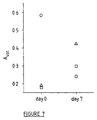
- Figure 7 shows that individual antibody levels to disialoganglioside GD3 increased approximately 1.5 times from day 7 to day 0 for 2 rabbits out of 3 indicating that low levels of antibodies against disialoganglioside GD3 were produced. The rabbit that did not respond had a high reading on day 0 which was reduced after immunisation.
- ISCOPREP TM 703 and ISCOMATRIX TM are products of Iscotec A.B. - refer International Patent Application No. PCT/AU95/00670 .
- Table 1 Serum antibody response to monosialoganglioside GM2 measured by dot blot assay. Mice were immunized with GM2 A/Texas immunostimulating complex. Antigen in dot Detection with sera ⁇ GM2 ATexas-immunostimulating complex ⁇ A/Texas-immunostimulating complex Neg.
Landscapes
- Health & Medical Sciences (AREA)
- Life Sciences & Earth Sciences (AREA)
- Chemical & Material Sciences (AREA)
- General Health & Medical Sciences (AREA)
- Veterinary Medicine (AREA)
- Public Health (AREA)
- Medicinal Chemistry (AREA)
- Animal Behavior & Ethology (AREA)
- Pharmacology & Pharmacy (AREA)
- Immunology (AREA)
- Epidemiology (AREA)
- Microbiology (AREA)
- Mycology (AREA)
- Virology (AREA)
- General Chemical & Material Sciences (AREA)
- Chemical Kinetics & Catalysis (AREA)
- Nuclear Medicine, Radiotherapy & Molecular Imaging (AREA)
- Organic Chemistry (AREA)
- Oncology (AREA)
- Pulmonology (AREA)
- Communicable Diseases (AREA)
- Engineering & Computer Science (AREA)
- Bioinformatics & Cheminformatics (AREA)
- Medicines Containing Antibodies Or Antigens For Use As Internal Diagnostic Agents (AREA)
- Pharmaceuticals Containing Other Organic And Inorganic Compounds (AREA)
- Steroid Compounds (AREA)
- Medicines That Contain Protein Lipid Enzymes And Other Medicines (AREA)
Description
- The present invention relates generally to an immunostimulating complex comprising one or more gangliosides and more particularly to an immunostimulating complex comprising at least one of the gangliosides GM2, GD2, GD3 or GT3. The present invention is useful, inter alia, as a prophylactic and/or therapeutic agent in the treatment of tumours, and more particularly, melanomas.
- The bibliographic details of the publications referred to by author in this specification are collected at the end of the description.
- The incidence of malignant melanoma has been increasing rapidly over the last ten years with the survival rate of patients diagnosed with melanoma decreasing with increasing primary tumour thickness (Batch et al., 1982). Patients with regional lymphnode metastasis generally have a five year survival rate of less than 35 % following dissection (Coit et al., 1991).
- The identification of tumour associated antigens has provided further scope for tumour related therapies. Tumour antigens, both those which are unique to tumour cells and those which are shared with normal cells, have emerged as potential targets for active immunisation. One example of a class of tumour antigens are the gangliosides. Gangliosides are sialated glycosphingolipids consisting of hydrophilic (sugar) and hydrophobic (ceramide) portion. They are prevalent in brain and other neural crest derived cells and are also found on the tumours originating from these cells - astrocytomas, neuroblastomas and melanomas (Lloyd, 1993). Their pattern of cell surface expression is altered during the process of the malignant transformation (Halcomori, 1985). More than 70 gangliosides have been identified although not all of these are found on tumours.
- In terms of developing a vaccine, the induction of an effective immune response to carbohydrate antigens requires the co-presentation of carbohydrate epitopes (B epitopes) and T epitopes derived from protein to antigen presenting cells. This has traditionally been achieved by chemical conjugation of carbohydrate to carrier protein, the best known example being the haemophilus influenzae type b vaccines where a carbohydrate antigen is conjugated to either diphtheria toxoid, tetanus toxoid or Neisseria meningitidis major outer membrane protein. However, the use of chemical conjugation in the preparation of such vaccines presents inherent problems in that the structure of conformational epitopes may be altered thereby reducing or eliminating their antigenicity. In addition, chemical conjugation procedures are expensive, time consuming, very difficult to perform under uniform conditions and generally involve substantial losses of material. Further, in stimulating the immune response to such an antigen, adjuvants have commonly been used to increase immunogenicity of the antigen. One of the difficulties associated with the use of adjuvants stems from the unwanted reactivity which they may also induce.
- Dose-site reactivities are a major concern for both veterinary and human use of adjuvant in vaccine preparation. One way of avoiding toxicity is via the use of immunostimulating complexes. Immunostimulating complexes are typically small, cage like structures 30 to 40 nanometres in diameter which retain their structure on freeze drying. The size can vary, however, depending on mode of preparation, composition and method used for measurement. The final formulation of a typical immunostimulating complex with an optimal amount of immunogenic protein or polypeptide is a weight ratio of saponin, cholesterol, phospholipids and protein or polypeptide (5:1:1:1). Such a typical immunostimulating complex is estimated to contain around 60% by weight saponin, around 10% each for cholesterol and phospholipids and the remainder protein or polypeptides. Proteins or polypeptides can be incorporated into the immunostimulating complex matrix either directly or by chemical coupling to a carrier protein (eg. influenza envelope protein) after incorporation of the carrier protein into the immunostimulating complex.
- The saponin adjuvants, a group of surface active glycosides of plant origin, are highly effective adjuvants. However, although effective they nevertheless exhibit toxicity. Such toxicity is reducable by incorporation of saponin into an immunostimulating complex. This is due to the association of the saponin adjuvant with cholesterol in the complex thereby reducing its ability to bind to cholesterol in cell membranes. Further, a lesser amount of saponin is required to generate a similar level of adjuvant effect.
- Barr et al., (Immunology & Cell Biology (1996) 74:8-25) is a review article discussing immunostimulating complexes having the ability to act as vaccine adjuvants (iscoms). Livingston et al., (Vaccine (1994) 12: 1275-1280) describes a Phase I clinical trial of the saponin fraction QS-21 with the ganglioside GM2 covalently linked to the antigen keyhole limpet haemocyanin.
WO 90/03184 WO 97/30726 - In work leading up to the present invention, the inventors have found that the phospholipid component of an immunostimulating complex can be replaced with ganglioside molecules since gangliosides are structurally related to phospholipids. Both molecules have two acyl chains joined through glycerol to a head group. Although not intending to limit the operations of the invention to any one mode of action, it is believed that because the nature of a ganglioside molecule is a fatty acid chain with a polar head group, the fatty acid chain immerses in the immunostimulating complex leaving the polar head group exposed, said head group thereby functioning as an exposed B cell epitope. Such a formulation can present the antigenic portion of the ganglioside at the surface of the immunostimulating complex structure.
- Accordingly, one aspect of the present invention relates to an immunogenic immunostimulating complex comprising a saponin preparation, a sterol and a protein epitope, together with either (i) a phospholipid and at least one ganglioside or (ii) at least one ganglioside alone, wherein said ganglioside is not GM1 and is not chemically conjugated to said protein epitope.
- Saponin preparations, sterols and phospholipids suitable for use in the present invention are described in detail in
PCT/AU95/00670 - An immunogenic immunostimulating complex in accordance with the present invention may be prepared by techniques which are well known to persons skilled in the art, and which are described in detail in the publications of Cox and Coulter, 1992 and Morein et al.,
Australian Patent Specifications No. 558258 589915 590904 632067 - Multiple proteins and gangliosides can be incorporated into a single immunostimulating complex. This permits the preparation of immunostimulating complexes wherein the ratio of protein components to gangliosides varies between individual immunostimulating complexes.
- Homologs of gangliosides contemplated herein include, but are not limited to, gangliosides derived from different species.
- Preferably, said ganglioside is selected from GM2, GD2, GD3 and/or GT3 (Lloyd, 1993) or derivatives thereof.
- Accordingly, in this preferred embodiment the present invention relates to an immunogenic immunostimulating complex comprising a saponin preparation, a sterol, a protein epitope together with either (i) a phospholipid and at least one of the gangliosides GM2, GD2, GD3 and/or GT3 or (ii) at least one of the gangliosides GM2, GD2, GD3 and/or GT3 alone.
- The "protein" in the complex of said invention includes a T cell epitope suitable for presentation by an antigen presenting cell. Examples include but are not limited to the melanoma antigens e.g. Mel 40, MAGE, GAGE, NY-ESO-1, Melan A, Mage 3 (Stockert et al., 1998), influenza haemagglutinin, key hole limpet haemocyanin or cancer specific proteins (e.g. cancer specific proteins which are relevant to the cancer in respect of which the therapeutic vaccine will be used). Said protein may act as both a T cell epitope to help induce antibody responses to gangliosides and as a protective antigen in its own right. For example, Melan A can provide the T cell epitope suitable for presentation by an antigen presenting cell thereby assisting in the induction of an antibody response to the ganglioside component of the present invention but can also stimulate an immune response against the Melan A epitope, itself. Where said protein is a melanoma specific antigen, the induction of an immune response against said protein may yield therapeutic efficacy. In a particularly preferred embodiment, said proteins may function as protective antigens in their own right.
- According to one preferred aspect of the present invention there is provided an immunogenic immunostimulating complex comprising a saponin preparation, a sterol, influenza haemagglutinin together with either (i) a phospholipid and at least one of the gangliosides GM2, GD2, GD3 and/or GT3 or (ii) at least one of the gangliosides GM2, GD2, GD3 and/or GT3 alone.
- In another preferred aspect, said protein is a melanoma specific protein.
- According to this preferred aspect of the present invention there is provided an immunogenic immunostimulating complex comprising a saponin preparation, a sterol, a melanoma specific protein together with either (i) a phospholipid and at least one of the gangliosides GM2, GD2, GD3 and/or GT3 or (ii) at least one of the gangliosides GM2, GD2, GD3 and/or GT3 alone.
- The term "mammal" includes humans, primates, livestock animals (eg. horses, cattle, sheep, pigs, donkeys), laboratory test animals (eg. mice, rats, rabbits, guinea pigs), companion animals (eg. dogs, cats) and captive wild animals (eg. kangaroos, deer, foxes). Preferably, the mammal is a human or laboratory test animal. Even more preferably, the mammal is a human.
- Most gangliosides in a cell are found in the plasma membrane, with the carbohydrate moiety pointing outwards. In light of both this and the fact that gangliosides are prevalent in tumours they are ideally suited to act as cell surface antigen targets.
Further, several of the 70 plus gangliosides which have been identified are predominantly found on certain tumour cells. For example, melanoma tumours express varying amounts of GM2 and GD2. Further, the protein which is incorporated into the immunostimulating complex is a T cell epitope suitable for presentation by an antigen presenting cell. A further aspect of the present invention therefore relates to the use of the invention to induce an immune response in a mammal, including but not limited to a humoral and/or cell mediated immune response. - Accordingly, another aspect of the present invention relates to a pharmaceutical composition comprising as the active component an immunogenic immunostimulating complex as broadly described above, together with one or more pharmaceutically acceptable carriers and/or diluents.
- The pharmaceutical forms suitable for injectable use include sterile aqueous solutions (where water soluble) or dispersions and sterile powders for the extemporaneous preparation of sterile injectable solutions or dispersion or may be in the form of a cream or other form suitable for topical application. It must be stable under the conditions of manufacture and storage and must be preserved against the contaminating action of microorganisms such as bacteria and fungi. The carrier can be a solvent or dispersion medium containing, for example, water, ethanol, polyol (for example, glycerol, propylene glycol and liquid polyethylene glycol, and the like), suitable mixtures thereof, and vegetable oils. The proper fluidity can be maintained, for example, by the use of a coating such as lecithin, by the maintenance of the required particle size in the case of dispersion and by the use of superfactants. The preventions of the action of microorganisms can be brought about by various antibacterial and antifungal agents, for example, parabens, chlorobutanol, phenol, sorbic acid, thimerosal and the like. In many cases, it will be preferable to include isotonic agents, for example, sugars or sodium chloride. Prolonged absorption of the injectable compositions can be brought about by the use in the compositions of agents delaying absorption, for example, aluminum monostearate and gelatin.
- Sterile injectable solutions are prepared by incorporating the active compounds in the required amount in the appropriate solvent with various of the other ingredients enumerated above, as required, followed by filtered sterilisation. Generally, dispersions are prepared by incorporating the various sterilised active ingredient into a sterile vehicle which contains the basic dispersion medium and the required other ingredients from those enumerated above. In the case of sterile powders for the preparation of sterile injectable solutions, the preferred methods of preparation are vacuum drying and the freeze-drying technique which yield a powder of the active ingredient plus any additional desired ingredient from previously sterile-filtered solution thereof.
- When the active ingredients are suitably protected they may be orally administered, for example, with an inert diluent or with an assimilable edible carrier, or it may be enclosed in hard or soft shell gelatin capsule, or it may be compressed into tablets, or it may be incorporated directly with the food of the diet. For oral therapeutic administration, the active compound may be incorporated with excipients and used in the form of ingestible tablets, buccal tablets, troches, capsules, elixirs, suspensions, syrups, wafers, and the like. Such compositions and preparations should contain at least 1 % by weight of active compound. The percentage of the compositions and preparations may, of course, be varied and may conveniently be between about 5 to about 80 % of the weight of the unit. The amount of active compound in such therapeutically useful compositions is such that a suitable dosage will be obtained. Preferred compositions or preparations according to the present invention are prepared so that an oral dosage unit form contains between about 0.1 µg and 2000 mg of active compound.
- The tablets, troches, pills, capsules and the like may also contain the components as listed hereafter: a binder such as gum, acacia, corn starch or gelatin; excipients such as dicalcium phosphate; a disintegrating agent such as corn starch, potato starch, alginic acid and the like; a lubricant such as magnesium stearate; and a sweetening agent such as sucrose, lactose or saccharin may be added or a flavouring agent such as peppermint, oil of wintergreen, or cherry flavouring. When the dosage unit form is a capsule, it may contain, in addition to materials of the above type, a liquid carrier. Various other materials may be present as coatings or to otherwise modify the physical form of the dosage unit. For instance, tablets, pills, or capsules may be coated with shellac, sugar or both. A syrup or elixir may contain the active compound, sucrose as a sweetening agent, methyl and propylparabens as preservatives, a dye and flavouring such as cherry or orange flavour. Of course, any material used in preparing any dosage unit form should be pharmaceutically pure and substantially non-toxic in the amounts employed. In addition, the active compound(s) may be incorporated into sustained-release preparations and formulations.
- A further aspect of the present invention relates to the use of the invention in relation to disease conditions. For example, the present invention is particularly useful, but in no way limited to use in treating tumours and in particular, melanomas.
- Accordingly, another aspect of the present invention relates to a pharmaceutical composition as hereinbefore described for use in a method of eliciting or inducing an immune response to a disease condition in a mammal, wherein eliciting or inducing said immune response inhibits, halts or delays the onset or progression of the disease condition.
- Preferably, said disease condition is a tumour and even more preferably melanoma.
- According to this preferred aspect the invention relates to a pharmaceutical composition as hereinbefore described for use in a method of eliciting or inducing an immune response to melanoma or other tumour in a mammal, wherein eliciting or inducing said immune response inhibits, halts or delays the onset or progression of the melanoma or other tumour.
- As described above, the mammal undergoing treatment may be human or an animal in need of therapeutic or prophylactic treatment of a disease condition or a potential disease condition.
- In yet another aspect the present invention relates to the use of an immunogenic immunostimulating complex in the manufacture of a medicament for inhibiting, halting or delaying the onset or progression of a disease condition.
- Preferably said disease condition is a tumour and even more preferably a melanoma.
- Further features of the present invention are more fully described in the following Figures and/or Examples.
- In the Figures:
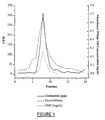
- Figure 1 is a graphical representation of the sucrose gradient analysis of GM2 A/Texas immunostimulating complex indicating the cholesterol, protein and GM2 monosialoganglioside contents of sucrose gradient fractions.
- Figure 2 is a graphical representation of serum antibody response to a A/Texas. Mean titres +/- SEM are shown after first and second immunisation of mice with A/Texas immunostimulating complexes or A/Texas Immunostimulating complexes containing monosialoganglioside GM2.
- Figure 3 is a graphical representation of individual serum antibody levels to A/Texas of three rabbits immunised with GM2 A/Texas immunostimulating complex. Antibody levels are shown as the absorbence of sera diluted 1:6250.
- Figure 4 is a graphical representation of individual serum antibody levels to monoganglioside GM2 of three rabbits immunised with GM2 A/Texas immunostimulating complex. Antibody levels are shown as the absorbence of sera diluted 1:25.
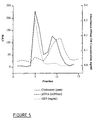
- Figure 5 is a graphical representation of the sucrose gradient analysis of GD3 p-OVA immunostimulating complex indicating the cholesterol, protein and GD3 monosialoganglioside contents of sucrose gradient fractions.
- Figure 6 is a graphical representation of individual serum antibody levels of ovalbumin of three rabbits immunised with GD3 p-OVA immunostimulating complex. Antibody levels are shown as the absorbence of sera diluted 1:640.
- Figure 7 is a graphical representation of individual antibody levels to monosialoganglioside GD3 of three rabbits immunised with GD3 p-OVA immunostimulating complex. Antibody levels are shown as the absorbence of sera diluted 1:40.
- Immunostimulating complex formulations were prepared by the method of Morein et al. (1989). Briefly, to 5.3 mg of detergent disrupted haemagglutinin (HA) from the human A/Texas strain in 4.5 ml PBS was added 1 ml of a solution containing 10 mg/ml cholesterol in 20% MEGA-10 detergent (w/v) and 1 ml of an aqueous solution containing 10 mg/ml monosialoganglioside GM2 (Larodan Fine Chemicals AB, Sweden). Following mixing, 3.5 ml of a solution containing 10 mg/ml ISCOPREP™703 in PBS was added, the solution was held at 25°C for 1 hour with gentle mixing. During subsequent dialysis against PBS/azide immunostimulating complexes containing influenza HA, cholesterol, ISCOPREP™703 and monosialoganglioside GM2 are formed. These immunostimulating complexes were of typical appearance by electron microscopy. Similarly, A/Texas immunostimulating complexes were prepared where the monosialoganglioside GM2 was replaced with dipalmitoyl phosphatidyl choline (DPPC).
- After dialysis, preparations were purified on a sucrose gradient (10 to 50% sucrose) and fractions analysed for radioactivity (to detect tritiated cholesterol), protein (to detect influenza antigens) and by HPLC (to detect monosialoganglioside GM2) (Figure 1). The detection of monosialoganglioside GM2 using reverse phase HPLC was according to Palestini et al. (1990). All three basic components peaked in those fractions in which typical immunostimulating complexes were identified by EM, indicating incorporation of all components into the immunostimulating complex.
- Ten outbred NIH strain mice were immunized subcutaneously on
day 0,day 28 and day 110 with 0.1 ml of GM2 A/Texas immunostimulating complex (preparation described in Example 1) containing 11 µg ISCOPREP™703, 1 µg the influenza protein from the human A/Texas strain and 3 µg monosialoganglioside GM2. All mice were retro-orbitally bled onday - Induction of serum IgG antibodies directed against A/Texas were measured by Enzyme Immuno Assay (EIA). F96 MaxiSorp plates (Nunc, Denmark) were coated with 2.5 µg/well of disrupted A/Texas influenza virus in 0.05 M carbonate buffer, pH 9.6 over night at room temperature. The plates were blocked in 0.01 M PBS, pH 7.2 containing 0.1 % casein, 0.01 % Thiomersal and stabiliser for a minimum of 1 hour at room temperature and were dried under vacuum. Fivefold dilutions of mouse sera, starting from 1 in 1000, were made in 0.01 M PBS, pH 7.2 containing 1 % Casein, 0.05 % Tween-20 and 0.01 % Thiomersal (assay buffer) and 100 µl/well was incubated for 2 hours at room temperature. Each plate included a standard serum diluted twofold starting from 1 in 20. After five washings in 0.01 M PBS, pH 7.2 containing 0.05 % Tween-20 and 0.0005 % Thiomersal the plates were incubated for 2 hours at room temperature with horse-radish peroxidase conjugated goat anti mouse IgG (Kirkegaard & Perry Laboratories, USA) diluted to 0.06 µg/ml in assay buffer. After three additional washes substrate solution (TMB, Microwell Peroxidase Substrate System, Kirkegaard & Perry Laboratories, USA) was added at 100 µl/well and incubated for 10 minutes at room temperature. The enzyme reaction was stopped by addition of 50 µl/well of 0.5 M H2SO4 and the absorbance at 450 nm was read. End-point titres were calculated from a four parameter fit analysis of the linear part of the standard curve.
- Immunization with GM2 A/Texas immunostimulating complex gave rise to IgG antibodies directed against A/Texas (Figure 2). A significant booster effect was seen between the first and the second immunization (p < 0.05). Titres were compared by the Wilcoxon signed rank test and the Mann-Whitney U-test using the GraphPad Instat v2.03 computer software.
- Induction of serum antibodies to monosialoganglioside GM2 were measured in a dot blot assay using immunostimulating complex containing monosialoganglioside GM2 (from Larodan Fine Chemicals AB, Sweden) but no protein as coating material (1.7 µg/dot ISCOPREP™703 and 0.25 µg/dot GM2). Preparation of the GM2 immunostimulating complex was essentially the same as for the GM2 A/Texas immunostimulating complex in Example 1, omitting the addition of the influenza protein. Dots containing ISCOMATRIX™ were used as control material (1.7 µg/dot ISCOPREP™703). Preparation of ISCOMATRIX™ was essentially the same as for the GM2 A/Texas immunostimulating complex in Example 1, omitting the addition of the influenza protein and replacing the monosialoganglioside GM2 with DPPC. Dots contaning purified and disrupted A/Texas were used as additional control material (approximately 80 ng/dot of haemagglutinin). Dots were made on nitro cellulose sheets (0.5 - 1 µl/dot). After drying for 10 minutes at room temperature the nitro cellulose sheets were incubated for 1 hour at room temperature in 0.01 M PBS, pH 7.2 containing 3 % Bovine Serum Albumin (BSA) (blocking buffer). Blots were incubated with a pool of sera taken on day 125 from mice immunized with GM2 A/Texas immunostimulating complex, a pool of sera from mice immunized with A/Texas immunostimulating complex and sera from naive mice. The three pools of sera were all diluted 1 in 1000 in blocking buffer added to the blots and incubated for 1 hour at room temperature. After washing three times, each for 10 minutes in 0.01 M PBS, pH 7.2 containing 0. 3 % BSA the blots were incubated with horse-radish peroxidase conjugated goat anti mouse IgG y specific (Kirkegaard & Perry Laboratories, USA) diluted to 0.06 µg/ml in blocking buffer for 1 hour at room temperature. After three further washings, substrate solution (4CN Peroxidase Substrate System, Kirkegaard & Perry Laboratories, USA) was added and incubated for approximately 10 minutes at room temperature. The blots were dried and stored in a dark place.
- GM2-immunostimulating complex was recognized by sera from the mice immunized with GM2 A/Texas immunostimulating complex but not by control sera raised against A/Texas-immunostimulating complex (Table 1) indicating that a population of antibodies in the sera are directed against GM2. Sera from the mice immunized with GM2 A/Texas immunostimulating complex also reacted with ISCOMATRIX™ not containing GM2. The control sera raised against A/Texas-immunostimulating complex did not react with ISCOMATRIX™. It is probable that the mice immunized with GM2 A/Texas immunostimulating complex produce some antibodies recognising the galactose moiety, which is a consistent carbohydrate at the C3 position of the aglycone quillaic acid on most, if not all, quillaia saponins.
- Three rabbits were immunized subcutaneously on
day 0 andday 19 with 0.5 ml of GM2 A/Texas immunostimulating complex (preparation described in Example 1) containing 200µg ISCOPREP ™703 , 20 µg A/Texas and 50 µg monosialoganglioside GM2. The rabbits were bled onday 0,day 7,day 19 andday 25. - Induction of serum IgG antibodies directed against A/Texas were measured by EIA. The assay was essentially the same as the EIA procedure described in Example 2 with the exception that a horse-radish peroxidase conjugated goat anti rabbit IgG H+L (Kirkegaard & Perry Laboratories, USA) diluted to 1 µg/ml in assay buffer were used instead of the mouse conjugate.
- As shown in Figure 3 antibody levels against A/Texas influenza proteins were raised after immunization with GM2 A/Texas immunostimulating complex. After the first immunisation the antibody levels increased approximately four fold from
day 0 today 7 followed by another approximate four fold rise fromday 7 to day 19 (p=0.05). A significant booster effect was seen between first and second immunization (p=0.05) and the antibody levels increased about 1.5 times. Antibody levels were compared by the Wilcoxon signed rank test using GraphPad Instat v2.03 computer software. - Induction of serum IgG antibodies directed against monosialoganglioside GM2 were measured by EIA. F96 MaxiSorp plates (Nunc, Denmark) were coated with monosialoganglioside GM2 (Larodan Fine Chemicals AB, Sweden) dissolved in 0.1 M Carbonate buffer, pH 9.4 at 0.1 µg/well. The plates were incubated over night at +4°C and the following steps were essentially the same as the EIA procedure described in Example 2 with the exception that a horse-radish peroxidase conjugated goat anti rabbit IgG (Kirkegaard & Perry Laboratories, USA) diluted to 1 µg/ml in assay buffer was used instead of the mouse conjugate.
- Figure 4 shows that the individual antibody levels to monosialoganglioside GM2 were approximately 2 times higher on
day 7 than onday 0 for all rabbits indicating that low levels of antibodies against monosialoganglioside GM2 were produced. - Induction of serum IgG antibodies directed against monosialoganglioside GM2 were also measured using a dot blot assay. The method was essentially the same as the procedure described in Example 2 with the exception that a horse-radish peroxidase conjugated goat anti rabbit IgG (Kirkegaard & Perry Laboratories, USA) diluted to 1 µg/ml in assay buffer was used instead of the mouse conjugate.
- GM2-immunostimulating complex was only recognized by rabbit sera taken 1 week after the second immunization (day 25) indicating that a booster response to antibodies directed against monosialoganglioside GM2 was seen (Table 2). The EIA appears to have higher sensitivity than the dot blot assay as a response was detected on
day 7. Analogous to Example 2 the rabbit sera fromday 25 also reacted with with ISCOMATRIX™ not containing GM2. The earlier bleeds did not react with ISCOMATRIX™. It is probable that also the rabbits immunized with GM2 A/Texas immunostimulating complex produce some antibodies recognising the galactose moiety probably present on the aglycone quillaic acid in the ISCOMATRIX™. - Immunostimulating complex containing disialoganglioside GD3 and palmitified ovalbumin (p-OVA) was essentially prepared according to the method described in Example 1 and in Mowat et al. (1991). The monosialoganglioside GM2 was replaced with disialoganglioside GD3 and A/Texas with p-OVA.
- After dialysis, preparations were purified on a sucrose gradient (10 to 50 % sucrose) and fractions analysed for radioactivity (to detect tritiated cholesterol), protein (to detect p-OVA) and by HPLC (to detect disialoganglioside GD3) (Figure 5). The detection of disialoganglioside GD3 using reverse phase HPLC was according to Palestini et al. (1990). All three basic components peaked in those fractions in which typical immunostimulating complexes were identified by EM, indicating incorporation of all components into the immunostimulating complex.
- Three rabbits were immunized subcutaneously on
day 0 with 0.5 ml of GD3 p-OVA immunostimulating complex (preparation described in Example 4) containing 200 µg ISCOPREP™703, 17 µg p-OVA and 111 µg disialoganglioside GD3. The rabbits were bled onday 0 andday 7. - Induction of serum IgG antibodies directed against ovalbumin were measured by EIA. F96 MaxiSorp plates (Nunc, Denmark) were coated with ovalbumin (Sigma, USA) dissolved in 10 mM Acetate buffer, pH 4.2 at 5 µg/well. The plates were incubated over night at +4°C and the following steps were essentially the same as the EIA procedure described in Example 2 with the exception that a horse-radish peroxidase conjugated goat anti rabbit IgG H+L (Kirkegaard & Perry Laboratories, USA) diluted to 1 µg/ml in assay buffer were used instead of the mouse conjugate.
- As shown in Figure 6 antibody levels against ovalbumin were raised after immunization with GD3 p-OVA immunostimulating complex. The antibody levels increased approximately three fold from
day 0 to day 7 (p=0.05). Antibody levels were compared by the Wilcoxon signed rank test using GraphPad Instat v2.03 computer software. - Induction of serum IgG antibodies directed against disialoganglioside GD3 were measured by EIA. F96 MaxiSorp plates (Nunc, Denmark) were coated with disialoganglioside GD3 (Larodan Fine Chemicals AB, Sweden) dissolved in 0.1 M PBS, pH 7.2 at 0.1 µg/well. The plates were incubated over night at +4°C and the following steps were essentially the same as the EIA procedure described in Example 2 with the exceptions that Tween-20 was omitted in washing buffer and assay buffer and that a horse-radish peroxidase conjugated goat anti rabbit IgG (Kirkegaard & Perry Laboratories, USA) diluted to 1 µg/ml in assay buffer was used instead of the mouse conjugate.
- Figure 7 shows that individual antibody levels to disialoganglioside GD3 increased approximately 1.5 times from
day 7 today 0 for 2 rabbits out of 3 indicating that low levels of antibodies against disialoganglioside GD3 were produced. The rabbit that did not respond had a high reading onday 0 which was reduced after immunisation. - ISCOPREP™703 and ISCOMATRIX™ are products of Iscotec A.B. - refer International Patent Application No.
PCT/AU95/00670 Table 1. Serum antibody response to monosialoganglioside GM2 measured by dot blot assay. Mice were immunized with GM2 A/Texas immunostimulating complex. Antigen in dot Detection with sera α GM2 ATexas-immunostimulating complex α A/Texas-immunostimulating complex Neg. Mouse Sera ISCOMATRIX™ + - - GM2-immunostimulating complex ++ - - A/Texas + + - - no reaction between antigen and sera
+ clear reaction between antigen and sera
++ strong reaction between antigen and seraTable 2. Serum antibody response to monosialoganglioside GM2 measured by dot blot assay. Rabbits were immunized with GM2 A/Texas immunostimulating complex. Antigen in dot Detection with sera from rabbits immunised with GM2 A/Texas immunostimulating complex day 0 day 7day 19day 25ISCOMATRIX™ - - - + GM2-immunostimulating complex - - - ++ A/Texas - ++ ++ ++ - no reaction between antigen and sera
+ clear reaction between antigen and sera
++ strong reaction between antigen and sera -
- Balch, C.M., Smalley, R.V., Bartolucci, A.A. Cancer 49:1079-1084, 1982.
- Coit, D.G., Rogatko, A., Brennan, M.F. Ann. Surg. 214:627-636, 1991.
- Cox, J.C. and Coulter, A.R. Advances in Adjuvant Technology and Application in Animal Parasite Control Utilising Biotechnology Chapter 4 Editor Yong, W.K. CRC Press, 1992.
- Hakomori, S.I. Cancer Res. 45:2405-2414, 1985.
- Lloyd, K.O. N. Y. Acad. Sci. 690:50-58, 1993.
- Morein, B., Lougren, K., Hoglund, S. Vaccines: Recent Trends and Progress. Nato AS1 Series A: Life Sciences Vol. 215, Editors Gregoriadis, G., Allison, A. C., and Poste, G., Plenum Press, p 153, 1989.
- Palestini et al. J. Neurochem. 54:230-235, 1990.
- Ritter et al., Cancer Res. 50:1403-1410, 1990.
- Stockert et al., J. Exp. Med. 187:1349-1354, 1998.
Claims (13)
- An immunogenic immunostimulating complex comprising a saponin preparation, a sterol and a protein epitope, together with either (i) a phospholipid and at least one ganglioside or (ii) at least one ganglioside alone, wherein said ganglioside is not GM1 and is not chemically conjugated to said protein epitope.
- A complex according to claim 1 comprising at least one of GM2, GD2, GD3 and GT3.
- A complex according to claim 1 or 2 wherein said protein is a cancer protein.
- A complex according to claim 3 wherein said cancer protein is a melanoma specific protein.
- A complex according to claim 4 wherein said melanoma protein is MEL 40, MAGE, GAGE, NY-ESO-1 or melan A.
- A complex according to claim 1 or 2 wherein said protein is an influenza haemagglutinin.
- A pharmaceutical composition comprising as the active component an immunogenic immunostimulating complex as claimed in any one of claims 1 to 6, together with one or more pharmaceutically acceptable carriers and/or diluents.
- The pharmaceutical composition according to claim 7 for use in a method of eliciting or inducing an immune response to a disease condition in a mammal, and thereby inhibiting, halting or delaying the onset or progression of the disease condition.
- The pharmaceutical composition according to claim 8 wherein said disease condition is a tumor.
- The pharmaceutical composition according to claim 9 wherein said tumor is melanoma.
- The pharmaceutical composition according to claim 8, 9 or 10 wherein said mammal is human.
- Use of an immunogenic immunostimulating complex as claimed in any one of claims 1 to 6 in the manufacture of a medicament for inhibiting, halting or delaying the onset or progression of a tumor.
- Use according to claim 12 wherein said tumor is a melanoma.
Applications Claiming Priority (3)
| Application Number | Priority Date | Filing Date | Title |
|---|---|---|---|
| AUPO7329A AUPO732997A0 (en) | 1997-06-12 | 1997-06-12 | Ganglioside immunostimulating complexes and uses thereof |
| AUPO732997 | 1997-06-12 | ||
| PCT/AU1998/000453 WO1998056420A1 (en) | 1997-06-12 | 1998-06-12 | Ganglioside immunostimulating complexes and uses thereof |
Publications (3)
| Publication Number | Publication Date |
|---|---|
| EP1019087A1 EP1019087A1 (en) | 2000-07-19 |
| EP1019087A4 EP1019087A4 (en) | 2003-08-06 |
| EP1019087B1 true EP1019087B1 (en) | 2007-11-21 |
Family
ID=3801620
Family Applications (1)
| Application Number | Title | Priority Date | Filing Date |
|---|---|---|---|
| EP98928010A Expired - Lifetime EP1019087B1 (en) | 1997-06-12 | 1998-06-12 | Ganglioside immunostimulating complexes and uses thereof |
Country Status (9)
| Country | Link |
|---|---|
| US (1) | US6814981B1 (en) |
| EP (1) | EP1019087B1 (en) |
| JP (1) | JP2002504101A (en) |
| AU (1) | AUPO732997A0 (en) |
| CA (1) | CA2293439A1 (en) |
| DE (1) | DE69838757T2 (en) |
| NZ (1) | NZ501641A (en) |
| WO (1) | WO1998056420A1 (en) |
| ZA (1) | ZA985140B (en) |
Families Citing this family (5)
| Publication number | Priority date | Publication date | Assignee | Title |
|---|---|---|---|---|
| DK1377320T3 (en) * | 2001-04-04 | 2009-02-09 | Nordic Vaccine Technology As | Polynucleotide binding complexes comprising sterols and saponins |
| US7713942B2 (en) | 2001-04-04 | 2010-05-11 | Nordic Vaccine Technology A/S | Cage-like microparticle complexes comprising sterols and saponins for delivery of polynucleotides |
| DK1545605T3 (en) * | 2002-10-02 | 2010-04-12 | Nordic Vaccine As | Composition for vaccination |
| ES2630205T3 (en) | 2006-11-20 | 2017-08-18 | Duecom | Use of lipid-containing particles comprising quillaja saponins for cancer treatment |
| JP2008214241A (en) * | 2007-03-02 | 2008-09-18 | Snow Brand Milk Prod Co Ltd | Immunomodulator |
Family Cites Families (10)
| Publication number | Priority date | Publication date | Assignee | Title |
|---|---|---|---|---|
| SE8205892D0 (en) | 1982-10-18 | 1982-10-18 | Bror Morein | IMMUNOGENT MEMBRANE PROTEIN COMPLEX, SET FOR PREPARATION AND USE THEREOF |
| SE8405493D0 (en) * | 1984-11-01 | 1984-11-01 | Bror Morein | IMMUNOGENT COMPLEX AND KITCHEN FOR PREPARING IT AND USING IT AS IMMUNOSTIMENTING AGENTS |
| NZ230747A (en) | 1988-09-30 | 1992-05-26 | Bror Morein | Immunomodulating matrix comprising a complex of at least one lipid and at least one saponin; certain glycosylated triterpenoid saponins derived from quillaja saponaria molina |
| IE912535A1 (en) * | 1990-07-27 | 1992-01-29 | Res Dev Foundation | Liposomes that Provide Thymic Dependent Help to Weak Vaccine¹Antigens |
| IL105503A (en) * | 1992-04-28 | 1999-05-09 | Astra Ab | Peptide-carbohydrate conjugates capable of generating t cell immunity |
| EP1360963B1 (en) | 1993-01-22 | 2007-09-12 | Sloan-Kettering Institute For Cancer Research | Ganglioside-KLH conjugate vaccines with QS-21 for delaying recurrence of melanoma |
| EP0657471B1 (en) * | 1993-12-09 | 2001-10-24 | Centro de Inmunologia Molecular | Anti ganglioside monoclonal antibodies and their use in the specific active immunotherapy of malignant tumours |
| CU22420A1 (en) * | 1993-12-29 | 1996-01-31 | Centro Inmunologia Molecular | VACCINE COMPOSITION FOR THE DEVELOPMENT OF A RESPONSE AGAINST N GLYCOLYLATED GANGLIOSIDES AND ITS USE FOR THE TREATMENT OF CANCER |
| US6218166B1 (en) * | 1994-12-09 | 2001-04-17 | John Wayne Cancer Institute | Adjuvant incorporation into antigen carrying cells: compositions and methods |
| UA56132C2 (en) * | 1995-04-25 | 2003-05-15 | Смітклайн Бічем Байолоджікалс С.А. | Vaccine composition (variants), method for stabilizing qs21 providing resistance against hydrolysis (variants), method for manufacturing vaccine |
-
1997
- 1997-06-12 AU AUPO7329A patent/AUPO732997A0/en not_active Abandoned
-
1998
- 1998-06-12 DE DE69838757T patent/DE69838757T2/en not_active Expired - Lifetime
- 1998-06-12 JP JP50115099A patent/JP2002504101A/en not_active Ceased
- 1998-06-12 ZA ZA985140A patent/ZA985140B/en unknown
- 1998-06-12 US US09/445,749 patent/US6814981B1/en not_active Expired - Lifetime
- 1998-06-12 WO PCT/AU1998/000453 patent/WO1998056420A1/en not_active Ceased
- 1998-06-12 CA CA002293439A patent/CA2293439A1/en not_active Abandoned
- 1998-06-12 EP EP98928010A patent/EP1019087B1/en not_active Expired - Lifetime
- 1998-06-12 NZ NZ501641A patent/NZ501641A/en unknown
Non-Patent Citations (1)
| Title |
|---|
| None * |
Also Published As
| Publication number | Publication date |
|---|---|
| EP1019087A1 (en) | 2000-07-19 |
| AUPO732997A0 (en) | 1997-07-03 |
| JP2002504101A (en) | 2002-02-05 |
| WO1998056420A1 (en) | 1998-12-17 |
| CA2293439A1 (en) | 1998-12-17 |
| EP1019087A4 (en) | 2003-08-06 |
| NZ501641A (en) | 2000-12-22 |
| DE69838757D1 (en) | 2008-01-03 |
| DE69838757T2 (en) | 2008-10-30 |
| US6814981B1 (en) | 2004-11-09 |
| ZA985140B (en) | 1999-01-07 |
| HK1026855A1 (en) | 2000-12-29 |
Similar Documents
| Publication | Publication Date | Title |
|---|---|---|
| KR100307289B1 (en) | Ganglioside-KLH Conjugate Vaccine Containing QS-21 | |
| US11752204B2 (en) | Vaccines with higher carbohydrate antigen density and novel saponin adjuvant | |
| JP5084984B2 (en) | Immunogenic complexes and methods related thereto | |
| Kensil et al. | Structural and immunological characterization of the vaccine adjuvant QS-21 | |
| Estevez et al. | Enhancement of the immune response to poorly immunogenic gangliosides after incorporation into very small size proteoliposomes (VSSP) | |
| EP0362279B2 (en) | Saponin adjuvant | |
| AU632067B2 (en) | Matrix with immunomodulating activity | |
| EA015833B1 (en) | Immunogenic composition | |
| IE58530B1 (en) | Immunogenic complex, a method for producing the same, and the use thereof as an immune stimulant, vaccines and reagents | |
| US6814981B1 (en) | Ganglioside immunostimulating complexes and uses thereof | |
| EP1071452A1 (en) | Vaccine compositions comprising cd-1 antigens and t-cell stimulating compound and methods of use thereof | |
| AU725342B2 (en) | Ganglioside immunostimulating complexes and uses thereof | |
| Pawlak-Roblin et al. | Inhibition of multidrug resistance by immunisation with synthetic P-glycoprotein-derived peptides | |
| HK1026855B (en) | Ganglioside immunostimulating complexes and uses thereof | |
| JP4138884B2 (en) | Novel saponin composition and use thereof | |
| RU2174013C2 (en) | Composition for stimulation and enhancement of production of antibody that recognize ganglioside | |
| US20050095675A1 (en) | Mucin peptide with immunoenhancing properties | |
| KR20010075068A (en) | Vaccine preparations containing saponins | |
| JP2002525339A (en) | Carbohydrate vaccine for viral diseases | |
| HK1014659B (en) | Ganglioside-klh conjugate vaccines with qs-21 |
Legal Events
| Date | Code | Title | Description |
|---|---|---|---|
| PUAI | Public reference made under article 153(3) epc to a published international application that has entered the european phase |
Free format text: ORIGINAL CODE: 0009012 |
|
| 17P | Request for examination filed |
Effective date: 19991227 |
|
| AK | Designated contracting states |
Kind code of ref document: A1 Designated state(s): AT BE CH CY DE DK ES FI FR GB GR IE IT LI LU MC NL PT SE |
|
| A4 | Supplementary search report drawn up and despatched |
Effective date: 20030625 |
|
| 17Q | First examination report despatched |
Effective date: 20040102 |
|
| GRAP | Despatch of communication of intention to grant a patent |
Free format text: ORIGINAL CODE: EPIDOSNIGR1 |
|
| GRAS | Grant fee paid |
Free format text: ORIGINAL CODE: EPIDOSNIGR3 |
|
| GRAA | (expected) grant |
Free format text: ORIGINAL CODE: 0009210 |
|
| AK | Designated contracting states |
Kind code of ref document: B1 Designated state(s): AT BE CH CY DE DK ES FI FR GB GR IE IT LI LU MC NL PT SE |
|
| REG | Reference to a national code |
Ref country code: GB Ref legal event code: FG4D |
|
| REG | Reference to a national code |
Ref country code: IE Ref legal event code: FG4D |
|
| REG | Reference to a national code |
Ref country code: CH Ref legal event code: EP |
|
| REF | Corresponds to: |
Ref document number: 69838757 Country of ref document: DE Date of ref document: 20080103 Kind code of ref document: P |
|
| PG25 | Lapsed in a contracting state [announced via postgrant information from national office to epo] |
Ref country code: SE Free format text: LAPSE BECAUSE OF FAILURE TO SUBMIT A TRANSLATION OF THE DESCRIPTION OR TO PAY THE FEE WITHIN THE PRESCRIBED TIME-LIMIT Effective date: 20080221 Ref country code: NL Free format text: LAPSE BECAUSE OF FAILURE TO SUBMIT A TRANSLATION OF THE DESCRIPTION OR TO PAY THE FEE WITHIN THE PRESCRIBED TIME-LIMIT Effective date: 20071121 Ref country code: LI Free format text: LAPSE BECAUSE OF FAILURE TO SUBMIT A TRANSLATION OF THE DESCRIPTION OR TO PAY THE FEE WITHIN THE PRESCRIBED TIME-LIMIT Effective date: 20071121 Ref country code: ES Free format text: LAPSE BECAUSE OF FAILURE TO SUBMIT A TRANSLATION OF THE DESCRIPTION OR TO PAY THE FEE WITHIN THE PRESCRIBED TIME-LIMIT Effective date: 20080304 Ref country code: CH Free format text: LAPSE BECAUSE OF FAILURE TO SUBMIT A TRANSLATION OF THE DESCRIPTION OR TO PAY THE FEE WITHIN THE PRESCRIBED TIME-LIMIT Effective date: 20071121 |
|
| NLV1 | Nl: lapsed or annulled due to failure to fulfill the requirements of art. 29p and 29m of the patents act | ||
| PG25 | Lapsed in a contracting state [announced via postgrant information from national office to epo] |
Ref country code: FI Free format text: LAPSE BECAUSE OF FAILURE TO SUBMIT A TRANSLATION OF THE DESCRIPTION OR TO PAY THE FEE WITHIN THE PRESCRIBED TIME-LIMIT Effective date: 20071121 |
|
| REG | Reference to a national code |
Ref country code: CH Ref legal event code: PL |
|
| REG | Reference to a national code |
Ref country code: HK Ref legal event code: GR Ref document number: 1026855 Country of ref document: HK |
|
| PG25 | Lapsed in a contracting state [announced via postgrant information from national office to epo] |
Ref country code: AT Free format text: LAPSE BECAUSE OF FAILURE TO SUBMIT A TRANSLATION OF THE DESCRIPTION OR TO PAY THE FEE WITHIN THE PRESCRIBED TIME-LIMIT Effective date: 20071121 |
|
| PG25 | Lapsed in a contracting state [announced via postgrant information from national office to epo] |
Ref country code: DK Free format text: LAPSE BECAUSE OF FAILURE TO SUBMIT A TRANSLATION OF THE DESCRIPTION OR TO PAY THE FEE WITHIN THE PRESCRIBED TIME-LIMIT Effective date: 20071121 |
|
| ET | Fr: translation filed | ||
| PLBE | No opposition filed within time limit |
Free format text: ORIGINAL CODE: 0009261 |
|
| STAA | Information on the status of an ep patent application or granted ep patent |
Free format text: STATUS: NO OPPOSITION FILED WITHIN TIME LIMIT |
|
| PG25 | Lapsed in a contracting state [announced via postgrant information from national office to epo] |
Ref country code: PT Free format text: LAPSE BECAUSE OF FAILURE TO SUBMIT A TRANSLATION OF THE DESCRIPTION OR TO PAY THE FEE WITHIN THE PRESCRIBED TIME-LIMIT Effective date: 20080421 |
|
| 26N | No opposition filed |
Effective date: 20080822 |
|
| PG25 | Lapsed in a contracting state [announced via postgrant information from national office to epo] |
Ref country code: MC Free format text: LAPSE BECAUSE OF NON-PAYMENT OF DUE FEES Effective date: 20080630 Ref country code: GR Free format text: LAPSE BECAUSE OF FAILURE TO SUBMIT A TRANSLATION OF THE DESCRIPTION OR TO PAY THE FEE WITHIN THE PRESCRIBED TIME-LIMIT Effective date: 20080222 |
|
| PG25 | Lapsed in a contracting state [announced via postgrant information from national office to epo] |
Ref country code: IE Free format text: LAPSE BECAUSE OF NON-PAYMENT OF DUE FEES Effective date: 20080612 |
|
| PG25 | Lapsed in a contracting state [announced via postgrant information from national office to epo] |
Ref country code: CY Free format text: LAPSE BECAUSE OF FAILURE TO SUBMIT A TRANSLATION OF THE DESCRIPTION OR TO PAY THE FEE WITHIN THE PRESCRIBED TIME-LIMIT Effective date: 20071121 |
|
| PG25 | Lapsed in a contracting state [announced via postgrant information from national office to epo] |
Ref country code: LU Free format text: LAPSE BECAUSE OF NON-PAYMENT OF DUE FEES Effective date: 20080612 |
|
| REG | Reference to a national code |
Ref country code: FR Ref legal event code: PLFP Year of fee payment: 19 |
|
| REG | Reference to a national code |
Ref country code: FR Ref legal event code: PLFP Year of fee payment: 20 |
|
| PGFP | Annual fee paid to national office [announced via postgrant information from national office to epo] |
Ref country code: FR Payment date: 20170616 Year of fee payment: 20 Ref country code: DE Payment date: 20170620 Year of fee payment: 20 Ref country code: GB Payment date: 20170615 Year of fee payment: 20 |
|
| PGFP | Annual fee paid to national office [announced via postgrant information from national office to epo] |
Ref country code: BE Payment date: 20170616 Year of fee payment: 20 Ref country code: IT Payment date: 20170620 Year of fee payment: 20 |
|
| REG | Reference to a national code |
Ref country code: DE Ref legal event code: R071 Ref document number: 69838757 Country of ref document: DE |
|
| REG | Reference to a national code |
Ref country code: GB Ref legal event code: PE20 Expiry date: 20180611 |
|
| PG25 | Lapsed in a contracting state [announced via postgrant information from national office to epo] |
Ref country code: GB Free format text: LAPSE BECAUSE OF EXPIRATION OF PROTECTION Effective date: 20180611 |
|
| REG | Reference to a national code |
Ref country code: BE Ref legal event code: MK Effective date: 20180612 |