EP1008650B1 - Novel mapk kinase - Google Patents
Novel mapk kinase Download PDFInfo
- Publication number
- EP1008650B1 EP1008650B1 EP98929833A EP98929833A EP1008650B1 EP 1008650 B1 EP1008650 B1 EP 1008650B1 EP 98929833 A EP98929833 A EP 98929833A EP 98929833 A EP98929833 A EP 98929833A EP 1008650 B1 EP1008650 B1 EP 1008650B1
- Authority
- EP
- European Patent Office
- Prior art keywords
- kinase
- mkk7
- mapk
- mapk kinase
- dna
- Prior art date
- Legal status (The legal status is an assumption and is not a legal conclusion. Google has not performed a legal analysis and makes no representation as to the accuracy of the status listed.)
- Expired - Lifetime
Links
- 101150024075 Mapk1 gene Proteins 0.000 title 1
- 102000004232 Mitogen-Activated Protein Kinase Kinases Human genes 0.000 claims abstract description 133
- 108090000744 Mitogen-Activated Protein Kinase Kinases Proteins 0.000 claims abstract description 131
- 108010055717 JNK Mitogen-Activated Protein Kinases Proteins 0.000 claims abstract description 62
- 108091054455 MAP kinase family Proteins 0.000 claims abstract description 59
- 102000043136 MAP kinase family Human genes 0.000 claims abstract description 58
- 108020004414 DNA Proteins 0.000 claims abstract description 45
- 230000004913 activation Effects 0.000 claims abstract description 32
- 108090000765 processed proteins & peptides Proteins 0.000 claims abstract description 32
- 229920001184 polypeptide Polymers 0.000 claims abstract description 30
- 102000004196 processed proteins & peptides Human genes 0.000 claims abstract description 30
- 239000000126 substance Substances 0.000 claims abstract description 28
- 108010052621 fas Receptor Proteins 0.000 claims abstract description 20
- 102000018823 fas Receptor Human genes 0.000 claims abstract description 20
- 108020004511 Recombinant DNA Proteins 0.000 claims abstract description 18
- 230000000638 stimulation Effects 0.000 claims abstract description 17
- 239000013604 expression vector Substances 0.000 claims abstract description 16
- 230000005764 inhibitory process Effects 0.000 claims abstract description 11
- 238000004113 cell culture Methods 0.000 claims abstract description 9
- 244000005700 microbiome Species 0.000 claims abstract description 9
- 241000251539 Vertebrata <Metazoa> Species 0.000 claims abstract description 6
- 101000950669 Homo sapiens Mitogen-activated protein kinase 9 Proteins 0.000 claims abstract 5
- 102000019145 JUN kinase activity proteins Human genes 0.000 claims abstract 5
- 102100037809 Mitogen-activated protein kinase 9 Human genes 0.000 claims abstract 5
- 108060008682 Tumor Necrosis Factor Proteins 0.000 claims description 47
- 102000000852 Tumor Necrosis Factor-alpha Human genes 0.000 claims description 46
- 108091000080 Phosphotransferase Proteins 0.000 claims description 45
- 239000002773 nucleotide Substances 0.000 claims description 42
- 125000003729 nucleotide group Chemical group 0.000 claims description 42
- 102000020233 phosphotransferase Human genes 0.000 claims description 42
- 230000000694 effects Effects 0.000 claims description 39
- 238000000034 method Methods 0.000 claims description 27
- 125000000539 amino acid group Chemical group 0.000 claims description 21
- 238000012216 screening Methods 0.000 claims description 14
- 125000000341 threoninyl group Chemical group [H]OC([H])(C([H])([H])[H])C([H])(N([H])[H])C(*)=O 0.000 claims description 9
- FWMNVWWHGCHHJJ-SKKKGAJSSA-N 4-amino-1-[(2r)-6-amino-2-[[(2r)-2-[[(2r)-2-[[(2r)-2-amino-3-phenylpropanoyl]amino]-3-phenylpropanoyl]amino]-4-methylpentanoyl]amino]hexanoyl]piperidine-4-carboxylic acid Chemical compound C([C@H](C(=O)N[C@H](CC(C)C)C(=O)N[C@H](CCCCN)C(=O)N1CCC(N)(CC1)C(O)=O)NC(=O)[C@H](N)CC=1C=CC=CC=1)C1=CC=CC=C1 FWMNVWWHGCHHJJ-SKKKGAJSSA-N 0.000 claims description 8
- 125000003607 serino group Chemical group [H]N([H])[C@]([H])(C(=O)[*])C(O[H])([H])[H] 0.000 claims description 7
- 125000003275 alpha amino acid group Chemical group 0.000 claims 4
- MZOFCQQQCNRIBI-VMXHOPILSA-N (3s)-4-[[(2s)-1-[[(2s)-1-[[(1s)-1-carboxy-2-hydroxyethyl]amino]-4-methyl-1-oxopentan-2-yl]amino]-5-(diaminomethylideneamino)-1-oxopentan-2-yl]amino]-3-[[2-[[(2s)-2,6-diaminohexanoyl]amino]acetyl]amino]-4-oxobutanoic acid Chemical compound OC[C@@H](C(O)=O)NC(=O)[C@H](CC(C)C)NC(=O)[C@H](CCCN=C(N)N)NC(=O)[C@H](CC(O)=O)NC(=O)CNC(=O)[C@@H](N)CCCCN MZOFCQQQCNRIBI-VMXHOPILSA-N 0.000 claims 2
- 108090000623 proteins and genes Proteins 0.000 abstract description 38
- 201000010099 disease Diseases 0.000 abstract description 16
- 208000037265 diseases, disorders, signs and symptoms Diseases 0.000 abstract description 16
- 238000001415 gene therapy Methods 0.000 abstract description 4
- 239000003153 chemical reaction reagent Substances 0.000 abstract description 3
- GOZMBJCYMQQACI-UHFFFAOYSA-N 6,7-dimethyl-3-[[methyl-[2-[methyl-[[1-[3-(trifluoromethyl)phenyl]indol-3-yl]methyl]amino]ethyl]amino]methyl]chromen-4-one;dihydrochloride Chemical compound Cl.Cl.C=1OC2=CC(C)=C(C)C=C2C(=O)C=1CN(C)CCN(C)CC(C1=CC=CC=C11)=CN1C1=CC=CC(C(F)(F)F)=C1 GOZMBJCYMQQACI-UHFFFAOYSA-N 0.000 abstract 1
- 101000624594 Homo sapiens Dual specificity mitogen-activated protein kinase kinase 7 Proteins 0.000 description 143
- 102100023332 Dual specificity mitogen-activated protein kinase kinase 7 Human genes 0.000 description 121
- 210000004027 cell Anatomy 0.000 description 66
- 150000001413 amino acids Chemical group 0.000 description 44
- 102100023274 Dual specificity mitogen-activated protein kinase kinase 4 Human genes 0.000 description 40
- 108010068338 p38 Mitogen-Activated Protein Kinases Proteins 0.000 description 32
- 102000002574 p38 Mitogen-Activated Protein Kinases Human genes 0.000 description 31
- 101100457891 Mus musculus Map2k7 gene Proteins 0.000 description 30
- 108010068304 MAP Kinase Kinase 4 Proteins 0.000 description 23
- 239000013598 vector Substances 0.000 description 23
- 235000018102 proteins Nutrition 0.000 description 22
- 102000004169 proteins and genes Human genes 0.000 description 22
- 239000002299 complementary DNA Substances 0.000 description 21
- 241000699666 Mus <mouse, genus> Species 0.000 description 19
- 241000282414 Homo sapiens Species 0.000 description 18
- 101710146518 Dual specificity mitogen-activated protein kinase kinase 4 Proteins 0.000 description 17
- 230000019491 signal transduction Effects 0.000 description 17
- 239000012634 fragment Substances 0.000 description 16
- 239000000523 sample Substances 0.000 description 15
- 241000588724 Escherichia coli Species 0.000 description 14
- 230000026731 phosphorylation Effects 0.000 description 14
- 238000006366 phosphorylation reaction Methods 0.000 description 14
- 238000009396 hybridization Methods 0.000 description 13
- 238000006243 chemical reaction Methods 0.000 description 11
- 239000000284 extract Substances 0.000 description 11
- 238000011144 upstream manufacturing Methods 0.000 description 11
- FAPWRFPIFSIZLT-UHFFFAOYSA-M Sodium chloride Chemical compound [Na+].[Cl-] FAPWRFPIFSIZLT-UHFFFAOYSA-M 0.000 description 10
- 241000269370 Xenopus <genus> Species 0.000 description 10
- 238000005516 engineering process Methods 0.000 description 10
- 108020004999 messenger RNA Proteins 0.000 description 10
- QKNYBSVHEMOAJP-UHFFFAOYSA-N 2-amino-2-(hydroxymethyl)propane-1,3-diol;hydron;chloride Chemical compound Cl.OCC(N)(CO)CO QKNYBSVHEMOAJP-UHFFFAOYSA-N 0.000 description 9
- 108091060211 Expressed sequence tag Proteins 0.000 description 9
- 101000624426 Homo sapiens Dual specificity mitogen-activated protein kinase kinase 6 Proteins 0.000 description 9
- KDXKERNSBIXSRK-UHFFFAOYSA-N Lysine Natural products NCCCCC(N)C(O)=O KDXKERNSBIXSRK-UHFFFAOYSA-N 0.000 description 9
- 101150105578 SAPK3 gene Proteins 0.000 description 9
- 210000004556 brain Anatomy 0.000 description 9
- 102000053447 human MAP2K7 Human genes 0.000 description 9
- 239000000758 substrate Substances 0.000 description 9
- 102100023401 Dual specificity mitogen-activated protein kinase kinase 6 Human genes 0.000 description 8
- 101000950695 Homo sapiens Mitogen-activated protein kinase 8 Proteins 0.000 description 8
- 101150003567 Mapk12 gene Proteins 0.000 description 8
- 102000056243 Mitogen-activated protein kinase 12 Human genes 0.000 description 8
- 108700015929 Mitogen-activated protein kinase 12 Proteins 0.000 description 8
- 102100037808 Mitogen-activated protein kinase 8 Human genes 0.000 description 8
- 108091028043 Nucleic acid sequence Proteins 0.000 description 8
- 108091034117 Oligonucleotide Proteins 0.000 description 8
- 239000011324 bead Substances 0.000 description 8
- 239000000872 buffer Substances 0.000 description 8
- 238000010367 cloning Methods 0.000 description 8
- 239000013613 expression plasmid Substances 0.000 description 8
- WHUUTDBJXJRKMK-UHFFFAOYSA-N Glutamic acid Natural products OC(=O)C(N)CCC(O)=O WHUUTDBJXJRKMK-UHFFFAOYSA-N 0.000 description 7
- 101100345683 Mus musculus Mapk1 gene Proteins 0.000 description 7
- 230000006907 apoptotic process Effects 0.000 description 7
- 102000005962 receptors Human genes 0.000 description 7
- 108020003175 receptors Proteins 0.000 description 7
- 239000000243 solution Substances 0.000 description 7
- 241000255581 Drosophila <fruit fly, genus> Species 0.000 description 6
- 102000004190 Enzymes Human genes 0.000 description 6
- 108090000790 Enzymes Proteins 0.000 description 6
- DHCLVCXQIBBOPH-UHFFFAOYSA-N Glycerol 2-phosphate Chemical compound OCC(CO)OP(O)(O)=O DHCLVCXQIBBOPH-UHFFFAOYSA-N 0.000 description 6
- 101001050288 Homo sapiens Transcription factor Jun Proteins 0.000 description 6
- AYFVYJQAPQTCCC-GBXIJSLDSA-N L-threonine Chemical compound C[C@@H](O)[C@H](N)C(O)=O AYFVYJQAPQTCCC-GBXIJSLDSA-N 0.000 description 6
- 101150022648 MKK7 gene Proteins 0.000 description 6
- TWRXJAOTZQYOKJ-UHFFFAOYSA-L Magnesium chloride Chemical compound [Mg+2].[Cl-].[Cl-] TWRXJAOTZQYOKJ-UHFFFAOYSA-L 0.000 description 6
- 101001115391 Mus musculus Dual specificity mitogen-activated protein kinase kinase 4 Proteins 0.000 description 6
- 102100023132 Transcription factor Jun Human genes 0.000 description 6
- 230000003213 activating effect Effects 0.000 description 6
- 230000006870 function Effects 0.000 description 6
- 210000002216 heart Anatomy 0.000 description 6
- 239000000047 product Substances 0.000 description 6
- 230000035882 stress Effects 0.000 description 6
- 239000006228 supernatant Substances 0.000 description 6
- 108091032973 (ribonucleotides)n+m Proteins 0.000 description 5
- OUYCCCASQSFEME-QMMMGPOBSA-N L-tyrosine Chemical compound OC(=O)[C@@H](N)CC1=CC=C(O)C=C1 OUYCCCASQSFEME-QMMMGPOBSA-N 0.000 description 5
- 229920002684 Sepharose Polymers 0.000 description 5
- DEFVIWRASFVYLL-UHFFFAOYSA-N ethylene glycol bis(2-aminoethyl)tetraacetic acid Chemical compound OC(=O)CN(CC(O)=O)CCOCCOCCN(CC(O)=O)CC(O)=O DEFVIWRASFVYLL-UHFFFAOYSA-N 0.000 description 5
- 230000003053 immunization Effects 0.000 description 5
- 238000001727 in vivo Methods 0.000 description 5
- 238000011534 incubation Methods 0.000 description 5
- 239000003112 inhibitor Substances 0.000 description 5
- 230000002401 inhibitory effect Effects 0.000 description 5
- 210000000287 oocyte Anatomy 0.000 description 5
- YBYRMVIVWMBXKQ-UHFFFAOYSA-N phenylmethanesulfonyl fluoride Chemical compound FS(=O)(=O)CC1=CC=CC=C1 YBYRMVIVWMBXKQ-UHFFFAOYSA-N 0.000 description 5
- 239000011780 sodium chloride Substances 0.000 description 5
- 125000001493 tyrosinyl group Chemical group [H]OC1=C([H])C([H])=C(C([H])=C1[H])C([H])([H])C([H])(N([H])[H])C(*)=O 0.000 description 5
- MTCFGRXMJLQNBG-REOHCLBHSA-N (2S)-2-Amino-3-hydroxypropansäure Chemical compound OC[C@H](N)C(O)=O MTCFGRXMJLQNBG-REOHCLBHSA-N 0.000 description 4
- 208000023275 Autoimmune disease Diseases 0.000 description 4
- 108091026890 Coding region Proteins 0.000 description 4
- 101001115394 Homo sapiens Dual specificity mitogen-activated protein kinase kinase 3 Proteins 0.000 description 4
- 101001059454 Homo sapiens Serine/threonine-protein kinase MARK2 Proteins 0.000 description 4
- 125000000174 L-prolyl group Chemical group [H]N1C([H])([H])C([H])([H])C([H])([H])[C@@]1([H])C(*)=O 0.000 description 4
- 241000699660 Mus musculus Species 0.000 description 4
- 102100033479 RAF proto-oncogene serine/threonine-protein kinase Human genes 0.000 description 4
- 101710141955 RAF proto-oncogene serine/threonine-protein kinase Proteins 0.000 description 4
- 102100028904 Serine/threonine-protein kinase MARK2 Human genes 0.000 description 4
- 241000269368 Xenopus laevis Species 0.000 description 4
- 230000000692 anti-sense effect Effects 0.000 description 4
- 239000000427 antigen Substances 0.000 description 4
- 102000036639 antigens Human genes 0.000 description 4
- 108091007433 antigens Proteins 0.000 description 4
- 238000002649 immunization Methods 0.000 description 4
- 230000007246 mechanism Effects 0.000 description 4
- 125000001360 methionine group Chemical group N[C@@H](CCSC)C(=O)* 0.000 description 4
- 239000000203 mixture Substances 0.000 description 4
- 210000000056 organ Anatomy 0.000 description 4
- 239000013612 plasmid Substances 0.000 description 4
- 108091033319 polynucleotide Proteins 0.000 description 4
- 102000040430 polynucleotide Human genes 0.000 description 4
- 239000002157 polynucleotide Substances 0.000 description 4
- 230000001105 regulatory effect Effects 0.000 description 4
- 230000004044 response Effects 0.000 description 4
- 238000002415 sodium dodecyl sulfate polyacrylamide gel electrophoresis Methods 0.000 description 4
- 210000001519 tissue Anatomy 0.000 description 4
- -1 two serine residues Chemical compound 0.000 description 4
- JKMHFZQWWAIEOD-UHFFFAOYSA-N 2-[4-(2-hydroxyethyl)piperazin-1-yl]ethanesulfonic acid Chemical compound OCC[NH+]1CCN(CCS([O-])(=O)=O)CC1 JKMHFZQWWAIEOD-UHFFFAOYSA-N 0.000 description 3
- KISWVXRQTGLFGD-UHFFFAOYSA-N 2-[[2-[[6-amino-2-[[2-[[2-[[5-amino-2-[[2-[[1-[2-[[6-amino-2-[(2,5-diamino-5-oxopentanoyl)amino]hexanoyl]amino]-5-(diaminomethylideneamino)pentanoyl]pyrrolidine-2-carbonyl]amino]-3-hydroxypropanoyl]amino]-5-oxopentanoyl]amino]-5-(diaminomethylideneamino)p Chemical compound C1CCN(C(=O)C(CCCN=C(N)N)NC(=O)C(CCCCN)NC(=O)C(N)CCC(N)=O)C1C(=O)NC(CO)C(=O)NC(CCC(N)=O)C(=O)NC(CCCN=C(N)N)C(=O)NC(CO)C(=O)NC(CCCCN)C(=O)NC(C(=O)NC(CC(C)C)C(O)=O)CC1=CC=C(O)C=C1 KISWVXRQTGLFGD-UHFFFAOYSA-N 0.000 description 3
- CSCPPACGZOOCGX-UHFFFAOYSA-N Acetone Chemical compound CC(C)=O CSCPPACGZOOCGX-UHFFFAOYSA-N 0.000 description 3
- 108010039627 Aprotinin Proteins 0.000 description 3
- 101100026251 Caenorhabditis elegans atf-2 gene Proteins 0.000 description 3
- 108010070675 Glutathione transferase Proteins 0.000 description 3
- 208000009329 Graft vs Host Disease Diseases 0.000 description 3
- 239000007995 HEPES buffer Substances 0.000 description 3
- 102100029100 Hematopoietic prostaglandin D synthase Human genes 0.000 description 3
- 206010061218 Inflammation Diseases 0.000 description 3
- ROHFNLRQFUQHCH-YFKPBYRVSA-N L-leucine Chemical compound CC(C)C[C@H](N)C(O)=O ROHFNLRQFUQHCH-YFKPBYRVSA-N 0.000 description 3
- 108700012928 MAPK14 Proteins 0.000 description 3
- 102000054819 Mitogen-activated protein kinase 14 Human genes 0.000 description 3
- 238000000636 Northern blotting Methods 0.000 description 3
- 102000001253 Protein Kinase Human genes 0.000 description 3
- MTCFGRXMJLQNBG-UHFFFAOYSA-N Serine Natural products OCC(N)C(O)=O MTCFGRXMJLQNBG-UHFFFAOYSA-N 0.000 description 3
- 108060008683 Tumor Necrosis Factor Receptor Proteins 0.000 description 3
- 101710187743 Tumor necrosis factor receptor superfamily member 1A Proteins 0.000 description 3
- 102100033732 Tumor necrosis factor receptor superfamily member 1A Human genes 0.000 description 3
- ZKHQWZAMYRWXGA-KNYAHOBESA-N [[(2r,3s,4r,5r)-5-(6-aminopurin-9-yl)-3,4-dihydroxyoxolan-2-yl]methoxy-hydroxyphosphoryl] dihydroxyphosphoryl hydrogen phosphate Chemical compound C1=NC=2C(N)=NC=NC=2N1[C@@H]1O[C@H](COP(O)(=O)OP(O)(=O)O[32P](O)(O)=O)[C@@H](O)[C@H]1O ZKHQWZAMYRWXGA-KNYAHOBESA-N 0.000 description 3
- 125000003295 alanine group Chemical group N[C@@H](C)C(=O)* 0.000 description 3
- 235000001014 amino acid Nutrition 0.000 description 3
- 229940024606 amino acid Drugs 0.000 description 3
- 229960004405 aprotinin Drugs 0.000 description 3
- 206010003246 arthritis Diseases 0.000 description 3
- 238000000376 autoradiography Methods 0.000 description 3
- 230000033228 biological regulation Effects 0.000 description 3
- 239000007975 buffered saline Substances 0.000 description 3
- 238000005119 centrifugation Methods 0.000 description 3
- 150000001875 compounds Chemical class 0.000 description 3
- 210000004748 cultured cell Anatomy 0.000 description 3
- 238000012217 deletion Methods 0.000 description 3
- 230000037430 deletion Effects 0.000 description 3
- 229940079593 drug Drugs 0.000 description 3
- 239000003814 drug Substances 0.000 description 3
- 238000002474 experimental method Methods 0.000 description 3
- 208000024908 graft versus host disease Diseases 0.000 description 3
- 239000003102 growth factor Substances 0.000 description 3
- 230000004054 inflammatory process Effects 0.000 description 3
- ZPNFWUPYTFPOJU-LPYSRVMUSA-N iniprol Chemical compound C([C@H]1C(=O)NCC(=O)NCC(=O)N[C@H]2CSSC[C@H]3C(=O)N[C@@H](CCCCN)C(=O)N[C@@H](C)C(=O)N[C@@H](CCCNC(N)=N)C(=O)N[C@H](C(N[C@H](C(=O)N[C@@H](CCCNC(N)=N)C(=O)N[C@@H](CC=4C=CC(O)=CC=4)C(=O)N[C@@H](CC=4C=CC=CC=4)C(=O)N[C@@H](CC=4C=CC(O)=CC=4)C(=O)N[C@@H](CC(N)=O)C(=O)N[C@@H](C)C(=O)N[C@@H](CCCCN)C(=O)N[C@@H](C)C(=O)NCC(=O)N[C@@H](CC(C)C)C(=O)N[C@@H](CSSC[C@H](NC(=O)[C@H](CC(O)=O)NC(=O)[C@H](CCC(O)=O)NC(=O)[C@H](C)NC(=O)[C@H](CO)NC(=O)[C@H](CCCCN)NC(=O)[C@H](CC=4C=CC=CC=4)NC(=O)[C@H](CC(N)=O)NC(=O)[C@H](CC(N)=O)NC(=O)[C@H](CCCNC(N)=N)NC(=O)[C@H](CCCCN)NC(=O)[C@H](C)NC(=O)[C@H](CCCNC(N)=N)NC2=O)C(=O)N[C@@H](CCSC)C(=O)N[C@@H](CCCNC(N)=N)C(=O)N[C@@H]([C@@H](C)O)C(=O)N[C@@H](CSSC[C@H](NC(=O)[C@H](CC=2C=CC=CC=2)NC(=O)[C@H](CC(O)=O)NC(=O)[C@H]2N(CCC2)C(=O)[C@@H](N)CCCNC(N)=N)C(=O)N[C@@H](CC(C)C)C(=O)N[C@@H](CCC(O)=O)C(=O)N2[C@@H](CCC2)C(=O)N2[C@@H](CCC2)C(=O)N[C@@H](CC=2C=CC(O)=CC=2)C(=O)N[C@@H]([C@@H](C)O)C(=O)NCC(=O)N2[C@@H](CCC2)C(=O)N3)C(=O)NCC(=O)NCC(=O)N[C@@H](C)C(O)=O)C(=O)N[C@@H](CCC(N)=O)C(=O)N[C@H](C(=O)N[C@@H](CC=2C=CC=CC=2)C(=O)N[C@H](C(=O)N1)C(C)C)[C@@H](C)O)[C@@H](C)CC)=O)[C@@H](C)CC)C1=CC=C(O)C=C1 ZPNFWUPYTFPOJU-LPYSRVMUSA-N 0.000 description 3
- 125000003588 lysine group Chemical group [H]N([H])C([H])([H])C([H])([H])C([H])([H])C([H])([H])C([H])(N([H])[H])C(*)=O 0.000 description 3
- 229910001629 magnesium chloride Inorganic materials 0.000 description 3
- 230000001404 mediated effect Effects 0.000 description 3
- 210000004897 n-terminal region Anatomy 0.000 description 3
- 201000008383 nephritis Diseases 0.000 description 3
- 230000000865 phosphorylative effect Effects 0.000 description 3
- 239000013600 plasmid vector Substances 0.000 description 3
- 108060006633 protein kinase Proteins 0.000 description 3
- 239000011535 reaction buffer Substances 0.000 description 3
- 239000011541 reaction mixture Substances 0.000 description 3
- 206010039073 rheumatoid arthritis Diseases 0.000 description 3
- 230000035939 shock Effects 0.000 description 3
- 210000002027 skeletal muscle Anatomy 0.000 description 3
- 238000006467 substitution reaction Methods 0.000 description 3
- 230000035897 transcription Effects 0.000 description 3
- 238000013518 transcription Methods 0.000 description 3
- LSGOVYNHVSXFFJ-UHFFFAOYSA-N vanadate(3-) Chemical compound [O-][V]([O-])([O-])=O LSGOVYNHVSXFFJ-UHFFFAOYSA-N 0.000 description 3
- YKJYKKNCCRKFSL-RDBSUJKOSA-N (-)-anisomycin Chemical compound C1=CC(OC)=CC=C1C[C@@H]1[C@H](OC(C)=O)[C@@H](O)CN1 YKJYKKNCCRKFSL-RDBSUJKOSA-N 0.000 description 2
- YKJYKKNCCRKFSL-UHFFFAOYSA-N Anisomycin Natural products C1=CC(OC)=CC=C1CC1C(OC(C)=O)C(O)CN1 YKJYKKNCCRKFSL-UHFFFAOYSA-N 0.000 description 2
- 102100036158 Ceramide kinase Human genes 0.000 description 2
- 108010017573 Ceramide kinase Proteins 0.000 description 2
- 102000004127 Cytokines Human genes 0.000 description 2
- 108090000695 Cytokines Proteins 0.000 description 2
- FBPFZTCFMRRESA-FSIIMWSLSA-N D-Glucitol Natural products OC[C@H](O)[C@H](O)[C@@H](O)[C@H](O)CO FBPFZTCFMRRESA-FSIIMWSLSA-N 0.000 description 2
- 108700040173 Drosophila Hep Proteins 0.000 description 2
- 238000002965 ELISA Methods 0.000 description 2
- 101000611183 Homo sapiens Tumor necrosis factor Proteins 0.000 description 2
- 101000611023 Homo sapiens Tumor necrosis factor receptor superfamily member 6 Proteins 0.000 description 2
- 102000000589 Interleukin-1 Human genes 0.000 description 2
- 108010002352 Interleukin-1 Proteins 0.000 description 2
- 102000001291 MAP Kinase Kinase Kinase Human genes 0.000 description 2
- 108010075654 MAP Kinase Kinase Kinase 1 Proteins 0.000 description 2
- 108060006687 MAP kinase kinase kinase Proteins 0.000 description 2
- 102100033115 Mitogen-activated protein kinase kinase kinase 1 Human genes 0.000 description 2
- 102000047918 Myelin Basic Human genes 0.000 description 2
- 101710107068 Myelin basic protein Proteins 0.000 description 2
- 206010028980 Neoplasm Diseases 0.000 description 2
- 108700020796 Oncogene Proteins 0.000 description 2
- 102000043276 Oncogene Human genes 0.000 description 2
- 241000283973 Oryctolagus cuniculus Species 0.000 description 2
- 229920001213 Polysorbate 20 Polymers 0.000 description 2
- 206010042033 Stevens-Johnson syndrome Diseases 0.000 description 2
- YGZWVPBHYABGLT-KJEVXHAQSA-N Thr-Pro-Tyr Chemical group C[C@@H](O)[C@H](N)C(=O)N1CCC[C@H]1C(=O)N[C@H](C(O)=O)CC1=CC=C(O)C=C1 YGZWVPBHYABGLT-KJEVXHAQSA-N 0.000 description 2
- 206010044223 Toxic epidermal necrolysis Diseases 0.000 description 2
- 231100000087 Toxic epidermal necrolysis Toxicity 0.000 description 2
- 102100040247 Tumor necrosis factor Human genes 0.000 description 2
- 102100033733 Tumor necrosis factor receptor superfamily member 1B Human genes 0.000 description 2
- 101710187830 Tumor necrosis factor receptor superfamily member 1B Proteins 0.000 description 2
- 102100040403 Tumor necrosis factor receptor superfamily member 6 Human genes 0.000 description 2
- 101000976897 Xenopus laevis Mitogen-activated protein kinase 14 Proteins 0.000 description 2
- JLCPHMBAVCMARE-UHFFFAOYSA-N [3-[[3-[[3-[[3-[[3-[[3-[[3-[[3-[[3-[[3-[[3-[[5-(2-amino-6-oxo-1H-purin-9-yl)-3-[[3-[[3-[[3-[[3-[[3-[[5-(2-amino-6-oxo-1H-purin-9-yl)-3-[[5-(2-amino-6-oxo-1H-purin-9-yl)-3-hydroxyoxolan-2-yl]methoxy-hydroxyphosphoryl]oxyoxolan-2-yl]methoxy-hydroxyphosphoryl]oxy-5-(5-methyl-2,4-dioxopyrimidin-1-yl)oxolan-2-yl]methoxy-hydroxyphosphoryl]oxy-5-(6-aminopurin-9-yl)oxolan-2-yl]methoxy-hydroxyphosphoryl]oxy-5-(6-aminopurin-9-yl)oxolan-2-yl]methoxy-hydroxyphosphoryl]oxy-5-(6-aminopurin-9-yl)oxolan-2-yl]methoxy-hydroxyphosphoryl]oxy-5-(6-aminopurin-9-yl)oxolan-2-yl]methoxy-hydroxyphosphoryl]oxyoxolan-2-yl]methoxy-hydroxyphosphoryl]oxy-5-(5-methyl-2,4-dioxopyrimidin-1-yl)oxolan-2-yl]methoxy-hydroxyphosphoryl]oxy-5-(4-amino-2-oxopyrimidin-1-yl)oxolan-2-yl]methoxy-hydroxyphosphoryl]oxy-5-(5-methyl-2,4-dioxopyrimidin-1-yl)oxolan-2-yl]methoxy-hydroxyphosphoryl]oxy-5-(5-methyl-2,4-dioxopyrimidin-1-yl)oxolan-2-yl]methoxy-hydroxyphosphoryl]oxy-5-(6-aminopurin-9-yl)oxolan-2-yl]methoxy-hydroxyphosphoryl]oxy-5-(6-aminopurin-9-yl)oxolan-2-yl]methoxy-hydroxyphosphoryl]oxy-5-(4-amino-2-oxopyrimidin-1-yl)oxolan-2-yl]methoxy-hydroxyphosphoryl]oxy-5-(4-amino-2-oxopyrimidin-1-yl)oxolan-2-yl]methoxy-hydroxyphosphoryl]oxy-5-(4-amino-2-oxopyrimidin-1-yl)oxolan-2-yl]methoxy-hydroxyphosphoryl]oxy-5-(6-aminopurin-9-yl)oxolan-2-yl]methoxy-hydroxyphosphoryl]oxy-5-(4-amino-2-oxopyrimidin-1-yl)oxolan-2-yl]methyl [5-(6-aminopurin-9-yl)-2-(hydroxymethyl)oxolan-3-yl] hydrogen phosphate Polymers Cc1cn(C2CC(OP(O)(=O)OCC3OC(CC3OP(O)(=O)OCC3OC(CC3O)n3cnc4c3nc(N)[nH]c4=O)n3cnc4c3nc(N)[nH]c4=O)C(COP(O)(=O)OC3CC(OC3COP(O)(=O)OC3CC(OC3COP(O)(=O)OC3CC(OC3COP(O)(=O)OC3CC(OC3COP(O)(=O)OC3CC(OC3COP(O)(=O)OC3CC(OC3COP(O)(=O)OC3CC(OC3COP(O)(=O)OC3CC(OC3COP(O)(=O)OC3CC(OC3COP(O)(=O)OC3CC(OC3COP(O)(=O)OC3CC(OC3COP(O)(=O)OC3CC(OC3COP(O)(=O)OC3CC(OC3COP(O)(=O)OC3CC(OC3COP(O)(=O)OC3CC(OC3COP(O)(=O)OC3CC(OC3COP(O)(=O)OC3CC(OC3CO)n3cnc4c(N)ncnc34)n3ccc(N)nc3=O)n3cnc4c(N)ncnc34)n3ccc(N)nc3=O)n3ccc(N)nc3=O)n3ccc(N)nc3=O)n3cnc4c(N)ncnc34)n3cnc4c(N)ncnc34)n3cc(C)c(=O)[nH]c3=O)n3cc(C)c(=O)[nH]c3=O)n3ccc(N)nc3=O)n3cc(C)c(=O)[nH]c3=O)n3cnc4c3nc(N)[nH]c4=O)n3cnc4c(N)ncnc34)n3cnc4c(N)ncnc34)n3cnc4c(N)ncnc34)n3cnc4c(N)ncnc34)O2)c(=O)[nH]c1=O JLCPHMBAVCMARE-UHFFFAOYSA-N 0.000 description 2
- 239000012190 activator Substances 0.000 description 2
- 239000002260 anti-inflammatory agent Substances 0.000 description 2
- 229940124599 anti-inflammatory drug Drugs 0.000 description 2
- 230000001640 apoptogenic effect Effects 0.000 description 2
- 125000000637 arginyl group Chemical group N[C@@H](CCCNC(N)=N)C(=O)* 0.000 description 2
- 125000000613 asparagine group Chemical group N[C@@H](CC(N)=O)C(=O)* 0.000 description 2
- CKLJMWTZIZZHCS-REOHCLBHSA-N aspartic acid group Chemical group N[C@@H](CC(=O)O)C(=O)O CKLJMWTZIZZHCS-REOHCLBHSA-N 0.000 description 2
- 238000010523 cascade reaction Methods 0.000 description 2
- 230000010261 cell growth Effects 0.000 description 2
- 230000000295 complement effect Effects 0.000 description 2
- 238000010276 construction Methods 0.000 description 2
- 125000000151 cysteine group Chemical group N[C@@H](CS)C(=O)* 0.000 description 2
- OPTASPLRGRRNAP-UHFFFAOYSA-N cytosine Chemical compound NC=1C=CNC(=O)N=1 OPTASPLRGRRNAP-UHFFFAOYSA-N 0.000 description 2
- 238000001962 electrophoresis Methods 0.000 description 2
- 125000000291 glutamic acid group Chemical group N[C@@H](CCC(O)=O)C(=O)* 0.000 description 2
- 125000000404 glutamine group Chemical group N[C@@H](CCC(N)=O)C(=O)* 0.000 description 2
- RWSXRVCMGQZWBV-WDSKDSINSA-N glutathione Chemical compound OC(=O)[C@@H](N)CCC(=O)N[C@@H](CS)C(=O)NCC(O)=O RWSXRVCMGQZWBV-WDSKDSINSA-N 0.000 description 2
- 125000003630 glycyl group Chemical group [H]N([H])C([H])([H])C(*)=O 0.000 description 2
- UYTPUPDQBNUYGX-UHFFFAOYSA-N guanine Chemical compound O=C1NC(N)=NC2=C1N=CN2 UYTPUPDQBNUYGX-UHFFFAOYSA-N 0.000 description 2
- 125000000487 histidyl group Chemical group [H]N([H])C(C(=O)O*)C([H])([H])C1=C([H])N([H])C([H])=N1 0.000 description 2
- 102000049105 human MAP2K3 Human genes 0.000 description 2
- 102000057041 human TNF Human genes 0.000 description 2
- 230000001939 inductive effect Effects 0.000 description 2
- NOESYZHRGYRDHS-UHFFFAOYSA-N insulin Chemical compound N1C(=O)C(NC(=O)C(CCC(N)=O)NC(=O)C(CCC(O)=O)NC(=O)C(C(C)C)NC(=O)C(NC(=O)CN)C(C)CC)CSSCC(C(NC(CO)C(=O)NC(CC(C)C)C(=O)NC(CC=2C=CC(O)=CC=2)C(=O)NC(CCC(N)=O)C(=O)NC(CC(C)C)C(=O)NC(CCC(O)=O)C(=O)NC(CC(N)=O)C(=O)NC(CC=2C=CC(O)=CC=2)C(=O)NC(CSSCC(NC(=O)C(C(C)C)NC(=O)C(CC(C)C)NC(=O)C(CC=2C=CC(O)=CC=2)NC(=O)C(CC(C)C)NC(=O)C(C)NC(=O)C(CCC(O)=O)NC(=O)C(C(C)C)NC(=O)C(CC(C)C)NC(=O)C(CC=2NC=NC=2)NC(=O)C(CO)NC(=O)CNC2=O)C(=O)NCC(=O)NC(CCC(O)=O)C(=O)NC(CCCNC(N)=N)C(=O)NCC(=O)NC(CC=3C=CC=CC=3)C(=O)NC(CC=3C=CC=CC=3)C(=O)NC(CC=3C=CC(O)=CC=3)C(=O)NC(C(C)O)C(=O)N3C(CCC3)C(=O)NC(CCCCN)C(=O)NC(C)C(O)=O)C(=O)NC(CC(N)=O)C(O)=O)=O)NC(=O)C(C(C)CC)NC(=O)C(CO)NC(=O)C(C(C)O)NC(=O)C1CSSCC2NC(=O)C(CC(C)C)NC(=O)C(NC(=O)C(CCC(N)=O)NC(=O)C(CC(N)=O)NC(=O)C(NC(=O)C(N)CC=1C=CC=CC=1)C(C)C)CC1=CN=CN1 NOESYZHRGYRDHS-UHFFFAOYSA-N 0.000 description 2
- 230000031146 intracellular signal transduction Effects 0.000 description 2
- 125000000741 isoleucyl group Chemical group [H]N([H])C(C(C([H])([H])[H])C([H])([H])C([H])([H])[H])C(=O)O* 0.000 description 2
- 125000001909 leucine group Chemical group [H]N(*)C(C(*)=O)C([H])([H])C(C([H])([H])[H])C([H])([H])[H] 0.000 description 2
- 210000004698 lymphocyte Anatomy 0.000 description 2
- 230000035772 mutation Effects 0.000 description 2
- 210000004165 myocardium Anatomy 0.000 description 2
- 230000003204 osmotic effect Effects 0.000 description 2
- 230000037361 pathway Effects 0.000 description 2
- COLNVLDHVKWLRT-QMMMGPOBSA-N phenylalanine group Chemical group N[C@@H](CC1=CC=CC=C1)C(=O)O COLNVLDHVKWLRT-QMMMGPOBSA-N 0.000 description 2
- 239000000256 polyoxyethylene sorbitan monolaurate Substances 0.000 description 2
- 235000010486 polyoxyethylene sorbitan monolaurate Nutrition 0.000 description 2
- 230000004481 post-translational protein modification Effects 0.000 description 2
- 238000002360 preparation method Methods 0.000 description 2
- 125000001500 prolyl group Chemical group [H]N1C([H])(C(=O)[*])C([H])([H])C([H])([H])C1([H])[H] 0.000 description 2
- 230000005855 radiation Effects 0.000 description 2
- 239000002002 slurry Substances 0.000 description 2
- 239000007787 solid Substances 0.000 description 2
- 239000000600 sorbitol Substances 0.000 description 2
- 230000001629 suppression Effects 0.000 description 2
- RWQNBRDOKXIBIV-UHFFFAOYSA-N thymine Chemical group CC1=CNC(=O)NC1=O RWQNBRDOKXIBIV-UHFFFAOYSA-N 0.000 description 2
- 238000010361 transduction Methods 0.000 description 2
- 230000026683 transduction Effects 0.000 description 2
- 238000001890 transfection Methods 0.000 description 2
- 230000014616 translation Effects 0.000 description 2
- 238000013519 translation Methods 0.000 description 2
- 125000000430 tryptophan group Chemical group [H]N([H])C(C(=O)O*)C([H])([H])C1=C([H])N([H])C2=C([H])C([H])=C([H])C([H])=C12 0.000 description 2
- 102000003298 tumor necrosis factor receptor Human genes 0.000 description 2
- OUYCCCASQSFEME-UHFFFAOYSA-N tyrosine Natural products OC(=O)C(N)CC1=CC=C(O)C=C1 OUYCCCASQSFEME-UHFFFAOYSA-N 0.000 description 2
- 125000002987 valine group Chemical group [H]N([H])C([H])(C(*)=O)C([H])(C([H])([H])[H])C([H])([H])[H] 0.000 description 2
- 239000011534 wash buffer Substances 0.000 description 2
- 238000005406 washing Methods 0.000 description 2
- 238000001262 western blot Methods 0.000 description 2
- 102000040650 (ribonucleotides)n+m Human genes 0.000 description 1
- 102100032303 26S proteasome non-ATPase regulatory subunit 2 Human genes 0.000 description 1
- 229930024421 Adenine Natural products 0.000 description 1
- 108091003079 Bovine Serum Albumin Proteins 0.000 description 1
- 102000000844 Cell Surface Receptors Human genes 0.000 description 1
- 108010001857 Cell Surface Receptors Proteins 0.000 description 1
- 108020004635 Complementary DNA Proteins 0.000 description 1
- 208000011231 Crohn disease Diseases 0.000 description 1
- FBPFZTCFMRRESA-JGWLITMVSA-N D-glucitol Chemical compound OC[C@H](O)[C@@H](O)[C@H](O)[C@H](O)CO FBPFZTCFMRRESA-JGWLITMVSA-N 0.000 description 1
- 108010008286 DNA nucleotidylexotransferase Proteins 0.000 description 1
- 102000010170 Death domains Human genes 0.000 description 1
- 108050001718 Death domains Proteins 0.000 description 1
- 101100342473 Drosophila melanogaster Raf gene Proteins 0.000 description 1
- 108030004793 Dual-specificity kinases Proteins 0.000 description 1
- 241000620209 Escherichia coli DH5[alpha] Species 0.000 description 1
- 108010007457 Extracellular Signal-Regulated MAP Kinases Proteins 0.000 description 1
- 102000030782 GTP binding Human genes 0.000 description 1
- 108091000058 GTP-Binding Proteins 0.000 description 1
- 108010024636 Glutathione Proteins 0.000 description 1
- 102000009465 Growth Factor Receptors Human genes 0.000 description 1
- 108010009202 Growth Factor Receptors Proteins 0.000 description 1
- 102100026973 Heat shock protein 75 kDa, mitochondrial Human genes 0.000 description 1
- 101000590272 Homo sapiens 26S proteasome non-ATPase regulatory subunit 2 Proteins 0.000 description 1
- 101100023496 Homo sapiens MAPK8 gene Proteins 0.000 description 1
- 101001005602 Homo sapiens Mitogen-activated protein kinase kinase kinase 11 Proteins 0.000 description 1
- 101001018196 Homo sapiens Mitogen-activated protein kinase kinase kinase 5 Proteins 0.000 description 1
- 102000001706 Immunoglobulin Fab Fragments Human genes 0.000 description 1
- 108010054477 Immunoglobulin Fab Fragments Proteins 0.000 description 1
- 102000004877 Insulin Human genes 0.000 description 1
- 108090001061 Insulin Proteins 0.000 description 1
- 206010023203 Joint destruction Diseases 0.000 description 1
- 238000012218 Kunkel's method Methods 0.000 description 1
- 125000002842 L-seryl group Chemical group O=C([*])[C@](N([H])[H])([H])C([H])([H])O[H] 0.000 description 1
- ROHFNLRQFUQHCH-UHFFFAOYSA-N Leucine Natural products CC(C)CC(N)C(O)=O ROHFNLRQFUQHCH-UHFFFAOYSA-N 0.000 description 1
- 208000005777 Lupus Nephritis Diseases 0.000 description 1
- 239000004472 Lysine Substances 0.000 description 1
- 101150105302 MAPK gene Proteins 0.000 description 1
- 101150084099 MEKK1 gene Proteins 0.000 description 1
- 241000124008 Mammalia Species 0.000 description 1
- 208000001940 Massive Hepatic Necrosis Diseases 0.000 description 1
- 102100024193 Mitogen-activated protein kinase 1 Human genes 0.000 description 1
- 102100025207 Mitogen-activated protein kinase kinase kinase 11 Human genes 0.000 description 1
- 102100033127 Mitogen-activated protein kinase kinase kinase 5 Human genes 0.000 description 1
- 102100026888 Mitogen-activated protein kinase kinase kinase 7 Human genes 0.000 description 1
- BLTCBVOJNNKFKC-QUDYQQOWSA-N N-acetylsphingosine Chemical compound CCCCCCCCCCCCC\C=C\[C@@H](O)[C@H](CO)NC(C)=O BLTCBVOJNNKFKC-QUDYQQOWSA-N 0.000 description 1
- 108010057466 NF-kappa B Proteins 0.000 description 1
- 108091008604 NGF receptors Proteins 0.000 description 1
- 102100023050 Nuclear factor NF-kappa-B p105 subunit Human genes 0.000 description 1
- 108010038807 Oligopeptides Proteins 0.000 description 1
- 102000015636 Oligopeptides Human genes 0.000 description 1
- 239000002033 PVDF binder Substances 0.000 description 1
- 229940123573 Protein synthesis inhibitor Drugs 0.000 description 1
- 102000004022 Protein-Tyrosine Kinases Human genes 0.000 description 1
- 108090000412 Protein-Tyrosine Kinases Proteins 0.000 description 1
- 239000012980 RPMI-1640 medium Substances 0.000 description 1
- 101100523543 Rattus norvegicus Raf1 gene Proteins 0.000 description 1
- 102000007056 Recombinant Fusion Proteins Human genes 0.000 description 1
- 108010008281 Recombinant Fusion Proteins Proteins 0.000 description 1
- 208000025747 Rheumatic disease Diseases 0.000 description 1
- 101000761953 Schizosaccharomyces pombe (strain 972 / ATCC 24843) Protein kinase byr2 Proteins 0.000 description 1
- 102000004398 TNF receptor-associated factor 1 Human genes 0.000 description 1
- 108090000920 TNF receptor-associated factor 1 Proteins 0.000 description 1
- 108090000925 TNF receptor-associated factor 2 Proteins 0.000 description 1
- 102100034779 TRAF family member-associated NF-kappa-B activator Human genes 0.000 description 1
- LKEKWDJCJSPXNI-IRIUXVKKSA-N Thr-Glu-Tyr Chemical compound C[C@@H](O)[C@H](N)C(=O)N[C@@H](CCC(O)=O)C(=O)N[C@H](C(O)=O)CC1=CC=C(O)C=C1 LKEKWDJCJSPXNI-IRIUXVKKSA-N 0.000 description 1
- 208000026062 Tissue disease Diseases 0.000 description 1
- 108050005223 Transcription factor Jun Proteins 0.000 description 1
- 101710204707 Transforming growth factor-beta receptor-associated protein 1 Proteins 0.000 description 1
- 108091005906 Type I transmembrane proteins Proteins 0.000 description 1
- 241000700605 Viruses Species 0.000 description 1
- 101100523549 Xenopus laevis raf1 gene Proteins 0.000 description 1
- 101150037250 Zhx2 gene Proteins 0.000 description 1
- 229960000643 adenine Drugs 0.000 description 1
- GFFGJBXGBJISGV-UHFFFAOYSA-N adenyl group Chemical group N1=CN=C2N=CNC2=C1N GFFGJBXGBJISGV-UHFFFAOYSA-N 0.000 description 1
- 208000026935 allergic disease Diseases 0.000 description 1
- 230000003321 amplification Effects 0.000 description 1
- 230000003110 anti-inflammatory effect Effects 0.000 description 1
- 238000003556 assay Methods 0.000 description 1
- 238000000211 autoradiogram Methods 0.000 description 1
- 230000008901 benefit Effects 0.000 description 1
- 230000005250 beta ray Effects 0.000 description 1
- 239000012888 bovine serum Substances 0.000 description 1
- 210000004899 c-terminal region Anatomy 0.000 description 1
- 201000011510 cancer Diseases 0.000 description 1
- 230000030833 cell death Effects 0.000 description 1
- 230000011712 cell development Effects 0.000 description 1
- 230000024245 cell differentiation Effects 0.000 description 1
- 230000004709 cell invasion Effects 0.000 description 1
- 230000004663 cell proliferation Effects 0.000 description 1
- 150000001783 ceramides Chemical class 0.000 description 1
- 230000008859 change Effects 0.000 description 1
- 239000012228 culture supernatant Substances 0.000 description 1
- 229940104302 cytosine Drugs 0.000 description 1
- 230000001419 dependent effect Effects 0.000 description 1
- 238000011161 development Methods 0.000 description 1
- 230000018109 developmental process Effects 0.000 description 1
- 238000003745 diagnosis Methods 0.000 description 1
- 238000010790 dilution Methods 0.000 description 1
- 239000012895 dilution Substances 0.000 description 1
- 238000004520 electroporation Methods 0.000 description 1
- 230000023117 embryonic morphogenesis Effects 0.000 description 1
- 239000003623 enhancer Substances 0.000 description 1
- 230000006353 environmental stress Effects 0.000 description 1
- 210000003527 eukaryotic cell Anatomy 0.000 description 1
- 239000012091 fetal bovine serum Substances 0.000 description 1
- 239000012847 fine chemical Substances 0.000 description 1
- 102000037865 fusion proteins Human genes 0.000 description 1
- 108020001507 fusion proteins Proteins 0.000 description 1
- 230000005251 gamma ray Effects 0.000 description 1
- 229960003180 glutathione Drugs 0.000 description 1
- 230000013595 glycosylation Effects 0.000 description 1
- 238000006206 glycosylation reaction Methods 0.000 description 1
- 239000000185 hemagglutinin Substances 0.000 description 1
- HNDVDQJCIGZPNO-UHFFFAOYSA-N histidine Natural products OC(=O)C(N)CC1=CN=CN1 HNDVDQJCIGZPNO-UHFFFAOYSA-N 0.000 description 1
- 230000028993 immune response Effects 0.000 description 1
- 239000012133 immunoprecipitate Substances 0.000 description 1
- 238000000338 in vitro Methods 0.000 description 1
- 230000006698 induction Effects 0.000 description 1
- 230000006882 induction of apoptosis Effects 0.000 description 1
- 230000002757 inflammatory effect Effects 0.000 description 1
- 230000028709 inflammatory response Effects 0.000 description 1
- 229940125396 insulin Drugs 0.000 description 1
- 230000000302 ischemic effect Effects 0.000 description 1
- 210000003734 kidney Anatomy 0.000 description 1
- 239000003446 ligand Substances 0.000 description 1
- 238000001638 lipofection Methods 0.000 description 1
- 210000004185 liver Anatomy 0.000 description 1
- 210000004072 lung Anatomy 0.000 description 1
- UEGPKNKPLBYCNK-UHFFFAOYSA-L magnesium acetate Chemical compound [Mg+2].CC([O-])=O.CC([O-])=O UEGPKNKPLBYCNK-UHFFFAOYSA-L 0.000 description 1
- 239000011654 magnesium acetate Substances 0.000 description 1
- 235000011285 magnesium acetate Nutrition 0.000 description 1
- 229940069446 magnesium acetate Drugs 0.000 description 1
- 238000004519 manufacturing process Methods 0.000 description 1
- 239000002609 medium Substances 0.000 description 1
- 239000012528 membrane Substances 0.000 description 1
- 238000000520 microinjection Methods 0.000 description 1
- 239000003226 mitogen Substances 0.000 description 1
- 238000002703 mutagenesis Methods 0.000 description 1
- 231100000350 mutagenesis Toxicity 0.000 description 1
- 239000003471 mutagenic agent Substances 0.000 description 1
- 231100000707 mutagenic chemical Toxicity 0.000 description 1
- 230000003505 mutagenic effect Effects 0.000 description 1
- 238000003199 nucleic acid amplification method Methods 0.000 description 1
- 229920002981 polyvinylidene fluoride Polymers 0.000 description 1
- 239000000843 powder Substances 0.000 description 1
- 230000008569 process Effects 0.000 description 1
- 230000002062 proliferating effect Effects 0.000 description 1
- 239000000007 protein synthesis inhibitor Substances 0.000 description 1
- 238000000746 purification Methods 0.000 description 1
- 238000003127 radioimmunoassay Methods 0.000 description 1
- 238000003259 recombinant expression Methods 0.000 description 1
- 230000006798 recombination Effects 0.000 description 1
- 238000005215 recombination Methods 0.000 description 1
- 230000008844 regulatory mechanism Effects 0.000 description 1
- 230000010076 replication Effects 0.000 description 1
- 238000011160 research Methods 0.000 description 1
- 230000000552 rheumatic effect Effects 0.000 description 1
- 150000003839 salts Chemical class 0.000 description 1
- 210000002966 serum Anatomy 0.000 description 1
- 238000002741 site-directed mutagenesis Methods 0.000 description 1
- 208000017520 skin disease Diseases 0.000 description 1
- 210000000952 spleen Anatomy 0.000 description 1
- 230000002269 spontaneous effect Effects 0.000 description 1
- 230000004936 stimulating effect Effects 0.000 description 1
- 238000003786 synthesis reaction Methods 0.000 description 1
- 230000002194 synthesizing effect Effects 0.000 description 1
- 108091008743 testicular receptors 4 Proteins 0.000 description 1
- 210000001550 testis Anatomy 0.000 description 1
- 238000002560 therapeutic procedure Methods 0.000 description 1
- 229940113082 thymine Drugs 0.000 description 1
- 230000005758 transcription activity Effects 0.000 description 1
- 230000002463 transducing effect Effects 0.000 description 1
- 230000009466 transformation Effects 0.000 description 1
- 238000011426 transformation method Methods 0.000 description 1
- 239000000717 tumor promoter Substances 0.000 description 1
- 108700026220 vif Genes Proteins 0.000 description 1
- 238000001086 yeast two-hybrid system Methods 0.000 description 1
- DGVVWUTYPXICAM-UHFFFAOYSA-N β‐Mercaptoethanol Chemical compound OCCS DGVVWUTYPXICAM-UHFFFAOYSA-N 0.000 description 1
Images




Classifications
-
- C—CHEMISTRY; METALLURGY
- C12—BIOCHEMISTRY; BEER; SPIRITS; WINE; VINEGAR; MICROBIOLOGY; ENZYMOLOGY; MUTATION OR GENETIC ENGINEERING
- C12N—MICROORGANISMS OR ENZYMES; COMPOSITIONS THEREOF; PROPAGATING, PRESERVING, OR MAINTAINING MICROORGANISMS; MUTATION OR GENETIC ENGINEERING; CULTURE MEDIA
- C12N9/00—Enzymes; Proenzymes; Compositions thereof; Processes for preparing, activating, inhibiting, separating or purifying enzymes
- C12N9/10—Transferases (2.)
- C12N9/12—Transferases (2.) transferring phosphorus containing groups, e.g. kinases (2.7)
- C12N9/1205—Phosphotransferases with an alcohol group as acceptor (2.7.1), e.g. protein kinases
-
- C—CHEMISTRY; METALLURGY
- C12—BIOCHEMISTRY; BEER; SPIRITS; WINE; VINEGAR; MICROBIOLOGY; ENZYMOLOGY; MUTATION OR GENETIC ENGINEERING
- C12Q—MEASURING OR TESTING PROCESSES INVOLVING ENZYMES, NUCLEIC ACIDS OR MICROORGANISMS; COMPOSITIONS OR TEST PAPERS THEREFOR; PROCESSES OF PREPARING SUCH COMPOSITIONS; CONDITION-RESPONSIVE CONTROL IN MICROBIOLOGICAL OR ENZYMOLOGICAL PROCESSES
- C12Q1/00—Measuring or testing processes involving enzymes, nucleic acids or microorganisms; Compositions therefor; Processes of preparing such compositions
- C12Q1/48—Measuring or testing processes involving enzymes, nucleic acids or microorganisms; Compositions therefor; Processes of preparing such compositions involving transferase
-
- C—CHEMISTRY; METALLURGY
- C12—BIOCHEMISTRY; BEER; SPIRITS; WINE; VINEGAR; MICROBIOLOGY; ENZYMOLOGY; MUTATION OR GENETIC ENGINEERING
- C12Y—ENZYMES
- C12Y207/00—Transferases transferring phosphorus-containing groups (2.7)
- C12Y207/12—Dual-specificity kinases (2.7.12)
- C12Y207/12002—Mitogen-activated protein kinase kinase (2.7.12.2), i.e. MAPKK or MEK1 or MEK2
-
- G—PHYSICS
- G01—MEASURING; TESTING
- G01N—INVESTIGATING OR ANALYSING MATERIALS BY DETERMINING THEIR CHEMICAL OR PHYSICAL PROPERTIES
- G01N33/00—Investigating or analysing materials by specific methods not covered by groups G01N1/00 - G01N31/00
- G01N33/48—Biological material, e.g. blood, urine; Haemocytometers
- G01N33/50—Chemical analysis of biological material, e.g. blood, urine; Testing involving biospecific ligand binding methods; Immunological testing
- G01N33/53—Immunoassay; Biospecific binding assay; Materials therefor
- G01N33/573—Immunoassay; Biospecific binding assay; Materials therefor for enzymes or isoenzymes
-
- G—PHYSICS
- G01—MEASURING; TESTING
- G01N—INVESTIGATING OR ANALYSING MATERIALS BY DETERMINING THEIR CHEMICAL OR PHYSICAL PROPERTIES
- G01N2333/00—Assays involving biological materials from specific organisms or of a specific nature
- G01N2333/90—Enzymes; Proenzymes
- G01N2333/91—Transferases (2.)
- G01N2333/912—Transferases (2.) transferring phosphorus containing groups, e.g. kinases (2.7)
- G01N2333/91205—Phosphotransferases in general
- G01N2333/9121—Phosphotransferases in general with an alcohol group as acceptor (2.7.1), e.g. general tyrosine, serine or threonine kinases
Definitions
- the present invention relates to a novel MAPK kinase derived from a vertebrate and a DNA coding for the same. More particularly, the present invention is concerned with a MAPK kinase which is activated by a stimulus induced by TNF- ⁇ and/or by a stimulation of Fas antigen, and which in turn activates SAPK/JNK, but does not activate p38. Also, the present invention is concerned with a DNA coding for the above-mentioned MAPK kinase.
- the present invention is also concerned with a replicable recombinant DNA which comprises a replicable expression vector and, operably inserted therein, the above-mentioned DNA; a cell of a microorganism or cell culture, which is transformed with the above-mentioned replicable recombinant DNA; a polypeptide of a dominant negative form of the above-mentioned MAPK kinase and a DNA coding for the same; and an antibody capable of binding specifically to the above-mentioned MAPK kinase.
- MAP (mitogen-activated protein) kinase was first discovered in the late 1980's as a serine/threonine kinase (Ser/Thr kinase; i.e., an enzyme capable of phosphorylating serine or threonine residues in a protein) which is activated by stimuli, such as insulin ⁇ Sturgill, T. W. et al., Biochim. Biophys. Acta, 1092: 350-357 (1991) ⁇ , various cell growth factors and tumor promoters ⁇ Nishida, E. et al., Int. Rev. Cytol., 138: 211-238 (1992) ⁇ .
- stimuli such as insulin ⁇ Sturgill, T. W. et al., Biochim. Biophys. Acta, 1092: 350-357 (1991) ⁇ , various cell growth factors and tumor promoters ⁇ Nishida, E. et al., Int. Rev. Cytol.,
- MAP kinase is a major functional unit of an intracellular signal transduction system which mediates cell determination and functional regulation of eukaryotic cells in response to extracellular stimuli ⁇ Nishida, E. et al., Trends Biochem. Sci., 18: 128-131 (1993) ; Marshall, C. J., Curr. Opin. Genet. Dev., 4: 82-89 (1994) ; and Cobb, M. H. et al., J. Biol. Chem., 270: 14843-14846 (1995) ⁇ .
- an important achievement in the field of cell biology of the 1990's is an elucidation of a signal transduction pathway which starts from a cell growth factor receptor having tyrosine kinase activity, through an adapter molecule composed of SH2 (Src homology 2) and SH3 (Src homology 3), Ras (an oncogene product which is a GTP-binding protein) and Raf-1 (an oncogene product which is a serine/threonine kinase), and leading to the MAP kinase.
- SH2 Src homology 2
- SH3 Src homology 3
- Ras an oncogene product which is a GTP-binding protein
- Raf-1 an oncogene product which is a serine/threonine kinase
- a signal transduction molecule is converted into an activated form (switched "on") by a signal in the upstream of a signal transduction pathway, and the activated molecule returns to an inactive form (switched "off") after transducing the signal to the downstream thereof.
- the regulatory mechanism for switching on/off the MAP kinase has an interesting feature. That is, phosphorylation of T and Y in the TEY (Thr-Glu-Tyr in 3-letter abbreviation) sequence located in the boundary region between the kinase subdomains VII and VIII is required for activating the MAP kinase.
- MAPK kinase MAPK kinase
- MAPK/ERK kinase MAPK/ERK kinase
- MAPKK kinase For activating a MAPK kinase, it is necessary to phosphorylate two serine and/or threonine residues (i.e., two serine residues, two threonine residues, or one serine residue and one threonine residue) located in the boundary region between the kinase subdomains VII and VIII, and a serine/threonine kinase responsible for this phosphorylation is designated MAPKK kinase (MAPKKK).
- the above-mentioned Raf-1 is one example of MAPKK kinase, and the following cascade reaction: Ras ⁇ Raf - 1 ( i . e .
- MAPKKK MAPKK ⁇ MAPK
- MAPKKK ⁇ MAPKK ⁇ MAPK is one of the major signal transduction pathways.
- SAPK stress-activated protein kinase
- SAPK was later found to be identical to c-Jun N-terminal kinase (JNK), which is a kinase identified independently from and contemporaneously with SAPK, and phosphorylates the N-terminus of transcription factor Jun to increase the transcription activity thereof ⁇ Derijard, B., Cell, 76: 1025-1037 (1994) ⁇ (hereinafter, SAPK and JNK are frequently referred to as "SAPK/JNK").
- SAPK/JNK has homology to the classical MAP kinase, and a sequence corresponding to the TEY sequence necessary for the activation of the classical MAP kinase is TPY (Thr-Pro-Tyr) in SAPK/JNK.
- SAPK/JNK is similar to the classical MAP kinase in that the Thr and Tyr residues in the above-mentioned sequence are phosphorylated by a sole MAPK kinase in the upstream thereof, but the major activator of SAPK/JNK is a MAPK kinase called SAPK/ERK kinase-1 (SEK1) or mitogen-activated protein kinase kinase 4 (MKK4) (hereinafter, SEK1 and MKK4 are frequently referred to as "SEK1/MKK4") ⁇ Lin, A.
- SEK1 and MKK4 are frequently referred to as "SEK1/MKK4"
- the classical MAPK kinase functions as an activation factor in the upstream of the signal transduction pathway, and a novel MAP kinase is phosphorylated (activated) specifically by a different MAPK kinase.
- MEKK kinase in the upstream of a pathway leading to SAPK/JNK
- MAP kinase a kinase similar to MAP kinase, which is simply called “p38" after its molecular weight. This kinase has been identified and cloned as a protein which is tyrosine phosphorylated in an early stage after stimulating lymphocytes ⁇ Han, J. et al., Science, 265: 808-811 (1994) ⁇ .
- CSAID cytokine-suppressive anti-inflammatory drug
- CSBP CSAID binding protein
- p38 p38
- X is a predetermined amino acid residue
- p38 is activated as a result of the phosphorylation of the Thr and Tyr residues by a sole MAPK kinase in the upstream thereof.
- MKK3 and MKK6 are known as MAPK kinases which specifically activate p38 ⁇ Moriguchi, T. et al., J. Biol.
- the homology among the MAPKK kinases is relatively low.
- the homology among Raf, TAK1, MEKK, MLK3, Ask1 and Mos having the MAPKK kinase activity is only about 30 % even within the kinase domains. This is in agreement with the role of the whole signal transduction system which is adapted to operate respective appropriate MAP kinase signal transduction pathways in response to a wide variety of stimuli.
- SAPK/JNK and p38 are not activated by the growth factors which activate the classical MAP kinase, but they are activated by stresses, such as osmotic shock and heat shock, and cytokines, such as TNF- ⁇ (tumor necrosis factor- ⁇ or cachectin) and IL-1 (interleukin 1) ⁇ Kyriakis, J. M. et al., J. Biol. Chem., 271: 24313-24316 (1996) ; and Davis, R. J., Trends Biochem. Sci., 19: 470-473 (1994) ⁇ .
- SAPK/JNK and p38 are activated under conditions at which cell death, such as UV radiation, and depletion of serum and/or growth factors are induced ⁇ Kyriakis, J. M. et al., J. Biol. Chem., 271: 24313-24316 (1996) ; and Davis, R. J., Trends Biochem. Sci., 19: 470-473 (1994) ⁇ .
- cell death such as UV radiation
- MAP kinase which is activated by a signal transmitted from a tyrosine kinase-type receptor
- the characteristic feature of the signal transduction systems for SAPK/JNK and p38 is that these systems are initiated by various signals.
- TNF- ⁇ mentioned above has various effects on inflammation, tissue disorder, immune response, and cell invasion into a focus, and these effects suggest the presence of a certain relationship between TNF- ⁇ and autoimmune diseases or graft-versus-host disease (GVHD) ⁇ J. Exp. Med., 166: 1280 (1987 ) ⁇ .
- GVHD graft-versus-host disease
- the role of TNF- ⁇ in the onset of inflammatory arthritis, such as rheumatoid arthritis has been conceived ⁇ Lancet, 11: 244-247 (1989) ; and Ann. Rheumatic Dis. 51: 480-486 (1990) ⁇ .
- TNF-R1 having a molecular weight of 55 kD
- TNF-R2 having a molecular weight of 75 kD
- TRADD TNF-R1 associated death domain protein
- TNF-R2 examples include TRAF1 and TRAF2 ⁇ Rothe, M. et al., Cell, 78: 681-692 (1994) ⁇ . While the molecules which associate with the TNF receptors are being identified, recent studies have revealed that NF- ⁇ B, ceramide kinase and MAP kinase are activated by TNF- ⁇ .
- SEK1/MKK4 is the only MAPK kinase that is known with respect to its function to phosphorylate SAPK/JNK.
- a stimulus induced by TNF- ⁇ will lead to the phosphorylation of SAPK/JNK, but this stimulus does not activate SEK1/MKK4.
- the present inventors predicted the existence of an unidentified MAPK kinase which is activated by TNF- ⁇ and in turn, uses SAPK/JNK as a substrate and activates SAPK/JNK.
- the goal of the present invention is to isolate a novel MAPK kinase gene and a protein encoded by the same which is activated by TNF- ⁇ and which phosphorylates SAPK/JNK, and to provide a method for using the novel gene and protein in the field of pharmaceutics and clinics.
- the present inventors have made extensive and intensive studies with a view toward cloning a novel MAPK kinase. Particularly, the present inventors have successfully cloned a fragment of a novel MAPK kinase from the cDNA library of Xenopus oocyte, and have found that this fragment is similar to a MAPK kinase gene of Drosophila called hep . Subsequently, this novel MAPK kinase gene fragment was used as a probe to screen a mouse brain cDNA library, and a novel mouse MAPK kinase (hereinafter, frequently referred to as "MKK7”) gene which is structurally belonging to the MAPK kinase family was cloned.
- MKK7 novel mouse MAPK kinase
- the present inventors have found candidates for human MKK7 among the clones registered in the EST (Expressed Sequence Tag) database. Based on the human EST sequences, the present inventors have successfully cloned the whole nucleotide sequence of human MKK7 from human heart mRNA. Unlike SEK1 and MKK6 which are the MAPK kinases known in the art, the above-mentioned mouse MKK7 specifically activates SAPK and does not activate p38 or SAPK3, and it has been confirmed that MKK7 is a MAPK kinase participating in the signal transduction pathway in vivo starting from TNF- ⁇ and leading to SAPK/JNK. In addition, the present inventors have also found the possibility for MKK7 to participate in the induction of apoptotic signals by Fas antigen. The present invention has been completed, based on these novel findings.
- MAPK kinase which is defined as a substantially pure MAPK kinase derived from a vertebrate, wherein the MAPK kinase has the following characteristics:
- Still another object of the present invention is to provide a method for screening a substance having the capability to inhibit the activation of SAPK/JNK by the above-mentioned MAPK kinase.
- the left end and right end of the nucleotide sequence are the 5' end and the 3' end, respectively; and the left end and right end of the amino acid sequence are the N-terminus and the C-terminus, respectively.
- A represents adenine
- C represents cytosine
- G represents guanine
- T represents thymine
- Ala represents an alanine residue
- Arg represents an arginine residue
- Asn represents an asparagine residue
- Asp represents an aspartic acid residue
- Cys represents a cysteine residue
- Gln represents a glutamine residue
- Glu represents a glutamic acid residue
- Gly represents a glycine residue
- His represents a histidine residue
- Ile represents an isoleucine residue
- Leu represents a leucine residue
- Lys represents a lysine residue
- Met represents a methionine residue
- Phe represents a phenylalanine residue
- Pro represents a proline residue
- Ser represents a serine residue
- Thr represents a threonine residue
- Trp represents a tryptophan residue
- Tyr represents a tyrosine residue
- Val represents a valine residue.
- A represents an alanine residue
- R represents an arginine residue
- N represents an asparagine residue
- D represents an aspartic acid residue
- C represents a cysteine residue
- Q represents a glutamine residue
- E represents a glutamic acid residue
- G represents a glycine residue
- H represents a histidine residue
- I represents an isoleucine residue
- L represents a leucine residue
- K represents a lysine residue
- M represents a methionine residue
- F represents a phenylalanine residue
- P represents a proline residue
- S represents a serine residue
- T represents a threonine residue
- W represents a tryptophan residue
- Y represents a tyrosine residue
- V represents a valine residue.
- polypeptide means any substance which is generally understood as a peptide, an oligopeptide, a polypeptide, a protein and the like by those skilled in the art. Therefore, the polypeptide may be a natural protein, or a polypeptide or peptide obtained by chemical synthesis or recombinant DNA technology, and it may or may not be subjected to post-translational modification, such as glycosylation or phosphorylation.
- MAPK kinase used in the present invention means a group of protein kinases participating in a MAP kinase cascade which activates a MAP kinase through phosphorylation thereof.
- MAPK kinases known in the art include MKK3, MKK4 and MKK6.
- MKK4 phosphorylates the 180th Thr and 182nd Tyr of a MAP kinase called p38, and it also phosphorylates the 183rd Thr and 185th Tyr of another MAP kinase called SAPK/JNK, so that both MAP kinases are activated by MKK4.
- MKK7 which is the novel MAPK kinase of the present invention, is also an enzyme which activates a MAP kinase through phosphorylation thereof; however, unlike MKK4 mentioned above, MKK7 is specific for SAPK/JNK and it does not activate p38.
- a "variant amino acid sequence which is obtained by deletion or substitution of one or several amino acid residue(s), or by addition of one or several amino acid residue(s)” is an amino acid sequence of a naturally occurring variant amino acid sequence resulting from an allelic mutation or a spontaneous mutation, or an artificial amino acid sequence obtained by mutagenesis or gene recombination.
- the presence of an alternatively spliced form of MKK7 has been confirmed by the present inventors at a cDNA level and by western blotting, and the alternatively spliced form of MKK7 is also included in the MKK7 of the present invention.
- Amino acids in the N-terminal region and C-terminus of mouse MKK7 are deleted in the alternatively spliced form of mouse MKK7, but such an amino acid sequence also exhibits the characteristics of the novel MAPK kinase of the present invention (the sequences are shown in SEQ ID NOs: 5 and 6).
- All of the amino acid sequences of the present invention are polypeptides which exhibit the activity of the novel MAPK kinase of the present invention, and an amino acid sequence which has lost the MAPK kinase activity is excluded from the present invention even when only one amino acid residue of the amino acid sequence is modified.
- a variant amino acid sequence which is obtained by deletion or substitution of one or several amino acid residue(s), or by addition of one or several amino acid residue(s) is an amino acid sequence which conserves a region consisting of the kinase domains I to XI (a region common to serine/threonine kinases which is responsible for the activity of the kinases) in the MAPK kinase of the present invention shown in SEQ ID NOs: 2, 4 or 6, and which particularly contains fifteen amino acid residues in the kinase domains which are critical for its activity ⁇ Hanks, S. K. and Quinn, A. M., Method in Enzymology, vol. 200, pp. 38-62 (1992) ⁇ .
- the kinase region thereof consists of the 136th to 396th amino acids of SEQ ID NO: 4, and the fifteen critical amino acid residues therein are the 143rd Gly, the 145th Gly, the 150th Val, the 165th Lys, the 175th Glu, the 259th Asp, the 261st Lys, the 264th Asn, the 277th Asp, the 279th Gly, the 302nd Pro, the 303rd Glu, the 320th Asp, the 325th Gly and the 384th Arg.
- the kinase region and fifteen critical amino acid residues therein are also present in the human MKK7 (SEQ ID NO: 2) of the present invention.
- nucleotide sequence which is capable of hybridization with a DNA under stringent conditions is a nucleotide sequence which is highly homologous to the DNA of the present invention and can be identified under conditions at which a nonspecific hybridization is reduced, that is, under conditions provided by changing the temperature and salt concentration used in the washing process performed after the hybridization process.
- the nucleotide sequences of the present invention are those which hybridize with the DNA encoding MKK7 in the presence of 1.0 x SSC and 0.1 % SDS at 55 °C, in which the specificity between the polynucleotides is assured.
- Such a nucleotide sequence has at least 80 % homology with the nucleotide sequence of the DNA encoding the MAPK kinase of the present invention.
- a polypeptide of a "dominant negative form” is an MKK7 polypeptide which lacks only the kinase activity, and it is obtained by mutating a part of the kinase domains of MKK7.
- a dominant negative polypeptide is also called a kinase negative, and its coexistence with MKK7 results in the inhibition of the kinase activity of MKK7.
- MKK7KL is one example of the dominant negative polypeptide of the present invention which inhibits the SAPK/JNK-activating activity of MKK7, and it has an amino acid sequence obtained by substituting the 165th Lys (K) by Leu (L) (the nucleotide and amino acid sequences of MKK7KL are shown in SEQ ID NOs: 9 and 10, respectively).
- the dominant negative form of the MAPK kinase of the present invention is not limited to the above-mentioned MKK7KL, and a polypeptide lacking only the kinase activity can be easily prepared based on the human and mouse nucleotide sequences and amino acid sequences shown in SEQ ID NOs: 1 to 6.
- the dominant negative polypeptide of the present invention is not limited to the amino acid sequence of MKK7KL shown in SEQ ID NO: 10, and this sequence can be further modified as long as the function of the dominant negative polypeptide is maintained.
- the dominant negative polypeptide can be a variant of MKK7KL obtained by deletion or substitution of one or several amino acid residue(s), or addition of one or several amino acid residue(s) in the amino acid sequence shown in SEQ ID NO: 10, as long as the kinase region of MKK7KL is conserved.
- a Xenopus oocyte cDNA library was screened by cross hybridization using human MKK3 (a MAPK kinase known in the art) gene as a probe.
- MKK3 a MAPK kinase known in the art
- the present inventors successfully cloned a novel Xenopus MAPK kinase fragment shown in SEQ ID NOs: 7 and 8, which is similar to a Drosophila MAPK kinase called Hep.
- Hep is an enzyme which plays an important role in embryonic morphogenesis of Drosophila ⁇ Glise, B.
- the mouse MAPK kinase of the present invention has highest homology with Hep of Drosophila.
- the amino acid sequence homology between the kinase domain of the novel mouse MAPK kinase and that of Hep of Drosophila is 69 %, but the homology is only 53 % between that of the novel mouse MAPK kinase and mouse SEK1/MKK4. From these results, it is apparent that the MAPK kinase successfully cloned by the present inventors is a molecule which is more similar to Hep than other MAPK kinases (see Fig. 1 ). Therefore, this MAPK kinase is considered to be a mammalian homologue of Hep.
- MKK7 MAPK kinase 7
- E. coli transformed with a plasmid vector encoding mouse MKK7, namely, E. coli: DH5-pBluemMKK7 (Deposit number: FERM BP-6397)
- FERM BP-6397 a plasmid vector encoding mouse MKK7
- National Institute of Bioscience and Human-Technology Agency of Industrial Science and Technology ⁇ 1-3, Higashi 1-chome, Tsukuba-shi, Ibaraki-ken, Japan (Postal Code No. 305-0046) ⁇ on June 26, 1997 (original deposit date).
- a human EST database was searched for human MKK7 clones, and two candidates (both of which are cDNAs obtained from randomly extracted human mRNA) have been identified.
- the present inventors have successfully cloned the whole human MKK7 shown in SEQ ID NOs: 1 and 2 from human heart mRNAs by performing 5' RACE (rapid amplification of cDNA end) method, 3' RACE method, and PCR method based on the nucleotide sequences obtained from the database. Amino acid sequence homology between mouse MKK7 and human MKK7 was 91 %.
- E. coli transformed with a plasmid vector encoding human MKK7 namely, E. coli: DH5-pTrCHisBhMKK7 (Deposit number: FERM BP-6398)
- E. coli: DH5-pTrCHisBhMKK7 Deposit number: FERM BP-6398
- mouse MKK7 mRNA was confirmed in most organs, and strong expression was detected in heart and skeletal muscles (see Fig. 2 ).
- MKK7 Since the primary structure of MKK7 revealed that it virtually belongs to the MAPK kinase family, the MAP kinase-activating activity of the MAPK kinase was measured using various MAP kinases as a substrate for the MAPK kinase.
- MKK7 MKK6 and SEK1 were used as the MAPK kinase, and MAPK, SAPK, p38 and SAPK3 were used as the MAP kinase.
- a MAPK kinase gene and a MAP kinase gene were cotransfected to a cell in different combinations, and the activity of the MAP kinase in vivo was determined by measuring the amount of a substrate (for the transfected MAP kinase) phosphorylated by the cotransfected cells.
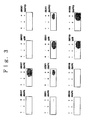
- the mouse MKK7 activates only SAPK, and does not activate p38 or SAPK3 (see Fig. 3 ).
- the results suggest the possibility for MKK7 to suppress the activity of p38. From this experiment, it has become apparent that the optimum pH for MKK7 is in the range of from pH 7 to 8, and MKK7 is deactivated at 70 °C or higher.
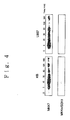
- SEK1/MKK4 has been considered to be a MAPK kinase located in the upstream of SAPK/JNK in the MAP kinase signal cascade; however, contrary to the fact that SAPK/JNK is strongly activated by TNF- ⁇ , the activation of SEK1/MKK4 is independent of a stimulus induced by TNF- ⁇ (see Fig. 4 ). Therefore, the existence of MAPK kinases besides SEK1/MKK4 in the upstream of SAPK/JNK in vivo has been considered.
- MKK7 of the present invention is the MAPK kinase in the upstream of SAPK/JNK, which participates in the following signal cascade induced by TNF- ⁇ : MAPKKK ⁇ MKK ⁇ 7 ⁇ SAPK / JNK .
- MKK7 is a true activator for SAPK/JNK in the upstream of SAPK/JNK
- the present inventors performed an experiment to confirm that the activation of mouse MKK7 is induced by TNF- ⁇ (see Fig. 4 ).
- the present inventors prepared and expressed the dominant negative form of MKK7 in a cell.
- the activation of SAPK/JNK which is dependent on a stimulus induced by TNF- ⁇ was suppressed in a cell expressing the dominant negative form of MKK7 (see Fig. 5 ). From the results of the above-mentioned experiments, MKK7 was substantiated to be a kinase which plays an important role in the signal transduction pathway in vivo starting from TNF- ⁇ and leading to SAPK/JNK.
- Fas antigen also known as APO-1 or CD95
- APO-1 is a receptor capable of inducing apoptosis and is a type I transmembrane protein belonging to TNF/NGF receptor family ⁇ Suda, T. et al, Cell, 75: 1169-1178 (1993) ⁇ .
- the Fas antigen of a cell was stimulated with an anti-Fas antibody (CH-11), and the activities of SAPK/JNK and MKK7 were determined.
- CH-11 anti-Fas antibody
- a cDNA cloned in the present invention encodes the novel MAPK kinase MKK7 which is activated by a stimulus induced by TNF- ⁇ and/or by a stimulation of Fas antigen, and which in turn activates SAPK/JNK, but does not activate p38.
- the nucleotide sequence of the cloned DNA may be ligated to an expression vector capable of expression in a host cell, in which the expression vector contains transcription regulatory sequences, such as a promoter, an operator and an enhancer; termination sequences; and other regulatory sequences which regulate the expression of MKK7.
- transcription regulatory sequences such as a promoter, an operator and an enhancer; termination sequences; and other regulatory sequences which regulate the expression of MKK7.
- the expression vector may be of either a prokaryotic origin or an eukaryotic origin, and virus vectors and plasmid vectors are typically used.
- a cell of a microorganism or a cell culture, which is transformed with the replicable recombinant DNA containing any one of the nucleotide sequences of the present invention can be prepared by transformation, that is, a method for introducing a nucleotide sequence into a cell.
- transformation methods include transfection, electroporation, microinjection and lipofection, but the method employed in the present invention is not limited to those mentioned above.
- the copy number of the nucleotide sequence, the efficiency of transcription, the efficiency of translation and post-translational modification can be controlled by changing a microorganism or a cell culture used as a host cell and by changing the construction of the recombinant DNA.
- the MKK7 polypeptide and DNA of the present invention can be advantageously used for identifying a substance which is capable of functional regulation of MKK7 in the MAP kinase cascade.
- the above-mentioned "functional regulation of MKK7” includes both activation of MKK7 and inhibition of MKK7, and especially, a substance capable of inhibiting the activation of MKK7 has various utilities.
- Such a substance is effective for treating or preventing diseases in which an excess activation or inhibition of the MAP kinase cascade by MKK7 participates in at least a part of the mechanism responsible for the onset of the disease.
- MKK7 the participation of MKK7 in the TNF- ⁇ -induced intracellular signal transduction has been substantiated by the suppression of the TNF- ⁇ -induced activation of SAPK/JNK by the dominant negative form of MKK7. From the fact that TNF- ⁇ induces or relates to the development of autoimmune diseases and inflammatory reactions, MKK7 seems to play a critical role in the above-mentioned diseases.
- MKK7 is activated by a stimulation of Fas antigen, and the activated MKK7 in turn activates SAPK/JNK.
- MKK7 to participate in the transduction of apoptosis signals induced by TNF- ⁇ or a stimulation of Fas antigen.
- diseases in which a suppression of apoptosis may result in the treatment of the diseases include cutaneous diseases, such as GVHD and toxic epidermal necrolysis (TEN); proliferative nephritis (such as IgA nephritis, purpuric nephritis and lupus nephritis); and fulminant hepatitis.
- tumor is an example of a disease in which an induction of apoptosis may result in the treatment of the disease.
- MKK7 is activated by an environmental stress, and the use of MKK7 for treating diseases (such as ischemic attack) caused by stresses, and burns caused by heat and radiation (such as UV, X-ray, ⁇ -ray and ⁇ -ray) has been taken into consideration.
- the experimental system of Example 5 can be employed.
- a specific inhibitor for MKK7 can be obtained by detecting a substance which only suppresses the phosphorylation of c-Jun and exhibits no effect on other reaction systems.
- a method for identifying a substance capable of regulating a signal starting from a cell surface receptor, such as TNF- ⁇ receptor and Fas antigen can be employed.
- the effects of a substance on the activity of MKK7 can be determined by (1) contacting a cell expressing a receptor and MKK7 with a sample substance, (2) subsequently contacting the cell with a ligand for the receptor, and (3) measuring the activity of SAPK/JNK.
- the screening methods of the present invention is not limited to these methods.
- MKK7 is activated naturally by the phosphorylation in a cell, but alternatively, the screening can be performed by vigorously activating MKK7 in accordance with the phosphorylation method of Example 9.
- serine and/or threonine residues necessary for the MAPK kinase activity are/is phosphorylated. Since there is a possibility for non-phosphorylated MKK7 to exhibit the activity (even though it is very weak), the screening method can be performed by using a large amount of non-phosphorylated MKK7.
- the sample substances used for screening a substance having the capability to inhibit the activity of MKK7 can be either a high molecular compound or an orally administrable low molecular compound.
- a specific inhibitor for MKK7 obtained by the screening method can be used, for example, as a specific anti-inflammatory drug or as a drug for treating autoimmune diseases (such as rheumatoid arthritis). Such a drug only blocks a particular function of TNF- ⁇ , and exhibits no effect on other functions of TNF- ⁇ .
- a complementary sequence thereof that is, a specific antisense for MKK7, can be prepared with ease.
- An antisense mentioned herein is a polynucleotide (DNA, RNA and the like) complementary to at least a part of the mRNA or DNA encoding MKK7 which is capable of inhibiting the transcription or translation of MKK7.
- a polynucleotide which can be used as an antisense is a polynucleotide sequence having 100 % homology to at least twelve contiguous nucleotides of the nucleotide sequence encoding MKK7.
- the effect of the antisense can be confirmed by using the transformants of the present invention.
- the MKK7 gene can be advantageously used in gene therapy for treating various diseases, including cancer, autoimmune disease, allergic disease, and inflammatory response.
- Gene therapy is a therapy in which a gene or a cell transformed with the gene is administered intracorporeally to a patient for treating a disease.
- the MKK7 protein or DNA of the present invention can be used for diagnoses.
- the MKK7 protein can be produced in a large amount by using the cells transformed with the MKK7 gene of the present invention, and using the produced protein, a monoclonal antibody specific for MKK7 can be obtained with ease.
- an immunizing antigen the whole MKK7 protein of human or mouse, or a fragment consisting of at least five contiguous amino acid residues of the MKK7 amino acid sequence can be employed.
- antibodies of the present invention include not only a complete antibody, but also fragments containing the antigen-binding sites, such as Fab fragment, F(ab') 2 fragment and scFv fragment.
- a system for detecting the MKK7 protein in cells or tissues by ELISA or RIA, or western blotting.
- Such a system for detecting MKK7 can be used for diagnosis.
- a probe specific for MKK7 mRNA is capable of detecting the expression of MKK7 in cells or tissues (see Example 3 and Fig. 2 ), and such a probe can be used for a diagnostic assay.
- Nucleotide sequences of the obtained positive clones were analyzed and three clones encoding a novel kinase which is homologous to Drosophila hep were isolated.
- the novel Xenopus kinase gene fragment was obtained, and the nucleotide sequence thereof is shown in SEQ ID NO: 7.
- Nucleotide sequences of the obtained positive clones were analyzed and a nucleotide sequence encoding a novel kinase protein, which is shown in SEQ ID NO: 3, was obtained.
- the protein coded by the obtained nucleotide sequence was named "MKK7".
- Another clone shown in SEQ ID NO: 5 was obtained together with MKK7, and this clone encoded an amino acid sequence in which the N-terminal region and C-terminus of MKK7 are deleted.
- This clone was deduced to be a clone resulting from an RNA splicing occurring at a different site from that of the clone shown in SEQ ID NO: 3 (i.e., an alternative splicing product).
- Mouse MKK7 gene was cut-out from Uni-ZapTM XR vector of the positive clone and inserted into Bluescript Vector to prepare a recombinant plasmid containing mouse MKK7 gene. Subsequently, E. coli was transformed with the prepared recombinant plasmid, thereby obtaining a transformant containing the mouse MKK7 gene.
- An international deposit of the obtained transformant namely, E. coli: DH5-pBluemMKK7 (Deposit number: FERM BP-6397), was made with National Institute of Bioscience and Human-Technology, Agency of Industrial Science and Technology ⁇ 1-3, Higashi 1-chome, Tsukuba-shi, Ibaraki-ken, Japan (Postal Code No. 305-0046) ⁇ on June 26, 1997 (original deposit date).
- EST database which is a database publishing cDNA sequences obtained from randomly extracted RNAs derived from various human and mouse tissues.
- Two human-derived clones Homo sapiens cDNA clones 665682 and 363521 which are homologous to the mouse MKK7 gene were found in the database.
- Clone 665682 was a fragment (corresponding to the 961st to 1,190th nucleotides of SEQ ID No: 1) which is highly homologous to the N-terminal region of mouse MKK7, and clone 363521 was a fragment (corresponding to the 360th to 820th nucleotides of SEQ ID No: 1) which is highly homologous to the C-terminal region of mouse MKK7.
- the nucleotide sequence of human MKK7 gene was determined using the nucleotide sequences of these two clones.
- human heart poly A + RNA (manufactured and sold by CLONTECH Laboratories, Inc., USA) was used as a source of human RNA, and based on the sequence information obtained from the database, the nucleotide sequence of human MKK7 gene was determined by means of 5' RACE System and 3' RACE System (manufactured and sold under the brand name of GIBCO BRL, USA) in accordance with protocols attached thereto.
- synthetic oligonucleotide 5'-TTTGGTCTCTTCCTGTGATC-3' was used as a primer for synthesizing cDNA by 5' RACE method.
- PCR was conducted 15 cycles using AUAP primer attached to the 5' RACE System and synthetic oligonucleotide 5'-TGCTTAACGGCAATGACGTG-3', thereby obtaining a PCR product. Subsequently, further PCR was conducted 25 cycles using 1 ⁇ l of the obtained PCR product as a template, and the AUAP primer and synthetic oligonucleotide 5'-TTGATTTCTGCCTGGTAGCG-3' as a primer set, to thereby clone a gene comprising the 5'-end of human MKK7 gene.
- cDNA was synthesized in accordance with the protocol attached to the 3' RACE System, and then, PCR was conducted 34 cycles using AUAP primer attached to the 3' RACE System and synthetic oligonucleotide 5'-CAGTC-CTTCGTCAAAGACTG-3', thereby obtaining a PCR product. Subsequently, further PCR was conducted 25 cycles using 1 ⁇ l of the obtained PCR product as a template, and the AUAP primer and synthetic oligonucleotide 5'-CAGTCCTTCGTCAAAGACTG-3' as a primer set, to thereby clone a gene comprising the 3'-end of human MKK7 gene.
- PCR was conducted 34 cycles using synthetic oligonucleotides 5'-CGCTACCAGGCAGAAATCAA-3' and 5'-TTTGGTCTCTTCCTGTGATC-3' respectively as 5' and 3' primers.
- the cDNA employed in the above-mentioned 5' RACE method was used as a template.
- whole human MKK7 clone was obtained.
- the nucleotide sequence of the obtained clone that is, the whole nucleotide sequence of human MKK7 gene, was determined and shown in SEQ ID No: 1.
- coli DH5-pTrCHisBhMKK7 (Deposit number: FERM BP-6398), was made with National Institute of Bioscience and Human-Technology, Agency of Industrial Science and Technology ⁇ 1-3, Higashi 1-chome, Tsukuba-shi, Ibaraki-ken, Japan (Postal Code No. 305-0046) ⁇ on August 8, 1997 (original deposit date).
- the hybridized filter in which mouse mRNAs thereon were hybridized with the mouse MKK7 gene was washed twice with a buffer containing 2 ⁇ SSC and 0.04 % SDS at room temperature for 20 minutes, and further washed twice with a buffer containing 0.1 ⁇ SSC and 0.1 % SDS at 50 °C for 20 minutes. After washing the filter, the radioactivity of the hybridized mRNAs was measured by autoradiography. The resultant autoradiogram is shown in Fig. 2 .
- the MAPK kinase mRNA is expressed in all of the organs examined, and especially strong expression was detected in heart and skeletal muscle.
- a dominant negative form of MKK7 was prepared by substituting the 165th Lysine (K) of mouse MKK7 with leucine (L).
- the dominant negative form of MKK7 gene was prepared using synthetic oligonucleotide: 5'-CAGGGCACATCATTGCTGTTCTGCAGATGCGGCGCTCTGGGAAC-3' and Transformer Site-Directed Mutagenesis Kit (manufactured and sold by CLONTECH Laboratories, Inc., USA) in accordance with the protocol attached thereto.
- the protein coded by the prepared gene was named "MKK7KL".
- the nucleotide sequence of the prepared dominant negative form of MKK7 gene is shown in SEQ ID NOs: 9 and 10.
- Mouse SEK1 gene was inserted into vector pGEX-2T (manufactured and sold by Pharmacia Biotech AB, Sweden) to thereby construct an expression plasmid for GST-SEK1.
- Human MKK6 gene and mouse MKK7 gene were separately inserted into vector pET28 (manufactured and sold by Novagen Inc., USA) to thereby individually construct the expression plasmids for His-MKK6 and His-MKK7.
- the following expression plasmids were constructed for preparing various MAP kinases.
- Xenopus MAPK gene was inserted into vector pTrcHisC (manufactured and sold by Invitrogen Corporation, The Netherlands) to thereby construct an expression plasmid for His-MAPK.
- Mouse SAPK ⁇ gene, p38 gene and SAPK3 gene were individually inserted into vector pET28 (manufactured and sold by Novagen Inc., USA) to thereby construct the expression plasmids for His-SAPK ⁇ , His-p38 and His-SAPK3.
- the above-mentioned expression plasmids were individually introduced into E. coli and the proteins expressed in E. coli were purified therefrom.
- GST glutthione-S-transferase
- the proteins were individually purified by means of Glutathione Sepharose 4B column (manufactured and sold by Pharmacia Biotech AB, Sweden).
- His histidine cluster
- the proteins were individually purified by means of pET Expression Systems (manufactured and sold by Novagen Inc., USA) in accordance with the protocol attached thereto.
- a MAPK kinase His-MKK7, GST-SEK1 and His-MKK6 were separately used
- a MAP kinase His-MAPK, His-SAPK, His-p38 and His-SAPK3 were separately used
- a solution containing a substrate for the MAP kinase and 1 ⁇ Ci of [ ⁇ - 32 P] ATP (manufactured and sold by Amersham International, England) was added to the mixture, and further incubated at 20 °C for 20 minutes.
- a substrate for the MAP kinase 3 ⁇ g of myelin basic protein (MBP) was used for MAPK and SAPK3, 3 ⁇ g of GST-cJun (1-79) was used for SAPK, and 3 ⁇ g of ATF-2 was used for p38.
- MBP myelin basic protein
- the MBP used as the substrate was obtained by purifying Brain Acetone Powder (manufactured and sold by Sigma, USA), and ATF-2 was a kind gift of Dr. Suzanne J. Baker and Dr. Tom Curran (St. Jude Children's Research Hospital). After incubation, a sample was obtained from each incubated mixture and resolved on SDS-polyacrylamide gel electrophoresis. Then, the radioactivity of each of MBP, c-Jun and ATF-2 was detected by autoradiography. As apparent from Fig. 3 , mouse MKK7 did not activate p38 and SAPK3, but specifically activated SAPK, leading to the phosphorylation of c-Jun. The results suggest the possibility for mouse MKK7 to suppress the activity of p38. On the other hand, mouse SEK1 activated all of SAPK, p38 and SAPK3, and MKK6 activated p38 and SAPK3, but did not activate SAPK.
- KB cells were cultured in Dulbecco's modified Eagles medium (DMEM) containing 10 % bovine serum, and the cultured cells were stimulated with 20 ng/ml human TNF- ⁇ (manufactured and sold by BECTON DICKINSON AND COMPANY, USA, under the brand of Collaborative Biomedical Products).
- DMEM Dulbecco's modified Eagles medium
- U937 cells were cultured in RPMI 1640 medium containing 10 % fetal bovine serum, and the cultured cells were stimulated with 100 ng/ml human TNF- ⁇ .
- the cells were sampled from each cell culture 5, 15, 30, 60, 120 and 180 minutes after the start of the stimulation to thereby prepare cell extracts.
- the cell extracts were prepared as follows.
- the sampled cells were suspended in 0.7 M NaCl solution and washed once with ice-cold HEPES-buffered saline. Subsequently, the washed cells were homogenized in a buffer containing 20 mM Tris-HCl (pH 7.5), 2 mM EGTA, 25 mM ⁇ -glycerophosphate, 2 mM DTT, 1 mM vanadate, 1 mM PMSF (phenylmethylsulfonyl fluoride) and 1 % aprotinin, wherein the buffer was used in an amount of 300 ⁇ l relative to cells obtained per plate (diameter: 100 mm).
- a buffer containing 20 mM Tris-HCl (pH 7.5), 2 mM EGTA, 25 mM ⁇ -glycerophosphate, 2 mM DTT, 1 mM vanadate, 1 mM PMSF (phenylmethylsulfonyl fluoride) and 1
- the resultant cell homogenate was centrifuged at 1000 ⁇ g for 3 minutes, followed by a further centrifugation at 400,000 ⁇ g for 20 minutes, thereby obtaining a supernatant.
- the obtained supernatant was used as the cell extract.
- the beads were washed three times with a solution containing 20 mM Tris-HCl (pH 7.5), 500 mM NaCl, 2 mM DTT and 0.05 % Tween 20. Then, the immune complex adsorbed on the beads was incubated with 1 ⁇ g of His-SAPK and 3 ⁇ g of GST-cJun (the 1st to 79th amino acid residues of whole Jun) in a final volume of 15 ⁇ l of a reaction buffer containing 20 mM Tris-HCl (pH 7.5), 20 mM MgCl 2 , and 100 ⁇ M [ ⁇ - 32 P] ATP (3 ⁇ Ci) at 30 °C for 20 minutes, to thereby conduct a reaction among the immune complex (MKK7 or SEK1/MKK4), His-SAPK and GST-cJun.
- MKK7 or SEK1/MKK4 the immune complex
- TNF- ⁇ activated mouse MKK7, but did not activate mouse SEK1/MKK4.
- the anti-MKK7 antiserum and anti-SEK1/MKK4 antiserum used above were prepared using His-MKK7 (prepared in Example 5) and His-XMEK2 (SEK1/MKK4 homologue of Xenopus ), respectively. Rabbits were immunized with the above-mentioned protein as an antigen, and 1 mg of the protein was used per immunization. Second immunization was performed 4 weeks after the first immunization, and thereafter, subsequent immunizations were performed every three weeks. The antibody titers of the ultimate antisera were evaluated by ELISA, and each antiserum in 100,000-fold dilution was capable of reacting with the antigen.
- KB cells were cotransfected with the vector pSR ⁇ -HA-SAPK ⁇ (0.5 ⁇ g) and either the vector pSR ⁇ or the vector pSR ⁇ -MKK7KL (1.5 ⁇ g) using Lipofectamine (manufactured and sold under the brand of GIBCO BRL, USA). Twenty-four hours after the transfection, TNF- ⁇ (100 ng/ml), sorbitol (0.5 M) and anisomycin (100 ⁇ g/ml) were individually used to stimulate the transfected cells for 15 minutes. Next, the cell extracts of the stimulated cells were individually prepared as follows. The cells were suspended in 0.7 M NaCl solution and washed once with ice-cold HEPES-buffered saline.
- the washed cells were homogenized in a buffer containing 20 mM Tris-HCl (pH 7.5), 2 mM EGTA, 25 mM ⁇ -glycerophosphate, 2 mM DTT, 1 mM vanadate, 1 mM PMSF and 1 % aprotinin, wherein the buffer was used in an amount of 300 ⁇ l relative to cells obtained per plate (diameter: 100 mm).
- the resultant cell homogenate was centrifuged at 1000 ⁇ g for 3 minutes, followed by a further centrifugation at 400,000 ⁇ g for 20 minutes, thereby obtaining a supernatant. The obtained supernatant was used as the cell extract.
- Each of the cell extracts was individually immuno-precipitated with anti-HA antibody (anti-hemagglutinin antibody) (12CA5), and the kinase activity of HA-SAPK in the immunoprecipitate was determined. The results are shown in Fig. 5 .
- Jurkat cells were stimulated with 250 ng/ml anti-Fas antibody (CH-11) ⁇ manufactured and sold by Medical & Biological Laboratories, Co., Ltd. (MBL), Japan ⁇ .
- the cells were sampled 1, 2, 3, 4, 5 and 6 hours after the start of the stimulation, to thereby prepare cell extracts.
- the cell extracts were prepared as follows. The sampled cells were suspended in 0.7 M NaCl solution and washed once with ice-cold HEPES-buffered saline.
- the washed cells were homogenized in a buffer containing 20 mM Tris-HCl (pH 7.5), 2 mM EGTA, 25 mM ⁇ -glycerophosphate, 2 mM DTT, 1 mM vanadate, 1 mM PMSF and 1 % aprotinin, wherein the buffer was used in an amount of 300 ⁇ l relative to cells obtained per plate (diameter: 100 mm).
- the resultant cell homogenate was centrifuged at 1000 ⁇ g for 3 minutes, followed by a further centrifugation at 400,000 ⁇ g for 20 minutes, thereby obtaining a supernatant. The obtained supernatant was used as the cell extract.
- an antibody/antiserum anti-SAPK antibody and anti-MKK7 antiserum were separately used, and a reaction for preparing an immune complex was allowed to proceed while incubating at 4 °C for 1 hour.
- anti-SAPK antibody JNK1 antibody (rabbit polyclonal antibody) manufactured and sold by Santa Cruz Biotechnology, Inc., USA, was used.
- the immune complex adsorbed on the beads was incubated with 3 ⁇ g of His-Jun in a final volume of 15 ⁇ l of a reaction buffer containing 20 mM Tris-HCl (pH 7.5), 10 mM MgCl 2 , and 100 ⁇ M [ ⁇ - 32 P] ATP (3 ⁇ Ci) at 30 °C for 30 minutes, to thereby conduct a reaction between the immune complex (SAPK/JNK) and His-Jun.
- the reaction was performed in the above-mentioned reaction buffer using GST-KN-SAPK as a substrate, and the activity of the immune complex (MKK7) was determined using the phosphorylation of SAPK as an index.
- GST-KN-SAPK is a fusion protein of a dominant negative form of SAPK (KN-SAPK) and GST.
- KN-SAPK is a variant polypeptide obtained by substituting the lysine residue in the kinase subdomain II of SAPK with a methionine residue, and the variant polypeptide is prepared by Kunkel method.
- a completely activated MKK7 was prepared as follows. Illustratively stated, as an activation factor for MKK7, MEKK1 which is suspected to exist in the upstream of MKK7 and activate MKK7, was used. A commercially available MEKK1 gene (manufactured and sold by Stratagene Cloning Systems, USA) was inserted into an E. coli expression vector in which the origin of replication ( ori ) is p15A , to thereby prepare recombinant MEKK1 vector. The whole DNA of human MKK7 was inserted into vector pGEX-4T1 (manufactured and sold by Pharmacia Biotech AB, Sweden), to thereby prepare recombinant GST-MKK7 vector.
- a gene encoding human JNK1 was inserted into vector pGEX-4T1, thereby preparing recombinant GST-JNK1 vector, and the prepared recombinant vector was transformed into and expressed in E. coli.
- GST-JNK1 was purified from the transformants using Glutathione-Sepharose 4B column (manufactured and sold by Pharmacia Biotech AB, Sweden). The purified JNK1 was used as a substrate for MKK7.
- the activity of MKK7 was determined in the following manner.
- a reaction system was prepared so that the final volume of 50 ⁇ l contains 0.1 ⁇ M MKK7, 0.2 ⁇ M JNK1, 50 mM Tris-HCl (pH 7.5), 0.1 mM EGTA, 0.1 % ⁇ -mercaptoethanol, 10 mM magnesium acetate, and 0.1 mM ATP.
- the reaction was allowed to proceed at 30 °C for 2 hours, and then, the reaction mixture was transferred to a PVDF membrane.
- Dot hybridization was performed using anti-activated JNK antibody (manufactured and sold by Promega Corporation, USA) to thereby detect the activated JNK1 in the reaction mixture. Results are shown in Fig. 7 . As apparent from Fig. 7 , the activity of MKK7 was confirmed by the presence of activated JNK1.
- a sample substance such as a culture supernatant of various microorganisms or cultured cells, or a substance selected from a compound bank
- a substance capable of inhibiting the activity of MKK7 can be added to the above-mentioned reaction system used for determining the MKK7 activity. Presence of a substance capable of inhibiting the activity of MKK7 can be confirmed by dot hybridization in which a significant decrease in the density of the dots, as compared to those of the reaction system without the addition of the sample substance, indicates the presence of an inhibitory substance.
- Such a method can be used for screening an inhibitor of MKK7.
- the novel MAPK kinase and the DNA coding for the same of the present invention it has become possible to screen a novel substance having the capability to treat or prevent diseases resulting from an excess activation or inhibition of a MAP kinase cascade, and also to provide a diagnostic reagent for such diseases.
- the DNA of the present invention encoding the MAPK kinase can be used as a gene source for gene therapy.
Landscapes
- Life Sciences & Earth Sciences (AREA)
- Health & Medical Sciences (AREA)
- Chemical & Material Sciences (AREA)
- Engineering & Computer Science (AREA)
- Organic Chemistry (AREA)
- Molecular Biology (AREA)
- Zoology (AREA)
- Wood Science & Technology (AREA)
- Bioinformatics & Cheminformatics (AREA)
- Genetics & Genomics (AREA)
- General Health & Medical Sciences (AREA)
- Immunology (AREA)
- Biochemistry (AREA)
- Microbiology (AREA)
- Biotechnology (AREA)
- General Engineering & Computer Science (AREA)
- Biomedical Technology (AREA)
- Analytical Chemistry (AREA)
- Medicinal Chemistry (AREA)
- Proteomics, Peptides & Aminoacids (AREA)
- Hematology (AREA)
- Urology & Nephrology (AREA)
- Physics & Mathematics (AREA)
- General Physics & Mathematics (AREA)
- Food Science & Technology (AREA)
- Pathology (AREA)
- Biophysics (AREA)
- Cell Biology (AREA)
- Enzymes And Modification Thereof (AREA)
- Micro-Organisms Or Cultivation Processes Thereof (AREA)
- Measuring Or Testing Involving Enzymes Or Micro-Organisms (AREA)
- Medicines That Contain Protein Lipid Enzymes And Other Medicines (AREA)
- Pharmaceuticals Containing Other Organic And Inorganic Compounds (AREA)
- Peptides Or Proteins (AREA)
Abstract
Description
- The present invention relates to a novel MAPK kinase derived from a vertebrate and a DNA coding for the same. More particularly, the present invention is concerned with a MAPK kinase which is activated by a stimulus induced by TNF-α and/or by a stimulation of Fas antigen, and which in turn activates SAPK/JNK, but does not activate p38. Also, the present invention is concerned with a DNA coding for the above-mentioned MAPK kinase. By the use of the MAPK kinase and the DNA coding for the same, it has become possible to provide a method for screening a novel substance which can be used for treating or preventing diseases resulting from an excess activation or inhibition of a MAP kinase cascade, and also to provide a diagnostic reagent for such diseases. The present invention is also concerned with a replicable recombinant DNA which comprises a replicable expression vector and, operably inserted therein, the above-mentioned DNA; a cell of a microorganism or cell culture, which is transformed with the above-mentioned replicable recombinant DNA; a polypeptide of a dominant negative form of the above-mentioned MAPK kinase and a DNA coding for the same; and an antibody capable of binding specifically to the above-mentioned MAPK kinase.
- MAP (mitogen-activated protein) kinase (MAPK) was first discovered in the late 1980's as a serine/threonine kinase (Ser/Thr kinase; i.e., an enzyme capable of phosphorylating serine or threonine residues in a protein) which is activated by stimuli, such as insulin {Sturgill, T. W. et al., Biochim. Biophys. Acta, 1092: 350-357 (1991)}, various cell growth factors and tumor promoters {Nishida, E. et al., Int. Rev. Cytol., 138: 211-238 (1992)}. Studies over the past 10 years revealed that the MAP kinase is a major functional unit of an intracellular signal transduction system which mediates cell determination and functional regulation of eukaryotic cells in response to extracellular stimuli {Nishida, E. et al., Trends Biochem. Sci., 18: 128-131 (1993); Marshall, C. J., Curr. Opin. Genet. Dev., 4: 82-89 (1994); and Cobb, M. H. et al., J. Biol. Chem., 270: 14843-14846 (1995)}. Particularly, an important achievement in the field of cell biology of the 1990's is an elucidation of a signal transduction pathway which starts from a cell growth factor receptor having tyrosine kinase activity, through an adapter molecule composed of SH2 (Src homology 2) and SH3 (Src homology 3), Ras (an oncogene product which is a GTP-binding protein) and Raf-1 (an oncogene product which is a serine/threonine kinase), and leading to the MAP kinase. The studies revealed that this signal transduction pathway is a central pathway responsible for determining cell proliferation, cell differentiation, and cell development of higher eucaryotic organisms.
- A signal transduction molecule is converted into an activated form (switched "on") by a signal in the upstream of a signal transduction pathway, and the activated molecule returns to an inactive form (switched "off") after transducing the signal to the downstream thereof. The regulatory mechanism for switching on/off the MAP kinase has an interesting feature. That is, phosphorylation of T and Y in the TEY (Thr-Glu-Tyr in 3-letter abbreviation) sequence located in the boundary region between the kinase subdomains VII and VIII is required for activating the MAP kinase. An enzyme called MAPK kinase (MAPKK) or MAPK/ERK kinase (MEK) was identified as an enzyme which catalyzes the phosphorylation (that is, activation) of these amino acid residues. MAPK kinase is a dual specificity kinase which is capable of phosphorylating both serine/threonine residue and tyrosine residue.
- For activating a MAPK kinase, it is necessary to phosphorylate two serine and/or threonine residues (i.e., two serine residues, two threonine residues, or one serine residue and one threonine residue) located in the boundary region between the kinase subdomains VII and VIII, and a serine/threonine kinase responsible for this phosphorylation is designated MAPKK kinase (MAPKKK). The above-mentioned Raf-1 is one example of MAPKK kinase, and the following cascade reaction:


- The above-mentioned signal transduction system,

- In addition to SAPK/JNK mentioned above, a kinase similar to MAP kinase, which is simply called "p38" after its molecular weight, is also known in the art. This kinase has been identified and cloned as a protein which is tyrosine phosphorylated in an early stage after stimulating lymphocytes {Han, J. et al., Science, 265: 808-811 (1994)}. Contemporaneously with p38, a protein which binds to a cytokine-suppressive anti-inflammatory drug (CSAID; a drug for suppressing the production of anti-inflammatory cytokines in lymphocytes) has been independently identified and called CSAID binding protein (CSBP) {Lee, J. C. et al., Nature, 372: 739-746 (1994)}. At present, this protein is confirmed to be identical with p38. Further, MPK2, an independently isolated kinase which is activated by stress stimuli, is also found to be identical with p38 (Rouse, J. et al., Cell, 78: 1027-1037 (1994)} (Hereinafter, p38, CSBP and MPK2 are frequently referred to as "p38"). With respect to the above-mentioned TXY sequence (X is a predetermined amino acid residue) necessary for activating a MAP kinase, the amino acid residue "X" is "G" in p38, and p38 is activated as a result of the phosphorylation of the Thr and Tyr residues by a sole MAPK kinase in the upstream thereof. MKK3 and MKK6 are known as MAPK kinases which specifically activate p38 {Moriguchi, T. et al., J. Biol. Chem., 271: 26981-26988 (1996); and Cuenda, A. et al., EMBO J., 15: 4156-4164 (1996)}. The sequences of classical MAP kinase, SAPK/JNK and p38 are homologous to each other and, therefore, they constitute a superfamily. The MAPK kinases respectively specific for the above-mentioned three MAP kinases are also homologous to each other, and the MAPK kinases also constitute a superfamily in which MEK, SEK1/MKK4, MKK3, MKK6 and such are members thereof {Kyriakis, J. M. et al., J. Biol. Chem., 271: 24313-24316 (1996); and Davis, R. J., Trends Biochem. Sci., 19: 470-473 (1994)}. On the other hand, with respect to the MAPKK kinases located in the further upstream of the signal transduction pathway which are responsible for phosphorylating and activating each MAPK kinase, the homology among the MAPKK kinases is relatively low. For example, the homology among Raf, TAK1, MEKK, MLK3, Ask1 and Mos having the MAPKK kinase activity is only about 30 % even within the kinase domains. This is in agreement with the role of the whole signal transduction system which is adapted to operate respective appropriate MAP kinase signal transduction pathways in response to a wide variety of stimuli.
- SAPK/JNK and p38 are not activated by the growth factors which activate the classical MAP kinase, but they are activated by stresses, such as osmotic shock and heat shock, and cytokines, such as TNF-α (tumor necrosis factor-α or cachectin) and IL-1 (interleukin 1) {Kyriakis, J. M. et al., J. Biol. Chem., 271: 24313-24316 (1996); and Davis, R. J., Trends Biochem. Sci., 19: 470-473 (1994)}. Further, SAPK/JNK and p38 are activated under conditions at which cell death, such as UV radiation, and depletion of serum and/or growth factors are induced {Kyriakis, J. M. et al., J. Biol. Chem., 271: 24313-24316 (1996); and Davis, R. J., Trends Biochem. Sci., 19: 470-473 (1994)}. Unlike classical MAP kinase which is activated by a signal transmitted from a tyrosine kinase-type receptor, the characteristic feature of the signal transduction systems for SAPK/JNK and p38 is that these systems are initiated by various signals.
- TNF-α mentioned above has various effects on inflammation, tissue disorder, immune response, and cell invasion into a focus, and these effects suggest the presence of a certain relationship between TNF-α and autoimmune diseases or graft-versus-host disease (GVHD) {J. Exp. Med., 166: 1280 (1987)}. Specifically, the role of TNF-α in the onset of inflammatory arthritis, such as rheumatoid arthritis, has been conceived {Lancet, 11: 244-247 (1989); and Ann. Rheumatic Dis. 51: 480-486 (1990)}. Administration of anti-TNF-α antibody to DBA/l mouse either before or after the onset of arthritis relieves the inflammation accompanying collagenous arthritis, and it significantly lowers the degree of joint destruction {Williams, R. O. et al., Proc. Natl. Acad. Sci. USA, 89: 9784-9788 (1992)}. In addition, effectiveness of chimeric anti-TNF-α antibody for treating rheumatoid arthritis and Crohn's disease has been confirmed clinically {Derkx, B. et al., Lancet, 342: 173-174 (1993); Elliott, M. J. et al., Lancet, 344: 1105-1110 (1994); and Elliott, M. J. et al., Lancet, 344: 1125-1127 (1994)}.
- Studies on the signal transduction mechanism of TNF-α is in a progress. Two types of receptors for TNF-α, namely, TNF-R1 having a molecular weight of 55 kD and TNF-R2 having a molecular weight of 75 kD are known in the art, and recently, molecules which associate with the TNF receptors have been directly cloned by using yeast two-hybrid system. Examples of cloned molecules which associate with TNF-R1 include TRADD (TNF-R1 associated death domain protein) {Hsu, H. et al., Cell, 81: 495-504 (1995)}, TRAP1, TRAP2 {Song, H. Y. et al., J. Biol. Chem., 270: 3574-3581 (1995)} and RIP {Stanger, B. Z. et al., Cell, 81: 513-523 (1995)}. Examples of cloned molecules which associate with TNF-R2 include TRAF1 and TRAF2 {Rothe, M. et al., Cell, 78: 681-692 (1994)}. While the molecules which associate with the TNF receptors are being identified, recent studies have revealed that NF-κB, ceramide kinase and MAP kinase are activated by TNF-α. It is reported that cell permeable derivatives of ceramide, such as C8-Cer (N-octanoylsphingocine) and C2-Cer (N-acetylsphingocine), exhibit a function similar to that of TNF-α {Kolesnick, R. et al., Cell, 77: 325-328 (1994)}, and these substances also activate the MAP kinase and the ceramide kinase. As apparent from the above, the knowledge on the signal transduction mechanism of TNF-α is making a rapid progress, but many problems remain unsolved. For example, the relationship between a receptor-associated protein (such as TRADD) and kinases in the mechanism for activating a signal transduction system, and a MAP kinase cascade activated by TNF-α are still unknown.
- The above-mentioned SEK1/MKK4 is the only MAPK kinase that is known with respect to its function to phosphorylate SAPK/JNK. A stimulus induced by TNF-α will lead to the phosphorylation of SAPK/JNK, but this stimulus does not activate SEK1/MKK4. In this situation, the present inventors predicted the existence of an unidentified MAPK kinase which is activated by TNF-α and in turn, uses SAPK/JNK as a substrate and activates SAPK/JNK. Therefore, the goal of the present invention is to isolate a novel MAPK kinase gene and a protein encoded by the same which is activated by TNF-α and which phosphorylates SAPK/JNK, and to provide a method for using the novel gene and protein in the field of pharmaceutics and clinics.
- The present inventors have made extensive and intensive studies with a view toward cloning a novel MAPK kinase. Particularly, the present inventors have successfully cloned a fragment of a novel MAPK kinase from the cDNA library of Xenopus oocyte, and have found that this fragment is similar to a MAPK kinase gene of Drosophila called hep. Subsequently, this novel MAPK kinase gene fragment was used as a probe to screen a mouse brain cDNA library, and a novel mouse MAPK kinase (hereinafter, frequently referred to as "MKK7") gene which is structurally belonging to the MAPK kinase family was cloned. Next, by using the nucleotide sequence of the novel mouse MAPK kinase, the present inventors have found candidates for human MKK7 among the clones registered in the EST (Expressed Sequence Tag) database. Based on the human EST sequences, the present inventors have successfully cloned the whole nucleotide sequence of human MKK7 from human heart mRNA. Unlike SEK1 and MKK6 which are the MAPK kinases known in the art, the above-mentioned mouse MKK7 specifically activates SAPK and does not activate p38 or SAPK3, and it has been confirmed that MKK7 is a MAPK kinase participating in the signal transduction pathway in vivo starting from TNF-α and leading to SAPK/JNK. In addition, the present inventors have also found the possibility for MKK7 to participate in the induction of apoptotic signals by Fas antigen. The present invention has been completed, based on these novel findings.
- Therefore, it is a principal object of the present invention to provide a MAPK kinase, which is defined as a substantially pure MAPK kinase derived from a vertebrate, wherein the MAPK kinase has the following characteristics:
- (a) the MAPK kinase is activated by a stimulus induced by TNF-a and/or by a stimulation of Fas antigen;
- (b) the MAPK kinase activates SAPK/JNK;
- (c) the MAPK kinase does not activate p38; and
- (d) the MAPK kinase has an amino acid sequence selected from the group consisting of SEQ ID NOs: 2, 4 and 6; or has a variant amino acid sequence of SEQ ID NO: 2 or 4, wherein the variant amino acid sequence conserves at least fifteen amino acid residues in the kinase domain which corresponds to residues 143rd Gly, 145th Gly, 150th Val, 165th Lys, 175th Glu, 259th Asp, 261st Lys, 264th Asn, 277th Asp, 279th Gly, 302nd Pro, 303rd Glu, 320th Asp, 325th Gly and 384th Arg of SEQ ID NO: 2 or 4.
- It is another object of the present invention to provide a DNA coding for the above-mentioned MAPK kinase.
- It is another object of the present invention to provide a polypeptide which is a dominant negative form of the above-mentioned MAPK kinase, in which the polypeptide inhibits the activation of SAPK/JNK which is induced by TNF-α.
- Still another object of the present invention is to provide a method for screening a substance having the capability to inhibit the activation of SAPK/JNK by the above-mentioned MAPK kinase.
- The foregoing and other objects, features and advantages of the present invention will be apparent to those skilled in the art from the following detailed description and the appended claims taken in connection with the accompanying sequence listing and drawings.
- In the following sequences, the left end and right end of the nucleotide sequence are the 5' end and the 3' end, respectively; and the left end and right end of the amino acid sequence are the N-terminus and the C-terminus, respectively.
- SEQ ID NO: 1 is the nucleotide sequence of MKK7 cDNA derived from human heart and the whole amino acid sequence encoded by the nucleotide sequence;
- SEQ ID NO: 2 is the whole amino acid sequence of MKK7 derived from human heart;
- SEQ ID NO: 3 is the nucleotide sequence of MKK7 cDNA derived from mouse brain and the whole amino acid sequence encoded by the nucleotide sequence;
- SEQ ID NO: 4 is the whole amino acid sequence of MKK7 derived from mouse brain;
- SEQ ID NO: 5 is the nucleotide sequence of a cDNA of an alternatively spliced form of MKK7 derived from mouse brain and the amino acid sequence encoded by the nucleotide sequence;
- SEQ ID NO: 6 is the amino acid sequence of the alternatively spliced form of MKK7 derived from mouse brain;
- SEQ ID NO: 7 is the nucleotide sequence of MKK7 cDNA fragment derived from Xenopus oocyte and the amino acid sequence encoded by the nucleotide sequence;
- SEQ ID NO: 8 is the amino acid sequence of MKK7 fragment derived from Xenopus oocyte;
- SEQ ID NO: 9 is the nucleotide sequence of a dominant negative form of MKK7 which was synthesized based on the nucleotide sequence of SEQ ID NO: 3, and the amino acid sequence encoded by the nucleotide sequence; and
- SEQ ID NO: 10 is the amino acid sequence of the synthesized dominant negative form of MKK7.
- In the accompanying drawings:
-
Fig. 1 shows an alignment of the amino acid sequence of mouse MKK7 with those of Drosophila Hep and mouse SEK1, and a bar (-) indicates the absence of a corresponding amino acid residue, and a shaded amino acid residue indicates the amino acid residue which is identical to that of MKK7; -
Fig. 2 is the result of the northern blotting of various mouse organs with MKK7 which is performed in Example 3; -
Fig. 3 is the result of the SDS-polyacrylamide gel electrophoresis performed in Example 5 to confirm the substrate specificity of mouse MAPK kinases (MKK7, MKK6 and SEK1) for MAP kinases (MAPK, SAPK, p38 and SAPK3), and inFig. 3 , a plus (+) indicates the addition of a particular kinase, and a minus (-) indicates the absence of a particular kinase; -
Fig. 4 is the result of the SDS-polyacrylamide gel electrophoresis performed in Example 6, which shows that mouse MKK7 is activated by TNF-α, but mouse SEK1/MKK4 is not activated by TNF-α; -
Fig. 5 is the result of the electrophoresis performed in Example 7, which shows that the expression of MKK7KL, which is a dominant negative form of mouse MKK7, suppresses the activation of SAPK/JNK; -
Fig. 6 is the result of the electrophoresis performed in Example 8, which shows that both mouse SAPK/JNK and MKK7 are activated by a stimulation of Fas antigen; and -
Fig. 7 is the result of the dot hybridization performed in Example 9, which shows that activated MKK7 phosphorylates JNK1, and that the density of the dots representing the phosphorylated JNK1 increases in accordance with the increase in the concentration of activated MKK7. - According to the present invention, there is provided a substantially pure MAPK (mitogen-activated protein kinase) kinase derived from a vertebrate, wherein the MAPK kinase has the following characteristics:
- (a) the MAPK kinase is activated by a stimulus induced by TNF-α and/or by a stimulation of Fas antigen;
- (b) the MAPK kinase activates SAPK/JNK;
- (c) the MAPK kinase does not activate p38; and
- (d) the MAPK kinase has an amino acid sequence selected from the group consisting of SEQ ID NOs: 2, 4 and 6; or has a variant amino acid sequence of SEQ ID NO: 2 or 4, wherein the variant amino acid sequence conserves at least fifteen amino acid residues in the kinase domain which corresponds to residues 143rd Gly, 145th Gly, 150th Val, 165th Lys, 175th Glu, 259th Asp, 261st Lys, 264th Asn, 277th Asp, 279th Gly, 302nd Pro, 303rd Glu, 320th Asp, 325th Gly and 384th Arg of SEQ ID NO: 2 or 4.
- For easy understanding of the present invention, the essential features and various preferred embodiments of the present invention are enumerated below.
- 1. A substantially pure MAPK (mitogen-activated protein kinase) kinase derived from a vertebrate, wherein the MAPK kinase has the following characteristics:
- (a) the MAPK kinase is activated by a stimulus induced by TNF-α and/or by a stimulation of Fas antigen;
- (b) the MAPK kinase activates SAPK/JNK;
- (c) the MAPK kinase does not activate p38; and
- 2. A DNA coding for the MAPK kinase of
item 1 above. - 3. The DNA according to
item 2 above, which has a nucleotide sequence selected from the group consisting of SEQ ID NOs: 1, 3 and 5. - 4. A replicable recombinant DNA which comprises a replicable expression vector and, operably inserted therein, the DNA of
item - 5. A cell of a microorganism or a cell culture, which is transformed with the replicable recombinant DNA of
item 4 above. - 6. A polypeptide, which is a dominant negative form of the MAPK kinase of
item 1 above, wherein the polypeptide has the following characteristics: (a) the polypeptide lacks only a kinase activity of the MAPK kinase, (b) the polypeptide inhibits the activation of SAPK/JNK by the MAPK kinase which is induced by TNF-α; and (c) the polypeptide has an amino acid sequence of SEQ ID NO: 10 - 7. A DNA coding for the polypeptide of
item 6 above. - 8. The DNA according to item 7 above, which has a nucleotide sequence of SEQ ID NO: 9.
- 9. A replicable recombinant DNA which comprises a replicable expression vector and, operably inserted therein, the DNA of item 7 or 8 above.
- 10. A cell of a microorganism or a cell culture, transformed with the replicable recombinant DNA of item 9 above.
- 11. The MAPK kinase according to
item 1 above, which is in an activated form, wherein a serine residue and/or a threonine residue in the MAPK kinase, which contribute/contributes to activation of the MAPK kinase upon being phosphorylated, are/is phosphorylated. - 12. A method for screening a substance having the capability to inhibit the activity of a MAPK kinase, which comprises:
- contacting a sample with at least one kinase selected from the group consisting of the MAPK kinase of
item 1 above and the activated form of MAPK kinase of item 11 above, together with SAPK/JNK; - assessing the inhibition of activation of SAPK/JNK; and
- detecting the substance by using the inhibition as a criterion.
- contacting a sample with at least one kinase selected from the group consisting of the MAPK kinase of
- 13. An antibody capable of binding specifically to the MAPK kinase of
item 1 above, or to the activated form of MAPK kinase of item 11 above. - Hereinbelow, the present invention is described in detail.
- In the present invention, with respect to the nucleotide sequences, A represents adenine, C represents cytosine, G represents guanine and T represents thymine.
- In the present invention, with respect to the amino acid sequences shown in 3-letter abbreviation, Ala represents an alanine residue, Arg represents an arginine residue, Asn represents an asparagine residue, Asp represents an aspartic acid residue, Cys represents a cysteine residue, Gln represents a glutamine residue, Glu represents a glutamic acid residue, Gly represents a glycine residue, His represents a histidine residue, Ile represents an isoleucine residue, Leu represents a leucine residue, Lys represents a lysine residue, Met represents a methionine residue, Phe represents a phenylalanine residue, Pro represents a proline residue, Ser represents a serine residue, Thr represents a threonine residue, Trp represents a tryptophan residue, Tyr represents a tyrosine residue and Val represents a valine residue.
- In the present invention, with respect to the amino acid sequences shown in 1-letter abbreviation, A represents an alanine residue, R represents an arginine residue, N represents an asparagine residue, D represents an aspartic acid residue, C represents a cysteine residue, Q represents a glutamine residue, E represents a glutamic acid residue, G represents a glycine residue, H represents a histidine residue, I represents an isoleucine residue, L represents a leucine residue, K represents a lysine residue, M represents a methionine residue, F represents a phenylalanine residue, P represents a proline residue, S represents a serine residue, T represents a threonine residue, W represents a tryptophan residue, Y represents a tyrosine residue and V represents a valine residue.
- In the present invention, the term "polypeptide" means any substance which is generally understood as a peptide, an oligopeptide, a polypeptide, a protein and the like by those skilled in the art. Therefore, the polypeptide may be a natural protein, or a polypeptide or peptide obtained by chemical synthesis or recombinant DNA technology, and it may or may not be subjected to post-translational modification, such as glycosylation or phosphorylation.
- The term "MAPK kinase" used in the present invention means a group of protein kinases participating in a MAP kinase cascade which activates a MAP kinase through phosphorylation thereof. Examples of MAPK kinases known in the art include MKK3, MKK4 and MKK6. For example, MKK4 phosphorylates the 180th Thr and 182nd Tyr of a MAP kinase called p38, and it also phosphorylates the 183rd Thr and 185th Tyr of another MAP kinase called SAPK/JNK, so that both MAP kinases are activated by MKK4. MKK7, which is the novel MAPK kinase of the present invention, is also an enzyme which activates a MAP kinase through phosphorylation thereof; however, unlike MKK4 mentioned above, MKK7 is specific for SAPK/JNK and it does not activate p38.
- In the present invention, a "variant amino acid sequence which is obtained by deletion or substitution of one or several amino acid residue(s), or by addition of one or several amino acid residue(s)" is an amino acid sequence of a naturally occurring variant amino acid sequence resulting from an allelic mutation or a spontaneous mutation, or an artificial amino acid sequence obtained by mutagenesis or gene recombination. In addition, the presence of an alternatively spliced form of MKK7 has been confirmed by the present inventors at a cDNA level and by western blotting, and the alternatively spliced form of MKK7 is also included in the MKK7 of the present invention. Amino acids in the N-terminal region and C-terminus of mouse MKK7 are deleted in the alternatively spliced form of mouse MKK7, but such an amino acid sequence also exhibits the characteristics of the novel MAPK kinase of the present invention (the sequences are shown in SEQ ID NOs: 5 and 6).
- All of the amino acid sequences of the present invention are polypeptides which exhibit the activity of the novel MAPK kinase of the present invention, and an amino acid sequence which has lost the MAPK kinase activity is excluded from the present invention even when only one amino acid residue of the amino acid sequence is modified. Therefore, "a variant amino acid sequence which is obtained by deletion or substitution of one or several amino acid residue(s), or by addition of one or several amino acid residue(s)" is an amino acid sequence which conserves a region consisting of the kinase domains I to XI (a region common to serine/threonine kinases which is responsible for the activity of the kinases) in the MAPK kinase of the present invention shown in SEQ ID NOs: 2, 4 or 6, and which particularly contains fifteen amino acid residues in the kinase domains which are critical for its activity {Hanks, S. K. and Quinn, A. M., Method in Enzymology, vol. 200, pp. 38-62 (1992)}. Illustratively stated, with respect to the mouse MKK7 of the present invention, the kinase region thereof consists of the 136th to 396th amino acids of SEQ ID NO: 4, and the fifteen critical amino acid residues therein are the 143rd Gly, the 145th Gly, the 150th Val, the 165th Lys, the 175th Glu, the 259th Asp, the 261st Lys, the 264th Asn, the 277th Asp, the 279th Gly, the 302nd Pro, the 303rd Glu, the 320th Asp, the 325th Gly and the 384th Arg. The kinase region and fifteen critical amino acid residues therein are also present in the human MKK7 (SEQ ID NO: 2) of the present invention.
- In the present invention, a "nucleotide sequence which is capable of hybridization with a DNA under stringent conditions" is a nucleotide sequence which is highly homologous to the DNA of the present invention and can be identified under conditions at which a nonspecific hybridization is reduced, that is, under conditions provided by changing the temperature and salt concentration used in the washing process performed after the hybridization process. Illustratively stated, the nucleotide sequences of the present invention are those which hybridize with the DNA encoding MKK7 in the presence of 1.0 x SSC and 0.1 % SDS at 55 °C, in which the specificity between the polynucleotides is assured. Such a nucleotide sequence has at least 80 % homology with the nucleotide sequence of the DNA encoding the MAPK kinase of the present invention.
- In the present invention, a polypeptide of a "dominant negative form" is an MKK7 polypeptide which lacks only the kinase activity, and it is obtained by mutating a part of the kinase domains of MKK7. A dominant negative polypeptide is also called a kinase negative, and its coexistence with MKK7 results in the inhibition of the kinase activity of MKK7. MKK7KL is one example of the dominant negative polypeptide of the present invention which inhibits the SAPK/JNK-activating activity of MKK7, and it has an amino acid sequence obtained by substituting the 165th Lys (K) by Leu (L) (the nucleotide and amino acid sequences of MKK7KL are shown in SEQ ID NOs: 9 and 10, respectively). The dominant negative form of the MAPK kinase of the present invention is not limited to the above-mentioned MKK7KL, and a polypeptide lacking only the kinase activity can be easily prepared based on the human and mouse nucleotide sequences and amino acid sequences shown in SEQ ID NOs: 1 to 6. Further, the dominant negative polypeptide of the present invention is not limited to the amino acid sequence of MKK7KL shown in SEQ ID NO: 10, and this sequence can be further modified as long as the function of the dominant negative polypeptide is maintained. Illustratively stated, the dominant negative polypeptide can be a variant of MKK7KL obtained by deletion or substitution of one or several amino acid residue(s), or addition of one or several amino acid residue(s) in the amino acid sequence shown in SEQ ID NO: 10, as long as the kinase region of MKK7KL is conserved.
- For making more clear the essential features of the present invention, the technical features of the present invention are described in detail below. Several EST sequences registered in a database, such as human cDNA clone 665682 and mouse cDNA clone 850216 of EMBL database, have been annotated as MAPK kinases. However, EST databases were known to contain many errors and the annotations of the EST sequences which are based only on homology search were considered unreliable. Therefore, for obtaining a novel gene, instead of selecting an EST sequence based on the annotation thereof, various screening steps were performed to identify a novel gene from a cDNA library. In the present invention, for cloning a novel MAPK kinase gene, a Xenopus oocyte cDNA library was screened by cross hybridization using human MKK3 (a MAPK kinase known in the art) gene as a probe. As a result, the present inventors successfully cloned a novel Xenopus MAPK kinase fragment shown in SEQ ID NOs: 7 and 8, which is similar to a Drosophila MAPK kinase called Hep. Hep is an enzyme which plays an important role in embryonic morphogenesis of Drosophila {Glise, B. et al., Cell, 83: 451-461 (1995)}, and no mammalian MAPK kinase corresponding to Hep has been conventionally known. The amino acid sequence homologies between Hep and human MKK3 and between Hep and MKK4 are 48 % and 56 %, respectively.
- The presence of a Hep-homologous MAPK kinase in an organism other than Drosophila suggested the possibility for a similar MAPK kinase to exist in mammals. In order to clone a mammalian kinase which is homologous to Hep, screening of a mouse brain cDNA library was performed using the above-mentioned novel Xenopus MAPK kinase gene fragment as a probe. As a result, the present inventors successfully cloned a novel mouse MAPK kinase shown in SEQ ID NOs: 3 and 4 which is structurally belonging to the MAPK kinase family.
- Unlike any other mammalian MAPK kinases known in the art, the mouse MAPK kinase of the present invention has highest homology with Hep of Drosophila. The amino acid sequence homology between the kinase domain of the novel mouse MAPK kinase and that of Hep of Drosophila is 69 %, but the homology is only 53 % between that of the novel mouse MAPK kinase and mouse SEK1/MKK4. From these results, it is apparent that the MAPK kinase successfully cloned by the present inventors is a molecule which is more similar to Hep than other MAPK kinases (see
Fig. 1 ). Therefore, this MAPK kinase is considered to be a mammalian homologue of Hep. - The present inventors named this novel MAPK kinase "MKK7". An international deposit of E. coli transformed with a plasmid vector encoding mouse MKK7, namely, E. coli: DH5-pBluemMKK7 (Deposit number: FERM BP-6397), was made with National Institute of Bioscience and Human-Technology, Agency of Industrial Science and Technology {1-3, Higashi 1-chome, Tsukuba-shi, Ibaraki-ken, Japan (Postal Code No. 305-0046)} on June 26, 1997 (original deposit date).
- In addition, based on the nucleotide sequence of the mouse MKK7, a human EST database was searched for human MKK7 clones, and two candidates (both of which are cDNAs obtained from randomly extracted human mRNA) have been identified. The present inventors have successfully cloned the whole human MKK7 shown in SEQ ID NOs: 1 and 2 from human heart mRNAs by performing 5' RACE (rapid amplification of cDNA end) method, 3' RACE method, and PCR method based on the nucleotide sequences obtained from the database. Amino acid sequence homology between mouse MKK7 and human MKK7 was 91 %.
- An international deposit of E. coli transformed with a plasmid vector encoding human MKK7, namely, E. coli: DH5-pTrCHisBhMKK7 (Deposit number: FERM BP-6398), was made with National Institute of Bioscience and Human-Technology, Agency of Industrial Science and Technology {1-3, Higashi 1-chome, Tsukuba-shi, Ibaraki-ken, Japan (Postal Code No. 305-0046)} on August 8, 1997 (original deposit date).
- Next, the present inventors performed northern blotting to observe the expression of mouse MKK7 in vivo. The expression of mouse MKK7 mRNA was confirmed in most organs, and strong expression was detected in heart and skeletal muscles (see
Fig. 2 ). - Since the primary structure of MKK7 revealed that it virtually belongs to the MAPK kinase family, the MAP kinase-activating activity of the MAPK kinase was measured using various MAP kinases as a substrate for the MAPK kinase. In addition to MKK7, MKK6 and SEK1 were used as the MAPK kinase, and MAPK, SAPK, p38 and SAPK3 were used as the MAP kinase. A MAPK kinase gene and a MAP kinase gene were cotransfected to a cell in different combinations, and the activity of the MAP kinase in vivo was determined by measuring the amount of a substrate (for the transfected MAP kinase) phosphorylated by the cotransfected cells. As a result, it has been found that, unlike SEK1 or MKK6, the mouse MKK7 activates only SAPK, and does not activate p38 or SAPK3 (see
Fig. 3 ). Moreover, the results suggest the possibility for MKK7 to suppress the activity of p38. From this experiment, it has become apparent that the optimum pH for MKK7 is in the range of from pH 7 to 8, and MKK7 is deactivated at 70 °C or higher. - From in vitro experimental results, SEK1/MKK4 has been considered to be a MAPK kinase located in the upstream of SAPK/JNK in the MAP kinase signal cascade; however, contrary to the fact that SAPK/JNK is strongly activated by TNF-α, the activation of SEK1/MKK4 is independent of a stimulus induced by TNF-α (see
Fig. 4 ). Therefore, the existence of MAPK kinases besides SEK1/MKK4 in the upstream of SAPK/JNK in vivo has been considered. From the above-results, it has become apparent that MKK7 of the present invention is the MAPK kinase in the upstream of SAPK/JNK, which participates in the following signal cascade induced by TNF-α:
- In order to substantiate that MKK7 is a true activator for SAPK/JNK in the upstream of SAPK/JNK, the present inventors performed an experiment to confirm that the activation of mouse MKK7 is induced by TNF-α (see
Fig. 4 ). Next, the present inventors prepared and expressed the dominant negative form of MKK7 in a cell. The activation of SAPK/JNK which is dependent on a stimulus induced by TNF-α was suppressed in a cell expressing the dominant negative form of MKK7 (seeFig. 5 ). From the results of the above-mentioned experiments, MKK7 was substantiated to be a kinase which plays an important role in the signal transduction pathway in vivo starting from TNF-α and leading to SAPK/JNK. - From the recent data showing that SAPK/JNK and p38 participate in apoptosis {Xia, Z. et al., Science, 270: 1326-1331 (1995); Verheij, M. et al., Nature, 380: 75-79 (1996); and Santana, P. et al., Cell, 86: 189-199 (1996)}, and from a report on an apoptosis-inducing MAPKK kinase called ASK1 {Ichijo, H. et al., Science, 257: 90-94 (1997)}, it is considered that there is a relation between the MAP kinase cascade and apoptosis. Based on these reports, the present inventors stimulated Fas antigen to study the possibility for MKK7 to participate in apoptosis. Fas antigen (also known as APO-1 or CD95) is a receptor capable of inducing apoptosis and is a type I transmembrane protein belonging to TNF/NGF receptor family {Suda, T. et al, Cell, 75: 1169-1178 (1993)}. The Fas antigen of a cell was stimulated with an anti-Fas antibody (CH-11), and the activities of SAPK/JNK and MKK7 were determined. As a result, it has become apparent that both SAPK/JNK and MKK7 are activated by a signal induced from the Fas antigen (see
Fig. 6 ). This result suggests that MKK7, together with SAPK/JNK, participates in the transduction of apoptotic signals from the Fas antigen. - A cDNA cloned in the present invention encodes the novel MAPK kinase MKK7 which is activated by a stimulus induced by TNF-α and/or by a stimulation of Fas antigen, and which in turn activates SAPK/JNK, but does not activate p38. The nucleotide sequence of the cloned DNA may be ligated to an expression vector capable of expression in a host cell, in which the expression vector contains transcription regulatory sequences, such as a promoter, an operator and an enhancer; termination sequences; and other regulatory sequences which regulate the expression of MKK7. There is no particular limitation to the expression vector used in the present invention as long as the vector can be introduced into a host cell and expressing the DNA inserted therein. The expression vector may be of either a prokaryotic origin or an eukaryotic origin, and virus vectors and plasmid vectors are typically used.
- A cell of a microorganism or a cell culture, which is transformed with the replicable recombinant DNA containing any one of the nucleotide sequences of the present invention can be prepared by transformation, that is, a method for introducing a nucleotide sequence into a cell. Examples of transformation methods include transfection, electroporation, microinjection and lipofection, but the method employed in the present invention is not limited to those mentioned above. In addition, by using the recombinant DNA technology mentioned above, it is possible to regulate the expression of MKK7. For example, an appropriate regulatory factor is ligated to the MKK7 sequence to thereby obtain a recombinant DNA, and then, a host cell is transformed with the recombinant DNA to achieve a desired expression. The copy number of the nucleotide sequence, the efficiency of transcription, the efficiency of translation and post-translational modification can be controlled by changing a microorganism or a cell culture used as a host cell and by changing the construction of the recombinant DNA.
- The MKK7 polypeptide and DNA of the present invention can be advantageously used for identifying a substance which is capable of functional regulation of MKK7 in the MAP kinase cascade. The above-mentioned "functional regulation of MKK7" includes both activation of MKK7 and inhibition of MKK7, and especially, a substance capable of inhibiting the activation of MKK7 has various utilities. Such a substance is effective for treating or preventing diseases in which an excess activation or inhibition of the MAP kinase cascade by MKK7 participates in at least a part of the mechanism responsible for the onset of the disease. In the present invention, the participation of MKK7 in the TNF-α-induced intracellular signal transduction has been substantiated by the suppression of the TNF-α-induced activation of SAPK/JNK by the dominant negative form of MKK7. From the fact that TNF-α induces or relates to the development of autoimmune diseases and inflammatory reactions, MKK7 seems to play a critical role in the above-mentioned diseases.
- As mentioned above, the present invention revealed that MKK7 is activated by a stimulation of Fas antigen, and the activated MKK7 in turn activates SAPK/JNK. This observation suggests the possibility for MKK7 to participate in the transduction of apoptosis signals induced by TNF-α or a stimulation of Fas antigen. Examples of diseases in which a suppression of apoptosis may result in the treatment of the diseases include cutaneous diseases, such as GVHD and toxic epidermal necrolysis (TEN); proliferative nephritis (such as IgA nephritis, purpuric nephritis and lupus nephritis); and fulminant hepatitis. On the other hand, tumor is an example of a disease in which an induction of apoptosis may result in the treatment of the disease. It is also known that MKK7 is activated by an environmental stress, and the use of MKK7 for treating diseases (such as ischemic attack) caused by stresses, and burns caused by heat and radiation (such as UV, X-ray, γ-ray and β-ray) has been taken into consideration.
- With respect to the method for screening a substance which specifically reacts with MKK7 of the present invention (particularly a substance having the capability to inhibit the activity of MKK7), for example, the experimental system of Example 5 can be employed. Illustratively stated, by using the reaction system "+MKK7 +SAPK +c-Jun" shown in
Fig. 3 , a specific inhibitor for MKK7 can be obtained by detecting a substance which only suppresses the phosphorylation of c-Jun and exhibits no effect on other reaction systems. Alternatively, a method for identifying a substance capable of regulating a signal starting from a cell surface receptor, such as TNF-α receptor and Fas antigen, can be employed. In this method, the effects of a substance on the activity of MKK7 can be determined by (1) contacting a cell expressing a receptor and MKK7 with a sample substance, (2) subsequently contacting the cell with a ligand for the receptor, and (3) measuring the activity of SAPK/JNK. The screening methods of the present invention is not limited to these methods. In the above-mentioned methods, MKK7 is activated naturally by the phosphorylation in a cell, but alternatively, the screening can be performed by vigorously activating MKK7 in accordance with the phosphorylation method of Example 9. In an activated MKK7, serine and/or threonine residues necessary for the MAPK kinase activity are/is phosphorylated. Since there is a possibility for non-phosphorylated MKK7 to exhibit the activity (even though it is very weak), the screening method can be performed by using a large amount of non-phosphorylated MKK7. - The sample substances used for screening a substance having the capability to inhibit the activity of MKK7 can be either a high molecular compound or an orally administrable low molecular compound. A specific inhibitor for MKK7 obtained by the screening method can be used, for example, as a specific anti-inflammatory drug or as a drug for treating autoimmune diseases (such as rheumatoid arthritis). Such a drug only blocks a particular function of TNF-α, and exhibits no effect on other functions of TNF-α.
- Based on the nucleotide sequence of MKK7 of the present invention, a complementary sequence thereof, that is, a specific antisense for MKK7, can be prepared with ease. An antisense mentioned herein is a polynucleotide (DNA, RNA and the like) complementary to at least a part of the mRNA or DNA encoding MKK7 which is capable of inhibiting the transcription or translation of MKK7. Illustratively stated, a polynucleotide which can be used as an antisense is a polynucleotide sequence having 100 % homology to at least twelve contiguous nucleotides of the nucleotide sequence encoding MKK7. The effect of the antisense can be confirmed by using the transformants of the present invention. The MKK7 gene can be advantageously used in gene therapy for treating various diseases, including cancer, autoimmune disease, allergic disease, and inflammatory response. Gene therapy is a therapy in which a gene or a cell transformed with the gene is administered intracorporeally to a patient for treating a disease.
- The MKK7 protein or DNA of the present invention can be used for diagnoses. The MKK7 protein can be produced in a large amount by using the cells transformed with the MKK7 gene of the present invention, and using the produced protein, a monoclonal antibody specific for MKK7 can be obtained with ease. As an immunizing antigen, the whole MKK7 protein of human or mouse, or a fragment consisting of at least five contiguous amino acid residues of the MKK7 amino acid sequence can be employed. Examples of antibodies of the present invention include not only a complete antibody, but also fragments containing the antigen-binding sites, such as Fab fragment, F(ab')2 fragment and scFv fragment. By using the antibody of the present invention, it becomes possible to construct a system for detecting the MKK7 protein in cells or tissues by ELISA or RIA, or western blotting. Such a system for detecting MKK7 can be used for diagnosis. Further, a probe specific for MKK7 mRNA is capable of detecting the expression of MKK7 in cells or tissues (see Example 3 and
Fig. 2 ), and such a probe can be used for a diagnostic assay. - Hereinbelow, the present invention will be described in more detail with reference to the following Examples, but they should not be construed as limiting the scope of the present invention.
- First, a method for cloning the novel mouse MKK7 gene of the present invention will be explained below. Using the whole coding region of human MKK3 gene as a probe, "Xenopus laevis, oocyte 5'-STRETCH cDNA library" (manufactured and sold by CLONTECH Laboratories, Inc., USA) was screened by plaque hybridization, thereby obtaining a hybridized filter in which phage DNAs on the filter were hybridized with human MKK3 gene. The obtained filter was washed with a washing buffer containing 2 × SSC and 0.1 % SDS at 42 °C. As a result, 10 positive clones were obtained among the total of 120,000 phage DNAs subjected to hybridization. Nucleotide sequences of the obtained positive clones were analyzed and three clones encoding a novel kinase which is homologous to Drosophila hep were isolated. The novel Xenopus kinase gene fragment was obtained, and the nucleotide sequence thereof is shown in SEQ ID NO: 7.
- Next, using the fragment of the novel Xenopus laevis kinase gene as a probe, "Mouse brain cDNA library Uni-Zap™ XR vector" (manufactured and sold by Stratagene Cloning Systems, USA) was screened by plaque hybridization, thereby obtaining a hybridized filter in which phage DNAs on the filter were hybridized with the novel Xenopus kinase gene. The obtained filter was washed with a washing buffer containing 2 × SSC and 0.1 % SDS at 42 °C. As a result, 11 positive clones were obtained among 200,000 phage DNAs subjected to hybridization. Nucleotide sequences of the obtained positive clones were analyzed and a nucleotide sequence encoding a novel kinase protein, which is shown in SEQ ID NO: 3, was obtained. The protein coded by the obtained nucleotide sequence was named "MKK7". Another clone shown in SEQ ID NO: 5 was obtained together with MKK7, and this clone encoded an amino acid sequence in which the N-terminal region and C-terminus of MKK7 are deleted. This clone was deduced to be a clone resulting from an RNA splicing occurring at a different site from that of the clone shown in SEQ ID NO: 3 (i.e., an alternative splicing product).
- Mouse MKK7 gene was cut-out from Uni-Zap™ XR vector of the positive clone and inserted into Bluescript Vector to prepare a recombinant plasmid containing mouse MKK7 gene. Subsequently, E. coli was transformed with the prepared recombinant plasmid, thereby obtaining a transformant containing the mouse MKK7 gene. An international deposit of the obtained transformant, namely, E. coli: DH5-pBluemMKK7 (Deposit number: FERM BP-6397), was made with National Institute of Bioscience and Human-Technology, Agency of Industrial Science and Technology {1-3, Higashi 1-chome, Tsukuba-shi, Ibaraki-ken, Japan (Postal Code No. 305-0046)} on June 26, 1997 (original deposit date).
- Using the nucleotide sequence of the mouse MKK7 gene obtained in Example 1, a homology search was performed with respect to the EST database (which is a database publishing cDNA sequences obtained from randomly extracted RNAs derived from various human and mouse tissues). Two human-derived clones (Homo sapiens cDNA clones 665682 and 363521) which are homologous to the mouse MKK7 gene were found in the database. Clone 665682 was a fragment (corresponding to the 961st to 1,190th nucleotides of SEQ ID No: 1) which is highly homologous to the N-terminal region of mouse MKK7, and clone 363521 was a fragment (corresponding to the 360th to 820th nucleotides of SEQ ID No: 1) which is highly homologous to the C-terminal region of mouse MKK7. The nucleotide sequence of human MKK7 gene was determined using the nucleotide sequences of these two clones. Illustratively stated, human heart poly A+ RNA (manufactured and sold by CLONTECH Laboratories, Inc., USA) was used as a source of human RNA, and based on the sequence information obtained from the database, the nucleotide sequence of human MKK7 gene was determined by means of 5' RACE System and 3' RACE System (manufactured and sold under the brand name of GIBCO BRL, USA) in accordance with protocols attached thereto. As a primer for synthesizing cDNA by 5' RACE method, synthetic oligonucleotide 5'-TTTGGTCTCTTCCTGTGATC-3' was used. For actually cloning the 5'-end of MKK7 gene, PCR was conducted 15 cycles using AUAP primer attached to the 5' RACE System and synthetic oligonucleotide 5'-TGCTTAACGGCAATGACGTG-3', thereby obtaining a PCR product. Subsequently, further PCR was conducted 25 cycles using 1 µl of the obtained PCR product as a template, and the AUAP primer and synthetic oligonucleotide 5'-TTGATTTCTGCCTGGTAGCG-3' as a primer set, to thereby clone a gene comprising the 5'-end of human MKK7 gene. With respect to the 3' RACE method, cDNA was synthesized in accordance with the protocol attached to the 3' RACE System, and then, PCR was conducted 34 cycles using AUAP primer attached to the 3' RACE System and synthetic oligonucleotide 5'-CAGTC-CTTCGTCAAAGACTG-3', thereby obtaining a PCR product. Subsequently, further PCR was conducted 25 cycles using 1 µl of the obtained PCR product as a template, and the AUAP primer and synthetic oligonucleotide 5'-CAGTCCTTCGTCAAAGACTG-3' as a primer set, to thereby clone a gene comprising the 3'-end of human MKK7 gene. With respect to the sequence in-between the 5' and 3' regions of human MKK7 gene obtained above, PCR was conducted 34 cycles using synthetic oligonucleotides 5'-CGCTACCAGGCAGAAATCAA-3' and 5'-TTTGGTCTCTTCCTGTGATC-3' respectively as 5' and 3' primers. The cDNA employed in the above-mentioned 5' RACE method was used as a template. As a result, whole human MKK7 clone was obtained. The nucleotide sequence of the obtained clone, that is, the whole nucleotide sequence of human MKK7 gene, was determined and shown in SEQ ID No: 1.
- The above-mentioned whole nucleotide sequence of human MKK7 gene was inserted into E. coli expression vector pTrCHisB (manufactured and sold by Invitrogen Corporation, The Netherlands), thereby obtaining a recombinant plasmid, and E. coli (DH5) was transformed with the recombinant plasmid, to thereby obtain a transformant containing the human MKK7 gene. An international deposit of the obtained transformant, namely, E. coli: DH5-pTrCHisBhMKK7 (Deposit number: FERM BP-6398), was made with National Institute of Bioscience and Human-Technology, Agency of Industrial Science and Technology {1-3, Higashi 1-chome, Tsukuba-shi, Ibaraki-ken, Japan (Postal Code No. 305-0046)} on August 8, 1997 (original deposit date).
- In order to examine the mRNA expression of the novel MAPK kinase of the present invention in various mouse organs (i.e., heart, brain, spleen, lung, liver, skeletal muscle, kidney and testis), a northern hybridization of "Mouse Multiple Tissue Northern Blot" (manufactured and sold by CLONTECH Laboratories, Inc., USA) was performed using the coding region of mouse MKK7 gene as a probe. The probe was radiolabeled with [α-32P] CTP (manufactured and sold by Amersham International, England) by using deoxynucleotidyl transferase (manufactured and sold by TOYOBO Co., Ltd, Japan). The hybridized filter in which mouse mRNAs thereon were hybridized with the mouse MKK7 gene was washed twice with a buffer containing 2 × SSC and 0.04 % SDS at room temperature for 20 minutes, and further washed twice with a buffer containing 0.1 × SSC and 0.1 % SDS at 50 °C for 20 minutes. After washing the filter, the radioactivity of the hybridized mRNAs was measured by autoradiography. The resultant autoradiogram is shown in
Fig. 2 . - As apparent from
Fig. 2 , the MAPK kinase mRNA is expressed in all of the organs examined, and especially strong expression was detected in heart and skeletal muscle. - A dominant negative form of MKK7 was prepared by substituting the 165th Lysine (K) of mouse MKK7 with leucine (L). Illustratively stated, the dominant negative form of MKK7 gene was prepared using synthetic oligonucleotide: 5'-CAGGGCACATCATTGCTGTTCTGCAGATGCGGCGCTCTGGGAAC-3' and Transformer Site-Directed Mutagenesis Kit (manufactured and sold by CLONTECH Laboratories, Inc., USA) in accordance with the protocol attached thereto. The protein coded by the prepared gene was named "MKK7KL". The nucleotide sequence of the prepared dominant negative form of MKK7 gene is shown in SEQ ID NOs: 9 and 10.
- The following synthetic oligonucleotides:
- 5'-GATCGCCGCCACCATGTACCCATACGACGTCCCAGATTACGCTCCCGGGA-GATCTG-3' and
- 5'-AATTCAGATCTCCCGGGAGCGTAATCTGGGACGTCGTATGGGTACATG-GTGGCGGC-3'
- The following expression plasmids were constructed for preparing various MAPK kinases. Mouse SEK1 gene was inserted into vector pGEX-2T (manufactured and sold by Pharmacia Biotech AB, Sweden) to thereby construct an expression plasmid for GST-SEK1. Human MKK6 gene and mouse MKK7 gene were separately inserted into vector pET28 (manufactured and sold by Novagen Inc., USA) to thereby individually construct the expression plasmids for His-MKK6 and His-MKK7.
- The following expression plasmids were constructed for preparing various MAP kinases. Xenopus MAPK gene was inserted into vector pTrcHisC (manufactured and sold by Invitrogen Corporation, The Netherlands) to thereby construct an expression plasmid for His-MAPK. Mouse SAPKα gene, p38 gene and SAPK3 gene were individually inserted into vector pET28 (manufactured and sold by Novagen Inc., USA) to thereby construct the expression plasmids for His-SAPKα, His-p38 and His-SAPK3. Human c-Jun gene fragment encoding the 1st to 79th amino acids of whole Jun was inserted into vector pGEX-3X (manufactured and sold by Pharmacia Biotech AB, Sweden) to thereby construct an expression plasmid for GST-cJun.
- The above-mentioned expression plasmids were individually introduced into E. coli and the proteins expressed in E. coli were purified therefrom. With respect to the GST (glutathione-S-transferase)-fusion proteins, the proteins were individually purified by means of Glutathione Sepharose 4B column (manufactured and sold by Pharmacia Biotech AB, Sweden). With respect to the His (histidine cluster)-tagged proteins, the proteins were individually purified by means of pET Expression Systems (manufactured and sold by Novagen Inc., USA) in accordance with the protocol attached thereto.
- 0.1 µg of a MAPK kinase (His-MKK7, GST-SEK1 and His-MKK6 were separately used) and 0.5 µg of a MAP kinase (His-MAPK, His-SAPK, His-p38 and His-SAPK3 were separately used), both prepared in item (1) above, were incubated with 10 µl of a solution containing 100 µM ATP, 20 mM MgCl2, 2 mM EGTA and 20 mM Tris-HCl (pH 7.5) at 30 °C for 30 minutes, to thereby activate the MAP kinase. Subsequently, 5 µl of a solution containing a substrate for the MAP kinase and 1 µCi of [γ-32P] ATP (manufactured and sold by Amersham International, England) was added to the mixture, and further incubated at 20 °C for 20 minutes. As a substrate for the MAP kinase, 3 µg of myelin basic protein (MBP) was used for MAPK and SAPK3, 3 µg of GST-cJun (1-79) was used for SAPK, and 3 µg of ATF-2 was used for p38. The MBP used as the substrate was obtained by purifying Brain Acetone Powder (manufactured and sold by Sigma, USA), and ATF-2 was a kind gift of Dr. Suzanne J. Baker and Dr. Tom Curran (St. Jude Children's Research Hospital). After incubation, a sample was obtained from each incubated mixture and resolved on SDS-polyacrylamide gel electrophoresis. Then, the radioactivity of each of MBP, c-Jun and ATF-2 was detected by autoradiography. As apparent from
Fig. 3 , mouse MKK7 did not activate p38 and SAPK3, but specifically activated SAPK, leading to the phosphorylation of c-Jun. The results suggest the possibility for mouse MKK7 to suppress the activity of p38. On the other hand, mouse SEK1 activated all of SAPK, p38 and SAPK3, and MKK6 activated p38 and SAPK3, but did not activate SAPK. - KB cells were cultured in Dulbecco's modified Eagles medium (DMEM) containing 10 % bovine serum, and the cultured cells were stimulated with 20 ng/ml human TNF-α (manufactured and sold by BECTON DICKINSON AND COMPANY, USA, under the brand of Collaborative Biomedical Products). U937 cells were cultured in RPMI 1640 medium containing 10 % fetal bovine serum, and the cultured cells were stimulated with 100 ng/ml human TNF-α. The cells were sampled from each
cell culture - To 200 µl of the cell extract was added 3 µl of an antiserum (anti-MKK7 antiserum and anti-SEK1/MKK4 antiserum were separately used), and a reaction for preparing an immune complex was allowed to proceed while incubating at 4 °C for 1 hour. Subsequently, 30 µl of a slurry (solid content: 50 %) of Protein A Sepharose Beads (manufactured and sold by Pharmacia Biotech AB, Sweden) was added to the mixture, followed by further incubation at 4 °C for 1 hour, to thereby adsorb the immune complex to the beads. The beads were washed three times with a solution containing 20 mM Tris-HCl (pH 7.5), 500 mM NaCl, 2 mM DTT and 0.05 % Tween 20. Then, the immune complex adsorbed on the beads was incubated with 1 µg of His-SAPK and 3 µg of GST-cJun (the 1st to 79th amino acid residues of whole Jun) in a final volume of 15 µl of a reaction buffer containing 20 mM Tris-HCl (pH 7.5), 20 mM MgCl2, and 100 µM [γ-32P] ATP (3 µCi) at 30 °C for 20 minutes, to thereby conduct a reaction among the immune complex (MKK7 or SEK1/MKK4), His-SAPK and GST-cJun. After the incubation, the reaction mixture was resolved on SDS-PAGE. The phosphorylation of c-Jun was detected by autoradiography and used as an index for the activation of MKK7 or SEK1/MKK4 by TNF-α. The results are shown in
Fig. 4 . - As apparent from
Fig. 4 , TNF-α activated mouse MKK7, but did not activate mouse SEK1/MKK4. - The anti-MKK7 antiserum and anti-SEK1/MKK4 antiserum used above were prepared using His-MKK7 (prepared in Example 5) and His-XMEK2 (SEK1/MKK4 homologue of Xenopus), respectively. Rabbits were immunized with the above-mentioned protein as an antigen, and 1 mg of the protein was used per immunization. Second immunization was performed 4 weeks after the first immunization, and thereafter, subsequent immunizations were performed every three weeks. The antibody titers of the ultimate antisera were evaluated by ELISA, and each antiserum in 100,000-fold dilution was capable of reacting with the antigen.
- KB cells were cotransfected with the vector pSRα-HA-SAPKα (0.5 µg) and either the vector pSRα or the vector pSRα-MKK7KL (1.5 µg) using Lipofectamine (manufactured and sold under the brand of GIBCO BRL, USA). Twenty-four hours after the transfection, TNF-α (100 ng/ml), sorbitol (0.5 M) and anisomycin (100 µg/ml) were individually used to stimulate the transfected cells for 15 minutes. Next, the cell extracts of the stimulated cells were individually prepared as follows. The cells were suspended in 0.7 M NaCl solution and washed once with ice-cold HEPES-buffered saline. Subsequently, the washed cells were homogenized in a buffer containing 20 mM Tris-HCl (pH 7.5), 2 mM EGTA, 25 mM β-glycerophosphate, 2 mM DTT, 1 mM vanadate, 1 mM PMSF and 1 % aprotinin, wherein the buffer was used in an amount of 300 µl relative to cells obtained per plate (diameter: 100 mm). The resultant cell homogenate was centrifuged at 1000 × g for 3 minutes, followed by a further centrifugation at 400,000 × g for 20 minutes, thereby obtaining a supernatant. The obtained supernatant was used as the cell extract.
- Each of the cell extracts was individually immuno-precipitated with anti-HA antibody (anti-hemagglutinin antibody) (12CA5), and the kinase activity of HA-SAPK in the immunoprecipitate was determined. The results are shown in
Fig. 5 . - As shown in
Fig. 5 , only the TNF-α-induced activation of SAPK/JNK was suppressed in a cell expressing the dominant negative form of MKK7 (MKK7KL). From this result, it was concluded that the activation of SAPK/JNK by TNF-α is mediated by MKK7, but the activation of SAPK/JNK induced by the stimulation with sorbitol or anisomycin is mediated by a MAPK kinase different from MKK7. - Jurkat cells were stimulated with 250 ng/ml anti-Fas antibody (CH-11) {manufactured and sold by Medical & Biological Laboratories, Co., Ltd. (MBL), Japan}. The cells were sampled 1, 2, 3, 4, 5 and 6 hours after the start of the stimulation, to thereby prepare cell extracts. The cell extracts were prepared as follows. The sampled cells were suspended in 0.7 M NaCl solution and washed once with ice-cold HEPES-buffered saline. Subsequently, the washed cells were homogenized in a buffer containing 20 mM Tris-HCl (pH 7.5), 2 mM EGTA, 25 mM β-glycerophosphate, 2 mM DTT, 1 mM vanadate, 1 mM PMSF and 1 % aprotinin, wherein the buffer was used in an amount of 300 µl relative to cells obtained per plate (diameter: 100 mm). The resultant cell homogenate was centrifuged at 1000 × g for 3 minutes, followed by a further centrifugation at 400,000 × g for 20 minutes, thereby obtaining a supernatant. The obtained supernatant was used as the cell extract.
- To 200 µl of the cell extract was added 3 µl of an antibody/antiserum (anti-SAPK antibody and anti-MKK7 antiserum were separately used), and a reaction for preparing an immune complex was allowed to proceed while incubating at 4 °C for 1 hour. As the anti-SAPK antibody, JNK1 antibody (rabbit polyclonal antibody) manufactured and sold by Santa Cruz Biotechnology, Inc., USA, was used. After the incubation, 30 µl of a slurry (solid content: 50 %) of Protein A Sepharose Beads (manufactured and sold by Pharmacia Fine Chemicals AB, Sweden) was added to the mixture, followed by further incubation at 4 °C for 1 hour, to thereby adsorb the immune complex on the beads. The beads were washed three times with a solution containing 20 mM Tris-HCl (pH 7.5), 500 mM NaCl, 2 mM DTT and 0.05 % Tween 20. With respect to the immune complex of anti-SAPK antibody, the immune complex adsorbed on the beads was incubated with 3 µg of His-Jun in a final volume of 15 µl of a reaction buffer containing 20 mM Tris-HCl (pH 7.5), 10 mM MgCl2, and 100 µM [γ-32P] ATP (3 µCi) at 30 °C for 30 minutes, to thereby conduct a reaction between the immune complex (SAPK/JNK) and His-Jun.
- With respect to the immune complex of anti-MKK7 antiserum, the reaction was performed in the above-mentioned reaction buffer using GST-KN-SAPK as a substrate, and the activity of the immune complex (MKK7) was determined using the phosphorylation of SAPK as an index. GST-KN-SAPK is a fusion protein of a dominant negative form of SAPK (KN-SAPK) and GST. KN-SAPK is a variant polypeptide obtained by substituting the lysine residue in the kinase subdomain II of SAPK with a methionine residue, and the variant polypeptide is prepared by Kunkel method.
- The results are shown in
Fig. 6 . Both SAPK/JNK and MKK7 were activated in a similar time course in response to a stimulation of Fas antigen. From these results, it is concluded that the activation of SAPK/JNK which was induced by the stimulation of Fas antigen was mediated by MKK7. - In order to screen an inhibitor of MKK7, a completely activated MKK7 was prepared as follows. Illustratively stated, as an activation factor for MKK7, MEKK1 which is suspected to exist in the upstream of MKK7 and activate MKK7, was used. A commercially available MEKK1 gene (manufactured and sold by Stratagene Cloning Systems, USA) was inserted into an E. coli expression vector in which the origin of replication (ori) is p15A, to thereby prepare recombinant MEKK1 vector. The whole DNA of human MKK7 was inserted into vector pGEX-4T1 (manufactured and sold by Pharmacia Biotech AB, Sweden), to thereby prepare recombinant GST-MKK7 vector. Two recombinant expression vectors prepared above were co-transformed into E. coli DH5α to thereby obtain an activated GST-MKK7, and the activated GST-MKK7 was purified from E. coli using Glutathione-Sepharose 4B column (manufactured and sold by Pharmacia Biotech AB, Sweden).
- A gene encoding human JNK1 was inserted into vector pGEX-4T1, thereby preparing recombinant GST-JNK1 vector, and the prepared recombinant vector was transformed into and expressed in E. coli. GST-JNK1 was purified from the transformants using Glutathione-Sepharose 4B column (manufactured and sold by Pharmacia Biotech AB, Sweden). The purified JNK1 was used as a substrate for MKK7.
- Using the activated MKK7 and JNK1 obtained above, the activity of MKK7 was determined in the following manner. A reaction system was prepared so that the final volume of 50 µl contains 0.1 µM MKK7, 0.2 µM JNK1, 50 mM Tris-HCl (pH 7.5), 0.1 mM EGTA, 0.1 % β-mercaptoethanol, 10 mM magnesium acetate, and 0.1 mM ATP. The reaction was allowed to proceed at 30 °C for 2 hours, and then, the reaction mixture was transferred to a PVDF membrane. Dot hybridization was performed using anti-activated JNK antibody (manufactured and sold by Promega Corporation, USA) to thereby detect the activated JNK1 in the reaction mixture. Results are shown in
Fig. 7 . As apparent fromFig. 7 , the activity of MKK7 was confirmed by the presence of activated JNK1. - Using the above-mentioned method for determining the activity of MKK7, purification and identification of a substance capable of inhibiting the activity of MKK7 can be performed with ease. Illustratively stated, a sample substance, such as a culture supernatant of various microorganisms or cultured cells, or a substance selected from a compound bank, can be added to the above-mentioned reaction system used for determining the MKK7 activity. Presence of a substance capable of inhibiting the activity of MKK7 can be confirmed by dot hybridization in which a significant decrease in the density of the dots, as compared to those of the reaction system without the addition of the sample substance, indicates the presence of an inhibitory substance. Such a method can be used for screening an inhibitor of MKK7.
- By the use of the novel MAPK kinase and the DNA coding for the same of the present invention, it has become possible to screen a novel substance having the capability to treat or prevent diseases resulting from an excess activation or inhibition of a MAP kinase cascade, and also to provide a diagnostic reagent for such diseases. Further, the DNA of the present invention encoding the MAPK kinase can be used as a gene source for gene therapy.
-
- <110> ASAHI KASEI KOGYO KABUSHIRI KAISHA
- <120> Novel MAPK Kinase
- <130> 98-1027EP
- <140>
98929833.6 - <150>
JP 9-367640
<151> 1997-12-26 - <150>
JP 9-193207
<151> 1997-07-03 - <150>
PCT/JP98/03016
<151> 1998-07-03 - <160> 20
- <170> PatentIn Ver. 2.1
- <210> 1
<211> 1308
<212> DNA
<213> Homo sapiens - <220>
<221> CDS
<222> (1).. (1305) - <400> 1


- <210> 2
<211> 435
<212> PRT
<213> Homo sapiens - <400> 2


- <210> 3
<211> 1518
<212> DNA
<213> Mus musculus - <220>
<221> CDS
<222> (1).. (1404) - <400> 3
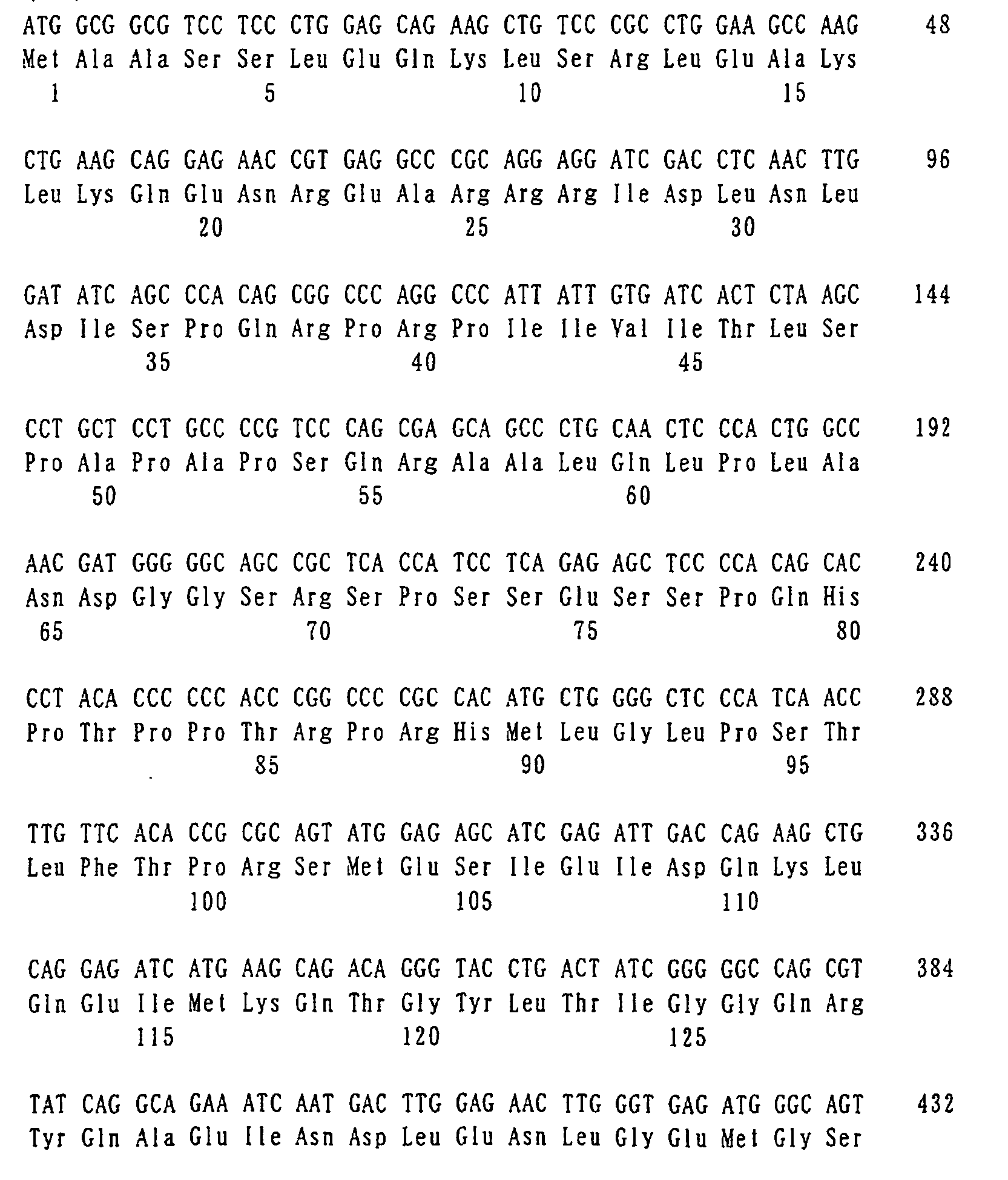


- <210> 4
<211> 468
<212> PRT
<213> Mus musculus - <400> 4


- <210> 5
<211> 1260
<212> DNA
<213> Mus musculus - <220>
<221> CDS
<222> (1).. (1257) - <400> 5


- <210> 6
<211> 419
<212> PRT
<213> Mus musculus - <400> 6


- <210> 7
<211> 477
<212> DNA
<213> Xenopus laevis - <220>
<221> CDS
<222> (3).. (476) - <400> 7


- <210> 8
<211> 158
<212> PRT
<213> Xenopus laevis - <400> 8
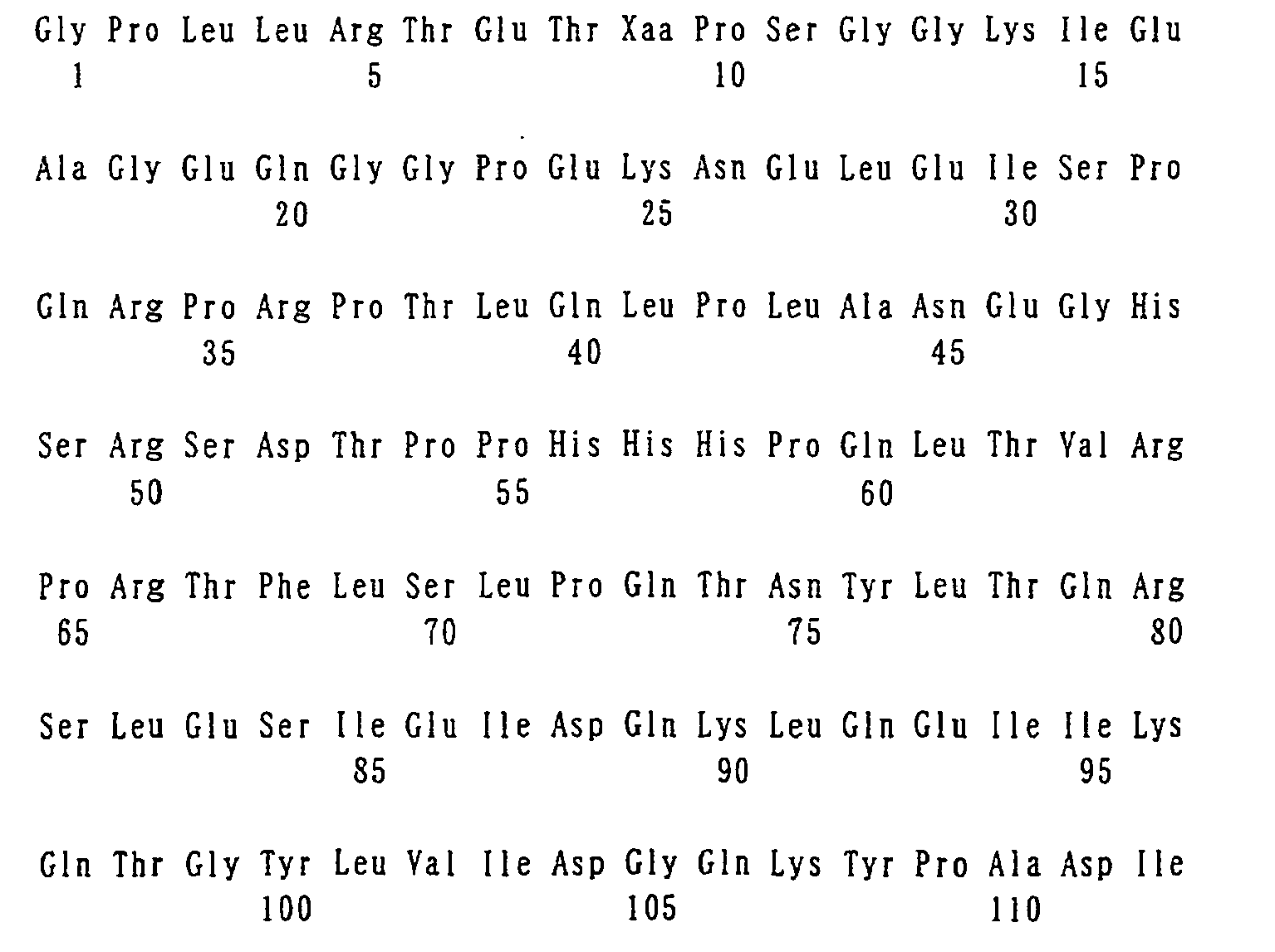

- <210> 9
<211> 1518
<212> DNA
<213> Artificial Sequence - <220>
<221> CDS
<222> (3)..(476) - <220>
<221> MUTAGEN
<222> (493).. (495) - <400> 9


- <210> 10
<211> 468
<212> PRT - <400> 10


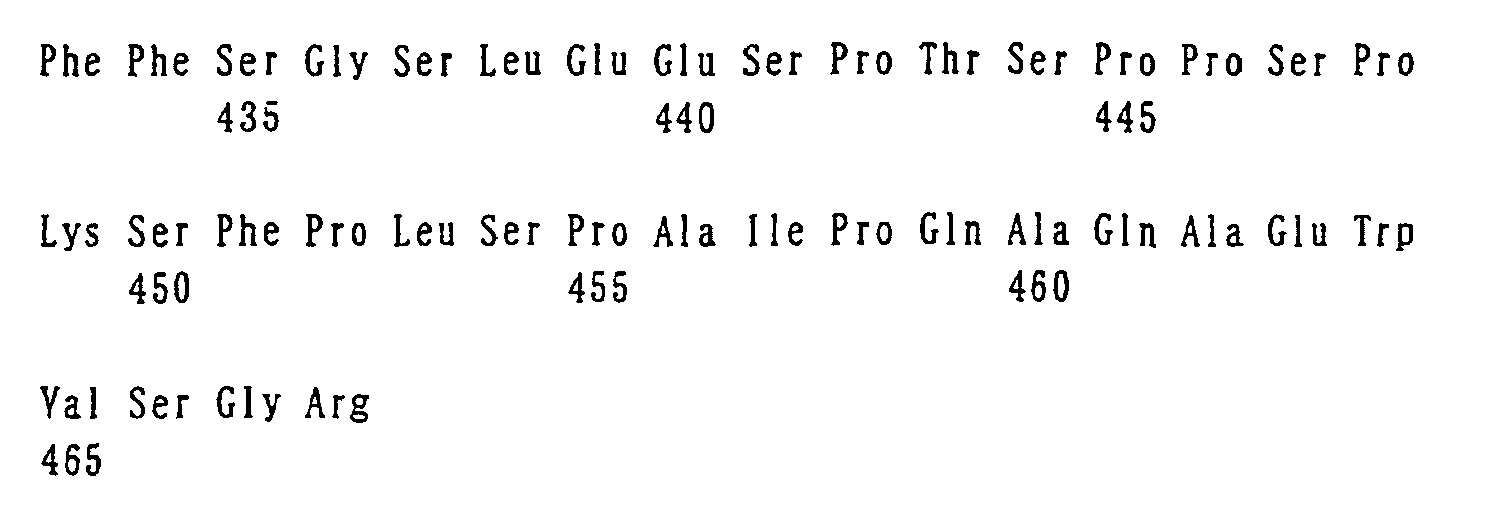
Claims (13)
- A substantially pure MAPK (mitogen-activated protein kinase) kinase derived from a vertebrate, wherein said MAPK kinase has the following characteristics:(a) said MAPK kinase is activated by a stimulus induced by TNF-α and/or by a stimulation of Fas antigen;(b) said MAPK kinase activates SAPK/JNK;(c) said MAPK kinase does not activate p38; and(d) said MAPK kinase has an amino acid sequence selected from the group consisting of SEQ ID NOs: 2, 4 and 6; or has a variant amino acid sequence of SEQ ID NO: 2 or 4, wherein the variant amino acid sequence conserves at least fifteen amino acid residues in the kinase domain which corresponds to residues 143rd Gly, 145th Gly, 150th Val, 165th Lys, 175th Glu, 259th Asp, 261st Lys, 264th Asn, 277th Asp, 279th Gly, 302nd Pro, 303rd Glu, 320th Asp, 325th Gly and 384th Arg of SEQ ID NO: 2 or 4.
- A DNA coding for the MAPK kinase of claim 1.
- The DNA according to claim 2, which has a nucleotide sequence selected from the group consisting of SEQ ID NOs: 1, 3 and 5.
- A replicable recombinant DNA which comprises a replicable expression vector and, operably inserted therein, the DNA of claim 2 or 3.
- A cell of a microorganism or cell culture, which is transformed with the replicable recombinant DNA of claim 4.
- A polypeptide, which is a dominant negative form of the MAPK kinase of claim 1, wherein said polypeptide has the following characteristics:(a) said polypeptide lacks only a kinase activity of said MAPK kinase,(b) said polypeptide inhibits the activation of SAPK/JNK by said MAPK kinase which is induced by TNF-α, and(c) said polypeptide has an amino acid sequence of SEQ ID NO: 10.
- A DNA coding for the polypeptide of claim 6.
- The DNA according to claim 7, which has a nucleotide sequence of SEQ ID NO: 9.
- A replicable recombinant DNA which comprises a replicable expression vector and, operably inserted therein, the DNA of claim 7 or 8.
- A cell of a microorganism or a cell culture, transformed with the replicable recombinant DNA of claim 9.
- The MAPK kinase according to claim 1, which is in an activated form, wherein a serine residue and/or a threonine residue in said MAPK kinase, which contribute/contributes to activation of said MAPK kinase upon being phosphorylated, are/is phosphorylated.
- A method for screening a substance having the capability to inhibit the activity of a MAPK kinase, which comprises:contacting a sample with at least one kinase selected from the group consisting of the MAPK kinase of claim 1 and the activated form of MAPK kinase of claim 11, together with SAPK/JNK;assessing the inhibition of activation of SAPK/JNK; anddetecting said substance by using said inhibition as a criterion.
- An antibody capable of binding specifically to the MAPK kinase of claim 1, or to the activated form of MAPK kinase of claim 11.
Applications Claiming Priority (3)
| Application Number | Priority Date | Filing Date | Title |
|---|---|---|---|
| JP19320797 | 1997-07-03 | ||
| JP19320797 | 1997-07-03 | ||
| PCT/JP1998/003016 WO1999001559A1 (en) | 1997-07-03 | 1998-07-03 | Novel mapk kinase |
Publications (3)
| Publication Number | Publication Date |
|---|---|
| EP1008650A1 EP1008650A1 (en) | 2000-06-14 |
| EP1008650A4 EP1008650A4 (en) | 2005-04-06 |
| EP1008650B1 true EP1008650B1 (en) | 2008-05-14 |
Family
ID=16304090
Family Applications (1)
| Application Number | Title | Priority Date | Filing Date |
|---|---|---|---|
| EP98929833A Expired - Lifetime EP1008650B1 (en) | 1997-07-03 | 1998-07-03 | Novel mapk kinase |
Country Status (8)
| Country | Link |
|---|---|
| US (1) | US6465618B1 (en) |
| EP (1) | EP1008650B1 (en) |
| JP (1) | JP4024313B2 (en) |
| AT (1) | ATE395419T1 (en) |
| AU (1) | AU7937398A (en) |
| CA (1) | CA2296070C (en) |
| DE (1) | DE69839484D1 (en) |
| WO (1) | WO1999001559A1 (en) |
Families Citing this family (6)
| Publication number | Priority date | Publication date | Assignee | Title |
|---|---|---|---|---|
| US6943000B2 (en) * | 1997-10-03 | 2005-09-13 | University Of Massachusetts | JNK3 modulators and methods of use |
| US20030068660A1 (en) * | 2001-09-12 | 2003-04-10 | Firestein Gary S. | Methods of ameliorating arthritis by modulating JNK signalsome activity |
| WO2004002532A1 (en) * | 2002-06-28 | 2004-01-08 | Celestar Lexico-Sciences,Inc. | Mkk7 activation inhibitor |
| WO2004043976A2 (en) * | 2002-11-12 | 2004-05-27 | Warner-Lambert Company Llc | Mkk7gamma1 nucleic acids and polypeptides |
| US20080206777A1 (en) * | 2007-02-27 | 2008-08-28 | Nuclea Biomarkers, Llc | Gene and protein expression profiles associated with the therapeutic efficacy of EGFR-TK inhibitors |
| GB201017520D0 (en) * | 2010-10-15 | 2010-12-01 | Sense Proteomic Ltd | Biomarkers |
Family Cites Families (3)
| Publication number | Priority date | Publication date | Assignee | Title |
|---|---|---|---|---|
| US6136596A (en) * | 1995-05-19 | 2000-10-24 | University Of Massachusetts | Cytokine-, stress-, and oncoprotein-activated human protein kinase kinases |
| GB9717416D0 (en) * | 1997-08-19 | 1997-10-22 | Medical Res Council | Polypeptides,polynucleotides and uses thereof |
| US6492112B1 (en) * | 1997-12-31 | 2002-12-10 | Chiron Corporation | Mitogen-activated protein kinase kinase 7 (MKK7) |
-
1998
- 1998-07-03 EP EP98929833A patent/EP1008650B1/en not_active Expired - Lifetime
- 1998-07-03 AU AU79373/98A patent/AU7937398A/en not_active Abandoned
- 1998-07-03 US US09/446,754 patent/US6465618B1/en not_active Expired - Fee Related
- 1998-07-03 DE DE69839484T patent/DE69839484D1/en not_active Expired - Lifetime
- 1998-07-03 JP JP50688599A patent/JP4024313B2/en not_active Expired - Fee Related
- 1998-07-03 AT AT98929833T patent/ATE395419T1/en not_active IP Right Cessation
- 1998-07-03 CA CA002296070A patent/CA2296070C/en not_active Expired - Fee Related
- 1998-07-03 WO PCT/JP1998/003016 patent/WO1999001559A1/en not_active Ceased
Non-Patent Citations (1)
| Title |
|---|
| MEIER R. ET AL: "Cellular stresses and cytokines activate multiple mitogen-activated protein kinase kinase homologues in PC12 and KB cells", EUROPEAN JOURNAL OF BIOCHEMISTRY, vol. 236, March 1996 (1996-03-01), BERLIN, DE, pages 796 - 805, XP002085857 * |
Also Published As
| Publication number | Publication date |
|---|---|
| AU7937398A (en) | 1999-01-25 |
| WO1999001559A1 (en) | 1999-01-14 |
| CA2296070C (en) | 2003-12-30 |
| JP4024313B2 (en) | 2007-12-19 |
| ATE395419T1 (en) | 2008-05-15 |
| DE69839484D1 (en) | 2008-06-26 |
| US6465618B1 (en) | 2002-10-15 |
| EP1008650A4 (en) | 2005-04-06 |
| CA2296070A1 (en) | 1999-01-14 |
| EP1008650A1 (en) | 2000-06-14 |
Similar Documents
| Publication | Publication Date | Title |
|---|---|---|
| Rochat-Steiner et al. | FIST/HIPK3: a Fas/FADD-interacting serine/threonine kinase that induces FADD phosphorylation and inhibits Fas-mediated Jun NH2-terminal kinase activation | |
| Silvennoinen et al. | Structure of the murine Jak2 protein-tyrosine kinase and its role in interleukin 3 signal transduction. | |
| Ling et al. | Biosignaling of mammalian Ste20-related kinases | |
| Kanamori et al. | T2BP, a novel TRAF2 binding protein, can activate NF-κB and AP-1 without TNF stimulation | |
| JP2008115164A (en) | IκB kinase, its subunits, and methods of using them | |
| US6689575B2 (en) | IκB kinase, subunits thereof, and methods of using same | |
| US20040204863A1 (en) | Crystal of a kinase-ligand complex and methods of use | |
| US20110071092A1 (en) | Anti-inflammatory compounds and uses thereof | |
| AU726294B2 (en) | Ikk-alpha proteins, nucleic acids and methods | |
| US7902348B2 (en) | Janus family kinases and identification of immune modulators | |
| US6465618B1 (en) | Mitogen activated protein kinase (MAPK) kinase | |
| US20030092037A1 (en) | Elk1 phosphorylation related gene | |
| US6514719B1 (en) | Methods for identifying compounds that alter kinase activity | |
| JPWO1999001559A1 (en) | Novel MAPK kinase | |
| Feng et al. | Identification of the dual specificity and the functional domains of the cardiac-specific protein kinase TNNI3K | |
| US7326781B2 (en) | Polynucleotides encoding the human citron kinase polypeptide, BMSNKC—0020/0021 | |
| JP2002511735A (en) | Adapter protein FRS2 and related materials and methods | |
| Chaudhuri et al. | Phosphorylation of TRAF2 inhibits binding to the CD40 cytoplasmic domain | |
| WO1997003090A2 (en) | Nuclear localized transcription factor kinase and diagnostic assays related thereto | |
| Probst | Identification of Substrates and Pathways Regulated by PAS Kinase | |
| WO1994017180A1 (en) | Nuclear localized transcription factor kinases |
Legal Events
| Date | Code | Title | Description |
|---|---|---|---|
| PUAI | Public reference made under article 153(3) epc to a published international application that has entered the european phase |
Free format text: ORIGINAL CODE: 0009012 |
|
| 17P | Request for examination filed |
Effective date: 19991227 |
|
| AK | Designated contracting states |
Kind code of ref document: A1 Designated state(s): AT BE CH CY DE DK ES FI FR GB GR IE IT LI LU MC NL PT SE |
|
| AX | Request for extension of the european patent |
Free format text: AL PAYMENT 19991227;LT PAYMENT 19991227;LV PAYMENT 19991227;MK PAYMENT 19991227;RO PAYMENT 19991227;SI PAYMENT 19991227 |
|
| RAP1 | Party data changed (applicant data changed or rights of an application transferred) |
Owner name: ASAHI KASEI KABUSHIKI KAISHA |
|
| RAP1 | Party data changed (applicant data changed or rights of an application transferred) |
Owner name: ASAHI KASEI PHARMA CORPORATION |
|
| RIC1 | Information provided on ipc code assigned before grant |
Ipc: 7C 12R 1/19 B Ipc: 7C 07K 16/40 B Ipc: 7C 07K 14/46 B Ipc: 7C 12Q 1/48 B Ipc: 7C 12N 1/21 B Ipc: 7C 12N 9/12 B Ipc: 7C 12N 15/54 A |
|
| A4 | Supplementary search report drawn up and despatched |
Effective date: 20050221 |
|
| 17Q | First examination report despatched |
Effective date: 20061006 |
|
| 17Q | First examination report despatched |
Effective date: 20061006 |
|
| GRAP | Despatch of communication of intention to grant a patent |
Free format text: ORIGINAL CODE: EPIDOSNIGR1 |
|
| GRAS | Grant fee paid |
Free format text: ORIGINAL CODE: EPIDOSNIGR3 |
|
| GRAA | (expected) grant |
Free format text: ORIGINAL CODE: 0009210 |
|
| AK | Designated contracting states |
Kind code of ref document: B1 Designated state(s): AT BE CH CY DE DK ES FI FR GB GR IE IT LI LU MC NL PT SE |
|
| AX | Request for extension of the european patent |
Extension state: AL LT LV MK RO SI |
|
| REG | Reference to a national code |
Ref country code: GB Ref legal event code: FG4D |
|
| REG | Reference to a national code |
Ref country code: CH Ref legal event code: EP |
|
| REG | Reference to a national code |
Ref country code: IE Ref legal event code: FG4D Free format text: LANGUAGE OF EP DOCUMENT: FRENCH |
|
| REF | Corresponds to: |
Ref document number: 69839484 Country of ref document: DE Date of ref document: 20080626 Kind code of ref document: P |
|
| PG25 | Lapsed in a contracting state [announced via postgrant information from national office to epo] |
Ref country code: FI Free format text: LAPSE BECAUSE OF FAILURE TO SUBMIT A TRANSLATION OF THE DESCRIPTION OR TO PAY THE FEE WITHIN THE PRESCRIBED TIME-LIMIT Effective date: 20080514 Ref country code: ES Free format text: LAPSE BECAUSE OF FAILURE TO SUBMIT A TRANSLATION OF THE DESCRIPTION OR TO PAY THE FEE WITHIN THE PRESCRIBED TIME-LIMIT Effective date: 20080825 |
|
| NLV1 | Nl: lapsed or annulled due to failure to fulfill the requirements of art. 29p and 29m of the patents act | ||
| PG25 | Lapsed in a contracting state [announced via postgrant information from national office to epo] |
Ref country code: NL Free format text: LAPSE BECAUSE OF FAILURE TO SUBMIT A TRANSLATION OF THE DESCRIPTION OR TO PAY THE FEE WITHIN THE PRESCRIBED TIME-LIMIT Effective date: 20080514 Ref country code: AT Free format text: LAPSE BECAUSE OF FAILURE TO SUBMIT A TRANSLATION OF THE DESCRIPTION OR TO PAY THE FEE WITHIN THE PRESCRIBED TIME-LIMIT Effective date: 20080514 |
|
| PG25 | Lapsed in a contracting state [announced via postgrant information from national office to epo] |
Ref country code: SE Free format text: LAPSE BECAUSE OF FAILURE TO SUBMIT A TRANSLATION OF THE DESCRIPTION OR TO PAY THE FEE WITHIN THE PRESCRIBED TIME-LIMIT Effective date: 20080814 Ref country code: PT Free format text: LAPSE BECAUSE OF FAILURE TO SUBMIT A TRANSLATION OF THE DESCRIPTION OR TO PAY THE FEE WITHIN THE PRESCRIBED TIME-LIMIT Effective date: 20081014 Ref country code: DK Free format text: LAPSE BECAUSE OF FAILURE TO SUBMIT A TRANSLATION OF THE DESCRIPTION OR TO PAY THE FEE WITHIN THE PRESCRIBED TIME-LIMIT Effective date: 20080514 |
|
| PG25 | Lapsed in a contracting state [announced via postgrant information from national office to epo] |
Ref country code: BE Free format text: LAPSE BECAUSE OF FAILURE TO SUBMIT A TRANSLATION OF THE DESCRIPTION OR TO PAY THE FEE WITHIN THE PRESCRIBED TIME-LIMIT Effective date: 20080514 |
|
| REG | Reference to a national code |
Ref country code: CH Ref legal event code: PL |
|
| PLBE | No opposition filed within time limit |
Free format text: ORIGINAL CODE: 0009261 |
|
| STAA | Information on the status of an ep patent application or granted ep patent |
Free format text: STATUS: NO OPPOSITION FILED WITHIN TIME LIMIT |
|
| PG25 | Lapsed in a contracting state [announced via postgrant information from national office to epo] |
Ref country code: MC Free format text: LAPSE BECAUSE OF NON-PAYMENT OF DUE FEES Effective date: 20080731 |
|
| 26N | No opposition filed |
Effective date: 20090217 |
|
| REG | Reference to a national code |
Ref country code: IE Ref legal event code: MM4A |
|
| PG25 | Lapsed in a contracting state [announced via postgrant information from national office to epo] |
Ref country code: LI Free format text: LAPSE BECAUSE OF NON-PAYMENT OF DUE FEES Effective date: 20080731 Ref country code: CH Free format text: LAPSE BECAUSE OF NON-PAYMENT OF DUE FEES Effective date: 20080731 |
|
| PG25 | Lapsed in a contracting state [announced via postgrant information from national office to epo] |
Ref country code: IE Free format text: LAPSE BECAUSE OF NON-PAYMENT OF DUE FEES Effective date: 20080703 |
|
| PG25 | Lapsed in a contracting state [announced via postgrant information from national office to epo] |
Ref country code: IT Free format text: LAPSE BECAUSE OF FAILURE TO SUBMIT A TRANSLATION OF THE DESCRIPTION OR TO PAY THE FEE WITHIN THE PRESCRIBED TIME-LIMIT Effective date: 20080514 |
|
| PG25 | Lapsed in a contracting state [announced via postgrant information from national office to epo] |
Ref country code: LU Free format text: LAPSE BECAUSE OF NON-PAYMENT OF DUE FEES Effective date: 20080703 |
|
| PG25 | Lapsed in a contracting state [announced via postgrant information from national office to epo] |
Ref country code: CY Free format text: LAPSE BECAUSE OF FAILURE TO SUBMIT A TRANSLATION OF THE DESCRIPTION OR TO PAY THE FEE WITHIN THE PRESCRIBED TIME-LIMIT Effective date: 20080514 |
|
| PG25 | Lapsed in a contracting state [announced via postgrant information from national office to epo] |
Ref country code: GR Free format text: LAPSE BECAUSE OF FAILURE TO SUBMIT A TRANSLATION OF THE DESCRIPTION OR TO PAY THE FEE WITHIN THE PRESCRIBED TIME-LIMIT Effective date: 20080815 |
|
| PGFP | Annual fee paid to national office [announced via postgrant information from national office to epo] |
Ref country code: DE Payment date: 20130626 Year of fee payment: 16 |
|
| PGFP | Annual fee paid to national office [announced via postgrant information from national office to epo] |
Ref country code: GB Payment date: 20130703 Year of fee payment: 16 Ref country code: FR Payment date: 20130724 Year of fee payment: 16 |
|
| REG | Reference to a national code |
Ref country code: DE Ref legal event code: R119 Ref document number: 69839484 Country of ref document: DE |
|
| GBPC | Gb: european patent ceased through non-payment of renewal fee |
Effective date: 20140703 |
|
| REG | Reference to a national code |
Ref country code: FR Ref legal event code: ST Effective date: 20150331 |
|
| PG25 | Lapsed in a contracting state [announced via postgrant information from national office to epo] |
Ref country code: DE Free format text: LAPSE BECAUSE OF NON-PAYMENT OF DUE FEES Effective date: 20150203 |
|
| REG | Reference to a national code |
Ref country code: DE Ref legal event code: R119 Ref document number: 69839484 Country of ref document: DE Effective date: 20150203 |
|
| PG25 | Lapsed in a contracting state [announced via postgrant information from national office to epo] |
Ref country code: FR Free format text: LAPSE BECAUSE OF NON-PAYMENT OF DUE FEES Effective date: 20140731 Ref country code: GB Free format text: LAPSE BECAUSE OF NON-PAYMENT OF DUE FEES Effective date: 20140703 |