EP1007088B1 - Recombinant porcine adenovirus vector - Google Patents
Recombinant porcine adenovirus vector Download PDFInfo
- Publication number
- EP1007088B1 EP1007088B1 EP98938527A EP98938527A EP1007088B1 EP 1007088 B1 EP1007088 B1 EP 1007088B1 EP 98938527 A EP98938527 A EP 98938527A EP 98938527 A EP98938527 A EP 98938527A EP 1007088 B1 EP1007088 B1 EP 1007088B1
- Authority
- EP
- European Patent Office
- Prior art keywords
- recombinant
- porcine
- vector
- pav
- pigs
- Prior art date
- Legal status (The legal status is an assumption and is not a legal conclusion. Google has not performed a legal analysis and makes no representation as to the accuracy of the status listed.)
- Expired - Lifetime
Links
Images





Classifications
-
- A—HUMAN NECESSITIES
- A61—MEDICAL OR VETERINARY SCIENCE; HYGIENE
- A61K—PREPARATIONS FOR MEDICAL, DENTAL OR TOILETRY PURPOSES
- A61K39/00—Medicinal preparations containing antigens or antibodies
- A61K39/12—Viral antigens
- A61K39/235—Adenoviridae
-
- C—CHEMISTRY; METALLURGY
- C07—ORGANIC CHEMISTRY
- C07K—PEPTIDES
- C07K14/00—Peptides having more than 20 amino acids; Gastrins; Somatostatins; Melanotropins; Derivatives thereof
- C07K14/005—Peptides having more than 20 amino acids; Gastrins; Somatostatins; Melanotropins; Derivatives thereof from viruses
-
- A—HUMAN NECESSITIES
- A61—MEDICAL OR VETERINARY SCIENCE; HYGIENE
- A61P—SPECIFIC THERAPEUTIC ACTIVITY OF CHEMICAL COMPOUNDS OR MEDICINAL PREPARATIONS
- A61P31/00—Antiinfectives, i.e. antibiotics, antiseptics, chemotherapeutics
- A61P31/12—Antivirals
-
- A—HUMAN NECESSITIES
- A61—MEDICAL OR VETERINARY SCIENCE; HYGIENE
- A61P—SPECIFIC THERAPEUTIC ACTIVITY OF CHEMICAL COMPOUNDS OR MEDICINAL PREPARATIONS
- A61P37/00—Drugs for immunological or allergic disorders
- A61P37/02—Immunomodulators
- A61P37/04—Immunostimulants
-
- C—CHEMISTRY; METALLURGY
- C07—ORGANIC CHEMISTRY
- C07K—PEPTIDES
- C07K14/00—Peptides having more than 20 amino acids; Gastrins; Somatostatins; Melanotropins; Derivatives thereof
- C07K14/435—Peptides having more than 20 amino acids; Gastrins; Somatostatins; Melanotropins; Derivatives thereof from animals; from humans
- C07K14/52—Cytokines; Lymphokines; Interferons
- C07K14/53—Colony-stimulating factor [CSF]
- C07K14/535—Granulocyte CSF; Granulocyte-macrophage CSF
-
- C—CHEMISTRY; METALLURGY
- C12—BIOCHEMISTRY; BEER; SPIRITS; WINE; VINEGAR; MICROBIOLOGY; ENZYMOLOGY; MUTATION OR GENETIC ENGINEERING
- C12N—MICROORGANISMS OR ENZYMES; COMPOSITIONS THEREOF; PROPAGATING, PRESERVING, OR MAINTAINING MICROORGANISMS; MUTATION OR GENETIC ENGINEERING; CULTURE MEDIA
- C12N15/00—Mutation or genetic engineering; DNA or RNA concerning genetic engineering, vectors, e.g. plasmids, or their isolation, preparation or purification; Use of hosts therefor
- C12N15/09—Recombinant DNA-technology
- C12N15/63—Introduction of foreign genetic material using vectors; Vectors; Use of hosts therefor; Regulation of expression
- C12N15/79—Vectors or expression systems specially adapted for eukaryotic hosts
- C12N15/85—Vectors or expression systems specially adapted for eukaryotic hosts for animal cells
- C12N15/86—Viral vectors
-
- A—HUMAN NECESSITIES
- A61—MEDICAL OR VETERINARY SCIENCE; HYGIENE
- A61K—PREPARATIONS FOR MEDICAL, DENTAL OR TOILETRY PURPOSES
- A61K39/00—Medicinal preparations containing antigens or antibodies
-
- C—CHEMISTRY; METALLURGY
- C12—BIOCHEMISTRY; BEER; SPIRITS; WINE; VINEGAR; MICROBIOLOGY; ENZYMOLOGY; MUTATION OR GENETIC ENGINEERING
- C12N—MICROORGANISMS OR ENZYMES; COMPOSITIONS THEREOF; PROPAGATING, PRESERVING, OR MAINTAINING MICROORGANISMS; MUTATION OR GENETIC ENGINEERING; CULTURE MEDIA
- C12N2710/00—MICROORGANISMS OR ENZYMES; COMPOSITIONS THEREOF; PROPAGATING, PRESERVING, OR MAINTAINING MICROORGANISMS; MUTATION OR GENETIC ENGINEERING; CULTURE MEDIA dsDNA viruses
- C12N2710/00011—Details
- C12N2710/10011—Adenoviridae
- C12N2710/10311—Mastadenovirus, e.g. human or simian adenoviruses
- C12N2710/10341—Use of virus, viral particle or viral elements as a vector
- C12N2710/10343—Use of virus, viral particle or viral elements as a vector viral genome or elements thereof as genetic vector
-
- C—CHEMISTRY; METALLURGY
- C12—BIOCHEMISTRY; BEER; SPIRITS; WINE; VINEGAR; MICROBIOLOGY; ENZYMOLOGY; MUTATION OR GENETIC ENGINEERING
- C12N—MICROORGANISMS OR ENZYMES; COMPOSITIONS THEREOF; PROPAGATING, PRESERVING, OR MAINTAINING MICROORGANISMS; MUTATION OR GENETIC ENGINEERING; CULTURE MEDIA
- C12N2770/00—MICROORGANISMS OR ENZYMES; COMPOSITIONS THEREOF; PROPAGATING, PRESERVING, OR MAINTAINING MICROORGANISMS; MUTATION OR GENETIC ENGINEERING; CULTURE MEDIA ssRNA viruses positive-sense
- C12N2770/00011—Details
- C12N2770/24011—Flaviviridae
- C12N2770/24311—Pestivirus, e.g. bovine viral diarrhea virus
- C12N2770/24322—New viral proteins or individual genes, new structural or functional aspects of known viral proteins or genes
-
- C—CHEMISTRY; METALLURGY
- C12—BIOCHEMISTRY; BEER; SPIRITS; WINE; VINEGAR; MICROBIOLOGY; ENZYMOLOGY; MUTATION OR GENETIC ENGINEERING
- C12N—MICROORGANISMS OR ENZYMES; COMPOSITIONS THEREOF; PROPAGATING, PRESERVING, OR MAINTAINING MICROORGANISMS; MUTATION OR GENETIC ENGINEERING; CULTURE MEDIA
- C12N2770/00—MICROORGANISMS OR ENZYMES; COMPOSITIONS THEREOF; PROPAGATING, PRESERVING, OR MAINTAINING MICROORGANISMS; MUTATION OR GENETIC ENGINEERING; CULTURE MEDIA ssRNA viruses positive-sense
- C12N2770/00011—Details
- C12N2770/24011—Flaviviridae
- C12N2770/24311—Pestivirus, e.g. bovine viral diarrhea virus
- C12N2770/24334—Use of virus or viral component as vaccine, e.g. live-attenuated or inactivated virus, VLP, viral protein
Definitions
- This invention relates to delivery vectors for antigen producing genes (heterologous gene sequences or fragments thereof) used to generate immune responses in commercial pigs susceptible to decimation by disease. Such vectors are especially useful for the preparation of vaccines which can be easily administered on a large scale to protect pigs against disease.
- This invention also relates to a method of production of suitable delivery vectors, to methods of preparation of vaccines based on the vectors, to administration strategies and to a method protecting pigs from disease.
- vaccines constituting live viral particles have been prepared by virus passage and selection of attenuated forms.
- killed vaccines were prepared from virulent viruses.
- herpesvirus as a vector has the advantage of being able to stimulate a humoral and cell-mediated response, thus providing possible life long protection. Another advantage is the ability to insert other heterologous sequences in this vector, being expressed from a suitable promoter, to produce antigens for exposure to the animals immune system, thus protecting against two diseases. There are disadvantages of this system. Firstly, there is the issue of latency. Herpesviruses have the ability to intergrate into the neurons in ganglia for the life of the animal.
- this deletion vector is now widely used as an eradication vector for Aujesky's disease and subsequently will not be available as a suitable vector for the delivery of other antigens.
- this invention provides or enhance means for generation and/or optimisation of antibodies or cell-mediated immunity so as to provide protection against infection with common porcine diseases. It is an additional aim to provide a process for preparation of a suitable means for generation and/or optimisation of antibodies or cell-mediated immunity so as to protect pigs against infection with common porcine diseases. It is a further aim to provide a protection strategy.
- the invention provides a recombinant vector including a recombinant porcine adenovirus which stably incorporates at least one heterologous nucleotide sequence.
- the heterologous nucleotide sequence is capable of expression as an antigenic polypeptide.
- the antigenic polypeptide encoded by at least one nucleotide sequence is preferably foreign to the host vector.
- heterologous nucleotide sequence is capable of expression as an immuno-potentiator molecule.
- heterologous nucleotide sequence may encode for and/or express, an antigenic polypeptide and an immuno-potentiator molecule.
- the recombinant vector may comprise a live recombinant porcine adenovirus in which the virion structural proteins are unchanged from those in the native porcine adenovirus from which the recombinant porcine adenovirus is produced.
- This invention is partially predicated on the discovery that there are non-essential regions in the porcine adenovirus genome which do not correspond to those characterised previously on other adenoviruses thus making this virus particularly suited to delivery of heterologous sequences.
- This invention is also predicated on the discovery that the porcine adenovirus generates a prolonged response in pigs thus making it well suited as a vaccine vehicle. Furthermore, the existence of a number of serotypes specific to respiratory or gastrointestinal tracts, allows the selection of a vaccine vehicle suited to a target organ and the type of immune response required.
- porcine adenovirus can package genomic DNA greater than the 105% rule for mammalian adenoviruses with intermediate size genomes and that the resultant packaged virions are stable in vitro and in vivo.
- Adenoviruses are a large and diverse family, having been isolated from many living species, including man and other mammals as well as a variety of birds. As a result adenoviruses have been separated into at least two genera, the Mastoadenoviridae and the Aviadenoviridae, and more recently a third genera has been proposed, the Atadenovirdae, which includes some bovine and avian adenoviruses (egg drop syndrome) (Benkö and Harrach, Archives of Virology 143, 829-837,1998).
- egg drop syndrome bovine and avian adenoviruses
- Porcine adenoviruses are prevalent infectious agents of pigs and to date four distinct serotypes have been recognised (Adair and McFerran, 1976) and evidence for at least one more (Derbyshire et al ., 1975). Of the four serotypes found, three (serotypes 1 to 3) were isolated from the gastrointestinal tract while the fourth was recovered from the respiratory system. The porcine adenoviruses are considered to be a low pathogenic widespread agent and although isolations were made in general from diseased animals, it was most likely that the adenovirus was present only as a secondary infection.
- adenovirus infections have been isolated from pigs with diarrhoea and respiratory infections but it has been considered that at least the gastrointestinal adenovirus infections are usually asymptomatic (Sanford and Hoover, 1983). Porcine adenoviruses are spread by ingestion or inhalation and experimental infection via oral, intranasal and intratracheal inoculations have resulted in uptake of the virus. Experimental pathogenicity studies have shown that the primary sites of infection are the lower small intestine probably the tonsil (Sharpe and Jessett, 1967; Shadduck et al., 1968). With serotype 4 infection, a viraemia appears to develop in experimental infections.
- Porcine adenoviruses have yet to be examined in much detail and little is known about their role in disease or how common they are. This is due to the fact that they do not produce any significant disease in herds and have failed to draw the interest of industry through loss of production. It is likely that the number of serotypes of porcine adenoviruses is much greater than four and that it probably exists in the majority of pig herds as a normal commensal.
- a further consideration is the ability of the vector to remain active in the pig beyond the period which maternal antibodies in colostrum protect pigs immediately post-birth.
- live vector viruses should be highly infectious but non-pathogenic (or at least attenuated) such that they do not themselves adversely affect the target species.
- the preferred candidates for vaccine vectors are non-pathogenic isolates of serotype 4 (respiratory) and serotype 3 (gastrointestinal).
- Serotype 3 has been chosen as the serotype of choice due to excellent growth abilities in continuous pig kidney cell lines. The isolation of other serotypes, which seems likely, may well after this selection. It is notable that the more virulent strains produce a greater antibody response.
- Heterologous nucleotide sequences which may be incorporated into non-essential regions of the viral genome and which may encode the antigenic determinants of infectious organisms against which the generation of antibodies or cell-mediated immunity is desirable may be those expressing antigenic determinants of intestinal infections caused by gastrointestinal viruses; for example rotavirus or parvovirus infections, or respiratory viruses, for example parainfluenza virus, or that of Japanese encephalitis.
- Heterologous nucleotide sequences which may be incorporated include the antigenic determinants of the agents of:
- heterologous sequences incorporated may be immuno-potentiator molecules such as cytokines or growth promoters, for example porcine interleukin 4 (IL4), gamma interferon ( ⁇ IFN), granulocyte macrophage colony stimulating factor (GM-CSF), granulocyte colony stimulating factor (G-CSF), FLT-3 ligand and interleukin 3 (IL-3).
- cytokines for example porcine interleukin 4 (IL4), gamma interferon ( ⁇ IFN), granulocyte macrophage colony stimulating factor (GM-CSF), granulocyte colony stimulating factor (G-CSF), FLT-3 ligand and interleukin 3 (IL-3).
- IL4 porcine interleukin 4
- ⁇ IFN gamma interferon
- GM-CSF granulocyte macrophage colony stimulating factor
- G-CSF granulocyte colony stimulating factor
- FLT-3 ligand interleukin 3
- the type of immune response stimulated by candidate vectors may affect the selection of heterologous nucleotide sequences for insertion therein.
- PAV serotypes 1, 2 and 3 which naturally infect via the gut may induce local mucosal immunity and are thus more suitable for infections of the intestines (eg classical swine fever virus).
- PAV serotype 4 which naturally infects via the respiratory system, may be more suitable for infections of the respiratory tract (eg porcine parainfluenza) may also induce good local immunity.
- the DNA of interest which may comprise heterologous genes coding for antigenic determinants or immuno-potentiator molecules may be located in at least one non-essential region of the viral genome.
- Non-essential regions of the viral genome which may be suitable for the purposes of replacement with or insertion of heterologous nucleotide sequences may be non-coding regions at the right terminal end of the genome at map units 97 to 99.5.
- Preferred non-coding regions include the early region (E3) of the PAV genome at map units 81-84.
- the heterologous gene sequences may be associated with a promoter and leader sequence in order that the nucleotide sequence may be expressed in situ as efficiently as possible.
- the heterologous gene sequence is associated with the porcine adenoviral major late promoter and splice leader sequence.
- the mammalian adenovirus major late promoter lies near 16-17 map units on the adenovirus genetic map and contains a classical TATA sequence motif (Johnson, D.C., Ghosh-Chondhury, G., Smiley, J.R., Fallis, L. and Graham, F.L. (1988), Abundant expression of herpes simplex virus glycoprotein gB using an adenovirus vector. Virology 164,1-14).
- the splice leader sequence of the porcine adenovirus serotype under consideration is a tripartite sequence spliced to the 5' end of the mRNA of all late genes.
- the heterologous gene sequence may also be associated with a poly adenylation sequence.
- porcine adenoviral major late promoter any other suitable eukaryotic promoter may be used.
- those of SV40 virus, cytomegalovirus (CMV) or human adenovirus may be used.
- Processing and poly adenylation signals other than those of porcine adenoviruses may also be considered, for example, that of SV40.
- a recombinant vaccine for generating and/or optimising antibodies or cell-mediated immunity so as to provide or enhance protection against infection with an infectious organism in pigs
- the vaccine including at least one recombinant porcine adenovirus vector stably incorporating at least one heterologous nucleotide sequence formulated with suitable carriers and excipients.
- the nucleotide sequence is capable of expression as an antigenic polypeptide or as an immuno-potentiator molecule.
- the heterologous nucleotide sequence may encode for and/or express, an antigenic polypeptide and an immuno-potentiator molecule.
- the antigenic polypeptide encoded by the at least one nucleotide sequence is preferably foreign to the host vector.
- At least one nucleotide sequence may be associated with a promoter/leader and a poly A sequence.
- the recombinant vaccine may include live recombinant porcine adenovirus vector in which the virion structural proteins are unchanged from that in the native porcine adenovirus from which the recombinant porcine adenovirus is produced.
- Preferred vector candidates for use in the recombinant vaccine are PAV isolates of serotype 3 and 4. Use of other serotypes is possible, depending on herd existing immunity and its environment
- the vaccine may be directed against respiratory and intestinal infections caused by a variety of agents.
- heterologous gene sequences encoding the antigenic determinants of those infectious organisms may be incorporated into non-essential regions of the genome of the porcine adenovirus comprising the vector.
- suitable heterologous nucleotide sequences may be those of immuno-potentiators such as cytokines or growth promoters.
- the vaccine may comprise other constituents, such as stabilisers, excipients, other pharmaceutically acceptable compounds or any other antigen or part thereof.
- the vaccine may be in the form of a lyophilised preparation or as a suspension, all of which are common in the field of vaccine production.
- a suitable carrier for such as a vaccine may be isotonic buffered saline.
- the form of administration may be that of an enteric coated dosage unit, an inoculum for intraperitoneal, intramuscular or subcutaneous administration, an aerosol spray, by oral or intranasal application. Administration in the drinking water or in feed pellets is also possible.
- a method of producing a porcine adenovirus vaccine vector which includes inserting into a porcine adenovirus at least one heterologous nucleotide sequence.
- Said heterologous nucleotide sequence is preferably capable of expression as an antigenic polypeptide although it may also be an immuno-potentiator molecule. More preferably, the nucleotide sequence may encode for and/or express, an antigenic polypeptide and an immuno-potentiator molecule.
- the antigenic polypeptide encoded by the at least one nucleotide sequence is foreign to the host vector.
- heterologous nucleotide sequence is associated with promoter/leader and poly A sequences.
- the non-essential region to be altered to incorporate foreign DNA could be constructed via homologous recombination.
- the non-essential region is cloned and foreign DNA together with promoter, leader and poly adenylation sequences is inserted preferably by homologous recombination between flanking sequences.
- deletion of portions of the non-essential region is possible to create extra room for larger DNA inserts that are beyond the normal packing constraints of the virus.
- a heterologous antigen and immuno-modulatory molecule such as a cytokine may be expressed in the same recombinant and delivered as a single vaccine.
- a base recombinant serotype 3 porcine adenovirus is constructed and the fiber gene from serotype 4 replacing that of serotype 3 or the fiber from serotype 4 additionally cloned into the vaccine to broaden the targeting of the invention to both gut and respiratory delivery.
- PAV vector based vaccines may be administered consecutively of each other to either administer booster vaccines or new vaccines at some stage subsequent to initial PAV vaccination.
- the vaccines used are preferably based on heterologous PAV isolates.
- vaccines based on isolates serotypically unrelated are selected so as to achieve maximum protection against infection.
- a vaccine based on PAV serotype 3 is administered subsequently or prior to vaccination with a vaccine based on PAV serotype 4.
- Pigs are conveniently inoculated with vector vaccines according to the invention at any age. Piglets may be vaccinated at 1 day old, breeders may be vaccinated regularly up to point of giving birth and thereafter.
- a use of the vectors for the manufacture of a medicament for producing an immune response in a pig by administering to the pig an effective amount of a recombinant vaccine according to the invention is an effective amount sufficient to elicit an immune response, preferably at least 10 4 TCID 50 per dose.
- administration is by oral delivery or intra-nasally.
- PAV are considered of low pathogenicity with little consequence in the field.
- the pathogenic significance of PAV is reviewed in Derbyshire, 1989.
- the first report of isolation of PAV was from a 12 day old pig with diarrhoea (Haig et al., 1964).
- PAV type 4 was first reported, isolated from the brain of a pig suffering from encephalitis of unknown cause (Kasza, 1966). Later reports have associated PAV mainly with diarrhoea in the field although this is normally low grade.
- PAV can also be regularly isolated from healthy animals with no disease signs and it is quite likely that its isolation from diseased animals is more a coincidence of its prevalence than an indicator of pathogenicity.
- the genome of the selected PAV serotype 3 was characterised by conventional methods.
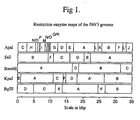
- the DNA restriction endonuclease maps of the entire genome is illustrated in figure 1.
- the genomes are orientated left to right
- adenovirus genomes are normally orientated such that the terminal region from which no late mRNA transcripts are synthesised is located at the left end.
- the enzymes used to generate the map are indicated at the edge of each map.
- the MLP promoter sequence was identified as containing a classical TATA sequence, the only one in the region sequenced, as well as upstream factors and was subsequently confirmed by the location of the leader sequence and the transcriptional start site.
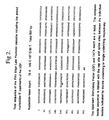
- Figures 2 and 3 illustrate the sequence characterisation of the major late promoter and splice leader sequences of PAV serotype 3.
- porcine kidney cells were infected with PAV and the infection was allowed to proceed until late in the infection cycle (usually 20-24 hr p.i.). At this time total RNA was purified from the infected cells using the RNAgents total RNA purification kit (Promega). The isolated RNA was precipitated with isopropanol and stored at -70°C in 200 ⁇ l aliquots until required. Poly A (mRNA) was isolated from total RNA by the use of the Poly AT tract System (Promega, USA). The isolated mRNA was used in cDNA production.
- oligonucleotides were produced to the complimentary strand of the hexon gene and the penton base gene, both being MLP transcripts.
- a further oligonucleotide was produced which covered the proposed cap site of the major late transcript, 24 bases downstream of the TATA box. This oligonucleotide was used in conjunction with that used in cDNA production in Taq polymerase chain reaction.
- the resulting DNA produced from positive clones was digested with appropriate restriction enzymes to determine the size of the inserted fragment DNA sequencing of these inserted fragments was performed using a modification of the chain termination technique (Sanger, F., Nicklen, S and Gulson, A.R., 1977, DNA sequencing with chain terminating inhibitors. PNAS USA 74: 5463-5467) so as to allow Taq DNA polymerase extension (Promega, USA).
- cDNA was incubated with 1 mM dGTP and approximately 15 units of terminal deoxynucleotidyl transferase (Promega) in 2 mM CaCl2 buffer at 37°C for 60 minutes. The reaction was stopped by heating to 70°C for 10 minutes. The DNA was then ethanol precipitated and resuspended in a volume suitable for use in polymerase chain reaction (PCR). PCR was performed as previously described using a poly (dC) oligonucleotide with a Xba I site at the 5' end.
- PCR polymerase chain reaction
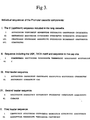
- Figure 3 illustrates the separate sequences of the major late promoter, upstream enhancer sequence and splice leaders 1, 2 and 3 as determined from cDNA studies.
- Figure 2 illustrates the DNA sequence of the complete promoter cassette with the components joined together.
- the right end was identified by cloning and complete sequencing of the PAV serotype 3 Apa I fragment J of approximately 1.8 Kbp.
- the inverted terminal repeat (ITR) has been determined by comparison of the RHE sequence with that of the left hand end.
- the ITR is 144 bases long and represents the starting point into which potential insertions can be made.
- Figure 4 shows the sequence of the terminal 720 bases. Restriction endonuclease sites of interest for insertion of foreign DNA are indicated in the terminal sequence. A putative TATA site for the E4 promoter is identified, this being the left most end for the possible site of insertion. Initial insertions will be made into the Sma I or Eco RI sites.
- the E3 region of the genome has been located and cloned.
- the promoter region of E3 has been identified and the overlapping L4 area sequenced ( Figure 5).
- the region of the E3 after the polyadenylation signal of the L4 is also a possible site for insertion and can also be used for deletion to create more room for larger cassette insertions.
- the major late promoter expression cassette containing the E2 (gp55) gene of classical swine fever virus (hog cholera virus) was cloned into the Sma I site of the RHE fragment
- a preferred method of homologous recombination was cutting genomic PAV 3 DNA with Hpa I, a unique site in the genome, and transfecting this DNA with Apa I cut expression cassette plasmid containing gp55.
- the DNA mix was transfected into preferably primary pig kidney cells by standard calcium chloride precipitation techniques.
- the following examples show the construction of representative recombinant porcine adenoviruses of this invention.
- the recombinant viruses were propagated and titred on primary porcine kidney cells.
- An expression cassette consisting of the porcine adenovirus major late promoter, the classical swine fever virus (CSFV) gene (gp55) and SV 40 polyA was inserted into the Sma I site of the right hand end (MU 97-99.5) of porcine adenovirus serotype 3 and used to generate in porcine primary kidney cells a recombinant PAV 3.
- the size of the expression cassette was 2.38 kilobase pairs. No deletion of the genomic PAV 3 was made.
- Mammalian adenoviruses with intermediate genomes have been shown to accommodate up to 105% of the wild-type genomic length, and genomes larger than this size are either unpackageable or extremely unstable, frequently undergoing DNA rearrangements (Betts, Prevec and Graham, Journal of Virology 67, 5911-5921 (1993), Packaging capacity and stability of human adenovirus type 5 vectors: Parks and Graham, Journal of Virology, 71, 3293-3298, (1997), A helper dependent system for adenovirus vector production helps define a lower limit for efficient DNA packaging).
- PAV genomic length was 34.8 kb, into which was inserted without any other deletion an expression cassette of 2.38 kb.
- An expression cassette comprising of the porcine adenovirus major late promoter, the gene encoding porcine granulocyte-colony stimulating factor (G-CSF) and SV40 polyA was inserted into the Sma I site of the right hand end (MU 97-99.5) of porcine adenovirus serotype 3 and used to generate in porcine primary kidney cells a recombinant PAV 3.
- the size of the expression cassette was 1.28 kilobase pairs. No deletion of the genomic PAV 3 was made.
- the recombinant virus was plaque purified two times and passaged stably in primary pig kidney cells. The recombinant was shown to contain G-CSF by Southern blot hybridisation and polymerase chain reaction (PCR).
- G-CSF G-CSF expression was demonstrated by infecting primary kidney cells with the recombinant PAV-G-CSF. Tissue culture supernatants from the infected primary kidney cells were then electrophoresed in SDS-PAGE gels and transferred to filters. Infected cells expressing G-CSF were detected in a Western blot using a rabbit polyclonal antiserum against porcine G-CSF expressed by purified recombinant E coli.
- An expression cassette consisting of the porcine adenovirus major late promoter, a truncated form of the classical swine fever virus gene gp55 fused in frame to the gene encoding either the full length or the mature form of porcine granulocyte/macrophage-colony stimulating factor (GM-CSF) and SV40 polyA was inserted into the Sma I site of the right hand end (MU 97-99.5) of porcine adenovirus serotype 3 and used to generate in porcine primary kidney cells a recombinant PAV 3.
- the size of the expression cassette was 2.1 kilobase pairs. No deletion of the genomic PAV 3 was made.
- the recombinant virus was plaque purified two times and shown to contain gp55 and GM-CSF by PCR.
- the insertion vector pJJ408 containing the right hand end ApaI fragment J of the PAV serotype 3 genome was enlarged to contain the complete Bg /II B fragment comprising 7.2kbp of the PAV3 right hand end ( Figure 15a and b).
- This fragment contains both the right hand end insertion site described previously and the E3 region.
- the right hand end insertion site was engineered to contain the PAV3 MLP/TPL sequences followed by a multiple cloning site and the SV40 poly A sequence.
- An E3 insertion site was constructed by excising a 622bp SnaB I/ Bsr GI fragment within the E3 region of the PAV serotype 3.
- the MLP/TPL-gp55-Poly A expression cassette was inserted into the SnaB I/ Bsr GI site ( Figure 15b and c).
- This plasmid was used in transfections to produce a recombinant PAV3 containing the MLP/TPL-gp55-poly A cassette inserted in the partially deleted E3 region ( Figure 15c).
- Wild type PAV3 DNA was digested with SnaBI restriction enzyme yielding two fragments of 28.712 kbp and 5.382 kbp.
- the large left hand fragment which includes the overlap region of the right hand end and the left hand end of the PAV3 genome was gel purified.
- This fragment was transfected into primary PK cells along with Kpn I restricted E3/rhe insertion vector DNA in 3cm petri dishes to allow homologous recombination to occur between the PAV3 and insertion vector DNA. Using this method, only recombinant virus are recovered.
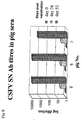
- Sera were collected from the vaccinated group of pigs pre and post challenge with CSFV and tested in the presence of neutralising antibodies to CSFV. Sera were tested at days 0 and 28 after vaccination with recombinant PAV-gp55 (pre challenge) and then again at day 16 post challenge (day 52 after vaccination). The results in Figure 9 show no neutralising antibodies detected at day 0, low levels of neutralising antibodies at day 28 and high levels at day 52.
- Pigs vaccinated with either PAV wt or PAV-G-CSF showed clinical signs of disease with mild diahorrea 24-72 hours post vaccination. Both groups of pigs were completely recovered by 80-96 hours post-vaccination. Control pigs showed no clinical signs of disease.
- PAV wt vaccinated pigs also show an increase in WBC counts, with a depression in WBC counts between 48-80 hours post-vaccination and recovery from 80-96 hours onwards.
- Pigs vaccinated with the recombinant PAV-G-CSF show a significant depression in WBC counts over the duration of the experiment
- a statistical analysis of these results is tabulated in Table 3. The analysis shows that differences between the mean WBC counts (controls and PAV-G-CSF; PAV wt and PAV-G-CSF) were significant indicating that the recombinant PAV-G-CSF altered the proportions of cells involved with immunity.
- Table 3 Results of t-tests between mean WBC counts of groups of pigs vaccinated with either PAV wild type (wt), PAV recombinant expressing G-CSF (PAV-G-CSF) or unvaccinated controls.
- b p>0.05, insufficient to reject the null hypotheses at the 95% confidence level, conclude that there is no difference between mean leucocyte levels.
- c p ⁇ 0.05, null hypothesis rejected at 95% confidence level, conclude that there is a difference between the mean leucocyte levels.
- d 4 pigs in each group were bled at 8 hour intervals.
- Unvaccinated controls show stable lymphocyte cell numbers over the duration of the experiment, whereas pigs vaccinated with PAV wt show a significant increase in lymphocyte cell population as a response to infection. Pigs vaccinated with the recombinant PAV-G-CSF show a decline in lymphocyte cell population.
- a statistical analysis of these results is tabulated in Table 5. The analysis shows that there was a significant difference between PAV wt and the recombinant PAV-G-CSF between 8 and 96 hours post vaccination.
- b p>0.05, insufficient to reject the null hypothesis at the 95% confidence level, conclude that there is no difference between mean lymphocyte cell levels.
- c p ⁇ 0.05, null hypothesis rejected at 95% confidence level, conclude that there is a difference between the mean lymphocyte cell levels.
- d 4 pigs in each group were bled at 8 hour intervals
- FIG. 14 graphically represents changes in the proliferation of T cells of each group following stimulation with Concanavalin A (Con A).
- the Upstream Stimulatory Factor (USF) and TATA motiff are in bold.
- the complete leader sequence is italised with the cap site and splice sites between the individual leaders indicated by double underlining or single underlining respectively.
- ITR Inverted Terminal Repeat
Landscapes
- Health & Medical Sciences (AREA)
- Life Sciences & Earth Sciences (AREA)
- Chemical & Material Sciences (AREA)
- Organic Chemistry (AREA)
- Genetics & Genomics (AREA)
- General Health & Medical Sciences (AREA)
- Medicinal Chemistry (AREA)
- Engineering & Computer Science (AREA)
- Biophysics (AREA)
- Biochemistry (AREA)
- Molecular Biology (AREA)
- Zoology (AREA)
- Virology (AREA)
- Immunology (AREA)
- Bioinformatics & Cheminformatics (AREA)
- Wood Science & Technology (AREA)
- Biomedical Technology (AREA)
- General Engineering & Computer Science (AREA)
- Biotechnology (AREA)
- Proteomics, Peptides & Aminoacids (AREA)
- Gastroenterology & Hepatology (AREA)
- Public Health (AREA)
- Veterinary Medicine (AREA)
- Animal Behavior & Ethology (AREA)
- Pharmacology & Pharmacy (AREA)
- Microbiology (AREA)
- Chemical Kinetics & Catalysis (AREA)
- Toxicology (AREA)
- Physics & Mathematics (AREA)
- Nuclear Medicine, Radiotherapy & Molecular Imaging (AREA)
- General Chemical & Material Sciences (AREA)
- Plant Pathology (AREA)
- Communicable Diseases (AREA)
- Oncology (AREA)
- Mycology (AREA)
- Epidemiology (AREA)
- Micro-Organisms Or Cultivation Processes Thereof (AREA)
- Medicines Containing Antibodies Or Antigens For Use As Internal Diagnostic Agents (AREA)
- Medicines Containing Material From Animals Or Micro-Organisms (AREA)
- Medicines That Contain Protein Lipid Enzymes And Other Medicines (AREA)
Abstract
Description
- This invention relates to delivery vectors for antigen producing genes (heterologous gene sequences or fragments thereof) used to generate immune responses in commercial pigs susceptible to decimation by disease. Such vectors are especially useful for the preparation of vaccines which can be easily administered on a large scale to protect pigs against disease. This invention also relates to a method of production of suitable delivery vectors, to methods of preparation of vaccines based on the vectors, to administration strategies and to a method protecting pigs from disease.
- The productivity of the intensive pig industry depends on the control of infectious diseases. Whilst diseases can be controlled in part by good hygiene and quarantine measures, the industry must still rely on vaccination to protect herds. In a commercial situation, the cost per animal is high in terms of feed and current disease control costs and therefore, the costs in disease prevention and control by any newly proposed vaccine must be cheap, effective and easy to deliver.
- Conventionally, vaccines constituting live viral particles have been prepared by virus passage and selection of attenuated forms. Alternatively, killed vaccines were prepared from virulent viruses.
- The most recent description of the use of viral vectors in the control of disease in pigs was the deletion mutant of pseudorabies virus for the control of Aujesky's disease. The use of a herpesvirus as a vector has the advantage of being able to stimulate a humoral and cell-mediated response, thus providing possible life long protection. Another advantage is the ability to insert other heterologous sequences in this vector, being expressed from a suitable promoter, to produce antigens for exposure to the animals immune system, thus protecting against two diseases. There are disadvantages of this system. Firstly, there is the issue of latency. Herpesviruses have the ability to intergrate into the neurons in ganglia for the life of the animal. It only requires a suitable stress on the animal to cause the reactivation of the virus and consequently full disease. However, it is now known that the deletion of a specific gene, glycoprotein E, will attenuate the virus and prevent reactivation from latency. Therefore, this deletion vector is now widely used as an eradication vector for Aujesky's disease and subsequently will not be available as a suitable vector for the delivery of other antigens.
- It is thus the aim of this invention to provide a delivery vehicle for heterologous sequences of genetic material that is particularly suited to administration on a large scale.
- In particular, it is the aim of this invention to provide or enhance means for generation and/or optimisation of antibodies or cell-mediated immunity so as to provide protection against infection with common porcine diseases. It is an additional aim to provide a process for preparation of a suitable means for generation and/or optimisation of antibodies or cell-mediated immunity so as to protect pigs against infection with common porcine diseases. It is a further aim to provide a protection strategy.
- The invention provides, in one embodiment, a recombinant porcine adenovirus capable of expressing DNA of interest, said DNA of interest being stably integrated into an appropriate site of said recombinant porcine adenovirus genome.
- In another embodiment the invention provides a recombinant vector including a recombinant porcine adenovirus which stably incorporates at least one heterologous nucleotide sequence. Preferably the heterologous nucleotide sequence is capable of expression as an antigenic polypeptide. The antigenic polypeptide encoded by at least one nucleotide sequence is preferably foreign to the host vector.
- In a further embodiment of the present invention the heterologous nucleotide sequence is capable of expression as an immuno-potentiator molecule.
- It is also to be understood that the heterologous nucleotide sequence may encode for and/or express, an antigenic polypeptide and an immuno-potentiator molecule.
- The recombinant vector may comprise a live recombinant porcine adenovirus in which the virion structural proteins are unchanged from those in the native porcine adenovirus from which the recombinant porcine adenovirus is produced.
- This invention is partially predicated on the discovery that there are non-essential regions in the porcine adenovirus genome which do not correspond to those characterised previously on other adenoviruses thus making this virus particularly suited to delivery of heterologous sequences.
- This invention is also predicated on the discovery that the porcine adenovirus generates a prolonged response in pigs thus making it well suited as a vaccine vehicle. Furthermore, the existence of a number of serotypes specific to respiratory or gastrointestinal tracts, allows the selection of a vaccine vehicle suited to a target organ and the type of immune response required.
- The invention is also predicated on the discovery that porcine adenovirus can package genomic DNA greater than the 105% rule for mammalian adenoviruses with intermediate size genomes and that the resultant packaged virions are stable in vitro and in vivo.
- Adenoviruses are a large and diverse family, having been isolated from many living species, including man and other mammals as well as a variety of birds. As a result adenoviruses have been separated into at least two genera, the Mastoadenoviridae and the Aviadenoviridae, and more recently a third genera has been proposed, the Atadenovirdae, which includes some bovine and avian adenoviruses (egg drop syndrome) (Benkö and Harrach, Archives of Virology 143, 829-837,1998).
- Porcine adenoviruses are prevalent infectious agents of pigs and to date four distinct serotypes have been recognised (Adair and McFerran, 1976) and evidence for at least one more (Derbyshire et al., 1975). Of the four serotypes found, three (
serotypes 1 to 3) were isolated from the gastrointestinal tract while the fourth was recovered from the respiratory system. The porcine adenoviruses are considered to be a low pathogenic widespread agent and although isolations were made in general from diseased animals, it was most likely that the adenovirus was present only as a secondary infection. They have been isolated from pigs with diarrhoea and respiratory infections but it has been considered that at least the gastrointestinal adenovirus infections are usually asymptomatic (Sanford and Hoover, 1983). Porcine adenoviruses are spread by ingestion or inhalation and experimental infection via oral, intranasal and intratracheal inoculations have resulted in uptake of the virus. Experimental pathogenicity studies have shown that the primary sites of infection are the lower small intestine probably the tonsil (Sharpe and Jessett, 1967; Shadduck et al., 1968). Withserotype 4 infection, a viraemia appears to develop in experimental infections. However, this may be a less common manifestation with the gastrointestinal serotypes (Shadduck et al., 1968). Faecal excretion is the most common cause for spread of PAV, being present for several weeks post infection. Nasal shedding also occurs under experimental conditions. PAV's role in pneumonia has been suggested to be that of either a predisposing factor or a synergist (Kasza et al., 1969; Schiefer et al., 1974) but experimental pneumonia withserotype 4 did not require a second agent to produce disease (Smith et al., 1973). - Porcine adenoviruses have yet to be examined in much detail and little is known about their role in disease or how common they are. This is due to the fact that they do not produce any significant disease in herds and have failed to draw the interest of industry through loss of production. It is likely that the number of serotypes of porcine adenoviruses is much greater than four and that it probably exists in the majority of pig herds as a normal commensal.
- Work done on porcine adenovirus in regards to its morphology and molecular biology, has shown some similarities with other Mastadenoviruses examined. Its morphology is that of other adenoviruses examined with an icosahedral capsid containing a core of a double stranded DNA genome. Very little work on the characterisation of the PAV genome has been published (Benkö et al., 1990, Kleiboeker et al., 1993, Reddy et al., 1993, Kleiboeker, 1994). The size of the PAV genome (approx. 34.8 kb) is slightly smaller than that of human adenoviruses (approx. 35.9 kb). One study has shown using hybridisation with DNA probes from the total genome of
human adenovirus type 2 that there is reasonable DNA homology between the porcine and human adenoviruses (Benkö et al., 1990). A recent report on theserotype 4 PAV demonstrated that its genomic layout was also similar to that of the human adenoviruses in the area of the L4 and E3 regions (including the 33K and pVIII genes) even though the sequence homology was not as strong as may have been expected (Kleiboeker, 1994). - While choosing appropriate PAV for development as a live vectors to deliver vaccines to pigs, it is important to take into account the natural prevalence of serotypes. Those serotypes not commonly encountered in the field have an obvious advantages over those to which pigs are frequently exposed and to which they may have developed immunity.
- A further consideration is the ability of the vector to remain active in the pig beyond the period which maternal antibodies in colostrum protect pigs immediately post-birth.
- Other important considerations in choosing potential PAV vectors are pathogenicity and immunogenicity. Preferably live vector viruses should be highly infectious but non-pathogenic (or at least attenuated) such that they do not themselves adversely affect the target species.
- The preferred candidates for vaccine vectors are non-pathogenic isolates of serotype 4 (respiratory) and serotype 3 (gastrointestinal).
Serotype 3 has been chosen as the serotype of choice due to excellent growth abilities in continuous pig kidney cell lines. The isolation of other serotypes, which seems likely, may well after this selection. It is notable that the more virulent strains produce a greater antibody response. - Heterologous nucleotide sequences which may be incorporated into non-essential regions of the viral genome and which may encode the antigenic determinants of infectious organisms against which the generation of antibodies or cell-mediated immunity is desirable may be those expressing antigenic determinants of intestinal infections caused by gastrointestinal viruses; for example rotavirus or parvovirus infections, or respiratory viruses, for example parainfluenza virus, or that of Japanese encephalitis.
- Heterologous nucleotide sequences which may be incorporated include the antigenic determinants of the agents of:
- □ Porcine parvovirus
- □ Mycoplasma hyopneumonia
- □ Porcine parainfluenza
- □ Transmissable gastroenteritis (porcine coronavirus)
- □ Porcine rotavirus
- □ Hog cholera virus (Classical swine fever)
- □ Swine dysentery
- □ African swine fever virus
- □ Pseudorabies virus (Aujesky's disease virus) in particular, the glycoprotein D of the pseudorabies virus
- □ Porcine respiratory and reproductive syndrome virus (PRRSV)
- □ Heterologous nucleotide sequences more preferred for incorporation in the vectors of the invention are those expressing antigenic determinants of porcine parvovirus, porcine rotavirus, porcine coronavirus and classical swine fever virus.
- It is also envisaged the heterologous sequences incorporated may be immuno-potentiator molecules such as cytokines or growth promoters, for example porcine interleukin 4 (IL4), gamma interferon (γIFN), granulocyte macrophage colony stimulating factor (GM-CSF), granulocyte colony stimulating factor (G-CSF), FLT-3 ligand and interleukin 3 (IL-3).
- The type of immune response stimulated by candidate vectors may affect the selection of heterologous nucleotide sequences for insertion therein. PAV serotypes 1, 2 and 3, which naturally infect via the gut may induce local mucosal immunity and are thus more suitable for infections of the intestines (eg classical swine fever virus).
PAV serotype 4, which naturally infects via the respiratory system, may be more suitable for infections of the respiratory tract (eg porcine parainfluenza) may also induce good local immunity. - The DNA of interest which may comprise heterologous genes coding for antigenic determinants or immuno-potentiator molecules may be located in at least one non-essential region of the viral genome.
- Non-essential regions of the viral genome which may be suitable for the purposes of replacement with or insertion of heterologous nucleotide sequences may be non-coding regions at the right terminal end of the genome at map units 97 to 99.5. Preferred non-coding regions include the early region (E3) of the PAV genome at map units 81-84.
- The heterologous gene sequences may be associated with a promoter and leader sequence in order that the nucleotide sequence may be expressed in situ as efficiently as possible. Preferably the heterologous gene sequence is associated with the porcine adenoviral major late promoter and splice leader sequence. The mammalian adenovirus major late promoter lies near 16-17 map units on the adenovirus genetic map and contains a classical TATA sequence motif (Johnson, D.C., Ghosh-Chondhury, G., Smiley, J.R., Fallis, L. and Graham, F.L. (1988), Abundant expression of herpes simplex virus glycoprotein gB using an adenovirus vector. Virology 164,1-14).
- The splice leader sequence of the porcine adenovirus serotype under consideration is a tripartite sequence spliced to the 5' end of the mRNA of all late genes.
- The heterologous gene sequence may also be associated with a poly adenylation sequence.
- Instead of the porcine adenoviral major late promoter, any other suitable eukaryotic promoter may be used. For example, those of SV40 virus, cytomegalovirus (CMV) or human adenovirus may be used.
- Processing and poly adenylation signals other than those of porcine adenoviruses may also be considered, for example, that of SV40.
- In a further aspect of the invention there is provided a recombinant vaccine for generating and/or optimising antibodies or cell-mediated immunity so as to provide or enhance protection against infection with an infectious organism in pigs, the vaccine including at least one recombinant porcine adenovirus vector stably incorporating at least one heterologous nucleotide sequence formulated with suitable carriers and excipients. Preferably the nucleotide sequence is capable of expression as an antigenic polypeptide or as an immuno-potentiator molecule. More preferably, the heterologous nucleotide sequence may encode for and/or express, an antigenic polypeptide and an immuno-potentiator molecule.
- The antigenic polypeptide encoded by the at least one nucleotide sequence is preferably foreign to the host vector. At least one nucleotide sequence may be associated with a promoter/leader and a poly A sequence.
- The recombinant vaccine may include live recombinant porcine adenovirus vector in which the virion structural proteins are unchanged from that in the native porcine adenovirus from which the recombinant porcine adenovirus is produced.
- Preferred vector candidates for use in the recombinant vaccine are PAV isolates of
serotype - The vaccine may be directed against respiratory and intestinal infections caused by a variety of agents. In order to direct the vaccine against a specific infectious organism, heterologous gene sequences encoding the antigenic determinants of those infectious organisms may be incorporated into non-essential regions of the genome of the porcine adenovirus comprising the vector. If the vaccine is to be used to optimise protection against disease, suitable heterologous nucleotide sequences may be those of immuno-potentiators such as cytokines or growth promoters.
- The vaccine may comprise other constituents, such as stabilisers, excipients, other pharmaceutically acceptable compounds or any other antigen or part thereof. The vaccine may be in the form of a lyophilised preparation or as a suspension, all of which are common in the field of vaccine production.
- A suitable carrier for such as a vaccine may be isotonic buffered saline.
- In a further aspect of the invention, there is provided a method of preparing a vaccine for generation and/or optimisation of antibodies or cell-mediated immunity so as to induce or enhance protection against an infectious organism in a pig, which includes constructing a recombinant porcine adenovirus vector stably incorporating at least one heterologous nucleotide sequence, and placing said recombinant porcine adenovirus vector in a form suitable for administration. Preferably the nucleotide sequence is capable of expression as an antigenic polypeptide although it may also be an immuno-potentiator molecule. More preferably, the nucleotide sequence may encode for and/or express, an antigenic polypeptide and an immuno-potentiatormolecule. The nucleotide sequence is conveniently foreign to the host vector.
- Even more preferably, the nucleotide sequence is associated with promoter/leader and poly A sequences.
- The form of administration may be that of an enteric coated dosage unit, an inoculum for intraperitoneal, intramuscular or subcutaneous administration, an aerosol spray, by oral or intranasal application. Administration in the drinking water or in feed pellets is also possible.
- In another aspect of the invention, there is provided a method of producing a porcine adenovirus vaccine vector which includes inserting into a porcine adenovirus at least one heterologous nucleotide sequence. Said heterologous nucleotide sequence is preferably capable of expression as an antigenic polypeptide although it may also be an immuno-potentiator molecule. More preferably, the nucleotide sequence may encode for and/or express, an antigenic polypeptide and an immuno-potentiator molecule.
- Preferably the antigenic polypeptide encoded by the at least one nucleotide sequence is foreign to the host vector.
- More preferably, the heterologous nucleotide sequence is associated with promoter/leader and poly A sequences.
- In one method of construction of a suitable vector the non-essential region to be altered to incorporate foreign DNA could be constructed via homologous recombination. By this method the non-essential region is cloned and foreign DNA together with promoter, leader and poly adenylation sequences is inserted preferably by homologous recombination between flanking sequences. By this method also, deletion of portions of the non-essential region is possible to create extra room for larger DNA inserts that are beyond the normal packing constraints of the virus.
- By this method a DNA expression cassette containing an appropriate PAV promoter with foreign gene sequence as well as leader sequences and poly adenylation recognition sequences can be constructed with the unique restriction enzyme sites flanking the cassette enabling easy insertion into the PAV genome.
- In another aspect of the invention there is provided strategies for administration of the vaccines of the invention.
- In one strategy, a heterologous antigen and immuno-modulatory molecule such as a cytokine may be expressed in the same recombinant and delivered as a single vaccine.
- In one strategy according to the invention PAV vector based vaccines may be administered as 'cocktails' comprising 2 or more virus vectors carrying different foreign genes or immuno-potentiators.
- In a preferred vaccination strategy of the invention, the 'cocktail' or simultaneous strategy, a vaccine based on both
PAV serotype 3 andserotype 4 is used. - In another preferred strategy, a base
recombinant serotype 3 porcine adenovirus is constructed and the fiber gene fromserotype 4 replacing that ofserotype 3 or the fiber fromserotype 4 additionally cloned into the vaccine to broaden the targeting of the invention to both gut and respiratory delivery. - In an alternative strategy according to the invention, PAV vector based vaccines may be administered consecutively of each other to either administer booster vaccines or new vaccines at some stage subsequent to initial PAV vaccination. The vaccines used are preferably based on heterologous PAV isolates.
- In a preferred version of the "consecutive" strategy, vaccines based on isolates serotypically unrelated are selected so as to achieve maximum protection against infection. In one example of such a strategy a vaccine based on
PAV serotype 3 is administered subsequently or prior to vaccination with a vaccine based onPAV serotype 4. - Pigs are conveniently inoculated with vector vaccines according to the invention at any age. Piglets may be vaccinated at 1 day old, breeders may be vaccinated regularly up to point of giving birth and thereafter.
- Preferably according to either the consecutive strategy or the cocktail strategy, pigs are vaccinated while still not fully immunocompetent More conveniently, day-old pigs can be vaccinated for protection against re-infection after a period of 4 weeks subsequent to initial vaccination.
- In a further embodiment of the invention there is provided a use of the vectors for the manufacture of a medicament for producing an immune response in a pig by administering to the pig an effective amount of a recombinant vaccine according to the invention. An effective amount is an amount sufficient to elicit an immune response, preferably at least 104 TCID50 per dose.
- The vaccine of the invention may of course be combined with vaccines against other viruses or organisms such as parvovirus or Aujeszky's disease at the time of its administration.
- In a preferred aspect of this embodiment of the invention, administration is by oral delivery or intra-nasally.
- Methods for construction and testing of recombinant vectors and vaccines according to this invention will be well known to those skilled in the art. Standard procedures for endonuclease digestion, ligation and electrophoresis were carried out in accordance with the manufacturer's or suppliers instructions. Standard techniques are not described in detail and will be well understood by persons skilled in the art
-
- Figure 1 illustrates the DNA restriction endonuclease map of the
entire PAV serotype 3 genome. - Figure 2 illustrates the sequence characterisation and cloning of the major later promoter and splice leader sequences of
PAV serotype 3. - Figure 3 illustrates the sequences of the major later promoter, upstream enhancer sequence and
splice leaders - Figure 4 illustrates the terminal 720 bases of the right end of the genome.
- Figure 5 illustrates the promoter region of E3 and the overlapping L4 area.
- Figure 6 illustrates a preferred method of construction of a PAV vector.
- Figure 7 represents temperature data of pigs vaccinated with a PAV based vaccine following challenge with CSFV antigen.
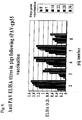
- Figure 8 graphically represents anti-PAV antibody levels detected by ELISA in pigs pre and post vaccination with a PAV based vaccine.
- Figure 9 graphically illustrates the development of neutralising antibodies in pigs vaccinated with a PAV based vaccine pre and post challenge with CSFV antigen.
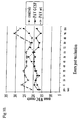
- Figure 10 graphically illustrates the mean white blood cell (WBC) counts of pigs vaccinated with a recombinant PAV vaccine expressing porcine G-CSF.
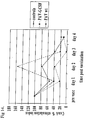
- Figure 11 graphically illustrates the percentage change in white blood cell (WBC) counts following vaccination with a recombinant PAV vaccine expressing porcine G-CSF.
- Figure 12 graphically represents the percentage change in monocyte cell populations following vaccination with recombinant PAV-G-CSF.
- Figure 13 graphically represents the percentage change in lymphocyte cell populations following vaccination with recombinant PAV-G-CSF.
- Figure 14 graphically represents the change in stimulation of T-cells following vaccination with recombinant PAV-G-CSF.
- Figure 15 a, b and c graphically illustrate a method of construction of a PAV E3 vector.
- Aspects of preferred embodiments of the invention based on PAV isolates
serotype 3 andserotype 4 will now be described. Whilst these two isolates have been selected because of their sites of infection in the pig, it will be appreciated that other isolates of porcine adenovirus may be more suitable for construction of vaccine vectors provided the criteria for selection described herein before are met - In general, PAV are considered of low pathogenicity with little consequence in the field. The pathogenic significance of PAV is reviewed in Derbyshire, 1989. The first report of isolation of PAV was from a 12 day old pig with diarrhoea (Haig et al., 1964). Two years later,
PAV type 4 was first reported, isolated from the brain of a pig suffering from encephalitis of unknown cause (Kasza, 1966). Later reports have associated PAV mainly with diarrhoea in the field although this is normally low grade. PAV can also be regularly isolated from healthy animals with no disease signs and it is quite likely that its isolation from diseased animals is more a coincidence of its prevalence than an indicator of pathogenicity. However, an association betweenserotype 4 and respiratory disease has been reported (Watt, 1978) and this has been supported by experimental infection (Edington et al., 1972). Experimental infections with gastrointestinal serotypes of the virus (eg serotype 3) have been able to produce diarrhoea but the pathological changes produced were not clinically significant. - The genome of the selected
PAV serotype 3 was characterised by conventional methods. The DNA restriction endonuclease maps of the entire genome is illustrated in figure 1. The genomes are orientated left to right By convention adenovirus genomes are normally orientated such that the terminal region from which no late mRNA transcripts are synthesised is located at the left end. The enzymes used to generate the map are indicated at the edge of each map. - By use of restriction enzyme and genetic maps of the
PAV serotype 3 genome, a region was located that contained the MLP and leader sequences (Fig 1). The fragments identified in this region were cloned into plasmid vectors and sequenced. - The MLP promoter sequence was identified as containing a classical TATA sequence, the only one in the region sequenced, as well as upstream factors and was subsequently confirmed by the location of the leader sequence and the transcriptional start site.
- Figures 2 and 3 illustrate the sequence characterisation of the major late promoter and splice leader sequences of
PAV serotype 3. - In order to determine the structure and sequence of the leader sequence spliced to late mRNA, porcine kidney cells were infected with PAV and the infection was allowed to proceed until late in the infection cycle (usually 20-24 hr p.i.). At this time total RNA was purified from the infected cells using the RNAgents total RNA purification kit (Promega). The isolated RNA was precipitated with isopropanol and stored at -70°C in 200 µl aliquots until required. Poly A (mRNA) was isolated from total RNA by the use of the Poly AT tract System (Promega, USA). The isolated mRNA was used in cDNA production.
- For cDNA production, oligonucleotides were produced to the complimentary strand of the hexon gene and the penton base gene, both being MLP transcripts. A further oligonucleotide was produced which covered the proposed cap site of the major late transcript, 24 bases downstream of the TATA box. This oligonucleotide was used in conjunction with that used in cDNA production in Taq polymerase chain reaction. The resulting DNA produced from positive clones was digested with appropriate restriction enzymes to determine the size of the inserted fragment DNA sequencing of these inserted fragments was performed using a modification of the chain termination technique (Sanger, F., Nicklen, S and Gulson, A.R., 1977, DNA sequencing with chain terminating inhibitors. PNAS USA 74: 5463-5467) so as to allow Taq DNA polymerase extension (Promega, USA).
- To confirm the leader sequence cap site, fresh cDNA was prepared and this time a tail of dGTP residues added to it Briefly, cDNA was incubated with 1 mM dGTP and approximately 15 units of terminal deoxynucleotidyl transferase (Promega) in 2 mM CaCl2 buffer at 37°C for 60 minutes. The reaction was stopped by heating to 70°C for 10 minutes. The DNA was then ethanol precipitated and resuspended in a volume suitable for use in polymerase chain reaction (PCR). PCR was performed as previously described using a poly (dC) oligonucleotide with a XbaI site at the 5' end. Resulting fragments were blunt ended with T4 DNA polymerase at 37°C for 30 minutes in the presence of excess nucleotides and cloned into the SmaI site of the pUC18 vector. DNA preparation and sequencing were performed, as described previously, on clones shown to be positive by hybridisation.
- Figure 3 illustrates the separate sequences of the major late promoter, upstream enhancer sequence and
splice leaders - The right end was identified by cloning and complete sequencing of the
PAV serotype 3 ApaI fragment J of approximately 1.8 Kbp. The inverted terminal repeat (ITR) has been determined by comparison of the RHE sequence with that of the left hand end. The ITR is 144 bases long and represents the starting point into which potential insertions can be made. Figure 4 shows the sequence of the terminal 720 bases. Restriction endonuclease sites of interest for insertion of foreign DNA are indicated in the terminal sequence. A putative TATA site for the E4 promoter is identified, this being the left most end for the possible site of insertion. Initial insertions will be made into the SmaI or EcoRI sites. - The E3 region of the genome, this also being a non-essential area, has been located and cloned. The promoter region of E3 has been identified and the overlapping L4 area sequenced (Figure 5). The region of the E3 after the polyadenylation signal of the L4 is also a possible site for insertion and can also be used for deletion to create more room for larger cassette insertions.
- Figure 6 illustrates a preferred method of construction of a PAV vector. The right hand end ApaI fragment J of
PAV serotype 3 is cloned and a unique SmaI restriction endonuclease site 230 bp from the inverted repeats was used as an insertion site. - The major late promoter expression cassette containing the E2 (gp55) gene of classical swine fever virus (hog cholera virus) was cloned into the SmaI site of the RHE fragment
- A preferred method of homologous recombination was cutting
genomic PAV 3 DNA with HpaI, a unique site in the genome, and transfecting this DNA with ApaI cut expression cassette plasmid containing gp55. - The DNA mix was transfected into preferably primary pig kidney cells by standard calcium chloride precipitation techniques.
- The preferred method of transfection generates recombinant virus through homologous recombination between
genomic PAV 3 and plasmid (Fig 6). - The following examples show the construction of representative recombinant porcine adenoviruses of this invention. The recombinant viruses were propagated and titred on primary porcine kidney cells.
- An expression cassette consisting of the porcine adenovirus major late promoter, the classical swine fever virus (CSFV) gene (gp55) and
SV 40 polyA was inserted into the SmaI site of the right hand end (MU 97-99.5) ofporcine adenovirus serotype 3 and used to generate in porcine primary kidney cells arecombinant PAV 3. The size of the expression cassette was 2.38 kilobase pairs. No deletion of thegenomic PAV 3 was made. Mammalian adenoviruses with intermediate genomes (~36kb) have been shown to accommodate up to 105% of the wild-type genomic length, and genomes larger than this size are either unpackageable or extremely unstable, frequently undergoing DNA rearrangements (Betts, Prevec and Graham, Journal of Virology 67, 5911-5921 (1993), Packaging capacity and stability ofhuman adenovirus type 5 vectors: Parks and Graham, Journal of Virology, 71, 3293-3298, (1997), A helper dependent system for adenovirus vector production helps define a lower limit for efficient DNA packaging). In this invention, PAV genomic length was 34.8 kb, into which was inserted without any other deletion an expression cassette of 2.38 kb. The resulting genomic DNA length of the recombinant porcine adenovirus of this invention was 106.8%, and therefore exceeded the putative maximum limit for construction of a stable recombinant The recombinant virus was plaque purified three times and passaged stably in primary pig kidney cells. The recombinant was shown to contain gp55 by Southern blot hybridisation. Expression of gp55 was demonstrated by infecting primary PK cell line grown on glass cover slips with the recombinant porcine adenovirus. After 24 hours, immunoflouresencent staining (IF) showed infected cells expressing gp55. - An expression cassette comprising of the porcine adenovirus major late promoter, the gene encoding porcine granulocyte-colony stimulating factor (G-CSF) and SV40 polyA was inserted into the SmaI site of the right hand end (MU 97-99.5) of
porcine adenovirus serotype 3 and used to generate in porcine primary kidney cells arecombinant PAV 3. The size of the expression cassette was 1.28 kilobase pairs. No deletion of thegenomic PAV 3 was made. The recombinant virus was plaque purified two times and passaged stably in primary pig kidney cells. The recombinant was shown to contain G-CSF by Southern blot hybridisation and polymerase chain reaction (PCR). Expression of G-CSF was demonstrated by infecting primary kidney cells with the recombinant PAV-G-CSF. Tissue culture supernatants from the infected primary kidney cells were then electrophoresed in SDS-PAGE gels and transferred to filters. Infected cells expressing G-CSF were detected in a Western blot using a rabbit polyclonal antiserum against porcine G-CSF expressed by purified recombinant E coli. - An expression cassette consisting of the porcine adenovirus major late promoter, a truncated form of the classical swine fever virus gene gp55 fused in frame to the gene encoding either the full length or the mature form of porcine granulocyte/macrophage-colony stimulating factor (GM-CSF) and SV40 polyA was inserted into the SmaI site of the right hand end (MU 97-99.5) of
porcine adenovirus serotype 3 and used to generate in porcine primary kidney cells arecombinant PAV 3. The size of the expression cassette was 2.1 kilobase pairs. No deletion of thegenomic PAV 3 was made. The recombinant virus was plaque purified two times and shown to contain gp55 and GM-CSF by PCR. - The insertion vector pJJ408 containing the right hand end ApaI fragment J of the
PAV serotype 3 genome (approximately 1.8kbp), was enlarged to contain the complete Bg/II B fragment comprising 7.2kbp of the PAV3 right hand end (Figure 15a and b). This fragment contains both the right hand end insertion site described previously and the E3 region. The right hand end insertion site was engineered to contain the PAV3 MLP/TPL sequences followed by a multiple cloning site and the SV40 poly A sequence. - An E3 insertion site was constructed by excising a 622bp SnaBI/BsrGI fragment within the E3 region of the
PAV serotype 3. The MLP/TPL-gp55-Poly A expression cassette was inserted into the SnaBI/BsrGI site (Figure 15b and c). This plasmid was used in transfections to produce a recombinant PAV3 containing the MLP/TPL-gp55-poly A cassette inserted in the partially deleted E3 region (Figure 15c). - Wild type PAV3 DNA was digested with SnaBI restriction enzyme yielding two fragments of 28.712 kbp and 5.382 kbp. The large left hand fragment which includes the overlap region of the right hand end and the left hand end of the PAV3 genome was gel purified. This fragment was transfected into primary PK cells along with KpnI restricted E3/rhe insertion vector DNA in 3cm petri dishes to allow homologous recombination to occur between the PAV3 and insertion vector DNA. Using this method, only recombinant virus are recovered.
- Cells were maintained for 5 days at 37°C and then frozen and thawed twice. Lysate was passaged into fresh primary PK cells and observed for the development of plaques. The recombinant virus was plaqued purified and shown to contain gp55 by PCR.
- In this experiment 5-6 week old piglets were used to represent immunocompetent pigs. A group of the piglets (#2, 6 and 7) were vaccinated with recombinant PAV-gp55 administered subcutaneously at a dose of 1 X 10⁷ pfu per piglet. A control group of piglets (#3, 8, 11, 12, 13 and 14) were unvaccinated. No clinical signs were observed (no rise in temperature) in the vaccinated group of piglets (Table 1).
Temperatures post Vaccination with rPAV:: gp55 CSFV (°C) Pig No. Day 01 2 3 6 9 10 13 2 39.7 39.2 39.4 39.8 39.6 39.8 39.6 39.2 3 (control) 39.5 39.2 39.4 39.0 38.8 39.3 39.0 39.7 6 39.7 39.1 39.1 39.0 39.1 39.8 39.1 39.8 7 39.4 39.8 39.8 39.4 39.9 38.9 39.6 39.7 8 (control) 39.6 39.5 39.4 39.0 40.5 39.4 39.1 39.7 - Five weeks after vaccination with the recombinant PAV-gp55 both groups of pigs were challenged with a lethal dose (1 X 103.5 TCID50) of virulent Hog Cholera virus (Classical swine fever virus) applied subcutaneously.
- The temperatures of the pigs were monitored and the results tabulated in Table 2 and graphically represented in Figure 7.

- The results show that by
day 5 the control group had elevated temperatures (greater than 40.5°C) and showed clinical signs of disease. The vaccinated group showed no clinical signs of disease. Pigs from the control group were dead or euthanased byday 9. The vaccinated group were euthanased atday 16. At post mortem all control pigs showed severe clinical disease, the vaccinated pigs showed no clinical signs of disease. - The results indicate that the pigs vaccinated subcutaneously with the recombinant PAV-gp55 survived challenge with classical swine fever virus at a lethal dose.
- Sera were collected from both groups of pigs and tested for the presence of antibodies to PAV by ELISA. These tests showed the presence of pre-existing antibodies to PAV before vaccination. The level of these antibodies increased following vaccination with the recombinant PAV-gp55 to peak between
days 28 and 36 post vaccination. These results are tabulated in Figure 8. - Sera were collected from the vaccinated group of pigs pre and post challenge with CSFV and tested in the presence of neutralising antibodies to CSFV. Sera were tested at
days 0 and 28 after vaccination with recombinant PAV-gp55 (pre challenge) and then again atday 16 post challenge (day 52 after vaccination). The results in Figure 9 show no neutralising antibodies detected atday 0, low levels of neutralising antibodies at day 28 and high levels atday 52. - These results show that the recombinant PAV-gp55 can protect pigs from lethal challenge with classical swine fever virus in the presence of pre-existing antibodies to PAV.
- In this experiment 5-6 week old piglets were used to represent immunocompetent pigs. A group of pigs (n=4) were vaccinated with recombinant PAV-G-CSF administered subcutaneously at a dose of 1 X 10⁷ pfu per piglet A second group (n=4) were vaccinated with PAV wild type (wt) administered subcutaneously at a dose of 1 X 10⁷ pfu per piglet A control group (n=4) were unvaccinated. Pigs were bled at 8 hour intervals for a period of 104 hours post vaccination. Complete blood counts were determined and the mean white blood cell (WBC) counts for each group monitored. These results are graphically represented in Figure 10 and the percentage change in mean WBC counts graphically represented in Figure 11.
- Pigs vaccinated with either PAV wt or PAV-G-CSF showed clinical signs of disease with mild diahorrea 24-72 hours post vaccination. Both groups of pigs were completely recovered by 80-96 hours post-vaccination. Control pigs showed no clinical signs of disease.
- Complete blood screening results show that the mean WBC counts for control pigs increased over the duration of the experiment.
- PAV wt vaccinated pigs also show an increase in WBC counts, with a depression in WBC counts between 48-80 hours post-vaccination and recovery from 80-96 hours onwards.
- Pigs vaccinated with the recombinant PAV-G-CSF show a significant depression in WBC counts over the duration of the experiment A statistical analysis of these results is tabulated in Table 3. The analysis shows that differences between the mean WBC counts (controls and PAV-G-CSF; PAV wt and PAV-G-CSF) were significant indicating that the recombinant PAV-G-CSF altered the proportions of cells involved with immunity.
Table 3. Results of t-tests between mean WBC counts of groups of pigs vaccinated with either PAV wild type (wt), PAV recombinant expressing G-CSF (PAV-G-CSF) or unvaccinated controls. Pre vacc 0 hr8-24 hrd 32-48 hr 56-72 hr 80-104 hr Control vs PAV-G-CSFa p> 0.2b P> 0.2 P> 0.2 P> 0.2 P< 0.005 Control vs PAVwt p> 0.1 p> 0.01c p> 0.02 p> 0.2 P< 0.05 PAV-G-CSF Vs PAVwt p>0.2 p> 0.05 p> 0.05 P<0.05 P< 0.001 a: null hypothesis; there is no difference between the mean WBC counts.
b: p>0.05, insufficient to reject the null hypotheses at the 95% confidence level, conclude that there is no difference between mean leucocyte levels.
c: p<0.05, null hypothesis rejected at 95% confidence level, conclude that there is a difference between the mean leucocyte levels.
d: 4 pigs in each group were bled at 8 hour intervals. - Differential WBC counts were also determined and monitored for each group. The percentage change in mean monocyte cell populations graphically represented in Figure 12 and the percentage change in mean lymphocyte cell populations graphically represented in Figure 13. Figure 12 shows that monocyte cell populations increased rapidly in pigs following vaccination with PAV wt, but were suppressed by vaccination with the recombinant PAV-GCSF. This effect was due to the expression of G-CSF by the recombinant A statistical analysis of these results is tabulated in Table 4. The analysis shows that there was a significant difference between the PAV wt and PAV-G-CSF from 32 to 96 hours post vaccination. Figure 13 shows that there were shifts in lymphocyte cell population numbers following vaccination with the recombinant PAV-G-CSF. Unvaccinated controls show stable lymphocyte cell numbers over the duration of the experiment, whereas pigs vaccinated with PAV wt show a significant increase in lymphocyte cell population as a response to infection. Pigs vaccinated with the recombinant PAV-G-CSF show a decline in lymphocyte cell population. A statistical analysis of these results is tabulated in Table 5. The analysis shows that there was a significant difference between PAV wt and the recombinant PAV-G-CSF between 8 and 96 hours post vaccination. The different responses in lymphocyte cell proliferation following vaccination with recombinant PAV-G-CSF and PAV wt were due to the expression of G-CSF by the recombinant These results show that vaccination with recombinant PAV-G-CSF produces a shift in sub-populations of cells involved in immunity.
Table 4. Results of t-tests between mean monocyte cell populations following vaccination of pigs with either recombinant PAV-G-CSF, wild type PAV (PAV wt) or unvaccinated controls. Pre vacc 8-24 hrd 32-48 hr 56-72 hr 80-96 hr 104 hr Control Vs PAV-G-CSFa p> 0.1b P> 0.2 P> 0.2 P> 0.2 P>0.2 p> 0.2 Control Vs PAVwt p>0.2 P< 0.002c p>0.2 P< 0.001c P>0.2 p> 0.2 PAVwt Vs PAV-G-CSF p> 0.2 P< 0.001 p> 0.2 P>0.2 P> 0.2 p> 0.05 a: null hypothesis; there is no difference between the mean monocyte cell counts.
b: p>0.1, insufficient to reject the null hypothesis at the 90% confidence level, conclude that there is no difference between mean monocyte cell levels.
c: p<0.05, null hypothesis rejected at 95% confidence level, conclude that there is a difference between the mean monocyte cell levels
d: 4 pigs in each group were bled at 8 hour intervalsTable 5. Results of t-tests between mean lymphocyte cell populations following vaccination of pigs with either recombinant PAV-G-CSF, wild type PAV (PAV wt) or unvaccinated controls. Pre vacc 8-24 hrd 32-48 hr 56-72 hr 80-96 hr 104 hr Control Vs PAV-G-CSFa p>0.2 P> 0.05b P> 0.2 P> 0.2 P>0.2 p> 0.2 Control Vs PAV wt p>0.2 P>0.2 P<0.01c P< 0.001c P< 0.001c p> 0.2 PAV wt Vs PAV-G-CSF p> 0.2 P< 0.05c P< 0.002c P< 0.005c P< 0.001c p> 0.05 a: null hypothesis; there is no difference between the mean lymphocyte cell counts.
b: p>0.05, insufficient to reject the null hypothesis at the 95% confidence level, conclude that there is no difference between mean lymphocyte cell levels.
c: p<0.05, null hypothesis rejected at 95% confidence level, conclude that there is a difference between the mean lymphocyte cell levels.
d: 4 pigs in each group were bled at 8 hour intervals - Figure 14 graphically represents changes in the proliferation of T cells of each group following stimulation with Concanavalin A (Con A). These results confirm that there was a significant proliferation of T-cells following vaccination with PAV wt at
day 2 post vaccination, whereas vaccination with the recombinant PAV-G-CSF resulted in a suppression of T-cell proliferation byday 3. - The results of vaccination with a recombinant PAV expressing porcine G-CSF shows that G-CSF has a significant effect on the cells involved with immune responses.
- It will be appreciated that whilst this document establishes the metes and bounds of this invention, all embodiments falling within its scope for example with regard to heterologous genes, insertion sites, types of promoter and serotype have not necessarily been specifically exemplified although it is intended that they should fall within the scope of protection afforded this invention.
- Total sequence of the PAV Major Late Promoter cassette including the added nucleotides 5' (upstream) of the USF.
- Nucleotide base count:76 A 143 C 187 G 96
T Total 502 bp
- The Upstream Stimulatory Factor (USF) and TATA motiff are in bold. The complete leader sequence is italised with the cap site and splice sites between the individual leaders indicated by double underlining or single underlining respectively.
- Individual sequences of the Promoter cassette components:
- I. The 5' (upstream) sequence included in the long cassette.

- II. Sequence including the USF, TATA motiff and sequence to the cap site.

- III. First leader sequence.

- IV. Second leader sequence.

- V. Third leader sequence.

- Sequence of the right hand end of the PAV genome this area being a proposed site for insertion of expression cassettes.
- Nucleotide base count 183 A 255 C 306 G 204 T Total 948 bases

- The Inverted Terminal Repeat (ITR) is shown in bold. Enzyme sites of interest are underlined with the enzyme name below. Putative TATA for E4 region is also shown.
-
- <110> Commonwealth Scientific and Industrial Research Organisation Pig Research Development Corporation
- <120> Recombinant porcine adenovirus vector
- <130> NJL/P30143EP
- <140> EP 98938527.3
<141> 1998-08-14 - <150> PO 8560
<151> 1997-08-14 - <150> PCT/AU98/00648
<151> 1998-08-14 - <160> 7
- <170> PatentIn Ver. 2.1
- <210> 1
<211> 502
<212> DNA
<213> Porcine adenovirus - <400> 1

- <210> 2
<211> 190
<212> DNA
<213> Porcine adenovirus - <400> 2
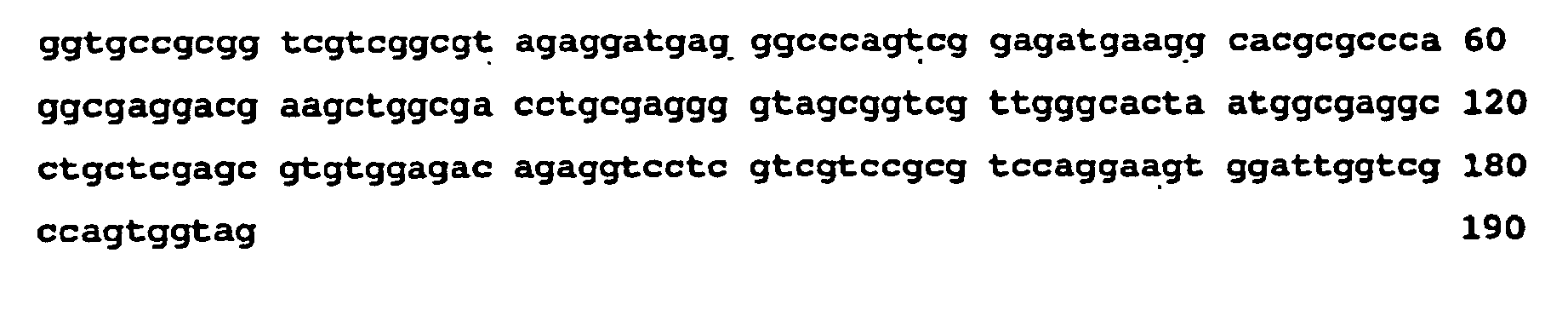
- <210> 3
<211> 61
<212> DNA
<213> Porcine adenovirus - <400> 3

- <210> 4
<211> 83
<212> DNA
<213> Porcine adenovirus - <400> 4

- <210> 5
<211> 67
<212> DNA
<213> Porcine adenovirus - <400> 5


- <210> 6
<211> 100
<212> DNA
<213> Porcine adenovirus - <400> 6

- <210> 7
<211> 948
<212> DNA
<213> Porcine adenovirus - <400> 7

Claims (15)
- A recombinant vector comprising a recombinant porcine adenovirus of serotype 3 (PAV3) stably incorporating, and capable of expressing heterologous nucleotide sequence wherein said heterologous nucleotide sequence is incorporated into a non-essential region of a site at map units 97-99.5 of PAV3.
- A vector as claimed in claim 1, wherein said recombinant porcine adenovirus includes a live porcine adenovirus having virion structural proteins unchanged from those in a native porcine adenovirus from which said recombinant porcine adenovirus is derived.
- A vector as claimed in claim 1 or claim 2, wherein said heterologous nucleotide sequence encodes an antigenic polypeptide and/or an immuno-potentiating molecule.
- A vector as claimed in claim 3, wherein said antigenic polypeptide comprises one or more antigenic determinants of infectious agents causing intestinal disease in pigs, of infectious agents causing respiratory diseases in pigs, of pseudorabies virus (Aujeszky's disease virus), of glycoprotein D of pseudorabies virus, of porcine respiratory and reproductive syndrome virus (PRRSV) of Hog cholera virus, of porcine parvovirus, of porcine coronavirus, of porcine rotavirus, of porcine parainfluenza virus or of Mycoplasma hyopneumonia.
- A vector as claimed in claim 3, wherein said immunopotentiating molecule is FLT-3 ligand; interleukin 3 (IL-3); porcine interleukin 4(IL-4); gamma interferon (γIFN); porcine granulocyte macrophage colony stimulating factor (GM-CSF); or porcine granulocyte colony stimulating factor (G-CSF).
- A vector as claimed in any preceding claim wherein the heterologous nucleotide sequence is associated with the major late promoter and tripartite leader elements.
- A method of producing a recombinant porcine adenovirus vector for use as a vaccine, comprisinga. obtaining a porcine adenovirus serotype 3 sequence; andb. inserting into said sequence at a non-essential region of a site at map units 97-99.5 of PAV3, at least one heterologous nucleotide sequence operatively linked to an effective promoter sequence.
- A method as claimed in claim 7 wherein, prior to insertion of said heterologous nucleotide sequence, a restriction enzyme site is inserted into said site.
- A method as claimed in claim 7 or claim 8, modified by the features of any one of claims 1 to 6.
- A recombinant vaccine for generating and/or optimizing antibodies or cell mediated immunity so as to provide or enhance protection against infection by an infectious organisms in pigs, said vaccine including at least one recombinant vector as claimed in any one of claims 1 to 6, and a suitable carrier and/or excipients.
- A recombinant vaccine as claimed in claim 10, wherein said carriers and/or excipients are selected such that said vaccine is deliverable in the form of an aerosol spray, an enteric coated dosage form or an inoculum.
- A method of producing a recombinant vaccine as claimed in claim 10 or claim 11 including admixing at least one recombinant vector as claimed in any of claims 1 to 6 together with suitable carriers and/or excipients.
- Use of a recombinant vector as claimed in any one of claims 1 to 6 in the manufacture of a vaccine for the vaccination of pigs against disease.
- The use as claimed in claim 13, comprising a first vector and a second vector which have different heterologous nucleotide sequences stably incorporated therein.
- A recombinant vector as claimed in any one of claims 1 to 6 for use in the vaccination of pigs against disease.
Priority Applications (1)
| Application Number | Priority Date | Filing Date | Title |
|---|---|---|---|
| EP07005454A EP1825863A1 (en) | 1997-08-14 | 1998-08-14 | Recombinant porcine adenovirus vector |
Applications Claiming Priority (3)
| Application Number | Priority Date | Filing Date | Title |
|---|---|---|---|
| AUPO8560A AUPO856097A0 (en) | 1997-08-14 | 1997-08-14 | Vector |
| AUPO856097 | 1997-08-14 | ||
| PCT/AU1998/000648 WO1999008706A1 (en) | 1997-08-14 | 1998-08-14 | Recombinant porcine adenovirus vector |
Related Child Applications (1)
| Application Number | Title | Priority Date | Filing Date |
|---|---|---|---|
| EP07005454A Division EP1825863A1 (en) | 1997-08-14 | 1998-08-14 | Recombinant porcine adenovirus vector |
Publications (3)
| Publication Number | Publication Date |
|---|---|
| EP1007088A1 EP1007088A1 (en) | 2000-06-14 |
| EP1007088A4 EP1007088A4 (en) | 2003-01-08 |
| EP1007088B1 true EP1007088B1 (en) | 2007-03-21 |
Family
ID=3802849
Family Applications (2)
| Application Number | Title | Priority Date | Filing Date |
|---|---|---|---|
| EP07005454A Withdrawn EP1825863A1 (en) | 1997-08-14 | 1998-08-14 | Recombinant porcine adenovirus vector |
| EP98938527A Expired - Lifetime EP1007088B1 (en) | 1997-08-14 | 1998-08-14 | Recombinant porcine adenovirus vector |
Family Applications Before (1)
| Application Number | Title | Priority Date | Filing Date |
|---|---|---|---|
| EP07005454A Withdrawn EP1825863A1 (en) | 1997-08-14 | 1998-08-14 | Recombinant porcine adenovirus vector |
Country Status (17)
| Country | Link |
|---|---|
| US (3) | US7323177B1 (en) |
| EP (2) | EP1825863A1 (en) |
| JP (2) | JP4365023B2 (en) |
| KR (1) | KR100746524B1 (en) |
| CN (1) | CN100366292C (en) |
| AT (1) | ATE357250T1 (en) |
| AU (2) | AUPO856097A0 (en) |
| BR (1) | BR9811184A (en) |
| CY (1) | CY1106565T1 (en) |
| DE (1) | DE69837390T2 (en) |
| DK (1) | DK1007088T3 (en) |
| ES (1) | ES2283068T3 (en) |
| ID (1) | ID24174A (en) |
| MX (1) | MXPA00001562A (en) |
| NZ (1) | NZ503039A (en) |
| PT (1) | PT1007088E (en) |
| WO (1) | WO1999008706A1 (en) |
Families Citing this family (30)
| Publication number | Priority date | Publication date | Assignee | Title |
|---|---|---|---|---|
| AUPO856097A0 (en) * | 1997-08-14 | 1997-09-04 | Commonwealth Scientific And Industrial Research Organisation | Vector |
| US6492343B1 (en) * | 1998-04-15 | 2002-12-10 | University Of Saskatchewan | Porcine adenovirus type 3 genome |
| FR2789695B1 (en) | 1999-02-11 | 2003-03-07 | Merial Sas | VIRAL VACCINES AND VACCINES BASED ON RECOMBINANT AND REPLICATIVE SWINE ADENOVIRUSES |
| FR2804028B1 (en) * | 2000-01-21 | 2004-06-04 | Merial Sas | IMPROVED DNA VACCINES FOR PENSION ANIMALS |
| WO2001083737A2 (en) * | 2000-05-03 | 2001-11-08 | University Of Guelph | Porcine adenovirus type 5 vector and vaccine |
| WO2002031168A2 (en) * | 2000-10-10 | 2002-04-18 | Genstar Therapeutics | Minimal adenoviral vector and recombinant vaccines based thereon |
| MY146518A (en) | 2001-03-27 | 2012-08-15 | Univ Saskatchewan | Methods to culture circovirus. |
| WO2003013598A2 (en) * | 2001-08-09 | 2003-02-20 | Lam Dominic M K | Novel vaccine compositions and methods of vaccine preparation for veterinary and human diseases |
| WO2003023026A1 (en) | 2001-09-06 | 2003-03-20 | Alphavax, Inc. | Alphavirus replicon vector systems |
| JP3949520B2 (en) * | 2001-09-20 | 2007-07-25 | 独立行政法人科学技術振興機構 | Regucalcin overexpression model animal |
| US7569217B2 (en) | 2001-09-24 | 2009-08-04 | University Of Saskatchewan | Porcine adenovirus E1 and E4 regions |
| KR20030054139A (en) * | 2001-12-24 | 2003-07-02 | 학교법인 건국대학교 | Recombinant expression vector comprising the gD gene of the swine Aujeszky's disease virus and DNA vaccine using the same |
| US7906311B2 (en) | 2002-03-20 | 2011-03-15 | Merial Limited | Cotton rat lung cells for virus culture |
| AU2003297039B2 (en) | 2002-12-13 | 2009-03-05 | Alphavax, Inc. | Multi-antigenic alphavirus replicon particles and methods |
| AU2003297041B2 (en) | 2002-12-13 | 2009-02-26 | Alphavax, Inc. | Alphavirus particles and methods for preparation |
| EP1608762B1 (en) | 2003-03-20 | 2014-01-08 | Alphavax, Inc. | Improved alphavirus replicons and helper constructs |
| PT1651666E (en) | 2003-07-11 | 2009-08-28 | Alphavax Inc | Alphavirus-based cytomegalovirus vaccines |
| PT1751289E (en) | 2004-05-18 | 2009-03-31 | Alphavax Inc | Tc-83-derived alphavirus vectors, particles and methods |
| CN101277717A (en) * | 2005-09-09 | 2008-10-01 | 英特威国际有限公司 | PCV-2 vaccine |
| CN101849012A (en) * | 2006-07-28 | 2010-09-29 | 联邦科学和工业研究组织 | Methods and compositions for increasing tissue tropism of recombinant adenoviral vectors |
| DK2947149T3 (en) | 2007-06-21 | 2018-06-06 | Alphavax Inc | ALPHAVIRUS REPLICATION PARTICLES FOR USE IN VACCINATION |
| US20100150959A1 (en) * | 2008-12-15 | 2010-06-17 | Vectogen Pty Ltd. | PCV 2-Based Methods and Compositions for the Treatment of Pigs |
| US20110135688A1 (en) * | 2009-12-04 | 2011-06-09 | Michael Sheppard | Methods and Compositions for Increasing Titer of Recombinant Porcine Adenovirus-3 Vectors |
| MX2014013964A (en) * | 2012-05-17 | 2015-03-04 | Zoetis Llc | Effective vaccination against porcine reproductive and respiratory syndrome (prrs) virus prior to weaning. |
| EP3107568B1 (en) * | 2014-02-20 | 2024-03-27 | Vaxart, Inc. | Formulations for small intestinal delivery |
| KR102678401B1 (en) | 2015-06-12 | 2024-06-26 | 박사르트, 인크. | Formulations for delivery of RSV and norovirus antigens within the small intestine |
| UA124976C2 (en) | 2016-12-14 | 2021-12-22 | Зоетіс Сервісіз Ллс | Effective vaccination against european strains of porcine reproductive and respiratory syndrome (prrs) virus prior to weaning |
| CN110904127B (en) * | 2018-09-18 | 2024-09-20 | 瓦赫宁恩研究基金会 | African swine fever virus vaccine |
| WO2022155500A1 (en) | 2021-01-14 | 2022-07-21 | Senti Biosciences, Inc. | Secretable payload regulation |
| CN116004550A (en) * | 2022-08-03 | 2023-04-25 | 石河子大学 | Porcine rotavirus recombinant adenovirus and its application |
Family Cites Families (7)
| Publication number | Priority date | Publication date | Assignee | Title |
|---|---|---|---|---|
| DE4320068C1 (en) | 1993-06-17 | 1994-12-15 | Audi Ag | Method and device for repairing vehicle bodies made of light metal parts |
| CA2144040A1 (en) * | 1993-07-13 | 1995-01-26 | Michel Perricaudet | Defective adenovirus vectors and use thereof in gene therapy |
| WO1996002697A1 (en) | 1994-07-14 | 1996-02-01 | Union Camp Patent Holding, Inc. | Improved bleaching of high consistency lignocellulosic pulp |
| FR2725213B1 (en) * | 1994-10-04 | 1996-11-08 | Rhone Poulenc Rorer Sa | VIRAL VECTORS AND USE IN GENE THERAPY |
| ES2105984B1 (en) * | 1995-11-30 | 1998-04-16 | Iberica Cyanamid | RECOMBINANT ADENOVIRUSES THAT EXPRESS TRANSMISSIBLE SWINE GASTROENTERITIS VIRUS ANTIGENS (VGPT) AND THEIR USE IN THE FORMATION OF VACCINES. |
| AUPO856097A0 (en) * | 1997-08-14 | 1997-09-04 | Commonwealth Scientific And Industrial Research Organisation | Vector |
| US6492343B1 (en) * | 1998-04-15 | 2002-12-10 | University Of Saskatchewan | Porcine adenovirus type 3 genome |
-
1997
- 1997-08-14 AU AUPO8560A patent/AUPO856097A0/en not_active Abandoned
-
1998
- 1998-08-14 WO PCT/AU1998/000648 patent/WO1999008706A1/en not_active Ceased
- 1998-08-14 US US09/485,512 patent/US7323177B1/en not_active Expired - Fee Related
- 1998-08-14 DK DK98938527T patent/DK1007088T3/en active
- 1998-08-14 EP EP07005454A patent/EP1825863A1/en not_active Withdrawn
- 1998-08-14 DE DE69837390T patent/DE69837390T2/en not_active Expired - Lifetime
- 1998-08-14 ID IDW20000491A patent/ID24174A/en unknown
- 1998-08-14 MX MXPA00001562A patent/MXPA00001562A/en active IP Right Grant
- 1998-08-14 EP EP98938527A patent/EP1007088B1/en not_active Expired - Lifetime
- 1998-08-14 NZ NZ503039A patent/NZ503039A/en not_active IP Right Cessation
- 1998-08-14 AT AT98938527T patent/ATE357250T1/en active
- 1998-08-14 JP JP2000509443A patent/JP4365023B2/en not_active Expired - Fee Related
- 1998-08-14 CN CNB98809116XA patent/CN100366292C/en not_active Expired - Fee Related
- 1998-08-14 KR KR1020007001486A patent/KR100746524B1/en not_active Expired - Fee Related
- 1998-08-14 ES ES98938527T patent/ES2283068T3/en not_active Expired - Lifetime
- 1998-08-14 PT PT98938527T patent/PT1007088E/en unknown
- 1998-08-14 BR BR9811184-1A patent/BR9811184A/en not_active IP Right Cessation
-
2006
- 2006-03-22 US US11/387,026 patent/US7473428B2/en not_active Expired - Fee Related
-
2007
- 2007-05-07 CY CY20071100603T patent/CY1106565T1/en unknown
-
2008
- 2008-08-22 US US12/197,056 patent/US7785602B2/en not_active Expired - Fee Related
-
2009
- 2009-07-01 JP JP2009156467A patent/JP2009213495A/en active Pending
-
2011
- 2011-09-09 AU AU2011224111A patent/AU2011224111A1/en not_active Ceased
Non-Patent Citations (1)
| Title |
|---|
| REDDY P.S.; IDAMAKANTI N. ET AL: "Porcine adenovirus types 1, 2 and 3 have short and simple early E-3 regions.", VIRUS RESEARCH, vol. 43, 1996, pages 99 - 109 * |
Also Published As
| Publication number | Publication date |
|---|---|
| WO1999008706A8 (en) | 2000-08-10 |
| ES2283068T3 (en) | 2007-10-16 |
| EP1825863A1 (en) | 2007-08-29 |
| AU2011224111A1 (en) | 2011-10-13 |
| US7323177B1 (en) | 2008-01-29 |
| BR9811184A (en) | 2001-12-26 |
| DK1007088T3 (en) | 2007-06-04 |
| DE69837390D1 (en) | 2007-05-03 |
| EP1007088A4 (en) | 2003-01-08 |
| CN1275084A (en) | 2000-11-29 |
| JP4365023B2 (en) | 2009-11-18 |
| WO1999008706A1 (en) | 1999-02-25 |
| ATE357250T1 (en) | 2007-04-15 |
| CN100366292C (en) | 2008-02-06 |
| MXPA00001562A (en) | 2004-10-14 |
| EP1007088A1 (en) | 2000-06-14 |
| US20090226485A1 (en) | 2009-09-10 |
| KR20010022882A (en) | 2001-03-26 |
| HK1032755A1 (en) | 2001-08-03 |
| NZ503039A (en) | 2002-09-27 |
| KR100746524B1 (en) | 2007-08-07 |
| JP2009213495A (en) | 2009-09-24 |
| US7473428B2 (en) | 2009-01-06 |
| US7785602B2 (en) | 2010-08-31 |
| CY1106565T1 (en) | 2012-01-25 |
| PT1007088E (en) | 2007-05-31 |
| ID24174A (en) | 2000-07-13 |
| JP2001514871A (en) | 2001-09-18 |
| US20060263387A1 (en) | 2006-11-23 |
| AUPO856097A0 (en) | 1997-09-04 |
| DE69837390T2 (en) | 2007-08-23 |
Similar Documents
| Publication | Publication Date | Title |
|---|---|---|
| US7785602B2 (en) | Recombinant porcine adenovirus vector | |
| AU633663B2 (en) | Recombinant herpesvirus of turkeys and live vector vaccines derived thereof | |
| TW201026850A (en) | PCV 2-based methods and compositions for the treatment of pigs | |
| CN101457215A (en) | Recombinant porcine pseudorabies virus-porcine propagate and breath complex virus-porcine circovirus genetic engineering strain and application | |
| WO2003039593A1 (en) | Fowl adenovirus vaccine | |
| EP1650310A1 (en) | Recombinant avian adenovirus vector | |
| EP0486562B1 (en) | Mutant pseudorabies virus, and vaccines containing the same | |
| EP0522535B1 (en) | Recombinant marek's disease virus, process for preparing the same and vaccine containing the same | |
| CA2413265A1 (en) | Porcine adenovirus type 5 vector and vaccine | |
| EP0606452B1 (en) | Vector vaccines of recombinant feline herpesvirus | |
| HU219312B (en) | Recombinant feline herpesvirus vaccine | |
| US6296852B1 (en) | Recombinant avian adenovirus vector | |
| AU757683B2 (en) | Recombinant porcine adenovirus vector | |
| JPH11503009A (en) | Recombinant infectious laryngotracheitis virus and uses thereof | |
| JP3428666B2 (en) | Recombinant Marek's disease virus and its production | |
| HK1032755B (en) | Recombinant porcine adenovirus vector | |
| AU2006228037A1 (en) | Adenovirus vectors comprising introns |
Legal Events
| Date | Code | Title | Description |
|---|---|---|---|
| PUAI | Public reference made under article 153(3) epc to a published international application that has entered the european phase |
Free format text: ORIGINAL CODE: 0009012 |
|
| 17P | Request for examination filed |
Effective date: 20000310 |
|
| AK | Designated contracting states |
Kind code of ref document: A1 Designated state(s): AT BE CH CY DE DK ES FI FR GB GR IE IT LI LU MC NL PT SE |
|
| RIC1 | Information provided on ipc code assigned before grant |
Free format text: 7A 61K 39/235 A, 7C 12N 15/63 B, 7C 12N 15/67 B, 7C 12N 15/86 B, 7C 07K 14/535 B |
|
| A4 | Supplementary search report drawn up and despatched |
Effective date: 20021126 |
|
| AK | Designated contracting states |
Kind code of ref document: A4 Designated state(s): AT BE CH CY DE DK ES FI FR GB GR IE IT LI LU MC NL PT SE |
|
| 17Q | First examination report despatched |
Effective date: 20040219 |
|
| GRAP | Despatch of communication of intention to grant a patent |
Free format text: ORIGINAL CODE: EPIDOSNIGR1 |
|
| RAP1 | Party data changed (applicant data changed or rights of an application transferred) |
Owner name: PIG RESEARCH DEVELOPMENT CORPORATION Owner name: COMMONWEALTH SCIENTIFIC AND INDUSTRIAL RESEARCH OR |
|
| GRAS | Grant fee paid |
Free format text: ORIGINAL CODE: EPIDOSNIGR3 |
|
| GRAA | (expected) grant |
Free format text: ORIGINAL CODE: 0009210 |
|
| AK | Designated contracting states |
Kind code of ref document: B1 Designated state(s): AT BE CH CY DE DK ES FI FR GB GR IE IT LI LU MC NL PT SE |
|
| REG | Reference to a national code |
Ref country code: GB Ref legal event code: FG4D |
|
| REG | Reference to a national code |
Ref country code: CH Ref legal event code: EP |
|
| REF | Corresponds to: |
Ref document number: 69837390 Country of ref document: DE Date of ref document: 20070503 Kind code of ref document: P |
|
| REG | Reference to a national code |
Ref country code: IE Ref legal event code: FG4D |
|
| REG | Reference to a national code |
Ref country code: PT Ref legal event code: SC4A Free format text: AVAILABILITY OF NATIONAL TRANSLATION Effective date: 20070418 |
|
| REG | Reference to a national code |
Ref country code: SE Ref legal event code: TRGR |
|
| REG | Reference to a national code |
Ref country code: GR Ref legal event code: EP Ref document number: 20070401939 Country of ref document: GR |
|
| REG | Reference to a national code |
Ref country code: CH Ref legal event code: NV Representative=s name: MICHELI & CIE SA |
|
| ET | Fr: translation filed | ||
| REG | Reference to a national code |
Ref country code: ES Ref legal event code: FG2A Ref document number: 2283068 Country of ref document: ES Kind code of ref document: T3 |
|
| BECA | Be: change of holder's address |
Owner name: WEST WING, LEVEL 1, 43-49 GEILS COURT, DEAKIN, ACT Effective date: 20070321 Owner name: AUSTRALIAN PORK LTDLIMESTONE AVENUE,CAMPBELL ACT Effective date: 20070321 Owner name: COMMONWEALTH SCIENTIFIC AND INDUSTRIAL RESEARCH O Effective date: 20070321 |
|
| BECH | Be: change of holder |
Owner name: AUSTRALIAN PORK LTD Effective date: 20070321 Owner name: COMMONWEALTH SCIENTIFIC AND INDUSTRIAL RESEARCH O Effective date: 20070321 |
|
| PLBE | No opposition filed within time limit |
Free format text: ORIGINAL CODE: 0009261 |
|
| STAA | Information on the status of an ep patent application or granted ep patent |
Free format text: STATUS: NO OPPOSITION FILED WITHIN TIME LIMIT |
|
| RAP2 | Party data changed (patent owner data changed or rights of a patent transferred) |
Owner name: AUSTRALIAN PORK LIMITED Owner name: COMMONWEALTH SCIENTIFIC AND INDUSTRIAL RESEARCH OR |
|
| REG | Reference to a national code |
Ref country code: PT Ref legal event code: PC4A Owner name: AUSTRALIAN PORK LIMITED, AU Effective date: 20080129 |
|
| 26N | No opposition filed |
Effective date: 20071227 |
|
| REG | Reference to a national code |
Ref country code: GB Ref legal event code: 732E |
|
| NLT2 | Nl: modifications (of names), taken from the european patent patent bulletin |
Owner name: COMMONWEALTH SCIENTIFIC AND INDUSTRIAL RESEARCH EN Effective date: 20080130 |
|
| NLS | Nl: assignments of ep-patents |
Owner name: COMMONWEALTH SCIENTIFIC AND INDUSTRIAL RESEARCH OR Effective date: 20080215 Owner name: AUSTRALIAN PORK LIMITED Effective date: 20080215 |
|
| REG | Reference to a national code |
Ref country code: FR Ref legal event code: TQ |
|
| REG | Reference to a national code |
Ref country code: CH Ref legal event code: PUEA Owner name: COMMONWEALTH SCIENTIFIC AND INDUSTRIAL RESEARCH O Free format text: PIG RESEARCH DEVELOPMENT CORPORATION#COMPUTER ASSOCIATE HOUSE, 10 NATIONAL CIRCUIT#BARTON, ACT 2600 (AU) $ COMMONWEALTH SCIENTIFIC AND INDUSTRIAL RESEARCH ORGANISATION#LIMESTONE AVENUE#CAMPBELL, ACT 2601 (AU) -TRANSFER TO- COMMONWEALTH SCIENTIFIC AND INDUSTRIAL RESEARCH ORGANISATION#LIMESTONE AVENUE#CAMPBELL, ACT 2601 (AU) $ AUSTRALIAN PORK LIMITED#WEST WING LEVEL 1 43-49 GEILS COURT#DEAKIN, ACT 2600 (AU) |
|
| PGFP | Annual fee paid to national office [announced via postgrant information from national office to epo] |
Ref country code: LU Payment date: 20110825 Year of fee payment: 14 |
|
| PGFP | Annual fee paid to national office [announced via postgrant information from national office to epo] |
Ref country code: CH Payment date: 20110812 Year of fee payment: 14 Ref country code: DK Payment date: 20110810 Year of fee payment: 14 Ref country code: MC Payment date: 20110726 Year of fee payment: 14 Ref country code: IE Payment date: 20110810 Year of fee payment: 14 |
|
| PGFP | Annual fee paid to national office [announced via postgrant information from national office to epo] |
Ref country code: AT Payment date: 20110726 Year of fee payment: 14 Ref country code: GB Payment date: 20110810 Year of fee payment: 14 Ref country code: GR Payment date: 20110718 Year of fee payment: 14 Ref country code: SE Payment date: 20110811 Year of fee payment: 14 Ref country code: PT Payment date: 20110812 Year of fee payment: 14 Ref country code: DE Payment date: 20110810 Year of fee payment: 14 Ref country code: FR Payment date: 20110818 Year of fee payment: 14 Ref country code: FI Payment date: 20110810 Year of fee payment: 14 Ref country code: ES Payment date: 20110915 Year of fee payment: 14 |
|
| PGFP | Annual fee paid to national office [announced via postgrant information from national office to epo] |
Ref country code: IT Payment date: 20110811 Year of fee payment: 14 Ref country code: BE Payment date: 20110812 Year of fee payment: 14 Ref country code: NL Payment date: 20110818 Year of fee payment: 14 |
|
| PGFP | Annual fee paid to national office [announced via postgrant information from national office to epo] |
Ref country code: CY Payment date: 20110719 Year of fee payment: 14 |
|
| REG | Reference to a national code |
Ref country code: PT Ref legal event code: MM4A Free format text: LAPSE DUE TO NON-PAYMENT OF FEES Effective date: 20130214 |
|
| BERE | Be: lapsed |
Owner name: AUSTRALIAN PORK LTD Effective date: 20120831 Owner name: COMMONWEALTH SCIENTIFIC AND INDUSTRIAL RESEARCH O Effective date: 20120831 |
|
| REG | Reference to a national code |
Ref country code: NL Ref legal event code: V1 Effective date: 20130301 |
|
| REG | Reference to a national code |
Ref country code: CH Ref legal event code: PL |
|
| PG25 | Lapsed in a contracting state [announced via postgrant information from national office to epo] |
Ref country code: MC Free format text: LAPSE BECAUSE OF NON-PAYMENT OF DUE FEES Effective date: 20120831 |
|
| REG | Reference to a national code |
Ref country code: SE Ref legal event code: EUG Ref country code: DK Ref legal event code: EBP |
|
| REG | Reference to a national code |
Ref country code: AT Ref legal event code: MM01 Ref document number: 357250 Country of ref document: AT Kind code of ref document: T Effective date: 20120814 |
|
| GBPC | Gb: european patent ceased through non-payment of renewal fee |
Effective date: 20120814 |
|
| PG25 | Lapsed in a contracting state [announced via postgrant information from national office to epo] |
Ref country code: CH Free format text: LAPSE BECAUSE OF NON-PAYMENT OF DUE FEES Effective date: 20120831 Ref country code: LI Free format text: LAPSE BECAUSE OF NON-PAYMENT OF DUE FEES Effective date: 20120831 Ref country code: NL Free format text: LAPSE BECAUSE OF NON-PAYMENT OF DUE FEES Effective date: 20130301 Ref country code: SE Free format text: LAPSE BECAUSE OF NON-PAYMENT OF DUE FEES Effective date: 20120815 Ref country code: FI Free format text: LAPSE BECAUSE OF NON-PAYMENT OF DUE FEES Effective date: 20120814 |
|
| REG | Reference to a national code |
Ref country code: GR Ref legal event code: ML Ref document number: 20070401939 Country of ref document: GR Effective date: 20130304 |
|
| REG | Reference to a national code |
Ref country code: FR Ref legal event code: ST Effective date: 20130430 |
|
| REG | Reference to a national code |
Ref country code: IE Ref legal event code: MM4A |
|
| PG25 | Lapsed in a contracting state [announced via postgrant information from national office to epo] |
Ref country code: BE Free format text: LAPSE BECAUSE OF NON-PAYMENT OF DUE FEES Effective date: 20120831 Ref country code: GR Free format text: LAPSE BECAUSE OF NON-PAYMENT OF DUE FEES Effective date: 20130304 Ref country code: PT Free format text: LAPSE BECAUSE OF NON-PAYMENT OF DUE FEES Effective date: 20130214 Ref country code: IT Free format text: LAPSE BECAUSE OF NON-PAYMENT OF DUE FEES Effective date: 20120814 Ref country code: CY Free format text: LAPSE BECAUSE OF NON-PAYMENT OF DUE FEES Effective date: 20120814 |
|
| PG25 | Lapsed in a contracting state [announced via postgrant information from national office to epo] |
Ref country code: AT Free format text: LAPSE BECAUSE OF NON-PAYMENT OF DUE FEES Effective date: 20120814 |
|
| PG25 | Lapsed in a contracting state [announced via postgrant information from national office to epo] |
Ref country code: DK Free format text: LAPSE BECAUSE OF NON-PAYMENT OF DUE FEES Effective date: 20120831 Ref country code: GB Free format text: LAPSE BECAUSE OF NON-PAYMENT OF DUE FEES Effective date: 20120814 Ref country code: DE Free format text: LAPSE BECAUSE OF NON-PAYMENT OF DUE FEES Effective date: 20130301 Ref country code: IE Free format text: LAPSE BECAUSE OF NON-PAYMENT OF DUE FEES Effective date: 20120814 |
|
| PG25 | Lapsed in a contracting state [announced via postgrant information from national office to epo] |
Ref country code: FR Free format text: LAPSE BECAUSE OF NON-PAYMENT OF DUE FEES Effective date: 20120831 |
|
| REG | Reference to a national code |
Ref country code: DE Ref legal event code: R119 Ref document number: 69837390 Country of ref document: DE Effective date: 20130301 |
|
| REG | Reference to a national code |
Ref country code: ES Ref legal event code: FD2A Effective date: 20131022 |
|
| PG25 | Lapsed in a contracting state [announced via postgrant information from national office to epo] |
Ref country code: LU Free format text: LAPSE BECAUSE OF NON-PAYMENT OF DUE FEES Effective date: 20120814 Ref country code: ES Free format text: LAPSE BECAUSE OF NON-PAYMENT OF DUE FEES Effective date: 20120815 |