EP1003854B1 - Antimicrobial peptides derived from ubiquicidine - Google Patents
Antimicrobial peptides derived from ubiquicidine Download PDFInfo
- Publication number
- EP1003854B1 EP1003854B1 EP98925978A EP98925978A EP1003854B1 EP 1003854 B1 EP1003854 B1 EP 1003854B1 EP 98925978 A EP98925978 A EP 98925978A EP 98925978 A EP98925978 A EP 98925978A EP 1003854 B1 EP1003854 B1 EP 1003854B1
- Authority
- EP
- European Patent Office
- Prior art keywords
- ubiquicidine
- peptide
- derivative
- peptide fragment
- amino acid
- Prior art date
- Legal status (The legal status is an assumption and is not a legal conclusion. Google has not performed a legal analysis and makes no representation as to the accuracy of the status listed.)
- Expired - Lifetime
Links
- 102000044503 Antimicrobial Peptides Human genes 0.000 title description 11
- 108700042778 Antimicrobial Peptides Proteins 0.000 title description 11
- 108090000765 processed proteins & peptides Proteins 0.000 claims abstract description 116
- 208000015181 infectious disease Diseases 0.000 claims abstract description 53
- 102000007079 Peptide Fragments Human genes 0.000 claims abstract description 44
- 108010033276 Peptide Fragments Proteins 0.000 claims abstract description 41
- 230000000845 anti-microbial effect Effects 0.000 claims abstract description 37
- 241001465754 Metazoa Species 0.000 claims abstract description 26
- 150000001413 amino acids Chemical class 0.000 claims abstract description 26
- 238000011282 treatment Methods 0.000 claims abstract description 15
- 239000012636 effector Substances 0.000 claims abstract description 12
- 238000011321 prophylaxis Methods 0.000 claims abstract description 10
- 125000002091 cationic group Chemical group 0.000 claims abstract description 9
- 108091005601 modified peptides Proteins 0.000 claims abstract description 6
- 238000002360 preparation method Methods 0.000 claims abstract description 5
- 239000003814 drug Substances 0.000 claims abstract description 3
- 229940079593 drug Drugs 0.000 claims abstract description 3
- 125000003275 alpha amino acid group Chemical group 0.000 claims abstract 9
- 241000894006 Bacteria Species 0.000 claims description 28
- 241000191967 Staphylococcus aureus Species 0.000 claims description 24
- 238000000034 method Methods 0.000 claims description 20
- 241000700605 Viruses Species 0.000 claims description 17
- 244000005700 microbiome Species 0.000 claims description 17
- 241000588747 Klebsiella pneumoniae Species 0.000 claims description 16
- 230000003115 biocidal effect Effects 0.000 claims description 16
- 241000588724 Escherichia coli Species 0.000 claims description 11
- 241000282412 Homo Species 0.000 claims description 11
- 239000004599 antimicrobial Substances 0.000 claims description 11
- 241000186365 Mycobacterium fortuitum Species 0.000 claims description 9
- GKLVYJBZJHMRIY-OUBTZVSYSA-N Technetium-99 Chemical compound [99Tc] GKLVYJBZJHMRIY-OUBTZVSYSA-N 0.000 claims description 9
- 229940056501 technetium 99m Drugs 0.000 claims description 9
- 108090000623 proteins and genes Proteins 0.000 claims description 7
- 238000002560 therapeutic procedure Methods 0.000 claims description 7
- 241000233866 Fungi Species 0.000 claims description 6
- 238000012544 monitoring process Methods 0.000 claims description 6
- 244000045947 parasite Species 0.000 claims description 6
- GYHNNYVSQQEPJS-OIOBTWANSA-N Gallium-67 Chemical compound [67Ga] GYHNNYVSQQEPJS-OIOBTWANSA-N 0.000 claims description 5
- 241000228212 Aspergillus Species 0.000 claims description 4
- 241000222122 Candida albicans Species 0.000 claims description 4
- 201000007336 Cryptococcosis Diseases 0.000 claims description 4
- 241000221204 Cryptococcus neoformans Species 0.000 claims description 4
- QNAYBMKLOCPYGJ-UHFFFAOYSA-N D-alpha-Ala Natural products CC([NH3+])C([O-])=O QNAYBMKLOCPYGJ-UHFFFAOYSA-N 0.000 claims description 4
- ZCYVEMRRCGMTRW-AHCXROLUSA-N Iodine-123 Chemical compound [123I] ZCYVEMRRCGMTRW-AHCXROLUSA-N 0.000 claims description 4
- 241000186779 Listeria monocytogenes Species 0.000 claims description 4
- PWHULOQIROXLJO-UHFFFAOYSA-N Manganese Chemical compound [Mn] PWHULOQIROXLJO-UHFFFAOYSA-N 0.000 claims description 4
- 241000186367 Mycobacterium avium Species 0.000 claims description 4
- 206010034133 Pathogen resistance Diseases 0.000 claims description 4
- 241000293869 Salmonella enterica subsp. enterica serovar Typhimurium Species 0.000 claims description 4
- 241000223997 Toxoplasma gondii Species 0.000 claims description 4
- 241000223109 Trypanosoma cruzi Species 0.000 claims description 4
- VWQVUPCCIRVNHF-OUBTZVSYSA-N Yttrium-90 Chemical compound [90Y] VWQVUPCCIRVNHF-OUBTZVSYSA-N 0.000 claims description 4
- 229940095731 candida albicans Drugs 0.000 claims description 4
- VYZAMTAEIAYCRO-IGMARMGPSA-N chromium-52 Chemical compound [52Cr] VYZAMTAEIAYCRO-IGMARMGPSA-N 0.000 claims description 4
- 230000001717 pathogenic effect Effects 0.000 claims description 4
- 230000002441 reversible effect Effects 0.000 claims description 4
- WUAPFZMCVAUBPE-IGMARMGPSA-N rhenium-186 Chemical compound [186Re] WUAPFZMCVAUBPE-IGMARMGPSA-N 0.000 claims description 4
- 239000000126 substance Substances 0.000 claims description 4
- CPELXLSAUQHCOX-FTXFMUIASA-N bromine-75 Chemical compound [75BrH] CPELXLSAUQHCOX-FTXFMUIASA-N 0.000 claims description 3
- 230000015556 catabolic process Effects 0.000 claims description 3
- 238000006731 degradation reaction Methods 0.000 claims description 3
- 239000000032 diagnostic agent Substances 0.000 claims description 3
- 229940039227 diagnostic agent Drugs 0.000 claims description 3
- 229940006110 gallium-67 Drugs 0.000 claims description 3
- XEEYBQQBJWHFJM-IGMARMGPSA-N iron-56 Chemical compound [56Fe] XEEYBQQBJWHFJM-IGMARMGPSA-N 0.000 claims description 3
- GZCRRIHWUXGPOV-NJFSPNSNSA-N terbium-161 Chemical compound [161Tb] GZCRRIHWUXGPOV-NJFSPNSNSA-N 0.000 claims description 3
- 108050004290 Cecropin Proteins 0.000 claims description 2
- VYZAMTAEIAYCRO-BJUDXGSMSA-N Chromium-51 Chemical compound [51Cr] VYZAMTAEIAYCRO-BJUDXGSMSA-N 0.000 claims description 2
- 150000008574 D-amino acids Chemical class 0.000 claims description 2
- PXGOKWXKJXAPGV-UHFFFAOYSA-N Fluorine Chemical compound FF PXGOKWXKJXAPGV-UHFFFAOYSA-N 0.000 claims description 2
- 229910052688 Gadolinium Inorganic materials 0.000 claims description 2
- 108060003100 Magainin Proteins 0.000 claims description 2
- 108010007321 PR 39 Proteins 0.000 claims description 2
- OAICVXFJPJFONN-UHFFFAOYSA-N Phosphorus Chemical compound [P] OAICVXFJPJFONN-UHFFFAOYSA-N 0.000 claims description 2
- 102000018568 alpha-Defensin Human genes 0.000 claims description 2
- 108050007802 alpha-defensin Proteins 0.000 claims description 2
- RQNWIZPPADIBDY-OIOBTWANSA-N arsenic-72 Chemical compound [72As] RQNWIZPPADIBDY-OIOBTWANSA-N 0.000 claims description 2
- 102000012265 beta-defensin Human genes 0.000 claims description 2
- 108050002883 beta-defensin Proteins 0.000 claims description 2
- 210000001124 body fluid Anatomy 0.000 claims description 2
- RYGMFSIKBFXOCR-YPZZEJLDSA-N copper-62 Chemical compound [62Cu] RYGMFSIKBFXOCR-YPZZEJLDSA-N 0.000 claims description 2
- KBQHZAAAGSGFKK-BJUDXGSMSA-N dysprosium-162 Chemical compound [162Dy] KBQHZAAAGSGFKK-BJUDXGSMSA-N 0.000 claims description 2
- 108010072542 endotoxin binding proteins Proteins 0.000 claims description 2
- UIWYJDYFSGRHKR-UHFFFAOYSA-N gadolinium atom Chemical compound [Gd] UIWYJDYFSGRHKR-UHFFFAOYSA-N 0.000 claims description 2
- 229940055742 indium-111 Drugs 0.000 claims description 2
- APFVFJFRJDLVQX-AHCXROLUSA-N indium-111 Chemical compound [111In] APFVFJFRJDLVQX-AHCXROLUSA-N 0.000 claims description 2
- XEEYBQQBJWHFJM-OUBTZVSYSA-N iron-52 Chemical compound [57Fe] XEEYBQQBJWHFJM-OUBTZVSYSA-N 0.000 claims description 2
- WABPQHHGFIMREM-AHCXROLUSA-N lead-203 Chemical compound [203Pb] WABPQHHGFIMREM-AHCXROLUSA-N 0.000 claims description 2
- 229910052748 manganese Inorganic materials 0.000 claims description 2
- 239000011572 manganese Substances 0.000 claims description 2
- 239000008267 milk Substances 0.000 claims description 2
- 210000004080 milk Anatomy 0.000 claims description 2
- 235000013336 milk Nutrition 0.000 claims description 2
- KJTLSVCANCCWHF-AHCXROLUSA-N ruthenium-97 Chemical compound [97Ru] KJTLSVCANCCWHF-AHCXROLUSA-N 0.000 claims description 2
- KEAYESYHFKHZAL-IGMARMGPSA-N sodium-23 atom Chemical compound [23Na] KEAYESYHFKHZAL-IGMARMGPSA-N 0.000 claims description 2
- 201000008225 Klebsiella pneumonia Diseases 0.000 claims 3
- 206010035717 Pneumonia klebsiella Diseases 0.000 claims 3
- 230000000813 microbial effect Effects 0.000 claims 3
- 125000000030 D-alanine group Chemical group [H]N([H])[C@](C([H])([H])[H])(C(=O)[*])[H] 0.000 claims 1
- 230000009466 transformation Effects 0.000 claims 1
- 102000004196 processed proteins & peptides Human genes 0.000 description 38
- 239000012634 fragment Substances 0.000 description 37
- 230000000694 effects Effects 0.000 description 19
- 210000003205 muscle Anatomy 0.000 description 16
- 210000000689 upper leg Anatomy 0.000 description 15
- 210000004027 cell Anatomy 0.000 description 13
- 241000699670 Mus sp. Species 0.000 description 10
- 238000009825 accumulation Methods 0.000 description 9
- 238000002372 labelling Methods 0.000 description 9
- 108010002069 Defensins Proteins 0.000 description 8
- 102000000541 Defensins Human genes 0.000 description 8
- 238000012360 testing method Methods 0.000 description 7
- QTBSBXVTEAMEQO-UHFFFAOYSA-N Acetic acid Chemical compound CC(O)=O QTBSBXVTEAMEQO-UHFFFAOYSA-N 0.000 description 6
- HEMHJVSKTPXQMS-UHFFFAOYSA-M Sodium hydroxide Chemical compound [OH-].[Na+] HEMHJVSKTPXQMS-UHFFFAOYSA-M 0.000 description 6
- 239000003795 chemical substances by application Substances 0.000 description 6
- 238000004128 high performance liquid chromatography Methods 0.000 description 6
- 239000000463 material Substances 0.000 description 6
- 239000000203 mixture Substances 0.000 description 6
- 230000004048 modification Effects 0.000 description 6
- 238000012986 modification Methods 0.000 description 6
- 239000000243 solution Substances 0.000 description 6
- 239000000725 suspension Substances 0.000 description 6
- 206010061218 Inflammation Diseases 0.000 description 5
- 238000002474 experimental method Methods 0.000 description 5
- 238000001727 in vivo Methods 0.000 description 5
- 230000004054 inflammatory process Effects 0.000 description 5
- 238000002347 injection Methods 0.000 description 5
- 239000007924 injection Substances 0.000 description 5
- 239000003910 polypeptide antibiotic agent Substances 0.000 description 5
- 230000005855 radiation Effects 0.000 description 5
- 230000002285 radioactive effect Effects 0.000 description 5
- 241000700584 Simplexvirus Species 0.000 description 4
- 239000003242 anti bacterial agent Substances 0.000 description 4
- 229940088710 antibiotic agent Drugs 0.000 description 4
- 210000000172 cytosol Anatomy 0.000 description 4
- 238000000338 in vitro Methods 0.000 description 4
- 102000004169 proteins and genes Human genes 0.000 description 4
- QNAYBMKLOCPYGJ-UWTATZPHSA-N D-alanine Chemical compound C[C@@H](N)C(O)=O QNAYBMKLOCPYGJ-UWTATZPHSA-N 0.000 description 3
- 241000699666 Mus <mouse, genus> Species 0.000 description 3
- 230000000844 anti-bacterial effect Effects 0.000 description 3
- -1 arginine and lysine Chemical class 0.000 description 3
- 230000007423 decrease Effects 0.000 description 3
- 230000002519 immonomodulatory effect Effects 0.000 description 3
- 230000002401 inhibitory effect Effects 0.000 description 3
- 230000004807 localization Effects 0.000 description 3
- 230000002906 microbiologic effect Effects 0.000 description 3
- 239000013642 negative control Substances 0.000 description 3
- PHEDXBVPIONUQT-RGYGYFBISA-N phorbol 13-acetate 12-myristate Chemical compound C([C@]1(O)C(=O)C(C)=C[C@H]1[C@@]1(O)[C@H](C)[C@H]2OC(=O)CCCCCCCCCCCCC)C(CO)=C[C@H]1[C@H]1[C@]2(OC(C)=O)C1(C)C PHEDXBVPIONUQT-RGYGYFBISA-N 0.000 description 3
- 238000011160 research Methods 0.000 description 3
- IUTCEZPPWBHGIX-UHFFFAOYSA-N tin(2+) Chemical class [Sn+2] IUTCEZPPWBHGIX-UHFFFAOYSA-N 0.000 description 3
- YNJBWRMUSHSURL-UHFFFAOYSA-N trichloroacetic acid Chemical compound OC(=O)C(Cl)(Cl)Cl YNJBWRMUSHSURL-UHFFFAOYSA-N 0.000 description 3
- 210000003501 vero cell Anatomy 0.000 description 3
- VZQHRKZCAZCACO-PYJNHQTQSA-N (2s)-2-[[(2s)-2-[2-[[(2s)-2-[[(2s)-2-amino-5-(diaminomethylideneamino)pentanoyl]amino]propanoyl]amino]prop-2-enoylamino]-3-methylbutanoyl]amino]propanoic acid Chemical compound OC(=O)[C@H](C)NC(=O)[C@H](C(C)C)NC(=O)C(=C)NC(=O)[C@H](C)NC(=O)[C@@H](N)CCCNC(N)=N VZQHRKZCAZCACO-PYJNHQTQSA-N 0.000 description 2
- GEZAUFNYMZVOFV-UHFFFAOYSA-J 2-[(2-oxo-1,3,2$l^{5},4$l^{2}-dioxaphosphastannetan-2-yl)oxy]-1,3,2$l^{5},4$l^{2}-dioxaphosphastannetane 2-oxide Chemical group [Sn+2].[Sn+2].[O-]P([O-])(=O)OP([O-])([O-])=O GEZAUFNYMZVOFV-UHFFFAOYSA-J 0.000 description 2
- 102000014133 Antimicrobial Cationic Peptides Human genes 0.000 description 2
- 108010050820 Antimicrobial Cationic Peptides Proteins 0.000 description 2
- IJGRMHOSHXDMSA-UHFFFAOYSA-N Atomic nitrogen Chemical compound N#N IJGRMHOSHXDMSA-UHFFFAOYSA-N 0.000 description 2
- CMSMOCZEIVJLDB-UHFFFAOYSA-N Cyclophosphamide Chemical compound ClCCN(CCCl)P1(=O)NCCCO1 CMSMOCZEIVJLDB-UHFFFAOYSA-N 0.000 description 2
- 101710178505 Defensin-1 Proteins 0.000 description 2
- 102000004190 Enzymes Human genes 0.000 description 2
- 108090000790 Enzymes Proteins 0.000 description 2
- 206010061598 Immunodeficiency Diseases 0.000 description 2
- 241001529936 Murinae Species 0.000 description 2
- 125000001429 N-terminal alpha-amino-acid group Chemical group 0.000 description 2
- 239000002253 acid Substances 0.000 description 2
- 230000009471 action Effects 0.000 description 2
- 239000003513 alkali Substances 0.000 description 2
- 238000003556 assay Methods 0.000 description 2
- 230000001580 bacterial effect Effects 0.000 description 2
- 230000008901 benefit Effects 0.000 description 2
- 230000037396 body weight Effects 0.000 description 2
- 239000013592 cell lysate Substances 0.000 description 2
- 238000005119 centrifugation Methods 0.000 description 2
- 238000006243 chemical reaction Methods 0.000 description 2
- 150000001875 compounds Chemical class 0.000 description 2
- 229960004397 cyclophosphamide Drugs 0.000 description 2
- 238000001514 detection method Methods 0.000 description 2
- 238000003745 diagnosis Methods 0.000 description 2
- 230000008030 elimination Effects 0.000 description 2
- 238000003379 elimination reaction Methods 0.000 description 2
- 239000002158 endotoxin Substances 0.000 description 2
- 238000011534 incubation Methods 0.000 description 2
- 238000002955 isolation Methods 0.000 description 2
- 210000003734 kidney Anatomy 0.000 description 2
- 210000004185 liver Anatomy 0.000 description 2
- 238000004519 manufacturing process Methods 0.000 description 2
- 230000004660 morphological change Effects 0.000 description 2
- 239000008194 pharmaceutical composition Substances 0.000 description 2
- 230000003389 potentiating effect Effects 0.000 description 2
- 238000001556 precipitation Methods 0.000 description 2
- 230000009467 reduction Effects 0.000 description 2
- 239000001488 sodium phosphate Substances 0.000 description 2
- 229910000162 sodium phosphate Inorganic materials 0.000 description 2
- 239000012064 sodium phosphate buffer Substances 0.000 description 2
- 230000009261 transgenic effect Effects 0.000 description 2
- RYFMWSXOAZQYPI-UHFFFAOYSA-K trisodium phosphate Chemical compound [Na+].[Na+].[Na+].[O-]P([O-])([O-])=O RYFMWSXOAZQYPI-UHFFFAOYSA-K 0.000 description 2
- 210000003932 urinary bladder Anatomy 0.000 description 2
- XXMFJKNOJSDQBM-UHFFFAOYSA-N 2,2,2-trifluoroacetic acid;hydrate Chemical compound [OH3+].[O-]C(=O)C(F)(F)F XXMFJKNOJSDQBM-UHFFFAOYSA-N 0.000 description 1
- 239000004475 Arginine Substances 0.000 description 1
- 208000031872 Body Remains Diseases 0.000 description 1
- 208000035473 Communicable disease Diseases 0.000 description 1
- 102000018389 Exopeptidases Human genes 0.000 description 1
- 108010091443 Exopeptidases Proteins 0.000 description 1
- 230000005526 G1 to G0 transition Effects 0.000 description 1
- 241000606768 Haemophilus influenzae Species 0.000 description 1
- 208000009889 Herpes Simplex Diseases 0.000 description 1
- 206010020751 Hypersensitivity Diseases 0.000 description 1
- DGAQECJNVWCQMB-PUAWFVPOSA-M Ilexoside XXIX Chemical compound C[C@@H]1CC[C@@]2(CC[C@@]3(C(=CC[C@H]4[C@]3(CC[C@@H]5[C@@]4(CC[C@@H](C5(C)C)OS(=O)(=O)[O-])C)C)[C@@H]2[C@]1(C)O)C)C(=O)O[C@H]6[C@@H]([C@H]([C@@H]([C@H](O6)CO)O)O)O.[Na+] DGAQECJNVWCQMB-PUAWFVPOSA-M 0.000 description 1
- 238000012404 In vitro experiment Methods 0.000 description 1
- 102000008070 Interferon-gamma Human genes 0.000 description 1
- 108010074328 Interferon-gamma Proteins 0.000 description 1
- 241000588748 Klebsiella Species 0.000 description 1
- KDXKERNSBIXSRK-UHFFFAOYSA-N Lysine Natural products NCCCCC(N)C(O)=O KDXKERNSBIXSRK-UHFFFAOYSA-N 0.000 description 1
- 239000004472 Lysine Substances 0.000 description 1
- 241000124008 Mammalia Species 0.000 description 1
- 206010067482 No adverse event Diseases 0.000 description 1
- 241000283973 Oryctolagus cuniculus Species 0.000 description 1
- 208000002606 Paramyxoviridae Infections Diseases 0.000 description 1
- 102000035195 Peptidases Human genes 0.000 description 1
- 108091005804 Peptidases Proteins 0.000 description 1
- 239000002202 Polyethylene glycol Substances 0.000 description 1
- 239000004793 Polystyrene Substances 0.000 description 1
- ZLMJMSJWJFRBEC-UHFFFAOYSA-N Potassium Chemical compound [K] ZLMJMSJWJFRBEC-UHFFFAOYSA-N 0.000 description 1
- 239000012980 RPMI-1640 medium Substances 0.000 description 1
- 206010039491 Sarcoma Diseases 0.000 description 1
- 241000191940 Staphylococcus Species 0.000 description 1
- 241000193998 Streptococcus pneumoniae Species 0.000 description 1
- 101710090322 Truncated surface protein Proteins 0.000 description 1
- 208000038016 acute inflammation Diseases 0.000 description 1
- 230000006022 acute inflammation Effects 0.000 description 1
- 239000000654 additive Substances 0.000 description 1
- 230000002411 adverse Effects 0.000 description 1
- 239000000443 aerosol Substances 0.000 description 1
- 238000005054 agglomeration Methods 0.000 description 1
- 230000002776 aggregation Effects 0.000 description 1
- 230000007815 allergy Effects 0.000 description 1
- 238000004458 analytical method Methods 0.000 description 1
- 238000010171 animal model Methods 0.000 description 1
- 230000000840 anti-viral effect Effects 0.000 description 1
- 229940121375 antifungal agent Drugs 0.000 description 1
- 239000003429 antifungal agent Substances 0.000 description 1
- 239000003443 antiviral agent Substances 0.000 description 1
- 239000003125 aqueous solvent Substances 0.000 description 1
- ODKSFYDXXFIFQN-UHFFFAOYSA-N arginine Natural products OC(=O)C(N)CCCNC(N)=N ODKSFYDXXFIFQN-UHFFFAOYSA-N 0.000 description 1
- 125000003118 aryl group Chemical group 0.000 description 1
- 230000003385 bacteriostatic effect Effects 0.000 description 1
- 230000015572 biosynthetic process Effects 0.000 description 1
- 210000000424 bronchial epithelial cell Anatomy 0.000 description 1
- 239000000872 buffer Substances 0.000 description 1
- 244000309466 calf Species 0.000 description 1
- 239000002775 capsule Substances 0.000 description 1
- 239000000969 carrier Substances 0.000 description 1
- 210000000170 cell membrane Anatomy 0.000 description 1
- 238000012512 characterization method Methods 0.000 description 1
- 238000004587 chromatography analysis Methods 0.000 description 1
- 230000001332 colony forming effect Effects 0.000 description 1
- 239000003086 colorant Substances 0.000 description 1
- 239000000470 constituent Substances 0.000 description 1
- 239000006071 cream Substances 0.000 description 1
- 230000000120 cytopathologic effect Effects 0.000 description 1
- 238000003795 desorption Methods 0.000 description 1
- 239000003599 detergent Substances 0.000 description 1
- 238000009792 diffusion process Methods 0.000 description 1
- 239000003085 diluting agent Substances 0.000 description 1
- 238000010790 dilution Methods 0.000 description 1
- 239000012895 dilution Substances 0.000 description 1
- 229940042399 direct acting antivirals protease inhibitors Drugs 0.000 description 1
- 208000037265 diseases, disorders, signs and symptoms Diseases 0.000 description 1
- 208000035475 disorder Diseases 0.000 description 1
- 230000009977 dual effect Effects 0.000 description 1
- 239000003480 eluent Substances 0.000 description 1
- 239000003995 emulsifying agent Substances 0.000 description 1
- 239000000839 emulsion Substances 0.000 description 1
- 230000007515 enzymatic degradation Effects 0.000 description 1
- 210000002919 epithelial cell Anatomy 0.000 description 1
- DLLJVQNYBYOKGS-UHFFFAOYSA-N ethoxyethane;pentane Chemical compound CCCCC.CCOCC DLLJVQNYBYOKGS-UHFFFAOYSA-N 0.000 description 1
- 239000000796 flavoring agent Substances 0.000 description 1
- 238000002523 gelfiltration Methods 0.000 description 1
- 229940047650 haemophilus influenzae Drugs 0.000 description 1
- 230000001900 immune effect Effects 0.000 description 1
- 238000001802 infusion Methods 0.000 description 1
- 229960003130 interferon gamma Drugs 0.000 description 1
- 238000007918 intramuscular administration Methods 0.000 description 1
- 238000007912 intraperitoneal administration Methods 0.000 description 1
- 238000001990 intravenous administration Methods 0.000 description 1
- 150000002500 ions Chemical class 0.000 description 1
- 230000002147 killing effect Effects 0.000 description 1
- 210000000265 leukocyte Anatomy 0.000 description 1
- 210000002540 macrophage Anatomy 0.000 description 1
- 238000004949 mass spectrometry Methods 0.000 description 1
- 239000011159 matrix material Substances 0.000 description 1
- 239000012528 membrane Substances 0.000 description 1
- 238000002156 mixing Methods 0.000 description 1
- 230000007935 neutral effect Effects 0.000 description 1
- 210000000440 neutrophil Anatomy 0.000 description 1
- 229910052757 nitrogen Inorganic materials 0.000 description 1
- 239000002674 ointment Substances 0.000 description 1
- 210000000056 organ Anatomy 0.000 description 1
- 230000005298 paramagnetic effect Effects 0.000 description 1
- 239000002245 particle Substances 0.000 description 1
- 244000052769 pathogen Species 0.000 description 1
- 230000007170 pathology Effects 0.000 description 1
- 239000000137 peptide hydrolase inhibitor Substances 0.000 description 1
- YPJUNDFVDDCYIH-UHFFFAOYSA-N perfluorobutyric acid Chemical compound OC(=O)C(F)(F)C(F)(F)C(F)(F)F YPJUNDFVDDCYIH-UHFFFAOYSA-N 0.000 description 1
- 239000000546 pharmaceutical excipient Substances 0.000 description 1
- 230000000144 pharmacologic effect Effects 0.000 description 1
- 239000002644 phorbol ester Substances 0.000 description 1
- 239000006187 pill Substances 0.000 description 1
- 239000011505 plaster Substances 0.000 description 1
- 229920001223 polyethylene glycol Polymers 0.000 description 1
- 229920000642 polymer Polymers 0.000 description 1
- 229920002223 polystyrene Polymers 0.000 description 1
- 239000013641 positive control Substances 0.000 description 1
- 239000011591 potassium Substances 0.000 description 1
- 229910052700 potassium Inorganic materials 0.000 description 1
- 239000000843 powder Substances 0.000 description 1
- 230000008569 process Effects 0.000 description 1
- 230000000069 prophylactic effect Effects 0.000 description 1
- 235000019833 protease Nutrition 0.000 description 1
- 230000001172 regenerating effect Effects 0.000 description 1
- 238000004007 reversed phase HPLC Methods 0.000 description 1
- 210000003705 ribosome Anatomy 0.000 description 1
- 239000012266 salt solution Substances 0.000 description 1
- 230000035945 sensitivity Effects 0.000 description 1
- 210000002966 serum Anatomy 0.000 description 1
- 239000011734 sodium Substances 0.000 description 1
- 229910052708 sodium Inorganic materials 0.000 description 1
- 229910000033 sodium borohydride Inorganic materials 0.000 description 1
- 239000012279 sodium borohydride Substances 0.000 description 1
- 239000002904 solvent Substances 0.000 description 1
- 125000006850 spacer group Chemical group 0.000 description 1
- 210000000952 spleen Anatomy 0.000 description 1
- 239000007921 spray Substances 0.000 description 1
- 239000003381 stabilizer Substances 0.000 description 1
- 239000012086 standard solution Substances 0.000 description 1
- 230000004936 stimulating effect Effects 0.000 description 1
- 229940031000 streptococcus pneumoniae Drugs 0.000 description 1
- 238000007920 subcutaneous administration Methods 0.000 description 1
- 125000004354 sulfur functional group Chemical group 0.000 description 1
- 239000000829 suppository Substances 0.000 description 1
- 238000003786 synthesis reaction Methods 0.000 description 1
- 239000003826 tablet Substances 0.000 description 1
- 230000008685 targeting Effects 0.000 description 1
- 229910052713 technetium Inorganic materials 0.000 description 1
- GKLVYJBZJHMRIY-UHFFFAOYSA-N technetium atom Chemical compound [Tc] GKLVYJBZJHMRIY-UHFFFAOYSA-N 0.000 description 1
- 238000004809 thin layer chromatography Methods 0.000 description 1
- 238000001269 time-of-flight mass spectrometry Methods 0.000 description 1
- 210000001519 tissue Anatomy 0.000 description 1
- 229940034610 toothpaste Drugs 0.000 description 1
- 239000000606 toothpaste Substances 0.000 description 1
- 230000000699 topical effect Effects 0.000 description 1
- 231100000331 toxic Toxicity 0.000 description 1
- 230000002588 toxic effect Effects 0.000 description 1
- 230000001131 transforming effect Effects 0.000 description 1
- 238000005199 ultracentrifugation Methods 0.000 description 1
- 239000002966 varnish Substances 0.000 description 1
- 238000001262 western blot Methods 0.000 description 1
Images






Classifications
-
- C—CHEMISTRY; METALLURGY
- C07—ORGANIC CHEMISTRY
- C07K—PEPTIDES
- C07K14/00—Peptides having more than 20 amino acids; Gastrins; Somatostatins; Melanotropins; Derivatives thereof
-
- A—HUMAN NECESSITIES
- A61—MEDICAL OR VETERINARY SCIENCE; HYGIENE
- A61P—SPECIFIC THERAPEUTIC ACTIVITY OF CHEMICAL COMPOUNDS OR MEDICINAL PREPARATIONS
- A61P31/00—Antiinfectives, i.e. antibiotics, antiseptics, chemotherapeutics
-
- C—CHEMISTRY; METALLURGY
- C07—ORGANIC CHEMISTRY
- C07K—PEPTIDES
- C07K14/00—Peptides having more than 20 amino acids; Gastrins; Somatostatins; Melanotropins; Derivatives thereof
- C07K14/435—Peptides having more than 20 amino acids; Gastrins; Somatostatins; Melanotropins; Derivatives thereof from animals; from humans
- C07K14/46—Peptides having more than 20 amino acids; Gastrins; Somatostatins; Melanotropins; Derivatives thereof from animals; from humans from vertebrates
- C07K14/47—Peptides having more than 20 amino acids; Gastrins; Somatostatins; Melanotropins; Derivatives thereof from animals; from humans from vertebrates from mammals
-
- A—HUMAN NECESSITIES
- A61—MEDICAL OR VETERINARY SCIENCE; HYGIENE
- A61K—PREPARATIONS FOR MEDICAL, DENTAL OR TOILETRY PURPOSES
- A61K38/00—Medicinal preparations containing peptides
-
- Y—GENERAL TAGGING OF NEW TECHNOLOGICAL DEVELOPMENTS; GENERAL TAGGING OF CROSS-SECTIONAL TECHNOLOGIES SPANNING OVER SEVERAL SECTIONS OF THE IPC; TECHNICAL SUBJECTS COVERED BY FORMER USPC CROSS-REFERENCE ART COLLECTIONS [XRACs] AND DIGESTS
- Y02—TECHNOLOGIES OR APPLICATIONS FOR MITIGATION OR ADAPTATION AGAINST CLIMATE CHANGE
- Y02A—TECHNOLOGIES FOR ADAPTATION TO CLIMATE CHANGE
- Y02A50/00—TECHNOLOGIES FOR ADAPTATION TO CLIMATE CHANGE in human health protection, e.g. against extreme weather
- Y02A50/30—Against vector-borne diseases, e.g. mosquito-borne, fly-borne, tick-borne or waterborne diseases whose impact is exacerbated by climate change
Definitions
- the present invention relates to the new medical use of a per se known peptide, which will be referred to as "ubiquicidine” in this application.
- the invention further relates to new peptide fragments derived from this peptide, optionally in modified form or provided with a (radioactive) label, and the use hereof in prophylaxis, therapy and diagnostics of infections in humans and animals.
- the invention also relates to new antimicrobial and diagnostic agents on the basis of the peptide, the peptides fragments and/or modified versions thereof, optionally in the form of combination preparations.
- Cationic peptides contain a relatively large number of positively charged amino acids, such as arginine and lysine, and therefore carry a net positive charge, usually of at least +2, but often +4 or more.
- Antimicrobial peptides are an important component of the natural defence of most living organisms against infections. Many such antimicrobial peptides are cationic. In humans and other mammals such peptides, such as the defensins, are an important protein-like constituent of for instance neutrophil granulocytes.
- the present invention provides the use of ubiquicidine or optionally modified peptide (fragments) derived therefrom for preparing a drug for the treatment, diagnostics or prophylaxis of infections in humans and animals.
- ubiquicidine and fragments thereof are therefore infection-seeking.
- antimicrobial action is understood to mean any inhibiting or otherwise negative effect on bacteria, viruses, protozoa, parasites and fungi.
- Immunomodulating action is understood in this application to mean any stimulating effect on body cells of humans and/or animals involved in the defence against infections.
- Ubiquicidine is understood in this application to mean a peptide of 6.654 kD with an amino acid sequence as shown in figure 1 .
- Peptide fragments derived from ubiquicidine comprise a preferably continuous series of at least 8 amino acids from the amino acid sequence of ubiquicidine as shown in figure 1 .
- a simple standard test for determining antimicrobial activity is for instance the universally known growth-killing test, i.e. determining of the concentration of an antimicrobial agent which kills 99% of the micro-organisms (IC 99%).
- peptide (fragments) Designated by "peptide (fragments)" in this application are therefore all amino acid chains which are smaller than the ubiquicidine itself, but the amino acid sequence of which is to be found, preferably continuously, in the ubiquicidine.
- the length of such peptide (fragments) can vary from 3 to 58 amino acids, wherein possible extra amino acids added as modification are not include.
- peptide fragments
- Ubiquicidine (18-35)-D-alanine has as extra addition a D-alanine at both ends.
- ubiquicidine (1-18) ubiquicidine (18-35) and ubiquicidine (29-41) are particularly recommended.
- the activity of these fragments lies around 1 ⁇ M. This is a particularly good antimicrobial activity.
- Peptides with an IC 99 % of a maximum of 25 ⁇ M, preferably a maximum of 10 ⁇ M, most preferably a maximum of 1 ⁇ M are however recommended.
- both the peptide (ubiquicidine) and the fragments can be modified in different ways. Modification is any variation from the naturally occurring amino acid chain. Modifications may be mutual linking in reverse sequence of at least a part of the amino acids of the peptide or a peptide fragment. When all amino acids of a peptide (fragment) are thus reversed, this is referred to as "reverse peptide (fragment)".
- One or more of the amino acids from the original peptide (fragment) can also be replaced by a stereoisomer of that amino acid.
- the L-isomers of amino acids occur in the body.
- the D-stereoisomers can be degraded much less easily by enzymes present in the body and bacterial enzymes.
- Such a modification ensures that the peptide (fragment) in the body remains intact longer and can exert its effect longer.
- a similar modification consists of extending the original amino acid chain at one or both ends with one or more groups protecting against degradation, such as D-amino acids, for instance D-alanine.
- the invention further relates to so-called "hybrid molecules", which comprise a (cationic) peptide with an antimicrobial action and a peptide fragment and a derivative thereof according to the invention together with one or more effector molecules.
- the effector molecule can assume different forms, such as an amino acid chain, which is capable of binding to a micro-organism and/or substances secreted by micro-organisms or expressed on the surface thereof.
- An example of such an effector molecule is an endotoxin-binding peptide.
- Another type of effector molecule can consist of a virus protein.
- a virus protein/antimicrobial peptide can enter the host cell, in which the micro-organism for combatting is situated, in the known manner of a virus and the peptide can exert its antimicrobial action therein.
- the effector molecule can further be a detectable label, such as a radionuclide, chosen from the group consisting of technetium 99m (Tc-99m), iodine 123 (I-123) and 131 (I-131), bromine 75 (B-75) and 76 (B-76), lead 203 (Pb-203), gallium 67 (Ga-67) and 68 (Ga-68), arsenic 72 (As-72), indium 111 (In-111), 113m (In-113m) and 114m (In-114m), ruthenium 97 (Ru-97), copper 62 (Cu-62), 64 (Cu-64) and 67 (Cu-67), iron 52 (Fe-52), manganese 52m (Mn-52m), chromium 51 (Cr-51), rhenium 186 (Re-186) and 188 (Re-188), terbium 161 (Tb-161) and yttrium 90 (Y-90).
- the radionuclide (also called “emitter”) can also fulfil a curative function.
- Paramagnetic labels such as fluorine 19 (F-19), sodium 23 (Na-23), phosphorus 31 (P-31), gadolinium 157 (Gd-157), manganese 55 (Mn-55), dysprosium 162 (Dy-162), chromium 52 (Cr-52) and iron 56 (Fe-56) can also be used.
- combinations of effector molecules can likewise be linked to the peptide.
- An example thereof are a cell-binding peptide and an emitter, wherein the cell-binding peptide and the antimicrobial peptide provide targeting of the hybrid molecule to the site of infection and the antimicrobial peptide and the emitter provide for treatment or diagnosis.
- Hybrid molecules of this type which consist of an antimicrobial peptide, peptide fragment or derivative thereof and at least one effector molecule have not been described previously.
- antimicrobial peptides are ⁇ - and ⁇ -defensins, protegrins, serprocidins, magainins, PR-39, cecropins and others ( Martin et al. (1995) J. Leukocyte Biol. 58:128-136 ).
- the invention relates to the variants of the peptide or fragments thereof comprehensively described above. These variants as well as the peptide and the fragments can also be designated collectively in this application as "peptide (fragments)”.
- the invention further relates to an antimicrobial agent comprising as active component the peptide fragments of the invention, derivatives, and/or hybrid molecules containing at least ubiquicidine and optionally other antimicrobial cationic peptides and/or peptide fragments thereof and/or derivatives thereof for use in the diagnostics, prophylaxis, monitoring or therapy of infections.
- the antimicrobial agent according to the invention can contain only the active component or take the form of a pharmaceutical composition in which one or more other carriers, diluents and the like are present.
- the agent and the composition can have different forms of administration, such as for instance tablet, pill, capsule, injection, infusion, suppository, powder, suspension, solution, spray, emulsion, ointment, aerosol, plaster or cream and can be used for oral, anal, nasal, vaginal, intramuscular, subcutaneous, intravenous, intraperitoneal or local (topical) administration or administration by means of a catheter via natural or artificial body openings.
- Other very specific examples of forms of administration are toothpaste, tooth varnish and catheters coated with the active compound. These latter have a prophylactic action.
- compositions according to the invention can be prepared by combining (i.e. mixing, dissolving et cetera) of the active component(s) with pharmaceutically and pharmacologically acceptable excipients with a neutral character (such as aqueous or non-aqueous solvents, stabilizers, emulsifiers, detergents, additives), and further, where necessary, colorants, aromatic substances and/or flavourings.
- a neutral character such as aqueous or non-aqueous solvents, stabilizers, emulsifiers, detergents, additives
- concentration of the active component(s) in a pharmaceutical composition can vary between 0.001% and 100% (w/v), depending on the nature of the treatment and the manner of administering.
- the dose for administering likewise depends on the manner of administration and nature of the treatment. For the mouse for instance a dose of 1 to 10 ⁇ g/kg, for instance 4 ⁇ g/kg body weight, is suitable.
- the compositions according to the invention are suitable for treatment of both humans
- the invention further relates to the peptide fragments, derivatives and to hybrid molecules containing at least ubiquicidine and optionally other antimicrobial cationic peptides, and/or peptide fragments thereof and/or derivatives thereof for use in diagnostics, prophylaxis, therapy or monitoring of infections.
- Infections which can be treated with the agent are for instance disorders caused by pathogenic Gram-positive ( Staphylococcus aureus , Listeria monocytogenes including antibiotic-resistant strains of S.aureus (also called Multidrug-Resistant S.aureus (MRSA))),- and Gram-negative ((antibiotic-resistant) Klebsiella pneumoniae, Escherichia coli , enterococci and Salmonella typhimurium ) bacteria, micro-organisms difficult to treat such as Mycobacterium avium and Mycobacterium fortuitum , fungi such as Candida albicans , Cryptococcus neoformans and Aspergillus fumigatis , viruses, in particular enveloped viruses, and parasites, such as Trypanosoma cruzi and Toxoplasma gondii .
- the use of the agent is however not limited to the infections stated here.
- the peptide (fragment) according to the invention is infection-seeking, it can be applied very well in the diagnostics of infections and pathology related thereto.
- a detectable label for instance a radioactive label such as technetium 99m
- scintigraphy it is possible for instance by means of scintigraphy to determine some time after administering where in the body the peptide (fragment) is situated. This will also be the site where the infection for treatment is situated.
- a labelled peptide (fragment) therefore has a dual purpose. Not only is demonstrated where the infection is situated, but the peptide (fragment) will also exert an antibiotic action due to its presence at the site and thus reduce the infection. In this manner the effect of the treatment can also be followed by looking at the localization of the peptide in time. This is called "monitoring".
- radionuclides can in principle be used. Particularly recommended however is technetium 99m ( 99m TC).
- 99m TC technetium 99m
- the physical half-life of this radionuclide amounts to 6 hours and, together with the fact that particularly gamma radiation is emitted, this means a low radiation load for the patient.
- the relatively short half-life moreover has the clinical advantage that the examination can be repeated rapidly.
- this radionuclide is readily obtainable via the commercially available Mo-Tc-nuclide-generator.
- peptide (fragments) labelled with technetium 99m can already be detected after 15 minutes at the site of the infection. The accumulation of for instance gallium 67 takes at least 24 hours. Owing to the very rapid localization of peptide (fragments) labelled with technetium 99m, a rapid diagnosis is possible. Furthermore, technetium 99m is mainly a ⁇ emitter with a very small quantity of the much more harmful ⁇ radiation, so there is a relatively low radiation load for the patient. A more frequent administration is hereby possible. In addition, it has also been found that labelling with technetium 99m has no adverse influence on the action of the peptide (fragment).
- the peptide (fragments) according to the present invention demonstrate the infection itself and thus the location where the micro-organism is situated in the body.
- Known image-forming methods for detecting infections such as X-ray, echography and the like are aimed at demonstrating morphological changes which are the result of an infection. It is very well possible however for the infection itself to have already disappeared, while the morphological change still exists. In that case the treatment of the infection with for instance antibiotics is simply continued while this is in fact no longer necessary. It is recommended in principle to cause a treatment with a determined antimicrobial agent to be as short as possible in respect of the occurrence of resistances or allergies as a result of the agent.
- the peptide (fragments) according to the invention are infection-seeking and therefore make their way to the site of the infection itself and can also be made visible there. As soon as the infection has disappeared, this is shown by the fact that the peptide (fragments) no longer accumulates at the site of the (former) infection. The treatment can then be stopped.
- infections can also be distinguished from inflammation processes. Infections occur when the body reacts to the presence of a foreign living organism. "Inflammation" is a general name for reactions of the body to foreign stimuli, such as particles, molecule, but also live bacteria. The peptide only reacts in the case of infections.
- the invention further relates to combination preparations which, in addition to ubiquicidine and/or a peptide fragment thereof and/or a derivative thereof and/or a hybrid molecule, contain one or more other active components.
- Combinations with "classic" antibiotics or with antiviral or antifungal agents can for instance be envisaged.
- the invention describes a method for labelling, ubiquicidine and peptides derived therefrom.
- a method for labelling comprises of placing the peptide for labelling in contact with a tin(II) salt, a borohydride and a radioactive label in the presence of alkali, as described in Pauwels et al. (Nucl. Med. Biol. 20, 825-833 (1993 )), but wherein the peptide is modified with MAG3 (mercapto-acetyl glycine-glycine-glycine).
- MAG3 mercapto-acetyl glycine-glycine-glycine
- the whole is stirred at a suitable temperature for a determined time, for instance 1 to 60 minutes, preferably 5 to 30 minutes.
- the temperature depends on the temperature sensitivity of the peptide, but will usually lie between room temperature and 40°C, and will preferably be about 37°C.
- the tin(II) salt is preferably tin(II)pyrophosphate.
- the borohydride is preferably sodium borohydride or potassium borohydride.
- the tin(II) salt and the borohydride are advantageously used in a ratio between 1:1 and 1:10, preferably 1:4 in quantities of respectively 0.5-5 ⁇ l and 2-10 ⁇ l. In preference 0.1 M sodium hydroxide is used as alkali.
- the radioactive label is advantageously 99m Tc-pertechnetate, but 186 Re-perrhenate can also be used. Standard solutions of such radioactive labels are commercially available. In the method according to the invention 0.05-0.5 ml, preferably 0.1 ml of such a solution is used.
- a particularly advantageous manner of preparing ubiquicidine, and optionally the fragments, derivatives and hybrid molecules is by means of transgenic animals.
- the method comprises of transforming an animal egg-cell, wherein the animal egg cell is a non-human egg cell, with a gene construct which codes for the ubiquicidine, peptide fragment, derivative or hybrid molecule, regenerating a transgenic animal from the transformed egg-cell and isolating the ubiquicidine, peptide fragment, derivative or hybrid molecule from a tissue or bodily fluid of the animal, for instance milk.
- the products can of course also be synthesized.
- a peptide was isolated from the cytosol fraction of murine RAW 264.7 macrophages activated with interferon ⁇ and cells of the human H292 bronchial epithelial cell line stimulated in different ways.
- the latter could be stimulated with bacterial products (endotoxin, lipoteichoinic acid), phorbol ester, and bronchial pathogens ( Haemophilus influenzae , Streptococcus pneumoniae and para-influenza virus 3).
- the isolated peptide was called ubiquicidine.
- the method of isolating ubiquicidine from cytosol fractions of cells has been previously described for the isolation of antimicrobial proteins from cell lysates and cell membrane fractions ( Hiemstra et al. (1993) Infect.Immun. 61:3038-3046 ).
- the cells were cultured in RPMI 1640 medium with antibiotics and 10% heat-inactivated foetal calf serum.
- the cells were subsequently harvested, washed and resuspended in 10 mM sodium phosphate buffer (pH 7.4) enriched with a cocktail of protease inhibitors.
- a cell lysate was obtained whereafter by means of ultracentrifugation at 27,000xg a membrane fraction and a cytosol fraction were obtained.
- the proteins in the cytosol fraction were extracted using 5% acetic acid and the acid extract was dialyzed and subsequently placed on a P60 column.
- the fractions originating from this column were tested for antimicrobial activity.
- the ubiquicidine-containing fractions were pooled and further separated by means of HPLC on a C18 column with heptafluorobutyric acid as "ion pairing molecule" in the eluent.
- the HPLC fractions were likewise tested for antimicrobial activity and immunoreactivity using an antiserum against the N-terminal part of the ubiquicidine.
- the pooled fractions contain pure ubiquicidine.
- the sequence of the N-terminal amino acids of purified ubiquicidine was determined by means of automated Edman degradation and a peptide sequencer 477A equipped with a PTH amino acid analyzer 120A (Applied Biosystems, Foster City, CA). The sequence results were subsequently analysed using the GeneWorks software package (Intelligenetics, Mountain View, CA). Molecular weight of ubiquicidine was determined using mass spectrometry (laser desorption time-of-flight mass spectrometry; Lasermat, Finnigan MAT LTD, Hemel Hempstead, UK). For the immuno-logical identification of ubiquicidine use was made of a rabbit antiserum specific to the N-terminal part of ubiquicidine (ubiquicidine 1-18) and Western blotting.
- the ubiquicidine is a 6.7 kD ribosomal cationic peptide with a pI of 12.67. From sequence determination of the 18 N-terminal amino acids of the isolated peptide, it was found that these corresponded wholly with the N-terminal part of the S30 part of the expression product of the Finkel-Biskis-Reilly murine sarcoma associated ubiquitously expressed (FAU) gene which occurs inter alia in humans and mice. The molecular weight of the FAU S30 and the ubiquicidine were also found to correspond. It is therefore assumed that it is the same peptide.
- FAU ubiquitously expressed
- Figure 2 shows mid-log Klebsiella pneumoniae (A) and Staphylococcus aureaus (B), which were exposed for 60 minutes at 37°C to increasing concentrations of purified ubiquicidine in 10 mM sodium phosphate buffer. In the control incubations the bacteria multiplied a number of times (not shown).
- the minimal inhibiting concentration for said micro-organisms was found to lie between 0.08 and 0.16 ⁇ M, 1.5 ⁇ M ubiquicidine eliminates Klebsiella pneumoniae (A) almost completely, while the reduction in the number of Staphylococcus aureus (B) amounts to 2 log.
- a number of peptide fragments were derived from the native ubiquicidine and the antimicrobial activity thereof was determined.
- Peptides were prepared using an Abimed AMS multiple peptide synthesizer and a fixed phase (tentagel AC, a polymer of polyethylene glycol spacer linked to a polystyrene matrix) ( de Koster et al. (1995) J. Immunol. Methods 187:179-188 ). After completion of the synthesis the peptide was released from the fixed phase using a trifluoroacetic acid water(19:1) mixture and the peptides were subsequently precipitated with an ether pentane (1:1) mixture at 20°C. After centrifugation the obtained peptides were dried at 40°C for 15 minutes. The peptides were subsequently dissolved in 10% acetic acid and concentrated by means of vacuum centrifugation. The purity of the peptides was determined using HPLC. An overview of the synthesized peptides derived from ubiquicidine is given in Figure 1 . The antimicrobial activity of these peptide fragments was determined as described in Example 1 under 2.3.
- HSV was incubated for 60 minutes with increasing concentrations of the peptide fragment ubiquicidine (18-35) at 37°C.
- the virus preparation was subsequently added to Vero cells in diverse dilutions. After 3 days at 37°C the cytopathogenic effect of the virus on Vero cells was determined, with finally made it possible for the virus titre to be calculated.
- Figure 3 shows the result.
- MRSA multidrug resistant Staphylococcus aureus
- S. aureus antibiotic-sensitive S. aureus
- Figure 3 shows the results of the experiment with HSV. This shows that an increasing concentration of peptide results in a decrease in the virus titre.
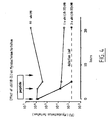
- Figure 4 shows that ubiquicidine (18-35) kills M. fortuitum for a period of 3 hours, whereafter the peptide then shows a bacteriostatic effect. Repeated administration at 3 and 7 hours after the first dose results in practically complete elimination of the mycobacteria. In the control incubations M. fortuitum was found to proliferate. In additional control experiments no indication was found for agglomeration of the mycobacteria due to ubiquicidine (18-35) (not shown).
- Figure 5 shows that the peptide fragment ubiquicidine (18-35) results in a marked decrease in the number of CFUs of different Staphylococcus aureus strains.
- Example 2 A number of the peptide (fragments) described in Example 2 was further modified in different ways by adding an extra D-alanine at the beginning and/or end as protection against exopeptidase activity. The antimicrobial activity of several "derivatives" obtained in this manner was likewise determined.
- D-alanine-protected peptides were prepared as described above (Example 2, ad 2.1) in this application.
- Staphylococcus aureus (5x10 5 bacteria) was exposed for different periods at 37°C to 7 ⁇ M ubiquicidine (18-35) and D-alanine-protected ubiquicidine (18-35), whereafter the number of living bacteria in the suspension was quantified microbiologically.
- Klebsiella pneumoniae were exposed for 60 minutes at 37°C to increasing concentrations of ubiquicidine (18-35) and D-alanine-protected ubiquicidine (18-35) and the number of live bacteria was subsequently measured microbiologically.
- a hybrid molecule was prepared by labelling the peptide fragments with the emitter 99m Tc. This example illustrates the manner of labelling according to the invention.
- the radiochemical purity of peptides labelled with 99m Tc was determined after precipitation with 20% trichloroacetic acid (TCA), instantaneous thin-layer chromatography (ITLC) and HPLC. Summarizing, this took place by analysing 20 ⁇ l of a freshly prepared 99m Tc-defensin-1 or 99m Tc-IgG on a superose 12 column (Pharmacia, Upsala, Sweden), linked to an LKB Bromma HPLC 2249 chromatography pump (LKB, Upsala, Sweden) and an on-line NAI (Tl)-crystal-gamma-detection system (Raytest Steffi, Germany).
- the buffer which was used for analysing the 99m Tc-labelled compounds was 14 mM sodium phosphate-buffered salt solution (PBS) pH 7.5 with a flow rate of 1 ml/minute. Labelling yields of 99 Tc-labelled peptides were determined after precipitation with 20% TCA, HPLC analysis and ITLC analysis and were respectively more than 90%, more than 90% and more than 95%.
- mice were infected intramuscularly with about 10 6 Staphylococcus aureus bacteria (ATCC 25923) and subsequently injected intraperitoneally with 25 ⁇ g. 99m Tc-peptide. Mice were also injected intramuscularly with about 1 x 10 8 heat-killed (1 hour, 100°C) S. aureus , 1 ⁇ g endotoxin or 100 ng phorbol myristate acetate (PMA) in order to cause sterile inflammations. At different points in time after injection of the peptide the radioactivity was measured in the circulation (heart), determined organs (liver, kidney, bladder and spleen) and in both thigh muscles using a ⁇ -camera. Accumulation of the labelled peptide at the site of infection in the right thigh muscle is shown in Figure 10 .
- mice were infected intramuscularly in the right thigh muscle with about 10 6 bacteria and after 5 minutes injected intraperitoneally with about 25 ⁇ g (labelled) peptide.
- labelled intraperitoneally
- the animals were killed and the right thigh muscle was removed, homogenized, and finally the number of bacteria in the homogenate was determined using microbiological plate techniques, or accumulation of the labelled peptide was determined by means of a ⁇ -camera.
- This test involved animals which were normal and immunocompromised (injection with cyclophosphamide, "total body” radiation).
- mice were infected in the right thigh muscle with Klebsiella pneumoniae and 25 ⁇ g 99m Tc-labelled ubiquicidine (1-18) or ubiquicidine (18-35) was subsequently injected intraperitoneally.
- the amount of activity in the right (test) and left (control) thigh muscle of the mouse was measured using a ⁇ -camera.
- the results are shown in Figure 12 as a ratio of the values in the right thigh muscle and the left thigh muscle, i.e. "target to non-target ratio".
- target to non-target ratio for infections and sterile inflammations were also compared ( Figure 13 ).
- mice were infected in the right thigh muscle with Klebsiella pneumoniae (A) or Staphylococcus aureus (B). 5 minutes later, 25 ⁇ g ubiquicidine (18-35) or ubiquicidine (1-18) was injected intraperitoneally. 24 hours after administering of the peptide the animals were killed and the number of bacteria in the right thigh muscle was quantified microbiologically. As positive control, animals were injected intraperitoneally with human defensin and as negative control with the solvent of the antimicrobial peptides. The result is shown in Figure 14 . The mice were also injected with 150 mg cyclophosphamide/kg body weight. Four days afterwards the animals were infected in the right thigh muscle with K.
- Figure 14 shows that particularly ubiquicidine (18-35) also has a marked bactericidal effect in vivo which is better than that of defensin.
Landscapes
- Health & Medical Sciences (AREA)
- Chemical & Material Sciences (AREA)
- Organic Chemistry (AREA)
- Life Sciences & Earth Sciences (AREA)
- General Health & Medical Sciences (AREA)
- Medicinal Chemistry (AREA)
- Gastroenterology & Hepatology (AREA)
- Proteomics, Peptides & Aminoacids (AREA)
- Molecular Biology (AREA)
- Genetics & Genomics (AREA)
- Biophysics (AREA)
- Biochemistry (AREA)
- Toxicology (AREA)
- Zoology (AREA)
- Public Health (AREA)
- Veterinary Medicine (AREA)
- General Chemical & Material Sciences (AREA)
- Communicable Diseases (AREA)
- Animal Behavior & Ethology (AREA)
- Oncology (AREA)
- Pharmacology & Pharmacy (AREA)
- Chemical Kinetics & Catalysis (AREA)
- Nuclear Medicine, Radiotherapy & Molecular Imaging (AREA)
- Medicines That Contain Protein Lipid Enzymes And Other Medicines (AREA)
- Peptides Or Proteins (AREA)
Abstract
Description
- The present invention relates to the new medical use of a per se known peptide, which will be referred to as "ubiquicidine" in this application. The invention further relates to new peptide fragments derived from this peptide, optionally in modified form or provided with a (radioactive) label, and the use hereof in prophylaxis, therapy and diagnostics of infections in humans and animals. The invention also relates to new antimicrobial and diagnostic agents on the basis of the peptide, the peptides fragments and/or modified versions thereof, optionally in the form of combination preparations.
- In an increasing number of cases the use of what are called "classic" antibiotics is not sufficient for the treatment of infectious diseases. Many bacteria strains have built up resistance against the known classes of antibiotic and in the last thirty years no new classes of antibiotic have been discovered. There are few or no adequate agents against mycobacteria. And other micro-organisms, such as fungi, and determined parasites are also sometimes difficult to treat with existing antimicrobial agents. In view of the above, a new class of - antimicrobial agents is highly desirable.
- At present, two new types of antimicrobial agents are attracting attention. On the one hand there are the carbohydrate-type agents. In addition, research is focussing on peptides, particularly (cationic) peptides, with antimicrobial activity. Cationic peptides contain a relatively large number of positively charged amino acids, such as arginine and lysine, and therefore carry a net positive charge, usually of at least +2, but often +4 or more. Antimicrobial peptides are an important component of the natural defence of most living organisms against infections. Many such antimicrobial peptides are cationic. In humans and other mammals such peptides, such as the defensins, are an important protein-like constituent of for instance neutrophil granulocytes. These cells are already involved at a very early stage in the defence against micro-organisms and in acute inflammation reactions. In addition, such peptides are also produced by many other cells, including epithelial cells, which are strategically located in relation to invading micro-organisms.
- In the research which resulted in the present invention, it was found that the per se known peptide FAU S30 (which has now been called "ubiquicidine" by the present inventors) has antimicrobial action. It was further found that peptides (fragments) derived from this peptide also have an antimicrobial action to a lesser or greater extent. These peptide (fragments) as such have not been described previously and are therefore still new.
- On the basis of this conclusion, the present invention provides the use of ubiquicidine or optionally modified peptide (fragments) derived therefrom for preparing a drug for the treatment, diagnostics or prophylaxis of infections in humans and animals.
- The advantage of ubiquicidine and fragments thereof is that they not only have an antimicrobial and immunomodulating action, but that they also make their way in the body in targeted manner to the actual site of infection and accumulate there. These peptide (fragments) are therefore infection-seeking.
- In this application "antimicrobial action" is understood to mean any inhibiting or otherwise negative effect on bacteria, viruses, protozoa, parasites and fungi.
- "Immunomodulating action" is understood in this application to mean any stimulating effect on body cells of humans and/or animals involved in the defence against infections.
- "Ubiquicidine" is understood in this application to mean a peptide of 6.654 kD with an amino acid sequence as shown in
figure 1 . - Peptide fragments derived from ubiquicidine comprise a preferably continuous series of at least 8 amino acids from the amino acid sequence of ubiquicidine as shown in
figure 1 . For an average skilled person it is simple to ascertain whether a peptide fragment with a series of preferably continuous amino acids chosen from the amino acid sequence of ubiquicidine does actually have antimicrobial activity and thus meets the requirements of the invention. A simple standard test for determining antimicrobial activity is for instance the universally known growth-killing test, i.e. determining of the concentration of an antimicrobial agent which kills 99% of the micro-organisms (IC 99%). Designated by "peptide (fragments)" in this application are therefore all amino acid chains which are smaller than the ubiquicidine itself, but the amino acid sequence of which is to be found, preferably continuously, in the ubiquicidine. The length of such peptide (fragments) can vary from 3 to 58 amino acids, wherein possible extra amino acids added as modification are not include. - Examples of peptide (fragments) are the peptides of which the sequence is shown in
figure 1 . Ubiquicidine (18-35)-D-alanine has as extra addition a D-alanine at both ends. Of the peptide fragments shown infigure 1 , ubiquicidine (1-18), ubiquicidine (18-35) and ubiquicidine (29-41) are particularly recommended. In the above described test the activity of these fragments lies around 1 µM. This is a particularly good antimicrobial activity. In principle however, all the above defined peptides, which display some inhibiting action or other on micro-organisms, fall within the invention. Peptides with anIC 99 % of a maximum of 25 µM, preferably a maximum of 10 µM, most preferably a maximum of 1 µM are however recommended. - In order to modify their activity, for instance to further increase it, or to inhibit or prevent degradation by enzymes, particularly peptidases, both the peptide (ubiquicidine) and the fragments can be modified in different ways. Modification is any variation from the naturally occurring amino acid chain. Modifications may be mutual linking in reverse sequence of at least a part of the amino acids of the peptide or a peptide fragment. When all amino acids of a peptide (fragment) are thus reversed, this is referred to as "reverse peptide (fragment)".
- One or more of the amino acids from the original peptide (fragment) can also be replaced by a stereoisomer of that amino acid. The L-isomers of amino acids occur in the body. The D-stereoisomers can be degraded much less easily by enzymes present in the body and bacterial enzymes. Such a modification ensures that the peptide (fragment) in the body remains intact longer and can exert its effect longer. A similar modification consists of extending the original amino acid chain at one or both ends with one or more groups protecting against degradation, such as D-amino acids, for instance D-alanine.
- All the amino acid chains modified in the above described manner or varying in other manner from the corresponding native peptide (fragment) will be designated in this application with the term "derivatives". These can be derivatives of the ubiquicidine as well as of fragments thereof.
- The invention further relates to so-called "hybrid molecules", which comprise a (cationic) peptide with an antimicrobial action and a peptide fragment and a derivative thereof according to the invention together with one or more effector molecules. The effector molecule can assume different forms, such as an amino acid chain, which is capable of binding to a micro-organism and/or substances secreted by micro-organisms or expressed on the surface thereof. An example of such an effector molecule is an endotoxin-binding peptide.
- Another type of effector molecule can consist of a virus protein. Such a virus protein/antimicrobial peptide can enter the host cell, in which the micro-organism for combatting is situated, in the known manner of a virus and the peptide can exert its antimicrobial action therein.
- The effector molecule can further be a detectable label, such as a radionuclide, chosen from the group consisting of technetium 99m (Tc-99m), iodine 123 (I-123) and 131 (I-131), bromine 75 (B-75) and 76 (B-76), lead 203 (Pb-203), gallium 67 (Ga-67) and 68 (Ga-68), arsenic 72 (As-72), indium 111 (In-111), 113m (In-113m) and 114m (In-114m), ruthenium 97 (Ru-97), copper 62 (Cu-62), 64 (Cu-64) and 67 (Cu-67), iron 52 (Fe-52), manganese 52m (Mn-52m), chromium 51 (Cr-51), rhenium 186 (Re-186) and 188 (Re-188), terbium 161 (Tb-161) and yttrium 90 (Y-90). The radionuclide (also called "emitter") can also fulfil a curative function. Paramagnetic labels, such as fluorine 19 (F-19), sodium 23 (Na-23), phosphorus 31 (P-31), gadolinium 157 (Gd-157), manganese 55 (Mn-55), dysprosium 162 (Dy-162), chromium 52 (Cr-52) and iron 56 (Fe-56) can also be used.
- According to the invention combinations of effector molecules can likewise be linked to the peptide. An example thereof are a cell-binding peptide and an emitter, wherein the cell-binding peptide and the antimicrobial peptide provide targeting of the hybrid molecule to the site of infection and the antimicrobial peptide and the emitter provide for treatment or diagnosis.
- Hybrid molecules of this type which consist of an antimicrobial peptide, peptide fragment or derivative thereof and at least one effector molecule have not been described previously. Examples of such antimicrobial peptides are α- and β-defensins, protegrins, serprocidins, magainins, PR-39, cecropins and others (Martin et al. (1995) J. Leukocyte Biol. 58:128-136).
- The invention relates to the variants of the peptide or fragments thereof comprehensively described above. These variants as well as the peptide and the fragments can also be designated collectively in this application as "peptide (fragments)".
- The invention further relates to an antimicrobial agent comprising as active component the peptide fragments of the invention, derivatives, and/or hybrid molecules containing at least ubiquicidine and optionally other antimicrobial cationic peptides and/or peptide fragments thereof and/or derivatives thereof for use in the diagnostics, prophylaxis, monitoring or therapy of infections.
- The antimicrobial agent according to the invention can contain only the active component or take the form of a pharmaceutical composition in which one or more other carriers, diluents and the like are present. The agent and the composition can have different forms of administration, such as for instance tablet, pill, capsule, injection, infusion, suppository, powder, suspension, solution, spray, emulsion, ointment, aerosol, plaster or cream and can be used for oral, anal, nasal, vaginal, intramuscular, subcutaneous, intravenous, intraperitoneal or local (topical) administration or administration by means of a catheter via natural or artificial body openings. Other very specific examples of forms of administration are toothpaste, tooth varnish and catheters coated with the active compound. These latter have a prophylactic action.
- Compositions according to the invention can be prepared by combining (i.e. mixing, dissolving et cetera) of the active component(s) with pharmaceutically and pharmacologically acceptable excipients with a neutral character (such as aqueous or non-aqueous solvents, stabilizers, emulsifiers, detergents, additives), and further, where necessary, colorants, aromatic substances and/or flavourings. The concentration of the active component(s) in a pharmaceutical composition can vary between 0.001% and 100% (w/v), depending on the nature of the treatment and the manner of administering. The dose for administering likewise depends on the manner of administration and nature of the treatment. For the mouse for instance a dose of 1 to 10 µg/kg, for
instance 4 µg/kg body weight, is suitable. The compositions according to the invention are suitable for treatment of both humans and animals. - The invention further relates to the peptide fragments, derivatives and to hybrid molecules containing at least ubiquicidine and optionally other antimicrobial cationic peptides, and/or peptide fragments thereof and/or derivatives thereof for use in diagnostics, prophylaxis, therapy or monitoring of infections.
- Infections, which can be treated with the agent are for instance disorders caused by pathogenic Gram-positive (Staphylococcus aureus, Listeria monocytogenes including antibiotic-resistant strains of S.aureus (also called Multidrug-Resistant S.aureus (MRSA))),- and Gram-negative ((antibiotic-resistant) Klebsiella pneumoniae, Escherichia coli, enterococci and Salmonella typhimurium) bacteria, micro-organisms difficult to treat such as Mycobacterium avium and Mycobacterium fortuitum, fungi such as Candida albicans, Cryptococcus neoformans and Aspergillus fumigatis, viruses, in particular enveloped viruses, and parasites, such as Trypanosoma cruzi and Toxoplasma gondii. The use of the agent is however not limited to the infections stated here.
- Because the peptide (fragment) according to the invention is infection-seeking, it can be applied very well in the diagnostics of infections and pathology related thereto. If provided with a detectable label, for instance a radioactive label such as technetium 99m, it is possible for instance by means of scintigraphy to determine some time after administering where in the body the peptide (fragment) is situated. This will also be the site where the infection for treatment is situated. Such a labelled peptide (fragment) therefore has a dual purpose. Not only is demonstrated where the infection is situated, but the peptide (fragment) will also exert an antibiotic action due to its presence at the site and thus reduce the infection. In this manner the effect of the treatment can also be followed by looking at the localization of the peptide in time. This is called "monitoring".
- Each of the above mentioned radionuclides can in principle be used. Particularly recommended however is technetium 99m (99mTC). The physical half-life of this radionuclide amounts to 6 hours and, together with the fact that particularly gamma radiation is emitted, this means a low radiation load for the patient. The relatively short half-life moreover has the clinical advantage that the examination can be repeated rapidly. In addition, this radionuclide is readily obtainable via the commercially available Mo-Tc-nuclide-generator.
- It is found that peptide (fragments) labelled with technetium 99m can already be detected after 15 minutes at the site of the infection. The accumulation of for instance gallium 67 takes at least 24 hours. Owing to the very rapid localization of peptide (fragments) labelled with technetium 99m, a rapid diagnosis is possible. Furthermore, technetium 99m is mainly a γ emitter with a very small quantity of the much more harmful β radiation, so there is a relatively low radiation load for the patient. A more frequent administration is hereby possible. In addition, it has also been found that labelling with technetium 99m has no adverse influence on the action of the peptide (fragment). In laboratory animal experiments no adverse effects or changed external characteristics due to "99mTc-labelled peptide (fragments) have been found up to the present. In vitro studies have moreover shown that very high concentrations of the antimicrobial peptide (fragments) are not toxic for human body cells. Particular recommended therefore according to the invention as hybrid molecules are technetium 99m-labelled cationic peptides and fragments or derivatives thereof.
- The peptide (fragments) according to the present invention demonstrate the infection itself and thus the location where the micro-organism is situated in the body. Known image-forming methods for detecting infections, such as X-ray, echography and the like are aimed at demonstrating morphological changes which are the result of an infection. It is very well possible however for the infection itself to have already disappeared, while the morphological change still exists. In that case the treatment of the infection with for instance antibiotics is simply continued while this is in fact no longer necessary. It is recommended in principle to cause a treatment with a determined antimicrobial agent to be as short as possible in respect of the occurrence of resistances or allergies as a result of the agent. The peptide (fragments) according to the invention are infection-seeking and therefore make their way to the site of the infection itself and can also be made visible there. As soon as the infection has disappeared, this is shown by the fact that the peptide (fragments) no longer accumulates at the site of the (former) infection. The treatment can then be stopped. Using labelled peptides, infections can also be distinguished from inflammation processes. Infections occur when the body reacts to the presence of a foreign living organism. "Inflammation" is a general name for reactions of the body to foreign stimuli, such as particles, molecule, but also live bacteria. The peptide only reacts in the case of infections.
- The invention further relates to combination preparations which, in addition to ubiquicidine and/or a peptide fragment thereof and/or a derivative thereof and/or a hybrid molecule, contain one or more other active components. Combinations with "classic" antibiotics or with antiviral or antifungal agents can for instance be envisaged.
- The invention describes a method for labelling, ubiquicidine and peptides derived therefrom. Such a method comprises of placing the peptide for labelling in contact with a tin(II) salt, a borohydride and a radioactive label in the presence of alkali, as described in Pauwels et al. (Nucl. Med. Biol. 20, 825-833 (1993)), but wherein the peptide is modified with MAG3 (mercapto-acetyl glycine-glycine-glycine). Prior to labelling the modified peptide is held at about 100°C for 10 minutes. Particularly in the case of small peptides or peptides carrying no sulphur groups, the MAG3 modification results in considerably higher labelling efficiencies.
- The whole is stirred at a suitable temperature for a determined time, for
instance 1 to 60 minutes, preferably 5 to 30 minutes. The temperature depends on the temperature sensitivity of the peptide, but will usually lie between room temperature and 40°C, and will preferably be about 37°C. - The tin(II) salt is preferably tin(II)pyrophosphate. The borohydride is preferably sodium borohydride or potassium borohydride. The tin(II) salt and the borohydride are advantageously used in a ratio between 1:1 and 1:10, preferably 1:4 in quantities of respectively 0.5-5 µl and 2-10 µl. In preference 0.1 M sodium hydroxide is used as alkali.
- The radioactive label is advantageously 99mTc-pertechnetate, but 186Re-perrhenate can also be used. Standard solutions of such radioactive labels are commercially available. In the method according to the invention 0.05-0.5 ml, preferably 0.1 ml of such a solution is used.
- A particularly advantageous manner of preparing ubiquicidine, and optionally the fragments, derivatives and hybrid molecules, is by means of transgenic animals. For this purpose the method comprises of transforming an animal egg-cell, wherein the animal egg cell is a non-human egg cell, with a gene construct which codes for the ubiquicidine, peptide fragment, derivative or hybrid molecule, regenerating a transgenic animal from the transformed egg-cell and isolating the ubiquicidine, peptide fragment, derivative or hybrid molecule from a tissue or bodily fluid of the animal, for instance milk. The products can of course also be synthesized.
- The present invention will further be elucidated on the basis of the accompanying examples, which are only given by way of illustration but do not limit the invention. Reference is made in the examples to the following figures, in which:
- Figure 1
- shows the amino acid sequence of ubiquicidine and derived peptides
- Figure 2
- shows the antimicrobial effect of ubiquicidine in respect of Klebsiella pneumoniae and Staphylococcus aureus
- Figure 3
- shows the effect of ubiquicidine (18-35) on herpes simplex virus infection of Vero cells
- Figure 4
- shows the effect of ubiquicidine (18-35) on Mycobacterium fortuitum
- Figure 5
- shows the effect of ubiquicidine (18-35) and ubiquicidine (18-29) on (antibiotic-resistant) Staphylococcus aureus
- Figure 6
- shows the effect of ubiquicidine (18-35) and D-alanine-protected ubiquicidine (18-35) on Klebsiella pneumoniae
- Figure 7
- shows the speed of ubiquicidine (18-35) and D-alanine-protected ubiquicidine (18-35) with which Staphylococcus aureus is eliminated
- Figure 8
- shows the effect of ubiquicidine (18-35) and D-alanine-protected ubiquicidine (18-35) on (antibiotic-resistant) Staphylococcus aureus
- Figure 9
- shows the effect of D-alanine-protected ubiquicidine (18-35) on (antibiotic- resistant) Escherichia coli
- Figure 10
- is a scintigram of intraperitoneally administered. 99mtechnetium-labelled ubiquicidine (18-35) in a mouse infected with Staphylococcus aureus
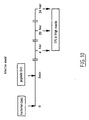
- Figure 11
- is a schematic view of the experimental infection and treatment of mice
- Figure 12
- shows the accumulation of 99mtechnetium-labelled ubiquicidine (18-35), ubiquicidine (1-18), defensins and human IgG in the thigh muscle infected with Klebsiella pneumoninae
- Figure 13
- shows the accumulation of 99mTc-labelled ubiquicidine 18-35 in a nidus but not in inflammations
- Figure 14
- shows the effect of ubiquicidine (18-35), ubiquicidine (1-18) and defensins on an experimental infection with Staphylococcus aureus and Escherichia coli
- Figure 15
- shows the antimicrobial effect of ubiquicidine 29-41 and 18-35 and defensin-1 in mice
- By means of gel filtration and reverse phase HPLC a peptide was isolated from the cytosol fraction of murine RAW 264.7 macrophages activated with interferon γ and cells of the human H292 bronchial epithelial cell line stimulated in different ways. The latter could be stimulated with bacterial products (endotoxin, lipoteichoinic acid), phorbol ester, and bronchial pathogens (Haemophilus influenzae, Streptococcus pneumoniae and para-influenza virus 3). The isolated peptide was called ubiquicidine..
- The method of isolating ubiquicidine from cytosol fractions of cells has been previously described for the isolation of antimicrobial proteins from cell lysates and cell membrane fractions (Hiemstra et al. (1993) Infect.Immun. 61:3038-3046). The cells were cultured in RPMI 1640 medium with antibiotics and 10% heat-inactivated foetal calf serum. The cells were subsequently harvested, washed and resuspended in 10 mM sodium phosphate buffer (pH 7.4) enriched with a cocktail of protease inhibitors.
- Using nitrogen cavitation, a cell lysate was obtained whereafter by means of ultracentrifugation at 27,000xg a membrane fraction and a cytosol fraction were obtained. The proteins in the cytosol fraction were extracted using 5% acetic acid and the acid extract was dialyzed and subsequently placed on a P60 column.
- The fractions originating from this column were tested for antimicrobial activity. The ubiquicidine-containing fractions were pooled and further separated by means of HPLC on a C18 column with heptafluorobutyric acid as "ion pairing molecule" in the eluent. The HPLC fractions were likewise tested for antimicrobial activity and immunoreactivity using an antiserum against the N-terminal part of the ubiquicidine. The pooled fractions contain pure ubiquicidine.
- The sequence of the N-terminal amino acids of purified ubiquicidine was determined by means of automated Edman degradation and a peptide sequencer 477A equipped with a PTH amino acid analyzer 120A (Applied Biosystems, Foster City, CA). The sequence results were subsequently analysed using the GeneWorks software package (Intelligenetics, Mountain View, CA). Molecular weight of ubiquicidine was determined using mass spectrometry (laser desorption time-of-flight mass spectrometry; Lasermat, Finnigan MAT LTD, Hemel Hempstead, UK). For the immuno-logical identification of ubiquicidine use was made of a rabbit antiserum specific to the N-terminal part of ubiquicidine (ubiquicidine 1-18) and Western blotting.
- Different techniques were used to test for the antimicrobial activity of ubiquicidine and peptides derived therefrom. The gel overlay assay and the radial diffusion assay have been previously described (Hiemstra et al. (Infect. Immun. 63, 3038-3046 (1993)). In the growth-killing curve determination which was used to investigate the
IC 99% of the peptide, (mid-log or stationary phase) bacteria (Klebsiella pneumoniae (A) and Staphylococcus aureus (B) were exposed for 60 minutes at 37°C to increasing concentrations of the ubiquicidine, whereafter the number of living bacteria in the suspension was determined using microbiological plate techniques (Colony Forming Units, CFU). As negative controls, bacteria were exposed to peptide 4 (a synthetic peptide derived from HIV glycoprotein 120), ubiquicidine (18-29) or no peptide. - The results of such experiments are shown in CFUs in
Figure 2 . - The ubiquicidine is a 6.7 kD ribosomal cationic peptide with a pI of 12.67. From sequence determination of the 18 N-terminal amino acids of the isolated peptide, it was found that these corresponded wholly with the N-terminal part of the S30 part of the expression product of the Finkel-Biskis-Reilly murine sarcoma associated ubiquitously expressed (FAU) gene which occurs inter alia in humans and mice. The molecular weight of the FAU S30 and the ubiquicidine were also found to correspond. It is therefore assumed that it is the same peptide.
- From the determination of the in vitro antimicrobial action of ubiquicidine it was found that the ubiquicidine can kill micro-organisms very rapidly (< 10 minutes) and effectively (3-4 log reduction).
Figure 2 shows mid-log Klebsiella pneumoniae (A) and Staphylococcus aureaus (B), which were exposed for 60 minutes at 37°C to increasing concentrations of purified ubiquicidine in 10 mM sodium phosphate buffer. In the control incubations the bacteria multiplied a number of times (not shown). The minimal inhibiting concentration for said micro-organisms was found to lie between 0.08 and 0.16 µM, 1.5 µM ubiquicidine eliminates Klebsiella pneumoniae (A) almost completely, while the reduction in the number of Staphylococcus aureus (B) amounts to 2 log. - A number of peptide fragments were derived from the native ubiquicidine and the antimicrobial activity thereof was determined.
- Peptides were prepared using an Abimed AMS multiple peptide synthesizer and a fixed phase (tentagel AC, a polymer of polyethylene glycol spacer linked to a polystyrene matrix) (de Koster et al. (1995) J. Immunol. Methods 187:179-188). After completion of the synthesis the peptide was released from the fixed phase using a trifluoroacetic acid water(19:1) mixture and the peptides were subsequently precipitated with an ether pentane (1:1) mixture at 20°C. After centrifugation the obtained peptides were dried at 40°C for 15 minutes. The peptides were subsequently dissolved in 10% acetic acid and concentrated by means of vacuum centrifugation. The purity of the peptides was determined using HPLC. An overview of the synthesized peptides derived from ubiquicidine is given in
Figure 1 . The antimicrobial activity of these peptide fragments was determined as described in Example 1 under 2.3. - HSV was incubated for 60 minutes with increasing concentrations of the peptide fragment ubiquicidine (18-35) at 37°C. The virus preparation was subsequently added to Vero cells in diverse dilutions. After 3 days at 37°C the cytopathogenic effect of the virus on Vero cells was determined, with finally made it possible for the virus titre to be calculated.
Figure 3 shows the result. - About 106 Mycobacterium fortuitum were incubated for different intervals at 37°C with 14 µM or 52 µM ubiquicidine (18-35) and the number of living mycobacteria in the suspensions was then determined using microbiological techniques. The result is shown in
Figure 4 . - About 106 bacteria of multidrug resistant Staphylococcus aureus (MRSA) and antibiotic-sensitive S. aureus were exposed for 60 minutes at 37°C to different concentrations of ubiquicidine (18-35), whereafter the number of living bacteria in the suspensions was determined microbiologically. As negative control high concentrations of ubiquicidine (18-29),
peptide 4 and no peptide were used. The result is shown inFigure 5 . - Research into the effect of the different peptides on Klebsiella pneumoniae and Staphylococcus aureus demonstrated antimicrobial activity of ubiquicidine (1-18), ubiquicidine (18-35) and ubiquicidine (29-41). The other peptides were found to be considerably less potent or inactive.
-
Figure 3 shows the results of the experiment with HSV. This shows that an increasing concentration of peptide results in a decrease in the virus titre. -
Figure 4 shows that ubiquicidine (18-35) kills M. fortuitum for a period of 3 hours, whereafter the peptide then shows a bacteriostatic effect. Repeated administration at 3 and 7 hours after the first dose results in practically complete elimination of the mycobacteria. In the control incubations M. fortuitum was found to proliferate. In additional control experiments no indication was found for agglomeration of the mycobacteria due to ubiquicidine (18-35) (not shown). -
Figure 5 shows that the peptide fragment ubiquicidine (18-35) results in a marked decrease in the number of CFUs of different Staphylococcus aureus strains. - A number of the peptide (fragments) described in Example 2 was further modified in different ways by adding an extra D-alanine at the beginning and/or end as protection against exopeptidase activity. The antimicrobial activity of several "derivatives" obtained in this manner was likewise determined.
- D-alanine-protected peptides were prepared as described above (Example 2, ad 2.1) in this application.
- Staphylococcus aureus (5x10⁵ bacteria) was exposed for different periods at 37°C to 7 µM ubiquicidine (18-35) and D-alanine-protected ubiquicidine (18-35), whereafter the number of living bacteria in the suspension was quantified microbiologically.
- In addition, different strains of (multidrug resistant) Staphylococcus aureus were incubated for 60 minutes at 37°C with increasing concentrations of D-alanine-protected and unprotected ubiquicidine (18-35), whereafter the number of living bacteria in the different suspensions was determined microbiologically.
- About 5x10⁶ Klebsiella pneumoniae were exposed for 60 minutes at 37°C to increasing concentrations of ubiquicidine (18-35) and D-alanine-protected ubiquicidine (18-35) and the number of live bacteria was subsequently measured microbiologically.
- About 106 antibiotic-resistant Escherichia coli and antibiotic-sensitive E. coli (parent strain of the resistant bacteria) were exposed for 60 minutes at 37°C to increasing concentrations of D-alanine-protected ubiquicidine (18-35), whereafter the number of living bacteria was determined microbiologically.
- Comparison of antimicrobial activities of the D-alanine-protected and the unprotected ubiquicidine (18-35) in respect of Klebsiella pneumoniae in vitro showed that the D-alanine-protected variant is much more potent in eliminating the bacteria than the unprotected ubiquicidine (18-35) peptide (
Figure 6 ). - The maximum killing effect by both variants of ubiquicidine (ubiquicidine (18-35) and D-alanine-protected ubiquicidine (18-35)) on Staphylococcus aureus was achieved within 15 minutes (
Figure 7 ). The speed of elimination of Staphylococcus aureus bacteria by the two types of ubiquicidine peptide is identical (Figure 7 ). - The results further demonstrated that the D-alanine-protected ubiquicidine kills (multidrug resistant) Staphylococcus aureus more effectively than the unprotected variant (
Figure 8 ). - Very surprising is the observation that the D-alanine-protected ubiquicidine (18-35) can kill antibiotic-resistant Escherichia coli much more effectively than the antibiotic-sensitive parent strain of Escherichia coli (
Figure 9 ). 1 µM D-alanine-protected ubiquicidine reduces the number of antibiotic-resistant bacteria to below the detection limit. A comparable antimicrobial effect relative to the parent strain is only achieved with 14 µM of the peptide. This data shows that antibiotic-resistant bacteria can be eliminated very effectively by peptides derived from ubiquicidine. - A hybrid molecule was prepared by labelling the peptide fragments with the emitter 99mTc. This example illustrates the manner of labelling according to the invention.
- Labelling of peptide D (ubiquicidine (18-35)) and the D-alanine-protected ubiquicidine (18-35) with 99mTc was performed using a method according to the invention. For this
purpose 10 µl of a MAG3-derived peptide solution (2 mg/ml in 0.01 M sodium phosphate pH 3.0) was added to 2 µl of a tin(II)pyrophosphate solution (0.5 mg/ml). Immediately thereafter 4 µl of a 10 mg/ml KBH4 solution (Sigma Chemical Company, St. Louis, Mo, US) in 0.1 M NaOH was added. After adding 0.1 ml of a 99mTc sodium pertechnetate solution (20 MBq, Mallinckrodt Medical B.V., Petten, Netherlands) the mixture was stirred at room temperature for 30 minutes. - The radiochemical purity of peptides labelled with 99mTc was determined after precipitation with 20% trichloroacetic acid (TCA), instantaneous thin-layer chromatography (ITLC) and HPLC. Summarizing, this took place by analysing 20 µl of a freshly prepared 99mTc-defensin-1 or 99mTc-IgG on a
superose 12 column (Pharmacia, Upsala, Sweden), linked to an LKB Bromma HPLC 2249 chromatography pump (LKB, Upsala, Sweden) and an on-line NAI (Tl)-crystal-gamma-detection system (Raytest Steffi, Germany). The buffer which was used for analysing the 99mTc-labelled compounds was 14 mM sodium phosphate-buffered salt solution (PBS) pH 7.5 with a flow rate of 1 ml/minute. Labelling yields of 99Tc-labelled peptides were determined after precipitation with 20% TCA, HPLC analysis and ITLC analysis and were respectively more than 90%, more than 90% and more than 95%. - In order to demonstrate that the peptide (fragment) according to the invention is infection-seeking, the localization of 99Tc-labelled peptides (ubiquicidine (18-35), ubiquicidine (1-18) and defensins in addition to IgG as control) was determined using a γ-camera.
- Mice were infected intramuscularly with about 106 Staphylococcus aureus bacteria (ATCC 25923) and subsequently injected intraperitoneally with 25 µg. 99mTc-peptide. Mice were also injected intramuscularly with about 1 x 10⁸ heat-killed (1 hour, 100°C) S. aureus, 1 µg endotoxin or 100 ng phorbol myristate acetate (PMA) in order to cause sterile inflammations. At different points in time after injection of the peptide the radioactivity was measured in the circulation (heart), determined organs (liver, kidney, bladder and spleen) and in both thigh muscles using a γ-camera. Accumulation of the labelled peptide at the site of infection in the right thigh muscle is shown in
Figure 10 . - The results showed a very short half-life of the peptides in the circulation, i.e. thalf < 15 minutes. The largest part of the injected labelled peptides (> 60%) is removed via the liver, kidneys and bladder, but a part of the peptides (1-2% of the injected dose) arrives at the site of infection in the thigh muscle (
Figure 10 ). - The accumulation and antimicrobial activity in vivo of a number of ubiquicidine fragments was determined.
- Reference is made to
Figure 11 for a schematic view of the experimental infection and treatment of the mice. In summary, mice were infected intramuscularly in the right thigh muscle with about 106 bacteria and after 5 minutes injected intraperitoneally with about 25 µg (labelled) peptide. At different points in time after injection of the peptide the animals were killed and the right thigh muscle was removed, homogenized, and finally the number of bacteria in the homogenate was determined using microbiological plate techniques, or accumulation of the labelled peptide was determined by means of a γ-camera. This test involved animals which were normal and immunocompromised (injection with cyclophosphamide, "total body" radiation). - Mice were infected in the right thigh muscle with Klebsiella pneumoniae and 25 µg 99mTc-labelled ubiquicidine (1-18) or ubiquicidine (18-35) was subsequently injected intraperitoneally. At different points in time after injection of the peptide the amount of activity in the right (test) and left (control) thigh muscle of the mouse was measured using a γ-camera. The results are shown in
Figure 12 as a ratio of the values in the right thigh muscle and the left thigh muscle, i.e. "target to non-target ratio". For the purpose of comparison the results for human defensin and IgG are also shown. The target to non-target ratios for infections and sterile inflammations were also compared (Figure 13 ). - Mice were infected in the right thigh muscle with Klebsiella pneumoniae (A) or Staphylococcus aureus (B). 5 minutes later, 25 µg ubiquicidine (18-35) or ubiquicidine (1-18) was injected intraperitoneally. 24 hours after administering of the peptide the animals were killed and the number of bacteria in the right thigh muscle was quantified microbiologically. As positive control, animals were injected intraperitoneally with human defensin and as negative control with the solvent of the antimicrobial peptides. The result is shown in
Figure 14 . The mice were also injected with 150 mg cyclophosphamide/kg body weight. Four days afterwards the animals were infected in the right thigh muscle with K. pneumonia and a day later different quantities of ubiquicidine (18-35), ubiquicidine (29-41) or defensin-1 were injected intravenously. Twenty-four hours after administering of the peptide the animals were killed and the number of bacteria in the right thigh muscle was quantified microbiologically. As control, normal animals were treated in identical manner. The result is shown inFigure 15 . - The accumulation of the tested peptides was found to be maximal 4 hours after administration and subsequently decreases in the course of time (
Figure 12 ). It is notable that the maximum accumulation of 99Tc-ubiquicidine (1-18) and 99Tc-ubiquicidine (18-35) is reached much sooner than 99Tc-IgG. This observation implies that 99Tc-ubiquicidine peptides can be of importance for faster diagnostics of infections. Comparable results were found when the 99Tc-peptide was administered intravenously 24 hours after infection. - The above stated pharmacological data shows that ubiquicidine (1-18) and ubiquicidine (18-35) accumulate rapidly in the infected thigh muscle. The results of our experiments into the effect of these peptides on the number of bacteria in the muscle demonstrate that ubiquicidine (18-35) eliminates bacteria more effectively than ubiquicidine (1-18) and defensins (
Figure 12 ). These in vivo results correspond very well with the results of the in vitro experiments. -
Figure 14 shows that particularly ubiquicidine (18-35) also has a marked bactericidal effect in vivo which is better than that of defensin. - The result in immunocompromised animals (
Figure 15 ) shows that the bactericidal effect in vivo is determined by a direct bactericidal effect as well as by an immunomodulating effect.
Claims (26)
- Use of ubiquicidine or optionally modified peptide fragments derived therefrom for the preparation of a drug for the treatment, diagnostics or prophylaxis of infections in humans and animals.
- Use as claimed in claim 1, wherein the peptide fragment derived from ubiquicidine comprises a continuous series of at least 8 amino acids from the amino acid sequence of ubiquicidine:
KVHGSLARAGKVRGQTPKVAKQEKKKKKTGRAKRRMQYNRRFVNVVPTFGKKKGPNANS. - Use as claimed in claim 1 or 2, wherein the peptide fragment comprises one of the following amino acid sequences:
ubiquicidine (1-18) KVHGSLARAGKVRGQTPK ubiquicidine (29-41) TGRAKRRMQYNRR ubiquicidine (18-35) KVAKQEKKKKKTGRAKRR - Use as claimed in any one of the claims 1-3, wherein the infection is a microbial infection caused by pathogenic Gram-positive (Staphylococcus aureus, Listeria monocytogenes, including antibiotic-resistant strains of S. aureus (also called Multi drug-Resistant S. aureus (MRSA) and Gram-nagative ((antibiotic-resistant) Klebsiella pneumonia, Escherichia coli, enterococci and Salmonella typhimurium) bacteria, micro-organisms difficult to treat, such as Mycobacterium avium and Mycobacterium fortuitum, fungi, such as Candida albicans, Cryptococcus neoformans and Aspergillus fumigatis, viruses, in particular enveloped viruses, and parasites, such as Trypanosoma cruzi and Toxoplasma gondii.
- Peptide fragment derived from ubiquicidine and comprising a continuous series of at least 8 amino acids from the amino acid sequence of ubiquicidine:
KVHGSLARAGKVRGQTPKVAKQEKKKKKTGRAKRRMQYNRRFVNVVPTFGKKKGPNANS, wherein the peptide fragment is selected from the group consisting of:ubiquicidine (1-18) KVHGSLARAGKVRGQTPK ubiquicidine (29-41) TGRAKRRMQYNRR ubiquicidine (18-35) KVAKQEKKKKKTGRAKRR - Derivative of a peptide fragment as claimed in claim 5, which derivative has an amino acid sequence which is at least partly the reverse of the amino acid sequence of the corresponding original peptide fragment (so-called "(partial) reverse peptide").
- Derivative of a peptide fragment as claimed in claim 5, wherein at least one of the amino acids of the corresponding original peptide fragment is replaced by a stereoisomer of that amino acid.
- Derivative of a peptide fragment as claimed in claim 5, wherein the original amino acid chain is extended at one or both ends thereof with one or more groups, such as D-amino acids, protecting against degradation.
- Derivative of a peptide fragment as claimed in claim 5 with the amino acid sequence:
D-A--KVAKQEKKKKKTGRAKRR-D-A
wherein D-A represents D-alanine. - Derivative of a peptide fragment as claimed in claim 5, comprising the peptide fragment and an effector molecule.
- Derivative as claimed in claim 10, wherein the effector molecule is a an amino acid chain capable of binding to a micro-organism and/or substance secreted by micro-organisms or expressed on the surface thereof.
- Derivative as claimed in claim 10, wherein the effector molecule is an endotoxin-binding peptide.
- Derivative as claimed in claim 10, wherein the effector molecule is a detectable label.
- Derivative as claimed in claim 13, wherein the detectable label is a radionuclide chosen from the group consisting of technetium 99m (Tc-99m), iodine 123 (I-123) and 131 (I-131), bromine 75 (Br-75), lead 203 (Pb-203), gallium 67 (Ga-67) and 68 (Ga-68), arsenic 72 (As-72), indium 111 (In-111), 113m (In-113m) and 114m (In-114m), ruthenium 97 (Ru-97), copper 62 (Cu-62), 64 (Cu-64) and 67 (Cu-67), iron 52 (Fe-52), manganese 52m (Mn-52m), chromium 51 (Cr-51), rhenium 186 (Re-186) and 188 (Re-188), terbium 161 (Tb-161), yttrium 90 (Y-90), fluorine 19 (F-19), sodium 23 (Na-23), phosphorus 31 (P-31), gadolinium 157 (Gd-157), manganese 55 (Mn-55), dysprosium 162 (Dy-162), chromium 52 (Cr-52) and iron 56 (Fe-56).
- Derivative as claimed in any one of the claims 10-14, further comprising a cationic peptide with antimicrobial acivity.
- Derivative as claimed in claim 15, wherein the cationic peptide is selected from the group of α- and β-defensins, ubiquicidine, protegrins, serprocidins, magainins, PR-39, cecropins.
- Peptide fragments as claimed in claim 5 for use in the diagnostics, prophylaxis or therapy of infections in humans and animals.
- Peptide fragments as claimed in claim 17, wherein the infection is a microbial infection caused by pathogenic Gram-positive (Staphylococcus aureus, Listeria monocytogenes including antibiotic-resistant strains of S.aureus (also called Multidrug Resistant S.aureus (MRSA)) and Gram-negative ((antibiotic-resistant) Klebsiella pneumonia, Escherichia coli, enterococci and Salmonella typhimurium) bacteria, micro-organisms difficult to treat, such as Mycobacterium avium and Mycobacterium fortuitum, fungi, such as Candida albicans, Cryptococcus neoformans and Aspergillus fumigatis, viruses, in particular enveloped viruses, and parasites, such as Trypanosoma cruzi and Toxoplasma gondii.
- Derivatives as claimed in any of the claims 6-14 for use in the diagnostics, prophylaxis, therapy or monitoring of infections in humans and animals.
- Derivatives as claimed in claim 15 or 16 for use in the diagnostics, prophylaxis, therapy or monitoring of infections in humans and animals.
- Derivatives as claimed in claim 19 or 20, wherein the infection is a microbial infection caused by pathogenic Gram-positive (Staphylococcus aureus, Listeria monocytogenes including antibiotic-resistant strains of S.aureus (also called Multidrug Resistant S.aureus (MRSA)) and Gram-negative ((antibiotic-resistant) Klebsiella pneumonia, Escherichia coli, enterococci and Salmonella typhimurium) bacteria, micro-organisms difficult to treat, such as Mycobacterium avium and Mycobacterium fortuitum, fungi, such as Candida albicans, Cryptococcus neoformans and Aspergillus fumigatis, viruses, in particular enveloped viruses, and parasites, such as Trypanosoma cruzi and Toxoplasma gondii.
- Antimicrobial agent, comprising at least a suitable quantity of one or more active components chosen from peptide fragments as claimed in claim 5 or derivatives as claimed in claims 6-16.
- Antimicrobial agent as claimed in claim 22 for use in therapy and prophylaxis in humans and animals.
- Diagnostic agent, comprising a suitable quantity of one or more active components provided with a detectable label and chosen from peptide fragments as claimed in claim 5 or derivatives as claimed in claims 6-16.
- Diagnostic agent as claimed in claim 24 for use in diagnostics and monitoring.
- Method for preparing ubiquicidine, peptide fragments as claimed in claim 5 or derivatives as claimed in claims 6-16, comprising transformation of an egg cell with a gene construct which codes for the ubiquicidine, peptide fragment or derivative from a tissue or bodily fluid of the animal, for instance milk, wherein the animal egg cells is a non-human egg cell.
Applications Claiming Priority (3)
| Application Number | Priority Date | Filing Date | Title |
|---|---|---|---|
| NL1006164A NL1006164C2 (en) | 1997-05-29 | 1997-05-29 | Antimicrobial peptides. |
| NL1006164 | 1997-05-29 | ||
| PCT/NL1998/000311 WO1998054314A1 (en) | 1997-05-29 | 1998-05-29 | Antimicrobial peptides derived from ubiquicidine |
Publications (2)
| Publication Number | Publication Date |
|---|---|
| EP1003854A1 EP1003854A1 (en) | 2000-05-31 |
| EP1003854B1 true EP1003854B1 (en) | 2008-09-17 |
Family
ID=19765050
Family Applications (1)
| Application Number | Title | Priority Date | Filing Date |
|---|---|---|---|
| EP98925978A Expired - Lifetime EP1003854B1 (en) | 1997-05-29 | 1998-05-29 | Antimicrobial peptides derived from ubiquicidine |
Country Status (8)
| Country | Link |
|---|---|
| US (1) | US6884776B1 (en) |
| EP (1) | EP1003854B1 (en) |
| AT (1) | ATE408685T1 (en) |
| AU (1) | AU7791398A (en) |
| CA (1) | CA2291894A1 (en) |
| DE (1) | DE69840024D1 (en) |
| NL (1) | NL1006164C2 (en) |
| WO (1) | WO1998054314A1 (en) |
Families Citing this family (15)
| Publication number | Priority date | Publication date | Assignee | Title |
|---|---|---|---|---|
| RU2296160C2 (en) * | 2001-02-23 | 2007-03-27 | ДСМ Ай Пи ЭССЕТС Б.В. | New genes encoding new proteolytic enzymes |
| US7603239B2 (en) * | 2004-05-05 | 2009-10-13 | Massachusetts Institute Of Technology | Methods and systems for generating peptides |
| CA2633435A1 (en) | 2004-12-15 | 2006-06-22 | Robert S. Hodges | Antimicrobial peptides and methods of use |
| EP2346521A4 (en) * | 2008-10-06 | 2012-06-20 | Univ Colorado Regents | PEPTIDES AND METHODS OF USE |
| EP2204377A1 (en) * | 2008-12-30 | 2010-07-07 | Commissariat à l'énergie atomique et aux énergies alternatives | Cysteine-free technetium (tc) or rhenium (re) chelating peptide tags and their use |
| EP2437770A4 (en) * | 2009-06-05 | 2013-11-06 | Univ Colorado Regents | ANTIMICROBIAL PEPTIDES |
| WO2013039861A2 (en) | 2011-09-12 | 2013-03-21 | modeRNA Therapeutics | Engineered nucleic acids and methods of use thereof |
| WO2013151663A1 (en) | 2012-04-02 | 2013-10-10 | modeRNA Therapeutics | Modified polynucleotides for the production of membrane proteins |
| CN108949772A (en) | 2012-04-02 | 2018-12-07 | 现代泰克斯公司 | For generating the modification polynucleotides of biological agent relevant to human diseases and protein |
| GB201420221D0 (en) * | 2014-11-13 | 2014-12-31 | Univ Edinburgh | Molecular probes and methods using the same |
| GB201420222D0 (en) | 2014-11-13 | 2014-12-31 | Univ Edinburgh | Molecular probes and methods using the same |
| US11168131B2 (en) | 2015-11-10 | 2021-11-09 | Visterra, Inc. | Antibody molecule-drug conjugates and uses thereof |
| ES2994374T3 (en) | 2017-01-18 | 2025-01-23 | Visterra Inc | Antibody molecule-drug conjugates and uses thereof |
| EP4126064A1 (en) | 2020-04-03 | 2023-02-08 | Visterra, Inc. | Antibody molecule-drug conjugates and uses thereof |
| KR102569795B1 (en) * | 2021-05-03 | 2023-08-23 | 경상국립대학교산학협력단 | Ubiquitin-related novel antimicrobial peptide derived from starry flounder and uses thereof |
Family Cites Families (4)
| Publication number | Priority date | Publication date | Assignee | Title |
|---|---|---|---|---|
| CA2080685A1 (en) * | 1990-04-17 | 1991-10-18 | Alfons Verbruggen | Method and kit for preparing technetium-99m complexes |
| JP3009498B2 (en) * | 1991-03-28 | 2000-02-14 | 日清製粉株式会社 | Lipolytic enzyme inhibitors |
| JPH08176193A (en) * | 1994-12-23 | 1996-07-09 | Soosei:Kk | Long-term induction-enhancing peptide |
| US6319503B1 (en) * | 1998-02-19 | 2001-11-20 | Proteinix Company | Heat shock fusion-based vaccine system |
-
1997
- 1997-05-29 NL NL1006164A patent/NL1006164C2/en not_active IP Right Cessation
-
1998
- 1998-05-18 US US09/424,815 patent/US6884776B1/en not_active Expired - Fee Related
- 1998-05-29 WO PCT/NL1998/000311 patent/WO1998054314A1/en not_active Ceased
- 1998-05-29 AT AT98925978T patent/ATE408685T1/en not_active IP Right Cessation
- 1998-05-29 DE DE69840024T patent/DE69840024D1/en not_active Expired - Lifetime
- 1998-05-29 CA CA002291894A patent/CA2291894A1/en not_active Abandoned
- 1998-05-29 AU AU77913/98A patent/AU7791398A/en not_active Abandoned
- 1998-05-29 EP EP98925978A patent/EP1003854B1/en not_active Expired - Lifetime
Also Published As
| Publication number | Publication date |
|---|---|
| AU7791398A (en) | 1998-12-30 |
| CA2291894A1 (en) | 1998-12-03 |
| EP1003854A1 (en) | 2000-05-31 |
| DE69840024D1 (en) | 2008-10-30 |
| NL1006164C2 (en) | 1998-12-01 |
| WO1998054314A1 (en) | 1998-12-03 |
| US6884776B1 (en) | 2005-04-26 |
| ATE408685T1 (en) | 2008-10-15 |
Similar Documents
| Publication | Publication Date | Title |
|---|---|---|
| US6884776B1 (en) | Antimicrobial peptides derived from ubiquicidine | |
| Ebenhan et al. | Antimicrobial peptides: Their role as infection‐selective tracers for molecular imaging | |
| Welling et al. | Imaging of bacterial infections with (99m Tc)-labeled human neutrophil peptide-1 | |
| Welling et al. | Radiochemical and biological characteristics of 99mTc-UBI 29–41 for imaging of bacterial infections | |
| Lupetti et al. | Radiolabelled antimicrobial peptides for infection detection | |
| US5837218A (en) | Non-receptor cell mediated imaging agents | |
| Welling et al. | Technetium-99m labelled antimicrobial peptides discriminate between bacterial infections and sterile inflammations | |
| FI106467B (en) | Detectively labeled chemotactic peptides | |
| EP0714405B1 (en) | Therapeutic and diagnostic agents for amyloidosis | |
| JP4682313B2 (en) | Compounds for targeting and imaging infection and inflammation | |
| JPH08507295A (en) | Technetium-99m labeled peptide for diagnostic imaging | |
| JPH09509175A (en) | Broad spectrum antimicrobial compounds and methods of use | |
| PT86220B (en) | Process for the preparation of antimicrobial protein-containing compositions and their use | |
| Ferro-Flores et al. | Development of specific radiopharmaceuticals for infection imaging by targeting infectious micro-organisms | |
| Welling et al. | Infection detection in mice using 99mTc-labeled HYNIC and N2S2 chelate conjugated to the antimicrobial peptide UBI 29-41 | |
| US6274305B1 (en) | Inhibiting proliferation of cancer cells | |
| Lupetti et al. | 99mTc-antimicrobial peptides: promising candidates for infection imaging | |
| van der Laken et al. | Imaging of infection in rabbits with radioiodinated interleukin-1 (α and β), its receptor antagonist and a chemotactic peptide: a comparative study | |
| HUT75056A (en) | Labeled chemotactic peptides to image focal sites of infection or inflammation | |
| van der Laken et al. | Scintigraphic detection of infection and inflammation: new developments with special emphasis on receptor interaction | |
| WO1994009128A1 (en) | Therapeutic treatment for inhibiting vascular restenosis | |
| Boddeti et al. | Evaluation of 68Ga-DOTA-Ubiquicidin (29–41) for imaging Staphylococcus aureus (Staph A) infection and turpentine-induced inflammation in a preclinical setting | |
| Ebenhan et al. | Imaging of bacteria: is there any hope for the future based on past experience? | |
| Bateman et al. | The isolation and identification of multiple forms of the neutrophil granule peptides from human leukemic cells. | |
| Brouwer et al. | The use of technetium-99m radiolabeled human antimicrobial peptides for infection specific imaging |
Legal Events
| Date | Code | Title | Description |
|---|---|---|---|
| PUAI | Public reference made under article 153(3) epc to a published international application that has entered the european phase |
Free format text: ORIGINAL CODE: 0009012 |
|
| 17P | Request for examination filed |
Effective date: 19991228 |
|
| AK | Designated contracting states |
Kind code of ref document: A1 Designated state(s): AT BE CH DE FR GB IT LI NL |
|
| 17Q | First examination report despatched |
Effective date: 20010406 |
|
| GRAP | Despatch of communication of intention to grant a patent |
Free format text: ORIGINAL CODE: EPIDOSNIGR1 |
|
| RIC1 | Information provided on ipc code assigned before grant |
Ipc: 7A 61P 31/00 B Ipc: 7A 61K 38/04 B Ipc: 7A 61K 51/08 B Ipc: 7G 01N 33/68 B Ipc: 7C 07K 14/47 B Ipc: 7C 07K 14/00 B Ipc: 7C 12N 15/11 A |
|
| RTI1 | Title (correction) |
Free format text: ANTIMICROBIAL PEPTIDES DERIVED FROM UBIQUICIDINE |
|
| GRAS | Grant fee paid |
Free format text: ORIGINAL CODE: EPIDOSNIGR3 |
|
| GRAA | (expected) grant |
Free format text: ORIGINAL CODE: 0009210 |
|
| RAP1 | Party data changed (applicant data changed or rights of an application transferred) |
Owner name: UNIVERSITEIT LEIDEN |
|
| AK | Designated contracting states |
Kind code of ref document: B1 Designated state(s): AT BE CH DE FR GB IT LI NL |
|
| REG | Reference to a national code |
Ref country code: GB Ref legal event code: FG4D |
|
| REG | Reference to a national code |
Ref country code: CH Ref legal event code: NV Representative=s name: ARNOLD & SIEDSMA AG Ref country code: CH Ref legal event code: EP |
|
| REF | Corresponds to: |
Ref document number: 69840024 Country of ref document: DE Date of ref document: 20081030 Kind code of ref document: P |
|
| REG | Reference to a national code |
Ref country code: CH Ref legal event code: NV Representative=s name: R. A. EGLI & CO. PATENTANWAELTE |
|
| PLBE | No opposition filed within time limit |
Free format text: ORIGINAL CODE: 0009261 |
|
| STAA | Information on the status of an ep patent application or granted ep patent |
Free format text: STATUS: NO OPPOSITION FILED WITHIN TIME LIMIT |
|
| 26N | No opposition filed |
Effective date: 20090618 |
|
| PGFP | Annual fee paid to national office [announced via postgrant information from national office to epo] |
Ref country code: FR Payment date: 20101126 Year of fee payment: 13 Ref country code: AT Payment date: 20101119 Year of fee payment: 13 |
|
| PGFP | Annual fee paid to national office [announced via postgrant information from national office to epo] |
Ref country code: DE Payment date: 20101117 Year of fee payment: 13 Ref country code: CH Payment date: 20101116 Year of fee payment: 13 |
|
| PGFP | Annual fee paid to national office [announced via postgrant information from national office to epo] |
Ref country code: GB Payment date: 20101116 Year of fee payment: 13 Ref country code: IT Payment date: 20101118 Year of fee payment: 13 Ref country code: BE Payment date: 20101117 Year of fee payment: 13 |
|
| BERE | Be: lapsed |
Owner name: UNIVERSITEIT LEIDEN Effective date: 20110531 |
|
| REG | Reference to a national code |
Ref country code: DE Ref legal event code: R119 Ref document number: 69840024 Country of ref document: DE |
|
| REG | Reference to a national code |
Ref country code: DE Ref legal event code: R119 Ref document number: 69840024 Country of ref document: DE |
|
| REG | Reference to a national code |
Ref country code: NL Ref legal event code: V1 Effective date: 20111201 |
|
| REG | Reference to a national code |
Ref country code: CH Ref legal event code: PL |
|
| GBPC | Gb: european patent ceased through non-payment of renewal fee |
Effective date: 20110529 |
|
| PG25 | Lapsed in a contracting state [announced via postgrant information from national office to epo] |
Ref country code: NL Free format text: LAPSE BECAUSE OF NON-PAYMENT OF DUE FEES Effective date: 20111201 Ref country code: LI Free format text: LAPSE BECAUSE OF NON-PAYMENT OF DUE FEES Effective date: 20110531 Ref country code: CH Free format text: LAPSE BECAUSE OF NON-PAYMENT OF DUE FEES Effective date: 20110531 |
|
| REG | Reference to a national code |
Ref country code: AT Ref legal event code: MM01 Ref document number: 408685 Country of ref document: AT Kind code of ref document: T Effective date: 20110529 |
|
| REG | Reference to a national code |
Ref country code: FR Ref legal event code: ST Effective date: 20120131 |
|
| PG25 | Lapsed in a contracting state [announced via postgrant information from national office to epo] |
Ref country code: AT Free format text: LAPSE BECAUSE OF NON-PAYMENT OF DUE FEES Effective date: 20110529 Ref country code: IT Free format text: LAPSE BECAUSE OF NON-PAYMENT OF DUE FEES Effective date: 20110529 |
|
| PG25 | Lapsed in a contracting state [announced via postgrant information from national office to epo] |
Ref country code: BE Free format text: LAPSE BECAUSE OF NON-PAYMENT OF DUE FEES Effective date: 20110531 |
|
| PG25 | Lapsed in a contracting state [announced via postgrant information from national office to epo] |
Ref country code: FR Free format text: LAPSE BECAUSE OF NON-PAYMENT OF DUE FEES Effective date: 20110531 |
|
| PG25 | Lapsed in a contracting state [announced via postgrant information from national office to epo] |
Ref country code: GB Free format text: LAPSE BECAUSE OF NON-PAYMENT OF DUE FEES Effective date: 20110529 |
|
| PG25 | Lapsed in a contracting state [announced via postgrant information from national office to epo] |
Ref country code: DE Free format text: LAPSE BECAUSE OF NON-PAYMENT OF DUE FEES Effective date: 20111130 |
|
| PGFP | Annual fee paid to national office [announced via postgrant information from national office to epo] |
Ref country code: NL Payment date: 20100531 Year of fee payment: 13 |