EP0996745B1 - Nucleic acid probes for detecting candida species - Google Patents
Nucleic acid probes for detecting candida species Download PDFInfo
- Publication number
- EP0996745B1 EP0996745B1 EP98938141A EP98938141A EP0996745B1 EP 0996745 B1 EP0996745 B1 EP 0996745B1 EP 98938141 A EP98938141 A EP 98938141A EP 98938141 A EP98938141 A EP 98938141A EP 0996745 B1 EP0996745 B1 EP 0996745B1
- Authority
- EP
- European Patent Office
- Prior art keywords
- nucleic acid
- seq
- candida
- species
- probe
- Prior art date
- Legal status (The legal status is an assumption and is not a legal conclusion. Google has not performed a legal analysis and makes no representation as to the accuracy of the status listed.)
- Expired - Lifetime
Links
- 241000222120 Candida <Saccharomycetales> Species 0.000 title claims abstract description 97
- 108020004711 Nucleic Acid Probes Proteins 0.000 title claims description 23
- 239000002853 nucleic acid probe Substances 0.000 title claims description 23
- 239000000523 sample Substances 0.000 claims abstract description 115
- 150000007523 nucleic acids Chemical group 0.000 claims abstract description 90
- 108020004707 nucleic acids Proteins 0.000 claims abstract description 74
- 102000039446 nucleic acids Human genes 0.000 claims abstract description 74
- 238000000034 method Methods 0.000 claims abstract description 30
- 108091028043 Nucleic acid sequence Proteins 0.000 claims abstract description 15
- 108091023242 Internal transcribed spacer Proteins 0.000 claims abstract description 10
- 241000894007 species Species 0.000 claims description 55
- 230000000295 complement effect Effects 0.000 claims description 23
- 238000009396 hybridization Methods 0.000 claims description 22
- 241000144583 Candida dubliniensis Species 0.000 claims description 20
- 241000222295 [Candida] zeylanoides Species 0.000 claims description 15
- 244000286779 Hansenula anomala Species 0.000 claims description 13
- 241000191353 [Candida] haemulonis Species 0.000 claims description 10
- 241000521553 Pichia fermentans Species 0.000 claims description 8
- 241000235056 Pichia norvegensis Species 0.000 claims description 8
- 241000222157 Candida viswanathii Species 0.000 claims description 7
- 244000285963 Kluyveromyces fragilis Species 0.000 claims description 7
- 241001508813 Clavispora lusitaniae Species 0.000 claims description 6
- 240000004539 Alocasia cucullata Species 0.000 claims 1
- 241000036201 Candacia norvegica Species 0.000 claims 1
- 241000177202 Chimonobambusa utilis Species 0.000 claims 1
- 241000222122 Candida albicans Species 0.000 abstract description 30
- 238000001514 detection method Methods 0.000 abstract description 13
- 206010007134 Candida infections Diseases 0.000 abstract description 12
- 201000003984 candidiasis Diseases 0.000 abstract description 12
- 238000003745 diagnosis Methods 0.000 abstract description 2
- 108020004414 DNA Proteins 0.000 description 88
- 230000000692 anti-sense effect Effects 0.000 description 34
- 239000013615 primer Substances 0.000 description 18
- 238000002835 absorbance Methods 0.000 description 14
- 238000003752 polymerase chain reaction Methods 0.000 description 12
- 244000197813 Camelina sativa Species 0.000 description 10
- 238000002560 therapeutic procedure Methods 0.000 description 9
- 241000222173 Candida parapsilosis Species 0.000 description 8
- 241000235646 Cyberlindnera jadinii Species 0.000 description 8
- 241000235048 Meyerozyma guilliermondii Species 0.000 description 8
- 201000010099 disease Diseases 0.000 description 7
- 208000037265 diseases, disorders, signs and symptoms Diseases 0.000 description 7
- 230000002538 fungal effect Effects 0.000 description 7
- 201000007336 Cryptococcosis Diseases 0.000 description 6
- 241000221204 Cryptococcus neoformans Species 0.000 description 6
- 241000222175 Diutina rugosa Species 0.000 description 6
- 241000235645 Pichia kudriavzevii Species 0.000 description 6
- KAESVJOAVNADME-UHFFFAOYSA-N Pyrrole Chemical compound C=1C=CNC=1 KAESVJOAVNADME-UHFFFAOYSA-N 0.000 description 6
- 235000014680 Saccharomyces cerevisiae Nutrition 0.000 description 6
- 241000228099 [Candida] norvegica Species 0.000 description 6
- 208000015181 infectious disease Diseases 0.000 description 6
- 238000012360 testing method Methods 0.000 description 6
- XLYOFNOQVPJJNP-UHFFFAOYSA-N water Chemical compound O XLYOFNOQVPJJNP-UHFFFAOYSA-N 0.000 description 6
- SHIBSTMRCDJXLN-UHFFFAOYSA-N Digoxigenin Natural products C1CC(C2C(C3(C)CCC(O)CC3CC2)CC2O)(O)C2(C)C1C1=CC(=O)OC1 SHIBSTMRCDJXLN-UHFFFAOYSA-N 0.000 description 5
- 230000003321 amplification Effects 0.000 description 5
- QONQRTHLHBTMGP-UHFFFAOYSA-N digitoxigenin Natural products CC12CCC(C3(CCC(O)CC3CC3)C)C3C11OC1CC2C1=CC(=O)OC1 QONQRTHLHBTMGP-UHFFFAOYSA-N 0.000 description 5
- SHIBSTMRCDJXLN-KCZCNTNESA-N digoxigenin Chemical compound C1([C@@H]2[C@@]3([C@@](CC2)(O)[C@H]2[C@@H]([C@@]4(C)CC[C@H](O)C[C@H]4CC2)C[C@H]3O)C)=CC(=O)OC1 SHIBSTMRCDJXLN-KCZCNTNESA-N 0.000 description 5
- 239000003814 drug Substances 0.000 description 5
- 229940079593 drug Drugs 0.000 description 5
- 238000005497 microtitration Methods 0.000 description 5
- 238000003199 nucleic acid amplification method Methods 0.000 description 5
- 210000001519 tissue Anatomy 0.000 description 5
- 241000222178 Candida tropicalis Species 0.000 description 4
- FAPWRFPIFSIZLT-UHFFFAOYSA-M Sodium chloride Chemical compound [Na+].[Cl-] FAPWRFPIFSIZLT-UHFFFAOYSA-M 0.000 description 4
- 241000178274 Trichomonascus ciferrii Species 0.000 description 4
- 241000222050 Vanrija humicola Species 0.000 description 4
- 239000008280 blood Substances 0.000 description 4
- 210000004369 blood Anatomy 0.000 description 4
- 239000000872 buffer Substances 0.000 description 4
- 230000009260 cross reactivity Effects 0.000 description 4
- 239000002773 nucleotide Substances 0.000 description 4
- 125000003729 nucleotide group Chemical group 0.000 description 4
- 239000002987 primer (paints) Substances 0.000 description 4
- 238000011160 research Methods 0.000 description 4
- 238000012163 sequencing technique Methods 0.000 description 4
- 241000223233 Cutaneotrichosporon cutaneum Species 0.000 description 3
- 241000192484 Diutina catenulata Species 0.000 description 3
- KCXVZYZYPLLWCC-UHFFFAOYSA-N EDTA Chemical compound OC(=O)CN(CC(O)=O)CCN(CC(O)=O)CC(O)=O KCXVZYZYPLLWCC-UHFFFAOYSA-N 0.000 description 3
- 206010017533 Fungal infection Diseases 0.000 description 3
- 235000014683 Hansenula anomala Nutrition 0.000 description 3
- 235000014663 Kluyveromyces fragilis Nutrition 0.000 description 3
- 208000031888 Mycoses Diseases 0.000 description 3
- 101100073099 Schizosaccharomyces pombe (strain 972 / ATCC 24843) its3 gene Proteins 0.000 description 3
- 108010090804 Streptavidin Proteins 0.000 description 3
- 229940055022 candida parapsilosis Drugs 0.000 description 3
- 230000008030 elimination Effects 0.000 description 3
- 238000003379 elimination reaction Methods 0.000 description 3
- 210000003608 fece Anatomy 0.000 description 3
- 239000000499 gel Substances 0.000 description 3
- 239000000203 mixture Substances 0.000 description 3
- 239000002751 oligonucleotide probe Substances 0.000 description 3
- 238000011282 treatment Methods 0.000 description 3
- YBJHBAHKTGYVGT-ZKWXMUAHSA-N (+)-Biotin Chemical compound N1C(=O)N[C@@H]2[C@H](CCCCC(=O)O)SC[C@@H]21 YBJHBAHKTGYVGT-ZKWXMUAHSA-N 0.000 description 2
- 108091032973 (ribonucleotides)n+m Proteins 0.000 description 2
- 241000228197 Aspergillus flavus Species 0.000 description 2
- 241000351920 Aspergillus nidulans Species 0.000 description 2
- 241000228245 Aspergillus niger Species 0.000 description 2
- 241001465318 Aspergillus terreus Species 0.000 description 2
- 241000228405 Blastomyces dermatitidis Species 0.000 description 2
- 238000009631 Broth culture Methods 0.000 description 2
- 102000053602 DNA Human genes 0.000 description 2
- 238000007399 DNA isolation Methods 0.000 description 2
- 239000003298 DNA probe Substances 0.000 description 2
- 241000235036 Debaryomyces hansenii Species 0.000 description 2
- 108090000790 Enzymes Proteins 0.000 description 2
- 102000004190 Enzymes Human genes 0.000 description 2
- 241000233866 Fungi Species 0.000 description 2
- TWRXJAOTZQYOKJ-UHFFFAOYSA-L Magnesium chloride Chemical compound [Mg+2].[Cl-].[Cl-] TWRXJAOTZQYOKJ-UHFFFAOYSA-L 0.000 description 2
- 108020005187 Oligonucleotide Probes Proteins 0.000 description 2
- 238000012408 PCR amplification Methods 0.000 description 2
- 102000003992 Peroxidases Human genes 0.000 description 2
- 229920001213 Polysorbate 20 Polymers 0.000 description 2
- 206010036790 Productive cough Diseases 0.000 description 2
- 240000004808 Saccharomyces cerevisiae Species 0.000 description 2
- 108020004682 Single-Stranded DNA Proteins 0.000 description 2
- 241000222126 [Candida] glabrata Species 0.000 description 2
- 230000003115 biocidal effect Effects 0.000 description 2
- 239000013060 biological fluid Substances 0.000 description 2
- 230000015572 biosynthetic process Effects 0.000 description 2
- 229940095731 candida albicans Drugs 0.000 description 2
- 208000032343 candida glabrata infection Diseases 0.000 description 2
- 238000006243 chemical reaction Methods 0.000 description 2
- 238000010367 cloning Methods 0.000 description 2
- 150000001875 compounds Chemical class 0.000 description 2
- 239000008367 deionised water Substances 0.000 description 2
- 229910021641 deionized water Inorganic materials 0.000 description 2
- UQLDLKMNUJERMK-UHFFFAOYSA-L di(octadecanoyloxy)lead Chemical compound [Pb+2].CCCCCCCCCCCCCCCCCC([O-])=O.CCCCCCCCCCCCCCCCCC([O-])=O UQLDLKMNUJERMK-UHFFFAOYSA-L 0.000 description 2
- 230000004069 differentiation Effects 0.000 description 2
- 239000012153 distilled water Substances 0.000 description 2
- 230000007613 environmental effect Effects 0.000 description 2
- 239000012634 fragment Substances 0.000 description 2
- 210000001035 gastrointestinal tract Anatomy 0.000 description 2
- 238000007834 ligase chain reaction Methods 0.000 description 2
- 239000011159 matrix material Substances 0.000 description 2
- 244000005700 microbiome Species 0.000 description 2
- 108040007629 peroxidase activity proteins Proteins 0.000 description 2
- 235000020030 perry Nutrition 0.000 description 2
- 239000000256 polyoxyethylene sorbitan monolaurate Substances 0.000 description 2
- 235000010486 polyoxyethylene sorbitan monolaurate Nutrition 0.000 description 2
- 239000013641 positive control Substances 0.000 description 2
- 230000035945 sensitivity Effects 0.000 description 2
- 239000011780 sodium chloride Substances 0.000 description 2
- 239000001509 sodium citrate Substances 0.000 description 2
- 239000000243 solution Substances 0.000 description 2
- 238000011895 specific detection Methods 0.000 description 2
- 210000003802 sputum Anatomy 0.000 description 2
- 208000024794 sputum Diseases 0.000 description 2
- 239000000758 substrate Substances 0.000 description 2
- LWIHDJKSTIGBAC-UHFFFAOYSA-K tripotassium phosphate Chemical compound [K+].[K+].[K+].[O-]P([O-])([O-])=O LWIHDJKSTIGBAC-UHFFFAOYSA-K 0.000 description 2
- JKMHFZQWWAIEOD-UHFFFAOYSA-N 2-[4-(2-hydroxyethyl)piperazin-1-yl]ethanesulfonic acid Chemical compound OCC[NH+]1CCN(CCS([O-])(=O)=O)CC1 JKMHFZQWWAIEOD-UHFFFAOYSA-N 0.000 description 1
- QKNYBSVHEMOAJP-UHFFFAOYSA-N 2-amino-2-(hydroxymethyl)propane-1,3-diol;hydron;chloride Chemical compound Cl.OCC(N)(CO)CO QKNYBSVHEMOAJP-UHFFFAOYSA-N 0.000 description 1
- UAIUNKRWKOVEES-UHFFFAOYSA-N 3,3',5,5'-tetramethylbenzidine Chemical compound CC1=C(N)C(C)=CC(C=2C=C(C)C(N)=C(C)C=2)=C1 UAIUNKRWKOVEES-UHFFFAOYSA-N 0.000 description 1
- 208000030507 AIDS Diseases 0.000 description 1
- 241000251468 Actinopterygii Species 0.000 description 1
- 229920000936 Agarose Polymers 0.000 description 1
- 241000228212 Aspergillus Species 0.000 description 1
- 241001225321 Aspergillus fumigatus Species 0.000 description 1
- 108010023063 Bacto-peptone Proteins 0.000 description 1
- 206010011409 Cross infection Diseases 0.000 description 1
- 241001527609 Cryptococcus Species 0.000 description 1
- 238000007400 DNA extraction Methods 0.000 description 1
- 239000003155 DNA primer Substances 0.000 description 1
- 241000282326 Felis catus Species 0.000 description 1
- 241000192125 Firmicutes Species 0.000 description 1
- 108020000949 Fungal DNA Proteins 0.000 description 1
- WQZGKKKJIJFFOK-GASJEMHNSA-N Glucose Natural products OC[C@H]1OC(O)[C@H](O)[C@@H](O)[C@@H]1O WQZGKKKJIJFFOK-GASJEMHNSA-N 0.000 description 1
- 239000007995 HEPES buffer Substances 0.000 description 1
- 241000228404 Histoplasma capsulatum Species 0.000 description 1
- 241000466604 Histoplasma capsulatum G217B Species 0.000 description 1
- 108010001336 Horseradish Peroxidase Proteins 0.000 description 1
- 102000001706 Immunoglobulin Fab Fragments Human genes 0.000 description 1
- 108010054477 Immunoglobulin Fab Fragments Proteins 0.000 description 1
- 206010025391 Macroglossia Diseases 0.000 description 1
- 108700026244 Open Reading Frames Proteins 0.000 description 1
- 208000007027 Oral Candidiasis Diseases 0.000 description 1
- 229930182555 Penicillin Natural products 0.000 description 1
- JGSARLDLIJGVTE-MBNYWOFBSA-N Penicillin G Chemical compound N([C@H]1[C@H]2SC([C@@H](N2C1=O)C(O)=O)(C)C)C(=O)CC1=CC=CC=C1 JGSARLDLIJGVTE-MBNYWOFBSA-N 0.000 description 1
- 239000004743 Polypropylene Substances 0.000 description 1
- 241000235070 Saccharomyces Species 0.000 description 1
- 238000012300 Sequence Analysis Methods 0.000 description 1
- 238000000692 Student's t-test Methods 0.000 description 1
- 206010042938 Systemic candida Diseases 0.000 description 1
- 241001523006 Talaromyces marneffei Species 0.000 description 1
- 108010006785 Taq Polymerase Proteins 0.000 description 1
- 239000007984 Tris EDTA buffer Substances 0.000 description 1
- 239000007983 Tris buffer Substances 0.000 description 1
- 230000003187 abdominal effect Effects 0.000 description 1
- 238000012084 abdominal surgery Methods 0.000 description 1
- 238000000246 agarose gel electrophoresis Methods 0.000 description 1
- 238000004458 analytical method Methods 0.000 description 1
- 201000003465 angular cheilitis Diseases 0.000 description 1
- 239000003242 anti bacterial agent Substances 0.000 description 1
- 230000000843 anti-fungal effect Effects 0.000 description 1
- 229940121375 antifungal agent Drugs 0.000 description 1
- 229940091771 aspergillus fumigatus Drugs 0.000 description 1
- 238000003556 assay Methods 0.000 description 1
- 235000013405 beer Nutrition 0.000 description 1
- 230000005540 biological transmission Effects 0.000 description 1
- 229960002685 biotin Drugs 0.000 description 1
- 235000020958 biotin Nutrition 0.000 description 1
- 239000011616 biotin Substances 0.000 description 1
- 210000001124 body fluid Anatomy 0.000 description 1
- 239000010839 body fluid Substances 0.000 description 1
- KGBXLFKZBHKPEV-UHFFFAOYSA-N boric acid Chemical compound OB(O)O KGBXLFKZBHKPEV-UHFFFAOYSA-N 0.000 description 1
- 239000004327 boric acid Substances 0.000 description 1
- 206010006451 bronchitis Diseases 0.000 description 1
- 239000007975 buffered saline Substances 0.000 description 1
- 229940041514 candida albicans extract Drugs 0.000 description 1
- 208000017773 candidemia Diseases 0.000 description 1
- 239000002775 capsule Substances 0.000 description 1
- 150000001720 carbohydrates Chemical class 0.000 description 1
- 238000013132 cardiothoracic surgery Methods 0.000 description 1
- 210000004027 cell Anatomy 0.000 description 1
- 210000001175 cerebrospinal fluid Anatomy 0.000 description 1
- 238000012512 characterization method Methods 0.000 description 1
- 208000007287 cheilitis Diseases 0.000 description 1
- 239000003153 chemical reaction reagent Substances 0.000 description 1
- 239000003795 chemical substances by application Substances 0.000 description 1
- 238000002512 chemotherapy Methods 0.000 description 1
- 238000004590 computer program Methods 0.000 description 1
- 238000011109 contamination Methods 0.000 description 1
- 238000007796 conventional method Methods 0.000 description 1
- SUYVUBYJARFZHO-RRKCRQDMSA-N dATP Chemical compound C1=NC=2C(N)=NC=NC=2N1[C@H]1C[C@H](O)[C@@H](COP(O)(=O)OP(O)(=O)OP(O)(O)=O)O1 SUYVUBYJARFZHO-RRKCRQDMSA-N 0.000 description 1
- SUYVUBYJARFZHO-UHFFFAOYSA-N dATP Natural products C1=NC=2C(N)=NC=NC=2N1C1CC(O)C(COP(O)(=O)OP(O)(=O)OP(O)(O)=O)O1 SUYVUBYJARFZHO-UHFFFAOYSA-N 0.000 description 1
- RGWHQCVHVJXOKC-SHYZEUOFSA-J dCTP(4-) Chemical compound O=C1N=C(N)C=CN1[C@@H]1O[C@H](COP([O-])(=O)OP([O-])(=O)OP([O-])([O-])=O)[C@@H](O)C1 RGWHQCVHVJXOKC-SHYZEUOFSA-J 0.000 description 1
- HAAZLUGHYHWQIW-KVQBGUIXSA-N dGTP Chemical compound C1=NC=2C(=O)NC(N)=NC=2N1[C@H]1C[C@H](O)[C@@H](COP(O)(=O)OP(O)(=O)OP(O)(O)=O)O1 HAAZLUGHYHWQIW-KVQBGUIXSA-N 0.000 description 1
- NHVNXKFIZYSCEB-XLPZGREQSA-N dTTP Chemical compound O=C1NC(=O)C(C)=CN1[C@@H]1O[C@H](COP(O)(=O)OP(O)(=O)OP(O)(O)=O)[C@@H](O)C1 NHVNXKFIZYSCEB-XLPZGREQSA-N 0.000 description 1
- 238000004925 denaturation Methods 0.000 description 1
- 230000036425 denaturation Effects 0.000 description 1
- 238000013461 design Methods 0.000 description 1
- 231100000676 disease causative agent Toxicity 0.000 description 1
- 238000002651 drug therapy Methods 0.000 description 1
- 239000000975 dye Substances 0.000 description 1
- 238000001962 electrophoresis Methods 0.000 description 1
- 238000002474 experimental method Methods 0.000 description 1
- 238000000605 extraction Methods 0.000 description 1
- RFHAOTPXVQNOHP-UHFFFAOYSA-N fluconazole Chemical compound C1=NC=NN1CC(C=1C(=CC(F)=CC=1)F)(O)CN1C=NC=N1 RFHAOTPXVQNOHP-UHFFFAOYSA-N 0.000 description 1
- 229960004884 fluconazole Drugs 0.000 description 1
- 239000007850 fluorescent dye Substances 0.000 description 1
- 238000001215 fluorescent labelling Methods 0.000 description 1
- 239000008103 glucose Substances 0.000 description 1
- 238000003505 heat denaturation Methods 0.000 description 1
- 238000010438 heat treatment Methods 0.000 description 1
- 238000003018 immunoassay Methods 0.000 description 1
- 238000011534 incubation Methods 0.000 description 1
- 208000014674 injury Diseases 0.000 description 1
- 238000002955 isolation Methods 0.000 description 1
- 238000002372 labelling Methods 0.000 description 1
- 210000001165 lymph node Anatomy 0.000 description 1
- 229910001629 magnesium chloride Inorganic materials 0.000 description 1
- 239000012528 membrane Substances 0.000 description 1
- 238000012986 modification Methods 0.000 description 1
- 230000004048 modification Effects 0.000 description 1
- 238000010369 molecular cloning Methods 0.000 description 1
- 238000012544 monitoring process Methods 0.000 description 1
- 210000004877 mucosa Anatomy 0.000 description 1
- 230000004678 mucosal integrity Effects 0.000 description 1
- 239000013642 negative control Substances 0.000 description 1
- 238000007899 nucleic acid hybridization Methods 0.000 description 1
- 238000002515 oligonucleotide synthesis Methods 0.000 description 1
- 238000011275 oncology therapy Methods 0.000 description 1
- 210000000056 organ Anatomy 0.000 description 1
- 244000052769 pathogen Species 0.000 description 1
- 229940049954 penicillin Drugs 0.000 description 1
- INAAIJLSXJJHOZ-UHFFFAOYSA-N pibenzimol Chemical compound C1CN(C)CCN1C1=CC=C(N=C(N2)C=3C=C4NC(=NC4=CC=3)C=3C=CC(O)=CC=3)C2=C1 INAAIJLSXJJHOZ-UHFFFAOYSA-N 0.000 description 1
- -1 polypropylene Polymers 0.000 description 1
- 229920001155 polypropylene Polymers 0.000 description 1
- 229910000160 potassium phosphate Inorganic materials 0.000 description 1
- 235000011009 potassium phosphates Nutrition 0.000 description 1
- 230000002035 prolonged effect Effects 0.000 description 1
- 238000011321 prophylaxis Methods 0.000 description 1
- 108090000623 proteins and genes Proteins 0.000 description 1
- 238000000746 purification Methods 0.000 description 1
- 238000011002 quantification Methods 0.000 description 1
- 108700022487 rRNA Genes Proteins 0.000 description 1
- 238000000163 radioactive labelling Methods 0.000 description 1
- 239000011541 reaction mixture Substances 0.000 description 1
- 238000012552 review Methods 0.000 description 1
- 230000000630 rising effect Effects 0.000 description 1
- 210000003296 saliva Anatomy 0.000 description 1
- 238000012216 screening Methods 0.000 description 1
- 239000002689 soil Substances 0.000 description 1
- 238000007619 statistical method Methods 0.000 description 1
- 239000008223 sterile water Substances 0.000 description 1
- 238000006467 substitution reaction Methods 0.000 description 1
- 238000001356 surgical procedure Methods 0.000 description 1
- 238000003786 synthesis reaction Methods 0.000 description 1
- 238000002626 targeted therapy Methods 0.000 description 1
- 230000001225 therapeutic effect Effects 0.000 description 1
- 238000002054 transplantation Methods 0.000 description 1
- 230000008733 trauma Effects 0.000 description 1
- 239000001226 triphosphate Substances 0.000 description 1
- 235000011178 triphosphate Nutrition 0.000 description 1
- UNXRWKVEANCORM-UHFFFAOYSA-N triphosphoric acid Chemical compound OP(O)(=O)OP(O)(=O)OP(O)(O)=O UNXRWKVEANCORM-UHFFFAOYSA-N 0.000 description 1
- LENZDBCJOHFCAS-UHFFFAOYSA-N tris Chemical compound OCC(N)(CO)CO LENZDBCJOHFCAS-UHFFFAOYSA-N 0.000 description 1
- HRXKRNGNAMMEHJ-UHFFFAOYSA-K trisodium citrate Chemical compound [Na+].[Na+].[Na+].[O-]C(=O)CC(O)(CC([O-])=O)C([O-])=O HRXKRNGNAMMEHJ-UHFFFAOYSA-K 0.000 description 1
- 229940038773 trisodium citrate Drugs 0.000 description 1
- 238000005406 washing Methods 0.000 description 1
- 239000012138 yeast extract Substances 0.000 description 1
Images

Classifications
-
- C—CHEMISTRY; METALLURGY
- C12—BIOCHEMISTRY; BEER; SPIRITS; WINE; VINEGAR; MICROBIOLOGY; ENZYMOLOGY; MUTATION OR GENETIC ENGINEERING
- C12Q—MEASURING OR TESTING PROCESSES INVOLVING ENZYMES, NUCLEIC ACIDS OR MICROORGANISMS; COMPOSITIONS OR TEST PAPERS THEREFOR; PROCESSES OF PREPARING SUCH COMPOSITIONS; CONDITION-RESPONSIVE CONTROL IN MICROBIOLOGICAL OR ENZYMOLOGICAL PROCESSES
- C12Q1/00—Measuring or testing processes involving enzymes, nucleic acids or microorganisms; Compositions therefor; Processes of preparing such compositions
- C12Q1/68—Measuring or testing processes involving enzymes, nucleic acids or microorganisms; Compositions therefor; Processes of preparing such compositions involving nucleic acids
- C12Q1/6876—Nucleic acid products used in the analysis of nucleic acids, e.g. primers or probes
- C12Q1/6888—Nucleic acid products used in the analysis of nucleic acids, e.g. primers or probes for detection or identification of organisms
- C12Q1/6895—Nucleic acid products used in the analysis of nucleic acids, e.g. primers or probes for detection or identification of organisms for plants, fungi or algae
Definitions
- the present invention relates in general to the field of microbiology.
- the invention relates to the species-specific detection of Candida, using DNA probes generated from the internal transcribed spacer 2 region of thirteen Candida species.
- Candidiasis is a fungal infection of mucosal membranes and other tissues.
- the infection is caused by the yeast-like organism Candida .
- albicans species are innately resistant to these drugs. Additional risk factors commonly associated with the onset of candidiasis include protracted, broad-spectrum antibiotic therapies, invasive devices, and prolonged hospital stays. Under these conditions, an antibiotic resistant replacement flora, including one or more Candida species, can proliferate in the gastrointestinal tract and invade from mucosal foci to deep tissues, especially when mucosal integrity has been disrupted as a result of chemotherapy or surgery. As the number of risk factors increases, the odds of developing candidiasis multiplies. (Jarvis, W.R. 1995. Epidemiology of nosocomial fungal infections, with emphasis on Candida species. Clin. Inf. Dis . 20:1526-30; Wenzel, R.P. 1995.
- Candida species such as C. glabrata and C. krusei are emerging as the causative agents of candidiasis possibly because these species are innately less susceptible to azole drugs.
- the ability of species such as C . parapsilosis to survive in the hospital environment increases the possibility of nosocomial transmission. Consequently, rapid identification to the species level is necessary for more timely, targeted, and effective antifungal therapy, and to facilitate hospital infection control measures.
- U.S. Patent No. 5,426,027 describes a method for detecting five species of Candida using the polymerase chain reaction (PCR) technique.
- the five species detected by the method are C. albicans, C. glabrata, C. tropicalis, C. parapsilosis, and C. krusei:
- U.S. Patent No. 5,426,027 provides a rapid method for the isolation, release, purification, amplification and detection of DNA from the above-identified species of Candida from blood and other body fluids.
- the method uses universal fungal primers that amplify the multicopy internal transcribed spacer 2 region (ITS2) of rDNA, located between the 5.8S and the 28S rDNA coding regions, to enhance the amount of Candida target DNA in samples.
- ITS2 multicopy internal transcribed spacer 2 region
- target DNA is hybridized to probes which are then used in a microtitration plate format for the identification of specific species of Candida.
- probes which are then used in a microtitration plate format for the identification of specific species of Candida.
- the method described in U.S. Patent No. 5,426,027 is incapable of differentiating between Candida species other than those listed above.
- Isolated nucleic acid molecules that selectively hybridize with nucleic acid molecules encoding the internal transcribed spacer 2 (ITS2) region of various species of Candida, or complementary sequences thereof, are described herein.
- the nucleic acid molecules are useful as probes to detect the presence and identity of a Candida species in a sample or specimen with high sensitivity and specificity.
- the nucleic acid molecules are also useful as laboratory research tools to study the organism and related diseases and to guide therapies and treatments for those diseases. In addition, methods are described for the detection of and differentiation between Candida species.
- the Candida species detected by the probes and methods described herein include C. guilliermondii, C. haemulonii, C. kefyr, C. lambica, C. lusitaniae, C. norvegensis, C. norvegica, C. rugosa, C. utilis, C. viswanathii, C. zeylanoides, C. dubliniensis, and C. pelliculosa.
- the method provides a simple, rapid, and feasible means for identifying and distinguishing these Candida species in clinical laboratories.
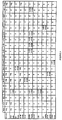
- Figure 1 is a chart showing absorbance values for the hybridization of eighteen species-specific probes to DNA from the same Candida species, other Candida species, and other fungal organisms.
- the vertical axis identifies the Candida species name of the probe.
- the horizontal axis identifies the DNA using a two or three letter abbreviation.
- CA is an abbreviation for C. albicans .
- CT is an abbreviation for C. tropicalis .
- CG is an abbreviation for C. glabrata .
- CP is an abbreviation for C. parapsilosis .
- CK is an abbreviation for C. krusei .
- GU is an abbreviation for C. guilliermondii .
- CR is an abbreviation for C. rugosa .
- CU is an abbreviation for C. utilis .
- CZ is an abbreviation for C. zeylanoides.
- CH is an abbreviation for C. haemulonii.
- LA is an abbreviation for C. lambica.
- KF is an abbreviation for C. kefyr.
- VS is an abbreviation for C. viswanathii.
- LU is an abbreviation for C. lusitaniae.
- NC is an abbreviation for C. norvegica.
- FA is an abbreviation for C. famata.
- NS is an abbreviation for C. norvegensis.
- DUB is an abbreviation for C.
- PEL is an abbreviation for C. pelliculosa. Upper values in each grid are provided as a mean absorbance at A 650nm . The lower value in each grid represents the standard deviation from the mean absorbance for all samples tested. The absorbance value "0" represents Mean A 650nm ⁇ 0.010.
- Figure 2 is a chart showing absorbance values for the hybridization of eleven species-specific probes to DNA from other Candida species and other fungal organisms.
- the vertical axis identifies the Candida species name of the probe.
- the horizontal axis identifies the DNA using a three to five letter abbreviation.
- FUM is an abbreviation for Aspergillus jumigatus .
- FLAV is an abbreviation for Aspergillus flavus .
- NID is an abbreviation for Aspergillus nidulans.
- TER is an abbreviation for Aspergillus terreus .
- NIG is an abbreviation for Aspergillus niger.
- BLAS is an abbreviation for Blastomyces dermatitidis.
- HIST is an abbreviation for Histoplasma capsulatum.
- Scere is an abbreviation for Saccharomyces cerevisiae.
- Cr.hum is an abbreviation for Cryptococcus humicolus.
- Cr.nA is an abbreviation for Cryptococcus neoformans
- Serotype A. Cr.nB is an abbreviation for Cryptococcus neoformans
- Serotype B Cr.nC is an abbreviation for Cryptococcus neoformans
- Serotype C. Cr.nD is an abbreviation for Cryptococcus neoformans
- Serotype D. C.cat is an abbreviation for Candida catenulata.
- S.cif is an abbreviation for Stephanoascus ciferrii.
- T.cut is an abbreviation for Trichosporon cutaneum.
- Pmar is an abbreviation for Penicillium marneffei.
- Upper values in each grid are provided as a mean absorbance at A 650nm .
- the lower value in each grid represents the standard deviation from the mean absorbance for all samples tested.
- the absorbance value "0" represents Mean A 650nm ⁇ 0.010.
- the term "Neg” denotes negative detection as previously reported by Fujita, et al ., 1995. J. Clin . Microbiol . 33:962-967.
- Nucleic acid molecules that selectively hybridize to all or a portion of the internal transcribed spacer 2 (ITS2) region of various Candida species are described.
- the sequences of nucleic acid molecules encoding the ITS2 region of C. guilliermondii, C. haemulonii, C. kefyr, C. lambica, C. lusitaniae, C. norvegensis, C. norvegica, C. rugosa, C. utilis, C. viswanathii, C. zeylanoides, C. dubliniensis, and C. pelliculosa are set forth as SEQ ID NOs:1-13.
- the nucleic acid molecules described herein are useful as probes to detect, identify, and distinguish or differentiate between Candida species in a sample or specimen with high sensitivity and specificity.
- the probes can be used to detect the presence of Candida in the sample, diagnose infection with the disease, quantify the amount of Candida in the sample, or monitor the progress of therapies used to treat the infection.
- the nucleic acid molecules are also useful as laboratory research tools to study the organism and the disease and to guide therapies and treatments for the disease.
- Nucleic acid probes that selectively hybridize with nucleic acid molecules encoding the ITS2 region of the thirteen species of Candida identified above are set forth as SEQ ID NOs:23-35. Additional probes that selectively hybridize to the ITS2 region of the Candida species described herein can be identified by those skilled in the art using routine screening procedures as set forth in more detail below.
- Detection of DNA or RNA by the probes is facilitated by means such as nucleic acid amplification including the polymerase chain reaction (PCR) or ligase chain reaction (LCR), for example.
- PCR polymerase chain reaction
- LCR ligase chain reaction
- the probe is labeled with a detectable label and detected in accordance with methods well known to those skilled in the art.
- nucleic acid which "selectively hybridizes" is defined herein as a nucleic acid that hybridizes to a species-specific portion of a Candida ITS2 region nucleic acid, and does not hybridize with other nucleic acids so as to prevent determination of an adequate positive hybridization to the species-specific portion of the Candida ITS2 region. Therefore, in the design of hybridizing nucleic acid probes, selectivity will depend upon the other components present in a sample.
- the hybridizing nucleic acid probe should have at least 70% complementarity with the segment of the nucleic acid to which it hybridizes.
- the term “selectively hybridizes” excludes the occasional randomly hybridizing nucleic acids, and thus, has the same meaning as “specifically hybridizes.”
- the selectively hybridizing nucleic acids of the invention can have at least 70%, 80%, 85%. 90%. 95%, 97%, 98%, and 99% complementarity with the segment of the sequence to which it hybridizes. Hybridization studies are preferably conducted under stringent hybridization conditions.
- Nucleic acid molecules having the sequences set forth as SEQ ID NOs: 1-13, or complementary sequences thereof, will selectively hybridize to ITS2 DNA or RNA from each respective Candida species.
- a nucleic acid molecule having the sequence of SEQ ID NO: 1 will selectively hybridize to ITS2 DNA from C. guilliermondii under stringent hybridization conditions and will not hybridize under the same or similar conditions to ITS2 DNA from any of the other twelve Candida species set forth above.
- nucleic acid molecules having the sequences set forth as SEQ ID NOs: 23-35, and complementary sequences thereof will selectively hybridize under stringent hybridization conditions to ITS2 DNA from each respective Candida species.
- Nucleic acid molecules having the sequences set forth as SEQ ID NOs: 23-35 represent portions or fragments of the corresponding nucleic acid molecules having the sequences set forth as SEQ ID NOs: 1-13.
- Two exceptions include the cross-reactivity of the C. guillermondii probe (SEQ ID NO: 22) with C. zeylanoides DNA and the C. glabrata probe (SEQ ID NO: 19) with S. cerevisiae DNA.
- the C. zeylanoides probe (SEQ ID NO:25) does not cross-react with C. guillermondii DNA, however, so chat, by a process of elimination, these two species can be differentiated using these probes. No probe for S.
- cerevisine has been developed to date, but given the rare occurrence of this organism in infected patients and that drug therapy would be the same for both C. glabrata and S. cerevisiae infections (both azole resistant), the cross-reactivity of the C. glabrata probe with S. cerevisiae does not pose a clinical problem.
- each ITS2 sequence to be used as species-selective probes without undue experimentation from the sequences provided in SEQ ID NOs:1-13, or complementary sequences thereof, which hybridize with specificity to each Candida species respectively.
- the probes shown in SEQ ID NOs: 23-35 are probes specific for Candida that can be derived from the ITS2 regions of each species in SEQ ID NOs:1-13, respectively.
- the ITS2 region for each Candida species offers a number of very unusual sequences for use as PCR primers.
- the invention contemplates sequences, probes, and primers that selectively hybridize to the DNA or the complementary, or opposite, strand of DNA as those specifically provided herein. Specific hybridization with nucleic acid can occur with minor modifications or substitutions in the nucleic acid, so long as functional species-specific hybridization capability is maintained.
- probe is defined herein to include nucleic acid sequences that can be used as primers for selective hybridization with complementary nucleic acid sequences for their detection or amplification. Therefore, the terms “probe” or “probes” as used herein are defined to include primers. Such probes can vary in length from about 5 to 263 nucleotides, or preferably from about 10 to 50 nucleotides, or most preferably about 18-26 nucleotides. Isolated nucleic acids are provided herein that selectively hybridize with the species-specific nucleic acids under stringent conditions and should have at least 5 nucleotides complementary to the sequence of interest. See generally, Sambrook, J., et al., 1989. Molecular cloning: a laboratory manual, latest edition. Cold Spring Harbor Laboratory, Cold Spring Harbor, N.Y.
- the invention also preferably provides compositions including at least two nucleic acids which hybridize with different regions so as to amplify a desired region.
- the target region can range between 70% complementary bases and full complementarity and still hybridize under stringent conditions.
- the degree of complementarity between the hybridizing nucleic acid (probe or primer) and the sequence to which it hybridizes is at least enough to distinguish hybridization with a nucleic acid from other yeasts and filamentous fungi.
- probes from the ITS2 regions disclosed herein which can selectively hybridize with more than one Candida species, but that still do not hybridize with other species of Candida. Such probes are, therefore, useful for detecting a selective sub-group of one or more species within the Candida genus.
- nucleic acids unique to each species of Candida are provided in the listed sequences so that the degree of complementarity required to distinguish selectively hybridizing from nonselectively hybridizing nucleic acids under stringent conditions can be clearly determined for each nucleic acid.
- Methods of using the nucleic acids described herein to detect and identify the presence of Candida are also provided.
- the method involves the steps of obtaining a sample suspected of containing Candida .
- the sample may be a biological fluid or tissue specimen taken from an individual, such as blood, saliva, vaginal mucosa, tissues, etc. Alternatively the sample may be taken from the environment, such as a swab of a potentially contaminated surface.
- the Candida cells in the sample are then lysed, and the DNA extracted and precipitated.
- the DNA is preferably amplified using universal primers derived from the genomic regions adjacent to or including portions of the ITS2 region of the Candida DNA sequence. Examples of such primers are described below.
- Detection of Candida DNA is achieved by hybridizing the amplified DNA with a Candida species-specific probe that selectively hybridizes with the DNA. Detection of hybridization is indicative of the presence of Candida.
- probes can be labeled with digoxigenin and biotin and used in a streptavidin-coated microtiter plate assay where an enzymatically labeled antibody to digoxigenin and a colorimetric substrate allows for detection.
- detectable moieties include radioactive labeling, enzyme labeling, and fluorescent labeling, for example.
- This example describes the cloning and sequencing of the ITS2 region from various species of Candida.
- the organisms used in this example and their sources are listed below in Table 1.
- Isolates of Candida spp., Cryptococcus humicolus, Stephanoascus ciferrii, and Trichosporon cutaneum were grown in 10 ml of YPD broth (1% yeast extract, 2% Bacto Peptone, 1% glucose; Difco Laboratories, Detroit, MI) at 35°C for 18 hours.
- Cryptococcus neoformans, serotypes A, B, C, and D were grown in YPD broth + 2.9% NaCl at 35°C for 18 hours to reduce capsule formation.
- DNA isolation DNA was extracted from all species using the Puregene Gram Positive Bacteria and Yeast DNA Isolation Kit (Gentra, Inc., Research Triangle Park, NC). DNA from filamentous and dimorphic fungi was obtained as described by Fujita, S.-I., et al. , 1995, Microtitration plate enzyme immunoassay to detect PCR-amplified DNA from Candida species in blood. J. Clin. Microbiol. 33:962-967, or was a gift from Dr. Liliana de Aguirre, CDC Mycotic Diseases Laboratories, Atlanta, GA.
- DNA Quantification of the DNA was performed on a fluorometer (Dyna Quant 200) using Hoechst 33258 Dye (Pharmacia Biotech, Piscataway, NJ). DNA was diluted in TE buffer (10 mM Tris-Cl, 1 mM EDTA) so that 1 ng of template DNA was added to each PCR reaction vial.
- Oligonucleotide synthesis of primers and probes Oligodeoxyribonucleotide primers and probes (Table 2) were synthesized as described by Fujita, 1995, J. Clin. Microbiol. 33:962-967.
- the 5.8S rDNA universal 5' primer (ITS3) has the following sequence:
- the 28S rDNA universal 3' primer (ITS4) has the following sequence:
- the 5.8S rDNA 5'-end-labeled, biotinylated probe (universal capture probe) has the following sequence:
- the sequenced ITS2 regions were determined to be as follows:
- Oligonucleotide probes were designed from sequence data for the ITS2 region of Candida spp rDNA. (Lott, T.J., et al., 1997. Sequence analysis of the internal transcribed spacer 2 (ITS2) from yeast species within the genus Candida. Current Microbiology, in press ) .
- the reaction mixture (100 ⁇ l) contained 10 ⁇ l of 10X PCR buffer [100 mM Tris-HCl, pH 8.3, 500 mM KCl (Boehringer Mannheim, Indianapolis, IN)], 6 ⁇ l of 25 mM MgCl 2 , 8 ⁇ l of deoxynucleotide triphosphate mix (1.25 mM each of dATP, dCTP, dGTP, and dTTP), 1 ⁇ l of each primer (20 ⁇ M), 2.5 U of Taq DNA polymerase (TaKaRa Shuzo Co., Ltd., Shiga, Japan), 2 ⁇ l of template DNA (0.5 ng/ ⁇ l), and sterile water to make the total volume 100 ⁇ l.
- 10X PCR buffer 100 mM Tris-HCl, pH 8.3, 500 mM KCl (Boehringer Mannheim, Indianapolis, IN)
- 6 ⁇ l of 25 mM MgCl 2 8 ⁇ l of deoxynucleo
- Vials were placed in the heating block of a Model 9600 thermal cycler (Perkin-Elmer, Emeryville, CA) after it reached 95°C.
- PCR amplification conditions were: 5 minutes denaturation at 95°C, followed by 30 cycles of 95°C for 30 seconds, 58°C for 30 seconds, and 72°C for 1 minute. A final extension step was conducted at 72°C for 5 minutes.
- samples were stored at 4°C for not more than 20 hours before use in the EIA. Appropriate positive and negative controls were included and PCR contamination precautions were followed in accordance with the method of Kwok, S., et al., 1989. Avoiding false positives with PCR. Nature (London) 339:237-238; and Fujita, et al., 1995, J. Clin. Microbiol. 33:962-967.
- Electrophoresis was conducted in TBE (0.1 M Tris, 0.09 M boric acid, 0.001 M EDTA, pH 8.4) buffer at 76 volts for approximately 1 hour using gels composed of 1% (wt/vol) agarose (Boehringer Mannheim) and 1% (wt/vol) NuSieve (FMC Bioproducts, Rockland, ME). Gels were stained with 0.5 ⁇ g of Et Br per ml of deionized water for 30 minutes followed by a 30 minute wash in deionized water. Gels were viewed with a UV illuminator and photographed.
- PCR-EIA PCR-amplified DNA was hybridized to species-specific digoxigenin-labeled probes and to an all- Candida species biotinylated probe, and the complex was added to streptavidin-coated microtitration plates and trapped. Then, an indirect EIA was conducted as described by Fujita, et al., 1995, J. Clin. Microbiol. 33:962-967, and Shin, et al. 1997, J. Clin. Micro. 35:1454-1459. All probes were tested in a checkerboard manner against DNA from other Candida species as well as against DNA from other fungal organisms.
- single-stranded DNA was prepared from double-stranded PCR products by heat denaturation.
- hybridization solution containing 4X SSC (saline-sodium citrate buffer; 0.6 M NaCl, 0.06 M trisodium citrate, pH 7.0), 20 mM HEPES, 2 mM EDTA, and 0.15% (vol/vol) Tween 20 supplemented with 50 ng/ml each of biotin- and digoxigenin-labeled probes were then added to the single-stranded DNA.
- 4X SSC saline-sodium citrate buffer; 0.6 M NaCl, 0.06 M trisodium citrate, pH 7.0
- 20 mM HEPES 2 mM EDTA
- 0.15% (vol/vol) Tween 20 supplemented with 50 ng/ml each of biotin- and digoxigenin-labeled probes were then added to the single-stranded DNA.
- strains designated in bold print were those which were sequenced and from which the species-specific probe was designed.
- C. albicans Species-specific probes were designed to identify two species that share a common phenotype, namely C. albicans and C. dubliniensis .
- the new species, C. dubliniensis has been described by Sullivan, D.J., et al., 1995, Candida dubliniensis sp. nov.: phenotypic and molecular characterization of a novel species associated with oral candidiasis in HIV-infected individuals. Microbiology 141:1507-1521.
- C. dubliniensis is identified as C. albicans.
- the probes designed in this example discriminated C. albicuns from C. dubliniensis as shown in Table 4, below.
- the CA probe which detects C. albicans did not react with DNA from C. dubliniensis strains and the DB probe for C. dubliniensis did not hybridize with DNA from C. albicans.
- Table 4 The data shown in Table 4 demonstrate that the sequences of the ITS2 regions for C. albicans and C. dubliniensis differ. Specific probes for each species provide a rapid method to differentiate microorganisms having virtually the same phenotype but which differ genotypically. Table 4 Differentiation of C. albicans from C . dubliniensis By Species- specific Probes. TARGET DNA C. albicans C. dubliniensis Probe Probe C.
- the probes described herein extend the range of Candida probes to include a test matrix of 18 Candida species. This test matrix is capable of complementing species identification by the API20C carbohydrate assimilation system.
- the probes described herein are species-specific and can be used to identify cultures Candida species including C. dubliniensis which cannot currently be differentiated from C. albicans by routine phenotypic methods.
- Standardization of DNA extraction for all Candida species is facilitated by using broth culture and a commercially available extraction kit.
- the PCR-EIA for identification requires less time (one day) than conventional methods which require an average of 3 to 5 days for species identification of most Candida spp. and can require up to 4 or 5 weeks for unusual species such as C. norvegensis or C. utilis. Since choice of drug varies from species to species, an accurate and timely identification is important so that appropriately targeted therapy can be administered to a patient. Some species are innately resistant to certain drugs, i.e. C. krusei to fluconazole, so that when an identification of "Candida spp other than albicans" is made, it may be an inadequate guide to the selection of appropriate therapy.
- C. dubliniensis has been recently described as a new species after it was found that some " albicans " strains did not behave as typical C. albicans by molecular methods. DNA from these strains, when probed with C. albicans -specific and mid-repetitive elements such as Ca3 or 27A, did not react positively. Molecular differences became apparent by sequencing the ITS2 region of both species, and probes were designed that hybridized only with their homologous DNA.
Landscapes
- Chemical & Material Sciences (AREA)
- Life Sciences & Earth Sciences (AREA)
- Engineering & Computer Science (AREA)
- Analytical Chemistry (AREA)
- Proteomics, Peptides & Aminoacids (AREA)
- Organic Chemistry (AREA)
- Health & Medical Sciences (AREA)
- Biotechnology (AREA)
- Zoology (AREA)
- Wood Science & Technology (AREA)
- Microbiology (AREA)
- Biochemistry (AREA)
- Biophysics (AREA)
- Molecular Biology (AREA)
- Physics & Mathematics (AREA)
- Mycology (AREA)
- Botany (AREA)
- Immunology (AREA)
- Bioinformatics & Cheminformatics (AREA)
- General Engineering & Computer Science (AREA)
- General Health & Medical Sciences (AREA)
- Genetics & Genomics (AREA)
- Measuring Or Testing Involving Enzymes Or Micro-Organisms (AREA)
- Saccharide Compounds (AREA)
Abstract
Description
- The present invention relates in general to the field of microbiology. In particular, the invention relates to the species-specific detection of Candida, using DNA probes generated from the internal transcribed spacer 2 region of thirteen Candida species.
- Candidiasis is a fungal infection of mucosal membranes and other tissues. The infection is caused by the yeast-like organism Candida. Numerous species of Candida exist, including C. albicans. Rapid diagnosis of Candida infection has become important in recent years due to a substantial rise in the incidence of candidiasis. This increase in candidiasis is most likely caused by the rising incidence of AIDS, more intensive regimens of cancer therapy, complications of abdominal or cardio-thoracic surgery, organ transplantations, bums and trauma. While most candidiasis patients are infected with C. albicans, the number of non-C. albicans infections has been growing steadily and may reflect the increased use of azole drug prophylaxis and therapy since some non-C. albicans species are innately resistant to these drugs. Additional risk factors commonly associated with the onset of candidiasis include protracted, broad-spectrum antibiotic therapies, invasive devices, and prolonged hospital stays. Under these conditions, an antibiotic resistant replacement flora, including one or more Candida species, can proliferate in the gastrointestinal tract and invade from mucosal foci to deep tissues, especially when mucosal integrity has been disrupted as a result of chemotherapy or surgery. As the number of risk factors increases, the odds of developing candidiasis multiplies. (Jarvis, W.R. 1995. Epidemiology of nosocomial fungal infections, with emphasis on Candida species. Clin. Inf. Dis. 20:1526-30; Wenzel, R.P. 1995. Nosocomial candidemia: risk factors and attributable mortality. Clin. Inf. Dis.. 20:1531-4; Wingard, J.R. 1995. Importance of Candida species other than C. albicans as pathogens in oncology patients. Clin. Inf. Dis.. 20:115-25; and Fridkin, S.K. et al., 1996. Epidemiology of nosocomial fungal infections. Clin. Micro. Rev. 9:499-511).
- Candida species such as C. glabrata and C. krusei are emerging as the causative agents of candidiasis possibly because these species are innately less susceptible to azole drugs. In addition, the ability of species such as C. parapsilosis to survive in the hospital environment increases the possibility of nosocomial transmission. Consequently, rapid identification to the species level is necessary for more timely, targeted, and effective antifungal therapy, and to facilitate hospital infection control measures.
- Current methods available in the clinical laboratory to identify Candida species rely on morphology and assimilation tests. These tests require approximately three to five days to complete, sometimes requiring additional tests. (Warren, N.G. and K.C. Hazen, 1995. Candida, Cryptococcus, and other yeasts of medical importance, p. 723-737. In P.R. Murray, E.J. Barton, M.A. Pfaller, F.C. Tenover, and R.H. Yolken (ed.) Manual of Clinical Microbiology, 6th ed., American Society for Microbiology, Washington, D.C.)
- U.S. Patent No. 5,426,027, describes a method for detecting five species of Candida using the polymerase chain reaction (PCR) technique. The five species detected by the method are C. albicans, C. glabrata, C. tropicalis, C. parapsilosis, and C. krusei: U.S. Patent No. 5,426,027 provides a rapid method for the isolation, release, purification, amplification and detection of DNA from the above-identified species of Candida from blood and other body fluids. The method uses universal fungal primers that amplify the multicopy internal transcribed spacer 2 region (ITS2) of rDNA, located between the 5.8S and the 28S rDNA coding regions, to enhance the amount of Candida target DNA in samples. Once amplified, target DNA is hybridized to probes which are then used in a microtitration plate format for the identification of specific species of Candida. However, the method described in U.S. Patent No. 5,426,027 is incapable of differentiating between Candida species other than those listed above.
- Due to the increase in infections caused by other species of Candida, and the differences in therapeutic strategies for treating candidiasis caused by various Candida species, it is desirable to have a method for detecting and differentiating additional Candida species.
- Therefore, there is a need for sensitive, rapid, species-specific methods for the detection of Candida. In addition, there is a need for universal fungal primers to amplify all fungal DNA followed by species-specific probes for Candida to be used in detection methods and as scientific research tools to investigate the Candida organism and to implement appropriate therapies and treatments for candidiasis.
- Isolated nucleic acid molecules that selectively hybridize with nucleic acid molecules encoding the internal transcribed spacer 2 (ITS2) region of various species of Candida, or complementary sequences thereof, are described herein. The nucleic acid molecules are useful as probes to detect the presence and identity of a Candida species in a sample or specimen with high sensitivity and specificity. The nucleic acid molecules are also useful as laboratory research tools to study the organism and related diseases and to guide therapies and treatments for those diseases. In addition, methods are described for the detection of and differentiation between Candida species.
- The Candida species detected by the probes and methods described herein include C. guilliermondii, C. haemulonii, C. kefyr, C. lambica, C. lusitaniae, C. norvegensis, C. norvegica, C. rugosa, C. utilis, C. viswanathii, C. zeylanoides, C. dubliniensis, and C. pelliculosa. The method provides a simple, rapid, and feasible means for identifying and distinguishing these Candida species in clinical laboratories.
- Therefore, it is an object of the present invention to provide probes and sensitive methods for detecting and differentiating Candida organisms in clinical and laboratory settings.
- It is a further object of the present invention to provide nucleic acid probes specific for various Candida species.
- It is a further object of the present invention to provide species-specific nucleic acid probes that hybridize to the internal transcribed spacer 2 region of particular Candida species.
- It is a further object of the present invention to provide simple, rapid and reliable methods for detecting, diagnosing, or monitoring the progress of therapy for diseases caused by Candida organisms.
- It is a further object of the invention to provide methods for detecting Candida in a tissue specimen or biological fluid sample of an infected patient, including a blood sample, or in cultures of Candida from any source.
- These and other objects, features, and advantages of the present invention will become apparent after a review of the following detailed description of the disclosed embodiments and the appended claims.
- Figure 1 is a chart showing absorbance values for the hybridization of eighteen species-specific probes to DNA from the same Candida species, other Candida species, and other fungal organisms. The vertical axis identifies the Candida species name of the probe. The horizontal axis identifies the DNA using a two or three letter abbreviation. CA is an abbreviation for C. albicans. CT is an abbreviation for C. tropicalis. CG is an abbreviation for C. glabrata. CP is an abbreviation for C. parapsilosis. CK is an abbreviation for C. krusei. GU is an abbreviation for C. guilliermondii. CR is an abbreviation for C. rugosa. CU is an abbreviation for C. utilis. CZ is an abbreviation for C. zeylanoides. CH is an abbreviation for C. haemulonii. LA is an abbreviation for C. lambica. KF is an abbreviation for C. kefyr. VS is an abbreviation for C. viswanathii. LU is an abbreviation for C. lusitaniae. NC is an abbreviation for C. norvegica. FA is an abbreviation for C. famata. NS is an abbreviation for C. norvegensis. DUB is an abbreviation for C. dubliniensis. PEL is an abbreviation for C. pelliculosa. Upper values in each grid are provided as a mean absorbance at A650nm. The lower value in each grid represents the standard deviation from the mean absorbance for all samples tested. The absorbance value "0" represents Mean A650nm ≤ 0.010.
- Figure 2 is a chart showing absorbance values for the hybridization of eleven species-specific probes to DNA from other Candida species and other fungal organisms. The vertical axis identifies the Candida species name of the probe. The horizontal axis identifies the DNA using a three to five letter abbreviation. FUM is an abbreviation for Aspergillus jumigatus. FLAV is an abbreviation for Aspergillus flavus. NID is an abbreviation for Aspergillus nidulans. TER is an abbreviation for Aspergillus terreus. NIG is an abbreviation for Aspergillus niger. BLAS is an abbreviation for Blastomyces dermatitidis. HIST is an abbreviation for Histoplasma capsulatum. Scere is an abbreviation for Saccharomyces cerevisiae. Cr.hum is an abbreviation for Cryptococcus humicolus. Cr.nA is an abbreviation for Cryptococcus neoformans, Serotype A. Cr.nB is an abbreviation for Cryptococcus neoformans, Serotype B Cr.nC is an abbreviation for Cryptococcus neoformans, Serotype C. Cr.nD is an abbreviation for Cryptococcus neoformans, Serotype D. C.cat is an abbreviation for Candida catenulata. S.cif is an abbreviation for Stephanoascus ciferrii. T.cut is an abbreviation for Trichosporon cutaneum. Pmar is an abbreviation for Penicillium marneffei. Upper values in each grid are provided as a mean absorbance at A650nm. The lower value in each grid represents the standard deviation from the mean absorbance for all samples tested. The absorbance value "0" represents Mean A650nm ≤ 0.010. The term "Neg" denotes negative detection as previously reported by Fujita, et al., 1995. J. Clin. Microbiol. 33:962-967.
- Nucleic acid molecules that selectively hybridize to all or a portion of the internal transcribed spacer 2 (ITS2) region of various Candida species are described. The sequences of nucleic acid molecules encoding the ITS2 region of C. guilliermondii, C. haemulonii, C. kefyr, C. lambica, C. lusitaniae, C. norvegensis, C. norvegica, C. rugosa, C. utilis, C. viswanathii, C. zeylanoides, C. dubliniensis, and C. pelliculosa are set forth as SEQ ID NOs:1-13.
- The nucleic acid molecules described herein are useful as probes to detect, identify, and distinguish or differentiate between Candida species in a sample or specimen with high sensitivity and specificity. The probes can be used to detect the presence of Candida in the sample, diagnose infection with the disease, quantify the amount of Candida in the sample, or monitor the progress of therapies used to treat the infection. The nucleic acid molecules are also useful as laboratory research tools to study the organism and the disease and to guide therapies and treatments for the disease.
- Nucleic acid probes that selectively hybridize with nucleic acid molecules encoding the ITS2 region of the thirteen species of Candida identified above are set forth as SEQ ID NOs:23-35. Additional probes that selectively hybridize to the ITS2 region of the Candida species described herein can be identified by those skilled in the art using routine screening procedures as set forth in more detail below.
- Detection of DNA or RNA by the probes is facilitated by means such as nucleic acid amplification including the polymerase chain reaction (PCR) or ligase chain reaction (LCR), for example. Alternatively, the probe is labeled with a detectable label and detected in accordance with methods well known to those skilled in the art.
- The term "isolated" in the context of a compound, such as a nucleic acid, is defined herein as free from at least some of the components with which the compound naturally occurs. A nucleic acid which "selectively hybridizes" is defined herein as a nucleic acid that hybridizes to a species-specific portion of a Candida ITS2 region nucleic acid, and does not hybridize with other nucleic acids so as to prevent determination of an adequate positive hybridization to the species-specific portion of the Candida ITS2 region. Therefore, in the design of hybridizing nucleic acid probes, selectivity will depend upon the other components present in a sample. The hybridizing nucleic acid probe should have at least 70% complementarity with the segment of the nucleic acid to which it hybridizes. As used herein to describe nucleic acid probes, the term "selectively hybridizes" excludes the occasional randomly hybridizing nucleic acids, and thus, has the same meaning as "specifically hybridizes." The selectively hybridizing nucleic acids of the invention can have at least 70%, 80%, 85%. 90%. 95%, 97%, 98%, and 99% complementarity with the segment of the sequence to which it hybridizes. Hybridization studies are preferably conducted under stringent hybridization conditions.
- Nucleic acid molecules having the sequences set forth as SEQ ID NOs: 1-13, or complementary sequences thereof, will selectively hybridize to ITS2 DNA or RNA from each respective Candida species. For example, a nucleic acid molecule having the sequence of SEQ ID NO: 1 will selectively hybridize to ITS2 DNA from C. guilliermondii under stringent hybridization conditions and will not hybridize under the same or similar conditions to ITS2 DNA from any of the other twelve Candida species set forth above. Similarly, nucleic acid molecules having the sequences set forth as SEQ ID NOs: 23-35, and complementary sequences thereof, will selectively hybridize under stringent hybridization conditions to ITS2 DNA from each respective Candida species. Nucleic acid molecules having the sequences set forth as SEQ ID NOs: 23-35 represent portions or fragments of the corresponding nucleic acid molecules having the sequences set forth as SEQ ID NOs: 1-13. Two exceptions include the cross-reactivity of the C. guillermondii probe (SEQ ID NO: 22) with C. zeylanoides DNA and the C. glabrata probe (SEQ ID NO: 19) with S. cerevisiae DNA. The C. zeylanoides probe (SEQ ID NO:25) does not cross-react with C. guillermondii DNA, however, so chat, by a process of elimination, these two species can be differentiated using these probes. No probe for S. cerevisine has been developed to date, but given the rare occurrence of this organism in infected patients and that drug therapy would be the same for both C. glabrata and S. cerevisiae infections (both azole resistant), the cross-reactivity of the C. glabrata probe with S. cerevisiae does not pose a clinical problem.
- It will be understood that those skilled in the art could identify additional portions or fragments of each ITS2 sequence to be used as species-selective probes without undue experimentation from the sequences provided in SEQ ID NOs:1-13, or complementary sequences thereof, which hybridize with specificity to each Candida species respectively. The probes shown in SEQ ID NOs: 23-35 are probes specific for Candida that can be derived from the ITS2 regions of each species in SEQ ID NOs:1-13, respectively. The ITS2 region for each Candida species offers a number of very unusual sequences for use as PCR primers. Therefore, comparisons can be made between the Candida ITS2 sequence of two or more species to identify unique or non-homologous regions that would be useful to construct probes that would be specific for distinguishing between those- Candida and have minimal cross-hybridization with ITS2 regions from other species. One useful computer program for generating selective probes is the Gene Jockey program available from Biosoft (Cambridge. UK).
- The invention contemplates sequences, probes, and primers that selectively hybridize to the DNA or the complementary, or opposite, strand of DNA as those specifically provided herein. Specific hybridization with nucleic acid can occur with minor modifications or substitutions in the nucleic acid, so long as functional species-specific hybridization capability is maintained.
- The term "probe" is defined herein to include nucleic acid sequences that can be used as primers for selective hybridization with complementary nucleic acid sequences for their detection or amplification. Therefore, the terms "probe" or "probes" as used herein are defined to include primers. Such probes can vary in length from about 5 to 263 nucleotides, or preferably from about 10 to 50 nucleotides, or most preferably about 18-26 nucleotides. Isolated nucleic acids are provided herein that selectively hybridize with the species-specific nucleic acids under stringent conditions and should have at least 5 nucleotides complementary to the sequence of interest. See generally, Sambrook, J., et al., 1989. Molecular cloning: a laboratory manual, latest edition. Cold Spring Harbor Laboratory, Cold Spring Harbor, N.Y.
- If used as primers, the invention also preferably provides compositions including at least two nucleic acids which hybridize with different regions so as to amplify a desired region. Depending on the length of the probe or primer, the target region can range between 70% complementary bases and full complementarity and still hybridize under stringent conditions. For example, when diagnosing the presence of a Candida species, the degree of complementarity between the hybridizing nucleic acid (probe or primer) and the sequence to which it hybridizes (e.g., Candida DNA from a sample) is at least enough to distinguish hybridization with a nucleic acid from other yeasts and filamentous fungi.
- It may be desirable in some cases to construct probes from the ITS2 regions disclosed herein which can selectively hybridize with more than one Candida species, but that still do not hybridize with other species of Candida. Such probes are, therefore, useful for detecting a selective sub-group of one or more species within the Candida genus. Examples of nucleic acids unique to each species of Candida are provided in the listed sequences so that the degree of complementarity required to distinguish selectively hybridizing from nonselectively hybridizing nucleic acids under stringent conditions can be clearly determined for each nucleic acid.
- Methods of using the nucleic acids described herein to detect and identify the presence of Candida are also provided. The method involves the steps of obtaining a sample suspected of containing Candida. The sample may be a biological fluid or tissue specimen taken from an individual, such as blood, saliva, vaginal mucosa, tissues, etc. Alternatively the sample may be taken from the environment, such as a swab of a potentially contaminated surface. The Candida cells in the sample are then lysed, and the DNA extracted and precipitated. The DNA is preferably amplified using universal primers derived from the genomic regions adjacent to or including portions of the ITS2 region of the Candida DNA sequence. Examples of such primers are described below. Detection of Candida DNA is achieved by hybridizing the amplified DNA with a Candida species-specific probe that selectively hybridizes with the DNA. Detection of hybridization is indicative of the presence of Candida.
- Preferably, detection of nucleic acid hybridization with probes can be facilitated by the use of detectable moieties well known to those skilled in the art. For example, the probes can be labeled with digoxigenin and biotin and used in a streptavidin-coated microtiter plate assay where an enzymatically labeled antibody to digoxigenin and a colorimetric substrate allows for detection. Other detectable moieties include radioactive labeling, enzyme labeling, and fluorescent labeling, for example.
- This example describes the cloning and sequencing of the ITS2 region from various species of Candida. The organisms used in this example and their sources are listed below in Table 1. Isolates of Candida spp., Cryptococcus humicolus, Stephanoascus ciferrii, and Trichosporon cutaneum were grown in 10 ml of YPD broth (1% yeast extract, 2% Bacto Peptone, 1% glucose; Difco Laboratories, Detroit, MI) at 35°C for 18 hours. Cryptococcus neoformans, serotypes A, B, C, and D were grown in YPD broth + 2.9% NaCl at 35°C for 18 hours to reduce capsule formation. All broth cultures were grown on a gyrarotary shaker at 150 rpm.
Table 1- Microorganisms tested against all probes. Organism Number Source Candida albicans B311 Human Candida tropicalis CDC 38 Reference strain Candida glabrata Y-65 Type culture, feces Candida parapsilosis ATCC 22019 Type culture, sprue Candida krusei CDC 259-75 Reference strain Candida guilliermondii ATCC 6260 Type culture, bronchitis Candida rugosa ATCC 10571 Type culture, human feces Candida utilis ATCC 22023 Type culture, factory Candida zeylanoides ATCC 7351 Type culture, blastomycotic macroglossia Candida haemulonii ATCC 22991 Type culture, gut contents of fish Candida lambica ATCC 24750 Type culture, beer Candida kefyr ATCC 46764 Clinical isolate Candida viswanathii ATCC 22981 Type culture, cerebrospinal fluid Candida lusitaniae ATCC 34449 Type culture, pig Candida norvegica ATCC 36586 Type culture, sputum Candida norvegensis ATCC 22977 Type culture, sputum Candida pelliculosa ATCC 8168 Type culture Candida dubliniensis CBS 7987 Type culture, human tongue Candida famata ATCC 36239 Type culture Aspergillus fumigatus ATCC 36607 Clinical isolate Aspergillus flavus ATCC 11497 Environmental isolate Aspergillus nidulans ATCC 10074 unspecified Aspergillus terreus ATCC 7860 unspecified Aspergillus niger ATCC 16404 Environmental isolate Blastomyces dermatitidis CDC B4478 Dog Histoplasma capsulatum G217B Human Saccharomyces cerevisae AB 972 unspecified Cryptococcus humicolus ATCC 14438 Type culture, soil Cryptococcus humicolus ATCC 38294 Human leg Cryptococcus neoformans, Serotypes A, B, C, D A=9759-MU-1, B=BIH409, C=K24066TA N, D=9375 Reference Strains from Dr. Cherniak, GA. State Univ. Candida catenulata ATCC 18812 Perleche Candida catenulata ATCC 10565 Type culture, human feces Stephanoascus ciferrii ATCC 22873 Type culture of Candida ciferrii, neck of cow Trichosporon cutaneum ATCC 34148 Clinical isolate Penicillin marneffei CDC B3420 Human lymph node - DNA isolation. DNA was extracted from all species using the Puregene Gram Positive Bacteria and Yeast DNA Isolation Kit (Gentra, Inc., Research Triangle Park, NC). DNA from filamentous and dimorphic fungi was obtained as described by Fujita, S.-I., et al., 1995, Microtitration plate enzyme immunoassay to detect PCR-amplified DNA from Candida species in blood. J. Clin. Microbiol. 33:962-967, or was a gift from Dr. Liliana de Aguirre, CDC Mycotic Diseases Laboratories, Atlanta, GA. Quantification of the DNA was performed on a fluorometer (Dyna Quant 200) using Hoechst 33258 Dye (Pharmacia Biotech, Piscataway, NJ). DNA was diluted in TE buffer (10 mM Tris-Cl, 1 mM EDTA) so that 1 ng of template DNA was added to each PCR reaction vial.
- Oligonucleotide synthesis of primers and probes. Oligodeoxyribonucleotide primers and probes (Table 2) were synthesized as described by Fujita, 1995, J. Clin. Microbiol. 33:962-967. The universal fungal primers ITS3 and ITS4, as described by White et al., were used to amplify the ITS2 region. (White, T.J., et al., 1990, Amplification and direct sequencing of fungal ribosomal RNA genes for phylogenetics, p.315-322. In M.A. Innis, et al., (ed.), PCR protocols. Academic Press, San Diego, CA.)
- The 5.8S rDNA universal 5' primer (ITS3) has the following sequence:

- The 28S rDNA universal 3' primer (ITS4) has the following sequence:

- The 5.8S rDNA 5'-end-labeled, biotinylated probe (universal capture probe) has the following sequence:

- The sequenced ITS2 regions were determined to be as follows:


- Synthesis of oligonucleotide probes. Oligonucleotide probes were designed from sequence data for the ITS2 region of Candida spp rDNA. (Lott, T.J., et al., 1997. Sequence analysis of the internal transcribed spacer 2 (ITS2) from yeast species within the genus Candida. Current Microbiology, in press).

- PCR amplification. The reaction mixture (100 µl) contained 10 µl of 10X PCR buffer [100 mM Tris-HCl, pH 8.3, 500 mM KCl (Boehringer Mannheim, Indianapolis, IN)], 6 µl of 25 mM MgCl2, 8 µl of deoxynucleotide triphosphate mix (1.25 mM each of dATP, dCTP, dGTP, and dTTP), 1 µl of each primer (20 µM), 2.5 U of Taq DNA polymerase (TaKaRa Shuzo Co., Ltd., Shiga, Japan), 2 µl of template DNA (0.5 ng/µl), and sterile water to make the
total volume 100 µl. Vials were placed in the heating block of a Model 9600 thermal cycler (Perkin-Elmer, Emeryville, CA) after it reached 95°C. PCR amplification conditions were: 5 minutes denaturation at 95°C, followed by 30 cycles of 95°C for 30 seconds, 58°C for 30 seconds, and 72°C for 1 minute. A final extension step was conducted at 72°C for 5 minutes. After amplification, samples were stored at 4°C for not more than 20 hours before use in the EIA. Appropriate positive and negative controls were included and PCR contamination precautions were followed in accordance with the method of Kwok, S., et al., 1989. Avoiding false positives with PCR. Nature (London) 339:237-238; and Fujita, et al., 1995, J. Clin. Microbiol. 33:962-967. - Agarose gel electrophoresis. Electrophoresis was conducted in TBE (0.1 M Tris, 0.09 M boric acid, 0.001 M EDTA, pH 8.4) buffer at 76 volts for approximately 1 hour using gels composed of 1% (wt/vol) agarose (Boehringer Mannheim) and 1% (wt/vol) NuSieve (FMC Bioproducts, Rockland, ME). Gels were stained with 0.5 µg of Et Br per ml of deionized water for 30 minutes followed by a 30 minute wash in deionized water. Gels were viewed with a UV illuminator and photographed.
- PCR-EIA. PCR-amplified DNA was hybridized to species-specific digoxigenin-labeled probes and to an all-Candida species biotinylated probe, and the complex was added to streptavidin-coated microtitration plates and trapped. Then, an indirect EIA was conducted as described by Fujita, et al., 1995, J. Clin. Microbiol. 33:962-967, and Shin, et al. 1997, J. Clin. Micro. 35:1454-1459. All probes were tested in a checkerboard manner against DNA from other Candida species as well as against DNA from other fungal organisms.
- To facilitate hybridization, single-stranded DNA was prepared from double-stranded PCR products by heat denaturation. A thin-walled polypropylene (0.5 ml) vial with flat cap (Perkin-Elmer), containing 10 µl of the PCR product plus 10 µl of sterile distilled water was heated at 95°C for 5 minutes and then immediately cooled on ice. Two hundred microliters of hybridization solution containing 4X SSC (saline-sodium citrate buffer; 0.6 M NaCl, 0.06 M trisodium citrate, pH 7.0), 20 mM HEPES, 2 mM EDTA, and 0.15% (vol/vol) Tween 20 supplemented with 50 ng/ml each of biotin- and digoxigenin-labeled probes were then added to the single-stranded DNA.
- After hybridization at 37°C for 1 hour, 100 µl of each sample was added to duplicate wells of a streptavidin-coated microtitration plate (Boehringer Mannheim), and the plate was incubated at ambient temperature for 1 hour with shaking (Minishaker, manufactured for Dynatech by CLTI, Middletown, NY). After washing six times with 0.01 M potassium phosphate buffered saline, pH 7.2, containing 0.05% Tween 20 (PBST), 100 µl of horseradish peroxidase-conjugated, anti-digoxigenin Fab fragment (Boehringer Mannheim), diluted 1:1000 in hybridization buffer, was added to each well. After a 30 minute incubation at ambient temperature on the shaker, the plate was again washed six times with PBST. Each well then received 100 µl of a mixture of one volume of 3, 3', 5, 5'-tetramethylbenzidine peroxidase substrate (Kirkegaard & Perry Laboratories, Inc., Gaithersburg, MD) and one volume of peroxidase solution (Kirkegaard & Perry). The plate was kept at ambient temperature for 15 minutes, and the A650nm of each well was determined with a microtitration plate reader (UV Max; Molecular Devices, Inc., Menlo Park, CA). The absorbance of a reagent blank in which target DNA was replaced with distilled water was subtracted from each test sample.
- Statistical analyses. The student's t-test was used to determine significant differences between absorbance values of homologous and non-homologous probe reactions. Absorbance values for all probes versus their homologous DNA were significantly different from those with non-homologous DNA (P<0.05) except for the cross-reactivity of the C. guillermondii probe with C. zeylanoides DNA and the C. glabrata probe with S. cerevisiae DNA (P>0.05, Figures 1 and 2).
- Eighteen species-specific DNA probes were designed and tested for hybridization specificity. The results are shown in Figures 1 and 2. Absorbance values for all probes versus their homologous DNA were significantly different from those with non-homologous DNA, (P<0.05) except in two cases of cross-reactivity of the C. guillermondii probe with C. zeylanoides DNA and the C. glabrata probe with S. cerevisiae DNA (P>0.05, Figures 1 and 2). However, the probe for C. zeylanoides (CZ) did not hybridize with DNA from C. guilliermondii, so that by a process of elimination these probes could be used to specifically identify the Candida species. In the other case, the previously published (Fujita, et al., 1995, J. Clin. Microbiol. 33:962-967; Shin, et al. 1997, J. Clin. Micro. 35:1454-1459) probe for C. glabrata, CG, cross-hybridized with Saccharomyces cerevisiae DNA. This probe for C. glabrata also cross-hybridized with Candida species not previously tested, i.e. C. pelliculosa, and C. utilis (P>0.05). Therefore, the CG probe was redesigned (CGE) resulting in the elimination of cross-hybridizations with all above mentioned species except for S. cerevisiae.
- Multiple strains of several species were tested. Absorbance values were consistent among the strains of each species except in two cases as shown in Table 3. Absorbance values for the C. parapsilosis probe (CP) versus C. parapsilosis Lehmann Group III (Lin, D., L.-C. et al., 1995. Three distinct genotypes within Candida parapsilosis from clinical sources. J. Clin. Micro. 33:1815-1821) and the CH probe for C. haemulonii versus one strain (C. haemulonii 90.00.3593) gave statistically lower values than for positive control samples using homologous DNA. These discrepant cases may indicate a finer taxonomic discrimination of isolates by genotypic compared to phenotypic methods (Lehmann, P.F., et al., 1993. Unrelatedness of groups of yeasts within the Candida haemulonii complex. J. Clin. Micro. 31:1683-1687; Zeng, S., et al., 1996. Random amplified polymorphic DNA analysis of culture collection strains of Candida species. J. Med. Vet. Mycol. 34:293-297; and Lin, et al., 1995, J. Clin. Micro. 33:1815-1821).
- In Table 3, strains designated in bold print were those which were sequenced and from which the species-specific probe was designed.


- Species-specific probes were designed to identify two species that share a common phenotype, namely C. albicans and C. dubliniensis. The new species, C. dubliniensis, has been described by Sullivan, D.J., et al., 1995, Candida dubliniensis sp. nov.: phenotypic and molecular characterization of a novel species associated with oral candidiasis in HIV-infected individuals. Microbiology 141:1507-1521. By routine conventional phenotypic methods, C. dubliniensis is identified as C. albicans. The probes designed in this example discriminated C. albicuns from C. dubliniensis as shown in Table 4, below. The CA probe which detects C. albicans did not react with DNA from C. dubliniensis strains and the DB probe for C. dubliniensis did not hybridize with DNA from C. albicans.
- The data shown in Table 4 demonstrate that the sequences of the ITS2 regions for C. albicans and C. dubliniensis differ. Specific probes for each species provide a rapid method to differentiate microorganisms having virtually the same phenotype but which differ genotypically.
Table 4 Differentiation of C. albicans from C. dubliniensis By Species- specific Probes. TARGET DNA C. albicans C. dubliniensis Probe Probe C. albicans ATCC 11006 (stellatoidea) 0.495 ± 0.252a 0 ATCC 20408 (stellatoidea) 0.370 ± 0.168 0 ATCC 36232 (stellatoidea) 0.409 ± 0.178 0 B36 0.568 ± 0.236 0 Q10 0.640 ± 0.192 0 Lecoq 0.464 ± 0.124 0 2730 0.631 ± 0.192 0 3153A 0.528 ± 0.068 0 Mean A 650nm for CA 0.512 ± 0.095 0 Probe C. dubliniensis M 1 0 0.351 ±0.090 M4 0 0.407 ±0.186 P30 0 0.346 ± 0.088 1419-2 0 0.402 ±0.132 901013 0 0.393±0.101 Mean A 650nm for DB 0 0.380 ± 0.029 Probe a Mean A 650nm ± standard deviation for n=2 to 5 experiments conducted in duplicate - The probes described herein extend the range of Candida probes to include a test matrix of 18 Candida species. This test matrix is capable of complementing species identification by the API20C carbohydrate assimilation system. The probes described herein are species-specific and can be used to identify cultures Candida species including C. dubliniensis which cannot currently be differentiated from C. albicans by routine phenotypic methods.
- Standardization of DNA extraction for all Candida species is facilitated by using broth culture and a commercially available extraction kit. The PCR-EIA for identification requires less time (one day) than conventional methods which require an average of 3 to 5 days for species identification of most Candida spp. and can require up to 4 or 5 weeks for unusual species such as C. norvegensis or C. utilis. Since choice of drug varies from species to species, an accurate and timely identification is important so that appropriately targeted therapy can be administered to a patient. Some species are innately resistant to certain drugs, i.e. C. krusei to fluconazole, so that when an identification of "Candida spp other than albicans" is made, it may be an inadequate guide to the selection of appropriate therapy.
- C. dubliniensis has been recently described as a new species after it was found that some "albicans" strains did not behave as typical C. albicans by molecular methods. DNA from these strains, when probed with C. albicans-specific and mid-repetitive elements such as Ca3 or 27A, did not react positively. Molecular differences became apparent by sequencing the ITS2 region of both species, and probes were designed that hybridized only with their homologous DNA.
-
- (1) GENERAL INFORMATION:
- (i) APPLICANT: Lott, Timothy J.
Elie, Cheryl M.
Morrison, Christine J.
Reiss, Errol - (ii) TITLE OF INVENTION: Nucleic Acid Probes for Detecting Candida Species
- (iii) NUMBER OF SEQUENCES: 35
- (iv) CORRESPONDENCE ADDRESS:
- (A) ADDRESSEE: Jones & Askew, LLP
- (B) STREET: 191 Peachtree Street, 37th Floor
- (C) CITY: Atlanta
- (D) STATE: Georgia
- (E) COUNTRY: U.S.A.
- (F) ZIP: 30303
- (v) COMPUTER READABLE FORM:
- (A) MEDIUM TYPE: Floppy disk
- (B) COMPUTER: IBM PC compatible
- (C) OPERATING SYSTEM: PC-DOS/MS-DOS
- (D) SOFTWARE: PatentIn Release #1.0, Version #1.30
- (vi) CURRENT APPLICATION DATA:
- (A) APPLICATION NUMBER: US
- (B) FILING DATE:
- (C) CLASSIFICATION:
- (viii) ATTORNEY/AGENT INFORMATION:
- (A) NAME: Warren, William L.
- (B) REGISTRATION NUMBER: 36,714
- (C) REFERENCE/DOCKET NUMBER: 03063-0125
- (ix) TELECOMMUNICATION INFORMATION:
- (A) TELEPHONE: (404) 818-3700
- (B) TELEFAX: (404) 818-3799
- (i) APPLICANT: Lott, Timothy J.
- (2) INFORMATION FOR SEQ ID NO:1:
- (i) SEQUENCE CHARACTERISTICS:
- (A) LENGTH: 192 base pairs
- (B) TYPE: nucleic acid
- (C) STRANDEDNESS: single
- (D) TOPOLOGY: linear
- (ii) MOLECULE TYPE: DNA (genomic)
- (iii) HYPOTHETICAL: NO
- (iv) ANTI-SENSE: NO
- (vi) ORIGINAL SOURCE:
- (A) ORGANISM: Candida guilliermondi
- (xi) SEQUENCE DESCRIPTION: SEQ ID NO:1:

- (i) SEQUENCE CHARACTERISTICS:
- (2) INFORMATION FOR SEQ ID NO:2:
- (i) SEQUENCE CHARACTERISTICS:
- (A) LENGTH: 66 base pairs
- (B) TYPE: nucleic acid
- (C) STRANDEDNESS: single
- (D) TOPOLOGY: linear
- (ii) MOLECULE TYPE: DNA (genomic)
- (iii) HYPOTHETICAL: NO
- (iv) ANTI-SENSE: NO
- (vi) ORIGINAL SOURCE:
- (A) ORGANISM: Candida haemulonii
- (xi) SEQUENCE DESCRIPTION: SEQ ID NO:2:

- (i) SEQUENCE CHARACTERISTICS:
- (2) INFORMATION FOR SEQ ID NO:3:
- (i) SEQUENCE CHARACTERISTICS:
- (A) LENGTH: 240 base pairs
- (B) TYPE: nucleic acid
- (C) STRANDEDNESS: single
- (D) TOPOLOGY: linear
- (ii) MOLECULE TYPE: DNA (genomic)
- (iii) HYPOTHETICAL: NO
- (iv) ANTI-SENSE: NO
- (vi) ORIGINAL SOURCE:
- (A) ORGANISM: Candida kefyr
- (xi) SEQUENCE DESCRIPTION: SEQ ID NO:3:

- (i) SEQUENCE CHARACTERISTICS:
- (2) INFORMATION FOR SEQ ID NO:4:
- (i) SEQUENCE CHARACTERISTICS:
- (A) LENGTH: 121 base pairs
- (B) TYPE: nucleic acid
- (C) STRANDEDNESS: single
- (D) TOPOLOGY: linear
- (ii) MOLECULE TYPE: DNA (genomic)
- (iii) HYPOTHETICAL: NO
- (iv) ANTI-SENSE: NO
- (vi) ORIGINAL SOURCE:
- (A) ORGANISM: Candida lambica
- (xi) SEQUENCE DESCRIPTION: SEQ ID NO:4:

- (i) SEQUENCE CHARACTERISTICS:
- (2) INFORMATION FOR SEQ ID NO:5:
- (i) SEQUENCE CHARACTERISTICS:
- (A) LENGTH: 68 base pairs
- (B) TYPE: nucleic acid
- (C) STRANDEDNESS: single
- (D) TOPOLOGY: linear
- (ii) MOLECULE TYPE: DNA (genomic)
- (iii) HYPOTHETICAL: NO
- (iv) ANTI-SENSE: NO
- (vi) ORIGINAL SOURCE:
- (A) ORGANISM: Candida lusitaniae
- (xi) SEQUENCE DESCRIPTION: SEQ ID NO:5:

- (i) SEQUENCE CHARACTERISTICS:
- (2) INFORMATION FOR SEQ ID NO:6:
- (i) SEQUENCE CHARACTERISTICS:
- (A) LENGTH: 137 base pairs
- (B) TYPE: nucleic acid
- (C) STRANDEDNESS: single
- (D) TOPOLOGY: linear
- (ii) MOLECULE TYPE: DNA (genomic)
- (iii) HYPOTHETICAL: NO
- (iv) ANTI-SENSE: NO
- (vi) ORIGINAL SOURCE:
- (A) ORGANISM: Candida norvegensis
- (xi) SEQUENCE DESCRIPTION: SEQ ID NO:6:

- (i) SEQUENCE CHARACTERISTICS:
- (2) INFORMATION FOR SEQ ID NO:7:
- (i) SEQUENCE CHARACTERISTICS:
- (A) LENGTH: 162 base pairs
- (B) TYPE: nucleic acid
- (C) STRANDEDNESS: single
- (D) TOPOLOGY: linear
- (ii) MOLECULE TYPE: DNA (genomic)
- (iii) HYPOTHETICAL: NO
- (iv) ANTI-SENSE: NO
- (vi) ORIGINAL SOURCE:
- (A) ORGANISM: Candida norvegica
- (xi) SEQUENCE DESCRIPTION: SEQ ID NO:7:

- (i) SEQUENCE CHARACTERISTICS:
- (2) INFORMATION FOR SEQ ID NO:8:
- (i) SEQUENCE CHARACTERISTICS:
- (A) LENGTH: 89 base pairs
- (B) TYPE: nucleic acid
- (C) STRANDEDNESS: single
- (D) TOPOLOGY: linear
- (ii) MOLECULE TYPE: DNA (genomic)
- (iii) HYPOTHETICAL: NO
- (iv) ANTI-SENSE: NO
- (vi) ORIGINAL SOURCE:
- (A) ORGANISM: Candida rugosa
- (xi) SEQUENCE DESCRIPTION: SEQ ID NO:8:

- (i) SEQUENCE CHARACTERISTICS:
- (2) INFORMATION FOR SEQ ID NO:9:
- (i) SEQUENCE CHARACTERISTICS:
- (A) LENGTH: 183 base pairs
- (B) TYPE: nucleic acid
- (C) STRANDEDNESS: single
- (D) TOPOLOGY: linear
- (ii) MOLECULE TYPE: DNA (genomic)
- (iii) HYPOTHETICAL: NO
- (iv) ANTI-SENSE: NO
- (vi) ORIGINAL SOURCE:
- (A) ORGANISM: Candida utilis
- (xi) SEQUENCE DESCRIPTION: SEQ ID NO:9:

- (i) SEQUENCE CHARACTERISTICS:
- (2) INFORMATION FOR SEQ ID NO:10:
- (i) SEQUENCE CHARACTERISTICS:
- (A) LENGTH: 135 base pairs
- (B) TYPE: nucleic acid
- (C) STRANDEDNESS: single
- (D) TOPOLOGY: linear
- (ii) MOLECULE TYPE: DNA (genomic)
- (iii) HYPOTHETICAL: NO
- (iv) ANTI-SENSE: NO
- (vi) ORIGINAL SOURCE:
- (A) ORGANISM: Candida viswanathii
- (xi) SEQUENCE DESCRIPTION: SEQ ID NO:10:

- (i) SEQUENCE CHARACTERISTICS:
- (2) INFORMATION FOR SEQ ID NO:11:
- (i) SEQUENCE CHARACTERISTICS:
- (A) LENGTH: 187 base pairs
- (B) TYPE: nucleic acid
- (C) STRANDEDNESS: single
- (D) TOPOLOGY: linear
- (ii) MOLECULE TYPE: DNA (genomic)
- (iii) HYPOTHETICAL: NO
- (iv) ANTI-SENSE: NO
- (vi) ORIGINAL SOURCE:
- (A) ORGANISM: Candida zeylanoides
- (xi) SEQUENCE DESCRIPTION: SEQ ID NO:11:

- (i) SEQUENCE CHARACTERISTICS:
- (2) INFORMATION FOR SEQ ID NO:12:
- (i) SEQUENCE CHARACTERISTICS:
- (A) LENGTH: 156 base pairs
- (B) TYPE: nucleic acid
- (C) STRANDEDNESS: single
- (D) TOPOLOGY: linear
- (ii) MOLECULE TYPE: DNA (genomic)
- (iii) HYPOTHETICAL: NO
- (iv) ANTI-SENSE: NO
- (vi) ORIGINAL SOURCE:
- (A) ORGANISM: Candida dubliniensis
- (xi) SEQUENCE DESCRIPTION: SEQ ID NO:12:

- (i) SEQUENCE CHARACTERISTICS:
- (2) INFORMATION FOR SEQ ID NO:13:
- (i) SEQUENCE CHARACTERISTICS:
- (A) LENGTH: 188 base pairs
- (B) TYPE: nucleic acid
- (C) STRANDEDNESS: single
- (D) TOPOLOGY: linear
- (ii) MOLECULE TYPE: DNA (genomic)
- (iii) HYPOTHETICAL: NO
- (iv) ANTI-SENSE: NO
- (vi) ORIGINAL SOURCE:
- (A) ORGANISM: Candida pelliculosa
- (xi) SEQUENCE DESCRIPTION: SEQ ID NO:13:

- (i) SEQUENCE CHARACTERISTICS:
- (2) INFORMATION FOR SEQ ID NO:14:
- (i) SEQUENCE CHARACTERISTICS:
- (A) LENGTH: 20 base pairs
- (B) TYPE: nucleic acid
- (C) STRANDEDNESS: single
- (D) TOPOLOGY: linear
- (ii) MOLECULE TYPE: DNA (genomic)
- (iii) HYPOTHETICAL: NO
- (iv) ANTI-SENSE: NO
- (ix) FEATURE:
- (A) NAME/KEY: misc_feature
- (B) LOCATION: 1..20
- (D) OTHER INFORMATION: /note= "ITS3 5.8S rDNA universal 5' primer"
- (xi) SEQUENCE DESCRIPTION: SEQ ID NO:14:

- (i) SEQUENCE CHARACTERISTICS:
- (2) INFORMATION FOR SEQ ID NO:15:
- (i) SEQUENCE CHARACTERISTICS:
- (A) LENGTH: 20 base pairs
- (B) TYPE: nucleic acid
- (C) STRANDEDNESS: single
- (D) TOPOLOGY: linear
- (ii) MOLECULE TYPE: DNA (genomic)
- (iii) HYPOTHETICAL: NO
- (iv) ANTI-SENSE: NO
- (ix) FEATURE:
- (A) NAME/KEY: misc_feature
- (B) LOCATION: 1..20
- (D) OTHER INFORMATION: /note= "ITS4 28S rDNA universal 3' primer"
- (xi) SEQUENCE DESCRIPTION: SEQ ID NO:15:

- (i) SEQUENCE CHARACTERISTICS:
- (2) INFORMATION FOR SEQ ID NO:16:
- (i) SEQUENCE CHARACTERISTICS:
- (A) LENGTH: 21 base pairs
- (B) TYPE: nucleic acid
- (C) STRANDEDNESS: single
- (D) TOPOLOGY: linear
- (ii) MOLECULE TYPE: DNA (genomic)
- (iii) HYPOTHETICAL: NO
- (iv) ANTI-SENSE: NO
- (ix) FEATURE:
- (A) NAME/KEY: misc_feature
- (B) LOCATION: 1..21
- (D) OTHER INFORMATION: /note= "5' -end labeled, biotinylated probe; 5.8S rDNA"
- (xi) SEQUENCE DESCRIPTION: SEQ ID NO:16:

- (i) SEQUENCE CHARACTERISTICS:
- (2) INFORMATION FOR SEQ ID NO:17:
- (i) SEQUENCE CHARACTERISTICS:
- (A) LENGTH: 22 base pairs
- (B) TYPE: nucleic acid
- (C) STRANDEDNESS: single
- (D) TOPOLOGY: linear
- (ii) MOLECULE TYPE: DNA (genomic)
- (iii) HYPOTHETICAL: NO
- (iv) ANTI-SENSE: NO
- (vi) ORIGINAL SOURCE:
- (A) ORGANISM: Candida albicans
- (ix) FEATURE:
- (A) NAME/KEY: misc_feature
- (B) LOCATION: 1..22
- (D) OTHER INFORMATION: /note= "CA probe of ITS region"
- (xi) SEQUENCE DESCRIPTION: SEQ ID NO:17:

- (i) SEQUENCE CHARACTERISTICS:
- (2) INFORMATION FOR SEQ ID NO:18:
- (i) SEQUENCE CHARACTERISTICS:
- (A) LENGTH: 22 base pairs
- (B) TYPE: nucleic acid
- (C) STRANDEDNESS: single
- (D) TOPOLOGY: linear
- (ii) MOLECULE TYPE: DNA (genomic)
- (iii) HYPOTHETICAL: NO
- (iv) ANTI-SENSE: NO
- (vi) ORIGINAL SOURCE:
- (A) ORGANISM: Candida tropicalis
- (ix) FEATURE:
- (A) NAME/KEY: misc_feature
- (B) LOCATION: 1..22
- (D) OTHER INFORMATION: /note= "CT probe of ITS region"
- (xi) SEQUENCE DESCRIPTION: SEQ ID NO:18:

- (i) SEQUENCE CHARACTERISTICS:
- (2) INFORMATION FOR SEQ ID NO:19:
- (i) SEQUENCE CHARACTERISTICS:
- (A) LENGTH: 22 base pairs
- (B) TYPE: nucleic acid
- (C) STRANDEDNESS: single
- (D) TOPOLOGY: linear
- (ii) MOLECULE TYPE: DNA (genomic)
- (iii) HYPOTHETICAL: NO
- (iv) ANTI-SENSE: NO
- (vi) ORIGINAL SOURCE:
- (A) ORGANISM: Candida glabrata
- (ix) FEATURE:
- (A) NAME/KEY: misc_feature
- (B) LOCATION: 1..22
- (D) OTHER INFORMATION: /note= "CGE probe of ITS region"
- (xi) SEQUENCE DESCRIPTION: SEQ ID NO:19:

- (i) SEQUENCE CHARACTERISTICS:
- (2) INFORMATION FOR SEQ ID NO:20:
- (i) SEQUENCE CHARACTERISTICS:
- (A) LENGTH: 22 base pairs
- (B) TYPE: nucleic acid
- (C) STRANDEDNESS: single
- (D) TOPOLOGY: linear
- (ii) MOLECULE TYPE: DNA (genomic)
- (iii) HYPOTHETICAL: NO
- (iv) ANTI-SENSE: NO
- (vi) ORIGINAL SOURCE:
- (A) ORGANISM: Candida parapsilosis
- (ix) FEATURE:
- (A) NAME/KEY: misc_feature
- (B) LOCATION: 1..22
- (D) OTHER INFORMATION: /note= "CP probe of ITS region"
- (xi) SEQUENCE DESCRIPTION: SEQ ID NO:20:

- (i) SEQUENCE CHARACTERISTICS:
- (2) INFORMATION FOR SEQ ID NO:21:
- (i) SEQUENCE CHARACTERISTICS:
- (A) LENGTH: 22 base pairs
- (B) TYPE: nucleic acid
- (C) STRANDEDNESS: single
- (D) TOPOLOGY: linear
- (ii) MOLECULE TYPE: DNA (genomic)
- (iii) HYPOTHETICAL: NO
- (iv) ANTI-SENSE: NO
- (vi) ORIGINAL SOURCE:
- (A) ORGANISM: Candida krusei
- (ix) FEATURE:
- (A) NAME/KEY: misc_feature
- (B) LOCATION: 1..22
- (D) OTHER INFORMATION: /note= "CK probe of ITS region"
- (xi) SEQUENCE DESCRIPTION: SEQ ID NO:21:

- (i) SEQUENCE CHARACTERISTICS:
- (2) INFORMATION FOR SEQ ID NO:22:
- (i) SEQUENCE CHARACTERISTICS:
- (A) LENGTH: 22 base pairs
- (B) TYPE: nucleic acid
- (C) STRANDEDNESS: single
- (D) TOPOLOGY: linear
- (ii) MOLECULE TYPE: DNA (genomic)
- (iii) HYPOTHETICAL: NO
- (iv) ANTI-SENSE: NO
- (vi) ORIGINAL SOURCE:
- (A) ORGANISM: Candida guilliermondii
- (ix) FEATURE:
- (A) NAME/KEY: misc_feature
- (B) LOCATION: 1..22
- (D) OTHER INFORMATION: /note= "GU probe of ITS region"
- (xi) SEQUENCE DESCRIPTION: SEQ ID NO:22:

- (i) SEQUENCE CHARACTERISTICS:
- (2) INFORMATION FOR SEQ ID NO:23:
- (i) SEQUENCE CHARACTERISTICS:
- (A) LENGTH: 22 base pairs
- (B) TYPE: nucleic acid
- (C) STRANDEDNESS: single
- (D) TOPOLOGY: linear
- (ii) MOLECULE TYPE: DNA (genomic)
- (iii) HYPOTHETICAL: NO
- (iv) ANTI-SENSE: NO
- (vi) ORIGINAL SOURCE:
- (A) ORGANISM: Candida rugosa
- (ix) FEATURE:
- (A) NAME/KEY: misc_feature
- (B) LOCATION: 1..22
- (D) OTHER INFORMATION: /note= "CR probe of ITS region"
- (xi) SEQUENCE DESCRIPTION: SEQ ID NO:23:

- (i) SEQUENCE CHARACTERISTICS:
- (2) INFORMATION FOR SEQ ID NO:24:
- (i) SEQUENCE CHARACTERISTICS:
- (A) LENGTH: 22 base pairs
- (B) TYPE: nucleic acid
- (C) STRANDEDNESS: single
- (D) TOPOLOGY: linear
- (ii) MOLECULE TYPE: DNA (genomic)
- (iii) HYPOTHETICAL: NO
- (iv) ANTI-SENSE: NO
- (vi) ORIGINAL SOURCE:
- (A) ORGANISM: Candida utilis
- (ix) FEATURE:
- (A) NAME/KEY: misc_feature
- (B) LOCATION: 1..22
- (D) OTHER INFORMATION: /note= "CU2 probe of ITS region"
- (xi) SEQUENCE DESCRIPTION: SEQ ID NO:24:

- (i) SEQUENCE CHARACTERISTICS:
- (2) INFORMATION FOR SEQ ID NO:25:
- (i) SEQUENCE CHARACTERISTICS:
- (A) LENGTH: 22 base pairs
- (B) TYPE: nucleic acid
- (C) STRANDEDNESS: single
- (D) TOPOLOGY: linear
- (ii) MOLECULE TYPE: DNA (genomic)
- (iii) HYPOTHETICAL: NO
- (iv) ANTI-SENSE: NO
- (vi) ORIGINAL SOURCE:
- (A) ORGANISM: Candida zeylanoides
- (ix) FEATURE:
- (A) NAME/KEY: misc_feature
- (B) LOCATION: 1..22
- (D) OTHER INFORMATION: /note= "CZ probe of ITS region"
- (xi) SEQUENCE DESCRIPTION: SEQ ID NO:25:

- (i) SEQUENCE CHARACTERISTICS:
- (2) INFORMATION FOR SEQ ID NO:26:
- (i) SEQUENCE CHARACTERISTICS:
- (A) LENGTH: 22 base pairs
- (B) TYPE: nucleic acid
- (C) STRANDEDNESS: single
- (D) TOPOLOGY: linear
- (ii) MOLECULE TYPE: DNA (genomic)
- (iii) HYPOTHETICAL: NO
- (iv) ANTI-SENSE: NO
- (vi) ORIGINAL SOURCE:
- (A) ORGANISM: Candida haemulonii
- (ix) FEATURE:
- (A) NAME/KEY: misc_feature
- (B) LOCATION: 1..22
- (D) OTHER INFORMATION: /note= "CH probe of ITS region"
- (xi) SEQUENCE DESCRIPTION: SEQ ID NO:26:

- (i) SEQUENCE CHARACTERISTICS:
- (2) INFORMATION FOR SEQ ID NO:27:
- (i) SEQUENCE CHARACTERISTICS:
- (A) LENGTH: 22 base pairs
- (B) TYPE: nucleic acid
- (C) STRANDEDNESS: single
- (D) TOPOLOGY: linear
- (ii) MOLECULE TYPE: DNA (genomic)
- (iii) HYPOTHETICAL: NO
- (iv) ANTI-SENSE: NO
- (vi) ORIGINAL SOURCE:
- (A) ORGANISM: Candida lambica
- (ix) FEATURE:
- (A) NAME/KEY: misc_feature
- (B) LOCATION: 1..22
- (D) OTHER INFORMATION: /note= "Probe LA2 of ITS region"
- (xi) SEQUENCE DESCRIPTION: SEQ ID NO:27:

- (i) SEQUENCE CHARACTERISTICS:
- (2) INFORMATION FOR SEQ ID NO:28:
- (i) SEQUENCE CHARACTERISTICS:
- (A) LENGTH: 22 base pairs
- (B) TYPE: nucleic acid
- (C) STRANDEDNESS: single
- (D) TOPOLOGY: linear
- (ii) MOLECULE TYPE: DNA (genomic)
- (iii) HYPOTHETICAL: NO
- (iv) ANTI-SENSE: NO
- (vi) ORIGINAL SOURCE:
- (A) ORGANISM: Candida lambica
- (ix) FEATURE:
- (A) NAME/KEY: misc_feature
- (B) LOCATION: 1..22
- (D) OTHER INFORMATION: /note= "Probe LA4 of ITS region"
- (xi) SEQUENCE DESCRIPTION: SEQ ID NO:28:

- (i) SEQUENCE CHARACTERISTICS:
- (2) INFORMATION FOR SEQ ID NO:29:
- (i) SEQUENCE CHARACTERISTICS:
- (A) LENGTH: 22 base pairs
- (B) TYPE: nucleic acid
- (C) STRANDEDNESS: single
- (D) TOPOLOGY: linear
- (ii) MOLECULE TYPE: DNA (genomic)
- (iii) HYPOTHETICAL: NO
- (iv) ANTI-SENSE: NO
- (vi) ORIGINAL SOURCE:
- (A) ORGANISM: Candida kefyr
- (ix) FEATURE:
- (A) NAME/KEY: misc_feature
- (B) LOCATION: 1..22
- (D) OTHER INFORMATION: /note= "KF probe of ITS region"
- (xi) SEQUENCE DESCRIPTION: SEQ ID NO:29:

- (i) SEQUENCE CHARACTERISTICS:
- (2) INFORMATION FOR SEQ ID NO:30:
- (i) SEQUENCE CHARACTERISTICS:
- (A) LENGTH: 22 base pairs
- (B) TYPE: nucleic acid
- (C) STRANDEDNESS: single
- (D) TOPOLOGY: linear
- (ii) MOLECULE TYPE: DNA (genomic)
- (iii) HYPOTHETICAL: NO
- (iv) ANTI-SENSE: NO
- (vi) ORIGINAL SOURCE:
- (A) ORGANISM: Candida viswanathii
- (ix) FEATURE:
- (A) NAME/KEY: misc_feature
- (B) LOCATION: 1..22
- (D) OTHER INFORMATION: /note= "VS probe of ITS region"
- (xi) SEQUENCE DESCRIPTION: SEQ ID NO:30:

- (i) SEQUENCE CHARACTERISTICS:
- (2) INFORMATION FOR SEQ ID NO:31:
- (i) SEQUENCE CHARACTERISTICS:
- (A) LENGTH: 22 base pairs
- (B) TYPE: nucleic acid
- (C) STRANDEDNESS: single
- (D) TOPOLOGY: linear
- (ii) MOLECULE TYPE: DNA (genomic)
- (iii) HYPOTHETICAL: NO
- (iv) ANTI-SENSE: NO
- (vi) ORIGINAL SOURCE:
- (A) ORGANISM: Candida lusitaneae
- (ix) FEATURE:
- (A) NAME/KEY: misc_feature
- (B) LOCATION: 1..22
- (D) OTHER INFORMATION: /note= "LU probe of ITS region"
- (xi) SEQUENCE DESCRIPTION: SEQ ID NO:31:

- (i) SEQUENCE CHARACTERISTICS:
- (2) INFORMATION FOR SEQ ID NO:32:
- (i) SEQUENCE CHARACTERISTICS:
- (A) LENGTH: 22 base pairs
- (B) TYPE: nucleic acid
- (C) STRANDEDNESS: single
- (D) TOPOLOGY: linear
- (ii) MOLECULE TYPE: DNA (genomic)
- (iii) HYPOTHETICAL: NO
- (iv) ANTI-SENSE: NO
- (vi) ORIGINAL SOURCE:
- (A) ORGANISM: Candida norvegica
- (ix) FEATURE:
- (A) NAME/KEY: misc_feature
- (B) LOCATION: 1..22
- (D) OTHER INFORMATION: /note= "NC probe of ITS region"
- (xi) SEQUENCE DESCRIPTION: SEQ ID NO:32:

- (i) SEQUENCE CHARACTERISTICS:
- (2) INFORMATION FOR SEQ ID NO:33:
- (i) SEQUENCE CHARACTERISTICS:
- (A) LENGTH: 22 base pairs
- (B) TYPE: nucleic acid
- (C) STRANDEDNESS: single
- (D) TOPOLOGY: linear
- (ii) MOLECULE TYPE: DNA (genomic)
- (iii) HYPOTHETICAL: NO
- (iv) ANRI-SENSE: NO
- (vi) ORIGINAL SOURCE:
- (A) ORGANISM: Candida norvegensis
- (ix) FEATURE:
- (A) NAME/KEY: misc_feature
- (B) LOCATION: 1..22
- (D) OTHER INFORMATION: /note= "NS probe of ITS region"
- (xi) SEQUENCE DESCRIPTION: SEQ ID NO:33:

- (i) SEQUENCE CHARACTERISTICS:
- (2) INFORMATION FOR SEQ ID NO:34:
- (i) SEQUENCE CHARACTERISTICS:
- (A) LENGTH: 22 base pairs
- (B) TYPE: nucleic acid
- (C) STRANDEDNESS: single
- (D) TOPOLOGY: linear
- (ii) MOLECULE TYPE: DNA (genomic)
- (iii) HYPOTHETICAL: NO
- (iv) ANTI-SENSE: NO
- (vi) ORIGINAL SOURCE:
- (A) ORGANISM: Candida pelliculosa
- (ix) FEATURE:
- (A) NAME/KEY: misc_feature
- (B) LOCATION: 1..22
- (D) OTHER INFORMATION: /note= "PL probe of ITS region"
- (xi) SEQUENCE DESCRIPTION: SEQ ID NO:34:

- (i) SEQUENCE CHARACTERISTICS:
- (2) INFORMATION FOR SEQ ID NO:35:
- (i) SEQUENCE CHARACTERISTICS:
- (A) LENGTH: 22 base pairs
- (B) TYPE: nucleic acid
- (C) STRANDEDNESS: single
- (D) TOPOLOGY: linear
- (ii) MOLECULE TYPE: DNA (genomic)
- (iii) HYPOTHETICAL: NO
- (iv) ANTI-SENSE: NO
- (vi) ORIGINAL SOURCE:
- (A) ORGANISM: Candida dubliniensis
- (ix) FEATURE:
- (A) NAME/KEY: misc_feature
- (B) LOCATION: 1..22
- (D) OTHER INFORMATION: /note= "DB probe of ITS region"
- (xi) SEQUENCE DESCRIPTION: SEQ ID NO:35:

- (i) SEQUENCE CHARACTERISTICS:
Claims (14)
- A nucleic acid probe for a Candida species, wherein the probe has at least 70% complementarity and, under stringent conditions, selectively hybridizes with a nucleic acid molecule encoding a portion of the internal transcribed spacer 2 region, or the complementary sequence thereof, of a Candida species selected from the group consisting of C. haemulonii (SEQ ID NO:2), C. kefyr (SEQ ID NO:3), C. lambica (SEQ ID NO:4), C. lusitaniae (SEQ ID NO:5), C. norvegensis (SEQ ID NO:6), C. norvegica (SEQ ID NO:7), C. rugosa (SEQ ID NO:8), C. utilis (SEQ ID NO:9), C. viswanathii (SEQ ID NO:10), C. zeylanoides (SEQ ID NO:11), C. dubliniensis (SEQ ID NO:12), and C. pelliculosa (SEQ ID NO:13), wherein the nucleic acid probe selectively hybridizes to a species-specific portion of a Candida internal transcribed spacer region nucleic acid selected from SEQ ID NOS:2-13, or the complementary sequence thereof, respectively, and does not hybridize with other nucleic acids so as to prevent determination of an adequate positive hybridization to the species-specific portion of the Candida internal transcribed spacer region, and wherein the probe has a nucleic acid sequence selected from the group consisting of SEQ ID NOS:26, 29, 27, 28, 31, 33, 32, 23, 24, 30, 25, 35 and 34, and the complementary sequence thereof.
- The nucleic acid probe of Claim 1, having a nucleic acid sequence of SEQ ID NO:26, or the complementary sequence thereof.
- The nucleic acid probe of Claim 1, having a nucleic acid sequence of SEQ ID NO:29, or the complementary sequence thereof.
- The nucleic acid probe of claim 1, having a nucleic acid sequence of SEQ ID NO:27 or SEQ ID NO:28, or the complementary sequence thereof.
- The nucleic acid probe of Claim 1, having a nucleic acid sequence of SEQ ID NO:31, or the complementary sequence thereof.
- The nucleic acid probe of Claim 1, having a nucleic acid sequence of SEQ ID NO:33, or the complementary sequence thereof.
- The nucleic acid probe of Claim 1, having a nucleic acid sequence of SEQ ID NO:32, or the complementary sequence thereof.
- The nucleic acid probe of Claim 1, having a nucleic acid sequence of SEQ ID NO:23, or the complementary sequence thereof.
- The nucleic acid probe of Claim 1, having a nucleic acid sequence of SEQ ID NO:24, or the complementary sequence thereof.
- The nucleic acid probe of Claim 1, having a nucleic acid sequence of SEQ ID NO:30, or the complementary sequence thereof.
- The nucleic acid probe of Claim 1, having a nucleic acid sequence of SEQ ID NO:25, or the complementary sequence thereof.
- The nucleic acid probe of Claim 1, having a nucleic acid sequence of SEQ ID NO:35, or the complementary sequence thereof.
- The nucleic acid probe of Claim 1, having a nucleic acid sequence of SEQ ID NO:34, or the complementary sequence thereof.
- A method for detecting a species of Candida in a sample comprising:a) combining the sample with a nucleic acid probe according to any one of Claims 1 to 13; andb) detecting the presence of hybridization, the presence of hybridization indicating the respective Candida species in the sample.
Applications Claiming Priority (3)
| Application Number | Priority Date | Filing Date | Title |
|---|---|---|---|
| US903446 | 1997-07-30 | ||
| US08/903,446 US6242178B1 (en) | 1997-07-30 | 1997-07-30 | Nucleic acid probes for detecting Candida species |
| PCT/US1998/015840 WO1999006596A1 (en) | 1997-07-30 | 1998-07-30 | Nucleic acid probes for detecting candida species |
Publications (2)
| Publication Number | Publication Date |
|---|---|
| EP0996745A1 EP0996745A1 (en) | 2000-05-03 |
| EP0996745B1 true EP0996745B1 (en) | 2006-03-01 |
Family
ID=25417522
Family Applications (1)
| Application Number | Title | Priority Date | Filing Date |
|---|---|---|---|
| EP98938141A Expired - Lifetime EP0996745B1 (en) | 1997-07-30 | 1998-07-30 | Nucleic acid probes for detecting candida species |
Country Status (8)
| Country | Link |
|---|---|
| US (1) | US6242178B1 (en) |
| EP (1) | EP0996745B1 (en) |
| JP (1) | JP2001512035A (en) |
| AT (1) | ATE318930T1 (en) |
| AU (1) | AU745317B2 (en) |
| CA (1) | CA2300192C (en) |
| DE (1) | DE69833660T2 (en) |
| WO (1) | WO1999006596A1 (en) |
Families Citing this family (17)
| Publication number | Priority date | Publication date | Assignee | Title |
|---|---|---|---|---|
| CA2374878C (en) * | 1999-05-28 | 2014-10-14 | Innogenetics N.V. | Nucleic acid probes and methods for detecting clinically important fungal pathogens |
| DE60234461D1 (en) | 2001-09-26 | 2009-12-31 | Us Gov Health & Human Serv | NUCLEIC ACIDS FOR THE IDENTIFICATION OF MUSHROOMS AND METHOD FOR THEIR USE |
| JP2004290171A (en) * | 2003-02-07 | 2004-10-21 | Akira Hiraishi | Molecular biological identification technique of microorganism |
| PT103277B (en) * | 2005-05-17 | 2007-03-30 | Univ Do Minho | DNA FRAGMENTS AND PRIMERS FOR THE DETECTION AND IDENTIFICATION OF CLINICALLY RELEVANT CANDIDA SPECIES |
| WO2007035814A2 (en) * | 2005-09-20 | 2007-03-29 | Advandx, Inc. | Reagents, methods and kits for classification of fungi and direction of anti-fungal therapy |
| WO2007038578A1 (en) * | 2005-09-27 | 2007-04-05 | The Gov't. Of The Usa As Represented By The Sec. Of The Dept. Of Health & Human Services, Center For Disease Control And Prevention | Compositions and methods for the detection of candida species |
| RU2348695C2 (en) | 2006-05-23 | 2009-03-10 | Закрытое акционерное общество "Молекулярно-медицинские технологии" | Differentiating and specific oligonucleotids for dna sequence identification for infection agents in biological materials, method of species identification of infection agents, biochip and method implementation kit |
| JP5196853B2 (en) * | 2007-05-14 | 2013-05-15 | キヤノン株式会社 | Probe set, probe carrier and inspection method |
| JP5196856B2 (en) * | 2007-05-14 | 2013-05-15 | キヤノン株式会社 | Probe set, probe carrier and inspection method |
| JP5317430B2 (en) * | 2007-05-14 | 2013-10-16 | キヤノン株式会社 | Probe set, probe carrier, and fungal discrimination identification method |
| JP5196843B2 (en) * | 2007-05-14 | 2013-05-15 | キヤノン株式会社 | Probe set, probe carrier and inspection method |
| JP5196857B2 (en) * | 2007-05-14 | 2013-05-15 | キヤノン株式会社 | Probe set, probe carrier and inspection method |
| JP5196864B2 (en) * | 2007-05-14 | 2013-05-15 | キヤノン株式会社 | Probe set, probe carrier and inspection method |
| WO2010021534A1 (en) * | 2008-08-18 | 2010-02-25 | Universiti Putra Malaysia | Method for detecting and identifying candida species |
| CN102031293B (en) * | 2010-08-18 | 2013-01-30 | 李国辉 | DNA probe and gene chip for detecting Candida rugosa and application thereof |
| WO2013158281A1 (en) * | 2012-04-20 | 2013-10-24 | T2 Biosystems, Inc. | Compositions and methods for detection of candida species |
| AU2017210033B2 (en) | 2016-01-21 | 2022-09-29 | T2 Biosystems, Inc. | NMR methods and systems for the rapid detection of bacteria |
Family Cites Families (11)
| Publication number | Priority date | Publication date | Assignee | Title |
|---|---|---|---|---|
| CA2025180A1 (en) | 1989-10-12 | 1991-04-13 | William G. Weisburg | Nucleic acid probes and methods for detecting pathogenic candida yeasts |
| JP3269641B2 (en) | 1990-07-26 | 2002-03-25 | 寳酒造株式会社 | Candida yeast gene |
| US5405745A (en) | 1991-12-17 | 1995-04-11 | E. R. Squibb & Sons, Inc. | Methods for detecting candida albicans |
| DE4236708A1 (en) | 1992-10-30 | 1994-05-05 | Bayer Ag | Specific gene probes and methods for the diagnosis of Candida albicans |
| US5426027A (en) | 1993-05-20 | 1995-06-20 | The Government Of The United States Of America As Represented By The Secretary | Nucleic acid probes and methods for detecting Candida DNA cells in blood |
| US5426026A (en) | 1993-09-15 | 1995-06-20 | University Of Pittsburgh | PCR identification of four medically important candida species using one primer pair and four species-specific probes |
| US5545525A (en) | 1994-03-07 | 1996-08-13 | Universite De Montreal | Detection of candida albicans |
| US5707802A (en) * | 1995-01-13 | 1998-01-13 | Ciba Corning Diagnostics Corp. | Nucleic acid probes for the detection and identification of fungi |
| US5763169A (en) | 1995-01-13 | 1998-06-09 | Chiron Diagnostics Corporation | Nucleic acid probes for the detection and identification of fungi |
| FR2734844B1 (en) | 1995-06-02 | 1997-08-22 | Unir | PROCESS FOR EVIDENCE OF HEAT-RESISTANT MICROORGANISMS THAT CAN CONTAMINATE CERTAIN FOODSTUFFS |
| CA2265474C (en) | 1996-09-16 | 2010-04-13 | The Government Of The United States Of America, Represented By The Secretary, Department Of Health And Human Services | Methods and compositions for the detection of candida spp. |
-
1997
- 1997-07-30 US US08/903,446 patent/US6242178B1/en not_active Expired - Lifetime
-
1998
- 1998-07-30 DE DE69833660T patent/DE69833660T2/en not_active Expired - Lifetime
- 1998-07-30 AU AU86734/98A patent/AU745317B2/en not_active Ceased
- 1998-07-30 EP EP98938141A patent/EP0996745B1/en not_active Expired - Lifetime
- 1998-07-30 CA CA2300192A patent/CA2300192C/en not_active Expired - Fee Related
- 1998-07-30 JP JP2000505335A patent/JP2001512035A/en active Pending
- 1998-07-30 AT AT98938141T patent/ATE318930T1/en active
- 1998-07-30 WO PCT/US1998/015840 patent/WO1999006596A1/en not_active Ceased
Also Published As
| Publication number | Publication date |
|---|---|
| US6242178B1 (en) | 2001-06-05 |
| JP2001512035A (en) | 2001-08-21 |
| WO1999006596A1 (en) | 1999-02-11 |
| AU8673498A (en) | 1999-02-22 |
| ATE318930T1 (en) | 2006-03-15 |
| AU745317B2 (en) | 2002-03-21 |
| CA2300192C (en) | 2010-11-23 |
| DE69833660T2 (en) | 2006-12-28 |
| EP0996745A1 (en) | 2000-05-03 |
| DE69833660D1 (en) | 2006-04-27 |
| CA2300192A1 (en) | 1999-02-11 |
Similar Documents
| Publication | Publication Date | Title |
|---|---|---|
| JP4997277B2 (en) | Candidasppp. Methods and compositions for detection of | |
| US6242178B1 (en) | Nucleic acid probes for detecting Candida species | |
| EP0979312B1 (en) | Nucleic acids for detecting aspergillus species | |
| Elie et al. | Rapid identification of Candida species with species-specific DNA probes | |
| Fujita et al. | Microtitration plate enzyme immunoassay to detect PCR-amplified DNA from Candida species in blood | |
| Pincus et al. | Yeast identification—past, present, and future methods | |
| EP0422872B1 (en) | Nucleic acid probes and methods for detecting fungi | |
| JP2010075203A5 (en) | ||
| Latouche et al. | Comparison of use of phenotypic and genotypic characteristics for identification of species of the anamorph genus Candida and related teleomorph yeast species | |
| US6080543A (en) | Detection of fungal pathogens | |
| JP2002504817A (en) | Nucleic acid probes for detection and identification of fungi | |
| US7871779B2 (en) | Molecular identification of Aspergillus species | |
| EP1185702A2 (en) | Nucleic acid probes and methods for detecting clinically important fungal pathogens | |
| Pryce et al. | Rapid identification of fungal pathogens in BacT/ALERT, BACTEC, and BBL MGIT media using polymerase chain reaction and DNA sequencing of the internal transcribed spacer regions | |
| EP1945812B1 (en) | Compositions and methods for the detection of candida species | |
| US5811240A (en) | Species-specific mitochondrial sequences for identification of Tilletia indica, the karnal bunt wheat fungus and methods of using said sequences | |
| Rodriguez-Villalobos et al. | Cross reaction between a pan-Candida genus probe and Fusarium spp. in a fatal case of Fusarium oxysporum pneumonia | |
| WO2010061347A1 (en) | Pcr based diagnostic method for the identification of clinically important candida species | |
| Abdulrahman | Supervised by Prof. Dr. Mohammad Mahmoud Effat | |
| Racil et al. | Species-Specific Identification of a Wide |
Legal Events
| Date | Code | Title | Description |
|---|---|---|---|
| PUAI | Public reference made under article 153(3) epc to a published international application that has entered the european phase |
Free format text: ORIGINAL CODE: 0009012 |
|
| 17P | Request for examination filed |
Effective date: 20000224 |
|
| AK | Designated contracting states |
Kind code of ref document: A1 Designated state(s): AT BE CH CY DE DK ES FI FR GB GR IE IT LI LU MC NL PT SE |
|
| RTI1 | Title (correction) |
Free format text: NUCLEIC ACID PROBES FOR DETECTING CANDIDA SPECIES |
|
| 17Q | First examination report despatched |
Effective date: 20011129 |
|
| GRAP | Despatch of communication of intention to grant a patent |
Free format text: ORIGINAL CODE: EPIDOSNIGR1 |
|
| GRAS | Grant fee paid |
Free format text: ORIGINAL CODE: EPIDOSNIGR3 |
|
| GRAA | (expected) grant |
Free format text: ORIGINAL CODE: 0009210 |
|
| AK | Designated contracting states |
Kind code of ref document: B1 Designated state(s): AT BE CH CY DE DK ES FI FR GB GR IE IT LI LU MC NL PT SE |
|
| PG25 | Lapsed in a contracting state [announced via postgrant information from national office to epo] |
Ref country code: NL Free format text: LAPSE BECAUSE OF FAILURE TO SUBMIT A TRANSLATION OF THE DESCRIPTION OR TO PAY THE FEE WITHIN THE PRESCRIBED TIME-LIMIT Effective date: 20060301 Ref country code: LI Free format text: LAPSE BECAUSE OF FAILURE TO SUBMIT A TRANSLATION OF THE DESCRIPTION OR TO PAY THE FEE WITHIN THE PRESCRIBED TIME-LIMIT Effective date: 20060301 Ref country code: IT Free format text: LAPSE BECAUSE OF FAILURE TO SUBMIT A TRANSLATION OF THE DESCRIPTION OR TO PAY THE FEE WITHIN THE PRESCRIBED TIME-LIMIT;WARNING: LAPSES OF ITALIAN PATENTS WITH EFFECTIVE DATE BEFORE 2007 MAY HAVE OCCURRED AT ANY TIME BEFORE 2007. THE CORRECT EFFECTIVE DATE MAY BE DIFFERENT FROM THE ONE RECORDED. Effective date: 20060301 Ref country code: FI Free format text: LAPSE BECAUSE OF FAILURE TO SUBMIT A TRANSLATION OF THE DESCRIPTION OR TO PAY THE FEE WITHIN THE PRESCRIBED TIME-LIMIT Effective date: 20060301 Ref country code: CH Free format text: LAPSE BECAUSE OF FAILURE TO SUBMIT A TRANSLATION OF THE DESCRIPTION OR TO PAY THE FEE WITHIN THE PRESCRIBED TIME-LIMIT Effective date: 20060301 Ref country code: BE Free format text: LAPSE BECAUSE OF FAILURE TO SUBMIT A TRANSLATION OF THE DESCRIPTION OR TO PAY THE FEE WITHIN THE PRESCRIBED TIME-LIMIT Effective date: 20060301 |
|
| RAP1 | Party data changed (applicant data changed or rights of an application transferred) |
Owner name: THE GOVERNMENT OF THE UNITED STATES OF AMERICA A |
|
| REG | Reference to a national code |
Ref country code: GB Ref legal event code: FG4D |
|
| REG | Reference to a national code |
Ref country code: CH Ref legal event code: EP |
|
| REG | Reference to a national code |
Ref country code: IE Ref legal event code: FG4D |
|
| REF | Corresponds to: |
Ref document number: 69833660 Country of ref document: DE Date of ref document: 20060427 Kind code of ref document: P |
|
| PG25 | Lapsed in a contracting state [announced via postgrant information from national office to epo] |
Ref country code: SE Free format text: LAPSE BECAUSE OF FAILURE TO SUBMIT A TRANSLATION OF THE DESCRIPTION OR TO PAY THE FEE WITHIN THE PRESCRIBED TIME-LIMIT Effective date: 20060601 Ref country code: DK Free format text: LAPSE BECAUSE OF FAILURE TO SUBMIT A TRANSLATION OF THE DESCRIPTION OR TO PAY THE FEE WITHIN THE PRESCRIBED TIME-LIMIT Effective date: 20060601 |
|
| PG25 | Lapsed in a contracting state [announced via postgrant information from national office to epo] |
Ref country code: ES Free format text: LAPSE BECAUSE OF FAILURE TO SUBMIT A TRANSLATION OF THE DESCRIPTION OR TO PAY THE FEE WITHIN THE PRESCRIBED TIME-LIMIT Effective date: 20060612 |
|
| PG25 | Lapsed in a contracting state [announced via postgrant information from national office to epo] |
Ref country code: MC Free format text: LAPSE BECAUSE OF NON-PAYMENT OF DUE FEES Effective date: 20060731 |
|
| PG25 | Lapsed in a contracting state [announced via postgrant information from national office to epo] |
Ref country code: PT Free format text: LAPSE BECAUSE OF FAILURE TO SUBMIT A TRANSLATION OF THE DESCRIPTION OR TO PAY THE FEE WITHIN THE PRESCRIBED TIME-LIMIT Effective date: 20060801 |
|
| NLV1 | Nl: lapsed or annulled due to failure to fulfill the requirements of art. 29p and 29m of the patents act | ||
| REG | Reference to a national code |
Ref country code: CH Ref legal event code: PL |
|
| ET | Fr: translation filed | ||
| PLBE | No opposition filed within time limit |
Free format text: ORIGINAL CODE: 0009261 |
|
| STAA | Information on the status of an ep patent application or granted ep patent |
Free format text: STATUS: NO OPPOSITION FILED WITHIN TIME LIMIT |
|
| 26N | No opposition filed |
Effective date: 20061204 |
|
| PG25 | Lapsed in a contracting state [announced via postgrant information from national office to epo] |
Ref country code: GR Free format text: LAPSE BECAUSE OF FAILURE TO SUBMIT A TRANSLATION OF THE DESCRIPTION OR TO PAY THE FEE WITHIN THE PRESCRIBED TIME-LIMIT Effective date: 20060602 |
|
| PG25 | Lapsed in a contracting state [announced via postgrant information from national office to epo] |
Ref country code: LU Free format text: LAPSE BECAUSE OF NON-PAYMENT OF DUE FEES Effective date: 20060730 |
|
| PG25 | Lapsed in a contracting state [announced via postgrant information from national office to epo] |
Ref country code: CY Free format text: LAPSE BECAUSE OF FAILURE TO SUBMIT A TRANSLATION OF THE DESCRIPTION OR TO PAY THE FEE WITHIN THE PRESCRIBED TIME-LIMIT Effective date: 20060301 |
|
| PGFP | Annual fee paid to national office [announced via postgrant information from national office to epo] |
Ref country code: DE Payment date: 20130724 Year of fee payment: 16 Ref country code: AT Payment date: 20130626 Year of fee payment: 16 |
|
| PGFP | Annual fee paid to national office [announced via postgrant information from national office to epo] |
Ref country code: FR Payment date: 20130724 Year of fee payment: 16 Ref country code: IE Payment date: 20130511 Year of fee payment: 16 Ref country code: GB Payment date: 20130724 Year of fee payment: 16 |
|
| REG | Reference to a national code |
Ref country code: DE Ref legal event code: R119 Ref document number: 69833660 Country of ref document: DE |
|
| REG | Reference to a national code |
Ref country code: AT Ref legal event code: MM01 Ref document number: 318930 Country of ref document: AT Kind code of ref document: T Effective date: 20140730 |
|
| GBPC | Gb: european patent ceased through non-payment of renewal fee |
Effective date: 20140730 |
|
| REG | Reference to a national code |
Ref country code: IE Ref legal event code: MM4A |
|
| REG | Reference to a national code |
Ref country code: FR Ref legal event code: ST Effective date: 20150331 |
|
| PG25 | Lapsed in a contracting state [announced via postgrant information from national office to epo] |
Ref country code: DE Free format text: LAPSE BECAUSE OF NON-PAYMENT OF DUE FEES Effective date: 20150203 |
|
| REG | Reference to a national code |
Ref country code: DE Ref legal event code: R119 Ref document number: 69833660 Country of ref document: DE Effective date: 20150203 |
|
| PG25 | Lapsed in a contracting state [announced via postgrant information from national office to epo] |
Ref country code: FR Free format text: LAPSE BECAUSE OF NON-PAYMENT OF DUE FEES Effective date: 20140731 Ref country code: GB Free format text: LAPSE BECAUSE OF NON-PAYMENT OF DUE FEES Effective date: 20140730 Ref country code: AT Free format text: LAPSE BECAUSE OF NON-PAYMENT OF DUE FEES Effective date: 20140730 |
|
| PG25 | Lapsed in a contracting state [announced via postgrant information from national office to epo] |
Ref country code: IE Free format text: LAPSE BECAUSE OF NON-PAYMENT OF DUE FEES Effective date: 20140730 |