EP0969873B1 - Multiple antigen glycopeptide carbohydrate, vaccine comprising the same and use thereof - Google Patents
Multiple antigen glycopeptide carbohydrate, vaccine comprising the same and use thereof Download PDFInfo
- Publication number
- EP0969873B1 EP0969873B1 EP98913748A EP98913748A EP0969873B1 EP 0969873 B1 EP0969873 B1 EP 0969873B1 EP 98913748 A EP98913748 A EP 98913748A EP 98913748 A EP98913748 A EP 98913748A EP 0969873 B1 EP0969873 B1 EP 0969873B1
- Authority
- EP
- European Patent Office
- Prior art keywords
- carbohydrate
- conjugate according
- epitope
- antigen
- peptide
- Prior art date
- Legal status (The legal status is an assumption and is not a legal conclusion. Google has not performed a legal analysis and makes no representation as to the accuracy of the status listed.)
- Expired - Lifetime
Links
- 239000000427 antigen Substances 0.000 title claims description 55
- 108091007433 antigens Proteins 0.000 title claims description 55
- 102000036639 antigens Human genes 0.000 title claims description 55
- 229960005486 vaccine Drugs 0.000 title claims description 7
- 102000002068 Glycopeptides Human genes 0.000 title description 19
- 108010015899 Glycopeptides Proteins 0.000 title description 19
- -1 glycopeptide carbohydrate Chemical class 0.000 title description 5
- 150000001720 carbohydrates Chemical group 0.000 claims abstract description 73
- 239000000203 mixture Substances 0.000 claims abstract description 16
- 239000000863 peptide conjugate Substances 0.000 claims abstract description 15
- 238000000034 method Methods 0.000 claims abstract description 11
- 239000000562 conjugate Substances 0.000 claims description 76
- 108090000765 processed proteins & peptides Proteins 0.000 claims description 61
- 206010028980 Neoplasm Diseases 0.000 claims description 35
- 125000003588 lysine group Chemical class [H]N([H])C([H])([H])C([H])([H])C([H])([H])C([H])([H])C([H])(N([H])[H])C(*)=O 0.000 claims description 29
- KUIFHYPNNRVEKZ-VIJRYAKMSA-N O-(N-acetyl-alpha-D-galactosaminyl)-L-threonine Chemical compound OC(=O)[C@@H](N)[C@@H](C)O[C@H]1O[C@H](CO)[C@H](O)[C@H](O)[C@H]1NC(C)=O KUIFHYPNNRVEKZ-VIJRYAKMSA-N 0.000 claims description 28
- 210000004027 cell Anatomy 0.000 claims description 26
- 241001465754 Metazoa Species 0.000 claims description 20
- 210000001744 T-lymphocyte Anatomy 0.000 claims description 19
- KDXKERNSBIXSRK-UHFFFAOYSA-N Lysine Natural products NCCCCC(N)C(O)=O KDXKERNSBIXSRK-UHFFFAOYSA-N 0.000 claims description 18
- 230000028993 immune response Effects 0.000 claims description 17
- 230000015572 biosynthetic process Effects 0.000 claims description 16
- 238000002649 immunization Methods 0.000 claims description 15
- 230000003053 immunization Effects 0.000 claims description 14
- 235000018977 lysine Nutrition 0.000 claims description 14
- 230000005875 antibody response Effects 0.000 claims description 13
- 108010039918 Polylysine Proteins 0.000 claims description 10
- 201000011510 cancer Diseases 0.000 claims description 10
- 229920000656 polylysine Polymers 0.000 claims description 10
- 239000004472 Lysine Substances 0.000 claims description 9
- 230000002163 immunogen Effects 0.000 claims description 9
- 239000002671 adjuvant Substances 0.000 claims description 8
- 238000003745 diagnosis Methods 0.000 claims description 8
- 150000004676 glycans Chemical class 0.000 claims description 7
- 229920001282 polysaccharide Polymers 0.000 claims description 7
- 239000005017 polysaccharide Substances 0.000 claims description 7
- 230000004083 survival effect Effects 0.000 claims description 6
- 230000002708 enhancing effect Effects 0.000 claims description 5
- 125000002519 galactosyl group Chemical group C1([C@H](O)[C@@H](O)[C@@H](O)[C@H](O1)CO)* 0.000 claims description 5
- 230000001965 increasing effect Effects 0.000 claims description 5
- 230000001939 inductive effect Effects 0.000 claims description 5
- 238000004519 manufacturing process Methods 0.000 claims description 5
- 239000008194 pharmaceutical composition Substances 0.000 claims description 5
- 241000709701 Human poliovirus 1 Species 0.000 claims description 4
- 230000001580 bacterial effect Effects 0.000 claims description 4
- 230000001717 pathogenic effect Effects 0.000 claims description 4
- 239000000523 sample Substances 0.000 claims description 4
- 230000005809 anti-tumor immunity Effects 0.000 claims description 3
- 239000012472 biological sample Substances 0.000 claims description 3
- 244000052769 pathogen Species 0.000 claims description 3
- 241000894006 Bacteria Species 0.000 claims description 2
- 241000606768 Haemophilus influenzae Species 0.000 claims description 2
- 201000009906 Meningitis Diseases 0.000 claims description 2
- 241000588653 Neisseria Species 0.000 claims description 2
- 241000193998 Streptococcus pneumoniae Species 0.000 claims description 2
- 208000036142 Viral infection Diseases 0.000 claims description 2
- 241000700605 Viruses Species 0.000 claims description 2
- 230000002538 fungal effect Effects 0.000 claims description 2
- 125000003147 glycosyl group Chemical group 0.000 claims description 2
- 208000006454 hepatitis Diseases 0.000 claims description 2
- 231100000283 hepatitis Toxicity 0.000 claims description 2
- 230000009385 viral infection Effects 0.000 claims description 2
- 201000005010 Streptococcus pneumonia Diseases 0.000 claims 1
- 239000013060 biological fluid Substances 0.000 claims 1
- 241000894007 species Species 0.000 claims 1
- 210000002966 serum Anatomy 0.000 abstract description 4
- 150000001875 compounds Chemical class 0.000 description 54
- 238000009448 modified atmosphere packaging Methods 0.000 description 39
- 235000014633 carbohydrates Nutrition 0.000 description 31
- 241000699670 Mus sp. Species 0.000 description 26
- 239000011347 resin Substances 0.000 description 18
- 229920005989 resin Polymers 0.000 description 18
- DQJCDTNMLBYVAY-ZXXIYAEKSA-N (2S,5R,10R,13R)-16-{[(2R,3S,4R,5R)-3-{[(2S,3R,4R,5S,6R)-3-acetamido-4,5-dihydroxy-6-(hydroxymethyl)oxan-2-yl]oxy}-5-(ethylamino)-6-hydroxy-2-(hydroxymethyl)oxan-4-yl]oxy}-5-(4-aminobutyl)-10-carbamoyl-2,13-dimethyl-4,7,12,15-tetraoxo-3,6,11,14-tetraazaheptadecan-1-oic acid Chemical compound NCCCC[C@H](C(=O)N[C@@H](C)C(O)=O)NC(=O)CC[C@H](C(N)=O)NC(=O)[C@@H](C)NC(=O)C(C)O[C@@H]1[C@@H](NCC)C(O)O[C@H](CO)[C@H]1O[C@H]1[C@H](NC(C)=O)[C@@H](O)[C@H](O)[C@@H](CO)O1 DQJCDTNMLBYVAY-ZXXIYAEKSA-N 0.000 description 16
- 238000011725 BALB/c mouse Methods 0.000 description 16
- 241000991587 Enterovirus C Species 0.000 description 15
- 235000001014 amino acid Nutrition 0.000 description 15
- 229940024606 amino acid Drugs 0.000 description 15
- 238000003786 synthesis reaction Methods 0.000 description 15
- 150000001413 amino acids Chemical class 0.000 description 14
- 230000004044 response Effects 0.000 description 14
- 210000003719 b-lymphocyte Anatomy 0.000 description 13
- AYFVYJQAPQTCCC-GBXIJSLDSA-N L-threonine Chemical compound C[C@@H](O)[C@H](N)C(O)=O AYFVYJQAPQTCCC-GBXIJSLDSA-N 0.000 description 12
- 238000004458 analytical method Methods 0.000 description 12
- DTQVDTLACAAQTR-UHFFFAOYSA-N Trifluoroacetic acid Chemical compound OC(=O)C(F)(F)F DTQVDTLACAAQTR-UHFFFAOYSA-N 0.000 description 11
- 108010027017 desialylated ovine submaxillary mucin Proteins 0.000 description 10
- 201000001441 melanoma Diseases 0.000 description 10
- 102000004196 processed proteins & peptides Human genes 0.000 description 10
- 238000004128 high performance liquid chromatography Methods 0.000 description 8
- 230000005847 immunogenicity Effects 0.000 description 8
- XLYOFNOQVPJJNP-UHFFFAOYSA-N water Substances O XLYOFNOQVPJJNP-UHFFFAOYSA-N 0.000 description 8
- 238000002965 ELISA Methods 0.000 description 7
- 108010055044 Tetanus Toxin Proteins 0.000 description 7
- 208000009956 adenocarcinoma Diseases 0.000 description 7
- 229940037003 alum Drugs 0.000 description 7
- 238000003776 cleavage reaction Methods 0.000 description 7
- 238000002330 electrospray ionisation mass spectrometry Methods 0.000 description 7
- 230000006698 induction Effects 0.000 description 7
- 238000002347 injection Methods 0.000 description 7
- 239000007924 injection Substances 0.000 description 7
- 230000007017 scission Effects 0.000 description 7
- 229940118376 tetanus toxin Drugs 0.000 description 7
- 108091003079 Bovine Serum Albumin Proteins 0.000 description 6
- YMWUJEATGCHHMB-UHFFFAOYSA-N Dichloromethane Chemical compound ClCCl YMWUJEATGCHHMB-UHFFFAOYSA-N 0.000 description 6
- 241000699666 Mus <mouse, genus> Species 0.000 description 6
- 108010058846 Ovalbumin Proteins 0.000 description 6
- 210000004408 hybridoma Anatomy 0.000 description 6
- 238000000338 in vitro Methods 0.000 description 6
- 210000001165 lymph node Anatomy 0.000 description 6
- 230000014759 maintenance of location Effects 0.000 description 6
- 229940092253 ovalbumin Drugs 0.000 description 6
- 235000018102 proteins Nutrition 0.000 description 6
- 102000004169 proteins and genes Human genes 0.000 description 6
- 108090000623 proteins and genes Proteins 0.000 description 6
- WEVYAHXRMPXWCK-UHFFFAOYSA-N Acetonitrile Chemical compound CC#N WEVYAHXRMPXWCK-UHFFFAOYSA-N 0.000 description 5
- 108700018351 Major Histocompatibility Complex Proteins 0.000 description 5
- 229940098773 bovine serum albumin Drugs 0.000 description 5
- 210000000481 breast Anatomy 0.000 description 5
- 230000035755 proliferation Effects 0.000 description 5
- 238000000746 purification Methods 0.000 description 5
- 230000020382 suppression by virus of host antigen processing and presentation of peptide antigen via MHC class I Effects 0.000 description 5
- MTCFGRXMJLQNBG-REOHCLBHSA-N (2S)-2-Amino-3-hydroxypropansäure Chemical compound OC[C@H](N)C(O)=O MTCFGRXMJLQNBG-REOHCLBHSA-N 0.000 description 4
- 125000003088 (fluoren-9-ylmethoxy)carbonyl group Chemical group 0.000 description 4
- DHBXNPKRAUYBTH-UHFFFAOYSA-N 1,1-ethanedithiol Chemical compound CC(S)S DHBXNPKRAUYBTH-UHFFFAOYSA-N 0.000 description 4
- 241001529936 Murinae Species 0.000 description 4
- 239000003875 Wang resin Substances 0.000 description 4
- NERFNHBZJXXFGY-UHFFFAOYSA-N [4-[(4-methylphenyl)methoxy]phenyl]methanol Chemical compound C1=CC(C)=CC=C1COC1=CC=C(CO)C=C1 NERFNHBZJXXFGY-UHFFFAOYSA-N 0.000 description 4
- 125000003295 alanine group Chemical group N[C@@H](C)C(=O)* 0.000 description 4
- 238000013459 approach Methods 0.000 description 4
- 230000008878 coupling Effects 0.000 description 4
- 238000010168 coupling process Methods 0.000 description 4
- 238000005859 coupling reaction Methods 0.000 description 4
- 238000001727 in vivo Methods 0.000 description 4
- 239000002609 medium Substances 0.000 description 4
- 210000001672 ovary Anatomy 0.000 description 4
- 239000002953 phosphate buffered saline Substances 0.000 description 4
- 239000000243 solution Substances 0.000 description 4
- 238000012360 testing method Methods 0.000 description 4
- 210000004881 tumor cell Anatomy 0.000 description 4
- RTZKZFJDLAIYFH-UHFFFAOYSA-N Diethyl ether Chemical compound CCOCC RTZKZFJDLAIYFH-UHFFFAOYSA-N 0.000 description 3
- 108010002350 Interleukin-2 Proteins 0.000 description 3
- OKKJLVBELUTLKV-UHFFFAOYSA-N Methanol Chemical compound OC OKKJLVBELUTLKV-UHFFFAOYSA-N 0.000 description 3
- 230000005867 T cell response Effects 0.000 description 3
- IQFYYKKMVGJFEH-XLPZGREQSA-N Thymidine Chemical compound O=C1NC(=O)C(C)=CN1[C@@H]1O[C@H](CO)[C@@H](O)C1 IQFYYKKMVGJFEH-XLPZGREQSA-N 0.000 description 3
- YXFVVABEGXRONW-UHFFFAOYSA-N Toluene Chemical compound CC1=CC=CC=C1 YXFVVABEGXRONW-UHFFFAOYSA-N 0.000 description 3
- XAGFODPZIPBFFR-UHFFFAOYSA-N aluminium Chemical compound [Al] XAGFODPZIPBFFR-UHFFFAOYSA-N 0.000 description 3
- 229910052782 aluminium Inorganic materials 0.000 description 3
- 239000004411 aluminium Substances 0.000 description 3
- 230000002788 anti-peptide Effects 0.000 description 3
- 230000000259 anti-tumor effect Effects 0.000 description 3
- 230000000890 antigenic effect Effects 0.000 description 3
- 230000008901 benefit Effects 0.000 description 3
- 201000008275 breast carcinoma Diseases 0.000 description 3
- 239000000872 buffer Substances 0.000 description 3
- 238000010276 construction Methods 0.000 description 3
- 239000012043 crude product Substances 0.000 description 3
- 238000011161 development Methods 0.000 description 3
- 239000012634 fragment Substances 0.000 description 3
- 230000013595 glycosylation Effects 0.000 description 3
- 238000006206 glycosylation reaction Methods 0.000 description 3
- 230000001900 immune effect Effects 0.000 description 3
- 238000009169 immunotherapy Methods 0.000 description 3
- 229920001542 oligosaccharide Polymers 0.000 description 3
- 150000002482 oligosaccharides Chemical class 0.000 description 3
- 125000000999 tert-butyl group Chemical group [H]C([H])([H])C(*)(C([H])([H])[H])C([H])([H])[H] 0.000 description 3
- 238000002255 vaccination Methods 0.000 description 3
- NHBKXEKEPDILRR-UHFFFAOYSA-N 2,3-bis(butanoylsulfanyl)propyl butanoate Chemical compound CCCC(=O)OCC(SC(=O)CCC)CSC(=O)CCC NHBKXEKEPDILRR-UHFFFAOYSA-N 0.000 description 2
- HVCOBJNICQPDBP-UHFFFAOYSA-N 3-[3-[3,5-dihydroxy-6-methyl-4-(3,4,5-trihydroxy-6-methyloxan-2-yl)oxyoxan-2-yl]oxydecanoyloxy]decanoic acid;hydrate Chemical class O.OC1C(OC(CC(=O)OC(CCCCCCC)CC(O)=O)CCCCCCC)OC(C)C(O)C1OC1C(O)C(O)C(O)C(C)O1 HVCOBJNICQPDBP-UHFFFAOYSA-N 0.000 description 2
- WFDIJRYMOXRFFG-UHFFFAOYSA-N Acetic anhydride Chemical compound CC(=O)OC(C)=O WFDIJRYMOXRFFG-UHFFFAOYSA-N 0.000 description 2
- 206010006187 Breast cancer Diseases 0.000 description 2
- 208000026310 Breast neoplasm Diseases 0.000 description 2
- 201000009030 Carcinoma Diseases 0.000 description 2
- 102000014914 Carrier Proteins Human genes 0.000 description 2
- 108010078791 Carrier Proteins Proteins 0.000 description 2
- 206010009944 Colon cancer Diseases 0.000 description 2
- 229930186217 Glycolipid Natural products 0.000 description 2
- 108090000288 Glycoproteins Proteins 0.000 description 2
- 102000003886 Glycoproteins Human genes 0.000 description 2
- ZDXPYRJPNDTMRX-VKHMYHEASA-N L-glutamine Chemical compound OC(=O)[C@@H](N)CCC(N)=O ZDXPYRJPNDTMRX-VKHMYHEASA-N 0.000 description 2
- 229930182816 L-glutamine Natural products 0.000 description 2
- 206010025323 Lymphomas Diseases 0.000 description 2
- 108010008707 Mucin-1 Proteins 0.000 description 2
- 102100034256 Mucin-1 Human genes 0.000 description 2
- ISWSIDIOOBJBQZ-UHFFFAOYSA-N Phenol Chemical compound OC1=CC=CC=C1 ISWSIDIOOBJBQZ-UHFFFAOYSA-N 0.000 description 2
- NQRYJNQNLNOLGT-UHFFFAOYSA-N Piperidine Chemical compound C1CCNCC1 NQRYJNQNLNOLGT-UHFFFAOYSA-N 0.000 description 2
- 229920001213 Polysorbate 20 Polymers 0.000 description 2
- 238000011803 SJL/J (JAX™ mice strain) Methods 0.000 description 2
- 101000718529 Saccharolobus solfataricus (strain ATCC 35092 / DSM 1617 / JCM 11322 / P2) Alpha-galactosidase Proteins 0.000 description 2
- 241000194017 Streptococcus Species 0.000 description 2
- LLPWGHLVUPBSLP-IJLUTSLNSA-N [(2r,3r,4r)-3,4-diacetyloxy-3,4-dihydro-2h-pyran-2-yl]methyl acetate Chemical compound CC(=O)OC[C@H]1OC=C[C@@H](OC(C)=O)[C@H]1OC(C)=O LLPWGHLVUPBSLP-IJLUTSLNSA-N 0.000 description 2
- 230000001594 aberrant effect Effects 0.000 description 2
- 238000002835 absorbance Methods 0.000 description 2
- 125000002777 acetyl group Chemical group [H]C([H])([H])C(*)=O 0.000 description 2
- 230000021736 acetylation Effects 0.000 description 2
- 238000006640 acetylation reaction Methods 0.000 description 2
- WQZGKKKJIJFFOK-PHYPRBDBSA-N alpha-D-galactose Chemical compound OC[C@H]1O[C@H](O)[C@H](O)[C@@H](O)[C@H]1O WQZGKKKJIJFFOK-PHYPRBDBSA-N 0.000 description 2
- 125000003277 amino group Chemical group 0.000 description 2
- 239000000969 carrier Substances 0.000 description 2
- 230000036755 cellular response Effects 0.000 description 2
- 239000003795 chemical substances by application Substances 0.000 description 2
- 238000010511 deprotection reaction Methods 0.000 description 2
- 238000001514 detection method Methods 0.000 description 2
- 238000010790 dilution Methods 0.000 description 2
- 239000012895 dilution Substances 0.000 description 2
- 210000003743 erythrocyte Anatomy 0.000 description 2
- 230000014509 gene expression Effects 0.000 description 2
- 238000010348 incorporation Methods 0.000 description 2
- 108010045069 keyhole-limpet hemocyanin Proteins 0.000 description 2
- 230000007774 longterm Effects 0.000 description 2
- 210000004072 lung Anatomy 0.000 description 2
- BDAGIHXWWSANSR-UHFFFAOYSA-N methanoic acid Natural products OC=O BDAGIHXWWSANSR-UHFFFAOYSA-N 0.000 description 2
- 239000013642 negative control Substances 0.000 description 2
- 238000011275 oncology therapy Methods 0.000 description 2
- 238000010647 peptide synthesis reaction Methods 0.000 description 2
- 239000012071 phase Substances 0.000 description 2
- 235000010486 polyoxyethylene sorbitan monolaurate Nutrition 0.000 description 2
- 239000000256 polyoxyethylene sorbitan monolaurate Substances 0.000 description 2
- 210000002307 prostate Anatomy 0.000 description 2
- 238000003345 scintillation counting Methods 0.000 description 2
- 239000007790 solid phase Substances 0.000 description 2
- 239000002904 solvent Substances 0.000 description 2
- 238000001228 spectrum Methods 0.000 description 2
- 230000004936 stimulating effect Effects 0.000 description 2
- 239000000126 substance Substances 0.000 description 2
- 239000006228 supernatant Substances 0.000 description 2
- 229960000814 tetanus toxoid Drugs 0.000 description 2
- 230000001225 therapeutic effect Effects 0.000 description 2
- DGVVWUTYPXICAM-UHFFFAOYSA-N β‐Mercaptoethanol Chemical compound OCCS DGVVWUTYPXICAM-UHFFFAOYSA-N 0.000 description 2
- BMJRTKDVFXYEFS-XIFFEERXSA-N (2s)-2,6-bis(9h-fluoren-9-ylmethoxycarbonylamino)hexanoic acid Chemical compound C12=CC=CC=C2C2=CC=CC=C2C1COC(=O)N[C@H](C(=O)O)CCCCNC(=O)OCC1C2=CC=CC=C2C2=CC=CC=C21 BMJRTKDVFXYEFS-XIFFEERXSA-N 0.000 description 1
- SSIOSJHZMMFXLL-AAYKIVFXSA-N (2s)-n-[(2s)-3-methyl-1-[(2r)-2-[[(2r)-3-methyl-1-[(2s)-2-[[(2s)-3-methyl-1-[(2r)-2-[[(2r)-3-methyl-1-[(2s)-2-[[(2s)-3-methyl-1-oxobut-3-en-2-yl]carbamoyl]pyrrolidin-1-yl]-1-oxobutan-2-yl]carbamoyl]pyrrolidin-1-yl]-1-oxobutan-2-yl]carbamoyl]pyrrolidin-1-y Chemical compound N([C@H](C(C)C)C(=O)N1[C@@H](CCC1)C(=O)N[C@@H](C(C)C)C(=O)N1[C@H](CCC1)C(=O)N[C@H](C(C)C)C(=O)N1[C@@H](CCC1)C(=O)N[C@@H](C(C)C)C(=O)N1[C@H](CCC1)C(=O)N[C@H](C(C)C)C(=O)N1[C@@H](CCC1)C(=O)N[C@H](C=O)C(C)=C)C(=O)[C@H]1CCCN1 SSIOSJHZMMFXLL-AAYKIVFXSA-N 0.000 description 1
- GEYOCULIXLDCMW-UHFFFAOYSA-N 1,2-phenylenediamine Chemical compound NC1=CC=CC=C1N GEYOCULIXLDCMW-UHFFFAOYSA-N 0.000 description 1
- IQFYYKKMVGJFEH-OFKYTIFKSA-N 1-[(2r,4s,5r)-4-hydroxy-5-(tritiooxymethyl)oxolan-2-yl]-5-methylpyrimidine-2,4-dione Chemical compound C1[C@H](O)[C@@H](CO[3H])O[C@H]1N1C(=O)NC(=O)C(C)=C1 IQFYYKKMVGJFEH-OFKYTIFKSA-N 0.000 description 1
- 238000005160 1H NMR spectroscopy Methods 0.000 description 1
- 238000010600 3H thymidine incorporation assay Methods 0.000 description 1
- OSWFIVFLDKOXQC-UHFFFAOYSA-N 4-(3-methoxyphenyl)aniline Chemical compound COC1=CC=CC(C=2C=CC(N)=CC=2)=C1 OSWFIVFLDKOXQC-UHFFFAOYSA-N 0.000 description 1
- OEBIVOHKFYSBPE-UHFFFAOYSA-N 4-Benzyloxybenzyl alcohol Chemical compound C1=CC(CO)=CC=C1OCC1=CC=CC=C1 OEBIVOHKFYSBPE-UHFFFAOYSA-N 0.000 description 1
- 102100035526 B melanoma antigen 1 Human genes 0.000 description 1
- DWRXFEITVBNRMK-UHFFFAOYSA-N Beta-D-1-Arabinofuranosylthymine Natural products O=C1NC(=O)C(C)=CN1C1C(O)C(O)C(CO)O1 DWRXFEITVBNRMK-UHFFFAOYSA-N 0.000 description 1
- 101100455752 Caenorhabditis elegans lys-3 gene Proteins 0.000 description 1
- 241000283707 Capra Species 0.000 description 1
- BVKZGUZCCUSVTD-UHFFFAOYSA-L Carbonate Chemical compound [O-]C([O-])=O BVKZGUZCCUSVTD-UHFFFAOYSA-L 0.000 description 1
- 102000013701 Cyclin-Dependent Kinase 4 Human genes 0.000 description 1
- 108010025464 Cyclin-Dependent Kinase 4 Proteins 0.000 description 1
- 108090000695 Cytokines Proteins 0.000 description 1
- 102000004127 Cytokines Human genes 0.000 description 1
- 238000012286 ELISA Assay Methods 0.000 description 1
- OYRVWOGRRQDEQH-MLVLNPCWSA-N Gln-Tyr-Ile-Lys-Ala-Asn-Ser-Lys-Phe-Ile-Gly-Ile-Thr-Glu-Leu Chemical compound C([C@@H](C(=O)N[C@@H](C(C)CC)C(=O)NCC(=O)N[C@@H](C(C)CC)C(=O)N[C@@H](C(C)O)C(=O)N[C@@H](CCC(O)=O)C(=O)N[C@@H](CC(C)C)C(O)=O)NC(=O)[C@H](CCCCN)NC(=O)[C@H](CO)NC(=O)[C@H](CC(N)=O)NC(=O)[C@H](C)NC(=O)[C@H](CCCCN)NC(=O)[C@@H](NC(=O)[C@H](CC=1C=CC(O)=CC=1)NC(=O)[C@@H](N)CCC(N)=O)C(C)CC)C1=CC=CC=C1 OYRVWOGRRQDEQH-MLVLNPCWSA-N 0.000 description 1
- SXRSQZLOMIGNAQ-UHFFFAOYSA-N Glutaraldehyde Chemical compound O=CCCCC=O SXRSQZLOMIGNAQ-UHFFFAOYSA-N 0.000 description 1
- 101000874316 Homo sapiens B melanoma antigen 1 Proteins 0.000 description 1
- 101000578784 Homo sapiens Melanoma antigen recognized by T-cells 1 Proteins 0.000 description 1
- 101001094545 Homo sapiens Retrotransposon-like protein 1 Proteins 0.000 description 1
- VEXZGXHMUGYJMC-UHFFFAOYSA-N Hydrochloric acid Chemical compound Cl VEXZGXHMUGYJMC-UHFFFAOYSA-N 0.000 description 1
- DGAQECJNVWCQMB-PUAWFVPOSA-M Ilexoside XXIX Chemical compound C[C@@H]1CC[C@@]2(CC[C@@]3(C(=CC[C@H]4[C@]3(CC[C@@H]5[C@@]4(CC[C@@H](C5(C)C)OS(=O)(=O)[O-])C)C)[C@@H]2[C@]1(C)O)C)C(=O)O[C@H]6[C@@H]([C@H]([C@@H]([C@H](O6)CO)O)O)O.[Na+] DGAQECJNVWCQMB-PUAWFVPOSA-M 0.000 description 1
- 238000006994 Koenigs-Knorr glycosidation reaction Methods 0.000 description 1
- QIVBCDIJIAJPQS-VIFPVBQESA-N L-tryptophane Chemical compound C1=CC=C2C(C[C@H](N)C(O)=O)=CNC2=C1 QIVBCDIJIAJPQS-VIFPVBQESA-N 0.000 description 1
- 108010028921 Lipopeptides Proteins 0.000 description 1
- 102100028389 Melanoma antigen recognized by T-cells 1 Human genes 0.000 description 1
- OVRNDRQMDRJTHS-KEWYIRBNSA-N N-acetyl-D-galactosamine Chemical compound CC(=O)N[C@H]1C(O)O[C@H](CO)[C@H](O)[C@@H]1O OVRNDRQMDRJTHS-KEWYIRBNSA-N 0.000 description 1
- MBLBDJOUHNCFQT-UHFFFAOYSA-N N-acetyl-D-galactosamine Natural products CC(=O)NC(C=O)C(O)C(O)C(O)CO MBLBDJOUHNCFQT-UHFFFAOYSA-N 0.000 description 1
- REDMNGDGDYFZRE-WKWISIMFSA-N O-(N-acetyl-alpha-D-galactosaminyl)-L-serine Chemical compound CC(=O)N[C@@H]1[C@@H](O)[C@@H](O)[C@@H](CO)O[C@@H]1OC[C@H](N)C(O)=O REDMNGDGDYFZRE-WKWISIMFSA-N 0.000 description 1
- 241000283973 Oryctolagus cuniculus Species 0.000 description 1
- 206010061535 Ovarian neoplasm Diseases 0.000 description 1
- 108010071384 Peptide T Proteins 0.000 description 1
- 239000012980 RPMI-1640 medium Substances 0.000 description 1
- 241000235070 Saccharomyces Species 0.000 description 1
- 240000004808 Saccharomyces cerevisiae Species 0.000 description 1
- 108010071390 Serum Albumin Proteins 0.000 description 1
- 102000007562 Serum Albumin Human genes 0.000 description 1
- WQDUMFSSJAZKTM-UHFFFAOYSA-N Sodium methoxide Chemical compound [Na+].[O-]C WQDUMFSSJAZKTM-UHFFFAOYSA-N 0.000 description 1
- 101000874347 Streptococcus agalactiae IgA FC receptor Proteins 0.000 description 1
- 238000000692 Student's t-test Methods 0.000 description 1
- 101710126065 Submaxillary mucin Proteins 0.000 description 1
- 230000024932 T cell mediated immunity Effects 0.000 description 1
- 230000006052 T cell proliferation Effects 0.000 description 1
- 239000012317 TBTU Substances 0.000 description 1
- 206010043376 Tetanus Diseases 0.000 description 1
- AYFVYJQAPQTCCC-UHFFFAOYSA-N Threonine Natural products CC(O)C(N)C(O)=O AYFVYJQAPQTCCC-UHFFFAOYSA-N 0.000 description 1
- 239000004473 Threonine Substances 0.000 description 1
- QIVBCDIJIAJPQS-UHFFFAOYSA-N Tryptophan Natural products C1=CC=C2C(CC(N)C(O)=O)=CNC2=C1 QIVBCDIJIAJPQS-UHFFFAOYSA-N 0.000 description 1
- 102000003425 Tyrosinase Human genes 0.000 description 1
- 108060008724 Tyrosinase Proteins 0.000 description 1
- CLZISMQKJZCZDN-UHFFFAOYSA-N [benzotriazol-1-yloxy(dimethylamino)methylidene]-dimethylazanium Chemical compound C1=CC=C2N(OC(N(C)C)=[N+](C)C)N=NC2=C1 CLZISMQKJZCZDN-UHFFFAOYSA-N 0.000 description 1
- 230000002378 acidificating effect Effects 0.000 description 1
- 230000003213 activating effect Effects 0.000 description 1
- 150000003862 amino acid derivatives Chemical class 0.000 description 1
- 150000008064 anhydrides Chemical class 0.000 description 1
- 239000003242 anti bacterial agent Substances 0.000 description 1
- 229940088710 antibiotic agent Drugs 0.000 description 1
- 230000030741 antigen processing and presentation Effects 0.000 description 1
- 210000000612 antigen-presenting cell Anatomy 0.000 description 1
- 238000003556 assay Methods 0.000 description 1
- 150000007514 bases Chemical class 0.000 description 1
- RWCCWEUUXYIKHB-UHFFFAOYSA-N benzophenone Chemical compound C=1C=CC=CC=1C(=O)C1=CC=CC=C1 RWCCWEUUXYIKHB-UHFFFAOYSA-N 0.000 description 1
- 239000012965 benzophenone Substances 0.000 description 1
- WQZGKKKJIJFFOK-FPRJBGLDSA-N beta-D-galactose Chemical compound OC[C@H]1O[C@@H](O)[C@H](O)[C@@H](O)[C@H]1O WQZGKKKJIJFFOK-FPRJBGLDSA-N 0.000 description 1
- 108010005774 beta-Galactosidase Proteins 0.000 description 1
- IQFYYKKMVGJFEH-UHFFFAOYSA-N beta-L-thymidine Natural products O=C1NC(=O)C(C)=CN1C1OC(CO)C(O)C1 IQFYYKKMVGJFEH-UHFFFAOYSA-N 0.000 description 1
- 239000012620 biological material Substances 0.000 description 1
- 210000004899 c-terminal region Anatomy 0.000 description 1
- 229940022399 cancer vaccine Drugs 0.000 description 1
- 238000009566 cancer vaccine Methods 0.000 description 1
- WIKQEUJFZPCFNJ-UHFFFAOYSA-N carbonic acid;silver Chemical compound [Ag].[Ag].OC(O)=O WIKQEUJFZPCFNJ-UHFFFAOYSA-N 0.000 description 1
- 125000003178 carboxy group Chemical group [H]OC(*)=O 0.000 description 1
- 239000003054 catalyst Substances 0.000 description 1
- 238000001516 cell proliferation assay Methods 0.000 description 1
- 239000006285 cell suspension Substances 0.000 description 1
- 239000003153 chemical reaction reagent Substances 0.000 description 1
- 238000004587 chromatography analysis Methods 0.000 description 1
- 208000029742 colonic neoplasm Diseases 0.000 description 1
- 239000012228 culture supernatant Substances 0.000 description 1
- 210000001151 cytotoxic T lymphocyte Anatomy 0.000 description 1
- 230000006196 deacetylation Effects 0.000 description 1
- 238000003381 deacetylation reaction Methods 0.000 description 1
- 239000000412 dendrimer Substances 0.000 description 1
- 229920000736 dendritic polymer Polymers 0.000 description 1
- 230000001419 dependent effect Effects 0.000 description 1
- LOKCTEFSRHRXRJ-UHFFFAOYSA-I dipotassium trisodium dihydrogen phosphate hydrogen phosphate dichloride Chemical compound P(=O)(O)(O)[O-].[K+].P(=O)(O)([O-])[O-].[Na+].[Na+].[Cl-].[K+].[Cl-].[Na+] LOKCTEFSRHRXRJ-UHFFFAOYSA-I 0.000 description 1
- 238000003182 dose-response assay Methods 0.000 description 1
- 238000003379 elimination reaction Methods 0.000 description 1
- 238000010828 elution Methods 0.000 description 1
- 239000000839 emulsion Substances 0.000 description 1
- 238000002474 experimental method Methods 0.000 description 1
- 238000010265 fast atom bombardment Methods 0.000 description 1
- 238000004992 fast atom bombardment mass spectroscopy Methods 0.000 description 1
- 239000012894 fetal calf serum Substances 0.000 description 1
- 239000011152 fibreglass Substances 0.000 description 1
- 238000001914 filtration Methods 0.000 description 1
- 239000012467 final product Substances 0.000 description 1
- 238000000684 flow cytometry Methods 0.000 description 1
- 235000019253 formic acid Nutrition 0.000 description 1
- 238000007306 functionalization reaction Methods 0.000 description 1
- 150000002270 gangliosides Chemical class 0.000 description 1
- 238000007429 general method Methods 0.000 description 1
- 102000054766 genetic haplotypes Human genes 0.000 description 1
- 239000011521 glass Substances 0.000 description 1
- 229940047650 haemophilus influenzae Drugs 0.000 description 1
- 230000007062 hydrolysis Effects 0.000 description 1
- 238000006460 hydrolysis reaction Methods 0.000 description 1
- 125000002887 hydroxy group Chemical group [H]O* 0.000 description 1
- 210000000987 immune system Anatomy 0.000 description 1
- 230000036039 immunity Effects 0.000 description 1
- 208000015181 infectious disease Diseases 0.000 description 1
- 230000010354 integration Effects 0.000 description 1
- 230000004073 interleukin-2 production Effects 0.000 description 1
- 230000002601 intratumoral effect Effects 0.000 description 1
- 231100000225 lethality Toxicity 0.000 description 1
- 238000012417 linear regression Methods 0.000 description 1
- 239000007788 liquid Substances 0.000 description 1
- 238000001819 mass spectrum Methods 0.000 description 1
- 239000000463 material Substances 0.000 description 1
- 239000011159 matrix material Substances 0.000 description 1
- 230000001404 mediated effect Effects 0.000 description 1
- 238000012737 microarray-based gene expression Methods 0.000 description 1
- 230000003278 mimic effect Effects 0.000 description 1
- 230000004048 modification Effects 0.000 description 1
- 238000012986 modification Methods 0.000 description 1
- 235000019837 monoammonium phosphate Nutrition 0.000 description 1
- 238000012243 multiplex automated genomic engineering Methods 0.000 description 1
- 230000007935 neutral effect Effects 0.000 description 1
- 230000008520 organization Effects 0.000 description 1
- 210000000496 pancreas Anatomy 0.000 description 1
- 108010013604 peptide PV Proteins 0.000 description 1
- 229920001467 poly(styrenesulfonates) Polymers 0.000 description 1
- 229920005990 polystyrene resin Polymers 0.000 description 1
- 230000003389 potentiating effect Effects 0.000 description 1
- 239000002244 precipitate Substances 0.000 description 1
- 230000008569 process Effects 0.000 description 1
- 239000000047 product Substances 0.000 description 1
- 238000004393 prognosis Methods 0.000 description 1
- 230000002062 proliferating effect Effects 0.000 description 1
- 230000009696 proliferative response Effects 0.000 description 1
- 125000006239 protecting group Chemical group 0.000 description 1
- 238000000425 proton nuclear magnetic resonance spectrum Methods 0.000 description 1
- 230000006340 racemization Effects 0.000 description 1
- 230000035484 reaction time Effects 0.000 description 1
- 230000009467 reduction Effects 0.000 description 1
- 238000011160 research Methods 0.000 description 1
- 238000004007 reversed phase HPLC Methods 0.000 description 1
- 238000012552 review Methods 0.000 description 1
- 229960001153 serine Drugs 0.000 description 1
- 150000003354 serine derivatives Chemical class 0.000 description 1
- 125000003607 serino group Chemical group [H]N([H])[C@]([H])(C(=O)[*])C(O[H])([H])[H] 0.000 description 1
- 125000004085 sialosyl group Chemical group 0.000 description 1
- 238000007086 side reaction Methods 0.000 description 1
- LKZMBDSASOBTPN-UHFFFAOYSA-L silver carbonate Substances [Ag].[O-]C([O-])=O LKZMBDSASOBTPN-UHFFFAOYSA-L 0.000 description 1
- KQTXIZHBFFWWFW-UHFFFAOYSA-L silver(I) carbonate Inorganic materials [Ag]OC(=O)O[Ag] KQTXIZHBFFWWFW-UHFFFAOYSA-L 0.000 description 1
- 229910052708 sodium Inorganic materials 0.000 description 1
- 239000011734 sodium Substances 0.000 description 1
- OIIWPAYIXDCDNL-UHFFFAOYSA-M sodium 3-(trimethylsilyl)propionate Chemical compound [Na+].C[Si](C)(C)CCC([O-])=O OIIWPAYIXDCDNL-UHFFFAOYSA-M 0.000 description 1
- 238000010532 solid phase synthesis reaction Methods 0.000 description 1
- 238000007619 statistical method Methods 0.000 description 1
- 210000000130 stem cell Anatomy 0.000 description 1
- 230000000638 stimulation Effects 0.000 description 1
- 229940031000 streptococcus pneumoniae Drugs 0.000 description 1
- 238000006467 substitution reaction Methods 0.000 description 1
- 239000000758 substrate Substances 0.000 description 1
- 230000001629 suppression Effects 0.000 description 1
- AYEKOFBPNLCAJY-UHFFFAOYSA-O thiamine pyrophosphate Chemical compound CC1=C(CCOP(O)(=O)OP(O)(O)=O)SC=[N+]1CC1=CN=C(C)N=C1N AYEKOFBPNLCAJY-UHFFFAOYSA-O 0.000 description 1
- 229940104230 thymidine Drugs 0.000 description 1
- 210000001519 tissue Anatomy 0.000 description 1
- 238000006257 total synthesis reaction Methods 0.000 description 1
- 238000011282 treatment Methods 0.000 description 1
- 239000013638 trimer Substances 0.000 description 1
- 239000000439 tumor marker Substances 0.000 description 1
- 230000001173 tumoral effect Effects 0.000 description 1
- 125000001493 tyrosinyl group Chemical group [H]OC1=C([H])C([H])=C(C([H])=C1[H])C([H])([H])C([H])(N([H])[H])C(*)=O 0.000 description 1
- 239000003981 vehicle Substances 0.000 description 1
- 238000005406 washing Methods 0.000 description 1
Images




Classifications
-
- A—HUMAN NECESSITIES
- A61—MEDICAL OR VETERINARY SCIENCE; HYGIENE
- A61K—PREPARATIONS FOR MEDICAL, DENTAL OR TOILETRY PURPOSES
- A61K39/00—Medicinal preparations containing antigens or antibodies
- A61K39/0005—Vertebrate antigens
- A61K39/0011—Cancer antigens
-
- A—HUMAN NECESSITIES
- A61—MEDICAL OR VETERINARY SCIENCE; HYGIENE
- A61K—PREPARATIONS FOR MEDICAL, DENTAL OR TOILETRY PURPOSES
- A61K47/00—Medicinal preparations characterised by the non-active ingredients used, e.g. carriers or inert additives; Targeting or modifying agents chemically bound to the active ingredient
- A61K47/50—Medicinal preparations characterised by the non-active ingredients used, e.g. carriers or inert additives; Targeting or modifying agents chemically bound to the active ingredient the non-active ingredient being chemically bound to the active ingredient, e.g. polymer-drug conjugates
- A61K47/51—Medicinal preparations characterised by the non-active ingredients used, e.g. carriers or inert additives; Targeting or modifying agents chemically bound to the active ingredient the non-active ingredient being chemically bound to the active ingredient, e.g. polymer-drug conjugates the non-active ingredient being a modifying agent
- A61K47/62—Medicinal preparations characterised by the non-active ingredients used, e.g. carriers or inert additives; Targeting or modifying agents chemically bound to the active ingredient the non-active ingredient being chemically bound to the active ingredient, e.g. polymer-drug conjugates the non-active ingredient being a modifying agent the modifying agent being a protein, peptide or polyamino acid
- A61K47/64—Drug-peptide, drug-protein or drug-polyamino acid conjugates, i.e. the modifying agent being a peptide, protein or polyamino acid which is covalently bonded or complexed to a therapeutically active agent
- A61K47/645—Polycationic or polyanionic oligopeptides, polypeptides or polyamino acids, e.g. polylysine, polyarginine, polyglutamic acid or peptide TAT
-
- A—HUMAN NECESSITIES
- A61—MEDICAL OR VETERINARY SCIENCE; HYGIENE
- A61P—SPECIFIC THERAPEUTIC ACTIVITY OF CHEMICAL COMPOUNDS OR MEDICINAL PREPARATIONS
- A61P31/00—Antiinfectives, i.e. antibiotics, antiseptics, chemotherapeutics
-
- A—HUMAN NECESSITIES
- A61—MEDICAL OR VETERINARY SCIENCE; HYGIENE
- A61P—SPECIFIC THERAPEUTIC ACTIVITY OF CHEMICAL COMPOUNDS OR MEDICINAL PREPARATIONS
- A61P35/00—Antineoplastic agents
-
- A—HUMAN NECESSITIES
- A61—MEDICAL OR VETERINARY SCIENCE; HYGIENE
- A61P—SPECIFIC THERAPEUTIC ACTIVITY OF CHEMICAL COMPOUNDS OR MEDICINAL PREPARATIONS
- A61P37/00—Drugs for immunological or allergic disorders
- A61P37/02—Immunomodulators
- A61P37/04—Immunostimulants
-
- C—CHEMISTRY; METALLURGY
- C07—ORGANIC CHEMISTRY
- C07K—PEPTIDES
- C07K14/00—Peptides having more than 20 amino acids; Gastrins; Somatostatins; Melanotropins; Derivatives thereof
- C07K14/001—Peptides having more than 20 amino acids; Gastrins; Somatostatins; Melanotropins; Derivatives thereof by chemical synthesis
-
- C—CHEMISTRY; METALLURGY
- C07—ORGANIC CHEMISTRY
- C07K—PEPTIDES
- C07K14/00—Peptides having more than 20 amino acids; Gastrins; Somatostatins; Melanotropins; Derivatives thereof
- C07K14/195—Peptides having more than 20 amino acids; Gastrins; Somatostatins; Melanotropins; Derivatives thereof from bacteria
- C07K14/22—Peptides having more than 20 amino acids; Gastrins; Somatostatins; Melanotropins; Derivatives thereof from bacteria from Neisseriaceae (F)
-
- C—CHEMISTRY; METALLURGY
- C07—ORGANIC CHEMISTRY
- C07K—PEPTIDES
- C07K14/00—Peptides having more than 20 amino acids; Gastrins; Somatostatins; Melanotropins; Derivatives thereof
- C07K14/195—Peptides having more than 20 amino acids; Gastrins; Somatostatins; Melanotropins; Derivatives thereof from bacteria
- C07K14/285—Peptides having more than 20 amino acids; Gastrins; Somatostatins; Melanotropins; Derivatives thereof from bacteria from Pasteurellaceae (F), e.g. Haemophilus influenza
-
- C—CHEMISTRY; METALLURGY
- C07—ORGANIC CHEMISTRY
- C07K—PEPTIDES
- C07K14/00—Peptides having more than 20 amino acids; Gastrins; Somatostatins; Melanotropins; Derivatives thereof
- C07K14/195—Peptides having more than 20 amino acids; Gastrins; Somatostatins; Melanotropins; Derivatives thereof from bacteria
- C07K14/305—Peptides having more than 20 amino acids; Gastrins; Somatostatins; Melanotropins; Derivatives thereof from bacteria from Micrococcaceae (F)
- C07K14/31—Peptides having more than 20 amino acids; Gastrins; Somatostatins; Melanotropins; Derivatives thereof from bacteria from Micrococcaceae (F) from Staphylococcus (G)
-
- C—CHEMISTRY; METALLURGY
- C07—ORGANIC CHEMISTRY
- C07K—PEPTIDES
- C07K14/00—Peptides having more than 20 amino acids; Gastrins; Somatostatins; Melanotropins; Derivatives thereof
- C07K14/195—Peptides having more than 20 amino acids; Gastrins; Somatostatins; Melanotropins; Derivatives thereof from bacteria
- C07K14/315—Peptides having more than 20 amino acids; Gastrins; Somatostatins; Melanotropins; Derivatives thereof from bacteria from Streptococcus (G), e.g. Enterococci
-
- C—CHEMISTRY; METALLURGY
- C07—ORGANIC CHEMISTRY
- C07K—PEPTIDES
- C07K9/00—Peptides having up to 20 amino acids, containing saccharide radicals and having a fully defined sequence; Derivatives thereof
- C07K9/001—Peptides having up to 20 amino acids, containing saccharide radicals and having a fully defined sequence; Derivatives thereof the peptide sequence having less than 12 amino acids and not being part of a ring structure
-
- A—HUMAN NECESSITIES
- A61—MEDICAL OR VETERINARY SCIENCE; HYGIENE
- A61K—PREPARATIONS FOR MEDICAL, DENTAL OR TOILETRY PURPOSES
- A61K39/00—Medicinal preparations containing antigens or antibodies
- A61K2039/555—Medicinal preparations containing antigens or antibodies characterised by a specific combination antigen/adjuvant
- A61K2039/55505—Inorganic adjuvants
-
- A—HUMAN NECESSITIES
- A61—MEDICAL OR VETERINARY SCIENCE; HYGIENE
- A61K—PREPARATIONS FOR MEDICAL, DENTAL OR TOILETRY PURPOSES
- A61K39/00—Medicinal preparations containing antigens or antibodies
- A61K2039/64—Medicinal preparations containing antigens or antibodies characterised by the architecture of the carrier-antigen complex, e.g. repetition of carrier-antigen units
- A61K2039/645—Dendrimers; Multiple antigen peptides
-
- A—HUMAN NECESSITIES
- A61—MEDICAL OR VETERINARY SCIENCE; HYGIENE
- A61K—PREPARATIONS FOR MEDICAL, DENTAL OR TOILETRY PURPOSES
- A61K38/00—Medicinal preparations containing peptides
-
- Y—GENERAL TAGGING OF NEW TECHNOLOGICAL DEVELOPMENTS; GENERAL TAGGING OF CROSS-SECTIONAL TECHNOLOGIES SPANNING OVER SEVERAL SECTIONS OF THE IPC; TECHNICAL SUBJECTS COVERED BY FORMER USPC CROSS-REFERENCE ART COLLECTIONS [XRACs] AND DIGESTS
- Y02—TECHNOLOGIES OR APPLICATIONS FOR MITIGATION OR ADAPTATION AGAINST CLIMATE CHANGE
- Y02A—TECHNOLOGIES FOR ADAPTATION TO CLIMATE CHANGE
- Y02A50/00—TECHNOLOGIES FOR ADAPTATION TO CLIMATE CHANGE in human health protection, e.g. against extreme weather
- Y02A50/30—Against vector-borne diseases, e.g. mosquito-borne, fly-borne, tick-borne or waterborne diseases whose impact is exacerbated by climate change
Definitions
- the present invention is directed to the field of immunotherapy and more particularly to a glycoconjugate, a composition and vaccine comprising the same and to the use thereof for enhancing the immune response and notably in cancer therapy and in therapeutic of infection caused by pathogenic agent against whom a humoral or a cellular immune response is necessary.
- the invention relates also to a diagnosis kit and to the diagnosis of cancer.
- the Tn (a-GaINAc-Ser/Thr), the T* (b-Gal-(1 ⁇ 3)-a-GalNAc-Ser/Thr) and the sialosyl-Tn (a-NeuAc-(2 ⁇ 6)-a-GaINAc-Ser/Thr) antigens have been extensively studied since they are expressed on mucin-type glycoproteins by the majority of adenocarcinomas (Ref. 3). Indeed, several studies have shown some protection against tumors after immunization with these glycosidic antigens, in experimental or clinical studies. These tumour associated carbohydrates are relevant markers for cancer diagnostic and prognosis (Ref. 34).
- mice after immunization with a Tn antigen coupled either to OSA (Ovine Serum Albumin) or to a synthetic lipopeptide (Ref. 12).
- OSA Human Serum Albumin
- a synthetic lipopeptide Ref. 12
- carbohydrate antigens are appropriate candidates for anti-tumor vaccine development.
- carbohydrate antigens do not possess T-cell epitope and therefore induce only weak T cell-independent antibody response.
- Several approaches have been explored to increase the immunogenicity of such carbohydrates.
- the use of biological material which expresses clusters of antigens on a protein backbone is a possibility.
- the most widely used approach is to conjugate the carbohydrate to a carrier protein, such as Bovine serum albumin (BSA) or Keyhole limpet hemocyanin (KLH).
- BSA Bovine serum albumin
- KLH Keyhole limpet hemocyanin
- the present invention is generally directed to a carbohydrate peptide conjugate comprising :
- the peptide comprising the T epitope(s) can be bound to a lysine of said carrier, as the carbohydrate moiety containing B epitope(s).
- the conjugate of the present invention is notably useful for enhancing the antibody response in a human or animal body to which it has been administered and in particular as a vaccine.
- the present invention also concerns an composition capable of increasing the survival of a tumour-bearing human or animal.
- a therapeutic immunisation protocol performed with this fully synthetic immunogen increased the survival of tumour-bearing mice.
- carbohydrate peptide conjugate comprising :
- the conjugate comprises: - at least one peptide comprising one T epitope, or several identical or different T epitopes, and
- Another object of the present invention is a pharmaceutical composition comprising the conjugate of the present invention.
- a further object of the present invention is a vaccine comprising the conjugate according to the present invention.
- a still further object of the present invention is enhancing the immune response of a human or animal body, in particular B and / or T-cell responses, wherein the conjugate according to the present invention is to be administered to said human or animal body.
- Another object of the present invention is a use for inducing B-cell responses against saccharidic epitopes in a human or animal body, wherein the conjugate according to the invention is to be administered to said human or animal body.
- a still further object of the present invention is the use for vaccination of a human or animal body wherein the conjugate according to the present invention is to be administered to said human or animal body.
- Another object of the present invention is a diagnosis kit comprising antigen specific antibodies elicited by immunization of a human or animal body with a composition according to the present invention.
- a further object of the present invention is a diagnosis of cancer wherein a biological sample is to be brought into contact with at least one of these antibodies and wherein one determines the formation of complexes between this antibody and molecules comprised in the said sample.
- a still further object is an immunogenic composition as described hereabove, capable to elect an immune response against a viral infection caused by a pathogen such as hepatitis virus, HIV or CMV.
- carbohydrate B antigen, B epitope, B-cell antigen, B-cell epitope are used herein to designate in general glycosidic antigens capable of eliciting a B-cell response, the antigens consisting of sialosides being excluded.
- T antigen or T epitope T-cell antigen
- T-cell epitope an antigen generally of a peptidic nature capable of eliciting a T cell response.
- Synthetic compounds B-T, M, B4-M, T4-M and B4-T4-M were also used as antigens (see Table hereafter).
- MAP Multiple antigen peptide and designates the following structure:
- the present invention is directed in its primary aspect to a carbohydrate peptide conjugate comprising :
- T or B epitopes means between two and eight of the same epitope.
- T epitopes means between two and eight of T epitopes from different origins.
- the poly-Lysine core of the present conjugate is called a dendrimer because it may be represented (Figure 1) as a star with multiple branches all substantially identical.
- Suitable carriers comprise those having a structure based on a poly-Lysine core forming a multiple branches star, such as, for example a 8 or 4 branches star.
- the present invention in one of its preferred embodiment is directed to a conjugate comprising a dendrimeric structure based on a poly-Lysine core forming a 4 branches star, with an epitope T covalently bound to each of the branches and associated to a carbohydrate moiety (provided it is not a sialoside radical) containing an epitope B.
- the multiple antigen glycopeptide (MAG) forming the conjugate according to the present invention comprises at least 3 lysines and up to 15 lysines residues covalently linked to one another. Most preferably the present conjugate comprises 3 lysines.
- each lysine residue is bound at least one peptide comprising one epitope T bound to a lysine and at least a carbohydrate residue, being not a sialoside, optionally substituted, covalently bound to the end of said peptide opposite to the lysine and forming a B epitope.
- each lysine residue is bound at least one carbohydrate residue, being not a sialoside, optionally substituted and forming a B-epitope bound to a lysine and at least a peptide comprising one T-epitope covalently bound to the end of said carbohydrate opposite to the lysine.
- Figure 1 are schematically represented examples of a 4 to 8 branches star comprising from 3 to 7 lysines bearing 4 to 8 aminogroups bound to desired epitopes (epitopes B, optionally substituted with a peptide and epitopes T).
- This structure provides a high density of the antigens at the surface of the lysine core.
- the carbohydrate content is much higher in the MAG system (usually over 90 %) than in the traditional protein conjugates.
- This structure of high density glycopeptide antigens induce higher antibody responses confirming the previous observation comparing an MAP system to the same antigens covalently linked to a carrier protein (Ref. 13b, Ref. 1,4).
- a further advantage of the MAG is that the core matrix, representing a minor fraction of the total construct has a low immunogenicity, thus avoiding undesired immune responses (Ref. 13a).
- Another advantage of the present construct is that the resulting synthetic immunogen has a well defined chemical structure.
- the carbohydrate moiety, containing the epitope B of the conjugate according to the present invention may originate, for example, from tumor (cancer) glycosidic antigens of:
- the epitope B of the conjugate according to the present invention may also originate from capsular bacterial polysaccharides of, for example, Neisseria meningitis , Haemophilus influenzae , Streptococcus pneumoniae, and of the Streptococcus group, with the exception of the sialylated polysaccharides.
- the polysaccharides are carbohydrate residues obtained by synthetic process.
- the epitope B of the present conjugate may be also of fungal origin, such as for example, one isolated from the yeast Saccharomyces.
- the B epitope of the conjugate according to the present invention are preferentially tumor markers, such as, for example, Tn and T* antigens.
- the preferred carbohydrate moiety forming the B epitope of the conjugate according to the present invention may be comprised of a galactosyl residue, or a derivative thereof, being not sialylated.
- Tn di-Tn
- tri-Tn hexa-Tn
- T* antigens Tn, di-Tn, tri-Tn, hexa-Tn, or T* antigens.
- galactosyl residue is substituted by another glycosyl residue.
- the conjugate of the present invention comprises 3 lysine residues, at least 4 epitopes of the T type, which may be the same or different linked to the NH 2 ends of 2 of the lysine residues, and 4 ⁇ -galactosyl-Nacetyl-Serine residues.
- the carbohydrate moiety of the conjugate of the present invention may further be grafted on the dendrimeric structure in combination with one or more tumor peptidic CD3 + cell epitopes recognized by tumor-specific cytotoxic T cells.
- tumor peptidic CD3 + T cell epitopes recognized as tumoral markers may be selected in the group consisting of:
- a CD4 + T epitope is conjugated to a carbohydrate B epitope described above to elicit an efficient immune response.
- Such an epitope can comprise between almost 5 and 50 amino-acids.
- T epitope is the CD4 + , T epitope which is the synthetic peptide that corresponds to the 103-115 sequence of VP1 protein from poliovirus type 1 or alternatively it may be a peptide comprising the CD4 + , T epitope selected from the group comprising:
- peptidic T epitopes typically bind to a plurality of MHC (Major Histocompatibility Complex) human and murine molecules of class II avoiding in consequence the restriction problems encountered with the CD4 + ,T cellular response, associated with the polymorphism of the MHC molecules existing between individuals.
- MHC Major Histocompatibility Complex
- tetanus toxin peptides should increase the immunogenicity of antigens present on the conjugate of the present invention, as a result of the vaccination of numerous individuals with the tetanus toxoid.
- the conjugate comprises: at least one peptide comprising one T epitope, or several identical or different T epitopes, and at least one carbohydrate moiety, or a derivative thereof, containing B epitope, provided it is not sialoside, or several identical of different epitopes.
- Said conjugate can be Tn3-T, wherein T can be a poliovirus or tetanus antigen. It can be also Tn6-T, wherein T is a poliovirus antigen having the following sequence: KFLAVWKITYKDT.
- They can be obtained by peptidic synthesis; wherein a peptidic bound is created between the glycosylated serine, or threonine, and the peptide T.
- the invention is also directed to a pharmaceutical composition
- a pharmaceutical composition comprising a conjugate according to the present invention.
- Such composition comprises an effective amount of the present conjugate for example in a pharmaceutically acceptable vehicle and may be of liquid or emulsion form, in the presence or not of an adjuvant (including aluminium hydroxyde and cytokines).
- the route of administration of the said composition may be any of usually used route (including intra-tumoral administration such as injection).
- the said immunogenic composition comprising at least one carbohydrate peptide conjugate, wherein said conjugate comprises various carbohydrate antigens can be used to induce a more efficient anti-tumour immunity against cancers.
- the amount of conjugate can be comprised between 10 ⁇ g and 1 ng.
- the present invention is also directed to a vaccine comprising a conjugate according to the present invention.
- a further object of the present invention is a use for enhancing the immune response of a human or animal body, notably the T- and / or B-cell mediated response, in particular against bacteria, wherein the conjugate of the present invention is to be administered to said human or animal body.
- a still further object of the present invention relates to a use for inducing a B-cell response in a human or animal body wherein at least one conjugate according to the invention is to be administered.
- Another object of the present invention concerns the vaccination of a human or animal body wherein a conjugate according to the present invention is to be administered to said human or animal body.
- a still further object of the present invention is a diagnosis kit comprising antigen specific antibodies elicited by immunization of a human or animal body with a composition according to the present invention.
- Such antibodies are also considered as subjects of the present invention. They can be used in a method of diagnosis of cancer comprising bringing into contact at least one of these antibodies with a biological sample and determining the formation of complexes between this antibody and molecules comprised in this sample.
- the strategy for the construction of the MAG conjugate first involved the synthesis of the Tn antigen which represents the B-cell epitope. This glycosidic tumor marker was then conjugated to a poly-lysine core (M) in association with the peptidic CD4 + , T-cell epitope, giving the full construction B4-T4-M.
- M poly-lysine core
- the reference compounds which are necessary for the immunological tests were synthetized (B, T, B-T, B4-M, T4-M, M).
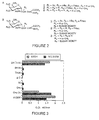
- Tn antigen 2 ( Figure 2) was performed by classical methods (Ref. 19, Ref. 20) starting from tri-O-acetyl-D-galactal (Ref. 21). N-(Fluorenylmethoxycarbonyl)-L-serine tert -butyl ester (Ref. 22) was used for the Koenigs-Knorr reaction with 3,4,6-tri-O-acetyl-2-azido-2-deoxy-b-D-galactopyranosyl chloride (Ref. 23), giving the protected derivative 1 . The final deprotection of acetyl and of the t-butyl ester afforded Tn antigen 2 appropriately protected for the peptide synthesis.
- B4-T4-M 4 was assembled by the conventional solid-phase peptide methodology (Ref. 40) using the Fmoc chemistry which is compatible with the glycopeptide synthesis.
- the lysine core was constructed by coupling successively two levels of FmocLys(Fmoc)OH, providing four amino groups (Ref. 13b).
- the lysine core was further elongated by the appropriately protected amino acids of the poliovirus (KLFAVWKITYKDT) T epitope sequence, four copies of the same amino acid being sequentially added.
- KLFAVWKITYKDT poliovirus
- reagents were purchased from Aldrich or Sigma. All the solvents were high grade and dry. CH 2 Cl 2 was distilled over CaH 2 and toluene over sodium with benzophenone, before use.
- Fmoc-protected amino acid derivatives and Wang resin were obtained from Bachem or Novabiochem. The side chain of the aminoacids were protected by a t-butyl group except for tryptophan and the lysine residues of the T-epitope which were protected by a t-butyloxycarbonyl (Boc) group.
- DMF and acetonitrile for HPLC were purchased from Merck.
- the final compounds were purified by reverse phase high performance chromatography (HPLC) using a Perkin-Elmer pump system with a UV detector (230 or 280 nm).
- HPLC reverse phase high performance chromatography
- 1 H NMR spectra 300.134 MHz, 3-(trimethylsilyl)propionic acid sodium salt as standard for spectra in D 2 O) were recorded on a Bruker instrument. Mass spectra were measured by fast atom bombardment or by electrospray.
- the solid phase peptide and glycopeptide syntheses were performed manually using the standard Fmoc chemistry protocol (Ref. 40) on a polystyrene resin functionalized with p -benzyloxybenzyl alcohol (Wang resin). With the exception of the C-terminal b-alanine residue, the N a -Fmoc amino acids (carrying standard side-chain protective groups) and the glycosylated building block 2 (3 equiv.) were incorporated to the peptide chain using TBTU as an activating agent and DMF as solvent. All the couplings were monitored by the Kaiser test (Ref. 29) and usually completed within 1 h.
- N a -(Fluoren-9-ylmethoxycarbonyl)-3-O-(2-acetamido-2-deoxy-a-D-galactopyranosyl)-L-serine 2 N a -(Fluoren-9-ylmethoxycarbonyl)-3-O-(2-acetamido-3,4,6-tri-O-acetyl-2-deoxy-a-D-galactopyranosyl)-L-serine tert-butyl ester 1 was prepared as previously described (Ref.
- the MAG syntheses require a low substitution of the resin.
- the preformed symetrical anhydride of N a -Fmoc-bAla-OH (0.25 mmol) (30) was reacted with the Wang resin (1 g, 0.96 mmol/g) for 1 h, yielding a functionalization of approximatively 0.12 mmol/g as estimated by UV analysis of a resin sample (Ref. 31). After acetylation of the residual hydroxyl groups by Ac 2 O in DMF, the lysine core was assembled by sequential couplings of 0.48 and 0.96 mmol of N a -Fmoc-Lys-(Fmoc)-OH.
- T The synthesis of the T epitope has been performed on 0.21 g of resin (0.15 mmol) by the general procedure. Cleavage of the resin-bound peptide (TFA/water/ethanedithiol : 95/2.5/2.5, 45 ml) and purification by HPLC (gradient from 0% to 65%, 12.6 min retention time) afforded T (31 mg). FABMS : [M+H] + 1613 (Calcd. 1611.9). Amino acid analysis : Ala 1.16 (1), Asp 1.03 (1), Ile 0.96 (1), Leu 1.01 (1), Lys 2.92 (3), Phe 1 (1), Thr 1.84 (2), Tyr 0.99 (1), Val 0.94 (1).
- B-T Further elongation of the T peptide chain (0.22 g resin, 0.14 mmol, synthesized as above) was achieved with 2 as a building block.
- the glycopeptide was released from the resin (TFA/water/ethanedithiol : 95/2.5/2.5, 50 ml) and the crude product purified by HPLC (gradient from 10% to 60%, 11.2 min retention time) yielding B-T (63 mg).
- ESMS 1903 (Calcd. 1903.22).
- Amino acid analysis Ala 1 (1), Asp 1.05 (1), Ile 1.0 (1), Leu 1.05 (1), Lys 3.12 (3), Phe 1.05 (1), Ser 0.94 (1), Thr 1.97 (2), Tyr 1.06 (1), Val 1.0 (1).
- B4-M 2 was conjugated to the poly-lysine core (M) synthesized as described above (0.83 g resin, 0.1 mmol). After cleavage of the glycopeptide from the resin (TFA/water : 95/5, 25 ml), and purification by HPLC (gradient from 0% to 10%, 10.2 min retention time), B4-M was obtained (36 mg). ESMS : 1633.9 (Calcd. 1633.78). Amino acid analysis : Lys 3 (3), Ser 4.06 (4).
- T4-M The lysine core M (0.25 g resin, 0.03 mmol, synthesized as above) was further elongated by the T epitope sequence. The cleavage of the peptide from the resin (TFA/water/ethanedithiol : 95/2.5/2.5, 25 ml) and its purification by HPLC (gradient from 12% to 45%, 16.5 min retention time) gave T4-M (67 mg). ESMS : 6852.08 (Calcd. 6853.35).
- Amino acid analysis Ala 4 (4), Asp 4.4 (4), Ile 4 (4), Leu 4.1 (4), Lys 15.8 (15), Phe 4 (4), Thr 8.2 (8), Tyr 4.3 (4), Val 3.8 (4).
- Amino acid analysis Ala 4 (4), Asp 4.78 (4), Ile 4.09 (4), Leu 4.15 (4), Lys 16.31 (15), Phe 4 (4), Ser 3.81 (4), Thr 8.58 (8), Tyr 4.5 (4), Val 3.63 (4).
- mice Six to eight week-old female inbred mice were used in all experiments.
- BALB/c mice were from Iffa Credo (L'Abresle, France).
- 10 5 T cell hybridomas 45G10 (specific for 103-115 poliovirus peptide) per well were cultured with 10 5 A20 cells (ATCC, TIB-208 Rockville, MD) with different antigen doses for 24 h in RPMI 1640 medium supplemented with 10 % Fetal calf serum, antibiotics 2 mM L-glutamine, 5 x 10 -5 M 2-mercaptoethanol. After 24 h, supernatants were frozen for at least 2h at -70 °C. 10 4 cells / well of the IL-2 dependent CTLL cell line was cultured with 100 ⁇ l aliquot supernatant in 0,2 ml final volume.
- mice were immunized subcutaneously with 10 ⁇ g of T, B-T, T4-MAP, B4-MAP or B4-T4-MAP compounds emulsified in complete Freund's adjuvant.
- lymph node (LN) cells were removed and single cell suspensions were prepared and cultured in HL-1 medium (Hycor) supplemented with 2 mM L-glutamine.
- 10 6 LN cells / well were plated onto 96 wells microtiter plates (TPP, Trasadingen, Switzerland) with 10 ⁇ g / ml of the indicated antigen or medium alone.
- Desialylated OSM was prepared as described in a previous publication (Ref. 32) and was kindely given by Dr A. Babino. a-GaINAc-Ser(referred to as 3 below in the synthesis section) was covalently linked to ovalbumin (Sigma, St Louis, MO) using glutaraldehyde (Sigma) according to a known procedure (Ref. 33).
- 96-well microtiter plates (Nunc, Roskilde, Denmark) were coated with 10 ⁇ g per ml of the different antigens in 50 mM carbonate buffer pH 9.6 and incubated overnight at 4°C for d-OSM, ovalbumin and Ova-Tn glycoconjugate, or at 37°C for peptides and MAG constructs.
- the 83D4 (IgM) or the MLS128 (IgG) anti-Tn mAbs were diluted in buffer (PBS plus 0.1 % Tween 20, 1 % BSA) and plated respectively at 2.5 ⁇ g/ml and 40 ⁇ g/ml for 1 hour at 37°C.
- mice (5 per group) were immunized intraperitoneally with 20 ⁇ g of T, B-T, T4-MAP, B4-MAP or B4-T4-MAP compound in aluminium hydroxyde (alum) on days 0, 20, 42 and 63.
- Mice were bled 10 days after each immunization and collected sera were individually tested for anti-Tn antibodies by ELISA as described above using d-OSM coated plates.
- Sera were serially diluted and tested for anti-Tn IgM and IgG content.
- the negative control consists of naive mouse sera diluted 100-fold.
- ELISA antibody titers were determined by linear regression analysis plotting dilution versus absorbance at 492 nm.
- the titers were calculated to be the Log10 highest dilution which gave twice the absorbance of normal sera diluted 1/100. Titers were given as the arithmetic mean ⁇ S.D. of the Log10 titers. Statistical analysis was performed by Student's t test. P values less than 0,05 were considered significant.
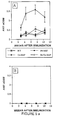
- FIG. 4a illustrates the stimulation of a T hybridoma specific for the poliovirus peptide 103-115 T with different compounds containing this peptide :
- the B4-T4-MAP compound highly stimulates the IL-2 production by the T hybridoma specific for the T epitope.
- the antigenicity of the conjugate of the present invention, compound B4-T4-MAP is 100 to 1000 times higher.
- the B and B4-MAP compounds which are free of poliovirus epitope T do not stimulate the T hybridoma.
- the in vivo T immunogenicity of the epitope T of the present invention conjugate, B4-T4-MAP was assayed in BALB/c mice.
- the proliferation of lymph node cells was measured in vitro after restimulation with compounds containing T epitope alone or in combination with B epitope (T and B-T compounds).
- the Figure 4b illustrates the induction of a proliferative response specific for 103-115 peptide (T compound) after immunization of BALB/c mice with the B4-T4-MAP compound according to the present invention.
- BALB/c (H-2 d ) mice were immunized subcutaneously with 10 ⁇ g of T, B-T, B4-MAP, T4-MAP and B4-T4-MAP in the presence of complete Freund adjuvant.
- draining lymph node cells were cultured in the presence of the medium alone or were restimulated in vitro with 10 ⁇ g / ml of a compound containing the 103-115 epitope (compound T or B-T).
- the proliferation of LN cells was measured by incorporation of tritiated thymidine. The results were expressed in cpm.
- the MAPs, B4-T4-MAP and T4-MAP compounds, as well as the T and B-T compounds containing the T epitope induce in vivo a proliferative T response specific for this T epitope.
- the specificity of the T response observed is demonstrated by the absence of proliferation of T cells originating from mice immunized with B4-MAP compound which is free of T epitope, after restimulating with T or B-T compounds.
- the poliovirus T epitope present in this compound is able to stimulate both in vitro and in vivo T-cells specific for this T epitope.
- a large increase in antigenicity of the T epitope is observed when the latter is combined to the carbohydrate epitope within the B4-T4-MAP structure.
- FIG. 3 shows the binding ability of the anti-Tn 83 D4 (IgM) (Ref. 26) and MLS 128 (IgG) (Ref. 27) monoclonal antibodies to the different MAG constructs using an ELISA assay. This binding is compared to the binding obtained with the Tn antigen 3 conjugated to a protein carrier (ovalbumin).
- mAbs monoclonal antibodies
- MAG structures have to include several T cell epitopes with a particular focus on promiscuous MHC binding sequences, such as those described for tetanus toxin (Ref. 41, Ref.
- the B4-T4-M system of the invention as well as the desialylated OSM or the ovalbumin-Tn (Ova-Tn) conjugate were efficiently recognized by both of the mAbs, 83 D4 and MLS 128, whereas M, B4-M, T4-M, B-T (in the last case, only one mAb was tested) and ovalbumin itself were not.
- the d-OSM fragment recognized by MLS 128 monoclonal antibody was shown to contain three consecutive ⁇ -GaINAc-Ser/Thr residues (Ref. 28) which might indicate that B4-T4-M but not B4-M is able to mimic the repeated glycosylated serine unit.
- mice of Tn-MAG conjugates of the invention were immunized several times with said Tn-MAG conjugates or with the control compounds B-T, B4-MAP or T4-MAP, in the presence of aluminium hydroxyde (alum).
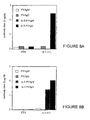
- Detection of IgM (fig.5a) and IgG (fig.5b) antibodies specific for Tn antigen was carried out by ELISA, measuring the recognition of the d-OSM.
- mice are responsive to the poliovirus T epitope and generate antibodies to Tn.
- Tn another mouse strain responsive to poliovirus epitope T, namely the SLJ/J strain, and a non responsive to poliovirus epitope T strain, namely the DBA/1 strain.
- FIGS. 5b and 5c show that immunization with the Tn-MAG compound, according to the present invention, of SJL/J (5b) and DBA/1 (5c) mice resulted in the production of anti-Tn antibodies in the SLJ/J strain only, which is responsive to the poliovirus T epitope.
- the conjugate of the present invention contains four copies of the 103-115 sequence of VP1 protein of poliovirus type 1 (T peptide), linked to the carbohydrate Tn antigen.
- T peptide VP1 protein of poliovirus type 1
- immunization of BALB/c mice with the Tn-MAG of the present invention induced a strong IgG response specific for the T peptide (103-115), whereas the T4-M compound lacking the carbohydrate Tn antigen, as well as the B4-M compound containing only the Tn antigen, were unable to elicit an anti-T peptide antibody response.
- Tn-MAG compound Protection induced with the conjugate of the present invention (Tn-MAG compound) against murine adenocarcinoma TA3/Ha expressing Tn antigen in challenge injected BALB/c mice
- mice In order to test the efficiency of the anti-Tn B response induced in mice with the MAG compound, a challenge injection was carried out in vaccinated mice. 1000 cells per mouse of the murine adenocarcinoma cell, TA3/Ha (P.Y.S. Fung et al. (1990) Cancer Research, 50: 4308-4314), expressing Tn antigen, were intraperitoneally administered to BALB/c mice having received 4 injections of the B4-M or Tn-MAG compounds.
- the Figure 7 is a graph illustrating the mortality versus the number of days after tumor challenge. BALB/c mice were immunized at days 0, 21, 42 and 100 with 20 ⁇ g of B4-M or Tn-MAG compound in the presence of alum.
- mice received a challenge injection of 1000 TA3/Ha adenocarcinoma cells. The mortality was followed during a period of 50 days. As can be seen in Figure 7, 70 % only of the mice survived when these were immunized with B4-M compound which does not allow to induce an antibody to Tn. On the contrary, 100 % of the mice having received four injections of the conjugate of the present invention survived at D50 after the tumor challenge. These data show that the antibodies induced with Tn compound of the present invention result in improving the mice survival after a tumor challenge causing a moderate lethality.
- Tn-MAG compound Recognition of a human adenocarcinoma by antibodies originating from a serum of a mouse immunized with the conjugate of the present invention (Tn-MAG compound)
- the sera of mice having received the latter were assayed for their ability to recognize a human tumor cell.
- the LS180 cell ATCC CL-187 which a adenocarcinoma derived from a patient having developped a colon cancer.
- a flow cytometry analysis of the recognition of LS180 cell by a serum originating from a SLJ/J mouse having received three injections of the present conjugate (Tn-MAG) show that the induced anti-Tn antibodies are capable of recognizing Tn antigen at the surface of LS180 cells.
- the basic compound to induce anti-saccharidic antibodies is a linear peptidic sequence containing a CD4+ T cell epitope linked to a saccaridic chain.
- the BT compound is composed by the KLFAVWKITYKDT sequence derived from poliovirus type 1 (CD4 + T cell epitope) linked at the N-terminus to three GaINac-Ser/Thr residues (tumor associated saccharidic Tn antigen ).
- the BT compound or the control PV peptide, KLFAVWKITYKDT sequence was injected to BALB/c mice mixed with complet Freund's adjuvant or with Alum as follows.
- mice (5 per group) were immunized in CFA or Alum with either the B-T-PV or the control peptide PV on days 0, 21, 42, 63.
- Sera were collected 10 days after the last injection and tested in ELISA for antibody titer against the B-T-TT1 glycopeptide or the TT1 peptide. Results are expressed in figure 8 as the mean titer obtained for five mice in each group.
- anti-Tn To detect by ELISA anti-saccharidic antibodies (anti-Tn), an irrelevant peptide sequence QYIKANSKFIIGITEL linked at the N-terminus to three GaINac-Ser/Thr residues (BT-TT1) was used, or the non glycosylated YIKANSKFIIGITEL (TT1 peptide) as a negative control. As shown in figure 8, the B-T-PV glycopeptide induce anti-Tn antibodies, but not the PV peptide showing the specificity of the antibody response.
Landscapes
- Health & Medical Sciences (AREA)
- Chemical & Material Sciences (AREA)
- Organic Chemistry (AREA)
- Life Sciences & Earth Sciences (AREA)
- Medicinal Chemistry (AREA)
- General Health & Medical Sciences (AREA)
- Proteomics, Peptides & Aminoacids (AREA)
- Molecular Biology (AREA)
- Genetics & Genomics (AREA)
- Biophysics (AREA)
- Biochemistry (AREA)
- Gastroenterology & Hepatology (AREA)
- Animal Behavior & Ethology (AREA)
- Pharmacology & Pharmacy (AREA)
- Public Health (AREA)
- Veterinary Medicine (AREA)
- Immunology (AREA)
- Bioinformatics & Cheminformatics (AREA)
- General Chemical & Material Sciences (AREA)
- Chemical Kinetics & Catalysis (AREA)
- Engineering & Computer Science (AREA)
- Epidemiology (AREA)
- Oncology (AREA)
- Communicable Diseases (AREA)
- Nuclear Medicine, Radiotherapy & Molecular Imaging (AREA)
- Microbiology (AREA)
- Mycology (AREA)
- Medicines Containing Antibodies Or Antigens For Use As Internal Diagnostic Agents (AREA)
- Peptides Or Proteins (AREA)
- Carbon And Carbon Compounds (AREA)
Abstract
Description
- The present invention is directed to the field of immunotherapy and more particularly to a glycoconjugate, a composition and vaccine comprising the same and to the use thereof for enhancing the immune response and notably in cancer therapy and in therapeutic of infection caused by pathogenic agent against whom a humoral or a cellular immune response is necessary. The invention relates also to a diagnosis kit and to the diagnosis of cancer.
- As a result of aberrant glycosylation, cancer-associated carbohydrate antigens are exposed at the surface of tumor cells whereas they are hidden in normal cells (Ref. 1). Recent advances in immunology and in the identification of tumor specific antigens have renewed the interest for the development of cancer vaccines, and these exposed glycosidic B-cell epitopes have been considered as attractive targets for immunotherapy named "Active Specific Immunotherapy" (ASI) by Longenecker (Ref. 2). This approach involves immunization with a defined antigen to elicit a specific immune response to that antigen and could represent an alternative to the conventional cancer therapies.
- Among the large number of known tumor markers, the Tn (a-GaINAc-Ser/Thr), the T* (b-Gal-(1→3)-a-GalNAc-Ser/Thr) and the sialosyl-Tn (a-NeuAc-(2→6)-a-GaINAc-Ser/Thr) antigens have been extensively studied since they are expressed on mucin-type glycoproteins by the majority of adenocarcinomas (Ref. 3). Indeed, several studies have shown some protection against tumors after immunization with these glycosidic antigens, in experimental or clinical studies. These tumour associated carbohydrates are relevant markers for cancer diagnostic and prognosis (Ref. 34). Using desialylated red blood cells, which are rich in T and Tn determinants, Springer observed a long-term effective protection against recurrence of human breast carcinoma (Ref. 3c, Ref. 4). An other group investigated the potential of ASI with desialylated ovine submaxillary mucin (d-OSM), which contains high density of the Tn epitope ; their studies showed that this antigen provided a good protection and a long-term survival in mice with mammary carcinoma (Ref. 5). Partially d-OSM also gave efficient protection against human colon carcinoma (Ref. 6). Ratcliffe et al. were the first to use a synthetic tumor-associated antigen, a T antigen-protein conjugate, to stimulate an efficient immune response in rabbits (Ref. 7). Thereafter Longenecker extensively studied similar synthetic carbohydrate hapten conjugates and found that they induce an increased survival of mice grafted with mammary carcinoma cells (Ref. 8), and of patients with ovarian cancers (Ref. 9). Similar studies of the same group have further shown an increased protection of patients suffering from breast cancer (Ref. 10) or melanoma (Ref. 11) after respective administration of sialosyl Tn- or the GM2 ganglioside-protein conjugates. On the other hand, Toyokuni et al. generated an anti-tumor antibody response in mice after immunization with a Tn antigen coupled either to OSA (Ovine Serum Albumin) or to a synthetic lipopeptide (Ref. 12). This last result was interesting since it was the first example of a small synthetic carbohydrate antigen that generates an immune response against a tumor associated carbohydrate antigen, without the use of a macromolecular carrier or adjuvants.
- These studies suggested that carbohydrate antigens are appropriate candidates for anti-tumor vaccine development. However, carbohydrate antigens do not possess T-cell epitope and therefore induce only weak T cell-independent antibody response. Several approaches have been explored to increase the immunogenicity of such carbohydrates. The use of biological material which expresses clusters of antigens on a protein backbone (like desialylated red blood cells or OSM) is a possibility. But the most widely used approach is to conjugate the carbohydrate to a carrier protein, such as Bovine serum albumin (BSA) or Keyhole limpet hemocyanin (KLH).
- Although these immunogens have shown some promise, protein carriers display major disadvantages. The grafted epitope represents only a small part of the total conjugate and it is distributed at random on the carrier surface. Therefore, immune responses to the carrier molecule may result in a low level of the desired antibodies as compared to the total amount of antibodies produced. Moreover, these conjugates present ambiguity in both composition and structure and they do not always induce reproducible immune response. Recent advances in the total synthesis of oligosaccharides expressed by tumour cells (Ref. 35, Ref. 36) open new possibilities for such achievement. However, haptenic molecules such as carbohydrates require their association in more complex structures to stimulate immune responses. The use of traditional protein conjugates raises the problem of hapten-specific suppression (Ref. 37, Ref. 38), and their poorly defined chemical composition and structure may limit their efficacy.
- Until now, as for chemically defined structures, dendrimeric poly-lysine backbones, which will be described in more detail later in the present specification, have been widely used for presenting peptides (Ref. 14). However, to our knowledge, there is only one preliminary attempt of their utilisation for presenting carbohydrates to the immune system (Ref. 16). This latter reference teaches the synthesis of three sialylated multiple antigen peptides having tetanus toxin T-cell epitopes. However a response against the T cell epitope only was obtained, but not against the B cell epitope. A similar strategy was also recently published (Ref. 17) where the authors coupled mixtures of natural polysaccharides obtained from Streptococcus and Saccharomyces to a Multiple Antigenic Peptidic system.
- Thus, there still exist a need for a new conjugate circumventing the drawbacks mentioned above of the prior art constructions which has a chemically defined structure, is capable of stimulating both the antibody response and the T response when administered in a human or animal body, while avoiding undesired immune responses.
- Accordingly, the present invention is generally directed to a carbohydrate peptide conjugate comprising :
- a carrier comprising a dendrimeric poly-Lysine enabling multiple epitopes to be covalently attached thereto,
- at least one peptide comprising one T epitope or several identical or different T epitopes
- at least one carbohydrate moiety containing B epitope, provided it is not a sialoside, or several identical or different B epitopes.
- The peptide comprising the T epitope(s) can be bound to a lysine of said carrier, as the carbohydrate moiety containing B epitope(s).
- This approach for presenting epitopes is herein referred to as the Multiple Antigen Glycopeptide (MAG). The conjugate of the present invention is notably useful for enhancing the antibody response in a human or animal body to which it has been administered and in particular as a vaccine.
- Moreover, since a multiple antigenic O-linked glycopeptide (MAG), according to the present invention, carrying for example the carbohydrate Tn antigen associated with a CD4+ T cell epitope was shown able to induce anti-Tn IgG antibodies which recognise human tumour cell lines, accordingly the present invention also concerns an composition capable of increasing the survival of a tumour-bearing human or animal. A therapeutic immunisation protocol performed with this fully synthetic immunogen increased the survival of tumour-bearing mice.
- More particularly the present invention is directed to a carbohydrate peptide conjugate comprising :
- at least 3 lysine residues covalently bound to each other,
- at least one peptide comprising a T epitope bound to a lysine residue, and
- at least one carbohydrate moiety containing epitope B, optionally substituted, covalently linked to the end of said peptide opposite to lysine, and with the proviso that said carbohydrate moiety is not a sialoside radical.
- According to another embodiment of the invention, the conjugate comprises: - at least one peptide comprising one T epitope, or several identical or different T epitopes, and
- at least one carbohydrate moiety, or a derivative thereof, containing B epitope, provided it is not sialoside, or several identical of different epitopes.
- Another object of the present invention is a pharmaceutical composition comprising the conjugate of the present invention.
- A further object of the present invention is a vaccine comprising the conjugate according to the present invention.
- A still further object of the present invention is enhancing the immune response of a human or animal body, in particular B and / or T-cell responses, wherein the conjugate according to the present invention is to be administered to said human or animal body.
- Another object of the present invention is a use for inducing B-cell responses against saccharidic epitopes in a human or animal body, wherein the conjugate according to the invention is to be administered to said human or animal body.
- A still further object of the present invention is the use for vaccination of a human or animal body wherein the conjugate according to the present invention is to be administered to said human or animal body.
- Another object of the present invention is a diagnosis kit comprising antigen specific antibodies elicited by immunization of a human or animal body with a composition according to the present invention.
- A further object of the present invention is a diagnosis of cancer wherein a biological sample is to be brought into contact with at least one of these antibodies and wherein one determines the formation of complexes between this antibody and molecules comprised in the said sample.
- A still further object is an immunogenic composition as described hereabove, capable to elect an immune response against a viral infection caused by a pathogen such as hepatitis virus, HIV or CMV.
- The present invention will now be described in details in the following description with reference to the drawings below.
-
- Figure 1 is a schematic representation of a MAG compounds (B4-T4-M, B8-T8-M, B2-T2-M and B4-T4-M (with different organization of T and B epitopes) (a to d), tri-Tn(e) and hexa-Tn(f) according to the present invention.
- Figure 2 depicts the Tn antigen and its derivatives.
- Figure 3 shows the recognition of B4-T4-M by two anti-Tn monoclonal antibodies.
- Figure 4a depicts the T antigenicity of B4-T4-M in vitro.
- Figure 4b illustrates the in vivo anti-T response of B4-T4-M.
- Figures 5a, 5b and 5c show the induction in BALB/c, SJL/J and DBA/1 mice, respectively, of anti-Tn antibody by the Tn-MAG compound.
- Figure 6 illustrates the induction in BALB/c mice of antibody responses by the Tn-MAG compound containing Tn antigen and poliovirus epitope T, CD4+.
- Figure 7 illustrates the results of the protection induced with the Tn-MAG compound against murine adenocarcinoma TA3/Ha expressing Tn antigen in challenge injected BALB/c mice.
- Figures 8A and 8B illustrate the results of immunization of BaIb/C mice with the TT1 peptide or B-T-TT, glycopeptide, respectively primed with CFA (fig.8A) and with alum (fig. 8B).
- The expressions carbohydrate B antigen, B epitope, B-cell antigen, B-cell epitope are used herein to designate in general glycosidic antigens capable of eliciting a B-cell response, the antigens consisting of sialosides being excluded.
- By T antigen or T epitope,T-cell antigen, T-cell epitope is meant an antigen generally of a peptidic nature capable of eliciting a T cell response.
- Synthetic compounds B-T, M, B4-M, T4-M and B4-T4-M were also used as antigens (see Table hereafter).
- The abbreviation M as used herein is an example of MAP (Multiple antigen peptide and designates the following structure:

- Where appropriate, the universal one letter code for aminoacids was used herein (K for lysine, etc.).
- Other abbreviations also used in the present invention :
- BSA, bovine serum albumin ; OSA, ovine serum albumine ; Ova, ovalbumin ; OSM, ovine submaxillary mucin ; d-OSM, desialylated ovine submaxillary mucin ; ES MS, electrospray mass spectrometry ; Fmoc, Fluoren-9-yl-methoxycarbonyl ; PBS, phosphate buffered saline.
- The expression « antibody response », « B- or B-cell response » are used indistinctively herein. The same applies to « cellular response », « T- ot T-cell response ».
- The present invention is directed in its primary aspect to a carbohydrate peptide conjugate comprising :
- an appropriate carrier based on a dendrimeric poly-Lysine enabling multiple epitopes to be covalently attached thereto,
- at least one peptide comprising one T epitope or several identical or different T epitopes,
- at least one carbohydrate moiety containing B epitope, provided it is not a sialoside or several identical or different B epitopes.
- Several identical T or B epitopes means between two and eight of the same epitope.
- Several different T epitopes means between two and eight of T epitopes from different origins.
- Several different B-epitopes means between two and eight of B-epitopes from different origins.
- The poly-Lysine core of the present conjugate is called a dendrimer because it may be represented (Figure 1) as a star with multiple branches all substantially identical.
- As stated earlier, multiple antigen peptide system have been described in 1988 by Tam (Ref. 13) that are based also on certain dendrimeric structure in which peptidic antigen are covalently conjugated to the branches of the latter.
- Examples of suitable carriers comprise those having a structure based on a poly-Lysine core forming a multiple branches star, such as, for example a 8 or 4 branches star.
- Thus the present invention in one of its preferred embodiment is directed to a conjugate comprising a dendrimeric structure based on a poly-Lysine core forming a 4 branches star, with an epitope T covalently bound to each of the branches and associated to a carbohydrate moiety (provided it is not a sialoside radical) containing an epitope B.
- According to a further preferred embodiment of the present invention the multiple antigen glycopeptide (MAG) forming the conjugate according to the present invention comprises at least 3 lysines and up to 15 lysines residues covalently linked to one another. Most preferably the present conjugate comprises 3 lysines.
- In a preferred embodiment, to the NH2 end of each lysine residue is bound at least one peptide comprising one epitope T bound to a lysine and at least a carbohydrate residue, being not a sialoside, optionally substituted, covalently bound to the end of said peptide opposite to the lysine and forming a B epitope.
- In another preferred embodiment, to the NH2 end of each lysine residue is bound at least one carbohydrate residue, being not a sialoside, optionally substituted and forming a B-epitope bound to a lysine and at least a peptide comprising one T-epitope covalently bound to the end of said carbohydrate opposite to the lysine.
- The MAG structure referred to herein will be better understood by reference to Figure 1.
- In Figure 1 are schematically represented examples of a 4 to 8 branches star comprising from 3 to 7 lysines bearing 4 to 8 aminogroups bound to desired epitopes (epitopes B, optionally substituted with a peptide and epitopes T). This structure provides a high density of the antigens at the surface of the lysine core.
- Moreover this structure offers several advantages. First, the carbohydrate content is much higher in the MAG system (usually over 90 %) than in the traditional protein conjugates. This structure of high density glycopeptide antigens induce higher antibody responses confirming the previous observation comparing an MAP system to the same antigens covalently linked to a carrier protein (Ref. 13b, Ref. 1,4).
- A further advantage of the MAG is that the core matrix, representing a minor fraction of the total construct has a low immunogenicity, thus avoiding undesired immune responses (Ref. 13a). Another advantage of the present construct is that the resulting synthetic immunogen has a well defined chemical structure.
- The presence of both carbohydrate B epitopes and T epitopes on the glycoconjugate of the present invention renders the latter an efficient immunogen as will be demonstrated later in the experimental section.
- The carbohydrate moiety, containing the epitope B of the conjugate according to the present invention, may originate, for example, from tumor (cancer) glycosidic antigens of:
- the glycolipid class, including acidic glycolipid such as, for example, gangliosides GD2, GD3 and GM3 (melanoma) and neutral glycolipids such as, for example, the Lewisy (Ley) (breast, prostate, ovary) and the Globo H (breast, prostate, ovary) antigens. The sialylated derivatives belonging to this class are excluded.
- the O- glycosyl peptides (or aminoacid) class such as, for example, the Tn antigen (αGaINAc-Ser or αGal NAc-Thr), T* antigen (β-Gal-(1-3)-α-GaINac-Ser or βGal(1-3)αGal -NAc-Thr), two tumor markers frequently present in carcinomas but not usually in normal tissues [Springer G.F. Science 224, 1198-1206 (1984)] (ovary, breast, lung), or di-Tn (α GaINAc-Ser/Thr)2, tri-Tn(α GaINac-Ser/Thr)3 or hexa-Tn(aGaINAc-Ser/Thr)6.
- The epitope B of the conjugate according to the present invention may also originate from capsular bacterial polysaccharides of, for example, Neisseria meningitis, Haemophilus influenzae, Streptococcus pneumoniae, and of the Streptococcus group, with the exception of the sialylated polysaccharides.
- The polysaccharides are carbohydrate residues obtained by synthetic process.
- The epitope B of the present conjugate may be also of fungal origin, such as for example, one isolated from the yeast Saccharomyces.
- The B epitope of the conjugate according to the present invention are preferentially tumor markers, such as, for example, Tn and T* antigens.
- The preferred carbohydrate moiety forming the B epitope of the conjugate according to the present invention may be comprised of a galactosyl residue, or a derivative thereof, being not sialylated.
- It can be selected from the group comprising Tn, di-Tn, tri-Tn, hexa-Tn, or T* antigens.
- Thus in one of its preferred embodiment the invention relates to a carbohydrate peptide conjugate comprising :
- at least 3 lysine residues covalently bound to each other,
- at least one peptide comprising a T epitope bound to a lysine residue, and
- at least one galactosyl residue, optionally substituted, covalently linked to the said peptide and forming epitope B with the proviso that said carbohydrate moiety is not a sialoside radical.
- In a related aspect of this embodiment the galactosyl residue is substituted by another glycosyl residue.
- In a related aspect, the conjugate of the present invention comprises 3 lysine residues, at least 4 epitopes of the T type, which may be the same or different linked to the NH2 ends of 2 of the lysine residues, and 4 α-galactosyl-Nacetyl-Serine residues.
- The carbohydrate moiety of the conjugate of the present invention may further be grafted on the dendrimeric structure in combination with one or more tumor peptidic CD3+ cell epitopes recognized by tumor-specific cytotoxic T cells.. These peptidic CD3+ T cell epitopes recognized as tumoral markers may be selected in the group consisting of:
- MUC-1 peptides (pancreas, breast)
-
MAGE 1 and 3 (melanoma, lung) (T. Boon et al. (1995), Immunology Today, vol. 16 n°7,pp 334-336) - pme117 / gp 100 (melanoma)
- Tyrosinase (melanoma)
- BAGE (melanoma)
- GAGE (melanoma)
- LB-33-B (melanoma)
- CDK4
- p185HER (breast, ovary)
- CEA
- MART1/Melan-A (melanoma)
- or selected in the group consisting of tumor antigens described in A. Van Pel et al. (1995) Immunological. Reviews n° 145, pp 229-250 or in P.G. Coulie (1995), Stem Cells, 13, pp 393-403.
- As mentioned earlier, in the conjugate of the present invention a CD4+ T epitope is conjugated to a carbohydrate B epitope described above to elicit an efficient immune response.
- Such an epitope can comprise between almost 5 and 50 amino-acids.
- One such preferred T epitope is the CD4+, T epitope which is the synthetic peptide that corresponds to the 103-115 sequence of VP1 protein from
poliovirus type 1 or alternatively it may be a peptide comprising the CD4+, T epitope selected from the group comprising: - fragments of the Tetanus toxin such as, for example:
- 830-844 sequence of the tetanus toxin (QYIKANSKFIGITEL)
- 947-967 sequence of the tetanus toxin (FNNFTVSFWLRVPKVSASHLE).
- 1273-1284 sequence of the tetanus toxin (GQIGNDPNRDIL)
- fragments of
pneumococcal type 4 polysaccharide, and oligosaccharide tetanus toxoid conjugates as described by C.C.A.M. Peeters (1991), in The Journal of Immunology, 146, 4309-4314, - meningococcal liposaccharides as described by A.F.M. Verheul (1991) in Detection and Immunity, vol.59, n°10, pp. 3566-3573.
- These peptidic T epitopes typically bind to a plurality of MHC (Major Histocompatibility Complex) human and murine molecules of class II avoiding in consequence the restriction problems encountered with the CD4+,T cellular response, associated with the polymorphism of the MHC molecules existing between individuals. Moreover the use of tetanus toxin peptides should increase the immunogenicity of antigens present on the conjugate of the present invention, as a result of the vaccination of numerous individuals with the tetanus toxoid.
- According to another embodiment of the invention, the conjugate comprises: at least one peptide comprising one T epitope, or several identical or different T epitopes, and
at least one carbohydrate moiety, or a derivative thereof, containing B epitope, provided it is not sialoside, or several identical of different epitopes. - Said conjugate can be Tn3-T, wherein T can be a poliovirus or tetanus antigen. It can be also Tn6-T, wherein T is a poliovirus antigen having the following sequence: KFLAVWKITYKDT.
- The formula of Tn6-T is thus:
- (Tn3-G)2 - KFLAVWKITYKDT, wherein Tn3 is a linear trimer of (α GalNAc Ser), or (α GaINAc Thr).
- They can be obtained by peptidic synthesis; wherein a peptidic bound is created between the glycosylated serine, or threonine, and the peptide T.
- As stated earlier the invention is also directed to a pharmaceutical composition comprising a conjugate according to the present invention. Such composition comprises an effective amount of the present conjugate for example in a pharmaceutically acceptable vehicle and may be of liquid or emulsion form, in the presence or not of an adjuvant (including aluminium hydroxyde and cytokines). The route of administration of the said composition may be any of usually used route (including intra-tumoral administration such as injection). The said immunogenic composition, comprising at least one carbohydrate peptide conjugate, wherein said conjugate comprises various carbohydrate antigens can be used to induce a more efficient anti-tumour immunity against cancers.
- The amount of conjugate can be comprised between 10µg and 1 ng.
- The present invention is also directed to a vaccine comprising a conjugate according to the present invention.
- A further object of the present invention is a use for enhancing the immune response of a human or animal body, notably the T- and / or B-cell mediated response, in particular against bacteria, wherein the conjugate of the present invention is to be administered to said human or animal body.
- A still further object of the present invention relates to a use for inducing a B-cell response in a human or animal body wherein at least one conjugate according to the invention is to be administered.
- The invention also relates to a use for inducing a B-cell response in a host characterized in that in said host is to be administered at least one carbohydrate peptide conjugate comprising :
- at least 3 lysine residues covalently linked to one another,
- at least one peptide comprising a T epitope linked to a lysine residue, and
- at least one carbohydrate moiety optionally substituted, being not a sialoside.
- Another object of the present invention concerns the vaccination of a human or animal body wherein a conjugate according to the present invention is to be administered to said human or animal body.
- A still further object of the present invention is a diagnosis kit comprising antigen specific antibodies elicited by immunization of a human or animal body with a composition according to the present invention.
- Such antibodies are also considered as subjects of the present invention. They can be used in a method of diagnosis of cancer comprising bringing into contact at least one of these antibodies with a biological sample and determining the formation of complexes between this antibody and molecules comprised in this sample.
- The present invention will now be illustrated in more details by the following examples.
- The strategy for the construction of the MAG conjugate first involved the synthesis of the Tn antigen which represents the B-cell epitope. This glycosidic tumor marker was then conjugated to a poly-lysine core (M) in association with the peptidic CD4+, T-cell epitope, giving the full construction B4-T4-M. In addition, the reference compounds which are necessary for the immunological tests were synthetized (B, T, B-T, B4-M, T4-M, M).
- The synthesis of the Tn antigen 2 (Figure 2) was performed by classical methods (Ref. 19, Ref. 20) starting from tri-O-acetyl-D-galactal (Ref. 21). N-(Fluorenylmethoxycarbonyl)-L-serine tert-butyl ester (Ref. 22) was used for the Koenigs-Knorr reaction with 3,4,6-tri-O-acetyl-2-azido-2-deoxy-b-D-galactopyranosyl chloride (Ref. 23), giving the protected
derivative 1. The final deprotection of acetyl and of the t-butyl ester affordedTn antigen 2 appropriately protected for the peptide synthesis. - B4-T4-
M 4 was assembled by the conventional solid-phase peptide methodology (Ref. 40) using the Fmoc chemistry which is compatible with the glycopeptide synthesis. After attachment of the β-alanyl spacer on the Wang resin, the lysine core was constructed by coupling successively two levels of FmocLys(Fmoc)OH, providing four amino groups (Ref. 13b). The lysine core was further elongated by the appropriately protected amino acids of the poliovirus (KLFAVWKITYKDT) T epitope sequence, four copies of the same amino acid being sequentially added. Ultimately 2 was incorporated to the dendrimeric peptide as a building block. - Of interest was the incorporation of the
Tn antigen derivative 2 which could be achieved with the fully deprotected sugar. This is very advantageous since it avoids the eventual side reactions (racemization and/or b-elimination) associated with the final deacetylation of the sugar residue. A few examples of the use of unprotected glycosidic units have already been reported (Ref. 24). After completion of the synthesis, theMAG 4 was released from the resin with aqueous trifluoroacetic acid (95%) and the peptide side-chains were simultaneously deprotected. No glycosidic cleavage is usually observed over a reaction time of 1.5 hours (Ref. 25). A similar procedure was followed for the reference compounds. All the peptides and glycopeptides were characterized by amino acid analysis and electrospray mass spectrometry. - For the synthesis of 2, reagents were purchased from Aldrich or Sigma. All the solvents were high grade and dry. CH2Cl2 was distilled over CaH2 and toluene over sodium with benzophenone, before use. For the peptide synthesis, Fmoc-protected amino acid derivatives and Wang resin were obtained from Bachem or Novabiochem. The side chain of the aminoacids were protected by a t-butyl group except for tryptophan and the lysine residues of the T-epitope which were protected by a t-butyloxycarbonyl (Boc) group. DMF and acetonitrile for HPLC were purchased from Merck. The final compounds were purified by reverse phase high performance chromatography (HPLC) using a Perkin-Elmer pump system with a UV detector (230 or 280 nm). A column (250 x 10 mm) of Nucleosil C18 (5 mm, 300 A) was used and the products were eluted with a gradient of MeCN / 0.1 % trifluoroacetic acid buffer during 20 min (flow
rate 6 ml/min). 1H NMR spectra (300.134 MHz, 3-(trimethylsilyl)propionic acid sodium salt as standard for spectra in D2O) were recorded on a Bruker instrument. Mass spectra were measured by fast atom bombardment or by electrospray. Amino acid analyses were obtained using a Beckman 6300 analyser, after hydrolysis of the peptides with 6 N HCl (0.2% phenol was added when the peptide contains a tyrosine residue) at 110° in sealed glass tubes for 20 h. - The solid phase peptide and glycopeptide syntheses were performed manually using the standard Fmoc chemistry protocol (Ref. 40) on a polystyrene resin functionalized with p-benzyloxybenzyl alcohol (Wang resin). With the exception of the C-terminal b-alanine residue, the Na-Fmoc amino acids (carrying standard side-chain protective groups) and the glycosylated building block 2 (3 equiv.) were incorporated to the peptide chain using TBTU as an activating agent and DMF as solvent. All the couplings were monitored by the Kaiser test (Ref. 29) and usually completed within 1 h. All Fmoc cleavages were carried out by treatment of the resin with 20% piperidine in DMF. Following each deprotection, the resin was successively washed with DMF, CH2Cl2, DMF. At the end of the synthesis, the resin was extensively washed with DMF and CH2Cl2, dried, and treated with an aqueous TFA solution for 2h. After filtration of the resin, the solution was concentrated and the crude product precipitated with diethyl ether. The precipitate was filtered, dissolved in water and lyophilised. Peptides were purified on reverse phase HPLC (the elution conditions are indicated below, for each compound) and characterized by amino acid analyses and electrospray mass spectrometry.
Na-(Fluoren-9-ylmethoxycarbonyl)-3-O-(2-acetamido-2-deoxy-a-D-galactopyranosyl)-L-serine 2 :
Na-(Fluoren-9-ylmethoxycarbonyl)-3-O-(2-acetamido-3,4,6-tri-O-acetyl-2-deoxy-a-D-galactopyranosyl)-L-serine tert-butyl ester 1 was prepared as previously described (Ref. 23) by glycosylation of Na-(Fluoren-9-ylmethoxycarbonyl)-L-serine tert-butyl ester (Ref. 22) with 3,4,6-tri-O-acetyl-2-azido-2-deoxy-b-D-galactopyranosyl chloride (obtained from tri-O-acetyl-D-galactal) (21) using Ag2CO3/AgClO4 as catalysts, followed by the reduction and acetylation of the 2-position (Ref. 19). The t-butyl ester of 1 (2 g, 2.8 mmol) was then deprotected in formic acid (76 ml) (Ref. 20). The solution was stirred for 10 h and evaporated. The residue was dissolved in MeOH (200 ml) and the acetyl groups of the sugar moiety were removed by adding, dropwise, a solution of 1% MeONa (pH 11) ( Ref.46). After 15 h, the medium was neutralized by a Dowex 50WX8 (H+) resin and thefinal product 2 purified on a reverse phase column (C18) using a gradient of water / MeCN : 1.27 g (yield 79%). - M : The MAG syntheses require a low substitution of the resin. The preformed symetrical anhydride of Na-Fmoc-bAla-OH (0.25 mmol) (30) was reacted with the Wang resin (1 g, 0.96 mmol/g) for 1 h, yielding a functionalization of approximatively 0.12 mmol/g as estimated by UV analysis of a resin sample (Ref. 31). After acetylation of the residual hydroxyl groups by Ac2O in DMF, the lysine core was assembled by sequential couplings of 0.48 and 0.96 mmol of Na-Fmoc-Lys-(Fmoc)-OH. The cleavage of the peptide from the resin was carried out by TFA/water (95/5, 16 ml). The purification of the crude product by HPLC (gradient from 0% to 25%, 7.2 min retention time) gave M (94 mg). 1H-NMR (D2O), d, 4.24, 4.03, 3.93 (3 CH a Lys), 3.54, 3.42 (CH 2-NH b-Ala), 3.22, 3 (CH2 e Lys), 2.62 (CH 2-COOH b-Ala), 1.97-1.85 (2 CH2 b Lys), 1.78-165 (2 CH2 d, CH2 b Lys), 1.58-1.3 (3 CH2 g, CH2 d Lys) ; ESMS: 473.2 (Calcd. 473.33).
T : The synthesis of the T epitope has been performed on 0.21 g of resin (0.15 mmol) by the general procedure. Cleavage of the resin-bound peptide (TFA/water/ethanedithiol : 95/2.5/2.5, 45 ml) and purification by HPLC (gradient from 0% to 65%, 12.6 min retention time) afforded T (31 mg). FABMS : [M+H]+ 1613 (Calcd. 1611.9). Amino acid analysis : Ala 1.16 (1), Asp 1.03 (1), Ile 0.96 (1), Leu 1.01 (1), Lys 2.92 (3), Phe 1 (1), Thr 1.84 (2), Tyr 0.99 (1), Val 0.94 (1).
B-T : Further elongation of the T peptide chain (0.22 g resin, 0.14 mmol, synthesized as above) was achieved with 2 as a building block. The glycopeptide was released from the resin (TFA/water/ethanedithiol : 95/2.5/2.5, 50 ml) and the crude product purified by HPLC (gradient from 10% to 60%, 11.2 min retention time) yielding B-T (63 mg). ESMS : 1903 (Calcd. 1903.22). Amino acid analysis : Ala 1 (1), Asp 1.05 (1), Ile 1.0 (1), Leu 1.05 (1), Lys 3.12 (3), Phe 1.05 (1), Ser 0.94 (1), Thr 1.97 (2), Tyr 1.06 (1), Val 1.0 (1). - B4-M : 2 was conjugated to the poly-lysine core (M) synthesized as described above (0.83 g resin, 0.1 mmol). After cleavage of the glycopeptide from the resin (TFA/water : 95/5, 25 ml), and purification by HPLC (gradient from 0% to 10%, 10.2 min retention time), B4-M was obtained (36 mg). ESMS : 1633.9 (Calcd. 1633.78). Amino acid analysis : Lys 3 (3), Ser 4.06 (4).
- T4-M : The lysine core M (0.25 g resin, 0.03 mmol, synthesized as above) was further elongated by the T epitope sequence. The cleavage of the peptide from the resin (TFA/water/ethanedithiol : 95/2.5/2.5, 25 ml) and its purification by HPLC (gradient from 12% to 45%, 16.5 min retention time) gave T4-M (67 mg). ESMS : 6852.08 (Calcd. 6853.35). Amino acid analysis : Ala 4 (4), Asp 4.4 (4), Ile 4 (4), Leu 4.1 (4), Lys 15.8 (15), Phe 4 (4), Thr 8.2 (8), Tyr 4.3 (4), Val 3.8 (4).
- The synthesis of B4-T4-M was achieved by ultimately coupling 2 to T4-M (0.25 g resin, 0.03 mmol) which was obtained as described above. Cleavage of the glycopeptide was accomplished with TFA/water/ethanedithiol (95/2.5/2.5, 30 ml). After purification by HPLC (gradient from 10% to 65%, 11.9 min retention time), the target glycopeptide was obtained (25 mg). ES MS : 8014.09 (Calcd. 8014.45). Amino acid analysis : Ala 4 (4), Asp 4.78 (4), Ile 4.09 (4), Leu 4.15 (4), Lys 16.31 (15), Phe 4 (4), Ser 3.81 (4), Thr 8.58 (8), Tyr 4.5 (4), Val 3.63 (4).
- Six to eight week-old female inbred mice were used in all experiments. BALB/c mice were from Iffa Credo (L'Abresle, France).
- For the dose response assays, 105 T cell hybridomas 45G10 (specific for 103-115 poliovirus peptide) per well were cultured with 105 A20 cells (ATCC, TIB-208 Rockville, MD) with different antigen doses for 24 h in RPMI 1640 medium supplemented with 10 % Fetal calf serum,
antibiotics 2 mM L-glutamine, 5 x 10⁻⁵ M 2-mercaptoethanol. After 24 h, supernatants were frozen for at least 2h at -70 °C. 104 cells / well of the IL-2 dependent CTLL cell line was cultured with 100 µl aliquot supernatant in 0,2 ml final volume. Two days later, [3H] thymidine (0,3 µCi/well ; AS = 1Ci/mmol) was added and the cells were harvested 18 h later with an automated cell harvester. Incorporated thymidine was detected by scintillation counting. - Mice were immunized subcutaneously with 10 µg of T, B-T, T4-MAP, B4-MAP or B4-T4-MAP compounds emulsified in complete Freund's adjuvant. Ten days later, lymph node (LN) cells were removed and single cell suspensions were prepared and cultured in HL-1 medium (Hycor) supplemented with 2 mM L-glutamine. 106 LN cells / well were plated onto 96 wells microtiter plates (TPP, Trasadingen, Switzerland) with 10 µg / ml of the indicated antigen or medium alone. After 3 days at 37°C, cells were pulsed for 18 h with 3H-TdR (NEN, Boston, MA) and then harvested onto fiber glass filters (Wallac Oy, Turku, Finland) with an automated cell harvester. Incorporated radioactivity was measured by scintillation counting. Results were expressed as mean of cpm from duplicate or triplicate culture wells. Standard deviations were less than 15 % of the mean.
- Desialylated OSM was prepared as described in a previous publication (Ref. 32) and was kindely given by Dr A. Babino.
a-GaINAc-Ser(referred to as 3 below in the synthesis section) was covalently linked to ovalbumin (Sigma, St Louis, MO) using glutaraldehyde (Sigma) according to a known procedure (Ref. 33). - 96-well microtiter plates (Nunc, Roskilde, Denmark) were coated with 10 µg per ml of the different antigens in 50 mM carbonate buffer pH 9.6 and incubated overnight at 4°C for d-OSM, ovalbumin and Ova-Tn glycoconjugate, or at 37°C for peptides and MAG constructs. After washing with PBS containing 0.1
% tween 20, the 83D4 (IgM) or the MLS128 (IgG) anti-Tn mAbs were diluted in buffer (PBS plus 0.1% Tween - BALB/c mice (5 per group) were immunized intraperitoneally with 20 µg of T, B-T, T4-MAP, B4-MAP or B4-T4-MAP compound in aluminium hydroxyde (alum) on
days - In vitro recognition of the B4-T4-M by a T hybridoma specific for the poliovirus 103-115 epitope T was assayed in the presence of lymphoma B, A20, as antigen presenting cell.
- Figure 4a illustrates the stimulation of a T hybridoma specific for the poliovirus peptide 103-115 T with different compounds containing this peptide :
- 105 lymphoma B,A20 (H-2d) cells incubated at 37 °C, in the presence of different concentrations of B, T, B-T, B4-MAP, T4-MAP and B4-T4-MAP were used for stimulating 105 cells of T,45G10 hybridoma (R. Lo-Man et al. (1994), 152: 5660-5669) specific for poliovirus 103-115 peptide and restricted by I-Ad molecules. After 24 h, the culture supernatants were sampled then IL-2 was assayed by the measure of the proliferation of IL-2 dependant CTLL line. After three days of culture, the proliferation of CTLL cells was measured by tritiated thymidine incorporation. The results are expressed in cpm.
- As can be seen on Figure 4a, the B4-T4-MAP compound highly stimulates the IL-2 production by the T hybridoma specific for the T epitope. Compared to the other compounds T, B-T, T4-MAP also containing epitope T, the antigenicity of the conjugate of the present invention, compound B4-T4-MAP, is 100 to 1000 times higher. The B and B4-MAP compounds which are free of poliovirus epitope T do not stimulate the T hybridoma.
- Then the in vivo T immunogenicity of the epitope T of the present invention conjugate, B4-T4-MAP, was assayed in BALB/c mice. After the immunization of mice with the B4-T4-MAP, or with a control compound (T, B-T, B4-MAP, T4-MAP), the proliferation of lymph node cells was measured in vitro after restimulation with compounds containing T epitope alone or in combination with B epitope (T and B-T compounds).
- The Figure 4b illustrates the induction of a proliferative response specific for 103-115 peptide (T compound) after immunization of BALB/c mice with the B4-T4-MAP compound according to the present invention. BALB/c (H-2d) mice were immunized subcutaneously with 10 µg of T, B-T, B4-MAP, T4-MAP and B4-T4-MAP in the presence of complete Freund adjuvant. Ten days later, draining lymph node cells were cultured in the presence of the medium alone or were restimulated in vitro with 10 µg / ml of a compound containing the 103-115 epitope (compound T or B-T). Four days later, the proliferation of LN cells was measured by incorporation of tritiated thymidine. The results were expressed in cpm.
- As can be seen on Figure 4b, the MAPs, B4-T4-MAP and T4-MAP compounds, as well as the T and B-T compounds containing the T epitope, induce in vivo a proliferative T response specific for this T epitope. The specificity of the T response observed is demonstrated by the absence of proliferation of T cells originating from mice immunized with B4-MAP compound which is free of T epitope, after restimulating with T or B-T compounds.
- Thus it was possible to show through the analysis of the T immunogenicity of the conjugate according to the present invention (the B4-T4-MAP compound) that the poliovirus T epitope present in this compound is able to stimulate both in vitro and in vivo T-cells specific for this T epitope. Moreover a large increase in antigenicity of the T epitope is observed when the latter is combined to the carbohydrate epitope within the B4-T4-MAP structure.
- 2.1 To assess the antigenicity of the Tn antigen in the glycoconjugate MAG system according to the invention, we have used two different well-characterized monoclonal antibodies (mAbs) which recognize the Tn antigen. Figure 3 shows the binding ability of the anti-Tn 83 D4 (IgM) (Ref. 26) and MLS 128 (IgG) (Ref. 27) monoclonal antibodies to the different MAG constructs using an ELISA assay. This binding is compared to the binding obtained with the
Tn antigen 3 conjugated to a protein carrier (ovalbumin). - Fully synthetic multiple antigenic glycopeptides allow to a certain degree the rejection of an implanted tumour bearing aberrant glycosylations. However, to induce more efficient anti-tumour immunity against cancers, the development of such immunogens should not focus on a single carbohydrate antigen but must combine various carbohydrate targets for antibodies. The use of a given Th cell epitope in conjunction with carbohydrates is a prerequisite for eliciting strong antibody responses, but it may limit its efficacy considering the MHC polymorphism observed in the human population. To avoid this drawback, MAG structures have to include several T cell epitopes with a particular focus on promiscuous MHC binding sequences, such as those described for tetanus toxin (Ref. 41, Ref. 42) for which human individuals are already primed (Ref. 43). Integration of CTL epitopes into MAG structures, such as MUC-1 derived peptides (Ref. 44) for epithelial cancers, can also be easily achieved to widen the spectrum of the anti-tumour immune response. Here, we have privileged the use of a mild adjuvant, alum, which is authorised in healthy human populations, showing that strong adjuvants are not required to induce anti-carbohydrate specific immune responses by the MAG strategy. This latter point may be of major importance in extending the use of this strategy to bacterial oligosaccharides (Ref.45) for vaccinating a healthy population.
- It can be seen that the B4-T4-M system of the invention as well as the desialylated OSM or the ovalbumin-Tn (Ova-Tn) conjugate were efficiently recognized by both of the mAbs, 83 D4 and MLS 128, whereas M, B4-M, T4-M, B-T (in the last case, only one mAb was tested) and ovalbumin itself were not. The d-OSM fragment recognized by MLS 128 monoclonal antibody was shown to contain three consecutive α-GaINAc-Ser/Thr residues (Ref. 28) which might indicate that B4-T4-M but not B4-M is able to mimic the repeated glycosylated serine unit.
- These results demonstrate that the B4-T4-M construct according to the invention can correctly present the Tn antigen.
- 2.2 Another study of the immunogenicity in mice of Tn-MAG conjugates of the invention was first carried on BALB/c mice which were immunized several times with said Tn-MAG conjugates or with the control compounds B-T, B4-MAP or T4-MAP, in the presence of aluminium hydroxyde (alum). Detection of IgM (fig.5a) and IgG (fig.5b) antibodies specific for Tn antigen was carried out by ELISA, measuring the recognition of the d-OSM.
- As can be seen on Figures 5a and 5b, after two immunizations with the B4-T4-MAP compound according to the invention, IgM antibodies specific for the Tn antigen were induced in BALB/c mice, unlike compounds B-T, B4-MAP or T4-MAP which were unable to induce anti-Tn antibodies. The amount of anti-Tn IgM induced with B4-T4-MAP remained unchanged after a third and a fourth immunization. With BALB/c mice it appeared that the antibody response to Tn induced by B4-T4-MAP was characterized by the presence of IgM antibodies and the absence of IgG antibodies.
- 2.3 A further study of induction of anti-Tn antibodies under the same conditions was conducted on another strain of mice of H2s haplotype (responding to the T epitope) namely SLJ/J mice, and resulted in the induction of both class IgM and IgG antibodies to Tn (Fig. 5b). Thus, the B4-T4-MAP (Tn-MAG) compound of the present invention was capable of inducing antibodies to Tn belonging to different isotypes, the reason why there exist differences in the anti-Tn antibody class depending on the tested mouse strain is still under study.
- The CD4+ T-cell dependency of the Tn-MAG compound B immunogenicity was also studied. As stated above, BALB/c mice are responsive to the poliovirus T epitope and generate antibodies to Tn. In order to determine the T-dependency of the production of anti-Tn antibodies, we assayed for their capacity to produce antibodies to Tn another mouse strain responsive to poliovirus epitope T, namely the SLJ/J strain, and a non responsive to poliovirus epitope T strain, namely the DBA/1 strain.
- Figures 5b and 5c show that immunization with the Tn-MAG compound, according to the present invention, of SJL/J (5b) and DBA/1 (5c) mice resulted in the production of anti-Tn antibodies in the SLJ/J strain only, which is responsive to the poliovirus T epitope. These data demonstrate that the CD4+,T epitope present in the Tn-MAG compound of the present invention is necessary to the production of antibodies toTn.
- 2.4 We further studied the induction of anti-peptide antibodies using the Tn-MAG compound of the present invention.
- As stated above the conjugate of the present invention (Tn-MAG compound) contains four copies of the 103-115 sequence of VP1 protein of poliovirus type 1 (T peptide), linked to the carbohydrate Tn antigen. We have tested in mice the ability of the Tn-MAG compound to induce antibodies specific for the T peptide. As shown in Figure 6, immunization of BALB/c mice with the Tn-MAG of the present invention induced a strong IgG response specific for the T peptide (103-115), whereas the T4-M compound lacking the carbohydrate Tn antigen, as well as the B4-M compound containing only the Tn antigen, were unable to elicit an anti-T peptide antibody response. Therefore, the presence of the carbohydrate moiety in the conjugate Tn-MAG of the present invention, results in a strong potentiating effect on the induction of anti-peptide antibodies against the peptidic poliovirus contained in the MAG compound. These data suggest that such a carbohydrate peptide conjugate can be used to promote anti-peptide response generally in MAP synthetic compounds containing pathogen derived peptidic sequences.
- In order to test the efficiency of the anti-Tn B response induced in mice with the MAG compound, a challenge injection was carried out in vaccinated mice. 1000 cells per mouse of the murine adenocarcinoma cell, TA3/Ha (P.Y.S. Fung et al. (1990) Cancer Research, 50: 4308-4314), expressing Tn antigen, were intraperitoneally administered to BALB/c mice having received 4 injections of the B4-M or Tn-MAG compounds. The Figure 7 is a graph illustrating the mortality versus the number of days after tumor challenge. BALB/c mice were immunized at
days - In order to evaluate the possible human applications of the conjugate of the present invention, the sera of mice having received the latter were assayed for their ability to recognize a human tumor cell. For this purpose, we used the LS180 cell (ATCC CL-187) which a adenocarcinoma derived from a patient having developped a colon cancer. A flow cytometry analysis of the recognition of LS180 cell by a serum originating from a SLJ/J mouse having received three injections of the present conjugate (Tn-MAG) show that the induced anti-Tn antibodies are capable of recognizing Tn antigen at the surface of LS180 cells.
- The basic compound to induce anti-saccharidic antibodies is a linear peptidic sequence containing a CD4+ T cell epitope linked to a saccaridic chain. The BT compound is composed by the KLFAVWKITYKDT sequence derived from poliovirus type 1 (CD4+T cell epitope) linked at the N-terminus to three GaINac-Ser/Thr residues (tumor associated saccharidic Tn antigen ). The BT compound or the control PV peptide, KLFAVWKITYKDT sequence ) was injected to BALB/c mice mixed with complet Freund's adjuvant or with Alum as follows.
- BALB/c mice (5 per group) were immunized in CFA or Alum with either the B-T-PV or the control peptide PV on
days 0, 21, 42, 63. Sera were collected 10 days after the last injection and tested in ELISA for antibody titer against the B-T-TT1 glycopeptide or the TT1 peptide. Results are expressed in figure 8 as the mean titer obtained for five mice in each group. - To detect by ELISA anti-saccharidic antibodies (anti-Tn), an irrelevant peptide sequence QYIKANSKFIIGITEL linked at the N-terminus to three GaINac-Ser/Thr residues (BT-TT1) was used, or the non glycosylated YIKANSKFIIGITEL (TT1 peptide) as a negative control. As shown in figure 8, the B-T-PV glycopeptide induce anti-Tn antibodies, but not the PV peptide showing the specificity of the antibody response.
- These results demonstrate that a synthetic linear glycopeptide containing a saccharidic B cell epitope and a CD4+ T cell epitope is able to induce anti-saccharidic antibodies.
- Although only preferred embodiments are specifically illustrated and described herein it will be appreciated that many modifications and variations of the present invention are possible in the light of the above teachings and within purview of the following appended claims without departing from the spirit and intended scope of the invention.
TABLE : Synthetic compounds and glycoproteins Antigen Copy number per molecule designation αGaINac-Ser (Tn antigen) peptide 103-115 (T epitope) T 0 1 B 1 0 B-T 1 1 M or MAP 0 0 B4- M 4 0 T4- M 0 4 B4-T4-M or Tn- MAG 4 4 Ovalbumin 0 0 Ovalbumin-Tn ++* 0 d-OSM ++* 0 * several copies but copy number not determined. -
- 1. a) Bhavanandan, V. P. (1991)
Glycobiology 1, 493-503 ; b) Hakomori, S. (1989) Adv. Cancer Res. 52, 257-331 ; c) Fukuda, M. (1996) Cancer Res. 56, 2237-2244. - 2. MacLean, G. D., Reddish, M. A., Bowen-Yacyshyn, M. B., Poppema, S., Longenecker, B. M. (1994) Cancer Invest. 12, 46-56.
- 3. a) Springer, G. F. (1984) Science 224, 1198-1206 ; b) Itzkowitz, S. H., Yuan, M., Montgomery, C. K., Kjeldsen, T., Takahashi, H. K., Bigbee, W. L., Kim, Y. S. (1989) Cancer Res. 49, 197-204; c) Springer, G. F. (1995) Crit. Rev. Oncogen. 6, 57-85 ; (d) Yamashita, Y., Chung, Y. S., Horie, R., Kannagi, R., Sowa, M. (1995) J. Natl. Cancer Inst. 87, 441-446.
- 4. Springer, G. F., Desai, P. R., Tegtmeyer, H., Carlstedt, S. C., Scanlon, E. F. (1994) Cancer Biother. 9, 7-15.
- 5. Singhal, A., Fohn, M., Hakomori, S. (1991) Cancer Res. 51, 1406-1411.
- 6. O'Boyle, K. P., Zamore, R., Adluri, S., Cohen, A., Kemeny, N., Welt, S., Lloyd, K. O., Oettgen, H. F., Old, L. J., Livingston, P. O. (1992) Cancer Res. 52, 5663-5667.
- 7. Ratcliffe, R. M., Baker, D. A., Lemieux, R. U. (1981) Carbohydr Res. 93, 35-41.
- 8. Fung, P. Y. S., Madej, M., Koganty, R. R., Longenecker, B. M. (1990) Cancer Res. 50, 4308-4314.
- 9. MacLean, G. D., Bowen-Yacyshyn, M. B., Samuel, J., Meikle, A., Stuart, G., Nation, J., Poppema, S., Jerry, M., Koganty, R., Wong, T., Longenecker, B. M. (1992) J. Immunotherap. 11, 292-305.
- 10. Longenecker, B. M., Reddish, M., Koganty, R., MacLean, G. D. (1993) in Specific immunotherapy of cancer with vaccines (Bystryn, J. C., Ferrone, S., Livingston, P. Eds), Ann. N. Y. Acad. Sci. 690, 276-291.
- 11. Helling, F., Zhang, S., Shang, A., Adluri, S., Calves, M., Koganty, R., Longenecker, B. M. (1995) Cancer Res. 55, 2783-2788.
- 12. (a) Toyokuni, T., Hakomori, S., Singhal, A. K. (1994) Bioorg. Med. Chem. 2, 1119-1132 ; (b) Toyokuni, T., Dean, B., Cai, S., Boivin, D., Hakomori, S., Singhal, A. K. (1994) J. Am. Chem. Soc. 116, 395-396 ; c) Toyokuni, T., Singhal, A.K. (1995) Chem. Soc. Rev., 231-242.
- 13. (a) Posnett, D. N., McGrath, H., Tam, J. P. (1988) J. Biol. Chem. 263, 1719-1725 ; (b) Tam, J. P. (1988) Proc. Natl. Acad. Sci. USA 85, 5409-5413.
- 14. Tam, J. P. (1994) in Peptide antigens, A Practical Approach (Wisdow, G.B. Eds), Oxford University Press, 83-115 and references cited herein
- 15. Leclerc, C., Deriaud, D., Mimic, V., Van der Werf, S. (1991) J. Virol. 65, 711-718.
- 16. Roy, R., Zanini, D., Romanowska, A., Meunier, S. J., Park, W. K. C., Gidney, M. A., Harrison, B., Bundle, D. R., Williams, R. E. Abstract of poster, XIII International Carbohydrate Symposium (17-22 July 1994).
- 17. Lett, E., Klopfenstein, C., Klein, J-P., Schöller, M., Wachsmann, D. (1995) Infect. Immun. 63, 2645-2651.
- 18. Tam, J. P., Clavijo, P., Lu, Y., Nussenzweig, V., Nussenzweig, R., Zavala, F. (1990) J. Exp. Med. 171, 299-306.
- 19. (a) Paulsen, H., Hölck, J-P. (1982) Carbohydr. Res. 109, 89-107 ; (b) Paulsen, H., Schultz, M., Klamann, J-D., Waller, B., Paal, M. (1985) Liebigs Ann. Chem. 2028-2048.
- 20. Paulsen, H., Adermann, K. (1989) Liebigs Ann. Chem. 751-759.
- 21. Shafizadeh, F. (1963) Methods Carbohydr. Chem. 2, 409-410.
- 22. a) Vowinkel, E. (1967) Chem. Ber. 100, 16-22 ; b) Schultz, M., Kunz, H. (1993) Tetrahedron Assym. 4, 1205-1220.
- 23. (a) Lemieux, R. U., Ratcliffe, R. M. (1979) Can. J. Chem. 57, 1244-1251 ; (b) Ferrari, B., Pavia, A.A. (1980) Carbohydr. Res. 79, C1-C7.
- 24. (a) Filira, F., Biondi, L., Cavaggion, F., Scolaro, B., Rocchi, R. (1990) Int. J. Peptide Protein Res. 36, 86-96 ; (b) Otvos, L., Urge, L., Hollosi, M., Wroblewski, K., Graczyk, G., Fasman, G. D., Thurin, J. (1990) Tetrahedron Lett. 31, 5889-5892.
- 25. a) Paulsen, H., Merz, G., Weichert, U. (1988) Angew. Chem. Int. Ed. Engl. 27, 1365-1367; b) Jansson, A. M., Meldal, M., Bock, K.(1990) Tetrahedron. Lett. 31, 6991-6994; c) Peters, S., Bielfeldt, T., meldal, M., Bock, K., Paulsen, H. (1992) Tetrahedron Lett. 33, 6445-6448.
- 26. Pancino, G., Osinaga, E., Vorauher, W., Kakouche, A., Mistro, D., Charpin, C., Roseto, A. (1990) Hybridoma 9, 389-395.
- 27. Numata, Y., Nakada, H., Fukui, S., Kitagawa, H., Ozaki, K., Inoue, M., Kawasaki, T., Funakoshi, I., Yamashina, 1. (1990) Biochem. Biophys. Res. Commun. 170, 981-985.
- 28. Nakada, H., Numata, Y., Inoue, M., Tanaka, N., Kitagawa, H., Funakoshi, I., Fukui, S., Yamashina, I. (1991) J. Biol. Chem. 266, 12402-12405.
- 29. Kaiser, E., Colescott, R. L., Bossinger, C. D., Cook, P. I. (1980) Anal. Biochem. 34, 595-598.
- 30. Walker, B. (1994) in Peptide antigens (Wisdow, G.B. Eds), Oxford University Press, The Practical Approach Series, 27-81.
- 31. Meienhofer, J., Waki, M., Heimer, E. P., Lambros, T. J., Makofske, R. C., Chang, C. D. (1979) Int. J. Pept. Protein Res. 13, 35-42.
- 32. (a) Tettamanti, G., Pigman, W. (1968) Arch. Biochem. Biophys. 124, 41-50 ; (b) Osinaga, E., Babino, A., Grosclaude, J., Cairoli, E., Batthyany, C., Bianchi, S., Signorelli, S., Varangot, M., Musé, I., Roseto, A. (1996) Int. J. Oncol. 8, 401-406.
- 33. Leclerc, C., Sedlik, C., Lo-Man, R., Charlot, B., Rojas, M., Deriaud, E. (1995) Eur. J. Immunol. 25, 2533-2538.
- 34. Itzkowitz, S.H., et al. Sialosyl-Tn. A novel mucin antigen associated with prognosis in colorectal cancer patients. Cancer 66, 1960-6 (1990).
- 35. Deshpande, P.P. & Danishefsky, S.J. Total synthesis of the potential anticancer vaccine kh-1 adenocarcinoma antigen. Nature 387, 164-166 (1997).
- 36. Sames, D., Chen, X.T. & Danishefsky, S.J. Convergent total synthesis of a tumour-associated mucin motif. Nature 389, 587-591 (1997).
- 37. Herzenberg, L.A., Tokuhisa, T. & Herzenberg, L.A. Carrier-priming leads to hapten-specific suppression. Nature 285, 664-7 (1980).
- 38. Schutze, M.P., Leclerc, C., Jolivet, M., Audibert, F. & Chedid, L. Carrier-induced epitopic suppression, a major issue for future synthetic vaccines. J. Immunol. 135, 2319-22 (1985).
- 39. Kim, Y.J. & Varki, A. Perspectives on the significance of altered glycosylation of glycoproteins in cancer. Glycoconj. J. 14, 569-576 (1997).
- 40. Bay, S., et al. Preparation of a multiple antigen glycopeptide (MAG) carrying the Tn antigen - a possible approach to a synthetic carbohydrate vaccine. J. Pep. Res. 49, 620-625 (1997).
- 41. Panina-Bordignon, P., et al. Universal immunogenic T cell epitopes: promiscuous binding to human MHC class 11 and promiscuous recognition by T cells. Eur. J. Immunol. 19, 2237-2242 (1989).
- 42. Reece, J.C., Geysen, H.M. & Rodda, S.J. Mapping the major human T helper epitopes of tetanus toxin. The emerging picture. J. Immunol. 151, 6175-6184 (1993).
- 43. Etlinger, H.M., et al. Use of prior vaccinations for the development of new vaccines. Science 249, 423-5 (1990).
- 44. Goydos, J.S., Elder, E., Whiteside, T.L., Finn, O.J. & Lotze, M.T. A phase I trial of a synthetic mucin peptide vaccine. Induction of specific immune reactivity in patients with adenocarcinoma. J. Surg. Res. 63, 298-304 (1996).
- 45. Chong, P., et al. A strategy for rational design of fully synthetic glycopeptide conjugate vaccines. Infect. Immun. 65, 4918-4925 (1997).
- 46. Meinjohanns, E., Vargas-Berenguel, A., Meldal, M., Paulsen, H. & Bock, K. Comparison of N-Dts and N-Aloc in the solid phase syntheses of O-GlcNAc glycopeptide fragments of RNA-polymerase II and mammalian neurofilaments. J. Chem. Soc. Perkin Trans I, 2165-2175 (1995).
Claims (27)
- A carbohydrate peptide conjugate comprising :a carrier comprising a dendrimeric poly-Lysine enabling multiple epitopes to be covalently attached thereto,at least one peptide comprising one T epitope or several identical or different T epitopes,at least one carbohydrate moiety, or a derivative thereof, containing B epitope, provided it is not a sialoside, or several identical or different epitopes.
- A conjugate according to claim 1 wherein said dendrimeric poly-Lysine forms a 4 branches star, with an epitope T covalently bound to each lysine of the branches of said carrier.
- A conjugate according to claim 1 or 2 which comprises at least 3 lysines and up to 15 lysines covalently linked to one another.
- A conjugate according to any one of claims 1 to 3 wherein to the NH2 end of at least two lysine residues is bound at least one peptide comprising one epitope T and wherein the carbohydrate moiety is covalently bound to the end of said peptide opposite to the lysine.
- A conjugate according to any one of claims 1 to 3 wherein to the NH2 end of at least two lysine residues is bound at least one carbohydrate residue being not a sialoside, optionally substituted and forming a B epitope and wherein the peptide comprising one T epitope is covalently bound to the end of said carbohydrate.
- A conjugate according to any one of claims 1 to 5 wherein the carbohydrate moiety is galactosyl.
- A conjugate according to any one of claims 1 to 4 which comprises 3 lysine residues, at least 4 epitopes of the T type, which may be the same or different, linked to the NH2 ends of 2 of the lysine residues and 4 α-galactosyl-Nacetyl-Serine residues.
- A conjugate according to claims 1 to 7 wherein the carbohydrate moiety is a galactosyl residue and is substituted by another glycosyl residue.
- A conjugate according to claims 1 to 8 wherein the carbohydrate is a tumor antigen.
- A conjugate according to claims 1 to 9 wherein the epitope T is the 103-115 peptide of the VP1 protein of poliovirus type 1.
- A conjugate according to claims 1 to 10 wherein the carbohydrate is grafted in combination with a tumor peptidic CD8+ T cell epitope.
- A conjugate according to claims 1 to 8 or 11 wherein the carbohydrate is of bacterial or fungal origin.
- A conjugate according to claim 12 wherein the carbohydrate is from capsular bacterial polysaccharides selected from the group consisting of Neisseria meningitis, Haemophilus influenza; Streptococcus pneumonia and other Strepcoccus species, with the exception of sialylated polysaccharides.
- A conjugate according to claim 1 wherein the carbohydrate is selected from the group consisting of Tn antigen di-Tn antigen, tri-Tn antigen, T*antigen and hexa-Tn antigen.
- A carbohydrate peptide conjugate comprising :at least one peptide comprising one T epitope, or several identical or different T epitopes, andat least one carbohydrate moiety, or a derivative thereof, containing B epitope, provided it is not sialoside, or several identical of different epitopes.
- A carbohydrate peptide conjugate according to claim 15 wherein the carbohydrate moiety is selected from the group consisting of Tn antigen, di-Tn antigen, Tri-Tn antigen, hexa-Tn antigen and T* antigen.
- Pharmaceutical composition comprising the conjugate according to any one of claims 1 to 16 and a suitable carrier and adjuvant.
- Vaccine comprising the conjugate according to any one of claims 1 to 16.
- Immunogenic composition comprising at least one carbohydrate peptide conjugate according to claims 1 to 16 capable to elect an immune response against a viral infection caused by a pathogen such as hepatitis Virus, HIV or CMV.
- immunogenic composition comprising at least one carbohydrate peptide conjugate according to claims 1 to 16 wherein said composition is capable of increasing the survival of tumour bearing human or animal.
- The immunogenic composition comprising at least one carbohydrate peptide conjugate according to claim 20 wherein said conjugate comprises various carbohydrate antigens to induce more efficient anti-tumour immunity against cancers.
- A conjugate according to claims 1 to 16 for use as an immunogen.
- The use of a conjugate according to claims 1 to 16 for manufacturing a pharmaceutical composition for enhancing the immune response of a human or an animal against bacteria.
- The use of a conjugate according to claims 1 to 16 for manufacturing a pharmaceutical composition for inducing an antibody response in a human or an animal body against the at least one carbohydrate moiety comprised therein.
- Antibody purified from biological fluid or cells of organisms administered with a conjugate according to claims 1 to 16.
- Diagnosis kit comprising antigen specific antibodies elicited by immunization of a human or animal body with a conjugate according to claims 1 to 16.
- Method for the diagnosis of cancer wherein a biological sample is bringing into contact with at least one antibody according to claim 25 and wherein one determines the formation of complexes between this antibody and molecules comprised in the said sample.
Applications Claiming Priority (3)
| Application Number | Priority Date | Filing Date | Title |
|---|---|---|---|
| US4172697P | 1997-03-27 | 1997-03-27 | |
| US41726P | 1997-03-27 | ||
| PCT/EP1998/001922 WO1998043677A1 (en) | 1997-03-27 | 1998-03-27 | Multiple antigen glycopeptide carbohydrate, vaccine comprising the same and use thereof |
Publications (2)
| Publication Number | Publication Date |
|---|---|
| EP0969873A1 EP0969873A1 (en) | 2000-01-12 |
| EP0969873B1 true EP0969873B1 (en) | 2006-06-07 |
Family
ID=21918009
Family Applications (1)
| Application Number | Title | Priority Date | Filing Date |
|---|---|---|---|
| EP98913748A Expired - Lifetime EP0969873B1 (en) | 1997-03-27 | 1998-03-27 | Multiple antigen glycopeptide carbohydrate, vaccine comprising the same and use thereof |
Country Status (10)
| Country | Link |
|---|---|
| US (1) | US7696326B2 (en) |
| EP (1) | EP0969873B1 (en) |
| AT (1) | ATE328611T1 (en) |
| AU (1) | AU6832398A (en) |
| CA (1) | CA2285018C (en) |
| DE (1) | DE69834808T2 (en) |
| DK (1) | DK0969873T3 (en) |
| ES (1) | ES2265162T3 (en) |
| PT (1) | PT969873E (en) |
| WO (1) | WO1998043677A1 (en) |
Cited By (2)
| Publication number | Priority date | Publication date | Assignee | Title |
|---|---|---|---|---|
| US9107906B1 (en) | 2014-10-28 | 2015-08-18 | Adma Biologics, Inc. | Compositions and methods for the treatment of immunodeficiency |
| CN105307684A (en) * | 2012-10-02 | 2016-02-03 | 葛兰素史密丝克莱恩生物有限公司 | Nonlinear saccharide conjugates |
Families Citing this family (21)
| Publication number | Priority date | Publication date | Assignee | Title |
|---|---|---|---|---|
| US6660842B1 (en) | 1994-04-28 | 2003-12-09 | Tripep Ab | Ligand/receptor specificity exchangers that redirect antibodies to receptors on a pathogen |
| US6933366B2 (en) | 1996-12-27 | 2005-08-23 | Tripep Ab | Specificity exchangers that redirect antibodies to bacterial adhesion receptors |
| US7018637B2 (en) * | 1998-02-23 | 2006-03-28 | Aventis Pasteur, Inc | Multi-oligosaccharide glycoconjugate bacterial meningitis vaccines |
| GB9808932D0 (en) * | 1998-04-27 | 1998-06-24 | Chiron Spa | Polyepitope carrier protein |
| WO2000047229A2 (en) * | 1999-02-11 | 2000-08-17 | Genzyme Corporation | Polynucleotide encoding multimers of antigenic peptides in order to enhance presentation of the antigenic peptide by mhc molecules |
| EP1417965A1 (en) * | 2002-11-07 | 2004-05-12 | Vereniging Voor Christelijk Wetenschappelijk Onderwijs | C-type lectin binding molecules, identification and uses thereof |
| US8133881B2 (en) | 2003-01-13 | 2012-03-13 | Shire Llc | Carbohydrate conjugates to prevent abuse of controlled substances |
| US7335359B2 (en) | 2003-02-06 | 2008-02-26 | Tripep Ab | Glycosylated specificity exchangers |
| KR20050099536A (en) | 2003-02-06 | 2005-10-13 | 트리펩 아베 | Glycosylated specificity exchangers |
| EP1670509A4 (en) * | 2003-09-03 | 2007-10-31 | Dendritherapeutics Inc | Multiplex vaccines |
| WO2006037979A2 (en) * | 2004-10-01 | 2006-04-13 | Midatech Limited | Nanoparticles comprising antigens and adjuvants and immunogenic structure |
| GB0428394D0 (en) * | 2004-12-24 | 2005-02-02 | Chiron Srl | Saccharide conjugate vaccines |
| WO2007079448A2 (en) | 2006-01-03 | 2007-07-12 | University Of Georgia Research Foundation, Inc. | Three component carbohydrate vaccine |
| EP1808442B1 (en) | 2006-01-13 | 2011-05-11 | Institut Pasteur | Enzymatic large-scale synthesis of mucin glyconjugates, and immunogenic applications thereof |
| WO2008017122A1 (en) | 2006-08-11 | 2008-02-14 | Starpharma Pty Ltd | Polylysine dendrimer contrast agent |
| PL2052011T3 (en) * | 2006-08-11 | 2021-03-08 | Starpharma Pty Limited | Targeted polylysine dendrimer therapeutic agent |
| US20120039984A1 (en) | 2008-07-03 | 2012-02-16 | University Of Georgia Research Foundation, Inc. | Glycopeptide and uses thereof |
| RU2016137258A (en) * | 2009-04-01 | 2018-12-13 | Юниверсити Оф Майами | VACCINE COMPOSITIONS AND WAYS OF THEIR APPLICATION |
| EP2500033A1 (en) | 2011-03-17 | 2012-09-19 | Institut Pasteur | Method for preparing muliple antigen glycopeptide carbohydrate conjugates |
| US20180371018A1 (en) * | 2015-12-14 | 2018-12-27 | Su HAN | Polypeptide compound, preparation method therefor and use thereof |
| US10259865B2 (en) | 2017-03-15 | 2019-04-16 | Adma Biologics, Inc. | Anti-pneumococcal hyperimmune globulin for the treatment and prevention of pneumococcal infection |
Family Cites Families (6)
| Publication number | Priority date | Publication date | Assignee | Title |
|---|---|---|---|---|
| US4386026A (en) * | 1981-04-20 | 1983-05-31 | Merck & Co., Inc. | Cell-specific glycopeptide ligands |
| US5229490A (en) * | 1987-05-06 | 1993-07-20 | The Rockefeller University | Multiple antigen peptide system |
| ATE126442T1 (en) * | 1990-05-18 | 1995-09-15 | Boehringer Ingelheim Int | NEW PROTEIN POLYCATION CONJUGATES. |
| GB9202219D0 (en) * | 1992-02-03 | 1992-03-18 | Connaught Lab | A synthetic heamophilus influenzae conjugate vaccine |
| IL105503A (en) * | 1992-04-28 | 1999-05-09 | Astra Ab | Peptide-carbohydrate conjugates capable of generating t cell immunity |
| WO1993022343A1 (en) * | 1992-05-01 | 1993-11-11 | The Rockfeller University | Multiple antigen peptide system having adjuvant properties and vaccines prepared therefrom |
-
1998
- 1998-03-27 PT PT98913748T patent/PT969873E/en unknown
- 1998-03-27 WO PCT/EP1998/001922 patent/WO1998043677A1/en not_active Ceased
- 1998-03-27 AT AT98913748T patent/ATE328611T1/en active
- 1998-03-27 DK DK98913748T patent/DK0969873T3/en active
- 1998-03-27 AU AU68323/98A patent/AU6832398A/en not_active Abandoned
- 1998-03-27 CA CA2285018A patent/CA2285018C/en not_active Expired - Lifetime
- 1998-03-27 DE DE69834808T patent/DE69834808T2/en not_active Expired - Lifetime
- 1998-03-27 EP EP98913748A patent/EP0969873B1/en not_active Expired - Lifetime
- 1998-03-27 ES ES98913748T patent/ES2265162T3/en not_active Expired - Lifetime
-
2007
- 2007-01-03 US US11/619,457 patent/US7696326B2/en not_active Expired - Fee Related
Cited By (2)
| Publication number | Priority date | Publication date | Assignee | Title |
|---|---|---|---|---|
| CN105307684A (en) * | 2012-10-02 | 2016-02-03 | 葛兰素史密丝克莱恩生物有限公司 | Nonlinear saccharide conjugates |
| US9107906B1 (en) | 2014-10-28 | 2015-08-18 | Adma Biologics, Inc. | Compositions and methods for the treatment of immunodeficiency |
Also Published As
| Publication number | Publication date |
|---|---|
| AU6832398A (en) | 1998-10-22 |
| DE69834808D1 (en) | 2006-07-20 |
| WO1998043677A1 (en) | 1998-10-08 |
| DK0969873T3 (en) | 2006-10-09 |
| CA2285018A1 (en) | 1998-10-08 |
| ES2265162T3 (en) | 2007-02-01 |
| EP0969873A1 (en) | 2000-01-12 |
| CA2285018C (en) | 2011-01-04 |
| PT969873E (en) | 2006-09-29 |
| DE69834808T2 (en) | 2007-06-06 |
| US20070098730A1 (en) | 2007-05-03 |
| US7696326B2 (en) | 2010-04-13 |
| ATE328611T1 (en) | 2006-06-15 |
Similar Documents
| Publication | Publication Date | Title |
|---|---|---|
| US7696326B2 (en) | Multiple antigen glycopeptide carbohydrate, vaccine comprising the same and use thereof | |
| BAY et al. | Preparation of a multiple antigen glycopeptide (MAG) carrying the Tn antigen. A possible approach to a synthetic carbohydrate vaccine | |
| US6676946B2 (en) | Multiple antigen glycopeptide carbohydrate vaccine comprising the same and use thereof | |
| Toyokuni et al. | Synthetic carbohydrate vaccines based on tumour-associated antigens | |
| Lo-Man et al. | A Fully Synthetic Immunogen Carrying a Carcinoma-associated Carbohydrate for Active Specific Immunotherapy1 | |
| Livingston et al. | Carbohydrate vaccines that induce antibodies against cancer. 2. Previous experience and future plans | |
| US6656472B1 (en) | Multi oligosaccharide glycoconjugate bacterial meningitis vaccines | |
| Toyokuni et al. | Synthetic carbohydrate vaccines: synthesis and immunogenicity of Tn antigen conjugates | |
| AU685776B2 (en) | Ganglioside-KLH conjugate vaccines with QS-21 | |
| CA2674269C (en) | Three component glycolipopeptides | |
| US8017584B2 (en) | GD3-mimetic peptides | |
| Cipolla et al. | Novel Tn antigen-containing neoglycopeptides: synthesis and evaluation as anti tumor vaccines | |
| Niederhafner et al. | Glycopeptide dendrimers, Part III—a review: use of glycopeptide dendrimers in immunotherapy and diagnosis of cancer and viral diseases | |
| US20030170249A1 (en) | Vaccines directed to cancer-associated carbohydrate antigens | |
| US20110045046A1 (en) | Glycopeptides and methods of making and using them | |
| HUP0400840A2 (en) | Immunogenic compositions of low molecular weight hyaluronic acid and methods to prevent, treat and diagnose infections and diseases caused by group a and group c streptococci | |
| Li et al. | Design of a MUC1-based tricomponent vaccine adjuvanted with FSL-1 for cancer immunotherapy | |
| US20070237785A1 (en) | Multiple antigen glycopeptide carbohydrate, vaccine comprising the same and use thereof | |
| Feng et al. | Synthesis and functional studies of self-adjuvanting multicomponent anti-HER2 cancer vaccines | |
| Buskas et al. | Semisynthetic and Fully Synthetic Carbohydrate‐Based Cancer Vaccines | |
| Dmitriev et al. | Glycopeptidolipids—a new class of artificial antigens with carbohydrate determinants. Synthesis of artificial antigen with type-specific oligosaccharide hapten from Neisseria meningitidis group B | |
| Ruiz | Structure-based design of glycopeptides featuring unnatural tn antigens and their applications to cancer vaccination and diagnosis | |
| JP5534630B2 (en) | GD3 mimetic peptide | |
| Nishat | Syntheses and immunological evaluation of zwitterionic polysaccharide (PS A1) based vaccines | |
| Fiore et al. | Chemical synthesis of carbohydrate-based vaccines against cancers |
Legal Events
| Date | Code | Title | Description |
|---|---|---|---|
| PUAI | Public reference made under article 153(3) epc to a published international application that has entered the european phase |
Free format text: ORIGINAL CODE: 0009012 |
|
| 17P | Request for examination filed |
Effective date: 19991027 |
|
| AK | Designated contracting states |
Kind code of ref document: A1 Designated state(s): AT BE CH DE DK ES FI FR GB GR IE IT LI LU MC NL PT SE |
|
| 17Q | First examination report despatched |
Effective date: 20030930 |
|
| GRAP | Despatch of communication of intention to grant a patent |
Free format text: ORIGINAL CODE: EPIDOSNIGR1 |
|
| RIC1 | Information provided on ipc code assigned before grant |
Ipc: 7A 61P 37/04 B Ipc: 7A 61K 47/48 A |
|
| GRAS | Grant fee paid |
Free format text: ORIGINAL CODE: EPIDOSNIGR3 |
|
| GRAA | (expected) grant |
Free format text: ORIGINAL CODE: 0009210 |
|
| AK | Designated contracting states |
Kind code of ref document: B1 Designated state(s): AT BE CH DE DK ES FI FR GB GR IE IT LI LU MC NL PT SE |
|
| PG25 | Lapsed in a contracting state [announced via postgrant information from national office to epo] |
Ref country code: IT Free format text: LAPSE BECAUSE OF FAILURE TO SUBMIT A TRANSLATION OF THE DESCRIPTION OR TO PAY THE FEE WITHIN THE PRE;WARNING: LAPSES OF ITALIAN PATENTS WITH EFFECTIVE DATE BEFORE 2007 MAY HAVE OCCURRED AT ANY TIME BEFORE 2007. THE CORRECT EFFECTIVE DATE MAY BE DIFFERENT FROM THE ONE RECORDED.SCRIBED TIME-LIMIT Effective date: 20060607 |
|
| REG | Reference to a national code |
Ref country code: GB Ref legal event code: FG4D |
|
| REG | Reference to a national code |
Ref country code: CH Ref legal event code: EP |
|
| REG | Reference to a national code |
Ref country code: CH Ref legal event code: NV Representative=s name: KIRKER & CIE SA |
|
| REG | Reference to a national code |
Ref country code: IE Ref legal event code: FG4D |
|
| REF | Corresponds to: |
Ref document number: 69834808 Country of ref document: DE Date of ref document: 20060720 Kind code of ref document: P |
|
| REG | Reference to a national code |
Ref country code: SE Ref legal event code: TRGR |
|
| REG | Reference to a national code |
Ref country code: PT Ref legal event code: SC4A Effective date: 20060727 |
|
| REG | Reference to a national code |
Ref country code: GR Ref legal event code: EP Ref document number: 20060402939 Country of ref document: GR |
|
| REG | Reference to a national code |
Ref country code: DK Ref legal event code: T3 |
|
| ET | Fr: translation filed | ||
| REG | Reference to a national code |
Ref country code: ES Ref legal event code: FG2A Ref document number: 2265162 Country of ref document: ES Kind code of ref document: T3 |
|
| PLBE | No opposition filed within time limit |
Free format text: ORIGINAL CODE: 0009261 |
|
| STAA | Information on the status of an ep patent application or granted ep patent |
Free format text: STATUS: NO OPPOSITION FILED WITHIN TIME LIMIT |
|
| 26N | No opposition filed |
Effective date: 20070308 |
|
| REG | Reference to a national code |
Ref country code: FR Ref legal event code: PLFP Year of fee payment: 19 |
|
| REG | Reference to a national code |
Ref country code: DE Ref legal event code: R079 Ref document number: 69834808 Country of ref document: DE Free format text: PREVIOUS MAIN CLASS: A61K0047480000 Ipc: A61K0047500000 |
|
| REG | Reference to a national code |
Ref country code: FR Ref legal event code: PLFP Year of fee payment: 20 |
|
| PGFP | Annual fee paid to national office [announced via postgrant information from national office to epo] |
Ref country code: SE Payment date: 20170320 Year of fee payment: 20 Ref country code: FR Payment date: 20170331 Year of fee payment: 20 Ref country code: GR Payment date: 20170217 Year of fee payment: 20 Ref country code: FI Payment date: 20170223 Year of fee payment: 20 Ref country code: MC Payment date: 20170220 Year of fee payment: 20 Ref country code: CH Payment date: 20170323 Year of fee payment: 20 Ref country code: DE Payment date: 20170316 Year of fee payment: 20 |
|
| PGFP | Annual fee paid to national office [announced via postgrant information from national office to epo] |
Ref country code: NL Payment date: 20170215 Year of fee payment: 20 Ref country code: PT Payment date: 20170220 Year of fee payment: 20 Ref country code: BE Payment date: 20170327 Year of fee payment: 20 Ref country code: GB Payment date: 20170323 Year of fee payment: 20 Ref country code: LU Payment date: 20170224 Year of fee payment: 20 Ref country code: IE Payment date: 20170220 Year of fee payment: 20 Ref country code: DK Payment date: 20170223 Year of fee payment: 20 Ref country code: AT Payment date: 20170223 Year of fee payment: 20 |
|
| PGFP | Annual fee paid to national office [announced via postgrant information from national office to epo] |
Ref country code: IT Payment date: 20170315 Year of fee payment: 20 |
|
| PGFP | Annual fee paid to national office [announced via postgrant information from national office to epo] |
Ref country code: ES Payment date: 20170331 Year of fee payment: 20 |
|
| REG | Reference to a national code |
Ref country code: DE Ref legal event code: R071 Ref document number: 69834808 Country of ref document: DE |
|
| REG | Reference to a national code |
Ref country code: NL Ref legal event code: MK Effective date: 20180326 |
|
| REG | Reference to a national code |
Ref country code: DK Ref legal event code: EUP Effective date: 20180327 |
|
| REG | Reference to a national code |
Ref country code: BE Ref legal event code: MK Effective date: 20180327 |
|
| REG | Reference to a national code |
Ref country code: GB Ref legal event code: PE20 Expiry date: 20180326 |
|
| REG | Reference to a national code |
Ref country code: CH Ref legal event code: PL |
|
| PG25 | Lapsed in a contracting state [announced via postgrant information from national office to epo] |
Ref country code: GB Free format text: LAPSE BECAUSE OF EXPIRATION OF PROTECTION Effective date: 20180326 |
|
| REG | Reference to a national code |
Ref country code: IE Ref legal event code: MK9A Ref country code: SE Ref legal event code: EUG |
|
| REG | Reference to a national code |
Ref country code: AT Ref legal event code: MK07 Ref document number: 328611 Country of ref document: AT Kind code of ref document: T Effective date: 20180327 |
|
| PG25 | Lapsed in a contracting state [announced via postgrant information from national office to epo] |
Ref country code: PT Free format text: LAPSE BECAUSE OF EXPIRATION OF PROTECTION Effective date: 20180405 Ref country code: IE Free format text: LAPSE BECAUSE OF EXPIRATION OF PROTECTION Effective date: 20180327 |
|
| REG | Reference to a national code |
Ref country code: ES Ref legal event code: FD2A Effective date: 20200804 |
|
| PG25 | Lapsed in a contracting state [announced via postgrant information from national office to epo] |
Ref country code: ES Free format text: LAPSE BECAUSE OF EXPIRATION OF PROTECTION Effective date: 20180328 |