EP0966301B1 - Identification of human cytomegalovirus genes involved in down-regulation of mhc class i heavy chain expression - Google Patents
Identification of human cytomegalovirus genes involved in down-regulation of mhc class i heavy chain expression Download PDFInfo
- Publication number
- EP0966301B1 EP0966301B1 EP19970936334 EP97936334A EP0966301B1 EP 0966301 B1 EP0966301 B1 EP 0966301B1 EP 19970936334 EP19970936334 EP 19970936334 EP 97936334 A EP97936334 A EP 97936334A EP 0966301 B1 EP0966301 B1 EP 0966301B1
- Authority
- EP
- European Patent Office
- Prior art keywords
- cytomegalovirus
- mhc class
- hcmv
- class
- cells
- Prior art date
- Legal status (The legal status is an assumption and is not a legal conclusion. Google has not performed a legal analysis and makes no representation as to the accuracy of the status listed.)
- Expired - Lifetime
Links
- 108090000623 proteins and genes Proteins 0.000 title claims abstract description 92
- 241000701024 Human betaherpesvirus 5 Species 0.000 title claims abstract description 83
- 230000014509 gene expression Effects 0.000 title claims description 57
- 230000003828 downregulation Effects 0.000 title description 18
- 108091054437 MHC class I family Proteins 0.000 claims abstract description 90
- 102000043129 MHC class I family Human genes 0.000 claims abstract description 60
- 241000701022 Cytomegalovirus Species 0.000 claims description 19
- 108700026244 Open Reading Frames Proteins 0.000 claims description 19
- 241000700605 Viruses Species 0.000 claims description 19
- 239000013598 vector Substances 0.000 claims description 17
- 108700018351 Major Histocompatibility Complex Proteins 0.000 claims description 13
- 238000001415 gene therapy Methods 0.000 claims description 13
- 230000020382 suppression by virus of host antigen processing and presentation of peptide antigen via MHC class I Effects 0.000 claims description 13
- 238000000034 method Methods 0.000 claims description 10
- 229960005486 vaccine Drugs 0.000 claims description 10
- 206010011831 Cytomegalovirus infection Diseases 0.000 claims description 9
- 230000002222 downregulating effect Effects 0.000 claims description 7
- 239000008194 pharmaceutical composition Substances 0.000 claims description 5
- 230000002265 prevention Effects 0.000 claims description 4
- 230000001154 acute effect Effects 0.000 claims description 3
- 230000003053 immunization Effects 0.000 claims description 3
- 239000000203 mixture Substances 0.000 claims description 3
- 239000002671 adjuvant Substances 0.000 claims description 2
- 239000003814 drug Substances 0.000 claims 1
- 108090000765 processed proteins & peptides Proteins 0.000 abstract description 58
- 102000008949 Histocompatibility Antigens Class I Human genes 0.000 abstract description 34
- 102000004196 processed proteins & peptides Human genes 0.000 abstract description 18
- 230000005764 inhibitory process Effects 0.000 abstract description 14
- 230000010189 intracellular transport Effects 0.000 abstract description 12
- 108090000288 Glycoproteins Proteins 0.000 abstract description 9
- 230000000717 retained effect Effects 0.000 abstract description 9
- 102000003886 Glycoproteins Human genes 0.000 abstract description 8
- 230000030741 antigen processing and presentation Effects 0.000 abstract description 5
- 208000036142 Viral infection Diseases 0.000 abstract description 3
- 230000007246 mechanism Effects 0.000 abstract description 3
- 230000001404 mediated effect Effects 0.000 abstract description 3
- 230000009385 viral infection Effects 0.000 abstract description 3
- 102000015736 beta 2-Microglobulin Human genes 0.000 abstract description 2
- 108010081355 beta 2-Microglobulin Proteins 0.000 abstract description 2
- 230000009257 reactivity Effects 0.000 abstract description 2
- 230000001900 immune effect Effects 0.000 abstract 1
- 230000001960 triggered effect Effects 0.000 abstract 1
- 210000004027 cell Anatomy 0.000 description 138
- 101150096955 US6 gene Proteins 0.000 description 100
- 101150036031 gD gene Proteins 0.000 description 95
- 102000004169 proteins and genes Human genes 0.000 description 44
- 101150085955 US11 gene Proteins 0.000 description 41
- 230000005945 translocation Effects 0.000 description 22
- 230000032258 transport Effects 0.000 description 20
- 239000004098 Tetracycline Substances 0.000 description 17
- 229930101283 tetracycline Natural products 0.000 description 17
- 229960002180 tetracycline Drugs 0.000 description 17
- 235000019364 tetracycline Nutrition 0.000 description 17
- 150000003522 tetracyclines Chemical class 0.000 description 17
- 210000001151 cytotoxic T lymphocyte Anatomy 0.000 description 14
- 238000001114 immunoprecipitation Methods 0.000 description 13
- 101150108190 US2 gene Proteins 0.000 description 12
- 239000000427 antigen Substances 0.000 description 11
- 108091007433 antigens Proteins 0.000 description 11
- 102000036639 antigens Human genes 0.000 description 11
- 238000012217 deletion Methods 0.000 description 10
- 230000037430 deletion Effects 0.000 description 10
- 238000002474 experimental method Methods 0.000 description 10
- 208000015181 infectious disease Diseases 0.000 description 10
- 241000701161 unidentified adenovirus Species 0.000 description 10
- 239000000047 product Substances 0.000 description 9
- 230000009467 reduction Effects 0.000 description 9
- 230000015572 biosynthetic process Effects 0.000 description 8
- 230000000694 effects Effects 0.000 description 8
- 238000002372 labelling Methods 0.000 description 8
- 230000014759 maintenance of location Effects 0.000 description 8
- 238000002415 sodium dodecyl sulfate polyacrylamide gel electrophoresis Methods 0.000 description 8
- QRLVDLBMBULFAL-UHFFFAOYSA-N Digitonin Natural products CC1CCC2(OC1)OC3C(O)C4C5CCC6CC(OC7OC(CO)C(OC8OC(CO)C(O)C(OC9OCC(O)C(O)C9OC%10OC(CO)C(O)C(OC%11OC(CO)C(O)C(O)C%11O)C%10O)C8O)C(O)C7O)C(O)CC6(C)C5CCC4(C)C3C2C QRLVDLBMBULFAL-UHFFFAOYSA-N 0.000 description 7
- 101710174216 Early E3 18.5 kDa glycoprotein Proteins 0.000 description 7
- 230000015556 catabolic process Effects 0.000 description 7
- 230000001413 cellular effect Effects 0.000 description 7
- 238000006731 degradation reaction Methods 0.000 description 7
- UVYVLBIGDKGWPX-KUAJCENISA-N digitonin Chemical compound O([C@@H]1[C@@H]([C@]2(CC[C@@H]3[C@@]4(C)C[C@@H](O)[C@H](O[C@H]5[C@@H]([C@@H](O)[C@@H](O[C@H]6[C@@H]([C@@H](O[C@H]7[C@@H]([C@@H](O)[C@H](O)CO7)O)[C@H](O)[C@@H](CO)O6)O[C@H]6[C@@H]([C@@H](O[C@H]7[C@@H]([C@@H](O)[C@H](O)[C@@H](CO)O7)O)[C@@H](O)[C@@H](CO)O6)O)[C@@H](CO)O5)O)C[C@@H]4CC[C@H]3[C@@H]2[C@@H]1O)C)[C@@H]1C)[C@]11CC[C@@H](C)CO1 UVYVLBIGDKGWPX-KUAJCENISA-N 0.000 description 7
- UVYVLBIGDKGWPX-UHFFFAOYSA-N digitonine Natural products CC1C(C2(CCC3C4(C)CC(O)C(OC5C(C(O)C(OC6C(C(OC7C(C(O)C(O)CO7)O)C(O)C(CO)O6)OC6C(C(OC7C(C(O)C(O)C(CO)O7)O)C(O)C(CO)O6)O)C(CO)O5)O)CC4CCC3C2C2O)C)C2OC11CCC(C)CO1 UVYVLBIGDKGWPX-UHFFFAOYSA-N 0.000 description 7
- 239000012133 immunoprecipitate Substances 0.000 description 7
- 239000006166 lysate Substances 0.000 description 7
- 238000001890 transfection Methods 0.000 description 7
- 239000006144 Dulbecco’s modified Eagle's medium Substances 0.000 description 6
- 241000700584 Simplexvirus Species 0.000 description 6
- 102000007238 Transferrin Receptors Human genes 0.000 description 6
- 108010033576 Transferrin Receptors Proteins 0.000 description 6
- 210000002472 endoplasmic reticulum Anatomy 0.000 description 6
- 230000028993 immune response Effects 0.000 description 6
- 238000011068 loading method Methods 0.000 description 6
- 238000011282 treatment Methods 0.000 description 6
- 230000003612 virological effect Effects 0.000 description 6
- 210000001744 T-lymphocyte Anatomy 0.000 description 5
- 150000001413 amino acids Chemical class 0.000 description 5
- 238000004458 analytical method Methods 0.000 description 5
- 210000005220 cytoplasmic tail Anatomy 0.000 description 5
- 210000000172 cytosol Anatomy 0.000 description 5
- 230000006870 function Effects 0.000 description 5
- 239000000499 gel Substances 0.000 description 5
- 230000002163 immunogen Effects 0.000 description 5
- 108010075210 streptolysin O Proteins 0.000 description 5
- LPMXVESGRSUGHW-UHFFFAOYSA-N Acolongiflorosid K Natural products OC1C(O)C(O)C(C)OC1OC1CC2(O)CCC3C4(O)CCC(C=5COC(=O)C=5)C4(C)CC(O)C3C2(CO)C(O)C1 LPMXVESGRSUGHW-UHFFFAOYSA-N 0.000 description 4
- 108010056891 Calnexin Proteins 0.000 description 4
- 102000034342 Calnexin Human genes 0.000 description 4
- 108010088652 Histocompatibility Antigens Class I Proteins 0.000 description 4
- TWRXJAOTZQYOKJ-UHFFFAOYSA-L Magnesium chloride Chemical compound [Mg+2].[Cl-].[Cl-] TWRXJAOTZQYOKJ-UHFFFAOYSA-L 0.000 description 4
- 241000701029 Murid betaherpesvirus 1 Species 0.000 description 4
- LPMXVESGRSUGHW-GHYGWZAOSA-N Ouabain Natural products O([C@@H]1[C@@H](O)[C@@H](O)[C@@H](O)[C@H](C)O1)[C@H]1C[C@@H](O)[C@@]2(CO)[C@@](O)(C1)CC[C@H]1[C@]3(O)[C@@](C)([C@H](C4=CC(=O)OC4)CC3)C[C@@H](O)[C@H]21 LPMXVESGRSUGHW-GHYGWZAOSA-N 0.000 description 4
- 241000609499 Palicourea Species 0.000 description 4
- 244000166550 Strophanthus gratus Species 0.000 description 4
- 101710178554 Unique short US11 glycoprotein Proteins 0.000 description 4
- 239000000872 buffer Substances 0.000 description 4
- 230000001086 cytosolic effect Effects 0.000 description 4
- GNBHRKFJIUUOQI-UHFFFAOYSA-N fluorescein Chemical compound O1C(=O)C2=CC=CC=C2C21C1=CC=C(O)C=C1OC1=CC(O)=CC=C21 GNBHRKFJIUUOQI-UHFFFAOYSA-N 0.000 description 4
- 239000000833 heterodimer Substances 0.000 description 4
- 238000010166 immunofluorescence Methods 0.000 description 4
- 230000001771 impaired effect Effects 0.000 description 4
- 230000001965 increasing effect Effects 0.000 description 4
- 238000011534 incubation Methods 0.000 description 4
- 230000003993 interaction Effects 0.000 description 4
- 239000002609 medium Substances 0.000 description 4
- 238000001466 metabolic labeling Methods 0.000 description 4
- LPMXVESGRSUGHW-HBYQJFLCSA-N ouabain Chemical compound O[C@@H]1[C@H](O)[C@@H](O)[C@H](C)O[C@H]1O[C@@H]1C[C@@]2(O)CC[C@H]3[C@@]4(O)CC[C@H](C=5COC(=O)C=5)[C@@]4(C)C[C@@H](O)[C@@H]3[C@@]2(CO)[C@H](O)C1 LPMXVESGRSUGHW-HBYQJFLCSA-N 0.000 description 4
- 229960003343 ouabain Drugs 0.000 description 4
- 238000001556 precipitation Methods 0.000 description 4
- 230000002829 reductive effect Effects 0.000 description 4
- UCSJYZPVAKXKNQ-HZYVHMACSA-N streptomycin Chemical compound CN[C@H]1[C@H](O)[C@@H](O)[C@H](CO)O[C@H]1O[C@@H]1[C@](C=O)(O)[C@H](C)O[C@H]1O[C@@H]1[C@@H](NC(N)=N)[C@H](O)[C@@H](NC(N)=N)[C@H](O)[C@H]1O UCSJYZPVAKXKNQ-HZYVHMACSA-N 0.000 description 4
- 238000003786 synthesis reaction Methods 0.000 description 4
- DGVVWUTYPXICAM-UHFFFAOYSA-N β‐Mercaptoethanol Chemical compound OCCS DGVVWUTYPXICAM-UHFFFAOYSA-N 0.000 description 4
- 101100504458 Cercopithecine herpesvirus 9 (strain DHV) gI gene Proteins 0.000 description 3
- 108091026890 Coding region Proteins 0.000 description 3
- 108020004705 Codon Proteins 0.000 description 3
- 108020004414 DNA Proteins 0.000 description 3
- 101100263193 Gallid herpesvirus 2 (strain GA) US1206 gene Proteins 0.000 description 3
- 101900071749 Human cytomegalovirus Membrane glycoprotein US3 Proteins 0.000 description 3
- FFEARJCKVFRZRR-BYPYZUCNSA-N L-methionine Chemical compound CSCC[C@H](N)C(O)=O FFEARJCKVFRZRR-BYPYZUCNSA-N 0.000 description 3
- 101710177509 Major immediate early protein Proteins 0.000 description 3
- 108010067902 Peptide Library Proteins 0.000 description 3
- 108091023040 Transcription factor Proteins 0.000 description 3
- 102000040945 Transcription factor Human genes 0.000 description 3
- 101150047715 US3 gene Proteins 0.000 description 3
- 238000003556 assay Methods 0.000 description 3
- 239000003599 detergent Substances 0.000 description 3
- 230000037451 immune surveillance Effects 0.000 description 3
- 238000000338 in vitro Methods 0.000 description 3
- 230000001939 inductive effect Effects 0.000 description 3
- 229930182817 methionine Natural products 0.000 description 3
- 239000013612 plasmid Substances 0.000 description 3
- 230000001105 regulatory effect Effects 0.000 description 3
- 230000035945 sensitivity Effects 0.000 description 3
- 230000004960 subcellular localization Effects 0.000 description 3
- 238000002054 transplantation Methods 0.000 description 3
- 108091032973 (ribonucleotides)n+m Proteins 0.000 description 2
- ACNUVXZPCIABEX-UHFFFAOYSA-N 3',6'-diaminospiro[2-benzofuran-3,9'-xanthene]-1-one Chemical compound O1C(=O)C2=CC=CC=C2C21C1=CC=C(N)C=C1OC1=CC(N)=CC=C21 ACNUVXZPCIABEX-UHFFFAOYSA-N 0.000 description 2
- 108091003079 Bovine Serum Albumin Proteins 0.000 description 2
- KCXVZYZYPLLWCC-UHFFFAOYSA-N EDTA Chemical compound OC(=O)CN(CC(O)=O)CCN(CC(O)=O)CC(O)=O KCXVZYZYPLLWCC-UHFFFAOYSA-N 0.000 description 2
- 238000012413 Fluorescence activated cell sorting analysis Methods 0.000 description 2
- 102100036242 HLA class II histocompatibility antigen, DQ alpha 2 chain Human genes 0.000 description 2
- 101000930801 Homo sapiens HLA class II histocompatibility antigen, DQ alpha 2 chain Proteins 0.000 description 2
- 241000701109 Human adenovirus 2 Species 0.000 description 2
- DRBBFCLWYRJSJZ-UHFFFAOYSA-N N-phosphocreatine Chemical compound OC(=O)CN(C)C(=N)NP(O)(O)=O DRBBFCLWYRJSJZ-UHFFFAOYSA-N 0.000 description 2
- 241000283973 Oryctolagus cuniculus Species 0.000 description 2
- 229930182555 Penicillin Natural products 0.000 description 2
- JGSARLDLIJGVTE-MBNYWOFBSA-N Penicillin G Chemical compound N([C@H]1[C@H]2SC([C@@H](N2C1=O)C(O)=O)(C)C)C(=O)CC1=CC=CC=C1 JGSARLDLIJGVTE-MBNYWOFBSA-N 0.000 description 2
- 101000999689 Saimiriine herpesvirus 2 (strain 11) Transcriptional regulator ICP22 homolog Proteins 0.000 description 2
- VMHLLURERBWHNL-UHFFFAOYSA-M Sodium acetate Chemical compound [Na+].CC([O-])=O VMHLLURERBWHNL-UHFFFAOYSA-M 0.000 description 2
- PXIPVTKHYLBLMZ-UHFFFAOYSA-N Sodium azide Chemical compound [Na+].[N-]=[N+]=[N-] PXIPVTKHYLBLMZ-UHFFFAOYSA-N 0.000 description 2
- 108091081024 Start codon Proteins 0.000 description 2
- 101000895926 Streptomyces plicatus Endo-beta-N-acetylglucosaminidase H Proteins 0.000 description 2
- 101150061428 US36 gene Proteins 0.000 description 2
- 108700005077 Viral Genes Proteins 0.000 description 2
- 108010067390 Viral Proteins Proteins 0.000 description 2
- 239000011324 bead Substances 0.000 description 2
- 235000014633 carbohydrates Nutrition 0.000 description 2
- 150000001720 carbohydrates Chemical class 0.000 description 2
- 239000013553 cell monolayer Substances 0.000 description 2
- 230000030570 cellular localization Effects 0.000 description 2
- 230000009089 cytolysis Effects 0.000 description 2
- 230000003247 decreasing effect Effects 0.000 description 2
- 238000011161 development Methods 0.000 description 2
- 230000017188 evasion or tolerance of host immune response Effects 0.000 description 2
- 239000013604 expression vector Substances 0.000 description 2
- 239000012894 fetal calf serum Substances 0.000 description 2
- MHMNJMPURVTYEJ-UHFFFAOYSA-N fluorescein-5-isothiocyanate Chemical compound O1C(=O)C2=CC(N=C=S)=CC=C2C21C1=CC=C(O)C=C1OC1=CC(O)=CC=C21 MHMNJMPURVTYEJ-UHFFFAOYSA-N 0.000 description 2
- 239000012634 fragment Substances 0.000 description 2
- 108020001507 fusion proteins Proteins 0.000 description 2
- 102000037865 fusion proteins Human genes 0.000 description 2
- 102000054766 genetic haplotypes Human genes 0.000 description 2
- ZDXPYRJPNDTMRX-UHFFFAOYSA-N glutamine Natural products OC(=O)C(N)CCC(N)=O ZDXPYRJPNDTMRX-UHFFFAOYSA-N 0.000 description 2
- 230000013595 glycosylation Effects 0.000 description 2
- 238000006206 glycosylation reaction Methods 0.000 description 2
- 230000028709 inflammatory response Effects 0.000 description 2
- 230000003834 intracellular effect Effects 0.000 description 2
- 230000000670 limiting effect Effects 0.000 description 2
- 239000012139 lysis buffer Substances 0.000 description 2
- 229910001629 magnesium chloride Inorganic materials 0.000 description 2
- 239000000463 material Substances 0.000 description 2
- 239000012528 membrane Substances 0.000 description 2
- 108020004707 nucleic acids Proteins 0.000 description 2
- 102000039446 nucleic acids Human genes 0.000 description 2
- 150000007523 nucleic acids Chemical class 0.000 description 2
- 239000002773 nucleotide Substances 0.000 description 2
- 125000003729 nucleotide group Chemical group 0.000 description 2
- 229940049954 penicillin Drugs 0.000 description 2
- 230000008823 permeabilization Effects 0.000 description 2
- 108020003175 receptors Proteins 0.000 description 2
- 102000005962 receptors Human genes 0.000 description 2
- 238000011084 recovery Methods 0.000 description 2
- 230000010076 replication Effects 0.000 description 2
- 238000001226 reprecipitation Methods 0.000 description 2
- 230000004044 response Effects 0.000 description 2
- 238000005063 solubilization Methods 0.000 description 2
- 230000007928 solubilization Effects 0.000 description 2
- 241000894007 species Species 0.000 description 2
- 229960005322 streptomycin Drugs 0.000 description 2
- 239000006228 supernatant Substances 0.000 description 2
- 238000012360 testing method Methods 0.000 description 2
- 239000012581 transferrin Substances 0.000 description 2
- 102000040650 (ribonucleotides)n+m Human genes 0.000 description 1
- 101150072531 10 gene Proteins 0.000 description 1
- JKMHFZQWWAIEOD-UHFFFAOYSA-N 2-[4-(2-hydroxyethyl)piperazin-1-yl]ethanesulfonic acid Chemical compound OCC[NH+]1CCN(CCS([O-])(=O)=O)CC1 JKMHFZQWWAIEOD-UHFFFAOYSA-N 0.000 description 1
- 101710088758 23kDa protein Proteins 0.000 description 1
- 108010027410 Adenovirus E3 Proteins Proteins 0.000 description 1
- 108010018673 Adenovirus Early Proteins Proteins 0.000 description 1
- 241001156002 Anthonomus pomorum Species 0.000 description 1
- 102100030346 Antigen peptide transporter 1 Human genes 0.000 description 1
- 102100030343 Antigen peptide transporter 2 Human genes 0.000 description 1
- 102000007347 Apyrase Human genes 0.000 description 1
- 108010007730 Apyrase Proteins 0.000 description 1
- UXVMQQNJUSDDNG-UHFFFAOYSA-L Calcium chloride Chemical compound [Cl-].[Cl-].[Ca+2] UXVMQQNJUSDDNG-UHFFFAOYSA-L 0.000 description 1
- 102000004082 Calreticulin Human genes 0.000 description 1
- 108090000549 Calreticulin Proteins 0.000 description 1
- 108010062580 Concanavalin A Proteins 0.000 description 1
- 241000557626 Corvus corax Species 0.000 description 1
- 102000004420 Creatine Kinase Human genes 0.000 description 1
- 108010042126 Creatine kinase Proteins 0.000 description 1
- 108700005001 Cytomegalovirus UL36-38 Proteins 0.000 description 1
- 241000450599 DNA viruses Species 0.000 description 1
- 108700028146 Genetic Enhancer Elements Proteins 0.000 description 1
- 101000636168 Grapevine leafroll-associated virus 3 (isolate United States/NY1) Movement protein p5 Proteins 0.000 description 1
- 101000937544 Homo sapiens Beta-2-microglobulin Proteins 0.000 description 1
- 101001077604 Homo sapiens Insulin receptor substrate 1 Proteins 0.000 description 1
- 101100048372 Human cytomegalovirus (strain AD169) H301 gene Proteins 0.000 description 1
- 101100048373 Human cytomegalovirus (strain Merlin) UL18 gene Proteins 0.000 description 1
- 108700002232 Immediate-Early Genes Proteins 0.000 description 1
- 108010007403 Immediate-Early Proteins Proteins 0.000 description 1
- 206010061598 Immunodeficiency Diseases 0.000 description 1
- 206010061218 Inflammation Diseases 0.000 description 1
- 102100025087 Insulin receptor substrate 1 Human genes 0.000 description 1
- 102000008070 Interferon-gamma Human genes 0.000 description 1
- 108010074328 Interferon-gamma Proteins 0.000 description 1
- 102000014150 Interferons Human genes 0.000 description 1
- 108010050904 Interferons Proteins 0.000 description 1
- 208000032420 Latent Infection Diseases 0.000 description 1
- 241000710118 Maize chlorotic mottle virus Species 0.000 description 1
- 108010023335 Member 2 Subfamily B ATP Binding Cassette Transporter Proteins 0.000 description 1
- 108010006519 Molecular Chaperones Proteins 0.000 description 1
- 241000581002 Murex Species 0.000 description 1
- 241000699666 Mus <mouse, genus> Species 0.000 description 1
- 241000699670 Mus sp. Species 0.000 description 1
- 206010028980 Neoplasm Diseases 0.000 description 1
- 229930040373 Paraformaldehyde Natural products 0.000 description 1
- 208000037581 Persistent Infection Diseases 0.000 description 1
- 108010076504 Protein Sorting Signals Proteins 0.000 description 1
- 229920002684 Sepharose Polymers 0.000 description 1
- 102100021941 Sorcin Human genes 0.000 description 1
- 101710089292 Sorcin Proteins 0.000 description 1
- 230000024932 T cell mediated immunity Effects 0.000 description 1
- 108091008874 T cell receptors Proteins 0.000 description 1
- 102000016266 T-Cell Antigen Receptors Human genes 0.000 description 1
- 101150037769 TRX2 gene Proteins 0.000 description 1
- 101800000849 Tachykinin-associated peptide 2 Proteins 0.000 description 1
- 102100028082 Tapasin Human genes 0.000 description 1
- 102000004338 Transferrin Human genes 0.000 description 1
- 108090000901 Transferrin Proteins 0.000 description 1
- 102100023935 Transmembrane glycoprotein NMB Human genes 0.000 description 1
- 229920004890 Triton X-100 Polymers 0.000 description 1
- 239000013504 Triton X-100 Substances 0.000 description 1
- GLNADSQYFUSGOU-GPTZEZBUSA-J Trypan blue Chemical compound [Na+].[Na+].[Na+].[Na+].C1=C(S([O-])(=O)=O)C=C2C=C(S([O-])(=O)=O)C(/N=N/C3=CC=C(C=C3C)C=3C=C(C(=CC=3)\N=N\C=3C(=CC4=CC(=CC(N)=C4C=3O)S([O-])(=O)=O)S([O-])(=O)=O)C)=C(O)C2=C1N GLNADSQYFUSGOU-GPTZEZBUSA-J 0.000 description 1
- 102000004142 Trypsin Human genes 0.000 description 1
- 108090000631 Trypsin Proteins 0.000 description 1
- -1 US 3 Proteins 0.000 description 1
- 239000002253 acid Substances 0.000 description 1
- 150000007513 acids Chemical class 0.000 description 1
- 230000004913 activation Effects 0.000 description 1
- 230000001464 adherent effect Effects 0.000 description 1
- 238000013019 agitation Methods 0.000 description 1
- 238000010171 animal model Methods 0.000 description 1
- 230000002788 anti-peptide Effects 0.000 description 1
- 210000000612 antigen-presenting cell Anatomy 0.000 description 1
- 238000013459 approach Methods 0.000 description 1
- 239000012131 assay buffer Substances 0.000 description 1
- 230000002238 attenuated effect Effects 0.000 description 1
- 230000004888 barrier function Effects 0.000 description 1
- SQVRNKJHWKZAKO-UHFFFAOYSA-N beta-N-Acetyl-D-neuraminic acid Natural products CC(=O)NC1C(O)CC(O)(C(O)=O)OC1C(O)C(O)CO SQVRNKJHWKZAKO-UHFFFAOYSA-N 0.000 description 1
- 230000000903 blocking effect Effects 0.000 description 1
- 239000001110 calcium chloride Substances 0.000 description 1
- 229910001628 calcium chloride Inorganic materials 0.000 description 1
- 239000001506 calcium phosphate Substances 0.000 description 1
- 229910000389 calcium phosphate Inorganic materials 0.000 description 1
- 235000011010 calcium phosphates Nutrition 0.000 description 1
- 201000011510 cancer Diseases 0.000 description 1
- 229940030156 cell vaccine Drugs 0.000 description 1
- 238000005119 centrifugation Methods 0.000 description 1
- 238000012512 characterization method Methods 0.000 description 1
- OJYGBLRPYBAHRT-IPQSZEQASA-N chloralose Chemical compound O1[C@H](C(Cl)(Cl)Cl)O[C@@H]2[C@@H](O)[C@@H]([C@H](O)CO)O[C@@H]21 OJYGBLRPYBAHRT-IPQSZEQASA-N 0.000 description 1
- 238000000749 co-immunoprecipitation Methods 0.000 description 1
- 238000000975 co-precipitation Methods 0.000 description 1
- 150000001875 compounds Chemical class 0.000 description 1
- 230000002153 concerted effect Effects 0.000 description 1
- 238000010276 construction Methods 0.000 description 1
- 230000001276 controlling effect Effects 0.000 description 1
- 238000004132 cross linking Methods 0.000 description 1
- 230000000120 cytopathologic effect Effects 0.000 description 1
- 210000000805 cytoplasm Anatomy 0.000 description 1
- 230000002950 deficient Effects 0.000 description 1
- 230000001419 dependent effect Effects 0.000 description 1
- 238000001514 detection method Methods 0.000 description 1
- 201000010099 disease Diseases 0.000 description 1
- 208000037265 diseases, disorders, signs and symptoms Diseases 0.000 description 1
- 239000003596 drug target Substances 0.000 description 1
- DEFVIWRASFVYLL-UHFFFAOYSA-N ethylene glycol bis(2-aminoethyl)tetraacetic acid Chemical compound OC(=O)CN(CC(O)=O)CCOCCOCCN(CC(O)=O)CC(O)=O DEFVIWRASFVYLL-UHFFFAOYSA-N 0.000 description 1
- 230000005284 excitation Effects 0.000 description 1
- 230000007717 exclusion Effects 0.000 description 1
- 210000002950 fibroblast Anatomy 0.000 description 1
- 238000001943 fluorescence-activated cell sorting Methods 0.000 description 1
- 210000003953 foreskin Anatomy 0.000 description 1
- 230000005802 health problem Effects 0.000 description 1
- 230000007236 host immunity Effects 0.000 description 1
- 102000047279 human B2M Human genes 0.000 description 1
- QWPPOHNGKGFGJK-UHFFFAOYSA-N hypochlorous acid Chemical compound ClO QWPPOHNGKGFGJK-UHFFFAOYSA-N 0.000 description 1
- 230000007124 immune defense Effects 0.000 description 1
- 210000000987 immune system Anatomy 0.000 description 1
- 238000010185 immunofluorescence analysis Methods 0.000 description 1
- 230000001506 immunosuppresive effect Effects 0.000 description 1
- 230000006698 induction Effects 0.000 description 1
- 230000004054 inflammatory process Effects 0.000 description 1
- 230000000977 initiatory effect Effects 0.000 description 1
- 229940079322 interferon Drugs 0.000 description 1
- 229960003130 interferon gamma Drugs 0.000 description 1
- 210000004153 islets of langerhan Anatomy 0.000 description 1
- 231100000518 lethal Toxicity 0.000 description 1
- 230000001665 lethal effect Effects 0.000 description 1
- 230000021633 leukocyte mediated immunity Effects 0.000 description 1
- 230000007774 longterm Effects 0.000 description 1
- 238000004519 manufacturing process Methods 0.000 description 1
- 238000013507 mapping Methods 0.000 description 1
- 230000035800 maturation Effects 0.000 description 1
- 108020004999 messenger RNA Proteins 0.000 description 1
- 230000004048 modification Effects 0.000 description 1
- 238000012986 modification Methods 0.000 description 1
- 230000009456 molecular mechanism Effects 0.000 description 1
- 239000013642 negative control Substances 0.000 description 1
- 230000002018 overexpression Effects 0.000 description 1
- 229920002866 paraformaldehyde Polymers 0.000 description 1
- 108010082406 peptide permease Proteins 0.000 description 1
- 238000012302 perinuclear staining Methods 0.000 description 1
- 238000003752 polymerase chain reaction Methods 0.000 description 1
- 229920001184 polypeptide Polymers 0.000 description 1
- 210000002729 polyribosome Anatomy 0.000 description 1
- 239000002244 precipitate Substances 0.000 description 1
- 239000002243 precursor Substances 0.000 description 1
- 230000008569 process Effects 0.000 description 1
- 238000012545 processing Methods 0.000 description 1
- 230000002035 prolonged effect Effects 0.000 description 1
- 230000001681 protective effect Effects 0.000 description 1
- 230000003362 replicative effect Effects 0.000 description 1
- 230000002441 reversible effect Effects 0.000 description 1
- SQVRNKJHWKZAKO-OQPLDHBCSA-N sialic acid Chemical compound CC(=O)N[C@@H]1[C@@H](O)C[C@@](O)(C(O)=O)OC1[C@H](O)[C@H](O)CO SQVRNKJHWKZAKO-OQPLDHBCSA-N 0.000 description 1
- 230000037432 silent mutation Effects 0.000 description 1
- 238000004611 spectroscopical analysis Methods 0.000 description 1
- 239000003381 stabilizer Substances 0.000 description 1
- 230000000087 stabilizing effect Effects 0.000 description 1
- 230000010473 stable expression Effects 0.000 description 1
- 239000000758 substrate Substances 0.000 description 1
- 230000004083 survival effect Effects 0.000 description 1
- 108010059434 tapasin Proteins 0.000 description 1
- 210000001519 tissue Anatomy 0.000 description 1
- 238000013518 transcription Methods 0.000 description 1
- 230000035897 transcription Effects 0.000 description 1
- 230000002103 transcriptional effect Effects 0.000 description 1
- 238000012546 transfer Methods 0.000 description 1
- 238000012250 transgenic expression Methods 0.000 description 1
- 230000001052 transient effect Effects 0.000 description 1
- 108091007466 transmembrane glycoproteins Proteins 0.000 description 1
- 108091005703 transmembrane proteins Proteins 0.000 description 1
- 102000035160 transmembrane proteins Human genes 0.000 description 1
- 238000011269 treatment regimen Methods 0.000 description 1
- QORWJWZARLRLPR-UHFFFAOYSA-H tricalcium bis(phosphate) Chemical compound [Ca+2].[Ca+2].[Ca+2].[O-]P([O-])([O-])=O.[O-]P([O-])([O-])=O QORWJWZARLRLPR-UHFFFAOYSA-H 0.000 description 1
- 239000012588 trypsin Substances 0.000 description 1
- 210000004291 uterus Anatomy 0.000 description 1
- 230000029812 viral genome replication Effects 0.000 description 1
- 239000013603 viral vector Substances 0.000 description 1
- 238000005406 washing Methods 0.000 description 1
- 239000003643 water by type Substances 0.000 description 1
- 238000002689 xenotransplantation Methods 0.000 description 1
Images




Classifications
-
- A—HUMAN NECESSITIES
- A61—MEDICAL OR VETERINARY SCIENCE; HYGIENE
- A61K—PREPARATIONS FOR MEDICAL, DENTAL OR TOILETRY PURPOSES
- A61K39/00—Medicinal preparations containing antigens or antibodies
- A61K39/12—Viral antigens
- A61K39/245—Herpetoviridae, e.g. herpes simplex virus
-
- A—HUMAN NECESSITIES
- A61—MEDICAL OR VETERINARY SCIENCE; HYGIENE
- A61K—PREPARATIONS FOR MEDICAL, DENTAL OR TOILETRY PURPOSES
- A61K39/00—Medicinal preparations containing antigens or antibodies
- A61K39/12—Viral antigens
-
- A—HUMAN NECESSITIES
- A61—MEDICAL OR VETERINARY SCIENCE; HYGIENE
- A61P—SPECIFIC THERAPEUTIC ACTIVITY OF CHEMICAL COMPOUNDS OR MEDICINAL PREPARATIONS
- A61P37/00—Drugs for immunological or allergic disorders
- A61P37/02—Immunomodulators
-
- C—CHEMISTRY; METALLURGY
- C12—BIOCHEMISTRY; BEER; SPIRITS; WINE; VINEGAR; MICROBIOLOGY; ENZYMOLOGY; MUTATION OR GENETIC ENGINEERING
- C12N—MICROORGANISMS OR ENZYMES; COMPOSITIONS THEREOF; PROPAGATING, PRESERVING, OR MAINTAINING MICROORGANISMS; MUTATION OR GENETIC ENGINEERING; CULTURE MEDIA
- C12N7/00—Viruses; Bacteriophages; Compositions thereof; Preparation or purification thereof
-
- C—CHEMISTRY; METALLURGY
- C12—BIOCHEMISTRY; BEER; SPIRITS; WINE; VINEGAR; MICROBIOLOGY; ENZYMOLOGY; MUTATION OR GENETIC ENGINEERING
- C12N—MICROORGANISMS OR ENZYMES; COMPOSITIONS THEREOF; PROPAGATING, PRESERVING, OR MAINTAINING MICROORGANISMS; MUTATION OR GENETIC ENGINEERING; CULTURE MEDIA
- C12N2710/00—MICROORGANISMS OR ENZYMES; COMPOSITIONS THEREOF; PROPAGATING, PRESERVING, OR MAINTAINING MICROORGANISMS; MUTATION OR GENETIC ENGINEERING; CULTURE MEDIA dsDNA viruses
- C12N2710/00011—Details
- C12N2710/16011—Herpesviridae
- C12N2710/16111—Cytomegalovirus, e.g. human herpesvirus 5
- C12N2710/16134—Use of virus or viral component as vaccine, e.g. live-attenuated or inactivated virus, VLP, viral protein
Definitions
- the present invention relates to recombinant human cytomegalovirus (HCMV) genes whose encoded proteins down-regulate expression of cellular MHC class I heavy chains.
- HCMV human cytomegalovirus
- Human cytomegalovirus is a betaherpesvirus which causes clinically serious disease in immunocompromised and immunosuppressed adults, as well as in some infants infected in utero or perinatally (Alford, C. A., and W. J. Britt. 1990. Cytomegalovirus, p. 1981-2010. In D. M. Knipe and B. N. Fields (ed.), Virology, 2nd ed. Raven press, New York). In human cytomegalovirus (HCMV)-infected cells, expression of the cellular major histocompatibility complex (MHC) class I heavy chains is down-regulated.
- MHC major histocompatibility complex
- the 230-kb dsDNA genome of HCMV was sequenced (Chee, M. S., A T. Bankier, S. Beck, R. Bohni, C. M. Brown, R. Cerny, T. Horsnell, C. A. Hutchinson, T. Kouzarides, J. A. Martignetti, E. Preddie, S. C. Satchwell, P. Tomlinson, K. Weston, and B. G. Barrell. 1990. Analysis of the protein-coding content of the sequence of human cytomegalovirus strain AD 1 69. Curr. Top. Microbiol. Immunol. 154:125-169) and has at least 200 open reading frames (ORFs). The functions of most of these 200 genes is unknown. The function of some HCMV proteins are known or predicted due to their homology with other viral (especially herpes simplex virus) and cellular proteins. However, for the majority of the HCMV ORFS, the functions of the proteins they encode is unknown.
- WO 96/04383 discloses HCMV mutants which do not down-regulate expression of MHC class I heavy chain. The gene(s) involved in class 1 heavy chain down-regulation by murine cytomegalovirus have not yet been identified.
- HCMV causes benign but persistent infections in immunocompetent individuals implying a balance between immune control of and immune escape by the virus (Rinaldo, C. R. (1990) Annu. Rev. Med 41, 331-338).
- Cytotoxic T cells play a major role in the immune defense against most viruses, since infected cells can be lysed upon engagement of T-cell receptors with MHC class I molecules presenting virus derived peptides (Townsend, A. & Bodmer, H. (1989) Ann. Rev. Iiiiitiui ol. 7, 601-624).
- HCMV infection prevents T cells from recognizing viral or self antigens if they are synthesized within the cell, but not if the specific epitope is given as a peptide (Hengel, H., Esslin-er, C., Pool, J., Goulmy, E. & Koszlnowski, U. H. (1995) J. GenVirol 76, 2987-2997), consistent with HCMV interference with MHC class I assembly and a peptide transport.
- newly synthesized MHC class I heavy chains associate with ⁇ 2-microglobulin ( ⁇ 2m) in the endoplasmic reticulum.
- heterodimers associate with TAP, an ATP-driven peptide transporter, and acquire 8-10 amino-acid long peptides imported from the cytosol (Heemels, M.-T. & Ploegh, H. (1995) Ann. Rev. Biocliem. 64, 463-491). This trimeric complex is then transported to the cell surface provided peptides are bound with sufficient affinity.
- HCs are selectively degraded immediately after synthesis in HCMV-Infected cells (Warren, A. P., Ducroq, D. H., Lehner, P. J. & Borysiewicz, L. K.
- the present invention provides a method of controlling downregulation of major histocompatibility complex (MHC) class I expression in a cytomegalovirus infected cell which utilizes the recombinant US3 and/or US6 genes or their protein products from human cytomegalovirus.
- MHC major histocompatibility complex
- the present invention also provides a vaccine which utilizes the recombinant mutant human cytomegalovirus genes or their protein products, as well as a method of immunizing an individual against cytomegalovirus employing the recombinant mutant human cylamegalovirus.
- a live attenuated HCMV vaccine open reading frame US3 and/or US6 will elicit a better immune response than one containing this gene region, based on the lack of class I down-regulation by the former. Therefore a virus lacking this region is a superior immunogen.
- the present invention also provides a method of preventing or reducing susceptibility to acute cytomegalovirus in an individual by administering an immunogenic amount of the gene, gene products, and/or the recombinant mutant human cytomegalovirus.
- the present invention also provides a gene therapy vector in which the. open reading frame US3 and/or US6 of the HCMV gene involved in the MHC class I heavy chain down-regulation can be incorporated into adenovirus vectors or similar virus based gene therapy vectors to minimize the immune response. This will allow the use of the recombinant adenovirus or similar virus based gene therapy vectors to be used in gene therapy.
- the subregion of the HCMV genome which contains ORFs US2-US5 comprises bases 193119-195607. It has been proposed that US2 and US3 encode membrane glycoproteins (Chee, M. S., A. T. Bankier, S. Beck, R Bohni, C. M. Brown, R. Cerny, T. Horsnell, C. A. Hutchinson, T. Kouzarides, J. A. Martignetti, E. Preddie, S. C. Satchwell, P. Tomlinson, K. Weston, and B. G. Barrell. 1990. Analysis of the protein-coding content of the sequence of human cytomegalovirus strain AD 1 69. Curr. Top. Microbiol. Immunol. 154:125-169).
- US3 is a differentially spliced gene which is expressed throughout the viral replicative cycle and encodes a protein with transcriptional transactivating activity (Tenney, D.J., and A.M. Colberg-Poley. 1991. Human cytomegalovirus UL3638 and US3 immediate-early genes: temporally regulated expression of nuclear, cytoplasmic, and polysome-associated transcripts during infection. J. Virol. 65:6724-6734; Colberg-Poley, A. M., L. D. Santomenna, P. P. Harlow, P. A. Benfield, and D.J.Tenney. 1992. Human cytomegalovirus US3 and UL36-38 immediate-early proteins regulate gene expression. J. Virol.
- HCMV subregion which is also sufficient for MHC class I heavy chain reduction, contains the US10 and US11 genes, at bases 199083-200360. However, for the US 10 gene product, US 10 expression is not sufficient for downregulation of heavy chain expression. It is demonstrated herein that US3 and US6 expression is sufficient to cause MHC class I heavy chain down-regulation in stably-transfected uninfected cells in the absence of other HCMV proteins.
- RNA and protein expression from US11 begins early and proceeds throughout the course of infection (Jones, T.R., and Muzithras, V.P. 1991. Fine mapping of transcripts expressed from the US6 gene family of human cytomegalovirus strain AD 1 69. J. Virol. 65:2024-2036).
- US1 encodes a glycoprotein of 32-kDa (gpUS11) which has N-linked sugar residues that are endoglycosidase H sensitive. Immunofluorescence experiments show that gpUS11 is not present on the cell surface, but is detected in the cytoplasm of HCMV-infected cells. Thus, gpUS11 is retained in the endoplasmic reticulum or cis golgi.
- HCMV gpUS11 The characteristics of HCMV gpUS11 are similar to the 25-kDa glycoprotein (E3-19K) encoded from the E3 region of adenovirus type 2.
- Ad E3-1 9K is nonessential for viral replication. It has been shown to contain endoglycosidase H-sensitive N-linked sugar residues, be retained in the endoplasmic reticulum, and bind MHC class I heavy chains, thereby preventing their transport to the cell surface 9 (Anderson, M., S. Paabo, T. Nilsson, and P. A. Peterson. 1985. Impaired intracellular transport of class I MHC antigens as a possible means for adenoviruses to evade immune surveillance. Cell 43:215-222; Burgert, H.
- the identification of the US2-US11 gene region as the region of the HCMV genome required for down-regulation of MHC class I heavy chains is significant in several respects. As mentioned above, expression from this region of the genome throughout the course of infection acts to interfere with an effective cell mediated immune response. Surface expression of MHC class I molecules is required for antigen presentation to activate and expand cytotoxic T lymphocyte (CTL) precursors populations (Schwartz, R.H. 1985. T lymphocyte recognition of antigen in association with gene products of the major histocompatibility complex. Ann. Rev. Immunol. 3:237-261). In addition, they are further required for target recognition by the activated CTLs (Zinkemagel, R.M., and P.C. Doherty. 1980.
- CTL cytotoxic T lymphocyte
- MHC restricted cytotoxic T cells studies on the biological role of polymorphic major transplantation antigens determining T cell restriction specificity. Adv. Immunol. 27:51-177).
- CTLs against the major immediate-early protein are protective against lethal infection by this virus.
- IEI analogous HCMV immediate-early protein
- HCMV infected cells may be important in the efficient generation of IE-specific CTLS, or CTLs against other important HCMV antigens.
- a HCMV mutant deleted of the US3 and/or US6 gene region would have this effect since the class I heavy chains are not down-regulated when cells are infected with this mutant. Therefore, a deletion of this region of the viral genome is important in the development of a live HCMV vaccine to induce an effective anti-HCMV immune response.
- US3 and US6 as genes or, perhaps, as proteins, may be incorporated in clinical treatment strategies when expression of cellular MHC class I is undesirable: gene therapy vectors (e.g., adenovirus vectors) and to reduce allograft rejection.
- gene therapy vectors e.g., adenovirus vectors
- US3 and US6 can be used as tools to identify other cellular proteins which may interact with class I heavy chains and thereby effect class I heavy chain protein stability, processing, and transport to the cell surface. In an HCMV vaccine strategy using a live virus, removal of US3, or US6, or both may yield a virus which is a better immunogen than a virus which contains these genes.
- a pharmaceutical composition may be prepared containing a recombinant HCMV mutant in which the region of the HCMV genome capable of down-regulating MHC Class I expression in infected cells has been deleted.
- the deleted region of the HCMV genome is preferably open reading frame US3, US6, or both.
- a stabilizer or other appropriate vehicle may be utilized in the pharmaceutical composition.
- the recombinant HCMV mutant of the present invention from which a region of the HCMV genome capable of down-regulating MHC class I expression has been deleted, may be used in a vaccine for the prevention of cytomegalovirus infections.
- the deleted region of the HCMV genome is preferably open reading frame US3, US6, or both.
- the vaccine comprises an effective amount of the recombinant HCMV mutant in a pharmaceutically acceptable vehicle.
- An adjuvant may be optionally added to the vaccine.
- a method of immunizing an individual against cytomegalovirus may be carried out by administering to the individual an immunogenic amount of a recombinant HCMV mutant which is devoid of the gene sequence capable of down-regulating MHC class I expression.
- the gene sequence which has been deleted is preferably the region containing open reading frame US3, US6, or both.
- a method of preventing or reducing susceptibility in an individual to acute cytomegalovirus may be carried out by administering to the individual an immunogenic amount of a recombinant HCMV mutant which is devoid of the gene sequence capable of down-regulating MHC class I expression.
- the gene sequence which has been deleted is preferably the region containing open reading frame US3, US6, or both.
- Down-regulation of MHC class I expression in a cytomegalovirus infected cell may be controlled by a method having the steps of identifying a gene sequence capable of down-regulating the major histocompatibility complex and deleting the identified gene sequence from the cytomegalovirus genome.
- the gene sequence involved in the MHC class I heavy chain down-regulation can be incorporated into adenovirus vectors or similar virus-based gene therapy vectors to minimize the immune response and allow the use of the vectors in gene therapy.
- One virus-based gene therapy vector comprises the gene sequence of the open reading frame of US3.
- Another virus based gene therapy vector comprises the gene sequence of the open reading frame of US6.
- Another virus-based gene therapy vector comprises the gene sequences of US3 and US6, respectively.
- the start codon represented the first three nrucleotides of the respective open reading frames for all genes except for US4 which does not contain a start codon by itself
- the following 20-30 nucleotides hybridizing to the US-DNA were synthesized according to the HCMV sequence (Chee, M. S., Bankier, A. T., Beck, S., Bohni, R, Brown, C. M., Cerny, R., Horsnell, T., Hutchinson 111, C. A, Kouzarides, T., Marti-netti, J. A, Preddle, E., Satchwell, S. C., Tomlinson, P., Weston, K. M. & Barrell, B. G. (1990) Curr: Top.
- HeLa cells containing the tetracycline regulatable transactivator were transfected by the calcium phosphate method.
- pUHG. 10-3.US constructs were cotransfected with a plasmid conferring Ouabain resistance (Yang, Y., Frueh, K., Ahn, K. & Peterson, P. A. (1995) J. Biol. Chem. 270, 27687-27694).
- Stable clones were selected in the presence of Ouabain (1 ⁇ M) for 24 hours each week.
- Single cell colonies were screened by FACS analysis for tetracycline inducible reduction of MHC class I surface expression and by immunoprecipitation for expression of the respective US-genes.
- K455 and K355 were raised against purified human class I heterodimers or human ⁇ 2-microglobulin, respectively (Andersson,M., Paabo, S., Nilsson, T. & Peterson, P. A. (1985) Cell 43, 215-222).
- K455 recognizes HC and ⁇ 2m in both assembled and non assembled forms.
- K355 and monoclonal antibody BBM.I (Brodsky, F. M., Parham, P., Barnstable, C. J., Crumpton, M. J. & Bodmer, W.F. (1979) Immuiiol. Rev. 47, 3) recognize both free and complexed ⁇ 2m.
- Monoclonal antibody W6/32 recognizes only the complex ofHC and ⁇ 2m (Brodsky, supra). Monolconal antibody HCIO recognizes only free heavy chains (Stam, N. J., Spits, H. & Ploegh, H. L. (1986) J. Ittimuizol. 137, 2299-2306)
- mab H68 White, S., Miller, K., Hopkins, C. & Trowbridge, 1. S. (1992) Bioch. Biophys.Acta 1136, 28-34.
- Surface transferrin receptor was detected by using a FITClabeled commercial antibody (Pharmingen).
- HeLa cell transfectants were methionine starved for 30 minutes in methionine deficient medium prior to pulse labeling for 15 or 30 minutes using 0.5 mCi 35 S-Methionine (TranS-label, Amersham). The label was chased for various times with DMEM containing 10 % FCS. After one wash with cold PBS, cells were lysed using 1 % NP40 in PBS or I % digitonin in PBS for 30 minutes at 4°C. Immunoprecipitations and SDS-PAGE were carried out as described (Yang, Y., Waters, J. B., FrOh, K. & Peterson, P. A. ( 1992) Proc Natl Acad Sci USA 89, 4928-32).
- immunoprecipitates were digested with 3 mU EndoH (Boehringer Mannheim) for 16 hours at 37°C in 50 mM NaOAc pH 5.6, 0.3 % SDS, 150 mM 2-mercaptoethanol.
- HeLa cells were stained with W6/32 (1: 100) or FITC anti-transferrin receptor (1: 10) for 1 hour followed by three washes in PBS, 1% BSA. Bound W6/32 was visualized with goat-anti-rabbit IgG fluorescein conjugate (Cappel). Negative control was only goat-antirabbit IcG fluorescein conjugate.
- HFF Human foreskin fibroblast
- DMEM Dulbecco's modified Eagle's medium
- HeLa cells containing the tetracycline regulatable transactivator (HtTa cells) (Gossen and Bujard, 1992) were transfected with 24 ⁇ g plasmid DNA by Ca 2+ /PO 4 - precipitation as described in (Jackson et al., 1990).
- HtTa cells were incubated with the transfection solution for 16 h prior to washing three times with PBS to remove tetracycline.
- Transfectants were analyzed 48h hours after induction.
- pUHG10.3-US6 was cotransfected with a plasmid conferring Ouabain resistance (Yang et al., 1995).
- Stable clones were selected by adding Ouabain (1 ⁇ M) for 24 h each week. Single cell colonies were screened by cytofluorometry for tetracycline inducible reduction of MHC class I surface expression. Stable transfectants expressing US3, US11 or ICP47 have been described previously (Ahn et al., 1996a; Akt et al., 1995).
- Immunoprecipitations and SDS-gels were carried out as described (Yang et al., 1992).
- immunoprecipitates were digested with 3 mU EndoH (Boehringer Mannheim) for 16h at 37°C in 50 mM NaOAc pH 5.6, 0.3 % SDS, 150 mM 2-mercaptoethanol.
- HCMV infected HFF cell monolayers were detached with trypsin/EDTA, washed twice with transport buffer (130 mM KCI, 10 mM NaCI, 1 mM CaCl 2 , 2 mM EGTA, 2 mM MgCl 2 , 5 mM Hepes, pH 7.3 with KOH) at 4°C and then permeabilized (10 7 cells/ml) in transport buffer containing 4 U/ml of Streptolysin O (SLO) for 20 min at 37°C. Permeabilization was assessed by trypan blue exclusion.
- transport buffer 130 mM KCI, 10 mM NaCI, 1 mM CaCl 2 , 2 mM EGTA, 2 mM MgCl 2 , 5 mM Hepes, pH 7.3 with KOH
- SLO Streptolysin O
- Permeabilized cells (10 6 cells/sample in eppendorf tubes) were incubated for 10 min at 37°C with 10 ml of a radioiodinated peptide library (Heemels et al., 1993) and 10 ml of ATP generating system (50 mM ATP, 250 mM UTP, 2.5 mM creatine phosphate and 8U creatine phosphokinase) in a total volume of 100 ml at 37°C. When indicated, synthetic ICP47 87 mer was added to the translocation mixture in 10 ml at a final concentration of 10 mM.
- Peptide translocation was terminated by adding 1 ml of ice-cold stop buffer (transport buffer + 10 mM EDTA, 0.02% sodium azide). Samples were centrifugated at 14.000 r.p.m., supernatant was removed and 1 ml of ice-cold lysis buffer (0.5% NP40, 5 mM MgCl 2 , 50 mM Tris-HCI pH 7.5) added. After 20 min, nuclei were removed by centrifugation at 14.000 r.p.m. and the supernatant incubated with gentle agitation for 1 hour with 100 ml of Con A Sepharose beads at 4°C. Beads were washed three times with lysis buffer and radioactivity quantitated by g-spectrometry.
- MHC class I heterodimers are retained in the endoplasmic reticulum in US 3 transfected HeLa cells.
- MHC class I heterodimers are retained in the endoplasmic reticulum in US3 transfected HeLa cells
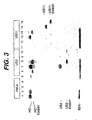
- the 22 kDa protein comigrated with a US3 detected by the US3-N antiserum (Fig. 3, lane 9, for control see lane 3). Since US3 is potentially glycosylated, we digested immunoprecipitates with EndoH prior to SDS-PAGE (Fig. 3, lanes 6, 8, 10). As observed above, the molecular weight of MHC class I HCs was reduced by approximately 3 kDa by EndoH treatment in US3 transfectants. In addition, the apparent molecular weight ofthe 22-23 kDa protein coprecipitated with MHC class I specific antibodies was reduced to 19 kDa. The exact same reduction in molecular weight was observed for US3 immunoprecipitated by US3-N (Fig. 3, lane 10).
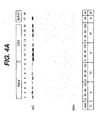
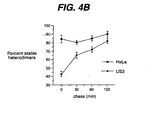
- thermostable MHC class I molecules increase during the two hour chase period as shown (Fig. 4 A, B) indicating that MHC class I molecules acquire peptides at a slower rate in US3 transfectants compared to wild-type cells.
- US3 associates with MHC class I molecules prior to peptide loading and that this association slows down but does not prevent peptide loading. Since no increase in HC degradation was evident in US3 transfectants compared to HeLa cells during the two hour chase period, we further conclude that retention by US3 does not induce HC degradation as observed for US 11.
- peptide transport activity was completely inhibited in cells expressing US6 similar to ICP47 transfectants or after ATP removal. Since peptide translocation was inhibited independently ofMHC class I loading, we conclude that peptide loading and impaired MHC class I transport are downstream events of TAP inhibition by US6.
- US6 inhibits TAP in HCMV infected cells
- ICP47 is a soluble protein containing 89 amino-acids which localizes to the cytosol (Science et al., 1995; York et al., 1994), whereas the open reading frame US6 encodes a predicted type I transmembrane glycoprotein of 184 amino-acids with some degree of sequence homology to the ORFs US2-US11 (Ahn et al., 1996a; Chee et al., 1990).
- US6 is an ER-resident glycoprotein as observed for US3 (Ahn et al., 1996a), US11 (Wiertz et al., 1996a) and a subpopulation of US2 (Wiertz et al., 1996b)
- the ER luminal domain of US6 is responsible for TAP inhibition
- HCMV infection causes major health problems in immunosuppressed individuals. Such infections result either from a relapse ofa latent infections or they are caused by virus present in the transplanted tissue. To clear HCMV from either the donor or the recipient or both prior to transplantation it would be useful to induce an immune response against the virus. Expression of the US proteins most likely prevents the immune system to detect ongoing infections. This immune escape could potentially be reverted by developing compounds which prevent the interaction of US proteins with MHC class I molecules. Thus, US proteins are potential drug targets. Our results identify US3 and US6 as potential targets, in addition to US2 and US11. Since US3 might be expressed during the latent phase, it could be a more important target to activate an immune response against the latent stage of the virus.
- US6 is useful to induce peptide specific CTL in vitro, similar to TAP-deleted cell lines (De Bruijn, M. L., Schumacher, T. N., Nietand, J. D., Ploegh, H. L., Kast, W.M. & Mellef, C. J. (1991) Eur J Immunol 21, 2963-70). It might be possible to bind ⁇ 2m to the free MHC class I molecules which reach the cell surface in US6-transfected cells. Similar to cells lacking functional TAP such molecules should be very efficiently loaded with synthetic peptides specific for the respective MHC class I haplotype.
- Such mono-specific antigen presenting cells are excellent stimulators to induce peptide-specific primary CTL in vitro (De Bruijn, M. L., Schumacher, T. N., Nieland, J. D., Ploegh, H. L., Kast, W.M. & Mellef, C. J. (1991) Eur J linmuiiol 21, 2963-70).
- An adenovirus type 2 glycoprotein blocks cell surface expression of human histocompatibility class I antigens. Cell 41, 987-997.
- HLA-A2.I-associated peptides from a mutant cell line a second pathway of antigen presentation. Science 255, 1264-6.
- Herpes simplex virus turns off the TAP to evade host immunity. Nature 375, 411-415. Jackson, M. R., Nilsson, T., and Peterson, P. A. (1990). Identification of a consensus motif for retention of transmembrane proteins in the endoplasmic reticulum. EMBO J 9, 3153-62.
- Short cytoplasmic sequences serve as retention signals for transmembrane proteins in the endoplasmic reticulum. Cell 58, 707-18.
- TAP1-dependent peptide translocation in vitro is ATP-dependent and selective.
- HLA-A2 molecules in an antigen-processing mutant cell contain signal sequence-derived peptides. Nature 356, 443-6.
- the human cytomegalovirus US11 gene product dislocates MHC class I heavy chains from the ER to the cytosol. Cell 84, 769-779.
- Proteasomes are regulated by interferon gamma: implications for antigen processing. Proc Natl Acad Sci U S A 89, 4928-32.
- a cytosolic Herpes simplex protein inhibits antigen presentation to CD8+ T lymphocytes. Cell 77, 525-535.
Landscapes
- Health & Medical Sciences (AREA)
- Life Sciences & Earth Sciences (AREA)
- Chemical & Material Sciences (AREA)
- Virology (AREA)
- Immunology (AREA)
- Medicinal Chemistry (AREA)
- General Health & Medical Sciences (AREA)
- Microbiology (AREA)
- Pharmacology & Pharmacy (AREA)
- Organic Chemistry (AREA)
- Animal Behavior & Ethology (AREA)
- Bioinformatics & Cheminformatics (AREA)
- Public Health (AREA)
- Veterinary Medicine (AREA)
- Engineering & Computer Science (AREA)
- Zoology (AREA)
- Genetics & Genomics (AREA)
- Mycology (AREA)
- Wood Science & Technology (AREA)
- Epidemiology (AREA)
- Biomedical Technology (AREA)
- Biotechnology (AREA)
- Biochemistry (AREA)
- General Engineering & Computer Science (AREA)
- Chemical Kinetics & Catalysis (AREA)
- Nuclear Medicine, Radiotherapy & Molecular Imaging (AREA)
- General Chemical & Material Sciences (AREA)
- Medicines That Contain Protein Lipid Enzymes And Other Medicines (AREA)
- Medicines Containing Antibodies Or Antigens For Use As Internal Diagnostic Agents (AREA)
- Peptides Or Proteins (AREA)
- Saccharide Compounds (AREA)
- Medicines Containing Material From Animals Or Micro-Organisms (AREA)
- Measuring Or Testing Involving Enzymes Or Micro-Organisms (AREA)
- Micro-Organisms Or Cultivation Processes Thereof (AREA)
Abstract
Description
- The present invention relates to recombinant human cytomegalovirus (HCMV) genes whose encoded proteins down-regulate expression of cellular MHC class I heavy chains.
- Human cytomegalovirus (HCMV) is a betaherpesvirus which causes clinically serious disease in immunocompromised and immunosuppressed adults, as well as in some infants infected in utero or perinatally (Alford, C. A., and W. J. Britt. 1990. Cytomegalovirus, p. 1981-2010. In D. M. Knipe and B. N. Fields (ed.), Virology, 2nd ed. Raven press, New York). In human cytomegalovirus (HCMV)-infected cells, expression of the cellular major histocompatibility complex (MHC) class I heavy chains is down-regulated. The 230-kb dsDNA genome of HCMV was sequenced (Chee, M. S., A T. Bankier, S. Beck, R. Bohni, C. M. Brown, R. Cerny, T. Horsnell, C. A. Hutchinson, T. Kouzarides, J. A. Martignetti, E. Preddie, S. C. Satchwell, P. Tomlinson, K. Weston, and B. G. Barrell. 1990. Analysis of the protein-coding content of the sequence of human
cytomegalovirus strain AD 1 69. Curr. Top. Microbiol. Immunol. 154:125-169) and has at least 200 open reading frames (ORFs). The functions of most of these 200 genes is unknown. The function of some HCMV proteins are known or predicted due to their homology with other viral (especially herpes simplex virus) and cellular proteins. However, for the majority of the HCMV ORFS, the functions of the proteins they encode is unknown. - Several investigators have shown that infection by HCMV results in the down-regulation of cellular MHC class I heavy chains (Browne, H., M. Churcher, and T. Minson. 1992. Construction and characterization of a human cytomegalovirus mutant with the UL18 (class I homolog) gene deleted. J. Virol. 66:6784-6787; Beersma, M. F. C., M. J. E. Bijlmakers, and H. L. Ploegh. 1993. Human cytomegalovirus down-regulates HLA class I expression by reducing the stability of class I H chains. J. Immunol. 151:4455-4464; Yamashita, Y., K. Shimokata, S- Mizuno, H. Yamaguchi, and Y. Nishiyama. 1993. Down-regulation of the surface expression of
class 1 MHC antigens by human cytomegalovirus. Virology 93:727-736). Down-regulation is defined as reduction in either synthesis, stability or surface expression of MHC class I heavy chains. Such a phenomenon has been reported for some other DNA viruses, including adenovirus, murine cytomegalovirus, and herpes simplex virus (Anderson, M., S. Paabo, T. Nilsson, and P. A. Peterson. 1985. Impaired intracellular transport of class I MHC antigens as a possible means for adenoviruses to evade immune surveillance. Cell 43.215-222; Burgert and Kvist, 1985, Cell, 41:987-997; del Val. M., K. Munch, M. Reddehasse, and U. Koszinowski 1989. Presentation of CMV immediate-early antigen to cytotoxic T lymphocytes is selectively prevented by viral genes expressed in the early phase. Cell 58:305-315-. Campbell, A. E., J. S. Slater, V. J. Cavanaugh, and R. M. Stenberg. 1992. An early event in murine cytomegalovirus replication inhibits presentation of cellular antigens to cytotoxic T lymphocytes. J. Virol. 66:3011-3017.; Campbell, A. E., J. S. Slater. 1994. Down-regulation of major histocompatibility complex class I synthesis by murine cytomegalovirus early gene expression. J. Virol. 68:1 805-1 81 1; York, I.A., C. Roop, D.W. Andrews, S.R. Riddell, F.L. Graham, and D.C. Johnson. 1994. A cytosolic herpes simplex virus protein inhibits antigen presentation to CDB + T lymphocytes. Cell 77:525-535). In the adenovirus and herpes simplex virus systems, the product of a viral gene which is dispensable for replication in vitro is sufficient to cause down-regulation of MHC class I heavy chains (Anderson, M., S. Paabo, T. Nilsson, and P. A. Peterson. 1985. Impaired intracellular transport of class I MHC antigens as a possible means for adenoviruses to evade immune surveillance. Cell 43:215-222; Burgert and Kvist, 1985, supra). WO 96/04383 discloses HCMV mutants which do not down-regulate expression of MHC class I heavy chain. The gene(s) involved inclass 1 heavy chain down-regulation by murine cytomegalovirus have not yet been identified. - HCMV causes benign but persistent infections in immunocompetent individuals implying a balance between immune control of and immune escape by the virus (Rinaldo, C. R. (1990) Annu. Rev. Med 41, 331-338). Cytotoxic T cells play a major role in the immune defense against most viruses, since infected cells can be lysed upon engagement of T-cell receptors with MHC class I molecules presenting virus derived peptides (Townsend, A. & Bodmer, H. (1989) Ann. Rev. Iiiiitiui ol. 7, 601-624). However, HCMV infection prevents T cells from recognizing viral or self antigens if they are synthesized within the cell, but not if the specific epitope is given as a peptide (Hengel, H., Esslin-er, C., Pool, J., Goulmy, E. & Koszlnowski, U. H. (1995) J.GenVirol 76, 2987-2997), consistent with HCMV interference with MHC class I assembly and a peptide transport. In non-infected cells, newly synthesized MHC class I heavy chains (HC) associate with β2-microglobulin (β2m) in the endoplasmic reticulum. Subsequently, heterodimers associate with TAP, an ATP-driven peptide transporter, and acquire 8-10 amino-acid long peptides imported from the cytosol (Heemels, M.-T. & Ploegh, H. (1995) Ann. Rev. Biocliem. 64, 463-491). This trimeric complex is then transported to the cell surface provided peptides are bound with sufficient affinity. By contrast, HCs are selectively degraded immediately after synthesis in HCMV-Infected cells (Warren, A. P., Ducroq, D. H., Lehner, P. J. & Borysiewicz, L. K. (1994) J Virol 68, 1822-2829; Yamashita, Y., Shimokata, K., Saga, S., Mizuno, S., Tsurumi, T. & Nishiyama, Y.(1994) J Virol 68, 7933-7943; Beersma, M. F. C., Bijlmakers, M. J. E. & Ploegh, H. (1993) J. linm tiol. 151, 4455-4464). Deletion analysis has revealed that at least two loci within the growth-dispensable US-region of the HCMV genome mediate such degradation independently (Jones, T. R., Hanson, L. K., Sun, L., Slater, J. S., Stenberg, R. M. & Campbell, AE. (1995) Journal of
Virology 69, 4830-41). One of the responsible genes was identified as US11, since US11 transfectants faithfully reproduced viral HC degradation. Interestingly, HCs appear to be exported into the cytosol for degradation in US11 transfectants (Wiertz, E. J. H. J., Jones, T. R., Sun, L., Bogyo, M., Geuze, H. J. & Ploegh,H.L.(1996)Cell 84, 769-779). - The present invention provides a method of controlling downregulation of major histocompatibility complex (MHC) class I expression in a cytomegalovirus infected cell which utilizes the recombinant US3 and/or US6 genes or their protein products from human cytomegalovirus.
- The present invention also provides a vaccine which utilizes the recombinant mutant human cytomegalovirus genes or their protein products, as well as a method of immunizing an individual against cytomegalovirus employing the recombinant mutant human cylamegalovirus. A live attenuated HCMV vaccine open reading frame US3 and/or US6 will elicit a better immune response than one containing this gene region, based on the lack of class I down-regulation by the former. Therefore a virus lacking this region is a superior immunogen.
- The present invention also provides a method of preventing or reducing susceptibility to acute cytomegalovirus in an individual by administering an immunogenic amount of the gene, gene products, and/or the recombinant mutant human cytomegalovirus.
- The present invention also provides a gene therapy vector in which the. open reading frame US3 and/or US6 of the HCMV gene involved in the MHC class I heavy chain down-regulation can be incorporated into adenovirus vectors or similar virus based gene therapy vectors to minimize the immune response. This will allow the use of the recombinant adenovirus or similar virus based gene therapy vectors to be used in gene therapy.
-
- Figure 1: Four US genes prevent MHC class I surface expression independently. Surface expression of either W6/32 reactive MHC class I heterodimers or transferrin was analysed by FACS 72 hours after transfection with the indicated US genes. Stipled lines are from non-induced transfections (+ tetracycline). Solid lines are from tranfections induced for 48 hours.
- Figure 2, Panels A and B: Intracellular transport of transferrin receptor and
MHC class I in US3 and US11 transfected HeLa cells. Panel A) Stably transfected or non-transfected
HeLa cells containing the tet-regulatable transactivator (Gossen, M. & Bujard, H.
(1992) Proc. Natl. Acad. USA 89, 5547-5551) were grown for 24 hours in the absence of
tetracycline to induce US3 and US11 expression and biosyntbetically labeled for 15 minutes
(odd numbered lanes) followed by 30 minute chase (even numbered lanes). Lysates were
immunoprecipitated with antitransferrin receptor antibody (
lanes lanes lanes lanes - Figure 3: US3 but not US11 coimmunoprecipitates with MHC class I The
indicated cell lines were grown in the absence of tetracycline for 24 hours prior to labeling for
30 minutes and lysis in 1 % digitonin. MHC class I specific antibodies used for
immunoprecipitations were K355 (
lanes lanes 2; 7, 8, 13, 14). Similar results were obtained using antibodies W6/32 and BBM. 1. US3 and US11 were inununoprecipitated using anti-US3-N (lanes lanes Lanes EndoH treatment 19 kDa and 25 kDa, respectively. - Figure 4, Panels A and B: Thermostability of US3 retained MHC class I
molecules. Panel A) Non-transfected, US3 transfected or ICP47-transfected (Friih, K., Ahn, K.,
Djaballah, H., Semp6, P., van Endert, P. M., Tamp6, R.,Peterson, P. A. & Yang, Y. (1995)
Nature 375, 415-418) HeLa cells were induced by tetracycline-removal for 24 hours prior to
labeling for 15 minutes followed by the indicated chase times. Lysates in 1 % NP40 were either
kept at 40°C or incubated for 1 hour at 37°C prior to immunoprecipitation with W6/32. Note
that MHC class I molecules in HeLa cells migrate slower after chase due to carbohydrate
modifications in the Golgi (see Fig. 1). Lysates ofICP47 transfected cells contain both ER-retained
and surface expressed MHC class I molecules, but both populations are unstable
indicating lack of stabilizing peptides (
lanes - Figure 5: MHC class I heterodimers but not free heavy chains are absent in US6 transfectants. Pulse/chase analysis of either HeLa cells or US6 transfected HeLa. cells induced for 48 hours by tetracycline removal. Cells were labeled for 15 minutes and the label was chased for 0, 15, 40 and 75 minutes. Heterodimers were detected with mab W6/32, total amount ofMHC class I molecules with K455 antiserum and free heavy chains with mab HClO as indicated. Prior to SDS-PAGE all samples were treated with EndoH.
- Figure 6: Peptide translocation in US transfected HeLa cells is shown. Translocation of iodinated peptide RYNATGRL into the ER of non-transfected HtTa cells or stably transfected with US3 (Ahn et al., 1996a), US11 (Ahn et al., 1996a), ICP47 (Früh et al., 1995) or US6 was measured after tetracycline had been removed for 24 hours (-tet) to induce expression. 0.15 U Streptolysin O (Murex) was activated for 10 min at 37°C in 100 µl transport assay buffer (Neefjes et al., 1993) containing 4 mM DTT and 10 mM fresh ATP. Transfected or untransfected HeLa cells (2×10⁶) were resuspended in this solution and after adding 2×10⁶ cpm labeled RYNATGRL cells were incubated at 37°C for 25 min. ConA precipitation was perfomed as described (Neefjes et al., 1993). As control no ATP was added and residual ATP was removed by Apyrase in non-transfected HtTa cells prior to measuring peptide transport. Results are presented as the mean of duplicate experiments (+/- standard deviation).
- Figure 7: US6 is responsible for TAP inhibition during HCMV infection Translocation of a reporter peptide library was measured in HFF cells infected with HCMV mutants containing deletions of multiple genes within the IRS1-US11 region (A) or with only US6 deleted (B). Peptide transport assays were performed as described in the material and methods section. As control, peptide recovery after 0 min incubation or after adding sICP47 was measured. HCMV mutants IRS1-US6. US2-US11, US6-US11 as well as US6 have been described previously (Jones et al., 1995).
- Figure 8: Subcellular localization of US6 HtTa cells were transiently transfected with US6 and grown in the absence of tetracycline for 48h. US6 was visualized using anti-US6N and goat-anti-rabbit-Rhodamin conjugate (Cappel). Calnexin was stained with AF8 (Sugita and Brenner, 1994) and visualized with goat-anti-mouse-FITC (Cappel). Non-transfected cells which express calnexin but not US6 are indicated by arrows. The same microscopic field was photographed at the excitation wavelengths of rhodamin (upper panel) fluorescein (lower panel), or both (middle panel).
- Figure 9: The luminal domain of US6 is sufficient for ER-retention and MHC
class I downregulation is shown. HtTa cells were transiently transfected with the indicated
constructs in the absence of tetracycline. 36h after transfection, MHC class I surface expression
was monitored by cytofluorometry using mab W6/32. Results are graphically depicted in the
left panel as cell number versus mean fluorescence (log scale). The right panel shows the US6
derivatives immunoprecipitated with anti-US6N from NP40 lysates of transiently transfected
HtTa cells labeled for 30 min (
lane 1, 2) and chased for 4 h (lane 3, 4).Lanes - Figure 10: The luminal domain of US6 interacts with TAP. HtTa cell were non-transfected
(lane 1) or transfected with CD4E19.pCMUII (Jackson et al., 1990) (lane 2) or
pUHG10.3- US6E19 (lane 3-7). Two days after transfection, cells were metabolically labeled
for 16h and proteins were solubilized in 1 % digitonin and immunoprecipitated with anti-TAP1
(lane 1) or anti-E19 antiserum (Nilsson et al., 1989) (lane 2-7) and separated on SDS-PAGE
(lanes 1 - 7). A fraction of the anti-E19 precipitate from US6-
E 19 transfected cells was dissolved in 1 % SDS and reprecipitated with anti-TAP1 (lane 8), anti-TAP2 (lane 9), K455 (13) (anti-class I, (Andersson et al., 1985)) (lane 10) or anti-US6N (lane 11). (Lanes 1-7 and 8 - 11 are from different gels, hence the slightly different mobility of ß2m). Prior to immunoprecipitation cells were grown for 24 h without tetracycline (lane 1-3) or with 0.000 1, 0.001, 0.01, 0.1 µg/ml tetracycline (lanes 4-7) to achieve decreasing expression levels of US6E19. Proteins which are part of the TAP / class I complex as well as CD4E19 are indicated on the left. All other protein bands are non-specifically immunoprecipitated since they are present in all precipitations. Cells were treated for 24h with interferon-g (1000 U/ml) prior to labeling to increase TAP expression. - Figure 11: Peptide binding to TAP in US6 transfected HeLa cells. Untransfected HtTa cells or HtTa cells stably transfected with US6 or ICP47 were grown in the presence or absence of tetracycline prior to SLO permeabilization and incubation with photoreactive peptide KYWANATRSGL together with 1 µM purified recombinant His-ICP47 as described (Ahn et al., 1996b). After UV-crosslinking, heterodimeric TAP molecules were precipitated with anti-TAP1 antiserum and separated on SDS-PAGE. The relative position of TAP1 and TAP2 is indicated.
-
- The subregion of the HCMV genome which contains ORFs US2-US5 comprises bases 193119-195607. It has been proposed that US2 and US3 encode membrane glycoproteins (Chee, M. S., A. T. Bankier, S. Beck, R Bohni, C. M. Brown, R. Cerny, T. Horsnell, C. A. Hutchinson, T. Kouzarides, J. A. Martignetti, E. Preddie, S. C. Satchwell, P. Tomlinson, K. Weston, and B. G. Barrell. 1990. Analysis of the protein-coding content of the sequence of human
cytomegalovirus strain AD 1 69. Curr. Top. Microbiol. Immunol. 154:125-169). US3 is a differentially spliced gene which is expressed throughout the viral replicative cycle and encodes a protein with transcriptional transactivating activity (Tenney, D.J., and A.M. Colberg-Poley. 1991. Human cytomegalovirus UL3638 and US3 immediate-early genes: temporally regulated expression of nuclear, cytoplasmic, and polysome-associated transcripts during infection. J. Virol. 65:6724-6734; Colberg-Poley, A. M., L. D. Santomenna, P. P. Harlow, P. A. Benfield, and D.J.Tenney. 1992. Human cytomegalovirus US3 and UL36-38 immediate-early proteins regulate gene expression. J. Virol. 66:95-1 05; Tenney, D.J., L.D. Santomenna, K.B. Goudie, and A.M. Colberg-Poley. 1993. The human cytomegalovirus US3 immediate-early protein lacking the putative transmembrane domain regulates gene expression. Nucl. Acids Res. 21:29312937; Weston, K. 1988. An enhancer element in the short unique region of human cytomegalovirus regulates the production of a group of abundant immediate early transcripts. Virology 162:406-416). Several smaller ORFs are also present in this subregion (between the ORFs US3 and US5), but their expression characteristics or functions have not been reported. Gretch, D. R, and M. F. Stinski 1990 (Transcription of the human cytomegalovirus glycoprotein gene family in the short unique component of the viral genome. Virology 174:522-532) reported that there is a 1.0-kb early mRNA transcribed from this region of the HCMV genome, but it was not finely mapped. It has been previously shown that expression of the US2 gene is sufficient for MHC class I down-regulation within this locus (US2-US5). - Another HCMV subregion, which is also sufficient for MHC class I heavy chain reduction, contains the US10 and US11 genes, at bases 199083-200360. However, for the
US 10 gene product,US 10 expression is not sufficient for downregulation of heavy chain expression. It is demonstrated herein that US3 and US6 expression is sufficient to cause MHC class I heavy chain down-regulation in stably-transfected uninfected cells in the absence of other HCMV proteins. - RNA and protein expression from US11 begins early and proceeds throughout the course of infection (Jones, T.R., and Muzithras, V.P. 1991. Fine mapping of transcripts expressed from the US6 gene family of human
cytomegalovirus strain AD 1 69. J. Virol. 65:2024-2036). US1 encodes a glycoprotein of 32-kDa (gpUS11) which has N-linked sugar residues that are endoglycosidase H sensitive. Immunofluorescence experiments show that gpUS11 is not present on the cell surface, but is detected in the cytoplasm of HCMV-infected cells. Thus, gpUS11 is retained in the endoplasmic reticulum or cis golgi. The characteristics of HCMV gpUS11 are similar to the 25-kDa glycoprotein (E3-19K) encoded from the E3 region ofadenovirus type 2. Ad E3-1 9K is nonessential for viral replication. It has been shown to contain endoglycosidase H-sensitive N-linked sugar residues, be retained in the endoplasmic reticulum, and bind MHC class I heavy chains, thereby preventing their transport to the cell surface 9 (Anderson, M., S. Paabo, T. Nilsson, and P. A. Peterson. 1985. Impaired intracellular transport of class I MHC antigens as a possible means for adenoviruses to evade immune surveillance. Cell 43:215-222; Burgert, H. G., and S. Kvist. 1985. Anadenovirus type 2 glycoprotein blocks cell surface expression of human histocompatibility class I antigens. Cell 41:987-997). In contrast to Ad E3-19K, a direct association between gpUS1 and class I heavy chains (i.e., by coimmunoprecipitation) was not detected. - The identification of the US2-US11 gene region as the region of the HCMV genome required for down-regulation of MHC class I heavy chains is significant in several respects. As mentioned above, expression from this region of the genome throughout the course of infection acts to interfere with an effective cell mediated immune response. Surface expression of MHC class I molecules is required for antigen presentation to activate and expand cytotoxic T lymphocyte (CTL) precursors populations (Schwartz, R.H. 1985. T lymphocyte recognition of antigen in association with gene products of the major histocompatibility complex. Ann. Rev. Immunol. 3:237-261). In addition, they are further required for target recognition by the activated CTLs (Zinkemagel, R.M., and P.C. Doherty. 1980. MHC restricted cytotoxic T cells: studies on the biological role of polymorphic major transplantation antigens determining T cell restriction specificity. Adv. Immunol. 27:51-177). In MCMV; CTLs against the major immediate-early protein are protective against lethal infection by this virus. However, in HCMV infected individuals, the frequency of CTLs against the analogous HCMV immediate-early protein, IEI, are reported to be extremely rare (Gilbert, M.J., S.R RiddeII, C-R. Li, and P.D. Greenberg. 1993. Selective interference with class I major histocompatibility complex presentation of the major immediate-early protein following infection with human cytomegalovirus. J. Virol. 67:3461-3469). Recent studies have shown that IE peptides are more efficiently presented by interferon γ-treated HCMV-infected cells, than by untreated infected cells (Gilbert, M.J., S.R. Riddell, C-R. Li, and P.D. Greenberg. 1993. Selective interference with class I major histocompatibility complex presentation of the major immediate-early protein following infection with human cytomegalovirus. J. Virol. 67:3461-3469). Interferon y causes increased surface expression ofMHC class I proteins. Thus, increasing the expression of class I heavy chains in HCMV infected cells may be important in the efficient generation of IE-specific CTLS, or CTLs against other important HCMV antigens. A HCMV mutant deleted of the US3 and/or US6 gene region would have this effect since the class I heavy chains are not down-regulated when cells are infected with this mutant. Therefore, a deletion of this region of the viral genome is important in the development of a live HCMV vaccine to induce an effective anti-HCMV immune response.
- The elucidation of the US3 and US6 gene products as being sufficient for class I down-regulation is significant for several reasons based on the fact that class I proteins mediate the activation of, and recognition of target cells by, cytotoxic T lymphocytes, the primary player in the cellular immune response. US3 and US6, as genes or, perhaps, as proteins, may be incorporated in clinical treatment strategies when expression of cellular MHC class I is undesirable: gene therapy vectors (e.g., adenovirus vectors) and to reduce allograft rejection. US3 and US6 can be used as tools to identify other cellular proteins which may interact with class I heavy chains and thereby effect class I heavy chain protein stability, processing, and transport to the cell surface. In an HCMV vaccine strategy using a live virus, removal of US3, or US6, or both may yield a virus which is a better immunogen than a virus which contains these genes.
- A pharmaceutical composition may be prepared containing a recombinant HCMV mutant in which the region of the HCMV genome capable of down-regulating MHC Class I expression in infected cells has been deleted. The deleted region of the HCMV genome is preferably open reading frame US3, US6, or both. A stabilizer or other appropriate vehicle may be utilized in the pharmaceutical composition.
- As discussed earlier, the recombinant HCMV mutant of the present invention from which a region of the HCMV genome capable of down-regulating MHC class I expression has been deleted, may be used in a vaccine for the prevention of cytomegalovirus infections. The deleted region of the HCMV genome is preferably open reading frame US3, US6, or both. The vaccine comprises an effective amount of the recombinant HCMV mutant in a pharmaceutically acceptable vehicle. An adjuvant may be optionally added to the vaccine.
- A method of immunizing an individual against cytomegalovirus may be carried out by administering to the individual an immunogenic amount of a recombinant HCMV mutant which is devoid of the gene sequence capable of down-regulating MHC class I expression. The gene sequence which has been deleted is preferably the region containing open reading frame US3, US6, or both.
- A method of preventing or reducing susceptibility in an individual to acute cytomegalovirus may be carried out by administering to the individual an immunogenic amount of a recombinant HCMV mutant which is devoid of the gene sequence capable of down-regulating MHC class I expression. The gene sequence which has been deleted is preferably the region containing open reading frame US3, US6, or both.
- Down-regulation of MHC class I expression in a cytomegalovirus infected cell may be controlled by a method having the steps of identifying a gene sequence capable of down-regulating the major histocompatibility complex and deleting the identified gene sequence from the cytomegalovirus genome.
- As discussed earlier, the gene sequence involved in the MHC class I heavy chain down-regulation can be incorporated into adenovirus vectors or similar virus-based gene therapy vectors to minimize the immune response and allow the use of the vectors in gene therapy. One virus-based gene therapy vector comprises the gene sequence of the open reading frame of US3. Another virus based gene therapy vector comprises the gene sequence of the open reading frame of US6. Another virus-based gene therapy vector comprises the gene sequences of US3 and US6, respectively.
- In order to identify other immunosupressive genes in the US region of HCMV we have cloned US2 trough US11 and expressed them in HeLa cells. Here we demonstrate that four genes, US2,
US 3, US6 and US11 are indenpendently able to prevent surface expression of MHC class I molecules. We further show that US3 retains MHC class I molecules in the ER, whereas US6 prevents the association of β2m with the heavy chain. - The following Examples are provided to illustrate the present invention without, however, limiting the present invention thereto.
- Genes coding for US2, US3, US4, US5, US6, US7, US8, US9, US10 and
US 11 were amplified by polymerase chain reaction using HCMV genomic cosmid pCM 1052 as template (Fleckenstein, B., Muller, 1. & Collins, J. (1982)Gene 18, 39-46). All 5'-end primers contained the SacII restriction site CCGCGG followed by the sequence CCACCATG corresponding to a consensus initiation signal (Kozak, M. (1984) Nucleic Acid Res. 12, 857-872). The start codon represented the first three nrucleotides of the respective open reading frames for all genes except for US4 which does not contain a start codon by itself The following 20-30 nucleotides hybridizing to the US-DNA were synthesized according to the HCMV sequence (Chee, M. S., Bankier, A. T., Beck, S., Bohni, R, Brown, C. M., Cerny, R., Horsnell, T., Hutchinson 111, C. A, Kouzarides, T., Marti-netti, J. A, Preddle, E., Satchwell, S. C., Tomlinson, P., Weston, K. M. & Barrell, B. G. (1990) Curr: Top. Microbiol Immunol. 154, 125-169) for all US-sequences except for US7 where a silent mutation was introduced by replacing the G atposition 6 of the coding region with a T in order to remove a Barn HI recognition site. All 3'-primers contained the last 20 to 30 nucleotides of the codon sequences followed by a stop codon and a Barn HI restriction site. Amplified DNA fragments were inserted as Sac II / Bam HI into the tetracycline inducible expression vector pUHGIO-3 (Gossen, M. and Bujard, H. (1992) Proc.Natl.Acad.Sci. USA, 89,5547-5551). - HeLa cells containing the tetracycline regulatable transactivator (Gossen, supra) were transfected by the calcium phosphate method. To establish stable cell lines, pUHG. 10-3.US constructs were cotransfected with a plasmid conferring Ouabain resistance (Yang, Y., Frueh, K., Ahn, K. & Peterson, P. A. (1995) J. Biol. Chem. 270, 27687-27694). Stable clones were selected in the presence of Ouabain (1 µM) for 24 hours each week. Single cell colonies were screened by FACS analysis for tetracycline inducible reduction of MHC class I surface expression and by immunoprecipitation for expression of the respective US-genes.
- Rabbit antisera specific for US3, US6 and US11 were raised against the following synthetic peptides indicated by the position of the first amino-acid in the respective coding sequence: US3-N,16-35; US3-C,78-97; US 6-N, US6-C, US11-N.16-36, US11-C,100-118.
- MHC class I specific antisera K455 and K355 were raised against purified human class I heterodimers or human β2-microglobulin, respectively (Andersson,M., Paabo, S., Nilsson, T. & Peterson, P. A. (1985) Cell 43, 215-222). K455 recognizes HC and β2m in both assembled and non assembled forms. K355 and monoclonal antibody BBM.I (Brodsky, F. M., Parham, P., Barnstable, C. J., Crumpton, M. J. & Bodmer, W.F. (1979) Immuiiol. Rev. 47, 3) recognize both free and complexed β2m. Monoclonal antibody W6/32 recognizes only the complex ofHC and β2m (Brodsky, supra). Monolconal antibody HCIO recognizes only free heavy chains (Stam, N. J., Spits, H. & Ploegh, H. L. (1986) J. Ittimuizol. 137, 2299-2306) For detection of metabolically labeled transferrin receptor we used mab H68 (White, S., Miller, K., Hopkins, C. & Trowbridge, 1. S. (1992) Bioch. Biophys.Acta 1136, 28-34). Surface transferrin receptor was detected by using a FITClabeled commercial antibody (Pharmingen).
- HeLa cell transfectants were methionine starved for 30 minutes in methionine deficient medium prior to pulse labeling for 15 or 30 minutes using 0.5 mCi 35S-Methionine (TranS-label, Amersham). The label was chased for various times with DMEM containing 10 % FCS. After one wash with cold PBS, cells were lysed using 1 % NP40 in PBS or I % digitonin in PBS for 30 minutes at 4°C. Immunoprecipitations and SDS-PAGE were carried out as described (Yang, Y., Waters, J. B., FrOh, K. & Peterson, P. A. ( 1992) Proc Natl Acad Sci USA 89, 4928-32). For EndoH treatment, immunoprecipitates were digested with 3 mU EndoH (Boehringer Mannheim) for 16 hours at 37°C in 50 mM NaOAc pH 5.6, 0.3 % SDS, 150 mM 2-mercaptoethanol.
- 105 HeLa cells were stained with W6/32 (1: 100) or FITC anti-transferrin receptor (1: 10) for 1 hour followed by three washes in PBS, 1% BSA. Bound W6/32 was visualized with goat-anti-rabbit IgG fluorescein conjugate (Cappel). Negative control was only goat-antirabbit IcG fluorescein conjugate.
- HCMV wild type, strain AD 169 was obtained from the American Type Culture Collection and HCMV mutants were constructed as previously described (Jones et al., 1995). Human foreskin fibroblast (HFF) cells were cultured as adherent monolayers in Dulbecco's modified Eagle's medium (DMEM) supplemented with 10% fetal calf serum, penicillin, streptomycin and 2 mM glutamine. HFF cell monolayers (107 cells) were infected with HCMV wild type or HCMV mutants at a m.o.i. of 5 in 10 ml ofDulbecco's modified Eagle's medium (DMEM) supplemented with 10% fetal calf serum, penicillin, streptomycin and 2 mM glutamine. Two hours postinfection medium was removed and 50 ml of the same medium was added. Cells were cultured for 3 days. Infection was assessed by the cytopathic effect observed in most of the cells 72 hours postinfection.
- HeLa cells containing the tetracycline regulatable transactivator (HtTa cells) (Gossen and Bujard, 1992) were transfected with 24µg plasmid DNA by Ca2+/PO4- precipitation as described in (Jackson et al., 1990). For transient experiments, 106 HtTa cells were incubated with the transfection solution for 16 h prior to washing three times with PBS to remove tetracycline. Transfectants were analyzed 48h hours after induction. To establish a stable cell line expressing US6, pUHG10.3-US6 was cotransfected with a plasmid conferring Ouabain resistance (Yang et al., 1995). Stable clones were selected by adding Ouabain (1µM) for 24 h each week. Single cell colonies were screened by cytofluorometry for tetracycline inducible reduction of MHC class I surface expression. Stable transfectants expressing US3, US11 or ICP47 have been described previously (Ahn et al., 1996a; Früh et al., 1995).
- For pulse/chase experiments, 106 cells were methionine starved for 30 min prior to pulse labeling for the indicated times using 0.5 mCi 35S-Methionine (TranS-label, Amersham). The label was chased for various times with DMEM containing 10 % FCS. For optimal labeling of TAP, cells were labeled for 16 h with 0.4 mCi in DMEM containing 1 % FCS dialyzed using a 12 KD cutoff membrane. After labeling, cells were washed once with cold PBS and lysed using 1 % NP40 (Sigma) in PBS or 1% digitonin (Calbiochem) in PBS for 30 min at 4°C. Immunoprecipitations and SDS-gels were carried out as described (Yang et al., 1992). For EndoH treatment, immunoprecipitates were digested with 3 mU EndoH (Boehringer Mannheim) for 16h at 37°C in 50 mM NaOAc pH 5.6, 0.3 % SDS, 150 mM 2-mercaptoethanol.
- For immunofluorescence transiently transfected HeLa cells were fixed in 4% paraformaldehyde and permeabilized with 0.1% Triton X-100 followed by incubation with antisera US6-N and mab AF8 for 1h. Bound rabbit or mouse antibody was visualized with goat-anti-rabbit IgG fluorescein or goat-anti-mouse rhodamin conjugate, respectively (Cappel). Cytofluorometric analysis was performed using goat-anti-rabbit IgG FITC to detect W6/32 specific for human MHC class I heterodimers (Parham, 1983).
- HCMV infected HFF cell monolayers were detached with trypsin/EDTA, washed twice with transport buffer (130 mM KCI, 10 mM NaCI, 1 mM CaCl2, 2 mM EGTA, 2 mM MgCl2, 5 mM Hepes, pH 7.3 with KOH) at 4°C and then permeabilized (107 cells/ml) in transport buffer containing 4 U/ml of Streptolysin O (SLO) for 20 min at 37°C. Permeabilization was assessed by trypan blue exclusion. Permeabilized cells (106 cells/sample in eppendorf tubes) were incubated for 10 min at 37°C with 10 ml of a radioiodinated peptide library (Heemels et al., 1993) and 10 ml of ATP generating system (50 mM ATP, 250 mM UTP, 2.5 mM creatine phosphate and 8U creatine phosphokinase) in a total volume of 100 ml at 37°C. When indicated, synthetic ICP47 87 mer was added to the translocation mixture in 10 ml at a final concentration of 10 mM. Peptide translocation was terminated by adding 1 ml of ice-cold stop buffer (transport buffer + 10 mM EDTA, 0.02% sodium azide). Samples were centrifugated at 14.000 r.p.m., supernatant was removed and 1 ml of ice-cold lysis buffer (0.5% NP40, 5 mM MgCl2, 50 mM Tris-HCI pH 7.5) added. After 20 min, nuclei were removed by centrifugation at 14.000 r.p.m. and the supernatant incubated with gentle agitation for 1 hour with 100 ml of Con A Sepharose beads at 4°C. Beads were washed three times with lysis buffer and radioactivity quantitated by g-spectrometry.
- To test which US genes interfere with MHC class I surface expression, we cloned the PCR amplified coding region of US2 through US11 into the tetracycline-regulatable expression vector PUHG. 10-3 and transiently transfected tet-transactivator-containing HeLa cdls (HtTa). As expected from previous data we observed a reduction ofMHC class I surface expression in US11 transfectants whereas surface expression of transferrin receptors was not affected (Fig. 1). In addition we observed similar effects for US2, US3 and US6.
- We stably transfected HeLa cells with US3 and, as control US11 and compared the intracellular transport of transferrin receptors and MHC class I molecules in either transfectants by metabolic labeling and immunoprecipitation. Neither US3 nor US11 affected the transport of transferrin receptors to the cell surface, since the single protein species of 95 kDa observed after biosynthetically labelinc, for 15 minutes was converted into a higher molecular weight protein species corresponding to the EndoH-resistant form (Wiertz, supra) within the 30 minutes chase period. Newly synthesized MHC class I HCs also display a shift in apparent molecular weight in non-transfected HeLa cells after a 30 minute chase (Fig. 2A, lane 4) and acquire Endo H resistance indicating transport through the Golgi-compartment (Fig. 2B, lane 4). However, in US3- or US11-transfected HeLa cells, intracellular transport ofMHC class I HCs was inhibited although their initial synthesis, translocation and glycosylation was not affected (Fig. 2A, compare
lanes US 11. - The EndoH sensitivity observed for MHC class I molecules in US3 transfected cells suggested that US3 associated with MHC class I molecules. However, no coprecipitation of US3 or US11 with MHC class I molecules was observed when cells were solubilized with NP40 (Fig. 2A, see also Fig. 4A). Therefore, we solubilized metabolically labeled US3-transfectants with the milder detergent digitonin prior to immunoprecipitation with MHC class I or US3-specific antisera (Fig. 3). Under these conditions both anti-HC and anti-β2m antisera coprecipitated a 22 to 23 kDa protein from US3 transfectants but not from HeLa cells (Fig. 3, compare
lanes lane 9, for control see lane 3). Since US3 is potentially glycosylated, we digested immunoprecipitates with EndoH prior to SDS-PAGE (Fig. 3,lanes lanes 9 10). This might either indicate that the majority of US3 is not bound to MHC class I in these transfected cells or that US3-N disrupts or does not recognize the complex. An additional protein of 17.5 kDa (indicated by *) was immunoprecipitated by US3-N but not by any of the anti-class I antibodies. This protein seems to be glycosylated since its molecular weight shifted to 13.5 kDa after EndoH treatment. The 13.5 kDa product might be generated by alternative splicing of US3 transcripts which has been shown to give rise to several alternative US3 RNAs in HCNW infected cells (Weston, K. (1988) Virology 162,406-16) which share the 5' end allowing for translocation and glycosylation (Tenney, D. J., Santomenna, L. D., Goudie, K. B. & Colberg-Poley, A. M. (1993)Nucleic Acids Res 21, 2931-7). Therefore, it is possible that the 17.5 kDa glycoprotein corresponds to a form of US3 lacking the transmembrane domain. Reprecipitations of US3-N inununoprecipitates with US3-C are in agreement with this assumption. The finding that the 17.5 kDa protein is not coprecipitated by any of the anti-class I antibodies used in these experiment suggests that only the full length US3 glycoprotein associated with MHC class I molecules. The data further suggest that US3 associates in the ER with MHC class I heteromers or, alternatively, binds to free HC or β2m without preventing further assembly of the respective polypeptide chain with its partner as well as peptides. - Since an association of US11 with HC has not been demonstrated so far we used the same labeling and lysis conditions to immunoprecipitate MHC class I molecules from US11 transfected cells (Fig. 3, lanes 11 - 16). All HC detected in US11 cells were EndoH sensitive (Fig. 3,
lanes 11, 14) as was the 29 kDa US11 protein itself which was immunoprecipitated by US11-N (Fig. 3,lanes 15, 16). The reduction of the molecular weight of US11 to 25 kDa by EndoH treatment is consistent with a predicted molecular weight of 25.3 kDa. Although a faint EndoH sensitive protein band of the size of US11 was coimmunoprecipitated by the class I-specific antisera (indicated by >) from US11 transfectants, suggested that US11 associates with MHC class I, the amount of US11 bound to the labeled MHC class I molecules was much lower than that observed forUS 3. It is possible that detergent solubilization disrupts a US11 class I complex or that none of the antibodies were able to recognize such a complex. The most likely explanation however, is that US11 interacts with MHC class I molecules only very transiently followed by the rapid degradation of both free and assembled HCs. - To identify whether US3 retains MHC class I molecules prior to or after peptide loading we monitored peptide loading by subjecting NP40 solubilized MHC class I complexes to elevated temperatures followed by immunoprecipitation with confon-nation-specific antibodies (Townsend, A, Elliot, T., Cerundolo, V., Foster, L.. Barber, B. & Tse, A. (1990) Cell 62, 285). As control we used HeLa cells transfected with the Herpes simplex virus protein ICP47 which blocks translocation of MHC class I binding peptides into the ER (Hill. A., Jugovic, P., York, I., Rus, G., Bennink; J., Yewdell, J., Ploegh, H. & Johnson, D. (1995) Nature 375, 411-415; Frueh, K. et al., (1995) Nature 375, 415-418). Consequently, MHC class I molecules from ICP47 transfected cells fall apart after incubation at 37°C for 60 minutes as monitored by inununoprecipitation with the heteromerspecific mab W6/32 (Fig. 4,
lanes 17, 18). By contrast, about 85 % of W6/32-reactive MHC class I molecules were thermostable in HeLa cells at all time points (Fig. 4A, B). However, in US3 transfectants the proportion of thermostable MHC class I molecules increased during the two hour chase period as shown (Fig. 4 A, B) indicating that MHC class I molecules acquire peptides at a slower rate in US3 transfectants compared to wild-type cells. We conclude that US3 associates with MHC class I molecules prior to peptide loading and that this association slows down but does not prevent peptide loading. Since no increase in HC degradation was evident in US3 transfectants compared to HeLa cells during the two hour chase period, we further conclude that retention by US3 does not induce HC degradation as observed forUS 11. - We stably transfected HeLa cells with US6 and compared the intracellular transport of MHC class I molecules to non-transfected HeLa cells by metabolic labeling and immunoprecipitation (Fig. 5). In HeLa cells, large amounts of free heavy chains can be detected immediately after the pulse (lane 17) most of which are converted to W6/32 reactive material during the chase period. By contrast, almost no W6/32 reactive heterodimer population was detected in US6 transfectants throughout the experiment, indicating that US6 affected heterodimer formation.
- However, less reduction was observed in US6 transfectants for both total class I and free heavy chains. Thus US6 seems to selectively affect the formation of heterodimers, whereas it does not affect synthesis and transport of a HC 10-reactive free heavy chain population. We conclude that US6 functions different from US3, since it does not retain class I molecules.
Furthermore, US6 differes from US11 In that it prevents heterodimer formation. - Since ICP47 inhibits TAP we examined whether US6 directly affected peptide translocation. Using an established assay which monitors peptide translocation independent ofMHC class I binding by ConA precipitation of peptides glycosylated upon entry in the ER (Neefjes et al., 1993) we compared TAP activity in non-transfected HtTa cells or in cells stably transfected with US3, US11, ICP47 or US6 (Fig. 6). No significant difference in the amount of glycosylated peptides was observed between non-induced or induced US3 and US11 cells (Fig. 6) or U373 cells transfected with US2. By contrast, peptide transport activity was completely inhibited in cells expressing US6 similar to ICP47 transfectants or after ATP removal. Since peptide translocation was inhibited independently ofMHC class I loading, we conclude that peptide loading and impaired MHC class I transport are downstream events of TAP inhibition by US6.
- Recently, it was demonstrated that TAP transport is inhibited during HCMV infection (Hengel et al., 1996). Moreover, peptide translocation was restored upon deletion of a 15 kb fragment spanning US1 - US15. To investigate whether US6 alone or in combination with other genes encoded in this region is responsible for TAP inhibition during HCMV infection, we analyzed peptide transport activity in cells infected with a series of HCMV mutants (Jones et al., 1995) containing the deletions IRS1 -US6, US2-US11 and US6-US11 (Fig. 7A). HFF cells were infected either with HCMV wild type or with the deletion mutants for 72 hours at a m.o.i. of 5, and peptide translocation was measured by the recovery of glycosylated 125I-labeled reporter peptide library. In contrast to wildtype HCMV, none of these deletion mutants inhibited TAP-mediated peptide translocation in HFF infected cells, whereas peptide translocation was blocked when a synthetic version of ICP47 (sICP47) was added (Fig. 7A). Since the common gene absent from all these mutant viruses is US6, a deletion mutant lacking this gene was constructed. HFF cells were infected for 72 hours at a m.o.i of 5 with the mutant lacking the US6 gene. As shown in Fig. 4B, the absence of the US6 gene product restored TAP dependent peptide translocation in HFF cells. These results clearly demonstrate that US6 is solely responsible for the inhibition of peptide translocation in HCMV-infected cells.
- The observed functional similarity between ICP47 and US6 contrasts with their different predicted protein structure. ICP47 is a soluble protein containing 89 amino-acids which localizes to the cytosol (Früh et al., 1995; York et al., 1994), whereas the open reading frame US6 encodes a predicted type I transmembrane glycoprotein of 184 amino-acids with some degree of sequence homology to the ORFs US2-US11 (Ahn et al., 1996a; Chee et al., 1990). To study the subcellular localization of US6, we raised anti-peptide antibodies against the predicted luminal domain of US6 and compared by immunofluorescence analysis its intracellular localization with that of calnexin, an ER resident chaperone (Degen and Williams, 1991). When HeLa cells transiently transfected with US6 were probed with antiserum US6-N a perinuclear staining was observed for transfected cells but not for non-transfected cells (Fig. 8, arrows). A similar pattern was observed both for transfected and non-transfected cells with the calnexin-specific monoclonal antibody AF8 (Fig. 8, lower panel). Moreover, costaining indicated that both proteins localized to the same compartment (Fig. 8, middle panel). Thus, we conclude that US6 is an ER-resident glycoprotein as observed for US3 (Ahn et al., 1996a), US11 (Wiertz et al., 1996a) and a subpopulation of US2 (Wiertz et al., 1996b)
- Since TAP inhibition by an ER resident protein has not been observed previously, we wanted to know if US6 inhibits TAP and / or is retained in the ER via its cytoplasmic, transmembrane or luminal domain. Therefore, we constructed a series of fusion proteins and examined their intracellular localization and transport as well as their ability to reduce MHC class I surface expression and peptide translocation (Fig. 9). When the cytoplasmic domain of CD8 was replaced with that of US6, surface levels ofMHC class I remained unchanged (Fig. 9, CD8US6). Moreover, the cytoplasmic tail of US6 was unable to prevent the intracellular transport of CD8, in contrast to the cytoplasmic tails of a number of ER resident proteins (Jackson et al., 1990). Thus it seems that the cytoplasmic tail of US6 is not sufficient for either ER retention or TAP inhibition. To examine whether the luminal domain of US6 alone would inhibit peptide transport we replaced both the predicted transmembrane domain and the cytoplasmic tail of US6 with that of CD8 and adenovirus E19, respectively. The resulting fusion protein US6E19 remained EndoH sensitive and downregulated MHC class I surface expression as a result ofTAP-inhibition (Fig. 9). Interestingly, ER retention as well as TAP inhibition was also observed for the construct US6E19D which contains a deletion in the ER retention signal of the E19 tail (Jackson et al., 1990). These results suggested that the luminal domain of US6 is responsible for both ER retention and TAP inhibition. To examine whether the luminal domain needs to be anchored in the membrane in order to inhibit TAP we fused the luminal domain of US6 to the sequence KDEL, which retains soluble proteins in the ER In addition, we truncated the US6 luminal domain by introducing a stop codon at amino acid position 139, i. e. before the predicted transmembrane domain. As shown in Fig. 9, both US6KDEL and US6STOP remained EndoH sensitive and both were able to prevent peptide translocation and thus class I surface expression. We conclude that the luminal domain of US6 is responsible for both inhibition of peptide translocation and ER retention of US6.
- It seemed likely that TAP inhibition and / or ER retention involved a direct interaction between US6 and TAP. However, neither of the two anti-US6 antisera co-immunoprecipitated TAP from lysates even when mild detergents were used for solubilization. This might be due to the possibility that these antisera are not able to recognize a US6/TAP complex because their epitopes are involved in TAP binding. Therefore, we used an antiserum against the E19 cytoplasmic tail to immunoprecipitate US6E19 from digitonin lysates of transiently transfected HeLa cells. We modulated the intracellular concentrations of both US6E19 and TAP by using tetracycline or Interferon-g, respectively. For control, we immunoprecipitated the TAP/dass complex from HeLa cells using anti-TAP1 antiserum which coprecipitates both MHC class I HC and b2m (Fig. 10, lane 1) and at least two additional proteins (arrows) with molecular weights corresponding to calreticulin (upper band) and tapasin (lower band) both of which are thought to be involved in class I binding to TAP (Sadasivan et al., 1996). Neither of these proteins was coprecipitated by anti-E19 from digitonin lysates of CD4E19 transfected cells (lane 2). By contrast, both TAP subunits as well as class I HC and b2m coprecipitated with US6E19 as shown by reprecipitation with the respective antibodies (Fig. 10, lanes 8-11). Also the two additional proteins were coprecipitated by anti-E19 indicating that US6 does not disrupt the TAP/ctass I complex. Interestingly, increasing amounts of TAP/class I complex were coprecipitated upon decreasing US6E19 expression levels (lane 3 - 7). We interpret this result as indication for a specific saturatable binding of US6, because upon saturation the ratio of free versus TAP-bound US6 increases with the intracellular concentration of US6. At high expression levels relatively more unbound US6 will be precipitated if limiting amounts of the E19-specific antiserum are used, as is the case in the experiment shown in Fig. 10. A very similar observation was made with ICP47, where the majority of ICP47 remains free in the cytosol upon overexpression whereas most ICP47 is bound to TAP at low concentrations (Früh et al., 1995). Since binding to TAP is saturatable it is unlikely that US6 is retained in the ER by binding to TAP, because US6E19 does not acquire EndoH resistance regardless of its expression levels (Fig. 9, 10). However, the interaction of US6 with the TAP/class I complex might be required for blocking peptide translocation by TAP.
- The association of US6 with the luminal portion of TAP is in contrast to ICP47 which approaches TAP from the cytosol. These different modes of interaction might be reflected in different molecular mechanisms of TAP inhibition. We demonstrated previously that ICP47 does not inhibit ATP-binding to TAP but competes with peptides for binding to the substrate binding site of TAP (Ahn et al., 1996b). Likewise we did not observe an inhibition of ATP binding to TAP from US6 expressing cells. To test whether US6 would interfere with peptide binding we added labeled peptides carrying a photocrosslinker to SLO permeabilized cells expressing US6 (Fig. 11). As control we used ICP47-transfected and non-transfected HeLa cells. In agreement with our previous observations (Ahn et al., 1996b), peptides could not be crosslinked to TAP isolated from ICP47-expressing cells (Fig. 11, lane 8) or from HeLa cells treated with purified recombinant His-ICP47 (Fig. 11, lane 3). By contrast, US6 expression did not prevent peptide binding (lane 5). Moreover, ICP47-binding to TAP was not affected by US6, since His-ICP47 inhibited peptide binding in US6-expressing cells (lane 6). We conclude that US6 interacts with a different domain of TAP compared to ICP47 and that US6 inhibits TAP by a different mechanism.
- Our study shows that HCMV prevents MHC class I antigen presentation by the concerted effort of several proteins encoded in the US region. Four proteins, US2, US3, US6 and US11 specifically affect the intracellular transport of MHC class I molecules but not of other glycoproteins. The USII -mediated heavy chain degradation has been described previously (Jones, T.R. et al., (1995), J.Virol., 69, 4830-4841; Wiertz, E.J, et al., (1996) Cell, 84, 769-779). Furthermore, from our results it can be deduced that US2 works similar to
US 11, since a HCMV deletion mutant which only contains US2, US3, US4 and US5 is able to degrade heavy chains (Jones, T.R. et al., (1995) supra) and our results rule out US3, US4 and US5. The fate of the MHC class I molecules differs from US11 transfected cell lines with US3 retaining fully assembled MHC class I heterotrimers, whereas US6 expression prevents heterodimer formation. - HCMV infection causes major health problems in immunosuppressed individuals. Such infections result either from a relapse ofa latent infections or they are caused by virus present in the transplanted tissue. To clear HCMV from either the donor or the recipient or both prior to transplantation it would be useful to induce an immune response against the virus. Expression of the US proteins most likely prevents the immune system to detect ongoing infections. This immune escape could potentially be reverted by developing compounds which prevent the interaction of US proteins with MHC class I molecules. Thus, US proteins are potential drug targets. Our results identify US3 and US6 as potential targets, in addition to US2 and US11. Since US3 might be expressed during the latent phase, it could be a more important target to activate an immune response against the latent stage of the virus.
- For gene therapy, viral vectors which express the gene of interest are introduced into the patient or experimental animal. The major goal of this process is to achieve long-term stable expression of the introduced healthy gene. However, a major obstacle to gene therapy is the rapid loss of recombinant gene expression which is associated with the development of a vigorous inflammatory response. For El-deleted adenovirus vectors, inflammation is initiated by vector-specific CTL as shown by passive transfer experiments and depends on MHC class I presentation since transduced cells were not eliminated in β2m -/mice (Yang, Y., ErtI, C. J. & Wilson, J M. (1994) Iinmuizit- I, 433-442). Thus, it seems possible that by introducing viral proteins which prevent MHC class I presentation such unwanted inflammatory responses could be prevented. Indeed, the constitutive expression of E19 reduced the vector-specific CTL response (Lee, M. G., Abina, M. A., Haddada, H. & Perricaudet, M. (1995) Gene Ther. 2,256-61). Introducing ICP47 as well as US proteins into such vectors might further reduce such a CTL response, since MHC class I antigen presentation will be inhibited on several levels. The viral proteins described here could be-useful in additional situations where CTL reactivity is unwanted. M. Horwitz and coworkers have recently demonstrated that transgenic expression of the adenovirus E3 region, which contains E19 acting similar to US3, in pancreatic islet cells prolonged the survival of islets transplanted across haplotype barriers (Horwitz, M. S., Tufariello, J., Grunhaus, A. & Fejer, G. (1995) Curr Top Microbiol Immuizol 199, 195-211). Thus, the proteins described here might be useful in transplantation, e. g. xenotransplantation from transgenic-animals.
- Finally. US6 is useful to induce peptide specific CTL in vitro, similar to TAP-deleted cell lines (De Bruijn, M. L., Schumacher, T. N., Nietand, J. D., Ploegh, H. L., Kast, W.M. & Mellef, C. J. (1991)
Eur J Immunol 21, 2963-70). It might be possible to bind β2m to the free MHC class I molecules which reach the cell surface in US6-transfected cells. Similar to cells lacking functional TAP such molecules should be very efficiently loaded with synthetic peptides specific for the respective MHC class I haplotype. Such mono-specific antigen presenting cells are excellent stimulators to induce peptide-specific primary CTL in vitro (De Bruijn, M. L., Schumacher, T. N., Nieland, J. D., Ploegh, H. L., Kast, W.M. & Mellef, C. J. (1991)Eur J linmuiiol 21, 2963-70). This should facilitate the generation of cytotoxic T cells specific for a given antigen, a prerequisite for T cell based vaccines against cancer or viral infections. - Ahn, K., Angulo, A., Ghazal, P., Peterson, P. A., Yang, Y., and Früh, K. (1996a). Human cytomegalovirus inhibits antigen presentation by a sequential multitep process. Proc. Natl. Acad. Sci. U S A 93, 10990-10995.
- Ahn, K., Meyer, T. H., Uebel, S., Sempé, P., Djaballah, H., Yang, Y., Peterson, P. A., Früh, K., and Tampé, R. (1996b). Molecular mechanism and species specificity of TAP inhibition by Herpes simplex virus protein ICP47. EMBO J. 15, 3247-3255.
- Andersson, M., Pääbo, S., Nilsson, T., and Peterson, P. A. (1985). Impaired intracellular transport of class I MHC antigens as a possible means for adenoviruses to evade immune surveillance. Cell 43, 215-222.
- Androlewicz, M. J., and Cresswell, P. (1994). Human Transporters associated with antigen processing possess a promiscuous peptide-binding site. Immunity I, 7-14.
- Androlewicz, M. J., Ortmann, B., Van Endert, P. M., Spies, T., and Cresswell, P. (1994). Characteristics of peptide and major histocompatibility complex class I/beta2-microglobulin binding to the transporters associated with antigen processing (TAP1 and TAP2). Proc Natl Acad Sci U S A 91, 12716-12720.
- Burgert, H.-G., and Kvist, S. (1985). An
adenovirus type 2 glycoprotein blocks cell surface expression of human histocompatibility class I antigens. Cell 41, 987-997. - Chee, M. S., Bankier. A. T., Beck, S., Bohni, R., Brown, C. M., Cerny, R., Horsnell, T., Hutchinson III, C. A, Kouzarides, T., Martignetti, J. A., Preddie, E., Satchwell, S. C., Tomlinson, P., Weston, K. M., and Barrell, B. G. (1990). Analysis of the protein-coding content of the sequence of human cytomegalovirus strain AD169. Curr. Top. Microbiol. Immunol. 154,125-169.
- Degen, E., and Wiliams, D. B. (1991). Participation of a novel 88-kD protein in the biogenesis of murine class I histocompatibility molecules. J. Cell. Biol. 112, 1099-1115.
- Fleckenstein, B., Muller, I., and Collins, J. (1982). Cloning of the complete human cytomegalovirus genome in cosmids.
Gene 18, 39-46. - Früh, K., Ahn, K., Djaballah, H., Sempé, P., van Endert, P. M., Tampé. R., Peterson, P. A., and Yang, Y. (1995). A viral inhibitor of peptide transporters for antigen presentation. Nature 375,415-418.
- Früh, K., Ahn, K., and Peterson, P. A (1997). Inhibition ofMHC class I antigen presentation by viral proteins. J. Mol. Med. 75, 18-27.
- Gilbert, M. J., Riddel, S. R, Plachter, B., and Greenberg, P. D. (1996). Cytomegalovirus selectivity blocks antigen processing and presentation of its immediate-early gene product. Nature (London) 383, 720-722.
- Gossen, M., and Bujard, H. (1992). Tight control of gene expression in mammalian cells by tetracycline-responsive promotors. Proc. Natl. Acad. USA 89, 5547-5551.
- Hammond, C., and Helenius, A (1994). Quality control in the secretory pathway: retention of a misfolded viral membrane glycoprotein involves cycling between the ER, intermediate compartment, and Golgi apparatus. J. Cell Biol. 126,41-52.
- Heemels, M. T., Schumacher, T. N., Wonigeit, K., and Ploegh, H. L. (1993). Peptide translocation by variants of the transporter associated with antigen processing. Science 262, 2059-63.
- Henderson, R. A., Michel, H., Sakaguchi, K., Shabanowitz, J., Appella, E., Hunt, D. F., and Engelhard, V. H. (1992). HLA-A2.I-associated peptides from a mutant cell line: a second pathway of antigen presentation. Science 255, 1264-6.
- Hengel, H., Flohr, T., Haemmerling, G. J., Koszinowski, U. H., and Momburg, F. (1996). Human cytomegalovirus inhibits peptide translocation into the endoplasmic reticulum for MHC class I assembly. J. Gen. Virol. 77, 2287-2296.
- Hill, A, Jugovic, P., York, I., Rus, G., Bennink, J., Yewdell, J., Ploegh, H., and Johnson, D. (1995). Herpes simplex virus turns off the TAP to evade host immunity. Nature 375, 411-415. Jackson, M. R., Nilsson, T., and Peterson, P. A. (1990). Identification of a consensus motif for retention of transmembrane proteins in the endoplasmic reticulum.
EMBO J 9, 3153-62. - Jones, R. T., Wiertz, E. J. H. J., Sun, L., Fish, K. N., Nelson, J. A., and Ploegh, H. (1996). Human cytomegalovirus US3 impairs transport and maturation of major histocompatibility complex calss I heavy chains. Proc. Natl. Acad. Sci. U S A 93, 11327-11333.
- Jones, T. R., Hanson, L. K., Sun, L., Slater, J. S., Stenberg, R. M., and Campbell, A
- E. (1995). Multiple independent loci within the human cytomegalovirus unique short region down-regulate expression of major histocompatibility complex class I heavy chains. Journal of
Virology 69, 4830-41. - Jones, T. R, and Muzithras, V. P. (1991). Fine mapping of transcripts expressed from the US6 gene family of human cytomegalovirus strain AD169. Journal of Virology 65, 2024-36.
- Kelly, A., Powis, S. H., Kerr, L.-A., Mockridge, I., Elliott, T., Bastin, J., Uchanska-Ziegler, B., Ziegler, A., Trowsdale, J., and Townsend, A. (1992). Assembly and function of the two ABC transporter proteins encoded in the human major histocompatibility complex. Nature 355, 641-44.
- Kozak, M. (1984). Compilation and analysis of sequences upstream from the translational start site in eukaryotic mRNAs. Nucleic Acid Res. 12, 8S7-872.
- Lehner, P. J., and Cressweil, P. (1996). Processing and delivery ofpeptides presented by MHC class I molecules. Curr. Op. Immunol. 8, 59-67.
- Levitskaya, J., Coram, M., Levitsky, V., Imreh, S., Steigerwald-Mullen, P. M., KLein, G., Kurilla, M. G., and Masucci, M. G. (1995). Inhibition of antigen processing by the integral repeat region of the Ebstein-Barr virus nuclear antigen-1. Nature 375, 685-688. Müller, K. M., Ebensperger, K. M., and Tampé, R. (1994). Nucleotide binding to the hydrophilic C-terminal domain of the transporter associated with antigen-processing (TAP). J. Biol. Chem. 269, 14032-14037.
- Neefjes, J. J., Momburg, F., and Hämmerling, G. J. (1993). Selective and ATP-dependent translocation of peptides by the MHC-encoded transporter. Science 261, 769-771.
- Nijenhuis, M., and Hämmerling, G. J. (1996a). Multiple regions of the transporter associated with antigen processing (TAP) contribute to its peptide binding site. J. Immunol. 157, 5467-5477.
- Njenhuis, M., Schmitt, S., Armandota, E. A., Obst, R., Brunner, J., and Hämmerling, G. J. (1996b). Identification of a contact region for peptide on the TAP chain of the transporter associated with antigen processing. J Immunol 156,2186-2195.
- Nilsson, T., Jackson, M., and Peterson, P. A. (1989). Short cytoplasmic sequences serve as retention signals for transmembrane proteins in the endoplasmic reticulum. Cell 58, 707-18.
- Parham, P. (1983). Monoclonal antibodies against HLA products and their use in immunoaffinity purification. Meth. Enzymol. 92, 110-138.
- Sadasivan, B., Lehner, P. J., Ortmann, B., Spies, T., and Cresswell, P. (1996). Roles for calreticulin and a novel glycoprotein, tapasin, in the interaction of MHC class I molecules with TAP.
Immunity 5, 103-114. - Shepherd, J. C., Schumacher, T. N. M., Ashton-Rickardt, P. G., Imaeda, S., Ploegh, H., Janeway, C. A., and Tonegawa, S. (1993). TAP1-dependent peptide translocation in vitro is ATP-dependent and selective. Cell 74, 577-584.
- Sugita, M., and Brenner, M. B. (1994). An unstable beta 2-microglobulin: major histocompatibility complex class I heavy chain intermediate dissociates from calnexin and then is stabilized by binding peptide. J. Exp. Med/ 180, 2163-2171.
- Tomazin, R., Hill, A. B., Jugovic, P., York, I., van Endert, P., Ploegh, H. L., Andrews, D. W., and Johnson, D. (1996). Stable binding of the herpes simplex virus ICP47 protein to the peptide binding site of TAP. EMBO J. 15, 3256-3266.
- Townsend, A., and Bodmer, H. (1989). Antigen recognition by class I-restricted T lymphocytes. Ann. Rev. Immunol. 7, 601-624.
- Townsend, A., Elliot, T., Cerundolo, V., Foster, L., Barber, B., and Tse, A. (1990). Assembly of class I molecules analysed in vitro. Cell 62, 285.
- Trowsdale, J., Hanson, I., Mockridge, I., Beck, S., Townsend, A., and Kelly, A (1990). Sequences encoded in the class II region of the MHC related to the 'ABC' superfamily of transporters. Nature 348, 741-44.
- Van Endert, P. M., Tampé, R., Meyer, T. H., Tisch, R., Bach, J.-F., and McDevitt, H. O. (1994). A sequential model for peptide binding and transport by the transporters associated with antigen processing.
Immunity 1, 491-500. - Wang, K., Früh, K., Peterson, P. A., and Yang, Y. (1994). Nucleotide binding of the C-terminal domains of the major histocompatibili ty complex-encoded transporter expressed in Drosophila melanogaster cells. Febs Lett 350, 337-341.
- Wei, M. L., and Cresswell, P. (1992). HLA-A2 molecules in an antigen-processing mutant cell contain signal sequence-derived peptides. Nature 356, 443-6.
- Wiertz, E. J. H. J., Jones, T. R, Sun, L., Bogyo, M., Geuze, H. J., and Ploegh, H. L. (1996a). The human cytomegalovirus US11 gene product dislocates MHC class I heavy chains from the ER to the cytosol. Cell 84, 769-779.
- Wiertz, E. J. H. J., Tortorella, D., Bogyo, M., Yu, J., Mothes, W., Jones, T. R., Rapoport, T. A., and Ploegh, H. L. (1996b) Sec61-mediated transfer of a membrane protein from the endoplasmic reticulum to the proteasome for destruction. Nature 384, 432-438.
- Yang, Y., Früh, K., Ahn, K., and Peterson, P. A. (1995). In vivo assembly of the proteasomal complexes, implications for antigen processing. J. Biol. Chem. 270, 27687-27694.
- Yang, Y., Waters, J. B., Früb, K., and Peterson, P. A. (1992). Proteasomes are regulated by interferon gamma: implications for antigen processing. Proc Natl Acad Sci U S A 89, 4928-32.
- York, I. A., Roop, C., Andrews, D. W., Riddell, S. R., Graham, F. L., and Johnson, D. C. (1994). A cytosolic Herpes simplex protein inhibits antigen presentation to CD8+ T lymphocytes. Cell 77, 525-535.
Claims (9)
- A recombinant cytomegalovirus (HCMV) mutant comprising a genome from which a gene sequence capable of down-regulating major histocompatibility complex (MHC) class I expression has been deleted, wherein the deleted gene sequence is in open reading frame US3 and/or US6 only.
- A pharmaceutical composition comprising the recombinant cytomegalovirus (HCMV) mutant of claim 1 in a pharmaceutically acceptable vehicle.
- A vaccine composition for use in the prevention of cytomegalovirus infections which comprises an effective amount of the recombinant cytomegalovirus (HCMV) mutant of claim 1 in a pharmaceutically acceptable vehicle.
- The vaccine composition of claim 3, further comprising an adjuvant.
- The recombinant cytomegalovirus (HCMV) mutant of claim I or the pharmaceutical composition of claim 2 for the prevention of cytomegalovirus infection.
- The recombinant cytomegalovirus (HCMV) mutant of claim 1 or the vaccine of claim 3 or claim 4, for use in:immunizing an individual against cytomegalovirus; orpreventing or reducing susceptibility to acute cytomegalovirus.
- A method of producing a recombinant cytomegalovirus mutant according to claim 1 comprising the steps of:(a) identifying a gene sequence in the region of the cytomegalovirus genome containing open reading frame US3 and/or US6 only, which is capable of downregulating the MHC class I expression; and(b) deleting the identified gene sequence from the cytomegalovirus genome.
- A virus based gene therapy vector comprising a gene sequence from the human cytomegalovirus genome, wherein said gene sequence from the human cytomegalovirus genome is the open reading frame of US3 and/or US6 only.
- Use of the recombinant cytomegalovirus (HCMV) mutant of claim I or the pharmaceutical composition of claim 2 for the preparation of a medicament for the prevention of cytomegalovirus infection.
Priority Applications (1)
| Application Number | Priority Date | Filing Date | Title |
|---|---|---|---|
| DK97936334T DK0966301T3 (en) | 1996-07-31 | 1997-07-31 | Identification of human cytomegalovirus genes involved in downregulation of MHC class I heavy chain expression |
Applications Claiming Priority (5)
| Application Number | Priority Date | Filing Date | Title |
|---|---|---|---|
| US2284796P | 1996-07-31 | 1996-07-31 | |
| US22847P | 1996-07-31 | ||
| US4621397P | 1997-05-12 | 1997-05-12 | |
| US46213P | 1997-05-12 | ||
| PCT/US1997/013509 WO1998004285A1 (en) | 1996-07-31 | 1997-07-31 | Identification of human cytomegalovirus genes involved in down-regulation of mhc class i heavy chain expression |
Publications (3)
| Publication Number | Publication Date |
|---|---|
| EP0966301A1 EP0966301A1 (en) | 1999-12-29 |
| EP0966301A4 EP0966301A4 (en) | 2001-09-05 |
| EP0966301B1 true EP0966301B1 (en) | 2005-02-09 |
Family
ID=26696435
Family Applications (1)
| Application Number | Title | Priority Date | Filing Date |
|---|---|---|---|
| EP19970936334 Expired - Lifetime EP0966301B1 (en) | 1996-07-31 | 1997-07-31 | Identification of human cytomegalovirus genes involved in down-regulation of mhc class i heavy chain expression |
Country Status (8)
| Country | Link |
|---|---|
| US (1) | US6033671A (en) |
| EP (1) | EP0966301B1 (en) |
| AT (1) | ATE288764T1 (en) |
| AU (1) | AU730351B2 (en) |
| DE (1) | DE69732498T2 (en) |
| ES (1) | ES2237800T3 (en) |
| PT (1) | PT966301E (en) |
| WO (1) | WO1998004285A1 (en) |
Families Citing this family (15)
| Publication number | Priority date | Publication date | Assignee | Title |
|---|---|---|---|---|
| AU7526298A (en) * | 1997-04-18 | 1998-11-13 | Roche Diagnostics Gmbh | Us6 gene from the human cytomegalovirus (hcmv) |
| WO2002062296A2 (en) | 2001-02-02 | 2002-08-15 | Chemocentryx, Inc. | Methods and compositions useful for stimulating an immune response |
| US7264814B2 (en) * | 2001-05-09 | 2007-09-04 | M's Science Corporation | Composition and method for treating cancer using herpes virus |
| WO2011119920A2 (en) * | 2010-03-25 | 2011-09-29 | Oregon Health & Science University | Cmv glycoproteins and recombinant vectors |
| EP3333265B1 (en) | 2010-05-14 | 2020-02-05 | Oregon Health & Science University | Recombinant hcmv and rhcmv vectors encoding a heterologous antigen isolated from hepatitis b virus and uses thereof |
| US20120020885A1 (en) * | 2010-07-26 | 2012-01-26 | Searete Llc, A Limited Liability Corporation Of The State Of Delaware | MHC-Less cells |
| SMT201800284T1 (en) | 2011-06-10 | 2018-07-17 | Univ Oregon Health & Science | Cmv glycoproteins and recombinant vectors |
| SI2964769T1 (en) | 2013-03-05 | 2018-12-31 | Oregon Health & Sccience University | Cytomegalovirus vectors enabling control of t cell targeting |
| MA39818A (en) | 2014-03-30 | 2017-02-08 | Benevir Biopharm Inc | Exogenous tap inhibitor "armed" oncolytic viruses and therapeutic uses thereof |
| KR102205348B1 (en) | 2014-07-16 | 2021-01-20 | 오레곤 헬스 앤드 사이언스 유니버시티 | Human cytomegalovirus comprising exogenous antigens |
| CN114317611A (en) | 2015-02-10 | 2022-04-12 | 俄勒冈健康与科学大学 | Methods and compositions useful for generating atypical CD8+ T cell responses |
| AU2016355468B2 (en) | 2015-11-20 | 2022-12-15 | Oregon Health & Science University | CMV vectors comprising microRNA recognition elements |
| CN109843321A (en) | 2016-06-22 | 2019-06-04 | 国际艾滋病疫苗行动组织公司 | Recombinant cytomegalovirus vector as a tuberculosis vaccine |
| CN110036112B (en) | 2016-10-18 | 2024-05-10 | 俄勒冈健康与科学大学 | Cytomegalovirus vector for priming T cells restricted by major histocompatibility complex E molecules |
| US11638749B2 (en) | 2017-10-17 | 2023-05-02 | International Aids Vaccine Initiative, Inc. | Tuberculosis antigen cassettes |
Family Cites Families (3)
| Publication number | Priority date | Publication date | Assignee | Title |
|---|---|---|---|---|
| US5843637A (en) * | 1991-07-05 | 1998-12-01 | American Cyanamid Company | Methods for identifying non-essential genes of the human cytomegalovirus genome and for screening for inhibitors of human cytomegalovirus |
| US5846806A (en) * | 1994-07-29 | 1998-12-08 | American Cyanamid Company | Identification of a human cytomegalovirus gene region involved in down-regulation of MHC class I heavy chain expression |
| AU7526298A (en) * | 1997-04-18 | 1998-11-13 | Roche Diagnostics Gmbh | Us6 gene from the human cytomegalovirus (hcmv) |
-
1997
- 1997-07-31 EP EP19970936334 patent/EP0966301B1/en not_active Expired - Lifetime
- 1997-07-31 AT AT97936334T patent/ATE288764T1/en active
- 1997-07-31 PT PT97936334T patent/PT966301E/en unknown
- 1997-07-31 DE DE1997632498 patent/DE69732498T2/en not_active Expired - Lifetime
- 1997-07-31 AU AU39032/97A patent/AU730351B2/en not_active Expired
- 1997-07-31 US US08/903,805 patent/US6033671A/en not_active Expired - Lifetime
- 1997-07-31 ES ES97936334T patent/ES2237800T3/en not_active Expired - Lifetime
- 1997-07-31 WO PCT/US1997/013509 patent/WO1998004285A1/en not_active Ceased
Also Published As
| Publication number | Publication date |
|---|---|
| US6033671A (en) | 2000-03-07 |
| EP0966301A4 (en) | 2001-09-05 |
| EP0966301A1 (en) | 1999-12-29 |
| ATE288764T1 (en) | 2005-02-15 |
| AU730351B2 (en) | 2001-03-08 |
| AU3903297A (en) | 1998-02-20 |
| PT966301E (en) | 2005-06-30 |
| DE69732498T2 (en) | 2006-04-27 |
| DE69732498D1 (en) | 2005-03-17 |
| WO1998004285A1 (en) | 1998-02-05 |
| ES2237800T3 (en) | 2005-08-01 |
Similar Documents
| Publication | Publication Date | Title |
|---|---|---|
| Jones et al. | Multiple independent loci within the human cytomegalovirus unique short region down-regulate expression of major histocompatibility complex class I heavy chains | |
| Jones et al. | Human cytomegalovirus US2 destabilizes major histocompatibility complex class I heavy chains | |
| Noriega et al. | Diverse immune evasion strategies by human cytomegalovirus | |
| US6033671A (en) | Identification of human cytomegalovirus genes involved in down-regulation of MHC class I heavy chain expression | |
| AU709552B2 (en) | Identification of a human cytomegalovirus gene region involved in down-regulation of MHC class I heavy chain expression | |
| Pepperl et al. | Dense bodies of human cytomegalovirus induce both humoral and cellular immune responses in the absence of viral gene expression | |
| Nitsche et al. | Epstein-Barr virus leader protein enhances EBNA-2-mediated transactivation of latent membrane protein 1 expression: a role for the W1W2 repeat domain | |
| US10537621B2 (en) | Vaccine comprising beta-herpesvirus | |
| EP2608806B1 (en) | An epstein-barr-virus vaccine | |
| WO1996004384A9 (en) | Identification of a human cytomegalovirus gene involved in down-regulation of mhc class i heavy chain expression | |
| AU2011238085B2 (en) | Viral particle released after infection of mammalian cells by human cytomegalovirus (HCMV) containing a fusion protein and use thereof | |
| JP2016136950A (en) | Vaccines against beta-herpesvirus infection and use thereof | |
| Valencia et al. | Comparison of vaccination with rhesus CMV (RhCMV) soluble gB with a RhCMV replication-defective virus deleted for MHC class I immune evasion genes in a RhCMV challenge model | |
| Farrell et al. | From sabotage to camouflage: viral evasion of cytotoxic T lymphocyte and natural killer cell-mediated immunity | |
| US20060110403A1 (en) | Non-human herpesviruses as vectors | |
| Zhao | Functional analysis of human cytomegalovirus (hcmv) us3 and pp71 | |
| Nichols | An analysis of human cytomegalovirus gene family function | |
| Odom | Down-modulation of MICA on malignant glioma cells by Herpes Simplex Virus | |
| AU4452299A (en) | Identification of a human cytomegalovirus gene region involved in down-regulation of MHC class I heavy chain expression | |
| Malouli | Evasion of innate immunity by the rhesus cytomegalovirus (RhCMV) and development of a RhCMV based vaccine vector |
Legal Events
| Date | Code | Title | Description |
|---|---|---|---|
| PUAI | Public reference made under article 153(3) epc to a published international application that has entered the european phase |
Free format text: ORIGINAL CODE: 0009012 |
|
| 17P | Request for examination filed |
Effective date: 19990202 |
|
| AK | Designated contracting states |
Kind code of ref document: A1 Designated state(s): AT BE CH DE DK ES FI FR GB GR IE IT LI LU MC NL PT SE |
|
| A4 | Supplementary search report drawn up and despatched |
Effective date: 20010724 |
|
| AK | Designated contracting states |
Kind code of ref document: A4 Designated state(s): AT BE CH DE DK ES FI FR GB GR IE IT LI LU MC NL PT SE |
|
| 17Q | First examination report despatched |
Effective date: 20020314 |
|
| GRAP | Despatch of communication of intention to grant a patent |
Free format text: ORIGINAL CODE: EPIDOSNIGR1 |
|
| GRAS | Grant fee paid |
Free format text: ORIGINAL CODE: EPIDOSNIGR3 |
|
| RAP1 | Party data changed (applicant data changed or rights of an application transferred) |
Owner name: ORTHO-MCNEIL PHARMACEUTICAL, INC. |
|
| GRAA | (expected) grant |
Free format text: ORIGINAL CODE: 0009210 |
|
| AK | Designated contracting states |
Kind code of ref document: B1 Designated state(s): AT BE CH DE DK ES FI FR GB GR IE IT LI LU MC NL PT SE |
|
| REG | Reference to a national code |
Ref country code: GB Ref legal event code: FG4D |
|
| REG | Reference to a national code |
Ref country code: CH Ref legal event code: EP |
|
| REG | Reference to a national code |
Ref country code: IE Ref legal event code: FG4D |
|
| REF | Corresponds to: |
Ref document number: 69732498 Country of ref document: DE Date of ref document: 20050317 Kind code of ref document: P |
|
| REG | Reference to a national code |
Ref country code: DK Ref legal event code: T3 |
|
| REG | Reference to a national code |
Ref country code: CH Ref legal event code: NV Representative=s name: E. BLUM & CO. PATENTANWAELTE |
|
| REG | Reference to a national code |
Ref country code: SE Ref legal event code: TRGR |
|
| REG | Reference to a national code |
Ref country code: GR Ref legal event code: EP Ref document number: 20050401210 Country of ref document: GR |
|
| REG | Reference to a national code |
Ref country code: PT Ref legal event code: SC4A Free format text: AVAILABILITY OF NATIONAL TRANSLATION Effective date: 20050427 |
|
| REG | Reference to a national code |
Ref country code: ES Ref legal event code: FG2A Ref document number: 2237800 Country of ref document: ES Kind code of ref document: T3 |
|
| PLBE | No opposition filed within time limit |
Free format text: ORIGINAL CODE: 0009261 |
|
| STAA | Information on the status of an ep patent application or granted ep patent |
Free format text: STATUS: NO OPPOSITION FILED WITHIN TIME LIMIT |
|
| 26N | No opposition filed |
Effective date: 20051110 |
|
| ET | Fr: translation filed | ||
| REG | Reference to a national code |
Ref country code: CH Ref legal event code: PFA Owner name: ORTHO-MCNEIL PHARMACEUTICAL, INC. Free format text: ORTHO-MCNEIL PHARMACEUTICAL, INC.#U.S. ROUTE 202 P.O. BOX 300#RARITAN, NJ 08869-0602 (US) -TRANSFER TO- ORTHO-MCNEIL PHARMACEUTICAL, INC.#U.S. ROUTE 202 P.O. BOX 300#RARITAN, NJ 08869-0602 (US) |
|
| REG | Reference to a national code |
Ref country code: FR Ref legal event code: PLFP Year of fee payment: 20 |
|
| PGFP | Annual fee paid to national office [announced via postgrant information from national office to epo] |
Ref country code: GR Payment date: 20160614 Year of fee payment: 20 Ref country code: MC Payment date: 20160609 Year of fee payment: 20 Ref country code: ES Payment date: 20160613 Year of fee payment: 20 |
|
| PGFP | Annual fee paid to national office [announced via postgrant information from national office to epo] |
Ref country code: BE Payment date: 20160613 Year of fee payment: 20 Ref country code: FR Payment date: 20160613 Year of fee payment: 20 Ref country code: LU Payment date: 20160712 Year of fee payment: 20 |
|
| PGFP | Annual fee paid to national office [announced via postgrant information from national office to epo] |
Ref country code: NL Payment date: 20160711 Year of fee payment: 20 |
|
| PGFP | Annual fee paid to national office [announced via postgrant information from national office to epo] |
Ref country code: FI Payment date: 20160711 Year of fee payment: 20 Ref country code: DK Payment date: 20160712 Year of fee payment: 20 Ref country code: IE Payment date: 20160711 Year of fee payment: 20 Ref country code: CH Payment date: 20160712 Year of fee payment: 20 Ref country code: IT Payment date: 20160720 Year of fee payment: 20 Ref country code: GB Payment date: 20160727 Year of fee payment: 20 Ref country code: DE Payment date: 20160726 Year of fee payment: 20 |
|
| PGFP | Annual fee paid to national office [announced via postgrant information from national office to epo] |
Ref country code: SE Payment date: 20160712 Year of fee payment: 20 Ref country code: AT Payment date: 20160630 Year of fee payment: 20 Ref country code: PT Payment date: 20160719 Year of fee payment: 20 |
|
| REG | Reference to a national code |
Ref country code: DE Ref legal event code: R071 Ref document number: 69732498 Country of ref document: DE |
|
| REG | Reference to a national code |
Ref country code: NL Ref legal event code: MK Effective date: 20170730 |
|
| REG | Reference to a national code |
Ref country code: DK Ref legal event code: EUP Effective date: 20170731 |
|
| REG | Reference to a national code |
Ref country code: CH Ref legal event code: PL |
|
| REG | Reference to a national code |
Ref country code: GB Ref legal event code: PE20 Expiry date: 20170730 Ref country code: IE Ref legal event code: MK9A |
|
| REG | Reference to a national code |
Ref country code: AT Ref legal event code: MK07 Ref document number: 288764 Country of ref document: AT Kind code of ref document: T Effective date: 20170731 |
|
| REG | Reference to a national code |
Ref country code: SE Ref legal event code: EUG |
|
| REG | Reference to a national code |
Ref country code: BE Ref legal event code: MK Effective date: 20170731 |
|
| PG25 | Lapsed in a contracting state [announced via postgrant information from national office to epo] |
Ref country code: IE Free format text: LAPSE BECAUSE OF EXPIRATION OF PROTECTION Effective date: 20170731 Ref country code: GB Free format text: LAPSE BECAUSE OF EXPIRATION OF PROTECTION Effective date: 20170730 Ref country code: PT Free format text: LAPSE BECAUSE OF EXPIRATION OF PROTECTION Effective date: 20170808 |
|
| REG | Reference to a national code |
Ref country code: ES Ref legal event code: FD2A Effective date: 20180508 |
|
| PG25 | Lapsed in a contracting state [announced via postgrant information from national office to epo] |
Ref country code: ES Free format text: LAPSE BECAUSE OF EXPIRATION OF PROTECTION Effective date: 20170801 |