EP0966275B1 - Composition of a dietary product that is effective to combat oxidative stress and cell decay - Google Patents
Composition of a dietary product that is effective to combat oxidative stress and cell decay Download PDFInfo
- Publication number
- EP0966275B1 EP0966275B1 EP98902177A EP98902177A EP0966275B1 EP 0966275 B1 EP0966275 B1 EP 0966275B1 EP 98902177 A EP98902177 A EP 98902177A EP 98902177 A EP98902177 A EP 98902177A EP 0966275 B1 EP0966275 B1 EP 0966275B1
- Authority
- EP
- European Patent Office
- Prior art keywords
- composition
- treatment
- dietary product
- diseases
- selenium
- Prior art date
- Legal status (The legal status is an assumption and is not a legal conclusion. Google has not performed a legal analysis and makes no representation as to the accuracy of the status listed.)
- Expired - Lifetime
Links
- 235000005911 diet Nutrition 0.000 title claims abstract description 14
- 230000000378 dietary effect Effects 0.000 title claims abstract description 14
- 239000000203 mixture Substances 0.000 title claims description 35
- 230000036542 oxidative stress Effects 0.000 title claims description 9
- GVJHHUAWPYXKBD-UHFFFAOYSA-N (±)-α-Tocopherol Chemical compound OC1=C(C)C(C)=C2OC(CCCC(C)CCCC(C)CCCC(C)C)(C)CCC2=C1C GVJHHUAWPYXKBD-UHFFFAOYSA-N 0.000 claims abstract description 42
- 239000011709 vitamin E Substances 0.000 claims abstract description 22
- 229940046009 vitamin E Drugs 0.000 claims abstract description 22
- 229930003427 Vitamin E Natural products 0.000 claims abstract description 21
- WIGCFUFOHFEKBI-UHFFFAOYSA-N gamma-tocopherol Natural products CC(C)CCCC(C)CCCC(C)CCCC1CCC2C(C)C(O)C(C)C(C)C2O1 WIGCFUFOHFEKBI-UHFFFAOYSA-N 0.000 claims abstract description 21
- 235000019165 vitamin E Nutrition 0.000 claims abstract description 21
- ACTIUHUUMQJHFO-UPTCCGCDSA-N coenzyme Q10 Chemical compound COC1=C(OC)C(=O)C(C\C=C(/C)CC\C=C(/C)CC\C=C(/C)CC\C=C(/C)CC\C=C(/C)CC\C=C(/C)CC\C=C(/C)CC\C=C(/C)CC\C=C(/C)CCC=C(C)C)=C(C)C1=O ACTIUHUUMQJHFO-UPTCCGCDSA-N 0.000 claims abstract description 19
- ACTIUHUUMQJHFO-UHFFFAOYSA-N Coenzym Q10 Natural products COC1=C(OC)C(=O)C(CC=C(C)CCC=C(C)CCC=C(C)CCC=C(C)CCC=C(C)CCC=C(C)CCC=C(C)CCC=C(C)CCC=C(C)CCC=C(C)C)=C(C)C1=O ACTIUHUUMQJHFO-UHFFFAOYSA-N 0.000 claims abstract description 18
- 235000017471 coenzyme Q10 Nutrition 0.000 claims abstract description 18
- NPCOQXAVBJJZBQ-UHFFFAOYSA-N reduced coenzyme Q9 Natural products COC1=C(O)C(C)=C(CC=C(C)CCC=C(C)CCC=C(C)CCC=C(C)CCC=C(C)CCC=C(C)CCC=C(C)CCC=C(C)CCC=C(C)C)C(O)=C1OC NPCOQXAVBJJZBQ-UHFFFAOYSA-N 0.000 claims abstract description 18
- 229940035936 ubiquinone Drugs 0.000 claims abstract description 18
- FFEARJCKVFRZRR-BYPYZUCNSA-N L-methionine Chemical compound CSCC[C@H](N)C(O)=O FFEARJCKVFRZRR-BYPYZUCNSA-N 0.000 claims abstract description 10
- 229930195722 L-methionine Natural products 0.000 claims abstract description 10
- 150000003904 phospholipids Chemical class 0.000 claims abstract description 9
- 230000004075 alteration Effects 0.000 claims abstract description 7
- 210000000987 immune system Anatomy 0.000 claims abstract description 4
- 208000005623 Carcinogenesis Diseases 0.000 claims abstract description 3
- 208000024172 Cardiovascular disease Diseases 0.000 claims abstract description 3
- 208000035473 Communicable disease Diseases 0.000 claims abstract description 3
- 206010020751 Hypersensitivity Diseases 0.000 claims abstract description 3
- 230000007815 allergy Effects 0.000 claims abstract description 3
- 230000001580 bacterial effect Effects 0.000 claims abstract description 3
- 230000036952 cancer formation Effects 0.000 claims abstract description 3
- 231100000504 carcinogenesis Toxicity 0.000 claims abstract description 3
- 238000002703 mutagenesis Methods 0.000 claims abstract description 3
- 231100000350 mutagenesis Toxicity 0.000 claims abstract description 3
- 244000052769 pathogen Species 0.000 claims abstract description 3
- 208000017520 skin disease Diseases 0.000 claims abstract description 3
- 230000003612 virological effect Effects 0.000 claims abstract description 3
- 208000029483 Acquired immunodeficiency Diseases 0.000 claims abstract 2
- 206010021450 Immunodeficiency congenital Diseases 0.000 claims abstract 2
- 230000006907 apoptotic process Effects 0.000 claims abstract 2
- BUGBHKTXTAQXES-UHFFFAOYSA-N Selenium Chemical compound [Se] BUGBHKTXTAQXES-UHFFFAOYSA-N 0.000 claims description 16
- 239000011669 selenium Substances 0.000 claims description 16
- 229910052711 selenium Inorganic materials 0.000 claims description 16
- 239000006187 pill Substances 0.000 claims description 10
- 201000010099 disease Diseases 0.000 claims description 8
- 208000037265 diseases, disorders, signs and symptoms Diseases 0.000 claims description 8
- 230000007246 mechanism Effects 0.000 claims description 8
- ZAKOWWREFLAJOT-CEFNRUSXSA-N D-alpha-tocopherylacetate Chemical compound CC(=O)OC1=C(C)C(C)=C2O[C@@](CCC[C@H](C)CCC[C@H](C)CCCC(C)C)(C)CCC2=C1C ZAKOWWREFLAJOT-CEFNRUSXSA-N 0.000 claims description 7
- CKLJMWTZIZZHCS-REOHCLBHSA-N L-aspartic acid Chemical compound OC(=O)[C@@H](N)CC(O)=O CKLJMWTZIZZHCS-REOHCLBHSA-N 0.000 claims description 7
- 229940009098 aspartate Drugs 0.000 claims description 7
- PZNPLUBHRSSFHT-RRHRGVEJSA-N 1-hexadecanoyl-2-octadecanoyl-sn-glycero-3-phosphocholine Chemical compound CCCCCCCCCCCCCCCCCC(=O)O[C@@H](COP([O-])(=O)OCC[N+](C)(C)C)COC(=O)CCCCCCCCCCCCCCC PZNPLUBHRSSFHT-RRHRGVEJSA-N 0.000 claims description 6
- 239000008347 soybean phospholipid Substances 0.000 claims description 6
- 238000002360 preparation method Methods 0.000 claims description 5
- 206010012438 Dermatitis atopic Diseases 0.000 claims description 4
- 201000008937 atopic dermatitis Diseases 0.000 claims description 4
- 208000030507 AIDS Diseases 0.000 claims description 3
- 206010024229 Leprosy Diseases 0.000 claims description 3
- 201000006417 multiple sclerosis Diseases 0.000 claims description 3
- 230000007170 pathology Effects 0.000 claims description 3
- 230000000750 progressive effect Effects 0.000 claims description 3
- 230000005062 synaptic transmission Effects 0.000 claims description 3
- 208000009889 Herpes Simplex Diseases 0.000 claims description 2
- 206010047642 Vitiligo Diseases 0.000 claims description 2
- 239000004480 active ingredient Substances 0.000 claims description 2
- 201000008827 tuberculosis Diseases 0.000 claims description 2
- 238000002255 vaccination Methods 0.000 claims description 2
- 239000002076 α-tocopherol Substances 0.000 claims 1
- 235000004835 α-tocopherol Nutrition 0.000 claims 1
- GVJHHUAWPYXKBD-IEOSBIPESA-N α-tocopherol Chemical compound OC1=C(C)C(C)=C2O[C@@](CCC[C@H](C)CCC[C@H](C)CCCC(C)C)(C)CCC2=C1C GVJHHUAWPYXKBD-IEOSBIPESA-N 0.000 claims 1
- 230000008809 cell oxidative stress Effects 0.000 abstract description 2
- RWSXRVCMGQZWBV-WDSKDSINSA-N glutathione Chemical compound OC(=O)[C@@H](N)CCC(=O)N[C@@H](CS)C(=O)NCC(O)=O RWSXRVCMGQZWBV-WDSKDSINSA-N 0.000 description 24
- 210000002381 plasma Anatomy 0.000 description 14
- 229960003180 glutathione Drugs 0.000 description 10
- 102000006587 Glutathione peroxidase Human genes 0.000 description 9
- 108700016172 Glutathione peroxidases Proteins 0.000 description 9
- 210000003743 erythrocyte Anatomy 0.000 description 9
- 239000000546 pharmaceutical excipient Substances 0.000 description 9
- 102000019197 Superoxide Dismutase Human genes 0.000 description 8
- 108010012715 Superoxide dismutase Proteins 0.000 description 8
- 210000004698 lymphocyte Anatomy 0.000 description 8
- 206010039793 Seborrhoeic dermatitis Diseases 0.000 description 7
- 239000003963 antioxidant agent Substances 0.000 description 7
- 235000006708 antioxidants Nutrition 0.000 description 7
- YZXBAPSDXZZRGB-DOFZRALJSA-N arachidonic acid Chemical compound CCCCC\C=C/C\C=C/C\C=C/C\C=C/CCCC(O)=O YZXBAPSDXZZRGB-DOFZRALJSA-N 0.000 description 7
- 235000020777 polyunsaturated fatty acids Nutrition 0.000 description 7
- 208000008742 seborrheic dermatitis Diseases 0.000 description 7
- 102000016938 Catalase Human genes 0.000 description 6
- 108010053835 Catalase Proteins 0.000 description 6
- 230000000694 effects Effects 0.000 description 6
- IPCSVZSSVZVIGE-UHFFFAOYSA-N hexadecanoic acid Chemical compound CCCCCCCCCCCCCCCC(O)=O IPCSVZSSVZVIGE-UHFFFAOYSA-N 0.000 description 6
- 108010024636 Glutathione Proteins 0.000 description 5
- 210000004369 blood Anatomy 0.000 description 5
- 239000008280 blood Substances 0.000 description 5
- VYPSYNLAJGMNEJ-UHFFFAOYSA-N Silicium dioxide Chemical compound O=[Si]=O VYPSYNLAJGMNEJ-UHFFFAOYSA-N 0.000 description 4
- 230000003078 antioxidant effect Effects 0.000 description 4
- 210000004027 cell Anatomy 0.000 description 4
- 235000014113 dietary fatty acids Nutrition 0.000 description 4
- 239000000194 fatty acid Substances 0.000 description 4
- 229930195729 fatty acid Natural products 0.000 description 4
- 150000004665 fatty acids Chemical class 0.000 description 4
- HQKMJHAJHXVSDF-UHFFFAOYSA-L magnesium stearate Chemical compound [Mg+2].CCCCCCCCCCCCCCCCCC([O-])=O.CCCCCCCCCCCCCCCCCC([O-])=O HQKMJHAJHXVSDF-UHFFFAOYSA-L 0.000 description 4
- 229940114079 arachidonic acid Drugs 0.000 description 3
- 235000021342 arachidonic acid Nutrition 0.000 description 3
- QVGXLLKOCUKJST-UHFFFAOYSA-N atomic oxygen Chemical compound [O] QVGXLLKOCUKJST-UHFFFAOYSA-N 0.000 description 3
- 238000004519 manufacturing process Methods 0.000 description 3
- 229910052760 oxygen Inorganic materials 0.000 description 3
- 239000001301 oxygen Substances 0.000 description 3
- 230000036470 plasma concentration Effects 0.000 description 3
- DYOSCPIQEYRQEO-LPHQIWJTSA-N ubiquinol-6 Chemical compound COC1=C(O)C(C)=C(C\C=C(/C)CC\C=C(/C)CC\C=C(/C)CC\C=C(/C)CC\C=C(/C)CCC=C(C)C)C(O)=C1OC DYOSCPIQEYRQEO-LPHQIWJTSA-N 0.000 description 3
- FBPFZTCFMRRESA-KVTDHHQDSA-N D-Mannitol Chemical compound OC[C@@H](O)[C@@H](O)[C@H](O)[C@H](O)CO FBPFZTCFMRRESA-KVTDHHQDSA-N 0.000 description 2
- 108010001103 Glutathione oxidase Proteins 0.000 description 2
- 229930195725 Mannitol Natural products 0.000 description 2
- 235000021314 Palmitic acid Nutrition 0.000 description 2
- 239000001913 cellulose Substances 0.000 description 2
- 229920002678 cellulose Polymers 0.000 description 2
- 238000007906 compression Methods 0.000 description 2
- 230000006835 compression Effects 0.000 description 2
- 230000007812 deficiency Effects 0.000 description 2
- 230000002255 enzymatic effect Effects 0.000 description 2
- 238000011156 evaluation Methods 0.000 description 2
- -1 flavouring Chemical compound 0.000 description 2
- YPZRWBKMTBYPTK-BJDJZHNGSA-N glutathione disulfide Chemical compound OC(=O)[C@@H](N)CCC(=O)N[C@H](C(=O)NCC(O)=O)CSSC[C@@H](C(=O)NCC(O)=O)NC(=O)CC[C@H](N)C(O)=O YPZRWBKMTBYPTK-BJDJZHNGSA-N 0.000 description 2
- 238000004128 high performance liquid chromatography Methods 0.000 description 2
- 235000019359 magnesium stearate Nutrition 0.000 description 2
- 239000000594 mannitol Substances 0.000 description 2
- 235000010355 mannitol Nutrition 0.000 description 2
- 235000012054 meals Nutrition 0.000 description 2
- 239000012528 membrane Substances 0.000 description 2
- 238000002156 mixing Methods 0.000 description 2
- WQEPLUUGTLDZJY-UHFFFAOYSA-N n-Pentadecanoic acid Natural products CCCCCCCCCCCCCCC(O)=O WQEPLUUGTLDZJY-UHFFFAOYSA-N 0.000 description 2
- 239000000377 silicon dioxide Substances 0.000 description 2
- QNTNKSLOFHEFPK-UPTCCGCDSA-N ubiquinol-10 Chemical compound COC1=C(O)C(C)=C(C\C=C(/C)CC\C=C(/C)CC\C=C(/C)CC\C=C(/C)CC\C=C(/C)CC\C=C(/C)CC\C=C(/C)CC\C=C(/C)CC\C=C(/C)CCC=C(C)C)C(O)=C1OC QNTNKSLOFHEFPK-UPTCCGCDSA-N 0.000 description 2
- 102000009027 Albumins Human genes 0.000 description 1
- 108010088751 Albumins Proteins 0.000 description 1
- 102100023321 Ceruloplasmin Human genes 0.000 description 1
- 108010075016 Ceruloplasmin Proteins 0.000 description 1
- 229910017518 Cu Zn Inorganic materials 0.000 description 1
- 229910017752 Cu-Zn Inorganic materials 0.000 description 1
- 229910017943 Cu—Zn Inorganic materials 0.000 description 1
- 201000004624 Dermatitis Diseases 0.000 description 1
- 102000008857 Ferritin Human genes 0.000 description 1
- 108050000784 Ferritin Proteins 0.000 description 1
- 238000008416 Ferritin Methods 0.000 description 1
- 206010061598 Immunodeficiency Diseases 0.000 description 1
- 208000029462 Immunodeficiency disease Diseases 0.000 description 1
- 208000002720 Malnutrition Diseases 0.000 description 1
- 102000004338 Transferrin Human genes 0.000 description 1
- 108090000901 Transferrin Proteins 0.000 description 1
- 239000002253 acid Substances 0.000 description 1
- 150000007513 acids Chemical class 0.000 description 1
- MBMBGCFOFBJSGT-KUBAVDMBSA-N all-cis-docosa-4,7,10,13,16,19-hexaenoic acid Chemical compound CC\C=C/C\C=C/C\C=C/C\C=C/C\C=C/C\C=C/CCC(O)=O MBMBGCFOFBJSGT-KUBAVDMBSA-N 0.000 description 1
- 230000008827 biological function Effects 0.000 description 1
- 230000036765 blood level Effects 0.000 description 1
- 210000002421 cell wall Anatomy 0.000 description 1
- 239000003795 chemical substances by application Substances 0.000 description 1
- 150000001875 compounds Chemical class 0.000 description 1
- TVZPLCNGKSPOJA-UHFFFAOYSA-N copper zinc Chemical compound [Cu].[Zn] TVZPLCNGKSPOJA-UHFFFAOYSA-N 0.000 description 1
- ZAKOWWREFLAJOT-UHFFFAOYSA-N d-alpha-Tocopheryl acetate Natural products CC(=O)OC1=C(C)C(C)=C2OC(CCCC(C)CCCC(C)CCCC(C)C)(C)CCC2=C1C ZAKOWWREFLAJOT-UHFFFAOYSA-N 0.000 description 1
- 230000006378 damage Effects 0.000 description 1
- 230000007423 decrease Effects 0.000 description 1
- 238000007907 direct compression Methods 0.000 description 1
- 229940079593 drug Drugs 0.000 description 1
- 239000003814 drug Substances 0.000 description 1
- 238000009472 formulation Methods 0.000 description 1
- 229960002733 gamolenic acid Drugs 0.000 description 1
- 238000002290 gas chromatography-mass spectrometry Methods 0.000 description 1
- 230000002068 genetic effect Effects 0.000 description 1
- 210000005260 human cell Anatomy 0.000 description 1
- 230000007813 immunodeficiency Effects 0.000 description 1
- 230000002401 inhibitory effect Effects 0.000 description 1
- 230000002427 irreversible effect Effects 0.000 description 1
- 230000002248 lipoperoxidative effect Effects 0.000 description 1
- 230000001071 malnutrition Effects 0.000 description 1
- 235000000824 malnutrition Nutrition 0.000 description 1
- 238000000034 method Methods 0.000 description 1
- 102000039446 nucleic acids Human genes 0.000 description 1
- 108020004707 nucleic acids Proteins 0.000 description 1
- 150000007523 nucleic acids Chemical class 0.000 description 1
- 208000015380 nutritional deficiency disease Diseases 0.000 description 1
- 230000003647 oxidation Effects 0.000 description 1
- 238000007254 oxidation reaction Methods 0.000 description 1
- 231100000614 poison Toxicity 0.000 description 1
- 235000021087 polyunsaturated fatty acids-rich diet Nutrition 0.000 description 1
- 102000004169 proteins and genes Human genes 0.000 description 1
- 108090000623 proteins and genes Proteins 0.000 description 1
- 230000006833 reintegration Effects 0.000 description 1
- 238000002798 spectrophotometry method Methods 0.000 description 1
- 230000035882 stress Effects 0.000 description 1
- 239000000126 substance Substances 0.000 description 1
- 235000000346 sugar Nutrition 0.000 description 1
- 150000008163 sugars Chemical class 0.000 description 1
- 229940042585 tocopherol acetate Drugs 0.000 description 1
- 239000003440 toxic substance Substances 0.000 description 1
- 239000012581 transferrin Substances 0.000 description 1
- 229910001428 transition metal ion Inorganic materials 0.000 description 1
- 229940040064 ubiquinol Drugs 0.000 description 1
- 235000000112 undernutrition Nutrition 0.000 description 1
- 150000007971 urates Chemical class 0.000 description 1
- 238000005303 weighing Methods 0.000 description 1
Images




Classifications
-
- A—HUMAN NECESSITIES
- A61—MEDICAL OR VETERINARY SCIENCE; HYGIENE
- A61K—PREPARATIONS FOR MEDICAL, DENTAL OR TOILETRY PURPOSES
- A61K31/00—Medicinal preparations containing organic active ingredients
- A61K31/66—Phosphorus compounds
-
- A—HUMAN NECESSITIES
- A23—FOODS OR FOODSTUFFS; TREATMENT THEREOF, NOT COVERED BY OTHER CLASSES
- A23L—FOODS, FOODSTUFFS OR NON-ALCOHOLIC BEVERAGES, NOT OTHERWISE PROVIDED FOR; PREPARATION OR TREATMENT THEREOF
- A23L33/00—Modifying nutritive qualities of foods; Dietetic products; Preparation or treatment thereof
- A23L33/10—Modifying nutritive qualities of foods; Dietetic products; Preparation or treatment thereof using additives
- A23L33/15—Vitamins
-
- A—HUMAN NECESSITIES
- A23—FOODS OR FOODSTUFFS; TREATMENT THEREOF, NOT COVERED BY OTHER CLASSES
- A23L—FOODS, FOODSTUFFS OR NON-ALCOHOLIC BEVERAGES, NOT OTHERWISE PROVIDED FOR; PREPARATION OR TREATMENT THEREOF
- A23L33/00—Modifying nutritive qualities of foods; Dietetic products; Preparation or treatment thereof
- A23L33/10—Modifying nutritive qualities of foods; Dietetic products; Preparation or treatment thereof using additives
- A23L33/16—Inorganic salts, minerals or trace elements
-
- A—HUMAN NECESSITIES
- A23—FOODS OR FOODSTUFFS; TREATMENT THEREOF, NOT COVERED BY OTHER CLASSES
- A23L—FOODS, FOODSTUFFS OR NON-ALCOHOLIC BEVERAGES, NOT OTHERWISE PROVIDED FOR; PREPARATION OR TREATMENT THEREOF
- A23L33/00—Modifying nutritive qualities of foods; Dietetic products; Preparation or treatment thereof
- A23L33/10—Modifying nutritive qualities of foods; Dietetic products; Preparation or treatment thereof using additives
- A23L33/17—Amino acids, peptides or proteins
- A23L33/175—Amino acids
-
- A—HUMAN NECESSITIES
- A23—FOODS OR FOODSTUFFS; TREATMENT THEREOF, NOT COVERED BY OTHER CLASSES
- A23V—INDEXING SCHEME RELATING TO FOODS, FOODSTUFFS OR NON-ALCOHOLIC BEVERAGES AND LACTIC OR PROPIONIC ACID BACTERIA USED IN FOODSTUFFS OR FOOD PREPARATION
- A23V2002/00—Food compositions, function of food ingredients or processes for food or foodstuffs
Definitions
- the cell antioxidant pool is essentially made up of enzymatic antioxi.dants (Cu-Zn, superoxide dismutase - SOD, glutathione peroxidase-GSH-Px, catalase-CAT), of non-enzymatic lipophilic (RRR- ⁇ -tocopherol-vitamin E and ubiquinol-CoQ 10 H 2 -) and hydrophilic (glutathion-GSH, urates, albumin) antioxidants and of proteic transition metal ion sequestrating agents (ferritin, transferrin, ceruloplasmin) (see bibliographic references 1-7).
- Each molecule has a specific biological function: for example the vitamin E and the ubiquinol are concentrated in the cell and sub-cell membranes with the main role of inhibiting lipo-peroxidation induced by oxygen reactive species (ROS) and other radicals on the unsaturated structures of the membranes, in particular the polyunsaturated fatty acids (PUFA); SOD, GSG-Px and CAT are responsible for removal of O 2 and H 2 O 2 , respectively.
- ROS oxygen reactive species
- PUFA polyunsaturated fatty acids
- ROS oxygen reactive species
- Oxidative stress can be caused by two phenomena: the first is the lack of antioxidant molecules, and the second is the uncontrolled increase of oxygen reactive species (ROS) and free radicals, which are able to cause irreversible oxidation not only of the polyunsaturated fatty acids (PUFA), but also of proteins, nucleic acids and sugars.
- ROS oxygen reactive species
- Oxidative stress is present to a varied extent in a number of serious diseases in man: while this does not mean that oxidative stress is the cause of these diseases, it does testify, as confirmed by a number of studies, that oxidative stress can have a negative influence on the progress of said diseases, causing further damage to the cells of an organism that is already sick (see bibliography and references 1 and 2).
- a dietary product comprising ubiquinone (CoQ 10 ), stabilised vitamin E, phospholipids, selenium of organic origin and L-methionin, by acting both on the cell wall reconstitution mechanisms, and consequently on that of the phospholipids forming it, and on the reintegration of glutathione and glutathione peroxidase, helps to combat cellular oxidative stress in an effective manner.
- ubiquinone CoQ 10
- Oxidative stress appears significantly involved in certain diseases with a serious social impact, such as AIDS, seborrheic dermatitis, atopic dermatitis, leprosy, multiple sclerosis, in which genetic factors, malnutrition and/or under-nourishment, an incongruous lifestyle, the use of drugs and toxic substances, have an important etiologic role.
- An object of the present invention is therefore a composition comprising: Ubiquinone 5-8% Stabilised vitamin E 12-15% Polyunsaturated phospholipids 45-52% Organic selenium 2-5% (corresponding to 0.1-3% ionic selenium) L-methionin 23-32% along with the usual tolerated vehicles
- a further object of the present invention is a composition for a dietary product comprising: Ubiquinone 5-8% Stabilised vitamin E 12-15% Polyunsaturated phospholipids 45-52% Organic selenium 2-5% (corresponding to 0.1-3% ionic selenium) L-methionin 23-32% along with the usual pharmaceutically tolerated vehicles.
- the percentages indicated are expressed as a percentage by weight with reference only to the total weight of the active ingredients in the composition of the dietary product.
- a further object of the present invention is the use of the composition for preparation of a dietary product that is effective in combating oxidative stress and cell decay.
- a further object of the present invention is the use of the composition indicated above to produce a dietary product effective as a coadjutant in the treatment of mechanisms of mutagenesis and carcinogenesis, of immuno-deficiency mechanisms, or other alterations of the immune system, of diseases of myelinic origin or other pathologies deriving from a progressive alteration in the neurotransmission mechanisms, of skin diseases and of cardio-vascular diseases.
- a further object of the present invention is the use of the composition mentioned above to prepare a dietary product coadjutant in the treatment of infectious diseases of viral or bacterial origin, and those deriving from other external pathogens, of tuberculosis, of leprosy, of herpes simplex labialis or genetalis, of AIDS, of multiple sclerosis, of atopic dermatitis, of vitiligo, in vaccination against allergies or other alterations of the immune system, of diseases of myelinic origin or other pathologies deriving from a progressive alteration in the neurotransmission mechanisms.
- the present description comprises fifteen figures which show, in graph form, the influence of administration of a composition according to the present invention to the patients who will be more clearly specified in example 3 in case of figures 1 to 9 and in example 4 in case of figures 10 to 15 :
- compositions for dietary products according to the present invention as well as the evaluation of the effect of its administration are reported.
- the present example relates to the production of a pill with the following qualitative and quantitative composition: Ubiquinone mg 12.50 (6.74% by weight) RRR- ⁇ -tocopheryl acetate 50% mg 26.65 (14.37% by weight) Soy lecithin mg 90.00 (48.54% by weight) Selenium aspartate mg 6.25 (3.37% by weight) L-methionin mg 50.00 (26.97% by weight) Other excipients to make g 1.50
- the percentages expressed refer to the total weight of the active components of the composition, without taking into account the excipients.
- Particularly preferred excipients are those that can be used to formulate a compound that can be chewed; among said excipients it is possible to mention mannitol, cellulose, flavouring, magnesium stearate, silica.
- the vitamin E acetate is of the type obtained by direct compression, and it is therefore additioned with 50% of inert substances suitable to help compression.
- the amount of selenium aspartate indicated corresponds to 12.5 ⁇ g of selenium in ionic form. Excipients are added to the above mixture of components, which are then subjected to a further mixing stage, and following this to compression in the laboratory. Pills of 1.5 g each are obtained, with a thickness of 6 mm.
- the excipients mannitol, cellulose, flavouring, magnesium stearate, silica.
- a further mixing stage is then performed, after which the pills are formed using an industrial press of a per se known type. Pills weighing 1.5 g each and with a thickness of 6 mm are obtained.
- the polyunsaturated fatty acids and the vitamin E employed in the compositions according to the present invention have been analysed by means of capillary gas chromatography-mass spectrometry (see reference 8).
- the ubiquinole/ubiquinone and GSH/GS-SG redox pairs by HPLC see references 13-14
- the superoxide dismutase, glutathione peroxidase and catalase activities (respectively SOD, GSH-Px and CAT) by spectrophotometry (see references 15-17) using the procedures indicated in each of the relative references.
- the vitamin E used in the composition of the dietary product according to the present invention was analysed both in the composition and in the blood plasma after administration, by means of HPLC on chiral phase (see bibliographic reference No. 18).
- This example gives an evaluation of the effects of administration of four pills per day, with the following qualitative and quantitative composition, to a certain number of volunteers who will be further described in the following.
- composition was as follows: Ubiquinone mg 12.50 RRR- ⁇ -tocopheryl acetate 50% mg 26.65 Soy lecithin mg 90.00 Selenium aspartate mg 6.25 L-methionin mg 50.00 Other excipients to make g 1.50
- the pills were administered daily during meals, for one month to 60 volunteers, half male and half female, aged between 25 and 42 years.
- the volunteers represented the following: 20 healthy individuals (controls), 20 seropositive HIV patients (HIV+) suffering from seborrheic dermatitis (DS), 20 seronegative HIV patients (HIV-) also suffering from seborrheic dermatitis.
- a diet rich in polyunsaturated fatty acids was recommended for the patients suffering from seborrheic dermatitis.
- the following parameters were measured for each individual:
- composition is the following: Ubiquinone mg 12.50 RRR- ⁇ -tocopheryl acetate 50% mg 26.65 Soy lecithin mg 90.00 Selenium aspartate mg 6.25 L-methionin mg 50.00 Other excipients to make g 1.50
- the pills have been administered daily during the meals for one month to fifty voluteers males aged between 33 and 55 years.
- the volunteers were civil aviation pilots in service.
- the pilots have been chosen in order to evaluate the effect of the composition according to the present invention on patients whose work and lifestyle is known to provoke stress.
Landscapes
- Life Sciences & Earth Sciences (AREA)
- Health & Medical Sciences (AREA)
- Chemical & Material Sciences (AREA)
- Polymers & Plastics (AREA)
- Mycology (AREA)
- Food Science & Technology (AREA)
- Engineering & Computer Science (AREA)
- Nutrition Science (AREA)
- Public Health (AREA)
- Medicinal Chemistry (AREA)
- Proteomics, Peptides & Aminoacids (AREA)
- Epidemiology (AREA)
- General Health & Medical Sciences (AREA)
- Animal Behavior & Ethology (AREA)
- Pharmacology & Pharmacy (AREA)
- Veterinary Medicine (AREA)
- Inorganic Chemistry (AREA)
- Acyclic And Carbocyclic Compounds In Medicinal Compositions (AREA)
- Chemical And Physical Treatments For Wood And The Like (AREA)
- Materials Applied To Surfaces To Minimize Adherence Of Mist Or Water (AREA)
- Coloring Foods And Improving Nutritive Qualities (AREA)
- Food Preservation Except Freezing, Refrigeration, And Drying (AREA)
Abstract
Description
- The cell antioxidant pool is essentially made up of enzymatic antioxi.dants (Cu-Zn, superoxide dismutase - SOD, glutathione peroxidase-GSH-Px, catalase-CAT), of non-enzymatic lipophilic (RRR-α-tocopherol-vitamin E and ubiquinol-CoQ10H2-) and hydrophilic (glutathion-GSH, urates, albumin) antioxidants and of proteic transition metal ion sequestrating agents (ferritin, transferrin, ceruloplasmin) (see bibliographic references 1-7).
- Each molecule has a specific biological function: for example the vitamin E and the ubiquinol are concentrated in the cell and sub-cell membranes with the main role of inhibiting lipo-peroxidation induced by oxygen reactive species (ROS) and other radicals on the unsaturated structures of the membranes, in particular the polyunsaturated fatty acids (PUFA); SOD, GSG-Px and CAT are responsible for removal of O2 and H2O2, respectively.
- Human cells have an antioxidant pool sufficient to counteract the normal physiological production of oxygen reactive species (ROS) and other free radicals; however the naturally present antioxidant pool is not capable of counteracting an increase in generation of ROS; in these cases, so-called "oxidative stress" occurs (see bibliographic reference 2).
- From the above it can be seen that the insurgence of "oxidative stress" can be caused by two phenomena: the first is the lack of antioxidant molecules, and the second is the uncontrolled increase of oxygen reactive species (ROS) and free radicals, which are able to cause irreversible oxidation not only of the polyunsaturated fatty acids (PUFA), but also of proteins, nucleic acids and sugars. Oxidative stress is present to a varied extent in a number of serious diseases in man: while this does not mean that oxidative stress is the cause of these diseases, it does testify, as confirmed by a number of studies, that oxidative stress can have a negative influence on the progress of said diseases, causing further damage to the cells of an organism that is already sick (see bibliography and
references 1 and 2). - It has now surprisingly been found that a dietary product comprising ubiquinone (CoQ10), stabilised vitamin E, phospholipids, selenium of organic origin and L-methionin, by acting both on the cell wall reconstitution mechanisms, and consequently on that of the phospholipids forming it, and on the reintegration of glutathione and glutathione peroxidase, helps to combat cellular oxidative stress in an effective manner.
- Oxidative stress appears significantly involved in certain diseases with a serious social impact, such as AIDS, seborrheic dermatitis, atopic dermatitis, leprosy, multiple sclerosis, in which genetic factors, malnutrition and/or under-nourishment, an incongruous lifestyle, the use of drugs and toxic substances, have an important etiologic role. It has been found that in the blood of patients suffering from these diseases, the significant deficiency of ubiquinole-ubiquinone, vitamin E, glutathione and glutathione peroxidase (GSH and GSH-Px), which is more or less marked according to contingent conditions, is associated with a deficiency of polyunsaturated fatty acids (PUFA) in the phospholipids (see references 8-12). According to the state of the art, administration of the molecules identified above to patients suffering from seborrheic and atopic dermatitis is simply and generally described, although said administration takes place in a separate and nonhomogeneous manner, and this type of administration has actually shown extremely promising results (see references 11-12).
- An object of the present invention is therefore a composition comprising:
Ubiquinone 5-8% Stabilised vitamin E 12-15% Polyunsaturated phospholipids 45-52% Organic selenium 2-5% (corresponding to 0.1-3% ionic selenium) L-methionin 23-32% along with the usual tolerated vehicles A further object of the present invention is a composition for a dietary product comprising: Ubiquinone 5-8% Stabilised vitamin E 12-15% Polyunsaturated phospholipids 45-52% Organic selenium 2-5% (corresponding to 0.1-3% ionic selenium) L-methionin 23-32% - The percentages indicated are expressed as a percentage by weight with reference only to the total weight of the active ingredients in the composition of the dietary product.
- A further object of the present invention is the use of the composition for preparation of a dietary product that is effective in combating oxidative stress and cell decay.
- A further object of the present invention is the use of the composition indicated above to produce a dietary product effective as a coadjutant in the treatment of mechanisms of mutagenesis and carcinogenesis, of immuno-deficiency mechanisms, or other alterations of the immune system, of diseases of myelinic origin or other pathologies deriving from a progressive alteration in the neurotransmission mechanisms, of skin diseases and of cardio-vascular diseases.
- A further object of the present invention is the use of the composition mentioned above to prepare a dietary product coadjutant in the treatment of infectious diseases of viral or bacterial origin, and those deriving from other external pathogens, of tuberculosis, of leprosy, of herpes simplex labialis or genetalis, of AIDS, of multiple sclerosis, of atopic dermatitis, of vitiligo, in vaccination against allergies or other alterations of the immune system, of diseases of myelinic origin or other pathologies deriving from a progressive alteration in the neurotransmission mechanisms.
- The present description comprises fifteen figures which show, in graph form, the influence of administration of a composition according to the present invention to the patients who will be more clearly specified in example 3 in case of
figures 1 to 9 and in example 4 in case offigures 10 to 15 : -
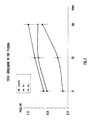
figure 1 shows the vitamin E concentration in the blood plasma versus time; -
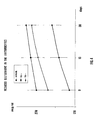
figure 2 shows the blood plasma concentration of oxidised and reduced ubiquinone (total ubiquinone) versus time; -
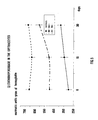
figure 3 shows the concentration of vitamin E (expressed as micrograms of vitamin E in the lymphocytes per ml of blood) in the lymphocytes versus time; -
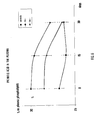
figure 4 shows the reduced glutathione concentration in the erythrocytes versus time; -
figure 5 shows the glutathione peroxidase concentration in the erythrocytes versus time; -
figure 6 shows the trend of the palmitic acid concentration in the plasma versus time; -
figure 7 shows the trend of the diomo-γ-linolenic acid concentration in the plasma versus time; -
figure 8 shows the trend of the arachidonic acid concentration in the plasma versus time; -
figure 9 shows the trend of the docosahexanoic acid concentration in the plasma versus time; -
figure 10 shows the vitamin E concentration in the blood plasma versus time in a different population of patients as those referred to infigures 1 to 9 ; -
figure 11 shows the blood plasma concentration of total ubiquinone versus time; -
figure 12 shows the concentration of vitamin E in the lymphocytes versus time; -
figure 13 shows the reduced glutathione concentration in the erythrocytes versus time; -
figure 14 shows the glutathione peroxidase concentration in the erythrocytes versus time; and -
figure 15 shows the arachidonic acid concentration in plasma. - In the following examples concerning the production, composition and formulation of compositions for dietary products according to the present invention as well as the evaluation of the effect of its administration are reported.
- The present example relates to the production of a pill with the following qualitative and quantitative composition:
Ubiquinone mg 12.50 (6.74% by weight) RRR-α- tocopheryl acetate 50%mg 26.65 (14.37% by weight) Soy lecithin mg 90.00 (48.54% by weight) Selenium aspartate mg 6.25 (3.37% by weight) L-methionin mg 50.00 (26.97% by weight) Other excipients to make g 1.50 - The percentages expressed refer to the total weight of the active components of the composition, without taking into account the excipients. Particularly preferred excipients are those that can be used to formulate a compound that can be chewed; among said excipients it is possible to mention mannitol, cellulose, flavouring, magnesium stearate, silica. The vitamin E acetate is of the type obtained by direct compression, and it is therefore additioned with 50% of inert substances suitable to help compression.
- The amount of selenium aspartate indicated corresponds to 12.5 µg of selenium in ionic form. Excipients are added to the above mixture of components, which are then subjected to a further mixing stage, and following this to compression in the laboratory. Pills of 1.5 g each are obtained, with a thickness of 6 mm.
- Preparation of an industrial batch of pills having the same qualitative and quantitative composition described in example 1.
Ubiquinone kg 1.250 RRR-α- tocopheryl acetate 50%kg 2.665 Soy lecithin kg 9.000 Selenium aspartate kg 0.625 L-methionin kg 5.000 Other excipients to make kg 150 - To the mixture of components listed above are added the excipients (mannitol, cellulose, flavouring, magnesium stearate, silica). A further mixing stage is then performed, after which the pills are formed using an industrial press of a per se known type. Pills weighing 1.5 g each and with a thickness of 6 mm are obtained.
- The polyunsaturated fatty acids and the vitamin E employed in the compositions according to the present invention have been analysed by means of capillary gas chromatography-mass spectrometry (see reference 8). The ubiquinole/ubiquinone and GSH/GS-SG redox pairs by HPLC (see references 13-14); the superoxide dismutase, glutathione peroxidase and catalase activities (respectively SOD, GSH-Px and CAT) by spectrophotometry (see references 15-17) using the procedures indicated in each of the relative references. The vitamin E used in the composition of the dietary product according to the present invention was analysed both in the composition and in the blood plasma after administration, by means of HPLC on chiral phase (see bibliographic reference No. 18).
- This example gives an evaluation of the effects of administration of four pills per day, with the following qualitative and quantitative composition, to a certain number of volunteers who will be further described in the following.
- The composition was as follows:
Ubiquinone mg 12.50 RRR-α- tocopheryl acetate 50%mg 26.65 Soy lecithin mg 90.00 Selenium aspartate mg 6.25 L-methionin mg 50.00 Other excipients to make g 1.50 - The pills were administered daily during meals, for one month to 60 volunteers, half male and half female, aged between 25 and 42 years. The volunteers represented the following: 20 healthy individuals (controls), 20 seropositive HIV patients (HIV+) suffering from seborrheic dermatitis (DS), 20 seronegative HIV patients (HIV-) also suffering from seborrheic dermatitis.
- A diet rich in polyunsaturated fatty acids was recommended for the patients suffering from seborrheic dermatitis. At the start of treatment, after 15 days and 30 days after the end of treatment the following parameters were measured for each individual:
- a) The blood levels of phospholipids-polyunsaturated fatty acids, vitamin E, oxidised and reduced ubiquinone (total ubiquinone);
- b) The levels of vitamin E in the lymphocytes;
- c) Superoxide dismutase (SOD), catalase (CAT) and glutathione peroxidase (GSH-Px) activity in the erythrocytes;
- d) The levels of reduced and oxidised glutathione (GSH and GS-SG) in the erythrocytes. The results are shown in the following tables 1 and 2, and exemplified in
figures 1 ,2 ,3 ,4 ,5 ,6 ,7 ,8 and9 . - From the results it can be observed that:
- vitamin E (in the plasma and in the lymphocytes) increases both in HIV+ and in HIV- patients, and in the controls (see table 1 and
figures 1 and3 ). - total ubiquinone (oxidised and reduced) increases significantly in HIV+ patients. Less significant increases can also be seen in HIV- patients and in the controls (see table 1 and
figure 2 ). - The reduced glutathione increases significantly in HIV+ patients. Less significant increases are also found in HIV- patients and in the controls (see table 1 and
figure 4 ). - The glutathione peroxidase increases in HIV+ and HIV- patients. It remains stable in the controls (see table 1 and
figure 5 ). - The palmitic acid decreases significantly in HIV+ and HIV- patients. It remains stable in the controls (see table 2 and
figure 6 ). - The diomo-gamma-linolenic, arachidonic and docohexaenoic acids increase significantly in HIV+ and HIV- patients. They remain stable in the controls (see table 2 and
figures 7 ,8 and9 ). - In the present example the effect of the administration of a variable daily quantity of pills (according to individual needs) of the following quali-quantitative composition at a certain number of patients better specified in the following.
- The composition is the following:
Ubiquinone mg 12.50 RRR-α- tocopheryl acetate 50%mg 26.65 Soy lecithin mg 90.00 Selenium aspartate mg 6.25 L-methionin mg 50.00 Other excipients to make g 1.50 - The pills have been administered daily during the meals for one month to fifty voluteers males aged between 33 and 55 years. The volunteers were civil aviation pilots in service. The pilots have been chosen in order to evaluate the effect of the composition according to the present invention on patients whose work and lifestyle is known to provoke stress. -For each individual at the beginning and after ninety days of treatment, the following parameters have been evaluated; as a control the values obtained on the control group analyzed at zero time and made up of healthy individuals have been chosen:
- a) The plasma levels of phospholipids-polyunsaturated fatty acids, of vitamin E, of oxidised and reduced ubiquinone (total ubiquinone);
- b) The lymphocyte levels of vitamin E;
- c) The acitivy in the erythrocytes of glutathione peroxidase (GSH-PX);
- d) The levels in the erythrocytes of reduced and oxidised glutathione (GSH and GS-SG).
- From the obtained results exemplified in
figures 10 ,11 ,12 ,13 ,14 and15 , it may be observed, at least at qualitative level, that: - vitamin E (in blood plasma and lymphocytes) increases in comparison with the control group (see
figures 10 and12 ); - the total ubiquinone (oxidised and reduced) significantly increases in comparison with the control group (see
figure 11 ); - the reduced glutathione significantly increases in comparison with the control group (see
figure 13 ); - the glutathione peroxidase increases in comparison with the control group (see
figure 14 ); and - the arachidonic acid significantly increases in comparison with the control group (see
figure 15 ). -
- 1. HALLIWELL B., GUTTERIDGE J.M.C.: Free radicals in Biology and Medicine, 2nd. Ed. Oxford Univ. Press (Clarendon), Oxford, 1989.
- 2. GUTTERIDGE J.M.C., HALLIWELL B.: Antioxidant in nutrition, health and disease, Oxford Univ. Press, Oxford New York Tokyo, 1994.
- 3. FREI B., KIM M.C., AMES B.N., Ubiquinol-10 is an effective lipid soluble antioxidant at physiological concentrations. Proc. Natl. Acad. Sci- USA 87, 4878, 1990.
- 4. MOHR D., BOWRY V.W., STOCKER R., Dietary supplementation with coenzyme Q10 results in increased levels of ubiquincl-10 within circulating lipoproteins and increased resistance of human low-density lipoprotein to the initiation of lipid peroxidation. Biochim. Biophys. Acta 1126, 247, 1992.
- 5. ERNSTER L., FORSMARK P., NORDENBRAND K.: The mode of action of lipid-soluble antioxidants in biological membranes: relationship between the effects of ubiquinol and vitamin E as inhibitors of lipid peroxidation in submitochondrial particles. .
- 6. STOCKER R., BOWRY V.W., FREI B.: Ubichinol-10 protects human low density lipoprotein more efficiently against lipid peroxidation than does α-tocopherol. Proc. Natl. Acad. Sci USA 88, 1646, 1991.
- 7. KAGAN V., SERBINOVA E., PACKER L.: Antioxidant effects of ubiquinones in microsomes and mitochondris mediated by tocopherol recycling. Biochem Biophys Res Commun 169, 851, 1990.
- 8. PASSI S., MORRONE A., PICARDO M., DE LUCA C., IPPOLITO F.: Blood levels of vitamin E polyunsatured fatty acids of phospholipids, lipoperoxides and glutathione peroxidase in patients affected with seborrheic dermatitis. .
- 9. PASSI S., PICARDO M., DE LUCA C., MORRONE A., TERMINALI O., IPPOLITO F.: Blood levels of vitamin E polyunsaturated fatty acids of phospholipids and glutathione peroxidase activity in patients with atopic dermatitis. In: Immunological and Pharmacological aspects of atopic and contract eczema. J.M. Czernielewski ed. Pharmacology and the Skin, vol. 4, 173, 1991.
- 10. PASSI S., PICARDO M., MORRONE A., DE LUCA C., IPPOLITO F., ROSSI L., ROTILIO G.: Study on plasma polyunsatured phospholipids and vitamin E and on erythrocyte glutathione peroxidase in high risk HIV infection categories and AIDS patients, Clin Chem & Enzimol Comm 5, 169, 1993.
- 11. PASSI S.: Biochemical aspects of seborrheic dermatitis. Boll Ist Dermatologico S. Gallicano, vol. XIV, 19, 1994.
- 12. PASSI S., IPPOLITO F.: AIDS nuova frontiera, Lombardo editore, 1995.
- 13. TAKADA M., IKENOYA S., YUZURIHA R., KATAYAMA K.: Simultaneous determination of reduced and oxidised ubiquinol, Methods Enzymol. 105, 147, 1984.
- 14. REED D.J., BABSON J.R., BEATTY P.W., BRODIE A.E., ELLIS W.W., POTTER D.W.: High performance liquid chromatography analysis of nanomole levels of glutathione disulphide and related thiols and disulphides. Annal Biochem 106, 55, 1980.
- 15. L'ABBE' M.R., FISCHER P.W.F.: Automated assay of superoxide dismutase in blood. Methods Enzymol 186, 232, 1990.
- 16. PAGLIA D.E., VALENTINE U.N.: Studies on quantitative and qualitative characterization of erythrocyte glutathione peroxidase. J. Lab. Clin. Med. 70, 158, 1967.
- 17. AEBI H.: catalase in vitro. Methods Enzymol. 105, 121, 1984.
- 18. RISS G., KORSMANA A.W., GLINZ E., WALTHER W., RANAIDER U.B.: Separation of the eight stereoisomers of all-α-tocopherol from tissues and plasma chiral phase high performance liquid chromatography and capillary gas chromatography. Methods Enzymol 234, 302, 1994.
- 19. JAYARAMAN J., RAMASARMA F.: Intracellular distribution of coenzyme Q in rat liver. Arch Biochem Biophys 103, 258, 1963.
- 20. KALEN A., NORLING B., APPELKVIST E.L., DALLNER G.: Ubiquinone biosynthesis by the microsomal fraction from rat liver. Biochim Biophys Acta 926, 70, 1987.
- 21. CRANE F.L., MORRE' D.J.: Evidence for coenzyme Q function in Golgi membranes, In. Folkers K. and Yamamura Y. Biomedical and clinical aspects of coenzyme Q. vol. 1. Elsevier, Amsterdam 3-14, 1977.
- 22. HAMSEN A.E.: Serum lipids in eczema and other pathological conditions, Am J. Dis_Child 53, 933, 1937.
- 23. Vitamin E.: biochemical, haematological and clinical aspects, Inc. Annals of the New York Academy of Sciences, Lubin B. and Machlin L.S. eds, vol. 393, 1982.
- 24. CUTLER R.G.: Antioxidants, ageing, and longevity. In: Free Radicals in Biology, Edited by Pryor A.W., Academic Press, New York-London, 371, 1984.
- 25. BENEDICH A.: Antioxidant vitamins and immune responses, In: Nutrition and Immunology, edited by Chandra R.K. Liss, New York, 125, 1988.
- 26. BENEDICH A., GABRIEL E., MACHIIN I.I.: Dietary vitamin E requirement for optimum immune response in rat. J. Nutr 116, 675, 1986.
- 27. CORWIN L.M., GORDON R.K.: Vitamin E and immune regulation. Ann NY Acad Sci 393, 437, 1982.
- 28. MEYDANI S.N., MEYDANI M., VERDON C.P. et al.: Vitamin E supplementation suppresses prostaglandin E synthesis and enhances the immune system of aged mice. Mech Ageing De, 34, 192, 1986.
- 29. INFANTE J.P.: Vitamin E and selenium participation in fatty acid desaturation. A proposal for an enzymatic function of these nutrients. Molec. Cell Biochem. 69, 93, 1986.
- 30. CUTLER E.G. In: Free radicals in biology (W.A. Pryor, Ed.), vol. VI, 371, Academic Press, New York, 1984.
| Hematic levels of antioxidants in controls and in HIV+ and HIV- patients suffering from seborrheic dermatitis before, during and after treatment with the composition according to the present invention. | |||||||||
| The results are expressed as an average ± SD | |||||||||
| * P<0.001 vs controls at t=0 | |||||||||
| ° p<0.01 vs controls at t=0 |
| CONTROLS (No=20) | HIV+ (No=20) | HIV- (No=20) | |||||||
| Antioxidants | t=0d | t=15 d | t=30 d | t=0d | t=15 d PLASMA | t=30 d | t=0d | t=15 d | t=30 |
| Vit. E (µg/ml) | 11.311.9 | 15.6±2.8* | 19.4±4.1* | 7.9±2.6* | 11.9±2.7 | 15.5±5.3* | 9.3±1.4* | 14.7±2.2° | 16.5±3 |
| CoQ10H2 (µg/ml) | 0.48±0.11 | 0.66±0.09* | 0.75±0.15* | 0.08±0.10* | 0.15±0.09* | 0.21±0.11* | 0.35±0.09* | 0.45±0.12 | 0.56±0 |
| CoQ10 (µg/ml) | 0.43±0.10 | 0.47±0.08 | 0.55±0.08* | 0.32±0.10° | 0.4±0.13 | 0.74±0.14* | 0.48±0.11 | 0.60±0.15° | 0.50±0 |
| LYMPHOCYTES | |||||||||
| Vit. E (µg/ml blood) | 75±21 | 88±27 | 105±35* | 48±19+ | 53±19° | 59±22 | 60±15° | 70±23 | 86±28 |
| ERYTHROCYTES | |||||||||
| GSH (µg/ml blood) | 270±98 | 285±90 | 297±88 | 185±66* | 212±18° | 230±70 | 240±89 | 266±61 | 283±74 |
| GS-SG (µg/ml blood) | 23±14 | 26±12 | 30±11 | 34±15 | 30±14 | 32±23 | 26±12 | 28±10 | 27±14 |
| SOD (U/g Hb) | 676±141 | 66±150 | 645±178 | 919±290* | 905±180* | 891±167* | 710±127 | 688±141 | 692±14 |
| CAT (U/mg Hb) | 280±33 | 275±40 | 285±38 | 298±31 | 303±42 | 314±46 | 275±41 | 293±26 | 291±33 |
| GSH Px (U/g Hb) | 708±185 | 680±166 | 720±187 | 303±200* | 346±188* | 385±196* | 498±126* | 503±163* | 608±14 |
| Fatty acids (%) of plasma phospholipids in controls and in HIV+ and HIV- patients suffering From seborrheic dermatitis, before, during and after treatment with the composition according to the present invention. Each result is expressed as an average ± SD | |||||||||
| * P<0.001 vs controls at t=0 | |||||||||
| ° p<0.01 vs controls | |||||||||
| CONTROLS (No=20) | HIV+ (No=20) | HIV- (No=20) | |||||||
| Fatty acids | t=0d | t=15 d | t=30 d | t=0d | t=15 d | t=30 d | t=0d | t=15 d | t=30 d |
| C16:0 | 26.8±1.4 | 26.0±2.1 | 26.2±2.3 | 30.0±2.1° | 29.6±2.6° | 27.7±2.6 | 28.5±2.4 | 28.2±3.0 | 26.4±2.5 |
| C18:0 | 15.9±1.7 | 14.2±1.9 | 15.0±1.8 | 18.8±2.7° | 18.6±4.0° | 16.4±3.1 | 18.0±2.6 | 17.0±2.4 | 15.8±2.7 |
| C18:1 | 13.1±2.2 14.3±2.0 | 13.9±1.7 | 15.8±2.6° | 14.8±3.1 | 14.3±2.5 | 15.0±3.3 | 14.6±2.8 | 114.3±2.0 | |
| C18:2 n-6 | 25.3±2.3 | 24.8±3.1 | 24.6±3.4 | 23.9±5.2 | 23.5±2.5 | 24.0±3.2 | 24.1±6.1 | 24.0±3.2 | 24.5±3.0 |
| C20:3 n-6 | 3.9±0.6 | 3.8±1.0 | 3.7±0.8 | 1.9±0.1* | 2.0±0.5* | 2.9±0.7° | 2.3±0.5* | 2.6±0.7* | 3.3±1.1 |
| C20:4 n-6 | 12.7±1.8 | 12.4±1.5 | 12.2±1.8 | 7.7±2.8 | 8.4±2.5* | 10.9±1.5° | 9.5±2.4* | 10.3±1.6* | 12.3±1.7 |
| C22:6 n-3 | 3.8±0.9 | 3.5±0.7 | 3.4±0.7 | 1.4±0.1* | 1.8±0.4* | 2.6±0.5* | 1.8±0.6* | 2.2±0.8* | 3.1±0.9 |
| others | 1.2 | 1.0 | 1.0 | 0.5 | 1.3 | 1.2 | 0.8 | 0.9 | 0.5 |
Claims (7)
- A composition comprising:
Ubiquinone 5-8% Natural vitamin E 12-15% Polyunsaturated phospholipids 45-52% Organic selenium 2-5% (corresponding to 0.1-3% ionic selenium) L-methionin 23-32% - A composition according to claim 1, wherein said polyunsaturated phospholipids are present under the form of soy lecithin, said organic selenium under the form of selenium aspartate and said natural vitamin E under the form of RRR-α-tocopherol or RRR-α-tocopheryl acetate.
- A composition according to claim 2, wherein the single components are present in the following percentages:
Ubiquinone 6.74 % RRR-α-tocopheryl acetate 50% 14.37 % Soy lecithin 48.54 % Selenium aspartate 3.37 % L-methionin 26.97 % - A composition as claimed in any of the preceding claims, characterised in that it is formulated as a chewable pill.
- Use of the composition as claimed in any of the claims 1 to 4 for the preparation of a dietary product that is effective in combating oxidative stress and cell decay.
- Use of the composition as claimed in any of the claims 1 to 4 for the preparation of a dietary product that is effective in the treatment of apoptosis, mutagenesis and carcinogenesis mechanisms, of acquired or congenital immuno-deficiency mechanisms or other alterations of the immune system, of diseases of myelinic origin or other pathologies deriving from a progressive alteration in the neurotransmission mechanisms, of skin diseases and of cardio-vascular diseases.
- Use of the composition as claimed in any of the claims 1 to 4 for preparation of a dietary product that is of assistance in the treatment of infectious diseases of viral or bacterial origin, and those deriving from other external pathogens, in the treatment of tuberculosis, in the treatment of leprosy, in the treatment of herpes simplex labialis or genetalis, in the treatment of AIDS, in the treatment of multiple sclerosis, in the treatment of atopic dermatitis and vitiligo, and in vaccination against allergies.
Applications Claiming Priority (3)
| Application Number | Priority Date | Filing Date | Title |
|---|---|---|---|
| ITRM970045 | 1997-01-31 | ||
| IT97RM000045A IT1290907B1 (en) | 1997-01-31 | 1997-01-31 | COMPOSITION BY DIET PRODUCT EFFECTIVE IN COMBATING OXIDATIVE STRESS AND CELL DECAY. |
| PCT/IT1998/000015 WO1998033495A1 (en) | 1997-01-31 | 1998-02-02 | Composition of a dietary product that is effective to combat oxidative stress and cell decay |
Publications (2)
| Publication Number | Publication Date |
|---|---|
| EP0966275A1 EP0966275A1 (en) | 1999-12-29 |
| EP0966275B1 true EP0966275B1 (en) | 2008-04-16 |
Family
ID=11404698
Family Applications (1)
| Application Number | Title | Priority Date | Filing Date |
|---|---|---|---|
| EP98902177A Expired - Lifetime EP0966275B1 (en) | 1997-01-31 | 1998-02-02 | Composition of a dietary product that is effective to combat oxidative stress and cell decay |
Country Status (7)
| Country | Link |
|---|---|
| US (1) | US6303139B1 (en) |
| EP (1) | EP0966275B1 (en) |
| AT (1) | ATE392205T1 (en) |
| AU (1) | AU5878098A (en) |
| DE (1) | DE69839368D1 (en) |
| IT (1) | IT1290907B1 (en) |
| WO (1) | WO1998033495A1 (en) |
Families Citing this family (24)
| Publication number | Priority date | Publication date | Assignee | Title |
|---|---|---|---|---|
| FR2782642B1 (en) | 1998-08-31 | 2001-12-07 | Xavier Forceville | USE OF SELENIUM FOR THE TREATMENT OF PATIENTS WITH SYSTEMIC INFLAMMATORY RESPONSE SYNDROME (SIRS), AND COMPOSITION FOR IMPLEMENTING THE TREATMENT |
| WO2000057871A2 (en) * | 1999-03-30 | 2000-10-05 | Purdue Research Foundation | Methods for identifying agents that inhibit serum aging factors and uses and compositions thereof |
| US6878514B1 (en) | 1999-03-30 | 2005-04-12 | Purdue Research Foundation | Methods for identifying agents that inhibit serum aging factors and uses and compositions thereof |
| FR2823096B1 (en) * | 2001-04-06 | 2004-03-19 | Materiel Orthopedique En Abreg | PLATE FOR LTE AND LTE VERTEBRATE OSTEOSYNTHESIS DEVICE, OSTEOSYNTHESIS DEVICE INCLUDING SUCH A PLATE, AND INSTRUMENT FOR LAYING SUCH A PLATE |
| JP4603192B2 (en) * | 2001-05-10 | 2010-12-22 | 株式会社カネカ | Hair scalp composition |
| KR20010079464A (en) * | 2001-07-23 | 2001-08-22 | 박찬구 | Antioxidant composition comprising anti-aging preparation |
| TWI329513B (en) * | 2001-10-12 | 2010-09-01 | Kaneka Corp | Use of reduced coenzyme q for lessening oxidative stress |
| AU2003208900A1 (en) * | 2002-01-30 | 2003-09-02 | House Ear Institute | L-carnitine for treatment of hearing loss |
| TW200304373A (en) * | 2002-03-20 | 2003-10-01 | Kanegafuchi Chemical Ind | Percutaneous absorption promoters and compositions for treating athlete's foot |
| AU2003247144B2 (en) * | 2002-08-02 | 2007-11-29 | Mor Research Applications Ltd. | Treatment of multiple sclerosis with brain targeted anti oxidant compounds |
| US7862597B2 (en) * | 2002-08-22 | 2011-01-04 | Warsaw Orthopedic, Inc. | System for stabilizing a portion of the spine |
| US7048739B2 (en) * | 2002-12-31 | 2006-05-23 | Depuy Spine, Inc. | Bone plate and resilient screw system allowing bi-directional assembly |
| US7914561B2 (en) | 2002-12-31 | 2011-03-29 | Depuy Spine, Inc. | Resilient bone plate and screw system allowing bi-directional assembly |
| US7175624B2 (en) | 2002-12-31 | 2007-02-13 | Depuy Spine, Inc. | Bone plate and screw system allowing bi-directional assembly |
| US7341591B2 (en) | 2003-01-30 | 2008-03-11 | Depuy Spine, Inc. | Anterior buttress staple |
| US20050074443A1 (en) * | 2003-10-03 | 2005-04-07 | Treadwell Benjamin V. | Methods of attenuating autoimmune disease and compositions useful therefor |
| WO2006053010A2 (en) * | 2004-11-09 | 2006-05-18 | Hill's Pet Nutrition, Inc. | Use of antioxidants for gene modulation |
| WO2007057903A2 (en) * | 2005-11-18 | 2007-05-24 | Apexum Ltd. | Method of treating dental periapical lesions |
| DE102007009649A1 (en) * | 2007-02-26 | 2008-08-28 | Beiersdorf Ag | Food supplement for cosmetic care and treatment of the skin, contains at least two cosmetically-active substances, especially conjugated linoleic acid, L-carnitine or its derivatives and-or mate tea extract |
| JP5575662B2 (en) * | 2008-01-02 | 2014-08-20 | マリーン バイオ カンパニー リミテッド | Compositions and methods for treating neurodegenerative diseases |
| CA2740773A1 (en) | 2008-10-14 | 2010-04-22 | Edison Pharmaceuticals, Inc. | Treatment of oxidative stress disorders including contrast nephropathy, radiation damage and disruptions in the function of red cells |
| WO2012129072A1 (en) | 2011-03-18 | 2012-09-27 | Particle Dynamics International, Llc | Solid particulate compositions comprising coenzyme q10 |
| US11510708B2 (en) | 2020-02-05 | 2022-11-29 | Adam Isaac Lewis | Thoracolumbar plate with cam lock |
| RU2760685C1 (en) * | 2020-12-25 | 2021-11-29 | Федеральное государственное бюджетное образовательное учреждение высшего образования "Саратовский государственный аграрный университет имени Н.И. Вавилова" | Composition for injection based on phosphotidylcholine, methionine, vitamin e and sodium selenite - "hepars", which has hepatoprotective properties, and a method for its preparation |
Family Cites Families (2)
| Publication number | Priority date | Publication date | Assignee | Title |
|---|---|---|---|---|
| IT1252717B (en) * | 1991-06-18 | 1995-06-26 | Ist Fisioterap Ospitalroma | PHARMACEUTICAL PREPARATION TO BE USED AS AN ADJUVANT TREATMENT OF SEBORRHEIC DERMATITIS EVEN IN HIV POSITIVE SUBJECTS |
| AU4510596A (en) * | 1994-12-06 | 1996-06-26 | National Research Council Of Canada | Water soluble ubiquinone compositions, prodrugs, and methods relating thereto |
-
1997
- 1997-01-31 IT IT97RM000045A patent/IT1290907B1/en active IP Right Grant
-
1998
- 1998-02-02 US US09/355,558 patent/US6303139B1/en not_active Expired - Lifetime
- 1998-02-02 EP EP98902177A patent/EP0966275B1/en not_active Expired - Lifetime
- 1998-02-02 DE DE69839368T patent/DE69839368D1/en not_active Expired - Lifetime
- 1998-02-02 WO PCT/IT1998/000015 patent/WO1998033495A1/en not_active Ceased
- 1998-02-02 AU AU58780/98A patent/AU5878098A/en not_active Abandoned
- 1998-02-02 AT AT98902177T patent/ATE392205T1/en not_active IP Right Cessation
Also Published As
| Publication number | Publication date |
|---|---|
| DE69839368D1 (en) | 2008-05-29 |
| EP0966275A1 (en) | 1999-12-29 |
| AU5878098A (en) | 1998-08-25 |
| ATE392205T1 (en) | 2008-05-15 |
| ITRM970045A1 (en) | 1998-07-31 |
| WO1998033495A1 (en) | 1998-08-06 |
| US6303139B1 (en) | 2001-10-16 |
| IT1290907B1 (en) | 1998-12-14 |
Similar Documents
| Publication | Publication Date | Title |
|---|---|---|
| US6303139B1 (en) | Dietary product effective to combat oxidative stress and cell decay | |
| O'Dell et al. | Zinc deficiency increases the osmotic fragility of rat erythrocytes | |
| Yang et al. | Increasing oxidative stress with progressive hyperlipidemia in human: relation between malondialdehyde and atherogenic index | |
| EP0707487B1 (en) | Methods and pharmaceutical compositions useful for treating neurological disorders | |
| CA2542504C (en) | Lipids containing omega-3 and omega-6 fatty acids | |
| US20100069332A1 (en) | Lipids containing omega-3 and omega-6 fatty acids | |
| Hill et al. | Perturbation of the metabolism of essential fatty acids by dietary partially hydrogenated vegetable oil. | |
| MXPA03012035A (en) | Fortified rice bran food product and method for promoting cardiovascular health. | |
| EP2090302A1 (en) | Dietary supplement, anti-fatigue agent or physical endurance enhancer, functional food, or cosmetic | |
| WO2012021172A1 (en) | Lipid supplements for maintaining health and the treatment of acute and chronic disorders | |
| Meydani et al. | Influence of dietary vitamin E, selenium and age on regional distribution of α-tocopherol in the rat brain | |
| JP2005525335A (en) | N-acyl-phosphatidyl-ethanolamines and / or mixtures of N-acyl-ethanolamines with phosphatidic acids or lysophosphatidic acids | |
| Gross et al. | The inhibition of enzymes related to pulmonary fatty acid and phospholipid synthesis by dietary deprivation in the rat | |
| EP2780032B1 (en) | Chewable wafers containing lipid supplements for maintaining health and the treatment of acute and chronic disorders | |
| US20040258674A1 (en) | Quercetin supplementation to treat hypertenstion | |
| Chaudière et al. | Unaltered brain membranes after prolonged intake of highly oxidizable long-chain fatty acids of the (n− 3) series | |
| US6177476B1 (en) | Nutritional supplements for replenishing plasmalogens | |
| Sutken et al. | Effects of vitamin E and gemfibrozil on lipid profiles, lipid peroxidation and antioxidant status in the elderly and young hyperlipidemic subjects | |
| Benedetti et al. | Influence of dietary thermally oxidized soybean oil on the oxidative status of rats of different ages | |
| JPH02200165A (en) | Nutriment composition having improving action on blood serum lipid | |
| Bhattacharya et al. | Vitamin E supplementation and markers of oxidative stress in indian acute myocardial infarction patients | |
| Eder et al. | Concentrations of lipids in plasma and lipoproteins and oxidative susceptibility of low-density lipoproteins in zinc-deficient rats fed linseed oil or olive oil | |
| KOUL et al. | Effect of ascorbic acid on antioxidant defense systems and lipid peroxidation in guinea pig | |
| Ciavatti et al. | Vitamin E prevents the platelet abnormalities induced by estrogen in rat | |
| Mihajlovic et al. | Assessment of Galium Verum Extract Supplementation on Redox Homeostasis in Psoriatic Rat Model |
Legal Events
| Date | Code | Title | Description |
|---|---|---|---|
| PUAI | Public reference made under article 153(3) epc to a published international application that has entered the european phase |
Free format text: ORIGINAL CODE: 0009012 |
|
| 17P | Request for examination filed |
Effective date: 19990802 |
|
| AK | Designated contracting states |
Kind code of ref document: A1 Designated state(s): AT BE CH DE DK ES FI FR GB GR IE IT LI LU MC NL PT SE |
|
| AX | Request for extension of the european patent |
Free format text: AL PAYMENT 19990802;LT PAYMENT 19990802;LV PAYMENT 19990802;RO PAYMENT 19990802;SI PAYMENT 19990802 |
|
| GRAP | Despatch of communication of intention to grant a patent |
Free format text: ORIGINAL CODE: EPIDOSNIGR1 |
|
| GRAS | Grant fee paid |
Free format text: ORIGINAL CODE: EPIDOSNIGR3 |
|
| GRAA | (expected) grant |
Free format text: ORIGINAL CODE: 0009210 |
|
| AK | Designated contracting states |
Kind code of ref document: B1 Designated state(s): AT BE CH DE DK ES FI FR GB GR IE IT LI LU MC NL PT SE |
|
| AX | Request for extension of the european patent |
Extension state: AL LT LV RO SI |
|
| REG | Reference to a national code |
Ref country code: CH Ref legal event code: EP |
|
| REG | Reference to a national code |
Ref country code: IE Ref legal event code: FG4D |
|
| REF | Corresponds to: |
Ref document number: 69839368 Country of ref document: DE Date of ref document: 20080529 Kind code of ref document: P |
|
| LTIE | Lt: invalidation of european patent or patent extension |
Effective date: 20080416 |
|
| NLV1 | Nl: lapsed or annulled due to failure to fulfill the requirements of art. 29p and 29m of the patents act | ||
| PG25 | Lapsed in a contracting state [announced via postgrant information from national office to epo] |
Ref country code: PT Free format text: LAPSE BECAUSE OF FAILURE TO SUBMIT A TRANSLATION OF THE DESCRIPTION OR TO PAY THE FEE WITHIN THE PRESCRIBED TIME-LIMIT Effective date: 20080916 Ref country code: NL Free format text: LAPSE BECAUSE OF FAILURE TO SUBMIT A TRANSLATION OF THE DESCRIPTION OR TO PAY THE FEE WITHIN THE PRESCRIBED TIME-LIMIT Effective date: 20080416 Ref country code: FI Free format text: LAPSE BECAUSE OF FAILURE TO SUBMIT A TRANSLATION OF THE DESCRIPTION OR TO PAY THE FEE WITHIN THE PRESCRIBED TIME-LIMIT Effective date: 20080416 Ref country code: ES Free format text: LAPSE BECAUSE OF FAILURE TO SUBMIT A TRANSLATION OF THE DESCRIPTION OR TO PAY THE FEE WITHIN THE PRESCRIBED TIME-LIMIT Effective date: 20080727 |
|
| PG25 | Lapsed in a contracting state [announced via postgrant information from national office to epo] |
Ref country code: AT Free format text: LAPSE BECAUSE OF FAILURE TO SUBMIT A TRANSLATION OF THE DESCRIPTION OR TO PAY THE FEE WITHIN THE PRESCRIBED TIME-LIMIT Effective date: 20080416 |
|
| PG25 | Lapsed in a contracting state [announced via postgrant information from national office to epo] |
Ref country code: SE Free format text: LAPSE BECAUSE OF FAILURE TO SUBMIT A TRANSLATION OF THE DESCRIPTION OR TO PAY THE FEE WITHIN THE PRESCRIBED TIME-LIMIT Effective date: 20080716 Ref country code: DK Free format text: LAPSE BECAUSE OF FAILURE TO SUBMIT A TRANSLATION OF THE DESCRIPTION OR TO PAY THE FEE WITHIN THE PRESCRIBED TIME-LIMIT Effective date: 20080416 |
|
| PLBE | No opposition filed within time limit |
Free format text: ORIGINAL CODE: 0009261 |
|
| STAA | Information on the status of an ep patent application or granted ep patent |
Free format text: STATUS: NO OPPOSITION FILED WITHIN TIME LIMIT |
|
| EN | Fr: translation not filed | ||
| PG25 | Lapsed in a contracting state [announced via postgrant information from national office to epo] |
Ref country code: BE Free format text: LAPSE BECAUSE OF FAILURE TO SUBMIT A TRANSLATION OF THE DESCRIPTION OR TO PAY THE FEE WITHIN THE PRESCRIBED TIME-LIMIT Effective date: 20080416 |
|
| 26N | No opposition filed |
Effective date: 20090119 |
|
| PG25 | Lapsed in a contracting state [announced via postgrant information from national office to epo] |
Ref country code: DE Free format text: LAPSE BECAUSE OF FAILURE TO SUBMIT A TRANSLATION OF THE DESCRIPTION OR TO PAY THE FEE WITHIN THE PRESCRIBED TIME-LIMIT Effective date: 20080717 |
|
| PG25 | Lapsed in a contracting state [announced via postgrant information from national office to epo] |
Ref country code: MC Free format text: LAPSE BECAUSE OF NON-PAYMENT OF DUE FEES Effective date: 20090228 |
|
| REG | Reference to a national code |
Ref country code: CH Ref legal event code: PL |
|
| GBPC | Gb: european patent ceased through non-payment of renewal fee |
Effective date: 20090202 |
|
| PG25 | Lapsed in a contracting state [announced via postgrant information from national office to epo] |
Ref country code: LI Free format text: LAPSE BECAUSE OF NON-PAYMENT OF DUE FEES Effective date: 20090228 Ref country code: CH Free format text: LAPSE BECAUSE OF NON-PAYMENT OF DUE FEES Effective date: 20090228 |
|
| PG25 | Lapsed in a contracting state [announced via postgrant information from national office to epo] |
Ref country code: IE Free format text: LAPSE BECAUSE OF NON-PAYMENT OF DUE FEES Effective date: 20090202 |
|
| PG25 | Lapsed in a contracting state [announced via postgrant information from national office to epo] |
Ref country code: GB Free format text: LAPSE BECAUSE OF NON-PAYMENT OF DUE FEES Effective date: 20090202 |
|
| PG25 | Lapsed in a contracting state [announced via postgrant information from national office to epo] |
Ref country code: GR Free format text: LAPSE BECAUSE OF FAILURE TO SUBMIT A TRANSLATION OF THE DESCRIPTION OR TO PAY THE FEE WITHIN THE PRESCRIBED TIME-LIMIT Effective date: 20080717 |
|
| PG25 | Lapsed in a contracting state [announced via postgrant information from national office to epo] |
Ref country code: LU Free format text: LAPSE BECAUSE OF NON-PAYMENT OF DUE FEES Effective date: 20090202 |
|
| PG25 | Lapsed in a contracting state [announced via postgrant information from national office to epo] |
Ref country code: FR Free format text: LAPSE BECAUSE OF FAILURE TO SUBMIT A TRANSLATION OF THE DESCRIPTION OR TO PAY THE FEE WITHIN THE PRESCRIBED TIME-LIMIT Effective date: 20090227 |
|
| PGFP | Annual fee paid to national office [announced via postgrant information from national office to epo] |
Ref country code: IT Payment date: 20170202 Year of fee payment: 20 |