EP0941050B1 - Photoprotective lipophilic antioxidant compounds - Google Patents
Photoprotective lipophilic antioxidant compounds Download PDFInfo
- Publication number
- EP0941050B1 EP0941050B1 EP97931130A EP97931130A EP0941050B1 EP 0941050 B1 EP0941050 B1 EP 0941050B1 EP 97931130 A EP97931130 A EP 97931130A EP 97931130 A EP97931130 A EP 97931130A EP 0941050 B1 EP0941050 B1 EP 0941050B1
- Authority
- EP
- European Patent Office
- Prior art keywords
- uva
- lipid peroxidation
- skin
- cells
- induced
- Prior art date
- Legal status (The legal status is an assumption and is not a legal conclusion. Google has not performed a legal analysis and makes no representation as to the accuracy of the status listed.)
- Revoked
Links
- 239000003963 antioxidant agent Substances 0.000 title claims abstract description 38
- 230000003078 antioxidant effect Effects 0.000 title claims abstract description 16
- 150000001875 compounds Chemical class 0.000 title claims description 6
- 230000003711 photoprotective effect Effects 0.000 title abstract description 13
- 230000003859 lipid peroxidation Effects 0.000 claims abstract description 90
- 239000000203 mixture Substances 0.000 claims abstract description 28
- 230000000694 effects Effects 0.000 claims description 46
- 238000004519 manufacturing process Methods 0.000 claims description 24
- 235000019282 butylated hydroxyanisole Nutrition 0.000 claims description 23
- 239000000516 sunscreening agent Substances 0.000 claims description 17
- 239000003795 chemical substances by application Substances 0.000 claims description 13
- 239000004322 Butylated hydroxytoluene Substances 0.000 claims description 9
- NLZUEZXRPGMBCV-UHFFFAOYSA-N Butylhydroxytoluene Chemical compound CC1=CC(C(C)(C)C)=C(O)C(C(C)(C)C)=C1 NLZUEZXRPGMBCV-UHFFFAOYSA-N 0.000 claims description 9
- 235000010354 butylated hydroxytoluene Nutrition 0.000 claims description 9
- 229940095259 butylated hydroxytoluene Drugs 0.000 claims description 9
- 230000004224 protection Effects 0.000 claims description 9
- ALYNCZNDIQEVRV-UHFFFAOYSA-N 4-aminobenzoic acid Chemical compound NC1=CC=C(C(O)=O)C=C1 ALYNCZNDIQEVRV-UHFFFAOYSA-N 0.000 claims description 4
- GWEVSGVZZGPLCZ-UHFFFAOYSA-N Titan oxide Chemical compound O=[Ti]=O GWEVSGVZZGPLCZ-UHFFFAOYSA-N 0.000 claims description 4
- XLOMVQKBTHCTTD-UHFFFAOYSA-N Zinc monoxide Chemical compound [Zn]=O XLOMVQKBTHCTTD-UHFFFAOYSA-N 0.000 claims description 4
- 230000002411 adverse Effects 0.000 claims description 4
- 239000007788 liquid Substances 0.000 claims description 4
- 239000002674 ointment Substances 0.000 claims description 3
- 230000000699 topical effect Effects 0.000 claims description 3
- TUSDEZXZIZRFGC-UHFFFAOYSA-N 1-O-galloyl-3,6-(R)-HHDP-beta-D-glucose Natural products OC1C(O2)COC(=O)C3=CC(O)=C(O)C(O)=C3C3=C(O)C(O)=C(O)C=C3C(=O)OC1C(O)C2OC(=O)C1=CC(O)=C(O)C(O)=C1 TUSDEZXZIZRFGC-UHFFFAOYSA-N 0.000 claims description 2
- 239000001263 FEMA 3042 Substances 0.000 claims description 2
- LRBQNJMCXXYXIU-PPKXGCFTSA-N Penta-digallate-beta-D-glucose Natural products OC1=C(O)C(O)=CC(C(=O)OC=2C(=C(O)C=C(C=2)C(=O)OC[C@@H]2[C@H]([C@H](OC(=O)C=3C=C(OC(=O)C=4C=C(O)C(O)=C(O)C=4)C(O)=C(O)C=3)[C@@H](OC(=O)C=3C=C(OC(=O)C=4C=C(O)C(O)=C(O)C=4)C(O)=C(O)C=3)[C@H](OC(=O)C=3C=C(OC(=O)C=4C=C(O)C(O)=C(O)C=4)C(O)=C(O)C=3)O2)OC(=O)C=2C=C(OC(=O)C=3C=C(O)C(O)=C(O)C=3)C(O)=C(O)C=2)O)=C1 LRBQNJMCXXYXIU-PPKXGCFTSA-N 0.000 claims description 2
- 239000000443 aerosol Substances 0.000 claims description 2
- 229960004050 aminobenzoic acid Drugs 0.000 claims description 2
- RWZYAGGXGHYGMB-UHFFFAOYSA-N anthranilic acid Chemical class NC1=CC=CC=C1C(O)=O RWZYAGGXGHYGMB-UHFFFAOYSA-N 0.000 claims description 2
- 239000012965 benzophenone Substances 0.000 claims description 2
- 150000008366 benzophenones Chemical class 0.000 claims description 2
- WBYWAXJHAXSJNI-UHFFFAOYSA-N cinnamic acid Chemical class OC(=O)C=CC1=CC=CC=C1 WBYWAXJHAXSJNI-UHFFFAOYSA-N 0.000 claims description 2
- 239000006071 cream Substances 0.000 claims description 2
- NZZIMKJIVMHWJC-UHFFFAOYSA-N dibenzoylmethane Chemical class C=1C=CC=CC=1C(=O)CC(=O)C1=CC=CC=C1 NZZIMKJIVMHWJC-UHFFFAOYSA-N 0.000 claims description 2
- 239000003974 emollient agent Substances 0.000 claims description 2
- 238000009472 formulation Methods 0.000 claims description 2
- 239000004530 micro-emulsion Substances 0.000 claims description 2
- 150000003873 salicylate salts Chemical class 0.000 claims description 2
- 239000007787 solid Substances 0.000 claims description 2
- LRBQNJMCXXYXIU-NRMVVENXSA-N tannic acid Chemical compound OC1=C(O)C(O)=CC(C(=O)OC=2C(=C(O)C=C(C=2)C(=O)OC[C@@H]2[C@H]([C@H](OC(=O)C=3C=C(OC(=O)C=4C=C(O)C(O)=C(O)C=4)C(O)=C(O)C=3)[C@@H](OC(=O)C=3C=C(OC(=O)C=4C=C(O)C(O)=C(O)C=4)C(O)=C(O)C=3)[C@@H](OC(=O)C=3C=C(OC(=O)C=4C=C(O)C(O)=C(O)C=4)C(O)=C(O)C=3)O2)OC(=O)C=2C=C(OC(=O)C=3C=C(O)C(O)=C(O)C=3)C(O)=C(O)C=2)O)=C1 LRBQNJMCXXYXIU-NRMVVENXSA-N 0.000 claims description 2
- 229940033123 tannic acid Drugs 0.000 claims description 2
- 235000015523 tannic acid Nutrition 0.000 claims description 2
- 229920002258 tannic acid Polymers 0.000 claims description 2
- 239000004408 titanium dioxide Substances 0.000 claims description 2
- 239000011787 zinc oxide Substances 0.000 claims description 2
- 238000002835 absorbance Methods 0.000 abstract description 17
- 230000005855 radiation Effects 0.000 abstract description 16
- 230000001590 oxidative effect Effects 0.000 abstract description 10
- 238000000034 method Methods 0.000 abstract description 6
- 210000004027 cell Anatomy 0.000 description 56
- 235000006708 antioxidants Nutrition 0.000 description 32
- XEEYBQQBJWHFJM-UHFFFAOYSA-N Iron Chemical compound [Fe] XEEYBQQBJWHFJM-UHFFFAOYSA-N 0.000 description 30
- 210000002950 fibroblast Anatomy 0.000 description 30
- 210000003491 skin Anatomy 0.000 description 30
- 230000002500 effect on skin Effects 0.000 description 25
- 238000001228 spectrum Methods 0.000 description 22
- 230000003595 spectral effect Effects 0.000 description 16
- 229910052742 iron Inorganic materials 0.000 description 15
- 239000004255 Butylated hydroxyanisole Substances 0.000 description 14
- CZBZUDVBLSSABA-UHFFFAOYSA-N butylated hydroxyanisole Chemical compound COC1=CC=C(O)C(C(C)(C)C)=C1.COC1=CC=C(O)C=C1C(C)(C)C CZBZUDVBLSSABA-UHFFFAOYSA-N 0.000 description 14
- 229940043253 butylated hydroxyanisole Drugs 0.000 description 14
- 238000009826 distribution Methods 0.000 description 13
- 239000001301 oxygen Substances 0.000 description 12
- 229910052760 oxygen Inorganic materials 0.000 description 12
- 230000000475 sunscreen effect Effects 0.000 description 11
- CIWBSHSKHKDKBQ-JLAZNSOCSA-N Ascorbic acid Chemical compound OC[C@H](O)[C@H]1OC(=O)C(O)=C1O CIWBSHSKHKDKBQ-JLAZNSOCSA-N 0.000 description 10
- 238000002474 experimental method Methods 0.000 description 10
- 230000001965 increasing effect Effects 0.000 description 9
- GVJHHUAWPYXKBD-UHFFFAOYSA-N (±)-α-Tocopherol Chemical compound OC1=C(C)C(C)=C2OC(CCCC(C)CCCC(C)CCCC(C)C)(C)CCC2=C1C GVJHHUAWPYXKBD-UHFFFAOYSA-N 0.000 description 8
- IAZDPXIOMUYVGZ-UHFFFAOYSA-N Dimethylsulphoxide Chemical compound CS(C)=O IAZDPXIOMUYVGZ-UHFFFAOYSA-N 0.000 description 8
- QVGXLLKOCUKJST-UHFFFAOYSA-N atomic oxygen Chemical compound [O] QVGXLLKOCUKJST-UHFFFAOYSA-N 0.000 description 8
- -1 Lipid peroxides Chemical class 0.000 description 7
- 239000002738 chelating agent Substances 0.000 description 7
- 230000006378 damage Effects 0.000 description 7
- 230000001419 dependent effect Effects 0.000 description 7
- BUNGCZLFHHXKBX-UHFFFAOYSA-N 8-methoxypsoralen Natural products C1=CC(=O)OC2=C1C=C1CCOC1=C2OC BUNGCZLFHHXKBX-UHFFFAOYSA-N 0.000 description 6
- 102000004190 Enzymes Human genes 0.000 description 6
- 108090000790 Enzymes Proteins 0.000 description 6
- 239000012981 Hank's balanced salt solution Substances 0.000 description 6
- QXKHYNVANLEOEG-UHFFFAOYSA-N Methoxsalen Chemical compound C1=CC(=O)OC2=C1C=C1C=COC1=C2OC QXKHYNVANLEOEG-UHFFFAOYSA-N 0.000 description 6
- 238000000862 absorption spectrum Methods 0.000 description 6
- 238000001720 action spectrum Methods 0.000 description 6
- 230000032683 aging Effects 0.000 description 6
- 230000007246 mechanism Effects 0.000 description 6
- 229960004469 methoxsalen Drugs 0.000 description 6
- SQBBOVROCFXYBN-UHFFFAOYSA-N methoxypsoralen Natural products C1=C2OC(=O)C(OC)=CC2=CC2=C1OC=C2 SQBBOVROCFXYBN-UHFFFAOYSA-N 0.000 description 6
- 239000002516 radical scavenger Substances 0.000 description 6
- 150000003254 radicals Chemical class 0.000 description 6
- 230000004044 response Effects 0.000 description 6
- 230000035945 sensitivity Effects 0.000 description 6
- 239000000243 solution Substances 0.000 description 6
- 102100036342 Interleukin-1 receptor-associated kinase 1 Human genes 0.000 description 5
- QAQJMLQRFWZOBN-LAUBAEHRSA-N L-ascorbyl-6-palmitate Chemical compound CCCCCCCCCCCCCCCC(=O)OC[C@H](O)[C@H]1OC(=O)C(O)=C1O QAQJMLQRFWZOBN-LAUBAEHRSA-N 0.000 description 5
- 241000699666 Mus <mouse, genus> Species 0.000 description 5
- 241000699670 Mus sp. Species 0.000 description 5
- 230000037338 UVA radiation Effects 0.000 description 5
- 235000010323 ascorbic acid Nutrition 0.000 description 5
- 229960005070 ascorbic acid Drugs 0.000 description 5
- 239000011668 ascorbic acid Substances 0.000 description 5
- TUJKJAMUKRIRHC-UHFFFAOYSA-N hydroxyl Chemical compound [OH] TUJKJAMUKRIRHC-UHFFFAOYSA-N 0.000 description 5
- 238000005502 peroxidation Methods 0.000 description 5
- 102000004169 proteins and genes Human genes 0.000 description 5
- 108090000623 proteins and genes Proteins 0.000 description 5
- 210000004927 skin cell Anatomy 0.000 description 5
- 239000011786 L-ascorbyl-6-palmitate Substances 0.000 description 4
- 238000010521 absorption reaction Methods 0.000 description 4
- 230000001154 acute effect Effects 0.000 description 4
- 235000010385 ascorbyl palmitate Nutrition 0.000 description 4
- 244000309466 calf Species 0.000 description 4
- 230000008859 change Effects 0.000 description 4
- 230000001684 chronic effect Effects 0.000 description 4
- 210000005175 epidermal keratinocyte Anatomy 0.000 description 4
- 239000000463 material Substances 0.000 description 4
- 230000001404 mediated effect Effects 0.000 description 4
- 210000002752 melanocyte Anatomy 0.000 description 4
- 239000000047 product Substances 0.000 description 4
- 210000002966 serum Anatomy 0.000 description 4
- 210000001626 skin fibroblast Anatomy 0.000 description 4
- 210000001519 tissue Anatomy 0.000 description 4
- GVJHHUAWPYXKBD-IEOSBIPESA-N α-tocopherol Chemical compound OC1=C(C)C(C)=C2O[C@@](CCC[C@H](C)CCC[C@H](C)CCCC(C)C)(C)CCC2=C1C GVJHHUAWPYXKBD-IEOSBIPESA-N 0.000 description 4
- KJCVRFUGPWSIIH-UHFFFAOYSA-N 1-naphthol Chemical compound C1=CC=C2C(O)=CC=CC2=C1 KJCVRFUGPWSIIH-UHFFFAOYSA-N 0.000 description 3
- 241000612703 Augusta Species 0.000 description 3
- 241001340526 Chrysoclista linneella Species 0.000 description 3
- 239000006144 Dulbecco’s modified Eagle's medium Substances 0.000 description 3
- 206010015150 Erythema Diseases 0.000 description 3
- WSMYVTOQOOLQHP-UHFFFAOYSA-N Malondialdehyde Chemical compound O=CCC=O WSMYVTOQOOLQHP-UHFFFAOYSA-N 0.000 description 3
- 206010051246 Photodermatosis Diseases 0.000 description 3
- 230000002292 Radical scavenging effect Effects 0.000 description 3
- 206010042496 Sunburn Diseases 0.000 description 3
- 102000019197 Superoxide Dismutase Human genes 0.000 description 3
- 108010012715 Superoxide dismutase Proteins 0.000 description 3
- 229930003427 Vitamin E Natural products 0.000 description 3
- 230000005540 biological transmission Effects 0.000 description 3
- 238000004113 cell culture Methods 0.000 description 3
- 231100000762 chronic effect Toxicity 0.000 description 3
- 239000002537 cosmetic Substances 0.000 description 3
- 239000000284 extract Substances 0.000 description 3
- WIGCFUFOHFEKBI-UHFFFAOYSA-N gamma-tocopherol Natural products CC(C)CCCC(C)CCCC(C)CCCC1CCC2C(C)C(O)C(C)C(C)C2O1 WIGCFUFOHFEKBI-UHFFFAOYSA-N 0.000 description 3
- 238000000338 in vitro Methods 0.000 description 3
- 239000002502 liposome Substances 0.000 description 3
- 229940118019 malondialdehyde Drugs 0.000 description 3
- 230000004792 oxidative damage Effects 0.000 description 3
- 230000008845 photoaging Effects 0.000 description 3
- 230000008569 process Effects 0.000 description 3
- 239000003642 reactive oxygen metabolite Substances 0.000 description 3
- 239000002904 solvent Substances 0.000 description 3
- 206010041823 squamous cell carcinoma Diseases 0.000 description 3
- 208000037816 tissue injury Diseases 0.000 description 3
- 235000019165 vitamin E Nutrition 0.000 description 3
- 239000011709 vitamin E Substances 0.000 description 3
- 229940046009 vitamin E Drugs 0.000 description 3
- YBJHBAHKTGYVGT-ZKWXMUAHSA-N (+)-Biotin Chemical compound N1C(=O)N[C@@H]2[C@H](CCCCC(=O)O)SC[C@@H]21 YBJHBAHKTGYVGT-ZKWXMUAHSA-N 0.000 description 2
- LFQSCWFLJHTTHZ-UHFFFAOYSA-N Ethanol Chemical compound CCO LFQSCWFLJHTTHZ-UHFFFAOYSA-N 0.000 description 2
- KFZMGEQAYNKOFK-UHFFFAOYSA-N Isopropanol Chemical compound CC(C)O KFZMGEQAYNKOFK-UHFFFAOYSA-N 0.000 description 2
- 241001465754 Metazoa Species 0.000 description 2
- NWIBSHFKIJFRCO-WUDYKRTCSA-N Mytomycin Chemical compound C1N2C(C(C(C)=C(N)C3=O)=O)=C3[C@@H](COC(N)=O)[C@@]2(OC)[C@@H]2[C@H]1N2 NWIBSHFKIJFRCO-WUDYKRTCSA-N 0.000 description 2
- 206010028980 Neoplasm Diseases 0.000 description 2
- 102000052812 Ornithine decarboxylases Human genes 0.000 description 2
- 108700005126 Ornithine decarboxylases Proteins 0.000 description 2
- ZTHYODDOHIVTJV-UHFFFAOYSA-N Propyl gallate Chemical compound CCCOC(=O)C1=CC(O)=C(O)C(O)=C1 ZTHYODDOHIVTJV-UHFFFAOYSA-N 0.000 description 2
- 241000700159 Rattus Species 0.000 description 2
- 230000004075 alteration Effects 0.000 description 2
- 238000003556 assay Methods 0.000 description 2
- 230000008901 benefit Effects 0.000 description 2
- 230000015572 biosynthetic process Effects 0.000 description 2
- 201000011510 cancer Diseases 0.000 description 2
- 210000004748 cultured cell Anatomy 0.000 description 2
- 231100000673 dose–response relationship Toxicity 0.000 description 2
- 230000000678 effect on lipid Effects 0.000 description 2
- 231100000321 erythema Toxicity 0.000 description 2
- 239000001963 growth medium Substances 0.000 description 2
- JYGXADMDTFJGBT-VWUMJDOOSA-N hydrocortisone Chemical compound O=C1CC[C@]2(C)[C@H]3[C@@H](O)C[C@](C)([C@@](CC4)(O)C(=O)CO)[C@@H]4[C@@H]3CCC2=C1 JYGXADMDTFJGBT-VWUMJDOOSA-N 0.000 description 2
- 238000001727 in vivo Methods 0.000 description 2
- 230000006698 induction Effects 0.000 description 2
- NOESYZHRGYRDHS-UHFFFAOYSA-N insulin Chemical compound N1C(=O)C(NC(=O)C(CCC(N)=O)NC(=O)C(CCC(O)=O)NC(=O)C(C(C)C)NC(=O)C(NC(=O)CN)C(C)CC)CSSCC(C(NC(CO)C(=O)NC(CC(C)C)C(=O)NC(CC=2C=CC(O)=CC=2)C(=O)NC(CCC(N)=O)C(=O)NC(CC(C)C)C(=O)NC(CCC(O)=O)C(=O)NC(CC(N)=O)C(=O)NC(CC=2C=CC(O)=CC=2)C(=O)NC(CSSCC(NC(=O)C(C(C)C)NC(=O)C(CC(C)C)NC(=O)C(CC=2C=CC(O)=CC=2)NC(=O)C(CC(C)C)NC(=O)C(C)NC(=O)C(CCC(O)=O)NC(=O)C(C(C)C)NC(=O)C(CC(C)C)NC(=O)C(CC=2NC=NC=2)NC(=O)C(CO)NC(=O)CNC2=O)C(=O)NCC(=O)NC(CCC(O)=O)C(=O)NC(CCCNC(N)=N)C(=O)NCC(=O)NC(CC=3C=CC=CC=3)C(=O)NC(CC=3C=CC=CC=3)C(=O)NC(CC=3C=CC(O)=CC=3)C(=O)NC(C(C)O)C(=O)N3C(CCC3)C(=O)NC(CCCCN)C(=O)NC(C)C(O)=O)C(=O)NC(CC(N)=O)C(O)=O)=O)NC(=O)C(C(C)CC)NC(=O)C(CO)NC(=O)C(C(C)O)NC(=O)C1CSSCC2NC(=O)C(CC(C)C)NC(=O)C(NC(=O)C(CCC(N)=O)NC(=O)C(CC(N)=O)NC(=O)C(NC(=O)C(N)CC=1C=CC=CC=1)C(C)C)CC1=CN=CN1 NOESYZHRGYRDHS-UHFFFAOYSA-N 0.000 description 2
- 239000010410 layer Substances 0.000 description 2
- 238000010630 lipid peroxidation (MDA) assay Methods 0.000 description 2
- 239000002480 mineral oil Substances 0.000 description 2
- 235000010446 mineral oil Nutrition 0.000 description 2
- 238000004264 monolayer culture Methods 0.000 description 2
- 231100000589 photocarcinogenesis Toxicity 0.000 description 2
- 230000035479 physiological effects, processes and functions Effects 0.000 description 2
- 230000037380 skin damage Effects 0.000 description 2
- 235000010384 tocopherol Nutrition 0.000 description 2
- 229930003799 tocopherol Natural products 0.000 description 2
- 239000011732 tocopherol Substances 0.000 description 2
- 229960001295 tocopherol Drugs 0.000 description 2
- 238000002211 ultraviolet spectrum Methods 0.000 description 2
- 229940088594 vitamin Drugs 0.000 description 2
- 229930003231 vitamin Natural products 0.000 description 2
- 235000013343 vitamin Nutrition 0.000 description 2
- 239000011782 vitamin Substances 0.000 description 2
- FPIPGXGPPPQFEQ-UHFFFAOYSA-N 13-cis retinol Natural products OCC=C(C)C=CC=C(C)C=CC1=C(C)CCCC1(C)C FPIPGXGPPPQFEQ-UHFFFAOYSA-N 0.000 description 1
- RVBUGGBMJDPOST-UHFFFAOYSA-N 2-thiobarbituric acid Chemical compound O=C1CC(=O)NC(=S)N1 RVBUGGBMJDPOST-UHFFFAOYSA-N 0.000 description 1
- ROFVEXUMMXZLPA-UHFFFAOYSA-N Bipyridyl Chemical group N1=CC=CC=C1C1=CC=CC=N1 ROFVEXUMMXZLPA-UHFFFAOYSA-N 0.000 description 1
- 102100035882 Catalase Human genes 0.000 description 1
- 108010053835 Catalase Proteins 0.000 description 1
- 241000700198 Cavia Species 0.000 description 1
- 102000009016 Cholera Toxin Human genes 0.000 description 1
- 108010049048 Cholera Toxin Proteins 0.000 description 1
- FBPFZTCFMRRESA-KVTDHHQDSA-N D-Mannitol Chemical compound OC[C@@H](O)[C@@H](O)[C@H](O)[C@H](O)CO FBPFZTCFMRRESA-KVTDHHQDSA-N 0.000 description 1
- ZAKOWWREFLAJOT-CEFNRUSXSA-N D-alpha-tocopherylacetate Chemical compound CC(=O)OC1=C(C)C(C)=C2O[C@@](CCC[C@H](C)CCC[C@H](C)CCCC(C)C)(C)CCC2=C1C ZAKOWWREFLAJOT-CEFNRUSXSA-N 0.000 description 1
- 241000021559 Dicerandra Species 0.000 description 1
- KCXVZYZYPLLWCC-UHFFFAOYSA-N EDTA Chemical compound OC(=O)CN(CC(O)=O)CCN(CC(O)=O)CC(O)=O KCXVZYZYPLLWCC-UHFFFAOYSA-N 0.000 description 1
- WQZGKKKJIJFFOK-GASJEMHNSA-N Glucose Natural products OC[C@H]1OC(O)[C@H](O)[C@@H](O)[C@@H]1O WQZGKKKJIJFFOK-GASJEMHNSA-N 0.000 description 1
- 229920002683 Glycosaminoglycan Polymers 0.000 description 1
- 102000004877 Insulin Human genes 0.000 description 1
- 108090001061 Insulin Proteins 0.000 description 1
- 239000000232 Lipid Bilayer Substances 0.000 description 1
- 229930195725 Mannitol Natural products 0.000 description 1
- 235000010654 Melissa officinalis Nutrition 0.000 description 1
- QPCDCPDFJACHGM-UHFFFAOYSA-N N,N-bis{2-[bis(carboxymethyl)amino]ethyl}glycine Chemical compound OC(=O)CN(CC(O)=O)CCN(CC(=O)O)CCN(CC(O)=O)CC(O)=O QPCDCPDFJACHGM-UHFFFAOYSA-N 0.000 description 1
- CBENFWSGALASAD-UHFFFAOYSA-N Ozone Chemical compound [O-][O+]=O CBENFWSGALASAD-UHFFFAOYSA-N 0.000 description 1
- 208000012641 Pigmentation disease Diseases 0.000 description 1
- AUNGANRZJHBGPY-SCRDCRAPSA-N Riboflavin Chemical compound OC[C@@H](O)[C@@H](O)[C@@H](O)CN1C=2C=C(C)C(C)=CC=2N=C2C1=NC(=O)NC2=O AUNGANRZJHBGPY-SCRDCRAPSA-N 0.000 description 1
- 241000282887 Suidae Species 0.000 description 1
- AUYYCJSJGJYCDS-LBPRGKRZSA-N Thyrolar Chemical compound IC1=CC(C[C@H](N)C(O)=O)=CC(I)=C1OC1=CC=C(O)C(I)=C1 AUYYCJSJGJYCDS-LBPRGKRZSA-N 0.000 description 1
- FPIPGXGPPPQFEQ-BOOMUCAASA-N Vitamin A Natural products OC/C=C(/C)\C=C\C=C(\C)/C=C/C1=C(C)CCCC1(C)C FPIPGXGPPPQFEQ-BOOMUCAASA-N 0.000 description 1
- 229930003316 Vitamin D Natural products 0.000 description 1
- QYSXJUFSXHHAJI-XFEUOLMDSA-N Vitamin D3 Natural products C1(/[C@@H]2CC[C@@H]([C@]2(CCC1)C)[C@H](C)CCCC(C)C)=C/C=C1\C[C@@H](O)CCC1=C QYSXJUFSXHHAJI-XFEUOLMDSA-N 0.000 description 1
- DGEZNRSVGBDHLK-UHFFFAOYSA-N [1,10]phenanthroline Chemical compound C1=CN=C2C3=NC=CC=C3C=CC2=C1 DGEZNRSVGBDHLK-UHFFFAOYSA-N 0.000 description 1
- 230000002730 additional effect Effects 0.000 description 1
- 239000000654 additive Substances 0.000 description 1
- 150000001298 alcohols Chemical class 0.000 description 1
- FPIPGXGPPPQFEQ-OVSJKPMPSA-N all-trans-retinol Chemical compound OC\C=C(/C)\C=C\C=C(/C)\C=C\C1=C(C)CCCC1(C)C FPIPGXGPPPQFEQ-OVSJKPMPSA-N 0.000 description 1
- 229940087168 alpha tocopherol Drugs 0.000 description 1
- 230000008033 biological extinction Effects 0.000 description 1
- 239000011616 biotin Substances 0.000 description 1
- 229960002685 biotin Drugs 0.000 description 1
- 235000020958 biotin Nutrition 0.000 description 1
- 238000009835 boiling Methods 0.000 description 1
- 230000001413 cellular effect Effects 0.000 description 1
- 239000003153 chemical reaction reagent Substances 0.000 description 1
- GVPFVAHMJGGAJG-UHFFFAOYSA-L cobalt dichloride Chemical compound [Cl-].[Cl-].[Co+2] GVPFVAHMJGGAJG-UHFFFAOYSA-L 0.000 description 1
- 231100000433 cytotoxic Toxicity 0.000 description 1
- 230000001472 cytotoxic effect Effects 0.000 description 1
- 230000000254 damaging effect Effects 0.000 description 1
- 230000007423 decrease Effects 0.000 description 1
- 230000001627 detrimental effect Effects 0.000 description 1
- 238000011161 development Methods 0.000 description 1
- 230000018109 developmental process Effects 0.000 description 1
- 239000012895 dilution Substances 0.000 description 1
- 238000010790 dilution Methods 0.000 description 1
- 210000002889 endothelial cell Anatomy 0.000 description 1
- 230000001815 facial effect Effects 0.000 description 1
- 230000037406 food intake Effects 0.000 description 1
- 239000008103 glucose Substances 0.000 description 1
- 229960000890 hydrocortisone Drugs 0.000 description 1
- 230000006872 improvement Effects 0.000 description 1
- 230000001939 inductive effect Effects 0.000 description 1
- 239000003112 inhibitor Substances 0.000 description 1
- 230000002401 inhibitory effect Effects 0.000 description 1
- 229940125396 insulin Drugs 0.000 description 1
- 239000000543 intermediate Substances 0.000 description 1
- 150000002500 ions Chemical class 0.000 description 1
- 239000000865 liniment Substances 0.000 description 1
- 150000002632 lipids Chemical class 0.000 description 1
- 239000006210 lotion Substances 0.000 description 1
- 235000010355 mannitol Nutrition 0.000 description 1
- 239000000594 mannitol Substances 0.000 description 1
- 238000005259 measurement Methods 0.000 description 1
- 229960004857 mitomycin Drugs 0.000 description 1
- 239000003921 oil Substances 0.000 description 1
- 238000005192 partition Methods 0.000 description 1
- 230000007170 pathology Effects 0.000 description 1
- 230000037368 penetrate the skin Effects 0.000 description 1
- 230000000149 penetrating effect Effects 0.000 description 1
- 229960003330 pentetic acid Drugs 0.000 description 1
- 230000008832 photodamage Effects 0.000 description 1
- 239000003504 photosensitizing agent Substances 0.000 description 1
- 230000019612 pigmentation Effects 0.000 description 1
- 238000002360 preparation method Methods 0.000 description 1
- 235000010388 propyl gallate Nutrition 0.000 description 1
- 239000000473 propyl gallate Substances 0.000 description 1
- 229940075579 propyl gallate Drugs 0.000 description 1
- 238000007665 sagging Methods 0.000 description 1
- 230000008833 sun damage Effects 0.000 description 1
- 230000037072 sun protection Effects 0.000 description 1
- 239000006228 supernatant Substances 0.000 description 1
- 230000009469 supplementation Effects 0.000 description 1
- 238000012360 testing method Methods 0.000 description 1
- 229960000984 tocofersolan Drugs 0.000 description 1
- 229940042585 tocopherol acetate Drugs 0.000 description 1
- 238000011200 topical administration Methods 0.000 description 1
- 230000007704 transition Effects 0.000 description 1
- YNJBWRMUSHSURL-UHFFFAOYSA-N trichloroacetic acid Chemical compound OC(=O)C(Cl)(Cl)Cl YNJBWRMUSHSURL-UHFFFAOYSA-N 0.000 description 1
- 229940035722 triiodothyronine Drugs 0.000 description 1
- 230000005740 tumor formation Effects 0.000 description 1
- 235000019155 vitamin A Nutrition 0.000 description 1
- 239000011719 vitamin A Substances 0.000 description 1
- 239000011716 vitamin B2 Substances 0.000 description 1
- 235000019166 vitamin D Nutrition 0.000 description 1
- 239000011710 vitamin D Substances 0.000 description 1
- 150000003710 vitamin D derivatives Chemical class 0.000 description 1
- 229940045997 vitamin a Drugs 0.000 description 1
- 229940046008 vitamin d Drugs 0.000 description 1
- 150000003722 vitamin derivatives Chemical class 0.000 description 1
- XLYOFNOQVPJJNP-UHFFFAOYSA-N water Substances O XLYOFNOQVPJJNP-UHFFFAOYSA-N 0.000 description 1
- 235000004835 α-tocopherol Nutrition 0.000 description 1
- 239000002076 α-tocopherol Substances 0.000 description 1
Images







Classifications
-
- A—HUMAN NECESSITIES
- A61—MEDICAL OR VETERINARY SCIENCE; HYGIENE
- A61K—PREPARATIONS FOR MEDICAL, DENTAL OR TOILETRY PURPOSES
- A61K8/00—Cosmetics or similar toiletry preparations
- A61K8/18—Cosmetics or similar toiletry preparations characterised by the composition
- A61K8/30—Cosmetics or similar toiletry preparations characterised by the composition containing organic compounds
- A61K8/33—Cosmetics or similar toiletry preparations characterised by the composition containing organic compounds containing oxygen
- A61K8/34—Alcohols
-
- A—HUMAN NECESSITIES
- A61—MEDICAL OR VETERINARY SCIENCE; HYGIENE
- A61K—PREPARATIONS FOR MEDICAL, DENTAL OR TOILETRY PURPOSES
- A61K8/00—Cosmetics or similar toiletry preparations
- A61K8/18—Cosmetics or similar toiletry preparations characterised by the composition
- A61K8/30—Cosmetics or similar toiletry preparations characterised by the composition containing organic compounds
- A61K8/33—Cosmetics or similar toiletry preparations characterised by the composition containing organic compounds containing oxygen
- A61K8/35—Ketones, e.g. benzophenone
-
- A—HUMAN NECESSITIES
- A61—MEDICAL OR VETERINARY SCIENCE; HYGIENE
- A61K—PREPARATIONS FOR MEDICAL, DENTAL OR TOILETRY PURPOSES
- A61K8/00—Cosmetics or similar toiletry preparations
- A61K8/18—Cosmetics or similar toiletry preparations characterised by the composition
- A61K8/30—Cosmetics or similar toiletry preparations characterised by the composition containing organic compounds
- A61K8/33—Cosmetics or similar toiletry preparations characterised by the composition containing organic compounds containing oxygen
- A61K8/34—Alcohols
- A61K8/347—Phenols
-
- A—HUMAN NECESSITIES
- A61—MEDICAL OR VETERINARY SCIENCE; HYGIENE
- A61K—PREPARATIONS FOR MEDICAL, DENTAL OR TOILETRY PURPOSES
- A61K8/00—Cosmetics or similar toiletry preparations
- A61K8/18—Cosmetics or similar toiletry preparations characterised by the composition
- A61K8/30—Cosmetics or similar toiletry preparations characterised by the composition containing organic compounds
- A61K8/33—Cosmetics or similar toiletry preparations characterised by the composition containing organic compounds containing oxygen
- A61K8/37—Esters of carboxylic acids
-
- A—HUMAN NECESSITIES
- A61—MEDICAL OR VETERINARY SCIENCE; HYGIENE
- A61K—PREPARATIONS FOR MEDICAL, DENTAL OR TOILETRY PURPOSES
- A61K8/00—Cosmetics or similar toiletry preparations
- A61K8/18—Cosmetics or similar toiletry preparations characterised by the composition
- A61K8/30—Cosmetics or similar toiletry preparations characterised by the composition containing organic compounds
- A61K8/40—Cosmetics or similar toiletry preparations characterised by the composition containing organic compounds containing nitrogen
- A61K8/44—Aminocarboxylic acids or derivatives thereof, e.g. aminocarboxylic acids containing sulfur; Salts; Esters or N-acylated derivatives thereof
- A61K8/445—Aminocarboxylic acids or derivatives thereof, e.g. aminocarboxylic acids containing sulfur; Salts; Esters or N-acylated derivatives thereof aromatic, i.e. the carboxylic acid directly linked to the aromatic ring
-
- A—HUMAN NECESSITIES
- A61—MEDICAL OR VETERINARY SCIENCE; HYGIENE
- A61K—PREPARATIONS FOR MEDICAL, DENTAL OR TOILETRY PURPOSES
- A61K8/00—Cosmetics or similar toiletry preparations
- A61K8/18—Cosmetics or similar toiletry preparations characterised by the composition
- A61K8/30—Cosmetics or similar toiletry preparations characterised by the composition containing organic compounds
- A61K8/46—Cosmetics or similar toiletry preparations characterised by the composition containing organic compounds containing sulfur
- A61K8/466—Cosmetics or similar toiletry preparations characterised by the composition containing organic compounds containing sulfur containing sulfonic acid derivatives; Salts
-
- A—HUMAN NECESSITIES
- A61—MEDICAL OR VETERINARY SCIENCE; HYGIENE
- A61Q—SPECIFIC USE OF COSMETICS OR SIMILAR TOILETRY PREPARATIONS
- A61Q17/00—Barrier preparations; Preparations brought into direct contact with the skin for affording protection against external influences, e.g. sunlight, X-rays or other harmful rays, corrosive materials, bacteria or insect stings
-
- A—HUMAN NECESSITIES
- A61—MEDICAL OR VETERINARY SCIENCE; HYGIENE
- A61Q—SPECIFIC USE OF COSMETICS OR SIMILAR TOILETRY PREPARATIONS
- A61Q17/00—Barrier preparations; Preparations brought into direct contact with the skin for affording protection against external influences, e.g. sunlight, X-rays or other harmful rays, corrosive materials, bacteria or insect stings
- A61Q17/04—Topical preparations for affording protection against sunlight or other radiation; Topical sun tanning preparations
-
- A—HUMAN NECESSITIES
- A61—MEDICAL OR VETERINARY SCIENCE; HYGIENE
- A61K—PREPARATIONS FOR MEDICAL, DENTAL OR TOILETRY PURPOSES
- A61K2800/00—Properties of cosmetic compositions or active ingredients thereof or formulation aids used therein and process related aspects
- A61K2800/40—Chemical, physico-chemical or functional or structural properties of particular ingredients
- A61K2800/52—Stabilizers
- A61K2800/522—Antioxidants; Radical scavengers
Definitions
- the present invention relates to the protection of skin from the oxidative effects of ultraviolet (UV) A radiation.
- the present invention relates to photoprotective lipophilic antioxidant compositions and their use to prevent UVA-mediated oxidative effects including lipid peroxidation.
- UV radiation particularly sunlight
- exposure to solar radiation is known to cause a number of acute (i.e., erythema, pigmentation, and sunburn cell formation) and chronic (i.e. photodamage, aging and cancer) effects on skin.
- UVA 320-400 nm
- UVB 300-320 nm
- UVC UVC
- the action spectra for most acute and chronic effects of solar exposure indicate that UVB wavelengths are more biologically active than UVA wavelengths [Shea et al., "Nonionizing radiation and the skin.” In: Physiology, Biochemistry, and Molecular Biology of the Skin. 1991. LA Goldsmith, ed. Oxford University Press:New York. vol. 2, pp. 910-927; De Gruiji, et al., Cancer Res (1993) 53:53-60].
- UV radiation produces its acute and chronic effects on skin are two fold: 1) direct absorption of energy by molecules of the skin, and 2) oxygen-dependent processes [Shea et al., "Nonionizing radiation and the skin.” In: Physiology, Biochemistry, and Molecular Biology of the Skin. 1991. LA Goldsmith, ed. Oxford University Press:New York. vol. 2, pp. 910-927].
- the first mechanism of UV radiation damage, direct absorption of energy by the skin can be combated using sunscreens.
- Sunscreens the most common agents employed to protect the skin from the effects of UV radiation, work by absorbing the UV radiation so that it does not penetrate the skin and cause damage. Thus, sunscreens provide protection against UV damage caused by direct absorption of energy by the skin.
- sunscreens do not, however, protect against damage caused by oxygen-dependent processes, the second mechanism by which UV radiation damages the skin unless they also incorporate UVA absorbing sunscreens. Even with the use of such sunscreens, however, there is evidence that sunscreens alone do not prevent all sun-induced alterations in skin, even when their use prevents skin erythema (sunburn) [Fischer et al., Nature (1996) 379:335-339], indicating that other, non-sunscreen agents which prevent aspects of sun-induced skin damage, should provide a measurable benefit in sun protection.
- the second mechanism of UV radiation damage, oxygen-dependent processes generally involves the production of reactive oxygen species as intermediates. Once produced, these reactive oxygen species cause pathology by a number of different mechanisms including the production of lipid peroxidation. Indeed, the production of free radicals and lipid peroxidation has been associated with characteristic changes associated with aging in many tissues including the skin [Machlin, et al., FASEB J (1987) 1:441-445; Emerit, I, "Free radicals and aging in skin.” In: Free Radicals and Aging . 1992. I Emerit and B Chance, eds. Birkhauser Verlag Base: Switzerland, pp.
- the present invention results from the surprising discovery that certain lipophilic antioxidants selected from butylated hydroxyanisole (BHA) and butylateol hydroxytolunene (BHT), when applied to skin, protect the skin against the adverse effects of UVA-induced lipid peroxidation.
- BHA butylated hydroxyanisole
- BHT butylateol hydroxytolunene
- the present invention is directed to the use of a lipophilic antioxidant selected from butylated hydroxyanisole (BHA) and butylated hydroxytoluene (BHT) as an active compound in the protection of the skin against the adverse effects of UVA-induced lipid peroxidation, in the manufacture of a composition for topical application to mammalian skin to provide protection from UVA-induced lipid peroxidation.
- BHA butylated hydroxyanisole
- BHT butylated hydroxytoluene
- skin cells are protected from the oxidative effects of UVA radiation by topi-cally applying to such cells an effective amount of a photoprotective composition that contains a lipophilic antioxidant.
- the lipophilic antioxidants employed in the composition do not have any appreciable absorbance (i.e., offer no significant sunscreen benefits) at or near wavelengths of 320-380 nm, especially wavelengths near 345 nm, and are selected from butylated hydroxyanisole (BHA) and butylated hydroxytoluene (BHT).
- Antioxidants that are both lipophilic and do not absorb at wavelengths which would have made them susceptible to forming oxygen-derived free radicals themselves have been found to be effective at preventing skin damage caused by UVA-induced oxidative effects.
- antioxidant must be lipophilic to protect against UVA-induced oxidative damage is evidenced by the results shown herein with ascorbic acid versus ascorbyl-6-palmitate.
- hydrophilic ascorbic acid acted synergistically with UVA to induce additional lipid peroxidation.
- lipophilic ascorbyl palmitate (a compound not according to the invention) was one of the most effective agents tested in preventing UVA-induced lipid peroxidation. The differences in the two molecules do not involve changes in their activity as antioxidants, only the environment in which they reside.
- the antioxidants used in the present method must not absorb appreciably in the UVA portion of the spectrum.
- ⁇ -napththol which consistently produced unusual results in both cell types tested as described below, also absorbed the furthest into the UVA region of the antioxidants tested.
- the lipophilic antioxidants according to the invention are butylated hydroxyanisole (BHA) and butylated hydroxytoluene (BHT).
- Ascorbyl palmitate (a compound not according to the invention) has previously been shown to be ineffective at preventing UVB induced wrinkling in hairless mice [Bissett et al., Photodermatol Photoimmunol Photomed (1990) 7:56-62], however it has been shown to protect endothelial cells from the cytotoxic effects of products of lipid peroxidation [Kaneko et al., Arch Biochem Biophys (1993) 304:176-180].
- BHA has also been shown to be effective at preventing UVC-induced lipid peroxidation in liposomes [Pelle et al., Arch Biochem Biophys (1990) 283:234-240). Additionally, BHA has been found to be effective at preventing UVB- or PUVA-induced ornithine decarboxylase activity (associated with tumor formation) [Kono et al., J Dermatol (1992) 19:389-392; Black et al., Photochem Photobiol (1986) 43:403-408], however, BHA had no effect on UVB-induced photocarcinogenesis [Black et al., Photochem Photobiol (1986) 43:403-408). No results concerning the effects of BHA on other UVA-mediated events have been reported.
- BHT has seen the greatest amount of study.
- BHT has been shown to be effective in preventing UVA- [Bose et al., Radiat Res (1993) 133:340-344] and UVC-[Pelle et al., Arch Biochem Biophys (1990) 283:234-240) induced lipid peroxidation in liposomes. No evidence of activity of BHT against the characteristic changes involved in photoaging or against UVA-induced changes in animals or cultured cells has been reported.
- BHA and BHT are also used to stalilize sunscreen preparations, as disclosed in US 4 975 272.
- the used of other compounds for the protection of the skin against UV-A is known from EP 0 607 642; FR 2 666 226; EP 0 664 290; US 4 975 272 and US 5 409 693.
- the photoprotective composition containing a lipophilic antioxidant selected from butylated hydroxyanisole (BHA) and butylated hydroxytoluene (BHT) is applied topically to skin cells to protect the skin from the oxidative effects of UVA radiation.
- a lipophilic antioxidant selected from butylated hydroxyanisole (BHA) and butylated hydroxytoluene (BHT)
- BHA butylated hydroxyanisole
- BHT butylated hydroxytoluene
- the amount of the lipophilic antioxidant selected from butylated hydroxyanisole (BHA) and butylated hydroxytoluene (BHT) present in the compositions and applied to the skin cells may vary so long as enough of the antioxidant is present to prevent UVA-mediated oxidative damage including lipid peroxidation.
- the antioxidant is present in the composition from .0001 % to 10 % (w/w), more preferably from .01 % to 1 %, and more preferably still from .1 % to .5 %.
- the photoprotective compositions to be used according to the invention may be made into a variety of product types.
- the photoprotective compositions can be in solid, liquid or aerosol form so long as they are suitable for topical administration.
- the compositions can be formulated into a liposomal formulation, an emollient, a liquid, a cream, a gel, an ointment, a microemulsion, or a solution.
- the compositions to be used according to the present invention can also be incorporated into various cosmetic and personal care products such as hand and body lotions, oils, ointments, lip balms and facial cosmetics.
- Photoprotective compositions suitable for use according to the present invention can also contain other photoprotective agents such as sunblocks or sunscreens.
- sunblocks or sunscreens can also contain other photoprotective agents such as sunblocks or sunscreens.
- skin protection against sun damage may be optimized by using a combination of a lipophilic antioxidant to prevent UVA-induced oxidative damage of the present invention with a sunblock or a sunscreen to prevent direct absorption of energy by the skin cells.
- sunblocks and sunscreening agents are suitable for use in the present invention.
- sunblocks suitable for use in the present invention include zinc oxide and titanium dioxide.
- Suitable sunscreening agents include, for example, p-aminobenzoic acid and its derivatives, anthranilates, salicylates, cinnamates and their derivatives, naphtholsulfonates, benzophenones, dibenzoylmethane derivatives, and tannic acid and its derivatives.
- sunscreening agents include, for example, p-aminobenzoic acid and its derivatives, anthranilates, salicylates, cinnamates and their derivatives, naphtholsulfonates, benzophenones, dibenzoylmethane derivatives, and tannic acid and its derivatives.
- compositions for use according to the present invention can contain from about 1 to about 15 % (w/w) of a sunblock or sunscreening agent, in accordance with FDA-OTC Panel recommendations.
- vitamins may also be included in the photoprotective compositions of the present invention.
- vitamins include Vitamin A and derivatives thereof, Vitamin B 2 , biotin, pantothenic, Vitamin D, Vitamin E and combinations thereof.
- Monolayer cultures of mouse Swiss 3T3 (S3T3) and J2-3T3 fibroblasts, human epidermal melanocytes (HEM), human dermal fibroblasts (HSF), human epidermal keratinocytes (HEK) and a human squamous cell carcinoma cell line (SCC12B2) were grown to confluence in the appropriate media as follows.
- S3T3 cells, J2-3T3 cells and HSF were grown in Dulbecco's modified Eagle medium (DMEM) containing 10% calf serum.
- DMEM Dulbecco's modified Eagle medium
- HEM were grown in Clonetics melanocyte growth medium.
- HEK and SCC12B2 cells were grown in an epidermal growth medium containing 3:1 high glucose DMEM to Ham's F12 supplemented with 2 ⁇ g/ml hydrocortisone, 5 x 10 -10 M cholera toxin, 25 pg/ml insulin, 25 ⁇ g/ml transferring and 1 x 10 -10 M triiodothyronine.
- HEK were grown on a feeder layer of mitomycin C treated Swiss 3T3 fibroblasts as described [Rheinwald et al., Cell (1975) 6:331-344].
- neonatal human dermal fibroblasts were irradiated using a combination of Sylvania F40 350BL lamps (98% UVA) and Westinghouse FS40 Sunlamps (approximately 50% UVA, 50% UVB) to simulate the normal solar spectrum.
- Neonatal human dermal fibroblast cultures were grown as described above in Corning 75 cm 2 tissue culture flasks or in 100 mm Costar culture dishes. Cultures were then irradiated through the use of a solar simulator arrangement of bulbs with a 6:5 mix of Sylvania F40 350BL lamps and Westinghouse FS40 Sunlamps (50% UVA, 50% UVB).
- lipid peroxidation assay was conducted. Briefly, irradiated plates were scraped with a rubber policeman and cells and solution were homogenized on a dounce homogenizer. An aliquot of the protein extract was taken for Lowry determination of total protein [Lowry et al., J Biol Chem (1951) 193:265-275]. The remainder of the extract was precipitated with trichloroacetic acid. The supernatant was assayed for malondialdehyde content in duplicate by combining it with 0.5% thiobarbituric acid solution before boiling for 30 minutes. Samples were measured for their absorbance at 532 nm. Malondialdehyde levels were determined using the reported extinction coefficient [Wilbur et al., Arch Biochem Biophys (1949) 23:305-313].
- the spectral power distribution of the Sylvania F40 350BL fluorescent lamps used to irradiate the cells was measured with an Optronics Model 742 Spectroradiometer at 2 nm intervals between 250 and 400 nm.
- the irradiance was multiplied by the transmission of the Costar lid used to cover the cells at each wavelength to determine the irradiance of the source to the cells.
- the irradiance at each wavelength was multiplied with a scaler value (representing time) such that the integral equaled 80 J/cm 2 .
- Example 2 Determination of the action spectrum for the production of lipid peroxidation
- Action spectra were determined by using a series of long pass filters to evaluate the differences in dose between two adjacent filters, and attributing the differences in the response being evaluated between the two filters to that waveband in proportion to the total energy difference between the two filters.
- the spectral dose distributions of adjacent filters were subtracted from each other to determine the difference in spectral dose. This was done for each adjacent pair of filters. These difference dose distributions were integrated to determine the difference dose band (See Figure 6).
- the level of lipid peroxidation per unit protein content for each filter pair was determined as described above.
- the differences in lipid peroxidation for each filter pair was determined by subtracting the levels for the adjacent pair.
- the peroxidation differences for a filter pair were divided by the difference dose band to determine the level of peroxidation attributable to each unit dose of the difference band, indicating the absolute sensitivity of peroxidation to that wave band.
- the absolute sensitivities of all wavebands were integrated and each of the individual sensitivities were divided by the sum to determine the percentage of sensitivity of each waveband.
- the relative sensitivities were plotted as a function of the difference wavelength band to indicate which portion of the UV spectrum was most effective in causing lipid peroxidation.
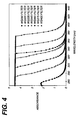
- Spectral absorbance of each of the Schott long pass filters used for the action spectra determination was measured using a Cary 2300 Spectrophotometer with diffuse reflectance accessory. Absorbances at wavelength between 250 and 400 nm in 2 nm intervals were converted to percent transmission. To determine the spectral dose distribution delivered to the filtered cells, the spectral dose distribution of the source with the Costar lid was multiplied at each wavelength with the transmission of the appropriate Schott filter. Each of these distributions was also integrated to determine the total energy delivered through the filter to the cells. The absorbance of these filters demonstrates the pattern of increased absorbance to higher wavelengths with successive filters. The resultant spectral dose distribution after subtracting the absorbance of each filter from the spectra produced by the lamps is shown in Figure 5. As shown, the use of the filters with increasing wavelength number shifts the absorbance maximum of the resulting spectra to higher wavelengths and eliminates the radiation at lower wavelengths.
- the change in lipid peroxidation produced when the WG280 filter is used compared to no filter represents a region of the spectra which is important for the production of lipid peroxidation in human dermal fibroblasts and Swiss 3T3 cells. Additionally, the change from WG345 filter to the WG360 filter also represents a region which contributes significantly to this effect.
- the difference spectra for each of these transitions produce a peak with absorbance maximum very close to 345 nm indicating that a chromophore exists which is important for the UV-dependent production of lipid peroxidation which has an absorbance maximum very close to 345 nm.
- difference spectra with peaks closely adjacent to the two identified peaks are less sensitive and help to specifically identify the important wavelengths in the UVA region of the spectrum.
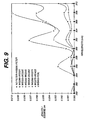
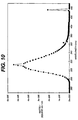
- Human dermal fibroblasts also demonstrate another chromophore in the UVB region of the spectrum. This effect may be produced by the small peaks in the dose distribution of the lamp which correspond with 297 and 303 nm shown best in Figure 9. This effect of UVB on the production of lipid peroxidation in human dermal fibroblasts is further shown by the use of the Westinghouse FS40 Sunlamps (See Figure 10) for dose distribution produced with this lamp alone). Using the UVB dominant FS40 Sunlamps, lipid peroxidation can still be induced in human dermal fibroblasts in a dose dependent manner as shown in Figure 11.
- Example 3 Cell type dependence for the production of lipid peroxidation
- human dermal fibroblasts and the mouse fibroblast cell lines Swiss 3T3 and J2-3T3 produced very different amounts of lipid peroxidation although the culture conditions were identical for these three cell types. Specifically, human dermal fibroblasts were about three times as responsive as Swiss 3T3 cells which were about three times as responsive as J2-3T3 cells. This increased response of dermal fibroblasts versus Swiss 3T3 cells may be due to the presence of the UVB sensitive chromophore identified in Figure 8.
- HEK Human epidermal keratinocytes
- hydrophilic antioxidants such as ascorbic acid and mannitol
- hydrophilic antioxidants were not only ineffective in preventing the UVA-induced production of lipid peroxidation, but they were detrimental in that levels of lipid peroxidation were actually increased 50-60% compared to irradiated control cultures.
- Lipophilic antioxidants particularly butylated hydroxyanisole (BHA), butylated hydroxytoluene (BHT), and ascorbyl palmitate were the most effective in preventing UVA-induced lipid peroxidation.
- the UV spectra were produced for the antioxidants used in Figure 13.
- the spectra for BHA and BHT are shown in Figure 14.
- the absorbance for BHT was found to be extremely sensitive to the solvent used. If BHT was dissolved in aqueous Hanks Balanced Salt Solution, little absorbance was noted at the wavelengths studied. However, a large increase in absorbance was seen in samples dissolved in mineral oil. BHA was much less sensitive to differences in these two solvents. Neither BHA nor BHT absorb significantly in the regions covered by the spectral irradiance of the Sylvania F40 350BL lamps.
- Example 5 The role of iron in UVA-induced lipid peroxidation
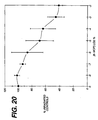
- 8-methoxypsoralen (8-MOP) was also tested. As shown in Figure 20, 8-MOP did not stimulate the effect of UVA in these experiments.
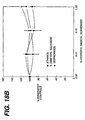
- hydroxyl radicals are thought to play a role in the production of lipid peroxidation, hydroxyl radical scavengers are generally poor at preventing lipid peroxidation [Gutteridge, JMC, Biochem J (1984) 224:697-701; Gutteridge JMC, "Lipid peroxidation: some problems and concepts.” In: Oxygen Radicals in Tissue Injury; Proceedings of a Brook Lodge Symposium. 1988. B Halliwell, ed. Upjohn Co.: Augusta, Michigan, pp. 9-19; Geesin et al., Arch Biochem Biophys (1991) 290:127-132].
Landscapes
- Health & Medical Sciences (AREA)
- Life Sciences & Earth Sciences (AREA)
- Animal Behavior & Ethology (AREA)
- General Health & Medical Sciences (AREA)
- Public Health (AREA)
- Veterinary Medicine (AREA)
- Birds (AREA)
- Epidemiology (AREA)
- Emergency Medicine (AREA)
- Dermatology (AREA)
- Cosmetics (AREA)
- Pharmaceuticals Containing Other Organic And Inorganic Compounds (AREA)
- Medicines Containing Plant Substances (AREA)
- Anti-Oxidant Or Stabilizer Compositions (AREA)
- Measurement Of The Respiration, Hearing Ability, Form, And Blood Characteristics Of Living Organisms (AREA)
- Organic Low-Molecular-Weight Compounds And Preparation Thereof (AREA)
- Luminescent Compositions (AREA)
- Treatments Of Macromolecular Shaped Articles (AREA)
- Compositions Of Macromolecular Compounds (AREA)
- Photometry And Measurement Of Optical Pulse Characteristics (AREA)
Abstract
Description
- The present invention relates to the protection of skin from the oxidative effects of ultraviolet (UV) A radiation. In particular, the present invention relates to photoprotective lipophilic antioxidant compositions and their use to prevent UVA-mediated oxidative effects including lipid peroxidation.
- The damaging effects of UV radiation, particularly sunlight, on skin are well known and documented. Indeed, exposure to solar radiation is known to cause a number of acute (i.e., erythema, pigmentation, and sunburn cell formation) and chronic (i.e. photodamage, aging and cancer) effects on skin.
- Solar radiation that reaches the earth's surface contains UVA (320-400 nm) and some UVB (300-320 nm) wavelengths. A third component of solar radiation, UVC, is absorbed by the ozone layer above the earth before it reaches the earth's surface. The action spectra for most acute and chronic effects of solar exposure indicate that UVB wavelengths are more biologically active than UVA wavelengths [Shea et al., "Nonionizing radiation and the skin." In: Physiology, Biochemistry, and Molecular Biology of the Skin. 1991. LA Goldsmith, ed. Oxford University Press:New York. vol. 2, pp. 910-927; De Gruiji, et al., Cancer Res (1993) 53:53-60]. However, when the skin is protected from UVB the effects of UVA can be seen [Kligman et al., Photochem Photobiol (1991) 54:233-237; Zheng et al., J Invest Dermatol (1993) 100:194-199; Boyer et al., J Photochem Photobiol B: Biol (1992) 14:247-259; Bissett et al., Photochem Photobiol (1989) 50:763-769]. Thus, it is desirable to protect the skin against UVA radiation as well as the UVB portions of sunlight.
- The mechanisms by which UV radiation produces its acute and chronic effects on skin are two fold: 1) direct absorption of energy by molecules of the skin, and 2) oxygen-dependent processes [Shea et al., "Nonionizing radiation and the skin." In: Physiology, Biochemistry, and Molecular Biology of the Skin. 1991. LA Goldsmith, ed. Oxford University Press:New York. vol. 2, pp. 910-927]. The first mechanism of UV radiation damage, direct absorption of energy by the skin, can be combated using sunscreens. Sunscreens, the most common agents employed to protect the skin from the effects of UV radiation, work by absorbing the UV radiation so that it does not penetrate the skin and cause damage. Thus, sunscreens provide protection against UV damage caused by direct absorption of energy by the skin. They do not, however, protect against damage caused by oxygen-dependent processes, the second mechanism by which UV radiation damages the skin unless they also incorporate UVA absorbing sunscreens. Even with the use of such sunscreens, however, there is evidence that sunscreens alone do not prevent all sun-induced alterations in skin, even when their use prevents skin erythema (sunburn) [Fischer et al., Nature (1996) 379:335-339], indicating that other, non-sunscreen agents which prevent aspects of sun-induced skin damage, should provide a measurable benefit in sun protection.
- The second mechanism of UV radiation damage, oxygen-dependent processes, generally involves the production of reactive oxygen species as intermediates. Once produced, these reactive oxygen species cause pathology by a number of different mechanisms including the production of lipid peroxidation. Indeed, the production of free radicals and lipid peroxidation has been associated with characteristic changes associated with aging in many tissues including the skin [Machlin, et al., FASEB J (1987) 1:441-445; Emerit, I, "Free radicals and aging in skin." In: Free Radicals and Aging. 1992. I Emerit and B Chance, eds. Birkhauser Verlag Base: Switzerland, pp. 328-341; De Quiroga et al., "Relationship between antioxidants, lipid peroxidation and aging." In: Free Radicals and Aging. 1992. I Emerit and B Chance, eds. Birkhauser Verlag Base: Switzerland, pp. 109-123; Yagi, K., "Lipid peroxides in the skin. " In: The Biological Role of Reactive Oxygen Species in the Skin. 1987. O. Hayaishi, S. Imamura, Y. Miyachi, eds. Elsevier: New York, pp. 109-116].
- The apparent importance of this second mechanism of UV radiation damage supports the use of antioxidant supplementation as a means of photoprotection. A large number of reported studies have examined the effects of various agents, including antioxidants, on the effects of UVA [Bose et al., Radiat Res (1993) 133:340-344; Longas et al., Biochem Biophys Acta (1993) 1156:239-244; Bissett et al., J Soc Cosmet Chem (1992) 43:85-92; Bissett et al., Photodermatol Photoimmunol Photomed (1990) 7:56-62; Leccia et al., Photochem Photobiol (1993) 58:548-553; Gaboriau et al., Photochem Photobiol (1993) 58:515-520], UVB [Pelle et al., Arch Biochem Biophys (1990) 283:234-240; Danno et al., J Invest Dermatol(1984) 83:166-168; Bissett et al., J Soc Cosmet Chem (1992) 43:85-92; Darr et al., Brit J Dermatol (1992) 127:247-253; Hamanaka et al., J Dermatol (1990) 17:595-598; Koone et al., J Invest Dermatol (1986) 87:343-347; Black et al., Photochem Photobiophys (1980) 1:119-123; Peterson et al., J Invest Dermatol (1980) 75:408-410; Kono et al.,J Dermatol (1992) 19:389-392; Black et al., Photochem Photobiol (1984) 40:69-75; Black et al., Photochem Photobiol (1991) 53:707-716; Black et al., Photochem Photobiol (1986) 43:403-408, Bissett et al., Photodermatol Photoimmunol Photomed (1990) 7:56-62], UVC [Pelle et al., Arch Biochem Biophys (1990) 283:234-240] or PUVA [Darr et al., Brit J Dermatol (1992) 127:247-253] in liposomes [Pelle et al., Arch Biochem Biophys (1990) 283:234-240; Bose et al., Radiat Res (1993) 133:340-344], cultured human skin fibroblasts [Leccia et al., Photochem Photobiol (1993) 58:548-553; Gaboriau et al., Photochem Photobiol (1993) 58:515-520], mice [Danno et al., J. Invest Dermatol(1984) 83:166-168; Bissett et al., J Soc Cosmet Chem (1992) 43:85-92; Trevethick et al., Arch Biochem Biophys (1992) 296:575-582; Koone et al., J Invest Dermatol (1986) 87:343-347, Black et al., Photochem Photobiophys (1980) 1:119-123, Peterson et al., J Invest Dermatol (1980) 75:408-410, Kono et al., J Dermatol (1992) 19:389-392, Black et al., Photochem Photobiol (1984) 40:69-75, Black et al., Photochem Photobiol (1991) 53:707-716, Black et al., Photochem Photobiol (1986) 43:403-408, Bissett et al., Photodermatol Photoimmunol Photomed (1990) 7:56-62], pigs [Darr et al., Brit J Dermatol (1992) 127:247-253), guinea pigs [Hamanaka et al., J Dermatol (1990) 17:595-598] or rats [Longas et al., Biochem Biophys Acta (1993) 1156:239-244]. Though a considerable number of agents has been tested for in vivo effects on UVB, evidence exists only for vitamin E as an agent to prevent UVA-induced effects in animals [Longas et al., Biochem Biophys Acta (1993) 1156:239-244). Oral alpha-tocopherol has been shown to prevent UVA-induced alterations in glycosaminoglycans in rats [Longas et al., Biochem Biophys Acta (1993) 1156:239-244], but no effect of topical vitamin E was seen on UVA-induced skin sagging in hairless mice [Bissett et al., Photodermatol Photoimmunol Photomed (1990) 7:56-62]. Thus, a general means of preventing UVA-induced oxidative effects has not been provided. However, such a means would be desirable.
- Therefore, it is an object of the present invention to provide means of protecting the skin from the oxidative effects caused by exposure to UVA radiation, namely UVA-induced lipid peroxidation.
- The present invention results from the surprising discovery that certain lipophilic antioxidants selected from butylated hydroxyanisole (BHA) and butylateol hydroxytolunene (BHT), when applied to skin, protect the skin against the adverse effects of UVA-induced lipid peroxidation.
-
- Figure 1 shows the effect of different culture plates on the production of lipid peroxidation by human dermal fibroblasts exposed to solar simulated light. Cells were exposed to solar simulated light through the covers on Corning 75 cm2 flasks or through Costar 100 mm tissue culture dishes with or without the covers. Triplicate cultures were exposed to increasing numbers of MED using the solar simulator arrangement of lamps.
- Figure 2 shows the spectral dose distribution of light sources with different culture materials. The spectral dose distribution is presented for the three cell culture conditions identified in the lipid peroxidation measurements described previously (see Figure 1) using the solar simulator arrangement of lamps.
- Figure 3 shows the spectral irradiance of F40 350BL lamps. The spectral irradiance for the Sylvania F40 350BL lamps (98% UVA, 2% UVB) is presented.
- Figure 4 shows the absorbance spectra of Schott filters. The absorbance of various WG filters was determined and is shown.
- Figure 5 shows the spectral dose distribution produced with the Schott Filters described in Figure 4.
- Figure 6 show the difference spectra produced using the Sylvania F40 350BL fluorescent lamps in combination with the Schott Filters described in Figures 4 and 5. These spectra represent the differences in spectra produced when comparing one filter to the next in the series.
- Figure 7 shows lipid peroxidation produced in human dermal fibroblasts (HSF) and Swiss 3T3 cells (S3T3) in the presence or absence of the Schott Filters described in Figures 4-6.
- Figure 8 shows lipid peroxidation action spectrum for human dermal fibroblasts (HSF) and Swiss 3T3 Mouse Fibroblasts (S3T3). These action spectra were determined using the information from Figures 6 and 7.
- Figure 9 shows difference spectra produced using the Sylvania F40 350BL fluorescent lamps as described in Figure 6. This presentation highlights selected wavelengths (290-310nm) from Figure 6.
- Figure 10 shows the spectral irradiance of Westinghouse FS40 Sunlamps alone.
- Figure 11 shows the effect of exposure to Westinghouse FS40 Sunlamps on the production of lipid peroxidation in human dermal fibroblasts. Triplicate cultures were exposed to increasing number of MED.
- Figure 12 shows the effect of UVA exposure on the production of lipid peroxidation by various cell types in monolayer culture. Human epidermal keratinocytes (HEK), human skin fibroblasts (HSF), Swiss 3T3 mouse fibroblasts (S3T3), J2-3T3 mouse fibroblasts (J2-3T3), human epidermal melanocytes (HEM) and human squamous cell carcinoma cells (SCC12B2) were exposed to increasing doses of UVA using only Sylvania F40 350BL lamps (98% UVA). The average number of milligrams protein per plate for each cell type (standard deviation) was: HEK= 5.3 (0.2); HSF= 1.1 (0.1); S3T3= 1.9 (0.2); J2-3T3= 3.2 (0.1); HEM= 1.2 (0.2); SCC12B2= 5.1 (0.5).
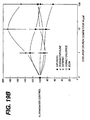
- Figure 13 shows the effect of antioxidants on UVA-induced lipid peroxidation. Triplicate cultures of Swiss 3T3 cells (A) and human dermal fibroblasts (B) were exposed to 60 joules/cm2 UVA using Sylvania F40 350BL lamps in the presence or absence of various concentrations of antioxidants as shown.
- Figure 14 shows absorbance spectra for BHA and BHT. Absorbance spectra were produced on 1 mM solutions in either Hanks Balanced Salt Solution or mineral oil using a Cary 2300 spectrophotometer.
- Figure 15 shows absorbance spectra for selected lipophilic antioxidants. Absorbance spectra were produced on 1 mM solutions dissolved in dimethyl sulfoxide using a Cary 2300 spectrophometer.
- Figure 16 shows the effect of a combination of BHA and BHT on UVA-induced lipid peroxidation. Triplicate cultures of human dermal fibroblasts were exposed to 60 joules/cm2 UVA using Sylvania F40 350BL lamps in the presence or absence of various concentrations of BHA and BHT as indicated.
- Figure 17 shows the effect of oxygen radical scavenging enzymes on UVA-induced lipid peroxidation. Triplicate cultures of Swiss 3T3 cells (A) or human dermal fibroblasts (B) were exposed to 60 joules/cm2 UVA using Sylvania F40 350BL lamps in the presence or absence of various concentrations of the indicated enzymes.
- Figure 18 shows the effect of hydroxyl radical scavengers on UVA-induced lipid peroxidation. Triplicate cultures of Swiss 3T3 cells (A) or human dermal fibroblasts (B) were exposed to 60 joules/cm2 UVA using Sylvania F40 350BL lamps in the presence or absence of various concentrations of the indicated hydroxyl radical scavengers.
- Figure 19 shows the effect of chelators and iron competitors on UVA-induced lipid peroxidation in Swiss 3T3 cells (A) and human dermal fiborblasts (B). Triplicate cultures of Swiss 3T3 cells were exposed to 60 joules/CM2 UVA using Sylvania F40 350BL lamps in the presence or absence of various concentrations of the indicated agents.
- Figure 20 shows the effect of 8-methoxypsoralen on UVA-induced lipid peroxidation. Triplicate cultures of Swiss 3T3 cells were exposed to 60 joules/cm2 UVA using Sylvania F40 350BL fluorescent lamps in the presence of the indicated concentrations of 8-methoxypsoralen.
-
- The present invention is directed to the use of a lipophilic antioxidant selected from butylated hydroxyanisole (BHA) and butylated hydroxytoluene (BHT) as an active compound in the protection of the skin against the adverse effects of UVA-induced lipid peroxidation, in the manufacture of a composition for topical application to mammalian skin to provide protection from UVA-induced lipid peroxidation. The present invention results from the surprising discovery that certain lipophilic antioxidants selected from butylated hydroxyanisole (BHA) and butylated hydroxytoluene (BHT) when applied to skin cells protect these cells against the adverse oxidative effects of UVA radiation, including UVA-induced lipid peroxidation.
- In the present invention, skin cells are protected from the oxidative effects of UVA radiation by topi-cally applying to such cells an effective amount of a photoprotective composition that contains a lipophilic antioxidant. The lipophilic antioxidants employed in the composition do not have any appreciable absorbance (i.e., offer no significant sunscreen benefits) at or near wavelengths of 320-380 nm, especially wavelengths near 345 nm, and are selected from butylated hydroxyanisole (BHA) and butylated hydroxytoluene (BHT).
- Antioxidants that are both lipophilic and do not absorb at wavelengths which would have made them susceptible to forming oxygen-derived free radicals themselves have been found to be effective at preventing skin damage caused by UVA-induced oxidative effects.
- That the antioxidant must be lipophilic to protect against UVA-induced oxidative damage is evidenced by the results shown herein with ascorbic acid versus ascorbyl-6-palmitate. By simply adding a lipophilic moiety to ascorbic acid, the effect on UVA-induced lipid peroxidation went from one extreme to the other. Hydrophilic ascorbic acid acted synergistically with UVA to induce additional lipid peroxidation. However, lipophilic ascorbyl palmitate (a compound not according to the invention) was one of the most effective agents tested in preventing UVA-induced lipid peroxidation. The differences in the two molecules do not involve changes in their activity as antioxidants, only the environment in which they reside.
- In addition to being lipophilic, the antioxidants used in the present method must not absorb appreciably in the UVA portion of the spectrum. α-napththol, which consistently produced unusual results in both cell types tested as described below, also absorbed the furthest into the UVA region of the antioxidants tested.
- The lipophilic antioxidants according to the invention are butylated hydroxyanisole (BHA) and butylated hydroxytoluene (BHT). Ascorbyl palmitate (a compound not according to the invention) has previously been shown to be ineffective at preventing UVB induced wrinkling in hairless mice [Bissett et al., Photodermatol Photoimmunol Photomed (1990) 7:56-62], however it has been shown to protect endothelial cells from the cytotoxic effects of products of lipid peroxidation [Kaneko et al., Arch Biochem Biophys (1993) 304:176-180].
- BHA has also been shown to be effective at preventing UVC-induced lipid peroxidation in liposomes [Pelle et al., Arch Biochem Biophys (1990) 283:234-240). Additionally, BHA has been found to be effective at preventing UVB- or PUVA-induced ornithine decarboxylase activity (associated with tumor formation) [Kono et al., J Dermatol (1992) 19:389-392; Black et al., Photochem Photobiol (1986) 43:403-408], however, BHA had no effect on UVB-induced photocarcinogenesis [Black et al., Photochem Photobiol (1986) 43:403-408). No results concerning the effects of BHA on other UVA-mediated events have been reported.
- Of the three preferred lipophilic antioxidants, BHT has seen the greatest amount of study. A great deal of literature exists concerning the ability of oral ingestion of BHT to provide protection against the acute and chronic effects of UVB exposure [Koone et al., J Invest Dermatol (1986) 87:343-347; Black et al., Photochem Photobiophys (1980) 1:119-123; Peterson et al., J Invest Dermatol (1980) 75:408-410; Black et al., Photochem Photobiol (1984) 40:69-75; Black et al., Photochem Photobiol (1991) 53:707-716; Black et al. Photochem Photobiol (1986) 43:403-408] including photocarcinogenesis, erythema and induction of ornithine decarboxylase activity. In addition, BHT has been shown to be effective in preventing UVA- [Bose et al., Radiat Res (1993) 133:340-344] and UVC-[Pelle et al., Arch Biochem Biophys (1990) 283:234-240) induced lipid peroxidation in liposomes. No evidence of activity of BHT against the characteristic changes involved in photoaging or against UVA-induced changes in animals or cultured cells has been reported.
- BHA and BHT are also used to stalilize sunscreen preparations, as disclosed in
US 4 975 272. The used of other compounds for the protection of the skin against UV-A is known fromEP 0 607 642;FR 2 666 226;EP 0 664 290;US 4 975 272 andUS 5 409 693. - In the present invention the photoprotective composition containing a lipophilic antioxidant selected from butylated hydroxyanisole (BHA) and butylated hydroxytoluene (BHT) is applied topically to skin cells to protect the skin from the oxidative effects of UVA radiation. Preferably, the composition is applied prior to exposure to the sun.
- The amount of the lipophilic antioxidant selected from butylated hydroxyanisole (BHA) and butylated hydroxytoluene (BHT) present in the compositions and applied to the skin cells may vary so long as enough of the antioxidant is present to prevent UVA-mediated oxidative damage including lipid peroxidation. Preferably, the antioxidant is present in the composition from .0001 % to 10 % (w/w), more preferably from .01 % to 1 %, and more preferably still from .1 % to .5 %.
- The photoprotective compositions to be used according to the invention may be made into a variety of product types. The photoprotective compositions can be in solid, liquid or aerosol form so long as they are suitable for topical administration. For example, the compositions can be formulated into a liposomal formulation, an emollient, a liquid, a cream, a gel, an ointment, a microemulsion, or a solution. The compositions to be used according to the present invention can also be incorporated into various cosmetic and personal care products such as hand and body lotions, oils, ointments, lip balms and facial cosmetics.
- Photoprotective compositions suitable for use according to the present invention can also contain other photoprotective agents such as sunblocks or sunscreens. Indeed, skin protection against sun damage may be optimized by using a combination of a lipophilic antioxidant to prevent UVA-induced oxidative damage of the present invention with a sunblock or a sunscreen to prevent direct absorption of energy by the skin cells.
- Conventional sunblocks and sunscreening agents are suitable for use in the present invention. Examples of sunblocks suitable for use in the present invention include zinc oxide and titanium dioxide. Suitable sunscreening agents include, for example, p-aminobenzoic acid and its derivatives, anthranilates, salicylates, cinnamates and their derivatives, naphtholsulfonates, benzophenones, dibenzoylmethane derivatives, and tannic acid and its derivatives. For a list of numerous suitable agents see Cosmetics & Toiletries, published by Allured Publishing Corporation, for example, Vol. 102, March 1987, pp. 21-40.
- A safe and effective amount of sunblock and/or sunscreen can be included in the photoprotective compositions for use according to the present invention. Generally, compositions such may contain from about 1 to about 15 % (w/w) of a sunblock or sunscreening agent, in accordance with FDA-OTC Panel recommendations.
- Other conventional and typical skin care product additives may also be included in the photoprotective compositions. Various vitamins may also be included in the photoprotective compositions of the present invention. Examples of such vitamins include Vitamin A and derivatives thereof, Vitamin B2, biotin, pantothenic, Vitamin D, Vitamin E and combinations thereof.
- The following examples are included to further illustrate the practice of this invention.
- Monolayer cultures of mouse Swiss 3T3 (S3T3) and J2-3T3 fibroblasts, human epidermal melanocytes (HEM), human dermal fibroblasts (HSF), human epidermal keratinocytes (HEK) and a human squamous cell carcinoma cell line (SCC12B2) were grown to confluence in the appropriate media as follows. S3T3 cells, J2-3T3 cells and HSF were grown in Dulbecco's modified Eagle medium (DMEM) containing 10% calf serum. HEM were grown in Clonetics melanocyte growth medium. HEK and SCC12B2 cells were grown in an epidermal growth medium containing 3:1 high glucose DMEM to Ham's F12 supplemented with 2 µg/ml hydrocortisone, 5 x 10⁻¹⁰M cholera toxin, 25 pg/ml insulin, 25 µg/ml transferring and 1 x 10⁻¹⁰M triiodothyronine. HEK were grown on a feeder layer of mitomycin C treated Swiss 3T3 fibroblasts as described [Rheinwald et al., Cell (1975) 6:331-344].
- To determine whether solar simulated light could produce oxidative effects on cells in culture, neonatal human dermal fibroblasts were irradiated using a combination of Sylvania F40 350BL lamps (98% UVA) and Westinghouse FS40 Sunlamps (approximately 50% UVA, 50% UVB) to simulate the normal solar spectrum.
- Neonatal human dermal fibroblast cultures were grown as described above in Corning 75 cm2 tissue culture flasks or in 100 mm Costar culture dishes. Cultures were then irradiated through the use of a solar simulator arrangement of bulbs with a 6:5 mix of Sylvania F40 350BL lamps and Westinghouse FS40 Sunlamps (50% UVA, 50% UVB).
- Following irradiation, a lipid peroxidation assay was conducted. Briefly, irradiated plates were scraped with a rubber policeman and cells and solution were homogenized on a dounce homogenizer. An aliquot of the protein extract was taken for Lowry determination of total protein [Lowry et al., J Biol Chem (1951) 193:265-275]. The remainder of the extract was precipitated with trichloroacetic acid. The supernatant was assayed for malondialdehyde content in duplicate by combining it with 0.5% thiobarbituric acid solution before boiling for 30 minutes. Samples were measured for their absorbance at 532 nm. Malondialdehyde levels were determined using the reported extinction coefficient [Wilbur et al., Arch Biochem Biophys (1949) 23:305-313].
- When cultures were grown in Corning 75 cm2 tissue culture flasks, a dose-dependent increase in the level of malondialdehyde was produced (Figure 1) indicative of an increase in the level of cellular lipid peroxidation. When cells were grown in
Costar 100 mm culture dishes the levels of lipid peroxidation were reduced compared to Corning flasks when irradiated at equivalent doses of UV (Figure 1). When cells were irradiated with the lids of the Costar dishes removed, no effect of UV was seen on the levels of lipid peroxidation in irradiated cells at the doses tested (Figure 1). - In order to understand the different results produced by the use of different culture materials, the spectra of the light penetrating the different culture plates were examined. The spectral power distribution of the Sylvania F40 350BL fluorescent lamps used to irradiate the cells was measured with an Optronics Model 742 Spectroradiometer at 2 nm intervals between 250 and 400 nm. The irradiance was multiplied by the transmission of the Costar lid used to cover the cells at each wavelength to determine the irradiance of the source to the cells. The irradiance at each wavelength was multiplied with a scaler value (representing time) such that the integral equaled 80 J/cm2.
- The spectral dose distribution is presented (Figure 2) for the three cell culture conditions identified in the lipid peroxidation experiments (Figure 1) using the solar simulator arrangement of lamps described above. Under these conditions, the Corning flasks received 40% more UVA than the Costar dishes with the equivalent amounts of UVB. The uncovered dishes received even less UVA (Corning flasks received 140% more UVA than uncovered Costar dishes). These results indicate a likely role for UVA selectively to induce lipid peroxidation in these cultured cells. Consequently, all subsequent experiments (except where noted) were performed using only the Sylvania F40 350B1 lamps (see Figure 3 for spectral irradiance using these lamps) since they produce spectra composed of 98% UVA with little contribution from UVB (2%).
- To determine the portion of the spectra produced by the F40 350BL lamps that was responsible for inducing lipid peroxidation, confluent cultures of HSF and S3T3 cells grown in 60 mm culture dishes were irradiated through the lids using the Sylvania F40 350BL lamps as described above with the addition of a number of Schott filters which absorb varying amounts of energy at varying wavelengths as shown in Figure 4.
- Action spectra were determined by using a series of long pass filters to evaluate the differences in dose between two adjacent filters, and attributing the differences in the response being evaluated between the two filters to that waveband in proportion to the total energy difference between the two filters. The spectral dose distributions of adjacent filters were subtracted from each other to determine the difference in spectral dose. This was done for each adjacent pair of filters. These difference dose distributions were integrated to determine the difference dose band (See Figure 6).
- The level of lipid peroxidation per unit protein content for each filter pair was determined as described above. The differences in lipid peroxidation for each filter pair was determined by subtracting the levels for the adjacent pair. The peroxidation differences for a filter pair were divided by the difference dose band to determine the level of peroxidation attributable to each unit dose of the difference band, indicating the absolute sensitivity of peroxidation to that wave band. The absolute sensitivities of all wavebands were integrated and each of the individual sensitivities were divided by the sum to determine the percentage of sensitivity of each waveband. The relative sensitivities were plotted as a function of the difference wavelength band to indicate which portion of the UV spectrum was most effective in causing lipid peroxidation.
- Spectral absorbance of each of the Schott long pass filters used for the action spectra determination was measured using a Cary 2300 Spectrophotometer with diffuse reflectance accessory. Absorbances at wavelength between 250 and 400 nm in 2 nm intervals were converted to percent transmission. To determine the spectral dose distribution delivered to the filtered cells, the spectral dose distribution of the source with the Costar lid was multiplied at each wavelength with the transmission of the appropriate Schott filter. Each of these distributions was also integrated to determine the total energy delivered through the filter to the cells. The absorbance of these filters demonstrates the pattern of increased absorbance to higher wavelengths with successive filters. The resultant spectral dose distribution after subtracting the absorbance of each filter from the spectra produced by the lamps is shown in Figure 5. As shown, the use of the filters with increasing wavelength number shifts the absorbance maximum of the resulting spectra to higher wavelengths and eliminates the radiation at lower wavelengths.
- The difference in the spectra from one filter to the next (Figure 6) is used to determine the amount of lipid peroxidation involved in each step from one filter to the next.
- The amount of lipid peroxidation produced using the filters described in Figures 4-6 is shown in Figure 7. As indicated, the levels of lipid peroxidation decline with the use of filters with increasing wave number and absorbance into higher wavelengths in the UVA region of the spectrum. To determine the contribution of each filter to the effect on lipid peroxidation, the change in lipid peroxidation per change in filter must be divided by the difference spectra produced by successive filters (Figure 6). The result of this calculation is shown in Figure 8 and represents the contribution of each portion of the spectra to the effect on lipid peroxidation seen using the Sylvania F40 350BL fluorescent lamps.
- As indicated, the change in lipid peroxidation produced when the WG280 filter is used compared to no filter represents a region of the spectra which is important for the production of lipid peroxidation in human dermal fibroblasts and Swiss 3T3 cells. Additionally, the change from WG345 filter to the WG360 filter also represents a region which contributes significantly to this effect. The difference spectra for each of these transitions produce a peak with absorbance maximum very close to 345 nm indicating that a chromophore exists which is important for the UV-dependent production of lipid peroxidation which has an absorbance maximum very close to 345 nm. Interestingly, difference spectra with peaks closely adjacent to the two identified peaks are less sensitive and help to specifically identify the important wavelengths in the UVA region of the spectrum.
- Human dermal fibroblasts also demonstrate another chromophore in the UVB region of the spectrum. This effect may be produced by the small peaks in the dose distribution of the lamp which correspond with 297 and 303 nm shown best in Figure 9. This effect of UVB on the production of lipid peroxidation in human dermal fibroblasts is further shown by the use of the Westinghouse FS40 Sunlamps (See Figure 10) for dose distribution produced with this lamp alone). Using the UVB dominant FS40 Sunlamps, lipid peroxidation can still be induced in human dermal fibroblasts in a dose dependent manner as shown in Figure 11.
- To determine whether or not there were variations in the response of different cell types to UVA, various normal and transformed cell types were examined for sensitivity to UVA-mediated lipid peroxidation (Figure 12) as described above. Although all.cell types examined in these experiments produced more lipid peroxidation in response to increased amounts of UVA, some cell-type differences in response were noted.
- Normal human dermal fibroblasts and the mouse fibroblast cell lines Swiss 3T3 and J2-3T3 produced very different amounts of lipid peroxidation although the culture conditions were identical for these three cell types. Specifically, human dermal fibroblasts were about three times as responsive as Swiss 3T3 cells which were about three times as responsive as J2-3T3 cells. This increased response of dermal fibroblasts versus Swiss 3T3 cells may be due to the presence of the UVB sensitive chromophore identified in Figure 8.
- Similarly, normal human epidermal keratinocytes were much more responsive than the squamous cell carcinoma cell line (SCC 12B2) under similar culture conditions. Human epidermal keratinocytes (HEK) were the most responsive cell type when compared against the others using protein concentration as the internal control. HEK's produced the highest levels of lipid peroxidation per plate (greater than 10 nmoles per plate) compared to the other cell types tested. (This can be calculated by using the amount of protein per plate for each cell type which is given in the legend to Figure 12.) Interestingly, they were also the only cell type to reach a maximal response in these experiments. This leveling of the effect of UVA on the production of lipid peroxidation in HEK's is not due to insufficient assay reagents since dilutions of these cell extracts produced the same levels of lipid peroxidation. Human epidermal melanocytes produced very low levels of lipid peroxidation when exposed to UVA under the culture conditions used.
- The effect of various antioxidants on UVA-induced lipid peroxidation was also determined for both Swiss 3T3 cells and human dermal fibroblasts. The results are shown in Figure 13. Confluent cultures were washed 2 times with 10 ml Hanks' Balanced Salt Solution (HBSS) before the addition of the treatment solution (2 ml per 100 mm culture dish and 1 ml per 60 mm culture dish) containing the indicated test agent in HBSS. Some materials were not soluble in water and were compared against controls containing 1% of the solvents. Culture dishes were irradiated through their lids and a lipid peroxidation assay was carried out as described above.
- In these experiments, hydrophilic antioxidants, such as ascorbic acid and mannitol, were not only ineffective in preventing the UVA-induced production of lipid peroxidation, but they were detrimental in that levels of lipid peroxidation were actually increased 50-60% compared to irradiated control cultures. Lipophilic antioxidants, particularly butylated hydroxyanisole (BHA), butylated hydroxytoluene (BHT), and ascorbyl palmitate were the most effective in preventing UVA-induced lipid peroxidation. Some molecules, such as tocopherol and naphthol, produced unusual results. These molecules seem to prevent the production of lipid peroxidation at low concentrations (10 µM or less) while reversing that effect at higher concentrations.
- To determine whether or not the absorbance characteristics of the antioxidants tested played a role in their ability to prevent UVA-induced lipid peroxidation, the UV spectra were produced for the antioxidants used in Figure 13. The spectra for BHA and BHT are shown in Figure 14. Interestingly, the absorbance for BHT was found to be extremely sensitive to the solvent used. If BHT was dissolved in aqueous Hanks Balanced Salt Solution, little absorbance was noted at the wavelengths studied. However, a large increase in absorbance was seen in samples dissolved in mineral oil. BHA was much less sensitive to differences in these two solvents. Neither BHA nor BHT absorb significantly in the regions covered by the spectral irradiance of the Sylvania F40 350BL lamps.
- The absorbance spectra for the other antioxidants dissolved in dimethyl sulfoxide are shown in Figure 15. α-Naphthol absorbs appreciably at wavelengths which overlap with the spectra produced by the Sylvania fluorescent lamps. (See Figure 3 for comparison.) Tocopherol and propyl gallate absorb slightly in these overlapping regions while tocopherol acetate and ascorbyl-palmitate do not.
- The ability of BHA and BHT to prevent UVA-induced lipid peroxidation was further examined by use of combinations of the two agents as shown in Figure 16. The combination of the two agents did not show improvement over use of twice as much BHA alone. BHA was found to be more effective than BHT in these experiments.
- The potential use of oxygen radical scavenging enzymes as inhibitors of UVA-induced lipid peroxidation was also evaluated in both Swiss 3T3 cells (A) and human dermal fibroblasts (B) as shown in Figure 17. No consistent effect was seen with either of these enzymes in Swiss 3T3 cells under the conditions tested (Figure 17A). Interestingly, superoxide dismutase prevented about 45% of the induction of lipid peroxidation produced by UVA in human skin fibroblasts even at the lowest concentration of enzyme used (1 unit/ml)(Figure 17B) with no additional effect with higher doses. Catalase had no effect in human skin fibroblasts (Figure 17B).
- A number of alcohols and dimethyl sulfoxide are reported to have activity as hydroxyl radical scavengers [Gutteridge, JMC, Biochem J (1984) 224:697-701; Gutteridge JMC, "Lipid peroxidation: some problems and concepts." In: Oxygen Radicals in Tissue Injury; Proceedings of a Brook Lodge Symposium. 1988. B Halliwell, ed. Upjohn Co.: Augusta, Michigan, pp. 9-19]. These molecules were, therefore, tested for their ability to interfere with UVA-induced production of lipid peroxidation as shown in Figure 18. Ethanol somewhat stimulated the production of lipid peroxidation in Swiss 3T3 cells while it had no effect in human dermal fibroblasts. Dimethyl sulfoxide was mildly effective at inhibiting lipid peroxidation in Swiss 3T3 cells with no apparent effect in human dermal fibroblasts. Isopropanol had no effect in either cell type.
- The potential role of iron, supplied either by the calf serum or media used to grow the cells, in the increase in lipid peroxidation due to UVA exposure was studied in Swiss cells and human dermal fibroblasts. The results are shown in Figure 19. Confluent cultures grown in iron supplemented calf serum were washed 2 times with 10 ml HBSS then the chelator or iron competitor was added to the culture dish. The culture dishes were irradiated through their lids using a Sylvania F40 350BL lamp (60 joules/cm2 UVA).
- The results show that a variety of molecules that are either iron chelators or compete with iron in the production of lipid peroxidation was not effective in preventing UVA-induced lipid peroxidation in cultures fed with iron supplemented calf serum. In particular, the iron chelators phenanthroline, EDTA, DETAPAC and dipyridyl were mildly effective or ineffective in preventing UVA-induced lipid peroxidation in either Swiss 3T3 cells or human dermal fibroblasts. The iron competitor, cobalt chloride, was also ineffective in these experiments.
- The ability of 8-methoxypsoralen (8-MOP) to stimulate the production of UVA-induced lipid peroxidation was also tested. As shown in Figure 20, 8-MOP did not stimulate the effect of UVA in these experiments.
- In summary, a number of types of molecules was found to be ineffective at preventing UVA-induced lipid peroxidations in the above experiments. These include hydrophilic antioxidants (Figure 13), hydroxyl radical scavengers (Figure 18), oxygen radical scavenging enzymes (Figure 17) and iron chelators (Figure 19). 8-Methoxypsoralen did not stimulate UVA-induced lipid peroxidation in this assay, indicating that its ability to act as a UVA-photosensitizer does not involve UVA-dependent production of lipid peroxidation (Figure 20). Ascorbic acid has been shown to induce lipid peroxidation in an iron-dependent manner [Minotti G, Chem Res Toxicol (1993) 6:134-146; Bissett et al., Photochem Photobiol (1991) 54:215-223; Puppo et al., Biochem J (1988) 249:185-190; O'Connell et al., Biochem J (1985) 229:135-139; Miller et al., Arch Biochem Biophys (1993) 301:1-7; Geesin et al., Arch Biochem Biophys (1990) 278:350-355; Miller et al., Arch Biochem Biophys (1989) 271:113-119; Beach et al., Arch Biochem Biophys (1992) 297:258-264; Wefers et al., Eur J Biochem (1988) 174:353-357; Aruoma et al., Biochem J (1989) 258:617-620; Braughler et al., J Biol Chem (1986) 261:10282-10289; Minotti et al., Lipids (1992) 27:219-226; Ryan et al., Crit Rev Toxicol (1992) 22:119-141; Xu et al., Inorg Chem (1990) 29:4180-4184; Geesin et al., Arch Biochem Biophys (1991) 290:127-132], but no effect of iron, indicating its presence in these experiments, was detected.
- Although hydroxyl radicals are thought to play a role in the production of lipid peroxidation, hydroxyl radical scavengers are generally poor at preventing lipid peroxidation [Gutteridge, JMC, Biochem J (1984) 224:697-701; Gutteridge JMC, "Lipid peroxidation: some problems and concepts." In: Oxygen Radicals in Tissue Injury; Proceedings of a Brook Lodge Symposium. 1988. B Halliwell, ed. Upjohn Co.: Augusta, Michigan, pp. 9-19; Geesin et al., Arch Biochem Biophys (1991) 290:127-132]. The inability of chelators to prevent UVA-induced lipid peroxidation suggests that these ions do not play a role in this in vitro phenomenon. However, free iron has been shown to participate in the UV-dependent production of lipid peroxidation in vitro [Van der Zee et al., Free Radical Biol Med (1993) 14:105-113), the development of photoaging in vivo [Bissett et al., Photochem Photobiol (1991) 54:215-223], and iron chelators are effective in preventing the characteristic changes involved in photoaging in mice [Bissett et al., Photochem Photobiol (1991) 54:215-223].
- Superoxide dismutase has been reported to prevent sunburn cell formation in mice exposed to UVB [Danno et al., J Invest Dermatol (1984) 83:166-168], however it has been shown to be ineffective in preventing in vitro effects of UVA [Bose et al., Radiat Res (1993) 133:340-344] or in preventing lipid peroxidation induced by a variety of means [Gutteridge JMC, "Lipid peroxidation: some problems and concepts." In: Oxygen Radicals in Tissue Injury; Proceedings of a Brook Lodge Symposium. 1988. B Halliwell, ed. Upjohn Co.: Augusta, Michigan, pp. 9-19; Miller et al., Arch Biochem Biophys (1989) 271:113-119; Geesin et al.. Arch Biochem Biophys (1991) 290:127-132; Bucher et al., Biochem Biophys Res Commun (1983) 111:777-784]. This lack of activity for superoxide dismutase probably results from its inability to partition into lipid bilayers where the oxygen radicals are formed.
Claims (9)
- The use of a lipophilic antioxidant selected from butylated hydroxyanisole (BHA) and butylated hydroxytoluene (BHT) as an active compound in the protection of the skin against the adverse effects of UVA-induced lipid peroxidation, in the manufacture of a composition for topical application to mammalian skin to provide protection from UVA-induced lipid peroxidation.
- The use of claim 1 wherein said composition comprises from about .0001 % to about 10 % (w/w) of said lipophilic antioxidant.
- The use of claim 2 wherein said composition comprises from about .01 % to about 1 % (w/w) of said lipophilic antioxidant.
- The use of claim 3 wherein said composition comprises from about .1 % to about .5 % (w/w) of said lipophilic antioxidant.
- The use of claim 1 wherein said composition is in a solid, liquid or aerosol form.
- The use of claim 5 wherein said composition is formulated into a liposomal formulation, an emollient, a liquid, a cream, a gel, an ointment, a microemulsion, or a solution.
- The use of claim 1 wherein said composition further comprises a sunblock agent or a sunscreen agent.
- The use of claim 7 wherein said sunblock agent is selected from the group consisting of zinc oxide and titanium dioxide.
- The use of claim 7 wherein said sunscreen agent is selected from the group consisting of p-aminobenzoic acid and its derivatives, anthranilates, salicylates, cinnamates and their derivatives, naphtholsulfonates, benzophenones, dibenzoylmethane derivatives, and tannic acid and its derivatives.
Applications Claiming Priority (3)
| Application Number | Priority Date | Filing Date | Title |
|---|---|---|---|
| US08/664,014 US5747010A (en) | 1996-06-12 | 1996-06-12 | Photoprotective lipophilic antioxidant compounds and their use to prevent UVA-mediated lipid peroxidation |
| US664014 | 1996-06-12 | ||
| PCT/US1997/010159 WO1997047279A1 (en) | 1996-06-12 | 1997-06-10 | Photoprotective lipophilic antioxidant compounds |
Publications (2)
| Publication Number | Publication Date |
|---|---|
| EP0941050A1 EP0941050A1 (en) | 1999-09-15 |
| EP0941050B1 true EP0941050B1 (en) | 2004-05-12 |
Family
ID=24664153
Family Applications (1)
| Application Number | Title | Priority Date | Filing Date |
|---|---|---|---|
| EP97931130A Revoked EP0941050B1 (en) | 1996-06-12 | 1997-06-10 | Photoprotective lipophilic antioxidant compounds |
Country Status (15)
| Country | Link |
|---|---|
| US (1) | US5747010A (en) |
| EP (1) | EP0941050B1 (en) |
| JP (1) | JP2000512639A (en) |
| KR (1) | KR20000016584A (en) |
| AT (1) | ATE266381T1 (en) |
| AU (1) | AU713759B2 (en) |
| BR (1) | BR9709788A (en) |
| CA (1) | CA2257635A1 (en) |
| CZ (1) | CZ410698A3 (en) |
| DE (1) | DE69729113T2 (en) |
| HU (1) | HUP9903587A3 (en) |
| IL (1) | IL127520A0 (en) |
| PL (1) | PL330432A1 (en) |
| RU (1) | RU98122329A (en) |
| WO (1) | WO1997047279A1 (en) |
Families Citing this family (11)
| Publication number | Priority date | Publication date | Assignee | Title |
|---|---|---|---|---|
| IN187969B (en) * | 1996-12-10 | 2002-08-03 | Johnson & Johnson Consumer | |
| ATE338577T1 (en) | 2000-05-08 | 2006-09-15 | Pfizer Prod Inc | SPRAYABLE SKIN PROTECTIVE |
| US6866841B2 (en) | 2001-08-09 | 2005-03-15 | Epatentmanager.Com | Non-endocrine disrupting cytoprotective UV radiation resistant substance |
| AU2002218299A1 (en) * | 2001-11-15 | 2003-06-23 | Gerhard Weber | Astringent substances as sun protection products, especially for protecting against the uv radiation and infrared radiation of sunlight |
| WO2008109182A1 (en) * | 2007-03-07 | 2008-09-12 | Grune Guerry L | Sunblock formulations |
| US8632816B2 (en) | 2007-12-17 | 2014-01-21 | Elc Management, Llc | Compositions comprising solid particles entrapped in collapsed polymeric microspheres, and methods of making the same |
| US20090155371A1 (en) | 2007-12-17 | 2009-06-18 | Sojka Milan F | Compositions Comprising Solid Particles Entrapped In Collapsed Polymeric Microspheres, And Methods Of Making The Same |
| US20100040696A1 (en) * | 2008-08-12 | 2010-02-18 | Ilse Sente | Composite Particles Having An Antioxidant-Based Protective System, And Topical Compositions Comprising The Same |
| AU2009334372B2 (en) | 2009-01-05 | 2016-05-12 | Nexdius Limited | Vitamin D promoting sunscreen |
| US20130115180A1 (en) * | 2011-11-03 | 2013-05-09 | Andy Ofer GOREN | Methods And Compositions For Administering A Specific Wavelength Phototherapy |
| US10111821B2 (en) | 2011-11-03 | 2018-10-30 | Applied Biology, Inc. | Methods and compositions for administering a specific wavelength phototherapy |
Family Cites Families (10)
| Publication number | Priority date | Publication date | Assignee | Title |
|---|---|---|---|---|
| US4975272A (en) * | 1976-11-10 | 1990-12-04 | Voyt Walter F | Method of and composition for the prevention of solar radiation exposure-induced formation of carcinogenic skin lipid degradation products |
| US4847072A (en) * | 1987-10-22 | 1989-07-11 | The Procter & Gamble Company | Photoprotection compositions comprising tocopherol sorbate |
| US5409693A (en) * | 1989-10-12 | 1995-04-25 | Perricone; Nicholas V. | Method for treating and preventing sunburn and sunburn damage to the skin |
| FR2666226B1 (en) * | 1990-08-30 | 1994-10-28 | Jean Noel Thorel | PROTECTIVE SKIN COMPOSITION. |
| US5279817A (en) * | 1992-10-02 | 1994-01-18 | Ricardo Franco | Suntanning oil formulation containing annatto |
| ES2151498T3 (en) * | 1993-01-19 | 2001-01-01 | Nicholas V Dr Perricone | COMPOSITIONS FOR TOPICAL APPLICATION TO THE SKIN FOR THE TREATMENT AND / OR PREVENTION OF THE INJURY IN THE SKIN INDUCED BY RADIATION. |
| US5445815A (en) * | 1993-11-22 | 1995-08-29 | Siegfried; Robert W. | Dry sunscreen composition |
| FR2715156B1 (en) * | 1994-01-20 | 1996-03-01 | Oreal | Mono-esters of cinnamic acid or its derivatives and vitamin C, process for their preparation and their use as antioxidants in cosmetic, pharmaceutical or food compositions. |
| US5571503A (en) * | 1995-08-01 | 1996-11-05 | Mausner; Jack | Anti-pollution cosmetic composition |
| GB2304573B (en) * | 1995-08-31 | 1999-07-28 | Fernsoft | Cosmetic product |
-
1996
- 1996-06-12 US US08/664,014 patent/US5747010A/en not_active Expired - Lifetime
-
1997
- 1997-06-10 CA CA002257635A patent/CA2257635A1/en not_active Abandoned
- 1997-06-10 RU RU98122329/14A patent/RU98122329A/en not_active Application Discontinuation
- 1997-06-10 DE DE69729113T patent/DE69729113T2/en not_active Expired - Fee Related
- 1997-06-10 AT AT97931130T patent/ATE266381T1/en not_active IP Right Cessation
- 1997-06-10 CZ CZ984106A patent/CZ410698A3/en unknown
- 1997-06-10 BR BR9709788A patent/BR9709788A/en not_active Application Discontinuation
- 1997-06-10 EP EP97931130A patent/EP0941050B1/en not_active Revoked
- 1997-06-10 KR KR1019980710179A patent/KR20000016584A/en not_active Ceased
- 1997-06-10 PL PL97330432A patent/PL330432A1/en unknown
- 1997-06-10 HU HU9903587A patent/HUP9903587A3/en unknown
- 1997-06-10 JP JP10501810A patent/JP2000512639A/en not_active Ceased
- 1997-06-10 WO PCT/US1997/010159 patent/WO1997047279A1/en not_active Ceased
- 1997-06-10 IL IL12752097A patent/IL127520A0/en unknown
- 1997-06-10 AU AU34842/97A patent/AU713759B2/en not_active Ceased
Also Published As
| Publication number | Publication date |
|---|---|
| AU3484297A (en) | 1998-01-07 |
| EP0941050A1 (en) | 1999-09-15 |
| CA2257635A1 (en) | 1997-12-18 |
| AU713759B2 (en) | 1999-12-09 |
| PL330432A1 (en) | 1999-05-10 |
| KR20000016584A (en) | 2000-03-25 |
| DE69729113D1 (en) | 2004-06-17 |
| RU98122329A (en) | 2000-09-27 |
| HUP9903587A3 (en) | 2001-11-28 |
| US5747010A (en) | 1998-05-05 |
| IL127520A0 (en) | 1999-10-28 |
| DE69729113T2 (en) | 2005-05-12 |
| WO1997047279A1 (en) | 1997-12-18 |
| CZ410698A3 (en) | 1999-11-17 |
| HUP9903587A2 (en) | 2001-05-28 |
| JP2000512639A (en) | 2000-09-26 |
| ATE266381T1 (en) | 2004-05-15 |
| BR9709788A (en) | 1999-08-10 |
Similar Documents
| Publication | Publication Date | Title |
|---|---|---|
| Lin et al. | Ferulic acid stabilizes a solution of vitamins C and E and doubles its photoprotection of skin | |
| McVean et al. | Inhibition of UVB induced DNA photodamage in mouse epidermis by topically applied alpha-tocopherol. | |
| González et al. | Dietary lutein/zeaxanthin decreases ultraviolet B-induced epidermal hyperproliferation and acute inflammation in hairless mice | |
| Oresajo et al. | Antioxidants and the skin: Understanding formulation and efficacy | |
| US5397773A (en) | Photoprotective composition containing yeast extract | |
| US6337320B1 (en) | Reparatives for ultraviolet radiation skin damage | |
| Lyons et al. | Modulatory effects of an algal extract containing astaxanthin on UVA-irradiated cells in culture | |
| US6383474B1 (en) | Carotenoid preparation | |
| TWI234467B (en) | Composition for inhibiting photoaging of skin | |
| Emerit | Free radicals and aging of the skin | |
| US5840681A (en) | X-ray induced skin damage protective composition | |
| EP2344118B1 (en) | Antioxidant composition | |
| KR101434839B1 (en) | Cosmetic active ingredient composed of arginine ferrulate and a microalgae extract and its uses | |
| US5904921A (en) | Stabilized compositions of superoxide dismutase obtained from germinated plant seeds | |
| Böhm et al. | Enhanced protection of human cells against ultraviolet light by antioxidant combinations involving dietary carotenoids | |
| US5747010A (en) | Photoprotective lipophilic antioxidant compounds and their use to prevent UVA-mediated lipid peroxidation | |
| JPH07145067A (en) | Cosmetic or pharmaceutical composition using anti-free radicals used as external medicine | |
| KR101934793B1 (en) | Composition for preventing or improving skin photoaging comprising extract of Diospyros lotus leaf as effective component | |
| Dreher | Antioxidants | |
| Morini et al. | Iron-induced lipid peroxidation in human skin-derived cell lines: protection by a red orange extract | |
| EP0914089A1 (en) | Use of lipophilic antioxidant compounds to prevent retinoid induced, uva-mediated oxidative reactions | |
| Rajan | as Potential Photoprotectants | |
| Burke et al. | Topical Vitamins E, C, and Ferulic Acid and Topical L-Selenomethionine | |
| CN1222071A (en) | Photoprotective lipophilic antioxidant compounds | |
| KR20020090545A (en) | Anti-aging cosmetics composition containing phenolic compound |
Legal Events
| Date | Code | Title | Description |
|---|---|---|---|
| PUAI | Public reference made under article 153(3) epc to a published international application that has entered the european phase |
Free format text: ORIGINAL CODE: 0009012 |
|
| 17P | Request for examination filed |
Effective date: 19981207 |
|
| AK | Designated contracting states |
Kind code of ref document: A1 Designated state(s): AT BE CH DE DK ES FI FR GB GR IE IT LI NL PT SE |
|
| 17Q | First examination report despatched |
Effective date: 20020122 |
|
| GRAP | Despatch of communication of intention to grant a patent |
Free format text: ORIGINAL CODE: EPIDOSNIGR1 |
|
| GRAS | Grant fee paid |
Free format text: ORIGINAL CODE: EPIDOSNIGR3 |
|
| GRAA | (expected) grant |
Free format text: ORIGINAL CODE: 0009210 |
|
| AK | Designated contracting states |
Kind code of ref document: B1 Designated state(s): AT BE CH DE DK ES FI FR GB GR IE IT LI NL PT SE |
|
| PG25 | Lapsed in a contracting state [announced via postgrant information from national office to epo] |
Ref country code: LI Free format text: LAPSE BECAUSE OF FAILURE TO SUBMIT A TRANSLATION OF THE DESCRIPTION OR TO PAY THE FEE WITHIN THE PRESCRIBED TIME-LIMIT Effective date: 20040512 Ref country code: FI Free format text: LAPSE BECAUSE OF FAILURE TO SUBMIT A TRANSLATION OF THE DESCRIPTION OR TO PAY THE FEE WITHIN THE PRESCRIBED TIME-LIMIT Effective date: 20040512 Ref country code: ES Free format text: LAPSE BECAUSE OF FAILURE TO SUBMIT A TRANSLATION OF THE DESCRIPTION OR TO PAY THE FEE WITHIN THE PRESCRIBED TIME-LIMIT Effective date: 20040512 Ref country code: CH Free format text: LAPSE BECAUSE OF FAILURE TO SUBMIT A TRANSLATION OF THE DESCRIPTION OR TO PAY THE FEE WITHIN THE PRESCRIBED TIME-LIMIT Effective date: 20040512 Ref country code: BE Free format text: LAPSE BECAUSE OF FAILURE TO SUBMIT A TRANSLATION OF THE DESCRIPTION OR TO PAY THE FEE WITHIN THE PRESCRIBED TIME-LIMIT Effective date: 20040512 Ref country code: AT Free format text: LAPSE BECAUSE OF FAILURE TO SUBMIT A TRANSLATION OF THE DESCRIPTION OR TO PAY THE FEE WITHIN THE PRESCRIBED TIME-LIMIT Effective date: 20040512 |
|
| REG | Reference to a national code |
Ref country code: GB Ref legal event code: FG4D |
|
| REG | Reference to a national code |
Ref country code: CH Ref legal event code: EP |
|
| PGFP | Annual fee paid to national office [announced via postgrant information from national office to epo] |
Ref country code: NL Payment date: 20040603 Year of fee payment: 8 |
|
| PGFP | Annual fee paid to national office [announced via postgrant information from national office to epo] |
Ref country code: SE Payment date: 20040604 Year of fee payment: 8 |
|
| PGFP | Annual fee paid to national office [announced via postgrant information from national office to epo] |
Ref country code: FR Payment date: 20040608 Year of fee payment: 8 |
|
| PGFP | Annual fee paid to national office [announced via postgrant information from national office to epo] |
Ref country code: GB Payment date: 20040609 Year of fee payment: 8 |
|
| PGFP | Annual fee paid to national office [announced via postgrant information from national office to epo] |
Ref country code: IE Payment date: 20040611 Year of fee payment: 8 Ref country code: AT Payment date: 20040611 Year of fee payment: 8 |
|
| PGFP | Annual fee paid to national office [announced via postgrant information from national office to epo] |
Ref country code: FI Payment date: 20040614 Year of fee payment: 8 |
|
| PGFP | Annual fee paid to national office [announced via postgrant information from national office to epo] |
Ref country code: DK Payment date: 20040615 Year of fee payment: 8 |
|
| PGFP | Annual fee paid to national office [announced via postgrant information from national office to epo] |
Ref country code: CH Payment date: 20040616 Year of fee payment: 8 |
|
| REG | Reference to a national code |
Ref country code: IE Ref legal event code: FG4D |
|
| PGFP | Annual fee paid to national office [announced via postgrant information from national office to epo] |
Ref country code: DE Payment date: 20040617 Year of fee payment: 8 |
|
| REF | Corresponds to: |
Ref document number: 69729113 Country of ref document: DE Date of ref document: 20040617 Kind code of ref document: P |
|
| PGFP | Annual fee paid to national office [announced via postgrant information from national office to epo] |
Ref country code: ES Payment date: 20040621 Year of fee payment: 8 |
|
| PGFP | Annual fee paid to national office [announced via postgrant information from national office to epo] |
Ref country code: GR Payment date: 20040625 Year of fee payment: 8 |
|
| PG25 | Lapsed in a contracting state [announced via postgrant information from national office to epo] |
Ref country code: SE Free format text: LAPSE BECAUSE OF FAILURE TO SUBMIT A TRANSLATION OF THE DESCRIPTION OR TO PAY THE FEE WITHIN THE PRESCRIBED TIME-LIMIT Effective date: 20040812 Ref country code: GR Free format text: LAPSE BECAUSE OF FAILURE TO SUBMIT A TRANSLATION OF THE DESCRIPTION OR TO PAY THE FEE WITHIN THE PRESCRIBED TIME-LIMIT Effective date: 20040812 Ref country code: DK Free format text: LAPSE BECAUSE OF FAILURE TO SUBMIT A TRANSLATION OF THE DESCRIPTION OR TO PAY THE FEE WITHIN THE PRESCRIBED TIME-LIMIT Effective date: 20040812 |
|
| PGFP | Annual fee paid to national office [announced via postgrant information from national office to epo] |
Ref country code: BE Payment date: 20040813 Year of fee payment: 8 |
|
| REG | Reference to a national code |
Ref country code: CH Ref legal event code: PL |
|
| ET | Fr: translation filed | ||
| PLAQ | Examination of admissibility of opposition: information related to despatch of communication + time limit deleted |
Free format text: ORIGINAL CODE: EPIDOSDOPE2 |
|
| PLBQ | Unpublished change to opponent data |
Free format text: ORIGINAL CODE: EPIDOS OPPO |
|
| PLBI | Opposition filed |
Free format text: ORIGINAL CODE: 0009260 |
|
| PLAQ | Examination of admissibility of opposition: information related to despatch of communication + time limit deleted |
Free format text: ORIGINAL CODE: EPIDOSDOPE2 |
|
| PLAR | Examination of admissibility of opposition: information related to receipt of reply deleted |
Free format text: ORIGINAL CODE: EPIDOSDOPE4 |
|
| PLBQ | Unpublished change to opponent data |
Free format text: ORIGINAL CODE: EPIDOS OPPO |
|
| PLAB | Opposition data, opponent's data or that of the opponent's representative modified |
Free format text: ORIGINAL CODE: 0009299OPPO |
|
| PLAX | Notice of opposition and request to file observation + time limit sent |
Free format text: ORIGINAL CODE: EPIDOSNOBS2 |
|
| 26 | Opposition filed |
Opponent name: BEIERSDORF AG Effective date: 20050214 |
|
| R26 | Opposition filed (corrected) |
Opponent name: BEIERSDORF AG Effective date: 20050214 |
|
| NLR1 | Nl: opposition has been filed with the epo |
Opponent name: BEIERSDORF AG |
|
| PG25 | Lapsed in a contracting state [announced via postgrant information from national office to epo] |
Ref country code: IT Free format text: LAPSE BECAUSE OF NON-PAYMENT OF DUE FEES Effective date: 20050610 Ref country code: GB Free format text: LAPSE BECAUSE OF NON-PAYMENT OF DUE FEES Effective date: 20050610 |
|
| PG25 | Lapsed in a contracting state [announced via postgrant information from national office to epo] |
Ref country code: NL Free format text: LAPSE BECAUSE OF NON-PAYMENT OF DUE FEES Effective date: 20060101 |
|
| PG25 | Lapsed in a contracting state [announced via postgrant information from national office to epo] |
Ref country code: DE Free format text: LAPSE BECAUSE OF NON-PAYMENT OF DUE FEES Effective date: 20060103 |
|
| GBPC | Gb: european patent ceased through non-payment of renewal fee |
Effective date: 20050610 |
|
| NLV4 | Nl: lapsed or anulled due to non-payment of the annual fee |
Effective date: 20060101 |
|
| REG | Reference to a national code |
Ref country code: IE Ref legal event code: MM4A |
|
| RDAF | Communication despatched that patent is revoked |
Free format text: ORIGINAL CODE: EPIDOSNREV1 |
|
| RDAG | Patent revoked |
Free format text: ORIGINAL CODE: 0009271 |
|
| STAA | Information on the status of an ep patent application or granted ep patent |
Free format text: STATUS: PATENT REVOKED |
|
| 27W | Patent revoked |
Effective date: 20061201 |
|
| PG25 | Lapsed in a contracting state [announced via postgrant information from national office to epo] |
Ref country code: PT Free format text: LAPSE BECAUSE OF NON-PAYMENT OF DUE FEES Effective date: 20041012 |
|
| PG25 | Lapsed in a contracting state [announced via postgrant information from national office to epo] |
Ref country code: FR Free format text: LAPSE BECAUSE OF NON-PAYMENT OF DUE FEES Effective date: 20050630 |