EP0938506B1 - Immunoglobulin superfamily domains and fragments with increased solubility - Google Patents
Immunoglobulin superfamily domains and fragments with increased solubility Download PDFInfo
- Publication number
- EP0938506B1 EP0938506B1 EP97934467A EP97934467A EP0938506B1 EP 0938506 B1 EP0938506 B1 EP 0938506B1 EP 97934467 A EP97934467 A EP 97934467A EP 97934467 A EP97934467 A EP 97934467A EP 0938506 B1 EP0938506 B1 EP 0938506B1
- Authority
- EP
- European Patent Office
- Prior art keywords
- fragment
- dna sequence
- domain
- sequence according
- igsf
- Prior art date
- Legal status (The legal status is an assumption and is not a legal conclusion. Google has not performed a legal analysis and makes no representation as to the accuracy of the status listed.)
- Expired - Lifetime
Links
Images












Classifications
-
- C—CHEMISTRY; METALLURGY
- C07—ORGANIC CHEMISTRY
- C07K—PEPTIDES
- C07K16/00—Immunoglobulins [IG], e.g. monoclonal or polyclonal antibodies
-
- C—CHEMISTRY; METALLURGY
- C07—ORGANIC CHEMISTRY
- C07K—PEPTIDES
- C07K16/00—Immunoglobulins [IG], e.g. monoclonal or polyclonal antibodies
- C07K16/44—Immunoglobulins [IG], e.g. monoclonal or polyclonal antibodies against material not provided for elsewhere, e.g. haptens, metals, DNA, RNA, amino acids
-
- C—CHEMISTRY; METALLURGY
- C07—ORGANIC CHEMISTRY
- C07K—PEPTIDES
- C07K2319/00—Fusion polypeptide
Definitions
- the present invention relates to the modification of immunoglobuling superfamily (IgSF) domains and derivatives thereof so as to increase their solubility, and hence the yield, and ease of handling.
- IgSF immunoglobuling superfamily
- Small antibody fragments show exciting promise for use as therapeutic agents, diagnostic reagents, and for biochemical research. Thus, they are needed in large amounts, and the expression of antibody fragments, e.g. Fv, single-chain Fv (scFv), or Fah in the periplasm of E. coli (Skerra & Plückthun 1988; Better et al., 1988) is now used routinely in many laboratories. Expression yields vary widely, however, especially in the case of scFvs. While some fragments yield up to several mg of functional, soluble protein per litre and OD of culture broth in shake flask culture (Carter et al., 1992, Plückthun et al.
- Difficulties in expressing and manipulating protein domains may arise because amino acids which are normally buried within the protein structure become exposed when only a portion of the whole molecule is expressed. Aggregation may occur through interaction of newly solvent-exposed hydrophobic residues originally forming the contact regions between adjacent domains. Leistler and Perham (1994) could show that a certain domain of glutathione reductase may be expressed separately from its neighboring domains, but the protein showed non-specific association in vitro forming multimeric protein species. The introduction of hydrophilic residues instead of exposed hydrophobic amino acids could decrease this aggregation tendency and thus stabilize this isolated domain. Both wild type and modified domains were exclusively found in inclusion bodies and had to be refolded.
- two chains comprising several domains dimerize, each domain consisting of a ⁇ -barrel whose two ⁇ -sheets are held together by a disulphide bond, forming the so-called immunoglobulin fold.
- Two domains, one variable domain (VL) and one constant domain (CL) arc adjacent along the longitudinal axis in the light chain (VL-CL), and four domains, one variable domain (VH) and three constant domain (CH1 to CH3) are adjacent along the longitudinal axis in the heavy chain (VH-CH1-CH2-CH3).
- variable and constant domains are adjacent along the longitudinal axis in the chains (V ⁇ -C ⁇ ; V ⁇ -C ⁇ ) and associate laterally with the corresponding domains of the second chain (V ⁇ -V ⁇ : C ⁇ -C ⁇ ).
- Various other molecules of the immunoglobulin superfamily such as CD2, CD4, CD16, CD22, comprise only one chain. wherein two or more domains (variable and/or constant) with the immunoglobulin fold are adjacent along the longitudinal axis in the chains.
- the present inventors have found that expression problems are largely associated with a part of the molecule that has hitherto not been regarded relevant for expression studies and which comprises the interface between adjacent domains within an immunoglobulin chain.
- This surprising finding forms the basis of the present invention, which provides a general solution to the problems associated with production of domains or fragments of the immunoglobulin superfamiliy (IgSF), especially antibody fragments, which exhibit poor solubility or reduced levels of expression.
- IgSF immunoglobulin superfamiliy
- the basis of the present invention is the surprising finding that the solubility (and hence the yield) of antibody fragments comprising at least one domain can be dramatically increased by decreasing the hydrophobicily of former interfaces at the "end" of said domain, where it would normally adjoin a second domain within a chain in a larger antibody fragment or full antibody.
- the present invention has the additional advantage that because the alterations effected in the molecules that lead to said decreased hydrophobicity of former interfaces are located at the most distant part of the domain from the CDRs, applying the invention is unlikely to have a deleterious effect on the binding properties of the molecule. This is not the case in WO 92/01787, where at least one modification is close to the CDRs and may therefore be expected to have an impact on antigen binding. Furthermore, WO 92/01787 cannot be applied to VL/VH heterodimers, as explained above.
- the present invention relates to a modified immunoglobulin superfamily (IgSF) domain or fragment which differs from a parent IgSF domain or fragment in that the region which comprised or would comprise the interface with a second domain adjoined to said parent IgSF domain or fragment within the protein chain of a larger IgSF fragment or a full IgSF protein, and which is exposed in said parent IgSF domain or fragment in the absence of said second domain, is made more hydrophilic by modification.
- IgSF immunoglobulin superfamily
- immunoglobulin superfamily domain refers to those parts of members of the immunoglobulin superfamily which are characterized by the immunoglobulin fold, said superfamiliy comprising the immunoglobulins or antibodies. and various other proteins such as T-cell receptors or integrins.
- IgSF fragment refers to any portion of a member of the immunoglobulin superfamiliy, said portion comprising at least one IgSF domain.
- adjoining domain refers to a domain which is contiguous with a first domain.
- interface refers to a region of said first domain where interaction with the adjoining domain takes place.
- hydrophobic and hydrophilic refer to a physical property of amino acids, which can be estimated quantitatively: tabulated values of hydrophobicity for the twenty naturally-occurring amino acids are available (Nozaki & Tanford, 1971; Casari & Sippl, 1992: Rose & Wolfenden. 1993).
- the residues to be modified can be identified in a number of ways. For example, in one way. the solvent accessibilities (Lee & Richards. 1971) of hydrophobic interface residues in said parent 1gSF fragment compared to said larger IgSF fragment or full IgSF protein are calculated, with high accessibilities indicating highly exposed residues. In a second way, the number of van der Waals contacts of hydrophobic interface residues in said larger IgSF fragment or full IgSF protein is calculated. A large number for a residue of said parent domain indicates that it will he highly solvent-exposed in the absence of an adjoining domain. There are other ways of calculating or determining residues to be modified according to the present invention, and one of ordinary skill in the art will be able to identify and practice these ways.
- the modification referred to above may be effected in a number of ways which are well known to one skilled in the art.
- the modification is a substitution of one or more amino acids at the exposed interlace, identified as described above, with amino acids which are more hydrophilic.
- one or more amino acids can be inserted in said interface, or one or more amino acids can be deleted from said interface, so as to increase its overall hydrophilicity.
- any combination of substitution, insertion and deletion can be effected to reduce the hydrophobicity of said interface.
- substitution or insertion comprises amino acids with a relatively high hydrophobicity value
- deletion comprises amino acids with relatively low hydrophobicity value, as long as the overall hydrophilicity value is increased in said interface region.
- Modifications such as substitution, insertion and deletion can be effected using standard methods which are well known to practitioners skilled in the art.
- the skilled artisan can use either site-directed or PCR-based mutagenesis (Ho et al., 1989: Kunkel et al., 1991: Trower, 1994: Viville, 1994), or total gene synthesis (Prodromou & Pearl, 1992) to effect the necessary modification(s).
- the mutations may he obtained by random mutagenesis and screening of random mutants, using a suitable expression and screening system (see, for example, Stemmer, 1994: Cramen et al., 1996).
- the amino acid(s) which replace(s) the more hydrophobic amino acids include Asn, Asp, Arg, Gin, Glu, Gly, His, Lys, Ser, and Thr. These are among the more hydrophilic of the 20 naturally-occurring amino acids, and have proven to be particularly effective in the application of the present invention. Said amino acids, alone or in combination, or in combination with other amino acids, can also be used to form the above mentioned insertion which makes the interface region more hydrophilic.
- the parent IgSF domain or fragment referred to above can be one of several different types.
- said parent domain or fragment is derived from an antibody.
- said parent antibody fragment comprises an Fv fragment.
- Fv fragment refers to a complex comprising the VL (variable light) and VH (variable heavy) portions of the antibody molecule.
- the parent antibody fragment may be a single-chain Fv fragment (scFv: Bird et al., 1988: Huston et al., 1988), in which the VL and VH chains are joined, in either a VL-VH, or VH-VL orientation, by a peptide linker.
- the parent antibody fragment may be an Fv fragment stabilized by an inter-domain disulphide bond.
- This is a structure which can be made by engineering into each chain a single cysteine residue, wherein said cysteine residues from two chains become linked through oxidation to form a disulphide (Glockshuber et al., 1990: Brinkmann et al., 1993).
- the interface region of the variable domains mentioned above comprises residues 9, 10, 12, 15, 39, 40, 41, 80, 81, 83, 103, 105, 106, 106A, 107, 108 for VL, and residues 9, 10, 11, 13, 14, 41, 42, 43, 84, 87, 89, 105, 108, 110, 112, 113 for VH according to the Kabat numbering system (Kabat et al., 1991).
- Said numbering system was established for the sequences of whole antibodies, but can be adapted correspondingly to describe the sequences of isolated antibody domains or antibody fragments, even in the case of scFv fragments, where VL and VH are connected via a peptide linker, and where the protein sequence from N- to C-terminus has to be numbered differently.
- said parent antibody fragment comprises a Fab fragment.
- Fab refers to a complex comprising the VL-CL (variable and constant light) and VH-CH1 (variable and first constant heavy) portions of the antibody molecule
- interface region refers to a region in the first constant domain of the heavy chain (CH1) which is, or would be adjoined to, the CH2 domain in a larger antibody fragment or full antibody.
- said parent IgSF fragment is a fusion protein of any of said domains or fragments and another protein domain, derived from an antibody or any other protein or peptide.
- a further embodiment of the present invention relates to such fusion proteins by providing for a DNA sequence which encodes both the modified IgSF domain or fragment, as described above, as well as an additional moiety.
- moieties which have a useful therapeutic function are particularly preferred.
- the additional moiety may be a toxin molecule which is able to kill cells (Vitetta et al., 1993).
- the bacterial toxins Pseudomonas exotoxin A and diphtheria toxin
- plant toxins ricin abrin, modeccin, saporin, and gelonin
- the additional moiety may be a cytokine, such as IL-2 (Rosenberg & Lotze, 1986), which has a particular effect (in this case a ⁇ -cell proliferative effect) on a family of cells.
- the additional moiety is at least part of a surface protein which may direct the fusion protein to the surface of an organism, for example, a cell or a phage, and thereby displays the IgSF partner.
- the additional moiety is at least part of a coat protein of filamentous bacteriophages, most preferably of the geneIII protein.
- the additional moiety may confer on its IgSF partner a means of detection and/or purification.
- the fusion protein could comprise the modified IgSF domain or fragment and an enzyme commonly used for detection purposes, such as alkaline phosphatase (Blake et al., 1984).
- moieties which can be used as detection or purification tags, which are well known to the practitioner skilled in the art. Particularly preferred are peptides comprising at least five histidine residues (Hochuli et al., 1988), which are able to hind to metal ions, and can therefore be used for the purification of the protein to which they are fused (Lindner et al., 1992). Also provided for by the invention are additional moieties such as the commonly used c-myc and FLAG tags (Hopp et al., 1988: Knappik & Plückthun, 1994).
- IgSF domains or fragments can be assembled into larger molecules which also fall under the scope of the present invention.
- the present invention provides a means of increasing the solubility of such larger molecules.
- mini-antibodies (Pack, 1994) are dimers comprising two antibody fragments, each fused to a self-associating dimerization domain.
- Dimerization domains which are particularly preferred include those derived from a leucine zipper (Pack & Plückthun, 1992) or helix-turn-helix motif (Pack et al., 1993).
- compositions described above may have utility in any one of a number of settings. Particularly preferred are diagnostic and therapeutic compositions.
- the present invention also provides methods for making the compositions and compounds comprised therein described above. Particularly preferred is a method comprising the following steps:
- the host referred to above may be any of a number commonly used in the production of heterologous proteins, including but not limited to bacteria, such as E. coli (Ge et al, 1995), or Bacillus subtilis (Wu et al., 1993), fungi, such as yeasts (Horwitz et al., 1988; Ridder et al., 1995) or filamentous fungus (Nyyssönen el al., 1993), plant cells (Hiatt, 1990, Hiatt & Ma. 1993: Whitelam et al., 1994), insect cells (Potter et al.. 1993: Ward et al., 1995), or mammalian cells (Trill et al., 1995).
- bacteria such as E. coli (Ge et al, 1995), or Bacillus subtilis (Wu et al., 1993)
- fungi such as yeasts (Horwitz et al., 1988; Ridder et al., 1995)
- the invention also relates to a method for the production of an IgSF domain or fragment of the invention comprising culturing a host cell of the invention and isolating said domain or fragment.
- CDR complementarity determining region: dsFv: disulfide-linked Fv fragment
- IMAC immobilized metal ion affinity chromatography: IPTG: isopropyl- ⁇ -D-thiogalactopyranoside; i/s: ratio insoluble/soluble
- H(X) heavy chain residue number X
- L(X) light chain residue number X: NTA: nitrilo-triacetic acid
- OD 550 optical density at 550 nm
- PDB protein database
- scFv single-chain Fv fragment: SDS-PAGE: sodium dodecyl sulfate polyacrylamide gel electrophoresis: v/c: variable/constant
- wt wild type
- Solvent accessible surface areas for 30 non-redundant Fab fragments and the Fv fragments derived from these by deleting the constant domain coordinates from the PDB file were calculated using the latest version, as of March 1996, of the program NACCESS (http://www.biochem.ucl.ac.uk/roman/naccess/naccess) based on the algorhithm described by Lee & Richards (1971).
- the single-chain Fv fragment (scFv) in the orientation V L -linker-V H of the antibody 4-4-20 was obtained by gene synthesis (Prodromou and Pearl, 1992).
- the V L domain carries a three-amino acid long FLAG tag (Knappik and Plückthun, 1994).
- the gene so obtained was cloned into a derivative of the vector plG6 (Ge et al., 1995).
- the mutant antibody fragments were constructed by site-directed mutagenesis (Kunkel et al., 1987) using single-stranded DNA and up to three oligonucleotides per reaction.
- the gels were blotted and immunostained using the FLAG antibody M1 (Prickett et al., 1989) as the first antibody, an Fc-specific anti-mouse antiserum conjugated to horseradish peroxidase (Pierce) as the second antibody, using a chemoluminescent detection assay described elsewhere (Ge et al., 1995).
- Mutant scFv fragments were purified by a two-column procedure. After French press lysis of the cells, the raw E. coli extract was first purified by IMAC (Ni-NTA superflow, Qiagen) (20 mM HEPES, 500 mM NaCl, pH 6.9; step gradient of imidazole 10, 50 and 200 mM) (Lindner et al., 1992) and, after dialyzing the IMAC cluate against 20 mM MES pH 6.0, finally purified by cation exchange chromatography (S-Sepharose fast flow column, Pharmacia) (20 mM MES, pH 6.0: salt gradient 0-500 mM NaCI). Purity was controlled by Cuomassie stained SDS-PAGC. The functionality of the scFv was tested by competition ELISA.
- IMAC Ni-NTA superflow, Qiagen
- the wt 4-4-20 was expressed as cytoplasmic inclusion bodies in the T7-based system (Studier & Moffatt, 1986: Ge et al., 1995). The refolding procedure was carried out as described elsewhere (Ge et al., 1995). For purification, the refolding solution (2 l) was loaded over 10 h without prior dialysis onto a fluorescein affinity column, followed by a washing step with 20 mM HEPES, 150 mM NaCl, pH 7.5. Two column volumes of 1 mM fluorescein (sodium salt, Sigma Chemicals Co.) pH 7.5 were used to elute all functional scFv fragment.
- the concentrations of the proteins were determined photometrically using an extinction coefficient calculated according to Gill and von Hippel (1989). Fluorescence titration experiments were carried out by taking advantage of the intensive fluorescence of fluorescein. Two ml of 20 mM HEPES, 150 mM NaCl, pH 7.5 containing 10 or 20 nM fluorescein were placed in a cuvette with integrated stirrer. The excitation wavelength was 485 nm, emission spectra were recorded from 490 to 530 nm. Purified scFv (in 20 mM HEPES, 150 mM NaCl, pH 7.5) was added in 5 to 100 ⁇ l aliquots, and after a 3 min equilibration time a spectrum was recorded.
- HEPES buffered saline (HBS) buffer (20 mM HEPES, 150 mM NaCl, 1 mM EDTA, pH 7.5) and increasing amounts of urea (1.0-7.5 M; 20 mM HEPES, 150 mM NaCl, pH 7.4: 0.25 M steps) in a total volume of 1.7 ml.
- HBS HEPES buffered saline
- urea 1.0-7.5 M
- the fluorescence spectra were recorded at 20°C from 320-360 nm with an excitation wavelength of 280 nm.
- the emission wavelength of the fluorescence peak shifted from 341 to 347 nm during denaturation and was used for determining the fraction of unfolded molecules. Curves were fitted according to Pace (1990).
- purified scFv was dissolved in 2 ml HBS buffer to a final concentration of 0.5 ⁇ M. The aggregation was followed for 2.5 h at 40°C and at 44°C by light scattering at 400 nm.
- the interface between immunoglobulin variable anti constant domains is not very tightly packed.
- a comparison of 30 non-redundant Fab structures in the PDB database showed that between the light chain variable and constant domain an area of 410 ⁇ 90 ⁇ 2 per domain is buried, while the heavy chain variable and constant domains interact over an area of 710 ⁇ 180 ⁇ 2 .
- Some, but not all of the interface residues are hydrophobic, predominantly aliphatic. Generally, sequence conservation of the residues contributing to the v/c domain interface is not particularly high. Still, the v/c domain interface shows up as a marked hydrophobic patch on the surface of an Fv fragment (Fig. 1).
- Solvent accessible surface areas for 30 non-redundant Fab fragments and their corresponding Fv fragments were calculated using the program NACCESS (Lee & Richards, 1971). Residues participating in the v/c domain interface were identified by comparing the solvent-accessible surface area of each amino acid side chain in the context of an Fv fragment to its accessible surface in the context of an Fab fragment.
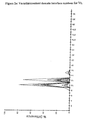
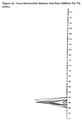
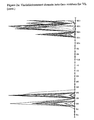
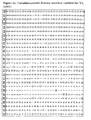
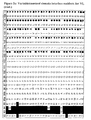
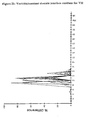
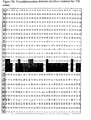
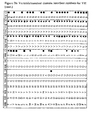
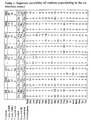
- Figure 2 shows a plot of the relative change in side chain accessibility upon deletion of the constant domains as a function of sequence position. Residues which show a significant reduction of side chain accessibility are also highlighted in the sequence alignment.
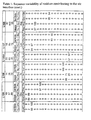
- variable domain sequences collected in the Kabat database were analyzed (Table 1).
- L9(leu), L12(pro), L15(leu), L40(pro), L83(leu), and L106(ile) are hydrophobic and therefore candidates for replacement.
- H11(leu), H14(pro), H41(pro), H84(val), H87(met) and 1189(ile) were identified as possible candidates for substitution by hydrophilic residues in the scFv fragment of the antibody 4-4-20 (Fig. 1 and Table 1).
- V L is a hydrophobic amino acid in 98 % of all kappa chains (Table 1).
- Leu11 is conserved in V H (Table 1) and is involved in v/c interdomain contacts (Lesk & Chothia, 1988).
- valine occurs very infrequently at position H84: mainly found at this position are threonine or serine and alanine (Table 1).
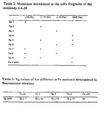
- val84 is contributing to a large hydrophobic patch at the newly exposed surface of V H . All three positions were mutated into acidic residues, and L11 was also changed to asparagine (Table 2).
- the scFv fragment was tested and expressed with two different linkers, the 15-mer linker (Gly 4 Ser) 3 (Huston et al., 1995) and the same motif extended to 30 amino acids (Gly 4 Ser) 6 . All mutations were tested in both constructs. The in vivo results of the different mutations on solubility were identical, and therefore only the results of the 30-mer linker are described in more detail.
- the periplasmic expression experiments were carried out at 24.5°C, and all constructs were tested for soluble and insoluble protein by immunoblotting. The ratio of insoluble to soluble (i/s) protein was determined for every mutant. In Figure 3 A-D, insoluble (lane 1) and soluble (lane 2) fractions of the wt scFv are shown.
- the single point mutation L15E in V L shows no effect on the ratio i/s when compared with the wt (Fig. 3A, lane 3, 4). Mutating leu at position 11 in the heavy chain to asparagine (Flu2) also shows nearly no effect compared to the wt, whereas the subtitution with aspartic acid (Flu3) changes the i/s ratio to more soluble protein, but still this effect is not very dramatic.
- the point mutation at position 84 (Flu4, Fig. 3B, lane 3, 4 and Fig 3D, lane 3, 4) had a dramatic influence on the solubility of the scFv fragment of the antibody 4-4-20. The ratio i/s is changed to about 1:1, resulting in a 25-fold increase of soluble protein compared to the wt.
- Solubilizing buried domain proteins A self-assembling interface domain from glutathione reductase. Biochemistry 33 , 2773-2781.
- Hsp70-like protein in the ER identity with the 78 kd glucose-regulated protein and immunoglobulin heavy chain binding protein.
- Miniantibodies use of amphipathic helices to produce functional, flexibly linked dimeric Fv fragments with high avidity in Escherichia coli. Biochemistry 31 , 1579-1584.
- Multivalent Fvs characterization of single-chain Fv oligomers and preparation of a bispecific Fv. Protein Eng . 7 , 1017-1026.
Landscapes
- Chemical & Material Sciences (AREA)
- Organic Chemistry (AREA)
- Health & Medical Sciences (AREA)
- Medicinal Chemistry (AREA)
- Biochemistry (AREA)
- Biophysics (AREA)
- General Health & Medical Sciences (AREA)
- Genetics & Genomics (AREA)
- Life Sciences & Earth Sciences (AREA)
- Molecular Biology (AREA)
- Proteomics, Peptides & Aminoacids (AREA)
- Immunology (AREA)
- Peptides Or Proteins (AREA)
- Medicines Containing Antibodies Or Antigens For Use As Internal Diagnostic Agents (AREA)
- Micro-Organisms Or Cultivation Processes Thereof (AREA)
- Preparation Of Compounds By Using Micro-Organisms (AREA)
Abstract
Description
- The present invention relates to the modification of immunoglobuling superfamily (IgSF) domains and derivatives thereof so as to increase their solubility, and hence the yield, and ease of handling.
- Small antibody fragments show exciting promise for use as therapeutic agents, diagnostic reagents, and for biochemical research. Thus, they are needed in large amounts, and the expression of antibody fragments, e.g. Fv, single-chain Fv (scFv), or Fah in the periplasm of E. coli (Skerra & Plückthun 1988; Better et al., 1988) is now used routinely in many laboratories. Expression yields vary widely, however, especially in the case of scFvs. While some fragments yield up to several mg of functional, soluble protein per litre and OD of culture broth in shake flask culture (Carter et al., 1992, Plückthun et al. 1996), other fragments may almost exclusively lead to insoluble material, often found in so-called inclusion bodies. Functional protein may be obtained from the latter in modest yields by a laborious and time-consuming refolding process. The factors influencing antibody expression levels are still only poorly understood. Folding efficiency and stability of the antibody fragments, protease lability and toxicity of the expressed proteins to the host cells often severely limit actual production levels, and several attempts have been tried to increase expression yields. For example, Knappik & Plückthun (1995) have identified key residues in the antibody framework which influence expression yields dramatically. Similarly, Ullrich et al, (1995) found that point mutations in the CDRs can increase the yields in periplasmic antibody fragment expression. Nevertheless, these strategies are only applicable to a few antibodies.
- The observations by Knappik & Plückthun (1995) indicate that optimizing those parts of the antibody fragment which are not directly involved in antigen recognition can significantly improve folding properties and production yields of recombinant Fv and scFv constructs. The causes for the improved expression behavior lie in the decreased aggregation behavior of these molecules. For other molecules, fragment stability and protease resistance may also be affected. The understanding of how specific sequence modifications change these properties is still very limited and currently under active investigation.
- Difficulties in expressing and manipulating protein domains may arise because amino acids which are normally buried within the protein structure become exposed when only a portion of the whole molecule is expressed. Aggregation may occur through interaction of newly solvent-exposed hydrophobic residues originally forming the contact regions between adjacent domains. Leistler and Perham (1994) could show that a certain domain of glutathione reductase may be expressed separately from its neighboring domains, but the protein showed non-specific association in vitro forming multimeric protein species. The introduction of hydrophilic residues instead of exposed hydrophobic amino acids could decrease this aggregation tendency and thus stabilize this isolated domain. Both wild type and modified domains were exclusively found in inclusion bodies and had to be refolded. Although in vitro experiments contributed a lot to define various intermolecular interactions, which drive folding processes, they are only of limited value in predicting the folding behaviour of different polypeptide chains in vivo (Gething & Sambrook, 1992). Thus, Leistler and Perham do not teach or suggest how to increase expression yields of soluble protein domains.
- In the case of antibodies, two chains comprising several domains dimerize, each domain consisting of a β-barrel whose two β-sheets are held together by a disulphide bond, forming the so-called immunoglobulin fold. Two domains, one variable domain (VL) and one constant domain (CL) arc adjacent along the longitudinal axis in the light chain (VL-CL), and four domains, one variable domain (VH) and three constant domain (CH1 to CH3) are adjacent along the longitudinal axis in the heavy chain (VH-CH1-CH2-CH3). In the dimer formed by chains a and b, two such domains associate laterally: VLa with VHa, CLa with CH1a, VLb with VHb, CLb with CH1b CH2a with CH2b and CH3a with CH3b. In WO 92/01787 (Johnson et al., 1992), it is taught that isolated single domains, e.g. VH, can be modified in the former VL/VH interface region by exchanging hydrophobic residues by hydrophilic ones without changing the specificity of the parent domain. The rationale for
WO 92/01787 was the assumption that exposed hydrophobic residues might lead to non-specific binding. interaction with surfaces and decreased stability. Data for increase in binding specificity was given, but increase in expression level was not shown. Furthermore,WO 92/01787 would not be applicable to any antibody fragment containing the complete antigen binding site, as it must contain VL and VH. - In the case of T cell receptors, two chains (α and β) dimerize, each consisting of a variable (V) and a constant (C) domain with the immunoglobulin fold, and one transmembrane domain. In each chain, the variable and constant domains are adjacent along the longitudinal axis in the chains (Vα-Cα; Vβ-Cβ) and associate laterally with the corresponding domains of the second chain (Vα-Vβ: Cα-Cβ).
- Various other molecules of the immunoglobulin superfamily, such as CD2, CD4, CD16, CD22, comprise only one chain. wherein two or more domains (variable and/or constant) with the immunoglobulin fold are adjacent along the longitudinal axis in the chains.
- The present inventors have found that expression problems are largely associated with a part of the molecule that has hitherto not been regarded relevant for expression studies and which comprises the interface between adjacent domains within an immunoglobulin chain. This surprising finding forms the basis of the present invention, which provides a general solution to the problems associated with production of domains or fragments of the immunoglobulin superfamiliy (IgSF), especially antibody fragments, which exhibit poor solubility or reduced levels of expression.
- In addition to lateral interactions between domains of different chains described above, there are well documented contacts between adjacent domains within individual chains along the longitudinal axis. For example, in the case of an antibody (Lesk & Chothia, 1988), the "bottom" of VL makes contact with the "top" of CL, and, in a similar manner there are contacts between VH and CH1. The contacts at these inter-domain interfaces are probably essential for the compact arrangement of the Fab fragment, and, as is typical for such contacts, are at least partially hydrophobic in nature (Lesk & Chothia. 1988).
- The basis of the present invention is the surprising finding that the solubility (and hence the yield) of antibody fragments comprising at least one domain can be dramatically increased by decreasing the hydrophobicily of former interfaces at the "end" of said domain, where it would normally adjoin a second domain within a chain in a larger antibody fragment or full antibody. This is surprising and could not have been predicted from the prior art (
WO 92/01787), because the size of the longitudinal interface, for example, in a scFv fragment, is much smaller than that between VH and VL, and therefore, the amino acids which make up the interfaces between VH and CH1 or between VL and CL in a Fab fragment represent a much smaller proportion of the total surface area of the scFv molecule, and would accordingly be expected to play less of a role in determining the physical properties of the molecule. - The present invention has the additional advantage that because the alterations effected in the molecules that lead to said decreased hydrophobicity of former interfaces are located at the most distant part of the domain from the CDRs, applying the invention is unlikely to have a deleterious effect on the binding properties of the molecule. This is not the case in
WO 92/01787, where at least one modification is close to the CDRs and may therefore be expected to have an impact on antigen binding. Furthermore,WO 92/01787 cannot be applied to VL/VH heterodimers, as explained above. - The present invention relates to a modified immunoglobulin superfamily (IgSF) domain or fragment which differs from a parent IgSF domain or fragment in that the region which comprised or would comprise the interface with a second domain adjoined to said parent IgSF domain or fragment within the protein chain of a larger IgSF fragment or a full IgSF protein, and which is exposed in said parent IgSF domain or fragment in the absence of said second domain, is made more hydrophilic by modification.
- In the context of the present invention, the term immunoglobulin superfamily (IgSF) domain refers to those parts of members of the immunoglobulin superfamily which are characterized by the immunoglobulin fold, said superfamiliy comprising the immunoglobulins or antibodies. and various other proteins such as T-cell receptors or integrins. The term IgSF fragment refers to any portion of a member of the immunoglobulin superfamiliy, said portion comprising at least one IgSF domain. The term adjoining domain refers to a domain which is contiguous with a first domain. The term interface refers to a region of said first domain where interaction with the adjoining domain takes place. The terms hydrophobic and hydrophilic refer to a physical property of amino acids, which can be estimated quantitatively: tabulated values of hydrophobicity for the twenty naturally-occurring amino acids are available (Nozaki & Tanford, 1971; Casari & Sippl, 1992: Rose & Wolfenden. 1993).
- The residues to be modified can be identified in a number of ways. For example, in one way. the solvent accessibilities (Lee & Richards. 1971) of hydrophobic interface residues in said parent 1gSF fragment compared to said larger IgSF fragment or full IgSF protein are calculated, with high accessibilities indicating highly exposed residues. In a second way, the number of van der Waals contacts of hydrophobic interface residues in said larger IgSF fragment or full IgSF protein is calculated. A large number for a residue of said parent domain indicates that it will he highly solvent-exposed in the absence of an adjoining domain. There are other ways of calculating or determining residues to be modified according to the present invention, and one of ordinary skill in the art will be able to identify and practice these ways.
- By analyzing computer models of said parent IgSF fragment, interactions of said highly exposed residues within the fragment can be identified. Such interactions could stabilize the parent IgSF fragment. Residues, which interact closely with other hydrophobic residues and which can be identified by anyone of ordinary skill in the art, should not preferentially be mutated.
- The modification referred to above may be effected in a number of ways which are well known to one skilled in the art. In a preferred embodiment, the modification is a substitution of one or more amino acids at the exposed interlace, identified as described above, with amino acids which are more hydrophilic. Alternatively, one or more amino acids can be inserted in said interface, or one or more amino acids can be deleted from said interface, so as to increase its overall hydrophilicity. Furthermore, any combination of substitution, insertion and deletion can be effected to reduce the hydrophobicity of said interface. Also comprised by the present invention is the possibility that the substitution or insertion comprises amino acids with a relatively high hydrophobicity value, or that the deletion comprises amino acids with relatively low hydrophobicity value, as long as the overall hydrophilicity value is increased in said interface region. Modifications such as substitution, insertion and deletion can be effected using standard methods which are well known to practitioners skilled in the art. By way of example, the skilled artisan can use either site-directed or PCR-based mutagenesis (Ho et al., 1989: Kunkel et al., 1991: Trower, 1994: Viville, 1994), or total gene synthesis (Prodromou & Pearl, 1992) to effect the necessary modification(s). In a further embodiment, the mutations may he obtained by random mutagenesis and screening of random mutants, using a suitable expression and screening system (see, for example, Stemmer, 1994: Cramen et al., 1996).
- In a preferred embodiment, the amino acid(s) which replace(s) the more hydrophobic amino acids include Asn, Asp, Arg, Gin, Glu, Gly, His, Lys, Ser, and Thr. These are among the more hydrophilic of the 20 naturally-occurring amino acids, and have proven to be particularly effective in the application of the present invention. Said amino acids, alone or in combination, or in combination with other amino acids, can also be used to form the above mentioned insertion which makes the interface region more hydrophilic.
- The parent IgSF domain or fragment referred to above can be one of several different types. In a preferred embodiment, said parent domain or fragment is derived from an antibody. In one embodiment, said parent antibody fragment comprises an Fv fragment. In this context, the term Fv fragment refers to a complex comprising the VL (variable light) and VH (variable heavy) portions of the antibody molecule. In a further embodiment, the parent antibody fragment may be a single-chain Fv fragment (scFv: Bird et al., 1988: Huston et al., 1988), in which the VL and VH chains are joined, in either a VL-VH, or VH-VL orientation, by a peptide linker. In yet a further embodiment, the parent antibody fragment may be an Fv fragment stabilized by an inter-domain disulphide bond. This is a structure which can be made by engineering into each chain a single cysteine residue, wherein said cysteine residues from two chains become linked through oxidation to form a disulphide (Glockshuber et al., 1990: Brinkmann et al., 1993).
- In a most preferred embodiment, the interface region of the variable domains mentioned above comprises
residues residues - In a further embodiment, said parent antibody fragment comprises a Fab fragment. In this context, the term Fab refers to a complex comprising the VL-CL (variable and constant light) and VH-CH1 (variable and first constant heavy) portions of the antibody molecule, and the term interface region refers to a region in the first constant domain of the heavy chain (CH1) which is, or would be adjoined to, the CH2 domain in a larger antibody fragment or full antibody.
- In a still further embodiment, said parent IgSF fragment is a fusion protein of any of said domains or fragments and another protein domain, derived from an antibody or any other protein or peptide. The advent of bacterial expression of antibody fragments has opened the way to the construction of proteins comprising fusions between antibody fragments and other molecules. A further embodiment of the present invention relates to such fusion proteins by providing for a DNA sequence which encodes both the modified IgSF domain or fragment, as described above, as well as an additional moiety. Particularly preferred are moieties which have a useful therapeutic function. For example, the additional moiety may be a toxin molecule which is able to kill cells (Vitetta et al., 1993). There are numerous examples of such toxins, well known those skilled in the art, such as the bacterial toxins Pseudomonas exotoxin A, and diphtheria toxin, as well as the plant toxins ricin, abrin, modeccin, saporin, and gelonin. By fusing such a toxin to an antibody fragment, the toxin can be targeted to, for example, diseased cells, and thereby have a beneficial therapeutic effect. Alternatively, the additional moiety may be a cytokine, such as IL-2 (Rosenberg & Lotze, 1986), which has a particular effect (in this case a Γ-cell proliferative effect) on a family of cells. In a further preferred embodiment, the additional moiety is at least part of a surface protein which may direct the fusion protein to the surface of an organism, for example, a cell or a phage, and thereby displays the IgSF partner. Preferably, the additional moiety is at least part of a coat protein of filamentous bacteriophages, most preferably of the geneIII protein. In a further embodiment, the additional moiety may confer on its IgSF partner a means of detection and/or purification. For example, the fusion protein could comprise the modified IgSF domain or fragment and an enzyme commonly used for detection purposes, such as alkaline phosphatase (Blake et al., 1984). There are numerous other moieties which can be used as detection or purification tags, which are well known to the practitioner skilled in the art. Particularly preferred are peptides comprising at least five histidine residues (Hochuli et al., 1988), which are able to hind to metal ions, and can therefore be used for the purification of the protein to which they are fused (Lindner et al., 1992). Also provided for by the invention are additional moieties such as the commonly used c-myc and FLAG tags (Hopp et al., 1988: Knappik & Plückthun, 1994).
- By engineering one or more fused additional domains. IgSF domains or fragments can be assembled into larger molecules which also fall under the scope of the present invention. To the extent that the physical properties of the IgSF domain or fragment determine the characteristics of the assembly, the present invention provides a means of increasing the solubility of such larger molecules. For example, mini-antibodies (Pack, 1994) are dimers comprising two antibody fragments, each fused to a self-associating dimerization domain. Dimerization domains which are particularly preferred include those derived from a leucine zipper (Pack & Plückthun, 1992) or helix-turn-helix motif (Pack et al., 1993).
- All of the above embodiments of the present invention can be effected using standard techniques of molecular biology known to anyone skilled in the art.
- The compositions described above may have utility in any one of a number of settings. Particularly preferred are diagnostic and therapeutic compositions.
- The present invention also provides methods for making the compositions and compounds comprised therein described above. Particularly preferred is a method comprising the following steps:
- i) analyzing the interface region of an IgSF domain for hydrophobic residues which are solvent-exposed using either a solvent-accessibility approach (Lee & Richards, 1971), analysts of van der Waals interactions in the interface region, or similar methods which are well known to one skilled in the art,
- ii) identifying one or more of the hydrophobic residues to be substituted by more hydrophilic residues, or one or more positions where hydrophilic residues or amino acid stretches enhancing the overall hydrophilicity of the interface region can be inserted into said interface region, or one or more positions where hydrophobic residues or amino acid stretches enhancing the overall hydrophobicity of the interlace region can be deleted from said interface region, or any combination of said substitutions, said insertions, and said deletions to give one or more mutants of said parent IgSF domain,
- iii) preparing DNA encoding mutants of said IgSF domain, characterized by the changes identified in ii), by using e.g. conventional mutagenesis or gene synthesis methods, said DNA being prepared either separately or as a mixture.
- iv) introducing said DNA or DNA mixture in a vector system suitable for expression of said mutants,
- v) introducing said vector system into suitable host cells and expressing said mutant or mixture of mutants,
- vi) identifying and characterizing mutants which are obtained in higher yield in soluble form, and
- vii) if necessary, repeating steps iii) to vi) to increase the hydrophilicity of said identified mutant or mutants further.
-
- The host referred to above may be any of a number commonly used in the production of heterologous proteins, including but not limited to bacteria, such as E. coli (Ge et al, 1995), or Bacillus subtilis (Wu et al., 1993), fungi, such as yeasts (Horwitz et al., 1988; Ridder et al., 1995) or filamentous fungus (Nyyssönen el al., 1993), plant cells (Hiatt, 1990, Hiatt & Ma. 1993: Whitelam et al., 1994), insect cells (Potter et al.. 1993: Ward et al., 1995), or mammalian cells (Trill et al., 1995).
- The invention also relates to a method for the production of an IgSF domain or fragment of the invention comprising culturing a host cell of the invention and isolating said domain or fragment.
- The invention is now demonstrated by the following examples, which are presented for illustration only and are not intended to limit the scope of the invention.
- Abbreviations: CDR: complementarity determining region: dsFv: disulfide-linked Fv fragment; IMAC: immobilized metal ion affinity chromatography: IPTG: isopropyl-β-D-thiogalactopyranoside; i/s: ratio insoluble/soluble; H(X): heavy chain residue number X; L(X): light chain residue number X: NTA: nitrilo-triacetic acid; OD550: optical density at 550 nm; PDB: protein database; scFv: single-chain Fv fragment: SDS-PAGE: sodium dodecyl sulfate polyacrylamide gel electrophoresis: v/c: variable/constant; wt: wild type
- Solvent accessible surface areas for 30 non-redundant Fab fragments and the Fv fragments derived from these by deleting the constant domain coordinates from the PDB file were calculated using the latest version, as of March 1996, of the program NACCESS (http://www.biochem.ucl.ac.uk/roman/naccess/naccess) based on the algorhithm described by Lee & Richards (1971).
- The single-chain Fv fragment (scFv) in the orientation VL-linker-VH of the antibody 4-4-20 (Bedzyk et al., 1990) was obtained by gene synthesis (Prodromou and Pearl, 1992). The VL domain carries a three-amino acid long FLAG tag (Knappik and Plückthun, 1994). We have used two different linkers with a length of 15 (Gly4Ser)3 and 30 amino acids (Gly4Ser)6, respectively. The gene so obtained was cloned into a derivative of the vector plG6 (Ge et al., 1995). The mutant antibody fragments were constructed by site-directed mutagenesis (Kunkel et al., 1987) using single-stranded DNA and up to three oligonucleotides per reaction.
- Growth curves were obtained as follows: 20 ml of 2xYT medium containing 100 µg/ml ampicillin and 25 µg/ml streptomycin were inoculated with 250 µl of an overnight culture of E. coli JM83 harboring the plasmid encoding the respective antibody fragment and incubated at 24.5°C until an OD550 of 0.5 was reached, IPTG (Biomol Feinchemikalien GmbH) was added to a final concentration of 1 mM and incubation was continued for 3 hours. The OD was measured every hour, as was the β-lactamase activity in the culture supernantant to quantify the degree of cell leakiness. Three hours after induction an aliquot of the culture was removed and the cells were lysed exactly as described by Knappik and Plückthun (1995). The β-lactamase activity was measured in the supernatant, in the insoluble and in the soluble fraction. The fractions were assayed for antibody fragments by reducing SDS-PAGE, with the samples normalized to OD and β-lactamase activity to account for possible plasmid loss as well as for cell leakiness. The gels were blotted and immunostained using the FLAG antibody M1 (Prickett et al., 1989) as the first antibody, an Fc-specific anti-mouse antiserum conjugated to horseradish peroxidase (Pierce) as the second antibody, using a chemoluminescent detection assay described elsewhere (Ge et al., 1995).
- Mutant scFv fragments were purified by a two-column procedure. After French press lysis of the cells, the raw E. coli extract was first purified by IMAC (Ni-NTA superflow, Qiagen) (20 mM HEPES, 500 mM NaCl, pH 6.9; step gradient of
imidazole - Because of its very poor solubility in the periplasmic system, the wt 4-4-20 was expressed as cytoplasmic inclusion bodies in the T7-based system (Studier & Moffatt, 1986: Ge et al., 1995). The refolding procedure was carried out as described elsewhere (Ge et al., 1995). For purification, the refolding solution (2 l) was loaded over 10 h without prior dialysis onto a fluorescein affinity column, followed by a washing step with 20 mM HEPES, 150 mM NaCl, pH 7.5. Two column volumes of 1 mM fluorescein (sodium salt, Sigma Chemicals Co.) pH 7.5 were used to elute all functional scFv fragment. Extensive dialysis (7 days with 12 buffer changes) was necessary to remove all fluorescein. All purified scFv fragments were tested in gel filtration (Superose-12 column, Pharmacia SMART-System, 20 mM HEPES, 150 mM NaCl, pH 7.5).
- The concentrations of the proteins were determined photometrically using an extinction coefficient calculated according to Gill and von Hippel (1989). Fluorescence titration experiments were carried out by taking advantage of the intensive fluorescence of fluorescein. Two ml of 20 mM HEPES, 150 mM NaCl, pH 7.5 containing 10 or 20 nM fluorescein were placed in a cuvette with integrated stirrer. The excitation wavelength was 485 nm, emission spectra were recorded from 490 to 530 nm. Purified scFv (in 20 mM HEPES, 150 mM NaCl, pH 7.5) was added in 5 to 100 µl aliquots, and after a 3 min equilibration time a spectrum was recorded. All spectra were recorded at 20°C. The maximum of emission at 510 nM was used for determining the degree of complexation of scFv to fluorescent, seen as quenching as a function of the concentration of the antibody fragment. The KD value was determined by Scatchard analysis.
- Equilibrium denaturation curves were obtained by denaturation of 0.2 µM protein in HEPES buffered saline (HBS) buffer (20 mM HEPES, 150 mM NaCl, 1 mM EDTA, pH 7.5) and increasing amounts of urea (1.0-7.5 M; 20 mM HEPES, 150 mM NaCl, pH 7.4: 0.25 M steps) in a total volume of 1.7 ml. After incubating the samples at 10°C for 12 hours and an additional 3 hours at 20°C prior to measurements, the fluorescence spectra were recorded at 20°C from 320-360 nm with an excitation wavelength of 280 nm. The emission wavelength of the fluorescence peak shifted from 341 to 347 nm during denaturation and was used for determining the fraction of unfolded molecules. Curves were fitted according to Pace (1990).
- For measuring the thermal denaturation rates, purified scFv was dissolved in 2 ml HBS buffer to a final concentration of 0.5 µM. The aggregation was followed for 2.5 h at 40°C and at 44°C by light scattering at 400 nm.
- Compared to other domain/domain interlaces in proteins, the interface between immunoglobulin variable anti constant domains is not very tightly packed. A comparison of 30 non-redundant Fab structures in the PDB database showed that between the light chain variable and constant domain an area of 410 ± 90 Å2 per domain is buried, while the heavy chain variable and constant domains interact over an area of 710 ± 180 Å2. Some, but not all of the interface residues are hydrophobic, predominantly aliphatic. Generally, sequence conservation of the residues contributing to the v/c domain interface is not particularly high. Still, the v/c domain interface shows up as a marked hydrophobic patch on the surface of an Fv fragment (Fig. 1).
- Solvent accessible surface areas for 30 non-redundant Fab fragments and their corresponding Fv fragments (derived from the Fab fragment by deleting the constant domain coordinates from the PDB file) were calculated using the program NACCESS (Lee & Richards, 1971). Residues participating in the v/c domain interface were identified by comparing the solvent-accessible surface area of each amino acid side chain in the context of an Fv fragment to its accessible surface in the context of an Fab fragment. Figure 2 shows a plot of the relative change in side chain accessibility upon deletion of the constant domains as a function of sequence position. Residues which show a significant reduction of side chain accessibility are also highlighted in the sequence alignment. To assess sequence variability in the positions identified in Figure 2, the variable domain sequences collected in the Kabat database (status March 1996) were analyzed (Table 1). Of the 15 interface residues identified in the VL domain of the antibody 4-4-20 (Fig. 1 and Table 1), L9(leu), L12(pro), L15(leu), L40(pro), L83(leu), and L106(ile) are hydrophobic and therefore candidates for replacement. Of the 16 interface residues in the VH domain, H11(leu), H14(pro), H41(pro), H84(val), H87(met) and 1189(ile) were identified as possible candidates for substitution by hydrophilic residues in the scFv fragment of the antibody 4-4-20 (Fig. 1 and Table 1).
- Not all of these hydrophobic residues arc equally good candidates for replacements, however. While residues which are hydrophobic in one particular sequence but hydrophilic in many other sequences may appear most attractive, the conserved hydrophobic residues listed in Table 1 have also been investigated, since the evolutionary pressure which kept these conserved residues acted on the Fab fragment within the whole antibody, but not the isolated Fv portion. In this study, we did not replace the proline residues since pro L40 and pro H41 form the hairpin turns at the bottom of the framework II region, while the conserved VL cis-proline L8 and proline residues H9 and H14 determine the shape of framework I of the immunoglobulin variable domains.
- Excluding prolines, this leaves residues L9 (leu in 4-4-20, ser in most kappa chains), L15 (leu, usually hydrophobic), L83 (leu, usually val or phe) and L106 (Ile, as in 86% of all kappa chains) in the VL domain and H1 (leu as in 60% of all heavy chains), H84 (val, in other VH domains frequently ala or ser), 1187 (met, usually ser) and H89 (ile, most frequently val) in VH as possible candidates for replacement in the 4-4-20 scFv fragment.
- For the 4-4-20 scFv fragment some of the crucial residues identified in the sequence analysis described above are already hydrophilic, but nevertheless 9 residues are of hydrophobic nature (including pro12 in the light chain) (Table 1). We chose three residues for closer analysis by mutations.
- Leu15 in VL is a hydrophobic amino acid in 98 % of all kappa chains (Table 1). Leu11 is conserved in VH (Table 1) and is involved in v/c interdomain contacts (Lesk & Chothia, 1988). In contrast, valine occurs very infrequently at position H84: mainly found at this position are threonine or serine and alanine (Table 1). As can be seen in Figure 1, val84 is contributing to a large hydrophobic patch at the newly exposed surface of VH. All three positions were mutated into acidic residues, and L11 was also changed to asparagine (Table 2).
- The scFv fragment was tested and expressed with two different linkers, the 15-mer linker (Gly4Ser)3 (Huston et al., 1995) and the same motif extended to 30 amino acids (Gly4Ser)6. All mutations were tested in both constructs. The in vivo results of the different mutations on solubility were identical, and therefore only the results of the 30-mer linker are described in more detail. The periplasmic expression experiments were carried out at 24.5°C, and all constructs were tested for soluble and insoluble protein by immunoblotting. The ratio of insoluble to soluble (i/s) protein was determined for every mutant. In Figure 3 A-D, insoluble (lane 1) and soluble (lane 2) fractions of the wt scFv are shown. Nearly no soluble material occurs in periplasmic expression, which is consistent with previous reports of Bedzyk et al, (1990) and Denzin et al. (1991), who described earlier that the periplasmic expression of the wt scFv leads mainly to periplasmic inclusion bodies.
- The single point mutation L15E in VL (Flu1) shows no effect on the ratio i/s when compared with the wt (Fig. 3A,
lane 3, 4). Mutating leu atposition 11 in the heavy chain to asparagine (Flu2) also shows nearly no effect compared to the wt, whereas the subtitution with aspartic acid (Flu3) changes the i/s ratio to more soluble protein, but still this effect is not very dramatic. In contrast, the point mutation at position 84 (Flu4, Fig. 3B,lane lane 3, 4) had a dramatic influence on the solubility of the scFv fragment of the antibody 4-4-20. The ratio i/s is changed to about 1:1, resulting in a 25-fold increase of soluble protein compared to the wt. - The combination of V84D with L11N or L11D (Flu5, Flu6) also changes the ratio i/s compared to the wt, but this ratio compared to V84D alone is not improved further (Fig. 3B). Interestingly, the combination of Flu5 with the light chain mutation at position 15 (Flu9) leads to less soluble material (Fig. 3C lane 7.8) than Flu5 itself (Fig. 3B,
lane 5, 6). The negative influence of the L15E mutations can also he seen in Flu8 (Fig. 3C,lane 5, 6) compared with Flu3 (Fig. 3A,lane 7, 8). In Fig. 3D the comparison of the wt (lane lane
The negative effect of L15E can be rationalized by looking at a model of the 4-4-20 scFv fragment. L15 is forming a hydrophobic pocket together with residues A80, L83, and L106. Apparently, L15 stabilizes the scFv fragment by hydrophobic interactions with its closest neighbours. Thus the exchange L15E for making the scFv fragment more hydrophilic and more soluble is made at the expense of the fragment stability. The analysis of hydrophobic interactions within a fragment should thereby by used to choose the solvent-exposed residues to be mutated in the case of any other antibody fragment.
Combinations of various serine mutations in VH led to further improvements in the i/s ratio. The mutants FH15 (V84S, M87S, 189S) and FH20 (L11S, V84S, M87S, 189S) both showed more than 70% of soluble protein in immunoblots (data not shown).
The negative effect of L15E - The oligomerization of scFv fragments as a function of linker length has been investigated previously. A continuous decrease in the amount of dimer and multimer formation as a function of linker length has been reported (Desplancq et al., 1994: Whitlow et al., 1994). While the (Gly4Ser)3 linker has been shown to lead to monomeric scFvs in many cases in the VH-VL direction, this is often not the case in the VL-VH direction. This is caused by an asymmetry in the VL/VH arrangement, leading to a longer distance between the end of VH and the N-terminus of VL than between C-terminus of VL and N-terminus of VH (Huston et al., 1995). Consequently, a linker of identical length may lead to different properties of the resulting molecules.
- Since we have chosen to use the minimal pertubation FLAG (Knappik & Plückthun, 1994) at the N-terminus of VL in our constructs and thus the VL-linker-VH orientation, we have investigated the use of longer linkers. In the periplasmic expression in E. coli no difference between the 15-mer and the 30-mer linker in the corresponding mutants is visible (Fig. 3D), but when we attempted to purify the two Flu4 scFvs with long and short linker, a big discrepancy between the two constructs was found. The purification of the Flu4 mutant (V84D) with the 15-mer linker leads to very small amounts of partially purified protein (about 0.015 mg per liter and OD; estimated from SDS-PAGE after IMAC purification), whereas the 30-mer linker construct gives about 0.3 mg per liter and OD of highly pure functional protein. All mutants with 30-mer linker were tested in gel filtration and found to be monomeric (data not shown).
- For further in vitro characterization five mutants were purified with the 30-mer linker, V84D (Flu4). V84D/L11D (Flu6), L11D (Flu3), and the serine mutants FH15 and FH20 (see iii(b)). A two-step chromatography, first using IMAC and then cation-exchange chromatography, led to homogeneous protein. The i/s ratio of the antibody fragments (Fig. 3) was also reflected in the purification yield of functional protein. The highly soluble mutant Flu4 (V84D) (Fig.
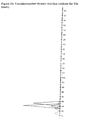
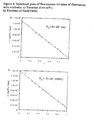
3B lane 3, 4) yielded about 0.3 mg purified and functional protein per liter and OD, Flu6 (L11D/V84D) (Fig.3B lane 7, 8) yielded about 0.25 mg per liter and OD and Flu3 (less soluble material on the blot in Fig.3A lane 7, 8) yielded 0.05 mg per liter and OD. The serine mutants FH15 and FH20 yielded 0.3 mg and 0.4 mg per liter and OD, respectively. The wt scFv of the antibody 4-4-20 did not give any soluble protein at all in periplasmic expression with either linker, and it was therefore expressed as cytoplasmic inclusion bodies, followed by refolding in vitro and fluorescein affinity chromatography. The refolded wt scFv was shown by gel filtration to he monomene with the 30-mer linker (data not shown). - Since we changed amino acids which are conserved, it cannot be excluded that changes at these positions may be transmitted through the structure and have an effect on the binding constant, even though they are very far from the binding site (Chatellier et al.. 1996). To eliminate this possibility, we determined the binding constant of the mutants Flu3, Flu4, Flu6 and the wt scFv. Fluorescence titration was used to determine KD in solution by using the quenching of the intrinsic fluorescence of fluorescein when it binds to the antibody. The fluorescence quenching at 510 nm was measured as a function of added scFv. The KD values (Table 3 and Fig. 4) obtained for all three mutant scFvs and the wt scFv are very similar and correspond very well to the recently corrected KD of the monoclonal antibody 4-4-20 (Miklasz et al., 1995).
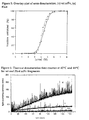
- To determine whether the mutations had an influence on the thermodynamic stability of the protein we determined the equilibrium unfolding curves by urea denaturation. V84D mutant and the wt scFv were used for this analysis, and in Figure 5 an overlay plot is shown. The midpoint of both curves is at 4.1 M urea. Both curves were fitted by an algorhithm for a two-state model described by Pace (1990), but the apparent small difference between the V84D mutant and the wt scFv is not of statistical significance.
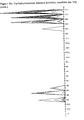
- Aggregation of folding intermediates could be another explanation for the different in vivo results between the mutant scFvs and the wt scFv (Fig.3). In the periplasm of E. coli, the protein concentrations are assumed to be rather high (van Wielink & Duine, 1990) and the aggregation effects could thus be pronounced. In order to estimate the aggregation behavior in vitro, we have measured the thermal aggregation rates at different temperatures. In Figure 6 it is clearly seen that the wt scFv is significantly aggregating already at 44°C, whereas the mutant V84D tends to aggregate more slowly. The wt scFv is thus clearly more aggregation prone than the mutant scFv. This is very similar to the observations made with different mutations on the antibody McPC603 (Knappik and Plückthun, 1995), where no correlation was found between equilibrium denaturation curves and expression behavior, but a good correlation was found with the thermal aggregation rates.
-
- Figure 1:
- Space-filling representation of the Fv fragment of the antibody 4-4-20
- Figure 2:
- Variable/constant domain interface residues for VL (2a) and VH (2b). For 30 non-redundant Fab fragments taken from the Brookhaven Databank, the solvent accessible surface of the amino acid side chains was calculated in the context of an Fv and of an Fab fragment. The plot shows the relative reduction in accessible surface upon contact with the constant domains (overlay plot for all 30 Fv fragments). In the sequence alignment, residues contributing to the v/c interface arc highlighted. The symbols indicate the relative reduction of solvent accessible surface upon removing the constant domains (symbols: no symbol < 1%: < 20%: ▪ < 40%: ▴ < 60%: ▾ < 80%, and ◆ ≥ 80%). Circles indicate those positions which are further analyzed (see Table 1).
- Figure 3:
- Western blots showing the insoluble (i) and soluble (s) fractions of cell extracts. prepared as described in Material and Methods, expressing the scFv fragments of the antibody 4-4-20. The amino acids substituted in the various mutants are given in Table 2.
- Figure 4:
- Scatchard plot of the fluorescence titration of fluorescein (20 nM) with antibody (4 to 800 nM), measured at 510 nm. The value r was obtained from (F-F0)/(F∞-F0), where F is the measured fluorescein fluorescence at a given antibody concentration, F0 is the fluorescence in the absence of antibody and F∞ when antibody is present in large excess. Note that r gives the saturation of fluorescein by antibody, (a) Titration of wt scFv, (b) titration of Flu4 (V84D).
- Figure 5:
- An overlay plot of the urea denaturation curves is shown, (X) wt scFv, (o) Flu4.
- Figure 6:
- Thermal denaturation time courses at 40 and 44°C for wt and Flu4 scFv fragment are shown, (a) wt scFv at 40°C, (b) Flu4 at 40°C, (c) Flu4 at 44°C, (d) wt scFv at 44°C.
- Table 1:
- Sequence variability of residues contributing to the v/c interface: Residue statistics are based on the variable domain sequences in the Kabat database (March 1996). Sequences which were <90% complete were excluded from the analysis. Number of sequences analyzed: human VL kappa: 404 of 881, murine VL kappa: 1061 of 2239, human VL lambda: 223 of 409, murine VL lambda: 71 of 206, human VH: 663 of 1756, murine VH: 1294 of 3849. Position refers to the sequence position according to Kabat et al. 1991. %exp. (Fab) to the relative side chain accessibility in an Fab fragment as calculated by the program NACCESS (NACCESS v2.0 by Simon Hubbard (http://www.biochem.ucl.ac.uk/∼roman/naccess/naccess.html)). %exp. (ind.) to the relative side chain accessibility in the isolated VL or VH domain. %buried to the relative difference in side chain accessibility between Fv and Fab fragment. Consensus refers to the sequence consensus, and Distribution to the distribution of residue types.
- Table 2:
- Mutations introduced in the scFv fragment of the antibody 4-4-20: Each line represents a different protein carrying the mutations indicated. The residues are numbered according to Kabat et al. (1991).
- Table 3:
- KD values of the different scFv mutants determined in fluorescence titration: The KD values are given in nM, the error was calculated from the Scatchard analysis (Fig. 4). # determined by Miklasz et al. (1995)
- Better, M.. Chang, P.. Robinson, R. & Horwitz, A.H. (1988). E. coli secretion of an active chimeric antibody fragment. Science 240, 1041-1043.
- Bird. R.E., Hardman. K.D., Jacobson. J.W., Johnson, S., Kaufman, B.M., Lee S.M., Lee T., Pope S.H., Riordan G.S.. & Whitlow M. (1988). Single-chain antigen-binding proteins [published erratum appears in (1989). Science 244, 409]. Science 242, 423-6.
- Bedzyk, W.D., Weidner. K.M., Denzin. L.K., Johnson, L.S., Hardman, K.D., Pantoliano, M.W., Asel. E.D. & Voss. E.W., Jr. (1990). Immunological and structural characterization of a high affinity anti-fluorescein single-chain antibody. J. Biol. Chein. 265, 18615-18620.
- Blake, M.S., Johnston, K.H., Russel-Jones, G.J. & Gotschlich, E.C. (1984). A rapid, sensitive method for detection of alkaline phosphatase-conjugated anti-antibody on Western blots, Anal, Biochem. 136, 175-179.
- Brinkmann, U., Reiter, Y., Jung, S., Lee, B. & Pastan, 1. (1993). A recombinant immunotoxin containing a disulfide-stabilized Fv fragment. Proc. Natl. Acad. Sci. U.S.A. 90, 7538-7542.
- Carter, P., Kelley, R.F., Rodrigues, M.L., Snedecor, B., Covarrubias, M., Velligan, M.D., Wong, W.L.T., Rowland, A.M., Kotts, C.E., Carver, M.E., Yang. M., Bourell, J.H., Shepard, H.M. & Henner. D. (1992). High level Escherichia coli expression and production of a bivalent humanized antibody fragment. Bio/
Technology 10, 163-167. - Casari, G. & Sippl. M.J. (1992). Structure-derived hydrophobic potential. Hydrophobic potential derived from X-ray structures of globular proteins is able to identify native folds. J. Mol. Biol., 224, 725-32.
- Chatellier. J.. van Regenmortel. M.H.V., Vernet. T. & Altschuh. D. (1996). Functional mapping of conserved residues located at the VL and VH domain interface of an Fab. J. Mol. Biol., in press.
- Denzin, L.K., Whitlow. M. & Voss. E.W., Jr. (1991). Single-chain site-specific mutation of fluorescein-amino acid contact residues in high affinity monoclonal antibody 4-4-20. J. Biol Chem. 266, 14095-14102.
- Desplancq, D., King, D.J., Lawson, A.D. & Mountain, A. (1994). Multimerization behaviour of single chain Fv variants for the tumour-binding antibody B72.3. Protein Eng. 7. 1027-1033.
- Ge. L., Knappik. A., Pack, P., Freund. C. & Plückthun. A. (1995). Expressing antibodies in Escherichia coli. Antibody Engineering. A Practical Approach (Ed. C.A.K. Borrebaeck). IRL Press. Oxford, pp. 229-266.
- Gething, M.J. & Sambrook, J. (1992). Protein folding in the cell, Nature 355, 33-45.
- Gill, S.C. & von Hippel, P.H. (1989). Calculation of protein extinction coefficients from amino acid sequence data. Anal. Biochem. 182, 319-326.
- Glockshuber, R., Malia, M., Plitzinger. I. & Plückthun, A. (1992). A comparison of strategies to stabilize immunoglobulin Fv-fragments.
Biochemistry 29, 1362-1366. - Hiatt, A. (1990). Antibodies produced in plants. Nature 344, 469-470.
- Hiatt. A. & Ma. J. K. (1993). Characterization and applications of antibodies produced in plants. Int. Rev. Immunol. 10, 139-152.
- Ho, S.N., Hunt. H.D., Horton. R.M., Pullen, J.K. & Pease, L.R. (1989). Site-directed mutagenesis by overlap extension using the polymerase chain reaction.
Gene 77, 51-9. - Hochuli, E., Bannwarth, W., Döbeli, H., Gentz, R. & Stüber, D. (1988). Genetic approach to facilitate purification of recombinant proteins with a novel metal chelate adsorbent. Bio/
Technology 6, 1321-1325. - Hopp. T.P., Prickett. K.S., Price, V.L., Libby, R.T., March. C.J., Cerretti, D.P., Urdal, D.L. & Conlon, P.J. (1988). A short polypeptide marker sequence useful for recombinant protein identification and purification. Bio/
Technology 6. 1204-1210. - Horwitz, A. H., Chang, C. P., Better. M., Hellstrom, K. E. & Robinson, R. R. (1988). Secretion of functional antibody and Fab fragment from yeast cells. Proc. Natl. Acad. Sci. U.S.A. 85, 8678-8682.
- Huston, J., George, A.J.T., Tai, M., McCartney, J.E., Jin, D., Segal, D.M., Keck, P. & Oppermann, H. (1995). Single-chain Fv design and production by preparative folding. Antibody Engineering. A Practical Approach (Ed. C.A.K. Borrebaeck). IRL Press. Oxford, pp. 185-228.
- Huston, J.S., Levinson, D., Mudgett-Hunter, M., Tai. M.S., Novotny, J., Margolies, M.N., Ridge, R.J., Bruccoleri, R.E., Haber. E. & Crea. R. (1988). Protein engineering of antibody binding sites, recovery of specific activity in an anti-digoxin single-chain Fv analogue produced in Escherichia coli. Proc. Natl. Acad. Sci. U. S. A. 85, 5879-83.
- Johnson, K.S., Jackson, R.H. & Chiswell, D.J. (1992). Binding Domains. PCT Application WO 92/01787.
- Kabat, E.A., Wu. T.T., Perry, H.M., Gottesmann, K.S. & Foeller, C. (1991). Sequences of proteins of immunological interest. U.S. Dept. of Health and Human Services. Public Health Service, National Institutes of Health. N1H Publication 91-3242.
- Knappik, A. & Plückthun, A. (1994). An improved affinity tag based on the FLAG peptide for detection and purification of recombinant antibody fragments.
BioTechniques 17, 754-761. - Knappik, A. & Plückthun, A. (1995). Engineered turns of a recombinant antibody improve its in vivo folding. Protein Eng. 8, 81-89.
- Kunkel, T.A., Bebenek, K. & McClary, J. (1991). Efficient site-directed mutagenesis using uracil-containing DNA. Methods in Enzymol. 204, 125-39.
- Kunkel, T.A., Roberts, J.D. & Zakour. R.A. (1987). Rapid and efficient site-specific mutagenesis without phenotypic selection. Methods in Enzymol. 154: 367-382.
- Lee, B. & Richards, F.M. (1971). The interpretation of protein structures: estimation of static accessibility. J. Mol. Biol. 55, 379-400.
- Lesk. A.M. & Chothia, C. (1988). Elbow motion in the immunoglobulins involves a molecular ball-and-socket joint. Nature (London) 335, 188-190.
- Leistler, B. & Perham, R.N. (1994). Solubilizing buried domain proteins: A self-assembling interface domain from glutathione reductase.
Biochemistry 33, 2773-2781. - Lindner. P., Guth, B., Wülfing, C., Krebber. C., Steipe. B., Müller, F. & Plückthun, A. (1992). Purification of native proteins from the cytoplasm and periplasm of Escherichia coli using IMAC and histidine tails: a comparison of proteins and protocols. Methods: A Companion to Methods Enzymol. 4, 41-56.
- Miklasz, S.D., Gulliver, G.A. & Voss. E.W.. Jr. (1995). High-affinity rat anti-fluorescein monoclonal antibody with unique fine specificity properties including differential recognition of dynamic ligand analogues. J. Mol.
Recognition 8, 258-269. - Munro, S. & Pelham, H.R.B. (1986). An Hsp70-like protein in the ER: identity with the 78 kd glucose-regulated protein and immunoglobulin heavy chain binding protein. Cell, 46, 291-300.
- Nozaki. Y. & Tanford, C. (1971). The solubility of amino acids and two glycine peptides in aqueous ethanol and dioxane solutions. Establishment of a hydrophobicity scale. J. Biol. Chem. 246, 2211-7.
- Nyyssönen, E., Penttila, M., Harkki, A., Saloheimo, A., Knowles, J. K. & Keranen, S. (1993). Efficient production of antibody fragments by the filamentous fungus Trichoderma reesci. Bio/
Technology 11, 591-595. - Pace, C.N. (1990). Measuring and increasing protein stability. Trends Biotechnol. 8.93-98.
- Pack. P. & Plückthun, A. (1992). Miniantibodies: use of amphipathic helices to produce functional, flexibly linked dimeric Fv fragments with high avidity in Escherichia coli.
Biochemistry 31, 1579-1584. - Pack, P., Kujau, M., Schroeckh, V., Knüpfer, U., Wenderoth, R., Riesenberg D. & Plückthun, A. (1993). improved bivalent miniantibodies, with identical avidity as whole antibodies, produced by high cell density fermentation of in Escherichia coli. Bio/
Technology 11, 1271-1277. - Pack, P. (1994). Mini-Antikörper: Bivalente, tetravalente und bispezifische Immunglobuline aus E. coli. Ph.D. thesis, Ludwig-Maximilians-Universität München.
- Plückthun, A. (1992). Mono- and bivalent antibody fragments produced in Escherichia coli: engineering, folding and antigen binding. Immun. Rev. 130, 151-188.
- Plückthun, A., Krebber, A., Krebber, C., Horn, U., Knüpfer, U., Wenderoth, R., Nieba, L., Proba. K. & Riesenberg, D. (1996). Producing antibodies in Escherichia coli: From PCR to fermentation. A practical apprach. Antibody Engineering (Ed. J. McCafferty). IRL Press, Oxford, pp. 203-252.
- Potter. K. N., Li, Y. & Capra, J. D. (1993). Antibody production in the baculovirus expression system. Int. Rev. Immunol. 10, 103-112.
- Prickett, K.S.. Amber, D.C. & Hopp, T.P. (1989). A calcium-dependent antibody for identification and purification of recombinant proteins.
BioTechniques 7, 580-589. - Prodromou. C. & Pearl. L.H. (1992). Recursive PCR: a novel technique for total gene synthesis. Protein Eng. 5, 827-829.
- Ridder, R.. Schmitz, R., Legay. F. & Grain. H. (1995). Generation of rabbit monoclonal antibody fragments from a combinatorial phage display library and their production in the yeast Pichia pastoris. Bio/
Technology 13, 255-260. - Rose. G.D. & Wolfenden. R. (1993). Hydrogen bonding, hydrophobicity, packing, and protein folding, Annu Rev. Biophys. Biomol. Struct. 22, 381-415.
- Rosenberg, S.A. & Lotze. M.T. (1986). Cancer immunotherapy using interleukin-2 and interleukin-2 activated lymphocytes. Ann. Rev. Immunol. 4, 681-709.
- Skerra, A. & Plückthun(1988). Assembly of a functional immunoglobulin Fv fragment in Escherichia coli. Science 240, 1038-1041.
- Studier, F.W. & Moffatt, B.A. (1986). Use of bacteriophage T7 RNA polymerase to direct selective high-level expression of cloned genes. J. Mol. Biol. 189, 113-130.
- Trill, J. J., Shatzman, A. R. & Ganguly, S. (1995). Production of monoclonal antibodies in COS and CHO cells. Curr. Opin. Biotechnol. 6, 553-560.
- Trower. M.K. (1994). Site-directed mutagenesis using a uracil-containing phagemid template. Methods Mol. Biol. 31, 67-77.
- Ullrich, H.D., Patten. P.A., Yang. P.L., Romesberg, F.E. & Schultz, P.G. (1995). Expression studies of catalytic antibodies. Proc. Natl.
Acad. Sci. USA 92. 11907-11911. - Van Wielink. J.E. & Duine. J.A. (1990). How big is the periplasmic space. Trends Biochem. Sci. 15, 136-137.
- Vitetta, E.S., Thorpe, P.E. & Uhr, J. (1993). Immunotoxins: magic bullets or misguided missiles. Immunol.
Today 14, 253-259. - Viville, S. (1994). Site-directed mutagenesis using a double-stranded DNA template. Methods Mol. Biol. 31, 57-65.
- Ward, V. K., Kreissig, S. B., Hammock. B. D. & Choudary. P. V. (1995). Generation of an expression library in the baculovirus expression vector system. J. Virol.
Methods 53, 263-272. - Whitelam. G. C., Cockburn. W, & Owen, M. R. (1994). Antibody production in transgenic plants, Biochem. Soc. Trans. 22, 940-944.
- Whitlow, M., Filupa. D., Rollence, M.L., Feng, S. & Wood. J.F. (1994). Multivalent Fvs: characterization of single-chain Fv oligomers and preparation of a bispecific Fv. Protein Eng. 7, 1017-1026.
- Wu. X. C., Ng. S. C.. Near, R. I. & Wong, S. L. (1993). Efficient production of a functional single-chain antidigoxin antibody via an engineered Bacillus subtilis expression-secretion system. Bio/
Technology 11, 71-76.
Claims (34)
- A DNA sequence which encodes an immunoglobulin superfamily (IgSF) domain or fragment which differs from a parent IgSF domain or fragment in that the longitudinal interface with a second domain contiguously adjoined to said parent IgSF domain or fragment within the chain of a larger IgSF fragment or protein and which is exposed in said parent IgSF domain or fragment in the absence of said second domain, is made more hydrophilic by modification.
- The DNA sequence according to claim 1 in which said modification is substitution of one or more amino acids at said interface with amino acids which are more hydrophilic.
- The DNA sequence according to claim 1 in which said modification is insertion of one or more hydrophilic amino acids in said interface, or insertion of amino acids which increase the overall hydrophilicity in said interface, or deletion of one or more hydrophobic amino acids in said interface, or deletion of amino acids, said deletion leading to an increase in the overall hydrophilicity in said interface.
- The DNA sequence according to claim 1 in which said modification consists of any two or more of:a) substitution of one or more amino acids at said interface with amino acids which are more hydrophilic,b) insertion of one or more hydrophilic amino acids in said interface, or insertion of amino acids which increase the overall hydrophilicity in said interface,c) deletion of one or more hydrophobic amino acids in said interface, or deletion of amino acids, said deletion leading to an increase in the overall hydrophilicity in said interface.
- The DNA sequence according to any of claims 2 to 4 in which said substituted or inserted amino acid is taken from the list Asn, Asp, Arg, Gln, Glu, Gly, His, Lys, Ser, and Thr.
- The DNA sequence according to any of claims 1 to 5 in which said parent IgSF domain is part of an IgSF fragment.
- The DNA sequence according to any of claims 1 to 6 in which said domain or fragment is derived from an antibody.
- The DNA sequence according to claim 7 in which said fragment is a Fab fragment.
- The DNA sequence according to claim 7 in which said fragment is an Fv fragment.
- The DNA sequence according to claim 7 in which said fragment is a scFv fragment.
- The DNA sequence according to claim 7 in which said fragment is an Fv stabilized by an inter-domain disulphide bond.
- The DNA sequence according to any of claims 9 to 11 in which said interface region comprises residues 9, 10, 12, 15, 39, 40, 41, 80, 81, 83, 103, 105, 106, 106A, 107, 108 for VL, and residues 9, 10, 11, 13, 14, 41, 42, 43, 84, 87, 89, 105, 108, 110, 112, 113 for VH.
- The DNA sequence according to any of claims 1 to 12, having a contiguous sequence which encodes one or more additional moieties.
- The DNA sequence according to claim 13 in which at least one of said additional moieties is a toxin, a cytokine, or a reporter enzyme.
- The DNA sequence according to claim 13 in which at least one of said additional moieties is at least part of a surface protein of an organism.
- The DNA sequence according to claim 15 in which said organism is a filamentous bacteriophage.
- The DNA sequence according to claim 16 in which said surface protein is the geneIII protein.
- The DNA sequence according to claim 13 in which at least one of said additional moieties is capable of binding a metal ion.
- The DNA sequence according to claim 18 in which at least one of said additional moieties comprises at least five histidines.
- The DNA sequence according to claim 13 in which said moiety is a peptide.
- The DNA sequence according to claim 20 in which said peptide is a labelling tag.
- The DNA sequence according to claim 21 in which said labelling tag is c-myc or FLAG.
- The DNA sequence according to claim 20 in which said peptide comprises an association domain which results in self-association of two or more of said antibody fragments.
- The DNA sequence according to claim 23 in which said association domain is derived from a leucine zipper or from a helix-turn-helix motif.
- The DNA sequence according to claim 20 in which said peptide comprises a first association domain which results in hetero-association of one or more of said antibody fragments with one or more peptides or proteins comprising a second hetero-association domain being able to associate with said first hetero-association domain.
- A vector comprising a DNA sequence according to any of claims 1 to 25.
- A host cell comprising a vector according to claim 26.
- An IgSF domain or fragment, or a fusion protein comprising an IgSF domain or fragment, encoded by a DNA sequence according to any of claims 1 to 25, by a vector according to claim 26, or produced by a host cell according to claim 27.
- A diagnostic composition comprising an IgSF domain or fragment, or a fusion protein comprising an IgSF domain or fragment, according to claim 28.
- A therapeutic composition comprising an IgSF domain or fragment, or a fusion protein comprising an IgSF domain or fragment, according to claim 28.
- A method for deriving a DNA sequence according to any of claims 1 to 25 which comprises the following steps:i) analyzing the interface region of a parent IgSF domain for hydrophobic residues which are solvent-exposed,ii) identifying one or more of the hydrophobic residues to be substituted by more hydrophilic residues, or one or more positions where hydrophilic residues or amino acid stretches enhancing the overall hydrophilicity of the interface region can be inserted into said interface region, or one or more positions where hydrophobic residues or amino acid stretches enhancing the overall hydrophobicity of the interface region can be deleted from said interface region, or any combination of said substitutions, said insertions, and said deletions to give one or more mutants of said parent IgSF domain.
- A method for making an IgSF domain or fragment, or a fusion protein comprising an IgSF domain or fragment, according to claim 28 which comprises the following steps:i) deriving a DNA sequence according to claim 31,ii) preparing DNA encoding said mutant or mutants, said DNA being prepared either separately or as a mixture,iii) introducing said DNA or DNA mixture in a vector system suitable for expression of said mutant or mutants, said vector system optionally comprising one or more additional DNA sequences suitable for expression of additional IgSF domains or fragments, or one or more DNA sequences suitable for expression of a fusion protein comprising said mutant or mutants, or any combination of said additional DNA sequences,iv) introducing said vector system into suitable host cells and expressing said mutant or mixture of mutants, or expressing said mutants or mixture of mutants in combination with the expression products of said additional DNA sequences,v) identifying and characterizing one or more mutants, alone or in said combination, which are obtained in higher yield in soluble form, andvi) if necessary, repeating steps ii) to vi) to increase the hydrophilicity of said identified mutant or mutants, alone or in said combination, further.
- The method according to claim 32 in which said host is a bacterium, a fungus, a plant, an insect cell, or a cell-line of mammalian origin.
- A method for the production of an IgSF domain or fragment of claim 28 comprising culturing a host cell of claim 27 and isolating said domain or fragment.
Priority Applications (1)
| Application Number | Priority Date | Filing Date | Title |
|---|---|---|---|
| EP97934467A EP0938506B1 (en) | 1996-07-16 | 1997-07-16 | Immunoglobulin superfamily domains and fragments with increased solubility |
Applications Claiming Priority (4)
| Application Number | Priority Date | Filing Date | Title |
|---|---|---|---|
| EP96111441 | 1996-07-16 | ||
| EP96111441 | 1996-07-16 | ||
| PCT/EP1997/003792 WO1998002462A1 (en) | 1996-07-16 | 1997-07-16 | Immunoglobulin superfamily domains and fragments with increased solubility |
| EP97934467A EP0938506B1 (en) | 1996-07-16 | 1997-07-16 | Immunoglobulin superfamily domains and fragments with increased solubility |
Publications (2)
| Publication Number | Publication Date |
|---|---|
| EP0938506A1 EP0938506A1 (en) | 1999-09-01 |
| EP0938506B1 true EP0938506B1 (en) | 2003-11-05 |
Family
ID=8222993
Family Applications (1)
| Application Number | Title | Priority Date | Filing Date |
|---|---|---|---|
| EP97934467A Expired - Lifetime EP0938506B1 (en) | 1996-07-16 | 1997-07-16 | Immunoglobulin superfamily domains and fragments with increased solubility |
Country Status (7)
| Country | Link |
|---|---|
| US (1) | US6815540B1 (en) |
| EP (1) | EP0938506B1 (en) |
| JP (1) | JP2000516452A (en) |
| AT (1) | ATE253593T1 (en) |
| CA (1) | CA2267620A1 (en) |
| DE (1) | DE69726003T2 (en) |
| WO (1) | WO1998002462A1 (en) |
Cited By (1)
| Publication number | Priority date | Publication date | Assignee | Title |
|---|---|---|---|---|
| US9556265B2 (en) | 2008-06-25 | 2017-01-31 | Esbatech, An Alcon Biomedical Research Unit Llc | Solubility optimization of immunobinders |
Families Citing this family (84)
| Publication number | Priority date | Publication date | Assignee | Title |
|---|---|---|---|---|
| EP0866805A1 (en) | 1995-12-12 | 1998-09-30 | Karolinska Innovations AB | PEPTIDE BINDING THE KLVFF-SEQUENCE OF AMYLOID $g(b) |
| US6913745B1 (en) | 1997-12-02 | 2005-07-05 | Neuralab Limited | Passive immunization of Alzheimer's disease |
| US6905686B1 (en) | 1997-12-02 | 2005-06-14 | Neuralab Limited | Active immunization for treatment of alzheimer's disease |
| US7790856B2 (en) | 1998-04-07 | 2010-09-07 | Janssen Alzheimer Immunotherapy | Humanized antibodies that recognize beta amyloid peptide |
| US6761888B1 (en) | 2000-05-26 | 2004-07-13 | Neuralab Limited | Passive immunization treatment of Alzheimer's disease |
| TWI239847B (en) | 1997-12-02 | 2005-09-21 | Elan Pharm Inc | N-terminal fragment of Abeta peptide and an adjuvant for preventing and treating amyloidogenic disease |
| US20080050367A1 (en) | 1998-04-07 | 2008-02-28 | Guriq Basi | Humanized antibodies that recognize beta amyloid peptide |
| US7588766B1 (en) | 2000-05-26 | 2009-09-15 | Elan Pharma International Limited | Treatment of amyloidogenic disease |
| US7964192B1 (en) | 1997-12-02 | 2011-06-21 | Janssen Alzheimer Immunotherapy | Prevention and treatment of amyloidgenic disease |
| US7179892B2 (en) | 2000-12-06 | 2007-02-20 | Neuralab Limited | Humanized antibodies that recognize beta amyloid peptide |
| EP1131428A2 (en) * | 1998-11-19 | 2001-09-12 | Incyte Pharmaceuticals, Inc. | Immunoglobulin superfamily proteins |
| US7183387B1 (en) | 1999-01-15 | 2007-02-27 | Genentech, Inc. | Polypeptide variants with altered effector function |
| US6737056B1 (en) * | 1999-01-15 | 2004-05-18 | Genentech, Inc. | Polypeptide variants with altered effector function |
| US7060670B1 (en) | 1999-05-05 | 2006-06-13 | Neurochem (International) Limited | Stereoselective antifibrillogenic peptides and peptidomimetics thereof |
| US20030023043A1 (en) * | 2000-03-02 | 2003-01-30 | Kazuhisa Uchida | Method of separating and purifying protein |
| US7700751B2 (en) | 2000-12-06 | 2010-04-20 | Janssen Alzheimer Immunotherapy | Humanized antibodies that recognize β-amyloid peptide |
| TWI255272B (en) | 2000-12-06 | 2006-05-21 | Guriq Basi | Humanized antibodies that recognize beta amyloid peptide |
| US20030133939A1 (en) | 2001-01-17 | 2003-07-17 | Genecraft, Inc. | Binding domain-immunoglobulin fusion proteins |
| US7829084B2 (en) | 2001-01-17 | 2010-11-09 | Trubion Pharmaceuticals, Inc. | Binding constructs and methods for use thereof |
| US7754208B2 (en) | 2001-01-17 | 2010-07-13 | Trubion Pharmaceuticals, Inc. | Binding domain-immunoglobulin fusion proteins |
| US7317091B2 (en) | 2002-03-01 | 2008-01-08 | Xencor, Inc. | Optimized Fc variants |
| US20040132101A1 (en) | 2002-09-27 | 2004-07-08 | Xencor | Optimized Fc variants and methods for their generation |
| US8188231B2 (en) | 2002-09-27 | 2012-05-29 | Xencor, Inc. | Optimized FC variants |
| US7662925B2 (en) | 2002-03-01 | 2010-02-16 | Xencor, Inc. | Optimized Fc variants and methods for their generation |
| MY139983A (en) | 2002-03-12 | 2009-11-30 | Janssen Alzheimer Immunotherap | Humanized antibodies that recognize beta amyloid peptide |
| EP1600459A3 (en) * | 2002-06-28 | 2005-12-07 | Domantis Limited | Ligand |
| US20090010920A1 (en) | 2003-03-03 | 2009-01-08 | Xencor, Inc. | Fc Variants Having Decreased Affinity for FcyRIIb |
| US8084582B2 (en) | 2003-03-03 | 2011-12-27 | Xencor, Inc. | Optimized anti-CD20 monoclonal antibodies having Fc variants |
| US8388955B2 (en) | 2003-03-03 | 2013-03-05 | Xencor, Inc. | Fc variants |
| US9051373B2 (en) | 2003-05-02 | 2015-06-09 | Xencor, Inc. | Optimized Fc variants |
| PE20050627A1 (en) | 2003-05-30 | 2005-08-10 | Wyeth Corp | HUMANIZED ANTIBODIES THAT RECOGNIZE THE BETA AMYLOID PEPTIDE |
| US7754209B2 (en) | 2003-07-26 | 2010-07-13 | Trubion Pharmaceuticals | Binding constructs and methods for use thereof |
| US20070148170A1 (en) | 2005-10-03 | 2007-06-28 | Desjarlais John R | Fc Variants With Optimized Fc Receptor Binding Properties |
| US9714282B2 (en) | 2003-09-26 | 2017-07-25 | Xencor, Inc. | Optimized Fc variants and methods for their generation |
| US8101720B2 (en) | 2004-10-21 | 2012-01-24 | Xencor, Inc. | Immunoglobulin insertions, deletions and substitutions |
| WO2005092925A2 (en) | 2004-03-24 | 2005-10-06 | Xencor, Inc. | Immunoglobulin variants outside the fc region |
| US20150010550A1 (en) | 2004-07-15 | 2015-01-08 | Xencor, Inc. | OPTIMIZED Fc VARIANTS |
| US8802820B2 (en) | 2004-11-12 | 2014-08-12 | Xencor, Inc. | Fc variants with altered binding to FcRn |
| US8367805B2 (en) | 2004-11-12 | 2013-02-05 | Xencor, Inc. | Fc variants with altered binding to FcRn |
| BRPI0517837A (en) | 2004-11-12 | 2008-10-21 | Xencor Inc | fc variants with altered link to fcrn |
| US8546543B2 (en) | 2004-11-12 | 2013-10-01 | Xencor, Inc. | Fc variants that extend antibody half-life |
| EP1824961B1 (en) | 2004-12-07 | 2016-11-02 | Lonza Ltd | Melibiose operon expression system |
| ATE466090T1 (en) | 2004-12-07 | 2010-05-15 | Lonza Ag | RHAMNOSE PROMOTOR EXPRESSION SYSTEM |
| PE20061329A1 (en) | 2004-12-15 | 2006-12-08 | Neuralab Ltd | HUMANIZED AB ANTIBODIES TO IMPROVE COGNITION |
| ES2396555T3 (en) | 2004-12-15 | 2013-02-22 | Janssen Alzheimer Immunotherapy | Antibodies that recognize beta amyloid peptide |
| EP2395026B1 (en) * | 2005-02-08 | 2018-01-24 | The Chemo-Sero-Therapeutic Research Institute | Method for improving antibody |
| EP2295080A3 (en) | 2005-07-25 | 2011-06-22 | Emergent Product Development Seattle, LLC | B-cell reduction using CD37-specific and CD20-specific binding molecules |
| JP4860703B2 (en) | 2005-10-06 | 2012-01-25 | ゼンコー・インコーポレイテッド | Optimized anti-CD30 antibody |
| US8784810B2 (en) | 2006-04-18 | 2014-07-22 | Janssen Alzheimer Immunotherapy | Treatment of amyloidogenic diseases |
| EP2013236B1 (en) | 2006-04-28 | 2015-06-17 | Delenex Therapeutics AG | Antibodies binding to the extracellular domain of the receptor tyrosine kinase alk |
| TW200813087A (en) * | 2006-05-31 | 2008-03-16 | Astellas Pharma Inc | Humanized anti-human osteopontin antibody |
| CN105837690A (en) | 2006-06-12 | 2016-08-10 | 新兴产品开发西雅图有限公司 | Single-chain multivalent binding proteins with effector function |
| PL2383297T3 (en) | 2006-08-14 | 2013-06-28 | Xencor Inc | Optimized antibodies that target CD19 |
| CA2660795C (en) | 2006-09-18 | 2014-11-18 | Xencor, Inc. | Optimized antibodies that target hm1.24 |
| US8003097B2 (en) | 2007-04-18 | 2011-08-23 | Janssen Alzheimer Immunotherapy | Treatment of cerebral amyloid angiopathy |
| SI2182983T1 (en) | 2007-07-27 | 2014-09-30 | Janssen Alzheimer Immunotherapy | Treatment of amyloidogenic diseases with humanised anti-abeta antibodies |
| JO3076B1 (en) | 2007-10-17 | 2017-03-15 | Janssen Alzheimer Immunotherap | Immunotherapy regimes dependent on apoe status |
| AU2008345242B2 (en) | 2007-10-31 | 2014-02-27 | Xencor, Inc. | Fc variants with altered binding to FcRn |
| SG186017A1 (en) | 2007-11-30 | 2012-12-28 | Kalobios Pharmaceuticals Inc | Antibodies to the pcrv antigen of pseudomonas aeruginosa |
| US12492253B1 (en) | 2008-02-25 | 2025-12-09 | Xencor, Inc. | Anti-human C5 antibodies |
| PT2132228E (en) | 2008-04-11 | 2011-10-11 | Emergent Product Dev Seattle | Cd37 immunotherapeutic and combination with bifunctional chemotherapeutic thereof |
| HUE038432T2 (en) | 2008-06-25 | 2018-10-29 | Esbatech Alcon Biomed Res Unit | Humanization of rabbit antibodies using a universal antibody framework |
| HRP20241467T1 (en) | 2008-06-25 | 2025-01-03 | Novartis Ag | STABLE AND SOLUBLE VEGF-INHIBITING ANTIBODIES |
| AU2013203477B2 (en) * | 2008-06-25 | 2015-02-12 | Novartis Ag | Solubility optimization of immunobinders |
| ES2771150T3 (en) * | 2008-06-25 | 2020-07-06 | Novartis Ag | Humanization of rabbit antibodies using a universal antibody framework |
| US9067981B1 (en) | 2008-10-30 | 2015-06-30 | Janssen Sciences Ireland Uc | Hybrid amyloid-beta antibodies |
| RU2577965C2 (en) * | 2009-02-24 | 2016-03-20 | ИЭсБиЭйТЕК, ЭН АЛЬКОН БАЙОМЕДИКАЛ РИСЕРЧ ЮНИТ ЭлЭлСи | Method of identification of immune binders for surface antigens of cells |
| CA2744103C (en) | 2009-02-24 | 2018-01-02 | Esbatech, An Alcon Biomedical Research Unit Llc | Methods for identifying immunobinders of cell-surface antigens |
| TWI412375B (en) * | 2009-08-28 | 2013-10-21 | Roche Glycart Ag | Humanized anti-cdcp1 antibodies |
| WO2011028952A1 (en) | 2009-09-02 | 2011-03-10 | Xencor, Inc. | Compositions and methods for simultaneous bivalent and monovalent co-engagement of antigens |
| DE102009047243A1 (en) * | 2009-11-27 | 2011-06-01 | Orgentec Diagnostika Gmbh | Monospecific Polypeptide Reagents |
| AU2014262201B2 (en) * | 2009-12-23 | 2016-09-15 | Novartis Ag | Method for decreasing immunogenicity |
| WO2011075861A1 (en) * | 2009-12-23 | 2011-06-30 | Esbatech, An Alcon Biomedical Research Unit Llc | Method for decreasing immunogenicity |
| WO2011091078A2 (en) | 2010-01-19 | 2011-07-28 | Xencor, Inc. | Antibody fc variants with enhanced complement activity |
| UY33679A (en) | 2010-10-22 | 2012-03-30 | Esbatech | STABLE AND SOLUBLE ANTIBODIES |
| CA2858350A1 (en) | 2011-01-14 | 2013-07-19 | The Regents Of The University Of California | Therapeutic antibodies against ror-1 protein and methods for use of same |
| LT3495387T (en) | 2012-07-13 | 2021-11-25 | Roche Glycart Ag | Bispecific anti-vegf/anti-ang-2 antibodies and their use in the treatment of ocular vascular diseases |
| KR20170010863A (en) | 2014-07-01 | 2017-02-01 | 화이자 인코포레이티드 | Bispecific heterodimeric diabodies and uses thereof |
| KR102784293B1 (en) | 2015-09-21 | 2025-03-20 | 압테보 리서치 앤드 디벨롭먼트 엘엘씨 | CD3 binding polypeptide |
| EP3458856B1 (en) * | 2016-05-19 | 2021-04-21 | Wisconsin Alumni Research Foundation | Methods, systems, and compositions for studying solvent accessibility and three-dimensional structure biological molecules |
| WO2019154776A1 (en) | 2018-02-06 | 2019-08-15 | F. Hoffmann-La Roche Ag | Treatment of ophthalmologic diseases |
| EP3864039B1 (en) * | 2018-10-08 | 2023-12-06 | The UAB Research Foundation | Neuroendocrine cancer targeted therapy |
| SG11202103064YA (en) | 2018-10-29 | 2021-05-28 | Hoffmann La Roche | Antibody formulation |
| CN117222656A (en) * | 2021-05-03 | 2023-12-12 | 安捷伦科技有限公司 | Chimeric immunogens and methods for preparing polyclonal antibodies directed against specific epitopes |
Family Cites Families (3)
| Publication number | Priority date | Publication date | Assignee | Title |
|---|---|---|---|---|
| US5225538A (en) * | 1989-02-23 | 1993-07-06 | Genentech, Inc. | Lymphocyte homing receptor/immunoglobulin fusion proteins |
| GB9016299D0 (en) * | 1990-07-25 | 1990-09-12 | Brien Caroline J O | Binding substances |
| US6485943B2 (en) * | 1995-01-17 | 2002-11-26 | The University Of Chicago | Method for altering antibody light chain interactions |
-
1997
- 1997-07-16 EP EP97934467A patent/EP0938506B1/en not_active Expired - Lifetime
- 1997-07-16 JP JP10505618A patent/JP2000516452A/en active Pending
- 1997-07-16 DE DE69726003T patent/DE69726003T2/en not_active Expired - Fee Related
- 1997-07-16 AT AT97934467T patent/ATE253593T1/en not_active IP Right Cessation
- 1997-07-16 WO PCT/EP1997/003792 patent/WO1998002462A1/en not_active Ceased
- 1997-07-16 CA CA002267620A patent/CA2267620A1/en not_active Abandoned
-
1999
- 1999-01-15 US US09/232,290 patent/US6815540B1/en not_active Expired - Lifetime
Cited By (3)
| Publication number | Priority date | Publication date | Assignee | Title |
|---|---|---|---|---|
| US9556265B2 (en) | 2008-06-25 | 2017-01-31 | Esbatech, An Alcon Biomedical Research Unit Llc | Solubility optimization of immunobinders |
| US10221237B2 (en) | 2008-06-25 | 2019-03-05 | Esbatech, An Alcon Biomedical Research Unit Llc | Solubility optimization of immunobinders |
| US11046757B2 (en) | 2008-06-25 | 2021-06-29 | Novartis Ag | Solubility optimization of immunobinders |
Also Published As
| Publication number | Publication date |
|---|---|
| EP0938506A1 (en) | 1999-09-01 |
| DE69726003T2 (en) | 2004-08-26 |
| JP2000516452A (en) | 2000-12-12 |
| CA2267620A1 (en) | 1998-01-22 |
| DE69726003D1 (en) | 2003-12-11 |
| WO1998002462A1 (en) | 1998-01-22 |
| US6815540B1 (en) | 2004-11-09 |
| ATE253593T1 (en) | 2003-11-15 |
Similar Documents
| Publication | Publication Date | Title |
|---|---|---|
| US6815540B1 (en) | Immunoglobulin superfamily domains and fragments with increased solubility | |
| Nieba et al. | Disrupting the hydrophobic patches at the antibody variable/constant domain interface: improved in vivo folding and physical characterization of an engineered scFv fragment. | |
| Alfthan et al. | Properties of a single-chain antibody containing different linker peptides | |
| Deyev et al. | Design of multivalent complexes using the barnase· barstar module | |
| Kipriyanov et al. | Single-chain antibody streptavidin fusions: tetrameric bifunctional scFv-complexes with biotin binding activity and enhanced affinity to antigen | |
| US9045540B2 (en) | Anti-glycoprotein VI scFv fragment for treatment of thrombosis | |
| Pastan et al. | Recombinant immunotoxins in the treatment of cancer | |
| Jung et al. | The importance of framework residues H6, H7 and H10 in antibody heavy chains: experimental evidence for a new structural subclassification of antibody VH domains | |
| US20110136173A1 (en) | Novel Method for the Stabilization of Chimeric Immunoglobulins or Immunoglobulin Fragments, and Stabilized Anti-EGP-2 SCFV Fragment | |
| US5476786A (en) | Biosynthetic antibody binding sites | |
| Lange et al. | High-yield expression of the recombinant, atrazine-specific Fab fragment K411B by the methylotrophic yeast Pichia pastoris | |
| Kügler et al. | Stabilization and humanization of a single-chain Fv antibody fragment specific for human lymphocyte antigen CD19 by designed point mutations and CDR-grafting onto a human framework | |
| JP2016506377A (en) | Heterologous dimer of antibody heavy chain constant region, CH3 domain mutant pair that induces high-efficiency formation, production method and use thereof | |
| JPH08505761A (en) | Recombinant specific binding protein | |
| Bera et al. | A bivalent disulfide-stabilized Fv with improved antigen binding to erbB2 | |
| Kaufmann et al. | Crystal structure of the anti-His tag antibody 3D5 single-chain fragment complexed to its antigen | |
| Krauss et al. | Specificity grafting of human antibody frameworks selected from a phage display library: generation of a highly stable humanized anti‐CD22 single‐chain Fv fragment | |
| Brinkmann et al. | Stabilization of a recombinant Fv fragment bybase-loop interconnection and VH-VL permutation | |
| Karim-Silva et al. | Generation of recombinant antibody fragments with toxin-neutralizing potential in loxoscelism | |
| Power et al. | Noncovalent scFv multimers of tumor‐targeting anti‐Lewisy hu3S193 humanized antibody | |
| Alfthan et al. | Efficient secretion of murine Fab fragments by Escherichia coli is determined by the first constant domain of the heavy chain | |
| Kipriyanov | High-level periplasmic expression and purification of scFvs | |
| Markiv et al. | Module based antibody engineering: a novel synthetic REDantibody | |
| Villani et al. | Humanization of a highly stable single-chain antibody by structure-based antigen-binding site grafting | |
| Pastan et al. | Recombinant immunotoxins for treating cancer |
Legal Events
| Date | Code | Title | Description |
|---|---|---|---|
| PUAI | Public reference made under article 153(3) epc to a published international application that has entered the european phase |
Free format text: ORIGINAL CODE: 0009012 |
|
| 17P | Request for examination filed |
Effective date: 19990201 |
|
| AK | Designated contracting states |
Kind code of ref document: A1 Designated state(s): AT BE CH DE DK ES FI FR GB GR IE IT LI LU MC NL PT SE |
|
| RAP1 | Party data changed (applicant data changed or rights of an application transferred) |
Owner name: PLUECKTHUN, ANDREAS, PROF. DR. |
|
| 17Q | First examination report despatched |
Effective date: 20010810 |
|
| GRAH | Despatch of communication of intention to grant a patent |
Free format text: ORIGINAL CODE: EPIDOS IGRA |
|
| GRAS | Grant fee paid |
Free format text: ORIGINAL CODE: EPIDOSNIGR3 |
|
| GRAA | (expected) grant |
Free format text: ORIGINAL CODE: 0009210 |
|
| AK | Designated contracting states |
Kind code of ref document: B1 Designated state(s): AT BE CH DE DK ES FI FR GB GR IE IT LI LU MC NL PT SE |
|
| PG25 | Lapsed in a contracting state [announced via postgrant information from national office to epo] |
Ref country code: FI Free format text: LAPSE BECAUSE OF FAILURE TO SUBMIT A TRANSLATION OF THE DESCRIPTION OR TO PAY THE FEE WITHIN THE PRESCRIBED TIME-LIMIT Effective date: 20031105 Ref country code: ES Free format text: LAPSE BECAUSE OF FAILURE TO SUBMIT A TRANSLATION OF THE DESCRIPTION OR TO PAY THE FEE WITHIN THE PRESCRIBED TIME-LIMIT Effective date: 20031105 |
|
| REG | Reference to a national code |
Ref country code: GB Ref legal event code: FG4D |
|
| REG | Reference to a national code |
Ref country code: CH Ref legal event code: EP |
|
| REF | Corresponds to: |
Ref document number: 69726003 Country of ref document: DE Date of ref document: 20031211 Kind code of ref document: P |
|
| REG | Reference to a national code |
Ref country code: IE Ref legal event code: FG4D |
|
| REG | Reference to a national code |
Ref country code: SE Ref legal event code: TRGR |
|
| PG25 | Lapsed in a contracting state [announced via postgrant information from national office to epo] |
Ref country code: GR Free format text: LAPSE BECAUSE OF FAILURE TO SUBMIT A TRANSLATION OF THE DESCRIPTION OR TO PAY THE FEE WITHIN THE PRESCRIBED TIME-LIMIT Effective date: 20040205 Ref country code: DK Free format text: LAPSE BECAUSE OF FAILURE TO SUBMIT A TRANSLATION OF THE DESCRIPTION OR TO PAY THE FEE WITHIN THE PRESCRIBED TIME-LIMIT Effective date: 20040205 |
|
| REG | Reference to a national code |
Ref country code: CH Ref legal event code: NV Representative=s name: E. BLUM & CO. PATENTANWAELTE |
|
| PG25 | Lapsed in a contracting state [announced via postgrant information from national office to epo] |
Ref country code: LU Free format text: LAPSE BECAUSE OF NON-PAYMENT OF DUE FEES Effective date: 20040716 Ref country code: IE Free format text: LAPSE BECAUSE OF NON-PAYMENT OF DUE FEES Effective date: 20040716 |
|
| PGFP | Annual fee paid to national office [announced via postgrant information from national office to epo] |
Ref country code: NL Payment date: 20040722 Year of fee payment: 8 Ref country code: AT Payment date: 20040722 Year of fee payment: 8 |
|
| PGFP | Annual fee paid to national office [announced via postgrant information from national office to epo] |
Ref country code: CH Payment date: 20040723 Year of fee payment: 8 Ref country code: BE Payment date: 20040723 Year of fee payment: 8 Ref country code: SE Payment date: 20040723 Year of fee payment: 8 |
|
| ET | Fr: translation filed | ||
| PG25 | Lapsed in a contracting state [announced via postgrant information from national office to epo] |
Ref country code: MC Free format text: LAPSE BECAUSE OF NON-PAYMENT OF DUE FEES Effective date: 20040731 |
|
| PLBE | No opposition filed within time limit |
Free format text: ORIGINAL CODE: 0009261 |
|
| STAA | Information on the status of an ep patent application or granted ep patent |
Free format text: STATUS: NO OPPOSITION FILED WITHIN TIME LIMIT |
|
| 26N | No opposition filed |
Effective date: 20040806 |
|
| REG | Reference to a national code |
Ref country code: IE Ref legal event code: MM4A |
|
| PGFP | Annual fee paid to national office [announced via postgrant information from national office to epo] |
Ref country code: GB Payment date: 20050704 Year of fee payment: 9 |
|
| PG25 | Lapsed in a contracting state [announced via postgrant information from national office to epo] |
Ref country code: IT Free format text: LAPSE BECAUSE OF NON-PAYMENT OF DUE FEES;WARNING: LAPSES OF ITALIAN PATENTS WITH EFFECTIVE DATE BEFORE 2007 MAY HAVE OCCURRED AT ANY TIME BEFORE 2007. THE CORRECT EFFECTIVE DATE MAY BE DIFFERENT FROM THE ONE RECORDED. Effective date: 20050716 Ref country code: AT Free format text: LAPSE BECAUSE OF NON-PAYMENT OF DUE FEES Effective date: 20050716 |
|
| PG25 | Lapsed in a contracting state [announced via postgrant information from national office to epo] |
Ref country code: SE Free format text: LAPSE BECAUSE OF NON-PAYMENT OF DUE FEES Effective date: 20050717 |
|
| PGFP | Annual fee paid to national office [announced via postgrant information from national office to epo] |
Ref country code: FR Payment date: 20050719 Year of fee payment: 9 |
|
| PG25 | Lapsed in a contracting state [announced via postgrant information from national office to epo] |
Ref country code: LI Free format text: LAPSE BECAUSE OF NON-PAYMENT OF DUE FEES Effective date: 20050731 Ref country code: CH Free format text: LAPSE BECAUSE OF NON-PAYMENT OF DUE FEES Effective date: 20050731 Ref country code: BE Free format text: LAPSE BECAUSE OF NON-PAYMENT OF DUE FEES Effective date: 20050731 |
|
| PGFP | Annual fee paid to national office [announced via postgrant information from national office to epo] |
Ref country code: DE Payment date: 20050831 Year of fee payment: 9 |
|
| PG25 | Lapsed in a contracting state [announced via postgrant information from national office to epo] |
Ref country code: NL Free format text: LAPSE BECAUSE OF NON-PAYMENT OF DUE FEES Effective date: 20060201 |
|
| REG | Reference to a national code |
Ref country code: CH Ref legal event code: PL |
|
| EUG | Se: european patent has lapsed | ||
| NLV4 | Nl: lapsed or anulled due to non-payment of the annual fee |
Effective date: 20060201 |
|
| PG25 | Lapsed in a contracting state [announced via postgrant information from national office to epo] |
Ref country code: GB Free format text: LAPSE BECAUSE OF NON-PAYMENT OF DUE FEES Effective date: 20060716 |
|
| PG25 | Lapsed in a contracting state [announced via postgrant information from national office to epo] |
Ref country code: DE Free format text: LAPSE BECAUSE OF NON-PAYMENT OF DUE FEES Effective date: 20070201 |
|
| GBPC | Gb: european patent ceased through non-payment of renewal fee |
Effective date: 20060716 |
|
| REG | Reference to a national code |
Ref country code: FR Ref legal event code: ST Effective date: 20070330 |
|
| BERE | Be: lapsed |
Owner name: *PLUCKTHUN ANDREAS Effective date: 20050731 |
|
| PG25 | Lapsed in a contracting state [announced via postgrant information from national office to epo] |
Ref country code: PT Free format text: LAPSE BECAUSE OF NON-PAYMENT OF DUE FEES Effective date: 20040405 |
|
| PG25 | Lapsed in a contracting state [announced via postgrant information from national office to epo] |
Ref country code: FR Free format text: LAPSE BECAUSE OF NON-PAYMENT OF DUE FEES Effective date: 20060731 |