EP0936921B1 - Two-step immunization procedure against the pyramyxoviridae family of viruses using attenuated viral strains and subunit protein preparation - Google Patents
Two-step immunization procedure against the pyramyxoviridae family of viruses using attenuated viral strains and subunit protein preparation Download PDFInfo
- Publication number
- EP0936921B1 EP0936921B1 EP97930276A EP97930276A EP0936921B1 EP 0936921 B1 EP0936921 B1 EP 0936921B1 EP 97930276 A EP97930276 A EP 97930276A EP 97930276 A EP97930276 A EP 97930276A EP 0936921 B1 EP0936921 B1 EP 0936921B1
- Authority
- EP
- European Patent Office
- Prior art keywords
- rsv
- protein
- respiratory syncytial
- syncytial virus
- purified
- Prior art date
- Legal status (The legal status is an assumption and is not a legal conclusion. Google has not performed a legal analysis and makes no representation as to the accuracy of the status listed.)
- Expired - Lifetime
Links
Images



Classifications
-
- A—HUMAN NECESSITIES
- A61—MEDICAL OR VETERINARY SCIENCE; HYGIENE
- A61K—PREPARATIONS FOR MEDICAL, DENTAL OR TOILETRY PURPOSES
- A61K39/00—Medicinal preparations containing antigens or antibodies
- A61K39/12—Viral antigens
- A61K39/155—Paramyxoviridae, e.g. parainfluenza virus
-
- A—HUMAN NECESSITIES
- A61—MEDICAL OR VETERINARY SCIENCE; HYGIENE
- A61K—PREPARATIONS FOR MEDICAL, DENTAL OR TOILETRY PURPOSES
- A61K39/00—Medicinal preparations containing antigens or antibodies
- A61K39/12—Viral antigens
-
- A—HUMAN NECESSITIES
- A61—MEDICAL OR VETERINARY SCIENCE; HYGIENE
- A61K—PREPARATIONS FOR MEDICAL, DENTAL OR TOILETRY PURPOSES
- A61K39/00—Medicinal preparations containing antigens or antibodies
- A61K2039/51—Medicinal preparations containing antigens or antibodies comprising whole cells, viruses or DNA/RNA
- A61K2039/525—Virus
- A61K2039/5252—Virus inactivated (killed)
-
- A—HUMAN NECESSITIES
- A61—MEDICAL OR VETERINARY SCIENCE; HYGIENE
- A61K—PREPARATIONS FOR MEDICAL, DENTAL OR TOILETRY PURPOSES
- A61K39/00—Medicinal preparations containing antigens or antibodies
- A61K2039/51—Medicinal preparations containing antigens or antibodies comprising whole cells, viruses or DNA/RNA
- A61K2039/525—Virus
- A61K2039/5254—Virus avirulent or attenuated
-
- A—HUMAN NECESSITIES
- A61—MEDICAL OR VETERINARY SCIENCE; HYGIENE
- A61K—PREPARATIONS FOR MEDICAL, DENTAL OR TOILETRY PURPOSES
- A61K39/00—Medicinal preparations containing antigens or antibodies
- A61K2039/54—Medicinal preparations containing antigens or antibodies characterised by the route of administration
- A61K2039/541—Mucosal route
- A61K2039/543—Mucosal route intranasal
-
- A—HUMAN NECESSITIES
- A61—MEDICAL OR VETERINARY SCIENCE; HYGIENE
- A61K—PREPARATIONS FOR MEDICAL, DENTAL OR TOILETRY PURPOSES
- A61K39/00—Medicinal preparations containing antigens or antibodies
- A61K2039/545—Medicinal preparations containing antigens or antibodies characterised by the dose, timing or administration schedule
-
- A—HUMAN NECESSITIES
- A61—MEDICAL OR VETERINARY SCIENCE; HYGIENE
- A61K—PREPARATIONS FOR MEDICAL, DENTAL OR TOILETRY PURPOSES
- A61K39/00—Medicinal preparations containing antigens or antibodies
- A61K2039/555—Medicinal preparations containing antigens or antibodies characterised by a specific combination antigen/adjuvant
- A61K2039/55505—Inorganic adjuvants
-
- A—HUMAN NECESSITIES
- A61—MEDICAL OR VETERINARY SCIENCE; HYGIENE
- A61K—PREPARATIONS FOR MEDICAL, DENTAL OR TOILETRY PURPOSES
- A61K39/00—Medicinal preparations containing antigens or antibodies
- A61K2039/57—Medicinal preparations containing antigens or antibodies characterised by the type of response, e.g. Th1, Th2
-
- C—CHEMISTRY; METALLURGY
- C12—BIOCHEMISTRY; BEER; SPIRITS; WINE; VINEGAR; MICROBIOLOGY; ENZYMOLOGY; MUTATION OR GENETIC ENGINEERING
- C12N—MICROORGANISMS OR ENZYMES; COMPOSITIONS THEREOF; PROPAGATING, PRESERVING, OR MAINTAINING MICROORGANISMS; MUTATION OR GENETIC ENGINEERING; CULTURE MEDIA
- C12N2760/00—MICROORGANISMS OR ENZYMES; COMPOSITIONS THEREOF; PROPAGATING, PRESERVING, OR MAINTAINING MICROORGANISMS; MUTATION OR GENETIC ENGINEERING; CULTURE MEDIA ssRNA viruses negative-sense
- C12N2760/00011—Details
- C12N2760/18011—Paramyxoviridae
- C12N2760/18511—Pneumovirus, e.g. human respiratory syncytial virus
- C12N2760/18534—Use of virus or viral component as vaccine, e.g. live-attenuated or inactivated virus, VLP, viral protein
Definitions
- the present invention relates to the field of immunology and, in particular, to a vaccination procedure for protection of a host against disease caused by infection with a virus belonging to the paramyxoviridae family of viruses, particularly the paramyxovirus, particularly respiratory syncytial virus (RSV).
- a virus belonging to the paramyxoviridae family of viruses particularly the paramyxovirus, particularly respiratory syncytial virus (RSV).
- RSV respiratory syncytial virus
- RSV Human parainfluenza virus type 1, 2, 3 and human respiratory syncytial virus
- RSV is a member of the Paramyxoviridae family of pneumovirus genus (ref. 2).
- the two major protective antigens of RSV are the envelope fusion (F) and attachment (G) glycoproteins (ref. 9).
- F envelope fusion
- G attachment glycoproteins
- human cytotoxic T-cells have been shown to recognize the RSV fusion protein (F), matrix (M) protein, nucleoprotein (N), small hydrophobic protein (SH) and nonstructural protein (lb) (ref. 10).
- the protective immunogens are the hemagglutinin-neuramidase (HN) protein and the fusion (F) protein.
- HN hemagglutinin-neuraminidase
- F fusion protein
- the F glycoprotein is synthesized as an inactive precursor (F) which is proteolytically cleaved into disulfide-linked F2 and F1 moieties. While the HN and F proteins of PIV-1, 2 and 3 are structurally similar, they are antigenically distinct. Neutralizing antibodies against the HN and F proteins of one of PIV type are not cross-protective. Thus, an effective PIV subunit vaccine must contain the HN and F glycoproteins from the three different types of parainfluenza viruses. Antibody to either glycoprotein is neutralizing in vitro. A direct correlation has been observed between the level of neutralizing antibody titres and resistance to PIV-3 infections in infants. Native subunit vaccines for parainfluenza virus type 3 have investigated the protectiveness of the two surface glycoproteins.
- the glycoproteins are extracted from virus using non-ionic detergents and further purified using lectin affinity or immunoaffinity chromatographic methods.
- lectin affinity or immunoaffinity chromatographic methods neither of these techniques may be entirely suitable for large scale production of vaccines under all circumstances.
- immunization with the glycoproteins was demonstrated to prevent infection with live PIV-3 (refs. 29, 30, 31, 32, 33).
- the HN and F glycoproteins of PIV-3 have also been produced using recombinant DNA technology.
- HN and F glycoproteins have been produced in insect cells using the baculovirus expression system and by use of vaccinia virus and adenovirus recombinants (refs. 34, 35, 36, 37, 38).
- the present invention provide a novel composition for a novel immunization strategy to provide protection against disease caused by infection with, respiratory syncytial virus (RSV).
- RSV respiratory syncytial virus
- the immune response which is achieved in the host by the method of the invention preferably includes the production of virus specific neutralizing antibodies and the virus specific cytotoxic T-cell responses.
- the immunization strategy described herein may lead to the induction of a more balanced anti-F IgGl/IgG2a response, demonstrating the induction of both a Th-1 and Th-2 type response than previously attained.
- compositions of the invention are particularly effective to provide protection against respiratory tract diseases caused by respiratory syncytial virus (RSV).
- RSV respiratory syncytial virus
- the attenuated strain of RSV may be a temperature sensitive cold-adapted, or host-range restricted or genetically modified mutant of RSV.
- the RSV protein or immunogenic fragment thereof employed in the second or booster administration selected from the group consisting of the F, G and M proteins of RSV or immunogenic fragments thereof and may comprise a mixture of two or three of these RSV proteins or the immunogenic fragments thereof.
- the at least one purified paramyxovirus protein or immunogenic fragment thereof may be administered with an adjuvant, such as alum.
- the present invention relates to compositions for use in methods of immunization comprising adminstration of an attenuated strain of RSV and subsequent administration of at least one protein or fragment thereof of RSV.
- the RSV may itself be overattenuated and may be unable to confer protection.
- the at least one protein may comprise a mixture of RSV proteins such as G glycoprotein, F glycoprotein, M protein, as well as heterodimers and oligomeric forms of the F and G proteins.
- RSV proteins such as G glycoprotein, F glycoprotein, M protein, as well as heterodimers and oligomeric forms of the F and G proteins.
- the subsequent administration may be of a subunit preparation isolated from RSV viral concentrates.
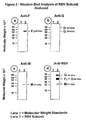
- FIG. 1 to 3 there is shown an analysis of the composition of a RSV subunit preparation by SDS-PAGE analysis ( Figure 1) and immunoblot ( Figures 2 and 3), prepared as described below.
- a typical composition of the RSV subunit preparation is: G glycoprotein (95 kDa form) 10% F 1 glycoprotein (48 kDa) 30% M protein (31 kDa) 23% F 2 glycoprotein (23 kDa) 19% when analyzed by SDS-PAGE under reduced conditions.
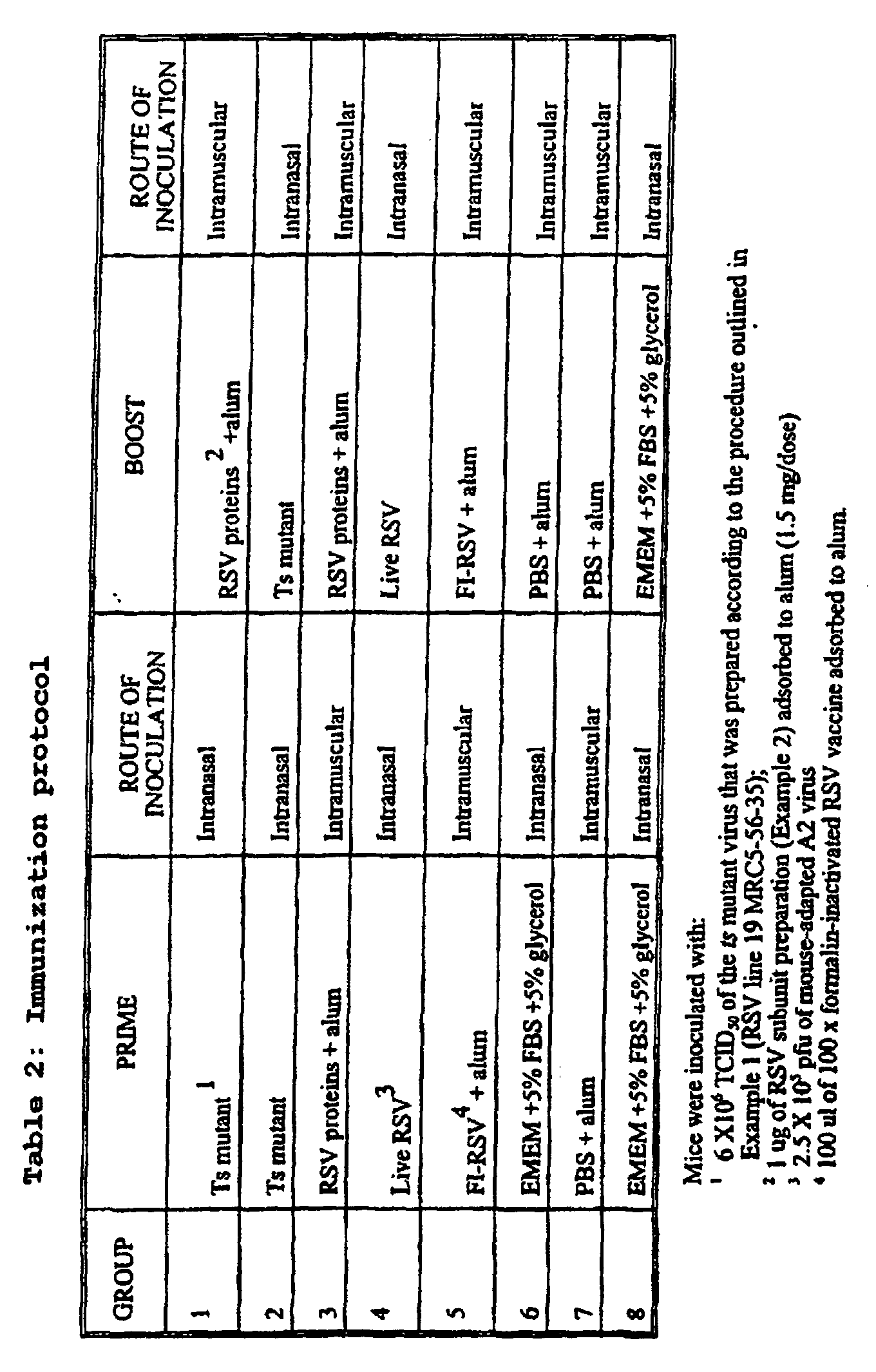
- mice were immunized by priming with an attenuated temperature sensitive RSV strain and boosted with the mixture of RSV proteins (RSV subunit preparation) as summarized in Table 2.
- Sera were examined four weeks after boosting for anti-F total IgG antibodies, IgG1 and IgG2a antibodies.
- the results are shown in Figure 4 and show that the intranasal immunization with the attenuated RSV followed by boosting with the subunit RSV protein preparation produces a substantial anti-F antibody response.
- a balanced anti-RSV F IgG1/IgG2a response demonstrating the induction of both Th-1 and Th-2 type responses is achieved.
- the generation of IgG2A antibodies in the murine model is indicative of a Th1-type immune response.
- the level of virus-neutralizing antibodies was determined by plaque reduction assays ( Figure 5).
- the invention extends to compositions comprising an attenuated RSV to prime a host and the subsequent use of at least one RSV protein to boost the host to immunize the host against disease caused by the RSV.
- the vaccines are administered in a manner compatible with the dosage formulation, and in such amount as will be therapeutically effective, immunogenic and protective.
- the quantity to be administered depends on the subject to be treated, including, for example, the capacity of the immune system of the individual to synthesize antibodies, and, if needed, to produce a cell-mediated immune response.
- Precise amounts of active ingredient required to be administered depend on the judgment of the practitioner. However, suitable dosage ranges are readily determinable by one skilled in the art and may be of the order of micrograms to milligrams of the proteins or fragments thereof and 10 5 - 10 8 pfu of the attenuated virus.
- the dosage may also depend on the route of administration and will vary according to the size of the host.
- Immunogenicity can be significantly improved if the antigens are co-administered with adjuvants.
- Adjuvants enhance the immunogenicity of an antigen but are not necessarily immunogenic themselves.
- Adjuvants may act by retaining the antigen locally near the site of administration to produce a depot effect facilitating a slow, sustained release of antigen to cells of the immune system.
- Adjuvants can also attract cells of the immune system to an antigen depot and stimulate such cells to elicit immune responses.
- Immunostimulatory agents or adjuvants have been used for many years to improve the host immune responses to, for example, vaccines.
- Intrinsic adjuvants such as lipopolysaccharides, normally are the components of the killed or attenuated bacteria used as vaccines.
- Extrinsic adjuvants are immunomodulators which are typically non-covalently linked to antigens and are formulated to enhance the host immune responses.
- adjuvants have been identified that enhance the immune response to antigens delivered parenterally. Some of these adjuvants are toxic, however, and can cause undesirable side-effects, making them unsuitable for use in humans and many animals.
- alum aluminum hydroxide and aluminum phosphate (collectively commonly referred to as alum) are routinely used as adjuvants in human and veterinary vaccines.
- the efficacy of alum in increasing antibody responses to diphtheria and tetanus toxoids is well established and a HBsAg vaccine has been adjuvanted with alum.
- alum is ineffective for influenza vaccination and usually does not elicit a cell-mediated immune response.
- the antibodies elicited by alum-adjuvanted antigens are mainly of the IgG1 isotype in the mouse, which may not be optimal for protection by some vaccinal agents.
- extrinsic adjuvants can provoke potent immune responses to antigens. These include aluminum phosphate, aluminum hydroxide, QS21, Quil A, derivatives and components thereof, calcium phosphate, calcium hydroxide, zinc hydroxide, a glycolipid analog, an octodecyl ester of an amino acid, a muramyl dipeptide, polyphosphazene, a lipoprotein, ISCOM matrix, DC-Chol, DDA, and other adjuvants and bacterial toxins, components and derivatives thereof as, for example, described in WO 95/34323 assigned to the assignee hereof. Under particular circumstances adjuvants that induce a Thl response are desirable.
- the at least one purified paramyxovirus protein or immunogenic fragment thereof used in the booster administration may be provided in any convenient manner.
- the protein, proteins or immunogenic fragments may be extracted from cellular material, such as by detergent extraction, and may be purified by affinity chromatography, as described, for example, in WO 91/00104, assigned to the assignee hereof Alternatively, an immunoaffinity purification procedure may be used.
- the protein, proteins or immunogenic fragments thereof may be prepared recombinantly by expression of the protein or fragment thereof from a suitable vector with subsequent purification of the expressed material.
- suitable vectors and expression systems are described, for example, in WO 87/04185.
- plasmid vectors containing replicon and control sequences which are derived from species compatible with the host cell may be used for the expression of the relevant genes in expression systems.
- the vector ordinarily carries a replication site, as well as marking sequences which are capable of providing phenotypic selection in transformed cells. Details concerning the nucleotide sequences of promoters are known, enabling a skilled worker to ligate them functionally with the relevant genes. The particular promoter used will generally be a matter of choice depending upon the desired results.
- Hosts that are appropriate for expression of the relevant genes and immunogenic fragments thereof include bacteria, eukaryotic cells, fungi, yeast, CHO cells or the baculovirus expression system may be used.
- a temperature sensitive mutant strain of RSV which is described and referred to herein has been deposited with the American Type Culture Collection (ATCC) located at 12301 Parklawn Drive, Rockville, Maryland 20852, USA pursuant to the Budapest Treaty and prior to the filing of this application. Samples of the deposited strain will become available to the public and all restrictions imposed on access to the deposits will be removed upon grant of a patent on this application.
- the invention described and claimed herein is not to be limited in scope by the mutant RSV strains deposited, since the deposited embodiment is intended only as an illustration of the invention. Any equivalent or similar recombinant viruses are within the scope of the invention.
- MRC-5 cells (grown in 16 x 125 mm tubes) were obtained from BioWhittaker Laboratories. (Walkersville, MD). Medium was removed from 10-day old cultures and 1.2 mL EMEM + 5% fetal bovine serum (FBS) was added to each tube. A 0.3 mL aliquot of a clinical isolate of RSV subtype A (designated line 19 from clinical case 19413, I.D. 12868) that was first isolated in WI-38 cells and passaged 7 times at 25°C in WI-38 cells was added to each of 4 tubes of MRC-5 cells. Virus-infected cells were incubated at 35°C and fed with 0.2 mL EMEM + 5% FBS as required.
- FBS fetal bovine serum
- This Example illustrates the process of purifying RSV proteins.
- African Green monkey kidney cells at a concentration of 10 5 cells/mL were added to 60L of CMRL 1969 medium, pH 7.2 in a 150L bioreactor containing 360 g of Cytodex-1 (RTM) microcarrier beads and stirred for 2 hours.
- An additional 60L of CMRL 1969 was added to give a total volume of 120L.
- Fetal bovine serum was added to achieve a final concentration of 3.5%.
- Glucose was added to a final concentration of 3 g/L and L-glutamine was added to a final concentration of 0.6 g/L.
- the culture medium was drained from the fermenter and 100L of E199 media (without fetal bovine serum) was added and stirred for 10 minutes.
- the fermenter was drained and filled again with 120 L of E199.
- the RSV inoculum was added at a multiplicity of infection (M.O.I.) of 0.001 and the culture was then maintained for 3 days before one-third to one-half of the medium was drained and replaced with fresh medium.
- the stirring was stopped and the beads allowed to settle.
- the viral culture fluid was drained and filtered through a 20 ⁇ m filter followed by a 3 ⁇ m filter prior to further processing.
- the clarified viral harvest was concentrated 75- to 150-fold using tangential flow ultrafiltration with 300 NMWL membranes and diafiltered with phosphate buffered saline containing 10% glycerol.
- the viral concentrate was stored frozen at -70°C prior to further purification.
- a solution of 50% polyethylene glycol-8000 was added to an aliquot of virus concentrate to give a final concentration of 6%. After stirring at room temperature for one hour, the mixture was centrifuged at 15,000 RPM for 30 min. in a Sorvall SS-34 rotor at 4°C.
- the viral pellet was suspended in 1 mM sodium phosphate, pH 6.8, 2 M urea, 0.15 M NaCl, stirred for 1 hour at room temperature, and then recentrifuged at 15,000 RPM for 30 min. in a Sorvall SS-34 rotor at 4°C.
- the viral pellet was then suspended in 1mM sodium phosphate, pH 6.8, 50 mM NaCl, 1% Triton X-100 (RTM) and stirred for 30 min. at room temperature.
- the insoluble virus core was removed by centrifugation at 15,000 RPM for 30 min. in a Sorval SS-34 rotor at 4°C.
- the soluble protein supernatant was applied to a column of ceramic hydroxyapatite (type II, Bio-Rad Laboratories) and the column was then washed with five column volumes of 1 mM sodium phosphate, pH 6.8, 50 mM NaCl, 0.02% Triton X-100.
- the RSV proteins were obtained by eluting the column with 10 column volumes of 1 mM sodium phosphate, pH 6.8, 400 mM NaCl, 0.02% Triton X-100.
- the RSV proteins were analyzed by SDS-PAGE using 12.5% acrylamide gels and by immunoblotting. Samples were electrophoresed in the presence or absence of the reducing agent 2-mercaptoethanol. Gels were stained with silver stain to detect the viral proteins ( Figures 1a and 1b).
- Nunc-MaxiSorp plate wells were coated overnight at room temperature with 2.5 ng of immunoaffinity-purified RSV-F protein diluted in 0.05M carbonate-bicarbonate buffer, pH9.6. Wells were blocked for non-specific binding by adding 0.1% BSA in PBS for 30 min. at room temperature, followed by two washes in a washing buffer of 0.1% BSA in PBS + 0.1% Tween 20. Serial two or fourfold dilutions of mouse serum was added to the wells. After one hour incubation at room temperature, plates were washed five times with washing buffer, and horseradish peroxidase (HRP) labelled conjugate was added at the appropriate optimal dilution in washing buffer.
- HRP horseradish peroxidase
- the total IgG assay used F(ab') 2 goat anti-mouse IgG (H+L specific)-HRP from Jackson Immuno Research Laboratory Inc., Baltimore, Maryland. Sheep anti-mouse IgG1-antibody HRP from Serotec, Toronto, Ontario was used in the IgG1 assay and goat anti-mouse IgG2a antibody from Caltag Laboratories, San Francisco, California was used in the IgG2a assay. Following one hour incubation at room temperature, the plates were washed five times with washing buffer, and hydrogen peroxide (substrate) in the presence of tetramethylbenzidine was added. The reaction was stopped by adding 2 M sulfuric acid.
- the colour was read in a Multiscan Titertek plate reader at an optical density (OD) of 450 nm.
- the titre was taken as the reciprocal of the last dilution at which the OD was approximately double. This OD must be greater that the negative control of the assay at the starting dilution.
- the pre-immune serum of each animal was used as the negative control.
- This Example describes the immunization of animals by priming with the live attenuated ts RSV mutant and boosting with RSV proteins.
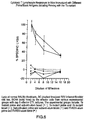
- This Example describes the generation of RSV-specific cytotoxic T-cells in mice primed with live attenuated ts RSV and boosted with RSV proteins.
- Spleens from two BALB/c mice from each group that were immunized according to the immunization protocol outlined in Table 2 were removed three weeks after the booster dose.
- Single cell suspensions were prepared and incubated at 2.5x10 7 cells in RPMI 1640 plus 10% fetal bovine serum (FBS).
- FBS fetal bovine serum
- Gamma-irradiated (3,000 rads) syngeneic spleen cells were infected with RSV at an M.O.I. of 1 for 2 hours. The cells were washed twice to remove free virus and 2.5x10 7 virus infected feeder cells were added to the 2.5x10 7 spleen cells in a final volume of 10 mL of complete medium.
- CTL activity was tested 5 to 6 days following re-stimulation.
- BC cells (2 x 10 6 cells ), a BALB/c fibroblast cell line, as well as BCH4 cells (2 x 10 6 cells), a BALB/c fibroblast T cell line persistently infected with RSV, were pulsed with 200 ⁇ Ci of Sodium 51 chromate (Dupont) for 90 min.
- the targets were washed three times with medium to remove free 51 chromium. Viable cell counts of the target cells were determined and target cell suspensions were prepared at 2 x 10 4 cells/mL.
- Washed responder T-cells (in 100 ⁇ L) were incubated with 2 x 10 3 target cells (in 100 ⁇ L) at varying Effector:Target cell ratios in triplicates in a 96-well V-bottomed tissue-culture plates for 4 hours at 37°C with 6% CO 2 .
- Spontaneous and total release of 51 chromium were determined by incubating target cells with either medium or 2.5% Triton X-100 (RTM) in the absence of responder lymphocytes respectively.
- RTM Triton X-100
- Percentage specific 51 chromium release was calculated as (Experimental Release - Spontaneous Release)/(Total Release - Spontaneous Release) x 100.
- the Spontaneous Release of 51 chromium in the absence of effector cells was found to be between 10 to 15% in these studies.
- CTL activity was not observed in animals that were primed and boosted with either the alum-adjuvanted RSV subunit vaccine ( ⁇ ) or FI-RSV ( ⁇ ).
- ⁇ alum-adjuvanted RSV subunit vaccine
- FI-RSV FI-RSV
- the present invention provides compositions for a novel immunization strategy to provide protection against disease caused by RSV which is safe and effective.
- Infectivity titres of mutant and wild type virus in MRC-5 cells day 14
- MRC-56-35 1.00 X 10 8.
- 3.16 X 10 5 WRSV MRC 3.16 X 10 4 1.00 X 10 4
Landscapes
- Health & Medical Sciences (AREA)
- Life Sciences & Earth Sciences (AREA)
- Virology (AREA)
- Epidemiology (AREA)
- General Health & Medical Sciences (AREA)
- Immunology (AREA)
- Medicinal Chemistry (AREA)
- Microbiology (AREA)
- Mycology (AREA)
- Pharmacology & Pharmacy (AREA)
- Veterinary Medicine (AREA)
- Animal Behavior & Ethology (AREA)
- Chemical & Material Sciences (AREA)
- Public Health (AREA)
- Pulmonology (AREA)
- Medicines Containing Antibodies Or Antigens For Use As Internal Diagnostic Agents (AREA)
- Medicines Containing Material From Animals Or Micro-Organisms (AREA)
- Peptides Or Proteins (AREA)
- Medicines That Contain Protein Lipid Enzymes And Other Medicines (AREA)
- Micro-Organisms Or Cultivation Processes Thereof (AREA)
Abstract
Description
| G | glycoprotein (95 kDa form) | 10% |
| F1 | glycoprotein (48 kDa) | 30% |
| M | protein (31 kDa) | 23% |
| F2 | glycoprotein (23 kDa) | 19% |
| Recombinant Virus | ATCC Designation | Date Deposited |
| Line 19 MRC-56-35 | VR-2513 | 20 September 1995 |
| Infectivity titres of mutant and wild type virus in MRC-5 cells (day 14) | ||
| VIRUS | TCID50/ML 33°C | TCID50/ML 39°C |
| Line 19 MRC-56-35 | 1.00 X 10⁸ | 3.16 X 10⁵ |
| WRSV MRC | 3.16 X 10⁴ | 1.00 |
Claims (10)
- Use of an attenuated strain of a respiratory syncytial virus (RSV) and at least one purified respiratory syncytial virus protein or immunogenic fragment thereof in the manufacture of a medicament for achieving a respiratory syncytial virus specific protective immune response in a host by initially administering to the host an immunoeffective amount of an attenuated respiratory syncytial virus strain, and subsequently administering to the host an immunoeffective amount of at least one purified respiratory syncytial virus protein or immunogenic fragment thereof.
- The use claimed in claim 1, wherein said immune response in the host includes the production of virus specific neutralizing antibodies and/or virus specific cytotoxic T-cell responses.
- The use claimed in claim 1 or 2, wherein said attenuated strain of RSV is a temperature sensitive mutant of RSV.
- The use claimed in any one of claims 1 to 3, wherein said at least one purified RSV protein or immunogenic fragment thereof is selected from the group consisting of the fusion (F), attachment (G) and matrix (M) proteins of RSV or immunogenic fragments thereof.
- The use claimed in any one of claims 1 to 4, wherein the at least one purified protein or immunogenic fragment thereof is administered with an adjuvant or immunomodulator.
- The use claimed in claim 5, wherein the adjuvant is alum.
- A product comprising an immunoeffective amount of (a) an attenuated strain of a respiratory syncytial virus (RSV) and (b) at least one purified respiratory syncytial virus protein or immunogenic fragment thereof as a combined preparation for sequential use as a vaccine against disease caused by respiratory syncytial virus.
- A product claimed in claim 7, wherein said at least one purified RSV protein or immunogenic fragment thereof is selected from the group consisting of the fusion (F), attachment (G) and matrix (M) proteins of RSV or immunogenic fragments thereof.
- A product claimed in claim 7 or claim 8, wherein the at least one purified respiratory syncytial virus protein or immunogenic fragment thereof further includes an adjuvant or immunomodulator.
- A product claimed in claim 9, wherein the adjuvant is alum.
Applications Claiming Priority (3)
| Application Number | Priority Date | Filing Date | Title |
|---|---|---|---|
| US67920696A | 1996-07-12 | 1996-07-12 | |
| US679206 | 1996-07-12 | ||
| PCT/CA1997/000499 WO1998002180A1 (en) | 1996-07-12 | 1997-07-11 | Two-step immunization procedure against the pyramyxoviridae family of viruses using attenuated viral strains and subunit protein preparation |
Publications (2)
| Publication Number | Publication Date |
|---|---|
| EP0936921A1 EP0936921A1 (en) | 1999-08-25 |
| EP0936921B1 true EP0936921B1 (en) | 2003-03-19 |
Family
ID=24725990
Family Applications (1)
| Application Number | Title | Priority Date | Filing Date |
|---|---|---|---|
| EP97930276A Expired - Lifetime EP0936921B1 (en) | 1996-07-12 | 1997-07-11 | Two-step immunization procedure against the pyramyxoviridae family of viruses using attenuated viral strains and subunit protein preparation |
Country Status (7)
| Country | Link |
|---|---|
| US (1) | US20030049276A1 (en) |
| EP (1) | EP0936921B1 (en) |
| AT (1) | ATE234631T1 (en) |
| AU (1) | AU3431397A (en) |
| CA (1) | CA2260107A1 (en) |
| DE (1) | DE69720024D1 (en) |
| WO (1) | WO1998002180A1 (en) |
Families Citing this family (7)
| Publication number | Priority date | Publication date | Assignee | Title |
|---|---|---|---|---|
| CA2250883A1 (en) * | 1996-04-04 | 1997-10-16 | The Regents Of The University Of Michigan | Attenuated respiratory syncytial virus |
| US6077514A (en) * | 1996-04-04 | 2000-06-20 | The Regents Of The University Of Michigan | Attenuated respiratory syncytial virus |
| AU731777B2 (en) | 1998-11-30 | 2001-04-05 | Nihon Nohyaku Co., Ltd. | Aniline derivative and process for producing the same |
| EP2204144B1 (en) * | 1999-10-22 | 2013-04-03 | Gmedelaware 2 LLC | Facet arthroplasty devices and methods |
| DE60136334D1 (en) * | 2000-02-02 | 2008-12-11 | Us Health | Cd40-ligand als adjuvant für respiratorisches syncytialvirus-impfstoff |
| EP1409014B8 (en) * | 2001-12-20 | 2007-04-25 | Sanofi Pasteur Limited | Immunogenic compositions comprising an antigen and a purified m protein from respiratory syncytial virus |
| EP2516623B1 (en) * | 2009-12-23 | 2016-10-05 | Sanofi Pasteur | Method for culturing adherent cells to microcarriers |
Family Cites Families (3)
| Publication number | Priority date | Publication date | Assignee | Title |
|---|---|---|---|---|
| WO1987004185A1 (en) * | 1986-01-14 | 1987-07-16 | University Of North Carolina | Vaccines for human respiratory virus |
| IL105456A (en) * | 1992-04-21 | 1996-12-05 | American Home Prod | Attenuated respiratory syncytial virus vaccine compositions |
| ATE196737T1 (en) * | 1993-05-25 | 2000-10-15 | American Cyanamid Co | ADJUVANTS FOR VACCINES AGAINST RESPIRATORY SYNCITIAL VIRUS |
-
1997
- 1997-07-11 WO PCT/CA1997/000499 patent/WO1998002180A1/en not_active Ceased
- 1997-07-11 DE DE69720024T patent/DE69720024D1/en not_active Expired - Lifetime
- 1997-07-11 CA CA002260107A patent/CA2260107A1/en not_active Abandoned
- 1997-07-11 EP EP97930276A patent/EP0936921B1/en not_active Expired - Lifetime
- 1997-07-11 AU AU34313/97A patent/AU3431397A/en not_active Abandoned
- 1997-07-11 AT AT97930276T patent/ATE234631T1/en not_active IP Right Cessation
-
2002
- 2002-04-26 US US10/132,460 patent/US20030049276A1/en not_active Abandoned
Also Published As
| Publication number | Publication date |
|---|---|
| AU3431397A (en) | 1998-02-09 |
| EP0936921A1 (en) | 1999-08-25 |
| US20030049276A1 (en) | 2003-03-13 |
| WO1998002180A1 (en) | 1998-01-22 |
| DE69720024D1 (en) | 2003-04-24 |
| ATE234631T1 (en) | 2003-04-15 |
| CA2260107A1 (en) | 1998-01-22 |
Similar Documents
| Publication | Publication Date | Title |
|---|---|---|
| US6180398B1 (en) | Two-step immunization procedure against the pyramyxoviridae family of viruses using recombinant virus and subunit protein preparation | |
| US20080248057A1 (en) | Multivalent immunogenic composition containing RSV subunit compostion and influenza virus preparation | |
| EP0942928B2 (en) | Subunit respiratory syncytial virus vaccine preparation | |
| AU676340B2 (en) | Adjuvants for vaccines against respiratory syncytial virus | |
| US20100247621A1 (en) | Codon modified immunogenic compositions and methods of use | |
| US7588770B2 (en) | Recombinant viruses of the paramyxoviridae family with heterologous envelope glycoproteins | |
| Ambrose et al. | Evaluation of the immunogenicity and protective efficacy of a candidate parainfluenza virus type 3 subunit vaccine in cotton rats | |
| US20030049276A1 (en) | Two-step immunization procedure against the pyramyxoviridae family of viruses using attenuated viral strains and subunit protein preparation | |
| US7083795B1 (en) | Inactivated respiratory syncytial viral vaccines | |
| WO2002009749A2 (en) | Respiratory syncytial virus vaccine | |
| CN110996998A (en) | Recombinant chimeric bovine/human parainfluenza virus 3 expressing RSV G and uses thereof | |
| US7223410B1 (en) | Inactivated respiratory syncytial viral vaccines | |
| US20050089525A1 (en) | Subunit respiratory syncytial virus vaccine preparation | |
| US20040265326A1 (en) | Subunit respiratory syncytial virus vaccine preparation | |
| Ewasyshyn et al. | Development of Parainfluenza Virus and Respiratory Syncytial Virus Subunit Vaccines | |
| Scollard et al. | M. Ewasyshyn', G. Cates', G. Jackson², A. Symington² | |
| US20050037015A1 (en) | Immunogenic compositions comprising an antigen and a purified m protein from respiratory syncytial virus | |
| AU2002325713A1 (en) | Subunit respiratory syncytial virus vaccine preparation | |
| CA2436126A1 (en) | Subunit respiratory syncytial virus vaccine preparation |
Legal Events
| Date | Code | Title | Description |
|---|---|---|---|
| PUAI | Public reference made under article 153(3) epc to a published international application that has entered the european phase |
Free format text: ORIGINAL CODE: 0009012 |
|
| 17P | Request for examination filed |
Effective date: 19990212 |
|
| AK | Designated contracting states |
Kind code of ref document: A1 Designated state(s): AT BE CH DE DK ES FI FR GB GR IE IT LI LU MC NL PT SE |
|
| AX | Request for extension of the european patent |
Free format text: AL PAYMENT 19990212;LT PAYMENT 19990212;LV PAYMENT 19990212;RO PAYMENT 19990212;SI PAYMENT 19990212 |
|
| RAP1 | Party data changed (applicant data changed or rights of an application transferred) |
Owner name: THE REGENTS OF THE UNIVERSITY OF MICHIGAN Owner name: AVENTIS PASTEUR LIMITED |
|
| 17Q | First examination report despatched |
Effective date: 20010608 |
|
| GRAH | Despatch of communication of intention to grant a patent |
Free format text: ORIGINAL CODE: EPIDOS IGRA |
|
| GRAH | Despatch of communication of intention to grant a patent |
Free format text: ORIGINAL CODE: EPIDOS IGRA |
|
| GRAA | (expected) grant |
Free format text: ORIGINAL CODE: 0009210 |
|
| AK | Designated contracting states |
Designated state(s): AT BE CH DE DK ES FI FR GB GR IE IT LI LU MC NL PT SE |
|
| AX | Request for extension of the european patent |
Extension state: AL LT LV RO SI |
|
| PG25 | Lapsed in a contracting state [announced via postgrant information from national office to epo] |
Ref country code: NL Free format text: LAPSE BECAUSE OF FAILURE TO SUBMIT A TRANSLATION OF THE DESCRIPTION OR TO PAY THE FEE WITHIN THE PRESCRIBED TIME-LIMIT Effective date: 20030319 Ref country code: LI Free format text: LAPSE BECAUSE OF FAILURE TO SUBMIT A TRANSLATION OF THE DESCRIPTION OR TO PAY THE FEE WITHIN THE PRESCRIBED TIME-LIMIT Effective date: 20030319 Ref country code: IT Free format text: LAPSE BECAUSE OF FAILURE TO SUBMIT A TRANSLATION OF THE DESCRIPTION OR TO PAY THE FEE WITHIN THE PRESCRIBED TIME-LIMIT;WARNING: LAPSES OF ITALIAN PATENTS WITH EFFECTIVE DATE BEFORE 2007 MAY HAVE OCCURRED AT ANY TIME BEFORE 2007. THE CORRECT EFFECTIVE DATE MAY BE DIFFERENT FROM THE ONE RECORDED. Effective date: 20030319 Ref country code: GR Free format text: LAPSE BECAUSE OF FAILURE TO SUBMIT A TRANSLATION OF THE DESCRIPTION OR TO PAY THE FEE WITHIN THE PRESCRIBED TIME-LIMIT Effective date: 20030319 Ref country code: FR Free format text: LAPSE BECAUSE OF FAILURE TO SUBMIT A TRANSLATION OF THE DESCRIPTION OR TO PAY THE FEE WITHIN THE PRESCRIBED TIME-LIMIT Effective date: 20030319 Ref country code: FI Free format text: LAPSE BECAUSE OF FAILURE TO SUBMIT A TRANSLATION OF THE DESCRIPTION OR TO PAY THE FEE WITHIN THE PRESCRIBED TIME-LIMIT Effective date: 20030319 Ref country code: CH Free format text: LAPSE BECAUSE OF FAILURE TO SUBMIT A TRANSLATION OF THE DESCRIPTION OR TO PAY THE FEE WITHIN THE PRESCRIBED TIME-LIMIT Effective date: 20030319 Ref country code: BE Free format text: LAPSE BECAUSE OF FAILURE TO SUBMIT A TRANSLATION OF THE DESCRIPTION OR TO PAY THE FEE WITHIN THE PRESCRIBED TIME-LIMIT Effective date: 20030319 Ref country code: AT Free format text: LAPSE BECAUSE OF FAILURE TO SUBMIT A TRANSLATION OF THE DESCRIPTION OR TO PAY THE FEE WITHIN THE PRESCRIBED TIME-LIMIT Effective date: 20030319 |
|
| REG | Reference to a national code |
Ref country code: GB Ref legal event code: FG4D |
|
| REG | Reference to a national code |
Ref country code: CH Ref legal event code: EP |
|
| REG | Reference to a national code |
Ref country code: IE Ref legal event code: FG4D |
|
| REF | Corresponds to: |
Ref document number: 69720024 Country of ref document: DE Date of ref document: 20030424 Kind code of ref document: P |
|
| PG25 | Lapsed in a contracting state [announced via postgrant information from national office to epo] |
Ref country code: SE Free format text: LAPSE BECAUSE OF FAILURE TO SUBMIT A TRANSLATION OF THE DESCRIPTION OR TO PAY THE FEE WITHIN THE PRESCRIBED TIME-LIMIT Effective date: 20030619 Ref country code: DK Free format text: LAPSE BECAUSE OF FAILURE TO SUBMIT A TRANSLATION OF THE DESCRIPTION OR TO PAY THE FEE WITHIN THE PRESCRIBED TIME-LIMIT Effective date: 20030619 |
|
| PG25 | Lapsed in a contracting state [announced via postgrant information from national office to epo] |
Ref country code: PT Free format text: LAPSE BECAUSE OF FAILURE TO SUBMIT A TRANSLATION OF THE DESCRIPTION OR TO PAY THE FEE WITHIN THE PRESCRIBED TIME-LIMIT Effective date: 20030620 |
|
| PG25 | Lapsed in a contracting state [announced via postgrant information from national office to epo] |
Ref country code: DE Free format text: LAPSE BECAUSE OF FAILURE TO SUBMIT A TRANSLATION OF THE DESCRIPTION OR TO PAY THE FEE WITHIN THE PRESCRIBED TIME-LIMIT Effective date: 20030621 |
|
| PGFP | Annual fee paid to national office [announced via postgrant information from national office to epo] |
Ref country code: GB Payment date: 20030811 Year of fee payment: 7 |
|
| LTIE | Lt: invalidation of european patent or patent extension |
Effective date: 20030319 |
|
| PGFP | Annual fee paid to national office [announced via postgrant information from national office to epo] |
Ref country code: LU Payment date: 20030825 Year of fee payment: 7 |
|
| PGFP | Annual fee paid to national office [announced via postgrant information from national office to epo] |
Ref country code: FR Payment date: 20030827 Year of fee payment: 7 |
|
| NLV1 | Nl: lapsed or annulled due to failure to fulfill the requirements of art. 29p and 29m of the patents act | ||
| PGFP | Annual fee paid to national office [announced via postgrant information from national office to epo] |
Ref country code: IE Payment date: 20030901 Year of fee payment: 7 |
|
| PG25 | Lapsed in a contracting state [announced via postgrant information from national office to epo] |
Ref country code: ES Free format text: LAPSE BECAUSE OF FAILURE TO SUBMIT A TRANSLATION OF THE DESCRIPTION OR TO PAY THE FEE WITHIN THE PRESCRIBED TIME-LIMIT Effective date: 20030930 |
|
| REG | Reference to a national code |
Ref country code: CH Ref legal event code: PL |
|
| PGFP | Annual fee paid to national office [announced via postgrant information from national office to epo] |
Ref country code: MC Payment date: 20031119 Year of fee payment: 7 |
|
| PLBE | No opposition filed within time limit |
Free format text: ORIGINAL CODE: 0009261 |
|
| STAA | Information on the status of an ep patent application or granted ep patent |
Free format text: STATUS: NO OPPOSITION FILED WITHIN TIME LIMIT |
|
| EN | Fr: translation not filed | ||
| 26N | No opposition filed |
Effective date: 20031222 |
|
| PG25 | Lapsed in a contracting state [announced via postgrant information from national office to epo] |
Ref country code: LU Free format text: LAPSE BECAUSE OF NON-PAYMENT OF DUE FEES Effective date: 20040711 Ref country code: GB Free format text: LAPSE BECAUSE OF NON-PAYMENT OF DUE FEES Effective date: 20040711 |
|
| PG25 | Lapsed in a contracting state [announced via postgrant information from national office to epo] |
Ref country code: IE Free format text: LAPSE BECAUSE OF NON-PAYMENT OF DUE FEES Effective date: 20040712 |
|
| PG25 | Lapsed in a contracting state [announced via postgrant information from national office to epo] |
Ref country code: MC Free format text: LAPSE BECAUSE OF NON-PAYMENT OF DUE FEES Effective date: 20040731 |
|
| GBPC | Gb: european patent ceased through non-payment of renewal fee |
Effective date: 20040711 |
|
| REG | Reference to a national code |
Ref country code: IE Ref legal event code: MM4A |