EP0935606B1 - Method for purification of recombinant proteins - Google Patents
Method for purification of recombinant proteins Download PDFInfo
- Publication number
- EP0935606B1 EP0935606B1 EP97939436A EP97939436A EP0935606B1 EP 0935606 B1 EP0935606 B1 EP 0935606B1 EP 97939436 A EP97939436 A EP 97939436A EP 97939436 A EP97939436 A EP 97939436A EP 0935606 B1 EP0935606 B1 EP 0935606B1
- Authority
- EP
- European Patent Office
- Prior art keywords
- group
- protein
- asp
- agarose
- matrix
- Prior art date
- Legal status (The legal status is an assumption and is not a legal conclusion. Google has not performed a legal analysis and makes no representation as to the accuracy of the status listed.)
- Expired - Lifetime
Links
Images




Classifications
-
- B—PERFORMING OPERATIONS; TRANSPORTING
- B01—PHYSICAL OR CHEMICAL PROCESSES OR APPARATUS IN GENERAL
- B01D—SEPARATION
- B01D15/00—Separating processes involving the treatment of liquids with solid sorbents; Apparatus therefor
- B01D15/08—Selective adsorption, e.g. chromatography
- B01D15/26—Selective adsorption, e.g. chromatography characterised by the separation mechanism
- B01D15/38—Selective adsorption, e.g. chromatography characterised by the separation mechanism involving specific interaction not covered by one or more of groups B01D15/265 and B01D15/30 - B01D15/36, e.g. affinity, ligand exchange or chiral chromatography
- B01D15/3804—Affinity chromatography
- B01D15/3828—Ligand exchange chromatography, e.g. complexation, chelation or metal interaction chromatography
-
- B—PERFORMING OPERATIONS; TRANSPORTING
- B01—PHYSICAL OR CHEMICAL PROCESSES OR APPARATUS IN GENERAL
- B01J—CHEMICAL OR PHYSICAL PROCESSES, e.g. CATALYSIS OR COLLOID CHEMISTRY; THEIR RELEVANT APPARATUS
- B01J20/00—Solid sorbent compositions or filter aid compositions; Sorbents for chromatography; Processes for preparing, regenerating or reactivating thereof
- B01J20/30—Processes for preparing, regenerating, or reactivating
- B01J20/32—Impregnating or coating ; Solid sorbent compositions obtained from processes involving impregnating or coating
- B01J20/3231—Impregnating or coating ; Solid sorbent compositions obtained from processes involving impregnating or coating characterised by the coating or impregnating layer
- B01J20/3242—Layers with a functional group, e.g. an affinity material, a ligand, a reactant or a complexing group
- B01J20/3244—Non-macromolecular compounds
- B01J20/3265—Non-macromolecular compounds with an organic functional group containing a metal, e.g. a metal affinity ligand
-
- B—PERFORMING OPERATIONS; TRANSPORTING
- B01—PHYSICAL OR CHEMICAL PROCESSES OR APPARATUS IN GENERAL
- B01J—CHEMICAL OR PHYSICAL PROCESSES, e.g. CATALYSIS OR COLLOID CHEMISTRY; THEIR RELEVANT APPARATUS
- B01J45/00—Ion-exchange in which a complex or a chelate is formed; Use of material as complex or chelate forming ion-exchangers; Treatment of material for improving the complex or chelate forming ion-exchange properties
-
- C—CHEMISTRY; METALLURGY
- C07—ORGANIC CHEMISTRY
- C07K—PEPTIDES
- C07K1/00—General methods for the preparation of peptides, i.e. processes for the organic chemical preparation of peptides or proteins of any length
- C07K1/14—Extraction; Separation; Purification
- C07K1/16—Extraction; Separation; Purification by chromatography
- C07K1/22—Affinity chromatography or related techniques based upon selective absorption processes
-
- C—CHEMISTRY; METALLURGY
- C07—ORGANIC CHEMISTRY
- C07K—PEPTIDES
- C07K14/00—Peptides having more than 20 amino acids; Gastrins; Somatostatins; Melanotropins; Derivatives thereof
- C07K14/435—Peptides having more than 20 amino acids; Gastrins; Somatostatins; Melanotropins; Derivatives thereof from animals; from humans
- C07K14/43504—Peptides having more than 20 amino acids; Gastrins; Somatostatins; Melanotropins; Derivatives thereof from animals; from humans from invertebrates
- C07K14/43595—Peptides having more than 20 amino acids; Gastrins; Somatostatins; Melanotropins; Derivatives thereof from animals; from humans from invertebrates from coelenteratae, e.g. medusae
-
- C—CHEMISTRY; METALLURGY
- C12—BIOCHEMISTRY; BEER; SPIRITS; WINE; VINEGAR; MICROBIOLOGY; ENZYMOLOGY; MUTATION OR GENETIC ENGINEERING
- C12N—MICROORGANISMS OR ENZYMES; COMPOSITIONS THEREOF; PROPAGATING, PRESERVING, OR MAINTAINING MICROORGANISMS; MUTATION OR GENETIC ENGINEERING; CULTURE MEDIA
- C12N9/00—Enzymes; Proenzymes; Compositions thereof; Processes for preparing, activating, inhibiting, separating or purifying enzymes
- C12N9/0004—Oxidoreductases (1.)
- C12N9/0012—Oxidoreductases (1.) acting on nitrogen containing compounds as donors (1.4, 1.5, 1.6, 1.7)
- C12N9/0026—Oxidoreductases (1.) acting on nitrogen containing compounds as donors (1.4, 1.5, 1.6, 1.7) acting on CH-NH groups of donors (1.5)
- C12N9/0028—Oxidoreductases (1.) acting on nitrogen containing compounds as donors (1.4, 1.5, 1.6, 1.7) acting on CH-NH groups of donors (1.5) with NAD or NADP as acceptor (1.5.1)
- C12N9/003—Dihydrofolate reductase [DHFR] (1.5.1.3)
-
- C—CHEMISTRY; METALLURGY
- C07—ORGANIC CHEMISTRY
- C07K—PEPTIDES
- C07K2319/00—Fusion polypeptide
- C07K2319/20—Fusion polypeptide containing a tag with affinity for a non-protein ligand
- C07K2319/21—Fusion polypeptide containing a tag with affinity for a non-protein ligand containing a His-tag
-
- G—PHYSICS
- G01—MEASURING; TESTING
- G01N—INVESTIGATING OR ANALYSING MATERIALS BY DETERMINING THEIR CHEMICAL OR PHYSICAL PROPERTIES
- G01N30/00—Investigating or analysing materials by separation into components using adsorption, absorption or similar phenomena or using ion-exchange, e.g. chromatography or field flow fractionation
- G01N30/02—Column chromatography
Definitions
- Immobilized metal ion affinity chromatography was first introduced by Porath (Porath, J., J. Carlsson, I. Olsson, G. Belfrage [1975] Nature 258 :598-599) under the term metal chelate chromatography and has been previously reviewed in several articles (Porath, J. [1992] Protein Purification and Expression 3:263-281; and articles cited therein).
- the IMAC purification process is based on the employment of a chelating matrix loaded with soft metal ions such as Cu 2+ and Ni 2+ .
- Electron-donating groups on the surface of proteins, especially the imidazole side chain of histidine can bind to the non-coordinated sites of the loaded metal.
- the interaction between the electron donor group with the metal can be made reversible by lowering the pH or by displacement with imidazole.
- a protein possessing electron-donating groups such as histidine can be purified by reversible metal complex/protein interactions.
- Iminodiacetic acid (IDA) ligand is a tridentate and thus anchors the metal with only three coordination sites (Porath, J., B. Olin [1983] Biochemistry 22:1621-1630). Because of the weak anchoring of the metal, metal leakage has been known to occur.
- the tris(carboxymethyl)ethylenediamine (TED) ligand is pentadentate and forms a very strong metal-chelator complex. The disadvantage of this is that proteins are bound very weakly since only one valence is left for protein interaction.
- Nitrilo triacetic acid is a tridentate ligand which attempts to balance the metal anchoring strength with metal-ion protein interaction properties (Hochuli, E., H. Dobeli, A. Schacher [1987] J. Chromatography 411:177-184).
- Other chelating ligands have been reported and are mentioned. See, e.g. , Porath (1992), supra .
- these ligands also have certain disadvantages, including decreased bonding capacity, decreased specificity, and increased metal leakage.
- CM-Asp carboxymethylated aspartate
- the subject invention comprises the CM-Asp chelating ligand complexed to a transition metal in an octahedral geometry (coordination number of 6).
- the metal complex can be advantageously suited for purification of poly-histidine fused recombinant proteins. This is a novel use of the CM-Asp ligand and is part of the subject of the invention herein described.
- the present invention concerns a novel IMAC purification method which employs immobilized carboxymethylated aspartate (CM-Asp) ligands specifically designed for purification of recombinant proteins fused with poly-histidine tags.
- CM-Asp carboxymethylated aspartate
- the present invention provides a method for purifying a poly-His tagged recombinant protein, said method comprising:
- the present invention provides a method for purifying a poly-His tagged recombinant protein, said method comprising:
- recombinant cells Prior to loading the 6XHis recombinant protein to the resin, recombinant cells can be lysed and sonicated. The lysate can then be equilibrated with an aqueous buffer (pH 8) which itself does not form chelates with the metal.
- aqueous buffer pH 8
- An example of an aqueous that can be used at this step in the described procedure is 50 mM sodium phosphate (pH 8.0)/10 mM Tris-HCl (pH 8.0)/100 mM NaCI, or the like.
- the equilibration buffer can contain denaturing agents or detergents, e.g ., 10% "TRITON X-100," 6 M guanidinium HCl, or the like.
- the protein-bound resin After binding the prepared 6XHis recombinant protein on the metal CM-Asp chelating resin (the "CM-Asp resin complex"), the protein-bound resin is washed at pH 7.0 or 8.0.
- the elution of the protein can be carried out at a constant pH or with a descending pH gradient. In a preferred embodiment, protein elution can be achieved at a pH of about 6.0 to about 6.3.
- the 6XHis recombinant protein bound to the CM-Asp chelating resin can be washed with low concentrations (less than 100 mM) of imidazole at pH 8.0 and then eluted by increasing the imidazole concentration to 40-100 mM.
- CM-Asp derivatized agarose chelating resin also included as an aspect of the subject invention. It is an improved version of a previously reported small scale preparation (Mantovaara, T., H. Pertoft, J. Porath [1991] Biotechnology and Applied Biochemistry 13:315-322).
- the improvement includes particular conditions for oxirane-agarose formation, temperature controlled conjugation of aspartic acid to the oxirane-agarose, and high ionic strength washing to remove extraneously bound metals. These conditions, temperatures, and ionic concentrations are described in detail herein.
- An additional application of the subject invention includes screening for protein function on a microtiter plate or filter.
- the additional applications for the subject invention also include protein-protein interaction studies, as well as antibody and antigen purification.
- protein-protein interaction studies for example, by immobilization of the Co 2+ moiety onto 96-well plates by CM-Asp, such plates can be used for quantitation of 6XHistidine-tagged protein, protein-protein interaction studies, diagnostic screening for diseases, antibody screening, antagonist and agonist screening for drugs, and reporter gene assays.
- Co 2+ can also be immobilized onto a membrane, e.g. , a nylon membrane, by CM-Asp, which can be used to lift proteins from expression libraries to make protein libraries from cells.
- the membranes also can be used for screening of engineered enzymes.
- Application of the subject invention can also be extended to purification of any interacting molecule, e.g ., nucleic acids or small co-factors.
- the subject method which employs a CM-Asp metal chelating complex, can advantageously be used for purification of recombinant proteins having a polyhistidine tail or "tag.”
- a resin ligand e.g. , CM-Asp
- CM-Asp is complexed to a metal other than Ca 2+ , forming a CM-Asp-metal complex.
- the CM-Asp ligand used in the subject invention is complexed with one of the transition metals (known as a third-block transition metal), e.g ., Fe 2+ , Co 2+ , Ni 2+ , Cu 2+ , or Zn 2+ in an octahedral geometry.
- polystyrene as in microtiter plates
- nylon as in nylon filters
- SEPHAROSE Spharmacial, Uppeala, Sweden
- the poly-histidine tag possesses "neighboring" histidine residues which can advantageously allow the recombinant protein to bind to these transition metals in a cooperative manner to form very strong metal ion complexes.
- a “strong” or “very strong” metal ion complex refers to the bond strength between the metal ion and the chelating ligand.
- a strong or very strong metal ion complex allows little or essentially no metal leakage from the complex so that the purified protein, e.g ., a recombinant protein having a polyhistidine tag, is not contaminated with undesired or "background” protein from a mixture being purified.
- CM-Asp metal complex offers two available valencies that can form strong and reversible metal complexes with two adjacent histidine residues on the surface of the recombinant protein.
- Another advantage to using the CM-Asp ligand is its ability to strongly anchor the metal ion whereby metal ion leaking can be virtually eliminated compared to metal leakage observed for other complex binding agents, e.g. , Ni-NTA.
- Co 2+ can be used as the transition metal with CM-Asp.
- the Co 2+ -CM-Asp can be less sensitive to reducing agents, such as ⁇ -mercaptoethanol. Metal ion leakage has been shown to remain low, even negligible, in the presence of up to 30 mM ⁇ -mercaptoethanol.
- the steps involved in a preferred embodiment of the purification process of the subject invention are illustrated in Figure 1.
- the subject process can be employed batchwise, in spin columns, and in large-scale continuous flow columns.
- Buffers used in the above procedures are standard buffers typically used in similar procedures, with appropriate adjustments and modifications made as understood in the art.
- a high ionic strength buffer e.g., 50 mM phosphate/10 mM Tris/100 mM NaCl can be used, with the pH adjusted as needed.
- the phosphate salt component can range from a concentration of 10-100 mM; Tris from 5-25 mM; and NaCl from 50-200 mM.
- Optimal elution conditions depend on the type of impurities, the amount of protein to be purified, and unique properties of the protein, and are determined on a case-by-case basis as would be readily recognized by a person of ordinary skill in the art.
- the subject invention also provides a method for synthesizing carboxymethylated aspartate chelating matrices, said method comprising:
- SEPHAROSE CL-6B or CL-6B (Pharmacia, 8.0 L) is washed with ddH 2 O, suction dried, and transferred to a 22-L round bottom flask equipped with mechanical stirring.
- Epichlorohydrin (about 2.0 L) is added, the Sepharose resin mixed to a thick suspension, and allowed to stand at room temperature for about 20 minutes.
- a solution of sodium hydroxide (about 560 g) and sodium borohydride (about 48 g) in approximately 6400 mL ddH 2 O is added and the mixture stirred overnight at ambient temperature.
- the oxirane-derivatized resin collected by filtration, is washed ten times with ddH 2 O (about 10 L each), once with 10% sodium carbonate (about 10 L), suction dried, and transferred to a 22L round bottom flask.
- a specimen of the oxirane derivatized resin treated with 1.3 M sodium thiosulfate is titrated to approximately pH 7.0 to determine the oxirane concentration (preferably, >700 ⁇ mol/g).
- N 6 -Carbobenzyloxy-L-lysine (6.15 g) and excess maleic acid (17.6 g) were dissolved in 2 M NaOH (35 mL). The solution was refluxed for 24 hr and allowed to cool to ambient. The pH was adjusted to 3 with 6 M HCl and chilled. The mixture was filtered to remove the unreacted maleic acid which was washed with water (15 mL). The filtrate and washings were combined and evaporated. The residue was dissolved in 4% ammonium formate (120 mL) and degassed briefly. 10% Pd/C (600 mg) was added and the mixture was refluxed under Ar with stirring for 5 hr. The mixture was filtered through celite and the filtrate evaporated.
- the CM-Asp chelating resin of Example 1 (about 1 L of suction dried bed volume) is treated with a transition metal ion solution, e.g ., 2 L of either 200 mM of cobalt chloride hexahydrate, nickel sulfate hexahydrate, copper sulfate pentahydrate, or zinc chloride, according to the metal ion deserved.
- a transition metal ion solution e.g ., 2 L of either 200 mM of cobalt chloride hexahydrate, nickel sulfate hexahydrate, copper sulfate pentahydrate, or zinc chloride, according to the metal ion deserved.
- the resin is reacted with the 200 mM metal solution at room temperature for approximately 72 hours and then collected by filtration.
- the metal loaded CM-Asp chelating resin is washed five times with ddH 2 O (about 1 L each), two times with 100 mM NaCI (about 1 L each), six times with ddH 2 O (about 1 L each), and once with 20% aq. ethanol (about 1 L).
- the resin can be stored in 20% aq. ethanol.
- the resin-proteins mixture was washed with 8 M urea, 0.1 M NaH 2 PO 4 , pH 8.0, and deluted with 8 M urea, 0.1 M NaH 2 PO 4 at three different pHs, 6.3, 5.9, and 4.5. Finally, all bound proteins were deluted with 6 M Gu-HCl, 0.1 M NaH 2 PO 4 , 0.2 M acetic acid. Samples from each step were loaded on a 12% polyacrylamide/SDS gel, electrophoresed, and the gel was stained with Coomassie blue. The 6XHis-tagged prepro- ⁇ -factor was deluted at pH 6.3 as a single prominent band on the gel.
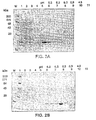
- Results show that highly purified 6XHis-tagged protein elutes from Co 2+ CM-Asp chelating resin while Ni-NTA is still releasing contaminants. See Figures 2A-2B: Figure 2A: Results after using 1 ml of Co 2+ CM-Asp chelating resin. Figure 2B: Results after using 1 ml of nickel-NTA.
- DHFR mouse dihydrofolate reductase
- N-terminal 6XHis-tagged mouse DHFR was expressed in a 25-ml culture of E. coli .
- Cells were pelleted, resuspended in lysis buffer (100 mM NaH 2 PO 4 , 10 mM Tris-HCl, 8 M urea, pH 8.0), and disrupted by vortexing.
- lysis buffer 100 mM NaH 2 PO 4 , 10 mM Tris-HCl, 8 M urea, pH 8.0
- Six hundred microliters of clarified lysate were applied to a Co 2+ CM-Asp chelating resin spin column containing 0.5 ml of Co 2+ CM-Asp chelating resin-NX metal affinity resin and centrifuged for 2 minutes at 2,000 x g.
- the column was washed twice with 1 ml of wash buffer (100 mM NaH 2 PO 4 , 10 mM PIPES, pH 7.0), and bound proteins were deluted with 600 ⁇ l of elution buffer (20 mM PIPES, 100 mM NaCl, 8 M urea, pH 6.0). Twenty microliters of lysate and 40 ⁇ l of each subsequent fraction from the elution were loaded onto a 12% polyacrylamide/SDS gel and electrophoresed. The gel was stained with Coomassie blue. One single protein band was shown at the position of 20.3 kDa. Results showed the selective binding affinity of Co 2+ CM-Asp chelating resin to 6XHis-tagged DHFR under denaturing conditions. The binding properties of Co 2+ CM-Asp chelating resin to 6X histidines allow proteins deluted under mild pH conditions (pH 6.0) that protect protein integrity.
- wash buffer 100 mM NaH 2 PO 4 , 10 mM
- N-terminal, 6XHis-tagged mouse DHFR was expressed in E. coli .
- Twenty-five milliliters of cell culture were disrupted in 2 ml of sonication buffer (100 mM NaH 2 PO 4 , 10 mM Tris-HCI, and 100 mM NaCl, pH 8.0) by freezing and thawing. Then, 2.66 ml of clarified lysate were applied to a 200- ⁇ l Co 2+ CM-Asp chelating resin gravity flow column, pre-equilibrated with the sonication buffer. The proteins/resin mixtures were washed three times with sonication buffer, pH 8.0.
- All bound proteins were deluted with 600 ⁇ l of 100 mM EDTA, pH 8.0.
- all buffers used here contained either 0, 10, 20, or 30 mM ⁇ -mercaptoethanol.
- Samples from each elution were electrophoresed on a 12% polyacrylamide/SDS gel, and the gel was stained with Coomassie blue.
- One single protein band at the position of MW 20.3 kDa was shown from all elutions.
- the presence of ⁇ -mercaptoethanol did not obsolete the purity of 6XHis-tagged DHFR purified by Co 2+ CM-Asp chelating resin.
- Results show that with up to 30 mM ⁇ -mercaptoethanol in the purification buffer, there is no predominant band at 20.3 kDa in the flowthrough, indicating that no loss of metal occurred during protein purification using Co 2+ CM-Asp chelating resin in the presence of ⁇ -mercaptoethanol. See Figure 5.
- Example 8 Yields of 6XHis DHFR From Cell Lysates Purified by CM-Asp Versus Ni-NTA in the Presence of Beta-Mercaptoethanol
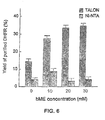
- 6XHis-tagged DHFR was expressed and purified by Co 2+ CM-Asp chelating resin under native conditions as described in Example 7. Protein concentrations were determined by Bradford assay. Yields were expressed as a percentage of total protein in the cell lysate. The yields of purified 6XHis-tagged DHFR were 14%, 28%, 34%, and 35% respectively, with ⁇ -mercaptoethanol present in purification buffers at the concentrations of 0, 10, 20, and 30 mM.
- the protein was purified by Ni-NTA under the same native conditions; the yields of purified 6XHis-tagged DHFR were 4%, 8.8%, 3.4%, and 4% respectively with ⁇ -mercaptoethanol present in purification buffers at the concentrations of 0, 10, 20, and 30 mM.
- the yields of purified 6XHis-tagged DHFR were significantly higher when using Co 2+ CM-Asp chelating resin compared to Ni-NTA under native purification conditions with ⁇ -mercaptoethanol. This indicates that the metal ion on Co 2+ CM-Asp chelating resin is strongly anchored to SEPHAROSE beads by a CM-ASP metal chelator that is ideal for binding octahedral metals.
- Results show that the yields of purified 6XHis DHFR are significantly higher at 10,20, and 30 mM ⁇ -mercaptoethanol using Co 2+ CM-Asp chelating resin compared to using Ni-NTA. This indicates that the metal ion on Co 2+ CM-Asp chelating resin is strongly anchored to sepharose beads by CM-Asp metal chelator that is advantageous for binding octahedral metals. See Figure 6.
- N-terminal, 6XHis-tagged green fluorescent protein was expressed in E. coli cells.
- Cells were pelleted, resuspended in sonication buffer (100 mM NaH 2 PO 4 , 10 mM Tris-HCl, and 100 mM NaCl, pH 8.0), and disrupted by freezing and thawing three times.
- sonication buffer 100 mM NaH 2 PO 4 , 10 mM Tris-HCl, and 100 mM NaCl, pH 8.0
- Two milliliters of clarified lysate were applied to 400 ⁇ l of Co 2+ CM-Asp chelating resin, pre-equilibrated with sonication buffer, and washed three times with 2 ml of sonication buffer, pH 8.0.
- the 6XHis-tagged GFP was deluted with 400 ⁇ l of 75 mM imidazole buffer containing 20 mM Tris-HCl and 100 mM NaCl, pH 8.0. Samples from each purification step were loaded onto a 12% polyacrylamide/SDS gel, electrophoresed, and the gel was stained with Coomassie blue. One single band was shown at the position of MW 27.8 kDa in the elution with 75 mM imidazole. This demonstrated that 6XHis-tagged GFP selectively bound on Co 2+ CM-Asp chelating resin and can be deluted with low concentration of imidazole under native purification conditions.
- N-terminal, 6XHis-tagged GFP was expressed in E. coli.
- Cell lysate was prepared as described in Example 7.
- the cell lysate was loaded onto a 2-ml Co 2+ CM-Asp chelating resin Disposable Gravity Column, and purified using the Batch/Gravity Flow column purification method as described in Example 9.
- the column was washed with sonication buffer three times and deluted with 100 mM EDTA, pH 8.0. Samples were collected in microfuge tubes from each purification step. The fluorescence of all collected samples was detected using an UltraLum Electronic U.V. Transilluminator. Samples of cell lysate and elution showed strong fluorescence.
- 6XHis-tagged GFP can be purified to homogeneity by Co 2+ CM-Asp chelating resin under native conditions and maintains biological activity.
Landscapes
- Chemical & Material Sciences (AREA)
- Organic Chemistry (AREA)
- Health & Medical Sciences (AREA)
- Life Sciences & Earth Sciences (AREA)
- Genetics & Genomics (AREA)
- Molecular Biology (AREA)
- Analytical Chemistry (AREA)
- Zoology (AREA)
- Chemical Kinetics & Catalysis (AREA)
- Biochemistry (AREA)
- Medicinal Chemistry (AREA)
- General Health & Medical Sciences (AREA)
- Engineering & Computer Science (AREA)
- Biophysics (AREA)
- Wood Science & Technology (AREA)
- Proteomics, Peptides & Aminoacids (AREA)
- Bioinformatics & Cheminformatics (AREA)
- Biotechnology (AREA)
- Toxicology (AREA)
- Biomedical Technology (AREA)
- Tropical Medicine & Parasitology (AREA)
- Microbiology (AREA)
- Gastroenterology & Hepatology (AREA)
- General Engineering & Computer Science (AREA)
- Peptides Or Proteins (AREA)
- Preparation Of Compounds By Using Micro-Organisms (AREA)
- Solid-Sorbent Or Filter-Aiding Compositions (AREA)
- Organic Low-Molecular-Weight Compounds And Preparation Thereof (AREA)
Abstract
Description
- Immobilized metal ion affinity chromatography (IMAC) was first introduced by Porath (Porath, J., J. Carlsson, I. Olsson, G. Belfrage [1975] Nature 258:598-599) under the term metal chelate chromatography and has been previously reviewed in several articles (Porath, J. [1992] Protein Purification and Expression 3:263-281; and articles cited therein). The IMAC purification process is based on the employment of a chelating matrix loaded with soft metal ions such as Cu2+ and Ni2+. Electron-donating groups on the surface of proteins, especially the imidazole side chain of histidine, can bind to the non-coordinated sites of the loaded metal. The interaction between the electron donor group with the metal can be made reversible by lowering the pH or by displacement with imidazole. Thus, a protein possessing electron-donating groups such as histidine can be purified by reversible metal complex/protein interactions.
- Several different metal chelating ligands have been employed in IMAC to purify proteins. Iminodiacetic acid (IDA) ligand is a tridentate and thus anchors the metal with only three coordination sites (Porath, J., B. Olin [1983] Biochemistry 22:1621-1630). Because of the weak anchoring of the metal, metal leakage has been known to occur. The tris(carboxymethyl)ethylenediamine (TED) ligand is pentadentate and forms a very strong metal-chelator complex. The disadvantage of this is that proteins are bound very weakly since only one valence is left for protein interaction. Nitrilo triacetic acid (NTA) is a tridentate ligand which attempts to balance the metal anchoring strength with metal-ion protein interaction properties (Hochuli, E., H. Dobeli, A. Schacher [1987] J. Chromatography 411:177-184). Other chelating ligands have been reported and are mentioned. See, e.g., Porath (1992), supra. However, these ligands also have certain disadvantages, including decreased bonding capacity, decreased specificity, and increased metal leakage.
- In 1991, Ford et al. (Ford, C., I. Suominen, C. Glatz [1991] Protein Expression and Purification 2:95-107) described protein purification using IMAC technology (Ni-NTA ligand) as applied to recombinant proteins having tails with histidine residues (polyhistidine recombinant proteins). This method takes advantage of the fact that two or more histidine residues can cooperate to form very strong metal ion complexes. The NTA chelating ligand immobilized on agarose and loaded with Ni2+ has been useful in this method (Hochuli et al., supra; U.S. Patent No. 5,047,513). It is available commercially through Qiagen, Inc. (Chatsworth, CA). However, this resin has the disadvantage that the interchanges between metal ions and polyhistidine recombinant proteins are not optimal. Metal leakage can occur, and background proteins can sometimes contaminate purification of recombinant proteins. The purification of recombinant proteins with a poly-His tag using a Ni-NTA-resin is also described by Crowe, J., Masone, B.S., Ribbe, J., (1995) Mol. Biotech.
Vol 4, pp247-258. - A metal chelating gel, i.e. carboxymethylated aspartate (CM-Asp) agarose complexed with calcium, has been used for purifying native calcium-binding proteins (Mantovaara, T., H. Pertoft, J. Porath [1989] Biotechnology and Applied Biochemistry 11:564-570; Mantovaara, T., H. Pertoft, J. Porath [1991] Biotechnology and Applied Biochemistry 13:315-322; Mantovaara, T., H. Pertoft, J. Porath [1991] Biotechnology and Applied Chemistry 13:120-126). However, the Ca2+-CM-Asp complex described by Mantovaara et al. has among its disadvantages that it does not bind strongly to histidine-tagged recombinant proteins. Another disadvantage, in addition to this inferior binding property, is its non-selectivity for histidine tags.
- By contrast, the subject invention comprises the CM-Asp chelating ligand complexed to a transition metal in an octahedral geometry (coordination number of 6). In this unique configuration, the metal complex can be advantageously suited for purification of poly-histidine fused recombinant proteins. This is a novel use of the CM-Asp ligand and is part of the subject of the invention herein described.
- The present invention concerns a novel IMAC purification method which employs immobilized carboxymethylated aspartate (CM-Asp) ligands specifically designed for purification of recombinant proteins fused with poly-histidine tags.
- According to one aspect, the present invention provides a method for purifying a poly-His tagged recombinant protein, said method comprising:
- (a) providing a carboxymethylated aspartate chelating matrix having the structure:
wherein R1-R2-R3=H;

M = transition metal ion in a 2+ oxidation state with a coordination number of 6;
R4 = a linking arm connecting the methylene carbon atom of the carboxymethyl group of CM-Asp with R5;
R5 = a functional linking group through which CM-Asp linking arm R4 is connected to R6; and
R6 = a polymer matrix - (b) contacting a mixture of cell lysate containing a poly-His tagged recombinant protein with said matrix to bind said protein to said matrix; and
- (c) eluting said poly-His tagged protein from said matrix to obtain a purified poly-His tagged recombinant protein.
-
- According to a second aspect, the present invention provides a method for purifying a poly-His tagged recombinant protein, said method comprising:
- (a) providing a carboxymethylated aspartate chelated matrix having the structure:
wherein R4-R5-R6 = H;
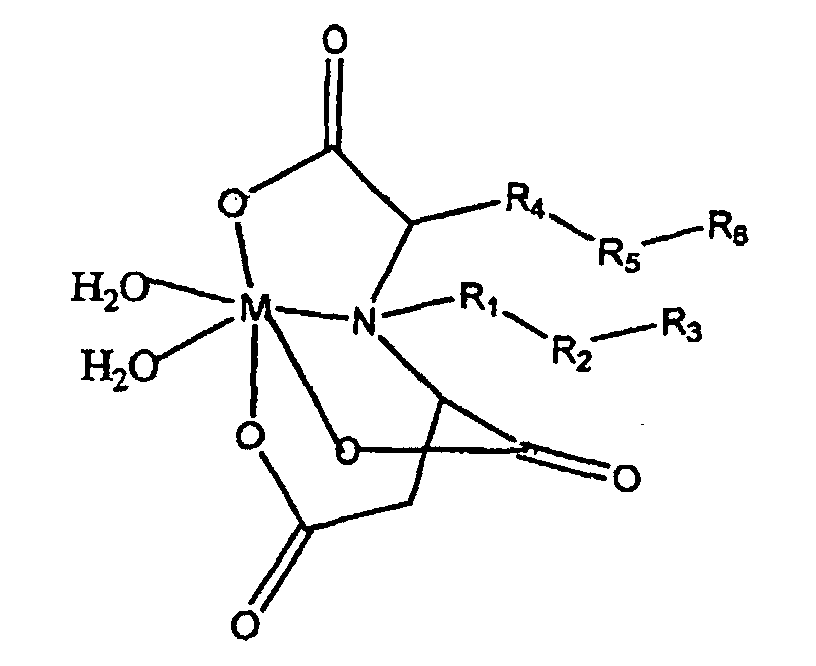
M = transition metal ion in a 2+ oxidation state with a coordination number of 6;
R1 = a linking arm connecting the nitrogen atom of CM-Asp with R2;
R2 = a functional linking group through which CM-Asp linking arm R1 is connected to R3; and
R3 = a polymer matrix - (b) contacting a mixture of cell lysate containing a poly-His tagged recombinant protein with said matrix to bind said protein to said matrix; and
- (c) eluting said poly-His tagged protein from said matrix to obtain a purified poly-His tagged recombinant protein.
-
- In a preferred embodiment:
- M= Fe2+, Co2+, Ni2+, Cu2+, or Zn2+.
- R1 = -CH2CH(OH)CH2-, -CH2(OH)CH2-O-CH2CH(OH)CH2-,
- -(CH2)4NHCH2CH(OH)CH2-, and -(CH2)2NHCH2CH(OH)CH2-;
- R2 = O, S, or NH; and
- R3 = agarose.
-
- In a particularly preferred embodiment:
- M = Co2+;
- R1 = CH2CH(OH)CH2;
- R2 = O; and
- R3 = agarose, cross-linked.
-
- Prior to loading the 6XHis recombinant protein to the resin, recombinant cells can be lysed and sonicated. The lysate can then be equilibrated with an aqueous buffer (pH 8) which itself does not form chelates with the metal. An example of an aqueous that can be used at this step in the described procedure is 50 mM sodium phosphate (pH 8.0)/10 mM Tris-HCl (pH 8.0)/100 mM NaCI, or the like. The equilibration buffer can contain denaturing agents or detergents, e.g., 10% "TRITON X-100," 6 M guanidinium HCl, or the like. After binding the prepared 6XHis recombinant protein on the metal CM-Asp chelating resin (the "CM-Asp resin complex"), the protein-bound resin is washed at pH 7.0 or 8.0. The elution of the protein can be carried out at a constant pH or with a descending pH gradient. In a preferred embodiment, protein elution can be achieved at a pH of about 6.0 to about 6.3. Alternatively, the 6XHis recombinant protein bound to the CM-Asp chelating resin can be washed with low concentrations (less than 100 mM) of imidazole at pH 8.0 and then eluted by increasing the imidazole concentration to 40-100 mM.
- Also included as an aspect of the subject invention is a scaled-up synthesis of the CM-Asp derivatized agarose chelating resin. It is an improved version of a previously reported small scale preparation (Mantovaara, T., H. Pertoft, J. Porath [1991] Biotechnology and Applied Biochemistry 13:315-322). The improvement includes particular conditions for oxirane-agarose formation, temperature controlled conjugation of aspartic acid to the oxirane-agarose, and high ionic strength washing to remove extraneously bound metals. These conditions, temperatures, and ionic concentrations are described in detail herein.
- An additional application of the subject invention includes screening for protein function on a microtiter plate or filter. The additional applications for the subject invention also include protein-protein interaction studies, as well as antibody and antigen purification. For example, by immobilization of the Co2+ moiety onto 96-well plates by CM-Asp, such plates can be used for quantitation of 6XHistidine-tagged protein, protein-protein interaction studies, diagnostic screening for diseases, antibody screening, antagonist and agonist screening for drugs, and reporter gene assays. Co2+ can also be immobilized onto a membrane, e.g., a nylon membrane, by CM-Asp, which can be used to lift proteins from expression libraries to make protein libraries from cells. The membranes also can be used for screening of engineered enzymes. Application of the subject invention can also be extended to purification of any interacting molecule, e.g., nucleic acids or small co-factors.
-
- Figure 1 is an outline illustrating a process for purifying recombinant 6XHis protein using CM-Asp chelating resin.
- Figures 2A-2B show a comparison of Co2+ CM-Asp chelating resin with Ni-NTA on 6XHis prepro-α-factor purification under denaturing conditions using pH gradient. Legend for Figures 2A-2B: lane 1: crude lysate; lane 2: flowthrough; lane 3: washed with 6 M Gu-HCl, 0.1 M NaH2PO4, pH 8.0; lane 4: washed with 8 M urea, 0.1 M NaH2PO4; lane 5: washed with 8 M urea, 0.1 M NaH2PO4, pH 8.0; lane 6: deluted with 8 M urea, 0.1 M NaH2PO4, pH 6.3; lane 7: deluted with 8 M urea, 0.1 M NaH2PO4, pH 6.3; lane 8: deluted with 8 M urea, 0.1 M NaH2PO4, pH 6.3; lane 9: deluted with 8 M urea, 0.1 M NaH2PO4, pH 5.9; lane 10: deluted with 8 M urea, 0.1 M NaH2PO4, pH 4.5; lane 11: deluted with 6 M Gu-HCl, 0.1 M NaH2PO4, 0.2 M acetic acid; lane M: MW size markers.
- Figure 3 shows 6XHis tagged DHFR purification by Co2+ CM-Asp chelating resin under native conditions. Legend: Lane 1: clarified lysate; lane 2: flowthrough; lane 3: first wash; lane 4: third wash; lane 5: DHFR final elution.
- Figure 4 shows 6XHis tagged DHFR purification by Co2+ CM-Asp chelating resin under denaturing conditions. Legend: Lane 1: clarified lysate; lane 2: flowthrough; lane 3: first pH 7.0 wash; lane 4: second pH 7.0 wash; lane 5: DHFR, first pH 6.0 elution; lane 6: DHFR, second pH 6.0 elution.
- Figure 5 shows 6XHis tagged DHFR purification by Co2+ CM-Asp chelating
resin under native conditions with increasing concentrations of β-mercaptoethanol.
Legend: lane 1: 20 µl of cell lysate;
lanes lanes - Figure 6 shows yields of 6XHis DHFR from cell lysates purified by Co2+ CM-Asp chelating resin versus Ni-NTA in the presence of β-mercaptoethanol. Protein concentrations were determined by Bradford assay. Yields are expressed as a percentage of total protein in the cell lysate.
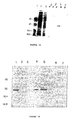
- Figures 7A-7B show purification of 6XHis GFP by Co2+ CM-Asp chelating resin under native conditions. The GFP bands were detected using Clontech's chemiluminescence Western Exposure Kit and overnight exposure to x-ray film. Legend: lane 1: clarified lysate; lane 2: flowthrough; lane 3: first wash; lane 4: first elution; lane 5: second elution; lane 6: third elution; lane 7: fourth elution.
- Figure 8 shows biological activity of 6XHis GFP purified by Co2+ CM-Asp chelating resin. Legend: tube 1: cell lysate; tube 3: flowthrough; tube 3: wash; tube 4: first elution; tube 5: second elution; tube 6: third elution.
-
- The subject method, which employs a CM-Asp metal chelating complex, can advantageously be used for purification of recombinant proteins having a polyhistidine tail or "tag."
- According to one embodiment of the subject invention, a resin ligand, e.g., CM-Asp, is complexed to a metal other than Ca2+, forming a CM-Asp-metal complex. Preferably, the CM-Asp ligand used in the subject invention is complexed with one of the transition metals (known as a third-block transition metal), e.g., Fe2+, Co2+, Ni2+, Cu2+, or Zn2+ in an octahedral geometry. Other polymer matrices, e.g., polystyrene (as in microtiter plates), nylon (as in nylon filters), SEPHAROSE (Pharmacial, Uppeala, Sweden) or the like, can be used with the subject invention and would readily be recognized by persons of ordinary skill in the art. The poly-histidine tag possesses "neighboring" histidine residues which can advantageously allow the recombinant protein to bind to these transition metals in a cooperative manner to form very strong metal ion complexes. This cooperative binding refers to what is commonly known in the art as a "neighboring histidine effect." For purposes of the subject invention, and as would be understood by a person of ordinary skill in the art, a "strong" or "very strong" metal ion complex refers to the bond strength between the metal ion and the chelating ligand. A strong or very strong metal ion complex, for example, allows little or essentially no metal leakage from the complex so that the purified protein, e.g., a recombinant protein having a polyhistidine tag, is not contaminated with undesired or "background" protein from a mixture being purified.
- The CM-Asp metal complex offers two available valencies that can form strong and reversible metal complexes with two adjacent histidine residues on the surface of the recombinant protein. Another advantage to using the CM-Asp ligand is its ability to strongly anchor the metal ion whereby metal ion leaking can be virtually eliminated compared to metal leakage observed for other complex binding agents, e.g., Ni-NTA. In a more preferred embodiment, Co2+ can be used as the transition metal with CM-Asp. The Co2+-CM-Asp can be less sensitive to reducing agents, such as β-mercaptoethanol. Metal ion leakage has been shown to remain low, even negligible, in the presence of up to 30 mM β-mercaptoethanol.
- One embodiment of the purification process of the subject invention is as follows:
- 1. Prepare lysate/sonicate containing recombinant 6XHis protein according to standard procedures and techniques well known in the art.
- 2. Bind 6XHis protein onto metal-loaded CM-Asp chelating resin at slightly basic pH, e.g., about pH 8.0.
- 3. Wash protein/resin complex at the same basic pH (about pH 8.0). Optional washes at a pH of about 7.0 or with imidazole additive can also be included.
- 4. Elute pure recombinant 6XHis protein with an elution buffer having a pH of about 6.0-6.3 or, in the alternative, an elution buffer having a pH of about 8.0, plus about 40 to about 100 mM imidazole.
-
- The steps involved in a preferred embodiment of the purification process of the subject invention are illustrated in Figure 1. The subject process can be employed batchwise, in spin columns, and in large-scale continuous flow columns.
- Buffers used in the above procedures are standard buffers typically used in similar procedures, with appropriate adjustments and modifications made as understood in the art. For example, a high ionic strength buffer, e.g., 50 mM phosphate/10 mM Tris/100 mM NaCl can be used, with the pH adjusted as needed. The phosphate salt component can range from a concentration of 10-100 mM; Tris from 5-25 mM; and NaCl from 50-200 mM.
- Optimal elution conditions depend on the type of impurities, the amount of protein to be purified, and unique properties of the protein, and are determined on a case-by-case basis as would be readily recognized by a person of ordinary skill in the art.
- The subject invention also provides a method for synthesizing carboxymethylated aspartate chelating matrices, said method comprising:
- (a) reacting an ω monoprotected α,ω-diamino acid with maleic acid to form a Michael addition product;
- (b) deprotecting the ω-amino functional group of the Michael addition product;
- (c) attaching the Michael addition product to a polymer matrix.
-
- According to a further aspect, the present invention provides an immobilized metal ion affinity chromatography complex having the structure:wherein R1-R2-R3 = H;

M = transition metal ion in a 2+ oxidation state with a coordination number of 6;
R4 = a linking arm connecting the methylene carbon atom of the carboxymethyl group of CM-Asp with R5;
R5 = a functional linking group through which CM-Asp linking arm R4 is connected to R6; and
R6 = a polymer matrix. - Following are examples which illustrate procedures for practising the invention. These examples should not be construed as limiting. All percentages are by weight and all solvent mixture proportions are by volume unless otherwise noted.
- SEPHAROSE CL-6B or CL-6B (Pharmacia, 8.0 L) is washed with ddH2O, suction dried, and transferred to a 22-L round bottom flask equipped with mechanical stirring. Epichlorohydrin (about 2.0 L) is added, the Sepharose resin mixed to a thick suspension, and allowed to stand at room temperature for about 20 minutes. A solution of sodium hydroxide (about 560 g) and sodium borohydride (about 48 g) in approximately 6400 mL ddH2O is added and the mixture stirred overnight at ambient temperature. The oxirane-derivatized resin, collected by filtration, is washed ten times with ddH2O (about 10 L each), once with 10% sodium carbonate (about 10 L), suction dried, and transferred to a 22L round bottom flask. A specimen of the oxirane derivatized resin treated with 1.3 M sodium thiosulfate is titrated to approximately pH 7.0 to determine the oxirane concentration (preferably, >700 µmol/g).
- To a solution of sodium hydroxide (approximately 268 g) in about 7.6 L ddH2O is added L-aspartic acid (about 575 g) and sodium carbonate (about 1700 g), keeping the temperature below about 25°C. The pH is adjusted to approximately 11.0 and the solution added to the resin. Using mechanical stirring and a heating mantle, the reaction mixture is brought to about 80°C for 4 hours and allowed to cool to room temperature overnight. The resin was collected by filtration, washed ten times with ddH2O (about 10 L each), once with 10% sodium carbonate (about 10 L), suction dried, and transferred to a 22-L round bottom flask equipped with mechanical stirring.
- To an ice-cooled solution of sodium hydroxide (about 900 g) in 12 L ddH2O was added bromoacetic acid (about 3000 g) in approximately 750 g increments, keeping temperature below about 30°C. Sodium carbonate (about 660 g) is added and the pH is adjusted to about 10. The resin is reacted with the solution at ambient temperature overnight. The resin is collected by filtration, washed six times with ddH2O (about 10 L each), six times with 10% acetic acid, and ten times with ddH2O. Washing is continued with ddH2O until the pH reached about 6.0 by litmus paper. The CM-Asp chelating resin was suction dried in preparation for metal loading.
- N 6-Carbobenzyloxy-L-lysine (6.15 g) and excess maleic acid (17.6 g) were dissolved in 2 M NaOH (35 mL). The solution was refluxed for 24 hr and allowed to cool to ambient. The pH was adjusted to 3 with 6 M HCl and chilled. The mixture was filtered to remove the unreacted maleic acid which was washed with water (15 mL). The filtrate and washings were combined and evaporated. The residue was dissolved in 4% ammonium formate (120 mL) and degassed briefly. 10% Pd/C (600 mg) was added and the mixture was refluxed under Ar with stirring for 5 hr. The mixture was filtered through celite and the filtrate evaporated. The residue was dissolved in a solution of sodium hydroxide (1.3 g) and sodium carbonate (8.7 g) in dd H2O (40 mL). The final pH was adjusted to 11. This solution is added to the oxirane-derivatized resin (40 mL bed volume) prepared as described in Example 1. The mixture was stirred at 60° with mechanical stirring for 4 hr and at ambient for 16 hr. The resin was collected by filtration, washed with ddH2O (6 x 100 mL), 10% HOAc (6 x 100 mL), and ddH2O (6 X 100 mL) or until the pH reached about 6 by litmus paper test. The C-Linked CM-Asp chelating resin was suction dried in preparation for metal loading.
- The CM-Asp chelating resin of Example 1 (about 1 L of suction dried bed volume) is treated with a transition metal ion solution, e.g., 2 L of either 200 mM of cobalt chloride hexahydrate, nickel sulfate hexahydrate, copper sulfate pentahydrate, or zinc chloride, according to the metal ion deserved. The resin is reacted with the 200 mM metal solution at room temperature for approximately 72 hours and then collected by filtration. The metal loaded CM-Asp chelating resin is washed five times with ddH2O (about 1 L each), two times with 100 mM NaCI (about 1 L each), six times with ddH2O (about 1 L each), and once with 20% aq. ethanol (about 1 L). The resin can be stored in 20% aq. ethanol.
- For a qualitative comparison of the purification of Co2+ CM-Asp chelating resin and Ni-NTA under denaturing conditions, the C-terminal, 6XHis-tagged prepro-α-factor of S. cerevisiae was expressed in E. coli. One gram bacterial cell pellet was lysed in 6 M guanidinium-HCl (Gu-HCl) and 0.1 M NaH2PO4, pH 8.0. Three milliliters of clarified lysate was loaded onto a Co2+ CM-Asp chelating resin gravity flow column. The resin-proteins mixture was washed with 8 M urea, 0.1 M NaH2PO4, pH 8.0, and deluted with 8 M urea, 0.1 M NaH2PO4 at three different pHs, 6.3, 5.9, and 4.5. Finally, all bound proteins were deluted with 6 M Gu-HCl, 0.1 M NaH2PO4, 0.2 M acetic acid. Samples from each step were loaded on a 12% polyacrylamide/SDS gel, electrophoresed, and the gel was stained with Coomassie blue. The 6XHis-tagged prepro-α-factor was deluted at pH 6.3 as a single prominent band on the gel.
- In the same manner, 3 ml of clarified lysate was loaded onto a Ni-NTA gravity flow column. The resin-proteins mixture was washed and deluted the same as above. Samples from each step were loaded on a 12% polyacrylamide/SDS gel, electrophoresed, and the gel was stained with Coomassie blue. There were more than 10 protein bands in elution at pH 6.3. The 6XHis-tagged prepro-α-factor was a minor band among them. The majority of the protein was deluted at pH 4.5 without any other contaminant proteins. This demonstrated that the highly purified 6XHis-tagged prepro-α-factor was deluted from Co2+ CM-Asp chelating resin at the conditions (pH 6.3) under which Ni-NTA was still releasing contaminants. The affinity of Co2+ CM-Asp chelating resin to 6XHis-tagged prepro-α-factor was more selective than Ni-NTA to the protein.
- Results show that highly purified 6XHis-tagged protein elutes from Co2+ CM-Asp chelating resin while Ni-NTA is still releasing contaminants. See Figures 2A-2B: Figure 2A: Results after using 1 ml of Co2+ CM-Asp chelating resin. Figure 2B: Results after using 1 ml of nickel-NTA.
- N-terminal, 6XHis-tagged mouse dihydrofolate reductase (DHFR, MW 20.3 kDa) was expressed in E. coli cells. Cells were then pretreated with 0.75 mg/ml lysozyme and disrupted in lysis buffer (100 mM NaH2PO4, 10 mM Tris-HCl, pH 8.0) by mechanical shearing, 800 µl of the clarified lysate was applied to 100 µl of Co2+ CM-Asp chelating resin, pre-equilibrated with lysis buffer, and washed with one ml of lysis buffer three times. All bound protein was deluted by 300 µl of 100 mM EDTA, pH 8.0. Twenty microliters of lysate and 40 µl of each subsequent fraction from elution were run on a 12% polyacrylamide/SDS gel. The gel was stained with Coomassie blue. One single protein band was shown at a position of MW 20.3 kDa. Results showed the selective binding affinity of Co2+ CM-Asp chelating resin to 6XHis-tagged DHFR under native purification conditions. No discernable binding of host proteins occurred.
- Results show that Co2+ CM-Asp chelating resin has selective binding affinity for 6X Histidines. No discernable binding of host proteins occurred. See Figure 3.
- N-terminal 6XHis-tagged mouse DHFR was expressed in a 25-ml culture of E. coli. Cells were pelleted, resuspended in lysis buffer (100 mM NaH2PO4, 10 mM Tris-HCl, 8 M urea, pH 8.0), and disrupted by vortexing. Six hundred microliters of clarified lysate were applied to a Co2+ CM-Asp chelating resin spin column containing 0.5 ml of Co2+ CM-Asp chelating resin-NX metal affinity resin and centrifuged for 2 minutes at 2,000 x g. The column was washed twice with 1 ml of wash buffer (100 mM NaH2PO4, 10 mM PIPES, pH 7.0), and bound proteins were deluted with 600 µl of elution buffer (20 mM PIPES, 100 mM NaCl, 8 M urea, pH 6.0). Twenty microliters of lysate and 40 µl of each subsequent fraction from the elution were loaded onto a 12% polyacrylamide/SDS gel and electrophoresed. The gel was stained with Coomassie blue. One single protein band was shown at the position of 20.3 kDa. Results showed the selective binding affinity of Co2+ CM-Asp chelating resin to 6XHis-tagged DHFR under denaturing conditions. The binding properties of Co2+ CM-Asp chelating resin to 6X histidines allow proteins deluted under mild pH conditions (pH 6.0) that protect protein integrity.
- Results show that bound protein can be deluted at mild pH (pH 6.0). This indicates that the binding properties of Co2+ CM-Asp chelating resin allow protein elution under mild pH conditions that protect protein integrity. See Figure 4.
- N-terminal, 6XHis-tagged mouse DHFR was expressed in E. coli. Twenty-five milliliters of cell culture were disrupted in 2 ml of sonication buffer (100 mM NaH2PO4, 10 mM Tris-HCI, and 100 mM NaCl, pH 8.0) by freezing and thawing. Then, 2.66 ml of clarified lysate were applied to a 200-µl Co2+ CM-Asp chelating resin gravity flow column, pre-equilibrated with the sonication buffer. The proteins/resin mixtures were washed three times with sonication buffer, pH 8.0. All bound proteins were deluted with 600 µl of 100 mM EDTA, pH 8.0. To test the effect of β-mercaptoethanol on the Co2+ CM-Asp chelating resin purification under native conditions, all buffers used here contained either 0, 10, 20, or 30 mM β-mercaptoethanol. Samples from each elution were electrophoresed on a 12% polyacrylamide/SDS gel, and the gel was stained with Coomassie blue. One single protein band at the position of MW 20.3 kDa was shown from all elutions. The presence of β-mercaptoethanol did not obsolete the purity of 6XHis-tagged DHFR purified by Co2+ CM-Asp chelating resin. With up to 30 mM β-mercaptoethanol in all purification buffers, there was no predominant band at 20.3 kDa in flowthroughs, indicating that no loss of metal occurred during protein purification using Co2+ CM-Asp chelating resin in the presence of β-mercaptoethanol.
- Results show that with up to 30 mM β-mercaptoethanol in the purification buffer, there is no predominant band at 20.3 kDa in the flowthrough, indicating that no loss of metal occurred during protein purification using Co2+ CM-Asp chelating resin in the presence of β-mercaptoethanol. See Figure 5.
- N-terminal, 6XHis-tagged DHFR was expressed and purified by Co2+ CM-Asp chelating resin under native conditions as described in Example 7. Protein concentrations were determined by Bradford assay. Yields were expressed as a percentage of total protein in the cell lysate. The yields of purified 6XHis-tagged DHFR were 14%, 28%, 34%, and 35% respectively, with β-mercaptoethanol present in purification buffers at the concentrations of 0, 10, 20, and 30 mM. The protein was purified by Ni-NTA under the same native conditions; the yields of purified 6XHis-tagged DHFR were 4%, 8.8%, 3.4%, and 4% respectively with β-mercaptoethanol present in purification buffers at the concentrations of 0, 10, 20, and 30 mM. The yields of purified 6XHis-tagged DHFR were significantly higher when using Co2+ CM-Asp chelating resin compared to Ni-NTA under native purification conditions with β-mercaptoethanol. This indicates that the metal ion on Co2+ CM-Asp chelating resin is strongly anchored to SEPHAROSE beads by a CM-ASP metal chelator that is ideal for binding octahedral metals.
- Results show that the yields of purified 6XHis DHFR are significantly higher at 10,20, and 30 mM β-mercaptoethanol using Co2+ CM-Asp chelating resin compared to using Ni-NTA. This indicates that the metal ion on Co2+ CM-Asp chelating resin is strongly anchored to sepharose beads by CM-Asp metal chelator that is advantageous for binding octahedral metals. See Figure 6.
- N-terminal, 6XHis-tagged green fluorescent protein (GFP) was expressed in E. coli cells. Cells were pelleted, resuspended in sonication buffer (100 mM NaH2PO4, 10 mM Tris-HCl, and 100 mM NaCl, pH 8.0), and disrupted by freezing and thawing three times. Two milliliters of clarified lysate were applied to 400 µl of Co2+ CM-Asp chelating resin, pre-equilibrated with sonication buffer, and washed three times with 2 ml of sonication buffer, pH 8.0. The 6XHis-tagged GFP was deluted with 400 µl of 75 mM imidazole buffer containing 20 mM Tris-HCl and 100 mM NaCl, pH 8.0. Samples from each purification step were loaded onto a 12% polyacrylamide/SDS gel, electrophoresed, and the gel was stained with Coomassie blue. One single band was shown at the position of MW 27.8 kDa in the elution with 75 mM imidazole. This demonstrated that 6XHis-tagged GFP selectively bound on Co2+ CM-Asp chelating resin and can be deluted with low concentration of imidazole under native purification conditions.
- Samples from each purification step were also loaded on a 12% polyacrylamide/SDS gel, electrophoresed, and transblotted to a PVDF membrane. The proteins on the blot were probed with anti-GFP monoclonal antibody. One single GFP band was clearly shown in the samples of cell lysate and elution. There was no GFP band shown in flowthrough, which indicated that all expressed GFP in cell lysate was bound to Co2+ CM-Asp chelating resin.
- Results show that (Figure 7A) Coomassie blue stained gel shows one single band in 75 mM imidazole elution. This indicates that 6X Histidines selectively bound on Co2+ CM-Asp chelating resin. Western analysis data shows no GFP in flowthrough which indicates the high affinity between Co2+ CM-Asp chelating resin and 6X histidines (Figure 7B).
- N-terminal, 6XHis-tagged GFP was expressed in E. coli. Cell lysate was prepared as described in Example 7. The cell lysate was loaded onto a 2-ml Co2+ CM-Asp chelating resin Disposable Gravity Column, and purified using the Batch/Gravity Flow column purification method as described in Example 9. The column was washed with sonication buffer three times and deluted with 100 mM EDTA, pH 8.0. Samples were collected in microfuge tubes from each purification step. The fluorescence of all collected samples was detected using an UltraLum Electronic U.V. Transilluminator. Samples of cell lysate and elution showed strong fluorescence. This experiment demonstrated that 6XHis-tagged GFP can be purified to homogeneity by Co2+ CM-Asp chelating resin under native conditions and maintains biological activity.
- The photo of samples from each purification step shows that GFP can be purified to homogeneity by Co2+ CM-Asp chelating resin under native conditions, and the fluorescence indicates that GFP purified by Co2+ CM-Asp chelating resin still maintains its biological activity. See Figure 8.
Claims (25)
- A method for purifying a poly-His tagged recombinant protein, said method comprising:(a) providing a carboxymethylated aspartate chelating matrix having the structure:wherein R1-R2-R3 = H;
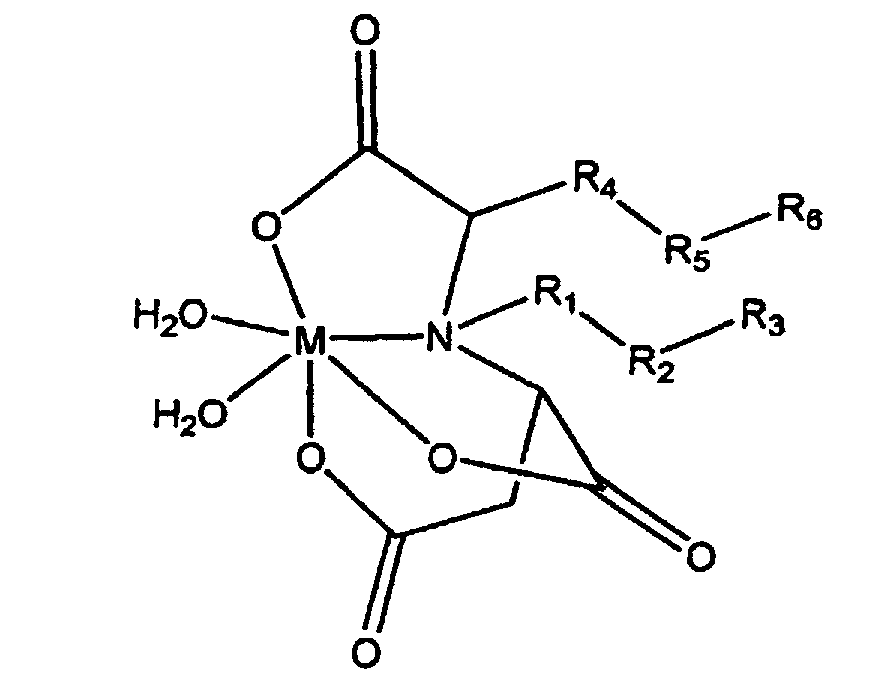
M = transition metal ion in a 2+ oxidation state with a coordination number of 6;
R4 = a linking arm connecting the methylene carbon atom of the carboxymethyl group of CM-Asp with R5;
R5 = a functional linking group through which CM-Asp linking arm R4 is connected to R6; and
R6 = a polymer matrix(b) contacting a mixture of cell lysate containing a poly-His tagged recombinant protein with said matrix to bind said protein to said matrix; and(c) eluting said poly-His tagged protein from said matrix to obtain a purified poly-His tagged recombinant protein. - A method for purifying a poly-His tagged recombinant protein, said method comprising:(a) providing a carboxymethylated aspartate chelating matrix having the structure:wherein R4-R5-R6 = H;
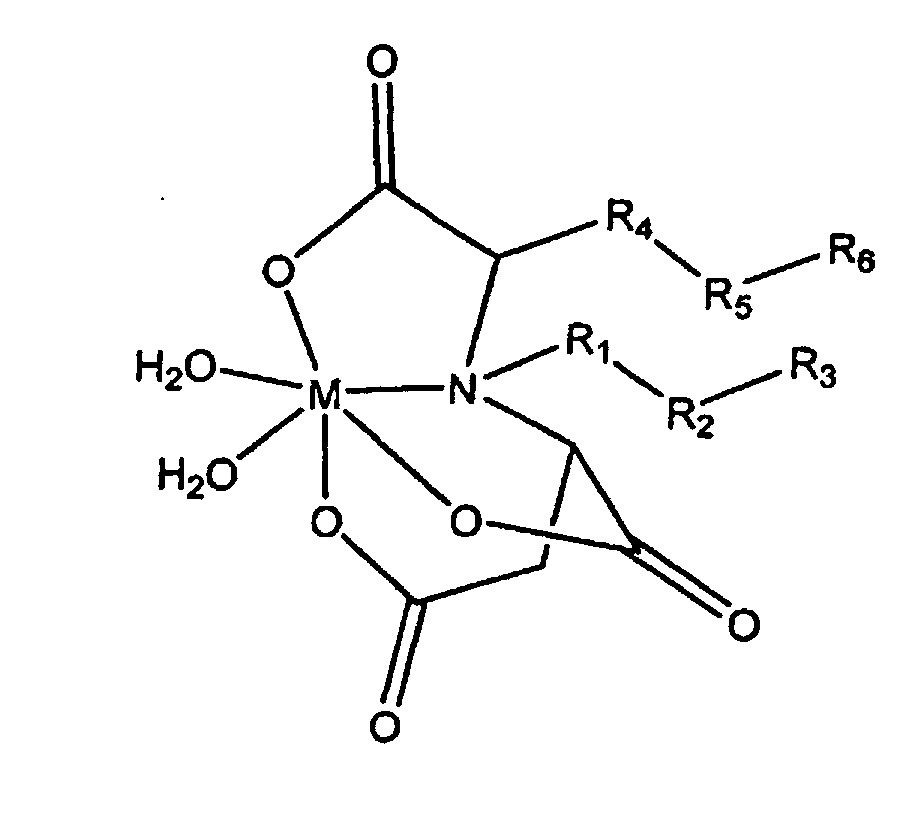
M = transition metal ion in a 2+ oxidation state with a coordination number of 6;
R1 = a linking arm connecting the nitrogen atom of CM-Asp with R2;
R2 = a functional linking group through which CM-Asp linking arm R1 is connected to R3; and
R3 = a polymer matrix(b) contacting a mixture of cell lysate containing a poly-His tagged recombinant protein with said matrix to bind said protein to said matrix; and(c) eluting said poly-His tagged protein from said matrix to obtain a purified poly-His tagged recombinant protein. - The method according to claims 1 or 2, wherein said transition metal is selected from the group consisting of Fe2+, Co2+, Ni2+, Cu2+, and Zn2+.
- The method according to claim 1, wherein said linking arm is selected from the group consisting of -(CH2)4NH- and -(CH2)4NHCH2CH(OH)CH2-.
- The method according to claims 1 or 2, wherein said functional linking group is selected from the group consisting of O, S, NH and CO.
- The method according to claims 1 or 2, wherein said polymer matrix is a matrix suitable for use in affinity or gel chromatography.
- The method according to claims 1 or 2, wherein said polymer matrix is selected from the group consisting of agarose, cross-linked agarose, polystyrene, Sepharose, and nylon.
- The method according to claim 1, wherein
M = Fe2+, Co2+, Ni2+, Cu2+, or Zn2+;
R4 = -(CH2)4NHCH2CH(OH)CH2- or -(CH2)4NH-
R5 = O, S, NH or CO; and
R6 = agarose or polystyrene. - The method according to claim 1, wherein
M = Co2+;
R4 = -(CH2)4NHCH2CH(OH)CH2- or -(CH2)4NH-
R5 = O or CO; and
R6 = agarose, cross linked agarose, or polystyrene. - The method according to claim 2, wherein
M = Fe2+, Co2+, Ni2+, Cu2+, or Zn2+;
R1 = -(CH2)4NHCH2CH(OH)CH2-
R2 = O, S, NH or CO; and
R3 = agarose or polystyrene. - The method according to claim 2, wherein
M = Co2+;
R1 = -(CH2)4NHCH2CH(OH)CH2-
R2 = O or CO; and
R3 = agarose, cross linked agarose, or polystyrene. - An immobilized metal ion affinity chromatography complex having the structure:wherein R1-R2-R3 = H;
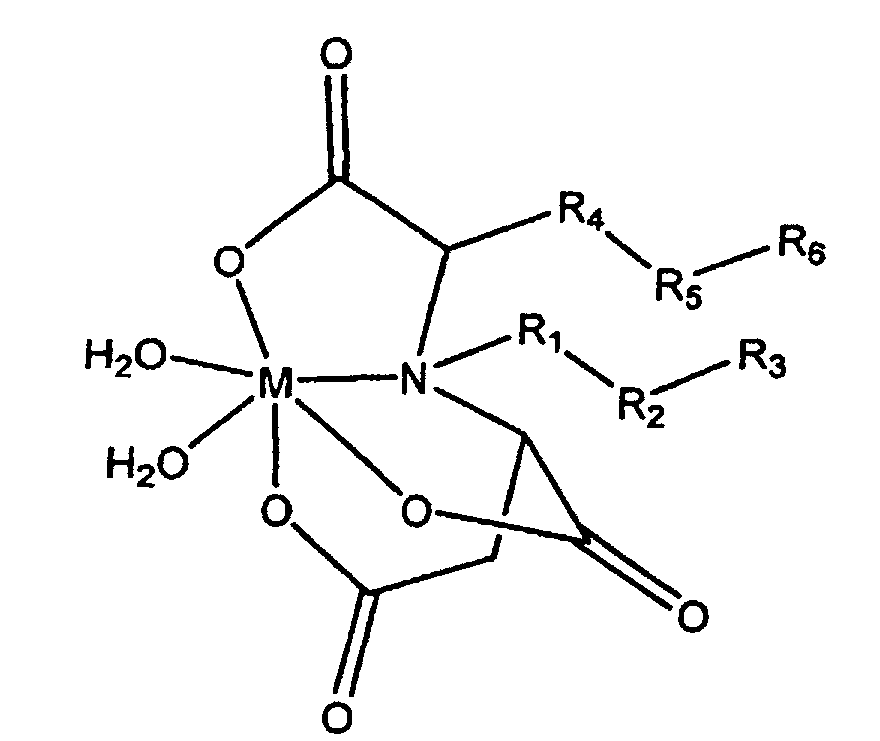
M = transition metal ion in a 2+ oxidation state with a coordination number of 6;
R4 = a linking arm connecting the methylene carbon atom of the carboxymethyl group of CM-Asp with R5;
R5 = a functional linking group through which CM-Asp linking arm R4 is connected to R6; and
R6 = a polymer matrix. - The complex according to claim 12, wherein said transition metal is selected from the group consisting of Fe2+, Co2+, Ni2+, Cu2+, and Zn2+.
- The complex according to claim 12, wherein said linking arm is selected from the group consisting of -(CH2)4NH- and -(CH2)4NHCH2CH(OH)CH2-.
- The complex according to claim 12, wherein said functional linking group is selected from the group consisting of O, S, NH and CO.
- The complex according to claim 12, wherein said polymer matrix comprises a polymer matrix suitable for use in affinity or gel chromatography.
- The complex according to claim 12, wherein said polymer matrix is selected from the group consisting of agarose, cross-linked agarose, polystyrene, SEPHAROSE, and nylon.
- The complex according to claim 12, wherein
M = Fe2+, Co2+, Ni2+, Cu2+, or Zn2+;
R4 = -(CH2)4NHCH2CH(OH)CH2- or -(CH2)4NH-
R5 = O, S, NH or CO; and
R6 = agarose or polystyrene. - The complex according to claim 12, wherein
M = Co2+;
R4 = -(CH2)4NHCH2CH(OH)CH2- or -(CH2)4NH-
R5 = O or CO; and
R6 = agarose, cross linked agarose, or polystyrene. - A method for synthesizing carboxymethylated aspartate chelating matrices, said method comprising:(a) reacting an ω monoprotected α,ω-diamino acid with maleic acid to form a Michael addition product;(b) deprotecting the ω-amino functional group of the Michael addition product;(c) attaching the Michael addition product to a polymer matrix.
- The method according to claim 20, wherein the protecting group on said protected amino group is a benzyloxycarbonyl group.
- The method according to claim 20, wherein said polymer matrix is a matrix suitable for use in affinity or gel chromatography.
- The method according to claim 20, wherein said polymer matrix is selected from the group consisting of agarose, cross-linked agarose, polystyrene, SEPHAROSE, and nylon.
- The method according to claim 20, wherein said ω-monoprotected α,ω-diamino acid is N 6-Carbobenzoyloxy-L-lysine.
- A method of screening for protein function on a microtiter plate or filter, said method comprising the steps:(a) immobilizing a complex of claim 12 to the plate or filter;(b) binding said immobilized complex to the protein for which the function is being screened; and(c) performing an assay for protein function on the bound protein.
Applications Claiming Priority (3)
| Application Number | Priority Date | Filing Date | Title |
|---|---|---|---|
| US08/698,747 US5962641A (en) | 1996-08-16 | 1996-08-16 | Method for purification of recombinant proteins |
| US698747 | 1996-08-16 | ||
| PCT/US1997/014487 WO1998006739A1 (en) | 1996-08-16 | 1997-08-18 | Method for purification of recombinant proteins |
Publications (2)
| Publication Number | Publication Date |
|---|---|
| EP0935606A1 EP0935606A1 (en) | 1999-08-18 |
| EP0935606B1 true EP0935606B1 (en) | 2003-04-23 |
Family
ID=24806511
Family Applications (1)
| Application Number | Title | Priority Date | Filing Date |
|---|---|---|---|
| EP97939436A Expired - Lifetime EP0935606B1 (en) | 1996-08-16 | 1997-08-18 | Method for purification of recombinant proteins |
Country Status (8)
| Country | Link |
|---|---|
| US (4) | US5962641A (en) |
| EP (1) | EP0935606B1 (en) |
| JP (1) | JP3946772B2 (en) |
| AT (1) | ATE238341T1 (en) |
| DE (1) | DE69721289T2 (en) |
| DK (1) | DK0935606T3 (en) |
| ES (1) | ES2195168T3 (en) |
| WO (1) | WO1998006739A1 (en) |
Families Citing this family (42)
| Publication number | Priority date | Publication date | Assignee | Title |
|---|---|---|---|---|
| WO2000024910A1 (en) * | 1998-10-28 | 2000-05-04 | Smithkline Beecham Plc | Process of purification of low density lipoprotein associated phospholipase a2 using immobilized metal affinity chromatography |
| US6232083B1 (en) * | 1999-03-12 | 2001-05-15 | The Research Foundation Of State University Of New York | Methods and compositions for screening cloned proteins |
| GB2367818A (en) * | 2000-10-11 | 2002-04-17 | Kalibrant Ltd | A linker and a method of chemical synthesis |
| DE10106339A1 (en) * | 2001-02-09 | 2002-08-22 | Hans-Joachim Mueller | Process for high throughput screening of candidate compounds via high throughput direct synthesis of recombinant polypeptides |
| US20040180415A1 (en) * | 2001-05-15 | 2004-09-16 | Tchaga Grigoriy S. | Methods and compositions for protein purification |
| ATE394412T1 (en) * | 2001-06-21 | 2008-05-15 | Clontech Lab Inc | WATER-SOLUBLE POLYMER COMPOSITIONS WITH AFFINITY FOR METAL IONS AND METHOD FOR USE THEREOF |
| AU2003233498A1 (en) * | 2002-06-10 | 2003-12-22 | Phynexus, Inc. | Biomolecule open channel solid phase extraction systems and methods |
| US20040224329A1 (en) * | 2003-05-08 | 2004-11-11 | Gjerde Douglas T. | Three-dimensional solid phase extraction surfaces |
| US7151167B2 (en) * | 2002-06-10 | 2006-12-19 | Phynexus, Inc. | Open channel solid phase extraction systems and methods |
| US7122640B2 (en) * | 2002-06-10 | 2006-10-17 | Phynexus, Inc. | Open channel solid phase extraction systems and methods |
| US7879621B2 (en) * | 2003-05-08 | 2011-02-01 | Phynexus, Inc. | Open channel solid phase extraction systems and methods |
| GB0215185D0 (en) | 2002-07-01 | 2002-08-07 | Genovision As | Binding a target substance |
| AU2003286553A1 (en) * | 2002-10-18 | 2004-05-04 | Promega Corporation | Methods for separating molecules |
| US20040241721A1 (en) * | 2003-05-08 | 2004-12-02 | Gjerde Douglas T. | Open channel solid phase extraction systems and methods |
| AU2004251492B2 (en) * | 2003-06-27 | 2011-03-17 | Invitrogen Dynal As | Conjugates of magnetic polymer particles and carboxymethylated aspartic acid |
| GB0315131D0 (en) * | 2003-06-27 | 2003-08-06 | Dynal Biotech Asa | Improvements in magnetic polymer particles |
| US7115397B2 (en) * | 2003-09-12 | 2006-10-03 | Promega Corporation | Methods and kits for purifying his-tagged proteins |
| WO2005037858A2 (en) * | 2003-10-16 | 2005-04-28 | University Of Massachusetts | Template-directed assembly of receptor signaling complexes |
| GB0406015D0 (en) * | 2004-03-17 | 2004-04-21 | Dynal Biotech Asa | Improvements in magnetic polymer particles |
| US20050272116A1 (en) * | 2004-06-04 | 2005-12-08 | Clemson University | Polymer substrate for recombinant protein purification and environmental remediation |
| US7294614B2 (en) * | 2004-10-12 | 2007-11-13 | Clontech Laboratories, Inc. | Phosphoprotein affinity resins and methods for making and using the same |
| US20070196833A1 (en) * | 2005-04-21 | 2007-08-23 | Gjerde Douglas T | Open channel solid phase extraction systems and methods |
| US20070161785A1 (en) * | 2005-12-05 | 2007-07-12 | Clontech Laboratories, Inc. | High density metal ion affinity compositions and methods for making and using the same |
| WO2007139470A1 (en) * | 2006-05-30 | 2007-12-06 | Ge Healthcare Bio-Sciences Ab | A method of preparing an immobilised metal ion chromatography adsorbent and methods of purifying proteins, peptides or polynucleotides. |
| US8541190B2 (en) * | 2006-06-28 | 2013-09-24 | Robert M. Weis | Methods and materials for in vitro analysis and/or use of membrane-associated proteins, portions thereof or variants thereof |
| ES2832541T3 (en) | 2007-08-06 | 2021-06-10 | Max Planck Gesellschaft | Use of an immobilized chelator for the purification of recombinant polypeptides by immobilized metal ion chromatography |
| EP2022561A1 (en) * | 2007-08-06 | 2009-02-11 | Max-Planck-Gesellschaft zur Förderung der Wissenschaften e.V. | Immobilisation of chelating groups for immobilised metal ion chromatography (IMAC) |
| JP2009073819A (en) | 2007-08-29 | 2009-04-09 | Fujifilm Corp | Method for purifying physiologically active substance |
| DE102008030142A1 (en) * | 2008-06-27 | 2009-12-31 | Qiagen Gmbh | Process for protein purification under denaturing conditions |
| CN101323454B (en) * | 2008-07-28 | 2010-09-08 | 陕西师范大学 | Preparation method of magnetic silica microspheres with surface chelated metal ions |
| WO2010036520A1 (en) * | 2008-09-26 | 2010-04-01 | Wisconsin Alumni Research Foundation | Mesoporous metal oxide materials for phosphoproteomics |
| BRPI1014677A2 (en) * | 2009-03-30 | 2016-04-12 | Du Pont | peptide-based systems for dispensing cosmetic agents |
| US8481678B2 (en) | 2009-03-30 | 2013-07-09 | E I Du Pont De Nemours And Company | Peptide-based tooth whitening reagents |
| EP2572190B1 (en) * | 2010-05-19 | 2015-01-28 | F.Hoffmann-La Roche Ag | Hydrophobic interaction chromatography method |
| CN102127164B (en) | 2010-12-20 | 2013-01-30 | 武汉禾元生物科技有限公司 | Method for extracting recombinant human serum albumin from rice seeds |
| CN102532254B (en) * | 2010-12-24 | 2015-06-24 | 武汉禾元生物科技股份有限公司 | Method for separating and purifying recombinant human serum albumin (rHSA) from rice seeds |
| CN103880947B (en) | 2012-12-21 | 2016-01-13 | 武汉禾元生物科技股份有限公司 | A chromatographic method for separating and purifying high-purity recombinant human serum albumin |
| ES2465715B1 (en) | 2014-02-14 | 2015-03-18 | Universitat Autónoma De Barcelona | Peptide, magnetic peptide and method to detect celiac disease |
| CN105085607B (en) * | 2015-09-30 | 2018-05-29 | 河南科技大学 | It is a kind of to separate the protein-bonded method of special metal using albuminous degeneration |
| CN105085606B (en) * | 2015-09-30 | 2018-05-29 | 河南科技大学 | A kind of method using copper chelating Beads enrichment copper protein group |
| JP7691701B2 (en) | 2019-06-18 | 2025-06-12 | マックス-プランク-ゲゼルシャフト・ツア・フェルデルング・デア・ヴィッセンシャフテン・エー・ファオ | Site-specific, kinetically inert conjugation of labels and/or carriers to target molecules such as His-tagged proteins via metal complex reagents |
| JP7526360B2 (en) * | 2020-08-18 | 2024-07-31 | ザルトリウス ビーアイエー セパレーションズ ディー.オー.オー. | Multimodal metal affinity engineered AAV capsids |
Family Cites Families (3)
| Publication number | Priority date | Publication date | Assignee | Title |
|---|---|---|---|---|
| US3853708A (en) * | 1970-01-23 | 1974-12-10 | Exploaterings Ab Tbf | Coupling biologically active substances to oxirane-containing polymers |
| CA1304886C (en) * | 1986-07-10 | 1992-07-07 | Heinz Dobeli | Metal chelate resins |
| US5047513A (en) * | 1986-07-10 | 1991-09-10 | Hoffmann-La Roche Inc. | Metal chelate resins |
-
1996
- 1996-08-16 US US08/698,747 patent/US5962641A/en not_active Expired - Lifetime
-
1997
- 1997-08-18 US US08/912,406 patent/US6242581B1/en not_active Expired - Lifetime
- 1997-08-18 DK DK97939436T patent/DK0935606T3/en active
- 1997-08-18 AT AT97939436T patent/ATE238341T1/en not_active IP Right Cessation
- 1997-08-18 WO PCT/US1997/014487 patent/WO1998006739A1/en not_active Ceased
- 1997-08-18 JP JP51009798A patent/JP3946772B2/en not_active Expired - Lifetime
- 1997-08-18 ES ES97939436T patent/ES2195168T3/en not_active Expired - Lifetime
- 1997-08-18 DE DE69721289T patent/DE69721289T2/en not_active Expired - Lifetime
- 1997-08-18 EP EP97939436A patent/EP0935606B1/en not_active Expired - Lifetime
-
2001
- 2001-04-19 US US09/839,696 patent/US7193041B2/en not_active Expired - Lifetime
-
2006
- 2006-01-19 US US11/336,748 patent/US20060122378A1/en not_active Abandoned
Also Published As
| Publication number | Publication date |
|---|---|
| US5962641A (en) | 1999-10-05 |
| DE69721289D1 (en) | 2003-05-28 |
| WO1998006739A1 (en) | 1998-02-19 |
| US6242581B1 (en) | 2001-06-05 |
| EP0935606A1 (en) | 1999-08-18 |
| JP2001506968A (en) | 2001-05-29 |
| JP3946772B2 (en) | 2007-07-18 |
| US20020143158A1 (en) | 2002-10-03 |
| US7193041B2 (en) | 2007-03-20 |
| WO1998006739A8 (en) | 1998-05-07 |
| US20060122378A1 (en) | 2006-06-08 |
| ATE238341T1 (en) | 2003-05-15 |
| ES2195168T3 (en) | 2003-12-01 |
| DE69721289T2 (en) | 2004-01-29 |
| DK0935606T3 (en) | 2003-08-11 |
Similar Documents
| Publication | Publication Date | Title |
|---|---|---|
| US6242581B1 (en) | Method for purification of recombinant proteins | |
| WO1998006739A9 (en) | Method for purification of recombinant proteins | |
| US4877830A (en) | Metal chelate resins | |
| US5047513A (en) | Metal chelate resins | |
| EP2826555B1 (en) | Use of immobilized chelator for purification of recombinant polypeptides by immobilized metal ion chromatography | |
| EP3887033B1 (en) | Solid-phase chelator material, method for producing thereof and use thereof for the purification of proteins | |
| EP1626982B1 (en) | Metal chelate complexes immobilized on solid supports for peptide preparation | |
| SU1523046A3 (en) | Method of purifying human beta-interferon | |
| Zachariou et al. | Protein selectivity in immobilized metal affinity chromatography based on the surface accessibility of aspartic and glutamic acid residues | |
| JPH03197500A (en) | Hplc avidin affinity resin | |
| EP2022561A1 (en) | Immobilisation of chelating groups for immobilised metal ion chromatography (IMAC) | |
| Aebersold et al. | Covalent attachment of peptides for high sensitivity solid-phase sequence analysis | |
| US7407812B2 (en) | Method and kit for the isolation of phosphorylated peptides | |
| CN117339580B (en) | Chelating carrier, preparation method and application thereof | |
| Hochuli | Genetically designed affinity chromatography using a novel metal chelate absorbent | |
| US20070161785A1 (en) | High density metal ion affinity compositions and methods for making and using the same | |
| US7294614B2 (en) | Phosphoprotein affinity resins and methods for making and using the same | |
| Todorova et al. | Immobilized metal-ion affinity chromatography | |
| KR100401339B1 (en) | Metal chelate ligand | |
| KR100526678B1 (en) | Metal chelate resin | |
| HAT | and Purification System User Manual |
Legal Events
| Date | Code | Title | Description |
|---|---|---|---|
| PUAI | Public reference made under article 153(3) epc to a published international application that has entered the european phase |
Free format text: ORIGINAL CODE: 0009012 |
|
| 17P | Request for examination filed |
Effective date: 19990303 |
|
| AK | Designated contracting states |
Kind code of ref document: A1 Designated state(s): AT BE CH DE DK ES FI FR GB GR IE IT LI LU MC NL PT SE |
|
| 17Q | First examination report despatched |
Effective date: 20010510 |
|
| GRAG | Despatch of communication of intention to grant |
Free format text: ORIGINAL CODE: EPIDOS AGRA |
|
| GRAG | Despatch of communication of intention to grant |
Free format text: ORIGINAL CODE: EPIDOS AGRA |
|
| GRAH | Despatch of communication of intention to grant a patent |
Free format text: ORIGINAL CODE: EPIDOS IGRA |
|
| GRAH | Despatch of communication of intention to grant a patent |
Free format text: ORIGINAL CODE: EPIDOS IGRA |
|
| GRAA | (expected) grant |
Free format text: ORIGINAL CODE: 0009210 |
|
| AK | Designated contracting states |
Designated state(s): AT BE CH DE DK ES FI FR GB GR IE IT LI LU MC NL PT SE |
|
| PG25 | Lapsed in a contracting state [announced via postgrant information from national office to epo] |
Ref country code: FI Free format text: LAPSE BECAUSE OF FAILURE TO SUBMIT A TRANSLATION OF THE DESCRIPTION OR TO PAY THE FEE WITHIN THE PRESCRIBED TIME-LIMIT Effective date: 20030423 Ref country code: AT Free format text: LAPSE BECAUSE OF FAILURE TO SUBMIT A TRANSLATION OF THE DESCRIPTION OR TO PAY THE FEE WITHIN THE PRESCRIBED TIME-LIMIT Effective date: 20030423 |
|
| REG | Reference to a national code |
Ref country code: GB Ref legal event code: FG4D |
|
| REG | Reference to a national code |
Ref country code: CH Ref legal event code: EP |
|
| REF | Corresponds to: |
Ref document number: 69721289 Country of ref document: DE Date of ref document: 20030528 Kind code of ref document: P |
|
| REG | Reference to a national code |
Ref country code: IE Ref legal event code: FG4D |
|
| REG | Reference to a national code |
Ref country code: CH Ref legal event code: NV Representative=s name: INVENTIO AG |
|
| PG25 | Lapsed in a contracting state [announced via postgrant information from national office to epo] |
Ref country code: PT Free format text: LAPSE BECAUSE OF FAILURE TO SUBMIT A TRANSLATION OF THE DESCRIPTION OR TO PAY THE FEE WITHIN THE PRESCRIBED TIME-LIMIT Effective date: 20030723 Ref country code: GR Free format text: LAPSE BECAUSE OF FAILURE TO SUBMIT A TRANSLATION OF THE DESCRIPTION OR TO PAY THE FEE WITHIN THE PRESCRIBED TIME-LIMIT Effective date: 20030723 |
|
| REG | Reference to a national code |
Ref country code: SE Ref legal event code: TRGR |
|
| REG | Reference to a national code |
Ref country code: DK Ref legal event code: T3 |
|
| PG25 | Lapsed in a contracting state [announced via postgrant information from national office to epo] |
Ref country code: LU Free format text: LAPSE BECAUSE OF NON-PAYMENT OF DUE FEES Effective date: 20030818 Ref country code: IE Free format text: LAPSE BECAUSE OF NON-PAYMENT OF DUE FEES Effective date: 20030818 |
|
| PG25 | Lapsed in a contracting state [announced via postgrant information from national office to epo] |
Ref country code: MC Free format text: LAPSE BECAUSE OF NON-PAYMENT OF DUE FEES Effective date: 20030831 |
|
| ET | Fr: translation filed | ||
| PLBE | No opposition filed within time limit |
Free format text: ORIGINAL CODE: 0009261 |
|
| STAA | Information on the status of an ep patent application or granted ep patent |
Free format text: STATUS: NO OPPOSITION FILED WITHIN TIME LIMIT |
|
| 26N | No opposition filed |
Effective date: 20040126 |
|
| REG | Reference to a national code |
Ref country code: IE Ref legal event code: MM4A |
|
| REG | Reference to a national code |
Ref country code: CH Ref legal event code: PCAR Free format text: ISLER & PEDRAZZINI AG;POSTFACH 1772;8027 ZUERICH (CH) |
|
| PGFP | Annual fee paid to national office [announced via postgrant information from national office to epo] |
Ref country code: DK Payment date: 20110810 Year of fee payment: 15 |
|
| PGFP | Annual fee paid to national office [announced via postgrant information from national office to epo] |
Ref country code: ES Payment date: 20110915 Year of fee payment: 15 |
|
| PGFP | Annual fee paid to national office [announced via postgrant information from national office to epo] |
Ref country code: IT Payment date: 20110810 Year of fee payment: 15 |
|
| REG | Reference to a national code |
Ref country code: DK Ref legal event code: EBP |
|
| PG25 | Lapsed in a contracting state [announced via postgrant information from national office to epo] |
Ref country code: IT Free format text: LAPSE BECAUSE OF NON-PAYMENT OF DUE FEES Effective date: 20120818 |
|
| PG25 | Lapsed in a contracting state [announced via postgrant information from national office to epo] |
Ref country code: DK Free format text: LAPSE BECAUSE OF NON-PAYMENT OF DUE FEES Effective date: 20120831 |
|
| REG | Reference to a national code |
Ref country code: ES Ref legal event code: FD2A Effective date: 20131021 |
|
| PG25 | Lapsed in a contracting state [announced via postgrant information from national office to epo] |
Ref country code: ES Free format text: LAPSE BECAUSE OF NON-PAYMENT OF DUE FEES Effective date: 20120819 |
|
| REG | Reference to a national code |
Ref country code: FR Ref legal event code: PLFP Year of fee payment: 19 |
|
| REG | Reference to a national code |
Ref country code: FR Ref legal event code: PLFP Year of fee payment: 20 |
|
| PGFP | Annual fee paid to national office [announced via postgrant information from national office to epo] |
Ref country code: NL Payment date: 20160810 Year of fee payment: 20 |
|
| PGFP | Annual fee paid to national office [announced via postgrant information from national office to epo] |
Ref country code: DE Payment date: 20160809 Year of fee payment: 20 Ref country code: CH Payment date: 20160812 Year of fee payment: 20 Ref country code: GB Payment date: 20160817 Year of fee payment: 20 |
|
| PGFP | Annual fee paid to national office [announced via postgrant information from national office to epo] |
Ref country code: SE Payment date: 20160811 Year of fee payment: 20 Ref country code: FR Payment date: 20160729 Year of fee payment: 20 |
|
| PGFP | Annual fee paid to national office [announced via postgrant information from national office to epo] |
Ref country code: BE Payment date: 20160725 Year of fee payment: 20 |
|
| REG | Reference to a national code |
Ref country code: DE Ref legal event code: R071 Ref document number: 69721289 Country of ref document: DE Ref country code: NL Ref legal event code: MK Effective date: 20170817 |
|
| REG | Reference to a national code |
Ref country code: CH Ref legal event code: PL |
|
| REG | Reference to a national code |
Ref country code: GB Ref legal event code: PE20 Expiry date: 20170817 |
|
| REG | Reference to a national code |
Ref country code: SE Ref legal event code: EUG |
|
| PG25 | Lapsed in a contracting state [announced via postgrant information from national office to epo] |
Ref country code: GB Free format text: LAPSE BECAUSE OF EXPIRATION OF PROTECTION Effective date: 20170817 |
|
| REG | Reference to a national code |
Ref country code: BE Ref legal event code: MK Effective date: 20170818 |