EP0920538B1 - Methods for diagnosing and assessing a predisposition to bipolar affective disorder - Google Patents
Methods for diagnosing and assessing a predisposition to bipolar affective disorder Download PDFInfo
- Publication number
- EP0920538B1 EP0920538B1 EP98923933A EP98923933A EP0920538B1 EP 0920538 B1 EP0920538 B1 EP 0920538B1 EP 98923933 A EP98923933 A EP 98923933A EP 98923933 A EP98923933 A EP 98923933A EP 0920538 B1 EP0920538 B1 EP 0920538B1
- Authority
- EP
- European Patent Office
- Prior art keywords
- seq
- markers
- dna
- chromosome
- bad
- Prior art date
- Legal status (The legal status is an assumption and is not a legal conclusion. Google has not performed a legal analysis and makes no representation as to the accuracy of the status listed.)
- Expired - Lifetime
Links
- 238000000034 method Methods 0.000 title claims abstract description 21
- 208000019022 Mood disease Diseases 0.000 title claims abstract description 13
- 208000017194 Affective disease Diseases 0.000 title claims abstract description 11
- 210000000349 chromosome Anatomy 0.000 claims abstract description 24
- 239000003550 marker Substances 0.000 claims description 22
- 108091092878 Microsatellite Proteins 0.000 claims description 13
- 238000012408 PCR amplification Methods 0.000 claims description 2
- 238000001502 gel electrophoresis Methods 0.000 claims description 2
- 108090000623 proteins and genes Proteins 0.000 abstract description 8
- 108020004414 DNA Proteins 0.000 description 35
- 241000282414 Homo sapiens Species 0.000 description 32
- 239000002773 nucleotide Substances 0.000 description 31
- 125000003729 nucleotide group Chemical group 0.000 description 31
- 108091034117 Oligonucleotide Proteins 0.000 description 30
- 238000004458 analytical method Methods 0.000 description 28
- 208000037265 diseases, disorders, signs and symptoms Diseases 0.000 description 14
- 201000010099 disease Diseases 0.000 description 13
- 108700028369 Alleles Proteins 0.000 description 7
- 230000002068 genetic effect Effects 0.000 description 7
- 238000012360 testing method Methods 0.000 description 7
- 230000002759 chromosomal effect Effects 0.000 description 4
- 238000003205 genotyping method Methods 0.000 description 4
- 206010026749 Mania Diseases 0.000 description 3
- 238000011160 research Methods 0.000 description 3
- FWMNVWWHGCHHJJ-SKKKGAJSSA-N 4-amino-1-[(2r)-6-amino-2-[[(2r)-2-[[(2r)-2-[[(2r)-2-amino-3-phenylpropanoyl]amino]-3-phenylpropanoyl]amino]-4-methylpentanoyl]amino]hexanoyl]piperidine-4-carboxylic acid Chemical compound C([C@H](C(=O)N[C@H](CC(C)C)C(=O)N[C@H](CCCCN)C(=O)N1CCC(N)(CC1)C(O)=O)NC(=O)[C@H](N)CC=1C=CC=CC=1)C1=CC=CC=C1 FWMNVWWHGCHHJJ-SKKKGAJSSA-N 0.000 description 2
- 208000020925 Bipolar disease Diseases 0.000 description 2
- 229920002307 Dextran Polymers 0.000 description 2
- ZHNUHDYFZUAESO-UHFFFAOYSA-N Formamide Chemical compound NC=O ZHNUHDYFZUAESO-UHFFFAOYSA-N 0.000 description 2
- TWRXJAOTZQYOKJ-UHFFFAOYSA-L Magnesium chloride Chemical compound [Mg+2].[Cl-].[Cl-] TWRXJAOTZQYOKJ-UHFFFAOYSA-L 0.000 description 2
- 238000004088 simulation Methods 0.000 description 2
- SNBCLPGEMZEWLU-QXFUBDJGSA-N 2-chloro-n-[[(2r,3s,5r)-3-hydroxy-5-(5-methyl-2,4-dioxopyrimidin-1-yl)oxolan-2-yl]methyl]acetamide Chemical compound O=C1NC(=O)C(C)=CN1[C@@H]1O[C@H](CNC(=O)CCl)[C@@H](O)C1 SNBCLPGEMZEWLU-QXFUBDJGSA-N 0.000 description 1
- 101100275473 Caenorhabditis elegans ctc-3 gene Proteins 0.000 description 1
- 241000218645 Cedrus Species 0.000 description 1
- 230000004544 DNA amplification Effects 0.000 description 1
- KCXVZYZYPLLWCC-UHFFFAOYSA-N EDTA Chemical compound OC(=O)CN(CC(O)=O)CCN(CC(O)=O)CC(O)=O KCXVZYZYPLLWCC-UHFFFAOYSA-N 0.000 description 1
- 206010027951 Mood swings Diseases 0.000 description 1
- 101100202339 Mus musculus Slc6a13 gene Proteins 0.000 description 1
- 101100202330 Rattus norvegicus Slc6a11 gene Proteins 0.000 description 1
- 230000005540 biological transmission Effects 0.000 description 1
- 239000008280 blood Substances 0.000 description 1
- 210000004369 blood Anatomy 0.000 description 1
- 239000000969 carrier Substances 0.000 description 1
- 210000002230 centromere Anatomy 0.000 description 1
- 238000003759 clinical diagnosis Methods 0.000 description 1
- 238000010367 cloning Methods 0.000 description 1
- 238000005094 computer simulation Methods 0.000 description 1
- SUYVUBYJARFZHO-RRKCRQDMSA-N dATP Chemical compound C1=NC=2C(N)=NC=NC=2N1[C@H]1C[C@H](O)[C@@H](COP(O)(=O)OP(O)(=O)OP(O)(O)=O)O1 SUYVUBYJARFZHO-RRKCRQDMSA-N 0.000 description 1
- SUYVUBYJARFZHO-UHFFFAOYSA-N dATP Natural products C1=NC=2C(N)=NC=NC=2N1C1CC(O)C(COP(O)(=O)OP(O)(=O)OP(O)(O)=O)O1 SUYVUBYJARFZHO-UHFFFAOYSA-N 0.000 description 1
- RGWHQCVHVJXOKC-SHYZEUOFSA-J dCTP(4-) Chemical compound O=C1N=C(N)C=CN1[C@@H]1O[C@H](COP([O-])(=O)OP([O-])(=O)OP([O-])([O-])=O)[C@@H](O)C1 RGWHQCVHVJXOKC-SHYZEUOFSA-J 0.000 description 1
- HAAZLUGHYHWQIW-KVQBGUIXSA-N dGTP Chemical compound C1=NC=2C(=O)NC(N)=NC=2N1[C@H]1C[C@H](O)[C@@H](COP(O)(=O)OP(O)(=O)OP(O)(O)=O)O1 HAAZLUGHYHWQIW-KVQBGUIXSA-N 0.000 description 1
- NHVNXKFIZYSCEB-XLPZGREQSA-N dTTP Chemical compound O=C1NC(=O)C(C)=CN1[C@@H]1O[C@H](COP(O)(=O)OP(O)(=O)OP(O)(O)=O)[C@@H](O)C1 NHVNXKFIZYSCEB-XLPZGREQSA-N 0.000 description 1
- 238000002405 diagnostic procedure Methods 0.000 description 1
- 239000003814 drug Substances 0.000 description 1
- 229940079593 drug Drugs 0.000 description 1
- 239000000975 dye Substances 0.000 description 1
- 238000011156 evaluation Methods 0.000 description 1
- 239000007850 fluorescent dye Substances 0.000 description 1
- 102000054766 genetic haplotypes Human genes 0.000 description 1
- PCHJSUWPFVWCPO-UHFFFAOYSA-N gold Chemical compound [Au] PCHJSUWPFVWCPO-UHFFFAOYSA-N 0.000 description 1
- 239000010931 gold Substances 0.000 description 1
- 229910052737 gold Inorganic materials 0.000 description 1
- 230000003993 interaction Effects 0.000 description 1
- 229910001629 magnesium chloride Inorganic materials 0.000 description 1
- 239000000463 material Substances 0.000 description 1
- 239000000203 mixture Substances 0.000 description 1
- 230000035772 mutation Effects 0.000 description 1
- 229920002401 polyacrylamide Polymers 0.000 description 1
- 102000054765 polymorphisms of proteins Human genes 0.000 description 1
- 108091033319 polynucleotide Proteins 0.000 description 1
- 102000040430 polynucleotide Human genes 0.000 description 1
- 239000002157 polynucleotide Substances 0.000 description 1
- 239000000047 product Substances 0.000 description 1
- 230000006798 recombination Effects 0.000 description 1
- 238000005215 recombination Methods 0.000 description 1
- 230000000306 recurrent effect Effects 0.000 description 1
- 238000010561 standard procedure Methods 0.000 description 1
- 238000007619 statistical method Methods 0.000 description 1
- 108091035539 telomere Proteins 0.000 description 1
- 102000055501 telomere Human genes 0.000 description 1
Images
Classifications
-
- C—CHEMISTRY; METALLURGY
- C12—BIOCHEMISTRY; BEER; SPIRITS; WINE; VINEGAR; MICROBIOLOGY; ENZYMOLOGY; MUTATION OR GENETIC ENGINEERING
- C12Q—MEASURING OR TESTING PROCESSES INVOLVING ENZYMES, NUCLEIC ACIDS OR MICROORGANISMS; COMPOSITIONS OR TEST PAPERS THEREFOR; PROCESSES OF PREPARING SUCH COMPOSITIONS; CONDITION-RESPONSIVE CONTROL IN MICROBIOLOGICAL OR ENZYMOLOGICAL PROCESSES
- C12Q1/00—Measuring or testing processes involving enzymes, nucleic acids or microorganisms; Compositions therefor; Processes of preparing such compositions
- C12Q1/68—Measuring or testing processes involving enzymes, nucleic acids or microorganisms; Compositions therefor; Processes of preparing such compositions involving nucleic acids
- C12Q1/6876—Nucleic acid products used in the analysis of nucleic acids, e.g. primers or probes
- C12Q1/6883—Nucleic acid products used in the analysis of nucleic acids, e.g. primers or probes for diseases caused by alterations of genetic material
-
- C—CHEMISTRY; METALLURGY
- C12—BIOCHEMISTRY; BEER; SPIRITS; WINE; VINEGAR; MICROBIOLOGY; ENZYMOLOGY; MUTATION OR GENETIC ENGINEERING
- C12Q—MEASURING OR TESTING PROCESSES INVOLVING ENZYMES, NUCLEIC ACIDS OR MICROORGANISMS; COMPOSITIONS OR TEST PAPERS THEREFOR; PROCESSES OF PREPARING SUCH COMPOSITIONS; CONDITION-RESPONSIVE CONTROL IN MICROBIOLOGICAL OR ENZYMOLOGICAL PROCESSES
- C12Q2600/00—Oligonucleotides characterized by their use
- C12Q2600/156—Polymorphic or mutational markers
-
- C—CHEMISTRY; METALLURGY
- C12—BIOCHEMISTRY; BEER; SPIRITS; WINE; VINEGAR; MICROBIOLOGY; ENZYMOLOGY; MUTATION OR GENETIC ENGINEERING
- C12Q—MEASURING OR TESTING PROCESSES INVOLVING ENZYMES, NUCLEIC ACIDS OR MICROORGANISMS; COMPOSITIONS OR TEST PAPERS THEREFOR; PROCESSES OF PREPARING SUCH COMPOSITIONS; CONDITION-RESPONSIVE CONTROL IN MICROBIOLOGICAL OR ENZYMOLOGICAL PROCESSES
- C12Q2600/00—Oligonucleotides characterized by their use
- C12Q2600/172—Haplotypes
-
- Y—GENERAL TAGGING OF NEW TECHNOLOGICAL DEVELOPMENTS; GENERAL TAGGING OF CROSS-SECTIONAL TECHNOLOGIES SPANNING OVER SEVERAL SECTIONS OF THE IPC; TECHNICAL SUBJECTS COVERED BY FORMER USPC CROSS-REFERENCE ART COLLECTIONS [XRACs] AND DIGESTS
- Y10—TECHNICAL SUBJECTS COVERED BY FORMER USPC
- Y10T—TECHNICAL SUBJECTS COVERED BY FORMER US CLASSIFICATION
- Y10T436/00—Chemistry: analytical and immunological testing
- Y10T436/14—Heterocyclic carbon compound [i.e., O, S, N, Se, Te, as only ring hetero atom]
- Y10T436/142222—Hetero-O [e.g., ascorbic acid, etc.]
- Y10T436/143333—Saccharide [e.g., DNA, etc.]
Definitions
- This invention relates to methods for diagnosing and assessing a predisposition to bipolar affective disorder (BAD).
- BAD bipolar affective disorder
- BAD is a condition characterised by mood swings (mania and depression) that affects 1-2% of the population.
- Twin and adoption studies have shown that this disorder has a strong genetic component. However, it has a complex genetic basis and increased susceptibilty is likely due to the interplay of a number of distinct genes. The identification of a number of positive linkage results at differing chromosomal positions which supports this model of a complex genetic aetiology.
- Non-parametric analyses further supported the presence of a predisposing locus on chromosome 4q35.
- AFM affected pedigree member
- Analysis of a further twenty-three pedigrees suggested the presence of this susceptibility locus in at least three additional families, indicating a predisposing susceptibiliy locus and not a pedigree-specific mutation. The results suggest the presence of a BAD susceptibility locus on chromosome 4q35.
- the present invention provides a method of assessing an individual's predisposition to bipolar affective disorder (BAD), comprising a step of determining the presence of a BAD-linked marker(s) as defined in appended claim 1.
- BAD bipolar affective disorder
- the method comprises determining the presence of a BAD-linked marker(s) at the chromosomal locus 4q35.
- the method may involve the determination of a single BAD-linked marker but, more preferably, involves the determination of the presence of at least two BAD-linked markers.
- the BAD-linked marker(s) are microsatellite markers. More preferably, the BAD-linked marker(s) are selected from D4S1652, D4S408, D4S171 and D4S2924.
- the step of determining the presence of a BAD-linked marker(s) comprises PCR amplification and gel electrophoresis to determine the presence of a specific microsatellite allele for a given marker.
- the present invention provides a method of diagnosing bipolar affective disorder (BAD) in an individual, comprising a step of determining the presence of a BAD-linked marker(s) as defined in appended claim 7.
- BAD bipolar affective disorder
- the invention in the latter aspect may be coupled with similar screens for other susceptibility markers (e.g. markers at chromosomal loci 21q22 (Straub et al ., 1994), 18p (Berretini et al., 1994) and 18q (Freimer et al., 1996), and as such may provide a valuable clinical test.
- susceptibility markers e.g. markers at chromosomal loci 21q22 (Straub et al ., 1994), 18p (Berretini et al., 1994) and 18q (Freimer et al., 1996), and as such may provide a valuable clinical test.
- An example of such a test is one in which a patient is screened for, say, 12 susceptibility loci. If the test is positive for > say 6, there is a high risk.
- the present invention may be used to guide the cloning of the susceptibility gene and the identification of the allelic variation in the susceptibility gene that results in the allellic variant of the gene providing a higher relative risk, to carriers. Testing directly for this allelic variation will be the preferred diagnostic test.
- the method of the invention may allow identification of drugs that block or enhance the action of this gene is further likely to be of value in the clinical treatment of bipolar affective disorder.
- an isolated polynucleotide molecule comprising a BAD susceptibility gene from the human chromosomal locus 4q35.
- the family used in the initial genetic screen contains 87 members with available DNA samples, including 11 affected individuals: 5 bipolar I (BPI), 1 schizoaffective/mania (SZ/MA) and 5 recurrent unipolar (UP) (Mitchell et al. 1991).
- the maximum and average expected lod scores for this family, as determined by SLINK (Ott 1989; Weeks et al. 1990) are 8.64 and 3.95.
- Ten more pedigrees ascertained in the same manner were typed for markers in the most positive region identified from the genome screen. These pedigrees consisted of 137 individuals for genotyping, including 47 affecteds (22 BPI: 2 SZ/MA: 4 bipolar II (BPII) and 19 UP).
- the pedigrees have combined maximum and average expected lod scores under the assumption of homogeneity of 19.79 and 8.44 respectively, and maximum and average lod scores under the assumption of heterogeneity of 19.68 and 4.99 respectively, as determined by SLINK.
- DNA was extracted from whole blood using standard techniques. Microsatellite markers analysed were from the CHLC database and the Genome Database (GDB). Genotyping of CHLC markers was performed by Research Genetics Inc. PCR of GDB markers was carried out in a 15 ⁇ l volume containing 60 ng DNA, 375 ⁇ M dATP, dCTP, dGTP and dTTP, 5 ⁇ M each primer (the forward primer was labelled with either 6-Fam or Tet fluorescent dye), 2.5 mM MgCl 2 , 1/10 volume of 10X PCR buffer II (PE Applied Biosystems) and 0.6 units AmpliTaq Gold polymerase (PE Applied Biosystems).
- GDB Genome Database
- Samples were amplified on a Hybaid OmniGene thermal cycler using the heated lid. The following profile was used for DNA amplification: 95°C for 12 minutes; 10 cycles of 15 s at 94°C, 15 s at 55°C, 30 s at 72°C; 20 cycles of 15 s at 89°C, 15 s at 55°C, 30 s at 72°C; 30 min at 72°C and 30 min at 35°C.
- Chromosome 4q35 markers used, and the distance between them (in cM) as obtained from http://cedar.genetics.soton.ac.uk/pub/chrom4/gmap in the direction from centromere to q terminus were: D4S2417 - 9.2 - D4S2951 - 4.3 - D4S3041 - 3.1 - D4S1554 - 0.4 - D4S2920 - 4.4 - D4S2954 - 3.4 - D4S1535 - 1.0 - D4S408 - 4.7 - D4S2924 - 2.5 - D4S171 - 0.04 - D4S3051 - 0.4 - D4S3032 - 0.04 - D4S426 - 1.7 - D4S2930 - 0.003 - D4S1652.
- D4S1652 is the most distally reported polymorphic microsatellite marker on 4q. Additional micros
- Model I considered all BPI, BPII and SZ/MA individuals as affected whilst all other family members were regarded as unaffected.
- Model II considered all affected individuals from model I and all UP individuals as affected and all other family members as unaffected.
- Multi-point analysis was undertaken for the 15 markers studied on chromosome 4q35 using the LINKMAP program of the LINKAGE package.
- the diagnostic models and penetrance groups used were the same as for two-point analysis.
- the HOMOG program (Ott 1991) was used to test for evidence of heterogeneity.
- Non-parametric sib pair analyses (as has been typically done by other groups with smaller or nuclear pedigrees) has not been presented since the small number of independent sib pairs in the pedigree cohort do not provide sufficient statistical power to draw significant conclusions.
- the 35 most informative individuals from Family 01 were subjected to an approximately 15 cM genome screen using 202 markers from the Weber (CHLC) 6 and 6a panels of microsatellite markers. Chromosome 16 was not genotyped as each of these individuals had previously been genotyped for 12 microsatellite markers (Adams et al. 1997). These 35 individuals were chosen from the entire pedigree for this initial screen as they provided sufficient power to detect linkage, the maximum lod score as determined by SLINK being 6.43. All data were analysed using the MLINK program of the LINKAGE package. Disease models I (narrow definition in which only BPI, BPII and SZ/MA were classified as affected) and II (broad definition in which BPI, BPII.
- the MFLINK program (Curtis and Sham 1995) was also used to analyse the data. A positive, but non-significant score of 1.43 was obtained between D4S171 and D4S2924.
- Multipoint analysis of Family 12 gave maximum lod score of 0.8 between D4S1535 and D4S171.
- Multipoint analysis of Family 19 gave maximum score of 0.73 between D4S2924 and D4S171.
Landscapes
- Chemical & Material Sciences (AREA)
- Life Sciences & Earth Sciences (AREA)
- Health & Medical Sciences (AREA)
- Proteomics, Peptides & Aminoacids (AREA)
- Organic Chemistry (AREA)
- Genetics & Genomics (AREA)
- Zoology (AREA)
- Analytical Chemistry (AREA)
- Wood Science & Technology (AREA)
- Engineering & Computer Science (AREA)
- Microbiology (AREA)
- Biochemistry (AREA)
- Biotechnology (AREA)
- Molecular Biology (AREA)
- Biophysics (AREA)
- Physics & Mathematics (AREA)
- Pathology (AREA)
- Immunology (AREA)
- Bioinformatics & Cheminformatics (AREA)
- General Engineering & Computer Science (AREA)
- General Health & Medical Sciences (AREA)
- Measuring Or Testing Involving Enzymes Or Micro-Organisms (AREA)
- Eye Examination Apparatus (AREA)
- Pharmaceuticals Containing Other Organic And Inorganic Compounds (AREA)
- Medicines Containing Antibodies Or Antigens For Use As Internal Diagnostic Agents (AREA)
- Other Investigation Or Analysis Of Materials By Electrical Means (AREA)
Abstract
Description
- This invention relates to methods for diagnosing and assessing a predisposition to bipolar affective disorder (BAD).
- BAD is a condition characterised by mood swings (mania and depression) that affects 1-2% of the population. Twin and adoption studies have shown that this disorder has a strong genetic component. However, it has a complex genetic basis and increased susceptibilty is likely due to the interplay of a number of distinct genes. The identification of a number of positive linkage results at differing chromosomal positions which supports this model of a complex genetic aetiology. Possible susceptibility loci have been reported on chromosomes 4p, 18p, 18q and 21q (Berrettini et al., 1994; Straub et al., 1994; Gurling et al., 1995: Stine et al., 1995; Blackwood et al., 1996; De bruyn et al., 1996; Coon et al., 1996; Freimer et al., 1996). However, no predisposing genes have yet been identified. The present inventors have conducted a 15-cM genome screen of 214 microsatellite markers on 35 individuals from a large Australian pedigree with a history of BAD. Data were analysed by parametric two-point linkage methods using several diagnostic models. Lod scores > 1.00 were obtained for 21 markers, with four of these > 2.00 for at least one model. The remaining 52 individuals in the family were then genotyped with these four markers and lod scores remained positive for three markers. A more intensive screen was undertaken in these regions with the most positive results being obtained for chromosome 4q35. Using a dominant model of inheritance with 90% maximum age-specific penetrance and including bipolar I, II, schizoaffective/mania and unipolar individuals as affected, a maximum two-point lod score of 2.20 (θ = 0.15) at D4S1652 was obtained and a maximum three-point lod score of 3.19 obtained between D4S408 and D4S2924 was obtained. Non-parametric analyses further supported the presence of a predisposing locus on chromosome 4q35. A maximised score of 2.62 (p = 0.01) was obtained between D4S1652 and D4S171 using the GENEHUNTER program, and a maximum score of 3.57(p = 0.0002) was obtained at D4S2924 using the affected pedigree member (APM) method. Analysis of a further twenty-three pedigrees suggested the presence of this susceptibility locus in at least three additional families, indicating a predisposing susceptibiliy locus and not a pedigree-specific mutation. The results suggest the presence of a BAD susceptibility locus on chromosome 4q35.
- In a first aspect, the present invention provides a method of assessing an individual's predisposition to bipolar affective disorder (BAD), comprising a step of determining the presence of a BAD-linked marker(s) as defined in appended claim 1.
- The method comprises determining the presence of a BAD-linked marker(s) at the chromosomal locus 4q35.
- The method may involve the determination of a single BAD-linked marker but, more preferably, involves the determination of the presence of at least two BAD-linked markers. Preferably, the BAD-linked marker(s) are microsatellite markers. More preferably, the BAD-linked marker(s) are selected from D4S1652, D4S408, D4S171 and D4S2924.
- Preferably, the step of determining the presence of a BAD-linked marker(s) comprises PCR amplification and gel electrophoresis to determine the presence of a specific microsatellite allele for a given marker.
- In a further aspect, the present invention provides a method of diagnosing bipolar affective disorder (BAD) in an individual, comprising a step of determining the presence of a BAD-linked marker(s) as defined in appended
claim 7. - The invention in the latter aspect may be coupled with similar screens for other susceptibility markers (e.g. markers at chromosomal loci 21q22 (Straub et al., 1994), 18p (Berretini et al., 1994) and 18q (Freimer et al., 1996), and as such may provide a valuable clinical test. An example of such a test is one in which a patient is screened for, say, 12 susceptibility loci. If the test is positive for > say 6, there is a high risk.
- The present invention may be used to guide the cloning of the susceptibility gene and the identification of the allelic variation in the susceptibility gene that results in the allellic variant of the gene providing a higher relative risk, to carriers. Testing directly for this allelic variation will be the preferred diagnostic test. The method of the invention may allow identification of drugs that block or enhance the action of this gene is further likely to be of value in the clinical treatment of bipolar affective disorder.
- Thus, herein disclosed is an isolated polynucleotide molecule comprising a BAD susceptibility gene from the human chromosomal locus 4q35.
- The terms "comprise", "comprises" and "comprising" as used throughout the specification are intended to refer to the inclusion of a stated step, component or feature or group of steps, components or features with or without the inclusion of a further step, component or feature or group of steps, components or features.
- The families used in this study came from most states of Australia and were identified through a survey of the Mood Disorders Unit, Prince Henry Hospital, Sydney; the New South Wales Depression and Mood Disorders Association; and publicity through articles in popular magazines. These families were assessed using the Diagnostic Interview for Genetic Studies (DIGS) (Nurnberger et al. 1994), and best estimate Research Diagnostic Criteria (RDC) diagnoses were made after independent evaluation of all interviews and records. Individuals whose DNA was used in this study provided appropriate informed consent. Medium to large-sized multigenerational pedigrees were recruited which contained a minimum of 3 affected individuals, at least two of whom were diagnosed with bipolar I. The family used in the initial genetic screen contains 87 members with available DNA samples, including 11 affected individuals: 5 bipolar I (BPI), 1 schizoaffective/mania (SZ/MA) and 5 recurrent unipolar (UP) (Mitchell et al. 1991). The maximum and average expected lod scores for this family, as determined by SLINK (Ott 1989; Weeks et al. 1990) are 8.64 and 3.95. Ten more pedigrees ascertained in the same manner were typed for markers in the most positive region identified from the genome screen. These pedigrees consisted of 137 individuals for genotyping, including 47 affecteds (22 BPI: 2 SZ/MA: 4 bipolar II (BPII) and 19 UP). The pedigrees have combined maximum and average expected lod scores under the assumption of homogeneity of 19.79 and 8.44 respectively, and maximum and average lod scores under the assumption of heterogeneity of 19.68 and 4.99 respectively, as determined by SLINK. A further sample of 13 pedigrees which contain 182 individuals including 51 affected (30 BPI; 9 SZ/MA; 2 BPII and 10 UP) was also used to test for the presence of linkage.
- DNA was extracted from whole blood using standard techniques. Microsatellite markers analysed were from the CHLC database and the Genome Database (GDB). Genotyping of CHLC markers was performed by Research Genetics Inc. PCR of GDB markers was carried out in a 15 µl volume containing 60 ng DNA, 375 µM dATP, dCTP, dGTP and dTTP, 5 µM each primer (the forward primer was labelled with either 6-Fam or Tet fluorescent dye), 2.5 mM MgCl2, 1/10 volume of 10X PCR buffer II (PE Applied Biosystems) and 0.6 units AmpliTaq Gold polymerase (PE Applied Biosystems). Samples were amplified on a Hybaid OmniGene thermal cycler using the heated lid. The following profile was used for DNA amplification: 95°C for 12 minutes; 10 cycles of 15 s at 94°C, 15 s at 55°C, 30 s at 72°C; 20 cycles of 15 s at 89°C, 15 s at 55°C, 30 s at 72°C; 30 min at 72°C and 30 min at 35°C. Samples were diluted 1/10 in dH2O and 1.5 µl was added to the dye loading mix (2.5 µl formamide, 0.5 µl blue dextran [50 mM EDTA, 50 mg/ml blue dextran], 0.5 µl GS500 Tamra size standard (PE Applied Biosystems). 1.5 µl of each sample was loaded onto a 4% denaturing polyacrylamide gel and electrophoresed on ABI377 sequencers. Products were detected using the Genescan program, version 2.0.2 (PE Applied Biosystems) and alleles assigned using the Genotyper program, version 1.1.1 (PE Applied Biosystems). All genotyping was carried out by individuals blind to clinical diagnosis.
- Chromosome 4q35 markers used, and the distance between them (in cM) as obtained from http://cedar.genetics.soton.ac.uk/pub/chrom4/gmap in the direction from centromere to q terminus were: D4S2417 - 9.2 - D4S2951 - 4.3 - D4S3041 - 3.1 - D4S1554 - 0.4 - D4S2920 - 4.4 - D4S2954 - 3.4 - D4S1535 - 1.0 - D4S408 - 4.7 - D4S2924 - 2.5 - D4S171 - 0.04 - D4S3051 - 0.4 - D4S3032 - 0.04 - D4S426 - 1.7 - D4S2930 - 0.003 - D4S1652. D4S1652 is the most distally reported polymorphic microsatellite marker on 4q. Additional microsatellite, single nucleotide polymorphisms or VNTR markers within this region may also be used.
- Primers used are shown in Table 1.
- Two-point lod scores were calculated between each marker and the disease using the MLINK program of the LINKAGE package, version 5.2 (Lathrop et al. 1984). Two disease thresholds were analysed: Model I considered all BPI, BPII and SZ/MA individuals as affected whilst all other family members were regarded as unaffected. Model II considered all affected individuals from model I and all UP individuals as affected and all other family members as unaffected.
- Two penetrance groups with maximum age-specific penetrance levels of either 60% or 90% and each containing four liability classes (1 < 20 years, 2 = 20-29 years, 3 = 30-39 years and 4 ≥ 40 years) were used. Liability classes in the 90% penetrance group were defined with penetrance of 0.18, 0.45. 0.68 and 0.90, whilst those in the 60% group were defined with penetrance of 0.12, 0.30, 0.45 and 0.60. Both dominant and recessive models were analysed, with a disease allele frequency of 0.035 for the dominant model and 0.20 for the recessive model. Data was also analysed with the dominant model and disease allele frequencies of 0.10 and 0.20. Multi-point analysis was undertaken for the 15 markers studied on chromosome 4q35 using the LINKMAP program of the LINKAGE package. The diagnostic models and penetrance groups used were the same as for two-point analysis. The HOMOG program (Ott 1991) was used to test for evidence of heterogeneity.
- Three non-parametric methods of analysis in this study that are more suited to the larger-sized pedigrees found in the cohort were also used. These non-parametric analyses included the GENEHUNTER (Kruglyak et al. 1995), MFLINK (Curtis and Sham 1995) and APM (Weeks and Lange 1988) programs. Non-parametric sib pair analyses (as has been typically done by other groups with smaller or nuclear pedigrees) has not been presented since the small number of independent sib pairs in the pedigree cohort do not provide sufficient statistical power to draw significant conclusions.
- The 35 most informative individuals from Family 01 were subjected to an approximately 15 cM genome screen using 202 markers from the Weber (CHLC) 6 and 6a panels of microsatellite markers. Chromosome 16 was not genotyped as each of these individuals had previously been genotyped for 12 microsatellite markers (Adams et al. 1997). These 35 individuals were chosen from the entire pedigree for this initial screen as they provided sufficient power to detect linkage, the maximum lod score as determined by SLINK being 6.43. All data were analysed using the MLINK program of the LINKAGE package. Disease models I (narrow definition in which only BPI, BPII and SZ/MA were classified as affected) and II (broad definition in which BPI, BPII. SZ/MA and UP were classified as affected) were analysed with both dominant and recessive inheritance models using both 60% and 90% maximum age-specific penetrance levels. Using SLINK simulations, no markers from a 214 marker genome screen for a given genetic and diagnostic model were expected to give a lod score greater than 3.00 by chance and less than one marker was expected to give a lod score greater than 2.00 by chance. Two-point lod scores greater than 1.00 were obtained for 21 of the analysed markers for at least one diagnostic model, and four of these gave scores greater than 2.00. The four markers which gave lod scores greater than 2.00 were D1S518 (lod = 2.42; model I, 90% dominant); D4S1652 (lod = 2.39: model II, 90% dominant); D5S807 (lod = 2.12: model II, 90% dominant) and D5S1470 (lod = 2.92; model II. 90% dominant) and each was then analysed in more detail.
- The 52 additional individuals in Family 01 for whom DNA samples are available were typed for the four markers which gave lod scores greater than 2.00, and two-point analysis of the entire family was undertaken. The lod score for D1S518 reduced from 2.42 to 0.20, thus eliminating chromosome 1 from further analysis. Lod scores for the two chromosome 5 markers. D5S807 and D5S1470, located approximately 31 cM apart, remained greater than 1.00 (Table 2). A further seven markers on chromosome 5p were analysed, one of which, D5S1492, gave a lod score of 1.00 (Table 2).
- The chromosome 4q35 marker D4S1652 was the only one whose lod score remained above 2.00 following typing of the entire family. A maximum lod score of 2.20 was obtained at θ = 0.20 for model II with a dominant mode of inheritance and 90% maximum age-specific penetrance. Genotypes of the 87 pedigree members were obtained for a further 14 microsatellite markers spanning approximately 35 cM of the distal arm of chromosome 4q. Two-point analysis of the data revealed seven markers in an approximately 10 cM interval to have lod scores greater than 1.00 (Table 3), with D4S1652 still having the largest two-point score. To ascertain the robustness of these linkage results, marked changes were made to a number of model parameters including disease allele frequency, penetrance level and phenocopy rate, to determine how they affected the maximum lod scores. The lod scores for these markers were found to be relatively robust to these changes (Table 4) with all values remaining positive, supporting the presence of a susceptibility locus at chromosome 4q35.
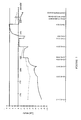
- Three-point linkage analysis between sequential pairs of the fifteen 4q35 markers was undertaken using the LINKMAP program of the LINKAGE package. A maximal score of 3.19 was obtained between D4S408 and D4S2924 for Model II with a dominant mode of inheritance and a maximum age-specific penetrance level of 90% (Figure 1a). This score was also robust, as lowering the maximum age-specific penetrance level to 60% still resulted in a maximum score of 3.19 (Figure 1b). Although the lack of a clear genetic or diagnostic model results in multiple hypothesis testing, the consistent positive results for both the two- (Table 4) and three-point linkage analyses indicate a greater level of confidence in the data than if positive results were only to be found in some of the models tested.
- Non-parametric methods of analysis were also used to examine the data. Further support was provided using the GENEHUNTER program (Kruglyak et al. 1996). Family 01 was too large for all 87 individuals to be analysed simultaneously, and had to be edited for GENEHUNTER to run. A maximum score of 2.62 (p = 0.01) was obtained in the region spanning D4S1652 and D4S171. However, depending upon the way in which the pedigree was subdivided, the GENEHUNTER scores ranged from the high of 2.62 (p = 0.01) to a low of 0.59 (p = 0.16). The APM program (Weeks and Lange, 1988) also provided limited support for a locus at 4q35, with scores of 3.57 (p = 0.0002) for f(q) = 1 and 1.97 (p = 0.0245) for f(q) = 1/√q for D4S2924. Significant APM scores were not obtained for the other chromosome 4 loci. The MFLINK program (Curtis and Sham 1995) was also used to analyse the data. A positive, but non-significant score of 1.43 was obtained between D4S171 and D4S2924.
- A further ten pedigrees in our cohort were genotyped for four microsatellite markers at chromosome 4q35 (D4S1652, D4S171, D4S2924. D4S408). Two-point linkage analysis of all eleven families using the broad diagnostic model (model II) with dominant inheritance and 90% maximum age-specific penetrance gave a maximum score of 2.03 at θ = 0.20 at D4S1652 indicating that as a whole the additional 10 pedigrees do not provide additional support for, but also do not refute, the observation of linkage to chromosome 4q35. The lod score for D4S171 was 1.46 (θ = 0.25), while scores for the other two markers were less than 1.00.
- Of the additional pedigrees genotyped, Family 11 gave a lod score of 1.07 for marker D4S1652 which was 100% of the maximum lod score that was expected from SLINK analysis thus indicating that linkage was possible in this family as well. Lod scores greater than 0.80 were also obtained for markers D4S171 and D4S408. So as to enable a preliminary disease haplotype to be constructed, members of Family 11 were genotyped for a further three markers at 4q35 (D4S2930, D4S426 and D4S3032) and positive lod scores were obtained: D4S426 = 1.08 (θ = 0.00), D4S2930 = 0.61 (θ = 0.00) and D4S3032 = 0.14 (θ = 0.20). Three-point analysis of Family 11 with the seven markers resulted in a maximum lod score of 1.16 between D4S2930 and D4S1652.
- Small positive results were obtained in two additional families for the four markers (D4S1652, D4S171, D4S408 and D4S2924), but none of these were statistically significant or represented a major fraction of the maximum possible lod score when compared with the results obtained from simulation analysis (data not shown). Heterogeneity analysis with the HOMOG program (Ott 1991) showed statistically significant evidence for linkage of D4S1652 (p < 0.05) and D4S171 (p < 0.01) to BAD, but no statistically significant evidence for heterogeneity.
- An additional 13 pedigrees were genotyped for six markers, D4S408, D4S2924. D4S171, D4S1652, D4S2954 and D4S1535. Two-point analysis of all families under broad diagnostic model with dominant inheritance and 90% maximum age-specific penetrance gave and maximum lod score of 1.44 at q = 0.3 at D4S1652. The lod score for D4S171 was 1.15 at q = 0.25, whilst scores of the other markers were less than 1.00.
- In addition to Family 11 which is already highlighted in the description, linkage is likely in two other pedigrees, Family 12 and Family 19. SLINK analysis of Family 12 gives expected average and maximum lod scores of 0.4 and 0.67 (q = 0.1) respectively. For Family 19 the average and expected lod scores were 0.42 and 1.02 respectively. The max lod scores obtained for Family 12 was 0.63 at q = 0.1 at D4S1652 and 0.57 at q = 0.1 at D4S2924 for Family 19.
- Multipoint analysis of Family 12 gave maximum lod score of 0.8 between D4S1535 and D4S171. Multipoint analysis of Family 19 gave maximum score of 0.73 between D4S2924 and D4S171.
- A genome screen of 214 microsatellite markers in a large Australian BAD pedigree has led to the identification of a novel bipolar disorder susceptibility locus on chromosome 4q35. Importantly, the positive lod scores obtained were robust to changes in the model, with strong support for linkage even when a maximum age-specific penetrance level of 60% was used in the analysis (maximum multi-point lod score of 3.19 between D4S408 and D4S2924). Furthermore, increasing the disease allele frequency to as high as 0.20, or the occurrence of phenocopies to 0.10 still gave positive results at 4q35, thus substantiating the robustness of this finding. Results of the non-parametric analyses also provide support for this linkage result.
TABLE 1: Chromosome 4 microsatellite primers Primer name Orientation Primer sequence D4S1652 Forward 5' AAT CCC TGG GTA CAT TAT ATT TG 3' Reverse 5' CAG ACA TTC TTT ATT CTT TAC CTC C 3' D4S2930 Foward 5' CCT CAT GGT AGG TTA ATC CCA CG 3' Reverse 5' TAT TGA ATG CCC GCC ATT TG 3' D4S426 Forward 5' ATA CAC TGC ATC CAT ATA TAC AAG G 3' Reverse 5' ACA TTG TGA AAT GAC CAC AG 3' D4S3032 Forward 5' TGA AAT TCT ATT GAC CAA TGA TGT G 3' Reverse 5' TAG CAC CTG GAT TTA CCA TGA C 3' D4S3051 Foward 5' TTT GTT TGG TCT ATC AAA AGT C 3' Reverse 5' CAA CAT CTG CAG TGG G 3' D4S171 Forward 5' GGT CCA GTA AGA GGA CAG T 3' Reverse 5' TGG GTA AAG AGT GAG GCT G 3' D4S2924 Forward 5' AGT ATT GCA GTG CTT GGG 3' Reverse 5' CAT CCA GAG GGG ACA CAT TC 3' D4S408 Foward 5' GGT CTG ATG AAA ATG TTC TCA AGC 3' Reverse 5' TAG ACT GGG TTG TTA GGG ACT CTC 3' D4S1535 Forward 5' ACT TGT GAT ATA TAC CTG CCG 3' Reverse 5' TGT GAG AGC AGA ATG TTG AG 3' D4S2954 Forward 5' CCA TTT CAG TGT CTG TGA CTA 3' Reverse 5' GGA AGC CAA TTC CTC ATA 3' D4S2920 Foward 5' ACA CAG CAC ACT TTG TTT GA 3' Reverse 5' GAC CTG CCT AAG CCT TTG 3' D4S1554 Forward 5' CTT GTT TCC TGT TGA GCA CT 3' Reverse 5' GAA TGA TGT ACT GAT CAC CCA GAT 3' D4S3041 Forward 5' AAT CCC TAG GCA AAT ACC AT 3' Reverse 5' TCT TGA GTG GCT GAA ACT ACA T 3' D4S2951 Foward 5' TCG AGA TCG TGC CAT T 3' Reverse 5' CCC CAA GAT TAT TCT TAG ACT TT 3' D4S2417 Forward 5' AGC ACA AGA TTC TCT AAG CCC 3' Reverse 5' AAA GCC AAA AGA TGA TGC AA 3' Table 2. Lod scores for the entire 87 member pedigree for chromosome 5q markers. Linkage analysis was performed using affection status model II. Marker 90% dominant 60% dominant 90% recessive 60% recessive D5S392 -10.34 -1.28 -3.65 -0.57 D5S1492 1.00 0.80 0.79 0.72 D5S2505 0.33 0.61 0.74 0.60 D5S807 1.10 0.73 0.89 0.70 D5S817 -2.25 -0.19 -0.11 -0.05 D5S1473 0.66 0.17 0.29 0.16 D5S819 0.47 0.12 0.47 0.18 D5S1470 1.03 0.41 0.43 0.42 D5S2494 -1.94 0.12 0.23 0.17 Table 3. Two-point lod scores for Family 1 for chromosome 4q35 markers using model I (narrow disease definition) and model II (broad disease definition) for dominant transmission with maximum age-specific penetrance levels of 60% and 90%. Lod scores greater than 1.00 are indicated by bold type. Locus Recombination fraction 0.00 0.05 0.10 0.15 0.20 Penetrance 90% 60% 90% 60% 90% 60% 90% 60% 90% 60% Model 1 D4S2417 -3.89 -2.18 -2.08 -1.18 -1.33 -0.76 -0.86 -0.49 -0.55 -0.31 D4S2951 -2.54 -1.35 -0.91 -0.24 -0.28 0.12 0.07 0.27 0.25 0.33 D4S3041 0.22 0.03 0.19 0.00 0.15 0.03 0.11 0.05 0.07 0.06 D451554 -3.45 -1.12 -1.45 -0.45 -0.77 -0.20 -0.41 -0.07 -0.20 -0.01 D4S2920 0.54 0.48 0.51 0.42 0.46 0.36 0.41 0.29 0.34 0.23 D4S2954 -1.54 -1.26 -0.72 -0.74 -0.46 -0.53 -0.32 -0.39 -0.23 -0.29 D4S1535 -1.19 -0.73 -0.36 -0.25 -0.11 -0.08 0.01 -0.01 0.07 0.02 D4S408 -3.66 -1.30 -1.50 -0.57 -0.81 -0.28 -0.44 -0.14 -0.22 -0.06 D4S2924 -0.31 -0.30 -0.30 -0.26 -0.29 -0.22 -0.26 -0.17 -0.21 -0.12 D4S171 -6.12 -1.69 -2.75 -0.91 -1.65 -0.55 -1.02 -0.34 -0.61 -0.21 D4S3051 -0.26 -0.18 -0.26 -0.15 -0.25 -0.12 -0.21 -0.08 -0.15 -0.05 D4S3032 0.08 0.13 0.08 0.11 0.08 0.08 0.08 0.06 0.06 0.04 D4S426 -0.29 -0.24 -0.28 -0.21 -0.27 -0.18 -0.24 -0.14 -0.20 -0.10 D4S2930 -6.51 -1.87 -3.00 -1.08 -1.78 -0.68 -1.09 -0.44 -0.66 -0.28 D4S1652 -6.50 -1.93 -2.60 -1.05 -1.43 -0.63 -0.80 -0.37 -0.42 -0.22 Model 2 D4S2417 -6.30 -2.18 -3.06 -1.68 -1.96 -1.17 -1.29 -0.80 -0.83 -0.53 D4S2951 -6.72 -3.97 -4.40 -2.60 -2.98 -1.93 -2.04 -1.42 -1.37 -0.99 D4S3041 -1.15 -0.65 -0.93 -0.57 -0.76 -0.49 -0.60 -0.40 -0.47 -0.31 D4S1554 -2.91 -2.04 -1.02 -0.77 -0.29 -0.26 0.11 0.01 0.32 0.14 D4S2920 -1.64 -0.97 -1.30 -0.78 -1.03 -0.64 -0.81 -0.51 -0.63 -0.41 D4S2954 -2.67 -1.89 -1.46 -1.32 -0.99 -0.92 -0.69 -0.63 -0.46 -0.41 D451535 -0.19 -0.40 0.73 0.18 0.98 0.39 1.06 0.47 1.04 0.47 D4S40B -0.39 -0.04 1.27 0.87 1.66 1.13 1.75 1.17 1.67 1.10 D4S2924 0.67 1.29 1.00 1.23 1.04 1.13 0.99 1.01 0.88 0.86 D4S171 -0.86 0.74 1.34 1.38 1.87 1.55 2.03 1.56 1.98 1.45 D4S3051 0.92 1.45 1.22 1.35 1.22 1.23 1.14 1.09 1.00 0.92 D4S3032 -0.43 -0.49 -0.22 -0.33 -0.10 -0.22 -0.02 -0.14 0.02 -0.09 D4S426 0.60 1.24 0.93 1.18 0.98 1.09 0.94 0.97 0.84 0.83 D452930 -1.57 0.51 0.63 1.15 1.28 1.34 1.53 1.37 1.57 1.28 D4S1652 -0.02 1.68 1.76 2.02 2.15 2.02 2.20 1.89 2.07 1.69 Table 4. Variation in lod scores with changes in model parameters Variable D4S1652 D4S171 D4S2924 D4S408 Normal * 2.20 2.03 1.04 1.75 Phenocopy 1% 2.16 2.07 1.00 1.77 Phenocopy 10% 1.15 1.48 0.21 1.42 Disease frequency 10%2.21 2.03 1.04 1.75 Disease frequency 20% 2.22 2.05 1.04 1.74 Max penetrance 30% 1.53 1.03 1.30 0.56 Max penetrance 12% 1.00 0.61 1.02 0.25 * Normal = 90% maximum penetrance, disease allele frequency of 3.5% and 0.5% phenocopy rate -
- Adams LJ. Salmon JA, Kwok JB, Vivero C, Donald JA, Mitchell PB, Schofield PR (1997) Exclusion of linkage between bipolar affective disorder and chromosome 16 in 12 Australian pedigrees. Am J Med Genet 74: 304-310.
- Berrettini. W.H. et al. Chromosome 18 DNA markers and manic depressive illness: evidence for a susceptibility gene. Proc. Natl. Acad. Sci USA 91, 5918-5921 (1994).
- Blackwood, D.H.R. et al. A locus for bipolar affective disorder on chromosome 4p. Nat. Genet. 12, 427-430 (1996).
- Coon, H. et al. Analysis of chromosome 18 DNA markers in multiplex pedigrees with manic depression. Biol. Psychiatry 39, 669-696 (1996).
- Curtis D, Sham PC (1995) Model-free linkage analysis using likelihoods. Am J Hum Genet 57: 703-716.
- De bruyn. A. et al., Linkage analysis of families with bipolar illness and chromosome 18 markers. Biol. Psychiatry 36, 679-688 (1996). Gurling. H. et al. Linkage findings in bipolar disorder. Nat. Genet. 10, 8-9 (1995).
- Freimer, N.B., et al. (1996) Genetic mapping using haplotype, association and linkage methods suggests a locus for severe bipolar disorder (BPI) at 18q22-q23. Nat. Genet. 12, 436-441.
- Kruglyak L., et al. (1996) Parametric and nonparametric linkage analysis: a unified multipoint approach. Am J Hum Genet 58: 1347-1363.
- Lathrop, G.M., et al., Strategies for multilocus linkage analysis in humans. Proc. Natl. Acad. Sci USA 81, 3443-3446.
- Mitchell P., et al. (1991) Close linkage of bipolar disorder to chromosome 11 markers is excluded in two large Australian pedigrees. J Affective Disord 21: 23-32.
- Nurnberger J.I. Jr, et al. (1994) Diagnostic interview for genetic studies. Rationale, unique features, and training. NIMH Genetics Initiative. Arch Gen Psych 51: 849-859.
- Ott, J. Computer-simulation methods in human linkage analysis. Proc. Natl. Acad. Sci. USA 86, 4175-4178 (1989).
- Stine, O.C. et al. Evidence for linkage of bipolar disorder to chromosome 18 with a parent-of-origin effect. Am. J. hum. Genet. 57, 1384-1394 (1995).
- Straub, R.E. et al. A possible vulnerability locus for bipolar affective disorder on chromosome 21q22.3. Nat. Genet. 8, 291-296 (1994).
- Weeks, D.E. & Lange, K. The affected-pedigree-member method of linkage analysis. Am. J. hum. Genet. 42, 315-316. D
- Weeks, D.E., et al. SLINK: a general simulation program for linkage analysis. Am. J. hum. Genet 47, A204 (supplement) (1990).
-
- (1) General Information
- (i) APPLICANTS:
- (A) NAME: Garvan Institute of Medical Research
- (B) STREET: 384 Victoria Street
- (C) CITY: Darlinghurst
- (D) STATE: New South Wales
- (E) COUNTRY: Australia
- (F) POSTAL CODE (ZIP): 2010
- (A) NAME: Unisearch Limited
- (B) STREET: 221-227 Anzac Parade
- (C) CITY: Kensington
- (D) STATE: New South Wales
- (E) COUNTRY: Australia
- (F) POSTAL CODE (ZIP): 2033
- (ii) TITLE OF INVENTION: Methods for diagnosing and assessing a predisposition to bipolar affective disorder
- (iii) NUMBER OF SEQ ID NOs: 30
- (iv) PRIOR APPLICATION DATA:
- (A) APPLICATION NO: AU PO 7268
- (B) FILING DATE: 1997-06-10
- (i) APPLICANTS:
- (2) INFORMATION FOR SEQ ID NO: 1
- (i) SEQUENCE CHARACTERISTICS
- (A) LENGTH: 23 nucleotides
- (B) TYPE: DNA
- (C) STRANDEDNESS: single
- (D) TOPOLOGY: linear
- (ii) MOLECULE TYPE: Oligonucleotide
- (vi) ORIGINAL SOURCE
- (A) ORGANISM: Homo sapiens
- (xi) SEQUENCE DESCRIPTION: SEQ ID NO: 1:
aatccctggg tacattatat ttg 23
- (i) SEQUENCE CHARACTERISTICS
- (2) INFORMATION FOR SEQ ID NO: 2
- (i) SEQUENCE CHARACTERISTICS
- (A) LENGTH: 25 nucleotides
- (B) TYPE: DNA
- (C) STRANDEDNESS: single
- (D) TOPOLOGY: linear
- (ii) MOLECULE TYPE: Oligonucleotide
- (vi) ORIGINAL SOURCE
- (A) ORGANISM: Homo sapiens
- (xi) SEQUENCE DESCRIPTION: SEQ ID NO: 2:
cagacattct ttattcttta cctcc 25
- (i) SEQUENCE CHARACTERISTICS
- (2) INFORMATION FOR SEQ ID NO: 3
- (i) SEQUENCE CHARACTERISTICS
- (A) LENGTH: 23 nucleotides
- (B) TYPE: DNA
- (C) STRANDEDNESS: single
- (D) TOPOLOGY: linear
- (ii) MOLECULE TYPE: Oligonucleotide
- (vi) ORIGINAL SOURCE
- (A) ORGANISM: Homo sapiens
- (xi) SEQUENCE DESCRIPTION: SEQ ID NO: 3:
cctcatggta ggttaatccc acg 23
- (i) SEQUENCE CHARACTERISTICS
- (2) INFORMATION FOR SEQ ID NO: 4
- (i) SEQUENCE CHARACTERISTICS
- (A) LENGTH: 20 nucleotides
- (B) TYPE: DNA
- (C) STRANDEDNESS: single
- (D) TOPOLOGY: linear
- (ii) MOLECULE TYPE: Oligonucleotide
- (vi) ORIGINAL SOURCE
- (A) ORGANISM: Homo sapiens
- (xi) SEQUENCE DESCRIPTION: SEQ ID NO: 4:
tattgaatgc ccgccatttg 20
- (i) SEQUENCE CHARACTERISTICS
- (2) INFORMATION FOR SEQ ID NO: 5
- (i) SEQUENCE CHARACTERISTICS
- (A) LENGTH: 25 nucleotides
- (B) TYPE: DNA
- (C) STRANDEDNESS: single
- (D) TOPOLOGY: linear
- (ii) MOLECULE TYPE: Oligonucleotide
- (vi) ORIGINAL SOURCE
- (A) ORGANISM: Homo sapiens
- (xi) SEQUENCE DESCRIPTION: SEQ ID NO: 5:
atacactgca tccatatata caagg 25
- (i) SEQUENCE CHARACTERISTICS
- (2) INFORMATION FOR SEQ ID NO: 6
- (i) SEQUENCE CHARACTERISTICS
- (A) LENGTH: 20 nucleotides
- (B) TYPE: DNA
- (C) STRANDEDNESS: single
- (D) TOPOLOGY: linear
- (ii) MOLECULE TYPE: Oligonucleotide
- (vi) ORIGINAL SOURCE
- (A) ORGANISM: Homo sapiens
- (xi) SEQUENCE DESCRIPTION: SEQ ID NO:6:
acattgtgaa atgaccacag 20
- (i) SEQUENCE CHARACTERISTICS
- (2) INFORMATION FOR SEQ ID NO: 7
- (i) SEQUENCE CHARACTERISTICS
- (A) LENGTH: 25 nucleotides
- (B) TYPE: DNA
- (C) STRANDEDNESS: single
- (D) TOPOLOGY: linear
- (ii) MOLECULE TYPE: oligonucleotide
- (vi) ORIGINAL SOURCE
- (A) ORGANISM: Homo sapiens
- (xi) SEQUENCE DESCRIPTION: SEQ ID NO: 7:
tgaaattcta ttgaccaatg atgtg 25
- (i) SEQUENCE CHARACTERISTICS
- (2) INFORMATION FOR SEQ ID NO: 8
- (i) SEQUENCE CHARACTERISTICS
- (A) LENGTH: 22 nucleotides
- (B) TYPE: DNA
- (C) STRANDEDNESS: single
- (D) TOPOLOGY: linear
- (ii) MOLECULE TYPE: Oligonucleotide
- (vi) ORIGINAL SOURCE
- (A) ORGANISM: Homo sapiens
- (xi) SEQUENCE DESCRIPTION: SEQ ID NO: 8:
tagcacctgg atttaccatg ac 22
- (i) SEQUENCE CHARACTERISTICS
- (2) INFORMATION FOR SEQ ID NO: 9
- (i) SEQUENCE CHARACTERISTICS
- (A) LENGTH: 22 nucleotides
- (B) TYPE: DNA
- (C) STRANDEDNESS: single
- (D) TOPOLOGY: linear
- (ii) MOLECULE TYPE: Oligonucleotide
- (vi) ORIGINAL SOURCE
- (A) ORGANISM: Homo sapiens
- (xi) SEQUENCE DESCRIPTION: SEQ ID NO: 9:
tttgtttggt ctatcaaaag tc 22
- (i) SEQUENCE CHARACTERISTICS
- (2) INFORMATION FOR SEQ ID NO: 10
- (i) SEQUENCE CHARACTERISTICS
- (A) LENGTH: 16 nucleotides
- (B) TYPE: DNA
- (C) STRANDEDNESS: single
- (D) TOPOLOGY: linear
- (ii) MOLECULE TYPE: Oligonucleotide
- (vi) ORIGINAL SOURCE
- (A) ORGANISM: Homo sapiens
- (xi) SEQUENCE DESCRIPTION: SEQ ID NO: 10:
caagatgtgc agtggg 16
- (i) SEQUENCE CHARACTERISTICS
- (2) INFORMATION FOR SEQ ID NO: 11
- (i) SEQUENCE CHARACTERISTICS
- (A) LENGTH: 19 nucleotides
- (B) TYPE: DNA
- (C) STRANDEDNESS: single
- (D) TOPOLOGY: linear
- (ii) MOLECULE TYPE: Oligonucleotide
- (vi) ORIGINAL SOURCE
- (A) ORGANISM: Homo sapiens
- (xi) SEQUENCE DESCRIPTION: SEQ ID NO: 11:
ggtccagtaa gaggacagt 19
- (i) SEQUENCE CHARACTERISTICS
- (2) INFORMATION FOR SEQ ID NO: 12
- (i) SEQUENCE CHARACTERISTICS
- (A) LENGTH: 19 nucleotides
- (B) TYPE: DNA
- (C) STRANDEDNESS: single
- (D) TOPOLOGY: linear
- (ii) MOLECULE TYPE: oligonucleotide
- (vi) ORIGINAL SOURCE
- (A) ORGANISM: Homo sapiens
- (xi) SEQUENCE DESCRIPTION: SEQ ID NO: 12:
tgggtaaaga gtgaggctg 19
- (i) SEQUENCE CHARACTERISTICS
- (2) INFORMATION FOR SEQ ID NO: 13
- (i) SEQUENCE CHARACTERISTICS
- (A) LENGTH: 18 nucleotides
- (B) TYPE: DNA
- (C) STRANDEDNESS: single
- (D) TOPOLOGY: linear
- (ii) MOLECULE TYPE: Oligonucleotide
- (vi) ORIGINAL SOURCE
- (A) ORGANISM: Homo sapiens
- (xi) SEQUENCE DESCRIPTION: SEQ ID NO: 13:
agtattgcag tgcttggg 18
- (i) SEQUENCE CHARACTERISTICS
- (2) INFORMATION FOR SEQ ID NO: 14
- (i) SEQUENCE CHARACTERISTICS
- (A) LENGTH: 20 nucleotides
- (B) TYPE: DNA
- (C) STRANDEDNESS: single
- (D) TOPOLOGY: linear
- (ii) MOLECULE TYPE: Oligonucleotide
- (vi) ORIGINAL SOURCE
- (A) ORGANISM: Homo sapiens
- (xi) SEQUENCE DESCRIPTION: SEQ ID NO: 14:
catccacagg ggacacattc 20
- (i) SEQUENCE CHARACTERISTICS
- (2) INFORMATION FOR SEQ ID NO: 15
- (i) SEQUENCE CHARACTERISTICS
- (A) LENGTH: 24 nucleotides
- (B) TYPE: DNA
- (C) STRANDEDNESS: single
- (D) TOPOLOGY: linear
- (ii) MOLECULE TYPE: Oligonucleotide
- (vi) ORIGINAL SOURCE
- (A) ORGANISM: Homo sapiens
- (xi) SEQUENCE DESCRIPTION: SEQ ID NO: 15:
ggtctgatga aaatgttctc aagc 24
- (i) SEQUENCE CHARACTERISTICS
- (2) INFORMATION FOR SEQ ID NO: 16
- (i) SEQUENCE CHARACTERISTICS
- (A) LENGTH: 24 nucleotides
- (B) TYPE: DNA
- (C) STRANDEDNESS: single
- (D) TOPOLOGY: linear
- (ii) MOLECULE TYPE: Oligonucleotide
- (vi) ORIGINAL SOURCE
- (A) ORGANISM: Homo sapiens
- (xi) SEQUENCE DESCRIPTION: SEQ ID NO: 16:
tagactgggt tgttagggac tctc 24
- (i) SEQUENCE CHARACTERISTICS
- (2) INFORMATION FOR SEQ ID NO: 17
- (i) SEQUENCE CHARACTERISTICS
- (A) LENGTH: 21 nucleotides
- (B) TYPE: DNA
- (C) STRANDEDNESS: single
- (D) TOPOLOGY: linear
- (ii) MOLECULE TYPE: Oligonucleotide
- (vi) ORIGINAL SOURCE
- (A) ORGANISM: Homo sapiens
- (xi) SEQUENCE DESCRIPTION: SEQ ID NO: 17:
acttgtgata tatacctgcc g 21
- (i) SEQUENCE CHARACTERISTICS
- (2) INFORMATION FOR SEQ ID NO: 18
- (i) SEQUENCE CHARACTERISTICS
- (A) LENGTH: 20 nucleotides
- (B) TYPE: DNA
- (C) STRANDEDNESS: single
- (D) TOPOLOGY: linear
- (ii) MOLECULE TYPE: Oligonucleotide
- (vi) ORIGINAL SOURCE
- (A) ORGANISM: Homo sapiens
- (xi) SEQUENCE DESCRIPTION: SEQ ID NO: 18:
tgtgagagca gaatgttgag 20
- (i) SEQUENCE CHARACTERISTICS
- (2) INFORMATION FOR SEQ ID NO: 19
- (i) SEQUENCE CHARACTERISTICS
- (A) LENGTH: 21 nucleotides
- (B) TYPE: DNA
- (C) STRANDEDNESS: single
- (D) TOPOLOGY: linear
- (ii) MOLECULE TYPE: Oligonucleotide
- (vi) ORIGINAL SOURCE
- (A) ORGANISM: Homo sapiens
- (xi) SEQUENCE DESCRIPTION: SEQ ID NO: 19:
ccatttcagt gtctgtgact a 21
- (i) SEQUENCE CHARACTERISTICS
- (2) INFORMATION FOR SEQ ID NO: 20
- (i) SEQUENCE CHARACTERISTICS
- (A) LENGTH: 18 nucleotides
- (B) TYPE: DNA
- (C) STRANDEDNESS: single
- (D) TOPOLOGY: linear
- (ii) MOLECULE TYPE: Oligonucleotide
- (vi) ORIGINAL SOURCE
- (A) ORGANISM: Homo sapiens
- (xi) SEQUENCE DESCRIPTION: SEQ ID NO: 20:
ggaagccaat tcctcata 18
- (i) SEQUENCE CHARACTERISTICS
- (2) INFORMATION FOR SEQ ID NO: 21
- (i) SEQUENCE CHARACTERISTICS
- (A) LENGTH: 20 nucleotides
- (B) TYPE: DNA
- (C) STRANDEDNESS: single
- (D) TOPOLOGY: linear
- (ii) MOLECULE TYPE: Oligonucleotide
- (vi) ORIGINAL SOURCE
- (A) ORGANISM: Homo sapiens
- (xi) SEQUENCE DESCRIPTION: SEQ ID NO: 21:
acacagcaca gtttgtttga 20
- (i) SEQUENCE CHARACTERISTICS
- (2) INFORMATION FOR SEQ ID NO: 22
- (i) SEQUENCE CHARACTERISTICS
- (A) LENGTH: 18 nucleotides
- (B) TYPE: DNA
- (C) STRANDEDNESS: single
- (D) TOPOLOGY: linear
- (ii) MOLECULE TYPE: Oligonucleotide
- (vi) ORIGINAL SOURCE
- (A) ORGANISM: Homo sapiens
- (xi) SEQUENCE DESCRIPTION: SEQ ID NO: 22:
gacctgccta agcctttg 18
- (i) SEQUENCE CHARACTERISTICS
- (2) INFORMATION FOR SEQ ID NO: 23
- (i) SEQUENCE CHARACTERISTICS
- (A) LENGTH: 20 nucleotides
- (B) TYPE: DNA
- (C) STRANDEDNESS: single
- (D) TOPOLOGY: linear
- (ii) MOLECULE TYPE: Oligonucleotide
- (vi) ORIGINAL SOURCE
- (A) ORGANISM: Homo sapiens
- (xi) SEQUENCE DESCRIPTION: SEQ ID NO: 23:
cttgtttcct gttgagcact 20
- (i) SEQUENCE CHARACTERISTICS
- (2) INFORMATION FOR SEQ ID NO: 24
- (i) SEQUENCE CHARACTERISTICS
- (A) LENGTH: 24 nucleotides
- (B) TYPE: DNA
- (C) STRANDEDNESS: single
- (D) TOPOLOGY: linear
- (ii) MOLECULE TYPE: Oligonucleotide
- (vi) ORIGINAL SOURCE
- (A) ORGANISM: Homo sapiens
- (xi) SEQUENCE DESCRIPTION: SEQ ID NO: 24:
gaatgatgta ctgatcaccc agat 24
- (i) SEQUENCE CHARACTERISTICS
- (2) INFORMATION FOR SEQ ID NO: 25
- (i) SEQUENCE CHARACTERISTICS
- (A) LENGTH: 20 nucleotides
- (B) TYPE: DNA
- (C) STRANDEDNESS: single
- (D) TOPOLOGY: linear
- (ii) MOLECULE TYPE: Oligonucleotide
- (vi) ORIGINAL SOURCE
- (A) ORGANISM: Homo sapiens
- (xi) SEQUENCE DESCRIPTION: SEQ ID NO: 25:
aatccctagg caaataccat 20
- (i) SEQUENCE CHARACTERISTICS
- (2) INFORMATION FOR SEQ ID NO: 26
- (i) SEQUENCE CHARACTERISTICS
- (A) LENGTH: 22 nucleotides
- (B) TYPE: DNA
- (C) STRANDEDNESS: single
- (D) TOPOLOGY: linear
- (ii) MOLECULE TYPE: Oligonucleotide
- (vi) ORIGINAL SOURCE
- (A) ORGANISM: Homo sapiens
- (xi) SEQUENCE DESCRIPTION: SEQ ID NO: 26:
tcttgagtgg ctgaaactac at 22
- (i) SEQUENCE CHARACTERISTICS
- (2) INFORMATION FOR SEQ ID NO: 27
- (i) SEQUENCE CHARACTERISTICS
- (A) LENGTH: 16 nucleotides
- (B) TYPE: DNA
- (C) STRANDEDNESS: single
- (D) TOPOLOGY: linear
- (ii) MOLECULE TYPE: Oligonucleotide
- (vi) ORIGINAL SOURCE
- (A) ORGANISM: Homo sapiens
- (xi) SEQUENCE DESCRIPTION: SEQ ID NO: 27:
tcgagatcgt gccatt 16
- (i) SEQUENCE CHARACTERISTICS
- (2) INFORMATION FOR SEQ ID NO: 28
- (i) SEQUENCE CHARACTERISTICS
- (A) LENGTH: 23 nucleotides
- (B) TYPE: DNA
- (C) STRANDEDNESS: single
- (D) TOPOLOGY: linear
- (ii) MOLECULE TYPE: Oligonucleotide
- (vi) ORIGINAL SOURCE
- (A) ORGANISM: Homo sapiens
- (xi) SEQUENCE DESCRIPTION: SEQ ID NO: 28:
ccccaagatt attcttagac ttt 23
- (i) SEQUENCE CHARACTERISTICS
- (2) INFORMATION FOR SEQ ID NO: 29
- (i) SEQUENCE CHARACTERISTICS
- (A) LENGTH: 21 nucleotides
- (B) TYPE: DNA
- (C) STRANDEDNESS: single
- (D) TOPOLOGY: linear
- (ii) MOLECULE TYPE: Oligonucleotide
- (vi) ORIGINAL SOURCE
- (A) ORGANISM: Homo sapiens
- (xi) SEQUENCE DESCRIPTION: SEQ ID NO: 29:
agcacaagat tctctaagcc c 21
- (i) SEQUENCE CHARACTERISTICS
- (2) INFORMATION FOR SEQ ID NO: 30
- (i) SEQUENCE CHARACTERISTICS
- (A) LENGTH: 20 nucleotides
- (B) TYPE: DNA
- (C) STRANDEDNESS: single
- (D) TOPOLOGY: linear
- (ii) MOLECULE TYPE: Oligonucleotide
- (vi) ORIGINAL SOURCE
- (A) ORGANISM: Homo sapiens
- (xi) SEQUENCE DESCRIPTION: SEQ ID NO:30:
aaagccaaaa gatgatgcaa 20
- (i) SEQUENCE CHARACTERISTICS
Claims (8)
- A method of assessing an individual's predisposition to bipolar affective disorder (BAD), comprising a step of determining the presence of a BAD-linked marker(s) on chromosome 4 within the region encompassed by the markers D4S2417, D4S2951, D4S3041, D4S1554, D4S2920, D4S2954, D4S1535, D4S408, D4S2924, D4S171, D4S3051, D4S3032, D4S426, D4S2930 and D4S1652.
- A method according to claim 1, wherein the linked markers are within a region encompassed by markers D4S408 and D4S2924.
- A method according to claim 1 or claim 2, wherein the BAD-linked marker(s) is/are microsatellite marker(s).
- A method according to claim 1, wherein the BAD-linked marker(s) is/are selected from D4S1652, D4S408, D4S171 and D4S2924 and combinations thereof.
- A method according to claim 1, wherein the BAD-linked marker(s) is selected from D4S2417, D4S2951, D4S3041 and D4S1554, D4S2920, D4S2954, D4S1535, D4S3051, D4S3032, D4S426 and D4S2930.
- A method according to any one of the preceding claims, wherein the step of determining the presence of a BAD-linked marker(s) comprises PCR amplification and gel electrophoresis,
- A method of diagnosing bipolar affective disorder (BAD) in an individual, comprising a step of determining the presence of a BAD-linked marker(s) on chromosome 4 within the region encompassed by the markers D4S2417, D4S2951, D4S3041, D4S1554, D4S2920, D4S2954, D4S1535, D4S408, D4S2924, D4S171, D4S3051, D4S3032, D4S426, D4S2930 and D4S1652.
- A method according to claim 7, wherein the linked markers are within a region encompassed by markers D4S408 and D4S2924.
Applications Claiming Priority (3)
| Application Number | Priority Date | Filing Date | Title |
|---|---|---|---|
| AUPO7268A AUPO726897A0 (en) | 1997-06-10 | 1997-06-10 | Method for assessing a predisposition to bipolar affective disorder |
| AUPO726897 | 1997-06-10 | ||
| PCT/AU1998/000439 WO1998056947A1 (en) | 1997-06-10 | 1998-06-10 | Methods for diagnosing and assessing a predisposition to bipolar affective disorder |
Publications (3)
| Publication Number | Publication Date |
|---|---|
| EP0920538A1 EP0920538A1 (en) | 1999-06-09 |
| EP0920538A4 EP0920538A4 (en) | 2002-10-02 |
| EP0920538B1 true EP0920538B1 (en) | 2007-08-22 |
Family
ID=3801560
Family Applications (1)
| Application Number | Title | Priority Date | Filing Date |
|---|---|---|---|
| EP98923933A Expired - Lifetime EP0920538B1 (en) | 1997-06-10 | 1998-06-10 | Methods for diagnosing and assessing a predisposition to bipolar affective disorder |
Country Status (9)
| Country | Link |
|---|---|
| US (1) | US6274352B1 (en) |
| EP (1) | EP0920538B1 (en) |
| JP (1) | JP2001500745A (en) |
| CN (1) | CN1236396A (en) |
| AT (1) | ATE371040T1 (en) |
| AU (2) | AUPO726897A0 (en) |
| CA (1) | CA2263712C (en) |
| DE (1) | DE69838278T2 (en) |
| WO (1) | WO1998056947A1 (en) |
Families Citing this family (4)
| Publication number | Priority date | Publication date | Assignee | Title |
|---|---|---|---|---|
| CA2400543C (en) * | 2001-08-31 | 2011-11-01 | Centre For Addiction And Mental Health | The involvement of the bdnf gene in mood disorders |
| US20070202502A1 (en) * | 2004-01-23 | 2007-08-30 | Peter Schofield | Assay For Bipolar Affective Disorder |
| EP1831403A4 (en) * | 2004-12-30 | 2010-04-28 | Univ Louisville Res Found | GENETIC MARKERS OF SCHIZOPHRENIA |
| CN102154478B (en) * | 2010-09-21 | 2013-03-20 | 上海市精神卫生中心 | Subsyndromal symptomatic depression gene expression diagnosis chip |
Family Cites Families (3)
| Publication number | Priority date | Publication date | Assignee | Title |
|---|---|---|---|---|
| AU1933697A (en) * | 1996-03-15 | 1997-10-10 | Smithkline Beecham Plc | Method for assessing risk to develop psychotic disease |
| WO1997037043A1 (en) * | 1996-03-29 | 1997-10-09 | The Regents Of The University Of California | Methods for treating bipolar mood disorder associated with markers on chromosome 18q |
| CA2241855A1 (en) * | 1996-10-28 | 1998-05-07 | The Government Of The United States Of America As Represented By The Sec Retary, Department Of Health And Human Services | Chromosomal markers and diagnostic tests for manic-depressive illness |
-
1997
- 1997-06-10 AU AUPO7268A patent/AUPO726897A0/en not_active Abandoned
-
1998
- 1998-06-10 CN CN98801140A patent/CN1236396A/en active Pending
- 1998-06-10 WO PCT/AU1998/000439 patent/WO1998056947A1/en not_active Ceased
- 1998-06-10 DE DE69838278T patent/DE69838278T2/en not_active Expired - Lifetime
- 1998-06-10 JP JP11501141A patent/JP2001500745A/en not_active Ceased
- 1998-06-10 CA CA2263712A patent/CA2263712C/en not_active Expired - Fee Related
- 1998-06-10 AU AU76315/98A patent/AU752625B2/en not_active Ceased
- 1998-06-10 US US09/230,804 patent/US6274352B1/en not_active Expired - Fee Related
- 1998-06-10 AT AT98923933T patent/ATE371040T1/en not_active IP Right Cessation
- 1998-06-10 EP EP98923933A patent/EP0920538B1/en not_active Expired - Lifetime
Also Published As
| Publication number | Publication date |
|---|---|
| AU752625B2 (en) | 2002-09-26 |
| AU7631598A (en) | 1998-12-30 |
| EP0920538A4 (en) | 2002-10-02 |
| WO1998056947A1 (en) | 1998-12-17 |
| ATE371040T1 (en) | 2007-09-15 |
| DE69838278D1 (en) | 2007-10-04 |
| DE69838278T2 (en) | 2008-05-15 |
| CN1236396A (en) | 1999-11-24 |
| CA2263712A1 (en) | 1998-12-17 |
| CA2263712C (en) | 2010-02-16 |
| US6274352B1 (en) | 2001-08-14 |
| JP2001500745A (en) | 2001-01-23 |
| EP0920538A1 (en) | 1999-06-09 |
| AUPO726897A0 (en) | 1997-07-03 |
Similar Documents
| Publication | Publication Date | Title |
|---|---|---|
| Vaxillaire et al. | A gene for maturity onset diabetes of the young (MODY) maps to chromosome 12q | |
| Weber et al. | Evidence for human meiotic recombination interference obtained through construction of a short tandem repeat-polymorphism linkage map of chromosome 19 | |
| Carmi et al. | Use of a DNA pooling strategy to identify a human obesity syndrome locus on chromosome 15 | |
| Sheffield et al. | Identification of a Bardet-Biedl syndrome locus on chromosome 3 and evaluation of an efficient approach to homozygosity mapping | |
| Robinson et al. | A genome wide search for susceptibility loci in three European malignant hyperthermia pedigrees | |
| Twyman et al. | Techniques patents for SNP genotyping | |
| US6869762B1 (en) | Crohn's disease-related polymorphisms | |
| Wedell et al. | Characterization of mutations on the rare duplicated C4/CYP21 haplotype in steroid 21-hydroxylase deficiency | |
| Folwaczny et al. | Lack of association between the TNFα G− 308 A promoter polymorphism and periodontal disease | |
| DE60115349T2 (en) | Polymorphisms in the Gene for the Human Organic Anion Transporter C (OATP-C) | |
| US7671187B2 (en) | Identification of the gene and mutation responsible for progressive rod-cone degeneration in dog and a method for testing same | |
| Lehto et al. | Human hexokinase II: localization of the polymorphic gene to chromosome 2 | |
| EP2130917A1 (en) | Probe for detecting polymorphism in gene involved in immunity, and use thereof | |
| Ewald et al. | A functional variant of the serotonin transporter gene in families with bipolar affective disorder | |
| US6274352B1 (en) | Methods for diagnosing and assessing a predisposition to bipolar affective disorder | |
| Kondo et al. | Delineation of the critical interval for the familial exudative vitreoretinopathy gene by linkage and haplotype analysis | |
| Mangino et al. | Mapping of a new autosomal dominant nonsyndromic hearing loss locus (DFNA30) to chromosome 15q25-26 | |
| Samson et al. | Genetic linkage heterogeneity in myotubular myopathy | |
| EP1276899A2 (en) | Ibd-related polymorphisms | |
| US20100297619A1 (en) | Genetic prediction of schizophrenia susceptibility | |
| EP1233075A2 (en) | BDNF polymorphism and association with bipolar disorder | |
| DE102017218522B3 (en) | Method for gene-based diagnosis of dyslexia risk | |
| Ewald et al. | Linkage analysis between manic‐depressive illness and markers on the long arm of chromosome 11 | |
| EP1951895B1 (en) | Association of pde4d allelic variants with stroke | |
| US20030008301A1 (en) | Association between schizophrenia and a two-marker haplotype near PILB gene |
Legal Events
| Date | Code | Title | Description |
|---|---|---|---|
| PUAI | Public reference made under article 153(3) epc to a published international application that has entered the european phase |
Free format text: ORIGINAL CODE: 0009012 |
|
| 17P | Request for examination filed |
Effective date: 19990301 |
|
| AK | Designated contracting states |
Kind code of ref document: A1 Designated state(s): AT BE CH CY DE DK ES FI FR GB GR IE IT LI LU MC NL PT SE |
|
| RAP1 | Party data changed (applicant data changed or rights of an application transferred) |
Owner name: GARVAN INSTITUTE OF MEDICAL RESEARCH |
|
| A4 | Supplementary search report drawn up and despatched |
Effective date: 20020816 |
|
| AK | Designated contracting states |
Kind code of ref document: A4 Designated state(s): AT BE CH CY DE DK ES FI FR GB GR IE IT LI LU MC NL PT SE |
|
| GRAP | Despatch of communication of intention to grant a patent |
Free format text: ORIGINAL CODE: EPIDOSNIGR1 |
|
| GRAS | Grant fee paid |
Free format text: ORIGINAL CODE: EPIDOSNIGR3 |
|
| GRAA | (expected) grant |
Free format text: ORIGINAL CODE: 0009210 |
|
| AK | Designated contracting states |
Kind code of ref document: B1 Designated state(s): AT BE CH CY DE DK ES FI FR GB GR IE IT LI LU MC NL PT SE |
|
| REG | Reference to a national code |
Ref country code: GB Ref legal event code: FG4D |
|
| REG | Reference to a national code |
Ref country code: CH Ref legal event code: EP |
|
| REG | Reference to a national code |
Ref country code: IE Ref legal event code: FG4D |
|
| REF | Corresponds to: |
Ref document number: 69838278 Country of ref document: DE Date of ref document: 20071004 Kind code of ref document: P |
|
| REG | Reference to a national code |
Ref country code: CH Ref legal event code: NV Representative=s name: MICHELI & CIE SA |
|
| PG25 | Lapsed in a contracting state [announced via postgrant information from national office to epo] |
Ref country code: NL Free format text: LAPSE BECAUSE OF FAILURE TO SUBMIT A TRANSLATION OF THE DESCRIPTION OR TO PAY THE FEE WITHIN THE PRESCRIBED TIME-LIMIT Effective date: 20070822 Ref country code: FI Free format text: LAPSE BECAUSE OF FAILURE TO SUBMIT A TRANSLATION OF THE DESCRIPTION OR TO PAY THE FEE WITHIN THE PRESCRIBED TIME-LIMIT Effective date: 20070822 Ref country code: ES Free format text: LAPSE BECAUSE OF FAILURE TO SUBMIT A TRANSLATION OF THE DESCRIPTION OR TO PAY THE FEE WITHIN THE PRESCRIBED TIME-LIMIT Effective date: 20071203 |
|
| NLV1 | Nl: lapsed or annulled due to failure to fulfill the requirements of art. 29p and 29m of the patents act | ||
| PG25 | Lapsed in a contracting state [announced via postgrant information from national office to epo] |
Ref country code: AT Free format text: LAPSE BECAUSE OF FAILURE TO SUBMIT A TRANSLATION OF THE DESCRIPTION OR TO PAY THE FEE WITHIN THE PRESCRIBED TIME-LIMIT Effective date: 20070822 |
|
| ET | Fr: translation filed | ||
| PG25 | Lapsed in a contracting state [announced via postgrant information from national office to epo] |
Ref country code: BE Free format text: LAPSE BECAUSE OF FAILURE TO SUBMIT A TRANSLATION OF THE DESCRIPTION OR TO PAY THE FEE WITHIN THE PRESCRIBED TIME-LIMIT Effective date: 20070822 |
|
| PG25 | Lapsed in a contracting state [announced via postgrant information from national office to epo] |
Ref country code: GR Free format text: LAPSE BECAUSE OF FAILURE TO SUBMIT A TRANSLATION OF THE DESCRIPTION OR TO PAY THE FEE WITHIN THE PRESCRIBED TIME-LIMIT Effective date: 20071123 Ref country code: DK Free format text: LAPSE BECAUSE OF FAILURE TO SUBMIT A TRANSLATION OF THE DESCRIPTION OR TO PAY THE FEE WITHIN THE PRESCRIBED TIME-LIMIT Effective date: 20070822 |
|
| PG25 | Lapsed in a contracting state [announced via postgrant information from national office to epo] |
Ref country code: PT Free format text: LAPSE BECAUSE OF FAILURE TO SUBMIT A TRANSLATION OF THE DESCRIPTION OR TO PAY THE FEE WITHIN THE PRESCRIBED TIME-LIMIT Effective date: 20080122 |
|
| PLBE | No opposition filed within time limit |
Free format text: ORIGINAL CODE: 0009261 |
|
| STAA | Information on the status of an ep patent application or granted ep patent |
Free format text: STATUS: NO OPPOSITION FILED WITHIN TIME LIMIT |
|
| PG25 | Lapsed in a contracting state [announced via postgrant information from national office to epo] |
Ref country code: SE Free format text: LAPSE BECAUSE OF FAILURE TO SUBMIT A TRANSLATION OF THE DESCRIPTION OR TO PAY THE FEE WITHIN THE PRESCRIBED TIME-LIMIT Effective date: 20071122 |
|
| 26N | No opposition filed |
Effective date: 20080526 |
|
| PGFP | Annual fee paid to national office [announced via postgrant information from national office to epo] |
Ref country code: LU Payment date: 20080618 Year of fee payment: 11 |
|
| PGFP | Annual fee paid to national office [announced via postgrant information from national office to epo] |
Ref country code: MC Payment date: 20080529 Year of fee payment: 11 |
|
| PGFP | Annual fee paid to national office [announced via postgrant information from national office to epo] |
Ref country code: IE Payment date: 20080613 Year of fee payment: 11 |
|
| PG25 | Lapsed in a contracting state [announced via postgrant information from national office to epo] |
Ref country code: CY Free format text: LAPSE BECAUSE OF FAILURE TO SUBMIT A TRANSLATION OF THE DESCRIPTION OR TO PAY THE FEE WITHIN THE PRESCRIBED TIME-LIMIT Effective date: 20070822 |
|
| PG25 | Lapsed in a contracting state [announced via postgrant information from national office to epo] |
Ref country code: MC Free format text: LAPSE BECAUSE OF NON-PAYMENT OF DUE FEES Effective date: 20090630 |
|
| PG25 | Lapsed in a contracting state [announced via postgrant information from national office to epo] |
Ref country code: IE Free format text: LAPSE BECAUSE OF NON-PAYMENT OF DUE FEES Effective date: 20090610 |
|
| PGFP | Annual fee paid to national office [announced via postgrant information from national office to epo] |
Ref country code: FR Payment date: 20100709 Year of fee payment: 13 |
|
| PGFP | Annual fee paid to national office [announced via postgrant information from national office to epo] |
Ref country code: IT Payment date: 20100612 Year of fee payment: 13 |
|
| PGFP | Annual fee paid to national office [announced via postgrant information from national office to epo] |
Ref country code: CH Payment date: 20100614 Year of fee payment: 13 |
|
| PGFP | Annual fee paid to national office [announced via postgrant information from national office to epo] |
Ref country code: GB Payment date: 20100609 Year of fee payment: 13 Ref country code: DE Payment date: 20100602 Year of fee payment: 13 |
|
| PG25 | Lapsed in a contracting state [announced via postgrant information from national office to epo] |
Ref country code: LU Free format text: LAPSE BECAUSE OF NON-PAYMENT OF DUE FEES Effective date: 20090610 |
|
| REG | Reference to a national code |
Ref country code: CH Ref legal event code: PL |
|
| GBPC | Gb: european patent ceased through non-payment of renewal fee |
Effective date: 20110610 |
|
| PG25 | Lapsed in a contracting state [announced via postgrant information from national office to epo] |
Ref country code: IT Free format text: LAPSE BECAUSE OF NON-PAYMENT OF DUE FEES Effective date: 20110610 |
|
| REG | Reference to a national code |
Ref country code: FR Ref legal event code: ST Effective date: 20120229 |
|
| REG | Reference to a national code |
Ref country code: DE Ref legal event code: R119 Ref document number: 69838278 Country of ref document: DE Effective date: 20120103 |
|
| PG25 | Lapsed in a contracting state [announced via postgrant information from national office to epo] |
Ref country code: LI Free format text: LAPSE BECAUSE OF NON-PAYMENT OF DUE FEES Effective date: 20110630 Ref country code: CH Free format text: LAPSE BECAUSE OF NON-PAYMENT OF DUE FEES Effective date: 20110630 Ref country code: DE Free format text: LAPSE BECAUSE OF NON-PAYMENT OF DUE FEES Effective date: 20120103 Ref country code: FR Free format text: LAPSE BECAUSE OF NON-PAYMENT OF DUE FEES Effective date: 20110630 |
|
| PG25 | Lapsed in a contracting state [announced via postgrant information from national office to epo] |
Ref country code: GB Free format text: LAPSE BECAUSE OF NON-PAYMENT OF DUE FEES Effective date: 20110610 |