EP0906335B1 - Ebv type b ctl epitopes - Google Patents
Ebv type b ctl epitopes Download PDFInfo
- Publication number
- EP0906335B1 EP0906335B1 EP97921544A EP97921544A EP0906335B1 EP 0906335 B1 EP0906335 B1 EP 0906335B1 EP 97921544 A EP97921544 A EP 97921544A EP 97921544 A EP97921544 A EP 97921544A EP 0906335 B1 EP0906335 B1 EP 0906335B1
- Authority
- EP
- European Patent Office
- Prior art keywords
- type
- epstein
- vaccine
- barr virus
- ebv
- Prior art date
- Legal status (The legal status is an assumption and is not a legal conclusion. Google has not performed a legal analysis and makes no representation as to the accuracy of the status listed.)
- Expired - Lifetime
Links
- 241000701044 Human gammaherpesvirus 4 Species 0.000 claims abstract description 110
- 210000001744 T-lymphocyte Anatomy 0.000 claims abstract description 33
- 229960005486 vaccine Drugs 0.000 claims abstract description 27
- 231100000433 cytotoxic Toxicity 0.000 claims abstract description 8
- 230000001472 cytotoxic effect Effects 0.000 claims abstract description 8
- 210000001151 cytotoxic T lymphocyte Anatomy 0.000 claims description 79
- 239000000427 antigen Substances 0.000 claims description 17
- 102000036639 antigens Human genes 0.000 claims description 17
- 108091007433 antigens Proteins 0.000 claims description 17
- 208000015181 infectious disease Diseases 0.000 claims description 17
- 108090000623 proteins and genes Proteins 0.000 claims description 9
- 102000004169 proteins and genes Human genes 0.000 claims description 8
- 239000000203 mixture Substances 0.000 claims description 6
- 229940031626 subunit vaccine Drugs 0.000 claims description 6
- 108700001237 Nucleic Acid-Based Vaccines Proteins 0.000 claims description 5
- 229940023146 nucleic acid vaccine Drugs 0.000 claims description 5
- 238000002360 preparation method Methods 0.000 claims description 5
- 238000009472 formulation Methods 0.000 claims description 4
- 150000007523 nucleic acids Chemical group 0.000 claims description 4
- 229960000814 tetanus toxoid Drugs 0.000 claims description 4
- 108091028043 Nucleic acid sequence Proteins 0.000 claims description 3
- 241000588832 Bordetella pertussis Species 0.000 claims description 2
- 241000991587 Enterovirus C Species 0.000 claims description 2
- 229960003983 diphtheria toxoid Drugs 0.000 claims description 2
- 238000011321 prophylaxis Methods 0.000 claims 4
- 238000002560 therapeutic procedure Methods 0.000 claims 4
- 239000003814 drug Substances 0.000 claims 1
- 108020004707 nucleic acids Proteins 0.000 claims 1
- 102000039446 nucleic acids Human genes 0.000 claims 1
- 210000004027 cell Anatomy 0.000 description 55
- 108090000765 processed proteins & peptides Proteins 0.000 description 43
- 241000700605 Viruses Species 0.000 description 24
- 102000004196 processed proteins & peptides Human genes 0.000 description 18
- 230000000694 effects Effects 0.000 description 16
- 206010046865 Vaccinia virus infection Diseases 0.000 description 14
- 208000007089 vaccinia Diseases 0.000 description 14
- 210000003719 b-lymphocyte Anatomy 0.000 description 13
- 230000004044 response Effects 0.000 description 13
- 108020004414 DNA Proteins 0.000 description 12
- 238000003556 assay Methods 0.000 description 11
- 238000002474 experimental method Methods 0.000 description 10
- 201000006747 infectious mononucleosis Diseases 0.000 description 10
- AEMBWNDIEFEPTH-UHFFFAOYSA-N n-tert-butyl-n-ethylnitrous amide Chemical compound CCN(N=O)C(C)(C)C AEMBWNDIEFEPTH-UHFFFAOYSA-N 0.000 description 10
- 210000005105 peripheral blood lymphocyte Anatomy 0.000 description 10
- ZMXDDKWLCZADIW-UHFFFAOYSA-N N,N-Dimethylformamide Chemical compound CN(C)C=O ZMXDDKWLCZADIW-UHFFFAOYSA-N 0.000 description 9
- 150000001413 amino acids Chemical class 0.000 description 9
- 238000004113 cell culture Methods 0.000 description 9
- 238000010790 dilution Methods 0.000 description 9
- 239000012895 dilution Substances 0.000 description 9
- 238000000034 method Methods 0.000 description 9
- 206010015108 Epstein-Barr virus infection Diseases 0.000 description 8
- 206010028980 Neoplasm Diseases 0.000 description 8
- 235000001014 amino acid Nutrition 0.000 description 8
- 210000004698 lymphocyte Anatomy 0.000 description 8
- 108010034115 HLA-A29 antigen Proteins 0.000 description 7
- 238000004458 analytical method Methods 0.000 description 7
- 238000001514 detection method Methods 0.000 description 7
- 238000000338 in vitro Methods 0.000 description 7
- 230000000670 limiting effect Effects 0.000 description 7
- 235000018102 proteins Nutrition 0.000 description 7
- 230000002269 spontaneous effect Effects 0.000 description 7
- 230000009466 transformation Effects 0.000 description 7
- 101710122233 Epstein-Barr nuclear antigen 4 Proteins 0.000 description 6
- 108010014597 HLA-B44 Antigen Proteins 0.000 description 6
- 201000011510 cancer Diseases 0.000 description 6
- 230000009089 cytolysis Effects 0.000 description 6
- 239000012636 effector Substances 0.000 description 6
- 208000024891 symptom Diseases 0.000 description 6
- 108700028369 Alleles Proteins 0.000 description 5
- 208000011691 Burkitt lymphomas Diseases 0.000 description 5
- 108010008655 Epstein-Barr Virus Nuclear Antigens Proteins 0.000 description 5
- 108010036972 HLA-A11 Antigen Proteins 0.000 description 5
- 239000004793 Polystyrene Substances 0.000 description 5
- 241000700618 Vaccinia virus Species 0.000 description 5
- 230000001154 acute effect Effects 0.000 description 5
- 201000010099 disease Diseases 0.000 description 5
- 208000037265 diseases, disorders, signs and symptoms Diseases 0.000 description 5
- 239000001963 growth medium Substances 0.000 description 5
- 229920002223 polystyrene Polymers 0.000 description 5
- 239000011347 resin Substances 0.000 description 5
- 229920005989 resin Polymers 0.000 description 5
- 108010051791 Nuclear Antigens Proteins 0.000 description 4
- 102000019040 Nuclear Antigens Human genes 0.000 description 4
- 239000011324 bead Substances 0.000 description 4
- 125000003178 carboxy group Chemical group [H]OC(*)=O 0.000 description 4
- 230000010261 cell growth Effects 0.000 description 4
- 238000006243 chemical reaction Methods 0.000 description 4
- 230000002147 killing effect Effects 0.000 description 4
- 230000000638 stimulation Effects 0.000 description 4
- -1 t-butoxy carboxyl Chemical group 0.000 description 4
- 238000005406 washing Methods 0.000 description 4
- 241001227713 Chiron Species 0.000 description 3
- PMATZTZNYRCHOR-CGLBZJNRSA-N Cyclosporin A Chemical compound CC[C@@H]1NC(=O)[C@H]([C@H](O)[C@H](C)C\C=C\C)N(C)C(=O)[C@H](C(C)C)N(C)C(=O)[C@H](CC(C)C)N(C)C(=O)[C@H](CC(C)C)N(C)C(=O)[C@@H](C)NC(=O)[C@H](C)NC(=O)[C@H](CC(C)C)N(C)C(=O)[C@H](C(C)C)NC(=O)[C@H](CC(C)C)N(C)C(=O)CN(C)C1=O PMATZTZNYRCHOR-CGLBZJNRSA-N 0.000 description 3
- 229930105110 Cyclosporin A Natural products 0.000 description 3
- 108010036949 Cyclosporine Proteins 0.000 description 3
- YMWUJEATGCHHMB-UHFFFAOYSA-N Dichloromethane Chemical compound ClCCl YMWUJEATGCHHMB-UHFFFAOYSA-N 0.000 description 3
- 101710122229 Epstein-Barr nuclear antigen 6 Proteins 0.000 description 3
- 206010025323 Lymphomas Diseases 0.000 description 3
- 108010052285 Membrane Proteins Proteins 0.000 description 3
- 208000002454 Nasopharyngeal Carcinoma Diseases 0.000 description 3
- 206010061306 Nasopharyngeal cancer Diseases 0.000 description 3
- 108700026244 Open Reading Frames Proteins 0.000 description 3
- 230000005867 T cell response Effects 0.000 description 3
- 239000003795 chemical substances by application Substances 0.000 description 3
- 229960001265 ciclosporin Drugs 0.000 description 3
- 238000010367 cloning Methods 0.000 description 3
- 238000011161 development Methods 0.000 description 3
- 230000009977 dual effect Effects 0.000 description 3
- 239000012634 fragment Substances 0.000 description 3
- 230000014509 gene expression Effects 0.000 description 3
- 230000005764 inhibitory process Effects 0.000 description 3
- 230000007774 longterm Effects 0.000 description 3
- 230000002101 lytic effect Effects 0.000 description 3
- 201000011216 nasopharynx carcinoma Diseases 0.000 description 3
- 229920001223 polyethylene glycol Polymers 0.000 description 3
- 125000002924 primary amino group Chemical group [H]N([H])* 0.000 description 3
- 210000002966 serum Anatomy 0.000 description 3
- 239000007787 solid Substances 0.000 description 3
- 230000003612 virological effect Effects 0.000 description 3
- 125000003088 (fluoren-9-ylmethoxy)carbonyl group Chemical group 0.000 description 2
- MYRTYDVEIRVNKP-UHFFFAOYSA-N 1,2-Divinylbenzene Chemical compound C=CC1=CC=CC=C1C=C MYRTYDVEIRVNKP-UHFFFAOYSA-N 0.000 description 2
- 208000030507 AIDS Diseases 0.000 description 2
- 101150013616 BHRF1 gene Proteins 0.000 description 2
- 101150009389 BZLF1 gene Proteins 0.000 description 2
- 101150113929 EBNA2 gene Proteins 0.000 description 2
- 101150103077 EBNA6 gene Proteins 0.000 description 2
- 238000012413 Fluorescence activated cell sorting analysis Methods 0.000 description 2
- 108010033369 HLA-B57 antigen Proteins 0.000 description 2
- 101001136981 Homo sapiens Proteasome subunit beta type-9 Proteins 0.000 description 2
- 101100122503 Human herpesvirus 6A (strain Uganda-1102) gN gene Proteins 0.000 description 2
- 241000725303 Human immunodeficiency virus Species 0.000 description 2
- 101150113776 LMP1 gene Proteins 0.000 description 2
- 102000043129 MHC class I family Human genes 0.000 description 2
- 108091054437 MHC class I family Proteins 0.000 description 2
- 241000701076 Macacine alphaherpesvirus 1 Species 0.000 description 2
- 102000018697 Membrane Proteins Human genes 0.000 description 2
- 238000010222 PCR analysis Methods 0.000 description 2
- 102100035764 Proteasome subunit beta type-9 Human genes 0.000 description 2
- 239000012980 RPMI-1640 medium Substances 0.000 description 2
- 108091023040 Transcription factor Proteins 0.000 description 2
- 102000040945 Transcription factor Human genes 0.000 description 2
- 230000000890 antigenic effect Effects 0.000 description 2
- 230000015572 biosynthetic process Effects 0.000 description 2
- 230000000981 bystander Effects 0.000 description 2
- 238000012512 characterization method Methods 0.000 description 2
- 239000003153 chemical reaction reagent Substances 0.000 description 2
- 125000004218 chloromethyl group Chemical group [H]C([H])(Cl)* 0.000 description 2
- 230000001684 chronic effect Effects 0.000 description 2
- 230000003247 decreasing effect Effects 0.000 description 2
- 238000003745 diagnosis Methods 0.000 description 2
- 150000002148 esters Chemical class 0.000 description 2
- 230000001605 fetal effect Effects 0.000 description 2
- 230000006870 function Effects 0.000 description 2
- 125000000524 functional group Chemical group 0.000 description 2
- 108010051667 glutamyl-glutamyl-asparagyl-leucyl-leucyl-aspartyl-phenylalanyl-valyl-arginyl-phenylalanine Proteins 0.000 description 2
- 210000000987 immune system Anatomy 0.000 description 2
- 238000003119 immunoblot Methods 0.000 description 2
- 230000005847 immunogenicity Effects 0.000 description 2
- 238000001727 in vivo Methods 0.000 description 2
- 238000002955 isolation Methods 0.000 description 2
- 230000004807 localization Effects 0.000 description 2
- 238000012986 modification Methods 0.000 description 2
- 230000004048 modification Effects 0.000 description 2
- 238000003752 polymerase chain reaction Methods 0.000 description 2
- 239000000047 product Substances 0.000 description 2
- 238000011002 quantification Methods 0.000 description 2
- 230000009257 reactivity Effects 0.000 description 2
- 239000000523 sample Substances 0.000 description 2
- 238000012163 sequencing technique Methods 0.000 description 2
- 239000007790 solid phase Substances 0.000 description 2
- 239000002904 solvent Substances 0.000 description 2
- 239000006228 supernatant Substances 0.000 description 2
- 238000003786 synthesis reaction Methods 0.000 description 2
- 238000012360 testing method Methods 0.000 description 2
- 230000001131 transforming effect Effects 0.000 description 2
- DAZBILQQVFBVPE-XKKUQSFHSA-N (2s)-4-amino-2-[[(2s)-2-[[(2s)-2-[[(2s)-2-[[(2s)-1-[(2s)-4-amino-2-[[2-[[(2r)-2-[[(2s)-2-[[(2s)-1-[(2s)-6-amino-2-[[(2s)-2-[[(2s)-2-[[(2s,3r)-2-amino-3-hydroxybutanoyl]amino]-4-methylsulfanylbutanoyl]amino]-5-(diaminomethylideneamino)pentanoyl]amino]hexan Chemical compound C[C@@H](O)[C@H](N)C(=O)N[C@@H](CCSC)C(=O)N[C@@H](CCCN=C(N)N)C(=O)N[C@@H](CCCCN)C(=O)N1CCC[C@H]1C(=O)N[C@@H](CCCN=C(N)N)C(=O)N[C@@H](CS)C(=O)NCC(=O)N[C@@H](CC(N)=O)C(=O)N1[C@H](C(=O)N[C@@H](CC(O)=O)C(=O)N[C@@H](C(C)C)C(=O)N[C@@H](C)C(=O)N[C@@H](CC(N)=O)C(O)=O)CCC1 DAZBILQQVFBVPE-XKKUQSFHSA-N 0.000 description 1
- JYEUMXHLPRZUAT-UHFFFAOYSA-N 1,2,3-triazine Chemical compound C1=CN=NN=C1 JYEUMXHLPRZUAT-UHFFFAOYSA-N 0.000 description 1
- ASOKPJOREAFHNY-UHFFFAOYSA-N 1-Hydroxybenzotriazole Chemical compound C1=CC=C2N(O)N=NC2=C1 ASOKPJOREAFHNY-UHFFFAOYSA-N 0.000 description 1
- BTJIUGUIPKRLHP-UHFFFAOYSA-N 4-nitrophenol Chemical compound OC1=CC=C([N+]([O-])=O)C=C1 BTJIUGUIPKRLHP-UHFFFAOYSA-N 0.000 description 1
- 108020005029 5' Flanking Region Proteins 0.000 description 1
- CLCPDSJUXHDRGX-UHFFFAOYSA-N 6-(1,3-dihydroxyisobutyl)thymine Chemical compound CC1=C(CC(CO)CO)NC(=O)NC1=O CLCPDSJUXHDRGX-UHFFFAOYSA-N 0.000 description 1
- OQKYEMHWZYHWBL-UHFFFAOYSA-N 9h-fluoren-1-ylmethanol Chemical class C1C2=CC=CC=C2C2=C1C(CO)=CC=C2 OQKYEMHWZYHWBL-UHFFFAOYSA-N 0.000 description 1
- 229920000936 Agarose Polymers 0.000 description 1
- 102000019260 B-Cell Antigen Receptors Human genes 0.000 description 1
- 108010012919 B-Cell Antigen Receptors Proteins 0.000 description 1
- 102100024222 B-lymphocyte antigen CD19 Human genes 0.000 description 1
- 239000003298 DNA probe Substances 0.000 description 1
- QOSSAOTZNIDXMA-UHFFFAOYSA-N Dicylcohexylcarbodiimide Chemical compound C1CCCCC1N=C=NC1CCCCC1 QOSSAOTZNIDXMA-UHFFFAOYSA-N 0.000 description 1
- 101150059079 EBNA1 gene Proteins 0.000 description 1
- 101150034762 EBNA3 gene Proteins 0.000 description 1
- 101150089665 EBNA4 gene Proteins 0.000 description 1
- 108010031111 EBV-encoded nuclear antigen 1 Proteins 0.000 description 1
- 238000002965 ELISA Methods 0.000 description 1
- 101710122228 Epstein-Barr nuclear antigen 2 Proteins 0.000 description 1
- 101710122231 Epstein-Barr nuclear antigen 3 Proteins 0.000 description 1
- 108090000288 Glycoproteins Proteins 0.000 description 1
- 102000003886 Glycoproteins Human genes 0.000 description 1
- 108010088729 HLA-A*02:01 antigen Proteins 0.000 description 1
- 108010032218 HLA-A*23 antigen Proteins 0.000 description 1
- 108010013476 HLA-A24 Antigen Proteins 0.000 description 1
- 108010061486 HLA-B27 Antigen Proteins 0.000 description 1
- 102000012153 HLA-B27 Antigen Human genes 0.000 description 1
- 108010091938 HLA-B7 Antigen Proteins 0.000 description 1
- 108010059045 HLA-C*06 antigen Proteins 0.000 description 1
- 208000005794 Hairy Leukoplakia Diseases 0.000 description 1
- 101000980825 Homo sapiens B-lymphocyte antigen CD19 Proteins 0.000 description 1
- 101000687323 Homo sapiens Rabenosyn-5 Proteins 0.000 description 1
- 101100156155 Human papillomavirus type 16 E7 gene Proteins 0.000 description 1
- 101000954493 Human papillomavirus type 16 Protein E6 Proteins 0.000 description 1
- 101100321817 Human parvovirus B19 (strain HV) 7.5K gene Proteins 0.000 description 1
- 206010061598 Immunodeficiency Diseases 0.000 description 1
- 206010062016 Immunosuppression Diseases 0.000 description 1
- 208000008771 Lymphadenopathy Diseases 0.000 description 1
- 238000007476 Maximum Likelihood Methods 0.000 description 1
- 241000204031 Mycoplasma Species 0.000 description 1
- XGEGHDBEHXKFPX-UHFFFAOYSA-N N-methyl urea Chemical compound CNC(N)=O XGEGHDBEHXKFPX-UHFFFAOYSA-N 0.000 description 1
- 239000000020 Nitrocellulose Substances 0.000 description 1
- 208000015914 Non-Hodgkin lymphomas Diseases 0.000 description 1
- 102000011931 Nucleoproteins Human genes 0.000 description 1
- 108010061100 Nucleoproteins Proteins 0.000 description 1
- 108700020796 Oncogene Proteins 0.000 description 1
- 102000043276 Oncogene Human genes 0.000 description 1
- 241001494479 Pecora Species 0.000 description 1
- 108010004729 Phycoerythrin Proteins 0.000 description 1
- 239000002202 Polyethylene glycol Substances 0.000 description 1
- 206010037660 Pyrexia Diseases 0.000 description 1
- 102100024910 Rabenosyn-5 Human genes 0.000 description 1
- 208000035999 Recurrence Diseases 0.000 description 1
- 238000012300 Sequence Analysis Methods 0.000 description 1
- 238000002105 Southern blotting Methods 0.000 description 1
- 101800001271 Surface protein Proteins 0.000 description 1
- 230000024932 T cell mediated immunity Effects 0.000 description 1
- 210000000173 T-lymphoid precursor cell Anatomy 0.000 description 1
- 101150003725 TK gene Proteins 0.000 description 1
- ZMANZCXQSJIPKH-UHFFFAOYSA-N Triethylamine Chemical class CCN(CC)CC ZMANZCXQSJIPKH-UHFFFAOYSA-N 0.000 description 1
- 108020005202 Viral DNA Proteins 0.000 description 1
- FJWGYAHXMCUOOM-QHOUIDNNSA-N [(2s,3r,4s,5r,6r)-2-[(2r,3r,4s,5r,6s)-4,5-dinitrooxy-2-(nitrooxymethyl)-6-[(2r,3r,4s,5r,6s)-4,5,6-trinitrooxy-2-(nitrooxymethyl)oxan-3-yl]oxyoxan-3-yl]oxy-3,5-dinitrooxy-6-(nitrooxymethyl)oxan-4-yl] nitrate Chemical compound O([C@@H]1O[C@@H]([C@H]([C@H](O[N+]([O-])=O)[C@H]1O[N+]([O-])=O)O[C@H]1[C@@H]([C@@H](O[N+]([O-])=O)[C@H](O[N+]([O-])=O)[C@@H](CO[N+]([O-])=O)O1)O[N+]([O-])=O)CO[N+](=O)[O-])[C@@H]1[C@@H](CO[N+]([O-])=O)O[C@@H](O[N+]([O-])=O)[C@H](O[N+]([O-])=O)[C@H]1O[N+]([O-])=O FJWGYAHXMCUOOM-QHOUIDNNSA-N 0.000 description 1
- 230000003213 activating effect Effects 0.000 description 1
- 230000006978 adaptation Effects 0.000 description 1
- 230000001464 adherent effect Effects 0.000 description 1
- 230000004075 alteration Effects 0.000 description 1
- 125000004202 aminomethyl group Chemical group [H]N([H])C([H])([H])* 0.000 description 1
- 230000005875 antibody response Effects 0.000 description 1
- 230000006907 apoptotic process Effects 0.000 description 1
- 230000001580 bacterial effect Effects 0.000 description 1
- 125000001797 benzyl group Chemical group [H]C1=C([H])C([H])=C(C([H])=C1[H])C([H])([H])* 0.000 description 1
- 125000001584 benzyloxycarbonyl group Chemical group C(=O)(OCC1=CC=CC=C1)* 0.000 description 1
- 230000000903 blocking effect Effects 0.000 description 1
- 210000004369 blood Anatomy 0.000 description 1
- 239000008280 blood Substances 0.000 description 1
- 125000000484 butyl group Chemical group [H]C([*])([H])C([H])([H])C([H])([H])C([H])([H])[H] 0.000 description 1
- 150000001732 carboxylic acid derivatives Chemical class 0.000 description 1
- 230000000747 cardiac effect Effects 0.000 description 1
- 239000000969 carrier Substances 0.000 description 1
- 239000003054 catalyst Substances 0.000 description 1
- 239000002771 cell marker Substances 0.000 description 1
- 230000008614 cellular interaction Effects 0.000 description 1
- 238000003776 cleavage reaction Methods 0.000 description 1
- 238000012790 confirmation Methods 0.000 description 1
- 238000011109 contamination Methods 0.000 description 1
- 238000004132 cross linking Methods 0.000 description 1
- 229930182912 cyclosporin Natural products 0.000 description 1
- 238000002784 cytotoxicity assay Methods 0.000 description 1
- 231100000263 cytotoxicity test Toxicity 0.000 description 1
- 238000012217 deletion Methods 0.000 description 1
- 230000037430 deletion Effects 0.000 description 1
- 230000001667 episodic effect Effects 0.000 description 1
- 238000000605 extraction Methods 0.000 description 1
- 239000012997 ficoll-paque Substances 0.000 description 1
- 239000000706 filtrate Substances 0.000 description 1
- GNBHRKFJIUUOQI-UHFFFAOYSA-N fluorescein Chemical compound O1C(=O)C2=CC=CC=C2C21C1=CC=C(O)C=C1OC1=CC(O)=CC=C21 GNBHRKFJIUUOQI-UHFFFAOYSA-N 0.000 description 1
- 230000004927 fusion Effects 0.000 description 1
- 230000012010 growth Effects 0.000 description 1
- 238000002744 homologous recombination Methods 0.000 description 1
- 230000006801 homologous recombination Effects 0.000 description 1
- 230000036737 immune function Effects 0.000 description 1
- 230000003832 immune regulation Effects 0.000 description 1
- 230000028993 immune response Effects 0.000 description 1
- 230000036039 immunity Effects 0.000 description 1
- 238000010166 immunofluorescence Methods 0.000 description 1
- 230000002163 immunogen Effects 0.000 description 1
- 230000002998 immunogenetic effect Effects 0.000 description 1
- 230000001506 immunosuppresive effect Effects 0.000 description 1
- 238000011065 in-situ storage Methods 0.000 description 1
- 230000002458 infectious effect Effects 0.000 description 1
- 230000001524 infective effect Effects 0.000 description 1
- 238000011835 investigation Methods 0.000 description 1
- 238000002372 labelling Methods 0.000 description 1
- 230000003902 lesion Effects 0.000 description 1
- 210000000265 leukocyte Anatomy 0.000 description 1
- 239000003446 ligand Substances 0.000 description 1
- 210000001165 lymph node Anatomy 0.000 description 1
- 208000018555 lymphatic system disease Diseases 0.000 description 1
- 210000003563 lymphoid tissue Anatomy 0.000 description 1
- 230000036210 malignancy Effects 0.000 description 1
- 238000004519 manufacturing process Methods 0.000 description 1
- 230000000873 masking effect Effects 0.000 description 1
- 239000000463 material Substances 0.000 description 1
- 238000005259 measurement Methods 0.000 description 1
- 230000007246 mechanism Effects 0.000 description 1
- 230000001404 mediated effect Effects 0.000 description 1
- 239000012528 membrane Substances 0.000 description 1
- 230000011987 methylation Effects 0.000 description 1
- 238000007069 methylation reaction Methods 0.000 description 1
- 210000000214 mouth Anatomy 0.000 description 1
- 230000003472 neutralizing effect Effects 0.000 description 1
- 229920001220 nitrocellulos Polymers 0.000 description 1
- 229940079938 nitrocellulose Drugs 0.000 description 1
- 206010030979 oral hairy leukoplakia Diseases 0.000 description 1
- 210000003300 oropharynx Anatomy 0.000 description 1
- 230000001575 pathological effect Effects 0.000 description 1
- 125000000538 pentafluorophenyl group Chemical group FC1=C(F)C(F)=C(*)C(F)=C1F 0.000 description 1
- 108010011990 peptide 74 Proteins 0.000 description 1
- 238000010647 peptide synthesis reaction Methods 0.000 description 1
- 210000005259 peripheral blood Anatomy 0.000 description 1
- 239000011886 peripheral blood Substances 0.000 description 1
- 230000002688 persistence Effects 0.000 description 1
- UYWQUFXKFGHYNT-UHFFFAOYSA-N phenylmethyl ester of formic acid Natural products O=COCC1=CC=CC=C1 UYWQUFXKFGHYNT-UHFFFAOYSA-N 0.000 description 1
- 239000013612 plasmid Substances 0.000 description 1
- 239000002798 polar solvent Substances 0.000 description 1
- 229920002401 polyacrylamide Polymers 0.000 description 1
- 208000017805 post-transplant lymphoproliferative disease Diseases 0.000 description 1
- 239000002243 precursor Substances 0.000 description 1
- 125000006239 protecting group Chemical group 0.000 description 1
- 101150053856 psmb9 gene Proteins 0.000 description 1
- 230000007420 reactivation Effects 0.000 description 1
- 230000006798 recombination Effects 0.000 description 1
- 238000005215 recombination Methods 0.000 description 1
- 238000000611 regression analysis Methods 0.000 description 1
- 230000002787 reinforcement Effects 0.000 description 1
- 230000000717 retained effect Effects 0.000 description 1
- 230000002441 reversible effect Effects 0.000 description 1
- 239000012723 sample buffer Substances 0.000 description 1
- 238000009738 saturating Methods 0.000 description 1
- 230000007017 scission Effects 0.000 description 1
- 125000000467 secondary amino group Chemical class [H]N([*:1])[*:2] 0.000 description 1
- 238000010532 solid phase synthesis reaction Methods 0.000 description 1
- 239000000243 solution Substances 0.000 description 1
- 241000894007 species Species 0.000 description 1
- 230000004936 stimulating effect Effects 0.000 description 1
- 229940126577 synthetic vaccine Drugs 0.000 description 1
- 125000000999 tert-butyl group Chemical group [H]C([H])([H])C(*)(C([H])([H])[H])C([H])([H])[H] 0.000 description 1
- 210000001519 tissue Anatomy 0.000 description 1
- 238000001890 transfection Methods 0.000 description 1
- 238000012546 transfer Methods 0.000 description 1
- 238000002054 transplantation Methods 0.000 description 1
- 241000701161 unidentified adenovirus Species 0.000 description 1
- 241001529453 unidentified herpesvirus Species 0.000 description 1
- 241000712461 unidentified influenza virus Species 0.000 description 1
- 241001430294 unidentified retrovirus Species 0.000 description 1
- 150000003673 urethanes Chemical class 0.000 description 1
- 210000002700 urine Anatomy 0.000 description 1
- 230000029812 viral genome replication Effects 0.000 description 1
- 230000009385 viral infection Effects 0.000 description 1
- 230000008957 viral persistence Effects 0.000 description 1
- 238000010792 warming Methods 0.000 description 1
- 230000003442 weekly effect Effects 0.000 description 1
Images



Classifications
-
- C—CHEMISTRY; METALLURGY
- C07—ORGANIC CHEMISTRY
- C07K—PEPTIDES
- C07K14/00—Peptides having more than 20 amino acids; Gastrins; Somatostatins; Melanotropins; Derivatives thereof
- C07K14/005—Peptides having more than 20 amino acids; Gastrins; Somatostatins; Melanotropins; Derivatives thereof from viruses
-
- A—HUMAN NECESSITIES
- A61—MEDICAL OR VETERINARY SCIENCE; HYGIENE
- A61P—SPECIFIC THERAPEUTIC ACTIVITY OF CHEMICAL COMPOUNDS OR MEDICINAL PREPARATIONS
- A61P31/00—Antiinfectives, i.e. antibiotics, antiseptics, chemotherapeutics
-
- A—HUMAN NECESSITIES
- A61—MEDICAL OR VETERINARY SCIENCE; HYGIENE
- A61P—SPECIFIC THERAPEUTIC ACTIVITY OF CHEMICAL COMPOUNDS OR MEDICINAL PREPARATIONS
- A61P31/00—Antiinfectives, i.e. antibiotics, antiseptics, chemotherapeutics
- A61P31/04—Antibacterial agents
-
- A—HUMAN NECESSITIES
- A61—MEDICAL OR VETERINARY SCIENCE; HYGIENE
- A61P—SPECIFIC THERAPEUTIC ACTIVITY OF CHEMICAL COMPOUNDS OR MEDICINAL PREPARATIONS
- A61P31/00—Antiinfectives, i.e. antibiotics, antiseptics, chemotherapeutics
- A61P31/04—Antibacterial agents
- A61P31/06—Antibacterial agents for tuberculosis
-
- A—HUMAN NECESSITIES
- A61—MEDICAL OR VETERINARY SCIENCE; HYGIENE
- A61P—SPECIFIC THERAPEUTIC ACTIVITY OF CHEMICAL COMPOUNDS OR MEDICINAL PREPARATIONS
- A61P31/00—Antiinfectives, i.e. antibiotics, antiseptics, chemotherapeutics
- A61P31/12—Antivirals
-
- A—HUMAN NECESSITIES
- A61—MEDICAL OR VETERINARY SCIENCE; HYGIENE
- A61P—SPECIFIC THERAPEUTIC ACTIVITY OF CHEMICAL COMPOUNDS OR MEDICINAL PREPARATIONS
- A61P31/00—Antiinfectives, i.e. antibiotics, antiseptics, chemotherapeutics
- A61P31/12—Antivirals
- A61P31/14—Antivirals for RNA viruses
-
- A—HUMAN NECESSITIES
- A61—MEDICAL OR VETERINARY SCIENCE; HYGIENE
- A61P—SPECIFIC THERAPEUTIC ACTIVITY OF CHEMICAL COMPOUNDS OR MEDICINAL PREPARATIONS
- A61P31/00—Antiinfectives, i.e. antibiotics, antiseptics, chemotherapeutics
- A61P31/12—Antivirals
- A61P31/20—Antivirals for DNA viruses
-
- A—HUMAN NECESSITIES
- A61—MEDICAL OR VETERINARY SCIENCE; HYGIENE
- A61P—SPECIFIC THERAPEUTIC ACTIVITY OF CHEMICAL COMPOUNDS OR MEDICINAL PREPARATIONS
- A61P31/00—Antiinfectives, i.e. antibiotics, antiseptics, chemotherapeutics
- A61P31/12—Antivirals
- A61P31/20—Antivirals for DNA viruses
- A61P31/22—Antivirals for DNA viruses for herpes viruses
-
- A—HUMAN NECESSITIES
- A61—MEDICAL OR VETERINARY SCIENCE; HYGIENE
- A61K—PREPARATIONS FOR MEDICAL, DENTAL OR TOILETRY PURPOSES
- A61K39/00—Medicinal preparations containing antigens or antibodies
- A61K2039/51—Medicinal preparations containing antigens or antibodies comprising whole cells, viruses or DNA/RNA
-
- A—HUMAN NECESSITIES
- A61—MEDICAL OR VETERINARY SCIENCE; HYGIENE
- A61K—PREPARATIONS FOR MEDICAL, DENTAL OR TOILETRY PURPOSES
- A61K39/00—Medicinal preparations containing antigens or antibodies
-
- C—CHEMISTRY; METALLURGY
- C12—BIOCHEMISTRY; BEER; SPIRITS; WINE; VINEGAR; MICROBIOLOGY; ENZYMOLOGY; MUTATION OR GENETIC ENGINEERING
- C12N—MICROORGANISMS OR ENZYMES; COMPOSITIONS THEREOF; PROPAGATING, PRESERVING, OR MAINTAINING MICROORGANISMS; MUTATION OR GENETIC ENGINEERING; CULTURE MEDIA
- C12N2710/00—MICROORGANISMS OR ENZYMES; COMPOSITIONS THEREOF; PROPAGATING, PRESERVING, OR MAINTAINING MICROORGANISMS; MUTATION OR GENETIC ENGINEERING; CULTURE MEDIA dsDNA viruses
- C12N2710/00011—Details
- C12N2710/16011—Herpesviridae
- C12N2710/16211—Lymphocryptovirus, e.g. human herpesvirus 4, Epstein-Barr Virus
- C12N2710/16222—New viral proteins or individual genes, new structural or functional aspects of known viral proteins or genes
-
- Y—GENERAL TAGGING OF NEW TECHNOLOGICAL DEVELOPMENTS; GENERAL TAGGING OF CROSS-SECTIONAL TECHNOLOGIES SPANNING OVER SEVERAL SECTIONS OF THE IPC; TECHNICAL SUBJECTS COVERED BY FORMER USPC CROSS-REFERENCE ART COLLECTIONS [XRACs] AND DIGESTS
- Y02—TECHNOLOGIES OR APPLICATIONS FOR MITIGATION OR ADAPTATION AGAINST CLIMATE CHANGE
- Y02A—TECHNOLOGIES FOR ADAPTATION TO CLIMATE CHANGE
- Y02A50/00—TECHNOLOGIES FOR ADAPTATION TO CLIMATE CHANGE in human health protection, e.g. against extreme weather
- Y02A50/30—Against vector-borne diseases, e.g. mosquito-borne, fly-borne, tick-borne or waterborne diseases whose impact is exacerbated by climate change
Definitions
- the present invention relates to cytotoxic T-cell (CTL) epitopes within Epstein-Barr virus.
- CTL cytotoxic T-cell
- the present invention also relates to subunit vaccines including CTL epitopes.
- Epstein-Barr virus is a gamma herpesvirus which establishes a latent lifelong infection in the host following acute infection (14,15). While primary infection generally occurs in childhood without significant morbidity, adolescents and young adults may present with the symptoms of acute infectious mononucleosis (IM). The main feature of IM is a self-limiting lymphoproliferation involving both T and B cells accompanied by clinical symptoms such as fever and lymphadenopathy (52.53). Occasionally, the clinical symptoms persist and recur for extended periods after the initial infection. Episodic IM such as this has been described as chronic active EBV infection or, in some cases, severe chronic active EBV infection (35). EBV DNA has been detected in both serum and peripheral blood lymphocytes (PBL) during acute IM with the levels of detectable DNA gradually decreasing as the illness abates (21.22.58).
- PBL peripheral blood lymphocytes
- LCLs spontaneous lymphoblastoid cell lines
- 59 fractionated B lymphocytes
- EBV is also involved in post transplant lymphoproliferative disease, which involves a polyclonal expansion of EBV infected B-cells which is a life threatening lymphoma especially in transplantation patients. EBV is also involved in nasopharyngeal carcinoma and Hodgkinson's disease.
- EBV types A and B or types 1 and 2 are distinguishable primarily on the basis of variation in the DNA and protein sequences of the latent EBV-associated nuclear antigens (referred to here as EBNAs-2A, -3A, -4A and -6A from the type A virus and EBNAs-2B, -3B, -4B and -6B from the type B virus) (9,46,48).
- Type A EBV is more readily isolated from healthy donors; type B EBV infections or dual infections with both type A and type B have proven easier to detect in immunosuppressed or HIV infected individuals (5,47,51).
- CTL HLA class I-restricted memory cytotoxic T cell
- WO91/08224 discloses several synthetic peptides derived from the predicted amino acid sequence of the EBV genome, and their use in an antibody-based ELISA test for the diagnosis of infectious mononucleosis (1M) and related diseases.
- WO91/08224 was interested only in antibody responses, they did not mention or suggest that any epitope was a CTL epitope.
- WO95/24925 discloses several CTL epitopes from Epstein-Barr virus latent antigens.
- the CTL epitopes have the following amino acid sequences: QAKWRLQTL, RYSIFFDY, HLAAQGMAY, YPLHEQHGM, YPLHKQHGM, YRLHEQHGM, YPLHEQRGM, SVRDRLARL, AVLLHEESM, TVLLHEESM, TALLHEESM, VSFIEFVGW, FRKAQIQGL, PYLFWLAAI, TVFYNIPPMPL, PGDQLPGFSDGRACPV, and VEITPYKPTW.
- the present invention consists in a cytotoxic Epstein-Barr virus T-cell epitope, the epitope being selected from the group consisting of QVKWRMTTL and QNGALAINTF.
- the present invention consists in an EBV type B-specific subunit vaccine, the vaccine including at least one T-cell epitope selected from the group consisting of QVKWRMTTL and QNGALAINTF.
- the EBV type B-specific subunit vaccine includes the T-cell epitopes QVKWRMTTL and QNGALAINTF.
- the vaccine comprises a water-in-oil formulation. It is further preferred that the vaccine includes at least one antigen to which the individual will mount an anamnestic response in addition to the at least one cytotoxic T-cell epitope.
- the at least one antigen is preferably selected from the group consisting of tetanus toxoid, diphtheria toxoid, Bordetella pertussis antigens, poliovirus antigens, purified protein derivative (PPD), gp350 protein ( Thorley-Lawson, D.A. and Poodry, C.A. (1982). Identification and isolation of the main component (gp350-gp220) of Epstein-Barr virus responsible for generating neutralizing antibodies in vivo, J. Virol. 43, 730-736 ), helper epitopes and combinations thereof and is preferably tetanus toxoid.
- water-in-oil formulation is Montanide ISA 720. Additional information regarding this formulation can be found in WO 95/24926 , the disclosure of which is incorporated herein by cross reference.
- the subunit vaccine may also be formulated using ISCOMs. Further information regarding ISCOMs can be found in Australian Patent Nos, 558258 , 590904 , 632067 , 589915 , the disclosures of which are included herein by cross reference.
- the present invention consists in a nucleic acid vaccine, the vaccine including a nucleic acid sequence encoding at least one of the cytotoxic T-cell epitopes of the first aspect of the present invention and preferably, both epitopes.
- nucleic acid vaccines can be found in WO 96/03144 the disclosure of which is incorporated herein by cross reference.
- DNA can be delivered using a suitable viral or bacterial vector.
- the vaccines of the present invention may be used prophylactically or therapeutically.
- the CTL epitopes may be synthesised using techniques well known to those skilled in this field.
- the CTL epitopes may be synthesised using solution synthesis or solid phase synthesis as described, for example, in Chapter 9 entitled “Peptide Synthesis” by Atherton and Sheppard which is included in a publication entitled “Synthetic Vaccines” edited by Nicholson and published by Blackwell Scientific Publications .
- a solid phase support is utilised which may be polystyrene gel beads wherein the polystyrene may be cross-linked with a small proportion of divinylbenzene (e.g.
- polystyrene may be functionalised with chloromethyl or anionomethyl groups.
- cross-linked and functionalised polydimethyl-acrylamide gel is used which may be highly solvated and swollen by DMF and other dipolar aprolic solvents.
- Other supports can be utilised based on polyethylene glycol which is usually grafted or otherwise attached to the surface of inert polystyrene beads. In a preferred form, use may be made of commercial solid supports or resins which are selected from PAL-PEG, PAK-PEG, KA. KR or TGR.
- reversible blocking groups which have the dual function of masking unwanted reactivity in the a-amino, carboxy or side chain functional groups and of destroying the dipolar character of amino acids and peptides which render them inactive.
- Such functional groups can be selected from t-butyl esters of the structure RCO-OCMe 3 -CO-NHR which are known as t-butoxy carboxyl or ROC derivatives.
- Use may also be made of the corresponding benzyl esters having the structure RCO-OCH 2 -C 6 H 5 and urethanes having the structure C 6 H 5 CH 2 O CO-NHR which are known as the benzyloxycarbonyl or Z-derivatives.
- Use may also be made of derivatives of fluorenyl methanol and especially the fluorenyl-methoxy carbonyl or Fmoc group.
- Each of these types of protecting group is capable of independent cleavage in the presence of one other so that frequent use is made, for example, of BOC-benzyl and Fmoc-tertiary butyl protection strategies.
- the Na-protected amino acid or peptide with a condensing reagent and are reacted immediately with the amino component (the carboxy or C-protected amino acid or peptide).
- Dicyclohexylcarbodiimide, the BOP reagent (referred to on page 216 of the Nicholson reference), O'Benzotriazole-N, N. N'N'-tetra methyl-uronium hexaflurophosphate (HBTU) and its analogous tetrafluroborate are frequently used condensing agents.
- the attachment of the first amino acid to the solid phase support may be carried out using BOC-amino acids in any suitable manner.
- BOC amino acids are attached to chloromethyl resin by warming the triethyl ammonium salts with the resin.
- Fmoc-amino acids may be coupled to the p-alkoxybenzyl alcohol resin in similar manner.
- use may be made of various linkage agents or "handles" to join the first amino acid to the resin.
- p-hydroxymethyl phenylactic acid linked to aminomethyl polystyrene may be used for this purpose.
- cytotoxic T-cell epitopes and vaccines of the present invention can be used to protect against EBV. Further given the possible greater involvement of type B EBV infection in immunocompromised individuals the present invention may have particular application in protection of individuals having decreased immune function, eg transplant patients.
- EW Ew
- EBV IgM positive clinical and pathological symptoms of acute IM
- She was referred to this laboratory for investigation of her EBV status 7 months after the initial diagnosis as her clinical symptoms persisted.
- Four bleeds were obtained from this donor over a period of 12 months during which time the symptoms fluctuated but did not completely resolve.
- the third and fourth bleeds were used for CTL analysis.
- DNA was extracted from PBL by a small scale adaptation of a published extraction procedure (27).
- EBNA 2A and 2B primers as previously described (20) were used to distinguish between type A and type B EBV by PCR. Briefly, standard PCR reactions were carried out in a 25 ⁇ l volume using 1 ⁇ g genomic DNA. The template was denatured for 2 min at 94°C before subjecting to 35 PCR cycles (15 s at 94°C. 30 s at 56°C and 15 s at 72°C).
- PCR amplified products were identified on southern blots using digoxigenin-dUTP (DIG) labelled DNA probes (Boehringer-Mannheim Australia ) generated by PCR using the same primers as above and either the purified M-ABA Bam HI insert from pM-Bam H2 (type A) (36) or the purified Jijoye Bam HI/Pst I insert from pJ-HKA7 (type B) (1) as templates.
- DIG-dUTP was present in the PCR reaction with 25 ng of each insert as template.
- Vacc- EBNA-3B and vacc- EBNA-6B i.e. vaccinia constructs encoding the type B sequences of EBNA 3 and EBNA 6 respectively
- Vacc- EBNA-3B and vacc- EBNA-6B were constructed from an EBV genomic library derived from purified viral genomes of the prototype type B strain Ag-876 (50). The viral DNA was digested with HindIII and ligated into the ⁇ -ZAP cloning system (Integrated Sciences).
- vacc-EBNA-3B and -6B constructs Integrity of the vacc-EBNA-3B and -6B constructs was confirmed by immunoblot after infection of mouse CV-1 cells. 2x10 5 CV-1 cells infected with control vaccinia (vacc-TK - ). vacc-3B or vacc-6B were lysed in protein sample buffer and separated on a 7% SDS-polyacrylamide gel in a Mini-protean II Cell System (Bio-Rad). After transferring to nitro-cellulose the blot was incubated with a multivalent human serum (MCr) which contained EBNA-specific antibodies. The reactions were visualised with the ECL detection system (Amersham). Fig.
- FIG. 1 illustrates the production of a 110 kDa protein (EBNA-3B) or a 130 kDa protein (EBNA-6B) corresponding to the expected products of EBNA-3B and EBNA-6B without the short first ORFs. Sequence analysis also confirmed the integrity of the constructs.
- EBNA-3B 110 kDa protein
- EBNA-6B 130 kDa protein
- PHA blasts were generated by stimulation of PBL with PHA (CSL, Melbourne, Australia) and subculturing after 4 days in T cell growth medium. Cultures were regularly screened for mycoplasma contamination.
- Three-colour cytofluorographic analysis of T cell cultures was performed by means of direct immunofluorescence using labelled monoclonal antibodies specific for CD3 (tricolour- conjugated).
- CD4 fluorescein -conjugated
- CD8 phycoerythrin-conjugated
- the labelled cells were analysed on a FACScan (Becton Dickinson, lysis II software).
- T cells were assayed in modified 5-hour 51 Cr-release assays (30). Briefly, target cells were labelled for 1 hour with 0.5-1.0 ⁇ C 51 Cr. washed and resuspended at 10 5 cells/ml. 50 ⁇ l of target cells were incubated with an equal volume of effectors (Effector:target or E:T ratio generally 10:1) in 96-well V-bottomed microtiter plates, centrifuged, and incubated at 37°C for 5 hours. After centrifuging again, 25 ⁇ l supernatant was harvested and dried onto 96-well solid scintillation microtiter plates before counting the radioactivity in a Topcount Microplate Scintillation Counter (Packard Instrument Company, Meridan, CT).
- target cells were infected with vaccinia construct (multiplicity of infection approx. 10:1) and labelled with 51 Cr by a modification of the previously described procedure (17). Both infection and labelling occurred simultaneously for 2.5 hours before washing and using the cells in CTL assays. In some instances target cells were pretreated in V-wells with monoclonal antibodies to HLA-class I (W6/32) or class II (L243) for 30 min at room temperature before adding effector cells.
- the EBV-specific memory CTL response was assessed as previously described (31).
- Limiting dilution cultures were established by distributing PBL from the fourth bleed in 24 replicates at 2 x 10 4 cells per well in 96-well roundbottomed microtitre plates. Doubling dilutions were made to a final concentration of 1.6 x 10 2 per well. Approximately 1 x 10 4 ⁇ -irradiated (8000 rads) autologous type B (EW-Ag-876) LCLs were added to each well as both feeder and stimulator cells to a total volume of 100 ⁇ l. Cultures were fed on days 4 and 7 with 50 ⁇ l of T cell growth medium and assayed on day 10 or later.
- the plates were subcultured and maintained in T cell growth medium and stimulated with ⁇ -irradiated EW-Ag-876 LCLs.
- Initial assays were against type A and type B LCLs and subsequently against peptide-coated PHA-blasts or LCLs.
- Precursor frequencies were determined by a modification of the method of maximum likelihood estimation (11).
- Assessment of peptide specific activity For determination of the antigenic specificity at the peptide level, a set of 20-mer overlapping peptides of EBNA-6B (residues 100-1069 (46)) was prepared using a kit and software distributed by Chiron Mimotopes (Chiron Corporation, Sydney, Australia).
- T-cell cultures were depleted of either CD4 or CD8 cells by pretreating with saturating levels of OKT4 (mouse anti-CD4) or OKT8 (mouse anti-CD8) for 30 min on ice before washing twice and incubating with washed Dynabeads M450 (Sheep anti-mouse IgG coated beads, Dynal, A.S. Oslo. Norway) at 4°C for 60 min with rotation. Beads and adherent cells were removed magnetically and the remaining cells washed once before use in a CTL assay or FACScan analysis.
- OKT4 mouse anti-CD4
- OKT8 mouse anti-CD8
- EW-spon PCR analysis revealed the presence of both type A and type B EBV in blood from donor EW. The presence of both virus types was supported by the observation that both type A and type B spontaneous cell lines grew out although only the former (referred to as EW-spon) was established in long term culture.
- the seven selected cultures were assayed for CTL activity towards vaccinia-infected autologous type A LCLs (EW-Wil).
- Four cultures (A3, A9, B4 and B5) gave significant enhancement of CTL activity when vacc-EBNA 6B infected LCLs were compared with control cells or vacc-TK - infected target cells.
- these cultures reacted poorly with other EBV sequences (EBNA-1. EBNA-2B, EBNA-3B.
- EBNA-4A LMP1. LMP2.
- BZLF1 and BHRF1 expressed by recombinant vaccinia viruses thus indicating specificity for the vacc-EBNA-6B infected target.
- Cultures B5 (type B specific) and A3 (crossreactive) were selected for more detailed analysis.
- cultures A3 and B5 The specificity of cultures A3 and B5 was confirmed in a separate experiment in which EW-Wil target cells were infected with vacc-EBNA-6A and vacc-EBNA-6B. While the CTL activity of colony A3 was enhanced by infection of the target cells with either construct ( ⁇ 10% to 20-37%). the effector function of colony B5 was enhanced only when target cells were infected with vacc-EBNA-6B ( ⁇ 10% to 73-79.5%) ( Fig. 2 ). These results suggest that culture B5 recognised a type B specific epitope within EBNA-6 while culture A3 recognised a crossreactive epitope within EBNA-6.
- the type B specific culture B5 recognised the peptide corresponding to EBNA-6B residues 210-229 (peptide 12 of the EBNA-6B set) when assayed against individual 20-mer overlapping peptides preincubated with autologous PHA blasts ( Fig. 3a ).
- Nine-mer and 10-mer overlapping peptides were then assayed to identify the minimal epitope as the 10-mer QNGALAINTF (residues 213-222: Fig. 3b ).
- the corresponding peptide from the type A overlapping sequence was not recognised by this culture, thus confirming the type B specificity of these T cells.
- culture A3 consistently recognised cells bearing HLA-A201 but not cells bearing A24, B51, or B62. Furthermore, the CTL activity of this culture was inhibited by anti-class I antibodies but not by anti-class II antibodies. Finally, the A3 minimal epitope corresponds to the motif already identified for HLA-A201 restriction (39). It was therefore concluded that the epitope LLDFVRFMGV corresponding to residues 284-293 in both EBNA-6A and EBNA-6B was HLA Class I A201 restricted.
- Limiting dilution culture methodology was used in order to investigate the magnitude of the type B specific CTL response.
- PBL stimulated by a feeder layer of irradiated autologous type B cells were assayed after 10 days against type A and type B autologous LCLs.
- the wells manifesting type B specific activity retained this specificity.
- the cultures were retested for epitope specific activity.
- a frequency of 1/16395 was calculated for the Type B epitope QNGALAINTF compared with 1/304,890 for the A-B specific epitope LLDFVRFMGV when these cultures were assayed 12 weeks later.
- EBV type B specific epitope represents the first demonstration of a CTL epitope encoded within type B specific regions of the EBV genome.
- the epitope was identified as QNGALAINTF corresponding to residues 213-222 of EBNA-6B.
- the collective data presented here indicates that stimulation of T cells from donor EW by autologous type B infected LCLs reactivated a predominantly type B response rather than a cross-reactive response.
- the specificity of the type B response could be maintained on extended culture in vitro.
- the response to QNGALAINTF would seem to be an immunodominant one as indicated by the number of reactive wells in the limiting dilution cultures.
- the epitope QNGALAINTF appears to be restricted through HLA B62 (B15), although the subtype specificity has yet to be determined. Motifs for B* 1501 have previously been published (39) and F is commonly found in the last anchor position (9 or 10) as in the epitope identified here. Q or L appear to be the preferred residues at position 2 of B*1501: for the new epitope, Q is at position 1. The corresponding type A sequence for this peptide (QNAARTLNTF) was nonreactive in CTL assays, thus confirming the type B specificity of the epitope.
- a second epitope LLDFVRFMGV also represents a previously unrecognised EBV-encoded epitope. This sequence corresponds to residues 284 -293 of both EBNA-6A and 6B and was shown to be restricted by HLA-A201.
- Type B viruses are less immunogenic than type A. or even that type B EBV has evolved in part to evade the immune system.
- Type B viruses could conceivably normally be resident in the epithelial compartment rather than the lymphocyte compartment due to their lower transformation efficiency. In this situation, type B epitopes may not be readily presented to the immune system. As already implied, the lower transformation efficiency of type B viruses (42) may hinder reinforcement over time of the immune response to the latency antigens.
Landscapes
- Health & Medical Sciences (AREA)
- Life Sciences & Earth Sciences (AREA)
- Chemical & Material Sciences (AREA)
- Organic Chemistry (AREA)
- Virology (AREA)
- General Health & Medical Sciences (AREA)
- Medicinal Chemistry (AREA)
- Veterinary Medicine (AREA)
- Nuclear Medicine, Radiotherapy & Molecular Imaging (AREA)
- Pharmacology & Pharmacy (AREA)
- General Chemical & Material Sciences (AREA)
- Animal Behavior & Ethology (AREA)
- Chemical Kinetics & Catalysis (AREA)
- Public Health (AREA)
- Oncology (AREA)
- Communicable Diseases (AREA)
- Molecular Biology (AREA)
- Biotechnology (AREA)
- Engineering & Computer Science (AREA)
- Genetics & Genomics (AREA)
- Gastroenterology & Hepatology (AREA)
- Biochemistry (AREA)
- Biophysics (AREA)
- Pulmonology (AREA)
- Proteomics, Peptides & Aminoacids (AREA)
- Medicines Containing Antibodies Or Antigens For Use As Internal Diagnostic Agents (AREA)
- Solid-Sorbent Or Filter-Aiding Compositions (AREA)
- Hydrogenated Pyridines (AREA)
- Pharmaceuticals Containing Other Organic And Inorganic Compounds (AREA)
- Micro-Organisms Or Cultivation Processes Thereof (AREA)
- Peptides Or Proteins (AREA)
Abstract
Description
- The present invention relates to cytotoxic T-cell (CTL) epitopes within Epstein-Barr virus. The present invention also relates to subunit vaccines including CTL epitopes.
- Epstein-Barr virus (EBV) is a gamma herpesvirus which establishes a latent lifelong infection in the host following acute infection (14,15). While primary infection generally occurs in childhood without significant morbidity, adolescents and young adults may present with the symptoms of acute infectious mononucleosis (IM). The main feature of IM is a self-limiting lymphoproliferation involving both T and B cells accompanied by clinical symptoms such as fever and lymphadenopathy (52.53). Occasionally, the clinical symptoms persist and recur for extended periods after the initial infection. Episodic IM such as this has been described as chronic active EBV infection or, in some cases, severe chronic active EBV infection (35). EBV DNA has been detected in both serum and peripheral blood lymphocytes (PBL) during acute IM with the levels of detectable DNA gradually decreasing as the illness abates (21.22.58).
- Evidence for latent EBV infection includes the observation that spontaneous lymphoblastoid cell lines (LCLs), expressing latent proteins, can be regularly established from healthy immune individuals after explantation of either lymph node tissue (34) or fractionated B lymphocytes (59). Although latent EBV infection is usually asymptomatic, sequential studies have established that recrudescence of viral replication in the oral cavity may result in release of infectious virus (59). The exact site of persistence of the virus is uncertain, but the available evidence suggests that small lymphocytes in the circulation harbour the virus in a nonproductive episomal state (24). Accordingly, in asymptomatic donors. EBV DNA is detectable by sensitive PCR analysis in PBL expressing the B-cell marker CD19 (29,55).
- EBV is also involved in post transplant lymphoproliferative disease, which involves a polyclonal expansion of EBV infected B-cells which is a life threatening lymphoma especially in transplantation patients. EBV is also involved in nasopharyngeal carcinoma and Hodgkinson's disease.
- Two types of EBV (types A and B or
types 1 and 2) are distinguishable primarily on the basis of variation in the DNA and protein sequences of the latent EBV-associated nuclear antigens (referred to here as EBNAs-2A, -3A, -4A and -6A from the type A virus and EBNAs-2B, -3B, -4B and -6B from the type B virus) (9,46,48). Sequencing of the prototypical isolates of type A and type B EBV (B95-8 and Ag-876 respectively) in these regions revealed 53% amino acid homology between EBNA-2A and EBNA-2B (9) and 72-84% homology between EBNAs-3A and -3B, EBNAs-4A and - 4B, and EBNAs-6A and -6B (46). Strain variation due to other DNA alterations or deletions as well as these A/B type differences have been defined at the protein (12) and the DNA level (16,25,26) and recombination between multiple infecting strains was found to occur frequently in oral hairy leukoplakia lesions (56). These variations offer an alternative means of categorising EBV isolates but the primary distinction of type A and type B is still useful. Type A EBV is more readily isolated from healthy donors; type B EBV infections or dual infections with both type A and type B have proven easier to detect in immunosuppressed or HIV infected individuals (5,47,51). A higher incidence of type B infection in some studies led to the suggestion that type B or dual infections are, in fact, relatively common and that resident type B virus levels increase during immunosuppression (3,20,51). - It appears that latent EBV infection is primarily controlled by HLA class I-restricted memory cytotoxic T cell (CTL) responses (reviewed in (18)). These CTL responses can be reactivated in vitro by stimulating lymphocytes from seropositive individuals with autologous lymphoblastoid cell lines (LCLs) which express and present MHC class I and class II restricted epitopes at the cell surface. Several of these epitopes have been identified using target cells infected by recombinant vaccinia constructs (17,19,32,33). Epitopes specific for type A EBV as well as cross-reactive epitopes encoded by both types A and B EBV have been defined (18) but no epitopes specific for type B EBV have been reported thus far.
-
International Patent Publication No. WO91/08224 WO91/08224 WO91/08224 - Apolloni et al., Eur J. immunol. 22, 183-189, 1992 examined the possibility that cytotoxic T lymphocytes may exert immune pressure on EBV, thereby resulting in variation within regions encoding the CTL, in relation to the variation between Type A EBV and Type B EBV in gene regions coding for the CTL epitopes TETAQAWNAGFLRGRAYGIDLLRTE ("TETA") of EBNA3 and EENLLDFVRFFMGVMSSCNNP ("EENL") of EBNA6. Sequencing of DNA regions encoding these CTL epitopes in different EBV isolates demonstrated no variations in the EENL epitope between Type A and Type B EBV strains.. In contrast, there were variations in the TETA epitope between Type A and Type B EBV, in which the variants from Type B EBV strains possessed no activity as a CTL epitope. The authors concluded that substantial divergence and differences in biological characteristics make it unlikely that the variations arose as a consequence of immune pressure and suggested an evolutionary divergence that gave rise to Type A and Type B EBV.
-
International Patent Publication No. WO95/24925 PCT/AU95/00140 - In the present study, the response of a donor exposed to both type A and type B EBV was investigated and an epitope specific for type B EBV as well as a new cross-reactive epitope were identified.
- In a first aspect the present invention consists in a cytotoxic Epstein-Barr virus T-cell epitope, the epitope being selected from the group consisting of QVKWRMTTL and QNGALAINTF.
- In a second aspect the present invention consists in an EBV type B-specific subunit vaccine, the vaccine including at least one T-cell epitope selected from the group consisting of QVKWRMTTL and QNGALAINTF.
- In a preferred embodiment of this aspect of the present invention the EBV type B-specific subunit vaccine includes the T-cell epitopes QVKWRMTTL and QNGALAINTF.
- In a further preferred form of the present invention the vaccine comprises a water-in-oil formulation. It is further preferred that the vaccine includes at least one antigen to which the individual will mount an anamnestic response in addition to the at least one cytotoxic T-cell epitope.
- The at least one antigen is preferably selected from the group consisting of tetanus toxoid, diphtheria toxoid, Bordetella pertussis antigens, poliovirus antigens, purified protein derivative (PPD), gp350 protein (Thorley-Lawson, D.A. and Poodry, C.A. (1982). Identification and isolation of the main component (gp350-gp220) of Epstein-Barr virus responsible for generating neutralizing antibodies in vivo, J. Virol. 43, 730-736), helper epitopes and combinations thereof and is preferably tetanus toxoid.
- It is preferred that the water-in-oil formulation is Montanide ISA 720. Additional information regarding this formulation can be found in
WO 95/24926 - The subunit vaccine may also be formulated using ISCOMs. Further information regarding ISCOMs can be found in
Australian Patent Nos, 558258 590904 632067 589915 - In a third aspect the present invention consists in a nucleic acid vaccine, the vaccine including a nucleic acid sequence encoding at least one of the cytotoxic T-cell epitopes of the first aspect of the present invention and preferably, both epitopes.
- Further information regarding nucleic acid vaccines can be found in
WO 96/03144 - The vaccines of the present invention may be used prophylactically or therapeutically.
- The CTL epitopes may be synthesised using techniques well known to those skilled in this field. For example, the CTL epitopes may be synthesised using solution synthesis or solid phase synthesis as described, for example, in
Chapter 9 entitled "Peptide Synthesis" by Atherton and Sheppard which is included in a publication entitled "Synthetic Vaccines" edited by Nicholson and published by Blackwell Scientific Publications - In solid state synthesis, use is made of reversible blocking groups which have the dual function of masking unwanted reactivity in the a-amino, carboxy or side chain functional groups and of destroying the dipolar character of amino acids and peptides which render them inactive. Such functional groups can be selected from t-butyl esters of the structure RCO-OCMe3-CO-NHR which are known as t-butoxy carboxyl or ROC derivatives. Use may also be made of the corresponding benzyl esters having the structure RCO-OCH2-C6H5 and urethanes having the structure C6H5CH2O CO-NHR which are known as the benzyloxycarbonyl or Z-derivatives. Use may also be made of derivatives of fluorenyl methanol and especially the fluorenyl-methoxy carbonyl or Fmoc group. Each of these types of protecting group is capable of independent cleavage in the presence of one other so that frequent use is made, for example, of BOC-benzyl and Fmoc-tertiary butyl protection strategies.
- Reference also should be made to a condensing agent to link the amino and carboxy groups of protected amino acids or peptides. This may be done by activating the carboxy group so that it reacts spontaneously with a free primary or secondary amine. Activated esters such as those derived from p-nitrophenol and pentafluorophenyl may be used for this purpose. Their reactivity may be increased by addition of catalysts such as 1-hydroxybenzotriazole. Esters of triazine DHBT (as discussed on page 215-216 of the abovementioned Nicholson reference) also may be used. Other acylating species are formed in situ by treatment of the carboxylic acid (i.e. the Na-protected amino acid or peptide) with a condensing reagent and are reacted immediately with the amino component (the carboxy or C-protected amino acid or peptide). Dicyclohexylcarbodiimide, the BOP reagent (referred to on page 216 of the Nicholson reference), O'Benzotriazole-N, N. N'N'-tetra methyl-uronium hexaflurophosphate (HBTU) and its analogous tetrafluroborate are frequently used condensing agents.
- The attachment of the first amino acid to the solid phase support may be carried out using BOC-amino acids in any suitable manner. In one method BOC amino acids are attached to chloromethyl resin by warming the triethyl ammonium salts with the resin. Fmoc-amino acids may be coupled to the p-alkoxybenzyl alcohol resin in similar manner. Alternatively, use may be made of various linkage agents or "handles" to join the first amino acid to the resin. In this regard, p-hydroxymethyl phenylactic acid linked to aminomethyl polystyrene may be used for this purpose.
- Details of the CTL epitopes of the present invention are set in Tables 3 and 4.
- As will be readily appreciated by those skilled in the art the cytotoxic T-cell epitopes and vaccines of the present invention can be used to protect against EBV. Further given the possible greater involvement of type B EBV infection in immunocompromised individuals the present invention may have particular application in protection of individuals having decreased immune function, eg transplant patients.
- In order that the nature of the present invention may be more clearly understood preferred forms thereof will now be described with reference to the following examples and Figures.
-
-
Fig 1 . Immunoblot of recombinant vaccinia-EBNA viruses: Lane 1: vacc-TK-, Lane 2: vacc-EBNA-3B; Lane 3: vacc-EBNA-6B. M. Wt. markers are on the left. -
Fig. 2 . Confirmation of specificity of CTL cultures B5 and A3. EW-Wil (type A autologous LCL) was infected with vacc- EBNA-6A, vacc-EBNA-6B or vacc-TK and used as targets in a CTL assay; EW-Wil and EW-Ag-876 (type B autologous LCL) were used as control targets without vaccinia infection. -
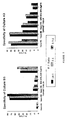
Fig. 3a , b: Identification of minimal epitope for culture B5. Targets: EW-Wil LCL +peptide -
Fig. 3a : Targets + peptides 7-12 ofEBNA 6B 20-mer overlap -
Fig. 3b : Targets +9-mer and 10-mer overlapping peptides of the 20-mer peptide No. 12 -
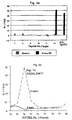
Fig. 4a , b: Identification of minimal epitope for culture A3. Targets: EW-PHA blasts + peptide -
Fig. 4a : Targets + peptides 19-24 of EBNA-6B 20-mer overlap -
Fig. 4b : Targets + dilutions of four of the 10-mer overlapping peptides of the 20-mer peptide No. 19 -
Fig. 5 : Depletion experiment. Targets: EW-C3 (negative T cell culture); Effectors: EW type B epitope specific cultures pooled from LDA cultures. EW = CTL treated with Dynabeads only: EW-CD-8: CTL depleted of CD4 T cells: EW-CD4: CTL depleted of CD8 T cells -
Fig. 6 . Inhibition of type B epitope-positive CTL (culture B-15) by a-Class I but not by a-Class II monoclonal antisera.Peptide 74 = type B reactive peptide; target cells = EW-C3, a noncytolytic T cell culture. - A 17 year old individual (EW) who initially presented with clinical and pathological (EBV IgM positive) symptoms of acute IM was used in this study. She was referred to this laboratory for investigation of her
EBV status 7 months after the initial diagnosis as her clinical symptoms persisted. Four bleeds were obtained from this donor over a period of 12 months during which time the symptoms fluctuated but did not completely resolve. The third and fourth bleeds were used for CTL analysis. - DNA was extracted from PBL by a small scale adaptation of a published extraction procedure (27). EBNA 2A and 2B primers as previously described (20) were used to distinguish between type A and type B EBV by PCR. Briefly, standard PCR reactions were carried out in a 25 µl volume using 1 µg genomic DNA. The template was denatured for 2 min at 94°C before subjecting to 35 PCR cycles (15 s at 94°C. 30 s at 56°C and 15 s at 72°C). PCR amplified products were identified on southern blots using digoxigenin-dUTP (DIG) labelled DNA probes (Boehringer-Mannheim Australia ) generated by PCR using the same primers as above and either the purified M-ABA Bam HI insert from pM-Bam H2 (type A) (36) or the purified Jijoye Bam HI/Pst I insert from pJ-HKA7 (type B) (1) as templates. For the preparation of the probes, DIG-dUTP was present in the PCR reaction with 25 ng of each insert as template.
- Recombinant vaccinia constructs (designated vacc-EBNA-1, vacc-EBNA-2 etc) encoding EBNAs -1, -2B, -4A and -6A, the latent membrane proteins LMP1 and LMP2, the lytic antigens BHRF1 and BZLF1, and the control vacc-TK- have already been described (19.23.33). Vacc- EBNA-3B and vacc- EBNA-6B (i.e. vaccinia constructs encoding the type B sequences of EBNA 3 and EBNA 6 respectively) were constructed from an EBV genomic library derived from purified viral genomes of the prototype type B strain Ag-876 (50). The viral DNA was digested with HindIII and ligated into the λ-ZAP cloning system (Integrated Sciences).
- An 11.07 kbp HindIIIE fragment encoding the EBNA 3 family open reading frames (ORFs) was subcloned into the vector pUC19. A 2.6 kbp BamHI-CEIII (Klenow-treated) fragment within the region containing the BERF1 ORF of EBNA-3 (46) was isolated and ligated into a BamHI-HindII digest of pBCB07. This vaccinia vector drives recombinant gene expression by the 7.5K vaccinia virus promoter (2). The EBNA-3B sequence encoded in the transfer plasmid was inserted into vaccinia virus by transfection and homologous recombination into the TK gene of vaccinia as described (2). A 4 kbp Eco47III-HindIII fragment within the EBV HindIIIE region containing the BERF2b ORF of EBNA-6B was isolated and ligated into a HindII-HindIII digest of pBCB07. This was subsequently processed as for EBNA-3B.
- Integrity of the vacc-EBNA-3B and -6B constructs was confirmed by immunoblot after infection of mouse CV-1 cells. 2x10⁵ CV-1 cells infected with control vaccinia (vacc-TK-). vacc-3B or vacc-6B were lysed in protein sample buffer and separated on a 7% SDS-polyacrylamide gel in a Mini-protean II Cell System (Bio-Rad). After transferring to nitro-cellulose the blot was incubated with a multivalent human serum (MCr) which contained EBNA-specific antibodies. The reactions were visualised with the ECL detection system (Amersham).
Fig. 1 illustrates the production of a 110 kDa protein (EBNA-3B) or a 130 kDa protein (EBNA-6B) corresponding to the expected products of EBNA-3B and EBNA-6B without the short first ORFs. Sequence analysis also confirmed the integrity of the constructs. -
- (a) B Cell Cultures: LCLs were established from EW by exogenous transformation of PBL by QIMR-WIL virus (type A; (38)) and Ag-876 (type B). These LCLs were designated EW-WIL and EW AG-876. Spontaneous LCLs (i.e. autologous LCLs infected with the donor's endogenous virus strain and designated EW-spon) were established in the presence of cyclosporin (41). LCLs from other donors were transformed by QIMR-WIL. B95-8 or IARC-BL74 virus (30) (type A isolates) or by Ag-876 or QIMR-GOR virus (37) (type B isolates). Other lines used in this study include Burkitt lymphoma cell lines (Chep and Mutu) and the spontaneous line QIMR-WW2-LCL (13.43.44). B cell lines were maintained in RPMI 1640 with 10-20%FCS.
- (b) T Cell Cultures: Unfractionated PBL were separated on Ficoll-Paque (Pharmacia. Uppsala, Sweden) and stimulated by incubating with γ-irradiated (8000 rads) autologous LCLs (EW-Wil or EW-Ag-876: 2 x 10⁶ cells per well in 2 ml growth medium without rIL-2. responder:stimulator ratio 50:1) (28). After 3 days, the cultures were cloned in agarose (Seaplaque, FMC Corp. Rockland ME) and the colonies harvested 3-5 days later. Once established. the T cells were maintained in T cell growth medium (RPMI-1640 supplemented with 15% FCS. 30% MLA-144 supernatant (TIB-201: American type Culture Collection. Rockville. MD and rIL-2. 20 units/ml) (45.57). Since the clonal nature of the T cells was not established, they are referred to in the text as cultures rather than clones. The cultures were routinely maintained in either 24-well plates or tissue culture flasks and restimulated twice weekly with γ-irradiated (8000 rads) autologous LCLs.
- Bulk T cell cultures were initially stimulated from the fourth bleed as for cloning but subcultured and maintained after 3-4 days as for T cell colonies. Phytohaemagglutinin (PHA) blasts were generated by stimulation of PBL with PHA (CSL, Melbourne, Australia) and subculturing after 4 days in T cell growth medium. Cultures were regularly screened for mycoplasma contamination.
- Three-colour cytofluorographic analysis of T cell cultures was performed by means of direct immunofluorescence using labelled monoclonal antibodies specific for CD3 (tricolour- conjugated). CD4 (fluorescein -conjugated), and CD8 (phycoerythrin-conjugated) and (Becton Dickinson. California). The labelled cells were analysed on a FACScan (Becton Dickinson, lysis II software).
- T cells were assayed in modified 5-hour 51Cr-release assays (30). Briefly, target cells were labelled for 1 hour with 0.5-1.0µC 51Cr. washed and resuspended at 105 cells/ml. 50µl of target cells were incubated with an equal volume of effectors (Effector:target or E:T ratio generally 10:1) in 96-well V-bottomed microtiter plates, centrifuged, and incubated at 37°C for 5 hours. After centrifuging again, 25µl supernatant was harvested and dried onto 96-well solid scintillation microtiter plates before counting the radioactivity in a Topcount Microplate Scintillation Counter (Packard Instrument Company, Meridan, CT).
- For determination of antigenic specificity, target cells were infected with vaccinia construct (multiplicity of infection approx. 10:1) and labelled with 51Cr by a modification of the previously described procedure (17). Both infection and labelling occurred simultaneously for 2.5 hours before washing and using the cells in CTL assays. In some instances target cells were pretreated in V-wells with monoclonal antibodies to HLA-class I (W6/32) or class II (L243) for 30 min at room temperature before adding effector cells.
- The EBV-specific memory CTL response was assessed as previously described (31).
- Limiting dilution cultures were established by distributing PBL from the fourth bleed in 24 replicates at 2 x 10⁴ cells per well in 96-well roundbottomed microtitre plates. Doubling dilutions were made to a final concentration of 1.6 x 10² per well. Approximately 1 x 10⁴ γ-irradiated (8000 rads) autologous type B (EW-Ag-876) LCLs were added to each well as both feeder and stimulator cells to a total volume of 100µl. Cultures were fed on
days 4 and 7 with 50µl of T cell growth medium and assayed onday 10 or later. The plates were subcultured and maintained in T cell growth medium and stimulated with γ-irradiated EW-Ag-876 LCLs. Initial assays were against type A and type B LCLs and subsequently against peptide-coated PHA-blasts or LCLs. Precursor frequencies were determined by a modification of the method of maximum likelihood estimation (11). Assessment of peptide specific activity. For determination of the antigenic specificity at the peptide level, a set of 20-mer overlapping peptides of EBNA-6B (residues 100-1069 (46)) was prepared using a kit and software distributed by Chiron Mimotopes (Chiron Corporation, Sydney, Australia). Nine-mer and 10-mer overlapping peptides with unblocked C and N termini were manufactured by Chiron Mimotopes. Labelled target cells were preincubated with overlapping peptides in the 96-well trays for 30-60 minutes before adding effectors. Alternatively, labelled targets were preincubated with a high dose of peptide (40-80 µg/ml) then washed twice before using in CTL assays. The washing procedure removes the complication of bystander killing in the latter type of experiments (6). - T-cell cultures were depleted of either CD4 or CD8 cells by pretreating with saturating levels of OKT4 (mouse anti-CD4) or OKT8 (mouse anti-CD8) for 30 min on ice before washing twice and incubating with washed Dynabeads M450 (Sheep anti-mouse IgG coated beads, Dynal, A.S. Oslo. Norway) at 4°C for 60 min with rotation. Beads and adherent cells were removed magnetically and the remaining cells washed once before use in a CTL assay or FACScan analysis.
- PCR analysis revealed the presence of both type A and type B EBV in blood from donor EW. The presence of both virus types was supported by the observation that both type A and type B spontaneous cell lines grew out although only the former (referred to as EW-spon) was established in long term culture.
- Regression analysis indicated that the donor had memory CTL activity to both virus types. The number of cultures that could be assessed was therefore minimal compared with the T cell responses of most type A donors investigated by this laboratory. Accordingly, 25 colonies from the third sample were assayed and seven of these selected for further study. Three of these cultures (B4, B5 and B7) were type B specific i.e. they lysed autologous type B cells (> 15% lysis) but not type A (< 10 % lysis); the other four (A3, A9, B6. and B9) were A-B specific i.e. they lysed both type A and type B autologous LCLs (> 15%) (Table 1).
- The seven selected cultures were assayed for CTL activity towards vaccinia-infected autologous type A LCLs (EW-Wil). Four cultures (A3, A9, B4 and B5) gave significant enhancement of CTL activity when vacc-
EBNA 6B infected LCLs were compared with control cells or vacc-TK- infected target cells. Furthermore, these cultures reacted poorly with other EBV sequences (EBNA-1. EBNA-2B, EBNA-3B. EBNA-4A. LMP1. LMP2. BZLF1 and BHRF1) expressed by recombinant vaccinia viruses thus indicating specificity for the vacc-EBNA-6B infected target. Cultures B5 (type B specific) and A3 (crossreactive) were selected for more detailed analysis. - The specificity of cultures A3 and B5 was confirmed in a separate experiment in which EW-Wil target cells were infected with vacc-EBNA-6A and vacc-EBNA-6B. While the CTL activity of colony A3 was enhanced by infection of the target cells with either construct (<10% to 20-37%). the effector function of colony B5 was enhanced only when target cells were infected with vacc-EBNA-6B (< 10% to 73-79.5%) (
Fig. 2 ). These results suggest that culture B5 recognised a type B specific epitope within EBNA-6 while culture A3 recognised a crossreactive epitope within EBNA-6. - The type B specific culture B5 recognised the peptide corresponding to EBNA-6B residues 210-229 (
peptide 12 of the EBNA-6B set) when assayed against individual 20-mer overlapping peptides preincubated with autologous PHA blasts (Fig. 3a ). Nine-mer and 10-mer overlapping peptides were then assayed to identify the minimal epitope as the 10-mer QNGALAINTF (residues 213-222:Fig. 3b ). The corresponding peptide from the type A overlapping sequence was not recognised by this culture, thus confirming the type B specificity of these T cells. - Culture A3 was assayed against pools of overlapping 20-mer peptides from
EBNA 6B on autologous PHA-blasts in order to identify its peptide target. A pool containing 6 x 20-mer peptides (peptides 19-24 in the EBNA-6B set) from residue 280-349 was recognised by this CTL culture and these peptides were subsequently assayed individually to identify the reactive 20-mer aspeptide 19, residues 280-299 (Fig. 4a ). InFig. 4b , the minimal epitope was identified as LLDFVRFMGV corresponding to residues 284 -293 of theEBNA - As Facs assays revealed that cultures recognising the
EBNA 6B-encoded sequence QNGALAINTF contained mixtures of CD4+, CD4+ CD8+ and CD8+ cells when assayed initially, the possibility that the CTL activity was actually due to a CD4 component needed to be eliminated. Several of these cultures also contained components that killed type A autologous targets, presumably because they were derived from the limiting dilution format and contained a mixture of cells. Depletion and inhibition experiments confirmed that the CD8+ cells were the active CTLs. - In the depletion experiments, Dynabeads were used to deplete either CD4+ or CD8+ cells from reactive cultures. When samples of three different epitope-reactive cultures were tested, depletion of the CD4+ cells (which would have included the CD4+ CD8+ component) did not reduce the CTL activity, but depletion of the CD8+ cells completely abrogated the epitope specific activity (
Fig. 5 ). Facs analysis in one of these experiments confirmed that the active fraction contained the CD8+ cells and that both the CD4+ and the CD4+ -CD8+ cells had been removed.Fig. 6 illustrates the inhibition of the specific CTL activity of the mixed cultures by anti-class I monoclonal antiserum but not by the anti-class II serum that was positive for DR, DP and DQ alleles. It was concluded therefore that this epitope was Class I-restricted. - In order to identify the restricting allele. LCLs, Burkitt's lymphoma cell lines or PHA blasts of known HLA specificity were incubated with minimalised peptides and washed before using as target cells in CTL assays. As Table 2 indicates, the only target cells killed by the QNGALAINTF specific CTLs were those that were both A201 and B62 (B15) positive. In contrast, targets that were A201 but not B62, and target cells that only shared A24 or B51 alleles with the donor were not killed. It was therefore concluded that the epitope is B62 (B15)-restricted. B62 which comprises at least 5 subtypes has recently been reclassified as part of the B15 family.
- In similar experiments, culture A3 consistently recognised cells bearing HLA-A201 but not cells bearing A24, B51, or B62. Furthermore, the CTL activity of this culture was inhibited by anti-class I antibodies but not by anti-class II antibodies. Finally, the A3 minimal epitope corresponds to the motif already identified for HLA-A201 restriction (39). It was therefore concluded that the epitope LLDFVRFMGV corresponding to residues 284-293 in both EBNA-6A and EBNA-6B was HLA Class I A201 restricted.
- Limiting dilution culture methodology was used in order to investigate the magnitude of the type B specific CTL response. PBL stimulated by a feeder layer of irradiated autologous type B cells were assayed after 10 days against type A and type B autologous LCLs. The results indicated a higher frequency of T cell precursors killing type B LCLs than of those killing type A LCLs. There were therefore a number of wells at limiting dilutions that were type B specific. In general, the wells manifesting type B specific activity retained this specificity. After minimalising the epitopes as described above, the cultures were retested for epitope specific activity. A frequency of 1/16395 was calculated for the Type B epitope QNGALAINTF compared with 1/304,890 for the A-B specific epitope LLDFVRFMGV when these cultures were assayed 12 weeks later.
- Additional EBV CTL epitopes where obtained from other donors using similar methods.
- The identification of an EBV type B specific epitope represents the first demonstration of a CTL epitope encoded within type B specific regions of the EBV genome. The epitope was identified as QNGALAINTF corresponding to residues 213-222 of EBNA-6B. The collective data presented here indicates that stimulation of T cells from donor EW by autologous type B infected LCLs reactivated a predominantly type B response rather than a cross-reactive response. The specificity of the type B response could be maintained on extended culture in vitro. Clearly the response to QNGALAINTF would seem to be an immunodominant one as indicated by the number of reactive wells in the limiting dilution cultures. It is also interesting to note that a number of type B- specific CTL cultures were established for which specific epitopes could not be identified. It is possible that the target epitopes for these T cells lie within EBNA-4B or outside the regions included in the EBNA-2B, -3B and -6B constructs.
- The epitope QNGALAINTF appears to be restricted through HLA B62 (B15), although the subtype specificity has yet to be determined. Motifs for B* 1501 have previously been published (39) and F is commonly found in the last anchor position (9 or 10) as in the epitope identified here. Q or L appear to be the preferred residues at
position 2 of B*1501: for the new epitope, Q is atposition 1. The corresponding type A sequence for this peptide (QNAARTLNTF) was nonreactive in CTL assays, thus confirming the type B specificity of the epitope. - A second epitope LLDFVRFMGV also represents a previously unrecognised EBV-encoded epitope. This sequence corresponds to residues 284 -293 of both EBNA-6A and 6B and was shown to be restricted by HLA-A201.
- An interesting facet of this work was the detection of both type A and type B EBV in the one donor by PCR of both PBL and spontaneous cell lines. Although the available evidence indicates a high prevalence of type B in the community, it is known that in healthy donors type A predominates as the one that is easiest to isolate. Until now, responses to type A virus have therefore been easier to identify.
- It was noted in the results section that the donor did not give a particularly active cloning response. It is possible that the type B viruses are less immunogenic than type A. or even that type B EBV has evolved in part to evade the immune system. Type B viruses could conceivably normally be resident in the epithelial compartment rather than the lymphocyte compartment due to their lower transformation efficiency. In this situation, type B epitopes may not be readily presented to the immune system. As already implied, the lower transformation efficiency of type B viruses (42) may hinder reinforcement over time of the immune response to the latency antigens.
- Finally, it is important when considering the possibility of vaccinating against EBV to recognise that it may be necessary to vaccinate against both type A and type B. If a patient, particularly a transplant patient at risk of EBV-related post-transplant lymphoma (8), is protected against type A but not type B, there may even be greater risk of clinical disease if subsequently infected with the other virus type. It is particularly important to consider EBV type B epitopes in view of the finding that type B is commonly detected in immunosuppressed individuals. Subunit vaccines against EBV are currently being trialed. In the long term, such vaccines would ideally contain cross-protective specificities. Definition of type B and cross-reactive epitopes allows development of a more effective vaccine, more effective in terms of the range of EBV specificities and HLA types that are covered by the vaccine.
-
- 1. Adldinger. H. K., H. Delius, U. K. Freese, J. Clarke, and G. W. Bornkamm. 1985. A putative transforming gene of Jijoye virus differs from that of Epstein-Barr virus prototypes. Virology 141:221-234.
- 2. Andrew, M. E., B. E. Coupar, D. B. Boyle, and G. L. Ada. 1987. The roles of influenza virus haemagglutinin and nucleoprotein in protection: analysis using vaccinia virus recombinants. Scand. J. Immunol. 25:21-28.
- 3. Apolloni. A. and T. B. Sculley. 1994. Detection of A-type and B-type Epstein-Barr virus in throat washings and lymphocytes. Virology 202:978-981.
- 4. Bogedain. C., H. Wolf, S. Modrow, G. Stuber, and W. Jilg. 1995. Specific cytotoxic T lymphocytes recognize the immediate-early transactivator Zta of Epstein-Barr virus. J. Virol. 69:4872-4879.
- 5. Buisson, M., P. Morand, O. Genoulaz, M. J. Bourgeat, M. Micoud, and J. M. Seigneurin. 1994. Changes in the dominant Epstein-Barr virus type during human immunodeficiency virus infection. J. Gen. Virol. 75:431-437.
- 6. Burrows. S. R., A. Fernan, V. Argaet, and A. Suhrbier. 1993. Bystander apoptosis induced by CD8+ cytotoxic T cell (CTL) clones: implications for CTL lytic mechanisms. Int. Immunol. 5:1049-1058.
- 7. Burrows. S. R., I. S. Misko, T. B. Sculley, C. Schmidt, and D. J. Moss. 1990. An Epstein-Barr virus-specific cytotoxic T-cell epitope present on A- and b-type transformants. J. Virol. 64:3974-3976.
- 8. Crawford. D. H., J. A. Thomas, G. Janossy, P. Sweny, O. N. Fernando. J. F. Moorhead, and J. H. Thompson. 1980. Epstein Barr virus nuclear antigen positive lymphoma after cyclosporin A treatment in patient with renal allograft. Lancet 1:1355-1356.
- 9. Dambaugh, T., K. Hennessy, L. Chamnankit, and E. Kieff. 1984. U2 region of Epstein-Barr virus DNA may encode Epstein-Barr .
- 10. Doherty, P. C., R. A. Tripp, and J. W. Sixbey. 1994. Evasion of host immune responses by tumours and viruses. Ciba. Found. Symp. 187:245-256.
- 11. Fazekas de St Groth, S. 1982. The evaluation of limiting dilution assays. J. Immunol. Methods 49:R11-23.
- 12. Gratama, J. W., M. A. Oosterveer. W. Weimar, K. Sintnicolaas, W. Sizoo, R. L. Bolhuis, and I. Ernberg. 1994. Detection of multiple 'Ebnotypes' in individual Epstein-Barr virus carriers following lymphocyte transformation by virus derived from peripheral blood and oropharynx. J. Gen. Virol. 75:85-94.
- 13. Gregory, C. D., M. Rowe, and A. B. Rickinson. 1990. Different Epstein-Barr virus-B cell interactions in phenotypically distinct clones of a Burkitt's lymphoma cell line. J. Gen. Virol. 71:1481-1495.
- 14. Henle, G., E. T. Lennette, M. A. Alspaugh, and W. Henle. 1979. Rheumatoid factor as a cause of positive reactions in tests for epstein-barr virus-specific IgM antibodies. Clin. Exp. Immunol. 36:415-422.
- 15. Henle, W. and G. Henle. 1979. Seroepidemiology of the Virus, p. 61-78. In M. A. Epstein and B. G. Achong (eds.), The Epstein-Barr Virus. Springer-Verlag, Berlin.
- 16. Hu, L. F.. J. Minarovits, S. L. Cao. B. Contreras-Salazar. L. Rymo, K. Falk, G. Klein, and I. Ernberg. 1991. Variable expression of latent membrane protein in nasopharyngeal carcinoma can be related to methylation status of the Epstein-Barr virus BNLF-1 5'-flanking region. J. Virol. 65:1558-1567.
- 17. Khanna, R., S. R. Burrows, M. G. Kurilla, C. A. Jacob, I. S. Misko, T. B. Sculley, E. Kieff, and D. J. Moss. 1992. Localization of Epstein-Barr virus cytotoxic T-cell epitopes using recombinant vaccinia: implications for vaccine development. J. Exp. Med. 176:169-176.
- 18. Khanna, R., S. R. Burrows, and D. J. Moss. 1995. Immune regulation in Epstein-Barr virus-associated diseases. Microbiol. Rev. 59:387-405.
- 19. Khanna, R., C. A. Jacob, S. R. Burrows, M. G. Kurilla, E. Kieff, I. S. Misko, and D. J. Moss. 1991. Expression of Epstein-Barr virus nuclear antigens in anti-IgM-stimulated B cells following recombinant vaccinia infection and their recognition by human cytotoxic T-cells. Immunology 74:504-510.
- 20. Kyaw, M. T., L. Hurren, L. Evans, D. J. Moss, D. A. Cooper. E. Benson, D. Esmore, and T. B. Sculley. 1992. Expression of B-type Epstein-Barr virus in HIV-infected patients and cardiac transplant recipients. AIDS Res. Hum. Retroviruses 8:1869-1874.
- 21. Landau, Z., R. Gross, A. Sanilevich. A. Friedmann, and S. Mitrani Rosenbaum. 1994. Presence of infective Epstein-Barr virus in the urine of patients with infectious mononucleosis. J. Med. Virol. 44:229-233.
- 22. Laroche. C., E. B. Drouet. P. Brousset. C. Pain. A. Boibieux, F. Biron, J. Icart, G. A. Denoyel, and A. Niveleau. 1995. Measurement by the polymerase chain reaction of the Epstein-Barr virus load in infectious mononucleosis and AIDS-related non-Hodgkin's lymphomas. J. Med. Virol. 46:66-74.
- 23. Lear, A. L., M. Rowe, M. G. Kurilla, S. Lee, S. Henderson. E. Kieff, and A. B. Rickinson. 1992. The Epstein-Barr virus (EBV) .
- 24. Lewin, N.. P. Aman, M. G. Masucci, E. Klein, G. Klein, B. Oberg, H. Strander, W. Henle, and G. Henle. 1987. Characterization of EBV-carrying B-cell populations in healthy seropositive individuals with regard to density, release of transforming virus and spontaneous outgrowth. Int. J. Cancer 39:472-476.
- 25. Lung, M. L., R. S. Chang, M. L. Huang, H. Y. Guo, D. Choy, J. Sham, S. Y. Tsao, P. Cheng, and M. H. Ng. 1990. Epstein-Barr virus genotypes associated with nasopharyngeal carcinoma in southern China. Virology 177:44-53.
- 26. Miller, C. L., J. H. Lee, E. Kieff, and R. Longnecker. 1994. An integral membrane protein (lmp2) blocks reactivation of epstein-barr virus from latency following surface immunoglobulin crosslinking. Proc. Natl. Acad. Sci. U. S A. 91:772-776.
- 27. Miller, N. and L. M. Hutt-Fletcher. 1988. A monoclonal antibody to glycoprotein gp85 inhibits fusion but not attachment of Epstein-Barr virus. J. Virol. 62:2366-2372.
- 28. Misko, I. S., T. D. Soszynski, R. G. Kane, and J. H. Pope. 1984. Factors influencing the human cytotoxic T-cell response to autologous lymphoblastoid cell lines in vitro. Clin. Immunol. Immunopathol. 32:285-297.
- 29. Miyashita, E. M., B. Yang, K. M. Lam, D. H. Crawford, and D. A. Thorley-Lawson. 1995. A novel form of Epstein-Barr virus latency in normal B cells in vivo. Cell 80:593-601.
- 30. Moss, D. J., I. S. Misko, S. R. Burrows, K. Burman, R. McCarthy, and T. B. Sculley. 1988. Cytotoxic T-cell clones discriminate between A- and B-type Epstein-Barr virus transformants. Nature 331:719-721.
- 31. Moss, D. J., A. B. Rickinson, and J. H. Pope. 1978. Long-term T-cell-mediated immunity to Epstein-Barr virus in man. I. Complete regression of virus-induced transformation in cultures of seropositive donor leukocytes. Int. J. Cancer 22:662-668.
- 32. Murray. R. J., M. G. Kurilla, J. M. Brooks, W. A. Thomas, M. Rowe, E. Kieff, and A. B. Rickinson. 1992. Identification of target antigens for the human cytotoxic T-cell response to Epstein-Barr virus (EBV): implications for the immune control of EBV-positive malignancies. J. Exp. Med. 176:157-168.
- 33. Murray, R. J., M. G. Kurilla, H. M. Griffin, J. M. Brooks, M. Mackett, J. R. Arrand, M. Rowe, S. R. Burrows, D. J. Moss, E. Kieff, and A. B. Rickinson. 1990. Human cytotoxic T-cell responses against Epstein-Barr virus nuclear antigens demonstrated by using recombinant vaccinia viruses. Proc. Natl. Acad. Sci. U. S A. 87:2906-2910.
- 34. Nilsson, K., G. Klein, W. Henle, and G. Henle. 1971. The establishment of lymphoblastoid lines from adult and fetal human lymphoid tissue and its dependence on EBV. Int. J. Cancer 8:443-450.
- 35. Okano, M., S. Matsumoto, T. Osato, Y. Sakiyama, G. M. Thiele, and D. T. Purtilo. 1991. Severe chronic active Epstein-Barr virus infection syndrome. Clin. Microbiol. Rev. 4:129-135.
- 36. Polack, A., G. Hartl, U. Zimber, U. K. Freese, G. Laux, K. Takaki, B. Hohn, L. Gissmann, and G. W. Bornkamm. 1984. A complete set of overlapping cosmid clones of M-ABA virus derived from nasopharyngeal carcinoma and its similarity to other Epstein-Barr virus isolates. Gene 27:279-288.
- 37. Pope, J. H., B. G. Achong, M. A. Epstein, and J. Biddulph. 1967. Burkitt lymphoma in New Guinea: establishment of a line of lymphoblasts in vitro and description of their fine structure. J. Natl. Cancer Inst. 39:933-945.
- 38. Pope, J. H., M. K. Horne, and W. Scott. 1968. Transformation of fetal human leucocytes in vitro by filtrates of a human leukemic cell line containing herpes-like virus. Int. J. Cancer 3:857-844.
- 39. Rammensee, H. G.. T. Friede, and S. Stevanoviic. 1995. MHC ligands and peptide motifs: first listing. Immunogenetics 41:178-228.
- 40. Ressing, M. E., A. Sette, R. M. Brandt, J. Ruppert, P. A. Wentworth, M. Hartman, C. Oseroff, H. M. Grey, C. J. Melief, and W. M. Kast. 1995. Human CTL epitopes encoded by human papillomavirus type 16 E6 and E7 identified through in vivo and in vitro immunogenicity studies of HLA-A*0201-binding peptides. J. Immunol. 154:5934-5943.
- 41. Rickinson, A. B., M. Rowe, I. J. Hart, Q. Y. Yao, L. E. Henderson, H. Rabin, and M. A. Epstein. 1984. T-cell-mediated regression of spontaneous and of Epstein-Barr virus-induced B-cell transformation in vitro: studies with cyclosporin A. Cell. Immunol. 87:646-658.
- 42. Rickinson, A. B., L. S. Young, and M. Rowe. 1987. Influence of the Epstein-Barr virus .
- 43. Rooney, C. M., A. B. Rickinson, D. J. Moss, G. M. Lenoir, and M. A. Epstein. 1984. Paired Epstein-Barr virus-carrying lymphoma and lymphoblastoid cell lines from Burkitt's lymphoma patients: comparative sensitivity to non-specific and to allo-specific cytotoxic responses in vitro. Int. J. Cancer 34:339-348.
- 44. Rooney, C. M., M. Rowe, L. E. Wallace, and A. B. Rickinson. 1985. Epstein-Barr virus-positive Burkitt's lymphoma cells not recognized by virus-specific T-cell surveillance. Nature 317:629-631.
- 45. Rosenberg, S. A., E. A. Grimm, M. McGrogan, M. Doyle, E. Kawasaki, K. Koths, and D. F. Mark. 1984. Biological activity of recombinant human interleukin-2 produced in Escherichia coli. Science 223:1412-1414.
- 46. Sample. J. and E. Kieff. 1990. Transcription of the Epstein-Barr virus genome during latency in growth-transformed lymphocytes. J. Virol. 64:1667-1674.
- 47. Sculley, T. B., A. Apolloni, L. Hurren, D. J. Moss, and D. A. Cooper. 1990. Coinfection with A- and B-type Epstein-Barr virus in human immunodeficiency virus-positive subjects. J. Infect. Dis. 162:643-648.
- 48. Sculley, T. B., A. Apolloni, R. Stumm, D. J. Moss, N. Mueller-Lantzsch, I. S. Misko, and D. A. Cooper. 1989. Expression of Epstein-Barr virus nuclear antigens 3, 4, and 6 are altered in cell lines containing B-type virus. Virology 171:401-408.
- 49. Selin, L. K., S. R. Nahill, and R. M. Welsh. 1994. Cross-reactivities in memory cytotoxic T lymphocyte recognition of heterologous viruses. J. Exp. Med. 179:1933-1943.
- 50. Silins, S. L., V. P. Argaet, and T. B. Sculley. 1992. Isolation of Epstein-Barr virus genomes using pulse-field gel electrophoresis. Nucleic Acids Res. 20:2901
- 51. Sixbey, J. W., P. Shirley, P. J. Chesney, D. M. Buntin, and L. Resnick. 1989. Detection of a second widespread strain of Epstein-Barr virus. Lancet 2:761-765.
- 52. Sumaya, C. V. and Y. Ench. 1985. Epstein-Barr virus infectious mononucleosis in children. I. Clinical and general laboratory findings. Pediatrics 75:1003-1010.
- 53. Tomkinson, B. E., D. K. Wagner, D. L. Nelson, and J. L. Sullivan. 1987. Activated lymphocytes during acute Epstein-Barr virus infection. J. Immunol. 139:3802-3807.
- 54. Tussey, L. G., S. Rowland Jones, T. S. Zheng, M. J. Androlewicz, P. Cresswell, J. A. Frelinger, and A. J. McMichael. 1995. Different MHC class I alleles compete for presentation of overlapping viral epitopes. Immunity. 3:65-77.
- 55. Wagner, H. J., G. Bein, A. Bitsch, and H. Kirchner. 1992. Detection and quantification of latently infected B lymphocytes in Epstein-Barr virus-seropositive, healthy individuals by polymerase chain reaction. J. Clin. Microbiol. 30:2826-2829.
- 56. Walling, D. M., S. N. Edmiston, J. W. Sixbey, M. Abdel-Hamid, L. Resnick, and N. Raab-Traub. 1992. Coinfection with multiple strains of the Epstein-Barr virus in human immunodeficiency virus-associated hairy leukoplakia. Proc. Natl. Acad. Sci. U. S A. 89:6560-6564.
- 57. Wang, A., S. D. Lu, and D. F. Mark. 1984. Site-specific mutagenesis of the human interleukin-2 gene: structure-function analysis of the cysteine residues. Science 224:1431-1433.
- 58. Yamamoto, M., H. Kimura, T. Hironaka, K. Hirai, S. Hasegawa, K. Kuzushima, M. Shibata, and T. Morishima. 1995. Detection and quantification of virus DNA in plasma of patients with Epstein-Barr virus-associated diseases. J. Clin. Microbiol. 33:1765-1768.
- 59. Yao, Q. Y., A. B. Rickinson, and M. A. Epstein. 1985. A re-examination of the Epstein-Barr virus carrier state in healthy seropositive individuals. Int. J. Cancer 35:35-42.
- * Epitope sequence not minimalised
- Bogedain, C.. Wolf, H., Modrow, S., Stuber, G., and Jilg, W. (1995).Specific cytotoxic T lymphocytes recognize the immediate-early transactivator Zta of Epstein-Barr virus. J. Virol. 69, 4872-4879.
- Brooks, J.M., Murray, R.J., Thomas, W.A., Kurilla, M.G., and Rickinson. A.B. (1993). Different HLA-B27 subtypes present the same immunodominant Epstein-Barr virus peptide. J. Exp. Med. 178, 879-887.
- Burrows, S.R., Misko, I.S., Sculley, T.B.. Schmidt, C., and Moss, D.J. (1990). An Epstein-Barr virus-specific cytotoxic T-cell epitope present on A- and b-type transformants. J. Virol. 64, 3974-3976.
- Burrows, S.R., Rodda, S.J., Suhrbier, A., Geysen, H.M., and Moss, D.J. (1992). The specificity of recognition of a cytotoxic T lymphocyte epitope. Eur. J. Immunol. 22, 191-195.
- Burrows, S.R., Gardner, J., Khanna, R., Steward, T., Moss, D.J.. Rodda, S., and Suhrbier. A. (1994). Five new cytotoxic T cell epitopes identified within Epstein-Barr virus nuclear antigen 3. J. Gen. Virol. 75, 2489-2493.
- Gavioli, R., Kurilla, M.G.. de Campos-Lima, P.O.. Wallace, L.E., Dolcetti. R., Murray, R.J.. Rickinson, A.B., and Masucci. M.G. (1993). Multiple HLA All-restricted cytotoxic T-lymphocyte epitopes of different immunogenicities in the Epstein-Barr virus-encoded nuclear antigen 4. J. Virol. 67, 1572-1578.
- Hill, A., Worth, A., Elliott, T., Rowland-Jones, S., Brooks, J., Rickinson. A., and McMichael. A. (1995). Characterization of two Epstein-Barr virus epitopes restricted by HLA-B7. Eur. J. Immunol. 25, 18-24.
- Hill, A.B., Lee, S.P., Haurum, J.S., Murray, N., Yao, Q.Y., Rowe, M., Signoret, N., Rickinson. A.B., and McMichael, A.J. (1995). Class I major histocompatibility complex-restricted cytotoxic T lymphocytes specific for Epstein-Barr virus (EBV)-transformed B lymphoblastoid cell lines against which they were raised. J. Exp. Med. 181, 2221-2228.
- Khanna, R., Burrows, S.R., Kurilla, M.G., Jacob, C.A., Misko, I.S., Sculley, T.B., Kieff, E., and Moss, D.J. (1992). Localization of Epstein-Barr virus cytotoxic T-cell epitopes using recombinant vaccinia: implications for vaccine development. J. Exp. Med. 176, 169-176.
- Khanna. R., Burrows, S.R., and Moss, D.J. (1995a). Immune regulation in Epstein-Barr virus-associated diseases. Microbiol. Rev. 59, 387-405.
- Khanna, R., Burrows, S.R., Steigerwald Mullen, P.M., Thomson, S.A., Kurilla. M.G., and Moss. D.J. (1995b). Isolation of cytotoxic T lymphocytes from healthy seropositive individuals specific for peptide epitopes from Epstein-Barr virus nuclear antigen 1: implications for viral persistence and tumor surveillance. Virology 214, 633-637.
- Lee, S.P., Thomas, W.A., Murray, R.J., Khanim, F., Kaur, S., Young, L.S., Rowe, M., Kurilla, M., and Rickinson, A.B. (1993). HLA A2.1-restricted cytotoxic T-cells recognizing a range of Epstein-Barr virus isolates through a defined epitope in latent membrane. J. Virol. 67, 7428-7435.
- Morgan. S.M., Wilkinson, G.W., Floettmann, E., Blake. N., and Rickinson, A.B. (1996). A recombinant adenovirus expressing an Epstein-Barr virus (EBV) target antigen can selectively reactivate rare components of EBV cytotoxic T-lymphocyte memory in vitro. .,
- Schmidt. C., Burrows, S.R., Sculley, T.B., Moss, D.J., and Misko, I.S. (1991). Nonresponsiveness to an immunodominant Epstein-Barr virus-encoded cytotoxic T-lymphocyte epitope in nuclear antigen 3a: implications for vaccine strategies. Proc. Natl. Acad. Sci. U. S A. 88, 9478-9482.
| Culture No. # | Target Cells (% Lysis) | Facs Markers (% +ve) | Specificity * | |||||
| EW-Wil (type A) |
EW-Ag-876 (type B) |
K562 (NK sensitive) |
CD3+ | CD4+ CD3+ |
CD8+ CD3+ |
CD4+CD8+ CD3+ |
||
| A3 | 33.8 | 17.0 | 8.2 | 97.5 | 0.3 | 85 | 2 | A-B |
| A9 | 17.7 | 10.0 | 6.1 | 89 | 2 | 82 | 10 | A-B |
| B4 | 6.6 | 16.6 | 4.3 | 93 | 2 | 70 | 0 | B |
| B5 | 5.9 | 23.8 | 7.8 | 95 | 4 | 90.5 | 5.1 | B |
| B6 | 18.5 | 31.3 | 9.6 | 80 | 2 | 66 | 7 | A-B |
| B7 | 8.1 | 30.2 | 4.1 | 86 | 80 | 0 | 1 | B |
| B9 | 16.8 | 7.7 | 4.1 | 87 | 0 | 96 | 0 | A-B |
| # Cultures designated A were generated by stimulation with type A autologous LCLs; cultures designated B were derived by stimulation with type B autologous LCLs | ||||||||
| * A-B specificity: > 10% of both type A and B autologous cell lines; type B specificity: < 10% lysis of type A and > 15% lysis of type B autologous cell lines | ||||||||
| TARGET CELLS (Transforming isolate) |
EBV TYPE | CLASS I ALLELES | B-type epitope CTL | Cross-reactive epitope CTL | |||||
| -Pep | +Pep | -Pep2 | +Pep | ||||||
| EW-PHA BLASTS | - | A2 | A24 | B51 | B62 | - | + | - | + + |
| RM-LCL (WIL) | A | A101 | A2 | B8 | B62 | - | + | - | ++ |
| LP-LCL (WIL) | A | A2 | A32 | B35 | B62 | - | + | +,- | + + |
| PGP-LCL(PUY) | A | A1 | A24 | B8 | B14 | - | - | - | - |
| WW II-LCL (WWII) | A | A11 | A24 | B18 | B39 | - | - | - | ((+)) |
| IM-LCL (GOR) | B | A1 | A11 | B51 | B8 | - | NT | - | NT |
| AS-LCL | A,B | A201 | A24 | B51 | B62 | - | NT | NT | NT |
| SB-PHA | - | A201 | A201 | B35 | B57 | - | - | - | ++ |
| CHEP (BL) 1 | A | A2 | A3 | B7 | - | - | - | - | |
| MUTU (BL) | A | A1 | A2 | B45 | - | - | - | + | |
| TM-LCL (Wil) | A | A11 | A32 | B35 | B15 | - | - | - | - |
| JAP-LCL (Wil) | A | A2 | A28 | B8 | B15 | - | + | - | + |
| 1: BL = Burkitt's Lymphoma cell lines - used as targets in peptide experiments as the level of background killing is low 2: Clone A3 was originally selected on the basis of CTL activity towards both EW-Wil (type A) and EW-Ag-876 (type B) LCL's, but in the above experiments this clone had low activity only towards heterologous Wil-transformed LCL's. Cultures that recognised either the crossreactive epitope or the type B-specific epitope were tested in CTL assays against heterologous cell lines with or without specific peptide |
| EBV Antigen | Peptide Epitope | HLA Restriction | EBV Type |
| EBNA3A | QVKWRMTTL | HLA B8 | Type 2 |
| EBNA3A | VFSDGRVAC | HLA A29 | Type 1 |
| EBNA3A | VPAPAGPIV | HLA B7 | Type 1 |
| EBNA3B | TYSAGIVQI | HLA A24 | Type 1 |
| EBNA3C | LLDFVRFMGV | HLA A2 | Type 1 & 2 |
| EBNA3C | QNGALAINTF | HLA B62 | Type 2 |
| EBNA3A | VSSDGRVAC | HLA A29 | Type 1 |
| EBNA3A | VSSEGRVAC | HLA A29 | Type 1 |
| EBNA3A | VSSDGRVPC | HLA A29 | Type 1 |
| EBNA3A | VSSDGLVAC | HLA A29 | Type 1 |
| EBNA3A | VSSDGQVAC | HLA A29 | Type 1 |
| EBNA3A | VSSDGRWC | HLA A29 | Type 1 |
| EBNA3A | VPAPPVGPIV | HLA B7 | Type 1 |
| EBNA3A | VEITPYEPTG | HLA B44 | Type 1 |
| EBNA3A | VEITPYEPTW | HLA B44 | Type 1 |
| EBNA3A | VELTPYKPTW | HLA B44 | Type 1 |
| EBNA3C | RRIYDLIKL | HLA B27 | Type 1 |
| EBNA3C | RKIYDLIEL | HLA B27 | Type 1 |
| LMP2A | PYLFWLAGI | HLA A23 |
| EBV Antigen | Peptide Epitope | HLA Restriction | EBV Type | Reference | |
| EBNA1 | TSLYNLRRGTALA | HLA DR1 | Type 1 & 2 | (Khanna 1995A) | |
| EBNA2 | DTPLIPLTIF | HLA B51/A2 | Type 1 | (Schmidt 1991) | |
| EBNA2 | TVFYNIPPNIPL | HLA DQ2 | Type 1 |
|
|
| EBNA3A | VEITPYKPTW | HLA B44 | Type 1 |
|
|
| EBNA4 | VSFIEFVGW | HLA B57 | Type 1 |
|
|
| EBNA6 | FRKAQIQGL | HLA B57 | Type 1 |
|
|
| EBNA3A | FLRGRAYGL | HLA B8 | Type 1 | (Burrows 1992) | |
| EBNA3A | QAKWRLQTL | HLA B8 | Type 1 | (Burrows 1994B) | |
| EBNA3A | SVRDRLARL | HLA A2 | Type 1 & 2 | (Burrows 1994B) | |
| EBNA3A | YPLHEQHGM | HLA B35 | Type 1 | (Burrows 1994B) | |
| EBNA3A | HLAAQGMAY | HLA? | Type 1 | (Burrows 1994B) | |
| EBNA3A | RPPIFIRRL | HLA B7 | Type 1 | (Hill 1995) | |
| EBNA3A | RLRAEAGVK | HLA A3 | Type 1 | (Hill 1995) | |
| EBNA3B | IVTDFSVIK | HLA A11 | Type 1 | (Gavioli 1993A) | |
| EBNA3B | AVFDRKSDAK | HLA A11 | Type 1 | (Gavioli 1993A) | |
| EBNA3A | *NPTQAPVIQLVHAVY | HLA A11 | Type 1 | (Gavioli 1993A) | |
| EBNA3A | *LPGPQVTAVLLHEES | HLA A11 | Type 1 | (Gavioli 1993A) | |
| EBNA3A | *DEPASTEPVHDQLL | HLA A11 | Type 1 | (Gavioli 1993A) | |
| | RYSIFFDY | HLA | 24 | Type 1 | (Burrows 1992) |
| EBNA3B | AVLLHEESM | HLA B35 | Type 1 | (Khanna 1995) | |
| EBNA3B | RRARSLSAERY | HLA B27 | Type 1 | (Hill 1995) | |
| EBNA3C | EENLLDFVRF | | Type | 1 & 2 | (Burrows 1990) |
| EBNA3C | KEHVIQNAF | HLA B44 | Type 1 | (Khanna 1992) | |
| EBNA3C | RRIYDLIEL | HLA B27 | Type 1 | (Brooks 1993B) | |
| EBNA3C | QPRAPIRPI | | Type | 1 & 2 | (Hill 1995) |
| EBNA3C | EGGVGWRHW | B44 | (Morgan 1996) | ||
| LMP2A | CLGGLLTMV | | Type | 1 & 2 | (Lee 1993B) |
| LMP2A | RRRWRRLTV | HLA B27 | Type 1 | (Brooks 1993B) | |
| Zta | RAKFKQLL | HLA B8 | (Bogedain 1995) | ||
| Zta | *RKCCRAKFKQLLQHYR | HLA Cw6 | (Bogedain 1995) |
Claims (15)
- A cytotoxic Epstein-Barr virus T-cell epitope, the epitope being selected from the group consisting of QVKWRMTTL and QNGALAINTF.
- An EBV type B-specific subunit vaccine, the vaccine including at least one T-cell epitope selected from the group consisting of QVKWRMTTL and QNGALAINTF.
- An EBV type B-specifc vaccine including the cytotoxic T-cell epitopes QVKWRMTTL and QNGALAINTF.
- A vaccine as claimed in claims 2 or 3 in which the vaccine further includes at least one antigen in addition to the cytotoxic T-cell epitope.
- A vaccine as claimed in claim 4 in which the antigen is selected from the group consisting of tetanus toxoid, diphtheria toxoid, Bordetella pertussis antigens, poliovirus antigens, gp350 protein, and combinations thereof.
- A vaccine as claimed in claim 5 in which the antigen is tetanus toxoid.
- A vaccine as claimed in any one of claims 2 to 6 in which the vaccine comprises a water-in-oil formulation.
- An EBV type B-specific nucleic acid vaccine, the vaccine including a nucleic acid sequence encoding cytotoxic T-cell epitopes selected from the group consisting of QVKWRMTRL and QNGALAINTF.
- An EBV type B-specific nucleic acid vaccine, the vaccine including a nucleic acid sequence encoding the cytotoxic T-cell epitopes QVKWRMTTL and QNGALAINTF.
- A cytotoxic Epstein-Barr virus T-cell epitope as defined in claim 1 for use in medicine.
- The use of a cytotoxic Epstein-Barr virus T-cell epitope as defined in claim 1 in the preparation of an EBV type B-specific vaccine for the prophylaxis or therapy of an infection caused by Epstein-Barr virus type B.
- The use of an isolated nucleic acid encoding a cytotoxic Epstein-Barr virus T-cell epitope selected from the group consisting of QVKWRMTTL and QNGALAINTF in the preparation of an EBV type B-specific nucleic acid vaccine for the prophylaxis or therapy of an infection caused by Epstein-Barr virus type B.
- A vaccine as claimed in claims 2 or 3 further comprising a helper epitope.
- The use of a cytotoxic Epstein-Barr virus T-cell epitope as defined in claim 1 in combination with an antigen in the preparation of an EBV type B-specific vaccine for the prophylaxis or therapy of an infection caused by Epstein-Barr virus type B.
- The use of a cytotoxic Epstein-Barr virus T-cell epitope as defined in claim 1 in combination with a helper epitope of an EBV type B-specific in the preparation of a vaccine for the prophylaxis or therapy of an infection caused by Epstein-Barr virus type B.
Applications Claiming Priority (3)
| Application Number | Priority Date | Filing Date | Title |
|---|---|---|---|
| AUPO0073/96 | 1996-05-24 | ||
| AUPO0073A AUPO007396A0 (en) | 1996-05-24 | 1996-05-24 | Ebv ctl epitopes |
| PCT/AU1997/000328 WO1997045444A1 (en) | 1996-05-24 | 1997-05-23 | Ebv ctl epitopes |
Publications (3)
| Publication Number | Publication Date |
|---|---|
| EP0906335A1 EP0906335A1 (en) | 1999-04-07 |
| EP0906335A4 EP0906335A4 (en) | 2002-01-09 |
| EP0906335B1 true EP0906335B1 (en) | 2008-02-13 |
Family
ID=3794389
Family Applications (1)
| Application Number | Title | Priority Date | Filing Date |
|---|---|---|---|
| EP97921544A Expired - Lifetime EP0906335B1 (en) | 1996-05-24 | 1997-05-23 | Ebv type b ctl epitopes |
Country Status (8)
| Country | Link |
|---|---|
| EP (1) | EP0906335B1 (en) |
| JP (1) | JP2000511522A (en) |
| AT (1) | ATE386049T1 (en) |
| AU (1) | AUPO007396A0 (en) |
| CA (1) | CA2255927A1 (en) |
| DE (1) | DE69738512D1 (en) |
| GB (1) | GB2332907B (en) |
| WO (1) | WO1997045444A1 (en) |
Families Citing this family (12)
| Publication number | Priority date | Publication date | Assignee | Title |
|---|---|---|---|---|
| AUPO784197A0 (en) * | 1997-07-10 | 1997-08-07 | Csl Limited | Treatment of nasopharyngeal carcinoma |
| ATE516045T1 (en) | 2003-01-24 | 2011-07-15 | Univ Massachusetts Medical | IDENTIFICATION OF VACCINIA VIRUS-DOMINANT T-CELL EPITOPES |
| US8067535B2 (en) | 2003-01-24 | 2011-11-29 | The University Of Massachusetts | Identification of gene sequences and proteins involved in vaccinia virus dominant T cell epitopes |
| CA2889064A1 (en) | 2012-10-19 | 2014-04-24 | The Council Of The Queensland Institute Of Medical Research | Improved human herpesvirus immunotherapy |
| CN105555756B (en) | 2013-06-28 | 2018-12-07 | 奥克兰联合服务有限公司 | Amino acid conjugates and peptide conjugates and methods of conjugation |
| CN106794236B (en) | 2014-04-15 | 2021-09-03 | 格里菲斯大学 | Group A streptococcus vaccine |
| US10253062B2 (en) * | 2014-12-23 | 2019-04-09 | Margaret Anne Brimble | Amino acid and peptide conjugates and uses thereof |
| US11464853B2 (en) | 2016-02-26 | 2022-10-11 | Auckland Uniservices Limited | Amino acid and peptide conjugates and conjugation process |
| MX2019002497A (en) | 2016-09-02 | 2019-08-14 | Univ James Cook | Wound healing peptide. |
| KR102703633B1 (en) | 2016-11-09 | 2024-09-05 | 그리피스 유니버시티 | Subtilis cytotoxin B subunit mutant |
| NL2023863B1 (en) | 2019-09-20 | 2021-05-25 | Univ Griffith | Protein particles and uses thereof |
| JP7825273B2 (en) | 2019-11-25 | 2026-03-06 | グリフィス ユニバーシティー | Immunogenic proteins for gonorrhea |
Family Cites Families (2)
| Publication number | Priority date | Publication date | Assignee | Title |
|---|---|---|---|---|
| US5374517A (en) * | 1989-11-24 | 1994-12-20 | Council Of The Queensland Institute Of Medical Research | IM peptides |
| AUPM446594A0 (en) * | 1994-03-16 | 1994-04-14 | Csl Limited | Cytotoxic t-cell epitopes identified within epstein-barr virus |
-
1996
- 1996-05-24 AU AUPO0073A patent/AUPO007396A0/en not_active Abandoned
-
1997
- 1997-05-23 CA CA002255927A patent/CA2255927A1/en not_active Abandoned
- 1997-05-23 AT AT97921544T patent/ATE386049T1/en not_active IP Right Cessation
- 1997-05-23 JP JP09541282A patent/JP2000511522A/en not_active Ceased
- 1997-05-23 EP EP97921544A patent/EP0906335B1/en not_active Expired - Lifetime
- 1997-05-23 WO PCT/AU1997/000328 patent/WO1997045444A1/en not_active Ceased
- 1997-05-23 GB GB9825551A patent/GB2332907B/en not_active Expired - Fee Related
- 1997-05-23 DE DE69738512T patent/DE69738512D1/en not_active Expired - Lifetime
Also Published As
| Publication number | Publication date |
|---|---|
| EP0906335A1 (en) | 1999-04-07 |
| GB9825551D0 (en) | 1999-01-13 |
| ATE386049T1 (en) | 2008-03-15 |
| DE69738512D1 (en) | 2008-03-27 |
| GB2332907B (en) | 2000-09-06 |
| CA2255927A1 (en) | 1997-12-04 |
| EP0906335A4 (en) | 2002-01-09 |
| GB2332907A (en) | 1999-07-07 |
| WO1997045444A1 (en) | 1997-12-04 |
| AUPO007396A0 (en) | 1996-06-20 |
| JP2000511522A (en) | 2000-09-05 |
Similar Documents
| Publication | Publication Date | Title |
|---|---|---|
| Murray et al. | Human cytotoxic T-cell responses against Epstein-Barr virus nuclear antigens demonstrated by using recombinant vaccinia viruses. | |
| Taylor et al. | Dual stimulation of Epstein-Barr Virus (EBV)-specific CD4+-and CD8+-T-cell responses by a chimeric antigen construct: potential therapeutic vaccine for EBV-positive nasopharyngeal carcinoma | |
| Steven et al. | Epitope focusing in the primary cytotoxic T cell response to Epstein-Barr virus and its relationship to T cell memory. | |
| EP1003773B1 (en) | Ctl epitopes of epstein-barr virus | |
| Khanna et al. | Immune regulation in Epstein-Barr virus-associated diseases | |
| Khanna et al. | Localization of Epstein-Barr virus cytotoxic T cell epitopes using recombinant vaccinia: implications for vaccine development. | |
| Jonjić et al. | A nonstructural viral protein expressed by a recombinant vaccinia virus protects against lethal cytomegalovirus infection | |
| Murray et al. | Identification of target antigens for the human cytotoxic T cell response to Epstein-Barr virus (EBV): implications for the immune control of EBV-positive malignancies. | |
| Usherwood et al. | Control of gammaherpesvirus latency by latent antigen-specific CD8+ T cells | |
| Moss et al. | The immunology of Epstein–Barr virus infection | |
| Burrows et al. | An Epstein-Barr virus-specific cytotoxic T-cell epitope present on A-and B-type transformants | |
| Rickinson et al. | Cytotoxic T lymphocyte responses to Epstein-Barr virus | |
| EP0449116B2 (en) | DNA sequences encoding modified retroviral gag polypeptides and vaccines containing them or aggregates thereof | |
| Duraiswamy et al. | Ex vivo analysis of T-cell responses to Epstein-Barr virus-encoded oncogene latent membrane protein 1 reveals highly conserved epitope sequences in virus isolates from diverse geographic regions | |
| EP0605432B1 (en) | Induction of cytolytic t-lymphocytes with cytomegalovirus polypeptides | |
| Van Binnendijk et al. | Human HLA class I-and HLA class II-restricted cloned cytotoxic T lymphocytes identify a cluster of epitopes on the measles virus fusion protein | |
| EP0906335A1 (en) | Ebv ctl epitopes | |
| US6703024B2 (en) | EBV CTL epitopes | |
| Trivedi et al. | The epstein‐barr‐virus‐encoded membrane protein LMP but not the nuclear antigen EBNA‐1 induces rejection of transfected murine mammary carcinoma cells | |
| WHITE et al. | Recruitment during infectious mononucleosis of CD3+ CD4+ CD8+ virus-specific cytotoxic T cells which recognise Epstein–Barr virus lytic antigen BHRF1 | |
| Kerr et al. | Identification of type B-specific and cross-reactive cytotoxic T-lymphocyte responses to Epstein-Barr virus | |
| Kent et al. | Detection of simian immunodeficiency virus (SIV)-specific CD8+ T cells in macaques protected from SIV challenge by prior SIV subunit vaccination | |
| Lockey et al. | Epstein-Barr virus vaccine development: a lytic and latent protein cocktail | |
| Mukherjee et al. | Murine cytotoxic T lymphocytes recognize an epitope in an EBNA-1 fragment, but fail to lyse EBNA-1–expressing mouse cells | |
| La Rosa et al. | Characterization of host immunity to cytomegalovirus pp150 (UL32) |
Legal Events
| Date | Code | Title | Description |
|---|---|---|---|
| PUAI | Public reference made under article 153(3) epc to a published international application that has entered the european phase |
Free format text: ORIGINAL CODE: 0009012 |
|
| 17P | Request for examination filed |
Effective date: 19981224 |
|
| AK | Designated contracting states |
Kind code of ref document: A1 Designated state(s): AT BE CH DE DK ES FI FR GB GR IE IT LI LU MC NL PT SE |
|
| A4 | Supplementary search report drawn up and despatched |
Effective date: 20011122 |
|
| AK | Designated contracting states |
Kind code of ref document: A4 Designated state(s): AT BE CH DE DK ES FI FR GB GR IE IT LI LU MC NL PT SE |
|
| 17Q | First examination report despatched |
Effective date: 20020703 |
|
| RAP1 | Party data changed (applicant data changed or rights of an application transferred) |
Owner name: CSL LIMITED Owner name: THE WALTER AND ELIZA HALL INSTITUTE OF MEDICAL RES Owner name: THE UNIVERSITY OF MELBOURNE Owner name: COMMONWEALTH SCIENTIFIC AND INDUSTRIAL RESEARCH OR Owner name: THE COUNCIL OF THE QUEENSLAND INSTITUTE OF MEDICAL |
|
| RTI1 | Title (correction) |
Free format text: EBV TYPE B CTL EPITOPES |
|
| GRAP | Despatch of communication of intention to grant a patent |
Free format text: ORIGINAL CODE: EPIDOSNIGR1 |
|
| GRAS | Grant fee paid |
Free format text: ORIGINAL CODE: EPIDOSNIGR3 |
|
| RBV | Designated contracting states (corrected) |
Designated state(s): AT BE CH DE DK ES FI FR GR IE IT LI LU MC NL PT SE |
|
| GRAA | (expected) grant |
Free format text: ORIGINAL CODE: 0009210 |
|
| AK | Designated contracting states |
Kind code of ref document: B1 Designated state(s): AT BE CH DE DK ES FI FR GR IE IT LI LU MC NL PT SE |
|
| REG | Reference to a national code |
Ref country code: CH Ref legal event code: EP |
|
| REG | Reference to a national code |
Ref country code: IE Ref legal event code: FG4D |
|
| REF | Corresponds to: |
Ref document number: 69738512 Country of ref document: DE Date of ref document: 20080327 Kind code of ref document: P |
|
| PG25 | Lapsed in a contracting state [announced via postgrant information from national office to epo] |
Ref country code: FI Free format text: LAPSE BECAUSE OF FAILURE TO SUBMIT A TRANSLATION OF THE DESCRIPTION OR TO PAY THE FEE WITHIN THE PRESCRIBED TIME-LIMIT Effective date: 20080213 Ref country code: ES Free format text: LAPSE BECAUSE OF FAILURE TO SUBMIT A TRANSLATION OF THE DESCRIPTION OR TO PAY THE FEE WITHIN THE PRESCRIBED TIME-LIMIT Effective date: 20080524 |
|
| NLV1 | Nl: lapsed or annulled due to failure to fulfill the requirements of art. 29p and 29m of the patents act | ||
| PG25 | Lapsed in a contracting state [announced via postgrant information from national office to epo] |
Ref country code: AT Free format text: LAPSE BECAUSE OF FAILURE TO SUBMIT A TRANSLATION OF THE DESCRIPTION OR TO PAY THE FEE WITHIN THE PRESCRIBED TIME-LIMIT Effective date: 20080213 |
|
| PG25 | Lapsed in a contracting state [announced via postgrant information from national office to epo] |
Ref country code: BE Free format text: LAPSE BECAUSE OF FAILURE TO SUBMIT A TRANSLATION OF THE DESCRIPTION OR TO PAY THE FEE WITHIN THE PRESCRIBED TIME-LIMIT Effective date: 20080213 |
|
| PG25 | Lapsed in a contracting state [announced via postgrant information from national office to epo] |
Ref country code: SE Free format text: LAPSE BECAUSE OF FAILURE TO SUBMIT A TRANSLATION OF THE DESCRIPTION OR TO PAY THE FEE WITHIN THE PRESCRIBED TIME-LIMIT Effective date: 20080513 Ref country code: PT Free format text: LAPSE BECAUSE OF FAILURE TO SUBMIT A TRANSLATION OF THE DESCRIPTION OR TO PAY THE FEE WITHIN THE PRESCRIBED TIME-LIMIT Effective date: 20080714 Ref country code: NL Free format text: LAPSE BECAUSE OF FAILURE TO SUBMIT A TRANSLATION OF THE DESCRIPTION OR TO PAY THE FEE WITHIN THE PRESCRIBED TIME-LIMIT Effective date: 20080213 Ref country code: DK Free format text: LAPSE BECAUSE OF FAILURE TO SUBMIT A TRANSLATION OF THE DESCRIPTION OR TO PAY THE FEE WITHIN THE PRESCRIBED TIME-LIMIT Effective date: 20080213 |
|
| EN | Fr: translation not filed | ||
| PLBE | No opposition filed within time limit |
Free format text: ORIGINAL CODE: 0009261 |
|
| STAA | Information on the status of an ep patent application or granted ep patent |
Free format text: STATUS: NO OPPOSITION FILED WITHIN TIME LIMIT |
|
| PG25 | Lapsed in a contracting state [announced via postgrant information from national office to epo] |
Ref country code: MC Free format text: LAPSE BECAUSE OF NON-PAYMENT OF DUE FEES Effective date: 20080531 |
|
| REG | Reference to a national code |
Ref country code: CH Ref legal event code: PL |
|
| 26N | No opposition filed |
Effective date: 20081114 |
|
| PG25 | Lapsed in a contracting state [announced via postgrant information from national office to epo] |
Ref country code: LI Free format text: LAPSE BECAUSE OF NON-PAYMENT OF DUE FEES Effective date: 20080531 Ref country code: DE Free format text: LAPSE BECAUSE OF FAILURE TO SUBMIT A TRANSLATION OF THE DESCRIPTION OR TO PAY THE FEE WITHIN THE PRESCRIBED TIME-LIMIT Effective date: 20080514 Ref country code: CH Free format text: LAPSE BECAUSE OF NON-PAYMENT OF DUE FEES Effective date: 20080531 |
|
| PG25 | Lapsed in a contracting state [announced via postgrant information from national office to epo] |
Ref country code: IE Free format text: LAPSE BECAUSE OF NON-PAYMENT OF DUE FEES Effective date: 20080523 Ref country code: FR Free format text: LAPSE BECAUSE OF FAILURE TO SUBMIT A TRANSLATION OF THE DESCRIPTION OR TO PAY THE FEE WITHIN THE PRESCRIBED TIME-LIMIT Effective date: 20081205 |
|
| PG25 | Lapsed in a contracting state [announced via postgrant information from national office to epo] |
Ref country code: IT Free format text: LAPSE BECAUSE OF FAILURE TO SUBMIT A TRANSLATION OF THE DESCRIPTION OR TO PAY THE FEE WITHIN THE PRESCRIBED TIME-LIMIT Effective date: 20080213 |
|
| PG25 | Lapsed in a contracting state [announced via postgrant information from national office to epo] |
Ref country code: LU Free format text: LAPSE BECAUSE OF NON-PAYMENT OF DUE FEES Effective date: 20080523 |
|
| PG25 | Lapsed in a contracting state [announced via postgrant information from national office to epo] |
Ref country code: GR Free format text: LAPSE BECAUSE OF FAILURE TO SUBMIT A TRANSLATION OF THE DESCRIPTION OR TO PAY THE FEE WITHIN THE PRESCRIBED TIME-LIMIT Effective date: 20080514 |