EP0899330A1 - Polypeptide isolé de l'épiderme et son utilisation - Google Patents
Polypeptide isolé de l'épiderme et son utilisation Download PDFInfo
- Publication number
- EP0899330A1 EP0899330A1 EP98402037A EP98402037A EP0899330A1 EP 0899330 A1 EP0899330 A1 EP 0899330A1 EP 98402037 A EP98402037 A EP 98402037A EP 98402037 A EP98402037 A EP 98402037A EP 0899330 A1 EP0899330 A1 EP 0899330A1
- Authority
- EP
- European Patent Office
- Prior art keywords
- polypeptide
- isolated
- fact
- protease
- composition according
- Prior art date
- Legal status (The legal status is an assumption and is not a legal conclusion. Google has not performed a legal analysis and makes no representation as to the accuracy of the status listed.)
- Granted
Links
Images


Classifications
-
- C—CHEMISTRY; METALLURGY
- C12—BIOCHEMISTRY; BEER; SPIRITS; WINE; VINEGAR; MICROBIOLOGY; ENZYMOLOGY; MUTATION OR GENETIC ENGINEERING
- C12N—MICROORGANISMS OR ENZYMES; COMPOSITIONS THEREOF; PROPAGATING, PRESERVING, OR MAINTAINING MICROORGANISMS; MUTATION OR GENETIC ENGINEERING; CULTURE MEDIA
- C12N9/00—Enzymes; Proenzymes; Compositions thereof; Processes for preparing, activating, inhibiting, separating or purifying enzymes
- C12N9/14—Hydrolases (3)
- C12N9/48—Hydrolases (3) acting on peptide bonds (3.4)
- C12N9/50—Proteinases, e.g. Endopeptidases (3.4.21-3.4.25)
- C12N9/64—Proteinases, e.g. Endopeptidases (3.4.21-3.4.25) derived from animal tissue
- C12N9/6421—Proteinases, e.g. Endopeptidases (3.4.21-3.4.25) derived from animal tissue from mammals
- C12N9/6472—Cysteine endopeptidases (3.4.22)
-
- A—HUMAN NECESSITIES
- A61—MEDICAL OR VETERINARY SCIENCE; HYGIENE
- A61K—PREPARATIONS FOR MEDICAL, DENTAL OR TOILETRY PURPOSES
- A61K8/00—Cosmetics or similar toiletry preparations
- A61K8/18—Cosmetics or similar toiletry preparations characterised by the composition
- A61K8/30—Cosmetics or similar toiletry preparations characterised by the composition containing organic compounds
- A61K8/64—Proteins; Peptides; Derivatives or degradation products thereof
-
- A—HUMAN NECESSITIES
- A61—MEDICAL OR VETERINARY SCIENCE; HYGIENE
- A61P—SPECIFIC THERAPEUTIC ACTIVITY OF CHEMICAL COMPOUNDS OR MEDICINAL PREPARATIONS
- A61P17/00—Drugs for dermatological disorders
-
- A—HUMAN NECESSITIES
- A61—MEDICAL OR VETERINARY SCIENCE; HYGIENE
- A61P—SPECIFIC THERAPEUTIC ACTIVITY OF CHEMICAL COMPOUNDS OR MEDICINAL PREPARATIONS
- A61P35/00—Antineoplastic agents
-
- A—HUMAN NECESSITIES
- A61—MEDICAL OR VETERINARY SCIENCE; HYGIENE
- A61Q—SPECIFIC USE OF COSMETICS OR SIMILAR TOILETRY PREPARATIONS
- A61Q19/00—Preparations for care of the skin
-
- A—HUMAN NECESSITIES
- A61—MEDICAL OR VETERINARY SCIENCE; HYGIENE
- A61K—PREPARATIONS FOR MEDICAL, DENTAL OR TOILETRY PURPOSES
- A61K39/00—Medicinal preparations containing antigens or antibodies
Definitions
- the subject of the invention is an isolated polypeptide, a mixture of polypeptides derived from proteolysis of the isolated polypeptide, compositions containing them and a method cosmetic treatment intended to decrease intercorneocyte cohesion, therefore to promote flaking.
- the skin constitutes a physical barrier between the organism and its environment. It consists of two tissues: the epidermis and the dermis.
- the dermis provides the epidermis with solid support. It is also its nourishing element. It is mainly composed of fibroblasts and an extracellular matrix itself composed mainly of collagen, elastin and a substance called fundamental substance, these components being synthesized by the fibroblast. There are also leukocytes, mast cells or tissue macrophages. It also consists of blood vessels and nerve fibers.
- cysteine proteases of lysosomal origin are undoubtedly the most active proteases in the human body. They are the ones who would participate in the daily renewal of an individual's proteins (from 200 to 300 g for an individual of 70 kg).
- patent No. WO 95/07686 describes 2 cysteine proteases with an apparent molecular weight of 34 and 35 kilodaltons.
- One of the objects of the invention is therefore to provide in isolated form a polypeptide involved in intercorneocyte cohesion.
- the subject of the invention is therefore an isolated polypeptide belonging to the family of cathepsin L-type cysteine proteases with an apparent molecular weight between 15 and 32 kilodaltons and an apparent isoelectric point between 6 and 9.
- apparent molecular weight is understood to mean the molecular weight obtained for the polypeptide by comparison of the electrophoretic mobility thereof with those of standard proteins of molecular weight known on gel of polyacrylamide / sodium dodecyl sulfate, or by comparison of the volume eluting the polypeptide with that of standard molecular weight proteins known in exclusion chromatography (according to the techniques described in "Protein Purification", J-C. Janson and L. Ryden, VCH Publisher Inc. N.Y., 1989).
- isoelectric point is meant the isoelectric point obtained for the polypeptide by comparison with that obtained for standard proteins of isoelectric point known in chromatofocusing experiments (chromatofocusing) as described in "Protein Purification", J-C. Janson and L. Ryden, VCH Publisher Inc. N.Y., 1989.
- polypeptide of the invention can be of natural or synthetic origin.
- synthetic is meant here any polypeptide obtained chemically or by production in an organism after introduction into this organism of elements necessary for this production.
- the polypeptide of the invention can come from any possible origin, namely either animal, in particular mammals and even more particularly human, either plant or microorganisms (viruses, phages, bacteria among others) or still mushrooms, without prejudging the fact that it is present so natural or not in said organism of origin.
- polypeptide of the invention is of natural origin, isolated from from mammalian tissue, particularly from mammalian skin.
- the polypeptide of the invention is isolated from human skin and even more preferably from human epidermis.
- intercorneocyte cohesion is apparently due, among other things, to the existence in the stratum corneum, of specific polypeptides structures involved in the intercorneocyte junction.
- polypeptide of the invention is present in the stratum corneum and it intervenes in the reduction of intercorneocyte cohesion by degrading the structures involved in the intercorneocyte junction, particularly corneodesmosomes.
- polypeptides and in particular enzymes, therefore proteases can be in a so-called mature form which corresponds to a primary amino acid sequence compatible with their activity. But, we knows that often these mature polypeptides come from, by phenomenon of maturation, larger polypeptides, precursors, which contain in their primary amino acid sequence the primary sequence of mature polypeptide. It can be the same for the polypeptide of the invention.
- the subject of the invention is also any polypeptide constituted in part by the polypeptide of the invention.
- polypeptides can undergo modifications post-translational such as disulfide bond formation, cleavages specific proteolytics, addition of carbohydrates (glycosylation), phosphorylation, in particular at the level of serines and / or threonines and / or tyrosines, and / or the association with lipids.
- the invention therefore relates more particularly to the polypeptide of the invention having whether or not it has undergone post-translational modifications.
- the polypeptide of the invention may have undergone one or more modifications post-translational.
- the polypeptide according to the invention is glycosylated and / or phosphorylated.
- the polypeptide of the invention has an apparent molecular weight of between 15 and 32 kilodaltons and preferably between 25 and 30 kilodaltons.
- the polypeptide of the invention is characterized in that its activity is maximum at a pH between 2 and 9, preferably between 3.5 and 6.5.
- the maximum activity of the polypeptide on casein is at a pH understood between 4.6 and 5.6.
- the invention also relates to at least one proteolysis fragment of the polypeptide of the invention.
- polypeptide means the natural or synthetic polypeptide of the invention or at least one of its fragments, whether obtained by proteolysis or in a way synthetic.
- Intercorneocyte cohesion is apparently due to the existence, in the stratum corneum, specific polypeptides of the structures involved in the intercorneocyte junction. We have seen that certain hyperkeratotic pathologies could be related to an excess of intercorneocyte cohesion.
- the Applicant has been able to show that the polypeptide of the invention is involved in phenomena of destruction of the structures involved in the junction intercorneocyte therefore in intercorneocyte cohesion.
- the polypeptide of the invention can therefore be used in cosmetic compositions or pharmaceuticals intended to decrease intercorneocyte cohesion and therefore to promote flaking.
- Another object of the invention is therefore to provide cosmetic compositions or pharmaceuticals comprising, in a physiologically acceptable medium, at least one polypeptide as described above.
- compositions of the invention are applied to the skin or the mucous membranes.
- the invention also relates to a pharmaceutical composition
- a pharmaceutical composition comprising at least at least one polypeptide of the invention, intended to treat disorders of the flaking, like hyperkeratosis, for example xerosis (or dryness skin), ichthyoses, psoriasis, hyperkeratosis of certain lesions benign or malignant tumors, reactive keratoses.
- hyperkeratosis for example xerosis (or dryness skin), ichthyoses, psoriasis, hyperkeratosis of certain lesions benign or malignant tumors, reactive keratoses.
- the invention also relates to a pharmaceutical composition
- a pharmaceutical composition comprising at least at least one polypeptide of the invention, intended to treat pathologies is characterized by transdifferentiation or metaplasia, at the level of mucous membranes, squamous or not, but normally not cornified, which become cornified, for example leukkeratosis of the cervix during prolapse, oral leukkeratosis, or tumor lesions benign or malignant hyperkeratosis of the squamous mucosa.
- composition of the invention is indeed understood depending on the desired effect and can therefore vary to a large extent.
- the composition may contain the polypeptide of the invention in an amount representing from 0.00001% to 50% of the total weight of the composition and preferably in an amount representing from 0.001% to 10% of the total weight of the composition and even more preferably in an amount representing from 0.1% to 1% of the total weight of the composition.
- protease activators In the prior art, certain compounds are described as protease activators. We know for example the beneficial effect of glycerol on xerosis, effect which is explained by an activating effect of the enzymatic systems, due to its hydrating action by which it promotes the action of proteases which degrade corneodesmosomes and thereby desquamation (patent N ° WO 95/07687).
- Reducing agents are also described as activators of proteases. Examples include sulfides, thiols such as dithiothreitol or trithiohexitol, cysteine, N-acetylcysteine, proteins or hydrolysates of proteins rich in cysteine, mercaptoethanol, thioglycerol, thioalkanoic acids and mercaptocarboxylic acids. analogs such as for example mercaptosuccinic acid, thiolactic acid, thioglycolic acid and their salts, coenzyme A or even reduced glutathione (GSH). These reducing agents can be found in the composition in their active form or in the form of their precursor such as, for example, the oxothiazolidine carboxylate which is a precursor of cysteines.
- Ethylene diamine tetraacetate is known to prevent inactivation by the heavy metals of the proteases, particularly of the cathepsin type. As such EDTA is considered to be a protease activator.
- Transglutaminases can also be assimilated to a protease activator. These enzymes belong to the family of transpeptidases. They are calcium-dependent and catalyze the formation of ⁇ ( ⁇ -glutamyl) Lysine isopeptide bridges: reaction of the carboxyl group (on the ⁇ carbon) of the glutamine residue and of the amino group of a Lysine residue or of a polyamine. Transglutaminases exist in 2 main forms in the epidermis: transglutaminase E (or epidermal), cytosolic, of PM 50-56 kD having a precursor of 70 kD, and transglutaminase K or type I, membrane, of PM 92 kD.
- Transglutaminases E and K are both involved in the formation of the corneal envelope by bridging numerous proteins, the main ones being involucrine, loricrin, elafine, cystatins, pancornulins (or SPR: Small Proline Rich), cytokeratins, desmoplakins I and II, desmogleines and corneodesmosine. Cystatines are proteins with inhibitory activity against cysteine proteases (Takahashi et al. FEBS letters, 1990, 2, 261-264).
- the subject of the invention is also a cosmetic or pharmaceutical composition comprising at least one polypeptide according to the invention and also at least one protease activator.
- protease activators mention may be made of glycerol, urea, EDTA, transglutaminase, reducing agents.
- the amount of protease activator contained in the composition of the invention is of course a function of the desired effect and can therefore vary over a wide range measured.
- the composition may contain the activator of protease in an amount representing from 0.00001% to 15% of the total weight of the composition and preferably in an amount representing from 0.001% to 10% of the total weight of the composition.
- the protease activators can be alone or in combination mixed.
- compositions of the invention can be ingested, injected or applied to the skin (on any skin area of the body) or mucous membranes (buccal, jugale, gingival, genital, conjunctival, ).
- compositions according to the invention can be present in all dosage forms normally used.
- the composition may have the form in particular an aqueous or oily solution or a lotion-type dispersion or serum, emulsions of liquid or semi-liquid consistency of the milk type, obtained by dispersion of a fatty phase in an aqueous phase (O / W) or conversely (W / O), or suspensions or emulsions of soft consistency of the type aqueous or anhydrous cream or gel, or microcapsules or microparticles, or vesicular dispersions of ionic and / or nonionic type or foams or in the form of aerosol compositions comprising also a pressurized propellant.
- These compositions are prepared according to the usual methods.
- the composition may be in the form of an aqueous lotion, oily or in serum form.
- aqueous lotion oily or in serum form.
- the eyes it can come in in the form of drops and for ingestion, it can be in the form of capsules, granules, syrups or tablets.
- compositions according to the invention are those conventionally used in the fields considered.
- compositions constitute in particular cleaning, protection creams, of treatment or care for the face, for the hands, for the feet, for the large anatomical or body folds (e.g. day creams, creams night, make-up removing creams, foundation creams, sunscreen creams), fluid foundations, cleansing milks, body milks protection or care, sunscreen milks, after-sun milks, lotions, skin care gels or foams, such as cleansing lotions, anti-sun lotions, after-sun lotions, artificial tanning lotions, bath compositions, deodorant compositions comprising an agent bactericide, aftershave gels or lotions, depilatory creams, insect bite compositions, pain relieving compositions, compositions for treating certain skin diseases such as eczema, rosacea, psoriasis, lichens, severe pruritus, ichthyosis.
- skin care gels or foams such as cleansing lotions, anti-sun lotions, after-sun lotions, artificial tanning lotions
- compositions according to the invention can also consist of solid preparations constituting soaps or cleaning bars.
- compositions can also be packaged in the form of a composition for aerosol also comprising a propellant under pressure.
- the composition according to the invention can also be a composition for the care of the scalp, and in particular a shampoo, a styling lotion, a lotion treatment, a styling cream or gel, a composition of dyes (in particular oxidation dyes) possibly in the form of coloring shampoos, restructuring hair lotions, a perm composition (including a composition for the first time of a perm), a lotion or a fall prevention gel, an antiparasitic shampoo, the compositions anti-dandruff, etc.
- a shampoo a styling lotion, a lotion treatment, a styling cream or gel
- a composition of dyes possibly in the form of coloring shampoos
- restructuring hair lotions possibly in the form of coloring shampoos
- a perm composition including a composition for the first time of a perm
- a lotion or a fall prevention gel an antiparasitic shampoo, the compositions anti-dandruff, etc.
- the composition can also be for oral use, for example a paste toothpaste.
- the composition may contain adjuvants and additives usual for compositions for oral use and in particular agents surfactants, thickening agents, humectants, polishing such as silica, various active ingredients such as fluorides, in especially sodium fluoride, and possibly sweetening agents like sodium saccharinate.
- the proportion of the fatty phase can range from 5% to 80% by weight, and preferably from 5% to 50% by weight per relative to the total weight of the composition.
- Oils, waxes, emulsifiers and the coemulsifiers used in the composition in the form of an emulsion are chosen from those conventionally used in the cosmetic field.
- the emulsifier and the coemulsifier are present in the composition in a proportion ranging from 0.3% to 30% by weight, and preferably from 0.5 to 20% by weight relative to the total weight of the composition.
- the emulsion can, moreover, contain lipid vesicles.
- the fatty phase may represent more than 90% of the total weight of the composition.
- the cosmetic composition may also contain adjuvants customary in the cosmetic field, such as hydrophilic or lipophilic gelling agents, hydrophilic or lipophilic additives, preservatives, antioxidants, solvents, perfumes, fillers, filters, odor absorbers and coloring matters.
- adjuvants customary in the cosmetic field such as hydrophilic or lipophilic gelling agents, hydrophilic or lipophilic additives, preservatives, antioxidants, solvents, perfumes, fillers, filters, odor absorbers and coloring matters.
- the amounts of these various adjuvants are those conventionally used in the cosmetic field, and for example from 0.01% to 10% of the total weight of the composition.
- These adjuvants depending on their nature, can be introduced into the fatty phase, into the aqueous phase and / or into the lipid spherules.
- emulsifiers which can be used in the invention, there may be mentioned for example glycerol stearate, polysorbate 60 and the mixture of PEG-6 / PEG-32 / Glycol Stearate sold under the name Tefose R 63 by the company Gattefosse.
- hydrophilic gelling agents which can be used in the invention, mention may be made of carboxyvinyl polymers (carbomers), acrylic copolymers such as acrylate / alkyl acrylate copolymers, polyacrylamides, polysaccharides such as hydroxypropylcellulose, natural gums and clays, and, as lipophilic gelling agents, mention may be made of modified clays such as bentones, metal salts of fatty acids such as aluminum stearates and hydrophobic silica, ethylcellulose, polyethylene.
- composition may contain other hydrophilic active agents such as proteins or protein hydrolysates, amino acids, polyols, urea, allantoin, sugars and sugar derivatives, water-soluble vitamins, plant extracts and hydroxy acids.
- hydrophilic active agents such as proteins or protein hydrolysates, amino acids, polyols, urea, allantoin, sugars and sugar derivatives, water-soluble vitamins, plant extracts and hydroxy acids.
- vitamin A retinol
- vitamin E tocopherol
- essential fatty acids ceramides
- essential oils salicylic acid and its derivatives.
- the composition according to the invention comprises also at least one agent chosen from antibacterial agents, antiparasitic, antifungal, antiviral, anti-inflammatory, antipruritic, anesthetics, keratolytics, anti-free radicals, anti-seborrheic, anti-dandruff, anti-acne and / or agents that decrease differentiation and / or proliferation and / or skin pigmentation.
- agent chosen from antibacterial agents, antiparasitic, antifungal, antiviral, anti-inflammatory, antipruritic, anesthetics, keratolytics, anti-free radicals, anti-seborrheic, anti-dandruff, anti-acne and / or agents that decrease differentiation and / or proliferation and / or skin pigmentation.
- Another object of the invention is to provide a cosmetic treatment process to fight against excess intercorneocyte cohesion and therefore for increase flaking, a process which involves applying a cosmetic composition comprising at least one polypeptide of the invention.
- a subject of the invention is also the use of the polypeptide of the invention for prepare or purify, possibly from the epidermis, any molecule, structural or functional, likely to bind specifically to said audit isolated polypeptide or to said isolated proteolysis fragments or to said peptide synthetic.
- This molecule can in particular correspond to other proteins specific structural of the corneodesmosomes and various enzymes of the stratum corneum, of the "protease”, "glycosidase” or "phosphatase” type.
- a subject of the invention is also the use of the polypeptide of the invention for prepare specific antisera and monoclonal antibodies, targeting in particular to purify this protein and its fragments.
- the invention also relates to any use of said polypeptide to produce antibodies or fragments of recombinant antibodies, regardless of the biological system used to produce these.
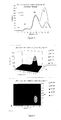
- FIG. 1 represents the activity profiles of the proteases contained in the samples of proteins of the stratum corneum in the presence or in the absence of cysteine.
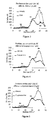
- FIG. 2 represents the activity profiles of the proteases of the G4 peak as a function of the pH.
- FIG. 3 represents the activity profiles of the proteases of the G4 peak in the presence of the inhibitor E 64 (Proteolytic enzymes: a practical approach, RJ Beyton and JS Bond, IRL press, Oxford, 1989).
- Figure 4 shows the activity profiles of the G4 peak proteases in the presence of leupeptin.
- FIG. 5 represents the activity profiles of the proteases of the G4 peak in the presence of chymostatin.
- FIG. 1 represents the activity profiles of the proteases contained in the samples of proteins of the stratum corneum in the presence or in the absence of cysteine.
- FIG. 2 represents the activity profiles of the proteases of the G4 peak as a function of the pH.
- FIG. 3 represents the activity profiles of the prote
- FIG. 6 represents the activity profiles of the G4 peak proteases in the presence of the inhibitor CA 074 (Inubushi et al., J. of Biochemistry, 116, 282-284, 1994).
- FIG. 7 represents the activity profiles of the proteases of the G4 peak in the presence of pepstatin.
- FIG. 8 represents the activity profiles of the proteases of the G4 peak in the presence of a preferential peptide substrate of the cathepsins L.
- FIG. 9 represents the profiles obtained during the chromatofocusing experiments for the determination of the apparent isoelectric point.
- the proteins in the stratum corneum are removed by the process known as "scraping". This technique does not require an extraction phase with organic solvent and therefore is less likely to destroy the enzymatic activities. It also makes it possible to obtain a good quantity of material.
- Scraping is performed on the anterior side of the leg. The sampling area is washed with 200 ml of a buffer consisting of 50 mM sodium phosphate buffer, pH 7, 5 mM EDTA, 150 mM NaCl and 0.1% triton X100, distributed by means of a pump at a constant flow rate of 100 ml / min. The area is then scraped superficially with the edge of a microscope slide. The liquid containing the cells is collected in a container located under the leg.
- the buffer thus collected is recycled for numerous passages (15).
- the samples are then grouped or not according to the type of experiment.
- the solution thus obtained is first filtered on Whatman n ° 4 paper, then on a 0.45 ⁇ m Millipore filter and finally on a 0.22 ⁇ m Millipore filter.
- This clarified solution is concentrated to 12 ml by tangential ultrafiltration with a cutoff threshold of 10 kD at 4 ° C with a back pressure of 1 bar and a filtrate outlet flow rate of 2 ml / min. using the K.BL TM device and Sartocon TM membranes (SARTORIUS).
- the concentration of proteins extracted by this method is of the order of 0.15 mg / ml for 12 ml final with 15 passages for the technique.
- a Superdex G200 HR10 / 30 TM column (Pharmacia Biotech) is used for the separation of proteins with a resolution range from 600 kD to 10 kD. This technique based on the separation according to molecular weight makes it possible to have a first estimate of the molecular weights of proteins.
- the chromatography profile obtained shows that the protein peaks are mainly located towards low molecular weights (20 to 40 kD).
- a more resolving column is then used.
- the sample (250 ⁇ l) is injected onto a Superdex G75 HR10 / 30 TM exclusion column (Pharmacia Biotech) for which the optimal separation is for molecular weights ranging from 70 kD to 3 kD.
- the column outlet is collected on a 96-well plate, at 4 ° C., at a rate of 150 ⁇ l / well, after a waiting time of 15 minutes after injection (The latter corresponds to slightly less than the dead volume of the column and leaves a margin of safety in the event that a compound is absolutely not retained) and a volume of death of 0.24 ml.
- the pump flow is 0.5 ml / min, the detection wavelength 280 nm (Series 10 pump: Perkin Elmer, SP8450 detector: Spectra Physics, LCI-100 integrator: Perkin Elmer, Fraction collector model 201: Gilson).
- the fractions obtained are mixed "well to well" in order to have a working volume of approximately 800 ⁇ l per fraction.
- the different fractions are kept cold, refrigerator or crushed ice, in order to preserve the enzymatic activities.
- the molecular weights corresponding to the different fractions are determined by electrophoresis on polyacrylamide gel with an 8-18% acrylamide gradient.
- the samples are diluted 1 ⁇ 4 in a modified Laemmli buffer (0.0625 M Tris, pH 6.8, 2% SDS and without DTT) and the deposits are 20 ⁇ l.
- the protein bands are revealed by staining with silver nitrate according to the Pharmacia Biotech protocol. (Kit: Silver staining plusone TM).
- a measurement of the protease activities contained in the fractions obtained by passage over the Superdex G75 HR10 / 30 TM exclusion column is carried out by fluorimetry using the Enzcheck TM kit (Molecular Probes).
- This kit is a quick and simple method of measuring protease activities, without precipitation or separation phase and is therefore suitable for rapid screening of the protease activities of the different fractions.
- This protocol uses the substrate BODIPYfl-casein TM which becomes fluorescent after enzymatic digestion. The fluorescence thus released is directly proportional to the protease activity contained in the sample.
- the fluorescence is measured on the LS50B spectrofluorimeter, Perkin Elmer, with an excitation wavelength of 485 nm (slot of 2.5 nm), an emission wavelength of 535 nm (slot of 8 nm) and a integration time of 1 second per well.
- the assays are carried out in the presence or absence of cysteine at 5 mM in final concentration in order to demonstrate possible activities of cysteine proteases. The results are shown in Figure 1.
- the protease profile reveals the existence of a peak (G4) present when the buffer contains cysteine and absent when the buffer does not contain cysteine. This peak therefore reveals in fractions 34 to 47 the existence of a cysteine protease dependent. This protease has a molecular weight of around 28 kD.
- the highest activity was obtained for between pH 5.0 and 5.5 with the buffer acetate.
- the acetate buffer at pH 5.0 is therefore the buffer used for the rest of the experiments.
- E 64 is an inhibitor of cysteine proteases and in particular of cathepsins B, H, L (Proteolitic enzymes: a practical approach, R.J. Beyton and J.S. Bond, IRL press, Oxford, 1989).
- the test is carried out at a concentration of 1.4 ⁇ M in E64 inhibitor.
- the results are shown in Figure 3.
- the 1.4 pM E64 inhibits the activity of the G4 peak-dependent cysteine protease by approximately 71%.
- G4 is a cathepsin B, H or L.
- Leupeptin at the dose used, is specific for cathepsins B or L and has no effect on cathepsins H (Schwartz et al. 1980). The test is carried out at a concentration of 1 ⁇ M in leupeptin. The results are shown in Figure 4. Leupeptine at 1 ⁇ M, in the presence of cysteine reduces the protease activity of G4 by approximately 41%. G4 is not a cathepsin H.
- Chymostatin is specific for cathepsins L and inactive at the concentration used on cathepsins B (Inubushi et al., J. of Biochemistry, 116, 282-284, 1994). The test is carried out at a concentration of 2.5 pM in chymostatin. The results are shown in Figure 5. When used at 2.5 ⁇ M, chymostatin more than 50% inhibits the g4-dependent cysteine protease. G4 is a cathepsin L type protease.
- the inhibitor CA 074 specifically inhibits cathepsins B and has no action on cathepsins L (Inubushi et al. 1994).
- the test is carried out at a concentration of 1 ⁇ M in chymostatin.
- the results are shown in Figure 6.
- the inhibitor CA 074 practically does not affect the activity profile of the peak-dependent cysteine protease G4.
- G4 is not a cathepsin B type protease.
- Pepstatin is a specific inhibitor of aspartic acid proteases (Proteolytic enzymes: a practical approach, R.J. Beyton and J.S. Bond, IRL press, Oxford, 1989).
- Corneodesmosine is an essential protein of the corneodesmosome which is degraded during scaling (Serre G. et al. JID, 1991, 97 (6), 1061-1072).
- the test is performed on corneodesmosine extracted from the stratum corneum according to the technique developed by Munerot C. (DEA report, 1996, University of Marne la Vallée).
- An immunoblot performed on corneodesmosine after incubation on the whole stratum corneum in the presence or absence of the protease of the G4 peak shows a pronounced degradation of the latter.
- the protease of the G4 peak present in the stratum corneum degrades the corneodesmosine.
- the polypeptide extracted from the stratum corneum is a cysteine-dependent protease cathepsin L type with an apparent molecular weight of 28 kD and a point isoelectric between 6 and 9.
Landscapes
- Health & Medical Sciences (AREA)
- Life Sciences & Earth Sciences (AREA)
- General Health & Medical Sciences (AREA)
- Chemical & Material Sciences (AREA)
- Engineering & Computer Science (AREA)
- Veterinary Medicine (AREA)
- Organic Chemistry (AREA)
- Public Health (AREA)
- Animal Behavior & Ethology (AREA)
- Bioinformatics & Cheminformatics (AREA)
- Genetics & Genomics (AREA)
- Biomedical Technology (AREA)
- Zoology (AREA)
- Medicinal Chemistry (AREA)
- Wood Science & Technology (AREA)
- Dermatology (AREA)
- Chemical Kinetics & Catalysis (AREA)
- General Chemical & Material Sciences (AREA)
- Birds (AREA)
- Molecular Biology (AREA)
- Biotechnology (AREA)
- Pharmacology & Pharmacy (AREA)
- Microbiology (AREA)
- Epidemiology (AREA)
- Nuclear Medicine, Radiotherapy & Molecular Imaging (AREA)
- Biochemistry (AREA)
- General Engineering & Computer Science (AREA)
- Medicines That Contain Protein Lipid Enzymes And Other Medicines (AREA)
- Cosmetics (AREA)
- Peptides Or Proteins (AREA)
- Medicines Containing Material From Animals Or Micro-Organisms (AREA)
Abstract
Description
Le derme fournit à l'épiderme un support solide. C'est également son élément nourricier. Il est principalement constitué de fibroblastes et d'une matrice extracellulaire composée elle-même principalement de collagène, d'élastine et d'une substance dite substance fondamentale, ces composants étant synthétisés par le fibroblaste. On y trouve aussi des leucocytes, des mastocytes ou encore des macrophages tissulaires. Il est également constitué de vaisseaux sanguins et de fibres nerveuses.
Les cornéocytes sont principalement composés d'une matrice fibreuse contenant des cytokératines, entourée d'une structure très résistante de 15 nm d'épaisseur, appelée enveloppe cornée ou cornifiée. L'empilement de ces cornéocytes constitue la couche cornée qui est responsable de la fonction de barrière de l'épiderme.
Le stratum corneum possède une perméabilité sélective qui, en contrôlant la perte en eau, assure une hydratation physiologique de la peau. Il constitue de plus une barrière contre les agressions de l'environnement, qu'elles soient chimiques ou physiques.
Le stratum corneum se compose de deux parties :
- le stratum corneum compactum dont l'organisation cellulaire correspond à un empilement en colonne des cornéocytes au-dessus des cellules granuleuses dont ils sont issus. Chaque cornéocyte présente un recouvrement maximum avec les cornéocytes sus et sous-jacents.
- le stratum disjunctum constitué des dernières assises de la couche cornée, moins cohésives que les précédentes et lieu de la desquamation des cornéocytes.
La différenciation épidermique représente un processus de maturation continu et orienté qui, des kératinocytes basaux aboutit à la formation de cornéocytes, cellules mortes totalement kératinisées. Cette différenciation est la résultante de phénomènes parfaitement coordonnés qui vont conduire au maintien d'une épaisseur constante et assurer ainsi l'homéostasie de l'épiderme. Celle-ci passe par une régulation du nombre de cellules qui entrent dans le processus de différenciation et du nombre de cellules qui desquament.
Au cours du processus normal de desquamation, seuls les cornéocytes les plus superficiels se détachent de la surface de l'épiderme.
De la couche basale à la couche granuleuse, la cohésion est assurée par le réseau transcellulaire formé par les desmosomes et les filaments intermédiaires de cytokératines. Ce réseau est ancré sur la membrane basale par les hémidesmosomes.
Dans la couche cornée, la cohésion est assurée par des structures intercellulaires dérivant des desmosomes, appelées cornéosomes ou cornéodesmosomes, qui solidarisent les enveloppes cornées des cornéocytes. Dans l'épiderme (non palmo-plantaire), les cornéodesmosomes sont présents sur toute la surface cornéocytaire dans la partie inférieure de la couche cornée, mais seuls les cornéodesmosomes périphériques persistent dans la partie supérieure.
Des études récentes ont montré l'importance majeure des cornéodesmosomes dans la cohésion intercornéocytaire ainsi que dans le processus de desquamation. En particulier, une corrélation étroite existe entre la dissociation cellulaire et la protéolyse de certains composants cornéodesmosomaux comme la desmogléine l.
L'étude de la desquamation permet de mettre à jour l'existence d'une régulation biochimique fine jusque dans les couches dites «mortes» de l'épiderme. Ce sont des enzymes produites dans les couches vivantes plus profondes qui vont agir de façon séquentielle et complémentaire pour aboutir à la libération finale des cornéocytes à la surface cutanée.
Les principales enzymes soupçonnées de participer à la desquamation ont été décrites depuis peu. Elles appartiennent à deux familles d'enzymes : les glycosidases et les protéases. Les protéases ne peuvent agir seules et une action préalable de glycosidases démasquant des sites de protéolyse semble nécessaire.
Les protéases constituent le type d'enzymes qui est probablement le plus impliqué dans la desquamation. Elles se subdivisent en quatre familles:
- protéases à acide aspartique possédant un acide aspartique dans leur site actif,
- protéases à sérine avec une sérine dans leur site actif,
- protéases à cystéine comportant une cystéine dans leur site actif,
- métalloprotéases qui possèdent le plus fréquemment un atome de zinc dans leur site actif ou parfois un atome de calcium.
A cet égard, le brevet n° WO 95/07686 décrit 2 protéases à cystéine de poids moléculaire apparent de 34 et 35 kilodaltons.
A titre d'exemples on peut citer :
- la xérose (ou sécheresse cutanée),
- les ichthyoses,
- le psoriasis,
- certaines lésions tumorales bénignes ou malignes,
- les hyperkératoses réactionnelles.
- la leukokératose du col utérin au cours du prolapsus,
- les leukokératoses buccales,
- les lésions tumorales bénignes kératosiques des muqueuses malpighiennes.
On connaít par exemple l'effet bénéfique du glycérol sur les xéroses, effet qui est expliqué par un effet activateur des systèmes enzymatiques, du à son action hydratante par laquelle il favoriserait l'action des protéases qui dégradent les cornéodesmosomes et par là même la desquamation (brevet N° WO 95/07687).
Ces agents réducteurs peuvent se trouver dans la composition sous leur forme active ou sous la forme de leur précurseur comme par exemple l'oxothiazolidine carboxylate qui est un précurseur des cystéines.
Les transglutaminases E et K sont toutes deux impliquées dans la formation de l'enveloppe cornée par pontage entre elles de nombreuses protéines, dont les principales sont l'involucrine, la loricrine, l'élafine, les cystatines, les pancornulines (ou SPR : Small Proline Rich ), des cytokératines, les desmoplakines I et II, des desmogléines et la cornéodesmosine.
Les cystatines sont des protéines possédant une activité inhibitrice des protéases à cystéine (Takahashi et col. FEBS letters, 1990, 2, 261-264).
Ainsi, si l'on augmente l'activité des transglutaminases, soit par la fourniture d'activateur de transglutaminase, soit par la fourniture directe de transglutaminase, on augmente alors la quantité de protéines constitutives de l'enveloppe cornée qui sont piégées dans la formation de cette dernière sous l'influence de la transglutaminase. On prive alors le stratum corneum de ses protéines endogènes, dont en particulier les cystatines. La disparition des cystatines dans l'épiderme et particulièrement dans le stratum cornéum, a alors pour effet de libérer les protéases à cystéine dont l'activité est alors augmentée ce qui a pour conséquence de diminuer la cohésion intercornéocytaire et donc de favoriser la desquamation.
Ainsi, l'invention à également pour objet une composition cosmétique ou pharmaceutique comprenant au moins un polypeptide selon l'invention et en outre au moins un activateur de protéase.
Comme huiles ou cires utilisables dans l'invention, on peut citer les huiles minérales (huile de vaseline), les huiles végétales (fraction liquide du beurre de karité, huile de tournesol), les huiles animales (perhydrosqualène), les huiles de synthèse (huile de Purcellin), les huiles ou cires siliconées (cyclométhicone) et les huiles fluorées (perfluoropolyéthers), les cires d'abeille, de carnauba ou paraffine. On peut ajouter à ces huiles des alcools gras et des acides gras (acide stéarique). Comme émulsionnants utilisables dans l'invention, on peut citer par exemple le stéarate de glycérol, le polysorbate 60 et le mélange de PEG-6/PEG-32/Glycol Stéarate vendu sous la dénomination de TefoseR 63 par la société Gattefosse.
Comme gélifiants hydrophiles utilisables dans l'invention, on peut citer les polymères carboxyvinyliques (carbomer), les copolymères acryliques tels que les copolymères d'acrylates/alkylacrylates, les polyacrylamides, les polysaccharides tels que l'hydroxypropylcellulose, les gommes naturelles et les argiles, et, comme gélifiants lipophiles, on peut citer les argiles modifiées comme les bentones, les sels métalliques d'acides gras comme les stéarates d'aluminium et la silice hydrophobe, éthylcellulose, polyéthylène.
- les agents diminuant la différenciation et/ou la prolifération et/ou la pigmentation cutanée tels que l'acide rétinoïque et ses isomères, le rétinol et ses esters, la vitamine D et ses dérivés, les oestrogènes tels que l'oestradiol, l'acide kojique ou l'hydroquinone ;
- les antibactériens tels que le phosphate de clindamycine, l'érythromycine ou les antibiotiques de la classe des tétracyclines ;
- les antiparasitaires, en particulier le métronidazole, le crotamiton ou les pyréthrinoïdes ;
- les antifongiques, en particulier les composés appartenant à la classe des imidazoles tels que l'éconazole, le kétoconazole ou le miconazole ou leurs sels, les composés polyènes, tels que l'amphotéricine B, les composés de la famille des allylamines, tels que la terbinafine, ou encore l'octopirox ;
- les agents antiviraux tels que l'acyclovir ;
- les agents anti-inflammatoires stéroïdiens, tels que l'hydrocortisone, le valérate de bétaméthasone ou le propionate de clobétasol, ou les agents anti-inflammatoires non-stéroïdiens comme par exemple l'ibuprofène et ses sels, le diclofénac et ses sels, l'acide acétylsalicylique, l'acétaminophène ou l'acide glycyrrhizique ;
- les agents anesthésiques tels que le chlorhydrate de lidocaïne et ses dérivés ;
- les agents antiprurigineux comme la thénaldine, la triméprazine ou la cyproheptadine ;
- les agents kératolytiques tels que les acides α- et β-hydroxycarboxyliques ou β-cétocarboxyliques, leurs sels, amides ou esters et plus particulièrement les hydroxyacides tels que l'acide glycolique, l'acide lactique, l'acide salicylique, l'acide citrique et de manière générale les acides de fruits, et l'acide n-octanoyl-5-salicylique ;
- les agents hydratants comme le glycérol et ses dérivés ;
- les agents anti-radicaux libres, tels que l'α-tocophérol ou ses esters, les superoxyde dismutases, certains chélatants de métaux ou l'acide ascorbique et ses esters ;
- les antiséborrhéiques tels que la progestérone ;
- les antipelliculaires comme l'octopirox ou la pyrithione de zinc ;
- les antiacnéiques comme l'acide rétinoïque ou le peroxyde de benzoyle ;
- les extraits d'origine végétale ou bactérienne.
La figure 2 représente les profils d'activité des protéases du pic G4 en fonction du pH.
La figure 3 représente les profils d'activité des protéases du pic G4 en présence de l'inhibiteur E 64 (Proteolytic enzymes : a practical approach, R.J. Beyton et J.S. Bond, IRL press, Oxford, 1989).
La figure 4 représente les profils d'activité des protéases du pic G4 en présence de leupeptine.
La figure 5 représente les profils d'activité des protéases du pic G4 en présence de chymostatine.
La figure 6 représente les profils d'activité des protéases du pic G4 en présence de l'inhibiteur CA 074 (Inubushi et col., J. of Biochemistry, 116, 282-284, 1994).
La figure 7 représente les profils d'activité des protéases du pic G4 en présence de pepstatine.
La figure 8 représente les profils d'activité des protéases du pic G4 en présence d'un substrat peptidique préférentiel des cathepsines L.
La figure 9 représente les profils obtenus lors des expériences chromatofocalisation pour la détermination du point isoélectrique apparent.
Le grattage est effectué sur la face antérieure de la jambe. La zone de prélèvement est lavée avec 200 ml d'un tampon constitué de 50 mM de tampon phosphate de sodium, pH 7, 5 mM d'EDTA, 150 mM de NaCl et 0.1 % de triton X100, distribué au moyen d'une pompe à débit constant de 100 ml/min.
La zone est alors grattée superficiellement avec le bord d'une lame de microscope.
Le liquide contenant les cellules est recueilli dans un récipient situé sous la jambe. Le tampon ainsi récolté est recyclé pour de nombreux passages (15). Les échantillons sont ensuite regroupés ou non selon le type d'expérimentation.
La solution ainsi obtenue est d'abord filtrée sur papier Whatman n°4, puis sur filtre Millipore 0.45 µm et enfin sur filtre Millipore 0.22 µm. Cette solution clarifiée est concentrée jusqu'à 12 ml par ultrafiltration tangentielle avec un seuil de coupure de 10 kD à 4°C avec une contre-pression de 1 bar et un débit de sortie de filtrat de 2 ml/min. au moyen de l'appareil K.BL™ et des membranes Sartocon™ (SARTORIUS).
Pour un individu peau saine, la concentration des protéines extraites par cette méthode est de l'ordre de 0.15 mg/ml pour 12 ml final avec 15 passages pour la technique.
Le profil de chromatographie obtenu montre que les pics protéiques se situent majoritairement vers les bas poids moléculaires (20 à 40 kD).
Une colonne plus résolutive est alors utilisée. L'échantillon (250 µl) est injecté sur une colonne d'exclusion Superdex G75 HR10/30™ (Pharmacia Biotech) pour laquelle la séparation optimale se situe pour des poids moléculaires allant de 70 kD à 3 kD.
La sortie de colonne est collectée sur plaque 96 puits, à 4°C, à raison de 150 µl / puits, après un temps d'attente de 15 minutes après injection (Ce dernier correspond à un peu moins que le volume mort de la colonne et laisse une marge de sécurité pour le cas où un composé ne serait absolument pas retenu) et un volume de mort de 0,24 ml. Le débit de la pompe est de 0.5 ml/mn, la longueur d'onde de détection de 280 nm (Pompe série 10 : Perkin Elmer, Détecteur SP8450 : Spectra Physics, Intégrateur LCI-100 : Perkin Elmer, Collecteur de fraction modèle 201 : Gilson).
Les profils chromatographiques obtenus sur différentes injections étant reproductibles, les fractions obtenues sont mélangées «puits à puits» afin d'avoir un volume de travail d'environ 800µl par fraction.
Les différentes fractions sont maintenues au froid, réfrigérateur ou glace pilée, afin de conserver les activités enzymatiques.
Les poids moléculaires correspondants au différentes fractions sont déterminés par une électrophorèse sur gel de polyacrylamide avec un gradient d'acrylamide 8-18 %. Les échantillons sont dilués au ¼ dans un tampon Laemmli modifié (0.0625 M Tris, pH 6.8, 2% SDS et sans DTT) et les dépôts sont de 20 µl. Les bandes protéiques sont révélées par une coloration au nitrate d'argent selon le protocole Pharmacia Biotech. (Kit: Silver staining plusone™).
Ce kit est un procédé rapide et simple de mesure des activités protéasiques, sans phase de précipitation ni de séparation et est donc adapté pour un criblage rapide des activités protéasiques des différentes fractions. Ce protocole utilise comme substrat le BODIPYfl-caséine™ qui devient fluorescent après digestion enzymatique. La fluorescence ainsi libérée est directement proportionnelle à l'activité protéasique contenue dans l'échantillon. La fluorescence est mesurée sur le spectrofluorimètre LS50B, Perkin Elmer, avec une longueur d'onde d'excitation de 485 nm (fente de 2.5 nm), une longueur d'onde d'émission de 535 nm (fente de 8 nm ) et un temps d'intégration de 1 seconde par puits.
Les dosages sont effectués en présence ou en absence de cystéine à 5 mM en concentration finale afin de mettre en évidence d'éventuelles activités de protéases à cystéine.
Les résultats sont montrés dans la figure 1.
La technique précédente de mesure de l'activité protéasique est utilisé avec chacun des 2 tampons, sur chaque fraction.
Les résultats sont montrés dans la figure 2.
Le pH optimal des protéases extraites du stratum corneum, agissant sur le substrat BODIPYfl-caséine™ se situe dans les pH acides, de 4,0 à 6,25.
L'E64 à 1,4 pM inhibe à environ 71% l'activité de la protéase cystéine dépendante du pic G4.
Au regard de la spécificité de cet inhibiteur, G4 est une cathepsine B, H ou L.
Le test est réalisé à une concentration de 1 µM en leupeptine.
Les résultats sont montrés dans la figure 4.
La Leupeptine à 1 µM, en présence de cystéine réduit d'environ 41% l'activité protéasique de G4.
G4 n'est pas une cathepsine H.
Le test est réalisé à une concentration de 2,5 pM en chymostatine. Les résultats sont montrés dans la figure 5.
Utilisée à 2.5 µM, la chymostatine inhibe à plus de 50 % la protéase cystéine dépendante de pic G4.
G4 est une protéase du type cathepsine L.
Le test est réalisé à une concentration de 1 µM en chymostatine.
Les résultats sont montrés dans la figure 6.
L'inhibiteur CA 074 n'affecte pratiquement pas le profil d'activité de la protéase cystéine dépendante de pic G4.
G4 n'est pas une protéase du type cathepsine B.
Les résultats sont montrés dans la figure 7.
La pepstatine est sans action sur G4.
G4 n'est pas une protéase à acide aspartique.
Les résultats du bilan d'activité protéases en présence de cystéine, témoin sans cystéine soustrait, sont présentés dans la figure 8.
Les résultats montrent que l'hydrolyse intense du substrat peptidique spécifique se superpose parfaitement à celle de la caséine, confirmant la nature cathepsine L de G4.
Colonne : Mono PTM HR 5/20 Pharmacia.
Echantillon : extrait de SC humain équilibré dans un tampon 0.075M tris/acétate, pH 9.3).
Tampon d'élution : 10 ml polybuffer 96/acétate, pH 6.0, ("Protein Purification", J-C. Janson et L. Ryden, VCH Publisher Inc. N.Y., 1989).
Débit : 1ml/min.
Fractions : 0,5 ml à partir de l'injection sur 48 ml totaux.
Détection : Activités cathepsine L sur Z(phe-Arg)2R110 10 mM dans tampon acétate 0,1M pH5,0, 0,1% Triton X100, 5mM EDTA, 5mM cystéine. Incubation de 10µl de fraction + 200 µl de substrat à 37°C pendant 2h30. Lecture sur BioluminTM de Molecular Dynamics dont le photomultiplicateur est réglé à 700V, excitation : 485/10 nm, émission : 520/10 nm.
Les résultats sont présentés dans la figure 9.
Ces résultats montrent un point isoélectrique apparent compris entre 6 et 9.
Le test est pratiqué sur de la cornéodesmosine extraite de stratum corneum selon la technique développée par Munerot C. (Rapport de DEA., 1996, Université de Marne la Vallée).
Un immunotransfert pratiqué sur de la cornéodesmosine après incubation sur stratum corneum entier en présence ou en absence de la protéase du pic G4 montre une dégradation prononcée de celle-ci.
La protéase du pic G4 présente dans le stratum corneum dégrade la cornéodesmosine.
Claims (24)
- Polypeptide naturel ou synthétique isolé, appartenant à la famille des protéases à cystéine de type cathepsines L, ayant un poids moléculaire apparent compris entre 15 et 32 kilodaltons.
- Polypeptide selon la revendication 1, caractérisé par le fait qu'il un point isoélectrique compris entre 6 et 9.
- Polypeptide selon l'une quelconque des revendications précédentes, caractérisé par le fait qu'il est isolé à partir de mammifères.
- Polypeptide selon l'une quelconque des revendications précédentes, caractérisé par le fait qu'il est isolé à partir de peau de mammifères.
- Polypeptide selon l'une quelconque des revendications précédentes, caractérisé par le fait qu'il est isolé à partir de peau humaine.
- Polypeptide selon l'une quelconque des revendications précédentes, caractérisé par le fait qu'il est isolé à partir d'épiderme humain.
- Polypeptide selon l'une quelconque des revendications précédentes, caractérisé par le fait qu'il intervient dans la diminution de la cohésion intercornéocytaire.
- Polypeptide selon l'une quelconque des revendications précédentes, caractérisé par le fait qu'il a un poids moléculaire apparent compris entre 25 et 30 kilodaltons.
- Polypeptide selon l'une quelconque des revendications précédentes, caractérisé par le fait que son activité est maximale à un pH compris entre 2 et 9, préférentiellement entre 3,5 et 6,5.
- Polypeptide constitué en partie par le polypeptide tel que décrit dans les revendications 1 à 9.
- Fragment du polypeptide tel que décrit dans les revendications 1 à 10 obtenus par protéolyse ou de manière synthétique.
- Composition cosmétique ou pharmaceutique comprenant, dans un milieu physiologiquement acceptable, au moins un polypeptide ou au moins un fragment tels que décrits dans l'une des revendications 1 à 11.
- Composition selon la revendication 12, caractérisée par le fait que le polypeptide ou le fragment est en une quantité comprise entre 0,00001% et 50%, de préférence comprise entre 0,001% et 10% en poids par rapport au poids total de la composition.
- Composition selon l'une quelconque des revendications 12 ou 13, caractérisée par le fait qu'elle comprend en outre au moins un activateur de protéase.
- Composition selon la revendication 14, caractérisé par le fait que l'activateur de protéase est choisi parmi le glycérol, l'urée et ses dérivés, la transglutaminase, l'EDTA, les agents réducteurs.
- Composition selon l'une quelconque des revendications 14 ou 15, caractérisée par le fait que l'activateur de protéase est en une quantité comprise entre 0,00001% et 15% et de préférence comprise entre 0,001% et 10% en poids par rapport au poids total de la composition.
- Procédé de traitement cosmétique pour lutter contre les excès de la cohésion intercornéocytaire ou pour favoriser la desquamation, caractérisé par le fait que l'on applique sur la peau du sujet à traiter une composition telle que décrite dans l'une quelconques des revendications 10 à 16.
- Composition pharmaceutique selon l'une quelconque des revendications 10 à 16, destinée à traiter les troubles de la desquamation.
- Composition pharmaceutique selon la revendication 18 destinée à traiter l'hyperkératose.
- Composition pharmaceutique selon l'une quelconque des revendications 18 ou 19, destinée à traiter la xérose, les ichthyoses, le psoriasis, les lésions tumorales bénignes ou malignes ou les kératoses réactionnelles.
- Composition pharmaceutique selon l'une quelconque des revendications 18 ou 19, destinée à traiter la leukokératose du col utérin au cours du prolapsus, les leukokératoses buccales, ou encore les lésions tumorales bénignes kératosiques des muqueuses malpighiennes.
- Utilisation du polypeptide isolé ou de ses fragments tels que décrits dans les revendications 1 à 11, pour préparer ou purifier toute molécule susceptible de se lier spécifiquement audit polypeptide isolé ou auxdits fragments de protéolyse isolés ou audit peptide synthétique.
- Utilisation selon la revendication précédente pour préparer ou purifier des protéines structurales spécifiques de cornéodesmosomes .
- Utilisation du polypeptide isolé ou de ses fragments tels que décrits dans les revendications 1 à 11, pour préparer ou purifier des antisérums ou des anticorps monoclonaux spécifiques.
Applications Claiming Priority (2)
| Application Number | Priority Date | Filing Date | Title |
|---|---|---|---|
| FR9710818 | 1997-08-29 | ||
| FR9710818A FR2767833B1 (fr) | 1997-08-29 | 1997-08-29 | Polypeptide isole de l'epiderme et son utilisation |
Publications (2)
| Publication Number | Publication Date |
|---|---|
| EP0899330A1 true EP0899330A1 (fr) | 1999-03-03 |
| EP0899330B1 EP0899330B1 (fr) | 2004-05-19 |
Family
ID=9510611
Family Applications (1)
| Application Number | Title | Priority Date | Filing Date |
|---|---|---|---|
| EP98402037A Expired - Lifetime EP0899330B1 (fr) | 1997-08-29 | 1998-08-11 | Polypeptide isolé de l'épiderme et son utilisation |
Country Status (9)
| Country | Link |
|---|---|
| US (2) | US6274364B1 (fr) |
| EP (1) | EP0899330B1 (fr) |
| JP (1) | JP3819603B2 (fr) |
| AT (1) | ATE267249T1 (fr) |
| CA (1) | CA2243633C (fr) |
| DE (1) | DE69823935T2 (fr) |
| DK (1) | DK0899330T3 (fr) |
| ES (1) | ES2221133T3 (fr) |
| FR (1) | FR2767833B1 (fr) |
Cited By (22)
| Publication number | Priority date | Publication date | Assignee | Title |
|---|---|---|---|---|
| WO2001021145A1 (fr) * | 1999-09-22 | 2001-03-29 | Henkel Kommanditgesellschaft Auf Aktien | Procede de coloration de fibres keratiniques a l'aide d'au moins une enzyme du type transglutaminase |
| WO2001021139A3 (fr) * | 1999-09-22 | 2001-08-16 | Henkel Kgaa | Procede de restructuration de fibres keratiniques |
| DE10050274A1 (de) * | 2000-10-09 | 2002-04-18 | Henkel Kgaa | Verfahren zur in vitro Bestimmung der Hautalterung |
| EP1974720A1 (fr) | 2007-03-26 | 2008-10-01 | L'Oreal | Utilisation d'une fraction lipopolysaccharidique de vitreoscilla filiformis comme agent stimulant la synthese de peptides antimicrobiens de la peau |
| EP2011481A2 (fr) | 2007-07-06 | 2009-01-07 | L'Oreal | Composition de protection solaire contenant l'association d'un polymère semi-cristallin et de particules de latex creuses |
| EP2014277A1 (fr) | 2007-07-12 | 2009-01-14 | L'Oreal | Composition photoprotectrice fluide aqueuse à base d'un polymère polyamide à terminaison amide tertiaire |
| EP2016932A2 (fr) | 2007-07-09 | 2009-01-21 | L'Oréal | Utilisation pour la coloration de la peau de l'acide dehydroascorbique ou de ses derives polymeres ; procedes de soin et/ou de maquillage |
| EP2119429A1 (fr) | 2008-05-14 | 2009-11-18 | L'Oréal | Composition cosmetique contenant un derive de dibenzoylmethane et un derive de pyrrolidinone ; procede de photostabilisation du derive de dibenzoylmethane |
| EP2174644A1 (fr) | 2008-10-08 | 2010-04-14 | L'oreal | Composition cosmétique contenant un dérivé de dibenzoylméthane et un composé dithiolane; procédé de photostabilisation du dérivé de dibenzoylmethane |
| EP2191869A1 (fr) | 2008-12-01 | 2010-06-02 | L'oreal | Procédé de coloration artificielle de la peau utilisant un mélange de caroténoide et de colorant vert lipophile ; nouveau mélange de colorants lipophiles ; composition |
| WO2011073280A2 (fr) | 2009-12-18 | 2011-06-23 | L'oreal | Procédé de traitement cosmétique impliquant un composé apte à condenser in situ résistant |
| WO2011073437A2 (fr) | 2009-12-17 | 2011-06-23 | L'oreal | Compositions cosmétiques ou dermatologiques à base de bactériocines et de prébiotiques |
| WO2011101239A2 (fr) | 2010-02-19 | 2011-08-25 | L'oreal | Utilisations cosmétiques ou dermatologiques d'une poudre comprenant une charge, une huile essentielle et un ester hydroxylé de polyol et d'un ou plusieurs acides carboxyliques en c4 à c16 |
| WO2011151203A2 (fr) | 2010-06-03 | 2011-12-08 | L'oreal | Processus de traitement cosmétique utilisant un revêtement à base d'un copolymère contenant des blocs de polyamide et des blocs de polyéther |
| WO2012080935A1 (fr) | 2010-12-13 | 2012-06-21 | L'oreal | Procede de traitement de la peau grasse non acneique |
| US8758215B2 (en) | 2009-06-18 | 2014-06-24 | L'oreal | Applicator and a set including such an applicator |
| FR3133014A1 (fr) | 2022-02-28 | 2023-09-01 | L'oreal | Compositions et procédés pour améliorer l’aspect de la peau |
| FR3134006A1 (fr) | 2022-04-01 | 2023-10-06 | L'oreal | compositions et procédés pour améliorer l’aspect de la peau |
| WO2024049923A1 (fr) | 2022-08-31 | 2024-03-07 | L'oreal | Compositions et méthodes pour la peau |
| FR3143355A1 (fr) | 2022-12-14 | 2024-06-21 | L'oreal | Compositions et procédés de prévention et/ou de traitement des cicatrices |
| WO2025096817A1 (fr) | 2023-10-31 | 2025-05-08 | L'oreal | Compositions et procédés de traitement de la peau |
| FR3160551A3 (fr) | 2024-03-26 | 2025-10-03 | L'oreal | Compositions et procédés de traitement de la peau |
Families Citing this family (11)
| Publication number | Priority date | Publication date | Assignee | Title |
|---|---|---|---|---|
| FR2767833B1 (fr) * | 1997-08-29 | 2001-03-02 | Oreal | Polypeptide isole de l'epiderme et son utilisation |
| US6852686B2 (en) * | 1999-06-23 | 2005-02-08 | The United States Of America As Represented By The Department Of Health And Human Services | Methods for ameliorating icthyosiform skin diseases |
| FR2816838B1 (fr) * | 2000-11-17 | 2004-12-03 | Oreal | Utilisation de derives de l'acide 2-oxothiazolidine- 4-carboxylique comme agents prodesquamants |
| FR2842209B1 (fr) * | 2002-07-09 | 2007-11-23 | Nouvelle protease aspartique dite saspase et son utilisation dans le domaine cosmetique et therapeutique | |
| FR2846148A1 (fr) | 2002-10-17 | 2004-04-23 | Thomson Licensing Sa | Encapsulation des panneaux oled a emission vers le haut |
| FR2888494B1 (fr) * | 2005-07-13 | 2014-03-14 | Oreal | Utilisation de composes d'uree pour favoriser la desquamation |
| EP1916993B1 (fr) * | 2005-08-26 | 2016-11-02 | ELC Management LLC | Composition cosmetique contenant un activateur de protease |
| US20080050331A1 (en) * | 2006-08-23 | 2008-02-28 | Paolo Giacomoni | Cosmetic Composition Containing A Protease Activator |
| TWI395593B (zh) | 2008-03-06 | 2013-05-11 | Halozyme Inc | 可活化的基質降解酵素之活體內暫時性控制 |
| ES2336995B1 (es) | 2008-10-13 | 2011-02-09 | Lipotec, S.A. | Composicion cosmetica o dermofarmaceutica para el cuidado de la piel,cuero cabelludo y uñas. |
| BRPI0924837A2 (pt) | 2009-04-02 | 2015-08-11 | Colgate Palmolive Co | Composicao de dentifricio esfoliante, metodo para esfoliar um tecido mole da cavidade oral, sistema para esfoliacao dos tecidos moles da caviadade oral |
Citations (4)
| Publication number | Priority date | Publication date | Assignee | Title |
|---|---|---|---|---|
| WO1995007686A1 (fr) * | 1993-09-15 | 1995-03-23 | Unilever Plc | Composition de soin pour la peau comprenant des proteases de thiol obtenues a partir du stratum corneum |
| GB2306961A (en) * | 1995-11-04 | 1997-05-14 | Zeneca Ltd | Production and purification of cathepsin L for X-ray crystallography |
| DE19619366A1 (de) * | 1996-05-14 | 1997-11-20 | Hoechst Ag | Cathepsin-L, dessen Präpoform und das entsprechende Propeptid aus Ciliaten |
| US5710014A (en) * | 1988-02-11 | 1998-01-20 | The United States Of America As Represented By The Department Of Health And Human Services | Cloned cDNA for human procathepsin l. |
Family Cites Families (2)
| Publication number | Priority date | Publication date | Assignee | Title |
|---|---|---|---|---|
| JPH06192124A (ja) * | 1992-12-25 | 1994-07-12 | Toray Ind Inc | 血液細胞増加剤 |
| FR2767833B1 (fr) * | 1997-08-29 | 2001-03-02 | Oreal | Polypeptide isole de l'epiderme et son utilisation |
-
1997
- 1997-08-29 FR FR9710818A patent/FR2767833B1/fr not_active Expired - Fee Related
-
1998
- 1998-08-11 DK DK98402037T patent/DK0899330T3/da active
- 1998-08-11 EP EP98402037A patent/EP0899330B1/fr not_active Expired - Lifetime
- 1998-08-11 ES ES98402037T patent/ES2221133T3/es not_active Expired - Lifetime
- 1998-08-11 DE DE69823935T patent/DE69823935T2/de not_active Expired - Lifetime
- 1998-08-11 AT AT98402037T patent/ATE267249T1/de not_active IP Right Cessation
- 1998-08-28 US US09/143,446 patent/US6274364B1/en not_active Expired - Lifetime
- 1998-08-28 JP JP24405598A patent/JP3819603B2/ja not_active Expired - Lifetime
- 1998-08-28 CA CA002243633A patent/CA2243633C/fr not_active Expired - Fee Related
-
2001
- 2001-06-21 US US09/884,953 patent/US6737055B2/en not_active Expired - Lifetime
Patent Citations (4)
| Publication number | Priority date | Publication date | Assignee | Title |
|---|---|---|---|---|
| US5710014A (en) * | 1988-02-11 | 1998-01-20 | The United States Of America As Represented By The Department Of Health And Human Services | Cloned cDNA for human procathepsin l. |
| WO1995007686A1 (fr) * | 1993-09-15 | 1995-03-23 | Unilever Plc | Composition de soin pour la peau comprenant des proteases de thiol obtenues a partir du stratum corneum |
| GB2306961A (en) * | 1995-11-04 | 1997-05-14 | Zeneca Ltd | Production and purification of cathepsin L for X-ray crystallography |
| DE19619366A1 (de) * | 1996-05-14 | 1997-11-20 | Hoechst Ag | Cathepsin-L, dessen Präpoform und das entsprechende Propeptid aus Ciliaten |
Non-Patent Citations (2)
| Title |
|---|
| A. KAWADA ET AL.,: "Processing of cathepsins L, B and D in psoriatic epidermis", ARCHIVES OF DERMATOLOGICAL RESEARCH, vol. 289, no. 2, 1 January 1997 (1997-01-01), BERLIN, DE, pages 87 - 93, XP002067217 * |
| S. GAL AND M. GOTTESMAN: "Isolation an sequence of a cDNA for human pro-(cathepsin-L)", THE BIOCHEMICAL JOURNAL, vol. 253, 1988, LONDON, GB, pages 303 - 306, XP002067218 * |
Cited By (23)
| Publication number | Priority date | Publication date | Assignee | Title |
|---|---|---|---|---|
| WO2001021139A3 (fr) * | 1999-09-22 | 2001-08-16 | Henkel Kgaa | Procede de restructuration de fibres keratiniques |
| WO2001021145A1 (fr) * | 1999-09-22 | 2001-03-29 | Henkel Kommanditgesellschaft Auf Aktien | Procede de coloration de fibres keratiniques a l'aide d'au moins une enzyme du type transglutaminase |
| DE10050274A1 (de) * | 2000-10-09 | 2002-04-18 | Henkel Kgaa | Verfahren zur in vitro Bestimmung der Hautalterung |
| EP1974720A1 (fr) | 2007-03-26 | 2008-10-01 | L'Oreal | Utilisation d'une fraction lipopolysaccharidique de vitreoscilla filiformis comme agent stimulant la synthese de peptides antimicrobiens de la peau |
| EP2011481A2 (fr) | 2007-07-06 | 2009-01-07 | L'Oreal | Composition de protection solaire contenant l'association d'un polymère semi-cristallin et de particules de latex creuses |
| EP2016932A2 (fr) | 2007-07-09 | 2009-01-21 | L'Oréal | Utilisation pour la coloration de la peau de l'acide dehydroascorbique ou de ses derives polymeres ; procedes de soin et/ou de maquillage |
| EP2014277A1 (fr) | 2007-07-12 | 2009-01-14 | L'Oreal | Composition photoprotectrice fluide aqueuse à base d'un polymère polyamide à terminaison amide tertiaire |
| EP2119429A1 (fr) | 2008-05-14 | 2009-11-18 | L'Oréal | Composition cosmetique contenant un derive de dibenzoylmethane et un derive de pyrrolidinone ; procede de photostabilisation du derive de dibenzoylmethane |
| EP2174644A1 (fr) | 2008-10-08 | 2010-04-14 | L'oreal | Composition cosmétique contenant un dérivé de dibenzoylméthane et un composé dithiolane; procédé de photostabilisation du dérivé de dibenzoylmethane |
| EP2191869A1 (fr) | 2008-12-01 | 2010-06-02 | L'oreal | Procédé de coloration artificielle de la peau utilisant un mélange de caroténoide et de colorant vert lipophile ; nouveau mélange de colorants lipophiles ; composition |
| US8758215B2 (en) | 2009-06-18 | 2014-06-24 | L'oreal | Applicator and a set including such an applicator |
| WO2011073437A2 (fr) | 2009-12-17 | 2011-06-23 | L'oreal | Compositions cosmétiques ou dermatologiques à base de bactériocines et de prébiotiques |
| WO2011073280A2 (fr) | 2009-12-18 | 2011-06-23 | L'oreal | Procédé de traitement cosmétique impliquant un composé apte à condenser in situ résistant |
| WO2011073279A2 (fr) | 2009-12-18 | 2011-06-23 | L'oreal | Procédé de traitement cosmétique impliquant un composé apte à condenser in situ |
| WO2011101239A2 (fr) | 2010-02-19 | 2011-08-25 | L'oreal | Utilisations cosmétiques ou dermatologiques d'une poudre comprenant une charge, une huile essentielle et un ester hydroxylé de polyol et d'un ou plusieurs acides carboxyliques en c4 à c16 |
| WO2011151203A2 (fr) | 2010-06-03 | 2011-12-08 | L'oreal | Processus de traitement cosmétique utilisant un revêtement à base d'un copolymère contenant des blocs de polyamide et des blocs de polyéther |
| WO2012080935A1 (fr) | 2010-12-13 | 2012-06-21 | L'oreal | Procede de traitement de la peau grasse non acneique |
| FR3133014A1 (fr) | 2022-02-28 | 2023-09-01 | L'oreal | Compositions et procédés pour améliorer l’aspect de la peau |
| FR3134006A1 (fr) | 2022-04-01 | 2023-10-06 | L'oreal | compositions et procédés pour améliorer l’aspect de la peau |
| WO2024049923A1 (fr) | 2022-08-31 | 2024-03-07 | L'oreal | Compositions et méthodes pour la peau |
| FR3143355A1 (fr) | 2022-12-14 | 2024-06-21 | L'oreal | Compositions et procédés de prévention et/ou de traitement des cicatrices |
| WO2025096817A1 (fr) | 2023-10-31 | 2025-05-08 | L'oreal | Compositions et procédés de traitement de la peau |
| FR3160551A3 (fr) | 2024-03-26 | 2025-10-03 | L'oreal | Compositions et procédés de traitement de la peau |
Also Published As
| Publication number | Publication date |
|---|---|
| CA2243633C (fr) | 2008-06-03 |
| EP0899330B1 (fr) | 2004-05-19 |
| US6737055B2 (en) | 2004-05-18 |
| CA2243633A1 (fr) | 1999-02-28 |
| ATE267249T1 (de) | 2004-06-15 |
| ES2221133T3 (es) | 2004-12-16 |
| DK0899330T3 (da) | 2004-06-28 |
| US6274364B1 (en) | 2001-08-14 |
| JPH11139933A (ja) | 1999-05-25 |
| DE69823935D1 (de) | 2004-06-24 |
| US20020006654A1 (en) | 2002-01-17 |
| FR2767833B1 (fr) | 2001-03-02 |
| DE69823935T2 (de) | 2005-05-25 |
| FR2767833A1 (fr) | 1999-03-05 |
| JP3819603B2 (ja) | 2006-09-13 |
Similar Documents
| Publication | Publication Date | Title |
|---|---|---|
| EP0899330B1 (fr) | Polypeptide isolé de l'épiderme et son utilisation | |
| EP1474100B1 (fr) | Compositions cosmetiques ou dermopharmaceutiques pour diminuer les poches et cernes sous les yeux. | |
| EP1337234B1 (fr) | Utilisation de derives de l'acide 2-oxothiazolidine 4-carboxylique comme agents prodesquamants | |
| EP1519952B1 (fr) | Utilisation de proteases aspartiques dans le domaine cosmetique et therapeutique | |
| EP2515840B1 (fr) | Composition cosmetique et/ou pharmaceutique comprenant un extrait de caroube en tant qu'agent actif activateur de l'expression des aquaporines | |
| US20080175935A1 (en) | Method to Treat Skin Conditions with Narcissus Tazetta Bulb Extract | |
| US6623769B1 (en) | Administration of lycopene for combating skin/mucous membrane damage | |
| JP4117774B2 (ja) | N−アシルアミノアミドファミリーのエラスターゼ阻害剤化合物と少なくとも1種の抗炎症剤化合物の組み合わせを含む化粧品用又は皮膚用組成物 | |
| FR2925326A1 (fr) | Utilisation d'un hydrolysat de mais en tant que principe actif activateur de la synthese des aquaporines | |
| CA2391585A1 (fr) | Composition cosmetique ou dermatologique comprenant une association entre un compose de la famille des n-acylaminoamides et au moins un inhibiteur de metalloproteinases matricielles | |
| FR2925332A1 (fr) | Utilisation d'un hydrolysat d'epeautre en tant que principe actif activateur de la synthese des aquaporines | |
| EP1269988B1 (fr) | Composition cosmetique ou dermatologique comprenant des dérivés d'acylaminoamide | |
| FR2925330A1 (fr) | Utilisation d'un hydrolysat de pomme de terre en tant que principe actif activateur de la synthese des aquaporines | |
| FR2925331A1 (fr) | Utilisation d'un hydrolysat de feve en tant que principe actif activateur de la synthese des aquaporines | |
| FR2925329A1 (fr) | Utilisation d'un hydrolysat d'avoine en tant que principe actif activateur de la synthese des aquaporines | |
| EP1337233B1 (fr) | Utilisation d'au moins un derive amino sulfonique dans une composition destinee a favoriser la desquamation de la peau | |
| WO2021209593A1 (fr) | Principe actif comprenant un extrait d'écorce de fruit immature de punica granatum et utilisations pour prevenir et/ou lutter contre l'acne | |
| EP1204744B1 (fr) | Polypeptide isole du stratum corneum et son utilisation | |
| EP0972042B1 (fr) | Polypeptide exprimee dans la couche cornee de l'epiderme et son utilisation | |
| EP1399113B1 (fr) | Composition cosmetique ou dermatologique comprenant des derives des n-acylaminoamides | |
| EP1009376B1 (fr) | Produits cosmetiques ou dermo-pharmaceutiques respectant l'ecologie cutanee | |
| FR2925328A1 (fr) | Utilisation d'un hydrolysat de kamut en tant que principe actif activateur de la synthese des aquaporines | |
| WO2008012476A2 (fr) | Utilisation de carboxypeptidases dans le domaine cosmetique et therapeutique | |
| FR2904223A1 (fr) | Utilisation de carboxypeptidases dans le domaine cosmetique et therapeutique |
Legal Events
| Date | Code | Title | Description |
|---|---|---|---|
| PUAI | Public reference made under article 153(3) epc to a published international application that has entered the european phase |
Free format text: ORIGINAL CODE: 0009012 |
|
| AK | Designated contracting states |
Kind code of ref document: A1 Designated state(s): AT BE CH DE DK ES FI FR GB IT LI NL SE |
|
| AX | Request for extension of the european patent |
Free format text: AL;LT;LV;MK;RO;SI |
|
| RIN1 | Information on inventor provided before grant (corrected) |
Inventor name: BERNARD-BOURBOULON, MARIE-ALIX Inventor name: KERMICI, MICHEL Inventor name: BERNARD, DOMINIQUE |
|
| 17P | Request for examination filed |
Effective date: 19990903 |
|
| AKX | Designation fees paid |
Free format text: AT BE CH DE DK ES FI FR GB IT LI NL SE |
|
| 17Q | First examination report despatched |
Effective date: 20020103 |
|
| GRAP | Despatch of communication of intention to grant a patent |
Free format text: ORIGINAL CODE: EPIDOSNIGR1 |
|
| GRAS | Grant fee paid |
Free format text: ORIGINAL CODE: EPIDOSNIGR3 |
|
| GRAA | (expected) grant |
Free format text: ORIGINAL CODE: 0009210 |
|
| AK | Designated contracting states |
Kind code of ref document: B1 Designated state(s): AT BE CH DE DK ES FI FR GB IT LI NL SE |
|
| REG | Reference to a national code |
Ref country code: GB Ref legal event code: FG4D Free format text: NOT ENGLISH |
|
| REG | Reference to a national code |
Ref country code: CH Ref legal event code: EP |
|
| REF | Corresponds to: |
Ref document number: 69823935 Country of ref document: DE Date of ref document: 20040624 Kind code of ref document: P |
|
| REG | Reference to a national code |
Ref country code: DK Ref legal event code: T3 |
|
| REG | Reference to a national code |
Ref country code: SE Ref legal event code: TRGR |
|
| GBT | Gb: translation of ep patent filed (gb section 77(6)(a)/1977) |
Effective date: 20040805 |
|
| REG | Reference to a national code |
Ref country code: ES Ref legal event code: FG2A Ref document number: 2221133 Country of ref document: ES Kind code of ref document: T3 |
|
| PLBE | No opposition filed within time limit |
Free format text: ORIGINAL CODE: 0009261 |
|
| STAA | Information on the status of an ep patent application or granted ep patent |
Free format text: STATUS: NO OPPOSITION FILED WITHIN TIME LIMIT |
|
| 26N | No opposition filed |
Effective date: 20050222 |
|
| PGFP | Annual fee paid to national office [announced via postgrant information from national office to epo] |
Ref country code: AT Payment date: 20050622 Year of fee payment: 8 |
|
| PGFP | Annual fee paid to national office [announced via postgrant information from national office to epo] |
Ref country code: NL Payment date: 20050803 Year of fee payment: 8 |
|
| PGFP | Annual fee paid to national office [announced via postgrant information from national office to epo] |
Ref country code: SE Payment date: 20050804 Year of fee payment: 8 |
|
| PGFP | Annual fee paid to national office [announced via postgrant information from national office to epo] |
Ref country code: FI Payment date: 20050812 Year of fee payment: 8 |
|
| PGFP | Annual fee paid to national office [announced via postgrant information from national office to epo] |
Ref country code: DK Payment date: 20050815 Year of fee payment: 8 Ref country code: CH Payment date: 20050815 Year of fee payment: 8 |
|
| PGFP | Annual fee paid to national office [announced via postgrant information from national office to epo] |
Ref country code: BE Payment date: 20051014 Year of fee payment: 8 |
|
| PG25 | Lapsed in a contracting state [announced via postgrant information from national office to epo] |
Ref country code: FI Free format text: LAPSE BECAUSE OF NON-PAYMENT OF DUE FEES Effective date: 20060811 Ref country code: AT Free format text: LAPSE BECAUSE OF NON-PAYMENT OF DUE FEES Effective date: 20060811 |
|
| PG25 | Lapsed in a contracting state [announced via postgrant information from national office to epo] |
Ref country code: SE Free format text: LAPSE BECAUSE OF NON-PAYMENT OF DUE FEES Effective date: 20060812 |
|
| PG25 | Lapsed in a contracting state [announced via postgrant information from national office to epo] |
Ref country code: LI Free format text: LAPSE BECAUSE OF NON-PAYMENT OF DUE FEES Effective date: 20060831 Ref country code: DK Free format text: LAPSE BECAUSE OF NON-PAYMENT OF DUE FEES Effective date: 20060831 Ref country code: CH Free format text: LAPSE BECAUSE OF NON-PAYMENT OF DUE FEES Effective date: 20060831 Ref country code: BE Free format text: LAPSE BECAUSE OF NON-PAYMENT OF DUE FEES Effective date: 20060831 |
|
| PG25 | Lapsed in a contracting state [announced via postgrant information from national office to epo] |
Ref country code: NL Free format text: LAPSE BECAUSE OF NON-PAYMENT OF DUE FEES Effective date: 20070301 |
|
| REG | Reference to a national code |
Ref country code: DK Ref legal event code: EBP |
|
| REG | Reference to a national code |
Ref country code: CH Ref legal event code: PL |
|
| EUG | Se: european patent has lapsed | ||
| NLV4 | Nl: lapsed or anulled due to non-payment of the annual fee |
Effective date: 20070301 |
|
| BERE | Be: lapsed |
Owner name: L'*OREAL Effective date: 20060831 |
|
| REG | Reference to a national code |
Ref country code: FR Ref legal event code: PLFP Year of fee payment: 18 |
|
| REG | Reference to a national code |
Ref country code: FR Ref legal event code: PLFP Year of fee payment: 19 |
|
| REG | Reference to a national code |
Ref country code: FR Ref legal event code: PLFP Year of fee payment: 20 |
|
| PGFP | Annual fee paid to national office [announced via postgrant information from national office to epo] |
Ref country code: FR Payment date: 20170714 Year of fee payment: 20 Ref country code: DE Payment date: 20170808 Year of fee payment: 20 Ref country code: IT Payment date: 20170824 Year of fee payment: 20 Ref country code: GB Payment date: 20170809 Year of fee payment: 20 Ref country code: ES Payment date: 20170901 Year of fee payment: 20 |
|
| REG | Reference to a national code |
Ref country code: DE Ref legal event code: R071 Ref document number: 69823935 Country of ref document: DE |
|
| REG | Reference to a national code |
Ref country code: GB Ref legal event code: PE20 Expiry date: 20180810 |
|
| PG25 | Lapsed in a contracting state [announced via postgrant information from national office to epo] |
Ref country code: GB Free format text: LAPSE BECAUSE OF EXPIRATION OF PROTECTION Effective date: 20180810 |
|
| REG | Reference to a national code |
Ref country code: ES Ref legal event code: FD2A Effective date: 20200721 |
|
| PG25 | Lapsed in a contracting state [announced via postgrant information from national office to epo] |
Ref country code: ES Free format text: LAPSE BECAUSE OF EXPIRATION OF PROTECTION Effective date: 20180812 |