EP0882037B1 - Artemisinin dimer compounds having anticancer activity - Google Patents
Artemisinin dimer compounds having anticancer activity Download PDFInfo
- Publication number
- EP0882037B1 EP0882037B1 EP96923582A EP96923582A EP0882037B1 EP 0882037 B1 EP0882037 B1 EP 0882037B1 EP 96923582 A EP96923582 A EP 96923582A EP 96923582 A EP96923582 A EP 96923582A EP 0882037 B1 EP0882037 B1 EP 0882037B1
- Authority
- EP
- European Patent Office
- Prior art keywords
- qhs
- dimer
- dhqhs
- cell lines
- cancer cell
- Prior art date
- Legal status (The legal status is an assumption and is not a legal conclusion. Google has not performed a legal analysis and makes no representation as to the accuracy of the status listed.)
- Expired - Lifetime
Links
- 0 C[C@](CC[C@]1[C@](C)C(**)O[C@@]23C)[C@](*)(CC4)[C@@]12O*[C@@]4(C)*3=C Chemical compound C[C@](CC[C@]1[C@](C)C(**)O[C@@]23C)[C@](*)(CC4)[C@@]12O*[C@@]4(C)*3=C 0.000 description 3
- FTWPVEBNMQWLCE-CAHOVHJHSA-N CC[C@@H]([C@H](CC[C@@H](C)[C@@H]1CCCOO)C1[C@]1(C)[O](CI)=C1)C=C Chemical compound CC[C@@H]([C@H](CC[C@@H](C)[C@@H]1CCCOO)C1[C@]1(C)[O](CI)=C1)C=C FTWPVEBNMQWLCE-CAHOVHJHSA-N 0.000 description 1
- XXAQFWXVLAZFFL-UQXQFSPJSA-N C[C@@H](CC[C@@H]1[C@H](C)CO2)[C@@H](CC3)C1[C@@H]2O[C@@]3(C)O[O]=C Chemical compound C[C@@H](CC[C@@H]1[C@H](C)CO2)[C@@H](CC3)C1[C@@H]2O[C@@]3(C)O[O]=C XXAQFWXVLAZFFL-UQXQFSPJSA-N 0.000 description 1
- DDDQTUXDRUZCEB-ZZORLWRUSA-N C[C@@H](C[C-]=C1)[C@H](CCC[C@@H]2CC3)C2[C@@H]1O[C@]3(C)OO Chemical compound C[C@@H](C[C-]=C1)[C@H](CCC[C@@H]2CC3)C2[C@@H]1O[C@]3(C)OO DDDQTUXDRUZCEB-ZZORLWRUSA-N 0.000 description 1
Images




Classifications
-
- C—CHEMISTRY; METALLURGY
- C07—ORGANIC CHEMISTRY
- C07D—HETEROCYCLIC COMPOUNDS
- C07D519/00—Heterocyclic compounds containing more than one system of two or more relevant hetero rings condensed among themselves or condensed with a common carbocyclic ring system not provided for in groups C07D453/00 or C07D455/00
-
- A—HUMAN NECESSITIES
- A61—MEDICAL OR VETERINARY SCIENCE; HYGIENE
- A61K—PREPARATIONS FOR MEDICAL, DENTAL OR TOILETRY PURPOSES
- A61K47/00—Medicinal preparations characterised by the non-active ingredients used, e.g. carriers or inert additives; Targeting or modifying agents chemically bound to the active ingredient
- A61K47/50—Medicinal preparations characterised by the non-active ingredients used, e.g. carriers or inert additives; Targeting or modifying agents chemically bound to the active ingredient the non-active ingredient being chemically bound to the active ingredient, e.g. polymer-drug conjugates
- A61K47/51—Medicinal preparations characterised by the non-active ingredients used, e.g. carriers or inert additives; Targeting or modifying agents chemically bound to the active ingredient the non-active ingredient being chemically bound to the active ingredient, e.g. polymer-drug conjugates the non-active ingredient being a modifying agent
- A61K47/54—Medicinal preparations characterised by the non-active ingredients used, e.g. carriers or inert additives; Targeting or modifying agents chemically bound to the active ingredient the non-active ingredient being chemically bound to the active ingredient, e.g. polymer-drug conjugates the non-active ingredient being a modifying agent the modifying agent being an organic compound
- A61K47/55—Medicinal preparations characterised by the non-active ingredients used, e.g. carriers or inert additives; Targeting or modifying agents chemically bound to the active ingredient the non-active ingredient being chemically bound to the active ingredient, e.g. polymer-drug conjugates the non-active ingredient being a modifying agent the modifying agent being an organic compound the modifying agent being also a pharmacologically or therapeutically active agent, i.e. the entire conjugate being a codrug
Definitions
- the present invention relates to a novel class of artemisinin dimers which demonstrate useful anticancer activity.
- Artemisia annua L . also known as qing hao or sweet wormwood, is a pervasive weed that has been used for many centuries in Chinese traditional medicine as a treatment for fever and malaria. Its earliest mention, for use in hemorrhoids, occurs in the Recipes for 52 Kinds of Diseases found in the Mawangdui Han dynasty tomb dating from 168 B.C. Nearly, five hundred years later Ge Hong wrote the Zhou Hou Bei Ji Fang (Handbook of Prescriptions for Emergency Treatments) in which he advised that a water extract of qing hao was effective at reducing fevers.
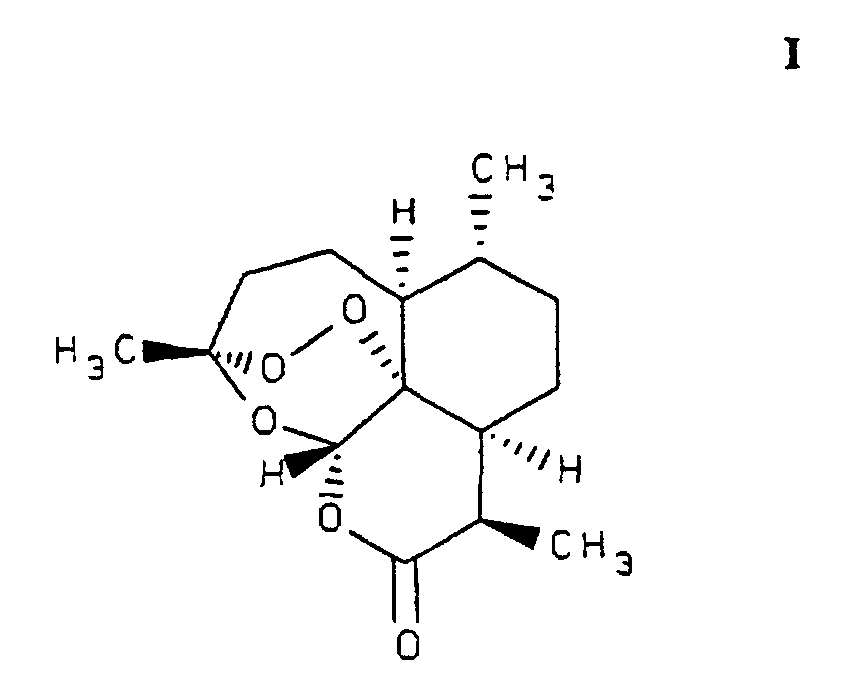
- Artemisinin (3, 6, 9-trimethyl-9, 10b-epi-dioxyperhydropyranol [4, 3, 2-jk] benzoxepin-2-one) is a member of the amorphane subgroup of cadinenes and has the following structure (I).
- Artemisinin or QHS was the subject of a 1979 study conducted by the Qinghaosu Antimalarial Coordinating Research Group involving the treatment of 2099 cases of malaria ( Plasmodium vivax and Plasmodium falciparum in a ratio of about 3:1) with different dosage forms of QHS, leading to the clinical cure of all patients. See, Qinghaosu Antimalarial Coordinating Research Group, Chin. Med. J ., 92 :811 (1979).
- QHS acts by an oxidative mechanism and it effects changes in both red blood cells and in the limiting and other membranes of the malarial parasite.
- QHS affects red blood cell deformability in a manner which suggests that QHS acts as an efficient prooxidant, M.D. Scott, et al.. J Lab. Clin. Med ., 114:40 (1989).
- QHS brings about complete lysis of red blood cells, G. Haoming, Zhongguo Yaoli Xuebao , 7:269 (1986).
- QHS is effective at suppressing the parasitemias of P. vivax and P. falciparum , the problems encountered with recrudescence, and the compounds solubility, due to the lactone ring in QHS, led scientists to modify QHS chemically, a difficult task because of the chemical reactivity of the peroxide linkage which is an essential moiety for antimalarial activity.
- Artemether (II-2) is produced by reacting ⁇ -DHQHS with boron trifluoride (BF 3 ) etherate or HCl methanol:benzene (1:2) at room temperature. A mixture of ⁇ - and ⁇ -artemether (70:30) is obtained, from which the former is isolated by column chromatography and recrystallized from hexane or methanol, R. Hynes, Transactions of the Royal Society of Tropical Medicines and Hygiene, 88 (1): S1/23-S1/26 (1994).
- DHQHS ether dimer proved to be less potent than QHS, which has an SD 90 of 6.20 mg/Kg.
- paclitaxel is the most exciting, recently receiving approval by the Food and Drug Administration for the treatment of refractory ovarian cancer. Since the isolation of QHS, there has been a concerted effort by investigators to study other therapeutic applications of QHS and its derivatives.
- the MTT assay used to test the artemisinin-related endoperoxides for cytoxicity, is based on the metabolic reduction of soluble tetrazolium salts into insoluble colored formazan products by mitochondrial dehydrogenase activity of the tumor cells.
- the IC 50 and IC 80 values the drug concentrations causing respectively 50% and 80% growth inhibition of the tumor cells, were used.
- QHS ( I ) had an IC 50 value of 29.8 ⁇ M.
- DHQHS Derivatives of DHQHS (II- 1 ) being developed as antimalarial drugs (artemether (II- 2 ), arteether (III- 3 ), sodium artesunate (II- 4 ), artelinic acid (II- 5 ) and sodium artelinate (II- 6 )), exhibited a somewhat more potent cytoxicity. Their IC 50 values ranged from 12.2 ⁇ M to 19.9 ⁇ M.
- the DHQHS condensation by-product (II- 7 ) disclosed previously by M.Cao, et al., 1984, was the most potent cytotoxic agent, its IC 50 being 1.4 ⁇ M. At this drug concentration the condensation by-product (II- 7 ), is approximately twenty-two times more cytoxic than QHS and sixty times more cytotoxic than DHQHS (II- 1 ), the parent compound.
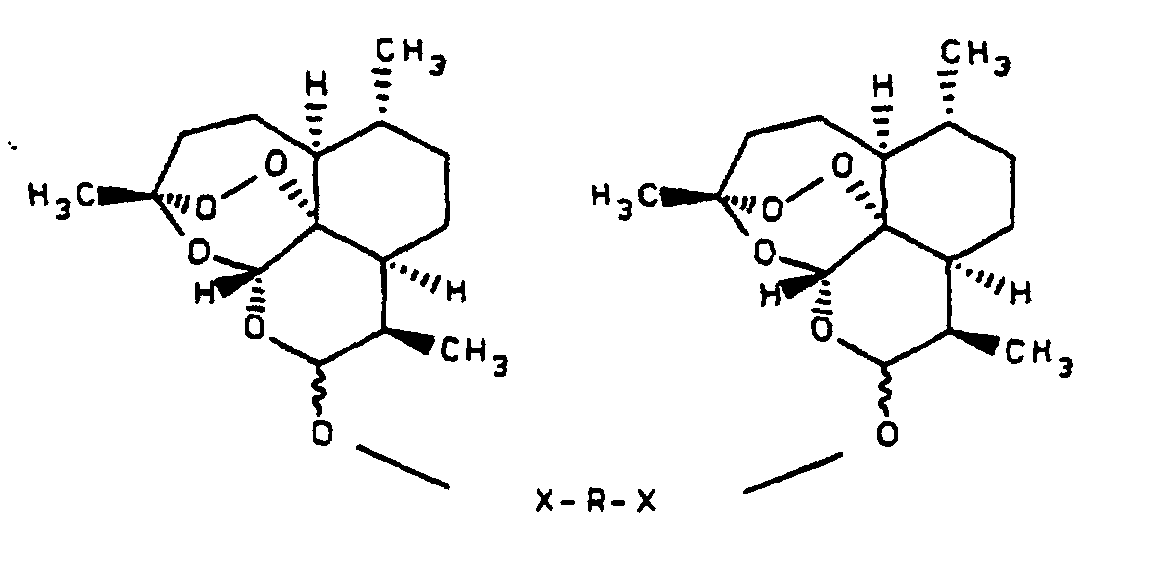
- compositions of this invention comprise artemisinin dimers, of the following structure, having anticancer activity; where R is a linker such as an aromatic, aryl, lower alkane, lower alkene, lower alkyl, halide protein, atom, or -CH 2 CH 2 -(XCH 2 CH 2 ) n - where X is O, S or NY where Y is H or alkyl and n is 0-20, or R is -X-Z-X- where X is ester, carbamate or carbonate and Z is aromatic, aryl, PEG, lower alkane, lower alkene, lower alkyl or halide.
- R is a linker such as an aromatic, aryl, lower alkane, lower alkene, lower alkyl, halide protein, atom, or -CH 2 CH 2 -(XCH 2 CH 2 ) n - where X is O, S or NY where Y is H or alkyl and n is 0-20, or R
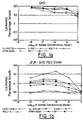
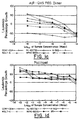
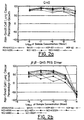
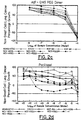
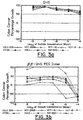
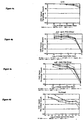
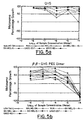
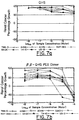
- the horizontal axis depicts various dilutions of the test compound, ranging from 10 -4 to 10 -9 molar, that were exposed to the specified cancer cell lines.
- the vertical axis depicts the growth of the specified cancer cell line when exposed to a specific concentration of the tested compound as compared to the growth of the same cancer cell line not exposed to any compound.
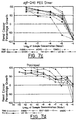
- Figure 1a depicts the dose response curves generated by exposing various leukemia cancer cell lines to various concentrations of QHS.
- Figure 1b depicts the dose response curves generated by exposing various leukemia cancer cell lines to various concentrations of the ⁇ , ⁇ -QHS PEG dimer of the present invention.
- Figure 1c depicts the dose response curves generated by exposing various leukemia cancer cell lines to various concentrations of the ⁇ , ⁇ -QHS PEG dimer of the present invention.
- Figure 1d depicts the dose response curves generated by exposing various leukemia cancer cell lines to various concentrations of paclitaxel.
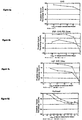
- Figure 2a depicts the dose response curves generated by exposing various non-small cell lung cancer cell lines to various concentrations of QHS.
- Figure 2b depicts the dose response curves generated by exposing various non-small cell lung cancer cell lines to various concentrations of the ⁇ , ⁇ -QHS PEG dimer of the present invention.
- Figure 2c depicts the dose response curves generated by exposing various non-small cell lung cancer cell lines to various concentrations of the ⁇ , ⁇ -QHS PEG dimer of the present invention.
- Figure 2d depicts the dose response curves generated by exposing various non-small cell lung cancer cell lines to various concentrations of paclitaxel.
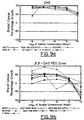
- Figure 3a depicts the dose response curves generated by exposing various colon cancer cell lines to various concentrations of QHS.
- Figure 3b depicts the dose response curves generated by exposing various colon cancer cell lines to various concentrations of the ⁇ , ⁇ -QHS PEG dimer of the present invention.
- Figure 3c depicts the dose response curves generated by exposing various colon cancer cell lines to various concentrations of the ⁇ , ⁇ -QHS PEG dimer of the present invention.
- Figure 3d depicts the dose response curves generated by exposing various colon cancer cell lines to various concentrations of paclitaxel.
- Figure 4a depicts the dose response curves generated by exposing various CNS cancer cell lines to various concentrations of QHS.
- Figure 4b depicts the dose response curves generated by exposing various CNS cancer cell lines to various concentrations of the ⁇ , ⁇ -QHS PEG dimer of the present invention.
- Figure 4c depicts the dose response curves generated by exposing various CNS cancer cell lines to various concentrations of the ⁇ , ⁇ -QHS PEG dimer of the present invention.
- Figure 4d depicts the dose response curves generated by exposing various CNS cancer cell lines to various concentrations of paclitaxel.
- Figure 5a depicts the dose response curves generated by exposing various melanoma cancer cell lines to various concentrations of QHS.
- Figure 5b depicts the dose response curves generated by exposing various melanoma cancer cell lines to various concentrations of the ⁇ , ⁇ -QHS PEG dimer of the present invention.
- Figure 5c depicts the dose response curves generated by exposing various melanoma cancer cell lines to various concentrations of the ⁇ , ⁇ -QHS PEG dimer of the present invention.
- Figure 5d depicts the dose response curves generated by exposing various melanoma cancer cell lines to various concentrations of paclitaxel.
- Figure 6a depicts the dose response curves generated by exposing various ovarian cancer cell lines to various concentrations of QHS.
- Figure 6b depicts the dose response curves generated by exposing various ovarian cancer cell lines to various concentrations of the ⁇ , ⁇ -QHS PEG dimer of the present invention.
- Figure 6c depicts the dose response curves generated by exposing various ovarian cancer cell lines to various concentrations of the ⁇ , ⁇ -QHS PEG dimer of the present invention.
- Figure 6d depicts the dose response curves generated by exposing various ovarian cancer cell lines to various concentrations of paclitaxel.
- Figure 7a depicts the dose response curves generated by exposing various renal cancer cell lines to various concentrations of QHS.
- Figure 7b depicts the dose response curves generated by exposing various renal cancer cell lines to various concentrations of the ⁇ , ⁇ -QHS PEG dimer of the present.
- Figure 7c depicts the dose response curves generated by exposing various renal cancer cell lines to various concentrations of the ⁇ , ⁇ -QHS PEG dimer of the present.
- Figure 7d depicts the dose response curves generated by exposing various renal cancer cell lines to various concentrations of paclitaxel.
- Figure 8a depicts the dose response curves generated by exposing various prostate cancer cell lines to various concentrations of QHS.
- Figure 8b depicts the dose response curves generated by exposing various prostate cancer cell lines to various concentrations of the ⁇ , ⁇ -QHS PEG dimer of the present.
- Figure 8c depicts the dose response curves generated by exposing various prostate cancer cell lines to various concentrations of the ⁇ , ⁇ -QHS PEG dimer of the present.
- Figure 8d depicts the dose response curves generated by exposing various prostate cancer cell lines to various concentrations of paclitaxel.
- Figure 9a depicts the dose response curves generated by exposing various breast cancer cell lines to various concentrations of QHS.
- Figure 9b depicts the dose response curves generated by exposing various breast cancer cell lines to various concentrations of the ⁇ , ⁇ -QHS PEG dimer of the present.
- Figure 9c depicts the dose response curves generated by exposing various breast cancer cell lines to various concentrations of the ⁇ , ⁇ -QHS PEG dimer of the present.
- Figure 9d depicts the dose response curves generated by exposing various breast cancer cell lines to various concentrations of paclitaxel.
- the present invention provides a novel class of QHS-dimers of formula IV: in which R is a linker group such as an aromatic, aryl, lower alkane, lower alkene, lower alkyl, halide protein, atom, or -CH 2 CH 2 -(XCH 2 CH 2 ) n - where X is O, S or NY where Y is H (hydrogen) or alkyl and n is 0-20, or R is -X-Z-X- where X is ester, carbamate or carbonate, and Z is aromatic, aryl, polyethylene glycol (PEG), lower alkane, lower alkene, lower alkyl, or halide.
- R is a linker group such as an aromatic, aryl, lower alkane, lower alkene, lower alkyl, halide protein, atom, or -CH 2 CH 2 -(XCH 2 CH 2 ) n - where X is O, S or NY where Y is H (hydrogen) or
- references to "lower alkane,” “lower alkene,” or “lower alkyl,” represent alkanes, alkenes, or alkyls of 1 to 20 carbon atoms.
- References to “halide” are compounds containing only carbon, hydrogen, and halogen, which fall into one of three general categories: Alkyl halides, aryl halides (in which a halogen is bonded to a carbon of an aromatic ring), and vinylic halides (in which a halogen is bonded to a double-bonded carbon). Within these general categories of halides are specific halides, such as, allylic halides and benzylic halides.
- An atom or group that is attached to the carbon atom adjacent to one of the sp 2 carbon atoms is said to be in the allylic position or the benzylic position, respectively.
- the isomers of the invention include the ⁇ ⁇ , ⁇ ⁇ , and ⁇ ⁇ conformations.
- aromatic substituents include, but are not limited to, phenol, and biphenol.
- Typical alkanes include, but not limited to, methane, ethane, propane, and butane.
- halides include, but are not limited to, 2-chlorobutane, 4-chloro-2-pentene, and 1-bromo-4-methyl-1-phenyl pentane.
- a compound of structure IV where R is - (CH 2 CH 2 O) n -, and n is 1-20 (DHQHS-ether dimer), may be made by reacting DHQHS and polyethylene glycol, for example triethylene glycol, or -(CH 2 CH 2 O) n where n is 3, with a Lewis acid such as BF 3 ⁇ Et 2 O (Borontriflorate Etherate).
- a Lewis acid such as BF 3 ⁇ Et 2 O (Borontriflorate Etherate).
- a compound of structure IV (DHQHS-carbamate dimer), where R is -X-Z-X-, where X is carbamate and Z is aromatic, aryl, halide, lower alkane, lower alkene, or lower alkyl, is made by reacting DHQHS with di-isocyanate.
- DHQHS-carbamate dimer A representative reaction scheme for the preparation of DHQHS-carbamate dimer is shown below.
- a compound of structure IV (DHQHS-ester dimer), where R is -X-Z-X- where X is an ester and Z is aromatic, aryl, halide, lower alkane, lower alkene, or lower alkyl, is made by reacting DHQHS with an acid chloride or a diacid, such as adopoyl chloride or adipic acid, respectively.
- DHQHS-ester dimer an acid chloride or a diacid, such as adopoyl chloride or adipic acid, respectively.
- the other isomers are those isomers having the ⁇ , ⁇ - and ⁇ , ⁇ - conformations.
- screening assays were performed by the National Cancer Institute using a 60 cell line panel; some of these activities are summarized in Tables 1a, 1b and 1c (set out below).
- the screening assay is performed on 96-well microtitre plates. Relatively high initial inoculation densities are used, in order to permit measurement of "time-zero" values and to enhance the screen's ability to detect and provide some differentiation between antiproliferative and cytotoxic response parameters.
- the specific inoculation densities (which range from 5,000 to 40,000 cells/well) used for each cell line are those which, for the respective line, were determined to give an optical density signal for both the "time-zero" value (at 24 hours) and the "no-drug” control (at 72 hours) above the noise level and within the linear range of the end-point assay (which measures cellular protein).
- the inoculated microtitre plates are pre-incubated for 24 hours at 37°C prior to drug additions.
- the five drug dilutions tested routinely range from 10 -4 to 10 -8 molar. Higher or lower concentration ranges may be selected on a nonroutine basis if appropriate solubility and/or prior biological information or other screening data so dictate.
- Duplicate wells are prepared for all concentrations, (concentration is often denoted by placing brackets around a number); "time-zero" and “nodrug” controls are also provided for each test.
- the minimum amount of compound required for a one-time evaluation in the routine screen can be calculated from the knowledge that each test requires a total of approximately 40 ml (0.04 liter) of cell culture medium containing the highest desired drug concentration.
- the amount (grams) of sample required is: molecular weight of compound x 10 -4 x 0.04.
- the cells are fixed in situ to the bottoms of the microtitre wells by addition of 50 ul of either 50% trichloroacetic acid (for adherent cell lines) or 80% trichloroacetic acid (for settled cell suspension lines), followed by incubation for 60 minutes at 4°C.
- the cellular protein in each well is assayed using a sulforhodamine B (SRB) stain procedure. Briefly, after discarding the supernatants, the microtitre plates are washed 5 times with deionized water and air-dried.
- SRB sulforhodamine B
- SRB solution (0.4% w/v in 1% acetic acid) is added to each microtitre well and incubated for 10 minutes at room temperature. Unbound SRB is removed by washing 5 times with 1% acetic acid. The plates are air-dried, the bound stain is solubilized with Tris buffer. and the optical densities read at 515nm. SRB is a bright pink anionic dye which, in dilute acetic acid, binds electrostatically to the basic amino acids of TCA-fixed cells. Cryopreserved master stocks of all the lines are maintained, and cultures used for screening are replaced from the master stock after no more than twenty passages in the screening laboratory.
- the cell line panel consists of 60 lines, organized into nine, disease-related subpanels including leukemia, non-small-cell lung cancer, colon, CNS, melanoma, ovarian, renal, prostate and breast cancers.
- the response parameters GI 50 and LC 50 are interpolated values representing the concentrations at which the percentage growth (PG) is +50 and -50, respectively:
- Panel/Cell line Log 10 GI 50 QHS DHQHS Dimer Paclitaxel ⁇ , ⁇ ⁇ , ⁇ Leukemia CCRF-CEM - - - - - -7.23 -11.61 HL-60(TB) -4.26 ⁇ -8.00 ⁇ -8.00 -11.57 K-562 -4.33 ⁇ -8.00 -7.74 -10.83 MOLT-4 -4.73 ⁇ -8.00 ⁇ -8.00 -11.07 RPMI-8226 >-4.00 ⁇ -8.00 ⁇ -8.00 ⁇ -13.00 SR >-4.00 ⁇ -8.00 ⁇ -8.00 - 8.34 Non-Small Cell Lung Cancer A549/ATCC -4.17 -5.33 -5.57 --- EKVX >-4.00 ⁇ -8.00 -5.
- the DHQHS dimers of the present invention in most instances are as potent and in some instances more potent than paclitaxel.
- the data in Table 1a, 1b and 1c is graphically represented in Figures 1a, b, c, and d through Figures 9a.
- Dose response curves shown in the above mentioned Figures, are obtained by exposing various cancer cell lines to compounds having a known concentration ([log 10 M]), as discussed in detail above, and then plotting the percentage growth of each cell line for each concentration.
- the drug concentration limits that are tested are between 10 -4 or -4.00M and 10 -8 or -8.00M.
- the -4.00M value being the high concentration and the -8.00M value being the low concentration.
- Percentage growth is determined by dividing the number or mass of cells in the test well by the number or mass of cells in a control well.
- the first comparison that is made between QHS, the QHS dimers of the present invention ( ⁇ , ⁇ -QHS Dimer and ⁇ , ⁇ -QHS dimer) and paclitaxel are the drug concentrations which are necessary to inhibit growth, graphically represented in Figures 1a, 1b, 1c, and 1d as the concentration necessary to achieve the percentage growth value of +50.
- the five drug dilutions routinely tested range from 10 -4 to 10 -8 molar.
- concentrations less than or greater than 10 -8 and 10 -4 molar, respectively, that are required to achieve a desired result are not determined.
- some concentration of QHS that is greater than 10 -4 molar is necessary to achieve primary growth inhibition.
- the leukemia cell line MOLT-4 displays primary growth inhibition at drug concentrations that are less than 10 -8 M. The same can be said for paclitaxel, see Figure 1d; however, the lower concentrations have been determined for this drug and the concentration at which primary growth inhibition occurs using paclitaxel is at -11.07 molar.
- the drug concentration at which QHS is considered cytostasis, i.e. percentage growth is equal to 0, is at some concentration greater than -4.00 molar.
- the ⁇ , ⁇ -QHS PEG dimers and ⁇ , ⁇ -QHS PEG dimers reach cytostasis at drug concentrations of -5.80M and -5.93M, while the respectively paclitaxel concentration necessary to achieve cytostasis is some value greater than -4.00 molar.
- Cytotoxicity i.e., the concentration for which the percentage growth is equal to -50, occurs at a concentration greater than -4.00M for QHS, -4.55M for the ⁇ , ⁇ -QHS PEG dimer, -4.73M for the ⁇ , ⁇ -QHS PEG dimer, and a concentration greater than -4.00 M for paclitaxel.
- the potency of QHS dimers of the present invention as compared to QHS and paclitaxel varies from cell line to cell line. However, the mean values for each drug are presented at the end of Table 1 and QHS dimers of the present invention were more potent than QHS and equivalent to and in many instances greater than that for paclitaxel.
- the National Cancer Institute utilizes the Pearson Correlation Coefficient to provide indications of the probable mode of action.
- a Pearson Correlation Coefficient of >.6 indicates a high likelihood of a mode of action which is similar to the comparison compound.
- a correlation coefficient of ⁇ .6, when compared to the bank of known drugs, is thought to be indicative of the possibility of an unknown mechanism.
- Table II shows the Pearson Correlation Coefficient for the artemisinin dimer of the present invention at GI 50 , TGI and LC 50 at a log 10 [-4.00M].
- NMR nuclear magnetic resonance
- the nature of the shifts as to multiplicity is reported as broad singlet (bs), broad doublet (bd), broad triplet (bt), broad quartet (bq), singlet (s), multiplet (m), doublet (d), quartet (q), triplet (t), doublet of doublet (dd), doublet of triplet (dt), and doublet of quartet (dq).
- the solvents employed for taking NMR spectra are DMSO-d 6 (perdeuterodimethysulfoxide), D 2 O (deuterated water), CDCl 3 (deuterochloroform) and other conventional deuterated solvents.
- the chemical shifts are expressed in ppm relative to the reference of CDCl 3 or DMSO.
- Deuterated solvents were purchased from Aldrich Chemical Co.
- IR infrared
- spectral description was measured on a KVB Analect Diamond-20 FT-IR Spectrometer featuring a Laser Precision XAD-Plus Microscope. Electrospray mass spectra were obtained from a VG Platform HPLC-MASS Spectrometer. TLC plates of silica gel 60F254 were purchased from E.M. Merck and kept in a closed container over Drierite® prior to use. Melting points were measured on a MEL-TEMP II apparatus equipped with a digital Barnant 100 Thermocouple Thermometer and are uncorrected.
- HPLC was performed on a Hitachi chromatographic spectrometer (L-6200A Intelligent Pump, D-6000 Interface, L-4000 UV Detector and AS-4000 Intelligent Auto Sampler). Combination of CH 3 CN and H 2 O in different concentrations are used as HPLC solvent system. All solvents were distilled before use. Commercially available chemicals were used without any further purification. Various methods of purifying the products of the present invention are known and understood by those skilled in the art and the purification methods presented in the Examples is solely listed by way of example and is not intended to limit the invention.
- the selected fractions were evaporated to dryness with a rotary evaporation under reduced pressure. 32.2 mg of starting material was recovered resulting in a 27.7% yield.
- the DHQHS-PEG dimer was isolated in 32.8% yield (15.4% ⁇ ⁇ dimer, 9.0% ⁇ ⁇ dimer, and 8.4% ⁇ ⁇ dimer).
- the DHQHS-PEG monomer (mixture of ⁇ + ⁇ isomers) was obtained in a 19.7% yield.
Landscapes
- Chemical & Material Sciences (AREA)
- Organic Chemistry (AREA)
- Health & Medical Sciences (AREA)
- Engineering & Computer Science (AREA)
- Bioinformatics & Cheminformatics (AREA)
- Life Sciences & Earth Sciences (AREA)
- Pharmacology & Pharmacy (AREA)
- Epidemiology (AREA)
- Medicinal Chemistry (AREA)
- Animal Behavior & Ethology (AREA)
- General Health & Medical Sciences (AREA)
- Public Health (AREA)
- Veterinary Medicine (AREA)
- Pharmaceuticals Containing Other Organic And Inorganic Compounds (AREA)
- Medicines Containing Plant Substances (AREA)
- Heterocyclic Carbon Compounds Containing A Hetero Ring Having Oxygen Or Sulfur (AREA)
- Pyrane Compounds (AREA)
- Compounds Of Unknown Constitution (AREA)
Abstract
Description
- The present invention relates to a novel class of artemisinin dimers which demonstrate useful anticancer activity.
- Artemisia annua L., also known as qing hao or sweet wormwood, is a pervasive weed that has been used for many centuries in Chinese traditional medicine as a treatment for fever and malaria. Its earliest mention, for use in hemorrhoids, occurs in the Recipes for 52 Kinds of Diseases found in the Mawangdui Han dynasty tomb dating from 168 B.C. Nearly, five hundred years later Ge Hong wrote the Zhou Hou Bei Ji Fang (Handbook of Prescriptions for Emergency Treatments) in which he advised that a water extract of qing hao was effective at reducing fevers. In 1596, Li Shizhen, the famous herbalist, wrote that chills and fever of malaria can be combated by qing hao preparations. Finally, in 1971, Chinese chemists isolated from the leafy portions of the plant the substance responsible for its reputed medicinal action. This crystalline compound, called qinghaosu, also referred to as QHS or artemisinin, is a sesquiterpene lactone with an internal peroxide linkage.
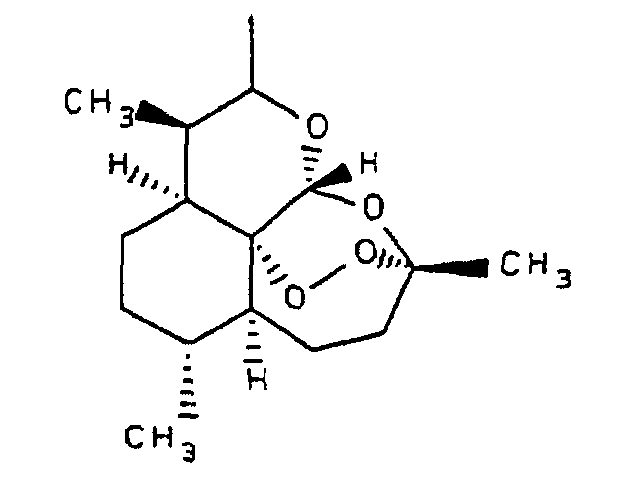
- Artemisinin (3, 6, 9-trimethyl-9, 10b-epi-dioxyperhydropyranol [4, 3, 2-jk] benzoxepin-2-one) is a member of the amorphane subgroup of cadinenes and has the following structure (I).Artemisinin or QHS was the subject of a 1979 study conducted by the Qinghaosu Antimalarial Coordinating Research Group involving the treatment of 2099 cases of malaria (Plasmodium vivax and Plasmodium falciparum in a ratio of about 3:1) with different dosage forms of QHS, leading to the clinical cure of all patients. See, Qinghaosu Antimalarial Coordinating Research Group, Chin. Med. J., 92:811 (1979). Since that time QHS has been used successfully in several thousand malaria patients throughout the world including those infected with both chloroquine-sensitive and chloroquine-resistant strains of P. falciparum. Assay of QHS against P. falciparum, in vitro, revealed that its potency is comparable to that of chloroquine in two Hanian strains (Z. Ye, et al., J. Trad. Chin. Med., 3:95 (1983)) and of mefloquine in the Camp (cholorquine-susceptible) and Smith (chloroquine-resistant) strains, D.L. Klayman, et al., J. Nat. Prod., 47:715 (1984).
- Most research suggests that QHS acts by an oxidative mechanism and it effects changes in both red blood cells and in the limiting and other membranes of the malarial parasite. At concentrations much higher than those used clinically, QHS affects red blood cell deformability in a manner which suggests that QHS acts as an efficient prooxidant, M.D. Scott, et al.. J Lab. Clin. Med., 114:40 (1989). At even higher concentrations QHS brings about complete lysis of red blood cells, G. Haoming, Zhongguo Yaoli Xuebao, 7:269 (1986). The mechanism of action of QHS appears to involve two steps, S. Meshnick, Transactions of the Royal Society of Tropical Medicine and Hygiene 88(1): S1/31-S1/32, (1994). In the first step, activation, intra-parasite iron catalyzes the cleavage of the endoperoxide bridge and the generation of free radicals. A free radical is a short-lived and highly reactive molecule that contains an unpaired electron. In the second step, alkylation, the QHS-derived free radical forms covalent bonds with parasitic proteins which leads to alternations in ribosomal organization and the endoplasmic reticulum. Nuclear membrane blebbing develops followed by segregation of the nucleoplasm. The parasite continues to undergo degenerative changes with disorganization and death occurring from eight hours onwards following the initial exposure to QHS.
- Although QHS is effective at suppressing the parasitemias of P. vivax and P. falciparum, the problems encountered with recrudescence, and the compounds solubility, due to the lactone ring in QHS, led scientists to modify QHS chemically, a difficult task because of the chemical reactivity of the peroxide linkage which is an essential moiety for antimalarial activity.
- Reduction of QHS in the presence of sodium borohydride results in the production of dihydroartemesinin (II-1) or DHQHS, (illustrated in structure II below), in which the lactone group is converted to a lactol (hemiacetal) function, with properties similar to QHS. QHS in methanol is reduced with sodium borohydride to an equilibrium mixture of α- and β-isomers of dihydroartemisinin. The yield under controlled conditions is 79% (QHS, 0.85M with
NaBH 4 6·34M. 7·5 equivalents in methanol, 12 L at 0-5°C for about 3 hours followed by quenching with acetic acid to neutrality at 0-5°C and dilution with water to precipitate dihydroartemisinin), A. Brossi, et al., Journal of Medicinal Chemistry, 31:645-650 (1988). Using DHQHS as a starting compound a large number of other derivatives, such as,
- 1 R=H
- 2 R=CH3
- 3 R=CH2CH3
- 4 R=COCH2CH2COONa
- 5 R=CH2C6H4COOH
- 6 R=CH2CC6H4COONa
- 7 R=
-
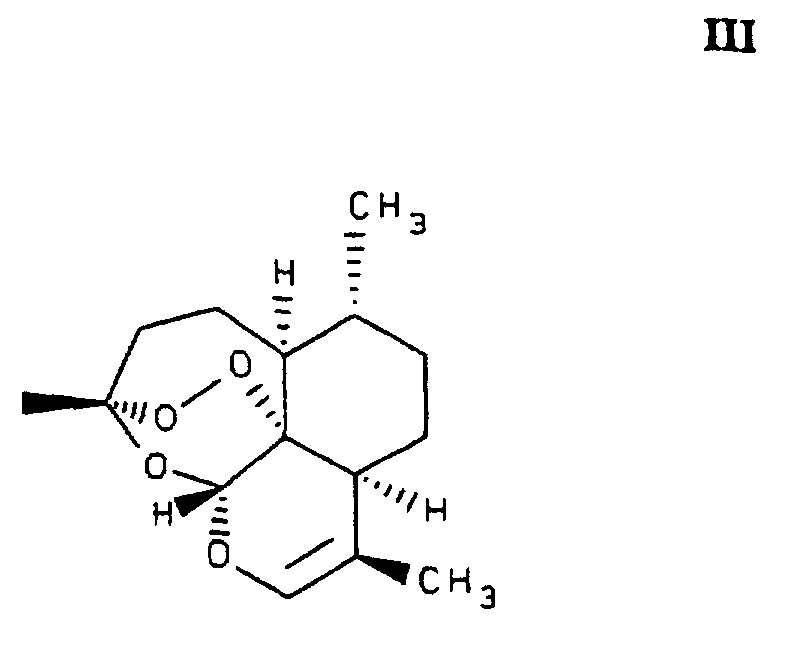
- Artemether (II-2) is produced by reacting β-DHQHS with boron trifluoride (BF3) etherate or HCl methanol:benzene (1:2) at room temperature. A mixture of β- and α-artemether (70:30) is obtained, from which the former is isolated by column chromatography and recrystallized from hexane or methanol, R. Hynes, Transactions of the Royal Society of Tropical Medicines and Hygiene, 88(1): S1/23-S1/26 (1994). For arteether (II-3), (Brossi, et al., 1988), the α-isomer is equilibrated (epimerized) to the β-isomer in methanol:benzene mixture containing BF3 etherate. Treatment of DHQHS with an unspecified dehydrating agent yields both the olefinic compound, (III), and the DHQHS condensation by-product (11-7), formed on addition of DHQHS to (III), M. Cao, et al., Chem. Abstr., 100:34720k (1984). Until recently, the secondary hydroxy group in DHQHS (II-1) provided the only site in an active QHS related compound that had been used for derivatization. See B. Venugopalan "Synthesis of a Novel Ring Contracted Artemisinin Derivative," Bioorganic & Medicinal Chemistry Letters, 4(5):751-752 (1994).
- The potency of various QHS-derivatives in comparison to QHS as a function of the concentration at which the parasitemia is 90 percent suppressed (SD90) was recently reported by D. L. Klayman, "Qinghaosu (Artemisinin): An Antimalarial Drug from China," Science 228:1049-1055 (1985). Dr. Klayman found that the olefinic compound III, is inactive against P. bergher-infected mice, whereas, the DHQHS condensation by-product (II-7), has an SD90 of 10 mg/Kg, in P. bergher-infected mice. Thus, the DHQHS ether dimer proved to be less potent than QHS, which has an SD90 of 6.20 mg/Kg. Following, in order of their overall antimalarial efficacy, are the three types of derivatives of DHQHS (II-1) that have been produced: (QHS) < ethers (II, R = alkyl) < esters [II, R=C(=0)-alkyl or -aryl] < carbonates [II, R=C(=0)0-alkyl or -aryl].
- Over the past twenty years only a few drugs isolated from higher plants have yielded clinical agents, the outstanding examples being vinblastine and vincristine from the Madagascan periwinkle, Catharanthus roseus, etoposide, the semi-synthetic lignam, from May-apple Podophyllum peltatum and the diterpenoid taxol, commonly referred to as paclitaxel, from the Pacific yew, Taxus brevifolia. Of these agents, paclitaxel is the most exciting, recently receiving approval by the Food and Drug Administration for the treatment of refractory ovarian cancer. Since the isolation of QHS, there has been a concerted effort by investigators to study other therapeutic applications of QHS and its derivatives.
- National Institutes of Health reported that QHS is inactive against P388 leukemia. See NCI Report on NSC 369397 (tested on 25 October 1983). Later anticancer studies that have been conducted on cell line panels consisting of 60 lines organized into nine, disease-related subpanels including leukemia, non-small-cell lung cancer, colon, CNS, melanoma, ovarian renal, prostate and breast cancers, further confirm that QHS displays very little anticancer activity. A series of artemisinin-related endoperoxides were tested for cytoxicity to Ehrlich ascites tumor (EAT) cells using the microculture tetrazolum (MTT) assay, H. J Woerdenbag, et al. "Cytotoxicity of Artemisinin-Related Endoperoxides to Ehrlich Ascites Tumor Cells," Journal of Natural Products, 56(6):849-856 (1993). The MTT assay, used to test the artemisinin-related endoperoxides for cytoxicity, is based on the metabolic reduction of soluble tetrazolium salts into insoluble colored formazan products by mitochondrial dehydrogenase activity of the tumor cells. As parameters for cytoxicity, the IC50 and IC80 values, the drug concentrations causing respectively 50% and 80% growth inhibition of the tumor cells, were used. QHS (I), had an IC50 value of 29.8µM. Derivatives of DHQHS (II-1) being developed as antimalarial drugs (artemether (II-2), arteether (III-3), sodium artesunate (II-4), artelinic acid (II-5) and sodium artelinate (II-6)), exhibited a somewhat more potent cytoxicity. Their IC50 values ranged from 12.2µM to 19.9µM. The DHQHS condensation by-product (II-7), disclosed previously by M.Cao, et al., 1984, was the most potent cytotoxic agent, its IC50 being 1.4µM. At this drug concentration the condensation by-product (II-7), is approximately twenty-two times more cytoxic than QHS and sixty times more cytotoxic than DHQHS (II-1), the parent compound.
- There is still a need, therefore, for developing structural analogs of QHS as antitumor agents that have potency equivalent or greater than known anticancer agents.
- Accordingly, it is an object of this invention to provide a class of artemisinin dimers which demonstrate antitumor activity.
- Additional objects, advantages and novel features of this invention shall be set forth in part in the description and examples that follow, and in part will become apparent to those skilled in the art upon examination of the following specification or may be learned by the practice of the invention. The objects and advantages of the invention may be realized and attained by means of the instrumentalities, combinations, compositions, and methods particularly pointed out in the appended claims.
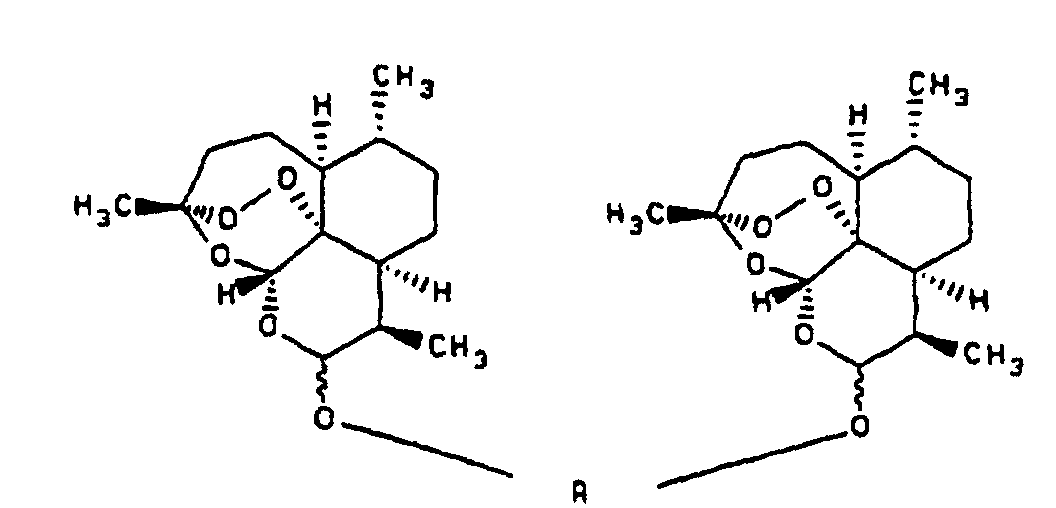
- To achieve the foregoing and other objects and in accordance with the purposes of the present invention, as embodied and broadly described therein the compositions of this invention comprise artemisinin dimers, of the following structure, having anticancer activity;where R is a linker such as an aromatic, aryl, lower alkane, lower alkene, lower alkyl, halide protein, atom, or -CH2CH2-(XCH2CH2)n- where X is O, S or NY where Y is H or alkyl and n is 0-20, or R is -X-Z-X- where X is ester, carbamate or carbonate and Z is aromatic, aryl, PEG, lower alkane, lower alkene, lower alkyl or halide.

- The accompanying drawings, which are incorporated in and form a part of the specification, illustrate the preferred embodiments of the present invention, and together with the description serve to explain the principles of the invention.
- In all of the following drawings the horizontal axis depicts various dilutions of the test compound, ranging from 10-4 to 10-9 molar, that were exposed to the specified cancer cell lines. The vertical axis (percentage growth) depicts the growth of the specified cancer cell line when exposed to a specific concentration of the tested compound as compared to the growth of the same cancer cell line not exposed to any compound.
- Figure 1a depicts the dose response curves generated by exposing various leukemia cancer cell lines to various concentrations of QHS.
- Figure 1b depicts the dose response curves generated by exposing various leukemia cancer cell lines to various concentrations of the β, β-QHS PEG dimer of the present invention.
- Figure 1c depicts the dose response curves generated by exposing various leukemia cancer cell lines to various concentrations of the α, β-QHS PEG dimer of the present invention.
- Figure 1d depicts the dose response curves generated by exposing various leukemia cancer cell lines to various concentrations of paclitaxel.
- Figure 2a depicts the dose response curves generated by exposing various non-small cell lung cancer cell lines to various concentrations of QHS.
- Figure 2b depicts the dose response curves generated by exposing various non-small cell lung cancer cell lines to various concentrations of the β, β-QHS PEG dimer of the present invention.
- Figure 2c depicts the dose response curves generated by exposing various non-small cell lung cancer cell lines to various concentrations of the α, β-QHS PEG dimer of the present invention.
- Figure 2d depicts the dose response curves generated by exposing various non-small cell lung cancer cell lines to various concentrations of paclitaxel.
- Figure 3a depicts the dose response curves generated by exposing various colon cancer cell lines to various concentrations of QHS.
- Figure 3b depicts the dose response curves generated by exposing various colon cancer cell lines to various concentrations of the β, β-QHS PEG dimer of the present invention.
- Figure 3c depicts the dose response curves generated by exposing various colon cancer cell lines to various concentrations of the α, β-QHS PEG dimer of the present invention.
- Figure 3d depicts the dose response curves generated by exposing various colon cancer cell lines to various concentrations of paclitaxel.
- Figure 4a depicts the dose response curves generated by exposing various CNS cancer cell lines to various concentrations of QHS.
- Figure 4b depicts the dose response curves generated by exposing various CNS cancer cell lines to various concentrations of the β, β-QHS PEG dimer of the present invention.
- Figure 4c depicts the dose response curves generated by exposing various CNS cancer cell lines to various concentrations of the α, β-QHS PEG dimer of the present invention.
- Figure 4d depicts the dose response curves generated by exposing various CNS cancer cell lines to various concentrations of paclitaxel.
- Figure 5a depicts the dose response curves generated by exposing various melanoma cancer cell lines to various concentrations of QHS.
- Figure 5b depicts the dose response curves generated by exposing various melanoma cancer cell lines to various concentrations of the β, β-QHS PEG dimer of the present invention.
- Figure 5c depicts the dose response curves generated by exposing various melanoma cancer cell lines to various concentrations of the α, β-QHS PEG dimer of the present invention.
- Figure 5d depicts the dose response curves generated by exposing various melanoma cancer cell lines to various concentrations of paclitaxel.
- Figure 6a depicts the dose response curves generated by exposing various ovarian cancer cell lines to various concentrations of QHS.
- Figure 6b depicts the dose response curves generated by exposing various ovarian cancer cell lines to various concentrations of the β, β-QHS PEG dimer of the present invention.
- Figure 6c depicts the dose response curves generated by exposing various ovarian cancer cell lines to various concentrations of the α, β-QHS PEG dimer of the present invention.
- Figure 6d depicts the dose response curves generated by exposing various ovarian cancer cell lines to various concentrations of paclitaxel.
- Figure 7a depicts the dose response curves generated by exposing various renal cancer cell lines to various concentrations of QHS.
- Figure 7b depicts the dose response curves generated by exposing various renal cancer cell lines to various concentrations of the β, β-QHS PEG dimer of the present.
- Figure 7c depicts the dose response curves generated by exposing various renal cancer cell lines to various concentrations of the α, β-QHS PEG dimer of the present.
- Figure 7d depicts the dose response curves generated by exposing various renal cancer cell lines to various concentrations of paclitaxel.
- Figure 8a depicts the dose response curves generated by exposing various prostate cancer cell lines to various concentrations of QHS.
- Figure 8b depicts the dose response curves generated by exposing various prostate cancer cell lines to various concentrations of the β, β-QHS PEG dimer of the present.
- Figure 8c depicts the dose response curves generated by exposing various prostate cancer cell lines to various concentrations of the α, β-QHS PEG dimer of the present.
- Figure 8d depicts the dose response curves generated by exposing various prostate cancer cell lines to various concentrations of paclitaxel.
- Figure 9a depicts the dose response curves generated by exposing various breast cancer cell lines to various concentrations of QHS.
- Figure 9b depicts the dose response curves generated by exposing various breast cancer cell lines to various concentrations of the β, β-QHS PEG dimer of the present.
- Figure 9c depicts the dose response curves generated by exposing various breast cancer cell lines to various concentrations of the α, β-QHS PEG dimer of the present.
- Figure 9d depicts the dose response curves generated by exposing various breast cancer cell lines to various concentrations of paclitaxel.
- The present invention provides a novel class of QHS-dimers of formula IV:in which R is a linker group such as an aromatic, aryl, lower alkane, lower alkene, lower alkyl, halide protein, atom, or -CH2CH2-(XCH2CH2)n- where X is O, S or NY where Y is H (hydrogen) or alkyl and n is 0-20, or R is -X-Z-X- where X is ester, carbamate or carbonate, and Z is aromatic, aryl, polyethylene glycol (PEG), lower alkane, lower alkene, lower alkyl, or halide. References to "lower alkane," "lower alkene," or "lower alkyl," represent alkanes, alkenes, or alkyls of 1 to 20 carbon atoms. References to "halide" are compounds containing only carbon, hydrogen, and halogen, which fall into one of three general categories: Alkyl halides, aryl halides (in which a halogen is bonded to a carbon of an aromatic ring), and vinylic halides (in which a halogen is bonded to a double-bonded carbon). Within these general categories of halides are specific halides, such as, allylic halides and benzylic halides. An atom or group that is attached to the carbon atom adjacent to one of the sp2 carbon atoms is said to be in the allylic position or the benzylic position, respectively. The isomers of the invention include the α α, α β, and β β conformations.

- Examples of aromatic substituents include, but are not limited to, phenol, and biphenol. Typical alkanes include, but not limited to, methane, ethane, propane, and butane. Examples of halides include, but are not limited to, 2-chlorobutane, 4-chloro-2-pentene, and 1-bromo-4-methyl-1-phenyl pentane.
- The synthesis of a compound of structure IV can be accomplished by a wide variety of methods. The synthetic descriptions and specific examples that follow are only intended for the purposes of illustration, and are not to be construed as limiting in any manner to make compounds of the present invention by other methods.
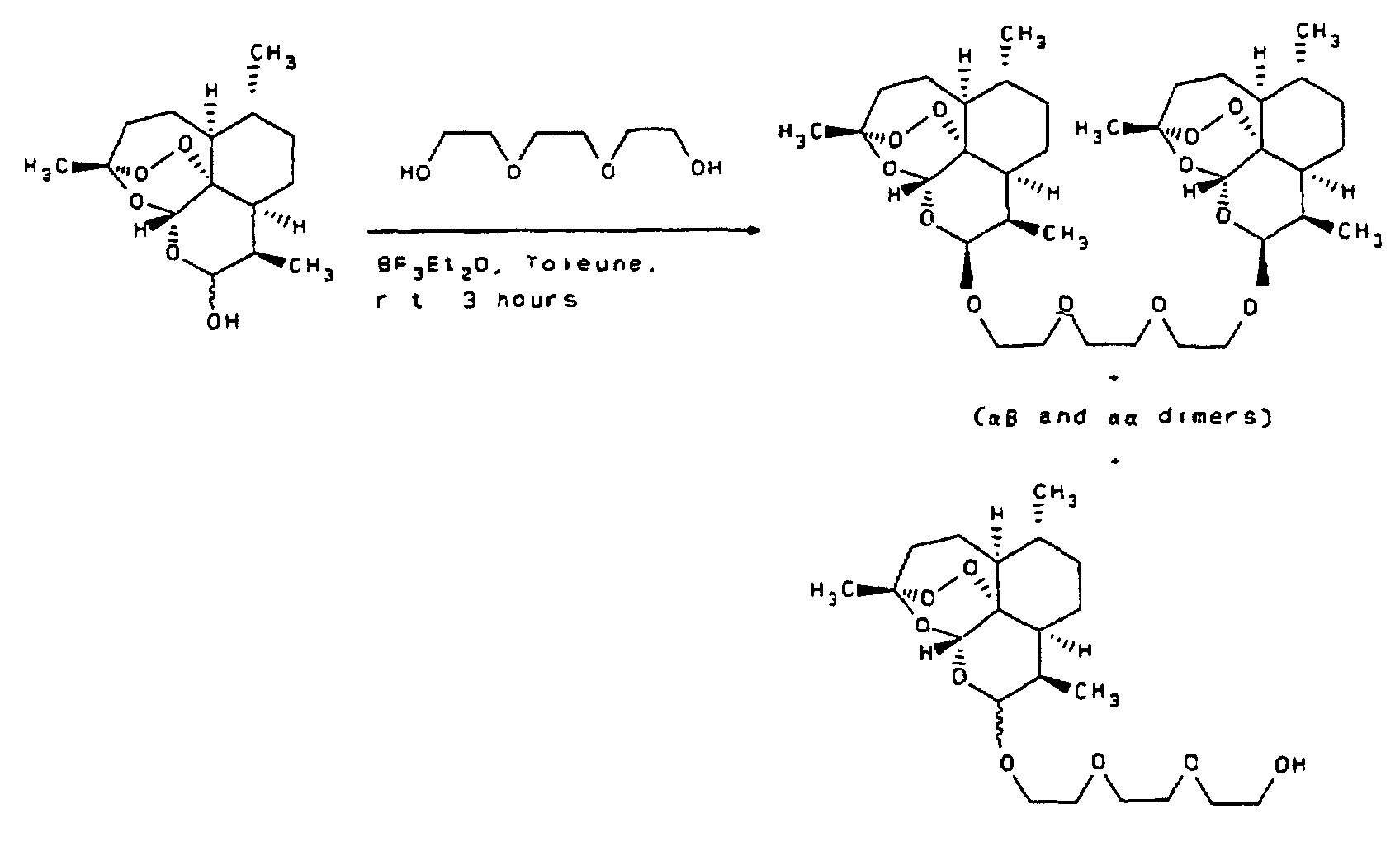
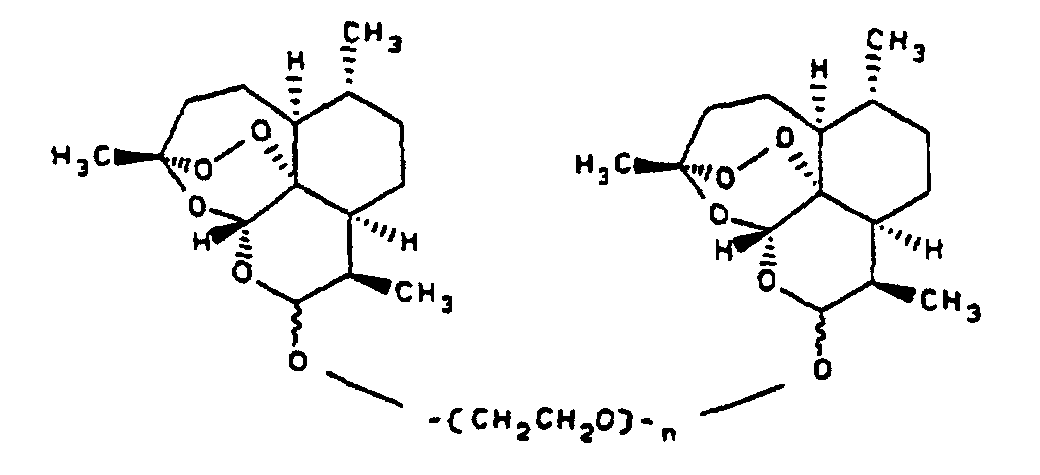
- In one embodiment a compound of structure IV, where R is - (CH2CH2O)n -, and n is 1-20 (DHQHS-ether dimer), may be made by reacting DHQHS and polyethylene glycol, for example triethylene glycol, or -(CH2CH2O)n where n is 3, with a Lewis acid such as BF3·Et2O (Borontriflorate Etherate). A representative reaction scheme for the preparation of a DHQHS-PEG dimers and monomers is shown below.
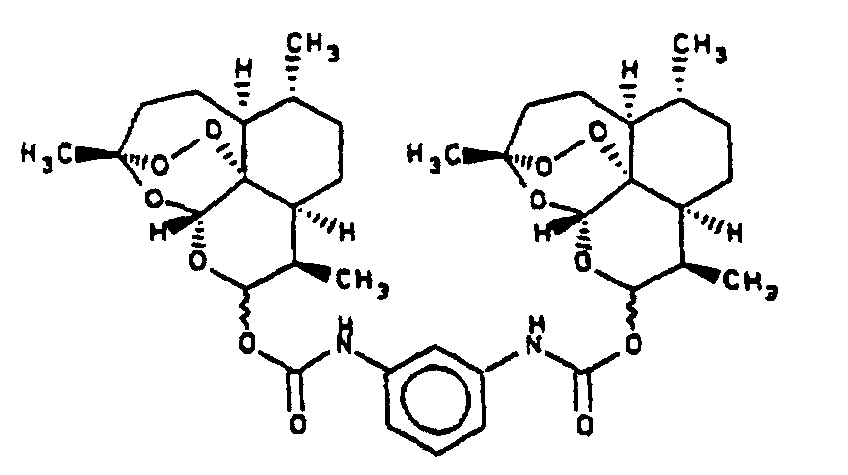
- In a second embodiment a compound of structure IV, (DHQHS-carbamate dimer), where R is -X-Z-X-, where X is carbamate and Z is aromatic, aryl, halide, lower alkane, lower alkene, or lower alkyl, is made by reacting DHQHS with di-isocyanate. A representative reaction scheme for the preparation of DHQHS-carbamate dimer is shown below.

- In a third embodiment a compound of structure IV, (DHQHS-ester dimer), where R is -X-Z-X- where X is an ester and Z is aromatic, aryl, halide, lower alkane, lower alkene, or lower alkyl, is made by reacting DHQHS with an acid chloride or a diacid, such as adopoyl chloride or adipic acid, respectively. A representative reaction scheme for the preparation of the α, α-DHQHS-ester dimer and its isomers is shown below.

- The other isomers are those isomers having the β, β- and α, β- conformations.
- To determine the cytotoxicity of the DHQHS dimers of the present invention, screening assays were performed by the National Cancer Institute using a 60 cell line panel; some of these activities are summarized in Tables 1a, 1b and 1c (set out below). The screening assay is performed on 96-well microtitre plates. Relatively high initial inoculation densities are used, in order to permit measurement of "time-zero" values and to enhance the screen's ability to detect and provide some differentiation between antiproliferative and cytotoxic response parameters. The specific inoculation densities (which range from 5,000 to 40,000 cells/well) used for each cell line are those which, for the respective line, were determined to give an optical density signal for both the "time-zero" value (at 24 hours) and the "no-drug" control (at 72 hours) above the noise level and within the linear range of the end-point assay (which measures cellular protein). The inoculated microtitre plates are pre-incubated for 24 hours at 37°C prior to drug additions. The five drug dilutions tested routinely range from 10-4 to 10-8 molar. Higher or lower concentration ranges may be selected on a nonroutine basis if appropriate solubility and/or prior biological information or other screening data so dictate. Duplicate wells are prepared for all concentrations, (concentration is often denoted by placing brackets around a number); "time-zero" and "nodrug" controls are also provided for each test. The minimum amount of compound required for a one-time evaluation in the routine screen can be calculated from the knowledge that each test requires a total of approximately 40 ml (0.04 liter) of cell culture medium containing the highest desired drug concentration. Thus, the amount (grams) of sample required (assuming an upper test concentration limit of 10-4 M) is: molecular weight of compound x 10-4 x 0.04. After a 48 hour incubation (37°C) with the test compound, the cells are fixed in situ to the bottoms of the microtitre wells by addition of 50 ul of either 50% trichloroacetic acid (for adherent cell lines) or 80% trichloroacetic acid (for settled cell suspension lines), followed by incubation for 60 minutes at 4°C. The cellular protein in each well is assayed using a sulforhodamine B (SRB) stain procedure. Briefly, after discarding the supernatants, the microtitre plates are washed 5 times with deionized water and air-dried. One hundred microliters of SRB solution (0.4% w/v in 1% acetic acid) is added to each microtitre well and incubated for 10 minutes at room temperature. Unbound SRB is removed by washing 5 times with 1% acetic acid. The plates are air-dried, the bound stain is solubilized with Tris buffer. and the optical densities read at 515nm. SRB is a bright pink anionic dye which, in dilute acetic acid, binds electrostatically to the basic amino acids of TCA-fixed cells. Cryopreserved master stocks of all the lines are maintained, and cultures used for screening are replaced from the master stock after no more than twenty passages in the screening laboratory. The cell line panel consists of 60 lines, organized into nine, disease-related subpanels including leukemia, non-small-cell lung cancer, colon, CNS, melanoma, ovarian, renal, prostate and breast cancers.
- The response parameters GI50 and LC50 are interpolated values representing the concentrations at which the percentage growth (PG) is +50 and -50, respectively:
- GI50 is the concentration for which the PG=+50. At this value the increase from time tzero in the number or mass of cells in the test well is only 50% as much as the corresponding increase in the control well during this period of the experiment. A drug effect of this intensity is interpreted as primary growth inhibition.
- TGI is the concentration for which PG=0. At this value the number or mass of cells in the well at the end of the experiment equals the number or mass of cells in the well at time tzero. A drug effect of this intensity is regarded as cytostasis.
- LC50 is the concentration for which the PG=-50. At this value, the number or mass of cells in the test well at the end of the experiment is half that at time tzero. This is interpreted as cytotoxicity.
Panel/Cell line Log10 GI50 QHS DHQHS Dimer Paclitaxel β, β α, β Leukemia CCRF-CEM - - - - - - -7.23 -11.61 HL-60(TB) -4.26 <-8.00 <-8.00 -11.57 K-562 -4.33 <-8.00 -7.74 -10.83 MOLT-4 -4.73 <-8.00 <-8.00 -11.07 RPMI-8226 >-4.00 <-8.00 <-8.00 <-13.00 SR >-4.00 <-8.00 <-8.00 - 8.34 Non-Small Cell Lung Cancer A549/ATCC -4.17 -5.33 -5.57 --- EKVX >-4.00 <-8.00 -5.91 --- HOP-62 >-4.00 -5.27 -4.92 - 9.67 HOP-92 >-4.00 -5.44 -5.50 --- NCI-H226 >-4.00 -7.59 -4.79 --- NCI-H23 >-4.00 - - - -5.80 --- NCI-H322M --- -4.75 -4.87 -10.12 NCI-H460 >-4.00 -5.37 -5.03 -12.16 NCI-H522 - - - - -- -6.13 <-13.00 Colon Cancer COLO 205 >-4.00 <-8.00 -7.57 -11.07 HCC-2998 >-4.00 -4.91 -4.99 -12.34 HCT-116 -4.18 <-8.00 <-8.00 <-13.00 HCT-15 >-4.00 <-8.00 <-8.00 - 6.37 HT29 >-4.00 <-8.00 -7.85 <-13.00 KM12 >-4.00 <-8.00 <-8.00 -11.43 SW-620 >-4.00 <-8.00 - - - -11.60 CNS Cancer SF-268 - - - -5.00 -5.09 - - - SF-295 - - - -5.09 -5.20 - - - SF-539 - - - -4.99 -5.22 -11.09 SNB-19 >-4.00 -4.94 -4.90 -8.98 SNB-75 >-4.00 - - - -5.54 - - - U251 >-4.00 -5.00 -5.67 -11.29 Melanoma LOX-1MV1 - - - <-8.00 -7.26 -11.80 MALME-3M -- - -5.47 -4.96 - - - M14 - - - -5.50 -5.26 -11.73 SK-MEL-2 - - - -6.02 -6.13 -9.53 SK-MEL-28 >-4.00 -4.94 -5.21 - - - SK-MEL-5 -4.10 <-8.00 -6.80 - - - UACC-257 >-4.00 <-8.00 -5.99 -10.30 UACC-62 >-4.00 -6.75 -5.61 -10.46 Ovarian Cancer IGROV1 -4.31 - - - -5.69 -8.61 OVCAR-3 - - - -5.82 -5.79 -10.40 OVCAR-4 - - - -5.52 -5.47 -5.00 OVCAR-5 >-4.00 <-8.00 -6.29 -9.38 OVCAR-8 >-4.00 <-8.00 -7.24 -10.75 SKOV3 - - - -4.65 -4.82 - - - Renal Cancer 786-0 >-4.00 -5.97 -5.67 -8.01 A498 >-4.00 -4.97 -4.90 -7.14 ACHN >-4.00 - - - -5.57 - - - CAKl-1 - - - -5.05 -4.97 - - - RXF-393 -4.08 -5.16 -5.58 -8.32 SN12C -4.21 -5.84 -5.26 -9.53 TK-10 >-4.00 - - - -6.03 -7.89 UO-31 -4.06 <-8.00 -7.17 -6.09 Prostate Cancer PC-3 -4.17 <-8.00 <-8.00 -10.85 DU-145 -- - -4.92 -4.94 -9.38 Breast Cancer MCF7 >-4.00 - - - -7.03 -11.69 MCF7/ADR-RES MDA-MB-231/ATCC - - - -6.61 -4.96 -8.48 HS 578T MDA-MB-435 -4.20 -5.50 -5.07 -8.54 MDA-N >-4.00 <-8.00 -7.09 - - - BT-549 - - - - - - -5.92 <-13.00 T-47D >-4.00 <-8.00 -6.53 <-13.00 -4.06 - - - - - - -9.31 - - - <-8.00 <-8.00 -9.81 Mean -4.07 -6.56 -6.15 -10.15 Range 0.73 3.35 3.21 8.00 Panel/Cell Line Log10 TGI QHS DHQHS Dimer Paclitaxel β, β α, β Leukemia CCRF-CEM - - - -4.66 -5.14 >-4.00 HL-60(TB) >-4.00 <-8.00 <-8.00 >-4.53 K-562 >-4.00 -5.34 -5.82 >-4.00 MOLT-4 >-4.00 -5.80 -5.93 >-4.00 RPMI-8226 >-4.00 -5.50 -5.76 >-4.00 SR >-4.00 <-8.00 <-8.00 >-4.00 Non-Small Cell Lung Cancer A549/ATCC >-4.00 -4.68 -4.69 - - - EKVX >-4.00 -4.69 -4.66 - - - HOP-62 >-4.00 -4.68 -4.59 -4.80 HOP-92 >-4.00 -4.73 -4.75 - - - NCI-H226 >-4.00 -5.01 -4.47 - - - NCI-H23 >-4.00 -4.80 -4.79 - - - NCI-H322M - - - -4.48 -4.57 -4.46 NCI-H460 >-4.00 -4.59 -4.53 -4.92 NCI-H522 - - - -4.70 -4.78 -11.20 Colon Cancer COLO 205 >-4.00 -5.90 -5.84 - - - HCC-2998 >-4.00 -4.53 -4.61 -4.77 HCT-116 >-4.00 -4.77 -4.81 -4.82 HCT-15 >-4.00 -4.70 -4.71 >-4.00 HT29 >-4.00 -4.67 -4.77 - - - KM12 >-4.00 -4.90 -4.95 -4.36 SW-620 >-4.00 -4.80 -4.76 >-4.00 CNS Cancer SF-268 - -- -4.60 -4.63 - - - SF-295 - - - -4.62 -4.68 - - - SF-539 - - - -4.65 -4.69 - - - SNB-19 >-4.00 -4.56 -4.49 >-4.00 SNB-75 >-4.00 -4.72 -4.98 - - - U251 >-4.00 -4.63 -4.69 -4.32 Melanoma LOX-IMVI - - - -5.00 -4.89 -4.65 MALME-3M -4.06 -4.70 -4.60 -4.46 M14 >-4.00 -4.76 -4.69 -4.62 SK-MEL-2 >-4.00 -4.81 -5.08 - - - SK-MEL-28 >-4.00 -4.56 -4.66 - - - SK-MEL-5 >-4.00 -4.98 -4.92 - - - UACC-257 >-4.00 -4.92 -4.94 -4.52 UACC-62 >-4.00 -4.64 -4.72 -4.71 Ovarian Cancer 1GROV1 >-4.00 -4.64 -4.73 -4.19 OVCAR-3 - - - -4.82 -4.82 -4.55 OVCAR-4 - - - -4.61 -4.69 -4.19 OVCAR-5 >-4.00 -4.92 -4.77 -4.92 OVCAR-8 >-4.00 -4.77 -4.90 - - - SKOV3 - - - -4.27 -4.52 - - - Renal Cancer 786-0 >-4.00 -4.74 -4.72 >-4.00 A498 >-4.00 -4.52 -4.60 - - - ACHN >-4.00 -4.73 -4.76 -4.90 CAKI-1 - - - -4.50 -4.56 -4.04 RXF-393 >-4.00 -4.67 -4.75 >-4.00 SN12C >-4.00 -4.74 -4.66 -4.29 TK-10 >-4.00 -4.75 -4.92 - - - UO-31 >-4.00 -5.67 -5.65 - - - Prostate Cancer PC-3 >-4.00 -4.94 -4.95 >-4.00 DU-145 --- -4.59 -4.62 >-4.00 Breast Cancer MCF7 >-4.00 -4.79 -4.94 -4.05 MCF7/ADR-RES MDA-MB-231/ATCC --- >-4.00 -4.58 >-4.00 HS 578T MDA-MB-435 >-4.00 -4.81 -4.66 -4.84 MDA-N >-4.00 -6.42 -5.10 - - - BT-549 - - - -4.82 -4.77 - - - T-47D >-4.00 -4.78 -4.82 - - - >-4.00 - - - - - - -6.32 >-4.00 - - - -4.88 -4.05 Mean -4.00 -4.92 -4.95 -4.54 Range 0.06 4.00 3.53 7.20 Panel/Cell line Log10 LC50 QHS DHQHS Dimer Paclitaxel β, β α, β Leukemia CCRF-CEM - - - -4.04 -4.30 >-4.00 HL-60(TB) >-4.00 - - - -7.56 >-4.00 K-562 >-4.00 -4.15 -4.48 >-4.00 MOLT-4 >-4.00 -4.55 -4.73 >-4.00 RPMI-8226 >-4.00 >-4.00 -4.28 >-4.00 SR >-4.00 >-4.00 -4.22 >-4.00 Non-Small Cell Lung Cancer A549/ATCC >-4.00 -4.27 -4.25 - - - EKVX >-4.00 -4.08 -4.17 - - - HOP-62 >-4.00 -4.33 -4.25 -4.10 HOP-92 >-4.00 -4.35 -4.35 - - - NCI-H226 >-4.00 -4.31 -4.16 - - - NCI-H23 >-4.00 -4.21 -4.29 - - - NCl-H322M - - - -4.22 -4.26 >-4.00 NCI-H460 >-4.00 -4.11 -4.06 >-4.00 NCI-H522 - - - -4.19 -4.29 >-4.00 Colon Cancer COLO 205 >-4.00 -5.33 -5.20 >-4.41 HCC-2998 >-4.00 -4.15 -4.23 -4.26 HCT-116 >-4.00 -4.36 -4.39 >-4.00 HCT-15 >-4.00 >-4.00 -4.02 >-4.00 HT29 >-4.00 -4.20 -4.26 -4.39 KM12 >-4.00 -4.30 -4.46 >-4.00 SW-620 >-4.00 -4.37 -4.30 >-4.00 CNS Cancer SF-268 - - - -4.20 -4.25 - - - SF-295 - - - -4.23 -4.32 - - - SF-539 --- -4.32 -4.33 >-4.00 SNB-19 >-4.00 -4.18 -4.07 >-4.00 SNB-75 >-4.00 -4.26 -4.47 - - - U251 >-4.00 -4.26 -4.32 -4.15 Melanoma LOX-1MV1 - - - -4.39 -4.41 >-4.15 MALME-3M >-4.00 -4.28 -4.25 -4.11 M14 >-4.00 -4.28 -4.29 -4.13 SK-MEL-2 >-4.00 -4.10 -4.43 >-4.00 SK-MEL-28 >-4.00 -4.17 -4.28 - - - SK-MEL-5 >-4.00 -4.39 -4.44 - - - UACC-257 >-4.00 -4.31 -4.45 -4.03 UACC-62 >-4.00 -4.12 -4.25 -4.19 Ovarian Cancer IGROV1 >-4.00 -4.24 -4.33 >-4.00 OVCAR-3 - - - -4.37 -4.39 >-4.00 OVCAR-4 - - - -4.05 -4.20 >-4.00 OVCAR-5 >-4.00 -4.23 -4.35 >-4.00 OVCAR-8 >-4.00 -4.21 -4.26 >-4.00 SKOV3 - - - >-4.00 -4.23 - - - Renal Cancer 786-0 >-4.00 -4.33 -4.33 >-4.00 A498 >-4.00 -4.26 -4.29 -4.13 ACHN >-4.00 -4.18 -4.36 -4.45 CAKI-I - - - >-4.00 -4.15 >-4.00 RXF-393 >-4.00 -4.30 -4.31 >-4.00 SN12C >-4.00 -4.31 -4.28 >-4.00 TK-10 >-4.00 -4.10 -4.43 - - - UO-31 >-4.00 -5.21 -5.16 - - - Prostate Cancer PC-3 >-4.00 >-4.00 -4.37 >-4.00 DU-145 - - - -4.25 -4.30 >-4.00 Breast Cancer MCF7 >-4.00 -4.27 -4.40 >-4.00 MCF7/ADR-RES - - - >-4.00 -4.20 >-4.00 MDA-MB-231/ATCC >-4.00 -4.37 -4.30 -4.29 HS 578T >-4.00 -4.28 -4.23 - - - MDA-MB-435 -- - -4.34 -4.35 - - - MDA-N >-4.00 -4.10 -4.31 - - - BT-549 >-4.00 - - - - - - >-4.00 T-47D >-4.00 >-4.00 >-4.00 >-4.00 Mean -4.00 -4.25 -4.38 -4.06 Range 0.00 1.33 3.56 0.45 - The DHQHS dimers of the present invention in most instances are as potent and in some instances more potent than paclitaxel. The data in Table 1a, 1b and 1c is graphically represented in Figures 1a, b, c, and d through Figures 9a. Dose response curves, shown in the above mentioned Figures, are obtained by exposing various cancer cell lines to compounds having a known concentration ([log10 M]), as discussed in detail above, and then plotting the percentage growth of each cell line for each concentration. The drug concentration limits that are tested are between 10-4 or -4.00M and 10-8 or -8.00M. The -4.00M value being the high concentration and the -8.00M value being the low concentration. Percentage growth is determined by dividing the number or mass of cells in the test well by the number or mass of cells in a control well. Referring to the leukemia cell line MOLT-4 in Figures 1a, 1b, 1c and 1d the first comparison that is made between QHS, the QHS dimers of the present invention (β, β-QHS Dimer and α, β-QHS dimer) and paclitaxel are the drug concentrations which are necessary to inhibit growth, graphically represented in Figures 1a, 1b, 1c, and 1d as the concentration necessary to achieve the percentage growth value of +50. As discussed previously, the five drug dilutions routinely tested range from 10-4 to 10-8 molar. Therefore, concentrations less than or greater than 10-8 and 10-4 molar, respectively, that are required to achieve a desired result are not determined. Referring now to Figure 1a, some concentration of QHS that is greater than 10-4 molar is necessary to achieve primary growth inhibition. Referring to the β, β-QHS PEG dimer and α, β-QHS PEG dimer dose response curves in Figures 1b and 1 c, respectively, the leukemia cell line MOLT-4 displays primary growth inhibition at drug concentrations that are less than 10-8M. The same can be said for paclitaxel, see Figure 1d; however, the lower concentrations have been determined for this drug and the concentration at which primary growth inhibition occurs using paclitaxel is at -11.07 molar. The drug concentration at which QHS is considered cytostasis, i.e. percentage growth is equal to 0, is at some concentration greater than -4.00 molar. The β, β-QHS PEG dimers and α, β-QHS PEG dimers reach cytostasis at drug concentrations of -5.80M and -5.93M, while the respectively paclitaxel concentration necessary to achieve cytostasis is some value greater than -4.00 molar. Cytotoxicity, i.e., the concentration for which the percentage growth is equal to -50, occurs at a concentration greater than -4.00M for QHS, -4.55M for the β, β-QHS PEG dimer, -4.73M for the α, β-QHS PEG dimer, and a concentration greater than -4.00 M for paclitaxel.
- The potency of QHS dimers of the present invention as compared to QHS and paclitaxel varies from cell line to cell line. However, the mean values for each drug are presented at the end of Table 1 and QHS dimers of the present invention were more potent than QHS and equivalent to and in many instances greater than that for paclitaxel.
- The DHQHS condensation by-product disclosed by M. Cao et al., and tested by D.L. Klayman and H.J. Woerdenbag, discussed previously, was approximately twenty-two times more potent at causing 50% growth inhibition in one cell line than QHS. With respect to the drug concentrations causing 50% growth inhibition, the QHS dimers were at least 100 times more potent than QHS. When interpreting the mean values, it is important to take into consideration that drug concentrations less than 10-8M and greater then 10-4M were not collected, this factor is reflected in the range.
- For a further comparison on the effects of the QHS PEG dimers of the present invention on various cancer cell lines versus the effects of QHS and paclitaxel on the same cell lines see Figures 2a, b, c and d for non-small cell lung cancer cell lines, Figures 3a, b, c, and d for colon cancer cell lines, Figures 4a, b, c and d for CNS cancer cell lines, Figures Sa, b, c, and d for melanoma cancer cell lines, Figures 6a, b, c, and d for ovarian cancer cell lines Figures 7a, b, c, and d for renal cancer cell lines, Figures 8a, b, c, and d for prostate cancer cell lines and Figures 9a, b, c, and d for breast cancer cell lines.
- In determining the mode of action by which a compound exerts its cytotoxic effect the National Cancer Institute utilizes the Pearson Correlation Coefficient to provide indications of the probable mode of action. When comparing the dose response profile information to the established chemotherapy drugs with known modes of action, a Pearson Correlation Coefficient of >.6 indicates a high likelihood of a mode of action which is similar to the comparison compound. A correlation coefficient of <.6, when compared to the bank of known drugs, is thought to be indicative of the possibility of an unknown mechanism. The following Table II shows the Pearson Correlation Coefficient for the artemisinin dimer of the present invention at GI50, TGI and LC50 at a log10 [-4.00M].
Comparison Correlation Chemical Name Pearson Correlation Coefficient GI50 Carboxyphthalato Platinum 0.458 Tetraplatin 0.449 8-Cl CYC AMP 0.432 Diglycoaldehyde 0.428 Trimethyltrimethylolmelamine 0.388 DUP785 (Brequinar) 0.381 Rifamycin SV 0.376 3-Deazauridine 0.374 Hydrazine Sulfate 0.361 Caracemide 0.346 Aclacinomycin A 0.355 TG1 Hydroxyurea 0.745 Bis-Pyridocarbazolium DMS 0.558 Glyoaxalic Alkylat. Deriv. 0.528 6-Mercaptopurine 0.440 Diglycoaldehyde 0.422 Macbetin II 0.419 Dihydro-5-Azacytidine 0.390 Caracemide 0.368 BCNU 0.361 Merbarone 0.356 AMSA 0.347 LCSD Flavone Acetic Acid 0.707* DUP785 (brequinar) 0.546 Triethylenemelamine 0.475 Hepsulfam 0.474 Dihydro-Lenperone 0.470 Topotecan 0.463 Cytembena 0.450 Thio-Tepa 0.433 Tetrocarcin A Sodium Salt 0.425 Pancratiastatin 0.413 CCNU 0.403 - As a result of the Pearson Correlation Coefficient being less than 0.6 the NCI has referred the artemisinin dimers of the present invention for further in vivo testing. Of the 40,000 compounds tested by NCI over the past two years only 160 compounds have been chosen for in vivo testing.
- The invention is further illustrated by the following non-limited examples. All scientific and technical terms have the meanings as understood by one with ordinary skill in the art. The specific examples which follow illustrate the synthesis of representative compounds of the instant invention and are not to be construed as limiting the invention in sphere or scope. The methods may be adapted to variation in order to produce compounds embraced by this invention but not specifically disclosed. Further, variations of the methods to produce the same compounds in somewhat different fashion will be evident to one skilled in the art.
- All temperatures are understood to be in Centigrade (°C) when not specified. The nuclear magnetic resonance (NMR) spectral characteristics refer to chemical shifts δ expressed in pans per million (ppm) versus tetramethylsilane (TMS) as reference standard. 1H and 13C NMR spectra were recorded on a JEOL Eclipse-400 instrument. The relative area reported for the various shifts in the proton NMR spectral data corresponds to the number of hydrogen atoms of a particular functional type in the molecule. The nature of the shifts as to multiplicity is reported as broad singlet (bs), broad doublet (bd), broad triplet (bt), broad quartet (bq), singlet (s), multiplet (m), doublet (d), quartet (q), triplet (t), doublet of doublet (dd), doublet of triplet (dt), and doublet of quartet (dq). The solvents employed for taking NMR spectra are DMSO-d6 (perdeuterodimethysulfoxide), D2O (deuterated water), CDCl3 (deuterochloroform) and other conventional deuterated solvents. The chemical shifts are expressed in ppm relative to the reference of CDCl3 or DMSO. Deuterated solvents were purchased from Aldrich Chemical Co. The infrared (IR) spectral description was measured on a KVB Analect Diamond-20 FT-IR Spectrometer featuring a Laser Precision XAD-Plus Microscope. Electrospray mass spectra were obtained from a VG Platform HPLC-MASS Spectrometer. TLC plates of silica gel 60F254 were purchased from E.M. Merck and kept in a closed container over Drierite® prior to use. Melting points were measured on a MEL-TEMP II apparatus equipped with a
digital Barnant 100 Thermocouple Thermometer and are uncorrected. HPLC was performed on a Hitachi chromatographic spectrometer (L-6200A Intelligent Pump, D-6000 Interface, L-4000 UV Detector and AS-4000 Intelligent Auto Sampler). Combination of CH3CN and H2O in different concentrations are used as HPLC solvent system. All solvents were distilled before use. Commercially available chemicals were used without any further purification. Various methods of purifying the products of the present invention are known and understood by those skilled in the art and the purification methods presented in the Examples is solely listed by way of example and is not intended to limit the invention. - 116.1 mg (0.409 mmol) of DHQHS and 12 ml (0.03M) of toluene were introduced under a nitrogen atmosphere into a 25 ml round bottomed flask equipped with a magnetic stir bar. 27.8µl (0.204 mmol, 0.5 eq) of triethylene glycol was added followed by 12.0µl (0.098 mmol, 0.24.eq) of BF3·Et2O and the mixture was then stirred at room temperature for three hours.
- Methylene chloride was then added to the mixture. The reaction mixture presumed to contain DHQHS-PEG dimer was washed twice with water. The organic phase was collected, dried over magnesium sulfate and subsequently filtered. The solvent was removed under reduced pressure to obtain a colorless oil as crude product. The crude product was purified by flash chromatography on silica gel and eluted with 20% ethyl acetate/hexane followed by 30% ethyl acetate/hexane. The 20% ethyl acetate/hexane solution contains triethylene glycol and other impurities. The 30% ethyl acetate/hexane solution contains the pure mixtures of isomers of DHQHS-PEG dimers and monomers. The selected fractions were evaporated to dryness with a rotary evaporation under reduced pressure. 32.2 mg of starting material was recovered resulting in a 27.7% yield. The DHQHS-PEG dimer was isolated in 32.8% yield (15.4% β β dimer, 9.0% α β dimer, and 8.4% α α dimer). The DHQHS-PEG monomer (mixture of α + β isomers) was obtained in a 19.7% yield. The proton nuclear magnetic resonance spectrum of β, β dimer (400 MHz; deuterated chloroform; chemical shift in ppm; coupling constants J in Hz): 1H NMR (400 MHz, CDCl3) δ 0.8564 (d, J=7.32 Hz, 3H, C-13), 0.8940 (d, J=6.24 Hz, 3H, C-14), 1.19 (m, 1H), 1.28 (m, 1H), 1.38 (s, 3H, C-15), 1.39-1.84 (m, 7H), 1.98 (m, 1H), 2.30 (td, J=13.56, 4.04 Hz, 1H) 2.55 (m, 1H, C-11), 3.56 (m, 4H), 3.88 (m, 2H), 4.76 (d, J=3.32 Hz, 1H, C-12), 5.36 (s, 1H, C-5); 13C NMR (100 MHz, CDCl3) δ 13.04, 20.43, 24.45, 24.75, 26.22, 30.91, 34.74, 36.47, 37.47, 44.51, 52.62, 67.44, 70.59, 70.63, 81.13, 87.87, 102.09, 104.02; MS (Electrospray) m/e 700.3 (M+NH4)+.
- 593.3 mg (2.11 mmol) of DHQHS and 60 ml (0.04 M) of toluene were introduced under a nitrogen atmosphere into a 25 ml round bottomed flask equipped with a magnetic stir bar. 144µl (1.06 mmol, 0.5 eq) of triethylene glycol was added followed by 64µl (0.53 mmol, 0.25 eq) of BF3·Bt2O and the mixture was then stirred at room temperature for three hours.
- Methylene chloride was then added to the mixture. The reaction mixture presumed to contain DHQHS-PEG dimer was washed with water. The organic phase was collected, dried over magnesium sulfate and subsequently filtered. The solvent was removed under reduced pressure to obtain 731.3 mg colorless oil as crude product corresponding to a crude yield of 98.1%. The crude product was purified by flash chromatography on silica gel (60 Å) and eluted with a gradient elution of 20-50% ethyl acetate/hexane. The DHQHS-PEG dimer was obtained as oil (348.2 mg, 47.7%). 228.0 mg of the β β dimer (30.6%), 97.3 mg of the α β dimer (13.1%) and 29.9 mg of the α α dimer (4.0%) were recovered. 136.8 mg of the monomer (α + β, 15.2%) and 25.1% of the starting material were also recovered. The 1H NMR, 13C NMR, and MS data are identical to that in Example I.
- 100.3 mg (0.35 mmol) of DHQHS and 12 ml (0.03M) of toluene were introduced under a nitrogen atmosphere into a 25 ml round bottomed flask equipped with a magnetic stir bar. 17.0µl (0.18 mmol, 0.5 eq) of diethylene glycol was added followed by 11.0µl (0.09 mmol, 0.25 eq) of BF3·Et2O and the mixture was then stirred at room temperature for three hours.
- Methylene chloride was then added to the mixture. The reaction mixture presumed to contain diethylene glycol-DHQHS dimer was washed twice with water. The organic phase was collected, dried over magnesium sulfate and subsequently filtered. The crude product was purified by flash column chromatography on silica gel and eluted with a gradient solvent system (15-80% ethyl acetate/hexane). The selected fractions were evaporated to dryness with a rotary evaporation under reduced pressure. 6.2 mg of DHQHS was recovered. 45.3 mg of dimers (29.8mg β β dimer, 12.3 mg α β dimer, and 3.2 mg α α dimer) were obtained as desired product in 39.5% yield. The proton nuclear magnetic resonance spectrum for the β β dimer (400 MHz; deuterated chloroform; chemical shift in ppm; coupling constants J in Hz): 1H NMR (400 MHz, CDCl3) δ 5.41 (s, 1H), 4.82 (d, J=3.28 Hz, 1H), 3.94 (m, 1H), 3.53-3.67 (m, 3H), 2.60 (m, 1H), 2.35 (m, 1H), 2.00 (m, 1H), 1.70-1.90 (m, 3H), 1.59 (m, 2H), 1.47 (m, 1H), 1.42 (s, 3H), 1.20-1.40 (m, 3H), 0.91 (d, J=6.20 Hz, 3H), 0.87 (d, J=7.32 Hz, 3H); MS (electrospray) m/e 656.1 (M+NH4)+.
- 501.8 mg (1.78 mmol) of DHQHS and 60 ml (0.03 M) of toluene were introduced under a nitrogen atmosphere into a 25 ml round bottomed flask equipped with a magnetic stir bar. 84µl (0.88 mmol, 0.5 eq) of diethylene glycol was added followed by 54µl (0.44 mmol, 0.25 eq) of BF3·Et2O and the mixture was then stirred at room temperature for three hours.
- Methylene chloride was then added to the mixture. The reaction mixture presumed to contain Diethylene glycol-DHQHS dimer was washed with water. The organic phase was collected, dried over magnesium sulfate and subsequently filtered. The crude product was purified by flash column chromatography on silica gel and eluted with a gradient solvent system of 15-75% ethyl acetate/hexane. Less than 10 mg of DHQHS was recovered while 334.0 mg of dimers (238.3 mg β β dimers, 8.3 mg α β + β β dimers, 79.0 mg α β dimer, and 8.4 mg α α dimer) were obtained as desired product in 59.5% yield. The 1H NMR and MS data of this dimer is identical to the one in Example III.
- 100.9 mg (0.36 mmol) of DHQHS and 12 ml (0.03M) of toluene were introduced under a nitrogen atmosphere into a 25 ml round bottomed flask equipped with a magnetic stir bar. 45.0µl (0.18 mmol, 0.5 eq) of hexaethylene glycol was added followed by 11.0µl (0.09 mmol, 0.25 eq) of BF3·Et2O and the mixture was then stirred at room temperature for three hours.
- Methylene chloride was then added to the mixture. The reaction mixture presumed to contain the hexaethylene glycol dimer was washed twice with water. The organic phase was collected, dried over magnesium sulfate and subsequently filtered. Flash column chromatography (silica gel) was used to purify the product with a gradient solvent system (15-95% ethyl acetate/hexane). The solvent system was then gradually changed to 5-10% methanol/methylene chloride to recover all products. The selected fractions were evaporated to dryness with a rotary evaporation under reduced pressure. 62.2 mg of starting material was recovered, and 15.7 mg of dimer was isolated in 11.9% yield (9.0 mg β β dimer, 4.0 mg α β + β β dimers, and 2.7% α β dimer). The proton nuclear magnetic resonance spectrum for the β β dimers (400 MHz; deuterated chloroform; chemical shift in ppm; coupling constants J in Hz): 1H NMR (400 MHz, CDCl3) δ 5.41 (s, 1H), 4.82 (d, J=3.32 Hz, 1H), 3.94 (m, 1H), 3.60 (m, 11H), 2.60 (m, 1H), 2.60 (m, 1H), 2.35 (m, 1H), 2.00 (m, 1H), 1.70-1.90 (m, 3H), 1.59 (m, 2H), 1.47 (m, 1H), 1.42 (s, 3H), 1.20-1.40 (m, 3H), 0.91 (d, J=7.32 Hz, 3H), 0.87 (d, J=6.56 Hz, 3H); MS (electrospray) m/e 832.3 (M+NH4)+.
- 506.2 mg (1.78 mmol) of DHQHS and 60 ml (0.03 M) of toluene were introduced under a nitrogen atmosphere into a 25 ml round bottomed flask equipped with a magnetic stir bar. 250µl (0.89 mmol, 0.5 eq) of hexaethylene glycol was added followed by 55µl (0.45 mmol, 0.25 eq) of BF3·Et2O and the mixture was then stirred at room temperature for three hours.
- Methylene chloride was then added to the mixture. The reaction mixture presumed to contain hexaethylene glycol dimer was washed with water. The organic phase was collected, dried over magnesium sulfate and subsequently filtered. The crude product was purified by flash column chromatography on silica gel and eluted with a gradient elution of 15-95% ethyl acetate/hexane. The solvent system was then gradually changed to 5-10% methanol/methylene chloride to recover all products. 62.0 mg of starting material was recovered, and 102.5 mg of dimer was isolated in 14.2% yield (67 mg β β dimers, 35.0 mg α β + β β dimers). The analytical results are identical to the dimer in Example V.
- The foregoing description is considered as illustrative only of the principals of the invention. Furthermore, since numerous modifications and changes will readily occur to those skilled in the art, it is not desired to limit the invention to the exact compositions and processes shown as described above. Accordingly, all suitable modifications and equivalents may be resorted to falling within the scope of the invention as defined by the claims which follow.
- 140.0 mg (0.500 mmol) of DHQHS dissolved in 3.0 ml of a 10% pyridine/methylene chloride solution was introduced into a 25 ml round bottomed flask equipped with a magnetic stir bar. 40.0 mg (0.25 mmol) of 1, 3-phenylenediisocyanate was added and the mixture was then stirred at room temperature overnight.
- The solution was concentrated to dryness and the resulting residue was purified by flash column chromatography on silica gel eluted with 10-25% ethylacetate/hexane. The selected fractions were evaporated to dryness with a rotary by rotary evaporation under reduced pressure. 80 mg of 12-carbonate artemisinin dimer was obtained as a white solid resulting in a 50% yield. The proton nuclear magnetic resonance spectrum (400 MHz; deuterated chloroform; chemical shift in ppm; coupling constants J in HZ): 1H NMR (400 MHz, CDCL3) δ 0.95 (m, 12H, H-13, H-14), 1.36 (s, 6H, H-15), 2.62 (m, 2H, H-11), 5.50 (s, 2H, H-5), 5.76 (d, J=9.98 Hz, 2H, H-12), 7.14 (s, 1H, Ph-H), 7.34 (m, 3H, Ph-H); 13C NMR (10 MHz, CDCl3) δ 12.2, 20.3, 22.1, 24.7, 25.9, 31.9, 34.2, 36.6, 37.4, 45.4, 51.7, 80.3, 91.5, 93.0, 104.6, 113.8, 129.5, 138.3, 151.9; IR (neat) 3400, 3000, 1750, 1050, cm-1; MS (electrospray) m/e 746 (M+NH4)+.
Claims (12)
- An anticancer artemisinin dimer of the formula:and the isomers thereof where R is polyethylene glycol.
- An anticancer artemisinin dimer of formula:and the isomers thereof, wherein X is
 and R is alkylidene, alkenylene, polyethylene glycol, or aryl.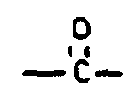
- A compound according to claim 2, where R is -(CH2)n and n is 1-20.
- A compound according to claim 3, where n is 6.
- A compound according to claim 2, where R is a benzene ring.
- An anticancer artemisinin dimer of formula:wherein X is
 and R is alkylidene, alkenylene, polyethylene glycol or aryl.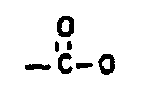
- An anticancer artemisinin dimer of formulaand the isomers thereof, wherein: n is 1-20.
- A compound according to claim 7, where n is 2.
- A compound according to claim 7, where n is 3.
- A compound according to claim 7, where n is 6.
- An artemisinin dimer of formula:and the isomer thereof.
- A compound according to claim 6, wherein R is -(CH2)n and n is 1-12.
Applications Claiming Priority (3)
| Application Number | Priority Date | Filing Date | Title |
|---|---|---|---|
| US496771 | 1983-05-20 | ||
| US08/496,771 US5677468A (en) | 1995-06-29 | 1995-06-29 | Artemisinin dimer compounds having anticancer activity |
| PCT/US1996/011163 WO1997001548A1 (en) | 1995-06-29 | 1996-06-27 | Artemisinin dimer compounds having anticancer activity |
Publications (3)
| Publication Number | Publication Date |
|---|---|
| EP0882037A1 EP0882037A1 (en) | 1998-12-09 |
| EP0882037A4 EP0882037A4 (en) | 2000-01-19 |
| EP0882037B1 true EP0882037B1 (en) | 2001-09-12 |
Family
ID=23974067
Family Applications (1)
| Application Number | Title | Priority Date | Filing Date |
|---|---|---|---|
| EP96923582A Expired - Lifetime EP0882037B1 (en) | 1995-06-29 | 1996-06-27 | Artemisinin dimer compounds having anticancer activity |
Country Status (6)
| Country | Link |
|---|---|
| US (2) | US5677468A (en) |
| EP (1) | EP0882037B1 (en) |
| AT (1) | ATE205500T1 (en) |
| AU (1) | AU725724B2 (en) |
| DE (1) | DE69615220T2 (en) |
| WO (1) | WO1997001548A1 (en) |
Families Citing this family (31)
| Publication number | Priority date | Publication date | Assignee | Title |
|---|---|---|---|---|
| US6160004A (en) * | 1997-12-30 | 2000-12-12 | Hauser, Inc. | C-10 carbon-substituted artemisinin-like trioxane compounds having antimalarial, antiproliferative and antitumor activities |
| US6156790A (en) * | 1997-12-30 | 2000-12-05 | Hauser, Inc. | C-10 carbon-substituted artemisinin-like trioxane compounds having antimalarial, antiproliferative and antitumor activities |
| CN1084333C (en) * | 1998-06-17 | 2002-05-08 | 中国科学院上海药物研究所 | Artemisine compounds, their preparing process and medicine composition containing them |
| US6297272B1 (en) | 1999-01-12 | 2001-10-02 | Hauser, Inc. | Artemisinin analogs having antimalarial antiproliferative and antitumor activities and chemoselective methods of making the same |
| AU2001257577A1 (en) | 2000-02-28 | 2001-09-03 | Shearwater Corporation | Water-soluble polymer conjugates of artelinic acid |
| US6449899B1 (en) * | 2001-03-08 | 2002-09-17 | Council Of Scientific And Industrial Research | Method for inducing improved seed germination in Podophyllum hexandrum Royle |
| EP1465899A1 (en) * | 2001-12-06 | 2004-10-13 | Ufc Limited | Trioxane derivatives |
| GB0129215D0 (en) * | 2001-12-06 | 2002-01-23 | Ufc Ltd | Trioxane derivatives |
| ATE427950T1 (en) * | 2001-12-06 | 2009-04-15 | Ufc Ltd | TRIOXAN DERIVATIVES FOR USE AS ANTIMALARIA OR ANTI-CANCER COMPOUNDS |
| US20050240034A1 (en) * | 2002-05-07 | 2005-10-27 | Mitchell Avery | Artemisinin-based peroxide compounds as broad spectrum anti-infective agents |
| RU2325156C2 (en) * | 2002-06-06 | 2008-05-27 | Юниверсити Оф Вашингтон | Covalent conjugants between endoperoxides related to artemizinin and ferriferous proteins and methods of application |
| US8048850B2 (en) | 2002-06-06 | 2011-11-01 | University Of Washington | Covalent conjugates between artemisinin-related endoperoxides and iron-carrying proteins and methods of use |
| US6790863B2 (en) * | 2002-10-15 | 2004-09-14 | University Of Mississippi | Dihydroartemisinin and dihydroartemisitene dimers as anti-cancer and anti-infective agents |
| MXPA05008527A (en) | 2003-02-12 | 2006-03-08 | Univ Georgetown | Use of artemisinin for treating tumors induced by oncogenic viruses and for treating viral infections. |
| US7347989B2 (en) * | 2003-04-01 | 2008-03-25 | The Procter & Gamble Company | High efficacy antiperspirant stick containing low levels of non-volatile organic |
| CA2570961C (en) * | 2004-06-21 | 2015-09-01 | University Of Mississippi | Anticancer and antiprotozoal dihydroartemisinene and dihydroartemisitene dimers with desirable chemical functionalities |
| US20070231300A1 (en) | 2006-03-28 | 2007-10-04 | Washington, University Of | Covalent conjugates between endoperoxides and transferrin and lactoferrin receptor-binding agents |
| FR2925495B1 (en) * | 2007-12-21 | 2010-09-10 | Pf Medicament | ARTEMISININE DIMERIC DERIVATIVES AND ANTICANCER THERAPY APPLICATION |
| US20100279976A1 (en) * | 2009-04-30 | 2010-11-04 | Shanghai Institutes For Biological Sciences, Cas | Use of artemisinin and its derivatives in cancer therapy |
| WO2011089507A1 (en) | 2010-01-22 | 2011-07-28 | Council Of Scientific & Industrial Research | A new series of artemisinin derivatives and process for preparation thereof |
| CN102153564B (en) * | 2011-01-31 | 2013-07-24 | 中国科学院上海药物研究所 | Nitrogen-atom-containing arteannuin dimers, and preparation method and application thereof |
| CN102614168A (en) * | 2011-01-31 | 2012-08-01 | 上海交通大学医学院附属瑞金医院 | Application of a kind of artemisinin derivative and medicinal salt thereof |
| WO2012111025A2 (en) | 2011-02-14 | 2012-08-23 | Council Of Scientific & Industrial Research | 1,2,3-triazole containing artemisinin compounds and process for preparation thereof |
| US9675582B2 (en) | 2011-10-25 | 2017-06-13 | U.S. Phytotherapy, Inc. | Alternative ACT with natural botanical active GRAS ingredients for treatment and prevention of the Zika virus |
| EP2770985A4 (en) | 2011-10-25 | 2015-01-21 | U S Phytotherapy Inc | ARTEMISININ AND BERBERIN-BASED COMPOSITIONS AND METHODS OF MAKING SAME |
| US9358261B2 (en) | 2011-10-25 | 2016-06-07 | U.S. Phytotherapy, Inc. | Additional artemisinin and berberine compositions and methods of making |
| WO2014116642A1 (en) * | 2013-01-22 | 2014-07-31 | The Johns Hopkins University | Two-carbon linked artemisinin-derived trioxane dimers |
| WO2015041723A1 (en) | 2013-09-17 | 2015-03-26 | Kryptonite Group, Ltd | Artemisinin-based combination therapy for treating viral mediated disease |
| CN106928274B (en) * | 2017-02-28 | 2019-09-10 | 东南大学 | A kind of dihydroartemisinine diploid derivative, its pharmaceutical composition and application |
| CN114423767A (en) * | 2019-06-27 | 2022-04-29 | 法国国家科学研究中心 | Artemisinin derivative N-heterocyclic carbene gold (I) hybrid compound |
| CN110354270B (en) * | 2019-08-30 | 2022-04-15 | 中国中医科学院中药研究所 | Artesunate polyethylene glycol derivative and preparation method and application thereof |
Family Cites Families (1)
| Publication number | Priority date | Publication date | Assignee | Title |
|---|---|---|---|---|
| US5225437A (en) * | 1992-01-23 | 1993-07-06 | The Johns Hopkins University | 1,2,4-trioxane compounds having antimalarial activity |
-
1995
- 1995-06-29 US US08/496,771 patent/US5677468A/en not_active Expired - Lifetime
-
1996
- 1996-06-27 DE DE69615220T patent/DE69615220T2/en not_active Expired - Fee Related
- 1996-06-27 AU AU64058/96A patent/AU725724B2/en not_active Ceased
- 1996-06-27 AT AT96923582T patent/ATE205500T1/en not_active IP Right Cessation
- 1996-06-27 WO PCT/US1996/011163 patent/WO1997001548A1/en not_active Ceased
- 1996-06-27 EP EP96923582A patent/EP0882037B1/en not_active Expired - Lifetime
-
1997
- 1997-07-03 US US08/887,708 patent/US5856351A/en not_active Expired - Fee Related
Also Published As
| Publication number | Publication date |
|---|---|
| US5856351A (en) | 1999-01-05 |
| EP0882037A4 (en) | 2000-01-19 |
| AU6405896A (en) | 1997-01-30 |
| WO1997001548A1 (en) | 1997-01-16 |
| AU725724B2 (en) | 2000-10-19 |
| DE69615220D1 (en) | 2001-10-18 |
| ATE205500T1 (en) | 2001-09-15 |
| DE69615220T2 (en) | 2002-05-02 |
| US5677468A (en) | 1997-10-14 |
| EP0882037A1 (en) | 1998-12-09 |
Similar Documents
| Publication | Publication Date | Title |
|---|---|---|
| AU725724B2 (en) | Artemisinin dimer compounds having anticancer activity | |
| US6160004A (en) | C-10 carbon-substituted artemisinin-like trioxane compounds having antimalarial, antiproliferative and antitumor activities | |
| US6586464B2 (en) | Artemisinin analogs having antimalarial, antiproliferative, and antitumor activities and chemoselective methods of making the same | |
| US7417156B2 (en) | Orally active, antimalarial, anticancer, artemisinin-derived trioxane dimers | |
| JPH0665675B2 (en) | Novel bryostatin 4-8 | |
| US6156790A (en) | C-10 carbon-substituted artemisinin-like trioxane compounds having antimalarial, antiproliferative and antitumor activities | |
| EP1070057B1 (en) | Use of 7-acyltaxols for the treatment of multidrug resistant cells | |
| ES2393877T3 (en) | Epoxy-Guiana derivatives and cancer treatment | |
| US20090137664A1 (en) | Saururus cernuus compounds that inhibit cellular responses to hypoxia | |
| USRE38117E1 (en) | Trioxane dimer compound having antiproliferative and antitumor activities | |
| AU730722B2 (en) | Trioxane dimer compounds having antiproliferative and antitumor activities | |
| US6004997A (en) | Trioxane dimer compounds having antiproliferative and antitumor activities | |
| AU5305796A (en) | Cephalomannine epoxide, its analogues and a method for preparing the same | |
| AU2005214979B2 (en) | Cytotoxin compound and method of isolation | |
| CA2234731A1 (en) | Artemisinin dimer compounds having anticancer activity | |
| WO1998024786A9 (en) | Trioxane dimer compounds having antiproliferative and antitumor activities |
Legal Events
| Date | Code | Title | Description |
|---|---|---|---|
| PUAI | Public reference made under article 153(3) epc to a published international application that has entered the european phase |
Free format text: ORIGINAL CODE: 0009012 |
|
| 17P | Request for examination filed |
Effective date: 19980408 |
|
| AK | Designated contracting states |
Kind code of ref document: A1 Designated state(s): AT BE CH DE DK ES FI FR GB GR IE IT LI LU MC NL PT SE |
|
| A4 | Supplementary search report drawn up and despatched |
Effective date: 19991203 |
|
| AK | Designated contracting states |
Kind code of ref document: A4 Designated state(s): AT BE CH DE DK ES FI FR GB GR IE IT LI LU MC NL PT SE |
|
| RIC1 | Information provided on ipc code assigned before grant |
Free format text: 7C 07D 519/00 A, 7C 07D 321/02 B, 7A 61K 31/335 B |
|
| GRAG | Despatch of communication of intention to grant |
Free format text: ORIGINAL CODE: EPIDOS AGRA |
|
| 17Q | First examination report despatched |
Effective date: 20000817 |
|
| GRAG | Despatch of communication of intention to grant |
Free format text: ORIGINAL CODE: EPIDOS AGRA |
|
| GRAH | Despatch of communication of intention to grant a patent |
Free format text: ORIGINAL CODE: EPIDOS IGRA |
|
| GRAH | Despatch of communication of intention to grant a patent |
Free format text: ORIGINAL CODE: EPIDOS IGRA |
|
| GRAA | (expected) grant |
Free format text: ORIGINAL CODE: 0009210 |
|
| AK | Designated contracting states |
Kind code of ref document: B1 Designated state(s): AT BE CH DE DK ES FI FR GB GR IE IT LI LU MC NL PT SE |
|
| PG25 | Lapsed in a contracting state [announced via postgrant information from national office to epo] |
Ref country code: NL Free format text: LAPSE BECAUSE OF FAILURE TO SUBMIT A TRANSLATION OF THE DESCRIPTION OR TO PAY THE FEE WITHIN THE PRESCRIBED TIME-LIMIT Effective date: 20010912 Ref country code: FI Free format text: LAPSE BECAUSE OF FAILURE TO SUBMIT A TRANSLATION OF THE DESCRIPTION OR TO PAY THE FEE WITHIN THE PRESCRIBED TIME-LIMIT Effective date: 20010912 Ref country code: BE Free format text: LAPSE BECAUSE OF FAILURE TO SUBMIT A TRANSLATION OF THE DESCRIPTION OR TO PAY THE FEE WITHIN THE PRESCRIBED TIME-LIMIT Effective date: 20010912 |
|
| REF | Corresponds to: |
Ref document number: 205500 Country of ref document: AT Date of ref document: 20010915 Kind code of ref document: T |
|
| REG | Reference to a national code |
Ref country code: CH Ref legal event code: NV Representative=s name: ISLER & PEDRAZZINI AG Ref country code: CH Ref legal event code: EP |
|
| REG | Reference to a national code |
Ref country code: IE Ref legal event code: FG4D |
|
| REF | Corresponds to: |
Ref document number: 69615220 Country of ref document: DE Date of ref document: 20011018 |
|
| PG25 | Lapsed in a contracting state [announced via postgrant information from national office to epo] |
Ref country code: SE Free format text: LAPSE BECAUSE OF FAILURE TO SUBMIT A TRANSLATION OF THE DESCRIPTION OR TO PAY THE FEE WITHIN THE PRESCRIBED TIME-LIMIT Effective date: 20011212 Ref country code: PT Free format text: LAPSE BECAUSE OF FAILURE TO SUBMIT A TRANSLATION OF THE DESCRIPTION OR TO PAY THE FEE WITHIN THE PRESCRIBED TIME-LIMIT Effective date: 20011212 Ref country code: DK Free format text: LAPSE BECAUSE OF FAILURE TO SUBMIT A TRANSLATION OF THE DESCRIPTION OR TO PAY THE FEE WITHIN THE PRESCRIBED TIME-LIMIT Effective date: 20011212 |
|
| PG25 | Lapsed in a contracting state [announced via postgrant information from national office to epo] |
Ref country code: GR Free format text: LAPSE BECAUSE OF FAILURE TO SUBMIT A TRANSLATION OF THE DESCRIPTION OR TO PAY THE FEE WITHIN THE PRESCRIBED TIME-LIMIT Effective date: 20011214 |
|
| REG | Reference to a national code |
Ref country code: GB Ref legal event code: IF02 |
|
| ET | Fr: translation filed | ||
| NLV1 | Nl: lapsed or annulled due to failure to fulfill the requirements of art. 29p and 29m of the patents act | ||
| PG25 | Lapsed in a contracting state [announced via postgrant information from national office to epo] |
Ref country code: ES Free format text: LAPSE BECAUSE OF FAILURE TO SUBMIT A TRANSLATION OF THE DESCRIPTION OR TO PAY THE FEE WITHIN THE PRESCRIBED TIME-LIMIT Effective date: 20020326 |
|
| PG25 | Lapsed in a contracting state [announced via postgrant information from national office to epo] |
Ref country code: MC Free format text: LAPSE BECAUSE OF NON-PAYMENT OF DUE FEES Effective date: 20020627 Ref country code: LU Free format text: LAPSE BECAUSE OF NON-PAYMENT OF DUE FEES Effective date: 20020627 Ref country code: IE Free format text: LAPSE BECAUSE OF NON-PAYMENT OF DUE FEES Effective date: 20020627 Ref country code: GB Free format text: LAPSE BECAUSE OF NON-PAYMENT OF DUE FEES Effective date: 20020627 Ref country code: AT Free format text: LAPSE BECAUSE OF NON-PAYMENT OF DUE FEES Effective date: 20020627 |
|
| PG25 | Lapsed in a contracting state [announced via postgrant information from national office to epo] |
Ref country code: LI Free format text: LAPSE BECAUSE OF NON-PAYMENT OF DUE FEES Effective date: 20020630 Ref country code: CH Free format text: LAPSE BECAUSE OF NON-PAYMENT OF DUE FEES Effective date: 20020630 |
|
| PLBE | No opposition filed within time limit |
Free format text: ORIGINAL CODE: 0009261 |
|
| STAA | Information on the status of an ep patent application or granted ep patent |
Free format text: STATUS: NO OPPOSITION FILED WITHIN TIME LIMIT |
|
| 26N | No opposition filed | ||
| PG25 | Lapsed in a contracting state [announced via postgrant information from national office to epo] |
Ref country code: DE Free format text: LAPSE BECAUSE OF NON-PAYMENT OF DUE FEES Effective date: 20030101 |
|
| REG | Reference to a national code |
Ref country code: CH Ref legal event code: PL |
|
| GBPC | Gb: european patent ceased through non-payment of renewal fee |
Effective date: 20020627 |
|
| PG25 | Lapsed in a contracting state [announced via postgrant information from national office to epo] |
Ref country code: FR Free format text: LAPSE BECAUSE OF NON-PAYMENT OF DUE FEES Effective date: 20030228 |
|
| REG | Reference to a national code |
Ref country code: IE Ref legal event code: MM4A |
|
| REG | Reference to a national code |
Ref country code: FR Ref legal event code: ST |
|
| PG25 | Lapsed in a contracting state [announced via postgrant information from national office to epo] |
Ref country code: IT Free format text: LAPSE BECAUSE OF NON-PAYMENT OF DUE FEES Effective date: 20050627 |