EP0869941B1 - Modified polyunsaturated fatty acids - Google Patents
Modified polyunsaturated fatty acids Download PDFInfo
- Publication number
- EP0869941B1 EP0869941B1 EP95933988A EP95933988A EP0869941B1 EP 0869941 B1 EP0869941 B1 EP 0869941B1 EP 95933988 A EP95933988 A EP 95933988A EP 95933988 A EP95933988 A EP 95933988A EP 0869941 B1 EP0869941 B1 EP 0869941B1
- Authority
- EP
- European Patent Office
- Prior art keywords
- fatty acid
- polyunsaturated fatty
- oxa
- thia
- double bonds
- Prior art date
- Legal status (The legal status is an assumption and is not a legal conclusion. Google has not performed a legal analysis and makes no representation as to the accuracy of the status listed.)
- Expired - Lifetime
Links
Images





Classifications
-
- C—CHEMISTRY; METALLURGY
- C07—ORGANIC CHEMISTRY
- C07C—ACYCLIC OR CARBOCYCLIC COMPOUNDS
- C07C409/00—Peroxy compounds
- C07C409/02—Peroxy compounds the —O—O— group being bound between a carbon atom, not further substituted by oxygen atoms, and hydrogen, i.e. hydroperoxides
- C07C409/04—Peroxy compounds the —O—O— group being bound between a carbon atom, not further substituted by oxygen atoms, and hydrogen, i.e. hydroperoxides the carbon atom being acyclic
-
- A—HUMAN NECESSITIES
- A61—MEDICAL OR VETERINARY SCIENCE; HYGIENE
- A61K—PREPARATIONS FOR MEDICAL, DENTAL OR TOILETRY PURPOSES
- A61K31/00—Medicinal preparations containing organic active ingredients
- A61K31/16—Amides, e.g. hydroxamic acids
-
- A—HUMAN NECESSITIES
- A61—MEDICAL OR VETERINARY SCIENCE; HYGIENE
- A61K—PREPARATIONS FOR MEDICAL, DENTAL OR TOILETRY PURPOSES
- A61K31/00—Medicinal preparations containing organic active ingredients
- A61K31/185—Acids; Anhydrides, halides or salts thereof, e.g. sulfur acids, imidic, hydrazonic or hydroximic acids
- A61K31/19—Carboxylic acids, e.g. valproic acid
- A61K31/20—Carboxylic acids, e.g. valproic acid having a carboxyl group bound to a chain of seven or more carbon atoms, e.g. stearic, palmitic, arachidic acids
-
- A—HUMAN NECESSITIES
- A61—MEDICAL OR VETERINARY SCIENCE; HYGIENE
- A61P—SPECIFIC THERAPEUTIC ACTIVITY OF CHEMICAL COMPOUNDS OR MEDICINAL PREPARATIONS
- A61P29/00—Non-central analgesic, antipyretic or antiinflammatory agents, e.g. antirheumatic agents; Non-steroidal antiinflammatory drugs [NSAID]
-
- A—HUMAN NECESSITIES
- A61—MEDICAL OR VETERINARY SCIENCE; HYGIENE
- A61P—SPECIFIC THERAPEUTIC ACTIVITY OF CHEMICAL COMPOUNDS OR MEDICINAL PREPARATIONS
- A61P33/00—Antiparasitic agents
- A61P33/02—Antiprotozoals, e.g. for leishmaniasis, trichomoniasis, toxoplasmosis
- A61P33/06—Antimalarials
-
- C—CHEMISTRY; METALLURGY
- C07—ORGANIC CHEMISTRY
- C07C—ACYCLIC OR CARBOCYCLIC COMPOUNDS
- C07C323/00—Thiols, sulfides, hydropolysulfides or polysulfides substituted by halogen, oxygen or nitrogen atoms, or by sulfur atoms not being part of thio groups
- C07C323/50—Thiols, sulfides, hydropolysulfides or polysulfides substituted by halogen, oxygen or nitrogen atoms, or by sulfur atoms not being part of thio groups containing thio groups and carboxyl groups bound to the same carbon skeleton
- C07C323/51—Thiols, sulfides, hydropolysulfides or polysulfides substituted by halogen, oxygen or nitrogen atoms, or by sulfur atoms not being part of thio groups containing thio groups and carboxyl groups bound to the same carbon skeleton having the sulfur atoms of the thio groups bound to acyclic carbon atoms of the carbon skeleton
- C07C323/52—Thiols, sulfides, hydropolysulfides or polysulfides substituted by halogen, oxygen or nitrogen atoms, or by sulfur atoms not being part of thio groups containing thio groups and carboxyl groups bound to the same carbon skeleton having the sulfur atoms of the thio groups bound to acyclic carbon atoms of the carbon skeleton the carbon skeleton being acyclic and saturated
-
- C—CHEMISTRY; METALLURGY
- C07—ORGANIC CHEMISTRY
- C07C—ACYCLIC OR CARBOCYCLIC COMPOUNDS
- C07C409/00—Peroxy compounds
- C07C409/16—Peroxy compounds the —O—O— group being bound between two carbon atoms not further substituted by oxygen atoms, i.e. peroxides
-
- C—CHEMISTRY; METALLURGY
- C07—ORGANIC CHEMISTRY
- C07C—ACYCLIC OR CARBOCYCLIC COMPOUNDS
- C07C409/00—Peroxy compounds
- C07C409/40—Peroxy compounds containing nitrogen atoms
-
- C—CHEMISTRY; METALLURGY
- C07—ORGANIC CHEMISTRY
- C07C—ACYCLIC OR CARBOCYCLIC COMPOUNDS
- C07C409/00—Peroxy compounds
- C07C409/42—Peroxy compounds containing sulfur atoms
-
- C—CHEMISTRY; METALLURGY
- C07—ORGANIC CHEMISTRY
- C07C—ACYCLIC OR CARBOCYCLIC COMPOUNDS
- C07C59/00—Compounds having carboxyl groups bound to acyclic carbon atoms and containing any of the groups OH, O—metal, —CHO, keto, ether, groups, groups, or groups
- C07C59/40—Unsaturated compounds
- C07C59/58—Unsaturated compounds containing ether groups, groups, groups, or groups
- C07C59/60—Unsaturated compounds containing ether groups, groups, groups, or groups the non-carboxylic part of the ether being unsaturated
-
- C—CHEMISTRY; METALLURGY
- C07—ORGANIC CHEMISTRY
- C07C—ACYCLIC OR CARBOCYCLIC COMPOUNDS
- C07C69/00—Esters of carboxylic acids; Esters of carbonic or haloformic acids
- C07C69/66—Esters of carboxylic acids having esterified carboxylic groups bound to acyclic carbon atoms and having any of the groups OH, O—metal, —CHO, keto, ether, acyloxy, groups, groups, or in the acid moiety
- C07C69/67—Esters of carboxylic acids having esterified carboxylic groups bound to acyclic carbon atoms and having any of the groups OH, O—metal, —CHO, keto, ether, acyloxy, groups, groups, or in the acid moiety of saturated acids
- C07C69/708—Ethers
-
- Y—GENERAL TAGGING OF NEW TECHNOLOGICAL DEVELOPMENTS; GENERAL TAGGING OF CROSS-SECTIONAL TECHNOLOGIES SPANNING OVER SEVERAL SECTIONS OF THE IPC; TECHNICAL SUBJECTS COVERED BY FORMER USPC CROSS-REFERENCE ART COLLECTIONS [XRACs] AND DIGESTS
- Y02—TECHNOLOGIES OR APPLICATIONS FOR MITIGATION OR ADAPTATION AGAINST CLIMATE CHANGE
- Y02A—TECHNOLOGIES FOR ADAPTATION TO CLIMATE CHANGE
- Y02A50/00—TECHNOLOGIES FOR ADAPTATION TO CLIMATE CHANGE in human health protection, e.g. against extreme weather
- Y02A50/30—Against vector-borne diseases, e.g. mosquito-borne, fly-borne, tick-borne or waterborne diseases whose impact is exacerbated by climate change
Definitions
- the present invention relates to new polyunsaturated fatty acids having antimalarial activity and/or neutrophil stimulatory activity.
- Inflammation may be caused by bacteria, viruses and /or other infective agents, opportunistic infections (which may be consequent on an immunodepressed state. for example resulting from cancer therapy, particularly cytotoxic drug therapy or radiotherapy), autoimmunity or otherwise.
- Septic shock is an illustration of a disease involving inflammation. Many of the clinical features of Gram-negative septic shock may be reproduced in animals by the administration of LPS. Associated with the injection of LPS is the extensive production of pro-inflammatory cytokines such as tumour necrosis factor alpha (TNF ⁇ ). Cachexia, which is characteristic of chronic exposure to TNF or interleukin-6, is a common symptom of advanced malignancy and severe infection. It is characterised by abnormal protein and glucose metabolism and body wasting.
- TNF and IL-1 chronic administration of TNF and IL-1 in mice, rats and/or humans causes anorexia, weight loss and depletion of body lipid and protein within 7 to 10 days (Cerami et al. 1985. Immunol. Lett. 11. 173: Fong et al. 1989 J. Exp. Med. 170. 1627, Moldawer et al. Am. J. Phusiol.. 254 G450-G456. 1988;Fong et am. Am. I Physiol. 256. R659-R665 (1989): McCarthy et al. Am. J. Clin. Nature. 42. 1179-1182. 1982). TNF levels have been measured in patients with cancer and chronic disease associated with cachexia.
- TNF ⁇ and IL-1 have been implicated in the pathology of other diseases associated with chronic inflammation apart from toxic shock and cancer-related cachexia.
- TNF has been detected in synovial fluid in patients with both rheumatoid and reactive arthritis and in the serum of patients with rheumatoid arthritis (Saxne et en , 1988. Arthrit. Rheumat. 31. 1041). Raised levels of TNF have been detected in renal transplant patients during acute rejection episodes (Maury and Teppo 1987. J. Exp. Med. 166. 1132).
- TNF has been shown to be involved in the pathogenesis of graft-versus-host disease in skin and gut following allogenic marrow transplantation.
- TNF has also been shown to contribute significantly to the pathology of malaria (Clark et al. 1987. Am. J. Pathol. 129. 192-199). Further, elevated serum lebvels of TNF have been reported in malaria patients (Scuderi et al. 1986. Lancet 2. 1364-1365).
- MS Multiple sclerosis
- MS usually affects multiple areas of white matter in the central nervous system (CNS), most frequently, the preventricual white matter, brainstem, spinal cord and the optic nerves.
- CNS central nervous system
- the primary process destroys myelin sheaths and eventually kills oligodendrocytes creating the characteristic plaque of MS.
- the early development of the plaque is characterised by the development of perivascular inflammation followed by the migration of lymphocytes, plasma cells and macrophages into the lesion. This is followed by astiocyte gliosis and the attempts of demyelination by oligodendrocytes.
- the plaque is surrounded by lymphocytes.
- Anti-T cell agents such as anti-CD4 treatment are effective. Such agents inhibit the proliferation of T-cells.
- Myelopathy a disorder of the spinal cord, can have many different aetiologies, most of which are mediated by inflammation, including the following:-
- Chronic inflammation or, as more commonly known, chronic immune system activation occurs in response to persistent antigen whose origin may be exogenous or may result from an autoimmune state. Such chronic inflammation results in local tissue destruction and depending upon the type of inflammation can result in systemic effects due to the sustained production of inflammatory mediators.
- inflammatory mediators include the cytokines which are soluble mediators produced by activated lymphocytes and macrophages and effect cellular communication and physiological response.
- Chronic immune activation can occur as a result of infectious disease. such as chronic fatigue syndrome or toxic shock syndrome or through autoimmune mechanisms resulting in such conditions as rheumatoid arthritis, inflammatory bowel disease, Crohns Disease and other diseases such as graft versus host disease.
- Rheumatoid arthritis (Marrow et al. I "Autoimmune Rheumatic Disease”. Blackwell Scientific Publ. Oxford. UK. Chapter 4 pp148-207 (1987)) is a disease characterised by chronic inflammation and erosion of joints that may affect up to 3% of the population, including children. Symptoms of rheumatoid arthritis include morning stiffness, swelling and pain upon motion in at least one joint and joint swelling. Non-specific symptoms including lethargy, anorexia and weakness as well as fever and lymphadenopathy (characteristic of immune activation) may antedate joint involvement.
- Extra-articular manifestations of rheumatoid arthritis include vasculitis, cataracts, uveitis, interstitial fibrosis, pericarditis and myocarditis, peripheral neuropathy, myeloid deposits, chronic anaemia and subcutaneous and pulmonary nodules.
- IBD Inflammatory bowel disease
- Crohns disease are chronic inflammatory conditions that fulfil some of the criteria of an autoimmune disease (Snook. Gut 31 961-963 (1991)). Inflammation and tissue damage involve the recruitment and activation of neutrophils, macrophages and lymphocytes (MacDermott et al. Adv. Immunol. 42 285-328 (1988)) which generate cytokines and proinflammatory molecules such as prostaglandins and leukotrienes (MacDermott. Mt. Park J. Med. 57 273-278 (1990)). As a result of chronic activation of immunocompetent cells, IL-1, IL-6 (Starter. Immunol. Res. 10 273-278 (1990) : Fiocchi. Immunol. Res. 10 239-246 (1991)) and TNF ⁇ (MacDermott, Mt. Sinai J. Med. 57 273-278 (1990)) are all elevated in IBD and Crohns Disease patients.
- Drugs used to treat IBD and Crohns Disease include anti-inflammatory agents such as sulphasalazine (5-ASA) corticosteroids, cyclosporin A and azathiprine (Hanauer. Scand. J. Gastroenterol. 25 (Supl. 175) 97-106 (1990): Peppercorn. Annal. Intern. Med. 112 50-60 (1990)).
- anti-CD4 and anti-TNF monoclonal antibodies have been used to successfully treat ulcerative colitis (Emmerich et al. Lancet 338 570-571 (1991)).
- an immunocompetent graft (such as bone marrow or intestinal tissue) may react against the host resulting in graft-versus-host disease. These reactions are mediated by allogenic responses directed against a foreign MHC molecule and are mimicked in vitro by the mixed lymphocyte reaction (MLR). Graft/host interactions result in chronic inflammation surrounding the grafted tissue with an increase in markers of immune activation such as are seen in ADS (Grant. Immunol. Today 12 171-172 (1991)).
- Treatment of the graft/host interactions currently includes either azathioprine, cyclosporin A or methylprednisone and, more recently, rapamycin (Spekowski et al. Transplantation 53 258-264 (1992): Huber et al. Bibliotheca Cardiologica. 43 103-110 (1938)).
- Monoclonal antibodies specific for CD3 (Wissing et al. Clin Exp Immunol. 83 333-337 (1991)), CD4 (Reinke et al. Lancet 338 702-703 (1991)) and TNF ⁇ have been used experimentally to inhibit graft/host reactions.
- PUFAs Polyunsaturated fatty acids
- the present inventors have developed substituted PUFAs which while retaining biological activity have increased stability in vivo , i.e. slower metabolic turnover.
- These new PUFA compounds have direct antimalarial activity.
- the novel PUFAs activate human neutrophils causing release of granule contents, and exhibit synergy with TNF in the production of superoxide. Activation of human neutrophils by the PUFA results in enhanced ability of these cells to kill malaria parasite ( P. falciparum ) within red blood cells and also the bacteria Staphylococcus aureus.
- the present inventors have found that the polyunsaturated fatty acids, especially their hydroxy and hydroperoxy derivatives, suppress production of cytokines.
- substitution means the replacement of a carbon atom with an oxygen or sulphur atom, whereas in the context of hydroxy, hydroperoxy, peroxy and carboxymethyl, the word “substitution” refers to the addition of these groups to a carbon atom by replacement of a hydrogen atom.
- the new PUFAs include at least one ⁇ oxa, ⁇ thia, ⁇ oxa or ⁇ thia substitution. While saturated ⁇ -oxa fatty acids can be obtained using the standard procedure for ether synthesis, by reaction of alkyl halides with the dianions of ⁇ -hydroxy acids or by treating ⁇ -halo acids with deprotonated alcohols, the unsaturated ⁇ -oxa fatty acids of the present invention are not accessible using normal methods. Attempts to obtain the unsaturated compounds in this manner lead only to decomposition products, resulting from undesirable side reactions at the olefinic and allylic carbons.
- saturated ⁇ -oxa fatty acids have been obtained through nucleophilic substitution reactions under less vigorous conditions, by treating diazoacetates, activated by complexation with boron trifluoride etherate, with alcohols.
- boron trifluoride etherate is known to cause isomerization of alkenes and it is therefore unsuitable for use in the synthesis of unsaturated ⁇ -oxa fatty acids.
- the carbene can be generated from the corresponding diazo acetate or diazo alkane, by treatment with a catalyst such as a rhodium salt.
- a catalyst such as a rhodium salt.
- Reaction of the carbene with the complementary alcohol which is either a derivative of ⁇ -hydroxy acetic acid or an unsaturated fatty alcohol, affords the unsaturated ⁇ -oxa fatty acid.
- the alcohols are those obtained by reduction of naturally occurring unsaturated fatty acids or the corresponding esters, and reaction with an ester of diazo acetic acid affords the unsaturated ⁇ -oxa fatty acid.
- ⁇ -oxa and ⁇ -thia substituted fatty acids are unable to undergo ⁇ oxidation.
- certain of the novel compounds display other properties which differ from those of natural PUFA including enhanced solubility, varied oxidation reduction potentials and different charge and polarity.
- the present invention consists in a polyunsaturated fatty acid having antimalarial and/or neutrophil stimulatory activity, the polyunsaturated fattv acid containing 18-25 carbons and 1-6 double bonds and wherein the polyunsaturated fatty acid has one or two substitutions selected from the group consisting of ⁇ oxa, ⁇ oxa, ⁇ thia and ⁇ thia.
- the polyunsaturated fatty acid includes a further substitution selected from the group consisting of hydroxy, hydroperoxy, peroxy and carboxymethyl substitutions.
- the substituted fatty acid is covalently attached to an amino acid.
- the polyunsaturated fatty acid contains 20-25 carbon atoms and 3-6 double bonds and is preferably an n-3 to n-6 fatty acid.
- the polyunsaturated fatty acid is 21 carbons with 3-4 double bonds containing a ⁇ oxa or ⁇ thia substitution, 22 carbon atoms with 3-4 double bonds containing a ⁇ thia or ⁇ oxa substitution, 23 carbons with 3-4 double bonds containing a ⁇ thia substitution, 24 carbons with 3-4 double bonds containing a ⁇ thia substitution, 25 carbons with 3-6 double bonds containing a ⁇ oxa substitution, 25 carbons with 3-6 double bonds containing a ⁇ thia substitution, or 23 carbons with 3-6 double bonds containing ⁇ thia and ⁇ -carboxymethyl groups.
- the polyunsaturated fatty acid has a ⁇ hydroxy substitution.
- polyunsaturated fatty acid is attached to an amino acid, preferably aspartic acid or glycine.
- the present invention consists in a method of producing an unsaturated oxa substituted fatty acid comprising reacting an unsaturated fatty acid alcohol with a carbene such that the carbene is inserted in the O-H bond of the alcohol.
- the unsaturated fatty acid alcohol contains 18-25 carbon atoms and 1-6 double bonds.
- the carbene is synthesized via rhodium acetate catalysed treatment of a diazo compound.
- an unsaturated ⁇ oxa substituted fatty acid is produced.
- the present invention consists in a hydroxy, hydroperoxy, or peroxy derivative of a polyunsaturated fatty acid of the invention for use in a method of treatment of inflammation in the human or animal body.
- the polyunsaturated fatty acid is selected from the group consisting of the C20:4n-6 (5, 8, 11, 14-eicosatetraenoc acid), C20:5n-3 (5, 8, 11, 14, 17-eicosapentaenoic), C22:6n-3 (4, 7, 10, 13, 16, 19-docosahexaenoic acid) and arachidonic acid.
- Neutrophil/macrophage stimulatory agents may have application in the treatment of other infections including Candida sp, Trypanosoma, Schistosomiasis, Tuberculosis, viruses eg herpes, Sindbis virus, Legionella, Listeriosis, Pneumocystsis and Pseudomonas. They would also be useful as adjunct therapy in immunocomporomised individuals including those undergoing cancer chemotherapy and transplant recipients and burns patients. In addition to others, so-called normal individuals may also be treated, eg the aged, children under 2 and alcoholics who are known to have poor phagocytic cell activity.
- Human umbilical cord endothelial cells (5x10 4 passage 1) were plated onto the centre 60 wells of 96 well microtrays. the remaining wells were filled with pyrongen-free distilled water to reduce evaporation in the wells containing cells. The cells were fed with fresh medium (M199 supplemented with 20% FCS and endothelial cell growth supplement) every second day until confluent. On the day preceding the assay the cells were washed with HBSS and re-fed. At the time of assay the medium was aspirated and fatty acids prepared in media were added to each well and incubated for various times as shown in Figs. At 37-0-C in 5% CO 2 .
- Mononuclear cells were separated from peripheral blood of normal human donors as described by Ferrante and Thong (1978). The mononuclear cells were resuspended in RPMI-1640 contianing 20% human AB serum and placed into 96 well microtrays (50 ⁇ l per well. cell density 4X10 6 cells/ml). Fatty acid (66 ⁇ m) was then added in 50 ⁇ l and pre-incubated with the cells for 30 min at 37°C in 5% CO 2 . Mitogen (PHA. ConA. PWM. Staph. aureus) was then added in 100 ⁇ l and the cells incubated for 66 hours at 37°C in 5% CO 2 before the addition of tritiated thymidine (1 ⁇ Ci/well). After a total of 72h in culture the cells were harvested and proliferation (thymidine incorporation) and supernatant s assayed for the presence of cytokines.
- Cytokine levels in culture supernatants were determined by specific ELISA using anti-cytokine antibodies. The following cytokine levels were determined:TNF ⁇ , TNF ⁇ , interferon- ⁇ , IL-1 ⁇ and IL-2.
- DPC. 400 ⁇ g dipalmitoyl phophatidylcholine
- fatty acid (100 ⁇ g) micelles were prepared in HBSS by sonication. Neutrophils were pretreated for 30 min at 37°C. In some experiments PUFA were solubilized in ethanol.
- Degranulation was determined by measuring vitamin B12 binding protein (as described by Gottleib et al ., 1965. Blood 25:875-883) and ⁇ -glucuronidase release (as described by Kolodeney and Mumford. 1976. Clin. Chem. Acta 70:247-257).
- Neutrophil bactericidal activity against Staphylococcus aureus was measured according to the procdure described by Ferrante and Abell. 1986. Infect. Immun. 51:607.
- the relevant fatty alcohol 1 (1 mol equivalent) was weighed into a two-neck round bottom flask under dry nitrogen and was dissolved in dichloromethane. To this stirred solution was added rhodium acetate dimer (0.5 mol%). followed by the dropwise addition of a solution of tert -butyl diazoacetate 2(2.5 mol equivalents) in dichloromethane via syringe. After the addition was complete the reaction mixture was stirred at room temperature under nitrogen for 2 hrs. The crude reaction mixture was concentrated under a stream of dry nitrogen and the residue was purified by column chromatography on silica. eluting with hexane/diethyl ether (9:1), to afford the relevant tert -butyl alkloxyecetate 3 as an oil.
- the relevant tert -butyl alkyloxyacetate 3 (ca. 100mg. 1 mol equivalent) was weighed into a two-neck round-bottom flask under dry nitrogen and was dissolved by the addition of dichloromethane (ca. 4ml). To this stirred solution was added trifluoroacetic acid (ca. 1ml). and the reaction mixture was stirred at room temperature under nitrogen for 2 hrs. The crude reaction mixture was concentrated under a stream of dry nitrogen and the residue was purified by column chromatography on silica. eluting with hexane/diethly ether/acetic acid (40:60:2). to afford the relevant alkyloxyacetic acid 4 as an oil.
- alkylthioproprionic acids 5a-c were synthesized by alkaline condensation of the respective fatty bromides 1a-c with mercaptoproprionic acid 4. in an analogous manner to that described above for the alkylthioacetic acids 3a-d.
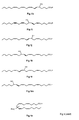
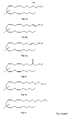
- the hydroperoxide derivatives of arachidonic acid are obtained separately from enzyme-catalysed reactions of Fig 1a. or as a mixture by autoxidation of Fig 1a.
- the components of the autoxidation mixture Figs 1b-1g which vary in ratio depending on the reaction conditions. can be separated by high performance liquid chromatography on silica. Reduction of the hydroperoxides Figs 1b-1g, either separately or as a mixture affords the corresponding alchohols Figs 1h-1m.
- the acid Fig 1r can be prepared by aldol condensation of a corresponding ester of Fig 1a. while Figs 1s-1x are obtained by ether or thioether synthesis. through nucleophilic substitution or metal catalysed coupling reactions.
- Figs 1v-1x can be oxidised to the corresponding sulphoxides and sulphones.
- the amino acid derivatives Fig 1y and Fig 1z can be obtained by coupling the corresponding fatty acid (Fig 1a) and glycine and aspartic acid respectively.
- ⁇ -oxidation is the main oxidative metabolic fate of fatty acids ( 1 ), the net process being characterized by the degradation of the fatty acid carbon chain by two carbon atoms with the concommitant production of equimolar amounts of acetyl-coenzyme A (4) ( Scheme 1 ).
- the first step in the ⁇ -oxidation pathway is controlled by acyl-CoA oxidase.
- acyl-CoA oxidase catalyses the reaction of acyl-coenzyme A thioesters with oxygen to produce enoyl-coenzyme A thioesters.
- peroxidase enzyme the concommitant production of hydrogen peroxide is cycled back to oxygen with the net generation of one mole of water for each mole of acyl-coenzyme A thioester oxidized.
- Fatty acids bearing a blocking group at the ⁇ -position were anticipated as being inert to the usual course of ⁇ -oxidation. Novel fatty acids thus bearing a heteroatom at the ⁇ -position have been synthesised.
- the compounds used in the current investigation were arachidonyloxyacetic acid [ ⁇ -oxa 23:4(n-6)], gamma linolenyloxyacetic acid [ ⁇ -oxa 21:3(n-6)].
- the oxidation of arachidonyl-thiopropionic acid [ ⁇ -thia 22:4(n-6)] was also investigated in order to assess the effect of a blocking group at the ⁇ -position of a fatty acid upon ⁇ -oxidation.
- Acyl-CoA oxidase from Arthrobacter species is available from Boehringer Mannheim in stabilized tablet form and is commonly used together with acyl-CoA synthetase for the measurement of free acids in serum or plasma.
- Free fatty acids are. in the presence of the enzyme acyl-CoA synthetase (acyl CS). converted by adenosine-5'-triphosphate (ATP) and coenzyme A (CoA) into acyl-coenzyme A (acyl-CoA.) resulting in adenosine-5'-monophosphate (AMP) and pyrophosphate being produced.
- acyl-CoA synthetase acyl CS
- ATP adenosine-5'-triphosphate
- CoA coenzyme A
- AMP adenosine-5'-monophosphate
- Acyl-CoA reacts with oxygen (O 2 ) in the presence of acyl-CoA-oxidase (ACOD) to form 2.3-enoyl-coenzyine A (enoyl-CoA.) with the generation of hydrogen peroxide.
- O 2 oxygen
- ACOD acyl-CoA-oxidase
- the resulting hydrogen peroxide (H 2 O 2 ) converts 4-aminoantipyrine (4-AA) and 2.4.6-tribromo-3-hydroxybenzoic acid (TBHB) into a red dye in the presence of peroxidase (POD).
- the dye is measured in the visible region at 546 nm.
- reaction mixtures against air Pippetted into cuvette 1.00 ml reaction mixture: KH 2 PO 4 (87 mmol/l), Mg 2+ (1.3 mmol/l), ATP (1.5 mmol/l), CoA (0.26 mmol/l). POD (21.7 kU/l), Acyl CS (165 U/I). 0.05 ml sample solution of free fatty acid(s). [for blank assay 0.05 ml of distilled water was substituted]
- Absorbance (A1) of solution was measured at 546 nm followed by the addition of: 0.05 ml ACOD solution: (8.7 kU/l).
- the assay shows rate dependance on the concentration of fatty acid.
- the assay shows rate dependance on the concentration of enzyme (ACOD).
- Solutions of the novel compounds at concentrations of 1.0 mM,1.0 mM. 1.0 mM. 1.0 mM and 1.1 mM respectively were assayed using an acyl-CoA oxidase concentration of 100 kU/l.
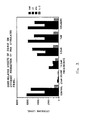
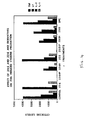
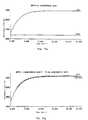
- the assay indicates that the ⁇ -oxa compounds and the ⁇ -thia compounds respectively. are not substrates for acyl-CoA oxidase ( Figure 11A) .
- the assay shows that the novel compounds have no effect on the uptake of arachidonic acid by acyl-CoA oxidase.
- samples containing novel compounds and arachidonic acid ( 10 ) at relative concentrations of 4:1 and 16:1 were assayed and indicated no appreciable effect on the uptake of arachidonic acid by acyl-CoA oxidase (not shown).
- the purified product was concentrated to an oil and trifluoracetic acid (30 mL) as added. After an hour stirring, the trifluoroacetic acid was evaporated to leave the product as a brown oil which was redissolved in CH 3 CN (6 mL) and purified by reversed phase HPLC. The pure fractions obtained were combined. concentrated and lyophilised (in t-butanol) to leave the product as a brown oil.
Landscapes
- Chemical & Material Sciences (AREA)
- Organic Chemistry (AREA)
- Health & Medical Sciences (AREA)
- Veterinary Medicine (AREA)
- Life Sciences & Earth Sciences (AREA)
- Public Health (AREA)
- General Health & Medical Sciences (AREA)
- Medicinal Chemistry (AREA)
- Animal Behavior & Ethology (AREA)
- Pharmacology & Pharmacy (AREA)
- General Chemical & Material Sciences (AREA)
- Nuclear Medicine, Radiotherapy & Molecular Imaging (AREA)
- Chemical Kinetics & Catalysis (AREA)
- Tropical Medicine & Parasitology (AREA)
- Epidemiology (AREA)
- Pain & Pain Management (AREA)
- Rheumatology (AREA)
- Acyclic And Carbocyclic Compounds In Medicinal Compositions (AREA)
- Organic Low-Molecular-Weight Compounds And Preparation Thereof (AREA)
- Fats And Perfumes (AREA)
- Low-Molecular Organic Synthesis Reactions Using Catalysts (AREA)
Abstract
Description
- Table 1 shows the direct antimalarial activity of novel fatty acids against chloroquine sensitive P. falciparum.
- Table 2 shows the ability of the novel fatty acids to stimulate neutrophils to kill P. falciparum.
- Table 3 shows the direct effect of novel fatty acids on survival of chloroquine resistant P. falciparum.
- Table 4 shows inhibition of mitogen stimulated proliferation of peripheral blood mononuclear proliferation by fatty acids.
- Table 5 shows inhibition of PHA stimulated TNFα production by fatty acids. Table 6 shows inhibition of Staph aureus stimulated interferony production by fatty acids.

Trifluoroacetic Acid - Aldrivch Chemical Company.
All solvents were distilled prior to use.
Column chromatographies were performed under positive nitrogen pressure on Merck Silica Gel 60 (230-400 mesh). Art. 9385.

Column chromatographies were performed under positive nitrogen pressure on Merck Silica Gel 60 (230-400mesh).Art. 9385.

Preparative layer chromatographies were performed on

| |
546 |
| Micro Cuvette | |
| 1 cm | |
| Temperature | |
| 25°C (± 1°C) | |
| Assay volume | 1.15 ml |
| Pippetted into cuvette: | |
| 1.00 ml | reaction mixture: KH2PO4 (87 mmol/l), Mg2+ (1.3 mmol/l), ATP (1.5 mmol/l), CoA (0.26 mmol/l). POD (21.7 kU/l), Acyl CS (165 U/I). |
| 0.05 ml | sample solution of free fatty acid(s). |
0.05 ml N-ethyl maleinamide solution: (0.86 mmol/l)
0.05 ml ACOD solution: (8.7 kU/l).
As per Figures 3 - 6 the assay indicates that the β-oxa compounds and the β-thia compounds respectively. are not substrates for acyl-CoA oxidase (Figure 11A) .
| DIRECT ANTIMALARIAL ACTIVITY OF NOVEL FATTY ACIDS | |
| COMPOUND | EC50 (µM) |
| β-oxa 21:3 (n-6) | <30 |
| β-oxa 21:3 (n-3) | 30 |
| β-oxa 21:4 (n-3) | 40 |
| β-thia 21:3 (n-6) | 30-50 |
| β-thia 21:3 (n-3) | 30-35 |
| β-oxa 25.6 (n-3) | <60 |
| γ-thia 22.9 (n-6) | 45 |
| γ-thia 22.3 (n-6) | 45 |
| β-oxa 23.4 (n-6) | <30 |
| β-thia 23.4 (n-6) | 15-30 |
| γ-thia 24.4 (n-6) | 15 |
| β-thia 25.6 (n-3) | 25 |
| α - carboxymethyl-β-thia 23.4 (n-6) | 50 |
| 16-OH-β-oxa 21:3 (n-6) | 50 |
| 16-OH-β-oxa 21:3 (n-3) | 40 |
| FATTY ACID STIMULATED NEUTROPHIL-MEDIATED ANTI-MALARIAL ACTIVITY | |
| COMPOUND | % INHIBITION RELATIVE TO 22:6 AT 16µM |
| β-oxa 21:3 (n-3) | 45 |
| β-oxa 21:4 (n-3) | 85 |
| β-thia 21:3 (n-6) | 85 |
| β-thia 21:3 (n-3) | 73 |
| β-thia 23:4 (n-6) | 150 |
| γ-thia 24.4 (n-6) | 91 |
| β-thia 25.6 (n-3) | 47 |
| 16-OH-β-oxa 21:3 (n-6) | 33 |
| EFFECT OF MP8. MP11. MP14 ON KI CHLOROQUINE RESISTANT P.FALCIPARUM | |
| COMPOUND | % GROWTH INHIBITION |
| CHLOROQUINE | 12.4 |
| β-thia 23:4 (n-6) | 97 |
| γ-thia 24.4 (n-6) | 97 |
| β-thia 25.6 (n-3) | 98 |
| EFFECT OF FATTY ACIDS ON MITOGEN-INDUCED PERIPHERAL BLOOD MONONUCLEAR CELL PROLIFERATION | |
| COMPOUND | % INHIBITION OF INDUCED PROLIFERATION AT 20µM PUFA |
| β-oxa 21:3 (n-6) | 17 |
| β-thia 21.3 (n-3) | 28 |
| β-thia 25.6 (n-3) | 97 |
| 16-OH-β-oxa 21:3 (n-6) | 50 |
| EFFECT OF PUFA ON PHA-INDUCED TNFα PRODUCTION | |
| COMPOUND | % INHIBITION OF CYTOKINE PRODUCTION (PUFA AT 20µM) |
| β-oxa 21:3 (n-6) | 38 |
| β-oxa 21:3 (n-3) | 39 |
| β-thia 21:3 (n-6) | 17 |
| β-thia 21:3 (n-3) | 17 |
| γ-thia 22.3 (n-6) | 41 |
| γ-thia 22.3 (n-3) | 25 |
| β-oxa 23.4 (n-6) | 25 |
| β-thia 23.4 (n-6) | 35 |
| γ-thia 24.4 (n-6) | 34 |
| β-thia 25.6 (n-3) | 90 |
| 16-OH-β-oxa 21:3 (n-6) | 71 |
| 16-OH-β-oxa 21:3 (n-3) | 68 |
| EFFECT OF PUFA ON STAPH AUREUS INDUCED INTERFERON γ PRODUCTION BY PERIPHERAL BLOOD MONONUCLEAR CELLS | |
| COMPOUND | % INHIBITION (PUFA AT 20µM) |
| β-oxa 21:3 (n-6) | 89 |
| β-thia 21:3 (n-6) | 45 |
| β-oxa 25.6 (n-3) | 44 |
| β-oxa 23.4 (n-6) | 89 |
| β-thia 23.4 (n-6) | 64 |
| β-thia 25.6 (n-6) | 96 |
| 16-OH-β-oxa 21:3 (n-6) | 77 |
| 16-OH-β-oxa 21:3 (n-3) | 65 |
Claims (16)
- A polyunsaturated fatty acid having antimalarial and/or neutrophil stimulatory activity, the polyunsaturated fatty acid containing 18-25 carbons and 1-6 double bonds wherein the polyunsaturated fatty acid has one or two substitutions selected from the group consisting of β oxa, γ oxa, β thia and γ thia.
- A polyunsaturated fatty acid as claimed in claim 1 in which the polyunsaturated fatty acid includes a further substitution selected from the group consisting of hydroxy, hydroperoxy, peroxy and carboxymethyl substitutions, and/or is attached to an amino acid.
- A polyunsaturated fatty acid as claimed in claim 1 or claim 2 in which the polyunsaturated fatty acid contains 20-25 carbon atoms and 3-6 double bonds.
- A polyunsaturated fatty acid as claimed in any one of claims 1 to 3 in which the polyunsaturated fatty acid is an n-3 to n-6 fatty acid.
- A polyunsaturated fatty acid as claimed in any one of claims 1 to 4 in which the polyunsaturated fatty acid has:(a) 20 carbon atoms with 3-4 double bonds containing a β oxa or β thia substitution;(b) 21 carbon atoms with 3-4 double bonds containing a β oxa or β thia substitution;(c) 22 carbon atoms with 3-4 double bonds containing a γ thia or β oxa substitution;(d) 23 carbons with 3-4 double bonds containing a β thia substitution;(e) 24 carbons with 3-4 double bonds containing a γ thia substitution;(f) 25 carbons with 3-6 double bonds containing a β oxa substitution; or(g) 25 carbons with 3-6 double bonds containing a β thia substitution.
- A polyunsaturated fatty acid as claimed in any one of claims 1 to 5 in which the polyunsaturated fatty acid has a ω hydroxy substitution.
- A polyunsaturated fatty acid as claimed in any one of claims 1 to 4 in which the polyunsaturated fatty acid has 23 carbons, 3-6 double bonds, β thia and α-carboxymethyl groups.
- A polyunsaturated fatty acid as claimed in any one of claims 1 to 7 in which the polyunsaturated fatty acid is covalently attached via the carboxy terminus to an amino acid to thereby form a polyunsaturated fatty acid amide.
- A polyunsaturated fatty acid as claimed in claim 8 in which the polyunsaturated fatty acid compound is covalently attached to aspartic acid or glycine.
- A method of producing an unsaturated oxa substituted fatty acid comprising reacting an unsaturated fatty acid alcohol with a carbene such that the carbene is inserted in the O-H bond of the alcohol.
- A method as claimed in claim 10 in which the unsaturated fatty acid alcohol contains 18-25 carbon atoms and 1-6 double bonds.
- A method as claimed in claim 10 or claim 11 in which the carbene is synthesized via rhodium acetate catalysed treatment of a diazo compound.
- A method as claimed in any one of claims 10 to 12 in which the unsaturated β oxa substituted fatty acid is produced.
- A polyunsaturated fatty acid as claimed in any one of claims 1 to 9 for use in a method of treatment of inflammation in the human or animal body.
- Use of a polyunsaturated fatty acid as claimed in any one of claims 1 to 9 in the preparation of a medicament for the treatment of inflammation.
- Use of a polyunsaturated fatty acid as claimed in any one of claims 1 to 9 in the preparation of a medicament for the treatment of rheumatoid arthritis or multiple sclerosis.
Applications Claiming Priority (7)
| Application Number | Priority Date | Filing Date | Title |
|---|---|---|---|
| AUPM8781/94 | 1994-10-13 | ||
| AUPM878194 | 1994-10-13 | ||
| AUPM8781A AUPM878194A0 (en) | 1994-10-13 | 1994-10-13 | Modified fatty acids in the treatment of inflammation |
| AUPM9066A AUPM906694A0 (en) | 1994-10-26 | 1994-10-26 | Novel compounds for treating malaria and other diseases |
| AUPM9066/94 | 1994-10-26 | ||
| AUPM906694 | 1994-10-26 | ||
| PCT/AU1995/000677 WO1996011908A1 (en) | 1994-10-13 | 1995-10-13 | Modified polyunsaturated fatty acids |
Publications (3)
| Publication Number | Publication Date |
|---|---|
| EP0869941A4 EP0869941A4 (en) | 1998-10-14 |
| EP0869941A1 EP0869941A1 (en) | 1998-10-14 |
| EP0869941B1 true EP0869941B1 (en) | 2001-12-12 |
Family
ID=25644792
Family Applications (1)
| Application Number | Title | Priority Date | Filing Date |
|---|---|---|---|
| EP95933988A Expired - Lifetime EP0869941B1 (en) | 1994-10-13 | 1995-10-13 | Modified polyunsaturated fatty acids |
Country Status (9)
| Country | Link |
|---|---|
| US (1) | US6376688B1 (en) |
| EP (1) | EP0869941B1 (en) |
| JP (1) | JPH10507179A (en) |
| KR (1) | KR100463709B1 (en) |
| CN (1) | CN1088058C (en) |
| AT (1) | ATE210640T1 (en) |
| CA (1) | CA2202503C (en) |
| DE (1) | DE69524639T2 (en) |
| WO (1) | WO1996011908A1 (en) |
Families Citing this family (36)
| Publication number | Priority date | Publication date | Assignee | Title |
|---|---|---|---|---|
| US6262119B1 (en) | 1996-04-12 | 2001-07-17 | Peptide Technology Limited | Methods of treating immunopathologies using polyunsaturated fatty acids |
| DE19649869A1 (en) * | 1996-12-02 | 1998-06-04 | Biotechnolog Forschung Gmbh | Unsaturated aliphatic carboxylic acids (maracenins), methods of preparation and agents |
| AUPQ291499A0 (en) * | 1999-09-17 | 1999-10-07 | Women's And Children's Hospital Adelaide | Novel nitro and sulphur containing compounds |
| AU784116B2 (en) * | 1999-09-17 | 2006-02-09 | Peplin Biolipids Pty Ltd | Anti-cancer nitro- and thia-fatty acids |
| NO328803B1 (en) * | 2000-03-03 | 2010-05-18 | Thia Medica | New fatty acid analogues |
| NO20006008L (en) * | 2000-11-28 | 2002-05-29 | Thia Medica As | Fatty acid analogues for the treatment of inflammatory and autoimmune diseases |
| US20030144219A1 (en) | 2001-11-15 | 2003-07-31 | Phinney Stephen Dodge | Formulations and methods for treatment or amelioration of inflammatory conditions |
| WO2003105831A1 (en) * | 2002-06-14 | 2003-12-24 | Alcon, Inc. | Use of hydroxyeicosatetraenoic acid compounds to treat ophthalmic inflammatory disorders |
| AU2003221707A1 (en) * | 2002-06-14 | 2003-12-31 | Alcon, Inc. | Topical use of hydroxyeicosatetraenoic acid compounds to treat psoriasis |
| AU2003278602C1 (en) | 2002-06-20 | 2010-08-12 | Pronova Biopharma Norge As | Sulfur-containing phospholipid derivatives |
| JP2007522118A (en) * | 2004-01-30 | 2007-08-09 | ペプリン バイオリピッズ ピーティーワイ エルティーディー | Therapeutic and carrier molecules |
| DE602007007611D1 (en) * | 2006-05-12 | 2010-08-19 | Nuplex Resins Bv | Aqueous dispersion of an auto-toxicant-drying polymer |
| RU2507193C2 (en) * | 2006-11-01 | 2014-02-20 | Пронова Биофарма Норге А/С | Alpha-substituted omega-3 lipids, activators or modulators of peroxisome proliferator activated receptor (ppar) |
| WO2009006668A1 (en) * | 2007-02-05 | 2009-01-15 | Children, Youth And Women's Health Service | Modulators of antigen-dependent t cell proliferation |
| EP2679224A1 (en) | 2007-08-01 | 2014-01-01 | University of Pittsburgh of the Commonwealth System of Higher Education | Nitro oleic acid modulation of type II diabetes |
| DK2280928T3 (en) | 2008-05-01 | 2018-11-05 | Complexa Inc | Vinyl-substituted fatty acids |
| GB2460056A (en) * | 2008-05-14 | 2009-11-18 | Arab Science & Technology Foun | Compositions comprising omega-6 fatty acids for use in treating schistosomiasis |
| CN102099024B (en) | 2008-06-19 | 2015-11-25 | 犹他大学研究基金会 | Use of nitrolipids in the treatment of side effects of toxic medical therapies |
| US20140024713A1 (en) | 2008-06-19 | 2014-01-23 | University Of Utah Research Foundation | Use of nitrated lipids for treatment of side effects of toxic medical therapies |
| EP2147910A1 (en) * | 2008-07-15 | 2010-01-27 | Pronova BioPharma Norge AS | Novel lipid compounds |
| EP2208720A1 (en) | 2009-01-13 | 2010-07-21 | Max-Delbrück-Centrum für Molekulare Medizin (MDC) | Novel eicosanoid derivatives |
| KR101783817B1 (en) | 2009-05-08 | 2017-10-23 | 프로노바 바이오파마 너지 에이에스 | Polyunsaturated fatty acids for the treatment of diseases related to cardiovascular, metabolic and inflammatory disease areas |
| CA2769624C (en) | 2009-07-31 | 2018-09-11 | University Of Pittsburgh - Of The Commonwealth System Of Higher Education | Electrophilic fatty acid derivatives as anti-inflammatory agents |
| WO2011041639A2 (en) * | 2009-10-02 | 2011-04-07 | Miller Raymond A | Heteroatom containing substituted fatty acids |
| SG10201509127YA (en) | 2010-11-05 | 2015-12-30 | Pronova Biopharma Norge As | Methods of treatment using lipid compounds |
| EP2744491B1 (en) | 2011-08-19 | 2020-07-29 | The University of Utah Research Foundation | Combination therapy with nitrated lipids and inhibitors of the renin-angiotensin-aldosterone system |
| US11351139B2 (en) | 2013-02-28 | 2022-06-07 | Basf As | Composition comprising a lipid compound, a triglyceride, and a surfactant, and methods of using the same |
| ES2670776T3 (en) * | 2013-10-29 | 2018-06-01 | Dignity Sciences Limited | Manufacturing methods of 15-hydroxy fatty acid derivatives |
| AU2016256552B2 (en) | 2015-04-28 | 2021-04-01 | Pronova Biopharma Norge As | Use of structurally enhanced fatty acids containing sulphur for preventing and/or treating non-alcoholic steatohepatitis |
| CA2990521C (en) | 2015-07-07 | 2023-10-10 | H. Lundbeck A/S | Pde9 inhibitors with imidazo triazinone backbone and imidazo pyrazinone backbone for treatment of peripheral diseases |
| CN113440506A (en) | 2015-10-02 | 2021-09-28 | 康普莱克夏公司 | Prevention, treatment and reversal of disease using therapeutically effective amounts of activated fatty acids |
| GB201521085D0 (en) * | 2015-11-30 | 2016-01-13 | Biozep As | Use |
| EP3475442B1 (en) * | 2016-06-23 | 2024-10-23 | The Regents of The University of Michigan | 12(s)-hydroxyeicosatrienoic acid compounds and their use as therapeutic agents |
| IL308604B2 (en) | 2017-12-06 | 2025-08-01 | Basf As | History of fatty acid therapy for non-alcoholic fatty liver disease |
| BR112020024019A2 (en) | 2018-05-25 | 2021-02-23 | Imara Inc. | monohydrate and crystalline forms of 6 - [(3s, 4s) -4-methyl-1- (pyrimidin-2-ylmethyl) pyrrolidin-3-yl] -3-tetrahydropyran-4-yl-7h-imidazo [1, 5-a] pyrazin-8-one |
| KR20250108770A (en) | 2018-08-31 | 2025-07-15 | 카듀리온 파마슈티칼스, 인크. | Pde9 inhibitors for treating sickle cell disease |
Family Cites Families (5)
| Publication number | Priority date | Publication date | Assignee | Title |
|---|---|---|---|---|
| JPS6372648A (en) * | 1986-09-16 | 1988-04-02 | Sumitomo Pharmaceut Co Ltd | Novel unsaturated fatty acid derivative |
| GB8813012D0 (en) * | 1988-06-02 | 1988-07-06 | Norsk Hydro As | Non-b-oxidizable fatty acid analogues to reduce concentration of cholesterol & triglycerides in blood of mammals |
| CA2112399C (en) * | 1991-06-24 | 2004-06-29 | Antonio Ferrante | Methods and compositions for treating malaria and other diseases |
| ATE168372T1 (en) * | 1993-03-29 | 1998-08-15 | Hsc Res Dev Lp | HEPOXILIN ANALOGUE USABLE AS ANTI-INFLAMMATORY AGENTS |
| US5767156A (en) * | 1993-10-06 | 1998-06-16 | Peptide Technology Limited | Polyunsaturated fatty acids and uses thereof |
-
1995
- 1995-10-13 CN CN95196205A patent/CN1088058C/en not_active Expired - Fee Related
- 1995-10-13 DE DE69524639T patent/DE69524639T2/en not_active Expired - Lifetime
- 1995-10-13 AT AT95933988T patent/ATE210640T1/en not_active IP Right Cessation
- 1995-10-13 CA CA002202503A patent/CA2202503C/en not_active Expired - Fee Related
- 1995-10-13 JP JP8512793A patent/JPH10507179A/en active Pending
- 1995-10-13 EP EP95933988A patent/EP0869941B1/en not_active Expired - Lifetime
- 1995-10-13 WO PCT/AU1995/000677 patent/WO1996011908A1/en not_active Ceased
- 1995-10-13 US US08/817,430 patent/US6376688B1/en not_active Expired - Fee Related
- 1995-10-13 KR KR1019970702434A patent/KR100463709B1/en not_active Expired - Fee Related
Also Published As
| Publication number | Publication date |
|---|---|
| US6376688B1 (en) | 2002-04-23 |
| JPH10507179A (en) | 1998-07-14 |
| CA2202503A1 (en) | 1996-04-25 |
| CN1163609A (en) | 1997-10-29 |
| KR100463709B1 (en) | 2005-08-04 |
| DE69524639T2 (en) | 2002-08-08 |
| WO1996011908A1 (en) | 1996-04-25 |
| EP0869941A4 (en) | 1998-10-14 |
| KR970707088A (en) | 1997-12-01 |
| CN1088058C (en) | 2002-07-24 |
| ATE210640T1 (en) | 2001-12-15 |
| CA2202503C (en) | 2008-07-15 |
| DE69524639D1 (en) | 2002-01-24 |
| EP0869941A1 (en) | 1998-10-14 |
Similar Documents
| Publication | Publication Date | Title |
|---|---|---|
| US6376688B1 (en) | Modified polyunsaturated fatty acids | |
| US6262119B1 (en) | Methods of treating immunopathologies using polyunsaturated fatty acids | |
| US6924309B2 (en) | Anti-inflammatory nitro and thia-fatty acids | |
| US5670540A (en) | Triglycerides of fatty acids | |
| Hamberg et al. | Structure of the major urinary metabolite of prostaglandin E2 in man | |
| EP0804411B1 (en) | Synthetic polyunsaturated fatty acid analogues | |
| US4018802A (en) | 9-Thia- and oxothia- and 9-dioxothia-11,12-seco-prostaglandins and processes | |
| Rokach et al. | Synthesis of leukotrienes and lipoxygenase products | |
| FR2532844A1 (en) | PHARMACEUTICAL COMPOSITION CONTAINING POLYPRENYL COMPOUND | |
| AU698476B2 (en) | Modified polyunsaturated fatty acids | |
| Nugteren | [7] Arachidonic acid-12-lipoxygenase from bovine platelets | |
| RU2002741C1 (en) | Method of substituted tetralines synthesis | |
| US4128564A (en) | 9-Thia- and oxothia- and 9-dioxothia-11,12-seco-prostaglandins | |
| US4066675A (en) | 9-thia- and oxothia- and 9-dioxothia-11,12-seco-prostaglandins and processes | |
| US4155908A (en) | 9-Thia- and oxothia- and 9-dioxothia-11,12-seco-prostaglandins | |
| AU726798B2 (en) | Methods of treating immunopathologies using polyunsaturated fatty acids | |
| Babu et al. | Effect of dietary flaxseed on fatty acid composition, superoxide, nitric oxide generation and antilisterial activity of peritoneal macrophages from female Sprague-Dawley rats | |
| AU686898B2 (en) | Synthetic polyunsaturated fatty acid analogues | |
| Corey et al. | A stereospecific synthesis of a dihydrofuran analog of leukotriene A4 | |
| Muller et al. | Comparative biological activities of the four synthetic (5, 6)-dihete isomers | |
| US20150344402A1 (en) | Omefibrates for Treating Dyslipidemia and Cardiovascular Disease | |
| AU7631500A (en) | Anti-inflammatory nitro- and thia- fatty acids | |
| EP0096008A2 (en) | (+)-Cyanidan-3-ol derivatives, processes for their manufacture, pharmaceutical preparations that contain such compounds, and the use of the latter | |
| JUNGERMANN | THE POSITION ISOMER DISTRIBUTION IN ADDITION REACTIONS OF HYDROGEN-BROMIDE WITH OLEIC ACID AND ITS ESTERS | |
| Lie Ken Jie | Fatty acids: XX1. location of the position of the furan ring in 2, 5-disubstituted furan-containing fatty acids by GLC analysis of oxidation products |
Legal Events
| Date | Code | Title | Description |
|---|---|---|---|
| PUAI | Public reference made under article 153(3) epc to a published international application that has entered the european phase |
Free format text: ORIGINAL CODE: 0009012 |
|
| 17P | Request for examination filed |
Effective date: 19970513 |
|
| A4 | Supplementary search report drawn up and despatched |
Effective date: 19980403 |
|
| AK | Designated contracting states |
Kind code of ref document: A4 Designated state(s): AT BE CH DE DK ES FR GB GR IE IT LI LU MC NL PT SE Kind code of ref document: A1 Designated state(s): AT BE CH DE DK ES FR GB GR IE IT LI LU MC NL PT SE |
|
| 17Q | First examination report despatched |
Effective date: 19990525 |
|
| RAP1 | Party data changed (applicant data changed or rights of an application transferred) |
Owner name: WOMEN'S AND CHILDREN'S HOSPITAL Owner name: PEPTECH LIMITED |
|
| GRAG | Despatch of communication of intention to grant |
Free format text: ORIGINAL CODE: EPIDOS AGRA |
|
| GRAG | Despatch of communication of intention to grant |
Free format text: ORIGINAL CODE: EPIDOS AGRA |
|
| GRAH | Despatch of communication of intention to grant a patent |
Free format text: ORIGINAL CODE: EPIDOS IGRA |
|
| RAP1 | Party data changed (applicant data changed or rights of an application transferred) |
Owner name: WOMEN'S AND CHILDREN'S HOSPITAL Owner name: PEPTECH LIMITED |
|
| GRAH | Despatch of communication of intention to grant a patent |
Free format text: ORIGINAL CODE: EPIDOS IGRA |
|
| GRAA | (expected) grant |
Free format text: ORIGINAL CODE: 0009210 |
|
| AK | Designated contracting states |
Kind code of ref document: B1 Designated state(s): AT BE CH DE DK ES FR GB GR IE IT LI LU MC NL PT SE |
|
| PG25 | Lapsed in a contracting state [announced via postgrant information from national office to epo] |
Ref country code: GR Free format text: LAPSE BECAUSE OF FAILURE TO SUBMIT A TRANSLATION OF THE DESCRIPTION OR TO PAY THE FEE WITHIN THE PRESCRIBED TIME-LIMIT Effective date: 20011212 Ref country code: BE Free format text: LAPSE BECAUSE OF FAILURE TO SUBMIT A TRANSLATION OF THE DESCRIPTION OR TO PAY THE FEE WITHIN THE PRESCRIBED TIME-LIMIT Effective date: 20011212 Ref country code: AT Free format text: LAPSE BECAUSE OF FAILURE TO SUBMIT A TRANSLATION OF THE DESCRIPTION OR TO PAY THE FEE WITHIN THE PRESCRIBED TIME-LIMIT Effective date: 20011212 |
|
| REF | Corresponds to: |
Ref document number: 210640 Country of ref document: AT Date of ref document: 20011215 Kind code of ref document: T |
|
| REG | Reference to a national code |
Ref country code: CH Ref legal event code: EP |
|
| REG | Reference to a national code |
Ref country code: CH Ref legal event code: NV Representative=s name: ISLER & PEDRAZZINI AG |
|
| REG | Reference to a national code |
Ref country code: GB Ref legal event code: IF02 |
|
| REG | Reference to a national code |
Ref country code: IE Ref legal event code: FG4D |
|
| REF | Corresponds to: |
Ref document number: 69524639 Country of ref document: DE Date of ref document: 20020124 |
|
| ET | Fr: translation filed | ||
| PG25 | Lapsed in a contracting state [announced via postgrant information from national office to epo] |
Ref country code: PT Free format text: LAPSE BECAUSE OF FAILURE TO SUBMIT A TRANSLATION OF THE DESCRIPTION OR TO PAY THE FEE WITHIN THE PRESCRIBED TIME-LIMIT Effective date: 20020312 Ref country code: DK Free format text: LAPSE BECAUSE OF FAILURE TO SUBMIT A TRANSLATION OF THE DESCRIPTION OR TO PAY THE FEE WITHIN THE PRESCRIBED TIME-LIMIT Effective date: 20020312 |
|
| PG25 | Lapsed in a contracting state [announced via postgrant information from national office to epo] |
Ref country code: ES Free format text: LAPSE BECAUSE OF FAILURE TO SUBMIT A TRANSLATION OF THE DESCRIPTION OR TO PAY THE FEE WITHIN THE PRESCRIBED TIME-LIMIT Effective date: 20020627 |
|
| PG25 | Lapsed in a contracting state [announced via postgrant information from national office to epo] |
Ref country code: LU Free format text: LAPSE BECAUSE OF NON-PAYMENT OF DUE FEES Effective date: 20021013 |
|
| PG25 | Lapsed in a contracting state [announced via postgrant information from national office to epo] |
Ref country code: IE Free format text: LAPSE BECAUSE OF NON-PAYMENT OF DUE FEES Effective date: 20021014 |
|
| PLBE | No opposition filed within time limit |
Free format text: ORIGINAL CODE: 0009261 |
|
| STAA | Information on the status of an ep patent application or granted ep patent |
Free format text: STATUS: NO OPPOSITION FILED WITHIN TIME LIMIT |
|
| 26N | No opposition filed | ||
| PG25 | Lapsed in a contracting state [announced via postgrant information from national office to epo] |
Ref country code: MC Free format text: LAPSE BECAUSE OF NON-PAYMENT OF DUE FEES Effective date: 20030501 |
|
| REG | Reference to a national code |
Ref country code: IE Ref legal event code: MM4A |
|
| REG | Reference to a national code |
Ref country code: CH Ref legal event code: PCAR Free format text: ISLER & PEDRAZZINI AG;POSTFACH 1772;8027 ZUERICH (CH) |
|
| PGFP | Annual fee paid to national office [announced via postgrant information from national office to epo] |
Ref country code: SE Payment date: 20091028 Year of fee payment: 15 Ref country code: DE Payment date: 20091015 Year of fee payment: 15 Ref country code: CH Payment date: 20091026 Year of fee payment: 15 |
|
| PGFP | Annual fee paid to national office [announced via postgrant information from national office to epo] |
Ref country code: NL Payment date: 20091025 Year of fee payment: 15 |
|
| PGFP | Annual fee paid to national office [announced via postgrant information from national office to epo] |
Ref country code: IT Payment date: 20091028 Year of fee payment: 15 Ref country code: GB Payment date: 20091014 Year of fee payment: 15 Ref country code: FR Payment date: 20091103 Year of fee payment: 15 |
|
| REG | Reference to a national code |
Ref country code: NL Ref legal event code: V1 Effective date: 20110501 |
|
| REG | Reference to a national code |
Ref country code: CH Ref legal event code: PL |
|
| GBPC | Gb: european patent ceased through non-payment of renewal fee |
Effective date: 20101013 |
|
| PG25 | Lapsed in a contracting state [announced via postgrant information from national office to epo] |
Ref country code: LI Free format text: LAPSE BECAUSE OF NON-PAYMENT OF DUE FEES Effective date: 20101031 Ref country code: CH Free format text: LAPSE BECAUSE OF NON-PAYMENT OF DUE FEES Effective date: 20101031 Ref country code: FR Free format text: LAPSE BECAUSE OF NON-PAYMENT OF DUE FEES Effective date: 20101102 |
|
| REG | Reference to a national code |
Ref country code: FR Ref legal event code: ST Effective date: 20110630 |
|
| REG | Reference to a national code |
Ref country code: DE Ref legal event code: R119 Ref document number: 69524639 Country of ref document: DE Effective date: 20110502 |
|
| PG25 | Lapsed in a contracting state [announced via postgrant information from national office to epo] |
Ref country code: NL Free format text: LAPSE BECAUSE OF NON-PAYMENT OF DUE FEES Effective date: 20110501 Ref country code: GB Free format text: LAPSE BECAUSE OF NON-PAYMENT OF DUE FEES Effective date: 20101013 |
|
| PG25 | Lapsed in a contracting state [announced via postgrant information from national office to epo] |
Ref country code: SE Free format text: LAPSE BECAUSE OF NON-PAYMENT OF DUE FEES Effective date: 20101014 |
|
| PG25 | Lapsed in a contracting state [announced via postgrant information from national office to epo] |
Ref country code: IT Free format text: LAPSE BECAUSE OF NON-PAYMENT OF DUE FEES Effective date: 20101013 |
|
| PG25 | Lapsed in a contracting state [announced via postgrant information from national office to epo] |
Ref country code: DE Free format text: LAPSE BECAUSE OF NON-PAYMENT OF DUE FEES Effective date: 20110502 |