EP0862580B1 - Streptoccal inhibitor of complement-mediated lysis, protein sic - Google Patents
Streptoccal inhibitor of complement-mediated lysis, protein sic Download PDFInfo
- Publication number
- EP0862580B1 EP0862580B1 EP96933703A EP96933703A EP0862580B1 EP 0862580 B1 EP0862580 B1 EP 0862580B1 EP 96933703 A EP96933703 A EP 96933703A EP 96933703 A EP96933703 A EP 96933703A EP 0862580 B1 EP0862580 B1 EP 0862580B1
- Authority
- EP
- European Patent Office
- Prior art keywords
- protein
- sic
- seq
- gly
- nucleic acid
- Prior art date
- Legal status (The legal status is an assumption and is not a legal conclusion. Google has not performed a legal analysis and makes no representation as to the accuracy of the status listed.)
- Expired - Lifetime
Links
Images




Classifications
-
- C—CHEMISTRY; METALLURGY
- C07—ORGANIC CHEMISTRY
- C07K—PEPTIDES
- C07K16/00—Immunoglobulins [IG], e.g. monoclonal or polyclonal antibodies
- C07K16/12—Immunoglobulins [IG], e.g. monoclonal or polyclonal antibodies against material from bacteria
- C07K16/1267—Gram-positive bacteria
- C07K16/1275—Streptococcus (G)
-
- C—CHEMISTRY; METALLURGY
- C07—ORGANIC CHEMISTRY
- C07K—PEPTIDES
- C07K14/00—Peptides having more than 20 amino acids; Gastrins; Somatostatins; Melanotropins; Derivatives thereof
- C07K14/195—Peptides having more than 20 amino acids; Gastrins; Somatostatins; Melanotropins; Derivatives thereof from bacteria
- C07K14/315—Peptides having more than 20 amino acids; Gastrins; Somatostatins; Melanotropins; Derivatives thereof from bacteria from Streptococcus (G), e.g. Enterococci
-
- C—CHEMISTRY; METALLURGY
- C07—ORGANIC CHEMISTRY
- C07K—PEPTIDES
- C07K14/00—Peptides having more than 20 amino acids; Gastrins; Somatostatins; Melanotropins; Derivatives thereof
- C07K14/435—Peptides having more than 20 amino acids; Gastrins; Somatostatins; Melanotropins; Derivatives thereof from animals; from humans
- C07K14/46—Peptides having more than 20 amino acids; Gastrins; Somatostatins; Melanotropins; Derivatives thereof from animals; from humans from vertebrates
- C07K14/47—Peptides having more than 20 amino acids; Gastrins; Somatostatins; Melanotropins; Derivatives thereof from animals; from humans from vertebrates from mammals
-
- A—HUMAN NECESSITIES
- A61—MEDICAL OR VETERINARY SCIENCE; HYGIENE
- A61K—PREPARATIONS FOR MEDICAL, DENTAL OR TOILETRY PURPOSES
- A61K38/00—Medicinal preparations containing peptides
-
- Y—GENERAL TAGGING OF NEW TECHNOLOGICAL DEVELOPMENTS; GENERAL TAGGING OF CROSS-SECTIONAL TECHNOLOGIES SPANNING OVER SEVERAL SECTIONS OF THE IPC; TECHNICAL SUBJECTS COVERED BY FORMER USPC CROSS-REFERENCE ART COLLECTIONS [XRACs] AND DIGESTS
- Y02—TECHNOLOGIES OR APPLICATIONS FOR MITIGATION OR ADAPTATION AGAINST CLIMATE CHANGE
- Y02A—TECHNOLOGIES FOR ADAPTATION TO CLIMATE CHANGE
- Y02A50/00—TECHNOLOGIES FOR ADAPTATION TO CLIMATE CHANGE in human health protection, e.g. against extreme weather
- Y02A50/30—Against vector-borne diseases, e.g. mosquito-borne, fly-borne, tick-borne or waterborne diseases whose impact is exacerbated by climate change
Definitions
- the present invention relates to a new protein, protein SIC, that can be derived from Streptococcus pyogenes strains of serotypes M1 and M57. Methods for analysis and purification and pharmaceutical preparations including vaccine compositions related to the protein as well as specific antibodies are also claimed.
- Streptococcus pyogenes is an important human pathogen causing a number of acute suppurative infections such as erysipelas, necrotizing fasciitis, and pharyngitis. These Gram-positive bacteria also cause a serious toxic shock-like syndrome, whereas glomreulonephritis and rheumatic fever are serious poststreptococcal sequelae.
- S. pyogenes has developed multiple molecular mechanisms. Some of these are dependent on genes located in a chromosomal region designated the mga locus according to a recent agreement, which is under the control of the positive regulator gene mga, previously called mry (Caparon and Scott, 1987: Proc. Natl. Acad. Sci. U. S. A. 84 , 8677-8681) or virR (Simpson et al., 1990: J. Bacteriol. 172 , 696-700).
- S. pyogenes can be divided into more than 80 different serotypes. Most of these serotypes are rather harmless. However, during the last years, a lot of lethal streptococcal infections have been caused by strain belonging to the M1 serotype. Presently, because of the large amount of serotypes and the great similarity between these types, it is time-consuming and labourious to determine the serotype of a sample of Streptococcus pyogenes .
- the regulatory gene mga is followed by emml, the gene encoding the M1 protein.
- emm1 a gene encoding an IgGFc-binding M protein-related molecule called protein H ( ⁇ kesson et al., 1990: Mol. Immunol. 27 , 523-531; Gomi et al., 1990: J. Immunol. 144 , 4046-4052; WO 91/19740; EP 0 371 199).
- protein H Located adjacent to sph is a previously uncharacterized gene. This gene constitutes one of the objects of the present invention.
- the protein shows some variability and M1 serotype strains of Streptococcus pyogenes producing variants of protein SIC have also been isolated. When comparing the amino acid sequences of three different protein SIC variants, some conserved regions were found.
- the protein encoded by the uncharacterized gene as well as variants, subfragments and multiples of the protein having essentially the same antigenic and/or binding characteristics also constitutes an object of the present invention.
- the data obtained implicate that this extracellular protein plays a role in S. pyogenes pathogenicity and virulence through previously unknown molecular mechanisms.
- the new protein is referred to as protein SIC, Streptococcal Inhibitor of Complement-mediated lysis.
- SIC proteins refers to streptococcal proteins which inhibit hemolysis by interacting with the plasma proteins clusterin and members of the cystatin protein superfamily, such as HRG, as demonstrated by affinity chromatography on a protein SIC Sepharose column or by indirect ELISA.
- SIC proteins may be distinguished from other proteins based upon criteria such as specific binding to the above mentioned plasma proteins and sequence homology.
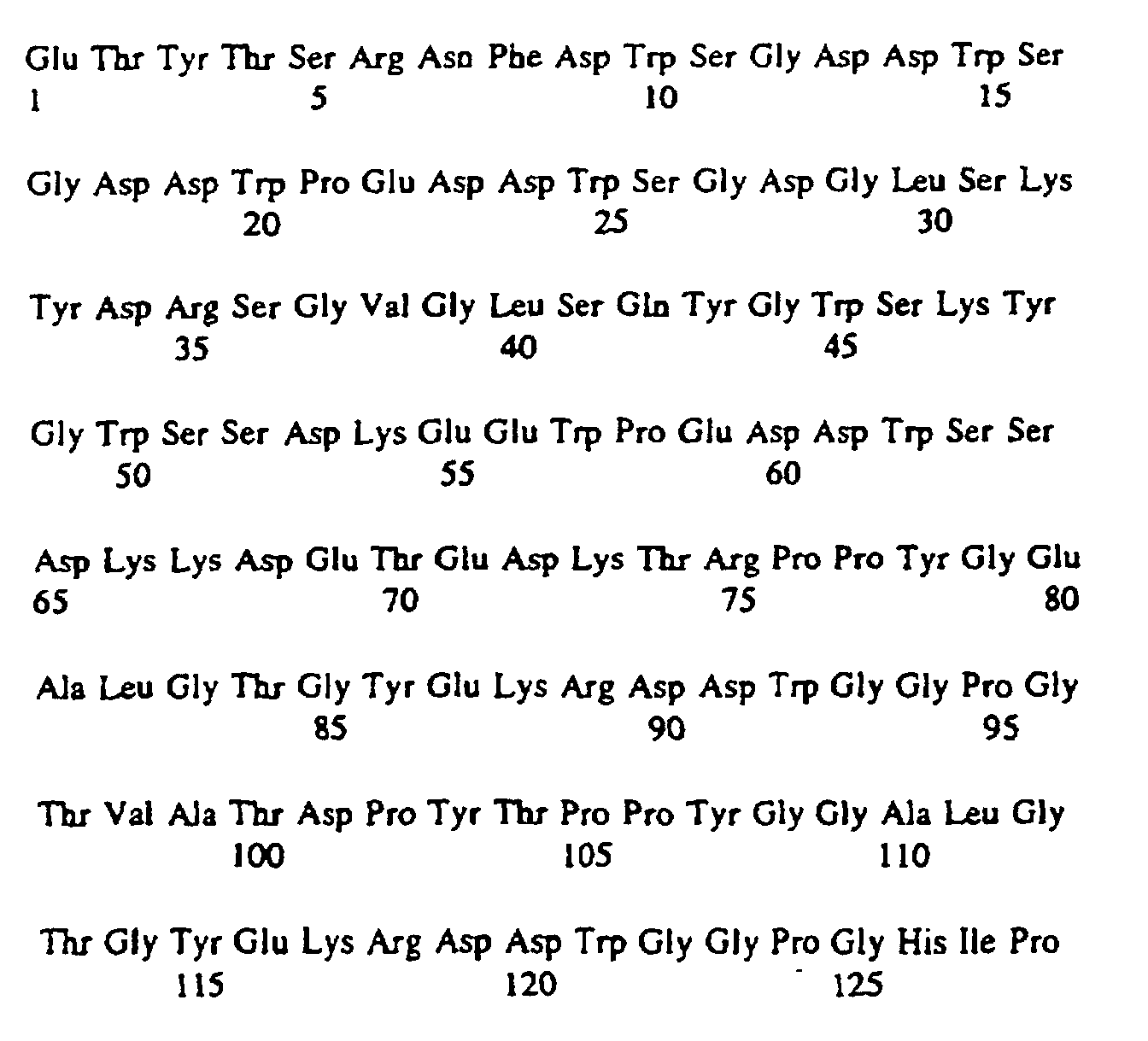
- SIC proteins of the present invention should comprise at least one of the following partial amino acid sequences:
- fragment is meant a part-fragment of the given protein having essentially the same antigenic and/or binding characteristics.
- variant proteins or peptides in which the original amino acid sequence has been modified or changed by insertion, addition, substitution, inversion or exclusion of one or more amino acids.
- multiples is meant those proteins containing multiples of the whole original protein or those protein containing multiples of subfragments and/or variants thereof./
- the present invention also relates to nucleic acid sequences encoding protein SIC.
- nucleic acid sequences which encode protein SIC are deemed to be substantially similar to those discloscd herein if: (a) the nuclcic acid sequence is derived from the coding region of a native protein SIC gene (including, for example, variations of the sequences disclosed herein); (b) the nucleic acid sequence is capable of hybridization to nucleic acid sequences of the present invention under conditions of either moderate or high stringency (hybridization in 5 x SSPE containing 0.1% SDS and 0.1 mg/ml ssDNA, at 50-65°C dependent on the probe length, or 10-20°C below the T m of the probe; washing in 1 x SSPE, 0.1% SDS at 15-20°C below the T m of the probe for moderate stringency, and in 0.1 x SSPE, 0.1% at 10°C below the T m of the probe for high stringency conditions) (see Sambrook
- nucleic acid molecules are primarily referred to herein, as should be evident to one of skill in the art given the disclosure provided herein, a wide variety of related nucleic acid molecules may also be utilized in various embodiments described herein, including for example, RNA, nucleic acid analogues, as well as chimeric nucleic acid molecules which may be composed of more than one type of nucleic acid.
- probes and primers are provided for detecting nucleic acids scquences which encode protein SIC.
- probes are provided which are capable of hybridizing to protein SIC nucleic acids (DNA or RNA ⁇ .
- probes are "capable of hybridizing" to protein SIC nucleic acids if they hybridize to Sequence I.D. No 1, 5 or 6 under conditions of moderate or high stringency (see the section above concerning nucleic acid molecules, and Sambrook et al., supra);
- the probe may be utilized to hybridize to suitable nucleotide sequences in the presence of 5 x SSPE, 0.1% SDS, and 0.1 mg/ml ssDNA at 10-20°C below the T m of the probe.
- Subsequent washes may be performed in 1 x SSPE, 0.1% SDS at 15-20°C for conditions of moderate stringency, and in 0.1 x SSPE, 0.1% SDS at 10°C below the T m of the probe for conditions of high stringency.
- Probes of the present invention may be composed of either deoxyribonucleic acids (DNA) ribonucleic acids (RNA), nucleic acid analogues, or any combination of these, and may be as few as about 12 nucleotides in length, usually about 14 to 18 nucleotides in length, and possibly as large as the entire sequence which encodes protein SIC. Selection of probe size is somewhat dependent upon the use of the probe. For example, a long probe used under high stringency conditions is more specific, whereas a oligonucleotide carefully selected from the sequence can detect a structure of special interest.
- Probes may be constructed and labeled using techniques which are well known in the art. Shorter probes of, for example, 12 or 14 bases may be generated synthetically. Longer probes of about 75 bascs to less than 1,5 kb are preferably generated by, for example, PCR amplification in the presence of labeled precursors such as 32P-dCTP, digoxigenin-dUTP, or biotin-dATP. Probes of more than 1.5 kb are generally most easily amplified by transfecting a cell with a plasmid containing the relevant probe, growing the transfected cell into large quantities, and purifying the relevant sequence from the transfected cells (see Sambrook et al., supra).
- Probes may be labeled by a variety of markers, including, for example, radioactive markers, fluorescent markers, enzymatic markers, and chromogenic markers.
- markers including, for example, radioactive markers, fluorescent markers, enzymatic markers, and chromogenic markers.
- the use of 32P is particularly preferred for marking or labeling a particular probe.
- nucleic acid probes of the present invcntion may be utilized to detect the presence of protcin SiC nucleic acid molecules within a sample. However, if such nucleic acids molecules are present in only a limited number, then it may be beneficial to amplify the relevant sequence such that it may be more readily detected or obtained.
- RNA amplification see Lizardi et al., Bio/Technology 6:1197-1202, 1988; Kramer et al., Nature 339:401-402, 1989; Lomeli et al., Clinical Chem. 35(91) 1826-1831, 1989; U.S. Patent No. 4,786,600
- PCR Polymerase Chain Reaction
- PCR amplilication is utilized to detect or obtain protein SIC nucleic acids. Briefly, as described in greater detail below, a nucleic acid sample is denatured at 95°C in order to generate single stranded nucleic acid. Specific primers, as discussed below, are then annealed at 37°C to 70°C, depending on the proportion of AT/GC in the primers. The primers are extended at 72°C with Taq polymerase in order to generate the opposite strand to the template. These steps constitute one cycle, which may be repeated in order to amplify the selected sequence.
- Primers for the amplification of a selected sequence should be selected from sequences which are highly specific and form stable duplexes with the target sequence.
- the primers should also be non-complementary, especially at the 3' end, should not form dimers with themselves or other primers, and should not form secondary structures or duplexes with other regions of nucleic acid. In general, primers of about 18 to 20 nucleotides are preferred, and may be easily synthesized using techniques well known in the art.
- the present invention relates to vectors and host cells comprising the above mentioned nucleic acid sequences.
- the above described nucleic acid molecules which encode protein SIC (or portions thereof) may be readily introduced into a wide variety of host cells.
- Representative examples of such host cells include plant cells, eukaryotic cells, and prokaryotic cells.
- the nucleic acid molecules are introduced into cells from a vertebrate or warm-blooded animal, such as a human, macaque, dog, cow, horse, pig, sheep, rat, hamster, mouse, or a fish, or any hybrid thereof.
- the nucleic acid molecules may be introduced into host cells by a wide variety of mechanisms, including for example calcium phosphate-mediated transfection (Wigler et al., Cell 14:725, 1978), lipofection; gene gun (Corsaro and Pearson, Somatic Cell Gen. 1:603, 1981; Graham and Van der Eb, Virology 52:456, 1973), electroporation (Neumann et al,. EMBO J. 1:841-845, 1982), retroviral, adenoviral, protoplast fusion-mediated transfection or DEAE-dextran mediated transfection (Ausubel et al., (eds.), Current Protocols in Molecular Biology, John Wiley and Sons, Inc., NY, NY, 1987).
- nucleic acid molecules, antibodies, and proteins of the present invention may be labeled or conjugatad (either through covalent or non-covalent means) to a variety of labels or other molecules, including for example, fluorescent markers, enzyme markers, toxic molecules, molecules which are nontoxic but which become toxic upon exposure to a second compound, and radionuclides.
- fluorescent labels suitable for use within the present invcetion include, for example, Fluorescein Isothiocyanate (FITC), Rodamine, Texas Red, Luciferase and Phycoerythrin (PE). Particularly preferred for use in flow cytometry is FITC which may be conjugated to purified antibody according to the method of Keltkamp in "Conjugation of Fluorescein Isothiocyanate to Antibodies. I. Experiments on the Conditions of Conjugation," Immunology 18:865-873, 1970. (See also Keltkamp, "Conjugation of Fluoresscein Isothiocyanate to Antibodies. II.
- HRP HRP
- Nakane and Kawaoi ⁇ Peroxidase-Labeled Antibody: A New Method of Conjugation
- Representative examples of enzyme markers or labels include alkaline phosphatase, horse radish peroxidase, and ⁇ -galactosidase.
- Representative examples of toxic molecules include ricin, abrin, diphtheria toxin, cholera toxin, gelonin, poke-weed antiviral proteein, tritin, Shigella toxin, and Pseudomonas exotoxin A.
- Representative examples of molecules which are nontoxic, but which become toxic upon exposure to a second compound include thymidine kinases such as HSVTK and VZVTK.
- radionuclides include Cu-64, Ga-67, CTa-68, Zr-89, Ru-97, Tc-99m, Rh-105, Pd-109, In-111, I-123, I-125, I-I31, Re-186, Re-188, Au-I98, Au-199, Pb-203, At-211, Pb-212 and Bi-212.
- nucleic acid molecules, antibodies, proteins and peptides may also be labeled with other molecules such as colloidal gold, as well either member of a high affinity binding pair (e.g., avidin-biotin).
- a high affinity binding pair e.g., avidin-biotin
- the present invention also provides a variety of pharmaceutical compositions, such as vaccine compositions against certain streptococcal infections, comprising one of the above described anti-protein SIC antobodies, or protein SIC (or a peptide portion thereof), along with a pharmaceutically or physiologically acceptable carrier, excipients or diluents.
- a pharmaceutically or physiologically acceptable carrier such as nontoxir, to recipients at the dosages and concentrations employed.
- compositions entails combining the therapeutic agent with buffers, antioxidants such as ascorbic acid, low molecular weight (less than about 10 residues) polypeptides, proteins, amino acids, carbohydrates including glucose, sucrose or dextrins, chelating agents such as EDTA, glutathione and other stabilizers and excipients.
- antioxidants such as ascorbic acid, low molecular weight (less than about 10 residues) polypeptides, proteins, amino acids, carbohydrates including glucose, sucrose or dextrins
- chelating agents such as EDTA, glutathione and other stabilizers and excipients.
- Neutral buffered saline or saline mixed with nonspecific serum albumin are exemplary appropriate diluents.
- compositions of the present invention may be prepared for administration by a variety of different routes, including for example intraarticularly, intracranially, intradermally, intramuscularly, intraocularly, intraperitoneally, intrathecally, intravenously, subcutaneously or even directly into a tumor (for example, by stereotaxic injection).
- pharmaceutical compositions of the present invention may be placed within containers, along with packaging material which provides instructions regarding the use of such pharmaceutical compositions.
- such instructions will include a tangible expression describing the reagent concentration, as well as within certain embodiments, relative amounts of excipient ingredients or diluents ⁇ e,g., water, saline or PBS) which may be necessary to reconstitute the pharmaceutical composition.
- protein SIC is involved in S. pyogenes pathogenicity and moreover, it is an extracellular protein.
- ELISA enzyme-linked immonosorbent assy
- RIA radioimmunological assay
- PCR polymerase chain reaction
- protein SIC a novel extracellular protein of group A streptococci.
- protein SIC contains repeated sequences.
- sequence of protein SIC, including the repeats shows no homology to previously sequenced genes.
- protein SIC does not have the typical structural features of cell wall proteins in Gram-positive bacteria; i.e. a COOH-terminal region anchored to the cell wall through an LPXTG motif (Fischetti et al., 1990: Mol. Microbiol.
- M protein, protein Arp, protein Sir, and protein H have been reported to bind complement factor H, CD46, and/or the C4b-binding protein (Horstmann et al., 1988: Proc. Natl. Acad. Sci. U. S. A. 85 , 1657-61; Okada et al., 1995: Proc. Natl. Acad. Sci. U. S. A. 92 , 2489-2493; Thern et al., 1995: J. Immunol. 154 , 375-386; WO 91/19740; EP 0 371 199; EP 0 367 890), three proteins with regulatory functions in the complement system.
- the C5a peptidase (Wexler et al., 1985: Infect. Immun. 39 , 239-246) which can be released from the streptococcal cell wall by a cysteine proteinase produced by the bacteria (Berge et al., 1995: J. Biol. Chem. 270 , 9862-9867), cleaves the C5-derived fragment C5a and destroys its chemoattractant activity for polymorphonuclear leukocytes (Wexler et al., 1985: Proc. Natl. Acad. Sci. U. S. A. 82 , 8144-8148).
- MAC The metabolically inert erythrocyte is a very sensitive target for MAC whereas most pathogenic bacteria including streptococci are resistant to complement-mediated cytolysis.
- MAC also has pro-inflammatory effects by stimulating the production and release of inflammatory mediators such as reactive oxygen metabolites, metabolites of arachidonic acid, and cytokines (Morgan 1989: Biochem. J.: 264 , 1-14).
- Bacterial products affecting the various functions of MAC, directly or indirectly, could therefore influence the host-parasite relationship.
- the molecular complexity necessary to establish and maintain this relationship makes it difficult to predict the consequences of any isolated interaction.
- protein SIC may contribute to the imbalance of the host-parasite relationship in S. pyogenes infections.
- SIC is the first bacterial protein reported to interact with clusterin or HRG.
- glomerulonephritis represents a medically significant sequelae following infections with S. pyogenes .
- certain M serotypes are more common, including the two protein SIC-producing serotypes M1 and M57 (Holm, 1988: Acta Pathol. Microbiol. Scand. 96 , 189-193).
- immunoglobulin deposits are found in the glomeruli.
- MAC is regarded as a mediator of glomerular injury in immune complex-related disease (Couser et al., 1985: Kidney Int.
- effective amounts of the protein or fragments or variants thereof can be used as active ingredients in pharmaceutical compositions, especially in vaccine compositions against streptococcal infections, possibly together with pharmaceutically acceptable adjuvants and excipients.
- suitable pharmaceutically acceptable adjuvants are those conventionally used in this field.
- suitable excipients are mannitol, lactose, starch, cellulose, glucose, etc., only to mention a few.
- the examples given of the adjuvant and the excipients are not to be regarded as limiting the invention.
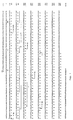
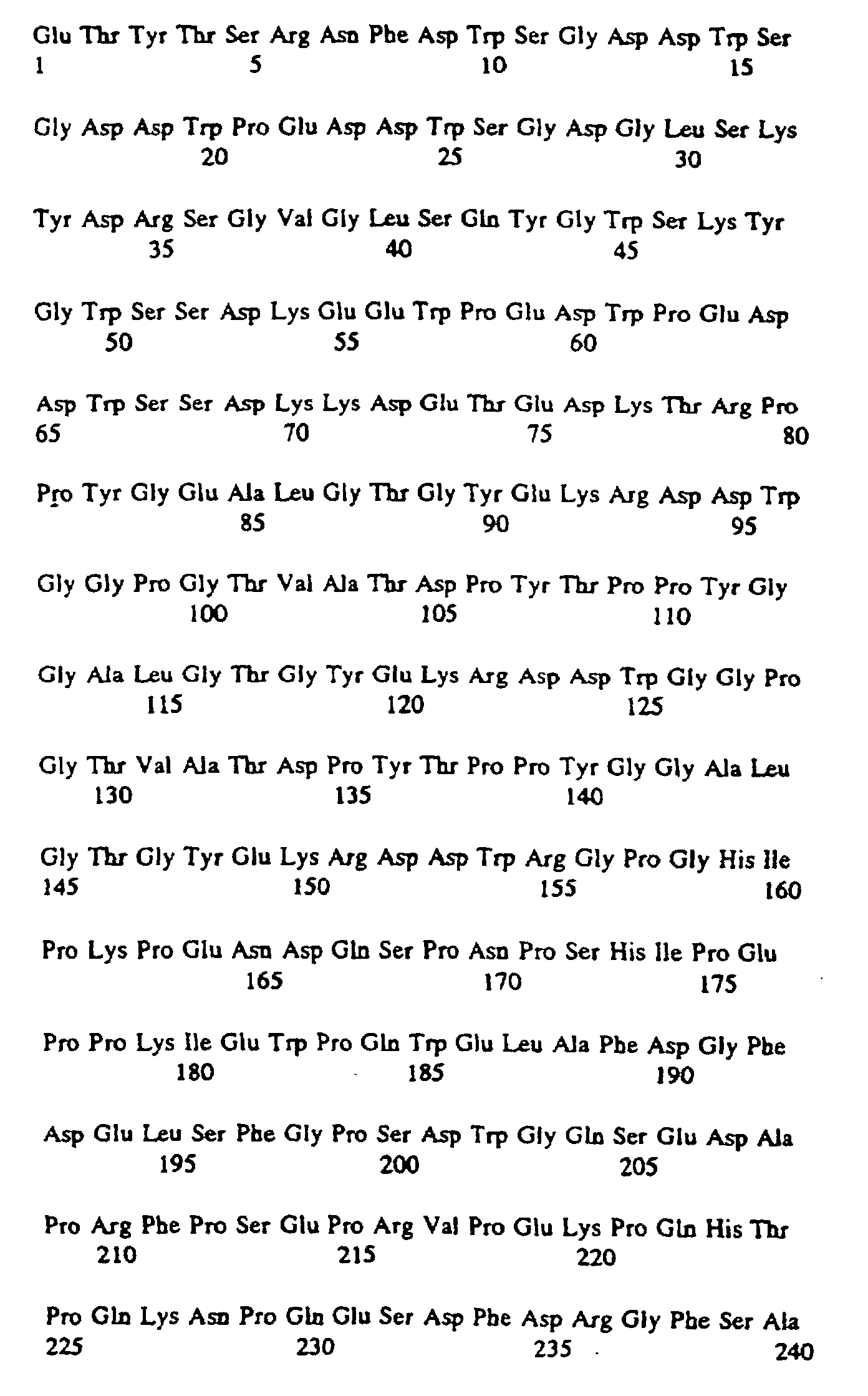
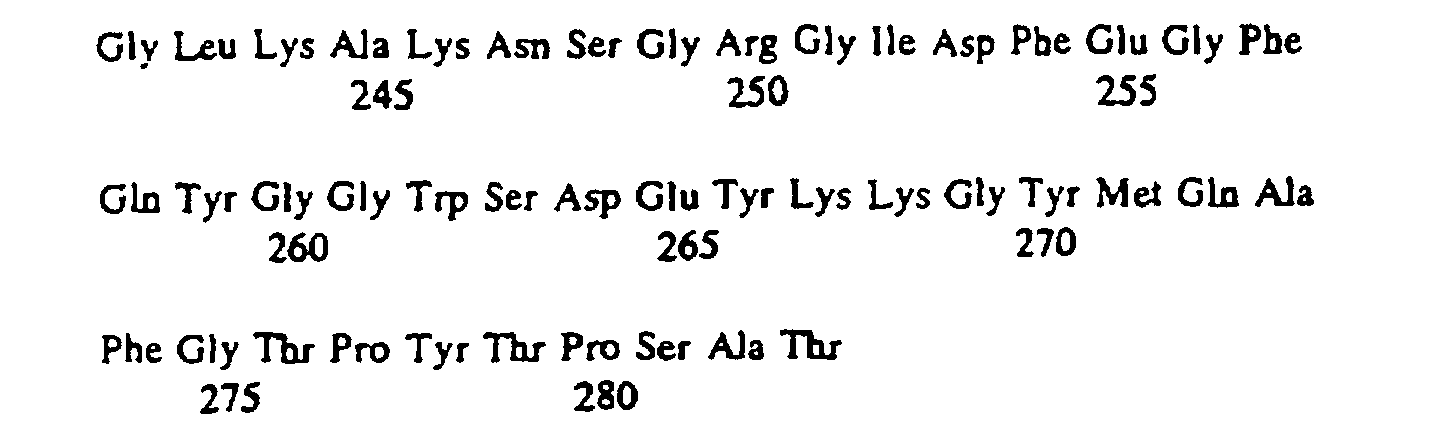
- SEQ ID NO:1 and SEQ ID NO:2, respectively, relate to the DNA sequence and the deduced amino acid sequence of a gene encoding protein SIC that has been isolated from Streptococcus pyogenes, strain AP1(40/58).
- SEQ ID NO: 3 and SEQ ID NO: 5 relate to a partial DNA sequence and a deduced amino acid sequence of a gene encoding protein SIC that has been isolated from Streptococcus pyogenes, strain U1034.
- SEQ ID NO: 4 and SEQ ID NO: 6 relate to a partial DNA sequence and a deduced amino acid sequence of a gene encoding protein SIC that has been isolated from Streptococcus pyogenes, strain U1004.
- Bacterial Strains Bacteriophage, and Plasmids.
- Protein SIC and the sic gene were isolated from S. pyogenes strain AP1 (40/58) of the M1 serotype from the Institute of Hygiene and Epidemiology, Prague, Czech Republic. Fortyeight additional strains of different M serotypes were also obtained from this Institute. These strains have been described (Ben Nasr et al., 1995: Biochem. J. 305 , 173-180). S. pyogenes strains of serotypes M3, M33, M42, M52, M61, and M67 were kindly provided by Dr. U. Sjöbring, Lund University, and a collection of 35 M1 strains isolated in Sweden 1980-89 were kindly provided by Dr. Stig Holm, Ume ⁇ University.
- PCR products were cloned into the inducible secretion vector pHD389 (Dalböge et al., 1989: Gene 79 , 325-332).
- the E. coli strain JM109 was used as host for recombinant plasmids. Streptococci were grown in Todd-Hewitt broth supplement with 0,2 % yeast extract and Escherichia coli in LB broth.
- Recombinant M1 protein ( ⁇ kesson et al., 1994: Biochem. J. 300 , 877-886) and protein PAB (delea and Björck, 1994: J. Biol. Chem. 269 , 12147-12151) were purified as previously described.
- Human serum albumin (HSA) was from Sigma (St. Louis, MO).
- the monoclonal antibody MCaE11 directed against a neoantigen of polymerized C9 within the C5b-C9 membrane attack complex (MAC) of complement (Mollnes et al., 1985: Scand. J. Immunol. 22 , 197-202) was kindly provided by Dr. T. E. Mollnes, the National Holspital, Norway.
- Antisera against purified streptococcal protein SIC were raised in rabbits.
- Sheep anti-rat clusterin polyclonal IgG fraction
- Goat antisera against human histidine-rich glycoprotein was a kind gift from Dr. William T. Morgan (University of Missouri, Kansas City, MO).
- Peroxidase-conjugated goat anti-rabbit IgG Bio-Rad, Richmond, CA
- donkey anti-sheep IgG ICN, Aurora, OH
- Clusterin was purified by a method modified from a previous study (Wilson and Easterbrook-Smith, 1992: Biochim. Biophys. Acta 1159 , 319-326). Thus, Human plasma was differentially precipitated with polyethyleneglycol (12-23 % w/v). The precipitate was then passed over an IgG-Sepharose column (Pharmacia). The column was washed with PBSA and bound proteins were eluted with 0.1 M glycine-HCl, pH 2.0.
- the material was dialyzed against 20 mM Tris, pH 7.5, and subjected to a Mono Q column. Using a linear NaCl gradient a protein peak eluted at 0.3 M NaCl was found to contain a single band of 80 kDa when analyzed by SDS-PAGE under non-reducing conditions. The material gave rise to a single band of 35 kDa when run under reducing conditions in the presence of 5 % ⁇ -mercapto-ethanol. The bands were identified as clusterin in Western blot experiments using anti-clusterin antibodies. HRG was purified using the protocol of Saigo et al (J. Biol. Chem. 264 , 8249-8253 (1989)).
- CM-Sephadex Plasma was absorbed with CM-Sephadex (Pharmacia). The matrix was washed extensively with destilled water and adsorbed proteins were eluted with 0.5 M NH 4 HCO 3 . After dialysis against PBS the material was applied to a HiTrap Heparin column (Pharmacia). The column was washed with PBS and proteins were eluted with 1.0 M NaCl. The eluate was dialyzed against 20 mM Tris, pH 7.5, and subjected to ion-exchange chromatography on a Mono Q column. A linear NaCl gradient was used and the peak at 0.25 M NaCl was collected. The resulting preparation consisted of two major bands of 70 and 63 kDa when examined by SDS-PAGE under non-reducing conditions. The identity of the bands with HRG was confirmed by Western blotting using anti-HRG antisera.
- membranes were incubated 1 h with antisera against protein SIC (1:200 v/v), HRG (1:500 v/v), or antibodies towards clusterin (5 ⁇ g/ml), followed by a peroxidase-labeled secondary antibody (1:1000 v/v).
- a peroxidase-labeled secondary antibody (1:1000 v/v).
- membranes were incubated in 0.02 % (w/v) 3-amino-9-ethylcarbazol, 0.06 % (v/v) H 2 O 2 in 50 mM sodium acetat buffer, pH 5.0.
- the PCR product amplified for the cloning of the sic gene was generated with primers containing recognition sites for NarI and XbaI, and cloned into pHD389 digested with the same enzymes. Standard cloning procedures were used (Sambrook et al., 1989: Molecular cloning: A laboratory manual, 2nd ed. Cold Spring Harbour Laboratory, Cold Spring Harbour, NY, USA). Restriction enzymes and T4 DNA ligase were obtained from Promega. DNA sequencing was performed with Sequenase (Pharmacia) according to the manufacturer's instructions. Ordered sets of deletions in template plasmid DNA were prepared using exonuclease BAL-31 (Promega). Computer search for sequence homology was made in the GenBank and EMBL databases. Analysis of sequence data was performed using the GeneWorks program (Intelligenetics, Mountain View, CA, USA).
- Example 1 Purification of protein SIC from Streptococcus pyogenes, strain AP1.
- Recombinant protein SIC was purified from an E. coli strain JM109 harbouring the sic gene in pHD389. The strain was grown to mid-log phase at 30°C before inducing protein production by raising the temperature to 40°C for 4 hours. The culture supernatant was collected and purification of protein SIC was performed as described above. In order to examine the presence of protein SIC in other group A streptococcal strains, cultures grown to mid-logarithmic phase were precipitated with 30 % ammonium sulfate, the precipitates were washed with ice cold ethanol, dissolved in 100 ⁇ l SDS-PAGE sample buffer, and subjected to Western blot analysis using rabbit antiserum against protein SIC.
- Example 2 Sequencing and location of the sic gene.
- sph The previously reported sequence of the protein H gene (sph) revealed the first 138 bp of an open reading frame 188 bp downstream of the stop codon for sph (Gomi et al., 1990: J. Immunol. 144 , 4046-4052; EP 371 199).
- a phage clone, ⁇ 1:4 ( ⁇ kesson et al., 1994: Biochem. J. 300 , 877-886) harbouring both the M1 gene (emm1) and sph was employed for subcloning.
- the first 32 amino acid redidues represents a typical bacterial signal sequence including a positively charged NH 2 -terminal region, a hydrophobic core, and a polar cleavage region.
- the predicted mature protein has 273 amino acid residues and a calculated molecular mass of 30.677 kDa.
- the most characteristic feature of the sequence is a central repeat region consisting of three tandem repeats of 29, 29, och 21 amino acid residues each (R1-R3), showing 90-95 % internal homology.
- the sequence preceding the R repeats also contains repeats although these are only five or nine amino acids long.
- SRR short repeat region
- the sequence located COOH-terminal of the R repeats is characterized by a high proline content and in a short stretch (residue 200-220) the prolines are evenly spaced every third or fourth residue.
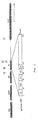
- sic in the mga locus of the AP1 strain was further demonstrated by PCR of chromosomal DNA with two sets of primers (Fig. 2).
- Example 3 Cloning and expression of protein SIC in E. coli and purification of the protein from streptococcal culture medium.
- Oligonucleotides were constructed from the SIC sequence to generate a PCR fragment corresponding to the mature protein. This fragment was amplified by PCR using Taq DNA polymerase (Promega, Madison, WI). For amplification of the sic gene for cloning, primers S1 and S2 containing recognition sites NarI and XbaI respectively (Fig. 2), corresponding to base pairs (bp)97-123 and bp 928-905 of the sic sequence (Fig. 1, SEQ ID NO: 1), were used.
- PCR was performed with the S1 and S2 primer with an annealing temperature at 20°C below the T m of the shortest primer (46°C). Templates for the reactions were prepared by resuspending a single bacterial colony in 100 ⁇ l water, vortexing the sample vigorously, and the boiling it for 5 min. Cell debris was removed by centrifugation and 5 ⁇ l of the resulting supernatant were used in a 50 ⁇ l reaction.
- PCR's with two different primer pairs outlined in Figure 2 were performed.
- the H1 primer corresponding to the conserved membrane anchoring motif of cell wall proteins of Gram-positive cocci; bp 1357-1381 of the sph sequence (Gomi et al., 1990: supra; EP 371 199), and the 52 primer corresponding to the end of the sic sequence were used.
- the S3 primer corresponding to bp 871-890 of the sic sequence (Fig. 1) and the C1 primer from the signal sequence of th C5a peptidase gene; bp 888-868 in the scpA sequence (Chen and Cleary, 1990: J. Biol. Chem. 265 , 3161-3167), were used. Reactions were performed with AP1 chromosomal DNA as the template.
- the amplified fragment was cloned into the inducible expression vector pHD389. After growing the clone and inducing expression, a periplasmic lysate was examined by SDS-PAGE which showed the overexpression of a 34 kDa protein as compared to the host E. coli strain. Even higher amounts of the 34 kDa product was detected when analyzing the culture media after precipitation with 80 % ammonium sulfate.
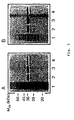
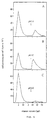
- the protein was purified using precipitation of the culture media with 30 % ammonium sulfate, ion-exchange chromatography and gel filtration (Fig. 3 B). The purified product was seen as a single band on SDS-PAGE and the yield was about 5 mg purified protein per liter culture.
- Example 4 Absorption of plasma proteins with immobilized protein SIC.
- protein SIC Being a secreted product protein SIC is most likely active outside the bacterial cell.
- streptococcal chromosome protein SIC is found in a locus encoding proteins which interact with host molecules, particularly plasma proteins.
- protein SIC also has affinity for plasma proteins.
- fresh human plasma was mixed with the protease inhibitors benzamidine iodocetic acid to final concentrations of 5 mM each.
- 5 ml of undiluted plasma was immediately added to 1 mg protein SIC coupled to Sepharose. After. end to end rotation for 4 hours at room temperature the protein SIC-Sepharose was extensively washed with PBS (200 times the column volume) and the proteins bound to the column were eluted with 0.1 M glycine-HCl, pH 2.0.
- As a control 5 ml plasma was simultaneously absorbed with glycine-Sepharose. pH was adjusted to 7.5 by adding 1 M Tris, and the eluates were concentrated about 100 fold.
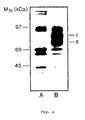
- the eluted material was lyophilized, resuspended in PBS at fifty times concentration and exmined on SDS-PAGE. As seen in figure 4, two additional bands appeared as compared to the background pattern obtained after absorption with glycine-Sepharose. The bands were electroblotted onto a PVDF-membrane, excised from the membrane, and subjected to NH 2 -terminal amino acid sequencing.
- the band of 80 kDa (labelled I in Fig. 4) showed the presence of two residues in equimolar yields after each sequencing cycle.
- the two sequences (DQTVSDNELQ and SLMPFSPYEP) were identical to the NH 2 -terminal sequences of the ⁇ and ⁇ chains of the plasma protein clusterin (Jenne et al., 1989: Proc. Natl. Acad. Sci. USA 86 , 7123-7127; Kirszbaum et al., 1989: EMBO J. 8 , 711-718).
- the band of 70 kDa (labelled II in Fig. 4) had the sequence VSPTDCSAVE, identifying the protein as histindine-rich glycoprotein (HRG)(Koide et al., 1986: Biochemistry 25 , 2220-2225).
- HRG histindine-rich glycoprotein
- Example 5 Further analysis of the interaction between protein SIC and the plasma proteins clusterin and histidine-rich glycoprotein.
- clusterin and HRG were purified from human plasma.
- the observations made with human plasma were then re-examined by affinity chromatography of radiolabeled clusterin and HRG on protein SIC-Sepharose.
- the plates were washed in PBST and incubated with clusterin (5 ⁇ g/ml in PBST containing 2 % bovine serum albumin) or HRG (1.25 ⁇ g/ml) diluted in PBST containing 1% gelatin (PBSTG).Bound proteins were detected by purified antibodies to clusterin (10 ⁇ g/ml) or antisera against HRG (1:2000 v/v), and binding was visualized by a horseradish peroxidase-conjugated secondary antibody against rabbit or sheep IgG (1:5000 v/v). All incubations were done at 37°C for 1 h and followed by a washing step.
- Substrate solution 0.1 % (w/v) diammonium-2,2-azino-bis-(3-ethyl-2,3-dihydrobenzthiazoline)-6-sulfonate (ABTS), 0.012 % (v/v) H 2 O 2.
- ABTS diammonium-2,2-azino-bis-(3-ethyl-2,3-dihydrobenzthiazoline)-6-sulfonate
- ABTS diammonium-2,2-azino-bis-(3-ethyl-2,3-dihydrobenzthiazoline)-6-sulfonate
- a competitive ELISA was performed using the same procedure specified above except for the following: microtiter plates coated with either clusterin (1.5 ⁇ g/ml) or HRG (0.5 ⁇ g/ml) were incubated with a mixture of protein SIC (2 ⁇ g/ml for binding to clusterin; 1 ⁇ g/ml for binding to HRG) and serial dilutions of the competitor protein (starting concentration 20 ⁇ g/ml). Bound protein SIC was detected by a specific rabbit antisera (1:1000 v/v) followed by a secondary antibody towards rabbit IgG (1:3000 v/v) and ABTS/H 2 O 2 .
- Example 6 Inhibition of complement-mediated hemolytic activity by protein SIC.
- clusterin and HRG bind to the C5b-C9 complex in serum and thereby regulate the cytotoxic action of MAC (Tschopp et al., 1993: supra; Chang et al., 1992: supra).
- Clusterin partly inhibits hemolysis, while HRG modulates complement function in a biphasic fashion.
- a possible role for protein SIC in classical pathway-mediated hemolysis was assessed by the results of complement-mediated hemolytic assays and binding experiments.
- VBS veronal buffered saline
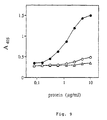
- FIG. 8A A dose dependent inhibition of complement hemolysis was obtained (Fig. 8A).
- the albumin-binding protein PAB of Peptostreptococcus magnus was used as negative control.
- the effect of protein SIC on the alternative pathway of complement was examined using guinea pig erythrocytes as target cells in serum chelated with EGTA and supplemented with Mg 2+ .
- Serum diluted 1/50 in PBSTG was added to the wells followed by serial dilutions of protein SIC or SCP (starting concentrations 10 ⁇ g/ml), and the plates were incubated for 3 h at room temperature. Diluted serum was also preincubated with protein SIC or SCP at various concentrations for 3 h, after which generation of C5b-C9 complexes were stopped by addition of EDTA at 10 mM. The incubation mixtures were then transferred to antibody-coated microtiter plates for analysis. Detection of protein SIC and SCP were performed as described in example 5 using specific rabbit antisera diluted 1/1000.
- Example 7 Distribution of protein SIC in strains of S. pyogenes .
- a collection of 55 group A streptococcal strains of different M types were tested for the presence of the sic gene and the expression of protein SIC.
- sic was identified by PCR using primers from the start of the coding sequence and the repeat regions and by performing the reaction under low stringency conditions.
- the expression of protein SIC was tested by growing the strains to mid-logarithmic phase, precipitating the culture media with 30 % ammonium sulfate, and examining the precipitate in a Western blot using polyclonal antisera against protein SIC.
- the strains of M type 1 and 57 were positive both in the PCR and in Western blot experiments. The rest of the strains gave no PCR products and were negative in the Western blot analyses.
- An indirect ELISA was performed by coating microtiter plates (Maxisorb, NUNC) over night at +4°C with 5 ⁇ g/ml protein SIC or 5 ⁇ g/ml fibrinogen (negative control). The plates were washed with phosphate buffered saline containing 0.25 % Tween, and incubated for 1 h at 37°C with two-fold dilutions of serum from two patients (starting dilution of serum was 1:10).
- Patient A is infected by a virulent Streptococcus pyogenes strain and patient B is infected by a lesser virulent strain.
- Bound antibodies were detected by peroxidase-labelled antibodies towards human ⁇ light chain (DAKO).
- Substrate solution 0.1% (W/v) diammonium-2,2-azino-bis-(3-ethyl-2,3-dihydrobenzthiazoline)-6-sulfonate (ABTS), 0.012% (v/v) H 2 O 2 in 100 mM citric acid, 100 mM NaH 2 PO 4 , pH 4.5, was added and the change in absorbance at 405 nm was determined after 30 min.
- PCR experiments were performed using genomic DNA isolated from 35 different M type 1 strains and 2 M type 57 strains, and oligonucleotides from the 5'and 3'end of the coding sequence of sic.
- the size of the products from most strains were 830 bp, the same size as of the sic gene originally isolated (strain AP1, SEQ ID NO: 1). However, in 6 of the strains, sic was approximately 100 bp bigger, and in one strain 100 bp smaller.
- Four of the PCR-amplified products were subjected to DNA sequencing, including one bigger and one smaller sic gene.
- Protein SIC variants encoded by the four sequenced genes were isolated from the corresponding S. pyogenes strains. These were shown to have similar protein binding properties as protein SIC isolated from AP1.
Landscapes
- Chemical & Material Sciences (AREA)
- Health & Medical Sciences (AREA)
- Organic Chemistry (AREA)
- Life Sciences & Earth Sciences (AREA)
- Medicinal Chemistry (AREA)
- Biophysics (AREA)
- General Health & Medical Sciences (AREA)
- Genetics & Genomics (AREA)
- Biochemistry (AREA)
- Molecular Biology (AREA)
- Proteomics, Peptides & Aminoacids (AREA)
- Gastroenterology & Hepatology (AREA)
- Immunology (AREA)
- Toxicology (AREA)
- Zoology (AREA)
- Peptides Or Proteins (AREA)
- Medicines Containing Antibodies Or Antigens For Use As Internal Diagnostic Agents (AREA)
Description
0.1 mg/ml ssDNA, at 50-65°C dependent on the probe length, or 10-20°C below the Tm of the probe; washing in 1 x SSPE, 0.1% SDS at 15-20°C below the Tm of the probe for moderate stringency, and in 0.1 x SSPE, 0.1% at 10°C below the Tm of the probe for high stringency conditions) (see Sambrook et al., Molecular Cloning: A Laboratory Manual, 2nd Ed., Cold Spring Harbor Laboratory Press, NY, 1989); or (c) nucleic acid sequences are degenerate as a result of the genetic code to the nucleic acid sequences defined in (a) or (b). Furthermore, although nucleic acid molecules are primarily referred to herein, as should be evident to one of skill in the art given the disclosure provided herein, a wide variety of related nucleic acid molecules may also be utilized in various embodiments described herein, including for example, RNA, nucleic acid analogues, as well as chimeric nucleic acid molecules which may be composed of more than one type of nucleic acid.
Within another aspect of the present invention, probes and primers are provided for detecting nucleic acids scquences which encode protein SIC. Within one embodiment of the invention, probes are provided which are capable of hybridizing to protein SIC nucleic acids (DNA or RNA}. For purposes of the present invention, probes are "capable of hybridizing" to protein SIC nucleic acids if they hybridize to Sequence I.D. No 1, 5 or 6 under conditions of moderate or high stringency (see the section above concerning nucleic acid molecules, and Sambrook et al., supra); Preferably, the probe may be utilized to hybridize to suitable nucleotide sequences in the presence of 5 x SSPE, 0.1% SDS, and 0.1 mg/ml ssDNA at 10-20°C below the Tm of the probe. Subsequent washes may be performed in 1 x SSPE, 0.1% SDS at 15-20°C for conditions of moderate stringency, and in 0.1 x SSPE, 0.1% SDS at 10°C below the Tm of the probe for conditions of high stringency.
Within a particularly preferred embodiment, PCR amplilication is utilized to detect or obtain protein SIC nucleic acids. Briefly, as described in greater detail below, a nucleic acid sample is denatured at 95°C in order to generate single stranded nucleic acid. Specific primers, as discussed below, are then annealed at 37°C to 70°C, depending on the proportion of AT/GC in the primers. The primers are extended at 72°C with Taq polymerase in order to generate the opposite strand to the template. These steps constitute one cycle, which may be repeated in order to amplify the selected sequence.
Previous work has demonstrated several interactions between components of the complement system and proteins encoded by genes of the mga regulon. Members of the M protein family (M protein, protein Arp, protein Sir, and protein H) have been reported to bind complement factor H, CD46, and/or the C4b-binding protein (Horstmann et al., 1988: Proc. Natl. Acad. Sci. U. S. A. 85, 1657-61; Okada et al., 1995: Proc. Natl. Acad. Sci. U. S. A. 92, 2489-2493; Thern et al., 1995: J. Immunol. 154, 375-386; WO 91/19740;
In order to determine the relationship of sic to other genes of the streptococcal mga locus, PCR's with two different primer pairs outlined in Figure 2 were performed. In one reaction the H1 primer corresponding to the conserved membrane anchoring motif of cell wall proteins of Gram-positive cocci; bp 1357-1381 of the sph sequence (Gomi et al., 1990: supra; EP 371 199), and the 52 primer corresponding to the end of the sic sequence were used. In another reaction the S3 primer corresponding to bp 871-890 of the sic sequence (Fig. 1) and the C1 primer from the signal sequence of th C5a peptidase gene; bp 888-868 in the scpA sequence (Chen and Cleary, 1990: J. Biol. Chem. 265, 3161-3167), were used.
Reactions were performed with AP1 chromosomal DNA as the template.
In order to examine if protein SIC also has affinity for plasma proteins, fresh human plasma was mixed with the protease inhibitors benzamidine iodocetic acid to final concentrations of 5 mM each. 5 ml of undiluted plasma was immediately added to 1 mg protein SIC coupled to Sepharose. After. end to end rotation for 4 hours at room temperature the protein SIC-Sepharose was extensively washed with PBS (200 times the column volume) and the proteins bound to the column were eluted with 0.1 M glycine-HCl, pH 2.0. As a





Claims (23)
- A protein called protein SIC, and having the ability to inhibit complement-mediated lysis, and/or bind clusterin and/or members of the cystatin superfamily, and/or C5b-C9 complement complexes, the protein comprising at least the following partial amino acid sequences:a) glu thr tyr thr ser arg asn phe;b) asp trp ser gly asp asp trp pro glu asp asp trp;c) arg ser gly val gly leu ser gln tyr gly trp ser;d) trp ser ser asp lys lys asp glu thr glu asp lys thr;e) gly thr gly tyr glu lys arg asp asp trp gly gly pro gly.
- A protein comprising:(a) a protein according to claim 1 and having an amino acid sequence of SEQ ID NO:2, SEQ ID NO:3 or SEQ ID NO:4;(b) a variant (a) having at least 70% homology to the sequence of SEQ ID NO: 2, 3 or 4 which has the ability to inhibit complement mediated lysis, and/or bind clusterin and/or members of the cystatin superfamily; and/or C5b-C9 complement complexes; (c) a fragment of (a) or (b), having an antigenic characteristic of the protein of (a) or (b) or maintaining a binding characteristic of the protein (a) or (b).
- A protein according to claim 1 or 2 and further comprising the amino acid sequence (f) lys arg asp asp trp arg gly pro gly his ile pro lys pro.
- A protein according to any one of claims 1-3, characterised in that it is obtainable from a Streptococcus pyogenes strain of serotypes M1 and M57.
- A nucleic acid sequence encoding the protein according to any one of claims 1-4.
- A nucleic acid sequence according to claim 5, characterised in that it encodes a protein comprising the amino acid according to any one of SEQ ID NO:2, SEQ ID NO:3 and SEQ ID NO:4.
- A nucleic acid sequence according to claim 6, characterised in that it comprises the DNA sequence according to SEQ ID NO:1.
- A nucleic acid sequence according to claim 6, characterised in that it comprises the DNA sequence according to SEQ ID NO:5.
- A nucleic acid sequence according to claim 6, characterised in that it comprises the DNA sequence according to SEQ ID NO:6.
- An oligonuleotide probe capable of detecting protein SIC nucleic acid in a sample consisting of a fragment of at least 12 nucleotides in length of the sequence according to any one of claims 5-9.
- A vector for expression of the protein according to any one of claims 1-4, comprising the DNA sequence according to any one of claims 5-9 controlled by a suitable promoter.
- A host cell, characterised in that it comprises a vector according to claim 11.
- A method for producing the protein according to any one of claims 1-4, characterised by cultivating a host cell according to claim 12 under suitable conditions; accumulating the protein in the culture medium or lysing the cells; and recovering the protein therefrom by using standard procedures.
- A method for producing the protein according to any one of claims 1-4, characterised in that Streptococcus pyogenes, strain AP1, is cultured to mid-log phase (A600 = 0.5) whereafter the protein is recovered from the culture supernatant by precipitation with ammonium sulphate, ion-exchange chromatography and gel filtration.
- A method for purification of the protein according to any one of claims 1-4, characterised in that the method comprises an affinity chromatography step using an insoluble carrier to which at least one ligand chosen from the group of clusterin and histidine-rich glycoprotein (HRG) has been coupled.
- A method for purification of clusterin and/or histidine-rich glycoprotein (HRG), characterised in that the method comprises an affinity chromatography step using an insoluble carrier to which the protein according to any one of claims 1-4 has been coupled.
- An antibody specific to protein SIC as defined in any one of claims 1-4.
- An antibody according to claim 17, characterised in that it is a monoclonal antibody.
- A pharmaceutical preparation comprising an effective amount of the protein according to any one of claims 1-4 and a pharmaceutically acceptable carrier.
- A pharmaceutical preparation according to claim 19, characterised in that it is a vaccine preparation.
- A reagent kit for binding, separating and/or identifying the protein according to any one of claims 1-4, characterised in that it includes an antibody according to claim 17.
- A reagent kit for binding, separating and/or identifying an antibody according to claim 17, characterised in that it includes a protein according to any one of claims 1-4.
- A reagent kit for determining the presence of virulent Streptococcus pyogenes bacteria in a sample, characterised in that it comprises an oligonucleotide probe according to claim 10.
Applications Claiming Priority (3)
| Application Number | Priority Date | Filing Date | Title |
|---|---|---|---|
| SE9503495A SE9503495L (en) | 1995-10-09 | 1995-10-09 | New protein |
| SE9503495 | 1995-10-09 | ||
| PCT/SE1996/001238 WO1997013786A1 (en) | 1995-10-09 | 1996-10-02 | Streptoccal inhibitor of complement-mediated lysis, protein sic |
Publications (2)
| Publication Number | Publication Date |
|---|---|
| EP0862580A1 EP0862580A1 (en) | 1998-09-09 |
| EP0862580B1 true EP0862580B1 (en) | 2005-01-19 |
Family
ID=20399743
Family Applications (1)
| Application Number | Title | Priority Date | Filing Date |
|---|---|---|---|
| EP96933703A Expired - Lifetime EP0862580B1 (en) | 1995-10-09 | 1996-10-02 | Streptoccal inhibitor of complement-mediated lysis, protein sic |
Country Status (6)
| Country | Link |
|---|---|
| US (3) | US6576741B1 (en) |
| EP (1) | EP0862580B1 (en) |
| AU (1) | AU7233296A (en) |
| DE (1) | DE69634206D1 (en) |
| SE (1) | SE9503495L (en) |
| WO (1) | WO1997013786A1 (en) |
Families Citing this family (4)
| Publication number | Priority date | Publication date | Assignee | Title |
|---|---|---|---|---|
| EP1905834A3 (en) * | 1999-12-23 | 2008-07-23 | Vmax Limited | Virulence Genes, Proteins, and their Use |
| AU2002249342A1 (en) * | 2001-03-14 | 2002-09-24 | Cambridge University Technical Services Limited | Assays, methods and means for targeting streptococcal inhibitor of complement (sic) |
| FR2886312B1 (en) * | 2005-05-26 | 2012-12-14 | Abag | NEW PROTEINS FOR IN VITRO DIAGNOSIS AND PREVENTION OF STREPTOCOCCUS PYOGENES INFECTIONS |
| SI3028716T1 (en) | 2006-10-10 | 2021-01-29 | Regenesance B.V. | Complement inhibition for improved nerve regeneration |
Family Cites Families (3)
| Publication number | Priority date | Publication date | Assignee | Title |
|---|---|---|---|---|
| EP0367890A1 (en) | 1988-11-11 | 1990-05-16 | HighTech Receptor AB | Protein Arp, with immunoglobulin A binding activity, cloning and expression thereof |
| JP2871709B2 (en) * | 1988-11-21 | 1999-03-17 | 住友製薬株式会社 | Novel protein H having immunoglobulin G binding activity, gene encoding the protein, and method for producing the protein |
| SE9002212D0 (en) | 1990-06-21 | 1990-06-21 | Hightech Receptor Ab | IGG BINDING PROTEIN |
-
1995
- 1995-10-09 SE SE9503495A patent/SE9503495L/en not_active Application Discontinuation
-
1996
- 1996-10-02 WO PCT/SE1996/001238 patent/WO1997013786A1/en not_active Ceased
- 1996-10-02 EP EP96933703A patent/EP0862580B1/en not_active Expired - Lifetime
- 1996-10-02 DE DE69634206T patent/DE69634206D1/en not_active Expired - Lifetime
- 1996-10-02 AU AU72332/96A patent/AU7233296A/en not_active Abandoned
- 1996-10-02 US US09/051,380 patent/US6576741B1/en not_active Expired - Fee Related
-
2003
- 2003-02-26 US US10/374,535 patent/US7361750B2/en not_active Expired - Fee Related
-
2006
- 2006-05-05 US US11/418,770 patent/US7588762B2/en not_active Expired - Fee Related
Also Published As
| Publication number | Publication date |
|---|---|
| WO1997013786A1 (en) | 1997-04-17 |
| SE9503495D0 (en) | 1995-10-09 |
| US20060205925A1 (en) | 2006-09-14 |
| SE9503495L (en) | 1997-04-10 |
| US7361750B2 (en) | 2008-04-22 |
| DE69634206D1 (en) | 2005-02-24 |
| EP0862580A1 (en) | 1998-09-09 |
| US6576741B1 (en) | 2003-06-10 |
| US20040010117A1 (en) | 2004-01-15 |
| WO1997013786A9 (en) | 2008-09-04 |
| US7588762B2 (en) | 2009-09-15 |
| AU7233296A (en) | 1997-04-30 |
Similar Documents
| Publication | Publication Date | Title |
|---|---|---|
| Åkesson et al. | Protein SIC, a novel extracellular protein of Streptococcus pyogenes interfering with complement function | |
| Seifert et al. | A unique serine-rich repeat protein (Srr-2) and novel surface antigen (ε) associated with a virulent lineage of serotype III Streptococcus agalactiae | |
| Hedén et al. | Molecular characterization of an IgA receptor from group B streptococci: sequence of the gene, identification of a proline‐rich region with unique structure and isolation of N‐terminal fragments with IgA‐binding capacity | |
| Okada et al. | Membrane cofactor protein (CD46) is a keratinocyte receptor for the M protein of the group A streptococcus. | |
| US5175096A (en) | Dna encoding a fibronectin binding protein as well as its preparation | |
| US6291654B1 (en) | Method for isolating a C3 binding protein of streptococcus pneumoniae | |
| US7067135B2 (en) | Methods and compositions for the treatment and prevention of Staphylococcus aureus infections | |
| Meehan et al. | Affinity purification and characterization of a fibrinogen-binding protein complex which protects mice against lethal challenge with Streptococcus equi subsp. equi | |
| EP0621875A1 (en) | Fibrinogen binding protein | |
| US8324354B2 (en) | Environmentally regulated genes of Streptococcus suis | |
| WO1998021337A9 (en) | C3 BINDING PROTEIN OF $i(STREPTOCOCCUS PNEUMONIAE) | |
| Nyberg et al. | Interactions with fibronectin attenuate the virulence of Streptococcus pyogenes | |
| WO1998001561A1 (en) | SUBUNIT VACCINE FOR $i(STREPTOCOCCUS EQUI) | |
| US7361750B2 (en) | Streptoccal inhibitor of complement-mediated lysis, protein SIC | |
| KR0170752B1 (en) | Vaccine for Hypoallergenic Influenza and Diagnostic Test | |
| AU762100B2 (en) | Protective antigen of group A Streptococci (SPA) | |
| US7063850B1 (en) | Protective antigen of group A Streptococci | |
| US6586580B1 (en) | Protein rib, a cell surface protein that confers immunity to many strains of the group B Streptococcus: process for purification of the protein, reagent kit and pharmaceutical composition | |
| EP1140994B1 (en) | Outer surface proteins, their genes, and their use | |
| AU2003296915B2 (en) | Streptococcus uberis adhesion molecule | |
| US20040151737A1 (en) | Streptococcal serum opacity factors and fibronectin-binding proteins and peptides thereof for the treatment and detection of streptococcal infection | |
| WO1994020536A1 (en) | Methods, compositions, and kits for diagnosing lyme disease | |
| Potter et al. | Surface-Expressed Mig Protein Protects | |
| HK1039339B (en) | Outer surface proteins, their genes, and their use |
Legal Events
| Date | Code | Title | Description |
|---|---|---|---|
| PUAI | Public reference made under article 153(3) epc to a published international application that has entered the european phase |
Free format text: ORIGINAL CODE: 0009012 |
|
| 17P | Request for examination filed |
Effective date: 19980508 |
|
| AK | Designated contracting states |
Kind code of ref document: A1 Designated state(s): BE CH DE ES FR GB IT LI NL SE |
|
| RIN1 | Information on inventor provided before grant (corrected) |
Inventor name: BJOERCK, LARS, PROF. Inventor name: AKESSON, PER, DR. |
|
| 17Q | First examination report despatched |
Effective date: 20020606 |
|
| RAP1 | Party data changed (applicant data changed or rights of an application transferred) |
Owner name: HANSA MEDICAL AB |
|
| RAP1 | Party data changed (applicant data changed or rights of an application transferred) |
Owner name: HANSA MEDICAL RESEARCH AKTIEBOLAG |
|
| GRAP | Despatch of communication of intention to grant a patent |
Free format text: ORIGINAL CODE: EPIDOSNIGR1 |
|
| RIN1 | Information on inventor provided before grant (corrected) |
Inventor name: SJOHOLM, ANDERS Inventor name: BJOERCK, LARS, PROF. Inventor name: AKESSON, PER, DR. |
|
| GRAS | Grant fee paid |
Free format text: ORIGINAL CODE: EPIDOSNIGR3 |
|
| GRAA | (expected) grant |
Free format text: ORIGINAL CODE: 0009210 |
|
| AK | Designated contracting states |
Kind code of ref document: B1 Designated state(s): BE CH DE ES FR GB IT LI NL SE |
|
| PG25 | Lapsed in a contracting state [announced via postgrant information from national office to epo] |
Ref country code: NL Free format text: LAPSE BECAUSE OF FAILURE TO SUBMIT A TRANSLATION OF THE DESCRIPTION OR TO PAY THE FEE WITHIN THE PRESCRIBED TIME-LIMIT Effective date: 20050119 Ref country code: LI Free format text: LAPSE BECAUSE OF FAILURE TO SUBMIT A TRANSLATION OF THE DESCRIPTION OR TO PAY THE FEE WITHIN THE PRESCRIBED TIME-LIMIT Effective date: 20050119 Ref country code: IT Free format text: LAPSE BECAUSE OF FAILURE TO SUBMIT A TRANSLATION OF THE DESCRIPTION OR TO PAY THE FEE WITHIN THE PRE;WARNING: LAPSES OF ITALIAN PATENTS WITH EFFECTIVE DATE BEFORE 2007 MAY HAVE OCCURRED AT ANY TIME BEFORE 2007. THE CORRECT EFFECTIVE DATE MAY BE DIFFERENT FROM THE ONE RECORDED.SCRIBED TIME-LIMIT Effective date: 20050119 Ref country code: FR Free format text: LAPSE BECAUSE OF FAILURE TO SUBMIT A TRANSLATION OF THE DESCRIPTION OR TO PAY THE FEE WITHIN THE PRESCRIBED TIME-LIMIT Effective date: 20050119 Ref country code: CH Free format text: LAPSE BECAUSE OF FAILURE TO SUBMIT A TRANSLATION OF THE DESCRIPTION OR TO PAY THE FEE WITHIN THE PRESCRIBED TIME-LIMIT Effective date: 20050119 Ref country code: BE Free format text: LAPSE BECAUSE OF FAILURE TO SUBMIT A TRANSLATION OF THE DESCRIPTION OR TO PAY THE FEE WITHIN THE PRESCRIBED TIME-LIMIT Effective date: 20050119 |
|
| REG | Reference to a national code |
Ref country code: GB Ref legal event code: FG4D |
|
| RIN1 | Information on inventor provided before grant (corrected) |
Inventor name: SJOHOLM, ANDERS Inventor name: BJOERCK, LARS, PROF. Inventor name: AKESSON, PER, DR. |
|
| REG | Reference to a national code |
Ref country code: CH Ref legal event code: EP |
|
| REF | Corresponds to: |
Ref document number: 69634206 Country of ref document: DE Date of ref document: 20050224 Kind code of ref document: P |
|
| PG25 | Lapsed in a contracting state [announced via postgrant information from national office to epo] |
Ref country code: SE Free format text: LAPSE BECAUSE OF FAILURE TO SUBMIT A TRANSLATION OF THE DESCRIPTION OR TO PAY THE FEE WITHIN THE PRESCRIBED TIME-LIMIT Effective date: 20050419 |
|
| PG25 | Lapsed in a contracting state [announced via postgrant information from national office to epo] |
Ref country code: DE Free format text: LAPSE BECAUSE OF FAILURE TO SUBMIT A TRANSLATION OF THE DESCRIPTION OR TO PAY THE FEE WITHIN THE PRESCRIBED TIME-LIMIT Effective date: 20050420 |
|
| PG25 | Lapsed in a contracting state [announced via postgrant information from national office to epo] |
Ref country code: ES Free format text: LAPSE BECAUSE OF FAILURE TO SUBMIT A TRANSLATION OF THE DESCRIPTION OR TO PAY THE FEE WITHIN THE PRESCRIBED TIME-LIMIT Effective date: 20050430 |
|
| NLV1 | Nl: lapsed or annulled due to failure to fulfill the requirements of art. 29p and 29m of the patents act | ||
| REG | Reference to a national code |
Ref country code: CH Ref legal event code: PL |
|
| PLBE | No opposition filed within time limit |
Free format text: ORIGINAL CODE: 0009261 |
|
| STAA | Information on the status of an ep patent application or granted ep patent |
Free format text: STATUS: NO OPPOSITION FILED WITHIN TIME LIMIT |
|
| 26N | No opposition filed |
Effective date: 20051020 |
|
| EN | Fr: translation not filed | ||
| PGFP | Annual fee paid to national office [announced via postgrant information from national office to epo] |
Ref country code: GB Payment date: 20081001 Year of fee payment: 13 |
|
| PG25 | Lapsed in a contracting state [announced via postgrant information from national office to epo] |
Ref country code: GB Free format text: LAPSE BECAUSE OF NON-PAYMENT OF DUE FEES Effective date: 20091002 |