EP0862426B1 - Compositions comprising butyrate esters of threitol and their uses - Google Patents
Compositions comprising butyrate esters of threitol and their uses Download PDFInfo
- Publication number
- EP0862426B1 EP0862426B1 EP96937773A EP96937773A EP0862426B1 EP 0862426 B1 EP0862426 B1 EP 0862426B1 EP 96937773 A EP96937773 A EP 96937773A EP 96937773 A EP96937773 A EP 96937773A EP 0862426 B1 EP0862426 B1 EP 0862426B1
- Authority
- EP
- European Patent Office
- Prior art keywords
- threitol
- use according
- medicament
- treating
- patient
- Prior art date
- Legal status (The legal status is an assumption and is not a legal conclusion. Google has not performed a legal analysis and makes no representation as to the accuracy of the status listed.)
- Expired - Lifetime
Links
- UNXHWFMMPAWVPI-UHFFFAOYSA-N Erythritol Natural products OCC(O)C(O)CO UNXHWFMMPAWVPI-UHFFFAOYSA-N 0.000 title claims abstract description 38
- 239000000203 mixture Substances 0.000 title claims abstract description 35
- UNXHWFMMPAWVPI-QWWZWVQMSA-N D-threitol Chemical compound OC[C@@H](O)[C@H](O)CO UNXHWFMMPAWVPI-QWWZWVQMSA-N 0.000 title claims abstract description 33
- 150000004648 butanoic acid derivatives Chemical class 0.000 title abstract description 20
- 208000034737 hemoglobinopathy Diseases 0.000 claims abstract description 20
- 239000008194 pharmaceutical composition Substances 0.000 claims abstract description 15
- 206010028980 Neoplasm Diseases 0.000 claims abstract description 14
- 201000011510 cancer Diseases 0.000 claims abstract description 12
- 230000003211 malignant effect Effects 0.000 claims abstract description 12
- 108010044495 Fetal Hemoglobin Proteins 0.000 claims abstract description 10
- 208000005980 beta thalassemia Diseases 0.000 claims abstract description 8
- 230000001965 increasing effect Effects 0.000 claims abstract description 7
- 230000001939 inductive effect Effects 0.000 claims abstract description 5
- 108091005886 Hemoglobin subunit gamma Proteins 0.000 claims abstract description 4
- 102100038617 Hemoglobin subunit gamma-2 Human genes 0.000 claims abstract description 4
- FERIUCNNQQJTOY-UHFFFAOYSA-N Butyric acid Natural products CCCC(O)=O FERIUCNNQQJTOY-UHFFFAOYSA-N 0.000 claims description 82
- 239000003795 chemical substances by application Substances 0.000 claims description 37
- 208000037265 diseases, disorders, signs and symptoms Diseases 0.000 claims description 22
- 201000010099 disease Diseases 0.000 claims description 20
- -1 butyrate ester Chemical class 0.000 claims description 18
- 239000003814 drug Substances 0.000 claims description 13
- 210000004027 cell Anatomy 0.000 claims description 11
- 238000004519 manufacturing process Methods 0.000 claims description 11
- 208000007056 sickle cell anemia Diseases 0.000 claims description 8
- 206010009944 Colon cancer Diseases 0.000 claims description 6
- 230000004069 differentiation Effects 0.000 claims description 6
- 238000009097 single-agent therapy Methods 0.000 claims description 6
- VSNHCAURESNICA-UHFFFAOYSA-N Hydroxyurea Chemical group NC(=O)NO VSNHCAURESNICA-UHFFFAOYSA-N 0.000 claims description 5
- 239000002671 adjuvant Substances 0.000 claims description 5
- 229960001330 hydroxycarbamide Drugs 0.000 claims description 5
- 210000002966 serum Anatomy 0.000 claims description 5
- 208000001333 Colorectal Neoplasms Diseases 0.000 claims description 4
- 206010060862 Prostate cancer Diseases 0.000 claims description 4
- 208000000236 Prostatic Neoplasms Diseases 0.000 claims description 4
- 239000002246 antineoplastic agent Substances 0.000 claims description 4
- 230000015572 biosynthetic process Effects 0.000 claims description 4
- 239000000839 emulsion Substances 0.000 claims description 3
- 206010010356 Congenital anomaly Diseases 0.000 claims description 2
- 208000022305 Double heterozygous sickling disease Diseases 0.000 claims description 2
- 208000022640 Heinz body anemia Diseases 0.000 claims description 2
- 208000009336 Hemoglobin SC Disease Diseases 0.000 claims description 2
- 108010016797 Sickle Hemoglobin Proteins 0.000 claims description 2
- 229940127089 cytotoxic agent Drugs 0.000 claims description 2
- 239000001257 hydrogen Substances 0.000 claims description 2
- 229910052739 hydrogen Inorganic materials 0.000 claims description 2
- 125000004435 hydrogen atom Chemical class [H]* 0.000 claims description 2
- 150000002148 esters Chemical class 0.000 abstract description 20
- 238000000034 method Methods 0.000 abstract description 14
- 208000018337 inherited hemoglobinopathy Diseases 0.000 abstract description 13
- 208000011580 syndromic disease Diseases 0.000 abstract description 8
- 230000024245 cell differentiation Effects 0.000 abstract description 7
- 230000001028 anti-proliverative effect Effects 0.000 abstract description 2
- UYXTWWCETRIEDR-UHFFFAOYSA-N Tributyrin Chemical compound CCCC(=O)OCC(OC(=O)CCC)COC(=O)CCC UYXTWWCETRIEDR-UHFFFAOYSA-N 0.000 description 22
- 239000000651 prodrug Substances 0.000 description 19
- 229940002612 prodrug Drugs 0.000 description 19
- FERIUCNNQQJTOY-UHFFFAOYSA-M Butyrate Chemical compound CCCC([O-])=O FERIUCNNQQJTOY-UHFFFAOYSA-M 0.000 description 9
- 238000002560 therapeutic procedure Methods 0.000 description 9
- WFKAJVHLWXSISD-UHFFFAOYSA-N isobutyramide Chemical compound CC(C)C(N)=O WFKAJVHLWXSISD-UHFFFAOYSA-N 0.000 description 8
- 238000011282 treatment Methods 0.000 description 8
- 150000001875 compounds Chemical class 0.000 description 7
- 230000000694 effects Effects 0.000 description 7
- 230000036470 plasma concentration Effects 0.000 description 7
- 102000003951 Erythropoietin Human genes 0.000 description 5
- 108090000394 Erythropoietin Proteins 0.000 description 5
- 108091005904 Hemoglobin subunit beta Proteins 0.000 description 5
- 230000008901 benefit Effects 0.000 description 5
- 230000010261 cell growth Effects 0.000 description 5
- 229940105423 erythropoietin Drugs 0.000 description 5
- 208000014951 hematologic disease Diseases 0.000 description 5
- 238000001727 in vivo Methods 0.000 description 5
- 230000001613 neoplastic effect Effects 0.000 description 5
- OXCMYAYHXIHQOA-UHFFFAOYSA-N potassium;[2-butyl-5-chloro-3-[[4-[2-(1,2,4-triaza-3-azanidacyclopenta-1,4-dien-5-yl)phenyl]phenyl]methyl]imidazol-4-yl]methanol Chemical compound [K+].CCCCC1=NC(Cl)=C(CO)N1CC1=CC=C(C=2C(=CC=CC=2)C2=N[N-]N=N2)C=C1 OXCMYAYHXIHQOA-UHFFFAOYSA-N 0.000 description 5
- YMWUJEATGCHHMB-UHFFFAOYSA-N Dichloromethane Chemical compound ClCCl YMWUJEATGCHHMB-UHFFFAOYSA-N 0.000 description 4
- RTZKZFJDLAIYFH-UHFFFAOYSA-N Diethyl ether Chemical compound CCOCC RTZKZFJDLAIYFH-UHFFFAOYSA-N 0.000 description 4
- 102100021519 Hemoglobin subunit beta Human genes 0.000 description 4
- 241000700159 Rattus Species 0.000 description 4
- ZMANZCXQSJIPKH-UHFFFAOYSA-N Triethylamine Chemical compound CCN(CC)CC ZMANZCXQSJIPKH-UHFFFAOYSA-N 0.000 description 4
- 238000006243 chemical reaction Methods 0.000 description 4
- 238000000338 in vitro Methods 0.000 description 4
- 229940047889 isobutyramide Drugs 0.000 description 4
- 208000032839 leukemia Diseases 0.000 description 4
- 239000003921 oil Substances 0.000 description 4
- 150000003839 salts Chemical class 0.000 description 4
- MFBOGIVSZKQAPD-UHFFFAOYSA-M sodium butyrate Chemical compound [Na+].CCCC([O-])=O MFBOGIVSZKQAPD-UHFFFAOYSA-M 0.000 description 4
- 230000001225 therapeutic effect Effects 0.000 description 4
- 231100000588 tumorigenic Toxicity 0.000 description 4
- 230000000381 tumorigenic effect Effects 0.000 description 4
- ZVEMACCDKBQNGX-KALODSIISA-N (2s)-2-amino-5-(diaminomethylideneamino)pentanoic acid;butanoic acid Chemical compound CCCC(O)=O.CCCC(O)=O.CCCC(O)=O.CCCC(O)=O.OC(=O)[C@@H](N)CCCN=C(N)N.OC(=O)[C@@H](N)CCCN=C(N)N.OC(=O)[C@@H](N)CCCN=C(N)N ZVEMACCDKBQNGX-KALODSIISA-N 0.000 description 3
- NMUSYJAQQFHJEW-UHFFFAOYSA-N 5-Azacytidine Natural products O=C1N=C(N)N=CN1C1C(O)C(O)C(CO)O1 NMUSYJAQQFHJEW-UHFFFAOYSA-N 0.000 description 3
- NMUSYJAQQFHJEW-KVTDHHQDSA-N 5-azacytidine Chemical compound O=C1N=C(N)N=CN1[C@H]1[C@H](O)[C@H](O)[C@@H](CO)O1 NMUSYJAQQFHJEW-KVTDHHQDSA-N 0.000 description 3
- WSFSSNUMVMOOMR-UHFFFAOYSA-N Formaldehyde Chemical compound O=C WSFSSNUMVMOOMR-UHFFFAOYSA-N 0.000 description 3
- FAPWRFPIFSIZLT-UHFFFAOYSA-M Sodium chloride Chemical compound [Na+].[Cl-] FAPWRFPIFSIZLT-UHFFFAOYSA-M 0.000 description 3
- 208000002903 Thalassemia Diseases 0.000 description 3
- 239000002253 acid Substances 0.000 description 3
- 150000008064 anhydrides Chemical class 0.000 description 3
- 229960002756 azacitidine Drugs 0.000 description 3
- 238000007796 conventional method Methods 0.000 description 3
- 239000002552 dosage form Substances 0.000 description 3
- 230000004048 modification Effects 0.000 description 3
- 238000012986 modification Methods 0.000 description 3
- VLKZOEOYAKHREP-UHFFFAOYSA-N n-Hexane Chemical compound CCCCCC VLKZOEOYAKHREP-UHFFFAOYSA-N 0.000 description 3
- 229920001223 polyethylene glycol Polymers 0.000 description 3
- 235000021391 short chain fatty acids Nutrition 0.000 description 3
- 239000003826 tablet Substances 0.000 description 3
- XLYOFNOQVPJJNP-UHFFFAOYSA-N water Substances O XLYOFNOQVPJJNP-UHFFFAOYSA-N 0.000 description 3
- VSNHCAURESNICA-NJFSPNSNSA-N 1-oxidanylurea Chemical compound N[14C](=O)NO VSNHCAURESNICA-NJFSPNSNSA-N 0.000 description 2
- WLJVXDMOQOGPHL-PPJXEINESA-N 2-phenylacetic acid Chemical compound O[14C](=O)CC1=CC=CC=C1 WLJVXDMOQOGPHL-PPJXEINESA-N 0.000 description 2
- OBKXEAXTFZPCHS-UHFFFAOYSA-N 4-phenylbutyric acid Chemical compound OC(=O)CCCC1=CC=CC=C1 OBKXEAXTFZPCHS-UHFFFAOYSA-N 0.000 description 2
- 229920002261 Corn starch Polymers 0.000 description 2
- 241000792859 Enema Species 0.000 description 2
- XEKOWRVHYACXOJ-UHFFFAOYSA-N Ethyl acetate Chemical compound CCOC(C)=O XEKOWRVHYACXOJ-UHFFFAOYSA-N 0.000 description 2
- DHMQDGOQFOQNFH-UHFFFAOYSA-N Glycine Chemical compound NCC(O)=O DHMQDGOQFOQNFH-UHFFFAOYSA-N 0.000 description 2
- 108010054147 Hemoglobins Proteins 0.000 description 2
- 102000001554 Hemoglobins Human genes 0.000 description 2
- GUBGYTABKSRVRQ-QKKXKWKRSA-N Lactose Natural products OC[C@H]1O[C@@H](O[C@H]2[C@H](O)[C@@H](O)C(O)O[C@@H]2CO)[C@H](O)[C@@H](O)[C@H]1O GUBGYTABKSRVRQ-QKKXKWKRSA-N 0.000 description 2
- CSNNHWWHGAXBCP-UHFFFAOYSA-L Magnesium sulfate Chemical compound [Mg+2].[O-][S+2]([O-])([O-])[O-] CSNNHWWHGAXBCP-UHFFFAOYSA-L 0.000 description 2
- NQTADLQHYWFPDB-UHFFFAOYSA-N N-Hydroxysuccinimide Chemical compound ON1C(=O)CCC1=O NQTADLQHYWFPDB-UHFFFAOYSA-N 0.000 description 2
- 239000002202 Polyethylene glycol Substances 0.000 description 2
- RWRDLPDLKQPQOW-UHFFFAOYSA-N Pyrrolidine Chemical compound C1CCNC1 RWRDLPDLKQPQOW-UHFFFAOYSA-N 0.000 description 2
- 239000000654 additive Substances 0.000 description 2
- 150000001298 alcohols Chemical class 0.000 description 2
- 230000000259 anti-tumor effect Effects 0.000 description 2
- 230000006907 apoptotic process Effects 0.000 description 2
- 239000008135 aqueous vehicle Substances 0.000 description 2
- 210000004369 blood Anatomy 0.000 description 2
- 239000008280 blood Substances 0.000 description 2
- 230000037396 body weight Effects 0.000 description 2
- 239000002775 capsule Substances 0.000 description 2
- 239000000969 carrier Substances 0.000 description 2
- VNFPBHJOKIVQEB-UHFFFAOYSA-N clotrimazole Chemical compound ClC1=CC=CC=C1C(N1C=NC=C1)(C=1C=CC=CC=1)C1=CC=CC=C1 VNFPBHJOKIVQEB-UHFFFAOYSA-N 0.000 description 2
- 229960004022 clotrimazole Drugs 0.000 description 2
- 208000029742 colonic neoplasm Diseases 0.000 description 2
- 238000011443 conventional therapy Methods 0.000 description 2
- 239000008120 corn starch Substances 0.000 description 2
- NIJJYAXOARWZEE-UHFFFAOYSA-N di-n-propyl-acetic acid Natural products CCCC(C(O)=O)CCC NIJJYAXOARWZEE-UHFFFAOYSA-N 0.000 description 2
- 208000035475 disorder Diseases 0.000 description 2
- 238000004821 distillation Methods 0.000 description 2
- 239000003937 drug carrier Substances 0.000 description 2
- 239000007920 enema Substances 0.000 description 2
- 229940095399 enema Drugs 0.000 description 2
- 239000012530 fluid Substances 0.000 description 2
- 238000009472 formulation Methods 0.000 description 2
- 239000000499 gel Substances 0.000 description 2
- 239000007903 gelatin capsule Substances 0.000 description 2
- 230000014509 gene expression Effects 0.000 description 2
- 239000000411 inducer Substances 0.000 description 2
- 238000001802 infusion Methods 0.000 description 2
- 150000002500 ions Chemical class 0.000 description 2
- 239000008101 lactose Substances 0.000 description 2
- 230000007774 longterm Effects 0.000 description 2
- HQKMJHAJHXVSDF-UHFFFAOYSA-L magnesium stearate Chemical compound [Mg+2].CCCCCCCCCCCCCCCCCC([O-])=O.CCCCCCCCCCCCCCCCCC([O-])=O HQKMJHAJHXVSDF-UHFFFAOYSA-L 0.000 description 2
- 150000002772 monosaccharides Chemical class 0.000 description 2
- 229920000728 polyester Polymers 0.000 description 2
- 150000004666 short chain fatty acids Chemical class 0.000 description 2
- 229960002232 sodium phenylbutyrate Drugs 0.000 description 2
- VPZRWNZGLKXFOE-UHFFFAOYSA-M sodium phenylbutyrate Chemical compound [Na+].[O-]C(=O)CCCC1=CC=CC=C1 VPZRWNZGLKXFOE-UHFFFAOYSA-M 0.000 description 2
- 239000000243 solution Substances 0.000 description 2
- 239000000126 substance Substances 0.000 description 2
- 239000000725 suspension Substances 0.000 description 2
- 208000024891 symptom Diseases 0.000 description 2
- 238000003786 synthesis reaction Methods 0.000 description 2
- 239000006188 syrup Substances 0.000 description 2
- 235000020357 syrup Nutrition 0.000 description 2
- 210000004881 tumor cell Anatomy 0.000 description 2
- MSRILKIQRXUYCT-UHFFFAOYSA-M valproate semisodium Chemical compound [Na+].CCCC(C(O)=O)CCC.CCCC(C([O-])=O)CCC MSRILKIQRXUYCT-UHFFFAOYSA-M 0.000 description 2
- 229960000604 valproic acid Drugs 0.000 description 2
- IIZPXYDJLKNOIY-JXPKJXOSSA-N 1-palmitoyl-2-arachidonoyl-sn-glycero-3-phosphocholine Chemical compound CCCCCCCCCCCCCCCC(=O)OC[C@H](COP([O-])(=O)OCC[N+](C)(C)C)OC(=O)CCC\C=C/C\C=C/C\C=C/C\C=C/CCCCC IIZPXYDJLKNOIY-JXPKJXOSSA-N 0.000 description 1
- CHHHXKFHOYLYRE-UHFFFAOYSA-M 2,4-Hexadienoic acid, potassium salt (1:1), (2E,4E)- Chemical compound [K+].CC=CC=CC([O-])=O CHHHXKFHOYLYRE-UHFFFAOYSA-M 0.000 description 1
- INGWEZCOABYORO-UHFFFAOYSA-N 2-(furan-2-yl)-7-methyl-1h-1,8-naphthyridin-4-one Chemical compound N=1C2=NC(C)=CC=C2C(O)=CC=1C1=CC=CO1 INGWEZCOABYORO-UHFFFAOYSA-N 0.000 description 1
- QTBSBXVTEAMEQO-UHFFFAOYSA-M Acetate Chemical compound CC([O-])=O QTBSBXVTEAMEQO-UHFFFAOYSA-M 0.000 description 1
- 206010000830 Acute leukaemia Diseases 0.000 description 1
- 206010060935 Alloimmunisation Diseases 0.000 description 1
- 241000416162 Astragalus gummifer Species 0.000 description 1
- 102000004506 Blood Proteins Human genes 0.000 description 1
- 108010017384 Blood Proteins Proteins 0.000 description 1
- 208000019838 Blood disease Diseases 0.000 description 1
- CURLTUGMZLYLDI-UHFFFAOYSA-N Carbon dioxide Chemical compound O=C=O CURLTUGMZLYLDI-UHFFFAOYSA-N 0.000 description 1
- 208000005623 Carcinogenesis Diseases 0.000 description 1
- 206010007269 Carcinogenicity Diseases 0.000 description 1
- 201000009030 Carcinoma Diseases 0.000 description 1
- 241000186216 Corynebacterium Species 0.000 description 1
- LFQSCWFLJHTTHZ-UHFFFAOYSA-N Ethanol Chemical compound CCO LFQSCWFLJHTTHZ-UHFFFAOYSA-N 0.000 description 1
- 238000007309 Fischer-Speier esterification reaction Methods 0.000 description 1
- 239000004471 Glycine Substances 0.000 description 1
- 102000008100 Human Serum Albumin Human genes 0.000 description 1
- 108091006905 Human Serum Albumin Proteins 0.000 description 1
- DGAQECJNVWCQMB-PUAWFVPOSA-M Ilexoside XXIX Chemical compound C[C@@H]1CC[C@@]2(CC[C@@]3(C(=CC[C@H]4[C@]3(CC[C@@H]5[C@@]4(CC[C@@H](C5(C)C)OS(=O)(=O)[O-])C)C)[C@@H]2[C@]1(C)O)C)C(=O)O[C@H]6[C@@H]([C@H]([C@@H]([C@H](O6)CO)O)O)O.[Na+] DGAQECJNVWCQMB-PUAWFVPOSA-M 0.000 description 1
- 102000014150 Interferons Human genes 0.000 description 1
- 108010050904 Interferons Proteins 0.000 description 1
- 206010065973 Iron Overload Diseases 0.000 description 1
- UNXHWFMMPAWVPI-IMJSIDKUSA-N L-threitol Chemical compound OC[C@H](O)[C@@H](O)CO UNXHWFMMPAWVPI-IMJSIDKUSA-N 0.000 description 1
- 235000010643 Leucaena leucocephala Nutrition 0.000 description 1
- 240000007472 Leucaena leucocephala Species 0.000 description 1
- 239000002841 Lewis acid Substances 0.000 description 1
- 239000002879 Lewis base Substances 0.000 description 1
- 206010025323 Lymphomas Diseases 0.000 description 1
- FYYHWMGAXLPEAU-UHFFFAOYSA-N Magnesium Chemical compound [Mg] FYYHWMGAXLPEAU-UHFFFAOYSA-N 0.000 description 1
- 238000003820 Medium-pressure liquid chromatography Methods 0.000 description 1
- 241001465754 Metazoa Species 0.000 description 1
- 241000699670 Mus sp. Species 0.000 description 1
- 229910019142 PO4 Inorganic materials 0.000 description 1
- 206010035226 Plasma cell myeloma Diseases 0.000 description 1
- 229920001213 Polysorbate 20 Polymers 0.000 description 1
- XBDQKXXYIPTUBI-UHFFFAOYSA-M Propionate Chemical compound CCC([O-])=O XBDQKXXYIPTUBI-UHFFFAOYSA-M 0.000 description 1
- 206010040642 Sickle cell anaemia with crisis Diseases 0.000 description 1
- VYPSYNLAJGMNEJ-UHFFFAOYSA-N Silicium dioxide Chemical compound O=[Si]=O VYPSYNLAJGMNEJ-UHFFFAOYSA-N 0.000 description 1
- QAOWNCQODCNURD-UHFFFAOYSA-L Sulfate Chemical compound [O-]S([O-])(=O)=O QAOWNCQODCNURD-UHFFFAOYSA-L 0.000 description 1
- 229920001615 Tragacanth Polymers 0.000 description 1
- 230000002159 abnormal effect Effects 0.000 description 1
- DPXJVFZANSGRMM-UHFFFAOYSA-N acetic acid;2,3,4,5,6-pentahydroxyhexanal;sodium Chemical compound [Na].CC(O)=O.OCC(O)C(O)C(O)C(O)C=O DPXJVFZANSGRMM-UHFFFAOYSA-N 0.000 description 1
- 125000002252 acyl group Chemical group 0.000 description 1
- 150000001266 acyl halides Chemical class 0.000 description 1
- 150000007929 acylimidazolides Chemical class 0.000 description 1
- 230000000996 additive effect Effects 0.000 description 1
- PNEYBMLMFCGWSK-UHFFFAOYSA-N aluminium oxide Inorganic materials [O-2].[O-2].[O-2].[Al+3].[Al+3] PNEYBMLMFCGWSK-UHFFFAOYSA-N 0.000 description 1
- CEGOLXSVJUTHNZ-UHFFFAOYSA-K aluminium tristearate Chemical compound [Al+3].CCCCCCCCCCCCCCCCCC([O-])=O.CCCCCCCCCCCCCCCCCC([O-])=O.CCCCCCCCCCCCCCCCCC([O-])=O CEGOLXSVJUTHNZ-UHFFFAOYSA-K 0.000 description 1
- 229940063655 aluminum stearate Drugs 0.000 description 1
- 230000000719 anti-leukaemic effect Effects 0.000 description 1
- 239000007864 aqueous solution Substances 0.000 description 1
- 239000007900 aqueous suspension Substances 0.000 description 1
- 150000001483 arginine derivatives Chemical class 0.000 description 1
- 238000003556 assay Methods 0.000 description 1
- QVGXLLKOCUKJST-UHFFFAOYSA-N atomic oxygen Chemical compound [O] QVGXLLKOCUKJST-UHFFFAOYSA-N 0.000 description 1
- 239000002585 base Substances 0.000 description 1
- 239000003833 bile salt Substances 0.000 description 1
- 230000004071 biological effect Effects 0.000 description 1
- 230000036765 blood level Effects 0.000 description 1
- 210000001185 bone marrow Anatomy 0.000 description 1
- 150000003842 bromide salts Chemical class 0.000 description 1
- 230000036952 cancer formation Effects 0.000 description 1
- 229960004424 carbon dioxide Drugs 0.000 description 1
- 235000011089 carbon dioxide Nutrition 0.000 description 1
- 239000001768 carboxy methyl cellulose Substances 0.000 description 1
- 150000007942 carboxylates Chemical class 0.000 description 1
- 150000001735 carboxylic acids Chemical class 0.000 description 1
- 231100000504 carcinogenesis Toxicity 0.000 description 1
- 231100000260 carcinogenicity Toxicity 0.000 description 1
- 230000007670 carcinogenicity Effects 0.000 description 1
- 239000003054 catalyst Substances 0.000 description 1
- 230000007541 cellular toxicity Effects 0.000 description 1
- 239000001913 cellulose Substances 0.000 description 1
- 229920002678 cellulose Polymers 0.000 description 1
- 239000003153 chemical reaction reagent Substances 0.000 description 1
- 150000003841 chloride salts Chemical class 0.000 description 1
- 238000004587 chromatography analysis Methods 0.000 description 1
- 239000008119 colloidal silica Substances 0.000 description 1
- 201000010989 colorectal carcinoma Diseases 0.000 description 1
- 238000002648 combination therapy Methods 0.000 description 1
- 238000002425 crystallisation Methods 0.000 description 1
- 230000008025 crystallization Effects 0.000 description 1
- 229940009976 deoxycholate Drugs 0.000 description 1
- KXGVEGMKQFWNSR-LLQZFEROSA-N deoxycholic acid Chemical compound C([C@H]1CC2)[C@H](O)CC[C@]1(C)[C@@H]1[C@@H]2[C@@H]2CC[C@H]([C@@H](CCC(O)=O)C)[C@@]2(C)[C@@H](O)C1 KXGVEGMKQFWNSR-LLQZFEROSA-N 0.000 description 1
- 235000014113 dietary fatty acids Nutrition 0.000 description 1
- 239000003085 diluting agent Substances 0.000 description 1
- 238000010790 dilution Methods 0.000 description 1
- 239000012895 dilution Substances 0.000 description 1
- BNIILDVGGAEEIG-UHFFFAOYSA-L disodium hydrogen phosphate Chemical compound [Na+].[Na+].OP([O-])([O-])=O BNIILDVGGAEEIG-UHFFFAOYSA-L 0.000 description 1
- 239000002270 dispersing agent Substances 0.000 description 1
- 239000003792 electrolyte Substances 0.000 description 1
- 238000006911 enzymatic reaction Methods 0.000 description 1
- 210000003743 erythrocyte Anatomy 0.000 description 1
- 230000000925 erythroid effect Effects 0.000 description 1
- 230000032050 esterification Effects 0.000 description 1
- 238000005886 esterification reaction Methods 0.000 description 1
- BEFDCLMNVWHSGT-UHFFFAOYSA-N ethenylcyclopentane Chemical compound C=CC1CCCC1 BEFDCLMNVWHSGT-UHFFFAOYSA-N 0.000 description 1
- 235000019439 ethyl acetate Nutrition 0.000 description 1
- 230000029142 excretion Effects 0.000 description 1
- 238000000605 extraction Methods 0.000 description 1
- 229930195729 fatty acid Natural products 0.000 description 1
- 239000000194 fatty acid Substances 0.000 description 1
- 150000004665 fatty acids Chemical class 0.000 description 1
- 230000001605 fetal effect Effects 0.000 description 1
- 239000000706 filtrate Substances 0.000 description 1
- 239000000796 flavoring agent Substances 0.000 description 1
- 150000004673 fluoride salts Chemical class 0.000 description 1
- 235000013355 food flavoring agent Nutrition 0.000 description 1
- 235000003599 food sweetener Nutrition 0.000 description 1
- 102000018146 globin Human genes 0.000 description 1
- 108060003196 globin Proteins 0.000 description 1
- 125000005456 glyceride group Chemical group 0.000 description 1
- 229960002449 glycine Drugs 0.000 description 1
- 230000012010 growth Effects 0.000 description 1
- 208000018706 hematopoietic system disease Diseases 0.000 description 1
- 238000012606 in vitro cell culture Methods 0.000 description 1
- 230000006698 induction Effects 0.000 description 1
- 208000015181 infectious disease Diseases 0.000 description 1
- 230000002458 infectious effect Effects 0.000 description 1
- 230000005764 inhibitory process Effects 0.000 description 1
- 239000007924 injection Substances 0.000 description 1
- 238000002347 injection Methods 0.000 description 1
- 229940079322 interferon Drugs 0.000 description 1
- 238000001990 intravenous administration Methods 0.000 description 1
- 238000005342 ion exchange Methods 0.000 description 1
- 239000002563 ionic surfactant Substances 0.000 description 1
- 230000007794 irritation Effects 0.000 description 1
- 125000000959 isobutyl group Chemical group [H]C([H])([H])C([H])(C([H])([H])[H])C([H])([H])* 0.000 description 1
- 238000011031 large-scale manufacturing process Methods 0.000 description 1
- 235000010445 lecithin Nutrition 0.000 description 1
- 239000000787 lecithin Substances 0.000 description 1
- 229940067606 lecithin Drugs 0.000 description 1
- 150000007517 lewis acids Chemical class 0.000 description 1
- 150000007527 lewis bases Chemical class 0.000 description 1
- 239000002502 liposome Substances 0.000 description 1
- 239000008297 liquid dosage form Substances 0.000 description 1
- 239000006193 liquid solution Substances 0.000 description 1
- 239000006194 liquid suspension Substances 0.000 description 1
- 238000011866 long-term treatment Methods 0.000 description 1
- 231100000053 low toxicity Toxicity 0.000 description 1
- 239000000314 lubricant Substances 0.000 description 1
- 239000011777 magnesium Substances 0.000 description 1
- 229910052749 magnesium Inorganic materials 0.000 description 1
- 235000019359 magnesium stearate Nutrition 0.000 description 1
- 229910052943 magnesium sulfate Inorganic materials 0.000 description 1
- 230000036210 malignancy Effects 0.000 description 1
- 238000007726 management method Methods 0.000 description 1
- 239000000463 material Substances 0.000 description 1
- 230000007246 mechanism Effects 0.000 description 1
- 230000001404 mediated effect Effects 0.000 description 1
- 201000001441 melanoma Diseases 0.000 description 1
- 230000004060 metabolic process Effects 0.000 description 1
- 239000002207 metabolite Substances 0.000 description 1
- 229920000609 methyl cellulose Polymers 0.000 description 1
- 239000001923 methylcellulose Substances 0.000 description 1
- 235000010981 methylcellulose Nutrition 0.000 description 1
- 230000035772 mutation Effects 0.000 description 1
- 201000000050 myeloid neoplasm Diseases 0.000 description 1
- 230000009826 neoplastic cell growth Effects 0.000 description 1
- 239000002736 nonionic surfactant Substances 0.000 description 1
- 231100000252 nontoxic Toxicity 0.000 description 1
- 230000003000 nontoxic effect Effects 0.000 description 1
- 238000010606 normalization Methods 0.000 description 1
- 238000003305 oral gavage Methods 0.000 description 1
- 150000002894 organic compounds Chemical class 0.000 description 1
- 239000001301 oxygen Substances 0.000 description 1
- 229910052760 oxygen Inorganic materials 0.000 description 1
- 239000000546 pharmaceutical excipient Substances 0.000 description 1
- 235000021317 phosphate Nutrition 0.000 description 1
- 150000003013 phosphoric acid derivatives Chemical class 0.000 description 1
- 239000006187 pill Substances 0.000 description 1
- 229920001983 poloxamer Polymers 0.000 description 1
- 229920000058 polyacrylate Polymers 0.000 description 1
- 229920000642 polymer Polymers 0.000 description 1
- 239000000256 polyoxyethylene sorbitan monolaurate Substances 0.000 description 1
- 235000010486 polyoxyethylene sorbitan monolaurate Nutrition 0.000 description 1
- 235000010482 polyoxyethylene sorbitan monooleate Nutrition 0.000 description 1
- 229920000053 polysorbate 80 Polymers 0.000 description 1
- 229920000036 polyvinylpyrrolidone Polymers 0.000 description 1
- 239000001267 polyvinylpyrrolidone Substances 0.000 description 1
- 235000013855 polyvinylpyrrolidone Nutrition 0.000 description 1
- 239000004302 potassium sorbate Substances 0.000 description 1
- 235000010241 potassium sorbate Nutrition 0.000 description 1
- 229940069338 potassium sorbate Drugs 0.000 description 1
- 230000003389 potentiating effect Effects 0.000 description 1
- 239000000843 powder Substances 0.000 description 1
- 239000002244 precipitate Substances 0.000 description 1
- 239000003755 preservative agent Substances 0.000 description 1
- 230000002265 prevention Effects 0.000 description 1
- 239000012264 purified product Substances 0.000 description 1
- 239000011541 reaction mixture Substances 0.000 description 1
- 229940100618 rectal suppository Drugs 0.000 description 1
- 239000006215 rectal suppository Substances 0.000 description 1
- 230000002441 reversible effect Effects 0.000 description 1
- 229920006395 saturated elastomer Polymers 0.000 description 1
- 239000008299 semisolid dosage form Substances 0.000 description 1
- 239000011734 sodium Substances 0.000 description 1
- 229910052708 sodium Inorganic materials 0.000 description 1
- 235000019812 sodium carboxymethyl cellulose Nutrition 0.000 description 1
- 229920001027 sodium carboxymethylcellulose Polymers 0.000 description 1
- 239000011780 sodium chloride Substances 0.000 description 1
- 239000007909 solid dosage form Substances 0.000 description 1
- 235000010199 sorbic acid Nutrition 0.000 description 1
- 239000004334 sorbic acid Substances 0.000 description 1
- 229940075582 sorbic acid Drugs 0.000 description 1
- 238000012453 sprague-dawley rat model Methods 0.000 description 1
- 239000007858 starting material Substances 0.000 description 1
- 230000004936 stimulating effect Effects 0.000 description 1
- 235000000346 sugar Nutrition 0.000 description 1
- 239000000829 suppository Substances 0.000 description 1
- 239000004094 surface-active agent Substances 0.000 description 1
- 230000004083 survival effect Effects 0.000 description 1
- 230000002459 sustained effect Effects 0.000 description 1
- 238000013268 sustained release Methods 0.000 description 1
- 239000012730 sustained-release form Substances 0.000 description 1
- 239000003765 sweetening agent Substances 0.000 description 1
- 230000002195 synergetic effect Effects 0.000 description 1
- 238000001308 synthesis method Methods 0.000 description 1
- 230000009885 systemic effect Effects 0.000 description 1
- 230000008685 targeting Effects 0.000 description 1
- 229940124597 therapeutic agent Drugs 0.000 description 1
- 238000011285 therapeutic regimen Methods 0.000 description 1
- 230000000699 topical effect Effects 0.000 description 1
- 231100000331 toxic Toxicity 0.000 description 1
- 230000002588 toxic effect Effects 0.000 description 1
- 239000000196 tragacanth Substances 0.000 description 1
- 235000010487 tragacanth Nutrition 0.000 description 1
- 229940116362 tragacanth Drugs 0.000 description 1
- 238000005809 transesterification reaction Methods 0.000 description 1
- 238000011269 treatment regimen Methods 0.000 description 1
- 238000012762 unpaired Student’s t-test Methods 0.000 description 1
- 235000013311 vegetables Nutrition 0.000 description 1
- 230000003612 virological effect Effects 0.000 description 1
- 238000005303 weighing Methods 0.000 description 1
- 239000002023 wood Substances 0.000 description 1
- 239000010457 zeolite Substances 0.000 description 1
- 150000003751 zinc Chemical class 0.000 description 1
Classifications
-
- A—HUMAN NECESSITIES
- A61—MEDICAL OR VETERINARY SCIENCE; HYGIENE
- A61K—PREPARATIONS FOR MEDICAL, DENTAL OR TOILETRY PURPOSES
- A61K31/00—Medicinal preparations containing organic active ingredients
- A61K31/21—Esters, e.g. nitroglycerine, selenocyanates
- A61K31/215—Esters, e.g. nitroglycerine, selenocyanates of carboxylic acids
- A61K31/22—Esters, e.g. nitroglycerine, selenocyanates of carboxylic acids of acyclic acids, e.g. pravastatin
-
- A—HUMAN NECESSITIES
- A61—MEDICAL OR VETERINARY SCIENCE; HYGIENE
- A61K—PREPARATIONS FOR MEDICAL, DENTAL OR TOILETRY PURPOSES
- A61K31/00—Medicinal preparations containing organic active ingredients
- A61K31/16—Amides, e.g. hydroxamic acids
- A61K31/17—Amides, e.g. hydroxamic acids having the group >N—C(O)—N< or >N—C(S)—N<, e.g. urea, thiourea, carmustine
Definitions
- the present invention relates to the use of butyrate esters of threitol, alone or in combination with other agents, in pharmaceutical compositions for increasing fetal hemoglobin and gamma globin in a patient. They are particularly useful in treating ⁇ -hemoglobinopathies, such as sickle cell syndromes and ⁇ -thalassemia syndromes. Compositions comprising butyrate esters of threitol, alone or in combination with antiproliferative and differentiating agents are also useful in methods for inducing cell-differentiation in malignant cells. They are useful in treating cancer, particularly the tetrabutyrate ester.
- ⁇ -hemoglobinopathies are a group of inherited disorders of ⁇ -globin biosynthesis. Although efforts have concentrated on a variety of therapeutic regimens, feasible clinical treatments for these debilitating diseases remain scarce.
- Bone marrow transplants are not a readily available option for a large number of patients. Erythropoietin-based therapies have not proved consistent among a range of patient populations. Such varying drawbacks contraindicate the long term use of such agents or therapies.
- butyrate derivatives such as arginine butyrate, an arginine salt of butyric acid, have been shown to exert anti-tumor and anti-leukemia effects in mice [C. Chany and I. Cerutti, "Antitumor Effect Of Arginine Butyrate in Conjunction with Corynebacterium Parvum and Interferon", Int. J. Cancer , 30, pp. 489-93 (1982); M. Otaka et al., "Antibody-Mediated Targeting of Differentiation Inducers To Tumor Cells: Inhibition of Colonic Cancer Cell Growth in vitro and in vivo ", Biochem. Biophys. Res. Commun. ,158, pp. 202-08 (1989)].
- Butyrate salts induce differentiation of colon cancer cell lines and arrest the growth of neoplastic colonocytes [O. C. Velazquez, H. M. Lederer, and J. L. Rombeau, "Butyrate and the Colonocyte. Implications for Neoplasia", Dig. Dis. Sci. , 41, pp.727-39 (1996)].
- Sodium butyrate has been shown to induce apoptosis in colorectal carcinoma cell lines [A. Hague, D. J. Elder, D. J. Hicks, and C.
- butyrate salts have the advantage of low toxicity as compared with conventional chemotherapeutic agents, their short half-lives in vivo have been viewed as a potential obstacle in clinical settings [A. Miller et al., "Clinical Pharmacology of Sodium Butyrate in Patients with Acute Leukemia", Eur. J. Clin. Oncol., 23, pp. 1283-87 (1987); Novogrodsky et al., supra].
- the rapid clearance of these agents results in an inability to deliver and maintain high plasma levels of butyrate and necessitates administration by intravenous infusion.
- Another potential obstacle to the use of butyrate salts is salt overload and its physiological sequelae.
- prodrugs of butyric acid have been proposed for use in 8-hemoglobinopathy and leukemia differentiation therapies.
- Such prodrugs include tributyrin and n-butyric acid mono- and polyesters derived from monosaccharides [Z. Chen and T. Breitman, "Tributyrin: A Prodrug of Butyric Acid for Potential Clinical Application in Differentiation Therapy", Cancer Res. , 54, pp. 3494-99 (1994); H. Newmark et al., "Butyrate as a Differentiating Agent: Pharmacokinetics, Analogues and Current Status", Cancer Letts. , 78, pp. 1-5 (1994); P.
- prodrugs have not proved useful as therapeutics, however, due to factors such as low bioavailability, lack of effective oral deliverability, short half life, low C max or high pharmacokinetic variability.
- Other prodrugs such as AN9 and AN-10, elicit metabolites that may produce formaldehyde in vivo, which may lead to toxic effects in patients.
- the present invention solves these problems by providing compositions utilizing butyrate esters of threitol for increasing fetal hemoglobin and gamma globin production in a patient.
- These butyrate esters demonstrate good bioavailability, effective oral deliverability, good half-life, good C max and surprisingly low pharmacokinetic variability between individual patients. This last factor increases their utility as agents to deliver therapeutically effective amounts of systemic butyrate.
- compositions of the invention are especially useful for treating or reducing the advancement, severity, symptoms or effects of ⁇ -hemoglobinopathies, including sickle cell syndromes and ⁇ -thalassemia syndromes.
- compositicns according to the present invention are useful for stimulating cell differentiation in malignant cells. Such compositions are useful for treating cancer.
- compositions of this invention are not beset by the variety of side effects which typically characterize conventional therapy regimens.
- this invention provides pharmaceutical compositions comprising a butyrate ester of threitol represented by the formula: wherein R is or hydrogen, provided that at least one R is and the stereochemistry at the chiral carbons is independently selected from R or S and a pharmaceutically acceptable carrier or adjuvant.
- R is or hydrogen
- R is or hydrogen
- a pharmaceutically acceptable carrier or adjuvant Preferably each R is
- compositions of this invention comprise an approximately equimolar mixture of (R) and (S) configurations represented by the following Fischer projections:
- tetrabutyrate esters of threitol and the partially esterified analogs of threitol useful in the compositions of the present invention may be synthesized by conventional techniques.
- these compounds are conveniently synthesized from commercially available starting materials.
- they may be prepared from the D-, L- or D,L-forms of threitol using an appropriate activated reagent, such as an activated butyric acid derivative, in conventional esterification techniques.
- an activated carboxylate such as an acyl halide (e.g., acid fluorides, acid chlorides, and acid bromides), an acyl cyamide of acyl imidazolide, an activated ester such as nitrophenyl ester or 1-hydroxysuccinimide (HOSU) ester, an anhydride such as the symmetrical anhydride or isobutyl mixed carbonic anhydride, or mixed carbonic-phosphoric or carbonic-phosphonic anhydrides with an appropriate alcohol, will yield the corresponding ester.
- an activated carboxylate such as an acyl halide (e.g., acid fluorides, acid chlorides, and acid bromides), an acyl cyamide of acyl imidazolide, an activated ester such as nitrophenyl ester or 1-hydroxysuccinimide (HOSU) ester, an anhydride such as the symmetrical anhydride or isobutyl mixed carbonic anhydride, or mixed carbonic-
- esters from alcohols and carboxylic acids or their derivatives are also well known to those of skill in the art. These include removal of water by Dean-Stark distillation, Fischer esterification and transesterification. Various catalysts and additives, including protic and/or Lewis acids, bases or zeolites may be used to increase the ease or efficiency of these reactions. Enzymatic methods to form esters are also well known in the art.
- the desired compound may be isolated by any technique, including, for example, distillation, chromatographic techniques, such as normal phase, reverse phase, ion-exchange, affinity, or gel permeation, as well as extraction, crystallization, or other means.
- chromatographic techniques such as normal phase, reverse phase, ion-exchange, affinity, or gel permeation, as well as extraction, crystallization, or other means.
- butyrate esters of threitol used in the compositions of this invention may be modified by appending appropriate functionalities to enhance selective biological properties. Such modifications are well recognized in the art and include sustenance of plasma and/or whole blood butyrate concentration, increased oral availability, altered metabolism and altered rate of excretion of butyric acid or butyric acid prodrugs.
- compositions of this invention are characterized by the presence of a butyrate ester of threitol in an amount effective to increase the production of fetal hemoglobin or stimulate cell differentiation in a patient and a pharmaceutically acceptable carrier or adjuvant. More specifically, these compositions are designed to treat a patient suffering from a ⁇ -hemoglobinopathy or a malignant disease.
- malignant disease denotes a condition characterized by neoplastic, tumorigenic or malignant cell growth, or a hematological disorder.
- an amount effective to increase the production fetal hemoglobin or stimulate cell differentiation in a patient will depend, of course, on the particular disease to be treated, the severity of the disease, the physical condition of the patient and the judgment of the treating physician.
- the prodrug of Formula I will be present in an amount capable of producing a plasma butyric acid concentration of between about 0.03 mM and 3.0 mM within 8 hours of administration. More preferably, the prodrug of formula I is present in an amount that produces a plasma butyric acid concentration of between about 0.1 mM and 1.0 mM within 6 hours of administration.
- the prodrug in the composition is present in an amount that produces a plasma butyric acid concentration of between about 0.1 mM and 1.0 mM within 2 hours of administration and the concentration remains at those levels for at least 2 hours.
- Dosages of between 25 mg/kg and 3000 mg/kg body weight of butyrate ester of threitol administered one or more time per day will produce the desired serum butyrate concentration.
- the patient will be administered the prodrug between 1 and 4 times per day.
- these compositions additionally comprise a conventional agent used in the treatment of ⁇ -hemoglobinopathies.
- the conventional agent may be present in the same amount or less than that normally required to treat ⁇ -hemoglobinopathies in a monotherapy.
- the normal dosages of these conventional agents are well known in the art.
- Such agents include hydroxyurea, clotrimazole, isobutyramide, erythropoietin and salts of short-chain fatty acids, such as phenylacetic acid, phenylbutyric acid and valproic acid.
- the compositions comprise a butyrate ester of threitol and a conventional agent used in the treatment of diseases characterized by neoplastic, tumorigenic or malignant cell growth, or a hematological disorder in a patient.
- This additional agent may be present in an amount equal to or less than that normally required to treat such diseases in a monotherapy.
- the normal dosages of these conventional agents are well known in the art.
- agents include, erythropoietin, or cancer chemotherapeutic agents, such as hydroxyurea or 5-azacytidine.
- the carriers and adjuvants useful in the pharmaceutical compositions of this invention include, for example, ion exchangers, alumina, aluminum stearate, lecithin, serum proteins, such as human serum albumin, buffer substances, such as phosphates, glycine, sorbic acid, potassium sorbate, partial glyceride mixtures of saturated vegetable fatty acids, water, salts or electrolytes such as prolamine sulfate, disodium hydrogen phosphate, sodium chloride, zinc salts, colloidal silica, magnesium, trisilicate, polyvinyl pyrrolidone, cellulose-based substances and polyethylene glycol.
- Adjuvants for topical or gel base forms may be selected from the group consisting of sodium carboxymethylcellulose, polyacrylates, polyoxyethylene-polyoxypropylene-block polymers, polyethylene glycol and wood wax alcohols.
- compositions of the present invention may be in a variety of conventional depot forms. These include, for example, solid, semi-solid and liquid dosage forms, such as tablets, pills, powders, liquid solutions or suspensions, emulsions, oil dilutions, liposomes, capsules, suppositories, injectable and infusible solutions.
- solid, semi-solid and liquid dosage forms such as tablets, pills, powders, liquid solutions or suspensions, emulsions, oil dilutions, liposomes, capsules, suppositories, injectable and infusible solutions.
- the preferred form depends upon the intended mode of administration and therapeutic application.
- oral administration may be by any orally acceptable dosage form including, but not limited to, capsules, tablets, and aqueous or non-aqueous suspensions and solutions.
- carriers which are commonly used include lactose and corn starch.
- Lubricating agents such as magnesium stearate, are also typically added.
- useful diluents include lactose and dried corn starch.
- Soft gelatin capsules incorporating oils and/or polyethylene glycols as excipients may also be used.
- Fluid unit dosage forms for oral administration include shakes, syrups and suspensions.
- the butyrate ester of threitol may be dissolved in an aqueous vehicle together with sugar, sweetening or flavoring agents and preservatives to form a shake or a syrup.
- Suspensions may be prepared with an aqueous vehicle and a dispersing agent, such as acacia, tragacanth or methylcellulose.
- the pharmaceutical compositions of this invention are formulated for oral or rectal administration.
- a preferred form of oral administration employs emulsions comprising between about 5 to 40% (w/w) of the prodrug of formula I and an ionic or non-ionic surfactant with the resulting composition having an HLB value of between 0-40.
- Preferred surfactants include Tween-20, Tween-80, Spam20, Spam-40 and poloxamers, such as S-108.
- a preferred form of rectal administration uses a rectal suppository or an enema using a suitable fluid dosage form.
- An enema is a more preferred form of rectal administration.
- butyrate esters of threitol which characterize the compositions of this invention are characterized by several advantages. They are metabolized to yield therapeutic butyric acid plasma concentrations over a sustained period of time, resulting in therapeutically effective exposure to butyric acid. Additionally, they are orally bioavailable, unlike sodium butyrate -- which is rapidly cleared before therapeutic plasma concentration levels can be reached. They are also non-toxic, thus avoiding, for example, sodium overload and irritation which may be associated with injections of hyperosmolalic solutions.
- the most surprising and unexpected feature of the butyrate esters of threitol that characterize the pharmaceutical compositions of this invention is that they exhibit significantly lower pharmacokinetic variability over conventional prodrugs of butyric acid.
- Pharmacokinetic variability is the measure of differences in the serum butyrate concentrations between different patients administered the same amount of butyrate esters of threitol.
- Pharmacokinetic variability is quantified by dividing the standard deviation for a given parameter, such as C max or AUC, by the mean value of that parameter, in a series of patients given dose the same dosage of butyrate ester of threitol.
- the tetrabutyrate ester of mesothreitol is characterized by a pharmacokinetic variability of 35-40%, as compared with conventional prodrugs of butyric acid, such as tributyrin, which has a pharmacokinetic variability of 70%.
- This reduced variability means that the compositions of this invention provide sustained release and produce more consistent plasma concentrations of butyric acid among individual patients. This, in turn, minimizes the potential for cellular toxicity, which, based on our own in vitro cell culture studies, has been observed at butyric acid concentrations above 3.0 mM under certain in vitro conditions.
- the invention provides the use of a composition according to the invention for the manufacture of a medicament for treating a ⁇ -hemoglobinopathy in a patient.
- This use comprises the step of treating the patient with any of the compositions described above.
- the term "treating”, as used herein includes reducing the severity, symptoms or effects of the ⁇ -hemoglobinopathy.
- the method provides a serum butyric acid concentration of between about 0.03 mM and 3.0 mM within about 8 hours of administration. More preferably, this produces a plasma butyric acid concentration of between about 0.1 mM and 1.0 mM within about 6 hours of administration.
- the prodrug in the composition is present in an amount that produces a plasma butyric acid concentration of between about 0.1 mM and 1.0 mM within 2 hours of administration and the concentration remains within that range for at least 2 hours.
- plasma levels are achieved by administering a butyrate ester of threitol to the patient at a dose of between about 25-3000 mg/kg body weight one or more times per day.
- the patient will be administered the prodrug between 1 and 4 times per day.
- the ⁇ -hemoglobinopathies which may be treated by this method include sickle cell syndromes, such as sickle cell anemia, hemoglobin SC disease, hemoglobin SS disease and sickle ⁇ -thalassemia; ⁇ -thalassemia syndromes, such as ⁇ -thalassemia; other genetic mutations of the ⁇ -globin gene locus that lead to unstable hemoglobins, such as congenital Heinz body anemia, ⁇ -globin mutants-with abnormal oxygen affinity and structural mutants of ⁇ -globin that result in thalassemic phenotype.
- sickle cell syndromes such as sickle cell anemia, hemoglobin SC disease, hemoglobin SS disease and sickle ⁇ -thalassemia
- ⁇ -thalassemia syndromes such as ⁇ -thalassemia
- other genetic mutations of the ⁇ -globin gene locus that lead to unstable hemoglobins, such as congenital Heinz body anemia, ⁇ -globin mutants-with abnormal oxygen affinity and structural mutants
- the above-described use comprises the additional step of treating the patient with an agent that is normally used to such ⁇ -hemoglobinopathies. That agent may be administered prior to, sequentially with or after treatment with the butyrate prodrug-containing composition.
- the composition used to treat the disease is one that already contains such conventional agent, this additional step can be omitted.
- the amount of conventional agent administered in these methods is preferably less than that normally required to treat such diseases in a monotherapy.
- the normal dosages of these conventional agents are well known in the art.
- Such agents include hydroxyurea, clotrimazole, isobutyramide, erythropoietin and salts of short-chain fatty acids, such as phenylacetic acid, phenylbutyric acid and valproic acid.
- the invention provides the use of a composition according to the invention for the manufacture of a medicament for treating diseases characterized by neoplastic, tumorigenic or malignant cell growth, as well as malignant hematological disorders. Treatment includes prevention of the progression the disease or its recurrence. Such diseases include carcinomas, myelomas, melanomas, lymphomas and leukemias.
- the present invention provides the use of a composition according to the invention for the manufacture of a medicament for treating colo-rectal cancer and prostate cancer.
- the use of the present invention is to treat colo-rectal cancer and prostate cancer using a formulation suitable for oral or rectal administration.
- the use of the present invention is to treat prostate cancer using a formulation suitable for oral or rectal administration.
- the above-described use comprises the additional step of treating the patient with an agent that is normally used to such malignancies. That agent may be administered prior to, sequentially with or after treatment with the butyrate prodrug-containing composition.
- the composition used to treat the disease is one that already contains such conventional agent, this additional step can be omitted.
- the amount of conventional agent administered in these methods is preferably less than that normally required to treat such diseases in a monotherapy. In those instances, the occurrence of any side effects associated with that agent may be reduced or avoided.
- the normal dosages of these conventional agents are well known in the art. Such agents include, erythropoietin, or cancer chemotherapeutic agents, such as hydroxyurea or 5-azacytidine.
- Combination therapies with conventional agents according to this invention may also exert an additive or synergistic effect, particularly when each component acts to treat or prevent the target disease via a different mechanism.
- the resulting yellow oil was run on an MPLC column in 90:10 (hexane:EtOAc).
- the yield of purified product was 8.35g of a light yellow oil.
- the tetrabutyrate esters of threitol were found to release butyric acid in vivo with lower variability than tributyrin. oral administration of each of those prodrugs of butyric acid also increased the "apparent" plasma half-life of butyric acid to significantly longer than the 6 minutes observed in leukemia patients after continuous infusions of sodium butyrate [Miller et al. , supra ]. The area under the plasma concentration-time curve and the observed C max values for butyric acid were not significantly different for any of the tetrabutyrate esters or tributyrin (following dose-normalization).
- the butyrate ester of D,L-threitol was found to have an "apparent" butyric acid plasma half-life which was significantly longer than that observed for the tetrabutyrate ester of either D-threitol or L-threitol.
- both tributyrin and the tetrabutyrate ester of D,L-threitol are orally bioavailable to provide therapeutic plasma levels of butyric acid.
- a clear advantage of that tetrabutyrate ester is its reduced pharmacokinetic variability -- signifying a consistent pharmacokinetic profile which, in turn, enables more reliable clinical treatment regimens than those based on tributyrin.
Landscapes
- Health & Medical Sciences (AREA)
- Public Health (AREA)
- Chemical & Material Sciences (AREA)
- Pharmacology & Pharmacy (AREA)
- Epidemiology (AREA)
- Life Sciences & Earth Sciences (AREA)
- Animal Behavior & Ethology (AREA)
- Medicinal Chemistry (AREA)
- General Health & Medical Sciences (AREA)
- Veterinary Medicine (AREA)
- Emergency Medicine (AREA)
- Pharmaceuticals Containing Other Organic And Inorganic Compounds (AREA)
- Acyclic And Carbocyclic Compounds In Medicinal Compositions (AREA)
- Compositions Of Macromolecular Compounds (AREA)
- Seasonings (AREA)
- Dairy Products (AREA)
- Confectionery (AREA)
Abstract
Description
- The present invention relates to the use of butyrate esters of threitol, alone or in combination with other agents, in pharmaceutical compositions for increasing fetal hemoglobin and gamma globin in a patient. They are particularly useful in treating β-hemoglobinopathies, such as sickle cell syndromes and β-thalassemia syndromes. Compositions comprising butyrate esters of threitol, alone or in combination with antiproliferative and differentiating agents are also useful in methods for inducing cell-differentiation in malignant cells. They are useful in treating cancer, particularly the tetrabutyrate ester.
- β-hemoglobinopathies are a group of inherited disorders of β-globin biosynthesis. Although efforts have concentrated on a variety of therapeutic regimens, feasible clinical treatments for these debilitating diseases remain scarce.
- Various therapies have been utilized in the treatment of β-hemoglobinopathies, each accompanied by drawbacks [G.P. Rogers et al., "Current and Future Strategies for the Managements of Hemoglobinopathies and Thalassemia", Hematology 1994, Education Program American Society of Hematology, pp. 9-20 (1994)]. Although hydroxyurea stimulates fetal hemoglobin production and reduces sickling crisis in sickle cell anemia patients, its use is potentially limited by myelotoxicity and the risk of carcinogenesis. Potential long term carcinogenicity is also a drawback of 5-azacytidine-based therapies. Red blood cell transfusions expose patients to the potential of a wide range of infectious viral agents, alloimmunization and iron overload. Bone marrow transplants are not a readily available option for a large number of patients. Erythropoietin-based therapies have not proved consistent among a range of patient populations. Such varying drawbacks contraindicate the long term use of such agents or therapies.
- It is clear from multicenter studies involving numerous patients with sickle cell disease that increased blood levels of fetal hemoglobin are associated with lower events of sickle cell crisis and longer survival time [Platt et al., "Pain in Sickle Cell Disease, New Eng. J. Med., 325, pp. 11-16 (1991); Platt et al., "Mortality ion Sickle Cell Disease", New Eng. J. Med., 330, pp. 1639-44 (1994)]. Accordingly., in an effort to avoid the disadvantages of conventional therapies for β-hemoglobinopathies, therapies have centered around ways to increase fetal hemoglobin production. Recent clinical trials have focused on the use of butyrate analogs, including arginine butyrate and isobutyramide, to stimulate fetal hemoglobin production as a means of treatment [S. Perrine et al., "A Short Term Trial of Butyrate to Stimulate Fetal-Globin-Gene Expression in the β-globin Disorders", N. Eng. J. Med., 328, pp. 81-86 (1993); S.P. Perrine et al., "Isobutyramide, an Orally Bioavailable Butyrate Analogue, Stimulates Fetal Globin Gene Expression in vitro and in vivo," British J. Haematology, 88, pp. 555-61 (1994); A.F. Collins et al., "Oral Sodium Phenylbutyrate Therapy in Homozygous 8-Thalassemia: A Clinical Trial", Blood, 85, pp. 43-49 (1995)]. Clinical trials have also employed sodium phenylbutyrate as a hemoglobin switching agent for 8-thalassemia [Collins et al., supra].
- Following the observation that butyric acid induces cell differentiation in vitro [A. Leder and P. Leder, "Butyric Acid, a Potent Inducer of Erythroid Differentiation in Cultured Erythroleukemic Cells", Cell, 5, pp. 319-22 (1975)], that compound was found to demonstrate promising effects in leukemia patients, by inducing cell differentiation [A. Novogrodsky et al., "Effect of Polar Organic Compounds on Leukemic Cells", Cancer, 51, pp. 9-14 (1983)]. Aside from their use in treating β-hemoglobinopathies, butyrate derivatives such as arginine butyrate, an arginine salt of butyric acid, have been shown to exert anti-tumor and anti-leukemia effects in mice [C. Chany and I. Cerutti, "Antitumor Effect Of Arginine Butyrate in Conjunction with Corynebacterium Parvum and Interferon", Int. J. Cancer, 30, pp. 489-93 (1982); M. Otaka et al., "Antibody-Mediated Targeting of Differentiation Inducers To Tumor Cells: Inhibition of Colonic Cancer Cell Growth in vitro and in vivo", Biochem. Biophys. Res. Commun.,158, pp. 202-08 (1989)].
- Butyrate salts induce differentiation of colon cancer cell lines and arrest the growth of neoplastic colonocytes [O. C. Velazquez, H. M. Lederer, and J. L. Rombeau, "Butyrate and the Colonocyte. Implications for Neoplasia", Dig. Dis. Sci., 41, pp.727-39 (1996)]. Sodium butyrate has been shown to induce apoptosis in colorectal carcinoma cell lines [A. Hague, D. J. Elder, D. J. Hicks, and C. Paraskeva, "Apoptosis in Colorectal Tumour Cells: Induction by the Short Chain Fatty Acids Butyrate, Propionate And Acetate and by the Bile Salt Deoxycholate", Int. J. Cancer, 60, pp.400-6 (1995)].
- Although butyrate salts have the advantage of low toxicity as compared with conventional chemotherapeutic agents, their short half-lives in vivo have been viewed as a potential obstacle in clinical settings [A. Miller et al., "Clinical Pharmacology of Sodium Butyrate in Patients with Acute Leukemia", Eur. J. Clin. Oncol., 23, pp. 1283-87 (1987); Novogrodsky et al., supra]. The rapid clearance of these agents results in an inability to deliver and maintain high plasma levels of butyrate and necessitates administration by intravenous infusion. Another potential obstacle to the use of butyrate salts is salt overload and its physiological sequelae.
- In view of these observations, various prodrugs of butyric acid have been proposed for use in 8-hemoglobinopathy and leukemia differentiation therapies. Such prodrugs include tributyrin and n-butyric acid mono- and polyesters derived from monosaccharides [Z. Chen and T. Breitman, "Tributyrin: A Prodrug of Butyric Acid for Potential Clinical Application in Differentiation Therapy", Cancer Res., 54, pp. 3494-99 (1994); H. Newmark et al., "Butyrate as a Differentiating Agent: Pharmacokinetics, Analogues and Current Status", Cancer Letts., 78, pp. 1-5 (1994); P. Pouillart et al., "Pharmacokinetic Studies of N-Butyric Acid Mono- and Polyesters Derived From Monosaccharides", J. Pharm. Sci., 81, pp. 241-44 (1992)]. Such prodrugs have not proved useful as therapeutics, however, due to factors such as low bioavailability, lack of effective oral deliverability, short half life, low Cmax or high pharmacokinetic variability. Other prodrugs, such as AN9 and AN-10, elicit metabolites that may produce formaldehyde in vivo, which may lead to toxic effects in patients.
- To date, conventional methods and therapeutic agents have not proved to be safe and effective for all patients in the long term treatment of β-hemoglobinopathies. This is also the case for diseases characterized by neoplastic, tumorigenic or malignant cell growth, or malignant hematological disorders. Accordingly, the need exists for alternatives having advantages over, and avoiding the disadvantages of, such conventional methods and agents, while providing effective therapy for those target diseases.
- The present invention solves these problems by providing compositions utilizing butyrate esters of threitol for increasing fetal hemoglobin and gamma globin production in a patient. These butyrate esters demonstrate good bioavailability, effective oral deliverability, good half-life, good Cmax and surprisingly low pharmacokinetic variability between individual patients. This last factor increases their utility as agents to deliver therapeutically effective amounts of systemic butyrate.
- The compositions of the invention are especially useful for treating or reducing the advancement, severity, symptoms or effects of β-hemoglobinopathies, including sickle cell syndromes and β-thalassemia syndromes. In addition, compositicns according to the present invention are useful for stimulating cell differentiation in malignant cells. Such compositions are useful for treating cancer.
- Accordingly, the compositions of this invention are not beset by the variety of side effects which typically characterize conventional therapy regimens.
- In order that the invention herein described may be more fully understood, the following detailed description is set forth.
- According to one embodiment, this invention provides pharmaceutical compositions comprising a butyrate ester of threitol represented by the formula:
 wherein R is or hydrogen, provided that at least one R is
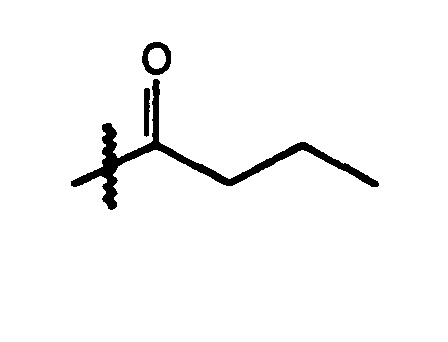 and the stereochemistry at the chiral carbons is independently selected from R or S and a pharmaceutically acceptable carrier or adjuvant. Preferably each R is
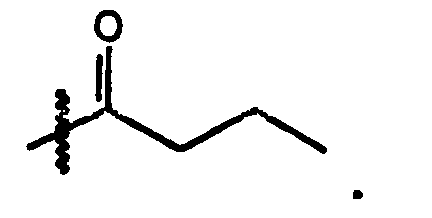
- More preferably, the pharmaceutical compositions of this invention comprise an approximately equimolar mixture of (R) and (S) configurations represented by the following Fischer projections:

- The tetrabutyrate esters of threitol and the partially esterified analogs of threitol useful in the compositions of the present invention may be synthesized by conventional techniques. Advantageously, these compounds are conveniently synthesized from commercially available starting materials. For example, they may be prepared from the D-, L- or D,L-forms of threitol using an appropriate activated reagent, such as an activated butyric acid derivative, in conventional esterification techniques. For instance, reaction with an activated carboxylate, such as an acyl halide (e.g., acid fluorides, acid chlorides, and acid bromides), an acyl cyamide of acyl imidazolide, an activated ester such as nitrophenyl ester or 1-hydroxysuccinimide (HOSU) ester, an anhydride such as the symmetrical anhydride or isobutyl mixed carbonic anhydride, or mixed carbonic-phosphoric or carbonic-phosphonic anhydrides with an appropriate alcohol, will yield the corresponding ester.
- Other methods of forming esters from alcohols and carboxylic acids or their derivatives are also well known to those of skill in the art. These include removal of water by Dean-Stark distillation, Fischer esterification and transesterification. Various catalysts and additives, including protic and/or Lewis acids, bases or zeolites may be used to increase the ease or efficiency of these reactions. Enzymatic methods to form esters are also well known in the art.
- Specific modifications of these methods, as well as other means of forming esters are known by those of skill in the art. It will be readily recognized that in order to facilitate specific reactions, the protection of one or more potentially reactive groups followed by subsequent removal of that group may be required. Such modifications are within the skill of the art.
- In any synthesis method, the desired compound may be isolated by any technique, including, for example, distillation, chromatographic techniques, such as normal phase, reverse phase, ion-exchange, affinity, or gel permeation, as well as extraction, crystallization, or other means. The relative ease of synthesis of the compounds of this invention represents an advantage in their large scale production.
- It should also be understood that the butyrate esters of threitol used in the compositions of this invention may be modified by appending appropriate functionalities to enhance selective biological properties. Such modifications are well recognized in the art and include sustenance of plasma and/or whole blood butyrate concentration, increased oral availability, altered metabolism and altered rate of excretion of butyric acid or butyric acid prodrugs.
- The pharmaceutical compositions of this invention are characterized by the presence of a butyrate ester of threitol in an amount effective to increase the production of fetal hemoglobin or stimulate cell differentiation in a patient and a pharmaceutically acceptable carrier or adjuvant. More specifically, these compositions are designed to treat a patient suffering from a β-hemoglobinopathy or a malignant disease. The term "malignant disease", as used herein denotes a condition characterized by neoplastic, tumorigenic or malignant cell growth, or a hematological disorder.
- An amount effective to increase the production fetal hemoglobin or stimulate cell differentiation in a patient will depend, of course, on the particular disease to be treated, the severity of the disease, the physical condition of the patient and the judgment of the treating physician. Preferably, the prodrug of Formula I will be present in an amount capable of producing a plasma butyric acid concentration of between about 0.03 mM and 3.0 mM within 8 hours of administration. More preferably, the prodrug of formula I is present in an amount that produces a plasma butyric acid concentration of between about 0.1 mM and 1.0 mM within 6 hours of administration. Most preferably, the prodrug in the composition is present in an amount that produces a plasma butyric acid concentration of between about 0.1 mM and 1.0 mM within 2 hours of administration and the concentration remains at those levels for at least 2 hours. Dosages of between 25 mg/kg and 3000 mg/kg body weight of butyrate ester of threitol administered one or more time per day will produce the desired serum butyrate concentration. Preferably, the patient will be administered the prodrug between 1 and 4 times per day.
- In a preferred embodiment, these compositions additionally comprise a conventional agent used in the treatment of β-hemoglobinopathies. The conventional agent may be present in the same amount or less than that normally required to treat β-hemoglobinopathies in a monotherapy. The normal dosages of these conventional agents are well known in the art. Such agents include hydroxyurea, clotrimazole, isobutyramide, erythropoietin and salts of short-chain fatty acids, such as phenylacetic acid, phenylbutyric acid and valproic acid.
- According to an alternate preferred embodiment, the compositions comprise a butyrate ester of threitol and a conventional agent used in the treatment of diseases characterized by neoplastic, tumorigenic or malignant cell growth, or a hematological disorder in a patient. This additional agent may be present in an amount equal to or less than that normally required to treat such diseases in a monotherapy. The normal dosages of these conventional agents are well known in the art. Such agents include, erythropoietin, or cancer chemotherapeutic agents, such as hydroxyurea or 5-azacytidine.
- The carriers and adjuvants useful in the pharmaceutical compositions of this invention include, for example, ion exchangers, alumina, aluminum stearate, lecithin, serum proteins, such as human serum albumin, buffer substances, such as phosphates, glycine, sorbic acid, potassium sorbate, partial glyceride mixtures of saturated vegetable fatty acids, water, salts or electrolytes such as prolamine sulfate, disodium hydrogen phosphate, sodium chloride, zinc salts, colloidal silica, magnesium, trisilicate, polyvinyl pyrrolidone, cellulose-based substances and polyethylene glycol. Adjuvants for topical or gel base forms may be selected from the group consisting of sodium carboxymethylcellulose, polyacrylates, polyoxyethylene-polyoxypropylene-block polymers, polyethylene glycol and wood wax alcohols.
- The compositions of the present invention may be in a variety of conventional depot forms. These include, for example, solid, semi-solid and liquid dosage forms, such as tablets, pills, powders, liquid solutions or suspensions, emulsions, oil dilutions, liposomes, capsules, suppositories, injectable and infusible solutions. The preferred form depends upon the intended mode of administration and therapeutic application.
- For example, oral administration may be by any orally acceptable dosage form including, but not limited to, capsules, tablets, and aqueous or non-aqueous suspensions and solutions. In the case of tablets for oral use, carriers which are commonly used include lactose and corn starch. Lubricating agents, such as magnesium stearate, are also typically added. For oral administration in a hard gelatin capsule form, useful diluents include lactose and dried corn starch. Soft gelatin capsules incorporating oils and/or polyethylene glycols as excipients may also be used. Fluid unit dosage forms for oral administration include shakes, syrups and suspensions. For example, the butyrate ester of threitol may be dissolved in an aqueous vehicle together with sugar, sweetening or flavoring agents and preservatives to form a shake or a syrup. Suspensions may be prepared with an aqueous vehicle and a dispersing agent, such as acacia, tragacanth or methylcellulose.
- Preferably, the pharmaceutical compositions of this invention are formulated for oral or rectal administration. A preferred form of oral administration employs emulsions comprising between about 5 to 40% (w/w) of the prodrug of formula I and an ionic or non-ionic surfactant with the resulting composition having an HLB value of between 0-40. Preferred surfactants include Tween-20, Tween-80, Spam20, Spam-40 and poloxamers, such as S-108.
- A preferred form of rectal administration uses a rectal suppository or an enema using a suitable fluid dosage form. An enema is a more preferred form of rectal administration.
- The butyrate esters of threitol which characterize the compositions of this invention are characterized by several advantages. They are metabolized to yield therapeutic butyric acid plasma concentrations over a sustained period of time, resulting in therapeutically effective exposure to butyric acid. Additionally, they are orally bioavailable, unlike sodium butyrate -- which is rapidly cleared before therapeutic plasma concentration levels can be reached. They are also non-toxic, thus avoiding, for example, sodium overload and irritation which may be associated with injections of hyperosmolalic solutions.
- The most surprising and unexpected feature of the butyrate esters of threitol that characterize the pharmaceutical compositions of this invention is that they exhibit significantly lower pharmacokinetic variability over conventional prodrugs of butyric acid. Pharmacokinetic variability is the measure of differences in the serum butyrate concentrations between different patients administered the same amount of butyrate esters of threitol. Pharmacokinetic variability is quantified by dividing the standard deviation for a given parameter, such as Cmax or AUC, by the mean value of that parameter, in a series of patients given dose the same dosage of butyrate ester of threitol.
- In particular, the tetrabutyrate ester of mesothreitol is characterized by a pharmacokinetic variability of 35-40%, as compared with conventional prodrugs of butyric acid, such as tributyrin, which has a pharmacokinetic variability of 70%. This reduced variability means that the compositions of this invention provide sustained release and produce more consistent plasma concentrations of butyric acid among individual patients. This, in turn, minimizes the potential for cellular toxicity, which, based on our own in vitro cell culture studies, has been observed at butyric acid concentrations above 3.0 mM under certain in vitro conditions.
- According to another embodiment, the invention provides the use of a composition according to the invention for the manufacture of a medicament for treating a β-hemoglobinopathy in a patient. This use comprises the step of treating the patient with any of the compositions described above. The term "treating", as used herein includes reducing the severity, symptoms or effects of the β-hemoglobinopathy. Preferably, the method provides a serum butyric acid concentration of between about 0.03 mM and 3.0 mM within about 8 hours of administration. More preferably, this produces a plasma butyric acid concentration of between about 0.1 mM and 1.0 mM within about 6 hours of administration. Most preferably, the prodrug in the composition is present in an amount that produces a plasma butyric acid concentration of between about 0.1 mM and 1.0 mM within 2 hours of administration and the concentration remains within that range for at least 2 hours. These plasma levels are achieved by administering a butyrate ester of threitol to the patient at a dose of between about 25-3000 mg/kg body weight one or more times per day. Preferably, the patient will be administered the prodrug between 1 and 4 times per day.
- The β-hemoglobinopathies which may be treated by this method include sickle cell syndromes, such as sickle cell anemia, hemoglobin SC disease, hemoglobin SS disease and sickle β-thalassemia; β-thalassemia syndromes, such as β-thalassemia; other genetic mutations of the β-globin gene locus that lead to unstable hemoglobins, such as congenital Heinz body anemia, β-globin mutants-with abnormal oxygen affinity and structural mutants of β-globin that result in thalassemic phenotype. These diseases are described in The Molecular Basis of Blood Disease, vol. II, G. Stamatoyannopoulos et al., eds., pp. 157-244 (1994).
- According to a preferred embodiment, the above-described use comprises the additional step of treating the patient with an agent that is normally used to such β-hemoglobinopathies. That agent may be administered prior to, sequentially with or after treatment with the butyrate prodrug-containing composition. Of course, if the composition used to treat the disease is one that already contains such conventional agent, this additional step can be omitted.
- The amount of conventional agent administered in these methods is preferably less than that normally required to treat such diseases in a monotherapy. The normal dosages of these conventional agents are well known in the art. Such agents include hydroxyurea, clotrimazole, isobutyramide, erythropoietin and salts of short-chain fatty acids, such as phenylacetic acid, phenylbutyric acid and valproic acid.
- According to another embodiment, the invention provides the use of a composition according to the invention for the manufacture of a medicament for treating diseases characterized by neoplastic, tumorigenic or malignant cell growth, as well as malignant hematological disorders. Treatment includes prevention of the progression the disease or its recurrence. Such diseases include carcinomas, myelomas, melanomas, lymphomas and leukemias. According to a preferred embodiment, the present invention provides the use of a composition according to the invention for the manufacture of a medicament for treating colo-rectal cancer and prostate cancer. According to a more preferred embodiment, the use of the present invention is to treat colo-rectal cancer and prostate cancer using a formulation suitable for oral or rectal administration.
- According to another preferred embodiment, the use of the present invention is to treat prostate cancer using a formulation suitable for oral or rectal administration.
- According to a preferred embodiment, the above-described use comprises the additional step of treating the patient with an agent that is normally used to such malignancies. That agent may be administered prior to, sequentially with or after treatment with the butyrate prodrug-containing composition. Of course, if the composition used to treat the disease is one that already contains such conventional agent, this additional step can be omitted.
- The amount of conventional agent administered in these methods is preferably less than that normally required to treat such diseases in a monotherapy. In those instances, the occurrence of any side effects associated with that agent may be reduced or avoided. The normal dosages of these conventional agents are well known in the art. Such agents include, erythropoietin, or cancer chemotherapeutic agents, such as hydroxyurea or 5-azacytidine.
- Combination therapies with conventional agents according to this invention (whether part of a single composition or administered separate from the prodrugs of this invention) may also exert an additive or synergistic effect, particularly when each component acts to treat or prevent the target disease via a different mechanism.
- In order that the invention described herein may be more fully understood, the following examples are set forth.
- We synthesized d-threitol tetrabutyrate ester as follows. We added 17 ml of Et3N to 3.0 g of D-threitol dissolved in CH2Cl2 and cooled the mixture to O°C. We then added 11 ml of CH3(CH2)2COCl in 5 ml CH2Cl2 over 30 minutes. The reaction mixture was stirred at room temperature overnight. We then diluted the reaction with ether and filtered the resulting material. The precipitate was washed once over a filter with ether. The filtrates were combined, washed twice with water, once with saturated NaCl and dried over MgSO4, filtered and concentrated.
- The resulting yellow oil was run on an MPLC column in 90:10 (hexane:EtOAc). The yield of purified product was 8.35g of a light yellow oil.
- We synthesized d-, 1-threitol tetrabutyrate ester using the same methodology replacing D-threitol with D,L-threitol using the same ratio of equivalents (1:5:4.5; threitol:Et3N:CH3(CH2)2COCl).
- The structure of the purified compounds was confirmed by NMR.
- We evaluated oral bioavailability and sustenance of plasma concentrations of butyric acid in rats receiving tetrabutyrate esters of threitol and tributyrin by oral gavage.
- This assay was carried out according to the protocol described in Daniel et al., Clinica Chimica Acta., 181, pp. 255-64 (1989); Planchon et al., J. Pharm. Sci., 82, pp. 1046-48 (1993); Pouillart et al., J. Pharm. Sci., 81, pp. 241-44 (1992). Each compound was tested in five to six rats (Sprague Dawley; Harlan Labs, Inc.) weighing approximately 300 grams each. The relevant pharmacokinetic parameters for these agents are listed in the table below. In that table, data are expressed as mean ± standard deviation (range) and were compared using the unpaired Student's t-test.
Pharmacokinetics of butyrate esters of threitol in rats Compound Dose (gm/kg) Number of animals AUC (mM.hr) Cmax (mM) Plasma t½ (mins) tributyrin 3.0 6 1.59±0.93 0.51±0.46 157.2±70.2 -threitol tetra-butyrate ester 2.4 5 1.20±0.40 0.58±0.13 66.0±12.0 d-threitol tetra-butyrate ester 28 6 0.90±26 0.47±0.14 58.8±19.8 dl-threitol tetra-butyrate ester 3.0 5 1.25±0.22 0.39±0.12 106.2±22.2 - As shown above, the tetrabutyrate esters of threitol were found to release butyric acid in vivo with lower variability than tributyrin. oral administration of each of those prodrugs of butyric acid also increased the "apparent" plasma half-life of butyric acid to significantly longer than the 6 minutes observed in leukemia patients after continuous infusions of sodium butyrate [Miller et al., supra]. The area under the plasma concentration-time curve and the observed Cmax values for butyric acid were not significantly different for any of the tetrabutyrate esters or tributyrin (following dose-normalization). Advantageously and unexpectedly, the butyrate ester of D,L-threitol was found to have an "apparent" butyric acid plasma half-life which was significantly longer than that observed for the tetrabutyrate ester of either D-threitol or L-threitol.
- A closer examination of the data showed that the release of butyric acid from tributyrin was more variable when compared to that obtained following oral administration of the tetrabutyrate ester of D,L-threitol. The pharmacokinetic variability with tributyrin oral administration is demonstrated by the wide range of Cmax (0.295 to 1.46 mM) ; AUC (0.72 to 3.23 mM.hr); and plasma half-life (67.2 to 259.8 minutes), on the other hand, the ranges for Cmax AUC and plasma half-life for orally administered tetrabutyrate ester of D,L-threitol were 0.26 to 0.545 mM, 0.95 to 1.53 mm.hr and 79.2 to 126.9 minutes, respectively. Thus, both tributyrin and the tetrabutyrate ester of D,L-threitol are orally bioavailable to provide therapeutic plasma levels of butyric acid. However, a clear advantage of that tetrabutyrate ester is its reduced pharmacokinetic variability -- signifying a consistent pharmacokinetic profile which, in turn, enables more reliable clinical treatment regimens than those based on tributyrin.
Claims (18)
- A pharmaceutical composition comprising:said butyrate ester of threitol having the formula:a. a butyrate ester of threitol; andb. a pharmaceutically acceptable adjuvant or carrier;wherein each R is independently selected from
 or hydrogen,
provided that at least one R isand the
stereochemistry at the chiral carbons is independently selected from R or S. - The pharmaceutical composition according to claim 1, wherein each R is

- The pharmaceutical composition according to claim 2, comprising an mixture of
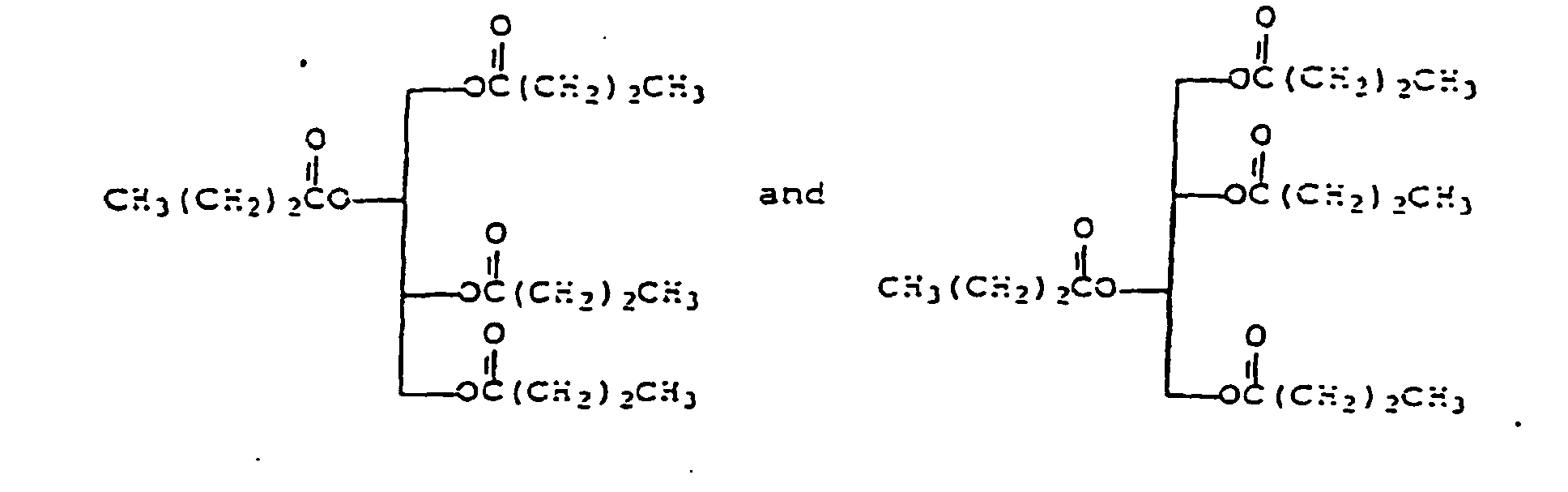
- The pharmaceutical composition according to any one of claims 1 to 3, wherein said composition is an emulsion formulated for oral administration.
- The pharmaceutical composition according to any one of claims 1 to 4, additionally comprising a conventional agent for treating a β-hemoglobinopathy in a patient.
- The pharmaceutical composition according to claim 5, wherein said conventional agent is hydroxyurea.
- The pharmaceutical composition according to any one of claims 1 to 4, additionally comprising a conventional agent for treating cancer in a patient.
- A use of a composition according to any one of claims 1 to 4, for the manufacture of a medicament for increasing fetal hemoglobin formation and inducing production of gamma globin or for inducing differentiation in a malignant cell.
- The use according to claim 8, wherein said medicament is used for treating β-hemoglobinopathy in a patient.
- The use according to claim 9, wherein said medicament is used for treating sickle cell anemia, hemoglobin SC disease, hemoglobin SS disease, sickle β-thalassemia, β-thalassemia or congenital Heinz body anemia.
- The use according to claim 9 or 10, wherein said medicament further comprises a conventional agent for treating β-hemoglobinopathy in a patient in an amount equal to or less than an amount used in a monotherapy.
- The use according to claim 11, wherein said conventional agent is hydroxyurea.
- The use according to claim 8, wherein said medicament is used for treating cancer in a patient.
- The use according to claim 8 or 13, wherein said medicament produces a serum butyric acid concentration of between about 0.1 mM and 1.0 mM within 2 hours of administration and the serum butyric acid concentration remains between about 0.1 mM and 1.0 mM for at least 2 hours.
- The use according to claim 13, wherein said medicament further comprises a conventional chemotherapeutic agent in a amount equal to or less than an amount used in monotherapy.
- The use according to claim 13 or 15, wherein said cancer is colo-rectal cancer.
- The use according to claim 13 or 15, wherein said cancer is prostate cancer.
- The use according to claim 16, wherein said medicament is formulated for oral or rectal administration.
Applications Claiming Priority (3)
| Application Number | Priority Date | Filing Date | Title |
|---|---|---|---|
| US550453 | 1995-10-30 | ||
| US08/550,453 US5763488A (en) | 1995-10-30 | 1995-10-30 | Methods and compositions using butyrate esters of threitol |
| PCT/US1996/017244 WO1997016180A1 (en) | 1995-10-30 | 1996-10-30 | Methods and compositions using butyrate esters of threitol |
Publications (2)
| Publication Number | Publication Date |
|---|---|
| EP0862426A1 EP0862426A1 (en) | 1998-09-09 |
| EP0862426B1 true EP0862426B1 (en) | 2005-12-28 |
Family
ID=24197246
Family Applications (1)
| Application Number | Title | Priority Date | Filing Date |
|---|---|---|---|
| EP96937773A Expired - Lifetime EP0862426B1 (en) | 1995-10-30 | 1996-10-30 | Compositions comprising butyrate esters of threitol and their uses |
Country Status (6)
| Country | Link |
|---|---|
| US (2) | US5763488A (en) |
| EP (1) | EP0862426B1 (en) |
| AT (1) | ATE314065T1 (en) |
| AU (1) | AU718721B2 (en) |
| DE (1) | DE69635670T2 (en) |
| WO (1) | WO1997016180A1 (en) |
Families Citing this family (17)
| Publication number | Priority date | Publication date | Assignee | Title |
|---|---|---|---|---|
| RO115498B1 (en) * | 1993-10-29 | 2000-03-30 | Univ Boston | Method for treating neoplasm |
| US5763488A (en) * | 1995-10-30 | 1998-06-09 | Vertex Pharmaceuticals Incorporated | Methods and compositions using butyrate esters of threitol |
| CA2324426A1 (en) * | 1998-02-11 | 1999-08-19 | Douglas V. Faller | Compositions and methods for the treatment of cystic fibrosis |
| EP1162884A4 (en) * | 1999-03-19 | 2002-07-24 | Vertex Pharma | Oral low dose butyrate compositions |
| IT1320168B1 (en) * | 2000-03-13 | 2003-11-18 | Univ Ferrara | SYNTHETIC OLIGONUCLEOTIDES THAT CAN INDUCE THE ERYTHROID DIFFERENTIATION. |
| EP1291015A1 (en) * | 2001-09-10 | 2003-03-12 | Lunamed AG | Dosage forms having prolonged active ingredient release |
| ITTO20010922A1 (en) * | 2001-09-27 | 2003-03-27 | Chiesi Farma Spa | 3-DEOXY-3-AMIDIC AND 3-DEOXY-3-KETONIC DERIVATIVES OF CARBOHYDRATES AS INDUCTORS OF ERYTHROID CELL DIFFERENTIATION. |
| US20060246161A1 (en) * | 2003-02-21 | 2006-11-02 | Hongtao Xing | Method of making medicament for treating anemia |
| WO2006059237A1 (en) * | 2004-08-30 | 2006-06-08 | Lunamed, Inc. | 4-phenylbutyric acid controlled-release formulations for therapeutic use |
| DE102005046237A1 (en) * | 2005-09-28 | 2007-04-05 | Südzucker Aktiengesellschaft Mannheim/Ochsenfurt | Use of butyrate esters of carbohydrates or carbohydrate polyols as butyrate source for the digestive tract, useful for prevention and treatment of gastrointestinal diseases in humans and animals |
| WO2010105112A1 (en) * | 2009-03-11 | 2010-09-16 | Hemaquest Pharmaceuticals, Inc. | Detection of short-chain fatty acids in biological samples |
| US20110086869A1 (en) | 2009-09-24 | 2011-04-14 | The Trustees Of Boston University | Methods for treating viral disorders |
| US8618068B2 (en) | 2009-12-08 | 2013-12-31 | Trustees Of Boston University | Methods and low dose regimens for treating red blood cell disorders |
| US20110245154A1 (en) | 2010-03-11 | 2011-10-06 | Hemaquest Pharmaceuticals, Inc. | Methods and Compositions for Treating Viral or Virally-Induced Conditions |
| JP7373991B2 (en) | 2016-07-15 | 2023-11-06 | ビラクタ セラピューティクス,インク. | Histone deacetylase inhibitors for use in immunotherapy |
| CN116196425A (en) | 2016-09-27 | 2023-06-02 | 得克萨斯系统大学评议会 | Methods of enhancing immune checkpoint blocking therapies by modulating microbiome |
| MX2021014639A (en) | 2019-05-31 | 2022-04-06 | Viracta Subsidiary Inc | METHODS FOR TREATING VIRUS-ASSOCIATED CANCERS WITH HISTONE DEACETYLASE INHIBITORS. |
Family Cites Families (4)
| Publication number | Priority date | Publication date | Assignee | Title |
|---|---|---|---|---|
| IL59407A (en) * | 1979-03-06 | 1983-12-30 | Sanofi Sa | Di-n-propylacetic acid diesters of glycerol,their preparation and pharmaceutical compositions containing them |
| FR2633929B2 (en) * | 1987-09-25 | 1995-05-24 | Picardie Universite | NON-TOXIC N-BUTYRIC ACID DERIVATIVES WITH DELAYED THERAPEUTIC ACTIONS |
| US5569675A (en) * | 1994-03-07 | 1996-10-29 | Bar Ilan University | Methods of using carboxylic acid esters to increase fetal-hemoglobin levels |
| US5763488A (en) * | 1995-10-30 | 1998-06-09 | Vertex Pharmaceuticals Incorporated | Methods and compositions using butyrate esters of threitol |
-
1995
- 1995-10-30 US US08/550,453 patent/US5763488A/en not_active Expired - Lifetime
-
1996
- 1996-10-30 AT AT96937773T patent/ATE314065T1/en not_active IP Right Cessation
- 1996-10-30 EP EP96937773A patent/EP0862426B1/en not_active Expired - Lifetime
- 1996-10-30 WO PCT/US1996/017244 patent/WO1997016180A1/en not_active Ceased
- 1996-10-30 DE DE69635670T patent/DE69635670T2/en not_active Expired - Lifetime
- 1996-10-30 AU AU75238/96A patent/AU718721B2/en not_active Ceased
-
1998
- 1998-01-29 US US09/015,811 patent/US5945407A/en not_active Expired - Lifetime
Also Published As
| Publication number | Publication date |
|---|---|
| AU718721B2 (en) | 2000-04-20 |
| DE69635670T2 (en) | 2006-09-07 |
| ATE314065T1 (en) | 2006-01-15 |
| AU7523896A (en) | 1997-05-22 |
| US5945407A (en) | 1999-08-31 |
| WO1997016180A1 (en) | 1997-05-09 |
| DE69635670D1 (en) | 2006-02-02 |
| EP0862426A1 (en) | 1998-09-09 |
| US5763488A (en) | 1998-06-09 |
Similar Documents
| Publication | Publication Date | Title |
|---|---|---|
| AU718721B2 (en) | Methods and compositions using butyrate esters of threitol | |
| US5912269A (en) | Butyrate prodrugs derived from lactic acid | |
| US4255449A (en) | Method of treating abnormal lipoprote in ratios | |
| US4268524A (en) | Method of treating abnormal lipoprotein ratios with acylcarnitine | |
| EP0858441B1 (en) | Triglycerides and ethyl esters of phenylalkanoic acid and phenylalkenoic acid useful in treatment of various disorders | |
| CA2184695A1 (en) | Increasing fetal hemoglobin levels using carboxylic esters | |
| JP2002537258A5 (en) | ||
| EP0295637B1 (en) | Lipid regulating compositions | |
| US4416893A (en) | Substituted 1,2,5-oxadiazole-2-oxides in human cardiovascular system disease | |
| EP0087865B1 (en) | Pharmaceutical composition | |
| EP0768084B1 (en) | Cancerous metastasis inhibitor | |
| CA2366650A1 (en) | Oral low dose butyrate compositions | |
| KR100539066B1 (en) | Pharmaceutical compositions comprising alkanoyl L-carnitine in combination with a statine for treating pathologies brought about by an altered lipid metabolism | |
| US5880152A (en) | Butyrate prodrugs derived from lactic acid | |
| US5883123A (en) | Butyrate prodrugs derived from lactic acid | |
| US4492706A (en) | Method of lowering lipid levels | |
| EP0863866B1 (en) | Butyrate prodrugs of lactic acid | |
| CA2235603A1 (en) | Methods and compositions using butyrate esters of threitol | |
| JPH11510184A (en) | Use of sulfamic acid derivatives, acylsulfonamides or sulfonyl carbamates for the manufacture of a medicament for reducing lipoprotein levels | |
| US6225350B1 (en) | Butyrate prodrugs derived from lactic acid |
Legal Events
| Date | Code | Title | Description |
|---|---|---|---|
| PUAI | Public reference made under article 153(3) epc to a published international application that has entered the european phase |
Free format text: ORIGINAL CODE: 0009012 |
|
| 17P | Request for examination filed |
Effective date: 19980529 |
|
| AK | Designated contracting states |
Kind code of ref document: A1 Designated state(s): AT BE CH DE DK ES FI FR GB GR IE IT LI LU MC NL PT SE |
|
| AX | Request for extension of the european patent |
Free format text: AL PAYMENT 980529;LT PAYMENT 980529;LV PAYMENT 980529;RO PAYMENT 980529;SI PAYMENT 980529 |
|
| RTI1 | Title (correction) |
Free format text: COMPOSITIONS COMPRISING BUTYRATE ESTERS OF THREITOL AND THEIR USES |
|
| GRAP | Despatch of communication of intention to grant a patent |
Free format text: ORIGINAL CODE: EPIDOSNIGR1 |
|
| GRAS | Grant fee paid |
Free format text: ORIGINAL CODE: EPIDOSNIGR3 |
|
| 17Q | First examination report despatched |
Effective date: 20050607 |
|
| GRAA | (expected) grant |
Free format text: ORIGINAL CODE: 0009210 |
|
| AK | Designated contracting states |
Kind code of ref document: B1 Designated state(s): AT BE CH DE DK ES FI FR GB GR IE IT LI LU MC NL PT SE |
|
| AX | Request for extension of the european patent |
Extension state: AL LT LV RO SI |
|
| PG25 | Lapsed in a contracting state [announced via postgrant information from national office to epo] |
Ref country code: NL Free format text: LAPSE BECAUSE OF FAILURE TO SUBMIT A TRANSLATION OF THE DESCRIPTION OR TO PAY THE FEE WITHIN THE PRESCRIBED TIME-LIMIT Effective date: 20051228 Ref country code: IT Free format text: LAPSE BECAUSE OF FAILURE TO SUBMIT A TRANSLATION OF THE DESCRIPTION OR TO PAY THE FEE WITHIN THE PRESCRIBED TIME-LIMIT;WARNING: LAPSES OF ITALIAN PATENTS WITH EFFECTIVE DATE BEFORE 2007 MAY HAVE OCCURRED AT ANY TIME BEFORE 2007. THE CORRECT EFFECTIVE DATE MAY BE DIFFERENT FROM THE ONE RECORDED. Effective date: 20051228 Ref country code: FI Free format text: LAPSE BECAUSE OF FAILURE TO SUBMIT A TRANSLATION OF THE DESCRIPTION OR TO PAY THE FEE WITHIN THE PRESCRIBED TIME-LIMIT Effective date: 20051228 Ref country code: BE Free format text: LAPSE BECAUSE OF FAILURE TO SUBMIT A TRANSLATION OF THE DESCRIPTION OR TO PAY THE FEE WITHIN THE PRESCRIBED TIME-LIMIT Effective date: 20051228 Ref country code: AT Free format text: LAPSE BECAUSE OF FAILURE TO SUBMIT A TRANSLATION OF THE DESCRIPTION OR TO PAY THE FEE WITHIN THE PRESCRIBED TIME-LIMIT Effective date: 20051228 |
|
| REG | Reference to a national code |
Ref country code: GB Ref legal event code: FG4D |
|
| REG | Reference to a national code |
Ref country code: CH Ref legal event code: EP |
|
| REG | Reference to a national code |
Ref country code: IE Ref legal event code: FG4D |
|
| REF | Corresponds to: |
Ref document number: 69635670 Country of ref document: DE Date of ref document: 20060202 Kind code of ref document: P |
|
| PG25 | Lapsed in a contracting state [announced via postgrant information from national office to epo] |
Ref country code: GR Free format text: LAPSE BECAUSE OF FAILURE TO SUBMIT A TRANSLATION OF THE DESCRIPTION OR TO PAY THE FEE WITHIN THE PRESCRIBED TIME-LIMIT Effective date: 20060328 Ref country code: DK Free format text: LAPSE BECAUSE OF FAILURE TO SUBMIT A TRANSLATION OF THE DESCRIPTION OR TO PAY THE FEE WITHIN THE PRESCRIBED TIME-LIMIT Effective date: 20060328 |
|
| PG25 | Lapsed in a contracting state [announced via postgrant information from national office to epo] |
Ref country code: ES Free format text: LAPSE BECAUSE OF FAILURE TO SUBMIT A TRANSLATION OF THE DESCRIPTION OR TO PAY THE FEE WITHIN THE PRESCRIBED TIME-LIMIT Effective date: 20060408 |
|
| REG | Reference to a national code |
Ref country code: SE Ref legal event code: TRGR |
|
| REG | Reference to a national code |
Ref country code: CH Ref legal event code: NV Representative=s name: BOVARD AG PATENTANWAELTE |
|
| PG25 | Lapsed in a contracting state [announced via postgrant information from national office to epo] |
Ref country code: PT Free format text: LAPSE BECAUSE OF FAILURE TO SUBMIT A TRANSLATION OF THE DESCRIPTION OR TO PAY THE FEE WITHIN THE PRESCRIBED TIME-LIMIT Effective date: 20060529 |
|
| NLV1 | Nl: lapsed or annulled due to failure to fulfill the requirements of art. 29p and 29m of the patents act | ||
| LTIE | Lt: invalidation of european patent or patent extension |
Effective date: 20051228 |
|
| ET | Fr: translation filed | ||
| PG25 | Lapsed in a contracting state [announced via postgrant information from national office to epo] |
Ref country code: MC Free format text: LAPSE BECAUSE OF NON-PAYMENT OF DUE FEES Effective date: 20061031 |
|
| PLBE | No opposition filed within time limit |
Free format text: ORIGINAL CODE: 0009261 |
|
| STAA | Information on the status of an ep patent application or granted ep patent |
Free format text: STATUS: NO OPPOSITION FILED WITHIN TIME LIMIT |
|
| 26N | No opposition filed |
Effective date: 20060929 |
|
| PG25 | Lapsed in a contracting state [announced via postgrant information from national office to epo] |
Ref country code: LU Free format text: LAPSE BECAUSE OF NON-PAYMENT OF DUE FEES Effective date: 20061030 |
|
| PGFP | Annual fee paid to national office [announced via postgrant information from national office to epo] |
Ref country code: DE Payment date: 20101027 Year of fee payment: 15 |
|
| REG | Reference to a national code |
Ref country code: CH Ref legal event code: PFA Owner name: VERTEX PHARMACEUTICALS INCORPORATED Free format text: VERTEX PHARMACEUTICALS INCORPORATED#130 WAVERLY STREET#CAMBRIDGE, MA 02139-4242 (US) -TRANSFER TO- VERTEX PHARMACEUTICALS INCORPORATED#130 WAVERLY STREET#CAMBRIDGE, MA 02139-4242 (US) |
|
| PGFP | Annual fee paid to national office [announced via postgrant information from national office to epo] |
Ref country code: GB Payment date: 20101025 Year of fee payment: 15 |
|
| PGFP | Annual fee paid to national office [announced via postgrant information from national office to epo] |
Ref country code: CH Payment date: 20111025 Year of fee payment: 16 Ref country code: SE Payment date: 20111027 Year of fee payment: 16 Ref country code: IE Payment date: 20111025 Year of fee payment: 16 Ref country code: FR Payment date: 20111028 Year of fee payment: 16 |
|
| REG | Reference to a national code |
Ref country code: CH Ref legal event code: PL |
|
| GBPC | Gb: european patent ceased through non-payment of renewal fee |
Effective date: 20121030 |
|
| REG | Reference to a national code |
Ref country code: FR Ref legal event code: ST Effective date: 20130628 |
|
| PG25 | Lapsed in a contracting state [announced via postgrant information from national office to epo] |
Ref country code: GB Free format text: LAPSE BECAUSE OF NON-PAYMENT OF DUE FEES Effective date: 20121030 Ref country code: SE Free format text: LAPSE BECAUSE OF NON-PAYMENT OF DUE FEES Effective date: 20121031 Ref country code: LI Free format text: LAPSE BECAUSE OF NON-PAYMENT OF DUE FEES Effective date: 20121031 Ref country code: CH Free format text: LAPSE BECAUSE OF NON-PAYMENT OF DUE FEES Effective date: 20121031 Ref country code: DE Free format text: LAPSE BECAUSE OF NON-PAYMENT OF DUE FEES Effective date: 20130501 |
|
| REG | Reference to a national code |
Ref country code: IE Ref legal event code: MM4A |
|
| REG | Reference to a national code |
Ref country code: DE Ref legal event code: R119 Ref document number: 69635670 Country of ref document: DE Effective date: 20130501 |
|
| PG25 | Lapsed in a contracting state [announced via postgrant information from national office to epo] |
Ref country code: FR Free format text: LAPSE BECAUSE OF NON-PAYMENT OF DUE FEES Effective date: 20121031 |
|
| PG25 | Lapsed in a contracting state [announced via postgrant information from national office to epo] |
Ref country code: IE Free format text: LAPSE BECAUSE OF NON-PAYMENT OF DUE FEES Effective date: 20121030 |