EP0842289B1 - Homologous recombination in mismatch repair inactivated eukaryotic cells - Google Patents
Homologous recombination in mismatch repair inactivated eukaryotic cells Download PDFInfo
- Publication number
- EP0842289B1 EP0842289B1 EP95944705A EP95944705A EP0842289B1 EP 0842289 B1 EP0842289 B1 EP 0842289B1 EP 95944705 A EP95944705 A EP 95944705A EP 95944705 A EP95944705 A EP 95944705A EP 0842289 B1 EP0842289 B1 EP 0842289B1
- Authority
- EP
- European Patent Office
- Prior art keywords
- msh2
- cell
- dna
- gene
- mismatch repair
- Prior art date
- Legal status (The legal status is an assumption and is not a legal conclusion. Google has not performed a legal analysis and makes no representation as to the accuracy of the status listed.)
- Expired - Lifetime
Links
- 230000033607 mismatch repair Effects 0.000 title claims abstract description 104
- 238000002744 homologous recombination Methods 0.000 title claims abstract description 58
- 230000006801 homologous recombination Effects 0.000 title claims abstract description 58
- 210000003527 eukaryotic cell Anatomy 0.000 title description 2
- 210000004027 cell Anatomy 0.000 claims abstract description 226
- 238000000034 method Methods 0.000 claims abstract description 68
- 108090000623 proteins and genes Proteins 0.000 claims abstract description 68
- 230000002950 deficient Effects 0.000 claims abstract description 40
- 210000004962 mammalian cell Anatomy 0.000 claims abstract description 37
- 108091028043 Nucleic acid sequence Proteins 0.000 claims abstract description 15
- 101150033433 Msh2 gene Proteins 0.000 claims description 111
- 108020004414 DNA Proteins 0.000 claims description 85
- 230000008685 targeting Effects 0.000 claims description 74
- 241000282414 Homo sapiens Species 0.000 claims description 38
- 230000006798 recombination Effects 0.000 claims description 35
- 238000005215 recombination Methods 0.000 claims description 35
- 239000002773 nucleotide Substances 0.000 claims description 27
- 125000003729 nucleotide group Chemical group 0.000 claims description 24
- 108091034117 Oligonucleotide Proteins 0.000 claims description 19
- 241000894007 species Species 0.000 claims description 19
- 238000000338 in vitro Methods 0.000 claims description 13
- 230000002779 inactivation Effects 0.000 claims description 12
- 241000699670 Mus sp. Species 0.000 claims description 11
- 210000001671 embryonic stem cell Anatomy 0.000 claims description 8
- 241001465754 Metazoa Species 0.000 claims description 7
- 239000012634 fragment Substances 0.000 claims description 7
- 210000004602 germ cell Anatomy 0.000 claims description 7
- 238000012360 testing method Methods 0.000 claims description 7
- 230000001413 cellular effect Effects 0.000 claims description 6
- 210000000349 chromosome Anatomy 0.000 claims description 6
- 230000000415 inactivating effect Effects 0.000 claims description 6
- 239000013611 chromosomal DNA Substances 0.000 claims description 4
- 230000000692 anti-sense effect Effects 0.000 claims description 3
- 108020005544 Antisense RNA Proteins 0.000 claims description 2
- 239000003184 complementary RNA Substances 0.000 claims description 2
- 239000013601 cosmid vector Substances 0.000 claims description 2
- 229940046166 oligodeoxynucleotide Drugs 0.000 claims description 2
- 210000000056 organ Anatomy 0.000 claims description 2
- 108700028369 Alleles Proteins 0.000 abstract description 14
- 238000003209 gene knockout Methods 0.000 abstract 1
- 230000027455 binding Effects 0.000 description 45
- 206010028980 Neoplasm Diseases 0.000 description 38
- 238000009739 binding Methods 0.000 description 34
- 239000003550 marker Substances 0.000 description 27
- 240000004808 Saccharomyces cerevisiae Species 0.000 description 26
- 235000014680 Saccharomyces cerevisiae Nutrition 0.000 description 25
- 230000035772 mutation Effects 0.000 description 24
- 201000011510 cancer Diseases 0.000 description 23
- 239000000284 extract Substances 0.000 description 23
- 241000588724 Escherichia coli Species 0.000 description 20
- 108091092878 Microsatellite Proteins 0.000 description 20
- 241000699666 Mus <mouse, genus> Species 0.000 description 19
- VZUNGTLZRAYYDE-UHFFFAOYSA-N N-methyl-N'-nitro-N-nitrosoguanidine Chemical compound O=NN(C)C(=N)N[N+]([O-])=O VZUNGTLZRAYYDE-UHFFFAOYSA-N 0.000 description 19
- 101001134036 Homo sapiens DNA mismatch repair protein Msh2 Proteins 0.000 description 17
- 239000003471 mutagenic agent Substances 0.000 description 16
- 208000031448 Genomic Instability Diseases 0.000 description 15
- 208000017095 Hereditary nonpolyposis colon cancer Diseases 0.000 description 15
- 208000008051 Hereditary Nonpolyposis Colorectal Neoplasms Diseases 0.000 description 14
- 238000002474 experimental method Methods 0.000 description 14
- NHBKXEKEPDILRR-UHFFFAOYSA-N 2,3-bis(butanoylsulfanyl)propyl butanoate Chemical compound CCCC(=O)OCC(SC(=O)CCC)CSC(=O)CCC NHBKXEKEPDILRR-UHFFFAOYSA-N 0.000 description 13
- 102100034157 DNA mismatch repair protein Msh2 Human genes 0.000 description 12
- JLCPHMBAVCMARE-UHFFFAOYSA-N [3-[[3-[[3-[[3-[[3-[[3-[[3-[[3-[[3-[[3-[[3-[[5-(2-amino-6-oxo-1H-purin-9-yl)-3-[[3-[[3-[[3-[[3-[[3-[[5-(2-amino-6-oxo-1H-purin-9-yl)-3-[[5-(2-amino-6-oxo-1H-purin-9-yl)-3-hydroxyoxolan-2-yl]methoxy-hydroxyphosphoryl]oxyoxolan-2-yl]methoxy-hydroxyphosphoryl]oxy-5-(5-methyl-2,4-dioxopyrimidin-1-yl)oxolan-2-yl]methoxy-hydroxyphosphoryl]oxy-5-(6-aminopurin-9-yl)oxolan-2-yl]methoxy-hydroxyphosphoryl]oxy-5-(6-aminopurin-9-yl)oxolan-2-yl]methoxy-hydroxyphosphoryl]oxy-5-(6-aminopurin-9-yl)oxolan-2-yl]methoxy-hydroxyphosphoryl]oxy-5-(6-aminopurin-9-yl)oxolan-2-yl]methoxy-hydroxyphosphoryl]oxyoxolan-2-yl]methoxy-hydroxyphosphoryl]oxy-5-(5-methyl-2,4-dioxopyrimidin-1-yl)oxolan-2-yl]methoxy-hydroxyphosphoryl]oxy-5-(4-amino-2-oxopyrimidin-1-yl)oxolan-2-yl]methoxy-hydroxyphosphoryl]oxy-5-(5-methyl-2,4-dioxopyrimidin-1-yl)oxolan-2-yl]methoxy-hydroxyphosphoryl]oxy-5-(5-methyl-2,4-dioxopyrimidin-1-yl)oxolan-2-yl]methoxy-hydroxyphosphoryl]oxy-5-(6-aminopurin-9-yl)oxolan-2-yl]methoxy-hydroxyphosphoryl]oxy-5-(6-aminopurin-9-yl)oxolan-2-yl]methoxy-hydroxyphosphoryl]oxy-5-(4-amino-2-oxopyrimidin-1-yl)oxolan-2-yl]methoxy-hydroxyphosphoryl]oxy-5-(4-amino-2-oxopyrimidin-1-yl)oxolan-2-yl]methoxy-hydroxyphosphoryl]oxy-5-(4-amino-2-oxopyrimidin-1-yl)oxolan-2-yl]methoxy-hydroxyphosphoryl]oxy-5-(6-aminopurin-9-yl)oxolan-2-yl]methoxy-hydroxyphosphoryl]oxy-5-(4-amino-2-oxopyrimidin-1-yl)oxolan-2-yl]methyl [5-(6-aminopurin-9-yl)-2-(hydroxymethyl)oxolan-3-yl] hydrogen phosphate Polymers Cc1cn(C2CC(OP(O)(=O)OCC3OC(CC3OP(O)(=O)OCC3OC(CC3O)n3cnc4c3nc(N)[nH]c4=O)n3cnc4c3nc(N)[nH]c4=O)C(COP(O)(=O)OC3CC(OC3COP(O)(=O)OC3CC(OC3COP(O)(=O)OC3CC(OC3COP(O)(=O)OC3CC(OC3COP(O)(=O)OC3CC(OC3COP(O)(=O)OC3CC(OC3COP(O)(=O)OC3CC(OC3COP(O)(=O)OC3CC(OC3COP(O)(=O)OC3CC(OC3COP(O)(=O)OC3CC(OC3COP(O)(=O)OC3CC(OC3COP(O)(=O)OC3CC(OC3COP(O)(=O)OC3CC(OC3COP(O)(=O)OC3CC(OC3COP(O)(=O)OC3CC(OC3COP(O)(=O)OC3CC(OC3COP(O)(=O)OC3CC(OC3CO)n3cnc4c(N)ncnc34)n3ccc(N)nc3=O)n3cnc4c(N)ncnc34)n3ccc(N)nc3=O)n3ccc(N)nc3=O)n3ccc(N)nc3=O)n3cnc4c(N)ncnc34)n3cnc4c(N)ncnc34)n3cc(C)c(=O)[nH]c3=O)n3cc(C)c(=O)[nH]c3=O)n3ccc(N)nc3=O)n3cc(C)c(=O)[nH]c3=O)n3cnc4c3nc(N)[nH]c4=O)n3cnc4c(N)ncnc34)n3cnc4c(N)ncnc34)n3cnc4c(N)ncnc34)n3cnc4c(N)ncnc34)O2)c(=O)[nH]c1=O JLCPHMBAVCMARE-UHFFFAOYSA-N 0.000 description 12
- 230000000694 effects Effects 0.000 description 12
- 101150049514 mutL gene Proteins 0.000 description 12
- 230000008439 repair process Effects 0.000 description 12
- WYWHKKSPHMUBEB-UHFFFAOYSA-N tioguanine Chemical compound N1C(N)=NC(=S)C2=C1N=CN2 WYWHKKSPHMUBEB-UHFFFAOYSA-N 0.000 description 12
- 201000005027 Lynch syndrome Diseases 0.000 description 11
- 239000003795 chemical substances by application Substances 0.000 description 11
- 230000001965 increasing effect Effects 0.000 description 11
- 102000004169 proteins and genes Human genes 0.000 description 11
- 238000012239 gene modification Methods 0.000 description 10
- 230000005017 genetic modification Effects 0.000 description 10
- 235000013617 genetically modified food Nutrition 0.000 description 10
- 230000010354 integration Effects 0.000 description 10
- 230000004048 modification Effects 0.000 description 10
- 238000012986 modification Methods 0.000 description 10
- GRRNUXAQVGOGFE-UHFFFAOYSA-N Hygromycin-B Natural products OC1C(NC)CC(N)C(O)C1OC1C2OC3(C(C(O)C(O)C(C(N)CO)O3)O)OC2C(O)C(CO)O1 GRRNUXAQVGOGFE-UHFFFAOYSA-N 0.000 description 9
- 238000012937 correction Methods 0.000 description 9
- GRRNUXAQVGOGFE-NZSRVPFOSA-N hygromycin B Chemical compound O[C@@H]1[C@@H](NC)C[C@@H](N)[C@H](O)[C@H]1O[C@H]1[C@H]2O[C@@]3([C@@H]([C@@H](O)[C@@H](O)[C@@H](C(N)CO)O3)O)O[C@H]2[C@@H](O)[C@@H](CO)O1 GRRNUXAQVGOGFE-NZSRVPFOSA-N 0.000 description 9
- 229940097277 hygromycin b Drugs 0.000 description 9
- 101150013854 mutS gene Proteins 0.000 description 9
- 241000894006 Bacteria Species 0.000 description 8
- 206010009944 Colon cancer Diseases 0.000 description 8
- 108091027305 Heteroduplex Proteins 0.000 description 8
- 229910015837 MSH2 Inorganic materials 0.000 description 8
- 208000032818 Microsatellite Instability Diseases 0.000 description 8
- 238000003556 assay Methods 0.000 description 8
- 230000002759 chromosomal effect Effects 0.000 description 8
- 238000010363 gene targeting Methods 0.000 description 8
- 101100185881 Clostridium tetani (strain Massachusetts / E88) mutS2 gene Proteins 0.000 description 7
- 208000001333 Colorectal Neoplasms Diseases 0.000 description 7
- 230000002068 genetic effect Effects 0.000 description 7
- 101150117187 glmS gene Proteins 0.000 description 7
- 230000035945 sensitivity Effects 0.000 description 7
- 210000004881 tumor cell Anatomy 0.000 description 7
- 239000013598 vector Substances 0.000 description 7
- 208000005623 Carcinogenesis Diseases 0.000 description 6
- 241000206602 Eukaryota Species 0.000 description 6
- 108010038272 MutS Proteins Proteins 0.000 description 6
- 102000010645 MutS Proteins Human genes 0.000 description 6
- 230000004075 alteration Effects 0.000 description 6
- 230000036952 cancer formation Effects 0.000 description 6
- 231100000504 carcinogenesis Toxicity 0.000 description 6
- 230000001419 dependent effect Effects 0.000 description 6
- 238000011161 development Methods 0.000 description 6
- 230000018109 developmental process Effects 0.000 description 6
- 229940079593 drug Drugs 0.000 description 6
- 239000003814 drug Substances 0.000 description 6
- 210000005260 human cell Anatomy 0.000 description 6
- 238000003780 insertion Methods 0.000 description 6
- 230000037431 insertion Effects 0.000 description 6
- 230000001035 methylating effect Effects 0.000 description 6
- 230000008569 process Effects 0.000 description 6
- 230000010076 replication Effects 0.000 description 6
- 230000001629 suppression Effects 0.000 description 6
- 229960003087 tioguanine Drugs 0.000 description 6
- 101000738901 Homo sapiens PMS1 protein homolog 1 Proteins 0.000 description 5
- 101150003028 Hprt1 gene Proteins 0.000 description 5
- 241000293869 Salmonella enterica subsp. enterica serovar Typhimurium Species 0.000 description 5
- 238000002105 Southern blotting Methods 0.000 description 5
- 230000001580 bacterial effect Effects 0.000 description 5
- 230000004888 barrier function Effects 0.000 description 5
- 238000010367 cloning Methods 0.000 description 5
- 208000022499 mismatch repair cancer syndrome Diseases 0.000 description 5
- 238000003752 polymerase chain reaction Methods 0.000 description 5
- 238000011084 recovery Methods 0.000 description 5
- 238000011160 research Methods 0.000 description 5
- 239000000523 sample Substances 0.000 description 5
- 101100078034 Mus musculus Msh2 gene Proteins 0.000 description 4
- 108010026664 MutL Protein Homolog 1 Proteins 0.000 description 4
- 102000013609 MutL Protein Homolog 1 Human genes 0.000 description 4
- KRWMERLEINMZFT-UHFFFAOYSA-N O6-benzylguanine Chemical compound C=12NC=NC2=NC(N)=NC=1OCC1=CC=CC=C1 KRWMERLEINMZFT-UHFFFAOYSA-N 0.000 description 4
- 102100037482 PMS1 protein homolog 1 Human genes 0.000 description 4
- 238000004458 analytical method Methods 0.000 description 4
- 230000015572 biosynthetic process Effects 0.000 description 4
- 210000002459 blastocyst Anatomy 0.000 description 4
- 238000012512 characterization method Methods 0.000 description 4
- 208000029742 colonic neoplasm Diseases 0.000 description 4
- 230000007547 defect Effects 0.000 description 4
- 238000012217 deletion Methods 0.000 description 4
- 230000037430 deletion Effects 0.000 description 4
- 230000001687 destabilization Effects 0.000 description 4
- 230000006870 function Effects 0.000 description 4
- 239000000499 gel Substances 0.000 description 4
- 102000057079 human MSH2 Human genes 0.000 description 4
- 239000000543 intermediate Substances 0.000 description 4
- 230000007246 mechanism Effects 0.000 description 4
- 208000011580 syndromic disease Diseases 0.000 description 4
- 102000053602 DNA Human genes 0.000 description 3
- 230000005778 DNA damage Effects 0.000 description 3
- 231100000277 DNA damage Toxicity 0.000 description 3
- 101710099953 DNA mismatch repair protein msh3 Proteins 0.000 description 3
- 230000033616 DNA repair Effects 0.000 description 3
- 241001068914 Melicope knudsenii Species 0.000 description 3
- 108060004795 Methyltransferase Proteins 0.000 description 3
- 229930193140 Neomycin Natural products 0.000 description 3
- IQFYYKKMVGJFEH-XLPZGREQSA-N Thymidine Chemical class O=C1NC(=O)C(C)=CN1[C@@H]1O[C@H](CO)[C@@H](O)C1 IQFYYKKMVGJFEH-XLPZGREQSA-N 0.000 description 3
- 102000044209 Tumor Suppressor Genes Human genes 0.000 description 3
- 108700025716 Tumor Suppressor Genes Proteins 0.000 description 3
- 238000006243 chemical reaction Methods 0.000 description 3
- 230000008711 chromosomal rearrangement Effects 0.000 description 3
- 239000003636 conditioned culture medium Substances 0.000 description 3
- 230000007812 deficiency Effects 0.000 description 3
- 210000002950 fibroblast Anatomy 0.000 description 3
- 206010017758 gastric cancer Diseases 0.000 description 3
- 238000001415 gene therapy Methods 0.000 description 3
- BRZYSWJRSDMWLG-CAXSIQPQSA-N geneticin Natural products O1C[C@@](O)(C)[C@H](NC)[C@@H](O)[C@H]1O[C@@H]1[C@@H](O)[C@H](O[C@@H]2[C@@H]([C@@H](O)[C@H](O)[C@@H](C(C)O)O2)N)[C@@H](N)C[C@H]1N BRZYSWJRSDMWLG-CAXSIQPQSA-N 0.000 description 3
- 230000012010 growth Effects 0.000 description 3
- 230000001404 mediated effect Effects 0.000 description 3
- 239000002609 medium Substances 0.000 description 3
- 239000012022 methylating agents Substances 0.000 description 3
- 230000011987 methylation Effects 0.000 description 3
- 238000007069 methylation reaction Methods 0.000 description 3
- 230000036438 mutation frequency Effects 0.000 description 3
- 231100000310 mutation rate increase Toxicity 0.000 description 3
- 229960004927 neomycin Drugs 0.000 description 3
- 102000054765 polymorphisms of proteins Human genes 0.000 description 3
- 230000000392 somatic effect Effects 0.000 description 3
- 210000001519 tissue Anatomy 0.000 description 3
- 108091006112 ATPases Proteins 0.000 description 2
- 102000057290 Adenosine Triphosphatases Human genes 0.000 description 2
- 102100029516 Basic salivary proline-rich protein 1 Human genes 0.000 description 2
- 108020004705 Codon Proteins 0.000 description 2
- 241000255581 Drosophila <fruit fly, genus> Species 0.000 description 2
- 206010014733 Endometrial cancer Diseases 0.000 description 2
- 206010014759 Endometrial neoplasm Diseases 0.000 description 2
- YQYJSBFKSSDGFO-UHFFFAOYSA-N Epihygromycin Natural products OC1C(O)C(C(=O)C)OC1OC(C(=C1)O)=CC=C1C=C(C)C(=O)NC1C(O)C(O)C2OCOC2C1O YQYJSBFKSSDGFO-UHFFFAOYSA-N 0.000 description 2
- 108010010803 Gelatin Proteins 0.000 description 2
- 108010046315 IDL Lipoproteins Proteins 0.000 description 2
- 206010025323 Lymphomas Diseases 0.000 description 2
- 102000016397 Methyltransferase Human genes 0.000 description 2
- 108010074346 Mismatch Repair Endonuclease PMS2 Proteins 0.000 description 2
- 102000008071 Mismatch Repair Endonuclease PMS2 Human genes 0.000 description 2
- 201000005979 Muir-Torre Syndrome Diseases 0.000 description 2
- 102000016077 MutL Proteins Human genes 0.000 description 2
- 108010010712 MutL Proteins Proteins 0.000 description 2
- ZRKWMRDKSOPRRS-UHFFFAOYSA-N N-Methyl-N-nitrosourea Chemical compound O=NN(C)C(N)=O ZRKWMRDKSOPRRS-UHFFFAOYSA-N 0.000 description 2
- 108091092724 Noncoding DNA Proteins 0.000 description 2
- 108700020796 Oncogene Proteins 0.000 description 2
- 238000012408 PCR amplification Methods 0.000 description 2
- 108091008109 Pseudogenes Proteins 0.000 description 2
- 102000057361 Pseudogenes Human genes 0.000 description 2
- 101000702488 Rattus norvegicus High affinity cationic amino acid transporter 1 Proteins 0.000 description 2
- 108091081062 Repeated sequence (DNA) Proteins 0.000 description 2
- 201000000582 Retinoblastoma Diseases 0.000 description 2
- 108700025701 Retinoblastoma Genes Proteins 0.000 description 2
- 108020004682 Single-Stranded DNA Proteins 0.000 description 2
- 208000005718 Stomach Neoplasms Diseases 0.000 description 2
- 241000269370 Xenopus <genus> Species 0.000 description 2
- 239000002253 acid Substances 0.000 description 2
- 150000007513 acids Chemical class 0.000 description 2
- 230000003833 cell viability Effects 0.000 description 2
- 210000001072 colon Anatomy 0.000 description 2
- 201000010989 colorectal carcinoma Diseases 0.000 description 2
- 239000002299 complementary DNA Substances 0.000 description 2
- 238000012258 culturing Methods 0.000 description 2
- 230000006378 damage Effects 0.000 description 2
- 201000010099 disease Diseases 0.000 description 2
- 208000037265 diseases, disorders, signs and symptoms Diseases 0.000 description 2
- 238000004520 electroporation Methods 0.000 description 2
- 210000002257 embryonic structure Anatomy 0.000 description 2
- 230000010429 evolutionary process Effects 0.000 description 2
- 238000001502 gel electrophoresis Methods 0.000 description 2
- 239000008273 gelatin Substances 0.000 description 2
- 229920000159 gelatin Polymers 0.000 description 2
- 235000019322 gelatine Nutrition 0.000 description 2
- 235000011852 gelatine desserts Nutrition 0.000 description 2
- 230000004077 genetic alteration Effects 0.000 description 2
- 238000011534 incubation Methods 0.000 description 2
- 230000000977 initiatory effect Effects 0.000 description 2
- 230000003993 interaction Effects 0.000 description 2
- 238000002955 isolation Methods 0.000 description 2
- 230000036210 malignancy Effects 0.000 description 2
- 125000002496 methyl group Chemical group [H]C([H])([H])* 0.000 description 2
- 230000037361 pathway Effects 0.000 description 2
- 238000007747 plating Methods 0.000 description 2
- 230000004983 pleiotropic effect Effects 0.000 description 2
- 229920002401 polyacrylamide Polymers 0.000 description 2
- 239000013641 positive control Substances 0.000 description 2
- 238000002360 preparation method Methods 0.000 description 2
- RXWNCPJZOCPEPQ-NVWDDTSBSA-N puromycin Chemical compound C1=CC(OC)=CC=C1C[C@H](N)C(=O)N[C@H]1[C@@H](O)[C@H](N2C3=NC=NC(=C3N=C2)N(C)C)O[C@@H]1CO RXWNCPJZOCPEPQ-NVWDDTSBSA-N 0.000 description 2
- 230000008707 rearrangement Effects 0.000 description 2
- 238000012552 review Methods 0.000 description 2
- 210000001732 sebaceous gland Anatomy 0.000 description 2
- 239000006152 selective media Substances 0.000 description 2
- 210000001082 somatic cell Anatomy 0.000 description 2
- 230000009870 specific binding Effects 0.000 description 2
- 201000011549 stomach cancer Diseases 0.000 description 2
- 238000006467 substitution reaction Methods 0.000 description 2
- 238000003786 synthesis reaction Methods 0.000 description 2
- 150000004654 triazenes Chemical class 0.000 description 2
- 210000005253 yeast cell Anatomy 0.000 description 2
- OSBLTNPMIGYQGY-UHFFFAOYSA-N 2-amino-2-(hydroxymethyl)propane-1,3-diol;2-[2-[bis(carboxymethyl)amino]ethyl-(carboxymethyl)amino]acetic acid;boric acid Chemical compound OB(O)O.OCC(N)(CO)CO.OC(=O)CN(CC(O)=O)CCN(CC(O)=O)CC(O)=O OSBLTNPMIGYQGY-UHFFFAOYSA-N 0.000 description 1
- 208000003200 Adenoma Diseases 0.000 description 1
- 102000002226 Alkyl and Aryl Transferases Human genes 0.000 description 1
- 108010014722 Alkyl and Aryl Transferases Proteins 0.000 description 1
- 208000032791 BCR-ABL1 positive chronic myelogenous leukemia Diseases 0.000 description 1
- DWRXFEITVBNRMK-UHFFFAOYSA-N Beta-D-1-Arabinofuranosylthymine Natural products O=C1NC(=O)C(C)=CN1C1C(O)C(O)C(CO)O1 DWRXFEITVBNRMK-UHFFFAOYSA-N 0.000 description 1
- 241001417094 Bregmacerotidae Species 0.000 description 1
- 108091060290 Chromatid Proteins 0.000 description 1
- 208000036086 Chromosome Duplication Diseases 0.000 description 1
- 208000010833 Chronic myeloid leukaemia Diseases 0.000 description 1
- 206010009900 Colitis ulcerative Diseases 0.000 description 1
- 108020004635 Complementary DNA Proteins 0.000 description 1
- 108050006400 Cyclin Proteins 0.000 description 1
- 230000007118 DNA alkylation Effects 0.000 description 1
- 230000007067 DNA methylation Effects 0.000 description 1
- 230000030933 DNA methylation on cytosine Effects 0.000 description 1
- 102100021147 DNA mismatch repair protein Msh6 Human genes 0.000 description 1
- 101710099946 DNA mismatch repair protein Msh6 Proteins 0.000 description 1
- 230000004543 DNA replication Effects 0.000 description 1
- 241000255601 Drosophila melanogaster Species 0.000 description 1
- 101100260709 Drosophila melanogaster tin gene Proteins 0.000 description 1
- 206010059866 Drug resistance Diseases 0.000 description 1
- 206010058314 Dysplasia Diseases 0.000 description 1
- 102000019274 E2F Family Human genes 0.000 description 1
- 108050006730 E2F Family Proteins 0.000 description 1
- 101100155952 Escherichia coli (strain K12) uvrD gene Proteins 0.000 description 1
- 108091029865 Exogenous DNA Proteins 0.000 description 1
- 238000011771 FVB mouse Methods 0.000 description 1
- 206010064571 Gene mutation Diseases 0.000 description 1
- 101150071246 Hexb gene Proteins 0.000 description 1
- 101000577853 Homo sapiens DNA mismatch repair protein Mlh1 Proteins 0.000 description 1
- 206010020751 Hypersensitivity Diseases 0.000 description 1
- 102000018251 Hypoxanthine Phosphoribosyltransferase Human genes 0.000 description 1
- 108010091358 Hypoxanthine Phosphoribosyltransferase Proteins 0.000 description 1
- 208000018121 Hypoxanthine-guanine phosphoribosyltransferase deficiency Diseases 0.000 description 1
- 208000026350 Inborn Genetic disease Diseases 0.000 description 1
- ZQISRDCJNBUVMM-UHFFFAOYSA-N L-Histidinol Natural products OCC(N)CC1=CN=CN1 ZQISRDCJNBUVMM-UHFFFAOYSA-N 0.000 description 1
- ZQISRDCJNBUVMM-YFKPBYRVSA-N L-histidinol Chemical compound OC[C@@H](N)CC1=CNC=N1 ZQISRDCJNBUVMM-YFKPBYRVSA-N 0.000 description 1
- 241000222732 Leishmania major Species 0.000 description 1
- 201000011062 Li-Fraumeni syndrome Diseases 0.000 description 1
- 101150110531 MLH1 gene Proteins 0.000 description 1
- 229910015834 MSH1 Inorganic materials 0.000 description 1
- 208000024556 Mendelian disease Diseases 0.000 description 1
- 241001529936 Murinae Species 0.000 description 1
- 208000033761 Myelogenous Chronic BCR-ABL Positive Leukemia Diseases 0.000 description 1
- 206010061309 Neoplasm progression Diseases 0.000 description 1
- 101100238612 Neurospora crassa (strain ATCC 24698 / 74-OR23-1A / CBS 708.71 / DSM 1257 / FGSC 987) msh-3 gene Proteins 0.000 description 1
- 238000000636 Northern blotting Methods 0.000 description 1
- 102000043276 Oncogene Human genes 0.000 description 1
- 206010033128 Ovarian cancer Diseases 0.000 description 1
- 206010061535 Ovarian neoplasm Diseases 0.000 description 1
- 229910019142 PO4 Inorganic materials 0.000 description 1
- 206010061902 Pancreatic neoplasm Diseases 0.000 description 1
- 102100036691 Proliferating cell nuclear antigen Human genes 0.000 description 1
- 108700020978 Proto-Oncogene Proteins 0.000 description 1
- 102000052575 Proto-Oncogene Human genes 0.000 description 1
- 101710200251 Recombinase cre Proteins 0.000 description 1
- 108050002653 Retinoblastoma protein Proteins 0.000 description 1
- 230000018199 S phase Effects 0.000 description 1
- 241000700584 Simplexvirus Species 0.000 description 1
- 244000019194 Sorbus aucuparia Species 0.000 description 1
- 241000193998 Streptococcus pneumoniae Species 0.000 description 1
- 108700025695 Suppressor Genes Proteins 0.000 description 1
- 239000008049 TAE buffer Substances 0.000 description 1
- 239000008051 TBE buffer Substances 0.000 description 1
- 108020004440 Thymidine kinase Proteins 0.000 description 1
- 108091023040 Transcription factor Proteins 0.000 description 1
- 102000040945 Transcription factor Human genes 0.000 description 1
- GLNADSQYFUSGOU-GPTZEZBUSA-J Trypan blue Chemical compound [Na+].[Na+].[Na+].[Na+].C1=C(S([O-])(=O)=O)C=C2C=C(S([O-])(=O)=O)C(/N=N/C3=CC=C(C=C3C)C=3C=C(C(=CC=3)\N=N\C=3C(=CC4=CC(=CC(N)=C4C=3O)S([O-])(=O)=O)S([O-])(=O)=O)C)=C(O)C2=C1N GLNADSQYFUSGOU-GPTZEZBUSA-J 0.000 description 1
- 241000223105 Trypanosoma brucei Species 0.000 description 1
- 201000006704 Ulcerative Colitis Diseases 0.000 description 1
- 241000269368 Xenopus laevis Species 0.000 description 1
- 230000005856 abnormality Effects 0.000 description 1
- 206010000210 abortion Diseases 0.000 description 1
- 231100000176 abortion Toxicity 0.000 description 1
- 230000001133 acceleration Effects 0.000 description 1
- 238000009825 accumulation Methods 0.000 description 1
- HGEVZDLYZYVYHD-UHFFFAOYSA-N acetic acid;2-amino-2-(hydroxymethyl)propane-1,3-diol;2-[2-[bis(carboxymethyl)amino]ethyl-(carboxymethyl)amino]acetic acid Chemical compound CC(O)=O.OCC(N)(CO)CO.OC(=O)CN(CC(O)=O)CCN(CC(O)=O)CC(O)=O HGEVZDLYZYVYHD-UHFFFAOYSA-N 0.000 description 1
- 230000004913 activation Effects 0.000 description 1
- 239000002168 alkylating agent Substances 0.000 description 1
- 229940100198 alkylating agent Drugs 0.000 description 1
- 230000029936 alkylation Effects 0.000 description 1
- 238000005804 alkylation reaction Methods 0.000 description 1
- 208000026935 allergic disease Diseases 0.000 description 1
- 238000000137 annealing Methods 0.000 description 1
- 230000002790 anti-mutagenic effect Effects 0.000 description 1
- 230000002768 anti-recombination Effects 0.000 description 1
- 101150010487 are gene Proteins 0.000 description 1
- IQFYYKKMVGJFEH-UHFFFAOYSA-N beta-L-thymidine Natural products O=C1NC(=O)C(C)=CN1C1OC(CO)C(O)C1 IQFYYKKMVGJFEH-UHFFFAOYSA-N 0.000 description 1
- 230000002457 bidirectional effect Effects 0.000 description 1
- 230000004071 biological effect Effects 0.000 description 1
- 230000033228 biological regulation Effects 0.000 description 1
- 210000004952 blastocoel Anatomy 0.000 description 1
- 230000000903 blocking effect Effects 0.000 description 1
- 239000008280 blood Substances 0.000 description 1
- 210000004369 blood Anatomy 0.000 description 1
- 238000010804 cDNA synthesis Methods 0.000 description 1
- 230000000711 cancerogenic effect Effects 0.000 description 1
- 230000003327 cancerostatic effect Effects 0.000 description 1
- 231100000315 carcinogenic Toxicity 0.000 description 1
- 230000012820 cell cycle checkpoint Effects 0.000 description 1
- 230000030833 cell death Effects 0.000 description 1
- 230000032823 cell division Effects 0.000 description 1
- 210000004756 chromatid Anatomy 0.000 description 1
- 150000001875 compounds Chemical class 0.000 description 1
- 230000021615 conjugation Effects 0.000 description 1
- 238000010276 construction Methods 0.000 description 1
- 210000004748 cultured cell Anatomy 0.000 description 1
- 230000001186 cumulative effect Effects 0.000 description 1
- 230000001351 cycling effect Effects 0.000 description 1
- 231100000433 cytotoxic Toxicity 0.000 description 1
- 230000001472 cytotoxic effect Effects 0.000 description 1
- 238000001514 detection method Methods 0.000 description 1
- 230000001627 detrimental effect Effects 0.000 description 1
- 238000010586 diagram Methods 0.000 description 1
- 238000010494 dissociation reaction Methods 0.000 description 1
- 230000005593 dissociations Effects 0.000 description 1
- 230000005782 double-strand break Effects 0.000 description 1
- 230000009977 dual effect Effects 0.000 description 1
- 238000001962 electrophoresis Methods 0.000 description 1
- 230000003028 elevating effect Effects 0.000 description 1
- 238000010828 elution Methods 0.000 description 1
- 230000013020 embryo development Effects 0.000 description 1
- 201000003914 endometrial carcinoma Diseases 0.000 description 1
- 230000002255 enzymatic effect Effects 0.000 description 1
- 230000004076 epigenetic alteration Effects 0.000 description 1
- 230000001747 exhibiting effect Effects 0.000 description 1
- IRSCQMHQWWYFCW-UHFFFAOYSA-N ganciclovir Chemical compound O=C1NC(N)=NC2=C1N=CN2COC(CO)CO IRSCQMHQWWYFCW-UHFFFAOYSA-N 0.000 description 1
- 229960002963 ganciclovir Drugs 0.000 description 1
- 208000010749 gastric carcinoma Diseases 0.000 description 1
- 210000001035 gastrointestinal tract Anatomy 0.000 description 1
- 231100000118 genetic alteration Toxicity 0.000 description 1
- 239000001963 growth medium Substances 0.000 description 1
- UYTPUPDQBNUYGX-UHFFFAOYSA-N guanine Chemical class O=C1NC(N)=NC2=C1N=CN2 UYTPUPDQBNUYGX-UHFFFAOYSA-N 0.000 description 1
- 239000000833 heterodimer Substances 0.000 description 1
- 102000049917 human MLH1 Human genes 0.000 description 1
- 210000003917 human chromosome Anatomy 0.000 description 1
- 238000009396 hybridization Methods 0.000 description 1
- 101150062015 hyg gene Proteins 0.000 description 1
- 230000009610 hypersensitivity Effects 0.000 description 1
- 238000001727 in vivo Methods 0.000 description 1
- 238000010348 incorporation Methods 0.000 description 1
- 210000000936 intestine Anatomy 0.000 description 1
- 238000011813 knockout mouse model Methods 0.000 description 1
- 238000012423 maintenance Methods 0.000 description 1
- 208000015486 malignant pancreatic neoplasm Diseases 0.000 description 1
- 238000004519 manufacturing process Methods 0.000 description 1
- 230000001394 metastastic effect Effects 0.000 description 1
- 206010061289 metastatic neoplasm Diseases 0.000 description 1
- 238000000520 microinjection Methods 0.000 description 1
- 238000005065 mining Methods 0.000 description 1
- 230000004898 mitochondrial function Effects 0.000 description 1
- 230000000394 mitotic effect Effects 0.000 description 1
- 238000010369 molecular cloning Methods 0.000 description 1
- 238000010172 mouse model Methods 0.000 description 1
- 101150093855 msh1 gene Proteins 0.000 description 1
- 101150031310 mutH gene Proteins 0.000 description 1
- 231100000350 mutagenesis Toxicity 0.000 description 1
- 238000002703 mutagenesis Methods 0.000 description 1
- 230000000869 mutational effect Effects 0.000 description 1
- 230000009826 neoplastic cell growth Effects 0.000 description 1
- 230000008689 nuclear function Effects 0.000 description 1
- 238000010899 nucleation Methods 0.000 description 1
- 201000002528 pancreatic cancer Diseases 0.000 description 1
- 208000008443 pancreatic carcinoma Diseases 0.000 description 1
- 230000007170 pathology Effects 0.000 description 1
- 230000002688 persistence Effects 0.000 description 1
- 239000010452 phosphate Substances 0.000 description 1
- 238000002264 polyacrylamide gel electrophoresis Methods 0.000 description 1
- 238000001556 precipitation Methods 0.000 description 1
- 238000004321 preservation Methods 0.000 description 1
- 230000002062 proliferating effect Effects 0.000 description 1
- 230000002035 prolonged effect Effects 0.000 description 1
- 238000000734 protein sequencing Methods 0.000 description 1
- 238000000746 purification Methods 0.000 description 1
- 229950010131 puromycin Drugs 0.000 description 1
- YMXFJTUQQVLJEN-UHFFFAOYSA-N pyrimidine Chemical compound C1=CN=CN=C1.C1=CN=CN=C1 YMXFJTUQQVLJEN-UHFFFAOYSA-N 0.000 description 1
- 230000013120 recombinational repair Effects 0.000 description 1
- 238000012216 screening Methods 0.000 description 1
- 238000012163 sequencing technique Methods 0.000 description 1
- 235000006414 serbal de cazadores Nutrition 0.000 description 1
- 239000012679 serum free medium Substances 0.000 description 1
- 239000004332 silver Substances 0.000 description 1
- 229910052709 silver Inorganic materials 0.000 description 1
- 238000001228 spectrum Methods 0.000 description 1
- 201000000498 stomach carcinoma Diseases 0.000 description 1
- 230000035892 strand transfer Effects 0.000 description 1
- 229940031000 streptococcus pneumoniae Drugs 0.000 description 1
- 239000000758 substrate Substances 0.000 description 1
- 230000004083 survival effect Effects 0.000 description 1
- 239000001648 tannin Substances 0.000 description 1
- 235000018553 tannin Nutrition 0.000 description 1
- 229920001864 tannin Polymers 0.000 description 1
- 230000001225 therapeutic effect Effects 0.000 description 1
- 229940104230 thymidine Drugs 0.000 description 1
- 238000012546 transfer Methods 0.000 description 1
- 230000009466 transformation Effects 0.000 description 1
- 230000001131 transforming effect Effects 0.000 description 1
- 230000007704 transition Effects 0.000 description 1
- 230000005751 tumor progression Effects 0.000 description 1
- 230000035899 viability Effects 0.000 description 1
- 239000012138 yeast extract Substances 0.000 description 1
Images
Classifications
-
- C—CHEMISTRY; METALLURGY
- C12—BIOCHEMISTRY; BEER; SPIRITS; WINE; VINEGAR; MICROBIOLOGY; ENZYMOLOGY; MUTATION OR GENETIC ENGINEERING
- C12N—MICROORGANISMS OR ENZYMES; COMPOSITIONS THEREOF; PROPAGATING, PRESERVING, OR MAINTAINING MICROORGANISMS; MUTATION OR GENETIC ENGINEERING; CULTURE MEDIA
- C12N15/00—Mutation or genetic engineering; DNA or RNA concerning genetic engineering, vectors, e.g. plasmids, or their isolation, preparation or purification; Use of hosts therefor
- C12N15/09—Recombinant DNA-technology
- C12N15/63—Introduction of foreign genetic material using vectors; Vectors; Use of hosts therefor; Regulation of expression
- C12N15/79—Vectors or expression systems specially adapted for eukaryotic hosts
- C12N15/85—Vectors or expression systems specially adapted for eukaryotic hosts for animal cells
-
- C—CHEMISTRY; METALLURGY
- C12—BIOCHEMISTRY; BEER; SPIRITS; WINE; VINEGAR; MICROBIOLOGY; ENZYMOLOGY; MUTATION OR GENETIC ENGINEERING
- C12N—MICROORGANISMS OR ENZYMES; COMPOSITIONS THEREOF; PROPAGATING, PRESERVING, OR MAINTAINING MICROORGANISMS; MUTATION OR GENETIC ENGINEERING; CULTURE MEDIA
- C12N15/00—Mutation or genetic engineering; DNA or RNA concerning genetic engineering, vectors, e.g. plasmids, or their isolation, preparation or purification; Use of hosts therefor
- C12N15/09—Recombinant DNA-technology
- C12N15/87—Introduction of foreign genetic material using processes not otherwise provided for, e.g. co-transformation
- C12N15/90—Stable introduction of foreign DNA into chromosome
- C12N15/902—Stable introduction of foreign DNA into chromosome using homologous recombination
-
- C—CHEMISTRY; METALLURGY
- C12—BIOCHEMISTRY; BEER; SPIRITS; WINE; VINEGAR; MICROBIOLOGY; ENZYMOLOGY; MUTATION OR GENETIC ENGINEERING
- C12N—MICROORGANISMS OR ENZYMES; COMPOSITIONS THEREOF; PROPAGATING, PRESERVING, OR MAINTAINING MICROORGANISMS; MUTATION OR GENETIC ENGINEERING; CULTURE MEDIA
- C12N15/00—Mutation or genetic engineering; DNA or RNA concerning genetic engineering, vectors, e.g. plasmids, or their isolation, preparation or purification; Use of hosts therefor
- C12N15/09—Recombinant DNA-technology
- C12N15/87—Introduction of foreign genetic material using processes not otherwise provided for, e.g. co-transformation
- C12N15/90—Stable introduction of foreign DNA into chromosome
- C12N15/902—Stable introduction of foreign DNA into chromosome using homologous recombination
- C12N15/907—Stable introduction of foreign DNA into chromosome using homologous recombination in mammalian cells
-
- A—HUMAN NECESSITIES
- A01—AGRICULTURE; FORESTRY; ANIMAL HUSBANDRY; HUNTING; TRAPPING; FISHING
- A01K—ANIMAL HUSBANDRY; AVICULTURE; APICULTURE; PISCICULTURE; FISHING; REARING OR BREEDING ANIMALS, NOT OTHERWISE PROVIDED FOR; NEW BREEDS OF ANIMALS
- A01K2217/00—Genetically modified animals
- A01K2217/07—Animals genetically altered by homologous recombination
- A01K2217/075—Animals genetically altered by homologous recombination inducing loss of function, i.e. knock out
Definitions
- the method of genetic modification relies on the ability of virtually every cell type to exchange DNA sequences with a high degree of nucleotide sequence similarity by a process which is called homologous recombination (1).
- the method of genetic modification involves the generation of a so-called targeting construct, a DNA sequence that is largely identical to the specific chromosomal locus to be modified, but differing from this locus by specific modifications. These modifications can be as small as the deletion, insertion or substitution of a single base-pair, or be as large as the deletion or insertion of ten's of kilobasepairs.
- targeting construct On entry of the targeting construct into the cell, exchange of sequences flanking the modification with their chromosomal counterparts, will result in the introduction of the modification into the recipient chromosome.
- the method obviates the requirement for DNA targeting constructs that are largely identical to the target locus, thus allowing the efficient genetic modification of both somatic cells and the germ line of outbred organisms. This may provide a route to somatic gene therapy and the modification of eukaryotic species of which inbred strains are not easily available. Also, genomic sequences can be replaced by small oligonucleotides carrying one or more basepair alterations or by large chromosomal sequences derived from other species. The method can also be used to generate large deletions by intra- or extrachromosomal homologous recombination between repeated but diverged sequences.
- ES cells embryonic stem cells
- ES cells are originally derived from the inner cell mass of 3.5 day old pre-implantation embryos and can be maintained by in vitro culture as immortalized cell lines, retaining the undifferentiated state under appropriate culture conditions. At present, a number of ES cell lines are available.
- ES cetts injected into the blastocoel of 3.5 day blastocyst-stage embryos can efficiently compete with the inner-cell-mass cells of the recipient blastocyst in embryonic development thus generating a chimeric mouse consisting of cells derived from the recipient blastocyst and the injected ES cells.
- the in vitro modified ES cells contribute to the germ line of chimeric animals, the ES cell genome can be transmitted to the next generation giving animals carrying the introduced modification in all their cells. Intercrossing of such animals reveals the phenotypic consequences of homozygosity of the modified gene.
- ES cells The most commonly introduced genetic modification in ES cells is gene disruption leading to gene inactivation. This allows to study gene function by analyzing the consequences of the absence of a particular gene in the context of a complete organism.
- hereditary human diseases result from hemizygosity of specific genes [e.g. cancer predisposition syndromes like hereditary nonpolyposis colorectal cancer (12). Li Fraumeni syndrome (13), retinoblastoma (14)].
- the generation of mouse models for such diseases by disruption of the mouse homologs of the genes involved provides an invaluable tool for studying hereditary diseases in an experimental setting.
- a DNA targeting construct 15
- Two types of targeting constructs can be used.
- a drug-resistance marker gene (conferring to the cell resistance to drugs like G418, Hygromycin B, Puromycin, Histidinol) disrupts a sequence which is homologous to a sequence in or around the target gene in the recipient genome; in an insertion-type vector the marker gene flanks the homologous sequence.
- the targeting construct is introduced into ES cells by electroporation (or alternatively by Ca-Phosphate precipitation, lyposome-mediated DNA transfer or micro-injection) and cells are selected for stable integration of the targeting construct into the recipient genome by growth in medium containing the appropiate drug.
- Drug-resistant colonies are the result of either one of two events: integration of the targeting construct at a random site in the genome or integration of the marker gene in the target locus via homologous recombination between the flanking sequences and their chromosomal counterparts.
- the replacement-type vector integrates by homologous recombination on both sides of the marker gene; the insertion-type vector integrates by a single homologous recombination event leading to duplication of the region of homology.
- the marker gene serves two purposes: it allows selection of cells that have taken up the targeting construct and, on integration via homologous recombination, it will disrupt the target gene thereby modifying its function. Distinguishing ES cell clones resulting from homologous recombination from those resulting from random integration, requires the DNA of individual clones to be analysed by Southern hybridisation or the polymerase chain reaction.
- the expression level of the marker gene at the target locus affects the frequency of recovery of homologous recombinants: low expression may lead to loss of homologous recombinants, whereas high expression may allow selection of homologous recombinants at an elevated drug concentration (21).
- sequence dissimilarities between the targeting construct and the chromosomal target locus strongly suppress the efficiency of homologous recombination (5).
- Useful marker genes are the Hprt minigene to be used in Hprt -deficient ES cells (positive selection in HAT medium; negative selection by 6 thioguanine) and a combination of the neomycin resistance gene (positive selection by G418) and the Herpes Simplex Virus thymidine kinase gene (negative selection by Gancyclovir).
- the subtle mutation and the marker gene are present on the same targeting construct and concomittantly introduced into the genome by homologous recombination. If an insertion-type vector was used, the marker gene can be removed by intrachromosomal recombination between the duplicated sequences that were generated during the first integration event (23).
- the marker gene can be removed if it was flanked by two site-specific-recombination sites (e.g. IoxP sites). Recombination between these sites on introduction into the cell of the loxP -specific recombinase Cre will remove the marker gene from the genome (24).
- site-specific-recombination sites e.g. IoxP sites. Recombination between these sites on introduction into the cell of the loxP -specific recombinase Cre will remove the marker gene from the genome (24).
- This process relies on entry of chromosomal fragments of one species into the other and recombination of these fragments with the chomosome of the recipient bacterium.
- the sequence divergence between the two species is estimated to be 20-30% and therefore the recovery of exconjugants from an interspecies cross is about 2x10 5 fold lower than from an intraspecies cross.
- the recovery of exconjugants from the interspecies cross increased 3x10 3 fold if the recipient bacteria carried an inactivating mutation in either the mutS or mutL gene, both of which being essential for DNA mismatch correction.
- the central protein in DNA mismatch correction in E coli is encoded by the mutS gene (25). It recognizes and binds to base mispairs and small loops of up to four unpaired nucleotides. After binding to heteroduplex DNA, the MutS-DNA complex is bound by the mutL gene product which leads to excision of a tract of single-stranded DNA of up to several kilobases that contains the mispaired nucleotide(s). In this process also the mutU gene product plays a role, whereas the mutH gene product ensures removal of newly synthesized strands rather than parental strands. The repair process is completed by resynthesis of the excised strand and ligation of the remaining nick. Mismatch repair in E.
- coli is responsible for maintaining genome stability in at least two ways: i) by recognizing and repairing mis- and unpaired nucleotides that occur, respectively, by misincorporation and slippage during DNA replication; ii) by recognizing mismatches occurring in heteroduplexes formed at initial stages of recombination between homologous but not-identical sequences. This may either lead to blocking elongation of heteroduplex formation or dissociation of the heteroduplex thus aborting the recombination reaction. Consequently, E.
- coli strains defective lor either mutS or mutL have a pleiotropic phenotype: an increased mutation rate, including destabilization of simple-sequence repeats and an increased rate of recombination between homologous but diverged DNA sequences.
- the latter phenotype is clearly manifested by the efficient recovery of recombinant bacteria resulting from conjugational crosses between the related but diverged species Escherichia coli and Salmonella typhimurium wherein the recipient bacterium was deficient for mutS or mutL (6).
- the frequency of chromosomal rearrangements by ectopic recombination between diverged sequences is substantially elevated in mismatch repair deficient bacteria (26).
- the biochemistry of mismatch repair systems in eukaryotes resembles that of the E. coli mutS,L system.
- Homologs of both genes have been identified in yeast and mammalian cells. Based on mismatch binding in vitro , and on the mutator and recombinator phenotypes of Saccharomyces cerevisiae mutants, the protein encoded by the yeast MSH2 gene seems to be the functional homolog of MutS (27-29).
- a homolog of the yeast MSH2 gene was identified in mammalian cells by analysis of a G-T-mismatch-binding activity, positional cloning and PCR amplification of mouse DNA using degenerate primers (30). Similarly, homologs of the E. coli mutL gene were identified in yeast and mammalian cells.
- HNPCC cancer predisposition syndrome
- WO 90/07576 relates to an in vivo recombination process for partially homologous DNA-sequences in organisms, whose enzymatic system for repairing mismatches is deficient.
- the present invention solves this problem by providing a method for modifying the genome of a non-human mammalian cell deficient for the DNA mismatch repair gene Msh2 in vitro by homologous recombination between a specific target locus in the genome and a homologous but diverged targeting DNA sequence introduced into the cell deficient for the DNA mismatch repair gene Msh2 and said targeting sequence has up to 30% base sequence differences with respect to the target locus in the region where recombination can take place or said targeting sequence differs from the target locus to such a level that homologous recombination is normally strongly impeded.
- the present invention in a preferred embodiment (embodiment a), relates to the above-identified method for modifying the genome of a non-human mammalian cell, wherein the cell's mismatch repair system gene Msh2 is inactivated by disruption of both copies of the Msh2 gene.
- the present invention in a further preferred embodiment (embodiment b), relates to the above-identified method for modifying the genome of a non-human mammalian cell, wherein the cell's mismatch repair system gene Msh2 is inactivated by introduction of antisense RNA constructs, driven by an appropriate promoter, thus functionally inactivating the Msh2 gene.
- the present invention in a further preferred embodiment (embodiment c), relates to the above-identified method for modifying the genome of a non-human mammalian cell, wherein the cell's mismatch repair system gene Msh2 is inactivated by introduction of modified antisense oligodeoxynucleotides, thus functionally inactivating the Msh2 gene.
- the present invention in a further preferred embodiment (embodiment d), relates to the above-identified method for modifying the genome of a non-human mammalian cell, wherein the cell's mismatch repair system gene Msh2 is inactivated by expression of a dominant negatively acting version of a gene involved in DNA mismatch repair.
- the present invention in a further preferred embodiment (embodiment e), relates to the above-identified method for modifying the genome of a non-human mammalian cell, wherein the cell's mismatch repair system gene Msh2 is inactivated transitorily by saturation of the mismatch repair system gene Msh2 by the introduction into the cell of DNA molecules carrying one or more mis- or unpaired bases.
- the present invention in a preferred embodiment, relates to the above-identified methods for modifying the genome of a non-human mammalian cell, wherein the target cell is a non-human embryonic stem cell or a related cell type derived from any mammalian species, to be used to generate chimeric animals and chimeric animals that can transmit the mutated genome through the germ line.
- the present invention in a further preferred embodiment (embodiment 1), relates to the above-identified method for modifying the genome of a non-human mammalian cell, wherein the target cell is a cell line derived from any mammalian species and cultured in vitro.
- the present invention in a further preferred embodiment (embodiment 2), relates to the above-identified method for modifying the genome of a non-human mammalian cell, wherein the target cell is derived from any organ of any mammalian species.
- the present invention in a further preferred embodiment (embodiment 3), relates to the above-identified method for modifying the genome of a non-human mammalian cell, wherein the target cell is derived from outbred organisms implicating that they contain nonidentical copies of homologous chromosomes.
- the present invention in a preferred embodiment (embodiment 4), relates to the above-identified method for modifying the genome of a non-human mammalian cell, wherein the targeting DNA at the region where homologous recombination can take place is derived from the same species as the target cell, in particular a method for modifying the genome of a non-human mammalian cell, wherein the targeting DNA is modified in vitro at specific sites thus deliberately introducing sequence divergence (embodiment 5).
- the present invention in a preferred embodiment (embodiment 6), relates to the above-identified method for modifying the genome of a non-human mammalian cell, wherein the targeting DNA at the region where homologous recombination can take place is derived from the same species as the target cell but is nonisogenic with the DNA of the target cell, the two sequence differing up to 5% at the nucleotide level.
- the present invention in a further preferred embodiment (embodiment 7), relates to the above-identified method for modifying the genome of a non-human mammalian cell, wherein the targeting DNA at the region where homologous recombination can take place is derived from another species as the target cell, the targeting sequence and the target locus comprising up to 30% sequence divergence in the region where homologous recombination can take place, in particular the targeting DNA is a chromosomal DNA fragment carried on a YAC or cosmid vector (embodiment 8).
- the present invention in a preferred embodiment (embodiment 9), relates to the above-identified method for modifying the genome of a non-human mammalian cell, wherein the targeting DNA is an double-or single-stranded oligonucleotide consisting of 10-100 bases or basepairs of which one or several bases or basepairs differ from the target locus.
- the targeting DNA is an double-or single-stranded oligonucleotide consisting of 10-100 bases or basepairs of which one or several bases or basepairs differ from the target locus.
- the present invention relates also to a method to test inactivation of the cellular mammalian mismatch repair system gene Msh2 using the above-identified methods according to any one of embodiments a to e and involving comparison of the targeting efficiency of isogenic versus non-isogenic DNA targeting constructs.
- the present invention also relates to a method to test inactivation of the cellular mismatch repair system gene Msh2 using the above identified methods according to embodiments a to e and involving intrachromosomal recombination between homologous, but diverged DNA sequences.
- the present invention also relates to a method to test homologous recombination using the method according to any one of embodiments 4 to 9 and using a non-human embryonic stem cell line or any other cell-line in which the mismatch repair system is inactivated by disruption of both copies of the Msh2 gene.
- the present invention also relates to a method according to any one of embodiments 1, 2 or 3, providing cells or cell-lines for mismatch repair deficient mice carrying a disruption in both copies of the Msh2 gene.
- Msh2-deficient ES cells lack binding activity to a double stranded 38-mer oligonucleotide carrying a G-T mismatch or an unpaired TG dinucleotide (legend to Fig.2) (Fig.2).
- Msh2 -deficient ES cells have a mutator phenotype as evidenced by an at least 150-fold increase in the number of cells resistant to 6-thioguanine, indicating mutational inactivation of the X-linked Hprt gene.
- microsatellite length instability was observed in subclones derived from the Msh2 -deficient ES cell line, but not in subclones derived from wild-type ES cells (legend to Fig.3) (Fig.3).
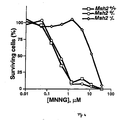
- Msh2- deficient ES cells resisted a 20-fold higher concentration of the methylating agent N-Methyl-N'-Nitro-N-Nitrosoguanidine than wild-type ES cells (legend to Fig.4) (Fig. 4).
- disruption of Msh2 leads to inactivation of mammalian DNA mismatch repair.
- the present experiment demonstrates that it is the mammalian DNA mismatch repair system which is involved in preventing recombination between homologous but diverged DNA sequences.
- This finding provides a method for modifying the mammalian genome but also the genome of any other eukaryotic organism via homologous recombination using DNA targeting sequences that substantially differ from the target locus with respect to the nucleotide sequence, by genetic or furictional inactivation of the cell's mismatch repair system.
- Msh2 DNA mismatch repair gene Msh2 in genome stability and tumorigenesis
- Msh2 -deficient cells have lost mismatch binding, and have acquired microsatellite instability, a mutator phenotype and tolerance to methylating agents.
- homologous recombination has lost dependence on complete identity between interacting DNA sequences, suggesting that Msh2 is involved in safeguarding the genome from promiscuous recombination.
- Msh2 -deficient mice display no major abnormalities, but a significant fraction develops lymphomas at early age. Thus, Msh2 is involved in MMR, controlling several aspects of genome stability; loss of MMR-controlled genome stability predisposes to cancer.
- Cancer is the endpoint of an evolutionary process in which normal cells acquire full malignancy by cumulative genetic or epi-genetic alterations, each conferring proliferative, invasive or metastatic potential to the cell.
- colorectal cancer at least six independent transforming mutations in oncogenes or tumor suppressor genes are required for a cell to develop into a fully malignant tumor (reviewed by Vogelstein and Kinzler. 1993).
- This evolutionary process might be dramatically accelerated by the early loss of systems that safeguard genome stability, resulting in an increased rate of mutagenesis and chromosomal rearrangements (Hartwell, 1992 and Loeb, 1994).
- a number of hereditary cancer predisposition syndromes are attributed to defects in DNA repair.
- HNPCC Hereditary Nonpolyposis Colorectal Cancer
- Muir-Torre syndrome Two of these are Hereditary Nonpolyposis Colorectal Cancer (HNPCC) and Muir-Torre syndrome. which are characterized by the development of tumors of the proximal colon at early age. Also cancers of other parts of the gastrointestinal tract and of the genitourinary tract are often found (Lynch et al., 1993). Muir-Torre patients are, in addition, prone to cancers of the sebaceous glands and the skin (Cohen et al., 1991).
- HNPCC Hereditary Nonpolyposis Colorectal Cancer
- Muir-Torre syndrome Two of these are characterized by the development of tumors of the proximal colon at early age. Also cancers of other parts of the gastrointestinal tract and of the genitourinary tract are often found (Lynch et al., 1993). Muir-Torre patients are, in addition
- MMR mismatch-repair
- MMR is lost, presumably through inactivation or loss of the wild-type allele (Leach et al., 1993; Nicolaides et al., 1994; Papadopoulos et al., 1994; Hemminki et al. 1994).
- the mechanisms of loss of MMR, the cause of the apparent tissue specificity of tumorigenesis and the role of loss of MMR in the evolution of a normal cell to fully malignant tumors are still obscure.
- the best studied MMR system with respect to both genetics and biochemistry is the mutSL pathway of Escherichia coli (reviewed by Modrich, 1991). Central in this pathway is the protein encoded by the muts gene, which binds to base mispairs and to loops of up to four unpaired nucleotides. After binding to the heteroduplex, the MutS-DNA complex is bound by the mutL gene product, triggering excision of a tract of single-stranded DNA of up to several kilobases that contains the mismatched nucleotide(s). The repair process is completed by resynthesis of the excised DNA strand and ligation of the remaining nick. MMR in E.
- coli is responsible for maintaining genome integrity in at least two ways: (i) by recognizing and repairing mispaired and extrahelical nucleotides that occur by, respectively, misincorporation and slippage during replication and (ii) by recognizing mismatches occurring in recombination intermediates between homologous but diverged sequences, leading to abortion of recombination. Consequently, E.
- coli strains deficient for either mutS or mutL have a pleiotropic phenotype: an increased mutation rate, including destabilization of simple-sequence repeats (also called microsatellites: the 'Replication Error + ', or RER + phenotype) and promiscuity in inter- and intragenomic recombination (the recombinator phenotype, Rayssiguier et al., 1989; Petit et al., 1991).
- destabilization of simple-sequence repeats also called microsatellites: the 'Replication Error + ', or RER + phenotype
- the recombinator phenotype the recombinator phenotype, Rayssiguier et al., 1989; Petit et al., 1991.
- the protein encoded by the yeast MSH2 gene seems to be the functional homolog of MutS (Reenan and Kolodner, 1992b; Miret et al, 1993; Alani et al, 1995).
- coli or yeast to stretches of up to 14 extrahelical nucleotides (so called insertion-deletion-type loops, or IDLs) in vitro (Fishel et al., 1994b; Alani et al., 1995), suggestive of a role for Msh2 in the repair of these loops (Umar et al, 1994).
- Eukaryotic homologs of the mutL gene, called MLH1, PMS1 and PMS2 have been analyzed in yeast (Kramer et al., 1989a; Kramer et al., 1989b; Strand et al..
- Msh2 mouse Embryonic Stem
- mice lacking one or both copies of the Msh2 gene in part or all of their cells. Although heterozygous mice, a model for HNPCC, remain healthy to at least 8 months of age, a significant fraction of both chimeric and fully homozygous Msh2 knock-out mice succumbs to lymphomas. These results provide evidence that loss of MMR-controlled genome stability can accelerate the development of cancer.
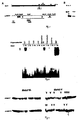
- Heterozygous ES cell lines s Msh2 -42 and s Msh2 -55, carrying a hygromycin-resistance gene inserted between codons 588 and 589 of one allele of the Msh2 gene. were generated by gene targeting using the construct shown in Fig. 1A.
- Cell line d Msh2 -9 carrying the hyg marker in both alleles of the Msh2 gene, was obtained by selecting cell line sMsh2 -55 for duplication of the chromosome carrying the targeted Msh2 allele at an elevated hygromycin B concentration, a method that was previously shown to be effective using the neomycin-resistance marker (Mortensen et al, 1992).
- Targeting events were detected by Southern blot analysis, using probes flanking both sides of the targeting construct (Fig. 1A).
- Fig. 1B An example of such a Southern blot, demonstrating the status of the Msh2 alleles in cell lines wt-2 (a control cell line with the targeting construct integrated by non-homologous recombination), s Msh2 -55 and d Msh2 -9 is shown in Fig. 1B. Diploidy of cell lines s Msh2 -55 and d Msh2 -9 was verified by karyotyping (not shown). The hyg marker was inserted, in the antisense orientation, N-terminally of the putative ATP binding site (Fig. 1A) in a region where (in the human gene) truncations were found in many HNPCC tumors (Liu et al., 1994).
- Msh2 transcript could be detected in ES cell line d Msh2 -9 by Northern blotting (not shown), indicating that the hyg marker strongly suppressed Msh2 expression.
- the genotype of ES cell line d Msh2 -9 will therefore be indicated by Msh2 -/-.
- Extracts were incubated with radiolabelled 38-mer double-stranded oligonucleotides containing either a mismatch, an extrahelical dinucleotide, or a 14-nucleotide insertion-deletion-type loop (IDL), followed by electrophoresis on a nondenaturing polyacrylamide gel.
- Results of these experiments as shown in Fig. 2 clearly demonstrate binding activity in wild-type cell extracts to a G.T mismatch and to an extrahelical TG dinucleotide. Binding to both oligonucleotides was entirely absent in the extract of the Msh2 -/- ES cell line, demonstrating the involvement of the Msh2 protein in this binding activity.
- Msh2 -/- cells have a mutator phenotype.
- the Msh2 -/- cell line was indistinguishable from the wild-type cell line wt-2 and the parental heterozygous cell line sMsh2-55 with respect to growth and plating efficiency (not shown).
- Msh2 in MMR, we determined the stability of two microsatellite markers in Msh2-I- cell line d Msh2 -9 and Msh2 + l + line wt-2. For this purpose, 24 subclones, were derived of each cell line, which had undergone approximately 20 cell divisions since its generation.
- Msh 2-/- cells are tolerant to N-methyl-N'-nitro-N-nitrosoguanidine (MNNG) MMR was suggested to mediate hypersensitivity to agents that methylate G residues at the O 6 position. It is believed that MMR recognises the O 6 -meG.T mispair that occurs after erroneous incorporation of a thymidine nucleotide opposite to O 6 -meG during replication (Griffin et al., 1994). This is supposedly followed by excision and repair synthesis, again incorporating thymidine opposite to O 6 -meG, triggering a new round of MMR.
- MNNG N-methyl-N'-nitro-N-nitrosoguanidine
- Fig. 4 shows that the LD 50 for MNNG was increased 20-fold in the Msh2-I- cell line compared to the heterozygous and wild-type cell lines, directly proving the involvement of Msh2 in determining cellular sensitivity to MNNG.
- Heterozygous cell line s Msh 2-21 displayed no increased tolerance to MNNG.
- This construct contained 0.6% base sequence divergence with respect to the isogenic 129 construct.
- we performed the inverse experiment i.e. targeting of a BALB/c-derived ES cell line with the 129- and BALB/c-derived constructs. This experiment yielded the inverse result, i.e. a higher targeting efficiency with the BALB/c targeting construct than with the non-isogenic 129 targeting construct (Table 1).
- MMR is responsible for this antirecombination effect, we have repeated the Rb targeting experiment in the (129-derived) ES cell line d Msh2 -9.
- the methylation-tolerant cell lines 'clone B' and RajiF12 were also found to lack binding to both a G.T mismatch (Branch et al., 1993; Griffin et al., 1994) and to an extrahelical TG dinucleocide (Aquilina et al., 1994). Binding to an A.C mismatch was unaffected (Branch et al., 1993). Therefore, these cell lines may have lost the Msh2 gene. Purified human MSH2, overproduced in E .
- yeast MSH2 was shown to bind to G.T mismatches (Fishel et al., 1994a; Alani et al., 1995), but also strongly to IDLs of up to 14 nucleotides (Fishel et al., 1994b; Alani et al., 1995). Surprizingly, we could not detect Msh2-dependent binding to a 14 nucleotide IDL in ES cell extracts. We are unable to explain this apparent discrepancy.
- Cell line d Msh2 -9 had acquired microsatellite instability (the RER + phenotype), indicating failure to repair slipped replication intermediates.
- the frequency of microsatellite instability was similar to that of some RER + tumor cell lines (Parsons et al., 1993; Bhattacharyya et al., 1994).
- the mutator phenotype of these cells also affects functional genes as evidenced by the rate of Hprt deficiency in a d Msh2 -9 culture which was increased from undetectable (i.e, lower than 1.6x10 -7 ) for wild-type cells to 3x10 -5 .
- MMR-deficient tumors are supposedly tolerant to these drugs, they may elicit severe cytotoxity in normal tissues of the patient.
- the persistence of O 6 - meG.T mispairs in MMR-deficient tumor cells might lead to increased G to A transitions (Aquilina et al., 1993), resulting in acceleration of tumor progression.
- simple methylating agents select, or induce, MMR deficiency in cells has led to the hypothesis that this process is involved in determining the tisssue specificity of tumorigenesis in HNPCC patients, due to the presence of such agents in the intestine (Karran and Bignami, 1994; Varlet et al., 1994).
- Ectopic' recombination between these sequences would lead to genomic rearrangements that may either be detrimental for cell viability due to loss of essential genomic information or, alternatively, lead to activation of oncogehes or inactivation of tumor suppressor genes (Bouffter et al., 1993).
- Homologous recombination between identical DNA stretches should be allowed to proceed, however, to allow recombinational repair of double strand breaks using the (identical) sister chromatid as sequence donor. For this reason, mechanisms counteracting homologous, recombination when both recombining stretches contain divergencies, while permitting recombination to proceed when both stretches are identical, may be of great importance for the mammalian cell to enable repair without risking genome rearrangment.
- Msh 2-deficiency Based on the effect of Msh 2-deficiency on gene targeting, it is likely that MMR plays this scrutinizing role. Our finding that Msh 2 acts not only anti-mutagenic but also anti-recombinogenic, suggests that MMR deficiency may contribute to tumorigenesis by elevating the rate of both point mutations and chromosomal rearrangements.
- Genomic Msh2 fragments were obtained by screening a 129OLA-derived genomic DNA library with a murine Msh2 cDNA probe (Varlet et al., 1994).
- the targeting construct was prepared by subcloning a 12.5 kbp BamH I fragment and inserting a hygromycin resistance gene (from PGK hyg , te Riele et al., 1990) into the unique SnaB I site located within an exon sequence of Msh2 . Cloning procedures were performed according to Sambrook et al. ( 1989).
- the targeting construct was seperated from vector sequences by gel electrophoresis, purified by electro elution and introduced into 129OLA-derived ES cell line E 14 by electroporation as described (te Riele et al., 1992). Electroporated cells were seeded onto gelatin-coated 10-cm dishes (10 7 cells per plate) and subjected to hygromycin B selection (150 ⁇ g per ml) in BRL-conditioned medium (Hooper et al., 1987) the following day. After 10 days, individual hygromycin B-resistant colonies were randomly picked and expanded on mouse embryonic fibroblasts feeder layers.
- DNA was extracted from expanded colonies, digested with Eco R I and analyzed by Southern hybridization using probes flanking both sides of the targeting construct (Fig. 1A).
- Two cell lines were obtained out of 135 hygromycin B-resistant colonies showing bands diagnostic for correct integration of the hyg marker between codons 588 and 589 of one copy of the Msh2 gene. These cell lines were designated s Msh2 -42 and s Msh2 -55.
- Chimeric mice were obtained by injecting 10-15 cells of ES cell lines s Msh2 -55, s Msh2 -42 and d Msh2 -9 into C57B1/6 blastocysts. Male chimeras obtained with Msh2 + / - ES cells were crossed with wild-type 129OLA and FVB mice and found to transmit the mutated Msh2 allele through the germ line. Homozygous Msh2 mutant mice were obtained by intercrossing F1 heterozygotes.
- the oligonucleotide U 5'-GGGAAGCT-GCCAGGCCCCAGTGTCAGCCTCCTATGCTC-3' (sequences were derived from Aquilina et al., 1994) was radiolabelled and annealed with any of the following unlabelled oligonucleotides: L-G.T : 5'-GAGCATAGGAGGCTGACATTGGGGCCTGGCAGCTT-CCC-3' (resulting in a G.T mismatch); L-G.A : 5'-GAGCATAGGAGGCTGACAATGG-GGCCTGGCAGCTTCCC-3' (resulting in a G.A mismatch): L-G.G : 5'-GAGCATAGG-AGGCTGACAGTGGGGCCTGGCAGCTTCCC-3' (resulting in a G.G mismatch); L-A.C : 5'-GAGCATAGGAGGCTGACACCGGCCTGGCAGCTTCCC-3' (resulting in a G.G mismatch); L-A.C
- Subclones of ES cell lines d Msh2 -9 and wt-2 were generated by seeding cells onto mouse embryonic fibroblasts feeder layers at a density of 10 3 cells per 10 cm 2 . At that time, the ES cell lines were in culture for approximately 20 divisions since their generation. Twenty-four colonies from each cell line were expanded. Chromosomal DNA.was isolated and subjected to the polymerase chain reaction using two end-labelled primer pairs ( D14Mit15 and D7Mit17 , Dietrich et al., 1994). Amplified products were electrophoresed on a denaturing polyacrylamide gel.
- 6x10 6 cells of ES cell lines d msh2 -9 and wt-2 were plated onto 486 cm 2 gelatin-coated tissue culture surface in BRL-conditioned medium. After two days, 6-Thioguanine was added at a concentration of 10 ⁇ g per ml. After two weeks the number of resistant colonies was counted.
- ES cell lines d Msh 2-9, s Msh 2-21 and wt-2 were seeded onto MEF feeder layers at a density of 10 3 cells per 4 cm 2 ⁇
- cells were exposed for one hour to MNNG ranging in concentration from zero to 36.45 ⁇ M in serum-free medium. After 4 days of incubation, cells were trypsinized, stained with Trypan blue and counted.
- O 6 -benzylguanine (20 ⁇ M, kindly provided by A. Pegg) was included in the medium in order to competively inhibit endogenous methyltransferase activity that might otherwise remove the methyl groups added by MNNG (Dolan et al, 1990),
- Targeting and subsequent analysis of the Rb locus in a BALB/c-derived ES cell line (kindly provided by S. Rastan) and 129/OLA-derived ES cell lines d Msh2 -9 were performed essentially as described (te Riele et al, 1992).
- the targeting constructs 129 Rb-neo (derived from the 129OLA genome) and B/ cRb-neo (derived from the BALB/c genome) carry an insertion of the pMC1 neo marker in exon 19 of the Rb gene and differ approximately 0.6% at the nucleotide level (te Riele et al, 1992).
- Saccharomyces cerevisiae Msh2 protein specifically binds to duplex oligonucleotides containing mismatched DNA base pairs and insertions. Genes Development 9 , 234-247.
- Loss of the wild type MLH1 gene is a feature of hereditary nonpolyposis colorectal cancer. Nature Genetics 8 , 405-410.
- Hereditary non-polyposis colorectal cancer morphologies, genes and mutations. Mutat Res. 310 , 125-133.
- Human chromosome 3 corrects mismatch repair defiency and microsatellite instability and reduces N-methyl-N'-nitro-N-nitrosoguanidine tolerance in colon tumor cells with homozygous hMLHl mutation. Cancer Research 54 , 4308-4314.
- Genomic instability in repeated sequences is an early somatic event in colorectal tumorigenesis that persists after transformation. Nature Genetics 6 , 273-281.
- FIG. 1 Targeted disruption of the mouse Msh2 gene.
- Genomic DNA of these cell lines was digested with Eco RI and analyzed by Southern hybridization using probe I (Fig. 1A). Arrowheads indicate the positions of the wild type (wt, 20 kbp), and disrupted (ko, 7.5 kbp) alleles.
- Fig. 2 Mismatch-binding activity in wild-type and Msh2 -deficient cells. Binding activity in extracts of Msh2 +/+ cell line wt-2 and Msh2 -/- cell line d msh2 -9 to double-stranded oligonucleotides containing a mismatch ( G.T. G.A, G.G , or A.C ), an extrahelical dinucleotide ( Extrahelical TG ), or an extrahelical 14-nucleotide loop ( LOOP 14 ) and a Homoduplex was assessed using a gel retardation assay. Sequences of the oligonucleotides are given under Experimental Procedures. Arrowheads indicate the positions of mismatch-specific complexes. E2F : Binding to an oligonucleotide carrying an E2F site served as a positive control (Beijersbergen et al, 1995).
- Fig. 3 Microsatellite stability in wild-type and Msh2 -deficient cells. Genomic DNA of 24 subclones derived from Msh2+ / + cell line wt-2 and Msh2-l- cell line d msh2 -9 was amplified by PCR using primer sets D7Mit17 and D14Mit15 . Arrowheads indicate microsatellite alleles with a detectable length alteration.
- Fig. 4 Tolerance of Msh2 -deficient cells to the simple methylating agent MNNG.
- ES cell lines wt-2 Msh2 +/+
- s Msh2 -55 Msh2 +/-
- d Msh2 -9 Msh2 -/-
- ES cell lines wt-2 Msh2 +/+
- s Msh2 -55 Msh2 +/-
- d Msh2 -9 Msh2 -/-
Landscapes
- Genetics & Genomics (AREA)
- Health & Medical Sciences (AREA)
- Life Sciences & Earth Sciences (AREA)
- Engineering & Computer Science (AREA)
- Bioinformatics & Cheminformatics (AREA)
- Zoology (AREA)
- Organic Chemistry (AREA)
- Biomedical Technology (AREA)
- Chemical & Material Sciences (AREA)
- Biotechnology (AREA)
- General Engineering & Computer Science (AREA)
- Wood Science & Technology (AREA)
- Molecular Biology (AREA)
- General Health & Medical Sciences (AREA)
- Plant Pathology (AREA)
- Physics & Mathematics (AREA)
- Biophysics (AREA)
- Biochemistry (AREA)
- Microbiology (AREA)
- Mycology (AREA)
- Cell Biology (AREA)
- Micro-Organisms Or Cultivation Processes Thereof (AREA)
- Medicines That Contain Protein Lipid Enzymes And Other Medicines (AREA)
- Measuring Or Testing Involving Enzymes Or Micro-Organisms (AREA)
- Bipolar Transistors (AREA)
- Immobilizing And Processing Of Enzymes And Microorganisms (AREA)
Abstract
Description
Intercrossing of such animals reveals the phenotypic consequences of homozygosity of the modified gene.
Distinguishing ES cell clones resulting from homologous recombination from those resulting from random integration, requires the DNA of individual clones to be analysed by Southern hybridisation or the polymerase chain reaction.
With a somewhat different targeting construct, consisting of a hygromycin resistance gene embedded in 17 kb of isogenic Rb DNA, we observed that 80% of all Hygromycin B-resistant colonies resulted from homologous recombination (5). This demonstrates that, in the presence of perfect homology, also in mammalian cells homologous recombination rather than random integration can be the predominant event.
Therefore, an attractive alternative to these procedures might be the use of small single- or double-stranded oligonucleotides (up to 100 bases or basepairs), which are identical to the target locus except for one or several basepair alterations. However, our finding that base sequence dissimilarities as small as 0.6% strongly suppress homologous recombination, may impose a major impediment to using such oligonucleotides for the introduction of subtle genetic modifications. The present invention provides a way to overcome this problem and may allow the subtle modification of cell lines and cells derived from living organisms and temporarily cultured in vitro.
The best studied MMR system with respect to both genetics and biochemistry is the mutSL pathway of Escherichia coli (reviewed by Modrich, 1991). Central in this pathway is the protein encoded by the muts gene, which binds to base mispairs and to loops of up to four unpaired nucleotides. After binding to the heteroduplex, the MutS-DNA complex is bound by the mutL gene product, triggering excision of a tract of single-stranded DNA of up to several kilobases that contains the mismatched nucleotide(s). The repair process is completed by resynthesis of the excised DNA strand and ligation of the remaining nick. MMR in E. coli is responsible for maintaining genome integrity in at least two ways: (i) by recognizing and repairing mispaired and extrahelical nucleotides that occur by, respectively, misincorporation and slippage during replication and (ii) by recognizing mismatches occurring in recombination intermediates between homologous but diverged sequences, leading to abortion of recombination. Consequently, E. coli strains deficient for either mutS or mutL have a pleiotropic phenotype: an increased mutation rate, including destabilization of simple-sequence repeats (also called microsatellites: the 'Replication Error+', or RER+ phenotype) and promiscuity in inter- and intragenomic recombination (the recombinator phenotype, Rayssiguier et al., 1989; Petit et al., 1991).
In many respects the biochemistry of MMR systems in eukaryotes resembles that of the mutSL system (Holmes et al., 1990; Varlet et al., 1990; Thomas et al., 1991; Fang and Modrich, 1993). Homologs of both mutS and mutL were found in eukaryotes. Based on mismatch binding in vitro and on the mutator and recombinator phenotypes of Saccharomyces cerevisiae mutants, the protein encoded by the yeast MSH2 gene (Reenan .and Kolodner, 1992a) seems to be the functional homolog of MutS (Reenan and Kolodner, 1992b; Miret et al, 1993; Alani et al, 1995). In higher eukaryotes (Xenopus laevis, mouse and human) homologs of the yeast MSH2 gene have recently been identified, based on either sequence homology, direct sequencing of the major mismatch-binding protein or by positional cloning (Fishel et al., 1993; Leach et al., 1993; Palombo et al., 1994; Varlet et al., 1994). An apparent difference between MutS and MSH2, is the binding of the eukaryotic protein, when overproduced and purified from E. coli or yeast, to stretches of up to 14 extrahelical nucleotides (so called insertion-deletion-type loops, or IDLs) in vitro (Fishel et al., 1994b; Alani et al., 1995), suggestive of a role for Msh2 in the repair of these loops (Umar et al, 1994). Eukaryotic homologs of the mutL gene, called MLH1, PMS1 and PMS2 have been analyzed in yeast (Kramer et al., 1989a; Kramer et al., 1989b; Strand et al.. 1993; Prolla et al., 1994a; Prolla et al., 1994b) and human cells (Li and Modrich, 1995).
The precise role of these mutS and mutL homologs in MMR and the role of MMR in the maintenance of genome stability in mammalian cells remain to be established. In addition, the causative role of MMR in cellular sensitivity to simple methylating agents, as was suggested by the loss of MMR after selection of cells for tolerance to these agents (Branch et al., 1993; Kat et al., 1993) and by the methylation tolerance of a MMR-deficient rumor cell line (Koi et al., 1994) remains to be explored.
To investigate the involvement of Msh2 in mammalian MMR and the roles of MMR in maintaining genome stability we have generated mouse Embryonic Stem (ES) cell lines which lack both copies of the Msh2 gene. We show that Msh2-deficient cells lack binding to some specific mismatches, have acquired a mutator phenotype and are tolerant to simple methylating agents. Moreover, these cells have lost the barrier to recombination between homologous but diverged sequences. Taken together, these results suggest that MMR is essential for the preservation of multiple aspects of genome stability in mammalian cells.
To study the effect of MMR deficiency on the etiology and evolution of cancer we generated mice lacking one or both copies of the Msh2 gene in part or all of their cells. Although heterozygous mice, a model for HNPCC, remain healthy to at least 8 months of age, a significant fraction of both chimeric and fully homozygous Msh2 knock-out mice succumbs to lymphomas. These results provide evidence that loss of MMR-controlled genome stability can accelerate the development of cancer.
The hyg marker was inserted, in the antisense orientation, N-terminally of the putative ATP binding site (Fig. 1A) in a region where (in the human gene) truncations were found in many HNPCC tumors (Liu et al., 1994). Moreover, no Msh2 transcript could be detected in ES cell line dMsh2-9 by Northern blotting (not shown), indicating that the hyg marker strongly suppressed Msh2 expression. The genotype of ES cell line dMsh2-9 will therefore be indicated by Msh2-/-.
We subsequently investigated the effect of loss of the Msh2 gene on the mutation frequency of a functional gene. To this purpose, 6x10⁶ cells of cell lines wt-2 and dMsh2-9 were plated in the presence of 6-thioguanine (6-TG) to select for cells that have lost activity of the X-linked Hprt gene by mutation. Whereas no 6-TG-resistant colonies were seen in the wt-2 culture, 188 resistant colonies were present in the dMsh2-9 culture. This result extends the mutator phenotype of Msh2-/- cells to functional genes.
Our finding that Msh2 acts not only anti-mutagenic but also anti-recombinogenic, suggests that MMR deficiency may contribute to tumorigenesis by elevating the rate of both point mutations and chromosomal rearrangements.
The targeting construct was seperated from vector sequences by gel electrophoresis, purified by electro elution and introduced into 129OLA-derived ES cell line E 14 by electroporation as described (te Riele et al., 1992). Electroporated cells were seeded onto gelatin-coated 10-cm dishes (107 cells per plate) and subjected to hygromycin B selection (150 µg per ml) in BRL-conditioned medium (Hooper et al., 1987) the following day. After 10 days, individual hygromycin B-resistant colonies were randomly picked and expanded on mouse embryonic fibroblasts feeder layers. DNA was extracted from expanded colonies, digested with EcoR I and analyzed by Southern hybridization using probes flanking both sides of the targeting construct (Fig. 1A). Two cell lines were obtained out of 135 hygromycin B-resistant colonies showing bands diagnostic for correct integration of the hyg marker between codons 588 and 589 of one copy of the Msh2 gene. These cell lines were designated sMsh2-42 and sMsh2-55. One cell line obtained from this experiment, designated wt-2, carrying a randomly integrated hyg gene, was used as an Msh2+/+ control.
To obtain an ES cell line carrying a disruption in both copies of Msh2, 106 cells of cell line sMsh2-55 were plated onto 10-cm plates and cultured in BRL-conditioned medium containing 1.0 or 1.5 mg per ml of hygromycin B. After 12 days of of culturing in selective medium and 7 days in non-selective medium, 24 colonies were obtained which had survived 1.5 mg per ml of hygromycin B. DNA was extracted from expanded colonies, digested with EcoR I and analyzed by Southern hybridization. One cell line, designated dMsh2-9, carried two disrupted Msh2 alleles, had lost the wild-type copy and contained the normal number of chromosomes. ES cell lines which had survived 1.0 mg per ml of hygromycin B still contained one disrupted and one wild-type Msh2 copy. One of these Msh2+/- lines was designated sMsh2-21 and used for several experiments.
A: Top: schematic diagram of the mouse Msh2 protein. ATP binding and HTH: putative ATPase and helix turn helix domains, respectively (Varlet et al, 1994). The position at which the protein is disrupted by insertion of the Hyg marker is indicated. Bottom: the genomic Msh2 locus; indicated below is the targeting construct carrying the Hyg marker inserted into a unique SnaB I site within an exon sequence of Msh2. The positions of the external probes used for detection of targeting events are indicated.
B: The Msh2 locus in Msh2+/+ cell line wt-2, Msh2+/- cell line sMsh2-55 and Msh2-/- cell line dMsh2-9. Genomic DNA of these cell lines was digested with EcoRI and analyzed by Southern hybridization using probe I (Fig. 1A). Arrowheads indicate the positions of the wild type (wt, 20 kbp), and disrupted (ko, 7.5 kbp) alleles.
Binding activity in extracts of Msh2+/+ cell line wt-2 and Msh2-/- cell line dmsh2-9 to double-stranded oligonucleotides containing a mismatch (G.T. G.A, G.G, or A.C), an extrahelical dinucleotide (Extrahelical TG), or an extrahelical 14-nucleotide loop (LOOP 14) and a Homoduplex was assessed using a gel retardation assay. Sequences of the oligonucleotides are given under Experimental Procedures. Arrowheads indicate the positions of mismatch-specific complexes. E2F: Binding to an oligonucleotide carrying an E2F site served as a positive control (Beijersbergen et al, 1995).
ES cell lines wt-2 (Msh2+/+), sMsh2-55 (Msh2+/-) and dMsh2-9 (Msh2-/-) were exposed to increasing amounts of MNNG for one hour in the presence of O 6-benzylguanine. After four days of incubation. cells were trypsinized and counted.
| Homologous recombination has lost dependence on sequence identity in Msh2 deficient ES cells. | |||
| ES cells | Homologous recombination vs total no. G418R col. with | lsogenic vs non-isogenic | |
| 129Rb-neo | B/cRb-neo | ||
| BALBIc (Msh2+/+) | 1/68 (7.5%) | 16/72 (22%) | 15 x |
| 129OLA (Msh2+/+) | 33/94 (35%) | 1/144 (0.7%) | 50 x |
| 129OLA (Msh2-/-) | 42/185 (23%) | 47/184 (26%) | 0.9 x |
| 129Rb-neo and B/cRb-neo are Rb targeting constructs, prepared from the 129 and BALB/c strains of mice, respectively, with 0.6% sequence divergency. Targeting frequencies in 1290LA (Msh2+/+) ES cells are derived from te Riele et al., 1992. |
Claims (20)
- A method for modifying the genome of a non-human mammalian cell deficient for the DNA mismatch repair gene Msh2 in vitro by homologous recombination between a specific target locus in the genome and a homologous but diverged targeting DNA sequence introduced into the cell deficient for the DNA mismatch repair gene Msh2 and said targeting sequence has up to 30% base sequence differences with respect to the target locus in the region where recombination can take place or said targeting sequence differs from the target locus to such a level that homologous recombination is normally strongly impeded.
- The method according to claim 1, wherein the cell's mismatch repair system gene Msh2 is inactivated by disruption of both copies of the Msh2 gene.
- The method according to claim 1, wherein the cell's mismatch repair system gene Msh2 is inactivated by introduction of antisense RNA constructs, driven by an appropriate promoter, thus functionally inactivating the Msh2 gene.
- The method according to claim 1, wherein the cell's mismatch repair system gene Msh2 is inactivated by introduction of modified antisense oligodeoxynucleotides, thus functionally inactivating the Msh2 gene.
- The method according to claim 1, wherein the cell's mismatch repair system gene Msh2 is inactivated by expression of a dominant negatively acting version of a gene involved in DNA mismatch repair.
- The method according to claim 1, wherein the cell's mismatch repair system gene Msh2 is inactivated transitorily by saturation of the mismatch repair system gene Msh2 by the introduction into the cell of DNA molecules carrying one or more mis- or unpaired bases.
- The method according to claims 1-6, wherein the target cell is an embryonic stem cell or a related cell type derived from any non-human mammalian species, to be used to generate chimeric animals and chimeric animals that can transmit the mutated genome through the germ line.
- The method according to claims 1-6, wherein the target cell is a cell line derived from any mammalian species and cultured in vitro.
- The method according to claims 1-6, wherein the target cell is derived from any organ of any mammalian species.
- The method according to claims 1-6, wherein the target cell is derived from outbred organisms implicating that they contain nonidentical copies of homologous chromosomes.
- The method according to claim 1, wherein the targeting DNA at the region where homologous recombination can take place is derived from the same species as the target cell.
- The method according to claim 11, wherein the targeting DNA is modified in vitro at specific sites thus deliberately introducing sequence divergence.
- The method according to claim 1, wherein the targeting DNA at the region where homologous recombination can take place is derived from the same species as the target cell but is nonisogenic with the DNA of the target cell, the two sequence differing up to 5% at the nucleotide level.
- The method according to claim 1, wherein the targeting DNA at the region where homologous recombination can take place is derived from another species as the target cell, the targeting sequence and the target locus comprising up to 30% sequence divergence in the region where homologous recombination can take place.
- The method according to claim 14, wherein the targeting DNA is a chromosomal DNA fragment carried on a YAC or cosmid vector.
- The method according to claim 1, wherein the targeting DNA is an double- or single-stranded oligonucleotide consisting of 10-100 bases or basepairs of which one or several bases or basepairs differ from the target locus.
- A method to test inactivation of the cellular non-human mammalian mismatch repair system gene Msh2 using the method according to claims 2, 3, 4, 5 or 6 and involving comparison of the targeting efficiency of isogenic versus nonisogenic DNA targeting constructs.
- A method to test inactivation of the cellular mismatch repair system gene Msh2 using the method according to claims 2, 3, 4, 5 or 6 and involving intrachromosomal recombination between homologous but diverged DNA sequences.
- A method to test homologous recombination using the method according to claims 11, 12, 13, 14, 15 or 16 and using a non-human embryonic stem cell line or any other cell line in which the mismatch repair system is inactived by disruption of both copies of the Msh2 gene.
- The method according to claims 8, 9 or 10 providing cells or cell lines from mismatch repair deficient mice carrying a disruption in both copies of the Msh2 gene.
Applications Claiming Priority (1)
| Application Number | Priority Date | Filing Date | Title |
|---|---|---|---|
| PCT/EP1995/002980 WO1997005268A1 (en) | 1995-07-26 | 1995-07-26 | Homologous recombination in mismatch repair inactivated eukaryotic cells |
Publications (2)
| Publication Number | Publication Date |
|---|---|
| EP0842289A1 EP0842289A1 (en) | 1998-05-20 |
| EP0842289B1 true EP0842289B1 (en) | 2004-10-20 |
Family
ID=8166063
Family Applications (1)
| Application Number | Title | Priority Date | Filing Date |
|---|---|---|---|
| EP95944705A Expired - Lifetime EP0842289B1 (en) | 1995-07-26 | 1995-07-26 | Homologous recombination in mismatch repair inactivated eukaryotic cells |
Country Status (10)
| Country | Link |
|---|---|
| US (1) | US7199280B2 (en) |
| EP (1) | EP0842289B1 (en) |
| AT (1) | ATE280239T1 (en) |
| AU (1) | AU4784996A (en) |
| CA (1) | CA2263958C (en) |
| DE (1) | DE69533676T2 (en) |
| DK (1) | DK0842289T3 (en) |
| ES (1) | ES2230554T3 (en) |
| PT (1) | PT842289E (en) |
| WO (1) | WO1997005268A1 (en) |
Families Citing this family (24)
| Publication number | Priority date | Publication date | Assignee | Title |
|---|---|---|---|---|
| US6489145B1 (en) | 1996-07-09 | 2002-12-03 | Diversa Corporation | Method of DNA shuffling |
| US6165718A (en) | 1996-01-10 | 2000-12-26 | Novo Nordisk A/S Novo Alle | Method for in vivo production of a mutant library in cells |
| US5948653A (en) | 1997-03-21 | 1999-09-07 | Pati; Sushma | Sequence alterations using homologous recombination |
| US6518042B1 (en) * | 1999-02-24 | 2003-02-11 | Novozymes A/S | Process for making DNA libraries in filamentous fungal cells using a novel cloned gene involved in the mismatch repair system of filamentous fungal cells |
| EP1157095A1 (en) * | 1999-02-24 | 2001-11-28 | Novozymes A/S | Fungal cells with inactivated dna mismatch repair system |
| EP1282708B1 (en) | 2000-02-18 | 2008-07-02 | Morphotek, Inc. | A method for generating hypermutable plants |
| AU8337701A (en) * | 2000-08-14 | 2002-02-25 | Us Health | Enhanced homologous recombination mediated by lambda recombination proteins |
| AU2001291057A1 (en) * | 2000-09-18 | 2002-04-02 | Pioneer Hi-Bred International, Inc. | Rice MLH1 ortholog and uses thereof |
| US6808894B1 (en) | 2000-11-07 | 2004-10-26 | Morphotek, Inc. | Methods for generating genetically altered antibody producing cell lines with improved antibody characteristics |
| US7235643B2 (en) | 2000-11-07 | 2007-06-26 | Morphotek, Inc. | Antibodies and methods for generating genetically altered antibodies with high affinity |
| US7223598B2 (en) | 2000-11-07 | 2007-05-29 | Morphotek, Inc. | Methods for isolating novel antimicrobial agents from hypermutable mammalian cells |
| US6576468B1 (en) | 2000-11-07 | 2003-06-10 | Morphotek, Inc. | Methods for obtaining microbe-resistant mammalian cells from hypermutable mammalian cells |
| US6737268B1 (en) | 2000-11-14 | 2004-05-18 | Morphotek, Inc. | Method for generating genetically altered antigens |
| US6982169B2 (en) | 2001-01-15 | 2006-01-03 | Morphotek, Inc. | Chemical inhibitors of mismatch repair |
| ATE548461T1 (en) | 2002-01-18 | 2012-03-15 | Morphotek Inc | METHOD FOR GENERATING MANIPULATED CELLS FOR LOCUS-SPECIFIC GENE REGULATION AND ANALYSIS |
| ATE319845T1 (en) * | 2002-01-31 | 2006-03-15 | Mixis France Sa | METHOD FOR REVERSIBLE FUNCTIONAL INACTIVATION OF THE MISMATCH REPAIR SYSTEM |
| GB0218803D0 (en) * | 2002-08-13 | 2002-09-18 | Nl Kanker I | Targeted gene modification by single-standed DNA oligonucleotides |
| WO2004106513A1 (en) * | 2003-05-09 | 2004-12-09 | The Government Of The United States Of America As Represented By The Secretary Of The Department Of Health And Human Services | Host cells deficient for mismatch repair |
| US7521242B2 (en) * | 2003-05-09 | 2009-04-21 | The United States Of America As Represented By The Department Of Health And Human Services | Host cells deficient for mismatch repair and their use in methods for inducing homologous recombination using single-stranded nucleic acids |
| US7674621B2 (en) * | 2004-05-21 | 2010-03-09 | The United States Of America As Represented By The Department Of Health And Human Services | Plasmids and phages for homologous recombination and methods of use |
| WO2006032504A2 (en) * | 2004-09-22 | 2006-03-30 | Vrije Universiteit Brussel | Method for introducing genetic mutations into plant cells |
| EP1734125A1 (en) | 2005-06-16 | 2006-12-20 | Institut National De La Recherche Agronomique | Homeologous recombination in MSH2 inactivated plants or cells thereof |
| DK2478100T3 (en) * | 2010-04-09 | 2014-02-17 | Eviagenics S A | Method for producing gene mosaics |
| CN111123853B (en) * | 2019-11-25 | 2021-05-14 | 浙江明泉工业涂装有限公司 | Control method of robot for detecting and remedying spraying on inner surface of automobile |
Family Cites Families (3)
| Publication number | Priority date | Publication date | Assignee | Title |
|---|---|---|---|---|
| FR2641793B1 (en) * | 1988-12-26 | 1993-10-01 | Setratech | METHOD OF IN VIVO RECOMBINATION OF DNA SEQUENCES HAVING BASIC MATCHING |
| JPH06508756A (en) * | 1991-07-01 | 1994-10-06 | アルバート アインシュタイン カレッジ オブ メディシン オブ イェシバ ユニバーシティ | Intervening deletions in chromosomal DNA |
| WO1993004169A1 (en) * | 1991-08-20 | 1993-03-04 | Genpharm International, Inc. | Gene targeting in animal cells using isogenic dna constructs |
-
1995
- 1995-07-26 WO PCT/EP1995/002980 patent/WO1997005268A1/en not_active Ceased
- 1995-07-26 AU AU47849/96A patent/AU4784996A/en not_active Abandoned
- 1995-07-26 PT PT95944705T patent/PT842289E/en unknown
- 1995-07-26 CA CA2263958A patent/CA2263958C/en not_active Expired - Fee Related
- 1995-07-26 AT AT95944705T patent/ATE280239T1/en active
- 1995-07-26 EP EP95944705A patent/EP0842289B1/en not_active Expired - Lifetime
- 1995-07-26 ES ES95944705T patent/ES2230554T3/en not_active Expired - Lifetime
- 1995-07-26 DE DE69533676T patent/DE69533676T2/en not_active Expired - Lifetime
- 1995-07-26 DK DK95944705T patent/DK0842289T3/en active
-
2001
- 2001-06-20 US US09/884,877 patent/US7199280B2/en not_active Expired - Fee Related
Also Published As
| Publication number | Publication date |
|---|---|
| US20020151059A1 (en) | 2002-10-17 |
| ES2230554T3 (en) | 2005-05-01 |
| DK0842289T3 (en) | 2005-02-14 |
| PT842289E (en) | 2005-01-31 |
| CA2263958A1 (en) | 1997-02-13 |
| EP0842289A1 (en) | 1998-05-20 |
| WO1997005268A1 (en) | 1997-02-13 |
| DE69533676D1 (en) | 2004-11-25 |
| US7199280B2 (en) | 2007-04-03 |
| ATE280239T1 (en) | 2004-11-15 |
| CA2263958C (en) | 2012-06-19 |
| AU4784996A (en) | 1997-02-26 |
| DE69533676T2 (en) | 2005-12-01 |
Similar Documents
| Publication | Publication Date | Title |
|---|---|---|
| De Wind et al. | Inactivation of the mouse Msh2 gene results in mismatch repair deficiency, methylation tolerance, hyperrecombination, and predisposition to cancer | |
| CA2263958C (en) | Homologous recombination in mismatch repair inactivated eukaryotic cells | |
| US20230203541A1 (en) | Optimized gene editing utilizing a recombinant endonuclease system | |
| US6074853A (en) | Sequence alterations using homologous recombination | |
| EP3457840B1 (en) | Methods for breaking immunological tolerance using multiple guide rnas | |
| JP2021121220A (en) | Genetically modified non-human mammals by multi-cycle electroporation of cas9 protein | |
| Peltomäki | DNA mismatch repair gene mutations in human cancer | |
| CN111471719B (en) | Efficient non-meiotic allele introgression | |
| WO1998042727A9 (en) | Sequence alterations using homologous recombination | |
| Andrew et al. | Base transitions dominate the mutational spectrum of a transgenic reporter gene in MSH2 deficient mice | |
| CN109790541B (en) | Methods for Analyzing and Optimizing Gene Editing Modules and Delivery Protocols | |
| CA2314246A1 (en) | The use of consensus sequences for targeted homologous gene isolation and recombination in gene families | |
| EP1078048A2 (en) | Transgenic animals produced by homologous sequence targeting | |
| Bill et al. | Repair bias of large loop mismatches during recombination in mammalian cells depends on loop length and structure | |
| US20020108136A1 (en) | Transgenic animals produced by homologous sequence targeting | |
| US20030221208A1 (en) | Homologous recombination in mismatch repair inactivated eukaryotic cells | |
| Lee et al. | Developing genetically engineered mouse models using engineered nucleases: Current status, challenges, and the way forward | |
| López et al. | Germ cells microsatellite instability: The effect of different mutagens in a mismatch repair mutant of Drosophila (spel1) | |
| US20050214944A1 (en) | In vivo homologous sequence targeting in cells | |
| US20020090361A1 (en) | In vivo homologous sequence targeting in cells | |
| US20030082723A1 (en) | Use of mutated recognition sequences for multiple consecutive recombinase-mediated recombinations in a genetic system | |
| Tischfield et al. | Germline and somatic mutation at the APRT locus of mice and man | |
| Parris | Analysis of the mouse Msh2S637P mutation in DNA mismatch repair, apoptosis, recombination and cancer development | |
| Avdievich | Role of mismatch repair proteins in genomic stability, cancer and meiosis | |
| Li | DNA Mismatch Repair: Biological Functions and Molecular Mechanisms |
Legal Events
| Date | Code | Title | Description |
|---|---|---|---|
| PUAI | Public reference made under article 153(3) epc to a published international application that has entered the european phase |
Free format text: ORIGINAL CODE: 0009012 |
|
| 17P | Request for examination filed |
Effective date: 19980224 |
|
| AK | Designated contracting states |
Kind code of ref document: A1 Designated state(s): AT BE CH DE DK ES FR GB GR IE IT LI LU MC NL PT SE |
|
| 17Q | First examination report despatched |
Effective date: 20010607 |
|
| GRAP | Despatch of communication of intention to grant a patent |
Free format text: ORIGINAL CODE: EPIDOSNIGR1 |
|
| GRAS | Grant fee paid |
Free format text: ORIGINAL CODE: EPIDOSNIGR3 |
|
| GRAA | (expected) grant |
Free format text: ORIGINAL CODE: 0009210 |
|
| RAP1 | Party data changed (applicant data changed or rights of an application transferred) |
Owner name: MIXIS FRANCE S.A. |
|
| AK | Designated contracting states |
Kind code of ref document: B1 Designated state(s): AT BE CH DE DK ES FR GB GR IE IT LI LU MC NL PT SE |
|
| REG | Reference to a national code |
Ref country code: GB Ref legal event code: FG4D |
|
| REG | Reference to a national code |
Ref country code: CH Ref legal event code: NV Representative=s name: TROESCH SCHEIDEGGER WERNER AG Ref country code: CH Ref legal event code: EP |
|
| REG | Reference to a national code |
Ref country code: IE Ref legal event code: FG4D |
|
| REF | Corresponds to: |
Ref document number: 69533676 Country of ref document: DE Date of ref document: 20041125 Kind code of ref document: P |
|
| REG | Reference to a national code |
Ref country code: SE Ref legal event code: TRGR |
|
| REG | Reference to a national code |
Ref country code: PT Ref legal event code: SC4A Effective date: 20041210 |
|
| REG | Reference to a national code |
Ref country code: DK Ref legal event code: T3 |
|
| REG | Reference to a national code |
Ref country code: GR Ref legal event code: EP Ref document number: 20050400174 Country of ref document: GR |
|
| REG | Reference to a national code |
Ref country code: ES Ref legal event code: FG2A Ref document number: 2230554 Country of ref document: ES Kind code of ref document: T3 |
|
| ET | Fr: translation filed | ||
| PLBE | No opposition filed within time limit |
Free format text: ORIGINAL CODE: 0009261 |
|
| STAA | Information on the status of an ep patent application or granted ep patent |
Free format text: STATUS: NO OPPOSITION FILED WITHIN TIME LIMIT |
|
| 26N | No opposition filed |
Effective date: 20050721 |
|
| PGFP | Annual fee paid to national office [announced via postgrant information from national office to epo] |
Ref country code: CH Payment date: 20110729 Year of fee payment: 17 |
|
| PGFP | Annual fee paid to national office [announced via postgrant information from national office to epo] |
Ref country code: DK Payment date: 20120626 Year of fee payment: 18 Ref country code: MC Payment date: 20120628 Year of fee payment: 18 Ref country code: IE Payment date: 20120629 Year of fee payment: 18 |
|
| PGFP | Annual fee paid to national office [announced via postgrant information from national office to epo] |
Ref country code: GR Payment date: 20120627 Year of fee payment: 18 Ref country code: GB Payment date: 20120625 Year of fee payment: 18 Ref country code: LU Payment date: 20120720 Year of fee payment: 18 |
|
| PGFP | Annual fee paid to national office [announced via postgrant information from national office to epo] |
Ref country code: SE Payment date: 20120710 Year of fee payment: 18 |
|
| PGFP | Annual fee paid to national office [announced via postgrant information from national office to epo] |
Ref country code: DE Payment date: 20120731 Year of fee payment: 18 Ref country code: BE Payment date: 20120724 Year of fee payment: 18 Ref country code: IT Payment date: 20120720 Year of fee payment: 18 Ref country code: ES Payment date: 20120723 Year of fee payment: 18 Ref country code: FR Payment date: 20120712 Year of fee payment: 18 |
|
| PGFP | Annual fee paid to national office [announced via postgrant information from national office to epo] |
Ref country code: PT Payment date: 20120126 Year of fee payment: 18 Ref country code: NL Payment date: 20120713 Year of fee payment: 18 |
|
| PGFP | Annual fee paid to national office [announced via postgrant information from national office to epo] |
Ref country code: AT Payment date: 20120626 Year of fee payment: 18 |
|
| BERE | Be: lapsed |
Owner name: S.A. *MIXIS FRANCE Effective date: 20130731 |
|
| REG | Reference to a national code |
Ref country code: PT Ref legal event code: MM4A Free format text: LAPSE DUE TO NON-PAYMENT OF FEES Effective date: 20140127 |
|
| REG | Reference to a national code |
Ref country code: NL Ref legal event code: V1 Effective date: 20140201 |
|
| REG | Reference to a national code |
Ref country code: DK Ref legal event code: EBP Effective date: 20130731 |
|
| PG25 | Lapsed in a contracting state [announced via postgrant information from national office to epo] |
Ref country code: MC Free format text: LAPSE BECAUSE OF NON-PAYMENT OF DUE FEES Effective date: 20130731 |
|
| REG | Reference to a national code |
Ref country code: CH Ref legal event code: PL |
|
| REG | Reference to a national code |
Ref country code: SE Ref legal event code: EUG |
|
| REG | Reference to a national code |
Ref country code: AT Ref legal event code: MM01 Ref document number: 280239 Country of ref document: AT Kind code of ref document: T Effective date: 20130726 |
|
| GBPC | Gb: european patent ceased through non-payment of renewal fee |
Effective date: 20130726 |
|
| REG | Reference to a national code |
Ref country code: GR Ref legal event code: ML Ref document number: 20050400174 Country of ref document: GR Effective date: 20140204 |
|
| REG | Reference to a national code |
Ref country code: IE Ref legal event code: MM4A |
|
| REG | Reference to a national code |
Ref country code: DE Ref legal event code: R119 Ref document number: 69533676 Country of ref document: DE Effective date: 20140201 |
|
| REG | Reference to a national code |
Ref country code: FR Ref legal event code: ST Effective date: 20140331 |
|
| PG25 | Lapsed in a contracting state [announced via postgrant information from national office to epo] |
Ref country code: GB Free format text: LAPSE BECAUSE OF NON-PAYMENT OF DUE FEES Effective date: 20130726 Ref country code: NL Free format text: LAPSE BECAUSE OF NON-PAYMENT OF DUE FEES Effective date: 20140201 Ref country code: SE Free format text: LAPSE BECAUSE OF NON-PAYMENT OF DUE FEES Effective date: 20130727 Ref country code: BE Free format text: LAPSE BECAUSE OF NON-PAYMENT OF DUE FEES Effective date: 20130731 Ref country code: LI Free format text: LAPSE BECAUSE OF NON-PAYMENT OF DUE FEES Effective date: 20130731 Ref country code: CH Free format text: LAPSE BECAUSE OF NON-PAYMENT OF DUE FEES Effective date: 20130731 Ref country code: DE Free format text: LAPSE BECAUSE OF NON-PAYMENT OF DUE FEES Effective date: 20140201 |
|
| PG25 | Lapsed in a contracting state [announced via postgrant information from national office to epo] |
Ref country code: IT Free format text: LAPSE BECAUSE OF NON-PAYMENT OF DUE FEES Effective date: 20130726 Ref country code: FR Free format text: LAPSE BECAUSE OF NON-PAYMENT OF DUE FEES Effective date: 20130731 Ref country code: AT Free format text: LAPSE BECAUSE OF NON-PAYMENT OF DUE FEES Effective date: 20130726 Ref country code: GR Free format text: LAPSE BECAUSE OF NON-PAYMENT OF DUE FEES Effective date: 20140204 |
|
| PG25 | Lapsed in a contracting state [announced via postgrant information from national office to epo] |
Ref country code: PT Free format text: LAPSE BECAUSE OF NON-PAYMENT OF DUE FEES Effective date: 20140127 |
|
| PG25 | Lapsed in a contracting state [announced via postgrant information from national office to epo] |
Ref country code: IE Free format text: LAPSE BECAUSE OF NON-PAYMENT OF DUE FEES Effective date: 20130726 |
|
| REG | Reference to a national code |
Ref country code: ES Ref legal event code: FD2A Effective date: 20140807 |
|
| PG25 | Lapsed in a contracting state [announced via postgrant information from national office to epo] |
Ref country code: DK Free format text: LAPSE BECAUSE OF NON-PAYMENT OF DUE FEES Effective date: 20130731 |
|
| PG25 | Lapsed in a contracting state [announced via postgrant information from national office to epo] |
Ref country code: ES Free format text: LAPSE BECAUSE OF NON-PAYMENT OF DUE FEES Effective date: 20130727 |
|
| PG25 | Lapsed in a contracting state [announced via postgrant information from national office to epo] |
Ref country code: LU Free format text: LAPSE BECAUSE OF NON-PAYMENT OF DUE FEES Effective date: 20130726 |