EP0842181B1 - Membrane-permeant second messengers - Google Patents
Membrane-permeant second messengers Download PDFInfo
- Publication number
- EP0842181B1 EP0842181B1 EP96918434A EP96918434A EP0842181B1 EP 0842181 B1 EP0842181 B1 EP 0842181B1 EP 96918434 A EP96918434 A EP 96918434A EP 96918434 A EP96918434 A EP 96918434A EP 0842181 B1 EP0842181 B1 EP 0842181B1
- Authority
- EP
- European Patent Office
- Prior art keywords
- camp
- phosphate
- cell
- inositol
- ester
- Prior art date
- Legal status (The legal status is an assumption and is not a legal conclusion. Google has not performed a legal analysis and makes no representation as to the accuracy of the status listed.)
- Expired - Lifetime
Links
- 210000004027 cell Anatomy 0.000 claims abstract description 75
- 229910019142 PO4 Inorganic materials 0.000 claims abstract description 45
- 239000010452 phosphate Substances 0.000 claims abstract description 27
- NBIIXXVUZAFLBC-UHFFFAOYSA-K phosphate Chemical compound [O-]P([O-])([O-])=O NBIIXXVUZAFLBC-UHFFFAOYSA-K 0.000 claims abstract description 21
- 210000000170 cell membrane Anatomy 0.000 claims abstract description 18
- 125000004432 carbon atom Chemical group C* 0.000 claims abstract description 16
- 125000000217 alkyl group Chemical group 0.000 claims abstract description 14
- -1 acyloxyalkyl ester Chemical class 0.000 claims description 65
- 238000000034 method Methods 0.000 claims description 34
- 239000000203 mixture Substances 0.000 claims description 20
- 230000035699 permeability Effects 0.000 claims description 17
- 125000002467 phosphate group Chemical group [H]OP(=O)(O[H])O[*] 0.000 claims description 9
- 125000001495 ethyl group Chemical group [H]C([H])([H])C([H])([H])* 0.000 claims description 5
- 125000001436 propyl group Chemical group [H]C([*])([H])C([H])([H])C([H])([H])[H] 0.000 claims description 5
- 150000002148 esters Chemical class 0.000 abstract description 18
- 238000006243 chemical reaction Methods 0.000 abstract description 10
- 125000005041 acyloxyalkyl group Chemical group 0.000 abstract description 6
- 230000002255 enzymatic effect Effects 0.000 abstract 1
- JGFZNNIVVJXRND-UHFFFAOYSA-N N,N-Diisopropylethylamine (DIPEA) Chemical compound CCN(C(C)C)C(C)C JGFZNNIVVJXRND-UHFFFAOYSA-N 0.000 description 38
- WEVYAHXRMPXWCK-UHFFFAOYSA-N Acetonitrile Chemical compound CC#N WEVYAHXRMPXWCK-UHFFFAOYSA-N 0.000 description 37
- 235000021317 phosphate Nutrition 0.000 description 35
- HEDRZPFGACZZDS-MICDWDOJSA-N Trichloro(2H)methane Chemical compound [2H]C(Cl)(Cl)Cl HEDRZPFGACZZDS-MICDWDOJSA-N 0.000 description 32
- CJGYSWNGNKCJSB-YVLZZHOMSA-N bucladesine Chemical compound C([C@H]1O2)OP(O)(=O)O[C@H]1[C@@H](OC(=O)CCC)[C@@H]2N1C(N=CN=C2NC(=O)CCC)=C2N=C1 CJGYSWNGNKCJSB-YVLZZHOMSA-N 0.000 description 31
- 230000015572 biosynthetic process Effects 0.000 description 26
- 238000003786 synthesis reaction Methods 0.000 description 25
- MMWCIQZXVOZEGG-XJTPDSDZSA-N D-myo-Inositol 1,4,5-trisphosphate Chemical compound O[C@@H]1[C@H](O)[C@@H](OP(O)(O)=O)[C@H](OP(O)(O)=O)[C@@H](O)[C@@H]1OP(O)(O)=O MMWCIQZXVOZEGG-XJTPDSDZSA-N 0.000 description 22
- OKKJLVBELUTLKV-UHFFFAOYSA-N Methanol Chemical compound OC OKKJLVBELUTLKV-UHFFFAOYSA-N 0.000 description 21
- ZOOGRGPOEVQQDX-UHFFFAOYSA-N cyclic GMP Natural products O1C2COP(O)(=O)OC2C(O)C1N1C=NC2=C1NC(N)=NC2=O ZOOGRGPOEVQQDX-UHFFFAOYSA-N 0.000 description 19
- 238000012360 testing method Methods 0.000 description 18
- ZOOGRGPOEVQQDX-UUOKFMHZSA-N 3',5'-cyclic GMP Chemical compound C([C@H]1O2)OP(O)(=O)O[C@H]1[C@@H](O)[C@@H]2N1C(N=C(NC2=O)N)=C2N=C1 ZOOGRGPOEVQQDX-UUOKFMHZSA-N 0.000 description 17
- NHYXMAKLBXBVEO-UHFFFAOYSA-N bromomethyl acetate Chemical compound CC(=O)OCBr NHYXMAKLBXBVEO-UHFFFAOYSA-N 0.000 description 17
- 238000005160 1H NMR spectroscopy Methods 0.000 description 16
- 235000002949 phytic acid Nutrition 0.000 description 16
- 229960000367 inositol Drugs 0.000 description 14
- 125000002887 hydroxy group Chemical group [H]O* 0.000 description 13
- CDAISMWEOUEBRE-UHFFFAOYSA-N scyllo-inosotol Natural products OC1C(O)C(O)C(O)C(O)C1O CDAISMWEOUEBRE-UHFFFAOYSA-N 0.000 description 13
- YXFVVABEGXRONW-UHFFFAOYSA-N Toluene Chemical compound CC1=CC=CC=C1 YXFVVABEGXRONW-UHFFFAOYSA-N 0.000 description 12
- VLKZOEOYAKHREP-UHFFFAOYSA-N n-Hexane Chemical compound CCCCCC VLKZOEOYAKHREP-UHFFFAOYSA-N 0.000 description 12
- QTBSBXVTEAMEQO-UHFFFAOYSA-N Acetic acid Chemical compound CC(O)=O QTBSBXVTEAMEQO-UHFFFAOYSA-N 0.000 description 11
- SQUHHTBVTRBESD-UHFFFAOYSA-N Hexa-Ac-myo-Inositol Natural products CC(=O)OC1C(OC(C)=O)C(OC(C)=O)C(OC(C)=O)C(OC(C)=O)C1OC(C)=O SQUHHTBVTRBESD-UHFFFAOYSA-N 0.000 description 11
- 238000004679 31P NMR spectroscopy Methods 0.000 description 10
- 150000001875 compounds Chemical class 0.000 description 10
- 230000003834 intracellular effect Effects 0.000 description 10
- 239000002904 solvent Substances 0.000 description 10
- YMWUJEATGCHHMB-UHFFFAOYSA-N Dichloromethane Chemical compound ClCCl YMWUJEATGCHHMB-UHFFFAOYSA-N 0.000 description 9
- 150000003013 phosphoric acid derivatives Chemical class 0.000 description 9
- 239000000243 solution Substances 0.000 description 9
- BCHIXGBGRHLSBE-UHFFFAOYSA-N (4-methyl-2-oxochromen-7-yl) dihydrogen phosphate Chemical compound C1=C(OP(O)(O)=O)C=CC2=C1OC(=O)C=C2C BCHIXGBGRHLSBE-UHFFFAOYSA-N 0.000 description 8
- OKKJLVBELUTLKV-MZCSYVLQSA-N Deuterated methanol Chemical compound [2H]OC([2H])([2H])[2H] OKKJLVBELUTLKV-MZCSYVLQSA-N 0.000 description 8
- MMWCIQZXVOZEGG-HOZKJCLWSA-N [(1S,2R,3S,4S,5R,6S)-2,3,5-trihydroxy-4,6-diphosphonooxycyclohexyl] dihydrogen phosphate Chemical compound O[C@H]1[C@@H](O)[C@H](OP(O)(O)=O)[C@@H](OP(O)(O)=O)[C@H](O)[C@H]1OP(O)(O)=O MMWCIQZXVOZEGG-HOZKJCLWSA-N 0.000 description 8
- 206010003571 Astrocytoma Diseases 0.000 description 7
- 230000004913 activation Effects 0.000 description 7
- 230000007935 neutral effect Effects 0.000 description 7
- WUXFOJAKHKOJNF-UHFFFAOYSA-N phosphonooxymethyl acetate Chemical compound CC(=O)OCOP(O)(O)=O WUXFOJAKHKOJNF-UHFFFAOYSA-N 0.000 description 7
- 230000004044 response Effects 0.000 description 7
- XLYOFNOQVPJJNP-UHFFFAOYSA-N water Substances O XLYOFNOQVPJJNP-UHFFFAOYSA-N 0.000 description 7
- HEDRZPFGACZZDS-UHFFFAOYSA-N Chloroform Chemical compound ClC(Cl)Cl HEDRZPFGACZZDS-UHFFFAOYSA-N 0.000 description 6
- XEKOWRVHYACXOJ-UHFFFAOYSA-N Ethyl acetate Chemical compound CCOC(C)=O XEKOWRVHYACXOJ-UHFFFAOYSA-N 0.000 description 6
- HWNQCOKIIIFFTF-UHFFFAOYSA-N [acetyloxymethoxy(phenyl)phosphoryl]oxymethyl acetate Chemical compound CC(=O)OCOP(=O)(OCOC(C)=O)C1=CC=CC=C1 HWNQCOKIIIFFTF-UHFFFAOYSA-N 0.000 description 6
- 238000003556 assay Methods 0.000 description 6
- NBOXDRIQOJYVTJ-UHFFFAOYSA-N bis(acetyloxymethoxy)phosphoryloxymethyl acetate Chemical compound CC(=O)OCOP(=O)(OCOC(C)=O)OCOC(C)=O NBOXDRIQOJYVTJ-UHFFFAOYSA-N 0.000 description 6
- 125000004122 cyclic group Chemical group 0.000 description 6
- 230000001086 cytosolic effect Effects 0.000 description 6
- 238000001704 evaporation Methods 0.000 description 6
- 239000012528 membrane Substances 0.000 description 6
- 239000002773 nucleotide Substances 0.000 description 6
- 125000003729 nucleotide group Chemical group 0.000 description 6
- CIPFCGZLFXVXBG-FTSGZOCFSA-N Inositol 1,3,4,5-tetraphosphate Chemical compound O[C@H]1C(OP(O)(O)=O)[C@H](O)[C@@H](OP(O)(O)=O)C(OP(O)(O)=O)[C@H]1OP(O)(O)=O CIPFCGZLFXVXBG-FTSGZOCFSA-N 0.000 description 5
- IVOMOUWHDPKRLL-UHFFFAOYSA-N UNPD107823 Natural products O1C2COP(O)(=O)OC2C(O)C1N1C(N=CN=C2N)=C2N=C1 IVOMOUWHDPKRLL-UHFFFAOYSA-N 0.000 description 5
- 125000004063 butyryl group Chemical group O=C([*])C([H])([H])C([H])([H])C([H])([H])[H] 0.000 description 5
- 230000003197 catalytic effect Effects 0.000 description 5
- 230000000694 effects Effects 0.000 description 5
- 230000032050 esterification Effects 0.000 description 5
- 238000005886 esterification reaction Methods 0.000 description 5
- 230000006870 function Effects 0.000 description 5
- 210000003574 melanophore Anatomy 0.000 description 5
- 239000000047 product Substances 0.000 description 5
- 230000001225 therapeutic effect Effects 0.000 description 5
- DCERHCFNWRGHLK-UHFFFAOYSA-N C[Si](C)C Chemical compound C[Si](C)C DCERHCFNWRGHLK-UHFFFAOYSA-N 0.000 description 4
- NBIIXXVUZAFLBC-UHFFFAOYSA-N Phosphoric acid Chemical compound OP(O)(O)=O NBIIXXVUZAFLBC-UHFFFAOYSA-N 0.000 description 4
- 108091000080 Phosphotransferase Proteins 0.000 description 4
- 102000001253 Protein Kinase Human genes 0.000 description 4
- 229960000583 acetic acid Drugs 0.000 description 4
- 239000002253 acid Substances 0.000 description 4
- 125000002252 acyl group Chemical group 0.000 description 4
- AIXAANGOTKPUOY-UHFFFAOYSA-N carbachol Chemical compound [Cl-].C[N+](C)(C)CCOC(N)=O AIXAANGOTKPUOY-UHFFFAOYSA-N 0.000 description 4
- 229960004484 carbachol Drugs 0.000 description 4
- 238000003776 cleavage reaction Methods 0.000 description 4
- 239000006185 dispersion Substances 0.000 description 4
- 239000003480 eluent Substances 0.000 description 4
- 230000008020 evaporation Effects 0.000 description 4
- 210000002950 fibroblast Anatomy 0.000 description 4
- 239000011521 glass Substances 0.000 description 4
- 230000002209 hydrophobic effect Effects 0.000 description 4
- 239000002609 medium Substances 0.000 description 4
- 239000012466 permeate Substances 0.000 description 4
- ZJAOAACCNHFJAH-UHFFFAOYSA-N phosphonoformic acid Chemical compound OC(=O)P(O)(O)=O ZJAOAACCNHFJAH-UHFFFAOYSA-N 0.000 description 4
- 102000020233 phosphotransferase Human genes 0.000 description 4
- 125000006239 protecting group Chemical group 0.000 description 4
- 108060006633 protein kinase Proteins 0.000 description 4
- 230000001105 regulatory effect Effects 0.000 description 4
- 230000007017 scission Effects 0.000 description 4
- 230000028327 secretion Effects 0.000 description 4
- 159000000000 sodium salts Chemical class 0.000 description 4
- 239000007787 solid Substances 0.000 description 4
- 238000001228 spectrum Methods 0.000 description 4
- LDHWBEHZLFDXCU-UHFFFAOYSA-N 3-[2-cyanoethoxy-[di(propan-2-yl)amino]phosphanyl]oxypropanenitrile Chemical compound N#CCCOP(N(C(C)C)C(C)C)OCCC#N LDHWBEHZLFDXCU-UHFFFAOYSA-N 0.000 description 3
- 102000004190 Enzymes Human genes 0.000 description 3
- 108090000790 Enzymes Proteins 0.000 description 3
- PEDCQBHIVMGVHV-UHFFFAOYSA-N Glycerine Chemical compound OCC(O)CO PEDCQBHIVMGVHV-UHFFFAOYSA-N 0.000 description 3
- 238000005481 NMR spectroscopy Methods 0.000 description 3
- INAPMGSXUVUWAF-GCVPSNMTSA-N [(2r,3s,5r,6r)-2,3,4,5,6-pentahydroxycyclohexyl] dihydrogen phosphate Chemical class OC1[C@H](O)[C@@H](O)C(OP(O)(O)=O)[C@H](O)[C@@H]1O INAPMGSXUVUWAF-GCVPSNMTSA-N 0.000 description 3
- 230000009471 action Effects 0.000 description 3
- 230000004071 biological effect Effects 0.000 description 3
- YXASHNSJWVCWQQ-UHFFFAOYSA-N bromomethyl propanoate Chemical compound CCC(=O)OCBr YXASHNSJWVCWQQ-UHFFFAOYSA-N 0.000 description 3
- 229960005263 bucladesine Drugs 0.000 description 3
- 239000011575 calcium Substances 0.000 description 3
- 230000008859 change Effects 0.000 description 3
- 230000000994 depressogenic effect Effects 0.000 description 3
- GNBHRKFJIUUOQI-UHFFFAOYSA-N fluorescein Chemical compound O1C(=O)C2=CC=CC=C2C21C1=CC=C(O)C=C1OC1=CC(O)=CC=C21 GNBHRKFJIUUOQI-UHFFFAOYSA-N 0.000 description 3
- CDAISMWEOUEBRE-GPIVLXJGSA-N inositol Chemical compound O[C@H]1[C@H](O)[C@@H](O)[C@H](O)[C@H](O)[C@@H]1O CDAISMWEOUEBRE-GPIVLXJGSA-N 0.000 description 3
- 230000000873 masking effect Effects 0.000 description 3
- 239000000463 material Substances 0.000 description 3
- 238000000520 microinjection Methods 0.000 description 3
- 230000026731 phosphorylation Effects 0.000 description 3
- 238000006366 phosphorylation reaction Methods 0.000 description 3
- 239000000049 pigment Substances 0.000 description 3
- 229920001467 poly(styrenesulfonates) Polymers 0.000 description 3
- 230000002829 reductive effect Effects 0.000 description 3
- PYWVYCXTNDRMGF-UHFFFAOYSA-N rhodamine B Chemical compound [Cl-].C=12C=CC(=[N+](CC)CC)C=C2OC2=CC(N(CC)CC)=CC=C2C=1C1=CC=CC=C1C(O)=O PYWVYCXTNDRMGF-UHFFFAOYSA-N 0.000 description 3
- 238000000926 separation method Methods 0.000 description 3
- SQGYOTSLMSWVJD-UHFFFAOYSA-N silver(1+) nitrate Chemical compound [Ag+].[O-]N(=O)=O SQGYOTSLMSWVJD-UHFFFAOYSA-N 0.000 description 3
- GGCZERPQGJTIQP-UHFFFAOYSA-N sodium;9,10-dioxoanthracene-2-sulfonic acid Chemical compound [Na+].C1=CC=C2C(=O)C3=CC(S(=O)(=O)O)=CC=C3C(=O)C2=C1 GGCZERPQGJTIQP-UHFFFAOYSA-N 0.000 description 3
- 238000003756 stirring Methods 0.000 description 3
- 239000006228 supernatant Substances 0.000 description 3
- ISTPWBRWLQJLOP-QYVSTXNMSA-N (2r,3r,4r,5r)-5-(6-aminopurin-9-yl)-2-(hydroxymethyl)-4-trimethylsilyloxyoxolan-3-ol Chemical compound C[Si](C)(C)O[C@@H]1[C@H](O)[C@@H](CO)O[C@H]1N1C2=NC=NC(N)=C2N=C1 ISTPWBRWLQJLOP-QYVSTXNMSA-N 0.000 description 2
- DVKQVRZMKBDMDH-UUOKFMHZSA-N 8-Br-cAMP Chemical compound C([C@H]1O2)OP(O)(=O)O[C@H]1[C@@H](O)[C@@H]2N1C(N=CN=C2N)=C2N=C1Br DVKQVRZMKBDMDH-UUOKFMHZSA-N 0.000 description 2
- XKRFYHLGVUSROY-UHFFFAOYSA-N Argon Chemical compound [Ar] XKRFYHLGVUSROY-UHFFFAOYSA-N 0.000 description 2
- VEXZGXHMUGYJMC-UHFFFAOYSA-M Chloride anion Chemical compound [Cl-] VEXZGXHMUGYJMC-UHFFFAOYSA-M 0.000 description 2
- 102000008130 Cyclic AMP-Dependent Protein Kinases Human genes 0.000 description 2
- 108010049894 Cyclic AMP-Dependent Protein Kinases Proteins 0.000 description 2
- IVOMOUWHDPKRLL-KQYNXXCUSA-N Cyclic adenosine monophosphate Chemical compound C([C@H]1O2)OP(O)(=O)O[C@H]1[C@@H](O)[C@@H]2N1C(N=CN=C2N)=C2N=C1 IVOMOUWHDPKRLL-KQYNXXCUSA-N 0.000 description 2
- PVEVFIAVCISJSO-FOJCDXFYSA-N D-myo-Ins(1,4,5)P3 hexakis(butyryloxymethyl) ester Chemical compound CCCC(=O)OCOP(=O)(OCOC(=O)CCC)O[C@@H]1[C@H](O)[C@H](O)[C@@H](OP(=O)(OCOC(=O)CCC)OCOC(=O)CCC)[C@H](OP(=O)(OCOC(=O)CCC)OCOC(=O)CCC)[C@H]1O PVEVFIAVCISJSO-FOJCDXFYSA-N 0.000 description 2
- QLZHNIAADXEJJP-UHFFFAOYSA-N Phenylphosphonic acid Chemical compound OP(O)(=O)C1=CC=CC=C1 QLZHNIAADXEJJP-UHFFFAOYSA-N 0.000 description 2
- 229920000388 Polyphosphate Polymers 0.000 description 2
- JUJWROOIHBZHMG-UHFFFAOYSA-N Pyridine Chemical compound C1=CC=NC=C1 JUJWROOIHBZHMG-UHFFFAOYSA-N 0.000 description 2
- 241000063156 Squatina squatina Species 0.000 description 2
- DTQVDTLACAAQTR-UHFFFAOYSA-N Trifluoroacetic acid Chemical compound OC(=O)C(F)(F)F DTQVDTLACAAQTR-UHFFFAOYSA-N 0.000 description 2
- GXBMIBRIOWHPDT-UHFFFAOYSA-N Vasopressin Natural products N1C(=O)C(CC=2C=C(O)C=CC=2)NC(=O)C(N)CSSCC(C(=O)N2C(CCC2)C(=O)NC(CCCN=C(N)N)C(=O)NCC(N)=O)NC(=O)C(CC(N)=O)NC(=O)C(CCC(N)=O)NC(=O)C1CC1=CC=CC=C1 GXBMIBRIOWHPDT-UHFFFAOYSA-N 0.000 description 2
- 102000002852 Vasopressins Human genes 0.000 description 2
- 108010004977 Vasopressins Proteins 0.000 description 2
- 239000000556 agonist Substances 0.000 description 2
- 229910000147 aluminium phosphate Inorganic materials 0.000 description 2
- 230000000840 anti-viral effect Effects 0.000 description 2
- KBZOIRJILGZLEJ-LGYYRGKSSA-N argipressin Chemical compound C([C@H]1C(=O)N[C@@H](CCC(N)=O)C(=O)N[C@@H](CC(N)=O)C(=O)N[C@@H](CSSC[C@@H](C(N[C@@H](CC=2C=CC(O)=CC=2)C(=O)N1)=O)N)C(=O)N1[C@@H](CCC1)C(=O)N[C@@H](CCCN=C(N)N)C(=O)NCC(N)=O)C1=CC=CC=C1 KBZOIRJILGZLEJ-LGYYRGKSSA-N 0.000 description 2
- 125000001797 benzyl group Chemical group [H]C1=C([H])C([H])=C(C([H])=C1[H])C([H])([H])* 0.000 description 2
- 230000010261 cell growth Effects 0.000 description 2
- 239000003153 chemical reaction reagent Substances 0.000 description 2
- 239000003795 chemical substances by application Substances 0.000 description 2
- IJOOHPMOJXWVHK-UHFFFAOYSA-N chlorotrimethylsilane Chemical compound C[Si](C)(C)Cl IJOOHPMOJXWVHK-UHFFFAOYSA-N 0.000 description 2
- 210000003764 chromatophore Anatomy 0.000 description 2
- 231100000673 dose–response relationship Toxicity 0.000 description 2
- 229940079593 drug Drugs 0.000 description 2
- 239000003814 drug Substances 0.000 description 2
- 230000002500 effect on skin Effects 0.000 description 2
- 238000004520 electroporation Methods 0.000 description 2
- 125000004185 ester group Chemical group 0.000 description 2
- 238000002474 experimental method Methods 0.000 description 2
- 238000010265 fast atom bombardment Methods 0.000 description 2
- 239000001963 growth medium Substances 0.000 description 2
- 238000000338 in vitro Methods 0.000 description 2
- 230000000968 intestinal effect Effects 0.000 description 2
- 230000005012 migration Effects 0.000 description 2
- 238000013508 migration Methods 0.000 description 2
- 238000012544 monitoring process Methods 0.000 description 2
- 238000000655 nuclear magnetic resonance spectrum Methods 0.000 description 2
- YJVFFLUZDVXJQI-UHFFFAOYSA-L palladium(ii) acetate Chemical compound [Pd+2].CC([O-])=O.CC([O-])=O YJVFFLUZDVXJQI-UHFFFAOYSA-L 0.000 description 2
- 230000037361 pathway Effects 0.000 description 2
- 238000001394 phosphorus-31 nuclear magnetic resonance spectrum Methods 0.000 description 2
- 239000001205 polyphosphate Substances 0.000 description 2
- 235000011176 polyphosphates Nutrition 0.000 description 2
- BWHMMNNQKKPAPP-UHFFFAOYSA-L potassium carbonate Chemical compound [K+].[K+].[O-]C([O-])=O BWHMMNNQKKPAPP-UHFFFAOYSA-L 0.000 description 2
- 230000003389 potentiating effect Effects 0.000 description 2
- 239000000843 powder Substances 0.000 description 2
- 238000000425 proton nuclear magnetic resonance spectrum Methods 0.000 description 2
- 238000000746 purification Methods 0.000 description 2
- 239000012925 reference material Substances 0.000 description 2
- 229910000161 silver phosphate Inorganic materials 0.000 description 2
- URGAHOPLAPQHLN-UHFFFAOYSA-N sodium aluminosilicate Chemical class [Na+].[Al+3].[O-][Si]([O-])=O.[O-][Si]([O-])=O URGAHOPLAPQHLN-UHFFFAOYSA-N 0.000 description 2
- 238000000527 sonication Methods 0.000 description 2
- 239000006188 syrup Substances 0.000 description 2
- 235000020357 syrup Nutrition 0.000 description 2
- 239000001226 triphosphate Substances 0.000 description 2
- 229960003726 vasopressin Drugs 0.000 description 2
- 230000035899 viability Effects 0.000 description 2
- YBWPBCLLZFVSOS-XNIJJKJLSA-N (2r,3r,4r,5r)-2-(hydroxymethyl)-5-[6-(trimethylsilylamino)purin-9-yl]-4-trimethylsilyloxyoxolan-3-ol Chemical compound C1=NC=2C(N[Si](C)(C)C)=NC=NC=2N1[C@@H]1O[C@H](CO)[C@@H](O)[C@H]1O[Si](C)(C)C YBWPBCLLZFVSOS-XNIJJKJLSA-N 0.000 description 1
- CLLFEJLEDNXZNR-UUOKFMHZSA-N (4ar,6r,7r,7as)-6-(6-amino-8-chloropurin-9-yl)-2-hydroxy-2-oxo-4a,6,7,7a-tetrahydro-4h-furo[3,2-d][1,3,2]dioxaphosphinin-7-ol Chemical compound C([C@H]1O2)OP(O)(=O)O[C@H]1[C@@H](O)[C@@H]2N1C(N=CN=C2N)=C2N=C1Cl CLLFEJLEDNXZNR-UUOKFMHZSA-N 0.000 description 1
- UCTWMZQNUQWSLP-VIFPVBQESA-N (R)-adrenaline Chemical compound CNC[C@H](O)C1=CC=C(O)C(O)=C1 UCTWMZQNUQWSLP-VIFPVBQESA-N 0.000 description 1
- 229930182837 (R)-adrenaline Natural products 0.000 description 1
- MMWCIQZXVOZEGG-UHFFFAOYSA-N 1,4,5-IP3 Natural products OC1C(O)C(OP(O)(O)=O)C(OP(O)(O)=O)C(O)C1OP(O)(O)=O MMWCIQZXVOZEGG-UHFFFAOYSA-N 0.000 description 1
- HNSDLXPSAYFUHK-UHFFFAOYSA-N 1,4-bis(2-ethylhexyl) sulfosuccinate Chemical compound CCCCC(CC)COC(=O)CC(S(O)(=O)=O)C(=O)OCC(CC)CCCC HNSDLXPSAYFUHK-UHFFFAOYSA-N 0.000 description 1
- MRVYFOANPDTYBY-UZAAGFTCSA-N 1D-myo-inositol 3,4,5,6-tetrakisphosphate Chemical compound O[C@H]1[C@@H](O)[C@H](OP(O)(O)=O)[C@@H](OP(O)(O)=O)[C@H](OP(O)(O)=O)[C@H]1OP(O)(O)=O MRVYFOANPDTYBY-UZAAGFTCSA-N 0.000 description 1
- NXFFJDQHYLNEJK-UHFFFAOYSA-N 2-[4-[(4-chlorophenyl)methyl]-7-fluoro-5-methylsulfonyl-2,3-dihydro-1h-cyclopenta[b]indol-3-yl]acetic acid Chemical compound C1=2C(S(=O)(=O)C)=CC(F)=CC=2C=2CCC(CC(O)=O)C=2N1CC1=CC=C(Cl)C=C1 NXFFJDQHYLNEJK-UHFFFAOYSA-N 0.000 description 1
- 125000001731 2-cyanoethyl group Chemical group [H]C([H])(*)C([H])([H])C#N 0.000 description 1
- HFEKDTCAMMOLQP-RRKCRQDMSA-N 5-fluorodeoxyuridine monophosphate Chemical compound O1[C@H](COP(O)(O)=O)[C@@H](O)C[C@@H]1N1C(=O)NC(=O)C(F)=C1 HFEKDTCAMMOLQP-RRKCRQDMSA-N 0.000 description 1
- AAZMHPMNAVEBRE-SDBHATRESA-N 8-(4-chlorophenylthio)-cAMP Chemical compound N=1C=2C(N)=NC=NC=2N([C@H]2[C@@H]([C@@H]3OP(O)(=O)OC[C@H]3O2)O)C=1SC1=CC=C(Cl)C=C1 AAZMHPMNAVEBRE-SDBHATRESA-N 0.000 description 1
- 241000251468 Actinopterygii Species 0.000 description 1
- QGZKDVFQNNGYKY-UHFFFAOYSA-O Ammonium Chemical compound [NH4+] QGZKDVFQNNGYKY-UHFFFAOYSA-O 0.000 description 1
- VHUUQVKOLVNVRT-UHFFFAOYSA-N Ammonium hydroxide Chemical compound [NH4+].[OH-] VHUUQVKOLVNVRT-UHFFFAOYSA-N 0.000 description 1
- 108091006027 G proteins Proteins 0.000 description 1
- 102000030782 GTP binding Human genes 0.000 description 1
- 108091000058 GTP-Binding Proteins 0.000 description 1
- 108010025076 Holoenzymes Proteins 0.000 description 1
- UFHFLCQGNIYNRP-UHFFFAOYSA-N Hydrogen Chemical compound [H][H] UFHFLCQGNIYNRP-UHFFFAOYSA-N 0.000 description 1
- 102000003746 Insulin Receptor Human genes 0.000 description 1
- 108010001127 Insulin Receptor Proteins 0.000 description 1
- 102000003939 Membrane transport proteins Human genes 0.000 description 1
- 108090000301 Membrane transport proteins Proteins 0.000 description 1
- 102000029749 Microtubule Human genes 0.000 description 1
- 108091022875 Microtubule Proteins 0.000 description 1
- TZYWCYJVHRLUCT-VABKMULXSA-N N-benzyloxycarbonyl-L-leucyl-L-leucyl-L-leucinal Chemical compound CC(C)C[C@@H](C=O)NC(=O)[C@H](CC(C)C)NC(=O)[C@H](CC(C)C)NC(=O)OCC1=CC=CC=C1 TZYWCYJVHRLUCT-VABKMULXSA-N 0.000 description 1
- 102000004861 Phosphoric Diester Hydrolases Human genes 0.000 description 1
- 108090001050 Phosphoric Diester Hydrolases Proteins 0.000 description 1
- 241001260334 Pterophyllum scalare Species 0.000 description 1
- VYPSYNLAJGMNEJ-UHFFFAOYSA-N Silicium dioxide Chemical compound O=[Si]=O VYPSYNLAJGMNEJ-UHFFFAOYSA-N 0.000 description 1
- HATRDXDCPOXQJX-UHFFFAOYSA-N Thapsigargin Natural products CCCCCCCC(=O)OC1C(OC(O)C(=C/C)C)C(=C2C3OC(=O)C(C)(O)C3(O)C(CC(C)(OC(=O)C)C12)OC(=O)CCC)C HATRDXDCPOXQJX-UHFFFAOYSA-N 0.000 description 1
- MMWCIQZXVOZEGG-NCGNNJKGSA-N [(1r,2s,3s,4r,5r,6r)-2,3,5-trihydroxy-4,6-diphosphonooxycyclohexyl] dihydrogen phosphate Chemical compound O[C@H]1[C@H](O)[C@@H](OP(O)(O)=O)[C@H](OP(O)(O)=O)[C@H](O)[C@@H]1OP(O)(O)=O MMWCIQZXVOZEGG-NCGNNJKGSA-N 0.000 description 1
- SLRIFKPLTVPUJW-KRQFVHPKSA-N [(2r,3r,4r,5r)-2-[2-(butanoylamino)-6-oxo-3h-purin-9-yl]-4-hydroxy-5-(hydroxymethyl)oxolan-3-yl] butanoate Chemical compound C1=2NC(NC(=O)CCC)=NC(=O)C=2N=CN1[C@@H]1O[C@H](CO)[C@@H](O)[C@H]1OC(=O)CCC SLRIFKPLTVPUJW-KRQFVHPKSA-N 0.000 description 1
- ZBBWXZUXALNRJD-YVLZZHOMSA-N [(2r,3r,4r,5r)-2-[6-(butanoylamino)purin-9-yl]-4-hydroxy-5-(hydroxymethyl)oxolan-3-yl] butanoate Chemical compound C1=NC=2C(NC(=O)CCC)=NC=NC=2N1[C@@H]1O[C@H](CO)[C@@H](O)[C@H]1OC(=O)CCC ZBBWXZUXALNRJD-YVLZZHOMSA-N 0.000 description 1
- YDHWWBZFRZWVHO-UHFFFAOYSA-H [oxido-[oxido(phosphonatooxy)phosphoryl]oxyphosphoryl] phosphate Chemical compound [O-]P([O-])(=O)OP([O-])(=O)OP([O-])(=O)OP([O-])([O-])=O YDHWWBZFRZWVHO-UHFFFAOYSA-H 0.000 description 1
- 238000010521 absorption reaction Methods 0.000 description 1
- 125000003668 acetyloxy group Chemical group [H]C([H])([H])C(=O)O[*] 0.000 description 1
- 150000007513 acids Chemical class 0.000 description 1
- 239000000384 adrenergic alpha-2 receptor agonist Substances 0.000 description 1
- 230000002411 adverse Effects 0.000 description 1
- 230000002776 aggregation Effects 0.000 description 1
- 238000004220 aggregation Methods 0.000 description 1
- 230000002152 alkylating effect Effects 0.000 description 1
- 230000029936 alkylation Effects 0.000 description 1
- 238000005804 alkylation reaction Methods 0.000 description 1
- 239000000908 ammonium hydroxide Substances 0.000 description 1
- 150000003863 ammonium salts Chemical class 0.000 description 1
- 238000005915 ammonolysis reaction Methods 0.000 description 1
- 230000003321 amplification Effects 0.000 description 1
- 238000004458 analytical method Methods 0.000 description 1
- 238000013459 approach Methods 0.000 description 1
- 229910052786 argon Inorganic materials 0.000 description 1
- 239000012298 atmosphere Substances 0.000 description 1
- 230000004888 barrier function Effects 0.000 description 1
- 238000003287 bathing Methods 0.000 description 1
- 230000008901 benefit Effects 0.000 description 1
- 125000003236 benzoyl group Chemical group [H]C1=C([H])C([H])=C(C([H])=C1[H])C(*)=O 0.000 description 1
- HUZCTWYDQIQZPM-UHFFFAOYSA-N benzyl 2,2,2-trichloroethanimidate Chemical compound ClC(Cl)(Cl)C(=N)OCC1=CC=CC=C1 HUZCTWYDQIQZPM-UHFFFAOYSA-N 0.000 description 1
- 230000008827 biological function Effects 0.000 description 1
- KSBKJOHUPSXBMP-UHFFFAOYSA-N bromomethyl butanoate Chemical compound CCCC(=O)OCBr KSBKJOHUPSXBMP-UHFFFAOYSA-N 0.000 description 1
- 238000005251 capillar electrophoresis Methods 0.000 description 1
- 150000007942 carboxylates Chemical group 0.000 description 1
- 239000003054 catalyst Substances 0.000 description 1
- 150000001768 cations Chemical class 0.000 description 1
- 230000003915 cell function Effects 0.000 description 1
- 239000002738 chelating agent Substances 0.000 description 1
- 230000000052 comparative effect Effects 0.000 description 1
- 229940125773 compound 10 Drugs 0.000 description 1
- 238000011109 contamination Methods 0.000 description 1
- 238000001816 cooling Methods 0.000 description 1
- 239000012043 crude product Substances 0.000 description 1
- 238000007257 deesterification reaction Methods 0.000 description 1
- 230000001419 dependent effect Effects 0.000 description 1
- 239000003599 detergent Substances 0.000 description 1
- 150000001982 diacylglycerols Chemical class 0.000 description 1
- MHDVGSVTJDSBDK-UHFFFAOYSA-N dibenzyl ether Chemical class C=1C=CC=CC=1COCC1=CC=CC=C1 MHDVGSVTJDSBDK-UHFFFAOYSA-N 0.000 description 1
- IJKVHSBPTUYDLN-UHFFFAOYSA-N dihydroxy(oxo)silane Chemical compound O[Si](O)=O IJKVHSBPTUYDLN-UHFFFAOYSA-N 0.000 description 1
- SMBQBQBNOXIFSF-UHFFFAOYSA-N dilithium Chemical class [Li][Li] SMBQBQBNOXIFSF-UHFFFAOYSA-N 0.000 description 1
- QLZHNIAADXEJJP-UHFFFAOYSA-L dioxido-oxo-phenyl-$l^{5}-phosphane Chemical compound [O-]P([O-])(=O)C1=CC=CC=C1 QLZHNIAADXEJJP-UHFFFAOYSA-L 0.000 description 1
- 230000008034 disappearance Effects 0.000 description 1
- 238000002224 dissection Methods 0.000 description 1
- 238000010494 dissociation reaction Methods 0.000 description 1
- 230000005593 dissociations Effects 0.000 description 1
- 230000002900 effect on cell Effects 0.000 description 1
- 230000007071 enzymatic hydrolysis Effects 0.000 description 1
- 238000006047 enzymatic hydrolysis reaction Methods 0.000 description 1
- 210000002615 epidermis Anatomy 0.000 description 1
- 229960005139 epinephrine Drugs 0.000 description 1
- SWLQAGBBUFCESY-UHFFFAOYSA-N ethyl-di(propan-2-yl)azanium;bromide Chemical compound Br.CCN(C(C)C)C(C)C SWLQAGBBUFCESY-UHFFFAOYSA-N 0.000 description 1
- 230000005284 excitation Effects 0.000 description 1
- 239000000284 extract Substances 0.000 description 1
- 238000004992 fast atom bombardment mass spectroscopy Methods 0.000 description 1
- 230000004720 fertilization Effects 0.000 description 1
- 238000003818 flash chromatography Methods 0.000 description 1
- 229960005102 foscarnet Drugs 0.000 description 1
- YFHXZQPUBCBNIP-UHFFFAOYSA-N fura-2 Chemical compound CC1=CC=C(N(CC(O)=O)CC(O)=O)C(OCCOC=2C(=CC=3OC(=CC=3C=2)C=2OC(=CN=2)C(O)=O)N(CC(O)=O)CC(O)=O)=C1 YFHXZQPUBCBNIP-UHFFFAOYSA-N 0.000 description 1
- 230000014509 gene expression Effects 0.000 description 1
- 238000007429 general method Methods 0.000 description 1
- 239000012362 glacial acetic acid Substances 0.000 description 1
- 239000008187 granular material Substances 0.000 description 1
- 239000008241 heterogeneous mixture Substances 0.000 description 1
- FFUAGWLWBBFQJT-UHFFFAOYSA-N hexamethyldisilazane Chemical compound C[Si](C)(C)N[Si](C)(C)C FFUAGWLWBBFQJT-UHFFFAOYSA-N 0.000 description 1
- 238000004128 high performance liquid chromatography Methods 0.000 description 1
- 239000012456 homogeneous solution Substances 0.000 description 1
- 229940088597 hormone Drugs 0.000 description 1
- 239000005556 hormone Substances 0.000 description 1
- 238000005984 hydrogenation reaction Methods 0.000 description 1
- 238000007327 hydrogenolysis reaction Methods 0.000 description 1
- 125000001165 hydrophobic group Chemical group 0.000 description 1
- JYVNDCLJHKQUHE-UHFFFAOYSA-N hydroxymethyl acetate Chemical compound CC(=O)OCO JYVNDCLJHKQUHE-UHFFFAOYSA-N 0.000 description 1
- 238000003384 imaging method Methods 0.000 description 1
- 230000005934 immune activation Effects 0.000 description 1
- 239000003112 inhibitor Substances 0.000 description 1
- 230000005764 inhibitory process Effects 0.000 description 1
- 230000000977 initiatory effect Effects 0.000 description 1
- 238000002347 injection Methods 0.000 description 1
- 239000007924 injection Substances 0.000 description 1
- 150000002500 ions Chemical class 0.000 description 1
- ZLVXBBHTMQJRSX-VMGNSXQWSA-N jdtic Chemical compound C1([C@]2(C)CCN(C[C@@H]2C)C[C@H](C(C)C)NC(=O)[C@@H]2NCC3=CC(O)=CC=C3C2)=CC=CC(O)=C1 ZLVXBBHTMQJRSX-VMGNSXQWSA-N 0.000 description 1
- 229940043355 kinase inhibitor Drugs 0.000 description 1
- RYZCLUQMCYZBJQ-UHFFFAOYSA-H lead(2+);dicarbonate;dihydroxide Chemical compound [OH-].[OH-].[Pb+2].[Pb+2].[Pb+2].[O-]C([O-])=O.[O-]C([O-])=O RYZCLUQMCYZBJQ-UHFFFAOYSA-H 0.000 description 1
- 230000000670 limiting effect Effects 0.000 description 1
- 230000007774 longterm Effects 0.000 description 1
- 238000004949 mass spectrometry Methods 0.000 description 1
- 239000011159 matrix material Substances 0.000 description 1
- 230000001404 mediated effect Effects 0.000 description 1
- 230000009061 membrane transport Effects 0.000 description 1
- 230000004060 metabolic process Effects 0.000 description 1
- GBMDVOWEEQVZKZ-UHFFFAOYSA-N methanol;hydrate Chemical compound O.OC GBMDVOWEEQVZKZ-UHFFFAOYSA-N 0.000 description 1
- 125000001570 methylene group Chemical group [H]C([H])([*:1])[*:2] 0.000 description 1
- 210000004688 microtubule Anatomy 0.000 description 1
- 230000003278 mimic effect Effects 0.000 description 1
- 230000003955 neuronal function Effects 0.000 description 1
- 125000006502 nitrobenzyl group Chemical group 0.000 description 1
- 238000003199 nucleic acid amplification method Methods 0.000 description 1
- 230000000269 nucleophilic effect Effects 0.000 description 1
- 239000012074 organic phase Substances 0.000 description 1
- 230000003647 oxidation Effects 0.000 description 1
- 238000007254 oxidation reaction Methods 0.000 description 1
- 238000012402 patch clamp technique Methods 0.000 description 1
- 230000008823 permeabilization Effects 0.000 description 1
- 239000012071 phase Substances 0.000 description 1
- AQSJGOWTSHOLKH-UHFFFAOYSA-N phosphite(3-) Chemical class [O-]P([O-])[O-] AQSJGOWTSHOLKH-UHFFFAOYSA-N 0.000 description 1
- 239000003757 phosphotransferase inhibitor Substances 0.000 description 1
- 229920005646 polycarboxylate Polymers 0.000 description 1
- 229910000027 potassium carbonate Inorganic materials 0.000 description 1
- 239000002244 precipitate Substances 0.000 description 1
- 239000002243 precursor Substances 0.000 description 1
- 230000008569 process Effects 0.000 description 1
- 230000035755 proliferation Effects 0.000 description 1
- 238000001243 protein synthesis Methods 0.000 description 1
- UMJSCPRVCHMLSP-UHFFFAOYSA-N pyridine Natural products COC1=CC=CN=C1 UMJSCPRVCHMLSP-UHFFFAOYSA-N 0.000 description 1
- 239000001397 quillaja saponaria molina bark Substances 0.000 description 1
- 239000011541 reaction mixture Substances 0.000 description 1
- 102000005962 receptors Human genes 0.000 description 1
- 108020003175 receptors Proteins 0.000 description 1
- 239000003488 releasing hormone Substances 0.000 description 1
- 238000011160 research Methods 0.000 description 1
- 238000007363 ring formation reaction Methods 0.000 description 1
- 150000003839 salts Chemical class 0.000 description 1
- 229930182490 saponin Natural products 0.000 description 1
- 150000007949 saponins Chemical class 0.000 description 1
- 229920006395 saturated elastomer Polymers 0.000 description 1
- 230000035945 sensitivity Effects 0.000 description 1
- 230000019491 signal transduction Effects 0.000 description 1
- 239000000741 silica gel Substances 0.000 description 1
- 229910002027 silica gel Inorganic materials 0.000 description 1
- CQLFBEKRDQMJLZ-UHFFFAOYSA-M silver acetate Chemical compound [Ag+].CC([O-])=O CQLFBEKRDQMJLZ-UHFFFAOYSA-M 0.000 description 1
- 229940071536 silver acetate Drugs 0.000 description 1
- 229940019931 silver phosphate Drugs 0.000 description 1
- 150000003384 small molecules Chemical class 0.000 description 1
- 230000016160 smooth muscle contraction Effects 0.000 description 1
- 239000007858 starting material Substances 0.000 description 1
- 230000000638 stimulation Effects 0.000 description 1
- 238000006467 substitution reaction Methods 0.000 description 1
- 239000000725 suspension Substances 0.000 description 1
- CIHOLLKRGTVIJN-UHFFFAOYSA-N tert‐butyl hydroperoxide Chemical compound CC(C)(C)OO CIHOLLKRGTVIJN-UHFFFAOYSA-N 0.000 description 1
- 150000003536 tetrazoles Chemical class 0.000 description 1
- IXFPJGBNCFXKPI-FSIHEZPISA-N thapsigargin Chemical compound CCCC(=O)O[C@H]1C[C@](C)(OC(C)=O)[C@H]2[C@H](OC(=O)CCCCCCC)[C@@H](OC(=O)C(\C)=C/C)C(C)=C2[C@@H]2OC(=O)[C@@](C)(O)[C@]21O IXFPJGBNCFXKPI-FSIHEZPISA-N 0.000 description 1
- 229940126585 therapeutic drug Drugs 0.000 description 1
- 239000012485 toluene extract Substances 0.000 description 1
- YXFVVABEGXRONW-JGUCLWPXSA-N toluene-d8 Chemical compound [2H]C1=C([2H])C([2H])=C(C([2H])([2H])[2H])C([2H])=C1[2H] YXFVVABEGXRONW-JGUCLWPXSA-N 0.000 description 1
- 238000010361 transduction Methods 0.000 description 1
- 230000026683 transduction Effects 0.000 description 1
- 238000012546 transfer Methods 0.000 description 1
- 230000007704 transition Effects 0.000 description 1
- 230000014616 translation Effects 0.000 description 1
- 230000032258 transport Effects 0.000 description 1
- ITMCEJHCFYSIIV-UHFFFAOYSA-N triflic acid Chemical compound OS(=O)(=O)C(F)(F)F ITMCEJHCFYSIIV-UHFFFAOYSA-N 0.000 description 1
- FVCJARXRCUNQQS-UHFFFAOYSA-N trimethylsilyl dihydrogen phosphate Chemical compound C[Si](C)(C)OP(O)(O)=O FVCJARXRCUNQQS-UHFFFAOYSA-N 0.000 description 1
- 235000011178 triphosphate Nutrition 0.000 description 1
- 230000000007 visual effect Effects 0.000 description 1
Images


Classifications
-
- C—CHEMISTRY; METALLURGY
- C07—ORGANIC CHEMISTRY
- C07H—SUGARS; DERIVATIVES THEREOF; NUCLEOSIDES; NUCLEOTIDES; NUCLEIC ACIDS
- C07H19/00—Compounds containing a hetero ring sharing one ring hetero atom with a saccharide radical; Nucleosides; Mononucleotides; Anhydro-derivatives thereof
- C07H19/02—Compounds containing a hetero ring sharing one ring hetero atom with a saccharide radical; Nucleosides; Mononucleotides; Anhydro-derivatives thereof sharing nitrogen
- C07H19/04—Heterocyclic radicals containing only nitrogen atoms as ring hetero atom
- C07H19/16—Purine radicals
- C07H19/20—Purine radicals with the saccharide radical esterified by phosphoric or polyphosphoric acids
-
- A—HUMAN NECESSITIES
- A61—MEDICAL OR VETERINARY SCIENCE; HYGIENE
- A61K—PREPARATIONS FOR MEDICAL, DENTAL OR TOILETRY PURPOSES
- A61K31/00—Medicinal preparations containing organic active ingredients
- A61K31/66—Phosphorus compounds
-
- A—HUMAN NECESSITIES
- A61—MEDICAL OR VETERINARY SCIENCE; HYGIENE
- A61K—PREPARATIONS FOR MEDICAL, DENTAL OR TOILETRY PURPOSES
- A61K31/00—Medicinal preparations containing organic active ingredients
- A61K31/70—Carbohydrates; Sugars; Derivatives thereof
-
- C—CHEMISTRY; METALLURGY
- C07—ORGANIC CHEMISTRY
- C07F—ACYCLIC, CARBOCYCLIC OR HETEROCYCLIC COMPOUNDS CONTAINING ELEMENTS OTHER THAN CARBON, HYDROGEN, HALOGEN, OXYGEN, NITROGEN, SULFUR, SELENIUM OR TELLURIUM
- C07F9/00—Compounds containing elements of Groups 5 or 15 of the Periodic Table
- C07F9/02—Phosphorus compounds
- C07F9/06—Phosphorus compounds without P—C bonds
- C07F9/08—Esters of oxyacids of phosphorus
- C07F9/09—Esters of phosphoric acids
- C07F9/091—Esters of phosphoric acids with hydroxyalkyl compounds with further substituents on alkyl
-
- C—CHEMISTRY; METALLURGY
- C07—ORGANIC CHEMISTRY
- C07F—ACYCLIC, CARBOCYCLIC OR HETEROCYCLIC COMPOUNDS CONTAINING ELEMENTS OTHER THAN CARBON, HYDROGEN, HALOGEN, OXYGEN, NITROGEN, SULFUR, SELENIUM OR TELLURIUM
- C07F9/00—Compounds containing elements of Groups 5 or 15 of the Periodic Table
- C07F9/02—Phosphorus compounds
- C07F9/06—Phosphorus compounds without P—C bonds
- C07F9/08—Esters of oxyacids of phosphorus
- C07F9/09—Esters of phosphoric acids
- C07F9/117—Esters of phosphoric acids with cycloaliphatic alcohols
-
- C—CHEMISTRY; METALLURGY
- C07—ORGANIC CHEMISTRY
- C07F—ACYCLIC, CARBOCYCLIC OR HETEROCYCLIC COMPOUNDS CONTAINING ELEMENTS OTHER THAN CARBON, HYDROGEN, HALOGEN, OXYGEN, NITROGEN, SULFUR, SELENIUM OR TELLURIUM
- C07F9/00—Compounds containing elements of Groups 5 or 15 of the Periodic Table
- C07F9/02—Phosphorus compounds
- C07F9/28—Phosphorus compounds with one or more P—C bonds
- C07F9/38—Phosphonic acids [RP(=O)(OH)2]; Thiophosphonic acids ; [RP(=X1)(X2H)2(X1, X2 are each independently O, S or Se)]
- C07F9/40—Esters thereof
- C07F9/4071—Esters thereof the ester moiety containing a substituent or a structure which is considered as characteristic
- C07F9/4075—Esters with hydroxyalkyl compounds
-
- C—CHEMISTRY; METALLURGY
- C07—ORGANIC CHEMISTRY
- C07F—ACYCLIC, CARBOCYCLIC OR HETEROCYCLIC COMPOUNDS CONTAINING ELEMENTS OTHER THAN CARBON, HYDROGEN, HALOGEN, OXYGEN, NITROGEN, SULFUR, SELENIUM OR TELLURIUM
- C07F9/00—Compounds containing elements of Groups 5 or 15 of the Periodic Table
- C07F9/02—Phosphorus compounds
- C07F9/547—Heterocyclic compounds, e.g. containing phosphorus as a ring hetero atom
- C07F9/655—Heterocyclic compounds, e.g. containing phosphorus as a ring hetero atom having oxygen atoms, with or without sulfur, selenium, or tellurium atoms, as the only ring hetero atoms
- C07F9/6552—Heterocyclic compounds, e.g. containing phosphorus as a ring hetero atom having oxygen atoms, with or without sulfur, selenium, or tellurium atoms, as the only ring hetero atoms the oxygen atom being part of a six-membered ring
- C07F9/65522—Heterocyclic compounds, e.g. containing phosphorus as a ring hetero atom having oxygen atoms, with or without sulfur, selenium, or tellurium atoms, as the only ring hetero atoms the oxygen atom being part of a six-membered ring condensed with carbocyclic rings or carbocyclic ring systems
Definitions
- the present invention relates generally to biologically important phosphates such as second messengers. More particularly, the present invention relates to modifying second messengers to form derivatives which can be introduced into a cell without disrupting the cell membrane. Once inside the cell, the derivative is converted back to the biologically active second messenger.
- Second messengers are ions or small molecules that carry information from the cell membrane to targets on the inside of the cell. They play a major role in biological signal transduction and amplification (1).
- a common feature of most of the known second messengers such as adenosine 3',5'-cyclic monophosphate (cAMP) (2,3), guanosine 3',5'-cyclic monophosphate (4) (cGMP), myo -inositol-1,4,5-triphosphate (1,4,5)IP 3 ) or myo -inositol-1,3,4,5-tetrakisphosphate (1,3,4,5)IP 4 ) (5), is the presence of phosphates.
- the correct number and position of these phosphates is essential for biological specificity and also confers extreme hydrophilicity (6,7).
- second messengers prevents endogenously generated molecules from leaking out of cells. As a result, high sensitivity is maintained within the responding cell and freedom from cross-talk between neighboring cells is achieved.
- membrane impermeability of second messengers also makes deliberate extracellular application difficult or ineffective (2,6,8), even though such intervention would often be very useful for research or therapeutic reasons.
- One approach for introducing phosphate containing compounds into cells involves using protective groups to reversibly convert the negatively charged phosphate compound into a neutral compound for transport through the cell membrane.
- the protective group is chosen so that it is enzymatically cleaved from the phosphate compound inside the cell to produce the original phosphate compound.
- lipophilic, intracellularly hydrolyzable derivatives have been useful for amino, hydroxyl, and carboxylate moieties (9-12).
- Acetoxymethyl (AM) esters of polycarboxylate cation indicators and chelators are have also been used (12-14).
- Analogous acyloxyalkyl esters applied to phosphates are known, but they have been less widely exploited (15).
- AM esters On simple model phosphates, uses of AM esters have been limited to potential therapeutic drugs, such as phosphonoformate (foscarnet) (16), antiviral nucleotides such as 5-fluoro-2'-deoxyuridine monophosphate (17,18), and a 3-phosphonate-containing inhibitor of the insulin receptor kinase (19).
- phosphonoformate (foscarnet) 16
- antiviral nucleotides such as 5-fluoro-2'-deoxyuridine monophosphate (17,18
- the phosphonoformate esters proved not to be biologically useful due to failure to hydrolyze to the correct products (16), but esterification was found to enhance the effectiveness of the antiviral nucleotides and kinase inhibitor (17-19).
- myo-inositol polyphosphates Although numerous different myo-inositol polyphosphates are possible, only about a dozen have been found in cells. Their intracellular functions are controversial or unknown, except for myo -inositol 1,4,5-triphosphate (IP 3 ), whose role as an intracellular second messenger to release Ca 2+ from internal stores is unquestioned (26).
- IP 3 myo -inositol 1,4,5-triphosphate
- IP 4 myo -inositol 1,3,4,5-tetrakisphosphate
- IP 4 myo -inositol 1,3,4,5-tetrakisphosphate
- inositol polyphosphates Almost nothing is known about intracellular functions for other inositol polyphosphates. Detailed dissection of the roles of inositol polyphosphates is often difficult if they are endogenously generated in response to agonists, since such stimulation may affect multiple receptors, G proteins, diacylglycerol formation, multiple inositol polyphosphates, and yet other transduction pathways. Direct introduction of specific inositol polyphosphates is often preferable.
- inositol polyphosphates results in negligible passive permeability through membranes.
- Existing methods for introducing inositol phosphates include microinjection, patch-clamp techniques, and permeabilization by electroporation, detergents like saponin, or removal of extracellular Ca 2+ . All these methods breach the plasma membrane and jeopardize the more complex functions and long-term viability of the cells. Furthermore, microinjection and patch techniques can only be applied to a few cells at a time.
- compositions and methods are provided for increasing the permeability of phosphate-containing second messengers into a cell without disrupting the cell membrane.
- the invention involves esterifying the phosphate groups present in the second messenger molecule to form an acyloxyalkyl ester derivative.
- the acyloxyalkyl ester of the second messenger has a neutral charge and therefor can permeate into the cell without disrupting the cell membrane.
- the esters are cleaved to convert the molecule back to its biologically active form.
- Acetoxymethyl esters worked well for cyclic nucleotide esters but proved insufficiently hydrophobic for inositol phosphates.
- Propionyloxymethyl and butyryloxymethyl esters are preferred for the latter class.
- hydroxyl groups which are present in the second messenger molecule are masked to aid in synthesis of the derivatives and further enhance the permeability of the second messenger derivative into the cell.
- the hydroxyl groups are masked with an acyl group (1-4 carbon atoms) which can be easily cleaved once the modified second messenger enters the cell. Butyryl groups were found to provide optimum masking while still being easily cleaved by cell enzymes.
- 8-substituted cyclic nucleotides are esterified and acylated to increase their permeability into cells. These synthetic nucleotides are useful for investigational and therapeutic purposes.
- the increase in permeability provided by the present invention provides a convenient procedure for introducing the 8-substituted cyclic nucleotides into cells.
- the phosphate and hydroxy groups of cyclic nucleotides are esterified and acylated to form neutral derivatives. These neutral derivatives were found to cross the cell membrane and to be converted into their active form once inside the cell.
- the introduction of cAMP and/or cGMP into a cell is useful for both investigational and therapeutic purposes.
- Another aspect of the present invention involves the esterification of second messengers such as, inositol triphosphate and inositol tetraphosphate.
- second messengers such as, inositol triphosphate and inositol tetraphosphate.
- the resulting neutral derivatives were also found to permeate into cells and were converted back into their active forms once inside the cell.
- the introduction of inositol phosphates into cell is also useful for both investigational and therapeutic purposes.
- Inositol phosphates which have this high degree of cell permeability include those having the formula wherein A 1 to A 6 is H, OH, F or wherein R is an alkyl group having from 2 to 6 carbon atoms and R' is H or CH 3 or R is CH 3 and R' is CH 3 and wherein at least one of A 1 to A 6 is a phosphoester having the formula set forth above.
- FIG. 1 is four graphic representations of the results of tests showing the kinase activation capability of Bt 2 cAMP/AM in comparison to other derivatives.
- FIG. 2A is a graphic representation of the results of tests showing the initiation of Cl - secretion by Bt 2 cAMP/AM.
- FIG. 2B is a graph showing a comparison of chloride secretion initiated by Bt 2 cAMP/AM and other derivatives.
- FIG. 3A shows the results of tests demonstrating the ability of Bt 2 cAMP/AM to disperse fish dermal chromatophores.
- FIG. 3B is a graph showing test results demonstrating the reversibility of the dispersion shown in FIG. 3A.
- FIG. 4 depicts the synthesis scheme preparing 3', 5' - cyclic monophosphate acetoxymethyl ester.
- FIG. 5 is a schematic representation of the synthesis of exemplary esters of inositol phosphates.
- FIG. 6 depicts test results showing permeation of inositol triphosphate propionyloxymethyl ester (IP 3 /PM) into REF-52 fibroblast cells.
- FIGS. 7 depicts test results showing permeation of IP3/PM into astrocytoma cells at a dose of 20 ⁇ m in a medium containing extracellular Ca 2+ .
- FIG. 8 depicts test results showing permeation of IP 3 /PM at a dose of 60 ⁇ m into astrocytoma cells in a medium lacking extracellular Ca 2+ .
- FIG. 9 depicts test results showing permeation of inositol triphosphate butyryloxymethyl ester (IP 3 /BM) into astrocytoma cells at a dose of 2 ⁇ m in a medium containing extracellular Ca 2+ .
- the present invention is directed to modifying second messengers and derivatives thereof which contain phosphates so that they can be easily introduced into a cell without disrupting the cell membrane.
- the invention involves esterifying the phosphate groups present in the second messenger to form a neutral acyloxyalkyl derivative which can readily diffuse through the cell membrane.
- the acyl group may contain up to 6 carbon atoms and is located at the 1 position of the alkyl group.
- the alkyl group may contain up to 7 carbon atoms. It was found for cAMP and cGMP that acetoxymethyl esters provide optimum cell membrane transport while still being amendable to cleavage from the second messenger after entry into the cell.
- Acetoxymethyl esters of inositol phosphates were found not to be optimally cell permeable.
- the present invention is applicable to increasing the cell permeability of a wide variety of phosphate-containing second messengers and derivatives thereof.
- Preferred exemplary phosphate-containing second messengers include cAMP, cGMP, 1,4,5 IP 3 , 1,3,4,5 IP 4 and myo-inositol 3,4,5,6 - tetrakisphosphate.
- the present invention is also applicable to derivatives of cyclic nucleotides. Exemplary derivatives include the 8-substituted derivatives of cAMP or cGMP.
- the 8-substituted derivatives include 8-bromo-cAMP or cGMP, 8-chloro-cAMP or cGMP and 8- para -chlorophenylthio (cCPT) cAMP or cGMP.
- cAMP and cGMP it is preferred for cAMP and cGMP that the hydroxyl groups of the phosphate-containing second messengers be masked or protected during synthesis. Masking with acyl groups having up to 4 carbon atoms is preferred. Larger acyl groups are not preferred because they are more difficult for the cell to cleave from the second messenger.
- Compounds 1 - 3 were synthesized for comparative purposes.
- Compounds 4 a/b (cAMP/AM) and 5 a/b (cGMP/AM) are preferred exemplary compounds in accordance with the present invention.
- Phenylphosphonate Bis(acetoxy-methyl)ester (3) Phenylphosphonic acid (31.6 mg, 0.2 mmol) and diisopropylethylamine (DIEA, 130 mg, 1.0 mmol) were dissolved in 1 mL dry CH 3 CN. AM-Br (77 mg, 0.5 mmol) was added and the solution was stirred at room temperature over night. After evaporation of the solvent the solid residue was extracted with dry toluene. Purification of the crude product 3 was performed on a Si60 column (10x40mm) with 75% toluene/ 25% ethyl acetate to yield 52 mg 3 (86%) as a clear oil.
- DIEA diisopropylethylamine
- Method B 58 mg (0.12 mmol) of the sodium salt of Bt 2 cAMP was dissolved in 0.5 mL H 2 O and 300 ⁇ L 1.8 M AgNO 3 solution was added. The resulting white precipitate was filtered off washed with H 2 O, and dried to yield 30.5 mg (45%, 54 ⁇ mol) of the silver salt of Bt 2 cAMP.
- the white powder was suspended in 1 mL of dry CH 3 CN and 51 mg (330 ⁇ mol) AM-Br were added. The suspension was frequently sonicated for 4h at room temperature.
- Bt 2 cGMP/AM The analogous two diastereomers of Bt 2 cGMP/AM (5a/5b) could not be separated under the described conditions, but were free of DIEA.
- Bt 2 cAMP/AM was also prepared by alkylating the silver salt of Bt 2 cAMP with AM-Br in CH 3 CN with frequent sonication for 24 h. These heterogeneous conditions reversed the enantiomeric preference, giving the fast and slow-migrating isomers in 10% and 35% yields.
- cAMP and cGMP utilizes butyryl groups to mask or protect the hydroxyl groups. This is because the direct conversion of a cAMP or cGMP into their acetoxy esters yields only minute amounts of product. Trimethylsilyl (TMS) groups were also found to work well as a protective group. The synthesis schemes for direct and TMS protected synthesis is shown in FIG. 8.
- Acetonitrile were stored over activated molecular sieve (3 ⁇ ) for at least 3d. All other solvents were purchased in highest purity available and were used as received. N,N-Diisopropylethylamine (DIEA) was distilled from CaH 2 . Acetoxymethyl bromide (AM-Br) was prepared according to known procedures. cGMP was from ICN or Calbiochem. All other nucleotides were from Sigma. All other reagents were from Aldrich.
- the toluene extract was treated with 12 ⁇ L MeOH (0.3 mmol) for 3 min. followed by rapid evaporation of the solvents. The remaining white solid fairly pure 2'- O - TMS-cAMP (1).
- 1 H NMR CD, OD, 200 MHz
- ⁇ 0.80 s, 9H, TMS
- 4.32 m, 3H, H4', H5'
- PKA cAMP-dependent protein kinase
- the change in the ratio of fluorescein to rhodamine emissions parallels the increase in kinase activity and can be nondestructively imaged in single cells.
- REF-52 fibroblasts were microinjected with FICRhR and emission ratio images recorded at room temperature as previously described (27). 30 min after injection, 0.1, 1, or 10 ⁇ M Bt 2 cAMP/AM were added extracellularly (FIG. 1 - Graph A). The highest dose yielded a maximal change in fluorescence ratio within 15 min. The intermediate dose gave a shallower slope and a lower plateau to slightly over 50% of the maximal change. The onset of the separation of regulatory and catalytic subunit of FICRhR occurred roughly 2 min after the addition of the cAMP derivative.
- FIG. 2A shows the Cl - -secretion measured as short circuit current (I SC ) across the cells.
- the dose response curves were parallel, with EC 50 values of 2 ⁇ M and 400 ⁇ M for Bt 2 cAMP/AM and Bt 2 cAMP respectively. Therefore the introduction of the acetoxymethyl group on the phosphate increased the potency by 200 fold in this assay by circumventing the permeability barrier. Furthermore, the acetoxymethyl ester seems to be cleaved inside T 84 cells without significant delay, since the two agents gave essentially indistinguishable kinetics of activation. Tests with the cAMP-derivatives 8-Br-cAMP and 8-pCPT-cAMP showed activation of Cl - -secretion with EC 50 values of 1.5 mM and 100 ⁇ M, respectively.
- Fish dermal chromatophores exhibit a tightly regulated movement of pigment granules either inward into a highly aggregated central mass, or outward, dispersing the pigment throughout the cell.
- this movement is microtubule based and cAMP regulated (44,47) but relatively refractory to external cAMP analogs.
- Melanophores permit a visual single-cell assay for the ability of cAMP analogs to enter cells and mimic cAMP actions.
- the melanophores were isolated on angelfish scales and the epidermis was stripped off.
- the 60 - 100 melanophores per scale were pretreated with an ⁇ 2 -adrenergic agonist to reduce endogenous cAMP and start with full aggregation.
- Extracellular Bt 2 cAMP/AM then caused dispersion of the pigment in a dose-dependent manner (FIG. 3A).
- a concentration of 100 ⁇ M Bt 2 cAMP/AM was enough to cause essentially complete dispersal; however, 1 mM gave a slightly faster onset of action and could not be readily reversed by removal of the extracellular Bt 2 cAMP/AM and administration of epinephrine, whereas the effect of 100 ⁇ M was easily reversed (FIG. 3B).
- Inositol phosphate esters in accordance with the present invention have the formula wherein A 1 to A 6 is H, OH, F or wherein R is an alkyl group having from 2 to 6 carbon atoms and R' is H or CH 3 or R is CH 3 and R' is CH 3 and wherein at least one of A 1 to A 6 is a phosphoester having the formula set forth above.
- Preferred esters are the propionyloxymethyl and butyryloxymethyl esters of: inositol-1,4,5-triphosphate; 3-deoxy-inositol-1,4,5-triphosphate; 3-fluoro-inositol-1,4,5-triphosphate; inositol-1,3,4-triphosphate; inositol-1,3,4,5-tetrasphosphate; and inositol-3,4,5,6-tetrasphosphate.
- This general procedure may be used to synthesize other membrane-permeant, intracellularly hydrolyzable esters of IP 3 and other important inositol polyphosphates such as 3-deoxy-1,4,5-IP 3 , 3-fluoro-1,4,5-IP 3 , 1,3,4-IP 3 , 1,3,4,5-IP 4 , and 3,4,5,6-IP 4 .
- D-2,3,6-tri- O -benzyl- myo -inositol 1a and D-2,6-di- O -benzyl- myo -inositol 1d which are known compounds (65,66) , are synthesized from myo -inositol by a modified procedure (for 1a ) or as published (for 1d ).
- D-2,3-di- O -benzyl-3-deoxy- myo -inositol 1b and D-2,3-di- O -benzyl-3-deoxy-3-fluoro- myo -inositol 1c may be prepared in two steps from known precursors (67,68), D-1,4,5-tri- O -benzoyl-6- O -benzyl-3-deoxy- myo -inositol (compound 10 in ref. 67) or D-1,4,5-tri- O -benzoyl-6- O -benzyl-3-deoxy-3-fluoro- myo -inositol (compound 5b in ref. 68) respectively.
- D-2,3,6-tri- O -benzyl- myo -inositol-1,4,5-triphosphate propionyloxymethyl ester (4a) .
- the above material (2a) was suspended in 1 ml acetonitrile and 0.2 ml diisopropylethylamine (DIEA). It was then sonicated for a short interval and the solvent was removed under reduced pressure. This process was repeated a few more times until a homogeneous solution was obtained after adding acetonitrile and DIEA, indicating that the counterions for the phosphate groups had been exchanged from ammonium to diisopropylethylammonium.
- DIEA diisopropylethylamine
- IP 3 /PM 40 ⁇ M
- FIG. 6 the Ca 2+ concentration increased rapidly after addition of IP 3 /PM (vertical dotted line labeled 1).
- vasopressin vertical dotted line labeled 2
- Ca 2+ -releasing hormone 59
- IP 3 /PM had already partially exhausted the same pathways to elevate Ca 2+ as utilized by a physiological agonist, vasopressin.
- the cells could respond to carbachol (200 ⁇ M, delivered at the dotted vertical line labeled 2), a drug that stimulates the endogenous generation of inositol-1,4,5-triphosphate.
- carbachol 200 ⁇ M, delivered at the dotted vertical line labeled 2
- the response to carbachol is depressed by the prior treatment with the inositol-1,4,5-triphosphate propionyloxymethyl ester.
- the Ca 2+ response to thapsigargin 100 nM, delivered at the dotted vertical line labeled 3
- another drug that releases stored Ca 2+ is depressed.
- Permeant inositol polyphosphate derivatives as described above are useful to investigate longer-term effects on cells not mediated through cytosolic [Ca 2+ ] i .
- possible effects on protein synthesis, phosphorylation, proliferation (49), or gene expression are relatively difficult to study on microinjected, patch-clamped, or permeabilized cells.
- Inositol polyphosphates are among the most ubiquitous and important intracellular second messengers. They are essential for hormone secretion and action, smooth muscle contraction, immune activation, fertilization, and neuronal function.
- myo -inosltol-1,4,5-triphosphate IP 3
- IP 3 myo -inosltol-1,4,5-triphosphate
- IP 3 undergoes further metabolism to a series of inositol polyphosphates of largely unknown biochemical function.
- a major problem in investigating the biological functions of inositol polyphosphates is their membrane impermeability.
- inositol polyphosphate derivatives in accordance with the present invention provide a solution of this problem because they are membrane-permeant and they regenerate into biologically active inositol polyphosphates once inside the cell.
- acyloxyalkyl esters of phosphate-containing second messengers in accordance with the present invention may be used in any situation where it is desirable to introduce the second messenger into a cell without puncturing the cell membrane or otherwise adversely affecting the cell.
- the present invention is useful as a replacement for the existing methods which rely on microinjection, patch-clamp and electroporation techniques to introduce phosphate-containing second messengers into cells.
- the acyloxyalkyl esters are introduced into the selected cells by simply exposing the cells to the esters in cell growth media or other suitable solution.
- the amount of ester which is introduced into the cell can be controlled by reducing or increasing the concentration of ester present in the cell growth media.
- the amount of ester which permeates into the cell may also be controlled by limiting the amount of time that the cells are left exposed to the ester.
Landscapes
- Chemical & Material Sciences (AREA)
- Health & Medical Sciences (AREA)
- Organic Chemistry (AREA)
- Life Sciences & Earth Sciences (AREA)
- General Health & Medical Sciences (AREA)
- Molecular Biology (AREA)
- Biochemistry (AREA)
- Animal Behavior & Ethology (AREA)
- Pharmacology & Pharmacy (AREA)
- Epidemiology (AREA)
- Medicinal Chemistry (AREA)
- Public Health (AREA)
- Veterinary Medicine (AREA)
- Biotechnology (AREA)
- Engineering & Computer Science (AREA)
- Genetics & Genomics (AREA)
- Pharmaceuticals Containing Other Organic And Inorganic Compounds (AREA)
- Separation Using Semi-Permeable Membranes (AREA)
- Medicines Containing Plant Substances (AREA)
- Saccharide Compounds (AREA)
- Preparation Of Compounds By Using Micro-Organisms (AREA)
Abstract
Description
- The present invention relates generally to biologically important phosphates such as second messengers. More particularly, the present invention relates to modifying second messengers to form derivatives which can be introduced into a cell without disrupting the cell membrane. Once inside the cell, the derivative is converted back to the biologically active second messenger.
- The publications and other reference materials referred to herein describe the background of the invention and to provide additional detail regarding its practice. For convenience, the reference materials are numerically reference and grouped in the appended bibliography.
- Second messengers are ions or small molecules that carry information from the cell membrane to targets on the inside of the cell. They play a major role in biological signal transduction and amplification (1). A common feature of most of the known second messengers, such as adenosine 3',5'-cyclic monophosphate (cAMP) (2,3), guanosine 3',5'-cyclic monophosphate (4) (cGMP), myo-inositol-1,4,5-triphosphate (1,4,5)IP3) or myo-inositol-1,3,4,5-tetrakisphosphate (1,3,4,5)IP4) (5), is the presence of phosphates. The correct number and position of these phosphates is essential for biological specificity and also confers extreme hydrophilicity (6,7).
- The hydrophilicity of second messengers prevents endogenously generated molecules from leaking out of cells. As a result, high sensitivity is maintained within the responding cell and freedom from cross-talk between neighboring cells is achieved. However, the membrane impermeability of second messengers also makes deliberate extracellular application difficult or ineffective (2,6,8), even though such intervention would often be very useful for research or therapeutic reasons.
- One approach for introducing phosphate containing compounds into cells involves using protective groups to reversibly convert the negatively charged phosphate compound into a neutral compound for transport through the cell membrane. The protective group is chosen so that it is enzymatically cleaved from the phosphate compound inside the cell to produce the original phosphate compound. For example, lipophilic, intracellularly hydrolyzable derivatives have been useful for amino, hydroxyl, and carboxylate moieties (9-12). Acetoxymethyl (AM) esters of polycarboxylate cation indicators and chelators are have also been used (12-14). Analogous acyloxyalkyl esters applied to phosphates are known, but they have been less widely exploited (15).
- On simple model phosphates, uses of AM esters have been limited to potential therapeutic drugs, such as phosphonoformate (foscarnet) (16), antiviral nucleotides such as 5-fluoro-2'-deoxyuridine monophosphate (17,18), and a 3-phosphonate-containing inhibitor of the insulin receptor kinase (19). The phosphonoformate esters proved not to be biologically useful due to failure to hydrolyze to the correct products (16), but esterification was found to enhance the effectiveness of the antiviral nucleotides and kinase inhibitor (17-19).
- Considerable work has been done on o-nitrobenzyl esters as photolyzable ("caged") derivatives of ATP (20), cyclic nucleotides (21,22), and inositol phosphates (23). However, the emphasis has been on producing a kinetically fast and complete transition from a monoester to the active freed phosphate metabolite (24,25), rather than as a general means of achieving membrane permeability. In addition, nitrobenzyl esters become cumbersome if more than one are required to mask negative charges, because multiple groups add considerable bulk and require high doses of UV to cause cleavage of all the groups.
- Although numerous different myo-inositol polyphosphates are possible, only about a dozen have been found in cells. Their intracellular functions are controversial or unknown, except for myo-
inositol inositol - Almost nothing is known about intracellular functions for other inositol polyphosphates. Detailed dissection of the roles of inositol polyphosphates is often difficult if they are endogenously generated in response to agonists, since such stimulation may affect multiple receptors, G proteins, diacylglycerol formation, multiple inositol polyphosphates, and yet other transduction pathways. Direct introduction of specific inositol polyphosphates is often preferable.
- The high negative charge of inositol polyphosphates results in negligible passive permeability through membranes. Existing methods for introducing inositol phosphates include microinjection, patch-clamp techniques, and permeabilization by electroporation, detergents like saponin, or removal of extracellular Ca2+. All these methods breach the plasma membrane and jeopardize the more complex functions and long-term viability of the cells. Furthermore, microinjection and patch techniques can only be applied to a few cells at a time.
- In view of the above, there is a need to provide a procedure for increasing the membrane permeability of second messengers so that they can be introduced effectively into cells in amounts which are useful for investigational or therapeutic purposes.
- In accordance with the present invention, compositions and methods are provided for increasing the permeability of phosphate-containing second messengers into a cell without disrupting the cell membrane. The invention involves esterifying the phosphate groups present in the second messenger molecule to form an acyloxyalkyl ester derivative. The acyloxyalkyl ester of the second messenger has a neutral charge and therefor can permeate into the cell without disrupting the cell membrane. Once inside the cell, the esters are cleaved to convert the molecule back to its biologically active form. Acetoxymethyl esters worked well for cyclic nucleotide esters but proved insufficiently hydrophobic for inositol phosphates. Propionyloxymethyl and butyryloxymethyl esters are preferred for the latter class.
- As a further optional feature of the present invention, hydroxyl groups which are present in the second messenger molecule are masked to aid in synthesis of the derivatives and further enhance the permeability of the second messenger derivative into the cell. The hydroxyl groups are masked with an acyl group (1-4 carbon atoms) which can be easily cleaved once the modified second messenger enters the cell. Butyryl groups were found to provide optimum masking while still being easily cleaved by cell enzymes.
- As a further feature of the present invention, 8-substituted cyclic nucleotides are esterified and acylated to increase their permeability into cells. These synthetic nucleotides are useful for investigational and therapeutic purposes. The increase in permeability provided by the present invention provides a convenient procedure for introducing the 8-substituted cyclic nucleotides into cells.
- As one aspect of the present invention,the phosphate and hydroxy groups of cyclic nucleotides, such as cAMP and cGMP, are esterified and acylated to form neutral derivatives. These neutral derivatives were found to cross the cell membrane and to be converted into their active form once inside the cell. The introduction of cAMP and/or cGMP into a cell is useful for both investigational and therapeutic purposes.
- Another aspect of the present invention involves the esterification of second messengers such as, inositol triphosphate and inositol tetraphosphate. The resulting neutral derivatives were also found to permeate into cells and were converted back into their active forms once inside the cell. The introduction of inositol phosphates into cell is also useful for both investigational and therapeutic purposes.
- We discovered that esterification of the inositol phosphates with acetoxymethyl groups did not provide a sufficient increase in cell permeability to be useful. We discovered that more hydrophobic esters were required. Replacement of acetoxymethyl groups with propionyloxymethyl and butyryloxymethyl groups produces inositol phosphate esters which have much greater cell permeability rates while still being amenable to intracellular cleavage to form the active inositol phosphate. Inositol phosphates which have this high degree of cell permeability include those having the formulawherein A1 to A6 is H, OH, F or
 wherein R is an alkyl group having from 2 to 6 carbon atoms and R' is H or CH3 or R is CH3 and R' is CH3 and wherein at least one of A1 to A6 is a phosphoester having the formula set forth above.
- The above described and many other features and attendant advantages of the present invention will become better understood by reference to the following description when taken in conjunction with the accompanying drawings.
- FIG. 1 is four graphic representations of the results of tests showing the kinase activation capability of Bt2cAMP/AM in comparison to other derivatives.
- FIG. 2A is a graphic representation of the results of tests showing the initiation of Cl- secretion by Bt2cAMP/AM.
- FIG. 2B is a graph showing a comparison of chloride secretion initiated by Bt2cAMP/AM and other derivatives.
- FIG. 3A shows the results of tests demonstrating the ability of Bt2cAMP/AM to disperse fish dermal chromatophores.
- FIG. 3B is a graph showing test results demonstrating the reversibility of the dispersion shown in FIG. 3A.
- FIG. 4 depicts the synthesis scheme preparing 3', 5' - cyclic monophosphate acetoxymethyl ester.
- FIG. 5 is a schematic representation of the synthesis of exemplary esters of inositol phosphates.
- FIG. 6 depicts test results showing permeation of inositol triphosphate propionyloxymethyl ester (IP3/PM) into REF-52 fibroblast cells.
- FIGS. 7 depicts test results showing permeation of IP3/PM into astrocytoma cells at a dose of 20 µm in a medium containing extracellular Ca2+.
- FIG. 8 depicts test results showing permeation of IP3/PM at a dose of 60 µm into astrocytoma cells in a medium lacking extracellular Ca2+.
- FIG. 9 depicts test results showing permeation of inositol triphosphate butyryloxymethyl ester (IP3/BM) into astrocytoma cells at a dose of 2 µm in a medium containing extracellular Ca2+.
- The present invention is directed to modifying second messengers and derivatives thereof which contain phosphates so that they can be easily introduced into a cell without disrupting the cell membrane. The invention involves esterifying the phosphate groups present in the second messenger to form a neutral acyloxyalkyl derivative which can readily diffuse through the cell membrane. The acyl group may contain up to 6 carbon atoms and is located at the 1 position of the alkyl group. The alkyl group may contain up to 7 carbon atoms. It was found for cAMP and cGMP that acetoxymethyl esters provide optimum cell membrane transport while still being amendable to cleavage from the second messenger after entry into the cell. Acetoxymethyl esters of inositol phosphates were found not to be optimally cell permeable. For second messengers having multiple phosphate groups, it is preferred that all of phosphate groups be masked as propionyloxymethyl or butyryloxymethyl esters.
- The present invention is applicable to increasing the cell permeability of a wide variety of phosphate-containing second messengers and derivatives thereof. Preferred exemplary phosphate-containing second messengers include cAMP, cGMP, 1,4,5 IP3, 1,3,4,5 IP4 and myo-
inositol - It is preferred for cAMP and cGMP that the hydroxyl groups of the phosphate-containing second messengers be masked or protected during synthesis. Masking with acyl groups having up to 4 carbon atoms is preferred. Larger acyl groups are not preferred because they are more difficult for the cell to cleave from the second messenger.
- Examples of practice showing the synthesis and use of cAMP/cGMP acetoxymethyl esters in accordance with the present invention are as follows:
- Proton and 31P NMR spectra were obtained in CDCl3, with residual CHCl3 (δ = 7.26), being used as the internal standard for 1H spectra. 85% phosphoric acid was used as an external standard for 31P spectra. All NMR spectra were recorded on either a Varian Gemini-200 (200 MHz) or a General Electric QE-300 (300 MHz) spectrometer and are reported with the following abbreviations: s, singlet; d, doublet; t, triplet; dd, doublet of doublets; m, complex multiplet. Fast atom bombardment mass spectroscopy (with glycerol as matrix) and precise mass determinations were performed by the mass spectroscopy facility of the University of California, Riverside. Capillary electrophoresis was performed on a Dionex CES.
- Pyridine and acetonitrile used in the synthesis were stored over activated molecular sieve (3Å) for at least 3d. All other solvents were purchased in highest purity available and were used as received. N,N-Diisopropylethylamine (DIEA) was distilled from CaH2. Acetoxymethyl bromide (AM-Br) was prepared according to known procedures (38). All nucleotides were from Sigma. Phenylphosphonic acid was from Fluka, Switzerland. 4-Methylumbelliferylphosphate was from Boehringer, FRG. All other reagents were from Aldrich.

- The compounds shown in Table 1 were synthesized as set forth below: Compounds 1 - 3 were synthesized for comparative purposes. Compounds 4 a/b (cAMP/AM) and 5 a/b (cGMP/AM) are preferred exemplary compounds in accordance with the present invention.
- Synthesis of 4-Methylumbelliferyl Phosphate Bis(acetoxymethyl)ester (1)-The dilithium salt of 4-methylumbelliferyl phosphate (200 mg, 0.74 mmol) was dissolved in water and a concentrated solution of silver acetate was added. The disilver 4-methylumbelliferyl phosphate precipitated immediately and was filtered, washed with water and dried to a shining silver-white powder (yield: 277 mg, 79%). The silver salt (60 mg, 0.13 mmol) was suspended in 1 mL dry CH3CN and 50 mg (0.33 mmol) AM-Br was added. At frequent intervals, the mixture was treated for 2 minutes at a time in an ultrasonic bath (Branson B-220). Frequent monitoring by 1H NMR showed the reaction to be complete after 4 hours. The supernatant was evaporated to dryness to yield 38 mg (72%) of 4-methylumbelliferyl phosphate bis(acetoxymethyl)ester (1); 1H NMR (CDCl3, 200 MHz) δ 2.12 (s, 6H), 2.43 (s, 3H), 5.73 (dAB, 4H, J AB= 5.5 Hz, J PH= 14.2 Hz, -CH2-), 6.27 (s, 1H, H3), 7.17-7.25 (m, 2H, H6,H8), 7.59 (m, 1H, H5); 31P NMR (CDCl3, 121.5 MHz) δ -9.1; MS m/z (M+H)+ calcd 401.0638, obsd 401.0625.
- Synthesis of Phosphate Tris(acetoxymethyl)ester (2) - Silver phosphate (30 mg, 71 µmol) was suspended in 0.5 mL dry CH3CN and AM-Br (22 mg, 145 µmol) was added. After frequent sonication for 20 hours at room temperature, another 15 mg (100 µmol) AM-Br was added. When the suspended solid had lost its yellow color, the mixture was centrifuged (1000 rpm, 1 min), and the supernatant was evaporated to dryness and the residue was washed with dry toluene to give phosphate tris(acetoxy-methyl)ester (2) as a clear oil (yield 98%); 1H NMR (CDCl3, 200MHz) δ 2.15 (s, 9H), 6.45 (d, 6H, J PH= 13.5Hz); 31P NMR (CDCl3, 121.5MHz) δ-2.25; MS m/z 241 (M-CH2OAc)-.
- Synthesis of Phenylphosphonate Bis(acetoxy-methyl)ester (3) - Phenylphosphonic acid (31.6 mg, 0.2 mmol) and diisopropylethylamine (DIEA, 130 mg, 1.0 mmol) were dissolved in 1 mL dry CH3CN. AM-Br (77 mg, 0.5 mmol) was added and the solution was stirred at room temperature over night. After evaporation of the solvent the solid residue was extracted with dry toluene. Purification of the
crude product 3 was performed on a Si60 column (10x40mm) with 75% toluene/ 25% ethyl acetate to yield 52 mg 3 (86%) as a clear oil. 1H NMR (CDCl3, 200 MHz) δ 1.95 (s, 6H), 5.66 (dAB, 4H, J AB = 5.3 Hz, J PH = 13.8 Hz, -CH2-), 7.30-7.55 (m, 3H), 7.70 (m, 2H). 31P NMR (toluene-d8, 121.5 MHz) δ 18.70. - Synthesis of N6,O2'-Dibutyryl Adenosine 3',5'-cyclic Monophosphate Acetoxymethyl Ester -bt2cAMP/AM (4a/4b) - Two different methods were used to synthesize bt2cAMP/AM. Method A: The sodium salt of N6,O2'-dibutyryl cAMP (12.5 mg, 25 µmol) was dissolved in 1 mL MeOH-H2O (1:1) and passed through a Dowex 50W-X8 column (10x40 mm, H+-form). The free acid was eluted with 15
mL 50% MeOH. After evaporating to dryness, DIEA (6 mg, 50 µmol) and 1 mL dry CH3CN were added. The reaction was started by the addition of AM-Br (16 mg, 94 µmol). After stirring the solution at room temperature for 4 days, the reaction mixture was chromatographed directly on a Si60 column (10x40 mm, 230 - 400 mesh) with 95% CH3CN/5% hexane as the eluent under slight pressure. The eluant was collected in 5 mL fractions. Fractions 5 - 7 contained 5.3 mg (38% yield) of the faster eluating diastereomer of dibutyryl cAMP acetoxymethyl ester (4a) in high purity. 1H NMR (CDCl3, 300 MHz) δ 1.05 (t, 3H, J = 7.0 Hz), 1.12 (t, 3H, J = 7.0 Hz), 1.74 (m, 2H). 1.84 (m, 2H), 2.20 (s, 3H), 2.51 (m, 2H), 2.95 (t, 2H, J = 7.0 Hz), 4.36 (ddd, 1H, J = 2.7, 10.1, 10.1 Hz, H4'), 4.49 (dd, 1H, J = 10.0, 10.0 Hz, H5'ax), 4.66 (dddd, 1H, J = 2.7, 10.0, 10.0, 22.1 Hz, H5'eq), 5.67 - 5.95 (m, 4H, -CH2-, H2', H3'), 6.04 (s, 1H, H1'), 8.01 (s, 1H, H2), 8.49 (broad s, 1H, N6H), 8.78 (s, 1H, H8); 31P NMR (CDCl3, 121.5 MHz) δ -5.0 ppm. -
Fractions 8 + 9 yielded 8.7 mg of a clear oil which contained diisopropylethylammonium bromide and the slower eluting diastereomer of 4b (2:1 w/w as determined by NMR, yield 2.9 mg 4b, 21% from dibutyryl-cAMP). 1H NMR (CDCl3, 200 MHz), δ 0.99 (t, 3H, J = 7.0 Hz), 1.05 (t, 3H, J = 7.5 Hz), 1.70 (m, 4H), 2.18 (s, 3H), 2.45 (t, 2H, J = 7.0 Hz), 2.89 (t, 2H, J = 7.5 Hz), 4.40 - 4.70 (m, 3H, H4',H5'eq'H5'ax), 5.62 - 5.78 (AB-part of ABX, 2H, J AB = 5.1 Hz, -CH2-), 5.83 (m, 2H, H2', H3'), 6.01 (s, 1H), 8.02 (broad s, 1H, H2), 8.51 (broad s, 1H, N6H), 8.69 (s, 1H, H8); 31P NMR (CDCl3, 121.5 MHz) δ -8.0 ppm; MS (4a/4b 1:1 mixture) m/z (M+H)+ calcd 542.1652, obsd 542.1681. - Method B: 58 mg (0.12 mmol) of the sodium salt of Bt2cAMP was dissolved in 0.5 mL H2O and 300µL 1.8 M AgNO3 solution was added. The resulting white precipitate was filtered off washed with H2O, and dried to yield 30.5 mg (45%, 54 µmol) of the silver salt of Bt2cAMP. The white powder was suspended in 1 mL of dry CH3CN and 51 mg (330µmol) AM-Br were added. The suspension was frequently sonicated for 4h at room temperature. The two resulting diastereomeric acetoxymethyl esters 4a and 4b were purified as described under method A to yield 2.8 mg of the fast eluting isomer 4a (10% yield) and 9.6 mg (35%) of the slow eluting diastereomer 4b. NMR and MS analysis of the products of both methods were identical.
- Synthesis of N2,O2'-Dibutyryl Guanosine 3',5'-cyclic Monophosphate Acetoxymethyl Ester bt2GMP/AM (5a/5b) - The sodium salt of Bt2cGMP (24 mg, 47 µmol) was passed through Dowex 50W-X8 (H+ form) and the free acid was eluted with 15
mL 50% MeOH. After evaporating to dryness, 1 mL dry acetonitrile, 13 mg (100 µmol) DIEA and 21 mg (135 µmol) AM-Br were added. The solution was stirred overnight, evaporated to dryness, dissolved in CH3CN/hexane (95:5, v/v) and eluted over a Si60 column (10x40 mm) to yield 11 mg (40%) of the two diastereomers of dibutyryl cGMP-AM (5a/5b) as a mixture. 1H-NMR (5a only, CDCl3, 200 MHz) δ1.00 (m, 6H), 1.74 (m, 4H), 2.38 (s, 3H), 2.42 (m, 2H), 2.48 (m, 2H), 4.18 (ddd, 1H, J = 4.0, 10.0, 10.0 Hz, H4'), 4.30-4.54 (m, 2H, H5'ax, H5'eq), 5.13 (ddd, 1H, J = 1.8, 4.1, 10.0 Hz, H3'), 5.56 (dd, 1H, J = 4.1, 4.1 Hz, H2'), 5.71 (dAB. 2H, J = 12.5, 9.1 Hz, -CH2-), 6.04 (d, 1H, J = 4.0 Hz, H1'), 7.65 (broad s, 1H, N2H), 10.14 (s, 1H, H8), 12.30 (broad s, 1H, N1H); 31P NMR (CDCl3, 121.5 MHz) δ-5.5 and -8.5 ppm; MS m/z (M+H)+ calcd 558.1601, obsd 558.1611. - The most general and economical synthetic route to acetoxymethyl phosphate esters is believed to be alkylation of the parent phosphate anions by acetoxymethyl halides. The instability of acetoxymethanol precludes its phosphorylation. Preliminary synthetic attempts, similar to the experiments of Srivasta and Farquhar (15), were performed on 4-methylumbelliferyl phosphate and phenyl phosphonate as readily available model compounds detectable by UV absorption and bearing no competing nucleophilic centers. 4-Methylumbelliferyl phosphate bis(acetoxymethyl)ester (Table I-1) was successfully prepared in 73% yield by suspending the disilver salt of 4-methylumbelliferyl phosphate in dry acetonitrile, adding acetoxymethyl bromide (AM-Br) (38), and sonicating the heterogeneous mixture at frequent intervals for 24 hours. The 1H NMR of the supernatant showed an AB doublet at 5.7 ppm for the methylene group of the acetoxymethyl ester, a typical pattern for all phosphate acetoxymethyl esters reported here. The synthesis of phosphate tris(acetoxymethyl)ester (Table I - 2) offered a possibility to directly monitor the progress of the reaction. Yellow Ag3PO4 was reacted with AM-Br as described above. Disappearance of the color after 36 hours indicated completion of the reaction. The product was the only compound in the organic phase (98% yield).
- An alternative to silver salts is desirable for polyphosphates or molecules bearing oxidizable functionalities. Direct treatment of phenylphosphonic acid with an excess of the hindered base diisopropylethylamine (DIEA) and AM-Br eventually gave an 86% yield of the phenylphosphonate bis(acetoxy-methyl)ester (Table I - 3).
- Analogous reactions worked, albeit in lower yield, for N6,2'-O-dibutyryl adenosine 3',5'-cyclic monophosphate acetoxymethyl ester (Bt2cAMP/AM, 4a/4b) and N2,2'-O-dibutyryl guanosine 3',5'-cyclic monophosphate acetoxymethyl ester (Bt2cGMP/AM, 5a/5b). The commercially available sodium salts of Bt2cAMP and Bt2cGMP were converted into the free acids on Dowex 50W-X8 and then into DIEA salts. Reaction took place in dry CH3CN with an excess of DIEA and AM-Br for 5 days at room temperature. Both nucleotide AM-esters were purified on silica gel 60 (CH3CN/hexane 19:1 v/v) after evaporation of the solvent. The two diastereomers of Bt2cAMP/AM (4a/4b) were isolated in yields of 37% and 21% for the fast and slow-eluting isomers, the latter co-eluting with residual DIEA. 31P-NMR resonances were -5.0 ppm and -8.0 ppm, respectively, but absolute configurations were not determined. The analogous two diastereomers of Bt2cGMP/AM (5a/5b) could not be separated under the described conditions, but were free of DIEA. Bt2cAMP/AM was also prepared by alkylating the silver salt of Bt2cAMP with AM-Br in CH3CN with frequent sonication for 24 h. These heterogeneous conditions reversed the enantiomeric preference, giving the fast and slow-migrating isomers in 10% and 35% yields.
- The synthesis of cAMP and cGMP described above utilizes butyryl groups to mask or protect the hydroxyl groups. This is because the direct conversion of a cAMP or cGMP into their acetoxy esters yields only minute amounts of product. Trimethylsilyl (TMS) groups were also found to work well as a protective group. The synthesis schemes for direct and TMS protected synthesis is shown in FIG. 8.
- Synthesis of the acetoxy ester of cAMP using TMS is set forth below:
- General Methods - Proton and 31P NMR spectra were obtained in CDCl3 with residual CHCl3 (δ = 7.26), being used as the internal standard for 1H spectra. 85% phosphoric acid was used as an external standard for 31P spectra. All NMR spectra were recorded on either a Varian Gemini-200 (200 MHz) or a General Electric QE-300 (300 MHz) spectrometer and are reported with the same abbreviations as in the preceding examples.
- Acetonitrile were stored over activated molecular sieve (3Å) for at least 3d. All other solvents were purchased in highest purity available and were used as received. N,N-Diisopropylethylamine (DIEA) was distilled from CaH2. Acetoxymethyl bromide (AM-Br) was prepared according to known procedures. cGMP was from ICN or Calbiochem. All other nucleotides were from Sigma. All other reagents were from Aldrich.
- The following three step synthesis is outlined in FIG. 4.
- Synthesis of 2'-O-Trimethylsilyl Adenosine 3' , 5'-cyclic Phosphate (FIG. 4A) - The free acid of cAMP (50 mg, 0.15 mmol) was suspended in 3 mL dry DIEA. One (1) mL Hexamethyldisilazane (HMDS) and 0.5 mL Trimethylsilyl chloride (TMS-CI) were added under Ar and the mixture was heated to 100°C for 3 hours. After cooling to r.t. all volatile components were evaporated off in high vacuum. The residual oil was extracted with 2 x 2 mL dry toluene. A sample of the extract, exclusively containing N6, 2'-O-di(trimethylsilyl) adenosine 3', 5' - cyclic monophosphate trimethylsilyl ester, was evaporated to dryness and analyzed by NMR: 1H NMR (toluene-dg, 200 MHz) diastereomer 1 (80%) δ 0.32 (s, 9H), 0.45 (s, 9H), 0.47 (s, 9H), 4.15 - 4.61 (m, 3H, H4', H5'eq, H5'ax), 4,98 (d, 1H, J = 4.7 Hz, H2'), 5.60 (s, 1H, N6H), 5.74 (ddd, 1H, J = 1.6, 4.7, 9.5 Hz, H3'), 5,83 s, 1H, H1', 7.64 (s, 1H, H2), 8.6 (s, 1H, H8). Diastereomer 2 (20%) δ 4.65 (d, 1H, J = 4.2 Hz, H2'), 5.20 (m, 1H, H3'), 5.66 (s, 1H, N6H), 6.05 (s, 1H, H1'), 7.77 (s, 1H, H2), 8.58 (s, 1H, H8). The toluene extract was treated with 12 µL MeOH (0.3 mmol) for 3 min. followed by rapid evaporation of the solvents. The remaining white solid fairly pure 2'-O- TMS-cAMP (1). 1H NMR (CD, OD, 200 MHz) δ 0.80 (s, 9H, TMS), 4.32 (m, 3H, H4', H5'), 4.65 (d. 1H, J = 8.2 Hz, H2'), 4.95 (m, 1H H3'). 6.12 (s, 1H, H1'), 7.16 (broad s, 2H, NH2), 8.40, 8.45 (2s, 1H each, H2, H8). 31H-NMR O.
- Synthesis of 2'-O-Trimethylsilyl Adenosine 3',5'-cyclic Monophosphate Acetoxymethyl Ester (FIG. 4 - B) - 25 mg (0.062 mmol) 2'-TMS-cAMP (1) was dissolved in 0.5 mL dry CH3CN containing 0.05 mL DIEA (0.28 mmol) under Ar and 0.028 mL (0.28 mmol) AMBr were added. The mixture was stirred for 3 days at r.t. then evaporated to dryness. The crude produce was purified on a Si60 column (4 x 1.5 cm) with dry CH3CN saturated with hexane as the eluent. Prior to the separation the column was washed with the same eluent containing 0.1 % acetic acid followed by the eluent alone. Most of the 2'-O-TMS-cAMP/AM (2) eluated just before HDIEA+Br to yield 20.5 mg (0.042 mmol, 68%). The product consisted of 90% of one of the RP/SP-diastereomers, as determined by 31P NMR. 1H NMR (CDCl3, 300 MHz) δ 0.22 (s, 9H, TMS), 2.16 (s, 3H, -OCCH3), 4.43 (m, 2H, H4', H5'ax), 4.64 (m, 1H, H5'eq), 4.85 (d, 1H, J = 5.2 Hz, H2'), 5.34 (m, 1H, H3'), 5.74 (d, 2H, J = 13.1 Hz, - CH2-OAc), 4.86 (broad s, 2H, NH2), 5.91 (s, 1H, H1'), 7.87 and 8.41 (2s, 1H each, H2 and H8). 31P NMR (CDCl3, 121.5 Hz) δ - 7.58 (90%), -4.62 (10%).
- Synthesis of Adenosine 3',5'-cyclic Monophosphate Acetoxymethyl Ester (FIG. 4 - C) - 14 mg (0.029 mmol) of 2 were dissolved in 1 mL of a 1:1 (v/vO) mixture of CHCl3/CH3CN and 2µL HF (49%) was added. The mixture was gently swirled for 2 min. before the solvents were evaporated off to quantitatively yield cAMP/AM (3) as a white solid. 1H NMR (CD3OD, 300 MHz) δ 2.17 (s, 3H, -OAc), 4.48 (ddd, 1H, J = 3.6, 9.5, 9.5 Hz, H4'), 4.50 (m, 1H, H5'ex), 4.74 (m, 1H, H5'eq), 5.33 (ddd, 1H, J = 1.0, 4.8, 12.3 Hz, H3'). 5.75 (m, 2H, -CH2-OAc), 6.15 (s, 1H. H1'), 8.41 and 8.42 (2s, 1H each, H2, H8). 31P NMR (CD3OD, 121.5 MHz) δ-6.85.
- The following biological tests were conducted to demonstrate the biological activity of the cAMP derivative after it passes into the cell.
- Activation of intracellular protein kinase A. The premier target of cAMP in most cells is the cAMP-dependent protein kinase (PKA) (45). To show that this enzyme can be activated by extracellular application of Bt2cAMP/AM, we used a recently-developed assay for PKA activation in single cells (39). When PKA is doubly labeled with fluorescein on its catalytic subunits and rhodamine on its regulatory subunits to produce FICRhR, fluorescence energy transfer from the fluorescein to rhodamine occurs in the holoenzyme complex but is disrupted upon activation and dissociation of the subunits. The change in the ratio of fluorescein to rhodamine emissions parallels the increase in kinase activity and can be nondestructively imaged in single cells. REF-52 fibroblasts were microinjected with FICRhR and emission ratio images recorded at room temperature as previously described (27). 30 min after injection, 0.1, 1, or 10 µM Bt2cAMP/AM were added extracellularly (FIG. 1 - Graph A). The highest dose yielded a maximal change in fluorescence ratio within 15 min. The intermediate dose gave a shallower slope and a lower plateau to slightly over 50% of the maximal change. The onset of the separation of regulatory and catalytic subunit of FICRhR occurred roughly 2 min after the addition of the cAMP derivative. Much the same delay and overall time course occurred with nonesterified Bt2cAMP. though much higher concentrations, 1 mM, were required (FIG. 1 - Graph B). Other widely used, supposedly lipophilic cAMP derivatives showed no delay in beginning to activate PKA, but millimolar concentrations were still required (FIG. 1 - Graphs C & D).
- To show that intracellular enzymatic hydrolysis of the ester groups is required we examined the binding properties of Bt2cAMP/AM and Bt2cAMP to FICRhR in vitro. The highest concentration of Bt2cAMP/AM used in the other assays (10µM) gave no separation of the subunits, while Bt2cAMP was roughly 1/100 as potent as cAMP probably due to contamination by 1% monobutyryl-cAMP as specified by the supplier (Sigma) (See Table II).
In-vitro cAMP-dependent kinase activation assay. cAMP Bt2cAMP Bt2cAMP/AM concentration [µM] 1 10 200 10 10 10 % kinaseactivation 67 91 100 16 61 0 - One of the many well-known cell functions controlled by cAMP is intestinal transepithelial Cl--secretion (46). A convenient test system is the intestinal cell line T84, in which chloride secretion can be continuously monitored by mounting confluent monolayers of cells in Ussing chambers (42). FIG. 2A shows the Cl--secretion measured as short circuit current (ISC) across the cells. The addition of Bt2cAMP/AM at a concentration of 3 µM to the serosal bathing solution caused an increase in ISC with a maximum after 20 min. Higher concentrations of the derivative caused faster but not significantly greater responses, whereas lower concentrations reached lower maximum ISC values. The ISC values obtained at an arbitrary intermediate time, 12 min after addition of various cAMP-derivatives, were used to determine the dose dependency (FIG. 2B). The dose response curves were parallel, with EC50 values of 2µM and 400 µM for Bt2cAMP/AM and Bt2cAMP respectively. Therefore the introduction of the acetoxymethyl group on the phosphate increased the potency by 200 fold in this assay by circumventing the permeability barrier. Furthermore, the acetoxymethyl ester seems to be cleaved inside T84 cells without significant delay, since the two agents gave essentially indistinguishable kinetics of activation. Tests with the cAMP-derivatives 8-Br-cAMP and 8-pCPT-cAMP showed activation of Cl--secretion with EC50 values of 1.5 mM and 100 µM, respectively.
- Fish dermal chromatophores exhibit a tightly regulated movement of pigment granules either inward into a highly aggregated central mass, or outward, dispersing the pigment throughout the cell. In angelfish (Pterophyllum scalare) melanophores this movement is microtubule based and cAMP regulated (44,47) but relatively refractory to external cAMP analogs. Melanophores permit a visual single-cell assay for the ability of cAMP analogs to enter cells and mimic cAMP actions. The melanophores were isolated on angelfish scales and the epidermis was stripped off. The 60 - 100 melanophores per scale were pretreated with an α2-adrenergic agonist to reduce endogenous cAMP and start with full aggregation. Extracellular Bt2cAMP/AM then caused dispersion of the pigment in a dose-dependent manner (FIG. 3A). A concentration of 100 µM Bt2cAMP/AM was enough to cause essentially complete dispersal; however, 1 mM gave a slightly faster onset of action and could not be readily reversed by removal of the extracellular Bt2cAMP/AM and administration of epinephrine, whereas the effect of 100 µM was easily reversed (FIG. 3B). Dispersion was just detectable at 1 µM and half-maximal near 10 µM (FIG. 3A). By comparison, 1 mM Bt2cAMP was unable to cause any detectable dispersion. Hence the AM ester group increased the potency by more than 1000 in this assay. The effectiveness of Bt2cAMP/AM shows that the inertness of Bt2cAMP in melanophores is due to poor permeability rather than susceptibility of Bt-cAMP to phosphodiesterases or selectivity of kinase binding sites for CAMP substitution (48). The preceding examples are summarized in (64).
- The preceding strategy for increasing permeability of cAMP and cGMP, i.e. acetoxymethyl esterification in combination with butyryl group masking of the hydroxyl groups, was found not to be effective for inositol phosphates. Acetoxymethyl esters of inositol triphosphates which had their hydroxy groups blocked with butyryl groups were found to have relatively low potency, perhaps because butyryl esters located between bulky phosphate groups cannot be cleaved by intracellular enzymes. However, if the hydroxyl groups were left unesterified and the phosphates were esterified with acetoxymethyl groups, the resulting compounds had insufficient membrane permeability to enter cells. We found that, in addition to leaving the hydroxyl groups unesterified, it was also necessary to replace the acetoxymethyl groups with more hydrophobic groups in order to provide acceptable cell permeability and subsequent ester cleavage. We discovered that more hydrophobic esters such as, propionyloxymethyl(PM) esters (R=ethyl, R'=H) or butyryloxymethyl(BM) esters (R=propyl, R'=H), permeate the cell membrane at higher rates while still being amenable to cleavage upon entry into the cell.
- Inositol phosphate esters in accordance with the present invention have the formulawherein A1 to A6 is H, OH, F or
 wherein R is an alkyl group having from 2 to 6 carbon atoms and R' is H or CH3 or R is CH3 and R' is CH3 and wherein at least one of A1 to A6 is a phosphoester having the formula set forth above.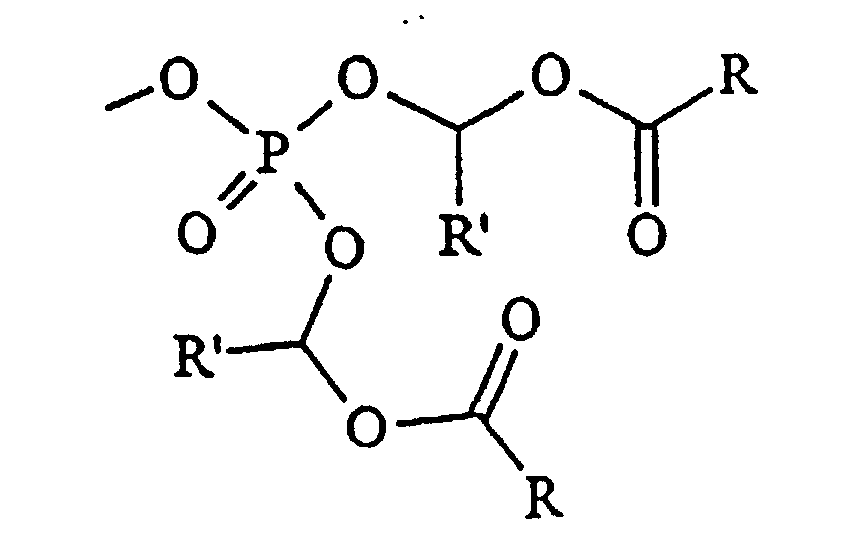
- Preferred esters are the propionyloxymethyl and butyryloxymethyl esters of: inositol-1,4,5-triphosphate; 3-deoxy-inositol-1,4,5-triphosphate; 3-fluoro-inositol-1,4,5-triphosphate; inositol-1,3,4-triphosphate; inositol-1,3,4,5-tetrasphosphate; and inositol-3,4,5,6-tetrasphosphate.
- Examples of synthesis and use of preferred exemplary inositol polyphosphate esters in accordance with the present invention is as follows:
- The general synthesis scheme which may be used to make a number of different esters in accordance with the present invention is set forth in FIG. 5.
- The synthesis of phosphotriesters with neighboring unprotected hydroxyls is difficult because the phosphates very easily migrate or cyclize into the free hydroxyls. The key is to use benzyl ethers to protect the hydroxyls for as many steps as possible and to find conditions to remove the benzyls at the last stage without affecting the phosphate acyloxyalkyl esters (FIG. 5). Thus in the synthesis of, for example, inositol triphosphate propionyloxymethyl ester (IP3/PM), the hydroxyls on the 2, 3, and 6-positions are initially protected as benzyl groups. Phosphorylation of 1 with bis(β-cyanoethyl)N,N-diisopropylphosphoramidite, oxidation of the phosphites, and ammonolysis of the cyanoethyl protecting groups affords 2,3,6-tri-O-benzyl-IP3 (2a). Esterification with bromomethyl propionate (3, R = Et, R' = H) gives fully protected inositol trisphosphate (4a). Finally, catalytic hydrogenolysis over palladium acetate in acetic acid provides IP3/PM (5a, R = Et, R' = H) without phosphate migration or cyclization. This general procedure may be used to synthesize other membrane-permeant, intracellularly hydrolyzable esters of IP3 and other important inositol polyphosphates such as 3-deoxy-1,4,5-IP3, 3-fluoro-1,4,5-IP3, 1,3,4-IP3, 1,3,4,5-IP4, and 3,4,5,6-IP4.
- A detailed description of the synthesis is as follows:
- D-2,3,6-tri-O-benzyl-myo-inositol 1a and D-2,6-di-O-benzyl-myo-inositol 1d, which are known compounds (65,66), are synthesized from myo-inositol by a modified procedure (for 1a) or as published (for 1d). D-2,3-di-O-benzyl-3-deoxy-myo-inositol 1b and D-2,3-di-O-benzyl-3-deoxy-3-fluoro-myo-inositol 1c, may be prepared in two steps from known precursors (67,68), D-1,4,5-tri-O-benzoyl-6-O-benzyl-3-deoxy-myo-inositol (
compound 10 in ref. 67) or D-1,4,5-tri-O-benzoyl-6-O-benzyl-3-deoxy-3-fluoro-myo-inositol (compound 5b in ref. 68) respectively. These starting materials may be benzylated with benzyl trichloroacetimidate in the presence of a catalytic amount of trifluoromethanesulfonic acid. Removal of the benzoyl protecting groups with potassium carbonate in methanol overnight affords 1b and 1c, respectively. The experimental procedure outlined in FIG. 5 is similar for 5a, 5b, 5c and 5d. Here we use 5a as an example. All reactions are done under an atmosphere of argon unless otherwise specified. - D-2,3,6-tri-O-benzyl-myo-inositol-1,4,5-triphosphate (2a),ammoniumsalt: 65 mg 1a (0.144 mmol) was dissolved in 1 ml dichloromethane and 1 ml acetonitrile. Bis(β-cyanoethyl)-N,N-diisopropylphosphoramidite (69) (180µl, 0.65 mmol) was added, followed by 48 mg tetrazole (0.69 mmol) dissolved in 1.2 ml acetonitrile. After stirring at room temperature for 2 hours, the reaction flask was cooled in an ice bath. An excess of t-butyl hydroperoxide (300 µl of a 5 M solution in dichloromethane) was added in one portion. Thirty minutes later, the ice bath was removed and stirring was continued at room temperature for another hour. The solvent was removed under reduced pressure. The remaining syrup was resuspended in the minimum amount of dichloromethane/methanol (12:1). 130 mg of a clear glass was obtained. This material was dissolved in 1.5 ml methanol and mixed with 6 ml concentrated ammonium hydroxide. It was refluxed at 60°C for 3 hours and the solvent was removed under reduced pressure. The remaining material was used directly for the next step without further purification.
- D-2,3,6-tri-O-benzyl-myo-inositol-1,4,5-triphosphate propionyloxymethyl ester (4a). The above material (2a) was suspended in 1 ml acetonitrile and 0.2 ml diisopropylethylamine (DIEA). It was then sonicated for a short interval and the solvent was removed under reduced pressure. This process was repeated a few more times until a homogeneous solution was obtained after adding acetonitrile and DIEA, indicating that the counterions for the phosphate groups had been exchanged from ammonium to diisopropylethylammonium. An excess (∼150 µl) of bromomethyl propionate (3, R = Et, R' = H, prepared as in ref. 70) was then added and left to react for 48 hours. The solvent was removed under vacuum and the remaining syrup was first purified by silica gel flash column chromatography, eluting with ethyl acetate. The pale yellow glass obtained upon evaporation was further purified by HPLC on a C18 reverse-phase column, eluting with 78% methanol in water. 15 mg clear glass was obtained, 10% overall yield from 1a. 1H-NMR (CDCl3): δ = 1.1 (m, 18H), 2.2-2.45 (m, 12H), 3.5 (dd, 1H,J = 12Hz, 2Hz), 4.05 (t, 1 H, J = 11.2Hz), 4.3-4.5 (m, 3H), 4.7-4.9 (m, 7H), 5.3-5.7 (m, 12H), 7.2-7.5 (m, 15H), FAB MS m/z (M+Cs)+. Calculated: 1339.2293. Observed: 1339.2261.
- D-myo-inositol-1,4,5-triphosphate propionyloxymethyl ester (5a, R = Et, R' = H). 15 mg 4a was dissolved in 2 ml glacial acetic acid. 20 mg palladium acetate and a catalytic amount of trifluoroacetic acid was added. The mixture was stirred under 1 atm hydrogen gas at a temperature below 20°C to minimize phosphate triester migration. After 4 hours of hydrogenation, the catalyst was filtered off and the acetic acid was lyophilized. 10 mg clear glass was obtained. 1H-NMR (CD3OD): δ = 1.2 (m, 18H), 2.4 (m, 12H), 3.7 (dd, 1H, J = 9.9Hz), 2.4Hz), 4.0 (t, 1H, J = 9.3Hz), 4.2-4.4 (m, 3H), 4.65 (q, 1H, J = 8.4Hz), 5.7 (m, 12H).
- D-myo-inositol-1,4,5-triphosphate butyryloxymethyl ester (5a, R = Pr, R' = H) was prepared identically but with bromomethyl butyrate (3, R = Pr, R' = H) in place of bromomethyl propionate. 1H-NMR (CD3OD): δ = 0.95 (m, 18H), 1.7 (m, 12H), 2.4 (m, 12H), 3.7 (dd, 1H, J = 9.9Hz, 2.4Hz), 4.0 (t, 1H, J = 9.3Hz), 4.2-4.4 (m, 3H), 4.65 (q, 1H, J = 8.4Hz), 5.7 (m, 12H). FAB MS m/z (M+Cs)+. Calculated: 1153.1824. Observed: 1153.1850.
- The best-established biological effect of IP3 is to release Ca2+ from internal stores (26), so IP3/PM (5a, R = Et, R' = H) was tested by imaging cytosolic free Ca2+ levels in single REF-52 fibroblasts using standard methodology (58). Cells were loaded with the Ca2+-indicator fura-2 and viewed by fluorescence excitation ratioing. IP3/PM (40 µM) was applied extracellularly while monitoring cytosolic Ca2+ concentrations. As shown in FIG. 6, the Ca2+ concentration increased rapidly after addition of IP3/PM (vertical dotted line labeled 1). Subsequent addition of vasopressin (vertical dotted line labeled 2), a well-known Ca2+-releasing hormone (59) had much less effect than normal. This occlusion demonstrates that IP3/PM had already partially exhausted the same pathways to elevate Ca2+ as utilized by a physiological agonist, vasopressin.
- Biological tests on 1321N1 astrocytoma cells were performed similarly to the tests on REF-52 cells (71). The results of the tests are shown in FIG. 7. The concentration of Cytosolic free Ca2+ (ordinate, in units of µM) in faro-2-loaded 1321N1 astrocytoma cells is shown as a function of time (abscissa, in units of seconds). At the dotted vertical line labeled 1, 20µM inositol-1,4,5-triphosphate propionyloxymethyl ester (5a, R = Et, R' = H) was added. A sizable elevation of cytosolic Ca2 + was observed after about 100 second delay. Subsequently the cells could respond to carbachol (200 µM, delivered at the dotted vertical line labeled 2), a drug that stimulates the endogenous generation of inositol-1,4,5-triphosphate. However, the response to carbachol is depressed by the prior treatment with the inositol-1,4,5-triphosphate propionyloxymethyl ester. Likewise the Ca2+ response to thapsigargin (100 nM, delivered at the dotted vertical line labeled 3), another drug that releases stored Ca2+, is depressed.
- A test similar to the one shown in FIG. 7 was conducted except that the medium lacked extracellular Ca2+ and a dose of 60 µM inositol-1,4,5-triphosphate propionyloxymethyl ester was added at the dotted vertical line labeled 1. The results of the test are shown in FIG. 8. A sizable elevation of cytosolic Ca2+ was observed after about a 50 second delay. Because no extracellular Ca2+ was present, this response must have represented release from intracellular Ca2+ stores. Subsequently the cells' response to carbachol (200 µM, delivered at the dotted vertical labeled 2) was greatly depressed by the prior treatment with the inositol-1,4,5-triphosphate propionyloxymethyl ester. The much greater degree of inhibition of the carbachol response compared to the previous example (FIG. 7) is due to the higher dose of the inositol-1,4,5-triphosphate propionyloxymethyl ester and the absence of extracellular Ca2+, which reduces refilling of Ca2+ stores.
- In a further example, the same test as set forth above was conducted with astrocytoma cells, except that 2µM inositol-1,4,5-triphosphate butyryloxymethyl ester (5a, R = Pr, R' = H) was used instead of the propionyloxymethyl ester. The test results are shown in FIG. 9. The butyryloxymethyl ester is somewhat more potent but its effects are slower to appear and decay.
- The above biological results show that neutral, hydrophobic, membrane-permeant derivatives of inositol phosphates can be synthesized and show the expected biological activity when applied extracellularly to intact REF-52 fibroblasts and astrocytoma cells. IP3/PM released Ca2+ from internal stores, as would be expected for an agent that mimicked IP3.
- Permeant inositol polyphosphate derivatives as described above are useful to investigate longer-term effects on cells not mediated through cytosolic [Ca2+]i. For example, possible effects on protein synthesis, phosphorylation, proliferation (49), or gene expression are relatively difficult to study on microinjected, patch-clamped, or permeabilized cells.
- Inositol polyphosphates are among the most ubiquitous and important intracellular second messengers. They are essential for hormone secretion and action, smooth muscle contraction, immune activation, fertilization, and neuronal function. As previously mentioned, the best known inositol polyphosphate is myo-inosltol-1,4,5-triphosphate (IP3), which acts by releasing Ca2+ from intracellular stores. IP3 undergoes further metabolism to a series of inositol polyphosphates of largely unknown biochemical function. A major problem in investigating the biological functions of inositol polyphosphates is their membrane impermeability. All existing techniques for delivering exogenous inositol polyphosphates into cells require puncture of their plasma membranes by techniques that jeopardize the cells' viability and are often applicable only to single cells. The inositol polyphosphate derivatives in accordance with the present invention provide a solution of this problem because they are membrane-permeant and they regenerate into biologically active inositol polyphosphates once inside the cell.
- The acyloxyalkyl esters of phosphate-containing second messengers in accordance with the present invention may be used in any situation where it is desirable to introduce the second messenger into a cell without puncturing the cell membrane or otherwise adversely affecting the cell. The present invention is useful as a replacement for the existing methods which rely on microinjection, patch-clamp and electroporation techniques to introduce phosphate-containing second messengers into cells.
- The acyloxyalkyl esters are introduced into the selected cells by simply exposing the cells to the esters in cell growth media or other suitable solution. The amount of ester which is introduced into the cell can be controlled by reducing or increasing the concentration of ester present in the cell growth media. The amount of ester which permeates into the cell may also be controlled by limiting the amount of time that the cells are left exposed to the ester.
- Having thus described exemplary embodiments of the present invention, it will be understood by those skilled in the art that the within disclosures are exemplary only and that the invention is only limited by the following claims.
-
- 1.
- Hardie, D. G.(1991) Biochemical Messengers: Hormones, Neurotransmitters and Growth Factors, Champman & Hall, London.
- 2.
- Robinson, G. A., Butcher, R. W., and Sutherland, E. W. (1971) Cyclic AMP, Academic Press, New York.
- 3.
- Corbin, J. D., Johnson, R. A., eds (1988) Methods in Enzymology: Initiation and Termination of Cyclic Nucleotide Action, Academic Press, Inc., San Diego.
- 4.
- Goy, M. F.(1991) Trends Neurosci. 14, 293-299.
- 5.
- Berridge, M. J. and Irvine, R. F. (1989) Nature 341, 197-205.
- 6.
- Meyer, R.B., Jr. (1980) in Burger's Medicinal Chemistry (Wolff, M.E., ed.) pp. 1201-1224, Wiley, New York.
- 7.
- Polokoff, M. A., Bencen, G. H., Vacca, J. P., deSolms, S. J., Young, S. D., and Huff, J. R. (1988) J. Biol. Chem. 263, 11922-11927.
- 8.
- Henion, W. F., Sutherland, E. W., and Posternak, T. (1967) Biochim. Biophys. Acta 148, 106-113.
- 9.
- Roche, E. B., ed. (1987) Bioreversible Carriers in Drug Design Pergamon Press, New York.
- 10.
- Falbriard, J.-G., Posternak, T., and Sutherland, E. W. (1967) Biochim. Biophys. Acta 148, 99-105.
- 11.
- Jansen, A. B. A. and Russell, T. J. (1965) J. Chem. Soc. 2127-2132.
- 12.
- Tsien, R. Y.(1981) Nature 290, 527-528.
- 13.
- Grynkiewicz, G., Poenie, M., and Tsien, R. Y. (1985) J. Biol. Chem. 260, 3440-3450.
- 14.
- Tsien, R. Y.(1989) Methods Cell Biol. 30, 127-156.
- 15.
- Srivastva, D. N. and Farquhar, D. (1984) Bioorg. Chem. 12, 118-129.
- 16.
- lyer, R. P., Phillips, L. R., Biddle, J. A., Thakker, D. R., Egan, W., Aoki, S., and Mitsuga, H. (1989) Tetrahedron Lett. 30, 7141-7144.
- 17.
- Sastry, J. K., Nehete, P. N., Khan, S., Nowak, B. J., Plunkett, W., Arlinghaus, R. B., and Farquhar, D. (1992) Mol. Pharmacol. 41, 441-445.
- 18.
- Freed, J. J., Farquhar, D., and Hompton, A. (1989) Biochem. Pharmacol. 38, 3193-3198.
- 19.
- Saperstein, R., Vicario, P. P., Strout, H. V., Brady, E., Slater, E. E., Greenlee, W. J., Ondeyka, D. L., Patchett, A. A., and Hangauer, D. G. (1989) Biochemistry 28, 5694-5701.
- 20.
- Walker, J. W., Reid, G. P., McCray, J. A., and Trentham, D. R. (1988) J. Am. Chem. Soc. 110, 7170-7177.
- 21.
- Nerbonne, J. M., Richard, S., Nargeot, J., and Lester, H. A. (1984) Nature 310, 74-76.
- 22.
- Engels, J. and Schlaeger. E. -J. (1977) J. Med. Chem. 20, 907-911.
- 23.
- Walker, J. W., Feeney, J., and Trentham, D. R. (1989) Biochemistry 28, 3272-3280.
- 24.
- Gurney, A. M. and Lester, H. A. (1987) Physiol. Rev. 67, 583-617.
- 25.
- McCray, J. A. and Trentham, D. R. (1989) Annu. Rev. Biophys. Biophys. Chem. 18, 239-270.
- 26.
- Berridge, M. J. and Irvine, R. F. (1989) Nature 341, 197-205.
- 27.
- Irvine, R. F. and Moor, R. M. (1986) Biochem. J. 240, 917-920.
- 28.
- Irvine, R. F. (1990) FEBS Letters 263, 5-9.
- 29.
- Morris, A. P., Gallacher, D. V., Irvine, R. F., and Petersen, O. H. (1987) Nature 330, 653-655.
- 30.
- Changya, L., Gallacher, D. V., Irvine, R. F., Potter, B. V. L., and Petersen, O. H. (1989) J. Membrane Biol. 109, 85-93.
- 31.
- Boynton, A. L., Dean, N. M., and Hill, T. D. (1990) Biochem. Pharmacol. 40, 1933-1939.
- 32.
- Hill, T. D., Dean, N. M., and Boynton, A. L. (1988) Science 242, 1176-1178.
- 33.
- Crossley, I., Swann, K., Chambers, E., and Whitaker, M. (1988) Biochem. J. 252, 257-262.
- 34.
- Snyder, P. M., Krause, K.-H., and Welsh, M. J. (1988) J. Biol. Chem. 263, 11048-11051.
- 35.
- Tsien, R. W. and Tsien, R. Y. (1990) Annu. Rev. Cell Biol. 6, 715-760.
- 36.
- Bird, G. St J., Rossier, M. F., Hughes, A. R., Shears, S. B., Armstrong, D. L., and Putney, Jr., J. W. (1991) Nature 352, 162-165.
- 37.
- Balla, T., Sim, S. S., lida, T., Choi, K. Y., Catt, K. J., and Rhee, S. G. (1991) J. Biol. Chem. 266, 24719-24726.
- 38.
- Grynkiewicz, G. and Tsien, R. Y. (1987) Pol. J. Chem. 61, 443-447.
- 39.
- Adams, S. R., Harootunian, A. T., Buechler, Y. J., Taylor, S. S., and Tsien, R. Y. (1991) Nature 349, 694-697.
- 40.
- Dharmsathaporn, K., Mandel, K. G., Masui, H., and McRoberts, J. A. (1985) J. Clin. Invest. 75, 462-470.
- 41.
- Madara, J. and Dharmsathaporn, K. (1985) J. Cell Biol. 101, 2124-2133.
- 42.
- Dharmsathaporn, K., Mandel, K. G., McRoberts, J. A., Tisdale, L. D., and Masui, H. (1984) Am. J. Physiol. 264, G204-G208.
- 43.
- McRoberts, J.A. and Barrett, K.E. (1989) Modern Cell Biology (Mathi, K.S. and Valeulich, J.D., eds) pp. 235-265, Alan R. Liss, Inc., New York.
- 44.
- Sammak, P. J., Adams, S. R., Harootunian, A. T., Schliwa, M., and Tsien, R. Y. (1992) J. Cell Biol. 117, 57-72.
- 45.
- Taylor, S. S., Buechler, J. A., and Yonemoto, W. (1990) Annu. Rev. Biochem. 59, 971-1005.
- 46.
- Barrett, K.E. and Dharmsathaporn, K. (1991) Textbook of Gastroenterology (Yamada, T., ed) pp. 265-294, J.B. Lippincott Co., Philadelphia.
- 47.
- Schliwa, M. (1975) Microtubules and Microtubule Inhibitors (Borgers, M. and de Brabender, M., eds) pp. 215-228, Elsevier Science, Amsterdam.
- 48.
- Beebe, S. J., Blackmore, P. F., Chrisman, T. D., and Corbin, J. D. (1988) Methods Enzymol. 159, 118-139.
- 49.
- Smirnova, L. I., Malenkovskaya, N.A, Preddoditelev, D.A., and Nifant'ev, E.E. (1980) Zh. Org. Khim. 16,1011-1019.
- 50.
- Angyal, S.J. and Tate, M.E. (1965) J. Chem. Soc. 6949-6955.
- 51.
- Tegge, W. (1986) Ph.D. Thesis University of Bremen-FRG.
- 52.
- Lee, H. W. and Kishi, Y. (1985) J. Org. Chem. 50, 4402-4404.
- 53.
- Billington, D. C., Baker, R., Kulagowski, J. J., Mawer, I.M., Vacca, J. P., deSolms, S.J., and Hugg, J.R. (1989) J. Chem. Soc. Perkin Trans. 1 1423-1429.
- 54.
- Baudin, G., Glanzer, B. I., Swaminathan, K.S., and Vasella, A. (1988) Helv. Chim. Acta 71, 1367-1378.
- 55.
- Tegge, W. and Ballou, C.E. (1989) Proc. Natl. Acad. Sci. USA 86, 94-98.
- 56.
- Perich, J. W. and Johns, R. B. (1987) Tetrahedron Lett. 28, 101-102.
- 57.
- Thastrup, O., Cullen, P.J., Drobak, B.K., Hanley, M.R., and Dawson, A.P. (1990) Proc. Natl. Acad. Sci. USA 87, No. 7, 2466-2470.
- 58.
- Tsien, R.Y. and Harootunian, A.T. (1990) Cell Calcium 11, 93-109.
- 59.
- Harootunian, A.T., Kao, J.P.Y., Paranjape, S., Adams, S.R., Potter, B.V.L., and Tsien, R.Y. (1991) Cell Calcium 12, 153-164.
- 60.
- Harootunian, A.T., Kao, J.P.Y., Paranjape, S., and Tsien, R.Y. (1991) Science 251, 75-78.
- 61.
- Finch, E.A., Turner, T.J., and Goldin, S.M. (1991) Scient 252, 443-446.
- 62.
- Kuno, M. and Gardner, P. (1987) Nature 236, 301-304.
- 63.
- Penner, R-, Matthews, G., and Neher, E. (1988) Nature 334, 499-504.
- 64.
- Schultz, C. et al. (1993) Journal of Biological Chemistry Vol. 268, No. 9, 6316-6322.
- 65.
- Oozaki, S. et al., Tetrahedron Lett. 27 (1986), 3157; Dreef, C.E. et al., Recl. Trav. Chim. Pays-Bas. 107 (1988). 395.
- 66.
- Billington, D.C. et al., J. Chem. Soc. Chem. Communications (1987). 1011; Baudin. G. et al., Helv. Chim. Acta 71 (1988) 1367.
- 67.
- Kozikowski, A.P. et al., J. Am. Chem. Soc. 115 (1993), 4429.
- 68.
- Kozikowski, A.P. et al., J. Am. Chem. Soc. 112 (1990), 7403.
- 69.
- Bannwarth, W. et al., Helv. Chim. Acta. 70 (1987), 175.
- 70.
- Euranto, E.K. et al., Acta. Chem. Scand. 20 (1966), 1273.
- 71.
- Randriamampita, C and Tsien, R.Y. (1993) Nature 364:809-814.
- 72.
- WO94 123 724
Claims (21)
- A composition of matter comprising the acyloxyalkyl ester of a phosphate-containing second messenger having the formulawherein A1 to A6 is H, OH, F or
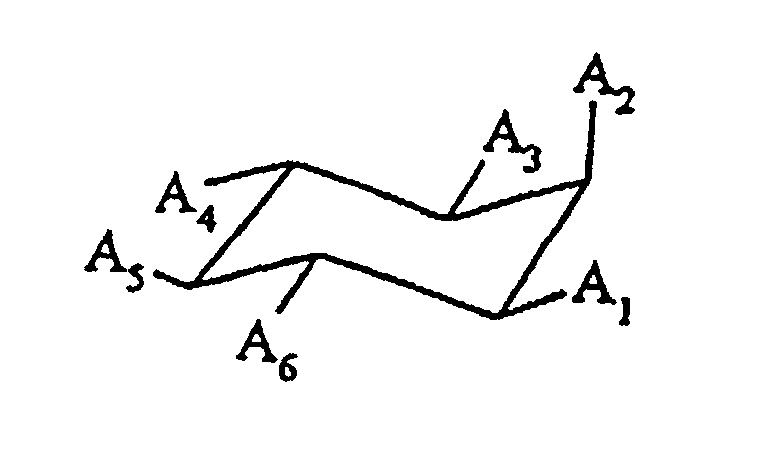 wherein R is an alkyl group having from 2 to 6 carbon atoms and R' is H or CH3 or R is CH3 and R' is CH3 and wherein at least one of A1 to A6 is a phosphoester having the formula set forth above.
- A composition of matter according to claim 1 wherein A1, A4 and A5 arewherein R is an alkyl group having from 2 to 6 carbon atoms and R' is H or R is CH3 and R' is CH3.

- A composition of matter according to claim 1 wherein A1, A3, A4 and A5 arewherein R is an alkyl group having from 2 to 6 carbon atoms and R' is H or R is CH3 and R' is CH3.

- A composition of matter according to claim 1 wherein A3, A4, A5 and A6 arewherein R is and alkyl group having from 2 to 6 carbon atoms and R' is H or R is CH3 and R' is CH3.

- A composition of matter according to claim 2 wherein R is ethyl or propyl and R' is H.
- A composition of matter according to claim 3 wherein R is ethyl or propyl and R' is H.
- A composition of matter according to claim 2 wherein A3 is H and A2 and A6 are OH.
- A composition of matter according to claim 2 wherein A3 is F and A2 and A6 are OH.
- A composition of matter according to claim 5 wherein A3 is H and A2 and A6 are OH.
- A composition of matter according to claim 5 wherein A3 is F and A2 and A6 are OH.
- A method for increasing the permeability of a phosphate-containing second messenger through a cell membrane, said method comprising the step of esterifying one or more phosphate groups present in said phosphate-containing second messenger to form an acyloxyalkyl ester of said phosphate-containing second messenger having the formulawherein A1 to A6 is H, OH, F or
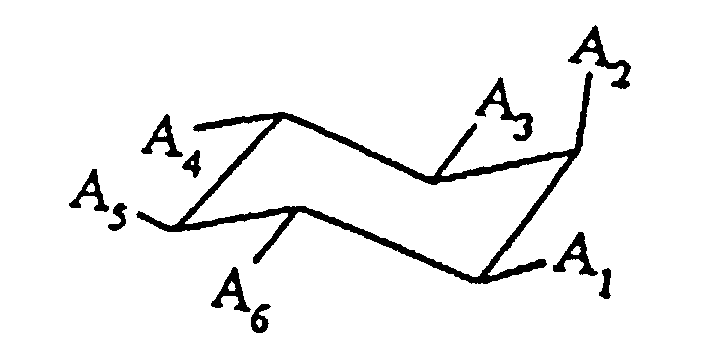 wherein R is an alkyl group having from 2 to 6 carbon atoms and R' is H or CH3 or R is CH3 and R' is CH3 and wherein at least one of A1 to A6 is a phosphoester having the formula set forth above.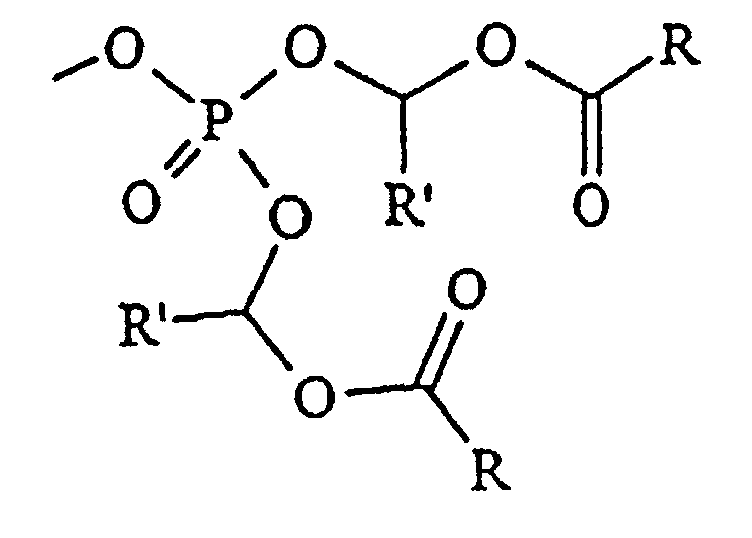
- A method according to claim 11 wherein A1, A4 and A5 arewherein R is an alkyl group having from 2 to 6 carbon atoms and R' is H or R is CH3 and R' is CH3.

- A method according to claim 11 wherein A1, A3, A4 and A5 arewherein R is an alkyl group having from 2 to 6 carbon atoms and R' is H or R is CH3 and R' is CH3.

- A method according to claim 11 wherein A3, A4, A5 and A6 arewherein R is and alkyl group having from 2 to 6 carbon atoms and R' is H or R is CH3 and R' is CH3.

- A method according to claim 12 wherein R is ethyl or propyl and R' is H.
- A method according to claim 13 wherein R is ethyl or propyl and R' is H.
- A method according to claim 12 wherein A3 is H and A2 and A6 are OH.
- A method according to claim 12 wherein A3 is F and A2 and A6 are OH.
- A method according to claim 15 wherein A3 is H and A2 and A6 are OH.
- A method according to claim 15 wherein A3 is F and A2 and A6 are OH.
- A method for introducing phosphate-containing second messengers into a cell without disrupting the cell membrane, said method comprising the steps of:esterifying the phosphate groups present in said phosphate-containing second messenger to form an acyloxyalkyl ester of said phosphate-containing second messenger having the formulawherein A1 to A6 is H, OH, F or
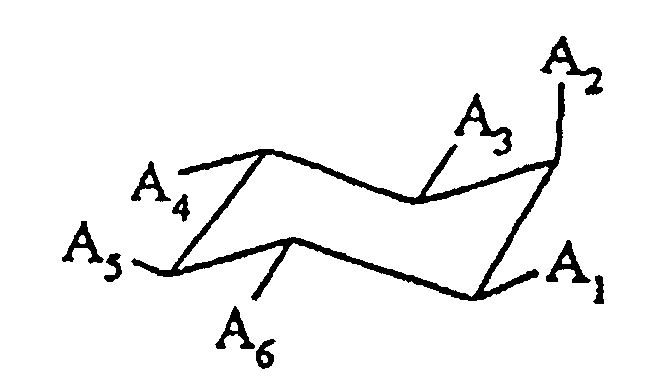 wherein R is an alkyl group having from 2 to 6 carbon atoms and R' is H or CH3 or R is CH3 and R' is CH3 and wherein at least one of A1 to A6 is a phosphoester having the formula set forth above.
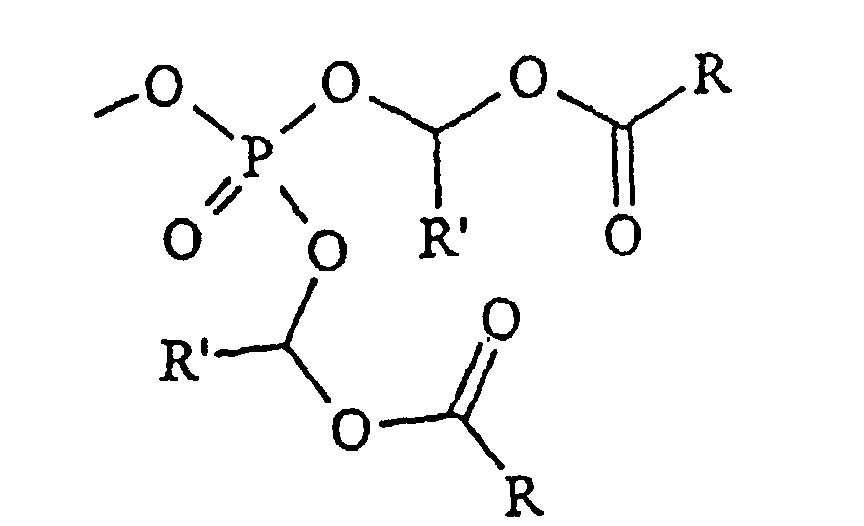 introducing said acyloxyalkyl ester of said phosphate-containing second messenger into said cell without disrupting said cell membrane; andallowing the cell to cleave the acyloxyalkyl ester from said phosphate groups to form said phosphate-containing second messenger within said cell.
Applications Claiming Priority (3)
| Application Number | Priority Date | Filing Date | Title |
|---|---|---|---|
| US08/475,758 US5834436A (en) | 1993-04-09 | 1995-06-07 | Membrane-permeant second messengers |
| US475758 | 1995-06-07 | ||
| PCT/US1996/009923 WO1996040695A1 (en) | 1995-06-07 | 1996-06-07 | Membrane-permeant second messengers |
Publications (3)
| Publication Number | Publication Date |
|---|---|
| EP0842181A1 EP0842181A1 (en) | 1998-05-20 |
| EP0842181A4 EP0842181A4 (en) | 1998-11-25 |
| EP0842181B1 true EP0842181B1 (en) | 2002-10-02 |
Family
ID=23889001
Family Applications (1)
| Application Number | Title | Priority Date | Filing Date |
|---|---|---|---|
| EP96918434A Expired - Lifetime EP0842181B1 (en) | 1995-06-07 | 1996-06-07 | Membrane-permeant second messengers |
Country Status (8)
| Country | Link |
|---|---|
| US (1) | US5834436A (en) |
| EP (1) | EP0842181B1 (en) |
| JP (1) | JPH11508240A (en) |
| AT (1) | ATE225355T1 (en) |
| AU (1) | AU709883B2 (en) |
| CA (1) | CA2220994A1 (en) |
| DE (1) | DE69624121T2 (en) |
| WO (1) | WO1996040695A1 (en) |
Families Citing this family (11)
| Publication number | Priority date | Publication date | Assignee | Title |
|---|---|---|---|---|
| US5866548A (en) * | 1993-04-09 | 1999-02-02 | The Regents Of The University Of California | Caged membrane-permeant inositol phosphates |
| US5955453A (en) * | 1998-04-24 | 1999-09-21 | The Regents Of The University Of California | Membrane-permeant phosphoinositides |
| US6221856B1 (en) | 1999-02-03 | 2001-04-24 | Inologic, Inc. | Inositol derivatives for inhibiting superoxide anion production |
| US6812342B2 (en) | 2001-06-20 | 2004-11-02 | Board Of Regents, The University Of Texas System | Esters of cyclic ADP ribose derivatives |
| US20050181464A1 (en) * | 2002-04-04 | 2005-08-18 | Affinium Pharmaceuticals, Inc. | Novel purified polypeptides from bacteria |
| KR100578732B1 (en) * | 2004-03-05 | 2006-05-12 | 학교법인 포항공과대학교 | Inositol derivatives as molecular transporters and preparation method thereof |
| EP2927209A1 (en) | 2014-03-31 | 2015-10-07 | Afinitica Technologies, S. L. | Process for preparing 1,1-disubstituted ethylenic monomers |
| WO2020219464A1 (en) * | 2019-04-22 | 2020-10-29 | Ligand Pharmaceuticals, Inc. | Cyclic phosphate compounds |
| EP4139319A4 (en) | 2020-04-21 | 2024-06-19 | Ligand Pharmaceuticals, Inc. | Benzyloxy phosph(on)ate compounds |
| EP4036097A1 (en) * | 2021-01-29 | 2022-08-03 | Sanifit Therapeutics S.A. | Ip4-4,6 substituted derivative compounds |
| EP4286369A1 (en) | 2022-06-03 | 2023-12-06 | Bostik SA | Biobased cyanoacrylate compound |
Family Cites Families (10)
| Publication number | Priority date | Publication date | Assignee | Title |
|---|---|---|---|---|
| US4515722A (en) * | 1982-03-30 | 1985-05-07 | Merck & Co., Inc. | Phosphatidyl inositol analogs useful as anti-inflammatory/analgesic agents |
| US4816570A (en) * | 1982-11-30 | 1989-03-28 | The Board Of Regents Of The University Of Texas System | Biologically reversible phosphate and phosphonate protective groups |
| US4968788A (en) * | 1986-04-04 | 1990-11-06 | Board Of Regents, The University Of Texas System | Biologically reversible phosphate and phosphonate protective gruops |
| US5428163A (en) * | 1986-12-31 | 1995-06-27 | Mills; Randell L. | Prodrugs for selective drug delivery |
| US4988682A (en) * | 1989-02-03 | 1991-01-29 | University Of Pittsburgh | Myo-inositol analogs and method for their use |
| US5053399A (en) * | 1989-02-03 | 1991-10-01 | University Of Pittsburgh | Myo-inositol analogs and methods for their use |
| US5210263A (en) * | 1990-05-15 | 1993-05-11 | University Of Pittsburgh | Inositol phosphate analogs and methods for their use |
| US5177064A (en) * | 1990-07-13 | 1993-01-05 | University Of Florida | Targeted drug delivery via phosphonate derivatives |
| US5227508A (en) * | 1992-01-24 | 1993-07-13 | Mayo Foundation For Medical Education And Research | 3-deoxy-3-substituted analogs of phosphatidylinositol |
| US5693521A (en) * | 1993-04-09 | 1997-12-02 | The Regents Of The University Of California | Membrane-permeant second messengers |
-
1995
- 1995-06-07 US US08/475,758 patent/US5834436A/en not_active Expired - Lifetime
-
1996
- 1996-06-07 AU AU61099/96A patent/AU709883B2/en not_active Ceased
- 1996-06-07 JP JP9502088A patent/JPH11508240A/en not_active Ceased
- 1996-06-07 DE DE69624121T patent/DE69624121T2/en not_active Expired - Fee Related
- 1996-06-07 EP EP96918434A patent/EP0842181B1/en not_active Expired - Lifetime
- 1996-06-07 AT AT96918434T patent/ATE225355T1/en not_active IP Right Cessation
- 1996-06-07 WO PCT/US1996/009923 patent/WO1996040695A1/en not_active Ceased
- 1996-06-07 CA CA002220994A patent/CA2220994A1/en not_active Abandoned
Also Published As
| Publication number | Publication date |
|---|---|
| DE69624121T2 (en) | 2003-06-18 |
| AU6109996A (en) | 1996-12-30 |
| ATE225355T1 (en) | 2002-10-15 |
| JPH11508240A (en) | 1999-07-21 |
| US5834436A (en) | 1998-11-10 |
| EP0842181A1 (en) | 1998-05-20 |
| CA2220994A1 (en) | 1996-12-19 |
| DE69624121D1 (en) | 2002-11-07 |
| EP0842181A4 (en) | 1998-11-25 |
| AU709883B2 (en) | 1999-09-09 |
| WO1996040695A1 (en) | 1996-12-19 |
Similar Documents
| Publication | Publication Date | Title |
|---|---|---|
| Schultz et al. | Acetoxymethyl esters of phosphates, enhancement of the permeability and potency of cAMP. | |
| US5866548A (en) | Caged membrane-permeant inositol phosphates | |
| EP0934325B1 (en) | Mycophenolic bisphosphonate compounds | |
| Li et al. | Membrane-permeant esters of inositol polyphosphates, chemical syntheses and biological applications | |
| US5834436A (en) | Membrane-permeant second messengers | |
| US5693521A (en) | Membrane-permeant second messengers | |
| JPH08504439A (en) | Lipid derivatives of phosphonoic acids for liposome incorporation and methods of use | |
| Marquez et al. | Thiazole-4-carboxamide adenine dinucleotide (TAD). Analogs stable to phosphodiesterase hydrolysis | |
| McGuigan et al. | Synthesis and anti-HIV activity of some novel chain-extended phosphoramidate derivatives of d4T (stavudine): esterase hydrolysis as a rapid predictive test for antiviral potency | |
| JP3102798B2 (en) | Inositol derivatives, formulations containing them and their use | |
| AU2002246956B2 (en) | Inhibitors of ADP-ribosyl transferases, cyclases, and hydrolases, and uses thereof | |
| CN106661075A (en) | Di- and triphosphate prodrugs | |
| Somogyi et al. | Targeted drug delivery to the brain via phosphonate derivatives: I. Design, synthesis and evaluation of an anionic chemical delivery system for testosterone | |
| JPS59501211A (en) | Novel glycerin derivatives for phospholipid synthesis | |
| WO2012150866A1 (en) | Phosphoribosyltransferase inhibitors and uses thereof | |
| Riley et al. | Unambiguous total synthesis of the enantiomers of myo-inositol 1, 3, 4-trisphosphate: 1L-myo-inositol 1, 3, 4-trisphosphate mobilizes intracellular Ca2+ in Limulus photoreceptors | |
| Gouy et al. | Special feature of mixed phosphotriester derivatives of cytarabine | |
| JPH07258278A (en) | Dna polymerase alpha inhibitor containing 1-o-acylglycerol-2,3-phosphate derivative as active ingredient | |
| US4745185A (en) | D-arabinose-1,5-diphosphate salts and methods for the treatment of diabetes | |
| AU776502B2 (en) | Cyclic glycerophosphates and analogs thereof | |
| US5955453A (en) | Membrane-permeant phosphoinositides | |
| EP1409494B1 (en) | Stabilized derivatives of ascorbic acid -3- phosphate | |
| CA2267348A1 (en) | Inositol polyphosphate derivatives and methods of using same | |
| McClard et al. | Inhibition of fructose bisphosphatase and stimulation of phosphofructokinase by a stable isosteric phosphonate analog of fructose 2, 6-bisphosphate | |
| Barrett et al. | Acetoxymethyl Esters of Phosphates, Enhancement of the Permeability and Potency of cAMP |
Legal Events
| Date | Code | Title | Description |
|---|---|---|---|
| PUAI | Public reference made under article 153(3) epc to a published international application that has entered the european phase |
Free format text: ORIGINAL CODE: 0009012 |
|
| 17P | Request for examination filed |
Effective date: 19980105 |
|
| AK | Designated contracting states |
Kind code of ref document: A1 Designated state(s): AT BE CH DE DK ES FI FR GB GR IE IT LI LU MC NL PT SE |
|
| RHK1 | Main classification (correction) |
Ipc: C07F 9/117 |
|
| A4 | Supplementary search report drawn up and despatched |
Effective date: 19981009 |
|
| AK | Designated contracting states |
Kind code of ref document: A4 Designated state(s): AT BE CH DE DK ES FI FR GB GR IE IT LI LU MC NL PT SE |
|
| 17Q | First examination report despatched |
Effective date: 20010215 |
|
| GRAG | Despatch of communication of intention to grant |
Free format text: ORIGINAL CODE: EPIDOS AGRA |
|
| GRAG | Despatch of communication of intention to grant |
Free format text: ORIGINAL CODE: EPIDOS AGRA |
|
| GRAH | Despatch of communication of intention to grant a patent |
Free format text: ORIGINAL CODE: EPIDOS IGRA |
|
| GRAH | Despatch of communication of intention to grant a patent |
Free format text: ORIGINAL CODE: EPIDOS IGRA |
|
| GRAA | (expected) grant |
Free format text: ORIGINAL CODE: 0009210 |
|
| AK | Designated contracting states |
Kind code of ref document: B1 Designated state(s): AT BE CH DE DK ES FI FR GB GR IE IT LI LU MC NL PT SE |
|
| PG25 | Lapsed in a contracting state [announced via postgrant information from national office to epo] |
Ref country code: NL Free format text: LAPSE BECAUSE OF FAILURE TO SUBMIT A TRANSLATION OF THE DESCRIPTION OR TO PAY THE FEE WITHIN THE PRESCRIBED TIME-LIMIT Effective date: 20021002 Ref country code: LI Free format text: LAPSE BECAUSE OF FAILURE TO SUBMIT A TRANSLATION OF THE DESCRIPTION OR TO PAY THE FEE WITHIN THE PRESCRIBED TIME-LIMIT Effective date: 20021002 Ref country code: GR Free format text: LAPSE BECAUSE OF FAILURE TO SUBMIT A TRANSLATION OF THE DESCRIPTION OR TO PAY THE FEE WITHIN THE PRESCRIBED TIME-LIMIT Effective date: 20021002 Ref country code: FI Free format text: LAPSE BECAUSE OF FAILURE TO SUBMIT A TRANSLATION OF THE DESCRIPTION OR TO PAY THE FEE WITHIN THE PRESCRIBED TIME-LIMIT Effective date: 20021002 Ref country code: CH Free format text: LAPSE BECAUSE OF FAILURE TO SUBMIT A TRANSLATION OF THE DESCRIPTION OR TO PAY THE FEE WITHIN THE PRESCRIBED TIME-LIMIT Effective date: 20021002 Ref country code: BE Free format text: LAPSE BECAUSE OF FAILURE TO SUBMIT A TRANSLATION OF THE DESCRIPTION OR TO PAY THE FEE WITHIN THE PRESCRIBED TIME-LIMIT Effective date: 20021002 Ref country code: AT Free format text: LAPSE BECAUSE OF FAILURE TO SUBMIT A TRANSLATION OF THE DESCRIPTION OR TO PAY THE FEE WITHIN THE PRESCRIBED TIME-LIMIT Effective date: 20021002 |
|
| REF | Corresponds to: |
Ref document number: 225355 Country of ref document: AT Date of ref document: 20021015 Kind code of ref document: T |
|
| REG | Reference to a national code |
Ref country code: GB Ref legal event code: FG4D |
|
| REG | Reference to a national code |
Ref country code: CH Ref legal event code: EP |
|
| REG | Reference to a national code |
Ref country code: IE Ref legal event code: FG4D |
|
| REF | Corresponds to: |
Ref document number: 69624121 Country of ref document: DE Date of ref document: 20021107 |
|
| PG25 | Lapsed in a contracting state [announced via postgrant information from national office to epo] |
Ref country code: SE Free format text: LAPSE BECAUSE OF FAILURE TO SUBMIT A TRANSLATION OF THE DESCRIPTION OR TO PAY THE FEE WITHIN THE PRESCRIBED TIME-LIMIT Effective date: 20030102 Ref country code: PT Free format text: LAPSE BECAUSE OF FAILURE TO SUBMIT A TRANSLATION OF THE DESCRIPTION OR TO PAY THE FEE WITHIN THE PRESCRIBED TIME-LIMIT Effective date: 20030102 Ref country code: DK Free format text: LAPSE BECAUSE OF FAILURE TO SUBMIT A TRANSLATION OF THE DESCRIPTION OR TO PAY THE FEE WITHIN THE PRESCRIBED TIME-LIMIT Effective date: 20030102 |
|
| NLV1 | Nl: lapsed or annulled due to failure to fulfill the requirements of art. 29p and 29m of the patents act | ||
| ET | Fr: translation filed | ||
| PG25 | Lapsed in a contracting state [announced via postgrant information from national office to epo] |
Ref country code: ES Free format text: LAPSE BECAUSE OF FAILURE TO SUBMIT A TRANSLATION OF THE DESCRIPTION OR TO PAY THE FEE WITHIN THE PRESCRIBED TIME-LIMIT Effective date: 20030429 |
|
| REG | Reference to a national code |
Ref country code: CH Ref legal event code: PL |
|
| PG25 | Lapsed in a contracting state [announced via postgrant information from national office to epo] |
Ref country code: LU Free format text: LAPSE BECAUSE OF NON-PAYMENT OF DUE FEES Effective date: 20030607 Ref country code: GB Free format text: LAPSE BECAUSE OF NON-PAYMENT OF DUE FEES Effective date: 20030607 |
|
| PG25 | Lapsed in a contracting state [announced via postgrant information from national office to epo] |
Ref country code: IE Free format text: LAPSE BECAUSE OF NON-PAYMENT OF DUE FEES Effective date: 20030609 |
|
| PG25 | Lapsed in a contracting state [announced via postgrant information from national office to epo] |
Ref country code: MC Free format text: LAPSE BECAUSE OF NON-PAYMENT OF DUE FEES Effective date: 20030630 |
|
| PLBE | No opposition filed within time limit |
Free format text: ORIGINAL CODE: 0009261 |
|
| STAA | Information on the status of an ep patent application or granted ep patent |
Free format text: STATUS: NO OPPOSITION FILED WITHIN TIME LIMIT |
|
| 26N | No opposition filed |
Effective date: 20030703 |
|
| PG25 | Lapsed in a contracting state [announced via postgrant information from national office to epo] |
Ref country code: DE Free format text: LAPSE BECAUSE OF NON-PAYMENT OF DUE FEES Effective date: 20040101 |
|
| GBPC | Gb: european patent ceased through non-payment of renewal fee |
Effective date: 20030607 |
|
| PG25 | Lapsed in a contracting state [announced via postgrant information from national office to epo] |
Ref country code: FR Free format text: LAPSE BECAUSE OF NON-PAYMENT OF DUE FEES Effective date: 20040227 |
|
| REG | Reference to a national code |
Ref country code: FR Ref legal event code: ST |
|
| REG | Reference to a national code |
Ref country code: IE Ref legal event code: MM4A |
|
| PG25 | Lapsed in a contracting state [announced via postgrant information from national office to epo] |
Ref country code: IT Free format text: LAPSE BECAUSE OF NON-PAYMENT OF DUE FEES Effective date: 20050607 |