EP0829540B1 - Macrophage-infecting parasites expressing a granulocyte macrophage colony stimulating factor - Google Patents
Macrophage-infecting parasites expressing a granulocyte macrophage colony stimulating factor Download PDFInfo
- Publication number
- EP0829540B1 EP0829540B1 EP97307081A EP97307081A EP0829540B1 EP 0829540 B1 EP0829540 B1 EP 0829540B1 EP 97307081 A EP97307081 A EP 97307081A EP 97307081 A EP97307081 A EP 97307081A EP 0829540 B1 EP0829540 B1 EP 0829540B1
- Authority
- EP
- European Patent Office
- Prior art keywords
- leishmania
- csf
- parasitic protozoan
- strain
- gene
- Prior art date
- Legal status (The legal status is an assumption and is not a legal conclusion. Google has not performed a legal analysis and makes no representation as to the accuracy of the status listed.)
- Expired - Lifetime
Links
- 108010017213 Granulocyte-Macrophage Colony-Stimulating Factor Proteins 0.000 title claims abstract description 60
- 102000004457 Granulocyte-Macrophage Colony-Stimulating Factor Human genes 0.000 title claims description 46
- 244000045947 parasite Species 0.000 title abstract description 45
- 241000222722 Leishmania <genus> Species 0.000 claims abstract description 59
- 210000002540 macrophage Anatomy 0.000 claims abstract description 49
- 208000015181 infectious disease Diseases 0.000 claims abstract description 31
- 108090000623 proteins and genes Proteins 0.000 claims abstract description 19
- 201000010099 disease Diseases 0.000 claims abstract description 14
- 208000037265 diseases, disorders, signs and symptoms Diseases 0.000 claims abstract description 14
- 230000002238 attenuated effect Effects 0.000 claims abstract description 9
- 230000002829 reductive effect Effects 0.000 claims abstract description 3
- 230000001018 virulence Effects 0.000 claims abstract description 3
- 241001529936 Murinae Species 0.000 claims description 30
- 241000222732 Leishmania major Species 0.000 claims description 28
- 230000003071 parasitic effect Effects 0.000 claims description 20
- 239000000203 mixture Substances 0.000 claims description 18
- 230000002163 immunogen Effects 0.000 claims description 17
- 241000222727 Leishmania donovani Species 0.000 claims description 16
- 229960005486 vaccine Drugs 0.000 claims description 12
- 102000004127 Cytokines Human genes 0.000 claims description 10
- 108090000695 Cytokines Proteins 0.000 claims description 10
- 108090000704 Tubulin Proteins 0.000 claims description 8
- 238000001727 in vivo Methods 0.000 claims description 8
- 241000222738 Leishmania aethiopica Species 0.000 claims description 5
- 241000222730 Leishmania enriettii Species 0.000 claims description 5
- 241000222734 Leishmania mexicana Species 0.000 claims description 5
- 241000222736 Leishmania tropica Species 0.000 claims description 5
- 239000013612 plasmid Substances 0.000 claims description 5
- 241000222740 Leishmania braziliensis Species 0.000 claims description 4
- 241000222702 Leishmania tarentolae Species 0.000 claims description 4
- 241000288906 Primates Species 0.000 claims description 4
- 238000004519 manufacturing process Methods 0.000 claims description 4
- 102000000132 Alpha tubulin Human genes 0.000 claims 1
- 239000003814 drug Substances 0.000 claims 1
- 239000003153 chemical reaction reagent Substances 0.000 abstract description 4
- 206010047505 Visceral leishmaniasis Diseases 0.000 description 18
- 210000004027 cell Anatomy 0.000 description 18
- 241000699670 Mus sp. Species 0.000 description 14
- 101000746373 Homo sapiens Granulocyte-macrophage colony-stimulating factor Proteins 0.000 description 12
- 230000014509 gene expression Effects 0.000 description 11
- 239000013598 vector Substances 0.000 description 11
- 208000004554 Leishmaniasis Diseases 0.000 description 10
- 230000000694 effects Effects 0.000 description 7
- 230000002147 killing effect Effects 0.000 description 7
- 230000005526 G1 to G0 transition Effects 0.000 description 6
- 108091029795 Intergenic region Proteins 0.000 description 6
- 238000000338 in vitro Methods 0.000 description 6
- 230000003902 lesion Effects 0.000 description 6
- 238000002360 preparation method Methods 0.000 description 6
- 108010074328 Interferon-gamma Proteins 0.000 description 5
- 239000013604 expression vector Substances 0.000 description 5
- 239000012634 fragment Substances 0.000 description 5
- 238000000034 method Methods 0.000 description 5
- 210000001616 monocyte Anatomy 0.000 description 5
- 108020004414 DNA Proteins 0.000 description 4
- 241000282412 Homo Species 0.000 description 4
- 102100037850 Interferon gamma Human genes 0.000 description 4
- 230000002514 anti-leishmanial effect Effects 0.000 description 4
- 210000004369 blood Anatomy 0.000 description 4
- 239000008280 blood Substances 0.000 description 4
- 230000003834 intracellular effect Effects 0.000 description 4
- 239000000523 sample Substances 0.000 description 4
- 108091032973 (ribonucleotides)n+m Proteins 0.000 description 3
- 238000011725 BALB/c mouse Methods 0.000 description 3
- 108091003079 Bovine Serum Albumin Proteins 0.000 description 3
- 108010063738 Interleukins Proteins 0.000 description 3
- 102000015696 Interleukins Human genes 0.000 description 3
- 238000000636 Northern blotting Methods 0.000 description 3
- 208000030852 Parasitic disease Diseases 0.000 description 3
- 238000002105 Southern blotting Methods 0.000 description 3
- 230000003247 decreasing effect Effects 0.000 description 3
- 238000002474 experimental method Methods 0.000 description 3
- 239000012091 fetal bovine serum Substances 0.000 description 3
- BRZYSWJRSDMWLG-CAXSIQPQSA-N geneticin Natural products O1C[C@@](O)(C)[C@H](NC)[C@@H](O)[C@H]1O[C@@H]1[C@@H](O)[C@H](O[C@@H]2[C@@H]([C@@H](O)[C@H](O)[C@@H](C(C)O)O2)N)[C@@H](N)C[C@H]1N BRZYSWJRSDMWLG-CAXSIQPQSA-N 0.000 description 3
- 239000002609 medium Substances 0.000 description 3
- 230000002441 reversible effect Effects 0.000 description 3
- 239000006228 supernatant Substances 0.000 description 3
- 230000009278 visceral effect Effects 0.000 description 3
- 102000040650 (ribonucleotides)n+m Human genes 0.000 description 2
- NHBKXEKEPDILRR-UHFFFAOYSA-N 2,3-bis(butanoylsulfanyl)propyl butanoate Chemical compound CCCC(=O)OCC(SC(=O)CCC)CSC(=O)CCC NHBKXEKEPDILRR-UHFFFAOYSA-N 0.000 description 2
- 102000016928 DNA-directed DNA polymerase Human genes 0.000 description 2
- 108010014303 DNA-directed DNA polymerase Proteins 0.000 description 2
- 238000002965 ELISA Methods 0.000 description 2
- 206010061218 Inflammation Diseases 0.000 description 2
- 108010050904 Interferons Proteins 0.000 description 2
- 102000014150 Interferons Human genes 0.000 description 2
- 241001465754 Metazoa Species 0.000 description 2
- 241001045988 Neogene Species 0.000 description 2
- MWUXSHHQAYIFBG-UHFFFAOYSA-N Nitric oxide Chemical compound O=[N] MWUXSHHQAYIFBG-UHFFFAOYSA-N 0.000 description 2
- 241000223109 Trypanosoma cruzi Species 0.000 description 2
- 102000004243 Tubulin Human genes 0.000 description 2
- 108060008682 Tumor Necrosis Factor Proteins 0.000 description 2
- 102000000852 Tumor Necrosis Factor-alpha Human genes 0.000 description 2
- 238000005119 centrifugation Methods 0.000 description 2
- 230000006378 damage Effects 0.000 description 2
- 231100000676 disease causative agent Toxicity 0.000 description 2
- 238000004520 electroporation Methods 0.000 description 2
- 230000008030 elimination Effects 0.000 description 2
- 238000003379 elimination reaction Methods 0.000 description 2
- 230000006870 function Effects 0.000 description 2
- 210000003714 granulocyte Anatomy 0.000 description 2
- 239000001963 growth medium Substances 0.000 description 2
- 230000001900 immune effect Effects 0.000 description 2
- 230000028993 immune response Effects 0.000 description 2
- 238000011534 incubation Methods 0.000 description 2
- 230000004054 inflammatory process Effects 0.000 description 2
- 229940079322 interferon Drugs 0.000 description 2
- 101150091879 neo gene Proteins 0.000 description 2
- 210000005259 peripheral blood Anatomy 0.000 description 2
- 239000011886 peripheral blood Substances 0.000 description 2
- 102000004169 proteins and genes Human genes 0.000 description 2
- 230000004936 stimulating effect Effects 0.000 description 2
- 230000004083 survival effect Effects 0.000 description 2
- 208000037972 tropical disease Diseases 0.000 description 2
- 230000035899 viability Effects 0.000 description 2
- 230000003442 weekly effect Effects 0.000 description 2
- MZOFCQQQCNRIBI-VMXHOPILSA-N (3s)-4-[[(2s)-1-[[(2s)-1-[[(1s)-1-carboxy-2-hydroxyethyl]amino]-4-methyl-1-oxopentan-2-yl]amino]-5-(diaminomethylideneamino)-1-oxopentan-2-yl]amino]-3-[[2-[[(2s)-2,6-diaminohexanoyl]amino]acetyl]amino]-4-oxobutanoic acid Chemical compound OC[C@@H](C(O)=O)NC(=O)[C@H](CC(C)C)NC(=O)[C@H](CCCN=C(N)N)NC(=O)[C@H](CC(O)=O)NC(=O)CNC(=O)[C@@H](N)CCCCN MZOFCQQQCNRIBI-VMXHOPILSA-N 0.000 description 1
- 208000000230 African Trypanosomiasis Diseases 0.000 description 1
- 229920001817 Agar Polymers 0.000 description 1
- 208000031295 Animal disease Diseases 0.000 description 1
- 241000283724 Bison bonasus Species 0.000 description 1
- 101100421857 Caenorhabditis elegans sod-2 gene Proteins 0.000 description 1
- 206010011668 Cutaneous leishmaniasis Diseases 0.000 description 1
- 239000006144 Dulbecco’s modified Eagle's medium Substances 0.000 description 1
- 238000012286 ELISA Assay Methods 0.000 description 1
- 238000008157 ELISA kit Methods 0.000 description 1
- 229920001503 Glucan Polymers 0.000 description 1
- 241000238631 Hexapoda Species 0.000 description 1
- 108090000174 Interleukin-10 Proteins 0.000 description 1
- 102000013462 Interleukin-12 Human genes 0.000 description 1
- 108010065805 Interleukin-12 Proteins 0.000 description 1
- 108090000978 Interleukin-4 Proteins 0.000 description 1
- 108010002616 Interleukin-5 Proteins 0.000 description 1
- 108010025815 Kanamycin Kinase Proteins 0.000 description 1
- 241000699660 Mus musculus Species 0.000 description 1
- 239000004677 Nylon Substances 0.000 description 1
- 241000255129 Phlebotominae Species 0.000 description 1
- 239000012980 RPMI-1640 medium Substances 0.000 description 1
- 108020004511 Recombinant DNA Proteins 0.000 description 1
- 206010040943 Skin Ulcer Diseases 0.000 description 1
- 210000004241 Th2 cell Anatomy 0.000 description 1
- 241000223105 Trypanosoma brucei Species 0.000 description 1
- 238000002835 absorbance Methods 0.000 description 1
- 230000003213 activating effect Effects 0.000 description 1
- 239000008272 agar Substances 0.000 description 1
- 239000011543 agarose gel Substances 0.000 description 1
- 230000004075 alteration Effects 0.000 description 1
- 238000004458 analytical method Methods 0.000 description 1
- 239000000427 antigen Substances 0.000 description 1
- 102000036639 antigens Human genes 0.000 description 1
- 108091007433 antigens Proteins 0.000 description 1
- 238000013459 approach Methods 0.000 description 1
- 230000008901 benefit Effects 0.000 description 1
- 230000004071 biological effect Effects 0.000 description 1
- 230000015572 biosynthetic process Effects 0.000 description 1
- 238000004113 cell culture Methods 0.000 description 1
- 238000010276 construction Methods 0.000 description 1
- 238000012258 culturing Methods 0.000 description 1
- 230000007123 defense Effects 0.000 description 1
- 230000001627 detrimental effect Effects 0.000 description 1
- 238000011161 development Methods 0.000 description 1
- 230000004069 differentiation Effects 0.000 description 1
- 230000000459 effect on growth Effects 0.000 description 1
- 210000003979 eosinophil Anatomy 0.000 description 1
- 230000002349 favourable effect Effects 0.000 description 1
- 239000012997 ficoll-paque Substances 0.000 description 1
- 238000009472 formulation Methods 0.000 description 1
- 239000012737 fresh medium Substances 0.000 description 1
- 230000003394 haemopoietic effect Effects 0.000 description 1
- 230000035876 healing Effects 0.000 description 1
- 230000036541 health Effects 0.000 description 1
- 230000005802 health problem Effects 0.000 description 1
- BTIJJDXEELBZFS-QDUVMHSLSA-K hemin Chemical compound CC1=C(CCC(O)=O)C(C=C2C(CCC(O)=O)=C(C)\C(N2[Fe](Cl)N23)=C\4)=N\C1=C/C2=C(C)C(C=C)=C3\C=C/1C(C)=C(C=C)C/4=N\1 BTIJJDXEELBZFS-QDUVMHSLSA-K 0.000 description 1
- 229940025294 hemin Drugs 0.000 description 1
- 208000029080 human African trypanosomiasis Diseases 0.000 description 1
- 102000046157 human CSF2 Human genes 0.000 description 1
- 238000009396 hybridization Methods 0.000 description 1
- 230000036039 immunity Effects 0.000 description 1
- 238000003018 immunoassay Methods 0.000 description 1
- 230000001976 improved effect Effects 0.000 description 1
- 230000001939 inductive effect Effects 0.000 description 1
- 230000018276 interleukin-1 production Effects 0.000 description 1
- 244000000056 intracellular parasite Species 0.000 description 1
- 230000000724 leishmaniacidal effect Effects 0.000 description 1
- 210000000265 leukocyte Anatomy 0.000 description 1
- 210000004698 lymphocyte Anatomy 0.000 description 1
- 230000035800 maturation Effects 0.000 description 1
- 238000005259 measurement Methods 0.000 description 1
- 230000001404 mediated effect Effects 0.000 description 1
- 239000012528 membrane Substances 0.000 description 1
- 108020004999 messenger RNA Proteins 0.000 description 1
- 210000002864 mononuclear phagocyte Anatomy 0.000 description 1
- 201000000626 mucocutaneous leishmaniasis Diseases 0.000 description 1
- 230000007935 neutral effect Effects 0.000 description 1
- 238000006386 neutralization reaction Methods 0.000 description 1
- 230000003472 neutralizing effect Effects 0.000 description 1
- 238000011580 nude mouse model Methods 0.000 description 1
- 229920001778 nylon Polymers 0.000 description 1
- 238000000399 optical microscopy Methods 0.000 description 1
- 230000008520 organization Effects 0.000 description 1
- 230000036281 parasite infection Effects 0.000 description 1
- 210000001539 phagocyte Anatomy 0.000 description 1
- 230000001681 protective effect Effects 0.000 description 1
- 238000011002 quantification Methods 0.000 description 1
- 230000004044 response Effects 0.000 description 1
- 210000002966 serum Anatomy 0.000 description 1
- 231100000019 skin ulcer Toxicity 0.000 description 1
- 201000002612 sleeping sickness Diseases 0.000 description 1
- 241000894007 species Species 0.000 description 1
- 238000001228 spectrum Methods 0.000 description 1
- 238000010186 staining Methods 0.000 description 1
- 238000010561 standard procedure Methods 0.000 description 1
- 238000006467 substitution reaction Methods 0.000 description 1
- 208000024891 symptom Diseases 0.000 description 1
- 238000012360 testing method Methods 0.000 description 1
- 238000002560 therapeutic procedure Methods 0.000 description 1
- 238000013518 transcription Methods 0.000 description 1
- 230000035897 transcription Effects 0.000 description 1
- 238000001890 transfection Methods 0.000 description 1
- 230000002476 tumorcidal effect Effects 0.000 description 1
- 238000011144 upstream manufacturing Methods 0.000 description 1
- 238000005406 washing Methods 0.000 description 1
Images




Classifications
-
- C—CHEMISTRY; METALLURGY
- C07—ORGANIC CHEMISTRY
- C07K—PEPTIDES
- C07K14/00—Peptides having more than 20 amino acids; Gastrins; Somatostatins; Melanotropins; Derivatives thereof
- C07K14/435—Peptides having more than 20 amino acids; Gastrins; Somatostatins; Melanotropins; Derivatives thereof from animals; from humans
- C07K14/52—Cytokines; Lymphokines; Interferons
- C07K14/53—Colony-stimulating factor [CSF]
- C07K14/535—Granulocyte CSF; Granulocyte-macrophage CSF
-
- A—HUMAN NECESSITIES
- A61—MEDICAL OR VETERINARY SCIENCE; HYGIENE
- A61P—SPECIFIC THERAPEUTIC ACTIVITY OF CHEMICAL COMPOUNDS OR MEDICINAL PREPARATIONS
- A61P33/00—Antiparasitic agents
- A61P33/02—Antiprotozoals, e.g. for leishmaniasis, trichomoniasis, toxoplasmosis
-
- C—CHEMISTRY; METALLURGY
- C12—BIOCHEMISTRY; BEER; SPIRITS; WINE; VINEGAR; MICROBIOLOGY; ENZYMOLOGY; MUTATION OR GENETIC ENGINEERING
- C12N—MICROORGANISMS OR ENZYMES; COMPOSITIONS THEREOF; PROPAGATING, PRESERVING, OR MAINTAINING MICROORGANISMS; MUTATION OR GENETIC ENGINEERING; CULTURE MEDIA
- C12N15/00—Mutation or genetic engineering; DNA or RNA concerning genetic engineering, vectors, e.g. plasmids, or their isolation, preparation or purification; Use of hosts therefor
- C12N15/09—Recombinant DNA-technology
- C12N15/63—Introduction of foreign genetic material using vectors; Vectors; Use of hosts therefor; Regulation of expression
- C12N15/79—Vectors or expression systems specially adapted for eukaryotic hosts
-
- A—HUMAN NECESSITIES
- A61—MEDICAL OR VETERINARY SCIENCE; HYGIENE
- A61K—PREPARATIONS FOR MEDICAL, DENTAL OR TOILETRY PURPOSES
- A61K39/00—Medicinal preparations containing antigens or antibodies
-
- Y—GENERAL TAGGING OF NEW TECHNOLOGICAL DEVELOPMENTS; GENERAL TAGGING OF CROSS-SECTIONAL TECHNOLOGIES SPANNING OVER SEVERAL SECTIONS OF THE IPC; TECHNICAL SUBJECTS COVERED BY FORMER USPC CROSS-REFERENCE ART COLLECTIONS [XRACs] AND DIGESTS
- Y02—TECHNOLOGIES OR APPLICATIONS FOR MITIGATION OR ADAPTATION AGAINST CLIMATE CHANGE
- Y02A—TECHNOLOGIES FOR ADAPTATION TO CLIMATE CHANGE
- Y02A50/00—TECHNOLOGIES FOR ADAPTATION TO CLIMATE CHANGE in human health protection, e.g. against extreme weather
- Y02A50/30—Against vector-borne diseases, e.g. mosquito-borne, fly-borne, tick-borne or waterborne diseases whose impact is exacerbated by climate change
Definitions
- the present invention relates to the field of molecular immunobiology and in particular to immunogenic preparations including vaccines comprising attenuated parasites.
- Parasite infection is responsible for a number of human and animal diseases.
- Parasitic protozoa of the order Kinetoplastidae are the causative agents of several tropical diseases including sleeping sickness by Trypanosoma brucei, Chagas by Trypanosoma cruzi, visceral (kala-azar) and cutaneous (oriental sore) Leishmaniasis by Leishmania donovani and Leishmania major respectively.
- Leishmania protozoans are the causative agents of human leishmaniasis, which includes a spectrum of diseases ranging from self-healing skin ulcers to fatal visceral infections. Human leishmaniasis is caused by at least thirteen different species and subspecies of parasites of the genus Leishmania.
- Untreated visceral leishmaniasis is usually fatal and mucocutaneous leishmaniasis produces mutilation by destruction of the naso-oropharyngeal cavity and, in some cases, death.
- the Leishmania protozoans exist as extracellular flagellated promastigotes in the alimentary tract of the sandfly in the free-living state, and are transmitted to the mammalian host through the bite of the insect vector. Once introduced, the promastigotes are taken up by macrophages, rapidly differentiate into non-flagellated amastigotes and start to multiply within the phagolysosomal compartment. As the infected cells rupture, amastigotes subsequently infect other macrophages giving rise to the various symptoms associated with leishmaniasis (refs. 1 and 2).
- Leishmaniasis is, therefore, a serious disease and various types of vaccines against the disease have been developed, including live parasites; frozen promastigotes from culture; sonicated promastigotes; gamma-irradiated live promastigotes; and formalin-killed promastigotes treated with glucan (reviewed in, for example ref. 3).
- live parasites including live parasites; frozen promastigotes from culture; sonicated promastigotes; gamma-irradiated live promastigotes; and formalin-killed promastigotes treated with glucan (reviewed in, for example ref. 3).
- T helper type 1 (Th1) subset produces interferon (IFN)-, ⁇ and interleukin (IL)-2 and leads to resistance to Leishmania infection, whereas Th2 cells producing IL-4, IL-5 and IL-10 confer susceptibility (ref. 5).
- IFN interferon
- Th2 cells producing IL-4, IL-5 and IL-10 confer susceptibility
- Leishmania reside exclusively within mononuclear phagocytes, macrophages and monocytes.
- Cytokines can modulate macrophage differentiation by causing selective changes in macrophage gene expression, leading to alterations on macrophage functions (ref. 6).
- Macrophages pre-incubated in vitro with cytokines prior to infection with Leishmania, acquire the capacity to kill the intracellular parasites (refs. 7 to 11). Furthermore, cytokines such as IFN- ⁇ , TNF- ⁇ , IL-12 and GM-CSF have been used in anti-leishmanial therapy in experimental models (refs. 12 to 17). Expression of the IFN- ⁇ gene has been performed in L. major trypanosomatids. When nude mice were infected with the IFN- ⁇ expressing transfectant, the progression of the disease was considerably slower (ref. 17). The progression of the disease was not retarded in susceptible BALB/c mice however.
- GM-CSF is a cytokine with multipontential hematopoietic function, stimulating the formation of granulocytes, macrophages, and eosinophils (ref. 18). It activates macrophage tumoricidal activity (ref. 19), increases macrophage killing of Trypanosoma cruzi (ref. 20) and enhances in vitro killing of L. donovani within macrophages (ref. 8).
- Parasitic infection of macrophages and, in particular, Leishmania infection may lead to serious disease. It would be advantageous to provide attenuated strains of Leishmania and methods of production thereof, for use as antigens in immunogenic preparations, including vaccines, and the generation of diagnostic reagents.
- the present invention is directed towards novel strains of Leishmania and other macrophage-infecting parasites, particularly attenuated strains.
- the novel macrophage-infecting parasites provided herein are useful for the preparation of immunogenic preparations including formulations for the treatment of hosts infected by Leishmania and vaccines against disease caused by infection by a virulent Leishmania strain and as tools for the generation of immunological and diagnostic reagents.
- a macrophage-infecting parasitic protozoan of the order Kinetoplastidae expressing a granulocyte macrophage colony stimulating factor (GM-CSF) gene a macrophage-infecting parasitic protozoan of the order Kinetoplastidae expressing a granulocyte macrophage colony stimulating factor (GM-CSF) gene.
- the parasite may be a strain of Leishmania, including a strain of Leishmania selected from the group consisting of Leishmania donavani, Leishmania braziliensis, Leishmania tarentolae, Leishmania a major, Leishmania mexicana, Leishmania tropica and Leishmania aethiopica.
- the parasite may be one which is reduced in the ability of the strain to infect or survive in macrophages and hence is attenuated. Further, at least one gene of the parasite contributing to virulence thereof may be functionally diabled. Additionally, the parasite may be further modified to express at least one additional cytokine which may be macrophage-activating.
- the GM-CSF may be of murine origin or human origin. Expression of the GM-CSF gene from the parasite may be achieved by providing a plasmid into which the GM-CSF gene is inserted downstream of a promoter.
- a plasmid into which the GM-CSF gene is inserted downstream of a promoter.
- the intergenic region of the ⁇ -tubulin gene of L. enriettii may be used and the GM-CSF gene may be inserted into a Leishmania expression vector, which may be a plasmid.
- the present invention provides an immunogenic composition comprising an attenuated form of the parasites as provided herein.
- the immunogenic composition, for the parasite being a strain of Leishmania may be formulated for in vivo administration to a host, such as a primate, including humans, infected by Leishmania to treat such infection.
- the immunogenic composition for the parasite being a strain of Leishmania, may be formulated as a vaccine for in vivo administration to a host, such as a primate including humans, to confer protection against disease caused by a virulent strain of Leishmania, including Leishmania donovani, Leishmania braziliensis, Leishmania tarentolae, Leishmania major, Leishmania mexicana, Leishmania tropica and Leishmania aethiopica.
- a host such as a primate including humans
- the invention provides means for performing a method of generating an immune response in a host, such as, a primate including humans, comprising administering thereto an immunoeffective amount of the immunogenic composition, as provided herein.
- means for performing a method for producing a vaccine for protection against a disease caused by infection by a virulent strain of a macrophage-infecting parasite including a virulent strain of Leishmania, including Leishmania donovani, Leishmania braziliensis, Leishmania tarentolae, Leishmania mexicana, Leishmania tropica and Leishmania aethiopica, and comprising administering the immunogenic composition as provided herein to a test host to determine an amount and frequency of administration thereof to confer protection against disease caused by infection by the Leishmania parasite and formulating the immunogenic composition in a form suitable for administration to a treated host, including humans, in accordance with said determined amount and frequency of administration.
- Advantages of the present invention include the provision of safe and attenuated strains of Leishmania and other macrophage-infecting parasites for the preparation of immunogenic compositions including vaccines and for the generation of immunological and diagnostic reagents.
- Figure 1 shows the construction of Leishmania vectors expressing GM-CSF. Plasmids pneo-mGM CSF and pneo-hGM CSF were made by inserting the murine and human GM-CSF genes, respectively downstream of the intergenic region of the ⁇ -tubulin gene of L. enriettii into pSP72- ⁇ neo ⁇ Leishmania expression vector as described in the Examples below.
- the cross-hatch box corresponds to the ⁇ -tubulin gene intergenic region (ref. 21).
- S Sma I, B- Bnm HI. Arrows indicate the orientation of transcription of the genes present in the expression vectors.
- Figure 2 consists of two panels, A and B.
- Panel A is a southern blot of total genomic DNAs of L. major digested with Bgl II and hybridized to murine and human GM-CSF specific probes. Lane 1 corresponds to L. major -pneo and Lane 2 corresponds to L. major with either the murine or the human GM-CSF gene.
- Panel B shows mRNA expression in the L. major -GM CSF expressing cells.
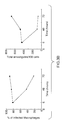
- Figure 3 contains graphical representations of intramacrophage killing of Leishmania donovani amastigotes expressing the murine and human GM-CSF genes.
- L. donovani expressing either the murine or the human GM-CSF gene were harvested from stationary phase and counted with the Neubauer improved counting chamber.
- Murine macrophages from J774 cell line and human monocytes differentiated to macrophages (5 x 10 4 cells/well) were incubated with stationary phase L. donovani parasites (20:1, parasite-to-cell ratio) for 6 hours. After this initial incubation, free parasites were washed and fresh media was added to the wells and incubated for 48 and 72 hours.
- Panel A shows infection of murine macrophages.
- Panel B shows infection of human macrophages.
- the left graph of each panel corresponds to the percentage of infected macrophages and the right graph of each panel corresponds to the total number of amastigotes in 100 macrophage cells with time.
- ⁇ L. donovani -pneo corresponds to the percentage of infected macrophages and the right graph of each panel corresponds to the total number of amastigotes in 100 macrophage cells with time.
- Figure 4 contains graphical representations of intracellular killing of Leishmania major amastigotes expressing the human GM-CSF gene.
- Human monocytes differentiated into macrophages were infected by L. major expressing the human GM-CSF gene as described in Fig. 3.
- Panel A shows the percentage of infected human macrophages with time.
- Panel B shows the total number of amastigotes in 100 macrophage cells with time.
- Figure 5 contains graphical representations of intracellular killing of Leishmania major amastigotes expressing the murine GM-CSF gene and reversion by an anti-GM CSF antibody.
- Murine macrophages were infected by L. major expressing the murine GM-CSF gene as described in Fig. 3.
- Panel A shows the percentage of infected murine macrophages with time.
- Panel B shows the total number of amastigotes in 100 macrophage cells with time.
- ⁇ L. major- pneo ⁇ L. major- mGM CSF
- Figure 6 is a graphical representation of the inability of L. major expressing GM-CSF to promote infection with BALB/C susceptible mice.
- 2 x 10 2 Leishmania promastigotes expressing GM-CSF and also wild-type were injected into the footpad of eight mice per group. Infection was monitored by measuring the footpad lesion with a metric caliper over 6 weeks.
- Figure 7 is a graphical representation of the effect of GM-CSF in vivo .1 x 10 7 stationary phase L.
- Major LV39 strain transfected either with pSPYneo (control) or with a mGM-CSF expression vector were used for infecting BALB/c mice. Cutaneous infection in mice was monitored by measuring the thickness in infected footpads with a metric caliper at weekly intervals. The net value for the footpad thickness (in mm) was calculated by substracting the diameter of the uninfected footpad from the one of the infected footpad. The average and standard deviation of the results obtained from six mice per time point are shown. The data shown are representative of one experiment which has been repeated five times with essentially similar results.
- FIG. 1 there is shown vectors for expression of the Granulocyte Macrophage Colony Stimulating Factor (GM-CSF) in Leishmania.
- GM-CSF Granulocyte Macrophage Colony Stimulating Factor
- the 800 bp intergenic region of the ⁇ -tubulin gene of L. enriettii was subcloned upstream of either the murine or human GM-CSF genes.
- the ⁇ -tubulin intergenic region provides the necessary signals for trans-splicing that are required for correct maturation of transcripts in Leishmania (ref. 21).
- the same sequences were used for the expression of the neomycin phosphotransferase gene (neo) as part of an ⁇ neo ⁇ cassette cloned in vector pSP72 (Fig. 1). These vectors were transfected by electroporation into L. major and L.
- Genomic DNAs were isolated from selected clones, digested with Bgl II to linearize the GM-CSF expression vectors and analyzed by Southern blot using GM-CSF specific probes either for the murine (m) or the human (h) genes.
- L. major- and L. donovani-hGM CSF promastigotes to secrete GM-CSF was determined by direct ELISA assay.
- Leishmania cells were grown to stationary phase and the supernatants harvested after centrifugation.
- Leishmania expressing the hGM-CSF gene were associated with detectable amounts of GM-CSF protein in the media.
- the concentration of hGM-CSF detected in culture media ranged from 2.8 to 6.2 ng/ml.
- GM-CSF expressing parasites can be maintained in culture as promastigotes for several months without any obvious effect on growth or morphology. Therefore, GM-CSF expression is not detrimental to Leishmania.
- FIG. 3 there is shown the intramacrophage killing of Leishmania donovani expressing the murine and human GM-CSF genes.
- Phagocytes were infected with 10 6 stationary phase Leishmania -GM CSF and Leishmania -pneo control at a cell ratio of 1:20 for a period of 6 hours.
- the outcome of the infection in vitro was followed at 6, 24, 48, and 72 hours by microscopic examination.
- the intracellular survival of Leishmania amastigotes expressing GM-CSF significantly decreased inside both the murine and the human macrophages. More specifically, L.
- GM-CSF major-GM-CSF expressing parasites compared to those infected with the control-neo strain.
- the decrease in intracellular survival of Leishmania amastigotes expressing GM-CSF was a specific effect related to GM-CSF activity.
- murine macrophages were infected with Leishmania cells expressing either the human or the murine GM-CSF genes. Only parasites expressing the murine GM-CSF gene were eliminated inside macrophages (Fig. 3A).
- GM-CSF expression greatly reduces the viability of amastigotes inside murine or human macrophages.
- GM-CSF induce parasite killing by activating macrophages to enhance H 2 O 2 release (refs. 18, 20) or most likely to produce more nitric oxide or to augment IFN- ⁇ and IL-1 production (ref. 10).
- GM-CSF, as IFN- ⁇ can increase production of the anti-leishmanial cytokine TNF- ⁇ (refs. 12, 13, 32, 33, 15) and some of its biological effects might be amplified through the release of this cytokine.
- FIG. 6 there is shown the inability of L. major expressing GM-CSF to promote infection of BALB/c susceptible mice.
- Two series of animals were inoculated into the footpad with either 2 x 10 7 L. major-mGM CSF recombinant parasites (a clone) or with L. major- pSPYneo control strain. Eight mice were used for each group. The outcome of the infection of these mice was followed by weekly measurement of the footpad lesions.
- Fig. 6 after six weeks post-infection, a significant decrease in the development of cutaneous lesion was observed in animals inoculated with the GM-CSF expressing parasites compared to those infected with the neo control strain.
- Figure 7 is representative data of a series of experiments in which BALB/c mice were infected with L . major expressing either the GM-CSF gene or the neo gene as a control.
- the procedure is the same as that for Figure 6, except that groups of six mice were inoculated with 1 x 10 7 L. major mGM CSF recombinant parasites or with L. major as pSPYneo control strain.
- the net value for footpad thickness was calculated by substracting the diameter of the uninfected footpad from one of the infected footpad.
- the mice infected with Leishmania experessing mGM-CSF were followed for 11 weeks. The average and standard derviation obtained from the six mice per time point are shown in Figure 7.
- mice infected with Leishmania expressing GM-CSF showed no inflammation or lesions at the level of the footpad for the first 4 to 5 weeks post-infection compared to the control mice where lesions were very large after the same time period and the mice needed to be sacrified. From the fifth week, inflammation at the level of the footpads infected with GM-CSF expressing parasites started to be visable and slowly increased with time over the three-months of observation. The majority of the mice did not develop important lesions such as those seen with the control parasites.
- the Leishmania -GM-CSF expressing parasites provided herein provide means to create favorable immune responses in a host.
- Parasites expressing cytokines provide effective vaccines for leishmaniasis by mediating their own destruction while establishing protective Th1-mediated immunity.
- This Example describes techniques of recombinant DNA.
- Leishmania vector pneo-mGM CSF expressing the murine-GM-CSF gene was made as follows. A 1.2 kb Kpn I- Kpn I fragment isolated from plasmid pXMT2 containing the mGM-CSF gene and flanking sequences was filled in with T4 DNA polymerase (New England Biolabs) to create blunt ends and subcloned into the Bam HI site of vector pSP72- ⁇ neo ⁇ filled in with Klenow DNA polymerase (New England Biolabs) to yield pneo-mGM CSF ( Figure 1).
- Vector pSP72- ⁇ neo ⁇ was generated by subcloning the 2.6 kb Bam HI -Sma I neo-cassette from pGEM3-neo (ref. 23) containing the neo gene flanked by the intergenic regions of the ⁇ -tubulin gene of L. enriettii (ref. 21) into the Bam HI- Sma I of pSP72 (Promega).
- the Leishmania construct to express the human GM-CSF gene was made by subcloning an 800 bp Xho I- Xho I fragment from vector pXMT1 containing the hGM-CSF gene and flanking sequences into the Sal I site of pSP72- ⁇ neo ⁇ to yield pneo-hGM CSF ( Figure 1).
- Construct pneo-hGM CSF R* ( Figure 1) corresponds to the reverse orientation of the human GM-CSF gene with respect to the ⁇ neo ⁇ cassette in such way that specific gene expression cannot occur.
- Total genomic DNA from Leishmania was prepared as described (ref. 26), digested with Bgl II resolved on 0.7% agarose gels and transferred to nylon membranes (Hybond-N, Amersham).
- Total RNAs from L. major -pneo and GM-CSF transfectants were prepared using Trizol (Gibco BRL). Southern and Northern blots, hybridizations and washings were done following standard procedures and the results are shown in Figure 2.
- the GM-CSF probes used correspond to a 1.2 kb Kpn I- Kpn I fragment for the mGM-CSF gene and a 800 bp Xho I- Xho I fragment for the hGM-CSF gene.
- This Example describes the culturing and transfection of Leishmania.
- Leishmania major MHOM/IL/67/JERICHO II; and Leishmania donovani MHOM/IN/80/DD8 are WRAIR/WHO reference strains obtained from the ATCC. All strains were grown in SDM-79 medium (ref. 22) supplemented with 10% fetal bovine serum (FBS) (Multicell, Wisent Inc.) and 5 ⁇ g/ml of hemin. Approximately 15 ⁇ g of pneo-GM CSF vector DNA was used to transfect L. donovani and L. major cells by electroporation as described (refs. 23, 24). Transfectants were selected with 40 ⁇ g/ml of G-418 (Geneticin, Gibco-BRL).
- Leishmania -GM CSF and control Leishmania -pneo transfectants were seeded at low concentration (3 x 10 4 cells per culture dish) in 5 ml of SDM-79 medium. After 72 hours the cell density was obtained by measuring the absorbance at 600 nm using an automated microplate reader (Reader 510 from Organon Tecknika Inc., Austria).
- D-MEM Dulbecco's modified Eagle's medium
- Human peripheral blood monocytes were isolated from heparinized venous blood of normal donors by the Canadian Red Cross.
- This Example describes in vitro macrophage infection.
- Leishmania -GM CSF transfectants to infect murine and human macrophages in vitro was tested in comparison to control Leishmania- pneo as follows.
- Murine and human macrophages were seeded (200 ⁇ l per well, 5 x 10 4 cells/ml) into 8 wells chamber slides, and were infected with L. major -pneo and L. major-hGM CSF at a parasite to cell ratio of 20:1 for a period of 6 hours.
- the experiment was repeated with L. donovani -pneo and L. donovani -hGM CSF and -mGM CSF.
- This Example describes the neutralization of GM-CSF activity.
- This Example describes ELISA immunoassays.
- a macrophage-infecting parasite expressing a granulocyte macrophage stimulating factor (GM-CSF) gene for use as a vaccine against or treatment of a parasitic infection.
- the parasite may be a strain of Leishmania.
Landscapes
- Health & Medical Sciences (AREA)
- Life Sciences & Earth Sciences (AREA)
- Chemical & Material Sciences (AREA)
- Genetics & Genomics (AREA)
- Organic Chemistry (AREA)
- Engineering & Computer Science (AREA)
- Zoology (AREA)
- General Health & Medical Sciences (AREA)
- Molecular Biology (AREA)
- Biomedical Technology (AREA)
- General Engineering & Computer Science (AREA)
- Bioinformatics & Cheminformatics (AREA)
- Wood Science & Technology (AREA)
- Biotechnology (AREA)
- Biophysics (AREA)
- Biochemistry (AREA)
- Medicinal Chemistry (AREA)
- Proteomics, Peptides & Aminoacids (AREA)
- Veterinary Medicine (AREA)
- Immunology (AREA)
- Toxicology (AREA)
- Gastroenterology & Hepatology (AREA)
- Microbiology (AREA)
- Plant Pathology (AREA)
- Physics & Mathematics (AREA)
- Chemical Kinetics & Catalysis (AREA)
- Tropical Medicine & Parasitology (AREA)
- General Chemical & Material Sciences (AREA)
- Nuclear Medicine, Radiotherapy & Molecular Imaging (AREA)
- Pharmacology & Pharmacy (AREA)
- Animal Behavior & Ethology (AREA)
- Public Health (AREA)
- Medicines Containing Antibodies Or Antigens For Use As Internal Diagnostic Agents (AREA)
- Measuring Or Testing Involving Enzymes Or Micro-Organisms (AREA)
- Medicines Containing Material From Animals Or Micro-Organisms (AREA)
- Medicines That Contain Protein Lipid Enzymes And Other Medicines (AREA)
- Preparation Of Compounds By Using Micro-Organisms (AREA)
Abstract
Description
- The present invention relates to the field of molecular immunobiology and in particular to immunogenic preparations including vaccines comprising attenuated parasites.
- Parasite infection is responsible for a number of human and animal diseases.
- Parasitic protozoa of the order Kinetoplastidae are the causative agents of several tropical diseases including sleeping sickness by Trypanosoma brucei, Chagas by Trypanosoma cruzi, visceral (kala-azar) and cutaneous (oriental sore) Leishmaniasis by Leishmania donovani and Leishmania major respectively. In particular Leishmania protozoans are the causative agents of human leishmaniasis, which includes a spectrum of diseases ranging from self-healing skin ulcers to fatal visceral infections. Human leishmaniasis is caused by at least thirteen different species and subspecies of parasites of the genus Leishmania. Leishmaniasis has been reported from about eighty countries and probably some 400,000 new cases occur each year. Recently the World Health Organization has reported 12 million people to be infected (ref. 1. Throughout this application various references are referred to in parenthesis to more fully describe the state of the art to which this invention pertains. Full bibliographic information for each citation is found at the end of the specification, immediately preceding the claims. The disclosure of these references are hereby incorporated by reference into the present disclosure. A listing of the references appears at the end of the disclosure).
- Untreated visceral leishmaniasis is usually fatal and mucocutaneous leishmaniasis produces mutilation by destruction of the naso-oropharyngeal cavity and, in some cases, death.
- In addition a major health problem has been created in areas of high infection when blood is collected for transfusion purposes. Since blood is a carrier of the parasites, blood from an infected individual may be unknowingly transferred to a healthy individual.
- The Leishmania protozoans exist as extracellular flagellated promastigotes in the alimentary tract of the sandfly in the free-living state, and are transmitted to the mammalian host through the bite of the insect vector. Once introduced, the promastigotes are taken up by macrophages, rapidly differentiate into non-flagellated amastigotes and start to multiply within the phagolysosomal compartment. As the infected cells rupture, amastigotes subsequently infect other macrophages giving rise to the various symptoms associated with leishmaniasis (refs. 1 and 2).
- Leishmaniasis is, therefore, a serious disease and various types of vaccines against the disease have been developed, including live parasites; frozen promastigotes from culture; sonicated promastigotes; gamma-irradiated live promastigotes; and formalin-killed promastigotes treated with glucan (reviewed in, for example ref. 3). However, none of these approaches have provided efficacious vaccines.
- Healing and progression of leishmaniasis are linked to the dissimilar expansion of functionally distinct CD4+ lymphocyte responses separated on the basis of their cytokine potential (ref. 4). T helper type 1 (Th1) subset produces interferon (IFN)-,γ and interleukin (IL)-2 and leads to resistance to Leishmania infection, whereas Th2 cells producing IL-4, IL-5 and IL-10 confer susceptibility (ref. 5). In mammalian hosts, Leishmania reside exclusively within mononuclear phagocytes, macrophages and monocytes. Cytokines can modulate macrophage differentiation by causing selective changes in macrophage gene expression, leading to alterations on macrophage functions (ref. 6). Macrophages, pre-incubated in vitro with cytokines prior to infection with Leishmania, acquire the capacity to kill the intracellular parasites (refs. 7 to 11). Furthermore, cytokines such as IFN-γ, TNF-α, IL-12 and GM-CSF have been used in anti-leishmanial therapy in experimental models (refs. 12 to 17). Expression of the IFN-γ gene has been performed in L. major trypanosomatids. When nude mice were infected with the IFN-γ expressing transfectant, the progression of the disease was considerably slower (ref. 17). The progression of the disease was not retarded in susceptible BALB/c mice however.
- GM-CSF is a cytokine with multipontential hematopoietic function, stimulating the formation of granulocytes, macrophages, and eosinophils (ref. 18). It activates macrophage tumoricidal activity (ref. 19), increases macrophage killing of Trypanosoma cruzi (ref. 20) and enhances in vitro killing of L. donovani within macrophages (ref. 8).
- Differences on the effect of this cytokine have been reported between experimental visceral and cutaneous infections (ref. 27). Although in the L. donovani model, GM-CSF demonstrates a clear-cut leishmanicidal activity in vitro and in vivo (refs. 28), the results obtained with L. major are conflicting suggesting that GM-CSF may play a positive (refs. 29, 10, 6), neutral (refs. 30, 4) or negative (ref. 31) host defense role.
- Parasitic infection of macrophages and, in particular, Leishmania infection may lead to serious disease. It would be advantageous to provide attenuated strains of Leishmania and methods of production thereof, for use as antigens in immunogenic preparations, including vaccines, and the generation of diagnostic reagents.
- The present invention is directed towards novel strains of Leishmania and other macrophage-infecting parasites, particularly attenuated strains. The novel macrophage-infecting parasites provided herein are useful for the preparation of immunogenic preparations including formulations for the treatment of hosts infected by Leishmania and vaccines against disease caused by infection by a virulent Leishmania strain and as tools for the generation of immunological and diagnostic reagents.
- In accordance with one aspect of the present invention, there is provided a macrophage-infecting parasitic protozoan of the order Kinetoplastidae expressing a granulocyte macrophage colony stimulating factor (GM-CSF) gene. The parasite may be a strain of Leishmania, including a strain of Leishmania selected from the group consisting of Leishmania donavani, Leishmania braziliensis, Leishmania tarentolae, Leishmania a major, Leishmania mexicana, Leishmania tropica and Leishmania aethiopica.
- The parasite may be one which is reduced in the ability of the strain to infect or survive in macrophages and hence is attenuated. Further, at least one gene of the parasite contributing to virulence thereof may be functionally diabled. Additionally, the parasite may be further modified to express at least one additional cytokine which may be macrophage-activating.
- The GM-CSF may be of murine origin or human origin. Expression of the GM-CSF gene from the parasite may be achieved by providing a plasmid into which the GM-CSF gene is inserted downstream of a promoter. For Leishmania, the intergenic region of the α-tubulin gene of L. enriettii may be used and the GM-CSF gene may be inserted into a Leishmania expression vector, which may be a plasmid.
- In a further aspect, the present invention provides an immunogenic composition comprising an attenuated form of the parasites as provided herein.
- The immunogenic composition, for the parasite being a strain of Leishmania may be formulated for in vivo administration to a host, such as a primate, including humans, infected by Leishmania to treat such infection.
- The immunogenic composition, for the parasite being a strain of Leishmania, may be formulated as a vaccine for in vivo administration to a host, such as a primate including humans, to confer protection against disease caused by a virulent strain of Leishmania, including Leishmania donovani, Leishmania braziliensis, Leishmania tarentolae, Leishmania major, Leishmania mexicana, Leishmania tropica and Leishmania aethiopica.
- In an additional aspect, the invention provides means for performing a method of generating an immune response in a host, such as, a primate including humans, comprising administering thereto an immunoeffective amount of the immunogenic composition, as provided herein.
- In yet an additional aspect, there is provided means for performing a method for producing a vaccine for protection against a disease caused by infection by a virulent strain of a macrophage-infecting parasite, including a virulent strain of Leishmania, including Leishmania donovani, Leishmania braziliensis, Leishmania tarentolae, Leishmania mexicana, Leishmania tropica and Leishmania aethiopica, and comprising administering the immunogenic composition as provided herein to a test host to determine an amount and frequency of administration thereof to confer protection against disease caused by infection by the Leishmania parasite and formulating the immunogenic composition in a form suitable for administration to a treated host, including humans, in accordance with said determined amount and frequency of administration.
- Advantages of the present invention include the provision of safe and attenuated strains of Leishmania and other macrophage-infecting parasites for the preparation of immunogenic compositions including vaccines and for the generation of immunological and diagnostic reagents.
- Figure 1 shows the construction of Leishmania vectors expressing GM-CSF. Plasmids pneo-mGM CSF and pneo-hGM CSF were made by inserting the murine and human GM-CSF genes, respectively downstream of the intergenic region of the α-tubulin gene of L. enriettii into pSP72-αneoα Leishmania expression vector as described in the Examples below. The cross-hatch box corresponds to the α-tubulin gene intergenic region (ref. 21). S=SmaI, B-BnmHI. Arrows indicate the orientation of transcription of the genes present in the expression vectors.
- Figure 2 consists of two panels, A and B. Panel A is a southern blot of total genomic DNAs of L. major digested with BglII and hybridized to murine and human GM-CSF specific probes.
Lane 1 corresponds to L. major-pneo andLane 2 corresponds to L. major with either the murine or the human GM-CSF gene. Panel B shows mRNA expression in the L. major-GM CSF expressing cells. - Northern blot of total Leishmania RNAs hybridized to the same probes as with panel A above. Lanes are as in A.
- Figure 3, comprising panels A and B, contains graphical representations of intramacrophage killing of Leishmania donovani amastigotes expressing the murine and human GM-CSF genes. L. donovani expressing either the murine or the human GM-CSF gene were harvested from stationary phase and counted with the Neubauer improved counting chamber. Murine macrophages from J774 cell line and human monocytes differentiated to macrophages (5 x 10⁴ cells/well) were incubated with stationary phase L. donovani parasites (20:1, parasite-to-cell ratio) for 6 hours. After this initial incubation, free parasites were washed and fresh media was added to the wells and incubated for 48 and 72 hours. At these fixed time points cell cultures were dried and stained with Diff Quick in order to determine the level of infection. Panel A shows infection of murine macrophages. Panel B shows infection of human macrophages. The left graph of each panel corresponds to the percentage of infected macrophages and the right graph of each panel corresponds to the total number of amastigotes in 100 macrophage cells with time. ▪ L. donovani-pneo; L. donovani-mGM CSF; ▴ L. donovani-hGM CSF.
- Figure 4, comprising panels A and B, contains graphical representations of intracellular killing of Leishmania major amastigotes expressing the human GM-CSF gene. Human monocytes differentiated into macrophages were infected by L. major expressing the human GM-CSF gene as described in Fig. 3. Panel A shows the percentage of infected human macrophages with time. Panel B shows the total number of amastigotes in 100 macrophage cells with time. ▪ L. major-pneo; L. major-hGM CSF; ○ L. major-hGM CSF R* representing the reverse orientation of the GM-CSF gene.
- Figure 5, comprising panels A and B, contains graphical representations of intracellular killing of Leishmania major amastigotes expressing the murine GM-CSF gene and reversion by an anti-GM CSF antibody. Murine macrophages were infected by L. major expressing the murine GM-CSF gene as described in Fig. 3. Panel A shows the percentage of infected murine macrophages with time. Panel B shows the total number of amastigotes in 100 macrophage cells with time. ▪ L. major-pneo; ▴ L. major- mGM CSF; □ L. major-pneo infection with macrophages pre-treated with a concentration of an anti-GM CSF antibody capable to neutralize 50% of the GM-CSF activity; O L. major-mGM CSF infection with the same concentration of an anti-GMCSF antibody.
- Figure 6 is a graphical representation of the inability of L. major expressing GM-CSF to promote infection with BALB/C susceptible mice. 2 x 10² Leishmania promastigotes expressing GM-CSF and also wild-type were injected into the footpad of eight mice per group. Infection was monitored by measuring the footpad lesion with a metric caliper over 6 weeks. ▪ L. major m-GM CSF; ▴ L. major pSPYneosss mGM CSF.
- Figure 7 is a graphical representation of the effect of GM-CSF in vivo .1 x 107 stationary phase L. Major LV39 strain transfected either with pSPYneo (control) or with a mGM-CSF expression vector were used for infecting BALB/c mice. Cutaneous infection in mice was monitored by measuring the thickness in infected footpads with a metric caliper at weekly intervals. The net value for the footpad thickness (in mm) was calculated by substracting the diameter of the uninfected footpad from the one of the infected footpad. The average and standard deviation of the results obtained from six mice per time point are shown. The data shown are representative of one experiment which has been repeated five times with essentially similar results. Δ = L. Major - neo, ▴ = L. Major - mGM CSF.
- Referring to Figure 1, there is shown vectors for expression of the Granulocyte Macrophage Colony Stimulating Factor (GM-CSF) in Leishmania.
- To express GM-CSF in Leishmania the 800 bp intergenic region of the α-tubulin gene of L. enriettii was subcloned upstream of either the murine or human GM-CSF genes. The α-tubulin intergenic region provides the necessary signals for trans-splicing that are required for correct maturation of transcripts in Leishmania (ref. 21). The same sequences were used for the expression of the neomycin phosphotransferase gene (neo) as part of an αneoα cassette cloned in vector pSP72 (Fig. 1). These vectors were transfected by electroporation into L. major and L. donovani strains and transfectants resistant to G418 were selected on SDM-1% agar plates. Genomic DNAs were isolated from selected clones, digested with BglII to linearize the GM-CSF expression vectors and analyzed by Southern blot using GM-CSF specific probes either for the murine (m) or the human (h) genes.
- 5.8 kb and 6.2 kb fragments from the L. major-pneo-hGM CSF and pneo-mGM CSF transfectants, respectively were obtained as expected (Fig. 2A). Northern blot analysis of total L. major RNA showed that GM-CSF transcripts of the expected size for both the murine and the human genes were produced (Fig. 2B). Identical bands were also obtained for the L. donovani-GM CSF transfectants.
- The ability of L. major- and L. donovani-hGM CSF promastigotes to secrete GM-CSF was determined by direct ELISA assay. Leishmania cells were grown to stationary phase and the supernatants harvested after centrifugation. As assessed by ELISA, Leishmania expressing the hGM-CSF gene were associated with detectable amounts of GM-CSF protein in the media. The concentration of hGM-CSF detected in culture media ranged from 2.8 to 6.2 ng/ml. GM-CSF expressing parasites can be maintained in culture as promastigotes for several months without any obvious effect on growth or morphology. Therefore, GM-CSF expression is not detrimental to Leishmania.
- Referring to Figure 3, there is shown the intramacrophage killing of Leishmania donovani expressing the murine and human GM-CSF genes. Phagocytes were infected with 106 stationary phase Leishmania-GM CSF and Leishmania-pneo control at a cell ratio of 1:20 for a period of 6 hours. The outcome of the infection in vitro was followed at 6, 24, 48, and 72 hours by microscopic examination. The intracellular survival of Leishmania amastigotes expressing GM-CSF significantly decreased inside both the murine and the human macrophages. More specifically, L. donovani amastigotes expressing either the murine or the human GM-CSF genes were eliminated 7 to 8-fold more rapidly inside macrophages than
control cells 72 hours following infection (see Fig. 3A,B). Following the same infection period only 20% of macrophages were infected (Fig. 3A, B). Similar results were observed with L. major parasites expressing GM-CSF. Indeed, 72 hours following infection only 18-20% of macrophages were infected compared to 92-95% for the control strain (Figs. 4A and 5A). In addition, a 9-fold decrease was measured in the total amastigote number found inside either human or murine macrophages infected with L. major-GM-CSF expressing parasites compared to those infected with the control-neo strain (Figs. 4B and 5B). The decrease in intracellular survival of Leishmania amastigotes expressing GM-CSF was a specific effect related to GM-CSF activity. Thus, murine macrophages were infected with Leishmania cells expressing either the human or the murine GM-CSF genes. Only parasites expressing the murine GM-CSF gene were eliminated inside macrophages (Fig. 3A). Furthermore, a construct in which the hGM-CSF gene was cloned in the reverse orientation in respect to the α-tubulin intergenic region necessary for expression in Leishmania was not capable of inducing parasite elimination in infected macrophages (Figure 4). - Finally, by pre-treating murine macrophages with an anti-mGM CSF polyclonal antibody prior to infection, the anti-leishmanial effect of GM-CSF was significantly decreased (Fig. 5). Indeed, an antibody concentration capable of neutralizing 50% of the GM-CSF activity blocked more than 50% of the intra-macrophage elimination of L. major-mGM CSF transfectants compared to the untreated cells (see Fig. 5). Similar results have been obtained using the L. donovani parasites.
- Thus GM-CSF expression greatly reduces the viability of amastigotes inside murine or human macrophages. GM-CSF induce parasite killing by activating macrophages to enhance H2O2 release (refs. 18, 20) or most likely to produce more nitric oxide or to augment IFN-γ and IL-1 production (ref. 10). GM-CSF, as IFN-γ, can increase production of the anti-leishmanial cytokine TNF-α (refs. 12, 13, 32, 33, 15) and some of its biological effects might be amplified through the release of this cytokine.
- Referring to Figure 6, there is shown the inability of L. major expressing GM-CSF to promote infection of BALB/c susceptible mice. Two series of animals were inoculated into the footpad with either 2 x 10⁷ L. major-mGM CSF recombinant parasites (a clone) or with L. major-pSPYneo control strain. Eight mice were used for each group. The outcome of the infection of these mice was followed by weekly measurement of the footpad lesions. As shown in Fig. 6, after six weeks post-infection, a significant decrease in the development of cutaneous lesion was observed in animals inoculated with the GM-CSF expressing parasites compared to those infected with the neo control strain.
- Figure 7 is representative data of a series of experiments in which BALB/c mice were infected with L. major expressing either the GM-CSF gene or the neo gene as a control. The procedure is the same as that for Figure 6, except that groups of six mice were inoculated with 1 x 10⁷ L. major mGM CSF recombinant parasites or with L. major as pSPYneo control strain. The net value for footpad thickness was calculated by substracting the diameter of the uninfected footpad from one of the infected footpad. The mice infected with Leishmania experessing mGM-CSF were followed for 11 weeks. The average and standard derviation obtained from the six mice per time point are shown in Figure 7.
- The mice infected with Leishmania expressing GM-CSF showed no inflammation or lesions at the level of the footpad for the first 4 to 5 weeks post-infection compared to the control mice where lesions were very large after the same time period and the mice needed to be sacrified. From the fifth week, inflammation at the level of the footpads infected with GM-CSF expressing parasites started to be visable and slowly increased with time over the three-months of observation. The majority of the mice did not develop important lesions such as those seen with the control parasites.
- The Leishmania-GM-CSF expressing parasites provided herein provide means to create favorable immune responses in a host. Parasites expressing cytokines provide effective vaccines for leishmaniasis by mediating their own destruction while establishing protective Th1-mediated immunity.
- The above disclosure generally describes the present invention. A more complete understanding can be obtained by reference to the following specific Examples. These Examples are described solely for purposes of illustration and are not intended to limit the scope of the invention. Changes in form and substitution of equivalents are contemplated as circumstances may suggest or render expedient. Although specific terms have been employed herein, such terms are intended in a descriptive sense and not for purposes of limitations.
- Methods of molecular genetics, protein biochemistry and immunology used but not explicitly described in the disclosure and these Examples are amply reported in the scientific literature and are well within the ability of those skilled in the art.
- This Example describes techniques of recombinant DNA.
- Leishmania vector pneo-mGM CSF expressing the murine-GM-CSF gene was made as follows. A 1.2 kb KpnI-KpnI fragment isolated from plasmid pXMT2 containing the mGM-CSF gene and flanking sequences was filled in with T4 DNA polymerase (New England Biolabs) to create blunt ends and subcloned into the BamHI site of vector pSP72-αneoα filled in with Klenow DNA polymerase (New England Biolabs) to yield pneo-mGM CSF (Figure 1). Vector pSP72-αneoα was generated by subcloning the 2.6 kb BamHI-SmaI neo-cassette from pGEM3-neo (ref. 23) containing the neo gene flanked by the intergenic regions of the α-tubulin gene of L. enriettii (ref. 21) into the BamHI-SmaI of pSP72 (Promega). The Leishmania construct to express the human GM-CSF gene was made by subcloning an 800 bp XhoI-XhoI fragment from vector pXMT1 containing the hGM-CSF gene and flanking sequences into the SalI site of pSP72-αneoα to yield pneo-hGM CSF (Figure 1). Construct pneo-hGM CSF R* (Figure 1) corresponds to the reverse orientation of the human GM-CSF gene with respect to the αneoα cassette in such way that specific gene expression cannot occur.
- Total genomic DNA from Leishmania was prepared as described (ref. 26), digested with BglII resolved on 0.7% agarose gels and transferred to nylon membranes (Hybond-N, Amersham). Total RNAs from L. major-pneo and GM-CSF transfectants were prepared using Trizol (Gibco BRL). Southern and Northern blots, hybridizations and washings were done following standard procedures and the results are shown in Figure 2. The GM-CSF probes used correspond to a 1.2 kb KpnI-KpnI fragment for the mGM-CSF gene and a 800 bp XhoI-XhoI fragment for the hGM-CSF gene.
- This Example describes the culturing and transfection of Leishmania.
- Leishmania major MHOM/IL/67/JERICHO II; and Leishmania donovani MHOM/IN/80/DD8 are WRAIR/WHO reference strains obtained from the ATCC. All strains were grown in SDM-79 medium (ref. 22) supplemented with 10% fetal bovine serum (FBS) (Multicell, Wisent Inc.) and 5 µg/ml of hemin. Approximately 15 µg of pneo-GM CSF vector DNA was used to transfect L. donovani and L. major cells by electroporation as described (refs. 23, 24). Transfectants were selected with 40 µg/ml of G-418 (Geneticin, Gibco-BRL). Leishmania-GM CSF and control Leishmania-pneo transfectants were seeded at low concentration (3 x 10⁴ cells per culture dish) in 5 ml of SDM-79 medium. After 72 hours the cell density was obtained by measuring the absorbance at 600 nm using an automated microplate reader (Reader 510 from Organon Tecknika Inc., Austria). Murine macrophage cell line J774, obtained from ATCC, was cultured in Dulbecco's modified Eagle's medium (D-MEM, Gibco-BRL) supplemented with 10% FBS. Human peripheral blood monocytes were isolated from heparinized venous blood of normal donors by the Canadian Red Cross. Cells were centrifuged over Ficoll-Paque gradient (Pharmacia) as previously described (ref. 25). After several washes, cells were resuspended in RPMI 1640 medium (Gibco-BRL) containing 10% of human serum (Gibco-BRL). In order to differentiate monocytes into macrophages, 3 x 10⁶ peripheral blood leukocytes were adhered and cultured for 5 days at 37°C in 5% CO2/95% air in a humidified atmosphere.
- This Example describes in vitro macrophage infection.
- The capacity of Leishmania-GM CSF transfectants to infect murine and human macrophages in vitro was tested in comparison to control Leishmania-pneo as follows. Murine and human macrophages were seeded (200 µl per well, 5 x 10⁴ cells/ml) into 8 wells chamber slides, and were infected with L. major-pneo and L. major-hGM CSF at a parasite to cell ratio of 20:1 for a period of 6 hours. The experiment was repeated with L. donovani-pneo and L. donovani-hGM CSF and -mGM CSF. Following this incubation, non-engulfed parasites were removed by 3 to 5 washes with warm medium and chambers were replenished with 500 µl of fresh culture medium. The level of infection was determined at 6, 24, 48, and 72 hours by optical microscopy examination following Diff Quick staining of cell preparations. The results obtained are shown in Figures 3 and 4 for L. donovani and L. major respectively. The results show that the GM CSF expression greatly reduces the viability of amastigotes inside murine or human macrophages.
- This Example describes the neutralization of GM-CSF activity.
- Two hundred µl of J774 murine macrophages were incubated for 1 hour at 37°C in the presence of 1 µg/ml of an anti-murine GM-CSF polyclonal antibody (R&D
- Systems) prior to infection with Leishmania cells. Pre-incubated macrophages were then infected with L major-mGM CSF and wild-type parasites as described above in Example 3. The results obtained are shown in Figure 5. The anti-Leishmanial effect of GM-CSF was formed to be significantly decreased by the antibody treatment.
- This Example describes ELISA immunoassays.
- Supernatants from L. major- and L. donovani-hGM CSF-containing parasites and from controls carrying only the neo vector were harvested by centrifugation following 5 days of culture to stationary phase with a reached density of 2 x 10⁷ promastigotes/ml. Supernatants were assayed directly using a mAb ELISA kit (R&D Systems) as recommended by the manufacturers. Standard curves for quantification and comparison were generated using a recombinant hGM-CSF protein. Leishmania expressing the hGM-CSF gene were associated with detectable amounts of GM-CSF protein at the media, ranging from 2.8 to 6.2 ng/ml.
- In summary of the present disclosure, there is provided a macrophage-infecting parasite expressing a granulocyte macrophage stimulating factor (GM-CSF) gene for use as a vaccine against or treatment of a parasitic infection. In particular, the parasite may be a strain of Leishmania.
-
- 1. WHO, Tropical Disease Report, 1989. pp. 85-92.
- 2. Turco, S.J. and Descoteaux, A., 1992. The lipophosphoglycan of Leishmania parasites. Annu. Rev. Microbiol. 46:65-94.
- 3. Modabber, F. 1989. Experiences with vaccines against cutaneous leishmaniasis: of men and mice. Parasitol. 98:349-360.
- 4. Coffman, R. et al. (1991) Immunol. Rev. 123:190-207.
- 5. Locksley, R.M. and Scott, P. (1991). Immunol. Today 12A: 58-A61.
- 6. Doherty, T.M and Coffman, R.L (1993) J. Immunol. 150: 5476-5483.
- 7. Oster, C.N. and Nacy, C.A. (1984) J. Immunol. 132: 1494.
- 8. Weiser, W.Y. et al. (1987) J. Exp. Med. 166: 1436-1446.
- 9. Hart, P.H. et al. (1988) J. Immunol. 141: 1516-1521.
- 10. Ho, J., Reed, S., Wick, E., and Giordano, M. (1990) J. Infect. Dis. 162: 224-230.
- 11. Murray, H.W. (1994a) Bailliere's Clin. Infect. Dis. 1: 237-246.
- 12. Titus, R.G., Sherry, B. and Cerami, A. (1989) J. Exp. Med. 170: 2097-2104.
- 13. Liew, F.Y. et al. (1990a) Immunology 69:570.
- 14. Heinzel, F.P. et al. (1993) J. Exp. Med. 177: 1505-1509.
- 15. Tumang, M., Keogh, C., Moldawer, L., Helfgott, D., Hariprashad, J. and Murray, H. (1994) J. Immunol. 153: 768-775.
- 16. Murray, H.W. and Hariprashad, J. (1995) J. Exp. Med. 181: 387-391.
- 17. Murray, H.W. et al. (1995). J. Clin. Invest. 95: 1183-1192.
- 18. Silverstein, D.S. et al. (1986) J. Immunol. 137: 3290-3294.
- 19. Grabstein, K.H. et al. (1986) Science 232: 506-508.
- 20. Reed, S.G. et al. (1987) J. Exp. Med. 166: 1734-746.
- 21. Laban, A. et al. (1990) Nature 343: 572.
- 22. Brun, R. and Schonenberger, M. (1979) Acta Trop. 36: 289.
- 23 . Green, S.J. et al. (1990) J. Immunol. 145:4290.
- 24. Muyombwe, A. et al. (1996) Exp. Parasitol. Submitted.
- 25. Olivier, M. et al.. (1992). J. Immunol. 148: 1188-1196.
- 26. Bernards, A. et al. (1981). Cell, 27: 497-505.
- 27. Murray, H.W. (1994b) Parasitol. Today 10(6): 220-223.
- 28. Cervia, J. et al. (1993) Clin. Res. 41: 337.
- 29. Handman, E., and Burgess, A.W. (1979). J. Immunol. 122: 1134-1137.
- 30. Corcoran, L.M. et al. (1988) J. Parasitol. 74: 763-767.
- 31. Greil, J. et al. (1988) Eur. J. Immunol. 18: 1527-1537.
- 32. Liew, F.Y. et al. (1990b) J. Immunol. 145:4306.
-
Claims (20)
- A macrophage infecting parasitic protozoan of the order Kinetoplastidae expressing a granulocyte macrophage colony stimulating factor (GN-CSF) gene.
- The parasitic protozoan claimed in claim 1 which is a strain of Leishmania.
- The parasitic protozoan claimed in claim 2 wherein said strain of Leishmania is selected from the group consisting of Leishmania donavani, Leishmania braziliensis, Leishmania tarentolae, Leishmania major, Leishmania mexicana, Leishmania tropica and Leishmania aethiopica.
- The parasitic protozoan claimed in any one of claims 1 to 3 which is reduced in the ability of said strain to infect or survive within macrophages.
- The parasitic protozoan claimed in any one of claims 1 to 4, in which said GM-CSF gene is of murine origin.
- The parasitic protozoan claimed in any one of claims 1 to 4, in which said GM-CSF gene is of human origin.
- The parasitic protozoan claimed in any one of claims 1 to 6, in which said GM-CSF gene is expressed using the α-tubulin intergenic sequences of Leishmania enrietti.
- The parasitic protozoan claimed in any one of claims 1 to 7, in which said GM-CSF gene is expressed from a plasmid.
- The parasitic protozoan claimed in any one of claims 1 to 8, in which at least one gene of the parasitic protozoan contributing to virulence thereof has been functionally disabled.
- The parasitic protozoan claimed in any one of claims 1 to 9 which expresses at least one additional cytokine.
- An immunogenic composition comprising an attenuated form of the parasitic protozoan claimed in any one of claims 1 to 10.
- The immunogenic composition claimed in claim 11, in which the parasitic protozoan is a strain of Leishmania and the composition is formulated for in vivo administration to a host infected by Leishmania to treat said infection.
- The immunogenic composition claimed in claim 11, in which said parasitic protozoan is a strain of Leishmania and said composition is formulated as a vaccine for in vivo administration to a host to confer protection against disease caused by a virulent strain of Leishmania.
- The immunogenic composition claimed in claim 12 or 13, in which the host is a primate.
- The immunogenic composition claimed in claim 12 or 13 in which the host is a human.
- A parasitic protozoan as claimed in any one of claims 1 to 11 for use as a medicament.
- The use of a parasitic protozoan as claimed in any one of claims 1 to 11 in the manufacture of an immunogenic composition.
- The use of claim 17, in which said parasitic protozoan is a strain of Leishmania and said immunogenic composition is formulated for in vivo administration to a host infected with Leishmania to treat said infection.
- The use of claim 17, in which said parasitic protozoan is a strain of Leishmania and said composition is formulated as a vaccine for in vivo administration to a host to confer protection against disease caused by a virulent strain of Leishmania.
- The use of claim 19, in which the virulent strain is selected from the group consisting of Leishmania donovani, Leishmania major, Leishmania mexicana, Leishmania tropica and Leishmania aethiopica.
Applications Claiming Priority (2)
| Application Number | Priority Date | Filing Date | Title |
|---|---|---|---|
| US713768 | 1996-09-13 | ||
| US08/713,768 US6331304B1 (en) | 1996-09-13 | 1996-09-13 | Macrophage-infecting parasites expressing a granulocyte macrophage colony stimulating factor |
Publications (2)
| Publication Number | Publication Date |
|---|---|
| EP0829540A1 EP0829540A1 (en) | 1998-03-18 |
| EP0829540B1 true EP0829540B1 (en) | 2001-11-21 |
Family
ID=24867467
Family Applications (1)
| Application Number | Title | Priority Date | Filing Date |
|---|---|---|---|
| EP97307081A Expired - Lifetime EP0829540B1 (en) | 1996-09-13 | 1997-09-12 | Macrophage-infecting parasites expressing a granulocyte macrophage colony stimulating factor |
Country Status (8)
| Country | Link |
|---|---|
| US (1) | US6331304B1 (en) |
| EP (1) | EP0829540B1 (en) |
| AT (1) | ATE209253T1 (en) |
| CA (1) | CA2215641C (en) |
| DE (1) | DE69708425T2 (en) |
| DK (1) | DK0829540T3 (en) |
| ES (1) | ES2168583T3 (en) |
| PT (1) | PT829540E (en) |
Families Citing this family (5)
| Publication number | Priority date | Publication date | Assignee | Title |
|---|---|---|---|---|
| US6855537B1 (en) * | 1996-09-13 | 2005-02-15 | Aventis Pasteur Limited | Macrophage-infecting parasites expressing a granulocyte macrophage colony stimulated factor |
| GB9706930D0 (en) * | 1997-04-04 | 1997-05-21 | Univ Glasgow | Leishmania vaccine |
| AU1840000A (en) * | 1998-12-02 | 2000-06-19 | Nisha Garg | Kinetoplastid protein expression system |
| US20010010928A1 (en) * | 1999-03-26 | 2001-08-02 | Stephen M. Beverley | Protozoan expression system |
| WO2002090556A1 (en) * | 2001-05-08 | 2002-11-14 | Jena Bioscience Gmbh | Method for targeted homologous gene replacement in kinetoplastidae |
Family Cites Families (1)
| Publication number | Priority date | Publication date | Assignee | Title |
|---|---|---|---|---|
| JPH09502091A (en) * | 1993-09-03 | 1997-03-04 | マックギル ユニヴァーシティー | Leishmania genes and proteins that are specifically expressed |
-
1996
- 1996-09-13 US US08/713,768 patent/US6331304B1/en not_active Expired - Lifetime
-
1997
- 1997-09-11 CA CA002215641A patent/CA2215641C/en not_active Expired - Fee Related
- 1997-09-12 EP EP97307081A patent/EP0829540B1/en not_active Expired - Lifetime
- 1997-09-12 ES ES97307081T patent/ES2168583T3/en not_active Expired - Lifetime
- 1997-09-12 DK DK97307081T patent/DK0829540T3/en active
- 1997-09-12 DE DE69708425T patent/DE69708425T2/en not_active Expired - Lifetime
- 1997-09-12 PT PT97307081T patent/PT829540E/en unknown
- 1997-09-12 AT AT97307081T patent/ATE209253T1/en active
Non-Patent Citations (1)
| Title |
|---|
| Dorland's Illustrated, Medical Dictionary, Twenty-sixth Edition, W.B. Saunders Company, Philadelphia, 1981, page 968 * |
Also Published As
| Publication number | Publication date |
|---|---|
| US6331304B1 (en) | 2001-12-18 |
| DK0829540T3 (en) | 2002-05-21 |
| EP0829540A1 (en) | 1998-03-18 |
| DE69708425D1 (en) | 2002-01-03 |
| ATE209253T1 (en) | 2001-12-15 |
| CA2215641A1 (en) | 1998-03-13 |
| CA2215641C (en) | 2009-07-07 |
| DE69708425T2 (en) | 2002-05-23 |
| ES2168583T3 (en) | 2002-06-16 |
| PT829540E (en) | 2002-05-31 |
Similar Documents
| Publication | Publication Date | Title |
|---|---|---|
| Da-Cruz et al. | Leishmania-reactive CD4+ and CD8+ T cells associated with cure of human cutaneous leishmaniasis | |
| DE69636891T2 (en) | IMMUNOSTIMULATING COMPOSITION AND METHOD | |
| Coutinho et al. | T-Cell Responsiveness of American Cutaneous Leishmaniasis Patients to PurifiedLeishmania pifanoiAmastigote Antigens andLeishmania braziliensisPromastigote Antigens: Immunologic Patterns Associated with Cure | |
| KR100620481B1 (en) | Improved Vaccines | |
| EP0716697A1 (en) | DIFFERENTIALLY EXPRESSED $i(LEISHMANIA) GENES AND PROTEINS | |
| Dumas et al. | Recombinant Leishmania major secreting biologically active granulocyte-macrophage colony-stimulating factor survives poorly in macrophages in vitro and delays disease development in mice | |
| Shao et al. | Dendritic cells transduced with an adenovirus vector encoding interleukin-12 are a potent vaccine for invasive pulmonary aspergillosis | |
| CA2215641C (en) | Macrophage-infecting parasites expressing a granulocyte macrophage colony stimulating factor | |
| Schleicher et al. | Type I interferon signaling is required for CpG-Oligodesoxynucleotide-induced control of Leishmania major, but not for spontaneous cure of subcutaneous primary or secondary L. major infection | |
| Watanabe et al. | IL-5–Induced eosinophils suppress the growth of leishmania amazonensis in vivo and kill promastigotes in vitro in response to either IL-4 or IFN-γ | |
| US6855537B1 (en) | Macrophage-infecting parasites expressing a granulocyte macrophage colony stimulated factor | |
| US6426203B1 (en) | Attenuated strains of Leishmania and uses thereof | |
| CN103890004B (en) | The chimeric molecule being made up of the Leishmania infantum PFR1 protein fragments with specific immunodominant epitopes can be used for the immunotherapy of leishmaniasis | |
| Zarei et al. | Live attenuated Leishmania infantum centrin deleted mutant (LiCen-/-) as a novel vaccine candidate: A field study on safety, immunogenicity, and efficacy against canine leishmaniasis | |
| Corcoran et al. | GM-CSF produced by recombinant vaccinia virus or in GM-CSF transgenic mice has no effect in vivo on murine cutaneous leishmaniasis | |
| Modabber et al. | Vaccines against Leishmania | |
| Felizardo et al. | Leishmania (Leishmania) amazonensis infection and dissemination in mice inoculated with stationary-phase or with purified metacyclic promastigotes | |
| Nacy et al. | Macrophage activation to kill Leishmania tropica: characterization of P/J mouse macrophage defects for lymphokine-induced antimicrobial activities against Leishmania tropica amastigotes. | |
| Taylor et al. | Therapeutic effect of interferon-γ gene transfer in experimental visceral leishmaniasis | |
| CA2105538C (en) | Differentially expressed leishmania genes and proteins | |
| Dai et al. | Vaccination against Schistosoma japonicum infection by DNA vaccine encoding Sj22. 7 antigen | |
| Nyamao et al. | Efficacy of glucocorticoids in controlling leishmania major infecting Balb/c mice | |
| Scott et al. | Mice unresponsive to GM-CSF are unexpectedly resistant to cutaneous Leishmania major infection | |
| Mora et al. | Protection of C57BL/10 mice by vaccination with association of purified proteins from Leishmania (Leishmania) amazonensis | |
| Rapeah et al. | Phagocytic activity and pro-inflammatory cytokines production by the murine macrophage cell line J774A. 1 stimulated by a recombinant BCG (rBCG) expressing the MSP1-C of Plasmodium falciparum. |
Legal Events
| Date | Code | Title | Description |
|---|---|---|---|
| PUAI | Public reference made under article 153(3) epc to a published international application that has entered the european phase |
Free format text: ORIGINAL CODE: 0009012 |
|
| AK | Designated contracting states |
Kind code of ref document: A1 Designated state(s): AT BE CH DE DK ES FI FR GB GR IE IT LI LU MC NL PT SE |
|
| AX | Request for extension of the european patent |
Free format text: AL;LT;LV;RO;SI |
|
| 17P | Request for examination filed |
Effective date: 19980916 |
|
| AKX | Designation fees paid |
Free format text: AT BE CH DE DK ES FI FR GB GR IE IT LI LU MC NL PT SE |
|
| RBV | Designated contracting states (corrected) |
Designated state(s): AT BE CH DE DK ES FI FR GB GR IE IT LI LU MC NL PT SE |
|
| 17Q | First examination report despatched |
Effective date: 19990929 |
|
| GRAG | Despatch of communication of intention to grant |
Free format text: ORIGINAL CODE: EPIDOS AGRA |
|
| GRAG | Despatch of communication of intention to grant |
Free format text: ORIGINAL CODE: EPIDOS AGRA |
|
| GRAH | Despatch of communication of intention to grant a patent |
Free format text: ORIGINAL CODE: EPIDOS IGRA |
|
| GRAH | Despatch of communication of intention to grant a patent |
Free format text: ORIGINAL CODE: EPIDOS IGRA |
|
| GRAH | Despatch of communication of intention to grant a patent |
Free format text: ORIGINAL CODE: EPIDOS IGRA |
|
| GRAA | (expected) grant |
Free format text: ORIGINAL CODE: 0009210 |
|
| AK | Designated contracting states |
Kind code of ref document: B1 Designated state(s): AT BE CH DE DK ES FI FR GB GR IE IT LI LU MC NL PT SE |
|
| REF | Corresponds to: |
Ref document number: 209253 Country of ref document: AT Date of ref document: 20011215 Kind code of ref document: T |
|
| REG | Reference to a national code |
Ref country code: CH Ref legal event code: NV Representative=s name: KATZAROV S.A. Ref country code: CH Ref legal event code: EP |
|
| REG | Reference to a national code |
Ref country code: IE Ref legal event code: FG4D |
|
| REG | Reference to a national code |
Ref country code: GB Ref legal event code: IF02 |
|
| REF | Corresponds to: |
Ref document number: 69708425 Country of ref document: DE Date of ref document: 20020103 |
|
| ET | Fr: translation filed | ||
| REG | Reference to a national code |
Ref country code: DK Ref legal event code: T3 |
|
| REG | Reference to a national code |
Ref country code: PT Ref legal event code: SC4A Free format text: AVAILABILITY OF NATIONAL TRANSLATION Effective date: 20020221 |
|
| REG | Reference to a national code |
Ref country code: ES Ref legal event code: FG2A Ref document number: 2168583 Country of ref document: ES Kind code of ref document: T3 |
|
| REG | Reference to a national code |
Ref country code: GR Ref legal event code: EP Ref document number: 20020400620 Country of ref document: GR |
|
| PLBE | No opposition filed within time limit |
Free format text: ORIGINAL CODE: 0009261 |
|
| STAA | Information on the status of an ep patent application or granted ep patent |
Free format text: STATUS: NO OPPOSITION FILED WITHIN TIME LIMIT |
|
| 26N | No opposition filed | ||
| PGFP | Annual fee paid to national office [announced via postgrant information from national office to epo] |
Ref country code: DK Payment date: 20110912 Year of fee payment: 15 Ref country code: CH Payment date: 20110913 Year of fee payment: 15 |
|
| PGFP | Annual fee paid to national office [announced via postgrant information from national office to epo] |
Ref country code: LU Payment date: 20120913 Year of fee payment: 16 Ref country code: SE Payment date: 20120911 Year of fee payment: 16 Ref country code: FI Payment date: 20120912 Year of fee payment: 16 Ref country code: GB Payment date: 20120912 Year of fee payment: 16 Ref country code: IE Payment date: 20120912 Year of fee payment: 16 |
|
| PGFP | Annual fee paid to national office [announced via postgrant information from national office to epo] |
Ref country code: IT Payment date: 20120917 Year of fee payment: 16 Ref country code: DE Payment date: 20120905 Year of fee payment: 16 Ref country code: FR Payment date: 20120926 Year of fee payment: 16 |
|
| PGFP | Annual fee paid to national office [announced via postgrant information from national office to epo] |
Ref country code: BE Payment date: 20120912 Year of fee payment: 16 Ref country code: NL Payment date: 20120908 Year of fee payment: 16 |
|
| PGFP | Annual fee paid to national office [announced via postgrant information from national office to epo] |
Ref country code: AT Payment date: 20120829 Year of fee payment: 16 |
|
| PGFP | Annual fee paid to national office [announced via postgrant information from national office to epo] |
Ref country code: GR Payment date: 20130813 Year of fee payment: 17 Ref country code: ES Payment date: 20130813 Year of fee payment: 17 Ref country code: MC Payment date: 20130726 Year of fee payment: 17 Ref country code: PT Payment date: 20130312 Year of fee payment: 17 |
|
| BERE | Be: lapsed |
Owner name: UNIVERSITE *LAVAL Effective date: 20130930 |
|
| REG | Reference to a national code |
Ref country code: NL Ref legal event code: V1 Effective date: 20140401 |
|
| REG | Reference to a national code |
Ref country code: SE Ref legal event code: EUG |
|
| PG25 | Lapsed in a contracting state [announced via postgrant information from national office to epo] |
Ref country code: FI Free format text: LAPSE BECAUSE OF NON-PAYMENT OF DUE FEES Effective date: 20130912 Ref country code: SE Free format text: LAPSE BECAUSE OF NON-PAYMENT OF DUE FEES Effective date: 20130913 |
|
| REG | Reference to a national code |
Ref country code: CH Ref legal event code: PL |
|
| REG | Reference to a national code |
Ref country code: DK Ref legal event code: EBP Effective date: 20130930 |
|
| REG | Reference to a national code |
Ref country code: AT Ref legal event code: MM01 Ref document number: 209253 Country of ref document: AT Kind code of ref document: T Effective date: 20130912 |
|
| GBPC | Gb: european patent ceased through non-payment of renewal fee |
Effective date: 20130912 |
|
| REG | Reference to a national code |
Ref country code: FR Ref legal event code: ST Effective date: 20140530 |
|
| REG | Reference to a national code |
Ref country code: IE Ref legal event code: MM4A |
|
| REG | Reference to a national code |
Ref country code: DE Ref legal event code: R119 Ref document number: 69708425 Country of ref document: DE Effective date: 20140401 |
|
| PG25 | Lapsed in a contracting state [announced via postgrant information from national office to epo] |
Ref country code: GB Free format text: LAPSE BECAUSE OF NON-PAYMENT OF DUE FEES Effective date: 20130912 Ref country code: LI Free format text: LAPSE BECAUSE OF NON-PAYMENT OF DUE FEES Effective date: 20130930 Ref country code: CH Free format text: LAPSE BECAUSE OF NON-PAYMENT OF DUE FEES Effective date: 20130930 Ref country code: IE Free format text: LAPSE BECAUSE OF NON-PAYMENT OF DUE FEES Effective date: 20130912 Ref country code: BE Free format text: LAPSE BECAUSE OF NON-PAYMENT OF DUE FEES Effective date: 20130930 |
|
| PG25 | Lapsed in a contracting state [announced via postgrant information from national office to epo] |
Ref country code: AT Free format text: LAPSE BECAUSE OF NON-PAYMENT OF DUE FEES Effective date: 20130912 Ref country code: FR Free format text: LAPSE BECAUSE OF NON-PAYMENT OF DUE FEES Effective date: 20130930 Ref country code: IT Free format text: LAPSE BECAUSE OF NON-PAYMENT OF DUE FEES Effective date: 20130912 Ref country code: NL Free format text: LAPSE BECAUSE OF NON-PAYMENT OF DUE FEES Effective date: 20140401 Ref country code: DE Free format text: LAPSE BECAUSE OF NON-PAYMENT OF DUE FEES Effective date: 20140401 |
|
| PG25 | Lapsed in a contracting state [announced via postgrant information from national office to epo] |
Ref country code: DK Free format text: LAPSE BECAUSE OF NON-PAYMENT OF DUE FEES Effective date: 20130930 |
|
| REG | Reference to a national code |
Ref country code: PT Ref legal event code: MM4A Free format text: LAPSE DUE TO NON-PAYMENT OF FEES Effective date: 20150312 |
|
| PG25 | Lapsed in a contracting state [announced via postgrant information from national office to epo] |
Ref country code: MC Free format text: LAPSE BECAUSE OF NON-PAYMENT OF DUE FEES Effective date: 20140930 Ref country code: PT Free format text: LAPSE BECAUSE OF NON-PAYMENT OF DUE FEES Effective date: 20150312 |
|
| REG | Reference to a national code |
Ref country code: GR Ref legal event code: ML Ref document number: 20020400620 Country of ref document: GR Effective date: 20150403 |
|
| PG25 | Lapsed in a contracting state [announced via postgrant information from national office to epo] |
Ref country code: LU Free format text: LAPSE BECAUSE OF NON-PAYMENT OF DUE FEES Effective date: 20130912 |
|
| PG25 | Lapsed in a contracting state [announced via postgrant information from national office to epo] |
Ref country code: GR Free format text: LAPSE BECAUSE OF NON-PAYMENT OF DUE FEES Effective date: 20150403 |
|
| REG | Reference to a national code |
Ref country code: ES Ref legal event code: FD2A Effective date: 20151026 |
|
| PG25 | Lapsed in a contracting state [announced via postgrant information from national office to epo] |
Ref country code: ES Free format text: LAPSE BECAUSE OF NON-PAYMENT OF DUE FEES Effective date: 20140913 |