EP0809493B1 - A method for the treatment of hyperproliferative epithelial skin diseases by topical application of hydroxylated aromatic protein cross-linking compounds - Google Patents
A method for the treatment of hyperproliferative epithelial skin diseases by topical application of hydroxylated aromatic protein cross-linking compounds Download PDFInfo
- Publication number
- EP0809493B1 EP0809493B1 EP96905555A EP96905555A EP0809493B1 EP 0809493 B1 EP0809493 B1 EP 0809493B1 EP 96905555 A EP96905555 A EP 96905555A EP 96905555 A EP96905555 A EP 96905555A EP 0809493 B1 EP0809493 B1 EP 0809493B1
- Authority
- EP
- European Patent Office
- Prior art keywords
- cells
- cross
- treatment
- compounds
- linking
- Prior art date
- Legal status (The legal status is an assumption and is not a legal conclusion. Google has not performed a legal analysis and makes no representation as to the accuracy of the status listed.)
- Expired - Lifetime
Links
- 230000003463 hyperproliferative effect Effects 0.000 title claims abstract description 32
- 150000001875 compounds Chemical class 0.000 title claims description 65
- 238000011282 treatment Methods 0.000 title claims description 41
- 125000003118 aryl group Chemical group 0.000 title claims description 32
- 230000000699 topical effect Effects 0.000 title claims description 22
- 238000000034 method Methods 0.000 title abstract description 35
- 102000004169 proteins and genes Human genes 0.000 title description 70
- 108090000623 proteins and genes Proteins 0.000 title description 70
- 238000004132 cross linking Methods 0.000 title description 63
- 208000017520 skin disease Diseases 0.000 title description 10
- 230000003902 lesion Effects 0.000 claims abstract description 12
- 230000009841 epithelial lesion Effects 0.000 claims abstract description 7
- BQCNSTFWSKOWMA-GORDUTHDSA-N 2,5-dihydroxycinnamic acid methyl ester Chemical compound COC(=O)\C=C\C1=CC(O)=CC=C1O BQCNSTFWSKOWMA-GORDUTHDSA-N 0.000 claims description 98
- MAEVSPLUELJOMM-UHFFFAOYSA-N caffeic acid methyl ester Natural products COC(=O)C=CC1=CC=C(O)C=C1O MAEVSPLUELJOMM-UHFFFAOYSA-N 0.000 claims description 96
- BQCNSTFWSKOWMA-UHFFFAOYSA-N methyl grevillate Natural products COC(=O)C=CC1=CC(O)=CC=C1O BQCNSTFWSKOWMA-UHFFFAOYSA-N 0.000 claims description 96
- 229910052757 nitrogen Inorganic materials 0.000 claims description 6
- 125000002877 alkyl aryl group Chemical group 0.000 claims description 5
- 125000003710 aryl alkyl group Chemical group 0.000 claims description 5
- 239000008194 pharmaceutical composition Substances 0.000 claims description 5
- 206010040882 skin lesion Diseases 0.000 claims description 5
- 231100000444 skin lesion Toxicity 0.000 claims description 5
- 125000000217 alkyl group Chemical group 0.000 claims description 4
- 210000002919 epithelial cell Anatomy 0.000 claims description 3
- 125000001072 heteroaryl group Chemical group 0.000 claims description 3
- 229910052760 oxygen Inorganic materials 0.000 claims description 3
- 208000003154 papilloma Diseases 0.000 claims description 2
- 208000037265 diseases, disorders, signs and symptoms Diseases 0.000 abstract description 16
- 208000035475 disorder Diseases 0.000 abstract description 8
- 230000012010 growth Effects 0.000 abstract description 7
- 208000009621 actinic keratosis Diseases 0.000 abstract description 6
- 230000003211 malignant effect Effects 0.000 abstract description 4
- 201000009030 Carcinoma Diseases 0.000 abstract description 3
- 230000001594 aberrant effect Effects 0.000 abstract description 2
- 238000011200 topical administration Methods 0.000 abstract description 2
- 201000001441 melanoma Diseases 0.000 abstract 1
- 230000002265 prevention Effects 0.000 abstract 1
- 210000004027 cell Anatomy 0.000 description 64
- 239000000203 mixture Substances 0.000 description 37
- 210000002510 keratinocyte Anatomy 0.000 description 31
- RTZKZFJDLAIYFH-UHFFFAOYSA-N Diethyl ether Chemical compound CCOCC RTZKZFJDLAIYFH-UHFFFAOYSA-N 0.000 description 30
- 241000699666 Mus <mouse, genus> Species 0.000 description 29
- 230000000694 effects Effects 0.000 description 29
- 210000003491 skin Anatomy 0.000 description 27
- 238000009472 formulation Methods 0.000 description 25
- LFQSCWFLJHTTHZ-UHFFFAOYSA-N Ethanol Chemical compound CCO LFQSCWFLJHTTHZ-UHFFFAOYSA-N 0.000 description 23
- 206010028980 Neoplasm Diseases 0.000 description 19
- 108060008539 Transglutaminase Proteins 0.000 description 19
- 102000003601 transglutaminase Human genes 0.000 description 19
- XEKOWRVHYACXOJ-UHFFFAOYSA-N Ethyl acetate Chemical compound CCOC(C)=O XEKOWRVHYACXOJ-UHFFFAOYSA-N 0.000 description 18
- IAZDPXIOMUYVGZ-UHFFFAOYSA-N Dimethylsulphoxide Chemical compound CS(C)=O IAZDPXIOMUYVGZ-UHFFFAOYSA-N 0.000 description 16
- 150000001491 aromatic compounds Chemical class 0.000 description 16
- DNIAPMSPPWPWGF-UHFFFAOYSA-N Propylene glycol Chemical compound CC(O)CO DNIAPMSPPWPWGF-UHFFFAOYSA-N 0.000 description 15
- 239000007787 solid Substances 0.000 description 13
- 238000005160 1H NMR spectroscopy Methods 0.000 description 12
- CSCPPACGZOOCGX-UHFFFAOYSA-N Acetone Chemical compound CC(C)=O CSCPPACGZOOCGX-UHFFFAOYSA-N 0.000 description 12
- CIWBSHSKHKDKBQ-JLAZNSOCSA-N Ascorbic acid Chemical compound OC[C@H](O)[C@H]1OC(=O)C(O)=C1O CIWBSHSKHKDKBQ-JLAZNSOCSA-N 0.000 description 12
- HEDRZPFGACZZDS-UHFFFAOYSA-N Chloroform Chemical compound ClC(Cl)Cl HEDRZPFGACZZDS-UHFFFAOYSA-N 0.000 description 12
- 238000002474 experimental method Methods 0.000 description 12
- -1 nonoxynol Chemical class 0.000 description 12
- 201000010153 skin papilloma Diseases 0.000 description 11
- IAZDPXIOMUYVGZ-WFGJKAKNSA-N Dimethyl sulfoxide Chemical compound [2H]C([2H])([2H])S(=O)C([2H])([2H])[2H] IAZDPXIOMUYVGZ-WFGJKAKNSA-N 0.000 description 10
- 238000006243 chemical reaction Methods 0.000 description 10
- 229910052739 hydrogen Inorganic materials 0.000 description 10
- 210000001519 tissue Anatomy 0.000 description 10
- 229940121358 tyrosine kinase inhibitor Drugs 0.000 description 10
- XLYOFNOQVPJJNP-UHFFFAOYSA-N water Substances O XLYOFNOQVPJJNP-UHFFFAOYSA-N 0.000 description 10
- 239000002609 medium Substances 0.000 description 9
- 206010041823 squamous cell carcinoma Diseases 0.000 description 9
- WRMNZCZEMHIOCP-UHFFFAOYSA-N 2-phenylethanol Chemical compound OCCC1=CC=CC=C1 WRMNZCZEMHIOCP-UHFFFAOYSA-N 0.000 description 8
- PEDCQBHIVMGVHV-UHFFFAOYSA-N Glycerine Chemical compound OCC(O)CO PEDCQBHIVMGVHV-UHFFFAOYSA-N 0.000 description 8
- 201000011510 cancer Diseases 0.000 description 8
- 239000003795 chemical substances by application Substances 0.000 description 8
- 201000010099 disease Diseases 0.000 description 8
- VHJLVAABSRFDPM-QWWZWVQMSA-N dithiothreitol Chemical compound SC[C@@H](O)[C@H](O)CS VHJLVAABSRFDPM-QWWZWVQMSA-N 0.000 description 8
- 239000003112 inhibitor Substances 0.000 description 8
- 239000000047 product Substances 0.000 description 8
- 239000005483 tyrosine kinase inhibitor Substances 0.000 description 8
- 239000003981 vehicle Substances 0.000 description 8
- VYPSYNLAJGMNEJ-UHFFFAOYSA-N Silicium dioxide Chemical compound O=[Si]=O VYPSYNLAJGMNEJ-UHFFFAOYSA-N 0.000 description 7
- 208000000260 Warts Diseases 0.000 description 7
- 230000015572 biosynthetic process Effects 0.000 description 7
- 239000003208 petroleum Substances 0.000 description 7
- 239000002904 solvent Substances 0.000 description 7
- QAIPRVGONGVQAS-DUXPYHPUSA-N trans-caffeic acid Chemical compound OC(=O)\C=C\C1=CC=C(O)C(O)=C1 QAIPRVGONGVQAS-DUXPYHPUSA-N 0.000 description 7
- 230000014616 translation Effects 0.000 description 7
- 241001465754 Metazoa Species 0.000 description 6
- 235000010323 ascorbic acid Nutrition 0.000 description 6
- 229960005070 ascorbic acid Drugs 0.000 description 6
- 239000011668 ascorbic acid Substances 0.000 description 6
- 230000010261 cell growth Effects 0.000 description 6
- HVYWMOMLDIMFJA-DPAQBDIFSA-N cholesterol Chemical compound C1C=C2C[C@@H](O)CC[C@]2(C)[C@@H]2[C@@H]1[C@@H]1CC[C@H]([C@H](C)CCCC(C)C)[C@@]1(C)CC2 HVYWMOMLDIMFJA-DPAQBDIFSA-N 0.000 description 6
- 239000013078 crystal Substances 0.000 description 6
- 229940093499 ethyl acetate Drugs 0.000 description 6
- 235000019439 ethyl acetate Nutrition 0.000 description 6
- 230000005764 inhibitory process Effects 0.000 description 6
- 230000007246 mechanism Effects 0.000 description 6
- 230000001613 neoplastic effect Effects 0.000 description 6
- 235000019271 petrolatum Nutrition 0.000 description 6
- 241000699670 Mus sp. Species 0.000 description 5
- ZMXDDKWLCZADIW-UHFFFAOYSA-N N,N-Dimethylformamide Chemical compound CN(C)C=O ZMXDDKWLCZADIW-UHFFFAOYSA-N 0.000 description 5
- 102000004022 Protein-Tyrosine Kinases Human genes 0.000 description 5
- 108090000412 Protein-Tyrosine Kinases Proteins 0.000 description 5
- 239000003431 cross linking reagent Substances 0.000 description 5
- HKSZLNNOFSGOKW-UHFFFAOYSA-N ent-staurosporine Natural products C12=C3N4C5=CC=CC=C5C3=C3CNC(=O)C3=C2C2=CC=CC=C2N1C1CC(NC)C(OC)C4(C)O1 HKSZLNNOFSGOKW-UHFFFAOYSA-N 0.000 description 5
- 210000001339 epidermal cell Anatomy 0.000 description 5
- 230000009036 growth inhibition Effects 0.000 description 5
- 238000011580 nude mouse model Methods 0.000 description 5
- 239000002674 ointment Substances 0.000 description 5
- 230000035515 penetration Effects 0.000 description 5
- 230000008569 process Effects 0.000 description 5
- 238000010898 silica gel chromatography Methods 0.000 description 5
- 239000000243 solution Substances 0.000 description 5
- HKSZLNNOFSGOKW-FYTWVXJKSA-N staurosporine Chemical compound C12=C3N4C5=CC=CC=C5C3=C3CNC(=O)C3=C2C2=CC=CC=C2N1[C@H]1C[C@@H](NC)[C@@H](OC)[C@]4(C)O1 HKSZLNNOFSGOKW-FYTWVXJKSA-N 0.000 description 5
- CGPUWJWCVCFERF-UHFFFAOYSA-N staurosporine Natural products C12=C3N4C5=CC=CC=C5C3=C3CNC(=O)C3=C2C2=CC=CC=C2N1C1CC(NC)C(OC)C4(OC)O1 CGPUWJWCVCFERF-UHFFFAOYSA-N 0.000 description 5
- 238000003786 synthesis reaction Methods 0.000 description 5
- ACEAELOMUCBPJP-UHFFFAOYSA-N (E)-3,4,5-trihydroxycinnamic acid Natural products OC(=O)C=CC1=CC(O)=C(O)C(O)=C1 ACEAELOMUCBPJP-UHFFFAOYSA-N 0.000 description 4
- ULTTYPMRMMDONC-UHFFFAOYSA-N 5-[(2,5-dihydroxyphenyl)methyl-[(2-hydroxyphenyl)methyl]amino]-2-hydroxybenzoic acid Chemical compound C1=C(O)C(C(=O)O)=CC(N(CC=2C(=CC=CC=2)O)CC=2C(=CC=C(O)C=2)O)=C1 ULTTYPMRMMDONC-UHFFFAOYSA-N 0.000 description 4
- 108091003079 Bovine Serum Albumin Proteins 0.000 description 4
- DHMQDGOQFOQNFH-UHFFFAOYSA-N Glycine Chemical compound NCC(O)=O DHMQDGOQFOQNFH-UHFFFAOYSA-N 0.000 description 4
- WZUVPPKBWHMQCE-UHFFFAOYSA-N Haematoxylin Chemical compound C12=CC(O)=C(O)C=C2CC2(O)C1C1=CC=C(O)C(O)=C1OC2 WZUVPPKBWHMQCE-UHFFFAOYSA-N 0.000 description 4
- VEXZGXHMUGYJMC-UHFFFAOYSA-N Hydrochloric acid Chemical compound Cl VEXZGXHMUGYJMC-UHFFFAOYSA-N 0.000 description 4
- CSNNHWWHGAXBCP-UHFFFAOYSA-L Magnesium sulfate Chemical compound [Mg+2].[O-][S+2]([O-])([O-])[O-] CSNNHWWHGAXBCP-UHFFFAOYSA-L 0.000 description 4
- JUJWROOIHBZHMG-UHFFFAOYSA-N Pyridine Chemical compound C1=CC=NC=C1 JUJWROOIHBZHMG-UHFFFAOYSA-N 0.000 description 4
- DBMJMQXJHONAFJ-UHFFFAOYSA-M Sodium laurylsulphate Chemical compound [Na+].CCCCCCCCCCCCOS([O-])(=O)=O DBMJMQXJHONAFJ-UHFFFAOYSA-M 0.000 description 4
- HEDRZPFGACZZDS-MICDWDOJSA-N Trichloro(2H)methane Chemical compound [2H]C(Cl)(Cl)Cl HEDRZPFGACZZDS-MICDWDOJSA-N 0.000 description 4
- 230000009471 action Effects 0.000 description 4
- 239000000654 additive Substances 0.000 description 4
- 238000003556 assay Methods 0.000 description 4
- 235000004883 caffeic acid Nutrition 0.000 description 4
- 229940074360 caffeic acid Drugs 0.000 description 4
- 230000030833 cell death Effects 0.000 description 4
- QAIPRVGONGVQAS-UHFFFAOYSA-N cis-caffeic acid Natural products OC(=O)C=CC1=CC=C(O)C(O)=C1 QAIPRVGONGVQAS-UHFFFAOYSA-N 0.000 description 4
- 239000012894 fetal calf serum Substances 0.000 description 4
- BXWNKGSJHAJOGX-UHFFFAOYSA-N hexadecan-1-ol Chemical compound CCCCCCCCCCCCCCCCO BXWNKGSJHAJOGX-UHFFFAOYSA-N 0.000 description 4
- 239000012528 membrane Substances 0.000 description 4
- 238000002156 mixing Methods 0.000 description 4
- 230000037311 normal skin Effects 0.000 description 4
- GLDOVTGHNKAZLK-UHFFFAOYSA-N octadecan-1-ol Chemical compound CCCCCCCCCCCCCCCCCCO GLDOVTGHNKAZLK-UHFFFAOYSA-N 0.000 description 4
- BOLDJAUMGUJJKM-LSDHHAIUSA-N renifolin D Natural products CC(=C)[C@@H]1Cc2c(O)c(O)ccc2[C@H]1CC(=O)c3ccc(O)cc3O BOLDJAUMGUJJKM-LSDHHAIUSA-N 0.000 description 4
- 239000000126 substance Substances 0.000 description 4
- 231100000419 toxicity Toxicity 0.000 description 4
- 230000001988 toxicity Effects 0.000 description 4
- 230000003442 weekly effect Effects 0.000 description 4
- 239000003871 white petrolatum Substances 0.000 description 4
- QTBSBXVTEAMEQO-UHFFFAOYSA-N Acetic acid Chemical compound CC(O)=O QTBSBXVTEAMEQO-UHFFFAOYSA-N 0.000 description 3
- 206010004146 Basal cell carcinoma Diseases 0.000 description 3
- UHOVQNZJYSORNB-UHFFFAOYSA-N Benzene Chemical compound C1=CC=CC=C1 UHOVQNZJYSORNB-UHFFFAOYSA-N 0.000 description 3
- WVDDGKGOMKODPV-UHFFFAOYSA-N Benzyl alcohol Chemical compound OCC1=CC=CC=C1 WVDDGKGOMKODPV-UHFFFAOYSA-N 0.000 description 3
- QLPJSBWLIFSIMS-UHFFFAOYSA-N Calopogoniumisoflavone A Chemical compound C1=CC(OC)=CC=C1C1=COC2=C(C=CC(C)(C)O3)C3=CC=C2C1=O QLPJSBWLIFSIMS-UHFFFAOYSA-N 0.000 description 3
- 239000004166 Lanolin Substances 0.000 description 3
- OKKJLVBELUTLKV-UHFFFAOYSA-N Methanol Chemical compound OC OKKJLVBELUTLKV-UHFFFAOYSA-N 0.000 description 3
- 239000002202 Polyethylene glycol Substances 0.000 description 3
- ZMANZCXQSJIPKH-UHFFFAOYSA-N Triethylamine Chemical compound CCN(CC)CC ZMANZCXQSJIPKH-UHFFFAOYSA-N 0.000 description 3
- 239000002253 acid Substances 0.000 description 3
- 239000004480 active ingredient Substances 0.000 description 3
- 238000011717 athymic nude mouse Methods 0.000 description 3
- 229910021538 borax Inorganic materials 0.000 description 3
- 239000012267 brine Substances 0.000 description 3
- BAUGURLXPLPVPL-UHFFFAOYSA-N carboxymethyl(triphenyl)phosphanium;chloride Chemical compound [Cl-].C=1C=CC=CC=1[P+](C=1C=CC=CC=1)(CC(=O)O)C1=CC=CC=C1 BAUGURLXPLPVPL-UHFFFAOYSA-N 0.000 description 3
- 230000001413 cellular effect Effects 0.000 description 3
- 235000012000 cholesterol Nutrition 0.000 description 3
- 150000001851 cinnamic acid derivatives Chemical class 0.000 description 3
- 230000006003 cornification Effects 0.000 description 3
- 239000006071 cream Substances 0.000 description 3
- 230000004069 differentiation Effects 0.000 description 3
- LOKCTEFSRHRXRJ-UHFFFAOYSA-I dipotassium trisodium dihydrogen phosphate hydrogen phosphate dichloride Chemical compound P(=O)(O)(O)[O-].[K+].P(=O)(O)([O-])[O-].[Na+].[Na+].[Cl-].[K+].[Cl-].[Na+] LOKCTEFSRHRXRJ-UHFFFAOYSA-I 0.000 description 3
- 229940079593 drug Drugs 0.000 description 3
- 239000003814 drug Substances 0.000 description 3
- 210000005175 epidermal keratinocyte Anatomy 0.000 description 3
- 239000006260 foam Substances 0.000 description 3
- 235000011187 glycerol Nutrition 0.000 description 3
- 125000002887 hydroxy group Chemical group [H]O* 0.000 description 3
- 238000001727 in vivo Methods 0.000 description 3
- 239000004615 ingredient Substances 0.000 description 3
- 230000002401 inhibitory effect Effects 0.000 description 3
- 235000019388 lanolin Nutrition 0.000 description 3
- 229940039717 lanolin Drugs 0.000 description 3
- 239000010410 layer Substances 0.000 description 3
- 239000000463 material Substances 0.000 description 3
- VMGAPWLDMVPYIA-HIDZBRGKSA-N n'-amino-n-iminomethanimidamide Chemical compound N\N=C\N=N VMGAPWLDMVPYIA-HIDZBRGKSA-N 0.000 description 3
- 230000017074 necrotic cell death Effects 0.000 description 3
- 230000003647 oxidation Effects 0.000 description 3
- 238000007254 oxidation reaction Methods 0.000 description 3
- 239000002953 phosphate buffered saline Substances 0.000 description 3
- 229920001223 polyethylene glycol Polymers 0.000 description 3
- 230000035484 reaction time Effects 0.000 description 3
- 235000019333 sodium laurylsulphate Nutrition 0.000 description 3
- 235000010339 sodium tetraborate Nutrition 0.000 description 3
- HPALAKNZSZLMCH-UHFFFAOYSA-M sodium;chloride;hydrate Chemical compound O.[Na+].[Cl-] HPALAKNZSZLMCH-UHFFFAOYSA-M 0.000 description 3
- HKSZLNNOFSGOKW-HMWZOHBLSA-N staurosporine Chemical compound C12=C3N4C5=CC=CC=C5C3=C3CNC(=O)C3=C2C2=CC=CC=C2N1[C@@H]1C[C@H](NC)[C@H](OC)[C@@]4(C)O1 HKSZLNNOFSGOKW-HMWZOHBLSA-N 0.000 description 3
- 210000000434 stratum corneum Anatomy 0.000 description 3
- BSVBQGMMJUBVOD-UHFFFAOYSA-N trisodium borate Chemical compound [Na+].[Na+].[Na+].[O-]B([O-])[O-] BSVBQGMMJUBVOD-UHFFFAOYSA-N 0.000 description 3
- 230000005740 tumor formation Effects 0.000 description 3
- 150000004917 tyrosine kinase inhibitor derivatives Chemical class 0.000 description 3
- AZQWKYJCGOJGHM-UHFFFAOYSA-N 1,4-benzoquinone Chemical compound O=C1C=CC(=O)C=C1 AZQWKYJCGOJGHM-UHFFFAOYSA-N 0.000 description 2
- CLFRCXCBWIQVRN-UHFFFAOYSA-N 2,5-dihydroxybenzaldehyde Chemical compound OC1=CC=C(O)C(C=O)=C1 CLFRCXCBWIQVRN-UHFFFAOYSA-N 0.000 description 2
- AZKSAVLVSZKNRD-UHFFFAOYSA-M 3-(4,5-dimethylthiazol-2-yl)-2,5-diphenyltetrazolium bromide Chemical compound [Br-].S1C(C)=C(C)N=C1[N+]1=NC(C=2C=CC=CC=2)=NN1C1=CC=CC=C1 AZKSAVLVSZKNRD-UHFFFAOYSA-M 0.000 description 2
- FJKROLUGYXJWQN-UHFFFAOYSA-N 4-hydroxybenzoic acid Chemical compound OC(=O)C1=CC=C(O)C=C1 FJKROLUGYXJWQN-UHFFFAOYSA-N 0.000 description 2
- XKRFYHLGVUSROY-UHFFFAOYSA-N Argon Chemical compound [Ar] XKRFYHLGVUSROY-UHFFFAOYSA-N 0.000 description 2
- IJGRMHOSHXDMSA-UHFFFAOYSA-N Atomic nitrogen Chemical compound N#N IJGRMHOSHXDMSA-UHFFFAOYSA-N 0.000 description 2
- 239000006144 Dulbecco’s modified Eagle's medium Substances 0.000 description 2
- 102000001301 EGF receptor Human genes 0.000 description 2
- 108060006698 EGF receptor Proteins 0.000 description 2
- 102000004190 Enzymes Human genes 0.000 description 2
- 108090000790 Enzymes Proteins 0.000 description 2
- GHASVSINZRGABV-UHFFFAOYSA-N Fluorouracil Chemical compound FC1=CNC(=O)NC1=O GHASVSINZRGABV-UHFFFAOYSA-N 0.000 description 2
- 239000004471 Glycine Substances 0.000 description 2
- MCAHMSDENAOJFZ-UHFFFAOYSA-N Herbimycin A Natural products N1C(=O)C(C)=CC=CC(OC)C(OC(N)=O)C(C)=CC(C)C(OC)C(OC)CC(C)C(OC)C2=CC(=O)C=C1C2=O MCAHMSDENAOJFZ-UHFFFAOYSA-N 0.000 description 2
- 241000699660 Mus musculus Species 0.000 description 2
- 239000004264 Petrolatum Substances 0.000 description 2
- ISWSIDIOOBJBQZ-UHFFFAOYSA-N Phenol Chemical compound OC1=CC=CC=C1 ISWSIDIOOBJBQZ-UHFFFAOYSA-N 0.000 description 2
- UIIMBOGNXHQVGW-UHFFFAOYSA-M Sodium bicarbonate Chemical compound [Na+].OC([O-])=O UIIMBOGNXHQVGW-UHFFFAOYSA-M 0.000 description 2
- DZGWFCGJZKJUFP-UHFFFAOYSA-N Tyramine Natural products NCCC1=CC=C(O)C=C1 DZGWFCGJZKJUFP-UHFFFAOYSA-N 0.000 description 2
- 238000002835 absorbance Methods 0.000 description 2
- 208000038016 acute inflammation Diseases 0.000 description 2
- 230000006022 acute inflammation Effects 0.000 description 2
- 239000003963 antioxidant agent Substances 0.000 description 2
- 235000006708 antioxidants Nutrition 0.000 description 2
- 230000009286 beneficial effect Effects 0.000 description 2
- 230000031018 biological processes and functions Effects 0.000 description 2
- 239000000872 buffer Substances 0.000 description 2
- 229910052799 carbon Inorganic materials 0.000 description 2
- 239000012876 carrier material Substances 0.000 description 2
- 230000011712 cell development Effects 0.000 description 2
- 229960000541 cetyl alcohol Drugs 0.000 description 2
- OSASVXMJTNOKOY-UHFFFAOYSA-N chlorobutanol Chemical compound CC(C)(O)C(Cl)(Cl)Cl OSASVXMJTNOKOY-UHFFFAOYSA-N 0.000 description 2
- 239000008294 cold cream Substances 0.000 description 2
- 239000012043 crude product Substances 0.000 description 2
- 210000000172 cytosol Anatomy 0.000 description 2
- 229940127089 cytotoxic agent Drugs 0.000 description 2
- 239000002254 cytotoxic agent Substances 0.000 description 2
- 231100000599 cytotoxic agent Toxicity 0.000 description 2
- 230000001419 dependent effect Effects 0.000 description 2
- 238000002845 discoloration Methods 0.000 description 2
- 238000004821 distillation Methods 0.000 description 2
- YQGOJNYOYNNSMM-UHFFFAOYSA-N eosin Chemical compound [Na+].OC(=O)C1=CC=CC=C1C1=C2C=C(Br)C(=O)C(Br)=C2OC2=C(Br)C(O)=C(Br)C=C21 YQGOJNYOYNNSMM-UHFFFAOYSA-N 0.000 description 2
- 210000002615 epidermis Anatomy 0.000 description 2
- 210000002950 fibroblast Anatomy 0.000 description 2
- 238000001914 filtration Methods 0.000 description 2
- 229960002949 fluorouracil Drugs 0.000 description 2
- 239000000499 gel Substances 0.000 description 2
- 125000005842 heteroatom Chemical group 0.000 description 2
- 230000002757 inflammatory effect Effects 0.000 description 2
- 150000002632 lipids Chemical class 0.000 description 2
- 229910052943 magnesium sulfate Inorganic materials 0.000 description 2
- 238000004519 manufacturing process Methods 0.000 description 2
- 230000008018 melting Effects 0.000 description 2
- 238000002844 melting Methods 0.000 description 2
- 238000000386 microscopy Methods 0.000 description 2
- GOQYKNQRPGWPLP-UHFFFAOYSA-N n-heptadecyl alcohol Natural products CCCCCCCCCCCCCCCCCO GOQYKNQRPGWPLP-UHFFFAOYSA-N 0.000 description 2
- 230000009826 neoplastic cell growth Effects 0.000 description 2
- 229920000847 nonoxynol Polymers 0.000 description 2
- 239000012038 nucleophile Substances 0.000 description 2
- 229940066842 petrolatum Drugs 0.000 description 2
- 239000012071 phase Substances 0.000 description 2
- BWHMMNNQKKPAPP-UHFFFAOYSA-L potassium carbonate Chemical compound [K+].[K+].[O-]C([O-])=O BWHMMNNQKKPAPP-UHFFFAOYSA-L 0.000 description 2
- 229940002612 prodrug Drugs 0.000 description 2
- 239000000651 prodrug Substances 0.000 description 2
- UMJSCPRVCHMLSP-UHFFFAOYSA-N pyridine Natural products COC1=CC=CN=C1 UMJSCPRVCHMLSP-UHFFFAOYSA-N 0.000 description 2
- 150000004053 quinones Chemical class 0.000 description 2
- 239000011541 reaction mixture Substances 0.000 description 2
- 238000010992 reflux Methods 0.000 description 2
- 230000004044 response Effects 0.000 description 2
- 239000000741 silica gel Substances 0.000 description 2
- 229910002027 silica gel Inorganic materials 0.000 description 2
- 239000000377 silicon dioxide Substances 0.000 description 2
- UCSJYZPVAKXKNQ-HZYVHMACSA-N streptomycin Chemical compound CN[C@H]1[C@H](O)[C@@H](O)[C@H](CO)O[C@H]1O[C@@H]1[C@](C=O)(O)[C@H](C)O[C@H]1O[C@@H]1[C@@H](NC(N)=N)[C@H](O)[C@@H](NC(N)=N)[C@H](O)[C@H]1O UCSJYZPVAKXKNQ-HZYVHMACSA-N 0.000 description 2
- 239000006188 syrup Substances 0.000 description 2
- 235000020357 syrup Nutrition 0.000 description 2
- 230000009885 systemic effect Effects 0.000 description 2
- JOXIMZWYDAKGHI-UHFFFAOYSA-N toluene-4-sulfonic acid Chemical compound CC1=CC=C(S(O)(=O)=O)C=C1 JOXIMZWYDAKGHI-UHFFFAOYSA-N 0.000 description 2
- 238000001665 trituration Methods 0.000 description 2
- 210000004881 tumor cell Anatomy 0.000 description 2
- 229960003732 tyramine Drugs 0.000 description 2
- DZGWFCGJZKJUFP-UHFFFAOYSA-O tyraminium Chemical compound [NH3+]CCC1=CC=C(O)C=C1 DZGWFCGJZKJUFP-UHFFFAOYSA-O 0.000 description 2
- 229940045860 white wax Drugs 0.000 description 2
- GHTACWUMUAFWCH-UHFFFAOYSA-N (2,3,4,5,6-pentafluorophenyl) 3-(3,4-dihydroxyphenyl)propanoate Chemical compound C1=C(O)C(O)=CC=C1CCC(=O)OC1=C(F)C(F)=C(F)C(F)=C1F GHTACWUMUAFWCH-UHFFFAOYSA-N 0.000 description 1
- HXBOHZQZTWAEHJ-DUXPYHPUSA-N (e)-3-(3,4-difluorophenyl)prop-2-enoic acid Chemical compound OC(=O)\C=C\C1=CC=C(F)C(F)=C1 HXBOHZQZTWAEHJ-DUXPYHPUSA-N 0.000 description 1
- WDQFELCEOPFLCZ-UHFFFAOYSA-N 1-(2-hydroxyethyl)pyrrolidin-2-one Chemical compound OCCN1CCCC1=O WDQFELCEOPFLCZ-UHFFFAOYSA-N 0.000 description 1
- AXTGDCSMTYGJND-UHFFFAOYSA-N 1-dodecylazepan-2-one Chemical compound CCCCCCCCCCCCN1CCCCCC1=O AXTGDCSMTYGJND-UHFFFAOYSA-N 0.000 description 1
- NHBKXEKEPDILRR-UHFFFAOYSA-N 2,3-bis(butanoylsulfanyl)propyl butanoate Chemical compound CCCC(=O)OCC(SC(=O)CCC)CSC(=O)CCC NHBKXEKEPDILRR-UHFFFAOYSA-N 0.000 description 1
- GPLIMIJPIZGPIF-UHFFFAOYSA-N 2-hydroxy-1,4-benzoquinone Chemical compound OC1=CC(=O)C=CC1=O GPLIMIJPIZGPIF-UHFFFAOYSA-N 0.000 description 1
- RXWNCMHRJCOWDK-UHFFFAOYSA-N 2-naphthalen-1-ylethanol Chemical compound C1=CC=C2C(CCO)=CC=CC2=C1 RXWNCMHRJCOWDK-UHFFFAOYSA-N 0.000 description 1
- VFBDUQDKOJTRNI-PKNBQFBNSA-N 2-naphthalen-1-ylethyl (e)-3-(3,4-dihydroxyphenyl)prop-2-enoate Chemical compound C1=C(O)C(O)=CC=C1\C=C\C(=O)OCCC1=CC=CC2=CC=CC=C12 VFBDUQDKOJTRNI-PKNBQFBNSA-N 0.000 description 1
- VCZANYLMPFRUHG-UHFFFAOYSA-N 2-naphthalen-2-ylethanol Chemical compound C1=CC=CC2=CC(CCO)=CC=C21 VCZANYLMPFRUHG-UHFFFAOYSA-N 0.000 description 1
- VMZCDNSFRSVYKQ-UHFFFAOYSA-N 2-phenylacetyl chloride Chemical compound ClC(=O)CC1=CC=CC=C1 VMZCDNSFRSVYKQ-UHFFFAOYSA-N 0.000 description 1
- OFPFJSWYCBDRHK-UHFFFAOYSA-N 2-phenylethyl 5,6-dihydroxynaphthalene-2-carboxylate Chemical compound C1=CC2=C(O)C(O)=CC=C2C=C1C(=O)OCCC1=CC=CC=C1 OFPFJSWYCBDRHK-UHFFFAOYSA-N 0.000 description 1
- 229940090248 4-hydroxybenzoic acid Drugs 0.000 description 1
- RHWBIJFJDHSLFI-UHFFFAOYSA-N 5,6-dimethoxynaphthalene-2-carboxylic acid Chemical compound C1=C(C(O)=O)C=CC2=C(OC)C(OC)=CC=C21 RHWBIJFJDHSLFI-UHFFFAOYSA-N 0.000 description 1
- NEEWJIPREFDATB-UHFFFAOYSA-N 6,7-dihydroxynaphthalene-2-carboxylic acid Chemical compound C1=C(O)C(O)=CC2=CC(C(=O)O)=CC=C21 NEEWJIPREFDATB-UHFFFAOYSA-N 0.000 description 1
- JEQXHGQJUNRDMN-UHFFFAOYSA-N 6,7-dimethoxynaphthalene-2-carboxamide Chemical compound C1=C(C(N)=O)C=C2C=C(OC)C(OC)=CC2=C1 JEQXHGQJUNRDMN-UHFFFAOYSA-N 0.000 description 1
- 206010059313 Anogenital warts Diseases 0.000 description 1
- 108010006654 Bleomycin Proteins 0.000 description 1
- WSNMPAVSZJSIMT-UHFFFAOYSA-N COc1c(C)c2COC(=O)c2c(O)c1CC(O)C1(C)CCC(=O)O1 Chemical compound COc1c(C)c2COC(=O)c2c(O)c1CC(O)C1(C)CCC(=O)O1 WSNMPAVSZJSIMT-UHFFFAOYSA-N 0.000 description 1
- OKTJSMMVPCPJKN-UHFFFAOYSA-N Carbon Chemical compound [C] OKTJSMMVPCPJKN-UHFFFAOYSA-N 0.000 description 1
- 208000005623 Carcinogenesis Diseases 0.000 description 1
- 206010008342 Cervix carcinoma Diseases 0.000 description 1
- 208000000907 Condylomata Acuminata Diseases 0.000 description 1
- 230000006820 DNA synthesis Effects 0.000 description 1
- 101710088194 Dehydrogenase Proteins 0.000 description 1
- 239000006145 Eagle's minimal essential medium Substances 0.000 description 1
- 102000009024 Epidermal Growth Factor Human genes 0.000 description 1
- 101800003838 Epidermal growth factor Proteins 0.000 description 1
- 108090000371 Esterases Proteins 0.000 description 1
- 108010010803 Gelatin Proteins 0.000 description 1
- 206010061218 Inflammation Diseases 0.000 description 1
- 231100000002 MTT assay Toxicity 0.000 description 1
- 238000000134 MTT assay Methods 0.000 description 1
- 229910017920 NH3OH Inorganic materials 0.000 description 1
- KDLHZDBZIXYQEI-UHFFFAOYSA-N Palladium on carbon Substances [Pd] KDLHZDBZIXYQEI-UHFFFAOYSA-N 0.000 description 1
- 241001631646 Papillomaviridae Species 0.000 description 1
- 229930182555 Penicillin Natural products 0.000 description 1
- JGSARLDLIJGVTE-MBNYWOFBSA-N Penicillin G Chemical compound N([C@H]1[C@H]2SC([C@@H](N2C1=O)C(O)=O)(C)C)C(=O)CC1=CC=CC=C1 JGSARLDLIJGVTE-MBNYWOFBSA-N 0.000 description 1
- 229920002565 Polyethylene Glycol 400 Polymers 0.000 description 1
- 229920002594 Polyethylene Glycol 8000 Polymers 0.000 description 1
- LCTONWCANYUPML-UHFFFAOYSA-M Pyruvate Chemical compound CC(=O)C([O-])=O LCTONWCANYUPML-UHFFFAOYSA-M 0.000 description 1
- 208000000453 Skin Neoplasms Diseases 0.000 description 1
- DWAQJAXMDSEUJJ-UHFFFAOYSA-M Sodium bisulfite Chemical compound [Na+].OS([O-])=O DWAQJAXMDSEUJJ-UHFFFAOYSA-M 0.000 description 1
- FAPWRFPIFSIZLT-UHFFFAOYSA-M Sodium chloride Chemical compound [Na+].[Cl-] FAPWRFPIFSIZLT-UHFFFAOYSA-M 0.000 description 1
- 229940098113 Transglutaminase inhibitor Drugs 0.000 description 1
- 229920004890 Triton X-100 Polymers 0.000 description 1
- 208000025865 Ulcer Diseases 0.000 description 1
- 208000006105 Uterine Cervical Neoplasms Diseases 0.000 description 1
- 239000003070 absorption delaying agent Substances 0.000 description 1
- 238000010521 absorption reaction Methods 0.000 description 1
- 230000035508 accumulation Effects 0.000 description 1
- 238000009825 accumulation Methods 0.000 description 1
- 150000007513 acids Chemical class 0.000 description 1
- 230000001154 acute effect Effects 0.000 description 1
- 239000002671 adjuvant Substances 0.000 description 1
- 150000001298 alcohols Chemical class 0.000 description 1
- 239000012670 alkaline solution Substances 0.000 description 1
- 150000004347 all-trans-retinol derivatives Chemical class 0.000 description 1
- 230000004075 alteration Effects 0.000 description 1
- 238000004458 analytical method Methods 0.000 description 1
- 208000025009 anogenital human papillomavirus infection Diseases 0.000 description 1
- 201000004201 anogenital venereal wart Diseases 0.000 description 1
- 230000000259 anti-tumor effect Effects 0.000 description 1
- 239000004599 antimicrobial Substances 0.000 description 1
- 238000003782 apoptosis assay Methods 0.000 description 1
- 238000013459 approach Methods 0.000 description 1
- 229910052786 argon Inorganic materials 0.000 description 1
- 235000013871 bee wax Nutrition 0.000 description 1
- 239000012166 beeswax Substances 0.000 description 1
- 235000019445 benzyl alcohol Nutrition 0.000 description 1
- 230000007321 biological mechanism Effects 0.000 description 1
- 229960001561 bleomycin Drugs 0.000 description 1
- OYVAGSVQBOHSSS-UAPAGMARSA-O bleomycin A2 Chemical compound N([C@H](C(=O)N[C@H](C)[C@@H](O)[C@H](C)C(=O)N[C@@H]([C@H](O)C)C(=O)NCCC=1SC=C(N=1)C=1SC=C(N=1)C(=O)NCCC[S+](C)C)[C@@H](O[C@H]1[C@H]([C@@H](O)[C@H](O)[C@H](CO)O1)O[C@@H]1[C@H]([C@@H](OC(N)=O)[C@H](O)[C@@H](CO)O1)O)C=1N=CNC=1)C(=O)C1=NC([C@H](CC(N)=O)NC[C@H](N)C(N)=O)=NC(N)=C1C OYVAGSVQBOHSSS-UAPAGMARSA-O 0.000 description 1
- 238000009835 boiling Methods 0.000 description 1
- 125000000484 butyl group Chemical group [H]C([*])([H])C([H])([H])C([H])([H])C([H])([H])[H] 0.000 description 1
- WWVKQTNONPWVEL-UHFFFAOYSA-N caffeic acid phenethyl ester Natural products C1=C(O)C(O)=CC=C1C=CC(=O)OCC1=CC=CC=C1 WWVKQTNONPWVEL-UHFFFAOYSA-N 0.000 description 1
- 230000036952 cancer formation Effects 0.000 description 1
- 150000001735 carboxylic acids Chemical class 0.000 description 1
- 231100000504 carcinogenesis Toxicity 0.000 description 1
- 239000000969 carrier Substances 0.000 description 1
- 239000004359 castor oil Substances 0.000 description 1
- 235000019438 castor oil Nutrition 0.000 description 1
- 230000015556 catabolic process Effects 0.000 description 1
- 238000004113 cell culture Methods 0.000 description 1
- 230000024245 cell differentiation Effects 0.000 description 1
- 210000000170 cell membrane Anatomy 0.000 description 1
- 230000003833 cell viability Effects 0.000 description 1
- 230000033077 cellular process Effects 0.000 description 1
- 201000010881 cervical cancer Diseases 0.000 description 1
- 238000001311 chemical methods and process Methods 0.000 description 1
- 239000003153 chemical reaction reagent Substances 0.000 description 1
- 229960004926 chlorobutanol Drugs 0.000 description 1
- 239000002026 chloroform extract Substances 0.000 description 1
- 238000004587 chromatography analysis Methods 0.000 description 1
- 238000011097 chromatography purification Methods 0.000 description 1
- 239000003086 colorant Substances 0.000 description 1
- 229940125898 compound 5 Drugs 0.000 description 1
- 239000002537 cosmetic Substances 0.000 description 1
- 238000002425 crystallisation Methods 0.000 description 1
- 230000008025 crystallization Effects 0.000 description 1
- 231100000135 cytotoxicity Toxicity 0.000 description 1
- 230000003013 cytotoxicity Effects 0.000 description 1
- 238000002784 cytotoxicity assay Methods 0.000 description 1
- 231100000263 cytotoxicity test Toxicity 0.000 description 1
- 238000006731 degradation reaction Methods 0.000 description 1
- 239000011928 denatured alcohol Substances 0.000 description 1
- 230000008021 deposition Effects 0.000 description 1
- 238000001212 derivatisation Methods 0.000 description 1
- 238000011161 development Methods 0.000 description 1
- 230000018109 developmental process Effects 0.000 description 1
- DZAUWHJDUNRCTF-UHFFFAOYSA-N dihydrocaffeic acid Natural products OC(=O)CCC1=CC=C(O)C(O)=C1 DZAUWHJDUNRCTF-UHFFFAOYSA-N 0.000 description 1
- UGMCXQCYOVCMTB-UHFFFAOYSA-K dihydroxy(stearato)aluminium Chemical compound CCCCCCCCCCCCCCCCCC(=O)O[Al](O)O UGMCXQCYOVCMTB-UHFFFAOYSA-K 0.000 description 1
- 239000003085 diluting agent Substances 0.000 description 1
- 238000004090 dissolution Methods 0.000 description 1
- WBZKQQHYRPRKNJ-UHFFFAOYSA-L disulfite Chemical compound [O-]S(=O)S([O-])(=O)=O WBZKQQHYRPRKNJ-UHFFFAOYSA-L 0.000 description 1
- 231100000673 dose–response relationship Toxicity 0.000 description 1
- 230000009977 dual effect Effects 0.000 description 1
- 230000002500 effect on skin Effects 0.000 description 1
- 238000000921 elemental analysis Methods 0.000 description 1
- 239000003995 emulsifying agent Substances 0.000 description 1
- 239000003623 enhancer Substances 0.000 description 1
- 230000002255 enzymatic effect Effects 0.000 description 1
- 229940116977 epidermal growth factor Drugs 0.000 description 1
- YJGVMLPVUAXIQN-UHFFFAOYSA-N epipodophyllotoxin Natural products COC1=C(OC)C(OC)=CC(C2C3=CC=4OCOC=4C=C3C(O)C3C2C(OC3)=O)=C1 YJGVMLPVUAXIQN-UHFFFAOYSA-N 0.000 description 1
- 230000009786 epithelial differentiation Effects 0.000 description 1
- 210000000981 epithelium Anatomy 0.000 description 1
- 230000008029 eradication Effects 0.000 description 1
- 125000004185 ester group Chemical group 0.000 description 1
- 230000032050 esterification Effects 0.000 description 1
- 238000005886 esterification reaction Methods 0.000 description 1
- 125000001495 ethyl group Chemical group [H]C([H])([H])C([H])([H])* 0.000 description 1
- 230000001747 exhibiting effect Effects 0.000 description 1
- 238000010265 fast atom bombardment Methods 0.000 description 1
- 239000000706 filtrate Substances 0.000 description 1
- 239000011737 fluorine Substances 0.000 description 1
- 229910052731 fluorine Inorganic materials 0.000 description 1
- 125000001153 fluoro group Chemical group F* 0.000 description 1
- 210000003953 foreskin Anatomy 0.000 description 1
- 230000008014 freezing Effects 0.000 description 1
- 238000007710 freezing Methods 0.000 description 1
- 239000008273 gelatin Substances 0.000 description 1
- 229920000159 gelatin Polymers 0.000 description 1
- 235000019322 gelatine Nutrition 0.000 description 1
- 235000011852 gelatine desserts Nutrition 0.000 description 1
- 238000002523 gelfiltration Methods 0.000 description 1
- 239000003349 gelling agent Substances 0.000 description 1
- 210000004392 genitalia Anatomy 0.000 description 1
- ZDXPYRJPNDTMRX-UHFFFAOYSA-N glutamine Natural products OC(=O)C(N)CCC(N)=O ZDXPYRJPNDTMRX-UHFFFAOYSA-N 0.000 description 1
- ZEMPKEQAKRGZGQ-XOQCFJPHSA-N glycerol triricinoleate Natural products CCCCCC[C@@H](O)CC=CCCCCCCCC(=O)OC[C@@H](COC(=O)CCCCCCCC=CC[C@@H](O)CCCCCC)OC(=O)CCCCCCCC=CC[C@H](O)CCCCCC ZEMPKEQAKRGZGQ-XOQCFJPHSA-N 0.000 description 1
- 230000036541 health Effects 0.000 description 1
- 238000010438 heat treatment Methods 0.000 description 1
- XLYOFNOQVPJJNP-ZSJDYOACSA-N heavy water Substances [2H]O[2H] XLYOFNOQVPJJNP-ZSJDYOACSA-N 0.000 description 1
- MCAHMSDENAOJFZ-BVXDHVRPSA-N herbimycin Chemical compound N1C(=O)\C(C)=C\C=C/[C@H](OC)[C@@H](OC(N)=O)\C(C)=C\[C@H](C)[C@@H](OC)[C@@H](OC)C[C@H](C)[C@@H](OC)C2=CC(=O)C=C1C2=O MCAHMSDENAOJFZ-BVXDHVRPSA-N 0.000 description 1
- 125000000623 heterocyclic group Chemical group 0.000 description 1
- 210000005260 human cell Anatomy 0.000 description 1
- 239000008311 hydrophilic ointment Substances 0.000 description 1
- 230000002209 hydrophobic effect Effects 0.000 description 1
- 150000002440 hydroxy compounds Chemical class 0.000 description 1
- 238000000099 in vitro assay Methods 0.000 description 1
- 238000010348 incorporation Methods 0.000 description 1
- 238000011534 incubation Methods 0.000 description 1
- 230000001939 inductive effect Effects 0.000 description 1
- 230000004054 inflammatory process Effects 0.000 description 1
- 239000011147 inorganic material Substances 0.000 description 1
- 230000002452 interceptive effect Effects 0.000 description 1
- 239000000543 intermediate Substances 0.000 description 1
- 229940043355 kinase inhibitor Drugs 0.000 description 1
- 239000007788 liquid Substances 0.000 description 1
- 239000006210 lotion Substances 0.000 description 1
- 238000001819 mass spectrum Methods 0.000 description 1
- 238000005259 measurement Methods 0.000 description 1
- DUFCCHAGOVMCJJ-UHFFFAOYSA-N methyl 2,3-dihydroxy-3-phenylprop-2-enoate Chemical compound COC(=O)C(O)=C(O)C1=CC=CC=C1 DUFCCHAGOVMCJJ-UHFFFAOYSA-N 0.000 description 1
- DNOHYKDZIWBRHD-UHFFFAOYSA-N methyl 6,7-dihydroxyisoquinoline-3-carboxylate hydrochloride Chemical compound Cl.OC1=C(O)C=C2C=NC(C(=O)OC)=CC2=C1 DNOHYKDZIWBRHD-UHFFFAOYSA-N 0.000 description 1
- 150000004702 methyl esters Chemical class 0.000 description 1
- 125000002496 methyl group Chemical group [H]C([H])([H])* 0.000 description 1
- 239000002480 mineral oil Substances 0.000 description 1
- 235000010446 mineral oil Nutrition 0.000 description 1
- 230000002438 mitochondrial effect Effects 0.000 description 1
- 230000004048 modification Effects 0.000 description 1
- 238000012986 modification Methods 0.000 description 1
- MLEBFEHOJICQQS-UHFFFAOYSA-N monodansylcadaverine Chemical compound C1=CC=C2C(N(C)C)=CC=CC2=C1S(=O)(=O)NCCCCCN MLEBFEHOJICQQS-UHFFFAOYSA-N 0.000 description 1
- 210000005170 neoplastic cell Anatomy 0.000 description 1
- 239000002736 nonionic surfactant Substances 0.000 description 1
- 231100001221 nontumorigenic Toxicity 0.000 description 1
- QIQXTHQIDYTFRH-UHFFFAOYSA-N octadecanoic acid Chemical compound CCCCCCCCCCCCCCCCCC(O)=O QIQXTHQIDYTFRH-UHFFFAOYSA-N 0.000 description 1
- 210000000056 organ Anatomy 0.000 description 1
- 239000012044 organic layer Substances 0.000 description 1
- 239000011368 organic material Substances 0.000 description 1
- 239000012074 organic phase Substances 0.000 description 1
- 230000001575 pathological effect Effects 0.000 description 1
- 230000037368 penetrate the skin Effects 0.000 description 1
- 229940049954 penicillin Drugs 0.000 description 1
- 230000000144 pharmacologic effect Effects 0.000 description 1
- SWUARLUWKZWEBQ-VQHVLOKHSA-N phenethyl caffeate Chemical compound C1=C(O)C(O)=CC=C1\C=C\C(=O)OCCC1=CC=CC=C1 SWUARLUWKZWEBQ-VQHVLOKHSA-N 0.000 description 1
- 229960003742 phenol Drugs 0.000 description 1
- 229940067107 phenylethyl alcohol Drugs 0.000 description 1
- SWUARLUWKZWEBQ-UHFFFAOYSA-N phenylethyl ester of caffeic acid Natural products C1=C(O)C(O)=CC=C1C=CC(=O)OCCC1=CC=CC=C1 SWUARLUWKZWEBQ-UHFFFAOYSA-N 0.000 description 1
- 239000003757 phosphotransferase inhibitor Substances 0.000 description 1
- 230000035790 physiological processes and functions Effects 0.000 description 1
- 239000004033 plastic Substances 0.000 description 1
- 229920003023 plastic Polymers 0.000 description 1
- YJGVMLPVUAXIQN-XVVDYKMHSA-N podophyllotoxin Chemical compound COC1=C(OC)C(OC)=CC([C@@H]2C3=CC=4OCOC=4C=C3[C@H](O)[C@@H]3[C@@H]2C(OC3)=O)=C1 YJGVMLPVUAXIQN-XVVDYKMHSA-N 0.000 description 1
- 229960001237 podophyllotoxin Drugs 0.000 description 1
- YVCVYCSAAZQOJI-UHFFFAOYSA-N podophyllotoxin Natural products COC1=C(O)C(OC)=CC(C2C3=CC=4OCOC=4C=C3C(O)C3C2C(OC3)=O)=C1 YVCVYCSAAZQOJI-UHFFFAOYSA-N 0.000 description 1
- 229910000027 potassium carbonate Inorganic materials 0.000 description 1
- 230000003389 potentiating effect Effects 0.000 description 1
- 239000003755 preservative agent Substances 0.000 description 1
- 230000005522 programmed cell death Effects 0.000 description 1
- 230000002062 proliferating effect Effects 0.000 description 1
- 125000001436 propyl group Chemical group [H]C([*])([H])C([H])([H])C([H])([H])[H] 0.000 description 1
- 235000013772 propylene glycol Nutrition 0.000 description 1
- UYLQOGTYNFVQQX-UHFFFAOYSA-N psi-tectorigenin Natural products COC1=C(O)C=C(O)C(C2=O)=C1OC=C2C1=CC=C(O)C=C1 UYLQOGTYNFVQQX-UHFFFAOYSA-N 0.000 description 1
- 238000000746 purification Methods 0.000 description 1
- 239000008213 purified water Substances 0.000 description 1
- 230000009467 reduction Effects 0.000 description 1
- 238000009877 rendering Methods 0.000 description 1
- 238000002271 resection Methods 0.000 description 1
- 238000002390 rotary evaporation Methods 0.000 description 1
- 150000003902 salicylic acid esters Chemical class 0.000 description 1
- 229920006395 saturated elastomer Polymers 0.000 description 1
- 231100000241 scar Toxicity 0.000 description 1
- 238000007790 scraping Methods 0.000 description 1
- 238000012216 screening Methods 0.000 description 1
- 238000011654 sencar mouse Methods 0.000 description 1
- 230000035945 sensitivity Effects 0.000 description 1
- 210000002966 serum Anatomy 0.000 description 1
- 231100000161 signs of toxicity Toxicity 0.000 description 1
- 201000010088 skin benign neoplasm Diseases 0.000 description 1
- 229910000030 sodium bicarbonate Inorganic materials 0.000 description 1
- 235000010267 sodium hydrogen sulphite Nutrition 0.000 description 1
- 230000007480 spreading Effects 0.000 description 1
- 238000003892 spreading Methods 0.000 description 1
- 239000003381 stabilizer Substances 0.000 description 1
- 239000012258 stirred mixture Substances 0.000 description 1
- 238000003756 stirring Methods 0.000 description 1
- 229960005322 streptomycin Drugs 0.000 description 1
- 125000001424 substituent group Chemical group 0.000 description 1
- 238000006467 substitution reaction Methods 0.000 description 1
- 239000000758 substrate Substances 0.000 description 1
- 229910052717 sulfur Inorganic materials 0.000 description 1
- 231100000057 systemic toxicity Toxicity 0.000 description 1
- MHXBHWLGRWOABW-UHFFFAOYSA-N tetradecyl octadecanoate Chemical compound CCCCCCCCCCCCCCCCCC(=O)OCCCCCCCCCCCCCC MHXBHWLGRWOABW-UHFFFAOYSA-N 0.000 description 1
- 230000008719 thickening Effects 0.000 description 1
- 239000002562 thickening agent Substances 0.000 description 1
- 239000003860 topical agent Substances 0.000 description 1
- 239000012049 topical pharmaceutical composition Substances 0.000 description 1
- 231100000331 toxic Toxicity 0.000 description 1
- 230000002588 toxic effect Effects 0.000 description 1
- 238000011277 treatment modality Methods 0.000 description 1
- 230000004614 tumor growth Effects 0.000 description 1
- 230000036269 ulceration Effects 0.000 description 1
- VBEQCZHXXJYVRD-GACYYNSASA-N uroanthelone Chemical compound C([C@@H](C(=O)N[C@H](C(=O)N[C@@H](CS)C(=O)N[C@@H](CC(N)=O)C(=O)N[C@@H](CS)C(=O)N[C@H](C(=O)N[C@@H]([C@@H](C)CC)C(=O)NCC(=O)N[C@@H](CC=1C=CC(O)=CC=1)C(=O)N[C@@H](CO)C(=O)NCC(=O)N[C@@H](CC(O)=O)C(=O)N[C@@H](CCCNC(N)=N)C(=O)N[C@@H](CS)C(=O)N[C@@H](CCC(N)=O)C(=O)N[C@@H]([C@@H](C)O)C(=O)N[C@@H](CCCNC(N)=N)C(=O)N[C@@H](CC(O)=O)C(=O)N[C@@H](CC(C)C)C(=O)N[C@@H](CCCNC(N)=N)C(=O)N[C@@H](CC=1C2=CC=CC=C2NC=1)C(=O)N[C@@H](CC=1C2=CC=CC=C2NC=1)C(=O)N[C@@H](CCC(O)=O)C(=O)N[C@@H](CC(C)C)C(=O)N[C@@H](CCCNC(N)=N)C(O)=O)C(C)C)[C@@H](C)O)NC(=O)[C@H](CO)NC(=O)[C@H](CC(O)=O)NC(=O)[C@H](CC(C)C)NC(=O)[C@H](CO)NC(=O)[C@H](CCC(O)=O)NC(=O)[C@@H](NC(=O)[C@H](CC=1NC=NC=1)NC(=O)[C@H](CCSC)NC(=O)[C@H](CS)NC(=O)[C@@H](NC(=O)CNC(=O)CNC(=O)[C@H](CC(N)=O)NC(=O)[C@H](CC(C)C)NC(=O)[C@H](CS)NC(=O)[C@H](CC=1C=CC(O)=CC=1)NC(=O)CNC(=O)[C@H](CC(O)=O)NC(=O)[C@H](CC=1C=CC(O)=CC=1)NC(=O)[C@H](CO)NC(=O)[C@H](CO)NC(=O)[C@H]1N(CCC1)C(=O)[C@H](CS)NC(=O)CNC(=O)[C@H]1N(CCC1)C(=O)[C@H](CC=1C=CC(O)=CC=1)NC(=O)[C@H](CO)NC(=O)[C@@H](N)CC(N)=O)C(C)C)[C@@H](C)CC)C1=CC=C(O)C=C1 VBEQCZHXXJYVRD-GACYYNSASA-N 0.000 description 1
- 208000024719 uterine cervix neoplasm Diseases 0.000 description 1
- 230000002477 vacuolizing effect Effects 0.000 description 1
- 235000015112 vegetable and seed oil Nutrition 0.000 description 1
- 239000008158 vegetable oil Substances 0.000 description 1
- 239000007762 w/o emulsion Substances 0.000 description 1
- 239000001993 wax Substances 0.000 description 1
- 238000001262 western blot Methods 0.000 description 1
- 239000000080 wetting agent Substances 0.000 description 1
- 229920001285 xanthan gum Polymers 0.000 description 1
Images


Classifications
-
- A—HUMAN NECESSITIES
- A61—MEDICAL OR VETERINARY SCIENCE; HYGIENE
- A61K—PREPARATIONS FOR MEDICAL, DENTAL OR TOILETRY PURPOSES
- A61K31/00—Medicinal preparations containing organic active ingredients
- A61K31/33—Heterocyclic compounds
- A61K31/395—Heterocyclic compounds having nitrogen as a ring hetero atom, e.g. guanethidine or rifamycins
- A61K31/435—Heterocyclic compounds having nitrogen as a ring hetero atom, e.g. guanethidine or rifamycins having six-membered rings with one nitrogen as the only ring hetero atom
- A61K31/47—Quinolines; Isoquinolines
- A61K31/472—Non-condensed isoquinolines, e.g. papaverine
-
- A—HUMAN NECESSITIES
- A61—MEDICAL OR VETERINARY SCIENCE; HYGIENE
- A61K—PREPARATIONS FOR MEDICAL, DENTAL OR TOILETRY PURPOSES
- A61K31/00—Medicinal preparations containing organic active ingredients
- A61K31/16—Amides, e.g. hydroxamic acids
- A61K31/165—Amides, e.g. hydroxamic acids having aromatic rings, e.g. colchicine, atenolol, progabide
-
- A—HUMAN NECESSITIES
- A61—MEDICAL OR VETERINARY SCIENCE; HYGIENE
- A61K—PREPARATIONS FOR MEDICAL, DENTAL OR TOILETRY PURPOSES
- A61K31/00—Medicinal preparations containing organic active ingredients
- A61K31/21—Esters, e.g. nitroglycerine, selenocyanates
- A61K31/215—Esters, e.g. nitroglycerine, selenocyanates of carboxylic acids
- A61K31/216—Esters, e.g. nitroglycerine, selenocyanates of carboxylic acids of acids having aromatic rings, e.g. benactizyne, clofibrate
-
- A—HUMAN NECESSITIES
- A61—MEDICAL OR VETERINARY SCIENCE; HYGIENE
- A61K—PREPARATIONS FOR MEDICAL, DENTAL OR TOILETRY PURPOSES
- A61K31/00—Medicinal preparations containing organic active ingredients
- A61K31/21—Esters, e.g. nitroglycerine, selenocyanates
- A61K31/215—Esters, e.g. nitroglycerine, selenocyanates of carboxylic acids
- A61K31/235—Esters, e.g. nitroglycerine, selenocyanates of carboxylic acids having an aromatic ring attached to a carboxyl group
-
- A—HUMAN NECESSITIES
- A61—MEDICAL OR VETERINARY SCIENCE; HYGIENE
- A61K—PREPARATIONS FOR MEDICAL, DENTAL OR TOILETRY PURPOSES
- A61K31/00—Medicinal preparations containing organic active ingredients
- A61K31/33—Heterocyclic compounds
- A61K31/395—Heterocyclic compounds having nitrogen as a ring hetero atom, e.g. guanethidine or rifamycins
- A61K31/435—Heterocyclic compounds having nitrogen as a ring hetero atom, e.g. guanethidine or rifamycins having six-membered rings with one nitrogen as the only ring hetero atom
- A61K31/47—Quinolines; Isoquinolines
- A61K31/472—Non-condensed isoquinolines, e.g. papaverine
- A61K31/4725—Non-condensed isoquinolines, e.g. papaverine containing further heterocyclic rings
-
- A—HUMAN NECESSITIES
- A61—MEDICAL OR VETERINARY SCIENCE; HYGIENE
- A61P—SPECIFIC THERAPEUTIC ACTIVITY OF CHEMICAL COMPOUNDS OR MEDICINAL PREPARATIONS
- A61P17/00—Drugs for dermatological disorders
-
- A—HUMAN NECESSITIES
- A61—MEDICAL OR VETERINARY SCIENCE; HYGIENE
- A61P—SPECIFIC THERAPEUTIC ACTIVITY OF CHEMICAL COMPOUNDS OR MEDICINAL PREPARATIONS
- A61P35/00—Antineoplastic agents
Definitions
- the present invention relates to a novel method of treating hyperproliferative epithelial diseases.
- a specific class of compounds is used in the topical treatment of skin lesions. These compounds are in general, hydroxylated aromatic protein crosslinking agents and are useful for a wide range of skin diseases.
- Non-neoplastic and neoplastic hyperproliferative skin disorders are prevalent and present an ever-increasing burden to health care providers. Increased exposure of skin to UV light in recent years has contributed to the marked increased incidence of premalignant lesions such as actinic keratoses. Superficial squamous and basal cell carcinoma levels now exceed 700,000 cases per year in the US (American Cancer Society, 1994). Similarly warts (plantar and genital) and other localized hyperproliferative conditions of the skin are extremely prevalent.
- Treatment modalities for these conditions include surgical resection or freezing the tissue to destroy rogue cells. These methods are not always the treatment of choice as they are non-selective and, hence, hyperproliferative cells can remain to cause recurrence or normal tissue can be damaged with the development of scar tissue. These techniques are often painful and therefore unacceptable to patients. Exfoliative acidic compounds such as salicylates are used topically to desquamate hyperproliferative skin lesions and kill cells directly, particularly in the treatment of plantar warts. However this treatment is not selective for hyperproliferative cells and is not always curative.
- cytotoxic agents such as bleomycin and 5-fluorouracil (5FU)
- bleomycin and 5-fluorouracil (5FU) are used for the treatment of premalignant and malignant lesions and podophyllotoxin for genital warts.
- cytotoxic agents such as bleomycin and 5-fluorouracil (5FU)
- cytotoxic agents which work by direct cytotoxicity, interfering with DNA synthesis of proliferating cells by a variety of mechanisms.
- These agents have to be applied extremely carefully to avoid contact with normal skin since normal skin can be irreparably damaged, and systemic absorption of these compounds may also provide a significant risk to the patient.
- Retinoids which are vitamin A derivatives, are a recent introduction for the treatment of neoplastic skin lesions. Unfortunately, these compounds are suppressive rather than curative and withdrawal of the drug leads to recurrence.
- the epidermis forms the outermost layers of skin.
- This organ undergoes a process of continuous renewal in which the inner layer of epidermal cells, epidermal keratinocytes, continuously proliferate then undergo terminal differentiation leading to programmed cell death by the cross-linking of cellular proteins by transglutaminase enzymes to form cornified envelopes, which form the stratum corneum.
- An object of the present invention is to provide a use according to claims 1-9, for the treatment hyperproliferative epithelial diseases by the topical application of a class of compounds, which are hydroxylated aromatic protein cross-linking agents.
- Hyperproliferative epithelial diseases treatable include most skin diseases wherein the growth control mechanisms have been disrupted. Examples of such diseases are papilloma virus infected cells commonly associated with warts and premalignant and malignant superficial neoplasias of the skin.
- cervical hyperproliferative conditions can be also topically treated.
- Cinnamic acid derivatives and analogs thereof including saturated forms thereof and especially methyl 2,5-dihydroxycinnamate are useful in the treatment of hyperproliferative epithelial lesions.
- Methyl 2,5-dihydroxycinnamate is a preferred member of the class of compounds useful and is highly efficacious as a topical formulation in the treatment of hyperproliferative epithelial lesions, particularly in the treatment of basal and squamous cell carcinomas.
- Hydrophobic hydroxylated aromatic protein cross-linking compounds are useful for the treatment of skin diseases with more cornified lesions, such as plantar warts. These compounds exhibit good tissue penetration and therefore can be used to treat epithelial diseases below the stratum corneum.
- the present invention relates to a method for the treatment of hyperproliferative epithelial diseases by topical application of hydroxylated aromatic protein cross-linking compounds.
- the aralkyl and alkaryl groups are preferably C 7 -C 13 in size, the aryl is preferably C 6 -C 12 , the hetaryl may contain a heteroatom such as, N, O and/or S.
- each individual V and W can be carbon or a heteroatom such as N, O or S.
- Hydroxylated aromatic protein crosslinking compounds are useful for the treatment of neoplastic and non-neoplastic hyperproliferative skin diseases.
- they are useful for a topical treatment for a wide range of localized hyperproliferative epithelial disorders, including warts, cervical tumors, premalignant lesions such as actinic keratoses and benign and malignant tumors.
- methyl 2,5-dihydroxycinnamate herein referred to as "MC" by topical application is preferred.
- the present invention relates to hydroxylated aromatic protein crosslinking compounds for the inhibition in the growth of human tumor and HPV-infected cells.
- the present invention also induces changes in cell proteins similar to the changes which occur during normal skin formation, thereby changing hyperproliferative cells to a more normal type. Toxicity of the compounds of the present application has been tested utilizing mouse skin as a mode in vivo system. Because of the dual mechanisms of action, that is, growth inhibition and a protein cross-linking action, the agents of the present invention are a useful addition to the clinician armamentarium for these hyperproliferative skin disorders.
- FIG. 1 MC Increases Cross-linked Protein in Epidermal Cell Lines.
- Black squares represent HPV 18 human epithelial keratinocytes; black circles represent SV 40 infected human keratinocytes; black triangles represent (SQCC-Y1) cells; white triangles represent (SP-1) benign tumor mouse keratinocytes; white squares represent (308 cells) benign mouse keratinocytes; and white circles represent (I-7) cells mouse squamous cell carcinoma.
- Morphology of cross-linked protein envelope structures induced by MC SP-1 cells Morphology of cross-linked protein envelope structures induced by MC SP-1 cells.
- FIG. 1 SP-1 cells were treated with vehicle (A and C) or 250 ⁇ M MC (B and D) for 48 hours. In A and B phase contrast photomicrographs were taken. In C and D, cells were scraped into 2% SDS, 20 mM DTT and were boiled for 10 mins, then photographs were taken of the resultant samples to show the formation of cross-linked cornified envelopes.
- FIG. 3 At Time course for cornification of primary mouse keratinocytes in response to MC. Boxes represent 1.4 mM Ca 2+ , triangles represent 100 ⁇ M MC, 1.4 mM Ca 2+ , and solid circles represent 1 mM MC, 1.4 mM Ca 2+ .
- FIG. 1 Cross-linked Protein Production vs Growth Inhibition in Mouse Primary Keratinocytes.
- Cell growth is represented by black squares and cross-linked protein production by white squares.
- FIG. 1 Cross-linked Protein Production vs Growth Inhibition in A431 (human cervical cancer) Cells.
- Cell growth is represented by black circles and cross-linked protein production by white circles.
- Transglutaminase Inhibitors do not Prevent Protein Cross-linking by MC. Hatched columns represent treatment with no transglutaminase inhibitor; black columns represent treatment with LTB 2 at 100 ⁇ M; and white columns represent treatment with HPB 2 at 100 ⁇ M. Results are from one experiment conducted in triplicate ⁇ SD, which was replicated in two separate determinations.
- FIG. 8 MC Induces Cross-linked protein in Primary Mouse Keratinocytes at 4° and 37°C. "C" represents control samples. Results are of one experiment ⁇ SD, conducted in duplicate, which was replicated in a separate experiment.
- FIG. 9 Topical Application of MC on Athymic Nude Mouse Skin. Histological sections were taken from paraffin-embedded tissue and were stained with hematoxylin and eosin. Panel a is vehicle control; panel b is 100 ⁇ M MC; panel c is 1 mM MC; panel d is 10 mM MC; and panel e is 100 mM MC. Magnification is 200x.
- FIG. 10 MC inhibits Grafted SP-1 cell Tumor Formation. Numbers above bars denote the number of animals with tumors/the number of animals in the group. In panel A, MC was applied twice weekly for two weeks. In panel B, MC was applied on 5 days each week for three weeks.
- hydroxylated aromatic protein crosslinking compounds involved in the present invention are a specific group of compounds with chemical protein cross-linking activity at high concentrations. This cross-linking effect described herein is novel and of unique significance for hyperproliferative disorders of the epithelium in which topical administration targets the drug to its specific site of action and cells are killed by a process which mimics epidermal cell differentiation.
- the present invention involved hydroxylated aromatic compounds which serve as effective protein cross-linking agents and produce protein envelopes similar to those generated by the endogenous process of terminal differentiation in keratinocyte-derived cells. All cell types tested responded to the hydroxylated aromatic protein crosslinking compounds of the present invention by cross-linking, giving the agent potential for the topical treatment of a wide range of localized hyperproliferative epithelial disorders, including warts, premalignant lesions such as actinic keratoses and benign and malignant tumors.
- the term "lesion”, as used herein is defined as a circumscribed pathological tissue alteration, or a point or patch of a skin disease.
- hydroxylated aromatic compounds of the present invention exhibit cell death for aberrant cell eradication.
- hydroxylated aromatic protein crosslinking compounds inhibit cell growth and tyrosine kinases (Umezawa et al. FEBS Lett., 314, 3, 289-292, 1992, Hori et al., J. Antibiot. , 45, 280-282, 1992, Umezawa et al., FEES Lett. 260, 198-200, 1990). These effects are also beneficial for the treatment of hyperproliferative disorders.
- lipid soluble hydroxylated aromatic protein crosslinking compounds can be used.
- hydroxylated aromatic protein crosslinking compounds which are more lipid soluble are 67H-69A, 67H-98A, 67H-124A, 67G-146A. These compounds, due to their increased hydrophobicity, will penetrate the skin more readily and therefore be efficacious in the treatment of more cornified disorders of the skin, such as plantar warts. In addition, these compounds have enhanced stability.
- the class of compounds useful in the method of the present invention is thought to act by a specific mechanism. It is known that ortho or para-hydroxylated aromatics can undergo facile oxidation to the corresponding quinones. The resulting quinones are then susceptible to attack by nucleophiles. Therefore, it appears that crosslinking of the hydroxylated aromatic compounds may occur by initial oxidation to reactive quinone intermediates which then undergo bis-addition of nucleophile (for example SH or NH 2 side chain groups of proteins), resulting in crosslinking.
- nucleophile for example SH or NH 2 side chain groups of proteins
- MC One hydroxylated aromatic protein crosslinking compound of the present invention, has a short half life in serum (Hori et al, J. Antibiot. , 45, 280-282, 1992). This may be advantageous in that the compound can exert its local cross-linking effect rapidly (Fig. 3), then will be diluted and degraded in the bloodstream, rendering it inactive and preventing systemic side effects.
- hydroxyls may be protected in prodrug form from degradation for enhanced penetration into cells.
- An example of such prodrug derivatization is esterification. Esterases would liberate the active, free hydroxy compounds once inside the cell.
- the form of the Y substituent in the general formulae would also be expected to have an effect on cellular penetration. For example, lipophilic ester groups would be expected to enhance crossing cell membranes.
- the potency of hydroxylated aromatic protein crosslinking compounds to induce protein cross-linking is cell type-specific, suggesting that the compound may exert some specificity for certain hyperproliferative conditions.
- the increased sensitivity of mouse primary keratinocytes for the cross-linking effect is not related to the normal phenotype. For example, primary cultures of normal human epidermal keratinocytes from foreskin did not respond to MC with respect to its cross-linking effects at less than 250uM MC. Studies using a grafting model demonstrated the ability of MC to inhibit tumor formation at 1 and 100mM concentrations.
- Hydroxylated aromatic protein crosslinking compounds induce the cross-linking of cell proteins into cornified envelope-like structures, causing cell death by a non-biological mechanism which emulates the normal differentiation program of epidermal keratinocytes.
- the unique protein cross-linking ability of the class of compounds described in the instant invention proffers a new mechanism for the topical treatment of hyperproliferative diseases of the skin.
- One embodiment of the present invention uses an erbstatin analog, methyl 2,5-dihydroxycinnamate, which forms cross-linked protein envelopes in normal and neoplastic epithelial cells by a mechanism independent of tyrosine kinase inhibition.
- Methyl 2,5-dihydroxycinnamate (MC) is a tyrosine kinase inhibitor.
- MC increased cross-linked protein in a dose-dependent manner (0.1-1mM).
- MC-treated mouse primary keratinocytes were tested for transglutaminase (TGase) activity, inhibition of protein cross-linking by the TGase inhibitor LTB-2 and HPB-2 and incorporation of the fluorescent TGase substrate dansylcadaverine into envelopes.
- TGase transglutaminase
- MC also induced protein envelopes in NIH 3T3 fibroblasts, even when incubated at 4°C in phosphate buffered saline, suggesting a non-physiological process.
- Western blot analysis of an in vitro assay with EGF receptor showed that DTT did not prevent tyrosine kinase inhibition by MC, but did inhibit MC-induced mobility retardation of the EGF receptor, suggesting that oxidation of agent or an acceptor group is permissive for cross-linking.
- the present invention demonstrates that MC does not induce differentiation in epithelial cells, but causes chemical protein cross-linking at high dose. This effect, in concert with growth inhibitory properties, may be useful clinically in the topical treatment of warts or superficial neoplasias of the skin.
- the invention comprises a method of preventing the growth of benign, premalignant and malignant cells by prophylactically applying said composition comprising hydroxylated aromatic protein crosslinking compounds, such as MC to a particular body site which may be abnormally exposed to a cancer inducing stimulus.
- hydroxylated aromatic protein cross-linking agents of the present invention can be formulated into creams and ointments or in cosmetic bases to be used daily, preferably topically.
- the efficacious amount of hydroxylated aromatic protein crosslinking compound used in the method of the instant invention may be varied over a wide range.
- the typical range of the amount of a hydroxylated aromatic protein crosslinking compound in the instant methods is between about 0.0001 wt % and 5 wt % and preferably, the amount of hydroxylated aromatic compounds applied according to the present invention ranges between about 0.001 wt. % and 2 wt. %.
- the weight percent in the formulations refers to the concentrations of materials being effectively delivered to the treatment site.
- the efficacious amount and concentration of the compound to be applied are those which result in the composition exhibiting the property or properties required in the treatment for which the composition is being used, namely, anti-tumor activity.
- the compounds of the present invention cause protein cross-linking and cell death. This phenomenon is advantageous in the treatment of hyperproliferative epithelial lesions in that it promotes normal cell characteristics.
- the preferred amounts depend upon the particular condition being treated, the rate of delivery of the active ingredients to the treatment site, and the number of applications of the formulation which can be used. Preferred amounts for any specific application may be determined by normal pharmacological screening methods used in the art. If desired, an excess of the compound can be used as appropriate for the specific condition being treated.
- Carrier materials are well known in the pharmaceutical formulation art and include those materials referred to as diluents or vehicles.
- the carrier may include inorganic or organic materials and should have sufficient viscosity to allow spreading of the composition and provide good adherence to the tissue to which it is topically applied.
- examples of such carriers include, without limitation, polycols such as glycerol, propylene glycol, polyethylene glycol, preferably of a molecular weight between about 400 and about 8000, suitable mixtures thereof, vegetable oils, and other materials well known to those skilled in the art.
- the viscosity of the formulation can be adjusted by methods well known in the art, for example, by the use of a higher molecular weight polyethylene glycol.
- the formulation can contain pharmacologically-acceptable additives or adjuvants such as antimicrobial agents, e.g. methyl, ethyl, propyl, and butyl esters of para-hydroxybenzoic acid as well as chlorobutanol, phenol, ascorbic acid, etc.
- the formulation can also contain thickening or gelling agents, emulsifiers, wetting agents, coloring agents, buffers, stabilizer and preservatives including antioxidants such asbutylhydroxyanisole in accordance with the practice of the art.
- the formulation can also contain penetration enhancers such as dimethyl sulfoxide, long-chain alcohols such as nonoxynol, long-chain carboxylic acids, propylene glycol, N-(2-hydroxyethyl)pyrrolidone, 1-dodecyl-azacycloheptan-2-one, and the like.
- penetration enhancers such as dimethyl sulfoxide, long-chain alcohols such as nonoxynol, long-chain carboxylic acids, propylene glycol, N-(2-hydroxyethyl)pyrrolidone, 1-dodecyl-azacycloheptan-2-one, and the like.
- absorption-delaying agents such as aluminum monostearate and gelatin.
- composition of the formulation can be adjusted using components well-known in the formulation art to provide a pharmaceutical formulation which is a gel, cream, ointment, solid, liquid, semi-solid, etc.
- a pharmaceutical formulation which is a gel, cream, ointment, solid, liquid, semi-solid, etc.
- the particular physical form of the formulation depends on the desired method of treatment and the patient to be treated.
- Typical formulations of the pharmaceutical compositions of this invention are set forth in Table I.
- the preferred concentration range is 1mg/100ml - 2g/100ml, or 0.0001% - 5% w/w.
- a preferred ointment can be prepared by mixing the hydroxylated aromatic compound in 1ml 100% ethanol, then mixing into white petrolatum or lanolin.
- a simple formulation for a lotion may be prepared by simply mixing the hydroxylated aromatic compound of the present invention in 100% ethanol.
- a hydrophilic petrolatum can be prepared by mixing all of the ingredients except for the cholesterol (see Table I) together and heating until melted.
- concentrations of active ingredients in a particular formulation required to provide a particular effective dose may be determined by a person skilled in the pharmaceutical formulation art based upon the properties of a carrier and the particular additives introduced into the formulation. It is contemplated that formulations can be prepared that have significantly higher concentrations of the compound of the present invention depending upon the carrier and additives being used. If the carrier substantially retains the compound or releases it at a slow rate, the concentrations of the compound in the formulation can be substantially increased and in fact may have to be substantially increased in order to provide an effective treatment. In practice, it is preferred that a formulation contain the lowest concentrations of active ingredient which effectively treat the condition with the desired number of applications, i.e., a lower effective dose rate can be tolerated if multiple applications are used.
- the compounds of the present invention comprises between about 0.0001 and about 5 weight percent of the formulation.
- a preferred embodiment of the instant invention comprises compositions containing MC, i.e., methyl dihydroxycinnamate.
- This composition has been found to be particularly effective in treating tumorous skin lesions in animal studies.
- concentration of MC delivered to the treatment site depends, inter alia, upon the carrier and other additives included in the formulation, ordinarily the concentration of MC in the formulation will range from about 0.0001 to about 5 weight percent. These ranges are provided by way of description and not by way of limitation since it is recognized that the concentration may be adjusted over a wide range depending on the carrier material, number of applications used, etc., as described hereinabove.
- topical refers herein to the surface of the epidermal tissue, especially the skin, the surface of tumors on the skin which have been debrided or otherwise modified, as well as sites from which solid tumors have been removed from the skin.
- topical can refer to application of a formulation to a cervical lesion.
- the instant compositions are normally mixed with a suitable solvent.
- solvents which are effective for this purpose include ethanol, acetone, acetic acid, aqueous alkaline solutions, dimethyl sulfoxide, glycerin, glycerol, propylene glycol, nonoxynol, ethyl ether, polyethylene glycol, etc.
- antioxidants such as ascorbic acid (preferably at 0.1%), hydroxyquinone, sodium bisulfite, meta bisulfite, etc. can be added to the formulation.
- Methyl 2,5-dihydroxycinnamate (MC) and the tyrosine kinase inhibitors listed in table II were obtained from LC Laboratories, Woburn, Mass, Compounds related to MC (Fig. 10) were synthesized within the laboratory of Dr. T.R. Burke, NCI, Bethesda. 3-(4,5-dimethylthiazol-2-yl)-2,5-diphenyl tetrazolium bromide (MTT) was obtained from Sigma.
- mice keratinocytes were isolated from BALB/c newborn mouse skin.
- Primary keratinocytes, the benign neoplastic keratinocyte cell lines 308 and SP-1 (Strickland et al, Cancer Res., 48, 165-169, 1988) and the mouse squamous cell carcinoma line 1-7 (Greenhalgh et al., Proc. Natl. Acad. Sci., 87, 643-647, 1990) were grown in Eagle's minimal essential medium with 8% fetal calf serum (FCS) (chelexed) and penicillin 20iu/ml, streptomycin 20ug/ml (P/S).
- FCS fetal calf serum
- the Ca 2+ concentration in medium was adjusted to 0.05mM (Hennings et al., Cells, 19, 245-254, 1980).
- A431 human epidermoid carcinoma cells were obtained from ATCC, Rockville MD, and were routinely passaged in DMEM with 10% FCS, P/S, glutamine (2mM) and pyruvate (1mM).
- SQCC-Y1 human squamous carcinoma cells and non-tumorigenic HPV 18 and SV 40 infected human keratinocytes were kindly donated by Dr. James Rheinwald of Harvard University, Boston, MA and Dr. Richard Schlegel of Georgetown University, Washington D.C. respectively.
- Human cells were cultured in DMEM/Ham's F12 1:1, 10% FCS, P/S and epidermal growth factor 10ng/ml.
- MC Increases Cross-linked Protein in Epidermal Cell Lines.
- MC induced cross-linked envelope production in human and mouse keratinocyte-derived cell lines which represent the normal phenotype (mouse primary keratinocytes), hyperproliferative (SV 40 infected), wart-like (HPV 18 infected), actinic keratosis-like (SP-1, 308), and carcinoma cells (A431, SQCC-Y1, 1-7) (Figs. 1-5).
- Cornified Envelope Assay measures insoluble cross-linked protein envelopes as described (Hough-Monroe et al. Analytical biochem., 199, 25-28, 1991), with modifications as follows.
- Cornified envelopes were prepared by scraping monolayers into 2% sodium dodecylsulphate (SDS), 20mM dithiothreitol (DTT) in phosphate buffered saline (PBS). Unattached cells were pelleted from medium and were resuspended in SDS/DTT and pooled with attached cells. Samples were boiled for 10 mins.
- Cornified envelope samples were examined under the microscope using phase contrast optics or were applied to an RC60 membrane (Schleicher and Schuell, Keene, NH) on a 96-well dot-blot apparatus attached to a vacuum. Samples were washed three times with SDS/DTT and the resultant protein spots on RC60 membrane were fixed and stained as described. Sports were excised and eluted with 1% NH 3 OH concentrated solution, 66% methanol (200ul) overnight. Absorbance of eluate was measured on a Titertek plate reader at 600nm.
- MTT Cytotoxicity Assay MTT is a dye which is reduced by mitochondrial dehydrogenase enzymes to a blue formazan product.
- Ability of cells to reduce MTT can be used to measure cell viability (Mosmann T., J. Immunol. Methods, 65, 55-63, 1983).
- Cells were incubated in 96 well plates with or without MC for the indicated time, then were incubated for a further 4 hours with 0.5mg/ml MTT. Medium was removed and 88.9% DMSO, 11.11% glycine buffer (100mM glycine, 100mM NaCL pH 10.5) was added to each well. Plates were shaken for 20 minutes to allow formazan dissolution, then absorbance was measured on a plate reader at 570nm.
- Transglutaminase Inhibitors do not Prevent Protein Cross-linking by MC.
- Primary mouse keratinocytes were incubated with either 75 ⁇ M or 1000 ⁇ M MC or staurosporine (stsp) at 10nM for 48 hours, with or without the transglutaminase (TGase) inhibitors LTB 2 and HPB 2, both used at 100 ⁇ M.
- Inhibitors were added 30 mins before MC or stsp (Fig. 6).
- Cross-linked protein was measured by the cornified envelope assay, described in Example 2. The results shown in Fig. 6 demonstrate that MC cross-linking activity is not affected by transglutaminase inhibitors, as is the activity of staurosporine.
- MC does not Increase Transglutaminase Activity in Mouse Primary Keratinocytes.
- Mouse primary keratinocytes were incubated in medium with 1.4 mM Ca 2+ for the indicated times.
- MC-induced cross-linking commences within 4 hours (see Figure 3).
- Cells were separated into cytosol (C) and Triton-X100 soluble membrane (M) fractions (Fig. 7). Each fraction was standardized for protein and was assayed for transglutaminase activity using the method of Lichti et al.. J. Blol. Chem., 260, 1422-1426 (1985).
- transglutaminase is not stimulated by treatment of cells with MC during the time period in which its cross-linking activity is seen (4 hrs) as compared to untreated cells.
- Protein cross-linking was not inhibited by transglutaminase (TGase) inhibitors unlike that induced by the kinase inhibitor staurosporine, which increases TGase activity (Dlugosz and Yuspa, Cancer Res., 51, 4677-4684, 1991) (Fig. 6), and cellular TGase activity did not increase at the commencement of cross-linking by MC (Fig. 7), suggesting that the endogenous cross-linking enzymes were not involved in this effect.
- Cells were incubated in medium with MC or staurosporine (stsp) at 4°C or 37°C for 48 hours, then cross-linked protein was isolated and measured by the cornified envelope assay as described in Example 2.
- Cross-linking by MC took place at 4°C and 37°C, suggesting a non-biological process (but rather, a chemical process) unlike that by staurosporine, which was temperature dependent.
- tyrosine kinase inhibitors were tested for ability to produce cross-linked protein envelopes in 308 and SQCC-Y1 cells. All inhibitors were obtained commercially from LC Laboratories, Woburn, Mass. Concentrations used were within the range for inhibition of tyrosine kinases. Concentration of tyrphostins was limited by solubility in medium at 37°C. TABLE II. Tyrosine Kinase Inhibitors do not Induce Protein Cross-linking.
- Acute topical toxicity of MC was assessed by its application to athymic mouse skin and observation for inflammation, ulceration or other signs of toxicity after 5x weekly applications for 2 weeks and by microscopical analysis of paraffin-embedded sections of athymic mouse skin after MC application.
- MC does not Cause Acute Inflammation or Necrosis when Applied Topically to Nude Mouse Skin.
- MC was not acutely toxic or inflammatory to normal athymic mouse skin up to 10mM.
- Skin Grafting and In vivo Treatments Skin grafting was performed on athymic nude mice using 0.5X10 6 SP-1 cells with 8X10 6 newborn SENCAR mouse dermal fibroblasts as described (Strickland et al., Carcinogenesis , 14, 205, 1993). Domes (plastic covers placed over the site of skin grafting) were removed one week after grafting, and after a further week, topical application of MC commenced. The agent was applied in 25ul 90% acetone, 10% DMSO vehicle. Weekly, tumor measurements were recorded up to 5 weeks after grafting.
- MC Inhibits Grafted SP-1 Cell Tumor Formation. Grafting was performed as described above. In one group of mice, MC was applied twice weekly for two weeks (shown in Fig. 10A). In a second group of mice, MC was applied on 5 days each week for three weeks (shown in Fig. 10B). Tumors were measured using calipers at the termination of the experiment and tumors were fixed and sections were taken to confirm the tumor phenotype by microscopy. MC inhibited the growth of tumors derived from the neoplastic cell line SP-1 grafted onto the backs of nude mice at 1mM and 100mM concentrations.
- Method A Synthesis of Caffeic acid ⁇ -phenylethyl ester (CAPE, 67H-42-A).
- a solution of 1.80 g (10.0 mmol) of caffeic acid, 17.9 mL (150 mmol) of ⁇ -phenylethyl alcohol and 100 mg of p-toluenesulfonic acid in benzene (100 mL) were stirred overnight at reflux with a Dean Stark trap. Solvent and excess alcohol were removed by distillation and residue purified by silica gel chromatography (petroleum ether/CHCl 3 ).
- Method B Synthesis of 2.5-dihydroxycinnamic acid ⁇ -phenylethyl eater (67H-124-A).
- the crude reaction mixture was then partitioned between 0.5 N HCl in brine (50 mL)/ethyl acetate (3 x 50 mL), washed with 05N HCl in brine (50 mL), brine (2 x 50 mL), dried (MgSO 4 ) and solvent removed to yield a dark syrup (577 mg).
- the crude product was passed down a silica pad using first CHCl 3 then 5% ethyl acetate in CHCl3.
- Caffeic acid 2-(2-naphthyl)ethyl ester (67H-72-B). Reaction of caffeic acid and 2-(2-naphthyl)ethanol as outlined in method A except that the reaction time was increased to 3 days, provided product as a white solid following chromatography.
Landscapes
- Health & Medical Sciences (AREA)
- Public Health (AREA)
- Chemical & Material Sciences (AREA)
- Medicinal Chemistry (AREA)
- Veterinary Medicine (AREA)
- Pharmacology & Pharmacy (AREA)
- Life Sciences & Earth Sciences (AREA)
- Animal Behavior & Ethology (AREA)
- General Health & Medical Sciences (AREA)
- Epidemiology (AREA)
- Emergency Medicine (AREA)
- Nuclear Medicine, Radiotherapy & Molecular Imaging (AREA)
- Organic Chemistry (AREA)
- General Chemical & Material Sciences (AREA)
- Chemical Kinetics & Catalysis (AREA)
- Engineering & Computer Science (AREA)
- Bioinformatics & Cheminformatics (AREA)
- Dermatology (AREA)
- Medicines That Contain Protein Lipid Enzymes And Other Medicines (AREA)
- Acyclic And Carbocyclic Compounds In Medicinal Compositions (AREA)
- Pharmaceuticals Containing Other Organic And Inorganic Compounds (AREA)
- Medicinal Preparation (AREA)
- Organic Low-Molecular-Weight Compounds And Preparation Thereof (AREA)
Abstract
Description
- The present invention relates to a novel method of treating hyperproliferative epithelial diseases. In particular, a specific class of compounds is used in the topical treatment of skin lesions. These compounds are in general, hydroxylated aromatic protein crosslinking agents and are useful for a wide range of skin diseases.
- Non-neoplastic and neoplastic hyperproliferative skin disorders are prevalent and present an ever-increasing burden to health care providers. Increased exposure of skin to UV light in recent years has contributed to the marked increased incidence of premalignant lesions such as actinic keratoses. Superficial squamous and basal cell carcinoma levels now exceed 700,000 cases per year in the US (American Cancer Society, 1994). Similarly warts (plantar and genital) and other localized hyperproliferative conditions of the skin are extremely prevalent.
- At the present time, there are insufficient effective treatment options available to the clinician. Treatment modalities for these conditions include surgical resection or freezing the tissue to destroy rogue cells. These methods are not always the treatment of choice as they are non-selective and, hence, hyperproliferative cells can remain to cause recurrence or normal tissue can be damaged with the development of scar tissue. These techniques are often painful and therefore unacceptable to patients. Exfoliative acidic compounds such as salicylates are used topically to desquamate hyperproliferative skin lesions and kill cells directly, particularly in the treatment of plantar warts. However this treatment is not selective for hyperproliferative cells and is not always curative. The topical application of cytotoxic agents such as bleomycin and 5-fluorouracil (5FU) is used for the treatment of premalignant and malignant lesions and podophyllotoxin for genital warts. There is some concern about the toxicity of these agents, which work by direct cytotoxicity, interfering with DNA synthesis of proliferating cells by a variety of mechanisms. These agents have to be applied extremely carefully to avoid contact with normal skin since normal skin can be irreparably damaged, and systemic absorption of these compounds may also provide a significant risk to the patient. Retinoids, which are vitamin A derivatives, are a recent introduction for the treatment of neoplastic skin lesions. Unfortunately, these compounds are suppressive rather than curative and withdrawal of the drug leads to recurrence.
- The epidermis forms the outermost layers of skin. This organ undergoes a process of continuous renewal in which the inner layer of epidermal cells, epidermal keratinocytes, continuously proliferate then undergo terminal differentiation leading to programmed cell death by the cross-linking of cellular proteins by transglutaminase enzymes to form cornified envelopes, which form the stratum corneum. This process is altered in hyperproliferative skin diseases, especially in virally induced warts, actinic keratoses and neoplasms but also in other hyperproliferative conditions (Yuspa S.H., Cancer Res., 54, 1178-1189, 1994, Molecular Biology of the Skin- the keratinocyte, eds Darmon and Blumenberg,
Chapter 7, 207-243, 1993). - An object of the present invention is to provide a use according to claims 1-9, for the treatment hyperproliferative epithelial diseases by the topical application of a class of compounds, which are hydroxylated aromatic protein cross-linking agents. Hyperproliferative epithelial diseases treatable include most skin diseases wherein the growth control mechanisms have been disrupted. Examples of such diseases are papilloma virus infected cells commonly associated with warts and premalignant and malignant superficial neoplasias of the skin. In addition, cervical hyperproliferative conditions can be also topically treated.
- Cinnamic acid derivatives and analogs thereof including saturated forms thereof and especially
methyl 2,5-dihydroxycinnamate are useful in the treatment of hyperproliferative epithelial lesions.Methyl 2,5-dihydroxycinnamate is a preferred member of the class of compounds useful and is highly efficacious as a topical formulation in the treatment of hyperproliferative epithelial lesions, particularly in the treatment of basal and squamous cell carcinomas. - Hydrophobic hydroxylated aromatic protein cross-linking compounds are useful for the treatment of skin diseases with more cornified lesions, such as plantar warts. These compounds exhibit good tissue penetration and therefore can be used to treat epithelial diseases below the stratum corneum.
- The present invention relates to a method for the treatment of hyperproliferative epithelial diseases by topical application of hydroxylated aromatic protein cross-linking compounds. This class of compound comprises the compounds of the following general formulae:R1, R2 = H;
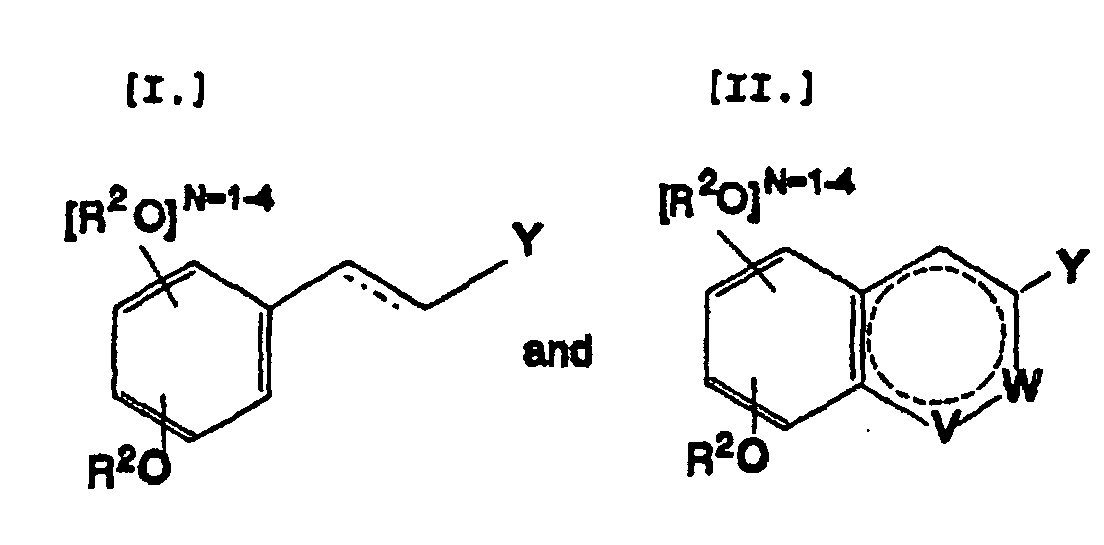 where Z = alkyl, aryl, aralkyl or alkaryl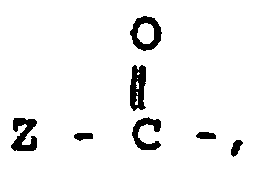
Y = H, alkyl; aralkyl, alkaryl; aryl; hetaryl;where Q=H, alkyl-O, N; O-alkaryl; O-aralkyl; N-alkaryl; or N-aralkyl.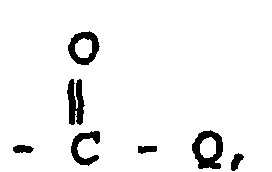
- in Structure I, the dotted line represents an optional double bond and in Structure II, the dotted circle represents all degrees of saturation within the ring.
- The above formulas are further defined in that the aralkyl and alkaryl groups are preferably C7-C13 in size, the aryl is preferably C6-C12, the hetaryl may contain a heteroatom such as, N, O and/or S. In formula II, each individual V and W can be carbon or a heteroatom such as N, O or S.
- Hydroxylated aromatic protein crosslinking compounds are useful for the treatment of neoplastic and non-neoplastic hyperproliferative skin diseases. In particular, they are useful for a topical treatment for a wide range of localized hyperproliferative epithelial disorders, including warts, cervical tumors, premalignant lesions such as actinic keratoses and benign and malignant tumors.
methyl 2,5-dihydroxycinnamate (herein referred to as "MC") by topical application is preferred. - The present invention relates to hydroxylated aromatic protein crosslinking compounds for the inhibition in the growth of human tumor and HPV-infected cells. The present invention also induces changes in cell proteins similar to the changes which occur during normal skin formation, thereby changing hyperproliferative cells to a more normal type. Toxicity of the compounds of the present application has been tested utilizing mouse skin as a mode in vivo system. Because of the dual mechanisms of action, that is, growth inhibition and a protein cross-linking action, the agents of the present invention are a useful addition to the clinician armamentarium for these hyperproliferative skin disorders.
- Figure 1. MC Increases Cross-linked Protein in Epidermal Cell Lines. Black squares represent
HPV 18 human epithelial keratinocytes; black circles representSV 40 infected human keratinocytes; black triangles represent (SQCC-Y1) cells; white triangles represent (SP-1) benign tumor mouse keratinocytes; white squares represent (308 cells) benign mouse keratinocytes; and white circles represent (I-7) cells mouse squamous cell carcinoma. - Morphology of cross-linked protein envelope structures induced by MC SP-1 cells.
- Figure 2. SP-1 cells were treated with vehicle (A and C) or 250 µM MC (B and D) for 48 hours. In A and B phase contrast photomicrographs were taken. In C and D, cells were scraped into 2% SDS, 20 mM DTT and were boiled for 10 mins, then photographs were taken of the resultant samples to show the formation of cross-linked cornified envelopes.
- Figure 3. At Time course for cornification of primary mouse keratinocytes in response to MC. Boxes represent 1.4 mM Ca2+, triangles represent 100 µM MC, 1.4 mM Ca2+, and solid circles represent 1 mM MC, 1.4 mM Ca2+. B: MC Inhibits MTT Reduction Within 4 Hours in Primary mouse Keratinocytes. Cells were incubated in medium with 1.4 mM Ca2+ and MC for 4 hours, then were incubated with MTT (0.5 mg/ml in medium) for a further 4 hours before determination of formazan production.
- Figure 4. Cross-linked Protein Production vs Growth Inhibition in Mouse Primary Keratinocytes. Cell growth is represented by black squares and cross-linked protein production by white squares. Results are ±SD (n=3) of one experiment, representative of three.
- Figure 5. Cross-linked Protein Production vs Growth Inhibition in A431 (human cervical cancer) Cells. Cell growth is represented by black circles and cross-linked protein production by white circles. Results are ±SD (n=3) of one experiment, representative of three.
- Figure 6. Transglutaminase Inhibitors do not Prevent Protein Cross-linking by MC. Hatched columns represent treatment with no transglutaminase inhibitor; black columns represent treatment with
LTB 2 at 100µM; and white columns represent treatment withHPB 2 at 100µM. Results are from one experiment conducted in triplicate ±SD, which was replicated in two separate determinations. - Figure 7. MC does not Increase Transglutaminase Activity in mouse Primary Keratinocytes. Black columns represent untreated cells in 1.4 mM Ca2+ medium ; and hatched columns represent cells treated with 1mM MC. Cytosol is represented by "C" and membrane fractions are represented by "M". Results are ±SD (n=2) and were repeated in a similar experiment.
- Figure 8. MC Induces Cross-linked protein in Primary Mouse Keratinocytes at 4° and 37°C. "C" represents control samples. Results are of one experiment ±SD, conducted in duplicate, which was replicated in a separate experiment.
- Figure 9. Topical Application of MC on Athymic Nude Mouse Skin. Histological sections were taken from paraffin-embedded tissue and were stained with hematoxylin and eosin. Panel a is vehicle control; panel b is 100 µM MC; panel c is 1 mM MC; panel d is 10 mM MC; and panel e is 100 mM MC. Magnification is 200x.
- Figure 10. MC inhibits Grafted SP-1 cell Tumor Formation. Numbers above bars denote the number of animals with tumors/the number of animals in the group. In panel A, MC was applied twice weekly for two weeks. In panel B, MC was applied on 5 days each week for three weeks.
- Figure 11. Cross-linked Protein Production in SQCC-Y1 Cells by MC Derivatives.
- Figure 12. Chemical Structure of hydroxylated aromatic protein crosslinking compounds described in Examples 9 and 10, results shown in Figure 11.
- Figure 13. MC does not Cause Acute Inflammation or Necrosis when Applied Topically to Nude Mouse Skin. Photographs were taken after animal sacrifice upon termination of the experiments.
- The hydroxylated aromatic protein crosslinking compounds involved in the present invention are a specific group of compounds with chemical protein cross-linking activity at high concentrations. This cross-linking effect described herein is novel and of unique significance for hyperproliferative disorders of the epithelium in which topical administration targets the drug to its specific site of action and cells are killed by a process which mimics epidermal cell differentiation.
- The present invention involved hydroxylated aromatic compounds which serve as effective protein cross-linking agents and produce protein envelopes similar to those generated by the endogenous process of terminal differentiation in keratinocyte-derived cells. All cell types tested responded to the hydroxylated aromatic protein crosslinking compounds of the present invention by cross-linking, giving the agent potential for the topical treatment of a wide range of localized hyperproliferative epithelial disorders, including warts, premalignant lesions such as actinic keratoses and benign and malignant tumors. The term "lesion", as used herein is defined as a circumscribed pathological tissue alteration, or a point or patch of a skin disease.
- The cross-linking effect of the hydroxylated aromatic compounds of the present invention is rapid and leads to cell death for aberrant cell eradication. At lower concentrations, hydroxylated aromatic protein crosslinking compounds inhibit cell growth and tyrosine kinases (Umezawa et al. FEBS Lett., 314, 3, 289-292, 1992, Hori et al., J. Antibiot., 45, 280-282, 1992, Umezawa et al., FEES Lett. 260, 198-200, 1990). These effects are also beneficial for the treatment of hyperproliferative disorders. The difference between concentrations required for these effects and cross-linking suggests that cross-linking is independent of the tyrosine kinase inhibitory properties of MC. Furthermore, other established tyrosine kinase inhibitors, including tyrphostins, herbimycin A and lavendustin A are unable to induce cross-linking (see Table II). At 4°C, cellular processes and enzymatic activity are inhibited. However hydroxylated aromatic protein crosslinking compounds, in particular MC, are able to induce cross-linked protein effectively at 4° or 37°C, showing clearly that chemical rather than biological processes are involved.
- In vivo studies using MC reveal the lack of toxicity of MC to normal epidermis, suggesting that during topical application to the specific lesion, avoidance of normal skin may be less critical than with cytotoxic agents currently in use. This may be a reflection of the inability of MC to penetrate the stratum corneum. This effect may be beneficial in poorly differentiating hyperproliferative disorders, such as basal cell carcinoma, in which MC specifically targets cells of the diseased area.
- In more cornified hyperproliferative disorders such as plantar warts, greater tissue penetration might be necessary, and more lipid soluble hydroxylated aromatic protein crosslinking compounds can be used. Examples of hydroxylated aromatic protein crosslinking compounds which are more lipid soluble are 67H-69A, 67H-98A, 67H-124A, 67G-146A. These compounds, due to their increased hydrophobicity, will penetrate the skin more readily and therefore be efficacious in the treatment of more cornified disorders of the skin, such as plantar warts. In addition, these compounds have enhanced stability.
- The class of compounds useful in the method of the present invention is thought to act by a specific mechanism. It is known that ortho or para-hydroxylated aromatics can undergo facile oxidation to the corresponding quinones. The resulting quinones are then susceptible to attack by nucleophiles. Therefore, it appears that crosslinking of the hydroxylated aromatic compounds may occur by initial oxidation to reactive quinone intermediates which then undergo bis-addition of nucleophile (for example SH or NH2 side chain groups of proteins), resulting in crosslinking.
- One hydroxylated aromatic protein crosslinking compound of the present invention, MC, has a short half life in serum (Hori et al, J. Antibiot., 45, 280-282, 1992). This may be advantageous in that the compound can exert its local cross-linking effect rapidly (Fig. 3), then will be diluted and degraded in the bloodstream, rendering it inactive and preventing systemic side effects.
- Particular emphasis is on compounds possessing ortho or para-substituents on the aromatic ring. The hydroxyls may be protected in prodrug form from degradation for enhanced penetration into cells. An example of such prodrug derivatization is esterification. Esterases would liberate the active, free hydroxy compounds once inside the cell. The form of the Y substituent in the general formulae would also be expected to have an effect on cellular penetration. For example, lipophilic ester groups would be expected to enhance crossing cell membranes.
- The potency of hydroxylated aromatic protein crosslinking compounds to induce protein cross-linking is cell type-specific, suggesting that the compound may exert some specificity for certain hyperproliferative conditions. The increased sensitivity of mouse primary keratinocytes for the cross-linking effect is not related to the normal phenotype. For example, primary cultures of normal human epidermal keratinocytes from foreskin did not respond to MC with respect to its cross-linking effects at less than 250uM MC. Studies using a grafting model demonstrated the ability of MC to inhibit tumor formation at 1 and 100mM concentrations. Hydroxylated aromatic protein crosslinking compounds induce the cross-linking of cell proteins into cornified envelope-like structures, causing cell death by a non-biological mechanism which emulates the normal differentiation program of epidermal keratinocytes. In addition to their growth inhibitory properties, the unique protein cross-linking ability of the class of compounds described in the instant invention proffers a new mechanism for the topical treatment of hyperproliferative diseases of the skin.
- One embodiment of the present invention uses an erbstatin analog,
methyl 2,5-dihydroxycinnamate, which forms cross-linked protein envelopes in normal and neoplastic epithelial cells by a mechanism independent of tyrosine kinase inhibition.Methyl 2,5-dihydroxycinnamate (MC) is a tyrosine kinase inhibitor. To assess its ability to induce epithelial cell differentiation, cross-linked protein envelopes were measured after a 48h incubation with agent. In all cells tested (primary keratinocytes, mouse SP-1, 308 (papilloma), 1-7 (carcinoma) cells and human lines SQCC-Y1 (squamous carcinoma), A431 (epidermoid carcinoma) and HPV18 or SV40-infected keratinocytes), MC increased cross-linked protein in a dose-dependent manner (0.1-1mM). To confirm differentiation, MC-treated mouse primary keratinocytes were tested for transglutaminase (TGase) activity, inhibition of protein cross-linking by the TGase inhibitor LTB-2 and HPB-2 and incorporation of the fluorescent TGase substrate dansylcadaverine into envelopes. Results refuted the involvement of TGase in the mode of action of this agent. MC also induced protein envelopes in NIH 3T3 fibroblasts, even when incubated at 4°C in phosphate buffered saline, suggesting a non-physiological process. Simultaneous application of dithiothreitol (DTT, 20mM) to 3T3 cells prevented cross-linking by MC at 37 and 4°C. Western blot analysis of an in vitro assay with EGF receptor showed that DTT did not prevent tyrosine kinase inhibition by MC, but did inhibit MC-induced mobility retardation of the EGF receptor, suggesting that oxidation of agent or an acceptor group is permissive for cross-linking. The present invention demonstrates that MC does not induce differentiation in epithelial cells, but causes chemical protein cross-linking at high dose. This effect, in concert with growth inhibitory properties, may be useful clinically in the topical treatment of warts or superficial neoplasias of the skin. - In a further method of use, the invention comprises a method of preventing the growth of benign, premalignant and malignant cells by prophylactically applying said composition comprising hydroxylated aromatic protein crosslinking compounds, such as MC to a particular body site which may be abnormally exposed to a cancer inducing stimulus.
- The present invention has also been found to be effective not only in eliminating or ameliorating tumors, but in preventing their occurrence when applied prophylactically. To prevent the establishment of cancer, hydroxylated aromatic protein cross-linking agents of the present invention can be formulated into creams and ointments or in cosmetic bases to be used daily, preferably topically.
- The efficacious amount of hydroxylated aromatic protein crosslinking compound used in the method of the instant invention may be varied over a wide range. The typical range of the amount of a hydroxylated aromatic protein crosslinking compound in the instant methods is between about 0.0001 wt % and 5 wt % and preferably, the amount of hydroxylated aromatic compounds applied according to the present invention ranges between about 0.001 wt. % and 2 wt. %. As used herein, the weight percent in the formulations refers to the concentrations of materials being effectively delivered to the treatment site.
- Generally, the efficacious amount and concentration of the compound to be applied are those which result in the composition exhibiting the property or properties required in the treatment for which the composition is being used, namely, anti-tumor activity. In particular, the compounds of the present invention cause protein cross-linking and cell death. This phenomenon is advantageous in the treatment of hyperproliferative epithelial lesions in that it promotes normal cell characteristics. The preferred amounts depend upon the particular condition being treated, the rate of delivery of the active ingredients to the treatment site, and the number of applications of the formulation which can be used. Preferred amounts for any specific application may be determined by normal pharmacological screening methods used in the art. If desired, an excess of the compound can be used as appropriate for the specific condition being treated. It has been found that it is necessary to contact the tumor cells with at least a threshold amount of the compounds of the present invention to observe an inhibition in growth of the skin neoplasm. This minimum amount has been found to be greater than about 10 nanomoles of the compound per milliliter of tumor cells.
- Carrier materials are well known in the pharmaceutical formulation art and include those materials referred to as diluents or vehicles. The carrier may include inorganic or organic materials and should have sufficient viscosity to allow spreading of the composition and provide good adherence to the tissue to which it is topically applied. Examples of such carriers include, without limitation, polycols such as glycerol, propylene glycol, polyethylene glycol, preferably of a molecular weight between about 400 and about 8000, suitable mixtures thereof, vegetable oils, and other materials well known to those skilled in the art. The viscosity of the formulation can be adjusted by methods well known in the art, for example, by the use of a higher molecular weight polyethylene glycol.
- In addition to the hydroxylated aromatic protein crosslinking compound and carrier, the formulation can contain pharmacologically-acceptable additives or adjuvants such as antimicrobial agents, e.g. methyl, ethyl, propyl, and butyl esters of para-hydroxybenzoic acid as well as chlorobutanol, phenol, ascorbic acid, etc. The formulation can also contain thickening or gelling agents, emulsifiers, wetting agents, coloring agents, buffers, stabilizer and preservatives including antioxidants such asbutylhydroxyanisole in accordance with the practice of the art. The formulation can also contain penetration enhancers such as dimethyl sulfoxide, long-chain alcohols such as nonoxynol, long-chain carboxylic acids, propylene glycol, N-(2-hydroxyethyl)pyrrolidone, 1-dodecyl-azacycloheptan-2-one, and the like. Depending on the method of application and the disease being treated, it may be desirable to use absorption-delaying agents such as aluminum monostearate and gelatin.
- The composition of the formulation can be adjusted using components well-known in the formulation art to provide a pharmaceutical formulation which is a gel, cream, ointment, solid, liquid, semi-solid, etc. The particular physical form of the formulation depends on the desired method of treatment and the patient to be treated.
- Typical formulations of the pharmaceutical compositions of this invention are set forth in Table I. In the embodiments described, the preferred concentration range is 1mg/100ml - 2g/100ml, or 0.0001% - 5% w/w. For derivatives which are unstable in an aqueous environment, the following formulations for topical application are provided. A preferred ointment can be prepared by mixing the hydroxylated aromatic compound in 1ml 100% ethanol, then mixing into white petrolatum or lanolin. A simple formulation for a lotion may be prepared by simply mixing the hydroxylated aromatic compound of the present invention in 100% ethanol. Alternatively, a hydrophilic petrolatum can be prepared by mixing all of the ingredients except for the cholesterol (see Table I) together and heating until melted. Once melted, the cholesterol is added. This mixture is stirred until all of the components are dissolved. When cold, triturate hydroxylated aromatic compound previously dissolved in 1 ml of 100% ethanol. For derivatives which are stable in an aqueous environment, additionally the following formulation is preferred: Water (up to 20%) can be added to the hydrophilic petrolatum described above to produce a water in oil emulsion.
- For cold creams, melt all ingredients (see Table I) except sodium borate and water at 70°C. The sodium borate is dissolved in water and then added to the nonaqueous ingredients, stirring until cold.
- The concentrations of active ingredients in a particular formulation required to provide a particular effective dose may be determined by a person skilled in the pharmaceutical formulation art based upon the properties of a carrier and the particular additives introduced into the formulation. It is contemplated that formulations can be prepared that have significantly higher concentrations of the compound of the present invention depending upon the carrier and additives being used. If the carrier substantially retains the compound or releases it at a slow rate, the concentrations of the compound in the formulation can be substantially increased and in fact may have to be substantially increased in order to provide an effective treatment. In practice, it is preferred that a formulation contain the lowest concentrations of active ingredient which effectively treat the condition with the desired number of applications, i.e., a lower effective dose rate can be tolerated if multiple applications are used. This low concentration limit is dependent upon the delivery effectiveness of the carrier vehicle. Preferably, the compounds of the present invention comprises between about 0.0001 and about 5 weight percent of the formulation.
Application Form Formulation Grams Ointment Hydroxylated Aromatic Compound (about 0.0001 - 5% w/w) (Stable in aqueous environment) Peg 4004.2 Peg 8000 61.7 Water 19.0 Ascorbic acid 0.1 Gel Hydroxylated aromatic compound stable in aqueous environment (about 0.0001 - 5% w/w) Standard denatured alcohol 12.0 Propylene glycol 22.5 Water 53.4 Non-ionic surfactant 6.0 Xantham gum 4.0 Ascorbic acid 0.1 Cream Hydroxylated aromatic compounds (about 0.0001 - 5% w/w) (Stable in aqueous environment Ascorbic acid 0.1 Benzyl alcohol 5.0 Propylene glycol 23.0 Water 35.4 Stearyl alcohol 7.0 Cetyl alcohol 4.5 White petrolatum 13.0 Poloxyl-40 stearate 7.0 Solid Hydroxylated aromatic compound (about 0.0001 - 5% w/w) (Stable in aqueous environment) Carnuba wax 8.9 Beeswax 13.3 Lanolin anhydrous 4.4 Cetyl alcohol 4.4 Ascorbic acid 0.1 Castor oil 57.7 Water 1.2 Ointment Hydroxylated aromatic compound (about 0.0001 - 5% w/w) White petrolatum or lanolin 100g Ethanol 100% 1ml Hydrophilic ointment Hydroxylated aromatic compound (about 0.0001 - 5% w/w) Cholesterol 30g Stearyl alcohol 30g White wax 80g White petrolatum 860g Cold Cream Hydroxylated aromatic compound (about 0.0001 - 5% w/w) Cetyl esters wax 125 White wax 120 Mineral oil 560 Sodium borate 5 Purified water 190ml - A preferred embodiment of the instant invention comprises compositions containing MC, i.e., methyl dihydroxycinnamate. This composition has been found to be particularly effective in treating tumorous skin lesions in animal studies. Although the effective concentration of MC delivered to the treatment site depends, inter alia, upon the carrier and other additives included in the formulation, ordinarily the concentration of MC in the formulation will range from about 0.0001 to about 5 weight percent. These ranges are provided by way of description and not by way of limitation since it is recognized that the concentration may be adjusted over a wide range depending on the carrier material, number of applications used, etc., as described hereinabove.
- In topical applications, the instant compositions are applied to the affected area or afflicted situs of the patient. The term "topical" refers herein to the surface of the epidermal tissue, especially the skin, the surface of tumors on the skin which have been debrided or otherwise modified, as well as sites from which solid tumors have been removed from the skin. Alternatively, topical can refer to application of a formulation to a cervical lesion.
- In preparing a formulation suitable for topical application, the instant compositions are normally mixed with a suitable solvent. Examples of solvents which are effective for this purpose include ethanol, acetone, acetic acid, aqueous alkaline solutions, dimethyl sulfoxide, glycerin, glycerol, propylene glycol, nonoxynol, ethyl ether, polyethylene glycol, etc.
- In addition, antioxidants such as ascorbic acid (preferably at 0.1%), hydroxyquinone, sodium bisulfite, meta bisulfite, etc. can be added to the formulation.
- The following examples used particular methods in carrying out the experiments illustrative of the present invention. These experiments represent nonlimiting examples of the present invention. Other embodiments would be readily apparent to the skilled artisan and are considered within the scope of the present invention.
- Reagents.
Methyl 2,5-dihydroxycinnamate (MC) and the tyrosine kinase inhibitors listed in table II were obtained from LC Laboratories, Woburn, Mass, Compounds related to MC (Fig. 10) were synthesized within the laboratory of Dr. T.R. Burke, NCI, Bethesda. 3-(4,5-dimethylthiazol-2-yl)-2,5-diphenyl tetrazolium bromide (MTT) was obtained from Sigma. - Cell Culture. Primary mouse keratinocytes were isolated from BALB/c newborn mouse skin. Primary keratinocytes, the benign neoplastic keratinocyte cell lines 308 and SP-1 (Strickland et al, Cancer Res., 48, 165-169, 1988) and the mouse squamous cell carcinoma line 1-7 (Greenhalgh et al., Proc. Natl. Acad. Sci., 87, 643-647, 1990) were grown in Eagle's minimal essential medium with 8% fetal calf serum (FCS) (chelexed) and penicillin 20iu/ml, streptomycin 20ug/ml (P/S). Unless otherwise indicated, the Ca2+ concentration in medium was adjusted to 0.05mM (Hennings et al., Cells, 19, 245-254, 1980). A431 human epidermoid carcinoma cells were obtained from ATCC, Rockville MD, and were routinely passaged in DMEM with 10% FCS, P/S, glutamine (2mM) and pyruvate (1mM). SQCC-Y1 human squamous carcinoma cells and
non-tumorigenic HPV 18 andSV 40 infected human keratinocytes were kindly donated by Dr. James Rheinwald of Harvard University, Boston, MA and Dr. Richard Schlegel of Georgetown University, Washington D.C. respectively. Human cells were cultured in DMEM/Ham's F12 1:1, 10% FCS, P/S and epidermal growth factor 10ng/ml. - MC Increases Cross-linked Protein in Epidermal Cell Lines. Cells were incubated with MC for 48 hours, then cross-linked protein was isolated and measured as described in Example 1. Results are of one experiment ±SD (n=3) and are representative of 2-3 separate determinations, as shown in figure 1. MC induced cross-linked envelope production in human and mouse keratinocyte-derived cell lines which represent the normal phenotype (mouse primary keratinocytes), hyperproliferative (
SV 40 infected), wart-like (HPV 18 infected), actinic keratosis-like (SP-1, 308), and carcinoma cells (A431, SQCC-Y1, 1-7) (Figs. 1-5). - Time Course for Cornification of Primary Mouse Keratinocytes in Response to MC. Primary mouse keratinocytes were incubated with MC for 0, 0.5, 1, 4 and 48 hours and were processed as follows.
- Cornified Envelope Assay. The assay measures insoluble cross-linked protein envelopes as described (Hough-Monroe et al. Analytical biochem., 199, 25-28, 1991), with modifications as follows. Cornified envelopes were prepared by scraping monolayers into 2% sodium dodecylsulphate (SDS), 20mM dithiothreitol (DTT) in phosphate buffered saline (PBS). Unattached cells were pelleted from medium and were resuspended in SDS/DTT and pooled with attached cells. Samples were boiled for 10 mins. Cornified envelope samples were examined under the microscope using phase contrast optics or were applied to an RC60 membrane (Schleicher and Schuell, Keene, NH) on a 96-well dot-blot apparatus attached to a vacuum. Samples were washed three times with SDS/DTT and the resultant protein spots on RC60 membrane were fixed and stained as described. Sports were excised and eluted with 1% NH3OH concentrated solution, 66% methanol (200ul) overnight. Absorbance of eluate was measured on a Titertek plate reader at 600nm.
- Cornification occurred at 1 mM within 4 hours of treatment of the cells. After 48 hours both the 1mM and 100µM dosages were effective in cornifying the primary keratinocytes (Fig. 3A).
- MTT Cytotoxicity Assay. MTT is a dye which is reduced by mitochondrial dehydrogenase enzymes to a blue formazan product. Ability of cells to reduce MTT can be used to measure cell viability (Mosmann T., J. Immunol. Methods, 65, 55-63, 1983). Cells were incubated in 96 well plates with or without MC for the indicated time, then were incubated for a further 4 hours with 0.5mg/ml MTT. Medium was removed and 88.9% DMSO, 11.11% glycine buffer (100mM glycine, 100mM NaCL pH 10.5) was added to each well. Plates were shaken for 20 minutes to allow formazan dissolution, then absorbance was measured on a plate reader at 570nm.
- Cross-linked Protein Production vs Growth Inhibition in Mouse Primary Keratinocytes. Cells were seeded at low density and were treated with MC for 3 days. Cells were then counted and increase in cell number was compared to untreated controls, or cells were processed for cross-linked protein. (fig. 4) Protein cross-linking was rapid, commencing within 4 hours at 1mM in mouse primary keratinocytes, (Fig. 3A) and was accompanied by cell death, as measured by the MTT assay (Fig. 3B).
- Cross-linked Protein Production vs Growth Inhibition in A431 Human Epidermoid Carcinoma Cells. Cells were seeded at low density and were treated with MC for 3 days. Cells were then counted and increase in cell number was compared to untreated controls, or cells were processed for cross-linked protein (Fig. 5).
- These results suggest that the concentration of MC required to effect cell growth is lower than that required to facilitate protein cross-linking. For example, in primary mouse keratinocytes, only 20% of the cells continued to grow at 25µM MC, while more than 50µM MC was required to produce protein cross-linking. In A431 cells, 75µM MC inhibited cell growth significantly, whereas the protein cross-linking affect was not evident at concentrations less than 250 µM. Therefore it is clear that the cross-linking of proteins occurs at higher concentrations than those required to inhibit cell growth (Figs. 4 and 5).
- Transglutaminase Inhibitors do not Prevent Protein Cross-linking by MC. Primary mouse keratinocytes were incubated with either 75µM or 1000µM MC or staurosporine (stsp) at 10nM for 48 hours, with or without the transglutaminase (TGase)
inhibitors LTB 2 andHPB 2, both used at 100µM. Inhibitors were added 30 mins before MC or stsp (Fig. 6). Cross-linked protein was measured by the cornified envelope assay, described in Example 2. The results shown in Fig. 6 demonstrate that MC cross-linking activity is not affected by transglutaminase inhibitors, as is the activity of staurosporine. - MC does not Increase Transglutaminase Activity in Mouse Primary Keratinocytes. Mouse primary keratinocytes were incubated in medium with 1.4 mM Ca2+ for the indicated times. MC-induced cross-linking commences within 4 hours (see Figure 3). Cells were separated into cytosol (C) and Triton-X100 soluble membrane (M) fractions (Fig. 7). Each fraction was standardized for protein and was assayed for transglutaminase activity using the method of Lichti et al.. J. Blol. Chem., 260, 1422-1426 (1985). The results of the experiment demonstrate that transglutaminase is not stimulated by treatment of cells with MC during the time period in which its cross-linking activity is seen (4 hrs) as compared to untreated cells. Protein cross-linking was not inhibited by transglutaminase (TGase) inhibitors unlike that induced by the kinase inhibitor staurosporine, which increases TGase activity (Dlugosz and Yuspa, Cancer Res., 51, 4677-4684, 1991) (Fig. 6), and cellular TGase activity did not increase at the commencement of cross-linking by MC (Fig. 7), suggesting that the endogenous cross-linking enzymes were not involved in this effect.
- MC Induces Cross-linked Protein in Primary Mouse Keratinocytes at 4°C and 37°C. Cells were incubated in medium with MC or staurosporine (stsp) at 4°C or 37°C for 48 hours, then cross-linked protein was isolated and measured by the cornified envelope assay as described in Example 2. Cross-linking by MC took place at 4°C and 37°C, suggesting a non-biological process (but rather, a chemical process) unlike that by staurosporine, which was temperature dependent.
- A range of tyrosine kinase inhibitors was tested for ability to produce cross-linked protein envelopes in 308 and SQCC-Y1 cells. All inhibitors were obtained commercially from LC Laboratories, Woburn, Mass. Concentrations used were within the range for inhibition of tyrosine kinases. Concentration of tyrphostins was limited by solubility in medium at 37°C.
TABLE II. Tyrosine Kinase Inhibitors do not Induce Protein Cross-linking. TYROSINE KINASE INHIBITOR CONCENTRATION RANGE TESTED CROSS-LINKED PROTEIN lavendustin A 10nM-10uM - compound 510nM-20uM - herbimycin A 10nM-20uM - psi-tectorigenin 10nM-20uM - tyrphostin A23 0.1-500um - tyrphostin A47 0.1-500uM - tyrphostin B42 0.1-500uM - tyrphostin B66 0.1-250um - bis tyrphostin 0.1-200uM - - None of the tyrosine kinase inhibitors exhibited the protein cross-linking activity seen with the hydroxylated aromatic protein crosslinking compounds of the present invention. This finding indicates that the hydroxylated aromatic compounds of the present invention do not operate as by virtue of their tyrosine kinase inhibitor activity. In fact, there appears to be no correlation between the two activities.
- Topical Application of MC on Athymic Nude Mouse Skin. Acute topical toxicity of MC was assessed by its application to athymic mouse skin and observation for inflammation, ulceration or other signs of toxicity after 5x weekly applications for 2 weeks and by microscopical analysis of paraffin-embedded sections of athymic mouse skin after MC application. Male nu/nu mice, 8 weeks old, were subdivided into 5 treatments groups and MC was administered topically in 10% DMSO in acetone vehicle. Mice were treated with a control vehicle, 100µM MC, 1mM MC, 10mM MC or 100mM MC. Treatment was 5 times per week for two weeks, after which animals were sacrificed and dorsal skin was fixed in Carnoy's solution at 4°C for 24 hours followed by
ethanol 100%. Histological sections were taken from paraffin-embedded tissue and were stained with hematoxylin and eosin. Figure 13 illustrates the effect of MC on the skin of nude mice. - MC does not Cause Acute Inflammation or Necrosis when Applied Topically to Nude Mouse Skin. Male nu/nu mice, 8 weeks old, were subdivided into treatment groups and MC was administered topically to dorsal skin in 10% DMSO in acetone vehicle (25µl). Treatment was 5 times per week for two weeks. Throughout a two week period of topical treatment with MC to nude mouse dorsal skin, animals were observed for signs of systemic toxicity or changes in skin at the application site. No changes were observed (Fig. 13), except for patchy brown discoloration at 100mM. MC itself is yellow-brown, so some discoloration would be expected due to drug deposition and accumulation at this high concentration. Using microscopy, MC was not acutely toxic or inflammatory to normal athymic mouse skin up to 10mM. The highest concentration tested, 100mM, caused some vacuolation of epidermal cells and focal inflammatory infiltrates were visible, but with no obvious necrosis (Fig. 9).
- Skin Grafting and In vivo Treatments. Skin grafting was performed on athymic nude mice using 0.5X10⁶ SP-1 cells with 8X10⁶ newborn SENCAR mouse dermal fibroblasts as described (Strickland et al., Carcinogenesis, 14, 205, 1993). Domes (plastic covers placed over the site of skin grafting) were removed one week after grafting, and after a further week, topical application of MC commenced. The agent was applied in 25ul 90% acetone, 10% DMSO vehicle. Weekly, tumor measurements were recorded up to 5 weeks after grafting.
- MC Inhibits Grafted SP-1 Cell Tumor Formation. Grafting was performed as described above. In one group of mice, MC was applied twice weekly for two weeks (shown in Fig. 10A). In a second group of mice, MC was applied on 5 days each week for three weeks (shown in Fig. 10B). Tumors were measured using calipers at the termination of the experiment and tumors were fixed and sections were taken to confirm the tumor phenotype by microscopy. MC inhibited the growth of tumors derived from the neoplastic cell line SP-1 grafted onto the backs of nude mice at 1mM and 100mM concentrations.
- Synthesis of several hydroxylated aromatic protein cross-linking reagents. Petroleum ether was of the boiling range 35-60°C and removal of solvents was performed by rotary evaporation under reduced pressure. Silica gel filtration was carried out using TLC grade silica gel (5-25µ Aldrich). Melting points were determined on a Mel Temp II melting point apparatus and are uncorrected. Elemental analyses were obtained from Atlantic Microlab Inc., Norcross, GA, and are within 0.4% of theoretical values unless otherwise indicated. Fast atom bombardment mass spectra (FABMS) were acquired with a VG Analytical 7070E mass spectrometer under the control of a VG 2035 data system. 1H NMR data were obtained on Bruker AC250 (250 MH2) instrument.
- Synthesis of Cinnamic Acid Analogues. The synthesis of cinnamic acid analogues was achieved by straight forward application of literature techniques. Two general approaches, designated "method A" and "method B" were utilized:
- Method A: Synthesis of Caffeic acid β-phenylethyl ester (CAPE, 67H-42-A). A solution of 1.80 g (10.0 mmol) of caffeic acid, 17.9 mL (150 mmol) of β-phenylethyl alcohol and 100 mg of p-toluenesulfonic acid in benzene (100 mL) were stirred overnight at reflux with a Dean Stark trap. Solvent and excess alcohol were removed by distillation and residue purified by silica gel chromatography (petroleum ether/CHCl3). Product was crystallized (ether/petroleum ether) to provide 67H-42-A as snow-white crystals, 1.0g (35%): mp 128.0°C 126-128°C) (Grunberger, D. et al., Experimentia, (1988) 44:230-2).
- 3,4-Difluorocinnamic acid β-phenylethyl ester (67J-17-A). Reaction of 3,4-difluorocinnamic acid and β-phenylethyl alcohol as outlined in method A provided 67J-17-A as snow-white crystals (38% yield): mp 53-57°C, 1H NMR (CDCl3) δ:7,49 (d, 1H, J = 16 Hz), 7.30-7.05 (m, 8H) 6.27 (d, 1H, J = 16 Hz), 4.36 (t, 2H, J = 7.0 Hz), 3.82 (s, 3H), 2.95 (t, 2H, J = 7.0 Hz); FABMS (NBA, +VE m/z 289 (M+H) .Anal. (C17H14O2F2) C, H.
- Method B: Synthesis of 2.5-dihydroxycinnamic acid β-phenylethyl eater (67H-124-A). A mixture of 2,5-dihydroxybenzaldehyde (138 mg. 1.0 mmol), 430 mg (0.93 mmol) of (carboxymethyl)-triphenylphosphonium chloride, β-phenylethyl ester [mp 162-165°C (dec); 148-151°C] (Bankova, V., et al., J. Nat. Prod. (1990) 53:821-4) and powdered anhydrous K2CO3 (586 mg, 4.24 mmol) in anhydrous DMF (2 mL) were stirred at ambient temperature overnight. The crude reaction mixture was then partitioned between 0.5 N HCl in brine (50 mL)/ethyl acetate (3 x 50 mL), washed with 05N HCl in brine (50 mL), brine (2 x 50 mL), dried (MgSO4) and solvent removed to yield a dark syrup (577 mg). The crude product was passed down a silica pad using first CHCl3 then 5% ethyl acetate in CHCl3. The resulting light yellow crystals were recrystallized from ether: petroleum ether to provide pure 67H-124-A as beige crystals (115 mg; 43% yield); mp 123-125°C; 1H NMR (CDCl3) δ:7.86 (d, 1H, J = 16 Hz), 7.30-7-17 (m, 5H), 6.88 (d, 1H, J - 2.7 Hz), 6.70 (dd, 1H, J = 2.7 Hz & 8.6 Hz), 6.64 (d, 1H, J = 8.6 Hz), 6.44 (d, 1H, J = 16 Hz), 4.36 (t, 2H, J = 7.1 Hz), 2.96 (t, 2H, J = 7.1 Hz); ABMS (NBA, - VE) m/z 283 (M-H). Anal. (C17H16O4) C,H.
- 2,3,4-Tribydroxycinnamic acid β-phenylethyl ester (67H-80-C). Reaction of 2,3,4-trihydroxybenzldehyde with (carboxymethyl)-triphenylphosphonium chloride, β-phenylethyl ester as described above in method B provided crude product which was purified by multiple passes down a silica pad with final crystallization from ether: petroleum ether, providing pure 67H-80-C as beige crystals in 19% yield: mp 144°C soften, 147-150°C; 1H NMR (DMSO-d6) δ:9.77 (s, 1H), 8.60 (s,1H), 7.78 (d, 1H, J = 16 Hz), 7.36-7.18 (m, 5H), 6.95 (d, 1H, J = 8.5 Hz), 6.37 (d, 1H, J = 16 Hz), 6.36 (d, 1H, J = 8.5 Hz), 4.31 (t, 2H, J = 6.9 Hz), 2.95 (t, 2H, J = 6.9 Hz); FABMS (NBA, -VE) m/z 299 (M-H) . Anal. (C17H16O5•1/4H2O)C,H.
- 2,4,5-Trihydroxycinnamic acid β-phenylethyl ester (67H-98-A). Reaction of 3,4,5-trihydroxybenzldehyde with (carboxymethyl)-triphenylphosphonium chloride, β-phenylethyl ester as described above in method B except that the reaction was run at ambient temperature for 2h. Purification by multiple silica gel chromatographies yielded a light yellow foam. Trituration with petroleum ether: ether provided 67H-98-A as a light yellow solid in 21% yield: mp 146-149°C; 1H NMR 9.62 (s, 1H), 9.52 (s, 1H0, 8.45 (s, 1H), 7.75 (d, 1H, J- 16 Hz), 7.37-7.18 (m, 5H), 6.87 (s, 1H), 6.38 (s, 1H), 6.16 (d, 1H, J = 16 Hz), 4.30 (t, 2H, J = 6.8 Hz), 2.95 (t, 2H, J = 6.8 Hz); FABMS (NBA, -VE) m/z 299 (M-H). Anal. (C17H16O5•1/4H2O)C,H.
- Caffeic acid 2-(2-naphthyl)ethyl ester (67H-72-B). Reaction of caffeic acid and 2-(2-naphthyl)ethanol as outlined in method A except that the reaction time was increased to 3 days, provided product as a white solid following chromatography. Trituration with ether gave pure 67H-72-B as a snow-white solid in 3% overall yield: mp 174.5-176.5°C; 1H NMR (DMSO-d6) δ:9.61 (brs, 1H), 9.14 (brs, 1H), 7.93-7.78 (m, 5H), 7.52-7.42 (m, 3H), 7.04 (s, 1H), 6.99 (d, 1H, J = 8.1 Hz), 6.76 (d, 1H, J = 8.1 Hz), 6.24 (d, 1H, J = 15.9 Hz), 4.43 (t, 2H, J = 6.7 Hz), 3.14 (t, 2H, J = 6.7 Hz); FABMS (NBA, -VE) m/z 333 (M-H). Anal. (C21H18O4•1/H2O) C,H.
- Caffeic acid 2-(1 naphthyl)ethyl ester (67H-148-A). Reaction of caffeic acid and 2-(1-naphthyl)ethanol as outlined in method A except that the reaction time was increased to 6 days, provided
product 67H-148-A as a snow-white solid in 21% overall yield: mp 165-168°C; 1H NMR (DMSO-d6) δ:8.21 (d, 1H, J = 8.1 Hz), 7.97-7.94 (m,1H), 7.84 (t, 1H, J = 5 Hz), 7.64-7.39 (m, 5H), 7.03 (d, 1H, J = 1.8 Hz), 6.99 (dd, 1H, J = 1.8 Hz & 8.1 Hz), 6.23 (d, 1H, J = 15.9 Hz), 4.44 (t, 2H, J = 7.0 Hz), 3.45 (t, 2H, J = 7.0 Hz); FABMS (NBA, -VE) m/z 333 (M-H). Anal. (C21H18O4•1/4H2O)C,H. - 3- (3,4-Dihydroxyphenyl)propanoic aid β-phenylethyl ester (67H-69-A). A solution of 2 (284 mg, 1.0 mmol) in ethanol (25 mL) was hydrogenated over 10% Pd-C (100 mg) under 40 psi H2 in a Parr apparatus (2.5 h). The reaction mixture was filtered through celite and crystallized from ether: petroleum ether to provide
product 67H-69-A as off-white crystals (175 mg, 61 % yield): mp 72.5-73.5°C, 1H NMR (DMSO-d6) δ:8.75 (s, 1H), 8.67 (s, 1H), 7.36 - 7.18 (m, 5H), 6.61 (d, 1H, J = 8.0 Hz), 6.57 (d, 1H, J = 1.9 Hz), 6.40 (dd, 1H, J = 1.9 Hz & 8.0 Hz), 4.21 (t, 2H, J = 6.9 Hz), 2.86 (t, 2H, J = 6.8 Hz), 2.64 (t, 2H, J = 6.9 Hz), 2.49 (t, 2H, J = 6.8 Hz); FABMS (NBA, -VE) m/z 285 (M-H). Anal. (C21H18O4)C,H. - 6,7-Dihydroxy-2-naphthoic acid β-phenylethyl ester (67H-46-A). A total of 346 mg (1.5 mmol) of 6,7-dimethoxy-2-naphthoyl amide (Burke, T.R., et al., J. Med. Chem. (1993) 36, 425-432) in 6 N HCll (20 mL) was stirred at reflux (24h) then cooled and 6,7-dihydroxy-2-naphthoic acid collected as a purple colored solid (260 mg). A 225 mg (1.10 mmol) portion was esterified with phenylethyl alcohol as described in method A (
reaction time 2 days). Chromatographic purification (CHCl3 followed by ethyl acetate) yielded a solid, which was suspended in CHCL3 and collected by filtration to yield 67H-46-A as snow-white needles (100 mg, 25% yield overall): mp175-176°C; 1H NMR (DMSP-d6) δ:8.33 (s, 1H), 8.24 (s, 1H), 7.66 (s, 2H), 7.38-7.17 (m, 6H), 4.50 (t, 2H, J = 6.8 Hz), 3.07 (t, 2H, J = 6.8 Hz); FABMS (NBA,-VE)mz 307 (M-H), Anal. (C19H16O4·1/4H2O) C,H. - 5,6-Dihydroxy-2-naphthoic acid β-phenylethyl ester (67H-52-A). A total of 240 mg (1.0 mmol) of 5,6-dimethoxy-2-naphthoic acid (Burke, T.R., et al., J. Med. Chem. (1993) 36, 425-432) was heated neat with pyridine·HCL (5.0g) at 180-200°C under argon (40 minutes). Excess pyridine·HCL was distilled off under high vacuum and residue mixed with 1 N HCL (20 mL), giving 5,6-dihydroxy-2-naphtohoic acid a light yellow solid which was collected by filtration (160 mg). A 140 mg (0.7 mmol) portion was reacted β-phenylethyl alcohol as described for
compound 67H-46-A and purified by silica gel chromatography (CHC3) to provideproduct 67H-52-A as a white solid (1200 mg, 36% yield overall): mp 164-166°C; 1HNMR CDMSO-d6) δ:8.40 (d, 1H, J = 1.6 Hz), 8.07 (d, 1H, J = 8.8 Hz), 7.80 (dd, 1H, J = 1.6 Hz & 8.8 Hz), 7.49 (d, 1H, J = 8.6 Hz), 7.38-7.33 (m, 5H), 7.25 (d, 1H, J = 8.6 Hz), 4.51 (t, 2H, J = 6.8 Hz), 3.08 (t, 2H, J = 6.8 Hz); FABMS (NBA, -VE) mz 307 (M-H). Anal. (C19H16 O4) C,H. - 5,6-Dihydroxy-2-napbthoic acid methyl ester (67G-146-A). This compounds was prepared as previously described. (Burke, T.R., et al., J. Med. Chem. (1993) 36, 425-432).
- 6,7-Dihydroxyisoquinoline-3-carboxylic acid methyl ester hydrochloride (67F-65-A). This compound was prepared as previously described. (Burke, T.R., et al., Heterocycles (1992) 34, 757-764).
- 7,8-Dibydroxyisoquinoline-3-carboxylic acid methyl ester hydrochloride (67F-36-A). This compound was prepared as previously described. (Burke, T.R. et al., Bioorg. Med. Chem. Lett. (1992) 2, 1771-1774).
- 2-(3,4-Dihydroxypbenyl)-1-pbenylacetamidoethane (67J-28-A). To a vigorously stirred mixture of tyramine·HCl (948 mg, 5.0 mmol) in aqueous NaHCO3 (1.68 g, 20 mmol in 25 mL H2O) and CHCl3 (25 mL) was added phenylacetyl chloride (660 µL, 5.0 mmol) dropwise, then the reaction was stirred at ambient temperature (1 h). The organic layer was collected, combined with a 25 mL (CHCl3 extract of the aqueous layer and the combined organic phases were washed with 1 N HCl (25 mL), dried (MgSO4) and solvent evaporated. The resulting foam was mixed with ethylacetate, then diluted with ether and a white solid (225 mg) removed and discarded. The filtrate was purified by silica gel chromatography using first 25% ethyl acetate in CHCl3, then 100% ethyl acetate. Product 67J-28-A was obtained as a light yellow syrup (362 mg, 27% yield); 1H NMR (DMSC-d6) δ: 7.38-7.24 (m, 5H), 6.37 (d, 1H, J=8.0 Hz), 6.62 (d, 1H, J=2 Hz), 6.40 (dd, 1H, J=2 Hz & 8.0 Hz), 5.63 (brt, 1H), 3.14 (dt, 2H, J=6.5 Hz & 13.0 Hz), 2.59 (t, 2H, J=6.5 Hz); high resolution FABMS calcd for C16H16NO3 (M-H); 270.1130, Found 270.1117, Anal. (C16H17O3) H,N; C theor. 69.69, found. 70.11.
- 3-(3,4-Dihydroxyphenyl)propanoic acid β-(3,4-dihydroxyphenyl)ethyl amidc (67J-32-A). To a solution of 348 mg (1.0 mmol) of 3-(3,4-dihydroxyphenyl) propanoic acid pentafluorophenyl ester, prepared as described in the previous reaction, in andydrous dimethylformamide (2 mL) was added tyramine•HCL 227mg. 1.2 mmol) and triethylamine (209µ, 1.5 mmol) and the reaction stirred. After 2 h solvent was removed by distillation under high vacuum and residue purified by silica gel chromatography as described int he previous reaction to yield product 67J-32-A as a white foam (338 mg, quantitative yeld): 1H NMR (DMSO-d6) δ: 8.75 (s, 1H), 8.72 (s, 1H), 7.84 (t, 1h< J = 5.6 Hz), 6.65-6.57 (m, 4H), 6.44-6.39 (m, 2H), 3.20-3.11 (m, 2H), 2.52-2.46 (m, 2H), 2.28-2.22 (m, 2H); high resolution FABMS calcd for C17H18NO5(M-H) : 316.1185, found 316.1146. Anal. (C17H19O51/2H2O) H, N; C theor. 62.14, found 62.57.
- Based on the initial observations that MC induces crosslinking, a series of 15 aromatic compounds were examined for similar activity. These compounds all possessed either ortho or para-hydroxyl substitution patterns except for 67-J17A, in which OH-groups were replaced with fluorine. Preliminary studies indicated that some compounds were able to cross-link, while others were weak or inactive at the concentrations tested. Four of the most potent compounds are shown in Figure 12 as "67H-69A", "67H-98A", "67H-124A" and "67G-146A". These structures clearly exhibit protein cross-linking activity and are therefore members of the hydroxylated aromatic protein crosslinking compounds of the present invention. These particular hydroxylated aromatic protein crosslinking compounds are useful as topical agents in the treatment of hyperproliferative skin diseases.
- The results shown in Figure 11 indicate that some structural specificity is involved in the crosslinking process. For example,
active compound 67H-69-A differs from inactive 67H-42-A only by the absence of a side chain double bond. Furthermore, addition of a single hydroxyl to inactive 67H-42-A provides theactive compound 67H-98-A. Another example of structural specificity is illustrated by comparison of active 67G-146-A with inactive 67F-36-A which differs by the inclusion of a ring nitrogen.
Claims (9)
- Use of at least one compound of the formula:R1, R2 = H;
 where Z = alkyl, aryl, aralkyl or alkaryl;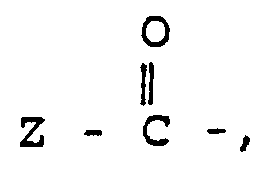
Y = H, alkyl; aralkyl, alkaryl; aryl; hetaryl;where Q=H, alkyl-O, N; O-alkaryl; O-aralkyl; N-alkaryl; or N-aralkyl;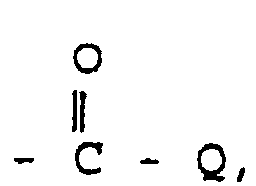 represents an optional double bond for the preparation of a pharmaceutical composition for the topical treatment of hyperproliferative epithelial cell lesion.
 - Use according to claim 1 wherein the epithelial lesion is a skin lesion.
- Use according to claim 1 wherein the epithelial lesion is a human papilloma virus-infected tissue lesion.
- Use according to claim 1 wherein the epithelial lesion is a tumorous lesion.
- Use according to claim 1 wherein the compound is methyl 2,5-dihydroxycinnamate.
- Use according to claim 1 wherein the compound is
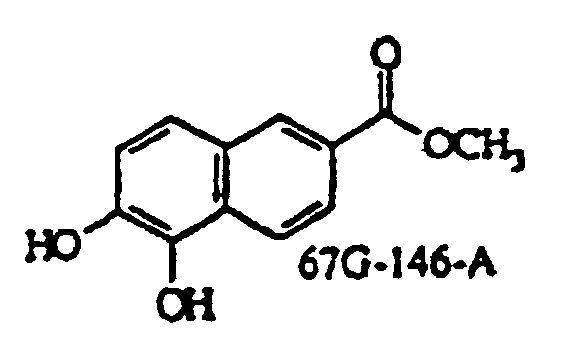
- Use according to claim 1 wherein the compound is

- Use according to claim 1 wherein the compound is
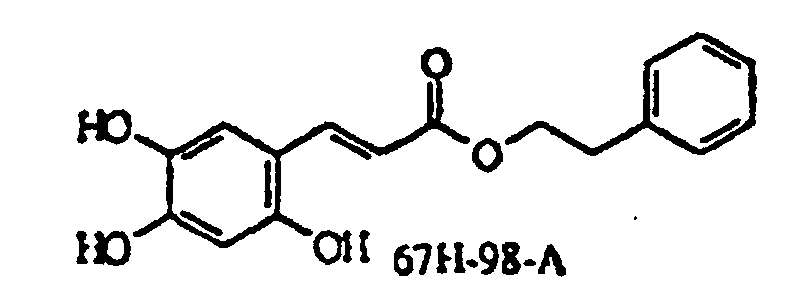
- Use according to claim 1 wherein the compound is

Applications Claiming Priority (3)
| Application Number | Priority Date | Filing Date | Title |
|---|---|---|---|
| US389845 | 1982-06-18 | ||
| US08/389,845 US5610185A (en) | 1995-02-17 | 1995-02-17 | Method for the treatment of hyperproliferative epithelial skin diseases by topical application of hydroxylated aromatic protein cross-linking compounds |
| PCT/US1996/002301 WO1996025159A1 (en) | 1995-02-17 | 1996-02-14 | A method for the treatment of hyperproliferative epithelial skin diseases by topical application of hydroxylated aromatic protein cross-linking compounds |
Publications (2)
| Publication Number | Publication Date |
|---|---|
| EP0809493A1 EP0809493A1 (en) | 1997-12-03 |
| EP0809493B1 true EP0809493B1 (en) | 2002-09-11 |
Family
ID=23539975
Family Applications (1)
| Application Number | Title | Priority Date | Filing Date |
|---|---|---|---|
| EP96905555A Expired - Lifetime EP0809493B1 (en) | 1995-02-17 | 1996-02-14 | A method for the treatment of hyperproliferative epithelial skin diseases by topical application of hydroxylated aromatic protein cross-linking compounds |
Country Status (11)
| Country | Link |
|---|---|
| US (1) | US5610185A (en) |
| EP (1) | EP0809493B1 (en) |
| JP (1) | JPH11503111A (en) |
| AT (1) | ATE223715T1 (en) |
| AU (1) | AU698414B2 (en) |
| CA (1) | CA2212888C (en) |
| DE (1) | DE69623595T2 (en) |
| DK (1) | DK0809493T3 (en) |
| ES (1) | ES2183938T3 (en) |
| PT (1) | PT809493E (en) |
| WO (1) | WO1996025159A1 (en) |
Families Citing this family (15)
| Publication number | Priority date | Publication date | Assignee | Title |
|---|---|---|---|---|
| WO1999043636A2 (en) | 1998-02-27 | 1999-09-02 | The United States Of America As Represented By Thesecretary Of The Department Of Health And Human Services | Disubstituted lavendustin a analogs and pharmaceutical compositions comprising the analogs |
| FR2778560B1 (en) * | 1998-05-12 | 2001-06-01 | Oreal | USE OF CINNAMIC ACID OR AT LEAST ONE OF ITS DERIVATIVES IN A COMPOSITION FOR PROMOTING DEQUAMATION OF THE SKIN, AND COMPOSITION COMPRISING SAME |
| GB2370989A (en) * | 2001-01-16 | 2002-07-17 | Btg Int Ltd | Piperine analogues for the treatment of skin conditions |
| WO2003101927A1 (en) * | 2002-05-31 | 2003-12-11 | Proteotech, Inc. | Compounds, compositions and methods for the treatment of amyloid diseases and synucleinopathies such as alzheimer's disease, type 2 diabetes, and parkinson's disease |
| US7368593B1 (en) | 2003-08-18 | 2008-05-06 | Organics L.L.C. | Method of selective esterification |
| ES2238924B1 (en) | 2004-02-17 | 2006-12-01 | Investread Europa, S.L. | USE OF 2,5-DIHYDROXIBENCENOSULFONIC ACID, IN THE MANUFACTURE OF APPLICATION MEDICINES IN THE TREATMENT OF ANGIODEPENDENT DISEASES. |
| US20070149618A1 (en) | 2004-02-17 | 2007-06-28 | Action Medicines, S.L. | Methods of use for 2,5-dihydroxybenzene sulfonic acid compounds for the treatment of cancer, rosacea and psoriasis |
| US20080125485A1 (en) | 2004-02-17 | 2008-05-29 | Action Medicines | Use of 2,5-Dihydroxybenzene Derivatives for Treating Actinic Keratosis |
| WO2005092322A1 (en) * | 2004-03-29 | 2005-10-06 | Japan Health Sciences Foundation | Natural compound causing rar activation |
| US7351739B2 (en) * | 2004-04-30 | 2008-04-01 | Wellgen, Inc. | Bioactive compounds and methods of uses thereof |
| FR2892923B1 (en) * | 2005-11-08 | 2009-01-16 | Engelhard Lyon Sa | USE OF PARA-COUMARIC OR PARA-HYDROXYCINNAMIC ACID DERIVATIVES IN COSMETIC OR DERMATOLOGICAL COMPOSITIONS. |
| WO2008020026A1 (en) | 2006-08-16 | 2008-02-21 | Action Medicines, S.L. | Use of 2,5-dihydroxybenzene derivatives for treating dermatitis |
| US8541467B2 (en) | 2006-08-16 | 2013-09-24 | Action Medicines, S.L. | Use of 2,5-dihydroxybenzene compounds and derivatives for the treatment of hematological dyscrasias and cancer of an organ |
| CN117247319A (en) * | 2023-09-08 | 2023-12-19 | 中国药科大学 | A class of 5,6-dihydroxynaphthoate compounds and their preparation methods and uses |
| CN119219499B (en) * | 2024-09-02 | 2025-09-26 | 昆明医科大学 | Sesquiterpenoid caffeic acid ester compounds and their preparation method and application |
Family Cites Families (6)
| Publication number | Priority date | Publication date | Assignee | Title |
|---|---|---|---|---|
| FR2492815A1 (en) * | 1980-10-23 | 1982-04-30 | Sori Soc Rech Ind | NEW CINNAMOYL-CINNAMIC ACID DERIVATIVE, PREPARATION METHOD AND THERAPEUTIC APPLICATION THEREOF |
| US4925877A (en) * | 1986-02-25 | 1990-05-15 | Zaidanhojin Biseibutsu Kagaku Kenkyukai | Physiologically active erbstatin analogue compounds and compositions |
| FR2601670B1 (en) * | 1986-07-17 | 1988-10-07 | Cird | NOVEL AROMATIC BICYCLIC DERIVATIVES, THEIR PREPARATION PROCESS AND THEIR USE IN HUMAN AND VETERINARY MEDICINE AND IN COSMETICS |
| JPH03109323A (en) * | 1989-09-22 | 1991-05-09 | Microbial Chem Res Found | anti-cancer drug |
| US5360815A (en) * | 1993-06-23 | 1994-11-01 | Merck Frosst Canada, Inc. | Heteroaryl cinnamic acids as inhibitors of leukotriene biosynthesis |
| JPH0761919A (en) * | 1993-08-26 | 1995-03-07 | Kao Corp | Whitening agent |
-
1995
- 1995-02-17 US US08/389,845 patent/US5610185A/en not_active Expired - Lifetime
-
1996
- 1996-02-14 AT AT96905555T patent/ATE223715T1/en not_active IP Right Cessation
- 1996-02-14 PT PT96905555T patent/PT809493E/en unknown
- 1996-02-14 DK DK96905555T patent/DK0809493T3/en active
- 1996-02-14 WO PCT/US1996/002301 patent/WO1996025159A1/en not_active Ceased
- 1996-02-14 AU AU49286/96A patent/AU698414B2/en not_active Ceased
- 1996-02-14 ES ES96905555T patent/ES2183938T3/en not_active Expired - Lifetime
- 1996-02-14 DE DE69623595T patent/DE69623595T2/en not_active Expired - Lifetime
- 1996-02-14 JP JP8525201A patent/JPH11503111A/en not_active Ceased
- 1996-02-14 EP EP96905555A patent/EP0809493B1/en not_active Expired - Lifetime
- 1996-02-14 CA CA002212888A patent/CA2212888C/en not_active Expired - Lifetime
Also Published As
| Publication number | Publication date |
|---|---|
| CA2212888C (en) | 2006-10-17 |
| DE69623595D1 (en) | 2002-10-17 |
| US5610185A (en) | 1997-03-11 |
| EP0809493A1 (en) | 1997-12-03 |
| AU4928696A (en) | 1996-09-04 |
| JPH11503111A (en) | 1999-03-23 |
| AU698414B2 (en) | 1998-10-29 |
| DK0809493T3 (en) | 2002-12-23 |
| CA2212888A1 (en) | 1996-08-22 |
| ATE223715T1 (en) | 2002-09-15 |
| DE69623595T2 (en) | 2003-05-22 |
| ES2183938T3 (en) | 2003-04-01 |
| PT809493E (en) | 2003-01-31 |
| WO1996025159A1 (en) | 1996-08-22 |
Similar Documents
| Publication | Publication Date | Title |
|---|---|---|
| US5610185A (en) | Method for the treatment of hyperproliferative epithelial skin diseases by topical application of hydroxylated aromatic protein cross-linking compounds | |
| US4826830A (en) | Topical application of glyciphosphoramide | |
| CA1334170C (en) | Methods of treating tumors with compositions of catecholic butanes | |
| EP0288534B1 (en) | Compositions of catecholic butanes with zinc | |
| JP2009242438A (en) | Method for treating tumor using nordihydroguaiaretic acid derivative | |
| US20080170997A1 (en) | Compositions for the treatment and prevention of cancer | |
| CN115300508A (en) | Topical formulations comprising montelukast in combination with mussel adhesive protein | |
| CN100420439C (en) | Use of biguanide derivatives for the preparation of a medicinal product with cicatrizing effect | |
| KR20070049582A (en) | Para-coumaric acid or para-hydroxycinnamic acid derivatives and their use in cosmetic or dermatological compositions | |
| JP2002541205A (en) | Methods of using tetrahydrocurcuminoids to control physiological and pathological events involving skin and mucous membranes and methods of making the same | |
| WO1988001509A1 (en) | Pharmacologically active compositions of catecholic butanes with zinc | |
| CN116270564B (en) | Application of 4,3',5' -trihydroxy resveratrol compound in preparation of coronavirus 3CL protease inhibitor | |
| US20180296646A1 (en) | Treatment of epithelial layer lesions | |
| US5276060A (en) | Methods of treating tumors with compositions of catecholic butanes | |
| EP3435990B1 (en) | Stable pharmaceutical compositions for topical administration and uses thereof | |
| EP1517691B1 (en) | Use of dopamine receptor agonists for the treatment of cutaneous tumors, warts, and scars | |
| US20240299370A1 (en) | Compositions and formulations for topical use of an akt inhibitor for the prevention, treatment, and improvement of skin diseases, conditions, and disorders | |
| WO1988003806A1 (en) | Pharmacologically active compositions of catecholic butanes with zinc | |
| CN118176002A (en) | Compositions and formulations for topical use of AKT inhibitors to prevent, treat and ameliorate skin diseases, conditions and disorders | |
| AU2006200822B2 (en) | Treatment of epithelial layer lesions | |
| TW202033209A (en) | Mint essential oils for inhibitionhrasq61lmutant keratinocyte activity and prevention skin carcinogenesis | |
| US20130064878A1 (en) | Wound healing compositions and methods | |
| HK1217913B (en) | Use of adelmidrol in the treatment of epithelial dysfunctions | |
| JP2003267966A (en) | Flavan derivatives, skin fibroblast growth inhibitor and skin external preparation |
Legal Events
| Date | Code | Title | Description |
|---|---|---|---|
| PUAI | Public reference made under article 153(3) epc to a published international application that has entered the european phase |
Free format text: ORIGINAL CODE: 0009012 |
|
| 17P | Request for examination filed |
Effective date: 19970912 |
|
| AK | Designated contracting states |
Kind code of ref document: A1 Designated state(s): AT BE CH DE DK ES FR GB GR IE IT LI LU MC NL PT SE |
|
| 17Q | First examination report despatched |
Effective date: 20000824 |
|
| GRAG | Despatch of communication of intention to grant |
Free format text: ORIGINAL CODE: EPIDOS AGRA |
|
| RIC1 | Information provided on ipc code assigned before grant |
Free format text: 7A 61K 31/215 A, 7A 61K 31/235 B, 7A 61P 17/00 B, 7A 61P 35/00 B |
|
| RIC1 | Information provided on ipc code assigned before grant |
Free format text: 7A 61K 31/215 A, 7A 61K 31/235 B, 7A 61P 17/00 B, 7A 61P 35/00 B |
|
| GRAG | Despatch of communication of intention to grant |
Free format text: ORIGINAL CODE: EPIDOS AGRA |
|
| GRAH | Despatch of communication of intention to grant a patent |
Free format text: ORIGINAL CODE: EPIDOS IGRA |
|
| GRAH | Despatch of communication of intention to grant a patent |
Free format text: ORIGINAL CODE: EPIDOS IGRA |
|
| GRAA | (expected) grant |
Free format text: ORIGINAL CODE: 0009210 |
|
| AK | Designated contracting states |
Kind code of ref document: B1 Designated state(s): AT BE CH DE DK ES FR GB GR IE IT LI LU MC NL PT SE |
|
| REF | Corresponds to: |
Ref document number: 223715 Country of ref document: AT Date of ref document: 20020915 Kind code of ref document: T |
|
| REG | Reference to a national code |
Ref country code: GB Ref legal event code: FG4D |
|
| REG | Reference to a national code |
Ref country code: CH Ref legal event code: EP |
|
| REG | Reference to a national code |
Ref country code: IE Ref legal event code: FG4D |
|
| REF | Corresponds to: |
Ref document number: 69623595 Country of ref document: DE Date of ref document: 20021017 |
|
| REG | Reference to a national code |
Ref country code: GR Ref legal event code: EP Ref document number: 20020403704 Country of ref document: GR |
|
| ET | Fr: translation filed | ||
| REG | Reference to a national code |
Ref country code: DK Ref legal event code: T3 |
|
| REG | Reference to a national code |
Ref country code: CH Ref legal event code: NV Representative=s name: E. BLUM & CO. PATENTANWAELTE |
|
| REG | Reference to a national code |
Ref country code: PT Ref legal event code: SC4A Free format text: AVAILABILITY OF NATIONAL TRANSLATION Effective date: 20021119 |
|
| REG | Reference to a national code |
Ref country code: ES Ref legal event code: FG2A Ref document number: 2183938 Country of ref document: ES Kind code of ref document: T3 |
|
| PLBE | No opposition filed within time limit |
Free format text: ORIGINAL CODE: 0009261 |
|
| STAA | Information on the status of an ep patent application or granted ep patent |
Free format text: STATUS: NO OPPOSITION FILED WITHIN TIME LIMIT |
|
| 26N | No opposition filed |
Effective date: 20030612 |
|
| PGFP | Annual fee paid to national office [announced via postgrant information from national office to epo] |
Ref country code: CH Payment date: 20050221 Year of fee payment: 10 |
|
| PGFP | Annual fee paid to national office [announced via postgrant information from national office to epo] |
Ref country code: SE Payment date: 20050222 Year of fee payment: 10 |
|
| PGFP | Annual fee paid to national office [announced via postgrant information from national office to epo] |
Ref country code: DK Payment date: 20050223 Year of fee payment: 10 |
|
| PGFP | Annual fee paid to national office [announced via postgrant information from national office to epo] |
Ref country code: GR Payment date: 20050225 Year of fee payment: 10 |
|
| PGFP | Annual fee paid to national office [announced via postgrant information from national office to epo] |
Ref country code: IE Payment date: 20050228 Year of fee payment: 10 |
|
| PGFP | Annual fee paid to national office [announced via postgrant information from national office to epo] |
Ref country code: LU Payment date: 20050310 Year of fee payment: 10 |
|
| PGFP | Annual fee paid to national office [announced via postgrant information from national office to epo] |
Ref country code: BE Payment date: 20050414 Year of fee payment: 10 |
|
| PGFP | Annual fee paid to national office [announced via postgrant information from national office to epo] |
Ref country code: NL Payment date: 20060116 Year of fee payment: 11 |
|
| PGFP | Annual fee paid to national office [announced via postgrant information from national office to epo] |
Ref country code: MC Payment date: 20060119 Year of fee payment: 11 Ref country code: AT Payment date: 20060119 Year of fee payment: 11 |
|
| PGFP | Annual fee paid to national office [announced via postgrant information from national office to epo] |
Ref country code: PT Payment date: 20060120 Year of fee payment: 11 |
|
| PG25 | Lapsed in a contracting state [announced via postgrant information from national office to epo] |
Ref country code: IE Free format text: LAPSE BECAUSE OF NON-PAYMENT OF DUE FEES Effective date: 20060214 |
|
| PG25 | Lapsed in a contracting state [announced via postgrant information from national office to epo] |
Ref country code: SE Free format text: LAPSE BECAUSE OF NON-PAYMENT OF DUE FEES Effective date: 20060215 |
|
| PG25 | Lapsed in a contracting state [announced via postgrant information from national office to epo] |
Ref country code: LU Free format text: LAPSE BECAUSE OF NON-PAYMENT OF DUE FEES Effective date: 20060228 Ref country code: LI Free format text: LAPSE BECAUSE OF NON-PAYMENT OF DUE FEES Effective date: 20060228 Ref country code: DK Free format text: LAPSE BECAUSE OF NON-PAYMENT OF DUE FEES Effective date: 20060228 Ref country code: CH Free format text: LAPSE BECAUSE OF NON-PAYMENT OF DUE FEES Effective date: 20060228 Ref country code: BE Free format text: LAPSE BECAUSE OF NON-PAYMENT OF DUE FEES Effective date: 20060228 |
|
| REG | Reference to a national code |
Ref country code: DK Ref legal event code: EBP |
|
| REG | Reference to a national code |
Ref country code: CH Ref legal event code: PL |
|
| EUG | Se: european patent has lapsed | ||
| REG | Reference to a national code |
Ref country code: IE Ref legal event code: MM4A |
|
| PG25 | Lapsed in a contracting state [announced via postgrant information from national office to epo] |
Ref country code: MC Free format text: LAPSE BECAUSE OF NON-PAYMENT OF DUE FEES Effective date: 20070228 |
|
| PG25 | Lapsed in a contracting state [announced via postgrant information from national office to epo] |
Ref country code: PT Free format text: LAPSE BECAUSE OF NON-PAYMENT OF DUE FEES Effective date: 20070814 |
|
| REG | Reference to a national code |
Ref country code: PT Ref legal event code: MM4A Free format text: LAPSE DUE TO NON-PAYMENT OF FEES Effective date: 20070814 |
|
| NLV4 | Nl: lapsed or anulled due to non-payment of the annual fee |
Effective date: 20070901 |
|
| PG25 | Lapsed in a contracting state [announced via postgrant information from national office to epo] |
Ref country code: AT Free format text: LAPSE BECAUSE OF NON-PAYMENT OF DUE FEES Effective date: 20070214 |
|
| BERE | Be: lapsed |
Owner name: THE *UNITED STATES GOVERNMENT AS REPRESENTED BY TH Effective date: 20060228 |
|
| PG25 | Lapsed in a contracting state [announced via postgrant information from national office to epo] |
Ref country code: NL Free format text: LAPSE BECAUSE OF NON-PAYMENT OF DUE FEES Effective date: 20070901 |
|
| PG25 | Lapsed in a contracting state [announced via postgrant information from national office to epo] |
Ref country code: GR Free format text: LAPSE BECAUSE OF NON-PAYMENT OF DUE FEES Effective date: 20060904 |
|
| PGFP | Annual fee paid to national office [announced via postgrant information from national office to epo] |
Ref country code: IT Payment date: 20120224 Year of fee payment: 17 |
|
| PGFP | Annual fee paid to national office [announced via postgrant information from national office to epo] |
Ref country code: ES Payment date: 20130226 Year of fee payment: 18 Ref country code: DE Payment date: 20130227 Year of fee payment: 18 Ref country code: FR Payment date: 20130311 Year of fee payment: 18 Ref country code: GB Payment date: 20130227 Year of fee payment: 18 |
|
| REG | Reference to a national code |
Ref country code: DE Ref legal event code: R119 Ref document number: 69623595 Country of ref document: DE |
|
| GBPC | Gb: european patent ceased through non-payment of renewal fee |
Effective date: 20140214 |
|
| REG | Reference to a national code |
Ref country code: FR Ref legal event code: ST Effective date: 20141031 |
|
| REG | Reference to a national code |
Ref country code: DE Ref legal event code: R119 Ref document number: 69623595 Country of ref document: DE Effective date: 20140902 |
|
| PG25 | Lapsed in a contracting state [announced via postgrant information from national office to epo] |
Ref country code: FR Free format text: LAPSE BECAUSE OF NON-PAYMENT OF DUE FEES Effective date: 20140228 Ref country code: DE Free format text: LAPSE BECAUSE OF NON-PAYMENT OF DUE FEES Effective date: 20140902 Ref country code: GB Free format text: LAPSE BECAUSE OF NON-PAYMENT OF DUE FEES Effective date: 20140214 |
|
| REG | Reference to a national code |
Ref country code: ES Ref legal event code: FD2A Effective date: 20150327 |
|
| PG25 | Lapsed in a contracting state [announced via postgrant information from national office to epo] |
Ref country code: ES Free format text: LAPSE BECAUSE OF NON-PAYMENT OF DUE FEES Effective date: 20140215 |
|
| PG25 | Lapsed in a contracting state [announced via postgrant information from national office to epo] |
Ref country code: IT Free format text: LAPSE BECAUSE OF NON-PAYMENT OF DUE FEES Effective date: 20140214 |