EP0804158B1 - Compositions and methods for eliciting ctl immunity - Google Patents
Compositions and methods for eliciting ctl immunity Download PDFInfo
- Publication number
- EP0804158B1 EP0804158B1 EP95910309A EP95910309A EP0804158B1 EP 0804158 B1 EP0804158 B1 EP 0804158B1 EP 95910309 A EP95910309 A EP 95910309A EP 95910309 A EP95910309 A EP 95910309A EP 0804158 B1 EP0804158 B1 EP 0804158B1
- Authority
- EP
- European Patent Office
- Prior art keywords
- peptide
- ctl
- composition
- epitope
- peptides
- Prior art date
- Legal status (The legal status is an assumption and is not a legal conclusion. Google has not performed a legal analysis and makes no representation as to the accuracy of the status listed.)
- Expired - Lifetime
Links
Images










Classifications
-
- C—CHEMISTRY; METALLURGY
- C07—ORGANIC CHEMISTRY
- C07K—PEPTIDES
- C07K14/00—Peptides having more than 20 amino acids; Gastrins; Somatostatins; Melanotropins; Derivatives thereof
- C07K14/005—Peptides having more than 20 amino acids; Gastrins; Somatostatins; Melanotropins; Derivatives thereof from viruses
-
- A—HUMAN NECESSITIES
- A61—MEDICAL OR VETERINARY SCIENCE; HYGIENE
- A61P—SPECIFIC THERAPEUTIC ACTIVITY OF CHEMICAL COMPOUNDS OR MEDICINAL PREPARATIONS
- A61P31/00—Antiinfectives, i.e. antibiotics, antiseptics, chemotherapeutics
- A61P31/12—Antivirals
-
- A—HUMAN NECESSITIES
- A61—MEDICAL OR VETERINARY SCIENCE; HYGIENE
- A61P—SPECIFIC THERAPEUTIC ACTIVITY OF CHEMICAL COMPOUNDS OR MEDICINAL PREPARATIONS
- A61P31/00—Antiinfectives, i.e. antibiotics, antiseptics, chemotherapeutics
- A61P31/12—Antivirals
- A61P31/14—Antivirals for RNA viruses
- A61P31/18—Antivirals for RNA viruses for HIV
-
- A—HUMAN NECESSITIES
- A61—MEDICAL OR VETERINARY SCIENCE; HYGIENE
- A61P—SPECIFIC THERAPEUTIC ACTIVITY OF CHEMICAL COMPOUNDS OR MEDICINAL PREPARATIONS
- A61P37/00—Drugs for immunological or allergic disorders
- A61P37/02—Immunomodulators
- A61P37/04—Immunostimulants
-
- C—CHEMISTRY; METALLURGY
- C07—ORGANIC CHEMISTRY
- C07K—PEPTIDES
- C07K14/00—Peptides having more than 20 amino acids; Gastrins; Somatostatins; Melanotropins; Derivatives thereof
- C07K14/195—Peptides having more than 20 amino acids; Gastrins; Somatostatins; Melanotropins; Derivatives thereof from bacteria
- C07K14/33—Peptides having more than 20 amino acids; Gastrins; Somatostatins; Melanotropins; Derivatives thereof from bacteria from Clostridium (G)
-
- C—CHEMISTRY; METALLURGY
- C07—ORGANIC CHEMISTRY
- C07K—PEPTIDES
- C07K14/00—Peptides having more than 20 amino acids; Gastrins; Somatostatins; Melanotropins; Derivatives thereof
- C07K14/435—Peptides having more than 20 amino acids; Gastrins; Somatostatins; Melanotropins; Derivatives thereof from animals; from humans
- C07K14/705—Receptors; Cell surface antigens; Cell surface determinants
-
- A—HUMAN NECESSITIES
- A61—MEDICAL OR VETERINARY SCIENCE; HYGIENE
- A61K—PREPARATIONS FOR MEDICAL, DENTAL OR TOILETRY PURPOSES
- A61K39/00—Medicinal preparations containing antigens or antibodies
-
- C—CHEMISTRY; METALLURGY
- C12—BIOCHEMISTRY; BEER; SPIRITS; WINE; VINEGAR; MICROBIOLOGY; ENZYMOLOGY; MUTATION OR GENETIC ENGINEERING
- C12N—MICROORGANISMS OR ENZYMES; COMPOSITIONS THEREOF; PROPAGATING, PRESERVING, OR MAINTAINING MICROORGANISMS; MUTATION OR GENETIC ENGINEERING; CULTURE MEDIA
- C12N2710/00—MICROORGANISMS OR ENZYMES; COMPOSITIONS THEREOF; PROPAGATING, PRESERVING, OR MAINTAINING MICROORGANISMS; MUTATION OR GENETIC ENGINEERING; CULTURE MEDIA dsDNA viruses
- C12N2710/00011—Details
- C12N2710/20011—Papillomaviridae
- C12N2710/20022—New viral proteins or individual genes, new structural or functional aspects of known viral proteins or genes
-
- C—CHEMISTRY; METALLURGY
- C12—BIOCHEMISTRY; BEER; SPIRITS; WINE; VINEGAR; MICROBIOLOGY; ENZYMOLOGY; MUTATION OR GENETIC ENGINEERING
- C12N—MICROORGANISMS OR ENZYMES; COMPOSITIONS THEREOF; PROPAGATING, PRESERVING, OR MAINTAINING MICROORGANISMS; MUTATION OR GENETIC ENGINEERING; CULTURE MEDIA
- C12N2730/00—Reverse transcribing DNA viruses
- C12N2730/00011—Details
- C12N2730/10011—Hepadnaviridae
- C12N2730/10111—Orthohepadnavirus, e.g. hepatitis B virus
- C12N2730/10122—New viral proteins or individual genes, new structural or functional aspects of known viral proteins or genes
-
- C—CHEMISTRY; METALLURGY
- C12—BIOCHEMISTRY; BEER; SPIRITS; WINE; VINEGAR; MICROBIOLOGY; ENZYMOLOGY; MUTATION OR GENETIC ENGINEERING
- C12N—MICROORGANISMS OR ENZYMES; COMPOSITIONS THEREOF; PROPAGATING, PRESERVING, OR MAINTAINING MICROORGANISMS; MUTATION OR GENETIC ENGINEERING; CULTURE MEDIA
- C12N2740/00—Reverse transcribing RNA viruses
- C12N2740/00011—Details
- C12N2740/10011—Retroviridae
- C12N2740/16011—Human Immunodeficiency Virus, HIV
- C12N2740/16022—New viral proteins or individual genes, new structural or functional aspects of known viral proteins or genes
-
- C—CHEMISTRY; METALLURGY
- C12—BIOCHEMISTRY; BEER; SPIRITS; WINE; VINEGAR; MICROBIOLOGY; ENZYMOLOGY; MUTATION OR GENETIC ENGINEERING
- C12N—MICROORGANISMS OR ENZYMES; COMPOSITIONS THEREOF; PROPAGATING, PRESERVING, OR MAINTAINING MICROORGANISMS; MUTATION OR GENETIC ENGINEERING; CULTURE MEDIA
- C12N2740/00—Reverse transcribing RNA viruses
- C12N2740/00011—Details
- C12N2740/10011—Retroviridae
- C12N2740/16011—Human Immunodeficiency Virus, HIV
- C12N2740/16111—Human Immunodeficiency Virus, HIV concerning HIV env
- C12N2740/16122—New viral proteins or individual genes, new structural or functional aspects of known viral proteins or genes
-
- C—CHEMISTRY; METALLURGY
- C12—BIOCHEMISTRY; BEER; SPIRITS; WINE; VINEGAR; MICROBIOLOGY; ENZYMOLOGY; MUTATION OR GENETIC ENGINEERING
- C12N—MICROORGANISMS OR ENZYMES; COMPOSITIONS THEREOF; PROPAGATING, PRESERVING, OR MAINTAINING MICROORGANISMS; MUTATION OR GENETIC ENGINEERING; CULTURE MEDIA
- C12N2740/00—Reverse transcribing RNA viruses
- C12N2740/00011—Details
- C12N2740/10011—Retroviridae
- C12N2740/16011—Human Immunodeficiency Virus, HIV
- C12N2740/16211—Human Immunodeficiency Virus, HIV concerning HIV gagpol
- C12N2740/16222—New viral proteins or individual genes, new structural or functional aspects of known viral proteins or genes
-
- C—CHEMISTRY; METALLURGY
- C12—BIOCHEMISTRY; BEER; SPIRITS; WINE; VINEGAR; MICROBIOLOGY; ENZYMOLOGY; MUTATION OR GENETIC ENGINEERING
- C12N—MICROORGANISMS OR ENZYMES; COMPOSITIONS THEREOF; PROPAGATING, PRESERVING, OR MAINTAINING MICROORGANISMS; MUTATION OR GENETIC ENGINEERING; CULTURE MEDIA
- C12N2740/00—Reverse transcribing RNA viruses
- C12N2740/00011—Details
- C12N2740/10011—Retroviridae
- C12N2740/16011—Human Immunodeficiency Virus, HIV
- C12N2740/16311—Human Immunodeficiency Virus, HIV concerning HIV regulatory proteins
- C12N2740/16322—New viral proteins or individual genes, new structural or functional aspects of known viral proteins or genes
-
- C—CHEMISTRY; METALLURGY
- C12—BIOCHEMISTRY; BEER; SPIRITS; WINE; VINEGAR; MICROBIOLOGY; ENZYMOLOGY; MUTATION OR GENETIC ENGINEERING
- C12N—MICROORGANISMS OR ENZYMES; COMPOSITIONS THEREOF; PROPAGATING, PRESERVING, OR MAINTAINING MICROORGANISMS; MUTATION OR GENETIC ENGINEERING; CULTURE MEDIA
- C12N2760/00—MICROORGANISMS OR ENZYMES; COMPOSITIONS THEREOF; PROPAGATING, PRESERVING, OR MAINTAINING MICROORGANISMS; MUTATION OR GENETIC ENGINEERING; CULTURE MEDIA ssRNA viruses negative-sense
- C12N2760/00011—Details
- C12N2760/16011—Orthomyxoviridae
- C12N2760/16111—Influenzavirus A, i.e. influenza A virus
- C12N2760/16122—New viral proteins or individual genes, new structural or functional aspects of known viral proteins or genes
-
- C—CHEMISTRY; METALLURGY
- C12—BIOCHEMISTRY; BEER; SPIRITS; WINE; VINEGAR; MICROBIOLOGY; ENZYMOLOGY; MUTATION OR GENETIC ENGINEERING
- C12N—MICROORGANISMS OR ENZYMES; COMPOSITIONS THEREOF; PROPAGATING, PRESERVING, OR MAINTAINING MICROORGANISMS; MUTATION OR GENETIC ENGINEERING; CULTURE MEDIA
- C12N2770/00—MICROORGANISMS OR ENZYMES; COMPOSITIONS THEREOF; PROPAGATING, PRESERVING, OR MAINTAINING MICROORGANISMS; MUTATION OR GENETIC ENGINEERING; CULTURE MEDIA ssRNA viruses positive-sense
- C12N2770/00011—Details
- C12N2770/24011—Flaviviridae
- C12N2770/24211—Hepacivirus, e.g. hepatitis C virus, hepatitis G virus
- C12N2770/24222—New viral proteins or individual genes, new structural or functional aspects of known viral proteins or genes
Definitions
- Cytotoxic T lymphocytes represent an important component of an animal's immune response against a variety of pathogens and cancers. CTL which have been specifically activated against a particular antigen are capable of killing the cell that contains or expresses the antigen. CTL are particularly important in providing an effective immune response against intracellular pathogens, such as a wide variety of viruses, and some bacteria and parasites. CTL responses are also believed to be capable of contributing to anti-tumor responses in afflicted or susceptible individuals.
- the receptors on the surface of the CTL cannot recognize a foreign antigen directly, however.
- the CTL express an ⁇ - ⁇ heterodimeric T cell receptor which is capable of recognizing foreign antigen fragments bound to major histocompatibility complex (MHC) class I molecules on the surface of the effected (e.g., infected) cells.
- MHC major histocompatibility complex
- CTL also express the non-polymorphic CD8 antigen.
- This cell surface protein interacts with the third domain of the class I molecule on the antigen presenting cells and plays a role in both stabilizing the interaction between the CTL and the antigen presenting cell and in CTL activation (Salter et al., Nature 345:41-46 (1990)).
- lymphokines such as gamma interferon (IFN ⁇ ) and tumor necrosis factor alpha (TNFa), which are known to act directly on infected cells to inhibit viral replication (Gilles et al., J. Virol. 66:3955-3960 (1992)).
- IFN ⁇ gamma interferon
- TNFa tumor necrosis factor alpha
- IFN ⁇ causes increased expression of MHC class I molecules on the surface of virus infected cells and enhances their ability to be recognized by CTL and trigger immune intervention (Hayata et al., Hepatology 13:1022-1028 (1991)).
- a second mechanism by which CTL combat infections or tumors is through direct killing of the afflicted cell, e.g., those which are infected by the targeted virus (Cohen et al., Ann. Rev. Immunol. 10:267-293 (1992) and Henkart et al., Ann. Rev. Immunol. 3:31-58 (1985)).
- viruses must replicate within the host cell the lysis of infected cells destroys virus production prior to the liberation of infectious particles.
- the exact mechanism(s) by which CTL kill infected target cells remains unclear. Once CTL recognized an antigen presenting cell, close contact between the cells is established over a large surface area.
- a "direct hit” is then delivered by translocating enzymes present in cytoplasmic vacuoles of CTL to the antigen presenting cell, which enzymes kill the cell or perhaps induce programmed cell death, "apoptosis".
- CTL Once CTL have delivered their "lethal hit” to the antigen presenting cells, they can detach and go on to kill other antigen presenting cells through repetition of the antigen-specific recognition, lymphokine release and target cell killing mechanisms.
- CTL distinguish infected from non-infected cells
- T cell receptor The means by which CTL distinguish infected from non-infected cells is through the T cell receptor and its ability to specifically recognize a peptide fragment of viral protein that is bound to the peptide-binding cleft of the MHC class I molecule (Monaco et al., Immunol Today 13:173-179 (1992) and Townsend et al., Ann. Rev. Immunol. 7:601-624 (1989)).
- Several viral fragments that can serve an antigenic peptides have been identified.
- proteosomes cleave the foreign proteins into peptide fragments. These fragments are then transported into the endoplasmic reticulum (ER) by means of specific transporter proteins where newly synthesized MHC class I molecules are present. Those peptides that are capable of specifically binding to a given MHC class I molecule do so in the ER.
- the non-polymorphic class I ⁇ chain, ⁇ 2 microglobulin binds to the antigenic peptide-class I complex, thus forming a stable trimolecular complex that is transported to the cell surface and displayed as an integral membrane component.
- the selection of which peptides bind to a particular MHC class I molecule is based on the ability of the peptide to bind within the binding pocket or cleft which resides at the outermost apex of the extra-cellular portion of the MHC molecule.
- this peptide binding pocket has been precisely defined by X-ray crystallographic procedures allowing a visualization of the types and location of the chemical bonds that form to stabilize the interaction (Saper et al., J. Mol. Biol. 219:277-319 (1991)).
- the specificity of the CTL for a foreign antigen resides at the level of the ability of MHC class I molecules to bind to a specific peptide as well as for the T cell receptor on the CTL to recognize the foreign protein fragment bound to that specific MHC class I allele.
- LCMV lymphocytic choriomeningitis virus
- CD4+, class 11-restricted T "helper" cells are dysfunctional (Schwartz, Cell 57:1073-1081 (1989)). Since class 11-restricted T helper cells play a critical role in the initial priming of class 1-restricted CTL (Cassell et al., Ann. NY Acad. Sci. 532:51-60 (1988) and Fayolle et al., J. Immunol. 174:4069 (1991)), diminished CD4 cell function may impair the capacity of the immune system to respond adequately, and may thus clear the way for chronic infection.
- T helper cell activity has been shown in the case of chronic hepatitis B infection in humans, although the fact that some CD4+ T helper function is seen suggests that these cells are not completely dysfunctional (see, e.g., Ahmed et al., J. Virol. 61:3920-3929 (1987); Alberti et al., Lancet 1:1421-1424 (1988); Neurath et al., Nature 315:154-156 (1985); Celis et al., J. Immunol. 132:1511-1516 (1984); and Ferrari et al., J. Immunol. 139:2050-2055 (1987)).
- Class I-restricted CTL can be detected in patients with chronic HBV infection (Barnaba et al., J. Immunol. 143:2650-2654 (1989)).
- lymphokines such as IL-2 in the generation of CD8+ CTL
- lymphokines such as IL-2 in the generation of CD8+ CTL
- lymphokines such as IL-2 in the generation of CD8+ CTL
- lymphokines such as IL-2 in the generation of CD8+ CTL
- CD4+ T helper cells to provide these lymphokines.
- linked T helper-CTL recognition for the in vivo induction of CD8+ CTL. See , e.g. , Buller et al., Nature 328:77-79 (1987); Sarobe et al., Eur. J. Immunol. 21:1555-1558 (1991); and Cassell and Forman, Annals N.Y. Acad. Sci. :51-60 (1991).
- the challenge is to induce a sufficiently potent, antigen-specific, cell-mediated immune response in humans and other mammals which, by itself or in conjunction with chemotherapeutic agents or the like, will either prevent a disease process such as an infection or tumor from becoming established, or will eliminate or at least ameliorate an infection or tumor which has already become established in the host.
- the present invention fulfills these and other related needs.
- compositions for inducing a cytotoxic T lymphocyte response to an antigen of interest in a mammal comprise a peptide that induces a CTL response to the antigen and a peptide that induces a HTL response, wherein the HTL-inducing peptide is lipidated.
- the HTL-inducing peptide is optionally linked to the CTL-inducing peptide or not linked. When linked, the HTL-inducing peptide may be separated from the CTL peptide by a spacer, such as Ala-Ala-Ala.
- the HTL-inducing peptide will usually be linked at its C-terminal end to the CTL-inducing peptide.
- the lipid is linked to the N-terminus of the HTL-inducing peptide, where the linkage can optionally include a spacer, such as Lys-Ser-Ser or the like.
- the antigen to which the cytotoxic T lymphocyte response is induced is selected from a viral, bacterial, parasitic or tumor antigen.
- viral antigens to which the CTL responses are effectively induced are antigens of hepatitis B (such as envelope, core or polymerase antigens), hepatitis C or human papilloma virus.
- a particularly effective hepatitis B antigen is HBc18-27.
- the CTL inducing peptide will be from seven to fifteen residues, and more usually from nine to eleven residues.
- the immunogenic composition can further comprise a carrier, such as physiologic saline, and an adjuvant, such as incomplete freunds adjuvant, alum or montanide.
- the lipid is preferably a linear alkyl chain of 6-22 carbons, and preferably. is a linear alkyl chain of 16 carbons.
- the lipid is comprised of palmitic acid attached to epsilon and alpha amino groups of a Lys residue, wherein the Lys is linked to the amino terminus of the HTL-inducing peptide by means of a linker.
- compositions of the present invention may be used for inducing a cytotoxic T lymphocyte response in a mammal against an antigen such as a viral, bacterial, parasitic, or tumor antigen.
- the method comprises administering to the mammal a peptide that induces a CTL response to the antigen, and administering, either separately or together, a lipidated peptide that induces a HTL response.
- the HTL-inducing peptide is optionally linked to the CTL-inducing peptide or unlinked. When unlinked, the HTL-inducing peptide can be admixed with the CTL-inducing peptide.
- the HTL-inducing peptide and the CTL-inducing peptide are typically administered to the mammal in a regimen of two or more administrations. These boosters are spaced a sufficient interval apart to optimize development of a CTL response to the antigen of interest, e.g.; a second administration may be approximately four weeks after the initial administration.
- the antigen is hepatitis B antigen, such as HBc18-27 and the mammal is a human, of the HLA-A2.1 histocompatibility type for the HBc18-27 CTL inducing peptide.
- compositions of the present invention may be used for treating or preventing a disease that is susceptible to treatment by a CTL response by administering a CTL-inducing peptide to an antigen associated with said disease, and a HTL-inducing peptide conjugated to a lipid.
- the induction of a CTL response can be used in the treatment or prevention of viral infection (e.g., hepatitis B, hepatitis C or human papilloma virus), bacterial or parasitic infection or tumors.
- viral infection e.g., hepatitis B, hepatitis C or human papilloma virus
- the methods can be used to treat or prevent chronic or acute infection.
- compositions of the present invention may be used for inducing a cytotoxic T lymphocyte response in a human against an antigen of interest.
- the methods comprise administering a composition which comprises a peptide that induces a CTL response to said antigen in a human and an adjuvant.
- the method may further comprise administering a peptide that induces a HTL response, and in some embodiments the HTL inducing peptide is linked to the CTL inducing peptide.
- a composition for inducing or detecting a cytotoxic T lymphocyte (CTL) response in a mammalian cell which comprises a first peptide containing 30 amino acids or less, said peptide containing a first epitope that induces a CTL response or detects a CTL, said first epitope selected from:
- composition of the first aspect in the manufacture of a medicament for inducing a cytotoxic T lymphocyte response in a mammal or in the manufacture of a diagnostic reagent for detecting CTL is provided.
- an expression system which comprises a first nucleotide sequence that encodes the first peptide of the first aspect of the invention.
- a method to prepare the first peptide of the first aspect of the invention and/or a second peptide which contains an epitope that induces an HTL response and optionally a second epitope that induces a CTL response comprising the steps of culturing said recombinant host cells to effect expression of said first nucleotide sequence and optionally said second nucleotide sequence.
- compositions of the present invention may be used for inducing a CTL response in a human against an antigen of interest by administering a peptide that induces a CTL response to the antigen and a peptide that induces a HTL response, where the CTL inducing and/or the HTL inducing peptide is lipidated.
- the CTL and HTL inducing peptides may be linked or unlinked.
- the HTL inducing peptide is preferably lipidated.
- the lipidated HTL inducing peptide can be combined with a cocktail of at least two CTL inducing peptides to optimize coverage of individuals of different HLA types or, in some instances, different antigen strains.
- compositions according to the present invention are provided for use in method for inducing an effective CTL response in a human against an antigen of interest.
- one or more peptides that induce a CTL response to the antigen such as a viral, bacterial, parasitic or tumor antigen, is administered to a human together or separately with a peptide that induces a HTL response, where at least the CTL inducing and/or the HTL inducing peptide is lipidated.
- the CTL response is induced is to a viral antigen, such as hepatitis B antigen.
- compositions for the treatment of hepatitis B infection comprise a peptide that induces a CTL response to hepatitis B and a peptide that induces a HTL response, where the HTL-inducing peptide is conjugated to a lipid, together with a pharmaceutically acceptable carrier.
- the carrier can be a liposome, for example, and the pharmaceutical composition may further comprises an adjuvant, such as incomplete Freund's adjuvant, alum or montanide.
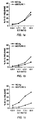
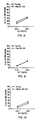
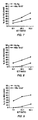
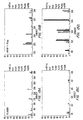
- Fig. 1 depicts the results of induction of HBV peptide-specific A2.1-restricted CTL by priming A2.1/K b transgenic mice with syngeneic spleen cells "loaded" with HBV.
- Panels A-D Splenocytes from HBV-primed transgenic mice were restimulated in vitro with four mixtures of syngeneic LPS blasts each coated with one of 13 different peptides. After 9 days effector cells were assayed for lytic activity against 51 Cr labelled Jurkat A2.1/K b target cells in the presence or absence of the four different peptide mixtures used for induction.
- Panels E-M Effector cells raised against the four different peptide mixtures were restimulated in vitro against the same peptide mixtures and assayed for lytic activity against 51 Cr labelled Jurkat A2.1/K b target cells in the presence or absence of the individual peptides.
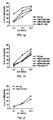
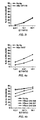
- Fig. 2 illustrates the HBV peptide specificity of A2.1 transgenic CTL.
- Transgenic CTL raised from HBV-primed transgenic mice and restimulated in vitro twice with one of the four different peptide mixtures were restimulated with individual HBV peptides and assayed for lytic activity on 51 CR labelled Jurkat target cells in the presence or absence of the HBV peptides used for the restimulation.
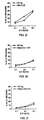
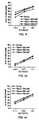
- Fig. 3 illustrates the results of induction of HBV peptide-specific A2.1-restricted CTL by priming A2.1/K b transgenic mice with HBV in IFA.
- A. Splenocytes from HBV-primed transgenic mice were restimulated in vitro with syngeneic LPS blasts coated with HBV peptides. After 6d, effector cells were assayed for lytic activity against 51 Cr labelled Jurkat A2.1/K b target cells in the presence or absence of the appropriate HBV peptide. Each panel represents the CTL activity induced by the indicated target peptide.
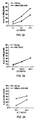
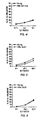
- Fig 4. The effector CTL of Fig. 3 were restimulated with peptide coated LPS blasts followed at a one week interval by restimulation with peptide coated Jurkat A2.1/K b cells. Six days after the last restimulation, effector cells were assayed for cytolytic activity against 51 Cr labelled Jurkat A2.1/K b target cells in the absence or presence of the peptide used for the restimulation, plus related peptides. Each panel represents the CTL activity induced by the peptide indicated in the corresponding panel of Fig. 3. The target peptides are indicated in each panel.
- Fig. 5 illustrates that no HBc18-27-specific CTL response is detected in mice primed with the HBc 875.23 T helper epitope alone.
- Animals were primed subcutaneously with 100 ⁇ g of 875.23 (T helper epitope) in Complete Freund's Adjuvant (CFA) followed 9 days later (subcutaneously) with IFA alone.
- Splenocytes were removed 3 weeks later, cultured for 6 days in the presence of LPS-blasts that had been incubated with the CTL epitope (875.15), 100 ⁇ g for 2 hrs before being washed and added to the culture as a source of antigen presenting cells.
- the presence of HBc 18-27 (875.15)-specific CTL was determined using a standard 6 hr 15 Cr release assay with Jurkat A2.1/K b cells as targets.
- Fig. 6 illustrates that no HBc 18-27-specific CTL response was detected when mice were primed with HBc18-27 (875.15) in IFA.
- Experimental protocol was similar to that described in Fig. 5, except that mice received 100 ⁇ g of peptide 875.15 subcutaneously in IFA rather than IFA alone for in vivo CTL priming.
- Fig. 7 illustrates that HBc18-27-specific CTL response was detected in 50% of the mice primed with HBc T helper peptide (875.23) mixed with HBc CTL inducing peptide (875.15) at a 1 to 1 ratio.
- the experimental protocol was similar to that described in Figs. 5 and 6.
- Fig. 8 illustrates that HBc-specific (875.15) CTL activity was detected in mice primed with peptide 902.01 in which the HBc T helper and CTL inducing peptide were linked via a peptide bond.
- Experimental protocol was similar to that in Figs. 5 and 6.
- Fig. 9 illustrates that the greatest HBc18-27 (875.15)-specific CTL activity was detected in mice primed with peptide 902.02 in which the HBc T helper and CTL epitopes were linked via peptide bonds using an exemplary spacer such as alanine-alanine-alanine. Protocol was similar to that in Figs. 5 and 6.
- Fig. 10 illustrates that previous priming of helper T cells was not required for in vivo priming of HBc 18-27-specific CTL responses using peptide 902.01 and 902.02.
- CTL response is shown from animals primed subcutaneously with peptide 902.01 (Fig. 10A) or 902.02 (Fig. 10B) alone without the previous priming with peptide 875.23 in CFA.
- Fig. 11 illustrates the induction of HBenv 360-368 specific CTL response.
- A2.K b transgenic mice were injected with 100 microliters of an emulsion (IFA) of 100 mg HBenv360-368 and 100 mg HBc128-140.
- IFA emulsion
- splenocytes were restimulated with syngeneic LPS blasts coated with peptide HBenv360-368. Effector cells were assayed for cytotoxicity against 51 Cr labeled Jurkat A2/K b target cells in the presence or absence of HBenv 360-368.
- Fig. 12 illustrates the induction of a CTL response specific for HBc 18-27 by priming with a peptide containing HBc 18-27 linked to tetanus toxoid 830-843 (human helper T cell epitope). Effector cells were assayed against 51Cr labeled Jurkat A2-1/Kb target cells in the present or absence of HBc 18-27; Jy target cells in the presence or absence of HBc 18-27 and Jy cells that had been transfected with HBV core.
- Fig. 13 illustrates the minimal sequence for CTL recognition within HBV env 329-348 peptide (799.09).
- Fig. 14 shows the HBc18-27 specific CTL response (d7 assay) from subjects immunized with placebo or CY-1899.
- the CTL response against HBc18-27 was assessed by culturing 4 x 10 6 PBMC/well in 24 well plates in the presence of HBc18-27 peptide. On day three and 6 after initiation cultures were fed with 10 U/ml IL-2 (final concentration). On day 7, part of the wells (2-3) were harvested and CTL activity was measured using 51 Cr-labeled .221 A 2 target cells in the absence or presence of HBc18-27 peptide and in the presence of a 20 fold excess of K562 cells (K562 cells were added in order to decrease background lysis caused by NK cells).
- the data are expressed in lytic units/10 6 cells were one lytic unit is defined as the number of lymphocytes required to achieve 30% lysis of 10000 .221 A 2 during a 6 hour assay. Each bar represents the specific CTL activity (i.e. in the present of peptide - in the absence of peptide).
- Fig. 15 shows the HBc18-27 specific CTL response (d14 assay) from subjects immunized with placebo or CY-1899.
- the remaining wells (2-3) were harvested and cells were restimulated with HBc18-27 peptide-coated autologous adherent cells. Cultures were fed with 10 U/ml IL-2 on day 9 and thereafter as needed. CTL activity was assayed on d14 using the procedure described in Fig. 1.
- Fig. 16 shows the mean and standard deviation of peak CTL activity: the mean and standard deviation of peak CTL activity after the first and second injections of different doses of CY-1899.
- Fig. 17 shows HBc18-27 specific CTL from subjects injected with CY-1899 recognize endogenous processed antigen. Effector CTL obtained from subjects 302 and 304 after 14 days of culture were restimulated as described in Fig. 2 CTL activity was assayed 7 days later as described in Fig. 1 using as targets .221 A 2 cells in the absence (--) or presence (- ⁇ -) of HBc18-27 peptide and .221 A 2 cells transfected with the HBV core protein (- ⁇ -).
- Fig. 18 shows the proliferation response to T cells specific for the TT 830-843 helper peptide from subjects immunized with placebo or CY-1899.
- T cell proliferation response against the helper peptide epitope was measured by culturing 1.5 x 10 5 PBMC from each sample in flat-bottom 96/plate wells with or without 10 ⁇ g/ml TT peptide. Seven days later, cultures were fed with medium containing recombinant IL-2 (20 U/ml final concentration) to induce further proliferation of T cells which had been stimulated against the peptide. On day 9 after initiation of culture, 1 ⁇ Cl of 3 H-thymidine was added to each well and 18 hr.
- the present invention provides compositions and methods for inducing an effective CTL-mediated response to an antigen of interest in humans and other mammals.
- the composition is comprised of peptides that are capable of inducing MHC class I-restricted CTL responses to the antigen of interest ("CTL peptide") and an adjuvant.
- CTL peptide MHC class I-restricted CTL responses to the antigen of interest
- Another embodiment to the present invention is directed to a composition comprised of said CTL peptide and a peptide capable of eliciting a helper T lymphocyte (HTL) response.
- Another embodiment of the invention is directed to either or both the CTL and HTL peptide by lipidated, linked or unlinked and administered with or without an adjuvant preparation.
- either the CTL peptide or the HTL peptide is lipidated, linked or unlinked and administered without an adjuvant.
- the HTL epitope is lipidated and linked to the CTL epitope and administered without an adjuvant.
- the lipidated HTL peptide is admixed with, but not linked to, at least one CTL peptide.
- compositions of the present invention By administering the compositions of the present invention an effective CTL response is stimulated in the recipient mammal to the antigen of interest.
- the cells which are targeted by the CTL response can be involved in a wide variety of disease or potential disease states, e.g., cells which are infected by viruses, bacteria or parasites, cells which express certain tumor antigens, and cells which express autoimmune antigens or other antigens that are capable of being recognized as self by the mammal's CTL.
- lymphokines e.g., gamma interferon
- liberating products e.g., proteolytic enzymes such as serine esterases
- the CTL inducing peptides which are useful in the compositions and methods of the present invention can be selected from a variety of sources, depending of course on the targeted antigen of interest.
- the CTL inducing peptides are typically small peptides that are derived from selected epitopic regions of target antigens associated with an effective CTL response to the disease of interest.
- CTL inducing peptide or “CTL peptide” of the present invention is meant a chain of at least four amino acid residues, preferably at least six, more preferably eight to ten, sometimes eleven to fourteen residues, and usually fewer than about thirty residues, more usually fewer than about twenty-five, and preferably fewer than fifteen, e.g., eight to fourteen amino acid residues derived from selected epitopic regions of the target antigen(s).
- CTL epitope(s) contained in the CTL peptides can be identified in one of several ways.
- antigen-specific CTL lines or clones for example tumor-infiltrating lymphocytes (TIL) or virus-specific CTL
- TIL tumor-infiltrating lymphocytes
- virus-specific CTL these cells can be used to screen for the presence of the relevant epitopes using target cells prepared with specific antigens.
- targets can be prepared using random, or selected synthetic peptide libraries, which would be utilized to sensitize the target cells for lysis by the CTL.
- Another approach to identify the relevant CTL epitope when CTL are available is to use recombinant DNA methodologies.
- Gene, or preferably cDNA, libraries from CTL-susceptible targets are first prepared and transfected into non-susceptible target cells. This allows the identification and cloning of the gene coding the protein precursor to the peptide containing the CTL epitope.
- the second step in this process is to prepare truncated genes from the relevant cloned gene, in order to narrow down the region that encodes for the CTL epitope. This step is optional if the gene is not too large.
- the third step is to prepare synthetic peptides of approximately 10-20 amino acids of length, overlapping by 5 residues, which are used to sensitize targets for the CTL.
- peptides When a peptide, or peptides, are shown to contain the relevant CTL epitope, smaller peptides can be prepared to establish the peptide of minimal size that contains the CTL epitope. These epitopes are usually contained within 9-10 residues.
- Another way of identifying a peptide containing a CTL epitope, when CTLs are present, is to elute the peptide with an acid or base.
- the peptides associated with MHC molecules are present on the cells that are lysed by the CTL.
- the eluted peptides are separated using a purification method such as HPLC, and individual fractions are tested for their capacity to sensitize targets for CTL lysis.
- a fraction has been identified as containing the CTL peptide, it is further purified and submitted to sequence analysis.
- the peptide sequence can also be determined using tandem mass spectrometry.
- a synthetic peptide is then prepared and tested with the CTL to corroborate that the correct sequence and peptide have been identified.
- Synthetic peptides are then prepared of those sequences bearing the MHC binding motifs, and subsequently are tested for their ability to bind to MHC molecules.
- the MHC binding assay can be done either using cells which express high number of empty MHC molecules (cellular binding assay), or using purified MHC molecules.
- the MHC binding peptides are then tested for their capacity to induce a CTL response in naive individuals, either in vitro using human lymphocytes, or in vivo using HLA-transgenic animals. These CTL are tested using peptide-sensitized target cells, and targets that naturally process the antigen, such as viral infected cells or tumor cells.
- HLA-A1-restricted CTL epitope for the tumor-associated antigen MAGE-3 has been identified using this approach and is the subject of a pending patent application (U.S. patent application Serial No. 08/186,266.
- the CTL peptide will be as small as possible while still maintaining substantially all of the biological activity of a larger peptide.
- CTL inducing peptide By biological activity of a CTL inducing peptide is meant the ability to bind an appropriate MHC molecule and, in the case of peptides useful for stimulating CTL responses, induce a CTL. response against the selected antigen or antigen mimetic.
- a CTL response is meant a CD8 + T lymphocyte response specific for an antigen of interest, wherein CD8 + , MHC class I-restricted T lymphocytes are activated.
- the activated cytotoxic T lymphocytes will secrete a variety of products which inhibit and may or may not kill the targeted cell.
- compositions and methods of the present invention are particularly preferred for targeting host cells infected by viruses.
- CTL responses are an important component of the immune responses of most mammals to a wide variety of viruses, and the present invention provides a means to effectively stimulate a CTL response to virus-infected cells and treat or prevent such an infection in a host mammal.
- viruses include , human immunodeficiency type I and II viruses (HIV-I, HIV-II) and
- compositions and methods of the present invention are applicable to tumor-associated proteins, which could be sources for CTL epitopes.
- tumor proteins and/or peptides include , products of the MAGE -3 gene.
- viral related proteins associated with cell transformation into tumor cells such as HPV E6 are likewise applicable.
- a large number of peptides from some of the above proteins have been identified for the presence of MHC-binding motifs and for their ability to bind with high efficiency to purified MHC molecules and are the subject of pending patent applications (U.S. patent application Serial Nos. 08/159,339 and 08/073,205, ).
- the peptides can be prepared "synthetically,” as described hereinbelow, or by recombinant DNA technology. Although the peptide will preferably be substantially free of other naturally occurring viral, bacterial, parasitic, tumor or self proteins and fragments thereof, in some embodiments the peptides can be synthetically conjugated to native fragments or particles.
- the term peptide is used interchangeably with polypeptide in the present specification to designate a series of amino acids connected one to the other by peptide bonds between the alpha-amino and alpha-carboxy groups of adjacent amino acids.
- polypeptides or peptides can be a variety of lengths, either in their neutral (uncharged) forms or in forms which are salts, and either free of modifications such as glycosylation, side chain oxidation, or phosphorylation or containing these modifications, subject to the condition that the modification not destroy the biological activity of the polypeptides as herein described.
- the peptides useful in the present invention can be optionally flanked and/or modified at one or both of the N-and c-termini, as desired, by amino acids from the naturally occurring (e.g., HBV) sequences, amino acids added to facilitate linking td another peptide or to a lipid, other N-and C-terminal modifications, linked to carriers, etc., as further described herein. Additional amino acids can be added to the termini of a peptide to provide for modifying the physical or chemical properties of the peptide. Amino acids such as tyrosine, cysteine, lysine, glutamic or aspartic acid, or the like, can be introduced at the c- or N-terminus of the peptide or oligopeptide.
- amino acids from the naturally occurring (e.g., HBV) sequences amino acids added to facilitate linking td another peptide or to a lipid, other N-and C-terminal modifications, linked to carriers, etc., as further described herein.
- the peptide sequences can differ from the natural sequence by being modified by terminal-NH 2 acylation, e.g., by alkanoyl (C 1 -C 20 ) or thioglycolyl acetylation; terminal-carboxy amidation, e.g., ammonia, methylamine, etc. In some instances these modifications may provide sites for linking to a support or other molecule.
- the peptides of the present invention which have CTL stimulating activity may be modified to provide other desired attributes, e.g., improved pharmacological characteristics, while increasing or at least retaining substantially all of the biological activity of the unmodified peptide.
- the peptides can be modified by extending, decreasing or substituting in the peptides amino acid sequences by, e.g., the addition or deletion of amino acids on either the amino terminal or carboxy terminal end, or both, of peptides derived from the sequences disclosed herein.
- one or more peptides that induce a CTL response to a HPV may be selected.
- the HPV CTL-inducing peptide will usually have at least four, sometimes six, often seven or more residues, or a majority of amino acids of that peptide that are identical or homologous when compared to the corresponding portion of the naturally occurring HCV sequence.
- the peptide which is preferred for stimulating HPV CTL responses is: SOURCE POSITION SEQUENCE SIZE SEQ. ID NO. BINDING A2 HPV16 E6 29 TIHDIILECV 10 72 0.0210
- one or more peptides that induce a CTL response to a HIV 1 or 2 antigen may be selected.
- the HIV CTL-inducing peptide will usually have at least four, sometimes six, often seven or more residues, or a majority of amino acids of that peptide that are identical or homologous when compared to the corresponding portion of the naturally occurring HIV sequence.
- the peptide which is preferred for stimulating HIV CTL responses is : SOURCE POSITION SEQUENCE SIZE SEQ. ID NO. BINDING A2 HIV 1129 IVGAETFYV 9 77 0.0099
- tumor associated antigens have also been correlated with CTL responses, including renal cell carcinoma antigens, breast cancer antigens, carcinoembryonic antigen (CEA), melanoma (MAGE-1 and MAGE-3) antigens, prostate cancer specific antigen and others.
- CAA carcinoembryonic antigen
- MAGE-1 and MAGE-3 melanoma
- prostate cancer specific antigen a HLA-A1-restricted CTL epitope for the tumor-associated antigen MAGE-3 has been identified using this approach and is the subject of a pending patent application (U.S. patent application Serial No. 08/186,266.
- Peptides which stimulate CTL responses to tumor antigens and which can be used in the methods and compositions of the present invention can be selected as described in, for example, U.S. Patent Applications Serial Nos. 08/159,339 and 08/073,205.
- the representative peptide which is preferred for inducing MAGE-3 CTL responses is: SOURCE POSITION SEQUENCE SIZE SEQ. ID NO. BINDING A2 MAHE3 105 KVAEFVHFL 9 86 0.0550
- the present invention enhances the effectiveness of a CTL-inducing peptide by co-delivery with a sequence which contains at least one epitope that is capable of inducing a HTL response.
- a HTL response is meant a CD4 + T lymphocyte response wherein CD4 + T lymphocytes are activated.
- the HTLs stimulated by the HTL-inducing peptide can be the T-helper 1 and/or T-helper 2 phenotype, for example.
- the activated T helper lymphocytes will secrete a variety of products, including, for example, interleukin-2, which may facilitate expression of the T cell receptor and promote recognition by activated CTLs.
- HTL-inducing epitopes can be provided by peptides Which correspond substantially to the antigen targeted by the CTL-inducing peptide, or more preferably is a peptide to a more widely recognized antigen, and preferably is not specific for a particular histocompatibility antigen restriction. Peptides which are recognized by most individuals regardless of their MHC class II phenotype ("promiscuous") may be particularly advantageous.
- the HTL peptide will typically comprise from six to thirty amino acids and contain a HTL-inducing epitope.
- HTL-inducing peptides are those which are specific for the antigen (virus or other organism, tumor, etc.) being targeted by the CTL.
- the CTL or HTL inducing peptides employed in the compositions and methods of the present invention need not be identical to specific peptides disclosed in aforementioned disclosures, and can be selected by a variety of techniques, for example, according to certain motifs as described above. Therefore, the peptides may be subject to various changes, such as insertions, deletions, and substitutions, either conservative or non-conservative, where such changes might provide for certain advantages in their use.
- conservative substitutions is meant replacing an amino acid residue with another which is biologically and/or chemically similar, e.g., one hydrophobic residue for another, or one polar residue for another.
- substitutions include combinations such as Gly, Ala; Val, Ile, Leu; Asp, Glu; Asn, Gln; Ser, Thr; Lys, Arg; and Phe, Tyr. Additional amino acids may be added at either terminus for the purpose of modifying the physical or chemical properties of the peptide for, e.g., ease of linking or coupling, and the like. In those situations where regions of the peptide sequences are found to be polymorphic among antigen subtypes, it may be desirable to vary one or more particular amino acids to more effectively mimic differing CTL or HTL epitopes of different antigen strains.
- peptides of the invention may be desirable to combine with other peptides which contribute to stimulating specific CTL responses in one or more patients or histocompatibility types.
- the peptides in the composition can be identical or different, and together they should provide equivalent or greater biological activity than the parent peptide(s).
- Peptides can be combined in a "cocktail" to provide enhanced immunogenicity of CTL responses, and peptides can be combined with peptides having different MHC restriction elements.
- Such compositions can be used to effectively broaden the immunological coverage provided by therapeutic, vaccine or diagnostic methods and compositions of the invention among a diverse population.
- the CTL inducing peptides of the invention are linked to the HTL inducing peptides.
- CTL inducing peptides / T helper conjugates can be linked by a spacer molecule, or the CTL peptide may be linked to the HTL peptide without a spacer.
- the spacer is typically comprised of relatively small, neutral molecules, such as amino acids or amino acid mimetics, which are substantially uncharged under physiological conditions and may have linear or branched side chains.
- the spacers are typically selected from, e.g., Ala, Gly, or other neutral spacers of nonpolar amino acids or neutral polar amino acids. In certain preferred embodiments herein the neutral spacer is Ala.
- the optionally present spacer need not be comprised of the same residues and thus may be a hetero- or homo-oligomer.
- Preferred exemplary spacers are homo-oligomers of Ala.
- the spacer will usually be at least one or two residues, more usually three to six-residues.
- the peptides of the invention can be combined via linkage to form polymers (multimers), or can be formulated in a composition without linkage, as an admixture. Where the same peptide is linked to itself, thereby forming a homopolymer, a plurality of repeating epitopic units are presented. When the peptides differ, e.g., a cocktail representing different antigen strains or subtypes, different epitopes within a subtype, different histocompatibility restriction specificities, or peptides which contain HTL epitopes, heteropolymers with repeating units are provided. In addition to covalent linkages, noncovalent linkages capable of forming intermolecular and intrastructural bonds are also contemplated.
- Linkages for homo- or hetero-polymers or for coupling to carriers can be provided in a variety of ways.
- cysteine residues can be added at both the amino- and carboxy-termini, where the peptides are covalently bonded via controlled oxidation of the cysteine residues.
- heterobifunctional agents which generate a disulfide link at one functional group end and a peptide link at the other, including N-succidimidyl-3-(2-pyridyldithio) proprionate (SPDP).
- This reagent creates a disulfide linkage between itself and a cysteine residue in one protein and an amide linkage through the amino on a lysine or other free amino group in the other.
- disulfide/amide forming agents are known. See, for example, Immun. Rev. 62:185 (1982).
- Other bifunctional coupling agents form a thioether rather than a disulfide linkage.
- Many of these thioether forming agents are commercially available and include reactive esters of 6-maleimidocaproic acid, 2 bromoacetic acid, 2-iodoacetic acid, 4-(N-maleimido-methyl) cyclohexane- 1-carboxylic acid and the like.
- the carboxyl groups can be activated by combining them with succinimide or 1-hydroxy-2-nitro- 4-sulfonic acid, sodium salt.
- a particularly preferred coupling agent is succinimidyl 4-(N-maleimidomethyl) cyclohexane-1-carboxylate (SMCC).
- SMCC succinimidyl 4-(N-maleimidomethyl) cyclohexane-1-carboxylate
- the HTL-inducing peptide(s) and CTL-inducing peptide(s) can be delivered to the patient in the presence of a lipid.
- the lipid residue such as palmitic acid or the like (as described further below, which is attached to alpha and epsilon amino groups of a Lys residue ((PAM) 2 Lys), is attached to the amino terminus of the HTL-inducing peptide.
- the lipid can be attached directly to the HTL peptide, or, more typically, indirectly via a linkage, such as a Ser-Ser, Gly, Gly-Gly, Ser linkage or the like.
- E. coli lipoprotein such as tripalmitoyl-S-glycerylcysteinly-seryl-serine (P 3 CSS)
- P 3 CSS tripalmitoyl-S-glycerylcysteinly-seryl-serine
- the HTL peptides can be coupled to P 3 CSS, for example, and the lipopeptide administered in conjunction with the CTL inducing peptide to an mammal to specifically prime a CTL response to the antigen of interest.
- lipid priming of CTL response is achieved by conjugating the CTL/T helper-peptide-conjugate with uncharged fatty acid residues of different chain lengths and degrees of unsaturation, ranging from acetic to stearic acid as well as to negatively charged succinyl residues via the appropriate carboxylic acid anhydrides.
- the lipid may be linked to other peptides which present HTL epitopes which are then combined with the lipid.
- the arrangement of the components of the conjugate comprising the CTL inducing peptide/T helper peptide/lipid can be varied.
- the lipid moiety can be linked to the amino terminal end of the CTL inducing peptide, which in turn is linked at its carboxy terminal to the T helper peptide.
- the lipid is linked at the amino terminal end of the T helper peptide, which is linked at its carboxy terminal to the CTL inducing peptide.
- a spacer molecule can be selectively inserted between the lipid moiety and the CTL or T helper peptide, as well as between the T helper and the CTL inducing peptides.
- a preferred example comprises Lys-Ser-Ser, although other spacers are described herein.
- An example of a spacer between the T helper and CTL inducing peptides will be Ala-Ala-Ala, as also described in further detail herein.
- the lipidated HTL peptide and CTL peptide can then be emulsified in an adjuvant, e.g., incomplete Freund's adjuvant, alum or montanide.
- an adjuvant e.g., incomplete Freund's adjuvant, alum or montanide.
- a T helper peptide from substantially within TT830-843 was lipidated at its N-terminus (with (PAM) 2 ) via a linker (KSS) and then linked at its C-terminus (via a linker AAA) with a HBV CTL inducing peptide, HBc18-27.
- PAM N-terminus
- KSS linker
- AAA linker
- the structure of the peptide was (PAM) 2 KSS-T helper-AAA-CTL and had the sequence of (PAM) 2 KSS-ISQAVHAAHAEINE-AAA-TYQRTRALV [Seq ID No. 105].
- This conjugate when administered to transgenic animals expressing the HLA2.1 antigen, was shown to induce specific CTL priming of animals.
- the peptides of the invention can be prepared in a wide variety of ways. Because of their relatively short size, the peptides can be synthesized in solution or on a solid support in accordance with conventional techniques. Various automatic synthesizers are commercially available and can be used in accordance with known protocols. See, for example, stewart and Young, Solid Phase Peptide Synthesis , 2d. ed., Pierce Chemical Co. (1984); Tam et al., J. Am. Chem. SOC. 105:6442 (1983); Merrifield, Science 232:341-347 (1986); and Barany and Merrifield, The Peptides, Gross and Meienhofer, eds., Academic Press, New York, pp. 1-284 (1979).
- recombinant DNA technology may be employed wherein a nucleotide sequence which encodes a CTL peptide and/or T helper peptide of interest is inserted into an expression vector, transformed or transfected into an appropriate host cell and cultivated under conditions suitable for expression.
- These procedures are generally known in the art, as described generally in Sambrook et al., Molecular Cloning, A Laboratory Manual, Cold Spring Harbor Press, Cold Spring Harbor, New York (1982), and Ausubel et al., (ed.) Current Protocols in Molecular Biology, John Wiley and Sons, Inc., New York (1987), and U.S. Pat. Nos.
- fusion proteins which comprise one or more peptide sequences can be used to present the CTL and HTL determinants.
- a recombinant HBV surface antigen protein is prepared in which the HBenv amino acid sequence is altered so as to more effectively present epitopes of peptide regions described herein to stimulate a CTL response.
- a polypeptide is used which incorporates several CTL and HTL epitopes.
- coding sequence for peptides of the length contemplated herein can be synthesized by chemical techniques, for example, the phosphotriester method of Matteucci et al., J. Am. Chem. Soc. 103:3185 (1981), modification can be made simply by substituting the appropriate base(s) for those encoding the native peptide sequence.
- the coding sequence can then be provided with appropriate linkers and ligated into expression vectors commonly available in the art, and the vectors used to transform suitable hosts to produce the desired fusion protein. A number of such vectors and suitable host systems are now available.
- the coding sequence will be provided with operably linked start and stop codons, promoter and terminator regions and usually a replication system to provide an expression vector for expression in the desired cellular host.
- promoter sequences compatible with bacterial hosts are provided in plasmids containing convenient restriction sites for insertion of the desired coding sequence.
- the resulting expression vectors are transformed into suitable bacterial hosts.
- yeast or mammalian cell hosts may also be used, employing suitable vectors and control sequences.
- the peptides of the present invention and pharmaceutical and vaccine compositions thereof are useful for administration to mammals, particularly humans, to treat and/or prevent viral, bacterial, and parasitic infections.
- the compositions can be used to treat or prevent acute and/or chronic HBV infection.
- the peptides i.e., the compositions of lipidated HTL/CTL peptides of the invention as described above will be administered to a mammal already suffering from or susceptible to the disease being treated.
- compositions are administered to a patient in an amount sufficient to elicit an effective CTL response to the disease and to cure or at least partially arrest its symptoms and/or complications.
- Amounts effective for this use will depend on, e.g., the peptide composition, the manner of administration, the stage and severity of the disease being treated, the weight and general state of health of the patient, and the judgment of the prescribing physician, but generally range for the initial immunization (that is for therapeutic or prophylactic administration) from about 1.0 ⁇ g to about 50 mg, preferably 1 ⁇ g to 500 ⁇ g, most preferably 1 ⁇ g to 250 ⁇ g followed by boosting dosages of from about 1.0 ⁇ g to 50 mg, preferably 1 ⁇ g to 500 ⁇ g, and more preferably 1 ⁇ g to about 250 ⁇ g of peptide pursuant to a boosting regimen over weeks to months depending upon the patient's response and condition by measuring specific CTL activity in the patient's blood.
- peptides and compositions of the present invention may generally be employed in serious disease states, that is, life-threatening or potentially life threatening situations. In such cases, in view of the minimization of extraneous substances and the relative nontoxic nature of the peptides, it is possible and may be felt desirable by the treating physician to administer substantial excesses of these peptide compositions.
- compositions can be carried out with dose levels and pattern being selected by the treating physician.
- pharmaceutical formulations should provide a quantity of cytotoxic T-lymphocyte stimulatory peptides of the invention sufficient to effectively treat the patient.
- administration should begin at the first sign of disease (e.g., HBV infection), to be followed by boosting doses until at least symptoms are substantially abated and for a period thereafter.
- first sign of disease e.g., HBV infection
- boosting doses until at least symptoms are substantially abated and for a period thereafter.
- loading doses followed by boosting doses may be required.
- the elicitation of an effective CTL response during early treatment of an acute disease stage will minimize the possibility of subsequent development of chronic disease such as hepatitis, HBV carrier stage, and ensuing hepatocellular carcinoma.
- compositions of the invention may hasten resolution of the disease in acutely afflicted mammals.
- the compositions of the present invention are particularly useful in methods for preventing the evolution from acute to chronic disease.
- the susceptible individuals are identified prior to or during infection, for instance, as described herein, the composition can be targeted to them, minimizing need for administration to a larger population.
- the peptide compositions can also be used for the treatment of chronic or established disease such as viral hepatitis and to stimulate the immune system to eliminate virus-infected cells. Those with chronic hepatitis can be identified as testing positive for virus from about 3-6 months after infection. As individuals may develop chronic HBV infection because of an inadequate (or absent) CTL response during the acute phase of their infection, it is important to provide an amount of immuno-potentiating peptide compositions of the invention in a formulation and mode of administration sufficient to effectively stimulate a CTL response.
- a representative dose is in the range of about 1.0 ⁇ g to about 50 mg, preferably 1 ⁇ g to 500 ⁇ g, most preferably 1 ⁇ g to 250 ⁇ g followed by boosting dosages of from about 1.0 ⁇ g to 50 mg, preferably 1 ⁇ g to 500 ⁇ g, and more preferably 1 ⁇ g to about 250 ⁇ g per dose.
- Administration should continue until at least clinical symptoms or laboratory indicators indicate that the HBV infection has been eliminated or substantially abated and for a period thereafter.
- Immunizing doses followed by boosting doses at established intervals, e.g., from one to four weeks, may be required, possibly for a prolonged period of time, as necessary to resolve the infection.
- compositions for therapeutic treatment are intended for parenteral, topical, oral or local administration.
- the pharmaceutical compositions are administered parenterally, e.g., intravenously, subcutaneously, intradermally, or intramuscularly.
- the invention provides compositions for parenteral administration which comprise a solution of the HTL and CTL stimulatory peptides dissolved or suspended in an acceptable carrier, preferably an aqueous carrier.
- an acceptable carrier preferably an aqueous carrier.
- aqueous carriers may be used, e.g., water, buffered water, 0.4% saline, 0.3% glycine, hyaluronic acid and the like.
- These compositions may be sterilized by conventional, well known sterilization techniques, or may be sterile filtered.
- compositions may contain pharmaceutically acceptable auxiliary substances as required to approximate physiological conditions, such as pH adjusting and buffering agents, tonicity adjusting agents, wetting agents and the like, for example, sodium acetate, sodium lactate, sodium chloride, potassium chloride, calcium chloride, sorbitan monolaurate, triethanolamine oleate, methanol, and dissolving agents such as DMSO, etc.
- pharmaceutically acceptable auxiliary substances as required to approximate physiological conditions, such as pH adjusting and buffering agents, tonicity adjusting agents, wetting agents and the like, for example, sodium acetate, sodium lactate, sodium chloride, potassium chloride, calcium chloride, sorbitan monolaurate, triethanolamine oleate, methanol, and dissolving agents such as DMSO, etc.
- the concentration of HTL and CTL stimulatory peptides of the invention in the pharmaceutical formulations can vary widely, i.e., from less than about 1%, usually at or at least about 10% to as much as 20 to 50% or more by weight, and will be selected primarily by fluid volumes, viscosities, etc., in accordance with the particular mode of administration selected.
- a typical pharmaceutical composition for intravenous infusion could be made up to contain 250 ml of sterile Ringer's solution, and 50 mg of peptide.
- Actual methods for preparing parenterally administrable compounds Will be known or apparent to those skilled in the art and are described in more detail in for example, Remington's Pharmaceutical Sciences , 17th ed., Mack Publishing Company, Easton, PA (1985).
- the peptides of the invention may also be administered via liposomes, which serve to target the peptides to a particular tissue, such as lymphoid tissue, or targeted selectively to infected cells, as well as increase the half-life of the peptide composition.
- Liposomes include emulsions, foams, micelles, insoluble monolayers, liquid crystals, phospholipid dispersions, lamellar layers and the like.
- the peptide to be delivered is incorporated as part of a liposome, alone or in conjunction with a molecule which binds to, e.g., a receptor prevalent among lymphoid cells, such as monoclonal antibodies which bind to the CD45 antigen, or with other therapeutic or immunogenic compositions.
- liposomes filled with a desired peptide of the invention can be directed to the site of lymphoid cells, where the liposomes then deliver the selected therapeutic/immunogenic peptide compositions.
- Liposomes for use in the invention are formed from standard vesicle-forming lipids, which generally include neutral and negatively charged phospholipids and a sterol, such as cholesterol. The selection of lipids is generally guided by consideration of, e.g., liposome size and stability of the liposomes in the blood stream. A variety of methods are available for preparing liposomes, as described in, e.g., Szoka et al., Ann. Rev. Biophys. Bioeng . 9:467 (1980), U.S.
- a ligand to be incorporated into the liposome can include, e.g., antibodies or fragments thereof specific for cell surface determinants of the desired immune system cells.
- a liposome suspension containing a peptide may be administered intravenously, locally, topically, etc. in a dose which varies according to, inter alia , the manner of administration, the peptide being delivered, and the stage of the disease being treated.
- nontoxic solid carriers include, for example, pharmaceutical grades of mannitol, lactose, starch, magnesium stearate, sodium saccharin, talcum, cellulose, glucose, sucrose, magnesium carbonate, and the like.
- a pharmaceutically acceptable nontoxic Composition is formed by incorporating any of the normally employed excipients, such as those carriers previously listed, and generally 10-95% of active ingredient, that is, one or more peptide compositions of the invention, and more preferably at a concentration of 25%-75%.
- the HTL and CTL stimulatory peptide compositions are preferably supplied in finely divided form along with a surfactant and propellant. Typical percentages of peptides are 0.01%-20% by weight, preferably 1%-10%.
- the surfactant must, of course, be nontoxic, and preferably soluble in the propellant.
- Representative of such agents are the esters or partial esters of fatty acids containing from 6 to 22 carbon atoms, such as caproic, octanoic, lauric, palmitic, stearic, linoleic, linolenic, olesteric and oleic acids with an aliphatic polyhydric alcohol or its cyclic anhydride.
- Mixed esters such as mixed or natural glycerides may be employed.
- the surfactant may constitute 0.1%-20% by weight of the composition, preferably 0.25-5%.
- the balance of the composition is ordinarily propellant.
- a carrier can also be included, as desired, as with, e.g., lecithin for intranasal delivery.
- the present invention is directed to vaccines which contain as an active ingredient an immunogenically effective amount of a composition of HTL and CTL stimulating peptides as described herein.
- the peptide(s) may be introduced into a mammalian host, including humans, linked to its own carrier or as a homopolymer or heteropolymer of active peptide units.
- Such a polymer has the advantage of increased immunological reaction and, where different peptides are used to make up the polymer, the additional ability to induce antibodies and/or cytotoxic T cells that react with different antigenic determinants of the virus.
- Useful carriers are well known in the art, and include, e.g., thyroglobulin, albumins such as human serum albumin, tetanus toxoid, polyamino acids such as poly(D-lysine:D-glutamic acid), influenza protein and the like.
- the vaccines can also contain a physiologically tolerable (acceptable) diluent such as water, phosphate buffered saline, or saline, and further typically include an adjuvant.
- Adjuvants such as incomplete Freund's adjuvant, aluminum phosphate, aluminum hydroxide, alum, or montanide are materials well known in the art.
- the immune system of the host Upon immunization with a peptide composition as described herein, via injection, aerosol, oral, transdermal or other route, the immune system of the host responds to the vaccine by producing large amounts of CTLs specific for the disease associated antigen, and the host becomes at least partially immune to the disease, e.g., HBV infection, or resistant to developing chronic disease.
- the disease e.g., HBV infection, or resistant to developing chronic disease.
- Vaccine compositions containing the peptides of the invention are administered to a patient susceptible to or otherwise at risk of disease, e.g., viral infection, to enhance the patient's own immune response capabilities.
- a patient susceptible to or otherwise at risk of disease e.g., viral infection
- Such an amount is defined to be a "immunogenically effective dose.'' In this use, the precise amounts depend on the patient's state of health, age, the mode of administration, the nature of the formulation, etc.,.
- the peptides are administered to individuals of an appropriate HLA type, e.g., for vaccine compositions of peptide HBc 18-27, these will be administered to HLA-A2 individuals.
- HBV vaccines of the invention may be desirable to combine the peptide vaccines of the invention with vaccines which induce neutralizing antibody responses to the disease, e.g., HBV, particularly to HBV envelope antigens, such as recombinant HBV env -encoded antigens or vaccines prepared from purified plasma preparations obtained from HBV-infected individuals.
- HBV vaccine preparations have been described, and are based primarily on HBsAg and polypeptide fragments thereof.
- vaccines which can be formulated with the peptides of the present invention see generally, European Patent publications EP 154,902 and EP 291,586, and U.S. Patent Nos.
- the vaccines can be combined and administered concurrently, or as separate preparations.
- the peptides may also find use as diagnostic reagents.
- a peptide of the invention may be used to determine the susceptibility of a particular individual to a treatment regimen which employs the peptide or related peptides, and thus may be helpful in modifying an existing treatment protocol or in determining a prognosis for an affected individual.
- the peptides may also be used to predict which individuals will be at substantial risk for developing chronic HBV infection.
- a line of transgenic mice which express a mouse-human chimeric class I molecule was used to define HBV core and surface antigen sequences that represent CTL-specific epitopes.
- the transgenic mouse line 66 obtained from Scripps Clinic and Research Foundation expresses a chimeric class I molecule composed of the ⁇ 1 and ⁇ 2 domains of human HLA-A2.1 antigen and the 3 transmembrane and cytoplasmic domains of H-2K b .
- the transgenic mice were prepared as generally described in Vitiello et al., J. Exp. Med. 173:1007-1015 (1991), which is incorporated herein by reference. When these mice are primed in vivo with the influenza virus, they generate a CTL response that is specific for virtually the same epitopes as those recognized by human influenza-specific CTL. Thus, these transgenic animals can be used to determine HBV epitopes recognized by human T cells.
- binding was determined by the relative capacity of different peptide concentrations to inhibit recognition of A2.1 target cells in the presence of the influenza matrix peptide 57-68 by the CTL line 219, as determined by the inhibition of release of serine esterase from the cells.
- the 219 line was derived from A2.1 transgenic mice and is specific for the matrix peptide 57-68 in the context of HLA-A2.1.
- peptides to be assayed for CTL epitopes were dissolved in DMSO at a concentration of 20 mg/ml.
- peptides were diluted in RPMI 1640 buffered with 25 ⁇ M Hopes and containing .05% BSA (assay media).
- Fifty microliters of a 200 ⁇ g/ml, 66 ⁇ g/ml, or 22 ⁇ g/ml of peptide solution were added to wells of 96 round-bottomed plates containing 4x10 5 Jurkat A2.1/K b cells in a volume of 50 ⁇ l of assay media. Plates were incubated for 30 min. at 37°C.
- index peptide matrix peptide 57-68 from PR8 influenza virus
- 50 ⁇ l containing 5x10 4 line 219 CTL where the concentration of index peptide used was chosen as that which induced 75% serine esterase release from CTL 219, as determined by titration of the peptide.
- plates were centrifuged for 5 min. at 1000 RPM, and 20 ⁇ l supernatant transferred to flat-bottomed 96-well plates.
- red blood cell depleted splenocytes were suspended in .4 ml of a solution composed of 200 ⁇ l of HBV purified virus and 200 ⁇ l of a 2 x hypertonic solution (0.5 M sucrose, 10% w/v polyethylene glycol 1000, 10 mM Hepes, pH 7.2, in RPMI 1640 medium), for 10 min. at 37°C.
- the cell suspension was then rapidly diluted in prewarmed hypotonic media (60% HBSS and 40% water), incubated for 2 min. at 37°C, pelleted, washed twice in HBSS and irradiated (1,000 rad.). Mice were then injected with 5.0x10 6 loaded cells in a volume of 200 ⁇ l. Mice were boosted with HBV-loaded spleen cells 10 days later.
- spleen cells from primed mice (5x10 6 cells/well in 24 well plates) were cultured with 4 different mixtures of syngeneic irradiated (3000 rads) LPS blasts (2x10 6 cells/well) that had been independently coated with 13 different peptides. Coating was achieved by incubating aliquots of 25x10 6 LPS blasts in tubes each with 100 ⁇ g of one of the 13 HBV synthetic peptides in one mL for 1-2 hrs at 37°C; the contents of the different tubes were then pooled to give 4 mixtures.
- the mixture of cells was washed once, diluted at the required concentration and plated.
- the medium used for the cultures was RPMI 1640 supplemented with 10% FCS, 50 ⁇ g/ml gentamicin, 2mM glutamine and 5x10 -5 M 2-mercaptoethanol (R10).
- effector cells were assayed for cytotoxicity against Jurkat A 2 /k b target cells in the presence of different peptide mixtures corresponding to those used in the cultures. The results obtained are shown in Fig. 1 panels, A through D.
- the effector cells (0.2x10 6 cells/well) obtained from these cultures were restimulated with irradiated (20,000 rads), peptide-coated Jurkat A2/K b cells (.2x10 6 cells/well) in the presence of 3x10 6 feeder cells/well (C57BL/6 irradiated spleen cells) in R10 supplemented with 5%-rat ConA supernatant. After 6 days, these effector cells were assayed for cytotoxicity against 51 Cr labeled Jurkat A 2 /K b target cells in the presence of the 13 individual peptides. Peptides that induced CTL lysis of Jurkat A 2 /K b target cells above background (Fig.
- B6 mice were injected with 10, 50, or 200 ⁇ g of ovalbumin in HBSS intravenously, intraperitoneally and subcutaneously with 10, 50, 200 ⁇ g ovalbumin subcutaneously in IFA.
- splenocytes from primed animals were stimulated in vitro with irradiated EG7 cells (EL-4 cells transfected with OVA).
- EL-4 cells irradiated EG7 cells
- the effector cells were tested for cytolytic activity against 51 Cr labelled EL-4 and EG7 cells.
- No CTL activity was induced by injection of ovalbumin in HBSS either intravenously or interperitoneally.
- Some CTL induction was seen at the 200 ⁇ g dose for subcutaneous injection of ovalbumin in HBSS. Strong CTL in vivo induction was seen when ovalbumin was administered with IFA, optimal induction occurred with the 10 ⁇ g dose given subcutaneously.
- OVA ovalbumin
- A2.1/K b transgenic mice were injected with 100 microliters of an emulsion of purified HBV virus in incomplete Freund's adjuvant (IFA). This emulsion was prepared by mixing purified HBV (1 mg protein/ml) diluted 1:5 in HBSS with an equal volume of IFA.
- IFA incomplete Freund's adjuvant
- splenocytes (5x10 6 cells/well in a 24 well plate) obtained from these animals were restimulated with syngeneic irradiated LPS blasts (2x10 6 /well) coated with each of the following peptides: 799.09 HBenv 329-348 802.03 HBc 91-110 875.20 HBenv 335-343 883.02 HBc 92-101 875.21 HBenv 338-347 883.03 HBc 93-102 799.10 HBenv 349-368 875.15 HBc 18-27 884.01 HBenv 348-357 875.18 HBc 107-115 884.02 HBenv 349-358 875.19 HBc 139-148
- peptides were chosen because: 1) They had been defined as containing CTL epitopes in Example I (peptides 799.10, 799.09, 802.03); 2) they represent truncations of peptides defined in Example I that are recognized by the CTL raised against the larger epitopes (i.e., peptides 875.15, 884.02, 883.02, 883.03); or 3) they contain the A2.1 binding motif as described by Falk et al.
- effector cells (.2x10 6 cells/well) were restimulated at weekly intervals.
- peptide-coated LPS blasts were used, followed by peptide-coated Jurkat A2.1/K b cells.
- effector cells were assayed for cytotoxicity against 51 Cr labelled Jurkat A2/K b target cells in the presence of the appropriate peptides. The results obtained are shown in Fig. 4.
- Fig. 3 and 4 Peptides clearly able to induce in vitro CTL from splenocytes of HBV-primed mice are Fig. 3 and 4, panel A: HBc 18-27; Fig. 3 and 4, panel B: HBenv 349-368; Fig. 3 and 4, panel D: HBenv 349-358; Fig. 3 and 4, panel F: HBenv 329-348; Fig. 3 and 4, panel I: HBc 91-110; Fig. 3 and 4, panel J: HBc 92-102; and Fig. 3 and 4, panel K: HBc 93-102.
- Truncation peptides recognized by CTL raised against the larger peptide and as such should contain at least part of a CTL epitope are: Fig. 3F, 4F: HBenv 335-343 and HBenv 338-347.
- HBTU 2-(1H-Benzotriazol-1-yl)-1,1,3,3-tetramethyluronium hexafluorophosphate
- This example describes experiments which define the relative in vivo HBV-specific CTL priming efficiency of peptides expressing HBV CTL epitopes alone, CTL epitopes mixed with peptides containing T helper epitopes or CTL epitopes physically linked to T helper epitopes.
- Transgenic mice HLA-A2.1/K b were primed subcutaneously (base of tail) with 100 ⁇ g of peptide 875.23 (Ia b -restricted helper epitope HBc 128-140 TPPAYRPPNAPIL [Seq ID No. 113]) in complete Freund's adjuvant (CFA).
- CFA complete Freund's adjuvant
- splenocytes were in vitro restimulated with LPS blasts coated with HBc 18-27 (coating was achieved by incubating 30 x 10 6 LPS blasts with 100 ⁇ g of HBc18-27 in one ml of medium; after 1-2 hr at 37°C, the cells were washed). After 6 days, effector cells were assayed for lytic activity against 51 Cr labelled Jurkat A 2 /K b target cells in the presence or absence of HBc18-27.
- T helper-AAA-CTL alanine-alanine-alanine spacer
- Example 4 A fraction of the effector cells from the procedure disclosed in Example 4 whose CTL function is represented in Figs. 7, 8 and 9, were restimulated in vitro using HBcAg 18-27-coated JA2.1/K b stimulator cells. Six days later, effector cells were assayed for cytotoxicity and the cell lines that contained HBcAg 18-27-specific cytotoxic activity were further restimulated. Six days later, these cell lines were tested for cytotoxic activity on 51 Cr labeled Jy S1 target cells in the absence or presence of HBcAg 18-27 and on 51 Cr labeled Jy core target cells, as demonstrated in the following table.
- A2/K b transgenic mice were injected with 100 microliters of an emulsion of 100 ⁇ g HBenv 360-368 and 100 ⁇ g HBc 128-140 helper epitope in incomplete Freund's adjuvant (IFA).
- IFA incomplete Freund's adjuvant
- HBenv 360-368 coated LPS blasts were used, followed by HBenv 360-368 coated Jurkat A2.1/K b cells.
- effector cells were assayed for cytotoxicity against 51 Cr labelled Jurkat A2/K b target cells in the presence and absence of HBenv 360-368 (see Fig. 11). Therefore, HBenv 360-368 is a CTL specific epitope.
- mice HLA-A2-1/kb were primed subcutaneously (base of the tail) with 200 mg (0.07 mM) of peptide 934.02.
- Epitope Seq ID No. 934.02 AC-QYIKANSKFIGITE AAA FLPSDFFPSV 112
- splenocytes were restimulated in vitro with LPS blasts coated with HBc 18-27 (as described in example I). After 7 days cells were restimulated with jurkat A2/Kb cells coated with HBc 18-27 (as described in Example I) - After 6 days these effector cells were assayed for cytotoxicity against 51Cr labeled jurkat A2/Kb target cells in the presence or absence of HBc 18-27, Jy target cells in the presence or absence of HBc 18-27 and Jy cells transfected with HBV core. The results, shown in Fig. 12, indicate that peptide 934.02 effectively induces CTL specific for HBc 18-27. Moreover, these CTL recognize and kill endogenously presented antigen (Jy core).
- mice were primed subcutaneously in the base of the tail with one of the following peptides or peptide mixtures:
- HTL-CTL linked peptides either lipidated (i.e., 932.04 and 932.05) or unlipidated (932.02 and 932.03) were all very active, inducing good CTL activity in all animals at both injection doses.
- the mixture of HTL (577.01) and CTL (932.01) peptides also induced CTL activity in all animals injected.
- the CTL peptide (932.01) demonstrated good activity at the 100 nmoles dose, however, only one out of four animals responded at the 10 nmoles dose.
- the lipidated CTL peptide (932.07) was completely inactive but some activity, albeit low, was observed when peptide 932.07 was mixed with the HTL peptide (577.01).
- the constructs (PAM 2 KSS-T helper-CTL and (PAM) 2 KSS-T helper-AAA-CTL were superior when injected in saline or Alum compared to all of the other combinations.
- the peptides T helper-CTL and T helper-AAA-CTL were superior to mixing the T helper + CTL (i.e., non-linked) and worked well in IFA, but not well in saline or Alum.
- linking the (PAM) 2 KSS to a T helper peptide which is linked to the CTL peptide appears to be advantageous for inducing CTL immunity.
- Transgenic mice (A2-1/Kb) were primed with HBV virus in IFA substantially as described in Example II. Seven days after priming, splenocytes obtained from these animals were restimulated with syngeneic irradiated LPS blasts coated with peptide 799.09 (as described in Example I). After 6 cycles of restimulation with 799.09 coated cells (as described in Example II) the effector cells were cloned by limiting dilution using syngeneic irradiated LPS blasts coated with peptide 799.09 (.2x10 6 cells/well of a 96 well plate) and media supplemented with 10% rat Con A supernatant.
- the minimal sequence recognized by line 110 is represented by peptides HBV env. 333-341 (923.26) and HBV env 335-343 (923.22) indicating that possibly two distinct but overlapping peptides can serve as antigenic determinants for 799.09 specific CTL.
- peptide 934.02 i.e., tetanus toxoid 830-843-AAA-HBcAg 18-27
- PAM linking
- CY-1899 tetanus toxoid end
- Lipopeptides were prepared by coupling the appropriate fatty acid to the amino terminus of the resin bound peptide.
- a typical procedure was as follows: A dichloromethane solution of a 4 fold excess of a pre-formed symmetrical anhydride of the appropriate fatty acid was added to the resin an the mixture was allowed to react for 2 hrs. The resin was washed with dichloromethane and dried. The resin was then treated with trifluoroacetic acid in the presence of appropriate scavengers [e.g. 5% (v/v) water] for 60 minutes at 20°C. After evaporation of excess trifluoroacetic acid, the crude peptide was washed with diethyl ether, dissolved in methanol and precipitated by the addition of water. The peptide was collected by filtration and dried.
- appropriate scavengers e.g. 5% (v/v) water
- peptides for immunization: Peptides were routinely resuspended in DMSO at a concentration of 20 mg/ml. Before use, peptides were prepared at the required concentration by dilution in saline or the appropriate medium. For selected experiments, CY-1899 and 934.02 were also prepared as saline suspensions (in the complete absence of DMSO).
- mice were primed subcutaneously (base of the tail) with 0.1 ml of the appropriate peptide formulated in saline, or DMSO/saline.
- Jurkat A2.1/K b is a stable transfectant of the human T cell leukemia line, Jurkat.
- Jurkat A2.1/K b cells were routinely grown in R10 medium supplemented with 400 ⁇ g/ml of G418.
- LPS-activated lymphoblasts Splenocytes obtained from A2.1/K b transgenic mice were resuspended at a concentration of 1-1.5x10 6 /ml in R10 medium supplemented with 25 ⁇ g/ml LPS and 7 ⁇ g/ml dextran sulfate in 75 cm 2 tissue culture flasks. After 72 hr at 37°C, the lymphoblasts were collected for use by centrifugation.
- Peptide coating of lymphoblasts was achieved by incubating 30x10 6 irradiated (3000 rads) lymphoblasts with 100 ⁇ g of peptide in 1 ml of R10 medium for 1 hr at 37°C. Cells were then washed once and resuspended in R10 medium at the desired concentration.
- Target cells (1.0-1.5x10 6 ) were incubated at 37°C in the presence of 200 ⁇ l of sodium 51 Cr chromate. After 60 minutes, cells were washed three times and resuspended in R10 medium. Peptide 875.15 was added where required at a concentration of 1 ⁇ g/ml.
- 10 4 51 Cr-labeled target cells were added to different concentrations of effector cells (final volume of 200 ⁇ l) in U-bottom 96-well plates. After a 6 hour incubation period at 37°C, a 0.1 ml aliquot of supernatant was removed from each well and radioactivity was determined in a Micromedic automatic gamma counter.
- percent specific release 100x (experimental release - spontaneous release)/(maximum release - spontaneous release).
- % 51 Cr release data was expressed as lytic units/10 6 cells.
- One lytic unit is arbitrarily defined as the number of effector cells required to achieve 30% lysis of 10,000 Jurkat A2.1/K b target cells in a 6 hour 51 Cr release assay.
- the lytic units/10 6 obtained in the absence of peptide is subtracted from the lytic units/10 6 obtained in the presence of peptide.
- CY 1899 i.e., tetanus toxoid 830-843-AAA-HBcAg 18-27
- DMSO/saline a strong immunogenic preparation inducing a good CTL response in all animals injected (six out of six).
- Peptide 934.02 in saline induced a marginal CTL response in that only one of the four animals tested had detectable CTL activity.
- This example discloses that the desired CTL activity is induced in the absence of adjuvant (IFA or Alum) by lipidation of the T-Helper epitope where the T-Helper epitope and the CTL epitope are not linked.
- adjuvant IFA or Alum
- mice were injected with the different combinations indicated above of HTL (100 nmoles/mouse) and CTL (10 nmoles/mouse) peptide epitope in saline.
- Four animals were injected with each different preparation.
- CTL activity was assayed 6 days later using 51 Cr-labeled B10.D2 fibroblasts as targets in the absence or presence of NP 147-155 peptide.
- the data are expressed in lytic units/10 6 cells.
- One lytic unit is arbitrarily defined as the number of lymphocytes required to achieve 30% lysis of 5000 B10.D2 51 Cr-labeled target cells within 6 hours, in the absence or presence of NP 147-155 peptide.
- Each number represents the specific CTL activity (LU 30/10 6 cells obtained in the presence of NP 147-155-LU 30/10 6 cells obtained in the absence of NP 147-0155) from an individual mouse.
- the preferred combination appeared to be the lipidated HTL peptides unlinked to the unlipidated CTL peptide.
- a titration of the CTL epitope and the lipidated HTL epitope in mixtures was performed (i.e., the titration of (PAM) 2 -HTL peptide epitope and CTL peptide epitope in mixtures).
- Balb/c mice were injected with 10 nmoles of the linked [(PAM) 2 -HTL-CTL) peptide immunogen and with mixtures containing 0, 1, 10, or 100 nmoles CTL epitope (932.01) and 0, 1, 10, or 100 nmoles PAM-helper epitope (932.06) per mouse as indicated in the table.
- Four animals were injected with each different preparation.
- Fourteen days after immunization, splenocytes were removed and stimulated in vitro with the NP 147-155 peptide.
- CTL activity was assayed 6 days later using 51 Cr-labeled B10.D2 fibroblasts as targets.
- Target cells were tested in the absence or presence of antigen (NP 147-155 peptide).
- the data are expressed in lytic units/10 6 cells.
- One lytic unit is arbitrarily defined as the number of lymphocytes required to achieve 30% lysis of 5000 B10.D2 51 Cr-labeled target cells within 6 hours, in the absence or presence of antigen (NP 147-155 peptide).
- Each number represents the specific CTL activity (LU 30/10 6 cells; obtained in the presence of NP 147-155 - LU 30/10 6 cells obtained in the absence of NP 147 155) from an individual mouse.
- composition of matter comprising of a lipidated HTL admixed with multiple CTL epitopes can be prepared.
- the CTL epitopes can be packaged in different vials from the HTL epitope(s).
- the human clinical trial for CY-1899 was set up as an IND Phase I dose escalation study (5, 50 and 500 ⁇ g) and was carried out in a single center as a randomized double-blind placebo controlled trial.
- the endpoints measured in this study relate to the safety and tolerability of CY-1899 (also known as TheradigmTM-HBV) as well as its immunogenicity.
- CY-1899 also known as TheradigmTM-HBV
- Cellular immune responses to CY-1899 are an index of the intrinsic activity of this drug, and can therefore be viewed as a measure of biological efficacy.
- Peripheral blood mononuclear cells were isolated from fresh heparinized blood by Ficoll-Hypaque density gradient centrifugation, aliquoted in freezing media and stored frozen. Samples were assayed for CTL and HTL activity.
- the peptide-induced CTL responses were capable of killing cells expressing endogenous antigen (as disclosed in Fig. 17) validating the concept of peptide priming for induction of virus specific CTL.
- peptides suitable for inducing CTLs can be identified, for example, the following peptides: SOURCE POSITION SEQUENCE SIZE SEQ. ID NO. BINDING A2 HCV NS4 1807 LLFNILGGWV 10 125 3.5000 HCV CORE 178 LLALLSCLTV 10 126 0.6050 HCV NS4 1585 YLVAYQATV 9 127 0.2450 HCV NS1/ENV 725 FLLLADARV 9 128 0.2250 HCV NS4 1851 ILAGYGAGV 9 129 0.2150 HCV CORE 132 DLMGYIPLV '9 130 0.0835 HCV CORE 35 YLLPRRGPRL 10 131 0.0725 NS1/ENV2 686 ALSTGLIHL 9 132 0.0415 HCV CORE 178 LLALLSCLTI 10 133 0.0340 HCV NS5 2578 RLIVFPDLGV 10 134 0.0320 HCV
- the preferability of the identified peptides is elaborated by optimization of the configuration of the composition of matter (i.e., whether the T-Helper and CTL peptides are linked or unlinked, and whether the peptides are delivered in a saline, alum or IFA medium, lipidated T-Helper linked or unlinked to the CTL in saline, or linked and unlinked T-Helper with CTL in IFA).
- peptides suitable for inducing CTLs are identified, for example, the following peptides: SOURCE POSITION SEQUENCE SIZE SEQ. ID NO. BINDING A2 MAGE2 105 KMVELVHFL 9 140 0.5100 MAGE2 105 KMVELVHFLL 10 141 0.2200 MAGE3 153 LVFGIELMEV 10 142 0.1100 MAGE1 278 KVLEYVIKV 9 143 0.0900 MAGE1 105 KVADLVGFLL 10 144 0.0560 MAGE3 105 KVAEFVHFL 9 145 0.0550 MAGE1 92 CILESLFRA 9 146 0.0460 MAGE1 264 FLWGPRALA 9 147 0.0420 MAGE1 200 VMIAMEGGHA 10 148 0.0360 MAGE1 38 LVLGTLEEV 9 149 0.0320 MAGE1 301 ALREEEEGV 9 150 0.0210 MAGE1 270 ALAETSY
- the peptides can be obtained either commercially or prepared following the procedures disclosed in Example 3.
- the preferability of the identified peptides is elaborated by optimization of the configuration of the composition of matter (i.e., whether the T-Helper and CTL peptides are linked or unlinked, and whether the peptides are delivered in a saline, alum or IFA medium, lipidated T-Helper linked or unlinked to the CTL in saline, or linked and unlinked T-Helper with CTL in IFA).
- peptides suitable for inducing CTLs are identified, for example, the following peptides: SOURCE POSITION SEQUENCE SIZE SEQ. ID NO. BINDING A2 HPV16 E7 82 LLMGTLGIV 9 65 0.0240 HPV16 E7 11 YMLDLQPET 9 66 0.1400 HPV16 E6 52 FAFRDLCIV 9 67 0.0570 HPV16 E7 86 TLGIVCPIC 9 68 0.0750 HPV16 E7 7 TLHEYMLDL 9 69 0.0070 HPV16 E7 85 GTLGIVCPI 9 70 0.0820 HPV16 E7 12 MLDLQPETT 9 71 0.0028 HPV16 E6 29 TIHDIILEC V 10 72 0.0210
- the peptides can be obtained either commercially or prepared following the procedures disclosed in Example 3.
- the preferability of the identified peptides is elaborated by optimization of the configuration of the composition of matter (i.e., whether the T-Helper and CTL peptides are linked or unlinked, and whether the peptides are delivered in a saline, alum or IFA medium, lipidated T-Helper linked or unlinked to the CTL in saline, or linked and unlinked T-Helper with CTL in IFA).
- peptides suitable for inducing CTLs are identified, for example, the following peptides: SOURCE POSITION SEQUENCE SIZE SEQ. ID NO. BINDING A2 HIV 367 VLAEAMSQV 9 73 0.1100 HIV 1496 LLWKGEGAVV 10 74 0.0360 HIV 1496 LLWKGEGAV 9 75 0.0230 HIV 1004 ILKEPVHGV 9 76 0.0190 HIV 1129 IVGAETFYV 9 77 0.0099 HIV 1129 IIGAETFYV 9. 78 0.0260 HIV 2182 LWVTVYYGV 9 79 0.0014 HIV 2182 LMVTVYYGV 9 80 0.4400
- the peptides are obtained either commercially or prepared following the procedures disclosed in Example 3.
- the preferability of the identified peptides is elaborated by optimization of the configuration of the composition of matter (i.e., whether the T-Helper and CTL peptides are linked or unlinked, and whether the peptides are delivered in a saline, alum or IFA medium, lipidated T-Helper linked or unlinked to the CTL in saline, or linked and unlinked T-Helper with CTL in IFA).
Landscapes
- Health & Medical Sciences (AREA)
- Chemical & Material Sciences (AREA)
- Life Sciences & Earth Sciences (AREA)
- Organic Chemistry (AREA)
- General Health & Medical Sciences (AREA)
- Medicinal Chemistry (AREA)
- Molecular Biology (AREA)
- Biophysics (AREA)
- Biochemistry (AREA)
- Genetics & Genomics (AREA)
- Proteomics, Peptides & Aminoacids (AREA)
- Gastroenterology & Hepatology (AREA)
- Virology (AREA)
- Immunology (AREA)
- General Chemical & Material Sciences (AREA)
- Veterinary Medicine (AREA)
- Chemical Kinetics & Catalysis (AREA)
- Nuclear Medicine, Radiotherapy & Molecular Imaging (AREA)
- Pharmacology & Pharmacy (AREA)
- Animal Behavior & Ethology (AREA)
- Public Health (AREA)
- Communicable Diseases (AREA)
- Cell Biology (AREA)
- Oncology (AREA)
- Toxicology (AREA)
- Zoology (AREA)
- AIDS & HIV (AREA)
- Tropical Medicine & Parasitology (AREA)
- Engineering & Computer Science (AREA)
- Bioinformatics & Cheminformatics (AREA)
- Medicines Containing Antibodies Or Antigens For Use As Internal Diagnostic Agents (AREA)
- Peptides Or Proteins (AREA)
- Medicines That Contain Protein Lipid Enzymes And Other Medicines (AREA)
Abstract
Description
- Cytotoxic T lymphocytes ("CTL") represent an important component of an animal's immune response against a variety of pathogens and cancers. CTL which have been specifically activated against a particular antigen are capable of killing the cell that contains or expresses the antigen. CTL are particularly important in providing an effective immune response against intracellular pathogens, such as a wide variety of viruses, and some bacteria and parasites. CTL responses are also believed to be capable of contributing to anti-tumor responses in afflicted or susceptible individuals.
- The receptors on the surface of the CTL cannot recognize a foreign antigen directly, however. The CTL express an α-β heterodimeric T cell receptor which is capable of recognizing foreign antigen fragments bound to major histocompatibility complex (MHC) class I molecules on the surface of the effected (e.g., infected) cells. CTL also express the non-polymorphic CD8 antigen. This cell surface protein interacts with the third domain of the class I molecule on the antigen presenting cells and plays a role in both stabilizing the interaction between the CTL and the antigen presenting cell and in CTL activation (Salter et al., Nature 345:41-46 (1990)).
- There are a number of mechanisms by which CTL are thought to disrupt the infectious or tumorigenic process. Among these, one involves the production of lymphokines such as gamma interferon (IFNγ) and tumor necrosis factor alpha (TNFa), which are known to act directly on infected cells to inhibit viral replication (Gilles et al., J. Virol. 66:3955-3960 (1992)). In addition, IFNγ causes increased expression of MHC class I molecules on the surface of virus infected cells and enhances their ability to be recognized by CTL and trigger immune intervention (Hayata et al., Hepatology 13:1022-1028 (1991)).
- A second mechanism by which CTL combat infections or tumors is through direct killing of the afflicted cell, e.g., those which are infected by the targeted virus (Cohen et al., Ann. Rev. Immunol. 10:267-293 (1992) and Henkart et al., Ann. Rev. Immunol. 3:31-58 (1985)). For example, since viruses must replicate within the host cell the lysis of infected cells destroys virus production prior to the liberation of infectious particles. The exact mechanism(s) by which CTL kill infected target cells remains unclear. Once CTL recognized an antigen presenting cell, close contact between the cells is established over a large surface area. A "direct hit" is then delivered by translocating enzymes present in cytoplasmic vacuoles of CTL to the antigen presenting cell, which enzymes kill the cell or perhaps induce programmed cell death, "apoptosis". Once CTL have delivered their "lethal hit" to the antigen presenting cells, they can detach and go on to kill other antigen presenting cells through repetition of the antigen-specific recognition, lymphokine release and target cell killing mechanisms.
- The means by which CTL distinguish infected from non-infected cells is through the T cell receptor and its ability to specifically recognize a peptide fragment of viral protein that is bound to the peptide-binding cleft of the MHC class I molecule (Monaco et al., Immunol Today 13:173-179 (1992) and Townsend et al., Ann. Rev. Immunol. 7:601-624 (1989)). Several viral fragments that can serve an antigenic peptides have been identified.
- The biochemical events that take place in the cytoplasm of infected cells leading to CTL recognition are termed antigen processing and presentation. While not completely defined, it seems clear that during the synthesis and assembly of the infecting viral or bacterial proteins, some proteolysis takes place in the cytoplasm (Monaco et al., Immunol. Today 13:173-179 (1992)). Structures called proteosomes cleave the foreign proteins into peptide fragments. These fragments are then transported into the endoplasmic reticulum (ER) by means of specific transporter proteins where newly synthesized MHC class I molecules are present. Those peptides that are capable of specifically binding to a given MHC class I molecule do so in the ER. The non-polymorphic class I β chain, β2 microglobulin binds to the antigenic peptide-class I complex, thus forming a stable trimolecular complex that is transported to the cell surface and displayed as an integral membrane component.
- The selection of which peptides bind to a particular MHC class I molecule is based on the ability of the peptide to bind within the binding pocket or cleft which resides at the outermost apex of the extra-cellular portion of the MHC molecule. For several MHC molecules, this peptide binding pocket has been precisely defined by X-ray crystallographic procedures allowing a visualization of the types and location of the chemical bonds that form to stabilize the interaction (Saper et al., J. Mol. Biol. 219:277-319 (1991)).
- Because of the differences in the structure of the peptide binding pocket between the diverse set of histocompatibility alleles, e.g., the human HLA alleles, a distinct population of antigenic peptides is bound by each allele, although in some cases the population of antigenic peptides may overlap for closely related alleles. Thus, the specificity of the CTL for a foreign antigen resides at the level of the ability of MHC class I molecules to bind to a specific peptide as well as for the T cell receptor on the CTL to recognize the foreign protein fragment bound to that specific MHC class I allele.
- In animals, CT8+, MHC class 1-restricted cytotoxic T cells play an important role in the immune mediated clearance of viral infections (e.g., Oldstone et al., Nature 321:239-243 (1986); Mackenzie et al., Immunol. 67:375 (1989); and Robertson et al., J. Virol. 66:3271-3277 (1992)). While similar studies have not been possible in humans, and thus direct proof is still lacking, all of the evidence points to a similar role for CTL.
- The importance of CTL in viral clearance in animals is evidenced by lymphocytic choriomeningitis virus (LCMV) infection in mice (Oldstone et al., Nature 321:239-243 (1986); Mackenzie et al., Immunol. 67:375 (1989); Robertson et al., J. Virol. 66:3271-3277 (1992); and Ahmed et al., J. Virol. 61:3920-3929 (1987)). When LCMV infects newborns or immune-suppressed adult animals, they become chronically infected and virus is expressed in nearly all tissues of the body. In contrast, adult mice infected with LCMV mount a vigorous cellular and humoral response against the virus and clear the infection within one to two weeks. When chronic carriers of LCMV are adoptively treated by transfer of CD8+LCMV-specific, MHC class 1-restricted CTL, the viral infection is cleared and the mice become resistant to subsequent LCMV challenge. Additional studies have shown that CTL are necessary and sufficient for LCMV clearance and that other aspects of the immune system need not be functioning (Oldstone et al., Nature 321:239-243 (1986) and Schulz et al. Proc. Natl. Acad. Sci. USA 88:991-993 (1991)).
- In addition to mediating the clearance of virus from chronically infected animals, studies have demonstrated that CTL generated in vivo against a synthetic peptide which presents an antigenic epitope of LCMV are able to protect mice against acute infection (Schulz et al., Proc. Natl. Acad. Sci. USA 88:991-993 (1991)). Mice injected with 100 µg of a synthetic 15 amino acid peptide in complete Freund's adjuvant were fully protected from a lethal LCMV challenge.
- With regard to the role of CTL in other viral infections, studies with influenza virus and respiratory syncytial virus in mice have similarly demonstrated the importance of CTL activation in the rapid and effective recovery from these infections.
- Strong evidence from animal studies indicates that an acute infection can become chronic when there is an inadequate immune response to clear the infection (Ahmed, Concepts in Viral Pathogenesis III, Notkins and Oldstone eds., Springer-Verlag, New York, 304-310 (1989)). Once the chronic infection has been established, it appears to be more or less "tolerated" by the host's immune system. Tolerance appears to be organism-specific rather than a result of general immunosuppression (Fields et al., Fields Virology, Raven Press, New York, NY 2:2137-2236 (1990)). Studies examining which cells in the immune system are anergic or tolerant to the infecting organism suggest that the CD4+, class 11-restricted T "helper" cells are dysfunctional (Schwartz, Cell 57:1073-1081 (1989)). Since class 11-restricted T helper cells play a critical role in the initial priming of class 1-restricted CTL (Cassell et al., Ann. NY Acad. Sci. 532:51-60 (1988) and Fayolle et al., J. Immunol. 174:4069 (1991)), diminished CD4 cell function may impair the capacity of the immune system to respond adequately, and may thus clear the way for chronic infection.
- Decreased T helper cell activity has been shown in the case of chronic hepatitis B infection in humans, although the fact that some CD4+ T helper function is seen suggests that these cells are not completely dysfunctional (see, e.g., Ahmed et al., J. Virol. 61:3920-3929 (1987); Alberti et al., Lancet 1:1421-1424 (1988); Neurath et al., Nature 315:154-156 (1985); Celis et al., J. Immunol. 132:1511-1516 (1984); and Ferrari et al., J. Immunol. 139:2050-2055 (1987)). Class I-restricted CTL can be detected in patients with chronic HBV infection (Barnaba et al., J. Immunol. 143:2650-2654 (1989)).
- The requirement for lymphokines such as IL-2 in the generation of CD8+ CTL is well established, although the need for activation of CD4+ T helper cells to provide these lymphokines remains somewhat controversial. While the concept of linked T helper-B cell recognition for antibody production has been firmly defined, there is no compelling evidence for linked T helper-CTL recognition for the in vivo induction of CD8+ CTL. See, e.g., Buller et al., Nature 328:77-79 (1987); Sarobe et al., Eur. J. Immunol. 21:1555-1558 (1991); and Cassell and Forman, Annals N.Y. Acad. Sci. :51-60 (1991).
- Thus, the data available suggest that CD8+ class I-restricted cytotoxic T cells specific for foreign antigens such as viral proteins play a critical part in prevention of disease and clearance of an established disease process. Therefore, the challenge is to induce a sufficiently potent, antigen-specific, cell-mediated immune response in humans and other mammals which, by itself or in conjunction with chemotherapeutic agents or the like, will either prevent a disease process such as an infection or tumor from becoming established, or will eliminate or at least ameliorate an infection or tumor which has already become established in the host. Quite surprisingly, the present invention fulfills these and other related needs.
- The present invention provides compositions for inducing a cytotoxic T lymphocyte response to an antigen of interest in a mammal. The compositions comprise a peptide that induces a CTL response to the antigen and a peptide that induces a HTL response, wherein the HTL-inducing peptide is lipidated. The HTL-inducing peptide is optionally linked to the CTL-inducing peptide or not linked. When linked, the HTL-inducing peptide may be separated from the CTL peptide by a spacer, such as Ala-Ala-Ala. The HTL-inducing peptide will usually be linked at its C-terminal end to the CTL-inducing peptide. Typically, the lipid is linked to the N-terminus of the HTL-inducing peptide, where the linkage can optionally include a spacer, such as Lys-Ser-Ser or the like.
- The antigen to which the cytotoxic T lymphocyte response is induced is selected from a viral, bacterial, parasitic or tumor antigen. Among the viral antigens to which the CTL responses are effectively induced are antigens of hepatitis B (such as envelope, core or polymerase antigens), hepatitis C or human papilloma virus. A particularly effective hepatitis B antigen is HBc18-27. Typically the CTL inducing peptide will be from seven to fifteen residues, and more usually from nine to eleven residues. The immunogenic composition can further comprise a carrier, such as physiologic saline, and an adjuvant, such as incomplete freunds adjuvant, alum or montanide. When the peptide is lipidated, it may be modified or unmodified. The lipid is preferably a linear alkyl chain of 6-22 carbons, and preferably. is a linear alkyl chain of 16 carbons. In some embodiments of the present invention the lipid is comprised of palmitic acid attached to epsilon and alpha amino groups of a Lys residue, wherein the Lys is linked to the amino terminus of the HTL-inducing peptide by means of a linker.
- In other embodiments compositions of the present invention may be used for inducing a cytotoxic T lymphocyte response in a mammal against an antigen such as a viral, bacterial, parasitic, or tumor antigen. The method comprises administering to the mammal a peptide that induces a CTL response to the antigen, and administering, either separately or together, a lipidated peptide that induces a HTL response. The HTL-inducing peptide is optionally linked to the CTL-inducing peptide or unlinked. When unlinked, the HTL-inducing peptide can be admixed with the CTL-inducing peptide. The HTL-inducing peptide and the CTL-inducing peptide are typically administered to the mammal in a regimen of two or more administrations. These boosters are spaced a sufficient interval apart to optimize development of a CTL response to the antigen of interest, e.g.; a second administration may be approximately four weeks after the initial administration. In representative embodiments described herein the antigen is hepatitis B antigen, such as HBc18-27 and the mammal is a human, of the HLA-A2.1 histocompatibility type for the HBc18-27 CTL inducing peptide.
- In yet other embodiments compositions of the present invention may be used for treating or preventing a disease that is susceptible to treatment by a CTL response by administering a CTL-inducing peptide to an antigen associated with said disease, and a HTL-inducing peptide conjugated to a lipid. The induction of a CTL response can be used in the treatment or prevention of viral infection (e.g., hepatitis B, hepatitis C or human papilloma virus), bacterial or parasitic infection or tumors. When the disease is hepatitis B infection, for example, the methods can be used to treat or prevent chronic or acute infection.
- In yet other embodiments compositions of the present invention may be used for inducing a cytotoxic T lymphocyte response in a human against an antigen of interest. The methods comprise administering a composition which comprises a peptide that induces a CTL response to said antigen in a human and an adjuvant. The method may further comprise administering a peptide that induces a HTL response, and in some embodiments the HTL inducing peptide is linked to the CTL inducing peptide.
- According to a first aspect of the present invention there is provided a composition for inducing or detecting a cytotoxic T lymphocyte (CTL) response in a mammalian cell which comprises a first peptide containing 30 amino acids or less, said peptide containing a first epitope that induces a CTL response or detects a CTL, said first epitope selected from:
- TIHDIILECV;
- IVGAETFYV; or
- KVAEFVHFL.
- According to further aspects of the present invention use of the composition of the first aspect in the manufacture of a medicament for inducing a cytotoxic T lymphocyte response in a mammal or in the manufacture of a diagnostic reagent for detecting CTL is provided.
- In another aspect of the present invention there is provided an expression system which comprises a first nucleotide sequence that encodes the first peptide of the first aspect of the invention.
- In yet a further aspect of the present invention recombinant host cells modified to contain said expression system are provided.
- In a specific method of the present invention there is provided a method to prepare the first peptide of the first aspect of the invention and/or a second peptide which contains an epitope that induces an HTL response and optionally a second epitope that induces a CTL response, said method comprising the steps of culturing said recombinant host cells to effect expression of said first nucleotide sequence and optionally said second nucleotide sequence.
- In other embodiments compositions of the present invention may be used for inducing a CTL response in a human against an antigen of interest by administering a peptide that induces a CTL response to the antigen and a peptide that induces a HTL response, where the CTL inducing and/or the HTL inducing peptide is lipidated. The CTL and HTL inducing peptides may be linked or unlinked. The HTL inducing peptide is preferably lipidated. The lipidated HTL inducing peptide can be combined with a cocktail of at least two CTL inducing peptides to optimize coverage of individuals of different HLA types or, in some instances, different antigen strains.
- Compositions according to the present invention are provided for use in method for inducing an effective CTL response in a human against an antigen of interest. According to these methods one or more peptides that induce a CTL response to the antigen, such as a viral, bacterial, parasitic or tumor antigen, is administered to a human together or separately with a peptide that induces a HTL response, where at least the CTL inducing and/or the HTL inducing peptide is lipidated. In representative embodiments of such a method described herein the CTL response is induced is to a viral antigen, such as hepatitis B antigen.
- Pharmaceutical composition for the treatment of hepatitis B infection are also provided. These compositions comprise a peptide that induces a CTL response to hepatitis B and a peptide that induces a HTL response, where the HTL-inducing peptide is conjugated to a lipid, together with a pharmaceutically acceptable carrier. The carrier can be a liposome, for example, and the pharmaceutical composition may further comprises an adjuvant, such as incomplete Freund's adjuvant, alum or montanide.
- Fig. 1 depicts the results of induction of HBV peptide-specific A2.1-restricted CTL by priming A2.1/Kb transgenic mice with syngeneic spleen cells "loaded" with HBV. Panels A-D: Splenocytes from HBV-primed transgenic mice were restimulated in vitro with four mixtures of syngeneic LPS blasts each coated with one of 13 different peptides. After 9 days effector cells were assayed for lytic activity against 51Cr labelled Jurkat A2.1/Kb target cells in the presence or absence of the four different peptide mixtures used for induction. Panels E-M: Effector cells raised against the four different peptide mixtures were restimulated in vitro against the same peptide mixtures and assayed for lytic activity against 51Cr labelled Jurkat A2.1/Kb target cells in the presence or absence of the individual peptides.
- Fig. 2 illustrates the HBV peptide specificity of A2.1 transgenic CTL. Transgenic CTL raised from HBV-primed transgenic mice and restimulated in vitro twice with one of the four different peptide mixtures were restimulated with individual HBV peptides and assayed for lytic activity on 51CR labelled Jurkat target cells in the presence or absence of the HBV peptides used for the restimulation.
- Fig. 3 illustrates the results of induction of HBV peptide-specific A2.1-restricted CTL by priming A2.1/Kb transgenic mice with HBV in IFA. A. Splenocytes from HBV-primed transgenic mice were restimulated in vitro with syngeneic LPS blasts coated with HBV peptides. After 6d, effector cells were assayed for lytic activity against 51Cr labelled Jurkat A2.1/Kb target cells in the presence or absence of the appropriate HBV peptide. Each panel represents the CTL activity induced by the indicated target peptide.
- Fig 4. The effector CTL of Fig. 3 were restimulated with peptide coated LPS blasts followed at a one week interval by restimulation with peptide coated Jurkat A2.1/Kb cells. Six days after the last restimulation, effector cells were assayed for cytolytic activity against 51Cr labelled Jurkat A2.1/Kb target cells in the absence or presence of the peptide used for the restimulation, plus related peptides. Each panel represents the CTL activity induced by the peptide indicated in the corresponding panel of Fig. 3. The target peptides are indicated in each panel.
- Fig. 5 illustrates that no HBc18-27-specific CTL response is detected in mice primed with the HBc 875.23 T helper epitope alone. Animals were primed subcutaneously with 100 µg of 875.23 (T helper epitope) in Complete Freund's Adjuvant (CFA) followed 9 days later (subcutaneously) with IFA alone. Splenocytes were removed 3 weeks later, cultured for 6 days in the presence of LPS-blasts that had been incubated with the CTL epitope (875.15), 100 µg for 2 hrs before being washed and added to the culture as a source of antigen presenting cells. The presence of HBc 18-27 (875.15)-specific CTL was determined using a
standard 6 hr 15Cr release assay with Jurkat A2.1/Kb cells as targets. - Fig. 6 illustrates that no HBc 18-27-specific CTL response was detected when mice were primed with HBc18-27 (875.15) in IFA. Experimental protocol was similar to that described in Fig. 5, except that mice received 100 µg of peptide 875.15 subcutaneously in IFA rather than IFA alone for in vivo CTL priming.
- Fig. 7 illustrates that HBc18-27-specific CTL response was detected in 50% of the mice primed with HBc T helper peptide (875.23) mixed with HBc CTL inducing peptide (875.15) at a 1 to 1 ratio. The experimental protocol was similar to that described in Figs. 5 and 6.
- Fig. 8 illustrates that HBc-specific (875.15) CTL activity was detected in mice primed with peptide 902.01 in which the HBc T helper and CTL inducing peptide were linked via a peptide bond. Experimental protocol was similar to that in Figs. 5 and 6.
- Fig. 9 illustrates that the greatest HBc18-27 (875.15)-specific CTL activity was detected in mice primed with peptide 902.02 in which the HBc T helper and CTL epitopes were linked via peptide bonds using an exemplary spacer such as alanine-alanine-alanine. Protocol was similar to that in Figs. 5 and 6.
- Fig. 10 illustrates that previous priming of helper T cells was not required for in vivo priming of HBc 18-27-specific CTL responses using peptide 902.01 and 902.02. CTL response is shown from animals primed subcutaneously with peptide 902.01 (Fig. 10A) or 902.02 (Fig. 10B) alone without the previous priming with peptide 875.23 in CFA.
- Fig. 11 illustrates the induction of HBenv360-368 specific CTL response. A2.Kb transgenic mice were injected with 100 microliters of an emulsion (IFA) of 100 mg HBenv360-368 and 100 mg HBc128-140. Three weeks later, splenocytes were restimulated with syngeneic LPS blasts coated with peptide HBenv360-368. Effector cells were assayed for cytotoxicity against 51Cr labeled Jurkat A2/Kb target cells in the presence or absence of HBenv 360-368.
- Fig. 12 illustrates the induction of a CTL response specific for HBc 18-27 by priming with a peptide containing HBc 18-27 linked to tetanus toxoid 830-843 (human helper T cell epitope). Effector cells were assayed against 51Cr labeled Jurkat A2-1/Kb target cells in the present or absence of HBc 18-27; Jy target cells in the presence or absence of HBc 18-27 and Jy cells that had been transfected with HBV core.
- Fig. 13 illustrates the minimal sequence for CTL recognition within HBV env 329-348 peptide (799.09).
CTL lines 110 and 113 were derived from splenocytes obtained from A2Kb transgenic mice primed subcutaneously with HBV virus in IFA and in vitro activated with 799.09 coated stimulator cells. 799.09specific CTL lines 110 and 113 were assayed for lytic activity in a 6 hr 51Cr release assay using JA2Kb cells as targets in the presence of 799.09 peptide truncations (Panel A = 799.09 N-terminus truncations; Panel B = 799.09 overlapping 9 mers and 10 mers). - Fig. 14 shows the HBc18-27 specific CTL response (d7 assay) from subjects immunized with placebo or CY-1899. The CTL response against HBc18-27 was assessed by culturing 4 x 10⁶ PBMC/well in 24 well plates in the presence of HBc18-27 peptide. On day three and 6 after initiation cultures were fed with 10 U/ml IL-2 (final concentration). On
day 7, part of the wells (2-3) were harvested and CTL activity was measured using 51Cr-labeled .221 A2 target cells in the absence or presence of HBc18-27 peptide and in the presence of a 20 fold excess of K562 cells (K562 cells were added in order to decrease background lysis caused by NK cells). The data are expressed in lytic units/106 cells were one lytic unit is defined as the number of lymphocytes required to achieve 30% lysis of 10000 .221 A2 during a 6 hour assay. Each bar represents the specific CTL activity (i.e. in the present of peptide - in the absence of peptide). - Fig. 15 shows the HBc18-27 specific CTL response (d14 assay) from subjects immunized with placebo or CY-1899. On
day 7 after initiation of cultures (see Fig. 1), the remaining wells (2-3) were harvested and cells were restimulated with HBc18-27 peptide-coated autologous adherent cells. Cultures were fed with 10 U/ml IL-2 onday 9 and thereafter as needed. CTL activity was assayed on d14 using the procedure described in Fig. 1. - Fig. 16 shows the mean and standard deviation of peak CTL activity: the mean and standard deviation of peak CTL activity after the first and second injections of different doses of CY-1899.
- Fig. 17 shows HBc18-27 specific CTL from subjects injected with CY-1899 recognize endogenous processed antigen. Effector CTL obtained from
subjects - Fig. 18 shows the proliferation response to T cells specific for the TT 830-843 helper peptide from subjects immunized with placebo or CY-1899. T cell proliferation response against the helper peptide epitope was measured by culturing 1.5 x 10⁵ PBMC from each sample in flat-bottom 96/plate wells with or without 10 µg/ml TT peptide. Seven days later, cultures were fed with medium containing recombinant IL-2 (20 U/ml final concentration) to induce further proliferation of T cells which had been stimulated against the peptide. On
day 9 after initiation of culture, 1 µCl of 3H-thymidine was added to each well and 18 hr. later, cells in each well were harvested onto glass fiber mats and counted for 3H-thymidine incorporation into DNA. Each bar represents the difference in cpm 3H-thymidine incorporation obtained from wells which received peptide minus those which did not receive peptide. - The present invention provides compositions and methods for inducing an effective CTL-mediated response to an antigen of interest in humans and other mammals. The composition is comprised of peptides that are capable of inducing MHC class I-restricted CTL responses to the antigen of interest ("CTL peptide") and an adjuvant. Another embodiment to the present invention is directed to a composition comprised of said CTL peptide and a peptide capable of eliciting a helper T lymphocyte (HTL) response. Another embodiment of the invention is directed to either or both the CTL and HTL peptide by lipidated, linked or unlinked and administered with or without an adjuvant preparation. In particularly preferred embodiments either the CTL peptide or the HTL peptide is lipidated, linked or unlinked and administered without an adjuvant. In a preferred embodiment the HTL epitope is lipidated and linked to the CTL epitope and administered without an adjuvant. In another preferred embodiment the lipidated HTL peptide is admixed with, but not linked to, at least one CTL peptide.
- By administering the compositions of the present invention an effective CTL response is stimulated in the recipient mammal to the antigen of interest. The cells which are targeted by the CTL response can be involved in a wide variety of disease or potential disease states, e.g., cells which are infected by viruses, bacteria or parasites, cells which express certain tumor antigens, and cells which express autoimmune antigens or other antigens that are capable of being recognized as self by the mammal's CTL. The specifically stimulated CTL attack the target cells by secreting lymphokines (e.g., gamma interferon) and liberating products (e.g., proteolytic enzymes such as serine esterases) that inhibit replication of the infecting organism in the cells and/or kill the cells which express the antigen of interest, and thus are able to interrupt or substantially prevent the disease of interest, e.g., a viral infection, parasite or bacterial infection, a tumor or an autoimmune disease process.
- The CTL inducing peptides which are useful in the compositions and methods of the present invention can be selected from a variety of sources, depending of course on the targeted antigen of interest. The CTL inducing peptides are typically small peptides that are derived from selected epitopic regions of target antigens associated with an effective CTL response to the disease of interest. Thus, by "CTL inducing peptide" or "CTL peptide" of the present invention is meant a chain of at least four amino acid residues, preferably at least six, more preferably eight to ten, sometimes eleven to fourteen residues, and usually fewer than about thirty residues, more usually fewer than about twenty-five, and preferably fewer than fifteen, e.g., eight to fourteen amino acid residues derived from selected epitopic regions of the target antigen(s).
- Peptides that induce CTL responses are used in the methods and compositions of the present invention irrespective of the method or methods used to identify the epitope recognized by CTL. The CTL epitope(s) contained in the CTL peptides can be identified in one of several ways. In those cases where antigen-specific CTL lines or clones are available, for example tumor-infiltrating lymphocytes (TIL) or virus-specific CTL, these cells can be used to screen for the presence of the relevant epitopes using target cells prepared with specific antigens. Such targets can be prepared using random, or selected synthetic peptide libraries, which would be utilized to sensitize the target cells for lysis by the CTL. Another approach to identify the relevant CTL epitope when CTL are available is to use recombinant DNA methodologies. Gene, or preferably cDNA, libraries from CTL-susceptible targets are first prepared and transfected into non-susceptible target cells. This allows the identification and cloning of the gene coding the protein precursor to the peptide containing the CTL epitope. The second step in this process is to prepare truncated genes from the relevant cloned gene, in order to narrow down the region that encodes for the CTL epitope. This step is optional if the gene is not too large. The third step is to prepare synthetic peptides of approximately 10-20 amino acids of length, overlapping by 5 residues, which are used to sensitize targets for the CTL. When a peptide, or peptides, are shown to contain the relevant CTL epitope, smaller peptides can be prepared to establish the peptide of minimal size that contains the CTL epitope. These epitopes are usually contained within 9-10 residues.
- Another way of identifying a peptide containing a CTL epitope, when CTLs are present, is to elute the peptide with an acid or base. The peptides associated with MHC molecules are present on the cells that are lysed by the CTL. The eluted peptides are separated using a purification method such as HPLC, and individual fractions are tested for their capacity to sensitize targets for CTL lysis. When a fraction has been identified as containing the CTL peptide, it is further purified and submitted to sequence analysis. The peptide sequence can also be determined using tandem mass spectrometry. A synthetic peptide is then prepared and tested with the CTL to corroborate that the correct sequence and peptide have been identified.
- In some circumstances, where CTL are not available there are other means to identify potential CTL epitopes. These methods rely in the identification of MHC-binding peptides from known protein sequences. These methods have been described in detail in pending patent applications (U.S. Patent Applications Serial Nos. 08/159,339, 08/073,205 and EPO Patent Application No. 92201252.1, which are herein incorporated by reference). Briefly, the protein sequences for example from viral or tumor cell components are examined for the presence of MHC-binding motifs. These binding motifs which exist for each MHC allele, are conserved amino acid residues, usually at positions 2 (or 3) and 9 (or 10) in peptides of 9-10 residues long. Synthetic peptides are then prepared of those sequences bearing the MHC binding motifs, and subsequently are tested for their ability to bind to MHC molecules. The MHC binding assay can be done either using cells which express high number of empty MHC molecules (cellular binding assay), or using purified MHC molecules. Lastly, the MHC binding peptides are then tested for their capacity to induce a CTL response in naive individuals, either in vitro using human lymphocytes, or in vivo using HLA-transgenic animals. These CTL are tested using peptide-sensitized target cells, and targets that naturally process the antigen, such as viral infected cells or tumor cells. For example, a HLA-A1-restricted CTL epitope for the tumor-associated antigen MAGE-3 has been identified using this approach and is the subject of a pending patent application (U.S. patent application Serial No. 08/186,266.
- Desirably, the CTL peptide will be as small as possible while still maintaining substantially all of the biological activity of a larger peptide. When possible, it may be desirable to optimize peptides of the invention to a length of eight to twelve amino acid residues, more usually nine or ten amino acid residues, commensurate in size with endogenously processed antigen peptide that is bound to MHC class I molecules on the cell surface. See generally, Schumacher et al., Nature 350:703-706 (1991); Van Bleek et al., Nature 348:213-216 (1990); Rotzschke et al:, Nature 348:252-254 (1990); and Falk et al., Nature 351:290-296 (1991). By biological activity of a CTL inducing peptide is meant the ability to bind an appropriate MHC molecule and, in the case of peptides useful for stimulating CTL responses, induce a CTL. response against the selected antigen or antigen mimetic. By a CTL response is meant a CD8+ T lymphocyte response specific for an antigen of interest, wherein CD8+, MHC class I-restricted T lymphocytes are activated. As noted above, the activated cytotoxic T lymphocytes will secrete a variety of products which inhibit and may or may not kill the targeted cell.
- The compositions and methods of the present invention are particularly preferred for targeting host cells infected by viruses. CTL responses are an important component of the immune responses of most mammals to a wide variety of viruses, and the present invention provides a means to effectively stimulate a CTL response to virus-infected cells and treat or prevent such an infection in a host mammal. Thus the compositions and methods of the present invention are applicable to virus presenting protein and/or peptide antigens. Such viruses include , human immunodeficiency type I and II viruses (HIV-I, HIV-II) and
- In a like manner, the compositions and methods of the present invention are applicable to tumor-associated proteins, which could be sources for CTL epitopes. Such tumor proteins and/or peptides, include , products of the MAGE -3 gene. In addition viral related proteins associated with cell transformation into tumor cells such as HPV E6 are likewise applicable. A large number of peptides from some of the above proteins have been identified for the presence of MHC-binding motifs and for their ability to bind with high efficiency to purified MHC molecules and are the subject of pending patent applications (U.S. patent application Serial Nos. 08/159,339 and 08/073,205, ).
- The peptides can be prepared "synthetically," as described hereinbelow, or by recombinant DNA technology. Although the peptide will preferably be substantially free of other naturally occurring viral, bacterial, parasitic, tumor or self proteins and fragments thereof, in some embodiments the peptides can be synthetically conjugated to native fragments or particles. The term peptide is used interchangeably with polypeptide in the present specification to designate a series of amino acids connected one to the other by peptide bonds between the alpha-amino and alpha-carboxy groups of adjacent amino acids. The polypeptides or peptides can be a variety of lengths, either in their neutral (uncharged) forms or in forms which are salts, and either free of modifications such as glycosylation, side chain oxidation, or phosphorylation or containing these modifications, subject to the condition that the modification not destroy the biological activity of the polypeptides as herein described.
- The peptides useful in the present invention can be optionally flanked and/or modified at one or both of the N-and c-termini, as desired, by amino acids from the naturally occurring (e.g., HBV) sequences, amino acids added to facilitate linking td another peptide or to a lipid, other N-and C-terminal modifications, linked to carriers, etc., as further described herein. Additional amino acids can be added to the termini of a peptide to provide for modifying the physical or chemical properties of the peptide. Amino acids such as tyrosine, cysteine, lysine, glutamic or aspartic acid, or the like, can be introduced at the c- or N-terminus of the peptide or oligopeptide. In addition, the peptide sequences can differ from the natural sequence by being modified by terminal-NH2 acylation, e.g., by alkanoyl (C1-C20) or thioglycolyl acetylation; terminal-carboxy amidation, e.g., ammonia, methylamine, etc. In some instances these modifications may provide sites for linking to a support or other molecule.
- It will be understood that the peptides of the present invention which have CTL stimulating activity may be modified to provide other desired attributes, e.g., improved pharmacological characteristics, while increasing or at least retaining substantially all of the biological activity of the unmodified peptide. For instance, the peptides can be modified by extending, decreasing or substituting in the peptides amino acid sequences by, e.g., the addition or deletion of amino acids on either the amino terminal or carboxy terminal end, or both, of peptides derived from the sequences disclosed herein.
- With respect to treatment or prevention of HPV infections in mammals, one or more peptides that induce a CTL response to a HPV may be selected. The HPV CTL-inducing peptide will usually have at least four, sometimes six, often seven or more residues, or a majority of amino acids of that peptide that are identical or homologous when compared to the corresponding portion of the naturally occurring HCV sequence. For example, the peptide which is preferred for stimulating HPV CTL responses is:
SOURCE POSITION SEQUENCE SIZE SEQ. ID NO. BINDING A2 HPV16 E6 29 TIHDIILECV 10 72 0.0210 - With respect to treatment or prevention of
human immunodeficiency virus HIV SOURCE POSITION SEQUENCE SIZE SEQ. ID NO. BINDING A2 HIV 1129 IVGAETFYV 9 77 0.0099 - Several tumor associated antigens have also been correlated with CTL responses, including renal cell carcinoma antigens, breast cancer antigens, carcinoembryonic antigen (CEA), melanoma (MAGE-1 and MAGE-3) antigens, prostate cancer specific antigen and others. For example, a HLA-A1-restricted CTL epitope for the tumor-associated antigen MAGE-3 has been identified using this approach and is the subject of a pending patent application (U.S. patent application Serial No. 08/186,266.
- Peptides which stimulate CTL responses to tumor antigens and which can be used in the methods and compositions of the present invention can be selected as described in, for example, U.S. Patent Applications Serial Nos. 08/159,339 and 08/073,205. For example, the representative peptide which is preferred for inducing MAGE-3 CTL responses is:
SOURCE POSITION SEQUENCE SIZE SEQ. ID NO. BINDING A2 MAHE3 105 KVAEFVHFL 9 86 0.0550 - The present invention enhances the effectiveness of a CTL-inducing peptide by co-delivery with a sequence which contains at least one epitope that is capable of inducing a HTL response. By a HTL response is meant a CD4+ T lymphocyte response wherein CD4+ T lymphocytes are activated. The HTLs stimulated by the HTL-inducing peptide can be the T-
helper 1 and/or T-helper 2 phenotype, for example. The activated T helper lymphocytes will secrete a variety of products, including, for example, interleukin-2, which may facilitate expression of the T cell receptor and promote recognition by activated CTLs. - HTL-inducing epitopes can be provided by peptides Which correspond substantially to the antigen targeted by the CTL-inducing peptide, or more preferably is a peptide to a more widely recognized antigen, and preferably is not specific for a particular histocompatibility antigen restriction. Peptides which are recognized by most individuals regardless of their MHC class II phenotype ("promiscuous") may be particularly advantageous. The HTL peptide will typically comprise from six to thirty amino acids and contain a HTL-inducing epitope.
- Other examples of HTL-inducing peptides are those which are specific for the antigen (virus or other organism, tumor, etc.) being targeted by the CTL.
- The CTL or HTL inducing peptides employed in the compositions and methods of the present invention need not be identical to specific peptides disclosed in aforementioned disclosures, and can be selected by a variety of techniques, for example, according to certain motifs as described above. Therefore, the peptides may be subject to various changes, such as insertions, deletions, and substitutions, either conservative or non-conservative, where such changes might provide for certain advantages in their use. By conservative substitutions is meant replacing an amino acid residue with another which is biologically and/or chemically similar, e.g., one hydrophobic residue for another, or one polar residue for another. The substitutions include combinations such as Gly, Ala; Val, Ile, Leu; Asp, Glu; Asn, Gln; Ser, Thr; Lys, Arg; and Phe, Tyr. Additional amino acids may be added at either terminus for the purpose of modifying the physical or chemical properties of the peptide for, e.g., ease of linking or coupling, and the like. In those situations where regions of the peptide sequences are found to be polymorphic among antigen subtypes, it may be desirable to vary one or more particular amino acids to more effectively mimic differing CTL or HTL epitopes of different antigen strains.
- In some instances it may be desirable to combine the peptides of the invention with other peptides which contribute to stimulating specific CTL responses in one or more patients or histocompatibility types. The peptides in the composition can be identical or different, and together they should provide equivalent or greater biological activity than the parent peptide(s).
- Peptides can be combined in a "cocktail" to provide enhanced immunogenicity of CTL responses, and peptides can be combined with peptides having different MHC restriction elements. Such compositions can be used to effectively broaden the immunological coverage provided by therapeutic, vaccine or diagnostic methods and compositions of the invention among a diverse population.
- In some embodiments the CTL inducing peptides of the invention are linked to the HTL inducing peptides. CTL inducing peptides / T helper conjugates can be linked by a spacer molecule, or the CTL peptide may be linked to the HTL peptide without a spacer. When present, the spacer is typically comprised of relatively small, neutral molecules, such as amino acids or amino acid mimetics, which are substantially uncharged under physiological conditions and may have linear or branched side chains. The spacers are typically selected from, e.g., Ala, Gly, or other neutral spacers of nonpolar amino acids or neutral polar amino acids. In certain preferred embodiments herein the neutral spacer is Ala. It will be understood that the optionally present spacer need not be comprised of the same residues and thus may be a hetero- or homo-oligomer. Preferred exemplary spacers are homo-oligomers of Ala. When present, the spacer will usually be at least one or two residues, more usually three to six-residues. When the HTL-inducing peptide is conjugated to the CTL-inducing peptide, in the present or absence of a spacer, preferably with the HTL peptide is positioned at the amino end of the conjugate.
- The peptides of the invention can be combined via linkage to form polymers (multimers), or can be formulated in a composition without linkage, as an admixture. Where the same peptide is linked to itself, thereby forming a homopolymer, a plurality of repeating epitopic units are presented. When the peptides differ, e.g., a cocktail representing different antigen strains or subtypes, different epitopes within a subtype, different histocompatibility restriction specificities, or peptides which contain HTL epitopes, heteropolymers with repeating units are provided. In addition to covalent linkages, noncovalent linkages capable of forming intermolecular and intrastructural bonds are also contemplated.
- Linkages for homo- or hetero-polymers or for coupling to carriers can be provided in a variety of ways. For example, cysteine residues can be added at both the amino- and carboxy-termini, where the peptides are covalently bonded via controlled oxidation of the cysteine residues. Also useful are a large number of heterobifunctional agents which generate a disulfide link at one functional group end and a peptide link at the other, including N-succidimidyl-3-(2-pyridyldithio) proprionate (SPDP). This reagent creates a disulfide linkage between itself and a cysteine residue in one protein and an amide linkage through the amino on a lysine or other free amino group in the other. A variety of such disulfide/amide forming agents are known. See, for example, Immun. Rev. 62:185 (1982). Other bifunctional coupling agents form a thioether rather than a disulfide linkage. Many of these thioether forming agents are commercially available and include reactive esters of 6-maleimidocaproic acid, 2 bromoacetic acid, 2-iodoacetic acid, 4-(N-maleimido-methyl) cyclohexane- 1-carboxylic acid and the like. The carboxyl groups can be activated by combining them with succinimide or 1-hydroxy-2-nitro- 4-sulfonic acid, sodium salt. A particularly preferred coupling agent is succinimidyl 4-(N-maleimidomethyl) cyclohexane-1-carboxylate (SMCC). Of course, it will be understood that linkage should not substantially interfere with either of the linked groups to function as described, e.g., to function as a CTL determinant or HTL determinant.
- As a further aspect of the present invention the HTL-inducing peptide(s) and CTL-inducing peptide(s) can be delivered to the patient in the presence of a lipid. The lipid residue, such as palmitic acid or the like (as described further below, which is attached to alpha and epsilon amino groups of a Lys residue ((PAM)2Lys), is attached to the amino terminus of the HTL-inducing peptide. The lipid can be attached directly to the HTL peptide, or, more typically, indirectly via a linkage, such as a Ser-Ser, Gly, Gly-Gly, Ser linkage or the like.
- As another example of lipid-HTL priming of CTL responses, E. coli lipoprotein, such as tripalmitoyl-S-glycerylcysteinly-seryl-serine (P3CSS), can be used to prime specific CTL when covalently attached to an appropriate HTL peptide. See, Deres et al., Nature 342:561-564 (1989). The HTL peptides can be coupled to P3CSS, for example, and the lipopeptide administered in conjunction with the CTL inducing peptide to an mammal to specifically prime a CTL response to the antigen of interest.
- Yet another example of lipid priming of CTL response is achieved by conjugating the CTL/T helper-peptide-conjugate with uncharged fatty acid residues of different chain lengths and degrees of unsaturation, ranging from acetic to stearic acid as well as to negatively charged succinyl residues via the appropriate carboxylic acid anhydrides.
- The lipid may be linked to other peptides which present HTL epitopes which are then combined with the lipid. When the HTL and CTL are linked in a conjugate, the arrangement of the components of the conjugate comprising the CTL inducing peptide/T helper peptide/lipid can be varied. In one case, the lipid moiety can be linked to the amino terminal end of the CTL inducing peptide, which in turn is linked at its carboxy terminal to the T helper peptide. In another case, the lipid is linked at the amino terminal end of the T helper peptide, which is linked at its carboxy terminal to the CTL inducing peptide. In each case, a spacer molecule can be selectively inserted between the lipid moiety and the CTL or T helper peptide, as well as between the T helper and the CTL inducing peptides. In the case of the spacer between the lipid and the T helper or CTL inducing peptide, a preferred example comprises Lys-Ser-Ser, although other spacers are described herein. An example of a spacer between the T helper and CTL inducing peptides will be Ala-Ala-Ala, as also described in further detail herein.
- As further described herein, the lipidated HTL peptide and CTL peptide can then be emulsified in an adjuvant, e.g., incomplete Freund's adjuvant, alum or montanide.
- In an exemplary embodiment described below, a T helper peptide from substantially within TT830-843 was lipidated at its N-terminus (with (PAM)2) via a linker (KSS) and then linked at its C-terminus (via a linker AAA) with a HBV CTL inducing peptide, HBc18-27. Thus, the structure of the peptide was (PAM)2KSS-T helper-AAA-CTL and had the sequence of (PAM)2KSS-ISQAVHAAHAEINE-AAA-TYQRTRALV [Seq ID No. 105]. This conjugate, when administered to transgenic animals expressing the HLA2.1 antigen, was shown to induce specific CTL priming of animals. It was also established that the CTL induced by the peptide recognized endogenously synthesized HBcore antigens. When the same lipid-THL-CTL peptide conjugate was administered to humans an induction of specific CTL response was observed, where the response dose dependent both in proportion of subjects exhibiting a positive response as well as in the magnitude of the response obtained.
- The peptides of the invention can be prepared in a wide variety of ways. Because of their relatively short size, the peptides can be synthesized in solution or on a solid support in accordance with conventional techniques. Various automatic synthesizers are commercially available and can be used in accordance with known protocols. See, for example, stewart and Young, Solid Phase Peptide Synthesis, 2d. ed., Pierce Chemical Co. (1984); Tam et al., J. Am. Chem. SOC. 105:6442 (1983); Merrifield, Science 232:341-347 (1986); and Barany and Merrifield, The Peptides, Gross and Meienhofer, eds., Academic Press, New York, pp. 1-284 (1979).
- Alternatively, recombinant DNA technology may be employed wherein a nucleotide sequence which encodes a CTL peptide and/or T helper peptide of interest is inserted into an expression vector, transformed or transfected into an appropriate host cell and cultivated under conditions suitable for expression. These procedures are generally known in the art, as described generally in Sambrook et al., Molecular Cloning, A Laboratory Manual, Cold Spring Harbor Press, Cold Spring Harbor, New York (1982), and Ausubel et al., (ed.) Current Protocols in Molecular Biology, John Wiley and Sons, Inc., New York (1987), and U.S. Pat. Nos. 4,237,224, 4,273,875, 4,431,739, 4,363,877 and 4,428,941, for example, which disclosures are incorporated herein by reference. Thus, fusion proteins which comprise one or more peptide sequences can be used to present the CTL and HTL determinants. For example, a recombinant HBV surface antigen protein is prepared in which the HBenv amino acid sequence is altered so as to more effectively present epitopes of peptide regions described herein to stimulate a CTL response. By this means a polypeptide is used which incorporates several CTL and HTL epitopes.
- As the coding sequence for peptides of the length contemplated herein can be synthesized by chemical techniques, for example, the phosphotriester method of Matteucci et al., J. Am. Chem. Soc. 103:3185 (1981), modification can be made simply by substituting the appropriate base(s) for those encoding the native peptide sequence. The coding sequence can then be provided with appropriate linkers and ligated into expression vectors commonly available in the art, and the vectors used to transform suitable hosts to produce the desired fusion protein. A number of such vectors and suitable host systems are now available. For expression of the fusion proteins, the coding sequence will be provided with operably linked start and stop codons, promoter and terminator regions and usually a replication system to provide an expression vector for expression in the desired cellular host. For example, promoter sequences compatible with bacterial hosts are provided in plasmids containing convenient restriction sites for insertion of the desired coding sequence. The resulting expression vectors are transformed into suitable bacterial hosts. Of course, yeast or mammalian cell hosts may also be used, employing suitable vectors and control sequences.
- The peptides of the present invention and pharmaceutical and vaccine compositions thereof are useful for administration to mammals, particularly humans, to treat and/or prevent viral, bacterial, and parasitic infections. As the peptides are used to stimulate cytotoxic T-lymphocyte responses to HBV infected cells, the compositions can be used to treat or prevent acute and/or chronic HBV infection.
- For pharmaceutical compositions, the peptides, i.e., the compositions of lipidated HTL/CTL peptides of the invention as described above will be administered to a mammal already suffering from or susceptible to the disease being treated. Those in the incubation phase or the acute phase of disease such as a viral infection, e.g., HBV, can be treated with the immunogenic peptides separately or in conjunction with other treatments, as appropriate. In therapeutic applications, compositions are administered to a patient in an amount sufficient to elicit an effective CTL response to the disease and to cure or at least partially arrest its symptoms and/or complications. An amount adequate to accomplish this is defined as "therapeutically effective dose." Amounts effective for this use will depend on, e.g., the peptide composition, the manner of administration, the stage and severity of the disease being treated, the weight and general state of health of the patient, and the judgment of the prescribing physician, but generally range for the initial immunization (that is for therapeutic or prophylactic administration) from about 1.0 µg to about 50 mg, preferably 1 µg to 500 µg, most preferably 1 µg to 250 µg followed by boosting dosages of from about 1.0 µg to 50 mg, preferably 1 µg to 500 µg, and more preferably 1 µg to about 250 µg of peptide pursuant to a boosting regimen over weeks to months depending upon the patient's response and condition by measuring specific CTL activity in the patient's blood. It must be kept in mind that the peptides and compositions of the present invention may generally be employed in serious disease states, that is, life-threatening or potentially life threatening situations. In such cases, in view of the minimization of extraneous substances and the relative nontoxic nature of the peptides, it is possible and may be felt desirable by the treating physician to administer substantial excesses of these peptide compositions.
- Single or multiple administrations of the compositions can be carried out with dose levels and pattern being selected by the treating physician. In any event, the pharmaceutical formulations should provide a quantity of cytotoxic T-lymphocyte stimulatory peptides of the invention sufficient to effectively treat the patient.
- For therapeutic use, administration should begin at the first sign of disease (e.g., HBV infection), to be followed by boosting doses until at least symptoms are substantially abated and for a period thereafter. In cases of established or chronic disease, such as chronic HBV infection, loading doses followed by boosting doses may be required. The elicitation of an effective CTL response during early treatment of an acute disease stage will minimize the possibility of subsequent development of chronic disease such as hepatitis, HBV carrier stage, and ensuing hepatocellular carcinoma.
- Treatment of an infected mammal with the compositions of the invention may hasten resolution of the disease in acutely afflicted mammals. For those mammals susceptible (or predisposed) to developing chronic disease the compositions of the present invention are particularly useful in methods for preventing the evolution from acute to chronic disease. Where the susceptible individuals are identified prior to or during infection, for instance, as described herein, the composition can be targeted to them, minimizing need for administration to a larger population.
- The peptide compositions can also be used for the treatment of chronic or established disease such as viral hepatitis and to stimulate the immune system to eliminate virus-infected cells. Those with chronic hepatitis can be identified as testing positive for virus from about 3-6 months after infection. As individuals may develop chronic HBV infection because of an inadequate (or absent) CTL response during the acute phase of their infection, it is important to provide an amount of immuno-potentiating peptide compositions of the invention in a formulation and mode of administration sufficient to effectively stimulate a CTL response. Thus, for treatment of chronic hepatitis, a representative dose is in the range of about 1.0 µg to about 50 mg, preferably 1 µg to 500 µg, most preferably 1 µg to 250 µg followed by boosting dosages of from about 1.0 µg to 50 mg, preferably 1 µg to 500 µg, and more preferably 1 µg to about 250 µg per dose. Administration should continue until at least clinical symptoms or laboratory indicators indicate that the HBV infection has been eliminated or substantially abated and for a period thereafter. Immunizing doses followed by boosting doses at established intervals, e.g., from one to four weeks, may be required, possibly for a prolonged period of time, as necessary to resolve the infection. For the treatment of chronic and carrier HBV infection it may also be desirable to combine the CTL and HTL peptides with other peptides or proteins that induce immune response to other HBV antigens, such as HBsAg.
- The pharmaceutical compositions for therapeutic treatment are intended for parenteral, topical, oral or local administration. Preferably, the pharmaceutical compositions are administered parenterally, e.g., intravenously, subcutaneously, intradermally, or intramuscularly. Thus, the invention provides compositions for parenteral administration which comprise a solution of the HTL and CTL stimulatory peptides dissolved or suspended in an acceptable carrier, preferably an aqueous carrier. A variety of aqueous carriers may be used, e.g., water, buffered water, 0.4% saline, 0.3% glycine, hyaluronic acid and the like. These compositions may be sterilized by conventional, well known sterilization techniques, or may be sterile filtered. The resulting aqueous solutions may be packaged for use as is, or lyophilized, the lyophilized preparation being combined with a sterile solution prior to administration. The compositions may contain pharmaceutically acceptable auxiliary substances as required to approximate physiological conditions, such as pH adjusting and buffering agents, tonicity adjusting agents, wetting agents and the like, for example, sodium acetate, sodium lactate, sodium chloride, potassium chloride, calcium chloride, sorbitan monolaurate, triethanolamine oleate, methanol, and dissolving agents such as DMSO, etc.
- The concentration of HTL and CTL stimulatory peptides of the invention in the pharmaceutical formulations can vary widely, i.e., from less than about 1%, usually at or at least about 10% to as much as 20 to 50% or more by weight, and will be selected primarily by fluid volumes, viscosities, etc., in accordance with the particular mode of administration selected.
- Thus, a typical pharmaceutical composition for intravenous infusion could be made up to contain 250 ml of sterile Ringer's solution, and 50 mg of peptide. Actual methods for preparing parenterally administrable compounds Will be known or apparent to those skilled in the art and are described in more detail in for example, Remington's Pharmaceutical Sciences, 17th ed., Mack Publishing Company, Easton, PA (1985).
- The peptides of the invention may also be administered via liposomes, which serve to target the peptides to a particular tissue, such as lymphoid tissue, or targeted selectively to infected cells, as well as increase the half-life of the peptide composition. Liposomes include emulsions, foams, micelles, insoluble monolayers, liquid crystals, phospholipid dispersions, lamellar layers and the like. In these preparations the peptide to be delivered is incorporated as part of a liposome, alone or in conjunction with a molecule which binds to, e.g., a receptor prevalent among lymphoid cells, such as monoclonal antibodies which bind to the CD45 antigen, or with other therapeutic or immunogenic compositions. Thus, liposomes filled with a desired peptide of the invention can be directed to the site of lymphoid cells, where the liposomes then deliver the selected therapeutic/immunogenic peptide compositions. Liposomes for use in the invention are formed from standard vesicle-forming lipids, which generally include neutral and negatively charged phospholipids and a sterol, such as cholesterol. The selection of lipids is generally guided by consideration of, e.g., liposome size and stability of the liposomes in the blood stream. A variety of methods are available for preparing liposomes, as described in, e.g., Szoka et al., Ann. Rev. Biophys. Bioeng. 9:467 (1980), U.S. Patent Nos. 4,235,871, 4,501,728, 4,837,028, and 5,019,369. For targeting to the immune cells, a ligand to be incorporated into the liposome can include, e.g., antibodies or fragments thereof specific for cell surface determinants of the desired immune system cells. A liposome suspension containing a peptide may be administered intravenously, locally, topically, etc. in a dose which varies according to, inter alia, the manner of administration, the peptide being delivered, and the stage of the disease being treated.
- For solid compositions, conventional nontoxic solid carriers may be used which include, for example, pharmaceutical grades of mannitol, lactose, starch, magnesium stearate, sodium saccharin, talcum, cellulose, glucose, sucrose, magnesium carbonate, and the like. For oral administration, a pharmaceutically acceptable nontoxic Composition is formed by incorporating any of the normally employed excipients, such as those carriers previously listed, and generally 10-95% of active ingredient, that is, one or more peptide compositions of the invention, and more preferably at a concentration of 25%-75%.
- For aerosol administration, the HTL and CTL stimulatory peptide compositions are preferably supplied in finely divided form along with a surfactant and propellant. Typical percentages of peptides are 0.01%-20% by weight, preferably 1%-10%. The surfactant must, of course, be nontoxic, and preferably soluble in the propellant. Representative of such agents are the esters or partial esters of fatty acids containing from 6 to 22 carbon atoms, such as caproic, octanoic, lauric, palmitic, stearic, linoleic, linolenic, olesteric and oleic acids with an aliphatic polyhydric alcohol or its cyclic anhydride. Mixed esters, such as mixed or natural glycerides may be employed. The surfactant may constitute 0.1%-20% by weight of the composition, preferably 0.25-5%. The balance of the composition is ordinarily propellant. A carrier can also be included, as desired, as with, e.g., lecithin for intranasal delivery.
- In another aspect the present invention is directed to vaccines which contain as an active ingredient an immunogenically effective amount of a composition of HTL and CTL stimulating peptides as described herein. The peptide(s) may be introduced into a mammalian host, including humans, linked to its own carrier or as a homopolymer or heteropolymer of active peptide units. Such a polymer has the advantage of increased immunological reaction and, where different peptides are used to make up the polymer, the additional ability to induce antibodies and/or cytotoxic T cells that react with different antigenic determinants of the virus. Useful carriers are well known in the art, and include, e.g., thyroglobulin, albumins such as human serum albumin, tetanus toxoid, polyamino acids such as poly(D-lysine:D-glutamic acid), influenza protein and the like. The vaccines can also contain a physiologically tolerable (acceptable) diluent such as water, phosphate buffered saline, or saline, and further typically include an adjuvant. Adjuvants such as incomplete Freund's adjuvant, aluminum phosphate, aluminum hydroxide, alum, or montanide are materials well known in the art. Upon immunization with a peptide composition as described herein, via injection, aerosol, oral, transdermal or other route, the immune system of the host responds to the vaccine by producing large amounts of CTLs specific for the disease associated antigen, and the host becomes at least partially immune to the disease, e.g., HBV infection, or resistant to developing chronic disease.
- Vaccine compositions containing the peptides of the invention are administered to a patient susceptible to or otherwise at risk of disease, e.g., viral infection, to enhance the patient's own immune response capabilities. Such an amount is defined to be a "immunogenically effective dose.'' In this use, the precise amounts depend on the patient's state of health, age, the mode of administration, the nature of the formulation, etc.,. The peptides are administered to individuals of an appropriate HLA type, e.g., for vaccine compositions of peptide HBc 18-27, these will be administered to HLA-A2 individuals.
- In some instances it may be desirable to combine the peptide vaccines of the invention with vaccines which induce neutralizing antibody responses to the disease, e.g., HBV, particularly to HBV envelope antigens, such as recombinant HBV env-encoded antigens or vaccines prepared from purified plasma preparations obtained from HBV-infected individuals. A variety of HBV vaccine preparations have been described, and are based primarily on HBsAg and polypeptide fragments thereof. For examples of vaccines which can be formulated with the peptides of the present invention, see generally, European Patent publications EP 154,902 and EP 291,586, and U.S. Patent Nos. 4,565,697, 4,624,918, 4,599,230, 4,599,231, 4,803,164, 4,882,145, 4,977,092, 5,017,558 and 5,019,386. The vaccines can be combined and administered concurrently, or as separate preparations.
- The peptides may also find use as diagnostic reagents. For example, a peptide of the invention may be used to determine the susceptibility of a particular individual to a treatment regimen which employs the peptide or related peptides, and thus may be helpful in modifying an existing treatment protocol or in determining a prognosis for an affected individual. In addition, the peptides may also be used to predict which individuals will be at substantial risk for developing chronic HBV infection.
- The following examples are offered by way of illustration, not by way of limitation.
- A line of transgenic mice which express a mouse-human chimeric class I molecule was used to define HBV core and surface antigen sequences that represent CTL-specific epitopes.
- The transgenic mouse line 66 obtained from Scripps Clinic and Research Foundation expresses a chimeric class I molecule composed of the α1 and α2 domains of human HLA-A2.1 antigen and the 3 transmembrane and cytoplasmic domains of H-2Kb. The transgenic mice were prepared as generally described in Vitiello et al., J. Exp. Med. 173:1007-1015 (1991), which is incorporated herein by reference. When these mice are primed in vivo with the influenza virus, they generate a CTL response that is specific for virtually the same epitopes as those recognized by human influenza-specific CTL. Thus, these transgenic animals can be used to determine HBV epitopes recognized by human T cells.
- To define which sequence regions within HBV surface and core proteins represented CTL epitopes, synthetic peptides derived from the two proteins were prepared and tested for their ability to bind to human HLA-A2.1. Binding was determined by the relative capacity of different peptide concentrations to inhibit recognition of A2.1 target cells in the presence of the influenza matrix peptide 57-68 by the CTL line 219, as determined by the inhibition of release of serine esterase from the cells. The 219 line was derived from A2.1 transgenic mice and is specific for the matrix peptide 57-68 in the context of HLA-A2.1.
- Briefly, peptides to be assayed for CTL epitopes were dissolved in DMSO at a concentration of 20 mg/ml. Just before the assay, peptides were diluted in RPMI 1640 buffered with 25 µM Hopes and containing .05% BSA (assay media). Fifty microliters of a 200 µg/ml, 66 µg/ml, or 22 µg/ml of peptide solution were added to wells of 96 round-bottomed plates containing 4x10⁵ Jurkat A2.1/Kb cells in a volume of 50 µl of assay media. Plates were incubated for 30 min. at 37°C. Fifty µl of 2.5 µg/ml solution of the index peptide (matrix peptide 57-68 from PR8 influenza virus) were then added to the cells, followed by 50 µl containing 5x10⁴ line 219 CTL, where the concentration of index peptide used was chosen as that which induced 75% serine esterase release from CTL 219, as determined by titration of the peptide. After 4 hours incubation at 37°C, plates were centrifuged for 5 min. at 1000 RPM, and 20 µl supernatant transferred to flat-bottomed 96-well plates. Esterase activity in the supernatant was measured by adding 180 µl of a reaction mixture consisting of 0.2M TrisHCl pH 8.1, 2.0x10⁻⁴ N-benzyloxycarbonyl-L-Lysine thiobenzyl ester (BLT) and 2.2x10⁻⁴ M dithiobis (nitrobenzoic acid). Plates were incubated for 1 hour at 37°C and absorbance read at 412 nm. Percent inhibition was calculated by the following formula:
peptide x 100 - Those peptides which bound to A2.1 and caused more than 24% inhibition of serine esterase release by the cells were assayed in vitro for the ability to restimulate a CTL response from splenocytes derived from HBV primed A2.1 transgenic mice. (Sette, A. et al., J. Immunol. 147:3893 (1991)). HBV priming was performed by injecting A2.1 spleen cells "loaded" with HBV virus as described by Carbone and Bevan, J. Exp. Med. 171:377-387 (1990).
- Briefly, red blood cell depleted splenocytes were suspended in .4 ml of a solution composed of 200 µl of HBV purified virus and 200 µl of a 2 x hypertonic solution (0.5 M sucrose, 10% w/
v polyethylene glycol 1000, 10 mM Hepes, pH 7.2, in RPMI 1640 medium), for 10 min. at 37°C. The cell suspension was then rapidly diluted in prewarmed hypotonic media (60% HBSS and 40% water), incubated for 2 min. at 37°C, pelleted, washed twice in HBSS and irradiated (1,000 rad.). Mice were then injected with 5.0x10⁶ loaded cells in a volume of 200 µl. Mice were boosted with HBV-loadedspleen cells 10 days later. - After about 2 weeks, spleen cells from primed mice (5x10⁶ cells/well in 24 well plates) were cultured with 4 different mixtures of syngeneic irradiated (3000 rads) LPS blasts (2x10⁶ cells/well) that had been independently coated with 13 different peptides. Coating was achieved by incubating aliquots of 25x106 LPS blasts in tubes each with 100 µg of one of the 13 HBV synthetic peptides in one mL for 1-2 hrs at 37°C; the contents of the different tubes were then pooled to give 4 mixtures.
Mixture No. Peptide No. Peptide Location 1 800.04 HBenv47-63 802.01 HBc11-27 802.06 HBc162-176 2 801.02 HBenv141-157 799.02 HBenv194-213 802.03 HBc91-110 3 799.09 HBenv329-348 799.10 HBenv349-368 802.04 HBc111-125 4 799.04 HBenv234-253 799.05 HBenv246-265 799.08 HBenv309-328 800.05 HBenv63-77 - The mixture of cells was washed once, diluted at the required concentration and plated. The medium used for the cultures was RPMI 1640 supplemented with 10% FCS, 50µg/ml gentamicin, 2mM glutamine and 5x10⁻⁵ M 2-mercaptoethanol (R10). After nine days, effector cells were assayed for cytotoxicity against Jurkat A2/kb target cells in the presence of different peptide mixtures corresponding to those used in the cultures. The results obtained are shown in Fig. 1 panels, A through D. The effector cells (0.2x10⁶ cells/well) obtained from these cultures were restimulated with irradiated (20,000 rads), peptide-coated Jurkat A2/Kb cells (.2x106 cells/well) in the presence of 3x10⁶ feeder cells/well (C57BL/6 irradiated spleen cells) in R10 supplemented with 5%-rat ConA supernatant. After 6 days, these effector cells were assayed for cytotoxicity against 51Cr labeled Jurkat A2/Kb target cells in the presence of the 13 individual peptides. Peptides that induced CTL lysis of Jurkat A2/Kb target cells above background (Fig. 1, panels E through H) i.e., HBenv 47-63, HBc 11-27 (panel E) HBenv 141-157, HBenv 194-213, HBc 91-110 (panel F), HBenv 329-348 and 349-368 (panel G) and HBenv 309-328 (panel H) were independently used to restimulate the effector cells generated with the peptide mixtures. After 6d in culture, the effector cells were tested for cytotoxicity against 51Cr Jurkat A2/Kb cells in the presence of the peptide used for the restimulation (Fig. 1). The set of experiments, outlined in this example allow us to determine that HBV peptides HBc 11-27 (Fig. 1 panels A,E; Fig. 2 panel J) HBc 91-110 (Fig. 1 panels B,F; Fig. 2 panel M), HBenv 329-348 (Fig. 1 panels C,G; Fig. 2 panel N) HBenv 349-368 (Fig. 1 panels C,G; Fig. 2 panel O) and HBenv 309-328 (Fig. 1 panels D,H: Fig. 2 panel P) clearly represent CTL epitopes.
- B6 mice were injected with 10, 50, or 200 µg of ovalbumin in HBSS intravenously, intraperitoneally and subcutaneously with 10, 50, 200 µg ovalbumin subcutaneously in IFA. Ten days later, splenocytes from primed animals were stimulated in vitro with irradiated EG7 cells (EL-4 cells transfected with OVA). Six days later, the effector cells were tested for cytolytic activity against 51Cr labelled EL-4 and EG7 cells. No CTL activity was induced by injection of ovalbumin in HBSS either intravenously or interperitoneally. Some CTL induction was seen at the 200 µg dose for subcutaneous injection of ovalbumin in HBSS. Strong CTL in vivo induction was seen when ovalbumin was administered with IFA, optimal induction occurred with the 10 µg dose given subcutaneously.
- Injection of ovalbumin (OVA) in IFA subcutaneously induces an ovalbumin-specific CTL response in mice, while injection of OVA either i.v. or i.p. generally does not lead to the generation of CTL. This technique was used to induce HBV-specific CTL in A2.1 transgenic mice.
- Priming and In Vitro Restimulation: A2.1/Kb transgenic mice were injected with 100 microliters of an emulsion of purified HBV virus in incomplete Freund's adjuvant (IFA). This emulsion was prepared by mixing purified HBV (1 mg protein/ml) diluted 1:5 in HBSS with an equal volume of IFA. Seven days after priming, splenocytes (5x10⁶ cells/well in a 24 well plate) obtained from these animals were restimulated with syngeneic irradiated LPS blasts (2x10⁶/well) coated with each of the following peptides:
799.09 HBenv 329-348 802.03 HBc 91-110 875.20 HBenv 335-343 883.02 HBc 92-101 875.21 HBenv 338-347 883.03 HBc 93-102 799.10 HBenv 349-368 875.15 HBc 18-27 884.01 HBenv 348-357 875.18 HBc 107-115 884.02 HBenv 349-358 875.19 HBc 139-148 - These peptides were chosen because: 1) They had been defined as containing CTL epitopes in Example I (peptides 799.10, 799.09, 802.03); 2) they represent truncations of peptides defined in Example I that are recognized by the CTL raised against the larger epitopes (i.e., peptides 875.15, 884.02, 883.02, 883.03); or 3) they contain the A2.1 binding motif as described by Falk et al. (Nature 351:290-296 (1991)), i.e., leucine or methionine in
position 2, and either leucine or valine inposition 9 or valine inposition 10, (i.e., peptides 884.01, 875.20, 875.21, 875.18 and 875.19). Coating was achieved by incubating 50 µg of each individual peptide with 12x106 LPS blasts in a volume of 0.4 ml of RPMI medium supplemented with 10% FCS for 1h at 37°C. The cells were washed once. After 6 days, effector cells were assayed for cytotoxicity against 51Cr labelled Jurkat A2/Kb cells in the presence of the appropriate peptides. The results are shown in Fig. 3. - These effector cells (.2x106 cells/well) were restimulated at weekly intervals. For the first restimulation, peptide-coated LPS blasts were used, followed by peptide-coated Jurkat A2.1/Kb cells. Six days after restimulation, effector cells were assayed for cytotoxicity against 51Cr labelled Jurkat A2/Kb target cells in the presence of the appropriate peptides. The results obtained are shown in Fig. 4.
- Peptides clearly able to induce in vitro CTL from splenocytes of HBV-primed mice are Fig. 3 and 4, panel A: HBc 18-27; Fig. 3 and 4, panel B: HBenv 349-368; Fig. 3 and 4, panel D: HBenv 349-358; Fig. 3 and 4, panel F: HBenv 329-348; Fig. 3 and 4, panel I: HBc 91-110; Fig. 3 and 4, panel J: HBc 92-102; and Fig. 3 and 4, panel K: HBc 93-102. Truncation peptides recognized by CTL raised against the larger peptide and as such should contain at least part of a CTL epitope are: Fig. 3F, 4F: HBenv 335-343 and HBenv 338-347.
- The following peptides were identified following procedures disclosed in pending U.S. Patent Applications Serial No. 08/159,339 and 08/073,205

- Peptides were synthesized on an Applied Biosystems (Foster City, CA) 430A peptides synthesizer using Fmoc protected amino acids and 2-(1H-Benzotriazol-1-yl)-1,1,3,3-tetramethyluronium hexafluorophosphate (HBTU) esters for amino acid activation. Each amino acid was routinely triple coupled. Fmoc protected amino acids and Hydroxybenzotriazole were purchased from Burdick and Jackson. HBTU Was purchased from Richelieu Biotechnologies (St-Hyacinthe, Canada). Piperidine and trifluoroacetic acid, acetic anhydride, and ethanedithiol were purchased from Sigma Chemical corporation.
- a. Peptide Phe-Leu-Pro-Ser-Asp-Phe-Phe-Pro-Ser-Val-OH [Seq. ID
No. 4]
L-Valine coupled to Sasrin® resin (Bachem Biosciences) was loaded into the peptide synthesis reaction vessel and washed one time with N-methylpyrolidone (NMP). The following operations were then sequentially performed: - 1. The Fmoc protecting group was removed by treatment of the resin bound amino acid with 25% piperidine in NMP.
- 2. The resin was washed 5 times with NMP.
- 3. A mixture containing Fmoc-serine, diisopropylethylamine, HBTU and NMP was added to the reaction vessel and allowed to react for 30 minutes, under vortex agitation.
- 4. The solvent was drained, and the resin was washed three times with NMP.
- 5. Steps (3) and (4) were repeated two more times.
- 6. The resin was washed four more times with NMP. Steps 1-6 were repeated for each amino acid of the peptide. Following the final coupling cycle, the resin-bound peptide was deproteced by reaction with 25% piperidine in NMP, washed 7 times with NMP, and washed 2 times with dichloromethane. The resin was dried in vacuo for 24 hours. The peptide was cleaved from the Sasrin® resin by treatment with trifluoroacetic acid containing 2.5% ethanedithiol and 5% water. The polystyrene resin was separated from the trifluoroacetic acid solution by filtration. Trifluoroacetic acid was removed by evaporation in vacuo. The crude peptide was triturated with diethylether and dissolved in water. The water was removed by lyophilization. The peptide was then purified by reverse phase HPLC on a C8 column (VYDAC) using a gradient of acetonitrile, water, each containing 0.1% TFA as modifier.
- b. Peptide (Pal)2-Lys-Ser-Ser-Phe-Leu-Pro-Ser-Asp-Phe-Phe-Pro-Ser-Val-OH
[Seq. ID No. 109]
The resin bound peptide described in section a was extended by the addition of two serine residues according to the above described procedure. The following operations were then performed: - 1. The Fmoc protecting group was removed by treatment of the resin bound amino acid with 25% piperidine in NMP.
- 2. The resin was washed 5 times with NMP.
- 3. Bis-Fmoc-Lysine was converted to the corresponding symmetrical anhydride by treatment with diisopropylcarbodiimide in NMP. The resin bound peptide was allowed to react with the resulting anhydride.
- 4. The resin was washed 5 times with NMP.
- 5. The Fmoc protecting group was removed by treatment of the resin bound amino acid with 25% piperidine in NMP.
- 6. Palmitic acid was reacted with hydroxybenzotriazole and diisopropylcarbodiimide in NMP. The resin bound peptide was allowed to react with the resulting solution.
- 7. The resin was washed 5 times with NMP.
Finally, the peptide was cleaved from the resin as described above. - c. Peptide Gln-Tyr-Ile-Lys-Ala-Asn-Ser-Lys-Phe-Ile-Gly-Ile-Thr-Glu-Phe-Leu-Pro-Ser-Asp-Phe-Phe-Pro-Ser-Val-OH [Seq. ID No. 110]. The resin bound peptide described in section a was chain extended by the addition of Glu, Thr, Ile, Gly, Ile, Phe, Lys, Ser, Asn, Ala, Lys, Ile, Tyr, and Gln residues, according to the procedure described in Section a. Cleavage and purification were performed as described above.
- d. Peptide Gln-Tyr-Ile-Lys-Ala-Asn-Ser-Lys-Phe-Ile-Gly-Ile-Thr-Glu-Ala-Ala-Ala-Phe-Leu-Pro-Ser-Asp-Phe-Phe-Pro-Ser-Val-OH [Seq. ID No. 111]. The resin bound peptide described in section a was chain extended by the sequential addition of Ala, Ala, Ala, Glu, Thr, Ile, Gly, Ile, Phe, Lys, Ser, Asn, Ala, Lys, Ile, Tyr, and Gln residues, according to the procedure described in section a. Cleavage and purification were performed as described above.
- e. Peptide Ac-Gln-Tyr-Ile-Lys-Ala-Asn-Ser-Lys-Phe-Ile-Gly-Ile-Thr-Glu-Ala-Ala-Ala-Phe-Leu-Pro-Ser-Asp-Phe-Phe-Pro-Ser-Val-OH [Seq. ID No. 112]. The resin bound peptide described in Section d was acetylated by reaction with acetic anhydride in NMP. Cleavage and purification were performed as described above.
-
- This example describes experiments which define the relative in vivo HBV-specific CTL priming efficiency of peptides expressing HBV CTL epitopes alone, CTL epitopes mixed with peptides containing T helper epitopes or CTL epitopes physically linked to T helper epitopes.
- Transgenic mice (HLA-A2.1/Kb) were primed subcutaneously (base of tail) with 100 µg of peptide 875.23 (Iab-restricted helper epitope HBc 128-140 TPPAYRPPNAPIL [Seq ID No. 113]) in complete Freund's adjuvant (CFA). Nine days later each of the following peptides were injected subcutaneously into two unprimed and two helper-primed mice, 100 µg/mouse in incomplete Freund's adjuvant (IFA).
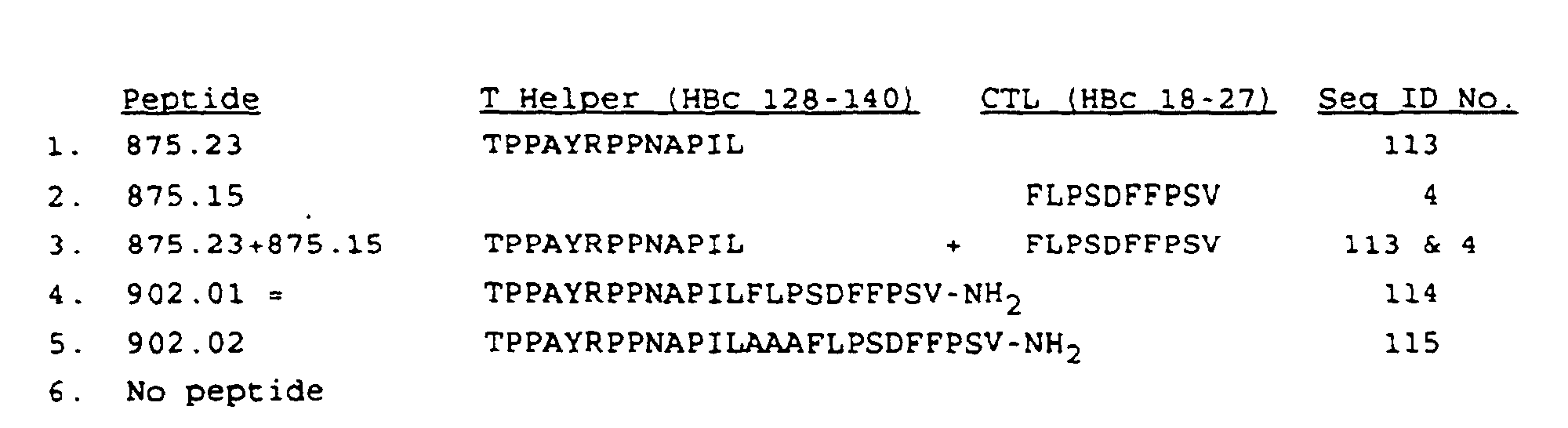
- Three weeks after priming with the CTL epitope, splenocytes were in vitro restimulated with LPS blasts coated with HBc 18-27 (coating was achieved by incubating 30 x 106 LPS blasts with 100 µg of HBc18-27 in one ml of medium; after 1-2 hr at 37°C, the cells were washed). After 6 days, effector cells were assayed for lytic activity against 51Cr labelled Jurkat A2/Kb target cells in the presence or absence of HBc18-27.
- The results showed that in 50% of the animals studied in which the T helper and CTL epitope peptides were simply mixed (i.e., not linked) and administered in an immunizing dose, induction of some detectible antigen-specific CTL activity above the level of background killing was seen. An example of the response detected is shown in Fig. 7. Surprisingly, when animals were primed with the T helper epitope linked to the CTL epitope, 100% showed evidence of specific CTL priming (Fig. 8), the magnitude of which was greater than that detected when the epitopes were administered non-linked (Fig. 7). Quite unexpectedly, as shown in Fig. 9, it was found that linking the T helper and CTL epitopes via an alanine-alanine-alanine spacer (i.e., T helper-AAA-CTL) resulted in the induction of specific CTL activity greater than that detected by linking the T helper and CTL determinants alone. Priming with the T helper peptide or CTL peptide alone did not induce HBc-specific CTL (Figs. 5 and 6). Also, prior immunization of animals to induce T helper-specific immunity did not appear to be essential for priming for CTL using either the T helper and CTL mixture or the T helper-CTL conjugate, since immunization was detected when naive animals were primed with the appropriate conjugate (Figs. 10A and B).
- This example discloses that CTL inducted by in vivo priming with peptide (as disclosed in Example 4) recognize endogenously synthesized antigens.
- A fraction of the effector cells from the procedure disclosed in Example 4 whose CTL function is represented in Figs. 7, 8 and 9, were restimulated in vitro using HBcAg 18-27-coated JA2.1/Kb stimulator cells. Six days later, effector cells were assayed for cytotoxicity and the cell lines that contained HBcAg 18-27-specific cytotoxic activity were further restimulated. Six days later, these cell lines were tested for cytotoxic activity on 51Cr labeled Jy S1 target cells in the absence or presence of HBcAg 18-27 and on 51Cr labeled Jy core target cells, as demonstrated in the following table.
CTL lines obtained from animals primed with HBcAG 18-27 peptide derived recognize endogenously synthesized HBc antigen. Animal No. In vivo Primed Jv S1 Jy Core Day 0 Day 9 E:T NoAg 875.15 H21 ― 902.01 0.1:1 1 43 3 0.5:1 3 66 2 2:1 6 73 9 8:1 11 74 1.5 H5-2 ― 902.02 0.3:1 2 55 21 1:1 1 78 35 4.5:1 5 77 44 18:1 12 82 54 H6-3 ― 875.15 0.4:1 4 67 9 +875.23 1.5:1 6 78 17 6:1 11 75 23 24:1 18 79 29 H4-6 875.23 902.01 0.15:1 2 29 9 0.6:1 5 51 21 2.5:1 12 63 32 10:1 21 62 42 H4-2 875.23 902.02 0.6:1 1 74 37 2.5:1 3 80 55 10:1 6 80 59 40:1 14 77 63 - All CTL lines were specific for HBcAg 18-27 and recognized Jy core albeit to a different extent. The much higher level of lysis obtained in the presence of exogenously added peptide as compared to endogenously synthesized, is explained by the relatively greater concentration of peptide that can be added exogenously. Because CTL lines derived from both animals primed with 902.02 had the highest affinity for endogenous antigen (producing a 35% and 37% specific lysis of Jy core at the E:T of 1:1 and 0.6:1, respectively), it is demonstrated that this construct, i.e., T helper epitope AAA HBcAg 18-27 possesses immunogenic characteristics suitable for induction of cells that recognize HBV infected cells.
- A2/Kb transgenic mice were injected with 100 microliters of an emulsion of 100 µg HBenv360-368 and 100 µg HBc128-140 helper epitope in incomplete Freund's adjuvant (IFA). (This emulsion was prepared by mixing 500 µg of both peptides in PBS with an equal volume of IFA.) Twenty-one days after priming, splenocytes (5x10⁶ cells/well in a 24-well plate) obtained from these animals were restimulated with syngeneic LPS blasts (2x10⁶/well) coated with the peptide HBenv360-368· These effector cells (0.2x10⁶/well) were restimulated at weekly intervals. For the first and second restimulations, HBenv360-368 coated LPS blasts were used, followed by HBenv360-368 coated Jurkat A2.1/Kb cells. Six days after restimulation, effector cells were assayed for cytotoxicity against 51Cr labelled Jurkat A2/Kb target cells in the presence and absence of HBenv360-368 (see Fig. 11). Therefore, HBenv360-368 is a CTL specific epitope.
- Transgenic mice (HLA-A2-1/kb) were primed subcutaneously (base of the tail) with 200 mg (0.07 mM) of peptide 934.02.
Peptide Tetanus Toxoid 830-843 T Helper Epitope Linker HBV core 18-27 CTL Epitope Seq ID No. 934.02 AC-QYIKANSKFIGITE AAA FLPSDFFPSV 112 - Three weeks after priming, splenocytes were restimulated in vitro with LPS blasts coated with HBc 18-27 (as described in example I). After 7 days cells were restimulated with jurkat A2/Kb cells coated with HBc 18-27 (as described in Example I) - After 6 days these effector cells were assayed for cytotoxicity against 51Cr labeled jurkat A2/Kb target cells in the presence or absence of HBc 18-27, Jy target cells in the presence or absence of HBc 18-27 and Jy cells transfected with HBV core. The results, shown in Fig. 12, indicate that peptide 934.02 effectively induces CTL specific for HBc 18-27. Moreover, these CTL recognize and kill endogenously presented antigen (Jy core).
- Various modifications and formulations of an antigenic CTL peptide were tested in an effort to enhance its immunogenicity. BALB/c mice were primed subcutaneously in the base of the tail with one of the following peptides or peptide mixtures:

- Three weeks after immunization splenocytes were removed and stimulated in vitro with the flu 147-155 peptide. CTL activity was assayed one week later using 51Cr-labeled B10.D2 fibroblasts as targets. Target cells were tested in the absence of antigen, in the presence of Flu 147-155 peptide or following infection with influenza PR8 virus. Representative results obtained from one of four independently run experiments are summarized in the following table.
CTL Immunogenicity of Various Modifications and Formulations of PR8-NP 148-155 Formulation Saline Alum IFA Peptide 0.01 0.1 0.01 0.1 0.01 0.1 932.01 - - - - + +++ 932.07 ++ + - - - - 932.01 + 577.01 - ++ - - +++ ++ 932.07 + 577.01 + - - - - ± 932.02 - - - +++ +++ +++ 932.04 +++ +++ +++ +++ +++ +++ 932.03 - - - ± +++ ++ 932.05 +++ +++ +++ +++ +++ +++ - IFA formulation: The HTL-CTL linked peptides either lipidated (i.e., 932.04 and 932.05) or unlipidated (932.02 and 932.03) were all very active, inducing good CTL activity in all animals at both injection doses. The mixture of HTL (577.01) and CTL (932.01) peptides also induced CTL activity in all animals injected. The CTL peptide (932.01) demonstrated good activity at the 100 nmoles dose, however, only one out of four animals responded at the 10 nmoles dose. The lipidated CTL peptide (932.07) was completely inactive but some activity, albeit low, was observed when peptide 932.07 was mixed with the HTL peptide (577.01).
- Saline formulation: The PAM2-HTL-CTL linked peptides (932.04 and 932.05) induced good CTL activity in all animals injected and were far superior to all other peptide or peptide combinations tested. The unlipidated versions of those peptides (932.02 and 932.03) were totally ineffective at the 10 nmoles dose and only marginally active at the 100 nmoles dose underlying the importance of peptide lipidation for priming activity of saline formulations. For the other peptide combinations tested lipidation appeared to affect activity in the opposite direction as it did in IFA in that the CTL peptide (932.01) was completely inactive but its lipidated version (932.07) induced CTL activity in some of the animals injected. The activity of both peptides improved when mixed with the HTL peptide. Alum formulation: The results obtained were similar to the ones obtained with peptides formulated in saline with the exception of peptide 932.07 that was inactive when injected in alum.
- Accordingly, the constructs (PAM2KSS-T helper-CTL and (PAM)2KSS-T helper-AAA-CTL were superior when injected in saline or Alum compared to all of the other combinations. The peptides T helper-CTL and T helper-AAA-CTL were superior to mixing the T helper + CTL (i.e., non-linked) and worked well in IFA, but not well in saline or Alum. Thus, for vaccine development, linking the (PAM)2KSS to a T helper peptide which is linked to the CTL peptide appears to be advantageous for inducing CTL immunity.
- Transgenic mice (A2-1/Kb) were primed with HBV virus in IFA substantially as described in Example II. Seven days after priming, splenocytes obtained from these animals were restimulated with syngeneic irradiated LPS blasts coated with peptide 799.09 (as described in Example I). After 6 cycles of restimulation with 799.09 coated cells (as described in Example II) the effector cells were cloned by limiting dilution using syngeneic irradiated LPS blasts coated with peptide 799.09 (.2x106 cells/well of a 96 well plate) and media supplemented with 10% rat Con A supernatant. Two CTL lines were obtained,
line 110 and 113 that killed JA2Kb target cells coated with peptide 799.09. These lines were tested on a panel of 799.09 N-terminus truncated peptides and overlapping 9mers and 10mers covering the entire 799.09 sequence. As shown in Fig. 13 panel A the minimal N-terminus truncated peptide recognized byline 113 and 110 were respectively peptides HBV env. 333-348 (923-09) and 335-348 (923.07). Fig. 13 panel B shows that none of the 9mers or 10mers were recognized by line 113 implicating a longer peptide as the minimal sequence required for recognition by this CTL line. The minimal sequence recognized byline 110 is represented by peptides HBV env. 333-341 (923.26) and HBV env 335-343 (923.22) indicating that possibly two distinct but overlapping peptides can serve as antigenic determinants for 799.09 specific CTL. - This example discloses that peptide 934.02 (i.e., tetanus toxoid 830-843-AAA-HBcAg 18-27) when modified by linking (PAM)2KSS to the tetanus toxoid end (resulting in "CY-1899") and formulated in DMSO/saline induced CTLs in transgenic mice.
- Lipopeptides were prepared by coupling the appropriate fatty acid to the amino terminus of the resin bound peptide. A typical procedure was as follows: A dichloromethane solution of a 4 fold excess of a pre-formed symmetrical anhydride of the appropriate fatty acid was added to the resin an the mixture was allowed to react for 2 hrs. The resin was washed with dichloromethane and dried. The resin was then treated with trifluoroacetic acid in the presence of appropriate scavengers [e.g. 5% (v/v) water] for 60 minutes at 20°C. After evaporation of excess trifluoroacetic acid, the crude peptide was washed with diethyl ether, dissolved in methanol and precipitated by the addition of water. The peptide was collected by filtration and dried.
- Preparation of peptides for immunization: Peptides were routinely resuspended in DMSO at a concentration of 20 mg/ml. Before use, peptides were prepared at the required concentration by dilution in saline or the appropriate medium. For selected experiments, CY-1899 and 934.02 were also prepared as saline suspensions (in the complete absence of DMSO).
- Immunization procedures: Transgenic mice were primed subcutaneously (base of the tail) with 0.1 ml of the appropriate peptide formulated in saline, or DMSO/saline.
-
- a. RPMI-1640 supplemented with 10% fetal calf serum (FCS) 2 mM Glutamine, 50 µg/ml Gentamicin and 5x10⁻⁵ 2-mercaptoethanol served as culture medium and will be referred to as R10 medium.
- b. RPMI-1640 containing 25 mM HEPES buffer and supplemented with 2% (FCS) was used as cell washing medium.
-
- Jurkat A2.1/Kb (5) is a stable transfectant of the human T cell leukemia line, Jurkat. Jurkat A2.1/Kb cells were routinely grown in R10 medium supplemented with 400 µg/ml of G418.
- LPS-activated lymphoblasts: Splenocytes obtained from A2.1/Kb transgenic mice were resuspended at a concentration of 1-1.5x10⁶/ml in R10 medium supplemented with 25 µg/ml LPS and 7 µg/ml dextran sulfate in 75 cm2 tissue culture flasks. After 72 hr at 37°C, the lymphoblasts were collected for use by centrifugation.
- Peptide coating of lymphoblasts: Peptide coating of the LPS activated lymphoblasts was achieved by incubating 30x106 irradiated (3000 rads) lymphoblasts with 100 µg of peptide in 1 ml of R10 medium for 1 hr at 37°C. Cells were then washed once and resuspended in R10 medium at the desired concentration.
- In vitro CTL activation: One to four weeks after priming spleen cells (30x106 cells/flask) were co-cultured at 37°C with syngeneic, irradiated (3000 rads), peptide coated lymphoblasts (10x106 cells/flask) in 10 ml of R10 medium/T25 flask. After 6 days, the effector cells were harvested and assayed for cytotoxic activity.
- Assay for cytotoxic activity: Target cells (1.0-1.5x10⁶) were incubated at 37°C in the presence of 200 µl of sodium 51Cr chromate. After 60 minutes, cells were washed three times and resuspended in R10 medium. Peptide 875.15 was added where required at a concentration of 1 µg/ml. For the assay, 104 51Cr-labeled target cells were added to different concentrations of effector cells (final volume of 200 µl) in U-bottom 96-well plates. After a 6 hour incubation period at 37°C, a 0.1 ml aliquot of supernatant was removed from each well and radioactivity was determined in a Micromedic automatic gamma counter. The percent specific lysis was determined by the formula: percent specific release = 100x (experimental release - spontaneous release)/(maximum release - spontaneous release). For the purpose of easy comparison between separate CTL assays run under the same conditions, % 51Cr release data was expressed as lytic units/106 cells. One lytic unit is arbitrarily defined as the number of effector cells required to achieve 30% lysis of 10,000 Jurkat A2.1/Kb target cells in a 6 hour 51Cr release assay. To obtain specific lytic units/106, the lytic units/106 obtained in the absence of peptide is subtracted from the lytic units/106 obtained in the presence of peptide. For example, if 30% 51Cr release is obtained at the E:T of 50:1 (i.e., 5x10⁵ effector cells for 10,000 targets) in the absence of peptide and 5:1 (i.e., 5x10⁴ effector cells for 10,000 targets) in the presence of peptide, the specific lytic units would be: (1x10⁶÷5x10⁴)-(1x10⁶÷5x10⁵) = 18LU/106.
- The results indicated that CY 1899 (i.e., tetanus toxoid 830-843-AAA-HBcAg 18-27) formulated in DMSO/saline is a strong immunogenic preparation inducing a good CTL response in all animals injected (six out of six).
- CY 1899 in saline (without prior solubilization induced a poor CTL response in that only one of six animals injected had detectible CTL activity.
- Peptide 934.02 in saline induced a marginal CTL response in that only one of the four animals tested had detectable CTL activity.
- No CTL activity was detected in any of the animals injected with peptide 934.02 in DMSO/saline.
- CTL induced by CY-1899 were shown to be able to kill cells expressing endogenous HBc antigen.
- This example discloses that the desired CTL activity is induced in the absence of adjuvant (IFA or Alum) by lipidation of the T-Helper epitope where the T-Helper epitope and the CTL epitope are not linked.
- The effect of lipidation of the HTL peptide epitope on the immunogenicity of PR8-NP 147-155 CTL peptide epitope was determined. Peptides used in this Example were as follows:
ID# Description Sequence Seq ID No. 932-01 CTL TYQRTRALV (PR8-NP 147-155) 116 932.07 (PAM)2-CTL (PAM)2KSSTYQRTRALV 117 577.01 HTL ISQAVHAAHAEINE 98 932.06 (PAM)2-HTL (PAM)2KSSISQAVHAAHAEINE 123 932.04 or (PAM)2-HTL-CTL (PAM)2KSSISQAVHAAHAEINETYQRTRALV 124 - Balb/c mice were injected with the different combinations indicated above of HTL (100 nmoles/mouse) and CTL (10 nmoles/mouse) peptide epitope in saline. Four animals were injected with each different preparation. Ten days after immunization, splenocytes were stimulated in vitro with NP 147-155 peptide. CTL activity was assayed 6 days later using 51Cr-labeled B10.D2 fibroblasts as targets in the absence or presence of NP 147-155 peptide. The data are expressed in lytic units/106 cells. One lytic unit is arbitrarily defined as the number of lymphocytes required to achieve 30% lysis of 5000 B10.D2 51Cr-labeled target cells within 6 hours, in the absence or presence of NP 147-155 peptide. (a) Each number represents the specific CTL activity (
LU 30/106 cells obtained in the presence of NP 147-155-LU 30/106 cells obtained in the absence of NP 147-0155) from an individual mouse.Effect of HTL peptide epitope and peptide liquidation on the immunogenicity of PR8-NP 147-155 CTL peptide epitope Priming Peptide Cytel ID Number Description LU30 (Geometric Mean) 932.01 CTL 0 (a) 0.2 0 0 (0.1x/+1.4) 932.01+ 577.01 CTL+ HTL 0 0.3 0 0 (0.1x/+1.7) 932.07 (PAM)2- CTL 0 0 0.5 0 (0.15x/+2.2) 932.07+ 577.01 (PAM)2-CTL+ HTL 1 1.1 12.4 0 (1.1x/+7.2) 932.01+ 932.06 CTL+(PAM)2-HTL 9.3 74.1 1.7 69.5 (16.9x/+6.1) 932.07+ 932.06 (PAM)2-CTL+(PAM)2-HTL 2.5 1 1 11.7 (2.3x/+6.1) 932.04 (PAM)2-HTL-CTL 4.7 2 21 1.2 (3.9x/+3.5) - The results obtained indicate that, 1) unlipidated peptides (932.01 and 932.01 + 577.01) are ineffective at the concentrations tested when injected in saline; 2) the presence of both the HTL and the CTL peptide epitope and the lipidation of at least one peptide is necessary for CTL induction when the peptides are formulated in saline.
- The preferred combination appeared to be the lipidated HTL peptides unlinked to the unlipidated CTL peptide. Thus, a titration of the CTL epitope and the lipidated HTL epitope in mixtures was performed (i.e., the titration of (PAM)2-HTL peptide epitope and CTL peptide epitope in mixtures).
- Balb/c mice were injected with 10 nmoles of the linked [(PAM)2-HTL-CTL) peptide immunogen and with mixtures containing 0, 1, 10, or 100 nmoles CTL epitope (932.01) and 0, 1, 10, or 100 nmoles PAM-helper epitope (932.06) per mouse as indicated in the table. Four animals were injected with each different preparation. Fourteen days after immunization, splenocytes were removed and stimulated in vitro with the NP 147-155 peptide. CTL activity was assayed 6 days later using 51Cr-labeled B10.D2 fibroblasts as targets. Target cells were tested in the absence or presence of antigen (NP 147-155 peptide). The data are expressed in lytic units/106 cells. One lytic unit is arbitrarily defined as the number of lymphocytes required to achieve 30% lysis of 5000 B10.D2 51Cr-labeled target cells within 6 hours, in the absence or presence of antigen (NP 147-155 peptide). (a) Each number represents the specific CTL activity (
LU 30/106 cells; obtained in the presence of NP 147-155 -LU 30/106 cells obtained in the absence of NP 147 155) from an individual mouse.Titration of (PAM)2-HTL peptide epitope and CTL peptide epitope contained in mixtures nmoles (PAM)2-HTL epitope 932.06 nmoles CTL epitope, 932.01 0
LU 30
Geo Mean 1
LU 30
Geo Mean 10
LU 30
Geo Mean 100
LU 30
Geo Mean 0 3.8(a) 0.8 0.3 1.3 1.0X/+2.9 1 3.8 2.5 3 23.9 4.4 7.4 2.6 0.2 2.6 0.2 4.4 2.6 2.6x/+7.2 1.8x/+4.4 3.5x/+1.7 10 >58 50 68 29.5 20.3 53 2.2 7.3 >64 53.5 27.5 >68 21.2x/+4.7 21.2x/+2.2 62.9x/+1.1 100 1.5 26 69 64 0.8 61 >58 >64 0.7 63 >41 73 0 >54 7.9 62 0.5x/+3.2 48.2x/+1.5 33.7x/+2.7 65.6x/+1.1 (PAM)2-HTL- CTL65 10 nmoles 1053.0590 17.8 25.4 40.3x/+2.1 - The results obtained indicate that optimal CTL induction (i.e., comparable to that achieved by immunization with 10 nmoles of the linked immunogen 1053.05) is achieved with mixtures containing 100 nmoles of the 932.06 [(PAM)2 HTL] peptide and 1, 10 or 100 nmoles of the 932.01 (CTL) peptide. In the presence of 10 nmoles of 932.06, optimal CTL induction is achieved by the mixture containing 100 nmoles of 932.01 while a slight decrease was observed in the mixtures containing either 10 or 1 nmoles of the CTL peptide.
- By following the procedures described in this Example 10, a composition of matter comprising of a lipidated HTL admixed with multiple CTL epitopes can be prepared. Optionally, the CTL epitopes can be packaged in different vials from the HTL epitope(s).
- The human clinical trial for CY-1899 was set up as an IND Phase I dose escalation study (5, 50 and 500 µg) and was carried out in a single center as a randomized double-blind placebo controlled trial.
- A total of 27 subjects were enrolled and divided into 3 groups:
- Group I:
- 3 subjects were injected with placebo and 6 subjects were injected with 5 µg of CY-1899;
- Group II:
- 3 subjects were injected with placebo and 6 subjects were injected with 50 µg of CY-1899;
- Group III:
- 3 subjects were injected with placebo and 6 subjects were injected with 500 µg of CY-1899.
- The endpoints measured in this study relate to the safety and tolerability of CY-1899 (also known as Theradigm™-HBV) as well as its immunogenicity. Cellular immune responses to CY-1899 are an index of the intrinsic activity of this drug, and can therefore be viewed as a measure of biological efficacy. The following summarized the clinical and laboratory data relating to safety and efficacy endpoints.
- Safety: Adverse events were observed with similar frequency in the placebo and drug treatment groups. All adverse events were judged to be mild in degree and completely reversible. No relationship between adverse events and dose level were found. The most common adverse events were headache (4 subjects) and skin reaction at the site of inoculation (3 subjects).
- Evaluation of Vaccine Efficacy: For evaluation of vaccine efficacy subjects were bled before and after injection. Peripheral blood mononuclear cells were isolated from fresh heparinized blood by Ficoll-Hypaque density gradient centrifugation, aliquoted in freezing media and stored frozen. Samples were assayed for CTL and HTL activity.
- Data: Injection of CY-1899 in normal volunteers resulted in induction of HBc18-27 specific CTL is disclosed in Figs. 14 and 15. The CTL response observed was dose dependent both in the proportion of subjections exhibiting a positive response as well as in the magnitude of the response obtained. The dose response effect is demonstrated in Fig. 16 where the mean peak CTL activity per each group of subjects after the first and second injections are shown.
- The peptide-induced CTL responses were capable of killing cells expressing endogenous antigen (as disclosed in Fig. 17) validating the concept of peptide priming for induction of virus specific CTL.
- The proliferative T cell response against the helper TT peptide among the subjects receiving the three doses of CY-1899 correlates with their CTL responses (as disclosed in Fig. 18). The most striking T cell responses against the TT helper peptide were observed in individuals receiving the highest vaccine dose. In three out of four subjects in this dose group a strong T cell proliferative response against TT peptide was correlated with high levels of CTL induction following vaccination with CY-1899. The only instance where a strong CTL response was observed in the absence of helper T cell induction was in the case of an individual who demonstrated a
late CTL response 14 days after boosting. - By following the procedures disclosed in Examples 1-11 a therapeutic composition of matter useful for treating mammals with HCV infections by inducing specific CTLs can be made.
- For example, following the procedures in Examples 1, and 2, or alternatively Example 2A, peptides suitable for inducing CTLs can be identified, for example, the following peptides:
SOURCE POSITION SEQUENCE SIZE SEQ. ID NO. BINDING A2 HCV NS4 1807 LLFNILGGWV 10 125 3.5000 HCV CORE 178 LLALLSCLTV 10 126 0.6050 HCV NS4 1585 YLVAYQATV 9 127 0.2450 HCV NS1/ENV 725 FLLLADARV 9 128 0.2250 HCV NS4 1851 ILAGYGAGV 9 129 0.2150 HCV CORE 132 DLMGYIPLV '9 130 0.0835 HCV CORE 35 YLLPRRGPRL 10 131 0.0725 NS1/ ENV2 686 ALSTGLIHL 9 132 0.0415 HCV CORE 178 LLALLSCLTI 10 133 0.0340 HCV NS5 2578 RLIVFPDLGV 10 134 0.0320 HCV NS5 2885 RLHGLSAFSL 10 135 0.0200 HCV NS4 1811 ILGGWVAAQL 10 136 0.0180 HCV ENV1 364 SMVGNWAKV 9 137 0.0155 HCV NS3 1131 YLVTRHADV 9 138 0.0109 HCV NS4 1666 VLAALAAYCL 10 139 0.0106 - Once identified, such desired peptides can be obtained either commercially or prepared following the procedures disclosed in Example 3.
- The preferability of the identified peptides is elaborated by optimization of the configuration of the composition of matter (i.e., whether the T-Helper and CTL peptides are linked or unlinked, and whether the peptides are delivered in a saline, alum or IFA medium, lipidated T-Helper linked or unlinked to the CTL in saline, or linked and unlinked T-Helper with CTL in IFA).
- By following the procedures disclosed above and in the preceding examples a vaccine capable of treating HCV can be obtained.
- By following the procedures disclosed in Examples 1-10 a therapeutic composition of matter useful for treating mammals with melanomas by inducing specific CTLs is made.
- For example, following the procedures in Examples 1, and 2, or alternatively Example 2A, peptides suitable for inducing CTLs are identified, for example, the following peptides:
SOURCE POSITION SEQUENCE SIZE SEQ. ID NO. BINDING A2 MAGE2 105 KMVELVHFL 9 140 0.5100 MAGE2 105 KMVELVHFLL 10 141 0.2200 MAGE3 153 LVFGIELMEV 10 142 0.1100 MAGE1 278 KVLEYVIKV 9 143 0.0900 MAGE1 105 KVADLVGFLL 10 144 0.0560 MAGE3 105 KVAEFVHFL 9 145 0.0550 MAGE1 92 CILESLFRA 9 146 0.0460 MAGE1 264 FLWGPRALA 9 147 0.0420 MAGE1 200 VMIAMEGGHA 10 148 0.0360 MAGE1 38 LVLGTLEEV 9 149 0.0320 MAGE1 301 ALREEEEGV 9 150 0.0210 MAGE1 270 ALAETSYVKV 10 151 0.0150 MAGE1 282 YVIKVSARV 9 152 0.0140 MAGE1 269 RALAETSYV 9 153 0.0100 - The peptides can be obtained either commercially or prepared following the procedures disclosed in Example 3.
- The preferability of the identified peptides is elaborated by optimization of the configuration of the composition of matter (i.e., whether the T-Helper and CTL peptides are linked or unlinked, and whether the peptides are delivered in a saline, alum or IFA medium, lipidated T-Helper linked or unlinked to the CTL in saline, or linked and unlinked T-Helper with CTL in IFA).
- By following the procedures disclosed above and in the preceding examples a vaccine capable of treating melanomas is obtained.
- By following the procedures disclosed in Examples 1-10 a therapeutic composition of matter useful for treating mammals with HPV infections by inducing specific CTLs is made.
- For example, following the procedures in Examples 1, and 2, or alternatively Example 2A, peptides suitable for inducing CTLs are identified, for example, the following peptides:
SOURCE POSITION SEQUENCE SIZE SEQ. ID NO. BINDING A2 HPV16 E7 82 LLMGTLGIV 9 65 0.0240 HPV16 E7 11 YMLDLQPET 9 66 0.1400 HPV16 E6 52 FAFRDLCIV 9 67 0.0570 HPV16 E7 86 TLGIVCPIC 9 68 0.0750 HPV16 E7 7 TLHEYMLDL 9 69 0.0070 HPV16 E7 85 GTLGIVCPI 9 70 0.0820 HPV16 E7 12 MLDLQPETT 9 71 0.0028 HPV16 E6 29 TIHDIILEC V 10 72 0.0210 - The peptides can be obtained either commercially or prepared following the procedures disclosed in Example 3.
- The preferability of the identified peptides is elaborated by optimization of the configuration of the composition of matter (i.e., whether the T-Helper and CTL peptides are linked or unlinked, and whether the peptides are delivered in a saline, alum or IFA medium, lipidated T-Helper linked or unlinked to the CTL in saline, or linked and unlinked T-Helper with CTL in IFA).
- By following the procedures disclosed above and in the preceding examples a vaccine capable of treating HPV is obtained.
- By following the procedures disclosed in Examples 1-10 a therapeutic composition of matter useful for treating humans with HIV infections by inducing specific CTLs is made.
- For example, following the procedures in Examples 1, and 2, or alternatively Example 2A, peptides suitable for inducing CTLs are identified, for example, the following peptides:
SOURCE POSITION SEQUENCE SIZE SEQ. ID NO. BINDING A2 HIV 367 VLAEAMSQV 9 73 0.1100 HIV 1496 LLWKGEGAVV 10 74 0.0360 HIV 1496 LLWKGEGAV 9 75 0.0230 HIV 1004 ILKEPVHGV 9 76 0.0190 HIV 1129 IVGAETFYV 9 77 0.0099 HIV 1129 IIGAETFYV 9. 78 0.0260 HIV 2182 LWVTVYYGV 9 79 0.0014 HIV 2182 LMVTVYYGV 9 80 0.4400 - The peptides are obtained either commercially or prepared following the procedures disclosed in Example 3.
- The preferability of the identified peptides is elaborated by optimization of the configuration of the composition of matter (i.e., whether the T-Helper and CTL peptides are linked or unlinked, and whether the peptides are delivered in a saline, alum or IFA medium, lipidated T-Helper linked or unlinked to the CTL in saline, or linked and unlinked T-Helper with CTL in IFA).
- By following the procedures disclosed above and in the preceding examples a vaccine capable of treating HIV is obtained.
Claims (42)
- A composition for inducing or detecting a cytotoxic T lymphocyte (CTL) response in a mammalian cell which comprises a first peptide containing 30 amino acids or less, said peptide containing a first epitope that induces a CTL response or detects a CTL, said first epitope selected fromTIHDIILECV;IVGAETFYV; orKVAEFVHFL.
- The composition of claim 1, wherein the peptide contains 25 amino acids or less.
- The composition of claim 2, wherein the peptide contains 15 amino acids or less.
- The composition of claim 3, wherein the peptide contains 12 amino acids or less.
- The composition of claim 4, wherein the peptide contains 10 amino acids or less.
- The composition of claim 5, wherein the first epitope isTIHDIILECV;IVGAETFYV;orKVAEFVHFL.
- The composition of any of claims 1-6, wherein said first epitope isTIHDIILECV.
- The composition of any of claims 1-7, which further comprises at least a second peptide, which second peptide contains an epitope that induces an HTL response and/or a second epitope that induces a CTL response.
- The composition of claim 8, wherein said second peptide contains an epitope that induces an HTL response.
- The composition of claim 9, wherein the second peptide is conjugated to a lipid.
- The composition of claim 10, wherein the second peptide is linked to the lipid by a spacer.
- The composition of claim 11, wherein the spacer is Lys-Ser-Ser.
- The composition of claim 10, wherein the lipid is conjugated to the N-terminus of the second peptide.
- The composition of claim 10, wherein the lipid is a linear alkyl chain of 6-22 carbons.
- The composition of claim 10, wherein the lipid is a linear alkyl chain of 16 carbons.
- The composition of claim 10, wherein the lipid comprises palmitic acid attached to epsilon and alpha amino groups of a Lys residue, wherein the Lys is linked to the amino terminus of the HTL-inducing peptide by means of a linker.
- The composition of any of claims 10-16, wherein the second peptide is admixed with the first peptide.
- The composition of any of claims 10-16, wherein the second peptide is linked to the first peptide.
- The composition of claim 18, wherein the second peptide is linked at its C-terminal end to the first peptide.
- The composition of claim 18, wherein the first peptide is linked to the second peptide by a spacer.
- The composition of claim 20, wherein the spacer linking the first peptide with the second peptide is Ala-Ala-Ala.
- The composition of claim 8 wherein the second peptide contains a second epitope that induces a CTL response.
- The composition of claim 22, wherein the second peptide is admixed with the first peptide.
- The composition of claim 22, wherein the second peptide is linked to the first peptide.
- A composition of claim 24, wherein said second epitope overlaps said first epitope in a peptide derived from a naturally occurring HIV, HPV, or MAGE protein.
- The composition of any of claims 1-25, further comprising a physiologically suitable excipient.
- The composition of claim 26, wherein the physiologically suitable excipient is physiologic saline.
- The composition of claim 26, wherein the physiologically suitable excipient comprises liposomes.
- The composition of any of claims 1-28, further comprising an adjuvant.
- The composition of claim 29, wherein the adjuvant is incomplete Freund's adjuvant, alum or MONTANIDE™.
- A composition of any of claims 1-30, wherein the first epitope is bound to an MHC molecule.
- A composition according to any one of the claim 1-30 for inducing a cytotoxic T lymphocyte response in a mammal.
- Use of the composition of any of claims 1-30 in the manufacture of a medicament for inducing a cytotoxic T lymphocyte response in a mammal.
- Use according to claim 33, wherein said composition is administered to the mammal in a regimen of two or more administrations spaced a sufficient interval apart to optimize development of a cytotoxic immune response to the antigen.
- Use according to claim 34, wherein a second administration of said composition occurs approximately four weeks after an initial administration.
- Use according to any of claims 33-35 wherein the mammal is infected with human papillomavirus (HPV), human immunodeficiency virus (HIV) or is afflicted with cancer.
- Use of the composition of any of claims 1-31 in the manufacture of a diagnostic reagent for detecting CTL.
- Use according to claim 37 wherein the first epitope is complexed with MHC Class I.
- An expression system which comprises a first nucleotide sequence that encodes the first peptide of any of claims 1-7.
- The expression system of claim 39 which further comprises a second nucleotide sequence that encodes a second peptide which contains an epitope that induces an HTL response and/or a second epitope that induces a CTL response.
- Recombinant host cells modified to contain the expression system of claim 39 or 40.
- A method to prepare the first peptide of any of claims 1-7 and optionally a second peptide which contains an epitope that induces an HTL response and optionally a second epitope that induces a CTL response, said method comprising the steps of culturing the cells of claim 41 to effect expression of said first nucleotide sequence and optionally said second nucleotide sequence.
Applications Claiming Priority (3)
| Application Number | Priority Date | Filing Date | Title |
|---|---|---|---|
| US197484 | 1994-02-16 | ||
| US08/197,484 US6419931B1 (en) | 1991-08-26 | 1994-02-16 | Compositions and methods for eliciting CTL immunity |
| PCT/US1995/002121 WO1995022317A1 (en) | 1994-02-16 | 1995-02-16 | Compositions and methods for eliciting ctl immunity |
Publications (3)
| Publication Number | Publication Date |
|---|---|
| EP0804158A1 EP0804158A1 (en) | 1997-11-05 |
| EP0804158A4 EP0804158A4 (en) | 1999-05-12 |
| EP0804158B1 true EP0804158B1 (en) | 2004-09-29 |
Family
ID=22729600
Family Applications (1)
| Application Number | Title | Priority Date | Filing Date |
|---|---|---|---|
| EP95910309A Expired - Lifetime EP0804158B1 (en) | 1994-02-16 | 1995-02-16 | Compositions and methods for eliciting ctl immunity |
Country Status (7)
| Country | Link |
|---|---|
| US (2) | US6419931B1 (en) |
| EP (1) | EP0804158B1 (en) |
| AT (1) | ATE277633T1 (en) |
| AU (1) | AU1847395A (en) |
| CA (1) | CA2183416A1 (en) |
| DE (1) | DE69533594T2 (en) |
| WO (1) | WO1995022317A1 (en) |
Families Citing this family (85)
| Publication number | Priority date | Publication date | Assignee | Title |
|---|---|---|---|---|
| US6607727B1 (en) * | 1991-08-26 | 2003-08-19 | The Scripps Research Institute | Peptides for inducing cytotoxic T lymphocyte responses to hepatitus B virus |
| US7611713B2 (en) * | 1993-03-05 | 2009-11-03 | Pharmexa Inc. | Inducing cellular immune responses to hepatitis B virus using peptide compositions |
| US6689363B1 (en) | 1992-01-29 | 2004-02-10 | Epimmune Inc. | Inducing cellular immune responses to hepatitis B virus using peptide and nucleic acid compositions |
| US20110097352A9 (en) * | 1992-01-29 | 2011-04-28 | Pharmexa Inc. | Inducing cellular immune responses to hepatitis B virus using peptide and nucleic acid compositions |
| IL105554A (en) * | 1992-05-05 | 1999-08-17 | Univ Leiden | Peptides of human papilloma virus for use in human t cell response inducing compositions |
| US9340577B2 (en) | 1992-08-07 | 2016-05-17 | Epimmune Inc. | HLA binding motifs and peptides and their uses |
| WO1995004542A1 (en) * | 1993-08-06 | 1995-02-16 | Cytel Corporation | Cloning and characterization of the complete mage-1 gene |
| DK96493D0 (en) * | 1993-08-26 | 1993-08-26 | Mouritsen Og Elsner Aps | PROCEDURE FOR INDUCING ANTIBODY RESPONSE TO SELF-PROTEINS AND AUTOVACCINE PROCESSED BY THE PROCEDURE |
| US5709995A (en) | 1994-03-17 | 1998-01-20 | The Scripps Research Institute | Hepatitis C virus-derived peptides capable of inducing cytotoxic T lymphocyte responses |
| US5686068A (en) * | 1994-03-24 | 1997-11-11 | Ludwig Institute For Cancer Research | Isolated peptides derived from MAGE-2, cytolytic T cells specific to complexes of peptide and HLA-A2 molecules, and uses thereof |
| AU712441B2 (en) * | 1994-12-14 | 1999-11-04 | Scripps Research Institute, The | In vivo activation of tumor-specific cytotoxic T cells |
| US6514942B1 (en) * | 1995-03-14 | 2003-02-04 | The Board Of Regents, The University Of Texas System | Methods and compositions for stimulating T-lymphocytes |
| AUPN568095A0 (en) * | 1995-09-27 | 1995-10-26 | Austin Research Institute, The | Anti-Galalpha(1,3)Gal antibody binding peptides |
| US6977074B2 (en) * | 1997-07-10 | 2005-12-20 | Mannkind Corporation | Method of inducing a CTL response |
| US6994851B1 (en) * | 1997-07-10 | 2006-02-07 | Mannkind Corporation | Method of inducing a CTL response |
| FR2776926B1 (en) * | 1998-04-07 | 2003-10-24 | Inst Nat Sante Rech Med | LYMPHOCYTARY T CYTOTOXICITY T INDUCING LIPOPEPTIDES CARRYING AT LEAST ONE AUXILIARY T EPITOPE, AND THEIR USES FOR VACCINATION |
| US20010019714A1 (en) * | 1998-04-07 | 2001-09-06 | Charles D. Y. Sia | Hiv-specific cytotoxic t-cell responses |
| US6534482B1 (en) * | 1998-05-13 | 2003-03-18 | Epimmune, Inc. | Expression vectors for stimulating an immune response and methods of using the same |
| FR2794370B1 (en) | 1999-06-03 | 2003-10-17 | Biovector Therapeutics | POLYEPITOPIC PROTEIN FRAGMENTS, THEIR OBTAINMENT AND THEIR USES IN PARTICULAR IN VACCINATION |
| JP2003509465A (en) * | 1999-07-19 | 2003-03-11 | エピミューン, インコーポレイテッド | Induction of a Cellular Immune Response to Hepatitis C Virus Using Peptide and Nucleic Acid Compositions |
| US20030235594A1 (en) * | 1999-09-14 | 2003-12-25 | Antigen Express, Inc. | Ii-Key/antigenic epitope hybrid peptide vaccines |
| US9289487B2 (en) * | 1999-09-14 | 2016-03-22 | Antigen Express, Inc. | II-key/antigenic epitope hybrid peptide vaccines |
| US6432409B1 (en) * | 1999-09-14 | 2002-08-13 | Antigen Express, Inc. | Hybrid peptides modulate the immune response |
| US20050100928A1 (en) * | 1999-09-16 | 2005-05-12 | Zycos Inc., A Delaware Corporation | Nucleic acids encoding polyepitope polypeptides |
| AU7917200A (en) * | 1999-09-30 | 2001-04-30 | Institut Pasteur | Hybrid or chimeric polynucleotides, proteins, and compositions comprising hepatitis b virus sequences |
| EP1225907A4 (en) * | 1999-10-05 | 2005-06-22 | Epimmune Inc | INDUCTION OF CELLULAR IMMUNE RESPONSES TO HUMAN IMMUNODIC VIRUS-1 (HIV-1) BY MEANS OF PEPTIDE AND NUCLEIC ACID COMPOUNDS |
| EP2177534A3 (en) * | 1999-11-18 | 2010-07-14 | Pharmexa Inc. | Heteroclitic analogs of class i epitopes |
| US7026443B1 (en) * | 1999-12-10 | 2006-04-11 | Epimmune Inc. | Inducing cellular immune responses to human Papillomavirus using peptide and nucleic acid compositions |
| CA2393339A1 (en) * | 1999-12-10 | 2001-06-14 | Epimmune Inc. | Inducing cellular immune responses to mage2/3 using peptide and nucleic acid compositions |
| US20040248113A1 (en) * | 1999-12-28 | 2004-12-09 | Alessandro Sette | Method and system for optimizing multi-epitope nucleic acid constructs and peptides encoded thereby |
| US7462354B2 (en) * | 1999-12-28 | 2008-12-09 | Pharmexa Inc. | Method and system for optimizing minigenes and peptides encoded thereby |
| EP1195381A1 (en) | 2000-09-28 | 2002-04-10 | Immusystems GmbH | Hepatitis c virus epitopes specific for cd4+ t-cell lymphocytes |
| EP2371854B1 (en) * | 2001-03-09 | 2014-05-07 | Board Of Regents, The University Of Texas System | Induction of tumor immunity by variants of folate binding protein |
| US20040202654A1 (en) | 2001-04-09 | 2004-10-14 | Mayo Foundation For Medical Education & Research | Methods and materials for cancer treatment |
| US7842480B2 (en) * | 2001-05-18 | 2010-11-30 | Mayo Foundation For Medical Education And Research | Chimeric antigen-specific t cell-activating polypeptides |
| US20060222656A1 (en) * | 2005-04-01 | 2006-10-05 | University Of Maryland, Baltimore | MAGE-A3/HPV 16 peptide vaccines for head and neck cancer |
| US20030148973A1 (en) * | 2001-05-23 | 2003-08-07 | Peter Emtage | MAGE-A1 peptides for treating or preventing cancer |
| CA2481462A1 (en) * | 2002-04-05 | 2003-10-23 | Epimmune Inc. | Heteroclitic analogs and related methods |
| US20050181459A1 (en) * | 2002-06-11 | 2005-08-18 | Matthew Baker | Method for mapping and eliminating T cell epitopes |
| JP2005533855A (en) | 2002-07-24 | 2005-11-10 | インターツェル・アクチェンゲゼルシャフト | An antigen encoded by another reading frame from a pathogenic virus. |
| EP1537418A2 (en) | 2002-09-13 | 2005-06-08 | Intercell AG | Method for isolating hepatitis c virus peptides |
| US7179645B2 (en) * | 2002-09-24 | 2007-02-20 | Antigen Express, Inc. | Ii-Key/antigenic epitope hybrid peptide vaccines |
| EP1408048A1 (en) * | 2002-10-07 | 2004-04-14 | Institut National De La Sante Et De La Recherche Medicale (Inserm) | Vaccines of enhanced immunogenicity, and methods for preparing such vaccines |
| US20040072262A1 (en) * | 2002-10-11 | 2004-04-15 | Montero-Julian Felix A. | Methods and systems for detecting MHC class I binding peptides |
| WO2004084805A2 (en) * | 2003-03-19 | 2004-10-07 | The J. David Gladstone Institutes | Acetylated tat polypeptides and methods of use thereof |
| AU2004224746B2 (en) | 2003-03-24 | 2009-04-23 | Valneva Austria Gmbh | Improved vaccines |
| WO2005012502A2 (en) * | 2003-03-28 | 2005-02-10 | Idm Pharma, Inc. | Methods of identifying optimal variants of peptide epitopes |
| WO2005033265A2 (en) * | 2003-04-25 | 2005-04-14 | Epimmune Inc. | Optimized multi-epitope constructs and uses thereof |
| CA2530062A1 (en) | 2003-07-11 | 2005-01-20 | Intercell Ag | Hcv vaccines |
| IL158140A0 (en) * | 2003-09-25 | 2004-03-28 | Hadasit Med Res Service | Multiepitope polypeptides for cancer immunotherapy |
| US7304139B2 (en) * | 2003-10-28 | 2007-12-04 | University Of Florida Research Foundation, Inc. | Polynucleotides and polypeptides of Anaplasma phagocytophilum and methods of using the same |
| WO2005047902A1 (en) * | 2003-11-03 | 2005-05-26 | Beckman Coulter, Inc. | Solution-based methods for detecting mhc-binding peptides |
| US7303881B2 (en) * | 2004-04-30 | 2007-12-04 | Pds Biotechnology Corporation | Antigen delivery compositions and methods of use |
| EP1766393A4 (en) * | 2004-05-07 | 2008-06-18 | Beckman Coulter Inc | MAIN HISTOCOMPATIBILITY COMPLEX BRIDGE FORMATION SYSTEM FOR DETECTING LYMPHOCYTE MEDIATED LYSE OF CELLS HAVING ANTIGENS |
| EP2226332A1 (en) * | 2004-06-17 | 2010-09-08 | Beckman Coulter, Inc. | Mycobacterium tuberculosis epitopes and methods of use thereof |
| WO2006085141A2 (en) * | 2004-08-13 | 2006-08-17 | Migenix Inc. | Compositions and methods for treating or preventing hepadnaviridae infection |
| WO2006034334A2 (en) | 2004-09-21 | 2006-03-30 | University Of Pittsburgh Of The Commonwealth System Of Higher Education | Peptide analogs capable of enhancing stimulation of a glioma-specific ctl response |
| CN101291683B (en) * | 2004-11-24 | 2011-08-17 | 纽普罗研究有限公司 | Methods and compositions for treating disease |
| CA2592922A1 (en) * | 2004-12-29 | 2006-07-06 | Mannkind Corporation | Methods to trigger, maintain and manipulate immune responses by targeted administration of biological response modifiers into lymphoid organs |
| EP1764369A1 (en) * | 2005-09-16 | 2007-03-21 | Rhein Biotech Gesellschaft für neue biotechnologische Prozesse und Produkte mbH | Vaccines comprising truncated HBC core protein plus saponin-based adjuvant |
| JP5133706B2 (en) * | 2006-01-23 | 2013-01-30 | 株式会社グリーンペプタイド | Hepatitis C virus-derived peptide |
| CA2647835A1 (en) * | 2006-03-28 | 2007-10-04 | Neopro Labs, Llc | Methods and compositions for treating conditions |
| AR064500A1 (en) * | 2006-12-22 | 2009-04-08 | Dow Agrosciences Llc | VIRUSES OF THE WEST NILE VIRUS (WNV) OF OPTIMIZED PLANTS, VECTORS AND SEQUENCES OF PLANTS CODONS |
| US8877206B2 (en) * | 2007-03-22 | 2014-11-04 | Pds Biotechnology Corporation | Stimulation of an immune response by cationic lipids |
| EP2152725A1 (en) | 2007-05-17 | 2010-02-17 | Neopro Labs, LLC | Crystalline and amorphous forms of peptide |
| EP2468763B1 (en) * | 2007-05-31 | 2014-06-18 | Academisch Ziekenhuis Leiden h.o.d.n. LUMC | HPV epitopes targeted by T cells infiltrating cervical malignancies for use in vaccines |
| JP2010530362A (en) | 2007-05-31 | 2010-09-09 | アカデミシュ ジーケンハウス ライデン ハー.オー.デー.エン. ルムク | Intradermal HPV peptide vaccination |
| WO2009012472A2 (en) * | 2007-07-18 | 2009-01-22 | Neopro Labs, Llc | Methods and compositions for treating conditions |
| US8466259B2 (en) | 2007-12-07 | 2013-06-18 | National Health Research Institutes | Adjuvants |
| TWI376385B (en) | 2007-12-07 | 2012-11-11 | Nat Health Research Institutes | Production of lipidated proteins in e. coli |
| AU2009236306B2 (en) * | 2008-04-17 | 2015-04-02 | Pds Biotechnology Corporation | Stimulation of an immune response by enantiomers of cationic lipids |
| EP2391635B1 (en) | 2009-01-28 | 2017-04-26 | Epimmune Inc. | Pan-dr binding polypeptides and uses thereof |
| CN108373509A (en) * | 2009-03-10 | 2018-08-07 | 贝勒研究院 | The antiviral vaccine of target antigen presenting cells |
| US8287880B2 (en) | 2009-06-02 | 2012-10-16 | National Health Research Institutes | Lipidated vaccine against dengue virus infection |
| US8658176B2 (en) * | 2009-06-22 | 2014-02-25 | National Health Research Institutes | Lipidated tumor-associated antigens and immunotherapeutic compositions |
| WO2012027379A2 (en) | 2010-08-24 | 2012-03-01 | University Of Pittsburgh - Of The Commonwealth System Of Higher Education | Interleukin-13 receptor alpha 2 peptide-based brain cancer vaccines |
| TWI507413B (en) | 2010-11-15 | 2015-11-11 | Nat Health Research Institutes | Lipidated polyepitope vaccines |
| TW201221642A (en) | 2010-11-15 | 2012-06-01 | Nat Health Research Institutes | Method of producing lipidated polypeptides |
| WO2013173411A1 (en) | 2012-05-16 | 2013-11-21 | Stemline Therapeutics, Inc | Cancer stem cell targeted cancer vaccines |
| US10286064B2 (en) | 2012-06-15 | 2019-05-14 | Pds Biotechnology Corporation | Cationic lipid vaccine compositions and methods of use |
| AU2013317805B2 (en) | 2012-09-21 | 2018-07-26 | Pds Biotechnology Corporation | Improved vaccine compositions and methods of use |
| MA40824A (en) * | 2014-10-22 | 2017-08-29 | Saiba Gmbh | MODIFIED VIRUS TYPE CMV PARTICLES |
| US11612652B2 (en) | 2015-11-13 | 2023-03-28 | Pds Biotechnology Corporation | Lipids as synthetic vectors to enhance antigen processing and presentation ex-vivo in dendritic cell therapy |
| TW201924722A (en) | 2017-12-05 | 2019-07-01 | 美商Pds生技公司 | Methods and compositions comprising cationic lipids for stimulating type I interferon genes |
| EP3909612A1 (en) * | 2020-05-12 | 2021-11-17 | Life Science Inkubator Betriebs GmbH & Co. KG | Composition of nanoparticles |
Citations (2)
| Publication number | Priority date | Publication date | Assignee | Title |
|---|---|---|---|---|
| WO1993022338A1 (en) * | 1992-05-05 | 1993-11-11 | Rijksuniversiteit Leiden | Peptides of human papilloma virus for use in human t cell response inducing compositions |
| WO1994020127A1 (en) * | 1993-03-05 | 1994-09-15 | Cytel Corporation | Hla-a2.1 binding peptides and their uses |
Family Cites Families (25)
| Publication number | Priority date | Publication date | Assignee | Title |
|---|---|---|---|---|
| FR2480779B2 (en) | 1979-08-30 | 1986-07-18 | Anvar | VECTOR CONTAINING A NUCLEOTIDE SEQUENCE OF THE SURFACE ANTIGEN OF HEPATITIS B VIRUS AND METHOD FOR MANUFACTURING AN IMMUNOGENIC MOLECULE USING THE SAME |
| US4935235A (en) | 1979-05-24 | 1990-06-19 | The Regents Of The University Of California | Non-passageable viruses |
| US4235877A (en) | 1979-06-27 | 1980-11-25 | Merck & Co., Inc. | Liposome particle containing viral or bacterial antigenic subunit |
| US5017558A (en) | 1980-01-14 | 1991-05-21 | The Regents Of The University Of California | Synthetic vaccine peptide epitomes of hepatitis B surface antigen |
| US4487715A (en) | 1982-07-09 | 1984-12-11 | The Regents Of The University Of California | Method of conjugating oligopeptides |
| EP0105481A1 (en) | 1982-09-30 | 1984-04-18 | The Wellcome Foundation Limited | Novel antigens and vaccines containing them |
| JPS60161999A (en) | 1984-02-02 | 1985-08-23 | Chemo Sero Therapeut Res Inst | Peptide |
| US4599230A (en) * | 1984-03-09 | 1986-07-08 | Scripps Clinic And Research Foundation | Synthetic hepatitis B virus vaccine including both T cell and B cell determinants |
| US4599231A (en) | 1984-03-09 | 1986-07-08 | Scripps Clinic And Research Foundation | Synthetic hepatitis B virus vaccine including both T cell and B cell determinants |
| JPS6137738A (en) | 1984-07-31 | 1986-02-22 | Tetsuo Nakamura | Vaccine for hepatitis b |
| DE3937412A1 (en) | 1989-11-10 | 1991-05-16 | Hoechst Ag | SYNTHETIC VACCINE FOR THE SPECIFIC INDUCTION OF CYTOTOXIC T-LYMPHOZYTES |
| US4882145A (en) | 1986-12-09 | 1989-11-21 | Scripps Clinic And Research Foundation | T cell epitopes of the hepatitis B virus nucleocapsid protein |
| US5143726A (en) * | 1986-12-09 | 1992-09-01 | The Scripps Research Institute | T cell epitopes of the hepatitis B virus nucleocapsid protein |
| US4818527A (en) * | 1986-12-09 | 1989-04-04 | Scripps Clinic And Research Foundation | T cell epitopes of the hepatitis B virus nucleocapsid protein |
| US4837028A (en) | 1986-12-24 | 1989-06-06 | Liposome Technology, Inc. | Liposomes with enhanced circulation time |
| US5030449A (en) * | 1988-07-21 | 1991-07-09 | The United States Of America As Represented By The Secretary Of The Department Of Health And Human Services | Synthetic vaccine against AIDS virus |
| US5128319A (en) * | 1987-08-28 | 1992-07-07 | Board Of Regents, The University Of Texas System | Prophylaxis and therapy of acquired immunodeficiency syndrome |
| US5013548A (en) | 1987-09-08 | 1991-05-07 | Duke University | Production of antibodies to HIV |
| US4900547A (en) * | 1987-10-23 | 1990-02-13 | University Of British Columbia | Method to immunize mammals against tumors |
| US5039522A (en) | 1988-01-29 | 1991-08-13 | New York Blood Center, Inc. | Immunogens containing peptides with an attached hydrophobic tail for adsorption to hepatitis B virus surface antigen |
| IT1238343B (en) | 1989-10-16 | 1993-07-13 | Cesalpino Andrea Fond | PROCEDURE FOR THE PREPARATION OF VACCINES CAPABLE OF GENERATING NOT ONLY THE IMMUNE RESPONSE OF T HELPER LYMPHOCYTES, BUT ALSO AN EFFECTIVE RESPONSE OF CYTOTOXIC T LYMPHOCYTES, AND VACCINES WITH THESE CHARACTERISTICS |
| GB8924438D0 (en) | 1989-10-31 | 1989-12-20 | Hoffmann La Roche | Vaccine composition |
| US5155210A (en) * | 1990-09-11 | 1992-10-13 | Brunswick Corporation | Methods of conjugating actinomycin d |
| DE69231621T2 (en) | 1991-08-26 | 2001-05-31 | Epimmune, Inc. | Hepatitis B virus epitopes with HLA-reduced CTL responses |
| US5662907A (en) * | 1992-08-07 | 1997-09-02 | Cytel Corporation | Induction of anti-tumor cytotoxic T lymphocytes in humans using synthetic peptide epitopes |
-
1994
- 1994-02-16 US US08/197,484 patent/US6419931B1/en not_active Expired - Lifetime
-
1995
- 1995-02-16 AT AT95910309T patent/ATE277633T1/en not_active IP Right Cessation
- 1995-02-16 WO PCT/US1995/002121 patent/WO1995022317A1/en not_active Ceased
- 1995-02-16 AU AU18473/95A patent/AU1847395A/en not_active Abandoned
- 1995-02-16 CA CA002183416A patent/CA2183416A1/en not_active Abandoned
- 1995-02-16 EP EP95910309A patent/EP0804158B1/en not_active Expired - Lifetime
- 1995-02-16 DE DE69533594T patent/DE69533594T2/en not_active Expired - Fee Related
-
2002
- 2002-04-22 US US10/128,711 patent/US20030099634A1/en not_active Abandoned
Patent Citations (2)
| Publication number | Priority date | Publication date | Assignee | Title |
|---|---|---|---|---|
| WO1993022338A1 (en) * | 1992-05-05 | 1993-11-11 | Rijksuniversiteit Leiden | Peptides of human papilloma virus for use in human t cell response inducing compositions |
| WO1994020127A1 (en) * | 1993-03-05 | 1994-09-15 | Cytel Corporation | Hla-a2.1 binding peptides and their uses |
Also Published As
| Publication number | Publication date |
|---|---|
| CA2183416A1 (en) | 1995-08-24 |
| ATE277633T1 (en) | 2004-10-15 |
| AU1847395A (en) | 1995-09-04 |
| DE69533594D1 (en) | 2004-11-04 |
| EP0804158A1 (en) | 1997-11-05 |
| DE69533594T2 (en) | 2006-02-16 |
| US6419931B1 (en) | 2002-07-16 |
| WO1995022317A1 (en) | 1995-08-24 |
| EP0804158A4 (en) | 1999-05-12 |
| US20030099634A1 (en) | 2003-05-29 |
Similar Documents
| Publication | Publication Date | Title |
|---|---|---|
| US6419931B1 (en) | Compositions and methods for eliciting CTL immunity | |
| AU687725B2 (en) | HLA-restricted hepatitis B virus CTL epitopes | |
| EP0907370B1 (en) | Hla-a2.1 binding peptides and their uses | |
| AU679901B2 (en) | Peptides for inducing cytotoxic T-lymphocyte responses to hepatitis B virus | |
| EP1375511B1 (en) | Peptides for inducing cytotoxic T lymphocyte responses to hepatitis B virus | |
| US6322789B1 (en) | HLA-restricted hepatitis B virus CTL epitopes | |
| US20020098197A1 (en) | Hla binding peptides and their uses | |
| US5840303A (en) | Peptides for inducing cytotoxic T lymphocyte responses to hepatitis B virus | |
| WO2002020035A1 (en) | Hla binding peptides and their uses | |
| AU727738B2 (en) | Compositions and methods for eliciting CTL immunity | |
| CA2156416C (en) | Peptides for inducing cytotoxic t lymphocyte responses to hepatitis b virus | |
| EP1767542B1 (en) | HLA-A2.1 binding peptides and their uses | |
| AU4754899A (en) | HLA Binding peptides and their uses | |
| CA2594184A1 (en) | Peptides for inducing cytotoxic t lymphocyte responses to hepatitis b virus |
Legal Events
| Date | Code | Title | Description |
|---|---|---|---|
| PUAI | Public reference made under article 153(3) epc to a published international application that has entered the european phase |
Free format text: ORIGINAL CODE: 0009012 |
|
| 17P | Request for examination filed |
Effective date: 19960913 |
|
| AK | Designated contracting states |
Kind code of ref document: A1 Designated state(s): AT BE CH DE DK ES FR GB GR IE IT LI LU MC NL PT SE |
|
| RAP1 | Party data changed (applicant data changed or rights of an application transferred) |
Owner name: EPIMMUNE, INC. |
|
| A4 | Supplementary search report drawn up and despatched |
Effective date: 19990329 |
|
| AK | Designated contracting states |
Kind code of ref document: A4 Designated state(s): AT BE CH DE DK ES FR GB GR IE IT LI LU MC NL PT SE |
|
| RAP1 | Party data changed (applicant data changed or rights of an application transferred) |
Owner name: EPIMMUNE INC. |
|
| 17Q | First examination report despatched |
Effective date: 20000911 |
|
| GRAP | Despatch of communication of intention to grant a patent |
Free format text: ORIGINAL CODE: EPIDOSNIGR1 |
|
| RIC1 | Information provided on ipc code assigned before grant |
Ipc: 7A 61P 37/04 B Ipc: 7A 61P 31/18 B Ipc: 7A 61P 31/12 B Ipc: 7A 61K 39/385 B Ipc: 7A 61K 39/295 B Ipc: 7A 61K 39/29 B Ipc: 7A 61K 39/12 A |
|
| GRAS | Grant fee paid |
Free format text: ORIGINAL CODE: EPIDOSNIGR3 |
|
| GRAA | (expected) grant |
Free format text: ORIGINAL CODE: 0009210 |
|
| AK | Designated contracting states |
Kind code of ref document: B1 Designated state(s): AT BE CH DE DK ES FR GB GR IE IT LI LU MC NL PT SE |
|
| PG25 | Lapsed in a contracting state [announced via postgrant information from national office to epo] |
Ref country code: NL Free format text: LAPSE BECAUSE OF FAILURE TO SUBMIT A TRANSLATION OF THE DESCRIPTION OR TO PAY THE FEE WITHIN THE PRESCRIBED TIME-LIMIT Effective date: 20040929 Ref country code: LI Free format text: LAPSE BECAUSE OF FAILURE TO SUBMIT A TRANSLATION OF THE DESCRIPTION OR TO PAY THE FEE WITHIN THE PRESCRIBED TIME-LIMIT Effective date: 20040929 Ref country code: IT Free format text: LAPSE BECAUSE OF FAILURE TO SUBMIT A TRANSLATION OF THE DESCRIPTION OR TO PAY THE FEE WITHIN THE PRESCRIBED TIME-LIMIT;WARNING: LAPSES OF ITALIAN PATENTS WITH EFFECTIVE DATE BEFORE 2007 MAY HAVE OCCURRED AT ANY TIME BEFORE 2007. THE CORRECT EFFECTIVE DATE MAY BE DIFFERENT FROM THE ONE RECORDED. Effective date: 20040929 Ref country code: CH Free format text: LAPSE BECAUSE OF FAILURE TO SUBMIT A TRANSLATION OF THE DESCRIPTION OR TO PAY THE FEE WITHIN THE PRESCRIBED TIME-LIMIT Effective date: 20040929 Ref country code: BE Free format text: LAPSE BECAUSE OF FAILURE TO SUBMIT A TRANSLATION OF THE DESCRIPTION OR TO PAY THE FEE WITHIN THE PRESCRIBED TIME-LIMIT Effective date: 20040929 Ref country code: AT Free format text: LAPSE BECAUSE OF FAILURE TO SUBMIT A TRANSLATION OF THE DESCRIPTION OR TO PAY THE FEE WITHIN THE PRESCRIBED TIME-LIMIT Effective date: 20040929 |
|
| REG | Reference to a national code |
Ref country code: GB Ref legal event code: FG4D |
|
| REG | Reference to a national code |
Ref country code: CH Ref legal event code: EP |
|
| REG | Reference to a national code |
Ref country code: IE Ref legal event code: FG4D |
|
| REF | Corresponds to: |
Ref document number: 69533594 Country of ref document: DE Date of ref document: 20041104 Kind code of ref document: P |
|
| PG25 | Lapsed in a contracting state [announced via postgrant information from national office to epo] |
Ref country code: SE Free format text: LAPSE BECAUSE OF FAILURE TO SUBMIT A TRANSLATION OF THE DESCRIPTION OR TO PAY THE FEE WITHIN THE PRESCRIBED TIME-LIMIT Effective date: 20041229 Ref country code: GR Free format text: LAPSE BECAUSE OF FAILURE TO SUBMIT A TRANSLATION OF THE DESCRIPTION OR TO PAY THE FEE WITHIN THE PRESCRIBED TIME-LIMIT Effective date: 20041229 Ref country code: DK Free format text: LAPSE BECAUSE OF FAILURE TO SUBMIT A TRANSLATION OF THE DESCRIPTION OR TO PAY THE FEE WITHIN THE PRESCRIBED TIME-LIMIT Effective date: 20041229 |
|
| PG25 | Lapsed in a contracting state [announced via postgrant information from national office to epo] |
Ref country code: ES Free format text: LAPSE BECAUSE OF FAILURE TO SUBMIT A TRANSLATION OF THE DESCRIPTION OR TO PAY THE FEE WITHIN THE PRESCRIBED TIME-LIMIT Effective date: 20050109 |
|
| PG25 | Lapsed in a contracting state [announced via postgrant information from national office to epo] |
Ref country code: LU Free format text: LAPSE BECAUSE OF NON-PAYMENT OF DUE FEES Effective date: 20050216 Ref country code: IE Free format text: LAPSE BECAUSE OF NON-PAYMENT OF DUE FEES Effective date: 20050216 |
|
| PG25 | Lapsed in a contracting state [announced via postgrant information from national office to epo] |
Ref country code: MC Free format text: LAPSE BECAUSE OF NON-PAYMENT OF DUE FEES Effective date: 20050228 |
|
| NLV1 | Nl: lapsed or annulled due to failure to fulfill the requirements of art. 29p and 29m of the patents act | ||
| REG | Reference to a national code |
Ref country code: CH Ref legal event code: PL |
|
| PLBE | No opposition filed within time limit |
Free format text: ORIGINAL CODE: 0009261 |
|
| STAA | Information on the status of an ep patent application or granted ep patent |
Free format text: STATUS: NO OPPOSITION FILED WITHIN TIME LIMIT |
|
| ET | Fr: translation filed | ||
| 26N | No opposition filed |
Effective date: 20050630 |
|
| REG | Reference to a national code |
Ref country code: IE Ref legal event code: MM4A |
|
| PGFP | Annual fee paid to national office [announced via postgrant information from national office to epo] |
Ref country code: FR Payment date: 20060217 Year of fee payment: 12 |
|
| PGFP | Annual fee paid to national office [announced via postgrant information from national office to epo] |
Ref country code: DE Payment date: 20060331 Year of fee payment: 12 |
|
| GBPC | Gb: european patent ceased through non-payment of renewal fee |
Effective date: 20070216 |
|
| REG | Reference to a national code |
Ref country code: FR Ref legal event code: ST Effective date: 20071030 |
|
| PG25 | Lapsed in a contracting state [announced via postgrant information from national office to epo] |
Ref country code: PT Free format text: LAPSE BECAUSE OF NON-PAYMENT OF DUE FEES Effective date: 20050228 |
|
| PG25 | Lapsed in a contracting state [announced via postgrant information from national office to epo] |
Ref country code: DE Free format text: LAPSE BECAUSE OF NON-PAYMENT OF DUE FEES Effective date: 20070901 |
|
| PG25 | Lapsed in a contracting state [announced via postgrant information from national office to epo] |
Ref country code: GB Free format text: LAPSE BECAUSE OF NON-PAYMENT OF DUE FEES Effective date: 20070216 Ref country code: FR Free format text: LAPSE BECAUSE OF NON-PAYMENT OF DUE FEES Effective date: 20070228 |
|
| PGFP | Annual fee paid to national office [announced via postgrant information from national office to epo] |
Ref country code: GB Payment date: 20060223 Year of fee payment: 12 |