EP0791355B1 - Method of reducing tissue damage associated with ischemia - Google Patents
Method of reducing tissue damage associated with ischemia Download PDFInfo
- Publication number
- EP0791355B1 EP0791355B1 EP97200415A EP97200415A EP0791355B1 EP 0791355 B1 EP0791355 B1 EP 0791355B1 EP 97200415 A EP97200415 A EP 97200415A EP 97200415 A EP97200415 A EP 97200415A EP 0791355 B1 EP0791355 B1 EP 0791355B1
- Authority
- EP
- European Patent Office
- Prior art keywords
- tissue
- use according
- alkyl
- ischemia
- sorbitol dehydrogenase
- Prior art date
- Legal status (The legal status is an assumption and is not a legal conclusion. Google has not performed a legal analysis and makes no representation as to the accuracy of the status listed.)
- Expired - Lifetime
Links
Classifications
-
- A—HUMAN NECESSITIES
- A61—MEDICAL OR VETERINARY SCIENCE; HYGIENE
- A61K—PREPARATIONS FOR MEDICAL, DENTAL OR TOILETRY PURPOSES
- A61K31/00—Medicinal preparations containing organic active ingredients
-
- A—HUMAN NECESSITIES
- A61—MEDICAL OR VETERINARY SCIENCE; HYGIENE
- A61K—PREPARATIONS FOR MEDICAL, DENTAL OR TOILETRY PURPOSES
- A61K31/00—Medicinal preparations containing organic active ingredients
- A61K31/33—Heterocyclic compounds
- A61K31/395—Heterocyclic compounds having nitrogen as a ring hetero atom, e.g. guanethidine or rifamycins
- A61K31/495—Heterocyclic compounds having nitrogen as a ring hetero atom, e.g. guanethidine or rifamycins having six-membered rings with two or more nitrogen atoms as the only ring heteroatoms, e.g. piperazine or tetrazines
- A61K31/505—Pyrimidines; Hydrogenated pyrimidines, e.g. trimethoprim
-
- A—HUMAN NECESSITIES
- A61—MEDICAL OR VETERINARY SCIENCE; HYGIENE
- A61K—PREPARATIONS FOR MEDICAL, DENTAL OR TOILETRY PURPOSES
- A61K31/00—Medicinal preparations containing organic active ingredients
- A61K31/33—Heterocyclic compounds
- A61K31/335—Heterocyclic compounds having oxygen as the only ring hetero atom, e.g. fungichromin
- A61K31/34—Heterocyclic compounds having oxygen as the only ring hetero atom, e.g. fungichromin having five-membered rings with one oxygen as the only ring hetero atom, e.g. isosorbide
-
- A—HUMAN NECESSITIES
- A61—MEDICAL OR VETERINARY SCIENCE; HYGIENE
- A61K—PREPARATIONS FOR MEDICAL, DENTAL OR TOILETRY PURPOSES
- A61K31/00—Medicinal preparations containing organic active ingredients
- A61K31/33—Heterocyclic compounds
- A61K31/395—Heterocyclic compounds having nitrogen as a ring hetero atom, e.g. guanethidine or rifamycins
- A61K31/40—Heterocyclic compounds having nitrogen as a ring hetero atom, e.g. guanethidine or rifamycins having five-membered rings with one nitrogen as the only ring hetero atom, e.g. sulpiride, succinimide, tolmetin, buflomedil
-
- A—HUMAN NECESSITIES
- A61—MEDICAL OR VETERINARY SCIENCE; HYGIENE
- A61K—PREPARATIONS FOR MEDICAL, DENTAL OR TOILETRY PURPOSES
- A61K31/00—Medicinal preparations containing organic active ingredients
- A61K31/33—Heterocyclic compounds
- A61K31/395—Heterocyclic compounds having nitrogen as a ring hetero atom, e.g. guanethidine or rifamycins
- A61K31/495—Heterocyclic compounds having nitrogen as a ring hetero atom, e.g. guanethidine or rifamycins having six-membered rings with two or more nitrogen atoms as the only ring heteroatoms, e.g. piperazine or tetrazines
- A61K31/505—Pyrimidines; Hydrogenated pyrimidines, e.g. trimethoprim
- A61K31/506—Pyrimidines; Hydrogenated pyrimidines, e.g. trimethoprim not condensed and containing further heterocyclic rings
-
- A—HUMAN NECESSITIES
- A61—MEDICAL OR VETERINARY SCIENCE; HYGIENE
- A61P—SPECIFIC THERAPEUTIC ACTIVITY OF CHEMICAL COMPOUNDS OR MEDICINAL PREPARATIONS
- A61P1/00—Drugs for disorders of the alimentary tract or the digestive system
-
- A—HUMAN NECESSITIES
- A61—MEDICAL OR VETERINARY SCIENCE; HYGIENE
- A61P—SPECIFIC THERAPEUTIC ACTIVITY OF CHEMICAL COMPOUNDS OR MEDICINAL PREPARATIONS
- A61P1/00—Drugs for disorders of the alimentary tract or the digestive system
- A61P1/16—Drugs for disorders of the alimentary tract or the digestive system for liver or gallbladder disorders, e.g. hepatoprotective agents, cholagogues, litholytics
-
- A—HUMAN NECESSITIES
- A61—MEDICAL OR VETERINARY SCIENCE; HYGIENE
- A61P—SPECIFIC THERAPEUTIC ACTIVITY OF CHEMICAL COMPOUNDS OR MEDICINAL PREPARATIONS
- A61P11/00—Drugs for disorders of the respiratory system
-
- A—HUMAN NECESSITIES
- A61—MEDICAL OR VETERINARY SCIENCE; HYGIENE
- A61P—SPECIFIC THERAPEUTIC ACTIVITY OF CHEMICAL COMPOUNDS OR MEDICINAL PREPARATIONS
- A61P13/00—Drugs for disorders of the urinary system
- A61P13/02—Drugs for disorders of the urinary system of urine or of the urinary tract, e.g. urine acidifiers
-
- A—HUMAN NECESSITIES
- A61—MEDICAL OR VETERINARY SCIENCE; HYGIENE
- A61P—SPECIFIC THERAPEUTIC ACTIVITY OF CHEMICAL COMPOUNDS OR MEDICINAL PREPARATIONS
- A61P15/00—Drugs for genital or sexual disorders; Contraceptives
-
- A—HUMAN NECESSITIES
- A61—MEDICAL OR VETERINARY SCIENCE; HYGIENE
- A61P—SPECIFIC THERAPEUTIC ACTIVITY OF CHEMICAL COMPOUNDS OR MEDICINAL PREPARATIONS
- A61P25/00—Drugs for disorders of the nervous system
-
- A—HUMAN NECESSITIES
- A61—MEDICAL OR VETERINARY SCIENCE; HYGIENE
- A61P—SPECIFIC THERAPEUTIC ACTIVITY OF CHEMICAL COMPOUNDS OR MEDICINAL PREPARATIONS
- A61P25/00—Drugs for disorders of the nervous system
- A61P25/28—Drugs for disorders of the nervous system for treating neurodegenerative disorders of the central nervous system, e.g. nootropic agents, cognition enhancers, drugs for treating Alzheimer's disease or other forms of dementia
-
- A—HUMAN NECESSITIES
- A61—MEDICAL OR VETERINARY SCIENCE; HYGIENE
- A61P—SPECIFIC THERAPEUTIC ACTIVITY OF CHEMICAL COMPOUNDS OR MEDICINAL PREPARATIONS
- A61P27/00—Drugs for disorders of the senses
- A61P27/02—Ophthalmic agents
-
- A—HUMAN NECESSITIES
- A61—MEDICAL OR VETERINARY SCIENCE; HYGIENE
- A61P—SPECIFIC THERAPEUTIC ACTIVITY OF CHEMICAL COMPOUNDS OR MEDICINAL PREPARATIONS
- A61P3/00—Drugs for disorders of the metabolism
- A61P3/08—Drugs for disorders of the metabolism for glucose homeostasis
-
- A—HUMAN NECESSITIES
- A61—MEDICAL OR VETERINARY SCIENCE; HYGIENE
- A61P—SPECIFIC THERAPEUTIC ACTIVITY OF CHEMICAL COMPOUNDS OR MEDICINAL PREPARATIONS
- A61P43/00—Drugs for specific purposes, not provided for in groups A61P1/00-A61P41/00
-
- A—HUMAN NECESSITIES
- A61—MEDICAL OR VETERINARY SCIENCE; HYGIENE
- A61P—SPECIFIC THERAPEUTIC ACTIVITY OF CHEMICAL COMPOUNDS OR MEDICINAL PREPARATIONS
- A61P9/00—Drugs for disorders of the cardiovascular system
-
- A—HUMAN NECESSITIES
- A61—MEDICAL OR VETERINARY SCIENCE; HYGIENE
- A61P—SPECIFIC THERAPEUTIC ACTIVITY OF CHEMICAL COMPOUNDS OR MEDICINAL PREPARATIONS
- A61P9/00—Drugs for disorders of the cardiovascular system
- A61P9/10—Drugs for disorders of the cardiovascular system for treating ischaemic or atherosclerotic diseases, e.g. antianginal drugs, coronary vasodilators, drugs for myocardial infarction, retinopathy, cerebrovascula insufficiency, renal arteriosclerosis
Definitions
- This invention relates to the use of the sorbitol dehydrogenase inhibitors to reduce tissue damage resulting from ischemia in mammals, including human patients.
- Sorbitol dehydrogenase inhibitors constitute a class of compounds which have recently become known for their utility in preventing and treating conditions arising from complications of diabetes such as diabetic neuropathy. Such compounds are well known to those skilled in the art and readily identified by standard biological tests.
- PCT publication WO 94/07867 discloses methods of inhibiting sorbitol dehydrogenase and thus lowering fructose levels.
- the methods utilize certain substituted pyrimidines for the control of diabetic complications such as diabetic microangiopathy and diabetic macroangiopathy.
- US pat nos 5,215,990 and 5,138,058 disclose certain pyrimidine compounds having sorbitol dehydrogenase accumulating activity which are useful as reagents for a pharmacological screening model for testing aldose reductase inhibitors.
- US pat no 5,215,990 discloses as Example 2 the compound 4-[4-(N,N-dimethylsulfamoyl)piperazino]-2-hydroxymethylpyrimidine.
- a sorbitol dehydrogenase inhibitor for the manufacture of a medicament for reducing tissue damage resulting from ischaemia in a mammal, with the proviso that said ischaemia results from an aetiology which is independent of diabetic neuropathy, diabetic retinopathy, diabetic nephropathy, diabetic microangiopathy, diabetes-induced vascular and neural dysfunctions and diabetic glomerula.
- This invention is directed to the use of SDI for reducing tissue damage (eg, substantially preventing tissue damage, including tissue protection) resulting from ischemia.
- the use comprises the manufacture of a medicament which is adapted to be administered to a mammal, including a human patient, in need of such treatment an amount of a sorbitol dehydrogenase inhibitor effective at reducing tissue damage.
- a preffered aspect of this invention is the use of SDI for reducing heart damage resulting from myocardial ischemia.
- Yet another preferred aspect of this invention is the use of SDI for reducing brain damage resulting from cerebral ischemia.
- Yet another preferred aspect of this invention is the use of SDI for reducing liver damage resulting from hepatic ischemia.
- Yet another preferred aspect of this invention is the use of SDI for reducing kidney damage resulting from renal ischemia.
- Yet another preferred aspect of this invention is the use of SDI for reducing lung damage resulting from pulmonary ischemia.
- Yet another preferred aspect of this invention is the use of SDI for reducing gastic damage resulting from gastric ischemia.
- Yet another preferred aspect of this invention is the use of SDI for reducing intestinal damage resulting from intestinal ischemia.
- Yet another preferred aspect of this invention is the use of SDI for reducing skeletal muscle damage resulting from skeletal muscle ischemia.
- Yet another preferred aspect of this invention is the use of SDI for reducing spleen damage resulting from splenic ischemia.
- Yet another preferred aspect of this invention is the use of SDI for reducing pancreas damage resulting from pancreatic ischemia.
- Yet another preferred aspect of this invention is the use of SDI for reducing retinal damage resulting from retinal ischemia.
- reduction Is intended to Include partial prevention or prevention which, although greater than that which would result from taking no drug or from taking placebo, is less than 100% in addition to substantially total prevention.
- this invention also includes improvement of tissue performance (e.g., the ability to sustain normal muscle function is enhanced during ischemia). For example, a human could walk a further distance before having to stop from pain.
- tissue performance e.g., the ability to sustain normal muscle function is enhanced during ischemia.
- a human could walk a further distance before having to stop from pain.
- sorbitol dehydrogenase inhibitor refers to compounds which inhibit the bioconversion of sorbitol to D-fructose catalyzed by the enzyme sorbitol dehydrogenase. Such inhibition is readily determined by those skilled in the art according to standard assays (N. E. Cameron, M.B. Leonard, I.S. Ross, P.H. Whiting, "The Effects of Sorbinil on Peripheral Nerve Conduction Velocity, Polyol Concentrations and Morphology in the Streptozotocin-Diabetic Rat.” Diabetologia, 29, 168-174, 1986). A variety of sorbitol dehydrogenase inhibitors are described and referenced below, however, other sorbitol dehydrogenase inhibitors will be known to those skilled in the art.
- PCT Publication No. WO9407867 discloses certain substituted pyrimidines as sorbitol dehydrogenase inhibitors.
- the compounds have the formula wherein R 1 is prodrugs of hydroxycarbonyl(C 1 -C 6 )alkyl, (C 1 -C 6 )alkoxycarbonyl-(C 1 -C 6 )alkyl, (C 1 -C 6 )alkyl-S-(C 1 -C 6 )alkyl, (C 1 -C 6 )alkyl-SO-(C 1 -C 6 )alkyl, (C 1 -C 6 )alkyl-SO 2 -(C 1 -C 6 )alkyl, dihydroxy-(C 1 -C 6 )alkyl, aryl, heteroaryl, heteroaryl-(C 1 -C 6 )alkyl, aryl-(C 1 -C 6 )alkyl, (C 1 -C 6 )al
- sorbitol dehydrogenase inhibitors disclosed by PCT Publication No. WO9407867 include compounds of the formula wherein R 1 is hydrogen, CF 3 , (C 1 -C 6 )alkyl, (C 1 -C 6 )alkyl-S-(C 1 -C 6 )alkyl, (C 1 -C 6 )alkyl-SO-(C 1 -C 6 )alkyl, (C 1 -C 6 )alkyl-SO 2 -(C 1 -C 6 )alkyl, hydroxy-(C 1 -C 6 )alkyl, dihydroxy-(C 1 -C 6 )alkyl, (C 1 -C 6 )alkoxy, (C 1 -C 6 )alkoxycarbonyl-(C 1 -C 6 )alkyl, aryl selected from phenyl and naphthyl, aryl-(C 1 -C 6 )alkyl wherein the ary
- Some sorbitol dehydrogenase inhibitors have asymmetric carbon atoms and therefore are enantiomers or diastereomers. Diasteromeric mixtures can be separated into their individual diastereomers on the basis of their physical chemical differences by methods known per se , for example, by chromatography and/or fractional crystallization.
- Some sorbitol dehydrogenase inhibitors are acidic and they form a salt with a pharmaceutically acceptable cation. All such salts are within the scope of this invention and they can be prepared by conventional methods. For example, they can be prepared simply by contacting the acidic and basic entities, usually in a stoichiometric ratio, in either an aqueous, non-aqueous or partially aqueous medium, as appropriate. The salts are recovered either by filtration, by precipitation with a non-solvent followed by filtration, by evaporation of the solvent, or, in the case of aqueous solutions, by lyophilization, as appropriate.
- Some sorbitol dehydrogenase inhibitors are basic and they form a salt with a pharmaceutically acceptable anion. All such salts are within the scope of this invention and they can be prepared by conventional methods. For example, they can be prepared simply by contacting the acidic and basic entities, usually in a stoichiometric ratio, in either an aqueous, non-aqueous or partially aqueous medium, as appropriate. The salts are recovered either by filtration, by precipitation with a non-solvent followed by filtration, by evaporation of the solvent, or, in the case of aqueous solutions, by lyophilization, as appropriate.
- the activity and thus utility of the compounds of the present invention as medical agents in providing protection from ischemic damage to tissue in a mammal can be demonstrated by the activity of the compounds in the in vitro assay described herein-below.
- This assay is more particularly directed to providing protection from ischemic damage to myocardial tissue (e.g., for inducing cardioprotection).
- the assay also provides a means whereby the activities of the compounds of this invention can be compared with the activities of other known compounds. The results of these comparisons are useful for determining dosage levels in mammals, including humans, for inducing protection from ischemia particularly in the myocardium.
- Cardioprotection as indicated by a reduction in infarcted myocardium, can be induced pharmacologically using adenosine receptor agonists
- a test compound i.e. , a compound as claimed herein
- cardioprotection i.e. , reduced myocardial infarct size, when administered to a rabbit isolated heart.
- test compound The effects of the test compound are compared to ischemic preconditioning and the A1/A3 adenosine agonist, APNEA (N 6 -[2-(4-aminophenyl)ethyl]adenosine), that has been shown to pharmacologically induce cardioprotection in the rabbit isolated heart (Liu et al. , Cardiovasc. Res., 28:1057-1061, 1994). The exact methodology is described below.
- the heart is removed from the chest and rapidly ( ⁇ 30 sec) mounted on a Langendorff apparatus.
- the heart is retrogradely perfused via the aorta in a non-recirculating manner with a modified Krebs solution (NaCI 118.5 mM, KCI 4.7 mM, Mg SO 4 1.2 mM, KH 2 PO 4 1.2 mM, NaHCO 3 24.8 mM, CaCl 2 2.5 mM, and glucose 10 mM), at a constant pressure of 80 mmHg and a temperature of 37°C.
- Perfusate pH is maintained at 7.4-7.5 by bubbling with 95% O 2 /5% CO 2 .
- Heart temperature is tightly controlled by using heated reservoirs for the physiological solution and water jacketing around both the perfusion tubing and the isolated heart.
- Heart rate and left ventricular pressures are determined via a latex balloon which is inserted in the left ventricle and connected by stainless steel tubing to a pressure transducer.
- the intraventricular balloon is inflated to provide a systolic pressure of 80-100 mmHg, and a diastolic pressure ⁇ 10 mmHg.
- Perfusate flow rates are routinely determined throughout the experimental period.
- the heart is allowed to equilibrate for 30 min, over which time the heart must show stable left ventricular pressures within the parameters outlined above. If the heart rate falls below 180 bpm at any time prior to the 30 min period of regional ischemia, the heart is paced at ⁇ 200 bpm for the remainder of the experiment. Ischemic preconditioning is induced by total cessation of cardiac perfusion (global ischemia) for 5 min, followed by reperfusion for 10 min. The global ischemia/reperfusion is repeated one additional time, followed by a 30 min regional ischemia. The regional ischemia is provided by tightening the snare around the coronary artery branch. Following the 30 min regional ischemia, the snare is released and the heart reperfused for an additional 120 min.
- Ischemic preconditioning is induced by total cessation of cardiac perfusion (global ischemia) for 5 min, followed by reperfusion for 10 min.
- the global ischemia/reperfusion is repeated one additional time, followed by
- Pharmacological cardioprotection is induced by infusing the test compound at predetermined concentrations, starting 30 min prior to the 30 min regional ischemia, and continuing until the end of the 120 min reperfusion period. Hearts which receive test compounds do not undergo the two periods of ischemic preconditioning.
- the reference compound, APNEA 500 nM is perfused through hearts (which do not receive the test compound) for a 5 min period which ends 10 min before the 30 min regional ischemia.
- the coronary artery snare is tightened, and a 0.5% suspension of fluorescent zinc cadmium sulfate particles (1-10 ⁇ M) is perfused through the heart; this stains all of the myocardium, except that area at risk for infarct development (area-at-risk).
- the heart is removed from the Langendorff apparatus, blotted dry, weighed, wrapped in aluminum foil and stored overnight at-20°C. The next day, the heart is sliced into 2 mm transverse sections from the apex to just above the coronary artery snare.
- the slices are stained with 1% triphenyl tetrazolium chloride (TTC) in phosphate-buffered saline for 20 min at 37°C. Since TTC reacts with living tissue (containing NAD-dependent dehydrogenases), this stain differentiates between living (red stained) tissue, and dead tissue (unstained infarcted tissue).
- TTC triphenyl tetrazolium chloride
- the infarcted area (no stain) and the area-at-risk (no fluorescent particles) are calculated for each slice of left ventricle using a precalibrated image analyzer. To normalize the ischemic injury for difference in the area-at-risk between hearts, the data is expressed as the ratio of infarct area vs. area-at-risk (%IA/AAR).
- the activity and thus utility of the compounds of the present invention as medical agents in providing protection from ischemic damage to tissue in a mammal can be further demonstrated by the activity of the compounds in the in vitro assay described herein below.
- the assay also provides a means whereby the activities of the compounds of this invention can be compared with the activities of other known compounds. The results of these comparisons are useful for determining dosage levels in mammals, including humans, for inducing protection from ischemia.
- the activity of a sorbitol dehydrogenase inhibitor in a tissue can be determined by testing the amount of sorbitol dehydrogenase inhibitor that is required to raise tissue sorbitol (i.e., by inhibiting the further metabolism of sorbitol consequent to blocking sorbitol dehydrogenase) or lower tissue fructose (by inhibiting its production from sorbitol consequent to blocking sorbitol dehydrogenase). While not wishing to be bound by any particular theory or mechanism, it is believed that a sorbitol dehydrogenase inhibitor, by inhibiting sorbitol dehydrogenase, prevents or reduces ischemic damage as described hereinafter in the following paragraph and scheme.
- the activity of a sorbitol dehydrogenase inhibitor can be determined by the amount of sorbitol dehydrogenase inhibitor that is required to raise tissue sorbitol or lower tissue fructose.
- mice Male Sprague-Dawley rats are rendered diabetic by injection of streptozocin at 55 mg/kg, I.v., in pH 4.5 citrate buffer. They are fed ad libitum in controlled conditions of housing, temperature and lighting. After five weeks of diabetes, the rats are anesthetized with an overdose of pentobarbital, and tissues are rapidly removed and analyzed for sorbitol and fructose.
- Sorbitol levels are analyzed according to the method of Donald M. Eades et al., "Rapid Analysis of Sorbitol, Galactitol, Mannitol and Myoinositol Mixtures From Biological Sources", Journal of Chromatography, 490 , 1-8, (1989).
- Fructose in rat tissues is enzymatically measured using a modification of the method of Ameyama (Methods in Enzymology , 89 :20-29 1982), in which ferricyanide was replaced by resazurin, a dye that is reduced to the highly fluorescent resorufin.
- the amount of resorufin fluorescence is stoichiometric with the amount of fructose oxidized by fructose dehydrogenase.
- the assay contains 0.1 ml neutralized 6% perchloric acid nerve extract in a final volume of 1.5 ml.
- the sorbitol dehydrogenase inhibitor compounds of this invention are thus useful in reducing or minimizing damage effected directly to any tissue that may be susceptible to ischemia/reperfusion injury (e.g., heart, brain, lung, kidney, liver, gut, skeletal muscle, retina) as the result of an ischemic event (e.g., myocardial infarction).
- the active compound is therefore usefully employed prophylactically to prevent, i.e. (prospectively or prophylactically) to blunt or stem, tissue damage (e.g., myocardial tissue) in patients who are at risk for ischemia (e.g., myocardial ischemia).
- the sorbitol dehydrogenase inhibitor compounds of this invention are particularly well suited to the treatment of diabetic patients because of increased metabolism through sorbitol dehydrogenase in the diabetic state.
- the compounds of this invention are also well suited for prophylactic use with non-diabetic patients who have actually suffered or who are considered at risk of suffering from ischemic events (e.g., myocardial ischemia).
- Administration of the compounds of this invention can be via any method which delivers the sorbitol dehydrogenase inhibitors to the desired tissue. These methods include topical, oral routes, parenteral, intraduodenal routes etc.
- the sorbitol dehydrogenase inhibitor of this invention may be administered just prior to cardiac surgery (e.g., within twenty-four hours of surgery) where there is risk of myocardial ischemia.
- the compounds may be administered subsequent to cardiac surgery (e.g., within twenty-four hours after surgery) where there is risk of myocardial ischemia.
- the compounds of this invention may also be administered in a chronic daily mode. In any event the amount and timing of compound(s) administered will, of course, be dependent on the subject being treated, on the severity of the affliction, on the manner of administration and on the judgment of the prescribing physician.
- the dosages given below are a guideline and the physician may titrate doses of the drug to achieve the effect that the attending physician considers appropriate for the patient.
- the physician In considering the degree of sorbitol dehydrogenase inhibitor activity desired, the physician must balance a variety of factors such as the target tissue, severity of the disease/condition and age of the patient.
- an amount of the sorbitol dehydrogenase inhibitor of this invention that is effective for ischemic protection is used.
- an effective dosage for the sorbitol dehydrogenase inhibitors of this invention is in the range of about 0.1 mg/kg/day to 100 mg/kg/day in single or divided doses, preferably 0.1 mg/kg/day to 20 mg/kg/day in single or divided doses.
- parenteral administration e.g., intravenous, intramuscular, subcutaneous or intramedullary
- parenteral administration e.g., intravenous, intramuscular, subcutaneous or intramedullary
- oral administration Is inappropriate for the instant target or where the patient is unable to ingest the drug (e.g., due to age or surgical state).
- topical administration may also be suitable.
- the compounds of the present invention are generally administered in the form of a pharmaceutical composition comprising at least one sorbitol dehydrogenase inhibitor together with a pharmaceutically acceptable vehicle or diluent.
- a pharmaceutical composition comprising at least one sorbitol dehydrogenase inhibitor together with a pharmaceutically acceptable vehicle or diluent.
- the compounds can be administered individually or together In any conventional oral, parenteral or transdermal dosage form.
- a pharmaceutical composition can take the form of solutions, suspensions, tablets, pills, capsules, powders, and the like.
- Tablets containing various excipients such as sodium citrate, calcium carbonate and calcium phosphate are employed along with various disintegrants such as starch and preferably potato or tapioca starch and certain complex silicates, together with binding agents such as polyvinylpyrrolidone, sucrose, gelatin and acacia.
- binding agents such as polyvinylpyrrolidone, sucrose, gelatin and acacia.
- lubricating agents such as magnesium stearate, sodium lauryl sulfate and talc are often very useful for tabletting purposes.
- compositions of a similar type are also employed as fillers in soft and hard-filled gelatin capsules; preferred materials in this connection also include lactose or milk sugar as well as high molecular weight polyethylene glycols.
- preferred materials in this connection also include lactose or milk sugar as well as high molecular weight polyethylene glycols.
- lactose or milk sugar as well as high molecular weight polyethylene glycols.
- the compound of this invention can be combined with various sweetening agents, flavoring agents, coloring agents, emulsifying agents and/or suspending agents, as well as such diluents as water, ethanol, propylene glycol, glycerin and various like combinations thereof.
- solutions in sesame or peanut oil or in aqueous propylene glycol can be employed, as well as sterile aqueous solutions of the corresponding water-soluble salts.
- aqueous solutions may be suitably buffered, if necessary, and the liquid diluent first rendered isotonic with sufficient saline or glucose.
- aqueous solutions are especially suitable for intravenous, intramuscular, subcutaneous and intraperitoneal injection purposes.
- the sterile aqueous media employed are all readily obtainable by standard techniques well-known to those skilled in the art.
- Transdermal or intracranial (e.g., topical) compositions may be prepared by those skilled in the art.
- compositions according to the invention may contain 0.01%-95% of the compound(s) of this invention, preferably 1%-70%.
- the composition or formulation to be administered will contain a quantity of a compound(s) according to the invention in an amount effective to treat the signs of the subject being treated, i.e., protection from ischemic damage.
- a left thoracotomy was performed, the heart exposed, and a snare (2-0 silk) placed loosely around a branch of the left anterior descending coronary artery, approximately 2/3 of the distance towards the apex of the heart.
- the heart was removed from the chest and rapidly ( ⁇ 30 sec) mounted on a Langendorff apparatus.
- the heart was retrogradely perfused via the aorta in a non-recirculating manner with a modified Krebs solution (NaCI 118.5 mM, KCI 4.7 mM, Mg SO 4 1.2 mM, KH 2 PO 4 1.2 mM, NaHCO 3 24.8 mM, CaCl 2 2.5 mM, and glucose 10 mM), hereinafter referred to as Krebs solution, at a constant pressure of 80 mmHg and a temperature of 37°C.
- Perfusate pH was maintained at 7.4-7.5 by bubbling with 95% O 2 /5% CO 2 .
- Heart temperature was tightly controlled by using heated reservoirs for the physiological solution and water jacketing around both the perfusion tubing and the isolated heart.
- Heart rate and left ventricular pressures were determined via a latex balloon which was inserted in the left ventricle and connected by stainless steel tubing to a pressure transducer.
- the intraventricular balloon was inflated to provide a systolic pressure of 80-100 mmHg, and a diastolic pressure s 10 mmHg.
- Perfusate flow rates were routinely determined throughout the experimental period.
- the hearts were allowed to equilibrate for 30 minutes before further manipulation, during which time they showed stable left ventricular pressures, as outlined above.
- Hearts that were preconditioned were subjected to a five minute period of global ischemia (achieved by cross-clamping the aortic line) followed by ten minutes of reperfusion. This procedure was repeated a second time, after which the heart was subjected to 30 minutes of regional ischemia (provided by tightening the snare around the coronary artery branch) and a 120 minute period of reperfusion (accomplished by releasing the coronary artery snare).
- Control hearts were subjected to the 30 minutes of regional ischemia and 120 minutes of reperfusion, with no other treatments.
- each heart was sliced into 5-7 2 mm transverse sections from the apex to just above the coronary artery snare. The slices were stained with 1% triphenyl tetrazolium chloride (TTC) in phosphate-buffered saline for 20 min at 37°C.
- TTC triphenyl tetrazolium chloride
- the infarcted area (no stain) and the area-at-risk (no fluorescent particles) were calculated for each slice of left ventricle using a precalibrated image analyzer. To normalize the ischemic injury for differences in the area-at-risk between hearts, the data was expressed as the ratio of infarct area vs. area-at-risk (%IA/AAR).
- Sorbitol levels were analyzed according to the method of Donald M. Eades et al., "Rapid Analysis of Sorbitol, Galactitol, Mannitol and Myoinositol Mixtures From Biological Sources", Journal of Chromatography , 490 , 1-8, (1989).
- Fructose in rat tissues was enzymatically measured using a modification of the method of Ameyama (Methods in Enzymology , 89 , 1982), in which ferricyanide was replaced by resazurin, a dye that is reduced to the highly fluorescent resorufin.
- the amount of resorufin fluorescence is stoichiometric with the amount of fructose oxidized by fructose dehydrogenase.
- the assay contained 0.1 ml neutralized 6% perchloric acid nerve extract in a final volume of 1.5 ml.
- Table 2 details the elevation of tissue sorbitol in a variety of tissues and thus the inhibition of sorbitol dehydrogenase and consequently the anti-ischemic activity of the sorbitol dehydrogenase inhibitor 4-[4-(N,N-dimethylsulfamoyl)piperazino]-2-hydroxymethyl pyrimidine.
- Table 3 details the lowered tissue fructose in a variety of tissues and thus the inhibition of sorbitol dehydrogenase and consequently the anti-ischemic activity of the sorbitol dehydrogenase inhibitor 4-[4-(N,N-dimethylsulfamoyl)piperazino]-2-hydroxymethyl pyrimidine.
Landscapes
- Health & Medical Sciences (AREA)
- Medicinal Chemistry (AREA)
- Pharmacology & Pharmacy (AREA)
- Public Health (AREA)
- General Health & Medical Sciences (AREA)
- Chemical & Material Sciences (AREA)
- Animal Behavior & Ethology (AREA)
- Life Sciences & Earth Sciences (AREA)
- Veterinary Medicine (AREA)
- Bioinformatics & Cheminformatics (AREA)
- Engineering & Computer Science (AREA)
- General Chemical & Material Sciences (AREA)
- Organic Chemistry (AREA)
- Nuclear Medicine, Radiotherapy & Molecular Imaging (AREA)
- Chemical Kinetics & Catalysis (AREA)
- Epidemiology (AREA)
- Neurosurgery (AREA)
- Biomedical Technology (AREA)
- Neurology (AREA)
- Cardiology (AREA)
- Diabetes (AREA)
- Heart & Thoracic Surgery (AREA)
- Endocrinology (AREA)
- Urology & Nephrology (AREA)
- Hematology (AREA)
- Reproductive Health (AREA)
- Obesity (AREA)
- Emergency Medicine (AREA)
- Psychiatry (AREA)
- Ophthalmology & Optometry (AREA)
- Pulmonology (AREA)
- Hospice & Palliative Care (AREA)
- Gastroenterology & Hepatology (AREA)
- Vascular Medicine (AREA)
- Pharmaceuticals Containing Other Organic And Inorganic Compounds (AREA)
- Medicines Containing Material From Animals Or Micro-Organisms (AREA)
- Medicines That Contain Protein Lipid Enzymes And Other Medicines (AREA)
- Polysaccharides And Polysaccharide Derivatives (AREA)
Abstract
Description
- This invention relates to the use of the sorbitol dehydrogenase inhibitors to reduce tissue damage resulting from ischemia in mammals, including human patients.
- Sorbitol dehydrogenase inhibitors (SDI) constitute a class of compounds which have recently become known for their utility in preventing and treating conditions arising from complications of diabetes such as diabetic neuropathy. Such compounds are well known to those skilled in the art and readily identified by standard biological tests.
- For example, PCT publication WO 94/07867 discloses methods of inhibiting sorbitol dehydrogenase and thus lowering fructose levels. The methods utilize certain substituted pyrimidines for the control of diabetic complications such as diabetic microangiopathy and diabetic macroangiopathy.
- In addition US pat nos 5,215,990 and 5,138,058 disclose certain pyrimidine compounds having sorbitol dehydrogenase accumulating activity which are useful as reagents for a pharmacological screening model for testing aldose reductase inhibitors. In particular US pat no 5,215,990 discloses as Example 2 the compound 4-[4-(N,N-dimethylsulfamoyl)piperazino]-2-hydroxymethylpyrimidine.
- Joseph R. Williamson et al., 'Perspectives in Diabetes, Hyperglycemic Pseudohypoxia and Diabetic Complications', Diabetes Vol. 42, 801-813, June, 1993 discloses (Fig 2) 'parallels between functional consequenses of an increased cystolic NADH/NAD- linked to hyperglycemic pseudohypoxia in diabetic tissues and hypoxia or ischemia in myocardial tissue'.
- According to the present invention, there is provided the use of a sorbitol dehydrogenase inhibitor for the manufacture of a medicament for reducing tissue damage resulting from ischaemia in a mammal, with the proviso that said ischaemia results from an aetiology which is independent of diabetic neuropathy, diabetic retinopathy, diabetic nephropathy, diabetic microangiopathy, diabetes-induced vascular and neural dysfunctions and diabetic glomerula.
- This invention is directed to the use of SDI for reducing tissue damage (eg, substantially preventing tissue damage, including tissue protection) resulting from ischemia. The use comprises the manufacture of a medicament which is adapted to be administered to a mammal, including a human patient, in need of such treatment an amount of a sorbitol dehydrogenase inhibitor effective at reducing tissue damage.
- A preffered aspect of this invention is the use of SDI for reducing heart damage resulting from myocardial ischemia.
- Yet another preferred aspect of this invention is the use of SDI for reducing brain damage resulting from cerebral ischemia.
- Yet another preferred aspect of this invention is the use of SDI for reducing liver damage resulting from hepatic ischemia.
- Yet another preferred aspect of this invention is the use of SDI for reducing kidney damage resulting from renal ischemia.
- Yet another preferred aspect of this invention is the use of SDI for reducing lung damage resulting from pulmonary ischemia.
- Yet another preferred aspect of this invention is the use of SDI for reducing gastic damage resulting from gastric ischemia.
- Yet another preferred aspect of this invention is the use of SDI for reducing intestinal damage resulting from intestinal ischemia.
- Yet another preferred aspect of this invention is the use of SDI for reducing skeletal muscle damage resulting from skeletal muscle ischemia.
- Yet another preferred aspect of this invention is the use of SDI for reducing spleen damage resulting from splenic ischemia.
- Yet another preferred aspect of this invention is the use of SDI for reducing pancreas damage resulting from pancreatic ischemia.
- Yet another preferred aspect of this invention is the use of SDI for reducing retinal damage resulting from retinal ischemia.
- The term "reduction" Is intended to Include partial prevention or prevention which, although greater than that which would result from taking no drug or from taking placebo, is less than 100% in addition to substantially total prevention.
- The term "damage resulting from [...] ischemia" as employed herein refers to conditions directly associated with reduced blood flow to tissue, for example due to a clot or obstruction of blood vessels which supply blood to the subject tissue and which result, inter alia, in lowered oxygen transport to such tissue, impaired tissue performance, tissue dysfunction and necrosis.
- Those skilled in the art will recognize that this invention also includes improvement of tissue performance (e.g., the ability to sustain normal muscle function is enhanced during ischemia). For example, a human could walk a further distance before having to stop from pain.
- Any sorbitol dehydrogenase inhibitor may be used as a compound (active agent) of this invention. The term sorbitol dehydrogenase inhibitor refers to compounds which inhibit the bioconversion of sorbitol to D-fructose catalyzed by the enzyme sorbitol dehydrogenase. Such inhibition is readily determined by those skilled in the art according to standard assays (N. E. Cameron, M.B. Leonard, I.S. Ross, P.H. Whiting, "The Effects of Sorbinil on Peripheral Nerve Conduction Velocity, Polyol Concentrations and Morphology in the Streptozotocin-Diabetic Rat." Diabetologia, 29, 168-174, 1986). A variety of sorbitol dehydrogenase inhibitors are described and referenced below, however, other sorbitol dehydrogenase inhibitors will be known to those skilled in the art.
- U.S. patent no. 5,138,058 (the disclosure of which is hereby incorporated by reference) discloses certain piperazine substituted pyrimidines having sorbitol accumulating activity.
- U.S. patent no. 5,215,990 (the disclosure of which is hereby incorporated by reference) discloses certain pyrimidine derivatives having sorbitol accumulating activity.
- In addition, PCT Publication No. WO9407867 discloses certain substituted pyrimidines as sorbitol dehydrogenase inhibitors. The compounds have the formulawherein R1 is prodrugs of hydroxycarbonyl(C1-C6)alkyl, (C1-C6)alkoxycarbonyl-(C1-C6)alkyl, (C1-C6)alkyl-S-(C1-C6)alkyl, (C1-C6)alkyl-SO-(C1-C6)alkyl, (C1-C6)alkyl-SO2-(C1-C6)alkyl, dihydroxy-(C1-C6)alkyl, aryl, heteroaryl, heteroaryl-(C1-C6)alkyl, aryl-(C1-C6)alkyl, (C1-C6)alkoxycarbonylaryl, aryl-(C1-C6)alkyloxy or heteroaryl-(C1-C6)alkyloxy, wherein said aryl and the aryl moieties of said aryl-(C1-C6)alkyl, (C1-C6)alkoxycarbonylaryl, and aryl-(C1-C6)alkyloxy are independently selected from phenyl and naphthyl, and wherein said heteroaryl and the heteroaryl moieties of said heteroaryl-(C1-C6)alkyl and heteroaryl-(C1-C6)alkyloxy are independently selected from pyridyl, furyl, tetrahydrofuryl, thienyl, imidazolyl, pyrazolyl, triazolyl, thiazolyl, oxazolyl and benzothiazolyl, and wherein said aryl and heteroaryl and the aryl and heteroaryl moieties of said heteroaryl-(C1-C6)alkyl, aryl-(C1-C6)alkyl, (C1-C6)alkoxycarbonylaryl, aryl-(C1-C6)alkyloxy and heteroaryl-(C1-C6)alkyloxy may optionally be substituted with one or more substituents independently selected from chloro, bromo, (C1-C6)alkyl, (C1-C6)alkoxy, -S-(C1-C6)alkyl,-SO-(C1-C6)alkyl, -SO2-(C1-C6)alkyl, hydroxy-(C1-C6)alkyl and trifluoromethyl;

or R1 is a group of the formulawherein the dotted line represents an optional double bond, W, Q and Z are independently selected from hydrogen, (C1-C6)alkyl and trifluoromethyl, phenyl, furyl, triazolyl, thiazolyl and thienyl, wherein said phenyl, furyl, triazolyl, thiazolyl and thienyl may optionally be substituted with one or more substituents, preferably with from zero to two substituents, independently selected from (C1-C6)alkyl, (C1-C6)alkoxy, trifluoromethyl and hydroxy;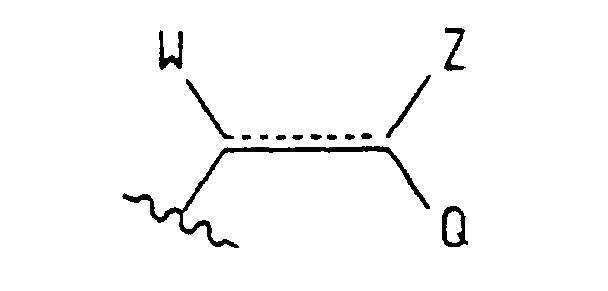
or R1 is a group of the formulawherein R6 is hydrogen, (C1-C6)alkyl, aryl selected from phenyl and naphthyl, or heteroaryl selected from pyridyl, furyl, thienyl, imidazolyl, pyrazolyl, triazolyl, thiazolyl, oxazolyl, benzothiazolyl, benzofuranyl and benzothienyl, wherein said aryl and heteroaryl groups may optionally be substituted with one or more substituents, preferably with from zero to two substituents, independently selected from chloro, bromo, nitro, trifluoromethyl, (C1-C6)alkoxy, -S-(C1-C6)alkyl, -SO-(C1-C6)alkyl and -SO2-(C1-C6)alkyl;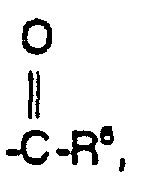
or R1 is a group of the formulawherein R7 is aryl selected from phenyl and naphthyl, or heteroaryl selected from pyridyl, furyl, thienyl, imidazolyl, pyrazolyl, triazolyl, thiazolyl, oxazolyl, benzothiazolyl, benzofuranyl, benzothienyl and quinolyl, wherein said aryl and heteroaryl groups may optionally be substituted with one or more substituents, preferably with from zero to two substituents, independently selected from chloro, bromo, (C1-C6)alkyl, (C1-C6)alkoxy, -S-(C1-C6)alkyl, -SO-(C1-C6)alkyl, -SO2-(C1-C6)alkyl and trifluoromethyl, and Y is hydrogen, benzyl, acetyl, benzoyl, aryl selected from phenyl and naphthyl, heteroaryl selected from furyl, thienyl, thiazolyl and oxazolyl, wherein said aryl and heteroaryl groups may optionally be substituted with one or more substituents, preferably with from zero to two substituents, independently selected from chloro, bromo, nitro, trifluoromethyl, (C1-C6)alkyl, (C1-C6)alkoxy, -S-(C1-C6)alkyl, -SO-(C1-C6)alkyl and -SO2-(C1-C6)alkyl;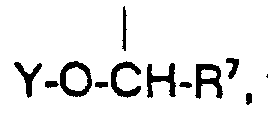
R2 and R3 are i dependently selected from hydrogen, (C1-C6)alkyl, phenyl and phenyl-(C1-C4)alkyl, wherein said phenyl and the phenyl moiety of said phenyl -(C,-C4)alkyl may optionally be substituted with one or more substituents independently selected from (C1-C6)alkyl, (C1-C6)alkoxy, chloro, bromo and trifluoromethyl;
or R2 and R3 form, together with the nitrogen to which they are attached, a cyclic group selected from azetidino, pyrrolidino, piperidino, piperazino and morpholino, wherein said cyclic group may optionally be substituted with from zero to two substituents, independently selected from (C1-C6)alkyl, -CONH2, -SO2NH2, N-(C1-C4)alkylsulfamoyl, N,N-di-(C1-C4)alkylsulfamoyl, (C1-C6)alkoxycarbonyl, N,N-di-(C1-C4)alkylcarbamoyl, N-(C1-C4)-alkylcarbamoyl, N-phenylcarbamoyl, (C1-C6)alkylcarbonyl, phenylcarbonyl, (C1-C6)alkylsulfonyl, (C1-C6)alkylsulfinyl, phenylsulfonyl, heteroarylsulfonyl and heteroarylcarbonyl, wherein the heteroaryl moieties of said heteroarylcarbonyl and heteroarylsulfonyl are selected from furyl, thienyl, thiazolyl, and oxazolyl, and wherein the phenyl moieties of said phenylcarbonyl, N-phenylcarbamoyl, phenylcarbonyl and phenylsulfonyl may optionally be substituted with one or more substituents, independently selected from (C1-C4)alkyl, (C1-C4)alkoxy, chloro, bromo, nitro, amino, cyano and trifluoromethyl;
R4 is hydrogen, chloro, bromo, cyano, nitro, trifluoromethyl, amino, (C1-C6)alkyl, (C1-C6)hydroxyalkyl, (C1-C6)alkoxy, phenyl, naphthyl or furyl, wherein said phenyl, naphthyl and furyl may optionally be substituted with one or more substituents, independently selected from chloro, bromo, trifluoromethyl, (C1-C6)alkyl, (C1-C6)alkoxy,-S-(C1-C6)alkyl, -SO-(C1-C6)alkyl, -SO2-(C1-C6)alkyl and hydroxy; and
R5 is hydrogen, (C1-C6)alkyl, (C1-C6)alkoxy, trifluoromethyl, (C1-C6)hydroxyalkyl, -S-(C1-C6)alkyl, -SO-(C1-C6)alkyl, -SO2-(C1-C6)alkyl, phenyl or furyl, wherein said phenyl and furyl may optionally be substituted with one or more substituents, independently selected from chloro, bromo, trifluoromethyl, (C1-C6)alkyl, (C1-C6)alkoxy, -SO-(C1-C6)alkyl, -SO2-(C1-C6)alkyl and hydroxy;
or a pharmaceutically acceptable salt of such compound. - Other sorbitol dehydrogenase inhibitors disclosed by PCT Publication No. WO9407867 include compounds of the formulawherein R1 is hydrogen, CF3, (C1-C6)alkyl, (C1-C6)alkyl-S-(C1-C6)alkyl, (C1-C6)alkyl-SO-(C1-C6)alkyl, (C1-C6)alkyl-SO2-(C1-C6)alkyl, hydroxy-(C1-C6)alkyl, dihydroxy-(C1-C6)alkyl, (C1-C6)alkoxy, (C1-C6)alkoxycarbonyl-(C1-C6)alkyl, aryl selected from phenyl and naphthyl, aryl-(C1-C6)alkyl wherein the aryl moiety is selected from phenyl and naphthyl, (C1-C6)alkoxycarbonylaryl wherein the aryl moiety is selected from phenyl and naphthyl, aryl-(C1-C6)alkyl wherein the aryl moiety is selected from phenyl and naphthyl, aryl-(C1-C6)alkyloxy wherein the aryl moiety is selected from phenyl and naphthyl, heteroaryl selected from pyridyl, furyl, tetrahydrofuryl, thienyl, imidazolyl, pyrazolyl, triazolyl, thiazolyl, oxazolyl, benzothiazolyl, benzofuranyl, and benzothienyl; heteroaryl-(C1-C6)alkyl wherein heteroaryl is defined as above, or heteroaryl-(C1-C6)alkyloxy wherein heteroaryl is defined as above, and wherein said aryl and heteroaryl groups, the aryl moieties of said aryl-(C1-C6)alkyl, (C1-C6)alkoxycarbonylaryl and aryl-(C1-C6)alkyloxy and the heteroaryl moiety of said heteroaryl-(C1-C6)alkyl may optionally be substituted with one or more substituents independently selected from chloro, bromo, (C1-C6)alkyl, (C1-C6)alkoxy, -S-(C1-C6)alkyl, -SO-(C1-C6)alkyl, -SO2-(C1-C6)alkyl, hydroxy-(C1-C6)alkyl and trifluoromethyl;

or R1 is a group of the formulawherein the dotted line represents an optional double bond, W, Q and Z are independently selected from hydrogen, (C1-C6)alkyl and trifluoromethyl, phenyl, furyl, triazolyl, thiazolyl and thienyl, wherein said phenyl, furyl, triazolyl, thiazolyl and thienyl may optionally be substituted with one or more substituents independently selected from (C1-C6)alkyl, (C1-C6)alkoxy, trifluoromethyl and hydroxy;
or R1 is a group of the formulawherein R6 is hydrogen, (C1-C6)alkyl, aryl selected from phenyl and naphthyl, or heteroaryl selected from pyridyl, furyl, thienyl, imidazolyl, pyrazolyl, triazolyl, thiazolyl, oxazolyl, benzothiazolyl, benzofuranyl and benzothienyl, wherein said aryl and heteroaryl groups may optionally be substituted with one or more substituents independently selected from chloro, bromo, nitro, trifluoromethyl, (C1-C6)alkoxy, -S-(C1-C6)alkyl, -SO-(C1-C6)alkyl and -SO2-(C1-C6)alkyl;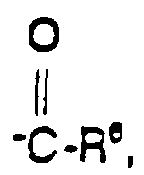
or R1 is a group of the formulawherein R7 is aryl selected from phenyl and naphthyl, or heteroaryl selected from pyridyl, furyl, thienyl, imidazolyl, pyrazolyl, triazolyl, thiazolyl, oxazolyl, benzothiazolyl, benzofuranyl, benzothienyl and quinolyl, wherein said aryl and heteroaryl groups may optionally be substituted with one or more substituents, preferably with from zero to two substituents, independently selected from chloro, bromo, (C1-C6)alkyl, (C1-C6)alkoxy, -S-(C1-C6)alkyl, -SO-(C1-C6)alkyl, -SO2-(C1-C6)alkyl and trifluoromethyl, and Y is hydrogen, benzyl, acetyl, benzoyl, aryl selected from phenyl and naphthyl, heteroaryl selected from furyl, thienyl, thiazolyl and oxazolyl, wherein said aryl and heteroaryl groups may optionally be substituted with one or more substituents independently selected from chloro, bromo, nitro, trifluoromethyl, (C1-C6)alkyl, (C1-C6)alkoxy, -S-(C1-C6)alkyl, -SO-(C1-C6)alkyl and -SO2-(C1-C6)alkyl; R2 and R3 are independently selected from hydrogen, (C1-C6)alkyl, phenyl and phenyl-(C1-C4)alkyl, wherein said phenyl and the phenyl moiety of said phenyl -(C1-C4)alkyl may optionally be substituted with one or more substituents independently selected from (C1-C6)alkyl, (C1-C6)alkoxy, chloro, bromo and trifluoromethyl;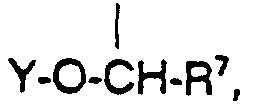
or R2 and R3 form, together with the nitrogen to which they are attached, a cyclic group selected from azetidino, pyrrolidino, piperidino, piperazino and morpholino, wherein said cyclic group may optionally be substituted with from zero to two substituents, independently selected from (C1-C6)alkyl, -CONH2, -SO2NH2, N-(C1-C4)alkylsulfamoyl, N,N-di-(C1-C4)alkylsulfamoyl, (C1-C6)alkoxycarbonyl, N,N-di-(C1-C4)alkylcarbamoyl, N-(C1-C4)alkylcarbamoyl, N-phenylcarbamoyl, (C1-C6)alkylcarbonyl, phenylcarbonyl, (C1-C6)alkylsulfonyl, (C1-C6)alkylsulfinyl, phenylsulfonyl, heteroarylsulfonyl and heteroarylcarbonyl, wherein the heteroaryl moieties of said heteroarylcarbonyl and heteroarylsulfonyl are selected from furyl, thienyl, thiazolyl, and oxazolyl, and wherein the phenyl moieties of said phenylcarbonyl, N-phenylcarbamoyl, phenylcarbonyl and phenylsulfonyl may optionally be substituted with one or more substituents independently selected from (C1-C4)alkyl, (C1-C4)alkoxy, chloro, bromo, nitro, amino, cyano and trifluoromethyl;
R4 is hydrogen, chloro, bromo, cyano, nitro, trifluoromethyl, amino, (C1-C6)alkyl, (C1-C6)hydroxyalkyl, (C1-C6)alkoxy, phenyl, naphthyl or furyl, wherein said phenyl, naphthyl and furyl may optionally be substituted with one or more substituents independently selected from chloro, bromo, trifluoromethyl, (C1-C6)alkyl, (C1-C6)alkoxy,-S-(C1-C6)alkyl, -SO-(C1-C6)alkyl, -SO2-(C1-C6)alkyl and hydroxy; and
R5 is hydrogen, (C1-C6)alkyl, (C1-C6)alkoxy, trifluoromethyl, (C1-C6)hydroxyalkyl, -S-(C1-C6)alkyl, -SO-(C1-C6)alkyl, -SO2-(C1-C6)alkyl, phenyl or furyl, wherein said phenyl and furyl may optionally be substituted with one or more substituents independently selected from chloro, bromo, trifluoromethyl, (C1-C6)alkyl, (C1-C6)alkoxy, -SO-(C1-C6)alkyl, -SO2-(C1-C6)alkyl and hydroxy;
or a pharmaceutically acceptable salt thereof. - The compounds described above are readily available or can be easily synthesized by those skilled in the art using conventional methods of organic synthesis particularly in view of the pertinent patent and patent application specification descriptions.
- Some sorbitol dehydrogenase inhibitors have asymmetric carbon atoms and therefore are enantiomers or diastereomers. Diasteromeric mixtures can be separated into their individual diastereomers on the basis of their physical chemical differences by methods known per se, for example, by chromatography and/or fractional crystallization.
- Some sorbitol dehydrogenase inhibitors are acidic and they form a salt with a pharmaceutically acceptable cation. All such salts are within the scope of this invention and they can be prepared by conventional methods. For example, they can be prepared simply by contacting the acidic and basic entities, usually in a stoichiometric ratio, in either an aqueous, non-aqueous or partially aqueous medium, as appropriate. The salts are recovered either by filtration, by precipitation with a non-solvent followed by filtration, by evaporation of the solvent, or, in the case of aqueous solutions, by lyophilization, as appropriate.
- Some sorbitol dehydrogenase inhibitors are basic and they form a salt with a pharmaceutically acceptable anion. All such salts are within the scope of this invention and they can be prepared by conventional methods. For example, they can be prepared simply by contacting the acidic and basic entities, usually in a stoichiometric ratio, in either an aqueous, non-aqueous or partially aqueous medium, as appropriate. The salts are recovered either by filtration, by precipitation with a non-solvent followed by filtration, by evaporation of the solvent, or, in the case of aqueous solutions, by lyophilization, as appropriate.
- In addition, some of the compounds of this invention form hydrates or solvates and they are also within the scope of the invention.
- The activity and thus utility of the compounds of the present invention as medical agents in providing protection from ischemic damage to tissue in a mammal can be demonstrated by the activity of the compounds in the in vitro assay described herein-below. This assay is more particularly directed to providing protection from ischemic damage to myocardial tissue (e.g., for inducing cardioprotection). The assay also provides a means whereby the activities of the compounds of this invention can be compared with the activities of other known compounds. The results of these comparisons are useful for determining dosage levels in mammals, including humans, for inducing protection from ischemia particularly in the myocardium.
- Cardioprotection, as indicated by a reduction in infarcted myocardium, can be induced pharmacologically using adenosine receptor agonists In Isolated, retrogradely perfused rabbit hearts as an in vitro model of myocardial ischemic preconditioning (Liu et al., Cardiovasc. Res., 28:1057-1061, 1994). The in vitro test described following demonstrates that a test compound (i.e., a compound as claimed herein) can also pharmacologically induce cardioprotection, i.e., reduced myocardial infarct size, when administered to a rabbit isolated heart. The effects of the test compound are compared to ischemic preconditioning and the A1/A3 adenosine agonist, APNEA (N6-[2-(4-aminophenyl)ethyl]adenosine), that has been shown to pharmacologically induce cardioprotection in the rabbit isolated heart (Liu et al., Cardiovasc. Res., 28:1057-1061, 1994). The exact methodology is described below.
- The protocol used for these experiments closely follows that described by Liu et al., Cardiovasc. Res., 28:1057-1061, 1994. Male New Zealand White rabbits (3-4 kg) are anesthetized with sodium pentobarbital (30 mg/kg, i.v.). After deep anesthesia is achieved (determined by the absence of an ocular blink reflex) the animal is intubated and ventilated with 100% O2 using a positive pressure ventilator. A left thoracotomy is performed, the heart exposed, and a snare (2-0 silk) is placed loosely around a branch of the left anterior descending coronary artery, approximately 2/3 of the distance towards the apex of the heart. The heart is removed from the chest and rapidly (<30 sec) mounted on a Langendorff apparatus. The heart is retrogradely perfused via the aorta in a non-recirculating manner with a modified Krebs solution (NaCI 118.5 mM, KCI 4.7 mM, Mg SO41.2 mM, KH2PO4 1.2 mM, NaHCO324.8 mM, CaCl22.5 mM, and glucose 10 mM), at a constant pressure of 80 mmHg and a temperature of 37°C. Perfusate pH is maintained at 7.4-7.5 by bubbling with 95% O2/5% CO2. Heart temperature is tightly controlled by using heated reservoirs for the physiological solution and water jacketing around both the perfusion tubing and the isolated heart. Heart rate and left ventricular pressures are determined via a latex balloon which is inserted in the left ventricle and connected by stainless steel tubing to a pressure transducer. The intraventricular balloon is inflated to provide a systolic pressure of 80-100 mmHg, and a diastolic pressure ≤10 mmHg. Perfusate flow rates are routinely determined throughout the experimental period.
- The heart is allowed to equilibrate for 30 min, over which time the heart must show stable left ventricular pressures within the parameters outlined above. If the heart rate falls below 180 bpm at any time prior to the 30 min period of regional ischemia, the heart is paced at ≈ 200 bpm for the remainder of the experiment. Ischemic preconditioning is induced by total cessation of cardiac perfusion (global ischemia) for 5 min, followed by reperfusion for 10 min. The global ischemia/reperfusion is repeated one additional time, followed by a 30 min regional ischemia. The regional ischemia is provided by tightening the snare around the coronary artery branch. Following the 30 min regional ischemia, the snare is released and the heart reperfused for an additional 120 min.
- Pharmacological cardioprotection is induced by infusing the test compound at predetermined concentrations, starting 30 min prior to the 30 min regional ischemia, and continuing until the end of the 120 min reperfusion period. Hearts which receive test compounds do not undergo the two periods of ischemic preconditioning. The reference compound, APNEA (500 nM) is perfused through hearts (which do not receive the test compound) for a 5 min period which ends 10 min before the 30 min regional ischemia.
- At the end of the 120 min reperfusion period, the coronary artery snare is tightened, and a 0.5% suspension of fluorescent zinc cadmium sulfate particles (1-10 µM) is perfused through the heart; this stains all of the myocardium, except that area at risk for infarct development (area-at-risk). The heart is removed from the Langendorff apparatus, blotted dry, weighed, wrapped in aluminum foil and stored overnight at-20°C. The next day, the heart is sliced into 2 mm transverse sections from the apex to just above the coronary artery snare. The slices are stained with 1% triphenyl tetrazolium chloride (TTC) in phosphate-buffered saline for 20 min at 37°C. Since TTC reacts with living tissue (containing NAD-dependent dehydrogenases), this stain differentiates between living (red stained) tissue, and dead tissue (unstained infarcted tissue). The infarcted area (no stain) and the area-at-risk (no fluorescent particles) are calculated for each slice of left ventricle using a precalibrated image analyzer. To normalize the ischemic injury for difference in the area-at-risk between hearts, the data is expressed as the ratio of infarct area vs. area-at-risk (%IA/AAR).
- The activity and thus utility of the compounds of the present invention as medical agents in providing protection from ischemic damage to tissue in a mammal can be further demonstrated by the activity of the compounds in the in vitro assay described herein below. The assay also provides a means whereby the activities of the compounds of this invention can be compared with the activities of other known compounds. The results of these comparisons are useful for determining dosage levels in mammals, including humans, for inducing protection from ischemia.
- The activity of a sorbitol dehydrogenase inhibitor in a tissue can be determined by testing the amount of sorbitol dehydrogenase inhibitor that is required to raise tissue sorbitol (i.e., by inhibiting the further metabolism of sorbitol consequent to blocking sorbitol dehydrogenase) or lower tissue fructose (by inhibiting its production from sorbitol consequent to blocking sorbitol dehydrogenase). While not wishing to be bound by any particular theory or mechanism, it is believed that a sorbitol dehydrogenase inhibitor, by inhibiting sorbitol dehydrogenase, prevents or reduces ischemic damage as described hereinafter in the following paragraph and scheme.
- When the supply of oxygenated blood to a tissue is interrupted or slowed down (ischemia) the cells in the oxygen-deficient tissue derive their energy (ATP) from glucose via glycolysis (which does not require the presence of oxygen). Glycolysis also requires a supply of NAD+ and in an ischemic tissue the length of time glycolysis can be maintained becomes sensitive to the supply of NAD+. However, sorbitol dehydrogenase (SDH) also utilizes NAD+ but does not produce an increase in ATP. Thus, it follows that preventing or retarding NAD+ use by SDH with sorbitol dehydrogenase inhibitors (SDIs) will enhance or prolong the ability of ischemic tissue to carry out glycolysis, i.e., to produce energy in the absence of oxygen and in turn enhance and prolong the survival of the cells in the tissue. Since, inhibition of SDH will retard depletion of the tissue's NAD+, a sorbitol dehydrogenase inhibitor is an effective anti-ischemic agent.

- Again, the activity of a sorbitol dehydrogenase inhibitor can be determined by the amount of sorbitol dehydrogenase inhibitor that is required to raise tissue sorbitol or lower tissue fructose.
- Male Sprague-Dawley rats are rendered diabetic by injection of streptozocin at 55 mg/kg, I.v., in pH 4.5 citrate buffer. They are fed ad libitum in controlled conditions of housing, temperature and lighting. After five weeks of diabetes, the rats are anesthetized with an overdose of pentobarbital, and tissues are rapidly removed and analyzed for sorbitol and fructose.
- Sorbitol levels are analyzed according to the method of Donald M. Eades et al., "Rapid Analysis of Sorbitol, Galactitol, Mannitol and Myoinositol Mixtures From Biological Sources", Journal of Chromatography, 490, 1-8, (1989).
- Fructose in rat tissues is enzymatically measured using a modification of the method of Ameyama (Methods in Enzymology, 89:20-29 1982), in which ferricyanide was replaced by resazurin, a dye that is reduced to the highly fluorescent resorufin. The amount of resorufin fluorescence is stoichiometric with the amount of fructose oxidized by fructose dehydrogenase. The assay contains 0.1 ml neutralized 6% perchloric acid nerve extract in a final volume of 1.5 ml. Following incubation for 60 minutes at room temperature in a closed drawer, sample fluorescence is determined at excitation = 560 nm, emission =580 nm with slits of 5 mm each on a Perkin-Elmer model 650-40 fluorescence spectrophotometer. Fructose concentrations are calculated by comparison with a series of known fructose standards.
- The sorbitol dehydrogenase inhibitor compounds of this invention are thus useful in reducing or minimizing damage effected directly to any tissue that may be susceptible to ischemia/reperfusion injury (e.g., heart, brain, lung, kidney, liver, gut, skeletal muscle, retina) as the result of an ischemic event (e.g., myocardial infarction). The active compound is therefore usefully employed prophylactically to prevent, i.e. (prospectively or prophylactically) to blunt or stem, tissue damage (e.g., myocardial tissue) in patients who are at risk for ischemia (e.g., myocardial ischemia).
- The sorbitol dehydrogenase inhibitor compounds of this invention are particularly well suited to the treatment of diabetic patients because of increased metabolism through sorbitol dehydrogenase in the diabetic state. The compounds of this invention are also well suited for prophylactic use with non-diabetic patients who have actually suffered or who are considered at risk of suffering from ischemic events (e.g., myocardial ischemia).
- Administration of the compounds of this invention can be via any method which delivers the sorbitol dehydrogenase inhibitors to the desired tissue. These methods include topical, oral routes, parenteral, intraduodenal routes etc.
- Thus, for example, in one mode of administration the sorbitol dehydrogenase inhibitor of this invention may be administered just prior to cardiac surgery (e.g., within twenty-four hours of surgery) where there is risk of myocardial ischemia. In an alternative exemplary mode, the compounds may be administered subsequent to cardiac surgery (e.g., within twenty-four hours after surgery) where there is risk of myocardial ischemia. The compounds of this invention may also be administered in a chronic daily mode. In any event the amount and timing of compound(s) administered will, of course, be dependent on the subject being treated, on the severity of the affliction, on the manner of administration and on the judgment of the prescribing physician. Thus, because of patient to patient variability, the dosages given below are a guideline and the physician may titrate doses of the drug to achieve the effect that the attending physician considers appropriate for the patient. In considering the degree of sorbitol dehydrogenase inhibitor activity desired, the physician must balance a variety of factors such as the target tissue, severity of the disease/condition and age of the patient.
- An amount of the sorbitol dehydrogenase inhibitor of this invention that is effective for ischemic protection is used. Typically, an effective dosage for the sorbitol dehydrogenase inhibitors of this invention is in the range of about 0.1 mg/kg/day to 100 mg/kg/day in single or divided doses, preferably 0.1 mg/kg/day to 20 mg/kg/day in single or divided doses.
- Generally, the compounds of this invention are administered orally, but parenteral administration (e.g., intravenous, intramuscular, subcutaneous or intramedullary) may be utilized, for example, where oral administration Is inappropriate for the instant target or where the patient is unable to ingest the drug (e.g., due to age or surgical state). For certain tissues such as the eye, topical administration may also be suitable.
- The compounds of the present invention are generally administered in the form of a pharmaceutical composition comprising at least one sorbitol dehydrogenase inhibitor together with a pharmaceutically acceptable vehicle or diluent. Thus, the compounds can be administered individually or together In any conventional oral, parenteral or transdermal dosage form.
- For oral administration a pharmaceutical composition can take the form of solutions, suspensions, tablets, pills, capsules, powders, and the like. Tablets containing various excipients such as sodium citrate, calcium carbonate and calcium phosphate are employed along with various disintegrants such as starch and preferably potato or tapioca starch and certain complex silicates, together with binding agents such as polyvinylpyrrolidone, sucrose, gelatin and acacia. Additionally, lubricating agents such as magnesium stearate, sodium lauryl sulfate and talc are often very useful for tabletting purposes. Solid compositions of a similar type are also employed as fillers in soft and hard-filled gelatin capsules; preferred materials in this connection also include lactose or milk sugar as well as high molecular weight polyethylene glycols. When aqueous suspensions and/or elixirs are desired for oral administration, the compound of this invention can be combined with various sweetening agents, flavoring agents, coloring agents, emulsifying agents and/or suspending agents, as well as such diluents as water, ethanol, propylene glycol, glycerin and various like combinations thereof.
- For purposes of parenteral administration, solutions in sesame or peanut oil or in aqueous propylene glycol can be employed, as well as sterile aqueous solutions of the corresponding water-soluble salts. Such aqueous solutions may be suitably buffered, if necessary, and the liquid diluent first rendered isotonic with sufficient saline or glucose. These aqueous solutions are especially suitable for intravenous, intramuscular, subcutaneous and intraperitoneal injection purposes. In this connection, the sterile aqueous media employed are all readily obtainable by standard techniques well-known to those skilled in the art.
- Transdermal or intracranial (e.g., topical) compositions may be prepared by those skilled in the art.
- Methods of preparing various pharmaceutical compositions with a certain amount of active ingredient are known, or will be apparent in light of this disclosure, to those skilled in this art. For examples, see Remington's Pharmaceutical Sciences, Mack Publishing Company, Easter, Pa., 15th Edition (1975).
- Pharmaceutical compositions according to the invention may contain 0.01%-95% of the compound(s) of this invention, preferably 1%-70%. In any event, the composition or formulation to be administered will contain a quantity of a compound(s) according to the invention in an amount effective to treat the signs of the subject being treated, i.e., protection from ischemic damage.
- Male New Zealand White rabbits (3-4 kg) (control group, n=6; preconditioned group, n=6; APNEA-treated group, n=9; 4-[4-(N,N-Dimethylsulfamoyl)piperazino]-2-hydroxymethylpyrimidine-treated group, n=8 at 5µM, n=6 at 50µM and n=7 at 200µM) were anesthetized with sodium pentobarbital (30 mg/kg, i.v.). After deep anesthesia was achieved (determined by the absence of an ocular blink reflex) the animal was intubated and ventilated with 100% O2 using a positive pressure ventilator. A left thoracotomy was performed, the heart exposed, and a snare (2-0 silk) placed loosely around a branch of the left anterior descending coronary artery, approximately 2/3 of the distance towards the apex of the heart. The heart was removed from the chest and rapidly (<30 sec) mounted on a Langendorff apparatus. The heart was retrogradely perfused via the aorta in a non-recirculating manner with a modified Krebs solution (NaCI 118.5 mM, KCI 4.7 mM, Mg SO4 1.2 mM, KH2PO4 1.2 mM, NaHCO3 24.8 mM, CaCl2 2.5 mM, and glucose 10 mM), hereinafter referred to as Krebs solution, at a constant pressure of 80 mmHg and a temperature of 37°C. Perfusate pH was maintained at 7.4-7.5 by bubbling with 95% O2/5% CO2. Heart temperature was tightly controlled by using heated reservoirs for the physiological solution and water jacketing around both the perfusion tubing and the isolated heart. Heart rate and left ventricular pressures were determined via a latex balloon which was inserted in the left ventricle and connected by stainless steel tubing to a pressure transducer. The intraventricular balloon was inflated to provide a systolic pressure of 80-100 mmHg, and a diastolic pressure s 10 mmHg. Perfusate flow rates were routinely determined throughout the experimental period. The hearts were allowed to equilibrate for 30 minutes before further manipulation, during which time they showed stable left ventricular pressures, as outlined above.
- Hearts that were preconditioned were subjected to a five minute period of global ischemia (achieved by cross-clamping the aortic line) followed by ten minutes of reperfusion. This procedure was repeated a second time, after which the heart was subjected to 30 minutes of regional ischemia (provided by tightening the snare around the coronary artery branch) and a 120 minute period of reperfusion (accomplished by releasing the coronary artery snare).
- In hearts that were treated with the A1/A3 agonist APNEA, the drug (500nM, in Krebs solution) was perfused through the heart via the aorta for five minutes, followed by 10 minutes of perfusion with drug-free Krebs solution. The hearts were then subjected to 30 minutes of ischemia and 120 minutes of reperfusion, as described above.
- In hearts that were treated with the test compound, 4-[4-(N,N-dimethylsulfamoyl)piperazino]-2-hydroxymethyl pyrimidine (5, 50 and 200 µM in Krebs solution), the drug was perfused through the heart via the aorta for a period which began 30 minutes prior to the 30 minute regional ischemia and continued throughout the ischemia and reperfusion periods described above (total perfusion time: 3 hours).
- Control hearts were subjected to the 30 minutes of regional ischemia and 120 minutes of reperfusion, with no other treatments.
- At the end of the 120 min reperfusion period, the coronary artery snare was again tightened, and a 0.5% suspension in Krebs solution of fluorescent zinc cadmium sulfate particles (1-10 µM) perfused through the heart. The heart was then removed from the Langendorff apparatus, blotted dry, weighed, wrapped in aluminum foil and stored overnight at -20°C. The next day, each heart was sliced into 5-7 2 mm transverse sections from the apex to just above the coronary artery snare. The slices were stained with 1% triphenyl tetrazolium chloride (TTC) in phosphate-buffered saline for 20 min at 37°C. The infarcted area (no stain) and the area-at-risk (no fluorescent particles) were calculated for each slice of left ventricle using a precalibrated image analyzer. To normalize the ischemic injury for differences in the area-at-risk between hearts, the data was expressed as the ratio of infarct area vs. area-at-risk (%IA/AAR).
- The results from the above in vitro test are detailed in the following Table 1. The results demonstrate that the test compound induced significant cardioprotection relative to the control group.
Treatment n Infarct Area/ Area-at-Risk Standard Error Control 14 63.5 4.1 Preconditioned 10 11.3 2.7 APNEA (500 nM) 9 19.0 3.6 4-[4-(N,N-dimethyl-(5 µM)sulfamoyl)piperazino]-2-hydroxymethyl pyrimidine (5 µM) 8 48.5 4.2 4-[4-(N,N-dimethyl-(50 µM)sulfamoyl)piperazino]-2-hydroxymethyl pynmidine (50 µM) 6 39.0 2.7 4-[4-(N,N-dimethyl-(200 µM)sulfamoyl)piperazino]-2-hydroxymethyl pyrimidine (200 µM) 7 38.7 5.9 - Male Sprague-Dawley rats were rendered diabetic by injection of streptozocin at 55 mg/kg, i.v., in pH 4.5 citrate buffer. They were fed ad libitum in controlled conditions of housing, temperature and lighting. After five weeks of diabetes, the rats were anesthetized with an overdose of pentobarbital, and tissues were rapidly removed and analyzed for sorbitol and fructose by methods cited above.
- Sorbitol levels were analyzed according to the method of Donald M. Eades et al., "Rapid Analysis of Sorbitol, Galactitol, Mannitol and Myoinositol Mixtures From Biological Sources", Journal of Chromatography, 490, 1-8, (1989).
- Fructose in rat tissues was enzymatically measured using a modification of the method of Ameyama (Methods in Enzymology, 89, 1982), in which ferricyanide was replaced by resazurin, a dye that is reduced to the highly fluorescent resorufin. The amount of resorufin fluorescence is stoichiometric with the amount of fructose oxidized by fructose dehydrogenase. The assay contained 0.1 ml neutralized 6% perchloric acid nerve extract in a final volume of 1.5 ml. Following incubation for 60 minutes at room temperature in a closed drawer, sample fluorescence was determined at excitation = 560 nm, emission =580 nm with slits of 5 mm each in a Perkin-Elmer model 650-40 fluorescence spectrophotometer. Fructose concentrations were calculated by comparison with a series of known standards containing 0 to 200 ng fructose per assay.
- Table 2 details the elevation of tissue sorbitol in a variety of tissues and thus the inhibition of sorbitol dehydrogenase and consequently the anti-ischemic activity of the sorbitol dehydrogenase inhibitor 4-[4-(N,N-dimethylsulfamoyl)piperazino]-2-hydroxymethyl pyrimidine. Table 3 details the lowered tissue fructose in a variety of tissues and thus the inhibition of sorbitol dehydrogenase and consequently the anti-ischemic activity of the sorbitol dehydrogenase inhibitor 4-[4-(N,N-dimethylsulfamoyl)piperazino]-2-hydroxymethyl pyrimidine.
Effects of 4-[4-(N,N-dimethylsulfamoyl)piperazino]-2-hydroxymethyl pyrimidine (SDI) 200 mg/kg bw/day) on sorbitol levels (nmole/g) in rats with diabetes of 5 weeks duration AU PU RET BRN SN LENS AOR MSL HRT Control 14 7 126 126 159 436 11 18 72 (17) (11) (75) (82) (55) (73) (12) (13) (37) +SDI 254 289 574 168 2050 5410 61 33 73 (124) (78) (161) (82) (697) (1848) (22) (20) (39) Diabetic 915 601 1409 192 1863 37006 60 25 177 (371) (282) (412) (70) (623) (6064) (19) (16) (86) +SDI 3426 2379 5380 901 9975 48020 103 68 270 (1778) (1160) (1702) (591) (4397) (8513) (65) (24) (116) * Mean ± SD ( N = 9 - 13) ( ) numbers in parenthesis are AU = anterior uvea standard deviation PU = posterior uvea LENS = lens RET = retina AOR = aorta BRN = brain MSL = muscle SN = sciatic nerve HRT = heart Effects of 4-[4-(N,N-dimethylsulfamoyl)piperazino]-2-hydroxymethyl pyrimidine (SDI) (200 mg/kg bw/day) on Retina, Sciatic nerve, and Lens sorbitol and fructose levels (nmole/g) in rats with diabetes of 5 weeks duration Retina Sciatic Nerve Lens Sor Fru Sor Fru Sor Fru Control 126 76 159 814 436 983 (75) (14) (55) (197) (73) (151) +SDI 574 75 2050 425 5410 998 (161) (48) (697) (201) (1848) (207) Diabetic 1409 1289 1863 5815 37006 12676 (412) (178) (623) (1711) (6064) (1261) +SDI 5381 534 9975 1382 48028 2700 (1702) (224) (4397) (1358) (8513) (1296) * Mean ± SD (N = 8 - 13) () numbers in parenthesis are standard deviation - It should be understood that the invention is not limited to the particular embodiments described herein, but that various changes and modifications may be made without departing from the spirit and scope of this novel concept as defined by the following claims.
Claims (19)
- The use of a sorbitol dehydrogenase inhibitor for the manufacture of a medicament for reducing tissue damage resulting from ischaemia in a mammal, with the proviso that said ischaemia results from an aetiology which is independent of diabetic neuropathy, diabetic retinopathy, diabetic nephropathy, diabetic microangiopathy, diabetes-induced vascular and neural dysfunctions and diabetic glomerula.
- The use according to claim I wherein the tissue is heart, brain, liver, kidney, lung, gut, skeletal muscle, spleen, pancreas, retina or intestinal tissue.
- The use according to claim 1 or claim 2 wherein said mammal is a human.
- The use according to claim 3 wherein said tissue is the heart tissue.
- The use according to claim 3 wherein said tissue is brain tissue.
- The use according to claim 3 wherein said tissue is liver tissue.
- The use according to claim 3 wherein said tissue is kidney tissue.
- The use according to claim 3 wherein said tissue is lung tissue.
- The use according to claim 3 wherein said tissue is gut tissue.
- The use according to claim 3 wherein said tissue is skeletal muscle tissue.
- The use according to claim 3 wherein said tissue is spleen tissue.
- The use according to claim 3 wherein said tissue is pancreas tissue.
- The use according to claim 3 wherein said tissue is retina tissue.
- The use according to claim 3 wherein said tissue is intestinal tissue.
- The use according to claim 4 wherein the medicament is adapted to be administered prior to cardiac surgery .
- The use according to any one of claims 1 to 15 wherein the medicament is adapted to be administered prophylactically.
- The use according to any one of claims 1 to 15 wherein the medicament is adapted to be administered chronically.
- The use according to any one of claims 1 to 17 wherein the medicament is adapted to provide an amount of the sorbitol dehydrogenase inhibitor of from 0.1 mg/kg/day to 100 mg/kg/day.
- The use according to claim 18 wherein the sorbitol dehydrogenase inhibitor is 4-{4-(N,N-dimethylsulfamoyl)piperazino}-2-hydroxymethylpyrimidine.
Applications Claiming Priority (2)
| Application Number | Priority Date | Filing Date | Title |
|---|---|---|---|
| US1270896P | 1996-02-29 | 1996-02-29 | |
| US12708P | 1996-02-29 |
Publications (2)
| Publication Number | Publication Date |
|---|---|
| EP0791355A1 EP0791355A1 (en) | 1997-08-27 |
| EP0791355B1 true EP0791355B1 (en) | 2002-04-17 |
Family
ID=21756305
Family Applications (1)
| Application Number | Title | Priority Date | Filing Date |
|---|---|---|---|
| EP97200415A Expired - Lifetime EP0791355B1 (en) | 1996-02-29 | 1997-02-13 | Method of reducing tissue damage associated with ischemia |
Country Status (15)
| Country | Link |
|---|---|
| US (1) | US5932581A (en) |
| EP (1) | EP0791355B1 (en) |
| JP (1) | JPH09316004A (en) |
| KR (1) | KR100219972B1 (en) |
| CN (1) | CN1165000A (en) |
| AT (1) | ATE216226T1 (en) |
| AU (1) | AU714038B2 (en) |
| CA (1) | CA2198536C (en) |
| DE (1) | DE69711965T2 (en) |
| DK (1) | DK0791355T3 (en) |
| ES (1) | ES2174176T3 (en) |
| IL (1) | IL120271A (en) |
| MY (1) | MY118982A (en) |
| PT (1) | PT791355E (en) |
| ZA (1) | ZA971715B (en) |
Families Citing this family (3)
| Publication number | Priority date | Publication date | Assignee | Title |
|---|---|---|---|---|
| CA2366858A1 (en) * | 1999-04-01 | 2000-10-12 | Margaret Yuhua Chu-Moyer | Sorbitol dehydrogenase inhibitors |
| US6825198B2 (en) * | 2001-06-21 | 2004-11-30 | Pfizer Inc | 5-HT receptor ligands and uses thereof |
| CN104346404B (en) * | 2013-08-08 | 2018-05-18 | 华为技术有限公司 | A kind of method, equipment and system for accessing data |
Family Cites Families (3)
| Publication number | Priority date | Publication date | Assignee | Title |
|---|---|---|---|---|
| DE3905364A1 (en) | 1989-02-22 | 1990-08-23 | Hoechst Ag | SUBSTITUTED PYRIMIDINE DERIVATIVES, METHOD FOR THE PRODUCTION THEREOF AND THEIR USE AS A TOOL |
| DE4025387A1 (en) | 1990-08-10 | 1992-02-13 | Hoechst Ag | SUBSTITUTED PYRIMIDINE DERIVATIVES, METHOD FOR THE PRODUCTION THEREOF AND THEIR USE AS REAGENTS |
| NZ254550A (en) | 1992-09-28 | 1997-08-22 | Pfizer | Use of nitrogen-substituted pyrimidines to prepare medicaments useful for treatment or prevention of diabetic complications |
-
1997
- 1997-02-13 EP EP97200415A patent/EP0791355B1/en not_active Expired - Lifetime
- 1997-02-13 ES ES97200415T patent/ES2174176T3/en not_active Expired - Lifetime
- 1997-02-13 PT PT97200415T patent/PT791355E/en unknown
- 1997-02-13 DE DE69711965T patent/DE69711965T2/en not_active Expired - Fee Related
- 1997-02-13 DK DK97200415T patent/DK0791355T3/en active
- 1997-02-13 AT AT97200415T patent/ATE216226T1/en not_active IP Right Cessation
- 1997-02-20 US US08/803,302 patent/US5932581A/en not_active Expired - Fee Related
- 1997-02-20 IL IL12027197A patent/IL120271A/en not_active IP Right Cessation
- 1997-02-25 JP JP9040466A patent/JPH09316004A/en active Pending
- 1997-02-26 CA CA002198536A patent/CA2198536C/en not_active Expired - Fee Related
- 1997-02-27 ZA ZA971715A patent/ZA971715B/en unknown
- 1997-02-27 KR KR1019970006295A patent/KR100219972B1/en not_active Expired - Fee Related
- 1997-02-27 MY MYPI97000795A patent/MY118982A/en unknown
- 1997-02-28 AU AU15009/97A patent/AU714038B2/en not_active Ceased
- 1997-02-28 CN CN97103411A patent/CN1165000A/en active Pending
Also Published As
| Publication number | Publication date |
|---|---|
| DE69711965T2 (en) | 2003-01-23 |
| ES2174176T3 (en) | 2002-11-01 |
| AU714038B2 (en) | 1999-12-16 |
| ZA971715B (en) | 1998-08-27 |
| KR100219972B1 (en) | 1999-09-01 |
| ATE216226T1 (en) | 2002-05-15 |
| US5932581A (en) | 1999-08-03 |
| MY118982A (en) | 2005-02-28 |
| KR970061257A (en) | 1997-09-12 |
| CN1165000A (en) | 1997-11-19 |
| JPH09316004A (en) | 1997-12-09 |
| CA2198536A1 (en) | 1997-08-29 |
| DK0791355T3 (en) | 2002-06-17 |
| MX9701527A (en) | 1998-06-30 |
| DE69711965D1 (en) | 2002-05-23 |
| AU1500997A (en) | 1997-09-04 |
| IL120271A (en) | 2001-06-14 |
| CA2198536C (en) | 2000-06-20 |
| EP0791355A1 (en) | 1997-08-27 |
| PT791355E (en) | 2002-08-30 |
| IL120271A0 (en) | 1997-06-10 |
Similar Documents
| Publication | Publication Date | Title |
|---|---|---|
| US6423705B1 (en) | Combination therapy | |
| CA2303594C (en) | Compounds for treating and preventing diabetic complications | |
| EP1377278B1 (en) | Treatment of type 2 diabetes with inhibitors of dipeptidyl peptidase iv | |
| EP0792643B1 (en) | Use of an aldose reductase inhibitor for reducing non-cardiac tissue damage | |
| CA2145640C (en) | Substituted pyrimidines for control of diabetic complications | |
| US20050059720A1 (en) | Medicinal compositions for the prevention or treatment of cardiac failure | |
| NO310097B1 (en) | Use of thiazolidinediones to prepare a drug to prevent or delay the onset of NIDDM | |
| US20170065608A1 (en) | Prophylactic or therapeutic agent for neuropathic pain associated with guillain-barre syndrome | |
| US5990111A (en) | Aldose reductase inhibition in preventing or reversing diabetic cardiomyopathy | |
| US5932581A (en) | Method of reducing tissue damage associated with ischemia | |
| US20080255217A1 (en) | Preventive or therapeutic agent for cardiac dysfunction or myocardial injury caused by ischemia or ischemia reperfusion | |
| US6710046B1 (en) | Pharmaceutical composition for modulating immunity | |
| US20170362237A1 (en) | Water soluble salts of aldose reductase inhibitors for treatment of diabetic complications | |
| NL194430C (en) | Non-injectable pharmaceutical preparation with anti-cancer effect. | |
| CA2085399A1 (en) | Method for inhibiting nitric oxide formation | |
| EP1226830A2 (en) | Combination therapy involving a sodium-hydrogen exchanger type 1 or NHE-1 inhibitor for use in treatment of ischemia | |
| AU2004269923A1 (en) | Use of PDE4 inhibitors for the treatment of diabetes mellitus | |
| MXPA97001527A (en) | Procedure to reduce tissue damage associated with isque | |
| JPS62158216A (en) | Manufacture of drug | |
| EP0782856A1 (en) | Carbostyril derivatives for reducing infarct size in subjects afflicted with ischemic heart disease | |
| JP2005097117A (en) | Diabetes treatment | |
| JPH04342526A (en) | Peripheral circulation improver of extremity and inhibitor of blood vessel contracture |
Legal Events
| Date | Code | Title | Description |
|---|---|---|---|
| PUAI | Public reference made under article 153(3) epc to a published international application that has entered the european phase |
Free format text: ORIGINAL CODE: 0009012 |
|
| 17P | Request for examination filed |
Effective date: 19970213 |
|
| AK | Designated contracting states |
Kind code of ref document: A1 Designated state(s): AT BE CH DE DK ES FI FR GB GR IE IT LI LU NL PT SE |
|
| 17Q | First examination report despatched |
Effective date: 19991124 |
|
| GRAG | Despatch of communication of intention to grant |
Free format text: ORIGINAL CODE: EPIDOS AGRA |
|
| GRAG | Despatch of communication of intention to grant |
Free format text: ORIGINAL CODE: EPIDOS AGRA |
|
| GRAH | Despatch of communication of intention to grant a patent |
Free format text: ORIGINAL CODE: EPIDOS IGRA |
|
| GRAH | Despatch of communication of intention to grant a patent |
Free format text: ORIGINAL CODE: EPIDOS IGRA |
|
| REG | Reference to a national code |
Ref country code: GB Ref legal event code: IF02 |
|
| GRAA | (expected) grant |
Free format text: ORIGINAL CODE: 0009210 |
|
| AK | Designated contracting states |
Kind code of ref document: B1 Designated state(s): AT BE CH DE DK ES FI FR GB GR IE IT LI LU NL PT SE |
|
| REF | Corresponds to: |
Ref document number: 216226 Country of ref document: AT Date of ref document: 20020515 Kind code of ref document: T |
|
| REG | Reference to a national code |
Ref country code: CH Ref legal event code: EP |
|
| REG | Reference to a national code |
Ref country code: CH Ref legal event code: NV Representative=s name: E. BLUM & CO. PATENTANWAELTE Ref country code: IE Ref legal event code: FG4D |
|
| REF | Corresponds to: |
Ref document number: 69711965 Country of ref document: DE Date of ref document: 20020523 |
|
| REG | Reference to a national code |
Ref country code: DK Ref legal event code: T3 |
|
| ET | Fr: translation filed | ||
| REG | Reference to a national code |
Ref country code: PT Ref legal event code: SC4A Free format text: AVAILABILITY OF NATIONAL TRANSLATION Effective date: 20020527 |
|
| REG | Reference to a national code |
Ref country code: GR Ref legal event code: EP Ref document number: 20020402128 Country of ref document: GR |
|
| REG | Reference to a national code |
Ref country code: ES Ref legal event code: FG2A Ref document number: 2174176 Country of ref document: ES Kind code of ref document: T3 |
|
| PG25 | Lapsed in a contracting state [announced via postgrant information from national office to epo] |
Ref country code: ES Free format text: LAPSE BECAUSE OF NON-PAYMENT OF DUE FEES Effective date: 20030214 |
|
| PLBE | No opposition filed within time limit |
Free format text: ORIGINAL CODE: 0009261 |
|
| STAA | Information on the status of an ep patent application or granted ep patent |
Free format text: STATUS: NO OPPOSITION FILED WITHIN TIME LIMIT |
|
| 26N | No opposition filed |
Effective date: 20030120 |
|
| REG | Reference to a national code |
Ref country code: ES Ref legal event code: FD2A Effective date: 20030214 |
|
| PGFP | Annual fee paid to national office [announced via postgrant information from national office to epo] |
Ref country code: GB Payment date: 20050121 Year of fee payment: 9 |
|
| PGFP | Annual fee paid to national office [announced via postgrant information from national office to epo] |
Ref country code: AT Payment date: 20050126 Year of fee payment: 9 |
|
| PGFP | Annual fee paid to national office [announced via postgrant information from national office to epo] |
Ref country code: PT Payment date: 20050127 Year of fee payment: 9 Ref country code: DK Payment date: 20050127 Year of fee payment: 9 |
|
| PGFP | Annual fee paid to national office [announced via postgrant information from national office to epo] |
Ref country code: GR Payment date: 20050128 Year of fee payment: 9 |
|
| PGFP | Annual fee paid to national office [announced via postgrant information from national office to epo] |
Ref country code: NL Payment date: 20050131 Year of fee payment: 9 |
|
| PGFP | Annual fee paid to national office [announced via postgrant information from national office to epo] |
Ref country code: FR Payment date: 20050202 Year of fee payment: 9 |
|
| PGFP | Annual fee paid to national office [announced via postgrant information from national office to epo] |
Ref country code: SE Payment date: 20050203 Year of fee payment: 9 |
|
| PGFP | Annual fee paid to national office [announced via postgrant information from national office to epo] |
Ref country code: FI Payment date: 20050204 Year of fee payment: 9 |
|
| PGFP | Annual fee paid to national office [announced via postgrant information from national office to epo] |
Ref country code: IE Payment date: 20050214 Year of fee payment: 9 |
|
| PGFP | Annual fee paid to national office [announced via postgrant information from national office to epo] |
Ref country code: LU Payment date: 20050223 Year of fee payment: 9 |
|
| PGFP | Annual fee paid to national office [announced via postgrant information from national office to epo] |
Ref country code: DE Payment date: 20050228 Year of fee payment: 9 |
|
| PGFP | Annual fee paid to national office [announced via postgrant information from national office to epo] |
Ref country code: CH Payment date: 20050303 Year of fee payment: 9 |
|
| PGFP | Annual fee paid to national office [announced via postgrant information from national office to epo] |
Ref country code: BE Payment date: 20050304 Year of fee payment: 9 |
|
| PG25 | Lapsed in a contracting state [announced via postgrant information from national office to epo] |
Ref country code: IE Free format text: LAPSE BECAUSE OF NON-PAYMENT OF DUE FEES Effective date: 20060213 Ref country code: GB Free format text: LAPSE BECAUSE OF NON-PAYMENT OF DUE FEES Effective date: 20060213 Ref country code: FI Free format text: LAPSE BECAUSE OF NON-PAYMENT OF DUE FEES Effective date: 20060213 Ref country code: AT Free format text: LAPSE BECAUSE OF NON-PAYMENT OF DUE FEES Effective date: 20060213 |
|
| PG25 | Lapsed in a contracting state [announced via postgrant information from national office to epo] |
Ref country code: SE Free format text: LAPSE BECAUSE OF NON-PAYMENT OF DUE FEES Effective date: 20060214 |
|
| PG25 | Lapsed in a contracting state [announced via postgrant information from national office to epo] |
Ref country code: LU Free format text: LAPSE BECAUSE OF NON-PAYMENT OF DUE FEES Effective date: 20060228 Ref country code: LI Free format text: LAPSE BECAUSE OF NON-PAYMENT OF DUE FEES Effective date: 20060228 Ref country code: DK Free format text: LAPSE BECAUSE OF NON-PAYMENT OF DUE FEES Effective date: 20060228 Ref country code: CH Free format text: LAPSE BECAUSE OF NON-PAYMENT OF DUE FEES Effective date: 20060228 Ref country code: BE Free format text: LAPSE BECAUSE OF NON-PAYMENT OF DUE FEES Effective date: 20060228 |
|
| PGFP | Annual fee paid to national office [announced via postgrant information from national office to epo] |
Ref country code: IT Payment date: 20060228 Year of fee payment: 10 |
|
| PG25 | Lapsed in a contracting state [announced via postgrant information from national office to epo] |
Ref country code: PT Free format text: LAPSE BECAUSE OF NON-PAYMENT OF DUE FEES Effective date: 20060814 |
|
| PG25 | Lapsed in a contracting state [announced via postgrant information from national office to epo] |
Ref country code: NL Free format text: LAPSE BECAUSE OF NON-PAYMENT OF DUE FEES Effective date: 20060901 Ref country code: DE Free format text: LAPSE BECAUSE OF NON-PAYMENT OF DUE FEES Effective date: 20060901 |
|
| REG | Reference to a national code |
Ref country code: DK Ref legal event code: EBP |
|
| REG | Reference to a national code |
Ref country code: CH Ref legal event code: PL |
|
| EUG | Se: european patent has lapsed | ||
| GBPC | Gb: european patent ceased through non-payment of renewal fee |
Effective date: 20060213 |
|
| REG | Reference to a national code |
Ref country code: PT Ref legal event code: MM4A Effective date: 20060814 |
|
| NLV4 | Nl: lapsed or anulled due to non-payment of the annual fee |
Effective date: 20060901 |
|
| REG | Reference to a national code |
Ref country code: IE Ref legal event code: MM4A |
|
| REG | Reference to a national code |
Ref country code: FR Ref legal event code: ST Effective date: 20061031 |
|
| BERE | Be: lapsed |
Owner name: *PFIZER INC. Effective date: 20060228 |
|
| PG25 | Lapsed in a contracting state [announced via postgrant information from national office to epo] |
Ref country code: FR Free format text: LAPSE BECAUSE OF NON-PAYMENT OF DUE FEES Effective date: 20060228 |
|
| PG25 | Lapsed in a contracting state [announced via postgrant information from national office to epo] |
Ref country code: GR Free format text: LAPSE BECAUSE OF NON-PAYMENT OF DUE FEES Effective date: 20060904 |
|
| PG25 | Lapsed in a contracting state [announced via postgrant information from national office to epo] |
Ref country code: IT Free format text: LAPSE BECAUSE OF NON-PAYMENT OF DUE FEES Effective date: 20070213 |